🧒 Kid-Friendly Recipes
Sweet and fun snacks kids will love
516 recipes. Page 10 of 22
Kid-friendly snacks should be tasty and nutritionally balanced. This tag includes sweet treats children love alongside healthier options with hidden vegetables - potato cheese balls, sweet potato sticks, fruit skewers, and more.
Making snacks at home means full control over ingredients, with no additives or preservatives. Cooking together can also be a fun activity for the family. Browse these simple recipes designed to please young palates.
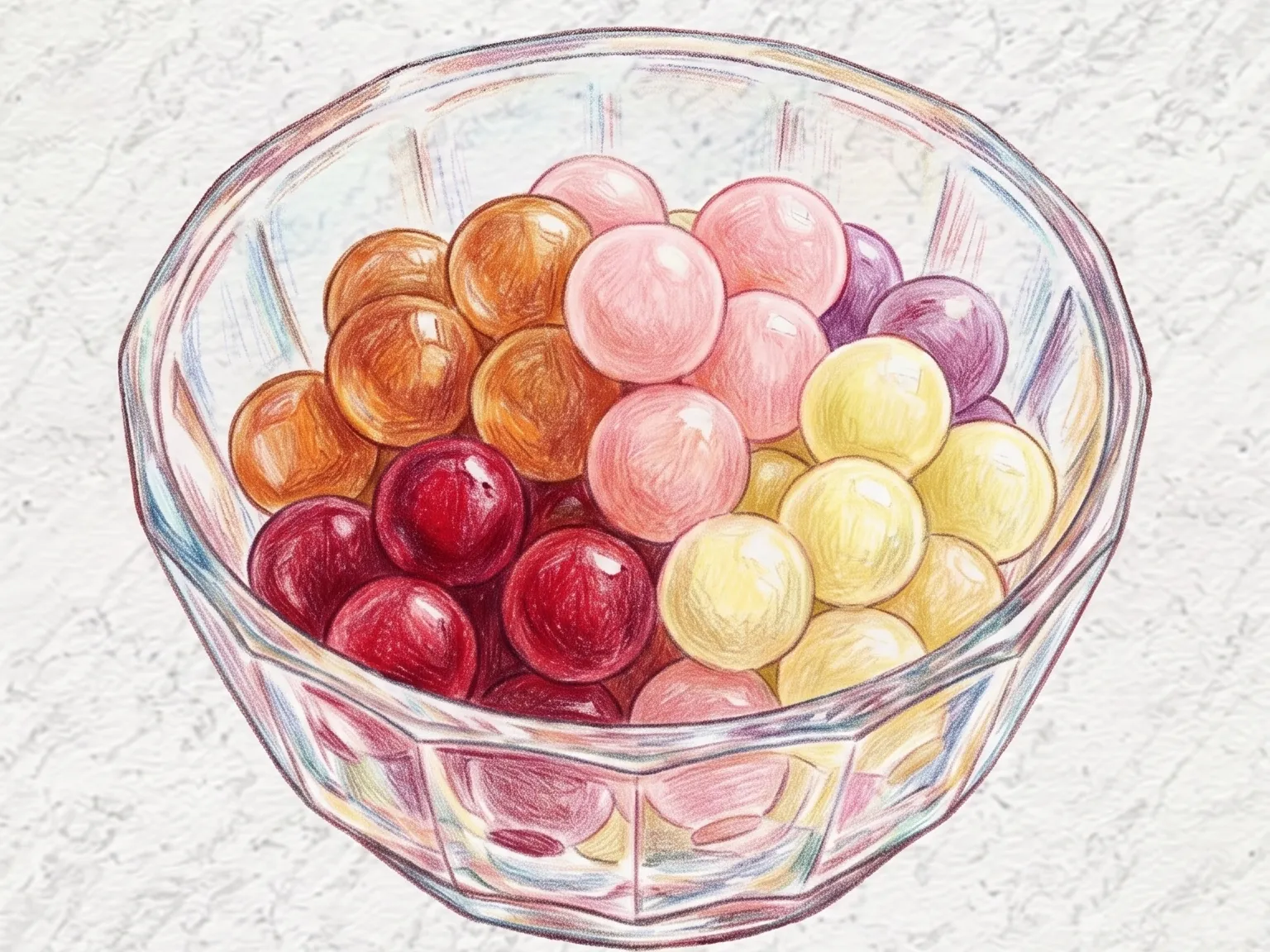
Omija Bead Ice Cream
This dessert features omija syrup shaped into small frozen spheres using a molecular gastronomy technique. The natural five-flavored profile of omija berries is concentrated into each tiny bead. The recipe uses two types of base mixtures: a clear pink omija juice and an opaque pink liquid made by blending the juice with milk and yogurt powder. These liquids are dropped from a pipette into a cup of cooking oil that has been chilled in the freezer for at least one hour. Upon contact with the cold oil, the droplets solidify into round spheres. The frozen beads are scooped out with a strainer, rinsed in cold water to remove the oil coating, and stored in the freezer. The clear red and milky pink beads are served mixed together, and they can also be added to sparkling water to make a beverage.
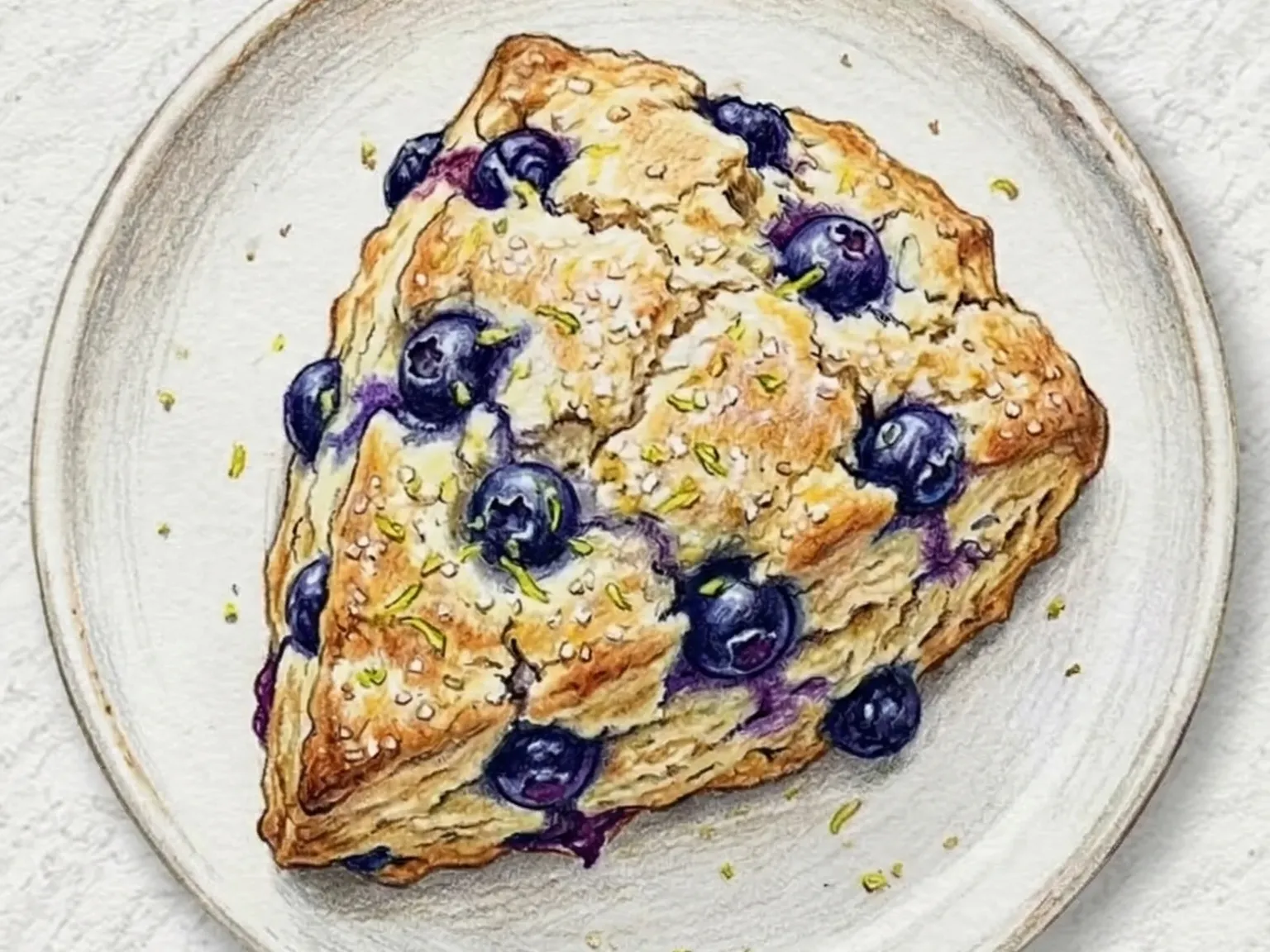
Blueberry Lemon Scones
Blueberry lemon scones bring together the bright zing of lemon zest and the sweet tartness of fresh blueberries in a buttery, crumbly pastry. Cold butter is worked into flour by hand until the mixture resembles coarse crumbs, then bound with heavy cream into a shaggy dough - the technique that produces scones with a crisply fractured exterior and a layered, tender center. Lemon zest is distributed throughout the dough so every bite opens with a citrus fragrance before the pop of a blueberry follows with its rush of sweet-tart juice. Sugar is kept to a minimum, allowing the fruit and zest to carry the flavor without sweetness overwhelming them. The restrained sugar level also makes these scones a natural fit for clotted cream or preserves on the side.
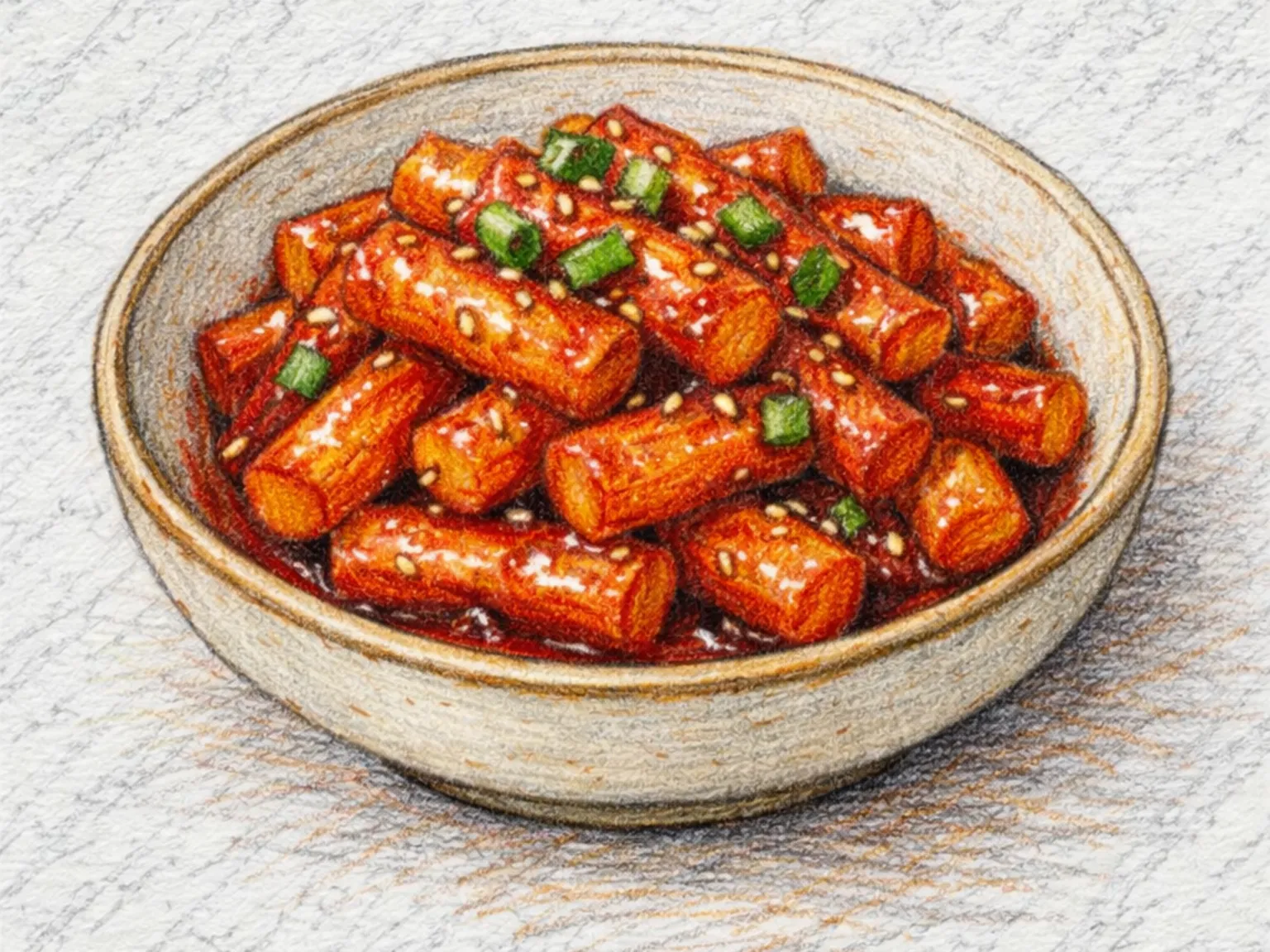
Korean Oil Tteokbokki (Dry-Stir-Fried Rice Cakes in Chili Soy Glaze)
Gireum-tteokbokki is a dry-style tteokbokki where rice cakes are stir-fried in oil and coated with a concentrated paste of gochugaru, soy sauce, sugar, and garlic - no broth involved. Blooming the chili flakes briefly in oil draws out their nutty, toasted aroma rather than raw heat, and the soy sauce and sugar build layered sweetness and umami on top of that base. Without liquid, the seasoning clings tightly to each rice cake's surface. The key technique is restraint with stirring: letting each rice cake sit undisturbed long enough to develop a lightly crisped exterior while the inside stays chewy creates a dual texture that broth-based versions cannot replicate. Green onion and sesame seeds added at the end provide fresh fragrance and textural contrast against the rich coating. The seasoning should be applied generously so the flavors penetrate past the surface rather than sitting only on the outside. Believed to have originated in school-front snack shops in 1970s and 1980s Seoul, gireum-tteokbokki is milder than gochujang versions and accessible to those who find the spicier style too intense.
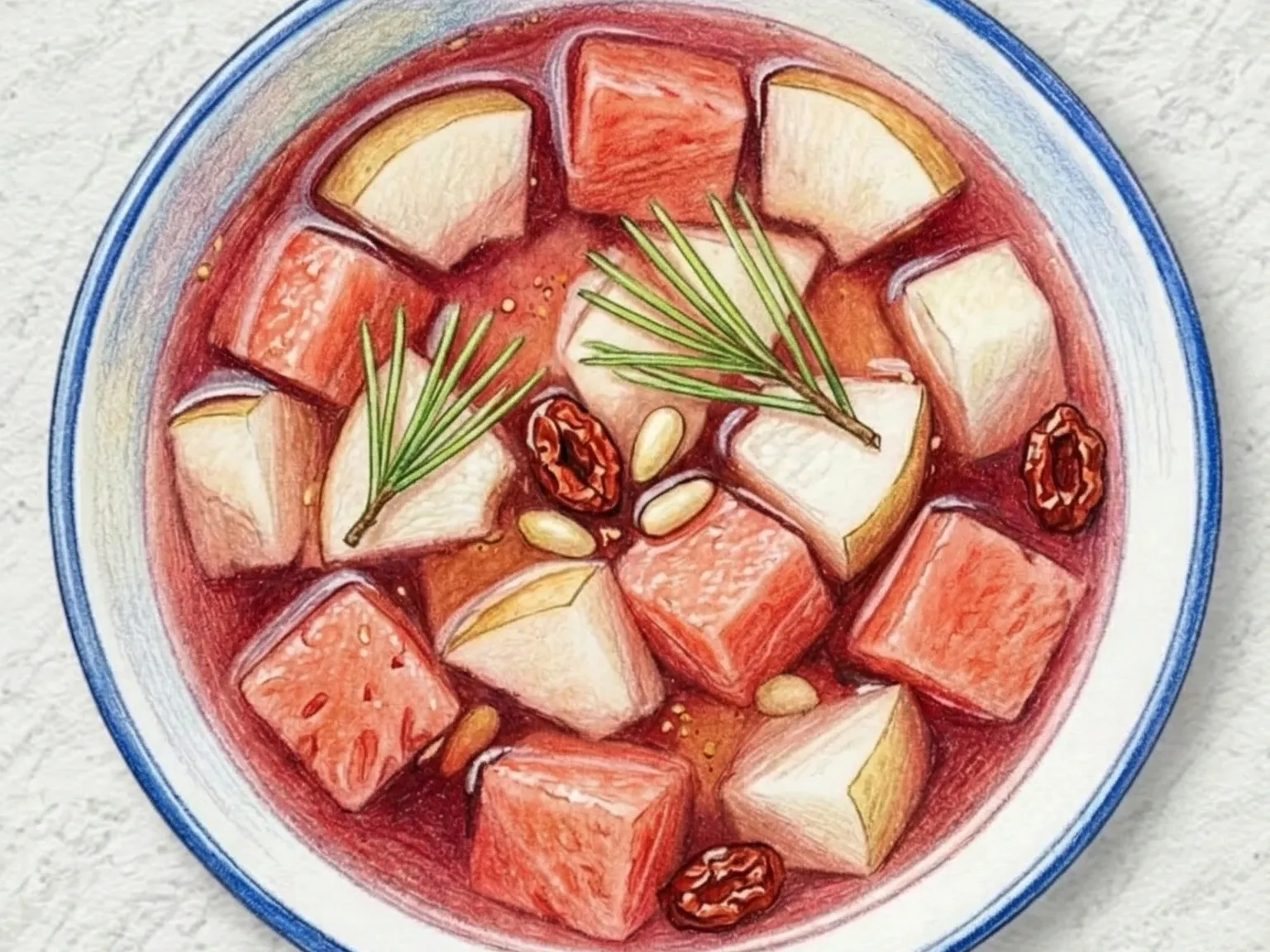
Schisandra Fruit Punch (Korean Cold-Brewed Berry Fruit Bowl)
Omija hwachae is a traditional Korean fruit punch made by cold-infusing dried schisandra berries in water for at least two hours to extract a vivid red liquid, then sweetening with honey. Cold extraction is not optional: hot water pulls excess astringency from the berries and makes the liquid harsh rather than bright. Only a small portion of the infusion is gently warmed to dissolve the honey before the two are combined. Scooped balls of Korean pear and watermelon sit submerged in the chilled omija broth, so each spoonful delivers a crisp, juice-filled bite against the tart-sweet liquid. Pine nuts floated on the surface add a mild fatty richness that tempers the sharpness of the schisandra acid, and serving the hwachae over generous ice keeps every component at its most vivid.
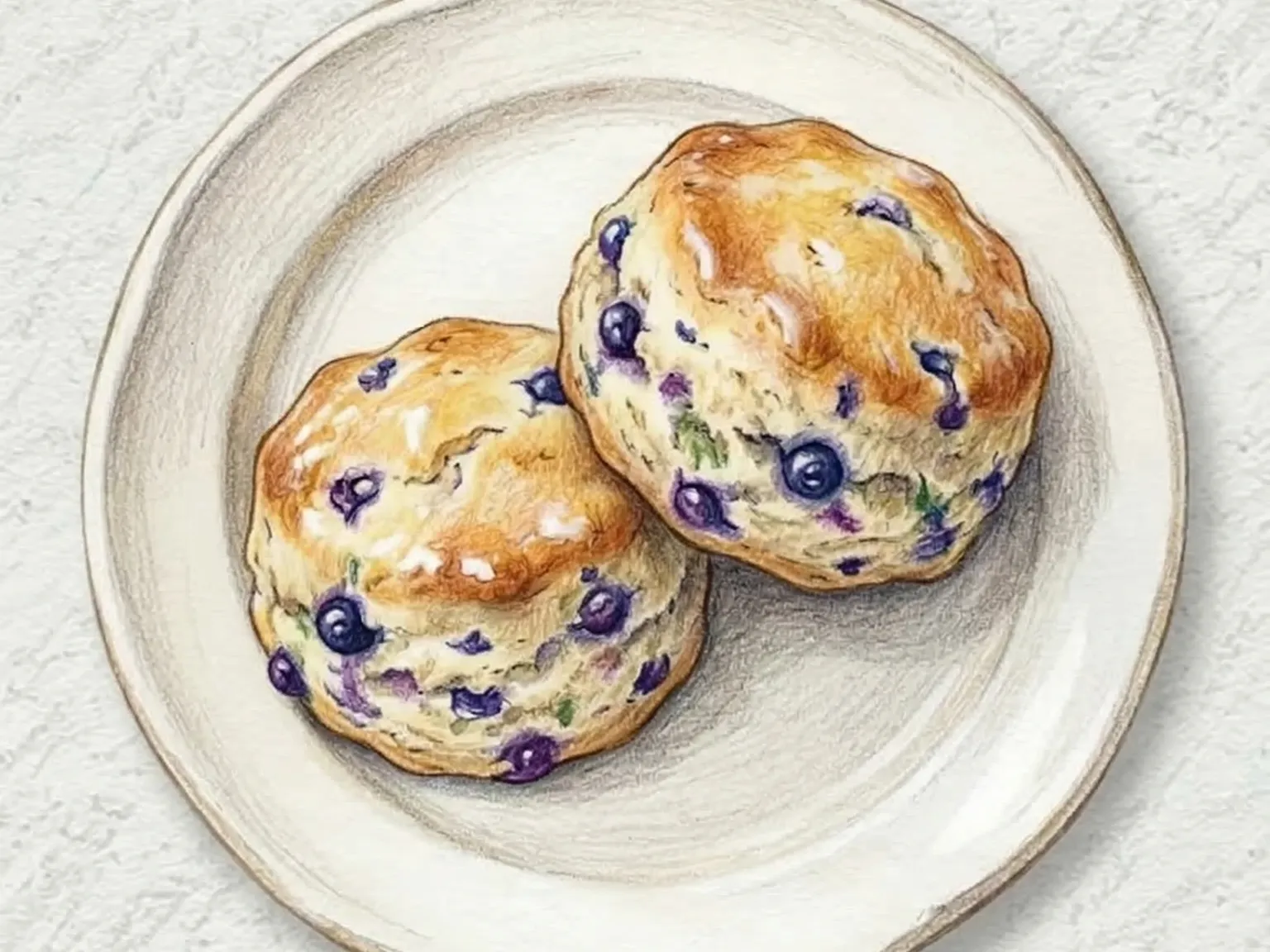
Blueberry Yogurt Scones
Blueberry yogurt scones incorporate plain yogurt into the dough to produce a crumb that is noticeably softer and more moist than the standard butter-and-cream version. The mild tang of the yogurt runs through the dough and, together with the butter, leaves a clean, rounded finish rather than a heavy one. Blueberries partially burst during baking, sending violet-blue streaks through the pale interior and releasing a fruity fragrance into each slice. The interaction between baking powder and the acidity of the yogurt gives the dough a gentle lift, so the exterior develops a light crust while the inside stays open and tender instead of dense. Sugar is kept deliberately low, which lets the natural sweet-tart character of the berries carry the dominant flavor without competition from the base dough.
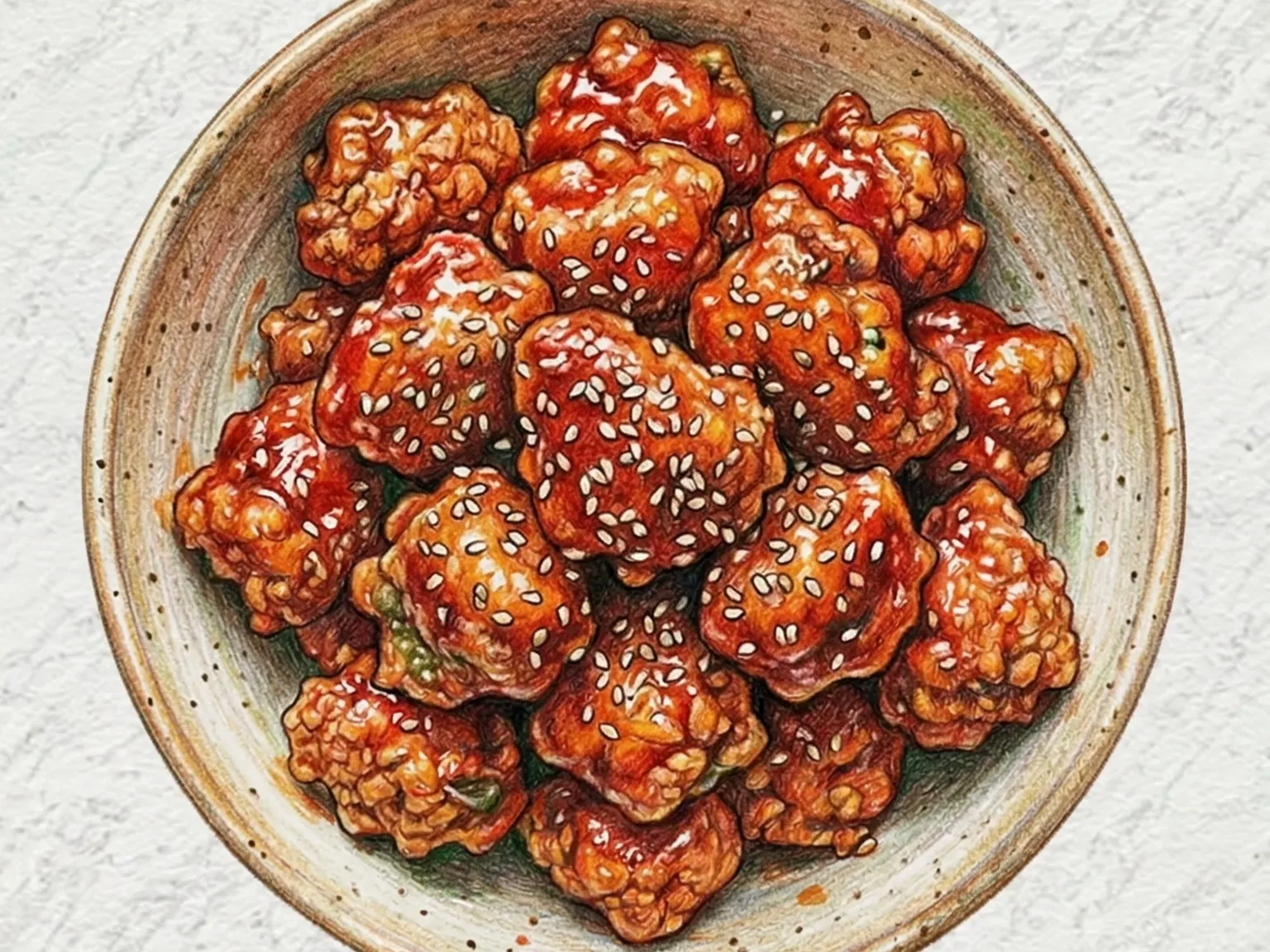
Korean Gochujang Honey Dakgangjeong
Gochujang honey dakgangjeong starts with bite-sized boneless chicken thigh pieces coated in potato starch and double-fried, first at 170 degrees Celsius and then at 180 degrees, before being tossed in a glaze of gochujang, honey, soy sauce, and garlic. The two-stage frying builds a rigid starch shell that stays crunchy even after the sauce is applied, while the natural fat in thigh meat keeps the interior juicy throughout the process. Gochujang's fermented heat contrasts directly with honey's thick sweetness, and soy sauce anchors the salt level so neither sweetness nor spice dominates. Garlic sharpens the aroma of the sauce, and sesame seeds scattered at the end add a finishing layer of nuttiness. The sauce must be reduced quickly on high heat, under one minute, to achieve a glossy coat without burning. The chicken should be sauced and eaten immediately after frying for the maximum contrast between the crackling crust and the tender, glazed interior.
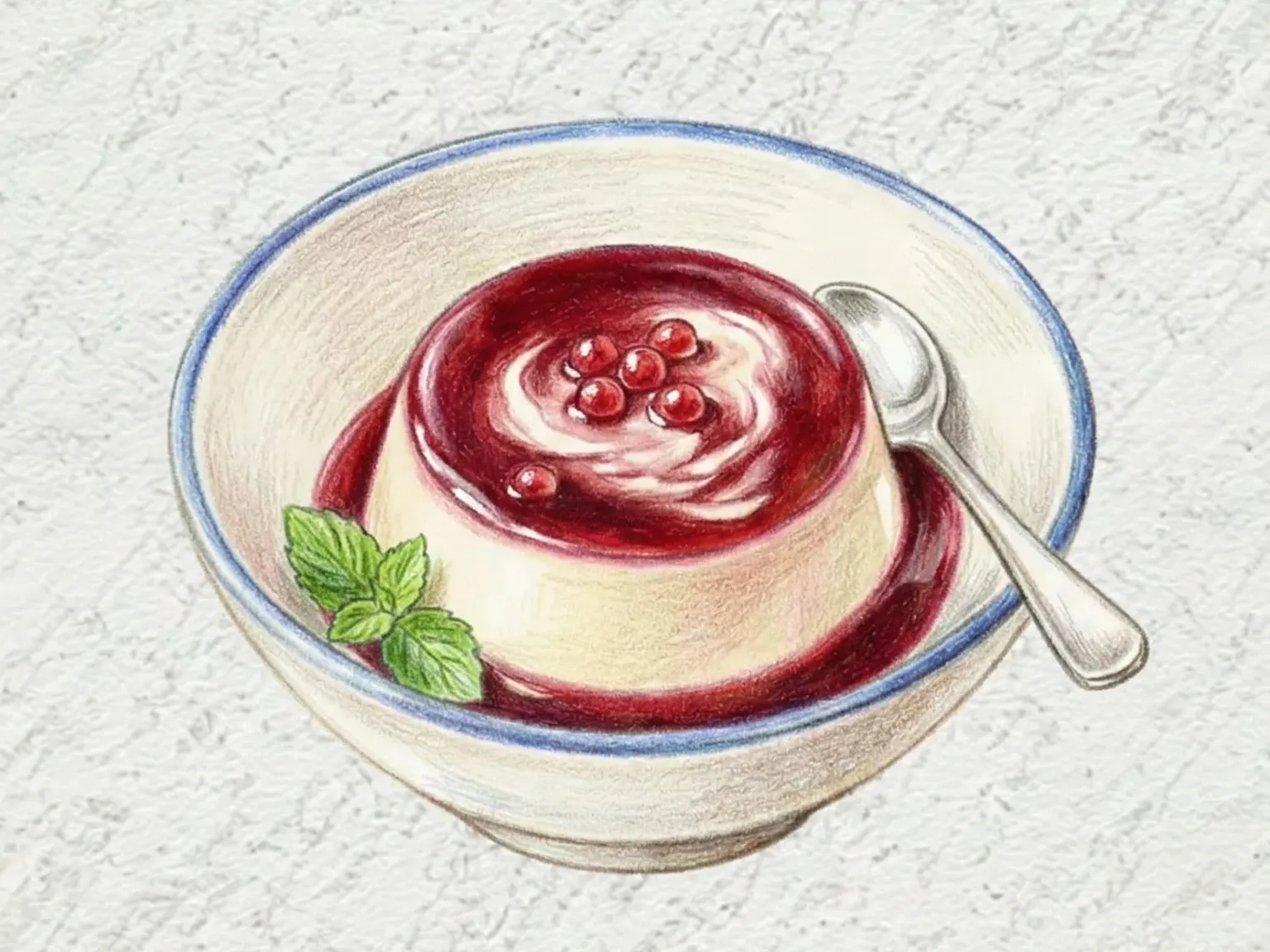
Omija Panna Cotta (Italian Cream Set with Schisandra Berry Sauce)
Omija panna cotta tops a classic Italian gelatin-set cream dessert with a sauce made from Korean schisandra berry syrup. The cream and milk mixture is heated just until small bubbles form at the edges before the bloomed gelatin is stirred in, ensuring a smooth, even set. Three hours of refrigeration produces a custard that wobbles gently when lifted with a spoon. A sauce of omija syrup mixed with lemon juice adds a tart, berry-forward acidity that cuts through the richness of the cream and forms a vivid red layer on the surface. Mixed berries served alongside burst with juice, contrasting the silky body of the panna cotta beneath. Omija berries carry five distinct tastes, sour, sweet, bitter, salty, and pungent, making them a natural counterweight to the cream's sweetness rather than a simple topping.

Bomboloni (Italian Cream-Filled Deep-Fried Yeast Doughnuts)
Bomboloni are Italian filled doughnuts made from an enriched yeasted dough that is shaped into balls, deep-fried, and piped full of cream or jam while still warm. The dough - built on bread flour, eggs, butter, and milk - develops strong gluten during proofing, which gives the fried result a thin, crisp outer shell enclosing a pillowy soft interior. Rolling the hot doughnuts in granulated sugar immediately after frying coats them in a crunchy, sweet layer that crackles on the first bite. Vanilla custard is the classic filling, its smooth richness contrasting with the airy bread, though strawberry jam and chocolate cream are equally popular variations. Bomboloni are best eaten within minutes of frying.
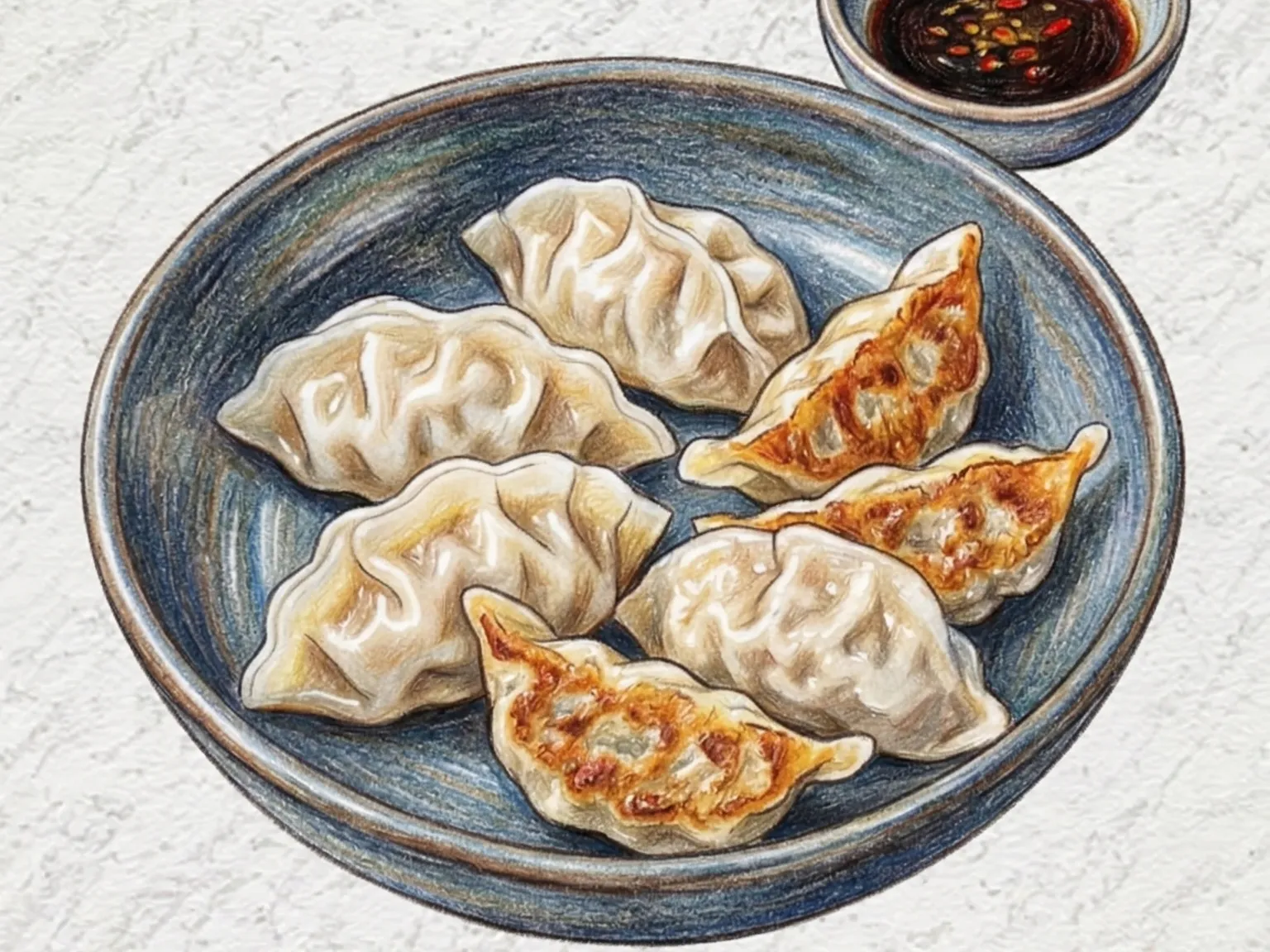
Korean Meat Mandu (Pork and Beef Dumplings with Tofu Filling)
Gogi-mandu is a Korean meat dumpling filled with ground pork, ground beef, squeezed tofu, onion, scallion, and garlic, seasoned with soy sauce and sesame oil. Kneading the filling in a single direction develops myosin bonds in the meat proteins, giving the mixture a sticky consistency that helps it hold together and retain moisture during cooking. The pork contributes fat and a mild sweetness, the beef adds a deeper, more savory flavor, and the tofu, wrung dry before mixing, softens the overall texture and prevents the filling from becoming too dense. These dumplings can be steamed in a basket for a clean, light result, or cooked using the steam-then-fry method: a splash of water in a covered pan brings them through with heat, then the lid is removed and the bottoms are crisped directly on the pan surface, producing a golden, crunchy base that contrasts with the soft filling above.
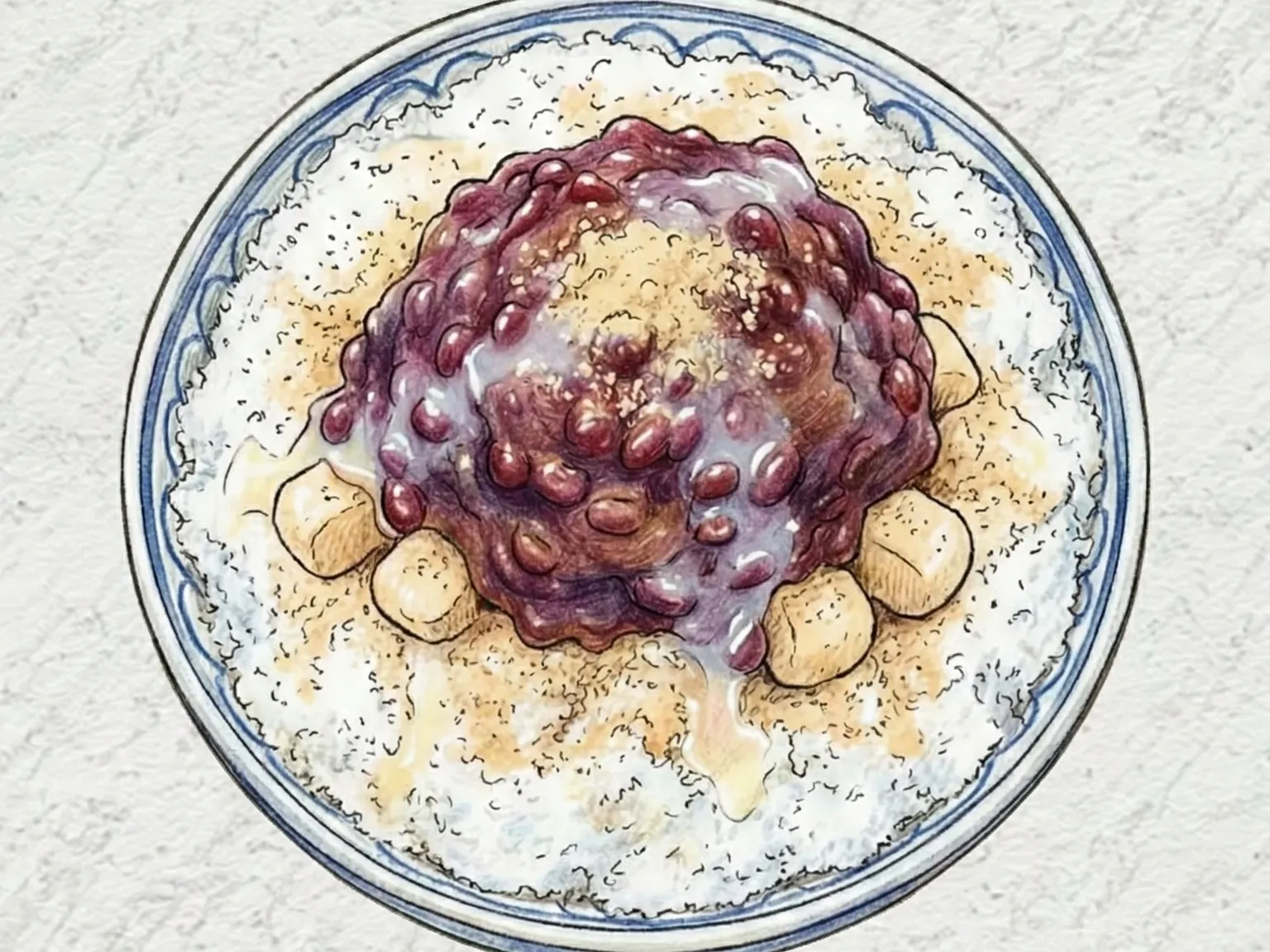
Milk Shaved Ice with Red Beans
Uyu patbingsu is a traditional Korean cold dessert centered around milk that has been frozen solid and then shaved into a very fine, light texture resembling freshly fallen snow. This specific preparation method differs from versions using plain water ice because the fat and protein content in the milk create a texture that is notably smoother, creamier, and more opaque as it melts. To build the dish, the shaved milk is gathered into a tall mound and layered with several distinct components, primarily a portion of red beans that have been boiled with sugar until they achieve a soft, starchy consistency. Small, bite-sized rice cakes are distributed across the ice to provide a dense and chewy element that contrasts with the temperature of the milk. A fine dusting of multigrain powder and roasted soybean flour adds an earthy, toasty flavor profile to the base, which helps to balance the sweetness of the other toppings. For additional texture and flavor, sliced almonds are included to provide a consistent crunch, while pieces of fresh strawberry are added to introduce a sharp, acidic fruit brightness. The overall richness of the assembly is typically increased by drizzling condensed milk over the surface, allowing the thick liquid to seep down into the porous layers of ice. Historical documentation from the Joseon dynasty indicates that the practice of serving ice with red beans during the summer months was already established by the 19th century, with palace records showing that ice was retrieved from stone-lined underground icehouses for royal consumption. While the combination of milk and sweetened beans remains the traditional standard, contemporary versions of the dessert frequently incorporate a wide variety of other ingredients including mango, matcha, and injeolmi.
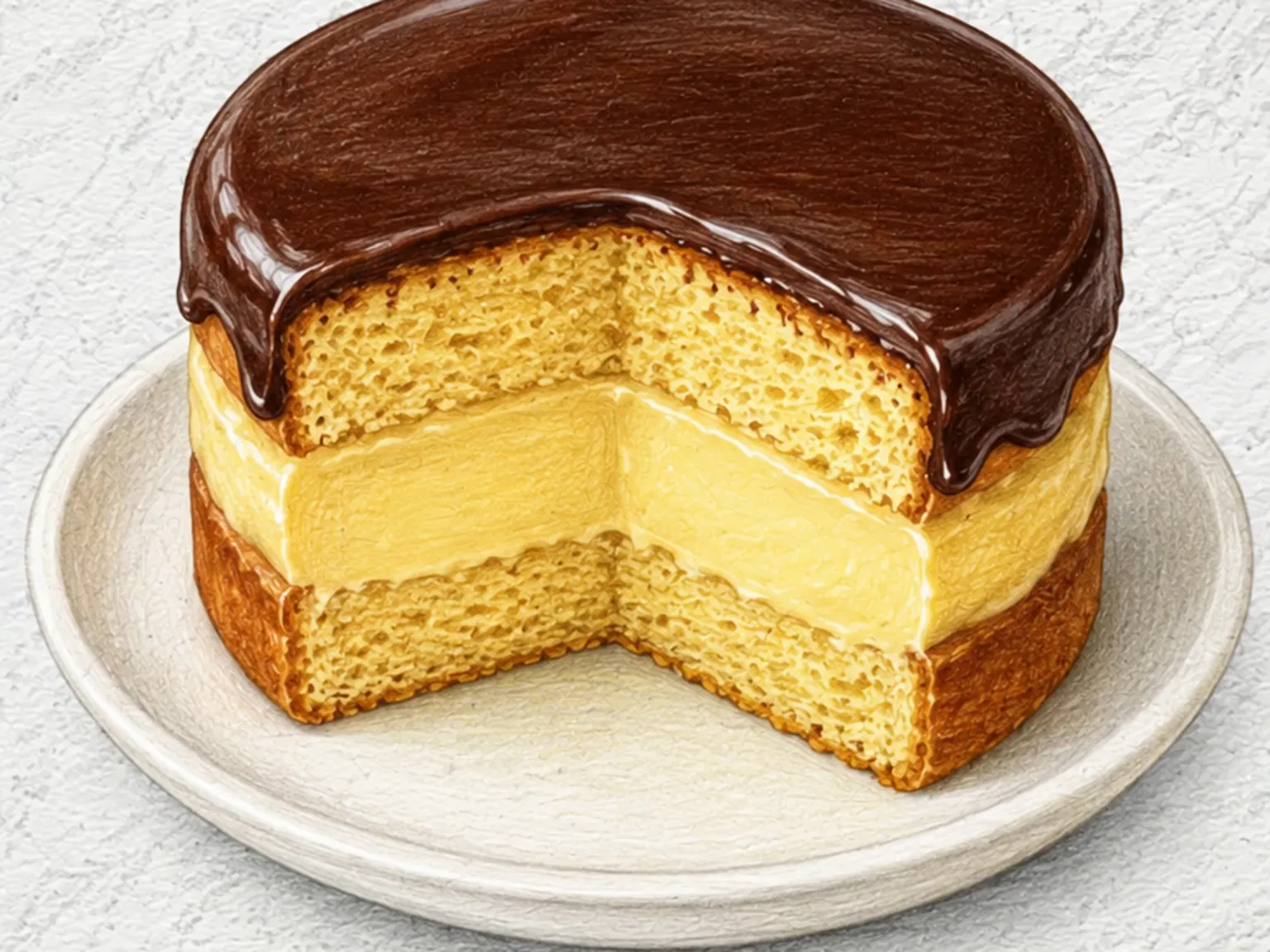
Boston Cream Pie
Boston cream pie is, despite its name, a layered cake rather than a pie. Two rounds of tender sponge sandwich a thick vanilla pastry cream, and the top is cloaked in a glossy dark chocolate glaze. The sponge bakes from cake flour and eggs to a fine, pillowy crumb that compresses gently under a fork without crumbling. The pastry cream -- cooked from milk, cornstarch, and egg yolks -- sets into a thick, silky custard that holds its shape when sliced but melts smoothly on the tongue. The chocolate glaze cools into a thin, shiny shell that cracks cleanly when pressed, mixing with the cream beneath. Each forkful delivers the sequence of bitter chocolate, sweet vanilla custard, and plain sponge in quick succession. Making the custard a day ahead and refrigerating it overnight ensures it holds firmly when the layers are assembled and sliced. Pour the glaze when it has cooled slightly -- warm enough to flow but not so hot that it thins out and drips unevenly.
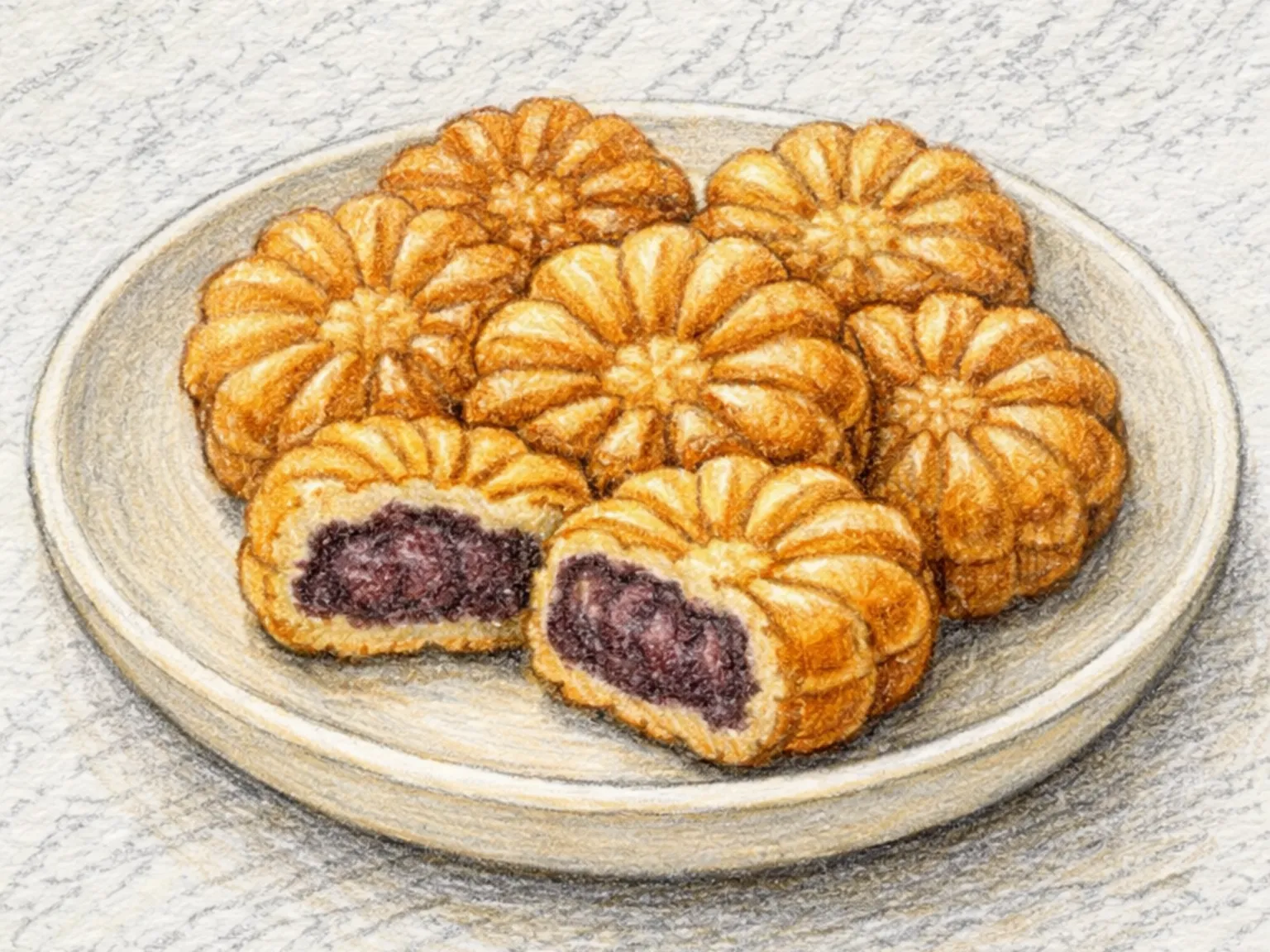
Korean Chrysanthemum Bean Cakes
Gukhwa-ppang is a Korean winter street pastry baked in a chrysanthemum flower-shaped cast-iron mold, filled with sweet red bean paste at the center. The batter of flour, baking powder, sugar, milk, egg, and melted butter is stirred together with minimal mixing to keep gluten development low, then poured to fill only one-third of the mold before a spoonful of bean paste is placed in the middle and covered with more batter, ensuring the filling sits centered in the finished pastry. Cooking over medium-low heat for three to four minutes on each side produces a golden crust with sharply defined flower-petal ridges pressed into the surface, while the bean paste inside stays soft and flows when the pastry is broken apart. It is often grouped with bungeoppang as a sibling street food, but the dough ratio is heavier and the shell is noticeably thicker, giving it a stronger bread-forward flavor and a slightly smaller proportion of filling to outer crust. The pastry is best eaten immediately after cooking, while the exterior is still crisp and the paste still hot. In recent years vendors have begun filling gukhwa-ppang with cream, chocolate, and sweet potato paste as alternatives to the traditional red bean filling.

Korean Honeycomb Candy (Caramel Sugar Disc with Baking Soda Puff)
Ppopgi dalgona is a Korean street candy made by melting white sugar in a small ladle over low heat, then stirring in baking soda to trigger a rapid foaming expansion. When the sugar reaches a pale amber stage, the heat is cut and baking soda with a pinch of salt is mixed in quickly: carbon dioxide releases immediately, puffing the molten sugar to two or three times its original volume within seconds. The expanded mixture is poured onto parchment and pressed flat to roughly 5 mm with an oiled plate or press, then stamped with a shape cutter before it sets. Once fully cool and rigid, the candy snaps crisply when tapped - the hallmark texture. The caramel's color at the moment the heat is removed determines the final flavor: pull it too early and the candy stays flat-sweet; let it darken a shade too far and bitterness overtakes the sweetness. The narrow window of pale amber is where the sweet-bitter balance lands correctly.
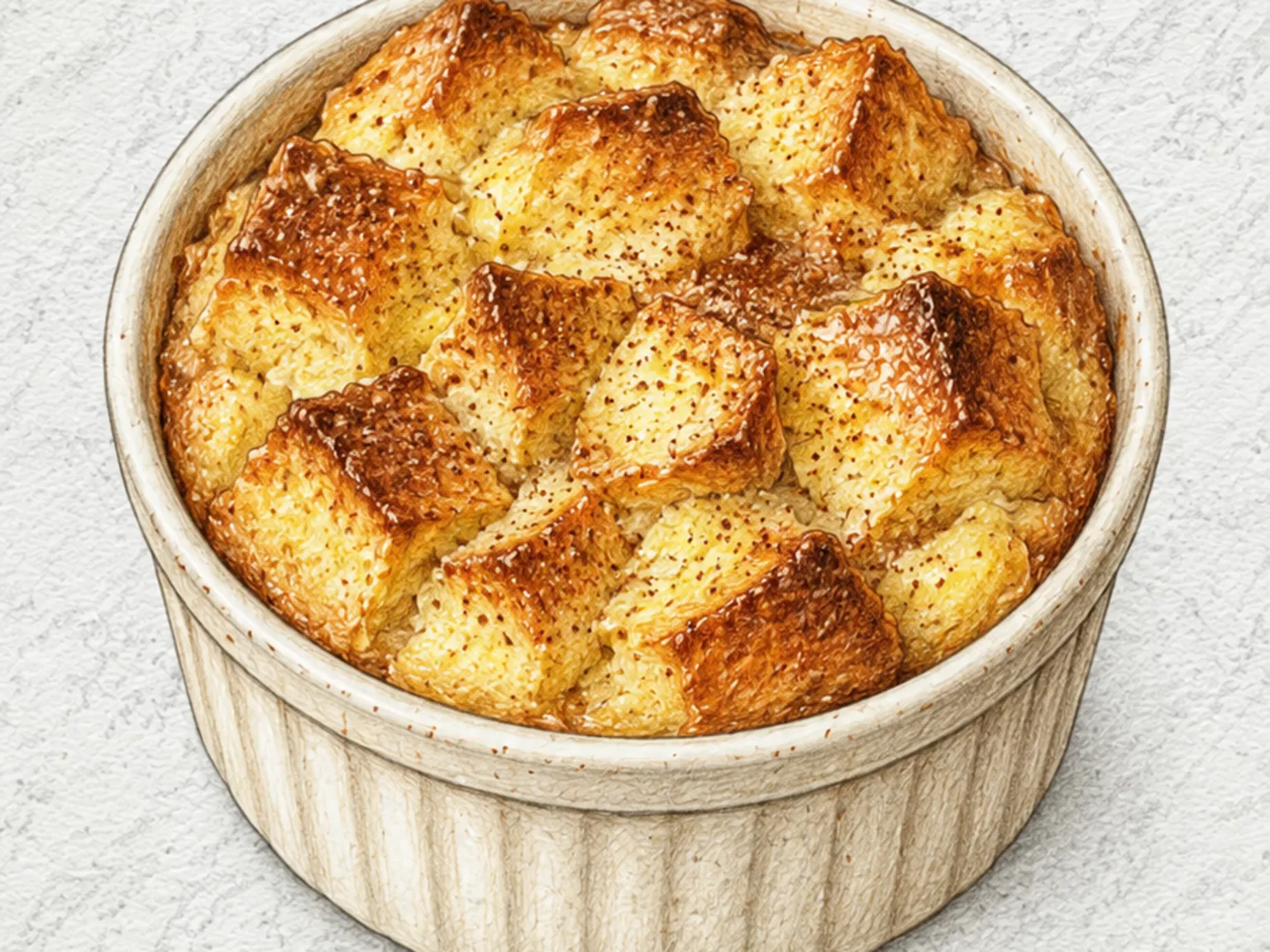
Bread Pudding
Bread pudding transforms leftover bread into a warm, custardy dessert by soaking thick slices in a mixture of eggs, whole milk, and heavy cream, then baking until the custard sets. Allowing the bread to soak for at least twenty minutes before baking ensures the liquid penetrates all the way through each slice so the interior bakes into something closer to a soft, yielding pudding, while the top layer exposed to the oven heat crisps into a golden-brown crust. Cinnamon stirred into the custard base distributes a warm spiced fragrance through the entire dish, and vanilla extract rounds out the egg flavor. Served warm with a scoop of vanilla ice cream or a pour of bourbon caramel sauce, the contrast between the hot pudding and the cold topping adds another dimension. Originally a practical solution to stale bread, this dish has been a fixture of English and American Southern home cooking for generations.
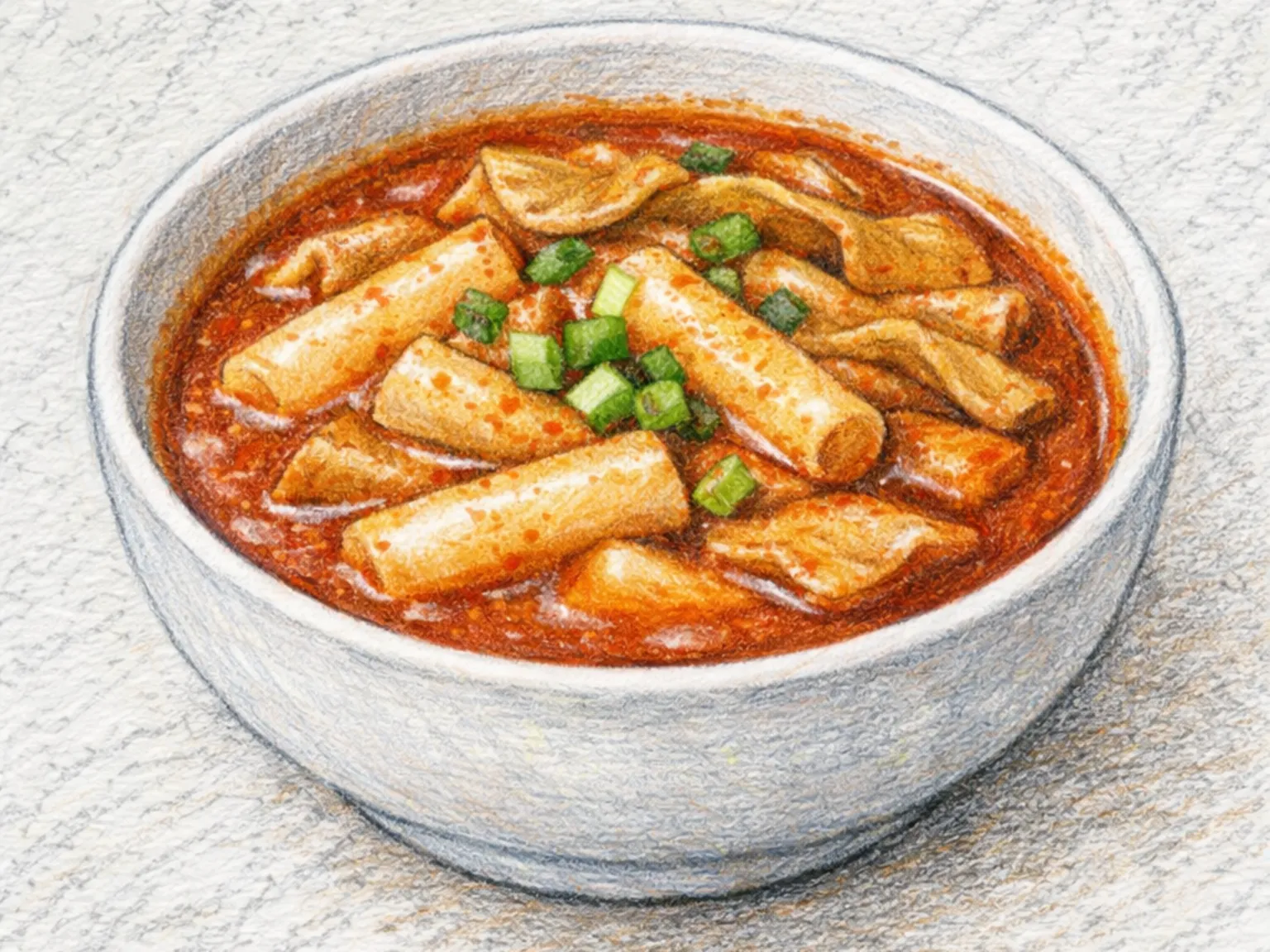
Korean Soupy Tteokbokki (Rice Cakes in Spicy Gochujang Broth)
Gukmul-tteokbokki is a soup-forward version of tteokbokki in which cylindrical rice cakes and fish cakes are simmered in a kelp-anchovy broth seasoned with gochujang, gochugaru, soy sauce, and sugar. Unlike dry or stir-fried versions, the generous broth saturates each rice cake from the outside in, while the fish cakes release their own savory juices into the liquid as they cook, building the stock to a richer baseline. Eight to ten minutes of medium-heat simmering leaves the exterior of each rice cake soft and yielding while the core stays chewy. Scallions go in at the end to cut through the heat with a bright, grassy note. The broth left over after the rice cakes and fish cakes are gone is widely regarded as the most prized part of the dish: regulars stir in a bowl of rice or drop in ramyeon noodles to make sure none of it goes to waste.
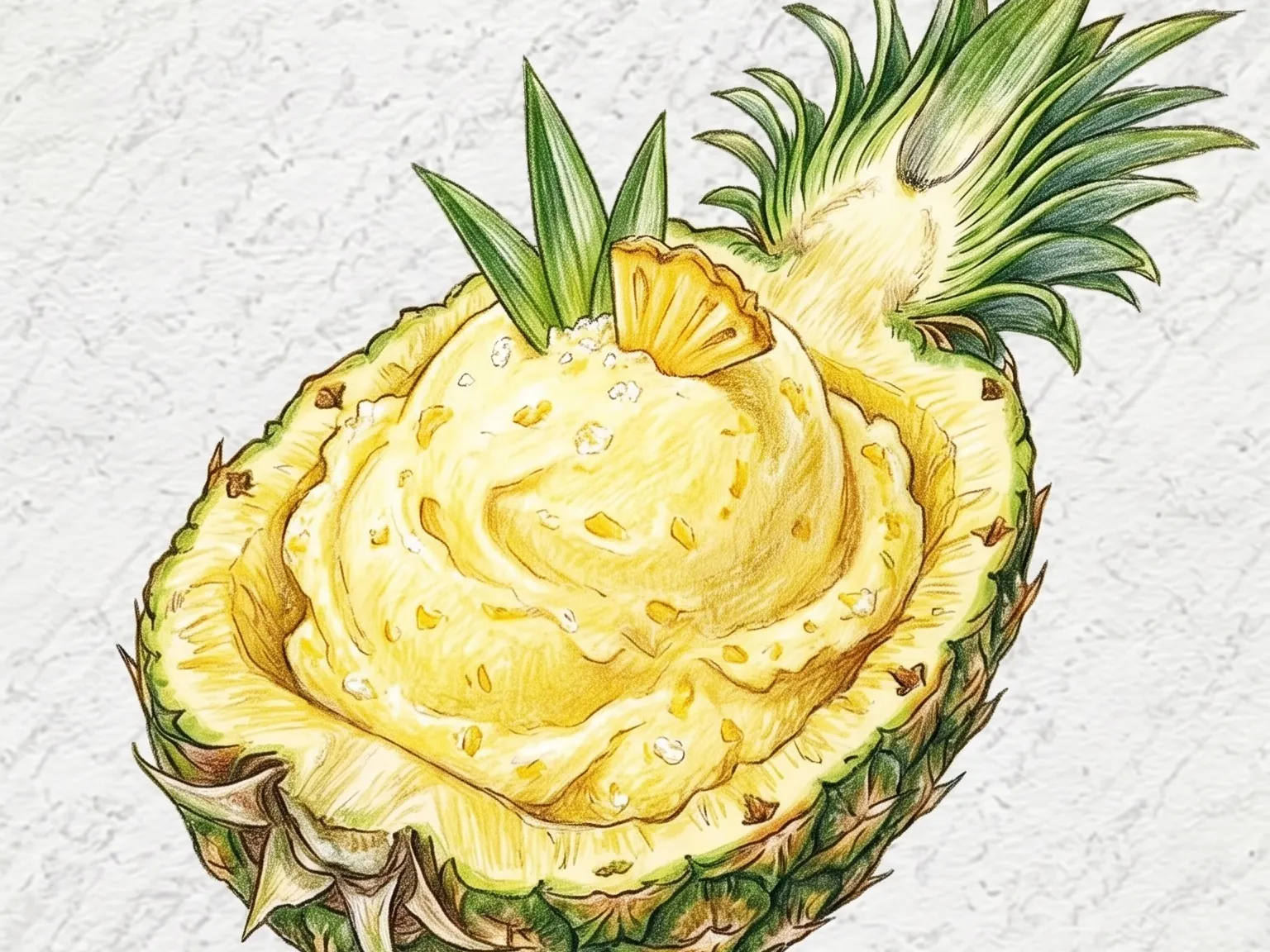
Real Pineapple Sherbet
This refreshing fruit dessert is prepared by scooping out the flesh of a mini pineapple and using its hollowed shell as a serving vessel. The fruit pulp is blended until smooth to prevent icy lumps, then mixed with sugar, lemon juice, and oligosaccharide syrup to achieve a sweet and tangy flavor. After pouring the mixture back into the shell and covering it with the top lid, it is frozen for at least four hours. Stirring the mixture occasionally during freezing breaks up ice crystals, resulting in a smoother texture. The active bromelain enzyme present in the fresh fruit provides a subtle tingly sensation on the tongue. Serving the sherbet directly inside the pineapple skin minimizes juice loss and keeps the dessert cold. Letting it stand for five minutes before scraping and topping with fresh apple mint leaves makes it ready to serve.
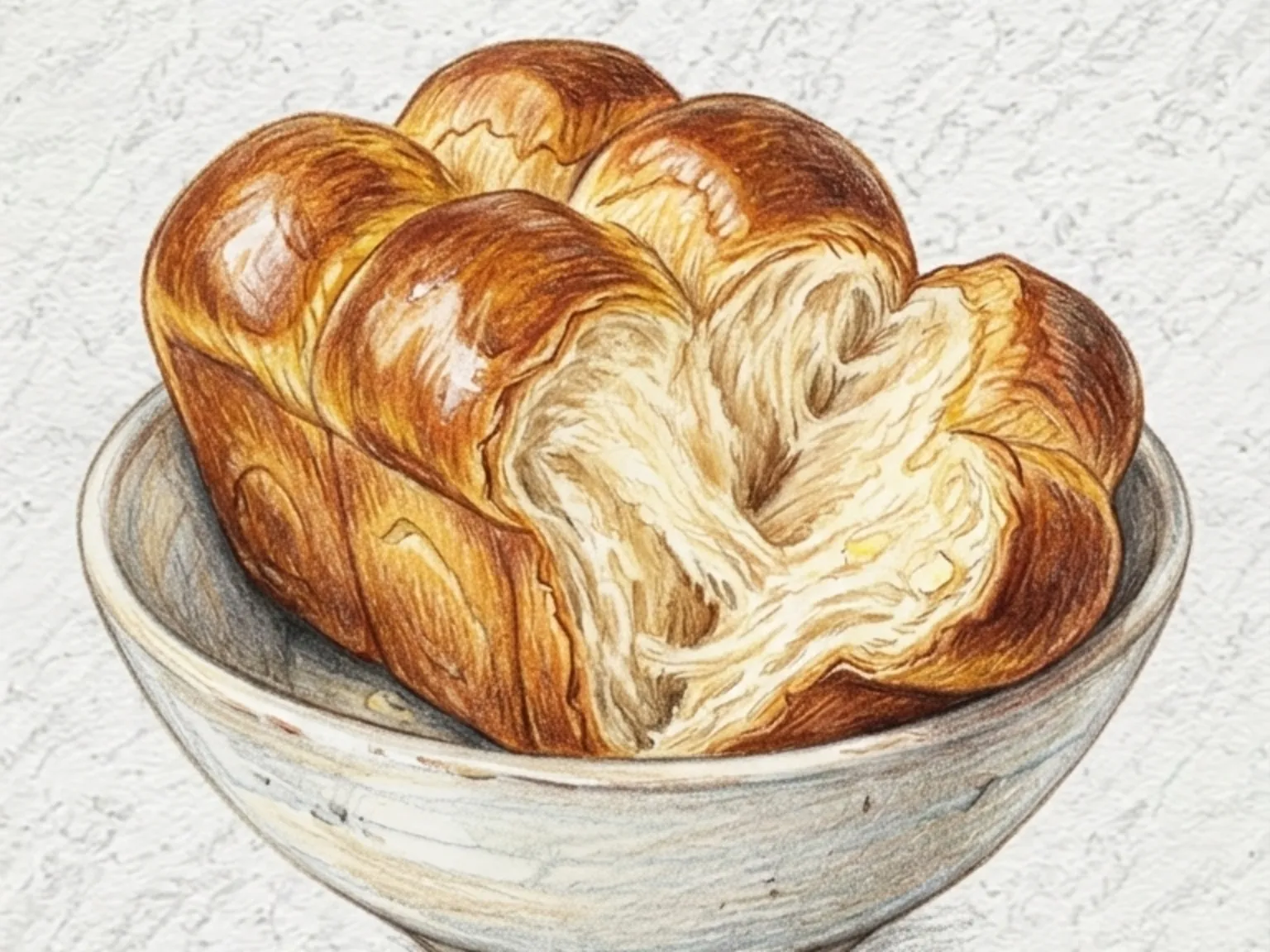
Brioche Loaf
Brioche loaf is a French enriched bread defined by a high ratio of eggs and butter to flour. Softened butter is added in stages during kneading, small amounts at a time, until the fat is fully absorbed and the gluten has developed enough for the dough to stretch into a thin, nearly translucent sheet without tearing. The extended mixing time and the cold retard during overnight proofing give the final crumb its extraordinarily fine structure. Baked in a loaf pan, brioche comes out with a deep golden crust that is thin and slightly brittle, enclosing an interior that tears into long, cotton-soft strands. The butter flavor runs through every layer, so the bread is rich enough to eat on its own without any spread. Once sliced and lightly toasted, the contrast between the crisp outer face and the soft, moist center becomes more pronounced. Brioche absorbs custard quickly and holds its shape under heat, which makes it a preferred base for French toast and bread pudding.
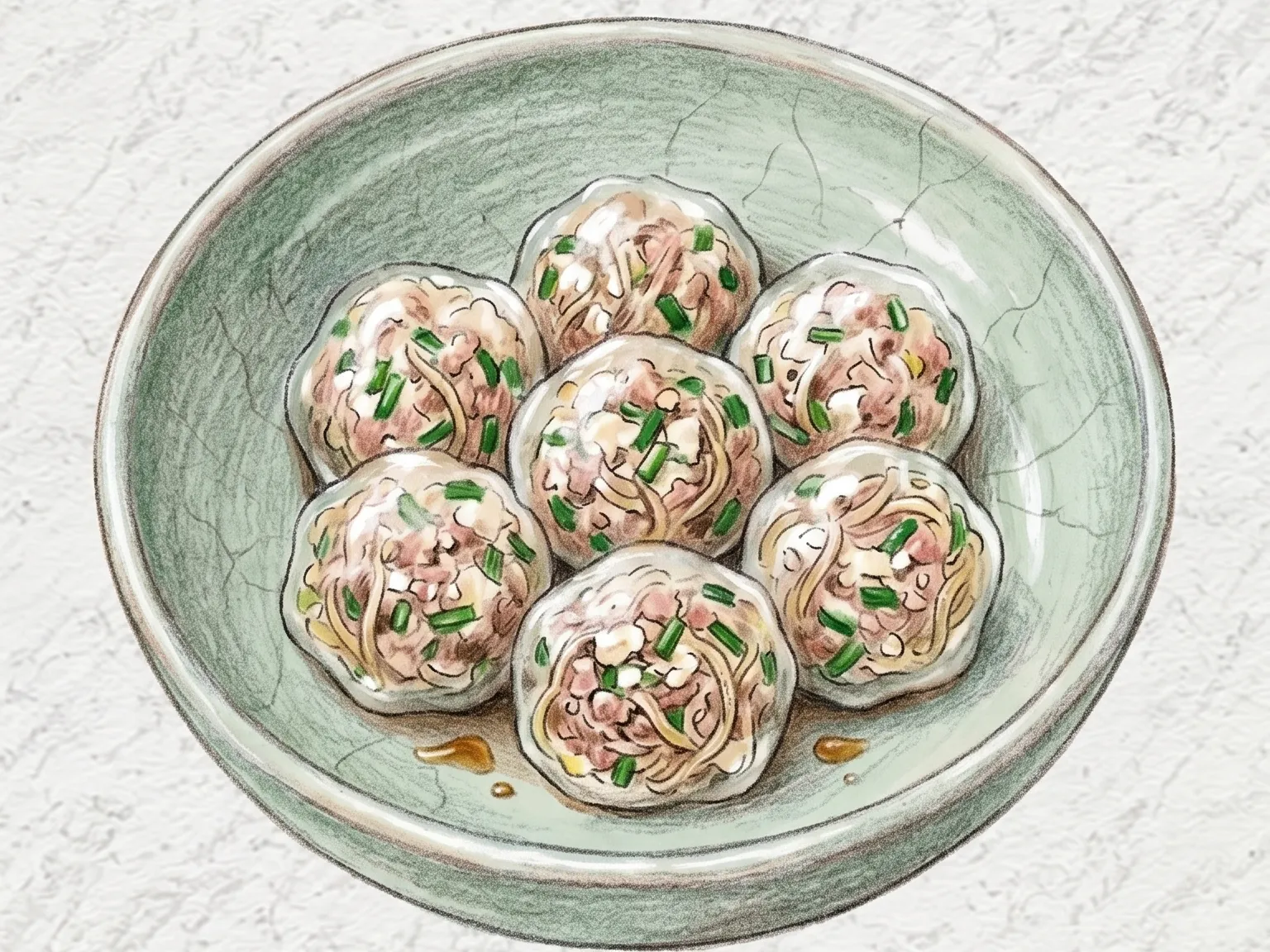
Korean Gullim Mandu (Round Dumplings)
Gullim-mandu is a Korean dumpling made without wrappers. The filling of ground pork, pressed tofu, garlic chives, onion, and soaked glass noodles is kneaded firmly until cohesive enough to be rolled into balls by hand. Each ball is then coated in potato starch or cornstarch, rolled until the surface is evenly covered, and placed in a steamer. As steam penetrates the starch coating, it sets into a translucent, chewy skin that is far thinner than standard dumpling wrappers yet carries a distinct springy resistance when bitten through. A second coat of starch before steaming produces a thicker shell with a more pronounced chew. Inside, the pork juices mingle with the sharp fragrance of garlic chives while the glass noodles contribute a soft, yielding bite. The traditional accompaniment is a dipping sauce of soy sauce, rice vinegar, sesame oil, and minced cheongyang chili. Gullim-mandu can also be dropped into tteok-guk or mandu-guk, where the starch on the exterior gradually dissolves into the broth and thickens it lightly over time.
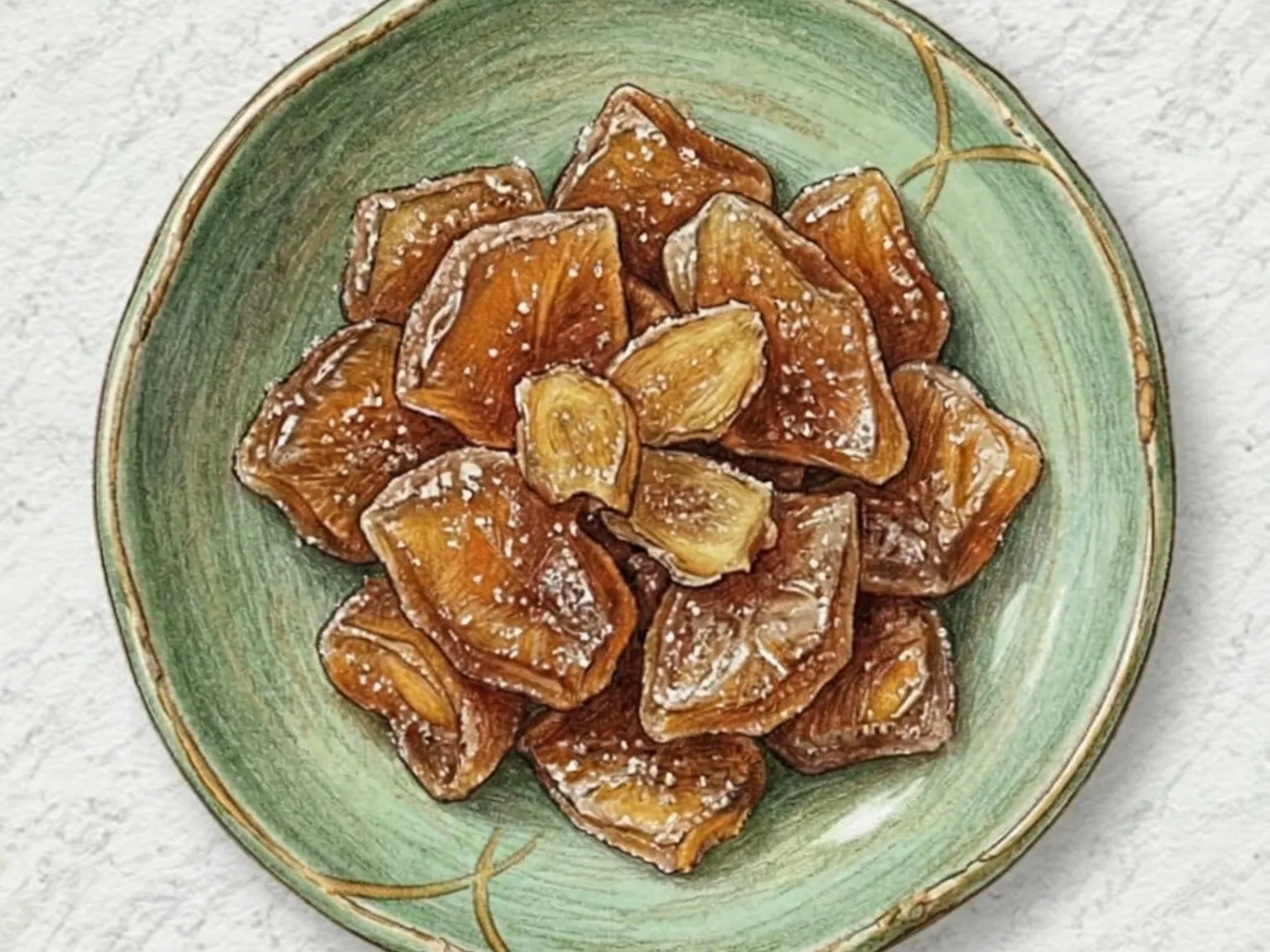
Saenggang Jeonggwa (Candied Ginger)
Saenggang jeonggwa is a traditional Korean candied ginger prepared by slicing fresh ginger thin, blanching it twice to reduce the raw heat, then simmering the pieces slowly in a glaze of sugar and grain syrup. A ten-minute soak in cold water draws out the sharpest bite first, and two rounds of boiling soften the pungency further while leaving the clean, aromatic core intact. The slices are cooked on low heat until the syrup reduces to a thick, glossy coat on the surface, at which point lemon juice is added to introduce an acidity that keeps the sweetness from becoming cloying. Once dried on a rack and rolled in granulated sugar, the finished pieces carry a crisp, crystalline shell on the outside. On the first bite, the sugar crust shatters, and the chewy, syrup-saturated ginger beneath releases a slow, building warmth that lingers well after the piece is finished.
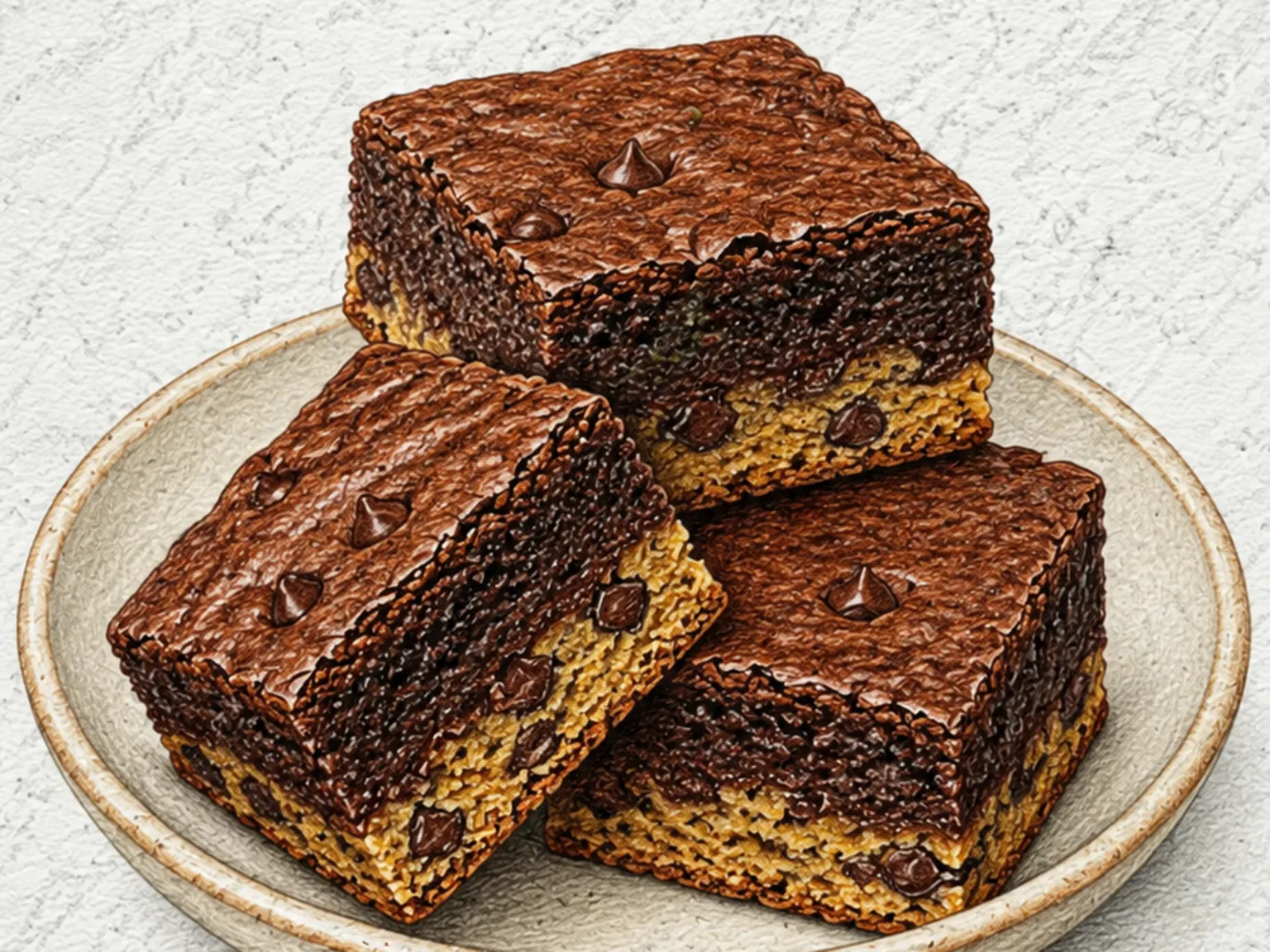
Brownie Cookie Bars (Layered Brownie and Cookie Bar)
Brookie bars combine brownie batter and cookie dough in a single baking pan, stacking the two components so that each cut piece delivers both in one bite. The cookie layer sits at the bottom of the pan and is built on brown sugar and melted butter, which together produce a deep caramel flavor that plain white sugar cannot achieve. At the edges, where the batter is thinnest and heat penetrates fastest, the cookie bakes into a crisp, snapping crust. Toward the center, the same layer stays chewy and slightly underdone, with a pull to the texture that contrasts with the firmer brownie above. The brownie layer uses both cocoa powder and dark chocolate chips, a dual approach that delivers two distinct expressions of chocolate flavor. Cocoa powder spreads its bitter intensity throughout the entire layer, while the chips melt into pockets of concentrated richness that survive as soft inclusions in the finished bar. Where the two layers press against each other during baking, a narrow transition zone forms in which cookie and brownie are partially merged. This interstitial region carries the vanilla-butter warmth of the cookie alongside the bitter darkness of the brownie simultaneously. The bars must cool completely before cutting. Removing them from the pan too soon results in crumbling and smearing that destroys the clean cross-section that makes brookie bars visually satisfying.
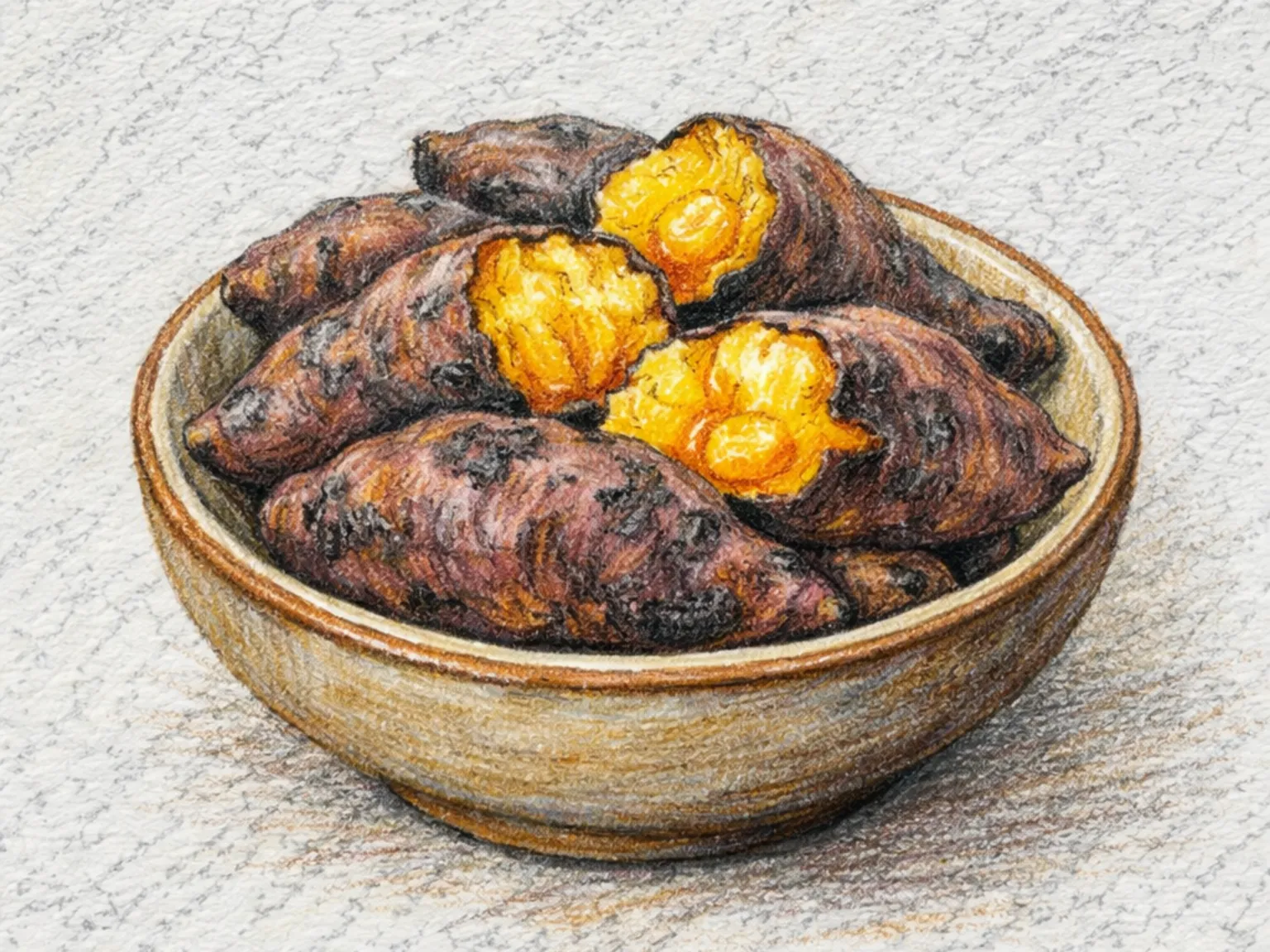
Korean Roasted Sweet Potato
Gun-goguma is a Korean winter snack made by roasting whole sweet potatoes in their skins at 200 degrees Celsius for 35 to 40 minutes. The slow heat converts the starches inside the potato into maltose, concentrating the sweetness and producing a sticky, honey-like layer just beneath the skin. Lower-temperature roasting is preferred over high heat because it extends the window of enzyme activity, allowing sugars to accumulate gradually rather than burning off at the surface. Korean pumpkin sweet potatoes, called hobak-goguma, have a higher moisture content and more pronounced natural sweetness, so they turn creamy and almost runny when fully roasted. Resting the potatoes at room temperature for a day or two before roasting further boosts sugar levels, since starch conversion continues during storage. The potato is satisfying on its own, but adding a pat of butter or a dusting of cinnamon layers in a rich, aromatic contrast. Eating the skin along with the flesh adds fiber and a slightly earthy counterpoint to the pure sweetness of the interior.
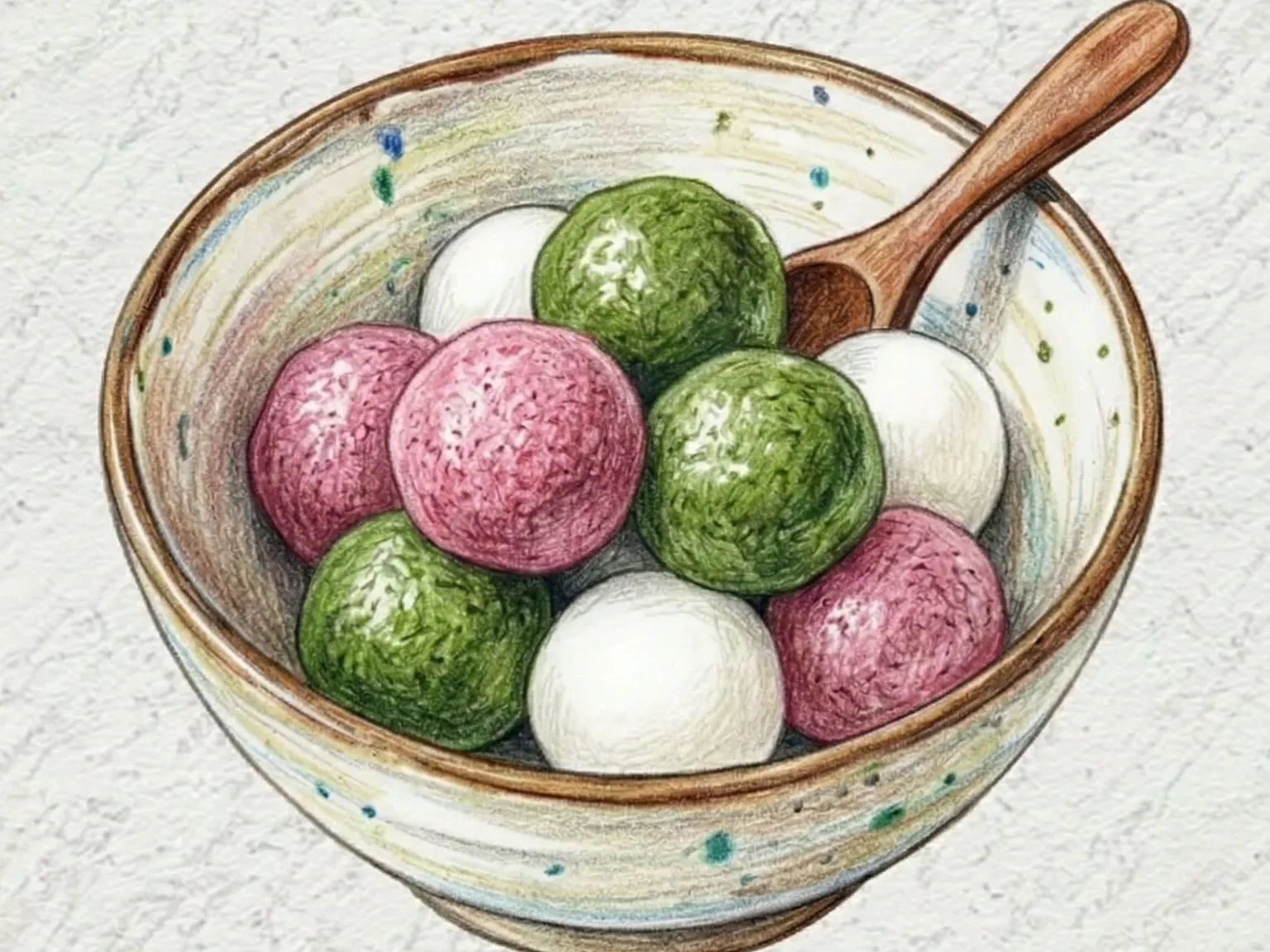
Three-Color Sweet Rice Balls
Samsek gyeongdan are traditional Korean rice cake balls made from glutinous rice flour dough divided into three colors: plain white, green from mugwort powder, and pink from prickly pear powder, then rolled into small spheres and boiled. The dough must be kneaded with hot water to fully activate the starch's sticky quality; water that is too cool makes the dough prone to cracking when shaped. The balls need one extra minute of cooking after they float to ensure the centers turn fully translucent, and pulling them out immediately after floating often leaves a dense, undercooked core. The mugwort batch carries an herbal, grassy note, and the prickly pear version offers a faint fruity tang, so three distinct flavors emerge from the same base recipe. Transferring the cooked balls immediately to cold water stops carryover cooking and preserves the springy, bouncy texture. Rolling them in a mixture of roasted soybean powder or black sesame powder with sugar coats each ball in nuttiness, and a light brush of sesame oil prevents the balls from sticking together while giving the surface a subtle sheen.
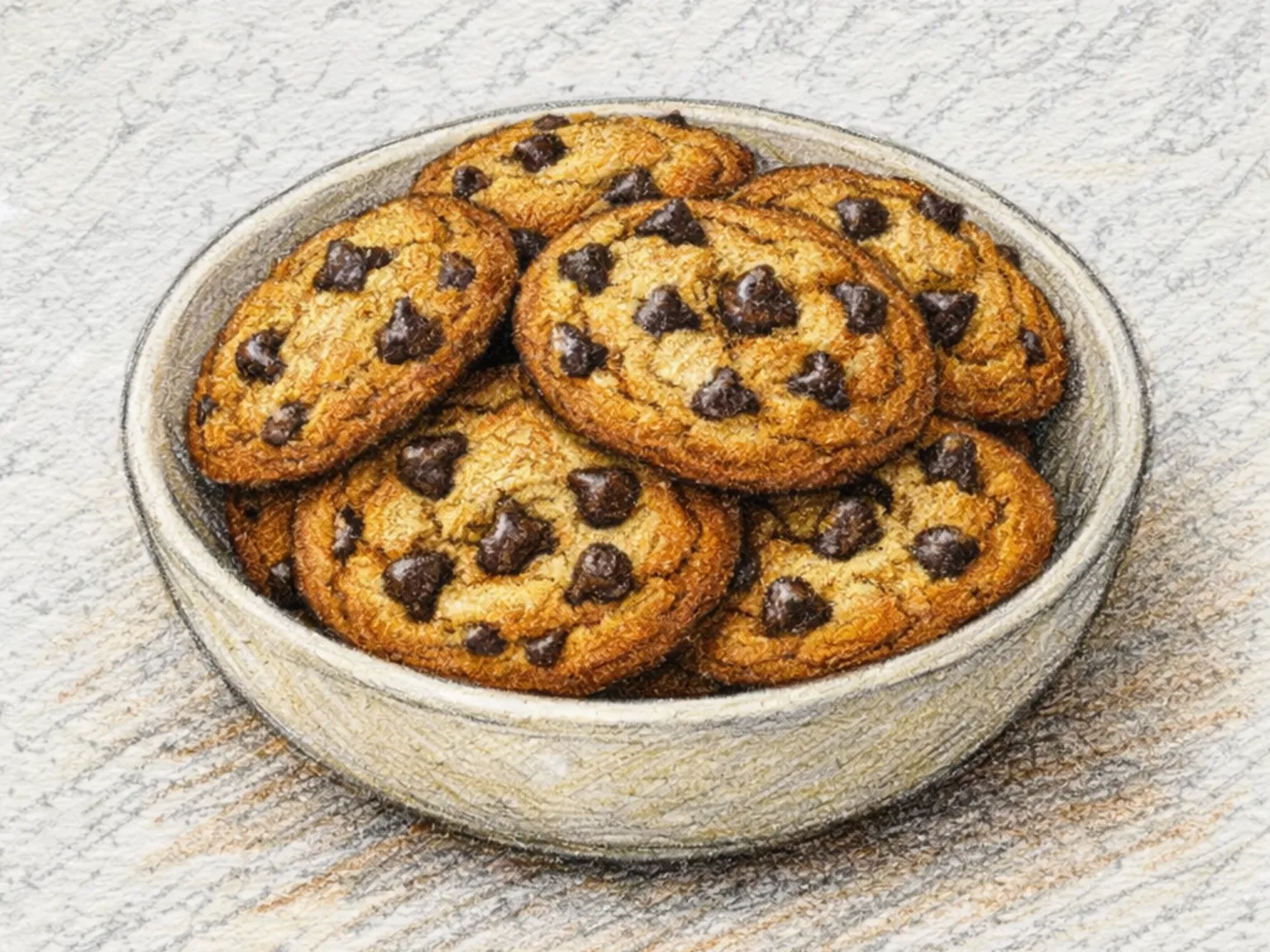
Brown Butter Chocolate Chip Cookies
Brown butter chocolate chip cookies build on the familiar template by introducing browned butter, which is cooked over medium heat until the milk solids caramelize and turn golden, releasing an aroma of toasted hazelnuts and toffee that standard melted or creamed butter cannot produce. The browned butter is combined directly with brown sugar while still warm, which helps it dissolve completely and speeds up the mixing process. A high ratio of brown sugar relative to white sugar produces cookies with thin, crisp edges and a dense, chewy center that sinks slightly when pressed. Dark chocolate cut into rough chunks melts unevenly during baking, leaving some pockets fully liquid and others still partially solid, creating texture variation in each bite. Flaky sea salt pressed lightly onto the tops of the cookies before baking sharpens the sweetness and amplifies the chocolate flavor in a way that fine salt mixed into the dough cannot replicate. Fresh from the oven the cookies look underdone and collapse slightly when touched, but ten minutes of resting on the pan allows the structure to set: the edges firm up to a gentle snap while the center stays yielding and fudgy.
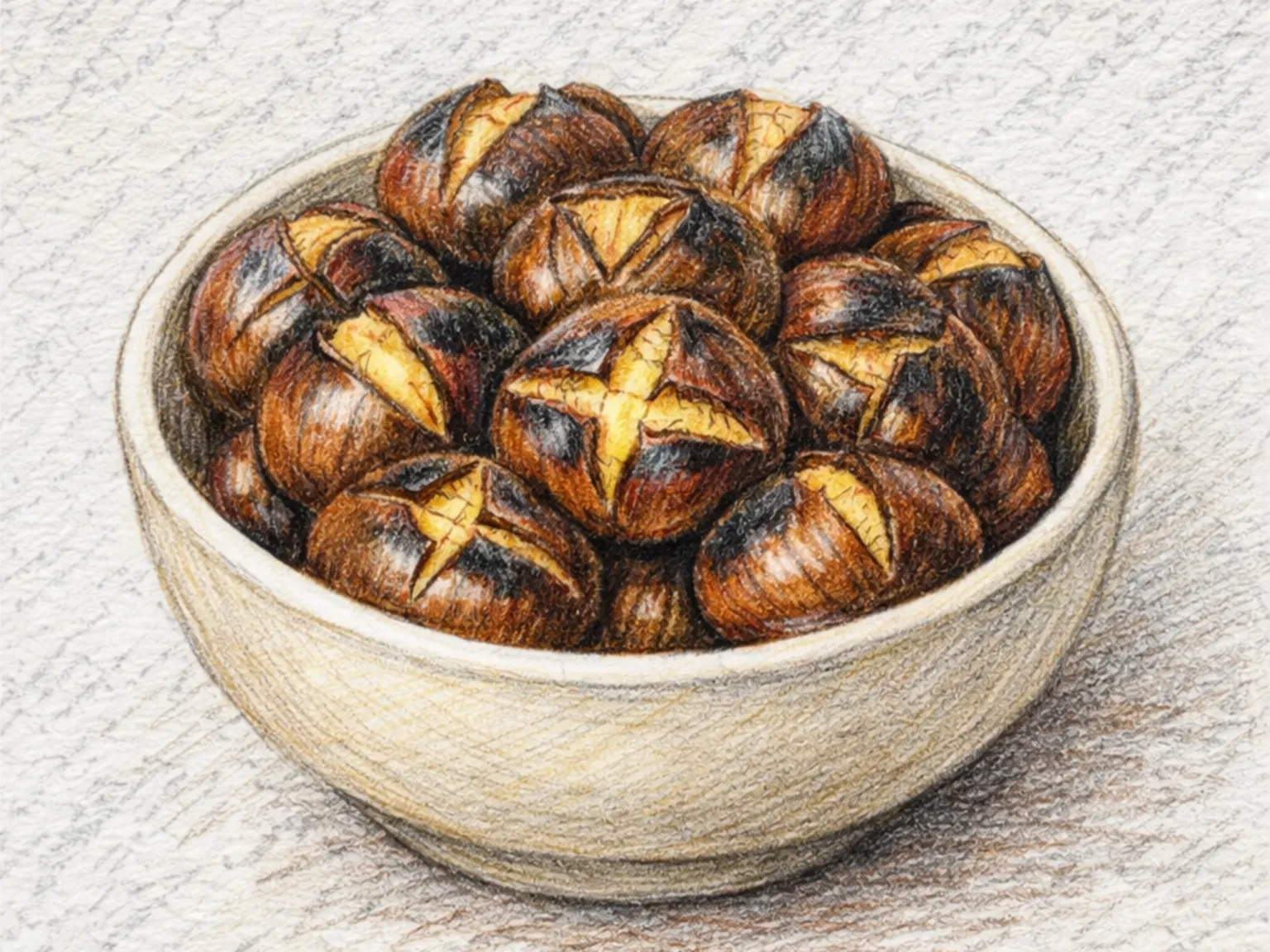
Korean Roasted Chestnuts
Gunbam is Korean roasted chestnuts, a seasonal street food sold from carts across Korea from late autumn through early spring. An X-shaped cut is scored through the shell of each chestnut before roasting. This cut serves a structural purpose: it creates a vent for steam to escape during cooking, preventing the shell from cracking unpredictably. Roasting at 210 degrees Celsius for 20 to 25 minutes converts the starches inside to sugars, deepening the sweetness and building a toasty, nutty flavor that plain raw chestnut does not have. Soaking the chestnuts in salted water for 20 to 30 minutes before roasting cleans any debris from the surface and imparts a faint background seasoning. Wrapping the freshly roasted batch in a dry cloth for five minutes while they rest lets residual steam work between the outer shell and the thin inner skin, making the inner skin easier to peel. The chestnuts should be eaten hot, while the flesh is still floury and crumbles gently against the tooth. Tossed with a little butter and sugar while warm, they take on a sheen and extra sweetness that amplifies their fragrance.