🌙 Late Night Recipes
Quick and satisfying late-night bites
651 recipes. Page 2 of 28
Late-night cravings call for quick, easy recipes that satisfy without too much effort. Ramyeon, egg fried rice, tuna-mayo rice bowls, and simple toasts - these are dishes you can throw together when hunger strikes after dark. Cooking at home beats delivery in both cost and healthiness.
The ideal late-night snack is fast to make, easy to clean up, and just filling enough. These recipes hit that sweet spot - comforting without being heavy.
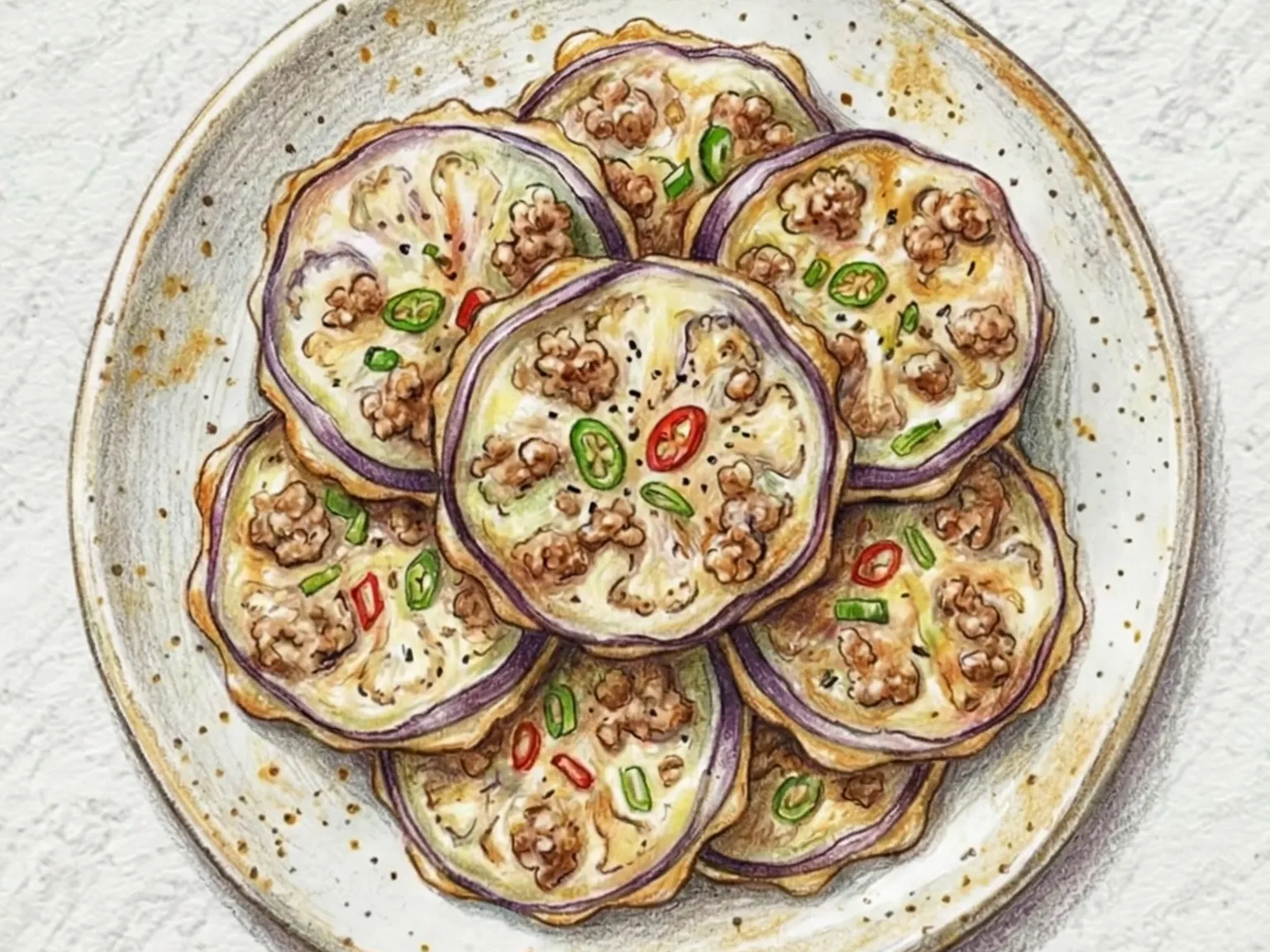
Korean Eggplant & Pork Pancake
Thick eggplant slices are topped with seasoned ground pork, coated in Korean pancake batter, dipped in beaten egg, and pan-fried until golden on both sides. As the eggplant absorbs oil over heat, it cooks through to a silky, yielding texture, and the pork filling stays juicy inside the batter crust. Minced garlic and onion season the pork mixture and mask any gaminess, while the egg coating forms a thin, evenly browned exterior. A soy-based dipping sauce sharpens the mild eggplant and savory pork into a balanced bite.
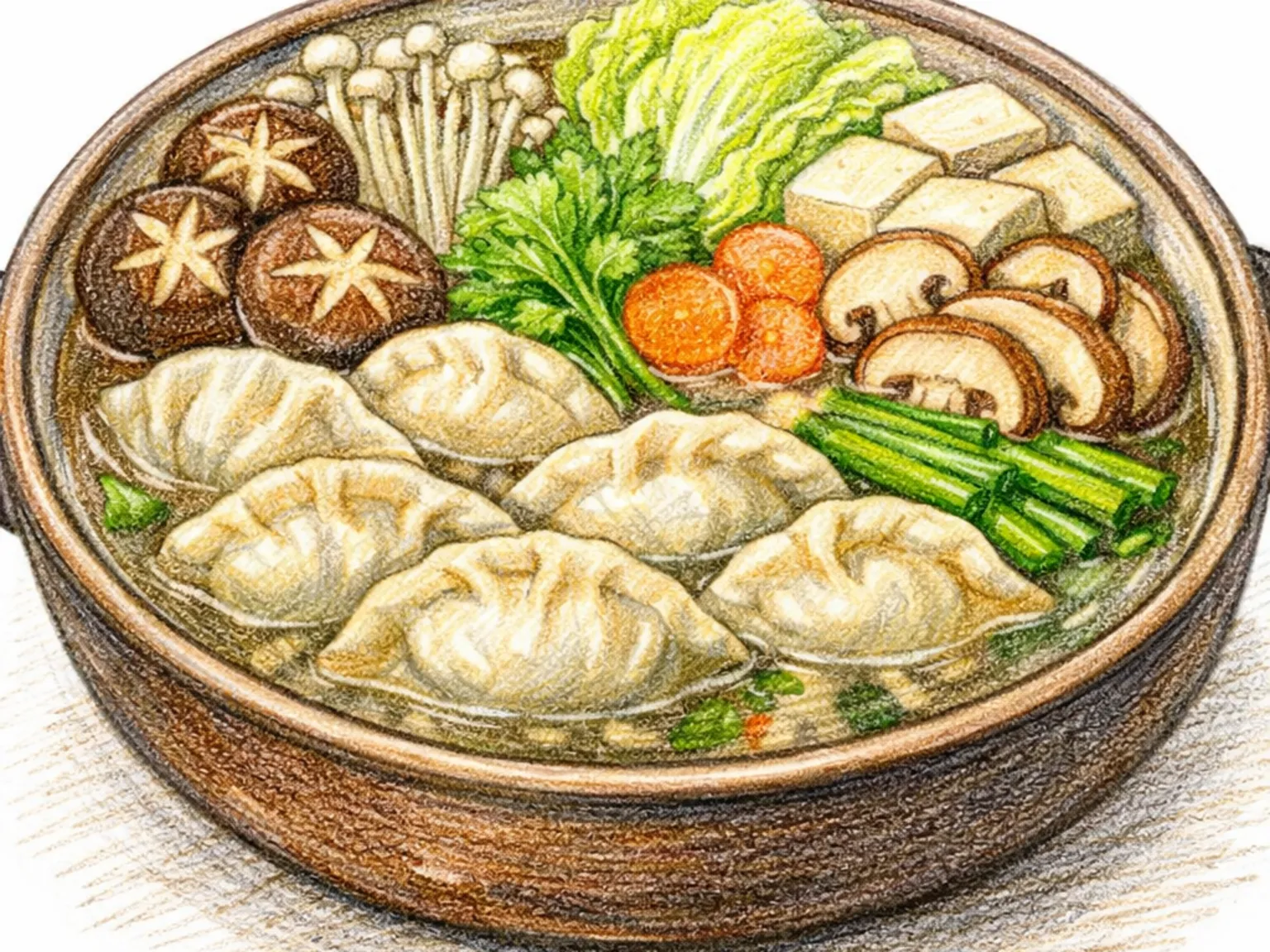
Korean Mushroom Dumpling Hot Pot
Mandu jeongol is a generous hot pot of twelve large dumplings simmered with napa cabbage, shiitake mushrooms, oyster mushrooms, and bok choy in anchovy-kelp stock. The two varieties of mushroom add layers of umami to the clear broth, while the cabbage and bok choy soften and release their natural sweetness as they cook. The dumplings cook directly in the simmering stock, their wrappers gradually turning chewy as the filling flavors seep into the surrounding liquid. Soup soy sauce and garlic provide a clean, understated seasoning that keeps the broth from overshadowing any single ingredient. The right moment to eat is when the vegetables have wilted and the dumplings float to the surface, signaling they are cooked through. The absence of any spice or strong seasoning makes this one of the more universally approachable hot pots, suited for all ages. Leftover broth absorbs cooked rice or soaked glass noodles easily, turning what remains into a satisfying finish to the meal.
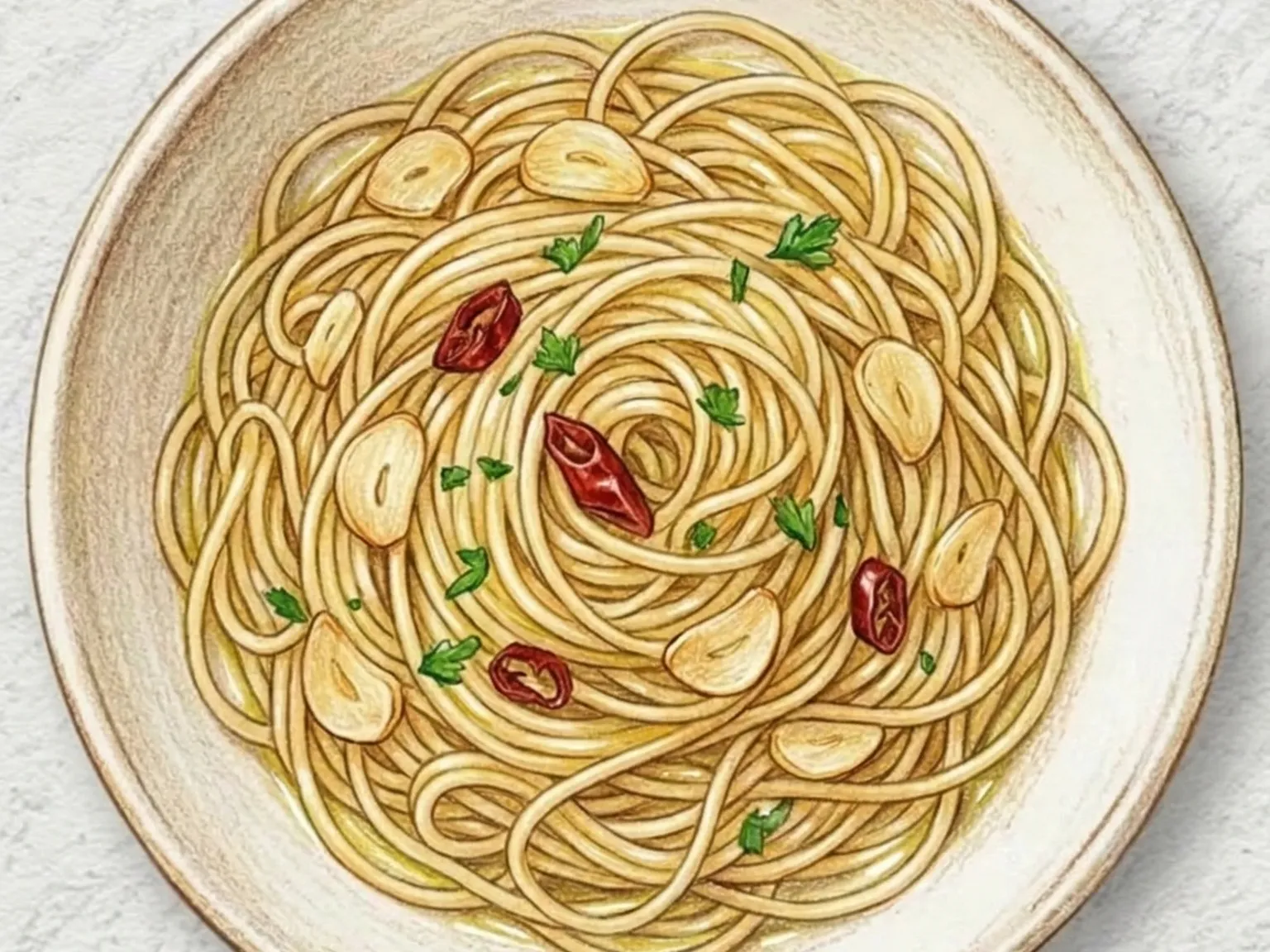
Garlic Olive Oil Pasta
Aglio e olio - garlic and oil - is the pasta Italians make at midnight with nothing in the kitchen but pantry staples. It originated in Naples, where olive oil was abundant and elaborate sauces were a luxury that working-class cooks could not afford. The entire dish depends on technique: garlic must be sliced thin and toasted slowly in generous olive oil over low heat until fragrant and barely golden - a matter of seconds past that point and it turns acrid and bitter. Peperoncino flakes go in briefly to release their capsaicin into the oil before the heat is adjusted. The real transformation happens when starchy pasta water hits the hot oil: it emulsifies into a silky, clinging sauce that coats every strand of spaghetti with a thin, even film rather than pooling at the bottom of the bowl. No cream, no cheese in the traditional version - just the clean triad of garlic, chili, and good olive oil. Flat-leaf parsley scattered on at the end contributes a fresh herbal brightness that lifts the whole dish.
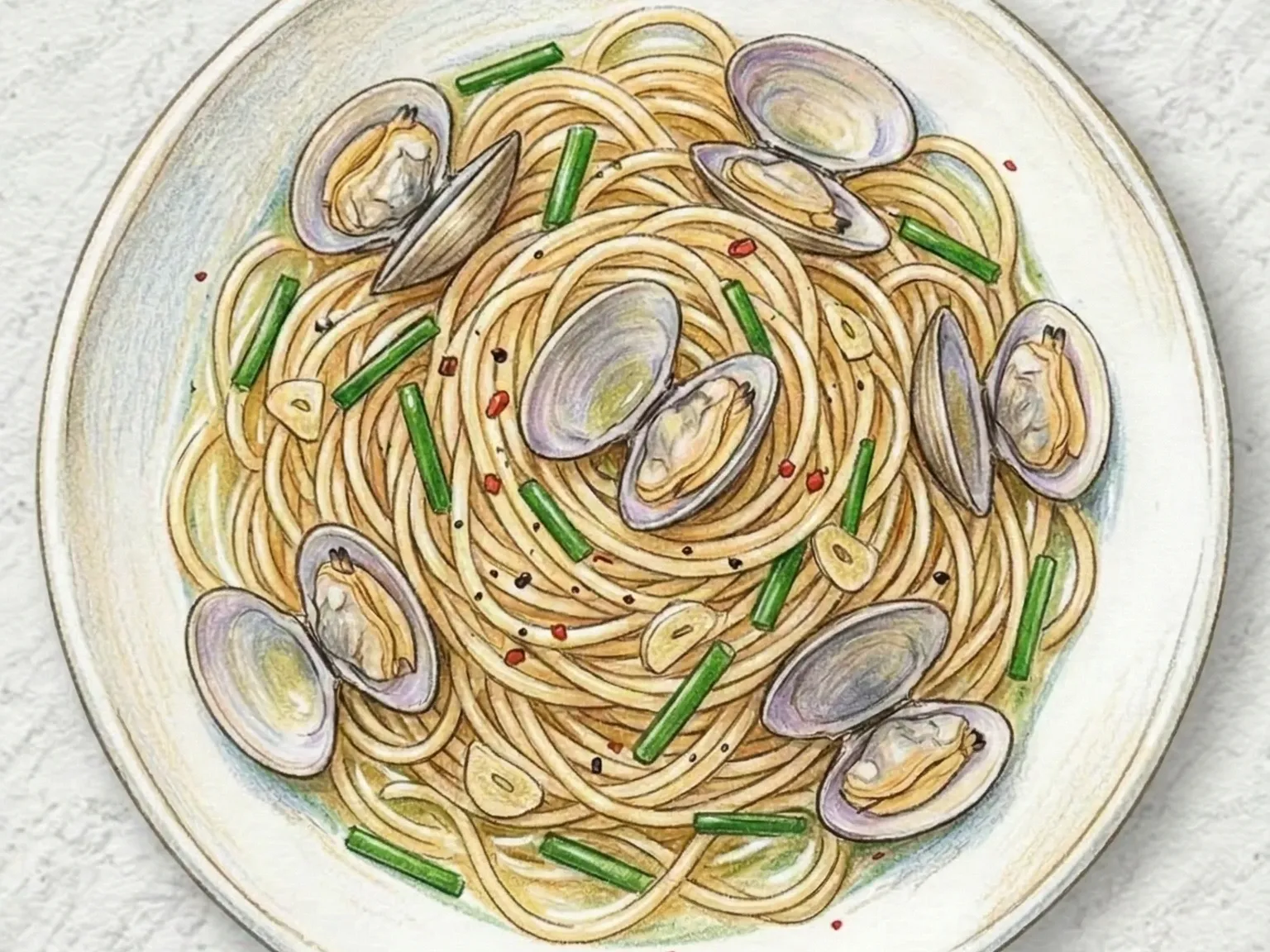
Buchu Vongole Spaghetti (Korean Garlic Chive and Clam Pasta)
Buchu vongole spaghetti takes the Italian vongole format and finishes it with a fistful of Korean garlic chives, combining a briny shellfish sauce with the sharp, vegetal fragrance that buchu brings. Garlic slices and dried chili flakes are first infused in olive oil until fragrant, then white wine goes in and the alcohol burns off quickly, leaving only the wine's fruity character in the base. Manila clams added to the pan steam open in two to three minutes under a lid, releasing their liquor into the oil and wine. That clam broth carries enough salinity and umami to season the entire sauce - no added salt required at any point. A ladleful of pasta water stirred in while shaking the pan hard creates an emulsion that bonds the clam broth with the olive oil and coats every strand. The garlic chives are added off heat so they stay bright green and fragrant rather than going soft and losing their character. A scatter of chopped Italian parsley over the finished bowl adds a last note of herbal freshness.
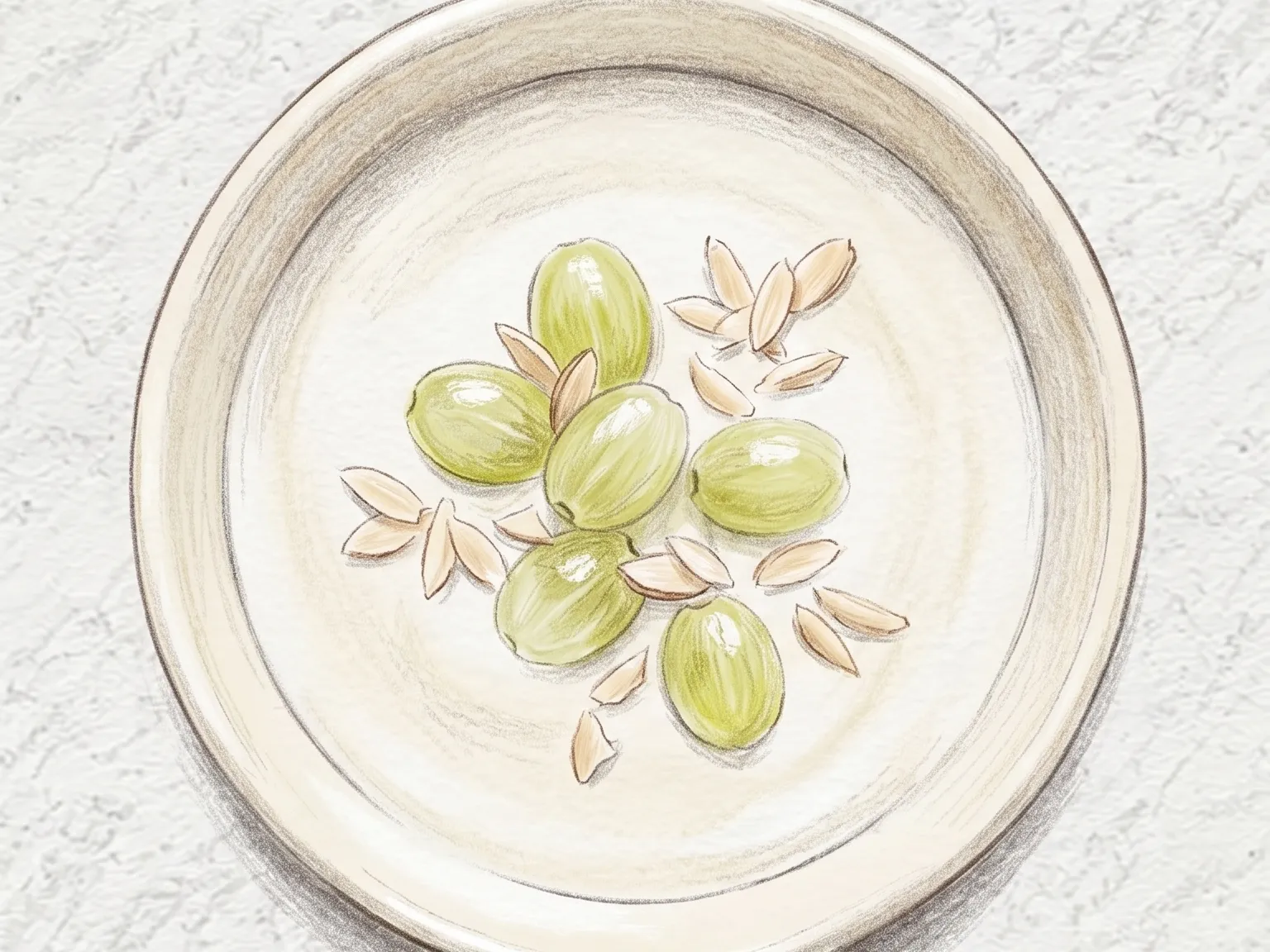
Ajo Blanco (Chilled Spanish Almond and Garlic Soup)
Ajo blanco predates the red tomato gazpacho that most people associate with Spanish cold soup - it is a Moorish-era recipe from Andalusia that was already established long before tomatoes arrived from the Americas in the 16th century. Raw blanched almonds, garlic, stale bread soaked in water, olive oil, and sherry vinegar are blended into a velvety white emulsion that is served thoroughly ice-cold. The almonds supply the soup's body and a subtle sweetness, while a single clove of raw garlic provides a quiet but persistent pungency that builds slowly as you work through the bowl. The bread serves as both thickener and emulsifier, binding the oil and water into a stable cream with no dairy involved. Traditional garnishes are peeled green grapes or sliced almonds - the green grapes add a burst of cold sweetness and acidity that plays directly against the savory almond base. Ajo blanco is a summer dish specific to Malaga province, where temperatures push well past 40 degrees Celsius and hot food loses all appeal. That it achieves this level of complexity without tomatoes or dairy is what sets it apart from more widely known cold soups.
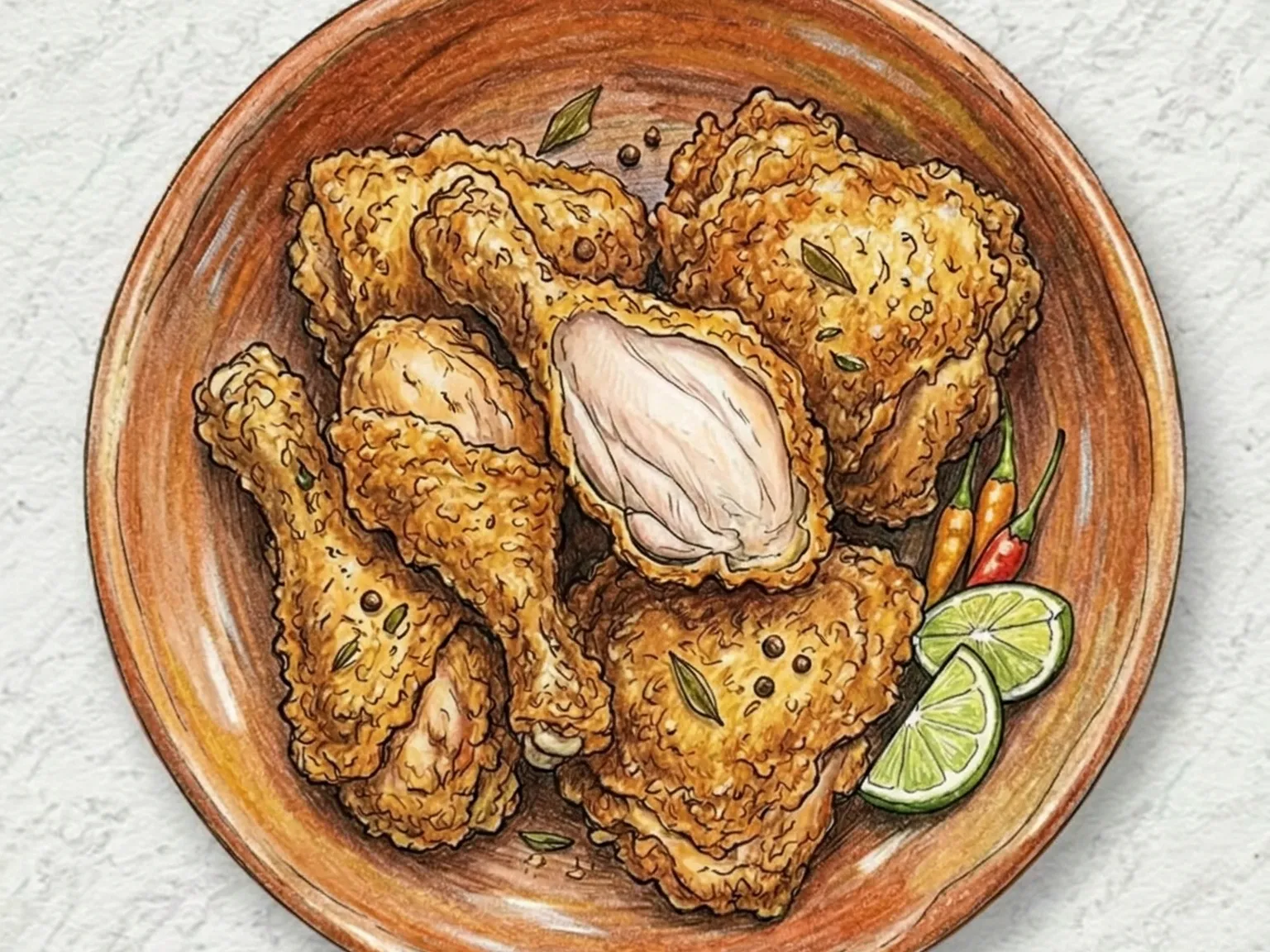
Ayam Goreng (Indonesian Spiced Fried Chicken Without Coating)
Ayam goreng is Indonesia's answer to fried chicken, but the technique diverges sharply from Western versions - there is no flour coating. Instead, chicken pieces are simmered in a paste of garlic, ginger, coriander, turmeric, and coconut milk until the liquid reduces to almost nothing and the spices have permeated the meat to the bone. Only then does the chicken hit hot oil, where the coconut-milk residue on the skin fries into a thin, uneven crust with a deep golden hue. The flavor is aromatic rather than salty, with turmeric's earthiness and coriander's citrus notes layered into every bite. Street stalls across Jakarta and Yogyakarta serve it with sambal, lalapan (raw vegetables), and steamed rice.

Dorayaki (Sweet Red Bean Pancake Sandwich)
Dorayaki is a Japanese confection consisting of two small, round pancakes sandwiching a filling of sweet red bean paste. The batter brings together eggs, sugar, honey, and flour before being portioned onto a lightly greased griddle over low heat. Each pancake cooks on one side only, producing a smooth, pale top surface and an evenly browned, slightly springy underside. Honey in the batter dramatically improves moisture retention, keeping the pancakes soft and pliable for hours after cooling and lending a subtle floral sweetness that layers naturally with the bean filling. The pancakes' own sweetness is deliberately restrained so the dense, earthy richness of the anko filling takes the lead. Traditional anko uses adzuki beans simmered with sugar until thick and glossy; tsubu-an retains visible bean pieces while koshi-an is strained smooth, and either works depending on preference. The two pancakes are gently pressed together with a generous layer of filling between them, forming a compact round that fits easily in one hand. Beyond classic red bean, the same format welcomes custard cream, matcha paste, or sweetened chestnut filling.
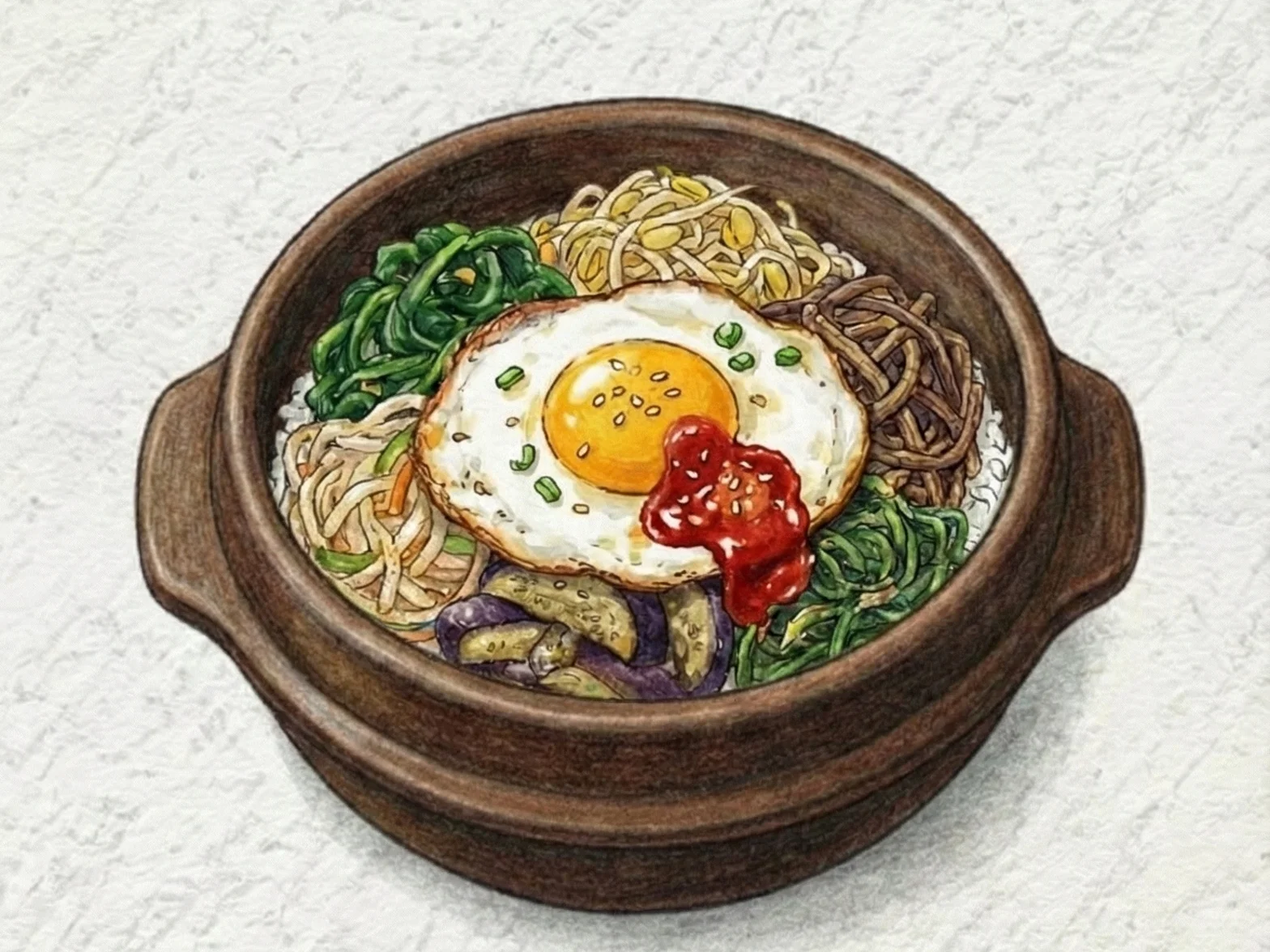
Korean Mixed Rice Bowl (Colorful Vegetables & Gochujang)
Bibimbap is one of Korea's defining one-bowl meals, assembled by arranging individually seasoned vegetables - spinach, bean sprouts, zucchini, and carrots - alongside marinated beef and a fried egg over a bowl of steamed rice, then mixed together at the table with gochujang. Each component is cooked and seasoned on its own before plating, which preserves distinct textures and flavors right up until the moment of mixing. The act of stirring brings crisp vegetables, tender beef, and spicy fermented chili paste into a single cohesive bite. Leftover namul from previous meals makes the assembly genuinely fast on a weeknight, and when served in a preheated stone pot, the rice forms a golden, crackling crust at the base that provides a final textural reward. The gochujang ratio is adjustable, making it easy to calibrate heat to individual preference.
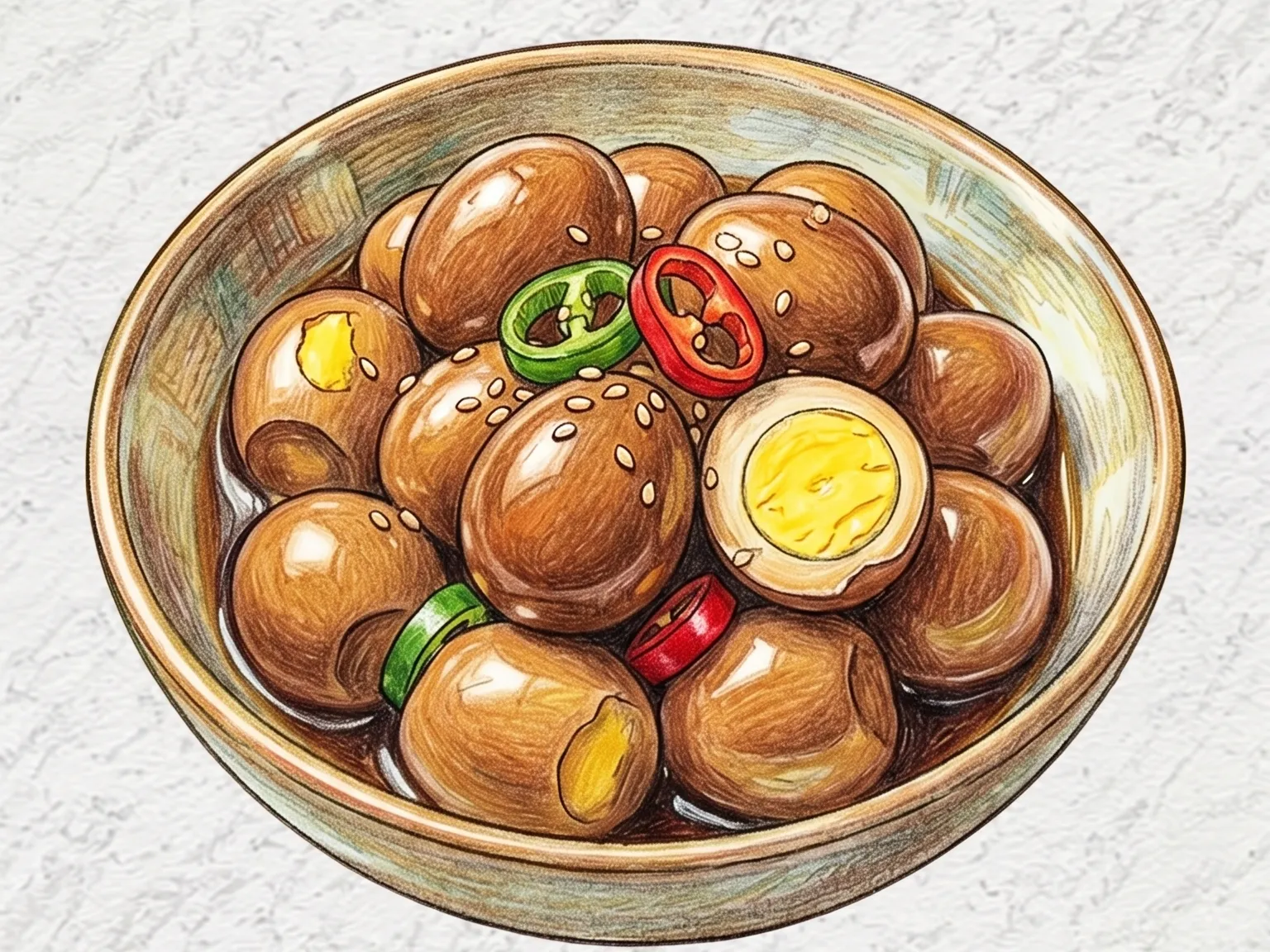
Korean Soy Braised Quail Eggs
Al-jorim - soy-braised quail eggs - is one of Korea's most universal banchan, appearing in school cafeteria trays, packed office lunchboxes, and home refrigerators as a reliable standby. The dish belongs to the broader Korean jorim tradition of simmering proteins low and slow in a sweetened soy-based liquid until the glaze seeps through to the center. Peeled quail eggs go into a pan with soy sauce, water, sugar, cooking wine, and minced garlic, then simmer over medium-low heat for ten minutes. Turning the eggs occasionally is essential - it ensures the soy stain reaches every surface evenly rather than leaving pale patches. The liquid starts thin and gradually reduces as the eggs cook, concentrating into a sticky, glossy glaze that clings to the surface in the final two to three minutes over higher heat. The outside takes on a deep chestnut brown while the yolk inside stays vivid yellow. A sliced cheongyang chili added near the end introduces a low, slow heat that keeps the sweet-salty profile from becoming monotonous. Sesame oil and toasted sesame seeds scattered over the finished eggs add a nutty note against the soy base. Left overnight in the refrigerator, the seasoning penetrates further and the flavor deepens, making this one of the few banchan that genuinely improves after a day.

Korean Bacon Egg Toast (Buttery Griddle Bacon Egg Street Sandwich)
Bacon egg toast sits at the center of Korean street-toast culture - the gilgeori-toseuteu tradition that grew out of Seoul's pojangmacha stalls during the 1980s and 1990s and has since spread to carts and small storefronts across the country. Two slices of white sandwich bread are spread generously with butter and pressed onto a flat iron griddle until the surface caramelizes into something close to a fried crust - crisp, golden, and faintly sweet from the butter. The filling is built on the griddle in order: a thin omelet-style egg beaten with shredded cabbage and carrot is cooked flat and folded to fit the bread, then topped with crispy bacon strips and finished with ketchup and a small measure of sugar. That ketchup-and-sugar combination is the defining seasoning of the Korean street toast tradition - sweet and tangy in a ratio that surprises non-Korean eaters but has remained unchanged at Seoul's toast carts for decades. The bacon delivers smoky, salty contrast that prevents the sweetness from taking over. The finished sandwich is wrapped in wax paper and handed over to be eaten one-handed while walking. In busy districts like Hongdae and Myeongdong, morning lines form at the most popular carts, and the formula has not changed since the 1980s.

Korean Black Raspberry Jelly
Bokbunja jelly cups are a chilled Korean dessert made by setting bokbunja, the Korean black raspberry, with gelatin sheets and a measured addition of lemon juice for acidity balance. The process requires dissolving the bloomed gelatin sheets into sugar syrup that has been removed from the heat; adding gelatin to boiling liquid breaks down its protein chains and compromises its setting ability. A single pass through a fine strainer removes air bubbles and sediment, producing a perfectly smooth surface that lets the deep purple of the bokbunja come through cleanly and without distortion. Topping each cup with fresh blueberries and a mint leaf reinforces the berry flavor while providing a sharp visual contrast against the dark jelly beneath. Bokbunja is well known in Korea as a traditional medicinal ingredient and as the base of the country's signature fruit wine; these jelly cups translate its tartness and intense pigmentation into a simple refrigerator dessert that can be prepared ahead and served straight from the cold. The result is a bright, clean finish that sits light on the palate.
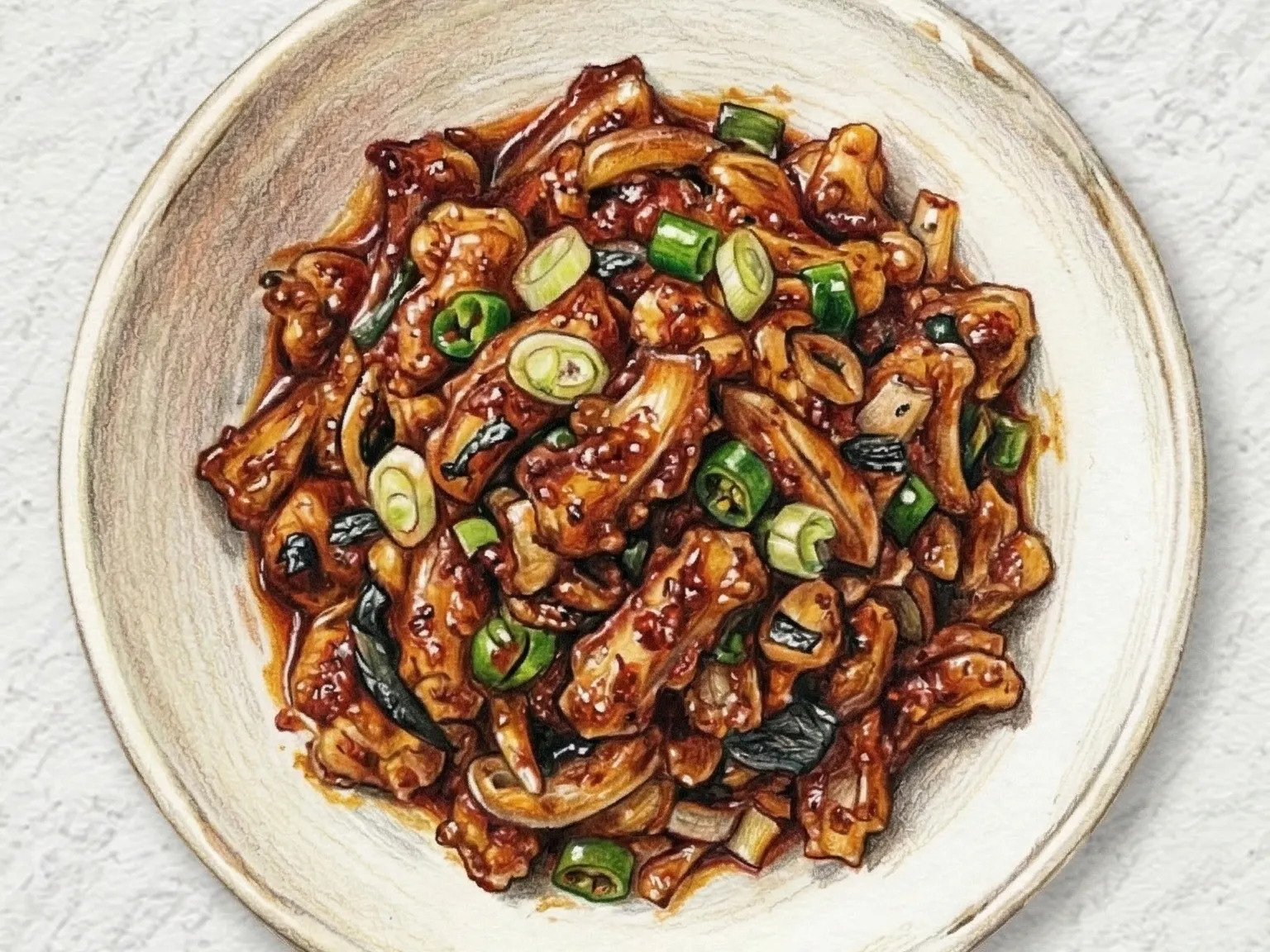
Korean Spicy Stir-fried Cartilage
Odolppyeo-bokkeum is a fiery Korean stir-fry of chicken cartilage marinated in a sauce of gochujang, gochugaru, soy sauce, garlic, and sugar, then cooked at maximum heat for a short burst. The cartilage delivers a distinctive crunch-then-chew that no other cut can replicate, and thorough drying with paper towels before marinating ensures the sauce clings directly to the surface. After ten minutes of marinating, the cartilage hits a ripping-hot oiled pan to pick up smoky wok char, followed by onion, green onion, and hot green chilies that are tossed until all moisture evaporates and the glaze turns glossy. Keeping the total stir-fry time brief is critical, since prolonged cooking turns the cartilage from pleasantly crunchy to unpleasantly tough.
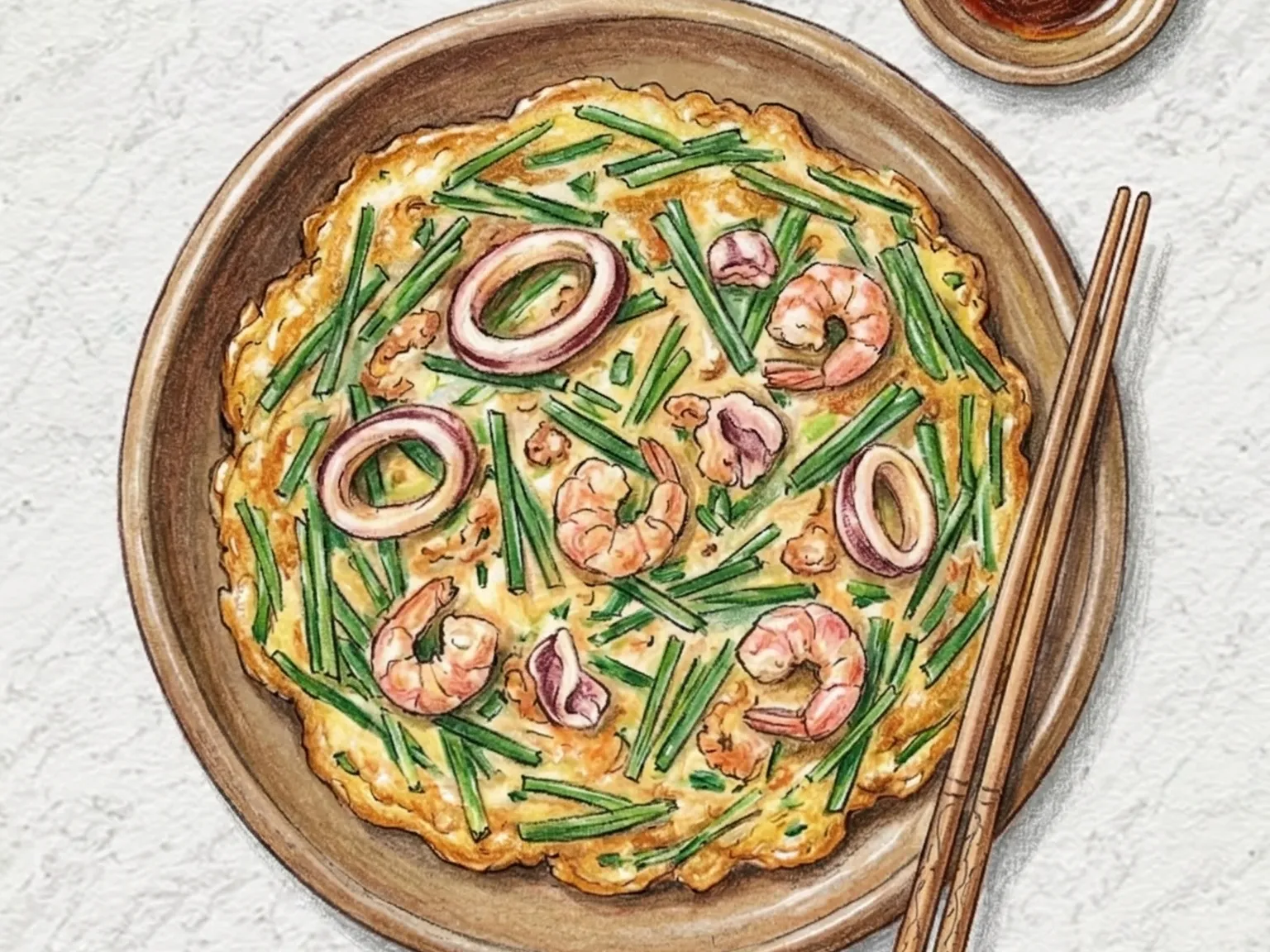
Korean Chive Seafood Pancake
Buchu-haemul-jeon is a Korean chive and seafood pancake that combines garlic chives cut to five-centimeter lengths with sliced squid and peeled shrimp in a batter of Korean pancake mix, water, and salt. The garlic chives release a sharp, aromatic fragrance as they cook, which infuses the pancake from edge to edge. Squid provides a dense chew while shrimp adds a snappier, springier bite, so each piece of the finished pancake has a slightly different texture depending on what's in it. Because both seafood and chives release moisture during cooking, the batter needs to start thicker than for a plain vegetable jeon - otherwise the center will stay wet and fail to brown properly. Spreading it thin across the pan and maintaining steady medium heat crisps the edges into a lacy, oil-fried border while keeping the seafood-laden interior moist. Flipping cleanly in one motion preserves the structure. A dipping sauce of brewed soy sauce, vinegar, and gochugaru brings out the natural sweetness of the shellfish.
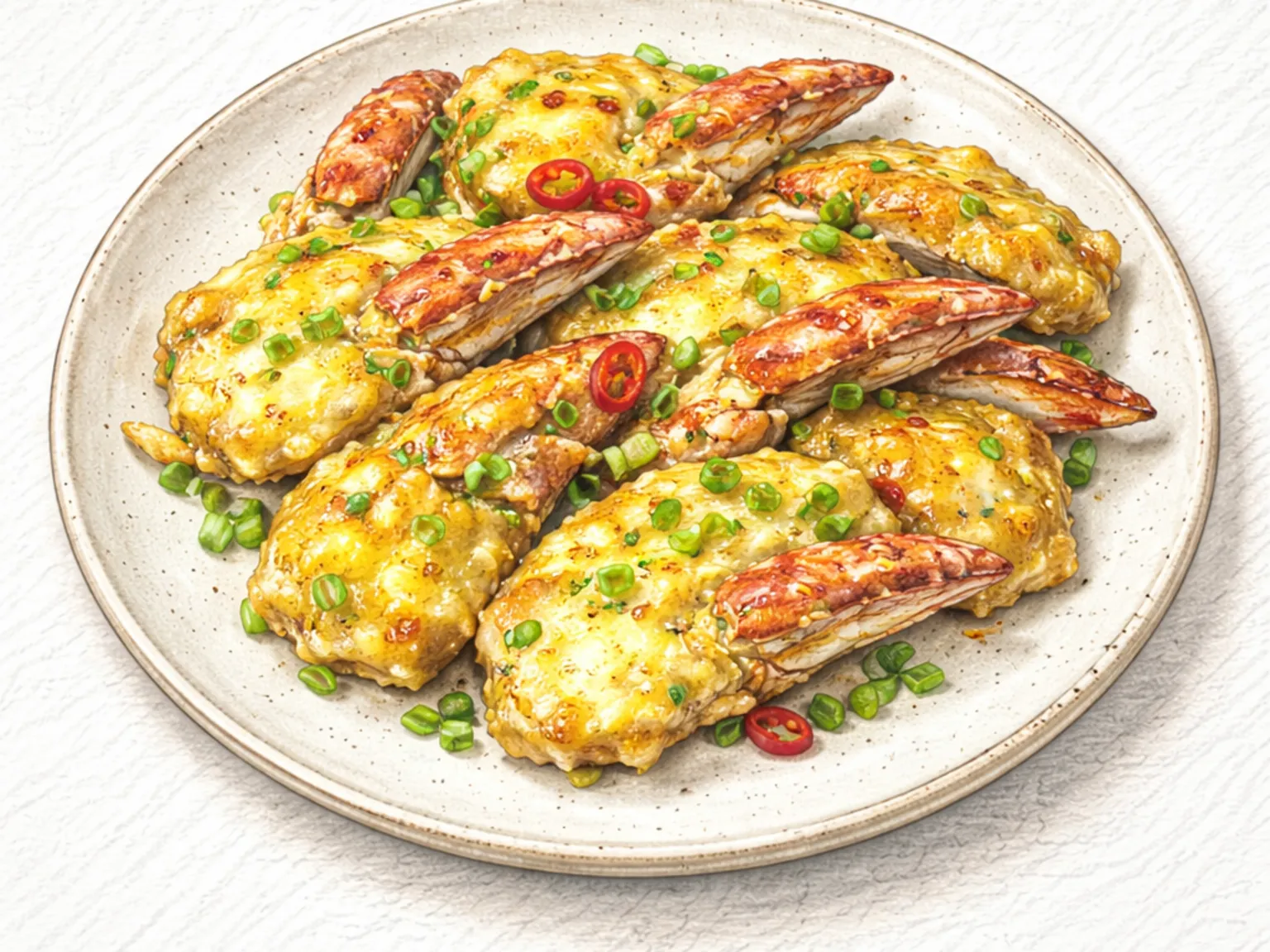
Korean Flower Crab Pancake
Fresh blue crab meat is picked clean, coated in a mixture of all-purpose flour and Korean pancake mix, dipped in beaten egg, and pan-fried until the surface turns golden. The crab's natural sweetness and mild brininess stay intact throughout the process, and minced ginger cuts through any residual fishiness without announcing itself in the finished jeon. Black pepper is added in small amounts - just enough to clean up the aftertaste without competing with the delicate crab. The egg coating holds moisture inside, keeping the meat tender while the outside crisps to a light, golden crust. A generous amount of crab filling in each piece is what makes the texture satisfying.
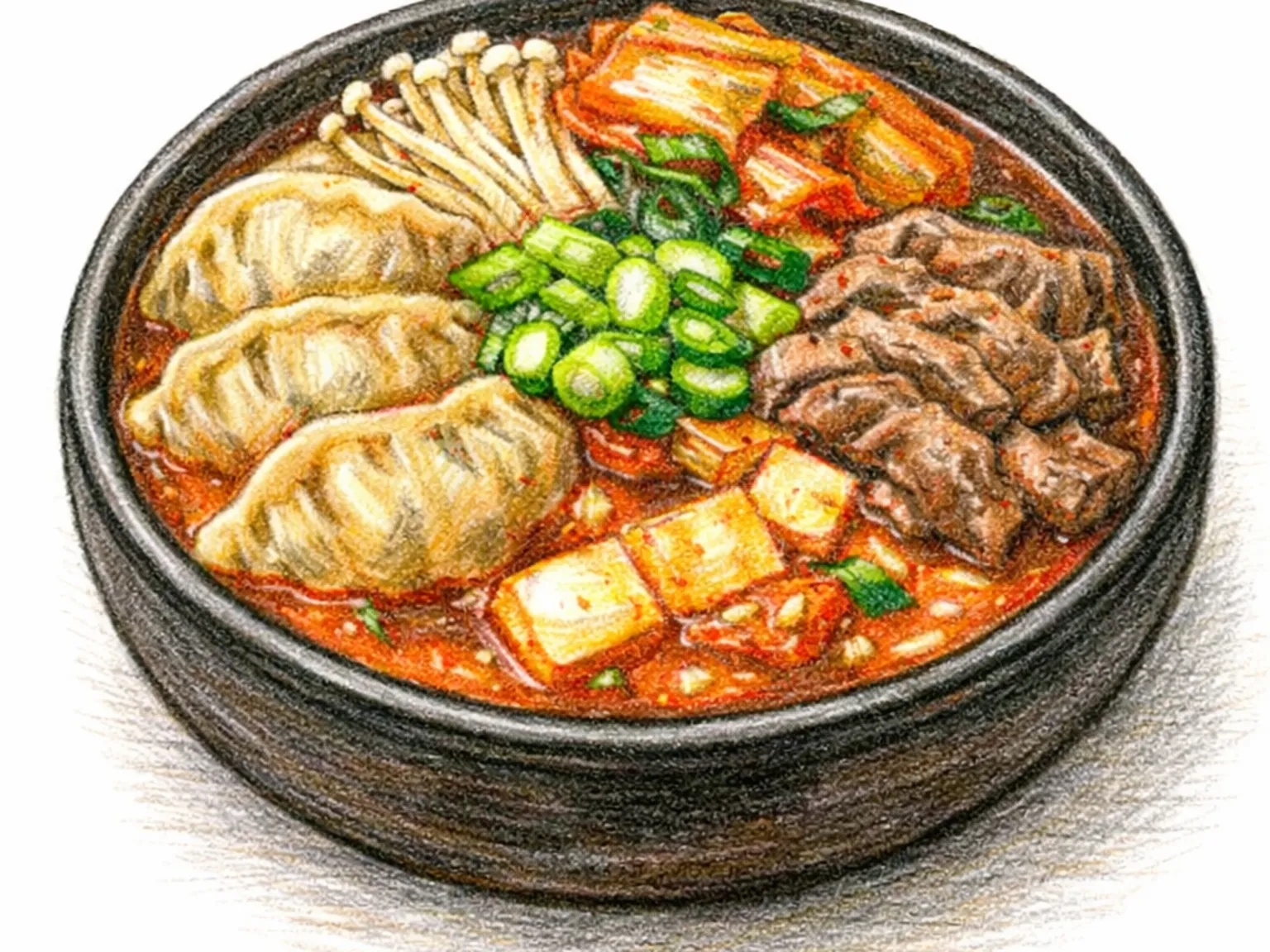
Korean Kimchi Beef Dumpling Hot Pot
Kimchi-beef mandu jeongol is a generous Korean hot pot that combines frozen dumplings, thinly sliced beef, and aged kimchi in anchovy stock seasoned with gochujang and soup soy sauce. As the pot bubbles, the meat filling inside each dumpling leaches its savory fat into the broth while the kimchi's fermented sourness and heat layer in on top, building a soup that grows more complex the longer it simmers. Napa cabbage leaves, enoki mushrooms, and firm tofu add contrasting textures to each spoonful. Blanching the beef briefly before adding it to the pot prevents the broth from clouding, and the tofu goes in last to keep it intact. The older and more pungent the kimchi, the deeper and more rounded the soup becomes, which is why well-fermented kimchi is worth seeking out for this dish specifically. A drop of perilla oil stirred in just before serving adds a nutty finish that ties the layers together. Eaten communally from the stove, with rice stirred in at the end to absorb the remaining broth, this pot feeds a table with minimal effort.
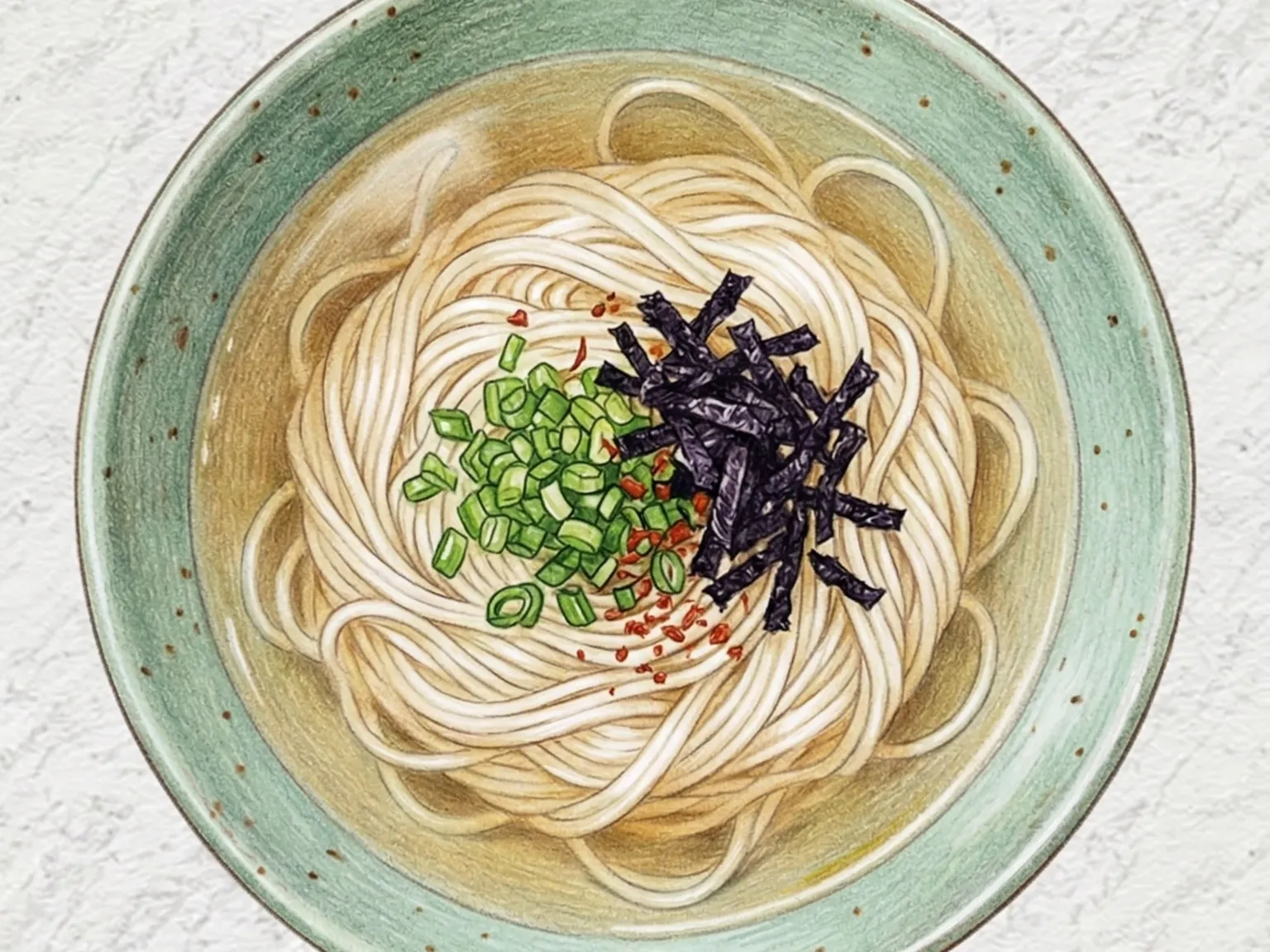
Korean Anchovy Broth Thin Noodle Soup
Anchovy somyeon is the noodle soup Korean families fall back on when the kitchen offers little to work with - dried anchovies, a strip of dashima kelp, and a bundle of thin wheat noodles are enough. The broth starts with dried anchovies soaked briefly to cut any bitterness, then simmered with dashima for fifteen minutes before being strained to produce a clear liquid with a faint oceanic sweetness and deep umami. Somyeon - hair-thin wheat noodles - are cooked in a separate pot to keep their starch from clouding the broth, then rinsed repeatedly under cold water until every strand separates cleanly. The noodles go into a bowl of hot broth and are finished with sliced scallion, a small drop of sesame oil, and often a sheet of toasted gim. A few drops of soy sauce tune the salt level, and a soft-boiled egg or a few slices of tofu can round it into a full meal. The appeal of the dish is its restraint: no chili paste, no fermented base, just the clean savor of anchovy stock meeting springy noodles. Korean mothers have served this as a quick midday meal for generations, and it endures as comfort food in its most unadorned form.
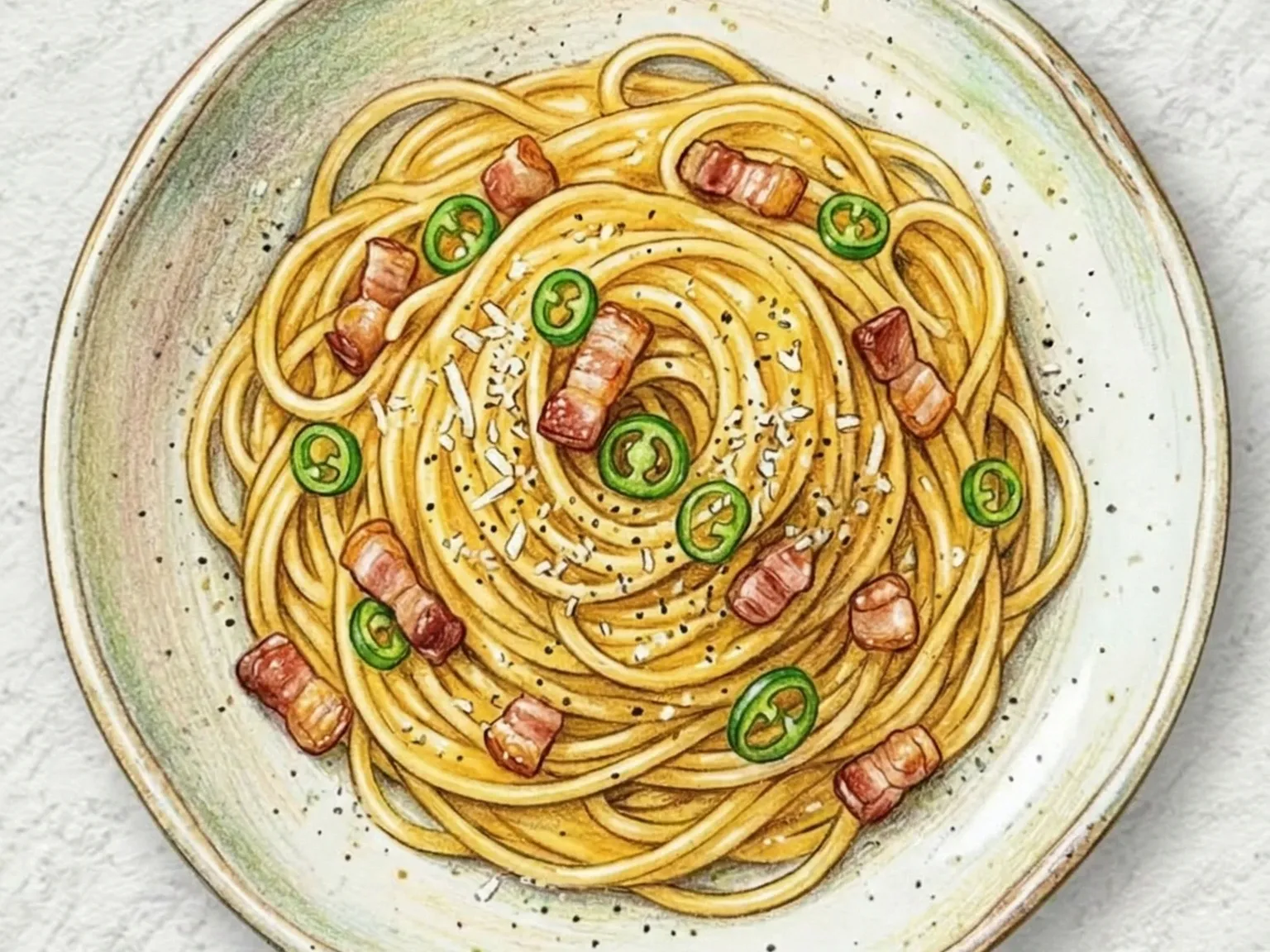
Cheongyang Chili Carbonara Spaghetti
Cheongyang chili carbonara spaghetti takes the classical Roman carbonara - built on egg yolks, Parmigiano-Reggiano, and Pecorino Romano emulsified with rendered pork fat - and introduces the sharp, lingering heat of Korean cheongyang peppers. Pancetta is rendered slowly over medium-low heat until the fat is fully released and the meat turns crisp, and the sliced chili and garlic are added to the rendered fat for just thirty seconds - long enough to infuse the oil with heat and fragrance without scorching the garlic. The cheese-egg base is made by whisking yolks with finely grated cheese until smooth; a useful ratio is two yolks to 20 grams of Parmigiano-Reggiano and 10 grams of Pecorino. This mixture must be folded into the drained pasta off direct heat, using reserved pasta water to loosen and emulsify - the starch and salt in the pasta water are what allow the sauce to coat each strand evenly rather than clump. The cheongyang pepper's capsaicin cuts cleanly through the concentrated richness of the egg and cheese fat, providing a clean finish that the classic Roman version does not have. The chili quantity is easy to adjust upward or downward, and using fresh whole peppers instead of pre-cut pieces produces a sharper heat with more green, vegetal character.
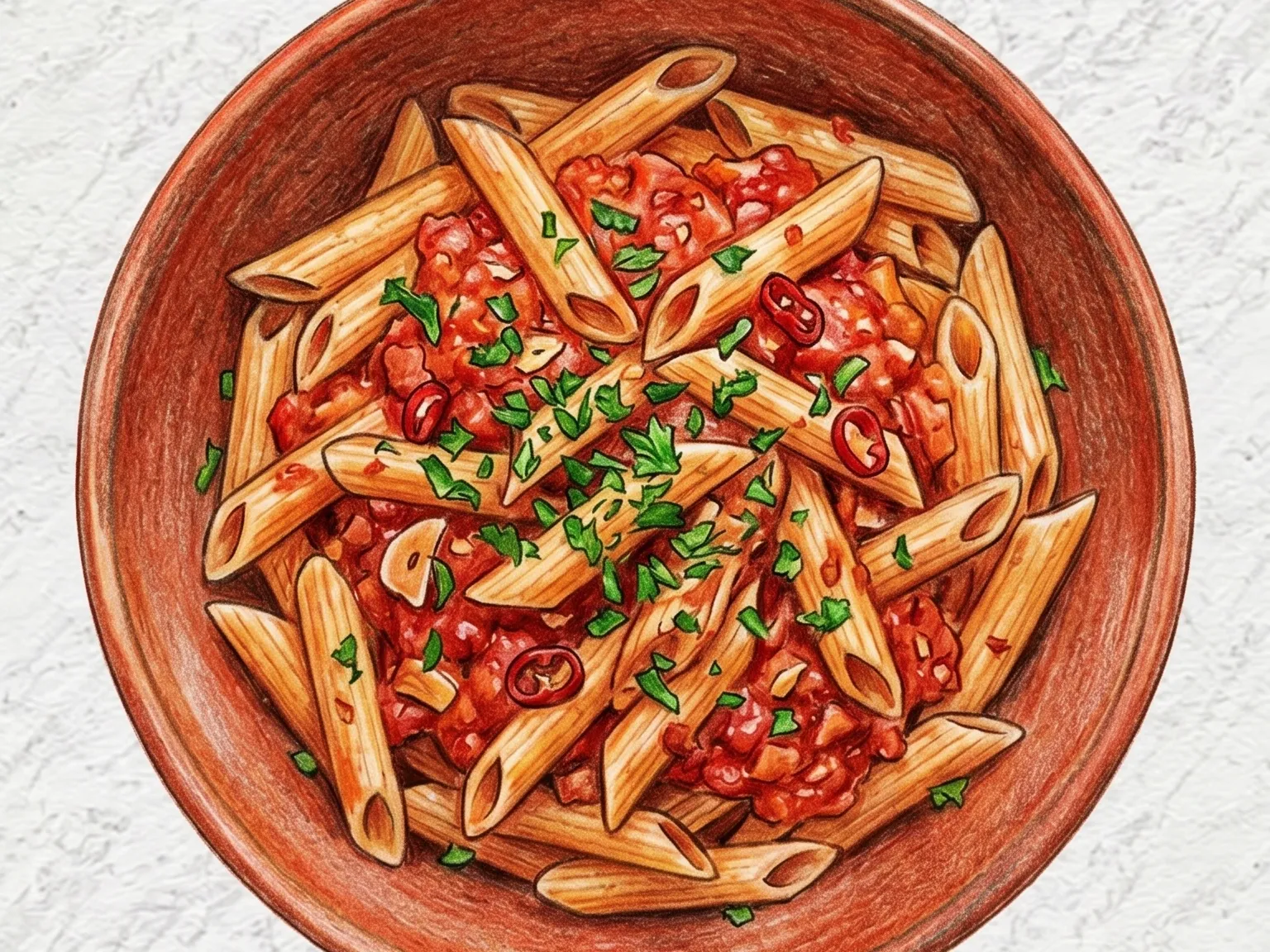
Penne all'Arrabbiata (Spicy Tomato and Garlic Pasta)
Arrabbiata, meaning angry in Italian, is a Roman pasta sauce whose heat comes from dried peperoncino chili flakes used in generous quantity. The sauce descends from the cucina povera tradition of Lazio, where tomatoes, garlic, olive oil, and chili were the four ingredients a working kitchen could reliably afford. Garlic is sliced thin and cooked in olive oil over moderate heat until fragrant and very lightly golden, then the chili flakes bloom in the hot fat for a matter of seconds, infusing the oil with their heat before crushed tomatoes are added. The sauce simmers uncovered for fifteen to twenty minutes, reducing until concentrated enough to coat each tube of penne without sliding off. The heat is slow-building rather than immediate: the first bite registers as mild, but the warmth accumulates with each subsequent forkful and persists at the back of the throat long after eating. Fresh parsley scattered at the end introduces a green, herbal brightness that modulates the lingering chili heat without diminishing it. In the purist version there is no cream and no cheese, only the clean interplay of tomato acidity, garlic depth, and chili fire. The sauce traces its origins to the villages outside Rome in the early twentieth century and reflects Southern Italian cooking's preference for restraint, directness, and heat over the dairy richness characteristic of the north.
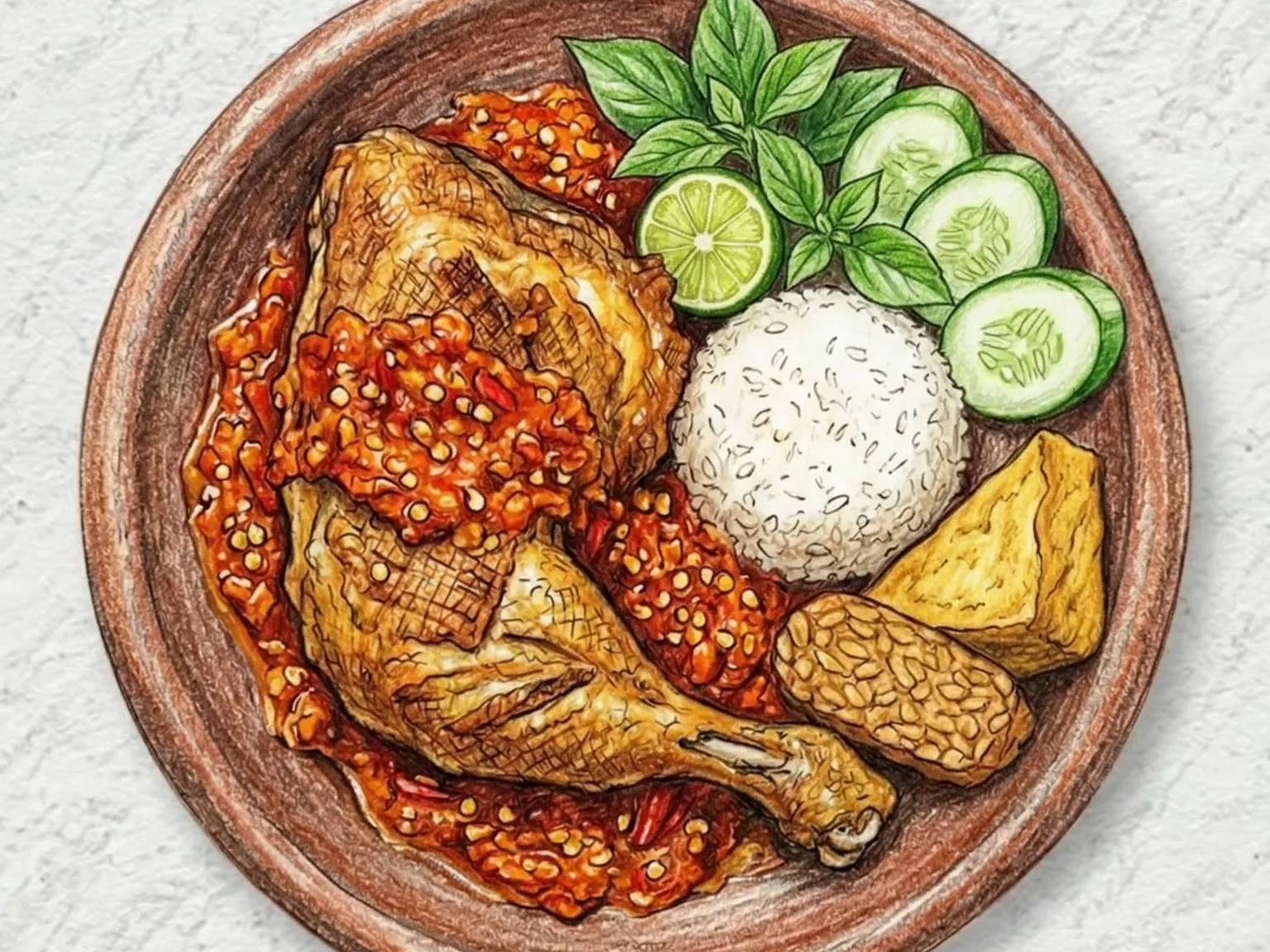
Ayam Penyet (Javanese Smashed Fried Chicken with Sambal)
Ayam penyet means smashed chicken in Javanese and describes an East Javanese street dish in which the chicken is deliberately crushed with a pestle after frying. The process begins by braising the bird in turmeric and galangal-scented water until fully cooked through, then deep-frying until the skin blisters, darkens to mahogany, and turns properly crisp. The final press against a stone mortar cracks the skin open to expose the moist interior and creates irregular ridges and cavities across the surface that the sambal fills and clings to. That sambal - pounded fresh from bird eye chilies, shallots, tomato, and shrimp paste - is the defining element of the dish, delivering a ferocious heat alongside the deep, funky salinity of fermented shrimp paste. The two flavors hit at the same time and neither yields to the other. Served on a banana leaf with steamed rice, fried tofu, and raw vegetables, the full plate comes together the way street-stall food in Java typically does: quickly assembled, intensely seasoned, and eaten without ceremony.
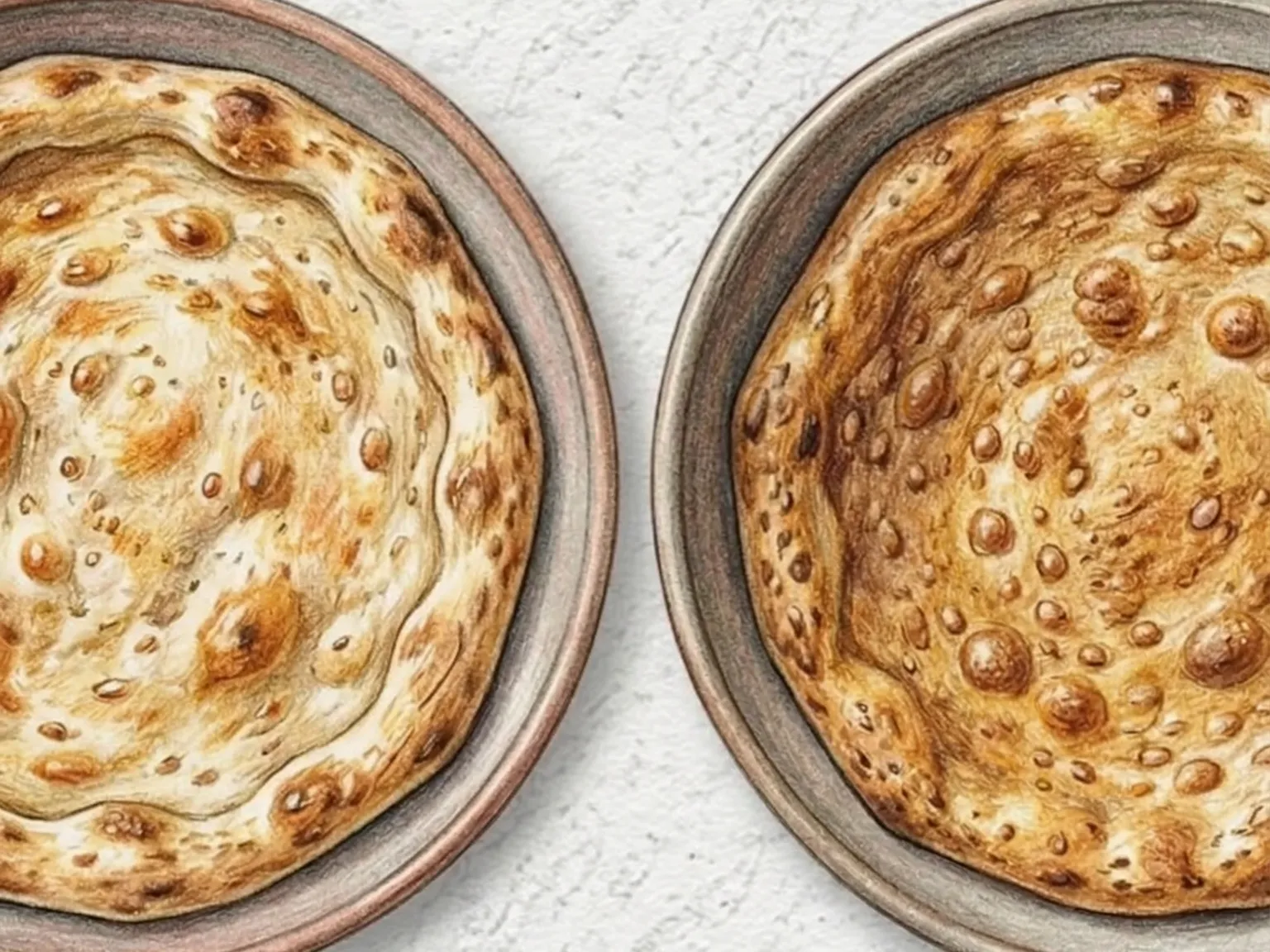
Pizza Dough
Bread flour, instant yeast, olive oil, and water come together into a simple Italian pizza dough that is the foundation for any topping combination. Five to eight minutes of kneading develops enough gluten for a chewy, elastic crust that stretches easily without tearing. After a one-hour room-temperature rise, the dough is divided and shaped by hand into rounds. The highest possible oven temperature is the single most important factor for a crisp bottom, as intense heat sets the crust before moisture from the toppings can soften it. Preparing the dough a day ahead and cold-fermenting it in the refrigerator allows the yeast to work slowly, developing complex flavors that a quick rise cannot match. Each batch yields two pizzas roughly thirty centimeters in diameter.
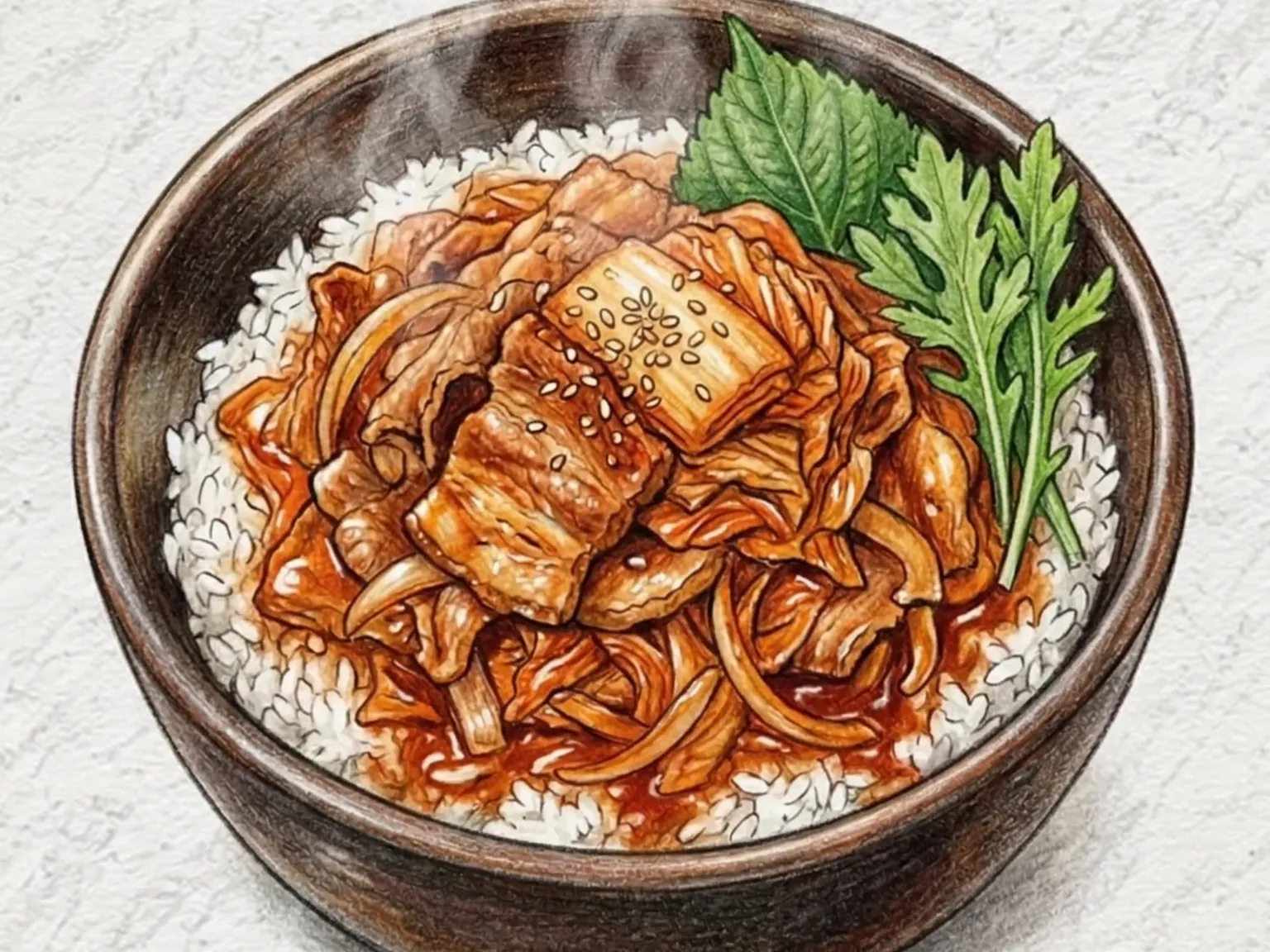
Korean Bossam Kimchi Rice Bowl
Bossam kimchi deopbap repurposes leftover bossam by stir-frying boiled pork and well-fermented bossam kimchi with onion in a gochujang sauce and ladling everything over a bowl of hot rice. The boiled pork picks up a concentrated savoriness from the gochujang glaze as it fries, and the moisture from the fermented kimchi cooks off during stir-frying, intensifying the tangy-spicy sauce into a dense coating. The acidity of mature kimchi and the heat of gochujang cut through the fat of the pork, keeping each spoonful from becoming heavy. Meat and kimchi together in one bowl means no side dishes are needed to complete the meal. A fried egg on top adds richness and tempers the heat of the seasoning.
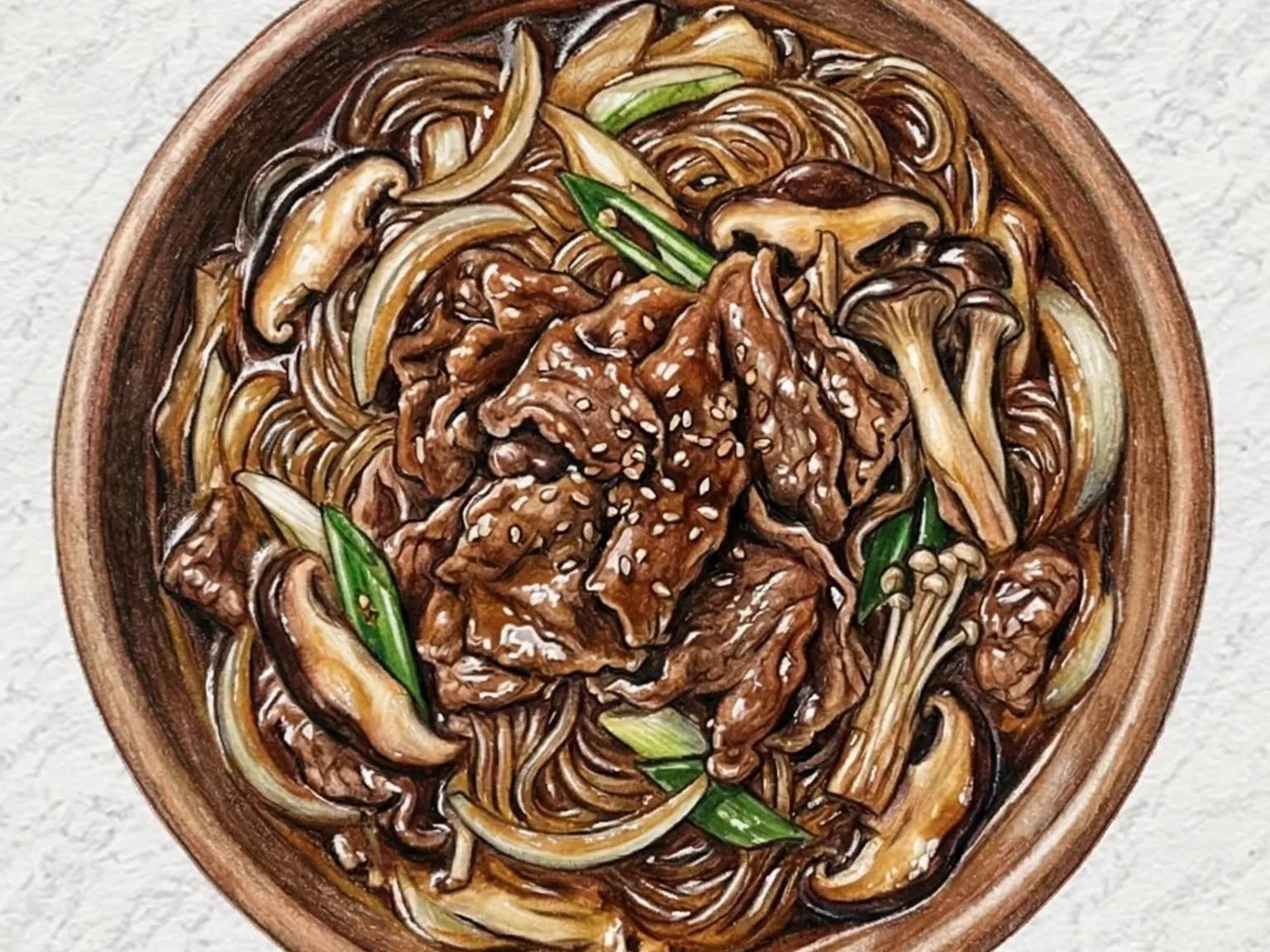
Korean Andong-style Soy Bulgogi
Andong-style bulgogi departs from the Seoul version in one essential way: the beef is not grilled but braised in its marinade. In Andong, a city in North Gyeongsang Province that has carefully preserved Joseon-era culinary customs, thinly sliced beef is first marinated in soy sauce, sugar, sesame oil, garlic, and pear juice, then layered in a wide, flat pan with glass noodles, onion, scallion, and mushroom. The pan goes over heat and simmers until the liquid reduces; as it does, the sweet soy marinade thickens into a glaze that coats every ingredient with a lacquered sheen. Glass noodles absorb the concentrated braising liquid, taking on a deeply seasoned richness. The finished dish is noticeably wetter and more intensely flavored than grilled bulgogi, and spooning it over steamed rice turns it into a complete bowl. In Andong, this dish has long appeared at ancestral rite ceremonies and family gatherings, where the pan itself is brought to the table and diners serve themselves directly. The preparation reflects the inland Gyeongbuk preference for soy sauce as the primary seasoning agent rather than gochujang or doenjang.
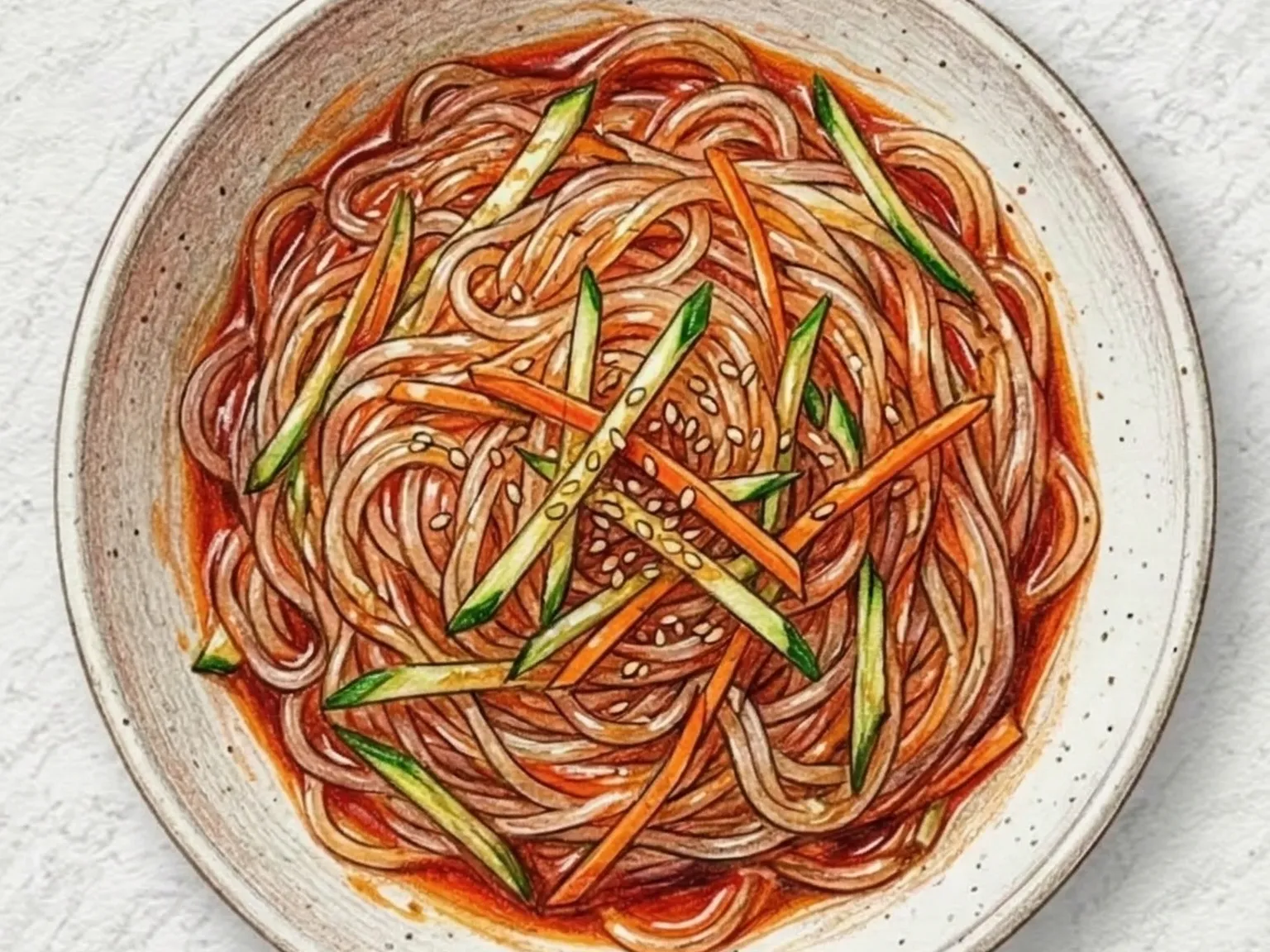
Bibim Dangmyeon (Spicy Glass Noodles)
Bibim dangmyeon is a Korean bunsik dish of boiled sweet potato starch noodles tossed together with vegetables in a dressing of gochujang, vinegar, and sugar. The noodles are cooked in boiling water until just tender, then drained and rinsed thoroughly in cold water. The cold rinse is the step that determines the final texture of the entire dish. Skipping it leaves the noodles hot and continuing to soften in their own residual heat, and they eventually stick together in a clump. Running cold water over them immediately halts the cooking, sets the starch, and produces the transparent, chewy, springy texture that defines a well-made dangmyeon. Julienned cucumber and carrot add crunch and visual contrast in the bowl. A pan-fried egg sliced into thin strips and placed on top contributes a mild, rich note and completes the visual presentation. The dressing is a balance of three distinct flavor elements: the heat and fermented depth of gochujang, the acidity of vinegar, and the sweetness of sugar. All three need to coat every strand of noodle evenly, which requires thorough tossing rather than a light fold. Sesame oil added at the end prevents the noodles from sticking together as they sit while also contributing a warm, nutty finish. Because the noodles continue absorbing the dressing over time, the dish is best eaten immediately after preparation when the texture is at its most distinct. The dressing can be made in advance and refrigerated, and garlic chives or perilla leaves can substitute for the cucumber and carrot. Adding thinly sliced bulgogi or a soft-boiled egg provides protein without disrupting the overall balance of the dish.
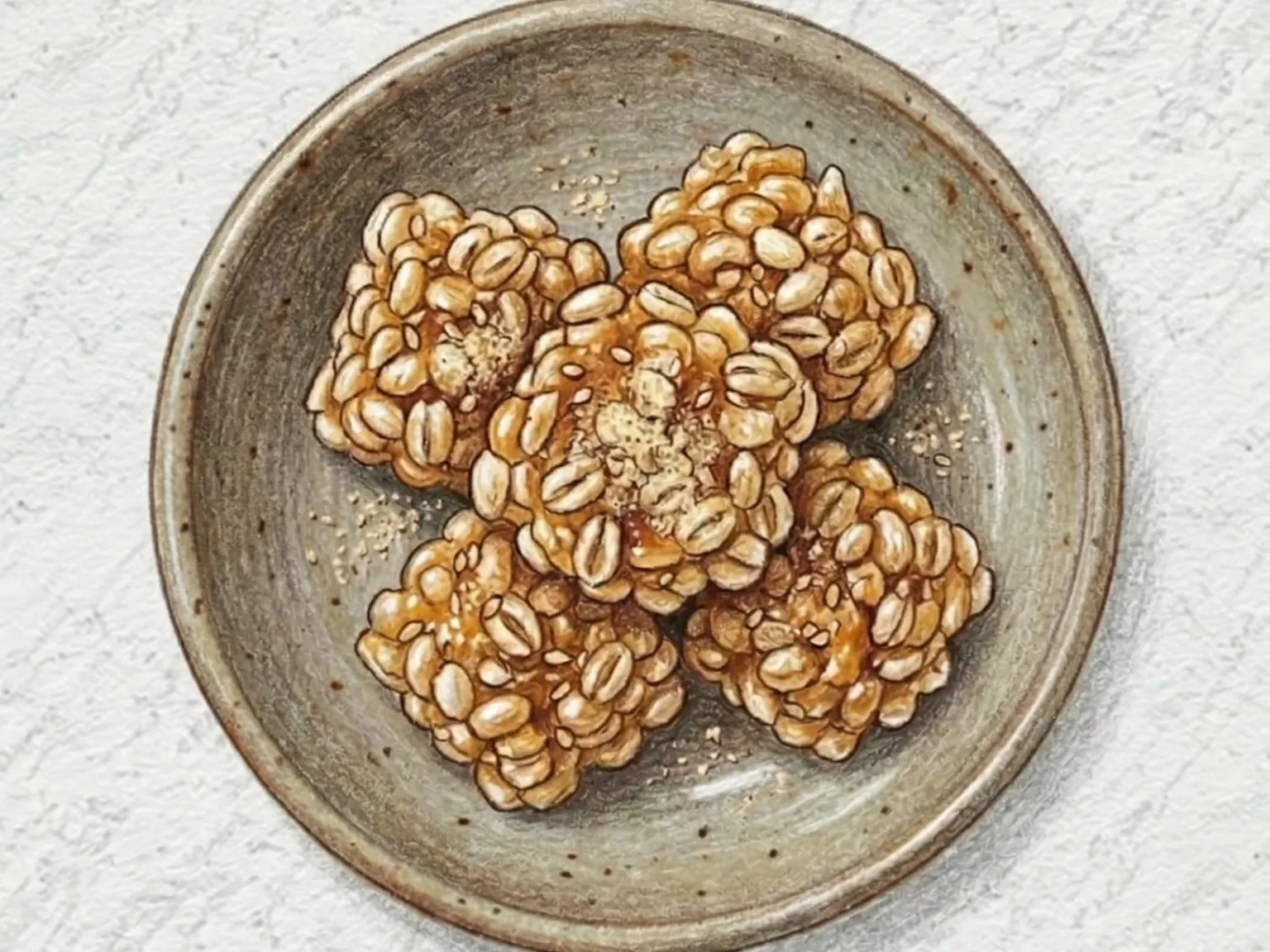
Barley Puff Brittle (Korean Puffed Barley Walnut Sesame Candy)
Bori-gangjeong is a Korean barley puff brittle made by tossing puffed barley and roughly chopped walnuts with toasted sesame seeds in a syrup of rice malt, sugar, and honey cooked precisely to 118 degrees Celsius. Temperature is the deciding variable: below that threshold the brittle never fully sets and stays soft and sticky even when cool, while above it the result hardens into something that resists the teeth uncomfortably. Once the correct temperature is reached, the mixture must be worked quickly - the syrup sets fast. Sesame oil stirred in at the very end coats the barley in a layer of nutty fragrance that ties the toasty grain, the honey sweetness, and the dense crunch of walnut together. Scoring the slab while it is still pliable is essential: cuts made after the brittle fully sets tend to crack rather than slice cleanly, and the pieces lose their uniform shape. The deep sweetness of the rice malt syrup and the nuttiness of the barley combine into a straightforward but lingering flavor that keeps the hand returning to the plate.