🌙 Late Night Recipes
Quick and satisfying late-night bites
651 recipes. Page 17 of 28
Late-night cravings call for quick, easy recipes that satisfy without too much effort. Ramyeon, egg fried rice, tuna-mayo rice bowls, and simple toasts - these are dishes you can throw together when hunger strikes after dark. Cooking at home beats delivery in both cost and healthiness.
The ideal late-night snack is fast to make, easy to clean up, and just filling enough. These recipes hit that sweet spot - comforting without being heavy.
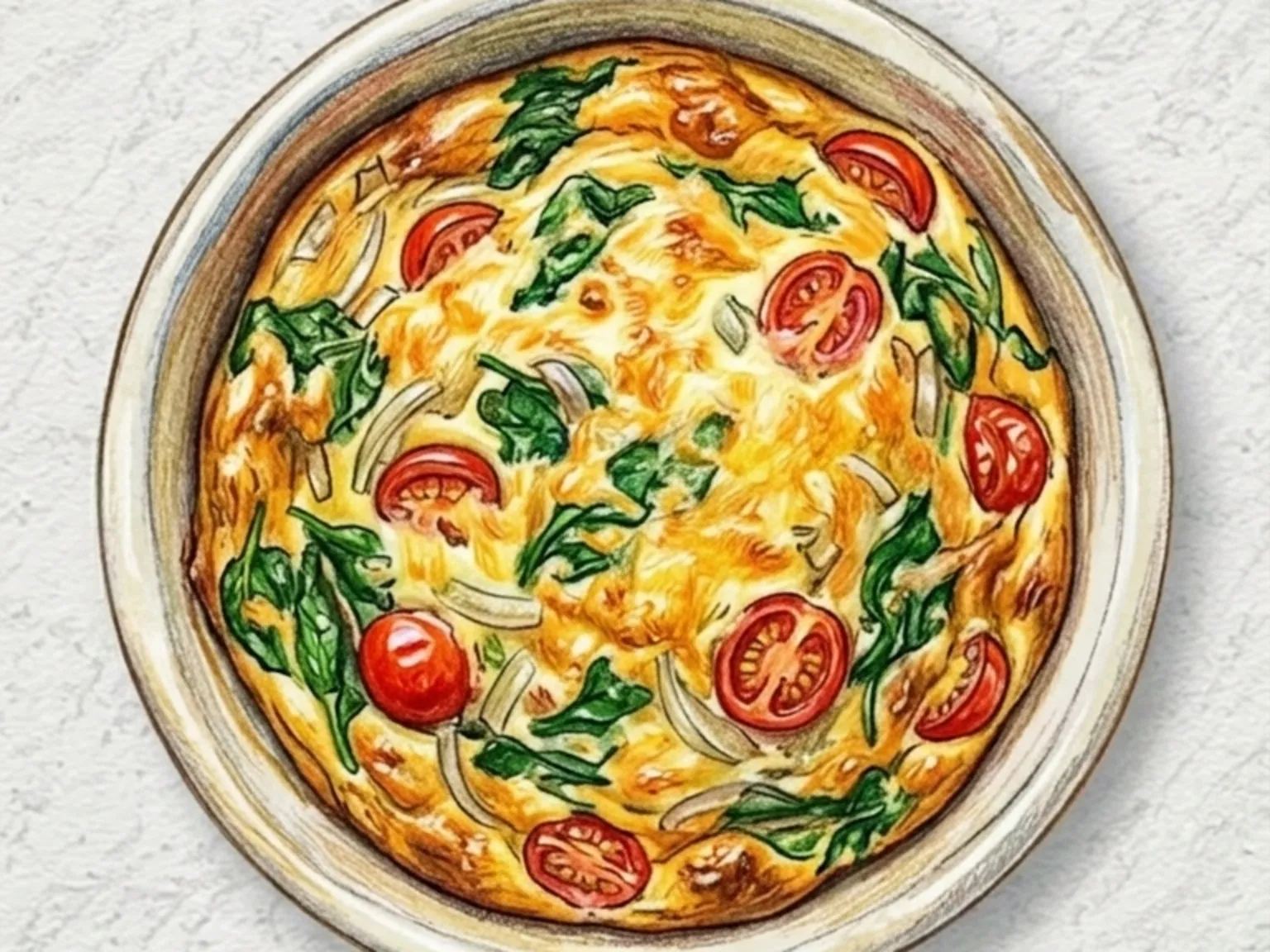
Frittata
Frittata whisks eight eggs with milk and salt, then builds layers of flavor in an oven-safe pan before finishing in the oven. Onion is sautéed in olive oil until soft and translucent, then spinach and halved cherry tomatoes are added and cooked briefly so they release some moisture without turning to mush. The egg mixture is poured over the vegetables and left untouched on medium-low heat until the edges begin to firm and pull away from the sides of the pan. Grated cheddar cheese is scattered across the top before the pan goes into a 190-degree oven for ten minutes, during which the frittata puffs up and cooks through evenly from edge to center. The finished frittata is done when a gentle press at the center springs back with light resistance. Over-whisking the eggs before cooking traps too many air bubbles, which collapse in the oven and leave the surface cratered and uneven, so a slow, deliberate stir produces a better result. Smoked salmon, sliced sausage, or leftover roasted vegetables all work as additions without disrupting the basic structure. Cold leftovers tucked into a sandwich the next morning taste just as good as the freshly made version.
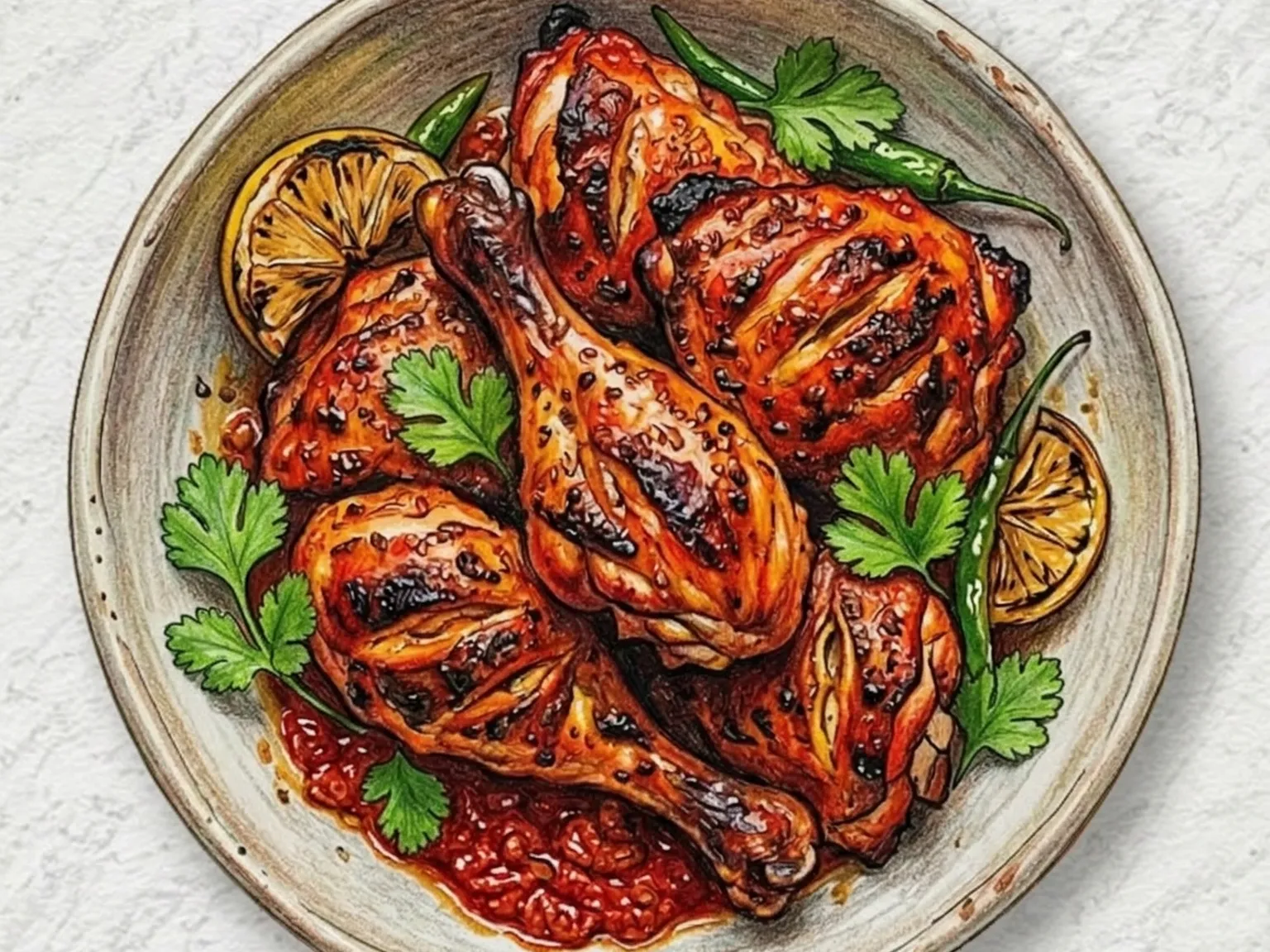
Tandoori Chicken
Tandoori chicken is an Indian dish in which chicken pieces are marinated for hours in a spiced yogurt mixture and then roasted at high heat until the surface chars and develops a smoky fragrance. The marinade combines yogurt with cumin, coriander, and paprika powders, which together create the dish's signature vivid red hue and layered spice character. Lemon juice in the marinade tenderizes the meat and adds a subtle citrus undertone. Scoring the chicken before marinating allows the spices to penetrate deeply, so every bite carries the full complexity of the blend. At 230 degrees Celsius, the exterior develops dark, slightly blistered spots that contribute a smoky bitterness, while the yogurt coating keeps the interior moist and succulent. Tandoori chicken is traditionally cooked in a cylindrical clay oven called a tandoor, though a conventional oven at maximum temperature produces excellent results. It is often served with naan bread, sliced onion, and a squeeze of fresh lemon.
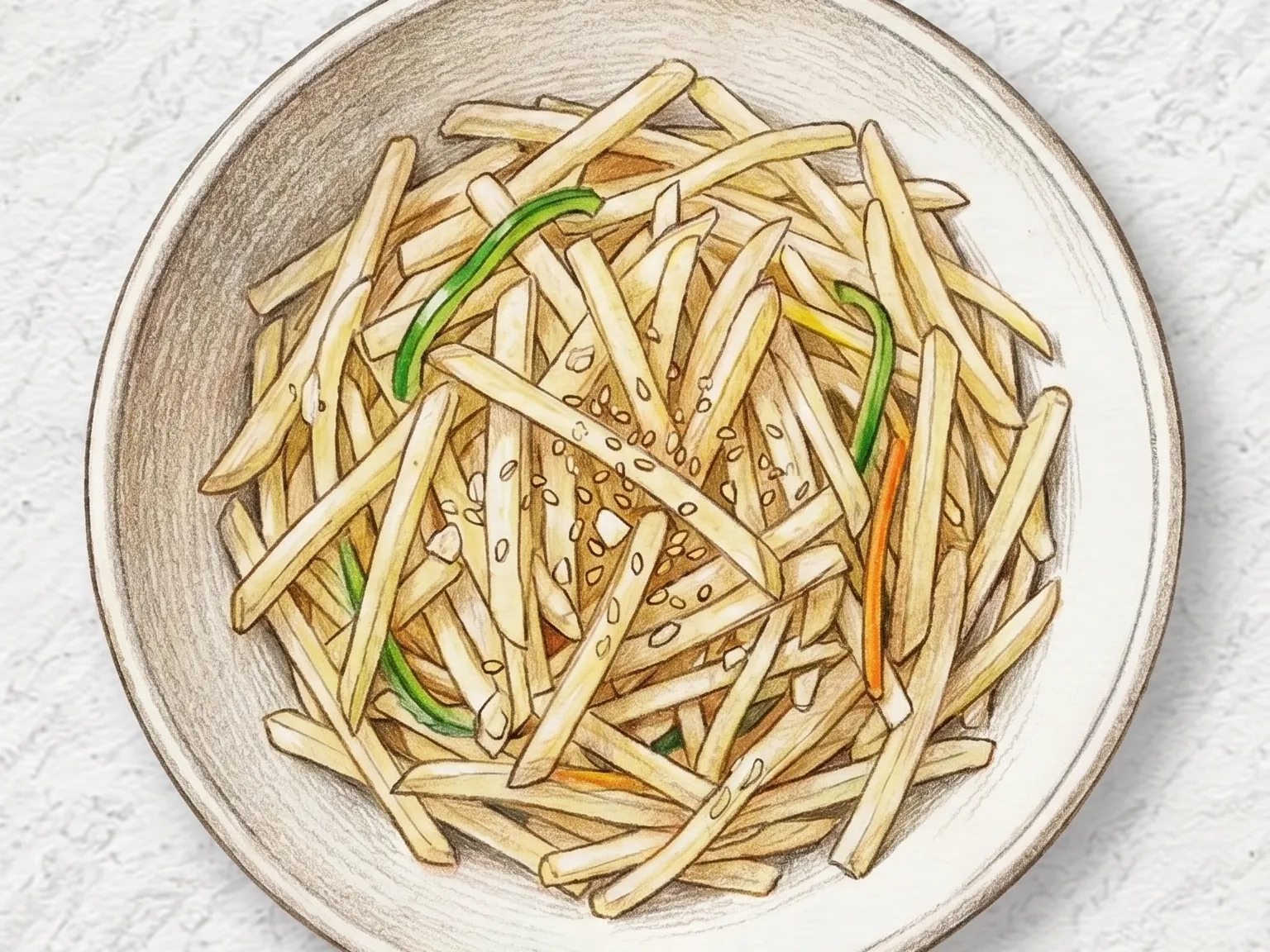
Korean Stir-fried Potato Strips
Gamja-bokkeum is a fundamental Korean side dish made by stir-frying julienned potatoes until they are just tender with a remaining crunch, and it belongs on almost any Korean table regardless of what else is being served. Soaking the julienned potatoes in cold water for five to ten minutes removes the surface starch that would otherwise cause the pieces to stick together in the pan and clump into a mass. The drained potatoes go into an oiled pan over medium heat with garlic, which provides a gentle aromatic backdrop without competing with the potato's mild natural flavor, and salt is the only seasoning needed to let that flavor come through. The key to the right texture is restraint: the potatoes are ready when they have turned translucent and the edges have picked up a faint golden color, and cooking past that point makes them soft rather than crisp. A finishing drizzle of sesame oil and a scattering of sesame seeds add a warm nuttiness that elevates the simple seasoning into a complete flavor. Thinly sliced cheongyang chili added during cooking produces a spicier variation, and a small amount of bell pepper or carrot adds color without changing the character of the dish. It is the kind of banchan that disappears from the table quickly despite its simplicity.
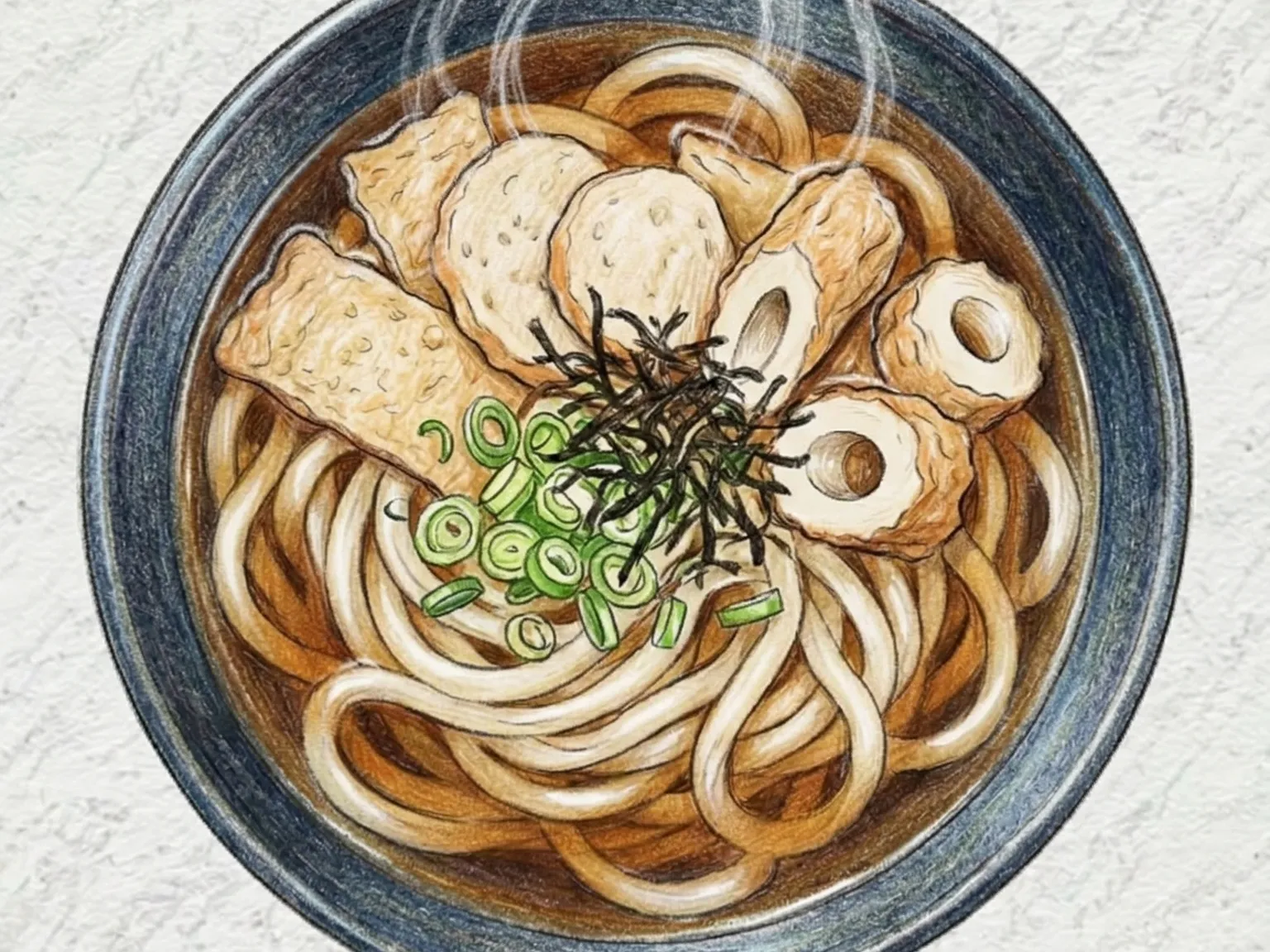
Korean Street Stall Udon (Dashi Broth Fish Cake Noodle Soup)
This street stall-style udon starts with kombu cold-steeped in water that is then brought to a gentle boil and simmered for eight minutes to extract its clean, mineral sweetness. The heat is turned off before bonito flakes are added, left to steep for two minutes until the broth turns golden and faintly smoky, then strained clear. Soup soy sauce and regular soy sauce are used together so the broth achieves both the right color and a balanced savory depth, and a small amount of sugar smooths the sharp edge of the soy without making the broth sweet. Fish cake slices are added directly to the hot broth and simmered for roughly five minutes, releasing their own mild umami into the liquid while absorbing the dashi flavor in return. Cooking them much longer causes the texture to deteriorate. Udon noodles are blanched separately in a second pot to wash off surface starch, then transferred to serving bowls while the broth is brought back to a rolling boil. Pouring the hot broth over the noodles at the last moment rather than simmering the noodles in the broth keeps them springy and prevents the soup from turning cloudy. Sliced scallion and dried seaweed flakes go on top as the final garnish.
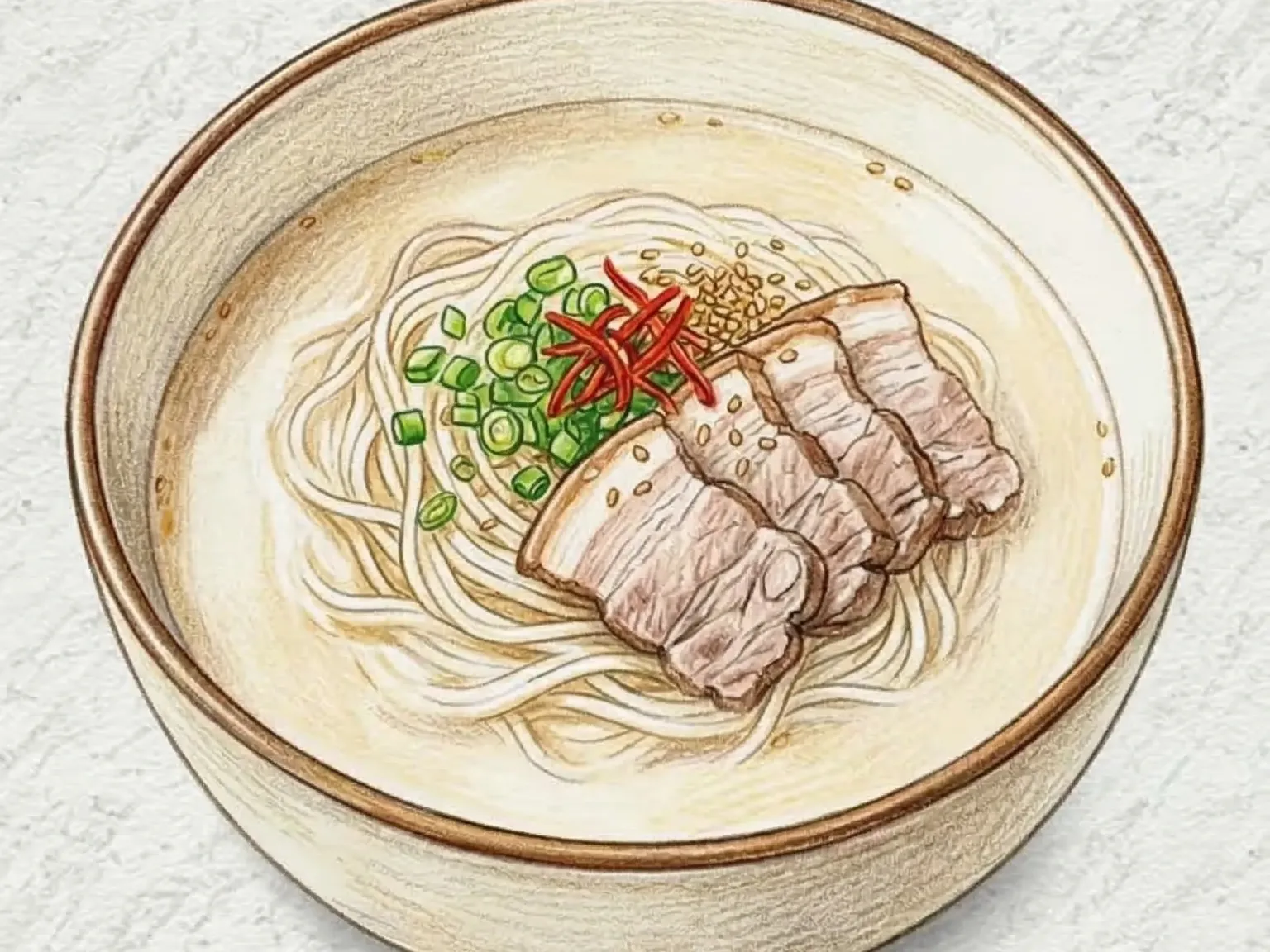
Korean Pork Noodle Soup (Jeju Milky Pork Bone Broth Noodles)
Gogi-guksu is a noodle soup from Jeju Island built on a long-simmered pork bone broth. Hours of boiling coax the collagen and marrow from the bones, turning the liquid milky-white and giving it a rich, full-bodied character that carries deep pork flavor in every spoonful. Green onion and garlic added to the pot during cooking suppress the gamey edge of the bones while rounding the flavor into something cleaner and more balanced. A single spoonful of doenjang stirred in before serving introduces fermented soybean depth that elevates the broth well beyond a simple bone stock. Thin somyeon noodles are cooked separately and rinsed under cold water after draining to wash off excess starch, which keeps them springy and distinct when submerged in the hot broth rather than turning soft and clumpy. In Jeju, sliced pork bossam is traditionally placed on top of the noodles before serving, and the combination of tender boiled pork and the opaque, warming broth makes this one of the most comforting bowls in the island's food tradition.

Galette Complete (Buckwheat Crêpe with Ham Cheese Egg)
Galette complete is a savory Breton buckwheat crepe made from a thin batter of buckwheat flour, water, eggs, and salt that rests for fifteen minutes to let the grain hydrate and the rough particles smooth out. A lightly buttered crepe pan gets a thin spread of batter that cooks until the edges turn crisp and lacy. Ham and grated Gruyere cheese are placed in the center, a whole egg is cracked on top, and the edges fold inward to form a square frame around the filling. The galette finishes cooking just until the white sets while the yolk stays runny, which is the traditional result. Buckwheat's earthy, slightly bitter character pairs naturally with the salty ham and nutty melted cheese, and the crisp folded border contrasts with the soft, custard-like center. Spreading the batter as thinly as possible is important because a thick crepe loses the light, delicate texture that defines the dish. A lid placed briefly over the pan after folding can set the white faster without overcooking the yolk.
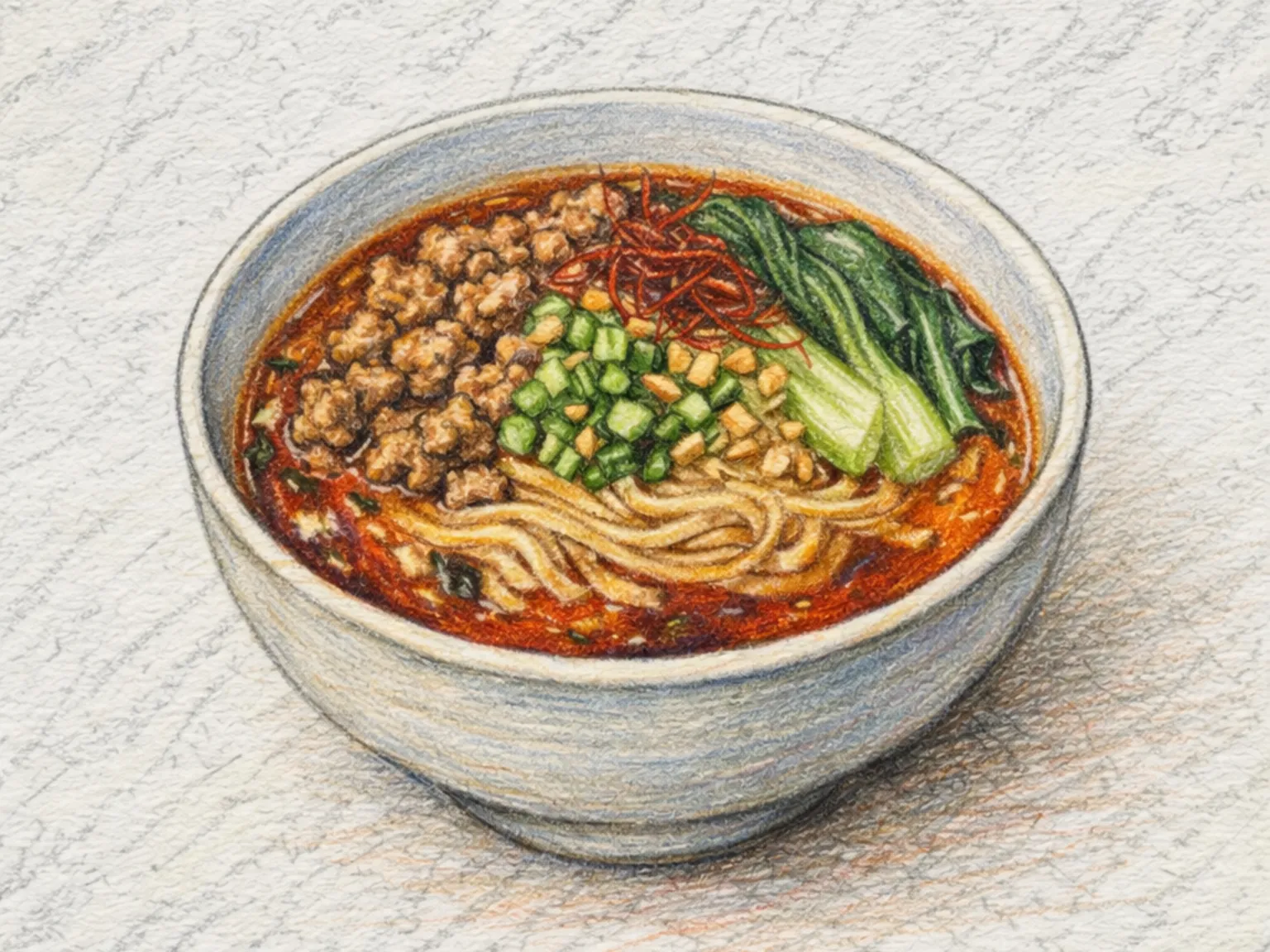
Sesame Spicy Tantanmen (Chinese Creamy Sesame Chili Oil Noodle Soup)
Tantanmen is a noodle soup of Chinese origin that is defined by the combination of a creamy sesame-based broth and the sharp heat of chili oil. This pairing creates a bowl of noodles that features nutty, spicy, and savory characteristics all at once. The preparation of the broth starts with a base of chicken stock. To this base, sesame paste is added and whisked thoroughly until it has fully dissolved into the liquid. The result of this process is a thick, tan-colored soup base that emits a prominent fragrance of roasted nuts. The meat topping for the dish is prepared separately by frying ground pork with minced garlic and fresh ginger. During this cooking process, doubanjiang, which is a paste made from fermented chili beans, is stirred into the pork to add saltiness and depth. The meat is cooked until it is well-browned and has a crumbly consistency, after which it is spooned over the noodles to provide a rich component to the final assembly. To balance the density of the broth, bok choy is blanched and added to the bowl, offering a crisp and vegetal element that provides a contrast to the liquid. Just before serving, a final drizzle of chili oil is applied to the surface of the soup, where it gathers in small pools and releases its aroma with the heat. The noodles are generally cooked until they are just short of being fully done, which allows them to maintain a firm and chewy texture while they remain submerged in the hot liquid. Each individual ingredient, from the sesame and chili to the fermented beans and pork, contributes its own specific layer of flavor. As these different elements gradually merge together in the bowl, the taste of the soup continues to develop and change while the meal is consumed slowly.
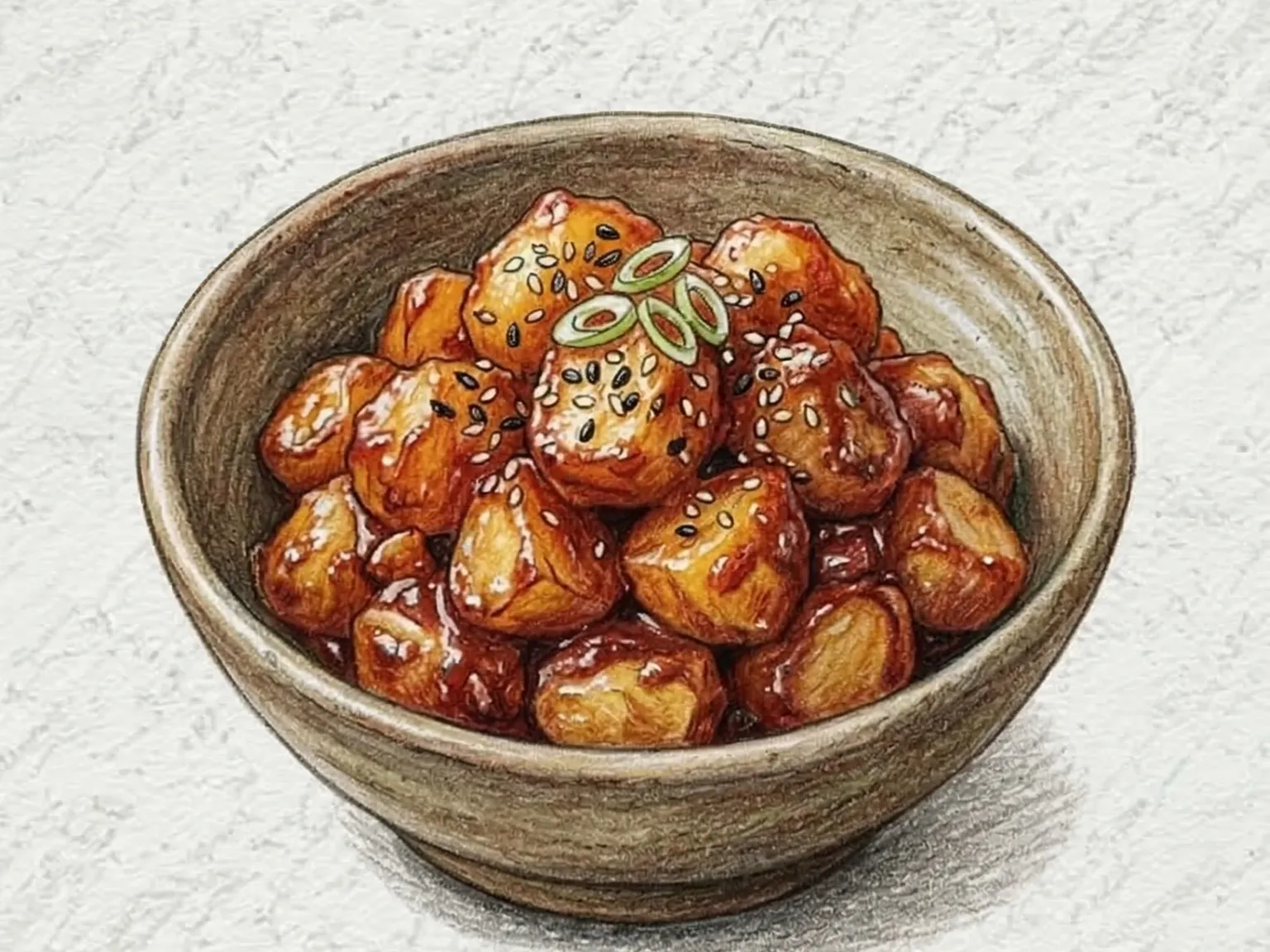
Korean Spicy Gochujang Potatoes
Gamja gochujang bokkeum is a simple Korean banchan of cubed potatoes stir-fried and simmered in a gochujang-based sauce until each piece is coated in a glossy, spicy-sweet glaze. Soaking the potatoes in cold water before cooking draws out excess starch, which prevents sticking and allows the sauce to adhere evenly across the surface rather than pooling at the bottom of the pan. The balance of gochujang heat and sugar sweetness is the flavor backbone, and the sauce is considered ready when it has reduced enough to form a shiny film on the potatoes - a visual cue that means the sugars have caramelized slightly and the flavors have concentrated. Because the sauce contains no additional liquid, it clings deeply to each cube rather than sitting separately, delivering full seasoning in every bite. This is a reliable everyday banchan that takes around twenty-five minutes with pantry staples and appeals to a wide range of palates, including children who find the sweetness more prominent than the heat.
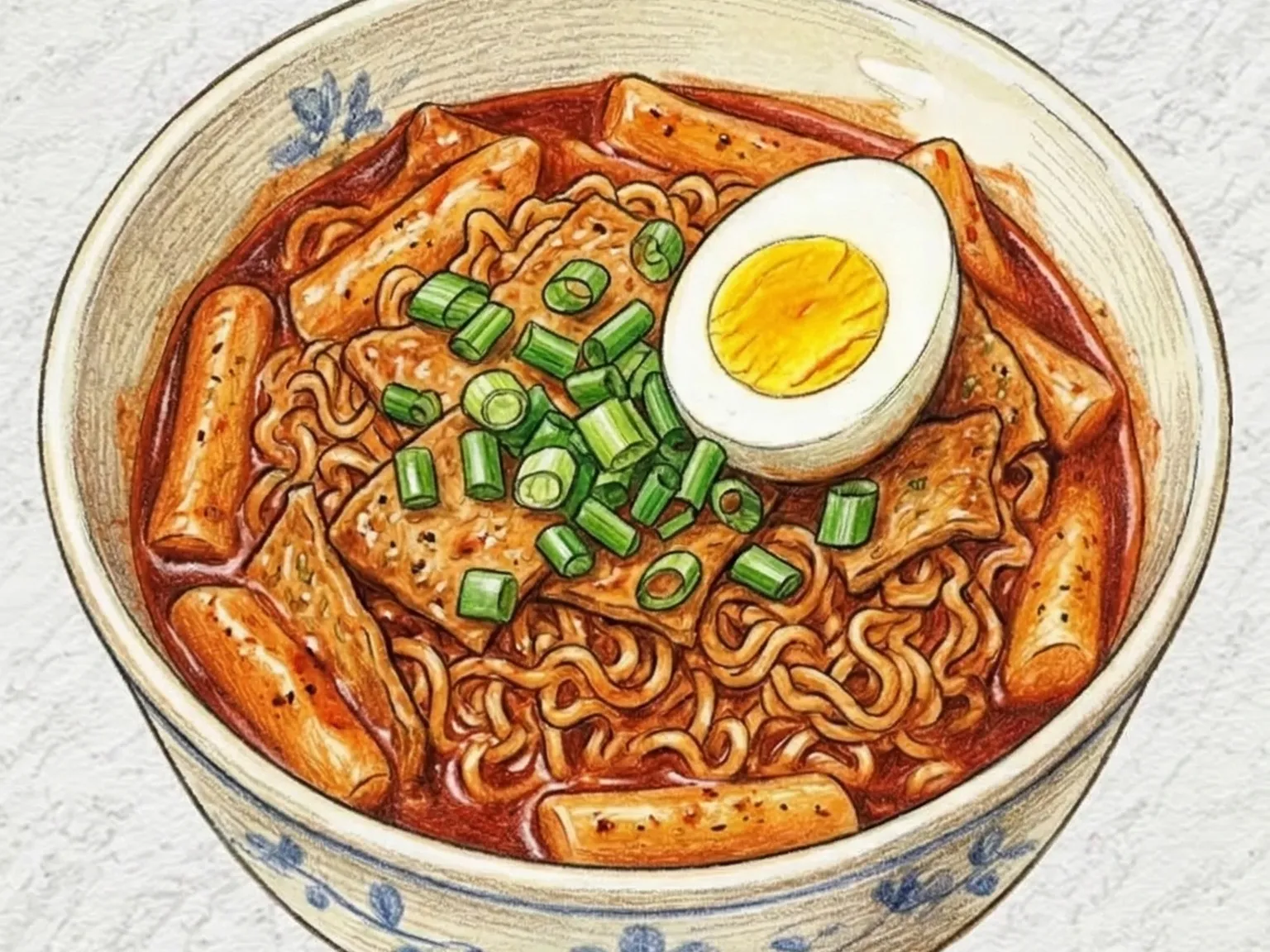
Korean Ramen Tteokbokki (Spicy Rice Cake and Ramen Noodle Stir-Fry)
Rabokki is a popular Korean street food that combines chewy rice cakes and ramen noodles in a sweet and spicy sauce. The base sauce is made by dissolving gochujang, gochugaru, soy sauce, and sugar in water, then bringing the mixture to a boil. Rice cakes are added first and cooked for five minutes to absorb the flavors, followed by fish cakes and the ramen noodle block, which simmer for another three minutes. This sequential cooking prevents the noodles from becoming mushy while allowing them to absorb the concentrated, starchy sauce. Adding half a packet of the ramen seasoning powder is an option to increase the umami flavor. Once the broth reduces to a thick glaze, the dish is finished with chopped green onions and boiled eggs, and served hot before the noodles lose their springy texture.
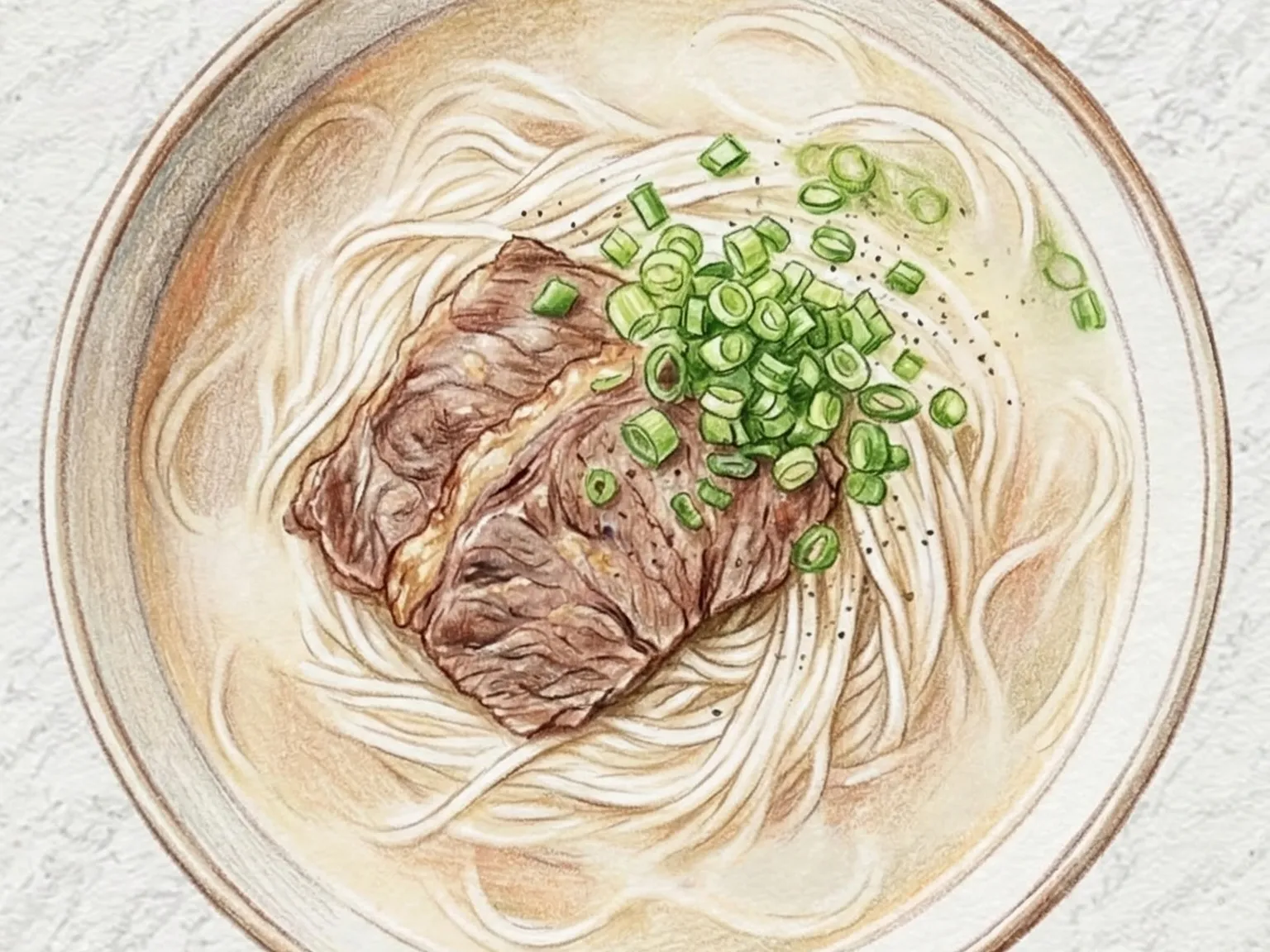
Korean Beef Bone Broth Thin Noodles
Gomguk somyeon is a Korean noodle dish that places thin wheat somyeon noodles inside a bowl of deeply extracted beef bone broth, known as gomtang, which has been simmered for many hours until it turns white and opaque. The long cooking process dissolves collagen from the bones into the broth, giving it a heavy, gelatinous body that coats the palate and clings to the thin noodles with each bite. This richness means even a plain bowl without elaborate toppings carries a profound, resonant savoriness. A few slices of boiled beef placed on top add a contrasting texture, soft enough to pull apart along the grain with chopsticks yet firm enough to provide a lean, meaty resistance that the broth alone cannot supply. The seasoning stays deliberately spare, just salt and black pepper, because adding more would interrupt the long, quiet depth that the hours of simmering have built into the stock. Sliced green onion scattered across the surface cuts through the fatty richness with a clean, bright edge, preventing the bowl from feeling one-dimensional.
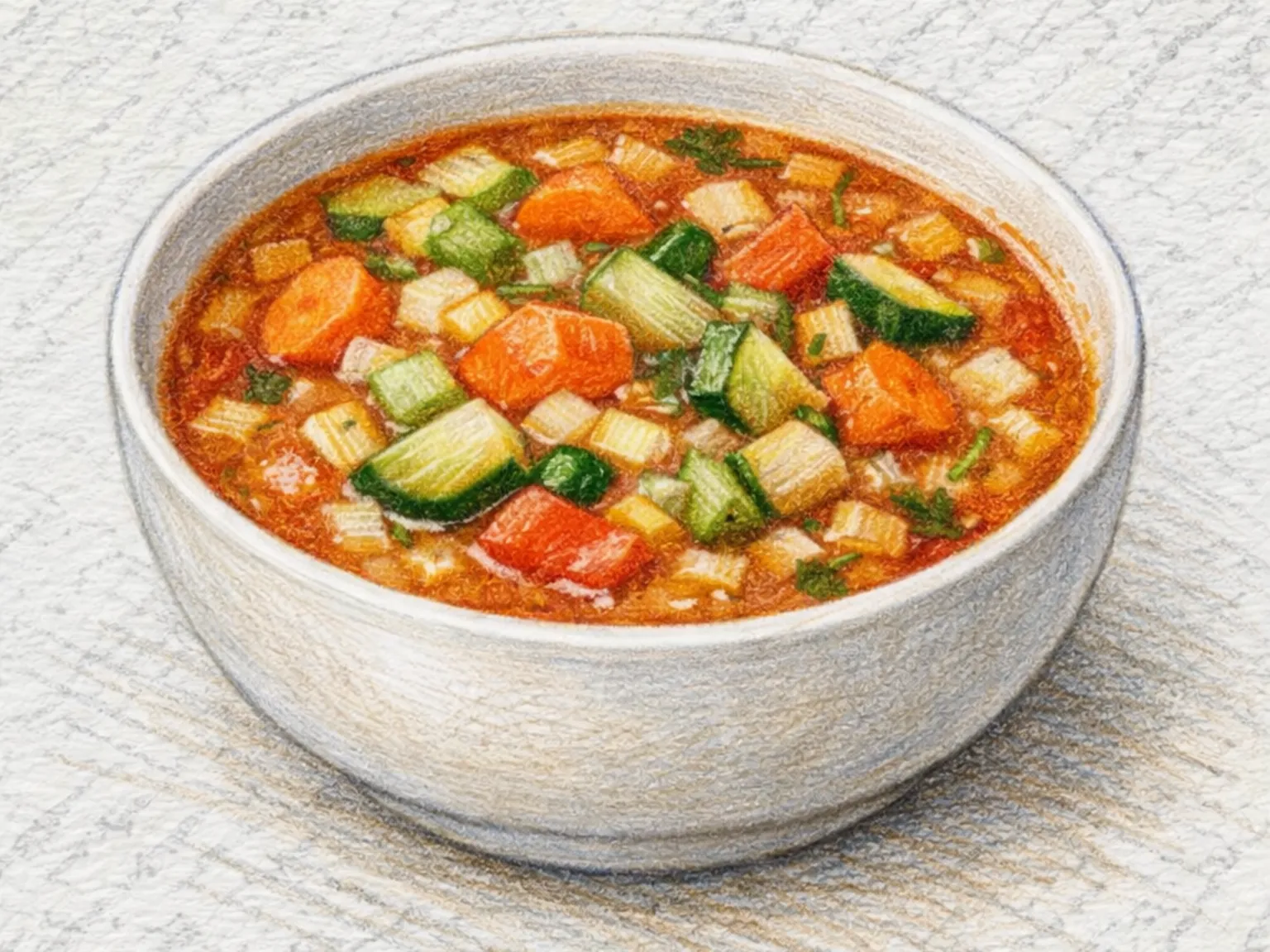
Hearty Minestrone Soup
Hearty minestrone soup is an Italian vegetable soup that begins by patiently sauteing onion, carrot, celery, and zucchini in olive oil to draw out their natural sweetness before adding crushed tomatoes and vegetable broth. Taking time to cook the vegetables over medium heat allows caramelization to occur, building a clean yet deep flavor base for the broth. Kidney beans contribute plant-based protein and a starchy thickness, while small pasta cooked directly in the soup releases additional starch that enriches the overall texture. Adding a Parmesan rind during the simmer infuses the broth with a quiet umami depth. A final garnish of grated Parmesan and a drizzle of olive oil just before serving rounds out the bowl with richness and savory warmth.
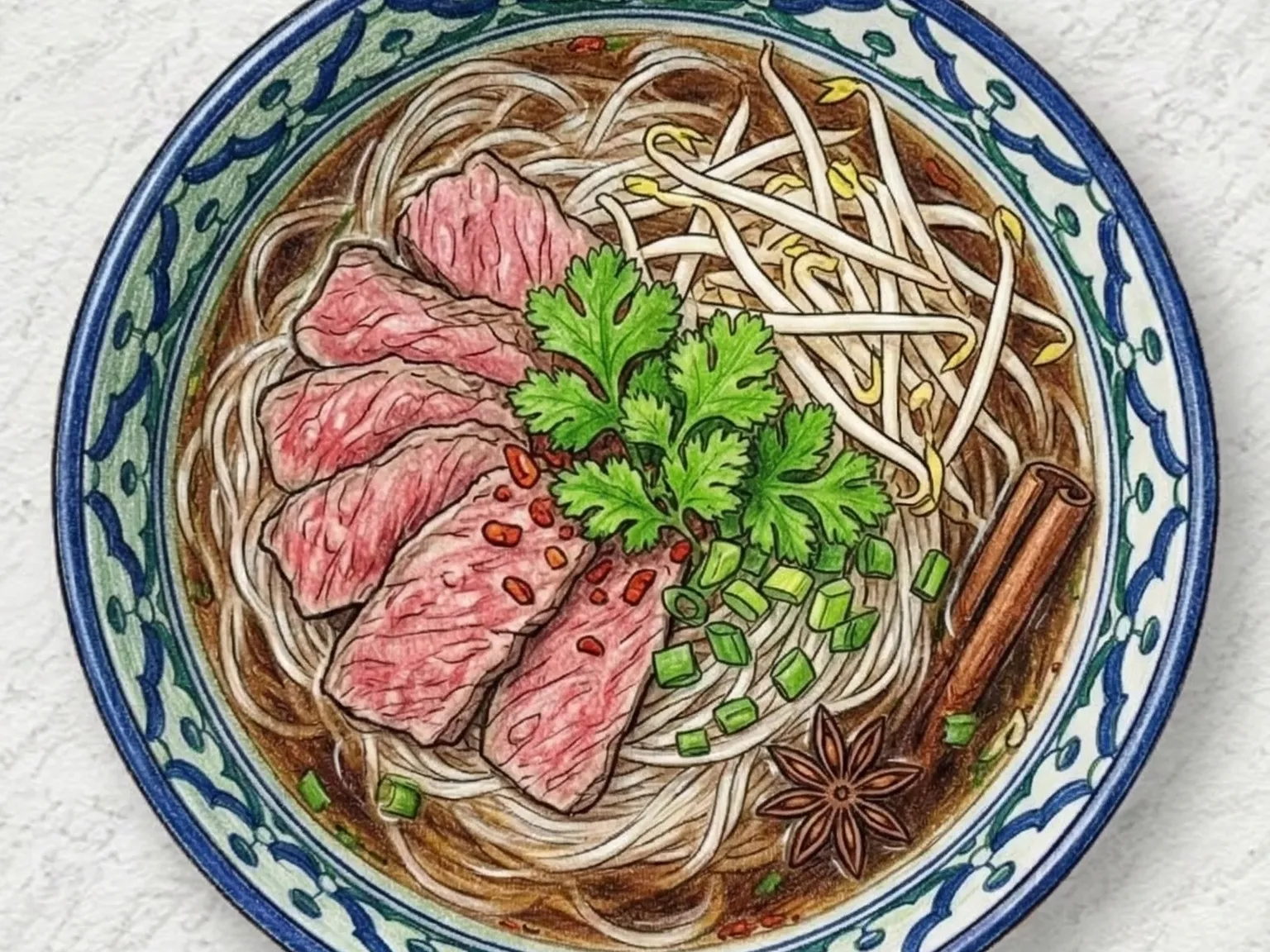
Thai Boat Noodles (Intense Thai Canal Beef Noodle Soup)
Thai boat noodles are an intensely flavored street noodle soup that originated on the small boats plying Bangkok's canals, where vendors would hand bowls across the water to customers on the banks. The broth is built by simmering beef stock with star anise and a cinnamon stick for fifteen minutes or more, extracting warm, aromatic notes that form the backbone of the dish. Fish sauce, dark soy sauce, and palm sugar are added to season the liquid into a deeply savory, slightly sweet, and mahogany-dark broth. Thinly sliced beef is poached in the simmering liquid for just a minute or two so it stays supple, then ladled over cooked rice noodles in a bowl. Fresh bean sprouts provide crunch and cilantro adds a bright herbaceous lift that counterbalances the concentrated broth. Boat noodle portions are traditionally small-designed to be eaten quickly and in multiples-so every spoonful delivers maximum impact.
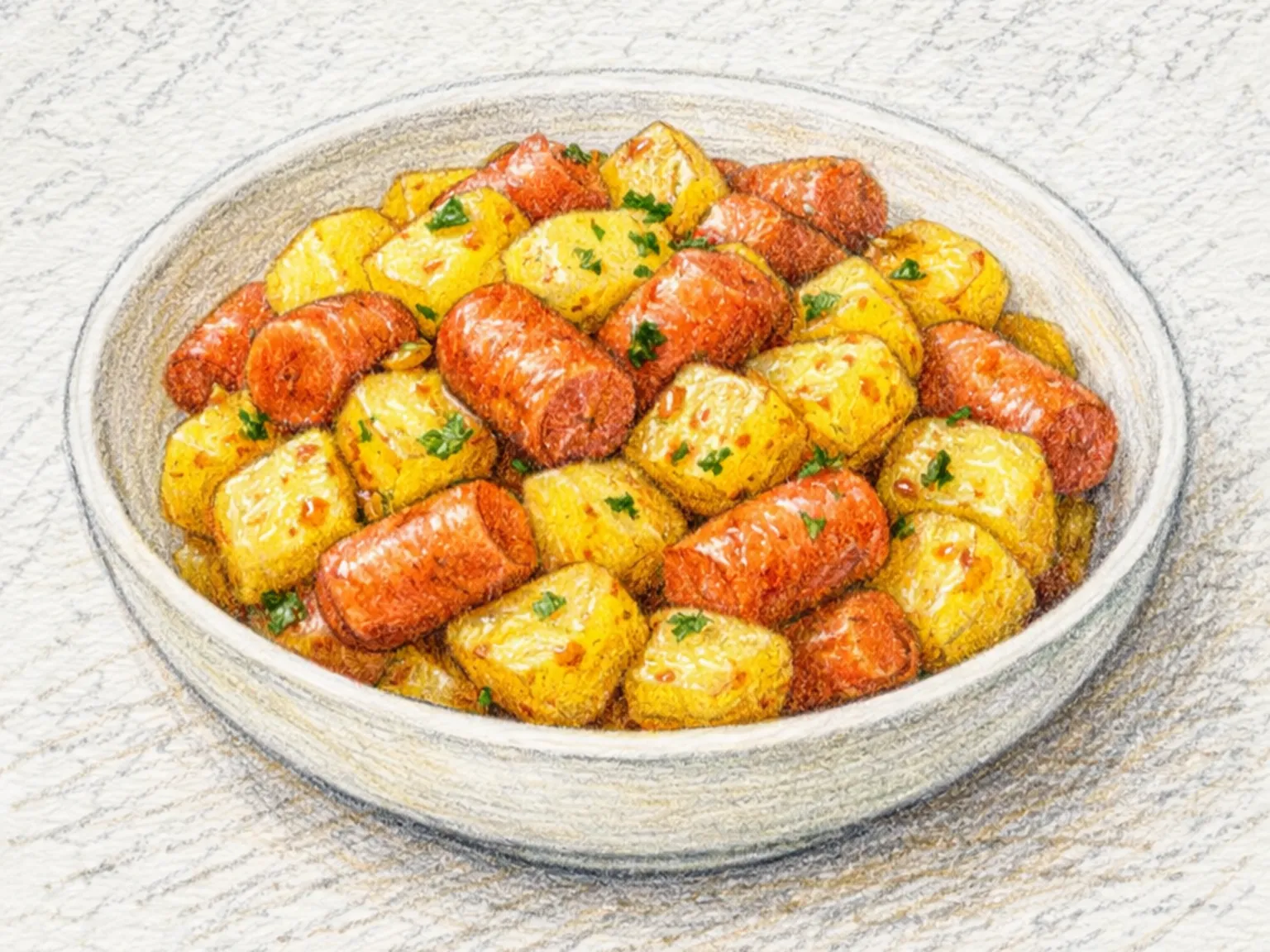
Korean Potato and Sausage Stir-Fry
This Korean side dish features thinly sliced potatoes and bite-sized sausages stir-fried in a sweet and savory sauce. The potatoes are sliced into half-moons and cooked in a hot pan with oil for three minutes until their edges turn translucent. Sausages are then added, and the heat is reduced to medium to cook for two more minutes, allowing the rendered sausage fat to coat the potatoes. The dish is seasoned with a quick blend of soy sauce, ketchup, and sugar. Because the sauce can burn easily, it is crucial to toss the ingredients rapidly for thirty seconds until a glossy glaze forms. Ketchup provides a mild acidity that balances the saltiness of the soy sauce and the sweetness of the sugar. This stir-fry is a popular lunchbox staple that comes together in under ten minutes, making it highly practical for busy mornings.
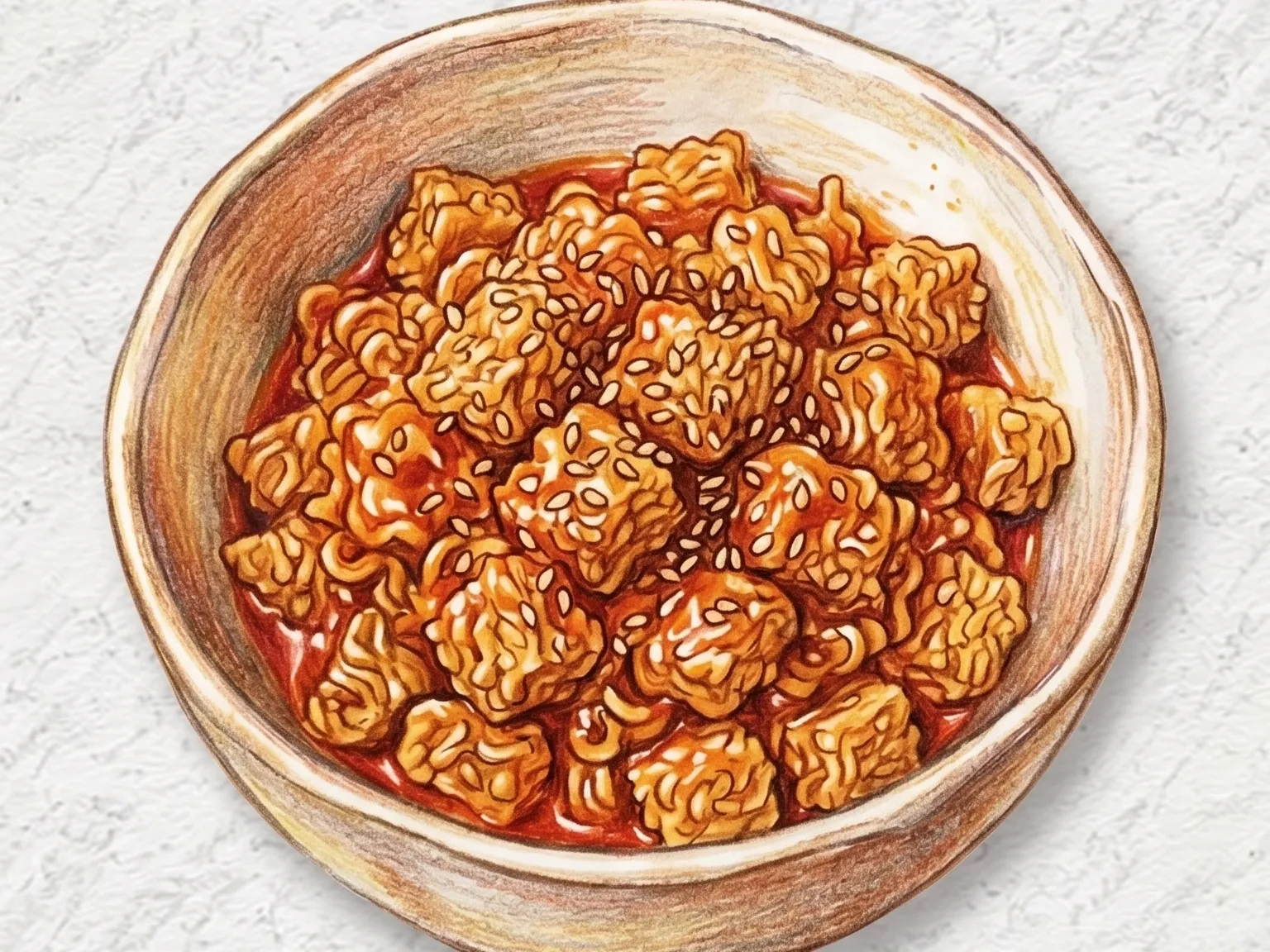
Korean Sweet Spicy Crispy Ramen Snack
Ramyeon-ttang is a Korean snack made by crushing a bag of instant ramen noodles into bite-size shards, deep-frying them at 170 degrees Celsius for one to two minutes, then tossing them quickly in a sweet-spicy glaze of gochujang, ketchup, sugar, and corn syrup, and finishing with sesame seeds. The snack traces back to the 1980s and 1990s, when it was a staple at the small stationery shops and snack kiosks clustered around elementary schools across Korea. Its appeal comes from the combination of deep crunch, sticky glaze, and the familiar flavor of the ramen seasoning packet, all for almost no cost. The coated pieces must be spread out on a tray or silicone mat immediately after glazing, since leaving them in a pile traps steam and softens the crunch within minutes. Air-frying at 180 degrees for five minutes is a lighter alternative that produces a similar result with less oil. Pulling out the seasoning packet before crushing and adding a small amount of it to the glaze when the sauce seems flat is a useful trick for boosting the savory depth.
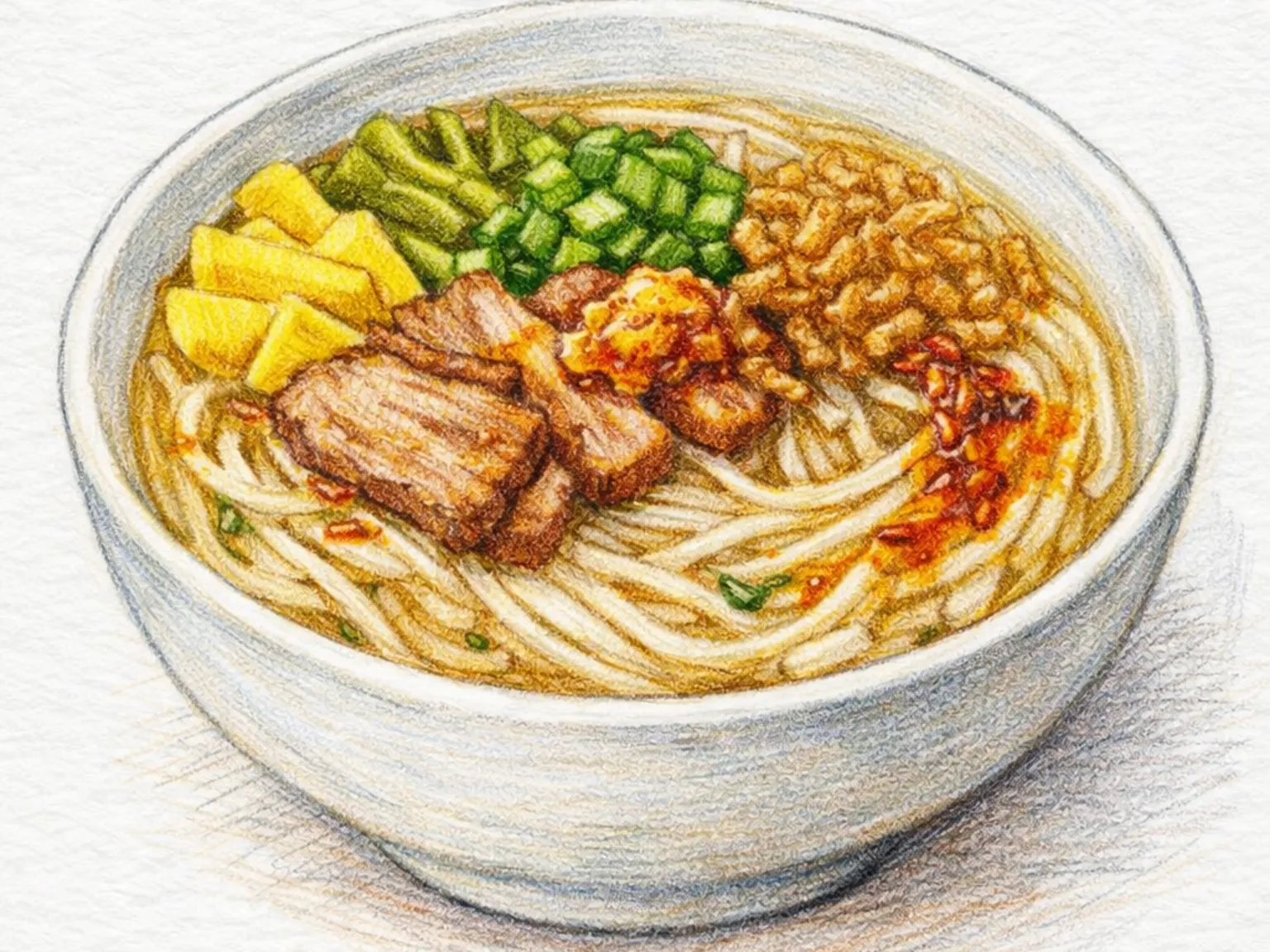
Guilin Rice Noodles (Silky Rice Noodles in Beef Brisket Broth)
Guilin rice noodles are the signature noodle dish of Guilin in Guangxi, China, built on a clear beef brisket broth that has been simmered until the collagen fully dissolves and the liquid turns deeply savory without becoming heavy. The slender rice noodle strands are smooth and slightly springy, and they absorb the broth as the bowl sits. Soy sauce seasons the soup with a salty, round undertone rather than any sharp edge. Pickled daikon radish is added as a topping for its crisp bite and vinegary tang, which cuts through the richness of the beef broth and resets the palate between mouthfuls. A drizzle of chili oil introduces a warm, slow-building heat that spreads through the soup. Fresh cilantro placed on top at the end adds a bright, citrus-forward herbal fragrance that ties the Southeast Asian-influenced profile of the bowl together. The combination of broth, noodles, and contrasting toppings is what makes Guilin rice noodles a dish people return to repeatedly.
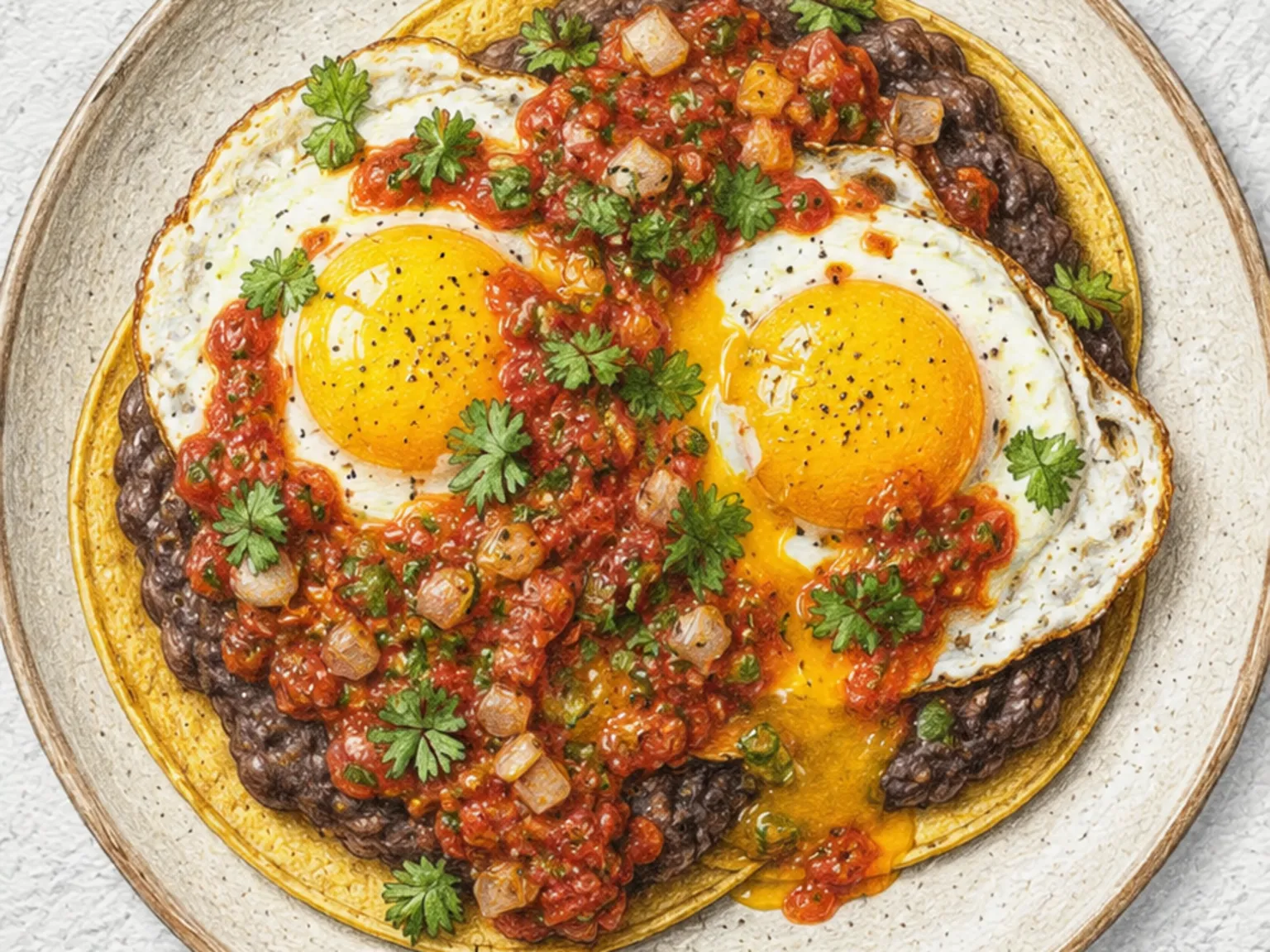
Huevos Rancheros (Fried Eggs on Tortilla with Salsa)
Huevos rancheros is a traditional Mexican breakfast of corn tortillas topped with sunny-side-up eggs, a homemade tomato-chili salsa, and lightly mashed black beans. Onion and jalapeno are sauteed in olive oil, then chopped tomatoes are added and simmered until the salsa thickens into a concentrated, spicy-tangy sauce. Keeping the salsa thick is important so the tortillas stay firm rather than turning soggy. The eggs are fried with set whites and runny yolks - breaking the yolk at the table lets it run into the salsa and create a rich, natural sauce. Fresh cilantro scattered on top adds a herbal brightness that lifts the heat and acidity, and a squeeze of lime juice sharpens the entire plate.
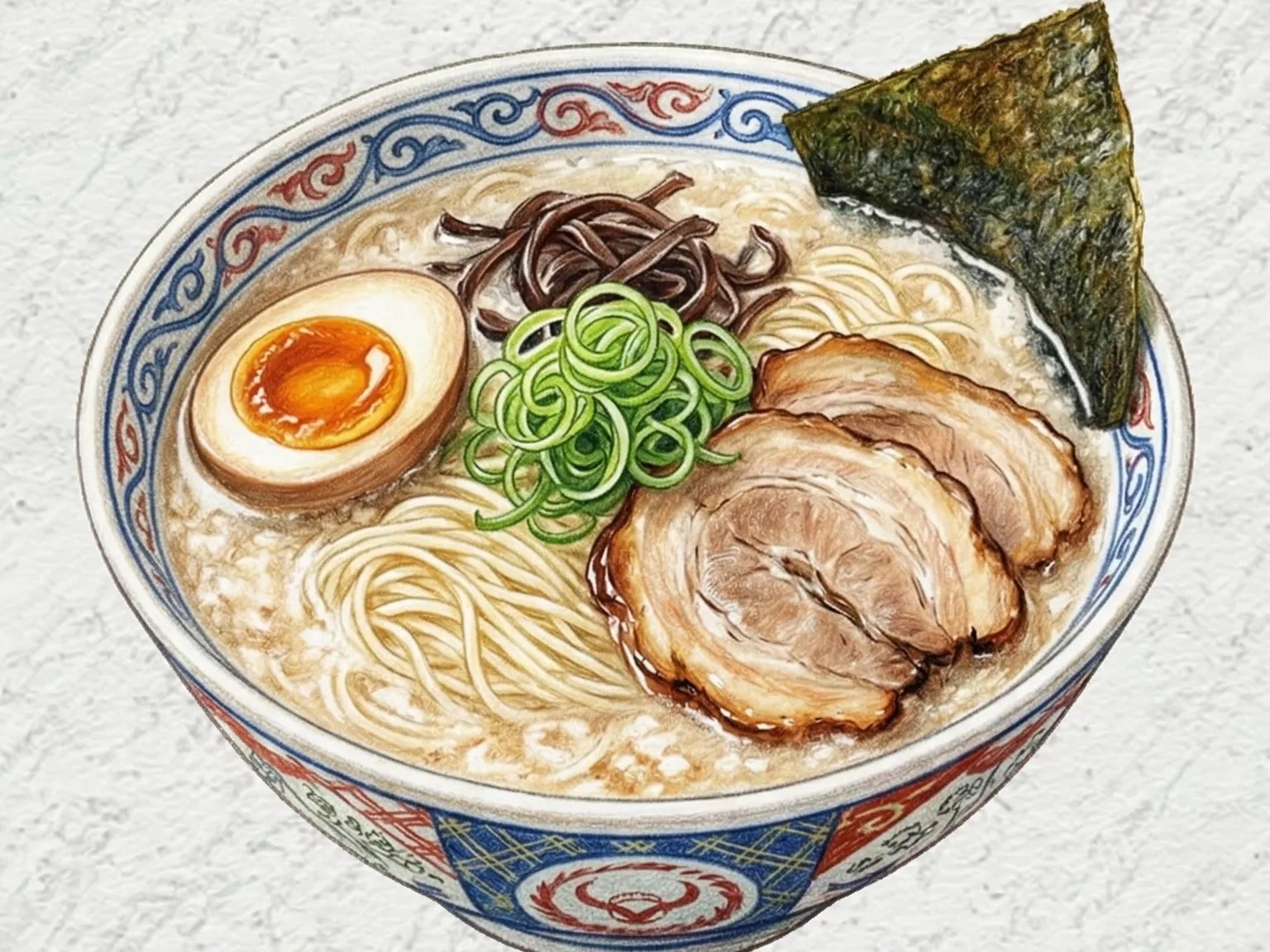
Classic Tonkotsu Ramen (Pork Bone Milky Broth Noodles)
Classic Tonkotsu Ramen is a Japanese noodle dish defined by its deep, creamy pork bone broth. The foundation of this soup requires boiling pork back bones and pig trotters with garlic and ginger at a continuous, vigorous roll for seven to eight hours. This sustained high heat emulsifies the fat and breaks down the collagen, producing a milky, gelatinous broth that coats the palate. It is served with thin, firm noodles that retain a springy bite without becoming soggy in the heavy soup. Top the bowl with pork belly chashu braised in soy sauce and mirin, soft-boiled eggs marinated in the braising liquid, and sliced green onions. Maintaining a strong boil without reducing the heat is critical to achieving the characteristic white color and rich texture. Prepare the chashu a day in advance and chill it for easier thin slicing.
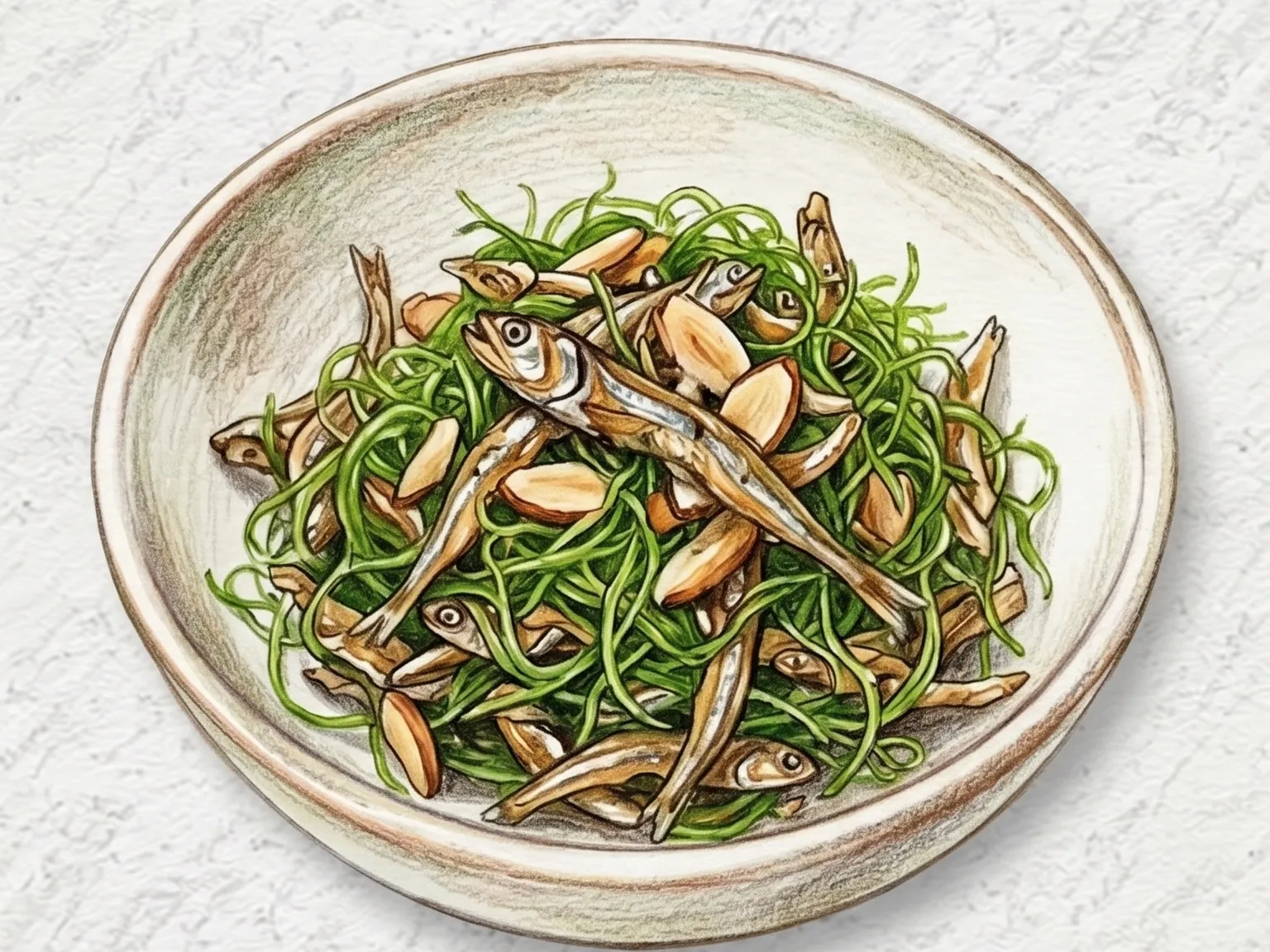
Korean Stir-fried Seaweed and Anchovies
Gamtae myeolchi bokkeum is a crispy Korean banchan that combines small dried anchovies with gamtae seaweed and sliced almonds in a soy-syrup glaze. Gamtae is a green seaweed harvested along parts of Korea's southern coast, milder and less bitter than common sea lettuce, with a gentle oceanic fragrance that complements rather than overpowers the anchovies. The first step is toasting the anchovies in a dry pan without oil until they turn slightly golden and fragrant; this drives off moisture and mellows their fishy edge. The soy and oligosaccharide syrup glaze is added next, coating each anchovy in a glossy, lightly sweet-savory layer. Oligosaccharide syrup is preferred over honey or corn syrup because it is less viscous, which keeps the anchovies separated rather than clumped. Almond slices are stirred in to provide a larger, firmer crunch that contrasts with the tiny anchovies and adds a mild nutty sweetness. Gamtae is added only in the final seconds - ten seconds over heat is enough to warm it and release its aroma, and longer exposure will turn it yellow and dull. Once everything is cooled completely before sealing in an airtight container, the banchan holds its crunch for one to two weeks, making it an ideal make-ahead dish for weekly meal prep. The anchovies provide calcium and the gamtae contributes marine minerals, giving the dish a nutritional balance that matches its flavor.
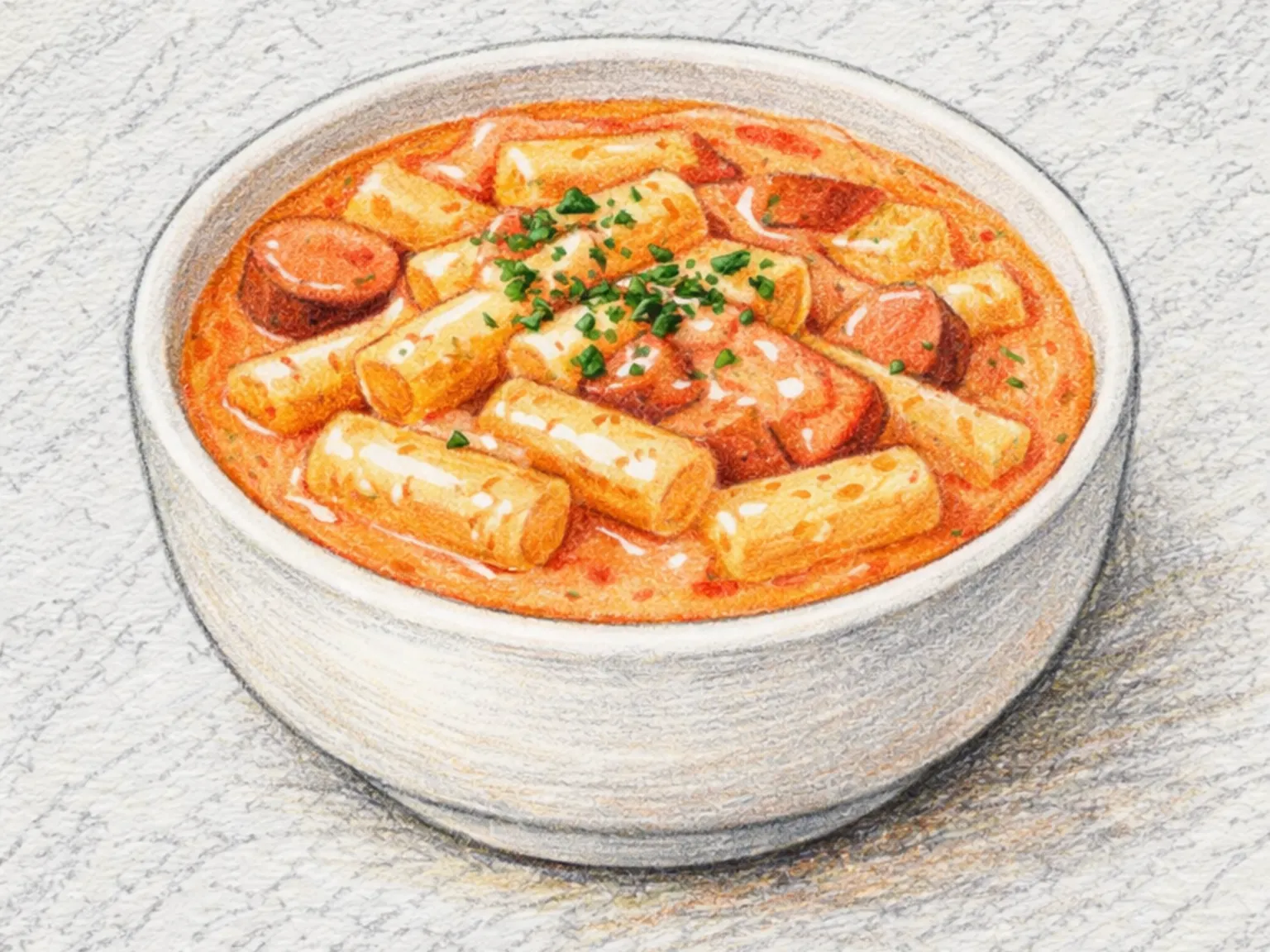
Korean Rosé Cup Tteokbokki
A base of equal parts water and milk is whisked together with gochujang, red chili flakes, sugar, and minced garlic, then brought to a simmer before rice cakes and fish cake are added. The sauce cooks over medium-low heat long enough for the rice cakes to absorb the seasoned liquid and turn glossy. Milk fat wraps around the capsaicin in the chili paste, softening the raw heat while keeping the fermented depth of gochujang intact. Mozzarella cheese is stirred in at the very end, off the heat or with the flame nearly out, so it melts smoothly into the sauce rather than turning stringy and tough. Keeping a consistently moderate flame is the single most important technique here, because high heat causes the milk to break and the sauce to turn grainy. Serving it in a cup format means the portion cooks and cools evenly, and the open top allows excess moisture to evaporate so the final consistency is thick and coating.
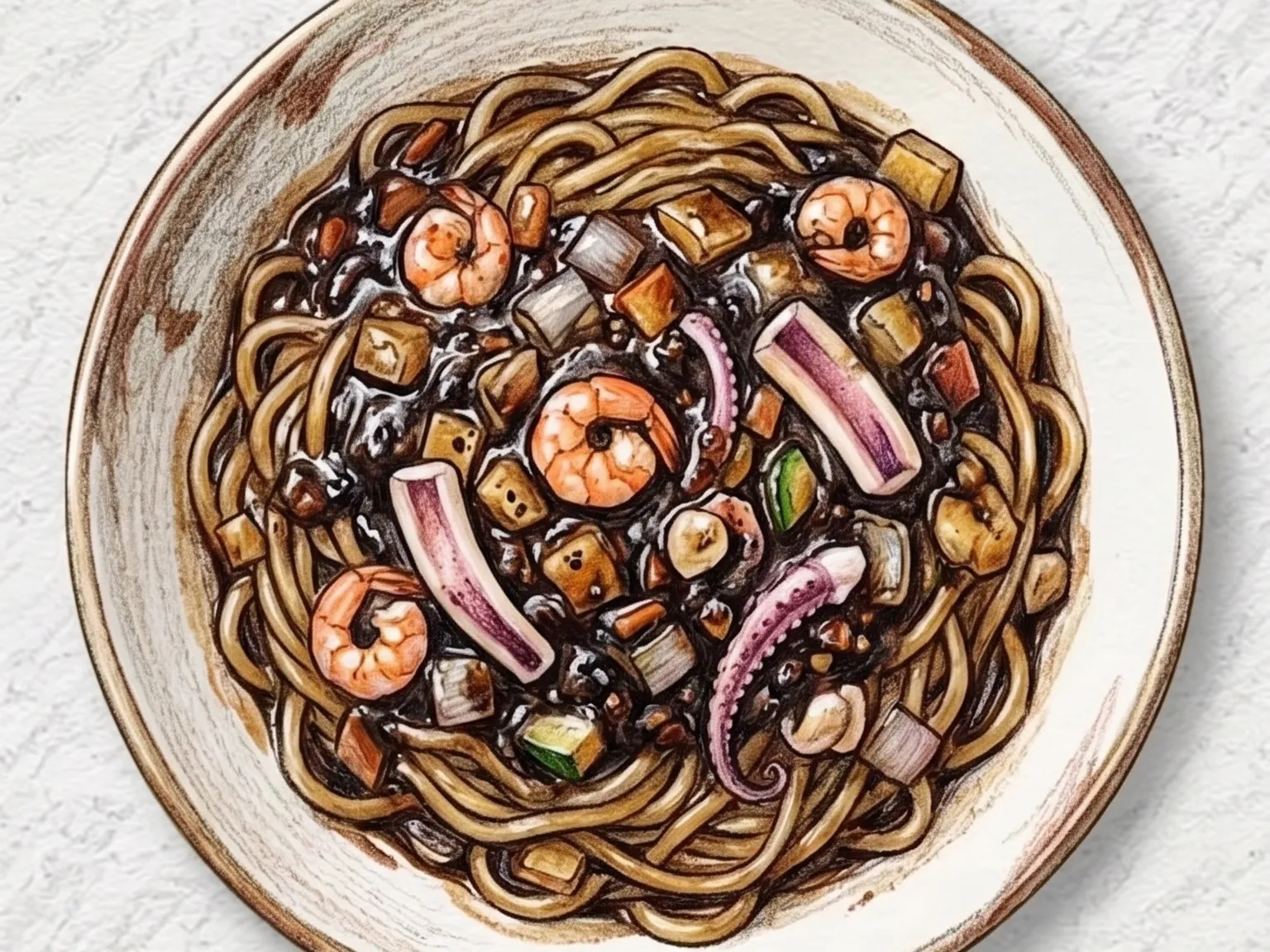
Seafood Jajangmyeon (Black Bean Noodles with Squid and Shrimp)
Haemul jajangmyeon replaces the usual pork with squid and shrimp, bringing a marine twist to the classic Korean black bean noodle dish. The chunjang paste is fried in oil until its raw bitterness fades and a caramel-like sweetness emerges, then the seafood releases its juices into the sauce, building a layered umami absent from the standard version. Diced onion, potato, and zucchini soften into the sauce, contributing natural sweetness and body, while a cornstarch slurry thickens everything to a glossy, clinging consistency. The timing of the seafood matters: adding squid and shrimp too early causes them to tighten and turn rubbery, so they should go in during the final minutes of cooking once the vegetables have softened, allowing just enough heat to cook them through while keeping them springy. The chunjang itself requires at least five minutes of frying over medium heat before any other ingredients join the pan; cutting this step short leaves a harsh, bitter note in the finished sauce that no amount of sugar can fully correct. Poured over springy fresh wheat noodles, the dark sauce delivers both the familiar roasted-bean depth and an unmistakable ocean undertone.
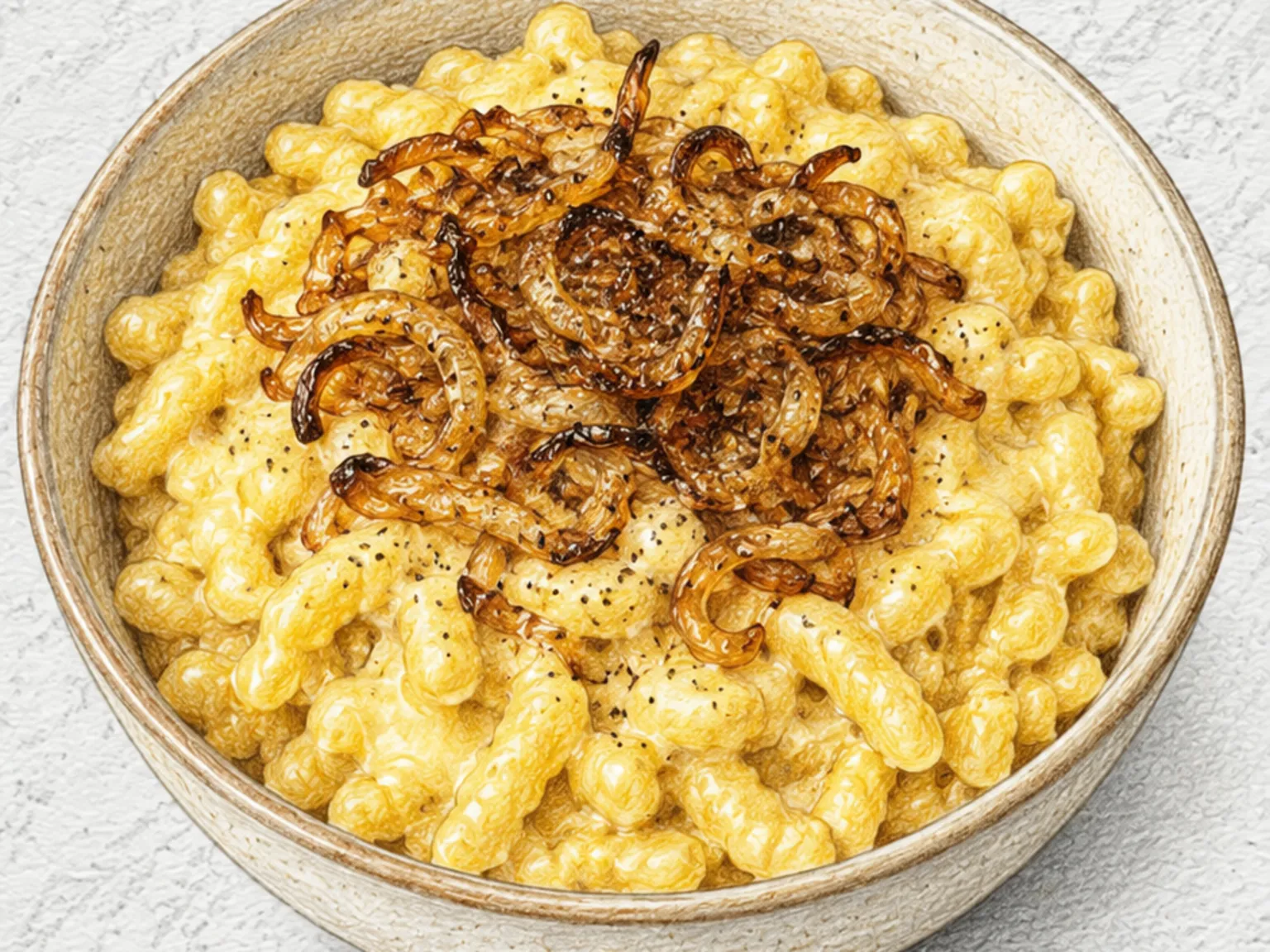
Kasespatzle (German Alpine Cheese Dumpling Noodles)
Kasespatzle is an Alpine comfort dish from southern Germany and Austria, made by boiling a thick batter of flour, eggs, and milk into small dumplings, then tossing them with melted Emmental cheese and caramelized onions. The batter must maintain a thick consistency rather than being runny - this is what gives the spaetzle their characteristic chew when boiled and drained. Sliced onion is slowly cooked in butter over low heat until deeply browned, transforming the raw sharpness into a concentrated sweetness. The cooked spaetzle and grated cheese are combined in a hot pan so the cheese melts and coats every dumpling. Topped with the caramelized onions and black pepper, the dish is served immediately while the cheese is still molten and stretchy.
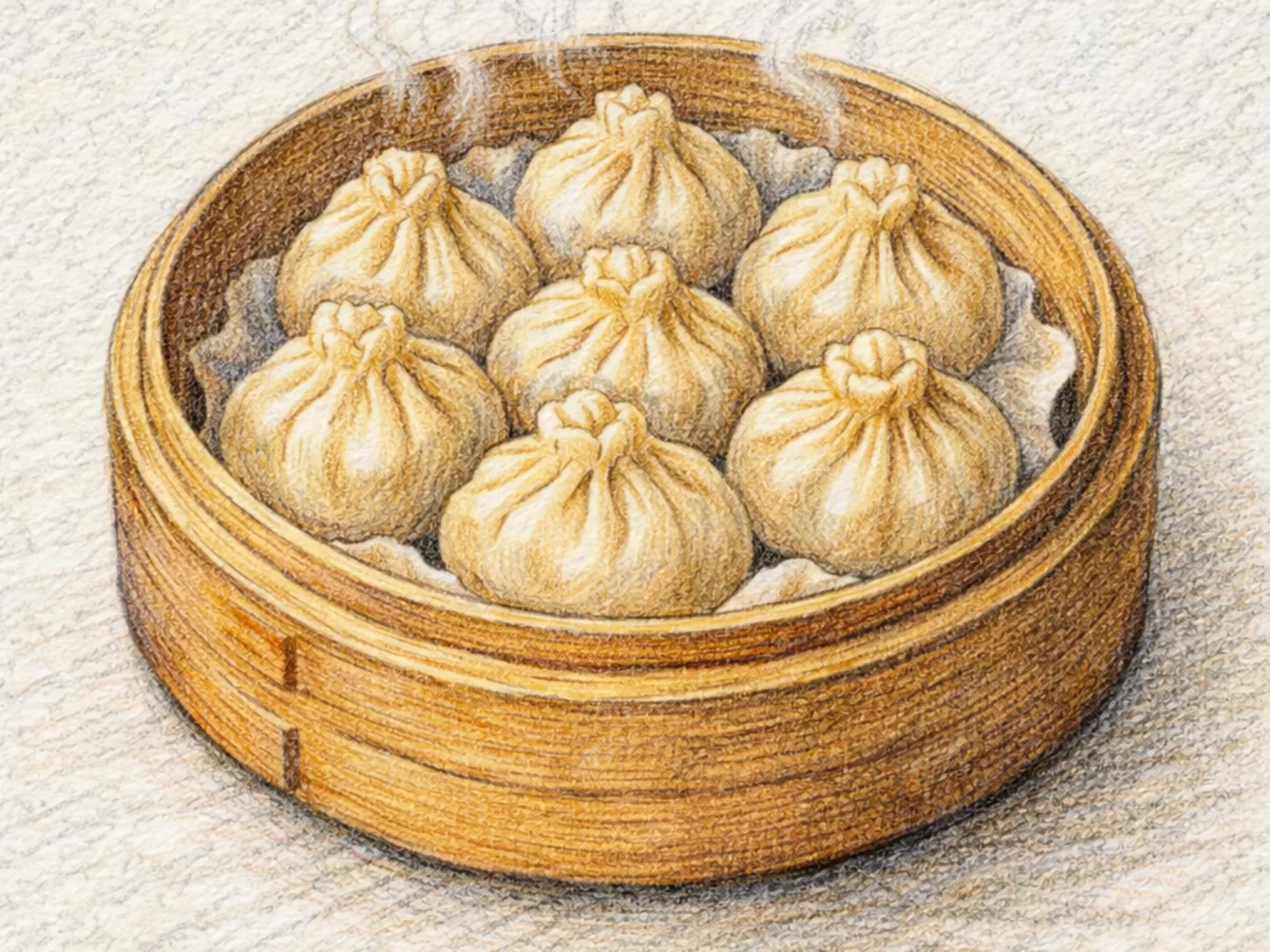
Xiaolongbao (Shanghai Pork Soup Dumplings)
Xiaolongbao is a classic Shanghai-style soup dumpling characterized by its thin wrapper enclosing a pork filling and hot broth. The dough is prepared by mixing bread flour with hot water and resting it for thirty minutes, allowing the gluten to develop so the wrappers can be rolled thin without tearing during steaming. The filling combines ground pork, soy sauce, sesame oil, minced ginger, and scallions, which is mixed until sticky before folding in small pieces of pork broth gelatin. When steamed over medium-high heat, the gelatin melts to fill the dumpling with hot soup. To eat, place a dumpling on a spoon, pierce the wrapper to release and sip the hot broth, then season the remaining dumpling with black vinegar and shredded ginger, which balances the rich meat flavor.
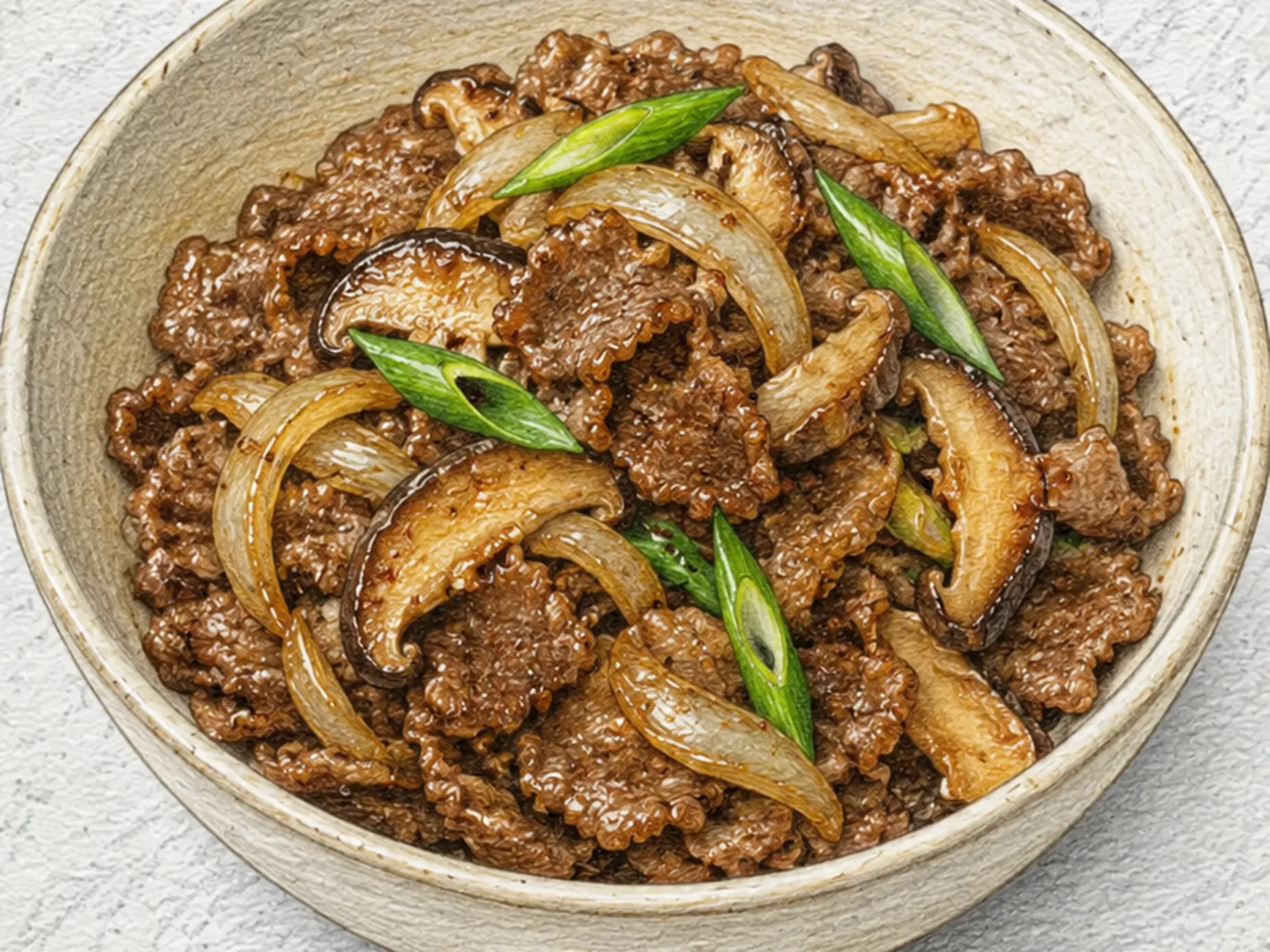
Korean Gangwon-Style Soy Bulgogi
Gangwon-style soy bulgogi represents a regional variation of the traditional Korean grilled beef dish specifically associated with the Gangwon Province. Unlike the bulgogi styles commonly found in the Seoul metropolitan area, which often lean heavily into sweet and fruit-driven marinades, this version prioritizes the clean and savory profile of soy sauce. The preparation begins by marinating thinly sliced beef in a mixture composed of soy sauce, sugar, minced garlic, and toasted sesame oil, along with the addition of fresh pear juice. The inclusion of pear juice serves a dual purpose in the recipe. The natural enzymes within the juice work to tenderize the muscle fibers of the beef, while its sugars provide a subtle and restrained sweetness that complements the salty foundation of the soy sauce without becoming the dominant flavor. When the meat is ready, it is cooked in a preheated pan over high heat. Sliced shiitake mushrooms and onions are added to the pan during this stage, allowing them to absorb the liquid marinade as they soften. This process integrates the flavors of the vegetables with the primary taste of the beef. Maintaining a high temperature is a critical step in the cooking process to ensure that moisture evaporates rapidly. This prevents the dish from taking on the texture of a braised stew and instead produces a slight char and a smoky quality on the edges of the meat. Just before the heat is turned off, diagonally sliced green onions are tossed into the pan. They are cooked only until they begin to wilt, preserving a bright and sharp contrast that balances the finished dish. The result is a soy-focused flavor profile that is clear and direct. Because it avoids being overly aggressive or excessively sweet, this bulgogi serves as a consistent accompaniment for steamed rice that remains palatable through frequent consumption.
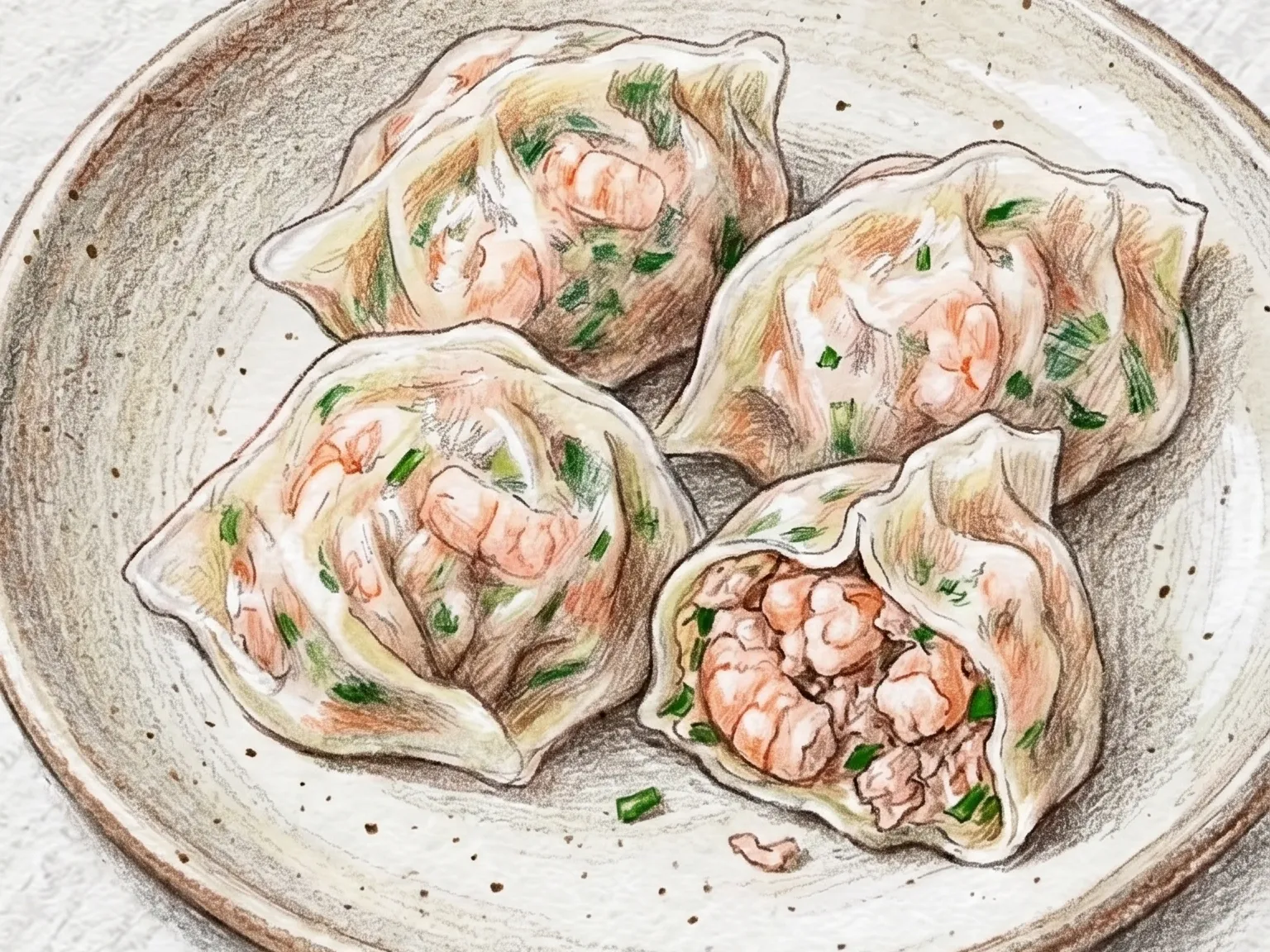
Korean Shrimp Mandu (Chunky Shrimp and Pork Dumplings)
Saeu-mandu are Korean dumplings filled with coarsely chopped shrimp, ground pork, garlic chives, and onion. The shrimp is intentionally left in chunky pieces so each bite delivers a distinct pop of texture alongside the pork. The filling is seasoned with sesame oil and garlic, keeping the flavor clean with a gentle seafood sweetness underneath. Steaming turns the wrappers translucent and lets the pink shrimp show through, while pan-frying gives a golden, crisp bottom that contrasts with the soft upper shell.