🌙 Late Night Recipes
Quick and satisfying late-night bites
651 recipes. Page 18 of 28
Late-night cravings call for quick, easy recipes that satisfy without too much effort. Ramyeon, egg fried rice, tuna-mayo rice bowls, and simple toasts - these are dishes you can throw together when hunger strikes after dark. Cooking at home beats delivery in both cost and healthiness.
The ideal late-night snack is fast to make, easy to clean up, and just filling enough. These recipes hit that sweet spot - comforting without being heavy.
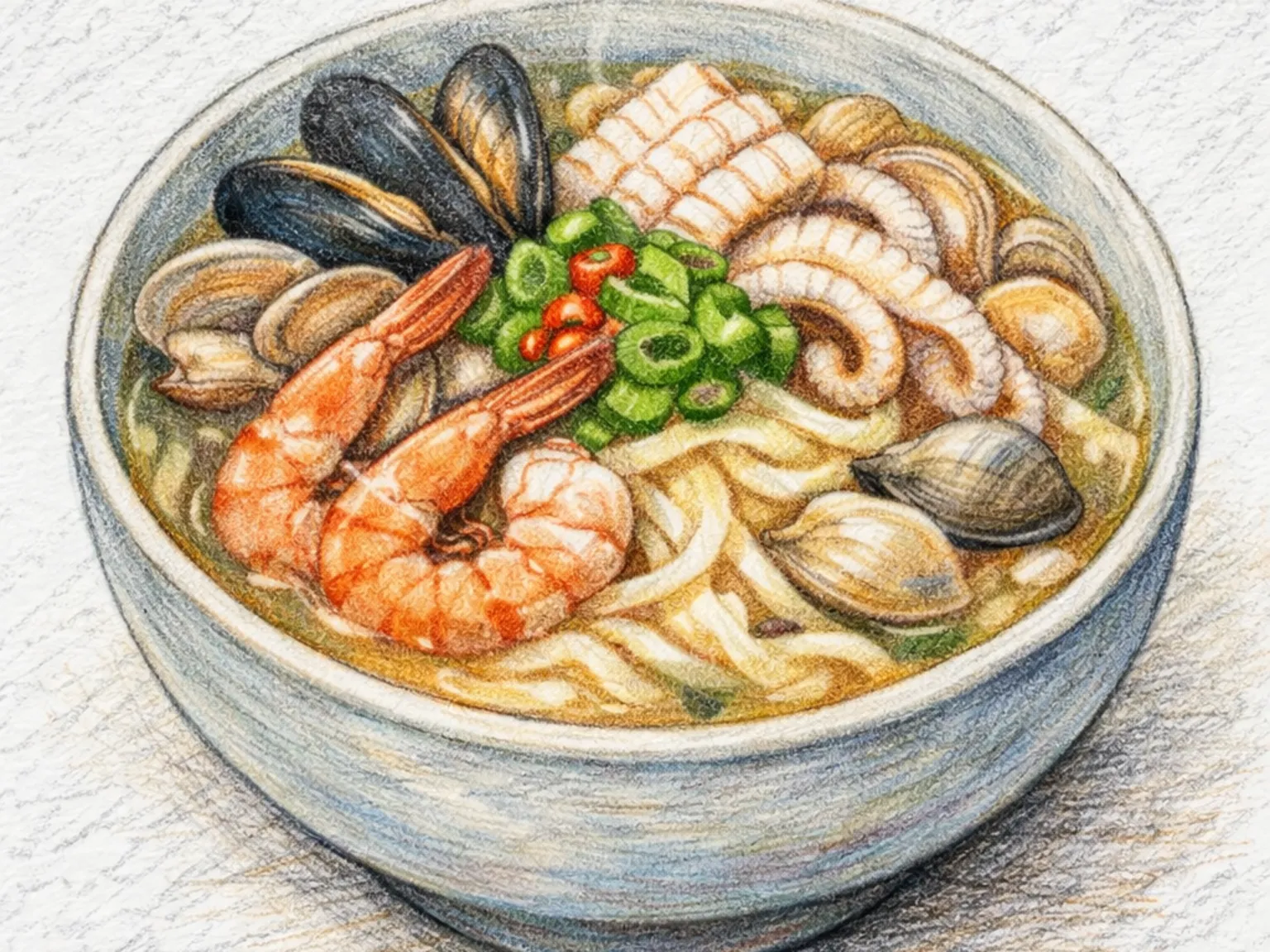
Korean Seafood Knife-Cut Noodle Soup
Haemul kalguksu simmers hand-rolled, knife-cut wheat noodles in a broth built from dried kelp, Manila clams, shrimp, and squid. The kelp forms the stock's clean mineral base, and as the clams open during cooking they release a briny liquor that enriches the broth considerably without any additional seasoning. Sliced zucchini adds a mild sweetness while green onion brings a fresh fragrance to the pot, and soup soy sauce with minced garlic rounds out the flavor into something clean and umami-rich without heaviness. Because kalguksu noodles are rolled thin and cut wide by hand, they release some starch into the broth as they cook, giving the soup a subtle natural body. The wide, flat noodles have a distinctive chewy texture and soak up the seafood broth with every bite, so that lifting a chopstick-full of noodle and clam delivers a concentrated taste of the sea in a single mouthful.
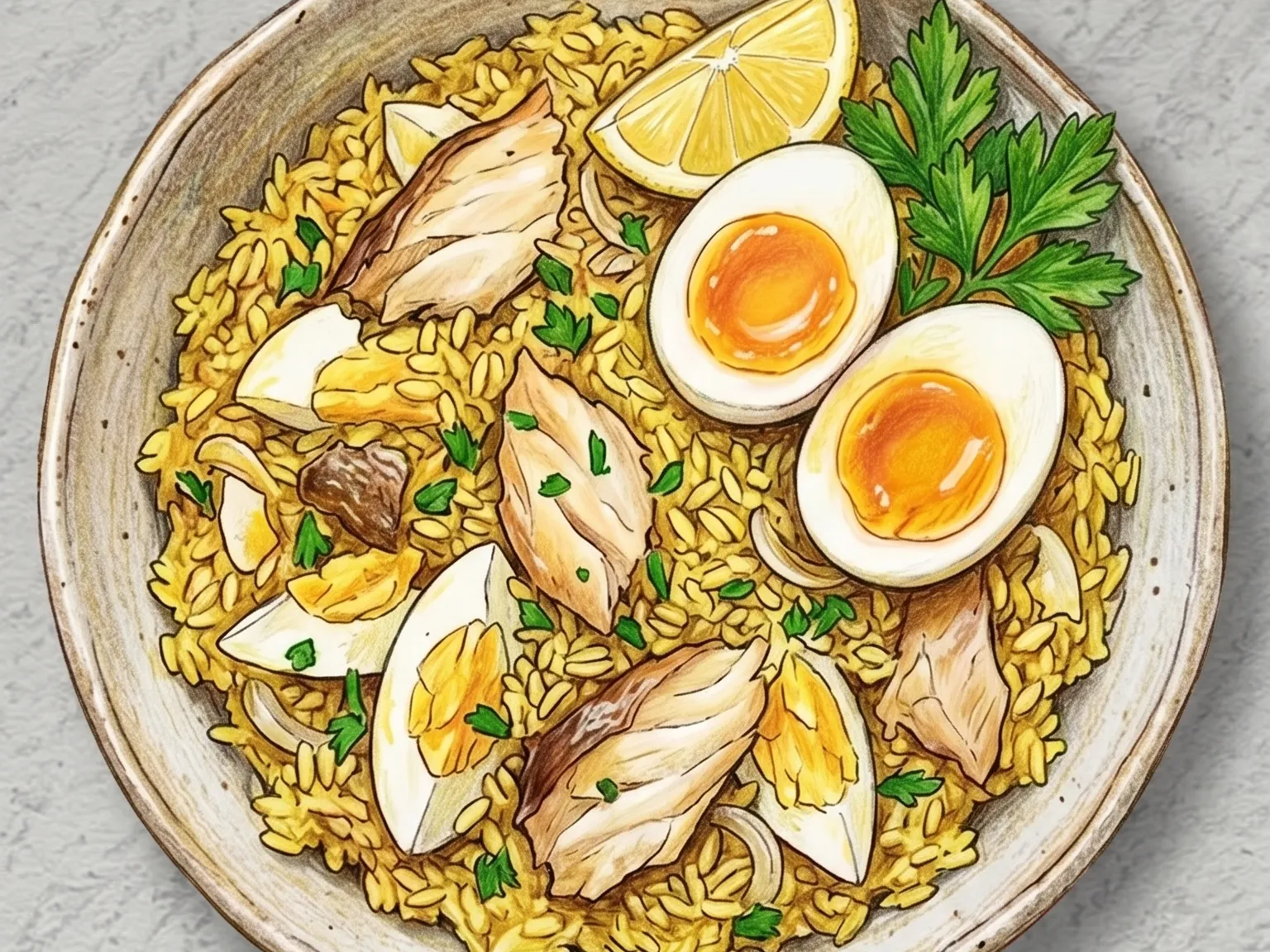
Kedgeree (British Smoked Fish Spiced Rice Dish)
Kedgeree is a British brunch dish of smoked haddock flaked into spiced rice with boiled eggs, descended from the Indian colonial-era dish khichri. The smoked fish is poached or steamed and broken into large pieces - keeping the flakes sizable preserves their texture and allows the smoky flavor to distribute through the rice in distinct pockets. Onion is sauteed in butter, then curry powder is bloomed for thirty seconds, releasing the warm aromas of cumin and turmeric into the fat, which tints and seasons every grain of rice. A squeeze of lemon juice at the end cuts through the richness of the butter and the heaviness of the spices with a bright acidity. Halved boiled eggs and chopped parsley finish the dish with contrasting texture and color.
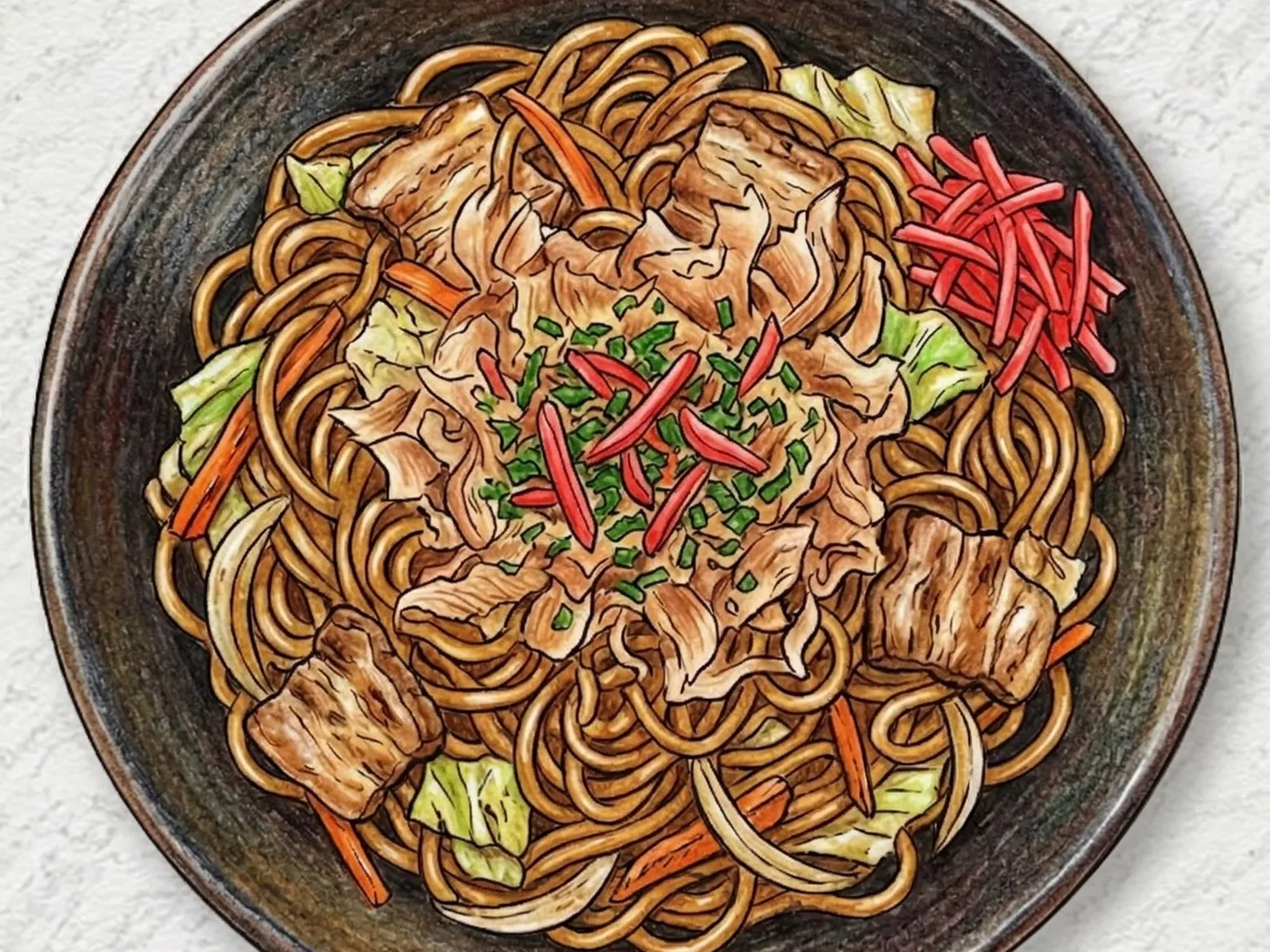
Japanese Stir-Fried Noodles (Yakisoba)
Yakisoba is a classic Japanese stir-fried noodle dish made by tossing wheat noodles, pork, and vegetables in a tangy Worcestershire-based sauce. The preparation begins by stir-frying thinly sliced pork over high heat, followed by onions, carrots, and cabbage. Cooking the vegetables quickly at high heat keeps them crisp and prevents them from becoming soggy. The wheat noodles are briefly warmed to loosen them before being added to the pan. A savory-sweet yakisoba sauce is poured around the edges of the pan and quickly tossed to evenly coat every noodle strand. Once plated, hot noodles are topped with bonito flakes, which release a smoky aroma as they wave from the residual heat. Ensuring the noodles are not overcooked and adding the sauce near the end of the cooking process are key steps to maintaining the proper textures of both noodles and vegetables.
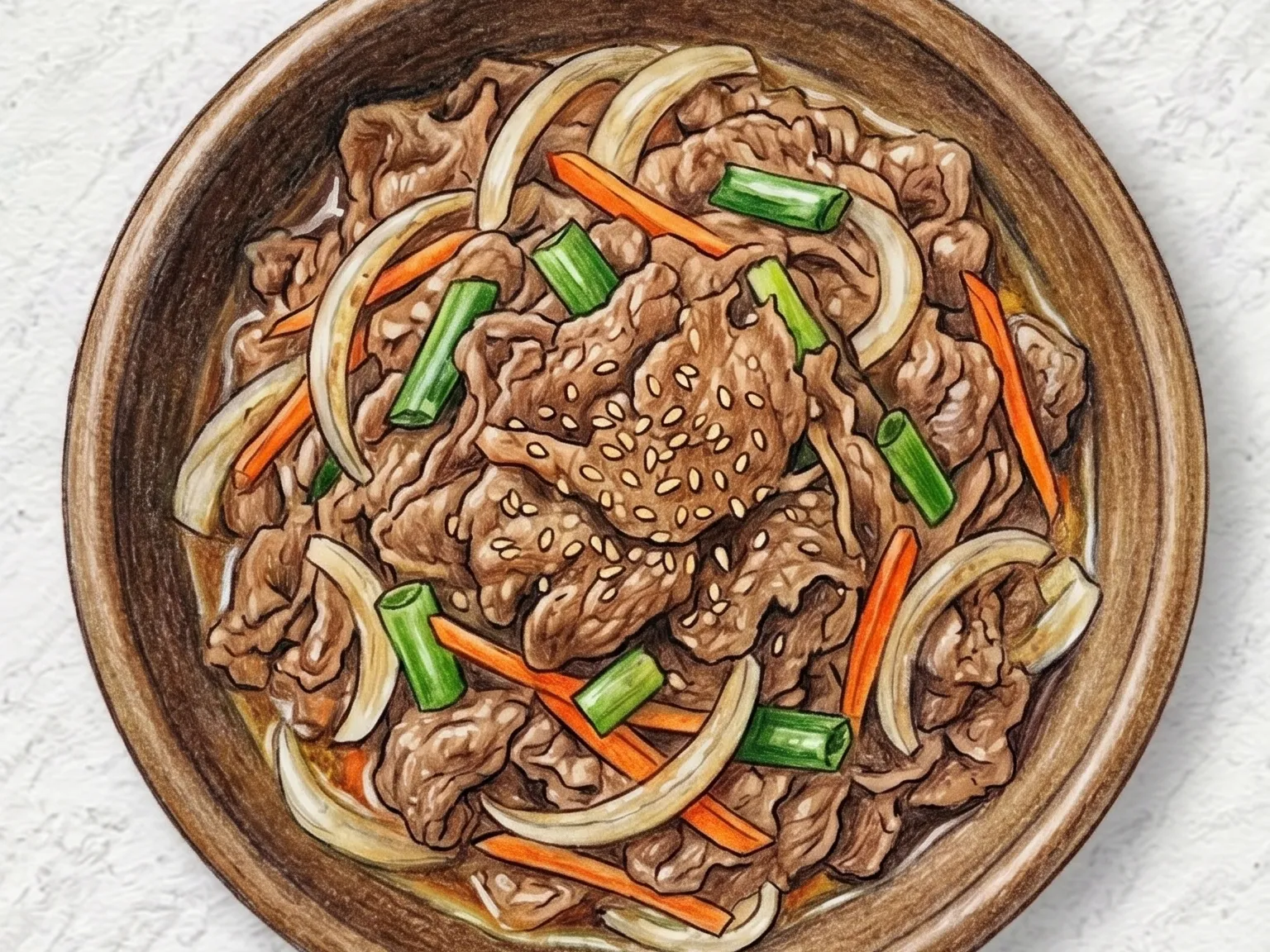
Korean Soy Sauce Bulgogi (Soy-Pear Marinated Thinly Sliced Beef)
Ganjang bulgogi is one of Korea's most enduring home-cooked main dishes, built around thinly sliced beef marinated in soy sauce, pear juice, sugar, garlic, and sesame oil. Pear juice acts as a natural tenderizer while adding a subtle sweetness that offsets the salt-forward depth of the soy. Onion, carrot, and green onion are stir-fried together with the beef over high heat, developing caramelized edges while keeping the center moist. Slicing the beef thin is essential: the short cooking time only penetrates marinade fully into thin cuts, and the pan must be properly preheated before the meat goes in to seal the juices. The soy-based seasoning is milder and less assertive than gochujang-marinated bulgogi, making it broadly appealing across ages and a consistent presence on both everyday dinner tables and guest menus.

Korean 10 Won Cheese Bread
Sip-won-ppang is a Korean street snack baked in a coin-shaped mold from a batter of flour, egg, milk, and melted butter, filled with mozzarella cheese and corn kernels. The batter is layered around the cheese filling, then griddled on medium-low heat until both sides develop a thin, lightly crisp crust while the mozzarella inside melts into a stretchy pull. Each corn kernel bursts with sweetness against the salty cheese, creating a clear sweet-salty contrast. The embossed mold stamps a coin pattern onto the surface, giving it the signature look of a Korean ten-won coin.
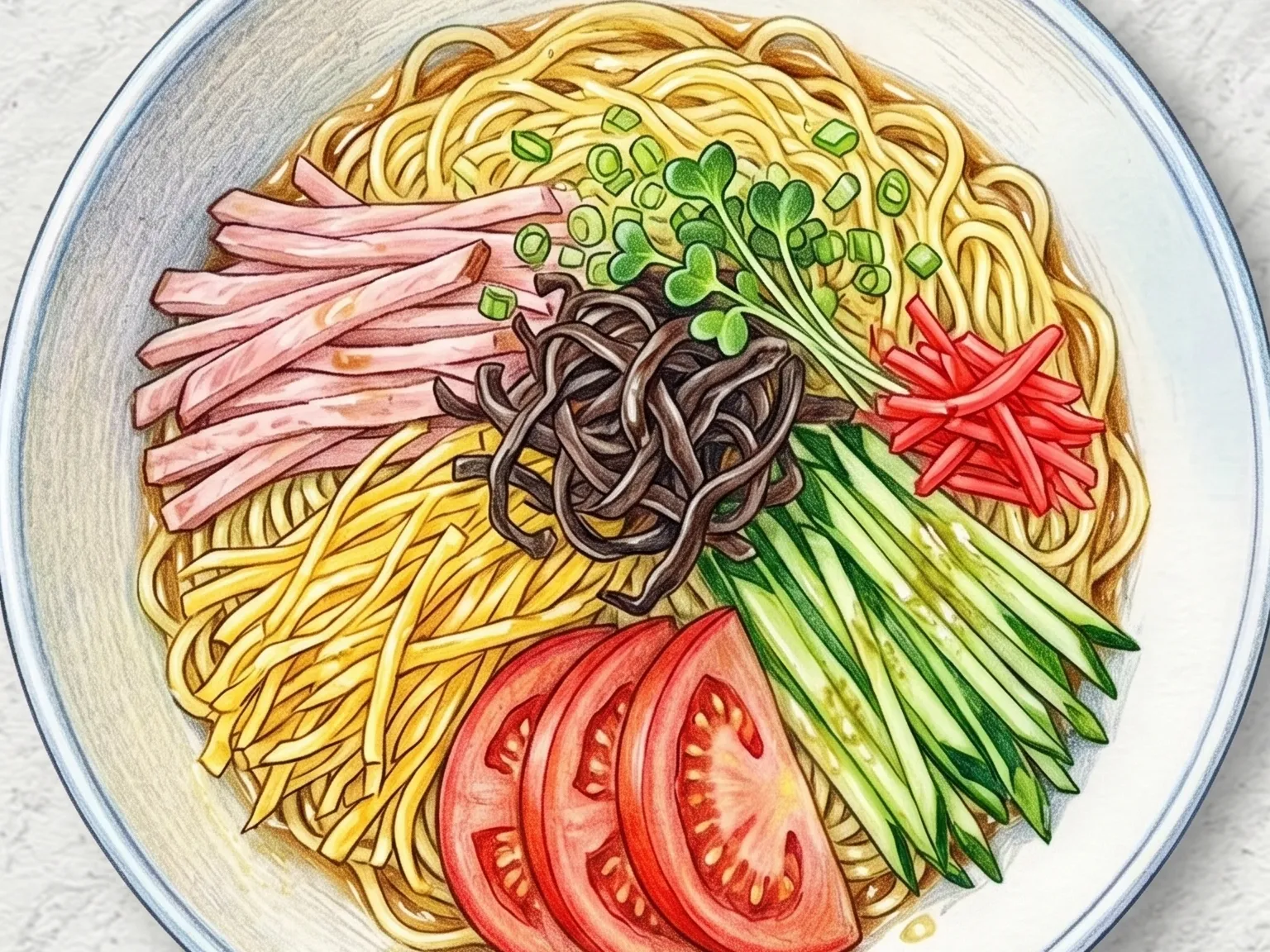
Cold Ramen Salad
Hiyashi chuka is a Japanese chilled noodle dish where ramen noodles cooked and thoroughly cooled in ice water are topped with colorful shredded garnishes and drizzled with a tangy soy-vinegar dressing. The dressing of soy sauce, rice vinegar, sugar, and sesame oil combines salt, sharpness, and sweetness; because it is poured over rather than used as a broth, the individual character of each topping stays distinct. The noodles must be chilled in ice water after boiling to achieve the firm, springy texture that holds up against the dressing without going limp, and tossing them lightly with sesame oil prevents clumping before plating. Thin strips of egg crepe, ham, cucumber, and tomato arranged by color create a visually striking presentation, and each chopstickful delivers several contrasting textures at once. In Japan this dish is a summer fixture, and at home it is a practical way to use leftover ingredients. A variation whisks mayonnaise into the dressing, which softens the acidity and adds a creamy body to the sauce.
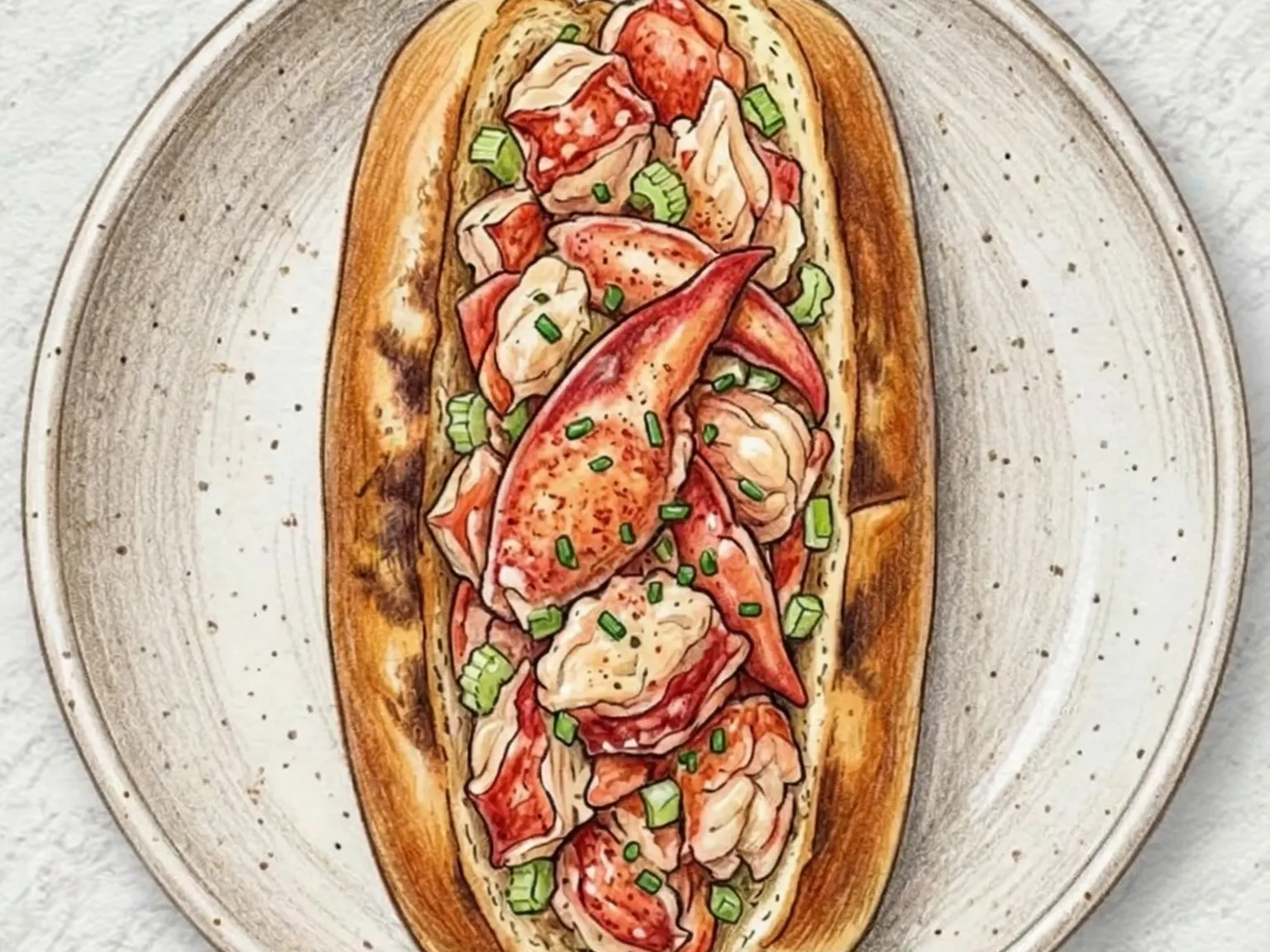
Lobster Roll
Lobster roll is a New England sandwich that fills a butter-toasted hot dog bun with chunks of cooked lobster meat tossed lightly in mayonnaise, lemon juice, and diced celery. Keeping the lobster pieces large enough to bite through is essential - overchopping turns the filling mushy and obscures the natural sweetness of the shellfish. Only a small amount of mayonnaise is used so it binds the meat without masking its flavor, while the lemon juice provides a sharp acidity that keeps the richness in check. Toasting the flat sides of the bun in butter creates a crisp, golden exterior that contrasts with the cool, tender filling inside. Served chilled in the classic cold style, the lobster roll is a simple but indulgent summer meal.
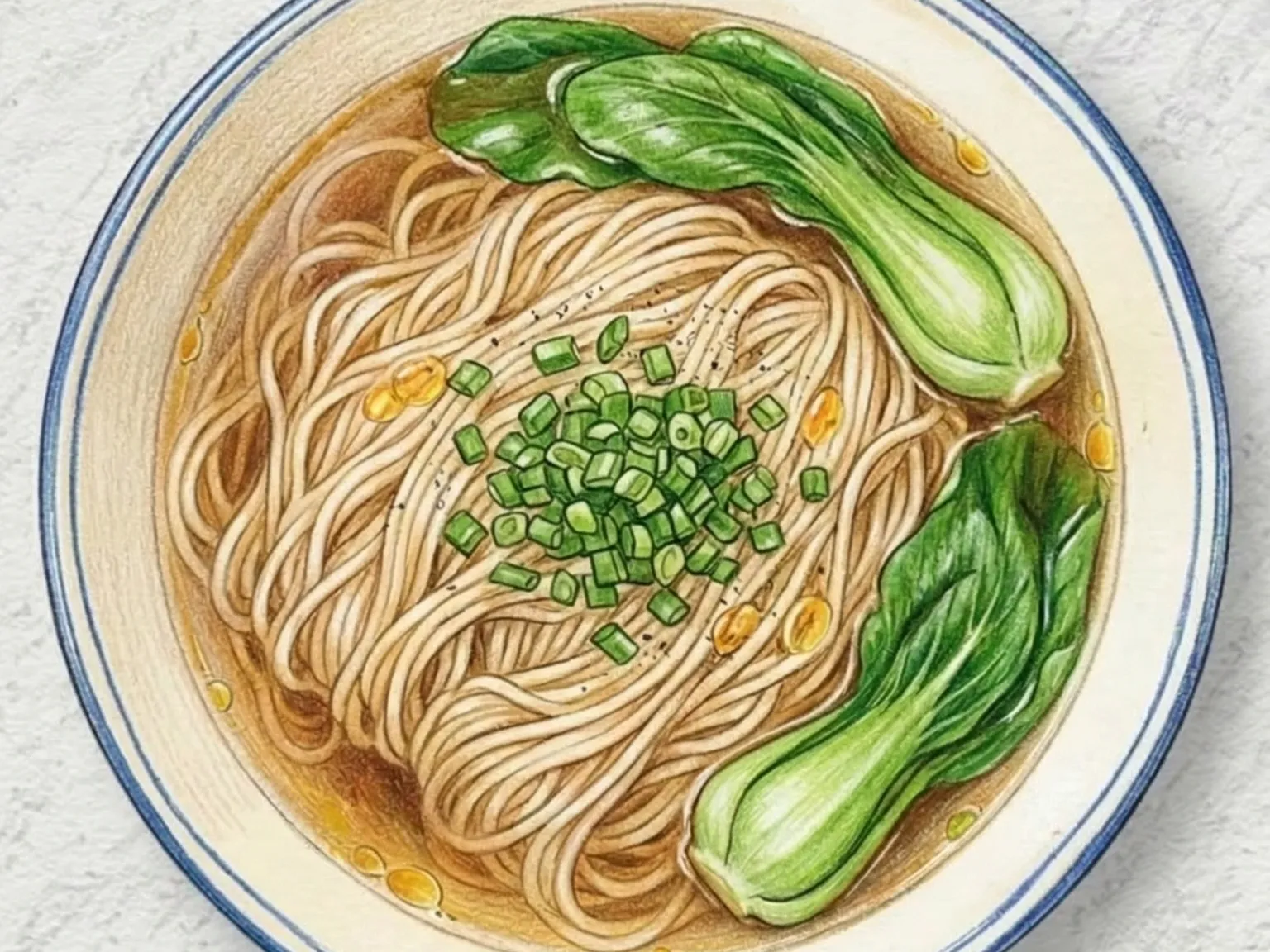
Yangchunmian (Shanghai Clear Soy Broth Noodle Soup)
Yangchunmian is a Shanghai noodle soup that focuses on a clear, soy-seasoned broth and fresh wheat noodles. The broth uses a chicken stock base seasoned with light soy sauce and sugar, heated gently to remain clear. Fresh wheat noodles are boiled until tender yet springy, while bok choy is blanched briefly in the same water to keep its green color and crisp texture. The noodles are placed in bowls, seasoned with white pepper for a clean aroma, and submerged in the hot broth. Thinly sliced scallions and the blanched bok choy are added as simple garnishes, finished with a drizzle of sesame oil to provide a layer of nutty warmth. Without heavy toppings, the dish relies on the clean flavor of the seasoned broth. It is served immediately while hot to prevent the noodles from softening.
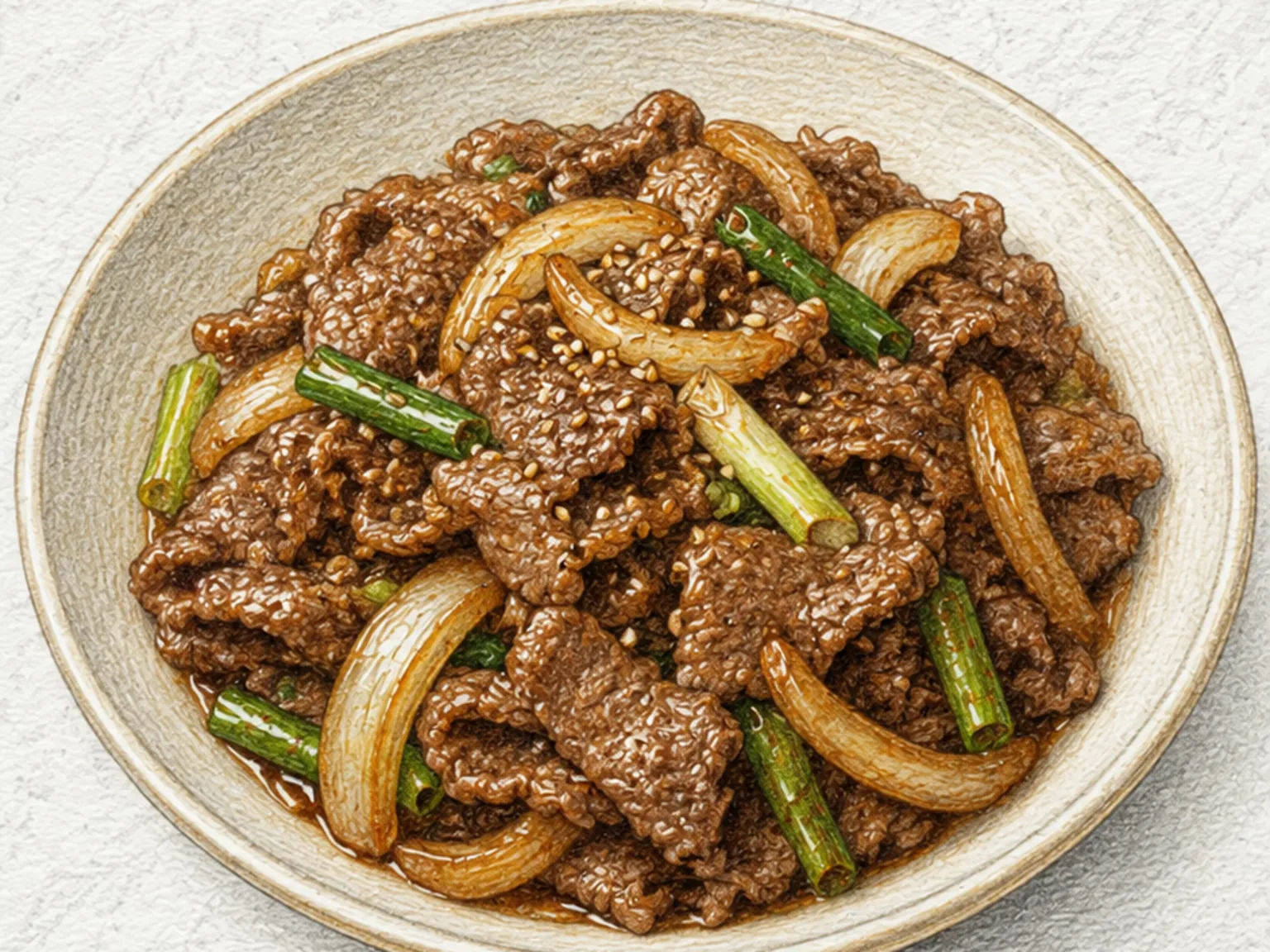
Korean Seoul-style Soy Bulgogi
Seoul-style soy bulgogi marinates thin-sliced beef in a straightforward combination of soy sauce, pear juice, garlic, sesame oil, and a measured amount of sugar, producing a clean sweet-savory flavor without the heavy spicing of regional variations. Pear juice serves two functions simultaneously: the natural enzymes in fresh pear tenderize the muscle fibers while the fruit's mild sweetness rounds out the saltiness of the soy sauce. Onion and green onion are stir-fried together with the meat so their sugars caramelize slightly into the sauce. Cooking on a fully preheated pan over high heat is essential because the meat needs to sear quickly rather than steam in its own released liquid. If the pan is not hot enough when the beef goes in, the moisture from both the meat and the marinade creates a braising effect that dulls both the smoky wok flavor and the final texture. Apple juice is an acceptable substitute for pear juice when pear is unavailable and produces a similar tenderizing result. Because the seasoning holds up well even after cooling, Seoul-style soy bulgogi is a reliable lunchbox side dish.
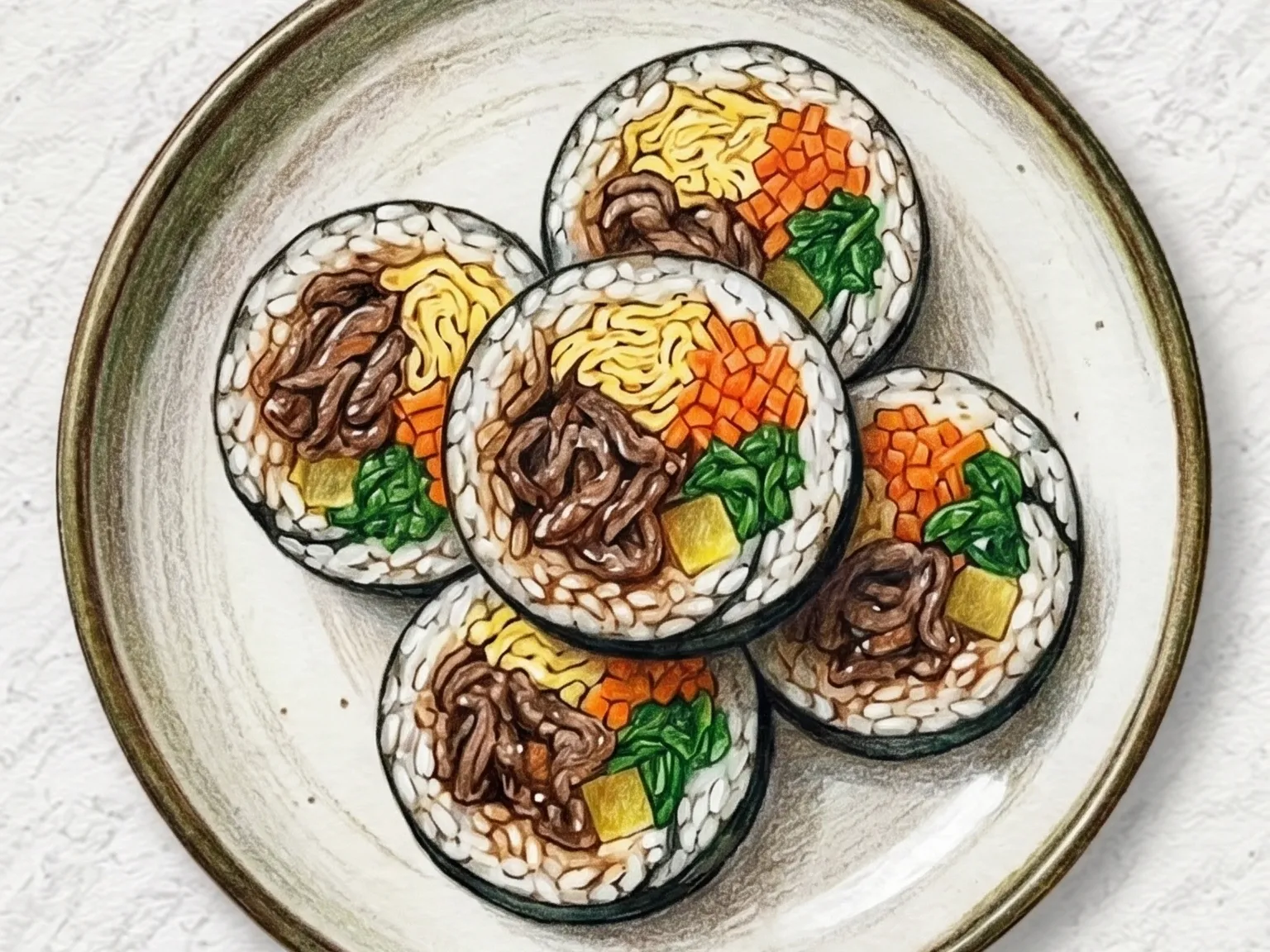
Korean Beef Gimbap (Soy-Marinated Beef Seaweed Rice Roll)
Sogogi-gimbap is a Korean seaweed rice roll featuring beef marinated in soy sauce and sugar, then stir-fried. The sweet-savory beef is rolled alongside sesame-seasoned rice, blanched spinach, sauteed carrots, and thin egg omelet strips inside a sheet of gim. The soy marinade from the beef seeps slightly into the rice, distributing flavor evenly through each cross-section slice. Thinly cut against the grain, the beef stays tender when bitten, while the spinach and carrot provide crisp texture and vegetable sweetness to balance the richness.
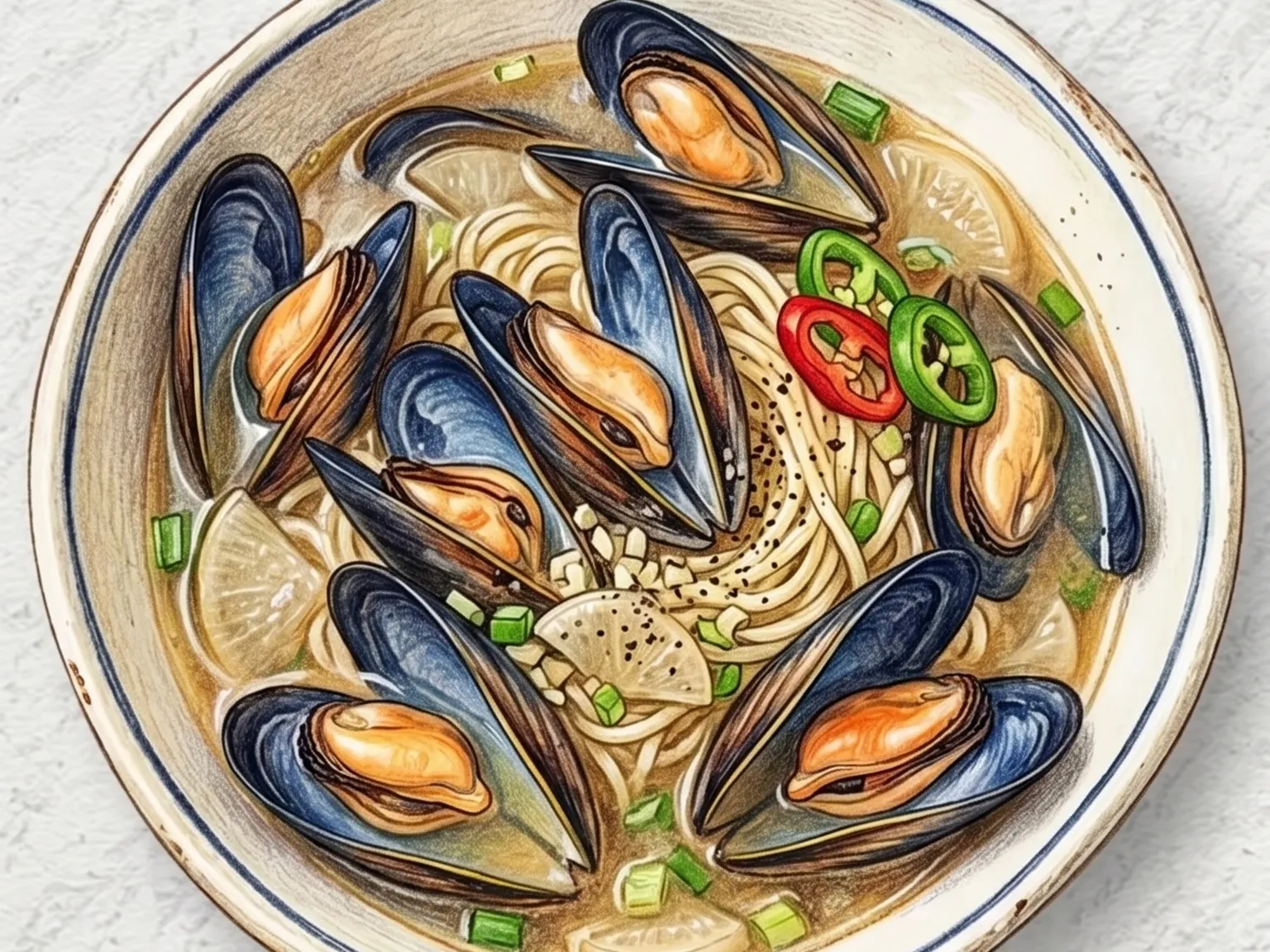
Korean Mussel Soup Noodles
Honghap tangmyeon is a mussel noodle soup where a generous quantity of mussels is simmered to produce a deeply briny, clear broth that serves as the foundation of the entire dish without the use of prepared stock. The mussels release their concentrated sea flavor directly into the pot, and this self-made broth is what distinguishes the dish from simpler seafood noodle soups. Korean radish is cooked alongside from the start, lending a natural sweetness and a refreshing clarity to the liquid as it breaks down gently. Soup soy sauce and cooking wine adjust the seasoning and temper the salt that the mussels contribute, pulling the flavor into balance. Minced garlic and green onion build an aromatic layer that keeps any fishiness in check, leaving only a clean, deep savoriness in its place. A generous crack of black pepper over the steaming bowl sharpens the marine character of the broth and warms the palate. The noodles should not be overcooked; they need enough bite to hold up against the rich, hot liquid. A few slices of cheongyang chili on top add a brisk heat that makes the broth feel simultaneously cool and fiery, the defining sensation of good Korean seafood soup.
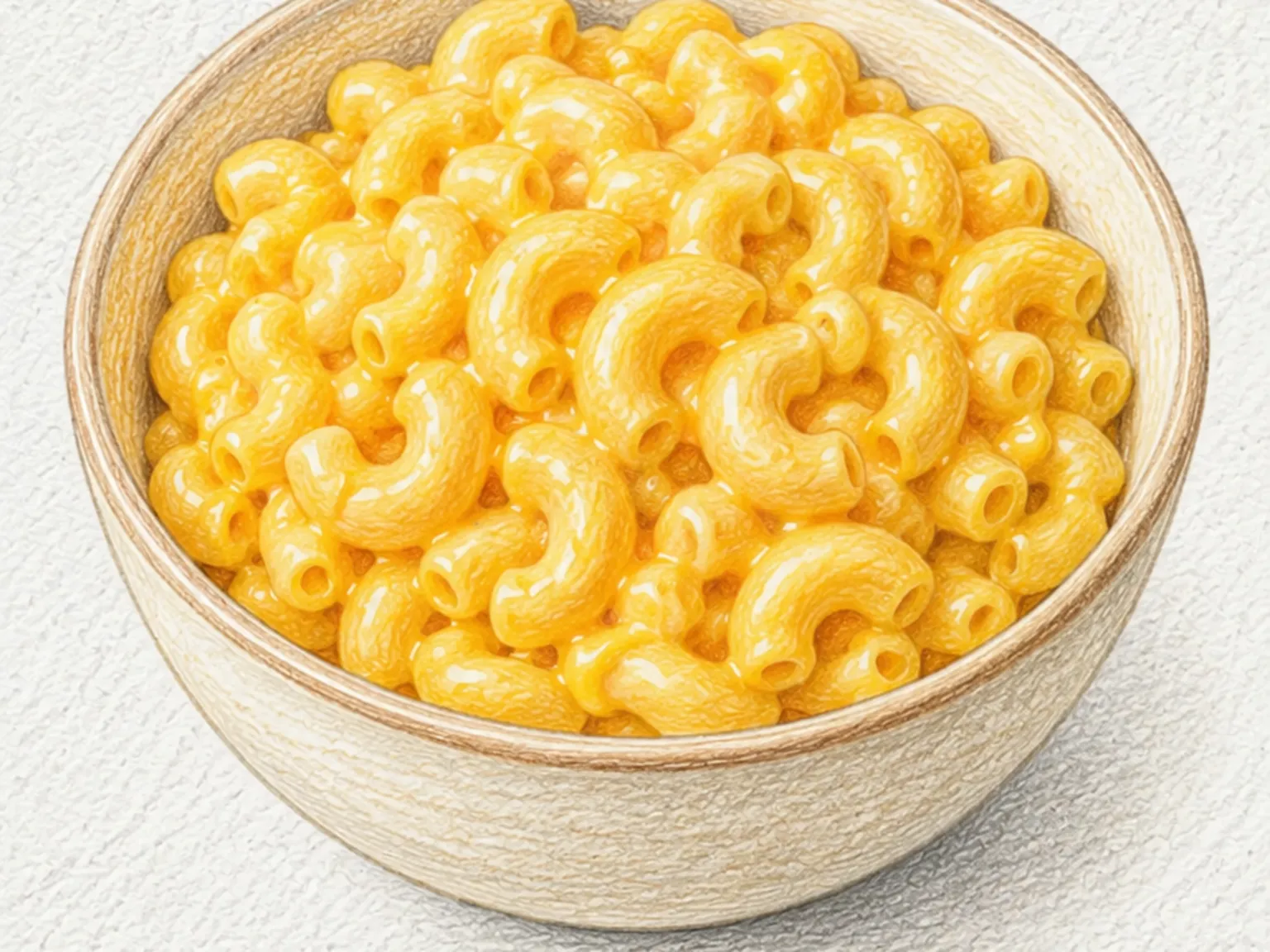
Mac and Cheese
Mac and cheese begins with a roux of butter and flour, into which milk is whisked in three additions to form a smooth bechamel. Cheddar and mozzarella are melted into the sauce over low heat - adding cheese on high heat causes the fat to separate and the texture to turn grainy. The cooked macaroni, boiled one minute short of the package time, is stirred into the sauce so it finishes to al dente as it absorbs moisture. Reserving a few tablespoons of pasta water makes it easy to adjust the consistency if the sauce thickens too much. For an optional crunchy top, the mixture can be transferred to a baking dish, topped with buttered breadcrumbs, and baked at 200 degrees Celsius for 12 to 15 minutes until golden. Either way - baked or straight from the pot - the result is a rich, creamy dish with bold dairy flavor.
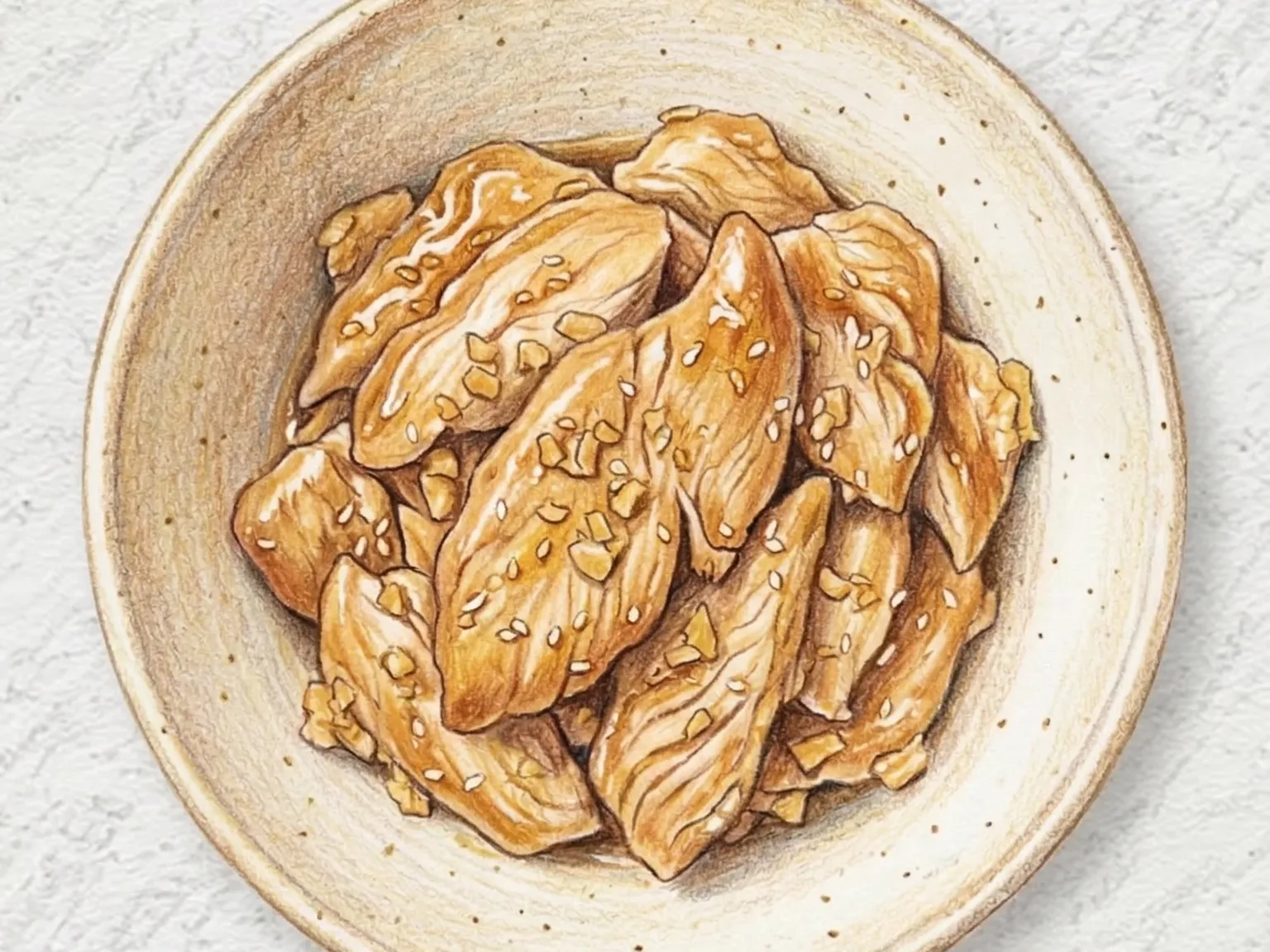
Korean Soy-Glazed Chicken Stir-Fry
This soy-glazed chicken stir-fry marinates thinly sliced chicken breast in soy sauce, garlic, and ginger before a quick pan-fry over high heat. Slicing the breast thin ensures each piece absorbs the marinade rapidly and cooks through without drying out, avoiding the rubbery texture that plagues overcooked white meat. The ginger cuts through any poultry aroma while the soy sauce provides a steady umami backbone throughout. A drizzle of sesame oil at the end ties together the flavors with a warm, nutty finish. A single cheongyang chili added during cooking gives the dish a clean heat, and it holds up well for meal prep or packed lunches. Practical for diet-conscious cooking or post-workout protein without sacrificing flavor.

Korean Sausage Skewers
Sosiji kkochi are Korean sausage skewers made by scoring Vienna sausages deeply along their length and threading two or three onto wooden sticks, then pan-frying them until golden brown all over. The score marks serve a functional purpose: as the sausages heat, the cuts open up, allowing heat to penetrate to the center more evenly and creating edges that caramelize slightly and turn crisp. A thin film of oil in a medium-heat pan and steady rotation ensures even color across the entire surface, producing a skin that snaps on the outside while the inside stays juicy and springy. Ketchup and mustard are the classic accompaniments, with the tomato sweetness and the sharp, pungent bite of the mustard complementing the salt and fat of the sausage. Threading rice cakes between the sausage pieces transforms the skewer into a sotteok-sotteok style, a widely popular Korean street food variation. The dish comes together in under fifteen minutes and requires no special equipment beyond a pan and wooden skewers, making it a practical choice for a quick snack, a children's side dish, or a lunchbox item that holds up well at room temperature.
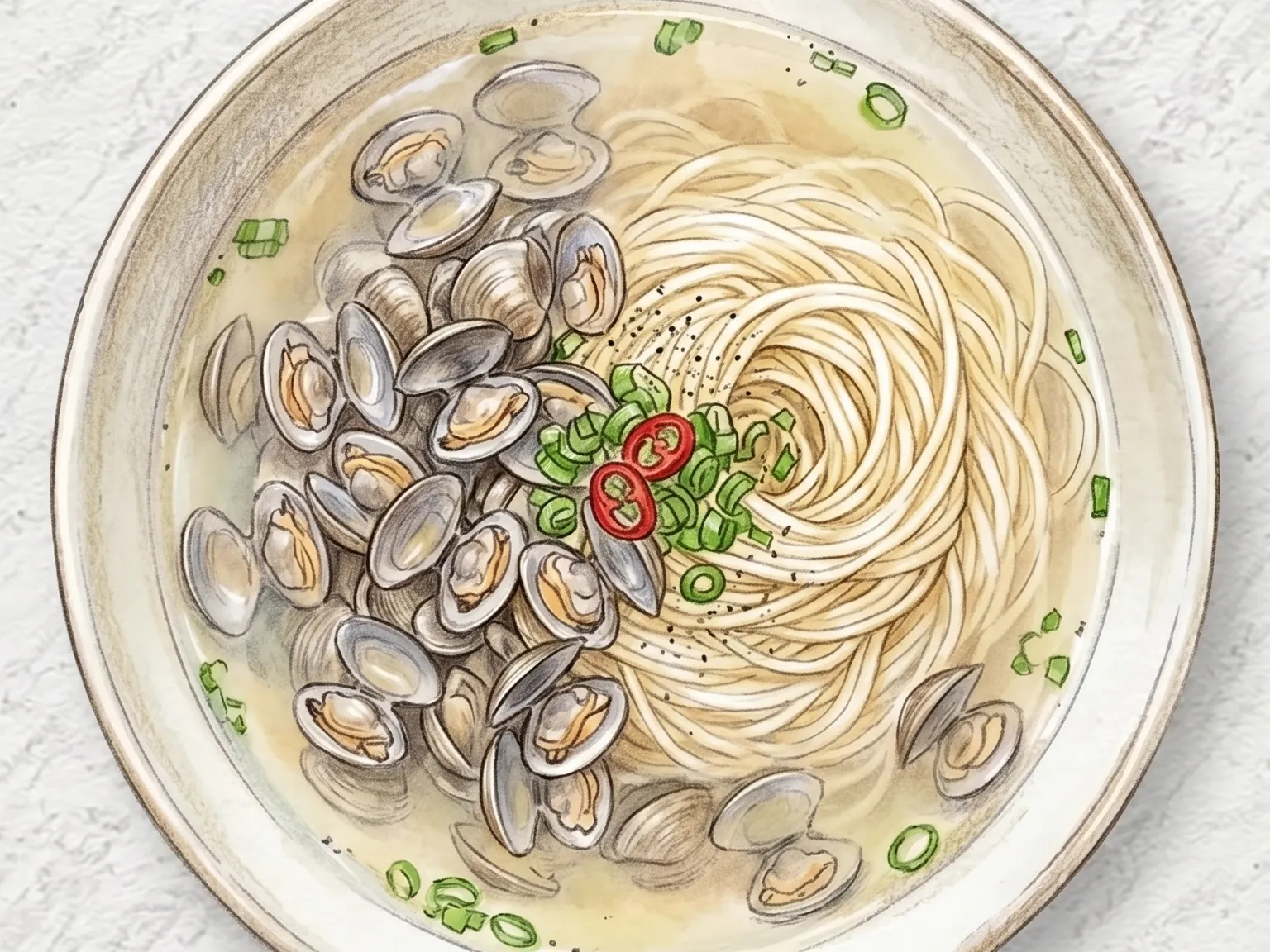
Korean Corbicula Clam Noodle Soup
Jaecheop-guksu is a regional specialty from Hadong in South Gyeongsang Province, built on a clear broth extracted from purged freshwater corbicula clams. The broth carries the clams' concentrated brininess alongside a remarkably clean, light body, seasoned sparingly with soup soy sauce and salt to let the shellfish flavor dominate. A single cheongyang chili simmered in the pot lends a gentle background heat, and scallion with black pepper finishes the aroma. Widely regarded as a hangover remedy, this noodle soup is prized for its ability to settle the stomach with its pure, uncluttered flavor. Along the Seomjin River restaurants of Hadong, jaecheop dishes in various forms are considered the defining taste of the region.
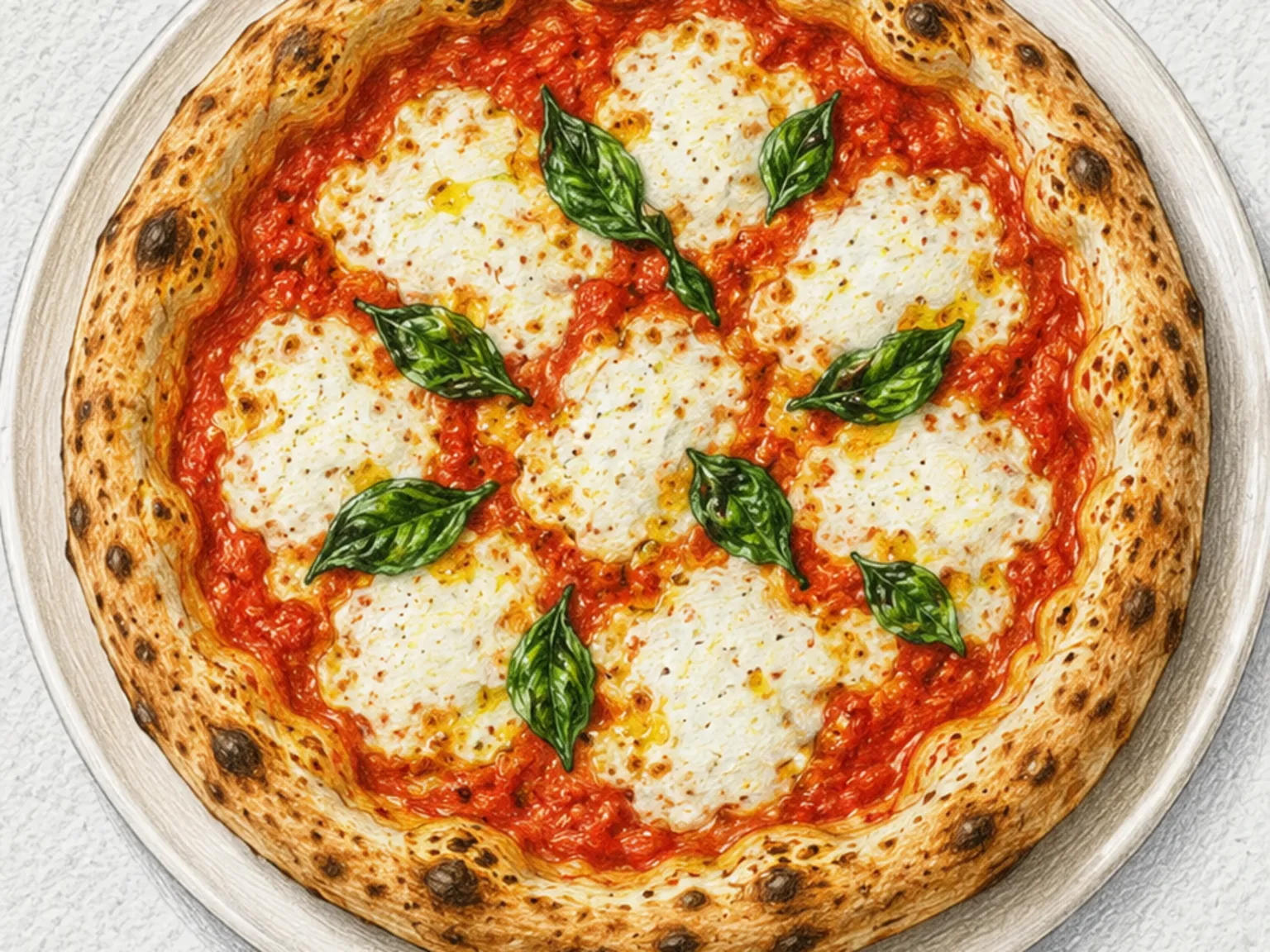
Margherita Pizza
Margherita pizza uses just three core toppings - tomato sauce, mozzarella, and fresh basil - making ingredient quality the deciding factor. The dough is stretched to a 25-centimeter round with a thicker rim that puffs up into an airy crust during baking. The sauce must be spread thinly and evenly; too much makes the base soggy. Tearing the mozzarella by hand rather than slicing it creates uneven thickness, so some spots brown and crisp while others stay soft and melted - draining the cheese beforehand is essential for proper browning. The pizza bakes at 250 degrees Celsius for 10 to 12 minutes until the edges are golden and blistered. Basil, grated Parmesan, and a drizzle of olive oil are added only after the pizza comes out of the oven to preserve their fresh aroma.
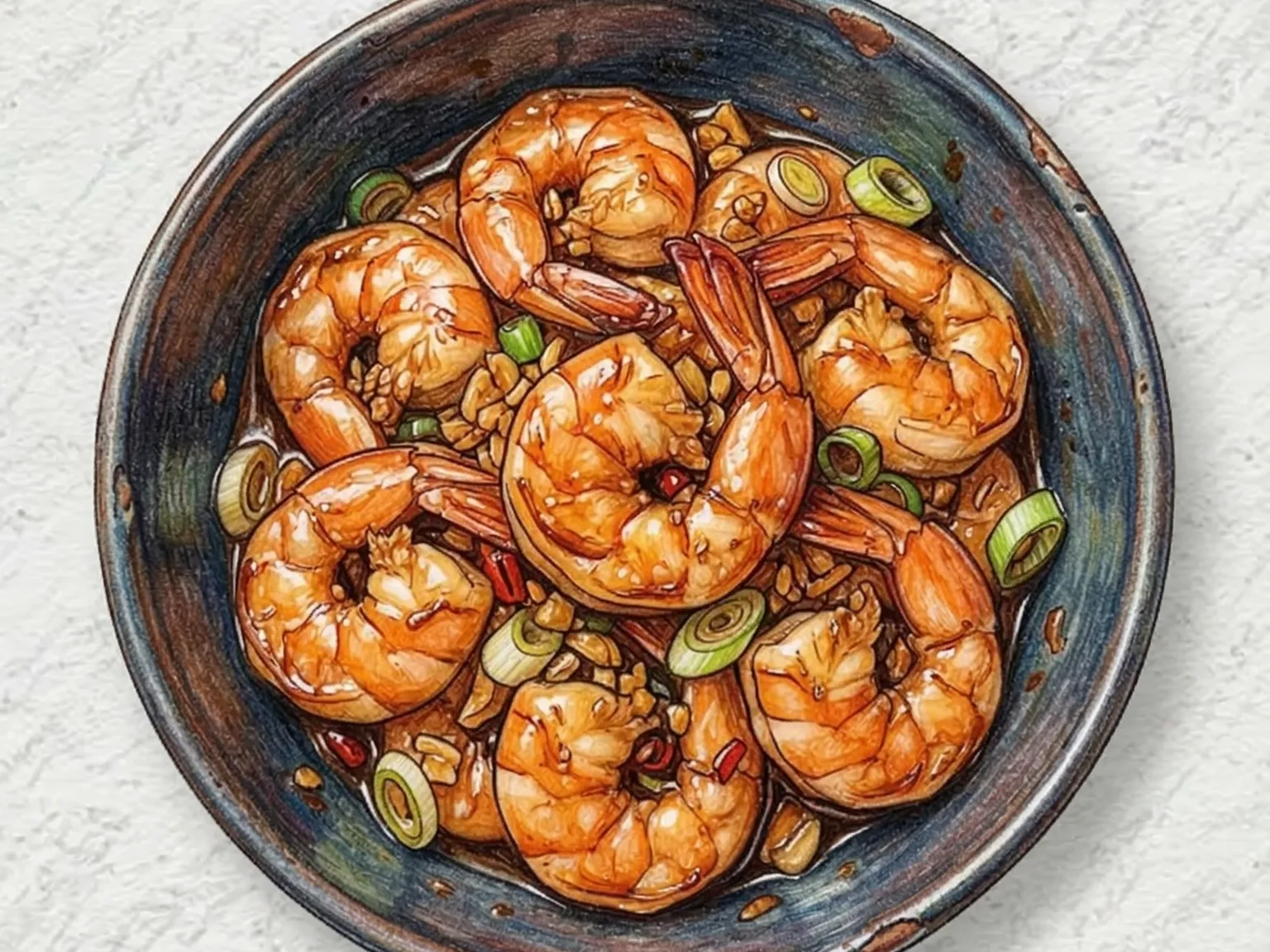
Korean Soy-Glazed Shrimp Stir-Fry
Ganjang saeu bokkeum coats plump shrimp in a sweet-savory soy glaze built on a base of melted butter and garlic. A single cheongyang chili adds a subtle kick that lifts the buttery richness without overpowering it. The key timing rule is to add the sauce the moment the shrimp turn pink: any longer and they become rubbery, but the glaze needs just enough heat to caramelize lightly and coat. Stir-frying the garlic in the butter before the shrimp go in lays a nutty base across the entire sauce. A final splash of soy sauce over high heat at the end creates the lacquered sheen that defines the finished dish. With only eight minutes of cooking time total, this works equally well as a quick banchan alongside rice or as an appetizer with drinks.
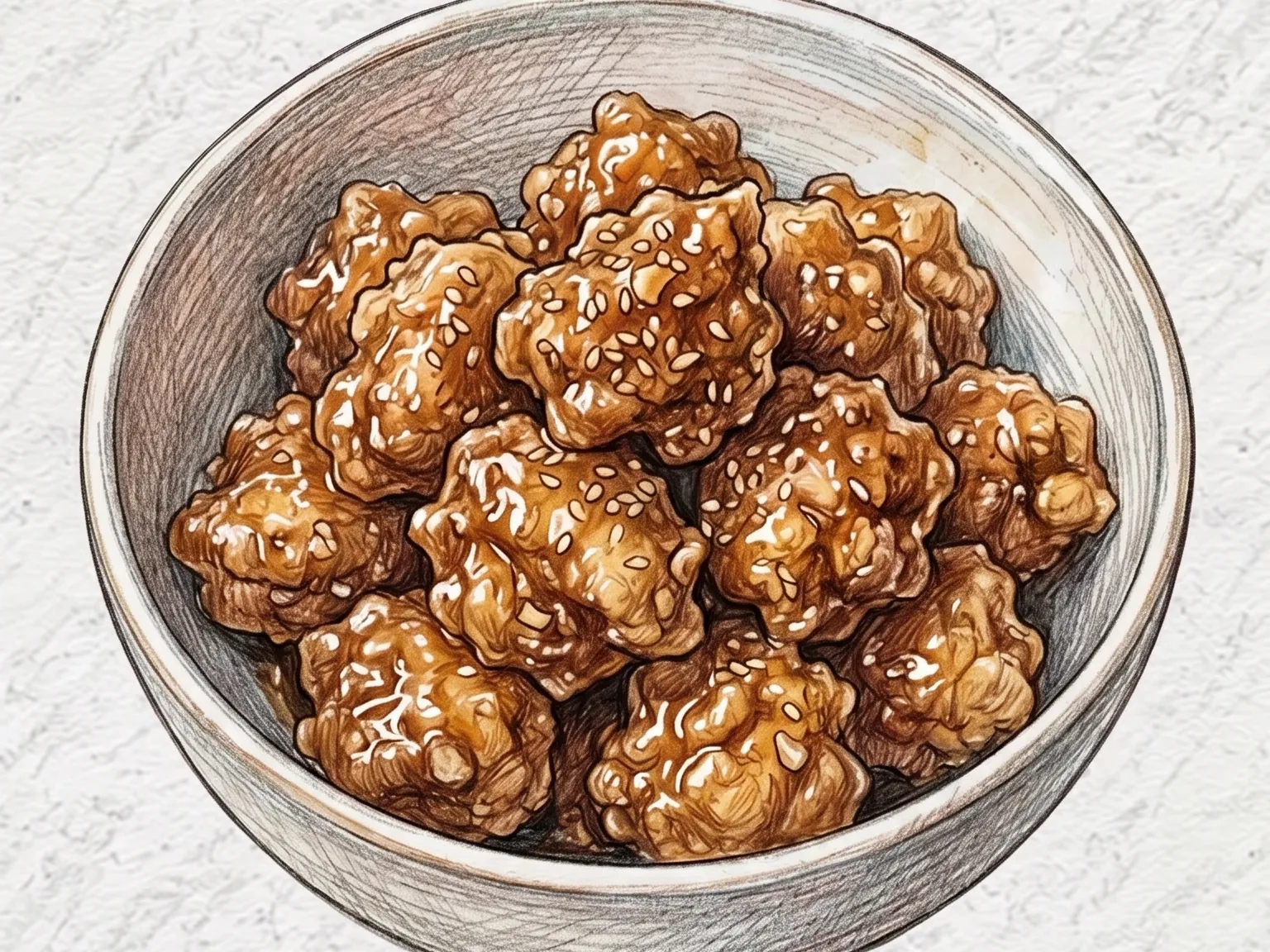
Korean Soy Garlic Dakgangjeong
Soy-garlic dakgangjeong is Korean fried chicken made from boneless thigh pieces coated in potato starch and fried twice before being tossed in a soy-garlic glaze. The first fry runs at 170 degrees Celsius for five minutes to cook the meat through to the center. The second fry raises the temperature to 190 degrees and runs for two minutes to push residual moisture out of the crust and harden the surface. Both fries are necessary to achieve a crust firm enough to stay crisp under the wet glaze. Using only potato starch rather than a wheat-starch blend produces a thinner, more transparent coating that crisps harder and absorbs less oil. The sauce is reduced for no more than thirty seconds to one minute so the saltiness does not concentrate excessively. Vinegar is a key component: it cuts through the grease and leaves the palate clean after each bite. The fried chicken must go into the sauce while it is still loose, then be tossed over high heat quickly so the coating never has time to steam and soften. Sesame seeds scattered on top add a nutty fragrance and a textural contrast against the lacquered surface.
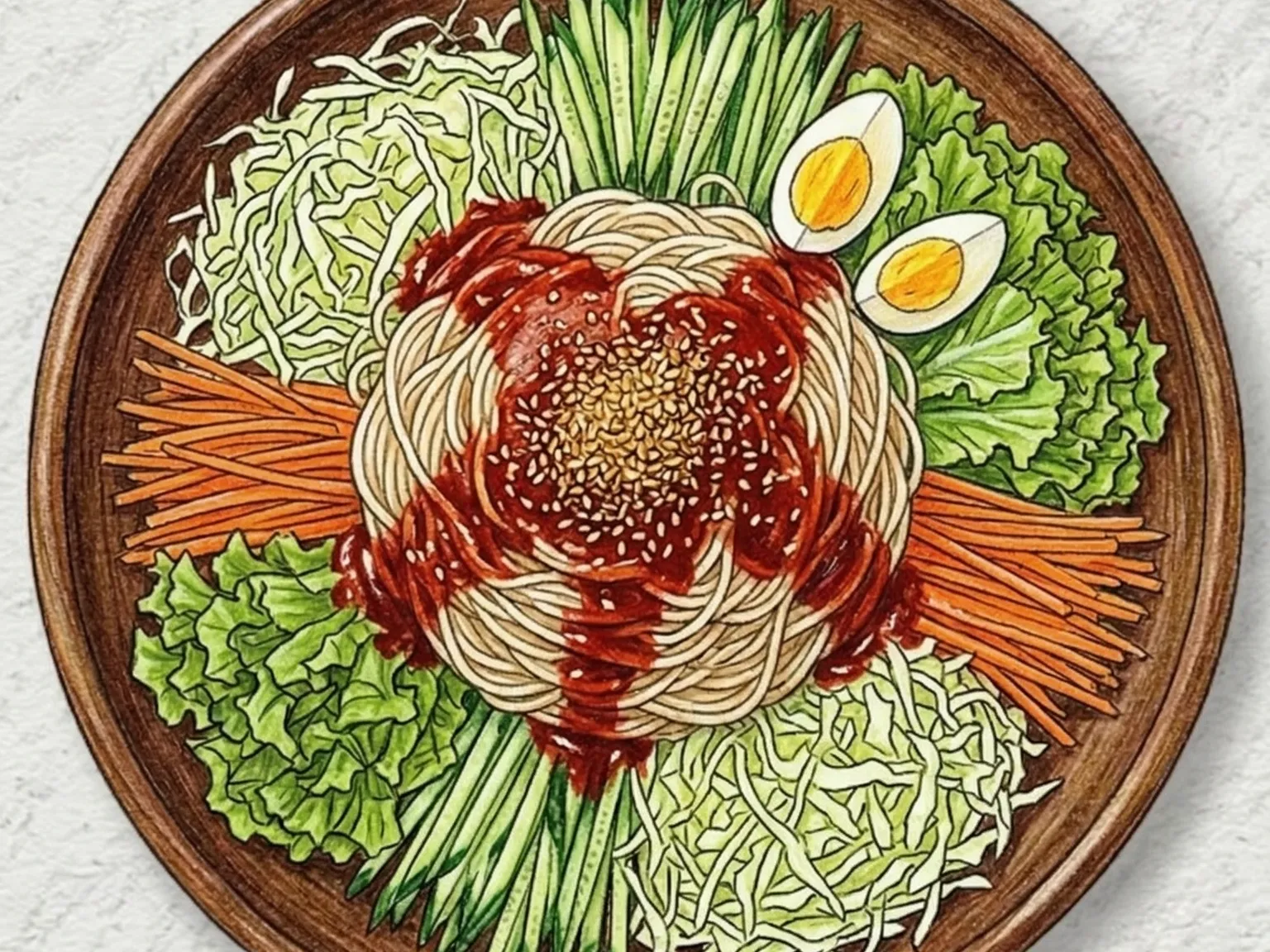
Korean Spicy Platter Noodles
Jaengban-guksu is a large-platter noodle dish where boiled somyeon and a generous pile of fresh, crunchy vegetables are tossed together in a spicy-tangy dressing. Shredded cabbage, julienned cucumber, matchstick carrot, and torn lettuce each contribute distinct textures that contrast with the tender noodles, while the dressing - gochujang blended with vinegar, sugar, and soy sauce - fires through sweet, sour, and spicy notes in quick succession. Sesame oil and toasted sesame seeds weave a nutty warmth through the dish that softens the dressing's sharpness without dulling it. After boiling, the somyeon should be rinsed thoroughly in cold water to wash off excess starch; this step allows the dressing to coat each strand evenly and prevents the noodles from clumping on the tray. Using more vegetables than seems necessary is actually recommended, since they distribute the dressing as the noodles are tossed and add contrast in every forkful. The dish is traditionally served on a single wide tray for communal mixing at the table, making it a natural fit for gatherings and outdoor outings.
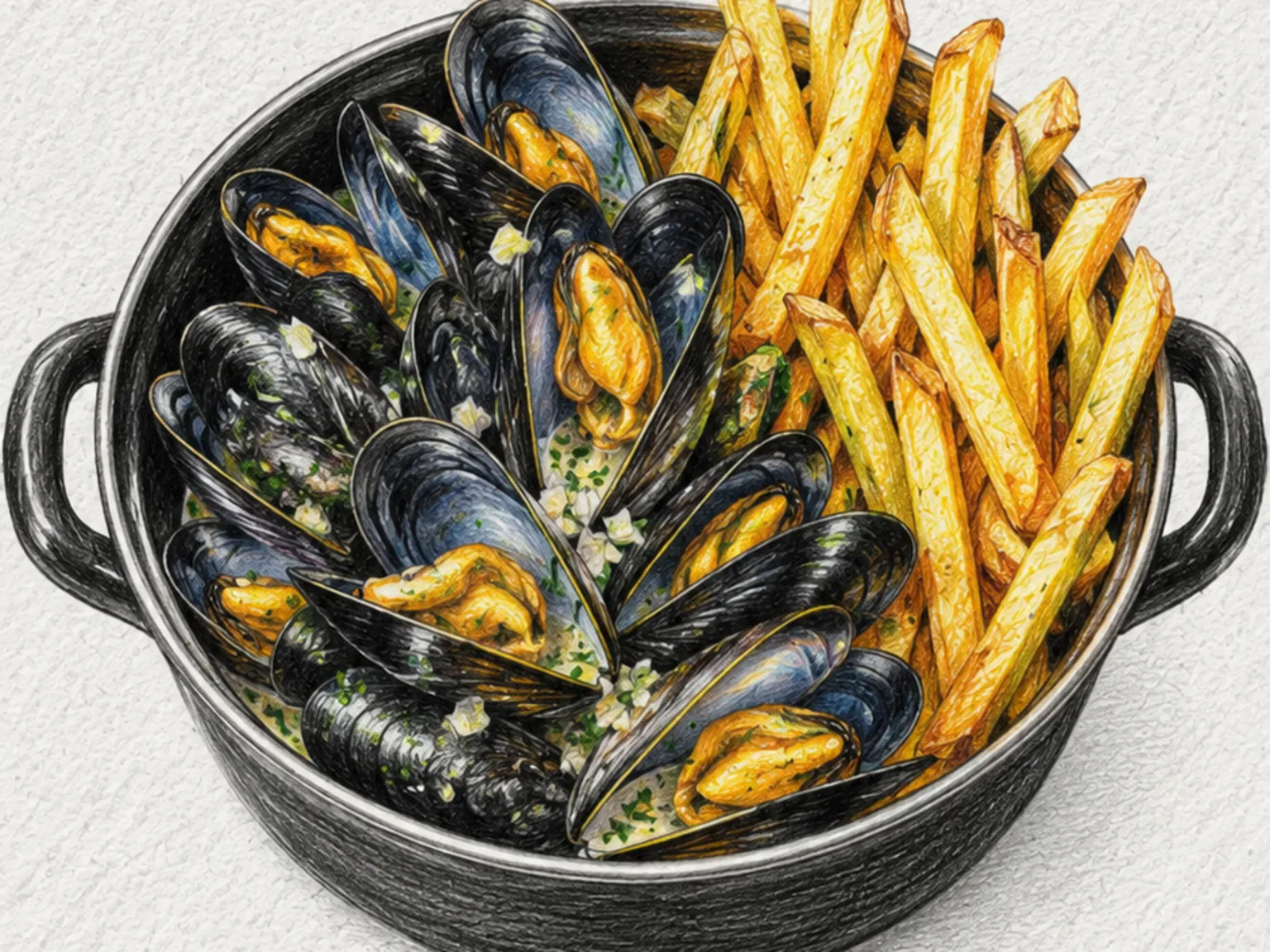
Moules-Frites (Belgian Steamed Mussels with Fries)
Moules-frites steams mussels with shallots, garlic, white wine, and butter, then serves them alongside twice-fried potatoes for a Belgian classic. The mussels are scrubbed clean, debearded, and steamed covered on high heat for just three to four minutes - long enough for the shells to open while the flesh stays plump and tender. Any mussels that remain closed after cooking must be discarded. The fries are cut into thick sticks, soaked in cold water to remove surface starch, dried thoroughly, then fried first at 170 degrees Celsius to cook the interior and again at 190 degrees to crisp the exterior. Removing all moisture from the potatoes before frying reduces splatter and improves crunch. The mussel broth, rich with wine and butter, is traditionally sopped up with bread or poured over the fries.
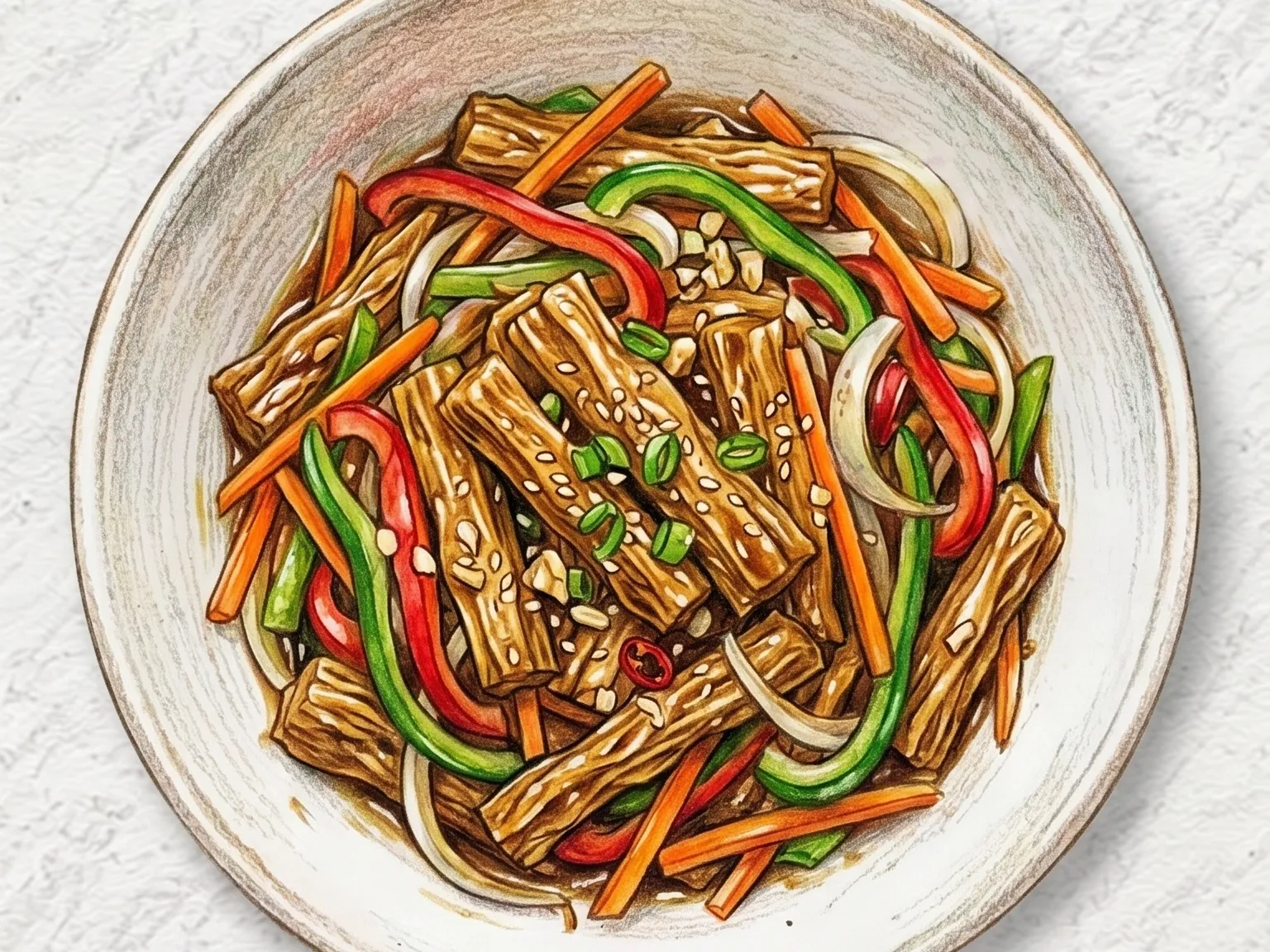
Stir-fried Dried Tofu Strips
Geondubu bokkeum is a straightforward stir-fry of dried tofu strips with julienned carrot, bell pepper, and onion in a soy and garlic sauce. Dried tofu contains far less moisture than fresh tofu and holds its shape without crumbling during cooking. Blanching the strips briefly in boiling water before stir-frying removes the raw bean aroma and opens up the surface so the seasoning penetrates more deeply. The julienned vegetables add color and a crisp bite, while soy sauce and garlic provide a steady, savory backbone that suits the tofu's mild nuttiness without overwhelming it. Adding gochugaru shifts the dish toward a spicier, more distinctly Korean banchan flavor. The protein content is high enough that this dish carries a meal without any meat alongside it, and the tofu holds together well in lunchboxes without turning soft or releasing excess liquid. A small drizzle of sesame oil at the end of cooking rounds out the aroma and lifts the overall finish.
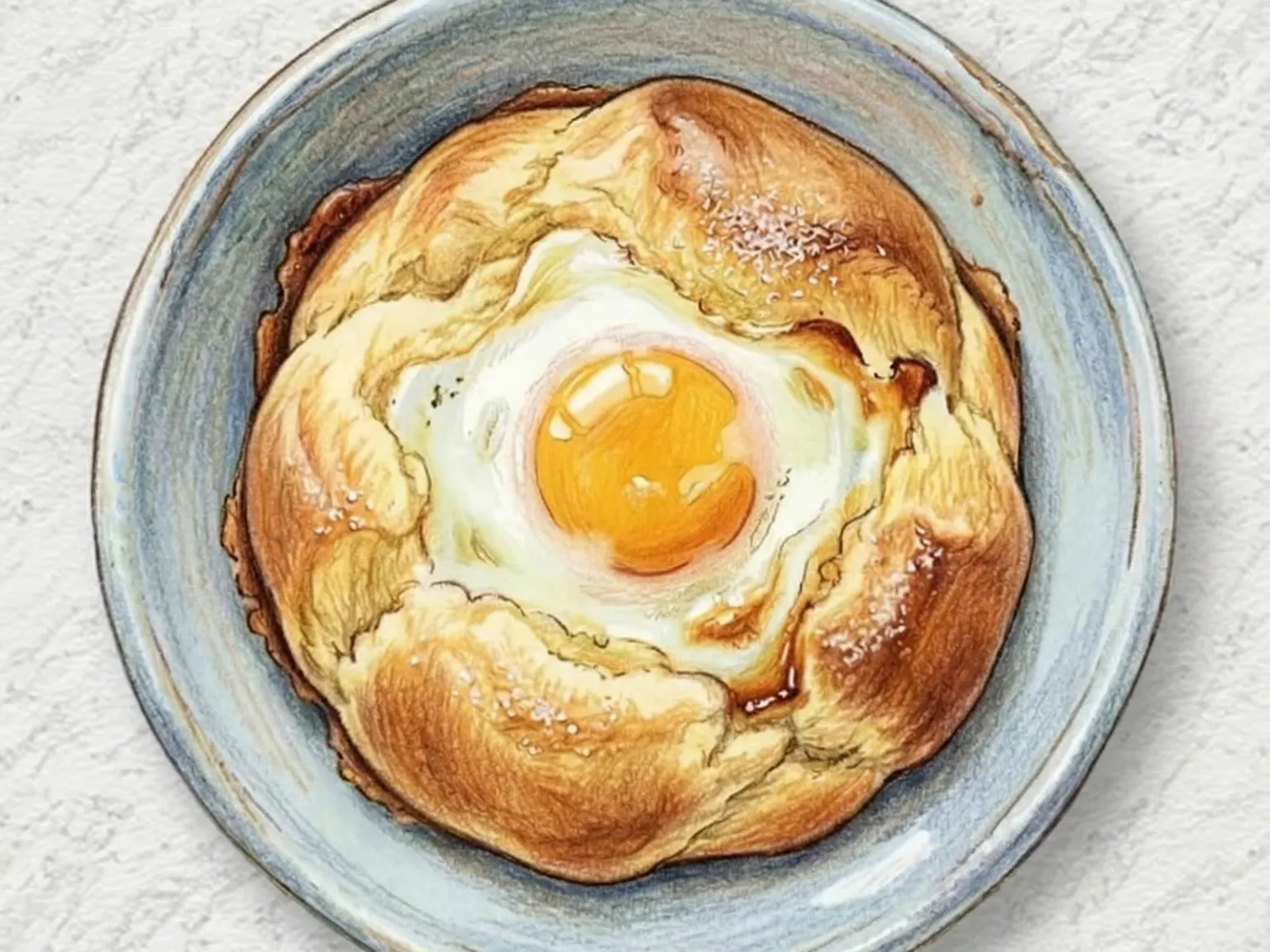
Korean Street-Style Egg Bread
Preparing gyeran ppang involves pouring a sweet batter made from flour, milk, egg, and butter into individual molds and cracking a whole egg directly on top. The inclusion of baking powder helps the batter rise into a soft, airy bread structure during the baking process at 180 degrees Celsius. Within fifteen to eighteen minutes, the egg white sets firmly while the yolk reaches a state between soft and fully cooked, creating a moist center. The light sweetness of the buttered batter balances the naturally mild and savory profile of the egg, making the snack complete without any additional sauces. Where the batter makes contact with the mold, it develops a lightly crisped, golden exterior that provides a textural contrast to the pillowy interior. This snack reaches its peak quality immediately after removal from the mold while still warm, as cooling causes the bread to contract and lose its characteristic fluffiness. Its compact shape makes it easy to hold and eat while walking, which contributed to its status as a staple of Korean winter street food culture. Some versions include a light sprinkle of salt or dried herbs over the egg to introduce an aromatic element to the sweet and savory base.
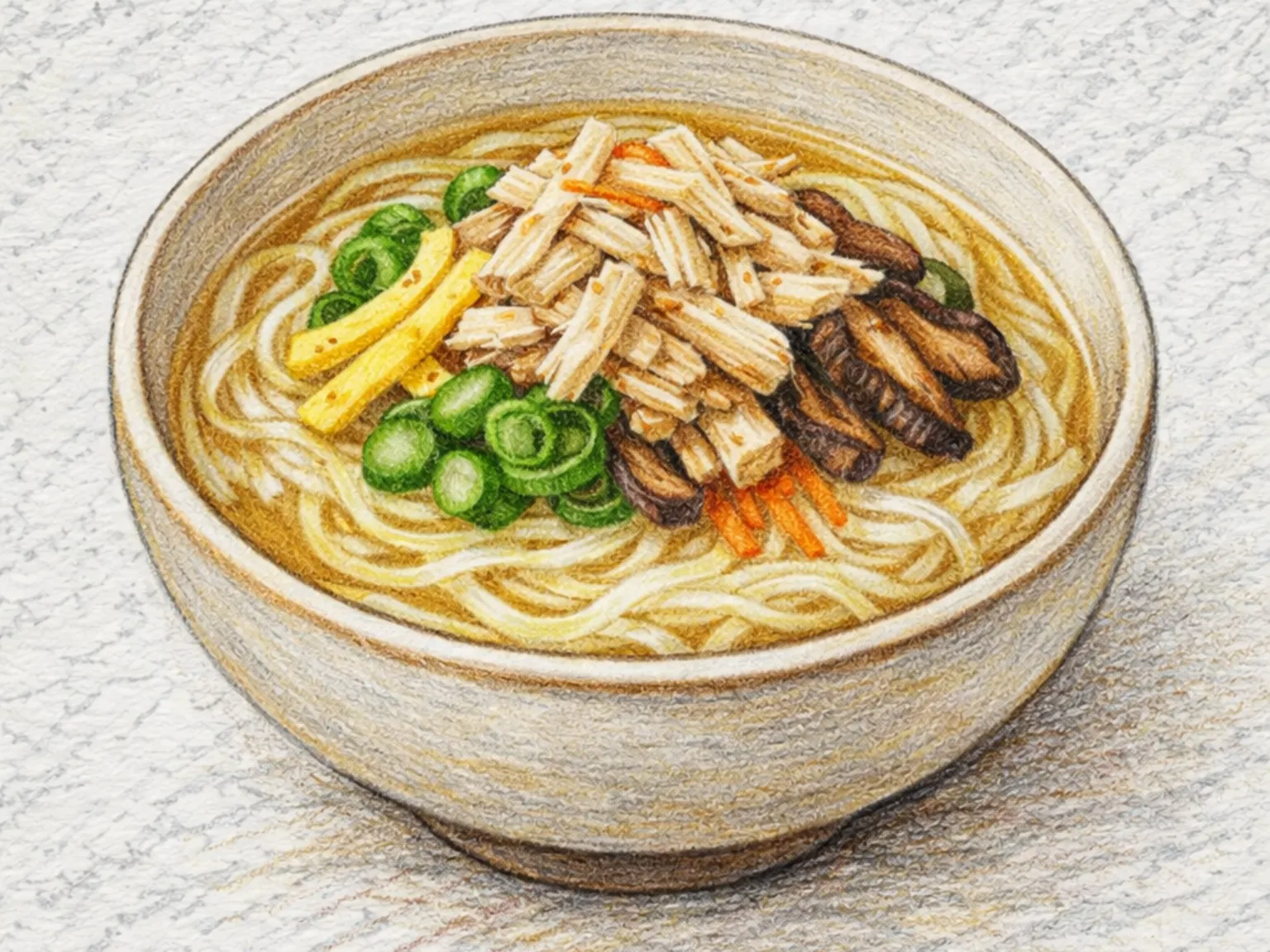
Korean Banquet Noodles (Thin Noodles in Anchovy Kelp Broth)
Janchi-guksu is a classic Korean celebration noodle soup with thin wheat noodles served in a clear broth drawn from dried anchovies and kelp. The broth balances the anchovies' deep umami against the kelp's restrained sweetness, with soup soy sauce used for seasoning so the liquid stays transparent and clean rather than cloudy or heavily salted. Julienned zucchini and carrot are stir-fried separately and arranged as garnishes on top, joined by strips of pan-fried egg crepe and crumbled roasted seaweed, giving the bowl its characteristic layered appearance of white, green, yellow, and black. The dish traces back to the custom of serving noodles to guests at weddings, birthdays, and first-birthday celebrations, with the long shape of the noodle carrying a folk belief about longevity that made it a natural fixture at auspicious events. The ingredients are few, but the care taken with the broth determines the character of the bowl - it is a dish that appears simple but rewards proper attention.
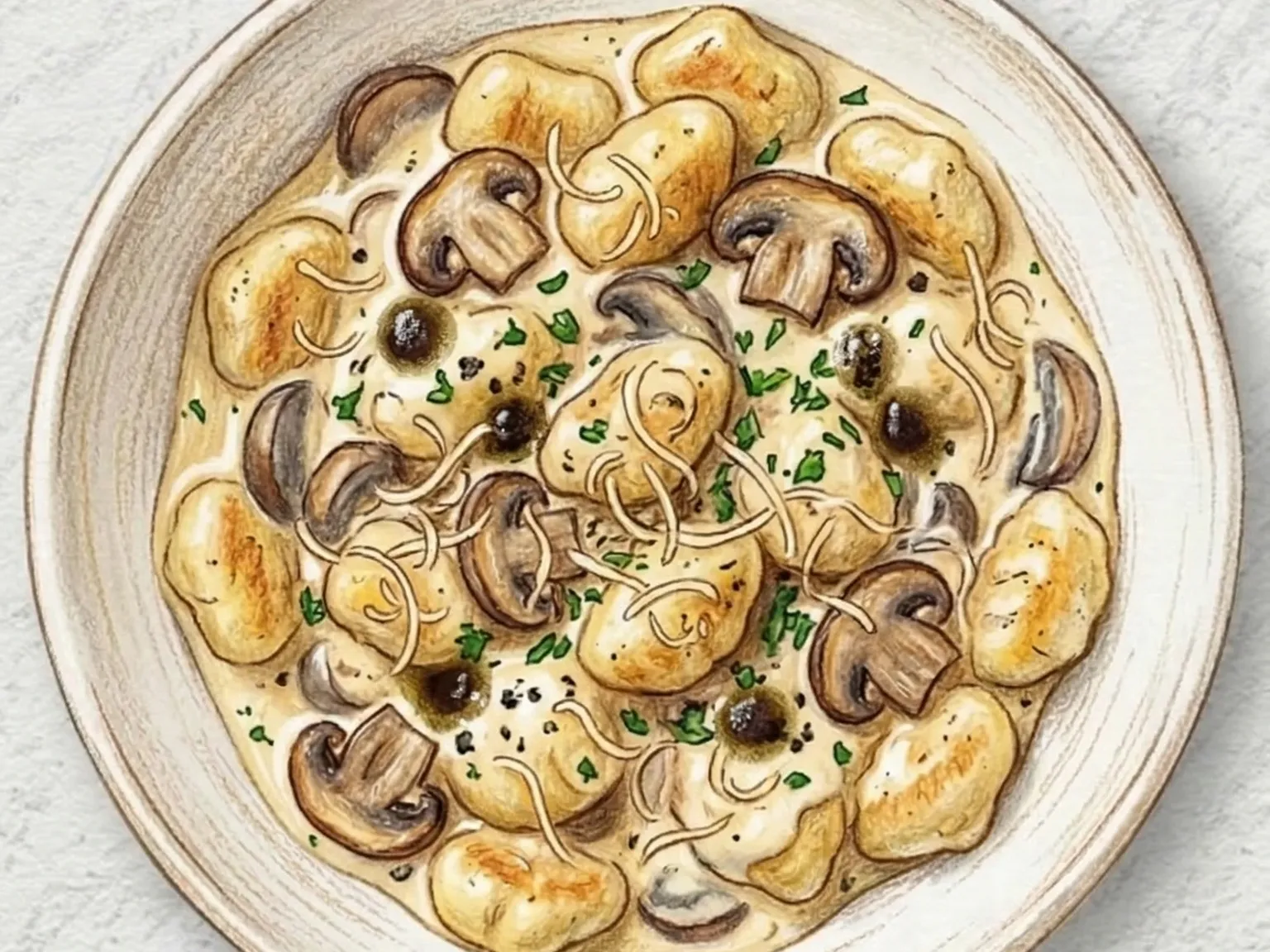
Mushroom Truffle Gnocchi
Mushroom truffle gnocchi boils potato gnocchi until they float, then tosses them in a sauce of butter-browned mushrooms finished with heavy cream and grated Parmesan. The mushrooms must be cooked in a single layer over high heat so their moisture evaporates and they develop a deep sear rather than steaming in their own liquid. The cream simmers on low heat for just two to three minutes - enough to thicken into a coating consistency without reducing too far. Truffle oil is drizzled on only after the heat is turned off, because cooking destroys the volatile aromatic compounds that give truffle its distinctive earthy, nutty fragrance. The combination of chewy gnocchi, savory mushrooms, rich cream sauce, and the lingering truffle aroma creates a dish that tastes far more luxurious than its short ingredient list suggests.