🌙 Late Night Recipes
Quick and satisfying late-night bites
651 recipes. Page 3 of 28
Late-night cravings call for quick, easy recipes that satisfy without too much effort. Ramyeon, egg fried rice, tuna-mayo rice bowls, and simple toasts - these are dishes you can throw together when hunger strikes after dark. Cooking at home beats delivery in both cost and healthiness.
The ideal late-night snack is fast to make, easy to clean up, and just filling enough. These recipes hit that sweet spot - comforting without being heavy.

Korean Sweet Red Bean Latte
Pat-latte is a Korean red bean milk drink built around two simultaneous uses of the same cooked beans. Most of the beans are blended smooth with water into a thick puree, while the remainder are left whole and stirred in afterward to provide soft, chewy pockets of texture throughout. That combined bean base goes into a saucepan with milk and warms over medium-low heat as sugar, sweetened condensed milk, a pinch of salt, and vanilla extract are added one by one. The condensed milk transforms the beans' mild natural sweetness into something denser and more complex, landing somewhere between caramel and roasted grain. Salt does not make the drink taste salty but instead sharpens the contrast that makes the sweetness register more clearly on the palate. Vanilla rounds off the earthy, slightly rustic edge of red bean aroma and brings the whole flavor profile together. Served hot, the drink takes on the gentle warmth of traditional red bean porridge. Poured over ice, the same flavors tighten and become more concentrated. Either way, stirring once before drinking keeps the whole beans evenly distributed rather than settled at the bottom.
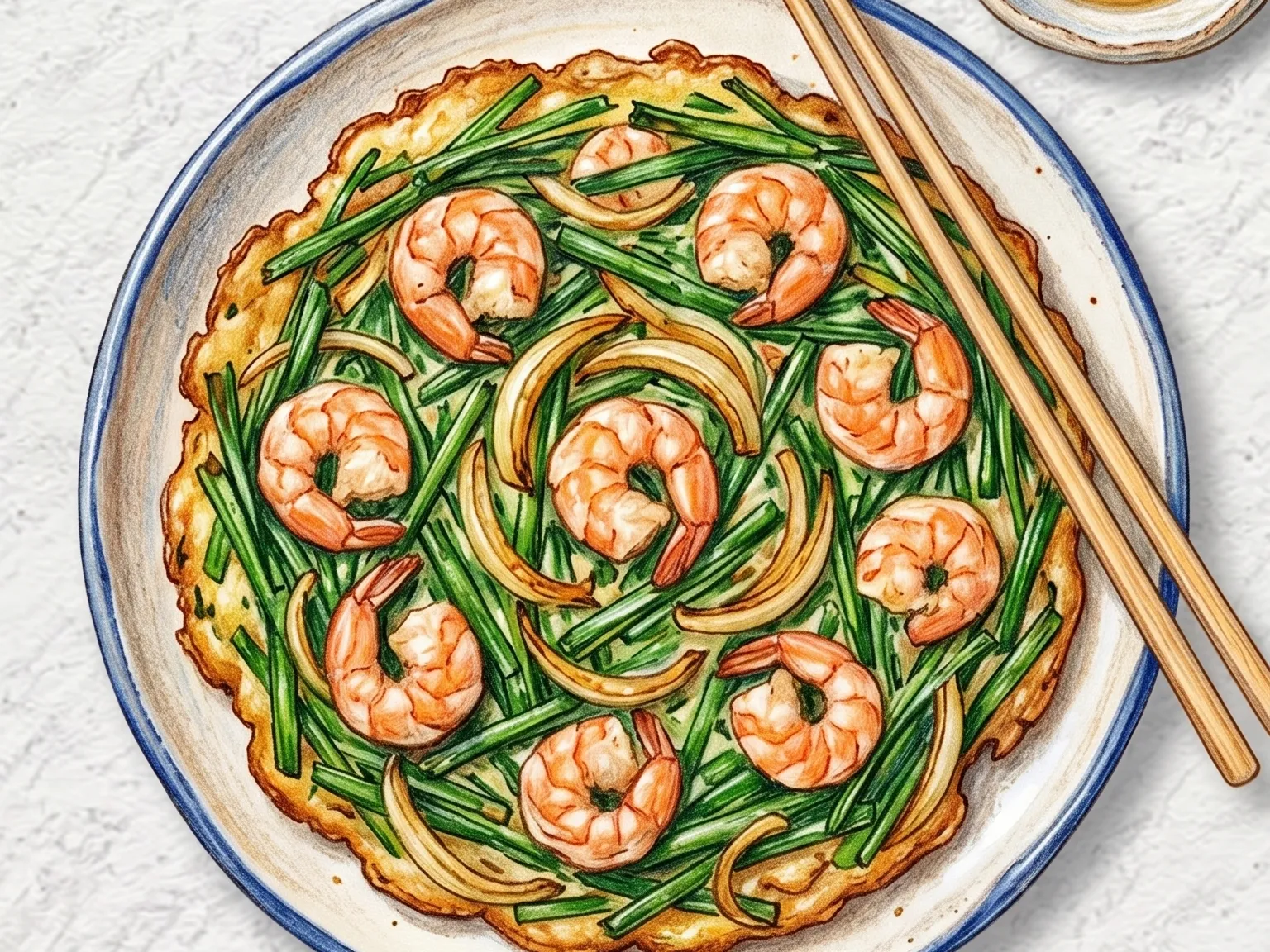
Korean Chive Shrimp Jeon (Crispy Chive and Shrimp Pancake)
Buchu-saewu-jeon is a Korean garlic chive and shrimp pancake made by folding coarsely chopped shrimp, garlic chives, and julienned onion into an egg-enriched batter before pan-frying over medium heat. Leaving the shrimp in rough chunks rather than mincing them fine is what gives each bite a distinct, springy snap along with the natural sweetness of shellfish. Onion softens and caramelizes as it cooks, tempering the brine of the shrimp, while a pinch of black pepper adds quiet warmth behind the other flavors. Spreading the batter thin and cooking for three minutes before flipping ensures the shrimp-studded edges turn crisp and lacy while the chive-packed center stays moist and tender. Egg raises the batter's binding strength so the pancake holds together cleanly when turned. The finished jeon pairs especially well with a soy-vinegar dipping sauce, which draws out the sweetness of the seafood more clearly than a plain soy sauce would.
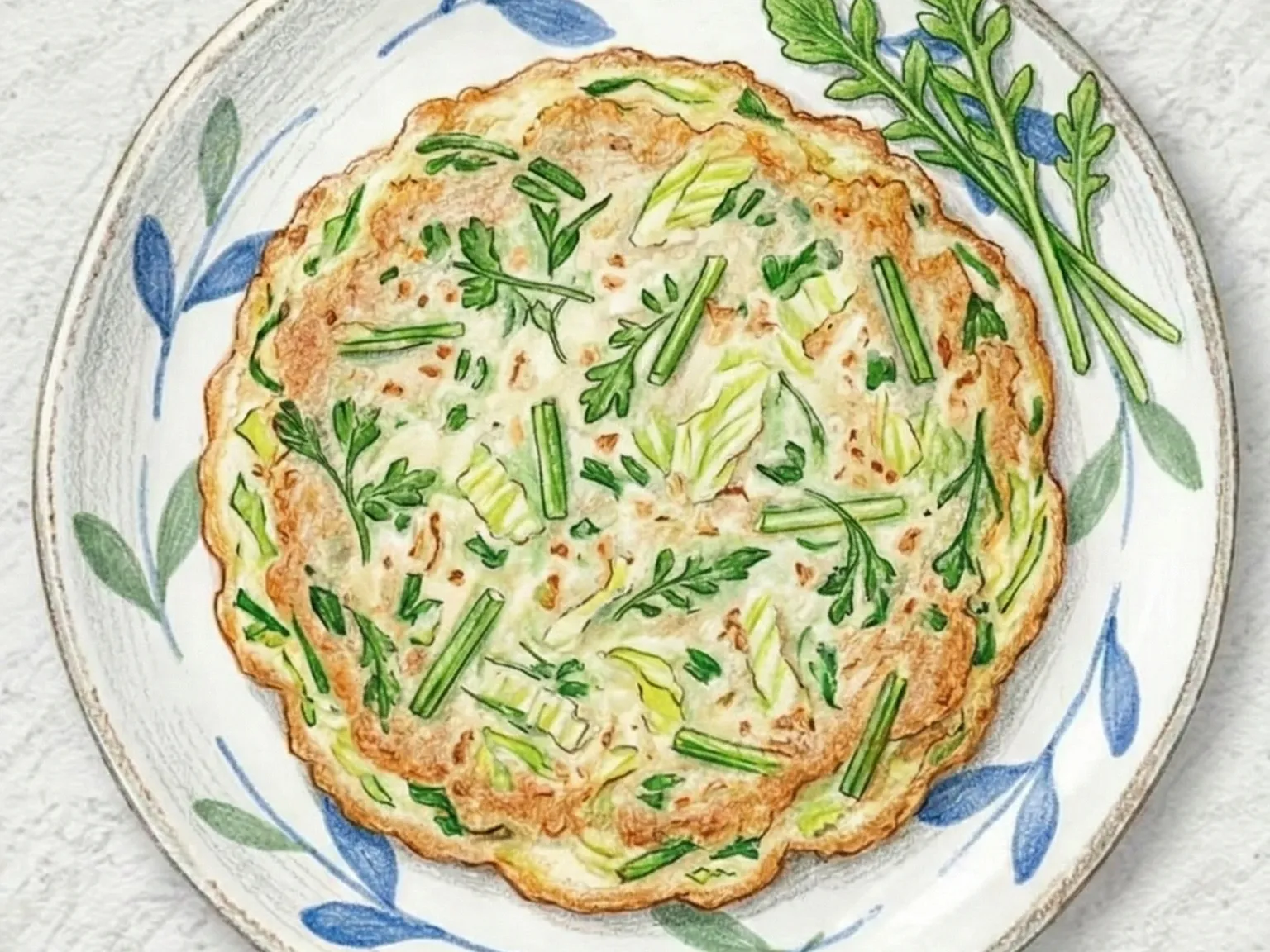
Korean Shepherd's Purse & Napa Pancake
Naengi Baechu Jeon is a seasonal Korean pancake that features wild shepherd's purse and sweet napa cabbage. To prepare this dish, the roots of the shepherd's purse are thoroughly scrubbed to remove soil and chopped into short lengths, while the cabbage is sliced, lightly salted to draw out moisture, and squeezed. The batter consists of Korean pancake mix, rice flour, an egg, cold water, and soup soy sauce, which provides a clean base that allows the flavors of the vegetables to stand out. Mixing rice flour into the batter ensures that the edges of the pancake turn crispy and remain tender even after cooling. The prepared greens are gently folded into the mixture, then pan-fried in oil over medium heat until both sides are golden brown. It is sliced on a board and served warm.
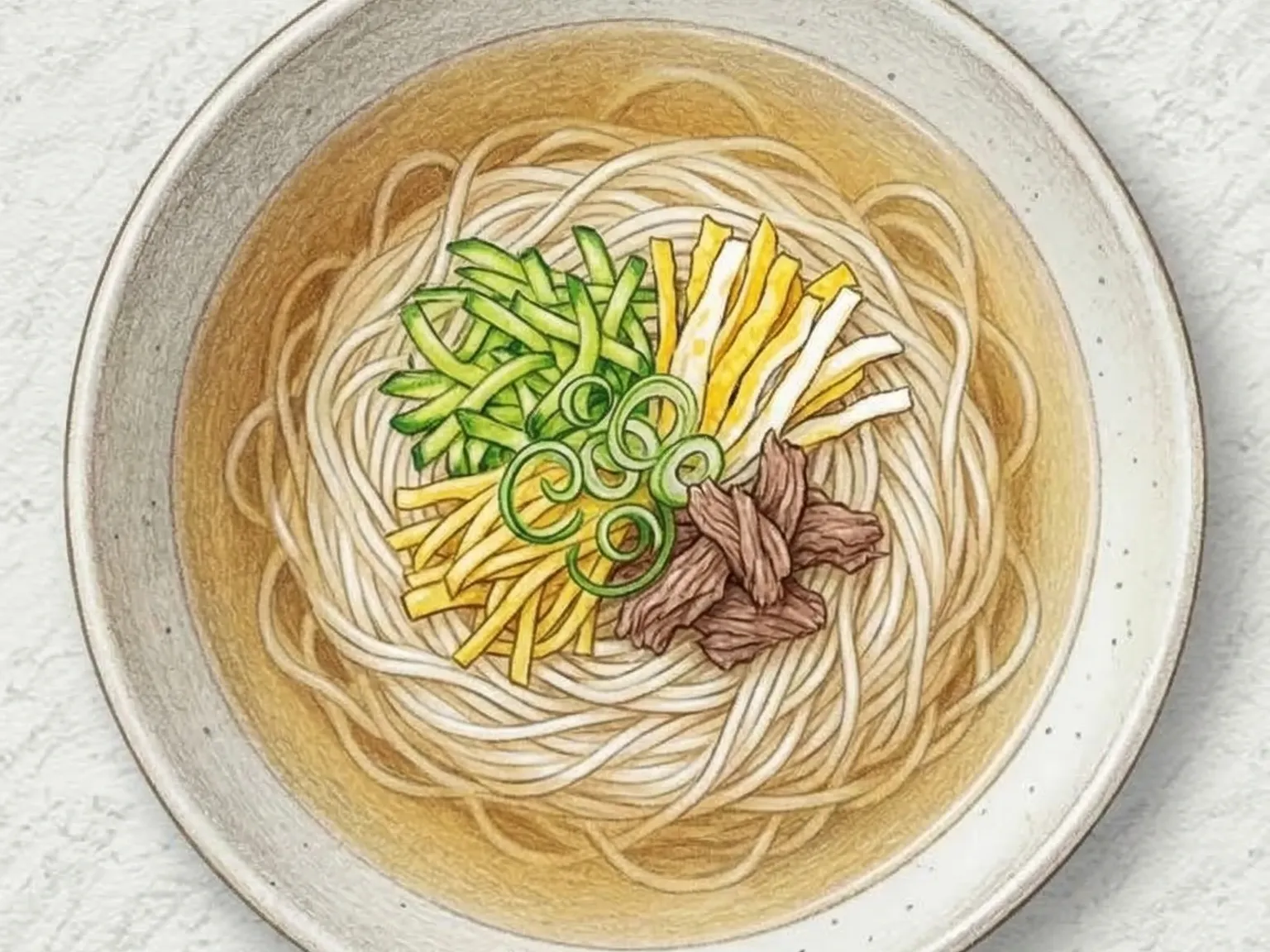
Korean Andong Guksi (Clear Beef Broth Celebration Noodles)
Andong guksi is a banquet noodle dish from the city of Andong in North Gyeongsang Province, served at weddings, ancestral rites, and major family ceremonies for centuries. In Korean culture, long noodles carry a symbolic association with longevity, and that significance kept this dish at the center of celebratory meals across generations. The broth is made from beef brisket and bones simmered for hours until the liquid is clear yet coated with dissolved gelatin - not milky-white in the style of bone broths pushed hard, but translucent and full of a quiet richness that clings faintly to the lips. Wheat noodles, traditionally hand-pulled but now usually dried and purchased, are cooked separately, rinsed, and placed in the strained broth. Toppings are deliberately minimal: thin egg jidan strips, julienned zucchini, and a few slices of the boiled brisket. Seasoning with soup soy sauce and a touch of garlic keeps the broth transparent and positions the beef flavor at the front. Andong's most famous export, jjimdak, relies on bold, chili-forward heat; guksi is the counterpoint - an exercise in restraint and clarity.
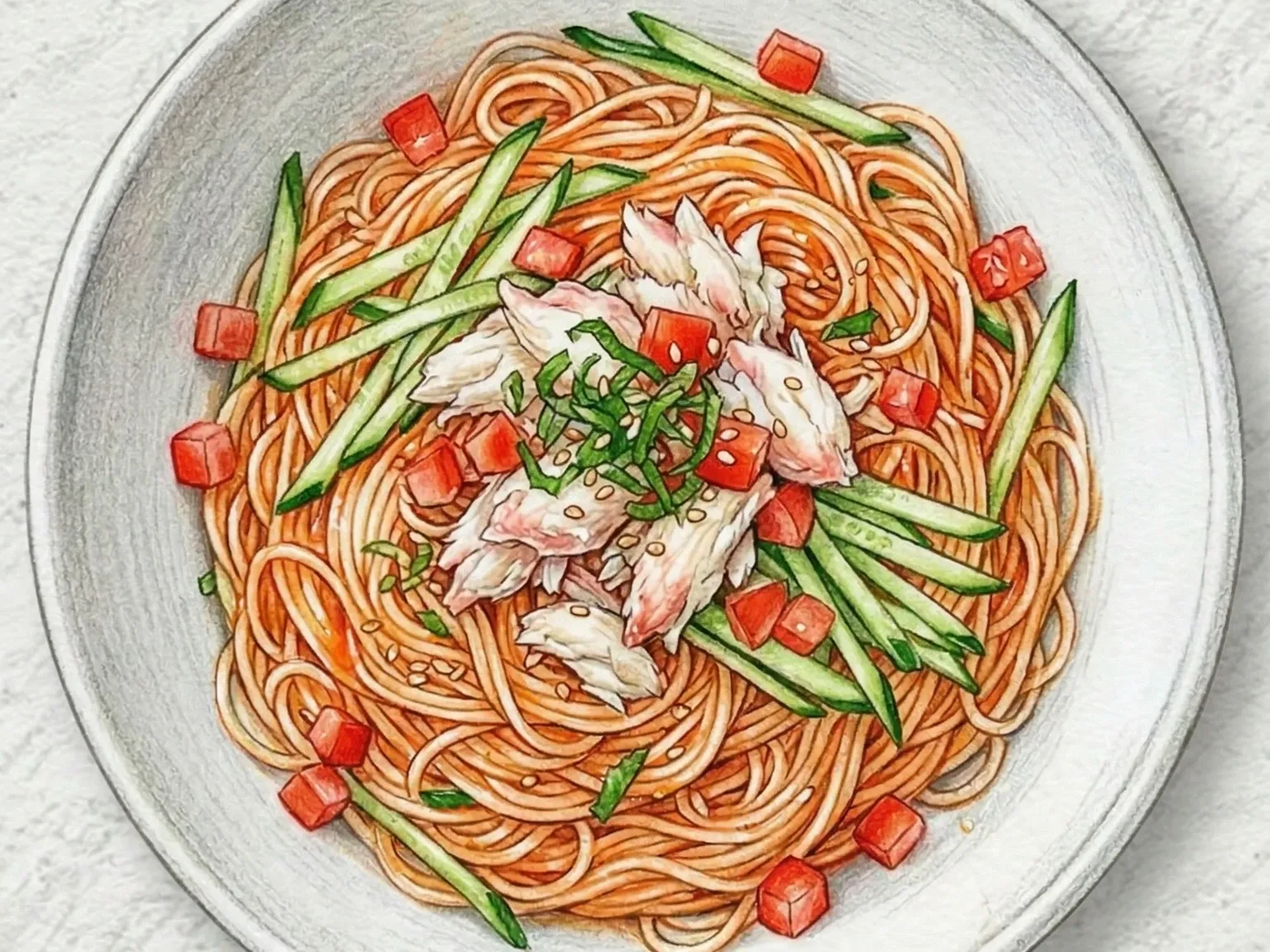
Chogochujang Kkotge Cold Capellini (Spicy-Sour Crab Angel Hair)
Chogochujang crab cold capellini is a chilled pasta dressed with chogochujang, a Korean condiment made by blending gochujang with rice vinegar and sugar until the paste becomes a pourable, sweet-tart, spicy dressing. The sauce layers capsaicin heat beneath an acidic brightness that makes it exceptionally well-suited to cold noodles, cutting through any residual starchiness and keeping each strand distinct. Blue crab meat contributes a delicate natural sweetness and a salinity that anchors the entire dish, while julienned cucumber adds crisp, water-rich crunch that lightens the overall texture. Capellini is among the finest pasta shapes available, measuring roughly 0.9mm in diameter, which means it overcooks almost instantly and must be shocked in ice water the moment it finishes boiling to halt cooking and preserve its springy elasticity. At room temperature, the strands begin to clump within minutes, so keeping them submerged in ice water until just before plating is the standard approach. Fresh tomato adds a burst of cool acidity that tempers the dense chogochujang dressing and prevents the dish from feeling heavy, making this a well-balanced warm-weather plate.
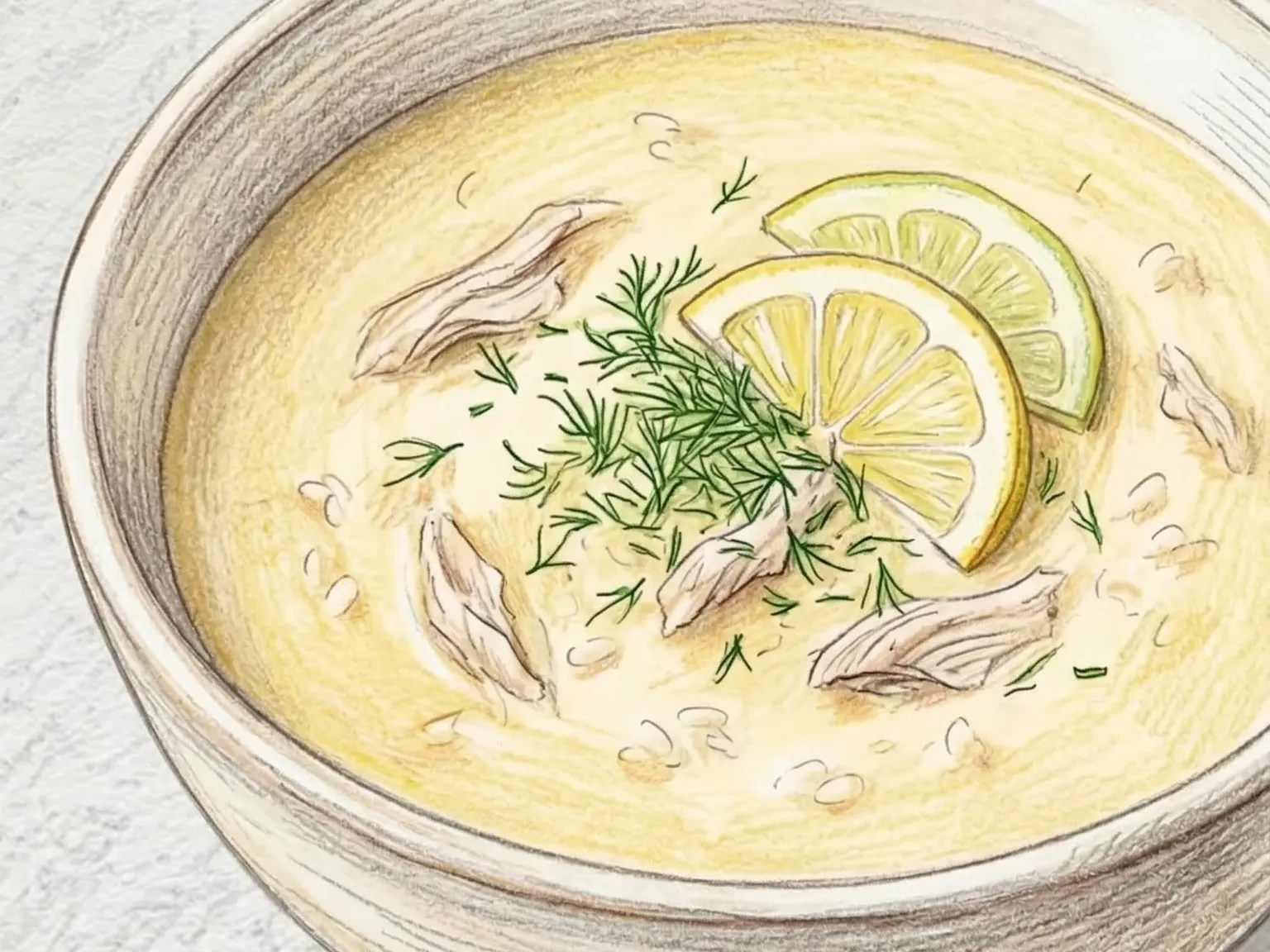
Avgolemono Soup (Greek Egg-Lemon Chicken Rice Soup)
Avgolemono - from the Greek avgo (egg) and lemoni (lemon) - is a soup with roots reaching back to Sephardic Jewish communities of the Byzantine Empire who brought egg-lemon sauces to the eastern Mediterranean, where they were absorbed into Greek cooking and eventually became one of the country's most enduring culinary signatures. Chicken broth is simmered with short-grain rice until the grains swell and release enough starch to give the liquid a faint body before the egg mixture even goes in. The defining technique is tempering: beaten eggs and freshly squeezed lemon juice are whisked together until frothy and unified, then ladles of hot broth are drizzled in one by one while whisking constantly, gradually raising the temperature of the egg mixture without allowing it to set. This tempered liquid is then stirred back into the pot with the heat off, transforming the broth into a pale-yellow, velvet-smooth cream. Lemon acidity registers first on the palate, clean and forward, followed by the warmth and body of the chicken stock settling in behind it. The soup must never return to a boil after the eggs are incorporated - even a brief simmer will cause the proteins to seize and turn the broth grainy and opaque. Shredded poached chicken stirred in at the end makes it a complete, sustaining meal, and a final grating of lemon zest over each bowl sharpens the citrus note for those who want more brightness. In Greece, avgolemono is considered the default remedy for cold days and illness, made more often in home kitchens than ordered in restaurants.
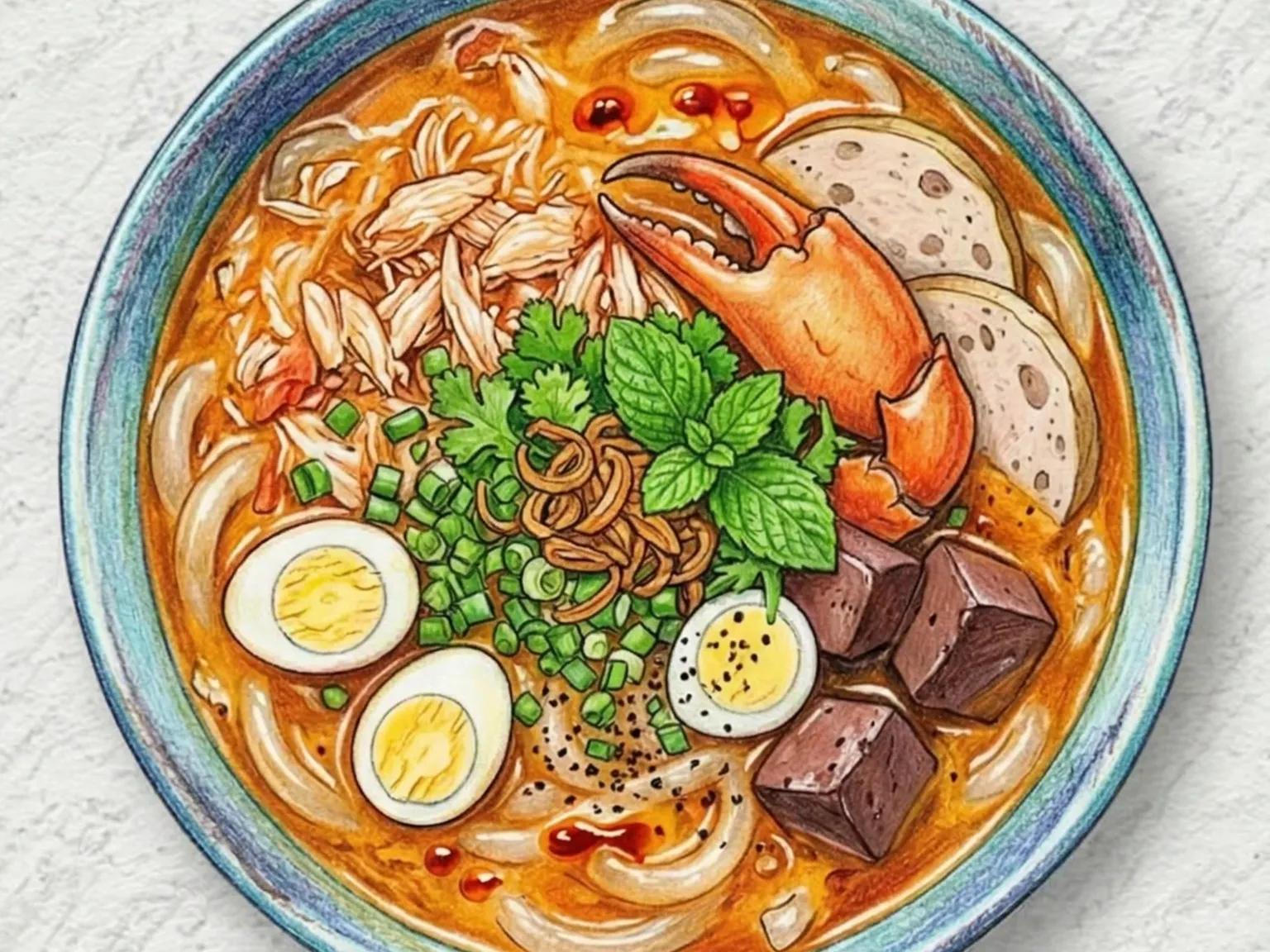
Banh Canh Cua (Vietnamese Thick Crab and Pork Noodle Soup)
Banh canh cua is a southern Vietnamese noodle soup built for maximum richness - both the broth and noodles are thick, a deliberate contrast to the clear, refined soups of Hanoi. The base is drawn from crab shells and pork bones simmered together for hours, then strained and thickened with tapioca starch until it coats the back of a spoon. Hand-formed tapioca-rice noodles have a quality unlike any wheat or standard rice noodle: slippery on the surface and densely chewy at the core. Chunks of crab meat and a crab-paste egg custard float in the milky broth, making each spoonful intensely oceanic. Street vendors in Ho Chi Minh City and Can Tho ladle it from giant pots at dawn, serving it as a morning meal alongside fried shallots and fresh herbs that cut through the fat. The soup has no equivalent in northern Vietnamese cooking - it is distinctly southern, a bowl that prioritizes depth and substance over delicacy.
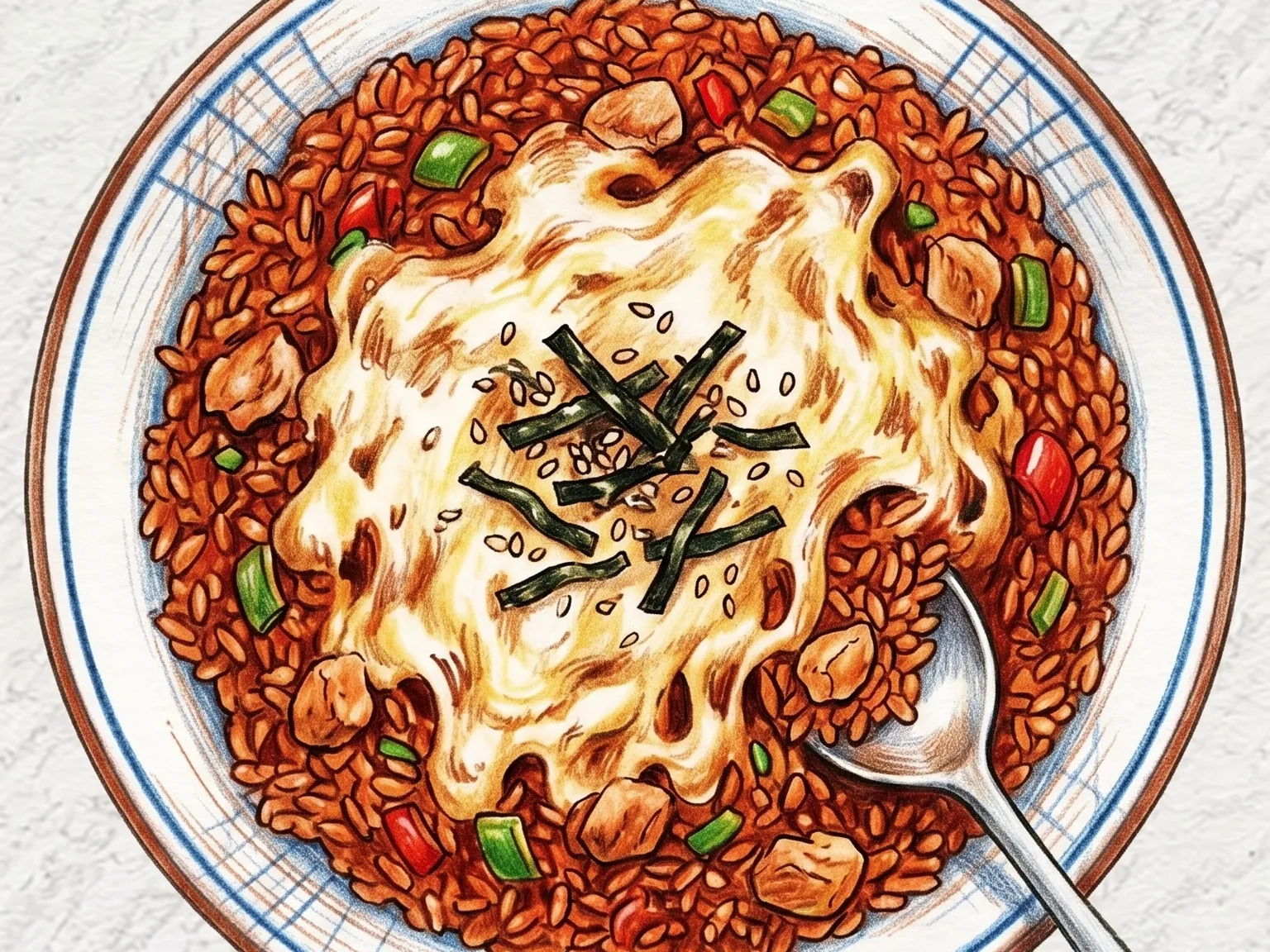
Korean Fire Chicken Fried Rice
Buldak bokkeumbap is a Korean fried rice built around the fiery buldak sauce - a thick chili-based condiment with concentrated heat that became widely known through the instant noodle brand of the same name. Chicken breast cut into bite-sized pieces is marinated in the sauce, then stir-fried with cooked rice over high heat until the sauce caramelizes slightly and coats every grain. The spice hits immediately on the first bite and accumulates with each spoonful, producing the kind of sustained burn that spicy food enthusiasts seek. Laying mozzarella cheese across the top and covering the pan to melt it creates a layer of stretchy, creamy dairy that wraps around the rice and provides brief relief between bites without neutralizing the heat completely. The contrast between the fire of the sauce and the cooling effect of the cheese makes the dish more compelling than either element alone. Easy to assemble with a short ingredient list, it has become a go-to option for late-night cooking and solo meals.
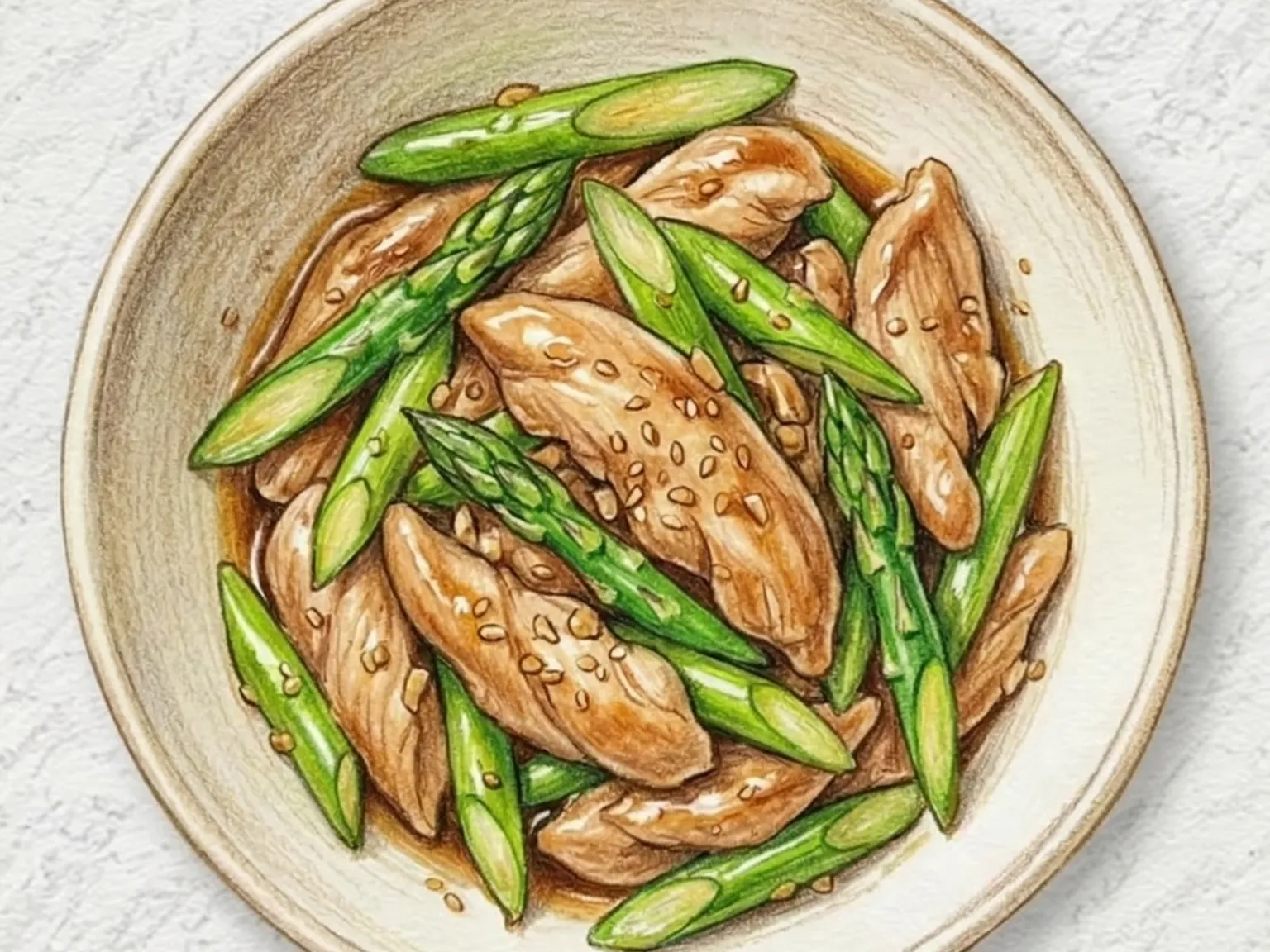
Korean Aseuparageoseu Dak Ganjang Bokkeum (Asparagus Soy Chicken Stir-fry)
This Korean stir-fry brings together chicken tenderloin and asparagus in a soy-based glaze - a modern home-cooking dish from the past few decades, when asparagus began appearing regularly in Korean kitchens. The chicken is sliced thin against the grain and marinated briefly in soy sauce, garlic, and sesame oil so it stays moist through the fast, high-heat stir-fry. Asparagus is cut on a sharp diagonal to maximize surface area for the glaze to adhere to, and the woody ends are snapped off by hand at their natural breaking point rather than cut with a knife. High heat is non-negotiable: the chicken sears quickly without weeping moisture, and the asparagus keeps its vivid green color and firm snap. A finishing glaze of soy sauce, sugar, and oyster sauce caramelizes lightly in the pan, forming a thin, glossy coat over every piece. The dish is deliberately restrained - clean soy saltiness and the grassy freshness of the vegetable take the lead, without the heavy, chili-forward weight of a gochujang-based sauce. It works equally well as a rice side or a light standalone meal.
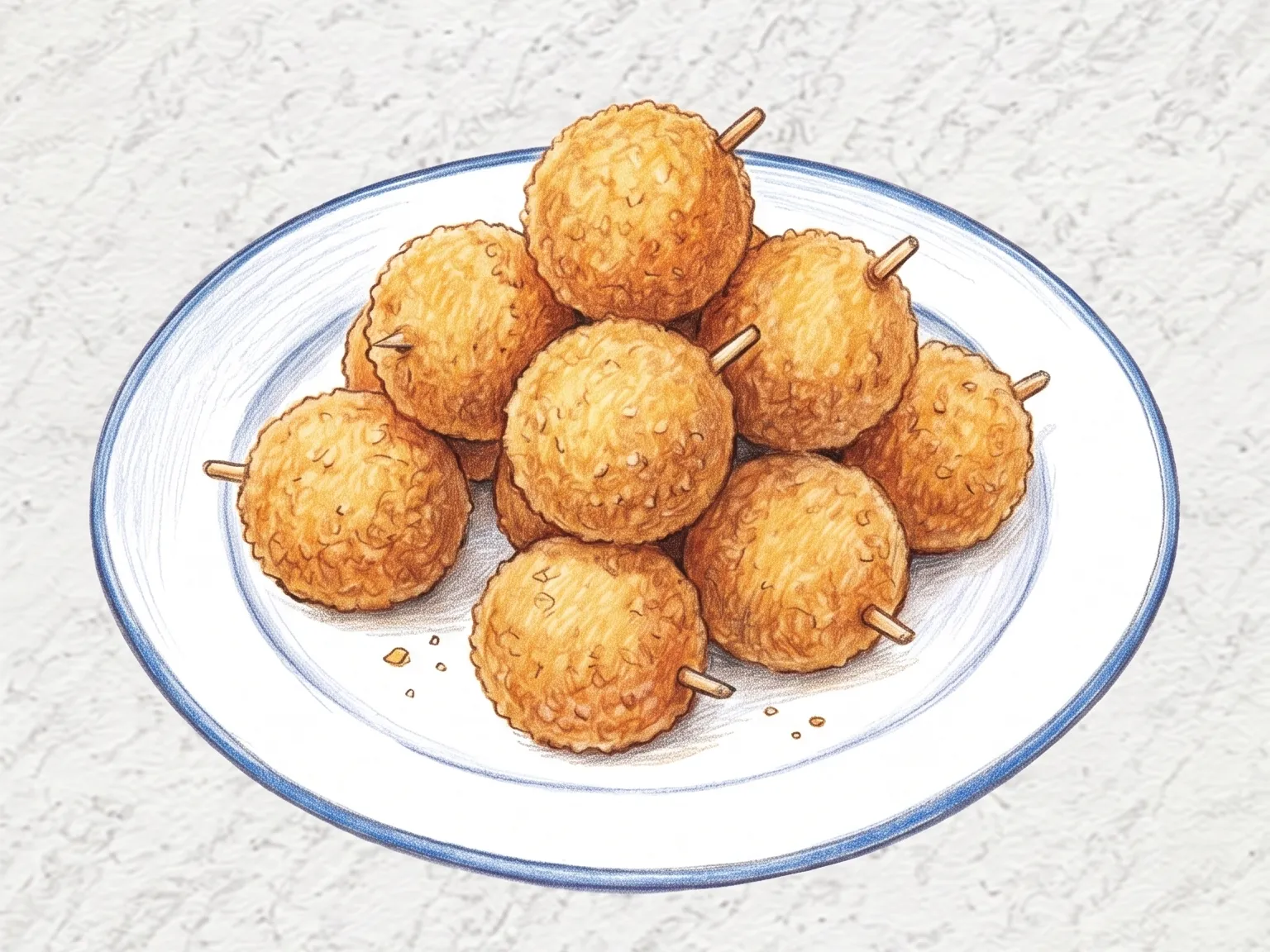
Bite-Sized Mini Hot Dogs
These bite-sized hot dogs are prepared by coating parboiled Vienna sausages in a thick pancake batter and breadcrumbs, then frying them to a golden brown. Pre-treating the sausages in boiling water for thirty seconds removes surface fats and impurities, allowing the batter to adhere tightly without slipping. The contrast between the sweet pancake mix and the salty sausages defines the flavor profile. Pressing the breadcrumbs firmly onto the wet batter by hand before frying establishes a distinct double-crisp outer crust that encases the tender interior. Frying the skewered sausages in oil heated to 170 degrees Celsius while continuously rotating them ensures a uniformly round shape and even coloring. The finished hot dogs are drained on paper towels and served warm with ketchup and mustard on the side as a simple snack.
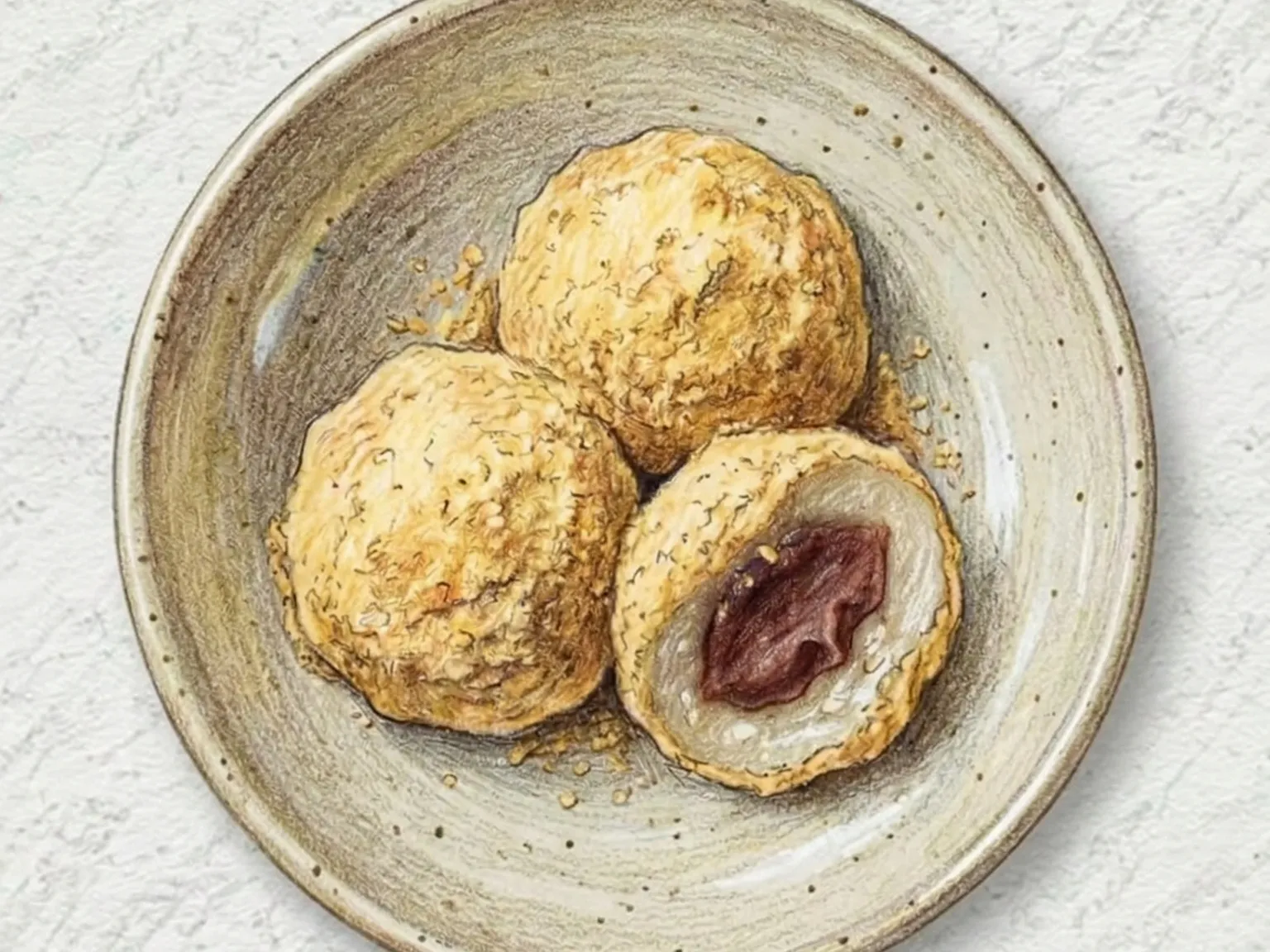
Glutinous Rice Cake Balls
Chapssal-danja are Korean glutinous rice cake balls filled with sweet red bean paste, boiled until they float, and rolled in a mixture of roasted soybean powder and sugar. The dough is flattened, wrapped around the filling, and sealed tightly into a sphere so the paste stays contained during boiling, with an extra minute of cooking after the balls surface to ensure the center is fully cooked through. A very thin brush of honey applied immediately after draining acts as an adhesive for the soybean powder coating and adds a faint floral sweetness to the exterior. Sifting the soybean powder before rolling produces a fine, even layer that gives each ball a powdery, melt-on-the-tongue finish over the chewy rice cake underneath. Kneading the glutinous rice dough thoroughly before portioning builds elasticity, which translates directly into the characteristic chew once the balls are cooked.
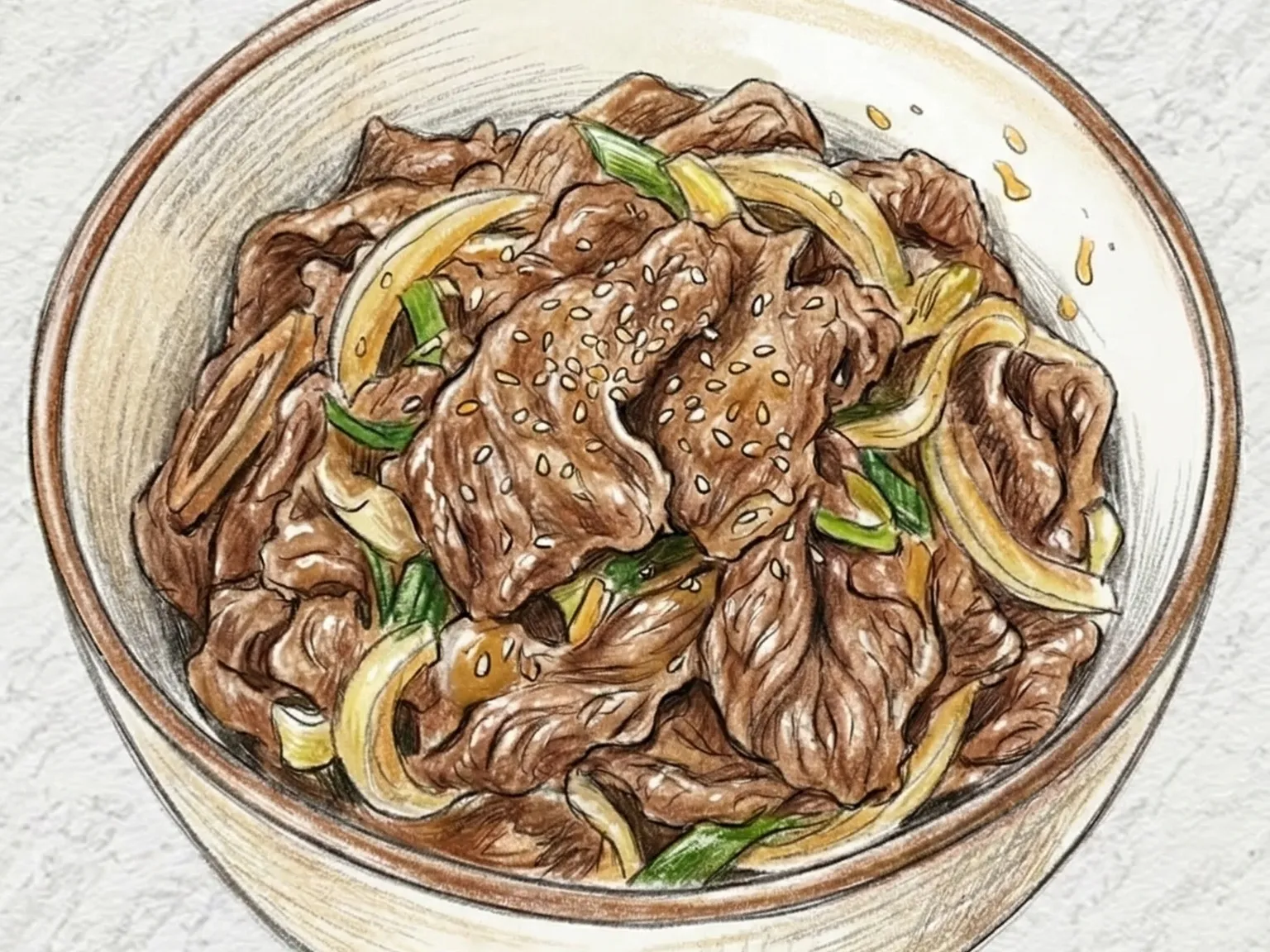
Korean BBQ Beef
Bulgogi stands as the most widely recognized marinated beef preparation within the Korean culinary tradition. The dish typically utilizes thinly sliced cuts of meat such as sirloin or chuck, which are soaked in a mixture composed of soy sauce, grated Korean pear, sugar, minced garlic, and sesame oil. Following the marination process, the beef is cooked rapidly over a high heat source. The inclusion of Korean pear in the marinade serves two specific functions during the preparation. First, the natural enzymes found within the pear fruit actively work to break down the muscle fibers of the beef. This chemical reaction ensures that each individual slice becomes tender and yields easily when eaten. Second, the fructose from the pear combines with the soy sauce during cooking to form a characteristic sweet and salty glaze that coats the entire surface of the meat. The specific technique used during the cooking phase is as critical as the composition of the marinade itself. If an excessive amount of meat is added to the pan at one time, the surface temperature of the cooking vessel will drop significantly. When this happens, the beef begins to steam in its own released liquids rather than searing against the hot surface. This often leads to a gray and chewy texture instead of the caramelized brown edges that the dish is known for. To achieve the correct result, the beef should be prepared in small batches while maintaining a consistent high heat. This method allows the liquid from the marinade to reduce quickly against the hot pan, creating the glossy and sticky coating that characterizes properly made bulgogi. To finish the preparation, a small amount of sesame oil is drizzled over the beef and toasted sesame seeds are scattered on top. These final additions provide a roasted and nutty quality that balances the sweet and salty base to complete the flavor profile.
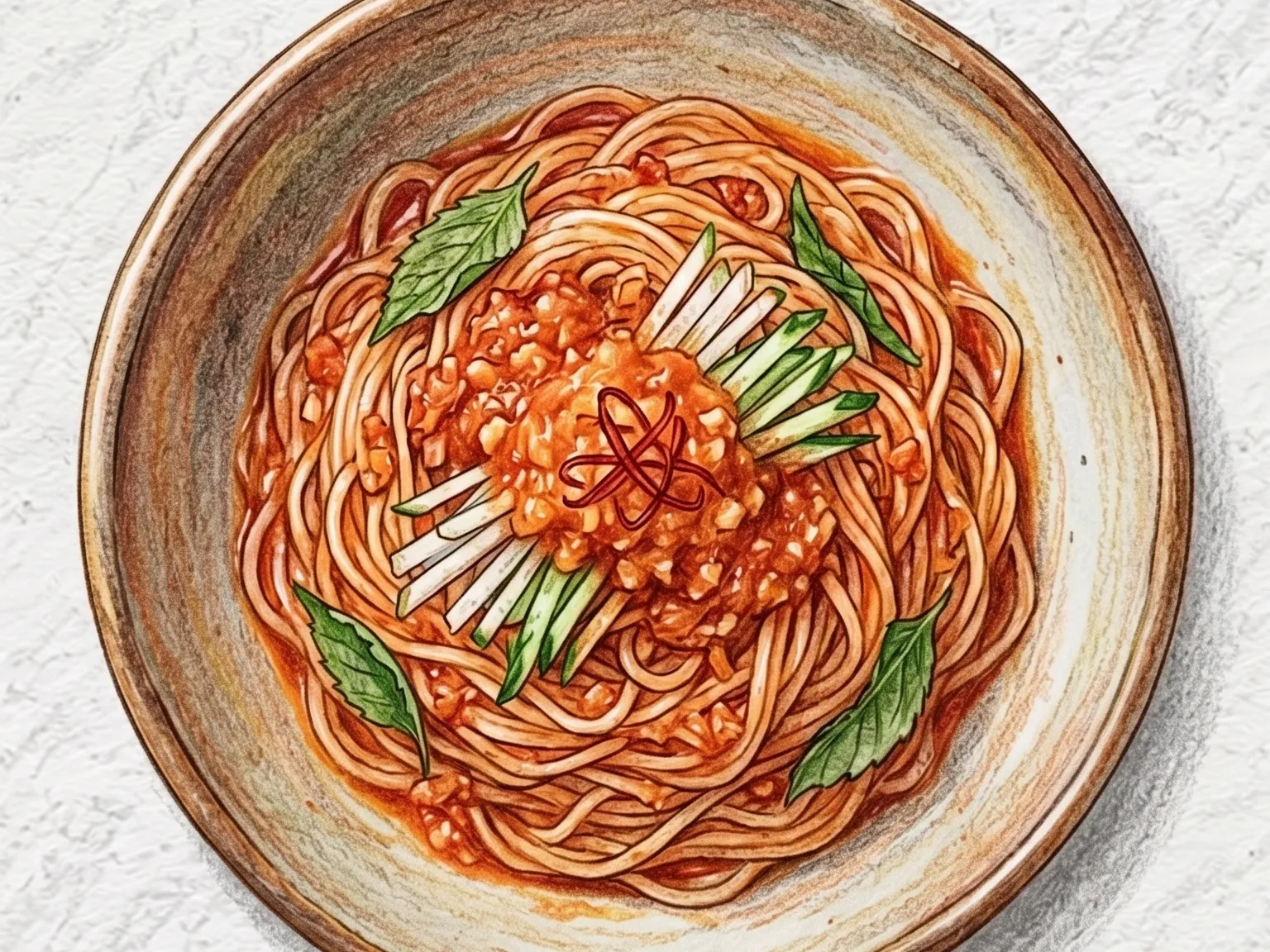
Apple Vinegar Spicy Mixed Noodles
Apple Vinegar Spicy Mixed Noodles is a cold noodle dish featuring a sauce made with freshly grated apple and apple vinegar. Instead of using a large amount of refined sugar, half of a fresh apple is grated into the mixture to provide a natural sweetness. The sauce combines gochujang, gochugaru, soy sauce, minced garlic, and apple vinegar, and it is rested in the refrigerator for thirty minutes to eliminate the raw smell of the chili paste and deepen the flavor. The thin wheat noodles are boiled for three minutes and then rinsed vigorously in cold water to remove excess starch, which ensures a springy and chewy texture. Once drained, the noodles are tossed with the chilled seasoning sauce and sesame oil. The dish is garnished with a halved hard-boiled egg and sesame seeds before serving.
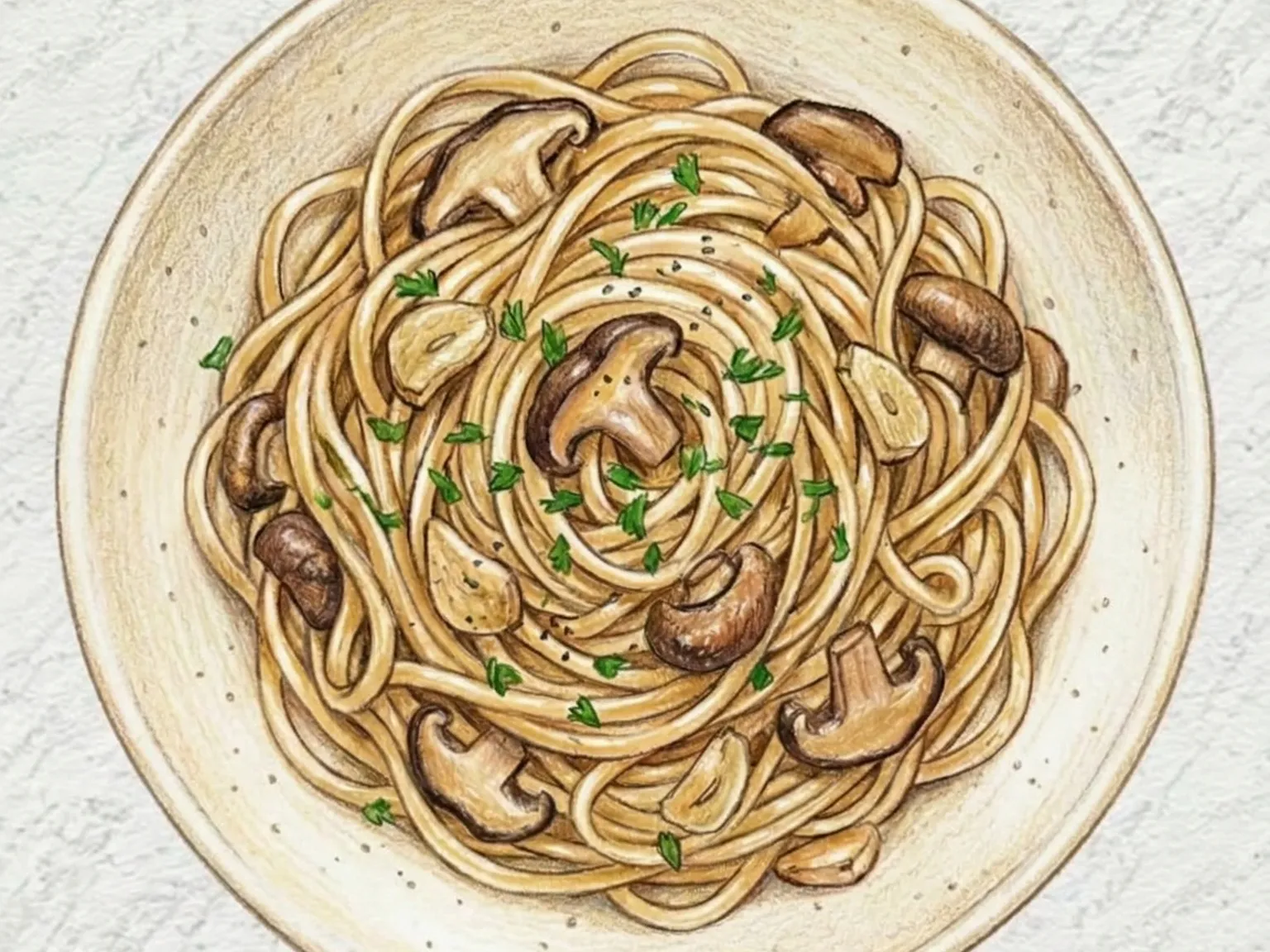
Doenjang Mushroom Butter Linguine
Doenjang mushroom butter linguine starts with garlic sauteed in butter and olive oil, followed by button mushrooms cooked undisturbed on high heat until moisture fully evaporates and the edges brown. Stirring the mushrooms too frequently steams rather than sears them, producing a soft, wet texture instead of the firm, chewy bite that makes this dish work. Doenjang is dissolved in reserved pasta water before being added to the pan, ensuring even distribution of fermented savoriness across every strand without clumping. The butter's fat emulsifies with the starchy pasta water to form a glossy sauce that clings to the noodles rather than pooling at the bottom of the bowl. Sliced green onion added at the finish brings a sharp, grassy note, and grated Parmesan layers additional salt and umami depth into the final dish. One to two minutes of tossing with pasta water adjustment tightens the sauce around each noodle.

Avocado Eggs Benedict
Avocado eggs Benedict reimagines the classic brunch dish by replacing the traditional Canadian bacon with ripe avocado, trading cured-pork saltiness for a creamy, grassy richness. A split English muffin is toasted until the cut face is golden and craggy, creating a sturdy base that holds up under the toppings without soaking through. Thick slices of avocado fan across each half before the poached egg is placed on top, its white set firm and the yolk still entirely liquid. Piercing the yolk releases a slow golden flow that runs over the avocado and settles into the muffin's porous surface. Hollandaise - made by emulsifying clarified butter with egg yolks and lemon juice - adds a tangy, buttery richness over the top. Many versions simplify by skipping the hollandaise in favor of a squeeze of lemon and flaky salt, relying on the egg yolk alone as a sauce. The dish spread from the brunch culture of Melbourne and Los Angeles during the 2010s avocado boom and has since become a fixture on cafe menus worldwide, particularly as a plant-leaning alternative to the original.
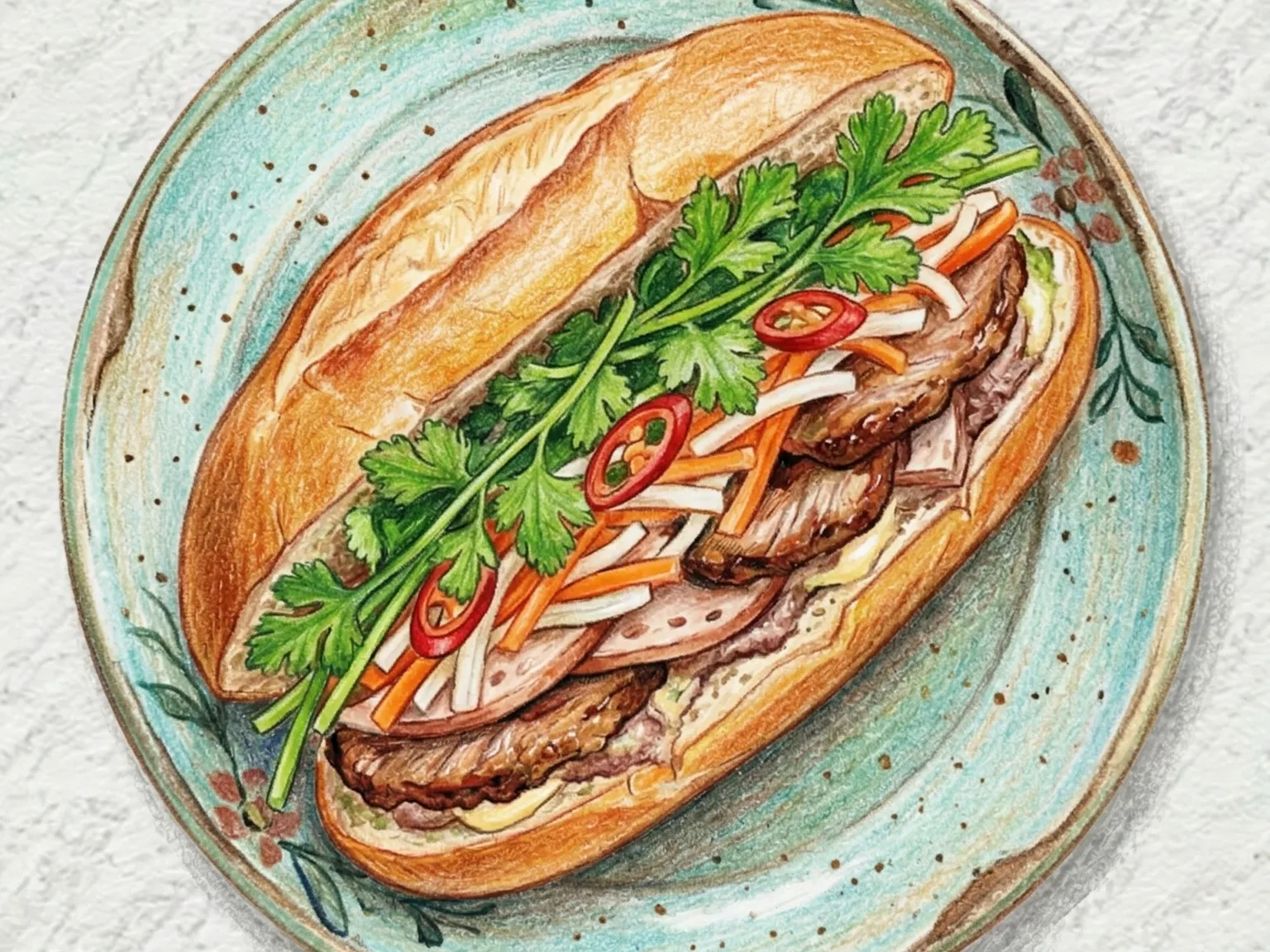
Bánh Mì (Vietnamese Crispy Baguette Sandwich with Pork and Pickles)
Banh mi is the product of French colonialism meeting Vietnamese resourcefulness. A baguette made partly with rice flour results in a bread lighter and airier than its French counterpart, with a shattering crust that flakes on the first bite. The bread is the foundation and everything else is built around its texture. Fillings vary by region and stall, but the classic Saigon version layers pate, cold cuts, pickled daikon and carrot, sliced cucumber, cilantro, and jalapeno. The pickled vegetables provide sharp, tangy crunch that cuts through the fattiness of the meat and pate. At street carts across Ho Chi Minh City, a banh mi is assembled in under a minute and costs less than a dollar, delivering crispy, sour, herbal, spicy, and fatty elements in every bite. The bread was introduced during French colonial rule in the nineteenth century, and Vietnamese bakers gradually reduced the density and adapted the loaves to local ovens and ingredient availability. Today, variations include a tofu version for vegetarians and a shrimp version common in coastal cities. The key to a proper banh mi is bread baked the same day, eaten while the crust is still intact.
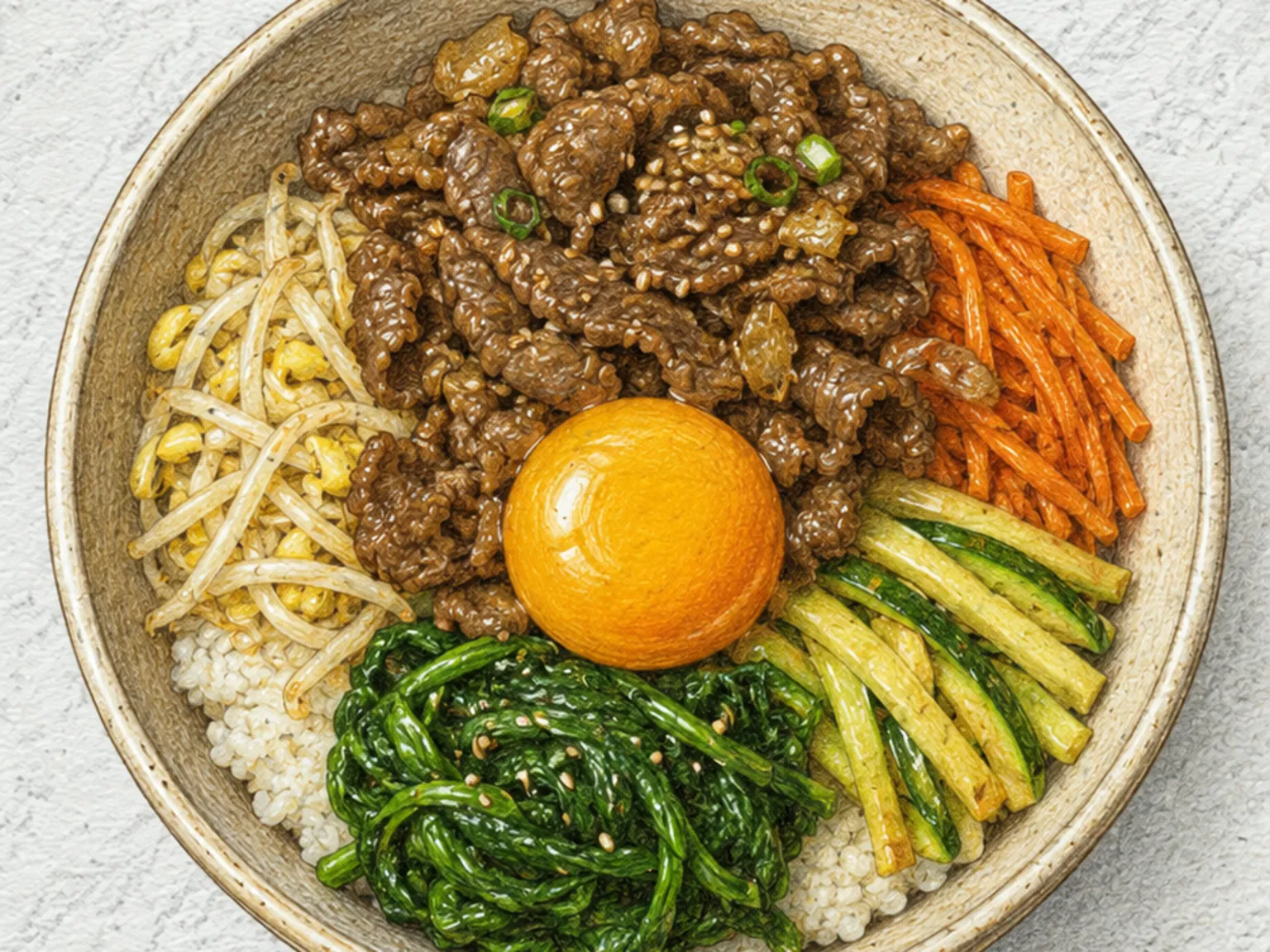
Korean Beef Doenjang Bibimbap
Chadol doenjang bibimbap stir-fries thinly sliced beef brisket in a doenjang-based sauce, then serves it over rice with seasoned vegetable namul and egg. The fatty brisket and fermented soybean paste together create a savory depth that is fundamentally different from gochujang-based bibimbap -- earthier, less spicy, and more complex in its umami structure. As the bowl is mixed, the doenjang dressing coats each grain of rice and pulls together the flavors of every component into a coherent, intensely savory bite. Namul vegetables provide a crisp contrast that cuts through the richness of the brisket fat. A fried egg placed on top adds a silky layer, and breaking the yolk releases it to act as an additional sauce that binds the bold flavors. Using doenjang instead of gochujang as the primary seasoning is a single substitution that produces an entirely different character of bibimbap -- one that leans into fermented, miso-adjacent depth rather than heat. Garnishing with sesame oil and toasted sesame seeds before mixing ties the whole bowl together.
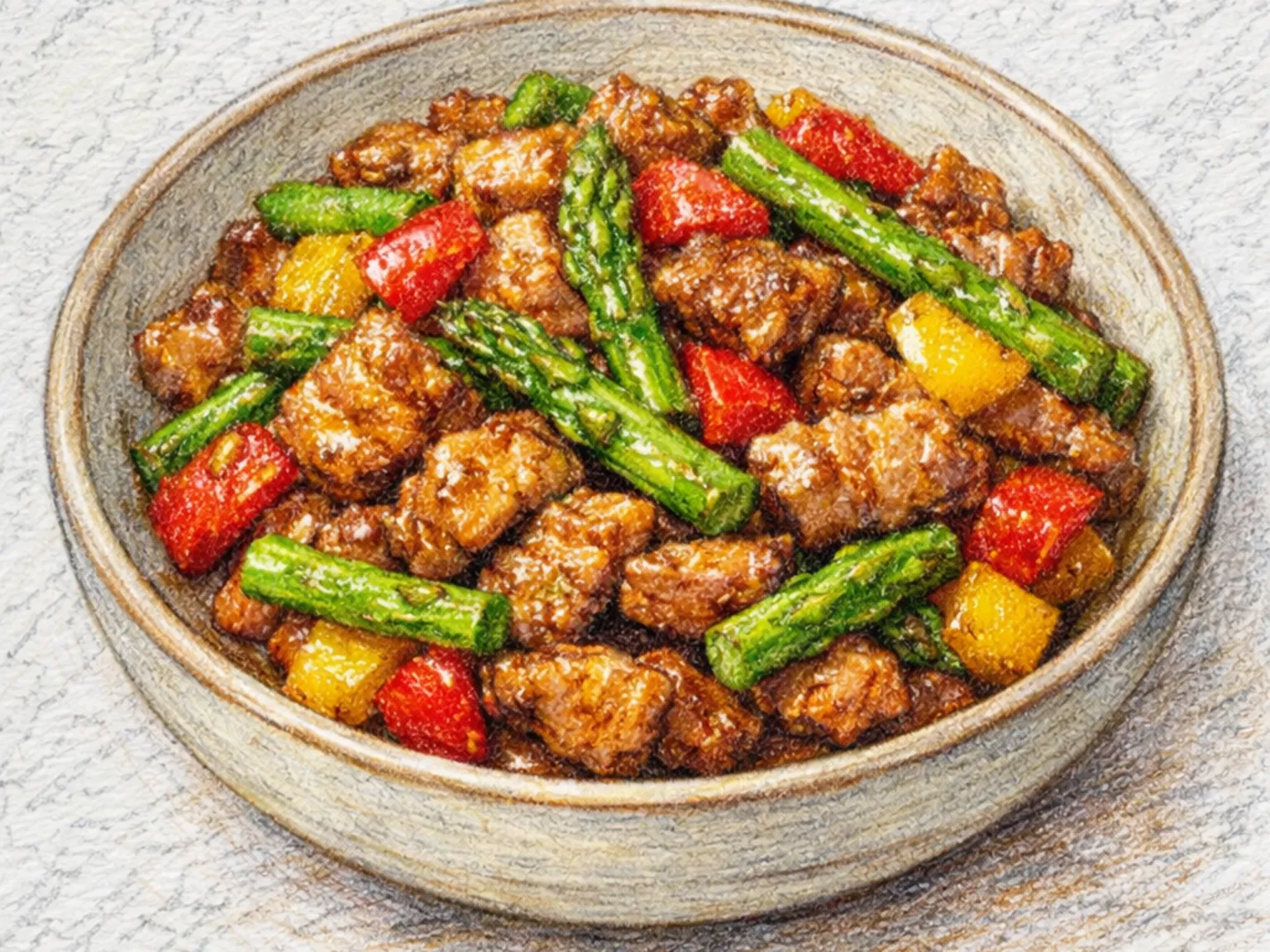
Korean Pork and Asparagus Stir-fry
A Korean weeknight stir-fry pairing pork shoulder or belly with asparagus and red bell pepper in a soy-garlic sauce that comes together in under twelve minutes from a cold pan. The pork is sliced thin and marinated in soy sauce, minced garlic, and a pinch of sugar for ten to fifteen minutes; the sugar draws moisture to the surface and promotes caramelization, creating a glossy, slightly browned crust when the meat hits the hot pan. Cooking the meat first over high heat renders out its fat, which becomes the stir-frying medium for the vegetables that follow - a technique that layers the pork's savory quality into the whole dish rather than keeping it confined to the meat alone. Asparagus goes in for barely a minute: enough time to eliminate the raw, starchy taste while preserving the clean snap of the stalk. The fibrous base of each spear benefits from a quick pass with a vegetable peeler before cooking, which allows the thicker portions to cook at the same rate as the tips. Bell pepper adds natural sweetness and a visual contrast to the green and brown of the other components. The sauce - soy, a touch of oyster sauce, and sesame oil - is deliberately restrained; a single spoonful of oyster sauce adds enough viscosity to help the seasoning cling evenly to every piece without making the dish heavy.
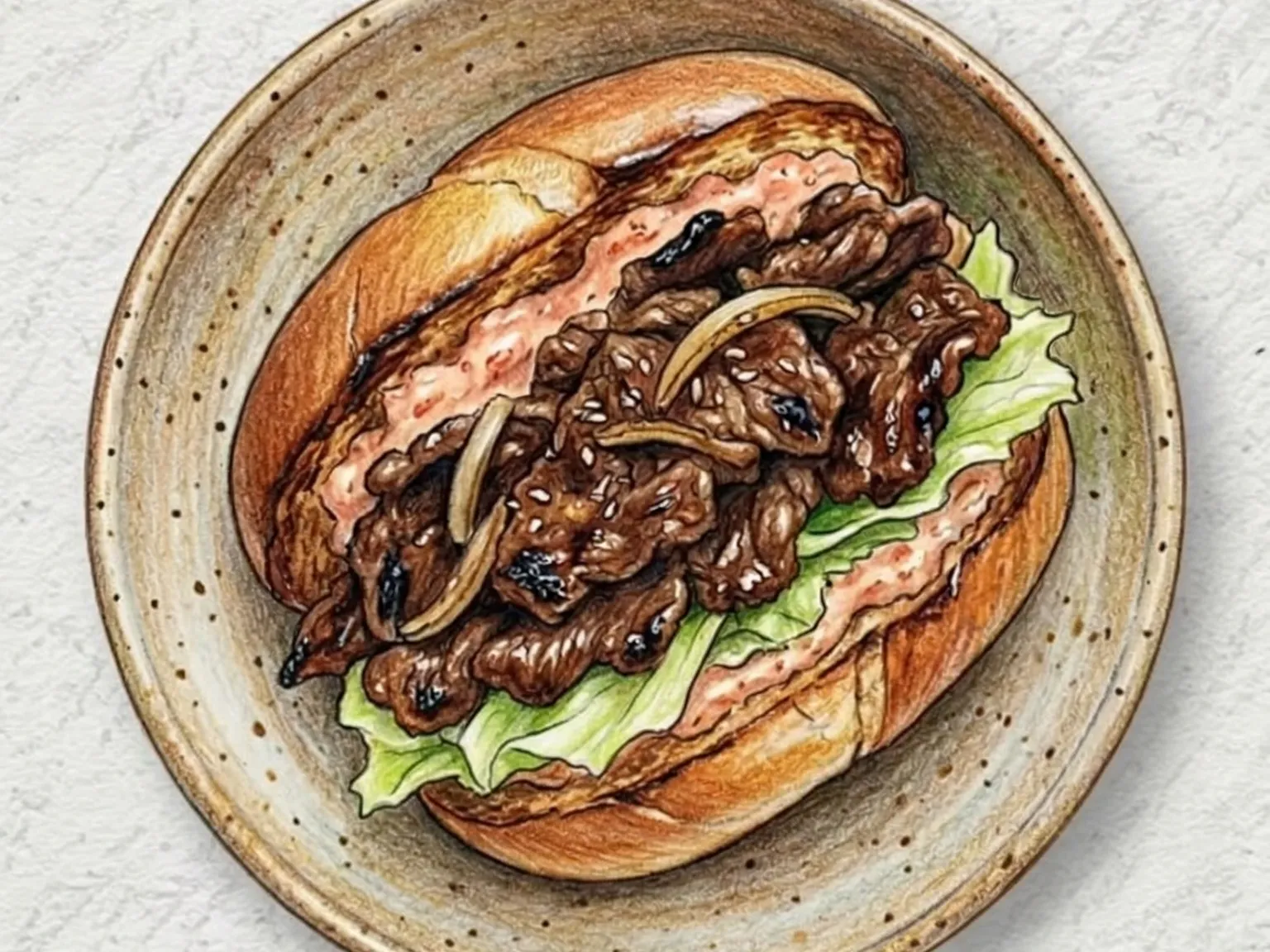
Korean Bulgogi Sandwich (Soy-Marinated Beef Toast with Mayo Lettuce)
The preparation of a bulgogi sandwich begins with beef marinated in a mixture of soy sauce, sugar, minced garlic, and sesame oil before meeting a scorching pan. A surface heated to its limit is essential because only extreme heat can evaporate moisture instantly, allowing the sugars in the marinade to caramelize into a savory-sweet exterior. If the temperature is insufficient, the meat stews in its own liquid rather than searing. A generous layer of mayonnaise on the toasted bread acts as a structural barrier, preventing the beef juices from making the sandwich soggy while softening the intensity of the seasoning. Fresh, crisp lettuce provides a textural contrast to the warm meat. Folding ssamjang into the mayonnaise introduces fermented and spicy elements that emphasize the Korean origin of the dish. A slice of cheese adds a smooth layer between the bread and the beef, and increasing the vegetable portion creates a lighter meal. With the meat prepped ahead of time, the entire assembly takes under ten minutes, offering a practical solution for a busy morning or a simple lunch.
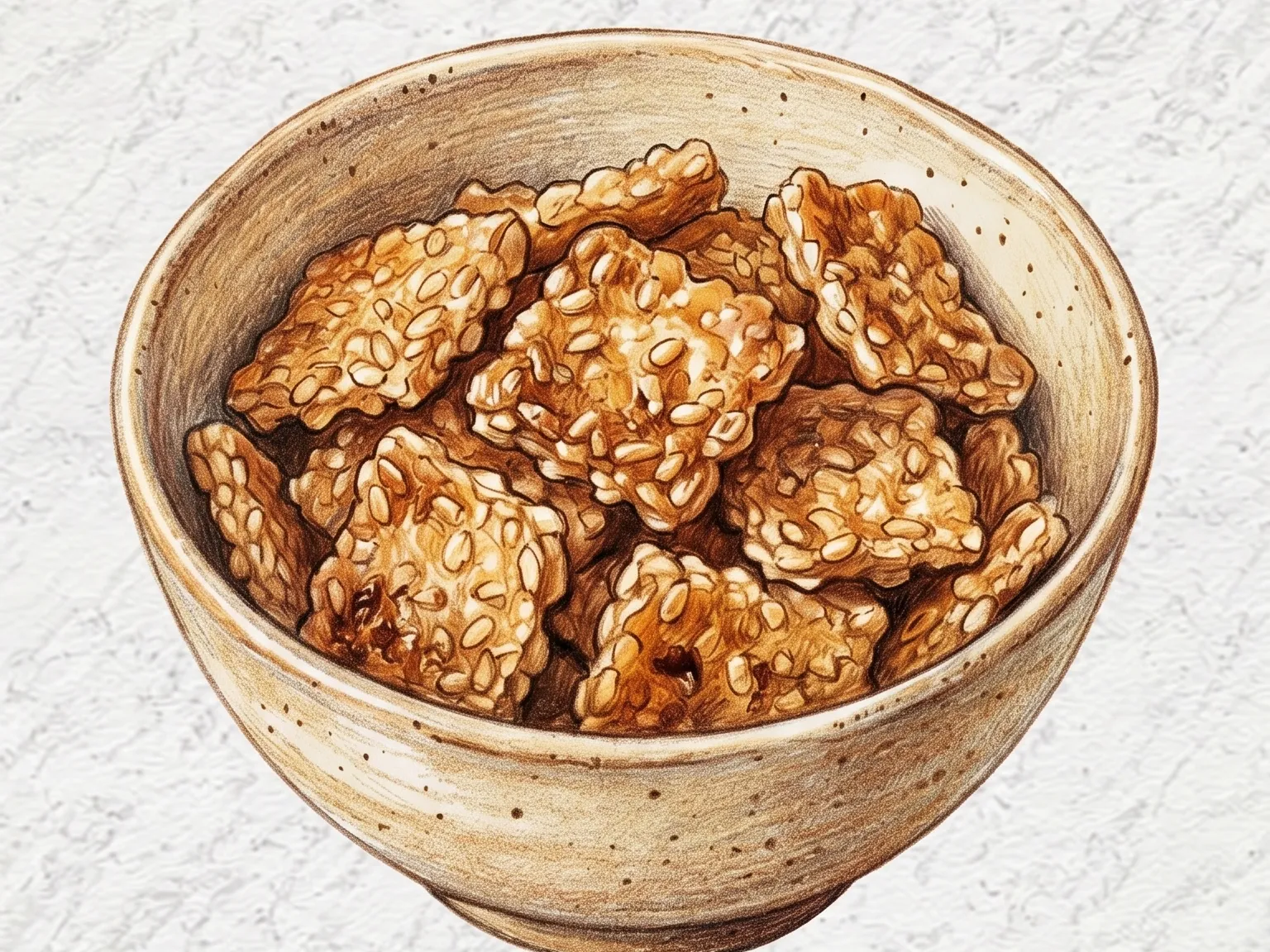
Crispy Glutinous Rice Nurungji Crackers
Crispy Glutinous Rice Nurungji Crackers are a traditional-style snack made from cooked glutinous rice mixed with black sesame seeds. The mixture is pressed thin and pan-fried over low heat until golden and crunchy. Chewing the crackers releases the natural nutty sweetness of the rice, while the embedded black sesame adds toasty flavor and visual contrast. The nurungji is broken into bite-sized pieces and tossed in a warm syrup of grain syrup and sugar. This coating cools into a glossy, glass-like shell that locks in the crisp texture. Cinnamon powder is dusted at the end for aroma. The crackers are cooled apart on a tray to prevent sticking. You can also bake them in an air fryer at 180 C for fifteen minutes for a leaner finish, or sprinkle extra sugar before cooling for a traditional market-style taste.
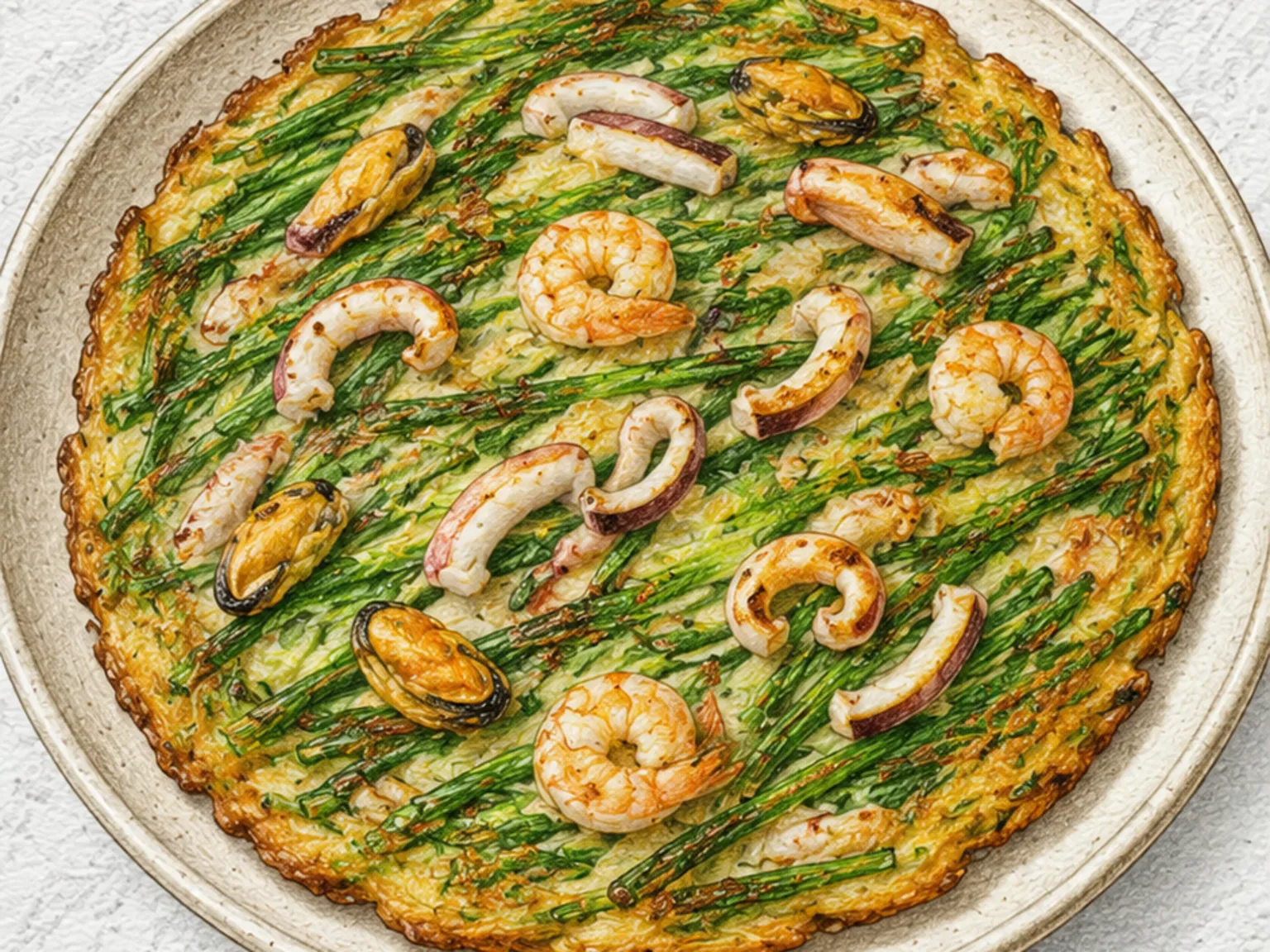
Korean Busan-style Seafood Green Onion Pancake
Busan-style haemul pajeon is a Korean seafood scallion pancake assembled by laying long green onions across the full width of the pan, topping them with squid, shrimp, and mussel meat, then binding everything together with a thin cold-water batter poured over the top. Mixing the batter with cold water is the defining technique -- lower temperatures inhibit gluten development, producing edges that shatter rather than bend when pressed, a noticeably crispier result than standard pajeon. As the scallions cook through, they release steam and develop a natural sweetness while absorbing the briny, savory liquid from the seafood above. Extra oil added around the perimeter during cooking fries the outer ring into a cracker-like crunch, contrasting with the dense, moist center packed with overlapping layers of shellfish and green onion. Dipping each slice into a sesame-soy sauce completes the contrast between the crisp exterior and the concentrated seafood filling.
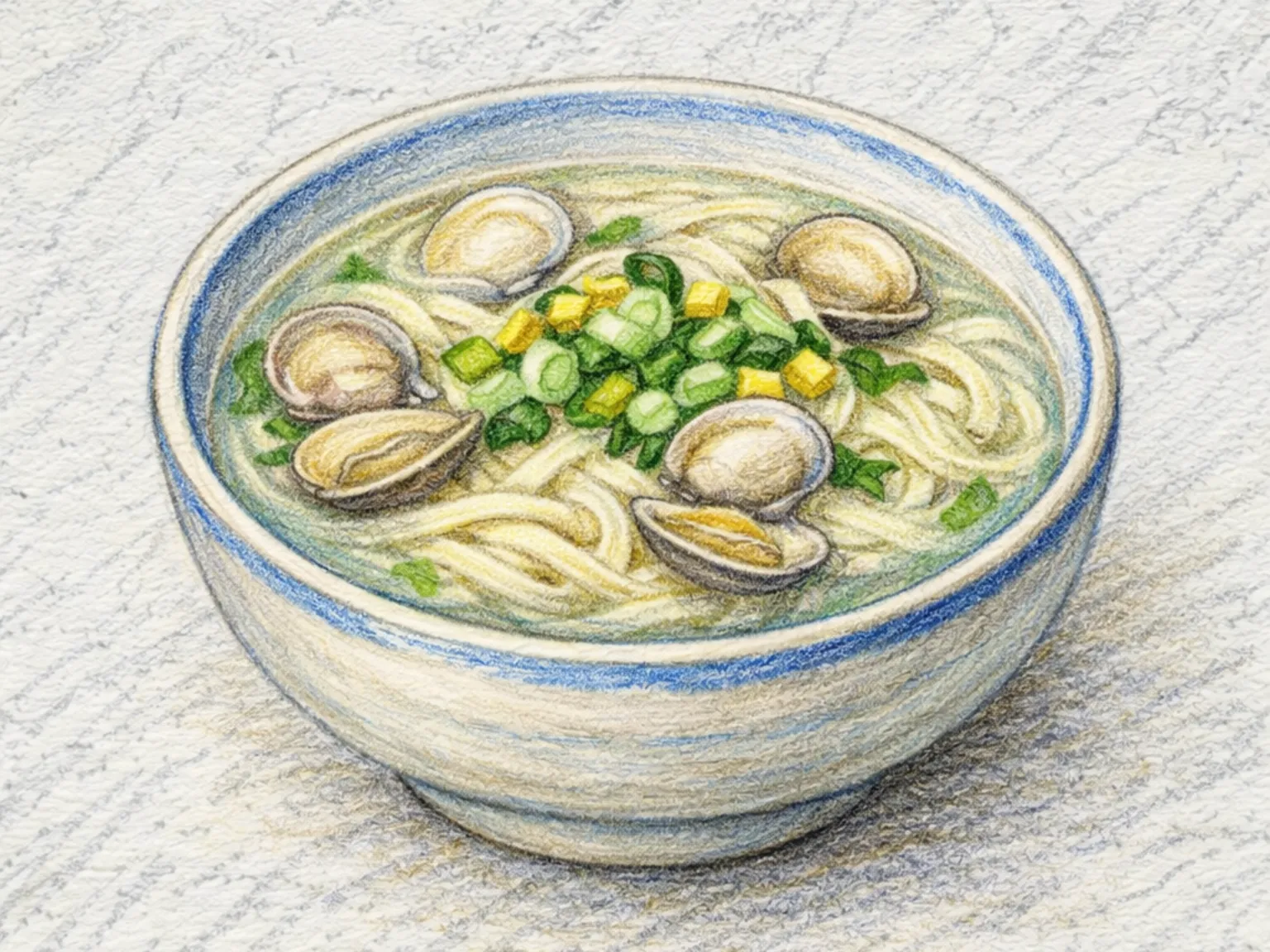
Korean Clam Kalguksu (Hand-Cut Noodles in Clam Broth)
Baekhap kalguksu is a Korean knife-cut noodle soup in which the broth is derived entirely from hard clams rather than the more standard anchovy base. Purged clams are placed in cold water and brought to a boil; once the shells open, the clams are lifted out and the broth is strained through cheesecloth to remove any residual sand or shell fragments. Thinly sliced daikon radish and Korean zucchini cook in the strained broth for five minutes, contributing vegetal sweetness. The hand-cut noodles go in next and are boiled for six to seven minutes until they turn translucent; starch released from the noodles thickens the broth naturally into a lightly viscous, silky consistency without any additional thickener. Once the noodles are cooked, the reserved clam meat returns to the pot, and the soup is seasoned with minced garlic and guk-ganjang. Onion added with the vegetables deepens the broth's sweetness further. Because clam liquor rather than dried anchovy forms the base, the soup carries a distinctly marine, mineral character that permeates every strand of noodle, setting baekhap kalguksu apart from all other regional kalguksu variations. Along the coastal areas of South Chungcheong and Jeolla Provinces, this style of noodle soup has been a local specialty for generations, best in the seasons when clams are most abundant.
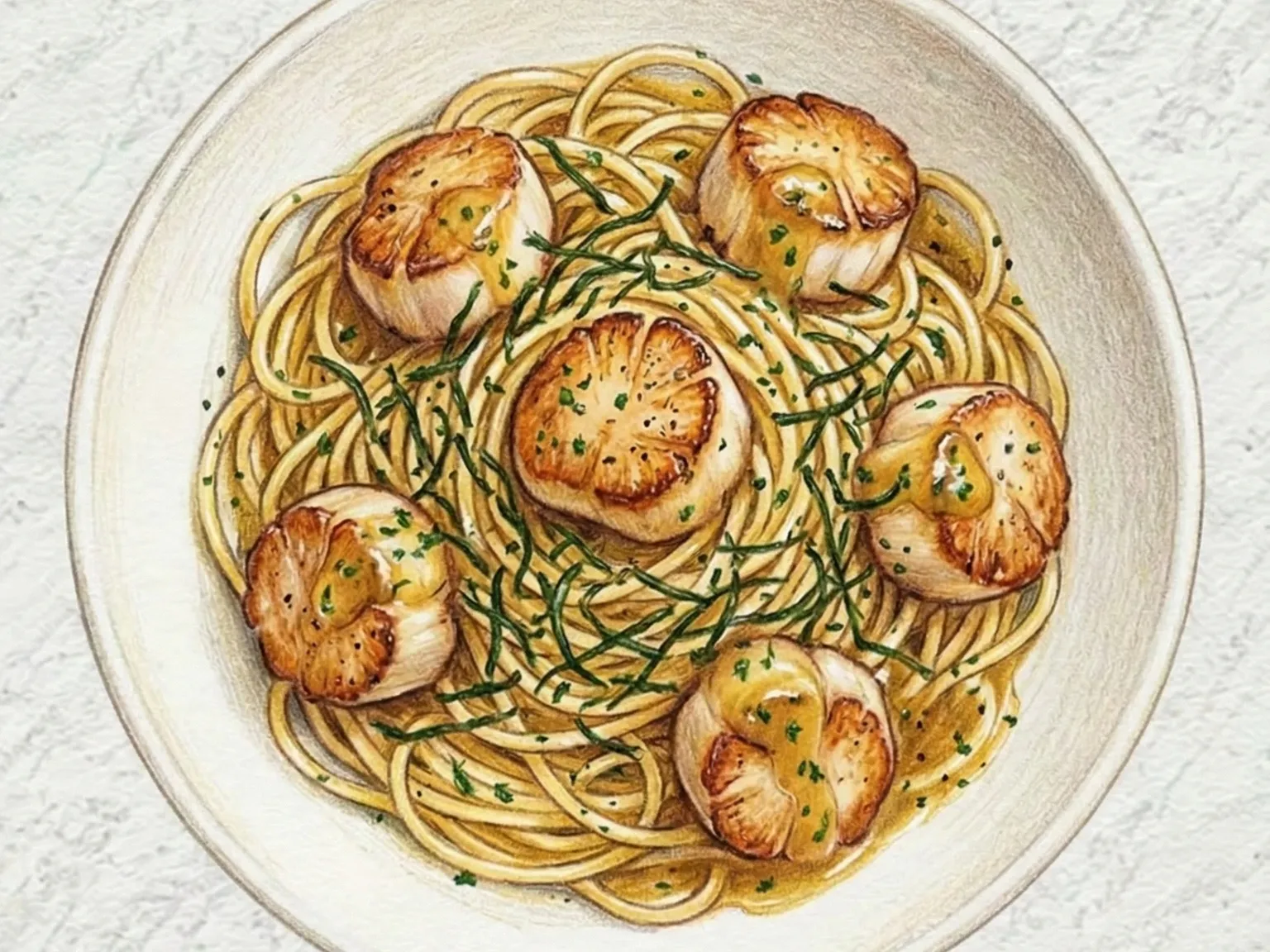
Gamtae Butter Scallop Spaghetti
Preparing gamtae butter scallop spaghetti requires high heat to develop a properly caramelized exterior on the scallops. This process involves searing the scallops for ninety seconds on each side to create a deep brown crust. Before the scallops ever touch the pan, it is essential to ensure they are completely dry by patting them down thoroughly with paper towels. Removing all surface moisture prevents the scallops from steaming in the pan. If the scallops remain damp, they will turn out soft and pale instead of achieving the intended texture and color. After the scallops have been removed from the heat, the remaining browned bits, known as the fond, serve as the primary flavor foundation for the sauce. Garlic and butter are added to the same pan, followed by white wine which is used to deglaze the surface. As the liquid simmers, the alcohol evaporates, leaving behind a clean acidity that balances the richness of the other ingredients. The sauce is finished by swirling in cold butter at the final stage, which creates a smooth and stable emulsion that coats each spaghetti strand evenly. The final component is gamtae seaweed, which has a flavor profile that is notably more delicate and milder than standard nori. By crumbling this seaweed over the pasta immediately before it is served, you introduce a subtle oceanic quality that bridges the gap between the richness of the butter and the natural sweetness of the scallop meat. To complete the preparation, a measured amount of fresh lemon juice is squeezed over the dish. This acidity sharpens the various flavor components and reduces the perceived heaviness of the fats, ensuring that the pasta remains balanced throughout the meal.
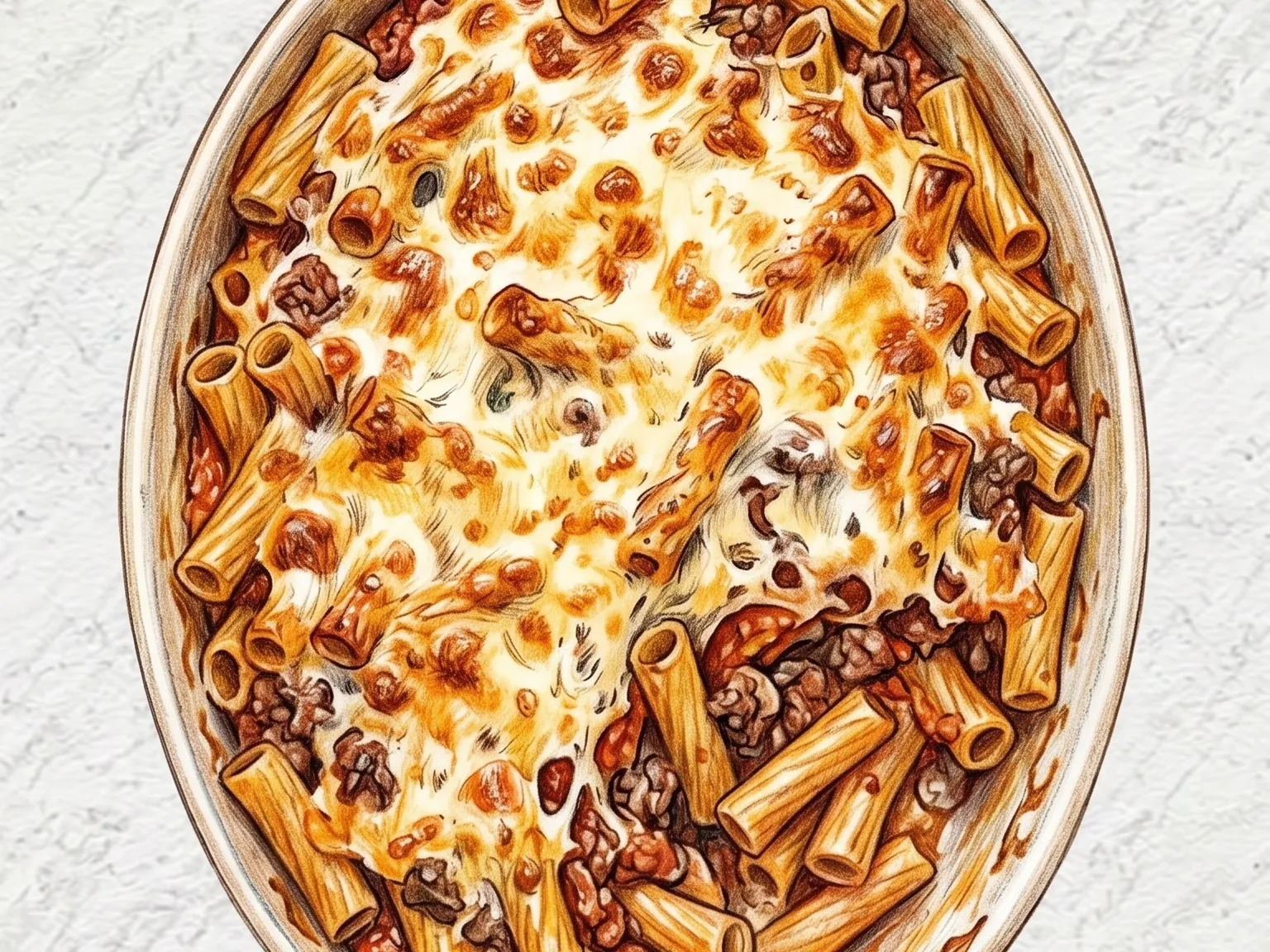
Baked Ziti
Baked ziti is an Italian-American oven pasta that delivers a lasagna-style flavor structure with far less assembly work. Tubular ziti noodles are boiled to al dente, tossed in a beef-and-tomato meat sauce, then layered in a baking dish with generous amounts of ricotta and shredded mozzarella. The tube shape traps sauce inside each piece, distributing flavor more evenly than flat pasta can. Parmesan spread across the top browns into a thin, crisp crust during the thirty-five-minute bake, while the interior melds into a cohesive mass of sauce-soaked pasta and melted cheese. Because no individual pasta sheets need to be layered, total hands-on preparation time is considerably shorter than classic lasagna. The dish scales easily to four or more servings in a single pan, making it well suited for family dinners and gatherings. Adding a small amount of water or sauce before reheating keeps leftovers from drying out.