🌙 Late Night Recipes
Quick and satisfying late-night bites
651 recipes. Page 21 of 28
Late-night cravings call for quick, easy recipes that satisfy without too much effort. Ramyeon, egg fried rice, tuna-mayo rice bowls, and simple toasts - these are dishes you can throw together when hunger strikes after dark. Cooking at home beats delivery in both cost and healthiness.
The ideal late-night snack is fast to make, easy to clean up, and just filling enough. These recipes hit that sweet spot - comforting without being heavy.
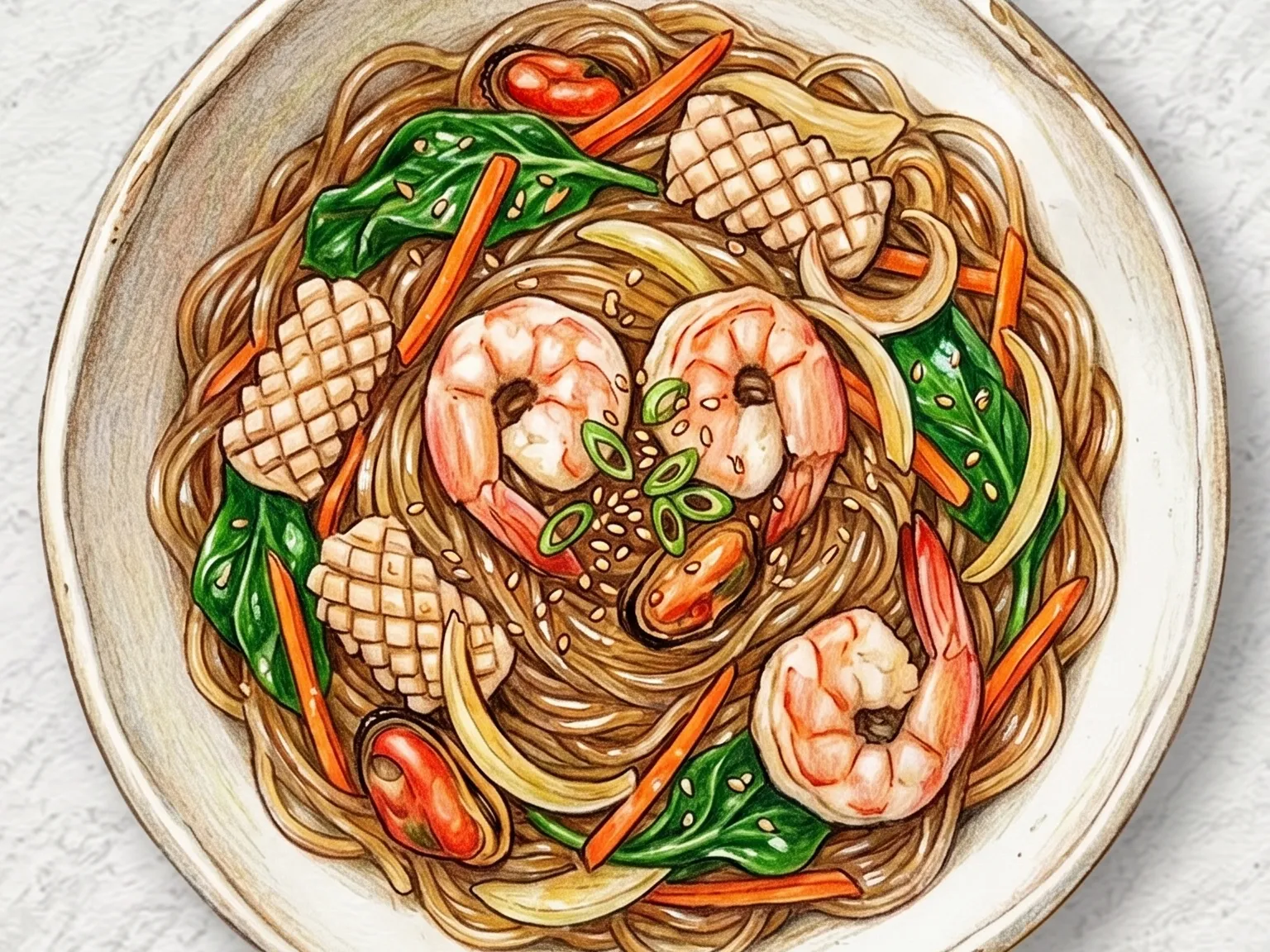
Korean Seafood Japchae (Glass Noodles with Shrimp, Squid and Vegetables)
Haemul-japchae is a seafood version of the Korean glass noodle stir-fry, featuring shrimp, squid, spinach, carrots, and onions tossed together in soy sauce and sesame oil. Replacing meat with seafood allows the briny, mineral depth of the ocean to soak into the chewy sweet potato noodles, while the vegetables' natural sweetness keeps the overall flavor light and balanced. The noodles absorb the seasoning and take on a springy, glossy character, and the shrimp and squid contribute two distinct textures: a firm, bouncy snap from the shrimp and a satisfying chew from the squid. Scoring the squid before cooking causes it to curl and develop a pattern on the surface as it hits the heat, improving both texture and presentation. Seafood must be cooked over high heat and quickly to stay tender rather than rubbery, and the noodles should be soaked thoroughly beforehand so they absorb the seasoning evenly during the stir-fry. The dish often replaces beef japchae on holiday and celebration tables, and adding mussels or scallops deepens the broth-like quality of the finished dish.
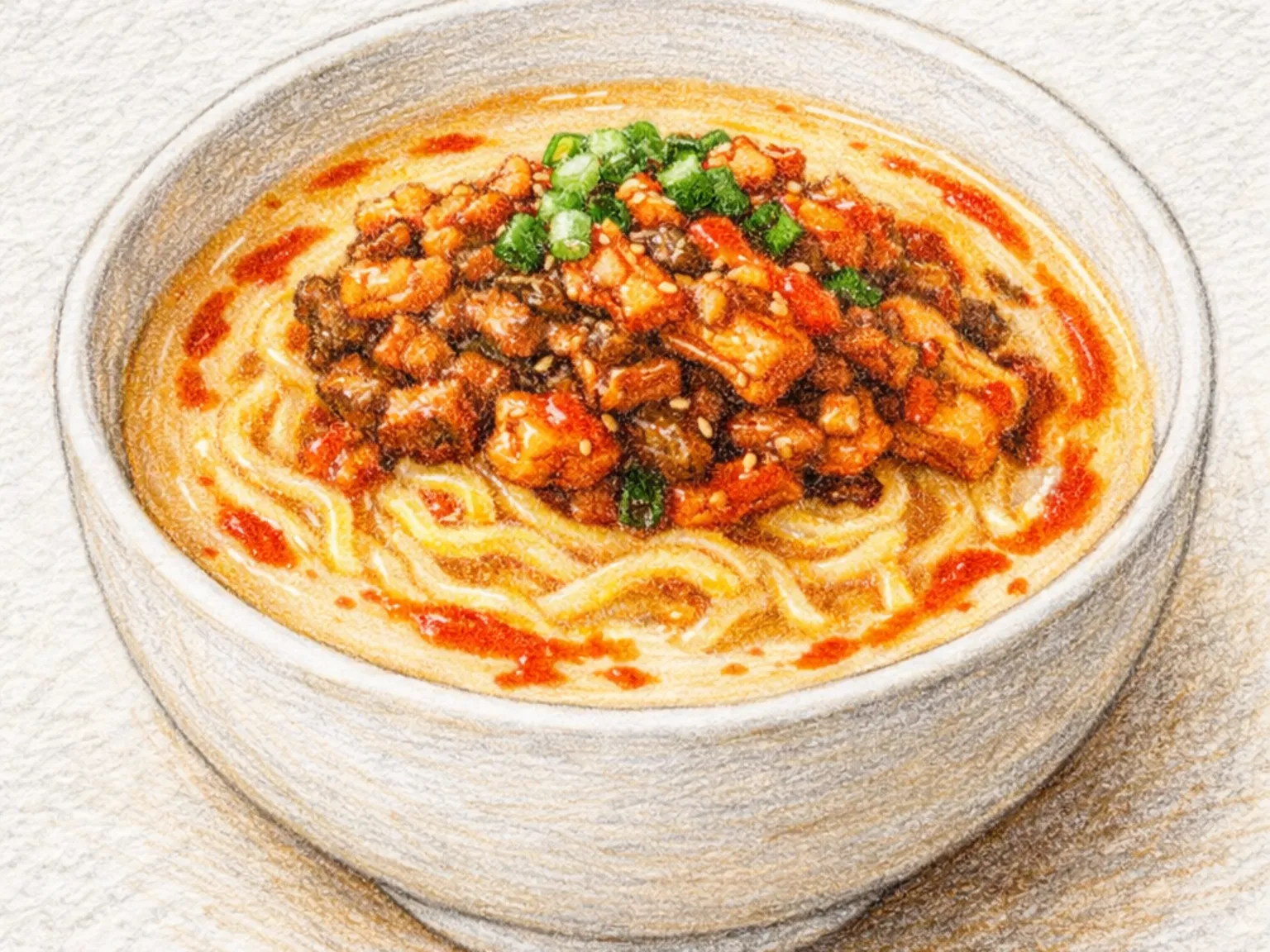
Korean Kimchi Soy Milk Tantan Noodles
Kimchi duyu tantan myeon takes the structural logic of Chinese dandan noodles and rebuilds it around Korean pantry ingredients. Garlic and green onion are stir-fried in chili oil first to infuse the fat with fragrance, then ground pork goes in along with doenjang and soy sauce and stays on the heat until it browns and the fermented paste base deepens. Finely chopped kimchi is added and cooked for two more minutes, which softens the raw acidity of the kimchi and melds it into the meat mixture. Unsweetened soy milk is poured in at that point and heated gently, just below a boil, so it blends into a smooth, lightly creamy broth without breaking. The noodles are boiled separately and placed in the bowl before the broth is ladled over. Ground peanuts sprinkled on top at the end contribute a nutty finish, and the amount can be adjusted to thicken the broth to a preferred consistency.
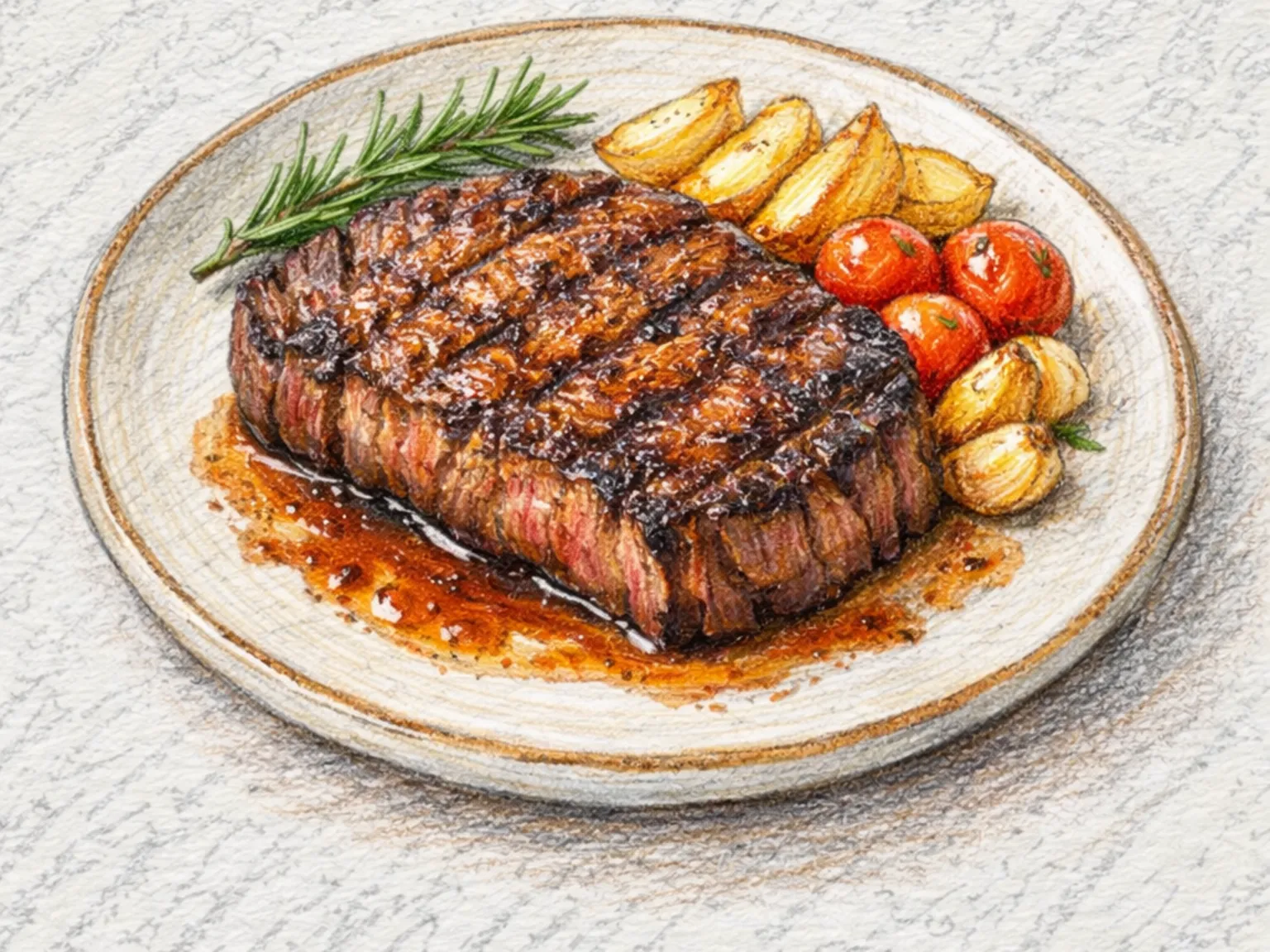
Chaekkeut Seuteikeu (Sirloin Steak)
Sirloin steak is seasoned simply with salt and pepper, then seared in a smoking-hot pan for two to three minutes per side to build a deep brown crust through the Maillard reaction. Bringing the steak to room temperature for twenty minutes before cooking and patting the surface completely dry are both essential - cold, wet meat steams rather than sears, producing a pale, soft exterior instead of a caramelized shell. Once the crust is set, the heat is lowered and butter, crushed garlic, and rosemary are added to the pan for basting, which layers aromatic richness onto the already flavorful surface. Resting the steak on a cutting board for five minutes after cooking allows the muscle fibers to relax and reabsorb their juices, so slicing produces clean cuts rather than a pool of liquid on the plate.
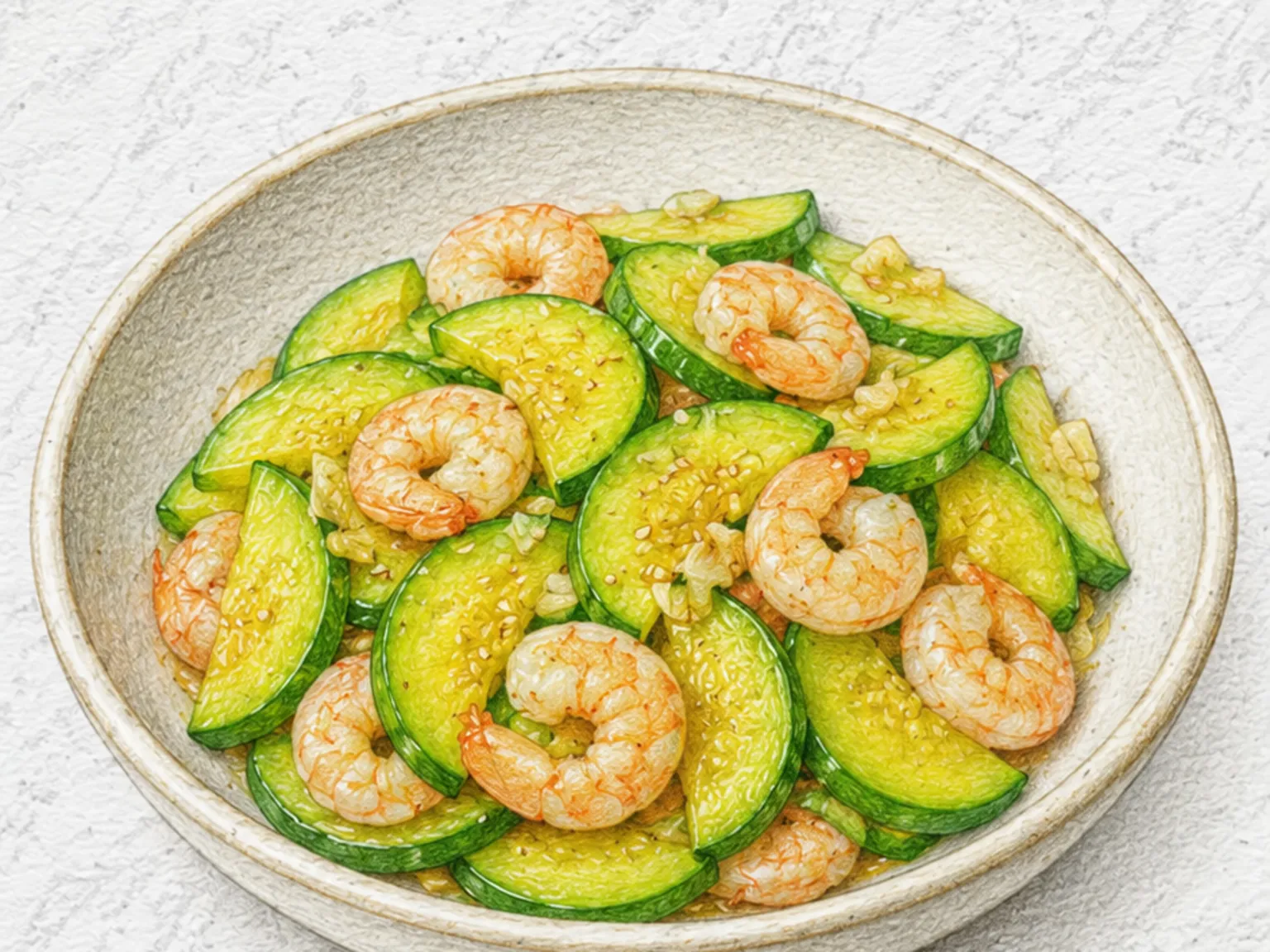
Korean Zucchini Shrimp Stir-fry
Hobak-saeu-bokkeum is a light Korean stir-fry of thinly sliced zucchini and shrimp seasoned with soy sauce, cooking wine, and garlic. The dish relies on the inherent flavors of its ingredients rather than heavy seasoning, keeping the final result mild, clean, and free of excess grease. Zucchini softens as it cooks and releases its natural sweetness, but the heat must be managed carefully. Overcooking draws out too much moisture and turns the slices limp and watery, eliminating the slight crispness at the center that defines the ideal texture. A well-preheated pan and high heat are needed to sear the surface quickly before the interior softens all the way through. Shrimp are cooked only until they turn pink and curl into a gentle arc. At that moment the proteins have set just enough to give a plump, springy bite; cooking beyond that point tightens the muscle fibers further and makes them rubbery. Using soup soy sauce rather than dark soy sauce keeps the color light and the seasoning clean. A sliced green chili adds a sharp kick without changing the fundamental character of the dish. The entire stir-fry comes together in around ten minutes, making it one of the more practical banchan options when time is limited. It holds its flavor and texture at room temperature without deteriorating, which makes it a reliable choice for a packed lunchbox as well as a fresh dinner side. Lightly salting the shrimp and splashing on a small amount of cooking wine before cooking helps draw out any residual fishiness. Yellow squash or zucchini varieties can substitute freely for the Korean hobak, and adding squid alongside the shrimp introduces an additional layer of oceanic character to the finished dish.
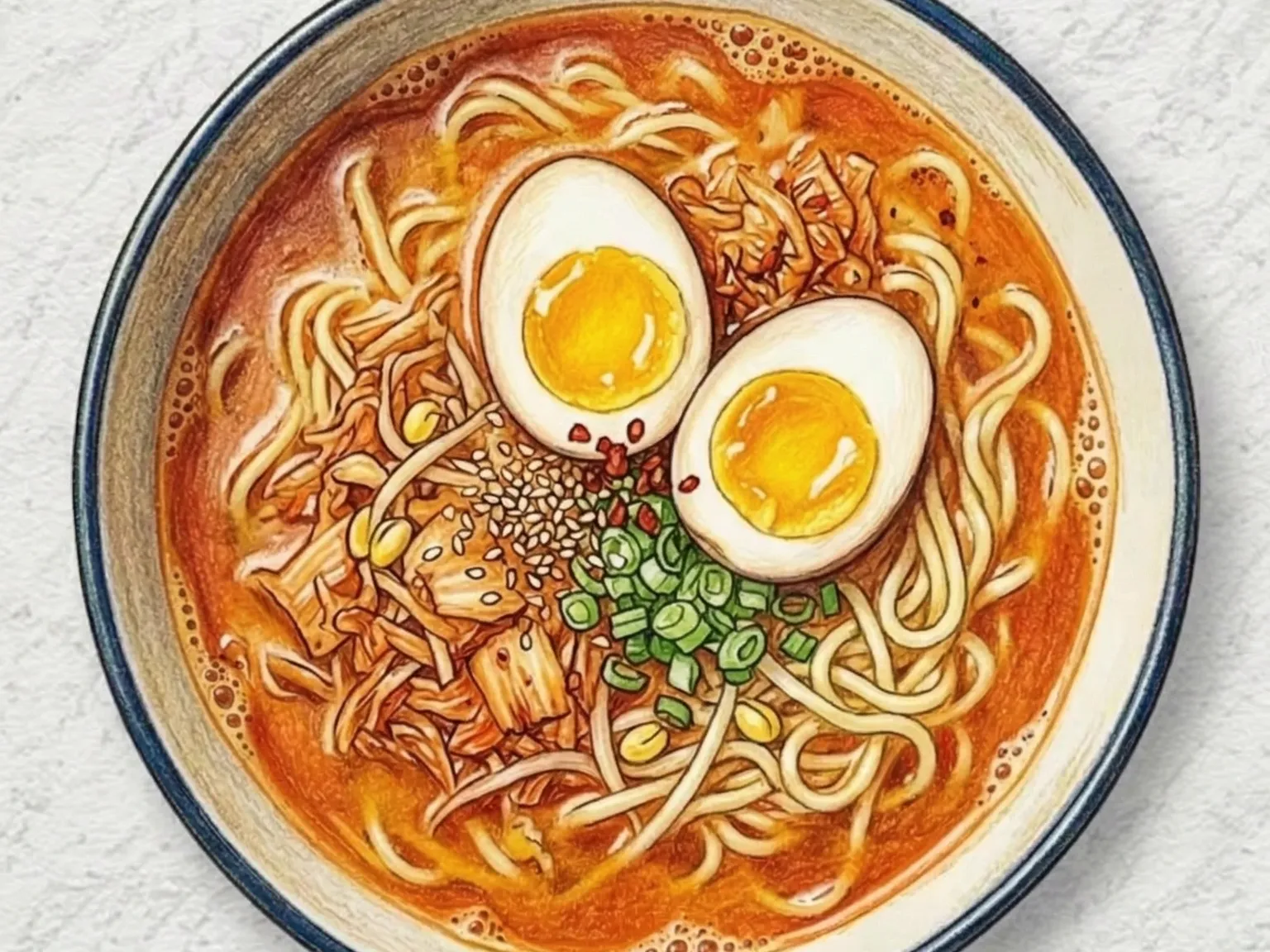
Kimchi Bean Sprout Miso Ramen
Kimchi kongnamul miso ramen layers three distinct flavors in one bowl: the deep tang of sauteed aged kimchi, the earthy umami of miso paste, and the clean crunch of bean sprouts. Garlic and kimchi are first stir-fried in sesame oil to mellow the kimchi's raw sourness, then chicken stock is added and brought to a boil. Bean sprouts go in and cook for just three minutes to keep their snap. Miso is dissolved separately and stirred in on low heat - boiling it aggressively would strip away its complex fermented aroma. Fresh ramen noodles are cooked in a separate pot, drained, and placed in the bowl before the broth is poured over. A halved soft-boiled egg on top rounds out the bowl with its creamy yolk.

Smoked Salmon Eggs Benedict
Smoked salmon eggs Benedict stacks toasted English muffin halves with slices of cold-smoked salmon, a poached egg, and a generous pour of homemade hollandaise sauce. The hollandaise is built by whisking egg yolks and lemon juice over a gentle bain-marie, then drizzling in melted butter slowly enough for the mixture to emulsify into a thick, pourable sauce. Too much heat scrambles the yolks and breaks the emulsion, so the water bath must stay well below a simmer. Poaching requires barely trembling water with a splash of vinegar, which helps the whites coagulate quickly around the yolk - three and a half minutes produces set whites with a still-runny center. The smoked salmon's salty, cured depth plays against the hollandaise's rich butteriness, and the yolk breaking over everything acts as a second sauce.
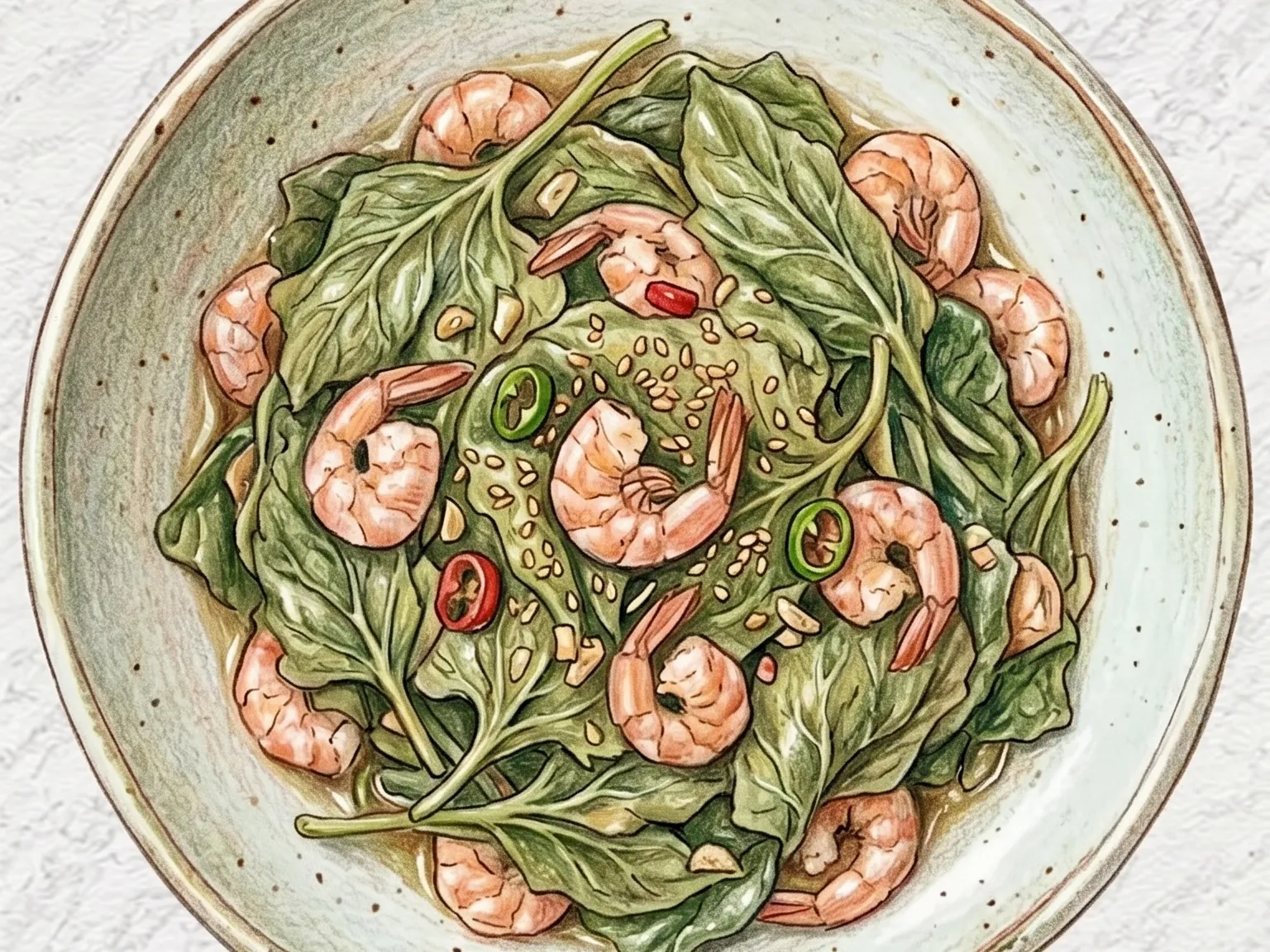
Korean Stir-fried Pumpkin Leaves and Shrimp
Hobakip-saeu-bokkeum is a Korean summer stir-fry that pairs blanched pumpkin leaves with fresh shrimp in perilla oil, seasoned lightly with soup soy sauce. Blanching the leaves before anything else goes into the pan is not optional. The coarse, fuzzy surface that characterizes raw pumpkin leaves softens through the brief heat exposure, but the leaf itself retains enough structure so that it does not collapse into a slippery, formless mass when it hits the hot pan. The mild, grassy aroma that defines the vegetable comes through intact after the blanching step. Shrimp brings a clean, oceanic savory quality that pairs well with the herbaceous character of the leaves rather than overwhelming it. Perilla oil holds the two together with its distinctively nutty and faintly herbal fragrance, which complements both the sea-forward shrimp and the green quality of the pumpkin leaves in a way that plain vegetable oil would not. A sliced cheongyang chili pepper adds a thread of gentle heat that keeps the dish from tasting flat without pushing the spice level high enough to obscure the delicate flavors of the main ingredients. Clam meat or finely minced pork can substitute for the shrimp, each producing a different but equally satisfying version. This is a seasonal dish that depends on pumpkin leaves at their youngest and most tender, which occurs in summer. Larger, older leaves are tougher and more fibrous, and the flavor is less delicate. After blanching, the leaves need to be squeezed thoroughly to remove excess water before they go into the pan. Skipping this step causes steam to build as they hit the hot oil, which leads to uneven cooking and a watery, diluted finish. Spooning the finished stir-fry over a bowl of hot rice and mixing it in is the most direct way to eat the dish well.
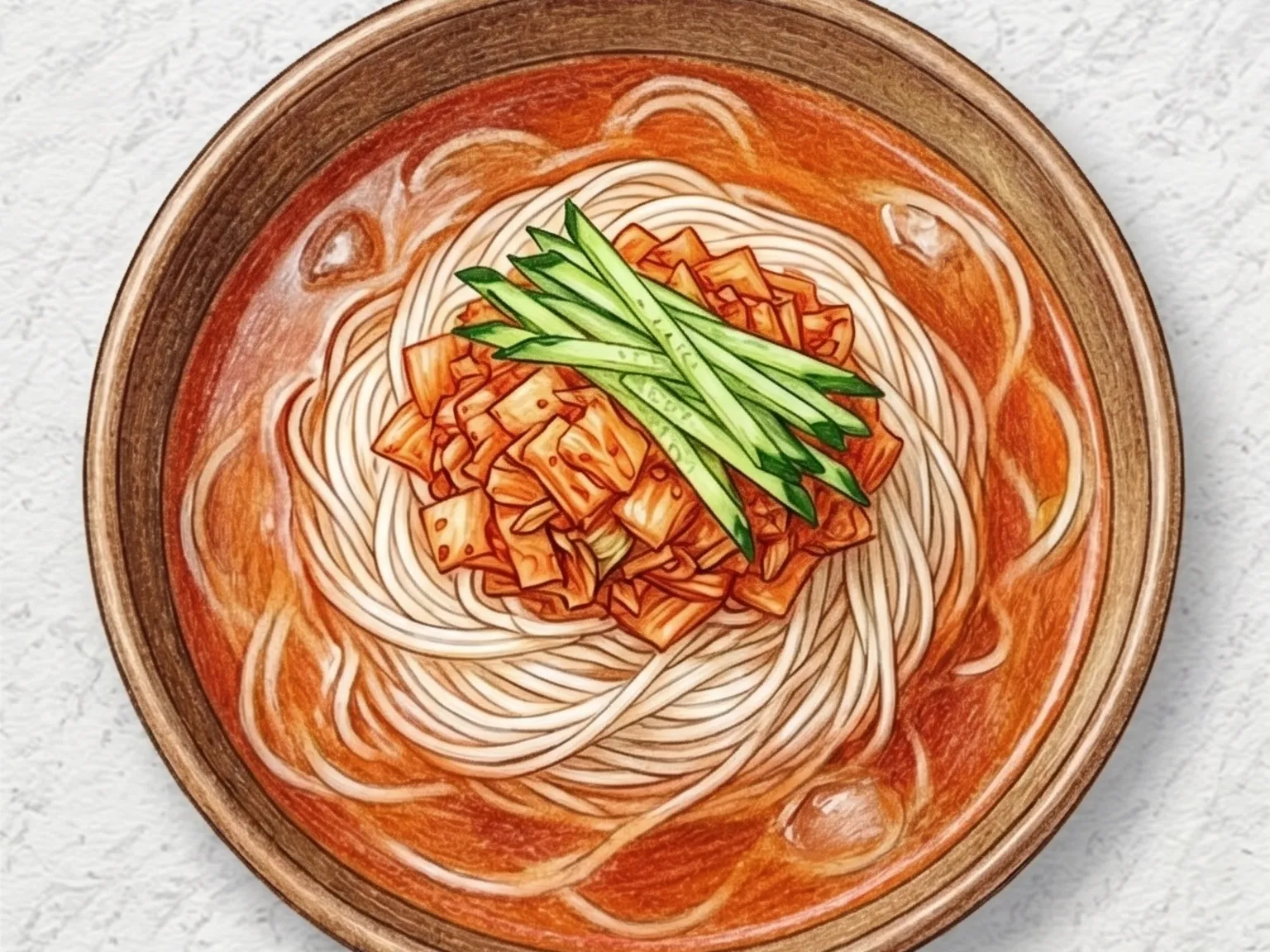
Korean Kimchi Chilled Noodle Soup
Kimchi mari guksu is a cold Korean noodle soup made for hot weather, built on a broth of aged kimchi juice blended with cold water, sugar, and a small amount of vinegar. The broth needs time in the refrigerator to reach a thorough chill before serving - adding ice cubes at the table would dilute the distinctive tangy flavor of the kimchi liquid. Thin somyeon wheat noodles are boiled, then rubbed and rinsed under cold running water to strip off surface starch and stop the cooking. They go into the bowl first, followed by chopped kimchi and julienned cucumber, and the cold broth is poured over everything at the last moment. Because fermentation levels vary between batches of kimchi, the vinegar should be adjusted by small increments until the sour-sweet balance feels right. More aged kimchi produces a richer, more complex broth.
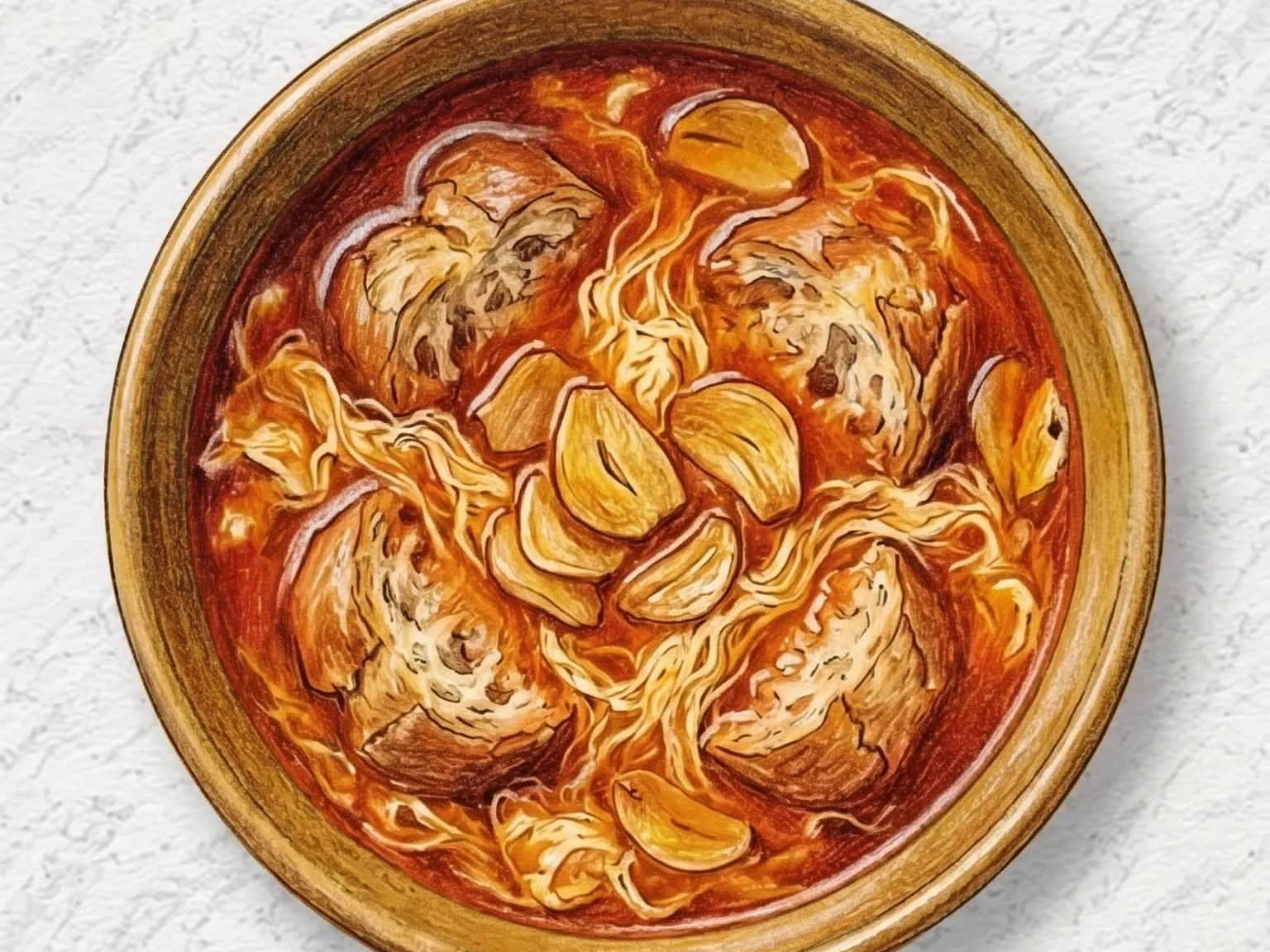
Sopa de Ajo (Spanish Roasted Garlic and Bread Soup)
Sopa de ajo is a traditional Spanish garlic soup that begins with the process of gently cooking thinly sliced garlic cloves in olive oil. This specific step requires a low heat setting to ensure the garlic becomes fragrant and reaches a pale gold color without being scorched. If the garlic pieces are allowed to burn, they will introduce a distinct bitterness that can negatively affect the final flavor of the broth. After the garlic has been properly cooked, torn pieces of baguette that are at least one day old are added to the pot along with smoked paprika. These ingredients are toasted briefly in the garlic-infused oil so the bread can absorb the fat and develop a light crust on its exterior surface. Chicken stock is then poured into the cooking vessel to create the liquid base for the dish. The mixture is left to simmer for approximately ten minutes. During this period of simmering, the bread pieces soften and partially dissolve into the liquid, which serves to thicken the soup while still allowing some of the original bread texture to remain. Once the soup is sufficiently hot, beaten eggs are poured into the pot in a thin and continuous ribbon. As the eggs come into contact with the hot liquid, they set into delicate strands that contribute both protein and additional physical body to the soup. The inclusion of smoked paprika provides the broth with a warm reddish color and a subtle charred flavor profile. This specific smoky note is intended to complement the mellow sweetness that develops from the slow-cooked garlic slices over the course of the preparation.
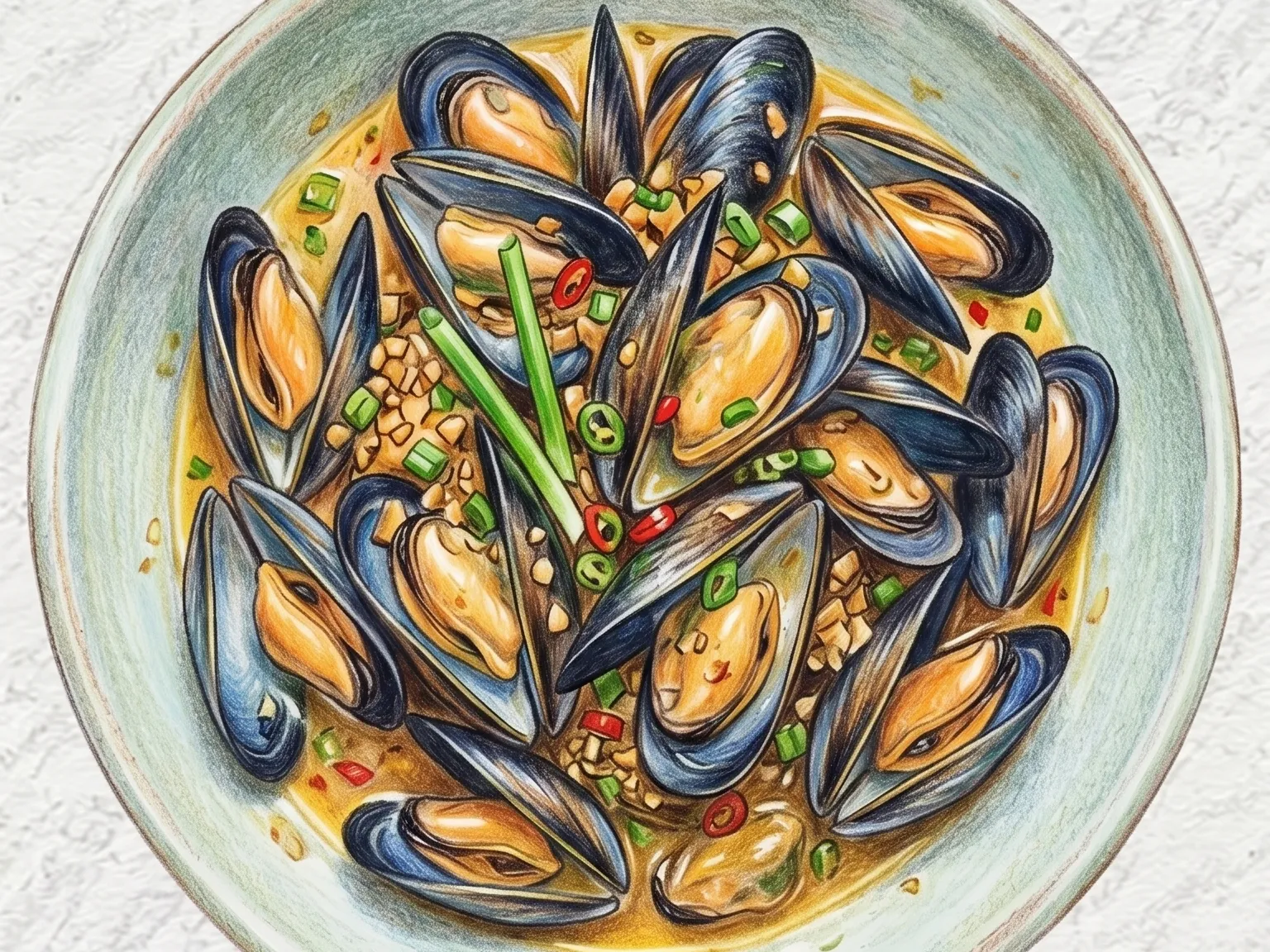
Korean Mussel Stir-Fry (Plump Mussels with Butter, Garlic and Chili)
Honghap-bokkeum is a Korean stir-fried mussel dish cooked in a garlic butter sauce. The recipe begins by cleaning the mussels, removing the beards, and discarding cracked shells. Garlic slices are sautéed in melted butter until fragrant. The mussels are then added with rice wine, covered, and steamed for four minutes. This steaming process creates a savory sauce by combining the butter with the natural juices from the mussels. Unopened shells are discarded. Sliced green onions and cheongyang chilies are stir-fried with the mussels for one minute, adding a sharp heat that balances the buttery richness. Finally, a splash of soy sauce is drizzled around the pan edge to glaze the shells, making the dish ready to serve alongside steamed rice.
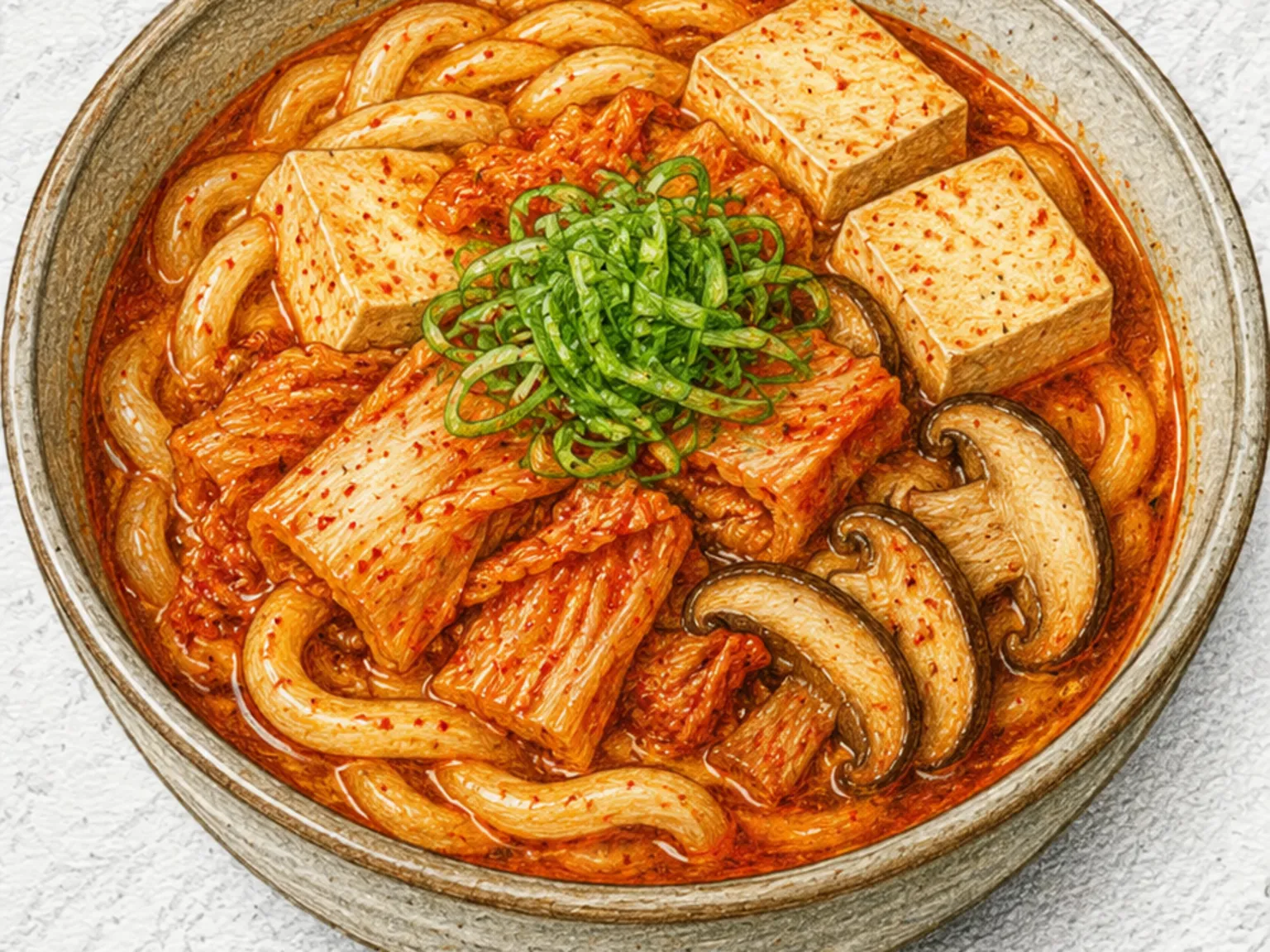
Korean Kimchi Tofu Nabe Udon
Kimchi tofu nabe udon is a Japanese-Korean hybrid hot pot noodle dish built on an anchovy-kelp stock base. Well-fermented kimchi is sauteed in sesame oil for at least two minutes to tame its sharp raw acidity, then the stock goes in along with Korean red chili flakes and soup soy sauce to form the broth. Thick slabs of firm tofu and sliced shiitake mushrooms simmer for four minutes, absorbing the spicy, savory liquid throughout, before thick udon noodles are added for a final two to three minutes. The udon's substantial mass soaks up the surrounding broth, so every bite carries the full flavor of the pot. Because kimchi saltiness varies by brand and age, soy sauce should be added in small amounts at the end rather than all at once. Pressing the tofu dry with a paper towel before it goes in keeps the broth from turning murky. Shredded green onion on top adds fragrance, and leftover broth with added rice makes a satisfying congee-style finish.
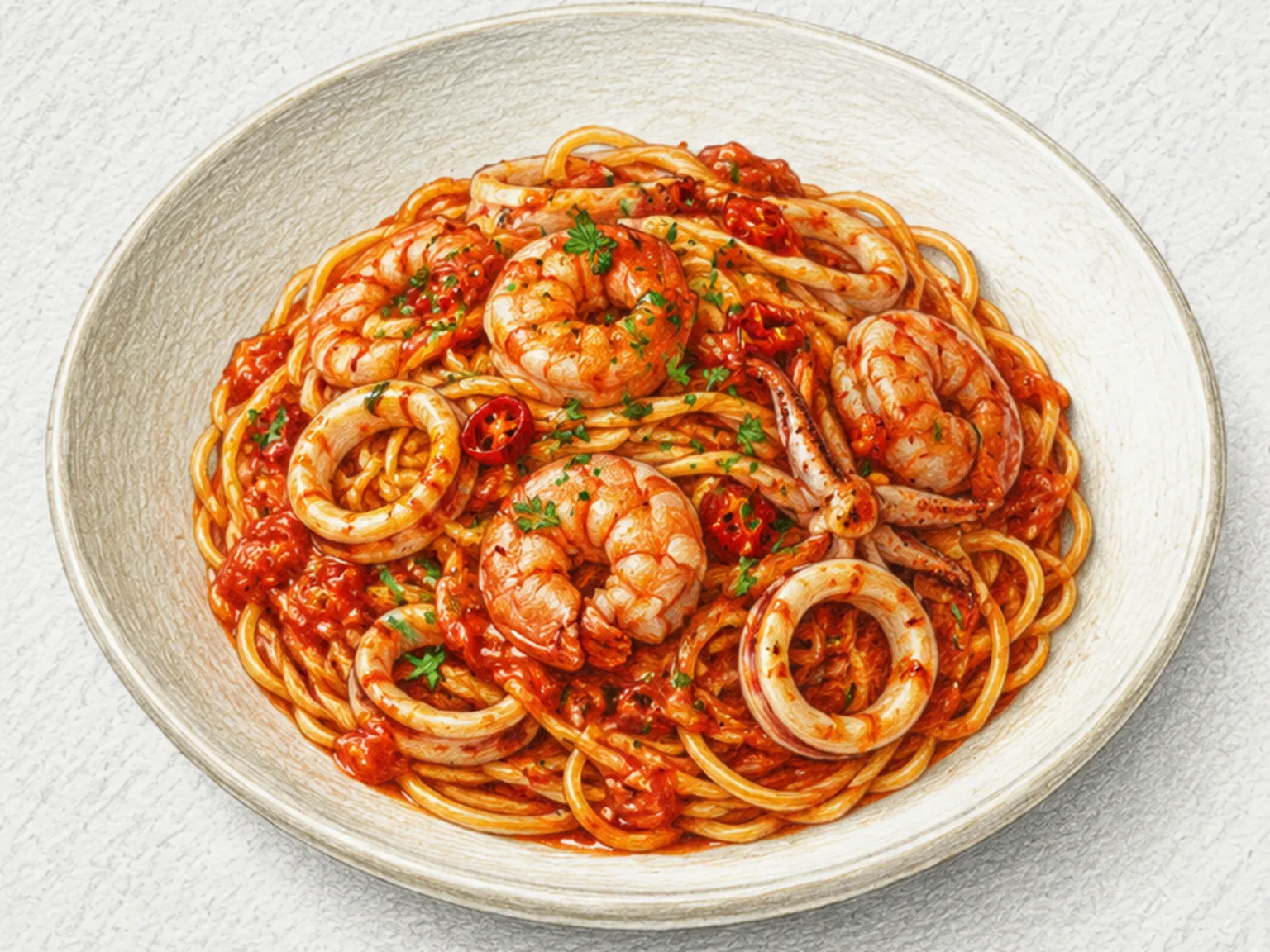
Spicy Seafood Tomato Pasta
Spicy seafood tomato pasta starts by building a chili-infused oil base - garlic, onion, and red pepper flakes sauteed in olive oil until fragrant. Shrimp and squid are seared briefly until just opaque on the outside, then hand-crushed whole tomatoes are added and the sauce simmers for six to seven minutes, during which the tomato reduces and absorbs the juices released by the seafood. Cooking the seafood only until the surface turns white is critical, as the residual heat from the simmering sauce finishes them gently without making them rubbery. The spaghetti is boiled one minute short of al dente and tossed in the sauce pan with a splash of pasta water over high heat, which emulsifies the sauce and binds it to each strand. The chili heat cuts cleanly through the tomato's acidity and the seafood's brininess, and chopped parsley adds a final fresh herbal note.
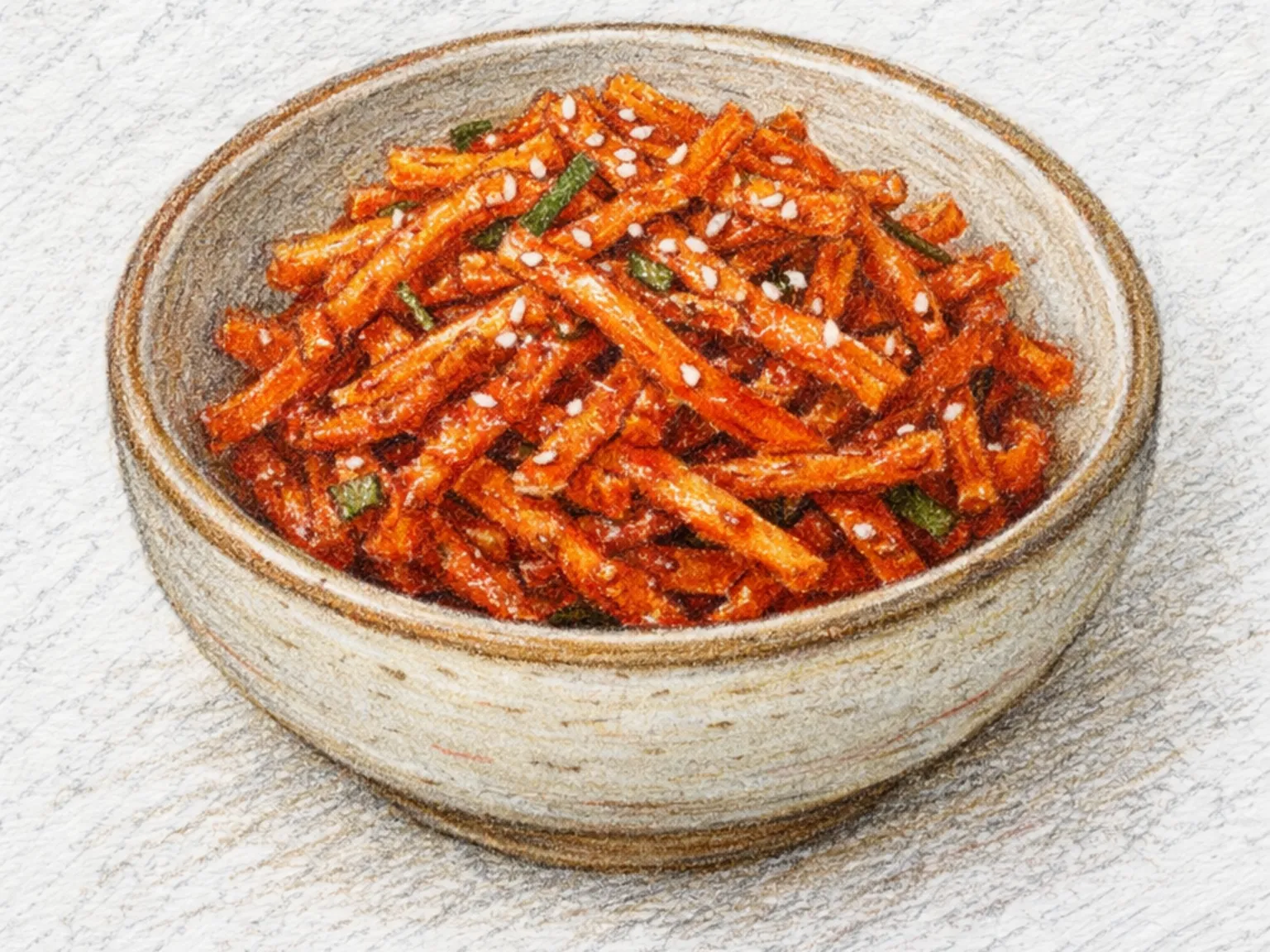
Korean Stir-fried Dried Pollock Strips
Hwangtae-chae-bokkeum is a Korean side dish of shredded dried pollock strips soaked until fully soft, then stir-fried in a gochujang, oligosaccharide syrup, and soy sauce glaze. Hwangtae is a specific type of dried pollock produced by repeated freeze-thaw cycles in cold mountain air over winter, which gives it a lighter, spongier texture than ordinary dried pollock -- that porosity is what allows it to absorb the seasoning so completely during cooking. Soaking the dried strips in cold water for at least twenty minutes is necessary to rehydrate the flesh fully; squeezing out the excess moisture before adding them to the pan helps the glaze cling evenly rather than diluting in the pan. As the pollock fries, it drinks in the seasoning and turns chewy and moist, with the gochujang's heat and the syrup's sweetness working together to neutralize any residual fishiness. A finishing drizzle of sesame oil and a scatter of sesame seeds rounds out the flavor. The dish keeps well in the refrigerator for four to five days, making it a practical banchan to prepare in advance for lunchboxes or as a casual snack alongside drinks.
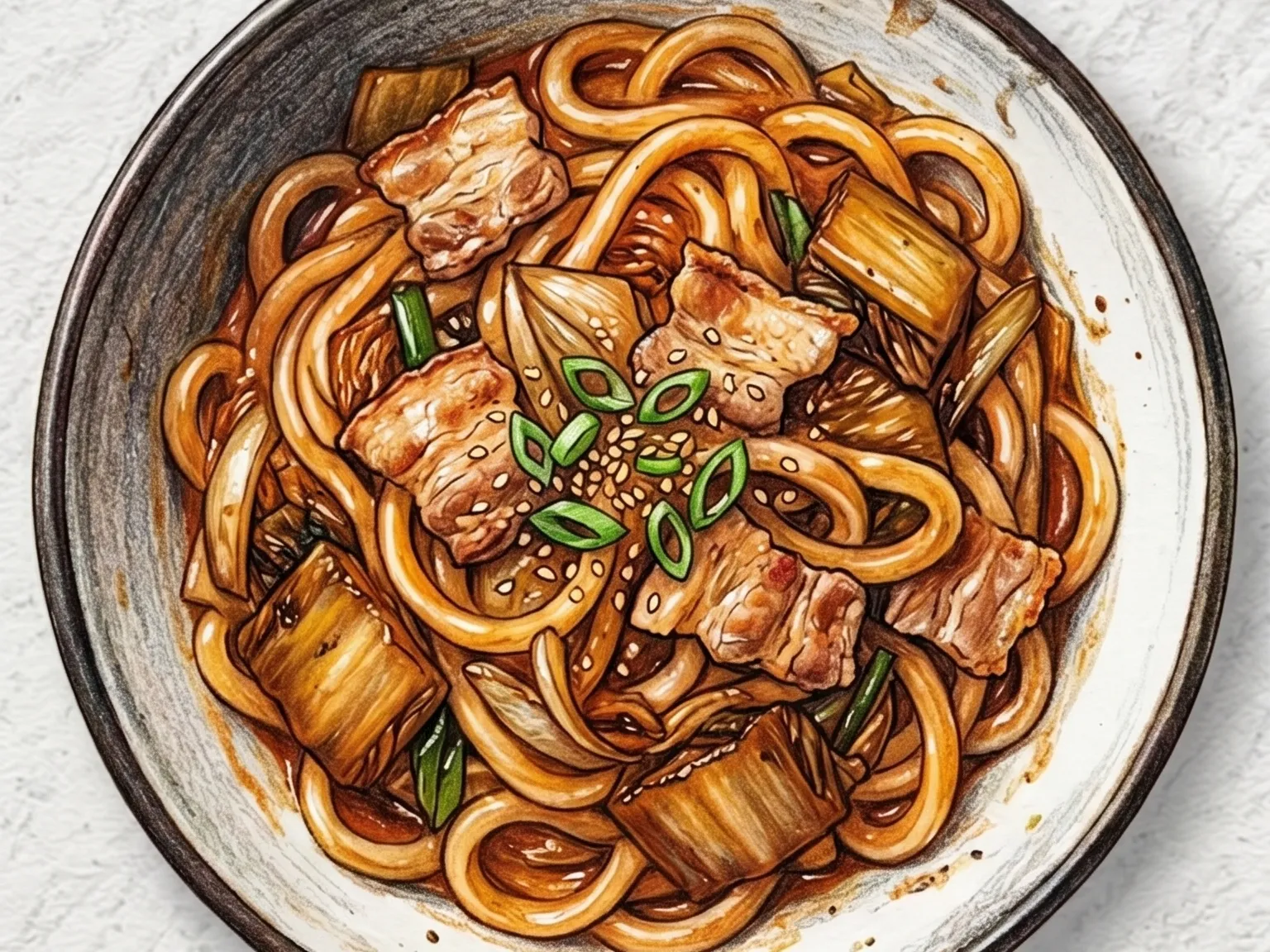
Kimchi Stir-Fried Udon (Pork Belly Kimchi Wok-Fried Noodles)
Kimchi udon stir-fry is a Korean-Japanese fusion noodle dish that brings together paper-thin pork belly, aged kimchi, and thick udon noodles over intense, unbroken high heat. The pork belly goes into the pan first, searing until the edges crisp and enough fat renders out to carry the aromatics that follow. Onion and green onion go in next to build fragrance, and kimchi is added last among the aromatics and stir-fried hard until every drop of its moisture has evaporated and the flavor has concentrated into the solids. A sauce of gochujang, soy sauce, and sugar is poured over, and blanched udon noodles are tossed in and moved constantly so the coating reaches every noodle strand. Dropping the heat at any point causes the udon to soften and lose its bounce, so full high heat from start to finish is essential. A spoonful of kimchi juice added mid-cook deepens the umami without making the sauce watery, and a small knob of butter stirred in just before plating rounds the sharp edges of the seasoning. The more fermented and sour the kimchi, the more complex the finished noodle becomes.
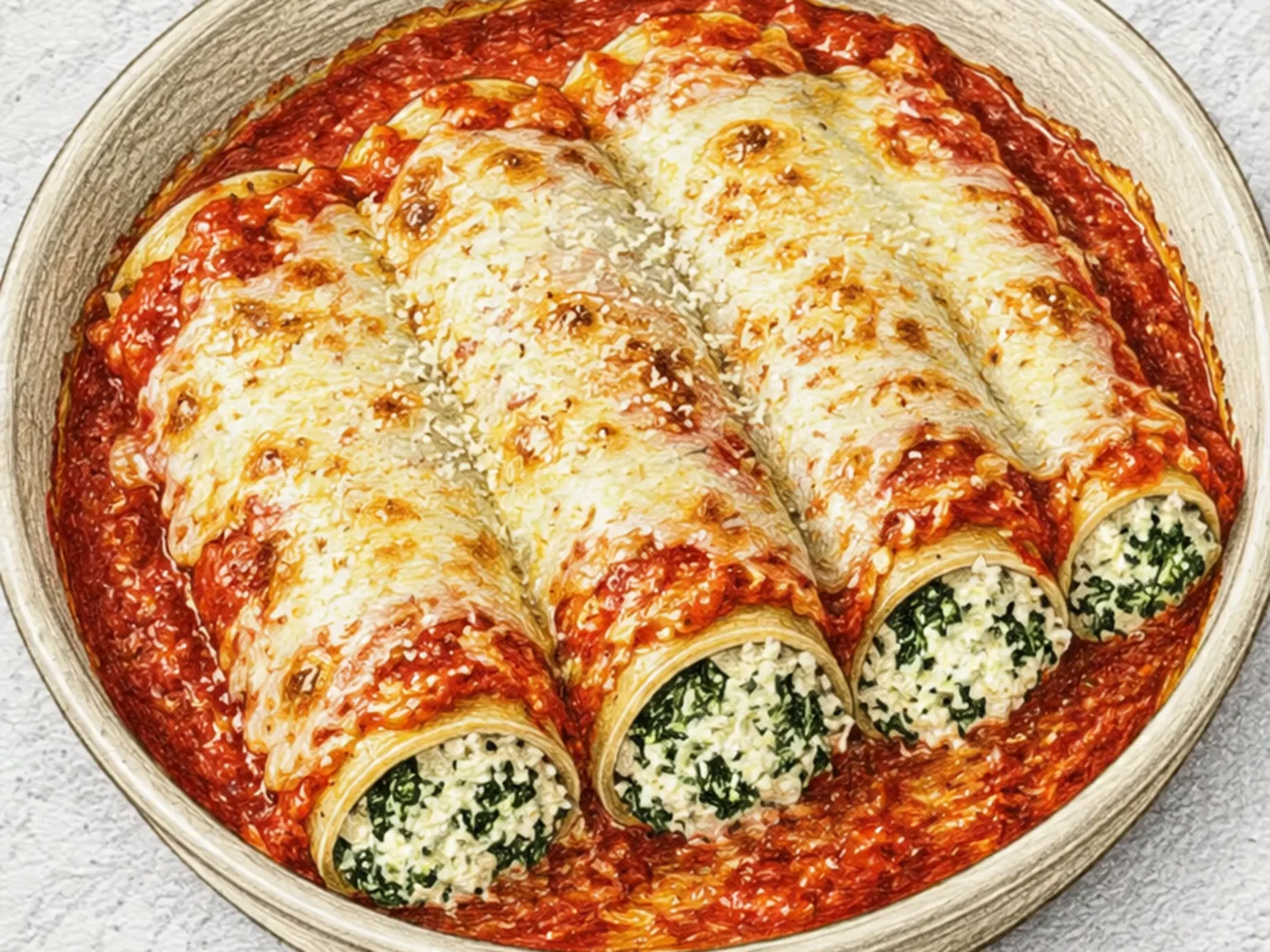
Spinach Ricotta Cannelloni
Spinach ricotta cannelloni fills tube-shaped pasta with a mixture of sautéed spinach, ricotta cheese, garlic, and Parmesan, then bakes them in tomato sauce topped with mozzarella. Removing as much moisture from the spinach as possible is the most important step - excess water thins the filling and causes the tubes to split during baking. Half the Parmesan goes into the filling for depth, while the rest is scattered on top with mozzarella to build a golden, bubbling crust. Baking covered at 190 degrees Celsius for the first 25 minutes lets the sauce steam the pasta through, and uncovering for the final 10 minutes crisps the cheese surface. Resting the dish for 10 minutes after it comes out of the oven allows the sauce to thicken and the filling to set, producing cleaner portions when sliced.
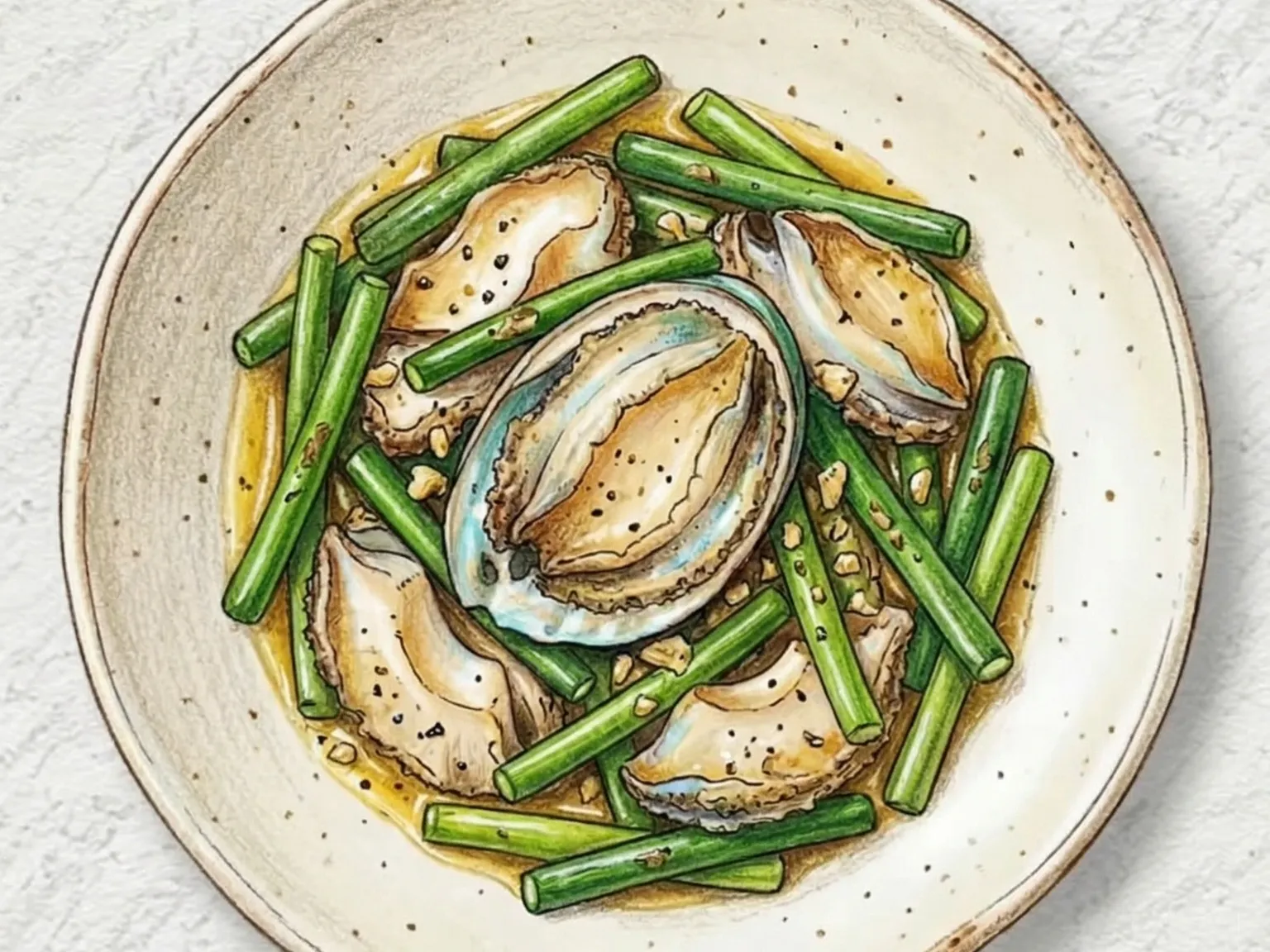
Korean Abalone & Garlic Stem Stir-fry
The preparation of Jeonbok-maneuljong-butter-bokkeum involves a high heat stir-fry technique using thinly sliced abalone and garlic scapes cooked in butter. The primary goal of using high heat is to release the aromatic properties of the butter and seafood while maintaining a specific texture. Before cooking, the abalone must be cleaned and the internal organs removed so that only the flesh is used. Slicing the abalone thinly is a requirement because the high temperature of the pan cooks the pieces almost instantly. This rapid cooking ensures the flesh remains springy rather than contracting into a tough or rubbery texture. Because the protein in the abalone begins to seize if cooked for longer than one minute, the speed of the stir-fry is the most critical variable in the process. Garlic scapes are used to provide a firm and snappy bite to the dish. These are cut into uniform lengths and placed in the pan before the abalone. This specific order gives the scapes a brief head start in the cooking process so that both the vegetables and the seafood finish at the same time. The ingredients should be added to the pan only after the butter has melted and started to foam. This foaming indicates the start of the Maillard reaction, which is responsible for browning the surface of the pieces and increasing the overall scent of the dish. A spoonful of soy sauce is then poured specifically along the heated edges of the pan. This technique allows the sauce to caramelize on contact with the hot surface, which adds a layer of savory and slightly sweet flavors to the mixture. The process concludes with the addition of ground black pepper, which provides a mild spice that supports the scent of the butter. Provided that the ingredients are prepped in advance, the entire stir-fry takes less than ten minutes to complete.
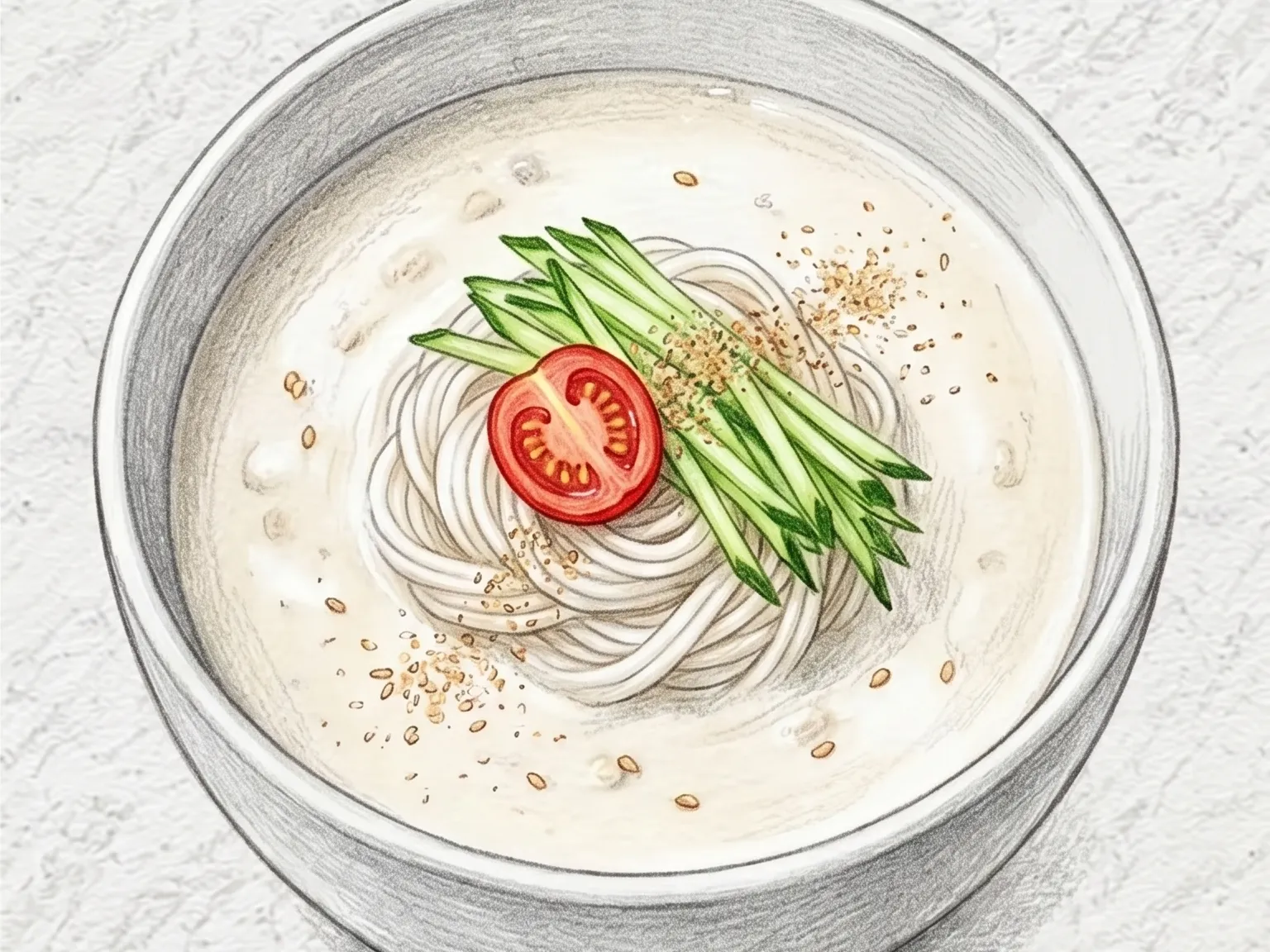
Kongguksu (Korean Cold Soy Milk Noodles)
Kongguksu is a Korean cold noodle dish in which thin somyeon noodles are served in a chilled broth made entirely from blended soybeans. Cooked white soybeans are peeled as thoroughly as possible to reduce any bitterness, then blended with cold water, sesame seeds, and salt until the mixture is smooth and creamy. The resulting soy broth is refrigerated until genuinely cold before use -- adding ice directly to the bowl would thin it out, so proper chilling in advance is the standard approach. Somyeon noodles are boiled until just cooked through, then rinsed vigorously under cold running water and briefly submerged in ice water to firm up their texture before being placed in the serving bowl. The cold soy broth is poured generously over the noodles, and julienned cucumber is arranged on top for color and crunch. Seasoning is personal: some eat it with salt only, others stir in a small amount of sugar. Straining the broth once through a fine mesh sieve eliminates any remaining gritty bits and gives the finished soup a noticeably silkier mouthfeel. High in plant protein and relatively light on the stomach despite its richness, it is exactly the kind of cold dish that makes summer heat more bearable. Black soybeans blended in alongside white ones deepen both the color and the toasty, nutty flavor.
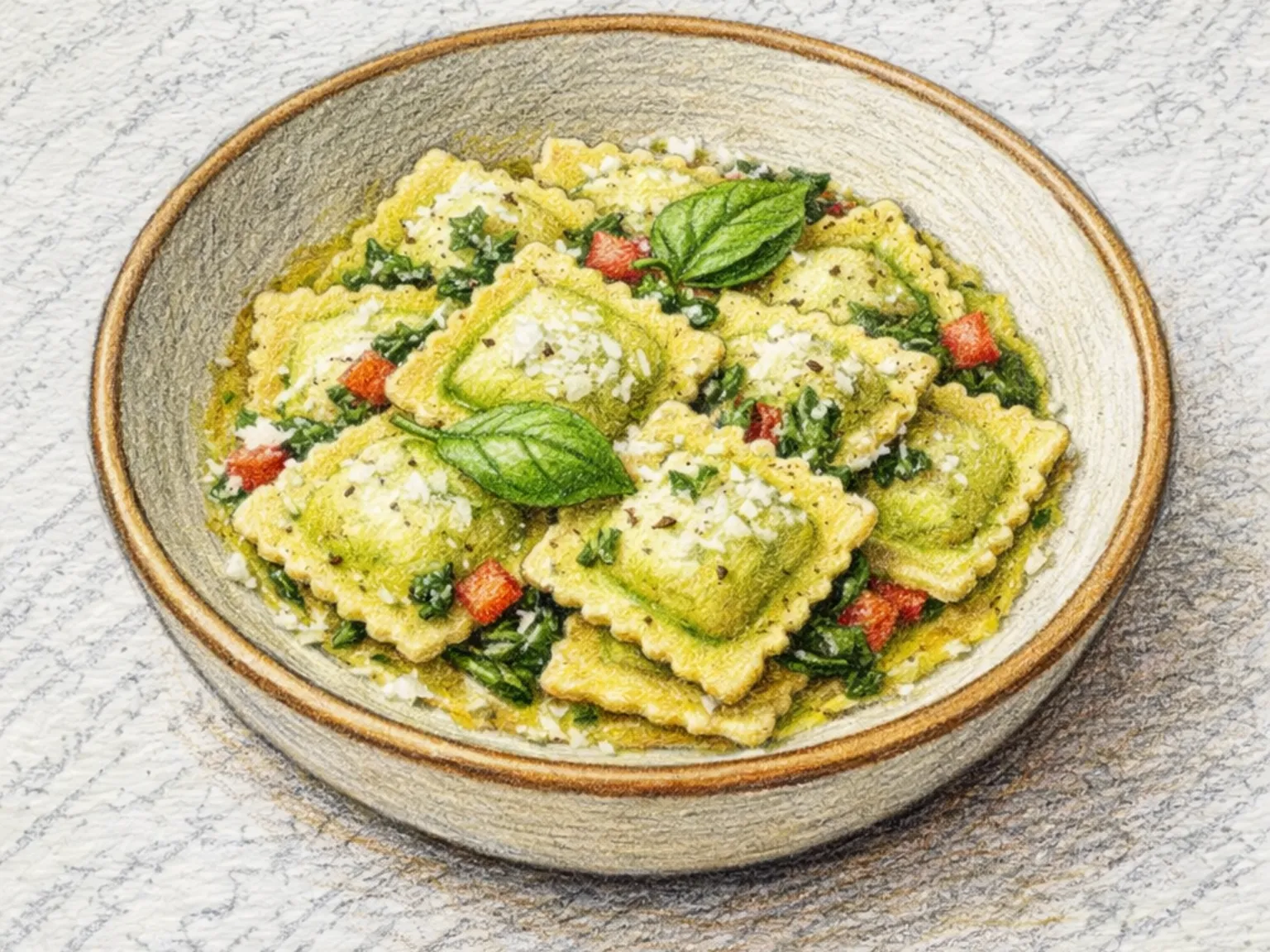
Spinach Ricotta Ravioli
Spinach ricotta ravioli is made by placing mounds of a filling - ricotta cheese, blanched and squeezed spinach, Parmesan, and egg - onto fresh pasta sheets, then sealing and cutting individual pieces. Squeezing every drop of water from the blanched spinach is non-negotiable; wet filling loosens the seal and causes the ravioli to burst in boiling water. When pressing the top sheet down, working from the filling outward pushes trapped air to the edges, and a firm seal along the border keeps each piece intact during cooking. A quick boil of three to four minutes in salted water is all the thin pasta needs - overcooking turns it mushy. Tossing the cooked ravioli gently in melted butter lets the fat coat each piece without tearing the delicate dough, and the butter's richness rounds out the mild ricotta and earthy spinach.
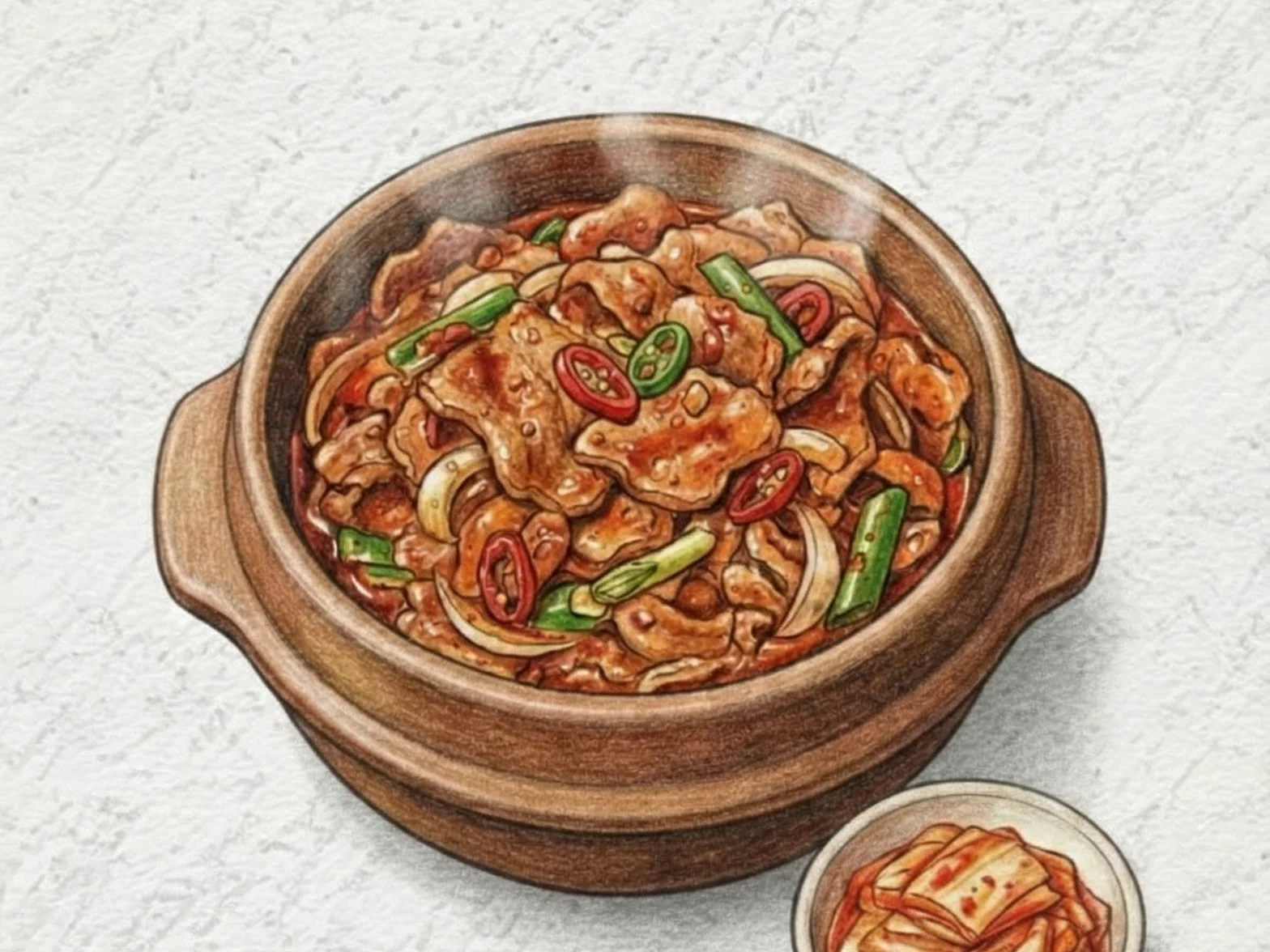
Korean Spicy Pork Stir-fry
Jeyuk-bokkeum is a Korean spicy pork stir-fry where sliced pork is marinated in gochujang, soy sauce, sugar, and garlic, then wok-tossed with vegetables over high heat. The marinade sinks into the meat, combining chili heat with caramelized sweetness, while onions and scallions release moisture that balances the bold seasoning. Quick cooking at high temperature lets the pork develop a lightly charred exterior that adds another layer of flavor. It is commonly served over rice as a donbap or wrapped in lettuce leaves.
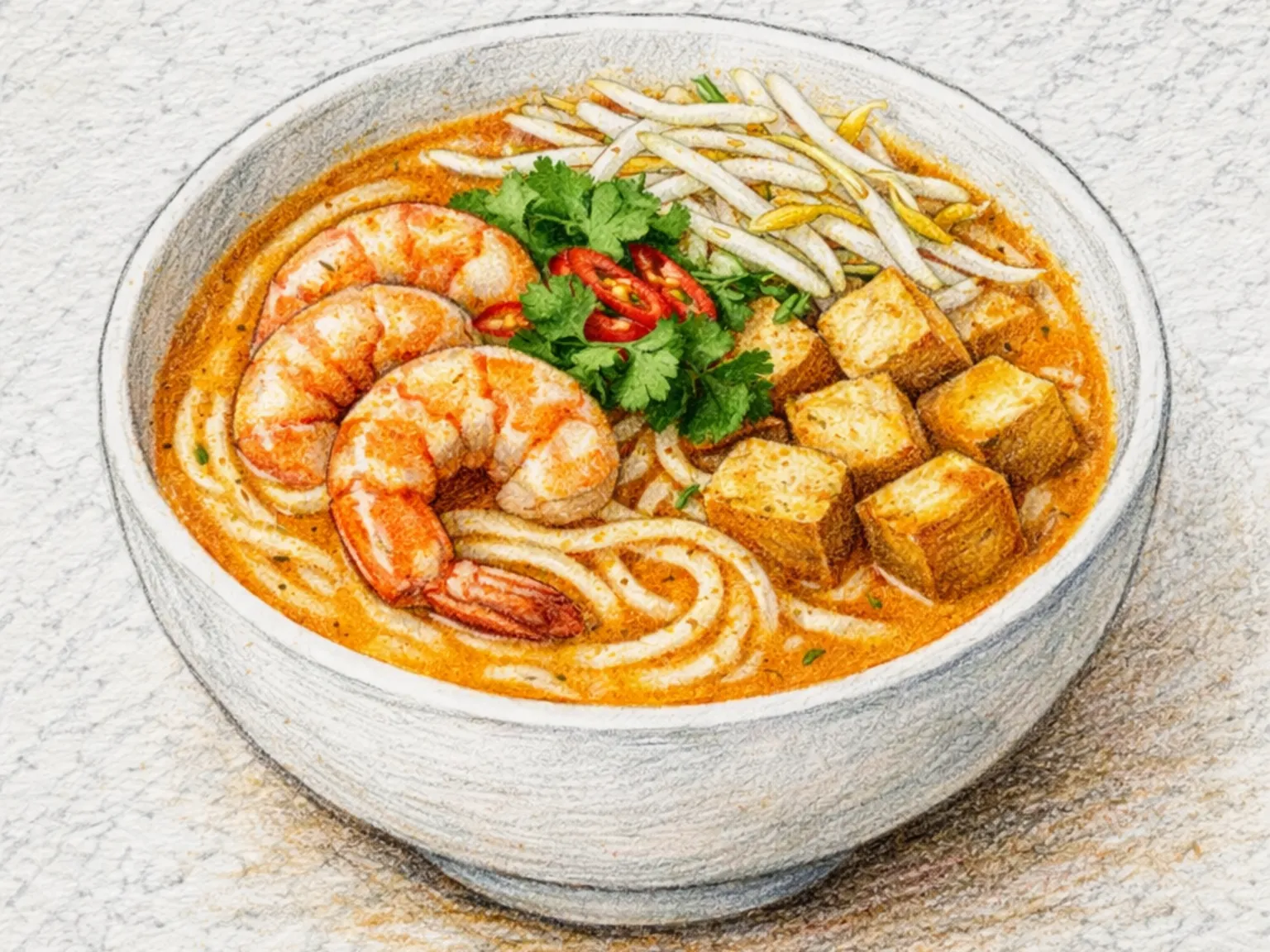
Singaporean Spicy Noodle Soup
Laksa is a spicy coconut curry noodle soup from Singapore and Malaysia, assembled from a laksa paste of lemongrass, galangal, dried shrimp paste, and chili that is stir-fried in oil until deeply fragrant and the raw aroma of the shrimp paste cooks off. Coconut milk and shrimp stock are added to build the thick, aromatic broth that defines the dish, and fish sauce seasons it to a savory depth. Shrimp and fried tofu puffs simmer briefly in the completed broth, long enough to heat through but not so long that the shrimp toughens. Rice vermicelli, softened in hot water until pliable, goes into each bowl, and the broth is ladled over generously. Bean sprouts, halved soft-boiled eggs, and a wedge of lime are arranged on top - the lime is squeezed in at the table to cut the coconut richness with bright acidity. Store-bought laksa paste is a practical shortcut that produces a solid result, but homemade paste, with its layers of fresh lemongrass, galangal, fried shallots, and fermented shrimp, delivers a noticeably more complex and fragrant broth. Full-fat coconut milk is essential - reduced-fat versions thin out the broth and undercut the characteristic creaminess that sets laksa apart. A well-reduced shrimp stock intensifies the umami of the base considerably.
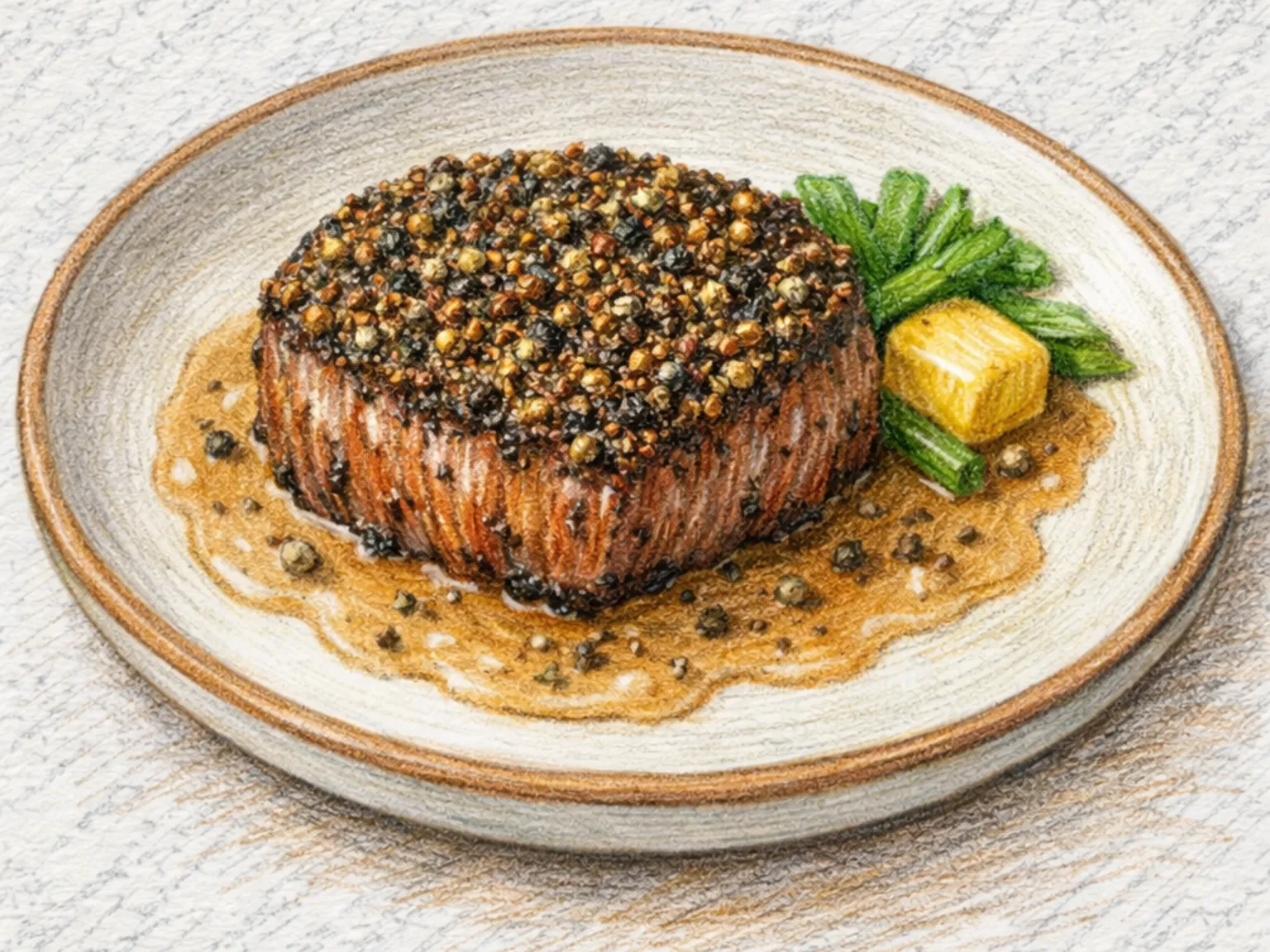
Steak au Poivre (Peppercorn Sirloin with Brandy Cream Sauce)
Steak au poivre presses coarsely crushed peppercorns into the surface of sirloin steaks before searing in a smoking-hot pan, then builds a sauce in the same pan using brandy, shallot, heavy cream, and Dijon mustard. Crushing the peppercorns rather than grinding them fine is essential - coarse pieces embed into the seared crust and release their sharp, aromatic bite when chewed, rather than just adding uniform heat. When brandy hits the hot pan, the alcohol ignites and burns off in seconds, leaving behind concentrated fruit sweetness and caramel notes that deepen the sauce. The cream tempers the pepper's aggressive heat into something rich and rounded, while the mustard adds a subtle acidic edge that keeps the sauce from feeling heavy. Bringing the steaks to room temperature for 20 minutes before cooking ensures even doneness from edge to center.
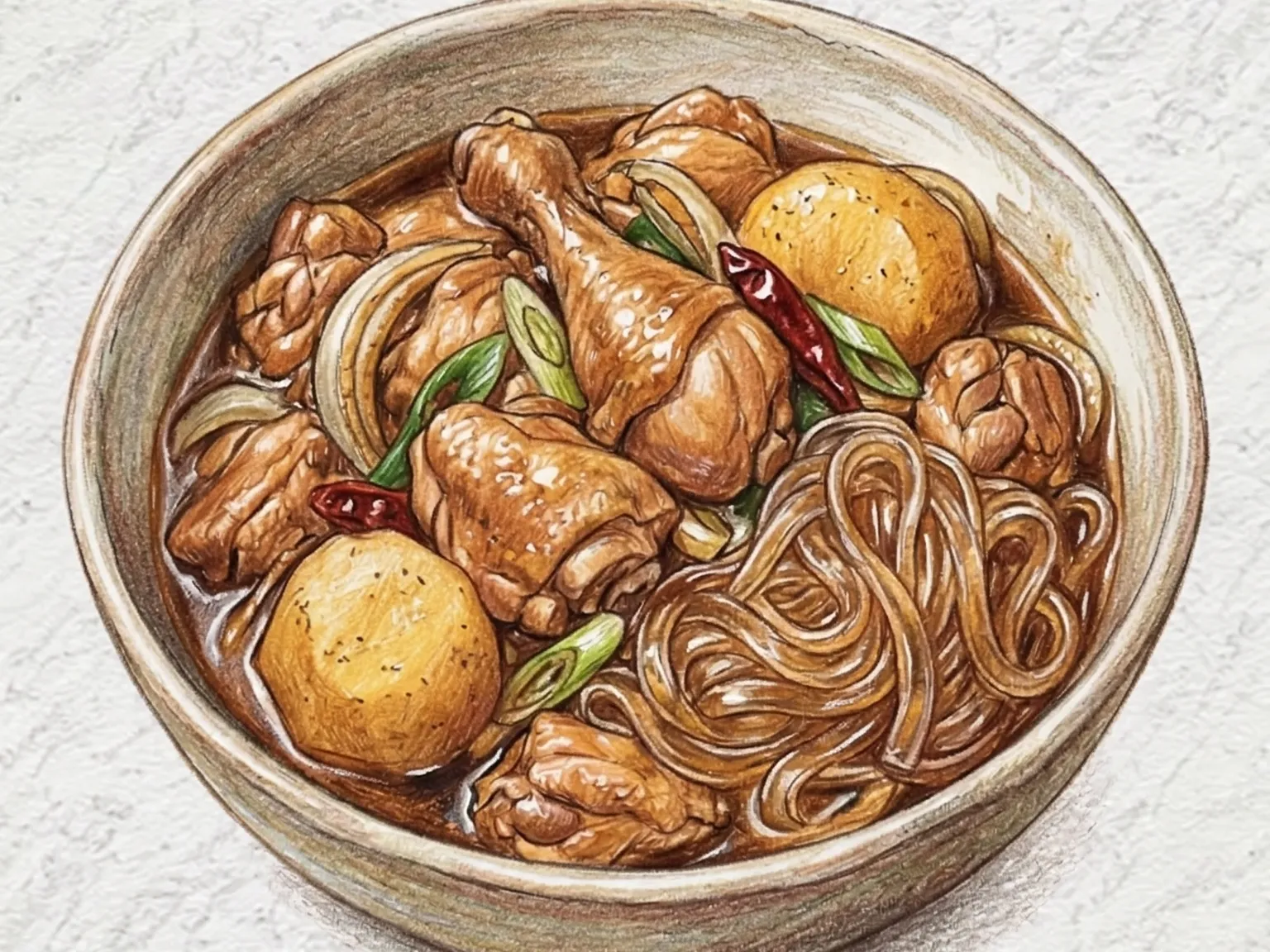
Korean Soy Braised Chicken with Glass Noodles
Jjimdak is a Korean braised chicken dish originating from the Andong region of North Gyeongsang Province, where competing chicken stalls in the Andong Old Market during the 1980s each developed their own version, eventually producing the dish now associated with the city. Bone-in chicken pieces, potatoes, and glass noodles are simmered together in a soy sauce glaze built from soy sauce, sugar, garlic, and corn syrup. The sauce penetrates the chicken and potatoes fully during the braise, delivering salty-sweet depth in every piece. Glass noodles swell as they absorb the reducing liquid, turning chewy and deeply flavored by the end of cooking, while the potatoes soften to a floury, starchy texture that holds sauce on every surface. As the liquid reduces further, the glaze thickens and turns glossy, coating each ingredient in a lacquered layer. Served over rice with the sauce poured across, it is easy to finish the bowl without noticing. Cheongyang chilies are often added for a spicier version, and sliced rice cakes folded in at the end are a popular addition.
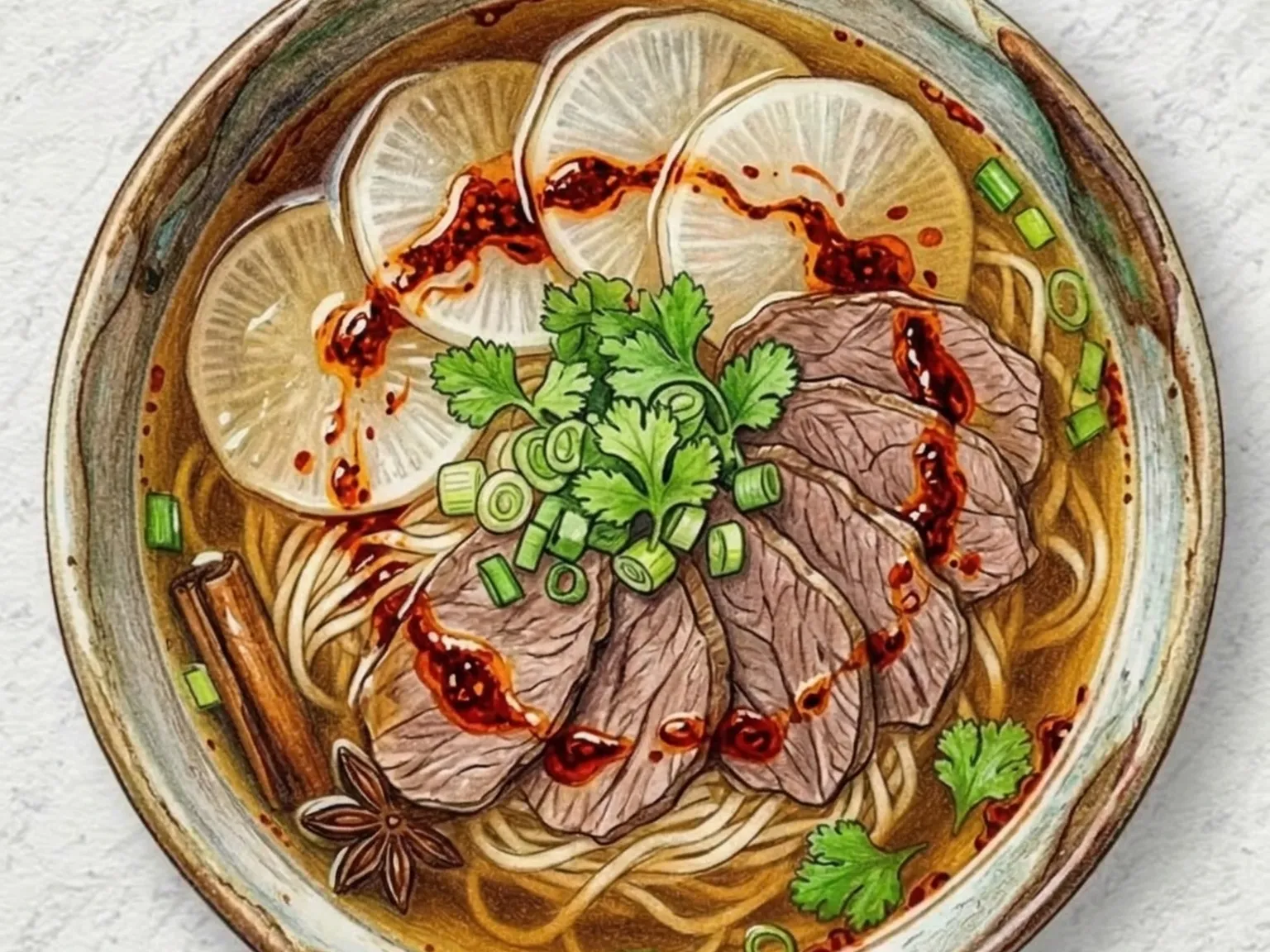
Lanzhou Beef Noodles (Clear Spiced Beef Shank Soup Noodles)
Lanzhou beef noodles are a clear-broth noodle soup originating from Lanzhou in China's Gansu province. Beef shank is soaked in cold water for thirty minutes to draw out blood, blanched, then simmered for two hours with star anise, a cinnamon stick, ginger, and garlic. Diligent skimming during the early stages of simmering is what keeps the broth transparent despite its long cooking time. Daikon radish is added to the strained broth and simmered until translucent, and the seasoning is kept to soy sauce and salt. The cooked beef is sliced thin and arranged over noodles in the bowl, with green onion, cilantro, and a drizzle of chili oil on top. Traditional versions use hand-pulled noodles stretched to order, but store-bought Chinese wheat noodles work as a practical substitute at home. The long cook time yields a broth that is clear yet deeply savory, which is the defining quality of this noodle.
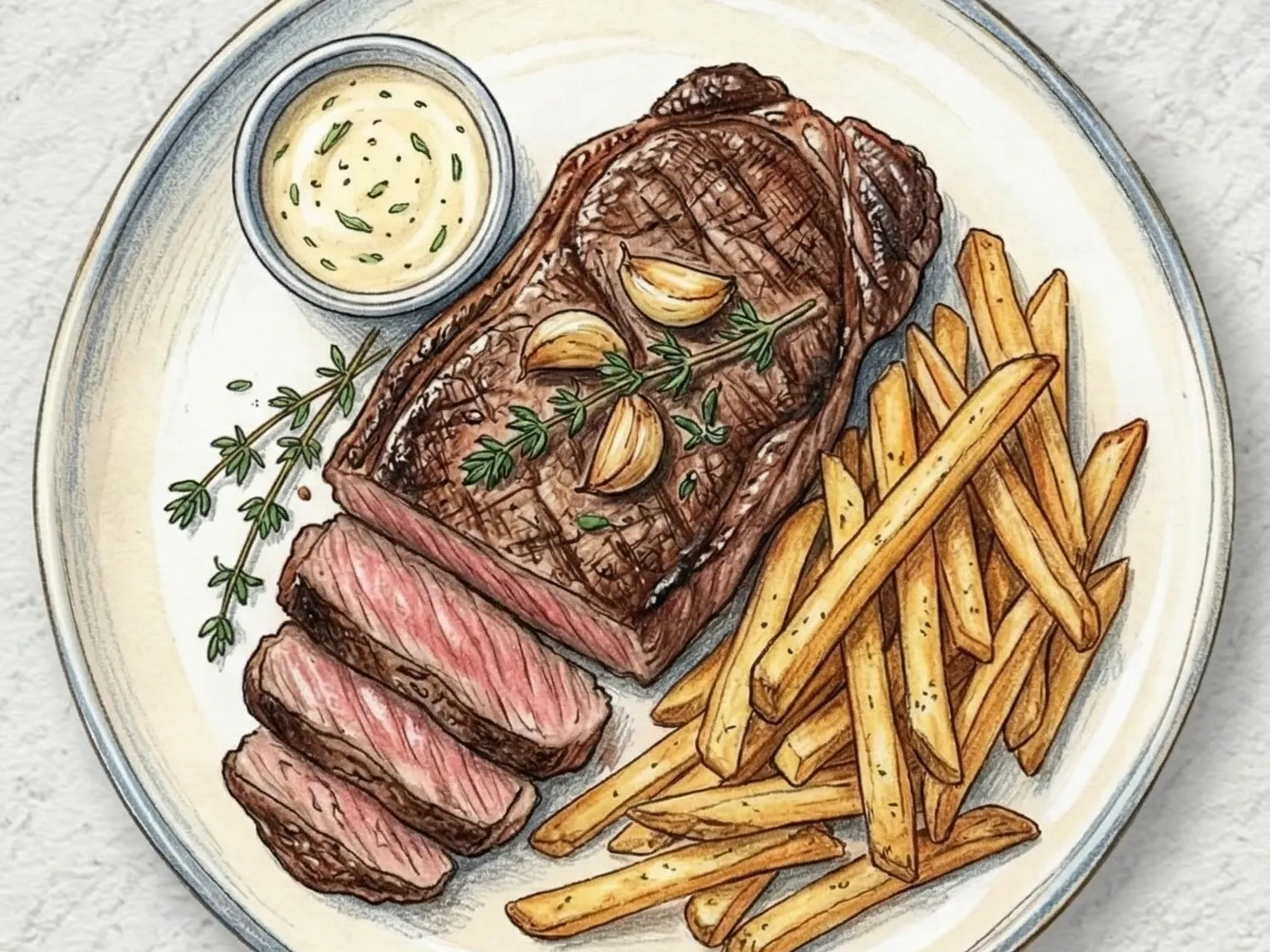
Steak Frites
Steak frites pairs a butter-basted sirloin steak with double-fried potatoes, a combination that defines the French bistro experience. The potatoes are cut into sticks, soaked in cold water for 15 minutes to wash off surface starch - this prevents them from sticking together during frying and gives a cleaner fry. The first fry at 160 degrees Celsius cooks the interior until tender, and after cooling, a second fry at 190 degrees turns the outside crisp and golden while the inside stays fluffy. The steak is seasoned only with salt and pepper, seared hard in a hot pan, then basted with butter, garlic, and thyme for a final minute before resting for five minutes off heat. Despite the short ingredient list, the dish demands precise heat control - the sear must be aggressive enough to crust the meat, and the oil temperatures for double-frying must be accurate.