🌙 Late Night Recipes
Quick and satisfying late-night bites
651 recipes. Page 20 of 28
Late-night cravings call for quick, easy recipes that satisfy without too much effort. Ramyeon, egg fried rice, tuna-mayo rice bowls, and simple toasts - these are dishes you can throw together when hunger strikes after dark. Cooking at home beats delivery in both cost and healthiness.
The ideal late-night snack is fast to make, easy to clean up, and just filling enough. These recipes hit that sweet spot - comforting without being heavy.
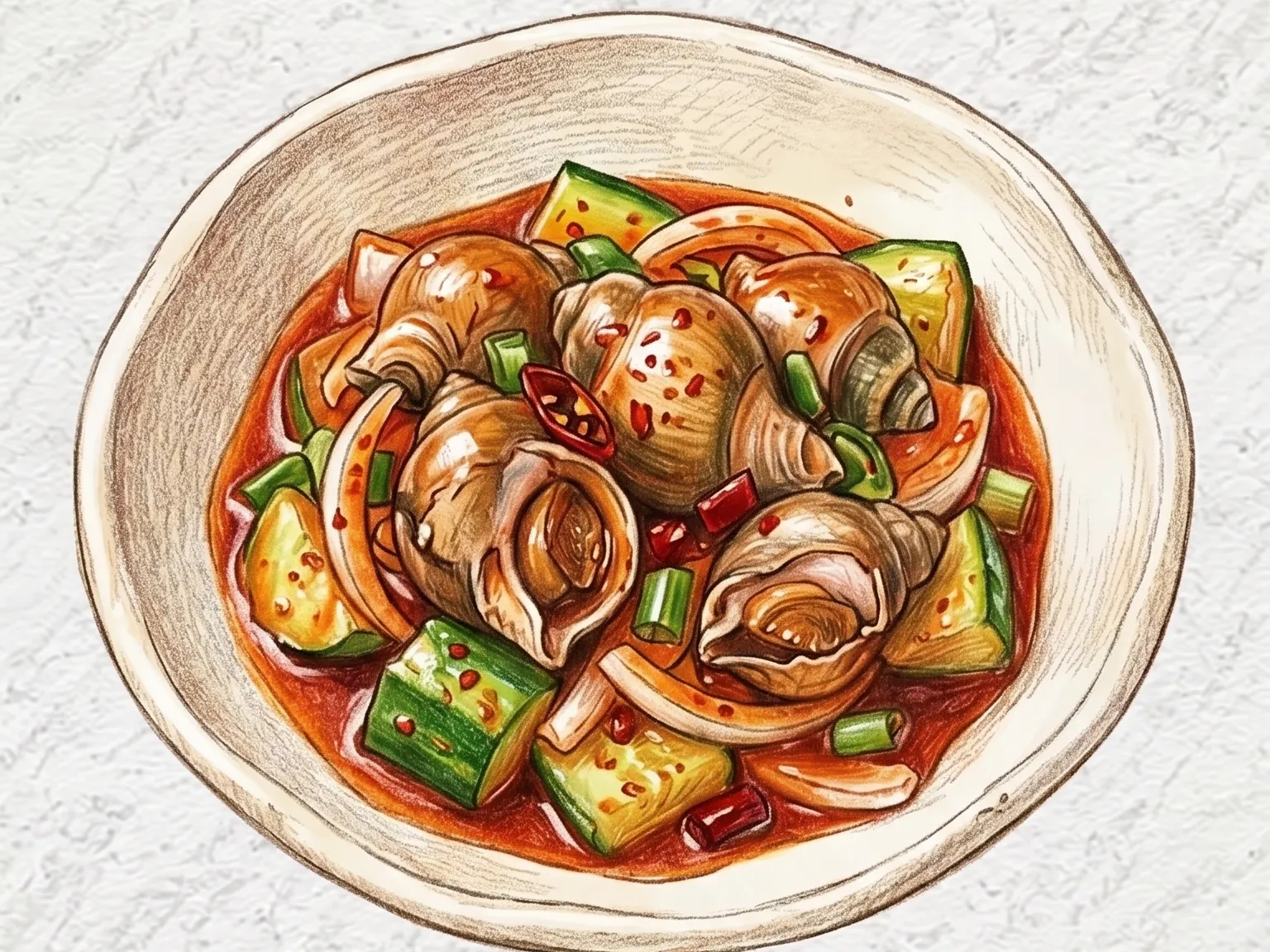
Korean Spicy Whelk Stir-fry
Golbaengi bokkeum is a spicy Korean whelk stir-fry that uses canned whelk with a sauce built from gochujang, gochugaru, vinegar, sugar, and sesame oil. The firm, chewy texture of the whelk is the defining quality of the dish, which means cooking time must stay within two to three minutes to prevent the meat from toughening further. Vinegar adds a tangy brightness that lifts and balances the heat from the chili components. A splash of the canning liquid stirred in during cooking enhances the whelk's natural brininess and keeps the sauce from drying out. Julienned cucumber, sliced onion, and scallion are added off the heat so they stay crisp and retain their raw freshness rather than wilting into the sauce. As a banchan, it pairs directly with rice, but served alongside thin wheat noodles or glass noodles it transforms into one of Korea's most beloved drinking snacks, a staple of old-school pojangmacha stalls where the combination of cold beer and spicy, chewy whelk has been a fixture for decades.
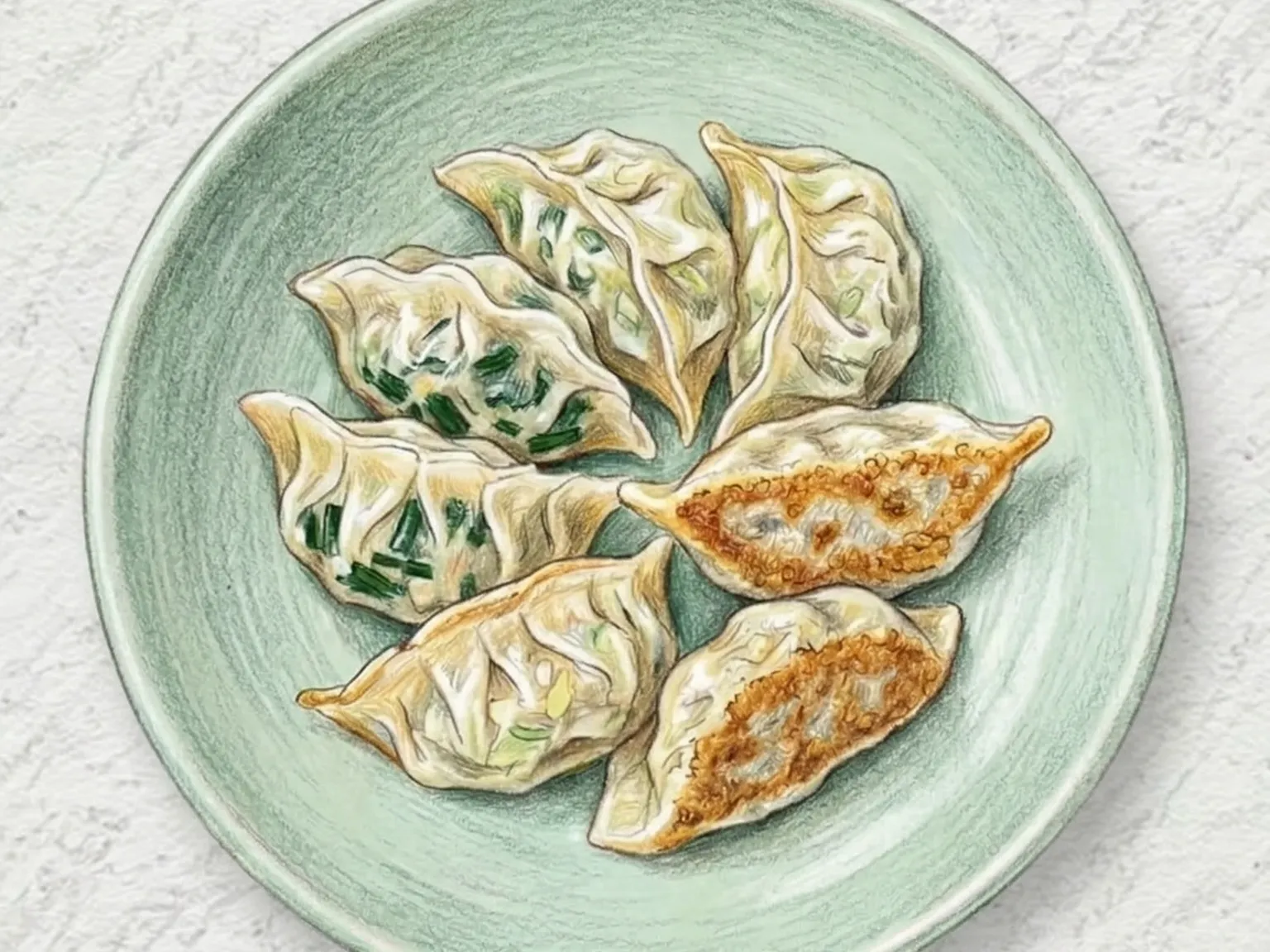
Korean Vegetable Dumplings
Yachae-mandu are Korean vegetable dumplings filled with finely chopped cabbage, garlic chives, rehydrated glass noodles, and crumbled firm tofu, seasoned with soy sauce, sesame oil, and minced garlic. Squeezing all moisture from the tofu through a clean cloth and salting the cabbage before pressing it dry are both essential steps that prevent the wrappers from bursting during cooking. The glass noodles, cut short before going into the filling, distribute a springy chew throughout each bite rather than clumping in one place. Garlic chives stand in for green onions and bring a pungent, grassy aroma that gives the filling its character without any meat. Pan-frying over medium heat creates a thin, golden crust along the bottom of each dumpling while the upper half stays soft and slightly moist, so every bite delivers a contrast between crisp and tender. Leaving enough border around the filling when sealing the edge prevents blowouts during cooking and keeps the shape intact through to the table.
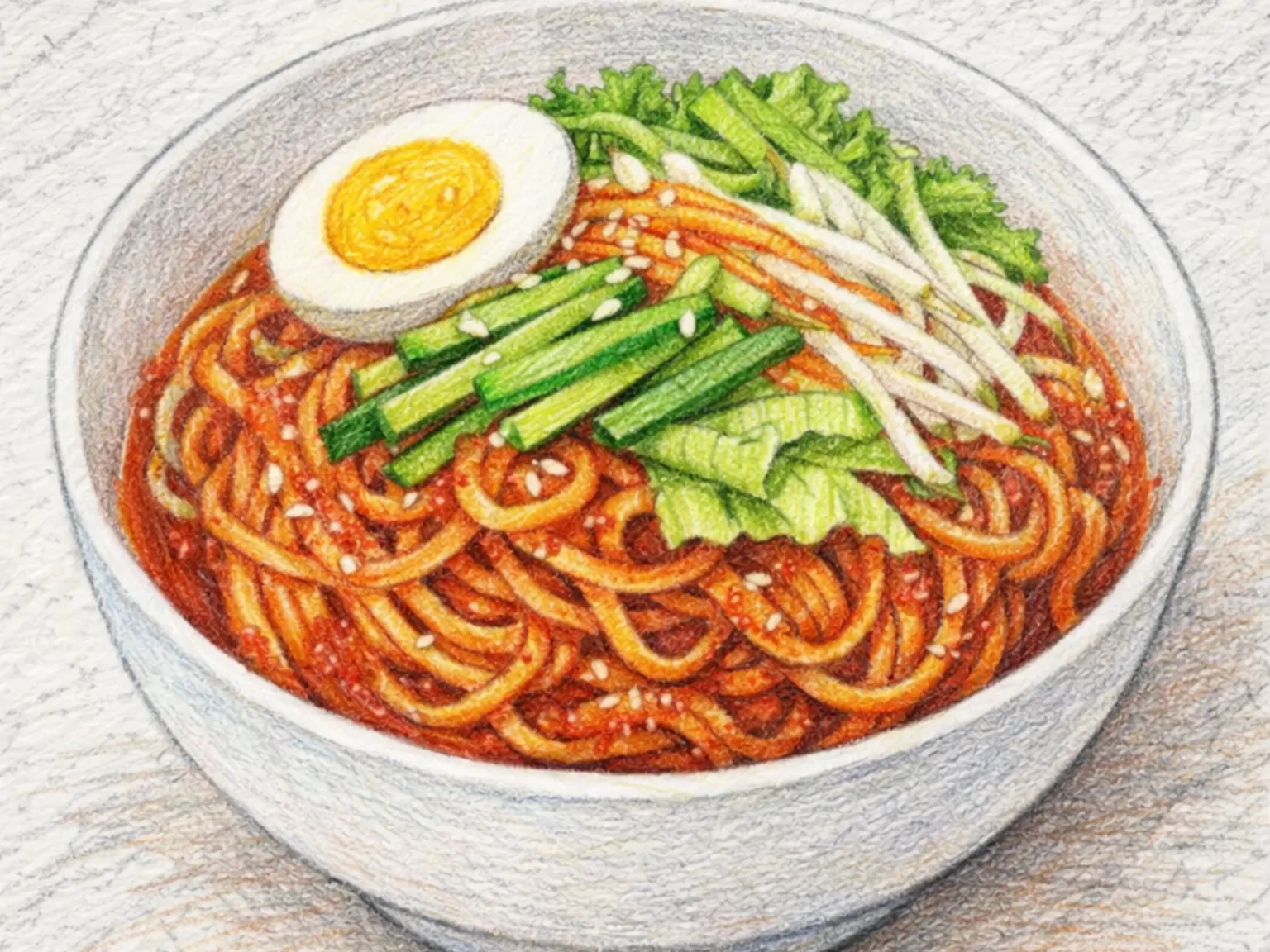
Korean Spicy Chewy Noodles
Jjolmyeon is a Korean cold noodle dish built around unusually thick, springy wheat noodles that were accidentally invented at an Incheon noodle factory in the 1970s. The noodles are boiled, rinsed in ice water to firm up their chewy texture, then dressed in a sweet-sour-spicy sauce made from gochujang, vinegar, sugar, soy sauce, and sesame oil. Shredded cabbage and julienned cucumber are chilled separately and piled on top, giving each bite a crisp contrast to the bold sauce. A halved boiled egg adds a creamy counterpoint to the heat. The dish is served cold and eaten after thorough mixing, making it a go-to summer meal and late-night snack across Korea.
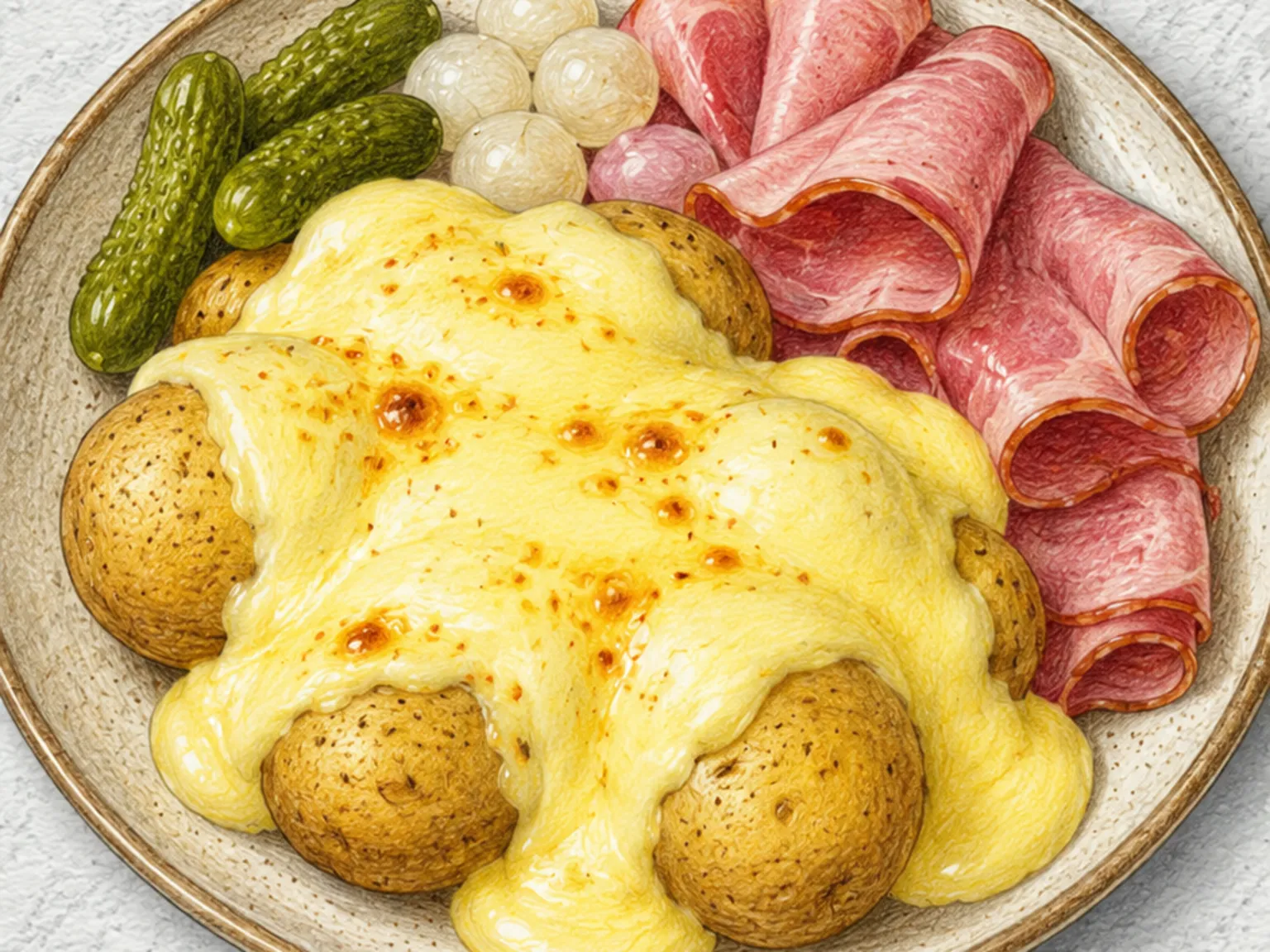
Raclette (Alpine Melted Cheese over Potatoes and Charcuterie)
Raclette is an alpine winter dish in which thick slices of raclette cheese are melted under a broiler or in a dedicated raclette machine and poured generously over boiled potatoes, cured ham, cornichons, and pickled onions. The potatoes should be cooked until fork-tender but not mushy, so they hold their shape under the weight of the melted cheese. The raclette cheese delivers a salty, rich coating of milkfat, and tangy cornichons and pickled onions cut through the heaviness with their acidity, resetting the palate between bites. The communal format - each person melting their own portion of cheese and pouring it over arranged ingredients - makes it especially well suited for dinner parties and gatherings.
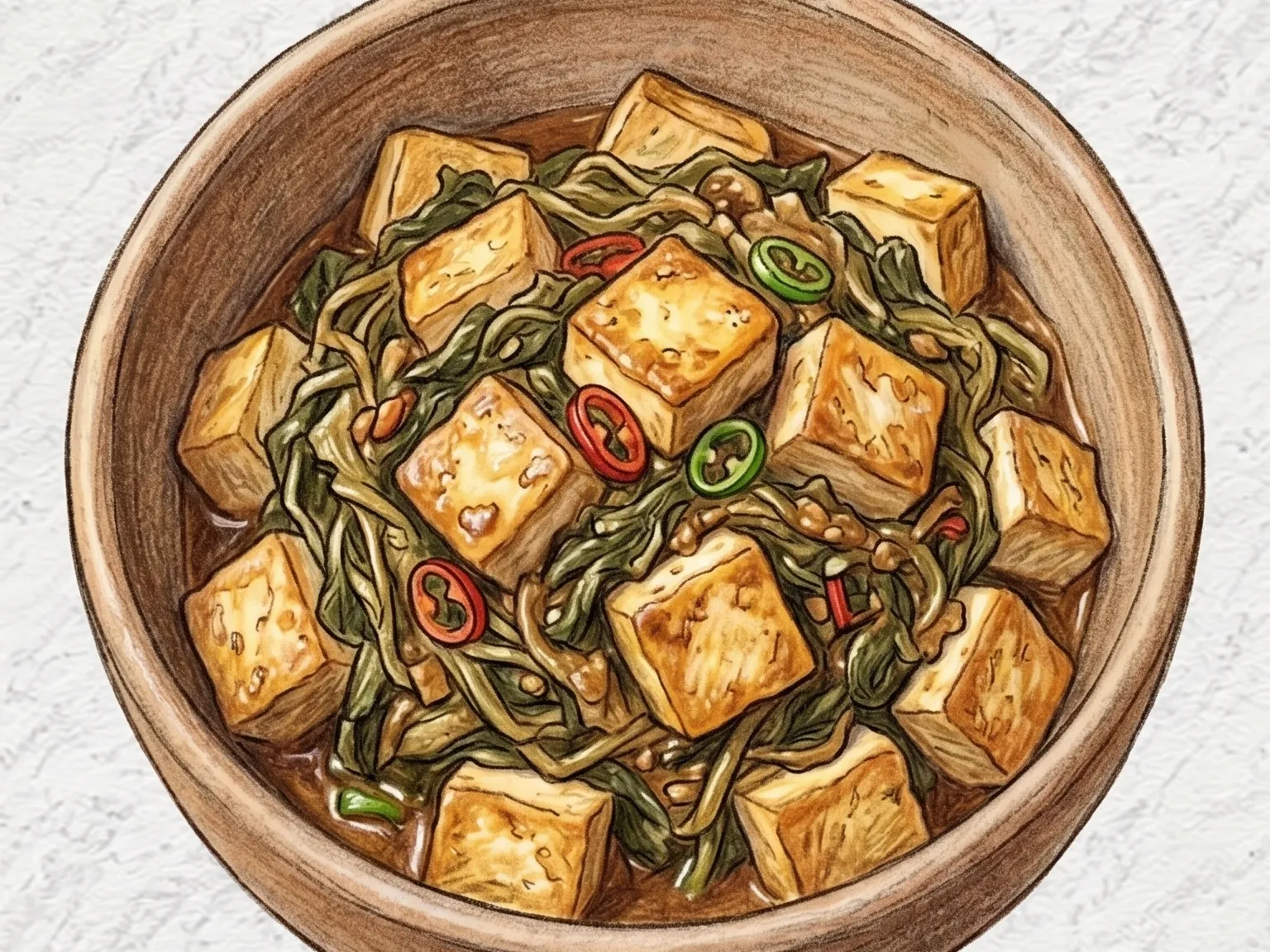
Korean Gondre Dubu Doenjang Bokkeum (Thistle Tofu Doenjang Stir-fry)
Gondre dubu doenjang bokkeum is a stir-fried side dish that pairs pan-seared firm tofu with blanched gondre thistle greens in a doenjang-based sauce. Searing the tofu separately in perilla oil before combining it with the greens is the step that makes the difference: the firm, lightly crisped surface that forms holds its shape through the subsequent stir-frying and absorbs the seasoning without breaking down into chunks. Doenjang dissolved in a small amount of water is stirred through the gondre so the fermented paste coats every strand evenly, and a small addition of soup soy sauce deepens the savory character without pushing the salt level too high. Sliced cheongyang chili adds a gentle heat that lingers at the finish. Perilla oil, with its nutty, herbal scent, binds the flavors and gives the dish its distinctive aromatic character. Gondre is a thistle variety grown in the Gangwon mountain region and pairs particularly well with doenjang because its earthy, slightly sweet fragrance complements the depth of the fermented paste.
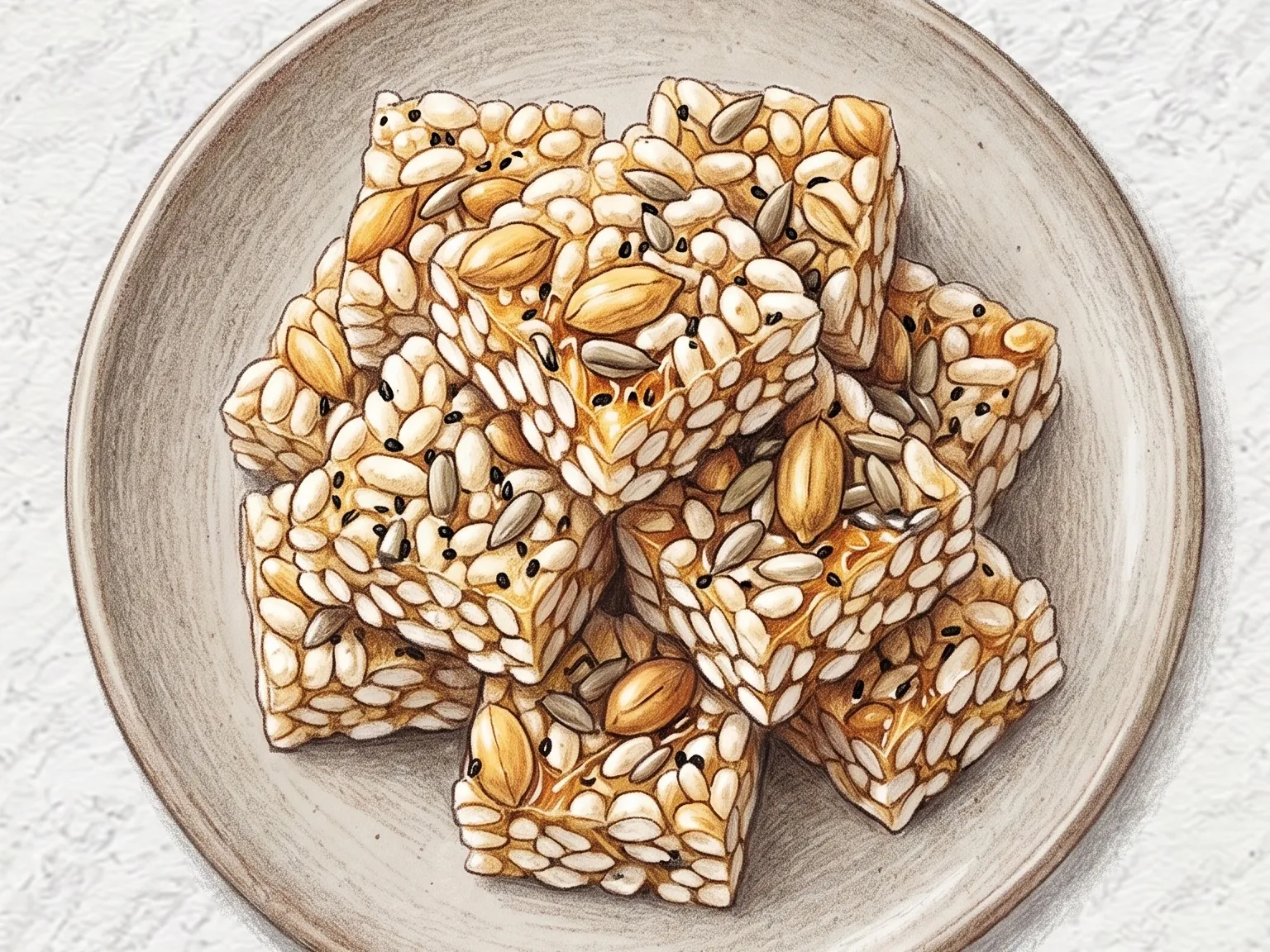
Korean Rice Puff Gangjeong
Ssal-gangjeong is a traditional Korean confection made by binding puffed rice, roasted peanuts, sunflower seeds, and black sesame in a syrup of rice malt and sugar, then pressing the mixture into a mold to set. Controlling syrup temperature is essential: heating too high makes the bars rock-hard once cooled, so stopping when the syrup forms soft threads keeps the final texture crisp yet breakable. The airy crunch of puffed rice contrasts with the firm bite of whole nuts, while black sesame adds a lingering toasty undertone. Scoring the slab before it fully cools produces clean cuts, and storing in an airtight container preserves the crispness for several days.

Kake Udon (Plain Udon in Clear Dashi Broth)
Kake udon is the most elemental form of Japanese udon: thick, springy wheat noodles served in a clear dashi broth seasoned with soy sauce, mirin, and a small amount of salt. With so few components, the quality of the dashi determines everything about the dish. The broth is built on katsuobushi and dried kelp, producing a flavor that is restrained but unmistakably savory. The noodles must be thick enough to hold their chew and smooth enough to carry broth with each lift of the chopsticks. Toppings are deliberately kept to a minimum, typically sliced kamaboko fish cake and chopped green onion, so the stock and noodle texture remain the focus rather than any single garnish. The noodles should go directly from the pot into hot broth, as they soften quickly and lose their characteristic bounce if left to sit. In the Kansai region, pale usukuchi soy sauce is used to keep the broth nearly transparent, making the visual clarity of the soup another deliberate element of the dish.
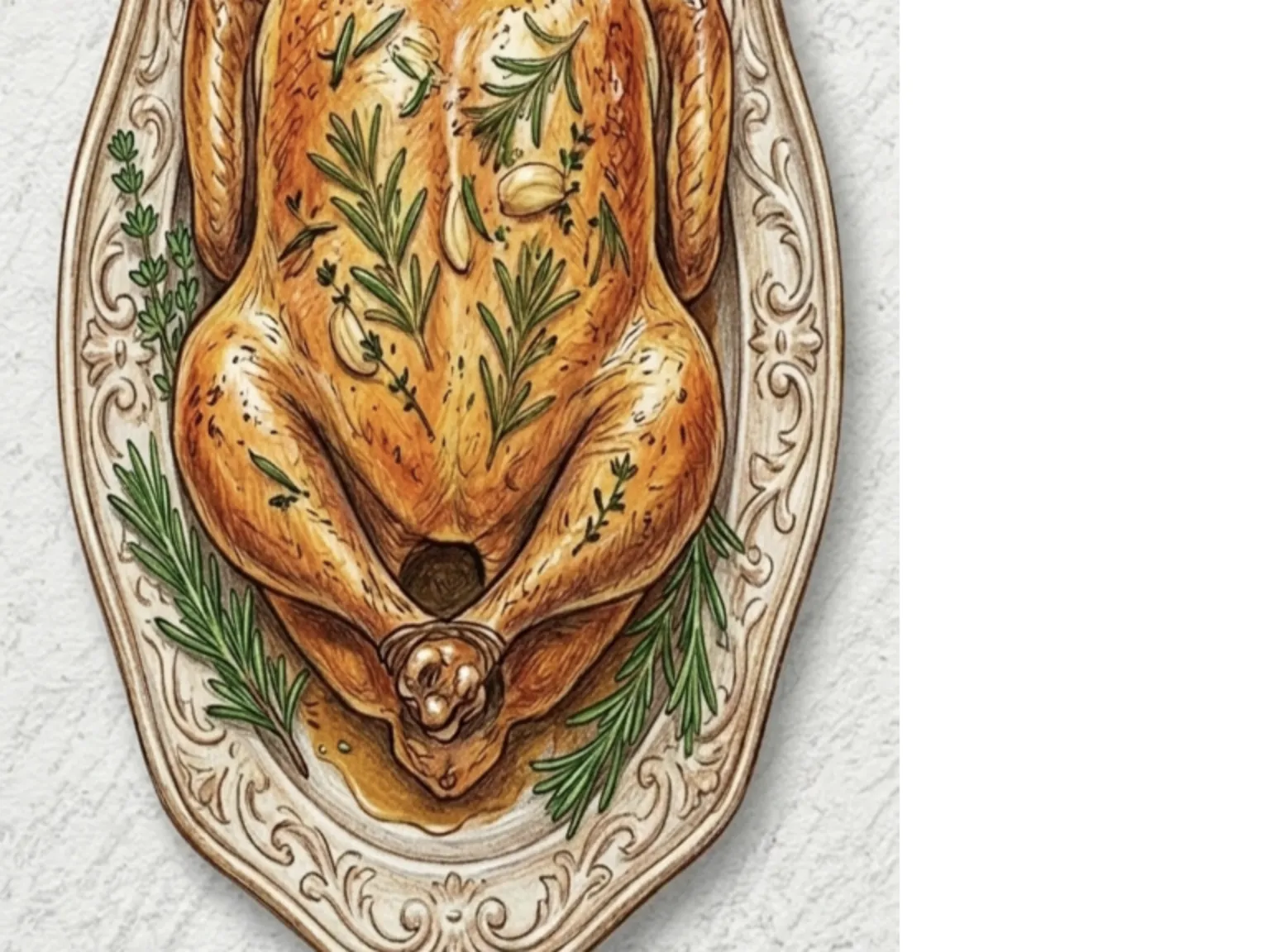
Herb Roasted Whole Chicken
Herb roasted whole chicken is prepared by tucking herb butter - made with rosemary, thyme, and garlic - under the skin and stuffing the cavity with lemon and remaining herbs before roasting. Starting at 220 degrees Celsius for twenty minutes gives the skin an initial sear, then dropping to 180 degrees for sixty more minutes cooks the interior through while the skin crisps to a deep golden brown. The herb butter placed directly under the skin melts during roasting, basting the breast meat with fat and herb flavor from the inside, which prevents even the lean breast from drying out. Resting for fifteen minutes after roasting lets the juices redistribute into the muscle fibers so they stay inside when carved. The pan drippings left behind can be deglazed into a quick gravy that doubles the depth of flavor at the table.
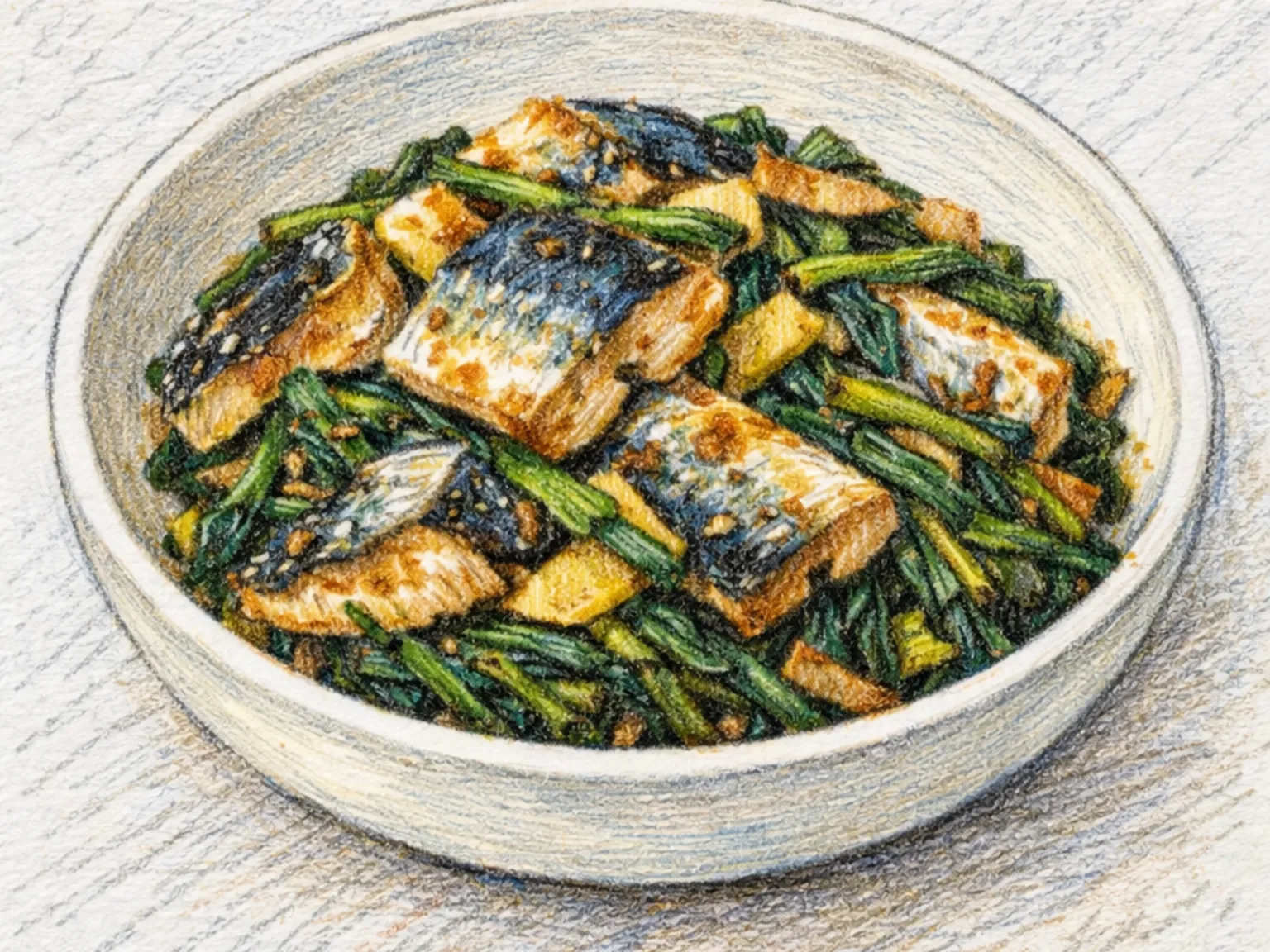
Korean Thistle Greens & Mackerel Stir-fry
Gondre godeungeo bokkeum pairs pan-seared mackerel with blanched gondre thistle greens in a gochujang-soy stir-fry. The mackerel is first marinated briefly in ginger juice to reduce any sharpness, then seared on both sides until a firm, golden crust forms. That outer layer keeps the fish intact during the final toss with the greens. Gondre is pre-seasoned in perilla oil and garlic to draw out its earthy, herbal fragrance before hitting the pan, and squeezing out the excess moisture is essential so the sauce stays concentrated rather than watery. The gochujang-soy combination brings heat, depth, and a subtle sweetness that bridges the rich umami of the fatty fish and the grassy character of the greens. Gondre from the Gangwon-do highlands has a mild, nutty quality once blanched that holds its own alongside oily blue-backed fish. The dish works equally well as a rice accompaniment or a drinking snack.
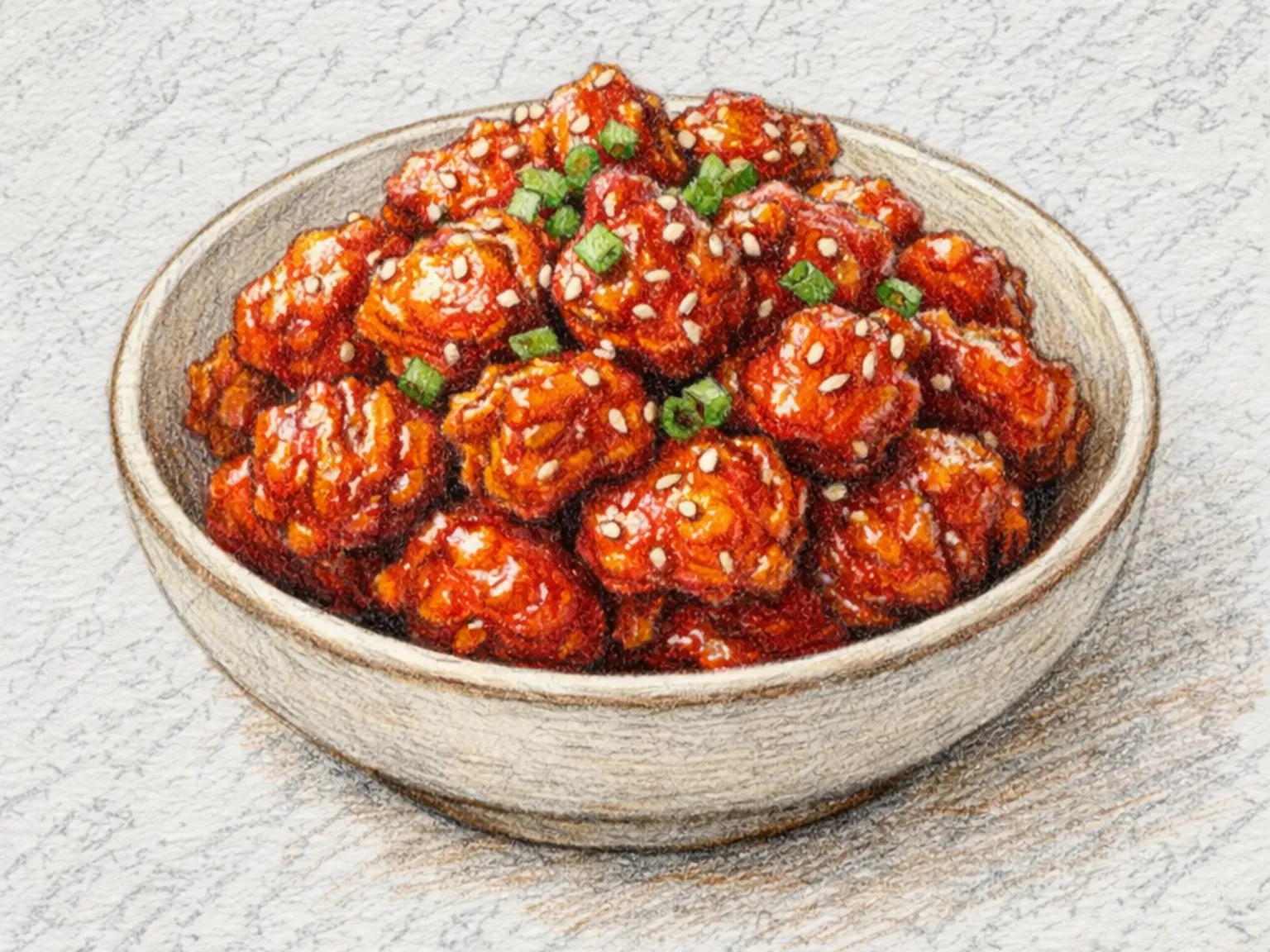
Korean Sweet Spicy Dakgangjeong
Yangnyeom dakgangjeong is Korean sweet-spicy fried chicken made by cutting boneless thigh meat into bite-size pieces, dredging them in potato starch, and running them through a two-stage fry. The first fry at 170 degrees Celsius cooks the meat through; the second fry at 185 degrees drives off the residual moisture the crust absorbed during the first pass, hardening the exterior into a shell that can withstand sauce tossing without collapsing. The glaze is a reduction of gochujang, gochugaru, corn syrup, and soy sauce, simmered down until the mixture is thick enough to coat a spoon without dripping off. Tossing the finished chicken in the hot glaze must happen off the heat and within twenty seconds, because the steam trapped between sauce and crust will turn the coating soggy if the process drags on. When done correctly, the result is a glossy, sticky exterior that crackles audibly at first bite even after the dish has cooled to room temperature, surrounding thigh meat that stays juicy inside.
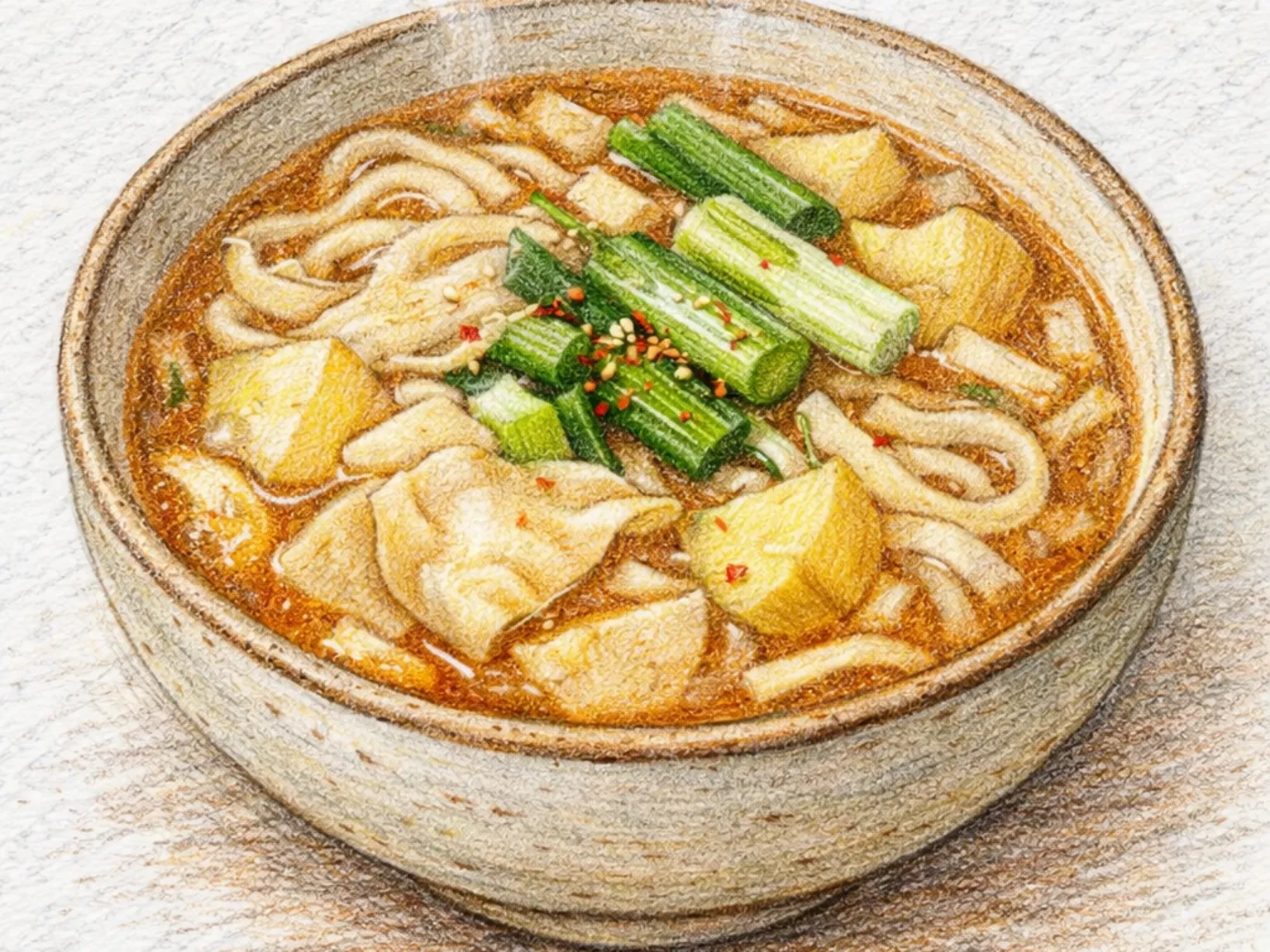
Korean Knife-cut Noodle Soup
Kalguksu is a Korean noodle soup made with hand-cut wheat noodles simmered in anchovy-kelp broth. The noodles are rolled flat and sliced with a knife, giving them a rough surface that absorbs broth and a satisfying chew distinct from machine-made pasta. Sliced potato, half-moon zucchini, and onion go into the pot, with the potato releasing starch that naturally thickens the broth as it cooks. Seasoning stays minimal - soup soy sauce, salt, minced garlic, and green onion added at the end - so the clean, savory depth of the stock comes through clearly. The dish is traditionally associated with rainy days in Korea, and adding clams turns it into a popular seafood variation.
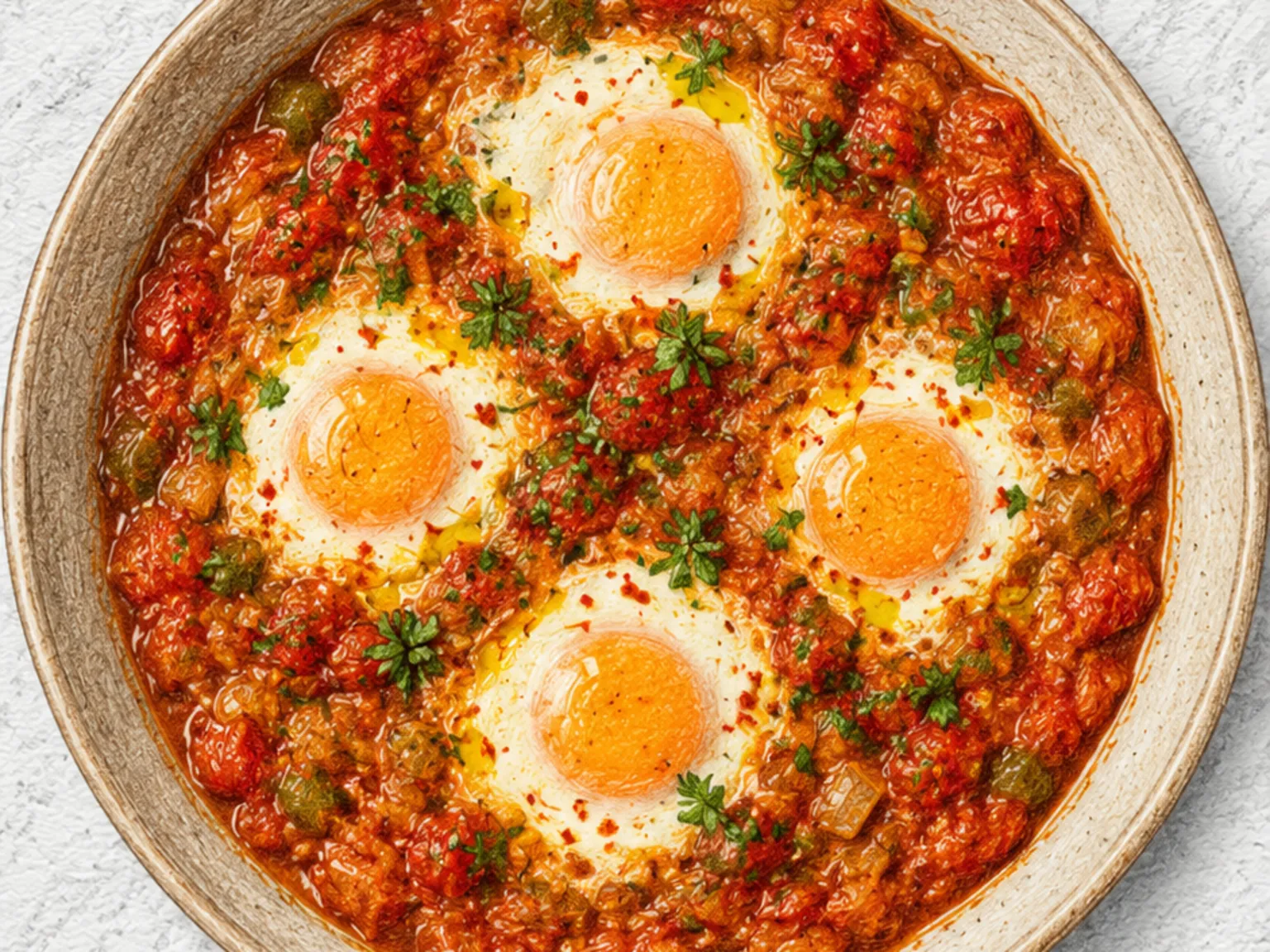
Shakshuka (Eggs Poached in Spiced Tomato Sauce)
Shakshuka starts with onion and bell pepper softened in olive oil, followed by cumin, smoked paprika, and chili flakes bloomed briefly in the hot fat to unlock their oil-soluble aromas. Crushed whole tomatoes are added and simmered until the sauce thickens enough to hold its shape when a spoon is dragged through it. Eggs are cracked directly into wells made in the sauce, then the pan is covered and cooked for six to eight minutes so the whites set while the yolks stay runny. The spice profile delivers warm earthiness from the cumin, gentle smokiness from the paprika, and a low heat from the chili that builds gradually. Tearing bread and dragging it through a broken yolk and the surrounding sauce is the traditional way to eat it.
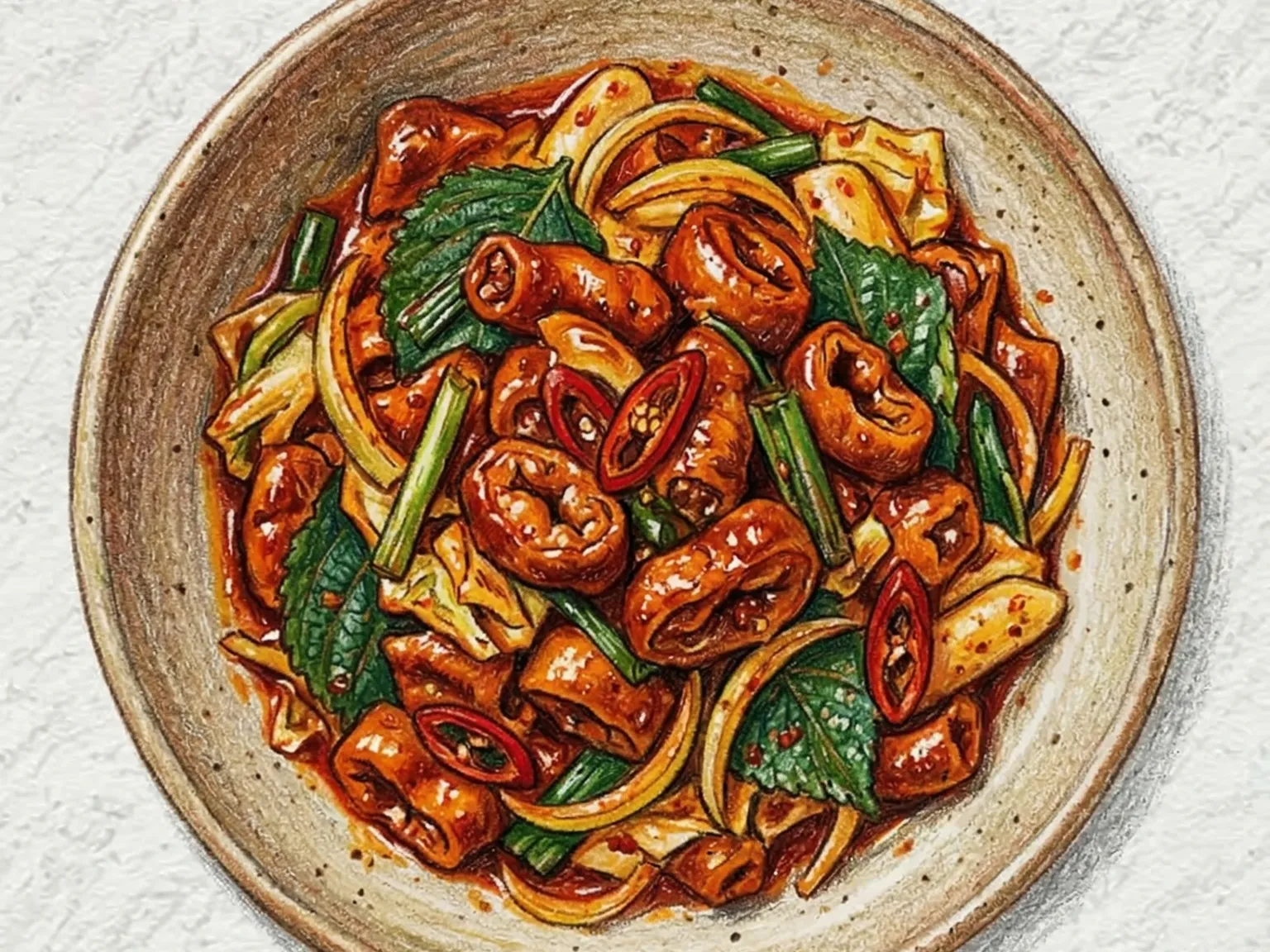
Korean Spicy Beef Intestine Stir-fry
Gopchang-bokkeum is a Korean stir-fry of cleaned beef intestines tossed over high heat with onion, cabbage, scallion, gochujang, and gochugaru. The intestines develop a springy chew while releasing their natural fat, which melds with the spicy seasoning to create an intensely savory sauce. Vegetables stay crisp and soak up the bold flavors as the dish cooks quickly. It is one of the most popular late-night dishes in Korea, often served sizzling on a hot plate alongside rice and soju. Adding seasoning in stages makes it easier to adjust saltiness, sweetness, and heat without covering the base ingredients.
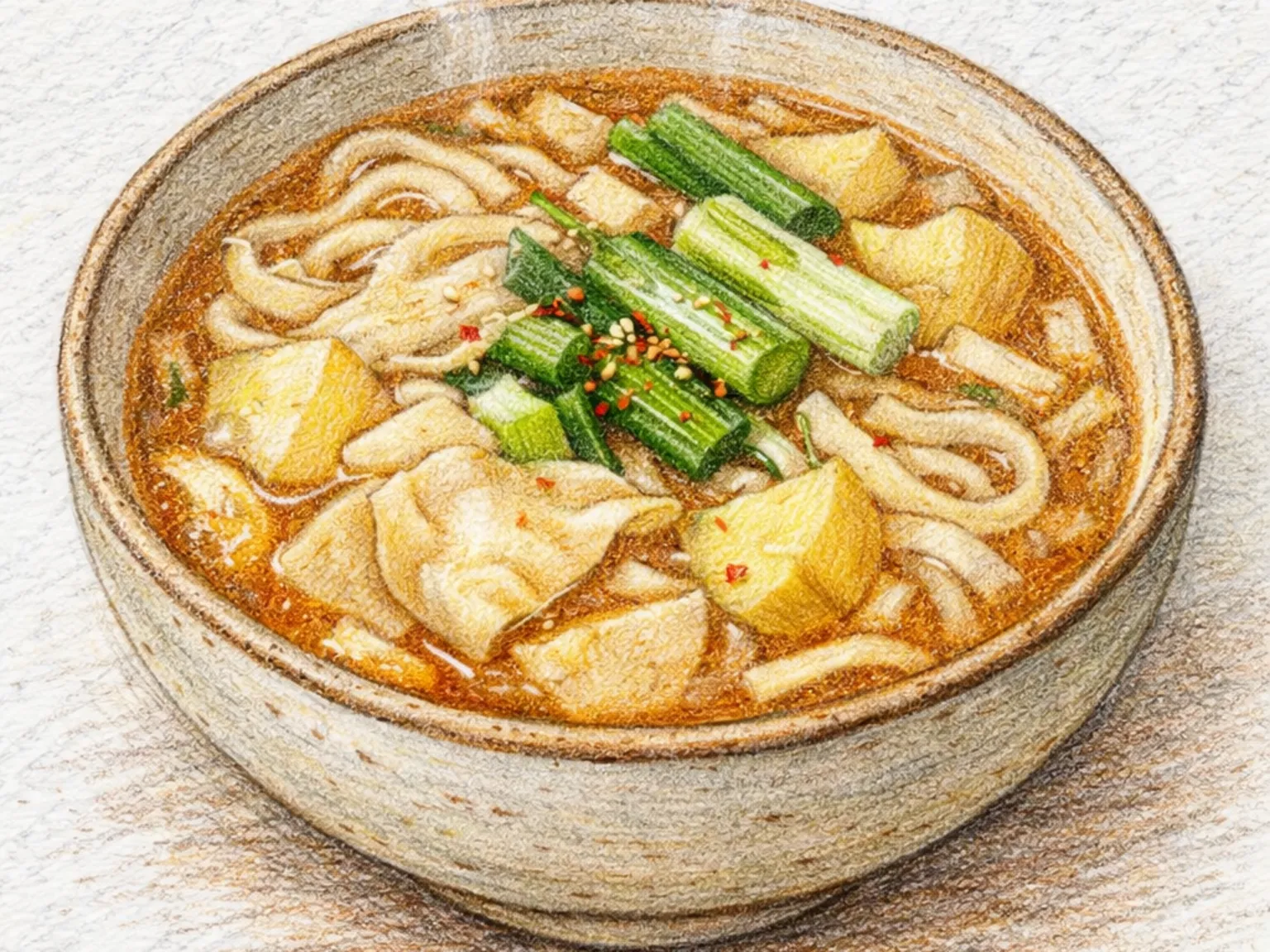
Korean Knife-Cut Noodles and Dough Flake Soup
Kaljebi is a Korean home-style soup that cooks knife-cut noodles and hand-torn dough flakes together in a single pot of anchovy-kelp broth. Sliced potato goes in first, releasing starch that thickens the broth to a gentle, savory body without any additive. The dough flakes are pinched thin and dropped in well ahead of the knife-cut noodles - because they need more time to cook through - so both elements finish together. Every spoonful holds two distinct textures: the broad, pillowy sheets of sujebi alongside the chewy strands of kalguksu. Zucchini and green onion round out the flavor, and a light hand with soup soy sauce keeps the bowl clear and clean-tasting rather than heavy. This is weekday cooking at its most practical, requiring only a handful of pantry staples.
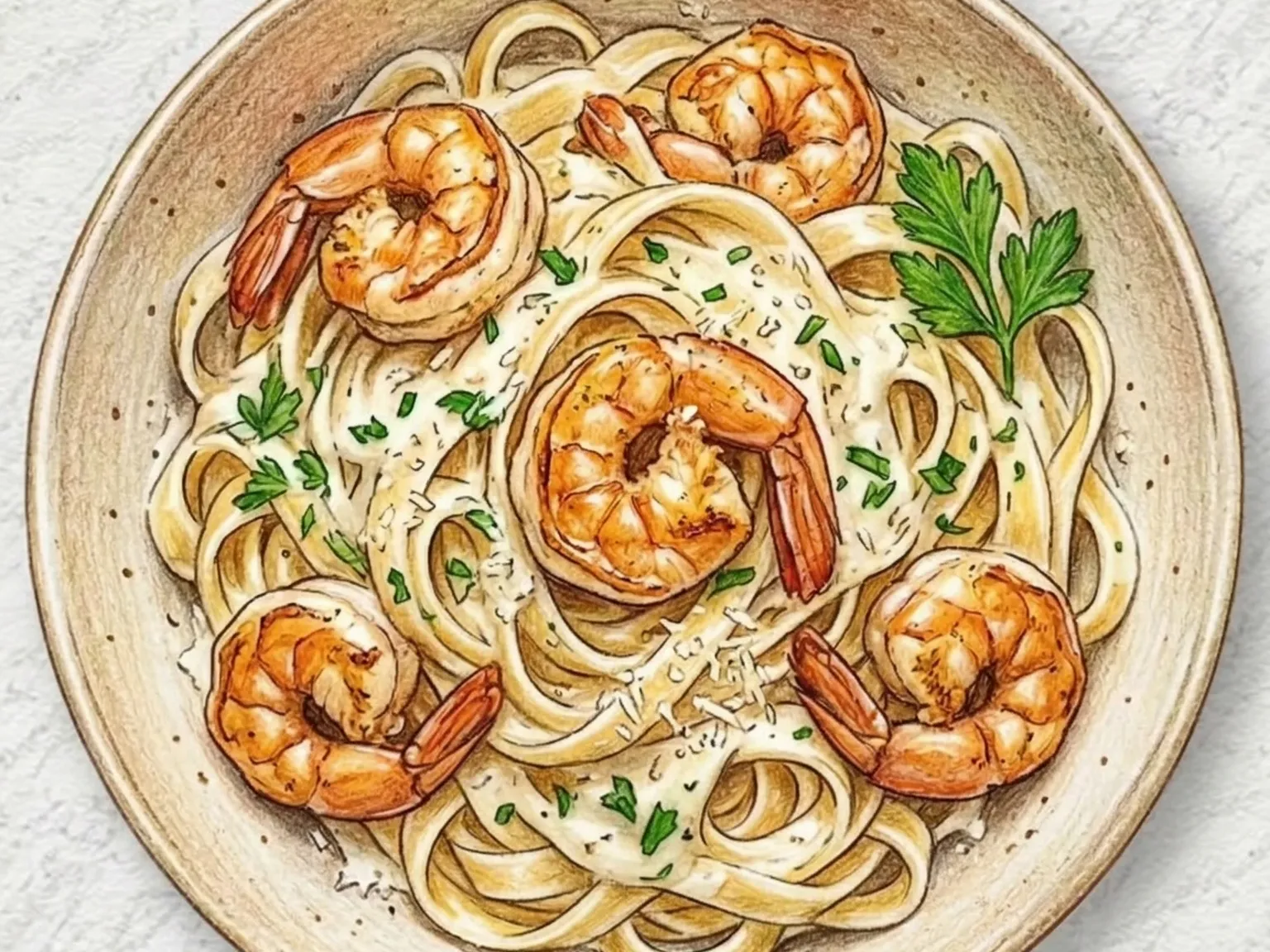
Shrimp Alfredo Pasta
Shrimp Alfredo pasta pairs fettuccine with a cream sauce built from butter, garlic, heavy cream, and grated Parmesan. The shrimp are seared quickly in butter on both sides to develop a light caramelized crust while keeping the interior moist, then set aside and returned to the pan only at the end. Adding the cheese off direct heat is critical - high temperature causes the fat and protein in Parmesan to separate, turning the sauce grainy instead of smooth. Starchy pasta water stirred into the cream acts as an emulsifier, helping the sauce cling to each strand rather than pooling at the bottom of the bowl. The shrimp's natural sweetness provides a clean counterpoint to the dense richness of cream and aged cheese.
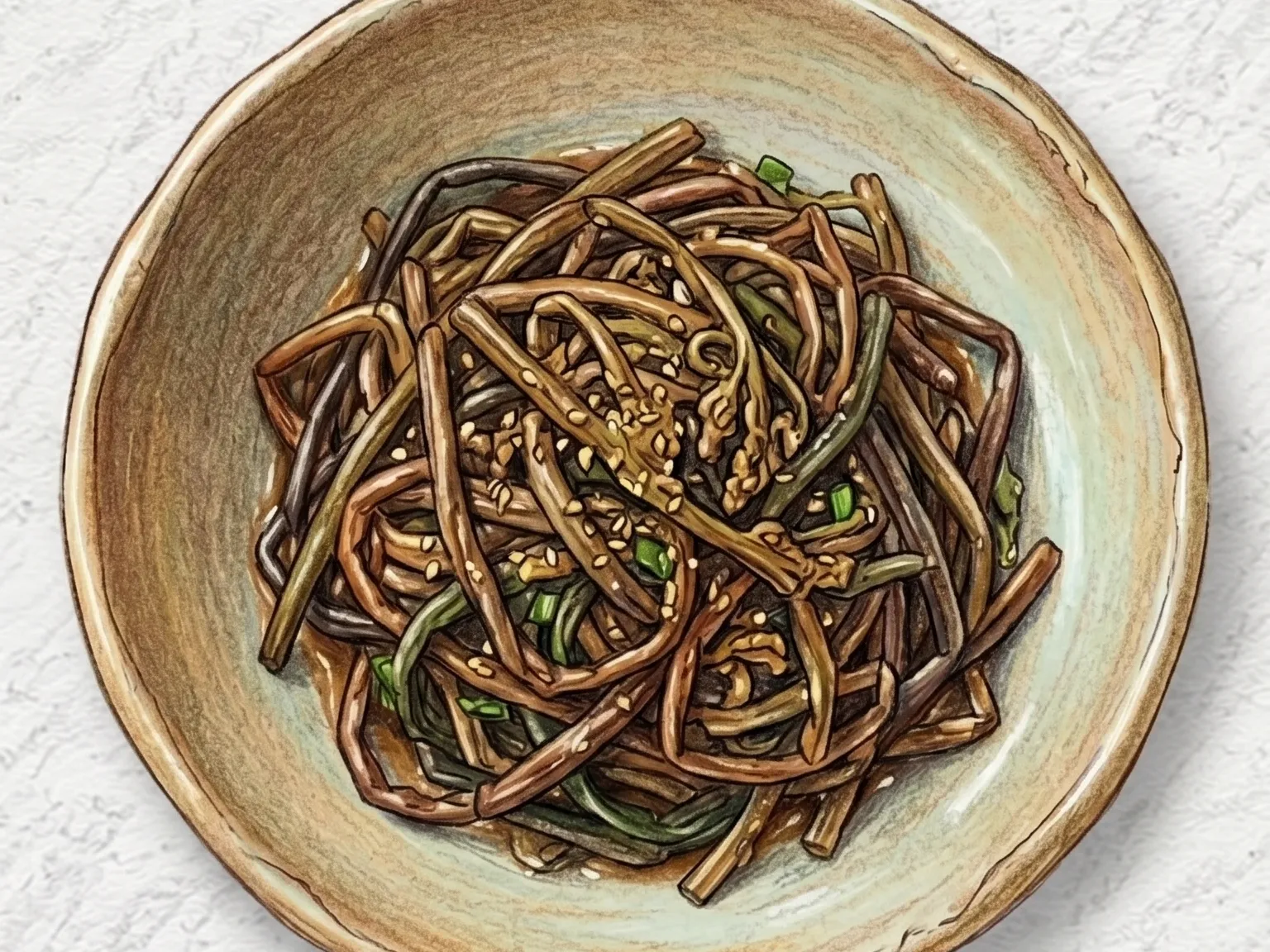
Korean Stir-fried Bracken Fern
Gosari-bokkeum is a classic Korean side dish of rehydrated bracken fern stir-fried with soy sauce, minced garlic, and perilla oil. The fern absorbs the nutty perilla aroma during cooking, while soy sauce layers in a deep, earthy savoriness. Its texture stays tender with a slight bite, making it easy to eat alongside other dishes. Gosari-bokkeum is a staple component of bibimbap and appears on nearly every Korean holiday table as one of the essential namul dishes. It is often paired with other seasonal greens like wild garlic or chamnamul to round out a traditional spread.
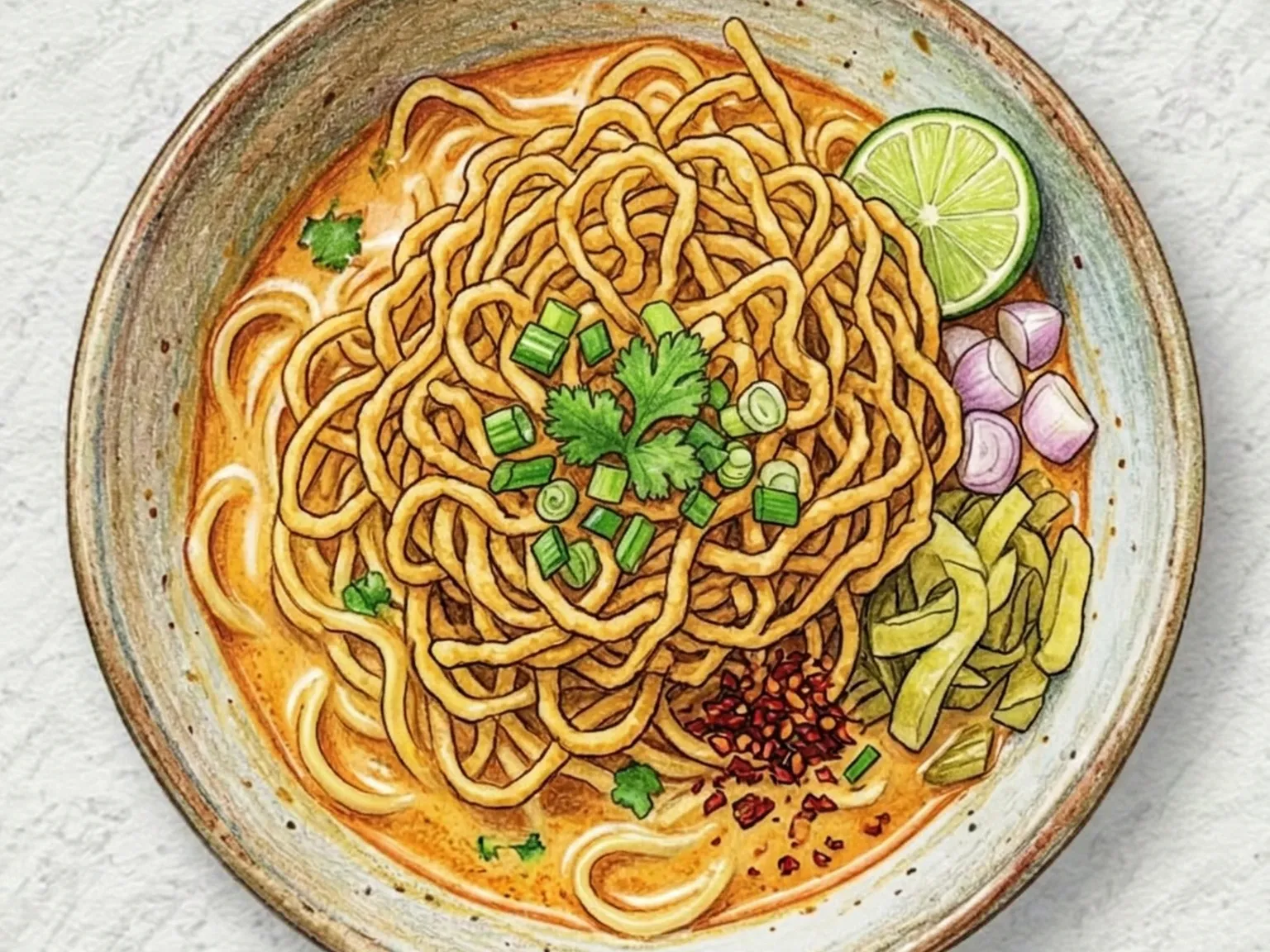
Northern Thai Coconut Curry Noodles
Khao soi is a coconut curry noodle soup from northern Thailand's Chiang Mai region. Red curry paste is fried in coconut cream until fragrant, then combined with more coconut milk and chicken stock to form a thick, spiced broth. Bone-in chicken thighs simmer in this liquid for about 20 minutes until the meat turns fork-tender. Egg noodles are boiled separately and placed in the bowl, but what sets the dish apart is a handful of the same noodles deep-fried until crisp and scattered on top - the crunch against the soft, soupy noodles below creates a sharp textural contrast. Shallots, cilantro, and a squeeze of lime cut through the richness, while fish sauce and a touch of sugar fine-tune the balance between salty, sweet, and sour.
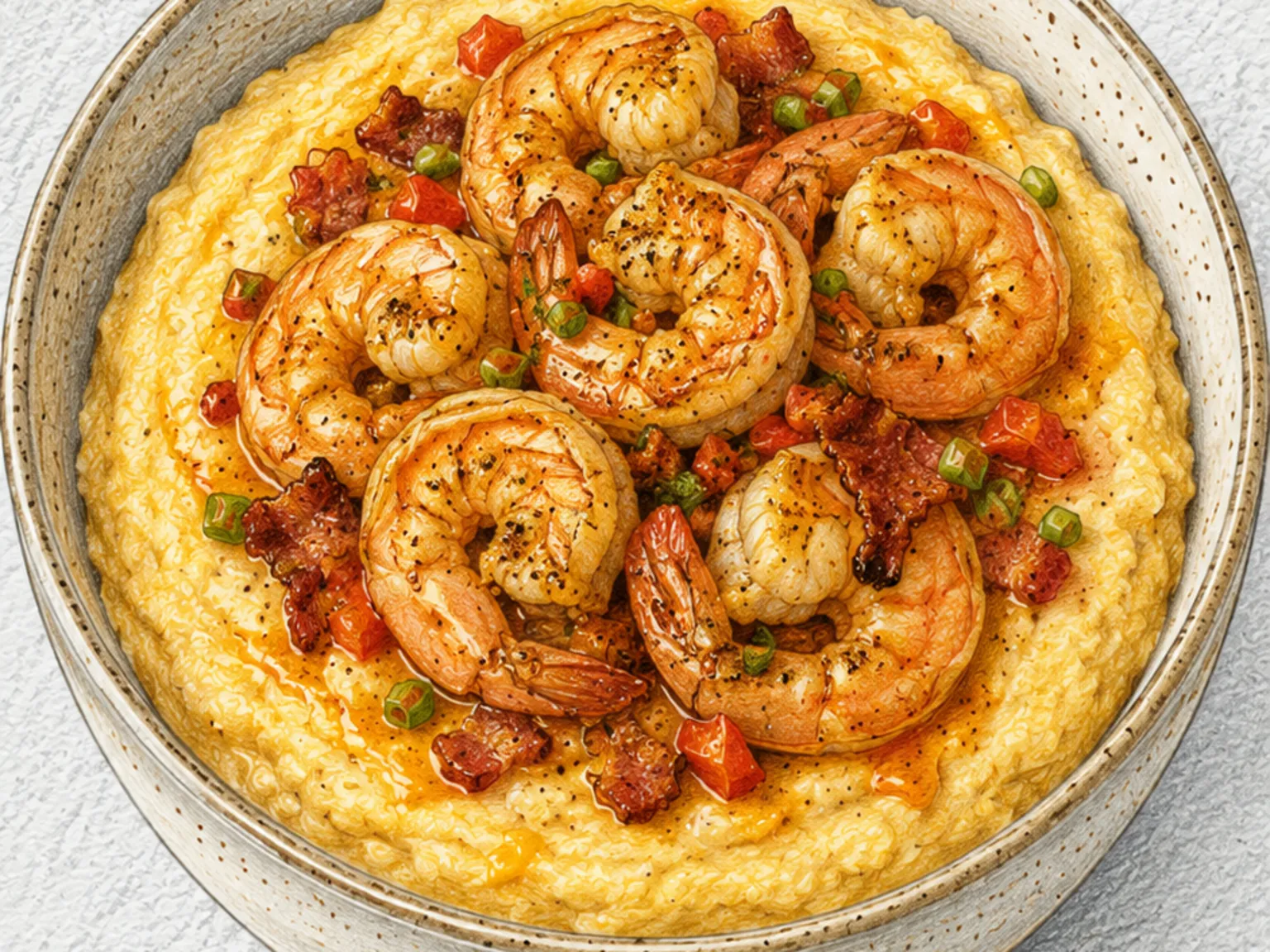
Shrimp and Grits
Shrimp and grits layers creamy, cheese-enriched grits beneath sauteed shrimp cooked in rendered bacon fat. The grits are whisked gradually into a mixture of boiling water and milk, then stirred frequently over low heat for about fifteen minutes until they reach a smooth, porridge-like consistency. Cheddar cheese and butter folded in at the end add richness and a slight tang. Bacon is rendered until crisp first, and its fat becomes the cooking medium for the shrimp, transferring smoky, salty depth into each piece. Paprika dusted over the shrimp before cooking contributes warm color and a mild earthy note. The shrimp should be pulled from the heat the moment they turn opaque - even a minute too long makes them rubbery.
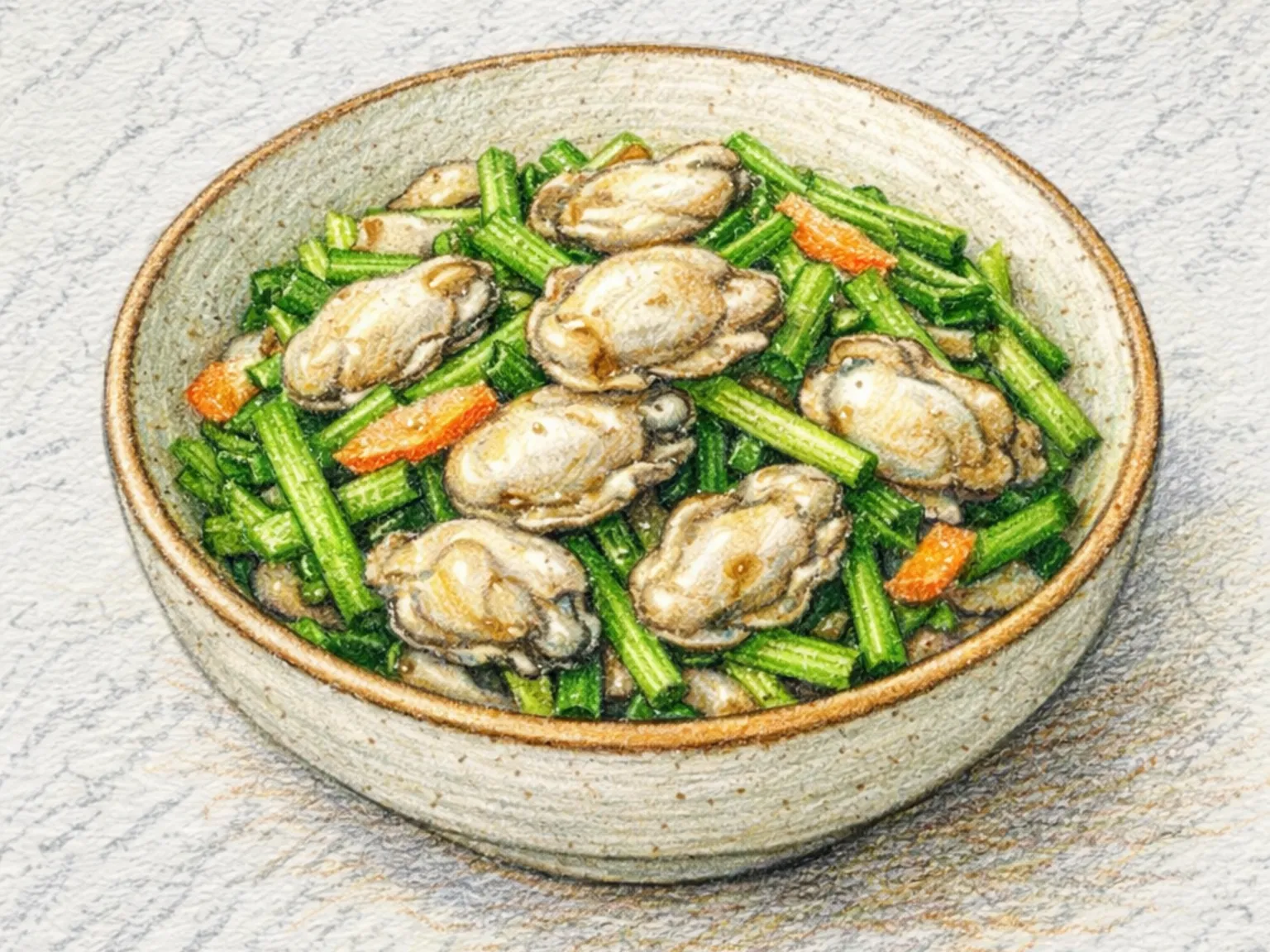
Korean Oyster Water Parsley Stir-fry
Gul-minari-bokkeum is a quick stir-fry of plump raw oysters and fragrant water parsley (minari) seasoned with gochugaru and light soy sauce over high heat. The oysters cook only until they just firm around the edges, retaining their briny interior juices while contracting slightly, and the minari stays crisp with its herbal freshness intact. The salty, sweet umami of the oysters meets the clean grassy quality of the minari, and the two flavors balance without either overpowering the other. Winter is the prime season for this dish, when cold-water oysters reach peak plumpness and flavor. Cooking the oysters too long drives out their moisture and makes them rubbery, so the stir-fry must stay brief.
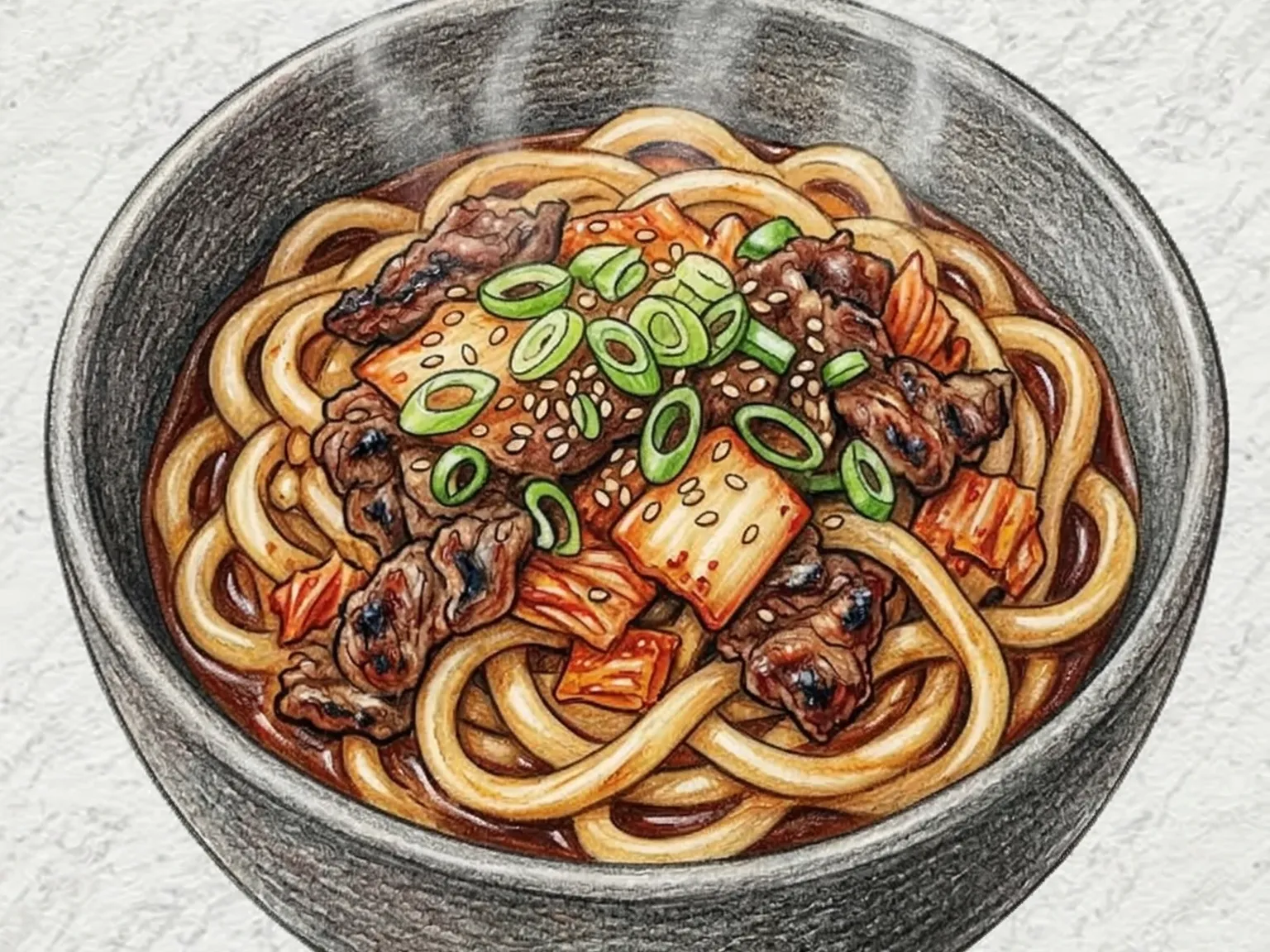
Korean Kimchi Bulgogi Udon
Kimchi bulgogi udon is a Korean stir-fried noodle dish that brings together the sharp acidity of well-fermented kimchi and the sweet, savory depth of thinly sliced bulgogi beef, all coating thick, round udon strands. The beef is seared quickly over high heat to develop browning on the surface before onion and kimchi join the pan and cook until nearly all their moisture evaporates, concentrating both flavor and color. A sauce of soy sauce, gochujang, and sugar goes in next, followed by briefly blanched udon noodles that get tossed on maximum heat for about one minute so every strand absorbs the sauce while retaining a firm bite. The thick cross-section of udon holds bold, clingy sauces better than thinner noodles and creates a satisfying, filling meal without any broth. When kimchi is especially sour, a small addition of sugar or a quick rinse of the kimchi before cooking brings the acidity back into proportion. Finishing with sliced scallion and toasted sesame seeds adds color and a nutty lift that completes the dish.
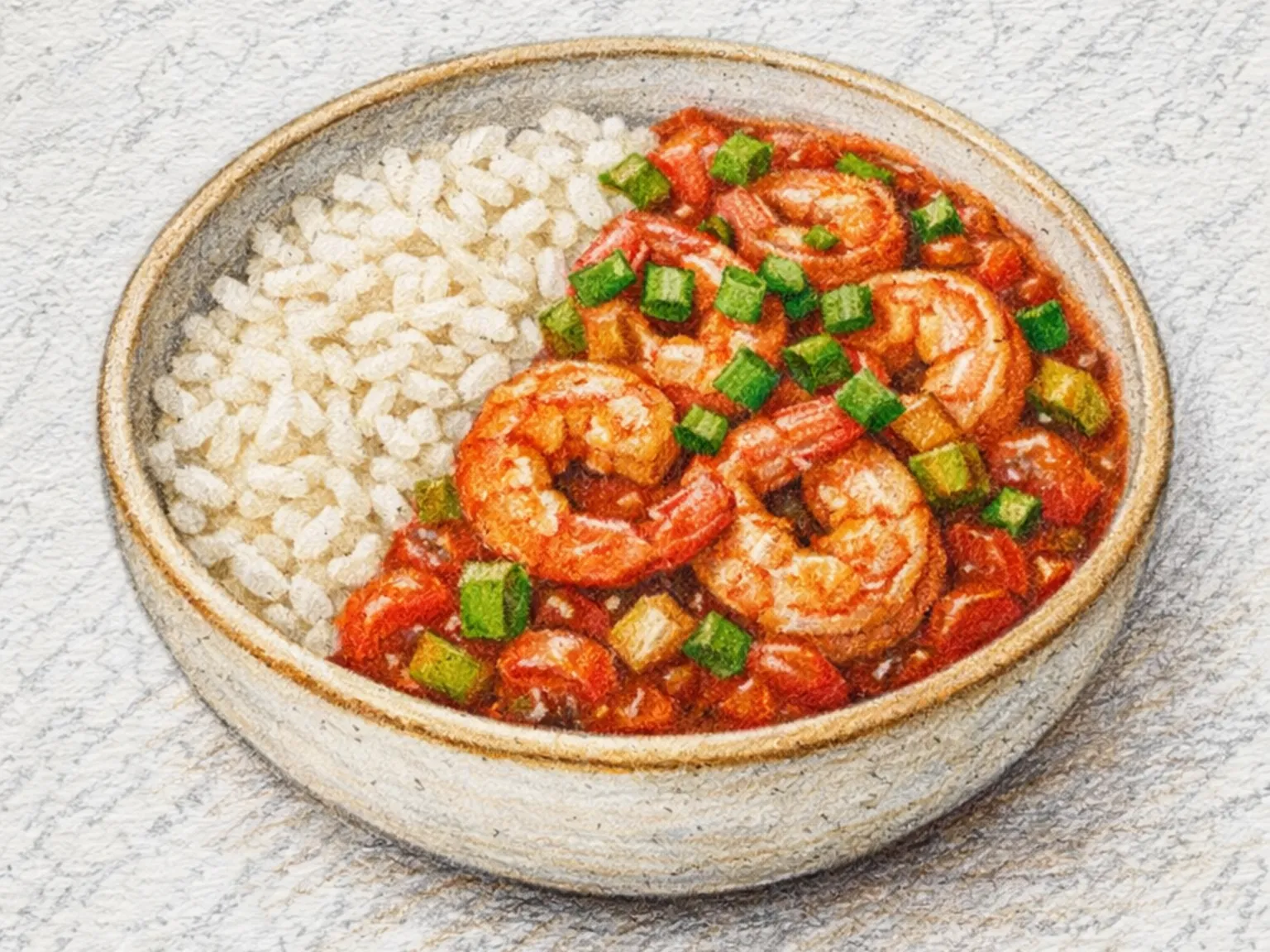
Shrimp Creole
Shrimp Creole builds its flavor base from the Cajun holy trinity - onion, celery, and bell pepper - sauteed in olive oil until softened and sweet. Garlic and paprika go in next for thirty seconds to bloom their aromas before canned tomatoes are added and simmered over medium heat for eight minutes, reducing the liquid into a thick, fragrant sauce. The shrimp are stirred in only at the end and cooked for three to four minutes until just pink, preserving their tender bite. The tomato's natural acidity balances the paprika's smokiness, and a dash of hot sauce pushes the dish toward its authentic Louisiana character. Served ladled generously over steamed white rice, the sauce soaks into the grains and carries every layer of flavor.
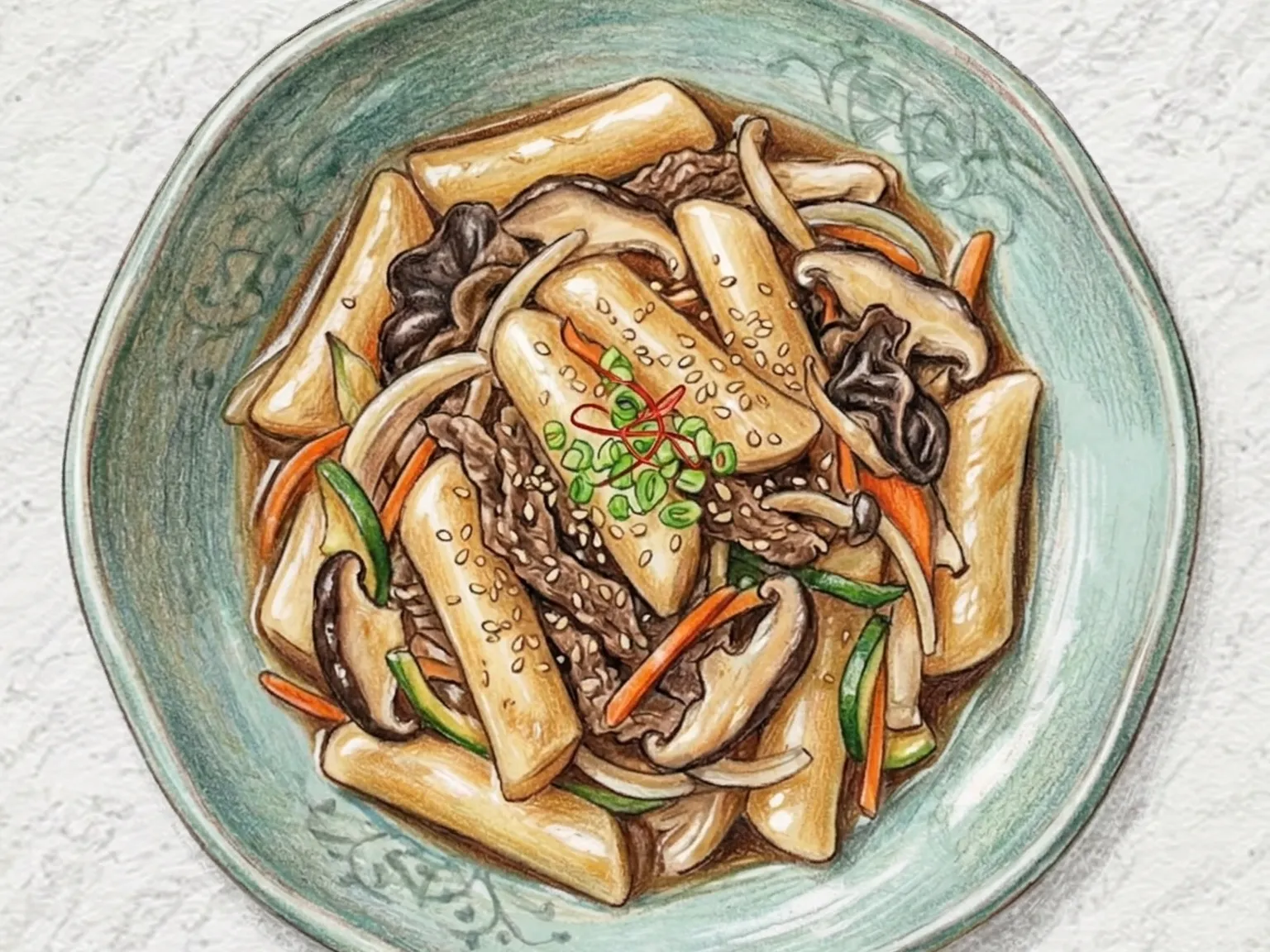
Korean Royal Soy Sauce Tteokbokki
Gungjung-tteokbokki traces its roots to the royal court cuisine of the Joseon dynasty, where the condiment gochujang had no place at the table. Soy sauce and sesame oil provide the seasoning instead, producing a mild, sweet-savory glaze rather than heat. Sliced garae-tteok rice cakes are stir-fried together with marinated beef, shiitake mushrooms, carrot, and onion until the soy seasoning coats everything evenly and the rice cakes develop a subtle gloss. The beef is marinated separately in soy sauce, sugar, and sesame oil before going into the pan, which lets the meat develop its own depth as it sears. Shiitake mushrooms reinforce the savoriness and add fragrance without overwhelming the other components. The rice cakes need enough time in the pan to absorb the seasoning and become slightly caramelized on the surface, but if cooked too long they turn hard and lose their chew. Using sesame oil rather than cooking oil throughout adds a nutty warmth that elevates the dish. Without any chili heat, this is one of the few tteokbokki variations that suits every age group and is a common presence on festive or holiday tables.
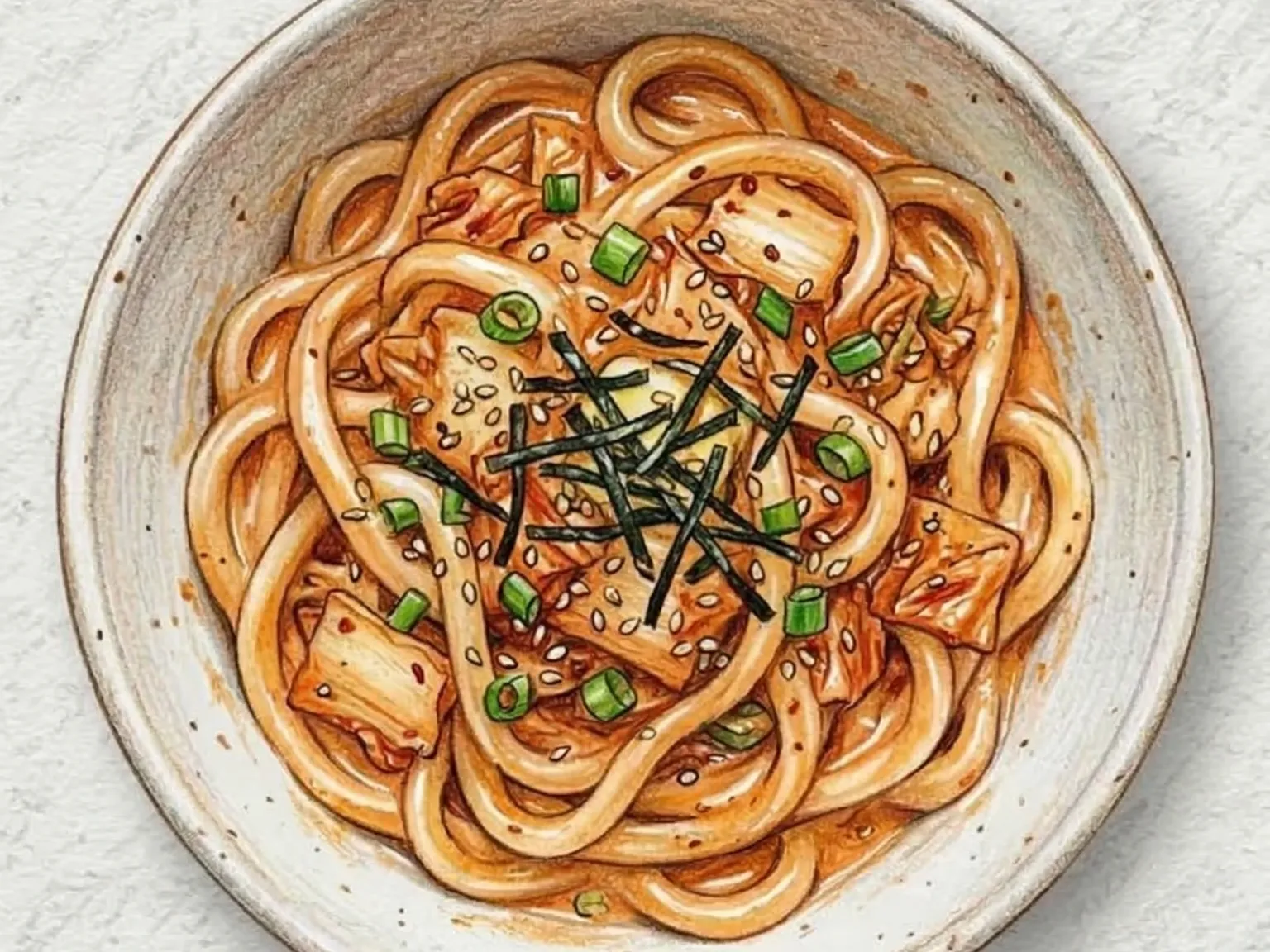
Kimchi Butter Udon (Tangy Kimchi Stir-Fried in Butter)
Kimchi butter udon is a fusion stir-fried noodle that pairs the tangy, spicy acidity of well-fermented kimchi with the deep richness of butter. The first half of the butter goes into the pan to saute onion and garlic until they release their sweetness, then chopped kimchi is added and stir-fried for two minutes to cook off the moisture, which concentrates the flavor and mellows the sharp sourness. Blanched udon noodles and soy sauce are tossed in over high heat so the seasoning coats every strand evenly, and the remaining butter is added off-heat immediately after, keeping its aroma intact while lending a glossy sheen and fuller depth to the noodles. A soft-cooked egg placed on top breaks into a creamy sauce when stirred in, while seaweed flakes and sliced scallion contribute crunch and a fresh herbal lift. If the kimchi leans salty, reducing the soy sauce to one tablespoon keeps the balance in check. The whole dish, including prep, comes together in about twelve minutes.
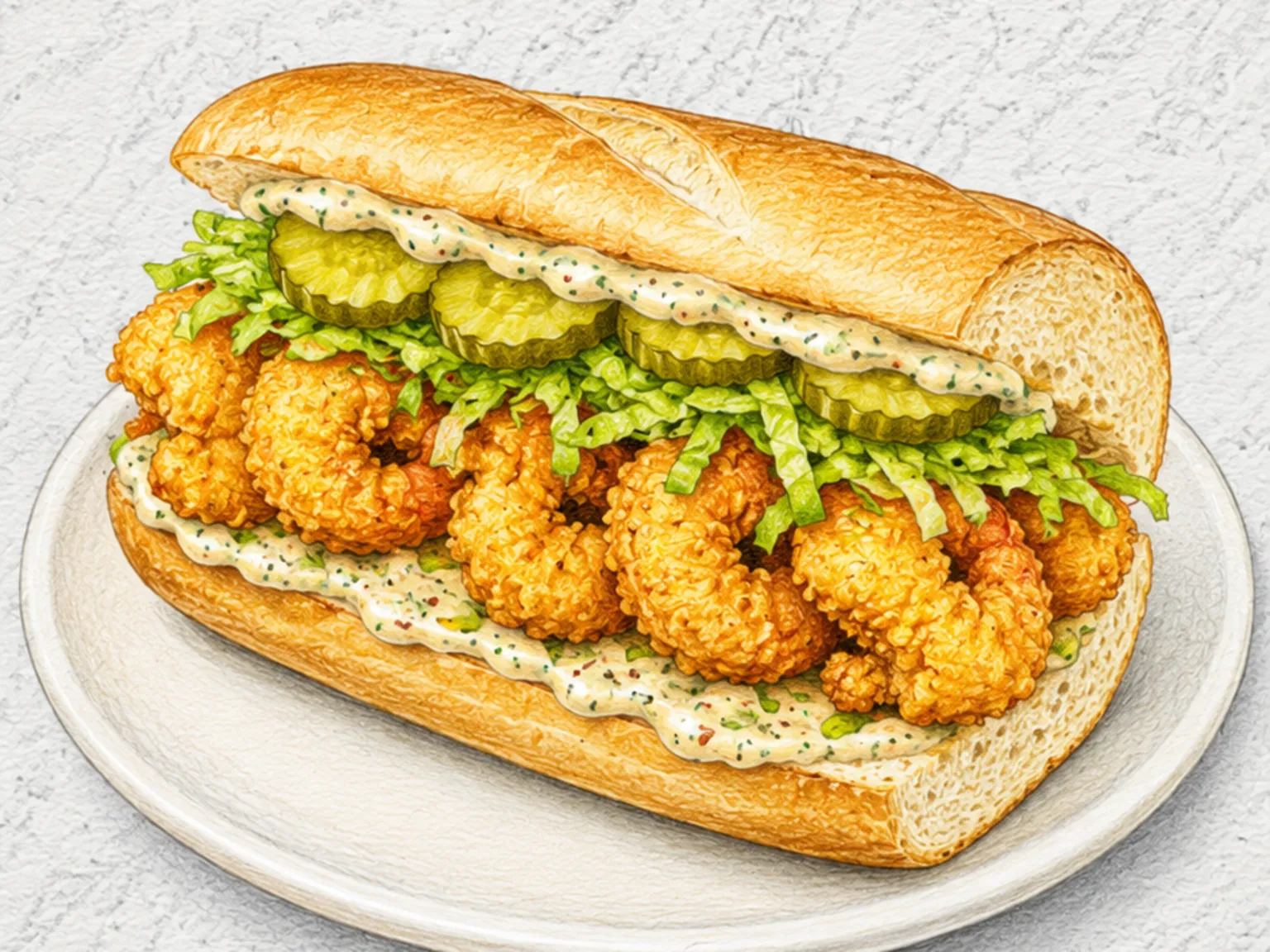
Shrimp Po' Boy
Shrimp po' boy is a New Orleans sandwich built by breading shrimp in a sequence of flour, egg wash, and breadcrumbs, then frying at 170 degrees Celsius for two to three minutes until the coating turns deep golden and audibly crisp. Patting the shrimp completely dry before breading is essential - any residual moisture prevents the flour from adhering evenly and causes the crust to fall apart in the oil. A quick remoulade made from mayonnaise and chopped pickles provides a tangy, creamy contrast to the fried shrimp's richness. The baguette is split and warmed slightly so it stays sturdy enough to hold the filling without going soft. Layering shredded lettuce between the sauce and shrimp adds a cool, crisp texture that rounds out each bite.