🌙 Late Night Recipes
Quick and satisfying late-night bites
651 recipes. Page 23 of 28
Late-night cravings call for quick, easy recipes that satisfy without too much effort. Ramyeon, egg fried rice, tuna-mayo rice bowls, and simple toasts - these are dishes you can throw together when hunger strikes after dark. Cooking at home beats delivery in both cost and healthiness.
The ideal late-night snack is fast to make, easy to clean up, and just filling enough. These recipes hit that sweet spot - comforting without being heavy.
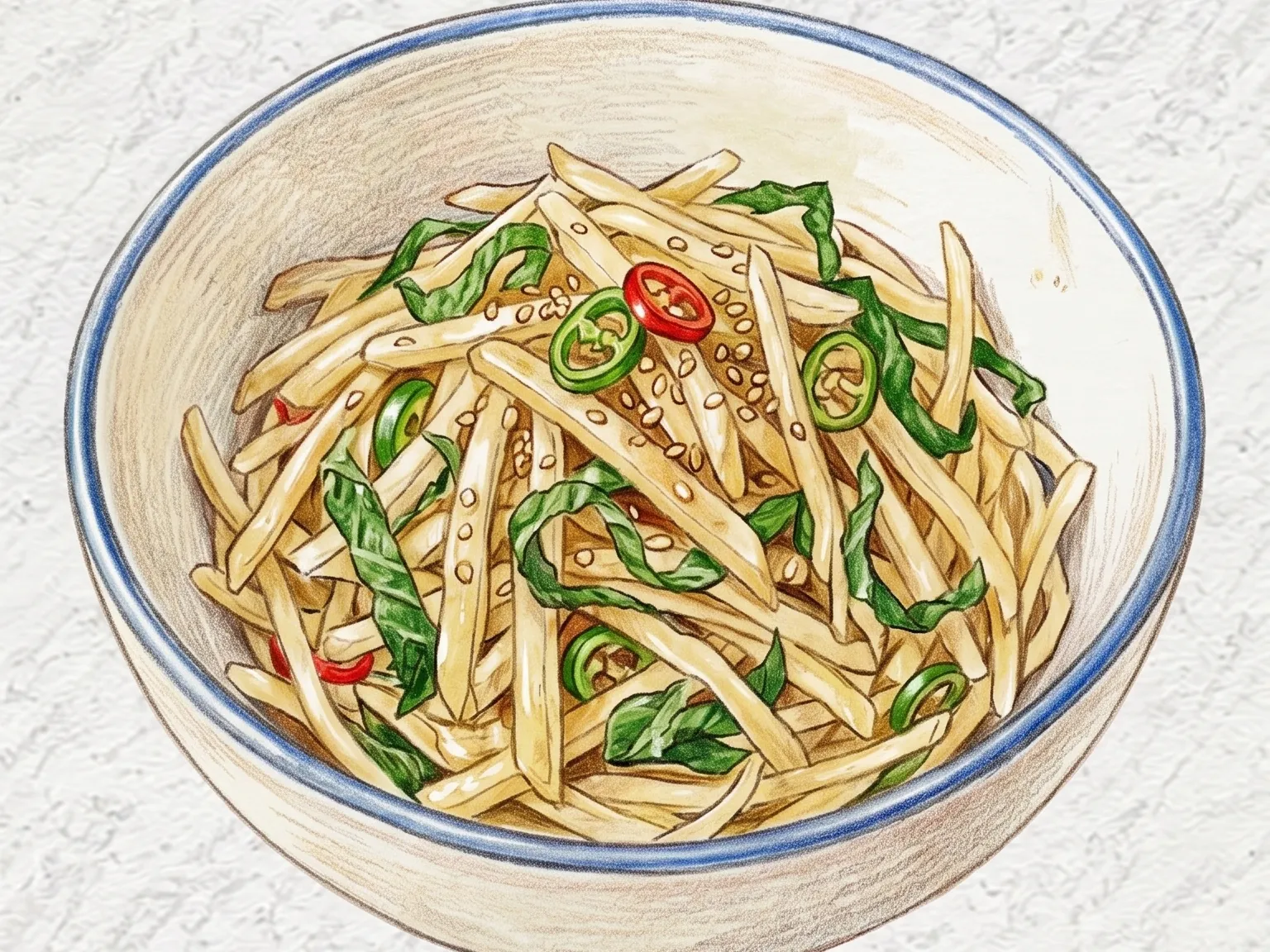
Korean Kkaennip Gamja Bokkeum (Perilla Potato Stir-fry)
High heat and a well-preheated pan are the keys to achieving the distinct texture of these stir-fried potato matchsticks. Before cooking, soaking the cut potatoes in cold water is a critical step to remove surface starch, ensuring the pieces stay separate and do not stick to the pan. Once thoroughly dried to prevent oil splattering, the potatoes are tossed quickly until the edges become translucent while the centers retain a subtle firmness. Overcooking results in a mushy consistency that lacks the intended character of the dish. Pouring the soy sauce around the perimeter of the pan allows it to caramelize against the hot surface before it is incorporated into the vegetables, adding a layer of savory complexity. Fresh perilla leaves should be tossed in just before the heat is turned off to preserve their bright green color and herbal fragrance. A final drizzle of perilla oil complements the leaves with its toasted scent, and a sprinkle of sesame seeds provides a light crunch. Sliced Cheongyang chilies can be included during the initial sautéing for a gentle heat. This combination pairs the carbohydrates of potatoes with the vitamin K and calcium found in perilla leaves, creating a nutritionally rounded side dish that tastes even better the next day after the flavors have settled.
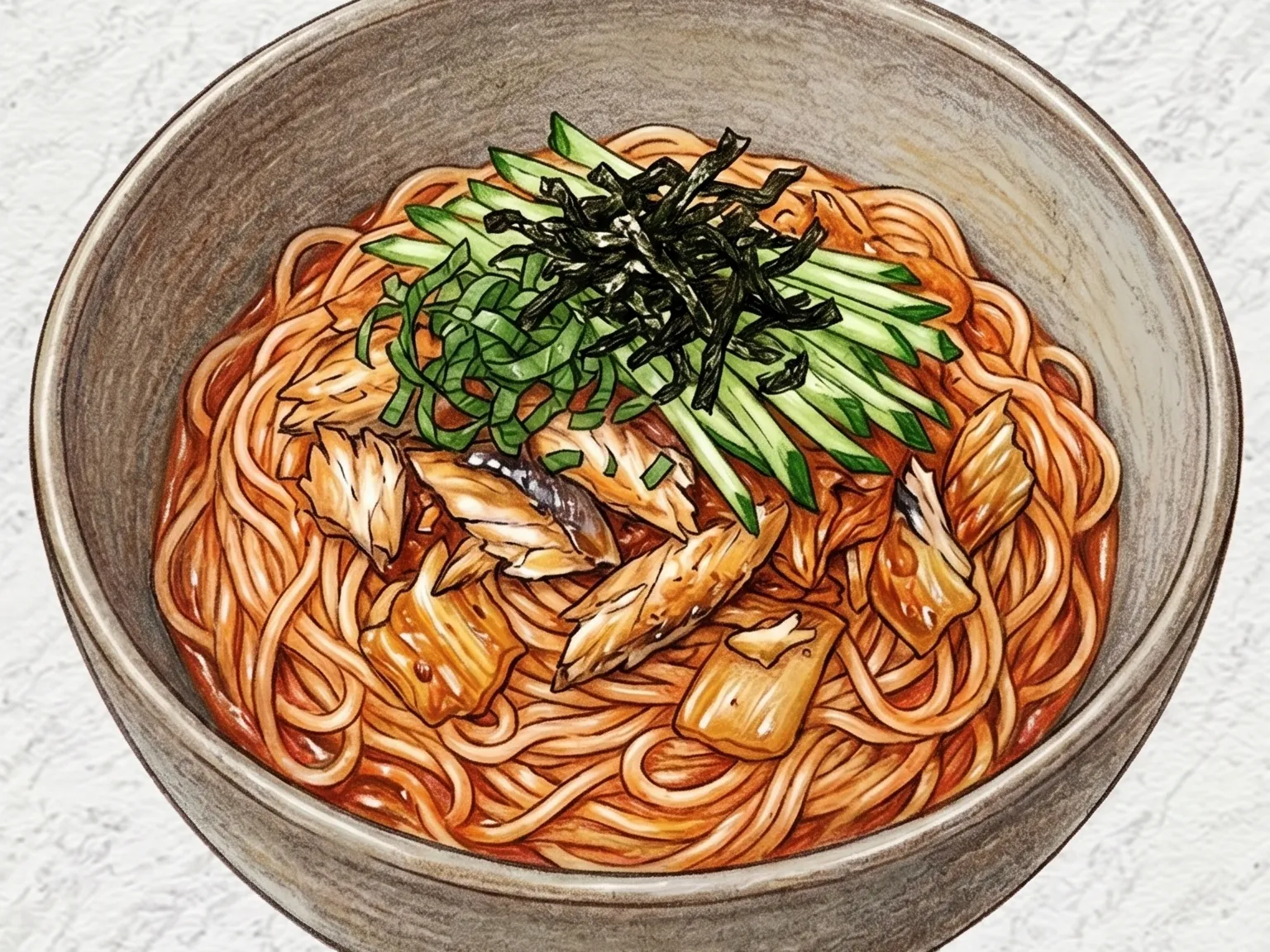
Korean Aged Kimchi Mackerel Bibim Noodles
Pan-searing mackerel until golden and pairing it with stir-fried aged kimchi creates a multi-layered Korean noodle bowl. Sprinkling salt over the fish for ten minutes draws out excess moisture to minimize any fishy scent. Once the fillet is crispy and flaked, the meat integrates easily into the noodles without the hindrance of bones. Stir-frying the aged kimchi for two minutes mellows its sharp acidity while anchoring the fermented profile of the dish. The dressing uses a base of gochujang and gochugaru, balanced with plum syrup, vinegar, and sesame oil to provide spicy, sweet, and tangy elements in every bite. Adding a touch of doenjang strengthens the connection to the fermented kimchi and builds a solid base of flavor. Draining the wheat noodles completely ensures the sauce stays concentrated and clings to each strand. Sliced cucumber and roasted seaweed flakes add texture and a hint of the sea to cut through the mackerel's natural oils, while julienned perilla leaves contribute a refreshing herbal scent. Mixing hot rice into the sauce remaining at the bottom of the bowl provides a final way to finish the meal.
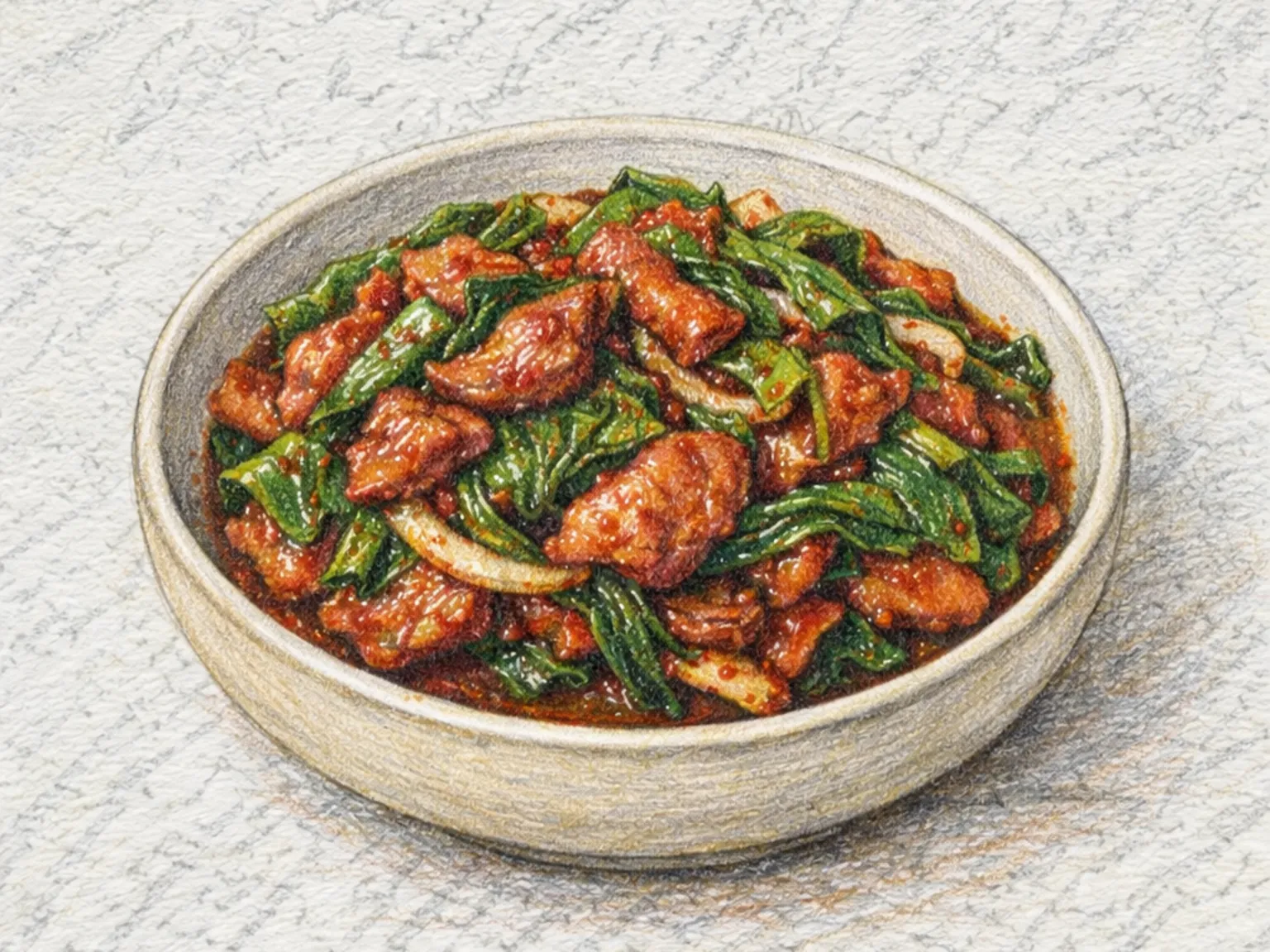
Korean Duck and Perilla Leaf Stir-fry
Kkaennip ori bokkeum is a stir-fry of smoked duck slices cooked with onion and Cheongyang chili in a sauce made from gochujang, soy sauce, and plum syrup, finished with shredded perilla leaves and perilla oil in the final seconds before serving. When the smoked duck hits the hot pan, its own fat renders out and forms the cooking base, infusing the sauce with a meaty, smoky depth that distinguishes this dish from stir-fries made with leaner proteins. Gochujang contributes heat and a fermented richness, soy sauce provides salty umami, and plum syrup adds a bright, fruity sweetness that keeps the sauce from feeling too heavy. The combination of all three wraps around the smokiness of the duck in a way that amplifies rather than obscures it. Perilla leaves must go in at the very last moment, just before the heat is cut, because prolonged cooking darkens their color and drives off the distinctive herbal fragrance that defines the dish. Perilla oil is added at the same stage, after the burner is off, so its nutty aroma remains intact in the finished plate. The sharp heat of Cheongyang chili interlocks with the smoked duck flavor to produce a more intense, stimulating character, and a pinch of black pepper at the end leaves a clean, lingering finish. The dish works equally well as a rice side and as drinking food alongside soju.
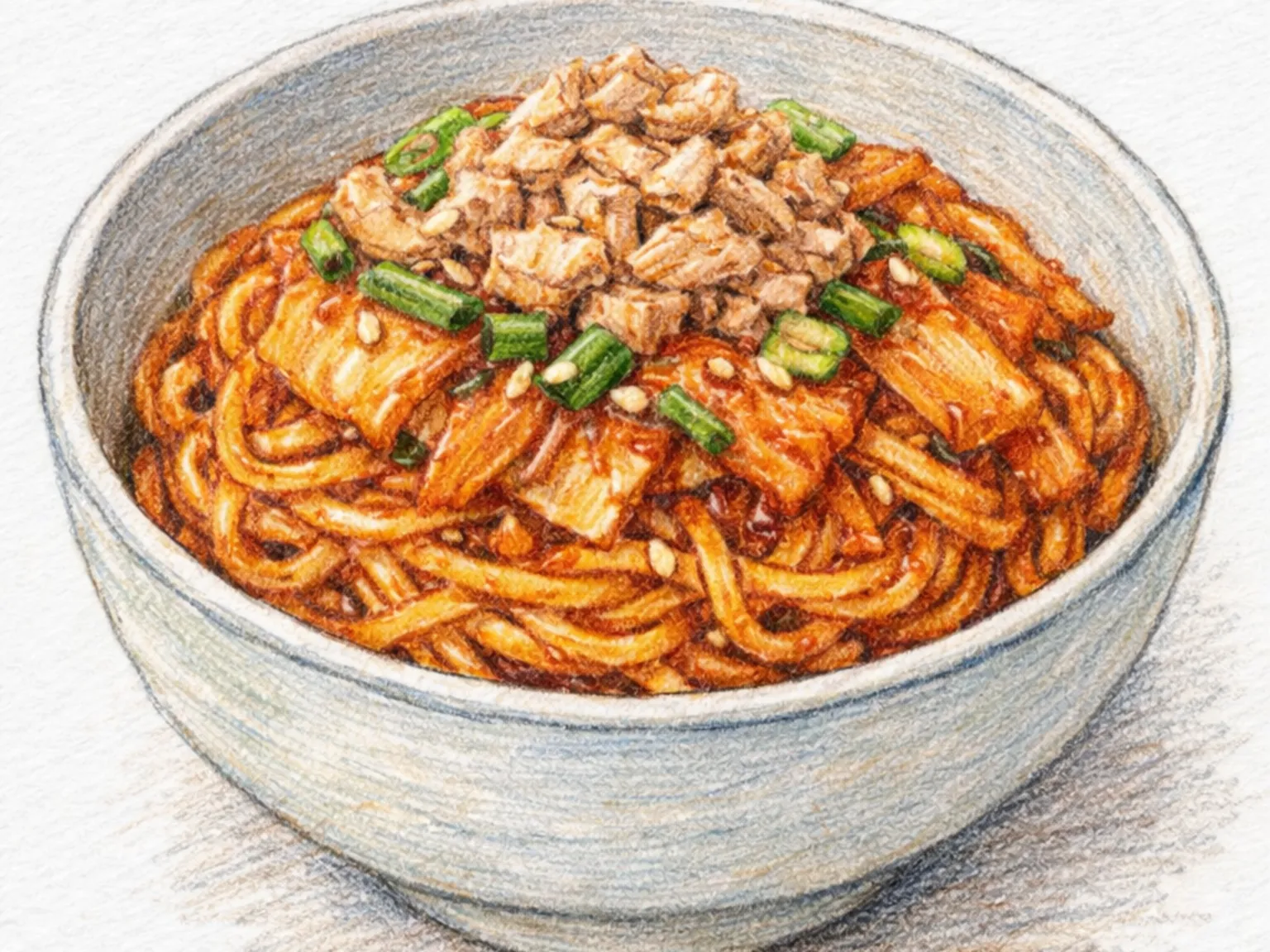
Korean Aged Kimchi Tuna Mixed Noodles
Mukeunji tuna bibim myeon is a quick Korean mixed noodle dish that combines the deep, fermented sourness of aged kimchi with the savory richness of canned tuna, all tossed together in a gochujang-based sauce. Scraping the filling out of the aged kimchi and chopping it finely keeps the sourness from overwhelming the dish, while draining the tuna oil thoroughly prevents the dressing from turning watery. The sauce is built from gochujang, rice vinegar, oligosaccharide syrup, and sesame oil, which together create a balance of spicy, sour, and sweet that works well with both the kimchi and the fish. Boiling the wheat noodles for five to six minutes and rinsing them under cold water gives them a firm, springy bite, and shaking off all excess moisture before tossing ensures the sauce clings to every strand rather than pooling at the bottom of the bowl. Sliced scallion and ground sesame seeds scattered on top add freshness and nuttiness, and a small adjustment of vinegar or syrup at the table lets each person dial in their preferred balance. The whole dish comes together in under fifteen minutes with pantry ingredients, making it a reliable option for a quick lunch.
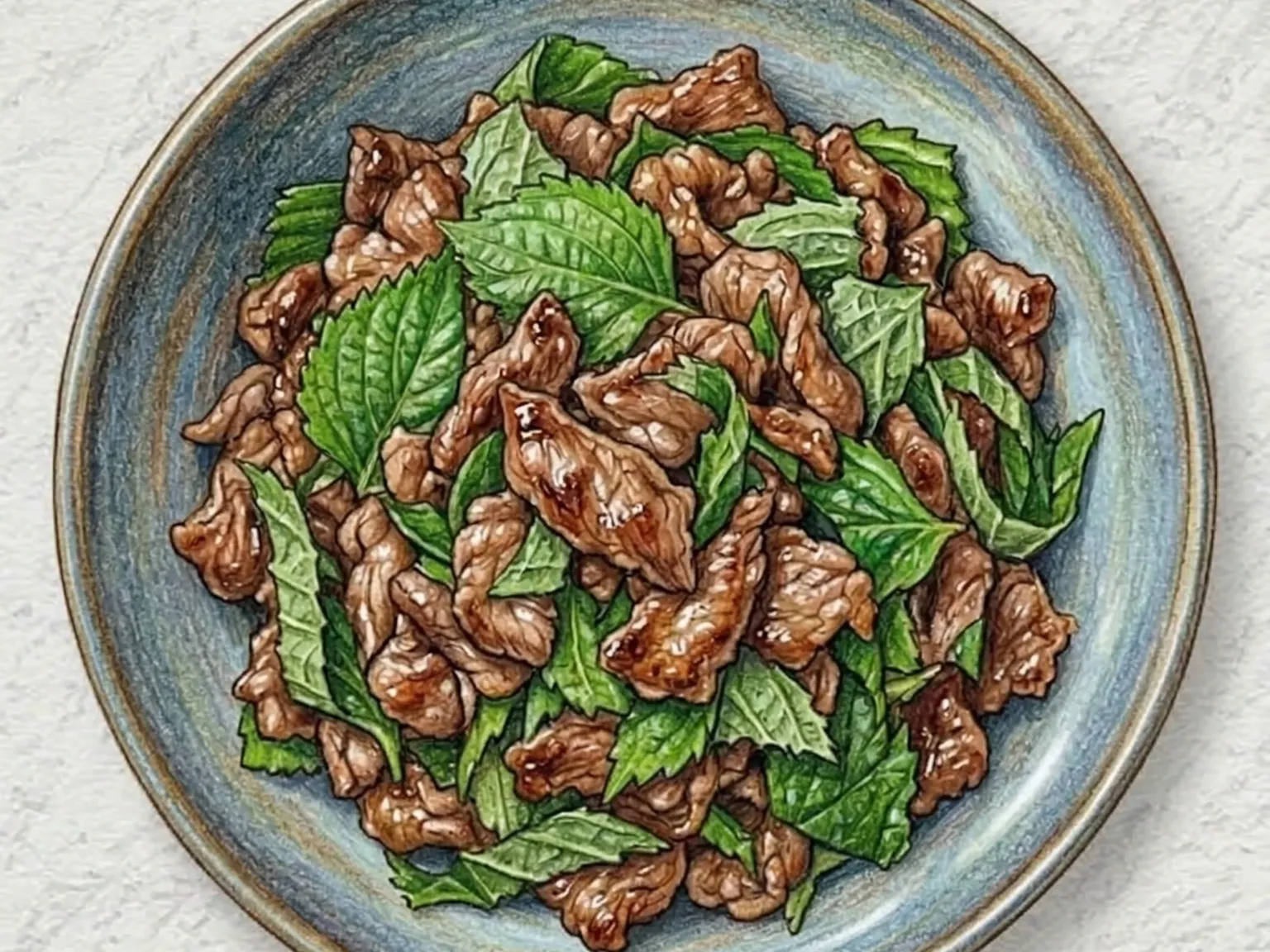
Korean Perilla Leaf Beef Stir-Fry
Kkaennip sogogi bokkeum is a stir-fry of thinly sliced beef marinated briefly in soy sauce, cooked with garlic over high heat, and finished with roughly chopped perilla leaves added at the last moment. The perilla's bold herbal aroma sits on top of the beef's umami, giving this dish a flavor profile distinctly different from other beef stir-fries. The leaves darken and lose fragrance if overcooked, so they are wilted only by residual heat. Sesame oil rounds out the dish, which comes together in under twenty minutes with minimal ingredients.
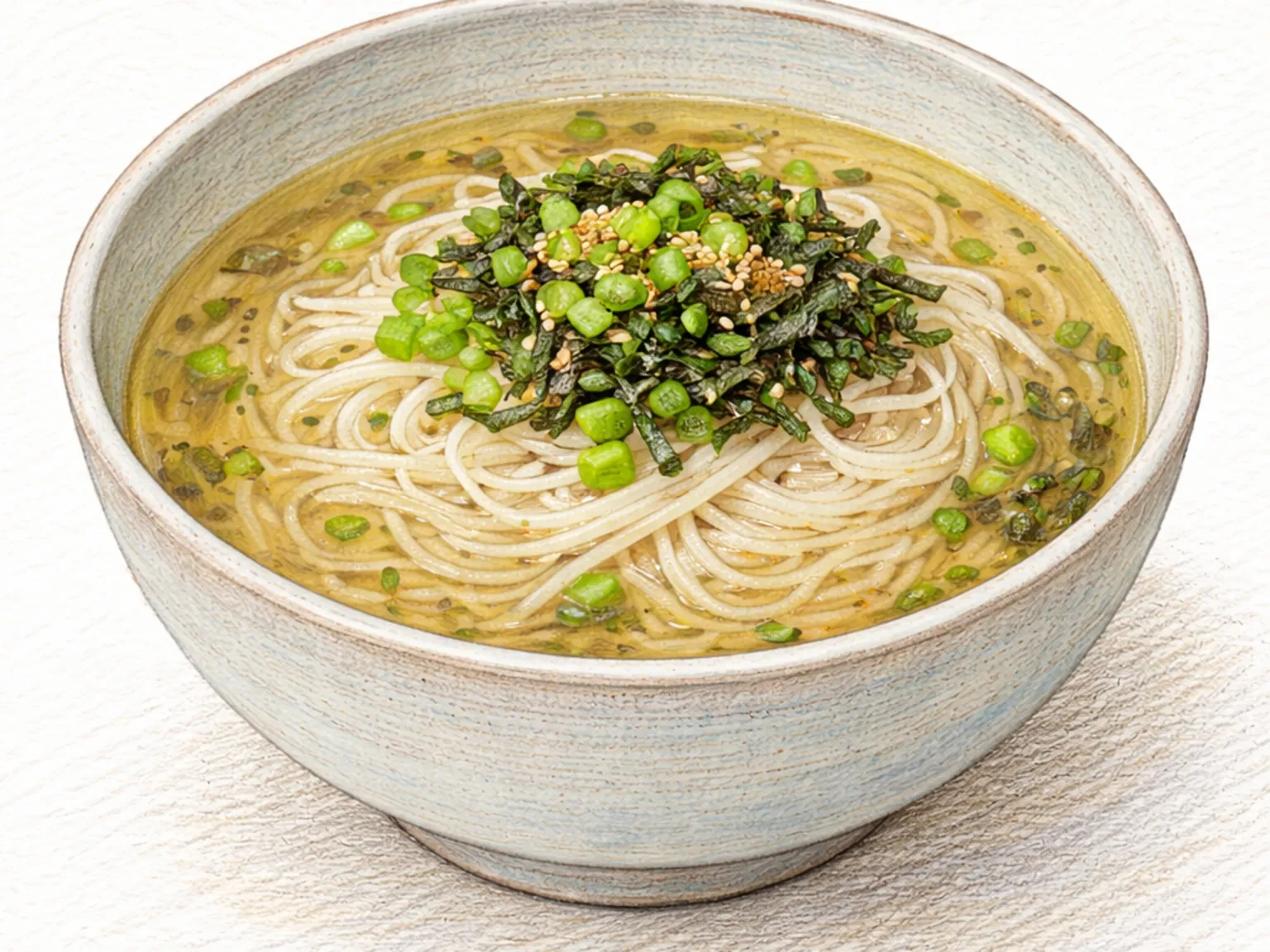
Korean Clear Noodle Soup (Anchovy Broth Somyeon)
Mul guksu is a Korean noodle soup where thin somyeon noodles sit in a clear anchovy-kelp broth, served warm or chilled as a refreshing summer meal. The broth is made by simmering dried anchovies with heads and innards removed, along with kelp, green onion, and garlic, for about fifteen minutes over medium heat. Briefly dry-toasting the anchovies in a pan before boiling reduces any fishiness and adds a subtle nuttiness to the base. Seasoning with salt and chilling the broth before serving heightens the clean, cooling quality that makes this soup appealing in hot weather. Somyeon noodles are boiled and rinsed several times in cold water to strip away surface starch, which keeps the strands translucent, separate, and satisfyingly bouncy rather than clumped and gluey. The chilled broth poured over the rinsed noodles stays clear and light, not clouded by starch. Dried seaweed flakes and sesame seeds add a briny nuttiness, sliced green onion provides a sharp aromatic contrast against the mild broth, and a drizzle of sesame oil rounds everything off. This soup is equally good served warm with a hot broth or cold with an iced one, and works as a light lunch that satisfies without weighing down.
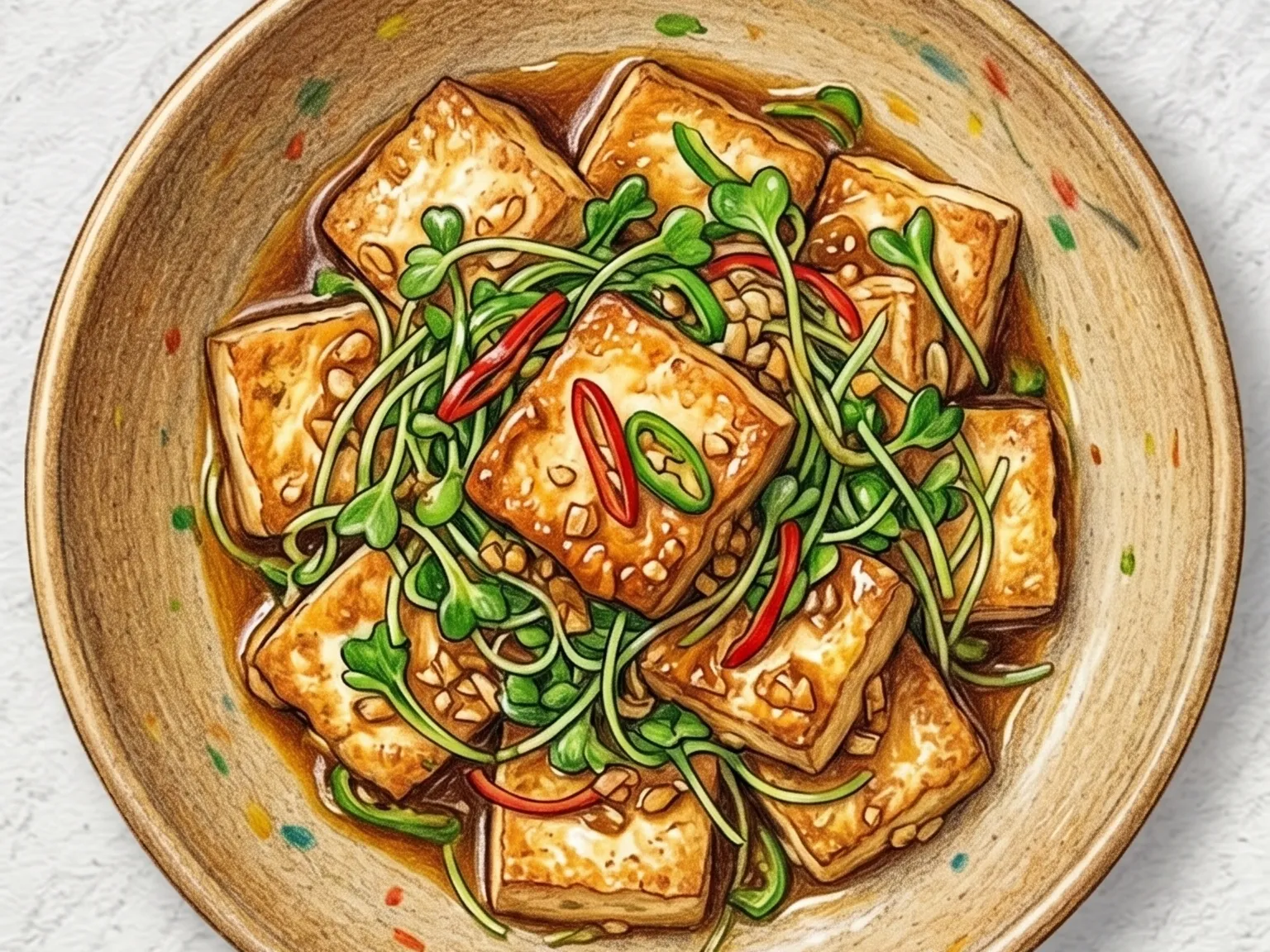
Korean Perilla Sprout & Tofu Soybean Paste Stir-fry
Kkaetsun dubu doenjang bokkeum pairs pan-seared firm tofu with perilla sprouts in a doenjang sauce. The tofu must be pressed dry with paper towels before it goes into the pan; residual moisture causes the oil to spit and prevents the surface from crisping. Dissolving the doenjang in water before adding it to the pan distributes the saltiness evenly and stops the paste from scorching against the hot surface. The doenjang coats the golden tofu pieces with a salty, earthy glaze, while perilla sprouts, far softer than mature perilla leaves, release a delicate perilla-sesame fragrance as they wilt into the sauce. The contrast between the crisp tofu edges and the just-wilted greens gives the dish its defining texture. Cheongyang chili cuts through the fermented weight of the doenjang with a clean, sharp heat that brightens the aftertaste. A final drizzle of perilla oil added off the heat brings the fragrance back to the surface before serving. When perilla sprouts are not available, mature perilla leaves cut into thick strips work as a direct substitute.
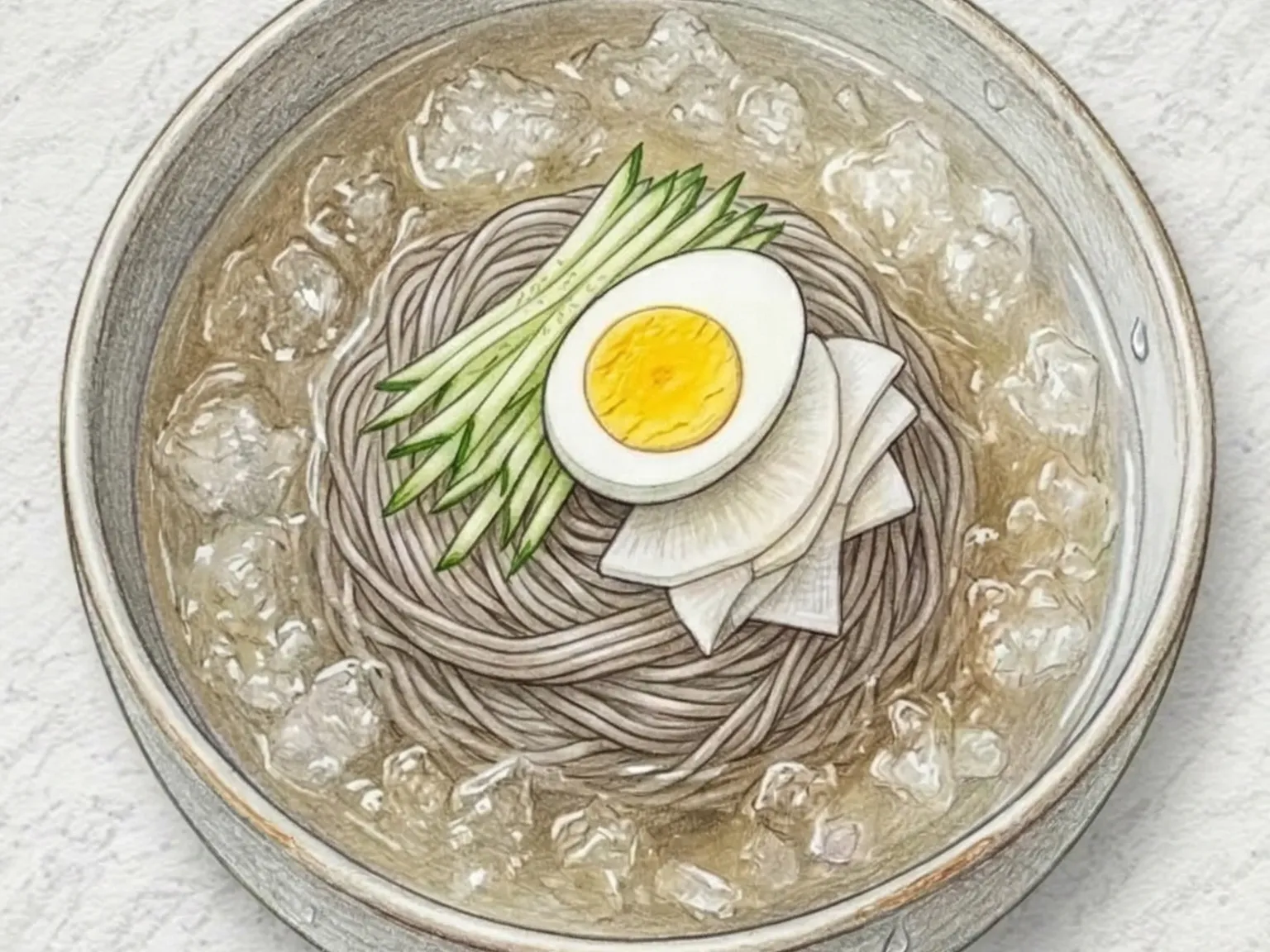
Korean Cold Buckwheat Noodles
Mul naengmyeon is a Korean cold noodle dish in which firm buckwheat noodles are served in a clear broth chilled to a near-slushy, half-frozen state. Placing the broth in the freezer for about an hour until thin ice crystals form at the surface maximizes the cold shock on the first sip, which is central to the dish's appeal. The noodles are boiled briefly and then rubbed under cold running water to strip away excess buckwheat starch and its distinct raw odor, with a final rinse in ice water to firm the strands and restore their spring. Julienned cucumber and thinly sliced pickled radish add recurring crunch that offsets the smooth, icy broth, while a halved hard-boiled egg provides a rich, creamy yolk that anchors the otherwise lean liquid. Vinegar stirred in at the table sharpens the overall flavor with bright, clean acidity, and Korean mustard dissolved in a small spoonful of broth adds a penetrating sinus heat that cuts through the cold. The dish traces its origins to Pyongyang-style cold noodles, but regional variations using beef, chicken, or dongchimi radish kimchi broth as the base produce noticeably different flavor profiles, all bound by the same insistence on extreme coldness and a long, chewy noodle.
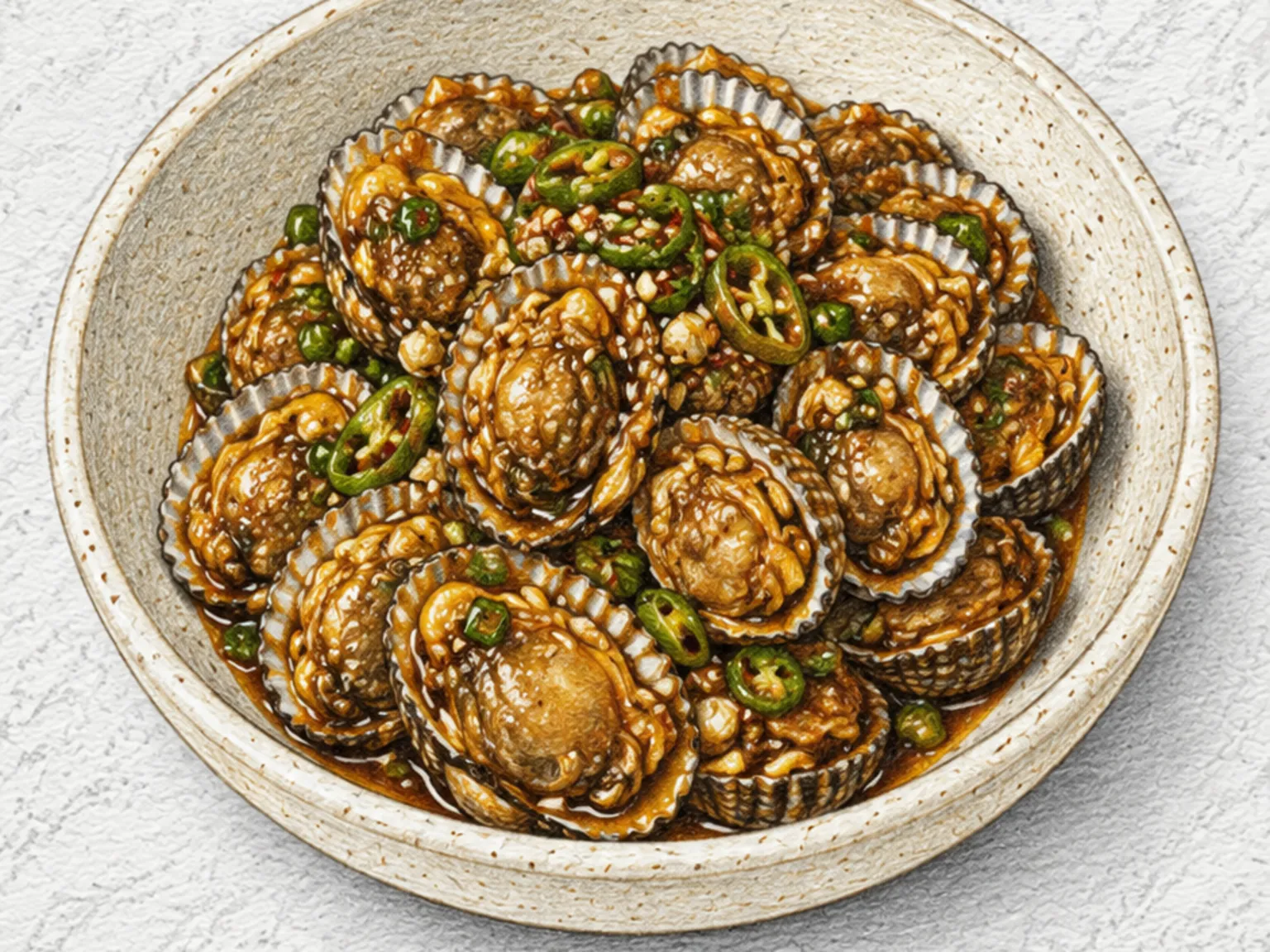
Korean Soy Braised Cockles
Kkomak jorim is a soy-glazed cockle side dish made by blanching purged cockles in boiling water just until their shells crack open, then simmering them briefly in a sauce of soy sauce, minced garlic, sugar, Cheongyang chili, and green onion. The cockles' naturally briny, chewy flesh pairs with the sweet and spicy soy glaze to produce an intensely savory result. Timing is the most critical factor: cockle protein tightens and toughens with extended heat, so once the shells are in the sauce the braise should be finished within five to six minutes. A drizzle of sesame oil pulled off the heat at the end rounds out the flavor with a nutty fragrance, and a scatter of sesame seeds completes the presentation. Because cockles themselves carry salt from the sea, the amount of soy sauce in the braise needs to be adjusted accordingly, or the finished dish can end up overseasoned. Thorough purging in salted water before cooking is equally important: insufficient soaking can leave sand or grit in the sauce. Ladled over steamed rice with the sauce spooned generously on top, the soy and cockle juices soak into the grain and transform a simple side into a fully satisfying meal.
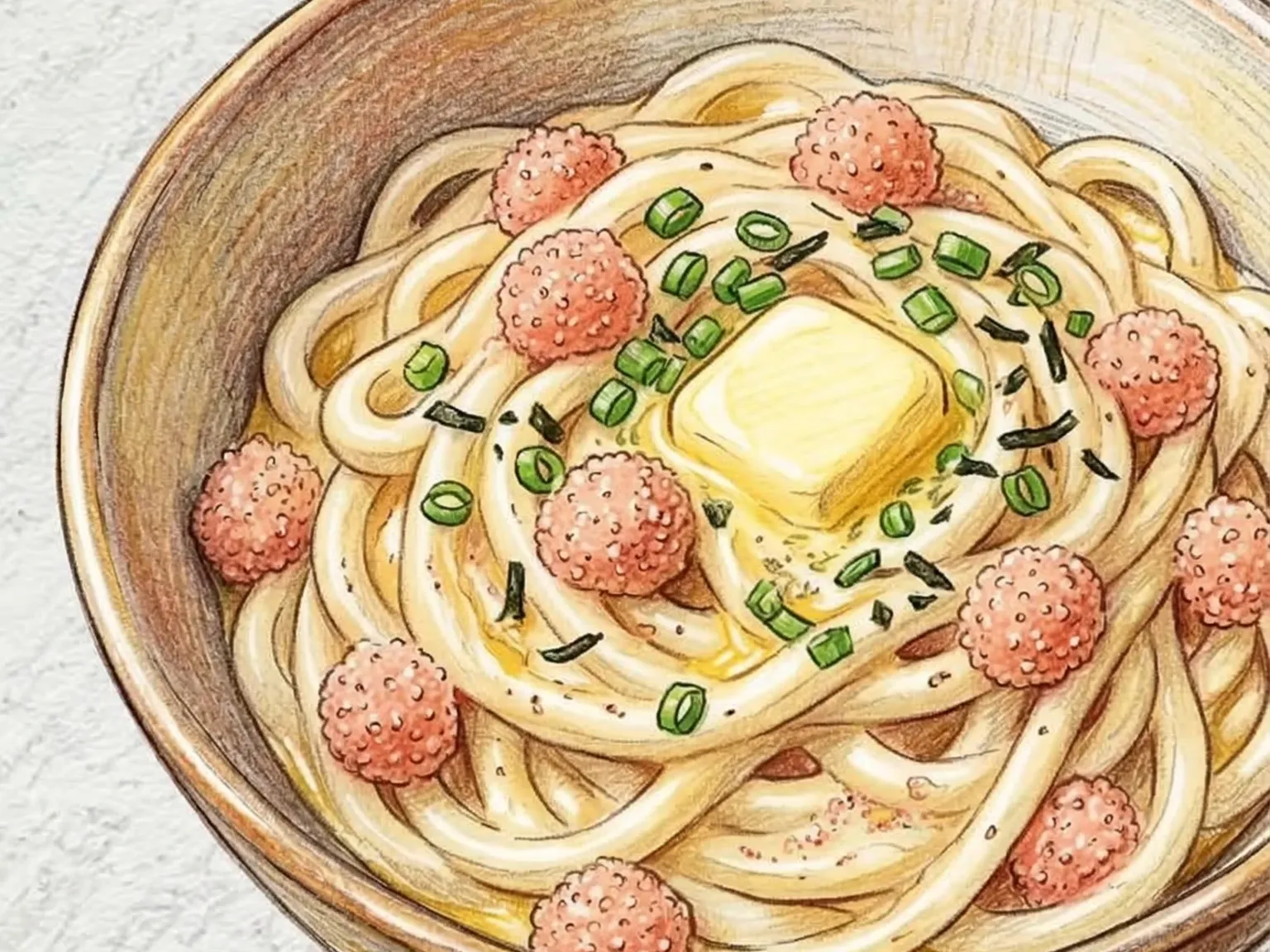
Pollock Roe Butter Udon
Myeongran butter udon is a Japanese-inspired cream udon in which salted pollock roe is folded into a butter and heavy cream sauce over chewy udon noodles. Garlic is gently cooked in melted butter first to build an aromatic base, then cream and soy sauce are added to create a sauce that is rich without being one-dimensional. The roe membrane is removed so only the loose, individual eggs enter the sauce, and they are stirred in after the heat is lowered to prevent the roe from turning dry, grainy, or unevenly cooked. As each tiny egg bursts against the palate, it releases a briny, oceanic intensity that cuts through the silky cream coating and creates a recurring contrast in every mouthful. The soy sauce performs double duty: it adjusts the salt level and introduces a layer of fermented umami depth that would otherwise be absent. If the sauce tightens too much as it reduces, a few tablespoons of noodle cooking water loosen it while adding a hint of starch that helps the sauce cling more evenly to each strand. Finishing with roasted seaweed flakes and chopped chives brings oceanic aroma and a clean, green freshness that lifts the overall heaviness of the dish.
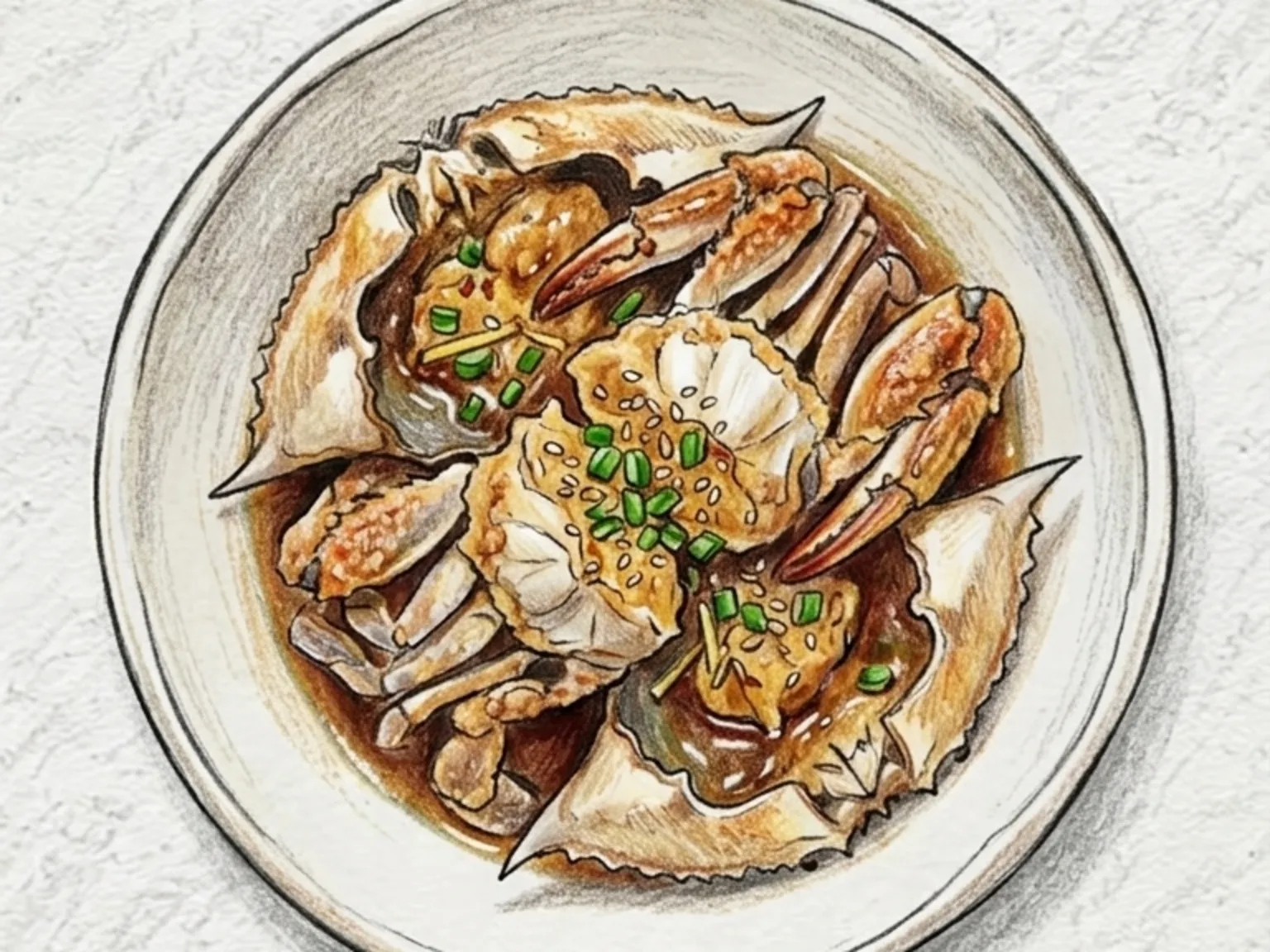
Korean Blue Crab Soy Stir-Fry
Kkotge ganjang bokkeum is a Korean blue crab stir-fry where halved crabs are lightly dusted with flour, pan-seared until the shells turn deep red, then braised briefly under a lid in a sauce of soy sauce, sugar, garlic, ginger, and gochugaru. The flour coating seals in moisture and helps the sweet-salty sauce cling to the shell surface, leaving a sticky, aromatic glaze that is meant to be licked off the fingers. Ginger neutralizes the briny smell that crabs can carry, while scallion and sesame oil are stirred in at the end to build the final aromatic layer. Using live crabs and cooking them immediately after cleaning ensures the meat stays firm and sweet; frozen crabs lose moisture during thawing and produce a noticeably softer result. Scoring the claws before cooking allows the sauce to penetrate the thicker sections of shell.
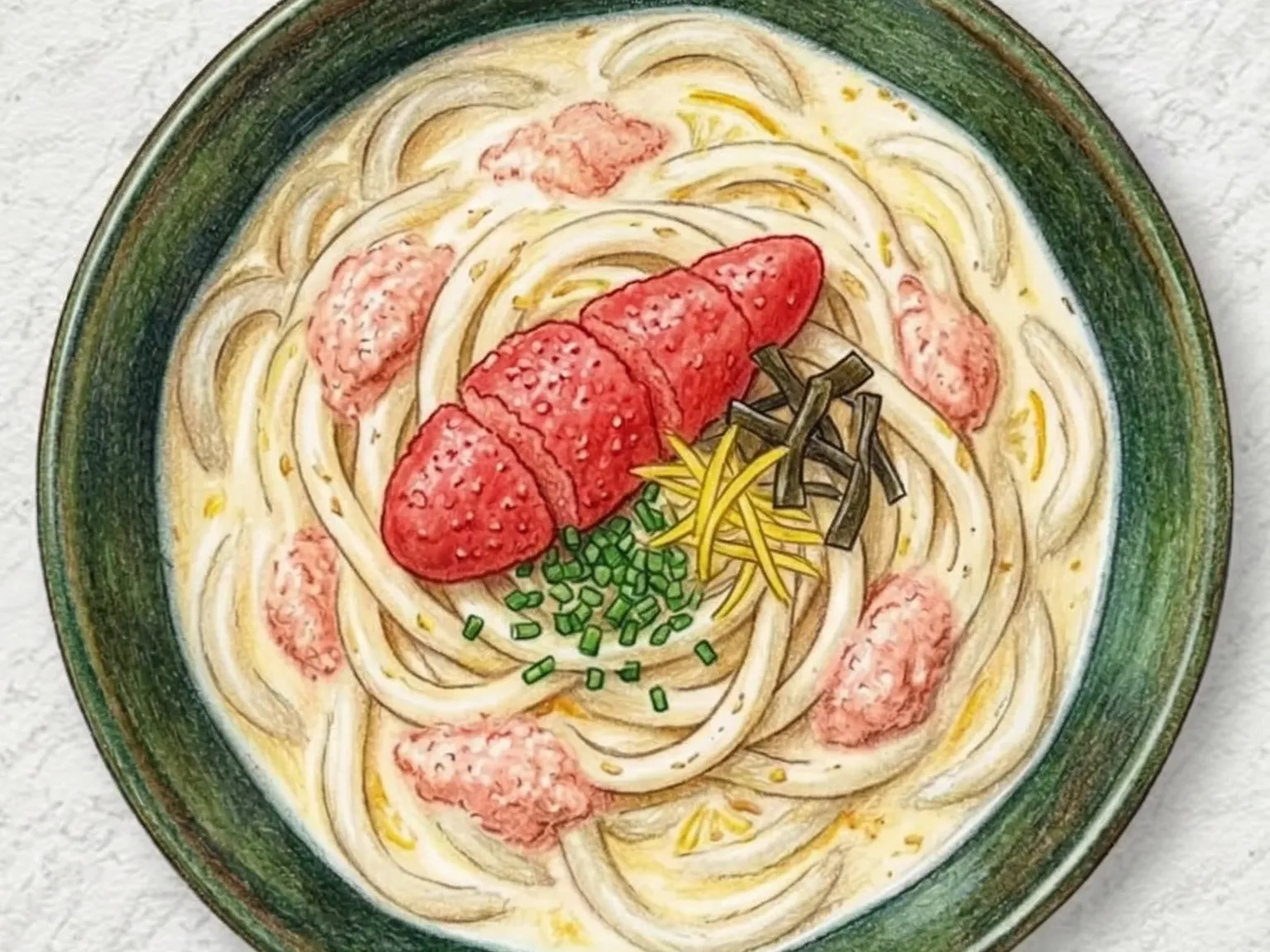
Mentaiko Yuzu Cream Udon
Myeongran yuja cream udon is a Japanese-style noodle dish that features a sauce made from a combination of salted pollock roe and yuzu marmalade. The base of the liquid consists of heavy cream and milk, which are enriched with butter to create a dense and smooth texture. The preparation begins by melting butter in a pan and sauteing minced garlic until the aroma is released. Once the garlic is fragrant, the cream and milk are poured in. This mixture needs to simmer over low heat for approximately two to three minutes until it thickens enough to coat the back of a spoon. Instead of adding the yuzu marmalade all at once, the cook incorporates it in small amounts. This gradual process allows for precise control over the citrus acidity so that it complements rather than overshadows the richness of the heavy cream. After removing the pan from the heat, two-thirds of the salted pollock roe is stirred in. The residual warmth of the sauce is sufficient to gently cook these eggs, ensuring they remain tender. The remaining third of the roe is reserved to be placed raw on top of the finished bowl, providing a distinct briny flavor and a grainy texture in every bite. To finish the dish, freshly cracked black pepper is added for a subtle sharpness, and shredded nori is scattered over the top to provide a roasted, oceanic scent that works well with the yuzu fragrance. The thick udon noodles provide a substantial chew that allows them to carry the heavy sauce and stand up to the combination of salty, creamy, and acidic elements without the flavors becoming lost.
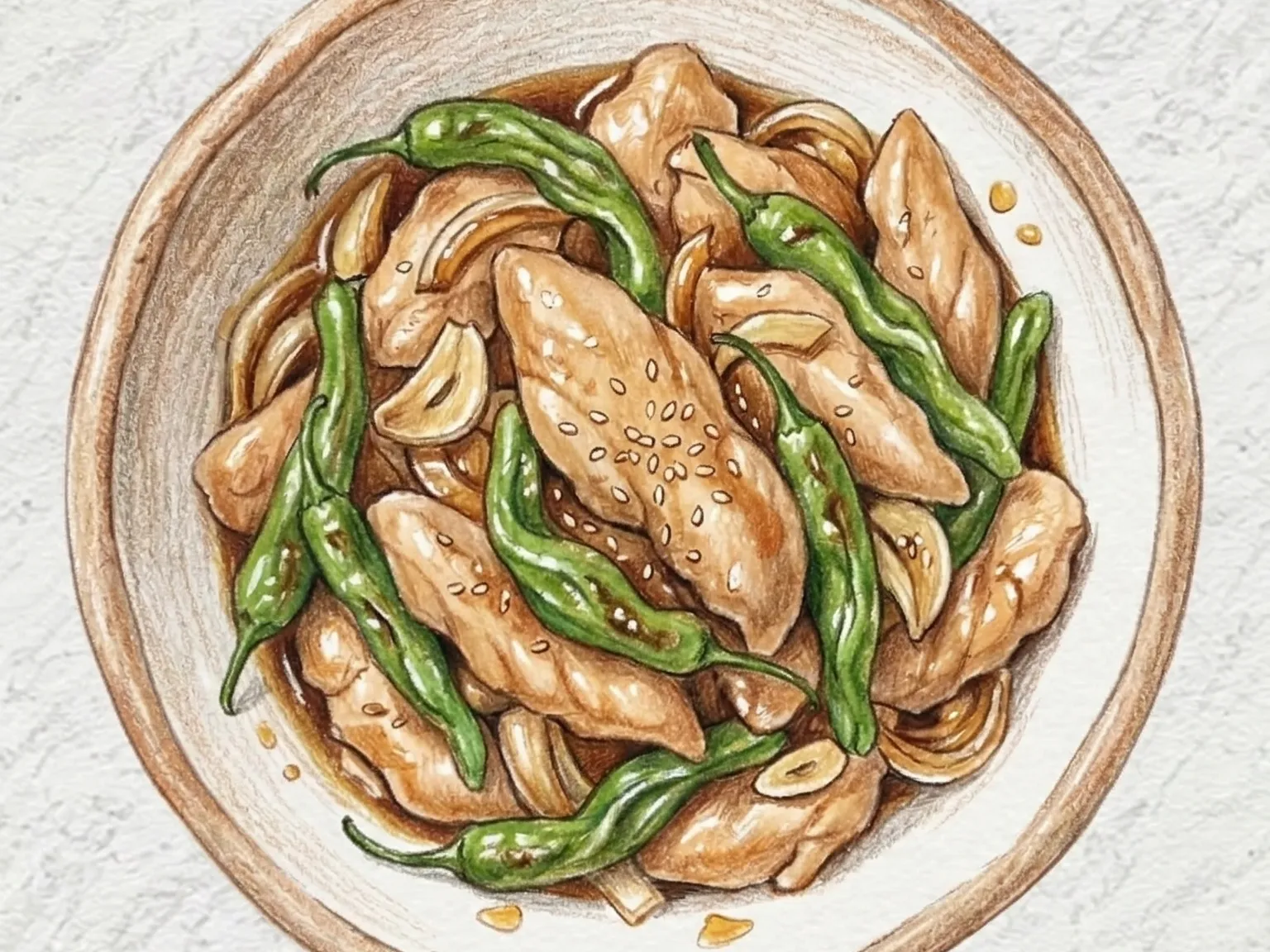
Korean Stir-Fried Shishito Peppers and Chicken Tenderloin
Kkwarigochu dak ansim bokkeum is a stir-fry of chicken tenderloin that has been marinated in soy sauce and cooking wine, cooked through first, then combined with shishito peppers and onion in a finishing sauce of soy sauce and oyster sauce. The tenderloin is prized for its low fat content and mild taste, and oyster sauce compensates by introducing fermented bivalve umami that keeps the seasoning from feeling thin. Scoring the shishito peppers lightly before they go into the pan lets the sauce penetrate the flesh while the skin stays intact, so each pepper holds its shape rather than splitting open. Chicken tenderloin firms up quickly when overcooked, so moving on to the next step the moment the exterior whitens and the center loses its translucency is the key to keeping the meat tender rather than dry. Finished with sesame oil and sesame seeds, the high protein density makes this a practical and satisfying lunchbox side dish.
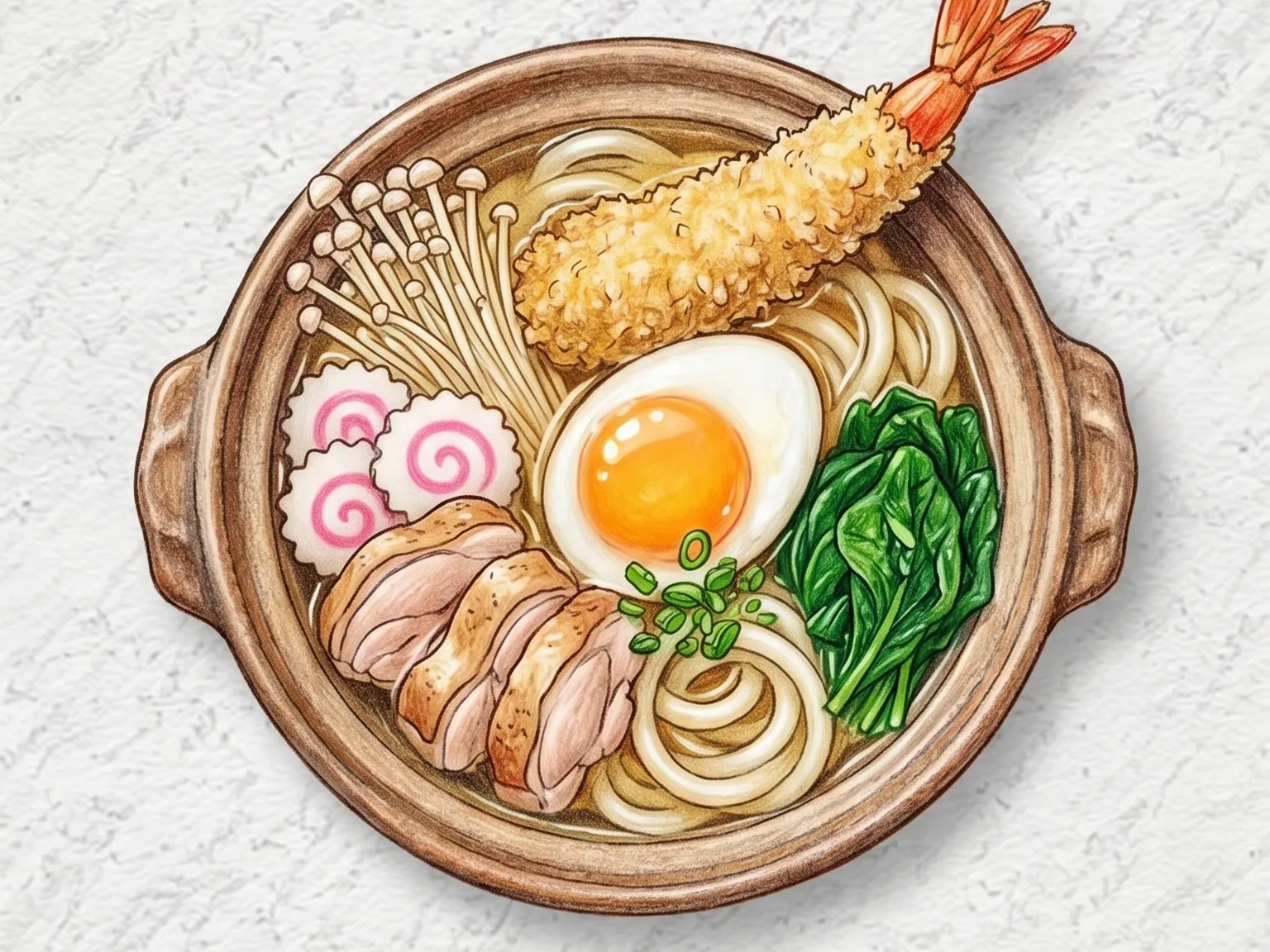
Hot Pot Udon (Japanese Earthenware Pot Noodle Soup)
Nabeyaki udon is a Japanese hot-pot noodle dish cooked and served directly in a small earthenware pot, designed to stay piping hot at the table from first bite to last. The base is a dashi stock seasoned with soy sauce and mirin, which produces a broth that is clear but carries substantial depth of flavor. Chicken thigh cooked directly in the pot releases fat and juices into the surrounding liquid, enriching the stock in a way that chicken breast cannot replicate. Narutomaki fish cake, with its pink spiral cross-section, adds a visual accent that is as much a part of the dish's identity as any flavor it contributes, while enoki mushrooms soak up the broth and give back a delicate umami in return. The egg is cracked into the center of the pot and covered to cook gently until the white sets and the yolk remains soft and runny. When the yolk breaks and bleeds into the hot broth, it creates a brief silky richness that changes the texture of each spoonful. Shrimp tempura is placed on top of the finished dish at the very last moment, not submerged, because the batter collapses from steam and heat within seconds of hitting liquid. Spinach added in the final minute retains its bright color and stays tender without turning soft. The earthenware pot retains heat far longer than a regular bowl, which is why this dish reads as a cold-weather staple in Japan.
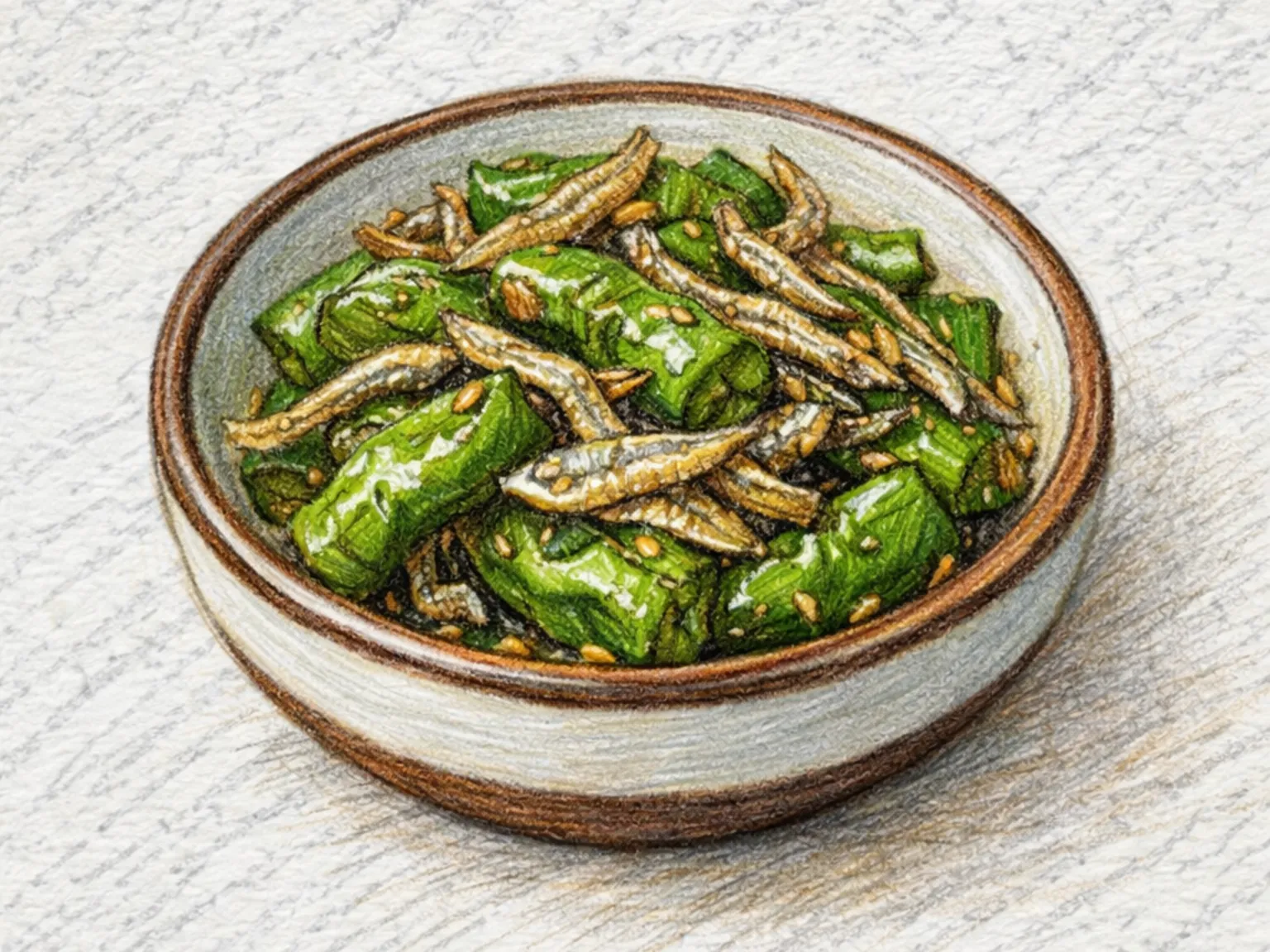
Korean Stir-fried Anchovies with Shishito Peppers
Kkwarigochu myeolchi bokkeum is a Korean banchan of dried anchovies and shishito-style peppers cooked together and glazed with soy sauce and oligosaccharide syrup. The anchovies are dry-toasted first in an unoiled pan over medium heat until their moisture evaporates and the fishiness reduces, then set aside. Oil goes into the pan next and the kkwarigochu peppers are fried over medium-high heat until blistered and darkened in spots, which develops a slightly bitter, charred edge that adds character to the finished dish. The anchovies return to the pan along with the peppers, soy sauce is added for the base seasoning, and then the heat is reduced before the oligosaccharide syrup goes in. Adding the syrup over reduced heat is the step that most often goes wrong: high heat scorches the syrup almost immediately, preventing the glaze from forming and leaving a bitter residue instead. Over low heat, the syrup coats the anchovies and peppers in a thin, shiny layer as it slowly reduces. Sesame oil and whole sesame seeds are stirred in at the end for fragrance and texture. The finished dish layers the crunchy, salty anchovies against the syrup's gentle sweetness, with the peppers providing mild heat that prevents the flavor from becoming cloying. Stored in a sealed container in the refrigerator, the banchan keeps well for several days.
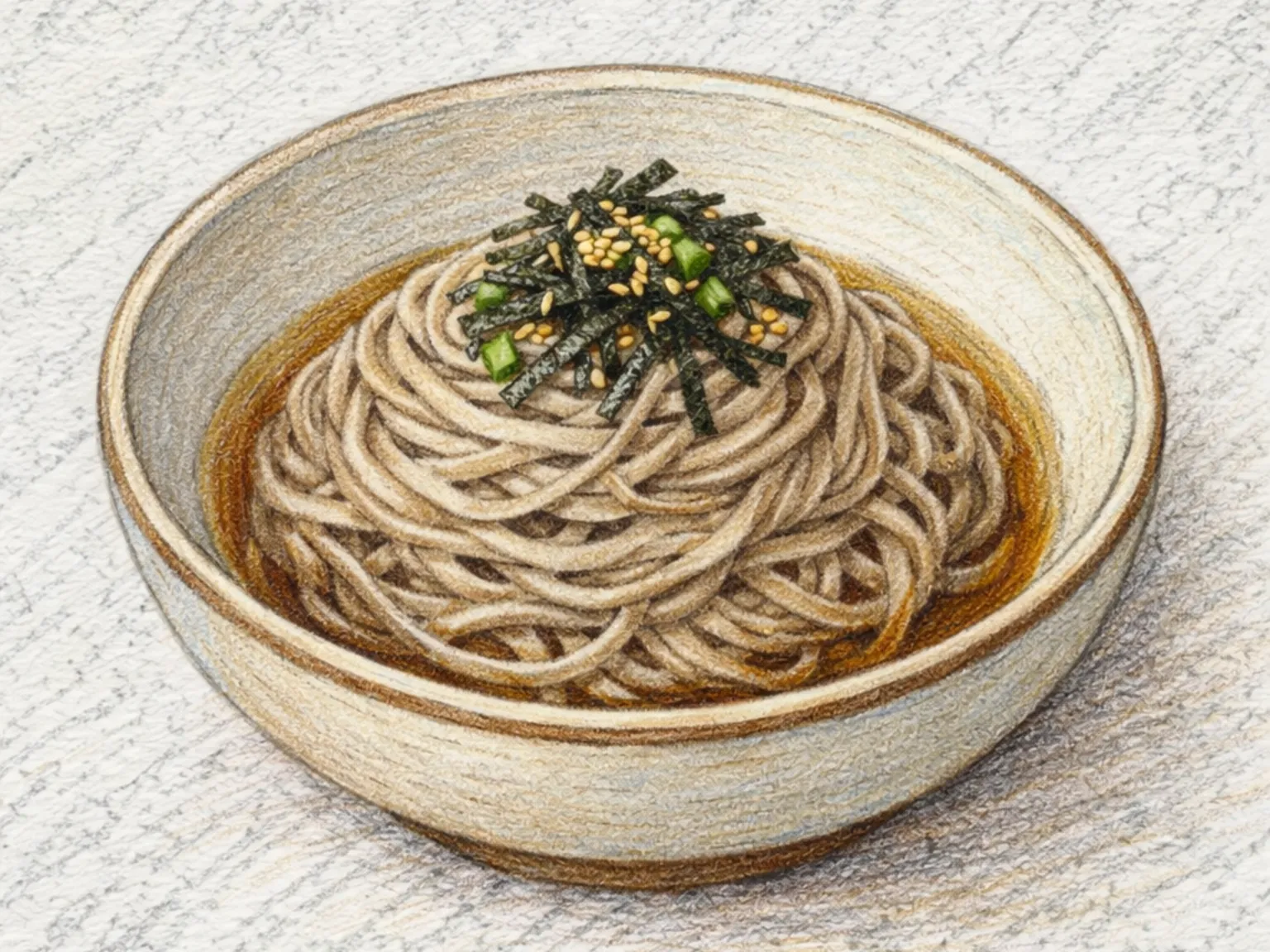
Korean Cold Perilla Oil Buckwheat Noodles
Naeng deulgireum memilmyeon is a Korean cold noodle dish where chilled buckwheat noodles are dressed with perilla oil, soy sauce, vinegar, and allulose syrup. The noodles are boiled for four to five minutes, rinsed multiple times in cold water, then briefly plunged into ice water to remove surface starch and firm up their texture. Thorough draining is essential so the dressing stays concentrated on the noodles rather than pooling at the bottom. Perilla oil provides a bold, nutty fragrance that pairs naturally with the earthy buckwheat, while soy sauce and vinegar add salt and acidity in balance. Thinly julienned cucumber contributes moisture and crunch, and roasted seaweed flakes with toasted sesame seeds bring oceanic and nutty finishing notes.
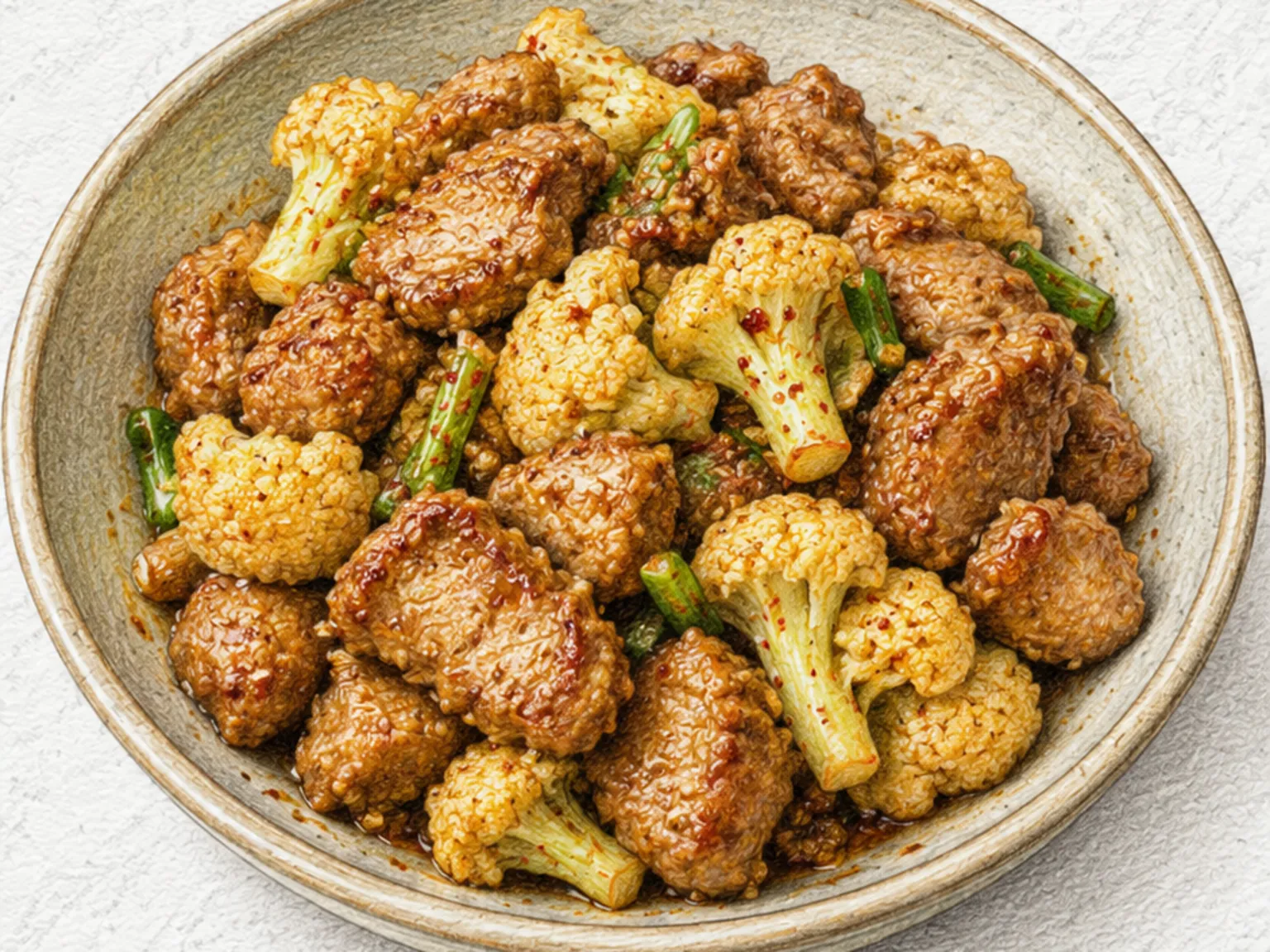
Korean Cauliflower Soybean Paste Pork Stir-fry
Kollipeullawo doenjang dwaeji bokkeum begins with pork shoulder seared hard over high heat until the exterior turns deep brown, building a crust that holds flavor through the rest of the cook. Doenjang and gochugaru go in next and fry briefly in the rendered pork fat, releasing their fermented, spiced aroma into the oil. Cauliflower blanched for forty seconds and thoroughly drained is folded in last. Draining the cauliflower matters: excess moisture would dilute the sauce and prevent it from concentrating on the meat and vegetables. The fermented saltiness of doenjang merging with the pork fat creates an earthy depth that straight doenjang jjigae does not have, and the cauliflower's mild, slightly sweet character offsets the heavier notes of the paste, making the dish feel lighter than the ingredient list suggests. With low carbohydrate content, it slots naturally into reduced-carb meal plans without compromise.
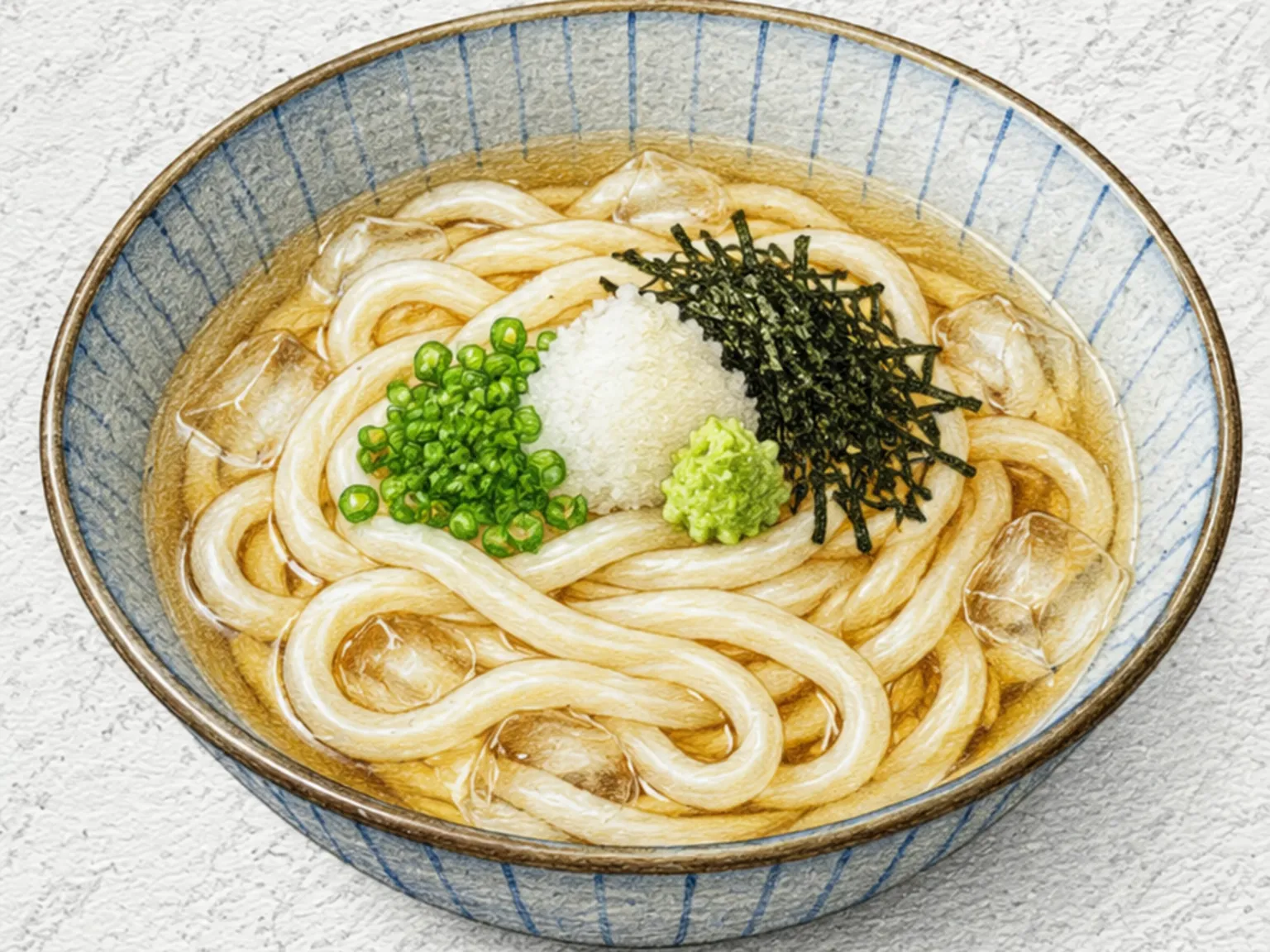
Cold Udon (Chilled Noodles with Mentsuyu Dipping Broth)
Naeng udon is a Japanese cold noodle dish where thick udon is cooked, drained, and then cooled aggressively in ice water before being served in chilled mentsuyu broth. The broth is prepared by diluting concentrated mentsuyu with cold water at a ratio of one to two, then refrigerating it until well chilled, which produces a clean liquid dense with soy-based umami. Cooling the noodles completely in ice water is not optional: the cold firms the starch back up, restoring the springy, slightly resistant chew that defines good udon. Freshly grated daikon stirred into the broth contributes a mild peppery heat and a cooling edge that lightens the overall flavor. Thinly sliced scallion adds a bright green freshness, and a sheet of nori brings oceanic depth to what might otherwise be a simple dipping liquid. A small amount of wasabi dissolved into the broth delivers a sharp nasal sting that contrasts directly with the cold temperature, leaving a clean, bracing finish on the palate. The dish is best eaten quickly while everything stays cold, and it comes together from pantry staples in minutes, making it one of the most practical summer meals.
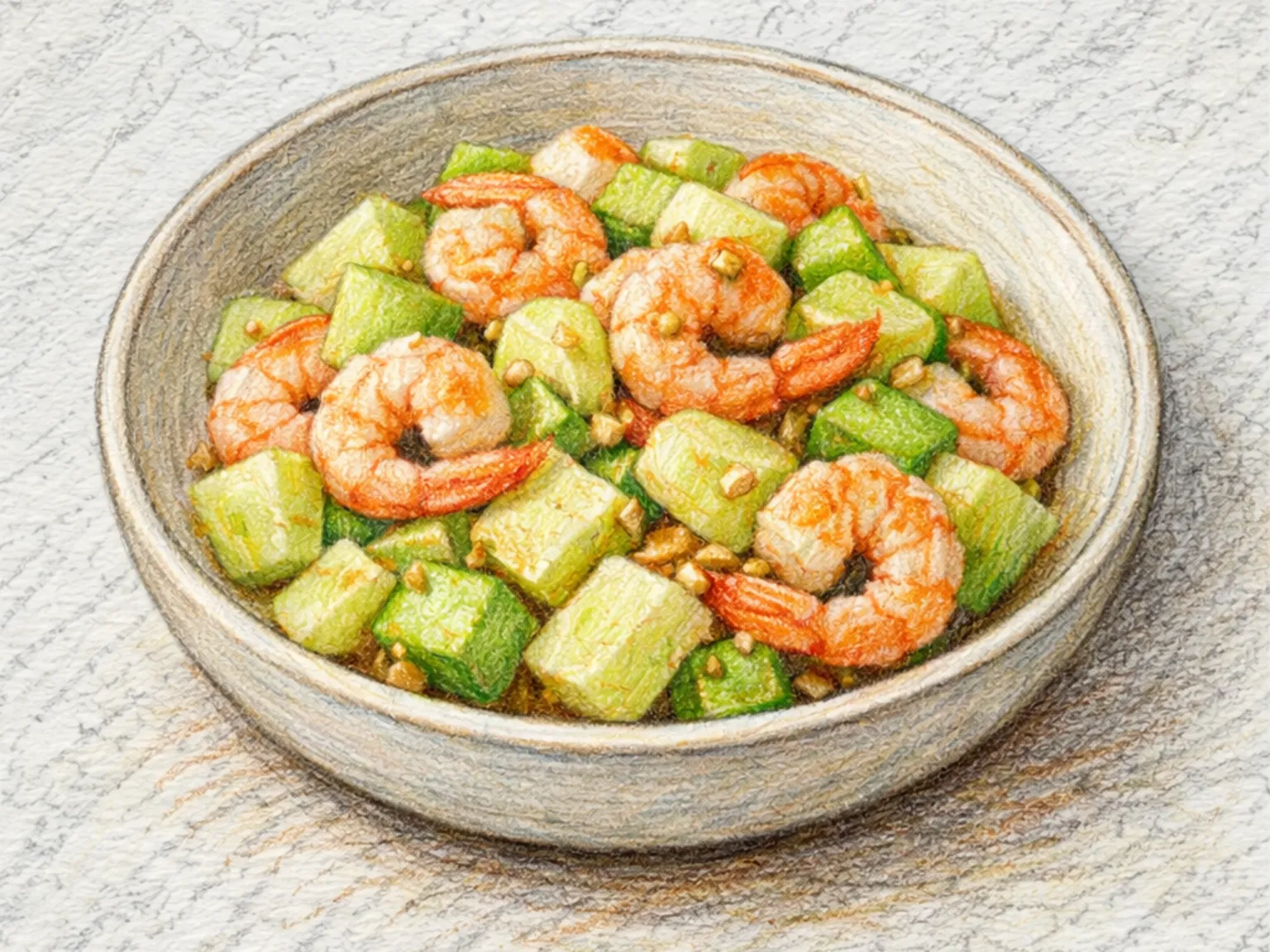
Korean Kollabi Saeu Bokkeum (Kohlrabi Shrimp Stir-fry)
Kolrabi saeu bokkeum is a quick stir-fry of shrimp marinated in cooking wine and julienned kohlrabi, cooked over high heat in garlic-infused oil and seasoned with soy sauce and oyster sauce. Spreading the shrimp in a single layer and letting one side sear properly before flipping is the key to a firm, bouncy texture rather than a steamed one. Kohlrabi, a cross between turnip and cabbage, brings a natural sweetness and firm crunch that pairs well with the shrimp, and keeping the cooking time short preserves that crisp bite. Red bell pepper adds a contrasting color to the dish, and the deep savory quality of oyster sauce amplifies the shrimp's natural sweetness. Preheating the pan thoroughly before adding ingredients prevents excess moisture from releasing, which keeps the stir-fry dry and the textures distinct. Scallion and a finish of sesame oil round out the dish. The calorie count is low relative to the protein content, making it a practical side dish for everyday meals.
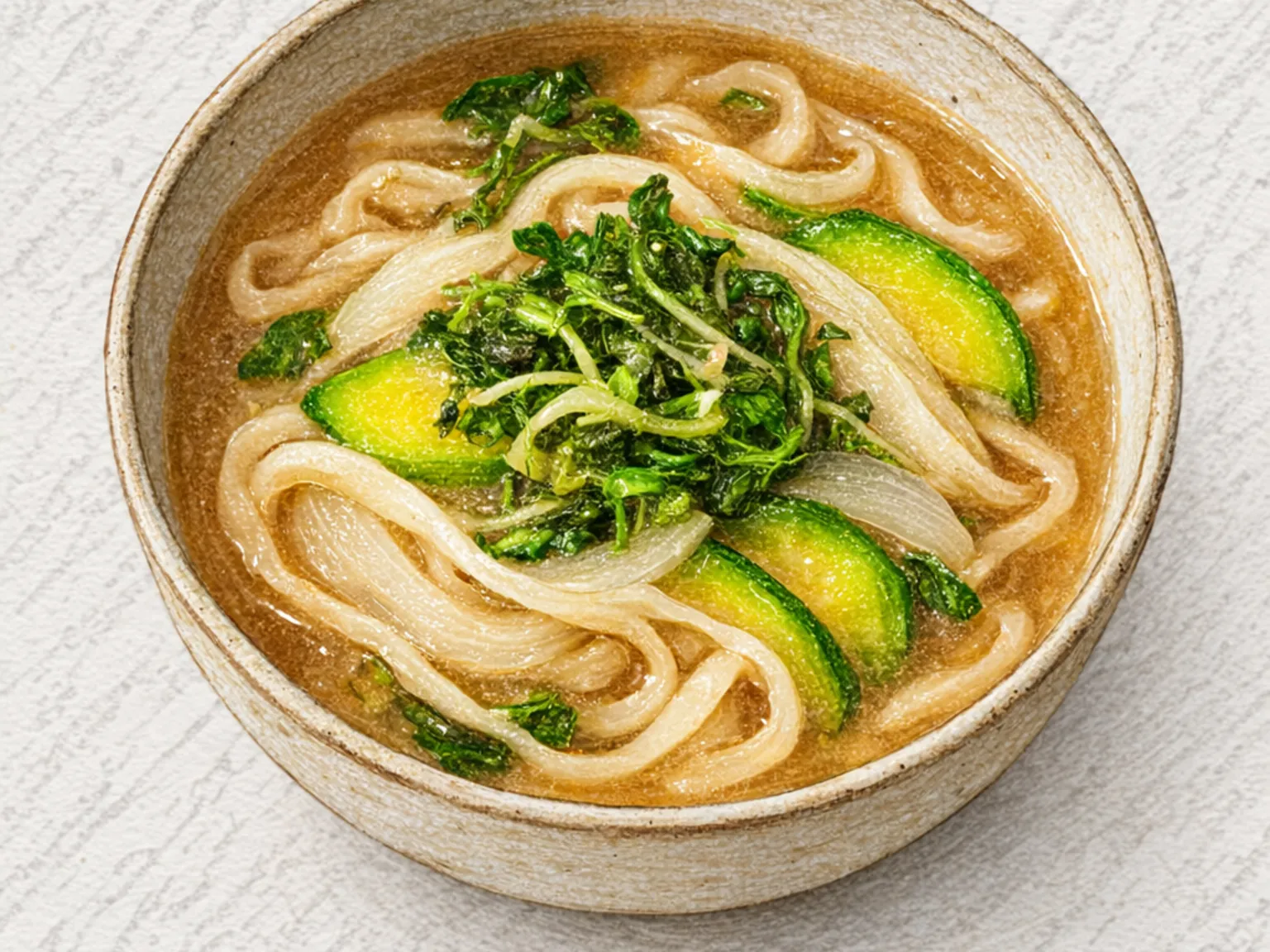
Korean Shepherd's Purse Soybean Paste Noodles
Naengi doenjang kalguksu is a Korean knife-cut noodle soup simmered in anchovy-kelp stock with doenjang and fresh shepherd's purse, a springtime herb prized for its earthy, peppery fragrance. Dissolving the doenjang through a fine strainer keeps the broth smooth and clear rather than cloudy. Soup soy sauce and minced garlic fine-tune the seasoning so the fermented soybean flavor stays rich without becoming overly salty. The noodles cook for four minutes before zucchini and onion are added for two more, allowing their gentle sweetness to dissolve into the broth. Shepherd's purse must go in only during the final minute with reduced heat, because its volatile aromatic compounds dissipate quickly at a rolling boil and the distinctive spring fragrance would be lost. Adjusting salt with soup soy sauce at the end compensates for the varying saltiness across different doenjang brands. The herb's aroma is most concentrated from mid-March to early April, making that narrow window the best time to prepare this soup for the fullest seasonal flavor.
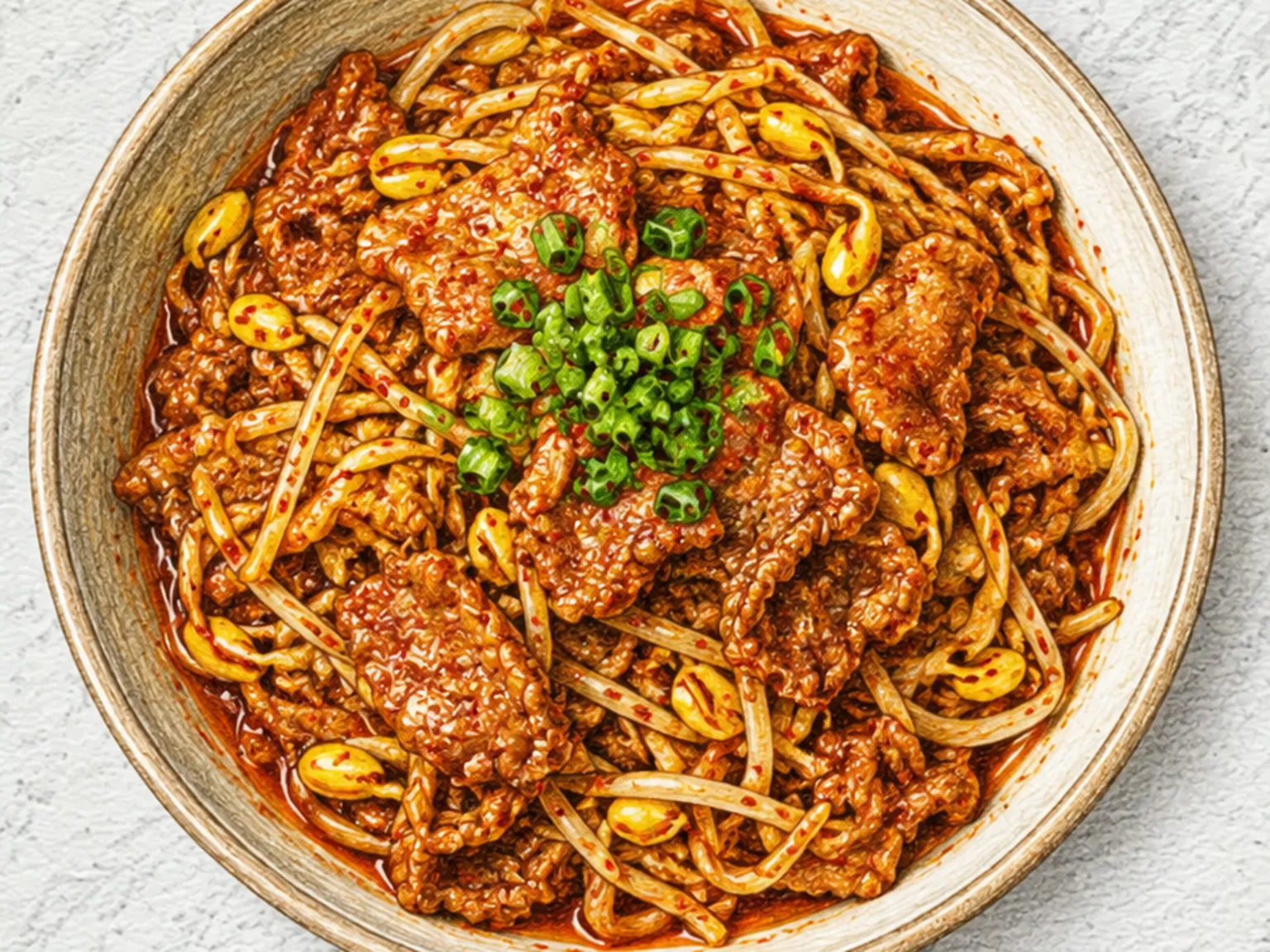
Korean Spicy Pork Bean Sprout Stir-fry (Kongbul)
Kongbul is a fiery Korean stir-fry of pork shoulder tossed in a gochujang-gochugaru-soy sauce blend and cooked over high heat, with bean sprouts added at the very end to preserve their crunch. The gochujang's thick spiciness combines with rendered pork fat for an intense, mouth-coating savoriness, while the bean sprouts release just enough moisture to keep the sauce from scorching. The sprouts must be stir-fried only until barely wilted to maintain their snap. Chopped scallion goes in last, and mixing the whole thing into a bowl of rice stretches this into a full, hearty meal.
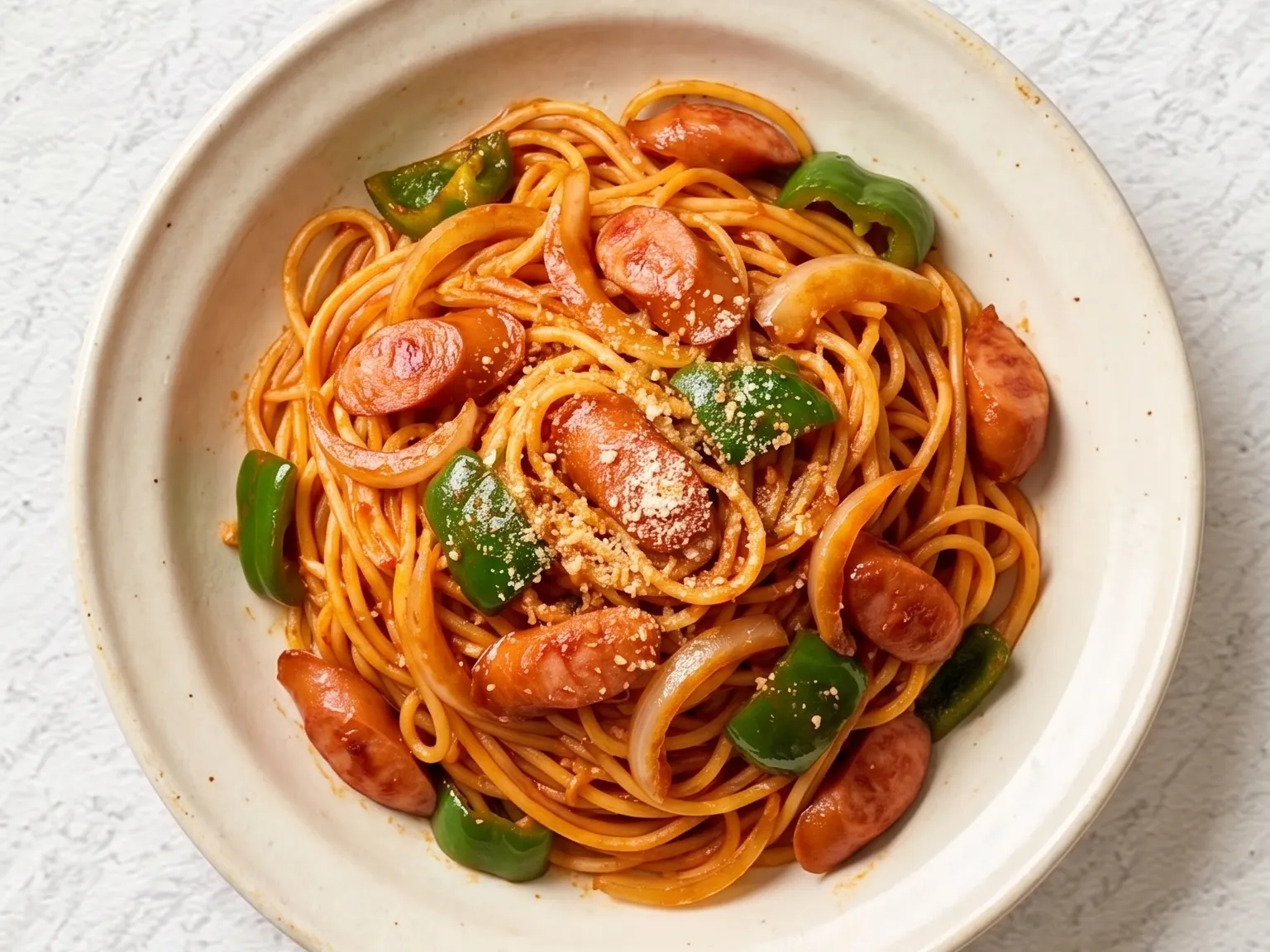
Japanese Napolitan Spaghetti
Napolitan spaghetti is a Japanese yoshoku pasta stir-fried with ketchup, sausage, onion, and green bell pepper that traces its origins to postwar Japan, when imported ingredients were scarce and cooks adapted Western techniques with locally available pantry staples. Cooking the ketchup in the pan first drives off moisture and concentrates its tomato sweetness, transforming it from a condiment into a sauce base with genuine depth. Worcestershire sauce adds a layer of fermented complexity that ketchup alone cannot provide. The sausage goes in first to render its fat and build flavor, followed by onion and pepper stir-fried quickly over high heat to retain their texture. Spaghetti cooked al dente with a quarter cup of pasta water reserved helps the sauce cling to the noodles when tossed together in the pan. A knob of butter stirred in at the end rounds off the ketchup's acidity and gives the finished dish a glossy, sweet-savory character that has made napolitan a beloved nostalgic dish in Japanese home cooking.
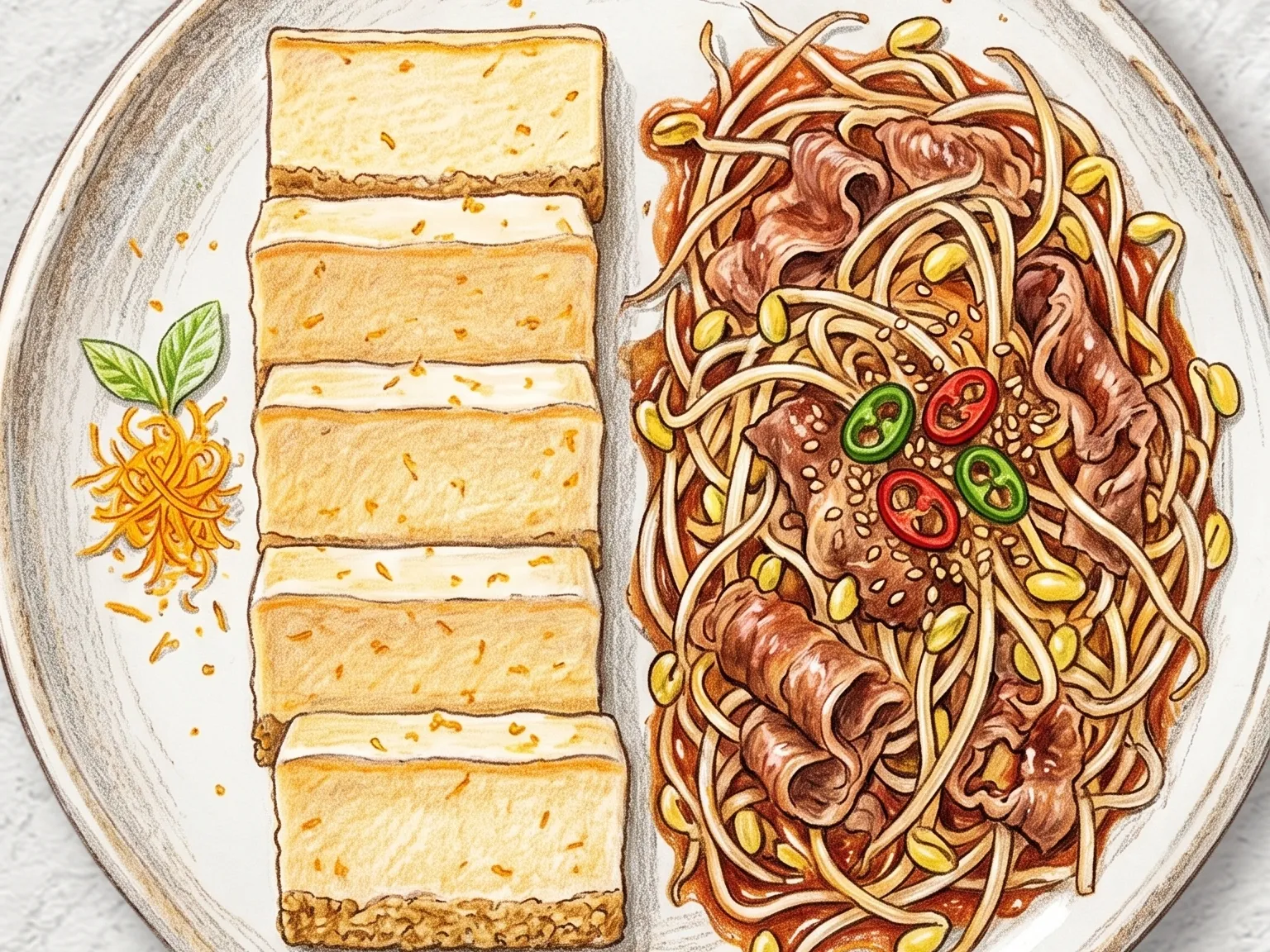
Korean Beef Brisket and Bean Sprout Stir-fry
Kongnamul chadol bokkeum starts by rendering thin beef brisket slices over high heat to release their fat, then uses that fat as the cooking medium for bean sprouts and a gochujang-gochugaru sauce. The brisket's chewy bite contrasts with the sprouts' crispness, and the rendered beef fat merges with the chili paste to create a rich base without added oil. Moisture released from the bean sprouts thins the sauce just enough to coat everything evenly. Sesame oil finishes the dish, which is a common choice for a drinking snack or late-night meal.
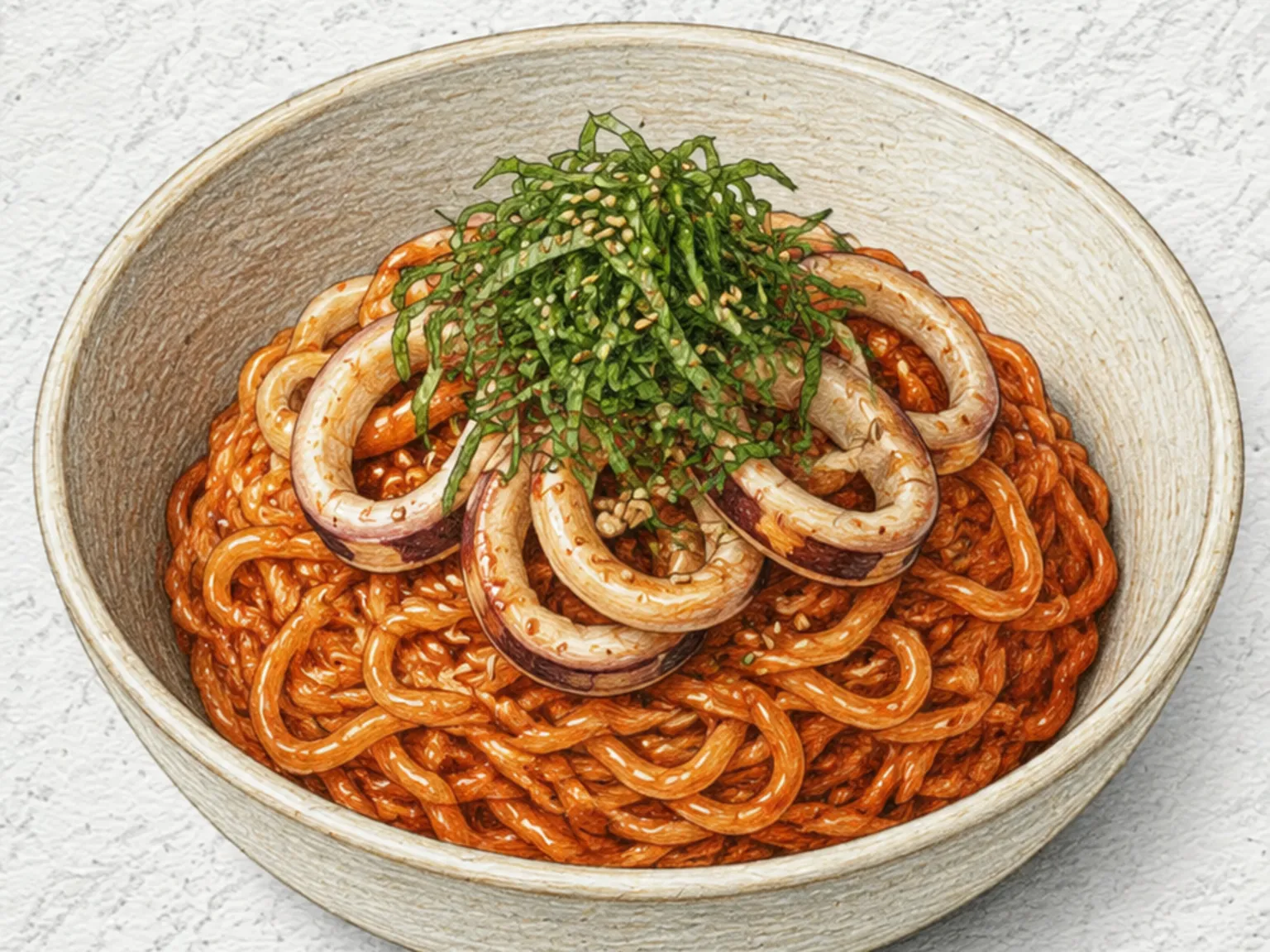
Korean Ojingeo Ssamjang Bibim Myeon (Squid Ssamjang Mixed Noodles)
Ojingeo ssamjang bibim myeon is a Korean mixed noodle dish combining blanched squid rings with medium wheat noodles in a ssamjang-based sauce spiked with chili flakes, vinegar, and syrup. The squid is blanched for only forty seconds to keep it springy rather than chewy, and the noodles are rinsed under cold water while gently rubbing to remove surface starch. The dressing merges the fermented depth of ssamjang with the heat of gochugaru and the brightness of vinegar, creating a layered flavor that is salty, spicy, and tangy at once. Resting the sauce for about ten minutes before tossing softens the heavy note of ssamjang. Julienned perilla leaves on top add an herbal fragrance, and sesame seeds finish the dish with nuttiness. The recipe yields four generous servings.