Asian
Asian

Asian Recipes

216 recipes. Page 4 of 9

The Asian category gathers popular dishes from Japan, China, Thailand, Vietnam, India, and beyond. Curry, stir-fried noodles, mapo tofu, pad Thai, and pho are among the Asian favorites commonly enjoyed in Korean households.

Each country brings its own signature spices and sauces, so even the same ingredients can produce completely different flavors. With a few key pantry items - coconut milk, fish sauce, curry powder, doubanjiang - you can recreate the tastes of Asia at home.

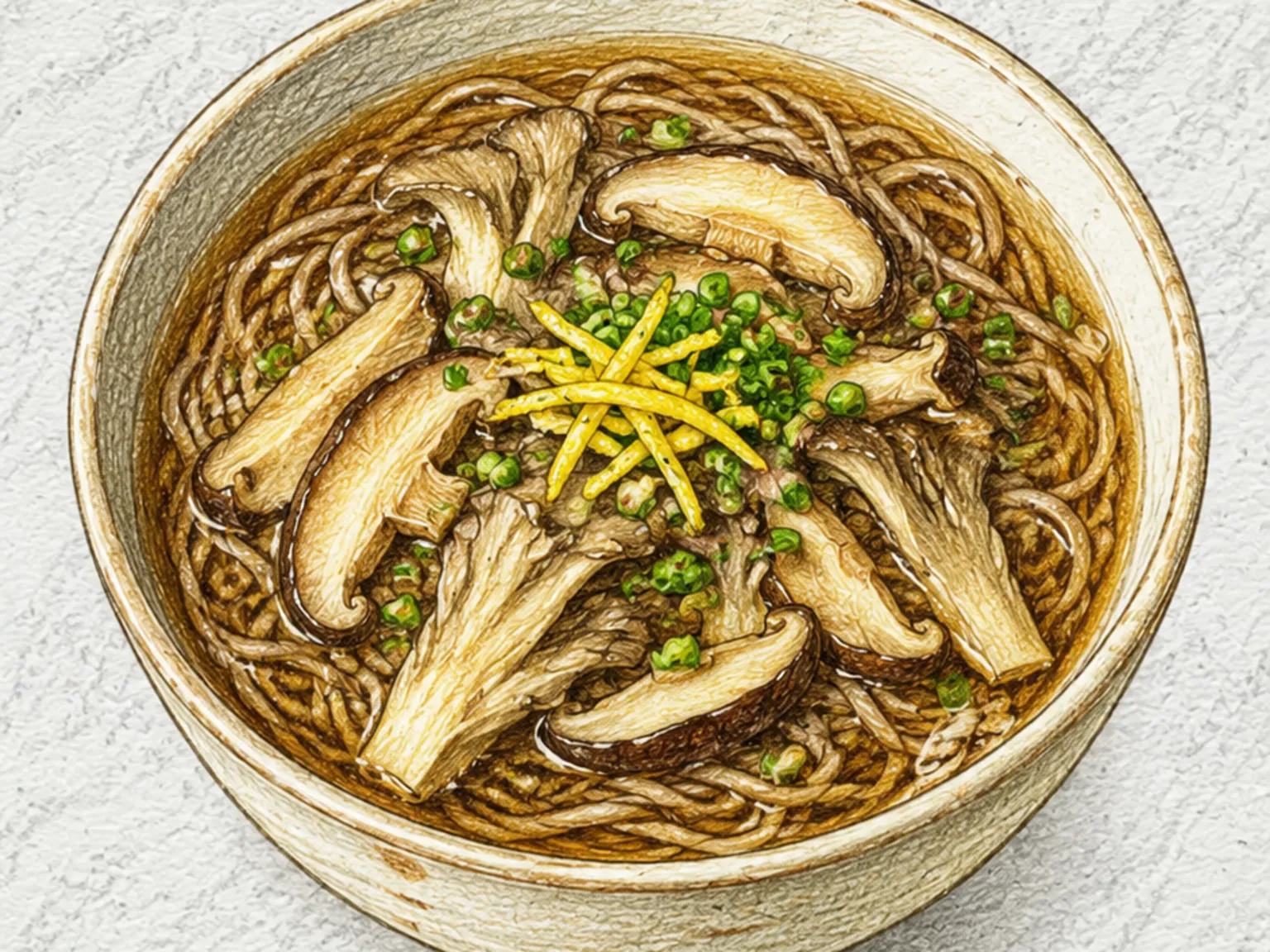
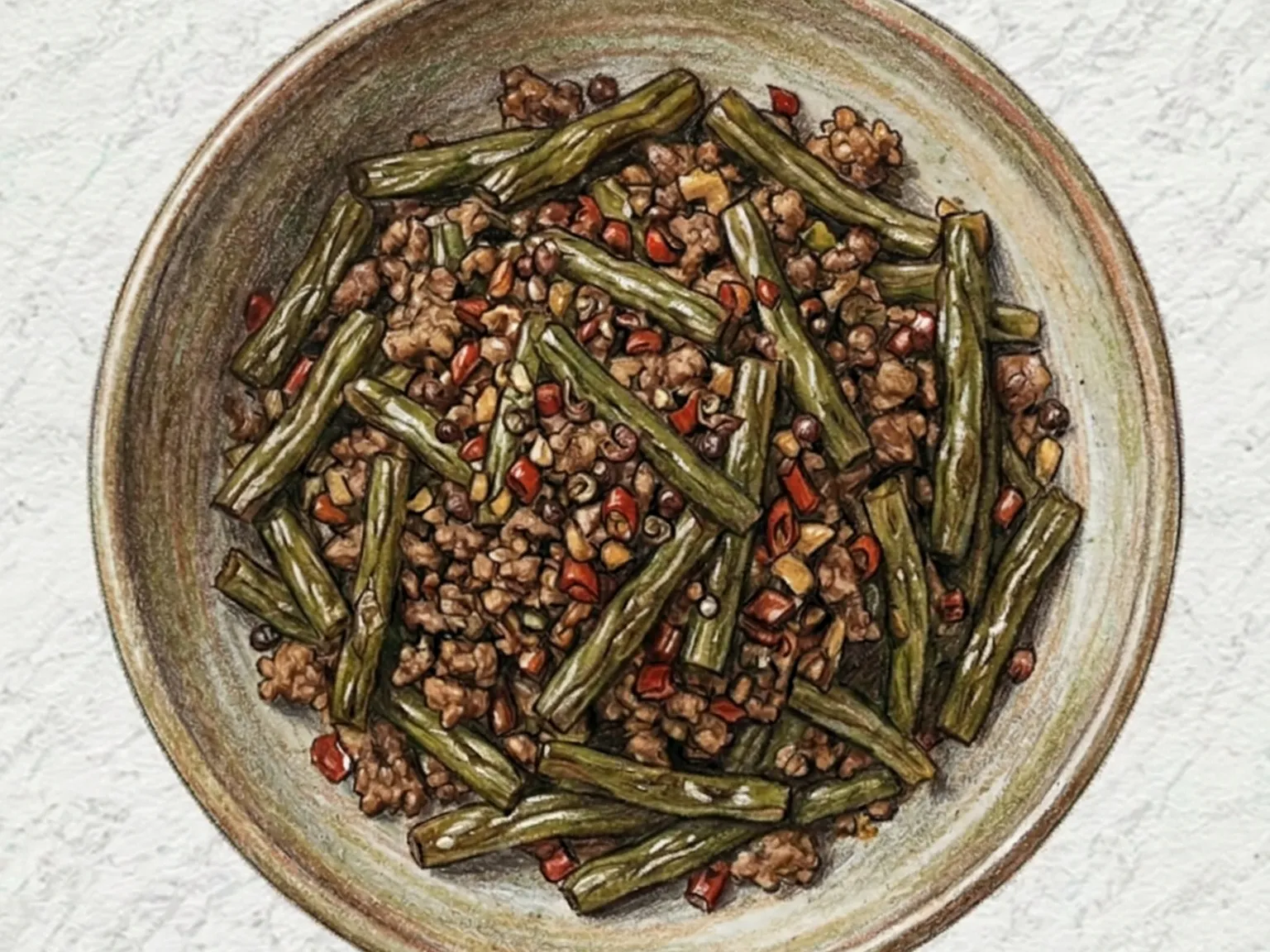
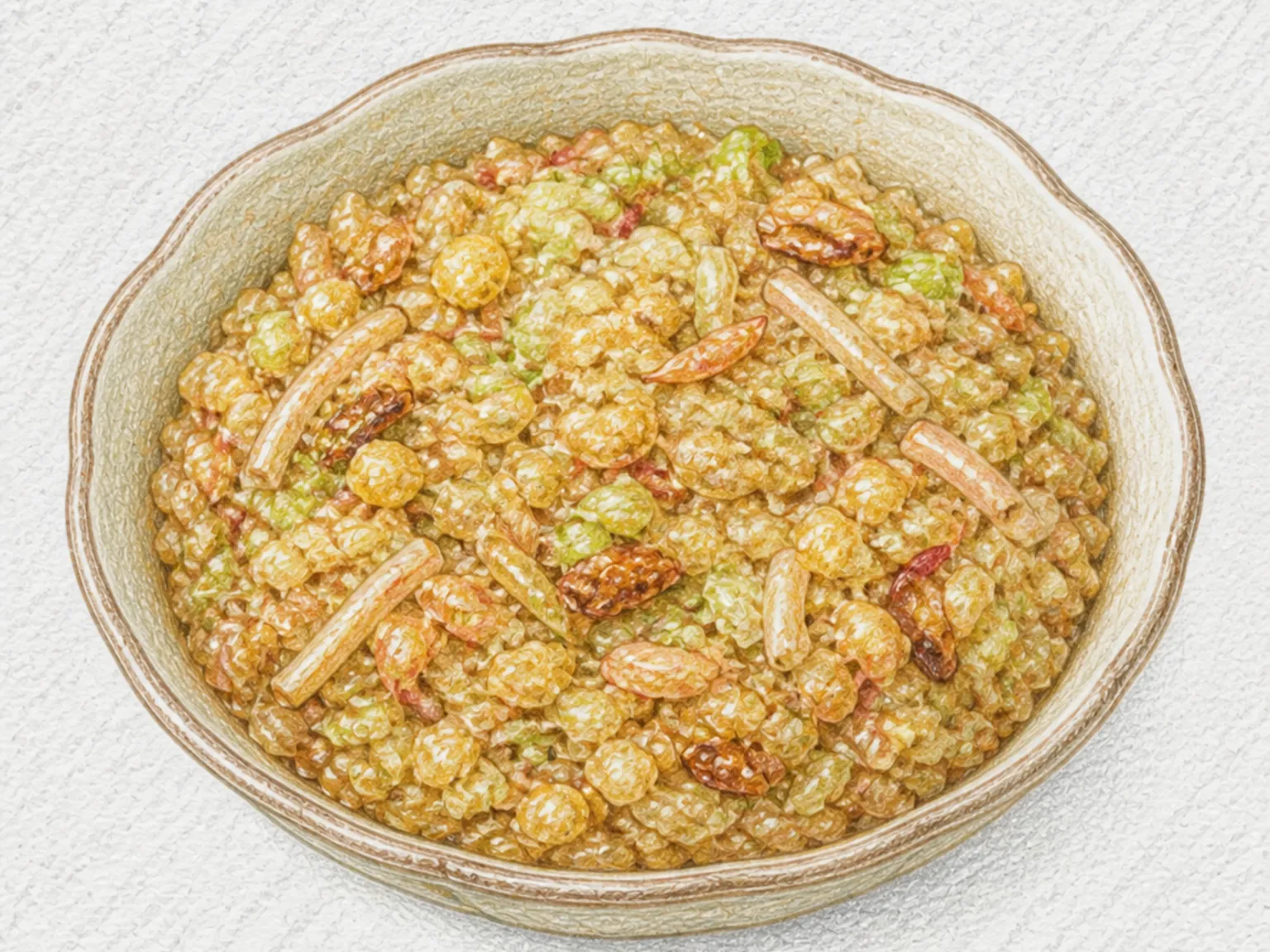
Fuzhu (Dried Bean Curd) Mala Xiang Guo
Asian Easy

Fuzhu (Dried Bean Curd) Mala Xiang Guo

An addictive stir-fry dish featuring chewy fuzhu and numbing mala sauce.

🔥 Trending Now 🥗 Light & Healthy
Prep 120min Cook 15min 2 servings
Gado-Gado (Indonesian Peanut Salad)
Asian Easy

Gado-Gado (Indonesian Peanut Salad)

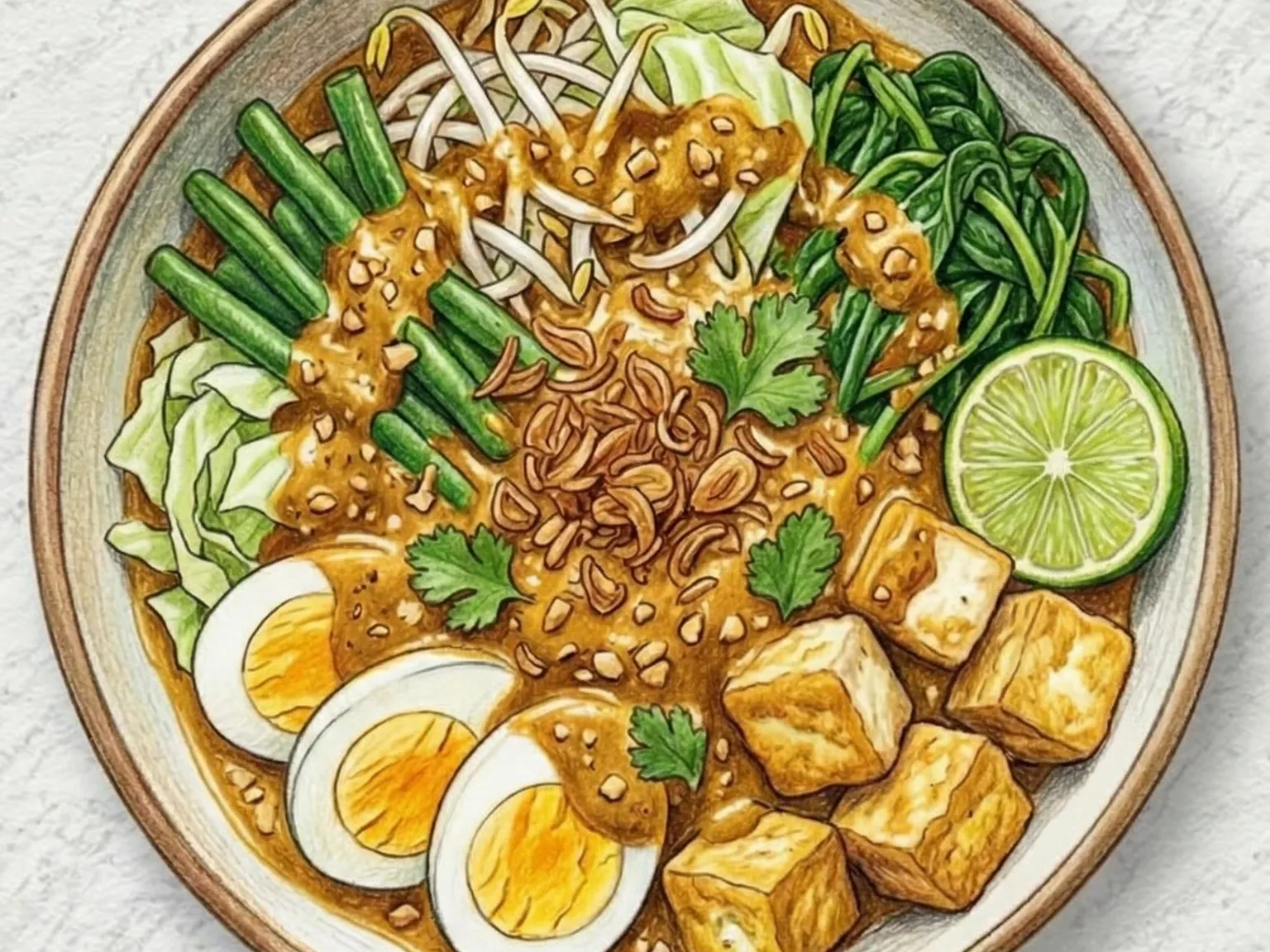
Gado-gado means mix-mix in Javanese, and the name describes exactly how the dish is assembled and eaten. Blanched spinach, bean sprouts, cabbage, and boiled potato are arranged on a plate alongside hard-boiled egg, fried tofu, and fried tempeh, then drenched generously with a thick peanut sauce before being mixed together at the table. The sauce is made by pounding freshly roasted peanuts in a mortar and mixing them with chili, garlic, tamarind, palm sugar, and kecap manis. The result is a complete flavor system in a single condiment -- nutty, spicy, sour, and sweet all at once -- so no additional seasoning is required. Street vendors pound the peanuts to order for each customer, and the smell of toasting nuts fills the air around their carts. Crushed kerupuk, the shrimp cracker common across Indonesian cooking, is scattered on top to add a shattering crunch that contrasts with the soft vegetables and protein. As the crackers absorb the sauce over the course of the meal they soften and swell, and that textural transition is considered part of the eating experience rather than a flaw. The dish adapts easily: built from vegetables alone it becomes a complete vegan meal, and loaded generously with egg and tofu it provides substantial protein. In Indonesia, gado-gado is eaten at any hour of the day with no particular seasonal or mealtime association, appearing at roadside carts and home tables with equal frequency.

🥗 Light & Healthy 🎉 Special Occasion
Prep 20min Cook 10min 2 servings
Gaeng Jued Tofu Soup (Thai Clear Tofu Soup)
Asian Easy

Gaeng Jued Tofu Soup (Thai Clear Tofu Soup)

Gaeng jued - literally 'bland soup' in Thai - is not tasteless despite its name; it is the one Thai dish that deliberately seeks gentleness in a cuisine famous for intensity. A clear broth simmered from pork bones or chicken holds soft tofu, small pork meatballs, glass noodles or squash. The meatballs are seasoned with garlic, white pepper, and coriander root - the aromatic trinity of Thai cooking - which infuse the clear broth with a subtle depth that belies the soup's transparent appearance. Fresh cilantro leaves and fried garlic are scattered on top for aroma and crunch, but the overall tone stays soothing and stomach-settling. On a Thai family table, gaeng jued sits alongside fiery dishes like som tam and tom yum, serving as a palate cleanser between bites of heat. It is the soup Thai parents make for children and for anyone feeling unwell - comfort food in its most literal sense.

🥗 Light & Healthy 🏠 Everyday
Prep 15min Cook 20min 4 servings
Gai Pad Med Mamuang (Thai Cashew Chicken)
Asian Easy

Gai Pad Med Mamuang (Thai Cashew Chicken)

Gai pad med mamuang is a Thai-Chinese stir-fry that traces its lineage to Chinese cashew chicken but has absorbed Thai seasoning logic - fish sauce replacing salt, oyster sauce adding body, and dried chilies providing a gentle background warmth. Bite-sized chicken and roasted cashews are tossed in a blazing wok with dried chilies, onion, and bell pepper; the cashews are pre-fried at low temperature to golden throughout, ensuring they stay crunchy even after joining the wet sauce. The sauce blends oyster sauce, soy sauce, fish sauce, and sugar, and the ratio among these four determines whether the dish leans sweet, salty, or somewhere in between. As the sauce coats the chicken, it takes on a lacquered sheen, and the cashews' oily richness melts into the glaze, adding a buttery undertone. In Thailand, it is typically served over steamed jasmine rice as a one-plate meal (khao rat kaeng), and its mild heat profile makes it one of the first Thai stir-fries that international visitors order with confidence.

🏠 Everyday 🍱 Lunchbox
Prep 15min Cook 12min 2 servings
Goan Fish Curry (Tangy Coconut Fish Stew)
Asian Easy

Goan Fish Curry (Tangy Coconut Fish Stew)

Goan fish curry - known locally as xitt-kodi - is the daily centerpiece of fishing households along India's Goa coast, shaped over five centuries by the meeting of Konkani culinary tradition and Portuguese colonial influence. Freshly pressed coconut milk forms the foundation, into which a masala paste of tamarind, Kashmiri red chilies, coriander seeds, and cumin is stirred and brought to a simmer. Local fish - kingfish, pomfret, or mackerel - are added bone-in and cooked over gentle heat for no more than five minutes. That restraint is the defining technique: the flesh absorbs the sauce fully while still breaking apart in clean, moist flakes at the press of a spoon rather than turning dense and dry. Tamarind's sharp acidity slices through the coconut cream's weight, producing a broth that reads as fresh and light despite its deep orange color and creamy texture. The Kashmiri chili contributes vivid color with only moderate heat, so the sauce is bold-looking but not aggressively spicy. Goan fishermen have long followed the practice of cooking their morning catch into curry by midday and serving it over boiled parboiled rice called ukde tandull, a pairing so bound to local identity that it crosses every line of religion, caste, and neighborhood across the state.

🎉 Special Occasion 🏠 Everyday
Prep 15min Cook 20min 2 servings
Vietnamese Fresh Spring Rolls
Asian Medium

Vietnamese Fresh Spring Rolls

Goi cuon, Vietnamese fresh spring rolls, are an uncooked hand-assembled dish from southern Vietnam. A sheet of rice paper softened in water serves as the wrapper for poached shrimp, sliced pork, rice vermicelli, lettuce, mint, cilantro, and garlic chives, all rolled tightly into a compact cylinder. Because the wrapper is translucent, the pink shrimp and bright herbs are visible through the exterior before the first bite, and that visual layer is part of the appeal. Two dipping sauces are standard: a thick peanut-hoisin blend whose richness suits the fatty pork, and nuoc cham, a light bright mixture of fish sauce, lime juice, sugar, and chili that works against the springy shrimp. Inside each roll, four distinct textures come together - the chewy rice paper, slippery vermicelli, firm shrimp, and leafy herbs - and none of them would work the same way if cooked. The dish requires no heat source to prepare, yet the balance of protein, starch, and fresh aromatics makes it nutritionally complete as a light meal. In Ho Chi Minh City, fresh spring rolls are sold from street carts alongside more elaborate restaurant preparations, and serving them at home means assembling at the table together, a format that brings a communal rhythm to the meal that plated dishes do not.

🥗 Light & Healthy 🎉 Special Occasion
Prep 30min Cook 10min 2 servings
Vietnamese Chicken Salad
Asian Easy

Vietnamese Chicken Salad

Goi ga is a Vietnamese chicken salad served throughout the country as a beer snack and appetizer, one of the most practical dishes the cuisine has for hot weather when something cool, sharp, and light is what the body wants. A whole chicken is poached in water until just cooked through, then cooled completely before being shredded by hand along the grain. Hand-shredding rather than knife-cutting matters here: the torn fibers create irregular surfaces with greater surface area, so the dressing clings to the meat rather than pooling at the bottom of the bowl, and the textured chew is noticeably different from cleanly sliced chicken. Shredded cabbage, onion, and carrot form the vegetable base, combined with Vietnamese coriander known as rau ram, cilantro, and fresh mint. The dressing is fish sauce, fresh lime juice, sugar, sliced fresh chili, and minced garlic, whisked together until the sugar dissolves. The dressing acidity pulls the chicken out of its mildness, and the fish sauce depth meets the watery crunch of the vegetables to produce a balance that reads as light but not bland. Fried shallots and crushed roasted peanuts scattered over the top add a crunchy layer that makes the salad feel complete rather than spare. At bia hoi, the informal fresh-beer street bars found across Vietnam, goi ga is among the first dishes ordered and typically arrives at the table before the first cold glass is poured.

🥗 Light & Healthy 🎉 Special Occasion
Prep 20min Cook 15min 2 servings
Gua Bao (Steamed Bun with Braised Pork)
Asian Hard

Gua Bao (Steamed Bun with Braised Pork)

Gua bao, sometimes called the Taiwanese hamburger, is a traditional snack that traces its origins to a ceremonial food eaten during Lunar New Year pig slaughter, though it has since become one of the most recognizable symbols of Taiwan night market street food culture. The steamed bun, called he ye bao, is made from fermented wheat dough that must be soft and pillowy on the inside, smooth on the surface, and elastic enough to fold cleanly in half without tearing before the filling is placed inside. The pork belly filling is braised for over an hour in soy sauce, five-spice powder, and rock sugar until the meat breaks apart along its grain at the lightest touch of chopsticks. Three garnishes work together to cut through the richness of the braised pork from different angles: pickled mustard greens bring sharp fermented acidity, crushed peanut powder adds a sandy sweetness, and fresh cilantro contributes bright herbal fragrance. The bun is sized to hold in one hand, yet the flavor complexity it contains rivals a full plated dish. This compression of layered depth into a single handheld bite is precisely what defines the spirit of Taiwan night market cooking.

🎉 Special Occasion
Prep 25min Cook 45min 2 servings
Guo Bao Rou (Sweet and Sour Crispy Pork)
Asian Medium

Guo Bao Rou (Sweet and Sour Crispy Pork)

Guo bao rou, literally pot-wrapped meat, is the flagship dish of Northeastern Chinese cuisine, developed in Harbin during the late Qing Dynasty to accommodate Russian diplomats who found traditional Chinese flavors unfamiliar. To suit their palate, the dish was built around a sharp vinegar-sugar balance, and that foundation has persisted to the present day. The technique centers on double-frying: pork tenderloin or loin is sliced thin, coated heavily in potato starch, fried once to set the exterior, then fried a second time at higher temperature to puff the starch into a glassy, shattering crust. The sauce of vinegar, sugar, and soy sauce is reduced in a screaming-hot wok until it caramelizes, and the fried pork must be tossed through in thirty seconds flat. Exceed that window and the starch drinks the sauce, collapsing the crunch entirely. The original Harbin version is pale in color with a pronounced acidic edge. As the dish traveled south through China and into Korean-Chinese restaurants, cooks began substituting ketchup, producing the sweeter and more vividly red version familiar today in Korean establishments. The finished piece delivers three distinct layers of texture simultaneously: a translucent caramelized sauce coating on the surface, a brittle expanded starch shell beneath it, and soft yielding meat at the center.

🎉 Special Occasion
Prep 20min Cook 20min 3 servings
Gyoza
Asian Medium

Gyoza

Gyoza are Japanese pan-fried dumplings that evolved from Chinese jiaozi, brought back to Japan by soldiers and civilians returning from Manchuria after World War II, who recreated the dumplings they had eaten abroad. A thin wheat-flour wrapper encloses a filling of ground pork, napa cabbage (or regular cabbage), garlic chives, garlic, and ginger, pleated into a crescent shape. The dumplings are placed flat-side down in an oiled skillet, seared until golden, then water - sometimes mixed with a touch of flour - is added and the lid goes on to steam them through; as the water evaporates, the bottoms re-crisp and form the thin, lacy skirt called hanetsuki that connects all the dumplings in the pan. Each piece delivers three textures in one bite: the chewy steamed top, the crackling golden base, and the juicy meat filling inside. A dipping sauce of soy sauce, rice vinegar, and la-yu (chili oil) adds sharpness, salt, and heat atop the dumpling's savory richness. Gyoza are served as a ramen-shop side dish, an izakaya beer snack, and a weekend home-cooking staple - one of the most versatile foods in the Japanese repertoire.

🍺 Bar Snacks 🎉 Special Occasion
Prep 40min Cook 15min 4 servings
Japanese Beef Bowl (Gyudon)
Asian Easy

Japanese Beef Bowl (Gyudon)

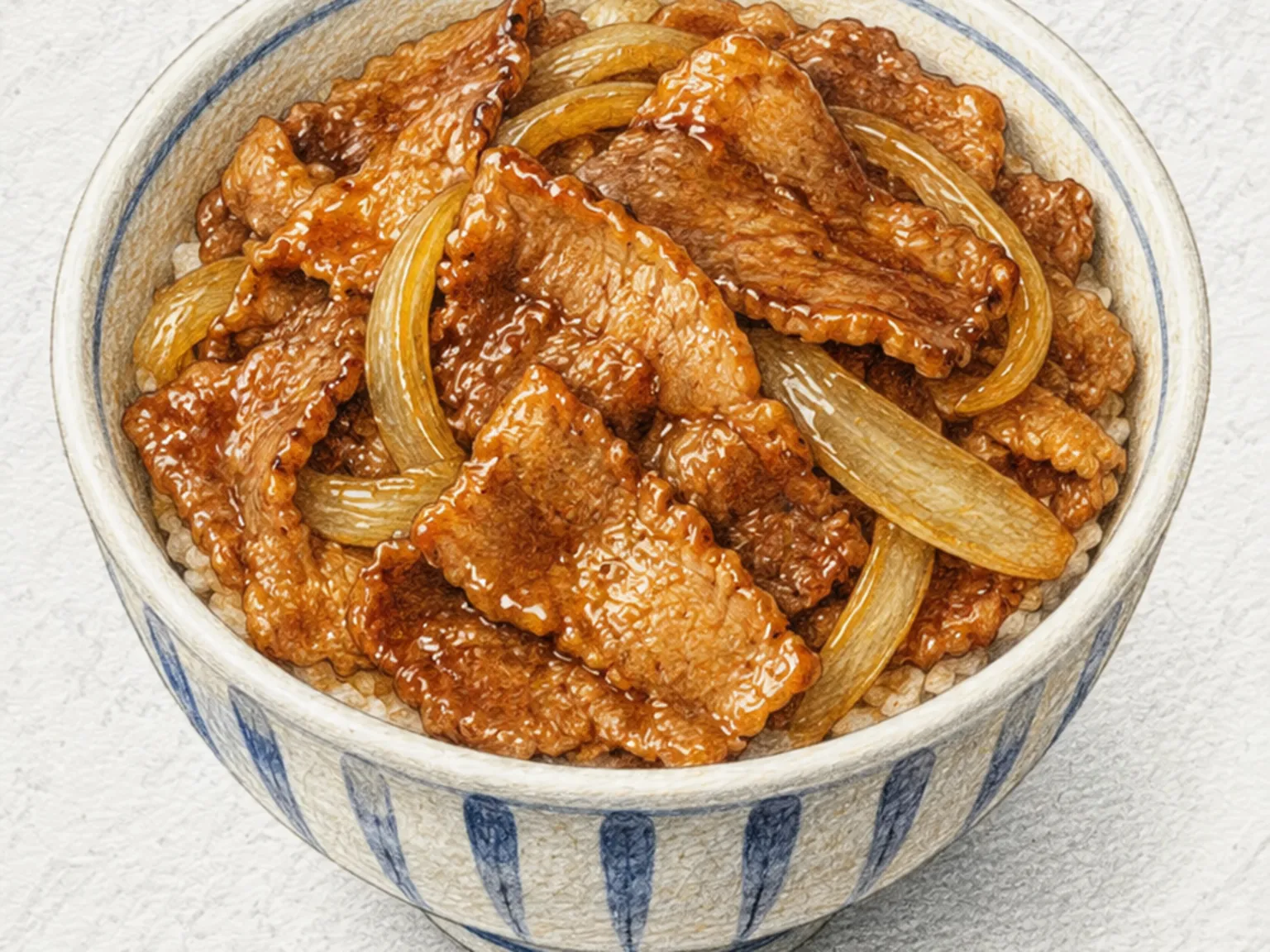
Gyudon starts with paper-thin slices of beef and thinly cut onion simmered together in a broth of soy sauce, mirin, sugar, and grated ginger. The key is keeping the heat at medium rather than high, which prevents the beef from toughening and allows the onion to break down gently, releasing sweetness into the sauce. As the liquid reduces to a glossy, concentrated state, the flavors intensify into a layered combination of salty, sweet, and faintly sharp ginger notes. A one-minute rest off the heat lets the beef absorb more of the seasoned broth before it goes over the rice. The dish differs from stir-fried beef bowls in that the meat is never seared; instead it poaches in the simmering liquid, staying notably soft. A runny egg on top is traditional and adds richness when the yolk breaks into the sauce.

🏠 Everyday ⚡ Quick
Prep 10min Cook 15min 2 servings
Hainanese Chicken Rice (Poached Chicken on Fragrant Rice)
Asian Medium

Hainanese Chicken Rice (Poached Chicken on Fragrant Rice)

Hainanese chicken rice is the signature dish of Singapore and Malaysia, built on the deceptively simple technique of poaching bone-in chicken thighs in water seasoned with ginger and scallion at a consistently gentle temperature, then using the resulting broth to cook the rice. The temperature during poaching is the defining variable: the water must stay at a bare tremble rather than a rolling boil to keep the muscle fibers relaxed and the meat silky rather than fibrous or dry. For the rice, garlic and ginger are sauteed in oil or rendered chicken fat until fragrant, then raw jasmine rice joins the pot and the strained poaching broth replaces plain water for cooking. A spoonful of additional chicken fat stirred in before the lid goes on gives the finished rice a glossy sheen and noticeably richer aroma. The poached chicken is cooled, sliced across the grain to show a smooth, tender cross-section, and arranged alongside fresh cucumber slices that add a crisp, refreshing contrast to the soft meat. Two condiments accompany the dish and define its character: a chili-ginger sauce that provides heat and brightness, and a thick, dark soy sauce that contributes deep, caramel-like sweetness. Despite relying on few ingredients, the dish rewards careful attention to poaching temperature and broth management at every stage.

🎉 Special Occasion 🍺 Bar Snacks
Prep 20min Cook 45min 4 servings
Hainanese Curry Rice (Mixed Curry Gravy Platter)
Asian Medium

Hainanese Curry Rice (Mixed Curry Gravy Platter)

Hainanese curry rice is a Singaporean comfort plate that grew out of the island's Hainanese immigrant community, blending Japanese-style pork cutlet, Malay curry traditions, and the influence of British colonial cooking into a single unassuming dish. Crispy pork cutlet, boiled potato, and blanched cabbage are laid over steamed rice, then drenched in a combination of curry gravy and braised soy sauce that pool together on the plate. The curry begins with blooming curry powder in oil to coax out its full fragrance before coconut milk and water are added, simmering until the sauce thickens and takes on a gentle coconut sweetness alongside the layered spice. What truly distinguishes this plate is the intentional mixing of two contrasting sauces directly on the rice, where the heat and warmth of curry meets the saltier, deeper soy-braised gravy. The pork cutlet is sliced only at the moment of serving to preserve its crunch against the liquid. Soft potato pieces and slightly firm cabbage provide textural counterpoints to each bite of crunchy cutlet and saucy rice. In Singapore, this dish is served from early morning at hawker centres where each stall keeper holds their own closely guarded ratio of spices, making the quality of the gravy the true mark of each vendor.

🎉 Special Occasion
Prep 25min Cook 25min 2 servings
Hakka Noodles (Indo-Chinese Stir-Fried Noodles)
Asian Easy

Hakka Noodles (Indo-Chinese Stir-Fried Noodles)

Hakka noodles represent the Indo-Chinese culinary tradition, a fusion cuisine that originated in the Chinese immigrant community of Kolkata and has since spread to cities across India. Egg noodles are boiled just short of fully cooked, rinsed under cold water to stop cooking, and tossed with a small amount of oil so the strands stay separate and pick up seasoning evenly during stir-frying. The vegetables, cabbage, carrot, and bell pepper, are julienned into matchstick-width strips that match the diameter of the noodles, ensuring a balanced forkful in every bite, and are cooked for no more than two minutes over intense heat to preserve their snap. The seasoning mix is deliberately spare: soy sauce for salinity, a splash of rice vinegar for a faint sour note, and black pepper for warmth. What matters more than the ingredient list is the speed and heat of the cooking. The intense wok temperature creates a light char and smoky depth on the noodles and vegetables, a quality called wok hei that cannot be achieved at lower temperatures regardless of the seasoning. Spring onions are added only after the heat is off to keep their fresh aroma and bite intact. Slightly undercooking the noodles before the wok is key; overcooked noodles turn mushy under the heat of stir-frying.

🏠 Everyday 🌙 Late Night
Prep 15min Cook 10min 2 servings
Cantonese Har Gow Dumplings
Asian Hard

Cantonese Har Gow Dumplings

Har gow is the benchmark dumpling of Cantonese dim sum, and the translucent wrapper is what sets it apart from every other variety. Wheat starch and tapioca starch are mixed with boiling water, which instantly gelatinizes the starches and produces a pliable, springy dough with a silky chew that ordinary wheat flour simply cannot replicate. A small amount of oil kneaded in ensures the dough stays smooth and workable as you roll. The shrimp filling is deliberately chopped rather than minced fine, so each bite delivers a firm, snappy texture instead of a paste. Finely diced bamboo shoots add a subtle crunch that breaks the monotony. Seasoning is intentionally restrained, sesame oil, salt, and white pepper only, to let the natural sweetness of the shrimp carry the flavor. The dough firms up quickly as it cools, so the only practical approach is to work in small batches. Six to seven minutes over high steam is all it takes for the wrappers to turn glassy and the pink shrimp to show through. At a Hong Kong yum cha table, har gow is invariably among the first baskets ordered.

🎉 Special Occasion
Prep 35min Cook 12min 4 servings
Hokkien Lor Mee (Braised Gravy Noodles)
Asian Medium

Hokkien Lor Mee (Braised Gravy Noodles)

Hokkien lor mee is a thick-gravy noodle dish from the Chinese communities of Singapore and Malaysia, built on chicken stock seasoned with dark soy sauce and five-spice powder. The dark soy gives the broth its deep mahogany color and intense saltiness, while five-spice, with its blend of star anise and cinnamon, layers in aromatic complexity. A cornstarch slurry is added gradually to thicken the broth to a glossy, almost sauce-like consistency that coats the yellow noodles completely. Bean sprouts are blanched for just one minute to retain their crunch, and halved boiled eggs provide a creamy element. The traditional finishing touch is raw minced garlic and a splash of black vinegar, both of which cut through the heavy gravy and keep each spoonful from becoming monotonous.

🎉 Special Occasion 🌙 Late Night
Prep 20min Cook 25min 2 servings
Hokkien Mee (Prawn Broth Stir-Fried Noodles)
Asian Medium

Hokkien Mee (Prawn Broth Stir-Fried Noodles)

Hokkien mee is a Singaporean stir-fried noodle dish that uses two types of noodles, yellow egg noodles and thin rice vermicelli, cooked together in rich prawn stock. The stock, made by roasting shrimp heads and shells until deeply fragrant, is what separates this dish from ordinary stir-fried noodles. High wok heat is non-negotiable; insufficient heat leaves excess moisture and mutes the flavors. Shrimp and squid are seared quickly over maximum flame to avoid overcooking, then both noodle types are tossed in and drenched with the prawn stock and soy sauce, cooking until the liquid is nearly absorbed into the strands. Bean sprouts go in for the final thirty seconds to preserve their snap. A squeeze of lime just before eating brings acidity that lifts the rich, marine-heavy flavors.

🎉 Special Occasion 🍺 Bar Snacks
Prep 20min Cook 15min 2 servings
Hokkien Prawn Mee (Spicy Prawn Noodle Soup)
Asian Medium

Hokkien Prawn Mee (Spicy Prawn Noodle Soup)

Hokkien prawn mee is one of the defining noodle dishes of Singapore's hawker culture, built on a dual stock of roasted shrimp shells and slow-simmered pork bones. The shrimp are broken down into shells and meat before cooking begins - the shells are fried in oil with garlic until deeply browned and fragrant, and this step alone sets the ceiling of flavor the final broth can reach. Pork stock is added to the pan and the combined liquid simmers for twenty minutes before being strained, producing a broth that appears almost clear but carries a concentrated marine and pork depth. Egg noodles and the reserved shrimp meat are cooked directly in this strained liquid, and fish sauce is stirred in to reinforce the ocean character. A spoonful of sambal chili paste rests on the surface and gradually dissolves into the soup as the bowl is eaten, intensifying with each sip. Chopped scallion adds a fresh green note against the rich, amber broth.

🎉 Special Occasion 🌙 Late Night
Prep 25min Cook 35min 2 servings
Hot and Sour Soup
Asian Easy

Hot and Sour Soup

Hot and sour soup is among the most widely recognized Chinese soups, and its defining character comes not from chili but from two specific sources: black vinegar's sharp acidity and white pepper's slow, creeping heat. Chicken broth forms the base, simmered with cubed tofu, reconstituted wood ear mushrooms, and sliced shiitake. A cornstarch slurry is worked in gradually, small additions at a time, to build a lightly viscous consistency without tipping the broth into something gluey and heavy. Beaten egg is poured in a thin, steady stream while the soup is stirred, forming delicate ribbons that float throughout. Two timing rules matter: the slurry goes in slowly, and the vinegar goes in last, after the heat is reduced, because its volatile aroma dissipates quickly if boiled. Wood ear mushrooms provide a springy, almost cartilaginous chew that contrasts with the softness of the tofu and the wispy egg threads. The white pepper heat lingers and builds after each spoonful, arriving late rather than hitting immediately, which gives the soup its characteristic slow warmth.

🏠 Everyday 🥗 Light & Healthy
Prep 15min Cook 20min 4 servings
Hu Tieu Nam Vang (Vietnamese Pork & Shrimp Noodle Soup)
Asian Medium

Hu Tieu Nam Vang (Vietnamese Pork & Shrimp Noodle Soup)

Hu tieu nam vang is a clear-broth rice noodle soup from southern Vietnam, originating in the Cambodian immigrant communities of Phnom Penh and now thoroughly embedded in Saigon street food culture. Pork bones are simmered at low heat for an extended time while the surface is skimmed repeatedly to keep the broth transparent and clean-tasting. Fish sauce and a measured amount of sugar season the broth with a savory-sweet balance that is distinctively southern Vietnamese. Ground pork is pan-fried with garlic until the moisture cooks off and the meat turns crumbly and lightly browned, creating a textured topping that contrasts with the silky broth. Whole shrimp are blanched for one minute only, enough to set the flesh without turning them rubbery. Rice noodles go into the bowl first, raw bean sprouts are piled on top, and boiling broth is ladled over, wilting the outer layers of the sprouts while leaving their cores crisp. A spoonful of garlic-infused oil floated on the surface releases fragrance with each sip and deepens the overall aroma. Green onion and black pepper finish the bowl simply, and the long-cooked broth does the work of pulling every element together. Lime wedges and fresh chilies on the side let each diner adjust acidity and heat to their own preference.

🎉 Special Occasion 🌙 Late Night
Prep 25min Cook 40min 2 servings
Hui Guo Rou (Twice-Cooked Pork)
Asian Medium

Hui Guo Rou (Twice-Cooked Pork)

Hui guo rou, literally 'twice-cooked pork,' stands as one of the defining dishes of Sichuan cuisine. Pork belly is first simmered whole until cooked through, then cooled completely and sliced thin before returning to a screaming-hot wok. The initial boiling renders excess fat and firms the meat, making clean, uniform slices possible. Back in the wok, those slices fry until their edges curl and crisp while the fat layers turn chewy rather than soft. Doubanjiang, the fermented chili bean paste that forms the backbone of Sichuan cooking, goes in along with fermented black beans, and together they build the dish's signature salty-spicy character. A splash of soy sauce and a pinch of sugar round out the depth. Diagonally sliced leek and green bell pepper are added only in the final one to two minutes over maximum heat, keeping their snap and fresh color against the richly seasoned pork. Because doubanjiang's saltiness varies significantly by brand, the soy sauce amount should always be adjusted to taste after the paste is added. When the wok is hot enough to generate wok hei, all the elements fuse into a cohesive, smoky whole that captures the bold spirit of Sichuan cooking.

🏠 Everyday 🍱 Lunchbox
Prep 25min Cook 20min 2 servings
Idli Sambar (Steamed Rice Cakes with Lentil Stew)
Asian Medium

Idli Sambar (Steamed Rice Cakes with Lentil Stew)

Idli sambar is a foundational South Indian breakfast that pairs soft, steamed rice cakes with a deeply spiced lentil and vegetable stew. The idli batter is made by soaking and grinding rice and urad dal separately, then mixing and leaving the combination to ferment overnight; this fermentation is what produces the airy, spongy texture when the batter is poured into molds and steamed for ten to twelve minutes. The resulting discs absorb sauces readily and have a mild, slightly tangy flavor from the fermentation. The sambar starts with toor dal simmered until completely soft and partially mashed to give the broth body, then combined with sauteed onion and tomato along with sambar powder and tamarind water for a ten-minute simmer. Tamarind's pronounced sourness balances the earthiness of the lentils and keeps the broth from tasting heavy, while the spice blend in sambar powder adds a warm background heat without becoming harsh. The final and essential step is tempering: mustard seeds are dropped into very hot oil until they pop and scatter, then the spiced oil is stirred into the finished stew, releasing a nutty, aromatic burst that threads through the whole pot. Dipping or soaking the mild, fluffy idli in the bold, tangy sambar creates the contrast that defines this combination and distinguishes it from eating either component alone. Coconut chutney served alongside adds a cool, creamy counterpoint.

🏠 Everyday 🎉 Special Occasion
Prep 25min Cook 30min 4 servings
Jianbing (Chinese Savory Breakfast Crepe)
Asian Medium

Jianbing (Chinese Savory Breakfast Crepe)

Jianbing is a northern Chinese street breakfast crepe assembled on a flat griddle within minutes. A thin batter of mung bean flour and wheat flour is spread into a wide circle, then an egg is cracked directly on top and smeared across the surface while still liquid. Chopped scallion is scattered over the egg before the crepe is flipped briefly to set the other side. Sweet bean sauce and chili sauce are brushed on, followed by fresh cilantro and a crispy fried wonton sheet that provides the signature crunch. The mung bean flour gives the batter a distinctive nutty flavor and slightly crisp edge that plain wheat flour cannot replicate. The whole assembly is folded into a neat rectangle meant to be eaten by hand. Timing is critical for the wonton cracker, which should be added last to prevent sogginess, creating a layered contrast of soft crepe, runny egg, sharp sauce, and shattering crunch.

🏠 Everyday ⚡ Quick
Prep 20min Cook 15min 2 servings
Kadhi Pakora (Yogurt Curry with Fritters)
Asian Medium

Kadhi Pakora (Yogurt Curry with Fritters)

Kadhi pakora is a yogurt-based curry from North India, especially popular in Punjabi home cooking, where gram flour fritters are simmered in a tangy, spiced yogurt gravy. The pakoras are made by mixing a portion of gram flour with sliced onion, salt, and water into a thick batter, then deep-frying spoonfuls until golden. The remaining gram flour is whisked with yogurt, water, turmeric, and red chili powder to form the kadhi base, which must be stirred constantly in the early stages to prevent the yogurt from splitting. Cumin seeds are bloomed in oil to release their aroma before the kadhi mixture is poured in and simmered gently for twenty minutes, allowing the raw flour taste to cook out completely. Adding the fried pakoras near serving time preserves some of their texture, while longer simmering lets them absorb the gravy and turn soft throughout.

🎉 Special Occasion 🍺 Bar Snacks
Prep 20min Cook 35min 4 servings