Asian Recipes
216 recipes. Page 6 of 9
The Asian category gathers popular dishes from Japan, China, Thailand, Vietnam, India, and beyond. Curry, stir-fried noodles, mapo tofu, pad Thai, and pho are among the Asian favorites commonly enjoyed in Korean households.
Laing (Filipino Bicol Dried Taro Leaf Coconut Milk Stew)
Laing is a traditional dish from the Bicol region of the Philippines, made by slowly simmering dried taro leaves in coconut milk with chili, garlic, ginger, and shrimp paste. The leaves must be fully dried rather than fresh - fresh taro leaves contain calcium oxalate crystals that cause an intense itching sensation in the mouth and throat. Once the aromatics are sauteed in coconut milk, the dried leaves are layered in and the pot is left uncovered to reduce. A critical rule in traditional preparation is to never stir the pot; stirring releases the irritants from the leaves into the liquid. As the coconut milk reduces over low heat, it concentrates into a thick, oily sauce that clings to the softened leaves. Shrimp paste contributes a deep, funky salinity, while fresh or dried chilies bring the heat that Bicolano cuisine is known for. The result is rich, spicy, and intensely savory - meant to be eaten in modest spoonfuls alongside a generous mound of steamed rice.
Coconut Shrimp Laksa (Spiced Coconut Broth Noodle Soup with Shrimp)
Coconut shrimp laksa is a Southeast Asian noodle soup built on a broth of coconut milk, spice paste, and chicken stock that manages to be simultaneously rich, spicy, and aromatic. The laksa paste - a pounded blend of lemongrass, galangal, turmeric, dried shrimp, dried chilies, and shrimp paste - is fried in oil until deeply fragrant before coconut milk and stock are poured in. The resulting broth is thick and creamy with visible pools of chili oil floating on the surface. Shrimp are cooked shell-on in the broth to extract maximum flavor, then peeled and placed back on top. Rice noodles form the base of each bowl, topped with bean sprouts, halved hard-boiled egg, and cubes of fried tofu puff that soak up the broth like sponges. A squeeze of lime and a drizzle of fish sauce finish the bowl, adding acid and salt that sharpen the richness of the coconut. In Singapore and Malaysia, laksa is eaten from early morning through late night, served at hawker stalls that often specialize in this single dish.
Larb Gai (Thai Isan Minced Chicken Herb Salad with Lime)
Larb gai is a minced chicken salad from the Isan region of northeastern Thailand. The chicken is cooked just until it loses its raw color, then dressed while still warm with lime juice, fish sauce, and a generous pinch of toasted rice powder that gives each bite a nutty, sandy crunch. Fresh mint, cilantro, and thinly sliced shallots add layers of brightness, while dried chili flakes bring a slow-building heat. Traditionally scooped up with balls of sticky rice, it works equally well wrapped in lettuce leaves or cabbage cups. The dish is light enough for hot weather yet full-flavored enough to anchor a meal.
Lion's Head Meatballs (Chinese Braised Large Pork Meatballs with Cabbage)
Lion's head meatballs are a hallmark of Huaiyang cuisine from eastern China. Each meatball is shaped to the size of a fist from a loose mixture of ground pork, minced water chestnuts, and aromatics - the water chestnuts keeping the interior moist and giving it a subtle crunch even after long braising. The meatballs nestle into napa cabbage leaves in a clay pot, then simmer gently in a light soy and ginger broth until the cabbage wilts into silky ribbons and the pork turns spoon-tender. The name comes from how the cabbage wraps around each ball like a lion's mane. Served with steamed rice, the mild broth doubles as a soup course.
Lo Mai Gai (Cantonese Lotus Leaf Glutinous Rice with Chicken)
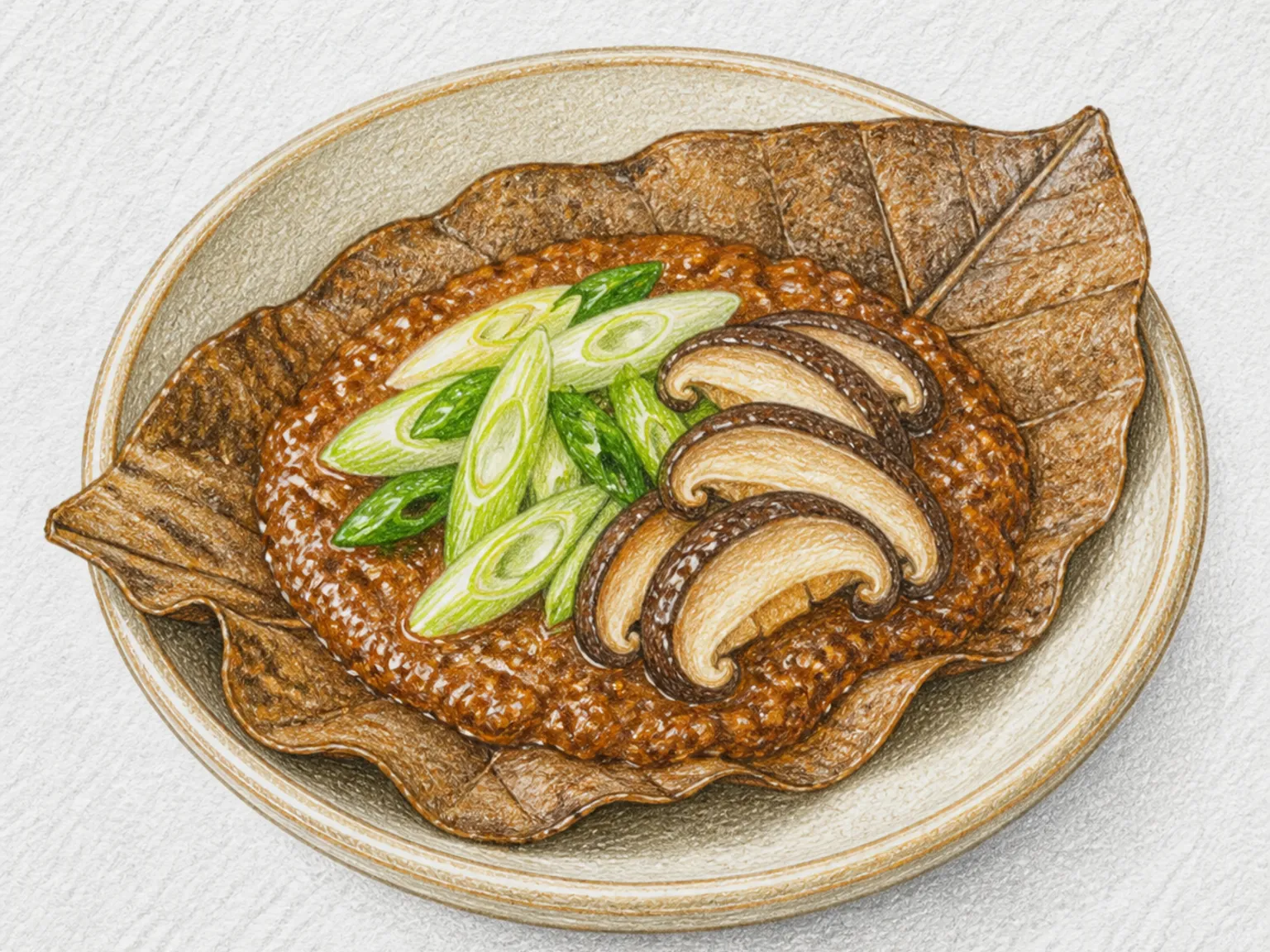
Lo mai gai is a Cantonese dim sum staple of glutinous rice packed with diced chicken, shiitake mushrooms, Chinese sausage, and dried shrimp, all seasoned with oyster sauce and soy sauce, then wrapped tightly in dried lotus leaves and steamed. The lotus leaf is not incidental to the dish. When the package is exposed to steam heat, the leaf releases a grassy, subtly earthy fragrance that penetrates the rice and cannot be recreated by substituting parchment or foil. The glutinous rice absorbs the seasoning from the filling as it cooks, drawing in the savory-sweet fat of the Chinese sausage, the concentrated marine umami of the dried shrimp, and the deep, woodsy aroma of shiitake mushrooms. These flavors fuse into the rice so that every spoonful carries all of them at once rather than tasting like individual components. The parcel arrives at the table in a bamboo steamer, and unfolding the leaf at the table releases a rush of steam carrying the unmistakable lotus fragrance. The traditional way to eat it is directly off the opened leaf.
Lu Rou Fan (Taiwanese Braised Pork Belly Rice Bowl)
Lu rou fan is Taiwan's most deeply embedded comfort food, a bowl of steamed white rice topped with minced pork that has been braised low and slow in soy sauce, rice wine, and five-spice powder until the fat renders completely and the cooking liquid reduces into a thick, glossy sauce. Star anise and cinnamon permeate the meat during the long simmer, contributing a warm, aromatic layer that is present but never sharp enough to dominate. Sold from roadside stalls and neighborhood restaurants across Taiwan at all hours and at minimal cost, it is both an everyday staple and a dish people return to throughout their lives. Pickled daikon served alongside cuts through the richness of the braising sauce with its crunch and acidity, providing the contrast that makes the combination more satisfying than either element alone. A soy-braised egg with a jammy yolk adds another textured component, and a small bunch of blanched greens rounds out the bowl with something light and clean. The braising liquid deepens significantly with time, so simmering for at least thirty minutes over gentle heat is what separates a properly developed lu rou fan from a rushed version.
Lumpiang Shanghai (Filipino Deep-Fried Pork Spring Rolls)
Lumpiang Shanghai is the spring roll that appears without fail at every Filipino celebration, from birthday parties to holiday feasts and town fiestas. Ground pork is mixed with finely diced carrots, onions, and scallions, seasoned with soy sauce and black pepper, then rolled into finger-length cylinders using thin spring roll wrappers before being deep-fried to a golden, audibly crisp shell. The moment teeth break through the shattering exterior, well-seasoned and juicy meat pours out from within, and that contrast is the core of its appeal. Served alongside a sweet chili dipping sauce or a sharp vinegar sauce, the richness of the pork and the acidity of the condiment lock together in a way that makes stopping at one piece genuinely difficult. The rolls hold their crispness at room temperature far longer than most fried foods, which is why trays of them tend to disappear within minutes at any gathering. Adding shrimp to the pork filling introduces a springy bite and a layer of brininess that takes the flavor a step further.
Malai Kofta (Indian Paneer Potato Dumplings in Creamy Tomato Sauce)
Malai kofta is a celebratory vegetarian dish from North India in which dumplings made from mashed potato and crumbled paneer are fried until golden-brown, then placed in a velvety tomato-cream gravy. The exterior of each kofta crisps in the oil while the interior remains soft and filled with mild paneer, so that when broken open in the gravy, the cheese spills into the sauce and enriches it further. The gravy is built from a base of slow-cooked onions and tomatoes pureed until smooth, finished with cashew nut paste and heavy cream for a rich, dense texture. Cashew paste is the key technique here, adding a nutty creaminess that coconut milk or plain cream alone cannot replicate. Garam masala and a touch of turmeric contribute warm, fragrant spice without sharp chili heat, keeping the dish approachable and suitable for formal occasions. The koftas should be added to the gravy just before serving, since extended soaking softens the exterior and causes them to break apart. Served alongside naan or basmati rice, malai kofta is a standard centerpiece at Indian wedding feasts and festival gatherings, prized as much for its visual richness as for its flavor.
Sweet and Spicy Mango Chutney Shrimp Curry
An Indian-style curry combining the sweetness of mango chutney with spicy spices.
Mango Sticky Rice
Mango sticky rice is Thailand's most beloved dessert, built on nothing more than three ingredients - glutinous rice, coconut milk, and ripe mango - yet delivering a complexity that belies its simplicity. The rice is steamed, then soaked in warm coconut milk sweetened with sugar and tempered with a pinch of salt, which keeps the dish from being one-dimensionally sweet. Slices of ripe mango, ideally the fragrant Nam Dok Mai variety, are laid alongside the warm rice. A drizzle of thickened coconut cream on top ties everything together, and a scattering of toasted mung beans or sesame seeds adds a final nutty note. The dish is at its peak between April and June when mangoes are at their sweetest.
Sichuan Spicy Tofu (Mapo Tofu)
Mapo tofu is the dish that defines Sichuan cooking for much of the world, and it earns that reputation through an uncompromising combination of heat and numbing spice. Blocks of silken tofu are slid carefully into a wok with ground pork, doubanjiang (fermented chili bean paste), and a generous measure of ground Sichuan pepper, then cooked at high heat until the sauce tightens and coats every cube completely. The doubanjiang provides fermented depth and an unmistakable rusty-red color that signals its flavor before the first bite, while the Sichuan pepper delivers the numbing, tingling sensation known as ma that separates this dish from any other spicy food. Each cube of tofu absorbs the sauce at its edges while remaining silken at the center, creating a contrast between the spiced exterior and the cool, neutral interior that makes each bite dynamic. Spooned generously over steamed rice, the thick sauce penetrates between every grain, pulling together the entire bowl into a single cohesive experience. The interplay of ma (numbing) and la (spicy heat) is the defining characteristic of Sichuan cuisine, and mapo tofu demonstrates that pairing with more clarity and intensity than almost any other dish in the repertoire.
Masala Dosa (South Indian Crispy Rice Crepe with Spiced Potato Filling)
Masala dosa is a cornerstone of South Indian cuisine, served from breakfast through dinner across the subcontinent. The crepe is made from a batter of rice and urad dal (black lentils) that ferments overnight, developing a mild tanginess from lactic acid bacteria while building the structure that allows the batter to crisp sharply on a hot griddle. Inside sits a filling of mashed potatoes tempered with mustard seeds, curry leaves, turmeric, and green chilies. The dosa arrives at the table golden and oversized, folded or rolled around its filling, with coconut chutney and sambar, a lentil and vegetable stew, served alongside for dipping. The contrast between the shatteringly crisp crepe and the soft, warmly spiced potato is the defining quality of the dish. Fermentation time determines both the sourness and the crispness of the finished dosa, and cooks adjust it between eight and sixteen hours depending on ambient temperature.
Massaman Curry (Thai-Muslim Mild Chicken Potato Peanut Coconut Curry)
Massaman curry stands apart from other Thai curries with its mild, sweet-savory character and its roots in the Muslim communities of southern Thailand, where trade routes from Persia and India brought cinnamon, cardamom, cloves, and star anise into the local kitchen long before chili became dominant. These whole spices simmer in the coconut milk base, lending an aromatic warmth that is closer to a slow-braised stew than to the fiery curries Thailand is more widely known for. Chicken thighs, whole shallots, potatoes, and roasted peanuts braise together until the potatoes begin to break apart and naturally thicken the sauce, absorbing the spiced oil along the way. Tamarind paste and palm sugar steer the richness toward a gentle tang and sweetness rather than a heavy or one-dimensional creaminess. The result is a deeply layered curry that uses almost no chili heat, making it one of the most approachable dishes in the Thai repertoire for those unaccustomed to spice while still rewarding more experienced palates with its complexity.
Mee Bandung (Malaysian Johor Shrimp Tomato Gravy Noodles)
Mee bandung is a noodle dish from Johor in southern Malaysia, built around a thick, rust-colored gravy made from shrimp, tomato paste, and chili paste. The sauce has a distinctive character - simultaneously sweet, spicy, and briny - that sets it apart from the brothier noodle soups common elsewhere in the country. Yellow wheat noodles sit in the gravy rather than float in it, and the topping of whole shrimp, hard-boiled egg, and sliced scallions rounds out the bowl. The gravy clings to each strand of noodle, landing somewhere between a soup and a stir-fry in consistency. It is a night market staple in Johor Bahru and across southern Malaysia, rarely found outside that region.
Mee Siam (Singaporean Tangy Tamarind Shrimp Rice Vermicelli)
Mee siam is a rice vermicelli dish from Singapore and Malaysia defined by a tamarind-based sauce that balances sour, sweet, and spicy in one bowl. Thin rice noodles are stir-fried with a rempah, a pounded paste of dried shrimp, shallots, and chili, then finished with tamarind water, fish sauce, and sugar, with bean sprouts and tofu added near the end. A squeeze of fresh lime over the top introduces a bright acidity that cuts through the richness of the stir-fry. Despite the name referencing Siam, the dish is a distinctly Malay-Singaporean creation rather than Thai, most commonly eaten at breakfast or as a light meal at hawker centers. Soft-boiled eggs and whole shrimp are the standard toppings when the dish is served, and the heat level can be adjusted by varying the amount of chili in the rempah. Soaking the dried shrimp and pounding them finely before cooking deepens the umami in the rempah and spreads a consistent seafood richness throughout the sauce that whole or coarsely ground shrimp cannot achieve.
Menchi Katsu (Japanese Deep-Fried Breaded Minced Meat Patty)
Menchi katsu is a Japanese deep-fried minced meat cutlet that combines ground pork and beef with caramelized onion, shaped into thick patties, coated in flour, egg wash, and coarse panko breadcrumbs, then fried at 170 degrees Celsius until the crust turns a deep, shattering golden brown. The onion must be cooked down properly in oil and cooled before mixing into the meat so that the patties hold their shape and do not leak moisture into the breading. Coarse panko, applied generously and pressed firmly, builds a layered, craggy shell with multiple breaks and ridges that shatter on the first bite. Cutting the finished katsu open releases a rush of steaming, savory juice, and the sweetness of the cooked onion rounds out the richness of the two meats. Worcestershire or tonkatsu sauce is the standard accompaniment, though Japanese hot mustard works equally well as a sharp contrast. In Tokyo, neighborhood butcher shops fry fresh batches daily, displaying them in glass cases for customers to buy and eat on the street while still hot. The menchi katsu sandwich, where a freshly fried cutlet is pressed between thick slices of milk bread with shredded cabbage, has grown into a regional specialty category of its own.
Javanese Chicken Mie Goreng
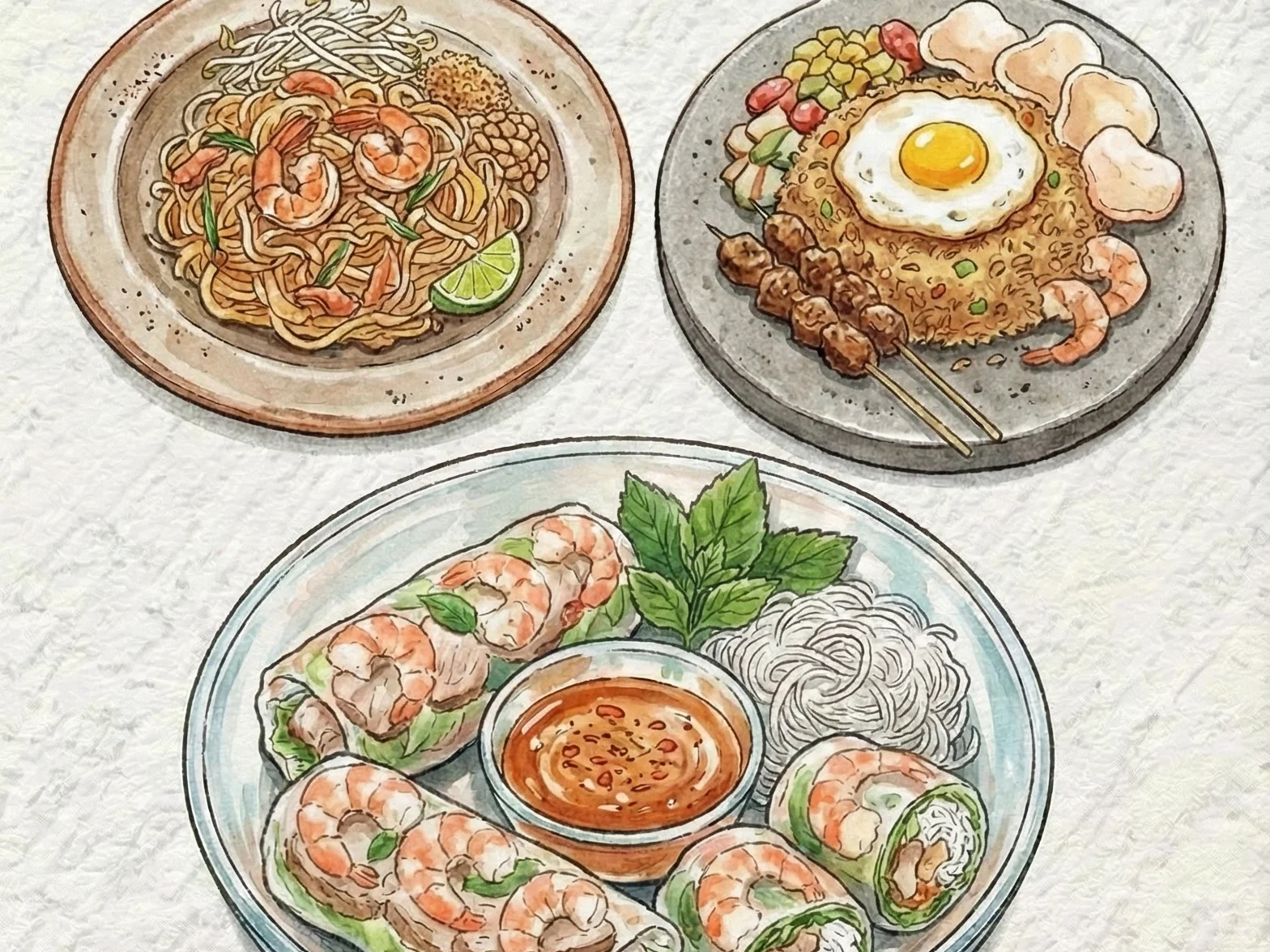
Javanese chicken mie goreng is an Indonesian stir-fried noodle dish built around kecap manis, a thick, molasses-dark sweet soy sauce that caramelizes in the wok and coats the noodles in a glossy, sweet-savory glaze that is impossible to mistake for any other style of fried noodle. Shallots and garlic are fried first to form the aromatic base, then sliced chicken thigh, shredded cabbage, and scallions join the wok over high heat. The egg noodles go in last, tossing rapidly to pick up wok breath and absorb the sauce. A fried egg with a runny yolk, prawn crackers for crunch, and a wedge of lime to cut through the sweetness complete the plate in the street-stall tradition of Java. The unmistakable sweetness of kecap manis is what sets this dish apart from Chinese-style fried noodles and gives Javanese mie goreng its identity across Indonesia and beyond.
Sapporo Miso Ramen (Hokkaido-Style Rich Miso Broth Ramen with Pork)
Sapporo miso ramen was born in Hokkaido's capital as a way to warm up against brutal northern winters, and everything about the bowl reflects that purpose. The broth starts with chicken stock fortified with a generous amount of miso paste, giving it a thick, opaque body and a deep fermented savoriness. Ground pork, cabbage, and bean sprouts are stir-fried in a wok before being added to the broth, which picks up smoky wok flavor in the process. Sweet corn kernels and a pat of butter melt into the surface, adding richness that feels earned rather than excessive. The noodles are thick and curly, engineered to trap the heavy broth in every coil. Garlic and chili oil variations are common in Sapporo's ramen shops.
Miso Soup
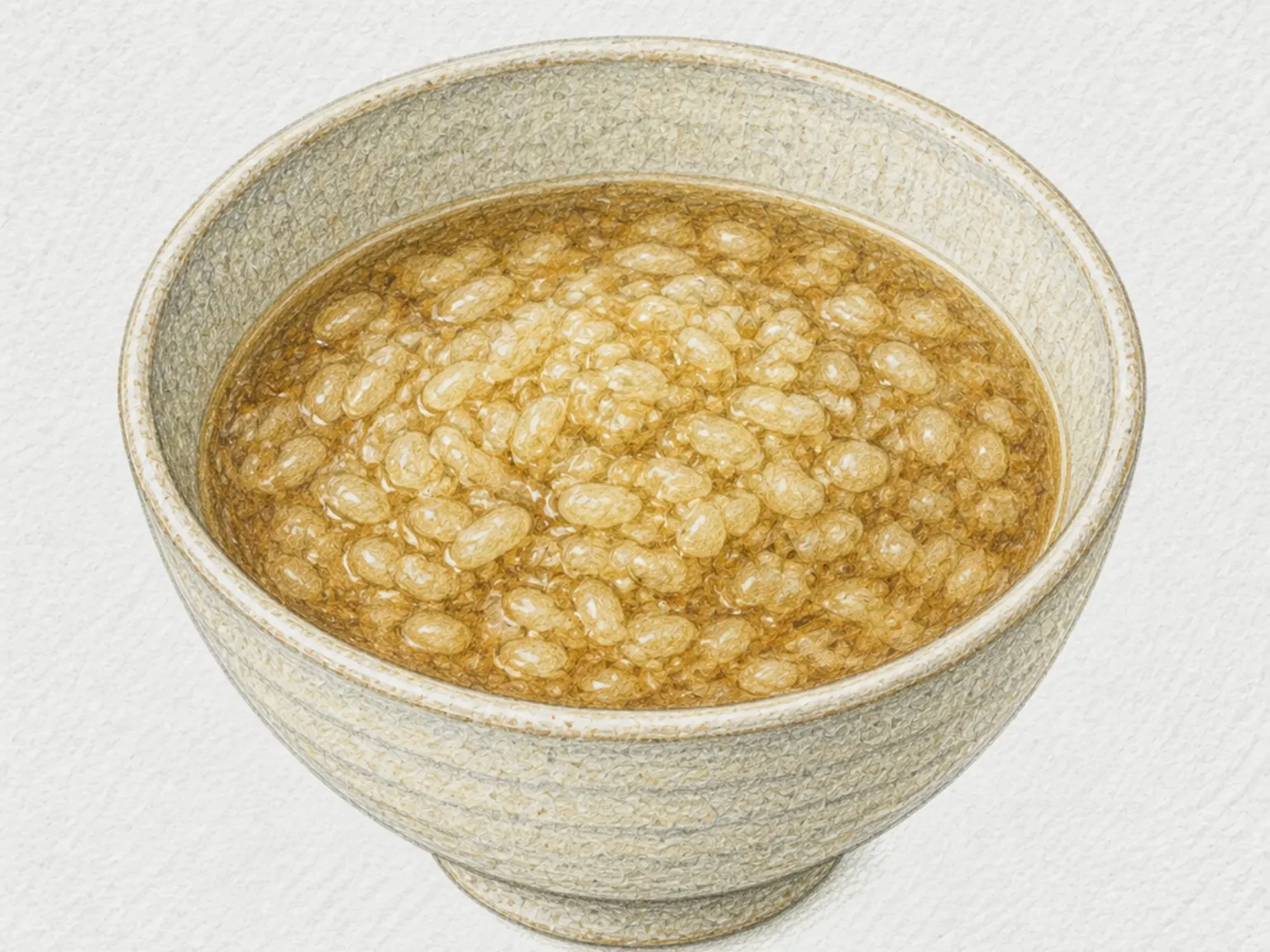
Miso shiru is the soup that appears at nearly every Japanese meal, from a simple breakfast to an elaborate multi-course dinner. Its foundation is dashi - a stock made from kombu seaweed and bonito flakes - into which miso paste is dissolved just before serving so the living cultures in the paste are preserved. Cubed silken tofu and rehydrated wakame seaweed are the most common additions, finished with a scattering of sliced scallions. The soup is deliberately understated, its role being to complement rather than compete with the dishes around it. White miso yields a mild, slightly sweet version, while red miso produces a saltier, more assertive bowl. Every household and region has its own preferred combination of miso type and ingredients.
Mitsuba Oyakodon (Japanese Chicken Egg Rice Bowl with Mitsuba Herb)
Mitsuba oyakodon is a variation of Japan's classic chicken-and-egg rice bowl that adds mitsuba - Japanese wild parsley - as a finishing herb. Chicken thigh and sliced onion are simmered in a sauce of dashi, soy sauce, and mirin until the chicken is cooked through, then beaten eggs are poured over and left to set into a soft, barely-set custard. Mitsuba leaves are scattered on top just before the lid goes on, wilting slightly in the residual heat and releasing a clean, celery-like fragrance that lifts the richness of the egg and chicken. The whole mixture is slid over a bowl of steamed rice. It is everyday home cooking in Japan - quick to prepare yet dependent on timing, since overcooking the egg by even a minute changes the texture entirely.
Mohinga (Burmese Fish Broth Rice Noodle Soup)
Mohinga is widely regarded as Myanmar's national dish - a fish noodle soup eaten most often at breakfast but available throughout the day from street vendors and restaurants alike. The broth is built from freshwater fish, typically catfish, simmered until the flesh falls apart, then strained and enriched with turmeric, lemongrass, ginger, and a slurry of toasted rice flour that gives the soup its signature thick, almost porridge-like consistency. Thin rice noodles are ladled into the broth and topped with crispy chickpea fritters, a halved boiled egg, fresh cilantro, and sliced banana stem. Fish sauce and a squeeze of lime at the table pull everything into focus. The broth is deeply savory with a golden color from the turmeric, and the fritters add crunch against the soft noodles.
Moo Ping (Thai Grilled Pork Skewers)
Moo ping are Thai grilled pork skewers marinated in a mixture of coconut milk, palm sugar, soy sauce, garlic, and white pepper, then charred over glowing coals until the marinade caramelizes into a sticky, darkened glaze. The pork neck meat - chosen for its marbling - stays moist inside while the surface picks up an unmistakable smoky sweetness. Coconut milk in the marinade adds a rounded richness, and the palm sugar provides a deeper, less sharp sweetness than white sugar would. They are sold from morning onward at street carts across Thailand, almost always alongside small bags of sticky rice and a plastic bag of jaew dipping sauce. Wrapping a piece of charred pork in a pinch of sticky rice is the standard way to eat them, and few street foods match the simplicity and satisfaction of that combination.
Hakata Motsu Nabe (Offal Hot Pot)
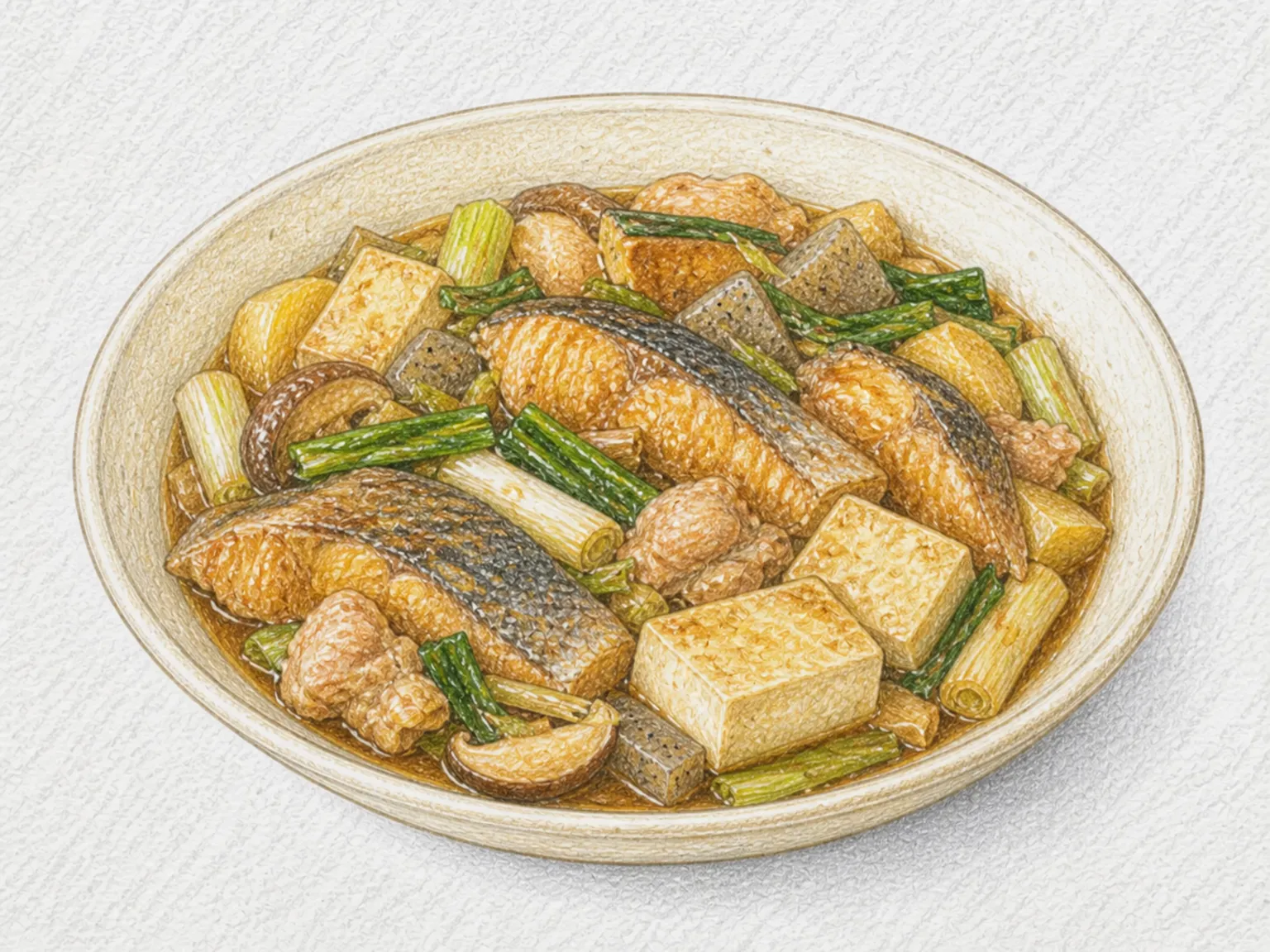
Hakata motsu nabe is a hot pot from Fukuoka's Hakata district that features pork offal - specifically small intestines - simmered in a soy or miso-based broth with heaps of garlic, red chili, and a mountain of shredded cabbage and garlic chives. As the pot bubbles, the fat from the intestines renders into the broth, giving it a rich body, while the garlic and chili infuse everything with a punchy, aromatic warmth. The cabbage wilts down and soaks up the broth, becoming sweet and silky. Once the meat and vegetables are eaten, the standard finish is to add ramen noodles or rice to the remaining broth, absorbing every last bit of flavor. It is especially popular in the colder months and is considered a source of collagen, which adds to its appeal in Fukuoka's dining culture.
Murtabak (Malaysian Stuffed Pan-Fried Flatbread with Spiced Beef and Egg)
Murtabak is a stuffed pan-fried flatbread popular across Malaysia, Singapore, and Indonesia. Wheat dough is stretched paper-thin by hand, then folded around a filling of curry-spiced ground beef and beaten eggs before being pan-fried on a well-oiled griddle. The result is a multilayered parcel with a shatteringly crisp exterior and a moist, savory interior where the egg binds the spiced meat into a cohesive layer. Street vendors typically cut it into squares and serve it alongside a bowl of sweet curry dipping sauce. The aroma of curry powder and caramelized onion stays trapped inside the folds, releasing in waves with each bite.
About Asian
Each country brings its own signature spices and sauces, so even the same ingredients can produce completely different flavors. With a few key pantry items - coconut milk, fish sauce, curry powder, doubanjiang - you can recreate the tastes of Asia at home.