Western Recipes
662 recipes. Page 13 of 28
This category brings Western-style dishes - pasta, steak, risotto, gratin, and more - into the home kitchen. In Korea, "Western food" (yangsik) includes not only authentic European recipes but also Korean-adapted classics like donkatsu (pork cutlet) and hambak steak (Hamburg steak).
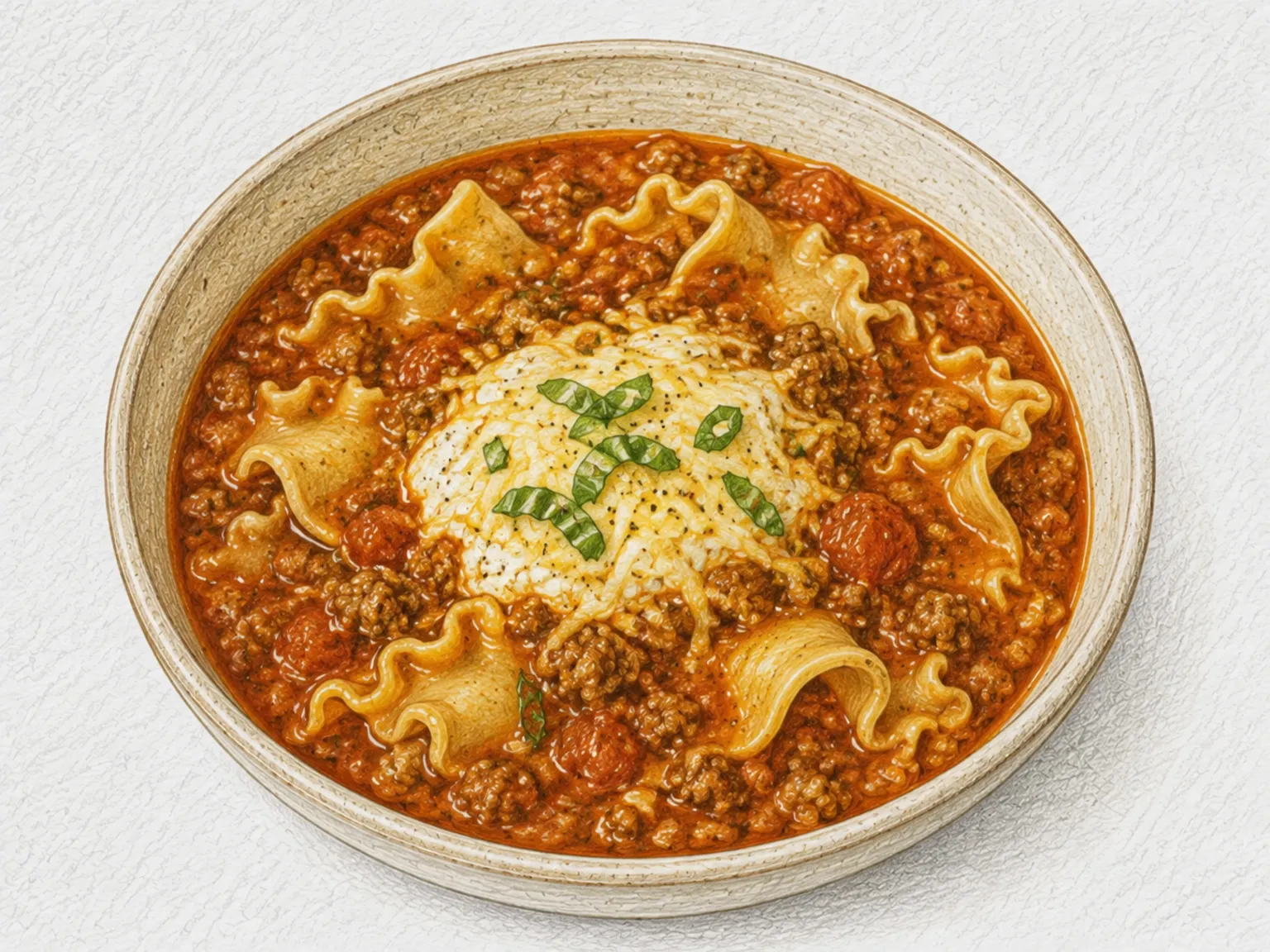
Kimchi Lentil Ragu Tagliatelle
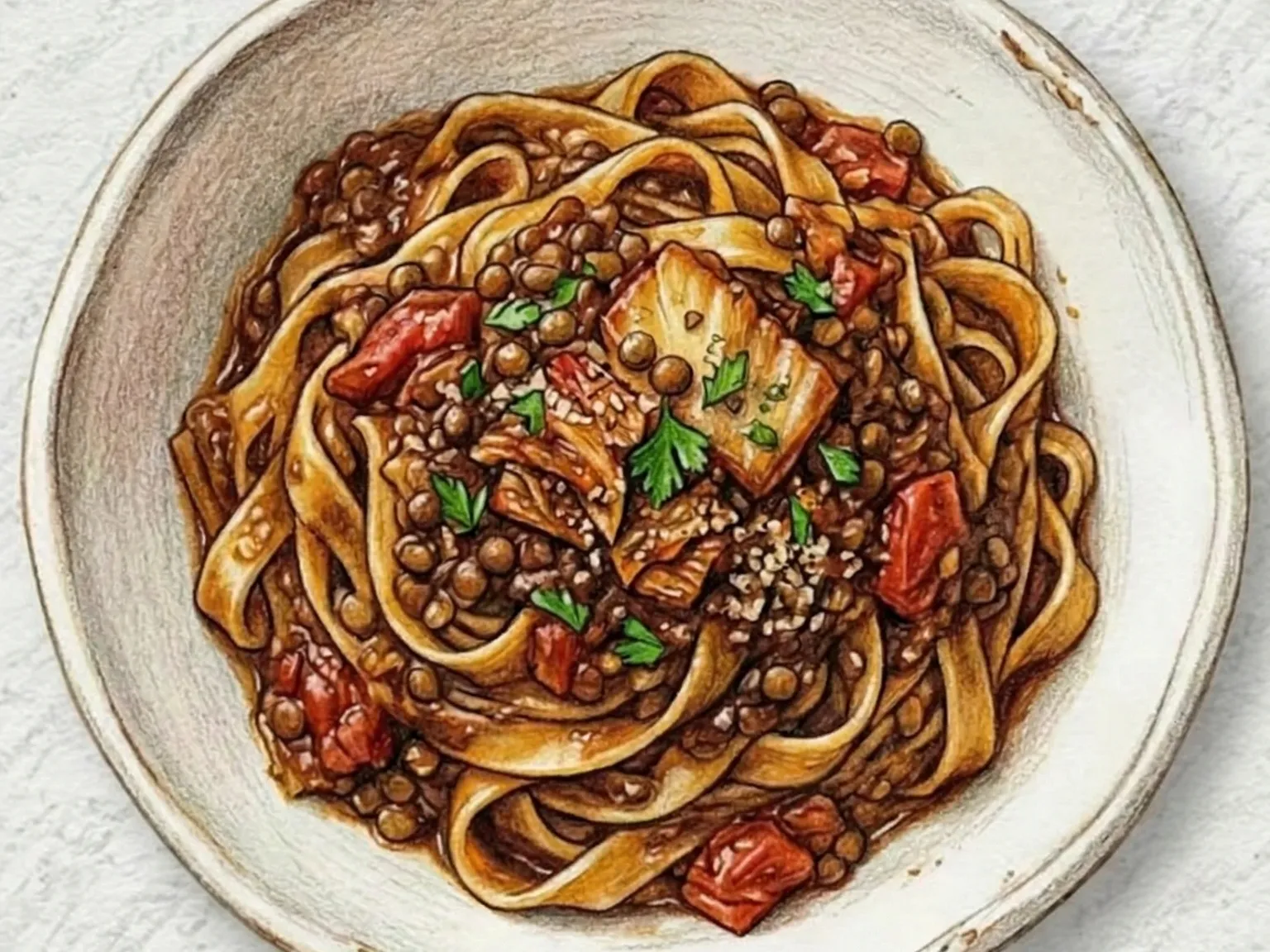
Kimchi lentil ragu tagliatelle simmers brown lentils and finely diced vegetables in tomato puree and vegetable stock, then adds aged kimchi near the end of cooking. Rinse 160g brown lentils, soak them for 15 minutes, and drain them thoroughly. Finely chop 180g aged kimchi and reserve 2 tablespoons of its juice for the final stage. Dice 120g onion, 80g carrot, 60g celery, and 3 garlic cloves into small, even pieces so they soften at the same rate and do not remain as large chunks in the finished sauce. Cook the vegetables in 2 tablespoons olive oil over low heat for about 6 minutes. Aim for a translucent, softened base rather than browning it. Add the drained lentils, 450g tomato puree, 300ml vegetable stock, and 1 teaspoon sugar. Simmer over low heat for about 30 minutes, stirring from time to time to prevent the thickening mixture from catching on the bottom. Continue until the lentils are tender and the sauce has reduced. Stir in the chopped kimchi and reserved juice only then, and cook for 5 more minutes so the kimchi does not break down too far. Boil 360g tagliatelle in salted water until al dente and transfer it to the ragu. Toss for 2 minutes, adding pasta water in small splashes instead of all at once, until the sauce coats both sides of the wide ribbons. Serve as soon as the sauce reaches that clinging consistency.
Roasted Brussels Sprout Salad
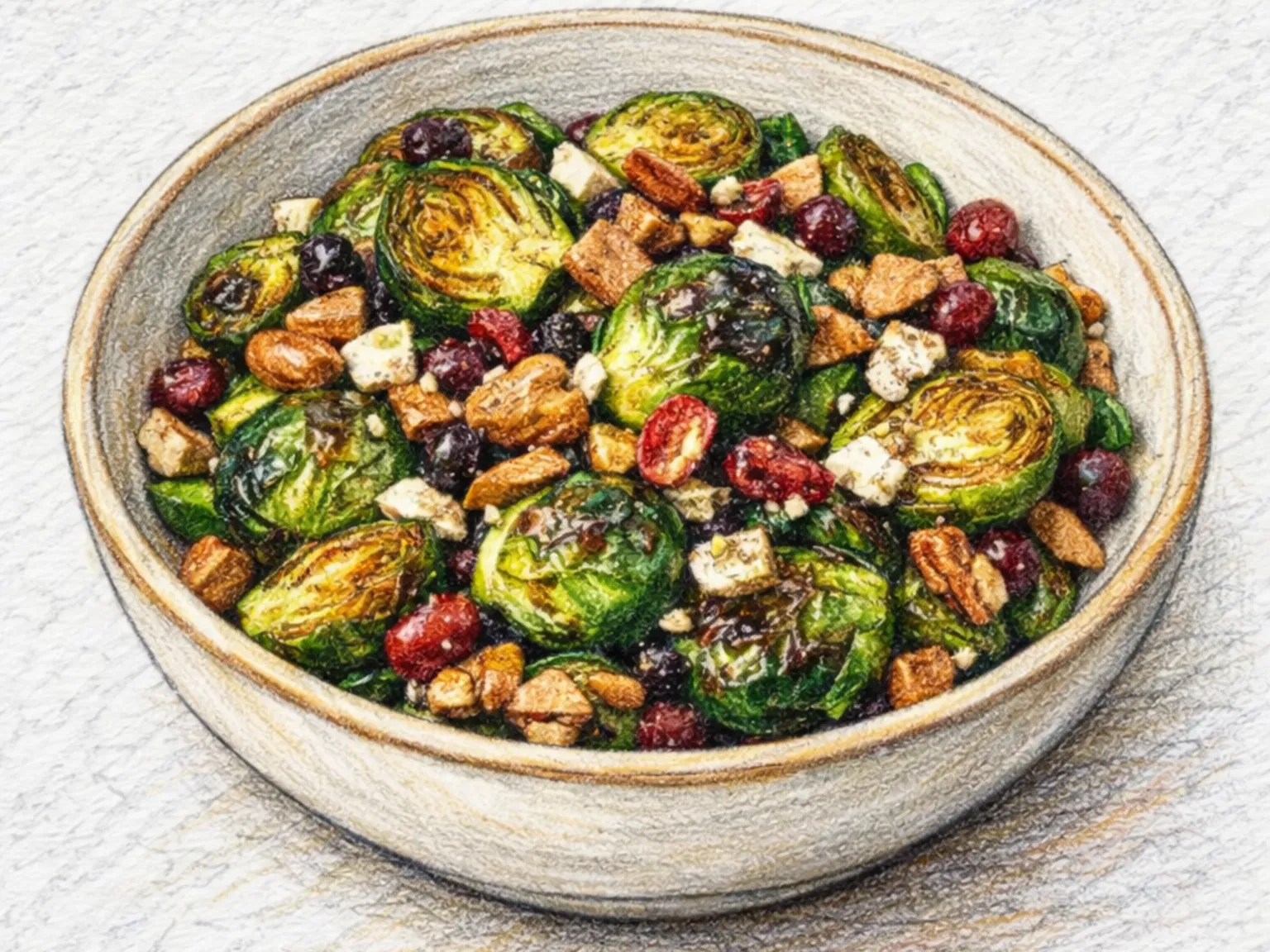
Brussels sprouts are halved and tossed with olive oil, then roasted at high heat until the outer leaves blacken at the edges and the cut faces turn deep brown and caramelized. That concentrated sweetness is the foundation of the salad. Roughly chopped walnuts echo the roasted nuttiness of the sprouts, and dried cranberries cut through with a tart-sweet fruitiness that prevents the dish from feeling too heavy. A vinaigrette made from Dijon mustard and apple cider vinegar introduces sharp acidity and a mild pungency that balance the caramelized sweetness of the sprouts. Grated parmesan scattered over the top adds a salty, umami-forward finish that ties the other flavors together. Winter sprouts that have been exposed to frost lose their bitterness and develop a pronounced natural sweetness, making the cold-weather season the best time for this salad. Dressing the sprouts while they are still hot allows the vinaigrette to absorb into the cut surfaces and season them from within, rather than coating them on the outside.
Chilaquiles Rojos (Mexican Tortilla Chips in Red Chili Tomato Sauce)
Chilaquiles rojos tosses crispy tortilla chips in a simmered tomato-chili sauce, then tops them with fried eggs, shredded cheddar cheese, and fresh cilantro for a Mexican breakfast staple. Onion and jalapeno are sauteed first to build an aromatic base, then tomato sauce is added and reduced until thick enough for the chips to absorb quickly. The chips must go in at the very end and be tossed briefly so some pieces stay crunchy while others soften - the contrast between crisp and sauced is central to the dish. Breaking the fried egg yolk into the sauce adds a rich, creamy element, and the melting cheddar brings a salty depth on top. Adjusting the jalapeno amount controls the heat level, and cilantro finishes the plate with a bright, herbal freshness.
Chess Pie
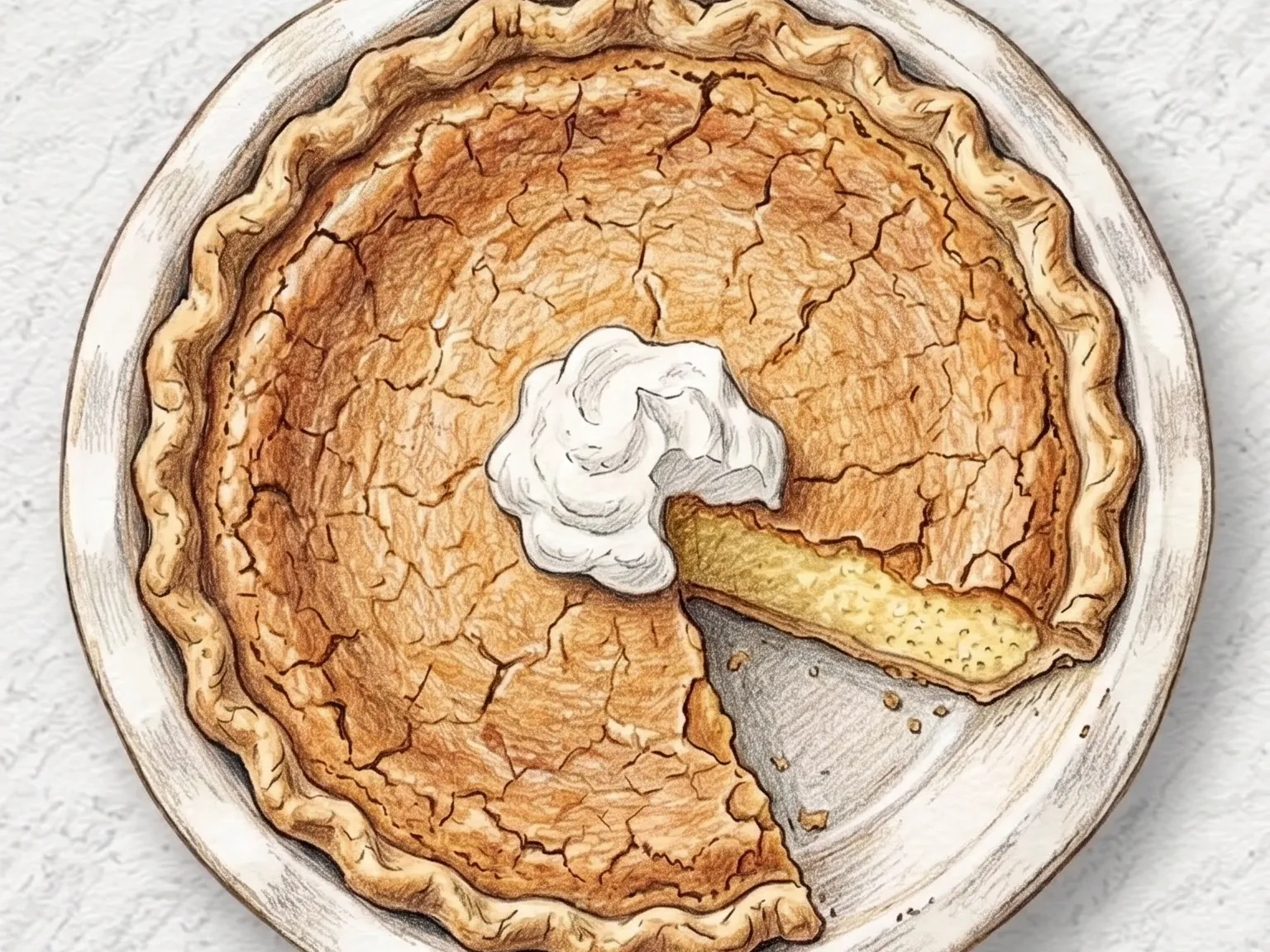
Chess pie is a custard pie from the American South made from the shortest possible list of pantry ingredients: butter, sugar, eggs, a small amount of flour, and cornmeal. The simplicity of the ingredients does not predict the complexity of what happens in the oven. As the pie bakes, the top surface splits and forms a thin, crackled crust that shatters underfoot of a fork, while beneath it sits a dense, moisture-heavy custard carrying a deep caramel note. Cornmeal introduces a subtle grittiness and the faint sweetness specific to corn, while a splash of vinegar or buttermilk adds just enough acidity to prevent the sugar from going flat. The filling should be pulled from the oven when the edges have set but the center still trembles slightly; it continues to firm as it cools, eventually reaching a texture close to fudge. Served at room temperature, the custard softens into a smooth, yielding consistency. A spoonful of unsweetened whipped cream alongside cuts the richness without dulling the flavor.
Kimchi Tofu Alfredo Farfalle (Creamy Kimchi Bow-Tie Pasta)
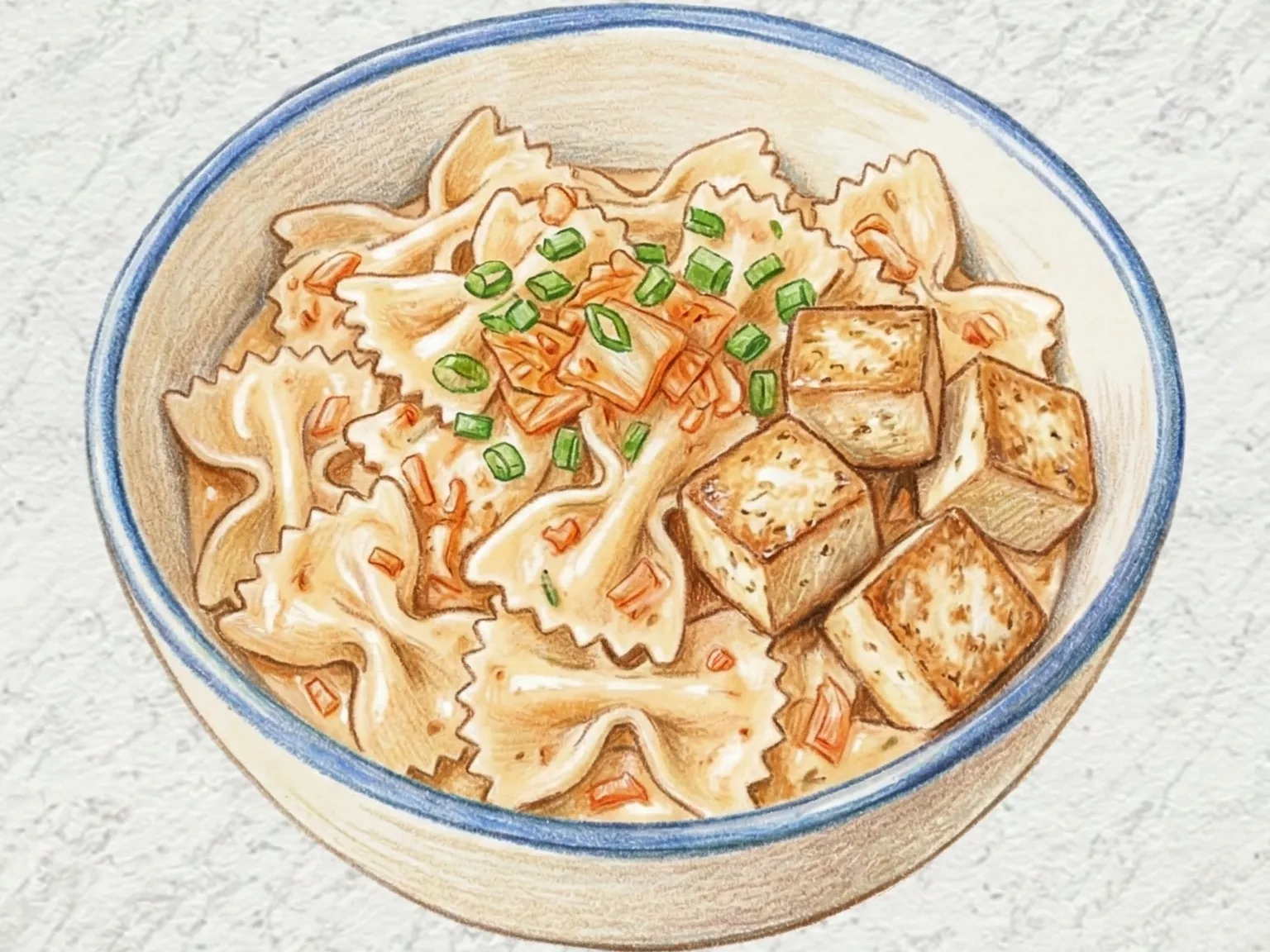
Kimchi tofu Alfredo farfalle combines well-drained ripe kimchi and browned firm tofu with a cream and Parmesan sauce. Squeeze the liquid firmly from 120g kimchi and chop it finely. Press 150g firm tofu with paper towels until the surface is dry, then cut it into 1cm cubes. Removing that moisture helps the tofu brown in the pan instead of steaming. Cook 180g farfalle in salted water until al dente and reserve 3/4 cup of the pasta water before draining. In a wide pan, melt 15g butter with 1 tablespoon olive oil over medium heat. Add 2 sliced garlic cloves and cook them only until fragrant, before the edges turn dark. Stir in the kimchi and cook for about 3 minutes, until the pan looks less watery. Add the tofu and leave it relatively undisturbed for 2 to 3 minutes so the edges can turn golden without the cubes breaking apart. Pour in 180ml heavy cream and 80ml milk and simmer for about 2 minutes over medium heat. Lower the heat before adding 35g Parmesan, then stir until the cheese melts smoothly. This temperature change helps keep the dairy sauce from separating. Add the drained farfalle and loosen the sauce with the reserved pasta water in small additions rather than pouring it all in. Stop when the sauce coats the folded centers of the pasta without running thin. Finish with 0.5 teaspoon black pepper and serve immediately. Thoroughly draining both the kimchi and tofu before cooking is the main control for preserving the intended sauce consistency.
Roasted Eggplant Pomegranate Salad
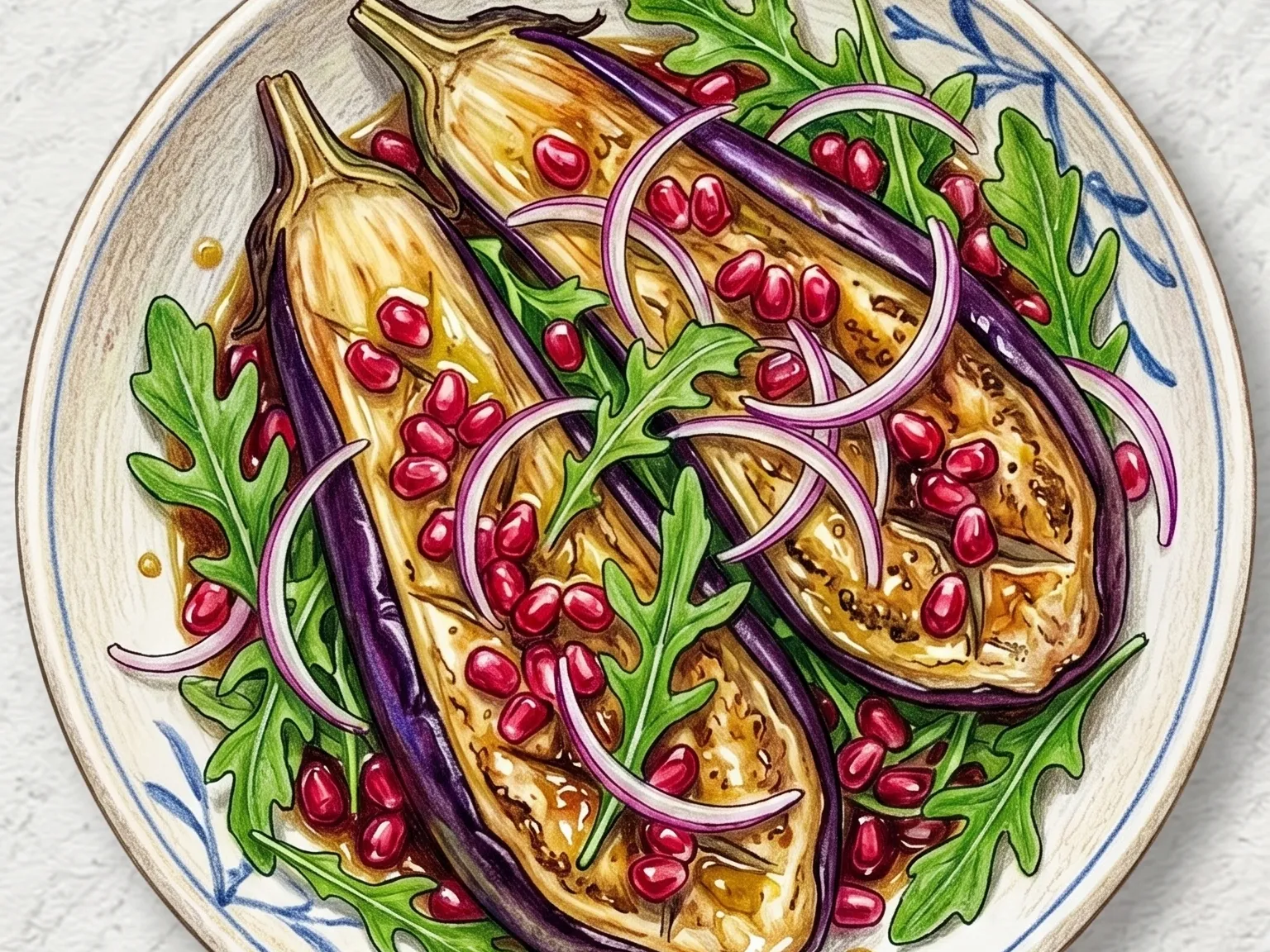
Cut 500g eggplant into 1.5cm half-moons, sprinkle all surfaces evenly with 2g salt, and leave them for 10 minutes. When beads of moisture appear, press the pieces dry with paper towels. Preheat the oven to 220C. Brush the eggplant with 15ml olive oil and spread it in a single layer without overlap so steam does not collect around the pieces. Roast for 12 minutes. When the edges turn lightly brown, flip each slice and roast for 3 minutes more. Remove the eggplant when the center is soft but every piece still holds its shape. Slice 60g red onion very thinly and soak it in cold water. Once its sharp aroma has softened, drain it thoroughly so it does not wet the 70g arugula. Whisk the remaining 15ml olive oil with 15ml red wine vinegar, 10g honey, 2g salt, and 1g black pepper until the honey dissolves completely. Toss the arugula and drained onion lightly with this dressing first. Place the still-warm eggplant and 90g pomegranate seeds on top, then fold the salad together gently once. Divide it among four servings and serve immediately while the warm eggplant can absorb the dressing without losing its shape.
Chili Cheese Fries
This savory dish features crispy french fries topped with a warm meat chili and a rich cheese sauce. Frozen french fries are air-fried in a single layer at 200 degrees Celsius until golden and firm to prevent sogginess. A smooth, thick cheese sauce is made by melting four cheddar slices with milk and butter over low heat. The hot fries are arranged on a plate, layered with heated meat chili first, and then draped with cheese sauce to separate the flavors. The dish is topped with chopped pickled jalapeños and parsley. The acidity of the jalapeños cuts through the rich dairy fat of the cheese sauce. It serves as a satisfying snack or beer pairing, and can also be enjoyed with nacho chips. It should be served immediately while the fries are crisp and the sauces remain hot.
Chestnut Madeleines
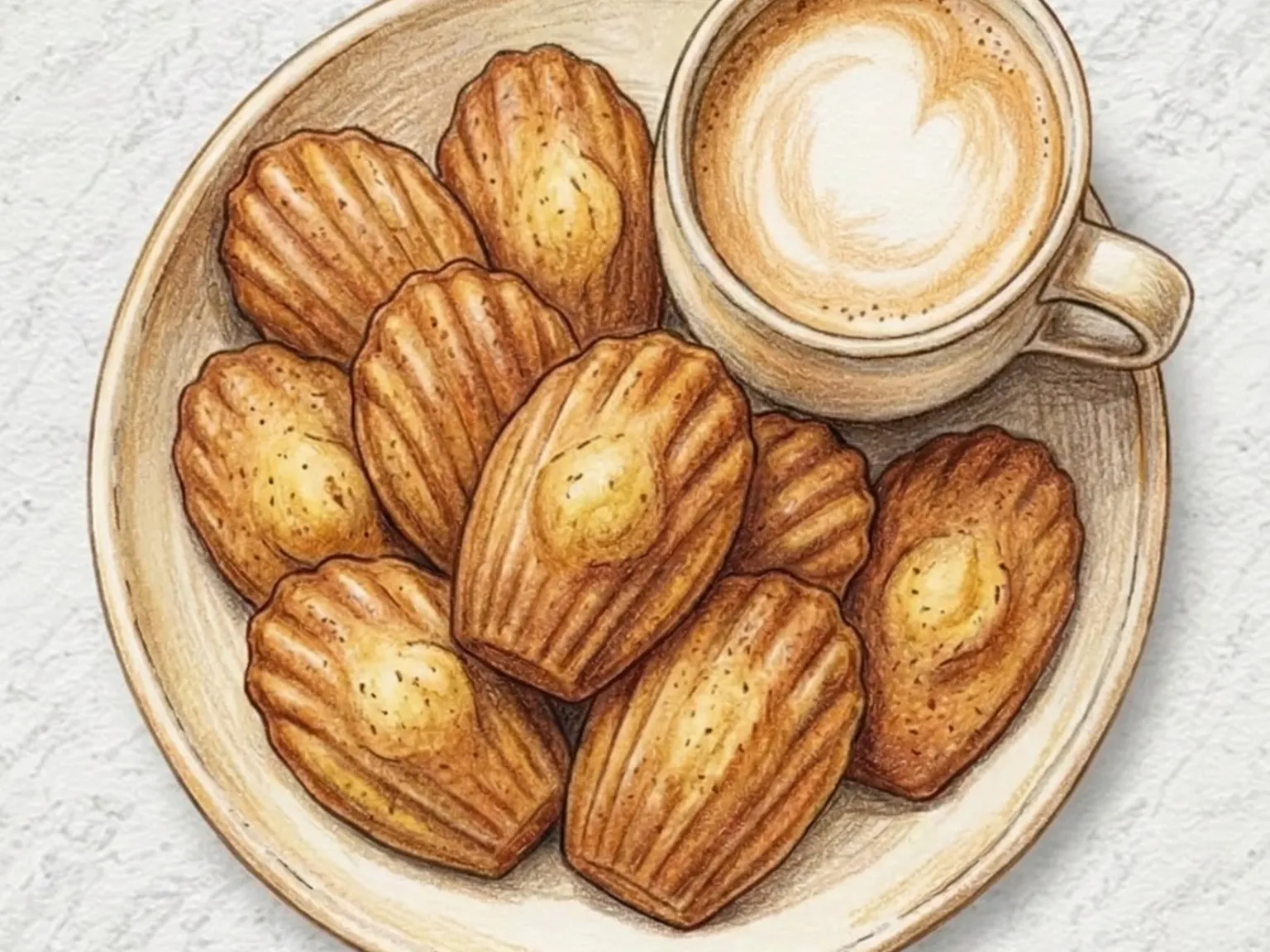
Chestnut madeleines are small shell-shaped cakes made with chestnut paste, honey, and melted butter. Gently melt 100g unsalted butter, use a very small portion to brush the molds, and let the remainder cool until lukewarm for the batter. Whisk 2 eggs with the sugar for about 2 minutes, just until most of the grains dissolve and the mixture becomes slightly paler, then blend in the honey. Sift the all-purpose flour and baking powder over the egg base and fold with broad strokes, stopping while a few dry streaks remain. Loosen 80g chestnut paste with 20ml milk before adding it. Press out any visible lumps with the spatula, then incorporate the cooled butter in 2 or 3 additions until the batter looks smooth and glossy. Press plastic wrap against the surface and refrigerate the batter for at least 1 hour. Fill each prepared shell mold about 80% full only when the oven has reached 190°C. The cold batter then has room to rise at the center without overflowing the edges. Bake for 10 to 12 minutes, watching for golden rims and rounded humps. Remove the cakes from the molds promptly and cool them on a wire rack for 5 minutes. The finished madeleines carry chestnut paste throughout the moist crumb, with a defined shell pattern and a browned outer surface from the hot mold.
Kkaennip Mushroom Cream Farfalle
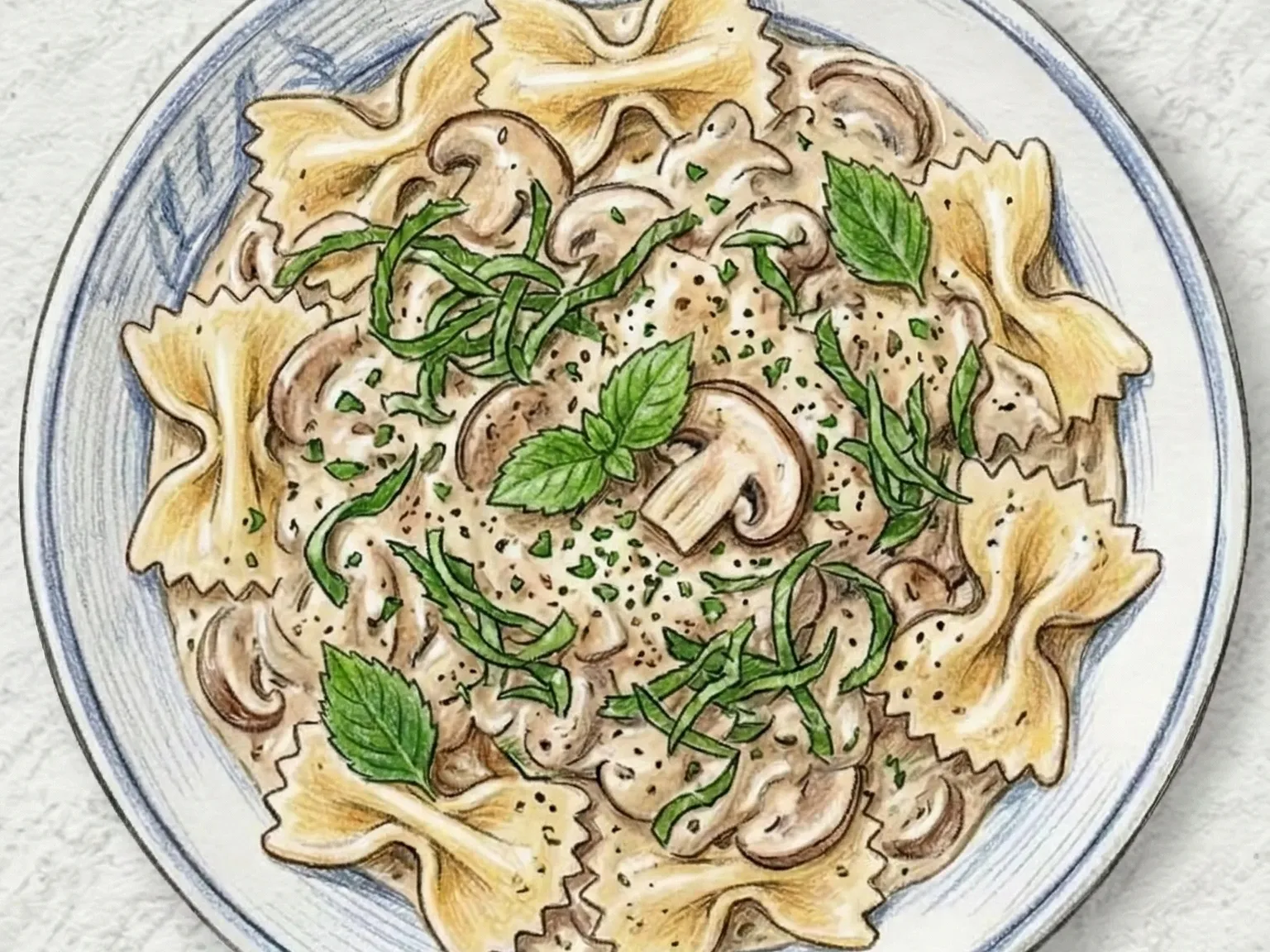
Kkaennip mushroom cream farfalle combines sliced button mushrooms and fresh perilla leaves in a cream sauce over bow-tie pasta. The mushrooms are sauteed in olive oil until their moisture cooks off and their flavor concentrates, with onion and garlic building the aromatic base. Heavy cream is then added to form the sauce, and shredded perilla goes in at the end so the leaves wilt just enough to release their fragrance without losing it to the heat. Parmesan contributes salt and a nutty underpinning, while farfalle's ridged and folded surface holds the sauce across every piece. The defining quality of the dish is the perilla itself, whose scent belongs to the sesame family and sits in entirely different territory from basil or mint - grassy, faintly resinous, and unmistakably Korean. Few other herbs could give a cream pasta this specific character.
Roasted Pumpkin Feta Salad
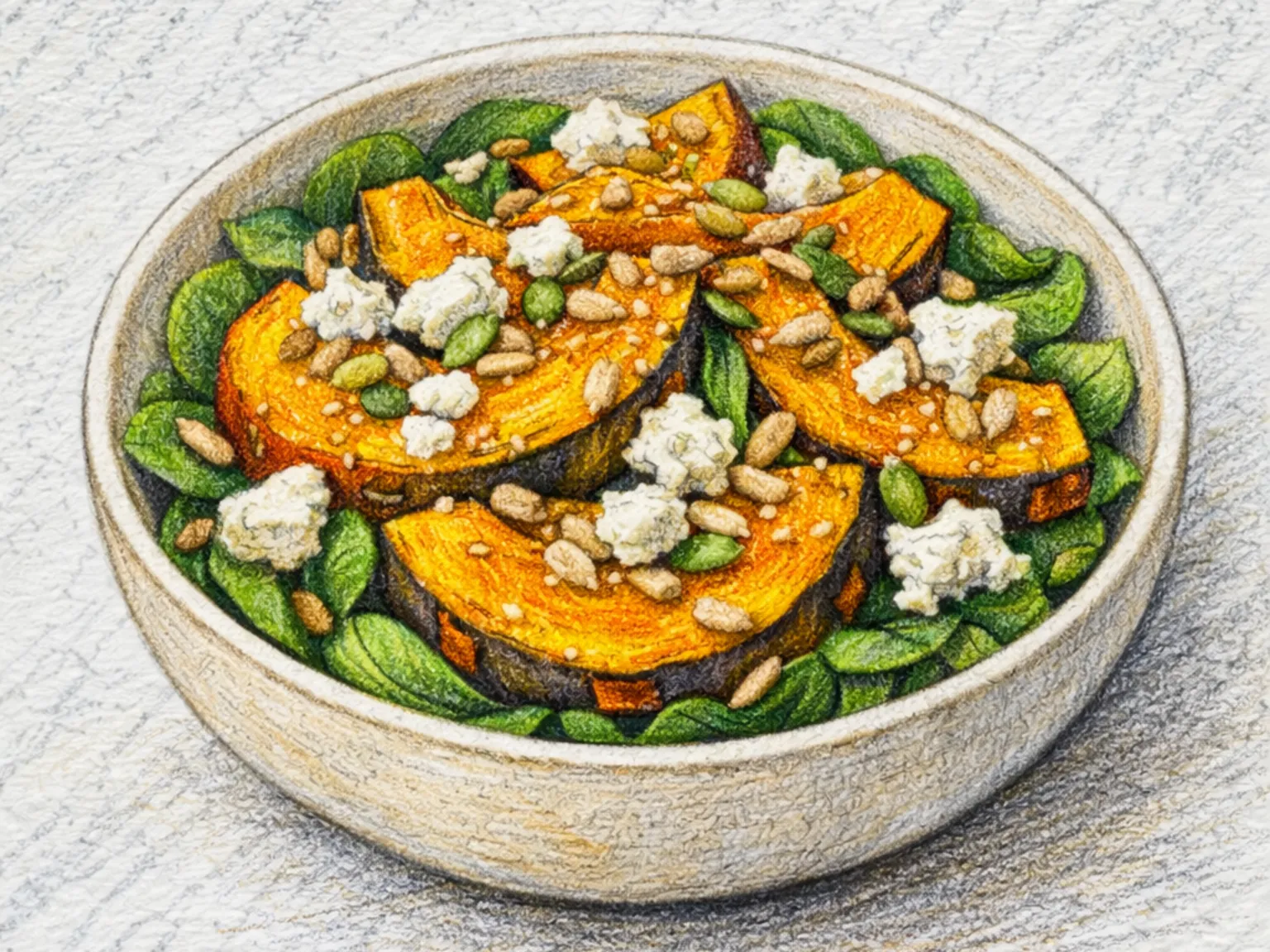
Roasted pumpkin feta salad bakes pumpkin wedges at 200 degrees Celsius until the edges caramelize and the flesh turns soft, then layers them over baby spinach with crumbled feta and toasted pumpkin seeds. The pumpkin's starchy, chestnut-like sweetness plays against the salty, tangy bite of feta, and a simple dressing of lemon juice and honey bridges the two with a bright acidity that keeps the whole salad from feeling heavy. Pumpkin seeds add a nutty crunch that contrasts with the soft roasted flesh and tender spinach leaves, making each forkful varied in texture. Cutting the wedges thin, about seven to eight millimeters, ensures even roasting and prevents the interior from staying raw while the surface dries out. Dressing the salad while the pumpkin is still warm causes the spinach to wilt slightly, helping all the components come together rather than sitting separately on the plate.
Chili con Carne
Chili con carne is a Mexican-influenced American dish that simmers ground beef, kidney beans, and diced tomatoes together with chili powder, cumin, and other spices in a single pot. Onion and garlic are cooked first to build an aromatic foundation, and the meat is browned thoroughly over high heat so the Maillard reaction develops a savory depth that simmering alone cannot produce. Adding the spices and cooking them in the fat for one minute before the liquid goes in blooms the heat and earthy character of the blend throughout the oil. Simmering on low heat for thirty minutes or more mellows the acidity of the tomatoes and allows the beans and meat to absorb the seasoning fully, producing a thick, concentrated richness. Resting the chili overnight and reheating it the following day deepens the flavor further as the spices continue to meld. Sour cream or cheese on top introduces a creamy, tangy layer that balances the bold spice profile. The heat level adjusts easily by varying the chili powder quantity, and cayenne pepper added to taste produces a sharper, more intense warmth. Soaking and cooking dried beans rather than using canned ones yields a firmer texture with more presence. The finished chili works equally well over rice, alongside tortilla chips, or as a taco filling the next day.
Chestnut Mont Blanc Cupcakes
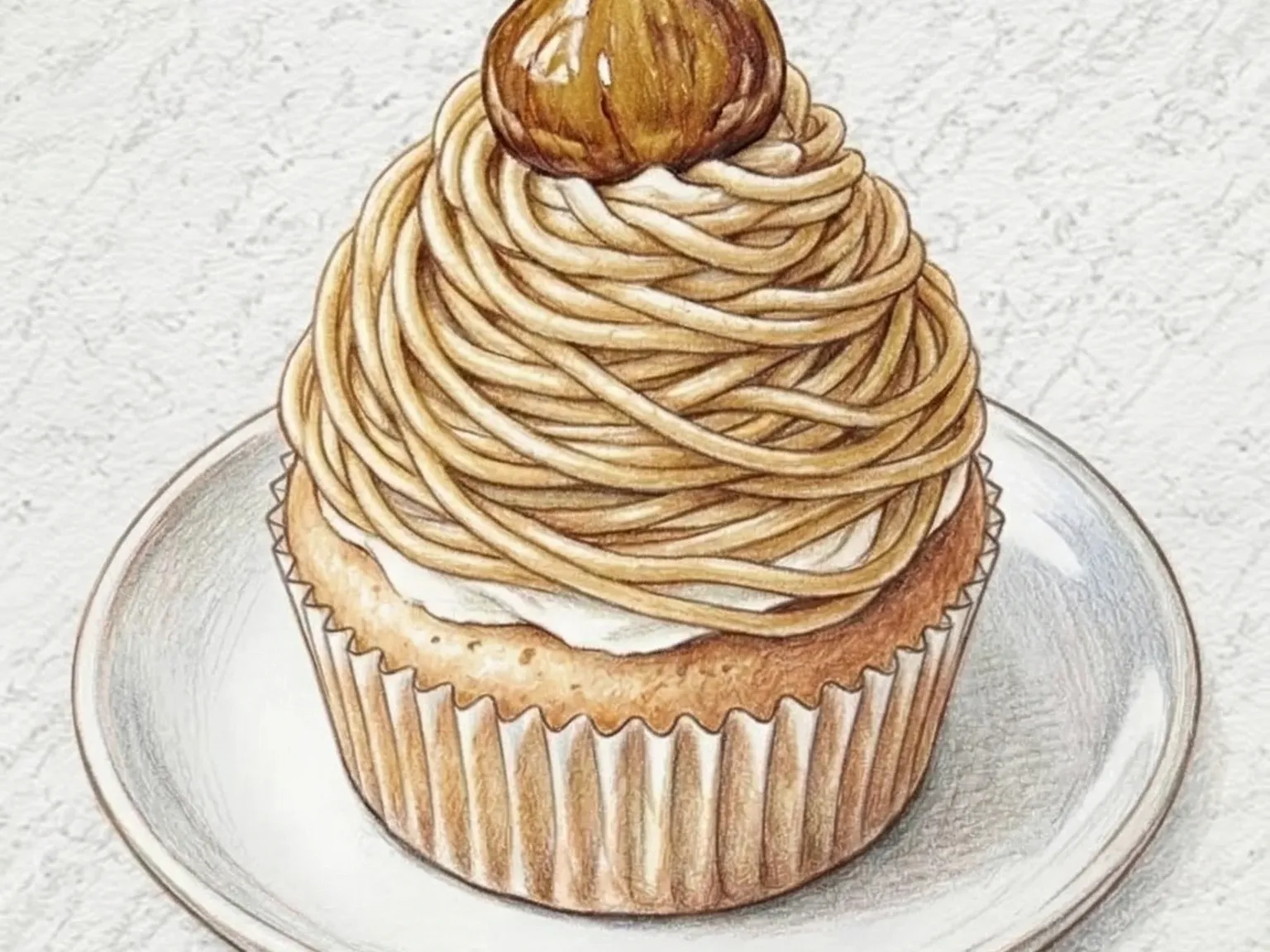
Chestnut Mont Blanc cupcakes stack three distinct layers into a single handheld dessert: a moist sponge base, a dome of whipped cream, and a tangle of piped chestnut cream on top. The sponge is whisked to a fine, airy crumb that stays soft without being fragile. Whipped cream is mounded over each cupcake, then chestnut paste made from boiled chestnuts blended with butter and sugar is piped through a Mont Blanc nozzle into thin vermicelli-like strands that pile up into a peak. The chestnut cream has a powdery, almost sandy texture on the tongue that dissolves into the cream underneath, creating a flavor shift from dense, nutty richness to light dairy. Each bite moves through all three layers in sequence. A single marron glace placed at the summit serves as both garnish and concentrated flavor accent. These cupcakes are a bakery staple in Japan, where the Mont Blanc has been embraced as a seasonal autumn specialty. The individual cupcake format makes them practical for home bakers and cafes alike, since each portion is self-contained and does not require slicing or plating beyond the initial decoration.
Korean Macaroni Salad (Sweet Mayo Pasta from Retro Diners)
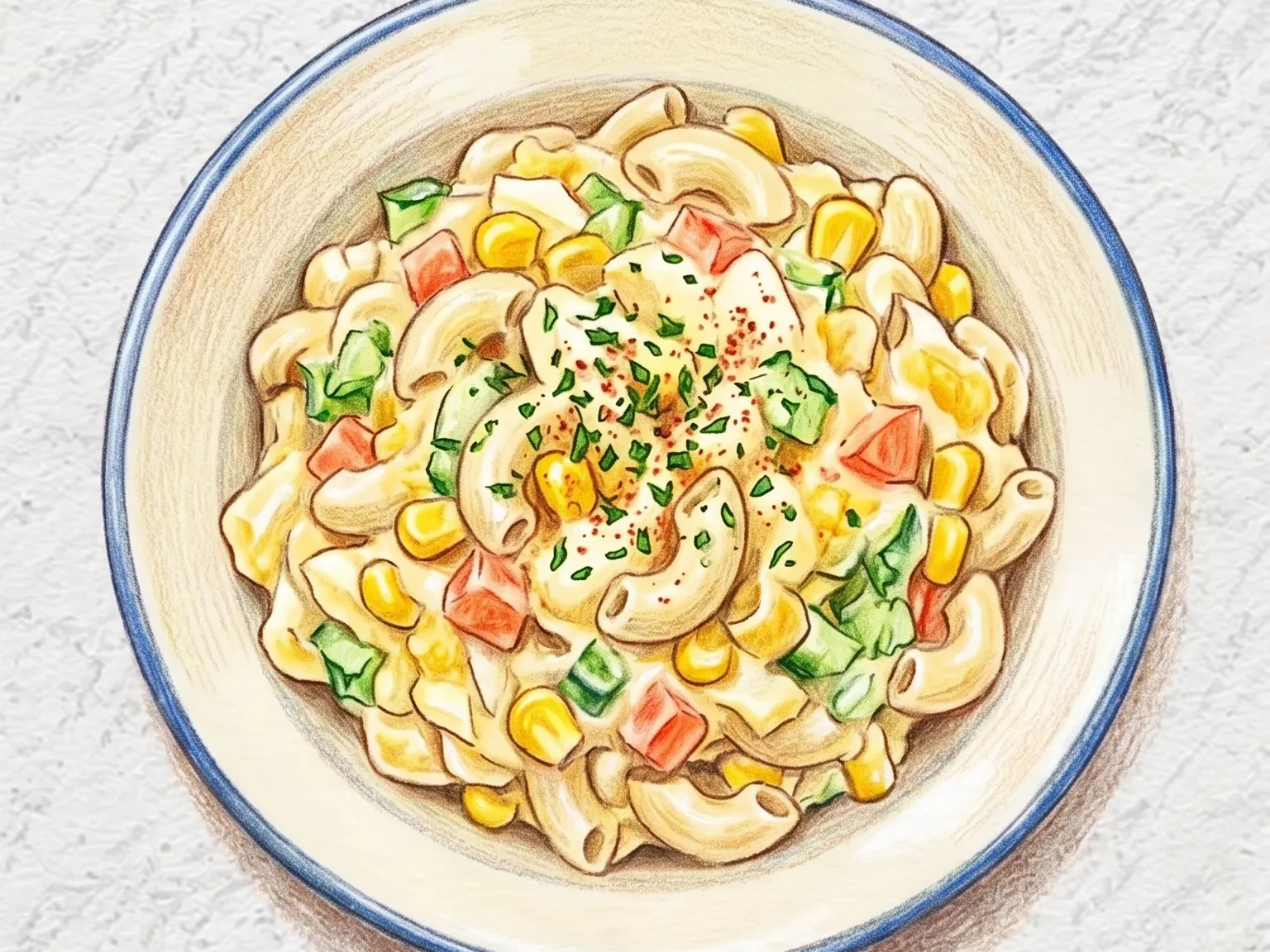
Korean macaroni salad is a retro banchan that became a fixture of bunsikjip snack bars and gyeongyangsik Western-style restaurants during the 1970s and 80s, and it has remained a nostalgic staple ever since. The Korean version differs from its Western counterpart in two notable ways: sugar is added to the dressing, making the whole salad distinctly sweeter, and sweet corn kernels replace the mustard or herbs common in American recipes, contributing a pop of juicy sweetness with each bite. The pasta is boiled for eight minutes or longer, well past al dente, because softer noodles tangle more effectively with the mayonnaise and hold the dressing inside rather than letting it slide off. Cucumber must be salted and then squeezed firmly to extract moisture before it goes into the salad; skipping this step causes the dressing to thin and puddle at the bottom over time. Carrot is blanched for exactly one minute to preserve its crunch, and crushed hard-boiled egg stirred into the dressing gives the salad a richer, denser body. The finished salad needs at least twenty minutes in the refrigerator for the mayonnaise to firm up and adhere to the pasta so it holds its shape on the plate. This salad is a standard side at gyeongyangsik restaurants alongside donkatsu and hamburger steak, and it appears regularly as a complimentary banchan at gimbap shops. A dusting of paprika powder or chopped parsley adds color to the otherwise pale presentation.
Roasted Vegetable Salad
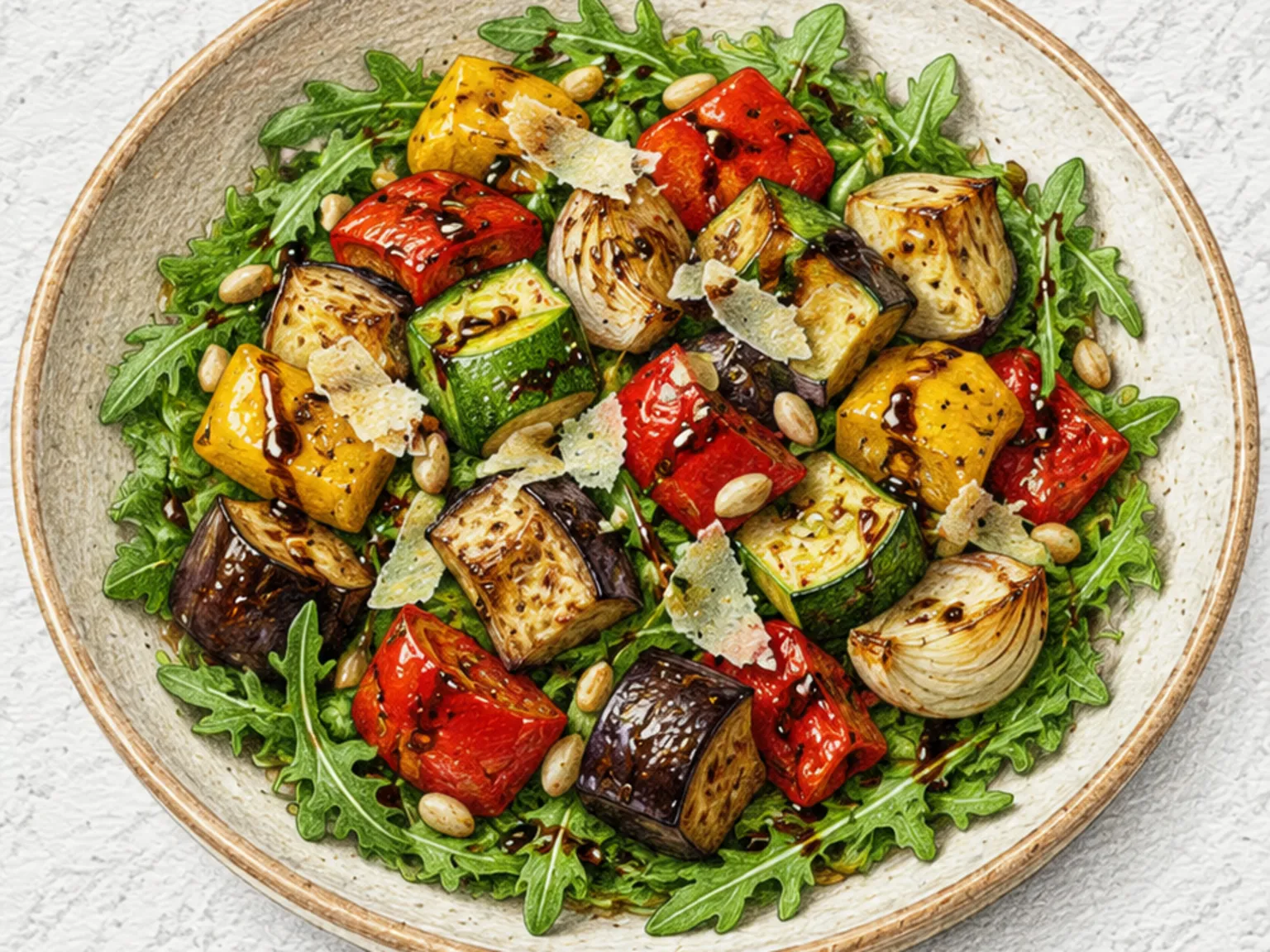
Roasted vegetable salad cuts bell pepper, zucchini, eggplant, and onion into evenly sized pieces, roasts them at 200 degrees Celsius for 20 to 25 minutes, and serves them over peppery arugula with a drizzle of balsamic vinegar. At high oven heat the surface moisture evaporates rapidly, triggering both the Maillard reaction and caramelization simultaneously, so the vegetables develop concentrated natural sweetness alongside scattered charred edges that carry a smoky depth. The bitter, peppercorn-like bite of arugula provides a direct counterpoint to the caramelized sweetness of the roasted vegetables, keeping each forkful from feeling one-dimensional. Balsamic vinegar's thick, concentrated acidity pulls the disparate flavors together into a single coherent whole. Maintaining a thickness of 1.5 to 2 centimeters for each piece is important because thinner cuts dry out completely in the oven's dry heat and turn leathery, losing the interior moisture that makes roasted vegetables satisfying. Shaving Parmigiano-Reggiano over the top or scattering pine nuts adds a savory, nutty layer that makes the salad more substantial.
Club Sandwich
A club sandwich is built across three slices of buttered, golden-toasted bread with sliced chicken breast, crisp bacon, fresh lettuce, and tomato arranged in two distinct layers. The salty crunch of bacon meets the lean, mild protein of chicken breast, and juicy tomato slices and crisp lettuce introduce freshness and textural contrast throughout. Mayonnaise spread on each bread layer functions as a binder that smooths each bite and brings the savory components into balance. Drying the lettuce completely before assembly is essential - any residual moisture will soften the toast within minutes. Securing all layers with cocktail picks and cutting diagonally produces clean cross-sections and keeps the layers from sliding during eating. The order of fillings and the degree of toasting both affect the final texture noticeably.
Chestnut Sweet Potato Muffins
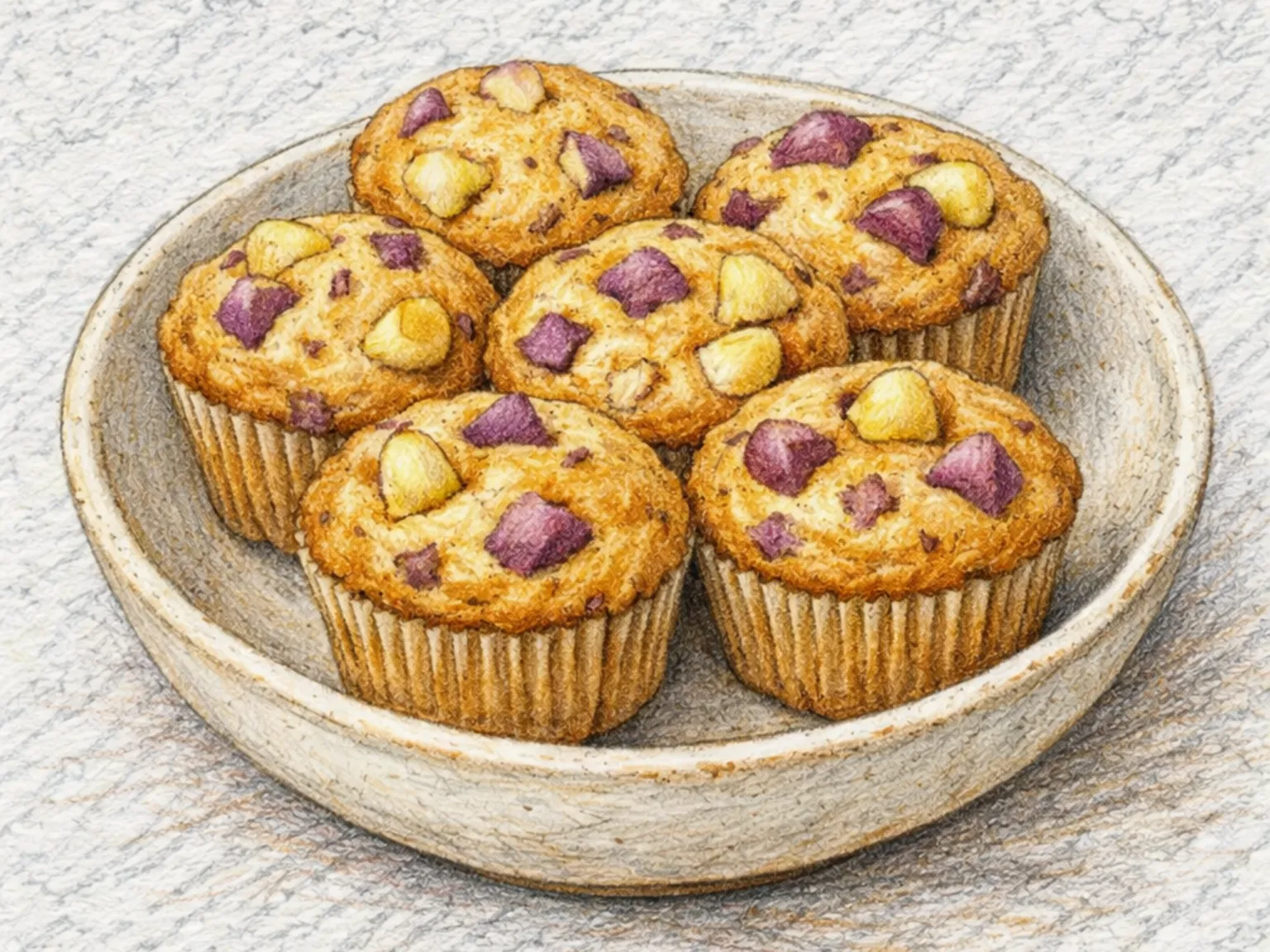
Chestnut sweet potato muffins draw on two staple Korean autumn ingredients, combining them in a baked format that highlights the natural sweetness of both. Steamed and mashed sweet potato is worked directly into the batter, contributing moisture and a gentle, earthy sweetness that keeps the crumb soft for days after baking. The sweet potato also acts as a built-in humectant, preventing the common muffin problem of drying out once cooled. Diced roasted chestnuts are folded throughout the batter to provide a starchy, crumbly counterpoint to the tender surrounding crumb. Their slightly grainy texture creates contrast with every bite. A small amount of cinnamon sharpens the perception of the sweet potato's warmth without masking it. The streusel topping baked onto each muffin provides a layer of buttery crunch that gives way to the soft interior when pressed. When made with freshly harvested autumn ingredients, the natural sugars in both the sweet potato and chestnuts are concentrated enough that the amount of added sweetener in the batter can be reduced. The muffins work well as a snack or a breakfast substitute.
Mac and Cheese
A smooth mac and cheese sauce follows a fixed sequence: flour cooked in butter, milk whisked in through three additions, and cheddar melted over very low heat after the base thickens. Following that order addresses the two main texture problems in the recipe: lumps from the flour and separation from overheated cheddar. For 4 servings, use 250 g elbow macaroni, 200 g cheddar cheese, and 2 cups milk. Boil the macaroni in salted water for 1 minute less than the time printed on the package. The pasta will spend another 1 to 2 minutes in the sauce, so it should not become fully soft in the water. Before draining, save 2 to 3 tablespoons of the pasta water in a separate cup. Melt 30 g butter in a pot over low heat and add 2 tablespoons flour. Whisk for 1 to 2 minutes, until the mixture looks foamy and loses its raw flour smell, but stop before it turns brown. Pour in the 2 cups milk in three additions. Whisk each addition completely smooth before adding the next one. After all the milk is incorporated, cook over medium heat for 3 to 5 minutes while stirring. The base is ready when it has thickened enough to leave a light coating on the whisk. Reduce the heat to very low before adding the cheddar. Stir in the 200 g cheese a little at a time, then season with 1 teaspoon salt and 0.5 teaspoon black pepper. Avoid bringing the cheese sauce to a hard boil because high heat can split it and produce a grainy, oily texture. Add the drained macaroni and stir over low heat for 1 to 2 minutes so the noodles finish cooking inside the sauce. If the coating becomes too thick and heavy, loosen it with the reserved pasta water one spoonful at a time. Serve as soon as the macaroni looks glossy and still tastes al dente. For the optional baked finish, move it to a baking dish and heat it only until the top turns golden while the inside remains creamy.
Salade Niçoise
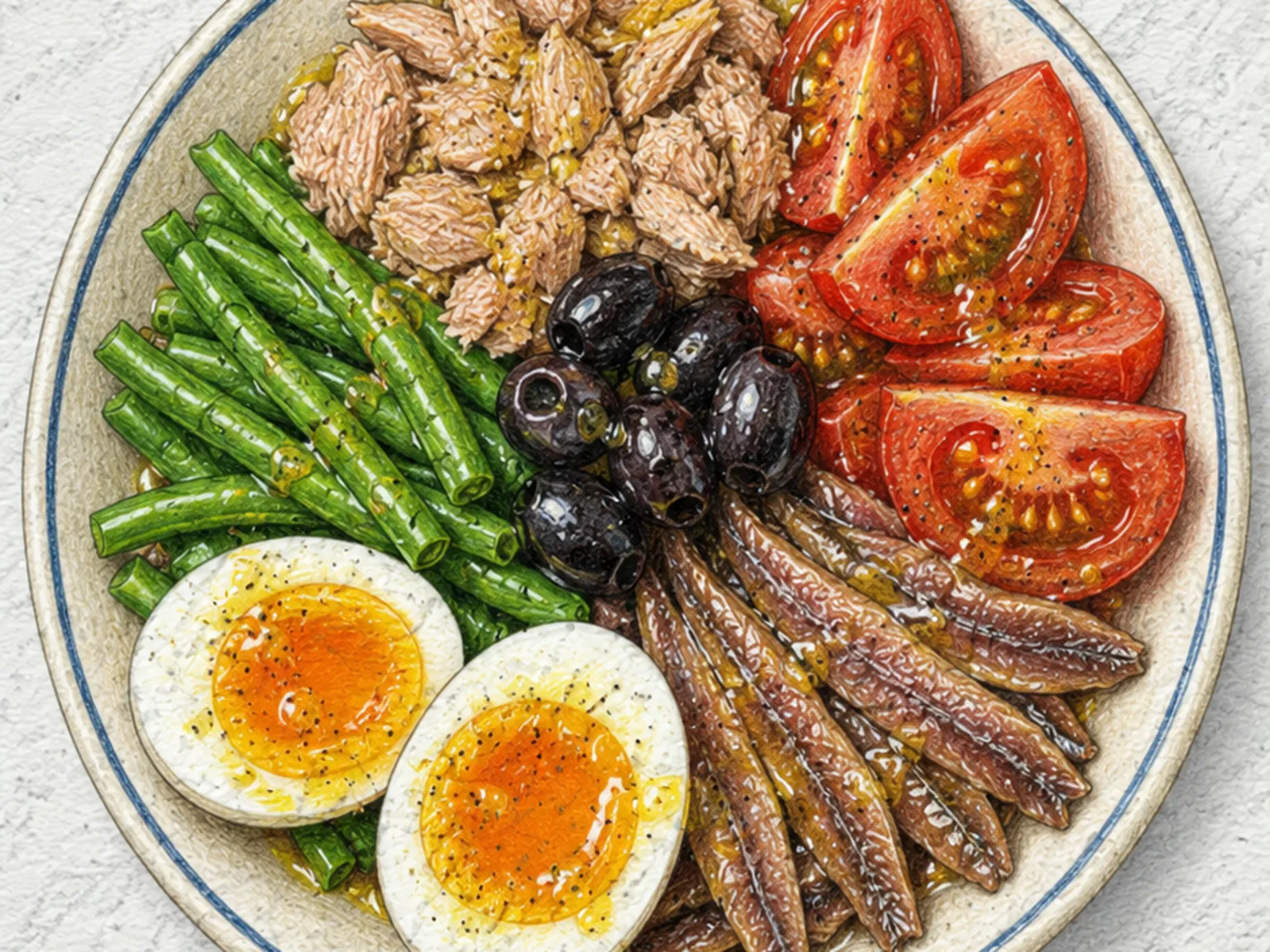
Salade Nicoise is a classic salad from Nice in southern France that arranges tuna, soft-boiled eggs, olives, anchovies, tomatoes, and blanched green beans in separate sections on a plate, finished with a vinaigrette of olive oil, lemon juice, and Dijon mustard. The traditional presentation keeps each ingredient in its own zone rather than tossing everything together. Soft-boiling the eggs for six minutes yields a runny yolk that acts as a natural dressing when broken. The salty depth of anchovies and the oily richness of olives add complexity over the mild tuna, while the mustard vinaigrette brightens and ties the whole plate together with its acidity.
Cod en Papillote (French Parchment-Steamed Cod with Vegetables)
Cod en papillote involves wrapping cod fillets along with several specific ingredients including sliced zucchini, cherry tomatoes, shallots, fresh thyme, and rounds of lemon. These components are drizzled with olive oil and a small amount of dry white wine before being enclosed within a piece of parchment paper that is crimped tightly at the edges to create a secure seal. The prepared parcel is placed into an oven preheated to 200 degrees Celsius and baked for a duration of fifteen to eighteen minutes. This cooking technique relies on the sealed packet to trap steam inside, which cooks the fish with a gentle heat and ensures that the flesh remains moist throughout the entire process. As the white wine and lemon heat up, they produce an aromatic steam that penetrates the mild texture of the cod, providing it with a distinct brightness and a clean overall flavor profile. The addition of thyme introduces a subtle herbal quality that works in conjunction with the natural sweetness released by the vegetables as they soften under the heat. Olive oil serves to integrate the various elements of the dish while contributing a smooth and rich mouthfeel. When the parchment is eventually opened at the dining table, the accumulated aromas are released immediately, which turns the simple act of serving into an integral part of the meal. If parchment paper is unavailable, aluminum foil serves as an effective substitute for creating the necessary seal. Furthermore, the selection of vegetables is flexible and can be adjusted according to the current season, as ingredients such as sliced carrots, asparagus, or spinach can be incorporated as natural alternatives within the wrap.
Chewy Honey Wheat Bagel
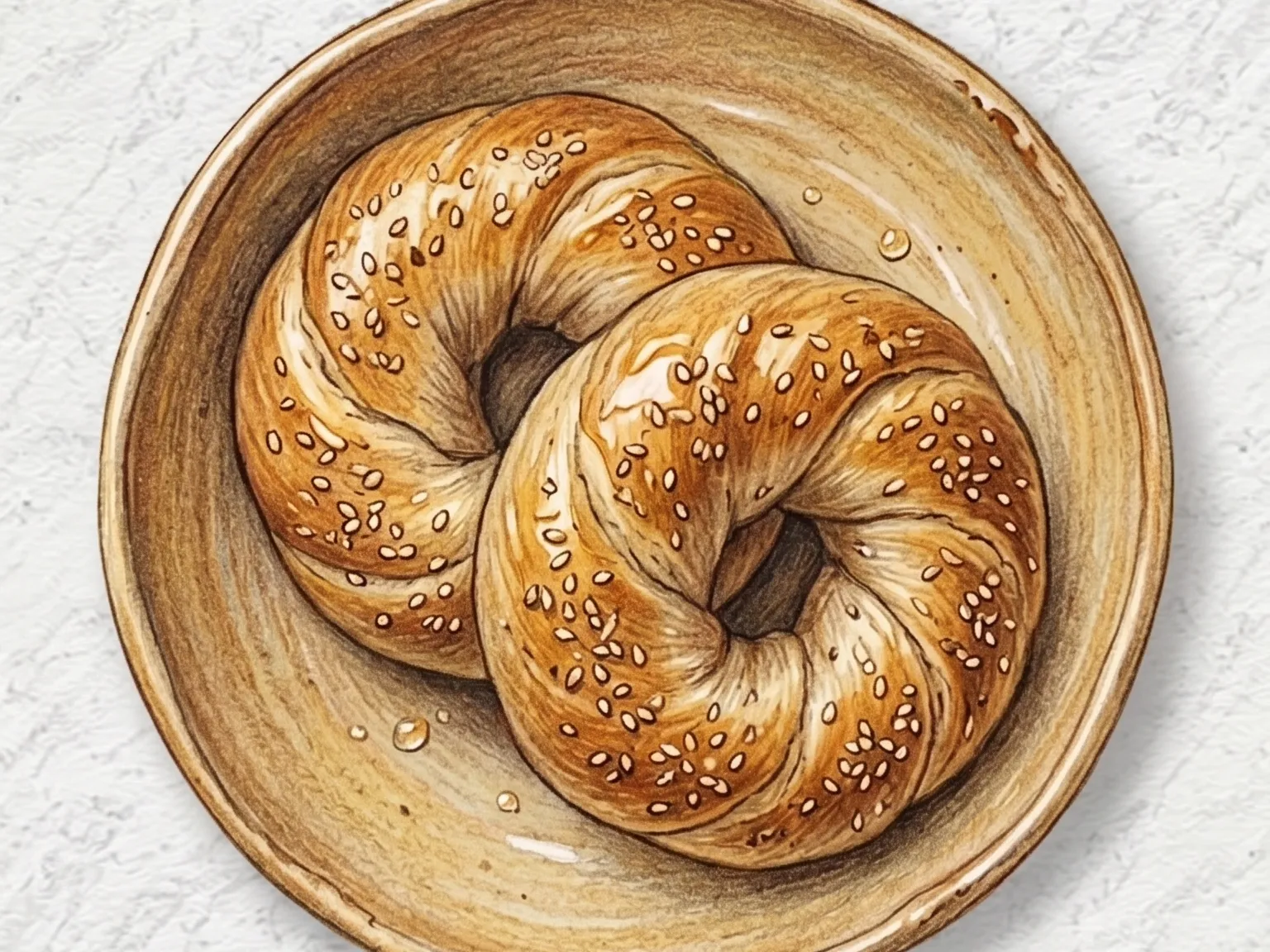
Chewy Honey Wheat Bagel is a homemade bread that achieves a nutty flavor using a seven-to-one ratio of bread flour to whole wheat flour. The dough uses honey dissolved in water for moisture and sweetness. After a first fermentation, the dough is divided and rested for fifteen minutes to relax the gluten, allowing for easier shaping into rings. Following a second proofing, the bagels are poached in boiling honey water for thirty seconds on each side. This poaching step coats the surface to form a thick, glossy, and chewy crust. The bagels are baked in a preheated oven for eighteen to twenty minutes until golden brown. Toppings like sesame seeds or onion flakes can be added before baking. The baked bagels are cooled on a rack for ten minutes before serving.
Mala Chicken Alfredo Fusilli
Mala chicken Alfredo fusilli combines browned chicken thigh and mala sauce with a cream, milk, and Parmigiano sauce. Cut 220g boneless chicken thigh into pieces about 3cm wide and season them lightly with salt and pepper. Cook 180g fusilli in salted water for 1 minute less than the package time and reserve 1 cup of pasta water. Melt 12g butter in a wide pan, then cook 70g finely diced onion and 10g sliced garlic over medium heat for 2 minutes, until softened. Add the chicken, raise the heat, and cook for 4 to 5 minutes. Check that the center is cooked through after the outside has browned. Add 1 tablespoon mala sauce only after the chicken is cooked and stir for 30 seconds. Since prepared mala sauces vary in saltiness, begin with the listed amount and check the final seasoning later. Pour in 220ml heavy cream and 80ml milk and simmer over medium heat for 2 to 3 minutes. Add 25g grated Parmigiano and stir until it has melted completely. Add the cooked fusilli, then use the reserved pasta water in small additions instead of pouring in the entire cup. Toss over medium-low heat for 1 minute. Stop adding water when the sauce no longer pools thinly on the bottom and instead coats the outside and spiral grooves of the pasta. Controlling both the mala sauce and pasta water at the end is the practical way to balance seasoning and sauce consistency together.
Salmon Avocado Salad
Salmon avocado salad brings smoked salmon and ripe avocado together over chilled mixed greens with a lemon-Dijon vinaigrette that ties everything into focus. The dressing, olive oil whisked with fresh lemon juice and Dijon mustard, turns the smoky depth of the salmon clearer and brighter while the acidity cuts cleanly through the buttery weight of the avocado. Capers scattered throughout burst with briny tang on each bite, introducing a punchy contrast that keeps the richness from becoming monotonous. Paper-thin slices of raw onion contribute sharp fragrance and a clean crunch against the soft textures of salmon and avocado. Adding the dressing just before serving is the one step that matters most for texture, because the greens hold their crispness only if dressed at the last moment.
Colcannon (Irish Mashed Potatoes with Cabbage and Butter)
Colcannon is a traditional Irish dish of hot mashed potatoes folded together with blanched shredded cabbage and chopped green onion, then brought to a creamy, pillowy consistency with warmed milk and butter. Mashing the potatoes while they are still steaming hot is essential, because the starch granules release cleanly and evenly only at high temperature. Both the milk and butter must be heated before they go in, because cold dairy causes the starch to seize and turn the mash dense and gluey instead of light and smooth. Blanching the cabbage for three minutes in salted water leaves just enough resistance in each shred to contrast with the yielding potato. Green onion disperses a mild, fresh allium fragrance throughout the dish without overpowering it. A knob of butter placed on top just before serving melts into a shallow pool that deepens the richness of every spoonful. In Ireland, colcannon was traditionally eaten on Halloween, sometimes with a coin hidden inside the mash to bring good luck. Kale or spring onion can stand in for cabbage, and using a floury variety of potato produces the dish's characteristic light yet dense texture.
Chicago Deep Dish Pizza
Chicago deep dish pizza is a pie-style pizza where dough is pressed into a deep cast iron or dark metal pan to cover the bottom and climb the walls, then layered with mozzarella cheese and Italian sausage before crushed tomatoes and oregano are spread across the top. Positioning the sauce on the uppermost layer shields the cheese from direct oven heat, preventing it from scorching while the tomato reduces and concentrates over the long bake. The sausage must be pre-cooked with onion to drive off excess moisture, keeping the thick base from turning soggy under the weight of the filling. Stretching the dough wide enough to reach the rim keeps the molten contents contained during baking. After 30 to 35 minutes at 220 degrees Celsius, the pizza requires at least ten minutes of resting before slicing so the interior sets and the layers hold their shape when cut. The dish traces its origins to Pizzeria Uno in Chicago in 1943 and has since become one of the city's defining foods.
About Western
Olive oil, butter, cream, and cheese create the rich flavors these dishes are known for. From special-occasion dinners to quick weeknight meals, these recipes make Western cooking approachable.