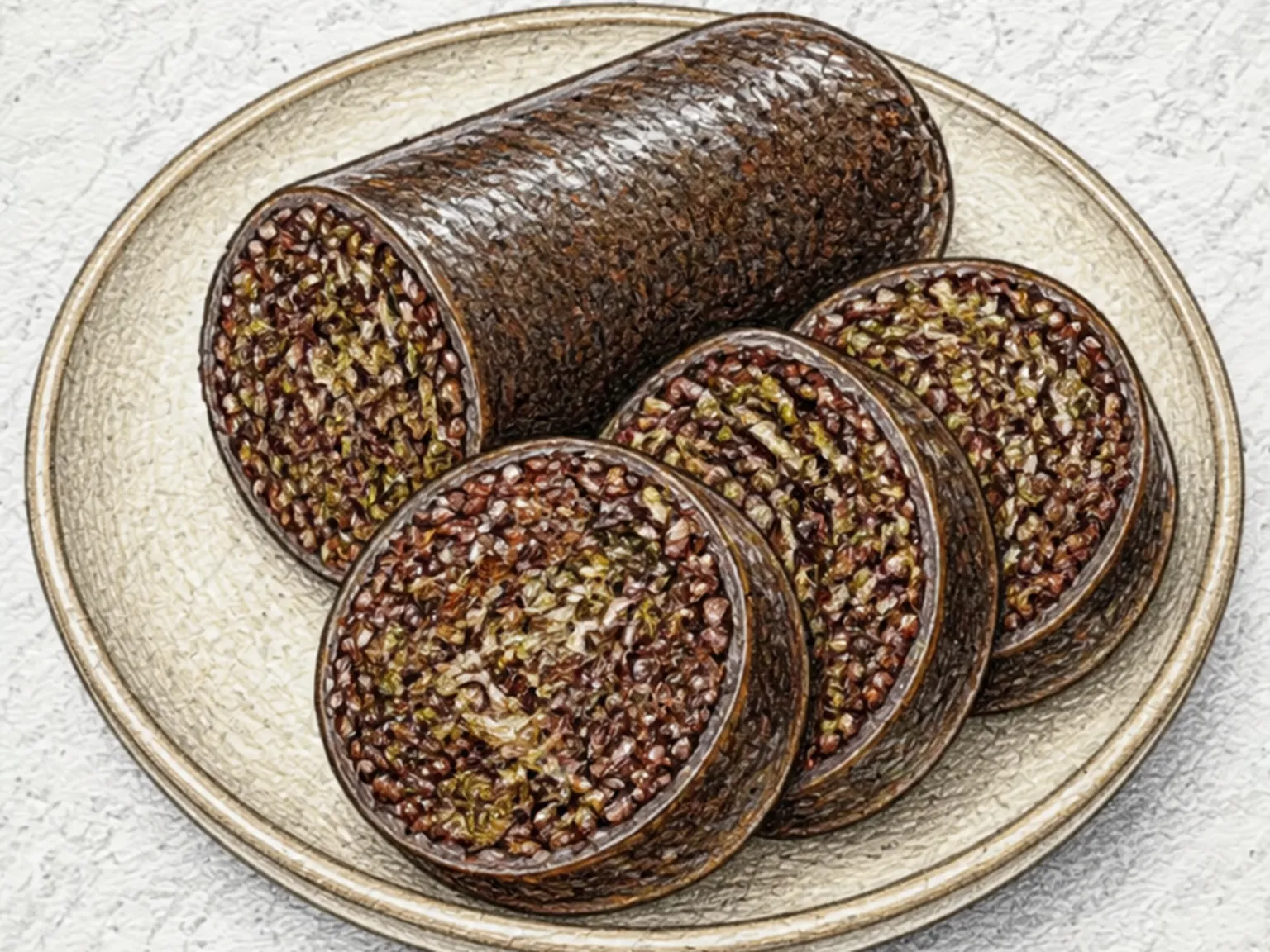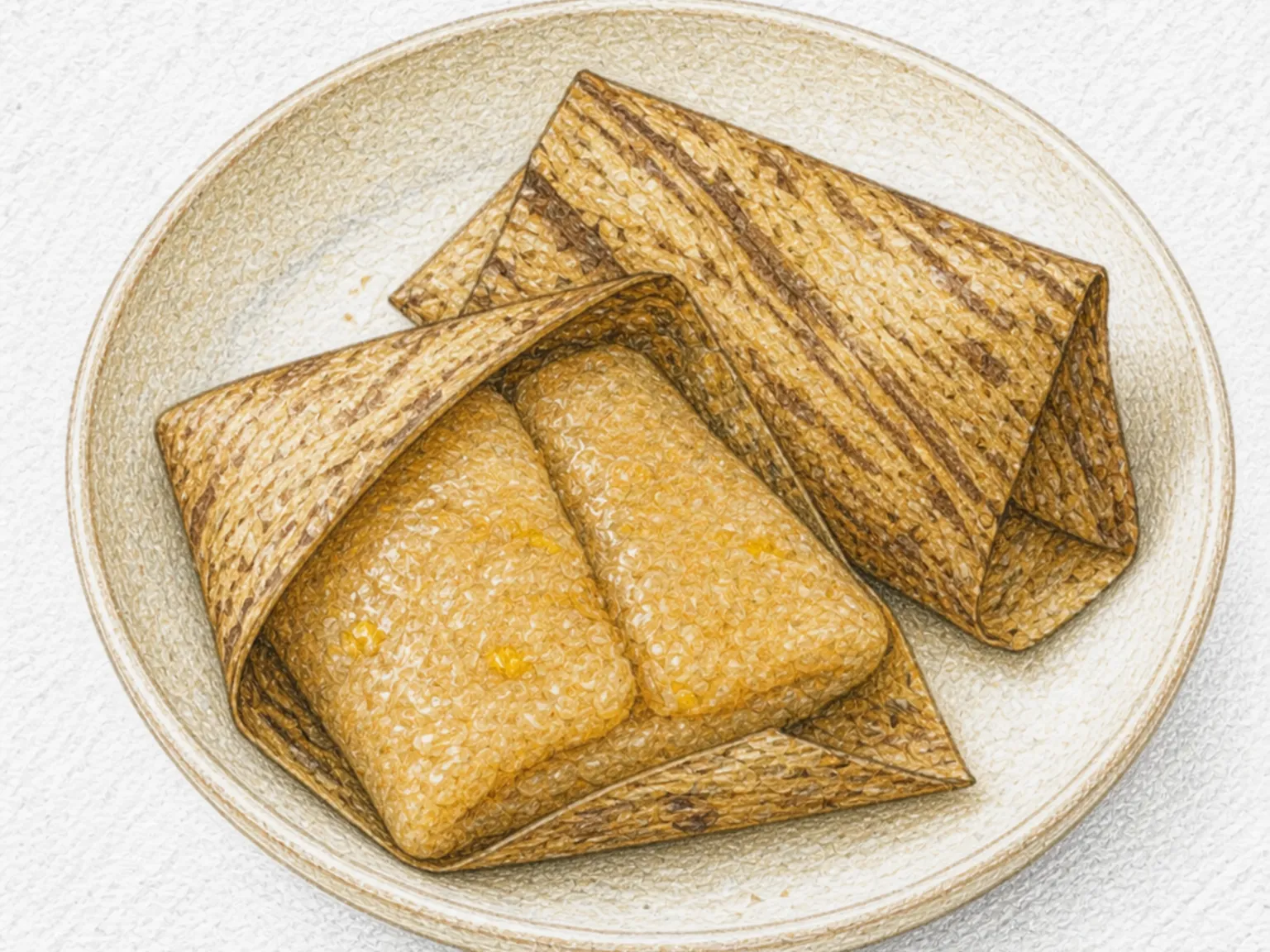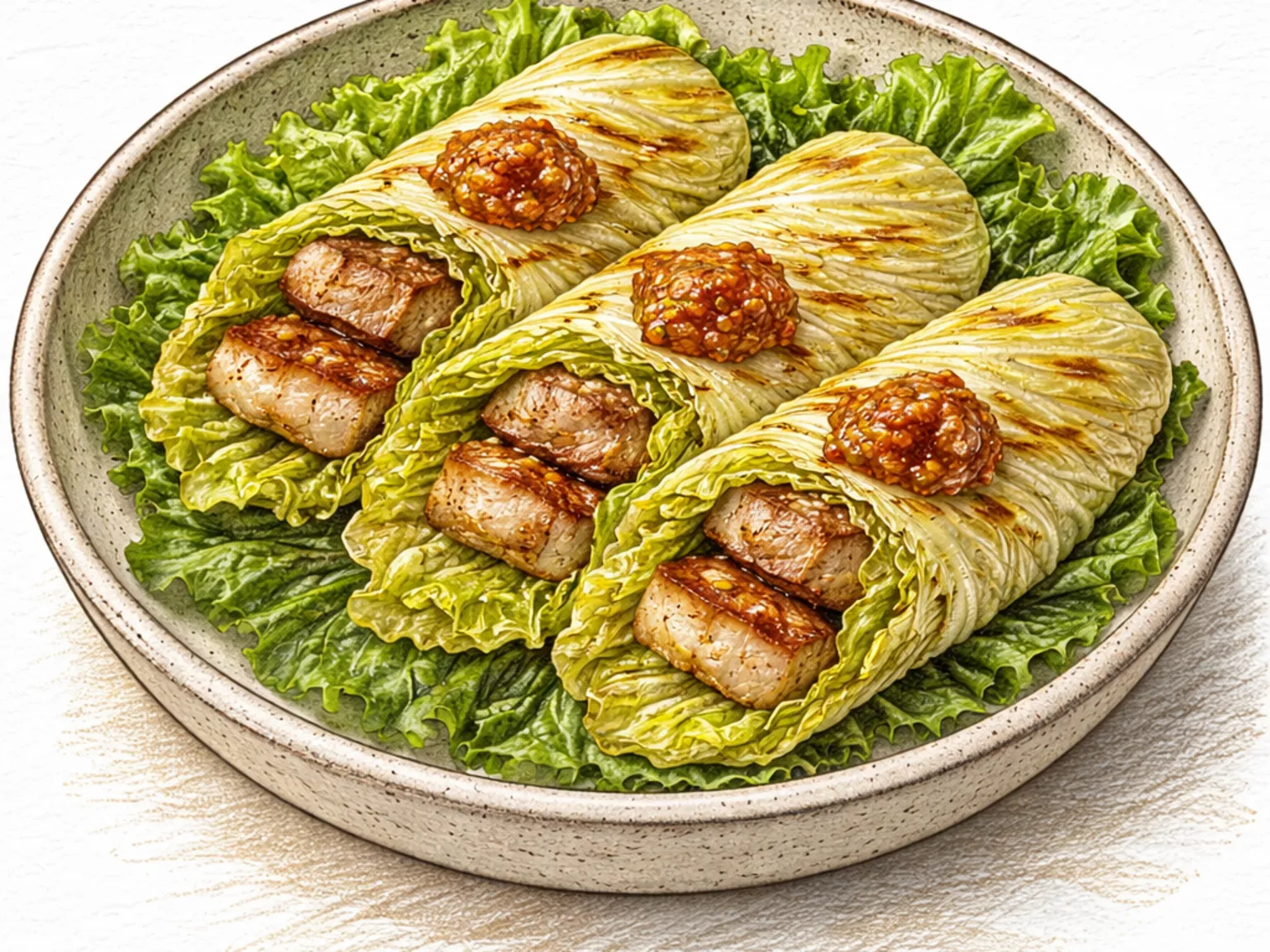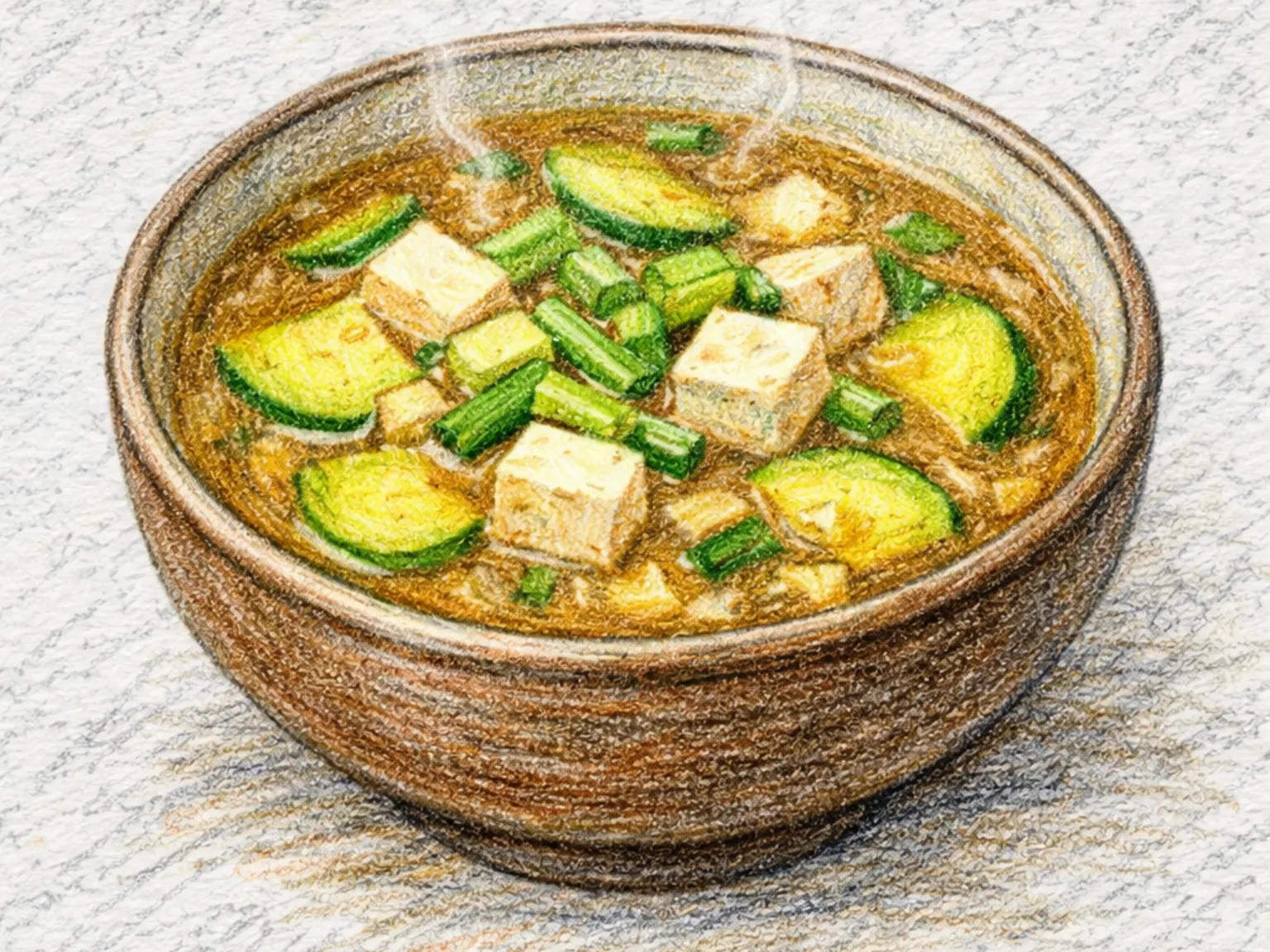
Soybean Paste Stew with Clams
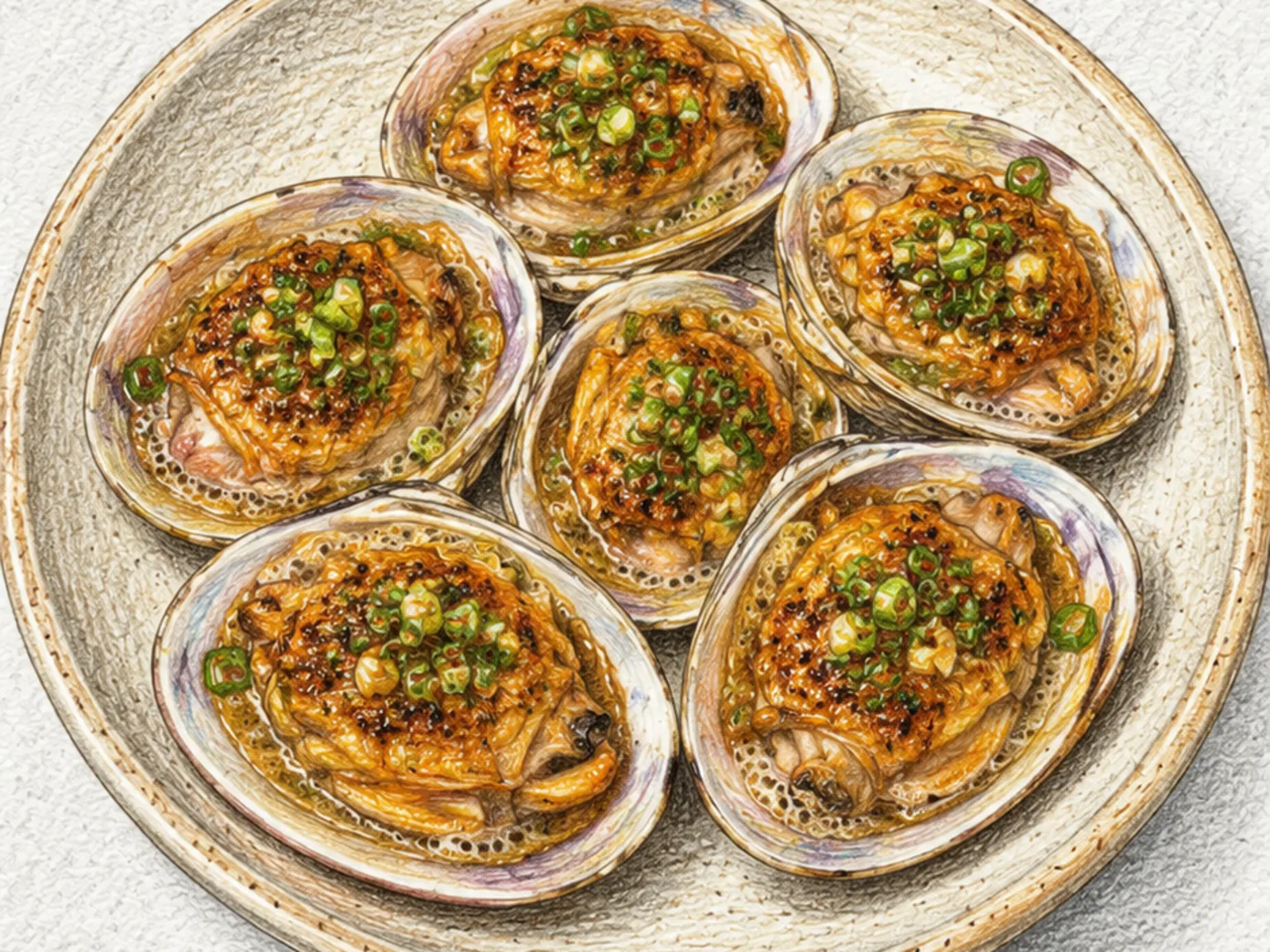
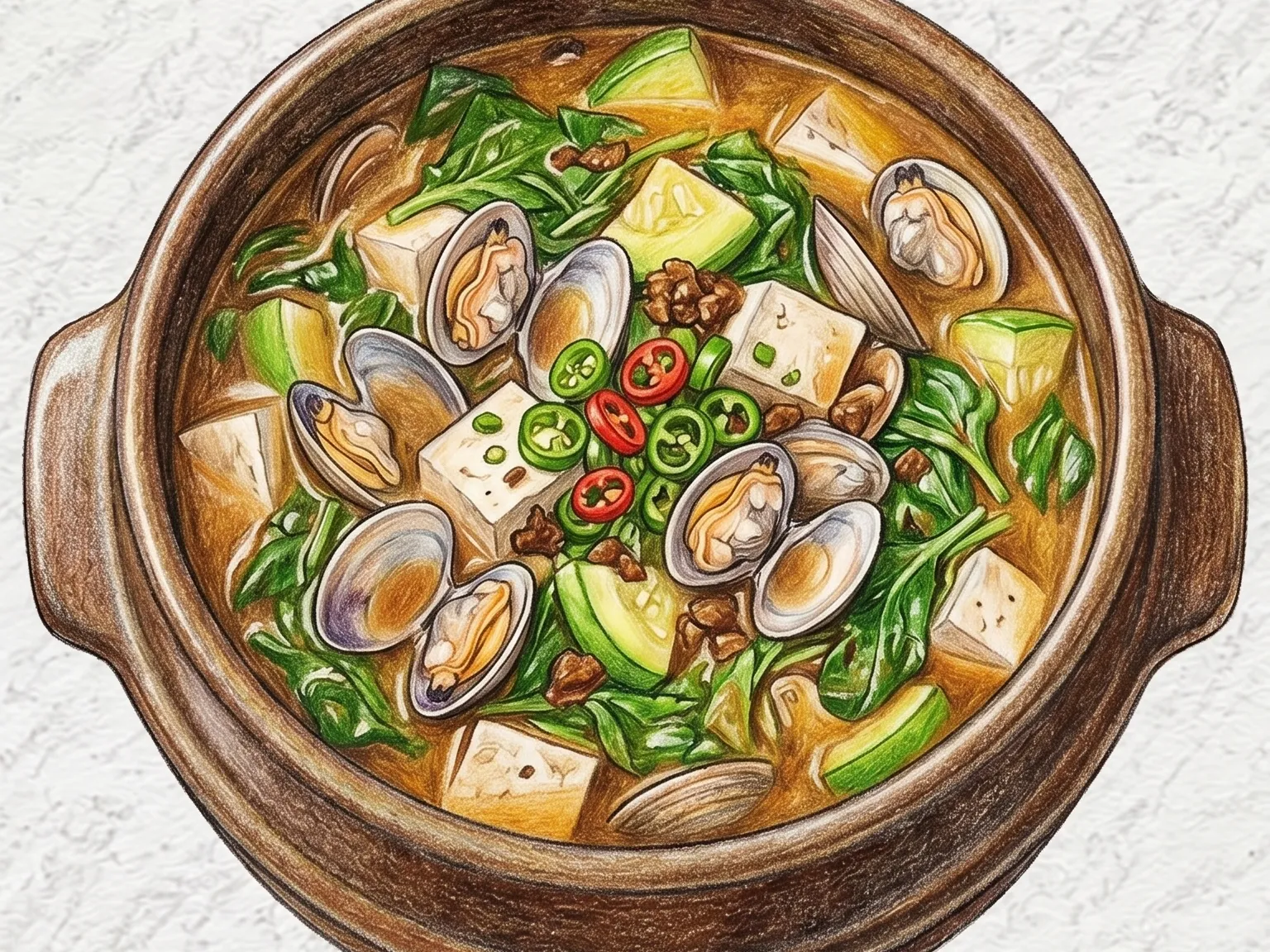
Doenjang jjigae with clams is one of the most frequently made stews in Korean households, built on the combination of fermented soybean paste's deep, earthy flavor and the clean briny umami of manila clams. The clams are purged of sand before being added to a pot of doenjang-laced broth, where they open and release their salty, seawater-flavored liquor directly into the soup. The result transforms the base from something merely savory into something distinctly oceanic and complex. Zucchini softens in the bubbling broth and contributes a natural sweetness as it breaks down, while blocks of soft tofu act as sponges, soaking up the seasoned liquid and releasing it in a burst of hot, flavorful broth when bitten into. Sliced cheongyang chili peppers are added to interrupt the heaviness of the fermented paste and sharpen the overall flavor. The stew is typically served in an earthenware pot while still bubbling, alongside rice. Many Koreans ladle the broth directly over their bowl of rice. The recipe adapts to any season: assembled with leftover summer vegetables from the refrigerator for a lighter version, or cooked piping hot in a stone pot through winter.

Doenjang Caramel Apple Galette
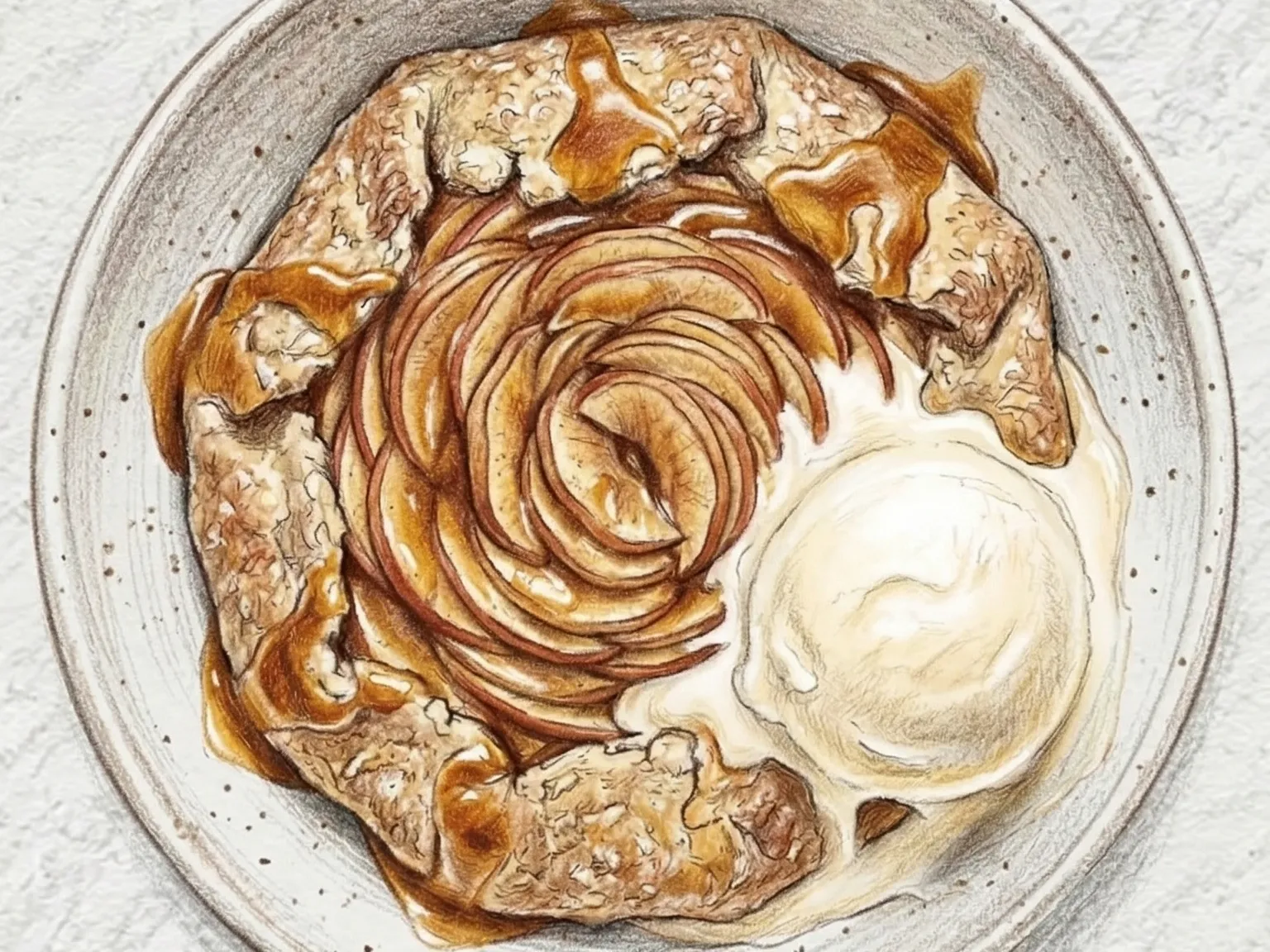
This galette layers a rustic free-form French pastry with a Korean-inflected twist: a doenjang-laced caramel draped over cinnamon apples filling the center. The crust is made by working cold butter into flour and shaping the dough by hand, folding the rough edges over the fruit in an imperfect, irregular way. Apples tossed with brown sugar and cinnamon fill the center, softening in the oven until tender and yielding. The doenjang caramel is made by whisking a small amount of fermented soybean paste into a brown sugar and cream sauce. Keeping the amount deliberately minimal is the whole point: enough to create an ambiguous saltiness and fermented depth, but not enough to register clearly as soybean paste. It is the murkiness of the flavor that lifts the familiar apple-and-cinnamon combination out of predictability. Served warm with a scoop of ice cream, the contrast between the hot pastry and cold cream adds one more layer to an already textured dessert.

Korean Seasoned Mallow Greens
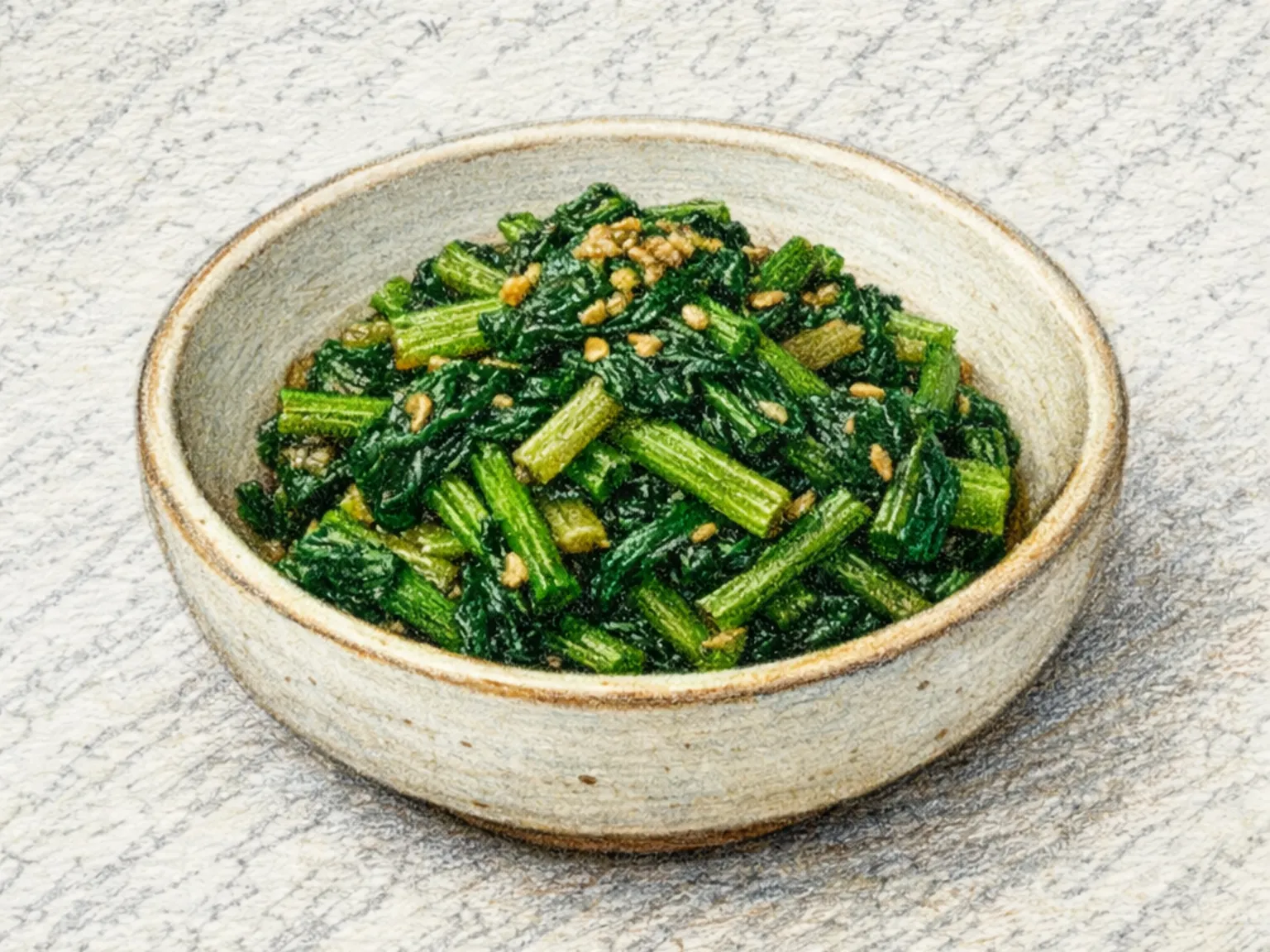
Auk namul muchim turns mallow greens - a plant used in Korean cooking since the Joseon era, most commonly in doenjang-guk - into a seasoned side dish. The leaves are soft and contain natural mucilaginous compounds that produce a distinctly slippery texture when blanched. The greens go into boiling water for exactly 40 seconds: too short and a raw grassy smell lingers, too long and the mucilage releases excessively, causing the leaves to clump and stick together. After blanching, they are wrung firmly dry and worked by hand with doenjang, soup soy sauce, minced garlic, and chopped scallion so the fermented paste penetrates the porous leaf structure rather than just coating the surface. Mixing the doenjang with garlic before adding the greens helps temper the raw sharpness of the paste. Sesame oil drizzled in last adds a glossy sheen and rounds out the fermented soy flavor against the soft, mild character of the greens.

Korean Napa Cabbage Doenjang Porridge
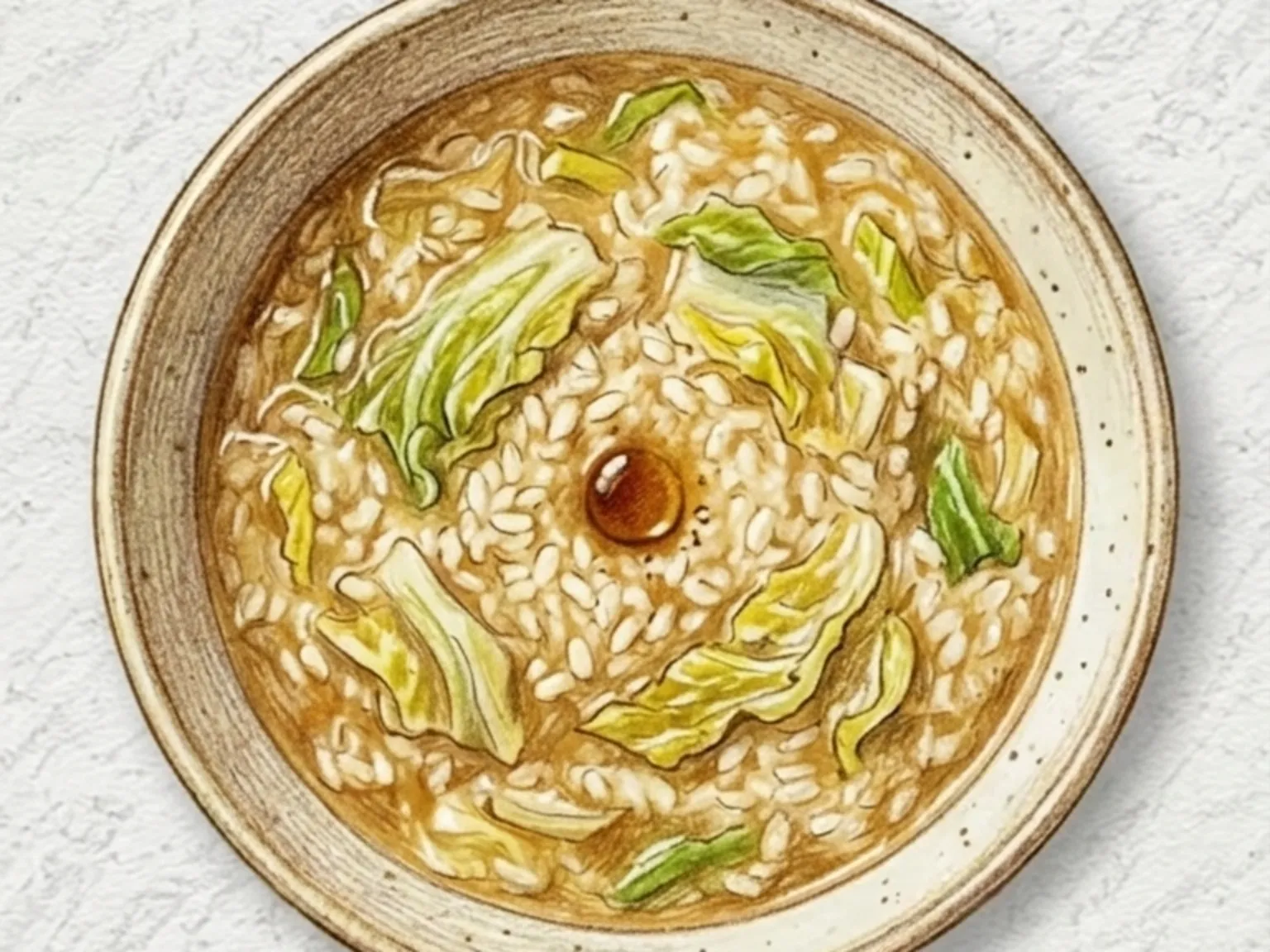
Baechu doenjang juk is a Korean porridge where soaked rice is first toasted in sesame oil before any liquid is added, building a nutty foundation that plain boiled rice cannot provide. The doenjang is dissolved and strained through a fine-mesh sieve directly into anchovy stock so the finished porridge stays smooth without chalky bits of fermented paste. Finely chopped napa cabbage and onion go in with the strained stock: the onion melts quietly into the broth as it cooks, contributing a background sweetness, while the cabbage softens until it nearly disappears into the porridge's texture. Stirring frequently over medium-low heat for at least twenty minutes is what allows the rice grains to break down evenly and merge with the liquid rather than sitting as distinct kernels in thin broth. Skipping the initial oil-toasting step and adding raw soaked rice directly causes the starch to release unevenly, producing a porridge that sticks to the bottom of the pot and tastes flat. A drop of sesame oil and a final seasoning with guk-ganjang complete the dish. The result is a bowl that feels gentle on the stomach while carrying the full fermented complexity and depth of doenjang - suitable as a light meal or a restorative dish during recovery.

Korean Stir-Fried Zucchini and Beef Brisket with Doenjang
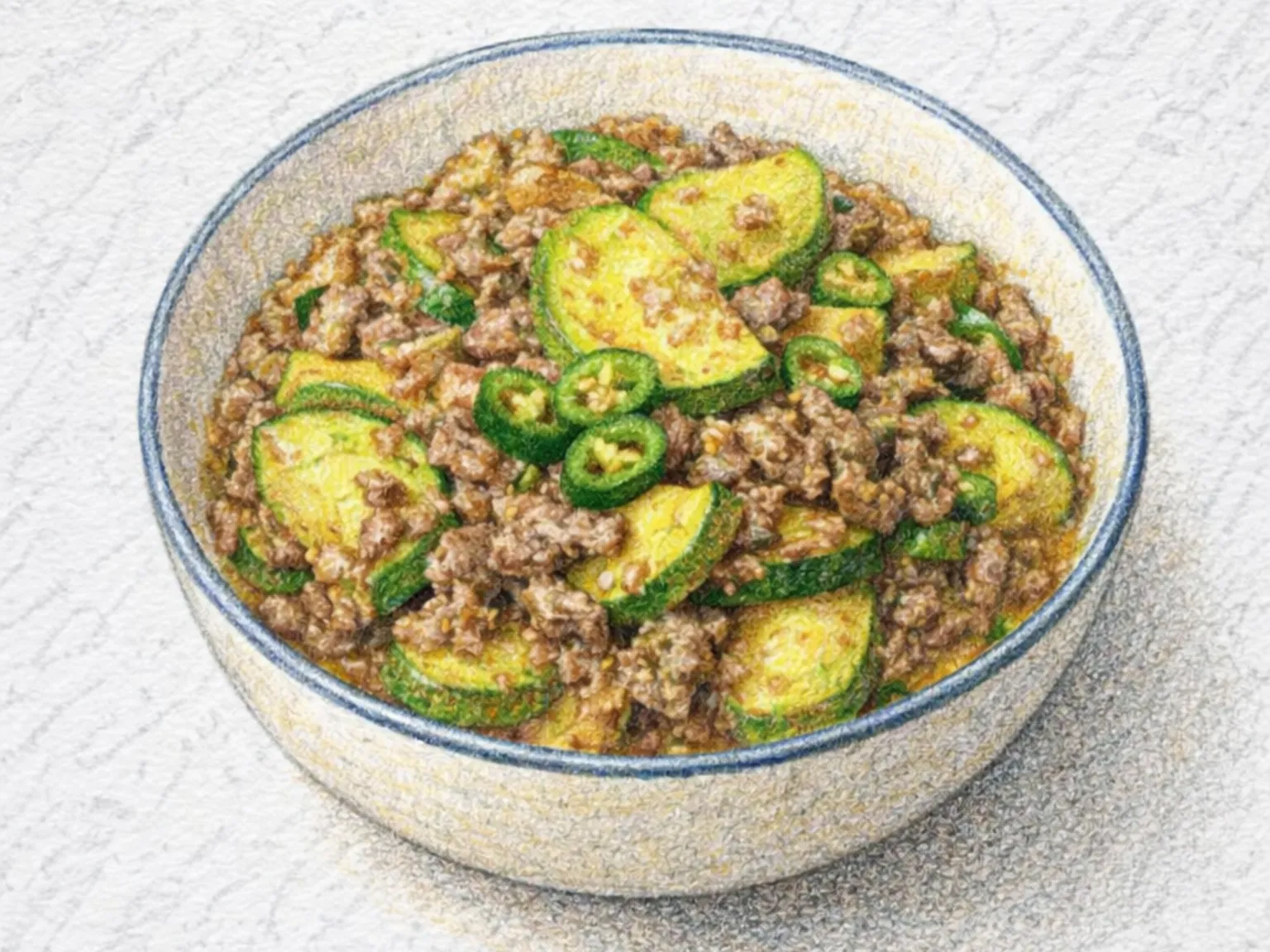
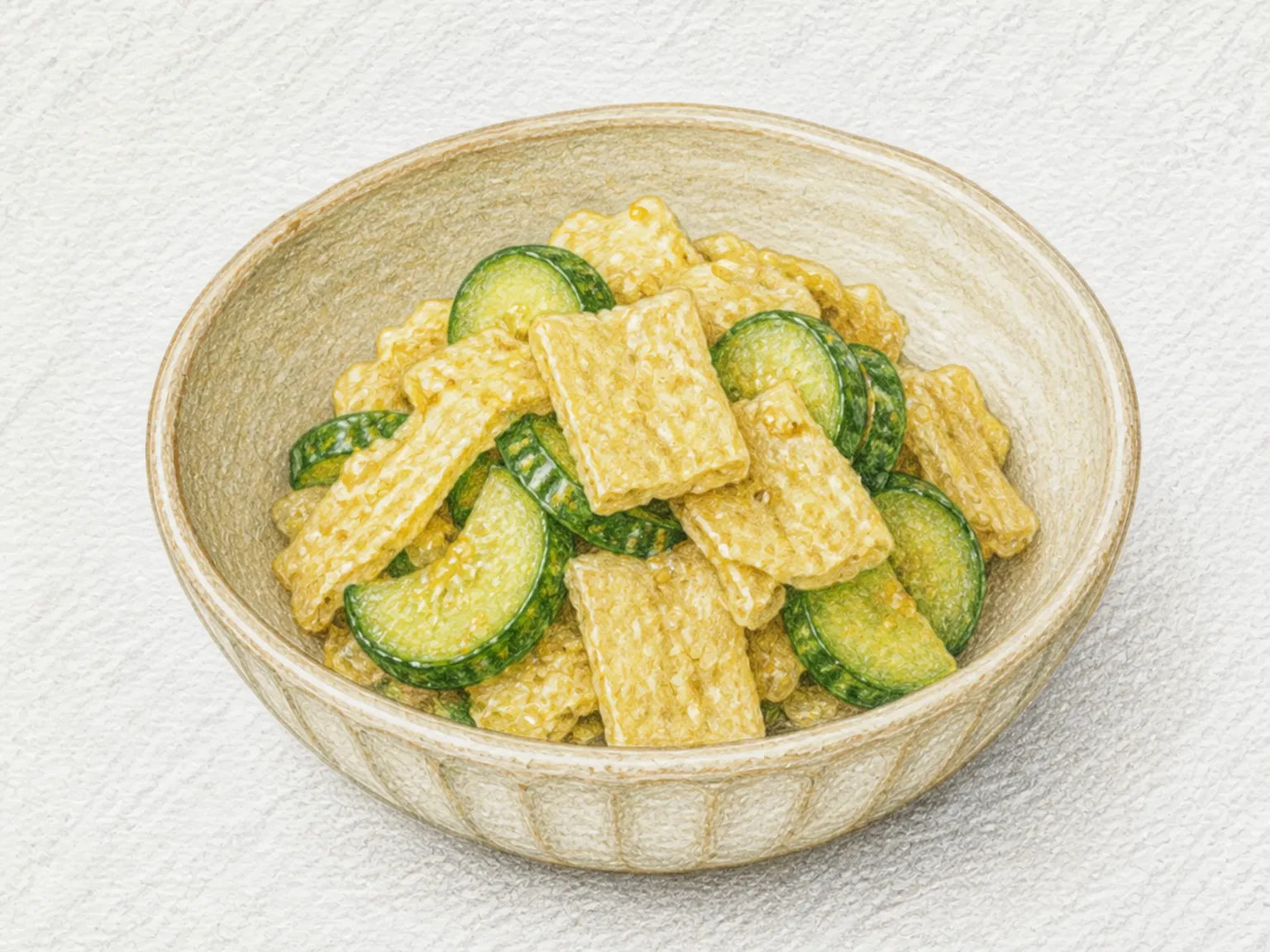
Three ingredients divide the labor in this stir-fry: beef brisket renders the fat, doenjang provides the fermented backbone, and zucchini supplies the body of the dish. The brisket goes into a dry pan first, no added oil, so its own fat melts out and becomes the cooking medium. Doenjang added directly to that rendered fat fries for thirty seconds until the raw paste smell cooks off and a deeper fragrance develops. Then the zucchini, sliced into half-moons, goes in with a dash of soup soy sauce over high heat. Total cooking time from pan to plate runs about five minutes - push past that and the zucchini releases too much water and turns limp. Sliced cheongyang chili at the end keeps a sharp heat in the background. A drizzle of perilla oil with the heat off gives a clean, herbal finish. Works as a banchan alongside rice, or spooned over a full bowl of steamed rice as a quick one-dish meal.

Korean Grilled Cabbage Leaf Wraps
Baechu kimchi gui ssam takes napa cabbage to the grill, charring the leaves before using them as wraps for grilled pork belly and doenjang-based ssam sauce. A whole cabbage is halved lengthwise, brushed with sesame oil and sprinkled with salt, then grilled over high heat for two to three minutes per side until the outer edges char while the inner layers keep some crispness. Pork belly is grilled separately until golden and cut into bite-sized pieces. The ssam sauce - doenjang, gochujang, minced garlic, and sesame oil mixed together - is spread on a grilled leaf, topped with pork, and rolled into a wrap. Each bite combines the smoky sweetness of the charred cabbage, the fatty richness of the pork, and the salty, fermented punch of the sauce. Grilled cheongyang chili on the side adds extra heat. The cabbage must not stay on the grill beyond the recommended time or it loses all structure and collapses into mush, making it impossible to use as a wrap. Unlike lettuce or perilla leaf, napa cabbage shrinks under heat and concentrates moisture inside the leaf, which allows it to absorb pork fat naturally as it wraps around the meat.

Korean Zucchini Soybean Paste Soup
The soup that comes to mind when Koreans think of home cooking. Not a dish for special occasions - this is what gets made on ordinary weeknights when nothing more specific has been decided. Anchovy-kelp stock is the base: dried anchovies and a piece of kombu in cold water, brought to a boil and simmered ten minutes. Doenjang dissolved through a strainer into the finished stock adds the fermented, earthy depth that defines the soup. Onion goes in first and sweetens the broth as it softens. Zucchini, sliced into half-moons, follows with minced garlic, cooking for five minutes at most - past that point the slices lose their shape and the broth becomes murky. Cubed tofu is added last, just to warm through without breaking. The result is a cloudy, golden soup where the salty funk of the doenjang sits underneath a gentle vegetable sweetness. A sliced cheongyang chili makes it spicy; left out, the soup is mild enough for any table.

Korean Dried Radish Greens Pancake
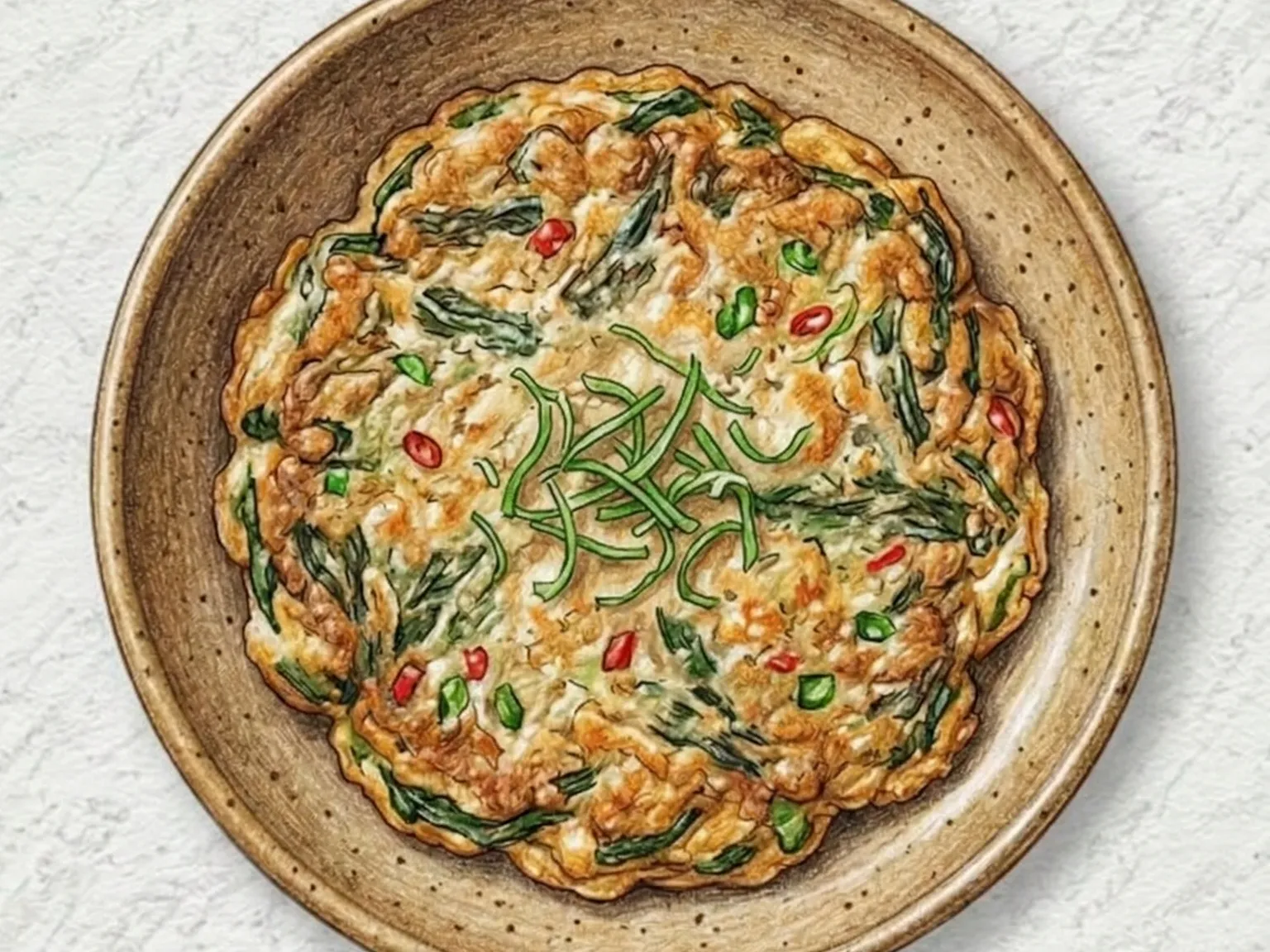
Boiled dried radish greens are combined with doenjang and pan-fried into a dense, rustic jeon with deep fermented character. The fibrous texture of the radish greens gives the pancake a satisfying chew, and the soybean paste saturates the batter so thoroughly that no dipping sauce is necessary. Buckwheat flour adds an earthy coarseness that suits the greens well. Cheongyang chili provides a spicy accent throughout. Minced garlic benefits from a brief saute in oil before being mixed into the batter-the raw edge cooks off and the garlic's savory depth integrates fully into the finished pancake. Cooking over low heat lets the inside set without burning the outside, producing a crisp surface and a tender, flavorful center.

Korean Brisket Soybean Paste Stew
Thinly sliced brisket is added to the classic soybean paste stew base of rice-rinsing water and doenjang, cooked together with potato, zucchini, tofu, and cheongyang chili. The marbled fat in the brisket renders into the broth as it cooks, building a richer and more savory base than the standard vegetable-only version. The cheongyang chili delivers a sharp heat that makes this stew especially good with a bowl of rice. Adding the brisket slices after the vegetables have softened partially prevents the meat from overcooking and turning tough during the remaining simmer time.

Korean Braised Pork Backbone
Deungppyeo-jjim is pork backbone braised with potato and green onion in a sauce built from doenjang, gochugaru, and soy sauce. After a long, slow simmer the meat tucked between the vertebrae and the cartilage separates from the bone without effort. Doenjang lays a deep, fermented underpinning to the broth while gochugaru brings a sharp, clean heat on top. The potatoes cook until they soften enough to fall apart at the press of a spoon, absorbing the thick, dark cooking liquid around them. Digging out the meat lodged between the bones is part of the pleasure, which is why the dish has long been a favourite pairing with soju. The rich, dense broth also makes it an easy choice for eating over a bowl of steamed rice.

Korean Cheongyang Gochu Doenjang Jangajji (Doenjang Pickled Cheongyang Peppers)
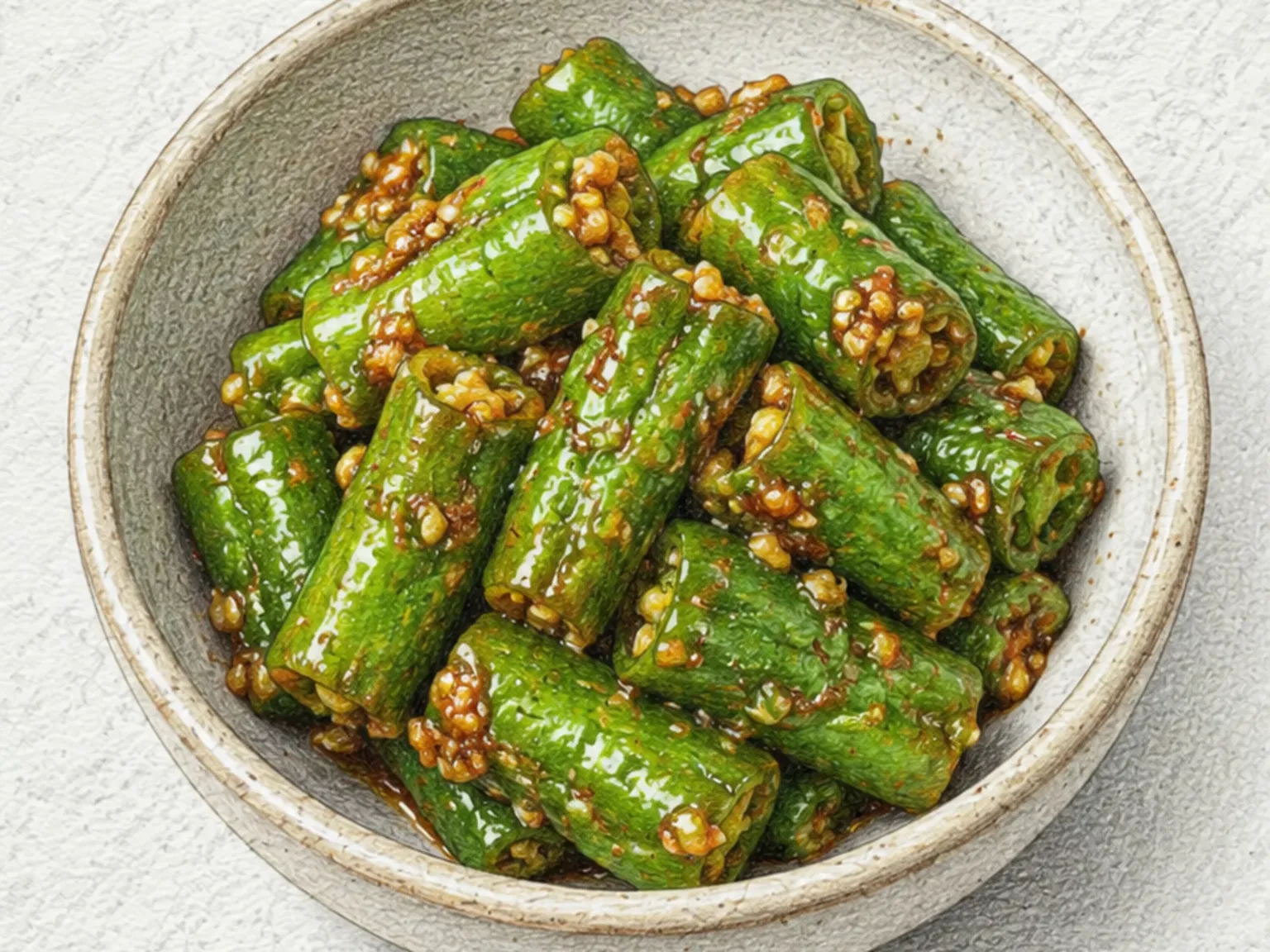
Cheongyang chili peppers are pricked all over with a fork so the brine can reach the interior of each pod rather than sitting on the surface. Kelp is simmered with soy sauce to establish a concentrated umami base, then the heat is cut and doenjang is dissolved into the hot liquid, which layers the nutty, fermented depth of fermented soybean paste over the saltiness of the soy. Rice syrup softens the sharp, raw heat of the chilies so it does not dominate the other flavors, and vinegar sharpens and clarifies the overall profile. The chilies are pressed fully under the brine and left in the refrigerator to mature. After one day the seasoning begins to penetrate toward the core, and by day three the doenjang flavor has fully saturated each pepper. At that point, a single pepper placed on a mouthful of hot rice delivers a compact burst of salty, funky depth and the lingering heat that makes this pickle a classic Korean table condiment.

Korean Beef Brisket Soybean Paste Noodles
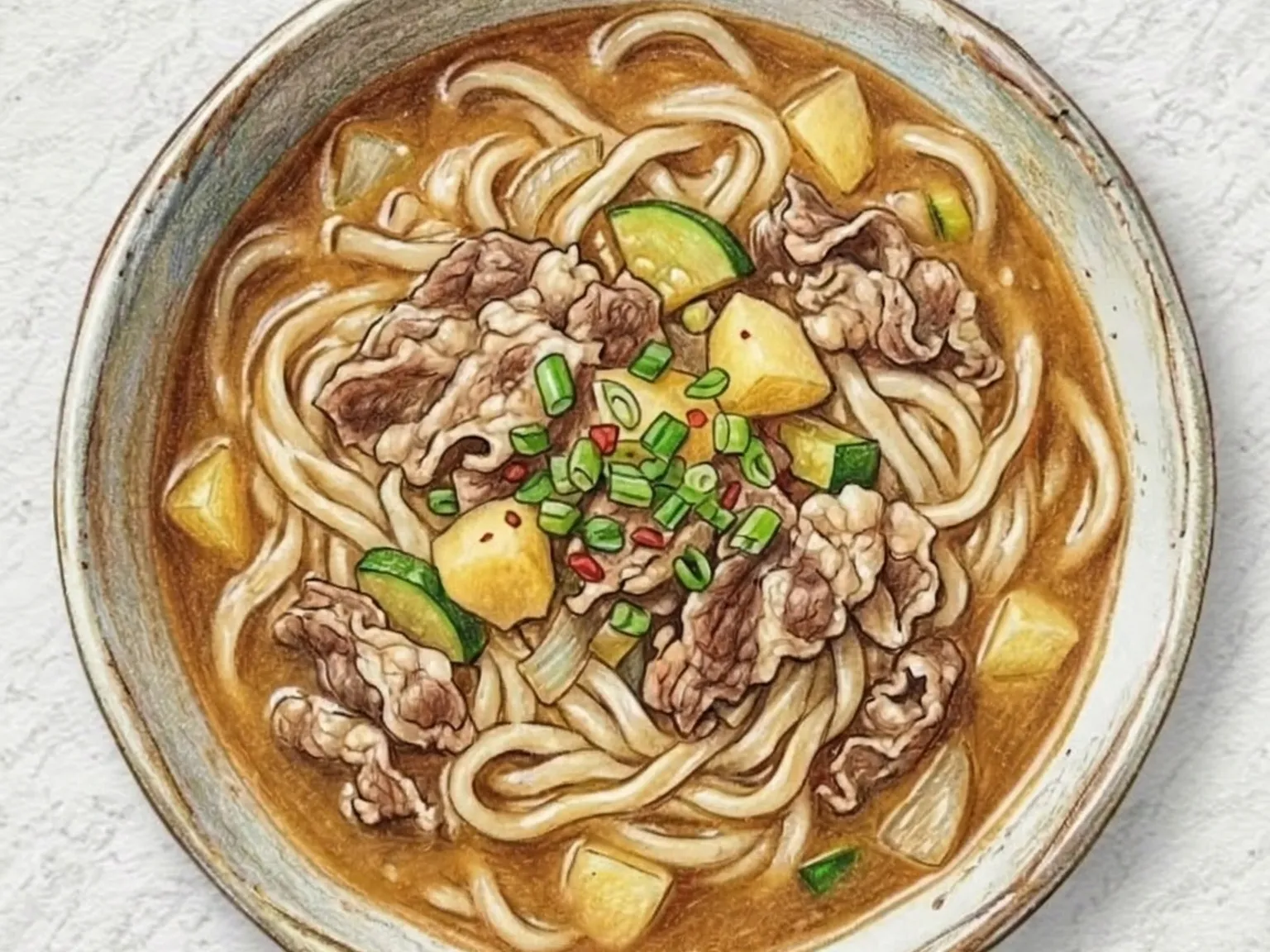
Chadol doenjang kalguksu is a Korean noodle soup made by simmering thin slices of beef brisket in a soybean paste broth and adding hand-cut wheat noodles to finish the bowl. The doenjang gives the broth a fermented, earthy depth, and the marbled fat from the brisket slowly renders into the simmering liquid, adding body and a gentle richness that rounds out each spoonful. Kalguksu noodles are rolled thin by hand and cut with a knife, so they are naturally uneven in thickness. Thicker sections retain a satisfying chew while thinner edges go silky and absorb the broth more readily, which means a single bowl contains multiple textures without any deliberate effort. Zucchini, potato, and onion are added early and cook down into the broth, contributing natural sweetness that tempers the saltiness of the doenjang. Minced garlic and sliced scallion stirred in near the end lift the aroma and add a fresh, sharp note at the finish. Because doenjang concentrates as the broth reduces, starting with more water than seems necessary is a practical safeguard against the soup becoming too salty before the noodles are cooked through. Serving the noodles immediately after cooking prevents them from absorbing too much liquid and going soft.

Doenjang Clam Spinach Orzo
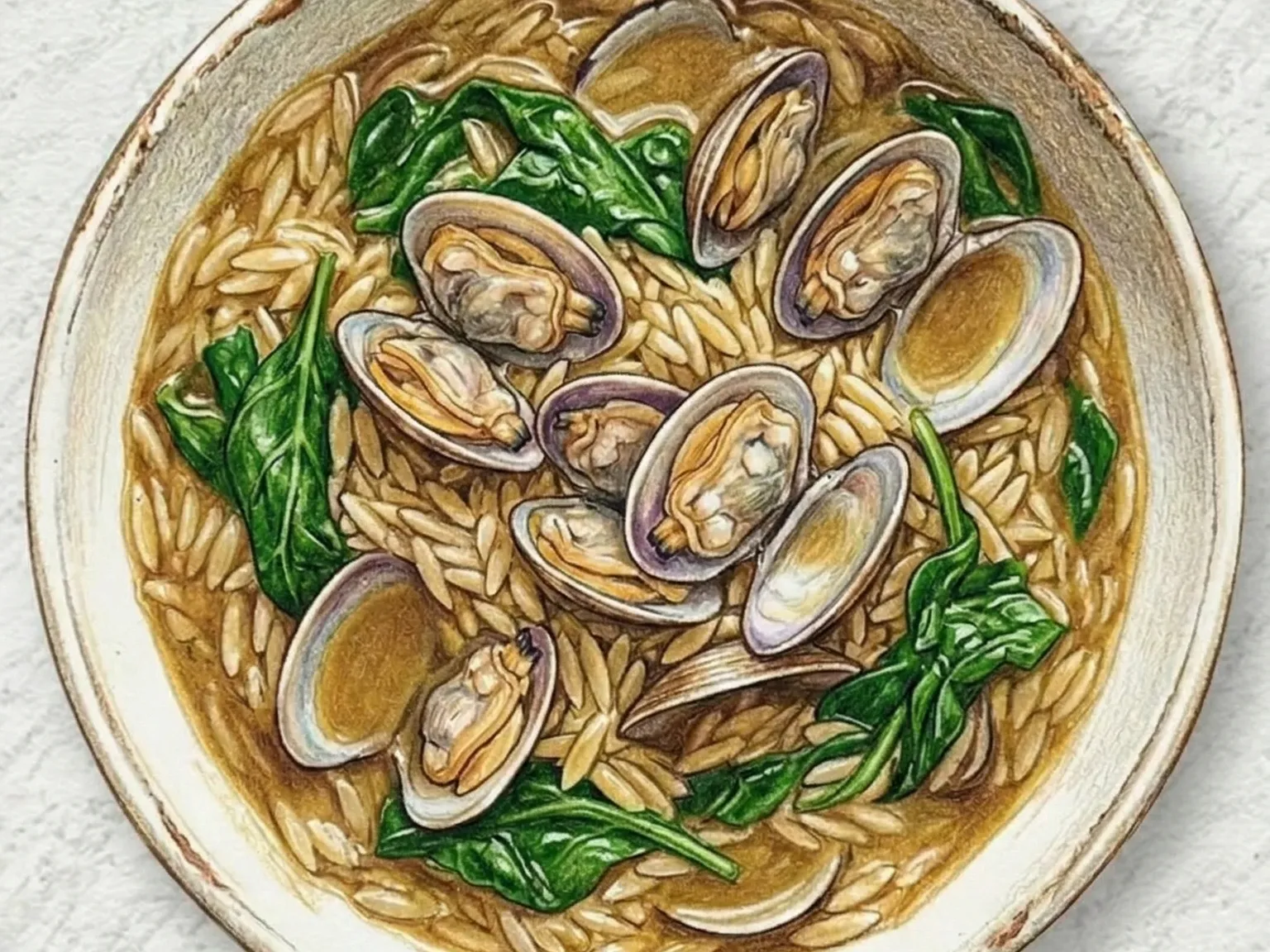
Doenjang clam spinach orzo is a one-bowl pasta built by cooking orzo in doenjang-seasoned vegetable stock alongside clams in a method borrowed directly from risotto technique. The clams are first purged in salt water to remove sand, then steamed open in white wine so they release their briny cooking liquid into the pan. That liquid merges with the already-present fermented depth of doenjang to form a layered savory base that carries the pasta from the very first minute of cooking. Toasting the orzo in butter or oil before adding any liquid coats the starch on each grain, a step that slows its release and produces a consistently creamy sauce by the end rather than a gluey mass or a watery broth. The stock goes in two or three additions rather than all at once, each addition added only once the previous one has been absorbed, and the pasta is stirred throughout so the released starch works into the liquid rather than sinking to the bottom. Spinach added in the final thirty to sixty seconds of cooking wilts just enough to turn tender without losing its bright green color or dissolving into the sauce. A knob of cold butter stirred in off heat as the finishing touch emulsifies into the sauce, adding a glossy sheen and a rounded, buttery richness that ties all the flavors together.

Bomdong Strawberry Doenjang Salad
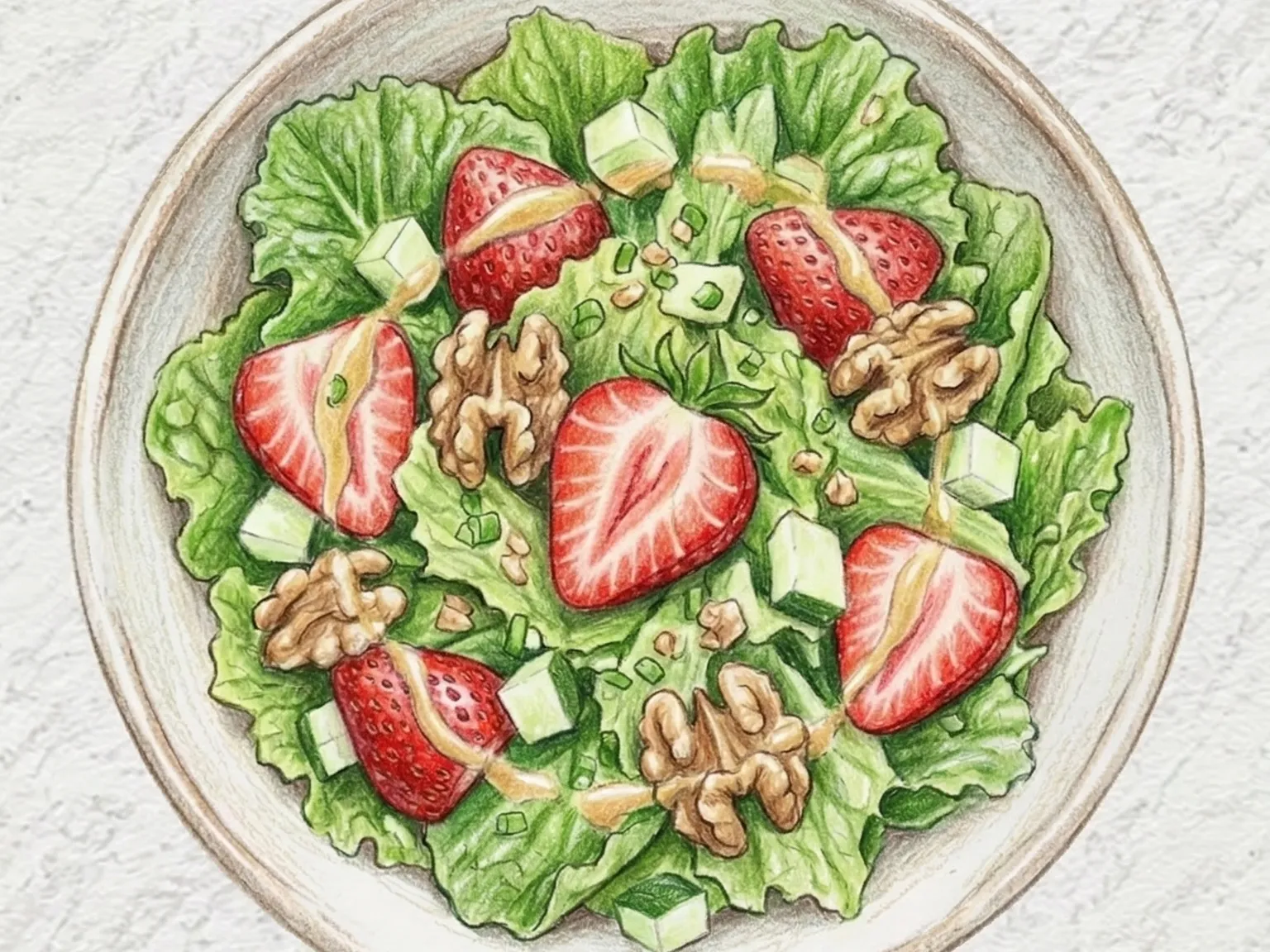
Bomdong strawberry doenjang salad combines the crisp leaves of early spring bomdong cabbage with the fruity sweetness of strawberries and the fermented depth of Korean soybean paste. The dressing, built by whisking doenjang with olive oil and vinegar, adds savory richness to the mild bomdong leaves, while the natural acidity of the strawberries neutralizes the saltiness of the paste and brings brightness to every bite. Walnuts introduce crunch and nuttiness, creating textural contrast among the softer components, and cucumber adds moisture that keeps the salad refreshing throughout. Dressing the salad too early draws water from the strawberries, so adding the dressing immediately before serving is essential for maintaining the right texture. Tearing the bomdong by hand rather than cutting it preserves its natural shape without bruising the leaves. The saltiness of doenjang varies between brands, so adding the dressing gradually and tasting as you go prevents overseasoning. Swapping strawberries for blueberries or mandarin segments adapts the salad to other seasons while keeping the doenjang dressing intact. Toasted almond slices or sunflower seeds make a good substitute for walnuts when a lighter crunch is preferred.

Beijing Zhajiangmian (Northern Chinese Fermented Bean Paste Noodles)
Beijing zhajiangmian is the northern Chinese ancestor of Korean jajangmyeon, though the two have diverged significantly in flavor and presentation. The sauce is built from ground pork stir-fried with huangjiang, a fermented soybean paste darker and saltier than miso, until the fat separates and the paste turns glossy. Thick hand-pulled or machine-cut wheat noodles form the base, and an array of raw garnishes - julienned cucumber, radish sprouts, bean sprouts, and shredded scallion - are arranged neatly on top. The dish is meant to be tossed vigorously at the table so the sauce coats every strand. The contrast between the warm, intensely savory paste and the cool, crisp vegetables defines the eating experience. In summer, the noodles are often rinsed in cold water before serving.

Doenjang Caramel Pecan Tartlets
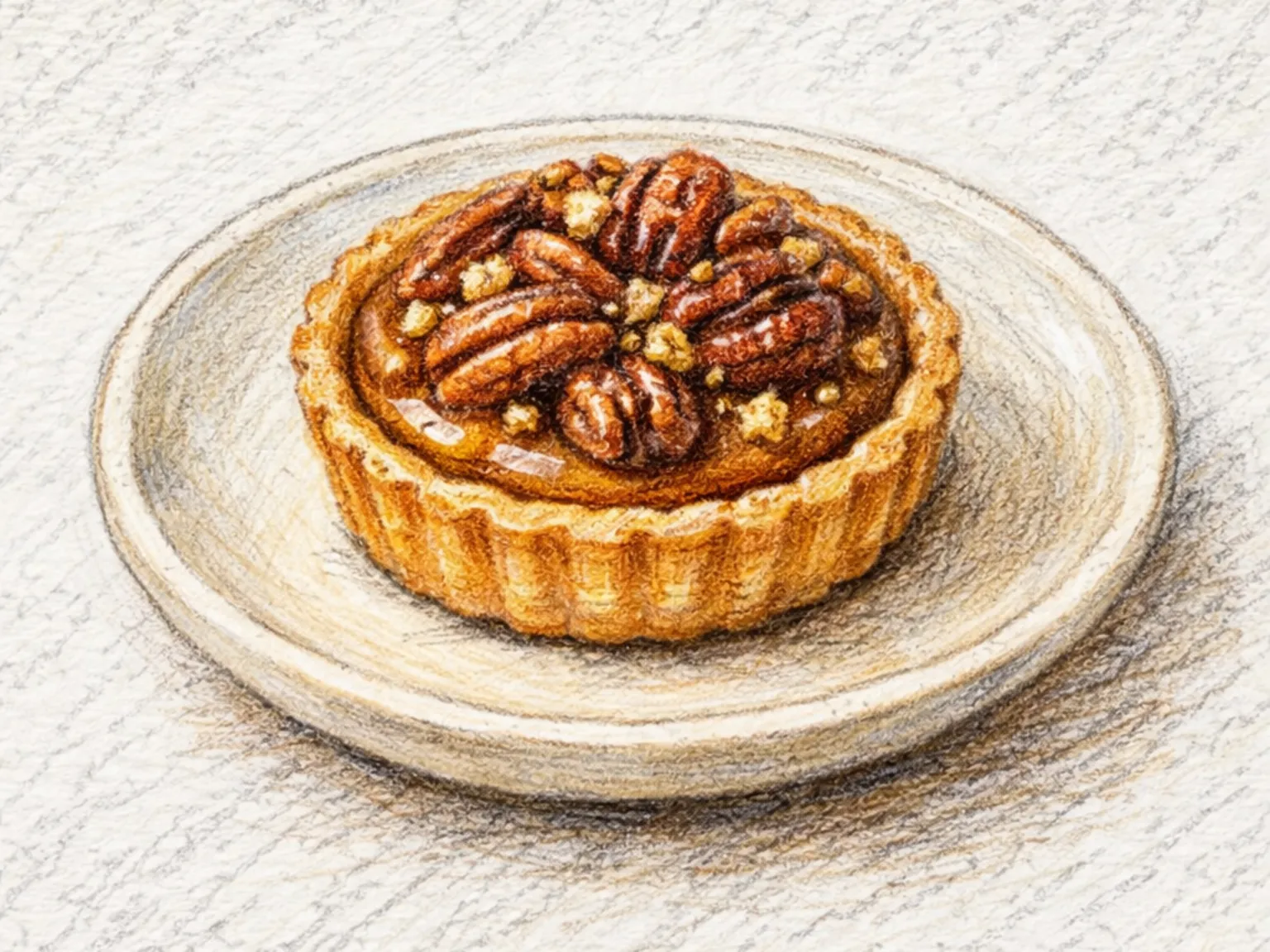
Doenjang caramel pecan tartlets bring together Korean fermented soybean paste and Western pastry in a dessert that treats doenjang the way salted caramel treats sea salt: as a savory element that sharpens and deepens sweetness. Mini tart shells are filled with toasted pecans and topped with caramel into which a small amount of doenjang has been thoroughly whisked. The fermented paste introduces salty, umami-layered depth beneath the caramel's sweetness, and the result sits noticeably broader and more complex than a standard pecan tart. The caramel must be cooked to a deep amber before the doenjang is added; pulling it too early leaves only sweetness and buries the paste's fermented character. Once poured and cooled, the surface sets into a glassy layer that snaps under a fork, adding a textural payoff before the filling yields. The pecan's buttery, slightly bitter roasted note meets the caramel's bittersweet char and the doenjang's fermented roundness, stacking three distinct kinds of richness into every bite. Well-aged doenjang used in a small quantity concentrates the aroma more than a milder paste, and adding almond flour to the tart shell dough creates a shortbread texture that harmonizes with the pecan.

Korean Seasoned Napa Cabbage Namul
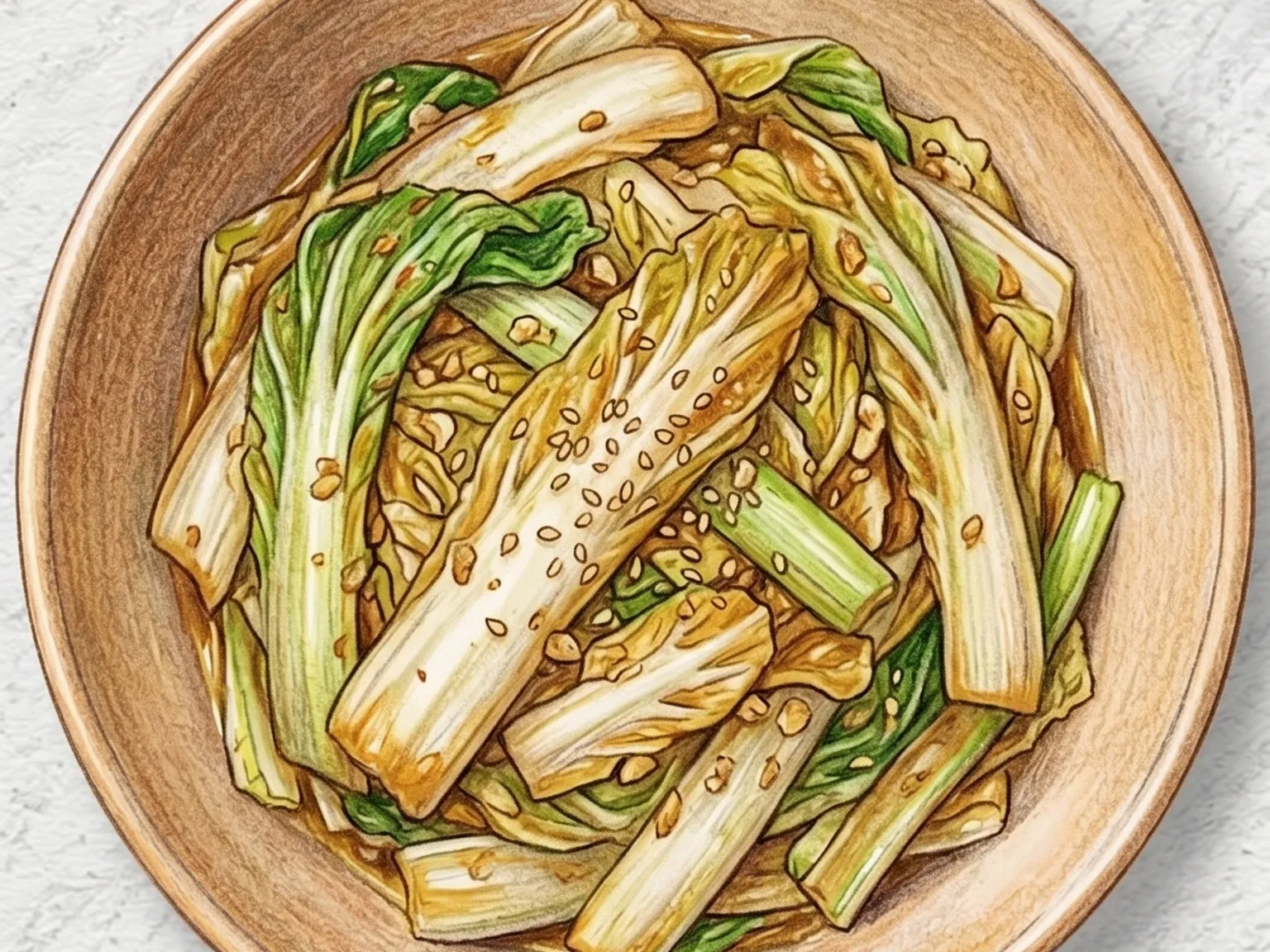
Boiled napa cabbage dressed with doenjang and perilla, a banchan passed through generations of Korean home cooks. The cabbage boils for two minutes so the leaves go fully soft while the white stems keep a slight bite, then it is rinsed, squeezed dry, and cut. Perilla oil takes the place of sesame oil and gives the dressing a distinctly herbal character. Perilla powder added at the end thickens the seasoning into a coating that clings to each strand. This quiet banchan pairs well with clear soups and plain steamed rice.

Korean Thick Doenjang Bibimbap
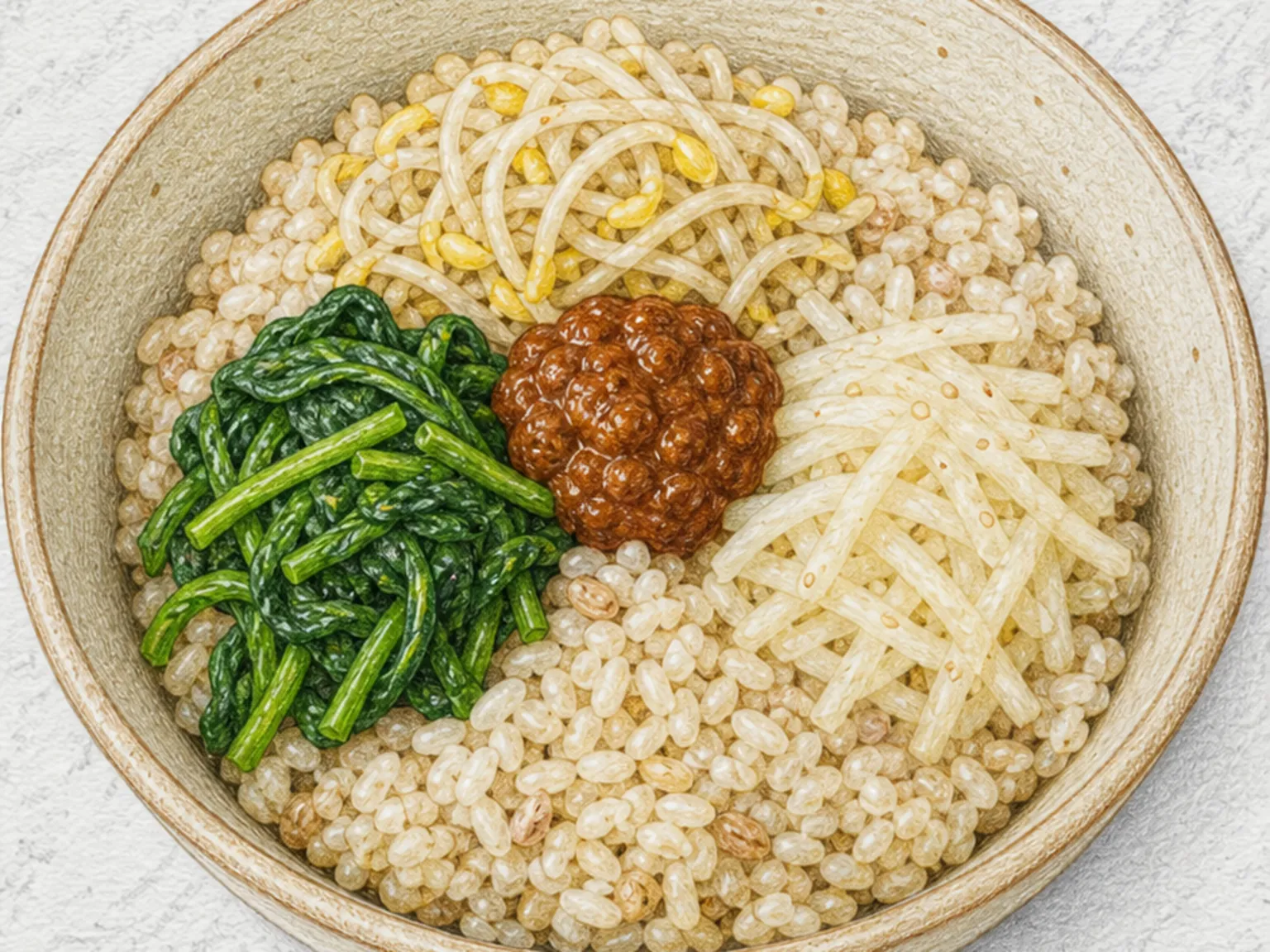
Gangdoenjang-bibimbap is a rice bowl built around gangdoenjang, a reduced and concentrated version of the fermented soybean paste cooked down with vegetables and tofu until most of the moisture has evaporated. Where ordinary doenjang jjigae centers on broth, gangdoenjang is intentionally reduced to intensify the fermented depth, allowing the paste to cling to rice like a thick sauce when spooned over and mixed in. Minced garlic is bloomed in sesame oil first, then diced onion and zucchini are added and cooked through before the dissolved doenjang and minced shiitake go into the pan to reduce over gentle heat. Firm tofu is crumbled in during the final stage, breaking apart as it cooks and giving the sauce a heavier, more substantial body. Water is added in 20 to 40 milliliter increments to adjust consistency depending on the saltiness of the paste. A chopped cheongyang chili raises the heat and sharpens the savory quality of the doenjang. An extra drizzle of sesame oil when mixing amplifies the nuttiness, and a fried egg or crumbled dried seaweed on top turns the bowl into a complete and filling meal.

Korean Cabbage Doenjang Stir-Fry
Baechu doenjang bokkeum is a Korean home-style side dish where napa cabbage is stir-fried with doenjang (fermented soybean paste) in perilla oil. The cabbage goes into a hot pan first and is tossed until slightly wilted, then the doenjang is added and the heat lowered so the paste spreads evenly and coats every piece. Minced garlic goes in with the cabbage, its sharpness merging into the fermented depth of the doenjang as both cook together. The thicker stem sections go into the pan before the leaves to preserve their crunch, and the leafy parts follow later so they stay tender rather than limp. A final drizzle of perilla oil just before removing the pan from heat reinforces the nutty aroma, finished with a scatter of toasted sesame seeds. The seasoning is minimal, but the salty intensity of the doenjang and the natural sweetness of napa cabbage strike a balance that makes this side dish a reliable staple with steamed rice. No soup or stew is needed alongside it.

Korean Grilled Broccoli with Soybean Paste
Broccoli doenjang-gui is a Korean oven-roasted broccoli dish where bite-sized florets are blanched for exactly one minute to preserve their crunch, then tossed thoroughly in olive oil before being coated with a thick paste made from doenjang, gochujang, minced garlic, and oligosaccharide syrup, and roasted at 200 degrees Celsius for about twelve minutes. Coating the florets in oil first is the key step that ensures the paste adheres uniformly rather than clumping in spots, so every piece caramelizes evenly in the heat. At high oven temperatures the outer edges of the florets char slightly, and that controlled browning concentrates the fermented soybean paste into a deeply savory crust with a faint smokiness that raw doenjang cannot replicate. Keeping the blanching time to one minute is equally important: the stems stay crisp enough to hold their texture through roasting, so the finished dish has a satisfying snap rather than softening entirely. If the paste feels too stiff to spread, a tablespoon of water loosens it without diluting the flavor. A generous scatter of sesame seeds before serving adds a toasted nuttiness that layers over the salty-spicy profile and completes the dish.

Korean Mallow Clam Soup (Doenjang Mallow and Clam Broth)
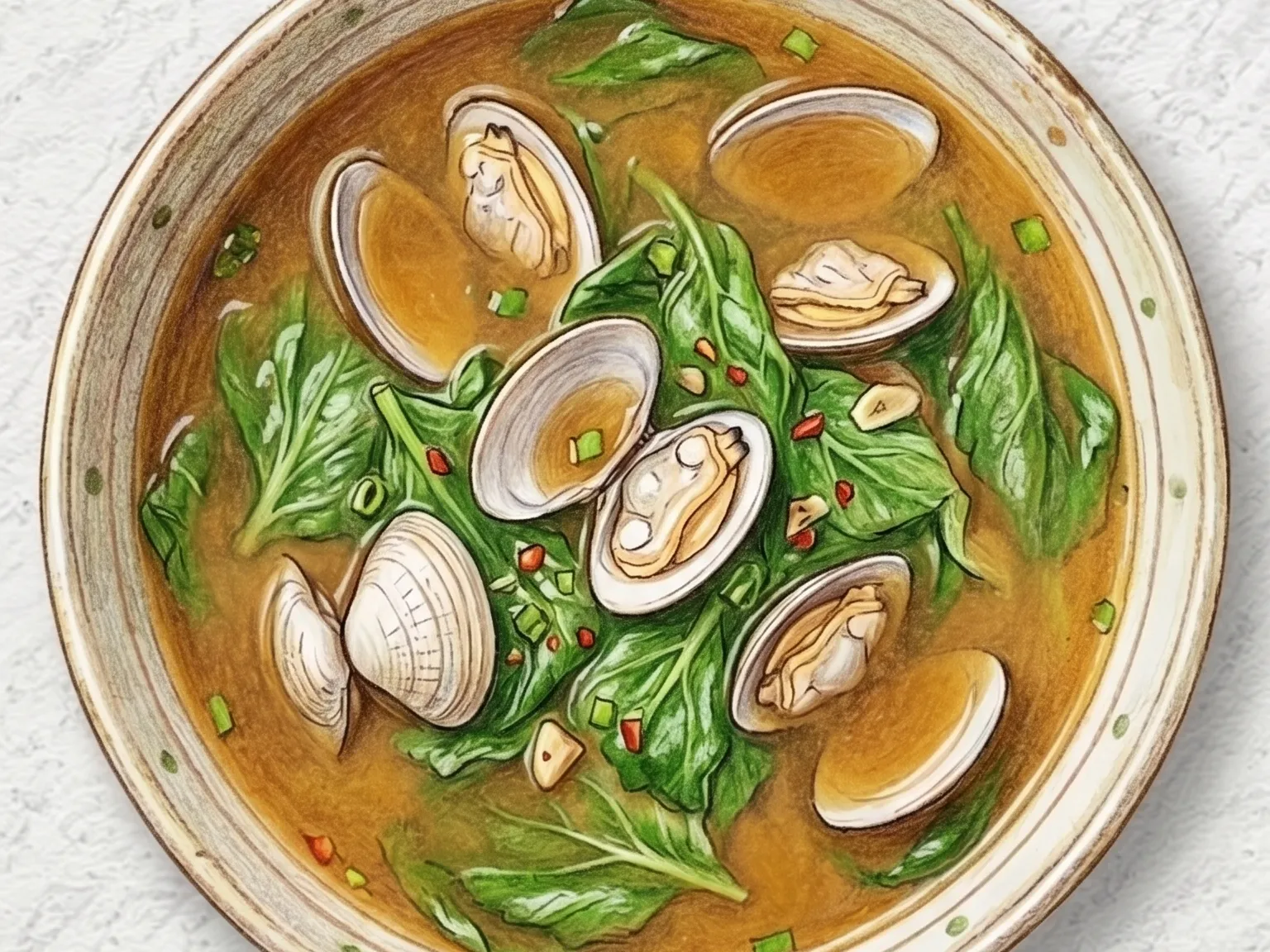
Auk-bajirak-guk pairs mallow greens and littleneck clams in a doenjang broth, a combination that Korean coastal households have prepared together for generations. The two ingredients come from the same geographic region - the shallow tidal flats and vegetable gardens of Korea's southern and western coasts - and their flavor profiles complement each other in a way that seems almost deliberate. The clams are purged of sand by soaking in salted water, then brought to a boil until the shells open. The liquid they release is immediately saline and oceanic, becoming the backbone of the broth. Doenjang dissolved into that clam liquor adds fermented earthiness and depth that the brine alone cannot provide. Mallow leaves are added at the very end - less than a minute before the pot comes off the heat. Cooking them longer dulls their color, turns the broth cloudy, and produces an excess of the mucilage the leaves naturally contain. Brief cooking preserves their silky, almost slippery texture, and the small amount of mucilage that does release thickens the broth very slightly, giving it more body. The flavor balance across the three components is precise: the doenjang's savory funk is sharpened by the clam's brininess, and the mallow's gentle sweetness smooths both into a rounded whole. The broth is flavorful enough to eat on its own poured over rice. Spring is the best season for this soup, when young mallow leaves are at their most tender.

Korean Loach Stew (Ground Loach & Perilla Seed Pot)
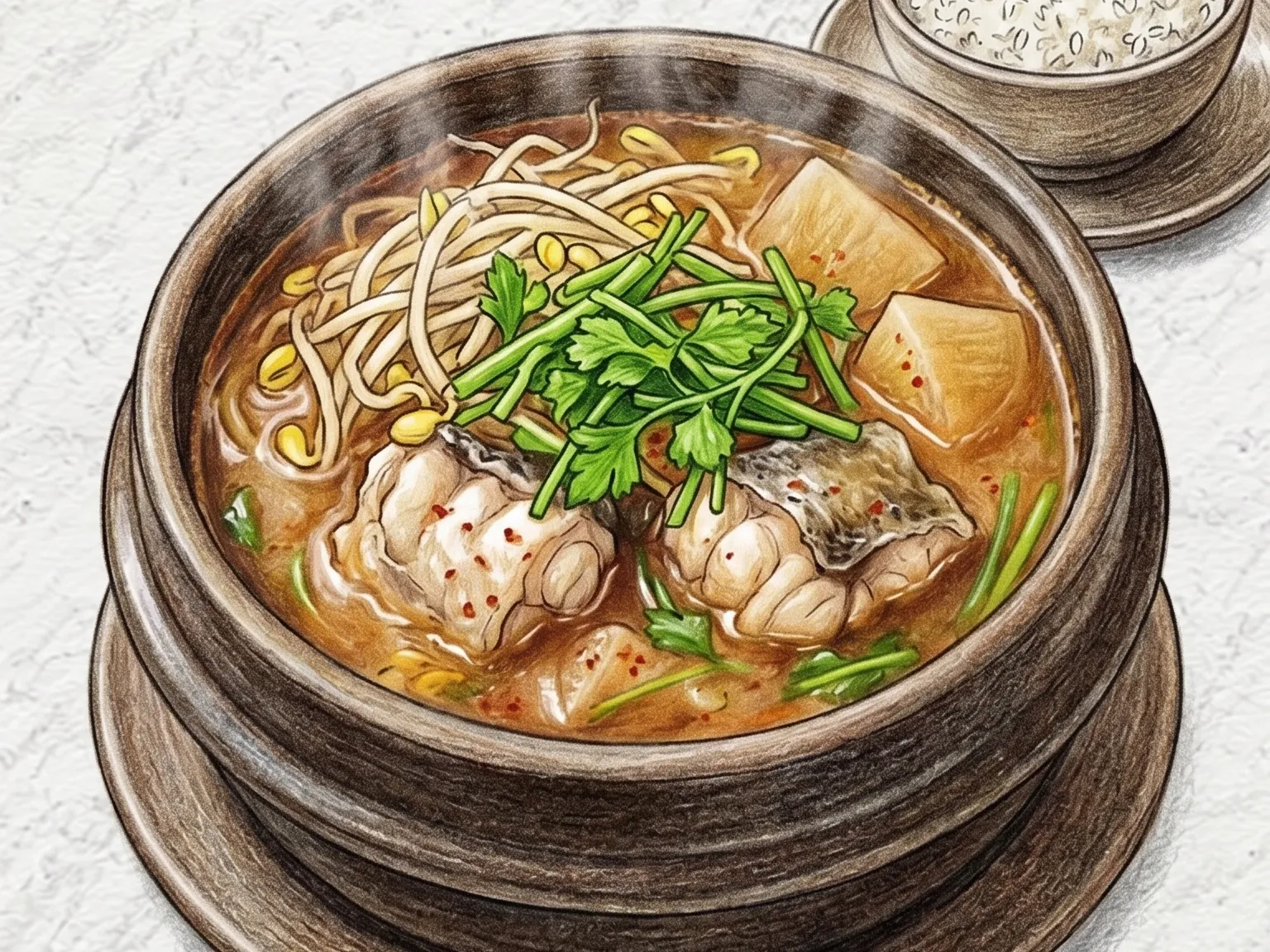
Finely grinding whole loach into the broth creates the distinctive, porridge-like consistency that defines this traditional Korean stew. Long recognized as a restorative autumn dish, it achieves a heavy body without the use of fatty meats, setting it apart from thinner soybean paste soups. Perilla seed powder introduces a nutty oiliness to the liquid, while dried radish greens contribute an earthy bitterness that grounds the heavy base of fermented soybean and chili pastes. Garlic and green onions establish a savory foundation, and red chili powder supplies a dark color and a layer of sharpness. An alternative preparation involves cooking the fish whole rather than grinding it, which results in a thinner broth where the soft flesh naturally detaches from the bones during the boiling process. This method provides a contrasting texture that is absent in the ground version. Adjusting the ingredients can shift the character of the dish: adding more dried radish greens increases the fibrous texture and bitter edge, while a larger portion of perilla powder emphasizes the nutty qualities. When the stew arrives at the table boiling in a stone pot, the rising steam carries a heavy, concentrated scent that fills the immediate air.

Korean Jeju Style Pork Suyuk
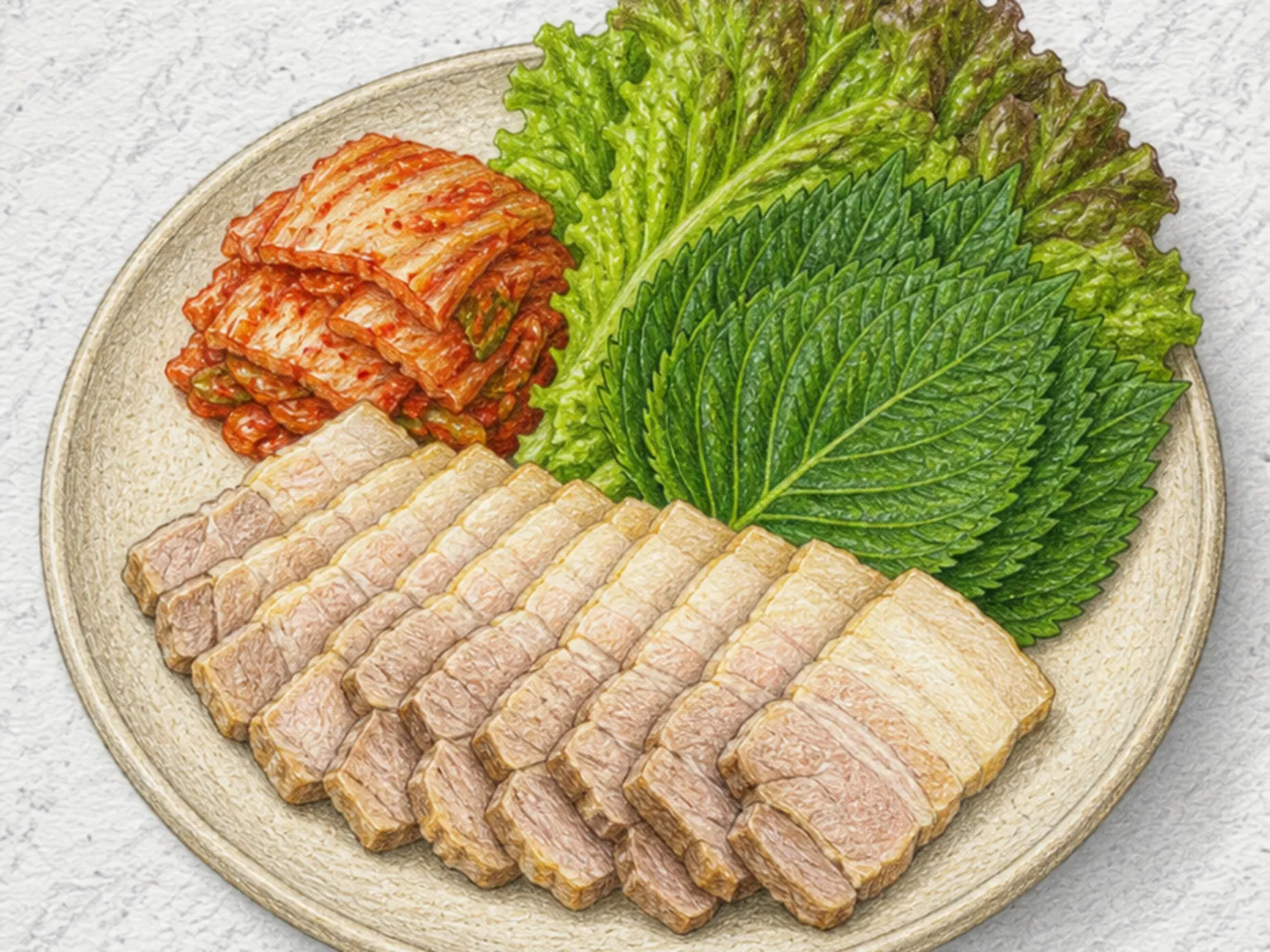
Dombae-suyuk is a Jeju-style boiled pork dish made by simmering skin-on pork belly low and slow with doenjang, green onion, garlic, and ginger. The doenjang in the cooking water draws out the gamey odor specific to pork, leaving the meat clean and mild. A long, gentle boil renders the skin translucent and gives it a gelatinous, bouncy bite, while the interior fat layers become soft enough to melt against the tongue. Sliced thick and laid out at room temperature, each piece offers a layered contrast between the springy rind, the fatty middle, and the lean inner meat. Salted anchovy sauce or fermented shrimp paste served alongside is the traditional accompaniment -- the briny, fermented condiments cut through the richness and define the eating rhythm. The name comes from dombae, the Jeju word for cutting board, referring to the old practice of serving the meat directly sliced on the board.

Korean Fermented Soybean Paste Noodle Soup
Doenjang kalguksu is a Korean noodle soup of knife-cut wheat noodles in an anchovy broth enriched with fermented soybean paste. Straining the doenjang through a fine-mesh sieve before adding it to the broth serves a specific purpose: it prevents uneven lumps and ensures the paste dissolves uniformly, which keeps any bitter notes from concentrating in spots. The fermentation depth of the doenjang and the glutamate-rich anchovy stock reinforce each other without needing added seasoning. Zucchini cut into half-moons and sliced shiitake mushrooms contribute sweetness and aroma as the broth simmers; cubed tofu adds a soft, yielding contrast to the chewy noodles. Timing dictates quality here: the final salt adjustment goes in right before the noodles, because doenjang pushed through extended boiling develops a pronounced bitterness that is difficult to correct. Once the noodles go in, the soup should be finished within two minutes to preserve their elasticity.