Charim

2686 Korean & World Recipes

2686+ Korean recipes, clean and organized. Ingredients to instructions, all at a glance.

Recipes with doenjang

24 recipes

Buy doenjang
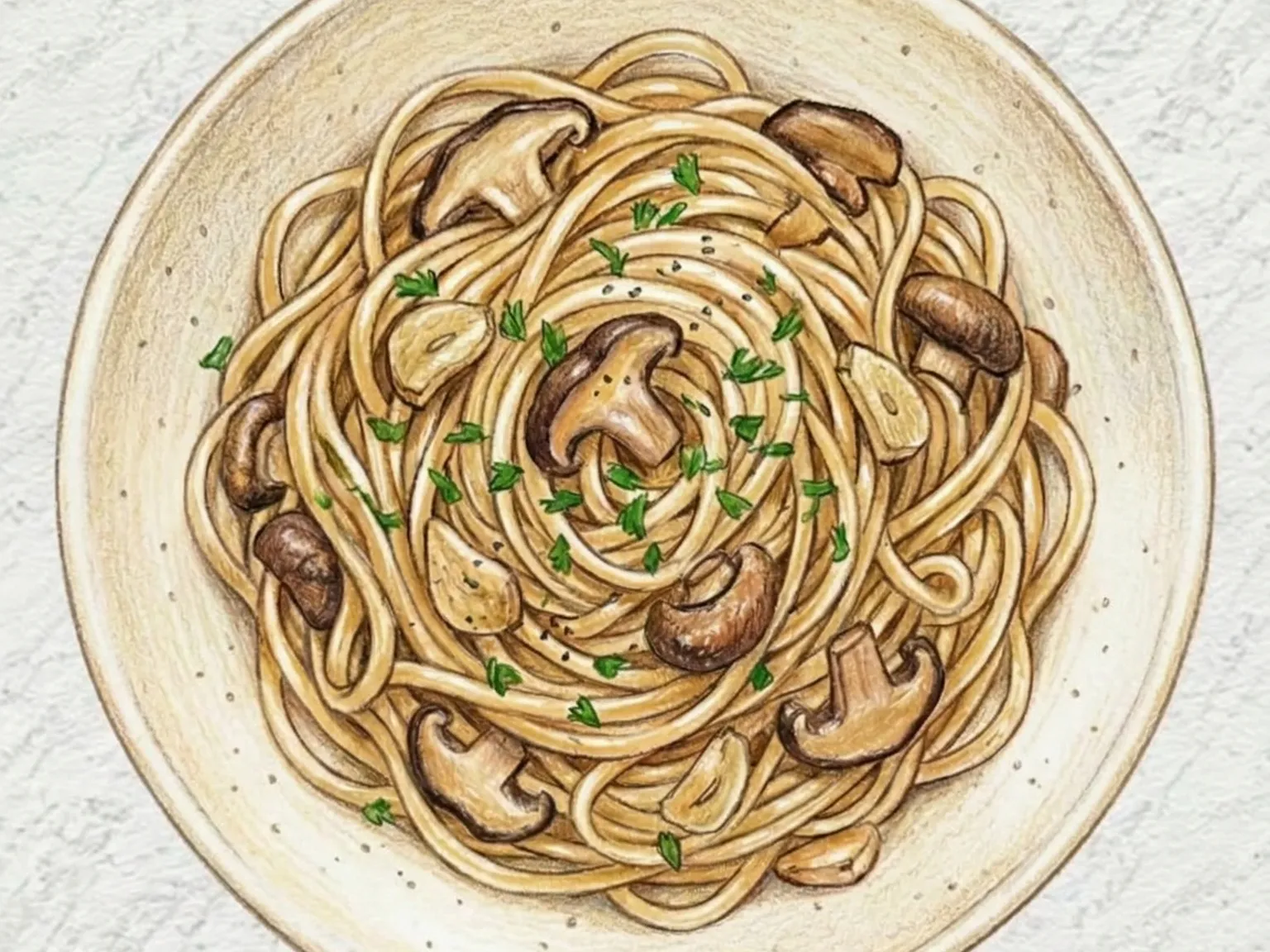
Doenjang Mushroom Butter Linguine
PastaEasy

Doenjang Mushroom Butter Linguine

Doenjang mushroom butter linguine starts with garlic sauteed in butter and olive oil, followed by button mushrooms cooked undisturbed on high heat until moisture fully evaporates and the edges brown. Stirring the mushrooms too frequently steams rather than sears them, producing a soft, wet texture instead of the firm, chewy bite that makes this dish work. Doenjang is dissolved in reserved pasta water before being added to the pan, ensuring even distribution of fermented savoriness across every strand without clumping. The butter's fat emulsifies with the starchy pasta water to form a glossy sauce that clings to the noodles rather than pooling at the bottom of the bowl. Sliced green onion added at the finish brings a sharp, grassy note, and grated Parmesan layers additional salt and umami depth into the final dish. One to two minutes of tossing with pasta water adjustment tightens the sauce around each noodle.

🏠 Everyday
Prep 12minCook 18min2 servings
Chwinamul Apple Doenjang Salad
SaladsEasy

Chwinamul Apple Doenjang Salad

Chwinamul (aster scaber) is blanched briefly to preserve its herbal, slightly bitter character, then combined with thin-sliced apple and cucumber for crisp sweetness. The dressing is built on doenjang -- Korean fermented soybean paste -- which contributes a depth of savory umami uncommon in typical salad dressings, and a few drops of perilla oil add a nutty, lingering aftertaste. Red onion provides a sharp, pungent edge that keeps the salad from feeling heavy. Blanching time is critical: more than thirty seconds in boiling water strips both the fragrance and the green color, so the chwinamul should be transferred immediately to ice water to stop cooking. When made with freshly harvested spring chwinamul, the herbal aroma comes through at full intensity, and the doenjang dressing makes it a natural fit alongside other dishes on a Korean table.

🥗 Light & Healthy Quick
Prep 18minCook 2min2 servings
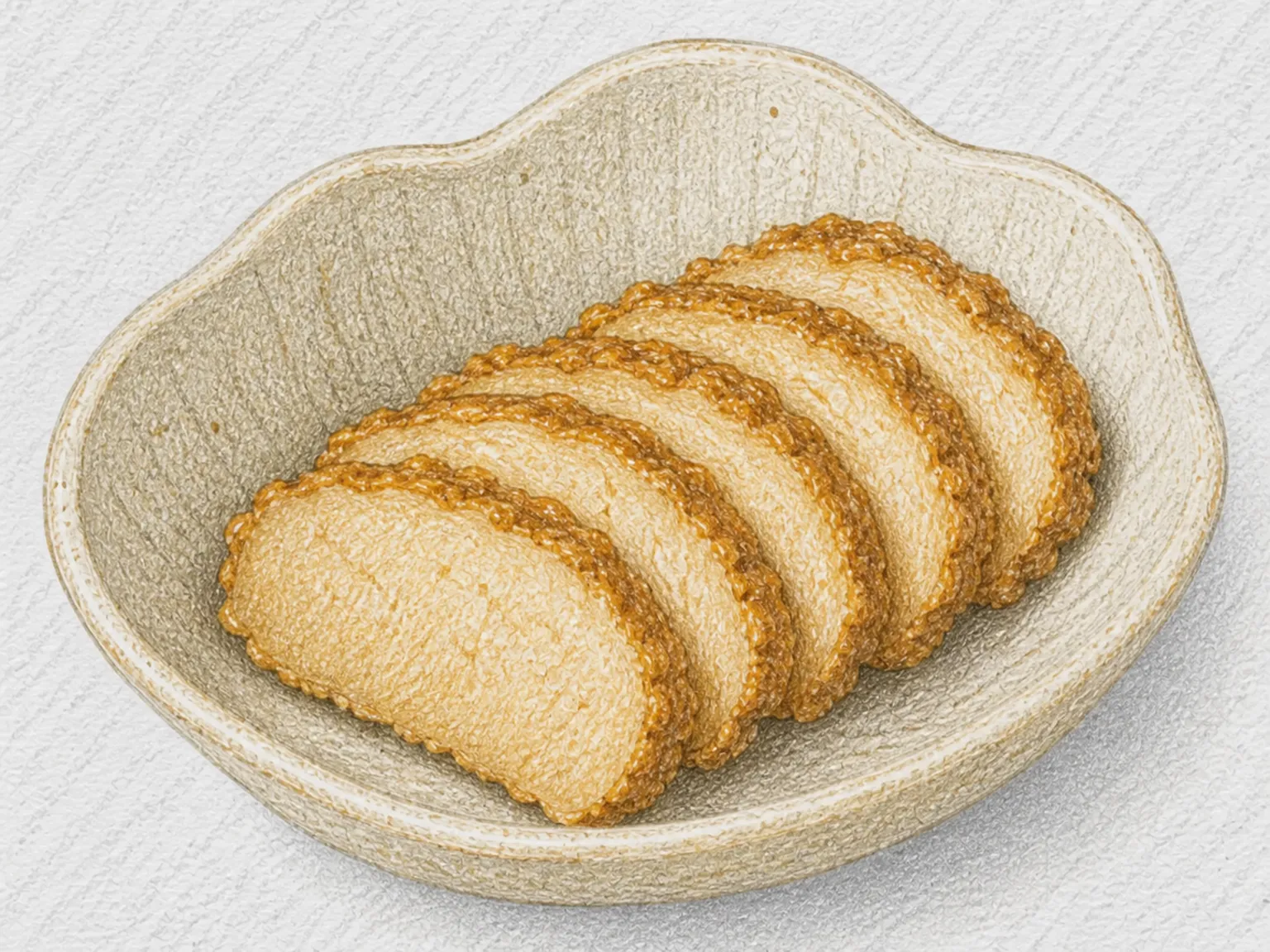
Doenjang Maple Pull-Apart Bread
BakingHard

Doenjang Maple Pull-Apart Bread

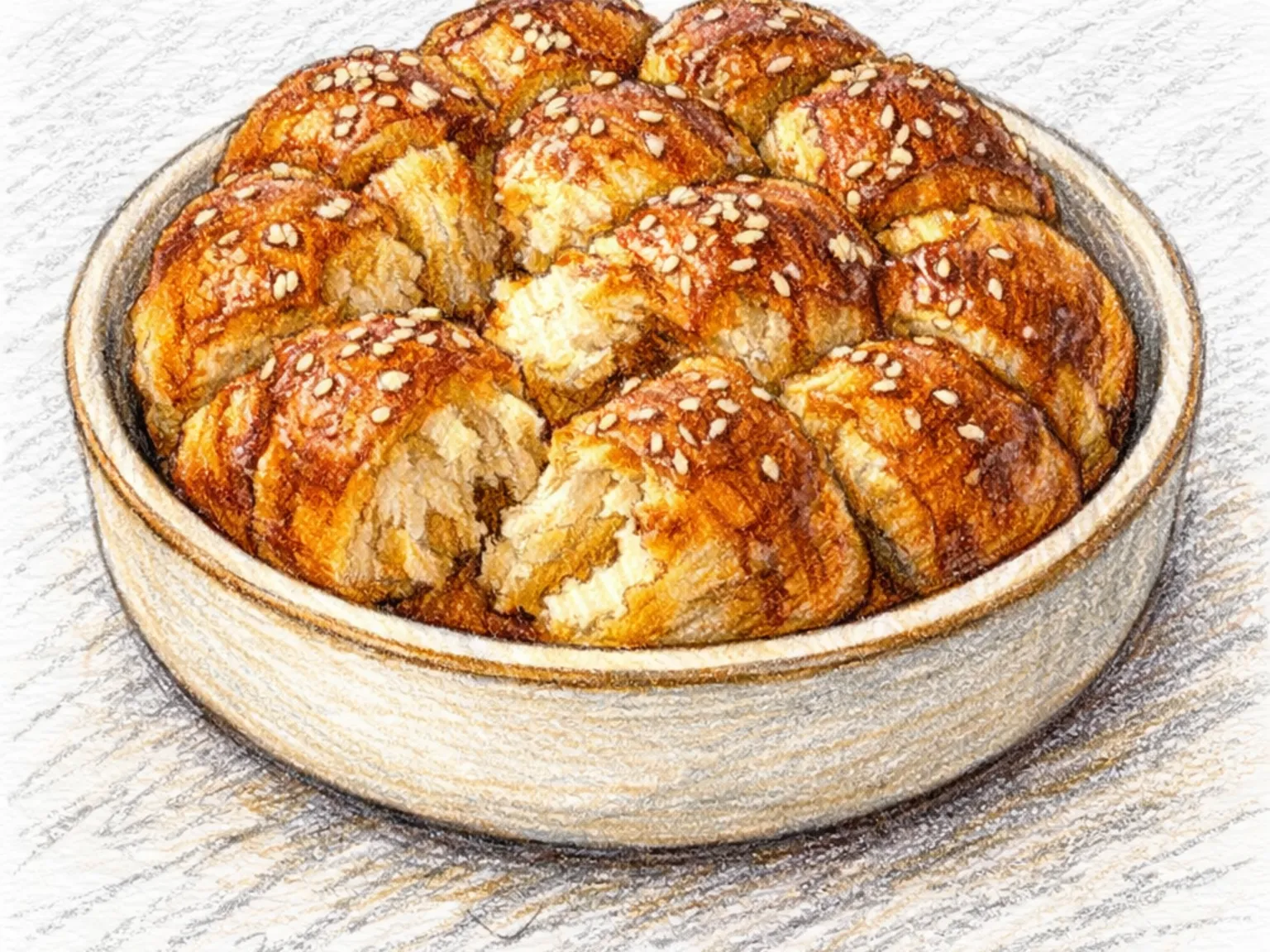
Enriched yeast dough is rolled thin, spread with a mixture of doenjang and maple syrup, then stacked and packed into a loaf pan so that each layer bakes into a tearable, fluffy sheet loaded with flavor. The doenjang contributes a fermented saltiness that deepens the bread's own yeast character, while the maple syrup caramelizes during baking and pools at the bottom of the pan, forming a sticky glaze that coats the loaf when inverted. Butter in the dough provides a rich, tender crumb that pulls apart in long, soft strands. The interplay between salty fermented paste and sweet caramel sits in a zone that is neither strictly dessert nor savory bread, making it versatile enough to accompany a meal or stand on its own as an afternoon snack. Eating it warm, when the layers separate most easily, is the best way to experience the full range of textures.

🎉 Special Occasion
Prep 35minCook 30min4 servings
Korean Seasoned Coastal Hogfennel Greens
Side dishesEasy

Korean Seasoned Coastal Hogfennel Greens

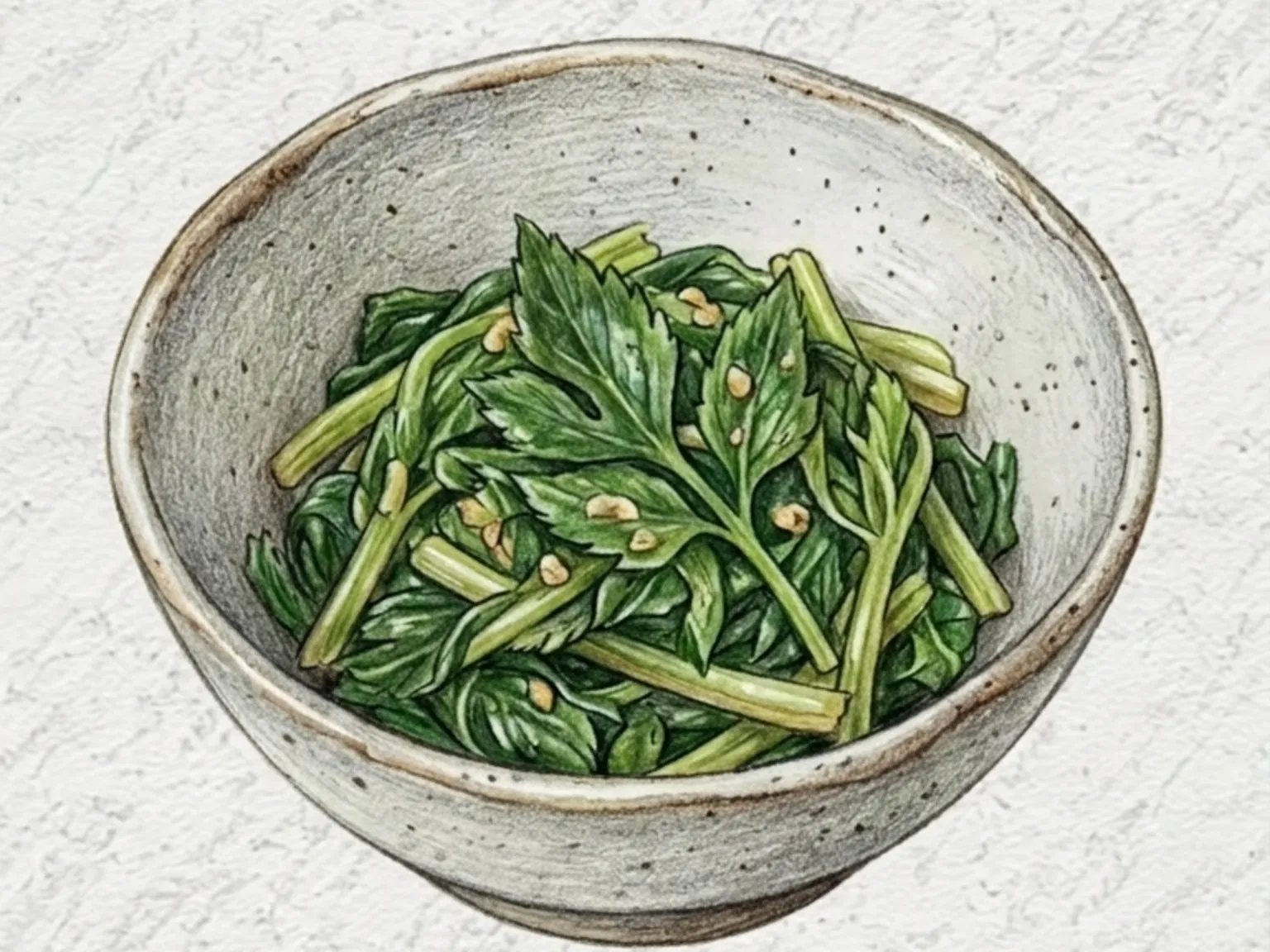
Bangpung namul muchim is a spring side dish made from coastal hogfennel, a wild herb that grows on seaside cliffs and sandy shores along Korea's coastline. The plant has a pungent, celery-like aroma that defines the dish. Blanching in salted boiling water for exactly one minute tames the raw bitterness while preserving the herbal fragrance - overcooking diminishes both the aroma and the texture. After squeezing out moisture thoroughly, the greens are seasoned simply with doenjang, minced garlic, and sesame oil. Keeping the seasoning minimal is intentional: the dressing supports the herb's character without masking it. The fermented depth of doenjang meets the slightly bitter, woodsy flavor of the greens in a combination that tastes distinctly of early spring. Harvested in coastal regions of Gangwon-do, Gyeonggi coast, and Jeju from March through May, bangpung is a seasonal ingredient with a short window and a reputation as a spring tonic in Korean traditional food culture.

🏠 Everyday🍱 Lunchbox
Prep 12minCook 3min4 servings
Korean Blue Crab Doenjang Pot Rice
RiceHard

Korean Blue Crab Doenjang Pot Rice

Cleaned blue crab sits atop soaked rice in a heavy pot, cooked in anchovy-kelp stock that has been infused with dissolved doenjang. Garlic and vegetables are sauteed first in perilla oil to build an aromatic base before the stock-doenjang mixture is poured in and brought to a boil. The crab goes on top and the pot is covered for five minutes on high heat, fifteen minutes on low, then ten minutes off the heat to rest and steam through. The crab's briny sweetness and the doenjang's fermented, earthy depth soak into every grain of rice during the long, slow cook. Zucchini and shiitake mushrooms add a mild sweetness that tempers the saltiness and rounds out the bowl. One additional minute on low heat after resting creates a golden, nutty nurungji crust at the bottom, a prized texture in Korean pot rice. Doenjang saltiness varies by brand, so tasting the diluted stock before adding rice lets you calibrate without oversalting. A few slices of cheongyang chili on top cut through the fermented richness and add a sharp finishing heat.

🏠 Everyday🎉 Special Occasion
Prep 20minCook 35min4 servings
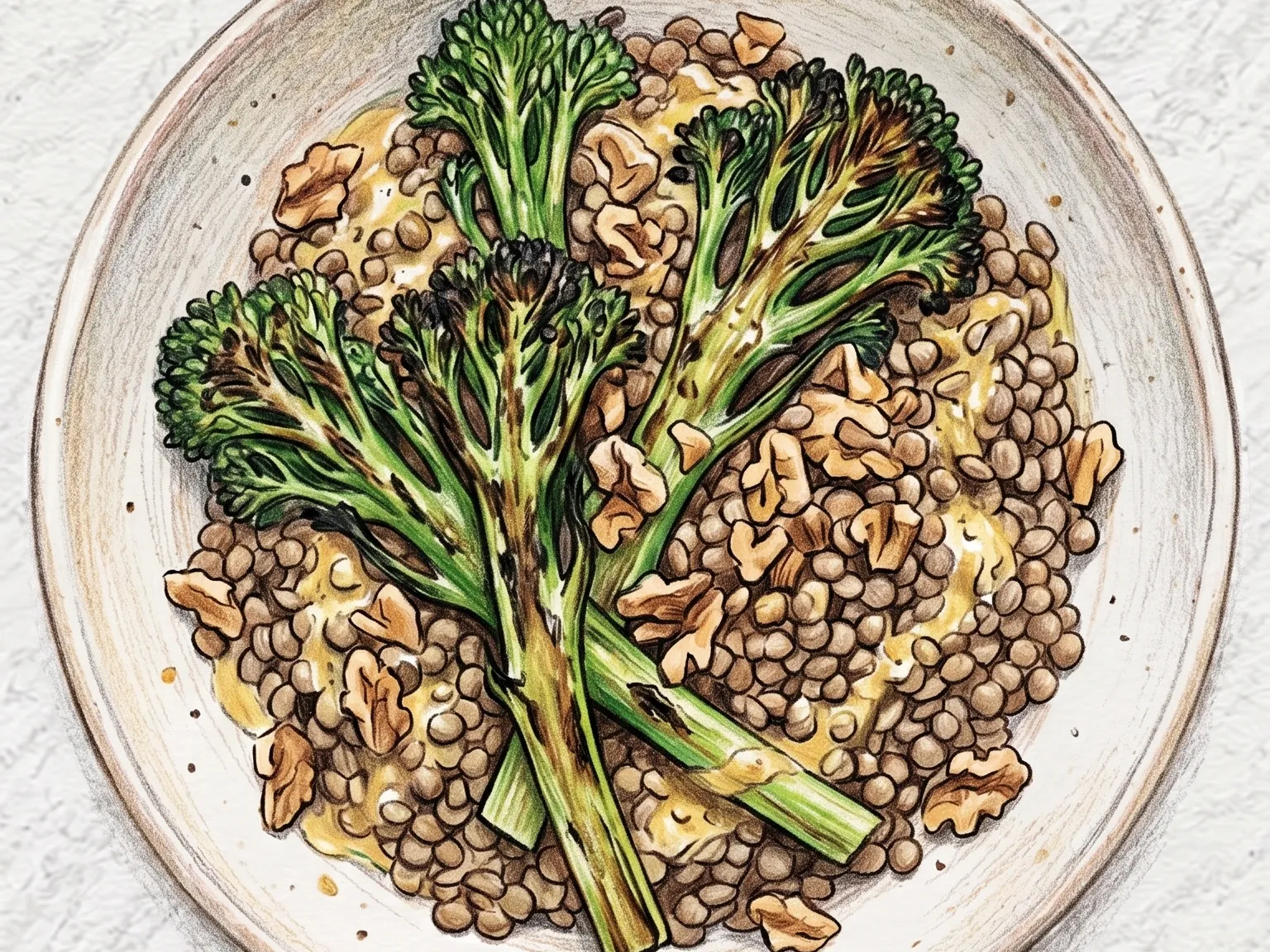
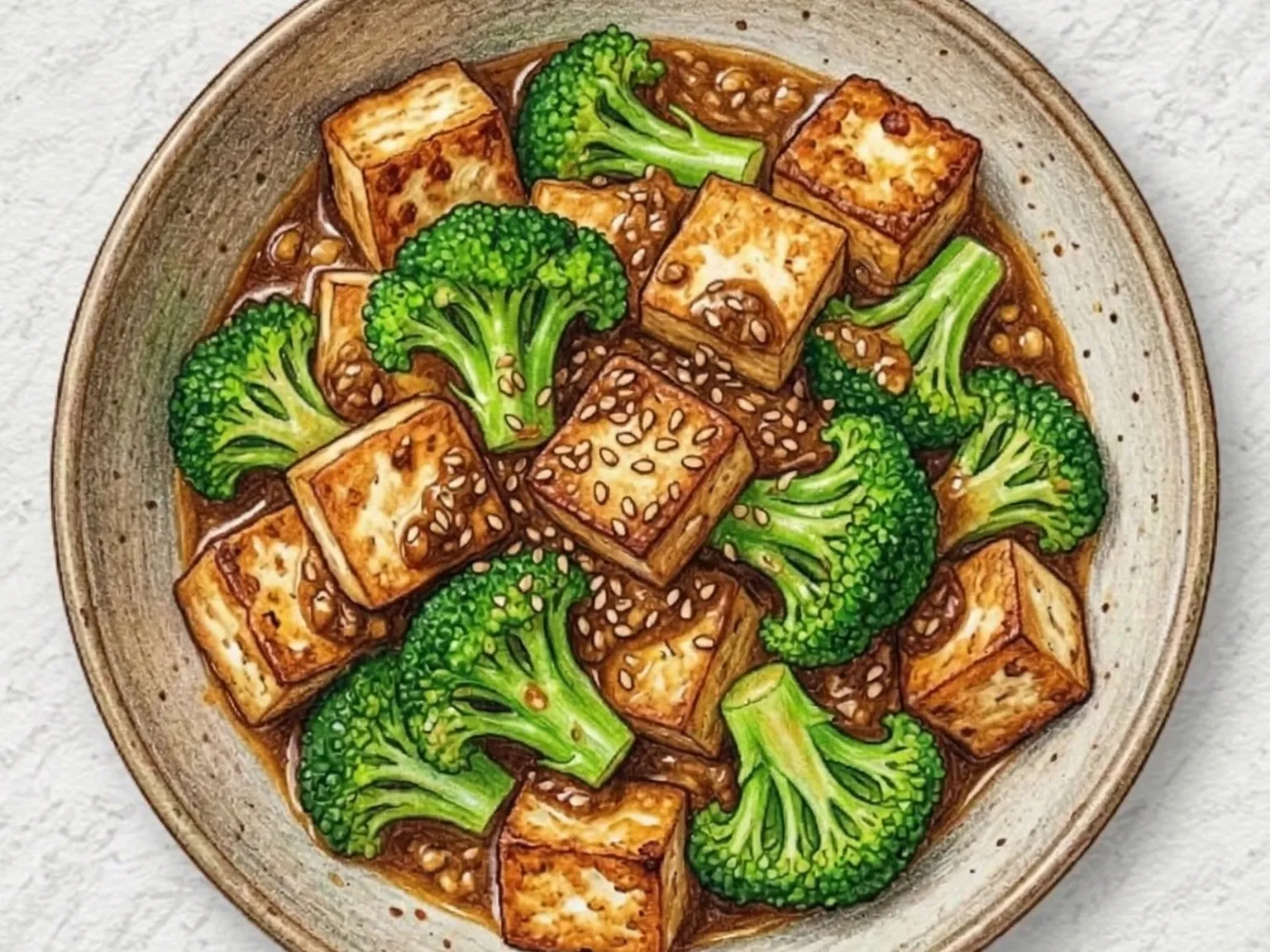
Korean Beurokolli Dubu Doenjang Bokkeum (Broccoli Tofu Doenjang Stir-fry)
Stir-fryEasy

Korean Beurokolli Dubu Doenjang Bokkeum (Broccoli Tofu Doenjang Stir-fry)

Broccoli florets and firm tofu are stir-fried in a sauce made by dissolving doenjang in water, producing a Korean vegetarian side dish with layered fermented-soybean depth. Pan-searing the tofu in perilla oil until golden before combining with the other ingredients prevents crumbling during stir-frying and creates a crisp shell around a soft center. The broccoli is blanched for only 40 seconds to lock in its crunch, then added to the pan where the doenjang sauce coats each floret and suppresses any raw green bitterness, converting it into a mellow savoriness. Because doenjang carries significant salt on its own, soy sauce should be adjusted only at the very end after tasting. Toasted sesame seeds scattered over the top add a final layer of nuttiness. The dish provides plant-based protein from the tofu and dietary fiber from the broccoli in a single well-balanced plate. For a spicier variation, a small amount of gochujang stirred into the doenjang sauce deepens both the color and the heat without needing extra chili flakes. The ratio of doenjang to water also matters: too little water leaves the sauce overly salty and the broccoli unevenly coated, while too much thins the fermented depth. A starting ratio of one part doenjang to two parts water by volume gives consistent results.

🏠 Everyday🍱 Lunchbox
Prep 15minCook 11min4 servings
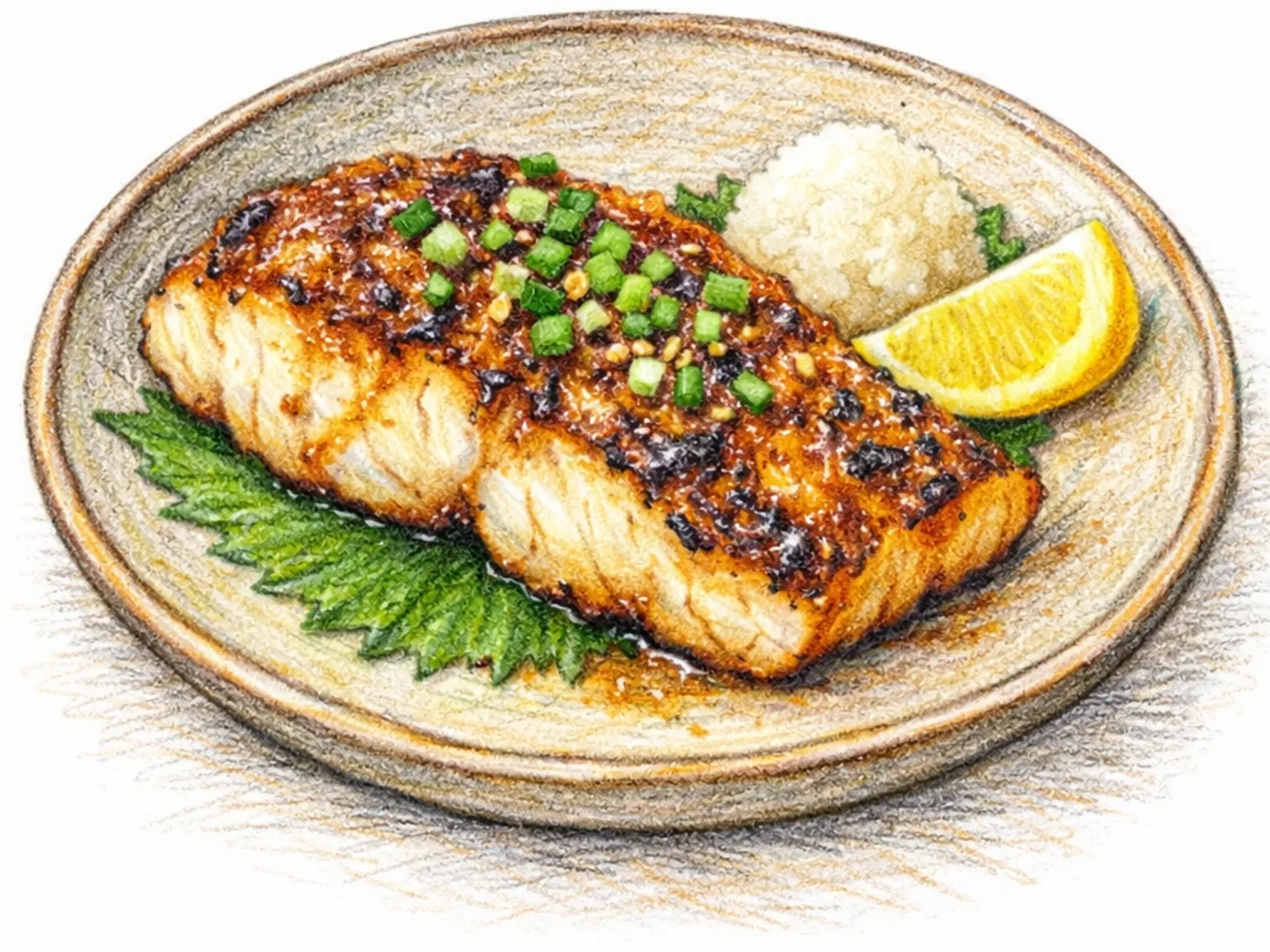
Korean Daegu Doenjang Gui (Doenjang-Grilled Cod)
GrilledMedium

Korean Daegu Doenjang Gui (Doenjang-Grilled Cod)

Daegu doenjang gui is a Korean grilled cod dish where fillets are coated with a paste of doenjang, minced garlic, and sesame oil, then cooked until the paste forms a thin, concentrated crust over the fish. Cod is mild-flavored white fish that accepts the deep, fermented soybean character of doenjang without conflict -- the seasoning defines the fish rather than overpowering it. As the paste dries slightly against the heat, a dark crust seals the surface while the flesh underneath stays moist and flakes cleanly. Controlling the amount of doenjang is critical because the paste can easily oversalt the delicate fish if applied too heavily. Serving with sliced green onion or perilla leaves provides a fresh, herbal counterpoint to the earthy, savory paste.

🍺 Bar Snacks🥗 Light & Healthy
Prep 25minCook 12min4 servings
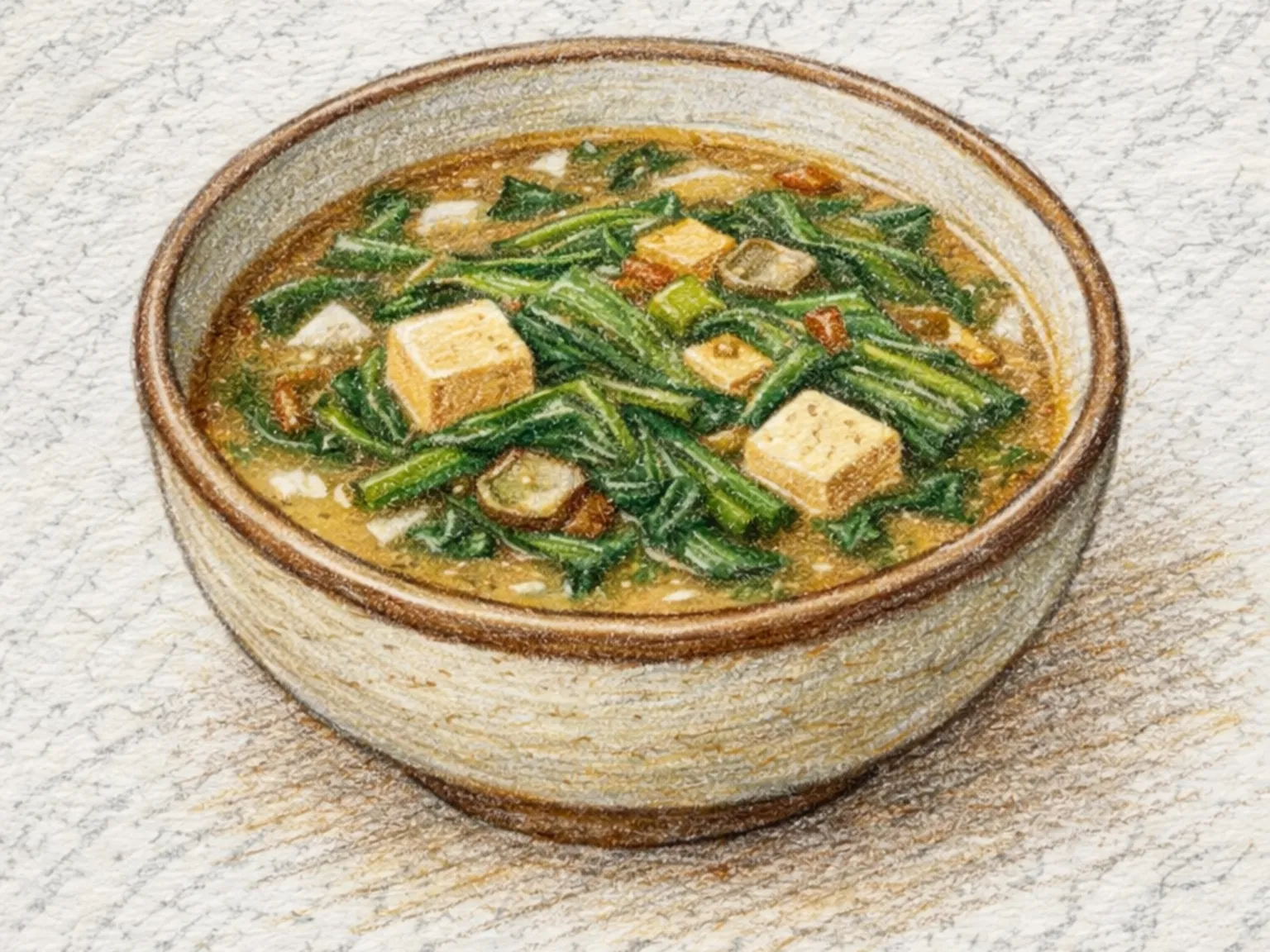
Korean Mallow Soup (Joseon-Era Doenjang Mallow Soup)
SoupsEasy

Korean Mallow Soup (Joseon-Era Doenjang Mallow Soup)

Auk-guk - mallow doenjang soup - has been part of Korean home cooking since the Joseon era, when auk (mallow) was among the most commonly grown leafy greens in household kitchen gardens. An anchovy-kelp stock provides the base, and doenjang is pushed through a sieve directly into the simmering liquid so it dissolves without lumps. Garlic contributes a quiet, pungent undercurrent beneath the fermented paste. Mallow leaves, torn roughly by hand, wilt into the broth in under a minute. What separates auk-guk from other doenjang-guks is textural: the mallow's natural mucilage thickens the soup slightly and gives it a slippery, almost coating quality on the tongue, unlike the clean, transparent broth of spinach or radish versions. Korean folk tradition holds that nursing mothers ate auk-guk to support milk production, a belief that reflects how deeply the plant was embedded in everyday domestic life. The soup reaches its best in early summer when fresh mallow leaves are at their most tender.

🏠 Everyday
Prep 10minCook 15min2 servings
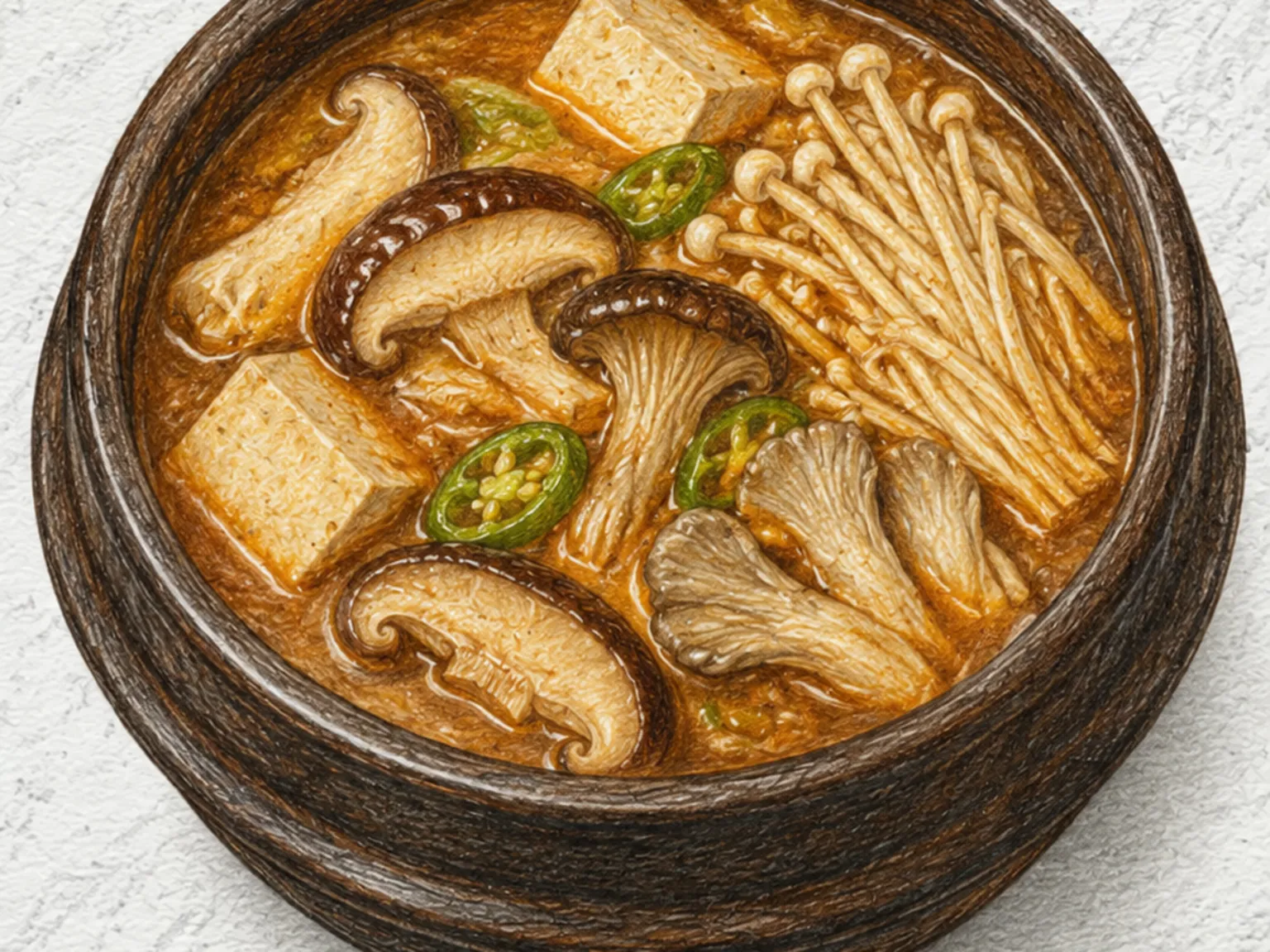
Korean Chwinamul Doenjang Stew
StewsEasy

Korean Chwinamul Doenjang Stew

Chwinamul-doenjang-jjigae is a Korean stew that pairs wild aster greens with fermented soybean paste, letting the mountain herb's sharp, slightly bitter fragrance run through a deeply savory broth. Rice-rinsing water replaces stock as the base, giving the broth a gentle body, while potato pieces break down gradually during cooking and thicken the liquid without any additional steps. Shimeji mushrooms add chew at irregular intervals throughout the bowl. The stew benefits most from fresh spring chwinamul, when the greens carry the strongest mountain-herb aroma. A small drizzle of perilla oil stirred in at the end adds a nutty finish that rounds out the fermented soybean base.

🏠 Everyday
Prep 14minCook 17min2 servings
Korean Braised Radish Greens
SteamedMedium

Korean Braised Radish Greens

Siraegi jjim is a traditional Korean side dish of blanched dried radish greens braised with soybean paste, ground perilla seeds, and soup soy sauce in anchovy stock. The greens are first seasoned by hand, then stir-fried in perilla oil to develop aroma before the stock is poured in. Simmering melds the salty depth of doenjang with the creamy nuttiness of perilla into every fiber of the greens. Adding the perilla powder in the final stage rather than at the start prevents a chalky, starchy texture and keeps its fragrance intact. Blanching the greens thoroughly first is important because the tough fibers need time to soften, and squeezing out the water after blanching allows the seasoning to penetrate evenly. Though made from humble ingredients, the combination of fermented paste and roasted seeds produces an earthy richness that suits any season.

🍱 Lunchbox
Prep 20minCook 25min2 servings
Korean Pork Noodle Soup (Jeju Milky Pork Bone Broth Noodles)
NoodlesMedium

Korean Pork Noodle Soup (Jeju Milky Pork Bone Broth Noodles)

Gogi-guksu is a noodle soup from Jeju Island built on a long-simmered pork bone broth. Hours of boiling coax the collagen and marrow from the bones, turning the liquid milky-white and giving it a rich, full-bodied character that carries deep pork flavor in every spoonful. Green onion and garlic added to the pot during cooking suppress the gamey edge of the bones while rounding the flavor into something cleaner and more balanced. A single spoonful of doenjang stirred in before serving introduces fermented soybean depth that elevates the broth well beyond a simple bone stock. Thin somyeon noodles are cooked separately and rinsed under cold water after draining to wash off excess starch, which keeps them springy and distinct when submerged in the hot broth rather than turning soft and clumpy. In Jeju, sliced pork bossam is traditionally placed on top of the noodles before serving, and the combination of tender boiled pork and the opaque, warming broth makes this one of the most comforting bowls in the island's food tradition.

🎉 Special Occasion
Prep 20minCook 90min2 servings
Water Parsley Shrimp Salad
SaladsEasy

Water Parsley Shrimp Salad

This Korean salad combines pan-seared shrimp with water parsley (minari) in a doenjang yogurt dressing that brings Korean fermented soybean paste together with plain yogurt in a lighter, creamier form than the paste alone. The shrimp are cooked just until opaque and springy - overcooking at this stage toughens them and diminishes their clean sweetness, which is the primary flavor note in the dish. Thinly sliced cucumber adds cool moisture and a fresh crunch throughout, and red onion soaked in cold water for at least ten minutes loses its raw harshness while keeping a pleasant mild sharpness. The dressing ratio technique matters: coating all the ingredients with two-thirds of the dressing first establishes a baseline seasoning, then tasting and adjusting with the remaining third ensures every component is evenly flavored without oversalting. Doenjang varies in salt intensity by brand and age, so tasting the dressing before assembling and balancing with extra yogurt or lemon juice prevents the final dish from being too salty. Sesame seeds scattered on top contribute a nutty finish that ties the Korean pantry elements together.

🥗 Light & Healthy
Prep 18minCook 7min2 servings
Korean Broccoli Doenjang Salad
Side dishesEasy

Korean Broccoli Doenjang Salad

Blanched broccoli tossed in doenjang dressing is a modern Korean banchan that pairs Western ingredients with traditional fermented seasoning. Florets and thinly sliced stems blanch for ninety seconds in salted boiling water, then shock in cold water to lock in vivid green color and a firm, crisp bite. The dressing is built from doenjang stirred with rice vinegar and oligosaccharide syrup, combining fermented salt depth, acidity, and a gentle natural sweetness that lifts rather than masks the vegetable's mild bitterness. Using the stems alongside the florets eliminates waste and adds textural variety to each bite. Ready in under ten minutes and holds well refrigerated for two days.

🥗 Light & Healthy🏠 Everyday
Prep 10minCook 5min4 servings
Korean Spinach Soybean Paste Porridge
RiceEasy

Korean Spinach Soybean Paste Porridge

Sigeumchi doenjang-juk is a Korean porridge built on the deep, fermented savoriness of doenjang and the clean, mild green flavor of finely chopped spinach. Soaked rice is toasted in sesame oil first, which coats each grain with a nutty warmth before anchovy stock is poured in. Doenjang and minced garlic are stirred in early in the cooking process, giving the porridge time to develop a rich, rounded base flavor as the grains slowly break down into a thick, spoonable consistency. Spinach goes in at the very end and stays in the heat for no longer than thirty seconds, which is exactly enough time for the leaves to wilt while keeping their bright color and delicate grassy aroma intact. The fermented paste wraps around the slight bitterness naturally present in raw spinach, smoothing it out so the finished bowl tastes clean rather than sharp. This is a porridge that works as a restorative meal when the body needs something gentle, and it doubles just as well as a light, warming breakfast that does not demand much from the stomach in the morning.

🥗 Light & Healthy🏠 Everyday
Prep 12minCook 20min2 servings
Korean Doenjang Braised Tofu
Stir-fryEasy

Korean Doenjang Braised Tofu

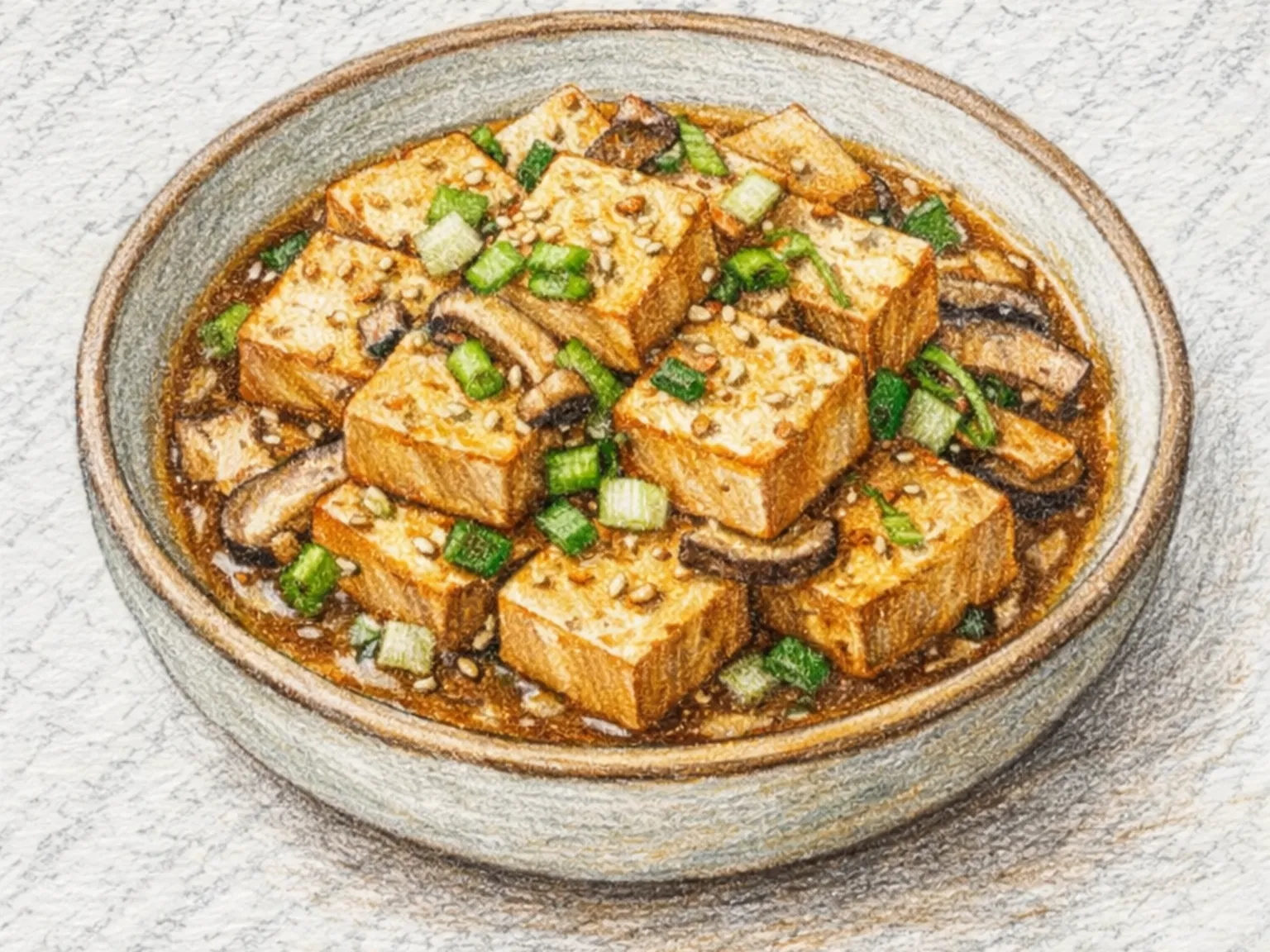
Doenjang-dubu-jorim is a braised tofu banchan in which tofu slices are simmered in a broth of fermented soybean paste, water, and aromatics until the liquid reduces and the seasoning permeates the tofu throughout. Doenjang is a Korean fermented soybean paste with a deeply savory, earthy character distinct from Japanese miso, and its slow penetration into the porous interior of the tofu produces a richness that simple soy-seasoned tofu does not achieve. Zucchini and onion are added to the same pot, and their natural sweetness tempers the salt of the paste, giving the final braise a more balanced flavor. The tofu is braised until its surface firms slightly, which helps it hold its shape while the interior stays soft and fully seasoned. Any remaining braising liquid is well-seasoned and pairs naturally with a bowl of rice. It is an economical banchan that requires minimal preparation and stores in the refrigerator for several days.

🏠 Everyday🍱 Lunchbox
Prep 10minCook 15min2 servings
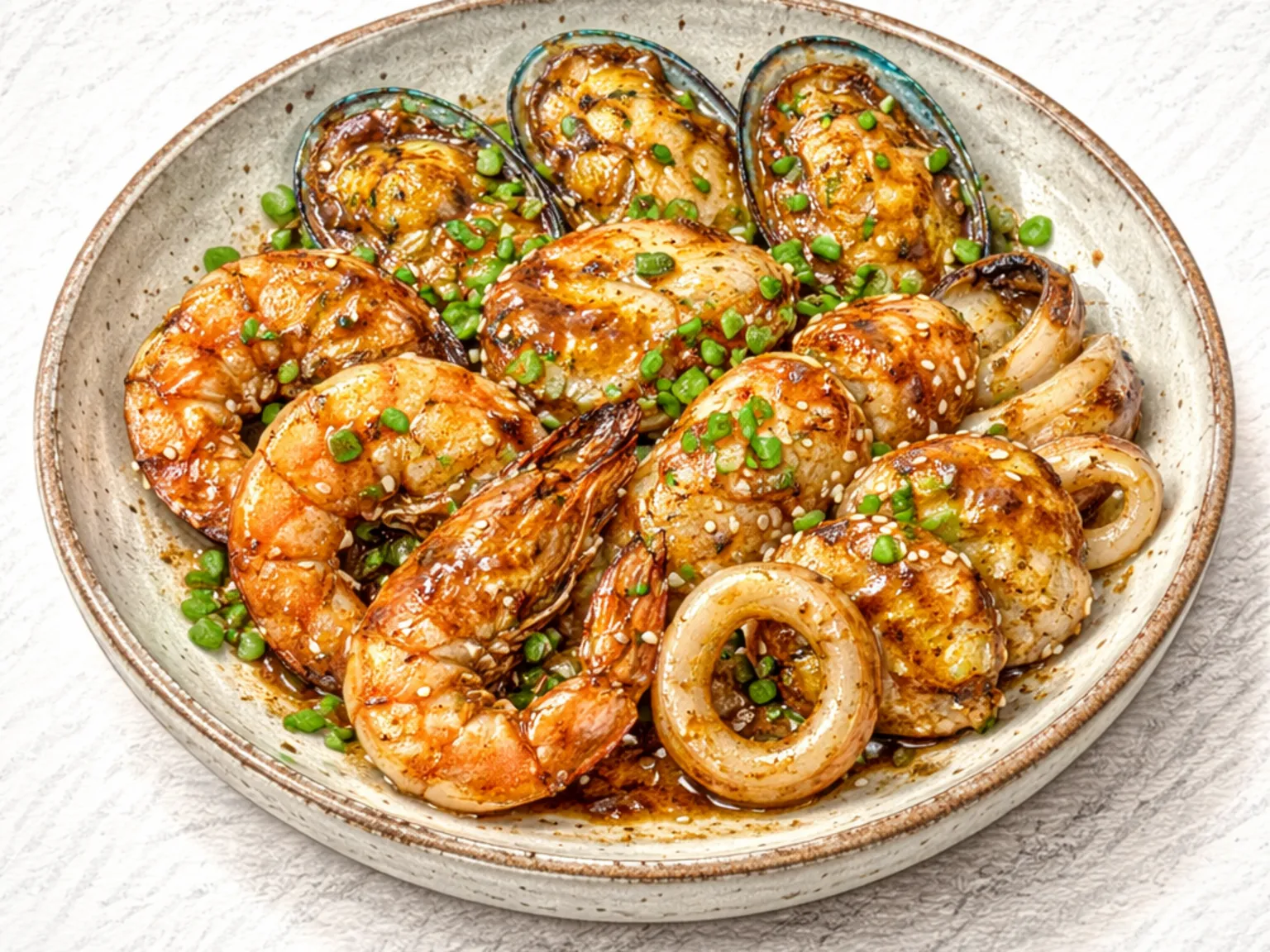
Korean Seafood with Doenjang Sauce Grill
GrilledMedium

Korean Seafood with Doenjang Sauce Grill

Haemul doenjang-gui is a Korean grilled seafood dish in which shrimp and squid are brushed with a paste of doenjang, a measured amount of gochujang, minced garlic, sesame oil, and sugar before being grilled or pan-fried until the coating caramelizes. The fermented soybean paste contributes a deep, earthy umami that layers over the natural brine of the seafood, producing a complexity that neither ingredient could achieve alone. The gochujang serves as a supporting element rather than a dominant one, providing a quiet background heat that amplifies the doenjang without overpowering it. Sugar in the paste is non-negotiable: without it, the protein-dense doenjang scorches on the grill before caramelization can develop. The dish is finished when the sauce darkens to a mahogany brown and releases a nutty, fragrant aroma; hold the heat too long past that point and a bitter char begins to overtake the flavor. It functions well as a side dish with rice or as a grilled snack alongside drinks.

🍺 Bar Snacks
Prep 15minCook 15min2 servings
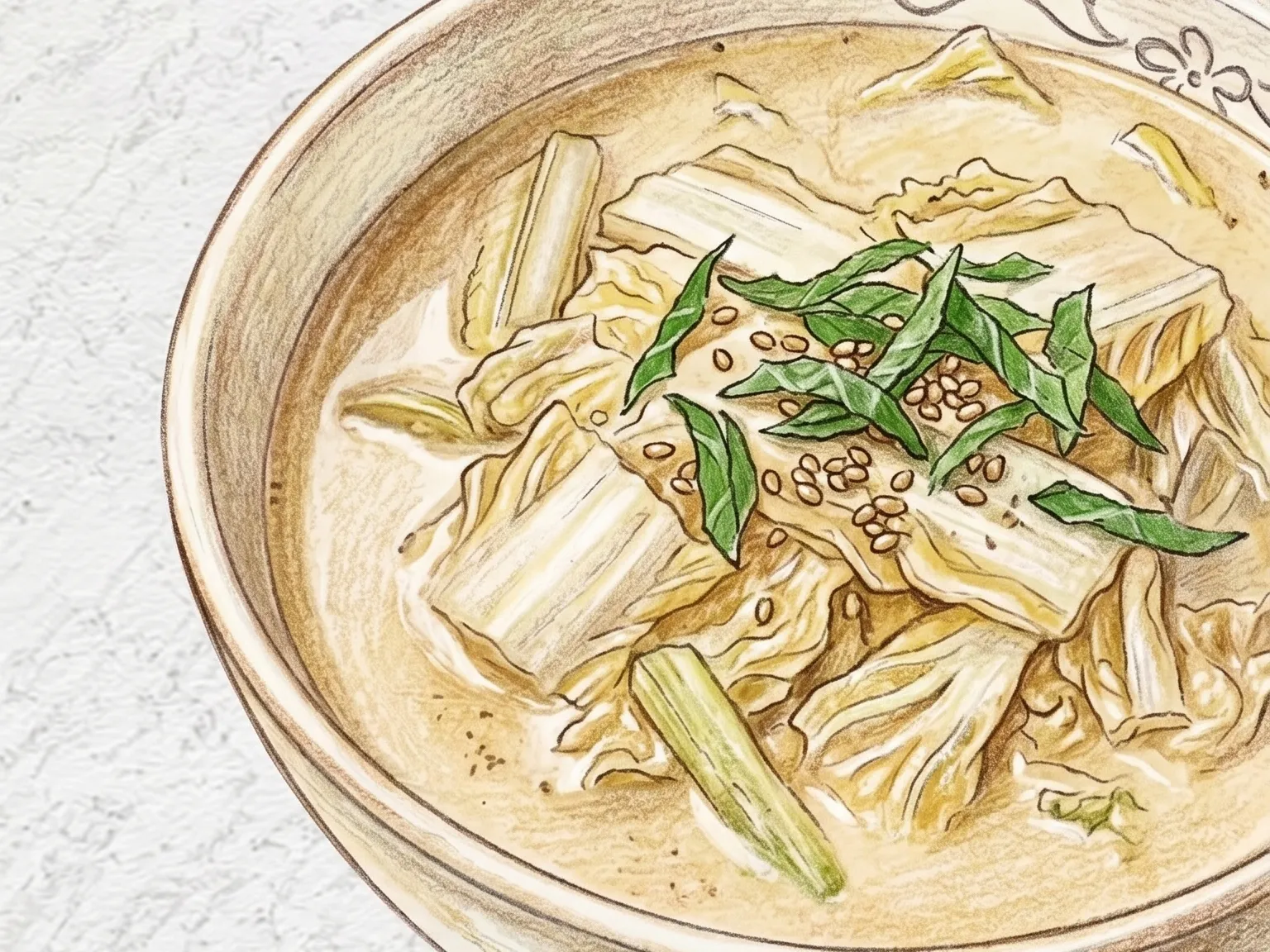
Korean Napa Cabbage Perilla Soup
SoupsEasy

Korean Napa Cabbage Perilla Soup

Baechu deulkkae-guk is a Korean soup built from three foundations: soft-cooked napa cabbage, fermented doenjang, and ground perilla seeds. The cabbage is simmered in anchovy-kelp stock until the white stems turn translucent and the leafy parts nearly dissolve into the broth, releasing a gentle natural sweetness into the liquid. Doenjang dissolved into the stock provides the fermented, earthy backbone that anchors the flavor. Ground perilla seeds, stirred in during the final minutes of cooking, transform the broth from clear to a pale, creamy suspension and introduce a distinctly herbal, nutty aroma that has no close equivalent in sesame or any other common seed. Adding the perilla off high heat prevents it from turning gritty and preserves the volatile aromatic compounds that give it character. This soup belongs to the Korean tradition of deulkkae-guk, a category of perilla-based soups that also includes versions made with dried radish greens, mushrooms, and other cold-weather vegetables. It is among the first dishes Korean home cooks reach for when autumn temperatures drop, and it pairs naturally with plain steamed rice. Perilla has grown wild in Korea's mountains and fields since ancient times and is considered a native ingredient; in this soup, it combines with doenjang to create a flavor pairing that is entirely Korean in character.

🏠 Everyday
Prep 12minCook 22min4 servings
Korean Wild Chive Soybean Paste Stew
StewsEasy

Korean Wild Chive Soybean Paste Stew

This doenjang jjigae features dalrae (wild chives), a prized spring ingredient in Korean cooking. Anchovy-kelp stock is simmered with soybean paste, tofu, zucchini, and onion to build a full-bodied, savory base, then wild chives are added just before turning off the heat to preserve their sharp, garlicky aroma. A single Cheongyang chili adds measured heat that underscores the earthiness of the doenjang without overwhelming it. Adding the chives root-end included intensifies the fragrance noticeably compared to using leaves alone. At its best between February and April when freshly harvested dalrae is available, this is a seasonal jjigae that restores appetite when nothing else seems appetizing.

🏠 Everyday
Prep 12minCook 18min2 servings
Korean Braised Napa Outer Leaves
SteamedMedium

Korean Braised Napa Outer Leaves

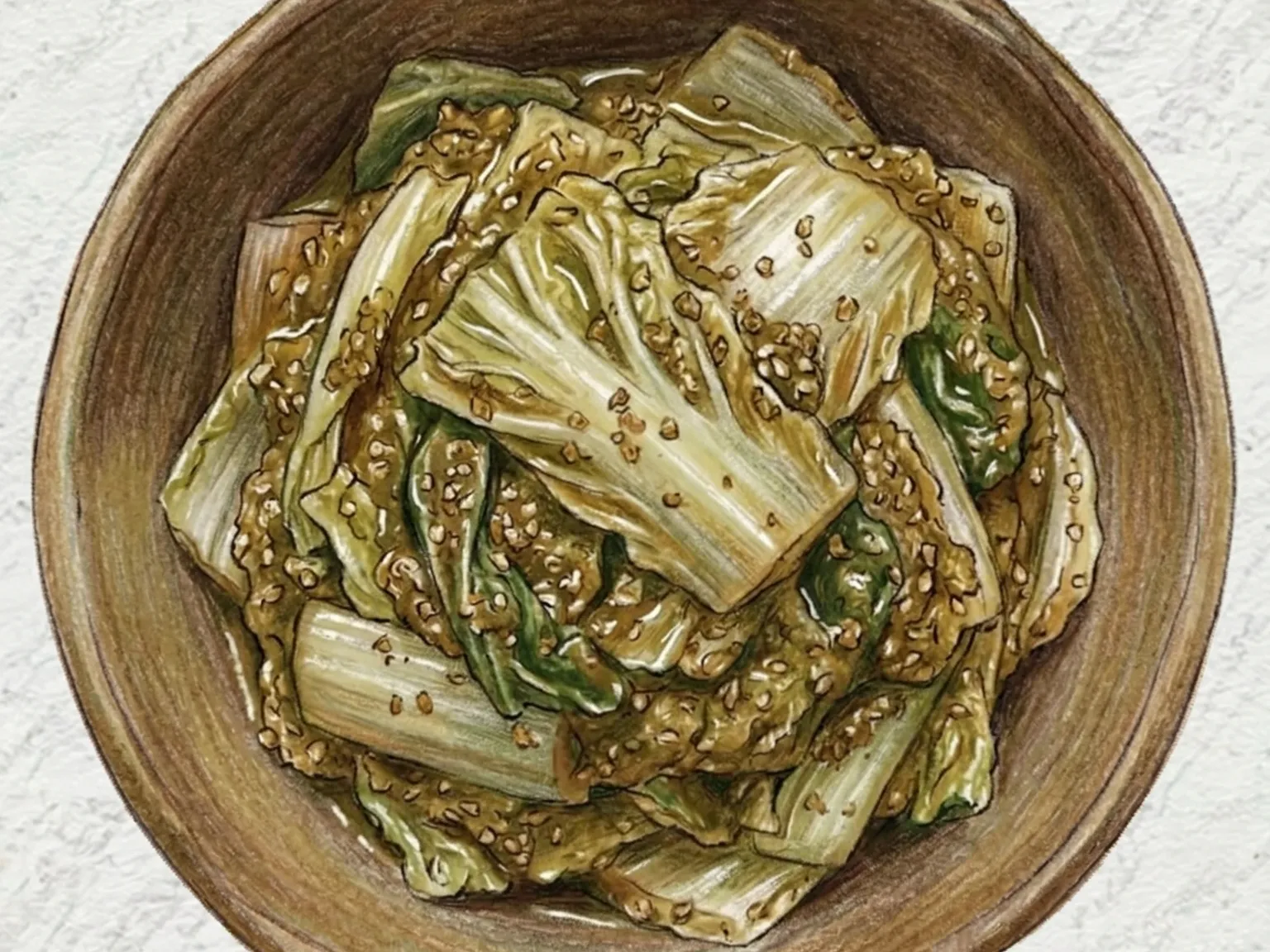
Ugeoji-jjim is a Korean braised dish of blanched napa cabbage outer leaves cooked gently with doenjang, perilla oil, and garlic under a covered lid. The fibrous leaves absorb the fermented soybean paste deeply as they soften, while perilla oil lays a nutty base throughout the dish. Soup soy sauce adjusts the seasoning so the doenjang's saltiness and the natural sweetness of the greens find a clean balance. Mixed into a bowl of steamed rice, this humble banchan delivers a surprisingly deep, earthy flavor that belies its simplicity.

🍱 Lunchbox
Prep 18minCook 28min2 servings
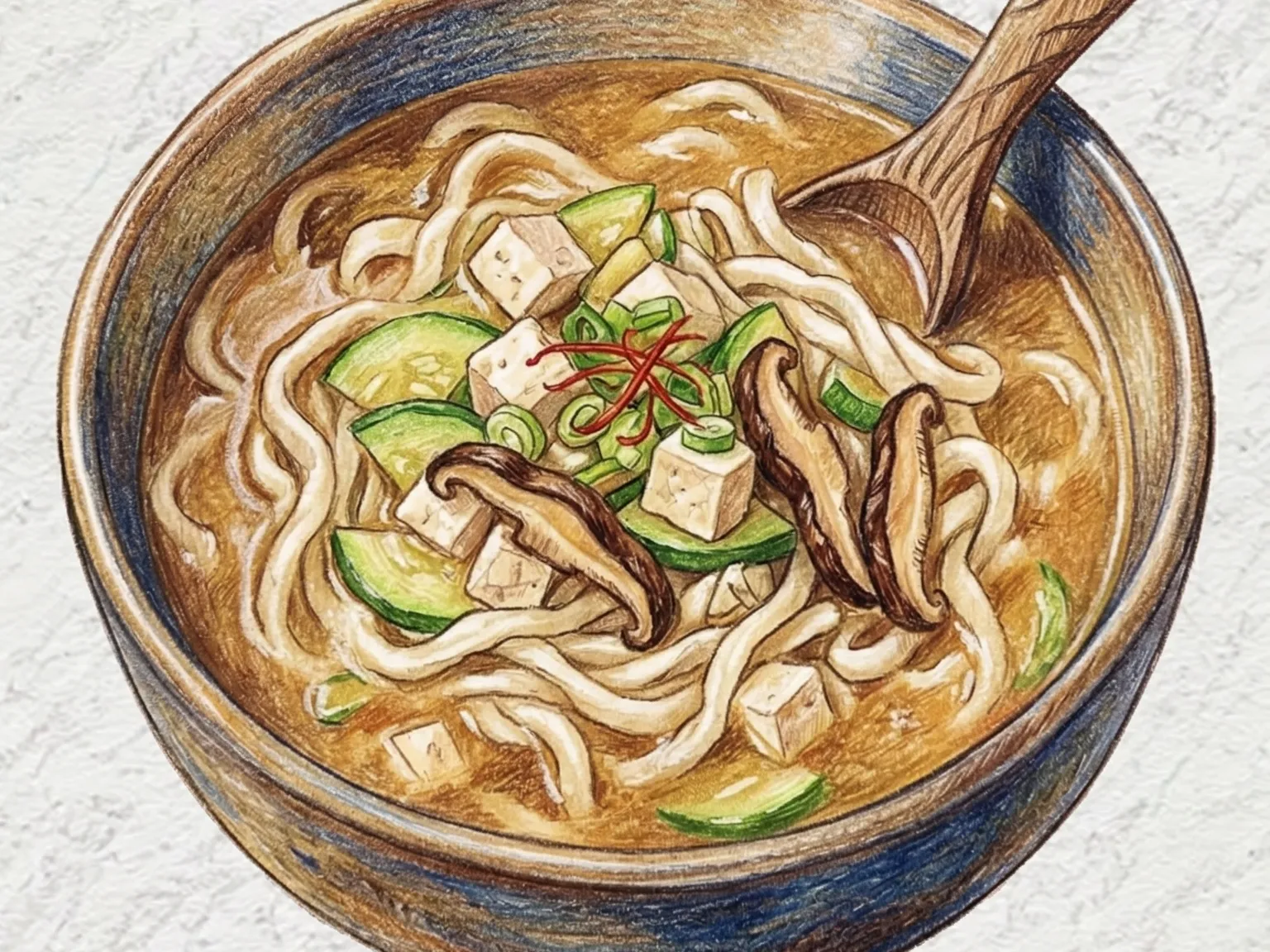
Korean Spicy Gangwon Knife-Cut Noodles
NoodlesEasy

Korean Spicy Gangwon Knife-Cut Noodles

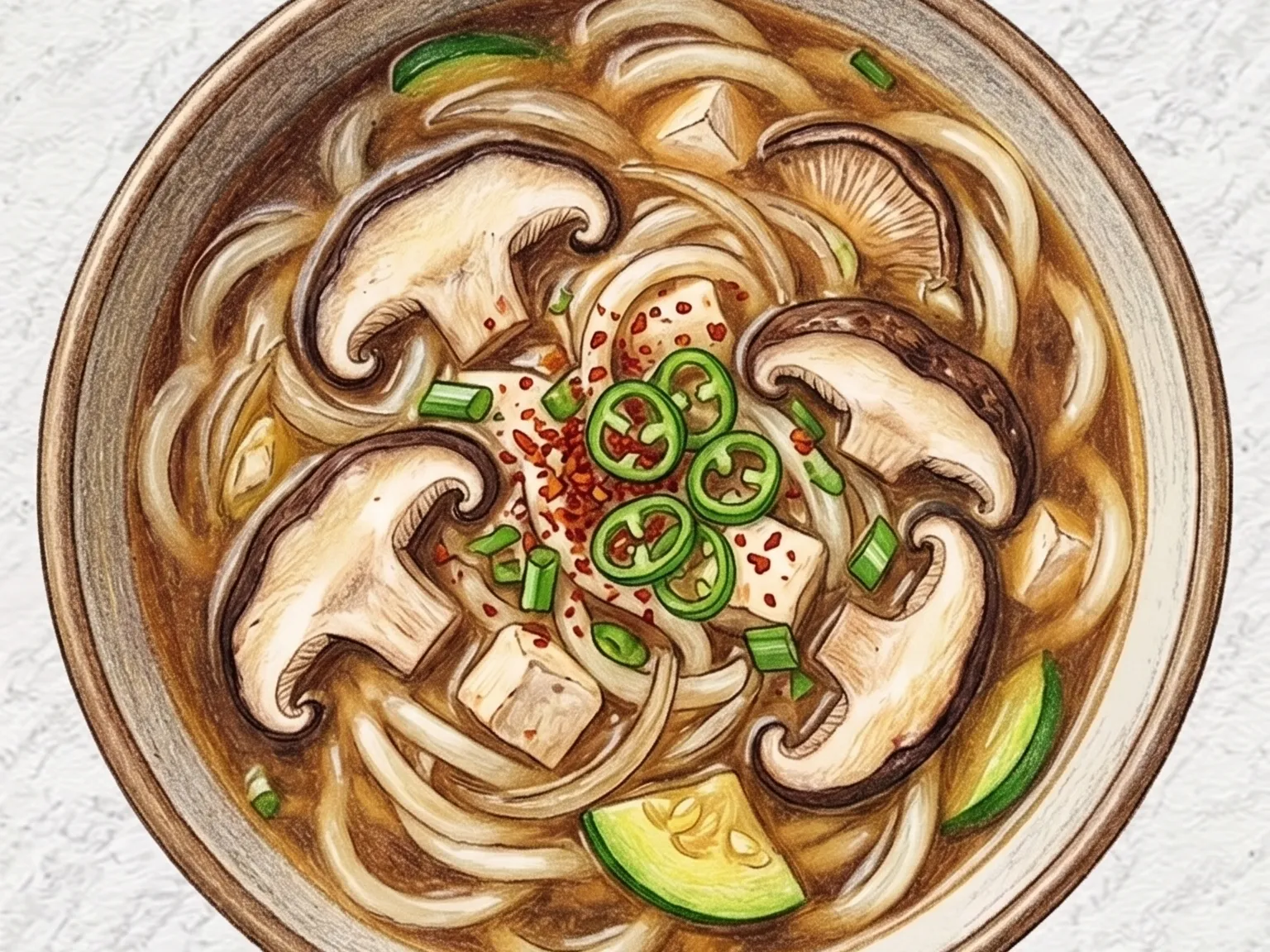
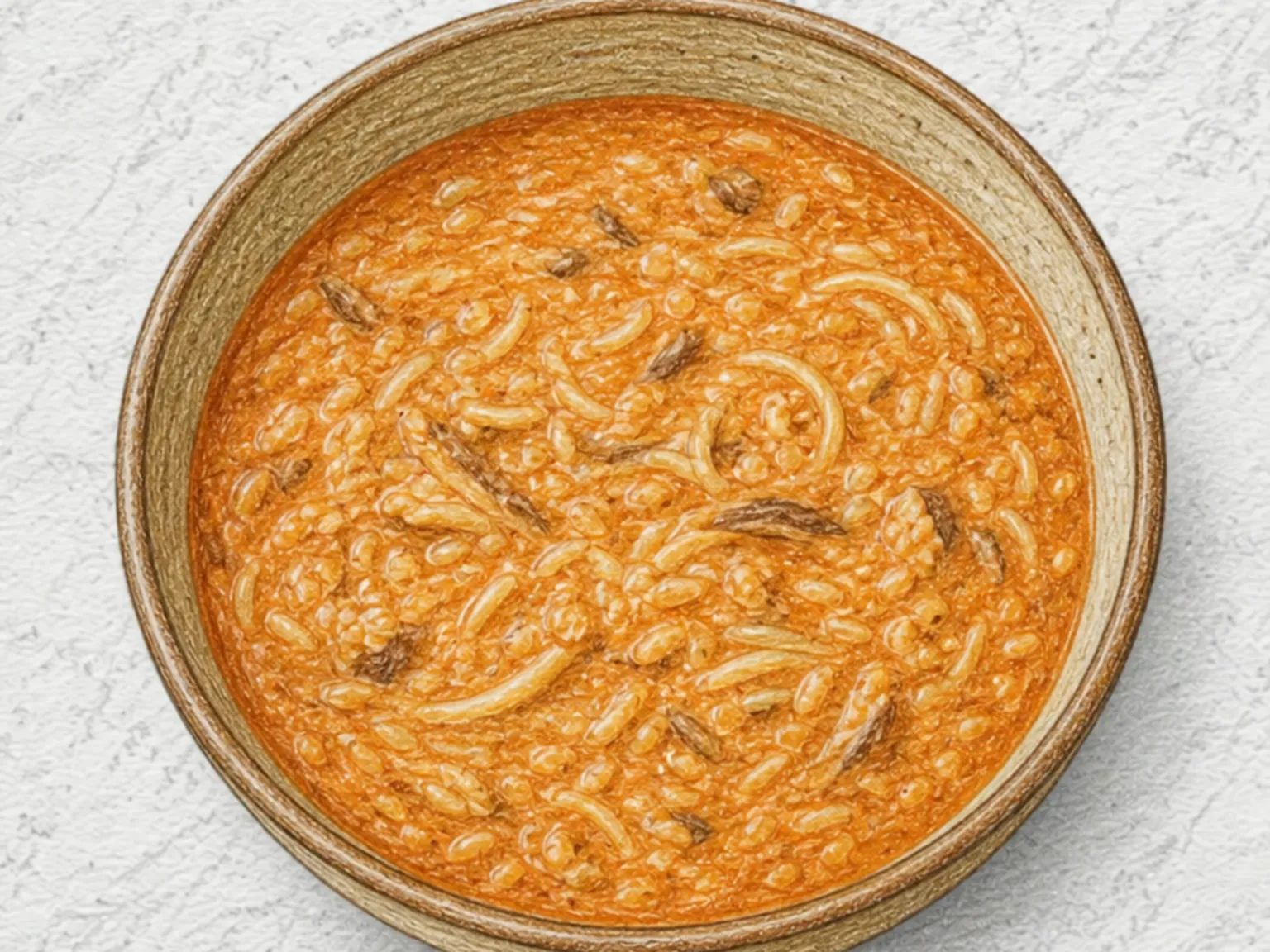
Jang kalguksu is a Gangwon Province style of knife-cut noodle soup defined by dissolving both gochujang and doenjang directly into an anchovy-kelp stock, a combination that sets it apart from standard kalguksu at a fundamental level. The fermented chili paste brings a spicy, rounded sweetness while the soybean paste contributes a dense, earthy richness, and together they build a broth with a complexity that neither ingredient could produce alone. An additional measure of gochugaru piles on a sharper chili heat, giving the soup its signature fiery edge. Potato breaks down as it simmers, naturally thickening the broth without any added starch, while zucchini releases sweetness, and onion and green onion round out the aromatics. Fresh-cut noodles have a smooth exterior and a springy, slightly resistant bite that clings well to the thick, rust-red broth. The dish originates from the mountainous interior of Gangwon Province, where it warmed workers through cold seasons, and the combination of deep umami and lingering heat still makes it one of the most satisfying one-bowl meals in Korean regional cooking.

🏠 Everyday
Prep 15minCook 20min2 servings
Sweet Pumpkin Chickpea Salad
SaladsEasy

Sweet Pumpkin Chickpea Salad

Sweet pumpkin chickpea salad seeds and cubes kabocha squash, roasts it at 200 degrees Celsius for 20 to 22 minutes until the natural sugars concentrate and the flesh softens, then tosses it with cooked chickpeas, shredded red cabbage, lettuce, grape tomatoes, and sunflower seeds in a doenjang yogurt dressing. The dressing combines plain yogurt with doenjang, lemon juice, and olive oil, stacking the yogurt's creamy lactic tang over doenjang's earthy fermented depth to build a layered base that holds up against the pumpkin's sweetness without overwhelming it. Chickpeas add a starchy, crumbly texture that contrasts with the soft roasted squash and keeps the salad filling, while sunflower seeds provide a final nutty crunch. Cooling the roasted kabocha completely before mixing is important because residual heat wilts the fresh greens and breaks down their texture. The finished salad is light enough to eat as a standalone meal while still providing genuine staying power.

🥗 Light & Healthy
Prep 18minCook 22min4 servings
Korean Seasoned Bok Choy Namul
Side dishesEasy

Korean Seasoned Bok Choy Namul

Unlike high-heat stir-fried bok choy with oyster sauce, this namul follows Korea's traditional blanch-and-dress method. One minute in boiling water wilts the leaves fully while keeping the pale stalks firm enough to provide a mild crunch. The greens are squeezed dry, cut into short lengths, and rubbed by hand with a mixture of doenjang, soup soy sauce, and minced garlic, working the seasoning into every piece rather than just tossing. The fermented soybean paste adds a deeply savory, slightly earthy quality that transforms the mild vegetable into something with real character. Sesame oil gives the finished dish a glossy coating and a nutty fragrance, and sesame seeds scattered on top add a final textural contrast against the soft leaves.

🏠 Everyday🍱 Lunchbox
Prep 8minCook 4min2 servings
Korean Dried Radish Greens Beef Pot Rice
RiceMedium

Korean Dried Radish Greens Beef Pot Rice

This pot rice layers soy-garlic marinated beef and softened siraegi over soaked rice, then cooks everything together in a heavy pot so the meat juices and earthy green flavors permeate every grain. Perilla oil is added to the pot, giving the finished rice a glossy sheen and a distinctly nutty aroma. As the rice cooks, the beef releases its savory juices downward while the siraegi steams on top, creating a gradient of flavor from meaty bottom to herbaceous top. A doenjang-based sauce mixed in at the table adds a salty, fermented punch that amplifies both the beef and the greens. The crispy scorched rice - nurungji - that forms at the bottom of the pot provides a crunchy finish to an otherwise soft, deeply flavored meal.

🏠 Everyday
Prep 25minCook 35min4 servings
Korean Braised Dried Radish Greens
Stir-fryMedium

Korean Braised Dried Radish Greens

Siraegi jorim is a traditional Korean braise of boiled dried radish greens seasoned with doenjang, soup soy sauce, and garlic, then simmered in perilla oil and water over low heat for twenty minutes. The doenjang slowly permeates the tough, fibrous greens, infusing them with deep fermented soybean flavor while the perilla oil adds a smooth richness. The longer the dish simmers, the more pronounced the earthy, malty depth becomes. Scallion stirred in at the end brightens the otherwise dense, savory profile of this slow-cooked banchan.

🏠 Everyday🍱 Lunchbox
Prep 25minCook 30min4 servings