Charim

2686 Korean & World Recipes

2686+ Korean recipes, clean and organized. Ingredients to instructions, all at a glance.

Recipes with egg

24 recipes

Buy egg
Hallabong Marmalade Madeleines
BakingMedium

Hallabong Marmalade Madeleines

These shell-shaped madeleines incorporate hallabong marmalade directly into the batter, delivering bursts of candied citrus peel and sweet mandarin flavor in every bite. A properly baked madeleine rises with a characteristic bump on top, and these are no exception. The marmalade adds extra moisture, keeping the crumb softer and more tender than a classic plain version. Small pieces of preserved hallabong rind within the batter provide occasional chewy texture against the otherwise pillowy cake. They are best eaten warm, minutes after leaving the oven, though they hold their softness well in an airtight container through the next day. Black tea or Earl Grey is the natural companion, as the bergamot in the tea echoes the hallabong's citrus character.

🧒 Kid-Friendly
Prep 18minCook 12min4 servings
Korean Steamed Tofu with Pollock Roe
SteamedEasy

Korean Steamed Tofu with Pollock Roe

Myeongran dubu jjim is a Korean steamed tofu dish topped with a sauce of pollock roe mixed with egg and garlic. As the roe heats through, its tiny granules pop with a briny, savory burst against the silky tofu underneath. The egg binds the sauce into a soft set that melds with the warm tofu, and a light seasoning of soup soy sauce keeps the overall saltiness in check given the roe's own salinity. Red chili and green onion add color and a touch of freshness on top. Cooked without oil in about ten minutes, this is a clean, high-protein banchan that comes together with minimal effort.

🥗 Light & Healthy
Prep 12minCook 15min2 servings
Japanese Cotton Cheesecake
BakingMedium

Japanese Cotton Cheesecake

Japanese cotton cheesecake pursues a cloud-light, moist texture in place of the dense, heavy richness of a New York-style cheesecake. Cream cheese is melted and blended with egg yolks and milk, then stiffly beaten meringue is folded in three additions to keep as much air in the batter as possible. Baking in a water bath at around 150 degrees Celsius prevents the surface from setting too quickly and allows the interior to cook gently, so the finished cake wobbles when nudged from the pan. A slight collapse after removing from the oven is expected and normal. Resting in the refrigerator overnight redistributes moisture evenly through the crumb, deepening the cheese flavor while adding a silkier texture to each slice. On the palate, the cake dissolves almost weightlessly, releasing a mild tang from the cream cheese and a soft, eggy warmth. Very little flour goes into the batter, which keeps the texture smooth and delicate rather than cakey, making toppings entirely unnecessary.

🎉 Special Occasion🧒 Kid-Friendly
Prep 35minCook 55min6 servings
Korean Rice Cake Dumpling Soup
SoupsEasy

Korean Rice Cake Dumpling Soup

Tteok-mandu-guk combines two of Korea's most beloved New Year foods - sliced rice cakes and handmade dumplings - in a single bowl of clear beef broth. The broth, typically drawn from simmered brisket or bone stock, serves as a clean canvas for the two main ingredients. Rice cake ovals absorb the hot liquid and swell into a pleasantly chewy mass, while the dumplings, stuffed with a mixture of ground pork, tofu, scallion, and garlic, release their savory filling into the soup as they cook. Starch from the dumpling wrappers lends the broth a slight silkiness that binds everything together. Julienned egg garnish and a pinch of crushed dried seaweed are scattered over the top, adding color and a whisper of ocean fragrance. The soup is seasoned simply with soup soy sauce, letting the stock and fillings carry the flavor. While practically it extends a pot of tteokguk to feed more people, the real appeal lies in the textural variety - sticky rice cakes and soft, yielding dumplings in the same spoonful create a satisfaction that neither achieves alone.

🏠 Everyday🎉 Special Occasion
Prep 15minCook 25min4 servings
French Omelette
WesternMedium

French Omelette

A French omelette is defined entirely by technique, which is precisely why it appears in professional kitchens as a benchmark for a cook's fundamental skill. The eggs are beaten just enough to combine the yolks and whites into a uniform liquid without introducing air, then poured into a butter-coated pan over moderate heat. From that point on, constant stirring with a fork or chopsticks, combined with rhythmic shaking of the pan, coaxes the eggs into the tiniest possible curds that bind together into a seamless, pale yellow sheet. No browning of any kind should appear on the exterior surface. The interior, described in French as baveuse, remains slightly underset with a custard-like center that carries the richness of the egg in its purest form. Folding or rolling the omelette into a neat oval shape should happen within ninety seconds from the moment the egg touches the pan; anything beyond that overcooks the inside. Fillings are minimal by design: fine herbs, a small amount of grated Gruyere, or nothing at all, so the egg remains the sole subject. The simplicity of the ingredients removes every excuse and makes even small errors in heat management immediately visible in the finished result. Practice tightens the margins, but each attempt teaches something precise about timing and temperature.

Quick
Prep 5minCook 6min1 servings
Monte Cristo Sandwich
WesternEasy

Monte Cristo Sandwich

A Monte Cristo sandwich consists of multiple layers of ham and Swiss cheese placed between slices of bread that have been spread with a layer of Dijon mustard. After the sandwich has been assembled, it is dipped for a short period of time into a batter made from a combination of beaten eggs and milk. The sandwich is then transferred to a pan and fried in butter until the exterior develops a golden color on both sides. This preparation method blends the traditional elements of French toast with those of a standard ham and cheese sandwich by surrounding savory interior fillings with a rich and egg based coating. It is necessary to keep the dipping stage brief because allowing the bread to soak for an extended duration will cause it to become overly saturated, which typically leads to the bread tearing when the sandwich is flipped. Cooking the sandwich over medium low heat ensures that the outside has sufficient time to reach a golden and crisp state while the cheese inside the layers melts in a consistent manner. Dividing the sandwich into two halves while it is still warm serves to display the stretchy consistency of the melted cheese and creates a visual presentation for the finished meal. The addition of mustard introduces a sharp taste that functions to balance the rich characteristics of the eggs and dairy ingredients.

🏠 Everyday🧒 Kid-Friendly
Prep 10minCook 12min2 servings
Korean Pan-fried Radish Pancakes
Side dishesEasy

Korean Pan-fried Radish Pancakes

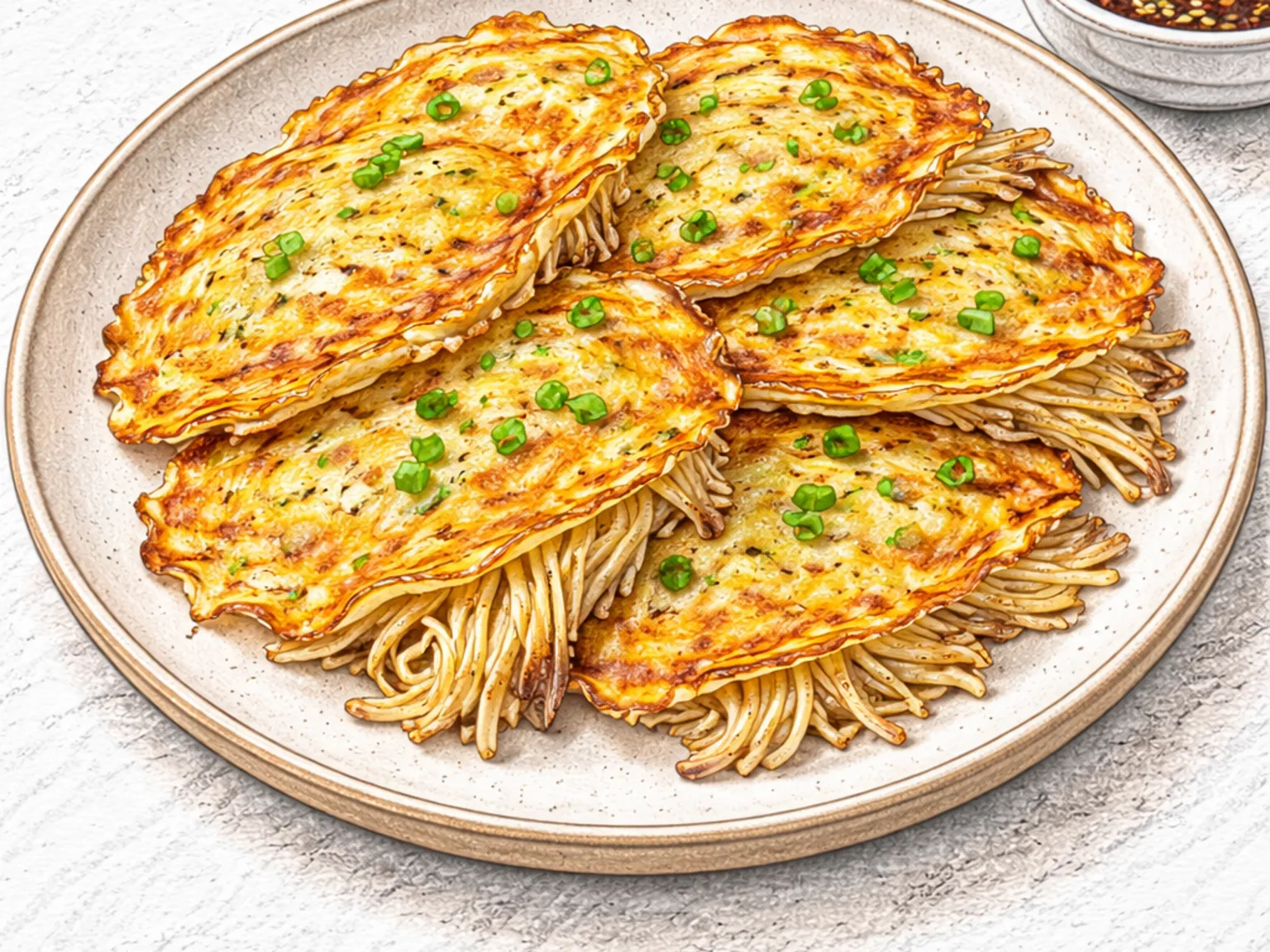
Mu-jeon is a Korean pan-fried radish pancake belonging to the same vegetable-jeon family as hobak-jeon and gaji-jeon, though daikon radish brings a textural character distinctly its own. Slicing to an even 3mm thickness is critical - the radish must cook through until soft and sweet inside while the egg coating crisps golden outside. Too thick and the raw center retains an acrid bite; too thin and the slices collapse. Five minutes of salting draws surface moisture so the flour adheres properly and the oil does not splatter during frying. Slow cooking over low heat is essential: the egg batter sets gradually into a golden shell while the heat converts the radish's starch into sugars, replacing the raw spiciness with a gentle sweetness completely unlike the uncooked root. Dipped in cho-ganjang (soy-vinegar sauce), the acidity cuts through the pan-fried richness. Mu-jeon appears on Korean holiday tables during Chuseok and Seollal alongside other vegetable jeon as part of the traditional jeon platter.

🏠 Everyday🍱 Lunchbox
Prep 15minCook 12min2 servings
Omija Cream Cheese Muffins (Korean Schisandra Muffins)
BakingMedium

Omija Cream Cheese Muffins (Korean Schisandra Muffins)

Soft muffin batter is dotted with cubes of cream cheese and swirled with omija syrup, then baked until the tops dome and crack. The cream cheese melts partially in the oven, creating dense, tangy pockets that contrast with the airy crumb around them. Omija - the Korean five-flavor berry - adds a layered tartness that goes beyond simple fruit sourness, carrying faint bitter, peppery, and salty undertones that make each bite more complex than a typical fruit muffin. The cream cheese smooths out the omija's sharper edges, acting as a rich buffer between the berry's intensity and the sweet batter. A final brush of omija syrup over the warm muffin tops deepens the pink color and reinforces the berry flavor on the crust, where it concentrates into a thin, tacky glaze.

🧒 Kid-Friendly
Prep 25minCook 22min4 servings
Apple Cinnamon Rolls (Soft Yeast Dough with Apple Cinnamon Filling)
BakingHard

Apple Cinnamon Rolls (Soft Yeast Dough with Apple Cinnamon Filling)

Apple cinnamon rolls build on the Scandinavian kanelbulle tradition of enriched yeast dough rolled with spiced brown sugar, adding a layer of fresh apple that transforms the filling from dry to fruity and moist. The dough is softened with butter and milk, then rolled flat, spread with a paste of brown sugar, cinnamon, and softened butter, and scattered with diced apple that has been tossed in lemon juice to prevent browning during baking. Rolling, slicing, and proofing the cut spirals in a buttered pan lets them expand until they press together, creating soft sides where the rolls meet and a slightly caramelized bottom where they contact the pan. During baking, apple pieces release juice that seeps into the surrounding dough layers, forming pockets of moist, cinnamon-scented fruit that a plain cinnamon roll cannot replicate. A cream cheese glaze drizzled while the rolls are hot melts into the crevices between spirals, coating the interior as well as the surface. The quantity of apple matters - too much makes the dough soggy, so a measured amount ensures the fruit contributes moisture without destabilizing the structure. The aroma of butter, cinnamon, and baked apple that fills the kitchen during baking is half the appeal of making these rolls.

🎉 Special Occasion
Prep 40minCook 22min4 servings
Chicken Milanese
WesternEasy

Chicken Milanese

Chicken Milanese is an Italian-style cutlet that butterflies and pounds chicken breast until thin, coats it in flour, beaten egg, and breadcrumbs mixed with grated Parmesan, then pan-fries it in olive oil until the crust turns a deep, even gold. The step of pounding the meat uniformly thin is not optional: it ensures that the interior cooks through at exactly the same rate as the crust browns, eliminating the frustrating situation of overcooked breading on raw chicken. The Parmesan folded into the breadcrumbs contributes a savory, slightly granular texture that plain breadcrumbs alone cannot achieve; the cheese's proteins also brown more readily under heat, deepening the crust's color and flavor. Allowing the breaded chicken to rest for five minutes before it goes into the pan is another critical step, giving the egg time to fully adhere the crumbs to the surface so the coating does not slide off when the cutlet is flipped. The fat used for frying matters as well: good-quality olive oil adds a subtle fruitiness that butter cannot replicate, and a combination of the two achieves the best of both. A squeeze of fresh lemon juice immediately after plating is not a garnish but a necessary finish, its acidity cutting through the oil and amplifying the aroma of the Parmesan. A mound of lightly dressed arugula on top provides a peppery, bitter counterpoint to the rich, crisp crust, and halved cherry tomatoes sharpen the plate with bright color and additional acidity.

🎉 Special Occasion🍱 Lunchbox
Prep 15minCook 12min2 servings
Korean Tofu Jeon (Golden Egg-Coated Pan-Fried Tofu)
GrilledEasy

Korean Tofu Jeon (Golden Egg-Coated Pan-Fried Tofu)

Dubu-jeon is a Korean pan-fried tofu dish and a standard side dish in everyday home cooking as well as a fixture on ancestral rite tables. Firm tofu is sliced to about 1 cm thickness, seasoned with salt and pepper, dusted in a thin layer of flour to help the coating adhere, dipped in beaten egg, then fried on each side in a lightly oiled pan until the exterior turns golden and set. Pressing the tofu before cooking is the most important preparatory step: wrapping the slices in paper towels and placing a heavy object on top for at least fifteen minutes removes enough moisture to prevent the oil from splattering and allows the egg coating to bond tightly to the surface. Three to four uninterrupted minutes per side over medium heat are needed to develop an even golden crust without burning the egg; turning the pieces too often strips the batter away and leaves patches of bare tofu. The fried tofu is mild and nutty on its own, but a dipping sauce of soy sauce mixed with a small amount of vinegar and red pepper flakes adds salt, acidity, and heat that transform the simple base into something more complex. Eaten hot, the egg coating is thin and slightly crisp; as it cools the exterior softens while the interior remains tender.

🍺 Bar Snacks🏠 Everyday
Prep 12minCook 8min2 servings
Mugwort Red Bean Muffin (Korean Herbal Sweet Bean Muffin)
BakingMedium

Mugwort Red Bean Muffin (Korean Herbal Sweet Bean Muffin)

This muffin combines mugwort powder and cooked sweet red beans in a soft, fluffy batter that bridges Korean traditional flavors with Western baking technique. Mugwort contributes a distinctive herbal fragrance - faintly bitter, grassy, and deeply aromatic - that permeates the entire crumb and gives it a muted green hue. The red beans, folded in whole, add pockets of grainy sweetness that burst with each bite. Cake flour and baking powder keep the rise gentle and the texture light, while melted butter adds moisture without heaviness. The combination of mugwort and red bean is deeply familiar from Korean rice cakes, but baking it as a muffin introduces a crisp top and a pillowy interior that the steamed rice cake format cannot offer. Mixing the batter in no more than ten to twelve strokes prevents toughness - visible streaks of flour are acceptable and even preferred over a smooth, overworked batter. The beans should be folded in last with a gentle spatula motion to preserve their shape. These muffins pair naturally with grain-based lattes, where the roasted notes in the drink echo the earthy quality of the mugwort.

🧒 Kid-Friendly
Prep 25minCook 22min4 servings
Chilaquiles Rojos (Mexican Tortilla Chips in Red Chili Tomato Sauce)
WesternEasy

Chilaquiles Rojos (Mexican Tortilla Chips in Red Chili Tomato Sauce)

Chilaquiles rojos tosses crispy tortilla chips in a simmered tomato-chili sauce, then tops them with fried eggs, shredded cheddar cheese, and fresh cilantro for a Mexican breakfast staple. Onion and jalapeno are sauteed first to build an aromatic base, then tomato sauce is added and reduced until thick enough for the chips to absorb quickly. The chips must go in at the very end and be tossed briefly so some pieces stay crunchy while others soften - the contrast between crisp and sauced is central to the dish. Breaking the fried egg yolk into the sauce adds a rich, creamy element, and the melting cheddar brings a salty depth on top. Adjusting the jalapeno amount controls the heat level, and cilantro finishes the plate with a bright, herbal freshness.

🏠 Everyday🌙 Late Night
Prep 15minCook 15min2 servings
Korean Shrimp Jeon (Egg-Battered Pan-Fried Shrimp Pancake)
GrilledEasy

Korean Shrimp Jeon (Egg-Battered Pan-Fried Shrimp Pancake)

Saeu-jeon is a Korean shrimp pancake where peeled, deveined medium shrimp are butterflied, seasoned with salt and pepper, dredged in flour, dipped in beaten egg, and pan-fried for one to two minutes per side over medium heat. Butterflying flattens each shrimp so heat transfers evenly across the surface, and the flour layer between the shrimp and egg acts as adhesive that keeps the coating from sliding off. Shaking excess flour through a sieve before dipping ensures an even egg coat and uniform thickness across every piece, and medium heat is essential-too high and the egg scorches while the shrimp inside stays undercooked. The shrimp should be removed the moment the flesh turns pink; any additional time on the heat contracts the protein and turns the texture tough.

🍺 Bar Snacks🎉 Special Occasion
Prep 15minCook 10min2 servings
Gochujang Chocolate Crinkle Cookies
BakingMedium

Gochujang Chocolate Crinkle Cookies

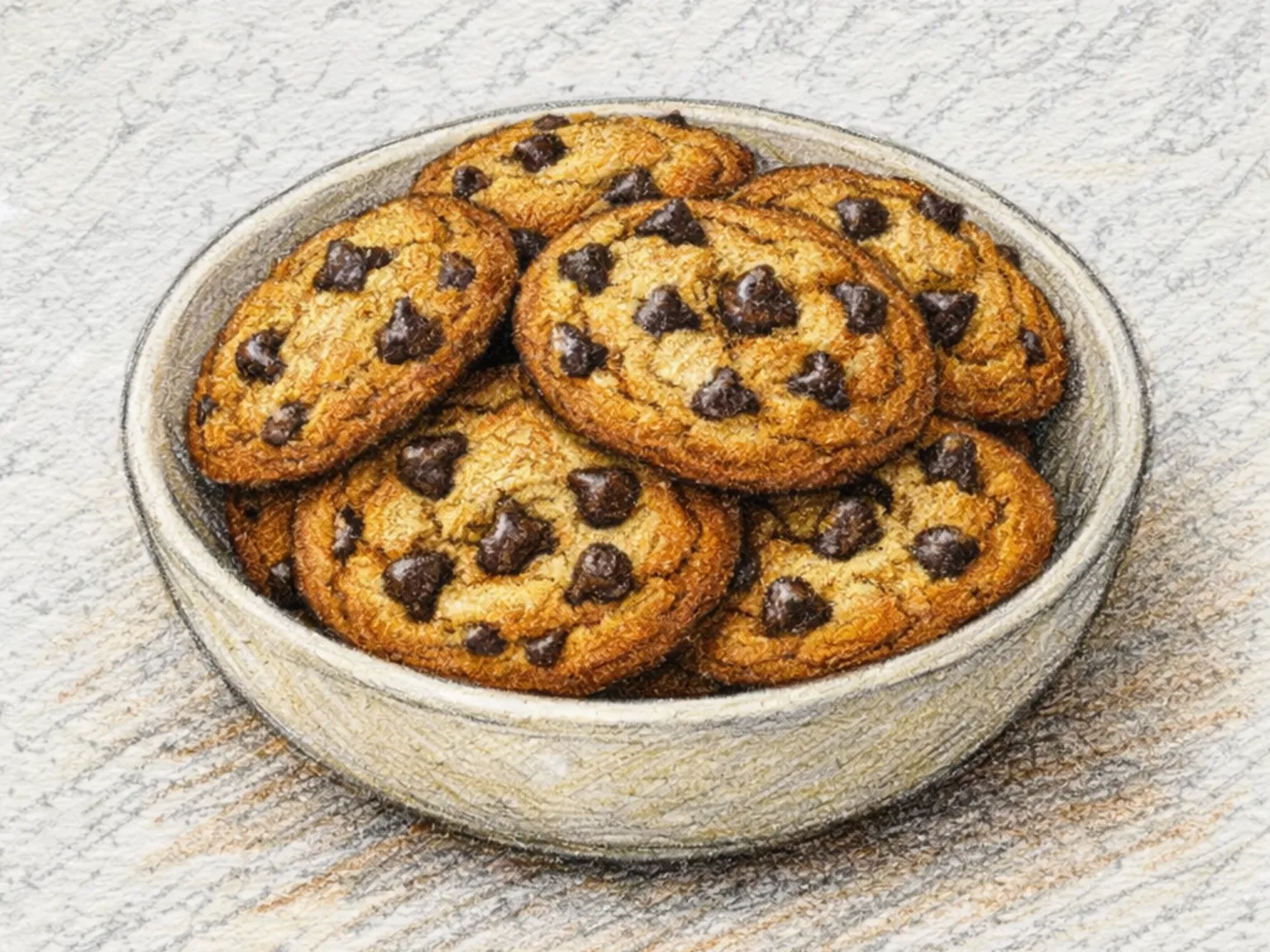
Gochujang chocolate crinkle cookies merge the fermented heat of gochujang with deep chocolate flavor in a single bite. The signature cracked surface forms when balls of dough rolled in powdered sugar expand in the oven, splitting the white coating to reveal the dark interior beneath. Gochujang, added in a modest amount, threads a low, lingering warmth and an umami undertone through the chocolate without overtly announcing itself. Most tasters sense something unexpected at the finish but cannot immediately identify the source. The exterior sets into a thin, lightly crisp shell while the inside stays dense and fudgy, occupying the territory between a brownie and a cookie. Using both cocoa powder and melted chocolate increases the chocolate intensity beyond what either ingredient achieves alone. A pinch of flaky sea salt on top before baking sharpens the contrast between sweet and spicy, making the flavor more defined. Chilling the dough for at least 30 minutes before rolling ensures the powdered sugar coating adheres evenly and produces the consistent cracking pattern that defines the cookie's appearance.

🧒 Kid-Friendly
Prep 20minCook 12min4 servings
Lemon Pound Cake
BakingEasy

Lemon Pound Cake

A dense, buttery pound cake elevated by the brightness of fresh lemon zest and juice. Creaming the butter and sugar until light introduces air pockets that keep the heavy crumb from becoming leaden, and adding eggs one at a time ensures the emulsion stays stable. Rubbing the lemon zest into the flour before combining releases its essential oils evenly throughout the batter, so every slice carries the same citrus intensity. Lemon juice raises the batter's acidity just enough to maintain a tender, fine crumb rather than a tough one. During roughly an hour at 175 degrees Celsius, the top splits into the characteristic crack that signals a properly risen pound cake. After cooling completely, a glaze of powdered sugar and lemon juice is drizzled over the surface, hardening into a thin, translucent shell that adds sweetness and a subtle sheen. Wrapped and rested overnight, the lemon flavor deepens as the oils permeate every layer of crumb.

🧒 Kid-Friendly
Prep 20minCook 60min8 servings
Queen of Puddings (Custard Bread Base with Jam and Meringue)
BakingMedium

Queen of Puddings (Custard Bread Base with Jam and Meringue)

Queen of puddings is a layered British dessert that begins with a base of breadcrumbs soaked in warm vanilla custard and baked until set. A thin layer of raspberry jam is spread over the surface, introducing a tart brightness that cuts through the richness below. Meringue made from the reserved egg whites is then piled on top and returned to the oven until the peaks turn golden, creating a shell that is crisp on the outside yet marshmallow-soft within. Each spoonful should capture all three layers - the dense, creamy custard base, the sharp fruit jam, and the airy meringue - so that the flavors interact on the palate simultaneously. The recipe wastes nothing: yolks enrich the custard while whites become the meringue, a practical economy that reflects its origins in frugal English country kitchens. Served warm, the custard feels almost like a savory bread pudding dressed in dessert clothing; chilled, the jam asserts itself more prominently, and the meringue firms to a gentle chew.

🎉 Special Occasion🧒 Kid-Friendly
Prep 25minCook 35min4 servings
Chicken Parmesan
WesternMedium

Chicken Parmesan

Chicken Parmesan coats pounded chicken breast in a mixture of breadcrumbs and grated Parmesan, pan-fries it until golden on both sides, then tops it with tomato sauce and mozzarella before baking until the cheese melts and browns at the edges. The preparation begins by pounding the breast to a uniform thickness of no more than 1.5 centimeters - consistent thickness is what allows both sides to reach the same golden color in the pan without one side burning while the other stays underdone. After breading, the cutlet should rest for about five minutes before going into the hot pan. This brief rest allows the coating to bind to the surface of the meat, so it remains intact when sauce and cheese are layered on top and the dish goes into the oven. The cross-section of a finished piece shows the layered structure clearly: a crisp breadcrumb shell, the lean white meat beneath, the bright acidity of tomato sauce, and the pull of melted mozzarella. Ten to twelve minutes at 200 degrees Celsius is enough for the mozzarella to melt completely and develop light caramelization at its edges while leaving the chicken inside moist rather than dried out.

🎉 Special Occasion🧒 Kid-Friendly
Prep 20minCook 25min2 servings
Korean Spam Mayo Rice Bowl
RiceEasy

Korean Spam Mayo Rice Bowl

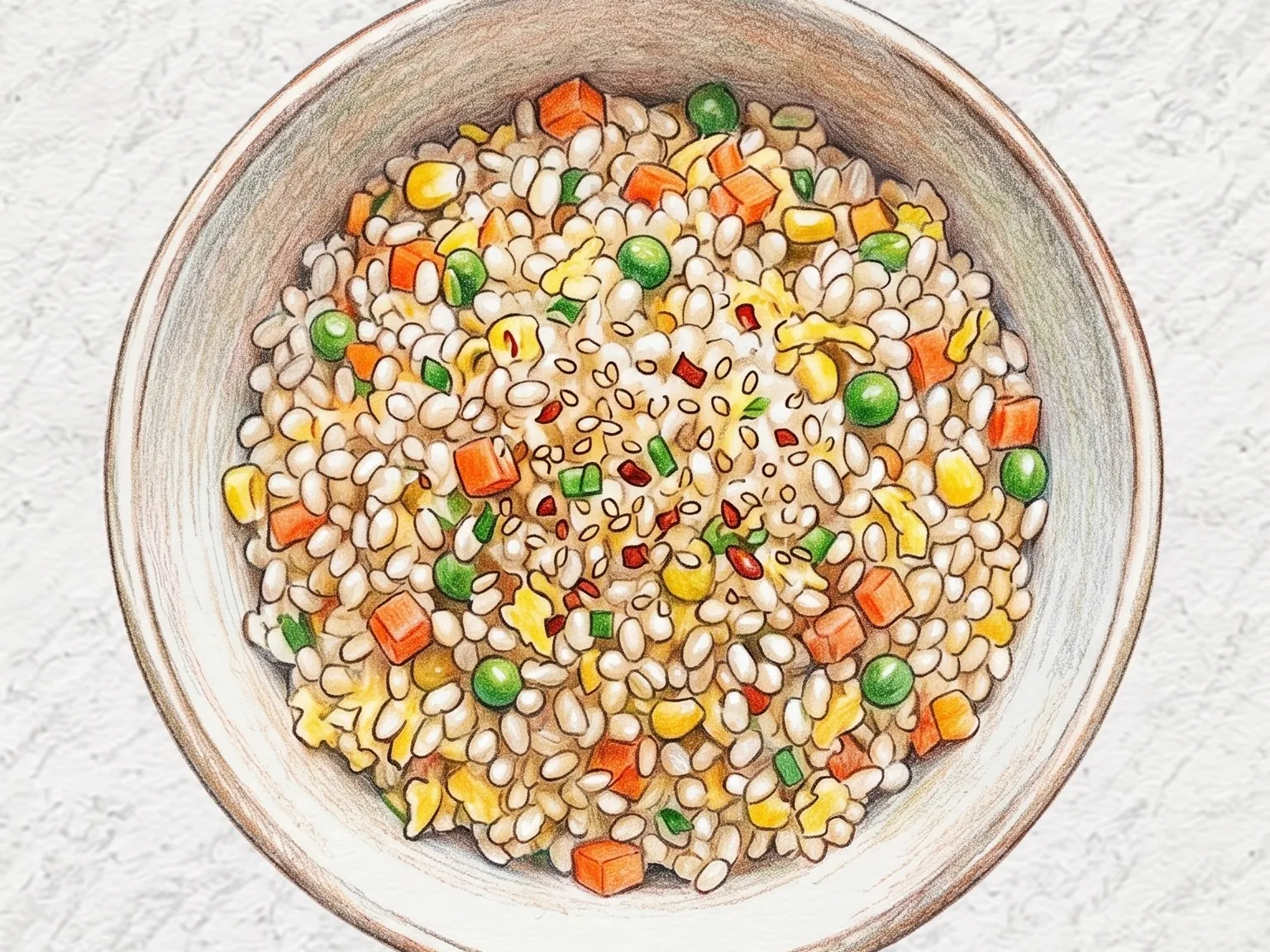
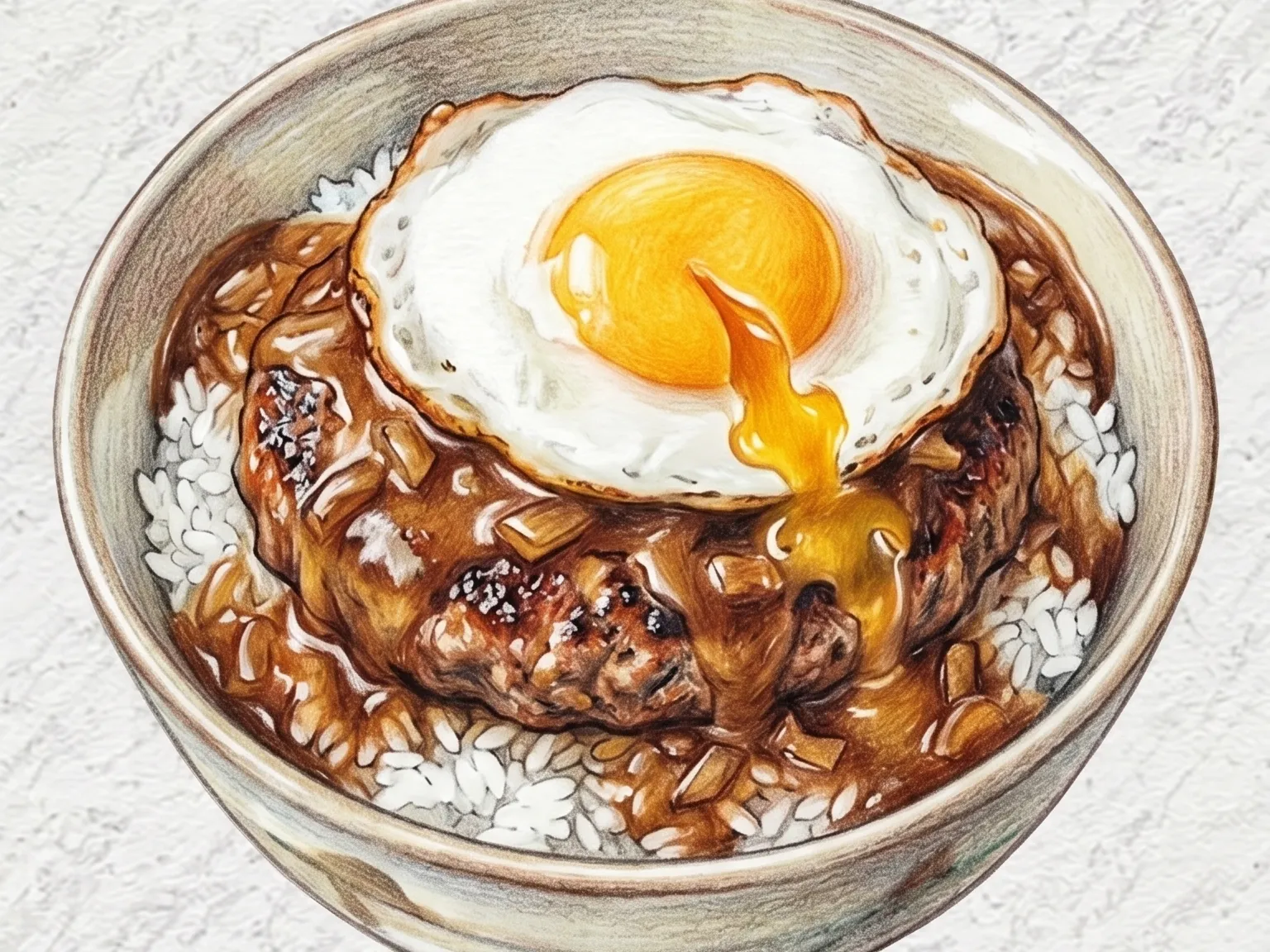
Thick-cut spam is pan-seared until the edges turn golden and crisp while the center stays moist. Soft-scrambled eggs are folded loosely so they remain creamy, then layered over steaming rice alongside the spam. A generous drizzle of mayonnaise sauce melts gently against the warm rice, binding the salty meat and silky egg together. A dash of soy sauce or sriracha adds a sharp accent that cuts through the richness and keeps each bite interesting.

🏠 Everyday🧒 Kid-Friendly
Prep 10minCook 12min2 servings
Victoria Sponge Cake (British Jam and Cream Layered Cake)
BakingMedium

Victoria Sponge Cake (British Jam and Cream Layered Cake)

Equal weights of butter and sugar are creamed together, then eggs and cake flour are added to produce two round sponge layers that are sandwiched with strawberry jam and whipped cream - the defining structure of this classic British cake. Named after Queen Victoria, the cake is deliberately simple in presentation: no elaborate frosting or tiered decoration, just a dusting of powdered sugar on top. Thorough creaming is essential to a light rise, and room-temperature eggs integrate into the batter without curdling. The jam provides a bright, tart contrast to the buttery sponge, while the whipped cream softens each bite with cool richness. Both layers must cool completely before assembly, as warm sponge melts the cream and causes the filling to slide. Refrigerated, the cake stays moist through the next day, and the jam and cream flavors deepen as they settle into the sponge overnight. It is the standard cake served at British afternoon teas and garden parties.

🎉 Special Occasion🧒 Kid-Friendly
Prep 25minCook 25min4 servings
Korean Street Egg Toast (Cabbage Egg Omelet Sandwich with Sweet Ketchup)
Street foodEasy

Korean Street Egg Toast (Cabbage Egg Omelet Sandwich with Sweet Ketchup)

Gilgeori egg toast is a Korean street food sandwich built around a rectangular omelet of shredded cabbage, carrot, and beaten egg, layered between slices of bread that have been toasted in butter until golden. The defining touch is a sprinkle of white sugar over ketchup applied directly to the bread before the omelet goes in. That sugar-ketchup combination produces a sweet-tangy sauce that balances the savory egg and the mild crunch of the vegetables in a way that no other condiment quite replicates. The egg and vegetable batter is folded over itself on the pan to create a thick, layered patty, so each bite delivers alternating textures of soft egg and crunchy toasted bread. Street vendors began selling this sandwich in front of Korean schools during the 1990s, and it has remained a constant fixture of Korean street food culture ever since, available at food stalls and snack trucks across the country as both a breakfast option and an afternoon snack.

🧒 Kid-Friendly🌙 Late Night
Prep 12minCook 10min2 servings
Deulkkae Kkul Muffins (Perilla Honey Muffins)
BakingEasy

Deulkkae Kkul Muffins (Perilla Honey Muffins)

Ground perilla seeds are folded into a quick muffin batter alongside honey and brown sugar, creating a Korean-inspired bake with a pronounced nutty fragrance and gentle sweetness. The perilla flavor is warm and toasty, somewhere between sesame and fresh herbs, and it builds with each bite rather than fading. Honey keeps the crumb moist without making it heavy, and neutral oil replaces butter so the perilla aroma stays at the forefront. Mixing the batter in only ten to twelve strokes is critical: overmixing toughens the gluten and dulls the texture. A light sprinkle of perilla powder on top before baking gives each muffin a visual cue and an extra burst of fragrance when broken open. They pair well with grain lattes, where the roasted notes in the drink echo the seed's toasted character.

🧒 Kid-Friendly
Prep 15minCook 22min4 servings
Korean Pan-fried Zucchini Jeon
GrilledEasy

Korean Pan-fried Zucchini Jeon

Hobak-jeon is a Korean pan-fried zucchini pancake made by slicing Korean zucchini into uniform half-centimeter rounds, salting them for five minutes, then dusting in flour, dipping in beaten egg, and frying over medium heat for two to three minutes per side. The salting step does two things at once: it pulls out the moisture that would otherwise make the pancakes soggy, and it concentrates the zucchini's mild sweetness into a more distinct flavor. The egg coating acts as a gentle heat buffer, keeping the interior soft and moist while the exterior develops an even, pale golden color with a subtle nuttiness from the cooked egg. The yellow hue adds color to the table, and the jeon pairs naturally with soy sauce or a vinegared soy dipping sauce. It is one of the most versatile banchan in Korean cooking, suitable for a child's lunchbox, an everyday dinner table beside soup or stew, or stacked on a holiday platter for ancestral rites and guests alike. The simplicity of the method and the availability of the ingredients mean it appears on Korean tables year-round.

🍺 Bar Snacks🏠 Everyday
Prep 10minCook 12min2 servings
Eggplant Parmesan
WesternMedium

Eggplant Parmesan

Eggplant Parmesan starts by salting one-centimeter-thick rounds of eggplant and leaving them for ten minutes so that bitterness and excess moisture draw out before cooking. Each slice is then patted dry, dredged through flour, dipped in beaten egg, and pressed into breadcrumbs before pan-frying in olive oil until the coating turns golden and crisp on both sides. In a baking dish, layers of tomato sauce, fried eggplant, torn mozzarella, and grated Parmesan are stacked twice in succession, then baked at 200 degrees Celsius for twenty minutes until the cheese has melted, bubbled up, and browned at the edges. The eggplant contributes a dense, meaty softness that holds the weight of the sauce and cheese above it. The tomato's bright acidity cuts through the richness of two cheeses, and the sharp, granular edge of Parmesan sharpens each layer where the milder mozzarella melts smoothly. Over-saucing is the main hazard: too much tomato makes the layers collapse and turns the eggplant waterlogged, so measuring the sauce with a restrained hand protects both texture and structure. Assembling the dish a day ahead and refrigerating before baking lets the flavors develop further, producing a noticeably richer result the following day.

🎉 Special Occasion
Prep 25minCook 35min4 servings