Korean Beef Doenjang Bibimbap
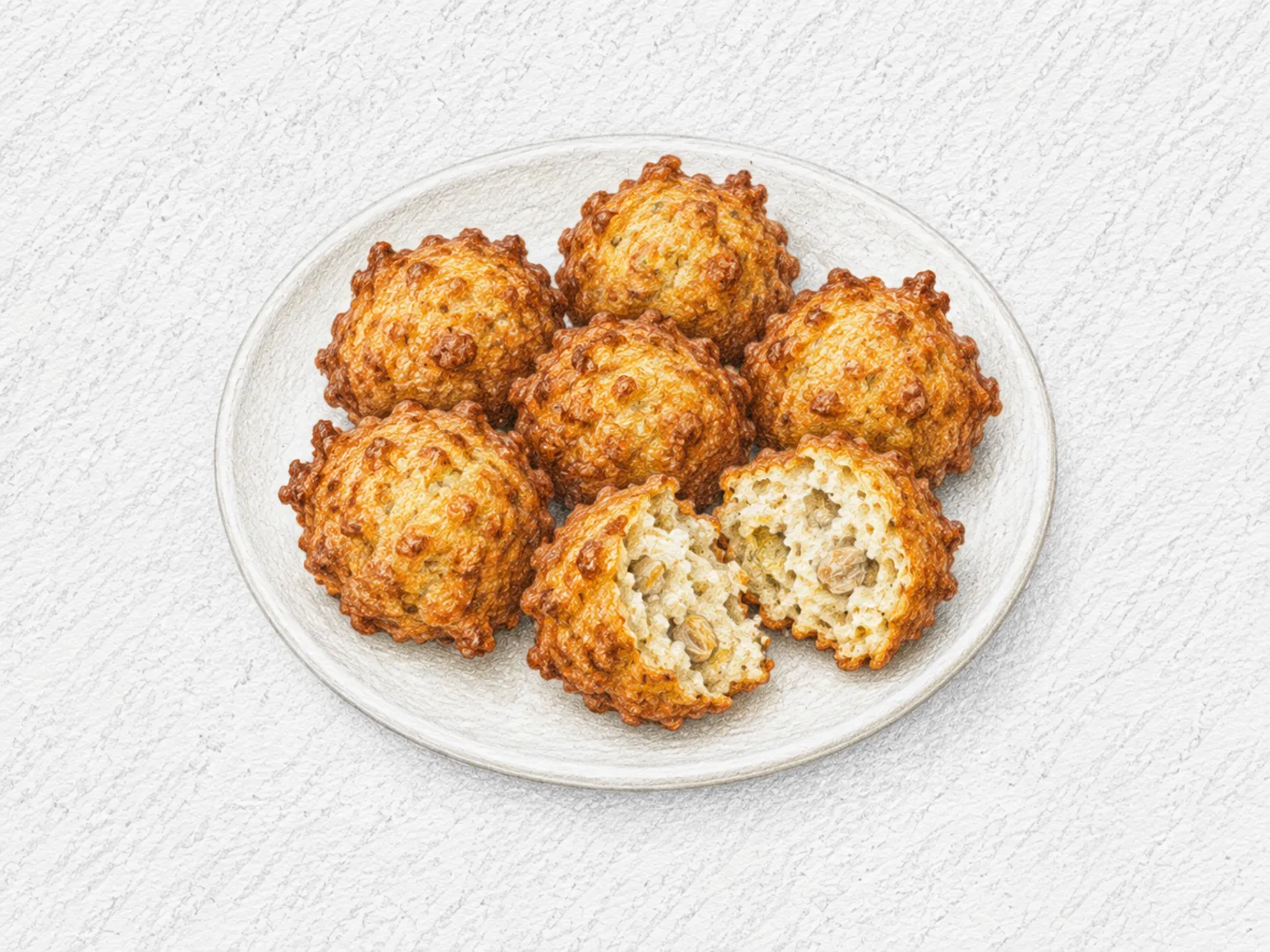
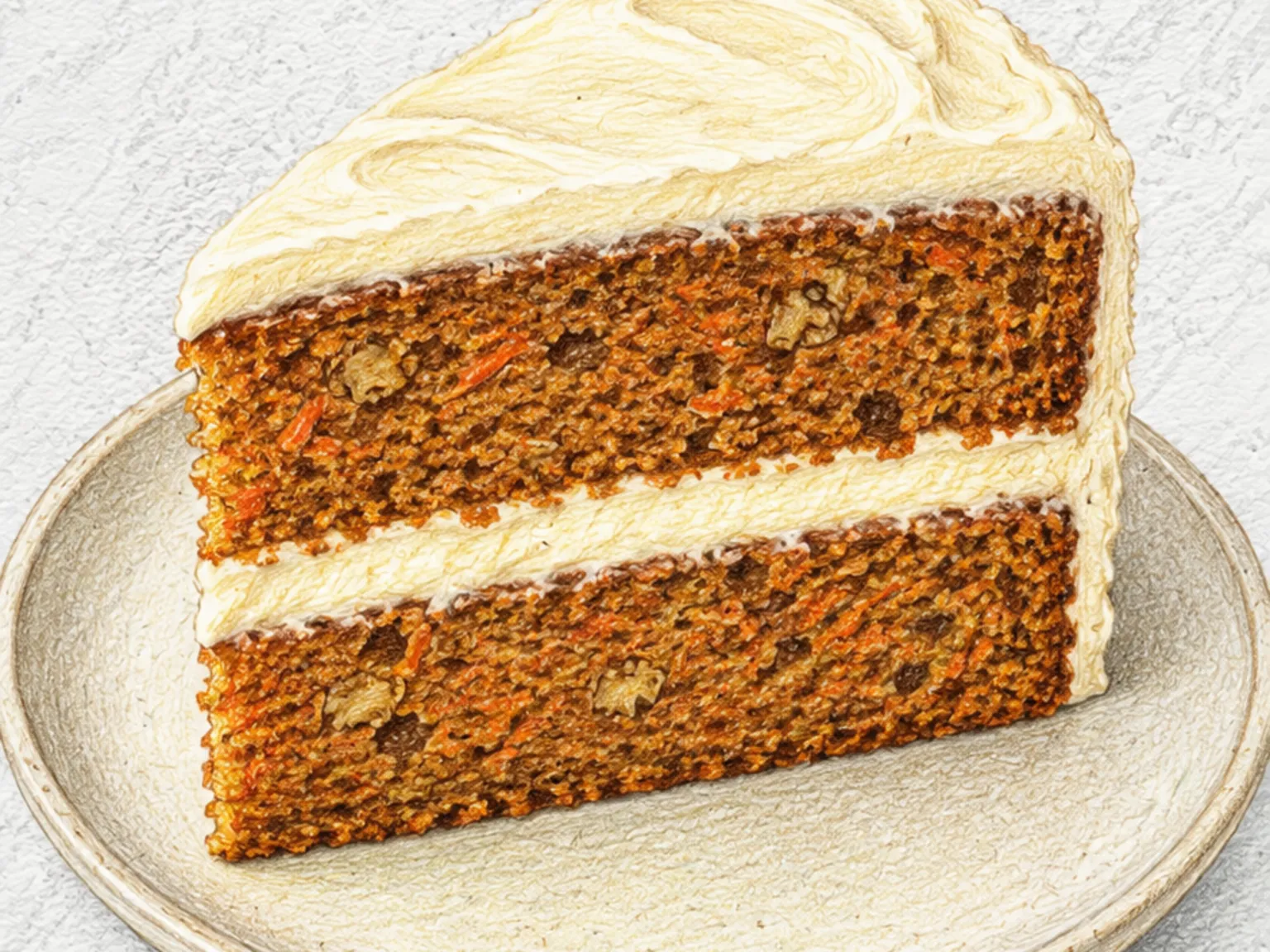
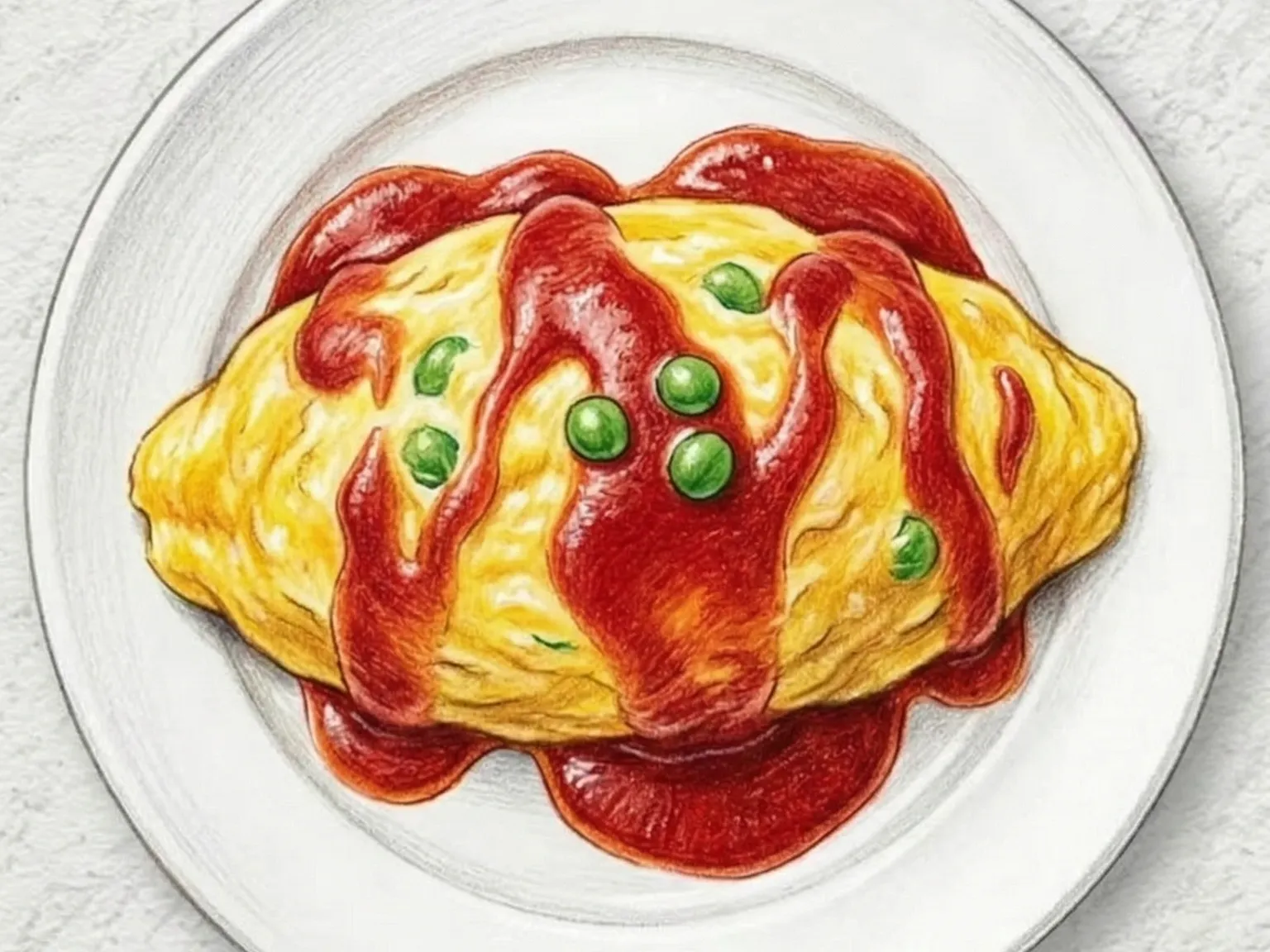
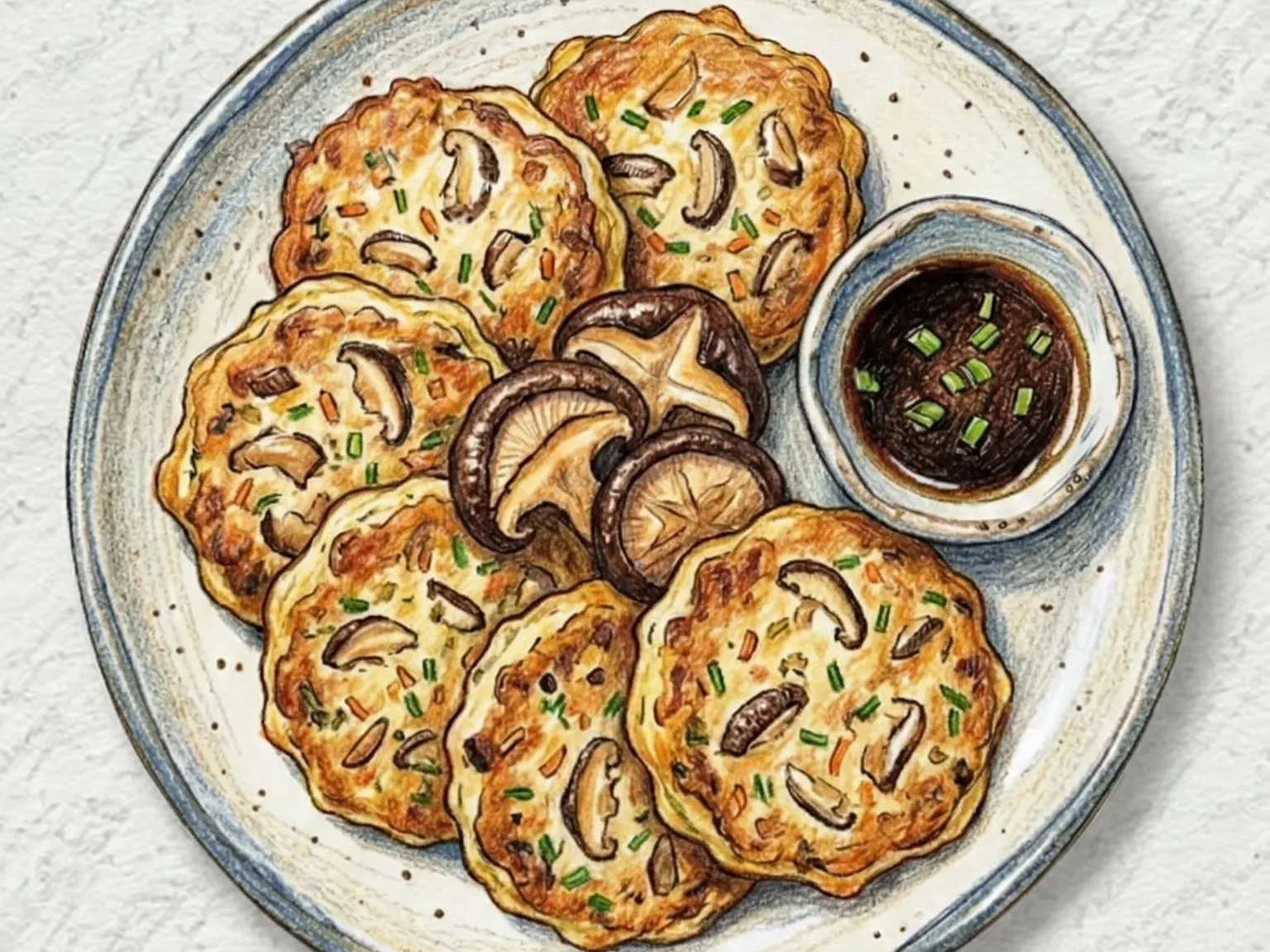
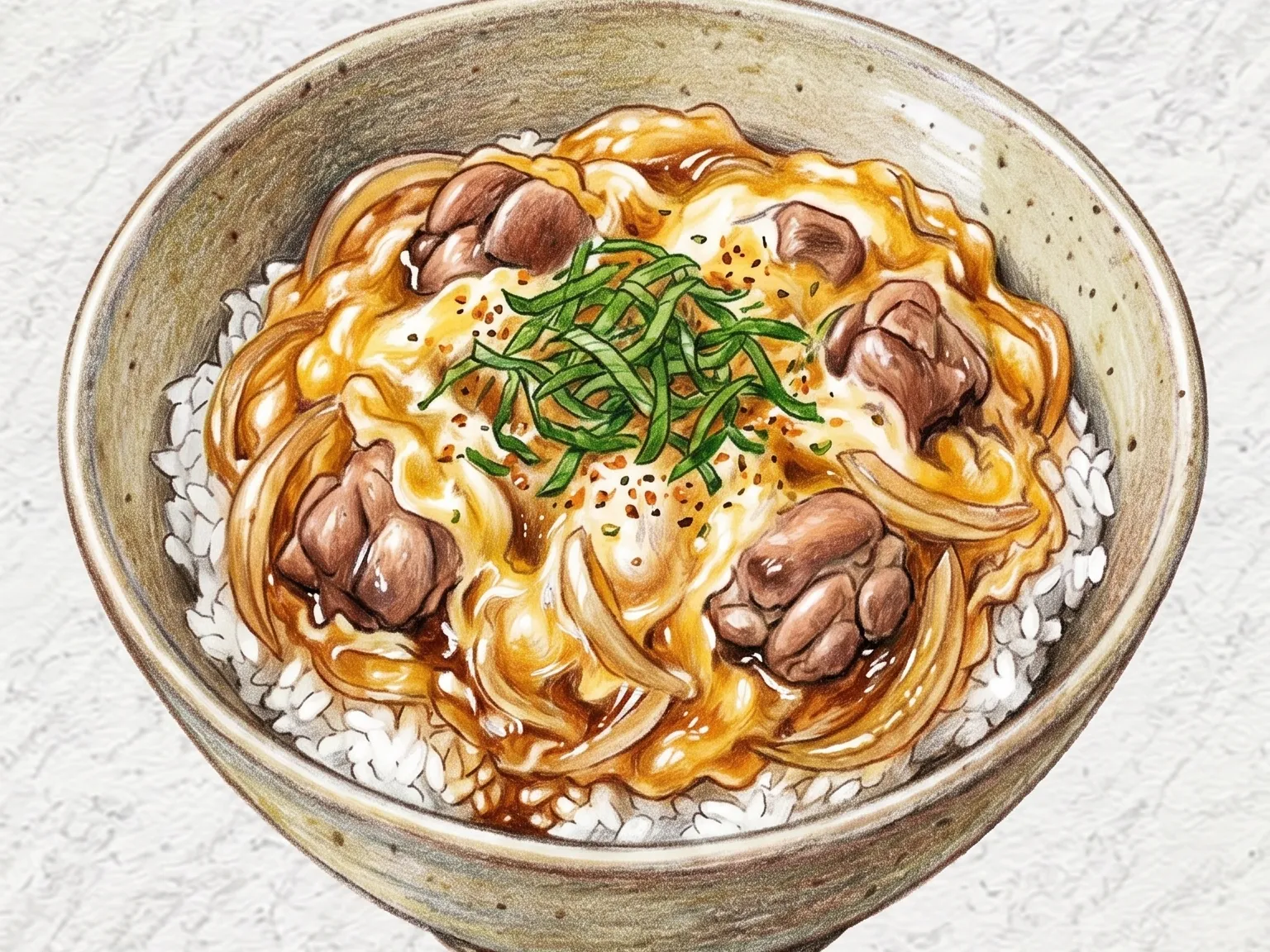
Chadol doenjang bibimbap stir-fries thinly sliced beef brisket in a doenjang-based sauce, then serves it over rice with seasoned vegetable namul and egg. The fatty brisket and fermented soybean paste together create a savory depth that is fundamentally different from gochujang-based bibimbap -- earthier, less spicy, and more complex in its umami structure. As the bowl is mixed, the doenjang dressing coats each grain of rice and pulls together the flavors of every component into a coherent, intensely savory bite. Namul vegetables provide a crisp contrast that cuts through the richness of the brisket fat. A fried egg placed on top adds a silky layer, and breaking the yolk releases it to act as an additional sauce that binds the bold flavors. Using doenjang instead of gochujang as the primary seasoning is a single substitution that produces an entirely different character of bibimbap -- one that leans into fermented, miso-adjacent depth rather than heat. Garnishing with sesame oil and toasted sesame seeds before mixing ties the whole bowl together.

Strawberry Shortcake
Three layers of airy chiffon sponge are stacked with generous swirls of whipped cream and halved fresh strawberries in the style of Japanese patisseries. The sponge is made by warming eggs and sugar over a water bath before whipping to ribbon stage, which traps enough air to give each slice a pillowy, cloud-like texture. Cream is whipped to roughly eighty percent - firm enough to hold its shape between layers yet soft enough to feel silky on the tongue. Strawberry acidity cuts through the fat in the cream, keeping every bite bright rather than cloying. A light brush of simple syrup on each sponge layer before assembly adds moisture that sustains the cake through refrigeration overnight. The whole cake is then coated in cream and decorated with berries on top. This is the default birthday cake in many Japanese and Korean households, and its clean, fruit-forward flavor makes it adaptable to any seasonal fruit.

Matcha White Chocolate Brownies
White chocolate melted with butter forms the base of this brownie, and matcha powder folded in at the end gives it a vivid green color and a distinctly bitter tea note. The cocoa butter in the white chocolate is responsible for the dense, fudgy chew that sets these brownies apart from cakey versions, while the matcha's astringency offsets the sweetness so that neither flavor dominates. White chocolate chips added to the batter do not fully melt during baking; they hold their shape partially, creating pockets of concentrated sweetness that punctuate the more restrained matcha base. Baking at 175 degrees Celsius for 22 to 25 minutes, pulling the pan when the center still wobbles slightly, is the key to achieving the chewy interior; the residual heat finishes the set as the brownies cool. Overbaking dries them into crumbly squares and mutes the matcha color. Sifting the matcha powder thoroughly before adding it eliminates the dry clumps that would otherwise appear as bitter spots. Once cooled completely, the brownies cut into clean-edged squares with a glossy top.

Greek Custard Phyllo Pie (Crispy Filo & Semolina Custard)
Galaktoboureko is a beloved Greek pastry in which sheets of butter-brushed phyllo dough are layered around a thick semolina custard, baked until golden, and then drenched in cold lemon syrup while still hot from the oven. Every sheet of phyllo must be brushed with melted butter before stacking, a labor-intensive process that creates dozens of paper-thin layers capable of shattering at the touch of a fork. The custard is cooked on the stovetop by whisking semolina into hot milk in a slow, steady stream until the mixture thickens into a smooth but faintly grainy cream. Unlike flour-based pastry creams, semolina custard retains a subtle granular texture that gives the filling a distinct character. Egg yolks and whole eggs are both incorporated, adding richness and a custardy softness, and vanilla deepens the flavor further. Pouring cold syrup over the pastry while it comes scorching from the oven causes rapid absorption: the liquid rushes between the phyllo layers and saturates the custard without turning the top surface soft and soggy. The temperature contrast between hot pastry and cold syrup is the exact mechanism that preserves the crisp exterior. Adding cinnamon or orange zest to the custard before filling introduces a fragrant complexity that offsets the sweetness of the syrup. The pastry tastes noticeably different eaten warm versus at room temperature, offering two distinct textural and aromatic experiences from the same preparation.

Huevos Rancheros (Fried Eggs on Tortilla with Salsa)
Huevos rancheros is a traditional Mexican breakfast of corn tortillas topped with sunny-side-up eggs, a homemade tomato-chili salsa, and lightly mashed black beans. Onion and jalapeno are sauteed in olive oil, then chopped tomatoes are added and simmered until the salsa thickens into a concentrated, spicy-tangy sauce. Keeping the salsa thick is important so the tortillas stay firm rather than turning soggy. The eggs are fried with set whites and runny yolks - breaking the yolk at the table lets it run into the salsa and create a rich, natural sauce. Fresh cilantro scattered on top adds a herbal brightness that lifts the heat and acidity, and a squeeze of lime juice sharpens the entire plate.

Cornbread
Cornbread is a Southern American quick bread made from cornmeal, flour, sugar, baking powder, milk, egg, and melted butter, baked until golden. Mixing the wet and dry ingredients separately and combining them with minimal stirring prevents overdeveloping gluten, which keeps the crumb tender and moist rather than tough. Baking at 200 degrees Celsius for twenty-two to twenty-five minutes produces a crisp exterior with a lightly sweet, nutty interior characteristic of cornmeal. The bread pairs well with stews, chili, and soups; its coarse grain absorbs broth and sauce effectively, making every bite more flavorful the longer it sits in the bowl.

Korean Fish-Shaped Bread (Sweet Red Bean Filled Wheat Waffle)
Bungeoppang is a Korean fish-shaped pastry made by filling a heated iron mold with wheat batter and sweet red bean paste. The preheated mold creates a thin, crisp shell on the outside while the interior bakes into soft, pillowy dough cradling the dense, smooth bean filling. The red bean paste has a thick consistency that flows slowly when bitten into, delivering a concentrated sweetness. The tail section bakes crispiest because the batter layer is thinnest there, while the belly holds the largest pocket of filling - giving each part of the fish a distinct texture. A staple of Korean winter street stalls, it is eaten hot, straight from the mold.

Salade Niçoise
Salade Nicoise is a classic salad from Nice in southern France that arranges tuna, soft-boiled eggs, olives, anchovies, tomatoes, and blanched green beans in separate sections on a plate, finished with a vinaigrette of olive oil, lemon juice, and Dijon mustard. The traditional presentation keeps each ingredient in its own zone rather than tossing everything together. Soft-boiling the eggs for six minutes yields a runny yolk that acts as a natural dressing when broken. The salty depth of anchovies and the oily richness of olives add complexity over the mild tuna, while the mustard vinaigrette brightens and ties the whole plate together with its acidity.

Honey Madeleines (Buttery Shell-Shaped French Cakes)
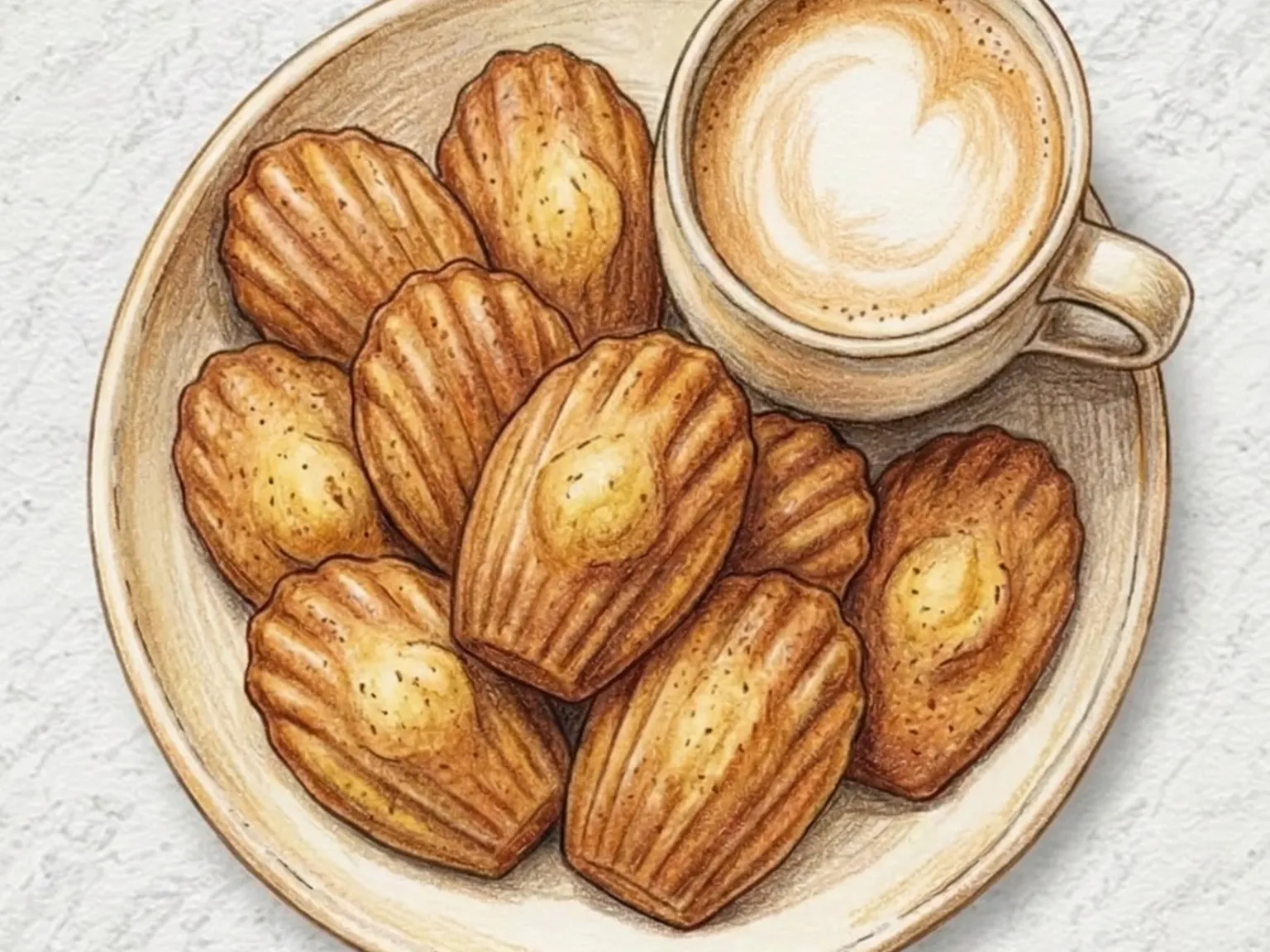
Honey madeleines are small French sponge cakes characterized by their shell-like shape and the prominent rounded mound that rises on their underside during the baking process. To successfully create this characteristic hump, the prepared batter must be rested in a refrigerator until it is thoroughly chilled before being placed into a preheated oven set to a high temperature. This specific thermal shock between the cold batter and the hot air causes the outer edges of the cake to set almost immediately. While the exterior firms up, the steam generated inside the batter is forced upward through the center, resulting in the distinct bump that separates a correctly baked madeleine from one that remains flat. The recipe utilizes a high proportion of melted butter to ensure the edges are crisp and develop a deep golden color. By substituting a portion of the standard granulated sugar with honey, the cakes gain a specific floral sweetness and a rounded flavor profile that sugar alone cannot provide. When served fresh from the oven, the exterior provides a light crunch that gives way to a moist and spongy texture inside. This combination releases the fragrance of toasted butter and warm honey as the cake is eaten. The addition of lemon zest to the batter introduces a sharp citrus quality. This component serves to balance the inherent richness of the butter and prevents the flavor from becoming overly heavy on the palate. Madeleines are best consumed within a very narrow window of time, ideally within thirty minutes of leaving the oven. During this period, the outer shell retains its crispness while the center of the cake is still warm. These cakes are commonly served alongside a cup of black tea or coffee as a simple afternoon snack.

Korean Beef Gimbap (Soy-Marinated Beef Seaweed Rice Roll)
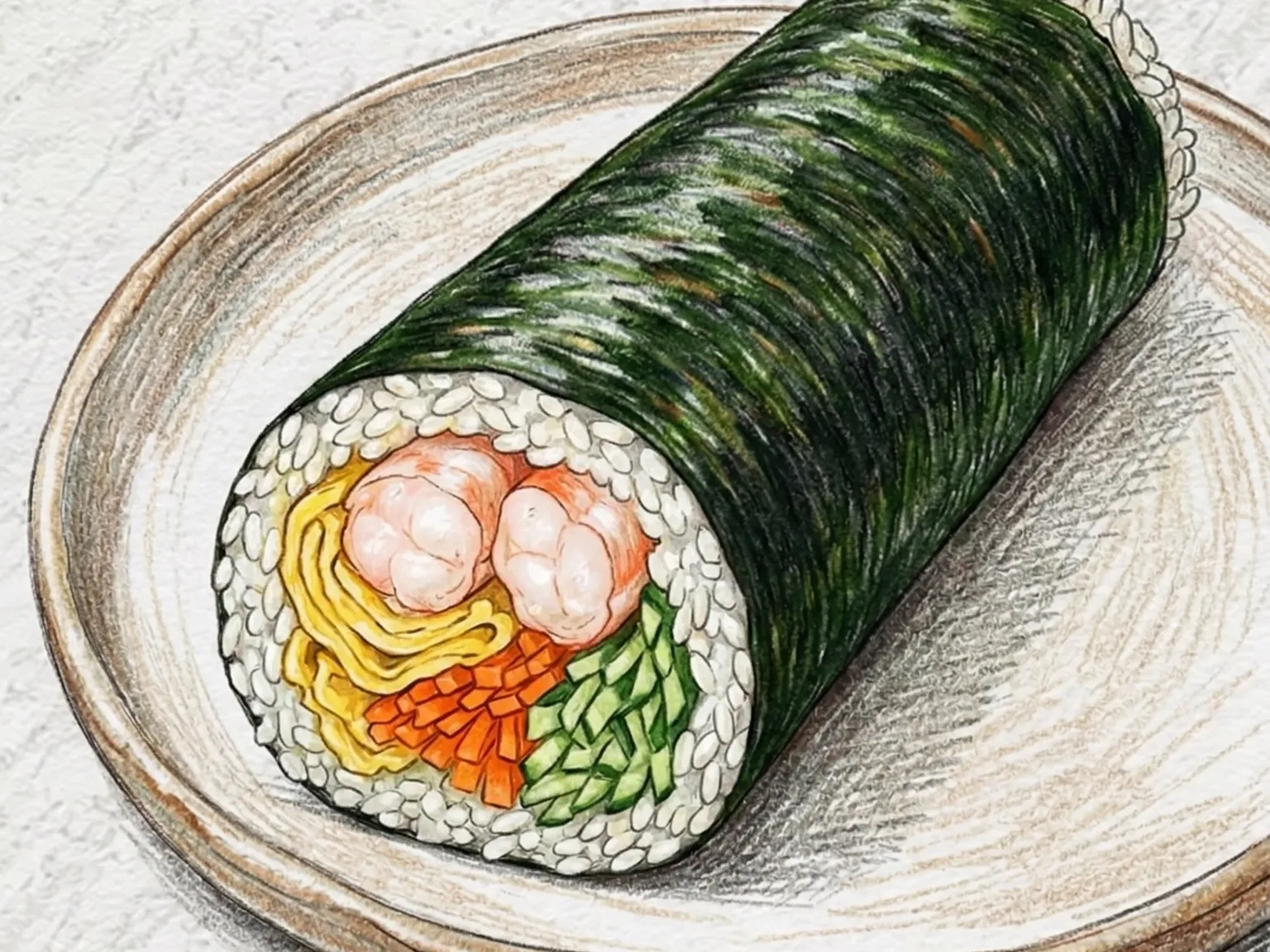
Sogogi-gimbap is a Korean seaweed rice roll featuring beef marinated in soy sauce and sugar, then stir-fried. The sweet-savory beef is rolled alongside sesame-seasoned rice, blanched spinach, sauteed carrots, and thin egg omelet strips inside a sheet of gim. The soy marinade from the beef seeps slightly into the rice, distributing flavor evenly through each cross-section slice. Thinly cut against the grain, the beef stays tender when bitten, while the spinach and carrot provide crisp texture and vegetable sweetness to balance the richness.

Chicken Cordon Bleu
Chicken cordon bleu is a Swiss-French dish where chicken breast is pounded flat to five-millimeter thickness, layered with ham and Emmental cheese, rolled tightly, and secured with toothpicks before being coated in flour, beaten egg, and breadcrumbs. The thin, even pounding is critical: uneven thickness causes the outer sections to overcook while the thicker center remains undercooked. Pan-frying in a mixture of butter and oil over medium heat for four to five minutes per side allows the breadcrumb crust to turn golden and crisp while conducting enough heat inward to melt the cheese completely. Cutting into the finished roll reveals a cross-section of molten cheese oozing between layers of ham and chicken. The ham provides a salty counterpoint to the mild breast meat, and the melted Emmental adds a nutty, stretchy richness that holds the interior layers together. Resting the roll for two minutes after removing from the pan prevents the cheese from spilling out all at once when cut.

Churros with Chocolate Sauce
Churros are made from a choux-style dough of boiled water, butter, and flour, enriched with eggs and piped through a star tip directly into hot oil. Frying at 175 to 180 degrees Celsius produces a crisp, ridged exterior where the star-shaped edges brown and split cleanly, while the interior stays chewy with a slightly hollow core that forms as the steam escapes during cooking. The contrast between the crackling outer crust and the soft, doughy center is the defining textural quality of a well-made churro. Adding the eggs gradually and stopping when the batter falls in a slow, thick ribbon prevents the ridges from blurring during piping. Rolling the hot churros in cinnamon sugar immediately after frying coats them while the oil helps the mixture adhere. The accompanying dipping sauce melts dark chocolate into warm milk over gentle heat, producing a thick, bittersweet liquid that contrasts the sweetened dough. Across Spain and parts of Europe, churros dipped in hot chocolate are a standard morning meal, not a dessert.

Flan Parisien (Parisian Vanilla Custard Tart)
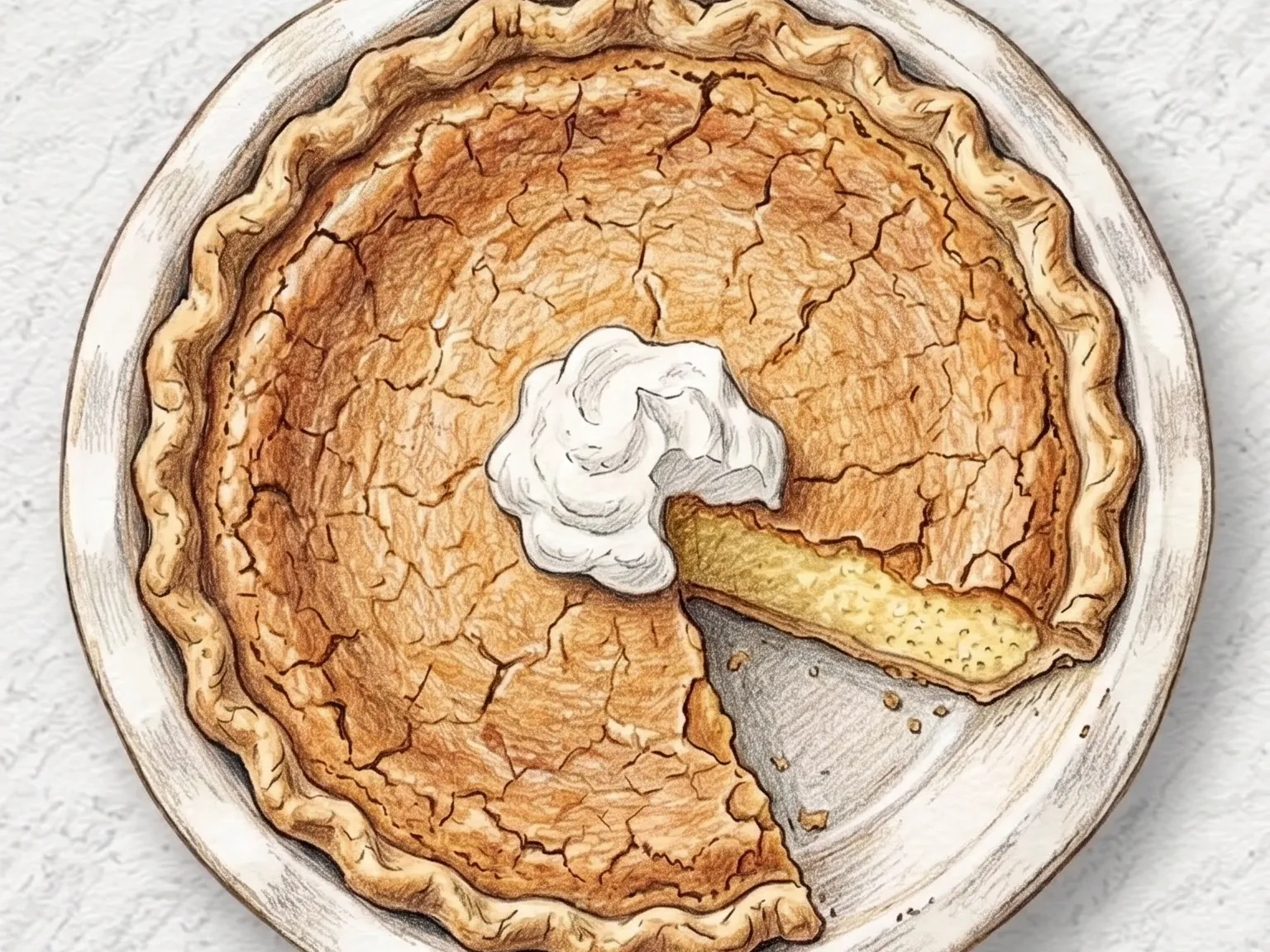
Flan Parisien is a Parisian bakery staple found in nearly every boulangerie in the city. A buttery shortcrust pastry shell holds a thick, firm vanilla custard that bakes slowly until the top develops caramelized brown spots. The custard is made from milk, eggs, sugar, and cornstarch, which gives it a denser, sliceable consistency that distinguishes it from softer baked custards like creme brulee. When properly cooled, the filling holds its shape when cut yet melts smoothly on the tongue with a clean vanilla flavor. Vanilla bean seeds speckled throughout the custard signal that the real ingredient was used rather than extract. The pastry shell must be blind-baked first to prevent sogginess, then filled and baked again until set. It is served cold, and the contrast between the crisp, buttery shell and the cool, trembling custard makes each bite satisfying. Allowing the flan to cool fully at room temperature before refrigerating prevents the custard from cracking or collapsing when sliced, which is the most common mistake when cutting too soon after baking.

Korean Busan-style Seafood Green Onion Pancake
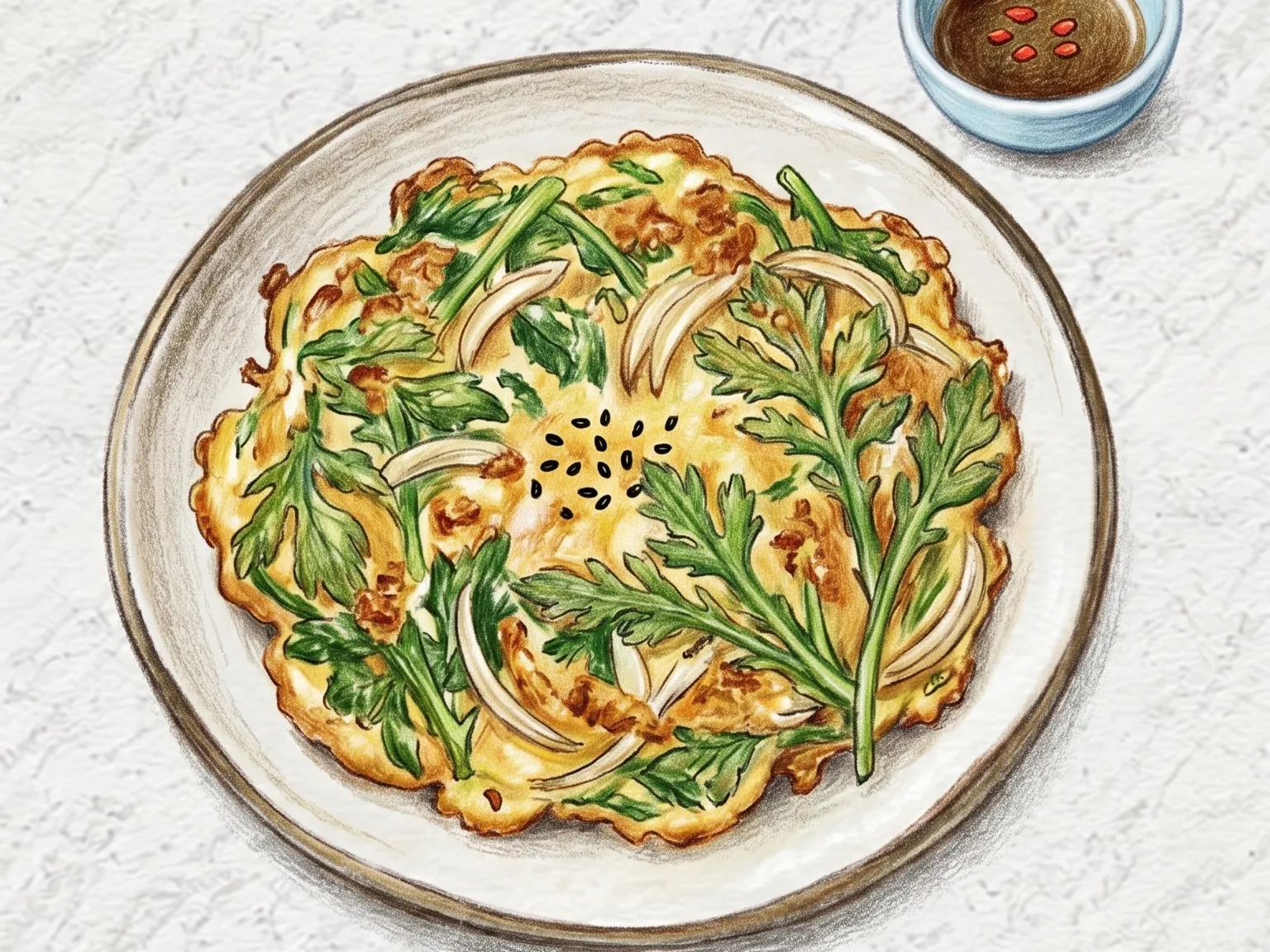
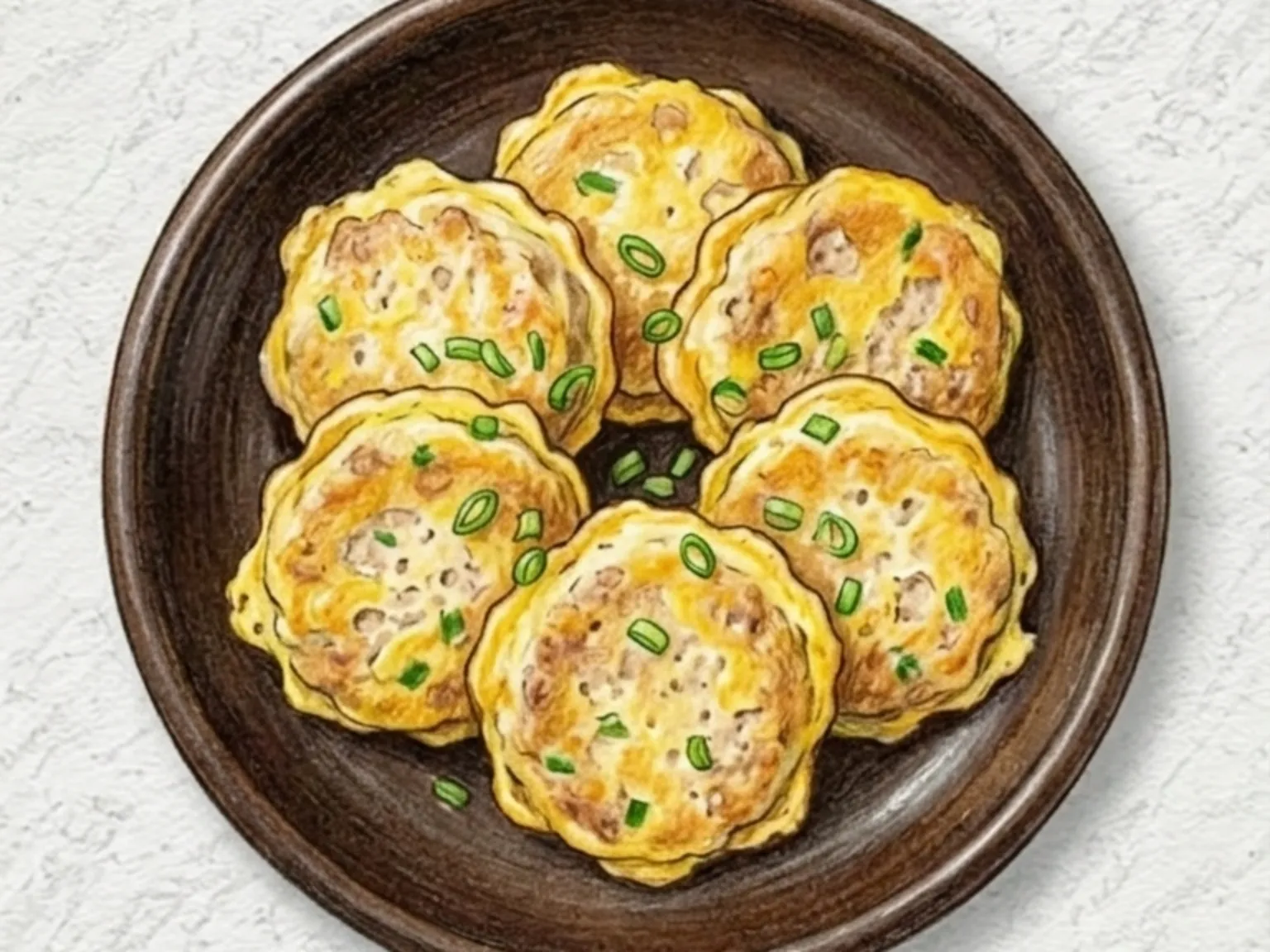
Busan-style haemul pajeon is a Korean seafood scallion pancake assembled by laying long green onions across the full width of the pan, topping them with squid, shrimp, and mussel meat, then binding everything together with a thin cold-water batter poured over the top. Mixing the batter with cold water is the defining technique -- lower temperatures inhibit gluten development, producing edges that shatter rather than bend when pressed, a noticeably crispier result than standard pajeon. As the scallions cook through, they release steam and develop a natural sweetness while absorbing the briny, savory liquid from the seafood above. Extra oil added around the perimeter during cooking fries the outer ring into a cracker-like crunch, contrasting with the dense, moist center packed with overlapping layers of shellfish and green onion. Dipping each slice into a sesame-soy sauce completes the contrast between the crisp exterior and the concentrated seafood filling.

Korean Cheese Ramen (Cheesy Spicy Noodles)
Sliced cheese melted into spicy Korean ramen produces a creamy, stretchy result in under ten minutes. Added at the final simmer, the cheese melts slowly across the boiling broth and forms a pale, savory film. The dairy fat wraps around the gochugaru heat, softening the spice without eliminating it, while the salt in the cheese draws out more depth from the seasoning packet. Lifting noodles through the molten layer coats each strand in a sticky, rich film. Drinking the broth straight reveals alternating waves of chili heat and mild creaminess. A raw egg cracked into the pot or a handful of sliced rice cakes makes the bowl more substantial and filling. Among home-style ramen variations in Korea, this is one of the most consistently popular.

Classic Waffle
Classic waffles are made from a batter of flour, eggs, milk, melted butter, and baking powder cooked in a hot waffle iron. The baking powder aerates the batter, producing a crumb that is open and light while the outer surface crisps against the heated metal plates. Each square grid pocket in the iron serves a structural purpose: it forms a channel that holds maple syrup, melted butter, or fruit compote so every forkful carries an even measure of topping. Eggs distinguish American-style waffles from Belgian ones, contributing fat and protein that give the interior a slightly chewy, springy quality rather than a purely airy crumb. The sizzling sound from the iron as the batter hits the plates signals that the surface temperature is high enough for browning; the waffle is done when the steam output drops off and the exterior color deepens to a uniform amber. Fresh from the iron, pressing a fork into the surface produces an audible crack, and the inside is steaming, soft, and moist.

Earl Grey Milk Tea Cheesecake
Earl Grey cheesecake infuses the bergamot-scented fragrance of Earl Grey tea into a classic baked cheesecake. Heavy cream is steeped with tea bags until the bergamot's citrus-floral aroma transfers fully, then mixed into a filling of cream cheese, eggs, and sugar. A crushed digestive biscuit crust provides a sandy, buttery base. The cheesecake bakes slowly at moderate heat until the edges are set but the center still has a gentle wobble, which firms as it cools. The bergamot flavor weaves through the dense cream cheese like a thread of brightness, lifting the richness without overpowering it and creating a milk tea quality that lingers after each bite.

Blueberry Banana Bread
Blueberry banana bread is a quick bread that pairs the dense, sweet moisture of ripe bananas with the sharp burst of blueberries. The riper the banana, the more sugar has converted from starch, which means the bread needs less added sweetener while still tasting distinctly sweet. Melted butter enriches the crumb without weighing it down the way oil can, and baking soda creates a fine, tender rise that keeps the interior soft. Blueberries burst during baking and streak the crumb with rivulets of purple juice, making every slice visually distinct as well as flavorful. The most important technique is restraint with the mixing - once the flour is added, stirring just until the dry streaks disappear prevents gluten from over-developing and keeps the crumb moist rather than tough. Because the fruit carries most of the sweetness and moisture, this is a reasonable choice as a daily snack or a healthier baked good. Sliced warm with butter or cream cheese, it works as a simple brunch dish, and it keeps well for several days at room temperature before the crumb begins to dry.

Cold Ramen Salad
Hiyashi chuka is a Japanese chilled noodle dish where ramen noodles cooked and thoroughly cooled in ice water are topped with colorful shredded garnishes and drizzled with a tangy soy-vinegar dressing. The dressing of soy sauce, rice vinegar, sugar, and sesame oil combines salt, sharpness, and sweetness; because it is poured over rather than used as a broth, the individual character of each topping stays distinct. The noodles must be chilled in ice water after boiling to achieve the firm, springy texture that holds up against the dressing without going limp, and tossing them lightly with sesame oil prevents clumping before plating. Thin strips of egg crepe, ham, cucumber, and tomato arranged by color create a visually striking presentation, and each chopstickful delivers several contrasting textures at once. In Japan this dish is a summer fixture, and at home it is a practical way to use leftover ingredients. A variation whisks mayonnaise into the dressing, which softens the acidity and adds a creamy body to the sauce.

Sweet Potato Mochi Bread Rings
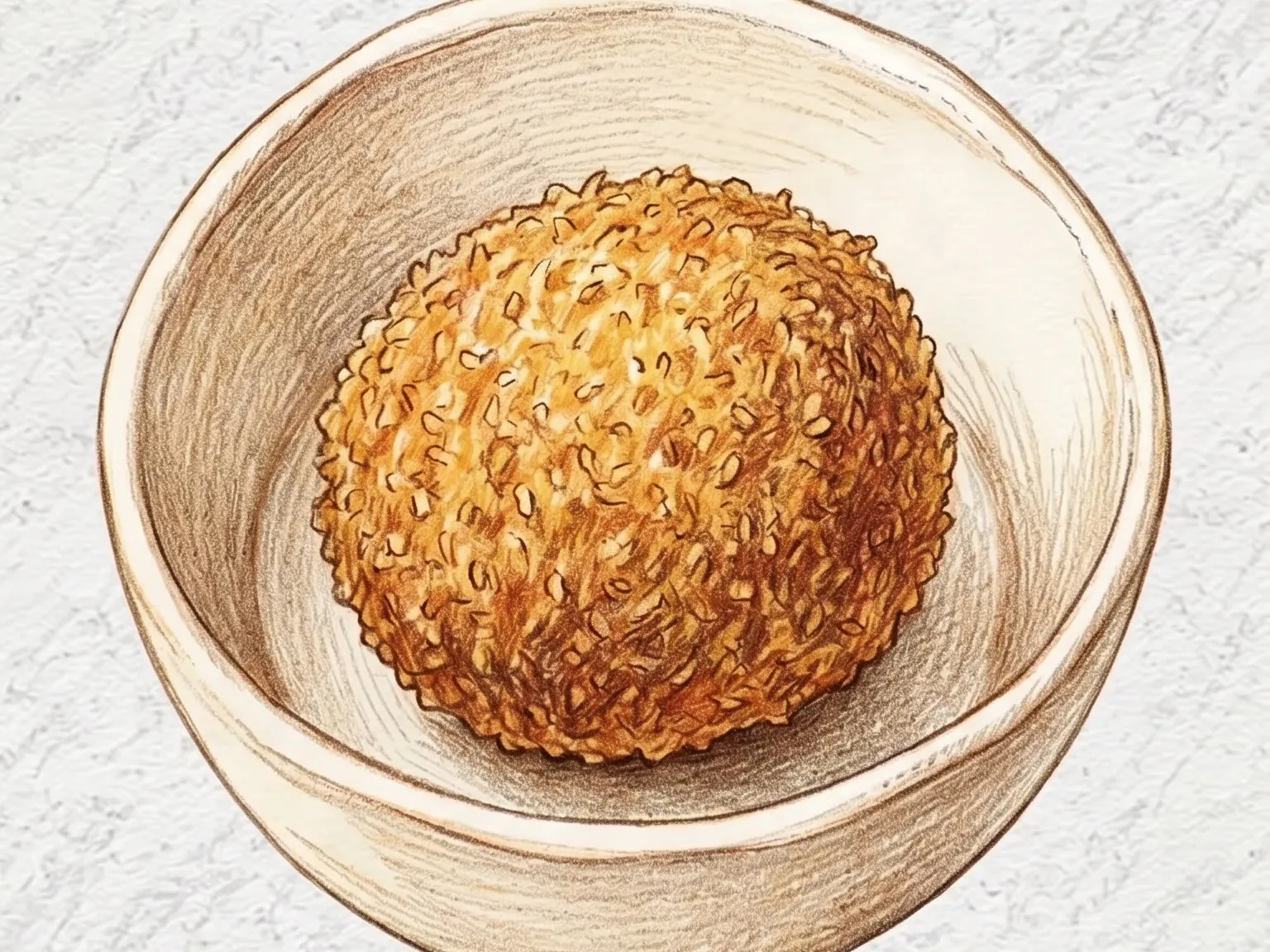
Tapioca starch is scalded in hot milk and butter, then kneaded with mashed sweet potato, egg, and grated parmesan to form a chewy dough that is shaped into rings and baked. This is a Korean riff on Brazilian cheese bread, where the tapioca creates a springy, stretchy crumb entirely unlike wheat-based baking. Sweet potato lends mild sweetness and a golden hue, while the cheese contributes a salty, savory edge that prevents the bread from tasting like dessert. The ring shape ensures even heat distribution, so the exterior turns golden and crisp while the interior stays elastic and stretchy. These are best eaten within minutes of leaving the oven, when the mochi-like pull is at its peak - once cooled, the chew diminishes noticeably. If the dough feels too wet during mixing, adding tapioca starch in five-gram increments brings it to the right consistency.

Sopa de Ajo (Spanish Roasted Garlic and Bread Soup)
Sopa de ajo is a traditional Spanish garlic soup that begins with the process of gently cooking thinly sliced garlic cloves in olive oil. This specific step requires a low heat setting to ensure the garlic becomes fragrant and reaches a pale gold color without being scorched. If the garlic pieces are allowed to burn, they will introduce a distinct bitterness that can negatively affect the final flavor of the broth. After the garlic has been properly cooked, torn pieces of baguette that are at least one day old are added to the pot along with smoked paprika. These ingredients are toasted briefly in the garlic-infused oil so the bread can absorb the fat and develop a light crust on its exterior surface. Chicken stock is then poured into the cooking vessel to create the liquid base for the dish. The mixture is left to simmer for approximately ten minutes. During this period of simmering, the bread pieces soften and partially dissolve into the liquid, which serves to thicken the soup while still allowing some of the original bread texture to remain. Once the soup is sufficiently hot, beaten eggs are poured into the pot in a thin and continuous ribbon. As the eggs come into contact with the hot liquid, they set into delicate strands that contribute both protein and additional physical body to the soup. The inclusion of smoked paprika provides the broth with a warm reddish color and a subtle charred flavor profile. This specific smoky note is intended to complement the mellow sweetness that develops from the slow-cooked garlic slices over the course of the preparation.

Thai Soy Sauce Noodles (Wide Rice Noodles with Beef and Chinese Broccoli)
Pad see ew is a Thai stir-fried noodle dish built around wide rice noodles, beef, Chinese broccoli, and egg, all tossed in a sauce of soy sauce, oyster sauce, and dark sugar. The central technique is wok hei through extreme heat. Without a properly scorching pan, the sauce pools at the bottom rather than adhering to the noodles, and caramelization never happens. Beef goes into the hot pan first to develop a seared surface before anything else is added. Gai lan and cracked eggs follow, the eggs scrambled loose in the same pan, then the soaked noodles and the pre-mixed sauce go in together and the whole thing is tossed hard and fast. During those few seconds of high contact heat, the sauce binds to the noodle surface and develops a slightly charred, smoky-sweet aroma that is the defining character of the dish. The thick stems of Chinese broccoli keep a satisfying crunch and introduce a mild bitterness that cuts the sweetness of the sauce. Egg fragments distributed throughout the noodles add pockets of soft, creamy texture. The finished noodles are deeply stained, and every strand carries the sauce.

Deviled Eggs
Deviled eggs are a classic American appetizer made by hard-boiling eggs for ten minutes from a cold water start, then transferring them immediately to an ice bath to cool completely before peeling and halving. Full cooling prevents the yolk from developing a gray-green ring around its edge and allows the shell to separate cleanly, producing smooth, even white halves that serve as natural vessels for the filling. The yolks are mashed thoroughly with mayonnaise, Dijon mustard, lemon juice, salt, and black pepper until the mixture is completely smooth and uniform in texture. The mustard's sharp bite and the lemon juice's acidity cut through the fatty richness of the yolk, lifting the overall flavor and giving each bite a creamy yet bright quality that prevents the filling from feeling heavy. If the mixture is too stiff, a small addition of mayonnaise loosens it to a pipeable consistency; a piping bag with a star tip produces the cleanest, most defined presentation. A light dusting of smoked or sweet paprika over the top adds a faint warmth and creates a vivid red-and-white color contrast against the pale egg white base, completing the visual as well as the flavor.

Nut Tart
A buttery shortcrust shell is filled with a generous tumble of mixed nuts - walnuts, almonds, pecans, hazelnuts - bound together in a caramel of sugar, butter, and cream, then baked until the top turns deep amber. Each nut retains its individual character: the walnut's slight bitterness, the almond's clean sweetness, the pecan's buttery softness, the hazelnut's toasty depth. Pre-toasting the nuts before adding them to the caramel means they roast a second time in the oven, amplifying their oils and fragrance. The caramel must set firm enough to hold the filling in place when sliced but not so hard that it turns into toffee. A pinch of flaky sea salt over the top before baking lifts the sweetness into complexity. Served at room temperature with cold whipped cream, the contrast between the sticky, crunchy filling and the light dairy tempers the intensity.