Charim

2686 Korean & World Recipes

2686+ Korean recipes, clean and organized. Ingredients to instructions, all at a glance.

Recipes with firm tofu

24 recipes

Buy firm tofu
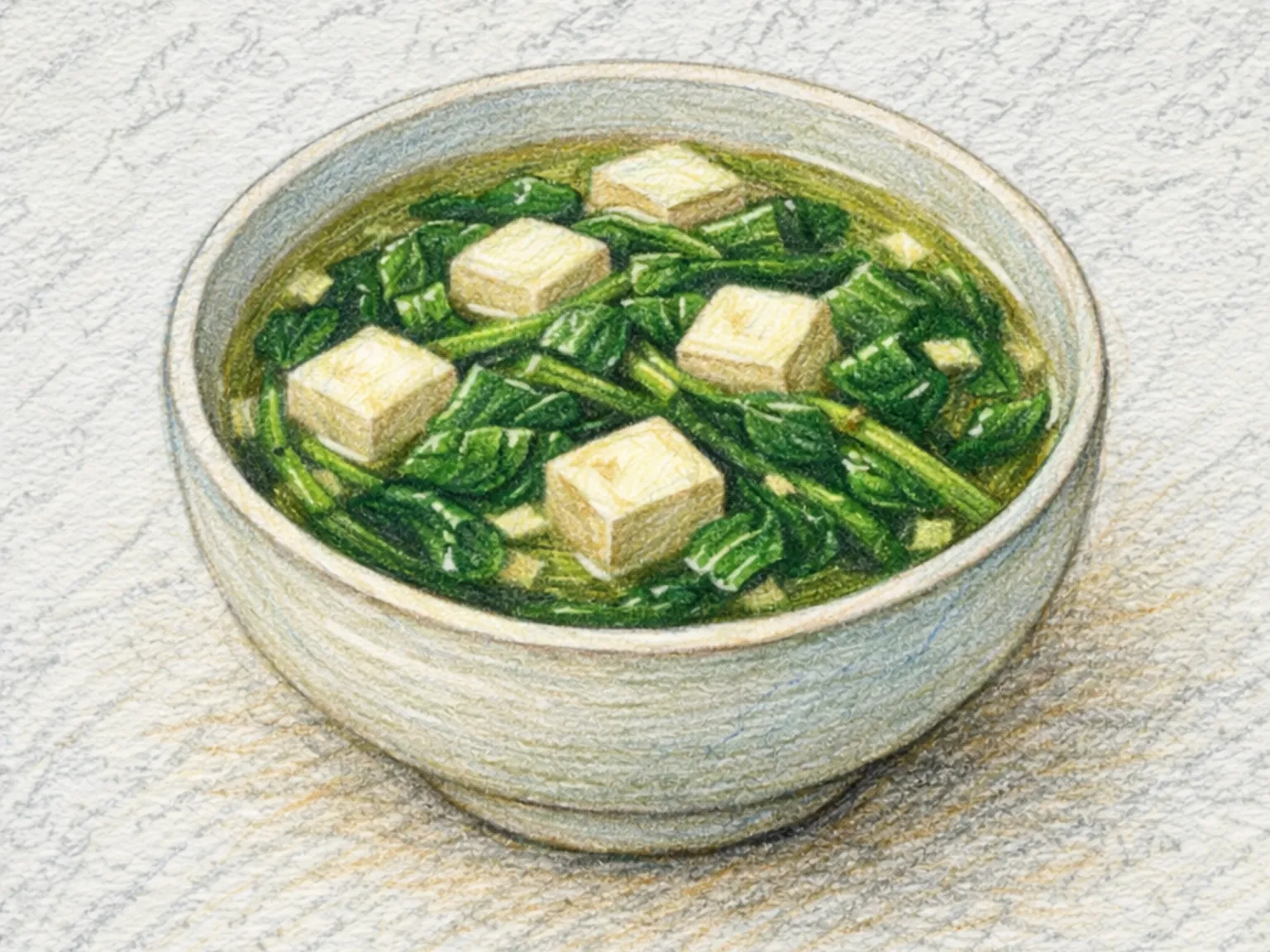
Korean Wild Chive Soybean Paste Soup
SoupsEasy

Korean Wild Chive Soybean Paste Soup

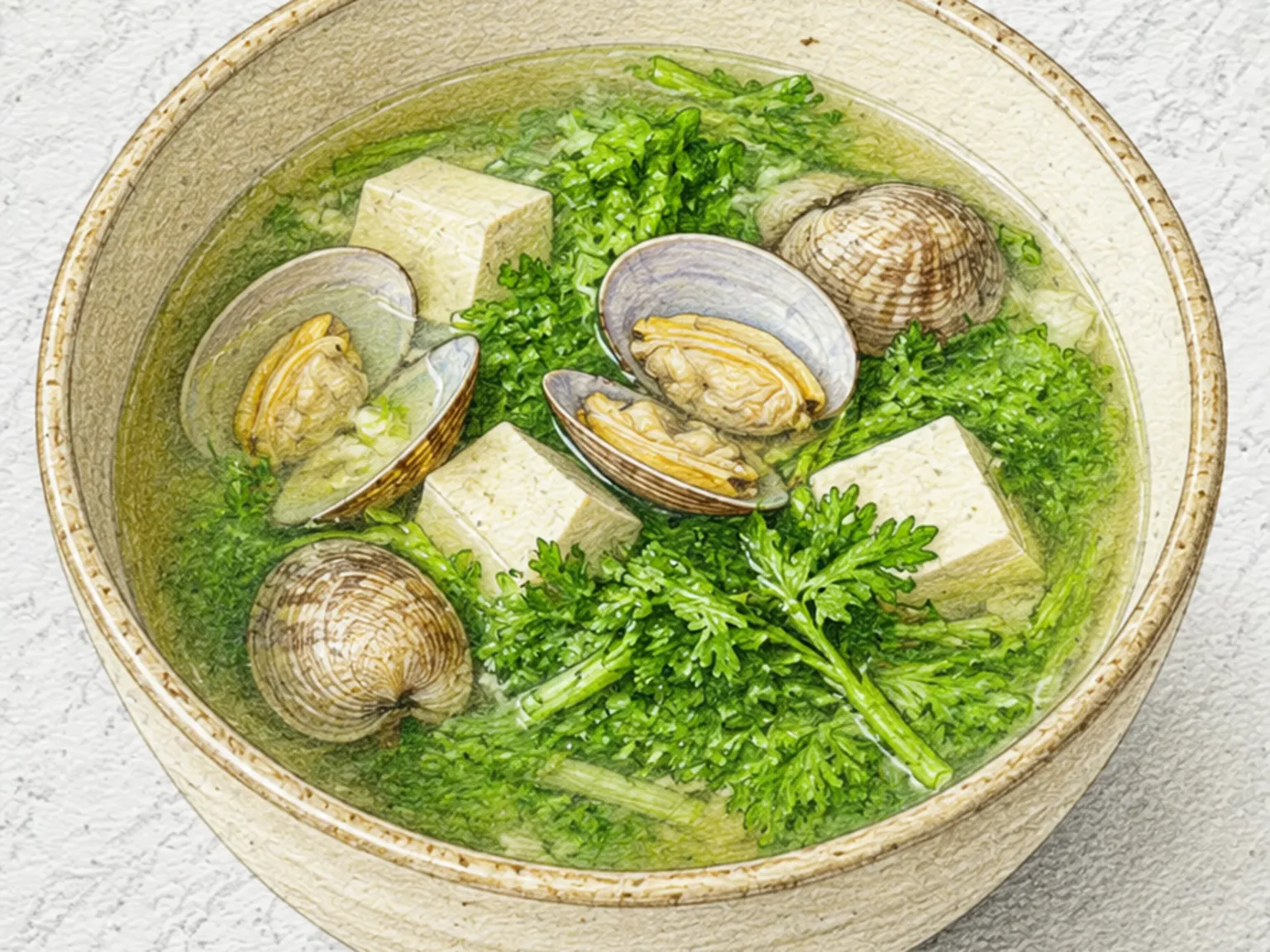
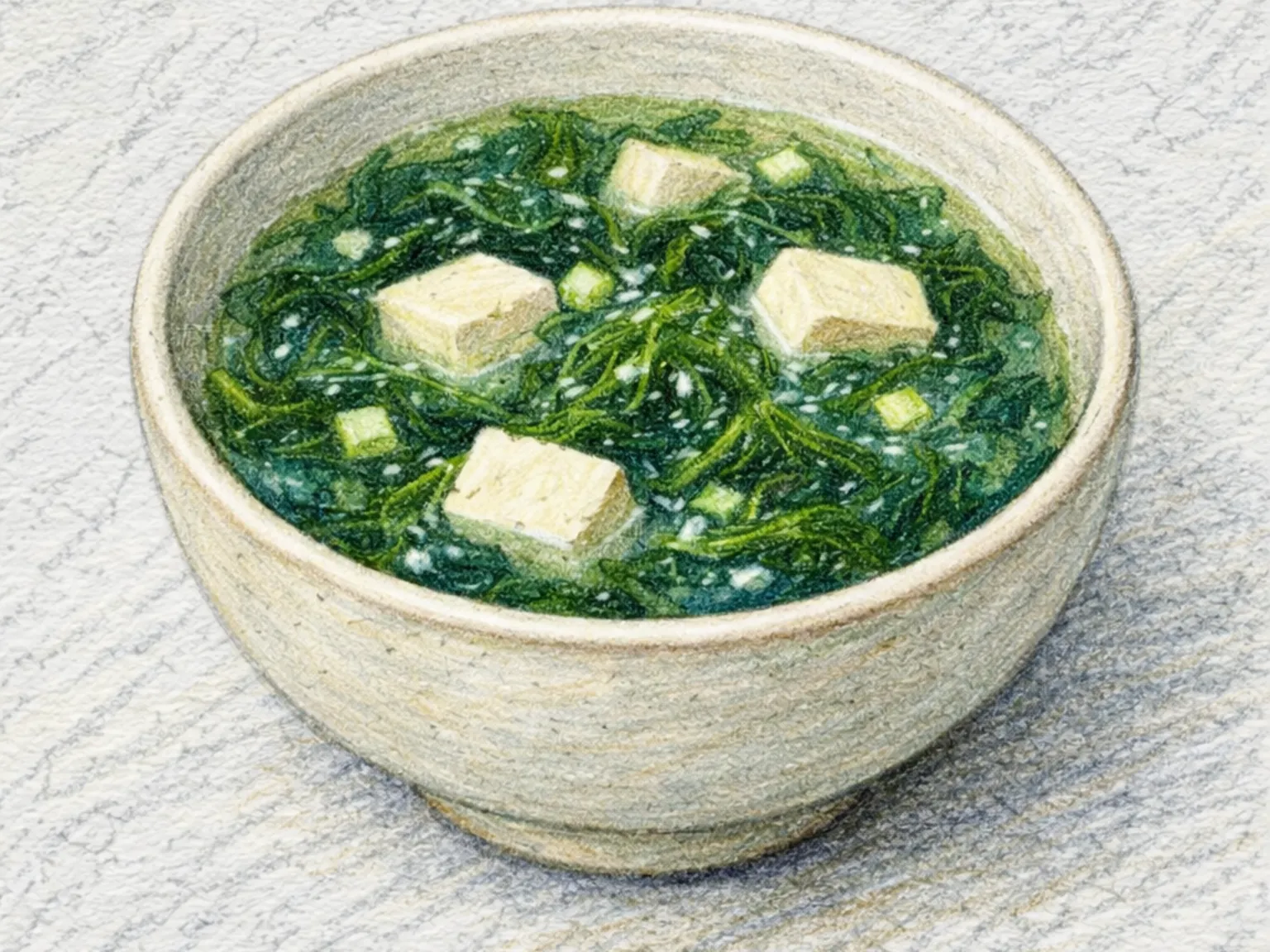
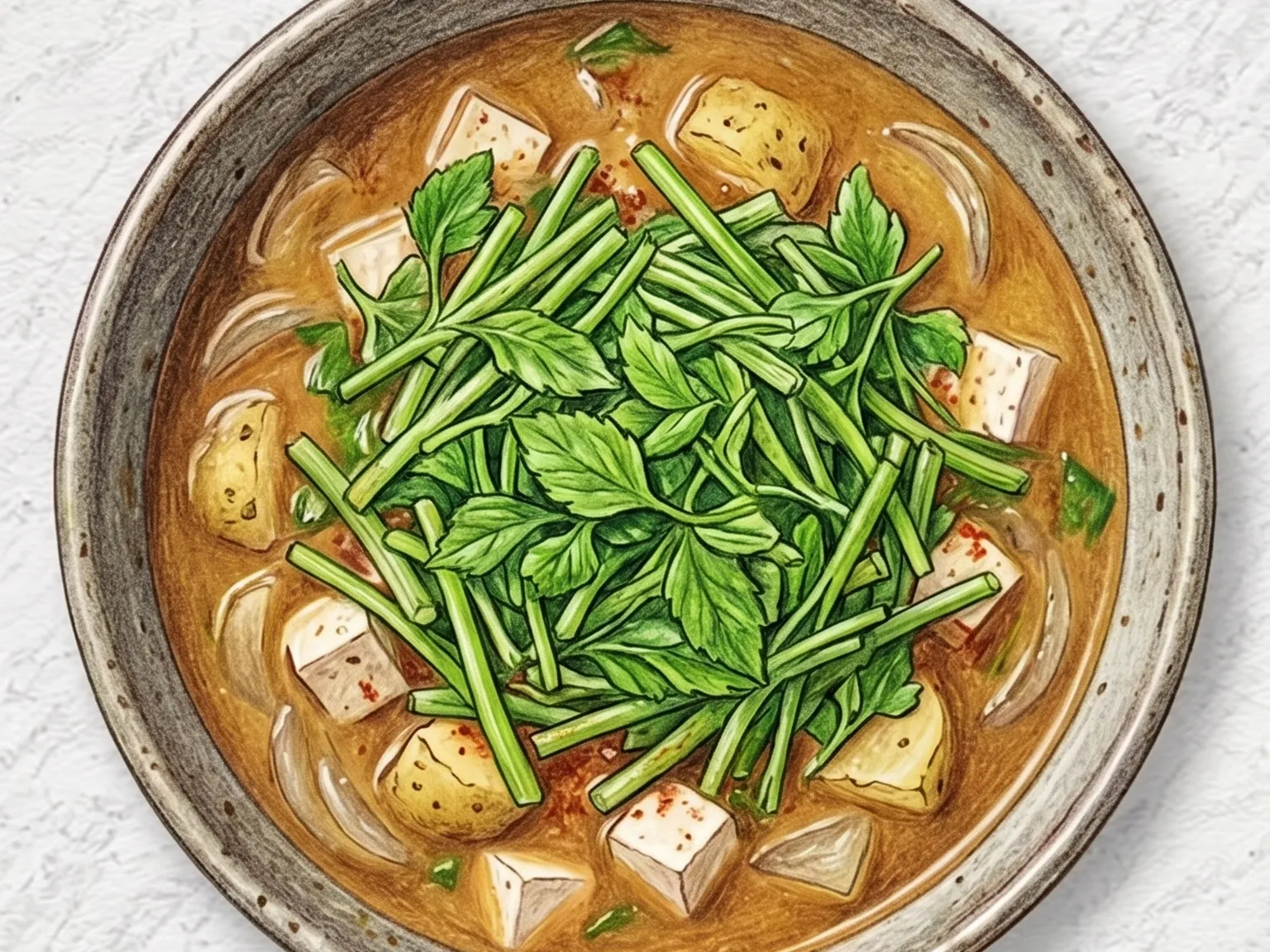
Dallae doenjang-guk is a springtime Korean soybean paste soup that showcases wild chives, a seasonal ingredient valued for its sharp, garlicky bite and short availability window. The anchovy-kelp stock is first simmered with potato and onion to build body and sweetness, then doenjang is dissolved in and tofu added for a soft, tender contrast against the broth. Wild chives go in only during the final minute of cooking, because their pungent aroma dissipates rapidly under sustained heat; cooking them too long makes them indistinguishable from ordinary green onion in both flavor and appearance. The bulb end of each chive stalk carries a stronger bite than the leaves, so mincing the bulbs finely distributes their flavor more evenly through the broth. A half teaspoon of gochugaru tints the soup a faint red that visually matches the chive's natural heat. Because dallae is in season for only a brief window, setting a few raw stalks aside to place at the table as a garnish amplifies the fresh spring character of the dish.

🏠 Everyday
Prep 12minCook 15min2 servings
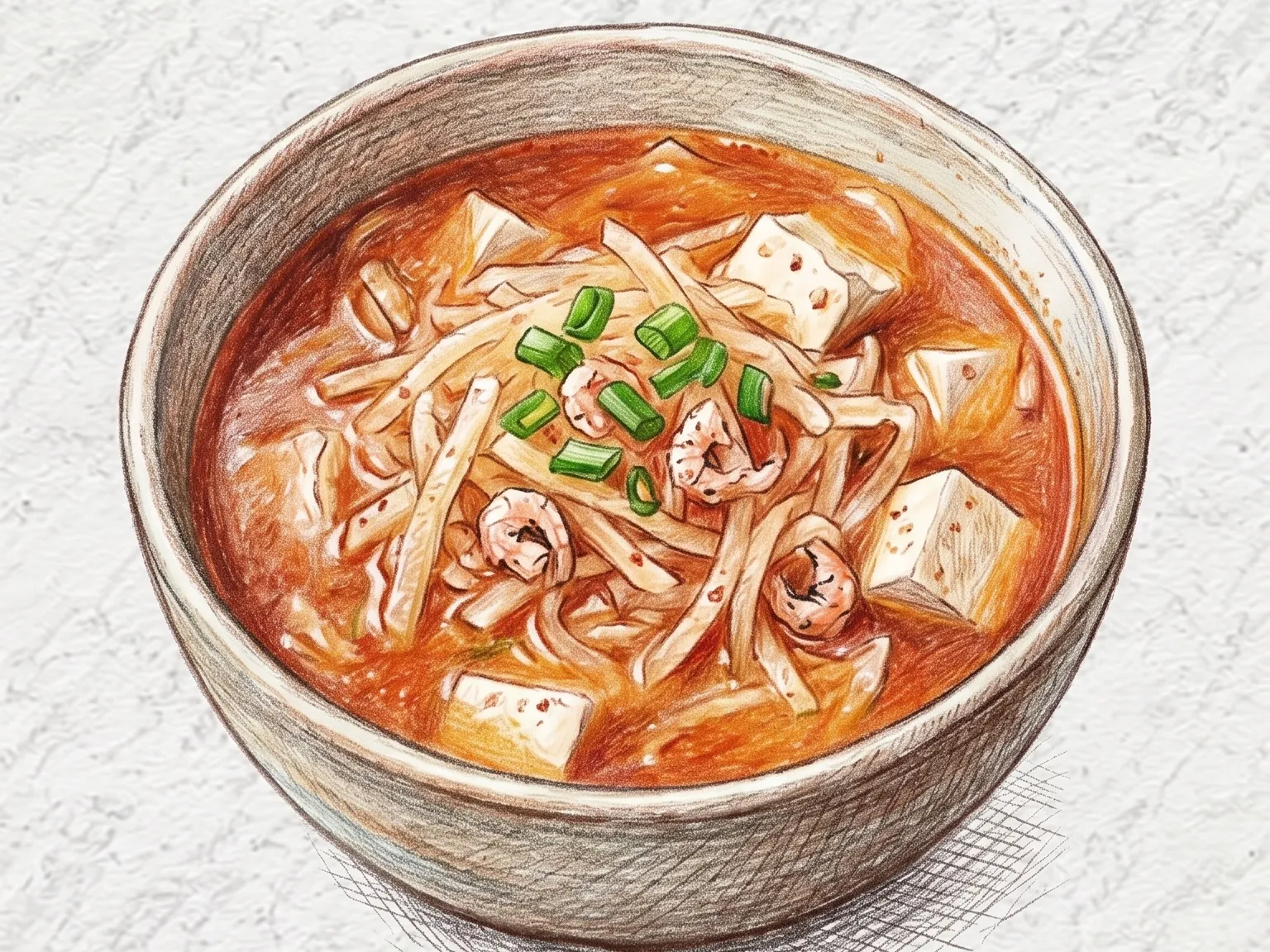
Korean Pork Gochujang Jjigae
StewsEasy

Korean Pork Gochujang Jjigae

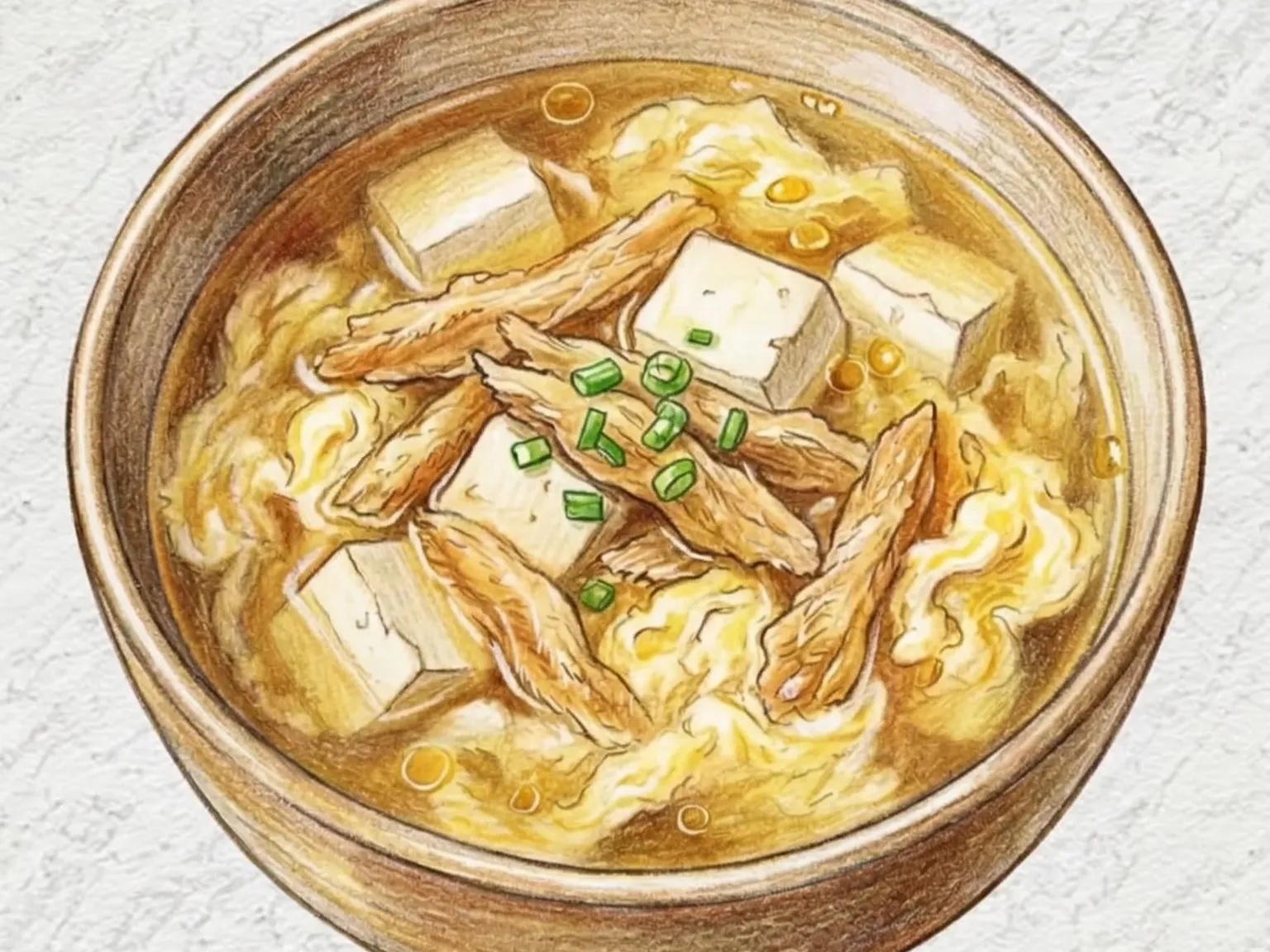
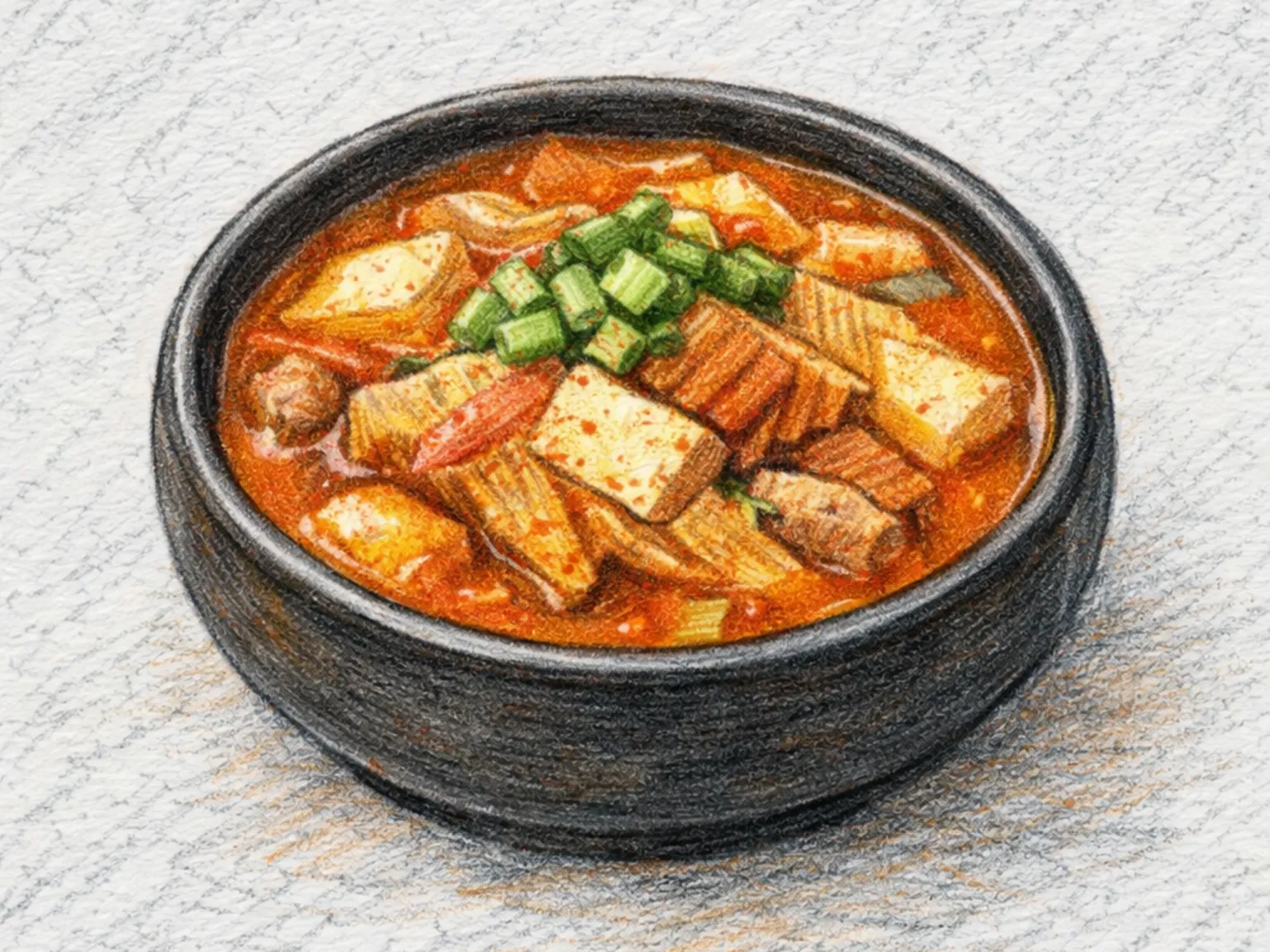
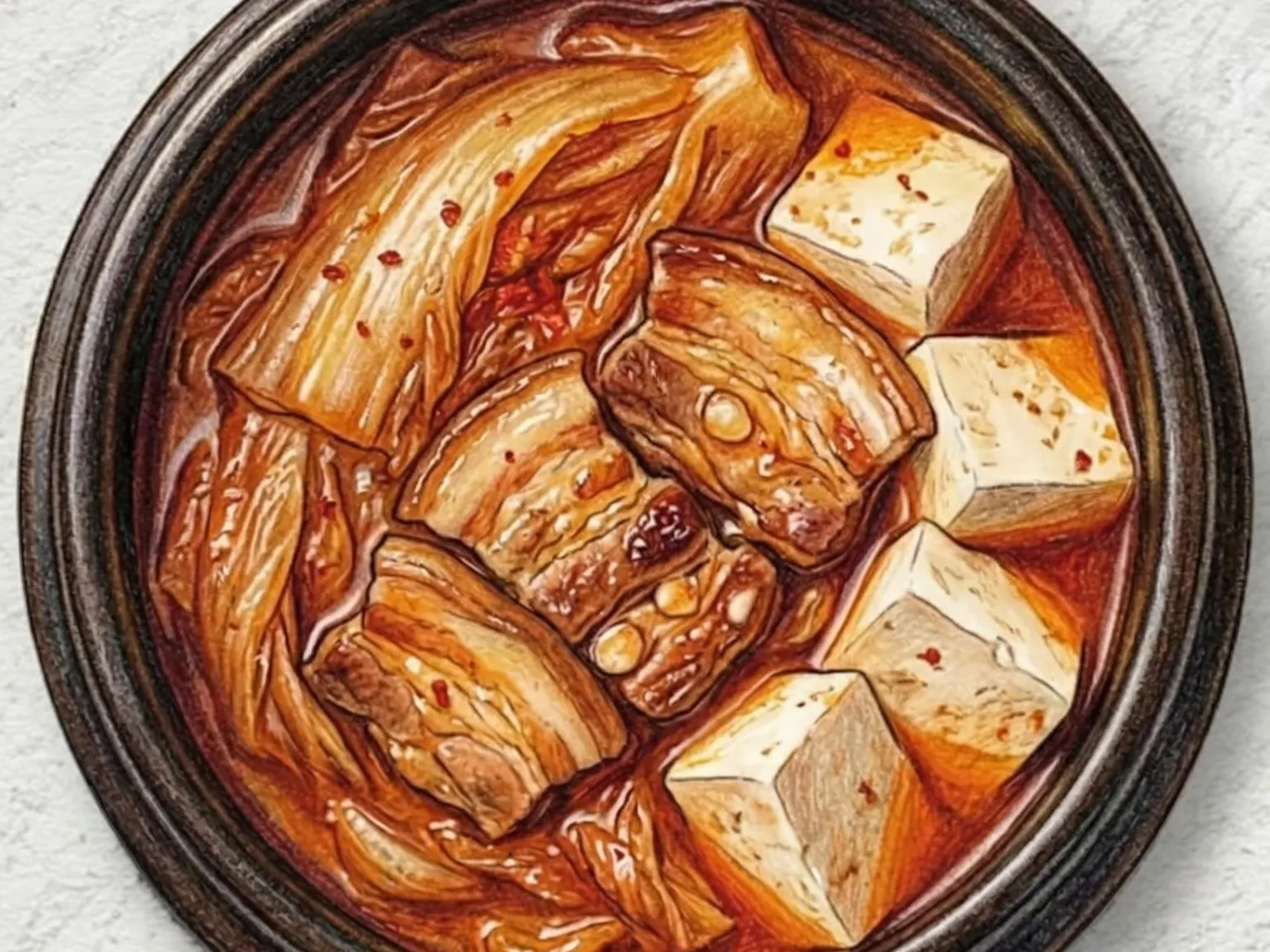
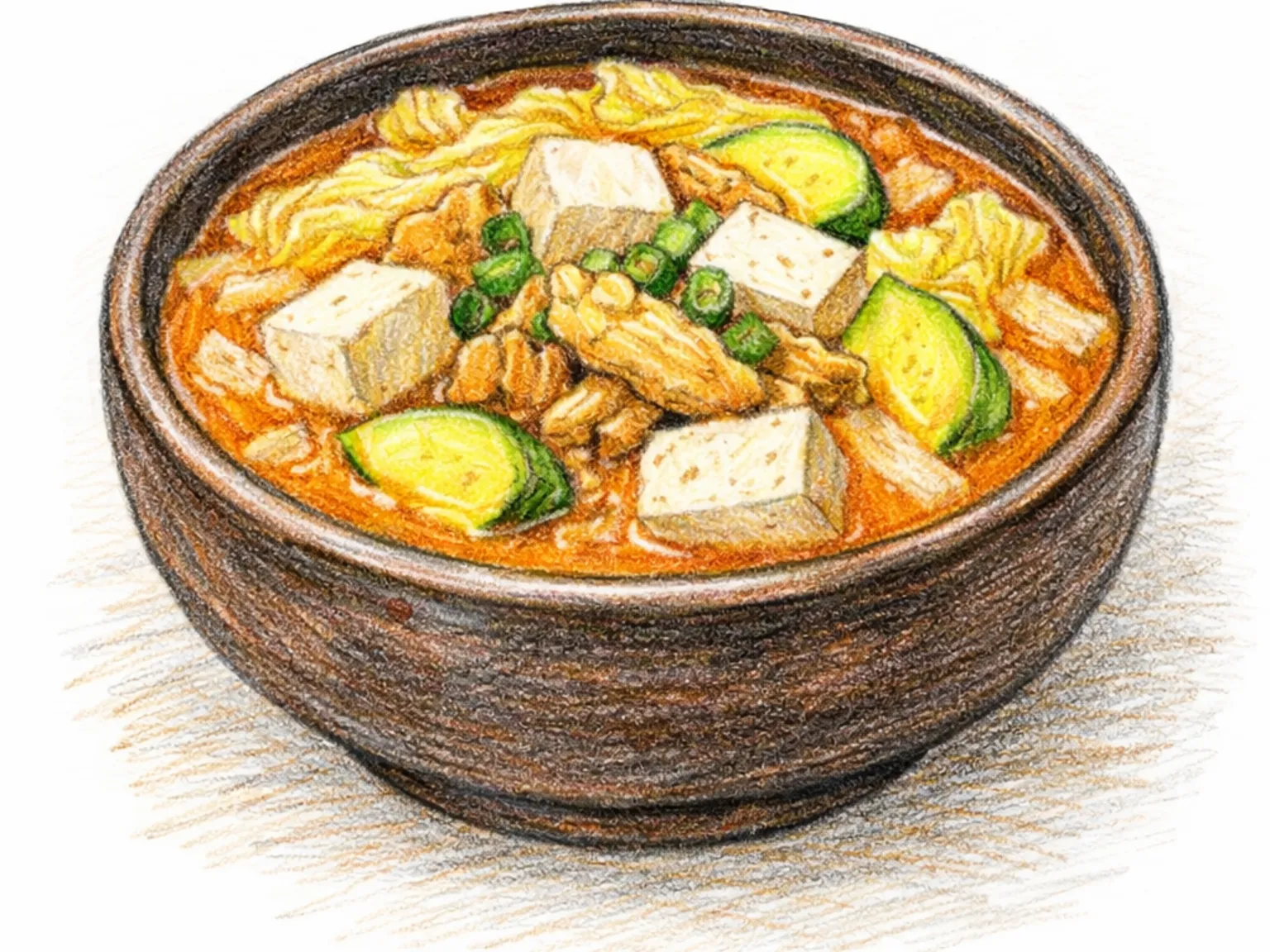
This pork gochujang stew simmers pork shoulder in a sauce of gochujang and doenjang, two fermented pastes that together build a more layered flavor than either would alone. Using gochujang on its own produces a heat that comes across as sharp and one-dimensional, but adding half a tablespoon of doenjang rounds out the fermented soybean depth and gives the broth a fuller, earthier backbone. A full tablespoon of gochugaru deepens the red color and adds texture to the spice rather than just boosting intensity. The 180 grams of pork shoulder render their juices into the 700 milliliters of broth as the stew cooks, gradually enriching the base. Potato, zucchini, onion, and tofu go into the same pot and contribute a range of textures that keep each spoonful varied. The combination of both fermented pastes means this version has noticeably more complexity than a standard gochujang stew, and the finished broth is the kind that makes it difficult to stop eating before the bowl is empty.

🏠 Everyday
Prep 15minCook 20min2 servings
Korean Tofu and Vegetable Stir-Fry
Stir-fryEasy

Korean Tofu and Vegetable Stir-Fry

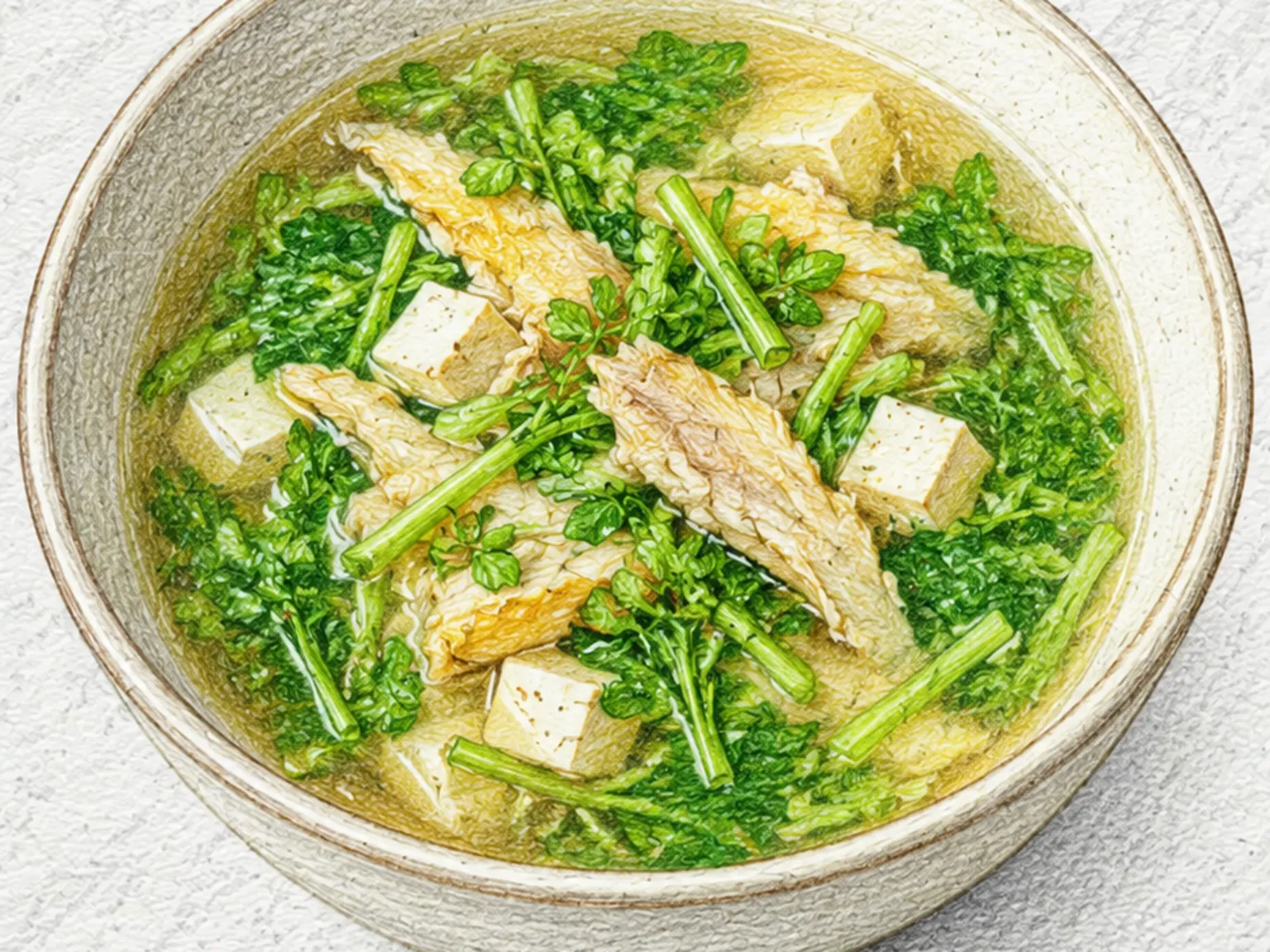
Dubu-yachae-bokkeum is a Korean stir-fry of pan-fried tofu with carrots, onions, and bell peppers in a light soy-based sauce. Before anything else, the tofu has to be pressed to expel excess moisture, then pan-fried on both sides until a firm golden crust develops, which keeps the pieces from breaking apart when they go back into the wok with the vegetables. Because the vegetables cook at different rates, they are added in sequence to preserve each one's texture. The seasoning of soy sauce, sesame oil, minced garlic, and a small amount of sugar sits on the lighter side, letting the natural sweetness and fragrance of the vegetables come through without being masked. Gochugaru or a spoonful of gochujang can be incorporated for a spicier variation. Sesame seeds and a final drizzle of sesame oil finish the dish with a nutty fragrance that ties all the elements together. The combination of plant protein from the tofu and dietary fiber from the vegetables makes it both nutritious and satisfying, and it is commonly packed into Korean lunch boxes.

🏠 Everyday🌙 Late Night
Prep 10minCook 15min2 servings
Korean Mushroom Doenjang Stew
StewsEasy

Korean Mushroom Doenjang Stew

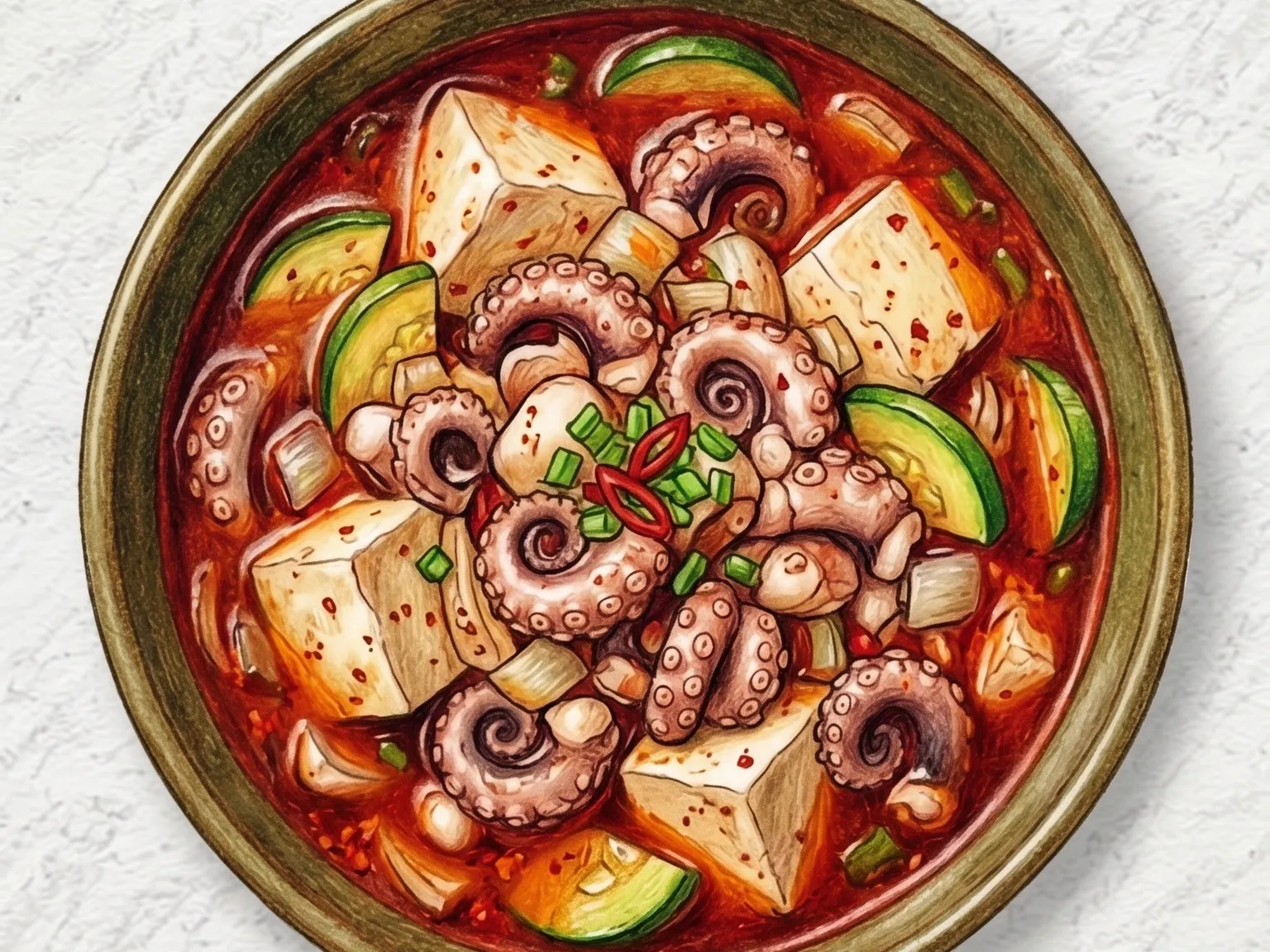
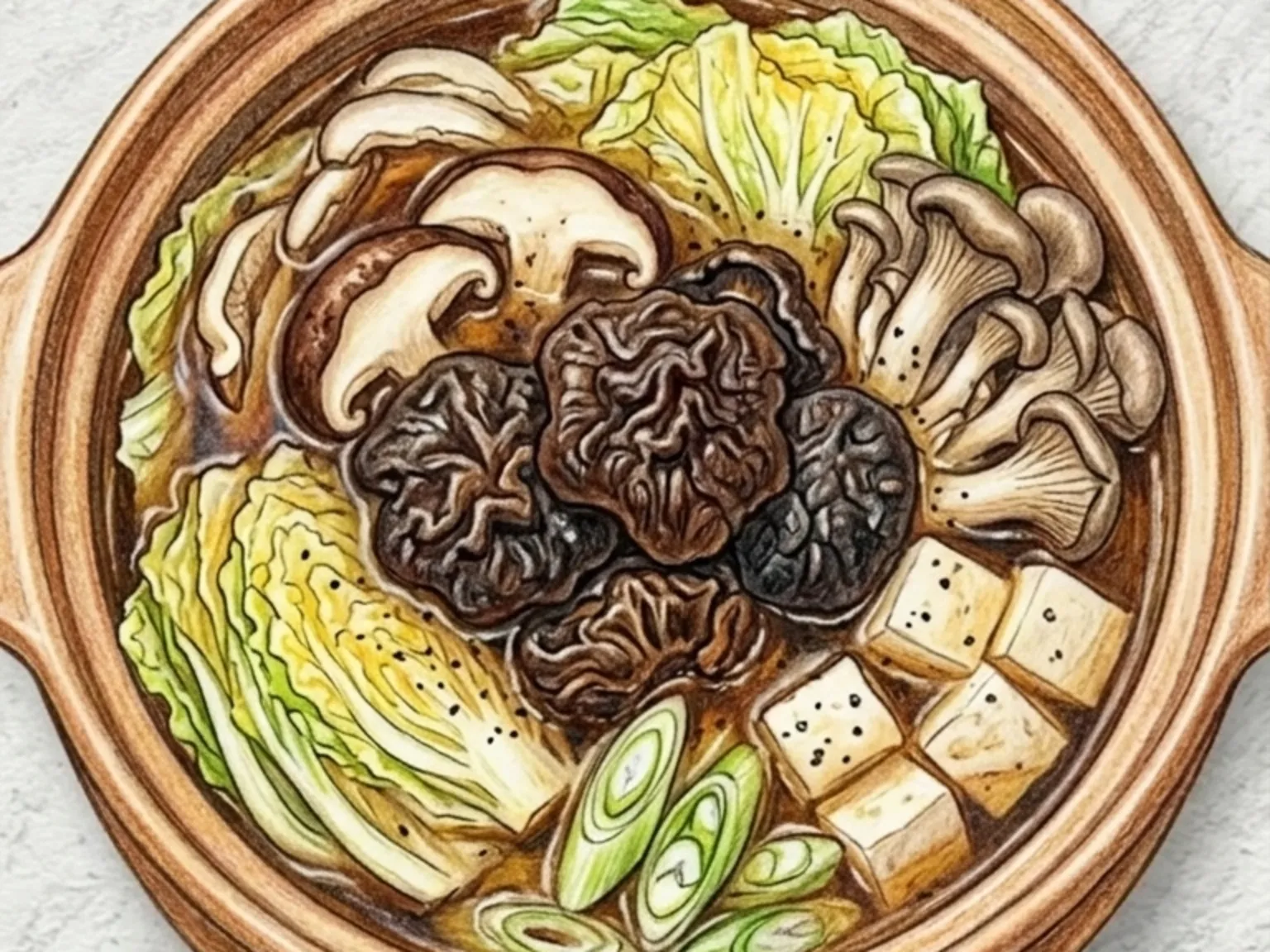
Three types of mushrooms - shiitake, oyster, and enoki - are simmered together in doenjang-seasoned anchovy broth. The anchovy stock lays the foundational depth of umami, and each mushroom type adds its own compounds to the broth as they cook, building flavor in distinct layers. Shiitake holds its meaty chew, oyster mushroom separates into silky strands along its grain, and enoki stays crisp, so the bowl delivers varied textures from a single pot. Soft tofu absorbs the broth all the way through, carrying the fermented soybean flavor to the center of each cube. The stew is satisfying as a full meal without any meat. A sliced cheongyang chili sharpens the finish if extra heat is wanted.

🏠 Everyday
Prep 15minCook 20min3 servings
Korean Braised Tofu and Egg
Side dishesEasy

Korean Braised Tofu and Egg

Dubu-gyeran-jorim is a practical braised banchan that combines two of the most affordable protein sources in Korean cooking -- tofu and hard-boiled eggs -- in a single soy-based sauce. The tofu is pan-fried until golden on each side, building a lightly crisped surface that holds up during braising. The eggs are hard-boiled, peeled, and added alongside the tofu in a sauce made from soy sauce, sugar, minced garlic, and water. Over fifteen or more minutes of gentle simmering on low heat, the tofu draws the dark braising liquid into its porous interior, becoming dense with savory flavor throughout. The eggs develop a tan exterior as the soy sauce stains the outer white, while the inside remains fully set with a pale yellow yolk. As the liquid reduces, it thickens into a glossy coat that clings to every curve of both ingredients. This banchan is a staple of Korean school cafeterias and lunchboxes alike, valued for its keeping power -- it refrigerates well for up to five days, and the seasoning continues to deepen overnight, making day-two leftovers often better than the freshly cooked batch.

🏠 Everyday🍱 Lunchbox
Prep 10minCook 20min2 servings
Korean Crab Doenjang Stew
StewsEasy

Korean Crab Doenjang Stew

Gejang-jjigae is a Korean stew made by simmering a whole blue crab in an anchovy broth base seasoned with doenjang, the fermented soybean paste. The crab shell and meat release a concentrated seafood stock as they cook, and that liquid merges with the doenjang to create a broth that is simultaneously briny, earthy, and deeply savory. Using anchovy broth as the foundation amplifies the oceanic notes rather than diluting them, so both the doenjang umami and the crab sweetness come through at the same time. Tofu and zucchini absorb the rich cooking liquid throughout the simmering process, becoming flavorful in their own right rather than acting merely as filler. The tofu in particular pulls in the solids that settle from the fermented paste, softening into a silky texture that contrasts with the firmer crab meat. Picking the sweet crab meat out of the shell with chopsticks is one of the characteristic pleasures of eating this stew, and the contrast between the naturally sweet crab flesh and the bold, fermented broth gives each mouthful a satisfying complexity.

🏠 Everyday
Prep 10minCook 20min2 servings
Korean Bok Choy Soybean Paste Soup
SoupsEasy

Korean Bok Choy Soybean Paste Soup

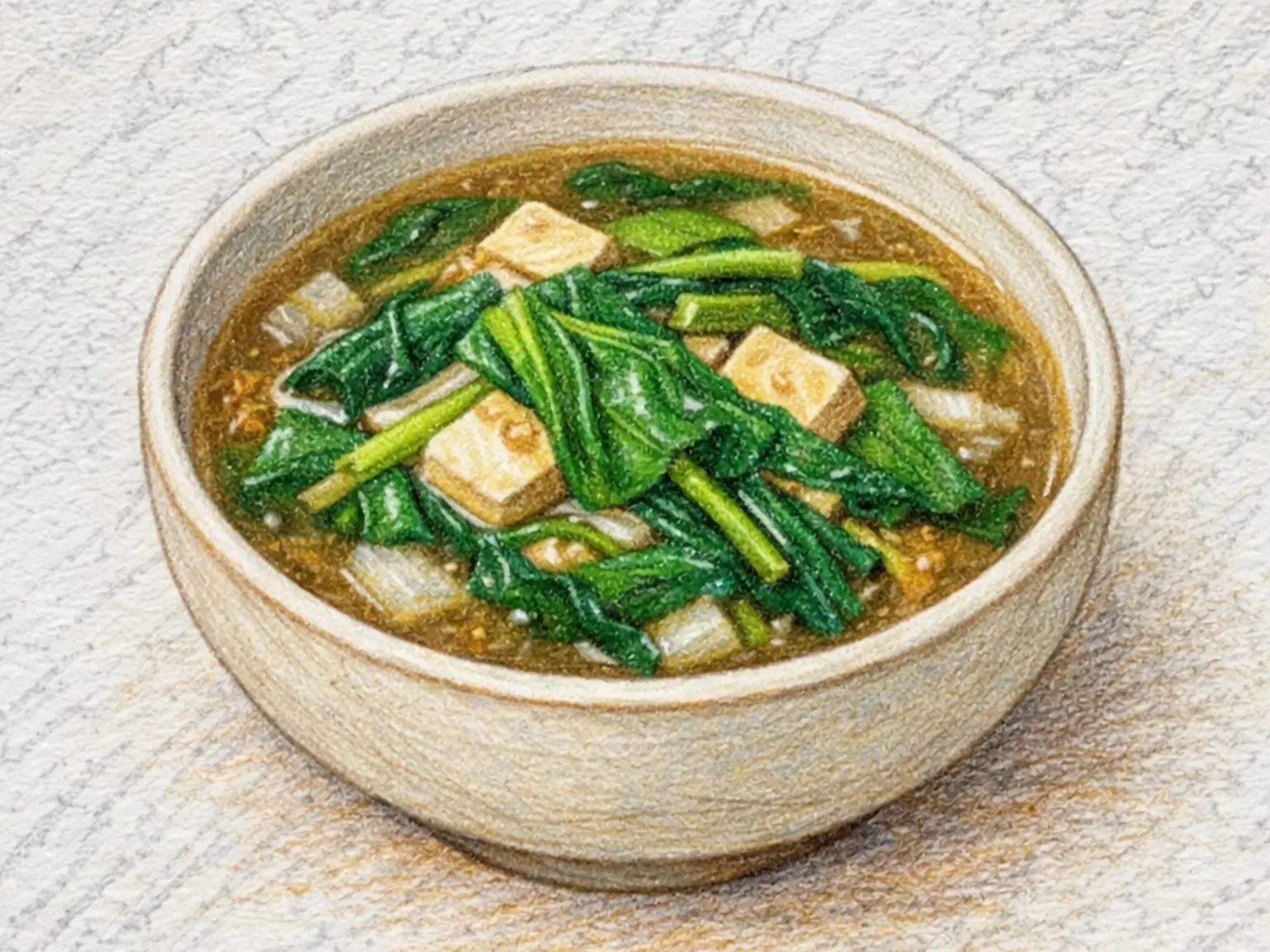
Cheonggyeongchae doenjang-guk is a Korean soybean paste soup built on anchovy-kelp stock, featuring bok choy, zucchini, and tofu. Unlike napa cabbage or spinach, bok choy brings a crisp, juicy stem alongside soft leaves, and it adds a mild, clean sweetness to the broth that differs from the earthier notes of Korean brassicas. The stock simmers first with onion and garlic for six minutes to build an aromatic base, and the doenjang is pressed through a sieve so it dissolves evenly without leaving paste clumps in the finished soup. Bok choy and tofu go in during the final three minutes, which is long enough to wilt the leaves while the stems keep their bite and the green color stays bright. Though bok choy is more common in Chinese cooking, it pairs naturally with doenjang and is available year-round in Korean supermarkets, making it a reliable alternative when napa cabbage is not on hand.

🏠 Everyday
Prep 15minCook 18min4 servings
Korean Tuna Kimchi Soup (Spicy Fermented Kimchi and Canned Tuna Soup)
SoupsEasy

Korean Tuna Kimchi Soup (Spicy Fermented Kimchi and Canned Tuna Soup)

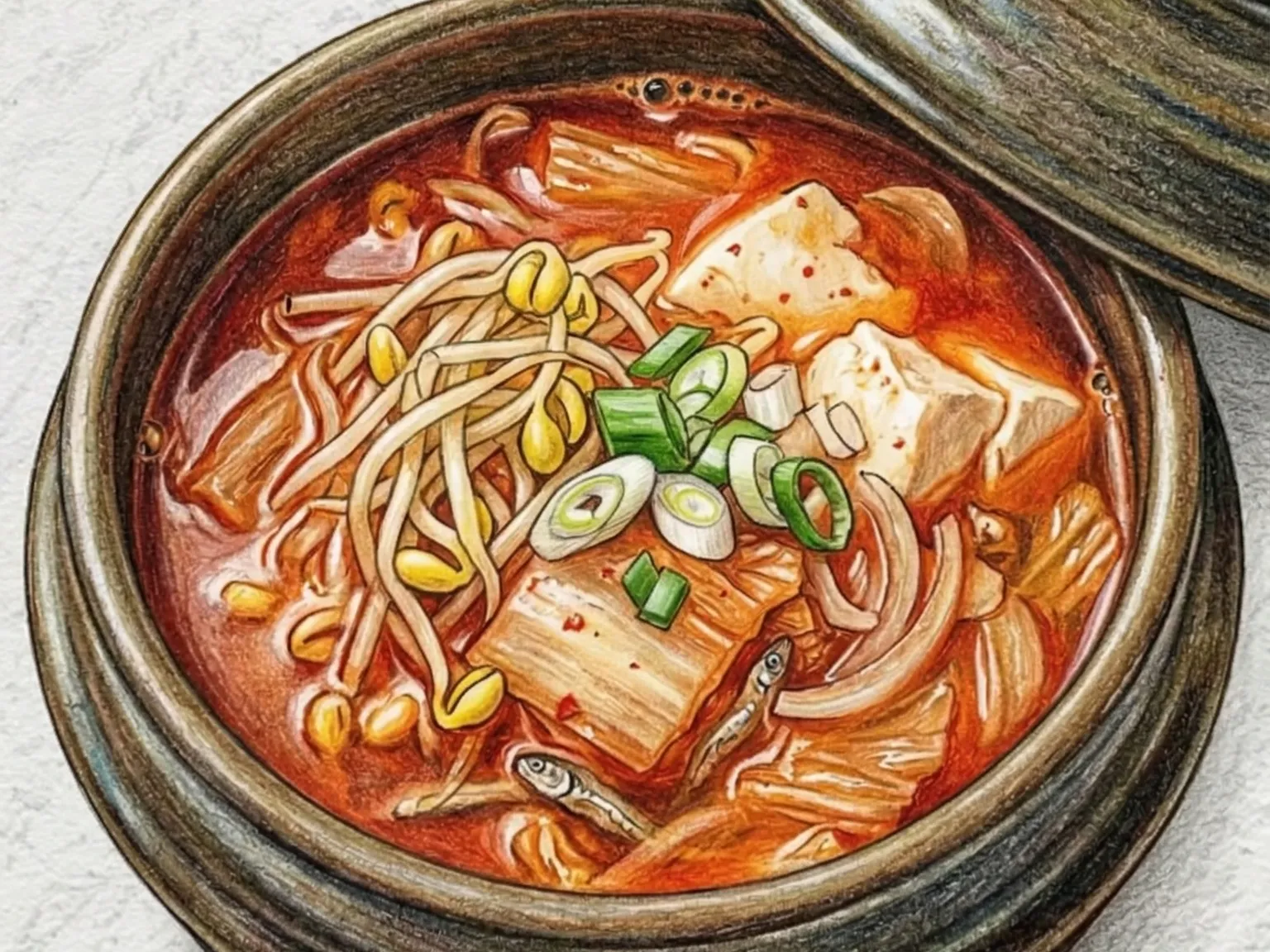
Kimchi goes into the pot first to be stir-fried until its sharp acidity mellows and its aroma deepens, then canned tuna, tofu, onion, and gochugaru are added with water and brought to a simmer. The oil from the tuna disperses through the broth, adding savory depth without any heaviness. Soup soy sauce provides the base seasoning, keeping the stock clean rather than muddy. Tofu is added only after the liquid reaches a full boil so the cubes hold their shape, and a pour of reserved kimchi brine at the end brings both salinity and a second hit of fermented tang that defines the finished broth.

🏠 Everyday
Prep 8minCook 20min4 servings
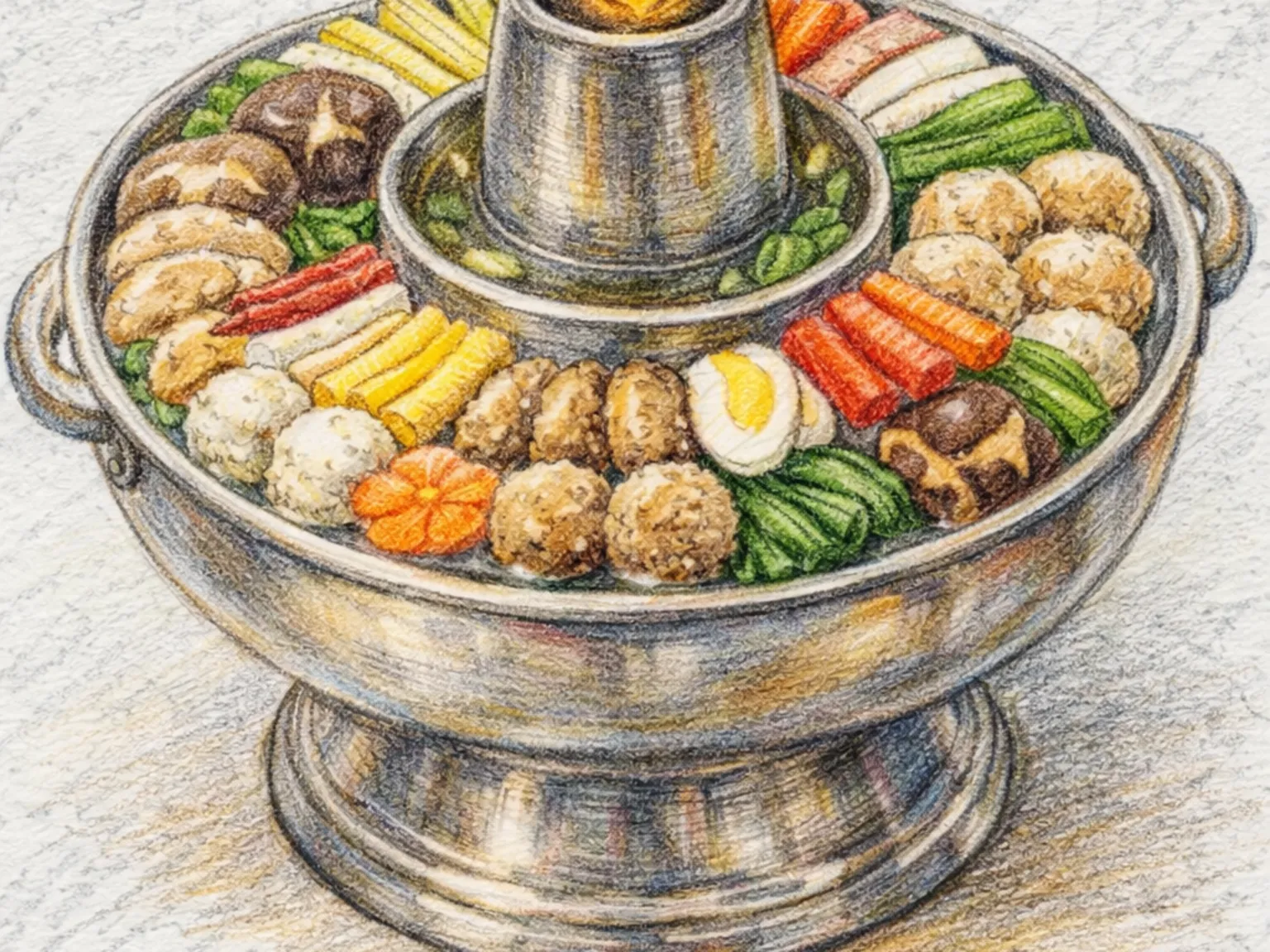
Jesa Tangguk (Ancestral Clear Beef Soup)
SoupsMedium

Jesa Tangguk (Ancestral Clear Beef Soup)

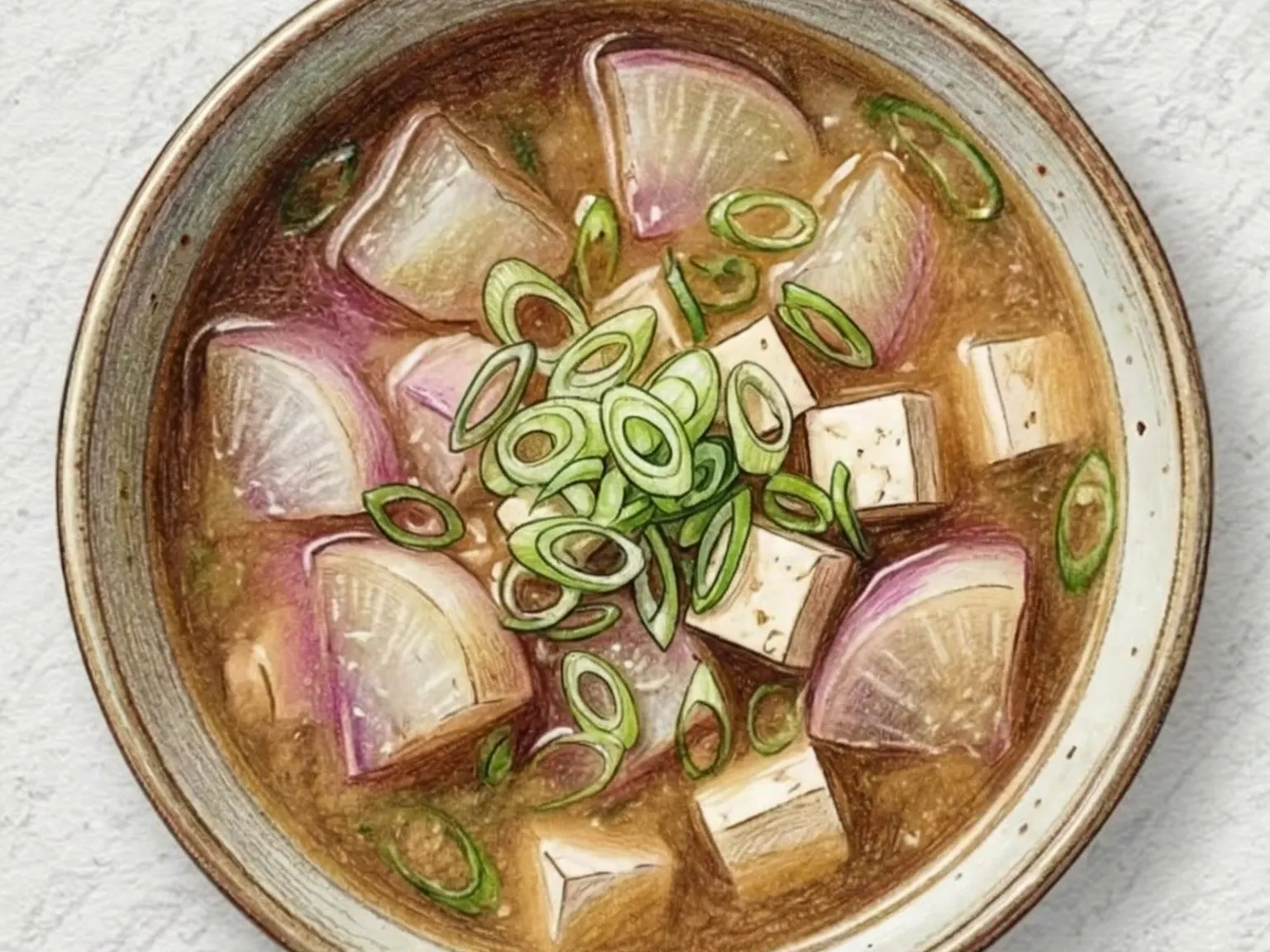
Jesa-tangguk is a traditional Korean clear soup prepared for ancestral rites and formal family gatherings. Beef brisket is first soaked in cold water for at least an hour to draw out the blood, then simmered over medium heat for an extended time to produce a clear, deeply flavored stock that forms the foundation of the entire bowl. Skimming the surface regularly during cooking keeps the broth transparent and clean-tasting. Radish cooks until nearly translucent, releasing a gentle natural sweetness into the stock, while blocks of tofu and sliced shiitake mushrooms add contrasting textures. Seasoning is limited to soup soy sauce and garlic, preserving the purity of the broth and allowing each ingredient's flavor to come through undisguised. Fat is skimmed away before serving, producing the spotless, refined finish expected of ritual food. The aesthetic matters as much as the flavor: ingredients are cut into tidy, uniform shapes and arranged with deliberate care, reflecting the reverence that is central to the jesa ritual. Beyond ceremonial occasions, jesa-tangguk is a comforting home-style soup enjoyed at holidays and family meals for its clean, balanced warmth.

🏠 Everyday🎉 Special Occasion
Prep 20minCook 30min4 servings
Korean Tofu Perilla Leaf Soup
SoupsEasy

Korean Tofu Perilla Leaf Soup

Dubu-kkaennip-guk is a Korean tofu and perilla leaf soup in anchovy broth, finished with chiffonaded perilla leaves that release a bright, minty-herbal fragrance into the clear liquid. Zucchini and onion simmer first to build a vegetable-sweetened base, releasing their natural sugars into the anchovy stock. Large scoops of soft tofu - spooned rather than knife-cut, so the rough surfaces trap more broth - warm through over medium heat for five minutes. The perilla leaves must go in during the last thirty seconds before serving: any longer and they turn dark and lose the sharp aromatic freshness that defines the dish. Soup soy sauce and a light dusting of black pepper complete the seasoning, letting the clean anchovy umami and the herbal lift of the kkaennip share the stage without one overpowering the other. Cooking the zucchini fully soft is important - its gentle sweetness needs time to dissolve into the broth, and when the tofu and vegetables together hold the liquid, each spoonful carries varied texture.

🏠 Everyday
Prep 10minCook 15min2 servings
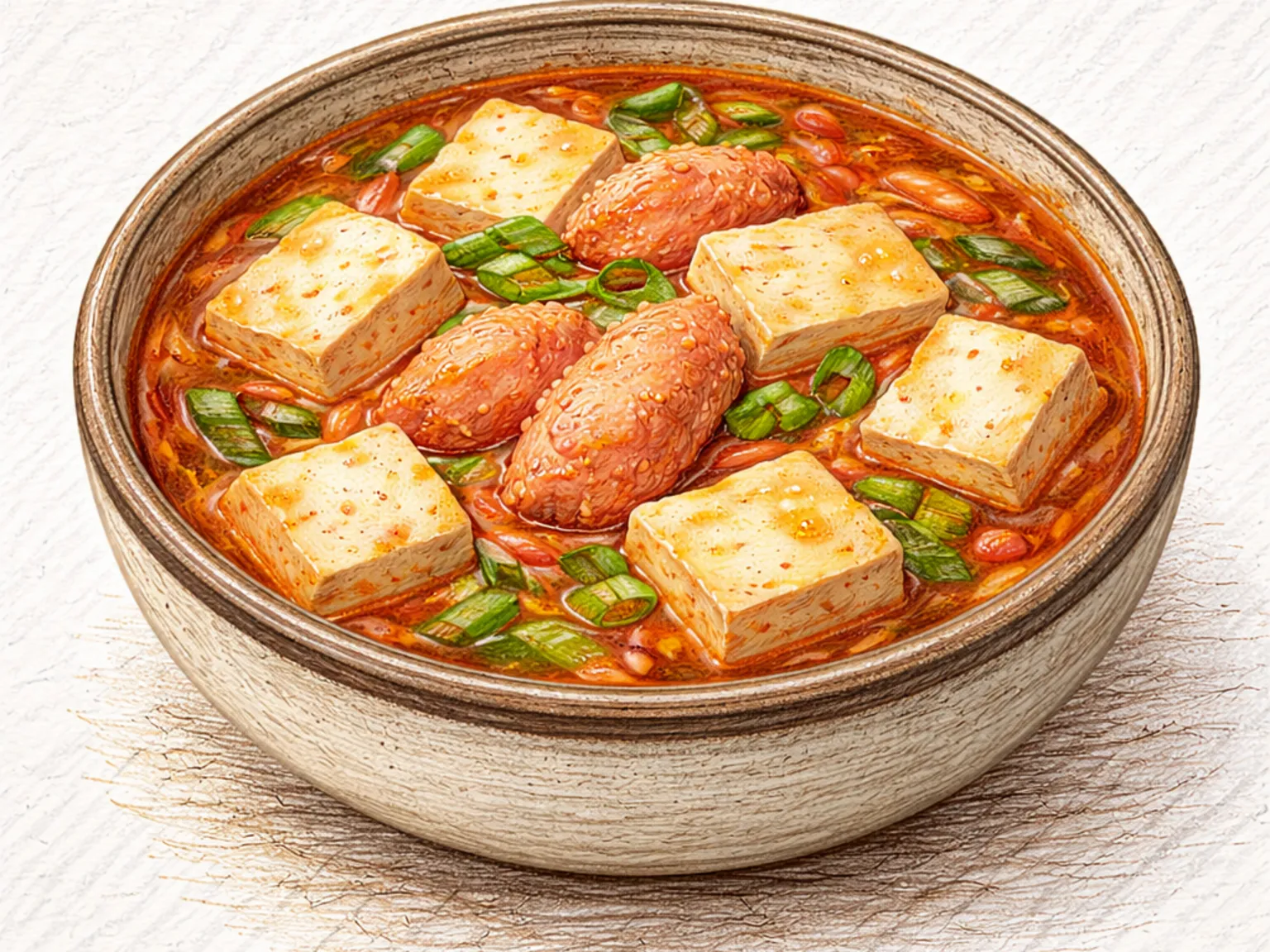
Korean Meatball Jeon Stew
StewsEasy

Korean Meatball Jeon Stew

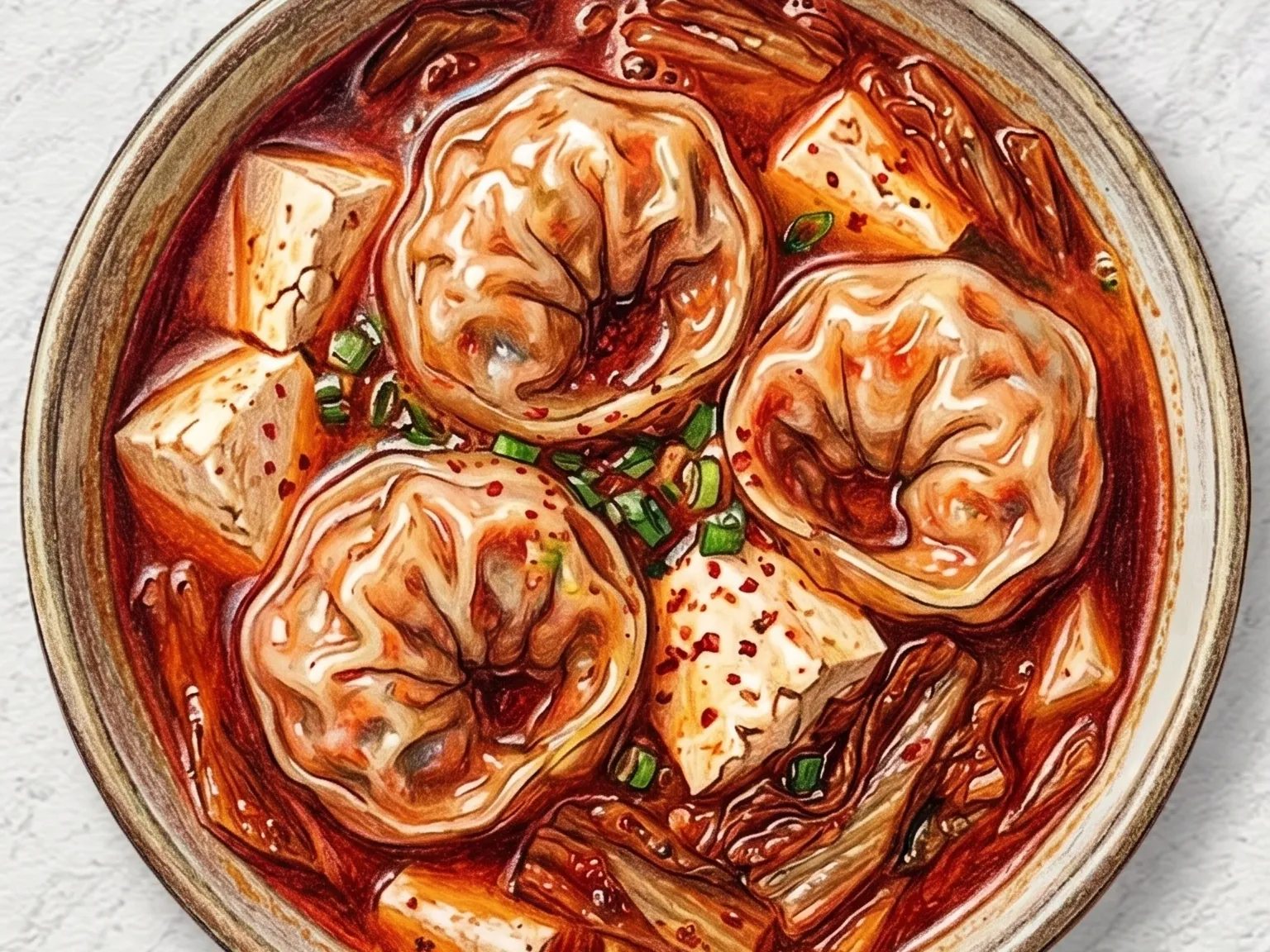
Donggeurang-ttaeng-jjigae is a quick Korean stew that turns pan-fried meat-and-tofu patties and aged kimchi into a deeply flavored broth without requiring a separate stock. The patties are made from ground meat, tofu, and finely chopped vegetables, and as they simmer they steadily release their savory juices into the broth, building flavor from the inside out. Fully fermented kimchi contributes a tangy, sharp acidity that gives the broth a satisfying weight and complexity. Tofu added to the pot absorbs the spiced liquid while softening the overall heat level, and a tablespoon of gochugaru lets you dial the spiciness to preference. The stew is a practical, no-waste solution for leftover patties and comes together in under twenty minutes with minimal effort.

🏠 Everyday
Prep 15minCook 20min2 servings
Maeuntang (Spicy White Fish Radish Stew)
SoupsMedium

Maeuntang (Spicy White Fish Radish Stew)

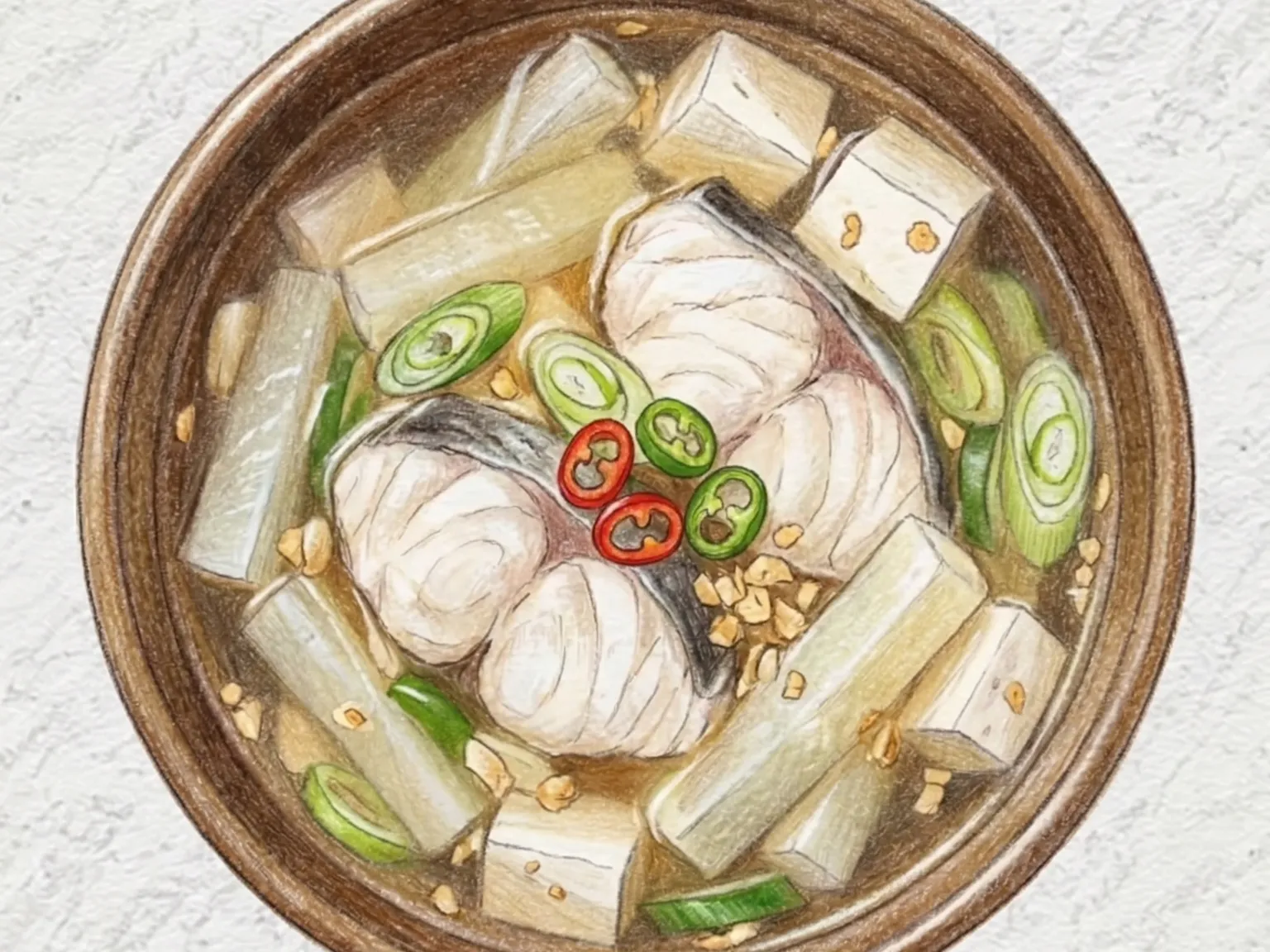
Maeuntang is a traditional Korean spicy fish stew centered on white-fleshed fish such as cod or frozen pollock. The fish is salted for ten minutes before cooking, which draws out excess moisture and the compounds responsible for fishiness, resulting in a cleaner-tasting broth. Radish goes into the pot first and simmers until its clean, mild sweetness dissolves into the water, forming the base. Gochujang, gochugaru, soup soy sauce, and minced garlic are then stirred in to build the spiced, savory broth. The fish and tofu are added together and cooked for ten minutes without being turned over. Instead, hot broth is repeatedly ladled over the top surface so the fish cooks evenly without the flesh breaking apart. Zucchini, green onion, and cheongyang chili are added in the final three minutes to preserve their color and slight crunch. A half tablespoon of doenjang stirred in at the end adds a secondary layer of umami that deepens and rounds out the broth considerably.

🏠 Everyday
Prep 15minCook 25min2 servings
Korean Lotus Root Perilla Seed Stew
StewsEasy

Korean Lotus Root Perilla Seed Stew

Lotus root and oyster mushrooms are simmered in a thick perilla seed broth made with vegetable stock. The lotus root maintains its signature crisp, starchy bite, contrasting with the soft tofu and springy mushrooms. Four tablespoons of perilla seed powder create a naturally creamy, nutty broth, finished with a touch of sesame oil. Built entirely on vegetable stock without any meat or fish, this is a plant-based stew with substantial body and flavor.

🏠 Everyday
Prep 18minCook 22min4 servings
Korean Mushroom Perilla Soup
SoupsEasy

Korean Mushroom Perilla Soup

Three types of mushrooms - oyster, shiitake, and king oyster - simmer together in an onion-based vegetable stock before ground perilla seeds are stirred in to thicken the broth into a nutty, substantial soup. Cooking the mushrooms and garlic for ten minutes in the stock allows each variety's distinct aroma to build in layers: the fibrous texture of oyster mushrooms, the deep earthiness of shiitake, and the firm, meaty bite of king oyster mushrooms all hold their character in the finished bowl. Cubed tofu is added partway through and gently absorbs the surrounding broth as it warms. Adding the perilla powder in small increments rather than all at once prevents clumping and produces a smooth, even consistency; pulling the pot off the heat at the right moment also stops the broth from separating as it cools. The vegetable stock base delivers a satisfying, full-bodied result without any animal ingredients.

🏠 Everyday
Prep 20minCook 30min4 servings
Korean Mallow & Clam Stew
StewsEasy

Korean Mallow & Clam Stew

Auk-bajirak-jjigae is a thick, meal-weight stew that takes the logic of the milder auk-bajirak-guk and pushes it further: more doenjang, a denser ingredient list, and cheongyang chili for heat. The clams go in first while the water is still cold, then the pot comes to a boil so the shells open slowly and release their concentrated sea juice into the base. Doenjang and gochugaru dissolve into the liquid together, creating a foundation that is simultaneously earthy, saline, and warm with chili. Cubed tofu and sliced zucchini fill out the pot and convert what might have been a soup into something substantial enough to anchor a meal with rice. Mallow leaves added at the end bring their natural mucilage, which thickens the broth and gives it a cling that plain stews lack. Sliced cheongyang chili on top cuts through the richness with a sharp, direct heat. On a cold evening eaten alongside steamed rice, this jjigae sits at the dense, deeply layered end of the Korean stew spectrum.

🥗 Light & Healthy🏠 Everyday
Prep 15minCook 18min2 servings
Korean Gangwon-Style Soybean Paste Stew
StewsEasy

Korean Gangwon-Style Soybean Paste Stew

Gangwon-style doenjang jjigae is a regional variation of the fermented soybean paste stew defined by an unusually generous quantity of potatoes - 300 grams - which break down during cooking and release starch into the broth, giving it a thick, substantial body rarely found in other regional versions. Three tablespoons of doenjang dissolved in 1.1 liters of anchovy stock form a solid base. As the diced potatoes cook through, their starch gradually thickens the surrounding liquid and softens into pieces with a texture somewhere between firm and yielding. Oyster mushrooms contribute a distinctly chewy quality that holds up through extended simmering while also enriching the savory depth of the broth. Zucchini, onion, and firm tofu round out the pot, making it substantial enough to serve as a complete meal without anything else on the table. Gangwon Province, with its mountainous terrain, cooler summers, and long winters, developed a style of home cooking that favors generous quantities and long cooking times over refinement. The stew should be simmered until the potatoes are completely soft before serving so the broth reaches its intended consistency.

🏠 Everyday
Prep 15minCook 25min4 servings
Korean Napa Leaf & Tuna Stew
StewsEasy

Korean Napa Leaf & Tuna Stew

Blanched napa cabbage outer leaves and canned tuna come together in this doenjang-based stew. The ugeoji leaves have a rough, hearty texture that soaks up the salty richness of the tuna and fermented soybean paste. Tofu and onion round out the stew with mild sweetness, while gochugaru adds a gentle kick. Built on anchovy stock with garlic and green onion, this is a quick, home-style stew meant to be eaten over a bowl of steamed rice.

🏠 Everyday
Prep 15minCook 25min4 servings
Korean Beef Brisket & Water Parsley Chili Stew
StewsMedium

Korean Beef Brisket & Water Parsley Chili Stew

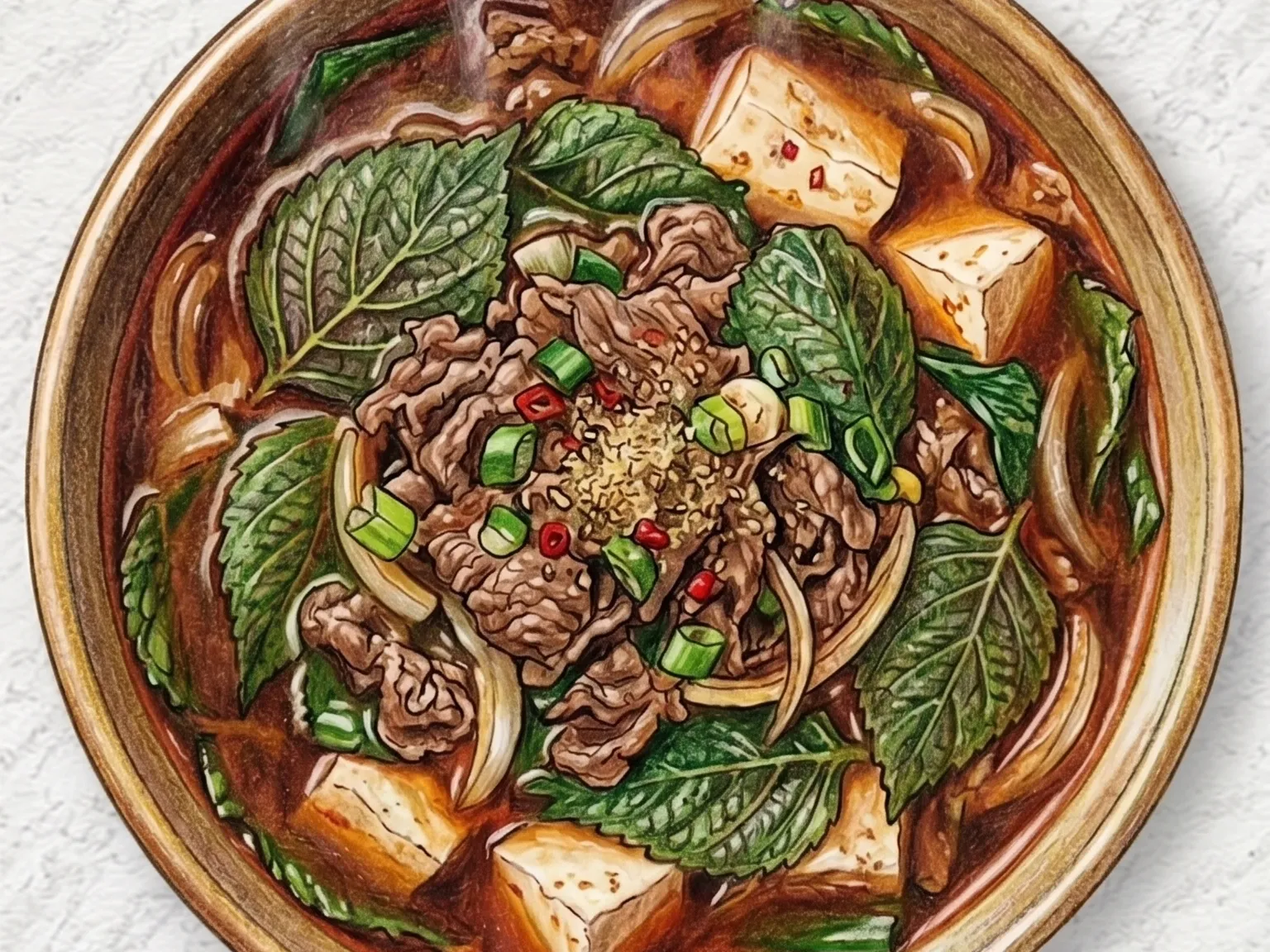
This spicy stew simmers marbled beef brisket and water parsley in a gochujang-based broth built from beef stock, chili paste, and gochugaru. The brisket's fat renders into the broth as it cooks, adding body and a rich savoriness that rounds out the chili heat. Water parsley loses its fragrance quickly over high heat, so it should be added in the final thirty seconds or placed directly in the bowl before serving to preserve its herbal brightness. Potato chunks and firm tofu soak up the red broth and make the stew substantial, while generous minced garlic gives the spicy finish a clean, defined edge.

🍺 Bar Snacks🏠 Everyday
Prep 18minCook 25min4 servings
Korean Shepherd's Purse Soup
SoupsEasy

Korean Shepherd's Purse Soup

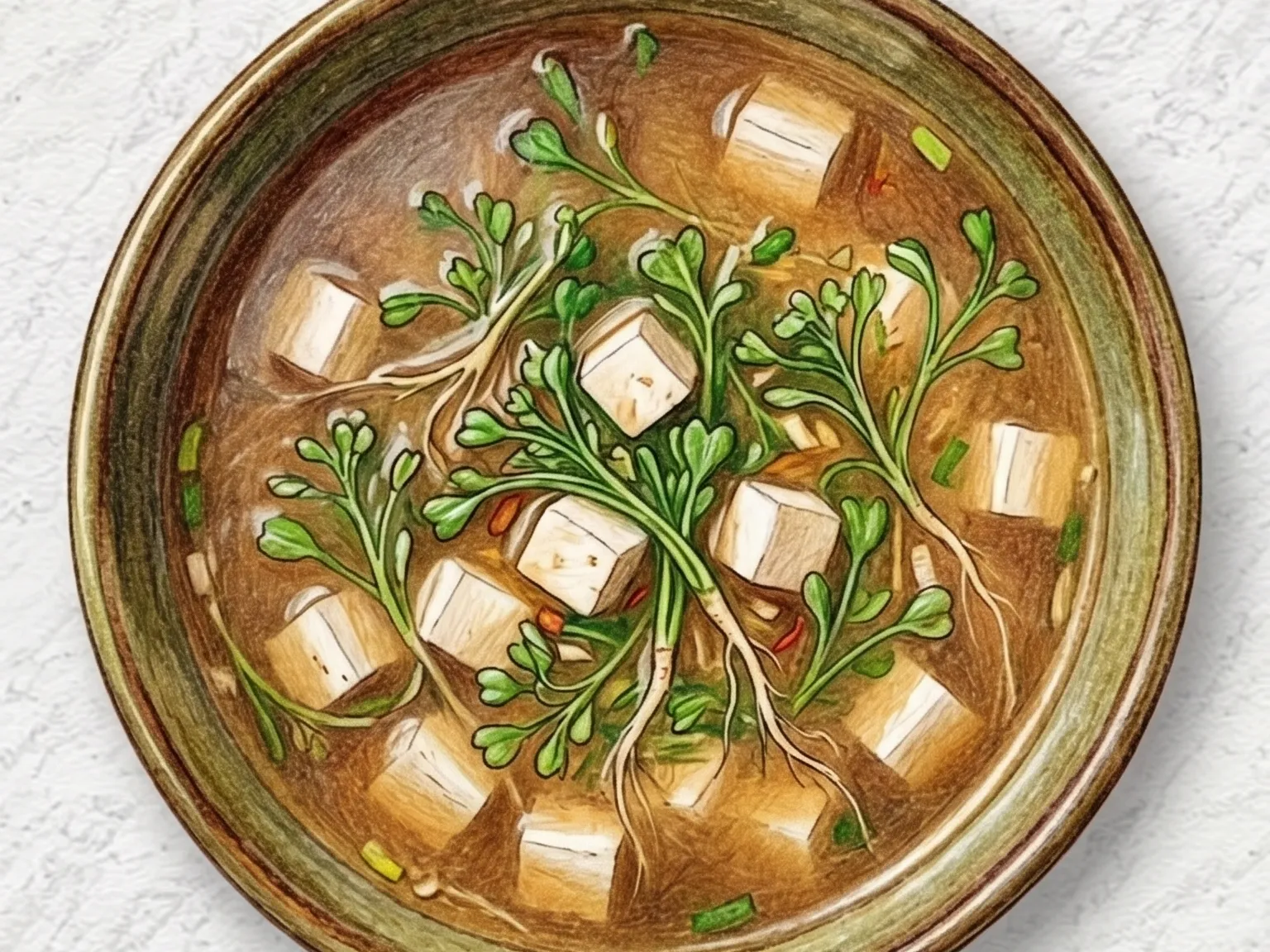
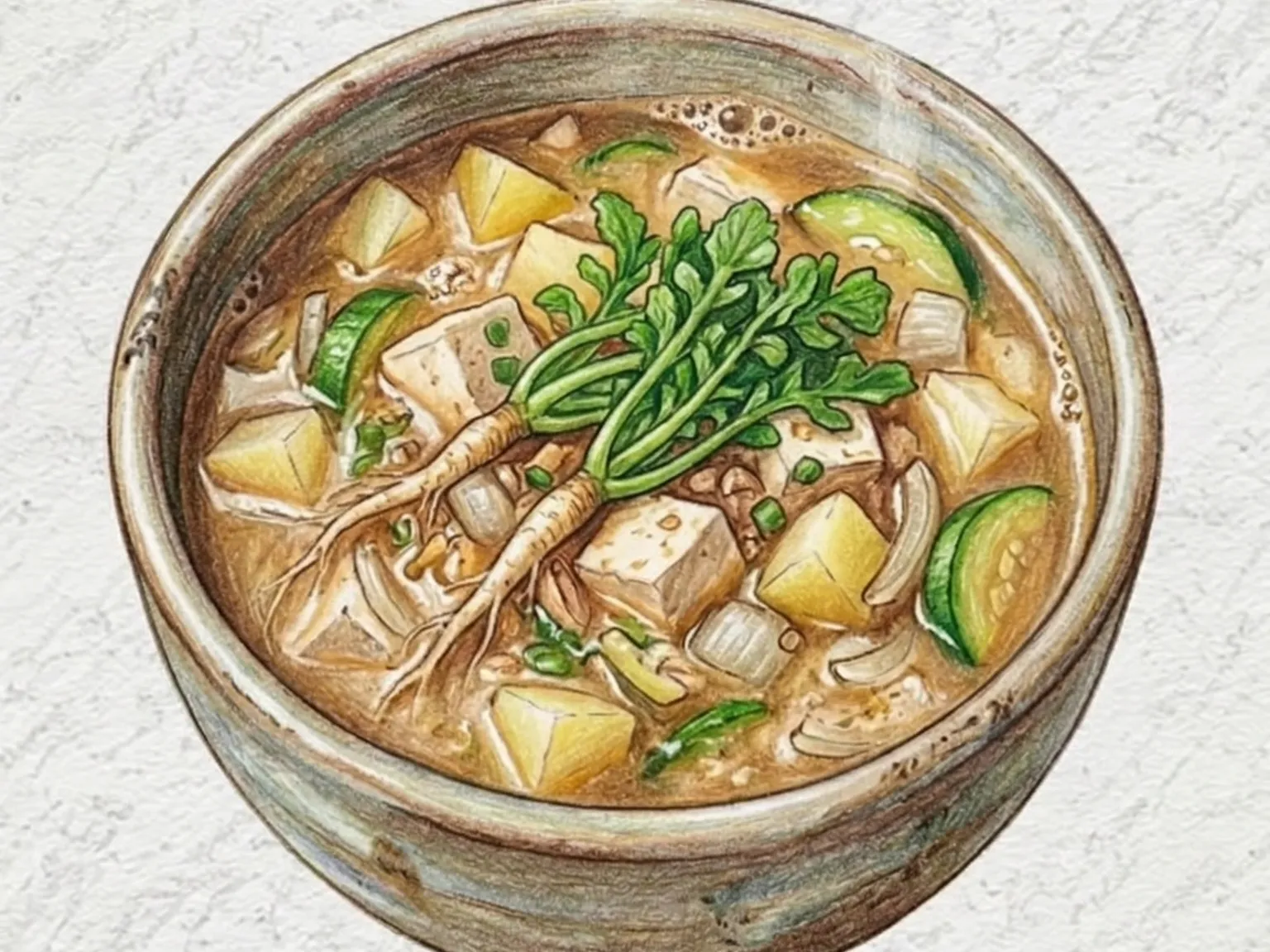
Naengi-guk is a Korean spring soup made with anchovy-kelp stock, doenjang, and fresh shepherd's purse (naengi). Naengi is a cruciferous plant gathered from paddies, field edges, and roadsides in early spring, and both the root and the leaves are used. The root contributes an earthy, mineral fragrance and the leaves carry a slightly bitter green quality that together define the soup's character. The stock is made from dried anchovies and kelp simmered and strained, providing a clean umami base. Doenjang is dissolved through a mesh strainer rather than stirred directly into the pot, which keeps the broth clear rather than murky while still delivering the fermented soybean depth. Diced tofu simmers in the seasoned broth until warmed through. Naengi goes in during the final two to three minutes of cooking: longer exposure to heat breaks down the aromatic compounds in the herb and erases the spring fragrance that makes the soup worth making in the first place. The pairing of naengi's earthy bitterness with the fermented depth of the doenjang and the clean mineral tone of the anchovy stock produces a flavor that is distinctly seasonal and difficult to replicate outside of spring. Soup soy sauce, salt, and a small amount of garlic complete the seasoning. In Korean food culture, naengi-guk on the table is understood as one of the clearest signs that winter is finished.

🏠 Everyday
Prep 15minCook 20min4 servings
Korean Webfoot Octopus Tofu Stew
StewsMedium

Korean Webfoot Octopus Tofu Stew

Jjukkumi dubu jjigae is a Korean stew of webfoot octopus and soft tofu cooked in a gochugaru-seasoned anchovy broth. A full 450 grams of jjukkumi goes into the pot, providing a bouncy, chewy texture in every spoonful. The tofu absorbs the spicy broth as it cooks, creating a soft counterpoint to the firm octopus, and the contrast between the two textures is a central part of the dish. Rice wine added early in the cooking process neutralizes any fishiness from the seafood, keeping the broth clean-tasting rather than pungent. Soup soy sauce deepens the umami base without darkening the broth too heavily, and gochugaru provides the heat. Zucchini and onion contribute natural sweetness that rounds out the broth and prevents the salt from the seafood from feeling sharp or one-dimensional. Jjukkumi becomes rubbery if overcooked, so removing the pot from heat three to four minutes after it comes back to a boil is the key step for keeping the octopus tender and springy rather than tough.

🏠 Everyday
Prep 18minCook 22min4 servings
Korean Seafood Doenjang Stew
StewsEasy

Korean Seafood Doenjang Stew

Haemul doenjang jjigae is a Korean soybean paste stew enriched with clams and shrimp. The broth is built on a kelp and dried anchovy stock into which doenjang is dissolved, then clams are added and the pot is brought to a boil. As the clams open, they release their clear, briny liquor into the doenjang base, adding a layer of ocean flavor that plain vegetable stews cannot replicate. Shrimp go in next and contribute their own distinct seafood sweetness. Tofu and zucchini round out the stew with soft, yielding textures that absorb the enriched broth fully. Clams should be purged in salted water beforehand to eliminate any grit, and doenjang is best added conservatively at the start and adjusted gradually during cooking to avoid over-salting. The seafood transforms the already satisfying doenjang stew into something noticeably more layered and complex, making it equally at home as a rice accompaniment or as food alongside drinks.

🏠 Everyday
Prep 15minCook 20min2 servings
Korean Shepherd's Purse Pollack Soup
SoupsEasy

Korean Shepherd's Purse Pollack Soup

Naengi-bugeo-guk is a clear Korean soup that brings together dried pollack strips and fresh shepherd's purse, pairing the hearty depth of a winter pantry staple with the clean, herbaceous fragrance of early spring. Sautéing the pollack strips in sesame oil before adding water is the foundational step, as the dry heat coaxes a toasty, nutty aroma out of the surface proteins and primes the broth to carry deep flavor from the first minute of simmering. As the soup cooks, the concentrated umami locked inside the dried fish slowly dissolves into the liquid, building a broth that feels rich without being heavy. Cubed tofu goes in mid-cook, softening into a silky texture while keeping the overall flavor clean and mild. The shepherd's purse is added at the very end, just long enough to wilt, so that its faintly bitter, earthy spring perfume remains in the finished bowl rather than cooking off. Soup soy sauce and minced garlic season without clouding the broth. This soup is a fixture of Korean spring cooking, prized for being gentle on the stomach while delivering genuine depth.

🏠 Everyday
Prep 15minCook 20min2 servings
Korean Tofu and Kimchi Stir-Fry
Stir-fryEasy

Korean Tofu and Kimchi Stir-Fry

Dubu-kimchi-bokkeum is a Korean home-cooking classic that pairs pan-fried tofu with well-fermented napa cabbage kimchi in a quick stir-fry. The tofu is browned first on both sides until a thin crust forms, which keeps the pieces intact during the subsequent frying and gives each bite a firm exterior against the softer interior. A small amount of pork belly, rendered first, contributes fat that mellows the sharp acidity of the kimchi and acts as a flavor bridge between the two main components. The contrast between the mild, slightly nutty tofu and the tangy, spicy kimchi is the defining dynamic of the dish: neither dominates, and each makes the other taste more distinct. Deeply fermented kimchi, aged past the fresh stage, works best here because the stir-fry heat drives off the raw sourness and amplifies the underlying umami. Sesame oil and toasted sesame seeds are scattered over the finished dish, adding a nutty fragrance that rounds out the heat. Served as a snack with drinks or as a side over steamed rice, it occupies a reliable place on the Korean home table.

🏠 Everyday🌙 Late Night
Prep 10minCook 15min2 servings
Korean Braised Tofu and Mushrooms
Stir-fryEasy

Korean Braised Tofu and Mushrooms

Dubu-beoseot-jorim is a Korean braised side dish of firm tofu and oyster mushrooms simmered in a soy-based sauce until the liquid reduces to a glossy, clinging coat. The tofu is pan-fried first in a lightly oiled skillet to form a firm outer crust before braising begins, which allows it to absorb the seasoned liquid without crumbling or losing its structure during cooking. The result is a cube with a slightly firmer exterior and a soft, custardy interior that holds together through each bite. Oyster mushrooms, torn along their natural grain rather than cut, contribute a pleasantly chewy texture and release their inherent umami into the braising liquid as they cook, adding depth without the need for separate stock. The sauce requires only soy sauce, water, garlic, gochugaru, and sesame oil, making this a straightforward braise that rewards careful heat management over elaborate preparation. When the sauce has reduced to just a small pool at the bottom of the pan, the dish is ready, well-seasoned enough to serve alongside plain rice or pack into a lunchbox.

🏠 Everyday🍱 Lunchbox
Prep 15minCook 18min3 servings