Charim

2686 Korean & World Recipes

2686+ Korean recipes, clean and organized. Ingredients to instructions, all at a glance.

Recipes with firm tofu

24 recipes

Buy firm tofu
Korean Tofu Soy Broth Soup
SoupsEasy

Korean Tofu Soy Broth Soup

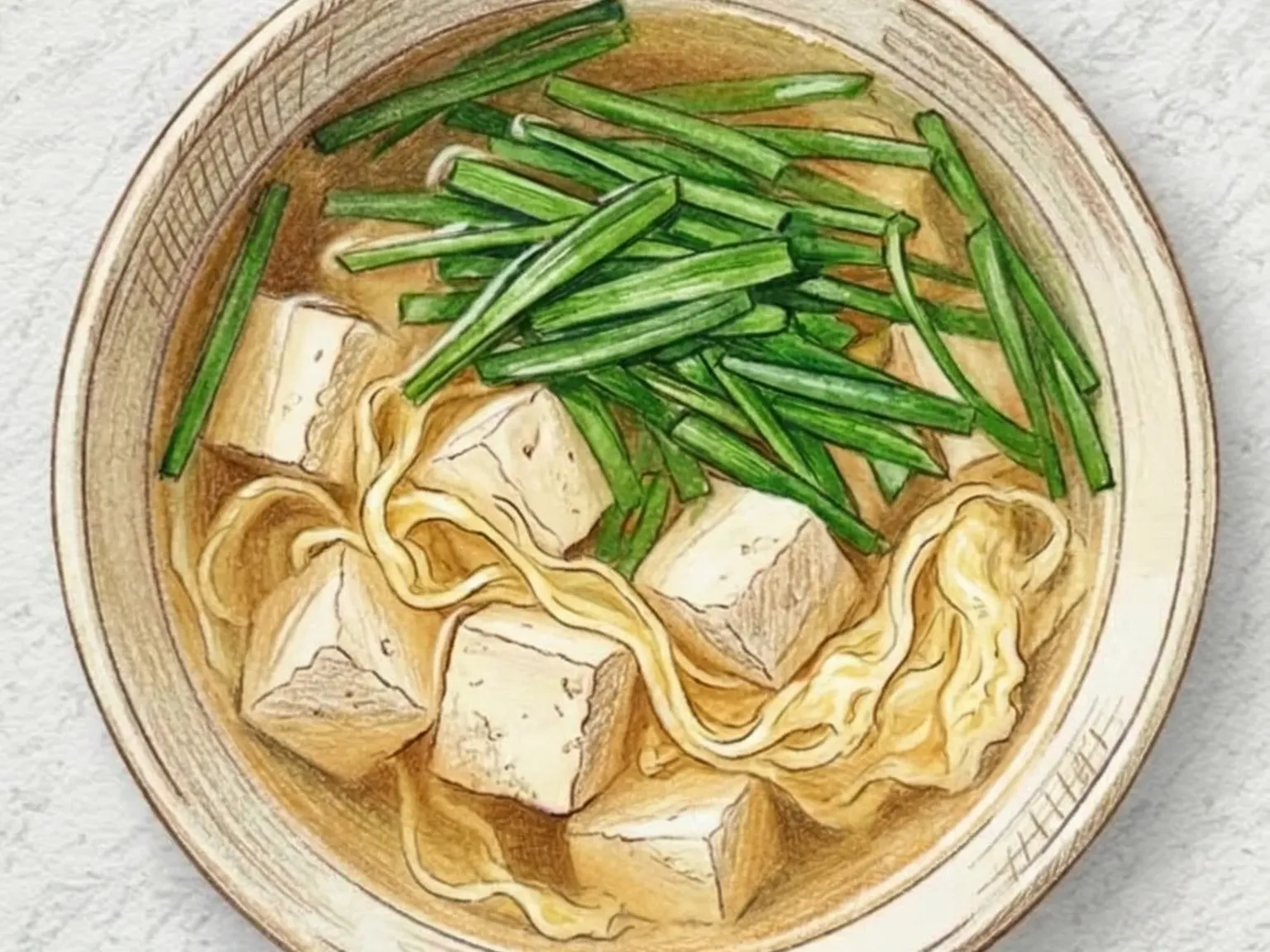
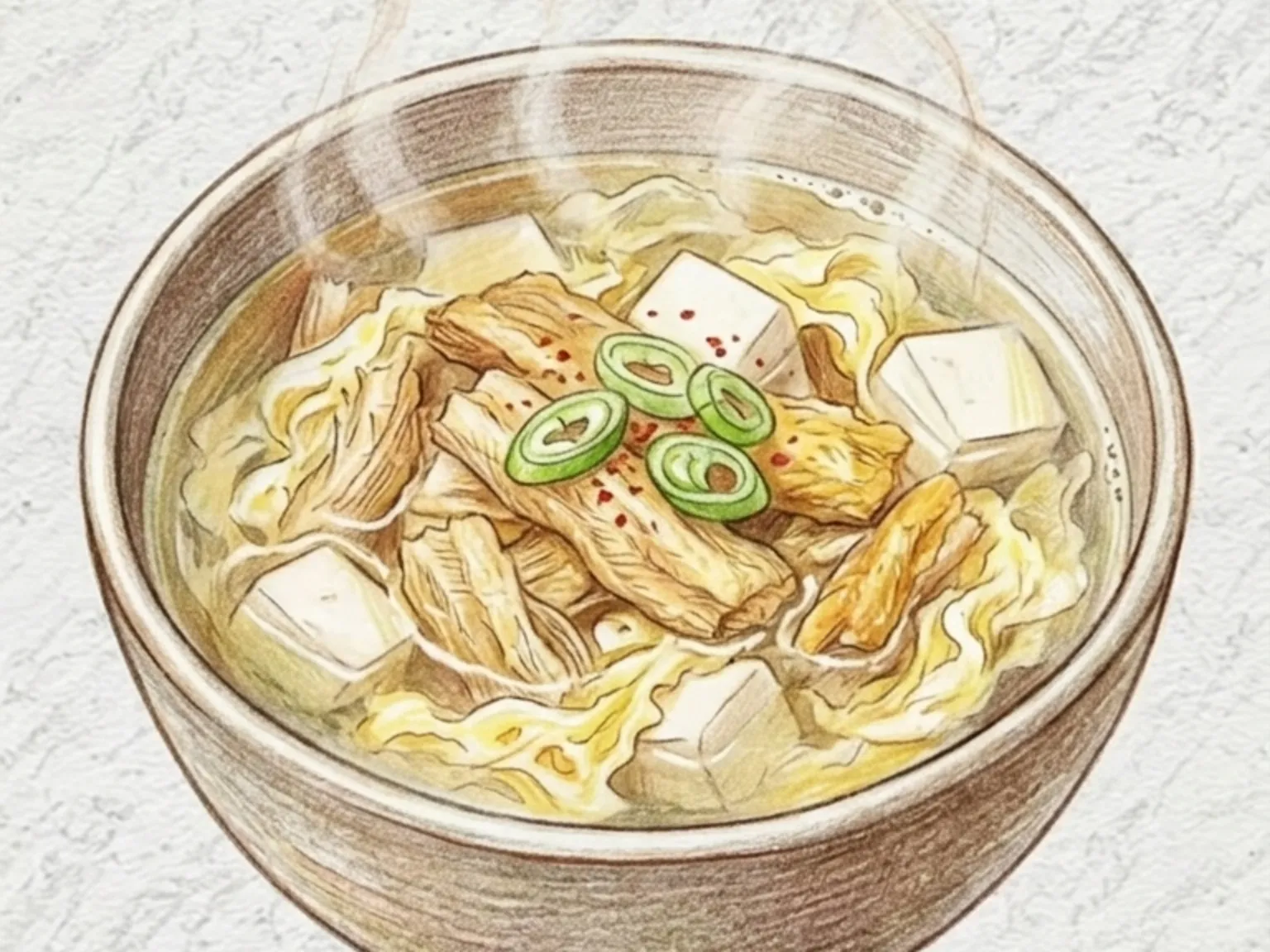
Dubu jangguk is a clear Korean soup seasoned with soup soy sauce and built around tofu, radish, and shiitake mushrooms. The radish goes in first and simmers for seven minutes, releasing a mild sweetness that forms the foundation of the broth. Shiitake and garlic follow for another four minutes, adding guanylate-rich umami that layers onto the radish base. The result is a broth with genuine depth built from water and a single seasoning. Tofu is always the last ingredient added. Put it in from the beginning and the surface becomes rough and the edges crumble; lower the heat and cook it for just three minutes at the end, and the tofu holds its clean white surface intact. Scooping tofu in with a spoon rather than slicing with a knife creates irregular, rough surfaces that soak up far more broth. Replacing water with anchovy stock raises the umami by another level, though the amount of soy sauce should be reduced slightly to keep the salt in balance.

🏠 Everyday
Prep 10minCook 15min4 servings
Korean Tuna Stew
StewsEasy

Korean Tuna Stew

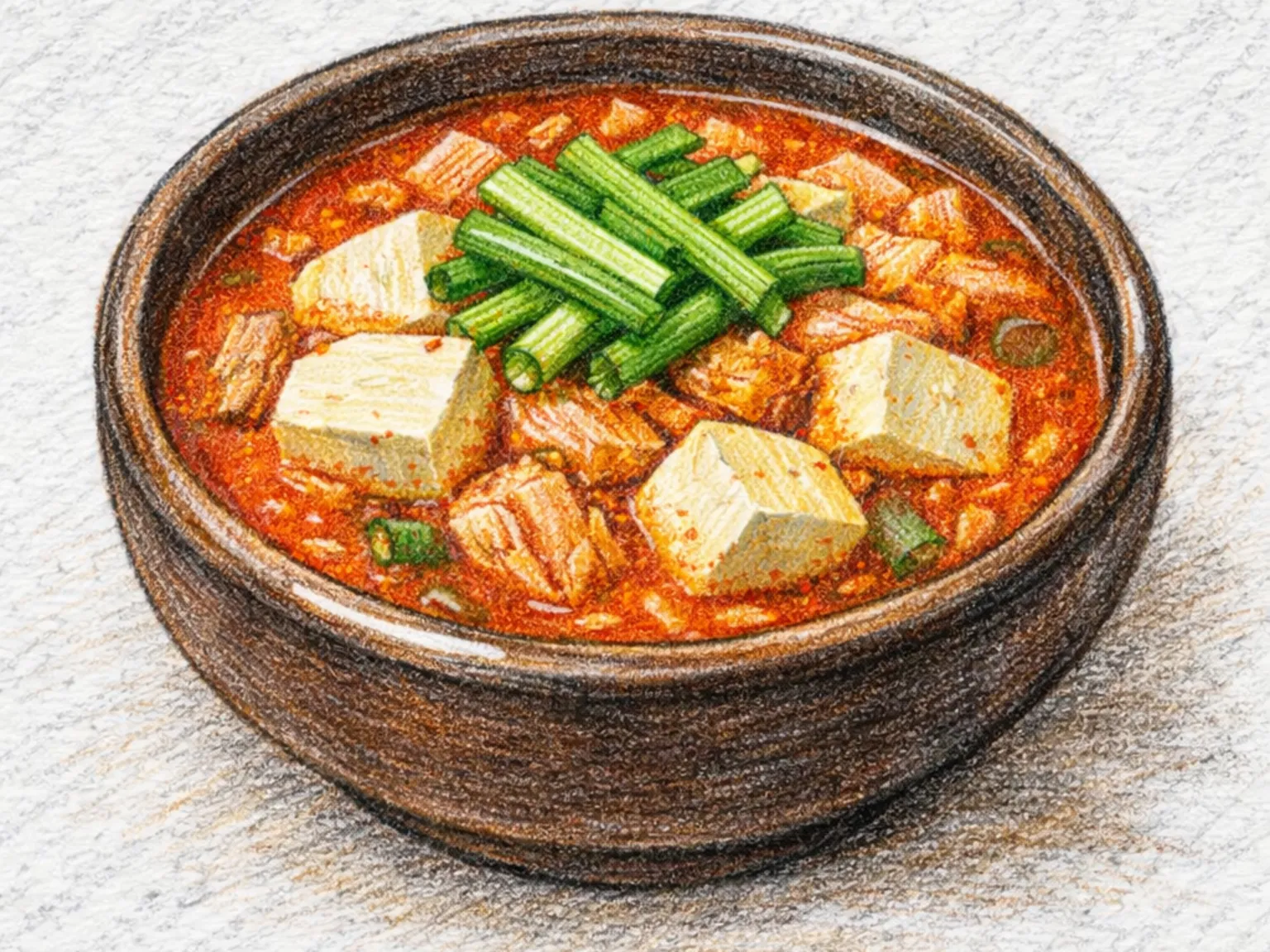
A weeknight stew built from a single can of tuna. The canned oil and flaked meat break into the water with gochugaru and soup soy sauce, building a sharp, savory broth without stock. Zucchini and onion add natural sweetness, tofu provides a soft counterweight, and a cheongyang chili pushes the heat up a notch. No extra broth needed - the fat from the can does the work.

🏠 Everyday
Prep 10minCook 15min2 servings
Geundae-guk (Swiss Chard Doenjang Tofu Soup)
SoupsEasy

Geundae-guk (Swiss Chard Doenjang Tofu Soup)

Geundae-guk is a homestyle Korean soup made by simmering Swiss chard leaves and stems in anchovy stock seasoned with doenjang. Swiss chard, called geundae in Korean, has broader leaves and thicker stalks than spinach, giving the soup a more substantial bite, and the greens' mild bitterness pairs naturally with the fermented depth of doenjang into an earthy, grounding flavor. Cubed tofu is typically added alongside for protein and a soft contrast to the chewy greens, while minced garlic rounds out the aroma of the broth. The entire cooking process takes barely ten minutes once the stock is boiling, making this one of the quickest doenjang soups in the Korean home-cooking repertoire. In Korean households, this soup appears most often in spring and autumn when fresh chard is in season, though frozen chard works through the rest of the year without significantly changing the flavor of the broth. Overcooking the greens after adding doenjang softens the leaves until they lose their texture, so pulling the pot off the heat three to four minutes after the paste dissolves preserves the chard's pleasant chew.

🏠 Everyday
Prep 10minCook 15min2 servings
Korean Tuna Kimchi Stew
StewsEasy

Korean Tuna Kimchi Stew

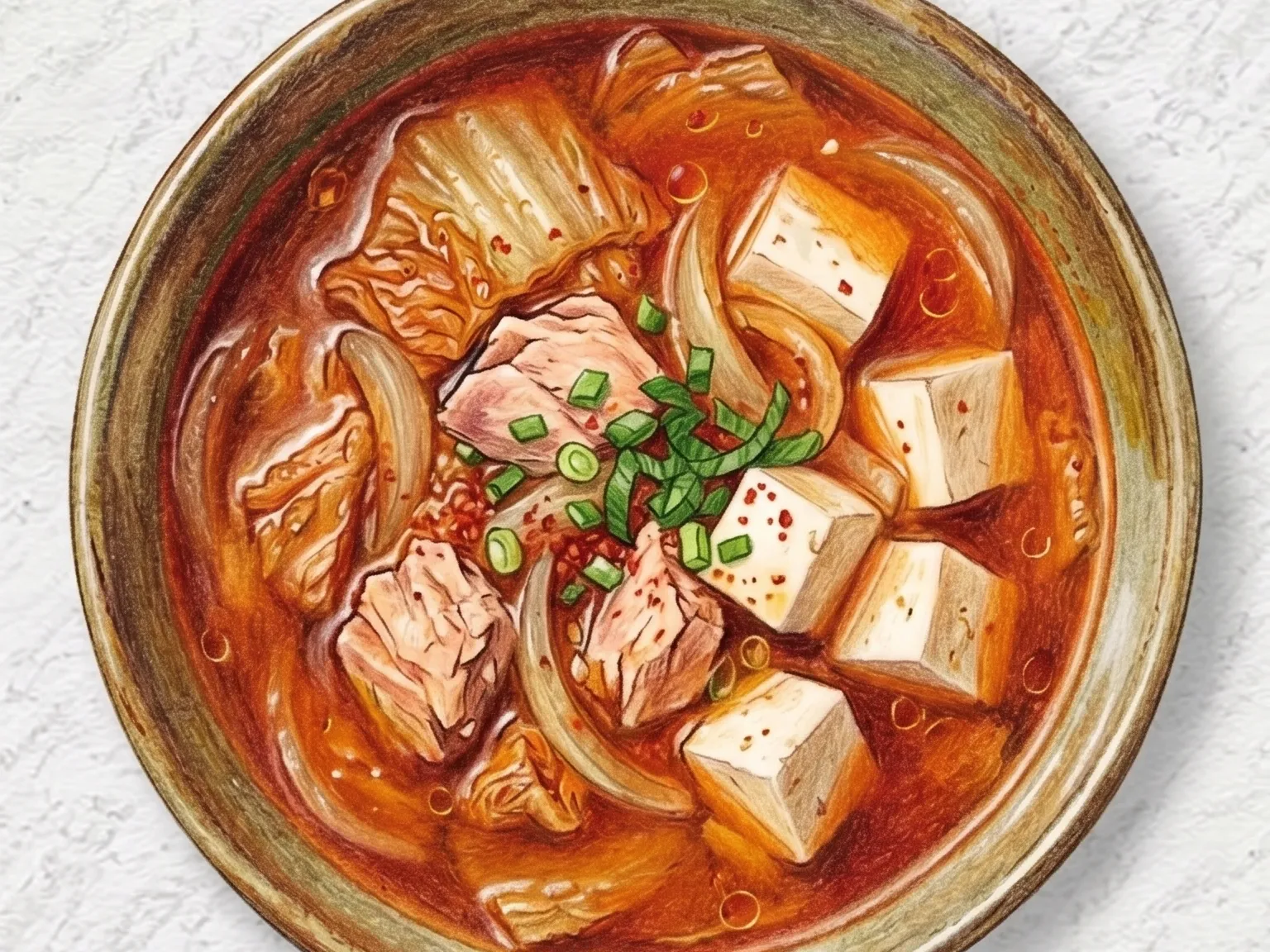
Aged kimchi and canned tuna are cooked together in this streamlined version of kimchi jjigae that skips the traditional pork. The tuna's oil enriches the broth quickly without a long simmer, while the well-fermented kimchi provides a deep sourness that anchors the stew's flavor. Firm tofu, onion, and green onion fill out the pot, and a spoonful of chili flakes keeps the heat assertive. Draining most of the oil from the canned tuna before adding it prevents the broth from becoming too greasy. Using thoroughly aged kimchi with a pronounced sour tang is what gives the broth its depth, and simmering uncovered over high heat for two to three minutes at the end thickens the liquid to a consistency that coats rice well.

🏠 Everyday
Prep 8minCook 15min2 servings
Gul-dubu-guk (Oyster Soft Tofu Kelp Soup)
SoupsEasy

Gul-dubu-guk (Oyster Soft Tofu Kelp Soup)

Gul-dubu-guk is a winter Korean soup that pairs plump seasonal oysters with soft tofu in a clear kelp-based broth. Timing the oysters precisely is the central technique of the dish: they go in just before the broth reaches a full boil, and even a minute too long on the heat turns them tough and grainy. Large-cut tofu blocks absorb the shellfish-infused liquid as they simmer, carrying the briny depth of the oysters into every bite of curd. Thin radish slices added from the start release a gentle, natural sweetness that rounds out the broth without masking the oceanic character of the main ingredients. Seasoning stays restrained, only soup soy sauce and garlic, because heavy additions would overwhelm the delicate salinity that the oysters themselves contribute. A scattering of sliced green onion at the end adds a bright aromatic finish, and along the southern coast where oysters are harvested fresh through the cold months, this soup is considered a staple of the winter table.

🏠 Everyday
Prep 15minCook 15min3 servings
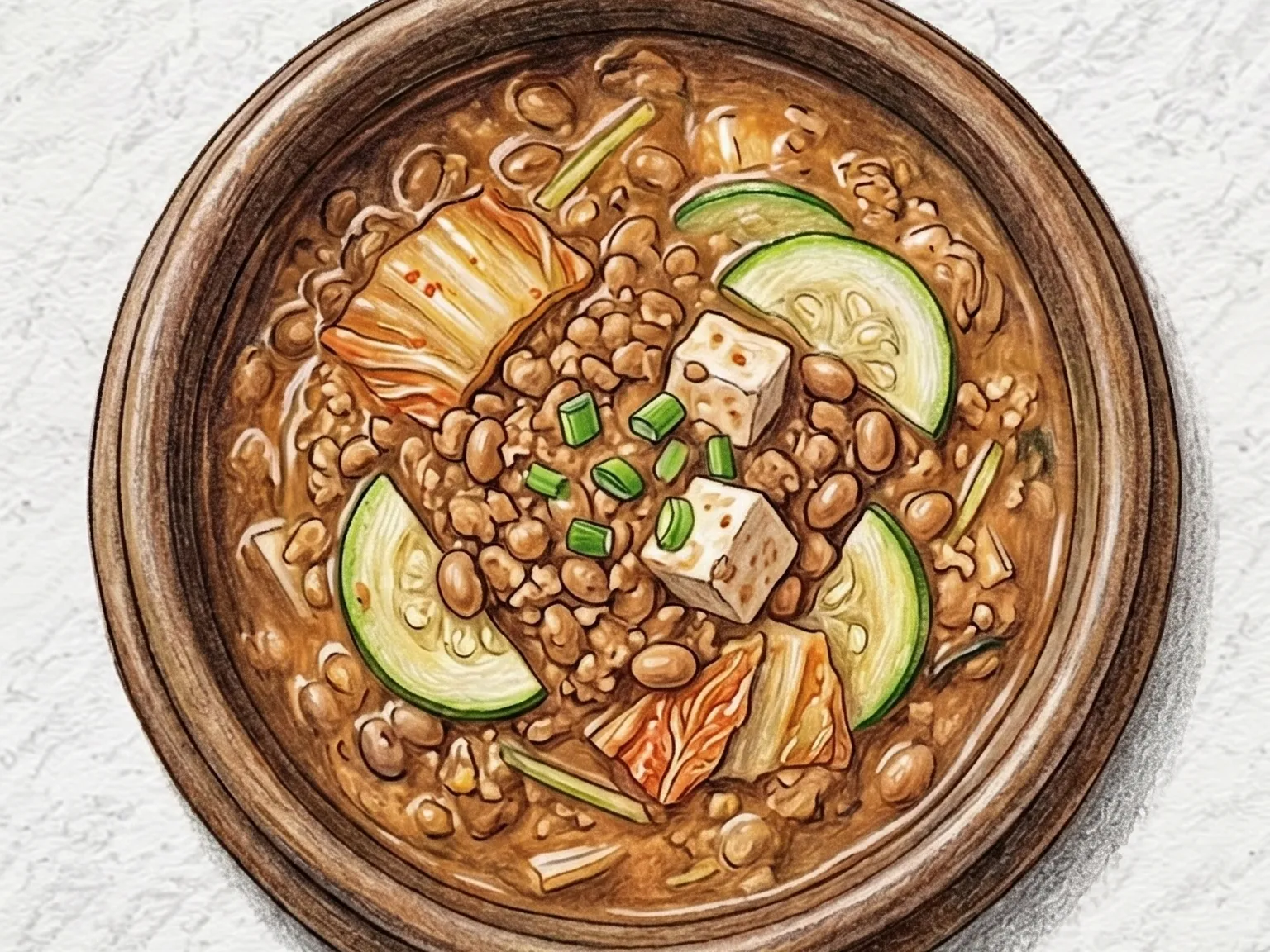
Cheonggukjang Jjigae (Korean Fermented Soybean Stew)
StewsEasy

Cheonggukjang Jjigae (Korean Fermented Soybean Stew)

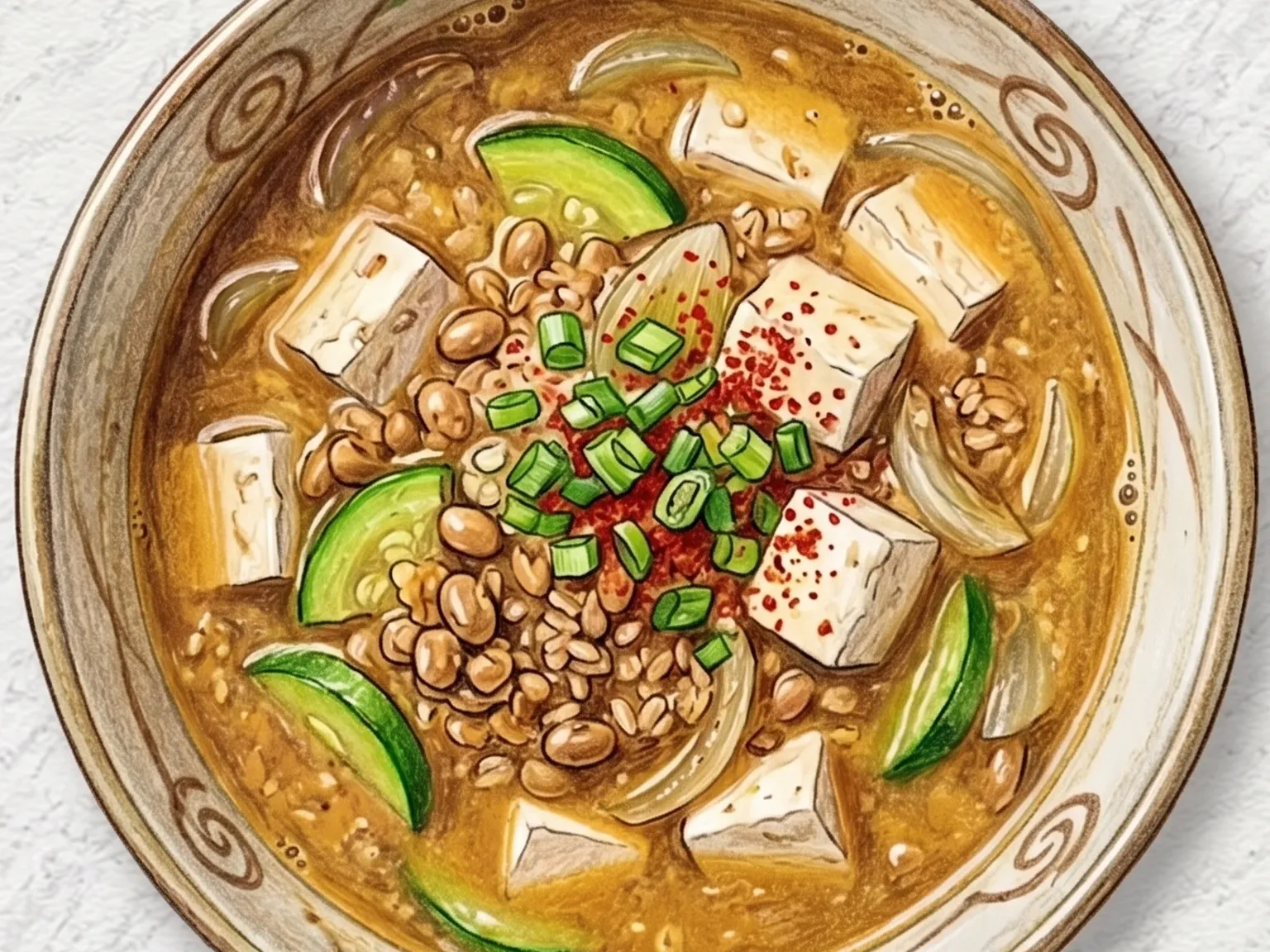
Cheonggukjang is a stew made from fast-fermented soybean paste. The short fermentation period produces a pungent, assertive aroma that mellows into a deeply nutty, savory flavor once the pot comes to a boil. Kimchi, zucchini, tofu, and onion are added to the bubbling liquid, each absorbing the thick, earthy broth as it simmers. Traditionally served piping hot in a stone pot, the stew is poured directly over freshly steamed rice -- a combination that represents one of the most enduring forms of Korean home cooking.

🏠 Everyday
Prep 10minCook 15min2 servings
Kimchi Dwaejigogi-guk (Kimchi Pork Tofu Soup)
SoupsEasy

Kimchi Dwaejigogi-guk (Kimchi Pork Tofu Soup)

Kimchi-dwaejigogi-guk starts by stir-frying pork shoulder and well-fermented sour kimchi together in perilla oil. The pork is cooked first until its fat renders fully, then chili flakes join the pan for three more minutes of cooking alongside the kimchi. This initial stir-fry step is what gives the soup its depth - the caramelized kimchi acidity and rendered pork fat fuse into a base that a plain simmered broth cannot replicate. Water and sliced onion are added and simmered for fifteen minutes, then blocks of firm tofu go in near the end, soaking up the spicy, ruddy broth and providing a soft contrast to the chewy pork. The soup has considerably more liquid than a jjigae, making it well suited for pouring over rice in a bowl. Kimchi that has fermented longer delivers more lactic tang and a more complex broth. Pork belly can replace shoulder for a richer, fattier result.

🏠 Everyday
Prep 12minCook 25min2 servings
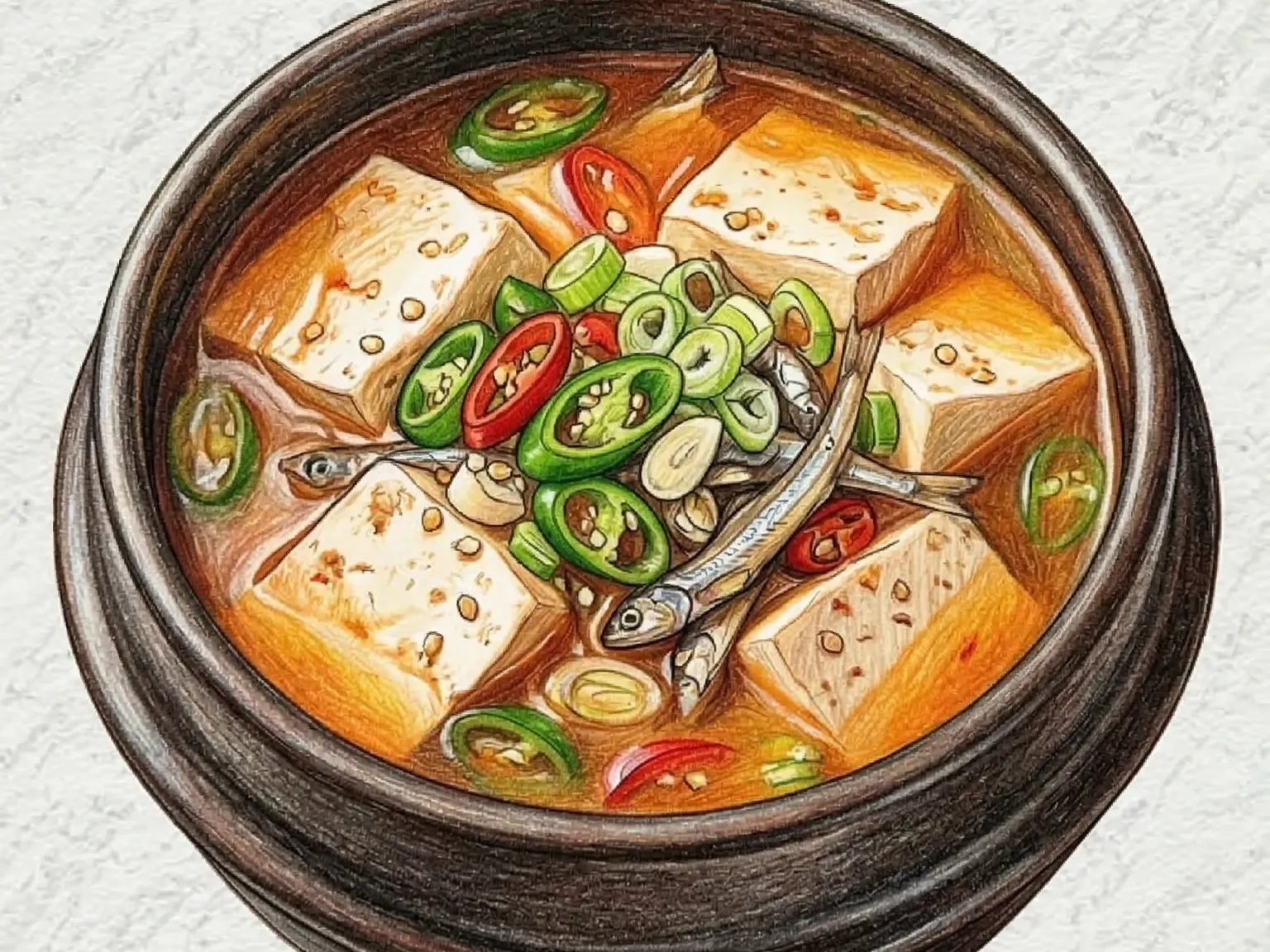
Korean Hot Chili Anchovy Tofu Stew
StewsEasy

Korean Hot Chili Anchovy Tofu Stew

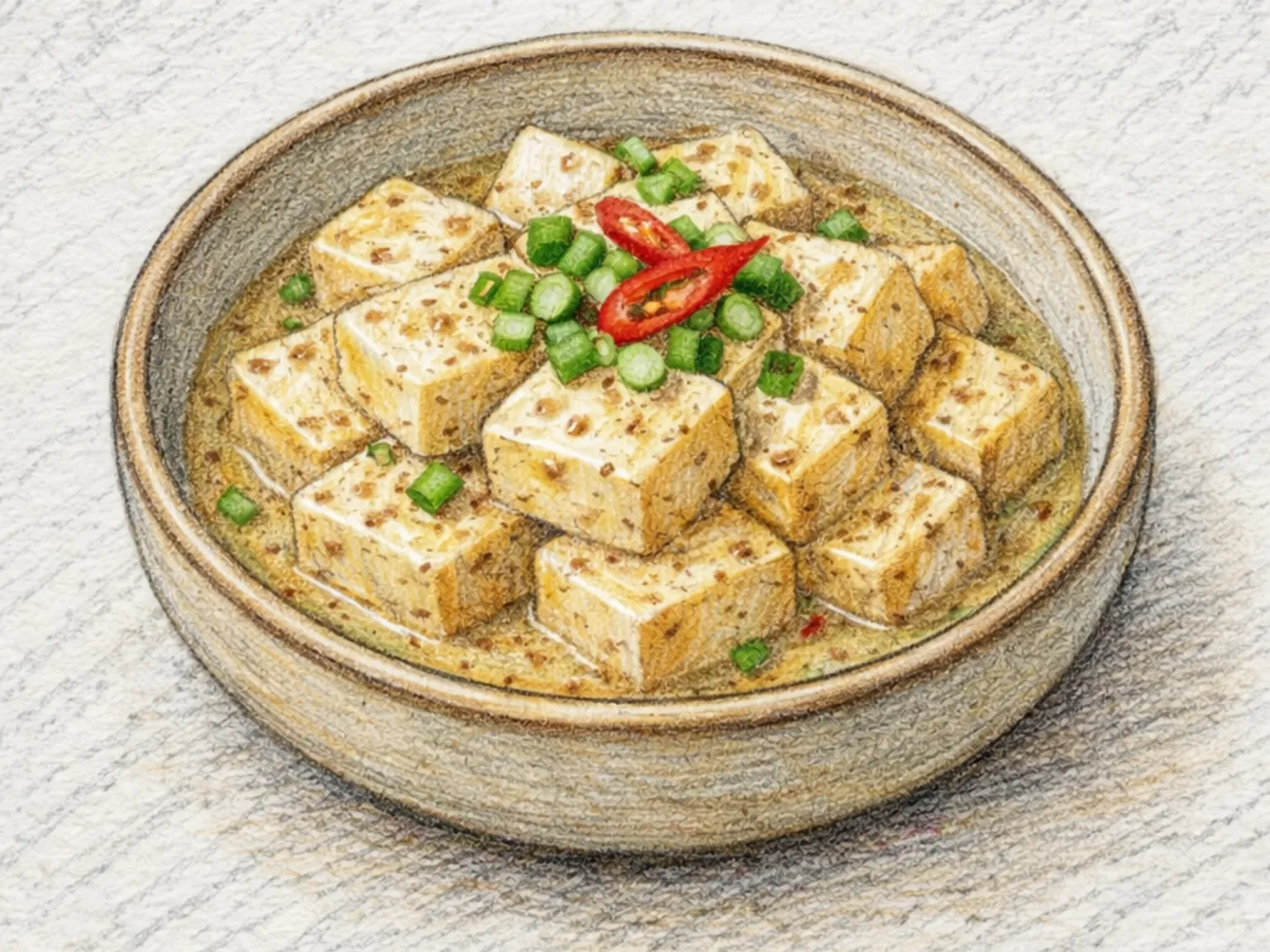
Dried anchovies and cheongyang chilies go into the pot together from the start so the broth itself absorbs the deep, pungent heat rather than the chilies simply floating on top. The anchovies are dry-roasted first to drive off any fishiness before water is added. Two whole cheongyang chilies, left uncut, release a sharp, penetrating spice that builds gradually through the simmer. Gochugaru adds color and layers the heat further, soup soy sauce keeps the seasoning clean, and tofu goes in only after the broth reaches a full boil so the cubes stay firm. The combination of anchovy-based richness and the chilies distinctive biting heat produces a broth that clears the palate without becoming salty.

🏠 Everyday
Prep 10minCook 18min2 servings
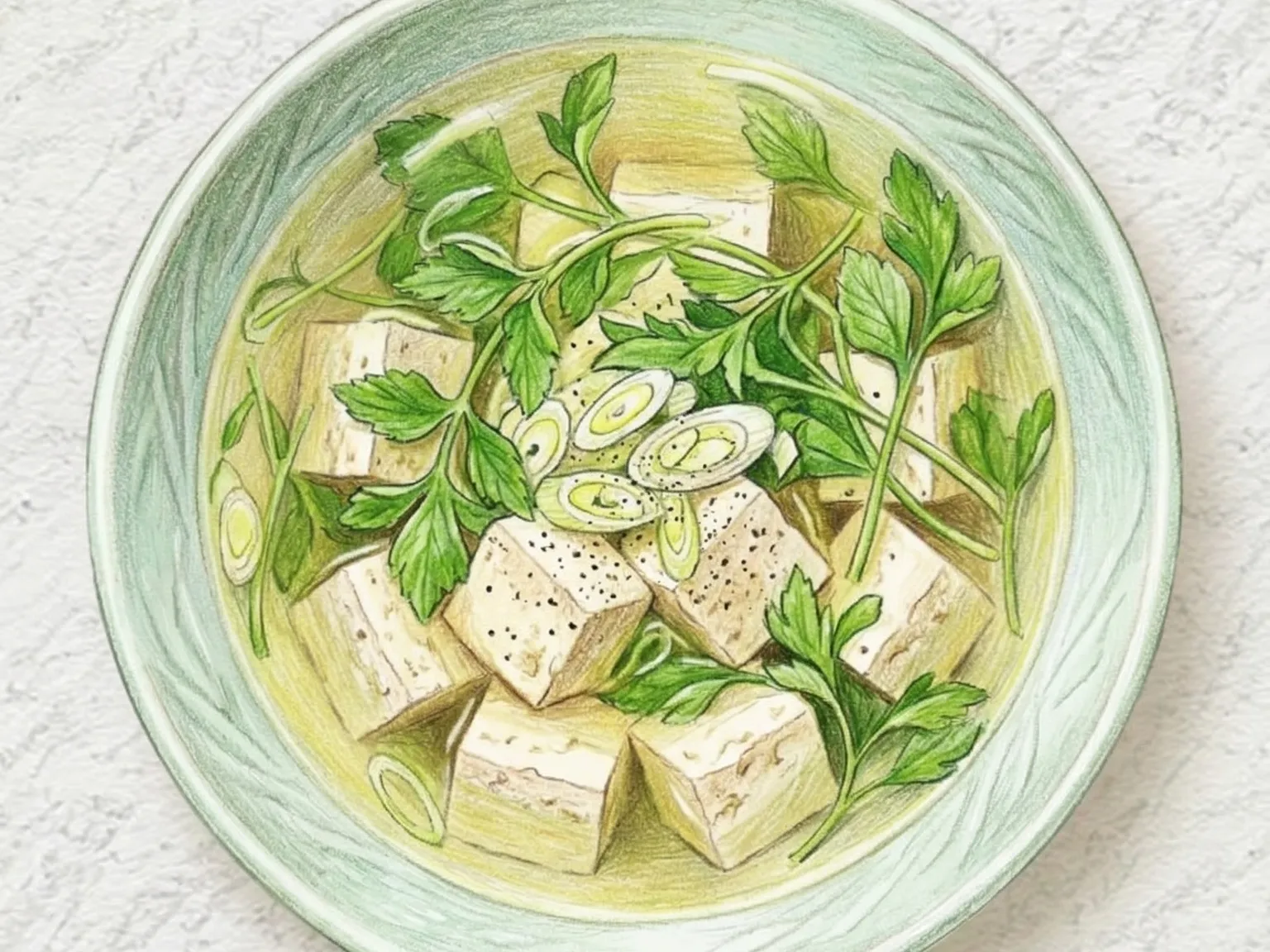
Korean Water Dropwort Tofu Soup
SoupsEasy

Korean Water Dropwort Tofu Soup

Minari-dubu-guk is a mild, clear Korean soup pairing soft tofu with water dropwort, an herb prized for its bright, celery-like fragrance. The broth is built on a simple anchovy-kelp stock, into which the tofu goes first and simmers gently until warmed through. Water dropwort is added only in the final moments before the heat is turned off, a deliberate timing choice that preserves the herb's volatile aromatic compounds and keeps the hollow stems slightly crisp rather than wilted. Adding it too early strips away the fragrance that makes this soup worth making. Seasoning stays minimal, soup soy sauce, garlic, and perhaps a pinch of salt, because restraint is the entire point: the clean stock, the herb's green perfume, and the pillowy tofu are meant to carry the bowl quietly. Firm tofu holds its shape through simmering and absorbs the broth more evenly than silken varieties, making it the better choice here. Spring is the ideal season, when water dropwort grows most tender and aromatic. Korean cooks often place this soup alongside richer, heavier dishes because the light broth cuts through fat and resets the palate between bites. It rarely draws attention at the table yet is reliably missed when absent.

🥗 Light & Healthy🏠 Everyday
Prep 10minCook 12min2 servings
Korean Young Radish Kimchi Stew
StewsEasy

Korean Young Radish Kimchi Stew

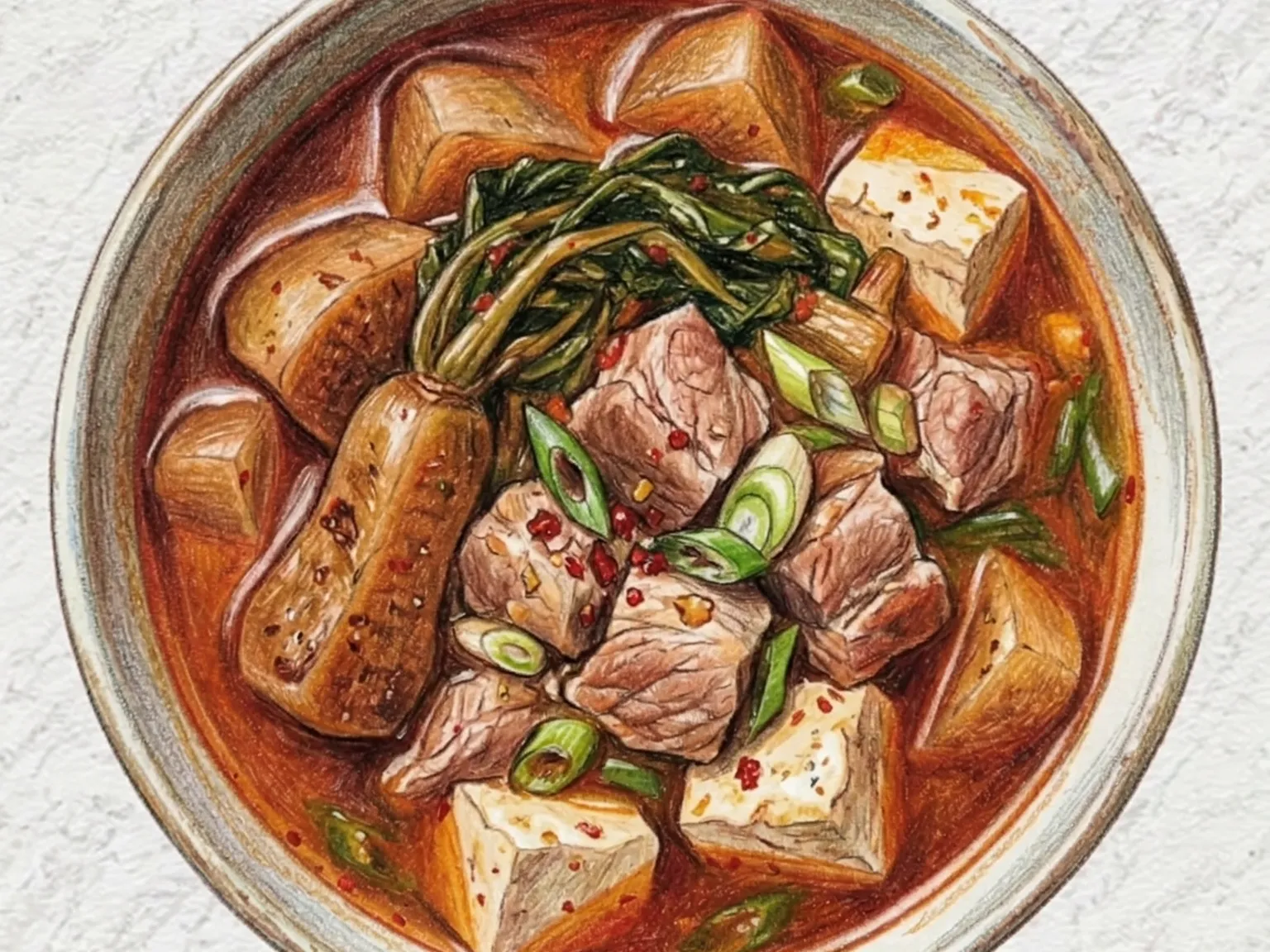
Chonggak kimchi jjigae uses fermented whole ponytail radishes in place of the usual napa cabbage kimchi. The radish pieces retain a firm, crunchy bite even after simmering, setting this version apart from the standard stew in both texture and flavor. Pork shoulder and a generous pour of kimchi brine build a full-bodied, sharply tangy broth, and tofu added near the end rounds out the bold, spicy flavors with a soft counterweight.

🏠 Everyday
Prep 12minCook 28min2 servings
Korean Sea Mustard Soybean Soup
SoupsEasy

Korean Sea Mustard Soybean Soup

Miyeok-doenjang-guk merges two foundations of Korean home cooking, seaweed soup and fermented soybean paste soup, into a single bowl that is earthier and more savory than either alone. Dried sea mustard is soaked, drained, and stir-fried briefly in sesame oil to develop a silky texture, then doenjang is dissolved directly into the pot rather than added at the end, which gives the fermented paste time to mellow and integrate with the seaweed's oceanic character. The result is something deeper and more complex than standard beef miyeok-guk, with a slightly funky, umami-saturated broth that reads as distinctly Korean even without meat. Anchovy-kelp stock used as the base amplifies the depth of the umami even further, while garlic and soup soy sauce keep the seasoning anchored. Because the protein and richness come from doenjang rather than beef, the soup leans naturally toward vegetarian territory and pairs well with a cube of soft tofu for added body. The broth thickens slightly from dissolved paste, which makes it cling to rice in a way that clear broths cannot match. Doenjang varies significantly in saltiness from brand to brand, so the final seasoning with soy sauce should be added gradually and tasted throughout.

🏠 Everyday
Prep 10minCook 18min2 servings
Korean Wild Chive Clam Chili Stew
StewsMedium

Korean Wild Chive Clam Chili Stew

Dalrae bajirak gochujang-jjigae is a spring stew that brings together wild chives and short-neck clams in a gochujang-spiked anchovy broth. When the clams are added to the simmering stock and begin to open, they release a concentrated brine that deepens the base flavor considerably. Gochujang folds in a fermented heat that runs through the whole bowl. Dalrae, a wild allium that grows in Korean fields from late February through April, goes in near the very end of cooking; its sharp, garlic-like scent stays intact that way and cuts through any marine fishiness. Potato pieces absorb the spicy broth as they cook and give the stew weight, while tofu provides a soft counterpoint to the heat. Before cooking, soaking the clams in salted water for thirty minutes purges any sand so the broth stays clean. The combination of early-spring dalrae with clams makes this a recipe with a narrow seasonal window.

🏠 Everyday
Prep 18minCook 22min4 servings
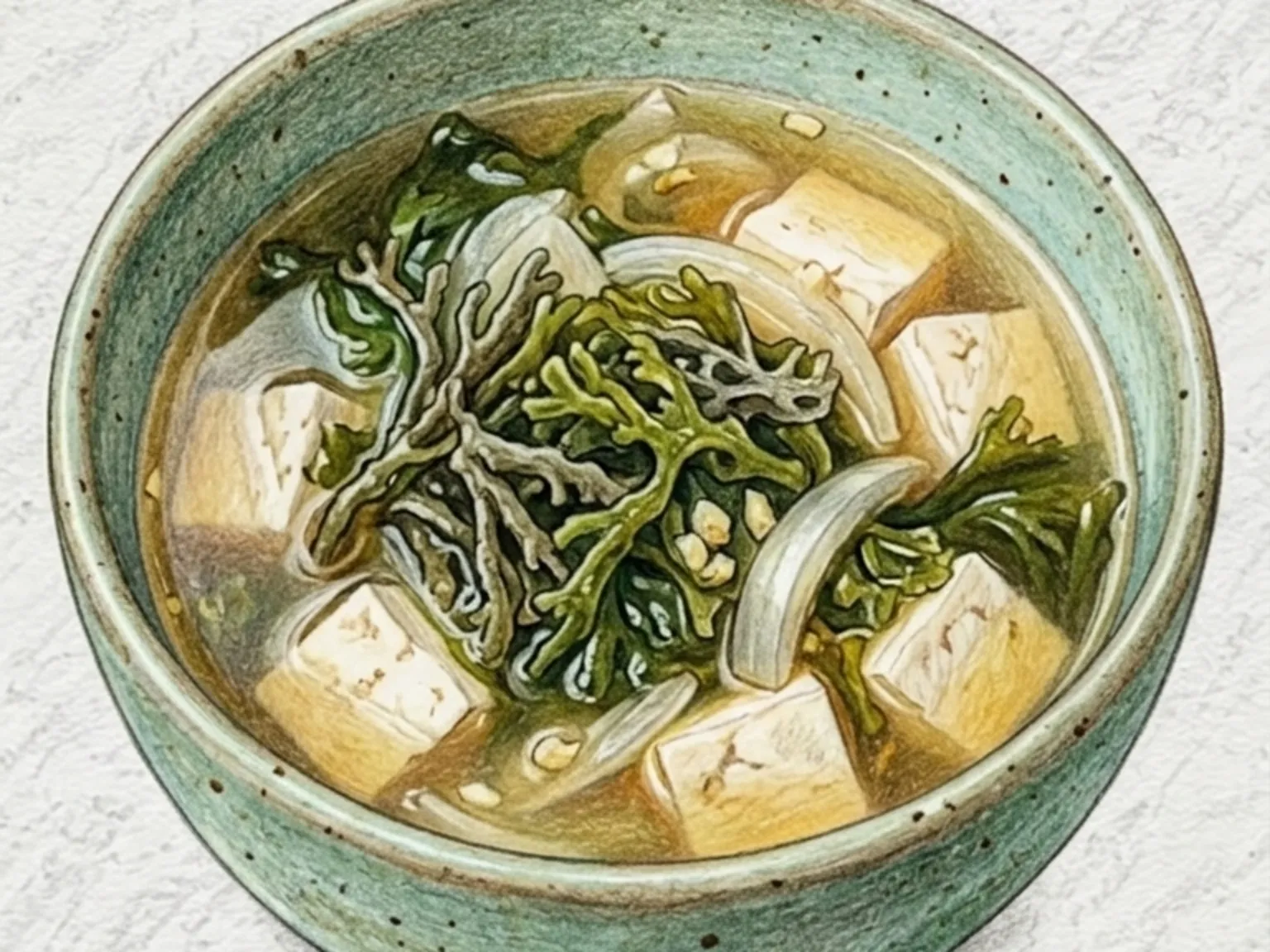
Korean Green Laver Soup (Seaweed Tofu Anchovy Broth)
SoupsEasy

Korean Green Laver Soup (Seaweed Tofu Anchovy Broth)

Parae-guk is a Korean seaweed soup made with green laver and tofu simmered in a clear anchovy broth. The broth is brought to a gentle boil and seasoned with garlic and soup soy sauce before diced tofu is added and warmed through for three minutes. The green laver goes in at the very end, cooking for no more than 30 to 60 seconds, because extended heat strips away its vivid color and fresh ocean fragrance entirely. Since the recipe relies on so few ingredients, the quality of the anchovy stock determines the overall depth of flavor, so using dried anchovies with heads and innards removed, simmered for at least ten minutes, produces a noticeably cleaner and more savory base. The mineral-rich, briny character of the green laver contrasts well with the mild tofu, and the whole soup comes together in about fifteen minutes. Because green laver carries its own saltiness, it is best to add the soup soy sauce gradually and taste as the seasoning develops.

🏠 Everyday
Prep 10minCook 15min4 servings
Korean Wild Chive Soybean Paste Stew
StewsEasy

Korean Wild Chive Soybean Paste Stew

This doenjang jjigae features dalrae (wild chives), a prized spring ingredient in Korean cooking. Anchovy-kelp stock is simmered with soybean paste, tofu, zucchini, and onion to build a full-bodied, savory base, then wild chives are added just before turning off the heat to preserve their sharp, garlicky aroma. A single Cheongyang chili adds measured heat that underscores the earthiness of the doenjang without overwhelming it. Adding the chives root-end included intensifies the fragrance noticeably compared to using leaves alone. At its best between February and April when freshly harvested dalrae is available, this is a seasonal jjigae that restores appetite when nothing else seems appetizing.

🏠 Everyday
Prep 12minCook 18min2 servings
Korean Fish Soup (White Fish and Radish Clear Broth)
SoupsEasy

Korean Fish Soup (White Fish and Radish Clear Broth)

Saengseon-guk is a traditional Korean fish soup made with white-fleshed fish and radish in a clear broth. The radish simmers first, building a base of natural sweetness, before garlic and soup soy sauce are added for depth. The fish goes in once the radish is halfway cooked, and timing matters - it should cook only until the flesh turns opaque and begins to flake, as prolonged boiling would break it apart and cloud the broth. Tofu and sliced Korean chili peppers join near the end, adding soft texture and a mild kick. Green onion finishes the bowl with a fresh note. The result is a light, transparent soup where the fish's own clean, marine flavor does most of the work. It is the kind of straightforward home cooking that appears on Korean dinner tables throughout the year, requiring little more than fresh fish and basic pantry staples.

🏠 Everyday
Prep 15minCook 20min4 servings
Korean Bellflower Root Tofu Stew
StewsEasy

Korean Bellflower Root Tofu Stew

Deodeok dubu jjigae is a Korean stew that simmers bellflower root and soft tofu in a broth made from rice-rinse water. Gochujang and doenjang are dissolved together to build a base that is simultaneously spicy and deeply savory. Bellflower root contributes a signature bitter-herbal fragrance and firm bite that sets the soup apart from standard tofu jjigae. Rice-rinse water acts as a natural thickener and rounds off any residual bitterness from the root. The contrast between the chewy deodeok and the yielding tofu gives each spoonful an interesting texture. Before cooking, the bellflower root is traditionally pounded to open its fibrous grain, which allows the seasoning to penetrate more evenly.

🏠 Everyday
Prep 15minCook 20min2 servings
Korean Spinach Soybean Paste Soup
SoupsEasy

Korean Spinach Soybean Paste Soup

Sigeumchi-doenjang-guk is a foundational Korean soup that combines spinach with soybean paste in anchovy-kelp stock, producing a broth that is earthy, warm, and deeply familiar to anyone who grew up eating Korean home cooking. Doenjang is dissolved into the simmering stock first, establishing a savory, slightly funky baseline. Spinach is added near the end and wilts within seconds, contributing a soft green color and a faint bitterness that, rather than clashing with the fermented paste, amplifies its complexity. Tofu is a common addition that gives the soup more substance and a creamy counterpoint to the leafy greens. Garlic and green onion handle the aromatics, and no chili is used, keeping the soup on the gentle end of the Korean flavor spectrum. The key technical point is timing: spinach left in boiling liquid too long turns dull and mushy, so experienced cooks drop it in and turn off the heat almost immediately. This soup is one of the most frequently prepared versions of doenjang-guk in Korean kitchens precisely because spinach is available year-round, affordable, and cooks in moments. It pairs seamlessly with any banchan spread and never competes for attention on the table.

🏠 Everyday
Prep 10minCook 15min2 servings
Korean Soybean Paste Stew
StewsEasy

Korean Soybean Paste Stew

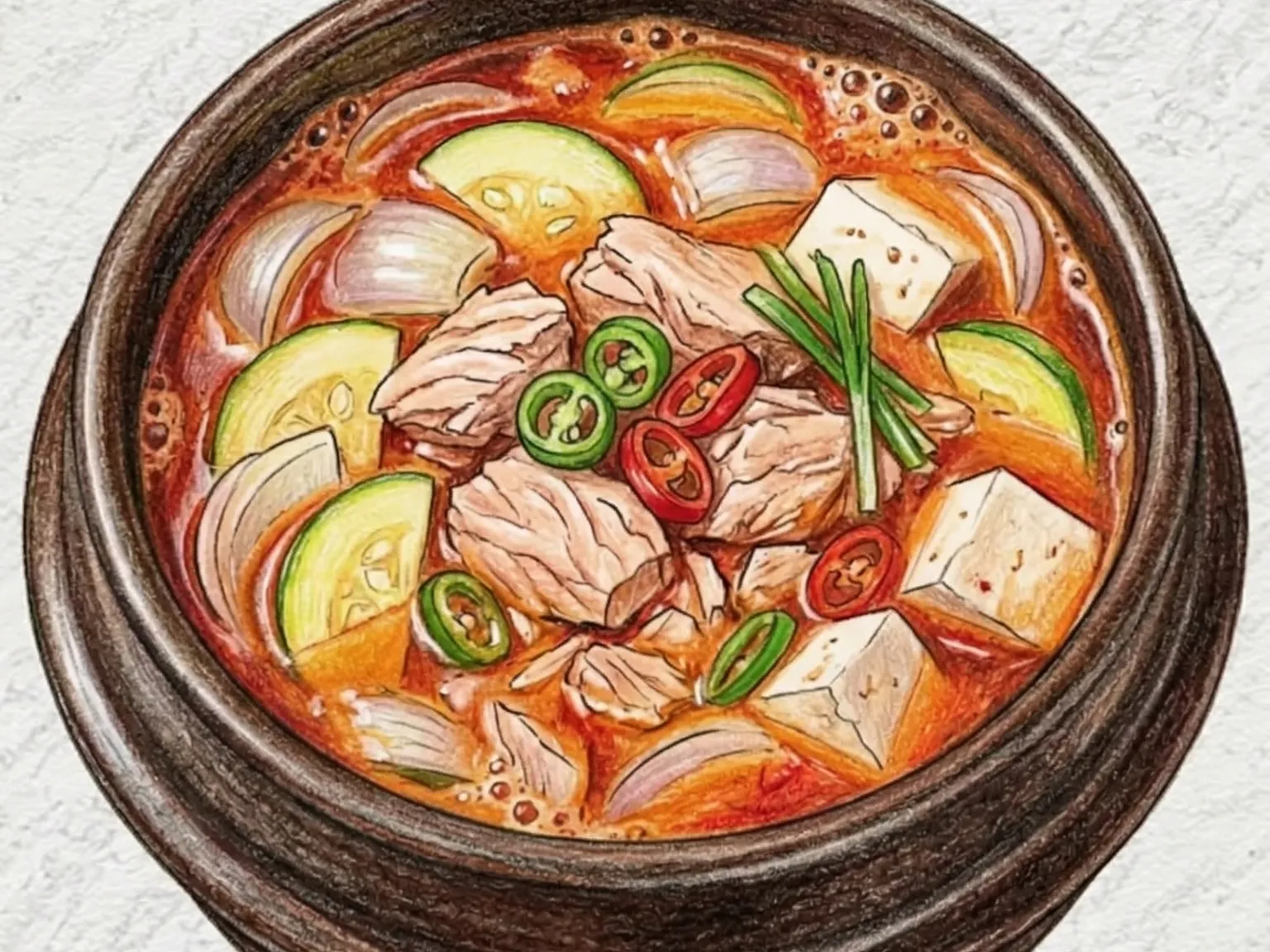
Doenjang jjigae is one of the most iconic stews in Korean home cooking. Fermented soybean paste is dissolved into a simple broth and simmered with tofu, potato, zucchini, and onion until everything comes together. Garlic adds aromatic warmth, and a Cheongyang chili sharpens the earthy base with a clean kick. The vegetables and tofu absorb the salty, savory broth as they cook, deepening the overall flavor. This is the everyday stew that anchors a Korean meal, pairing effortlessly with rice and any combination of banchan.

🏠 Everyday
Prep 15minCook 25min4 servings
Korean Spinach Tofu Soup
SoupsEasy

Korean Spinach Tofu Soup

Sigeumchi-dubu-guk is a clear, mild Korean soup in which spinach and tofu float in an anchovy-kelp broth seasoned only with soup soy sauce - no fermented paste, no chili. The result is a bowl of quiet transparency where each ingredient's natural flavor is audible: the green, slightly mineral taste of spinach, the neutral creaminess of tofu, and the clean savor of the stock. A small amount of minced garlic builds umami in the background, and a single drop of sesame oil on the surface adds a whisper of richness. This soup is intentionally gentle, which is exactly why Korean families rely on it so heavily - it suits every palate and every age group, from toddlers to grandparents. Cooks often serve it alongside bold, spicy dishes because the clear broth acts as a reset between intense bites. The technique is straightforward but timing matters: tofu should be cut into generous cubes so it holds its shape during simmering, and spinach should enter the pot only at the very end to preserve its color and a touch of texture. The entire preparation takes under fifteen minutes and requires only four or five ingredients, making it one of the most practical everyday soups in Korean cooking.

🏠 Everyday
Prep 10minCook 16min4 servings
Korean Frozen Pollack Stew
StewsMedium

Korean Frozen Pollack Stew

Dongtae jjigae is a spicy Korean stew built around whole frozen pollack, which separates into flaky, delicate pieces as it cooks through. Korean radish brings a clean, sweet undertone to the broth, while tofu and zucchini fill out each bowl with mild, soft contrasts to the fish. Gochugaru combined with a spoonful of doenjang creates a broth that is at once spicy, salty, and deeply savory rather than sharp in a single direction. Generous amounts of green onion and Cheongyang chili are added toward the end to cut through any fishiness and keep the heat clear and warming.

🏠 Everyday
Prep 15minCook 25min4 servings
Korean Turnip Soybean Paste Soup
SoupsEasy

Korean Turnip Soybean Paste Soup

Sunmu doenjang-guk is a homestyle soybean paste soup that uses turnip as its starring vegetable and rice-rinsing water as its liquid base. The starchy water softens the doenjang's salinity, giving the broth a rounded, almost creamy quality that straight water cannot achieve. Turnips cook faster than daikon and yield a more delicate sweetness, along with a faint peppery edge that adds quiet complexity. As the turnip pieces simmer, a subtle purple blush from the skin tints the broth, making it a shade more elegant than an ordinary doenjang-guk. Cubed tofu is a natural companion, its neutral creaminess absorbing the fermented broth, while sliced scallion adds a final aromatic layer. The soup is at its best between autumn and early winter when turnips are in season, their sugars concentrated by cooler soil temperatures. Because the ingredient list is short, the quality of the doenjang matters more here than in busier soups - a well-aged paste with deep fermentation will carry the bowl, while a mediocre one will leave it flat.

🏠 Everyday
Prep 15minCook 25min4 servings
Korean Tofu Hot Pot (Tofu & Beef Kelp Broth Pot)
StewsMedium

Korean Tofu Hot Pot (Tofu & Beef Kelp Broth Pot)

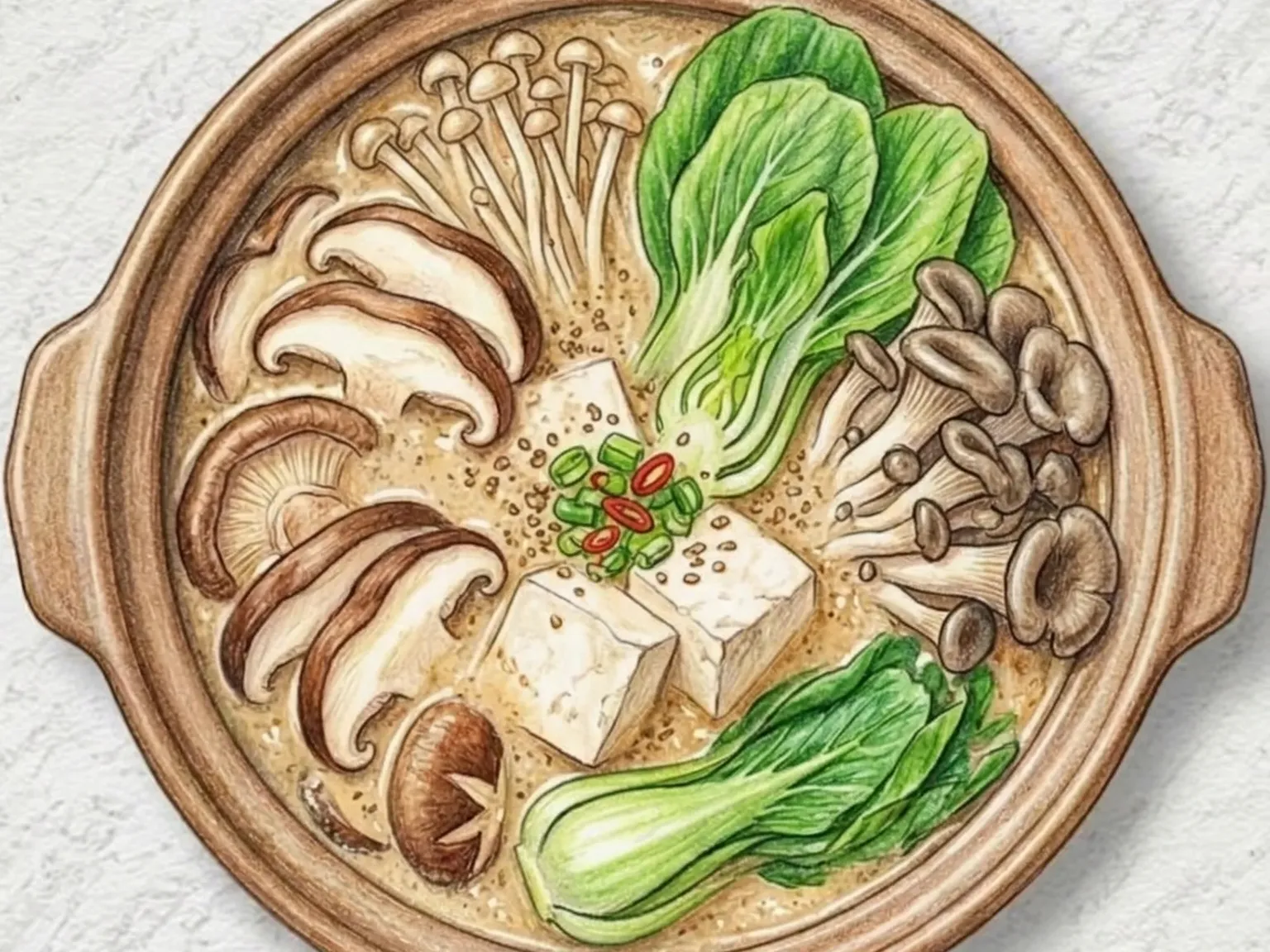
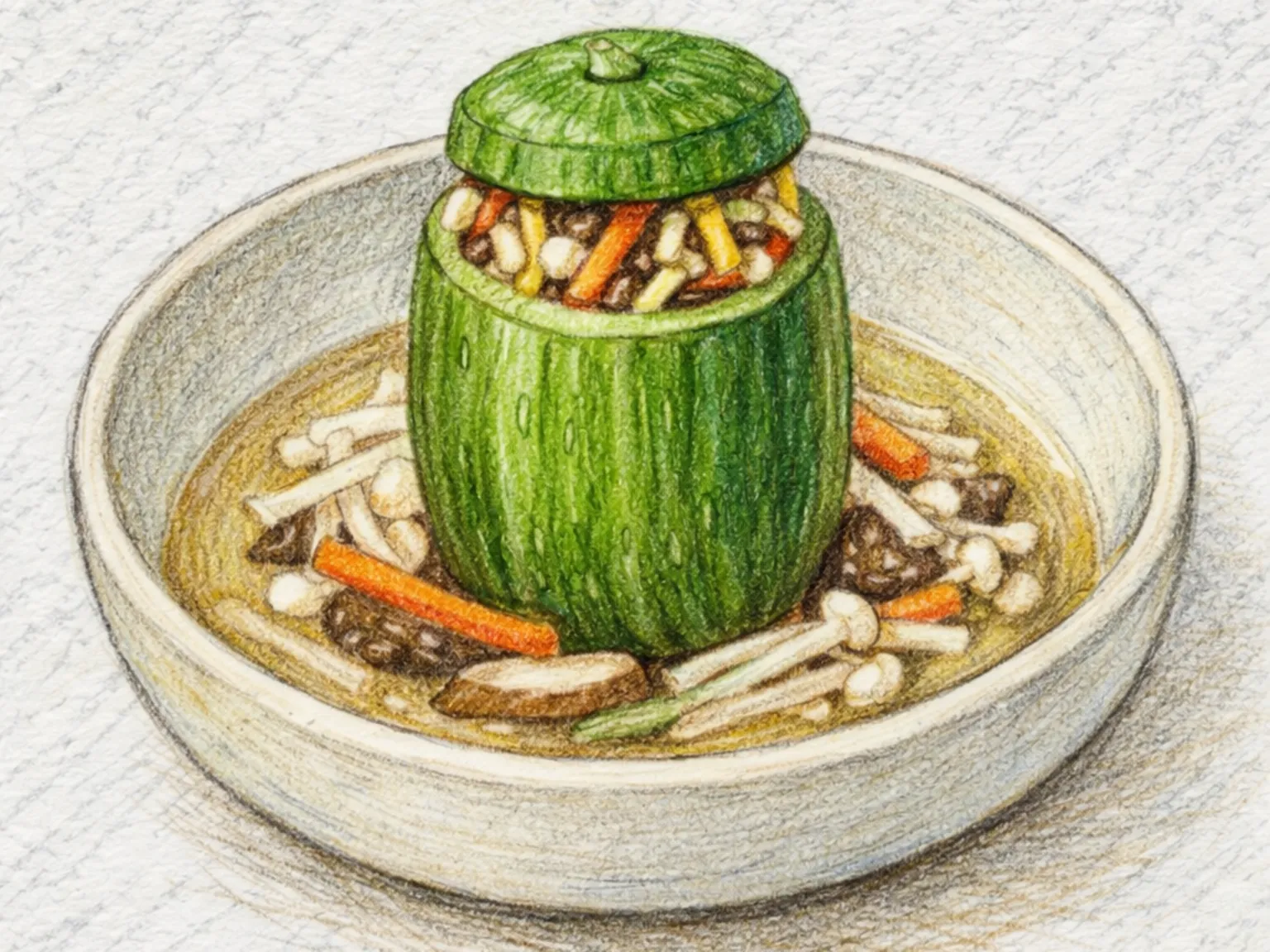
Dubu jeongol is a Korean hot pot centered on tofu and beef simmered in kelp broth at the table. Shiitake mushrooms contribute a deep savory note, while napa cabbage and green onion add freshness and textural variety. The broth is seasoned with soup soy sauce, keeping it light and clear enough to let each ingredient's flavor come through without becoming heavy. Thin-sliced or ground beef works equally well; marinating it briefly in soy sauce and minced garlic before adding it to the pot layers the broth with additional depth. Pan-frying the tofu slices lightly in oil before placing them in the jeongol prevents them from breaking apart during the long simmer and gives each piece a slightly firmer exterior. Traditionally served bubbling directly on the table, this is a communal dish meant to be eaten at a relaxed pace, with diners adding broth and pieces to their own bowls throughout the meal.

🎉 Special Occasion
Prep 25minCook 20min4 servings
Korean Meatball Soup
SoupsMedium

Korean Meatball Soup

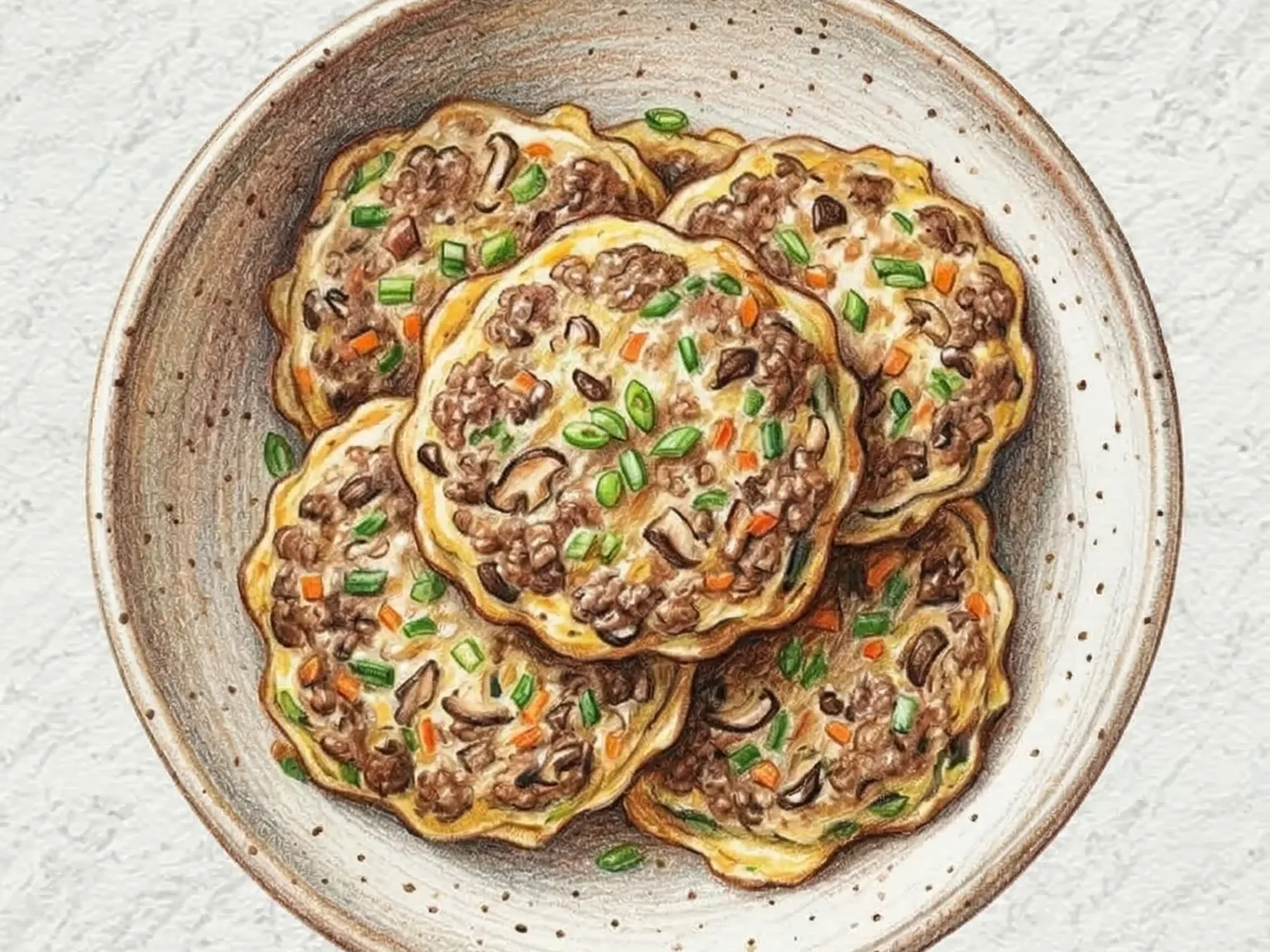
Wanja-tang is a clear Korean soup featuring handmade meatballs of ground beef, crumbled tofu, egg, garlic, and green onion. Each meatball is dropped into simmering anchovy broth, where it floats to the surface as it firms up and then cooks for eight more minutes until done through. Soup soy sauce is the main seasoning, keeping the broth transparent and letting the meaty flavor of the wanja come forward. Kneading the mixture thoroughly before shaping is essential, as it binds the tofu and beef into a cohesive ball that holds together during boiling.

🏠 Everyday
Prep 25minCook 30min4 servings
Korean Tofu Stew (Spicy Kimchi & Firm Tofu Pot)
StewsEasy

Korean Tofu Stew (Spicy Kimchi & Firm Tofu Pot)

Dubu jjigae is a spicy Korean stew built on firm tofu and fermented kimchi simmered together in anchovy stock. Gochugaru goes into the broth first to establish a vivid red, peppery base; from that point, the kimchi releases its fermented tang with each additional minute over heat, steadily deepening the broth. Green onion adds fragrance, and the tofu absorbs the surrounding liquid the longer it cooks. With only five or so main ingredients, this is an efficient dish - the fermented kimchi handles the complexity, producing layered acidity and depth that reads far richer than the short ingredient list would suggest.

🏠 Everyday
Prep 10minCook 15min2 servings