Charim

2686 Korean & World Recipes

2686+ Korean recipes, clean and organized. Ingredients to instructions, all at a glance.

Recipes with firm tofu

24 recipes

Buy firm tofu
Korean Pork Kimchi Stew (Fermented Kimchi & Pork Shoulder)
StewsEasy

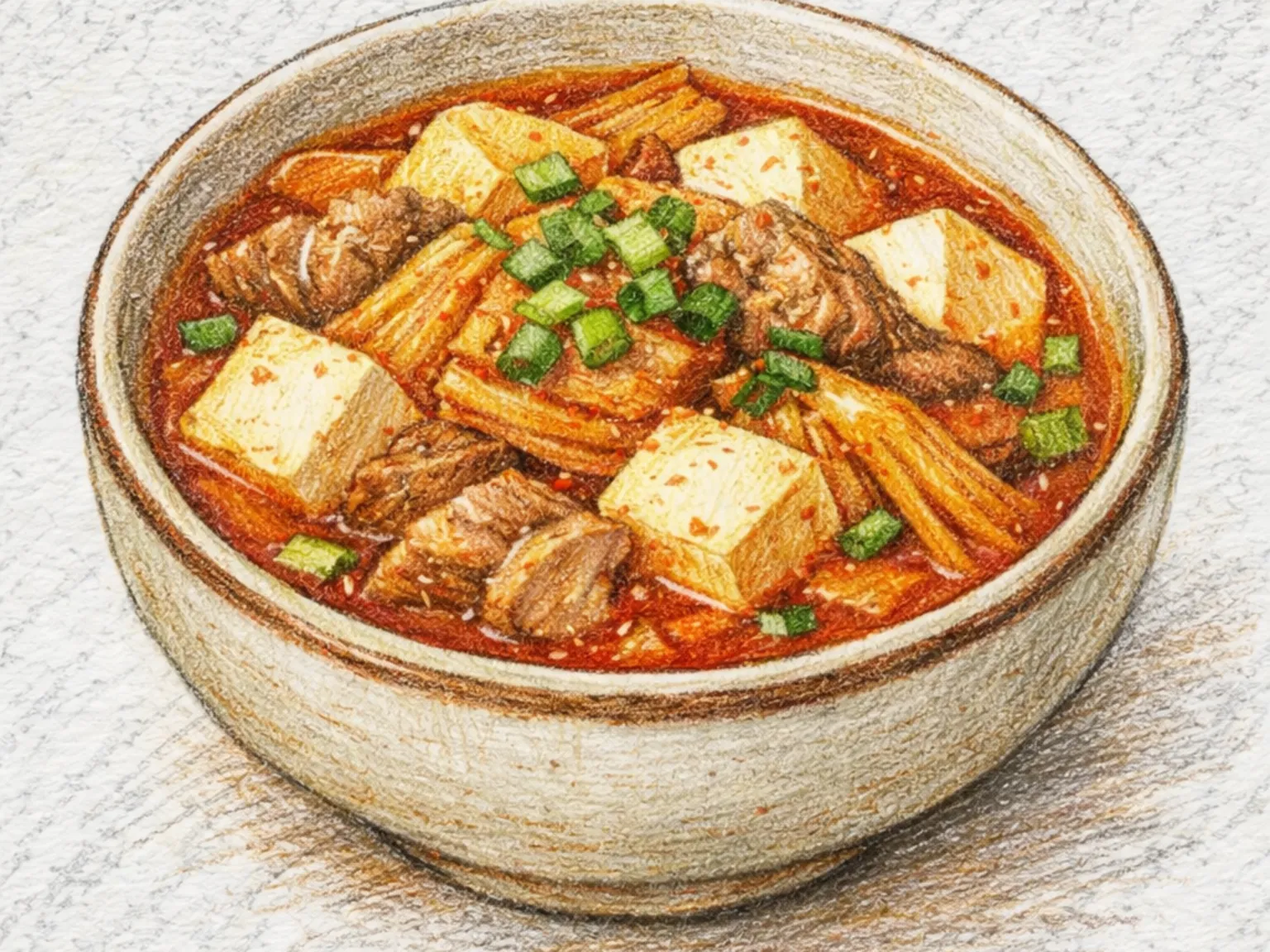
Korean Pork Kimchi Stew (Fermented Kimchi & Pork Shoulder)

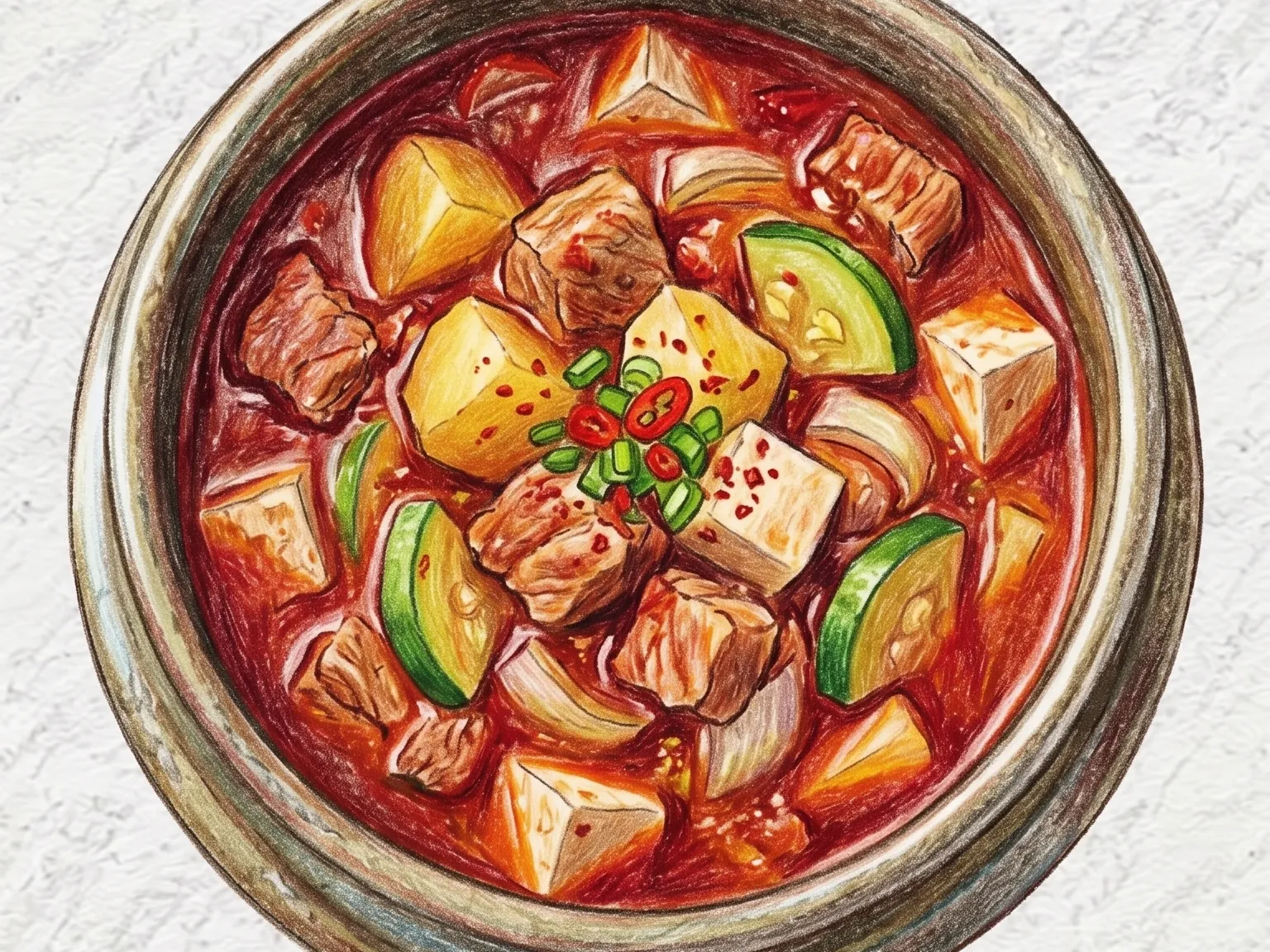
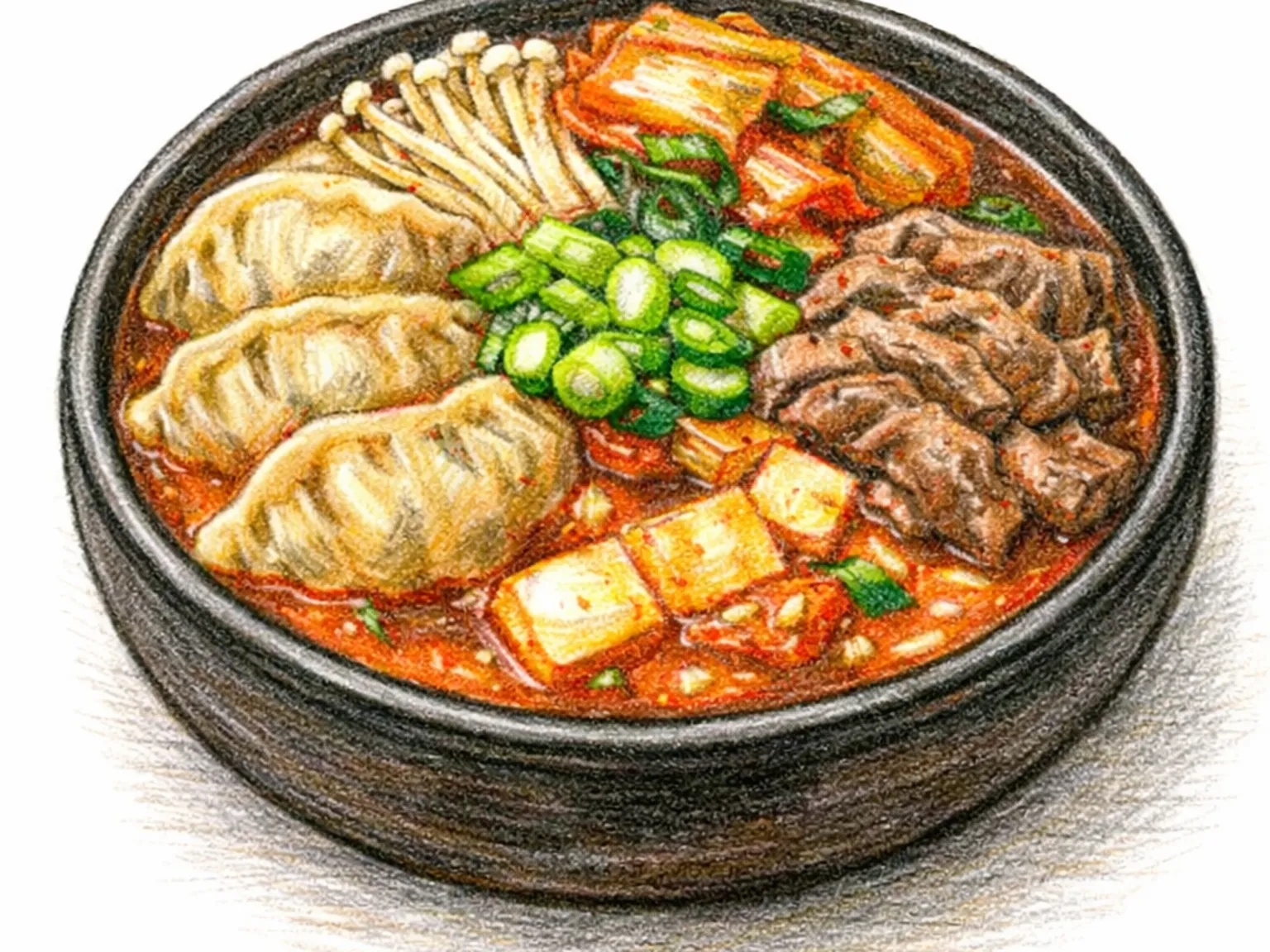
Pork kimchi jjigae is one of the most beloved home-cooked Korean stews, built on aged kimchi and pork shoulder. The marbled fat from the pork shoulder melts into the broth, balancing the kimchi's sharp acidity with richness. Tofu and onion bulk up the pot, while soup soy sauce and chili flakes season the liquid. The riper and more sour the kimchi, the better this stew tastes - it is the ideal use for old kimchi.

🏠 Everyday
Prep 12minCook 25min2 servings
Korean Sigeumchi Dubu Jjigae (Spinach Tofu Stew)
StewsEasy

Korean Sigeumchi Dubu Jjigae (Spinach Tofu Stew)

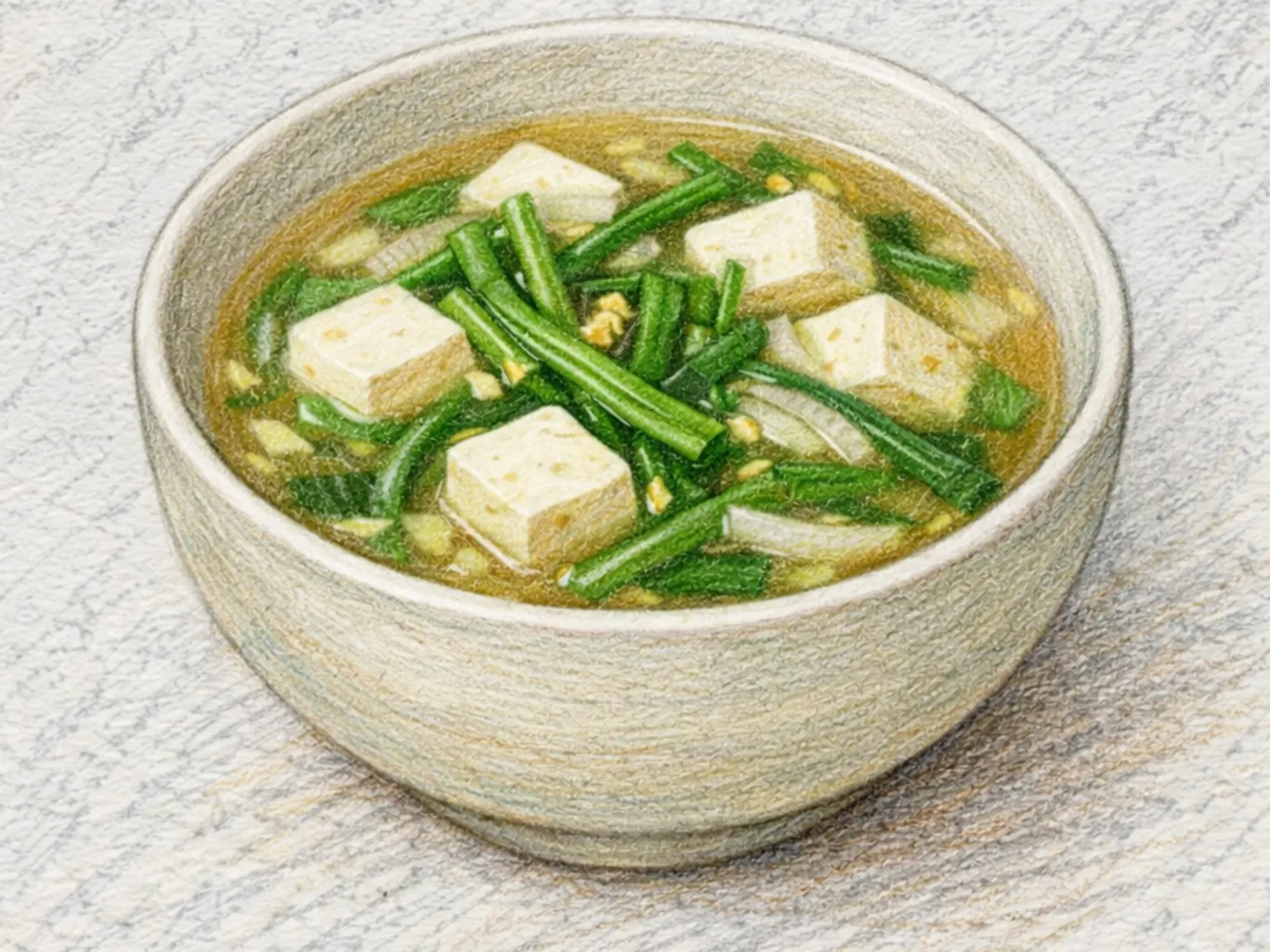
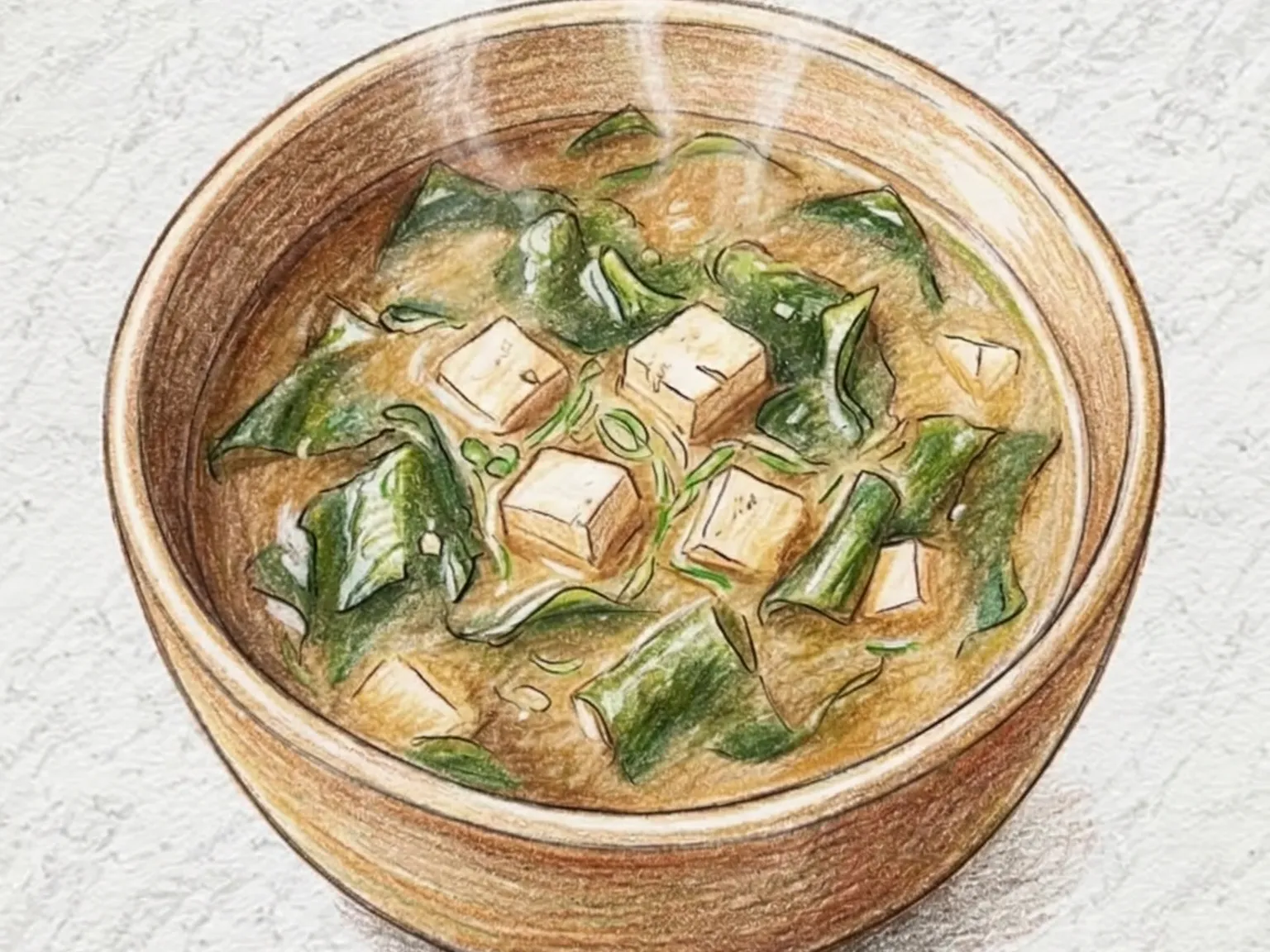
Sigeumchi-dubu-jjigae is a Korean stew built from fresh spinach and soft tofu simmered in anchovy-kelp stock, seasoned with soup soy sauce and perilla oil. The process starts by warming perilla oil in the pot and softening minced garlic until its sharpness mellows into a rounded fragrance that transfers into the oil, giving the broth a subtle depth that would be absent if the garlic were added raw. Zucchini and onion release their natural sweetness as they cook, rounding out the broth and preventing it from tasting flat or austere. Soft tofu, added mid-way, absorbs the seasoned liquid gradually as it heats through, holding its shape while taking on the flavor of the broth around it. Spinach goes in last, only long enough to wilt, because extended cooking destroys the color and reduces the leaves to a limp, dull mass that works against the dish. The iron-forward earthiness of spinach pairs naturally with the mild creaminess of tofu and the nutty undercurrent of perilla oil, producing a stew that reads as simple but carries enough layered flavor to satisfy. This is a standard of Korean home cooking that earns its place at the table for being genuinely easy on the stomach, particularly welcome when appetite is low or the body calls for something clean.

🥗 Light & Healthy🏠 Everyday
Prep 12minCook 18min2 servings
Royal Korean Hot Pot (Court-Style Beef & Tofu Banquet)
StewsHard

Royal Korean Hot Pot (Court-Style Beef & Tofu Banquet)

Sinseollo is a traditional Korean royal court hot pot featuring ground beef, tofu, shiitake mushrooms, carrot, and napa cabbage arranged in a rich beef broth. Seasoned with soup soy sauce and finished with beaten egg, the broth develops a velvety body. Historically served in a brass charcoal-heated vessel at the royal table, each ingredient is placed with care to showcase its color and shape. The layered umami from the diverse ingredients creates a remarkably complex flavor.

🎉 Special Occasion
Prep 45minCook 30min4 servings
Korean Beef Mushroom Stew
StewsMedium

Korean Beef Mushroom Stew

Soegogi-beoseot-jjigae is a Korean stew featuring thinly sliced beef with oyster mushrooms and shiitake mushrooms in a beef stock base. The beef stays tender throughout the cooking time because it is cut thin, and the two varieties of mushrooms contribute layered umami that deepens the broth considerably. Firm tofu absorbs the surrounding liquid and takes on the flavors of the stew while adding protein and body to the pot. Onion and green onion provide sweetness and fragrance that round out the savory base. The stew is seasoned simply with soup soy sauce and garlic, which keeps the natural flavors of beef and mushroom prominent. Tearing oyster mushrooms by hand along their grain allows the broth to penetrate the fibers better than cutting, and removing the tough stems from shiitake mushrooms before adding them keeps the broth clean and free of bitterness.

🏠 Everyday
Prep 18minCook 24min4 servings
Korean Beef Doenjang Jjigae
StewsEasy

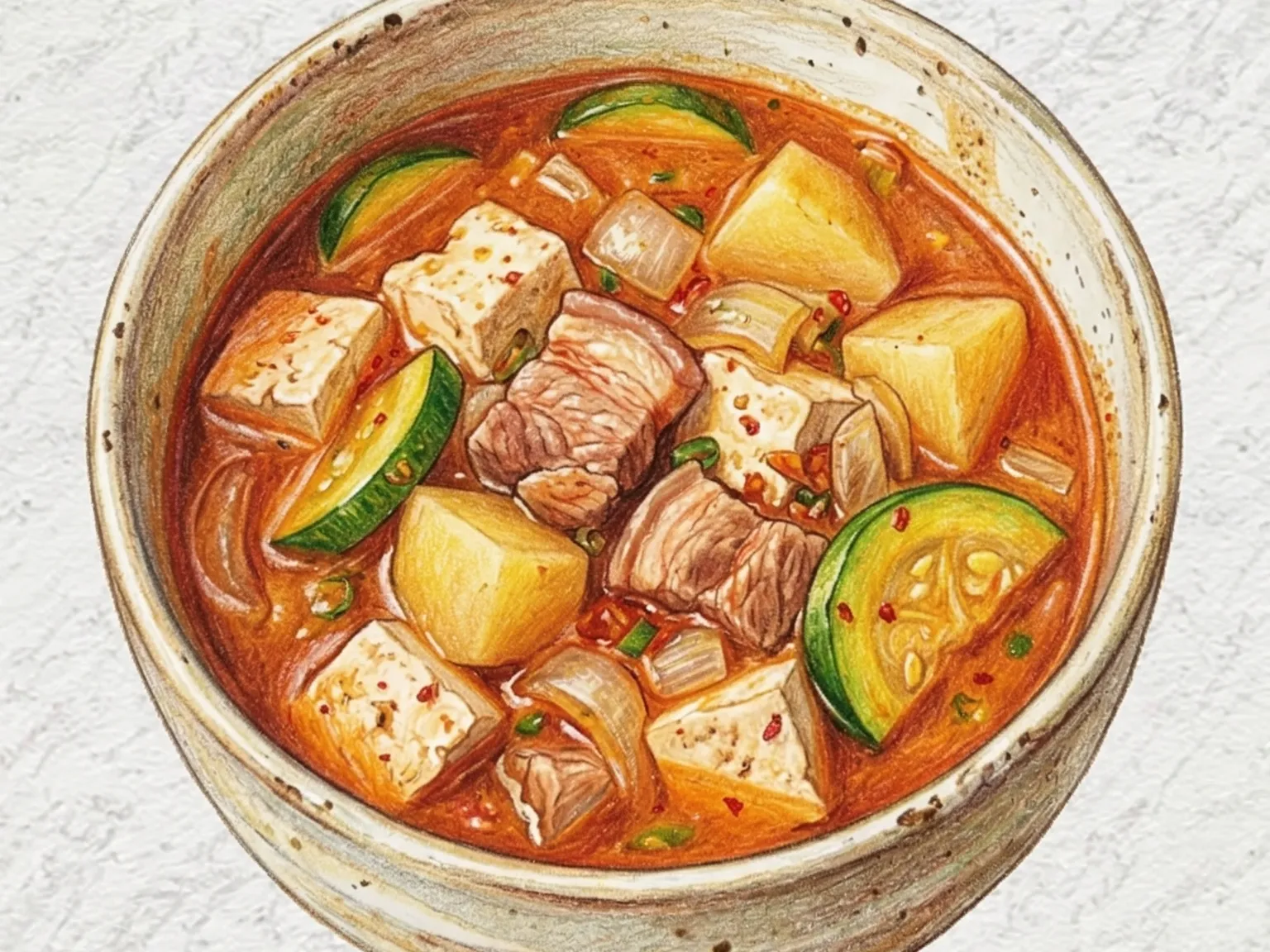
Korean Beef Doenjang Jjigae

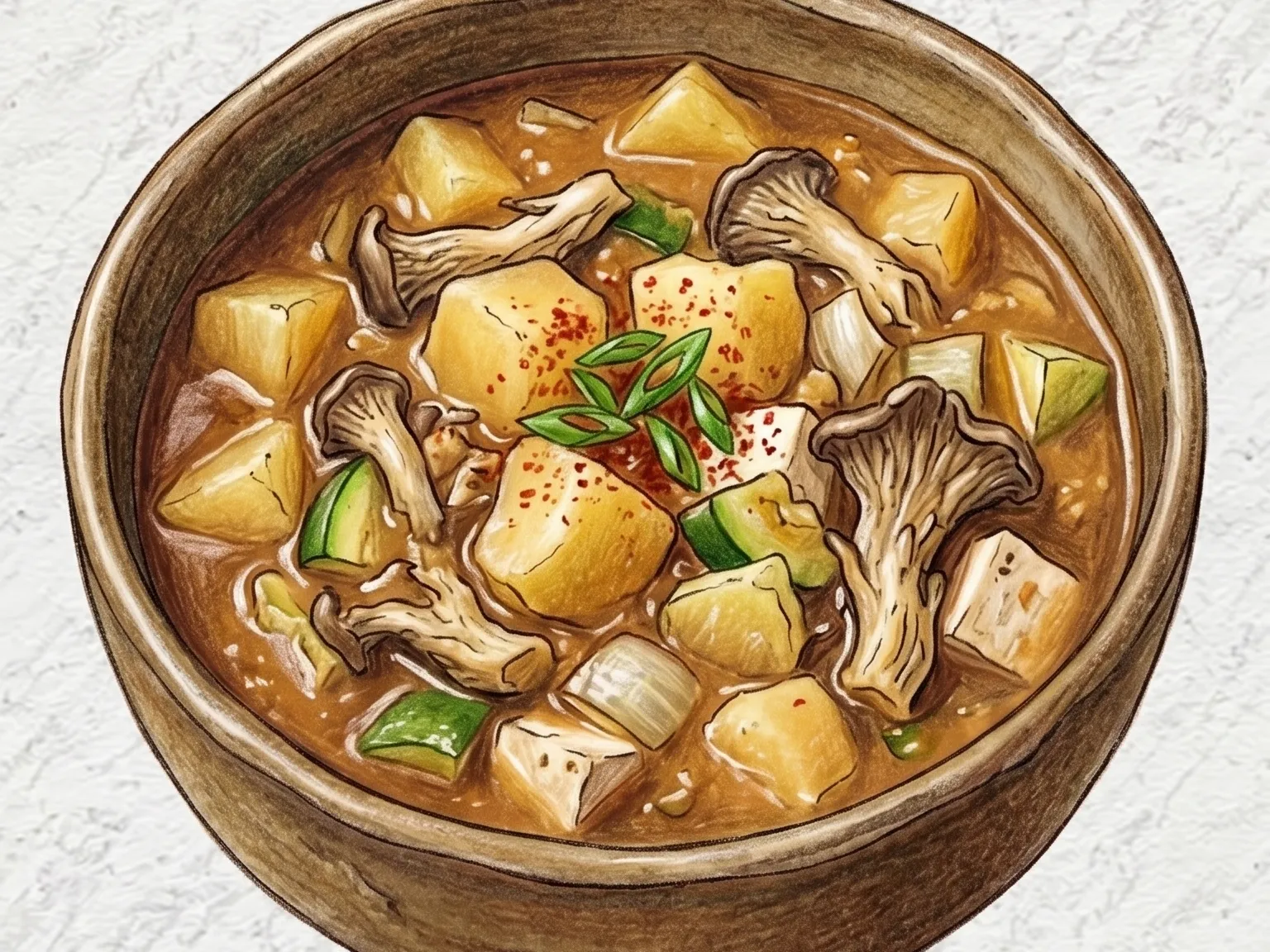
Soegogi doenjang jjigae is a foundational Korean home-cooked stew, made with beef brisket and fermented soybean paste as the foundation, filled out with potato, zucchini, tofu, and onion, and simmered in the starchy water left from rinsing rice. The brisket rewards long cooking by releasing its fibers and pushing a rich, distinctly beefy flavor into the broth, and the mild starch from the rice water softens that richness so it blends smoothly with the fermented depth of the doenjang. As the stew simmers, potato breaks down partially at the edges, thickening the liquid and giving it body without the need for any additional starch. Green onion and minced garlic anchor the aroma and keep the flavor from going flat. Adding the doenjang in stages and tasting between additions rather than putting it all in at once is the reliable method for hitting the right depth without oversalting. Paired with freshly cooked rice, this is a stew that fits into the daily rotation without ever feeling repetitive.

🏠 Everyday
Prep 12minCook 18min2 servings
Korean Soybean Sprout Stew
StewsEasy

Korean Soybean Sprout Stew

Soybean sprout jjigae is a spicy home-style stew built around kongnamul, with tofu and pork adding substance to a broth seasoned with gochugaru and soup soy sauce. The sprouts release their own clean, slightly sweet liquid as they cook, and that natural base broth combines with the heat of the chili flakes to produce the sharp, refreshing character the dish is best known for. A critical technique rule applies to the sprouts: once the lid is placed, it should not be lifted during cooking. If the lid is removed and steam escapes, the sprouts develop an unpleasant grassy smell that cannot be reversed. If the lid is accidentally opened, the only correction is to leave it off and continue cooking without it until the end. Tofu absorbs the broth and provides a soft contrast to the crunchy sprouts, while the pork contributes fat and savory depth that enriches the broth. Green onion and minced garlic add aroma, and cracking a beaten egg into the pot as the broth comes to a full boil creates soft egg pieces throughout. The whole dish comes together in under twenty minutes from start to finish, making it a practical weeknight soup.

🏠 Everyday
Prep 10minCook 15min2 servings
Korean Ssuk Deulkkae Jjigae (Mugwort Perilla Stew)
StewsMedium

Korean Ssuk Deulkkae Jjigae (Mugwort Perilla Stew)

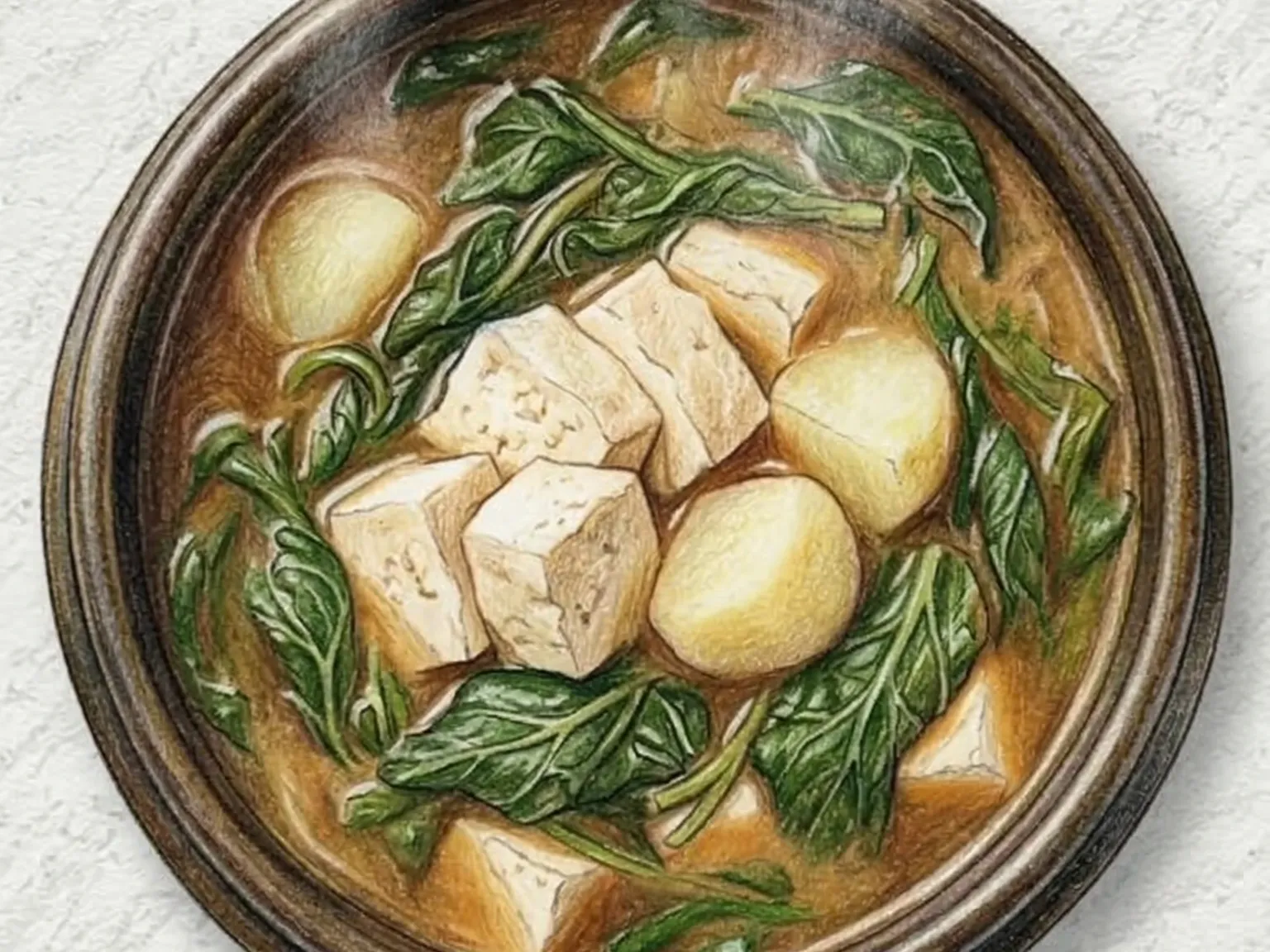
This seasonal stew highlights fresh mugwort simmered with perilla seed powder in a rice-rinse water base. The perilla powder gives the broth a creamy, nutty thickness, while the mugwort's slightly bitter herbaceous aroma floats through gently. Potato breaks down to add heartiness, and oyster mushrooms and firm tofu provide textural variety. Seasoned lightly with soup soy sauce, it is a springtime specialty that captures the taste of the season.

🥗 Light & Healthy🏠 Everyday
Prep 15minCook 20min2 servings
Korean Turnip Perilla Seed Stew
StewsEasy

Korean Turnip Perilla Seed Stew

Sunmu deulkkae jjigae is a gentle Korean stew that simmers turnip with ground perilla seed in a kelp stock base. As the turnip cooks slowly, it softens and releases a quiet natural sweetness, while the perilla powder thickens the broth into a creamy, nutty layer that coats each spoonful. Oyster mushrooms add a chewy bite and soft tofu contributes protein, rounding out the bowl into a balanced meal on its own. Adding the perilla powder late in the cooking process preserves its aroma, and the stew should be finished within two to three minutes of the broth returning to a boil to prevent any bitterness from developing. Seasoned with soup soy sauce and a drizzle of sesame oil at the end, the result is a clean, quietly satisfying stew that is easy on the stomach.

🥗 Light & Healthy🏠 Everyday
Prep 12minCook 18min2 servings
Korean Uijeongbu-Style Budae Jjigae
StewsMedium

Korean Uijeongbu-Style Budae Jjigae

Uijeongbu-style budae-jjigae is a spicy communal stew that combines luncheon meat, cocktail sausages, well-fermented kimchi, and baked beans in an anchovy broth seasoned with gochujang and gochugaru. The fermented kimchi is a key flavoring element here, contributing acidity and deep umami that balance out the salt-heavy processed meats. Tofu and onion mellow the aggressive flavors by absorbing into the broth and adding softness. A block of instant noodles is added at the end to soak up the heavily seasoned liquid. Uijeongbu, a city north of Seoul, is recognized as the origin of this dish, where it developed near a US military base after the Korean War and took on its distinctly hybrid character from the military surplus ingredients available at the time.

🍺 Bar Snacks🏠 Everyday
Prep 20minCook 25min2 servings
Korean Beef Brisket & Bean Sprout Chili Stew
StewsEasy

Korean Beef Brisket & Bean Sprout Chili Stew

Thin-sliced beef brisket and mung bean sprouts are simmered with Cheongyang chilies in this spicy stew. The marbled brisket releases its fat into the anchovy-based broth, creating a rich, beefy foundation. Crunchy bean sprouts provide textural contrast, while two Cheongyang chilies deliver a sharp, direct heat. Tofu, onion, and green onion round out the stew, seasoned with Korean chili flakes and soup soy sauce for a layered, fiery bowl.

🏠 Everyday
Prep 15minCook 20min2 servings
Korean Yeolmu Doenjang Stew
StewsEasy

Korean Yeolmu Doenjang Stew

Seasonal young radish greens and fermented soybean paste come together in this refreshing summer stew designed to cool the body. The preparation begins with a clean anchovy and kelp stock, where doenjang is carefully dissolved to ensure a smooth consistency without clumps. Young radish greens, or yeolmu, contribute a signature crunch and a faint bitterness that softens as it simmers alongside sweet onions and zucchini. This natural sweetness from the onion balances the earthy profile of the fermented paste while gochugaru adds a hint of heat and a warm red hue to the broth. To preserve the crisp texture of the greens, add them after the doenjang and limit the simmering time to about five to seven minutes. Tofu should be introduced at the very end to prevent it from breaking apart while absorbing the savory liquid. The clean mineral finish provided by the kelp makes this dish an excellent companion for barley rice during humid months. For additional layers of flavor, sliced Cheongyang chilies increase the spiciness and a spoonful of perilla powder introduces a toasted quality to the base. If using low-sodium paste, a small amount of soup soy sauce helps achieve a balanced profile. Since young radish greens possess a distinct herbal fragrance at their peak, this stew delivers its best quality when served immediately on the day it is prepared.

🏠 Everyday
Prep 15minCook 20min2 servings
Korean Octopus and Tofu Hot Pot
StewsMedium

Korean Octopus and Tofu Hot Pot

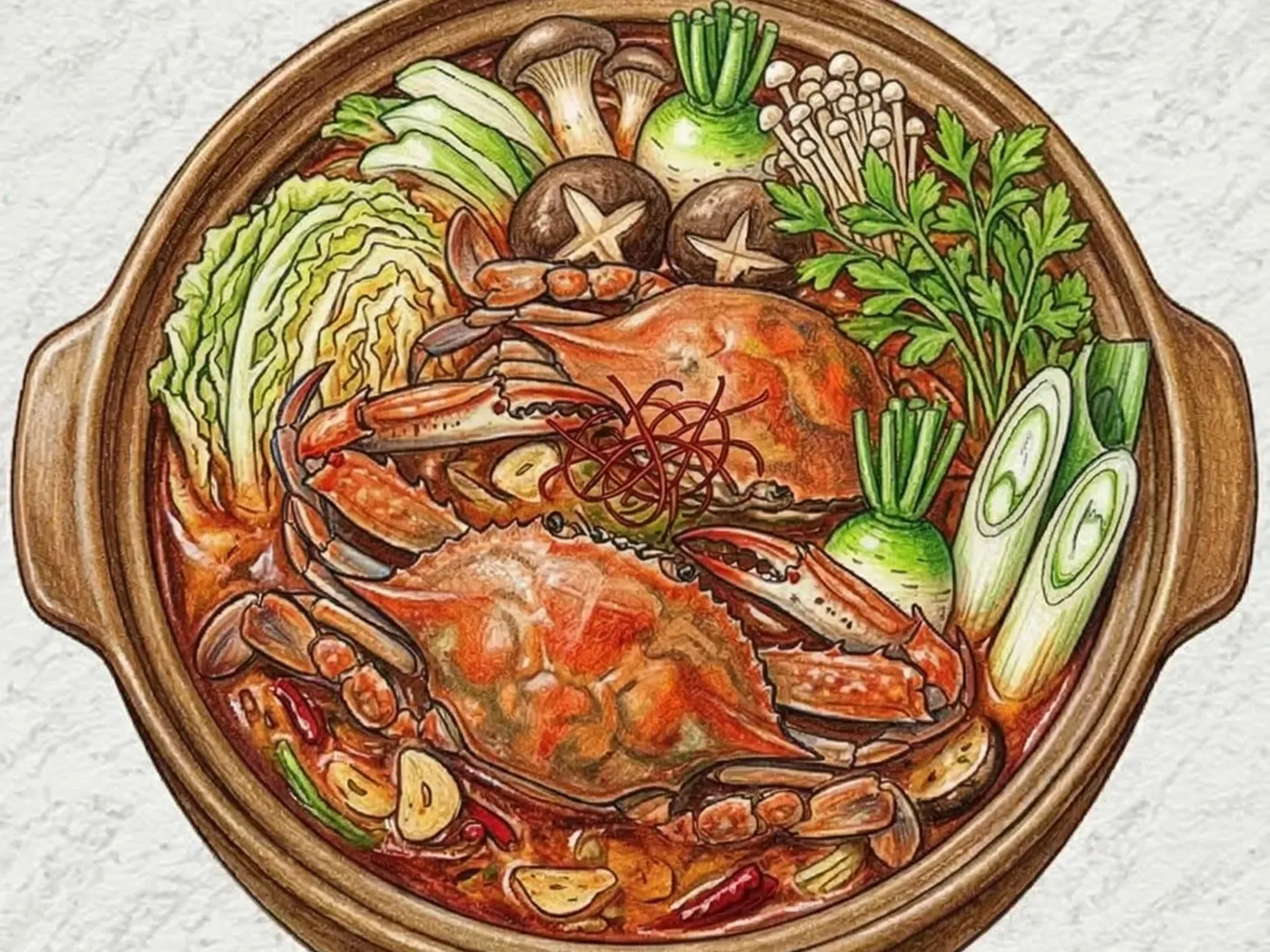
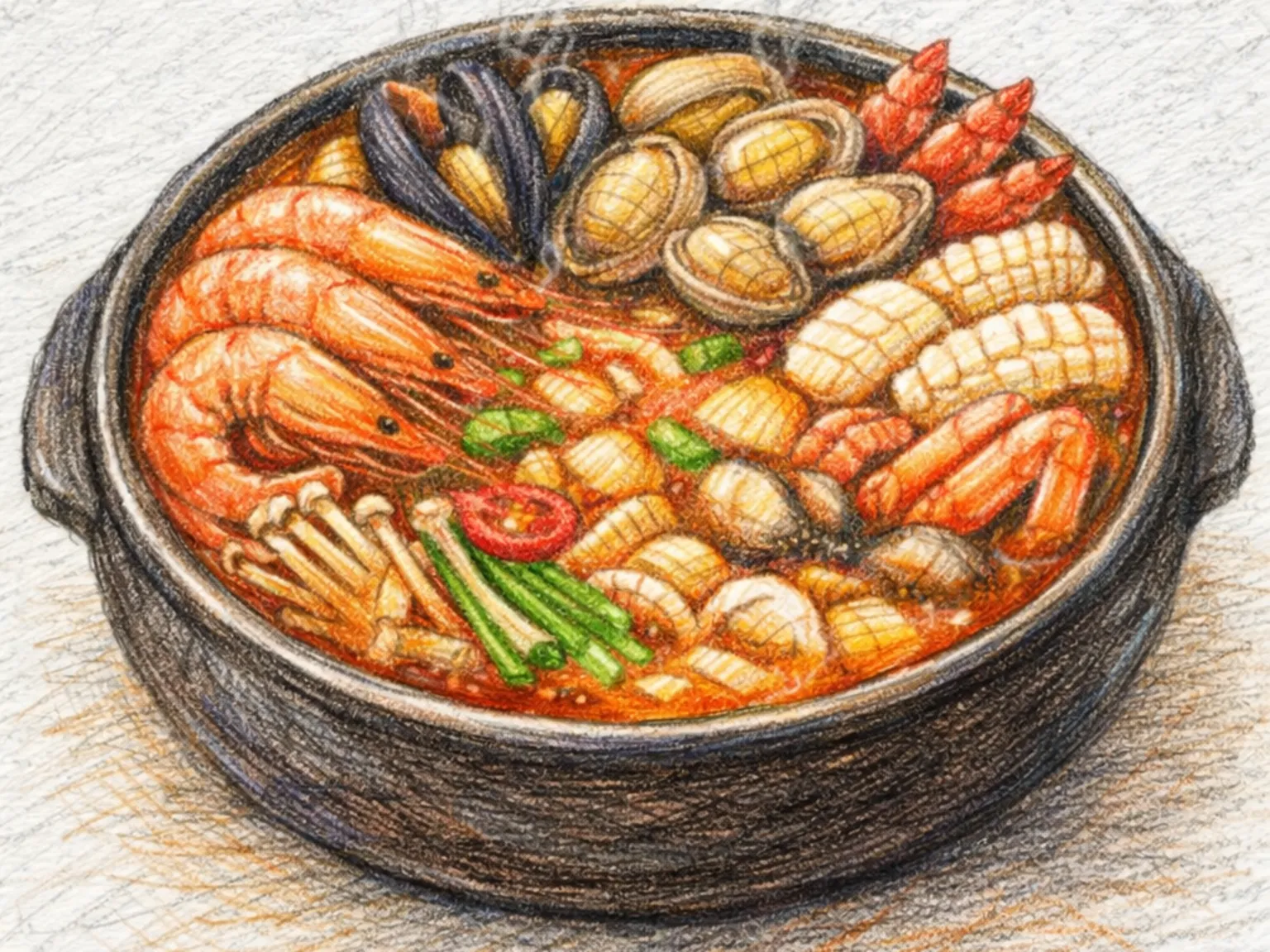
This Korean hot pot features octopus and tofu in a clear anchovy broth seasoned simply with soup soy sauce and garlic. The octopus pieces are springy and firm, while the tofu softens in the simmering broth. Korean radish lends subtle sweetness, and water dropwort adds a fresh herbal note with its celery-like crunch. Served bubbling at the table, yeonpo jeongol is a communal dish meant for sharing throughout the meal.

🎉 Special Occasion
Prep 25minCook 18min4 servings
Korean Clear Broth Tofu Stew
StewsEasy

Korean Clear Broth Tofu Stew

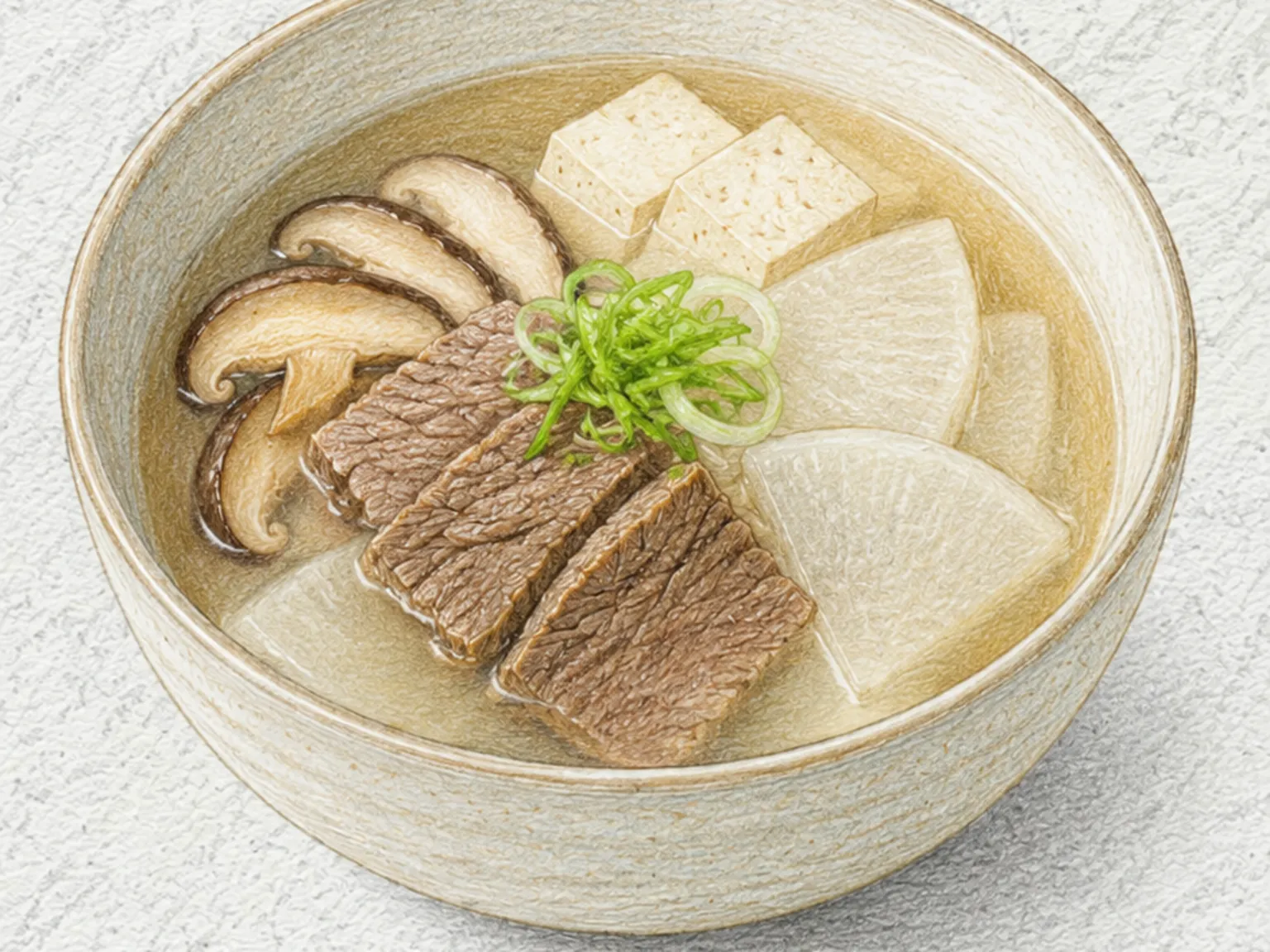
Tofu simmers in a deep beef stock alongside shiitake mushrooms and zucchini in this clean-flavored stew. The quality of the beef stock drives the entire dish, with shiitake mushrooms reinforcing the umami depth. Soft tofu cubes absorb the rich broth, while zucchini contributes a mild sweetness. Seasoned only with soup soy sauce and salt, this stew showcases a restrained, elegant approach to Korean jjigae without any chili heat.

🏠 Everyday
Prep 10minCook 15min2 servings
Korean Braised Tofu and King Oyster Mushrooms
SteamedEasy

Korean Braised Tofu and King Oyster Mushrooms

Saesongi dubu yangnyeom jorim is a braised side dish of firm tofu and king oyster mushrooms cooked down in a sauce of soy sauce, gochujang, and Korean chili flakes until the liquid is nearly gone and every surface is glazed. Pan-searing the tofu first over low heat until golden builds a crust that keeps it intact through braising and gives the seasoning somewhere to grip. Thick-cut king oyster mushrooms stay springy even after the long braise, while onion woven through the pot contributes a sweetness that softens the heat of the gochujang. Sesame oil stirred in at the end draws all the aromatics together into a cohesive finish. The result is a banchan with layers, gochujang spice, deep soy saltiness, and a savory earthiness from the mushrooms, that holds its flavor cold, making it a natural fit for packed lunches.

🍱 Lunchbox
Prep 12minCook 18min2 servings
Korean Rockfish Soup (Whole Rockfish in Spicy Radish Broth)
SoupsMedium

Korean Rockfish Soup (Whole Rockfish in Spicy Radish Broth)

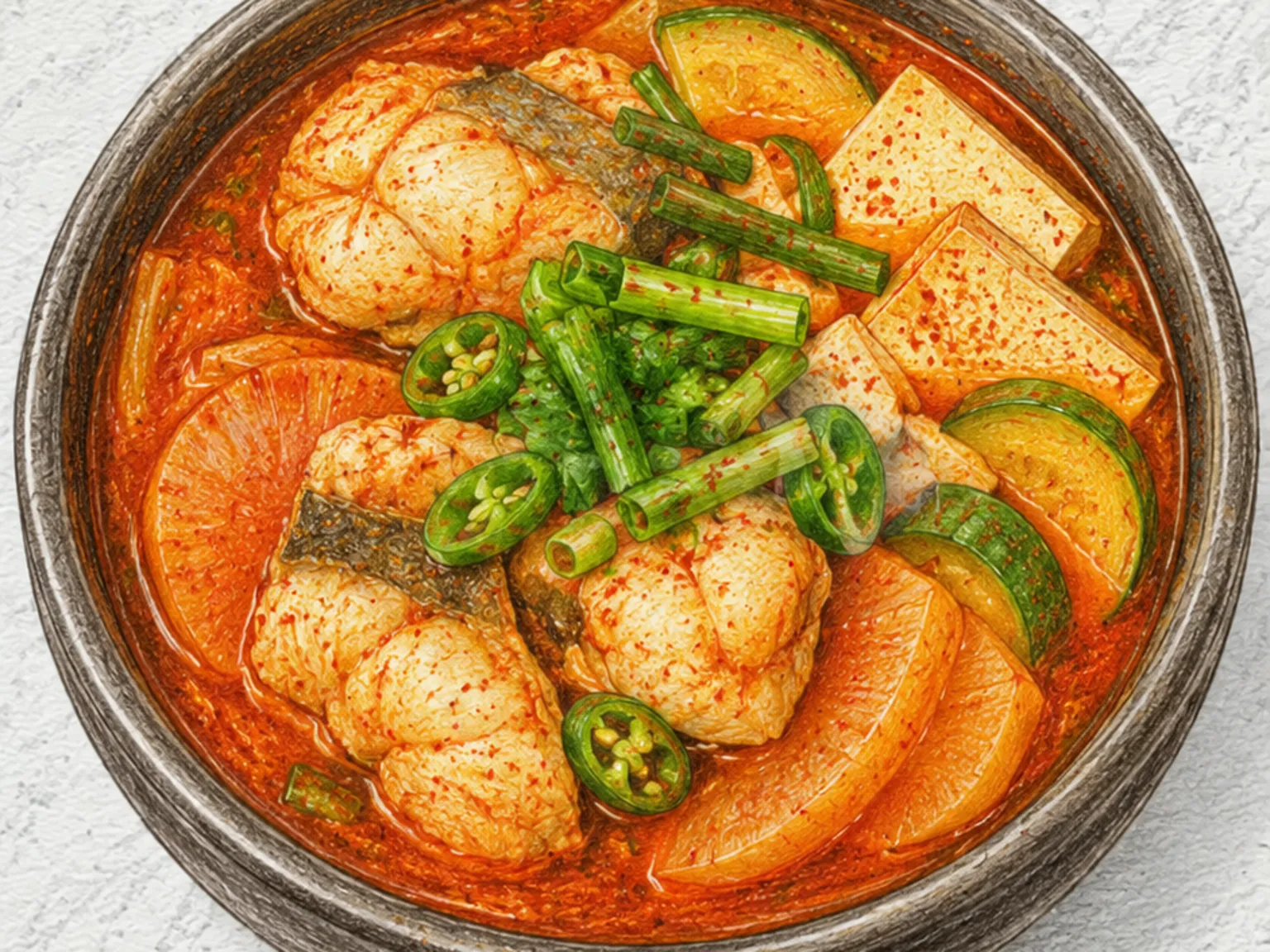
Starting with a base of boiled radish to sweeten the water, this rockfish soup relies on using the entire fish to build a complex broth. Red pepper flakes, garlic, and soup soy sauce provide the seasoning before the fish and tofu go into the pot for a fifteen-minute simmer. The collagen and juices released from the rockfish bones create a physical thickness in the liquid that cannot be replicated with fillets alone. Just before the heat is turned off, a handful of water parsley adds a fresh contrast to the spicy, ocean-heavy profile of the soup. While the small bones of the rockfish require slow and careful eating, they are exactly what gives this dish its characteristic intensity. A slice of ginger added early in the process works to neutralize fishy scents. For extra heat, some sliced cheongyang chilies can be added, or a spoonful of ground perilla seeds can be stirred in at the end to introduce a nutty, creamy layer to the texture. This soup pairs naturally with a bowl of steamed rice, where the process of picking meat from the bones becomes a central part of the eating experience.

🏠 Everyday
Prep 20minCook 25min4 servings
Korean Thick Soybean Paste Stew
StewsEasy

Korean Thick Soybean Paste Stew

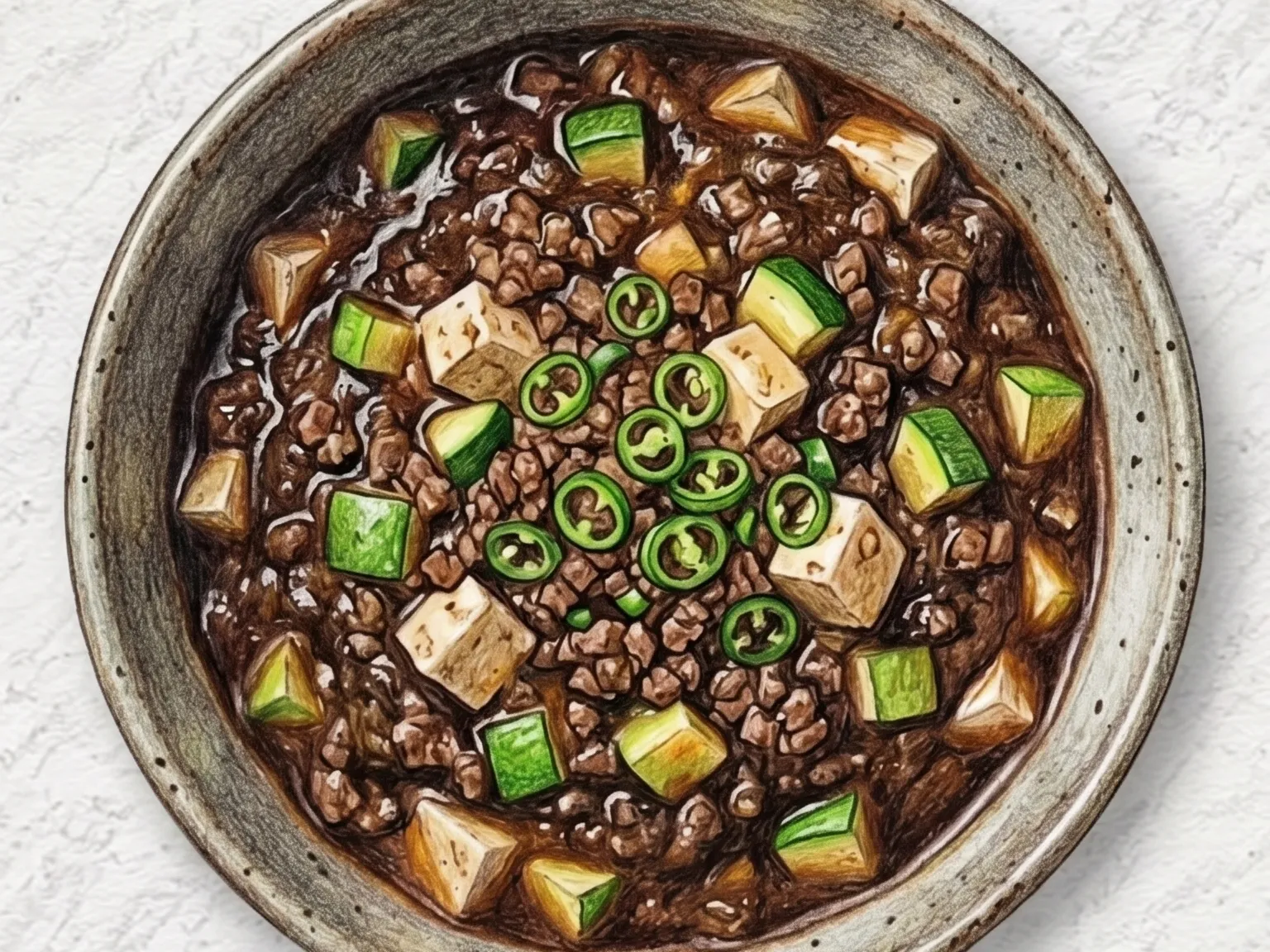
Gangdoenjang jjigae is a concentrated Korean soybean paste stew that combines doenjang with a measure of gochujang, pushing the base into a richer, sharper register than standard doenjang jjigae. Ground beef stirred into the paste mixture amplifies the savory depth from the start, while cubed firm tofu and zucchini slices provide soft, yielding textures that absorb the bold seasoning. The anchovy-kelp stock beneath the paste keeps the overall flavor clean and well-defined rather than muddy. A single Cheongyang chili, added whole or sliced, threads a steady, moderate heat through the broth without dominating it. Because the stew is intentionally thicker and more intensely flavored than most Korean soups, it pairs naturally with ssam-bap: wrapped in lettuce leaves with rice, it functions as both dipping sauce and main component in one.

🏠 Everyday
Prep 12minCook 18min2 servings
Korean Perilla Leaf Beef Stew
StewsEasy

Korean Perilla Leaf Beef Stew

This stew features thinly sliced beef and a generous handful of perilla leaves simmered in anchovy stock. Twelve perilla leaves infuse the entire broth with their distinctive herbaceous, slightly minty aroma, while the beef releases its umami into the liquid. Firm tofu cubes absorb the gochugaru-seasoned broth, and onion adds a sweet undertone. Seasoned primarily with soup soy sauce, the stew lets the perilla and beef flavors stay in the foreground.

🏠 Everyday
Prep 15minCook 20min2 servings
Korean White Kimchi Clam Soup
SoupsMedium

Korean White Kimchi Clam Soup

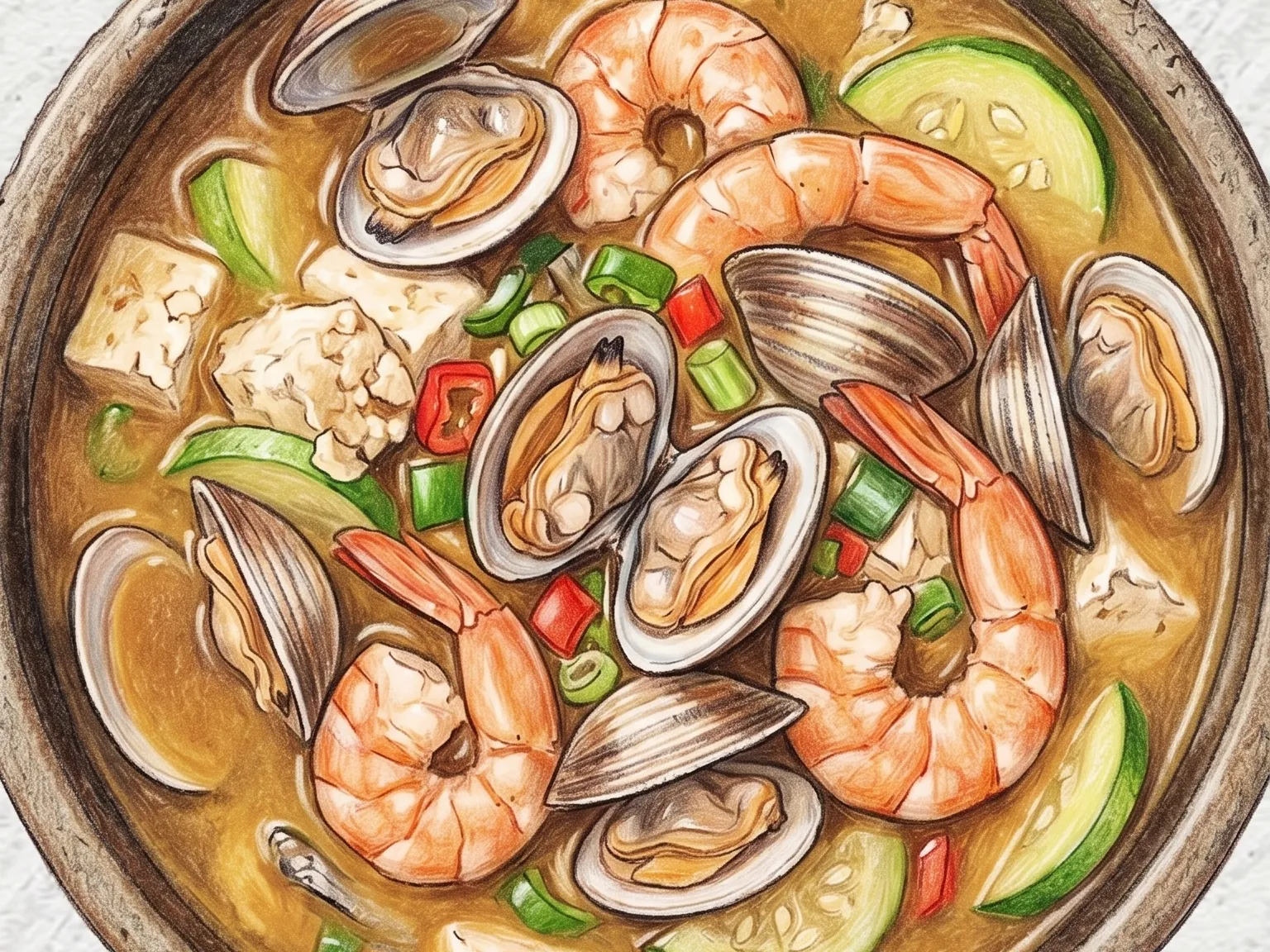
Baekkimchi bajirak guk is a clear Korean soup that brings together the gentle fermented acidity of white kimchi and the briny oceanic depth of manila clams in a single, unmuddied broth. Purged clams begin in cold water and are brought slowly to a boil so the rising temperature coaxes flavor from the shells gradually, building stock as they cook. Once the clams open they are lifted out, and the broth is strained through a fine sieve to eliminate any sand that clung to the shells. Chopped white kimchi is stirred into this clean clam stock, where its lactic sourness dissolves into the liquid and creates a flavor profile that reads simultaneously refreshing and layered. Adding the white kimchi brine as well deepens the acidity further, but its existing salt content demands a taste check before any additional seasoning goes in. Thick-cut tofu squares absorb the surrounding broth as they warm through, contributing a soft, substantial bite alongside their protein. A single cheongyang chili, sliced on the diagonal, introduces a measured sharpness that lifts the otherwise mild base without tilting the soup into heat-forward territory. Scallion should go in during the final thirty seconds of cooking rather than earlier; overcooked scallion loses the fresh, grassy aroma that punctuates the finish. Because this soup contains no gochugaru, the broth stays perfectly clear and pale, and the white kimchi sourness sharpens the clam umami from underneath rather than competing with it, producing a bowl that tastes more complex than its short ingredient list suggests.

🏠 Everyday
Prep 20minCook 18min2 servings
Korean Kimchi Tofu Nabe Udon
NoodlesEasy

Korean Kimchi Tofu Nabe Udon

Kimchi tofu nabe udon is a Japanese-Korean hybrid hot pot noodle dish built on an anchovy-kelp stock base. Well-fermented kimchi is sauteed in sesame oil for at least two minutes to tame its sharp raw acidity, then the stock goes in along with Korean red chili flakes and soup soy sauce to form the broth. Thick slabs of firm tofu and sliced shiitake mushrooms simmer for four minutes, absorbing the spicy, savory liquid throughout, before thick udon noodles are added for a final two to three minutes. The udon's substantial mass soaks up the surrounding broth, so every bite carries the full flavor of the pot. Because kimchi saltiness varies by brand and age, soy sauce should be added in small amounts at the end rather than all at once. Pressing the tofu dry with a paper towel before it goes in keeps the broth from turning murky. Shredded green onion on top adds fragrance, and leftover broth with added rice makes a satisfying congee-style finish.

🏠 Everyday🌙 Late Night
Prep 12minCook 16min2 servings
Mixed Korean Army-Style Stew
StewsEasy

Mixed Korean Army-Style Stew

Seokkeo jjigae, or mixed stew, is a streamlined everyday version of budae jjigae that brings together kimchi, sliced ham, and tofu in a broth seasoned with gochujang and gochugaru. The fermented tang of well-ripened kimchi, the saltiness of the ham, and the soft neutral presence of tofu create a balanced combination where each component gives the others something to push against. Onion and green onion mellow the broth as they cook, their sweetness rounding off the sharpest spicy edges, while the gochujang contributes fermented depth that pure heat alone cannot provide. The stew comes together in under twenty minutes using common refrigerator staples, making it a reliable weeknight meal that requires almost no preparation. Served alongside a bowl of steamed rice, the spicy broth absorbs into each grain and keeps the dish satisfying to the very last spoonful. A portion of instant noodles or rice cakes added to the pot turns it into a more substantial one-pot meal.

🏠 Everyday
Prep 20minCook 25min4 servings
Korean Apple Snail Doenjang Stew
StewsEasy

Korean Apple Snail Doenjang Stew

This doenjang stew features apple snails simmered with fermented soybean paste in an anchovy broth. The snails have a mild, slightly chewy texture that pairs well with the bold, earthy flavor of doenjang. Tofu and zucchini add softness and gentle sweetness to the stew. Rooted in Korean rural cooking where snails gathered from rice paddies were a common protein source, this is a rustic, deeply flavored stew.

🏠 Everyday
Prep 15minCook 20min2 servings
Korean Shepherd's Purse Clam Soup
SoupsEasy

Korean Shepherd's Purse Clam Soup

Naengi-bajirak-guk is a Korean spring soup that brings together shepherd's purse and clams in a clear broth. The clams go in first, opening their shells and releasing a briny, savory liquor that forms the backbone of the soup. Cubed tofu simmers alongside, absorbing the surrounding flavor while contributing a soft texture. Shepherd's purse is added only in the final minutes to preserve its distinctive earthy fragrance; overcooking flattens the aroma that defines the herb's character. Soup soy sauce and garlic provide restrained seasoning, letting the natural salinity of the clams and the grassy scent of the naengi carry through. Before cooking, the shepherd's purse requires thorough rinsing since its roots hold grit, and the clams need to be purged in salted water so the broth stays clear and clean. On Korean spring tables, this soup is one of the first signs that the cold season has passed and the mountain greens have returned.

🏠 Everyday
Prep 18minCook 15min4 servings
Korean Ugeoji Doenjang Stew
StewsMedium

Korean Ugeoji Doenjang Stew

Ugeoji-doenjang-jjigae simmers the tough outer leaves of napa cabbage in rice-rinse water with doenjang and a spoonful of gochujang into a deeply savory, comforting stew. The outer leaves are blanched in salted water, rinsed in cold water, and squeezed out firmly before use, a step that removes bitterness and opens the fibrous leaves to absorb the seasoning. The starchy rice-rinse water gives the broth a naturally smooth and slightly thickened body without any added starch, and adjusting the amount of rice water controls the final consistency. Korean radish, zucchini, and tofu contribute natural sweetness that balances the saltiness of the fermented paste, while garlic and cheongyang green chili add heat and depth. A tablespoon of perilla oil added just before the pot comes off the heat releases a distinctive nutty fragrance that permeates the entire stew and deepens its character. Served in a dolsot earthenware pot that keeps the stew bubbling at the table, every spoonful stays hot to the last. The longer the ugeoji simmers, the more it softens and melds with the doenjang broth, producing the layered, slow-cooked depth that defines this classic Korean home-cooked stew.

🏠 Everyday
Prep 20minCook 30min4 servings
Kimchi Soegogi-guk (Fermented Kimchi Beef Soup)
SoupsEasy

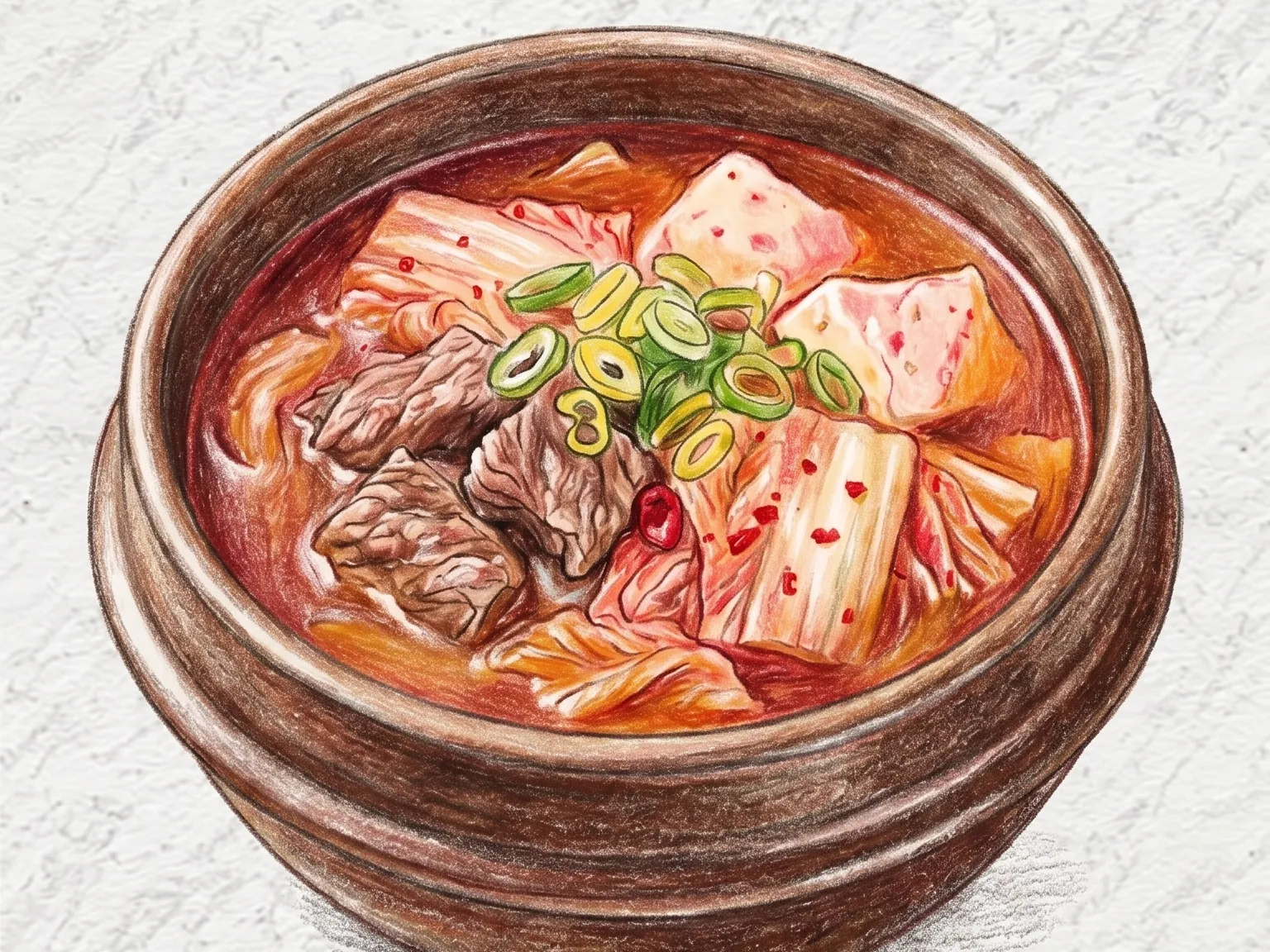
Kimchi Soegogi-guk (Fermented Kimchi Beef Soup)

Kimchi-soegogi-guk is a Korean soup that unites two powerhouse ingredients, well-fermented kimchi and beef, in a ruddy, aromatic broth. The beef is stir-fried in sesame oil first, building a savory foundation, then chopped kimchi joins the pan and cooks until its acidity mellows and merges with the rendered fat. Water is added, and as the pot simmers, the kimchi continues to break down, thickening the liquid and staining it a deep red. Soup soy sauce and garlic adjust the seasoning, while blocks of tofu absorb the surrounding flavors and provide a soft counterpoint to the chewy beef. The finished soup is hearty and warming, with the tangy complexity of aged kimchi meeting the clean savoriness of beef in every spoonful. It pairs inseparably with a bowl of steamed rice, which soaks up the broth and balances the heat.

🏠 Everyday
Prep 10minCook 30min4 servings