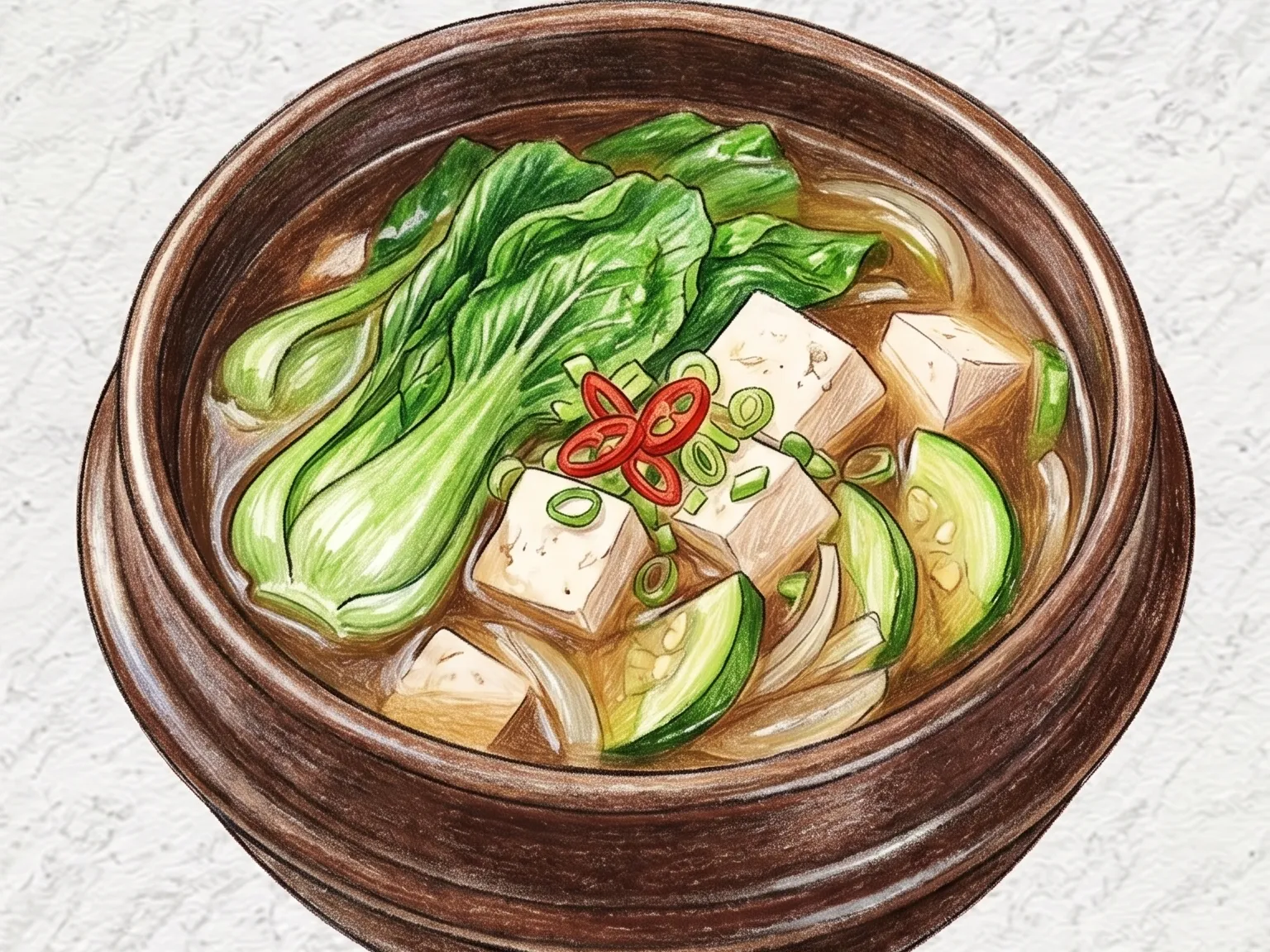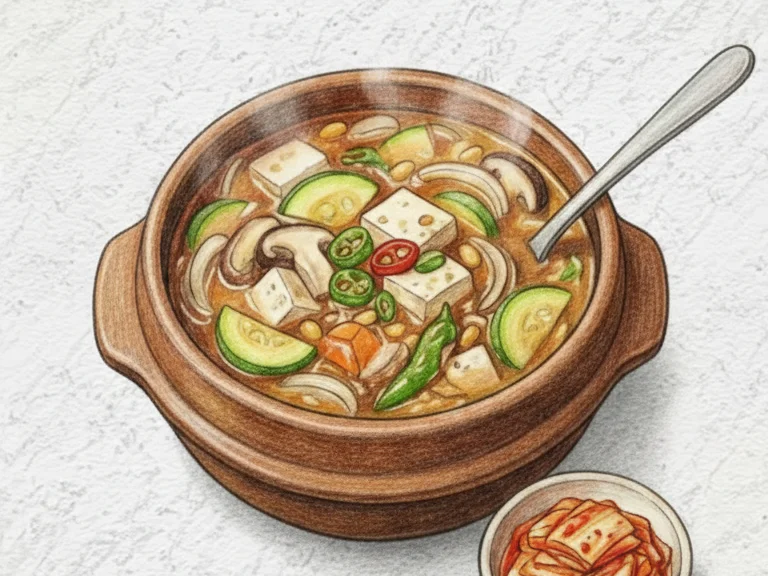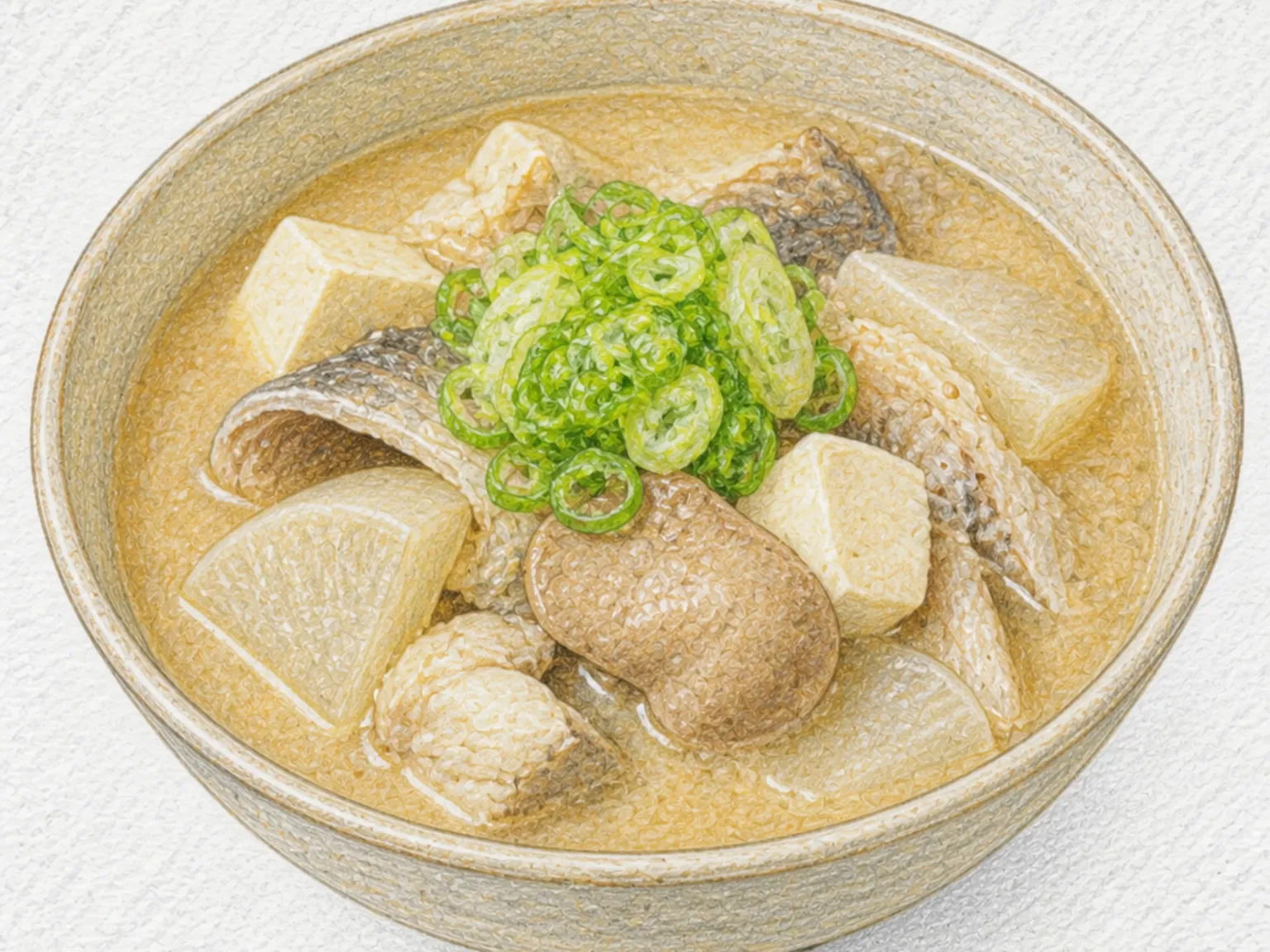
Korean Aralia Shoot Soybean Paste Stew
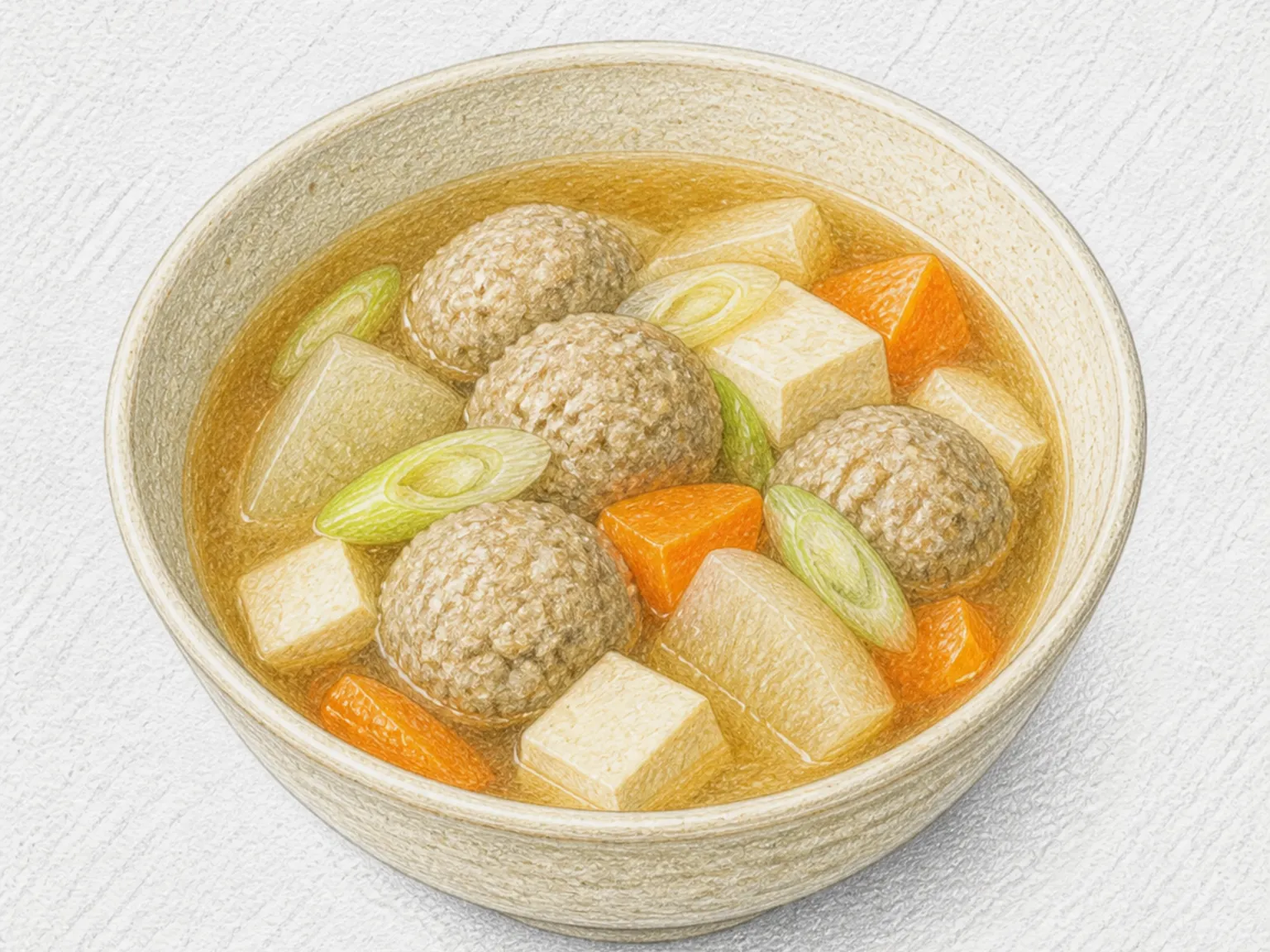
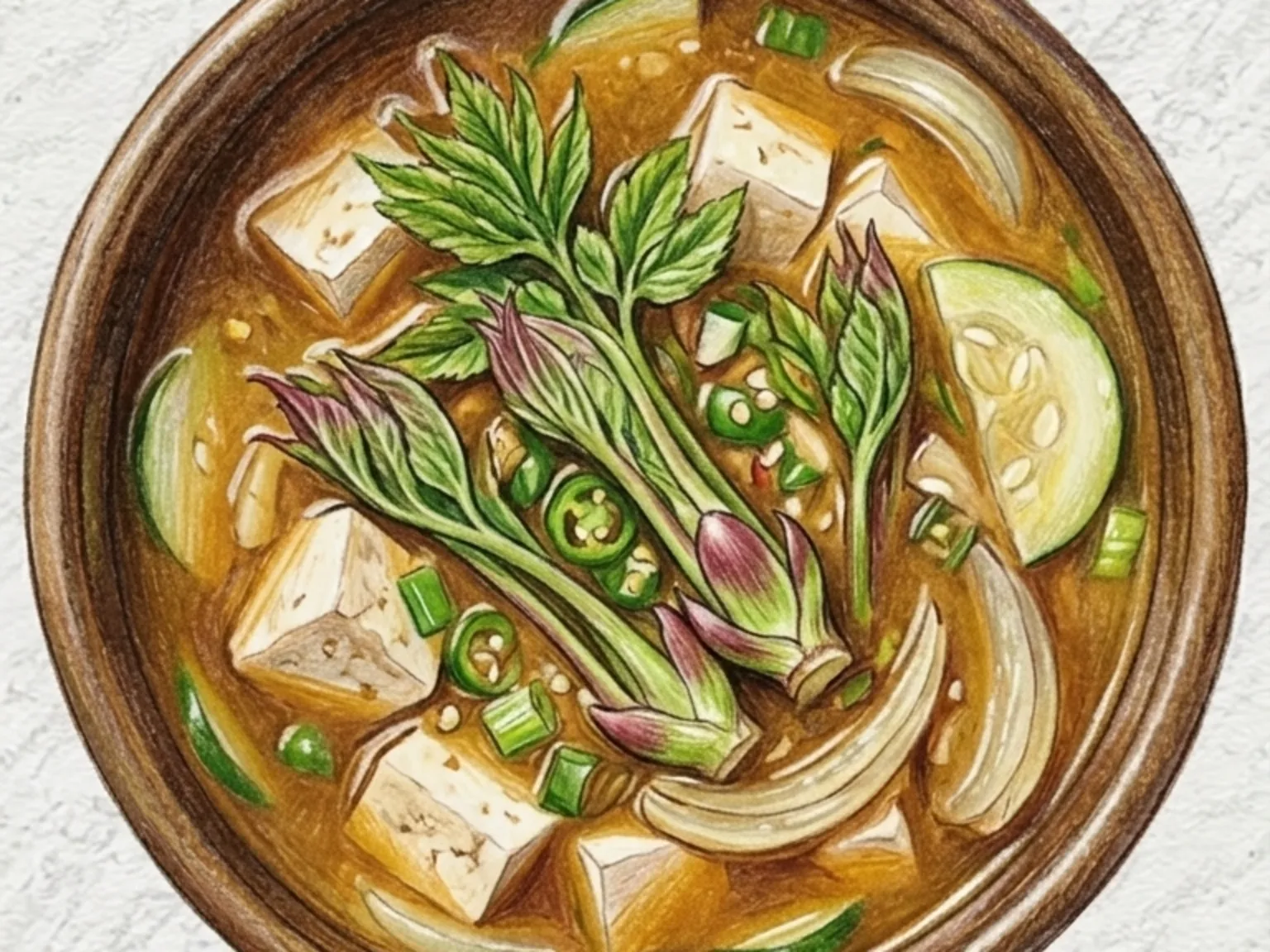
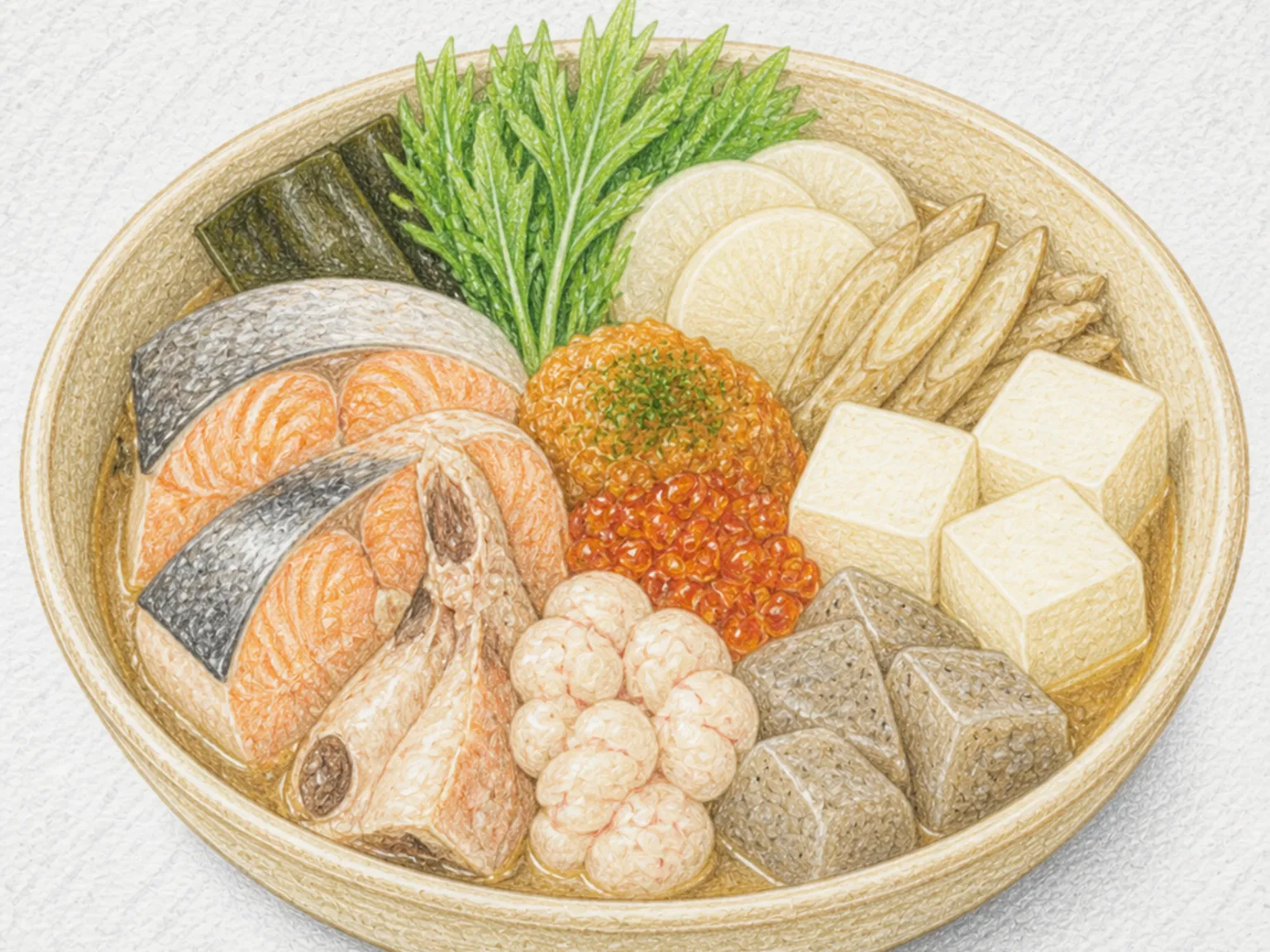
Dureup, the young shoots of the aralia tree, appear for only a few weeks in spring. Their pleasant bitterness and firm bite translate well into the savoury heat of doenjang broth. Anchovy stock forms the base, and both doenjang and gochujang are stirred in together to give the soup an earthy depth with a steady background heat. Zucchini and onion round out the bitterness with sweetness. Tofu fills the bowl with a soft contrast. The shoots go in late in the cooking so their crunch survives the heat of the broth.

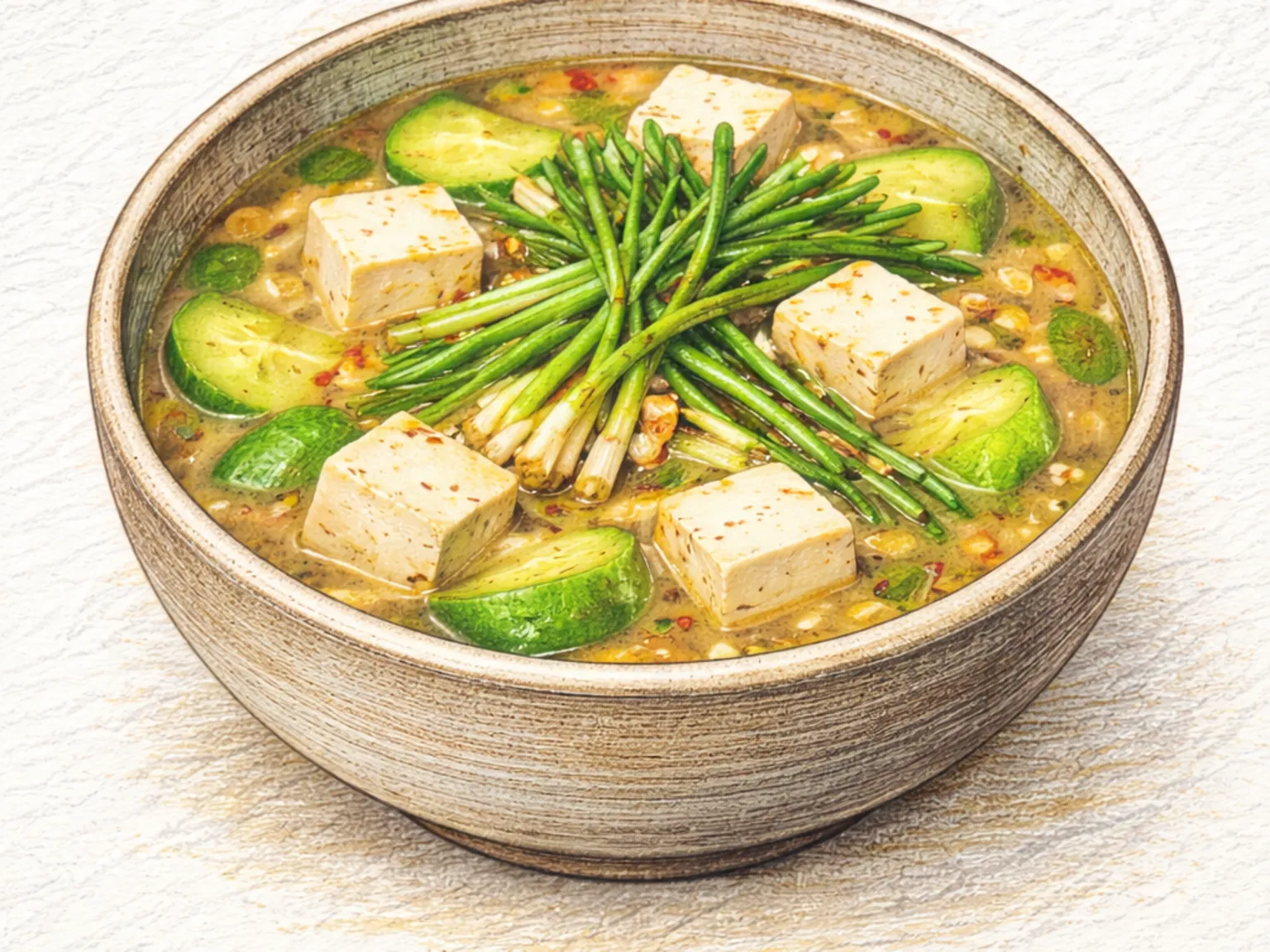
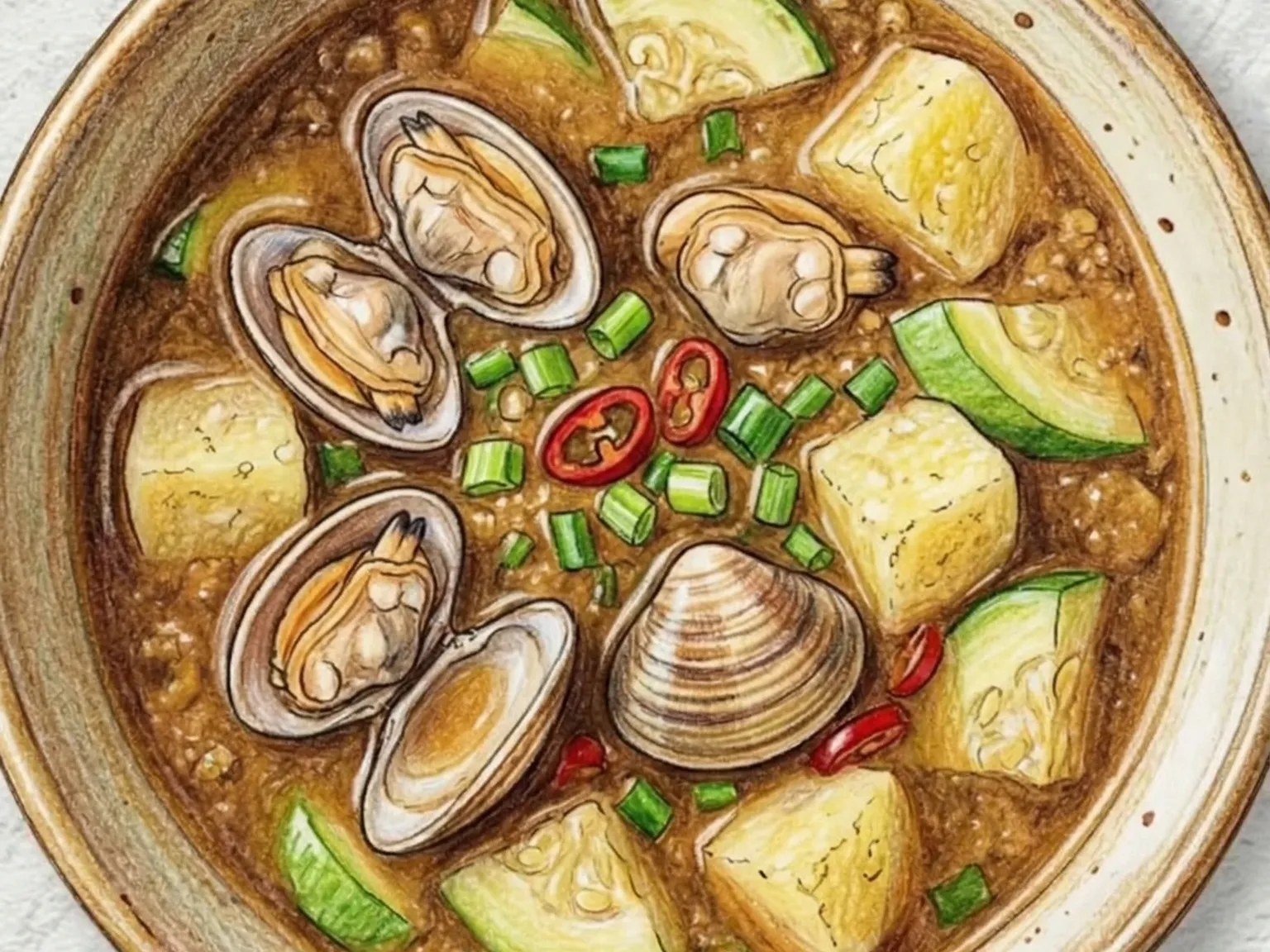
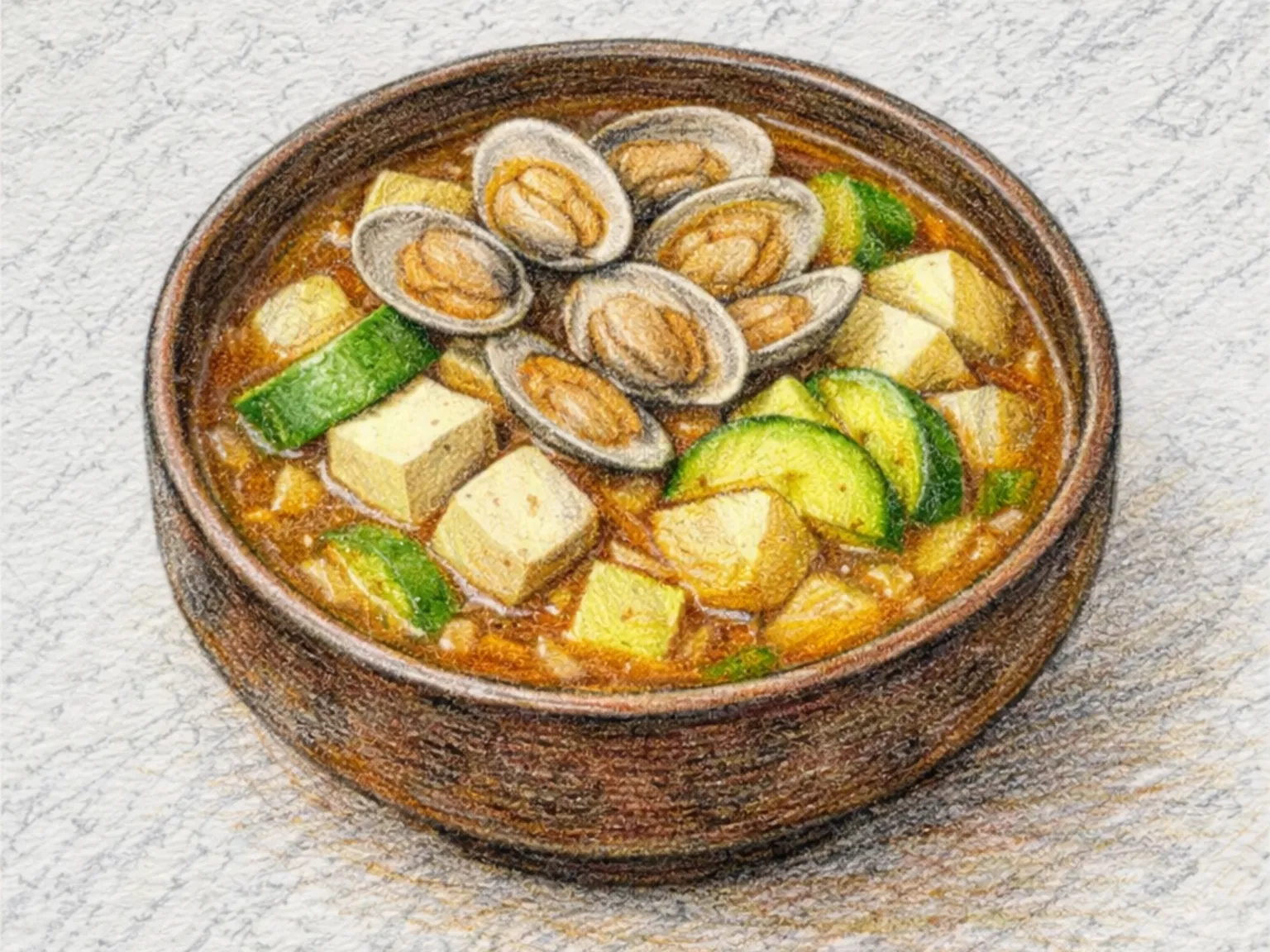
Korean Soybean Paste Stew with Clams and Zucchini
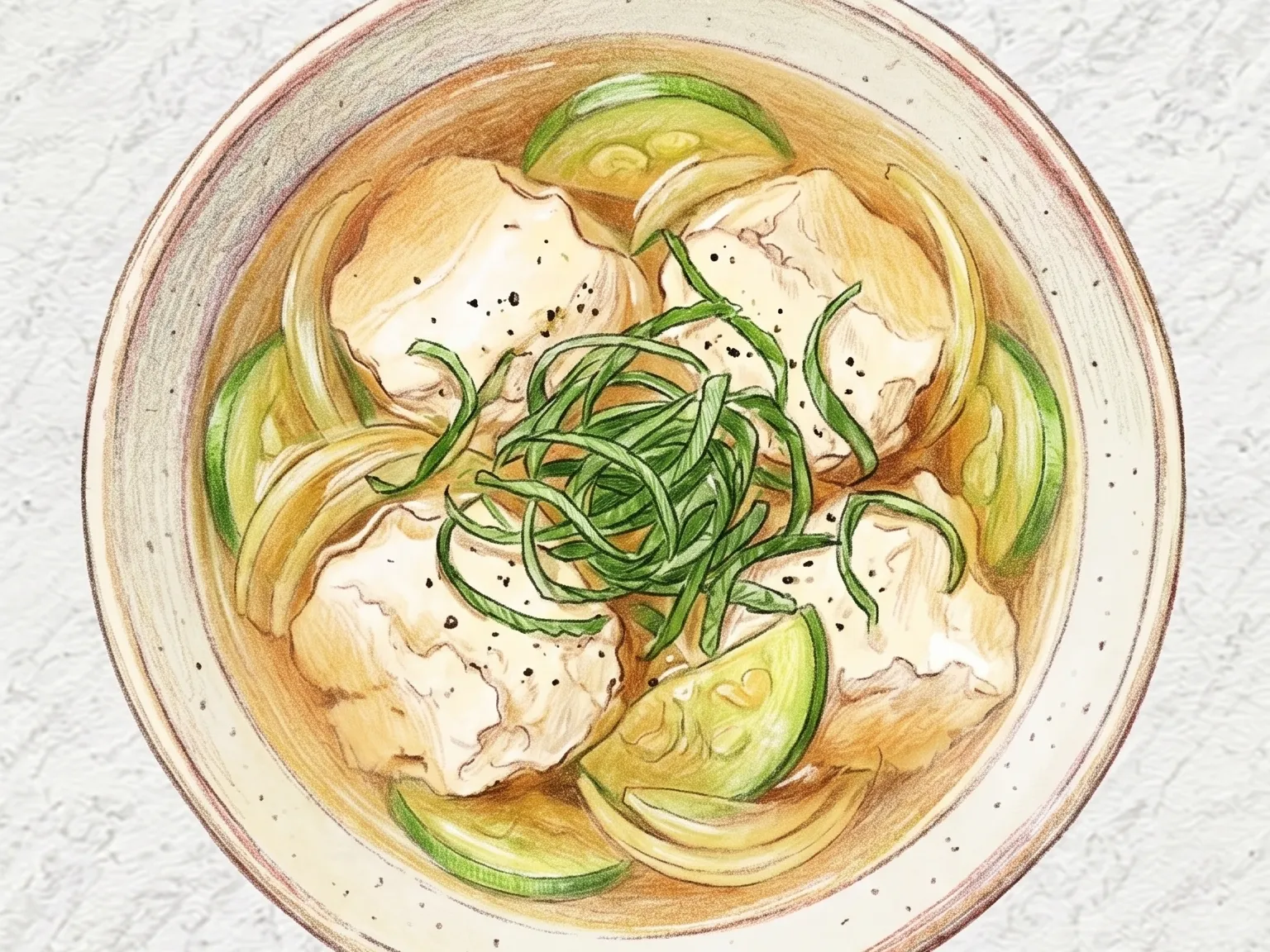
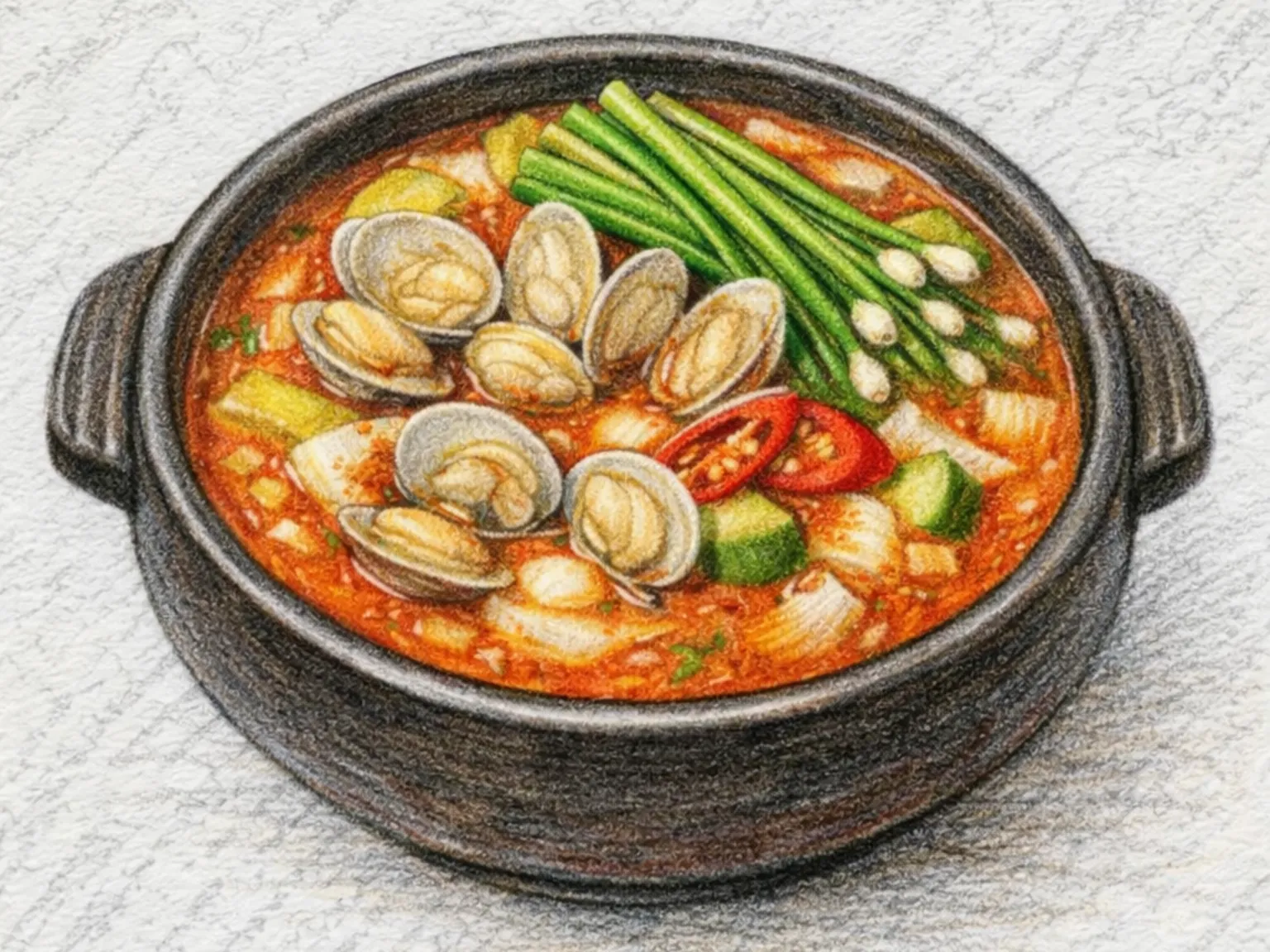
Bajirak aehobak doenjang jjigae is a Korean soybean paste stew that draws its distinctive clean depth from littleneck clams cooked alongside zucchini, potato, and tofu in rice-rinse water. As the clams open during cooking, they release their briny, slightly sweet liquor directly into the doenjang broth, deepening the fermented base with a layer of ocean salinity that soybean paste alone cannot produce. Potato breaks down gradually as the stew simmers, adding a subtle body to the broth without turning it starchy. Tofu and zucchini provide contrasting textures, the tofu soft and custardy while the zucchini retains a gentle resistance. Onion and minced garlic supply the sweet, aromatic foundation of the broth, and a Cheongyang chili introduces a clean, sharp heat that prevents the flavors from becoming too heavy. The pairing of the clams' saline, briny character with the earthy fermented depth of doenjang is what gives this particular version of the stew its reputation as one of the most satisfying everyday versions, served with a bowl of plain steamed rice.

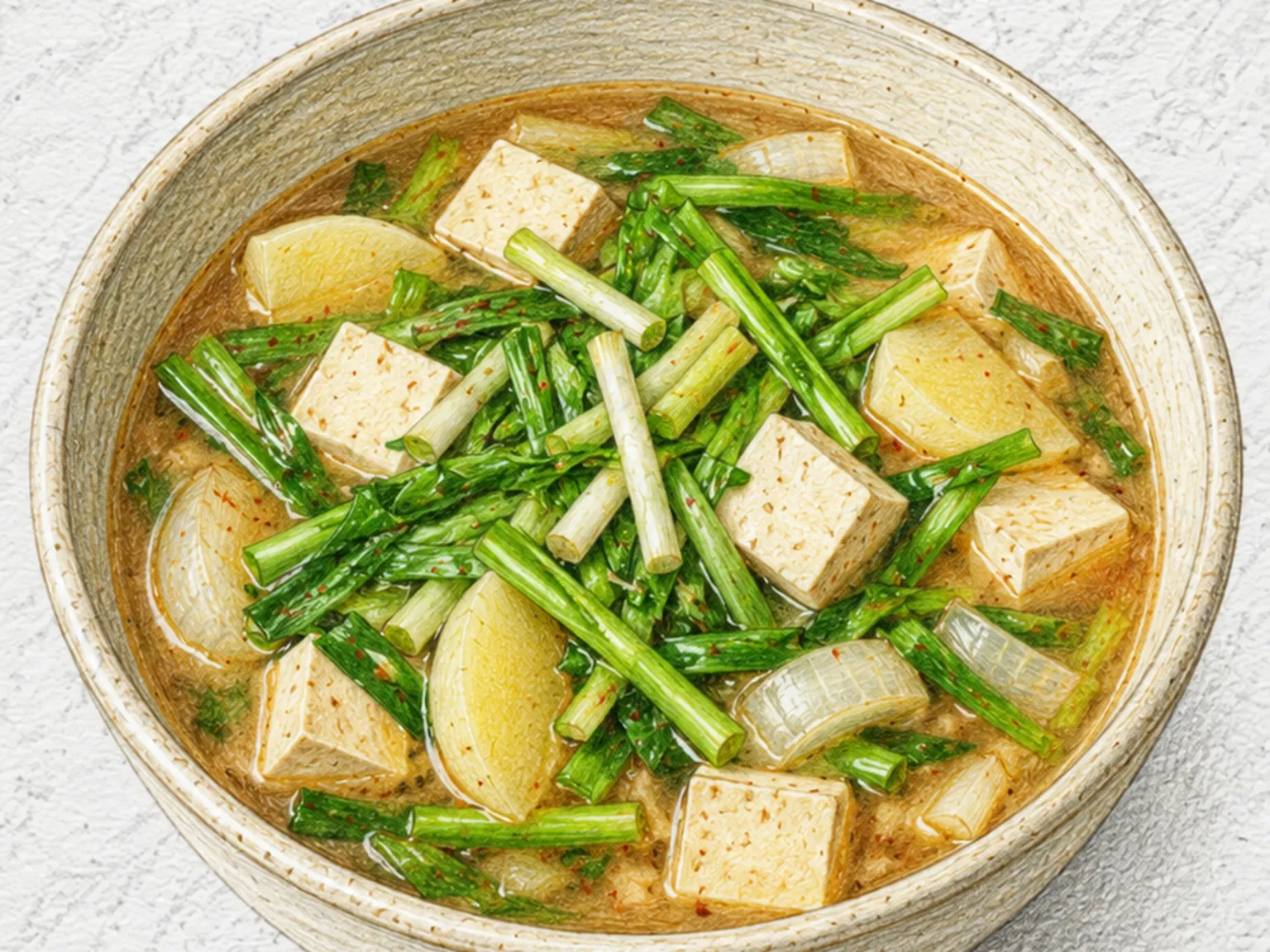
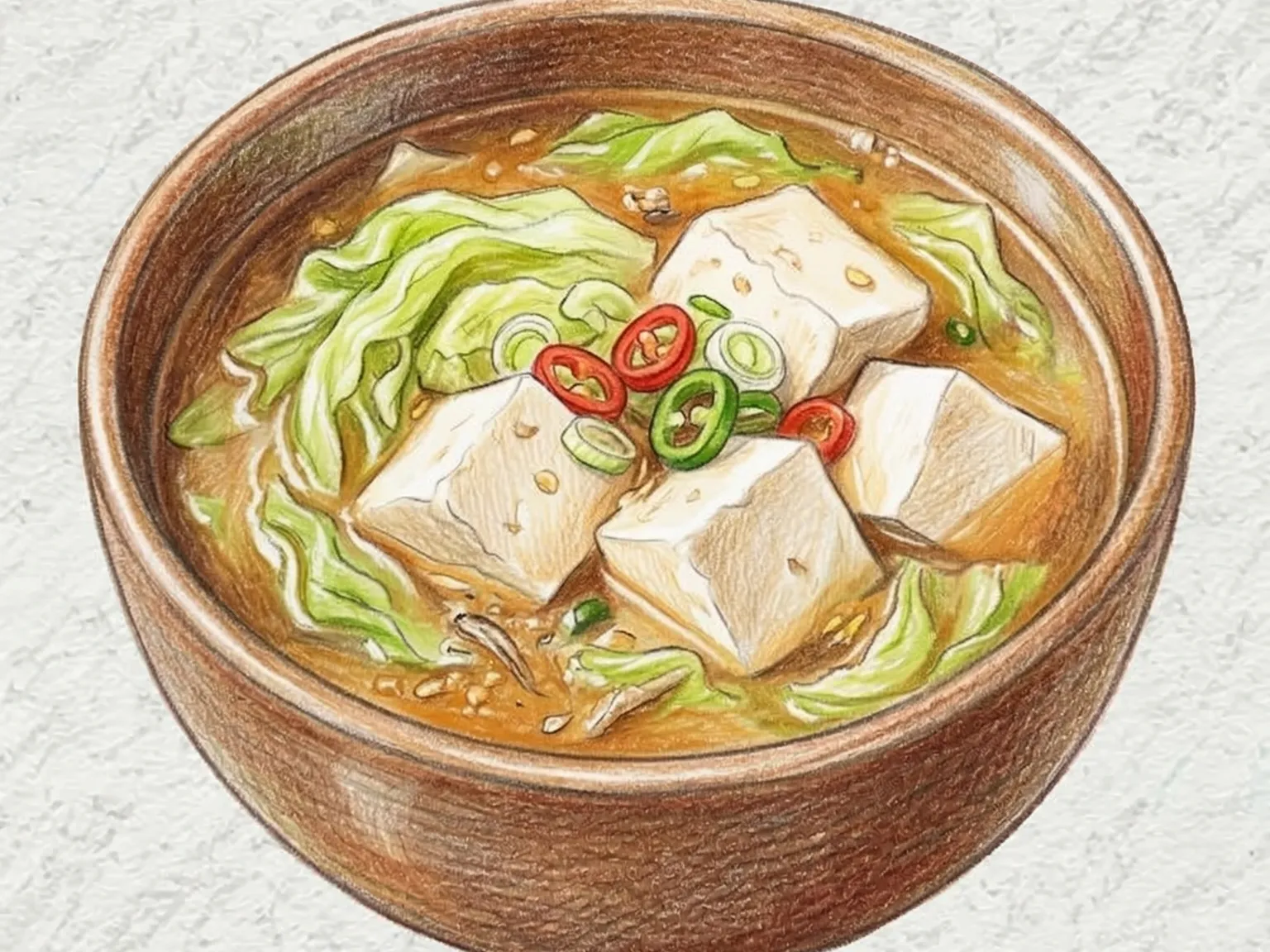
Korean Young Napa Soybean Paste Stew
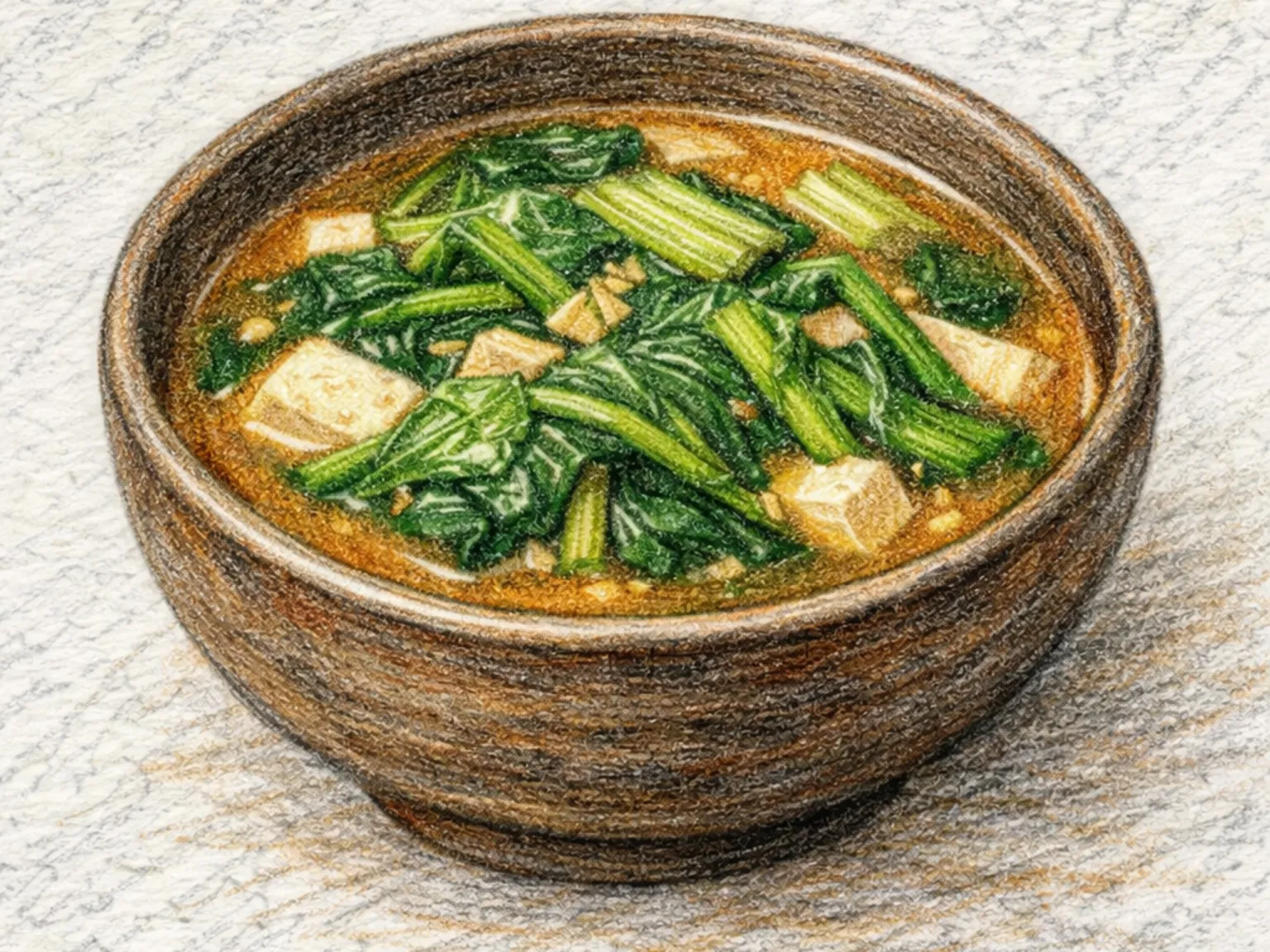
Young napa cabbage (eolgari) takes center stage in this doenjang jjigae, wilting into the broth and releasing a mild sweetness. The stock is built from dried anchovies and kelp, then seasoned with fermented soybean paste for a full-bodied base. Firm tofu and onion add substance, while a green chili provides a sharp finish. Eolgari is a tender spring-harvested young cabbage with soft fibers and a pronounced natural sweetness, so when combined with the savory doenjang broth it contributes a mellow, round flavor without any bitterness. Adding a generous amount of tofu helps the cubes absorb the saltiness of the paste and brings the entire soup into a well-balanced, smooth finish that pairs naturally with steamed rice.

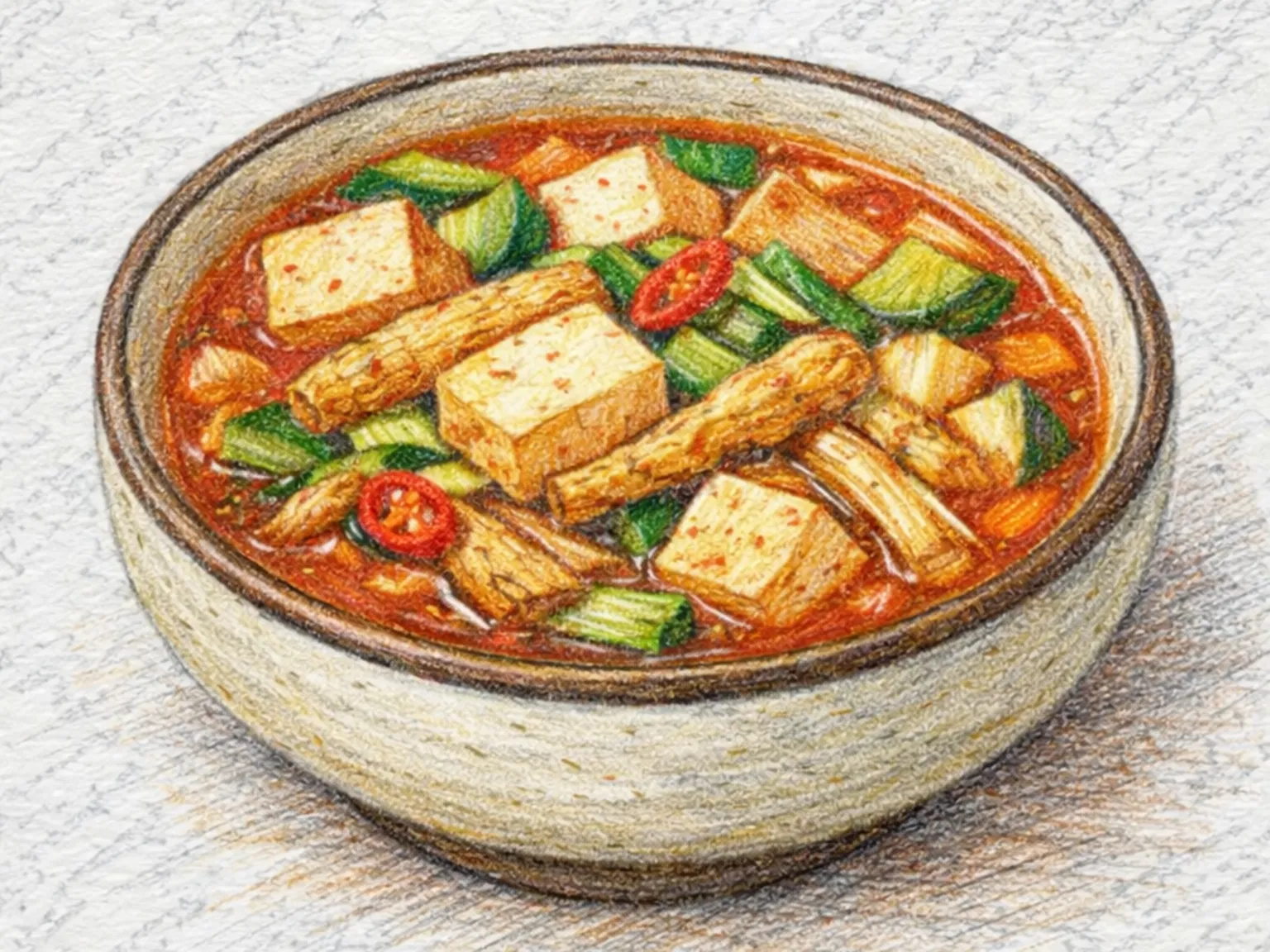
Korean Eggplant, Perilla & Tofu Stew
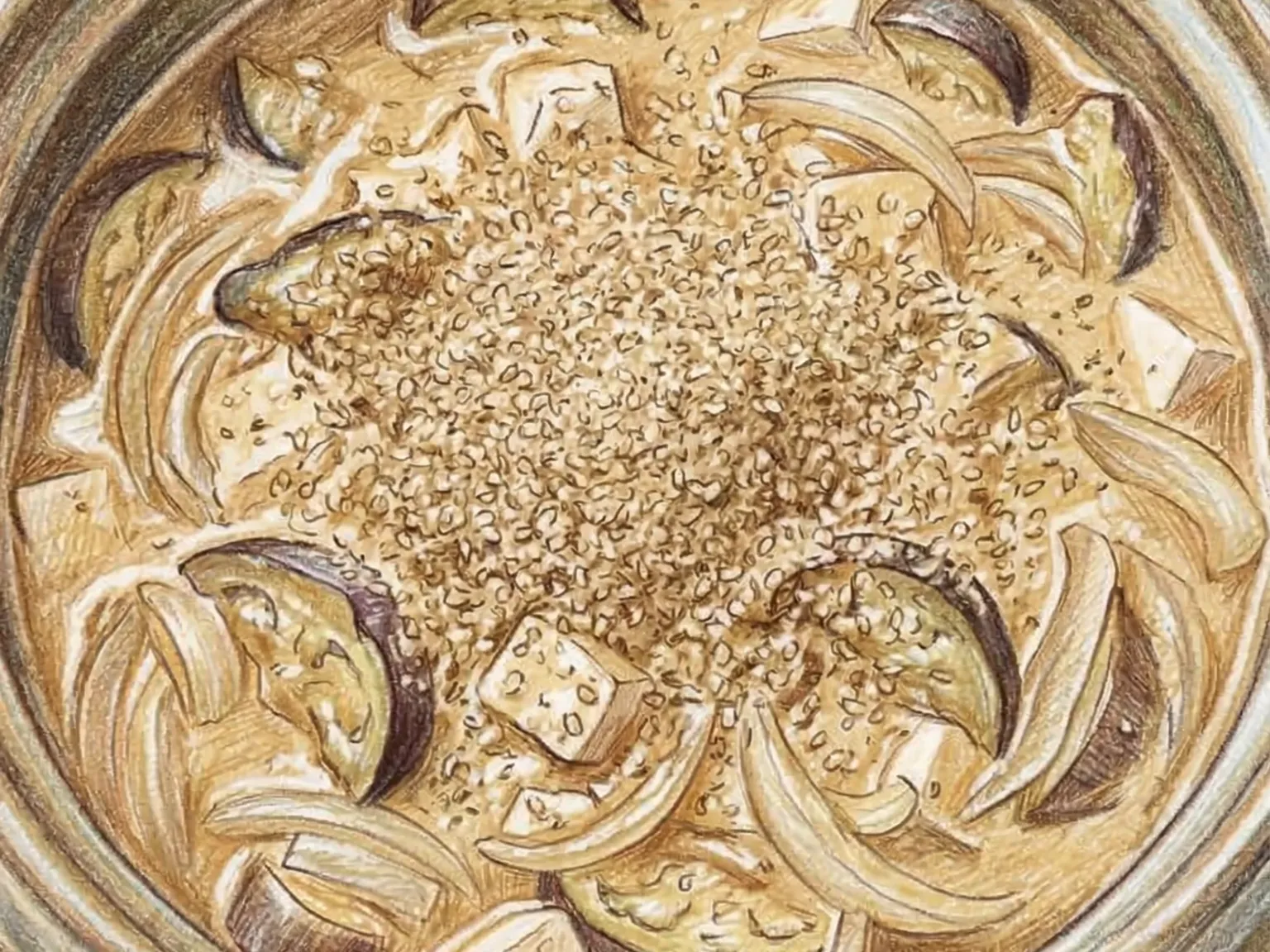
Gaji deulkkae dubu jjigae is a Korean stew of eggplant and tofu simmered in a broth thickened with ground perilla seeds. Ground perilla stirred into anchovy-kelp stock creates a creamy, nutty liquid as heat activates the oils in the seeds. Eggplant cooks slowly in this broth, breaking down until completely soft and absorbing the surrounding perilla flavor. Dicing the tofu into small cubes increases its surface area and allows the broth to penetrate from more angles. Gochugaru adds a layered warmth to the richness of the perilla, and soup soy sauce provides the salt structure. The textural contrast between the silky, yielding eggplant and the firmer tofu gives the stew a variety that makes each spoonful interesting. Even without meat, the fatty acids in perilla provide enough body and satiety to make this a substantial main-course stew, particularly well suited to vegetarian cooking.

Korean Red Pepper Paste Stew
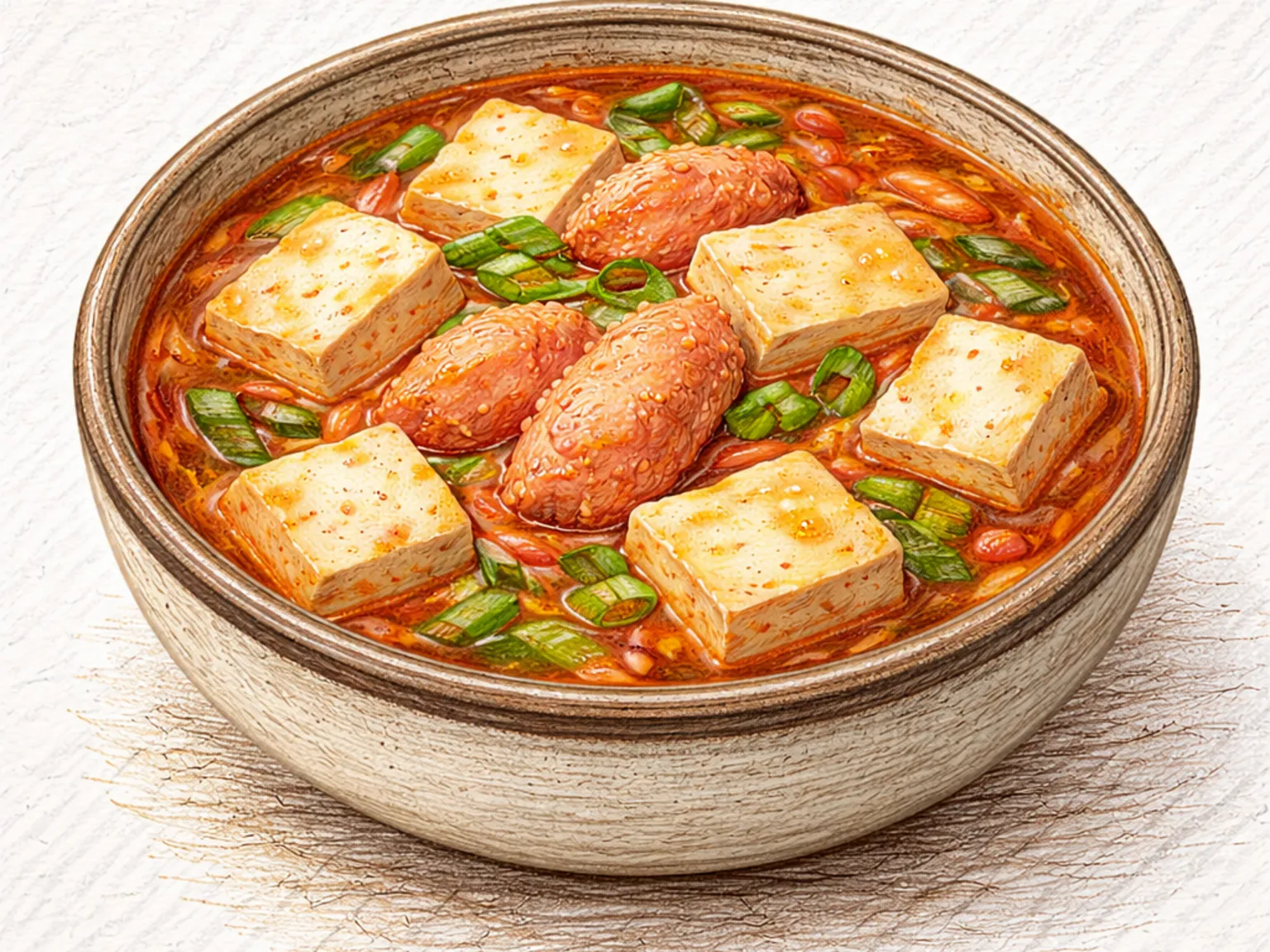
Gochujang-jjigae is a Korean stew centered on gochujang, the fermented chili paste, as its primary seasoning. It occupies a different flavor space from doenjang-based stews and kimchi-jjigae: the heat is direct and clean rather than layered with fermented funk or brined sourness. Pork shoulder is the standard protein. Browning the meat first in the pot keeps its juices sealed in and adds savoriness to the broth as the fond dissolves into the liquid. Two tablespoons of gochujang form the base, gochugaru adjusts the heat level, and soy sauce adds depth of saltiness. Potato absorbs the starch-thickened broth as it cooks and turns fluffy inside with a seasoned exterior. Zucchini softens into the thick broth, contributing gentle sweetness. Tofu soaks up the surrounding sauce and delivers a concentrated burst of gochujang flavor when bitten through. The longer the stew simmers, the more the ingredients exchange flavors, building a broth more complex than any single ingredient could produce on its own. In Korean home cooking, it is standard to ladle plenty of the broth over cold rice.

Korean Thistle Herb Soybean Paste Stew
This doenjang jjigae features blanched gondeure, Korean thistle greens that are a prized mountain herb in Gangwon Province. The greens belong to the Korean thistle family and have a mild bitterness alongside a warm, earthy aroma that pairs naturally with the depth of fermented soybean paste. Potato and firm tofu add substance to the anchovy-kelp stock base. The result is a gentle, aromatic stew without aggressive spice, a direct expression of Korean mountain cuisine. When using dried gondeure, soaking it thoroughly in water before blanching is essential to prevent a tough, fibrous texture in the finished stew. Fresh gondeure should be blanched and rinsed in cold water to remove excess bitterness. The key to this jjigae is restraint with the doenjang: using just enough for seasoning, rather than making the fermented paste the dominant flavor, allows the mountain herb's natural scent to come through clearly in every spoonful.

Korean Gul Dubu Jjigae (Oyster Tofu Stew)
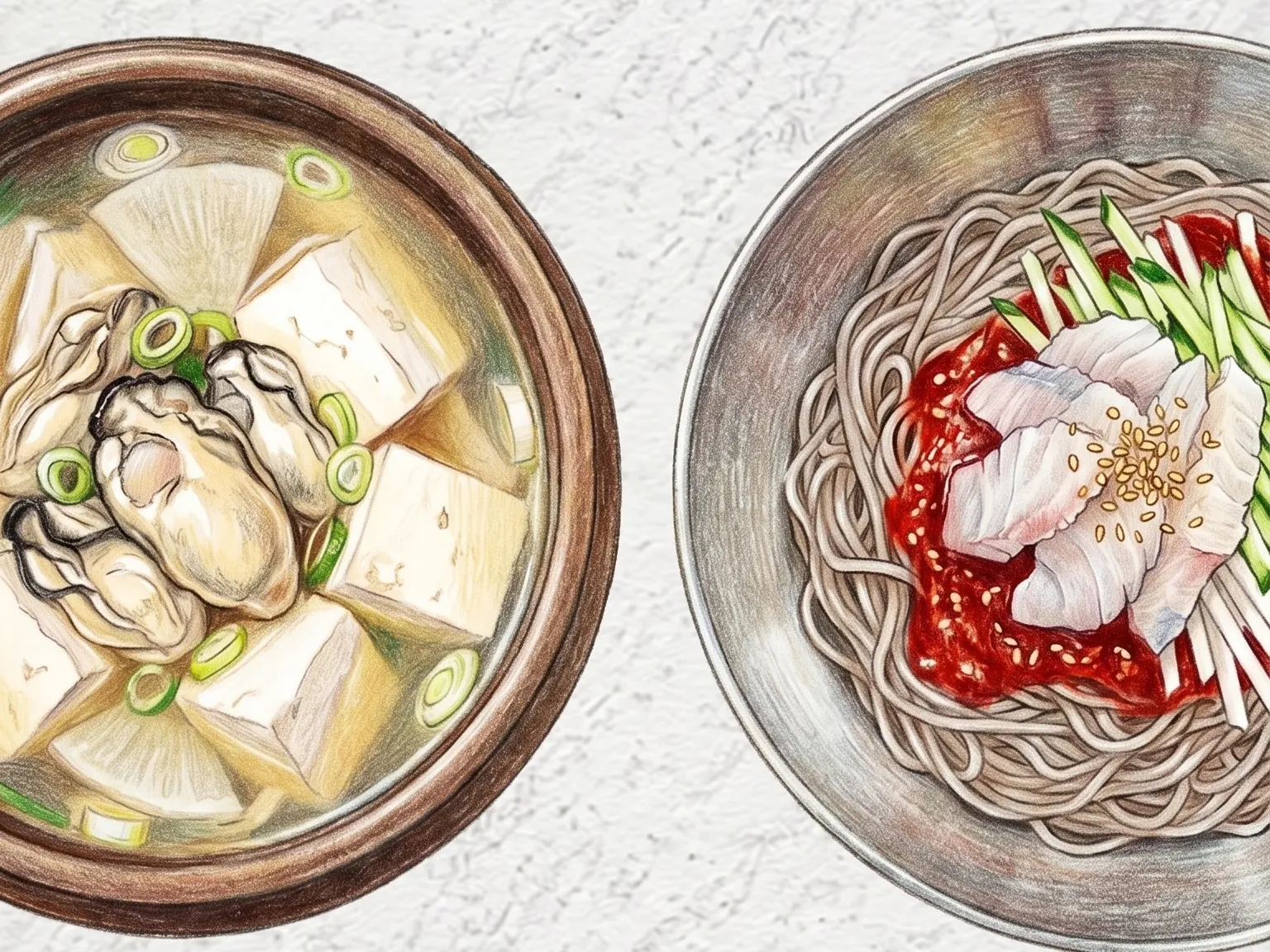
Gul dubu jjigae pairs 180 grams of fresh oysters with generous cubes of firm tofu in a clean anchovy-kelp stock. The oysters release their briny, mineral-rich juices the moment they hit the simmering broth, giving the soup an immediate oceanic depth that no other seafood replicates in quite the same way. Korean radish adds mild sweetness and keeps the stock clear rather than murky, while gochugaru and a whole Cheongyang chili suppress any fishiness and build a persistent background heat. The 300 grams of tofu make this a genuinely filling stew rather than a light soup course. Timing the oysters correctly is the most important step: added just before the pot returns to a boil, they need only thirty seconds to one minute before they are cooked through. Leaving them longer shrinks them and toughens their texture. Rinsing the oysters gently in lightly salted water before cooking removes sand and impurities without stripping their natural fragrance. This is a distinctly seasonal stew, best made in winter when the cold-water oysters are plump, briny, and at full flavor.

Korean Oyster & Crown Daisy Stew
Gul ssukgat jjigae is a Korean stew that combines oysters with crown daisy, a leafy herb that brings a distinctive bitter-herbal character rarely found in other stews. The oysters, approximately 220 grams, provide the foundational savory base of the broth, releasing their briny, oceanic juices as they heat through. Crown daisy contributes an aromatic quality that is simultaneously bitter and clean, and that fragrance is volatile enough to disappear entirely with extended cooking, so it must be added at the very end, just before the heat is turned off. Korean radish and firm tofu are added midway through cooking to add body and substance to the stew without muddying the clean flavor of the broth. Soup soy sauce seasons the liquid while keeping the broth a clear, pale color rather than the darker tones that regular soy sauce would introduce. The combination of briny shellfish and herbal greens is a traditional Korean pairing, one that appears most often in home cooking rather than in restaurant settings. The result is a stew with a distinct identity - lighter than kimchi jjigae, more aromatic than doenjang jjigae - that works well as a standalone bowl with a bowl of rice.

Korean Seafood Hot Pot (Shrimp, Squid & Crab Spicy Pot)
Haemul jeongol is a Korean seafood hot pot that brings together shrimp, Manila clams, squid, and blue crab in a spicy kelp-based broth seasoned with gochujang and gochugaru. The two chili seasonings serve different purposes: gochujang contributes fermented umami depth and body to the broth, while gochugaru adds clean heat and the vivid red color that makes the dish visually striking. Each type of seafood contributes something distinct to the pot. The clams release their natural briny-sweet liquor as they open, forming the backbone of the broth's flavor. The blue crab sweetens the stock progressively as it simmers, adding a richness that builds over time. The squid provides a chewy textural counterpoint to the softer elements, and the shrimp contribute a clean, delicate sweetness. Tofu and zucchini round out the pot with soft contrast between the firm seafood, and soup soy sauce is used for final seasoning rather than regular soy sauce to avoid darkening the broth. Because jeongol is served bubbling at the table and eaten while still cooking, the seafood should not be fully cooked before serving - shrimp and squid in particular should be added just as the broth comes to a boil and cooked only briefly, since prolonged heat makes them rubbery and dry. The wide vessel and communal style of eating, with everyone reaching into the same pot, is central to what makes haemul jeongol a gathering dish rather than a solo meal.

Korean Seafood Stew (Shrimp, Squid & Clam Spicy Pot)
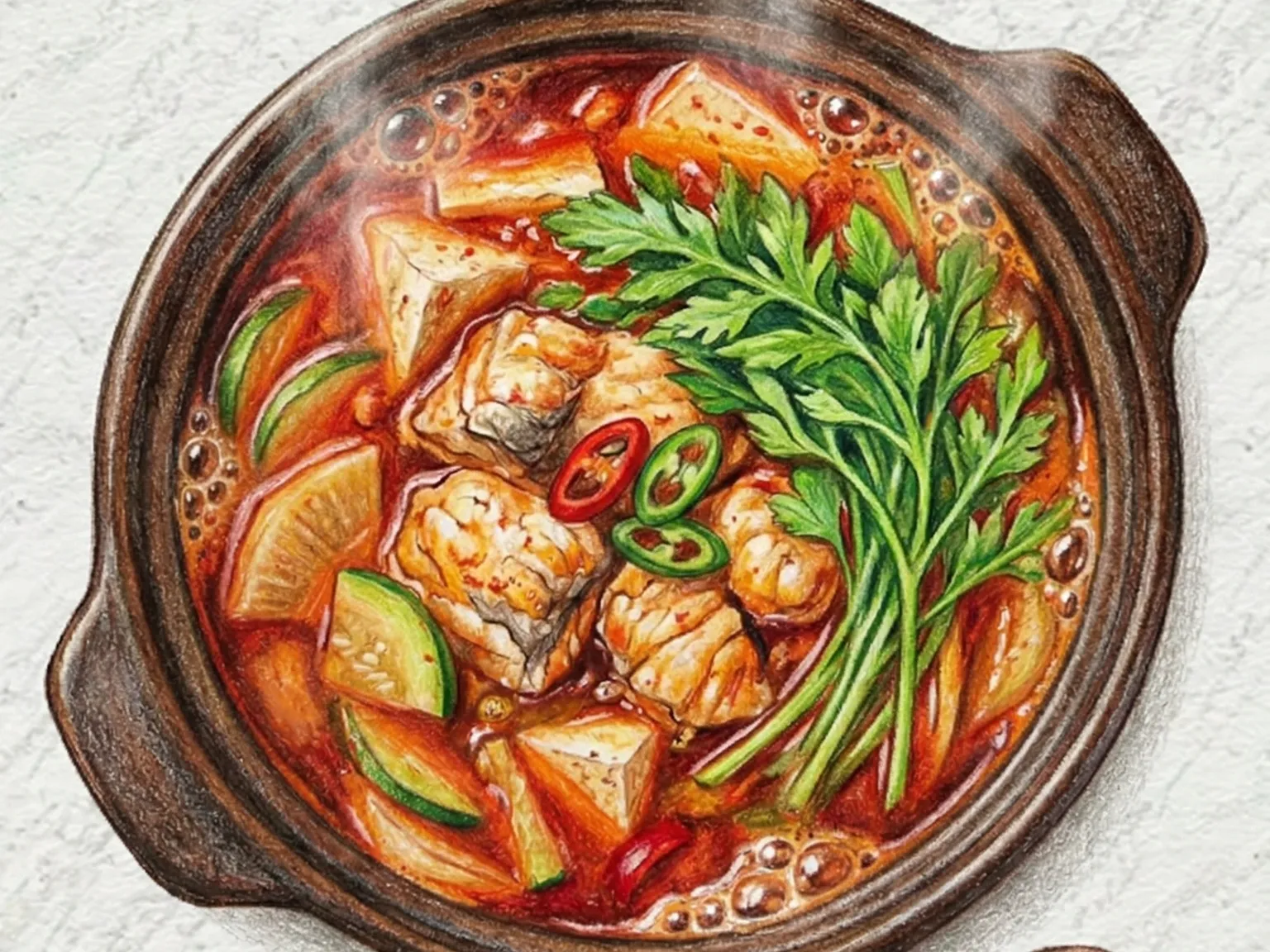
Haemul jjigae is a fiery Korean seafood stew that loads shrimp, squid, and clams into a broth fired with gochugaru and gochujang. As the clams open during cooking, they release a clean, saline sweetness that forms the backbone of the broth, and the chili paste and flakes layer in a deep red heat that amplifies rather than masks the flavor of the sea. Large pieces of tofu and sliced zucchini cook alongside the seafood, soaking up the spiced shellfish stock and adding substance to every spoonful. Green onion and cheongyang chili added at the end contribute color and a fresh aromatic sharpness. Serving directly in the stone pot keeps the stew bubbling at the table throughout the meal, and the steady heat means the last spoonful tastes as vivid as the first. A bowl of steamed white rice alongside absorbs the broth between bites and makes the meal complete.

Korean Dried Pollock Napa Stew
This stew pairs dried pollock strips with napa cabbage for a mild, comforting bowl built on clean, unhurried flavors. The pollock releases a savory, slightly sweet depth into the broth as it rehydrates during cooking. Soaking the pollock briefly in water before adding it loosens the stiff fibers and helps the broth extract faster. The cabbage softens slowly and adds its own natural sweetness, while firm tofu and zucchini round out the ingredients with body and texture. A touch of perilla oil lends a nutty fragrance to the finished bowl. Seasoned simply with soup soy sauce, it works well as a hangover remedy or a light weekday meal that settles the stomach.

Korean Dried Pollack Stew
Hwangtae jjigae is a straightforward Korean stew built on dried pollack strips, tofu, and eggs, with a broth that tastes far deeper than its short ingredient list suggests. Sauteing the pollack strips in sesame oil before any liquid is added draws out a roasted, nutty aroma that becomes the flavor backbone of the entire pot. Water poured over the toasted fish produces a broth that is simultaneously clear and richly savory, a character specific to hwangtae that fresh fish cannot replicate. Soft tofu cut into cubes settles into the broth and contributes a delicate texture alongside its protein, while beaten eggs stirred in during the final minutes form silky, fine-grained ribbons throughout the liquid. The minimal ingredient list makes this stew genuinely practical when pantry and refrigerator supplies are running low.

Korean Kimchi Jjigae (Kimchi Stew)
Kimchi jjigae is a well-loved Korean home-cooked stew, built on well-fermented kimchi and pork belly simmered together until the flavors fully meld. The kimchi's sharp acidity breaks down the richness of the pork fat, producing a broth that is simultaneously tangy, spicy, and deeply savory. A spoonful of doenjang adds another layer of fermented complexity, while tofu blocks absorb the fiery liquid. Finished with a drizzle of sesame oil, it is the definitive comfort food served with steamed rice.

Korean Kimchi Bean Sprout Stew
This jjigae simmers fermented kimchi and soybean sprouts in an anchovy-based stock for a broth that is both refreshing and sharply spiced. The soybean sprouts contribute a crisp bite and a clean, neutral flavor that tempers the kimchi's fermented tang and chili heat, keeping the overall taste from feeling one-dimensional. Soft tofu adds creaminess and a gentle texture contrast, while onion provides background sweetness and green onion brings a fresh, aromatic note. Soup soy sauce and gochugaru are used to season, producing a clear, clean spiciness without muddying the broth. In Korean households, this jjigae is frequently eaten in the morning or as a hangover remedy, valued for its simplicity and its ability to settle the stomach while still delivering a satisfying depth of flavor.

Korean Spicy Blue Crab Hot Pot
Maeun kkotge jeongol is a fiery blue crab hot pot made with two whole crabs broken down and simmered in a gochujang and gochugaru-laced broth. The crab shells and innards gradually release a deep, concentrated shellfish essence into the pot, which layers with the fermented chili paste to produce a broth that is bold and complex rather than simply hot. Daikon radish and tofu absorb the spicy liquid as they cook, becoming flavorful in their own right, while thick green onion stalks add fragrance near the end. This is a communal dish meant to be placed in the center of the table over a portable burner and shared as it simmers, with a little water added as the broth reduces to keep it going through the meal. Stirring the crab innards directly into the broth deepens the umami considerably.

Korean Kimchi Beef Dumpling Hot Pot
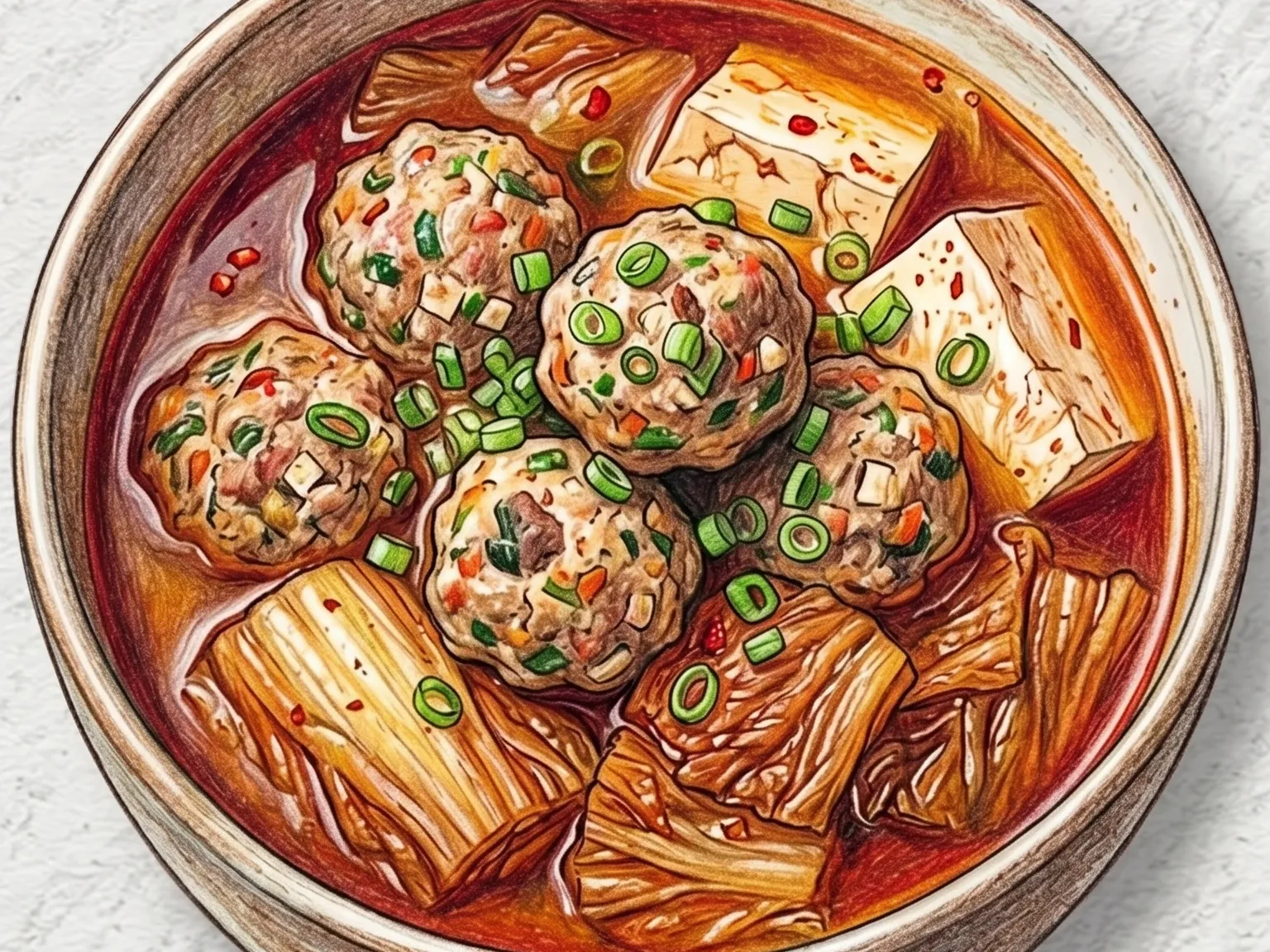
Kimchi-beef mandu jeongol is a generous Korean hot pot that combines frozen dumplings, thinly sliced beef, and aged kimchi in anchovy stock seasoned with gochujang and soup soy sauce. As the pot bubbles, the meat filling inside each dumpling leaches its savory fat into the broth while the kimchi's fermented sourness and heat layer in on top, building a soup that grows more complex the longer it simmers. Napa cabbage leaves, enoki mushrooms, and firm tofu add contrasting textures to each spoonful. Blanching the beef briefly before adding it to the pot prevents the broth from clouding, and the tofu goes in last to keep it intact. The older and more pungent the kimchi, the deeper and more rounded the soup becomes, which is why well-fermented kimchi is worth seeking out for this dish specifically. A drop of perilla oil stirred in just before serving adds a nutty finish that ties the layers together. Eaten communally from the stove, with rice stirred in at the end to absorb the remaining broth, this pot feeds a table with minimal effort.

Korean Minari Doenjang Stew
This variation of doenjang jjigae adds a generous amount of water parsley (minari) to the classic soybean paste stew. Firm tofu, potato, and onion simmer in anchovy-kelp stock with doenjang, building an earthy, deeply fermented base. The minari goes in near the end to preserve its crisp texture and peppery herbaceous aroma. A half tablespoon of chili flakes rounds out the flavor with mild warmth. Minari's grassy, herb-like character layers naturally against doenjang's fermented depth, turning a familiar stew into a seasonal variation worth returning to throughout the year.

Korean Aged Kimchi Stew (Deep-Fermented Pork Belly Broth)
Mugeunji jjigae uses deeply fermented, aged kimchi that delivers an intense sour tang and concentrated umami far beyond fresh kimchi. Pork belly renders its fat into the stew, mellowing the sharp acidity while enriching the broth. Tofu cubes absorb the bold flavors and provide a soft contrast. The longer the kimchi has aged, the more complex and punchy this stew becomes.

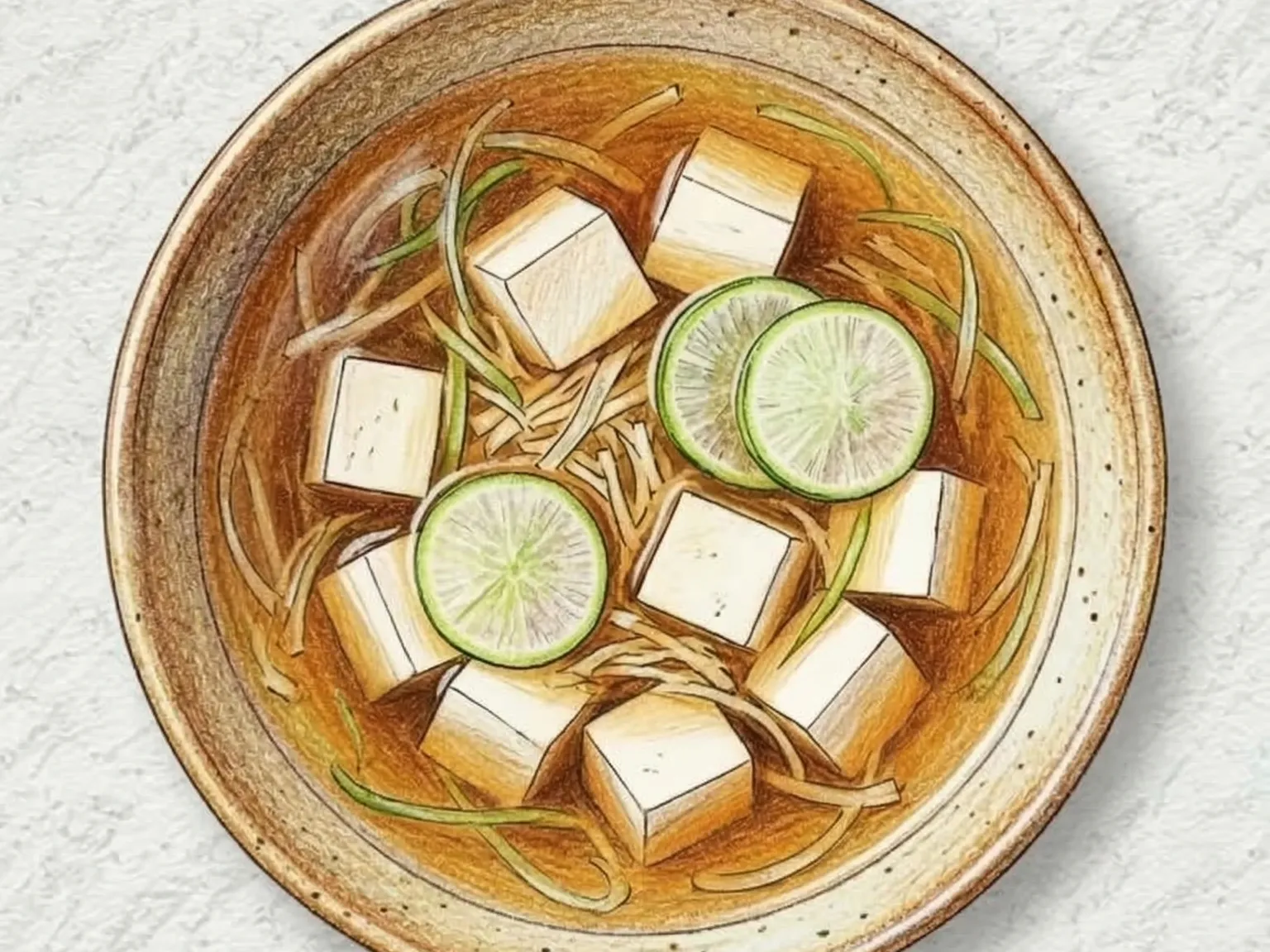
Korean Radish and Salted Shrimp Stew
Musaengchae-jjigae simmers julienned radish in a broth built on salted shrimp (saeujeot) and gochugaru, drawing a surprising depth of flavor from minimal ingredients. Saeujeot is fermented shrimp paste that concentrates months of salt-curing and enzymatic breakdown into a potent seasoning -- it supplies umami on the level of fish sauce but with a more rounded, fermented character that forms the backbone of this broth without requiring any stock. Cutting the radish into thin julienne strips, rather than chunks, is deliberate: thin pieces cook through quickly and release just enough starch into the broth to give it a faint natural body. Gochugaru provides color and heat, and its fruity spice complements the sweet, mild flavor that radish develops as it softens. Tofu adds body and protein, and the green onion and garlic round out the aromatics. What makes this jjigae worth repeating despite its simplicity is the fermented complexity from the saeujeot -- a single tablespoon transforms plain water into something that tastes long-cooked. Lighter in texture than doenjang or kimchi jjigae, it works well as an everyday soup that pairs with rice without overwhelming the meal.

Korean Pollack Roe Tofu Stew
Myeongnan-dubu-jjigae is a Korean stew built around whole pollack roe simmered in anchovy and kelp stock. As the broth comes to a boil, the roe gradually loosens and disperses into the liquid, releasing a briny, concentrated umami that permeates every ingredient in the pot. Using anchovy-kelp stock rather than plain water lets the oceanic character of the roe come through without competition. Firm tofu cut into one-centimeter slices absorbs the savory broth while holding its shape throughout cooking, unlike soft tofu which breaks apart. Red pepper flakes, minced garlic, and sliced green onion finish the stew with a clean, spicy edge. The grainy, textured bite of the intact roe kernels is what sets this stew apart from other Korean jjigae. Cooking time should be kept short: once the broth reaches a full boil, the heat is reduced immediately, because prolonged boiling dissolves the roe completely and erases the textural contrast. Spooning the broth and roe together over steamed rice and mixing it in is the most satisfying way to eat it.

Korean Shepherd's Purse Doenjang Jjigae
This seasonal doenjang jjigae highlights shepherd's purse (naengi), a foraged spring herb prized in Korean cooking. Potato, zucchini, onion, and tofu simmer in anchovy stock with soybean paste, creating a hearty base. The naengi contributes a distinctive earthy, slightly bitter aroma that complements the fermented depth of doenjang. Using the whole plant including the roots intensifies its characteristic fragrance.

Korean Shepherd's Purse and Oyster Stew
Naengi-gul-jjigae is a doenjang-based stew that pairs two winter-season ingredients, shepherd's purse and fresh oysters, in a broth built on kelp stock. Shepherd's purse grown through cold months concentrates its aromatic compounds in the root, delivering a grassy, faintly bitter fragrance that sets it apart from other greens. Oysters harvested in cold water are at their firmest and most intensely flavored, making them a natural match for the fermented depth of doenjang. Radish and soft tofu provide body to the broth, while the oysters and shepherd's purse go in last so their freshness survives the heat. The oceanic sweetness of the oysters, the herbal bite of naengi, and the fermented richness of doenjang fit together without any single flavor dominating. A small amount of gochugaru adds a low, steady heat underneath the stew, and adding a few slices of cheongyang chili brings a sharper edge if desired. Washing the roots of the shepherd's purse thoroughly to remove grit is important, and leaving the stems long enough to retain their aroma makes a noticeable difference in the finished bowl.

Korean Wild Mushroom Hot Pot
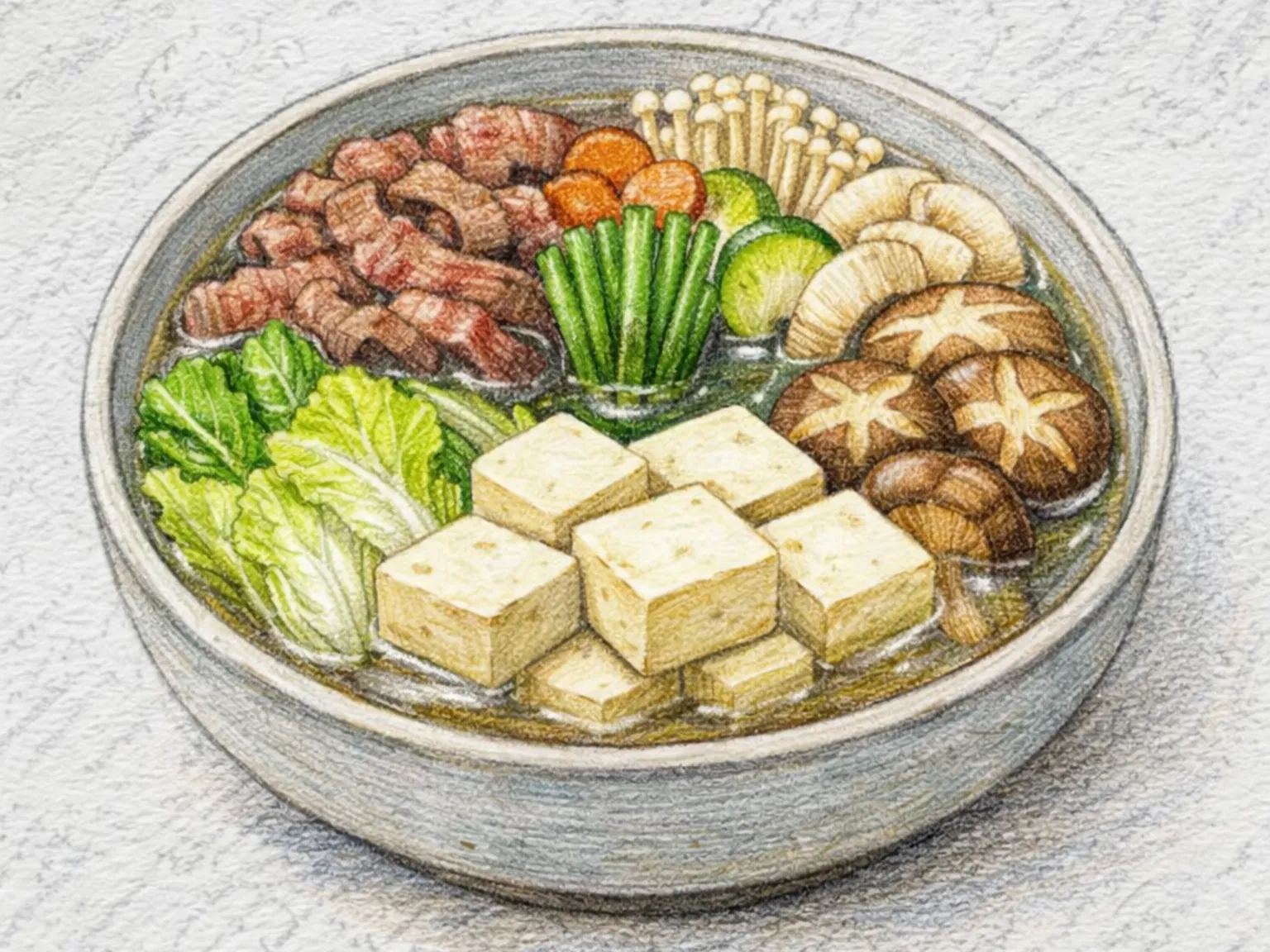
This mushroom hot pot showcases neungi mushrooms alongside shiitake and oyster mushrooms, simmered with napa cabbage and tofu in a simple broth seasoned with soup soy sauce and black pepper. Neungi mushrooms are prized for their intense, almost meaty aroma that permeates the entire pot. The trio of mushroom varieties creates layered earthy flavors, making this a satisfying meat-free dish with remarkable depth.

Korean Squid Stew
Ojingeo jjigae simmers a whole cleaned squid in an anchovy broth enriched with gochujang and chili flakes, producing a sweet-spicy stew that pairs directly with steamed rice. The squid body is scored with diagonal cuts before going into the pot, which lets the bold red pepper paste seasoning penetrate the flesh so that each bite carries the full flavor of the broth. Tofu and zucchini cook alongside, absorbing the spicy liquid while softening enough to contrast with the firm, chewy squid. The natural sweetness of gochujang is well matched to the mild, clean flavor of squid, keeping the stew from tasting one-dimensional despite its deep red color. Timing matters: squid added too early toughens quickly, so it goes in during the final five minutes and cooks just until opaque. Cheongyang chili peppers can be added for extra heat, and a handful of sliced green onion stirred in at the end provides a fresh aromatic note. The braising liquid, spiced and slightly thickened from the vegetables, is rich enough to spoon over rice and eat on its own.