Gougeres (Gruyère Cheese Choux Puffs)
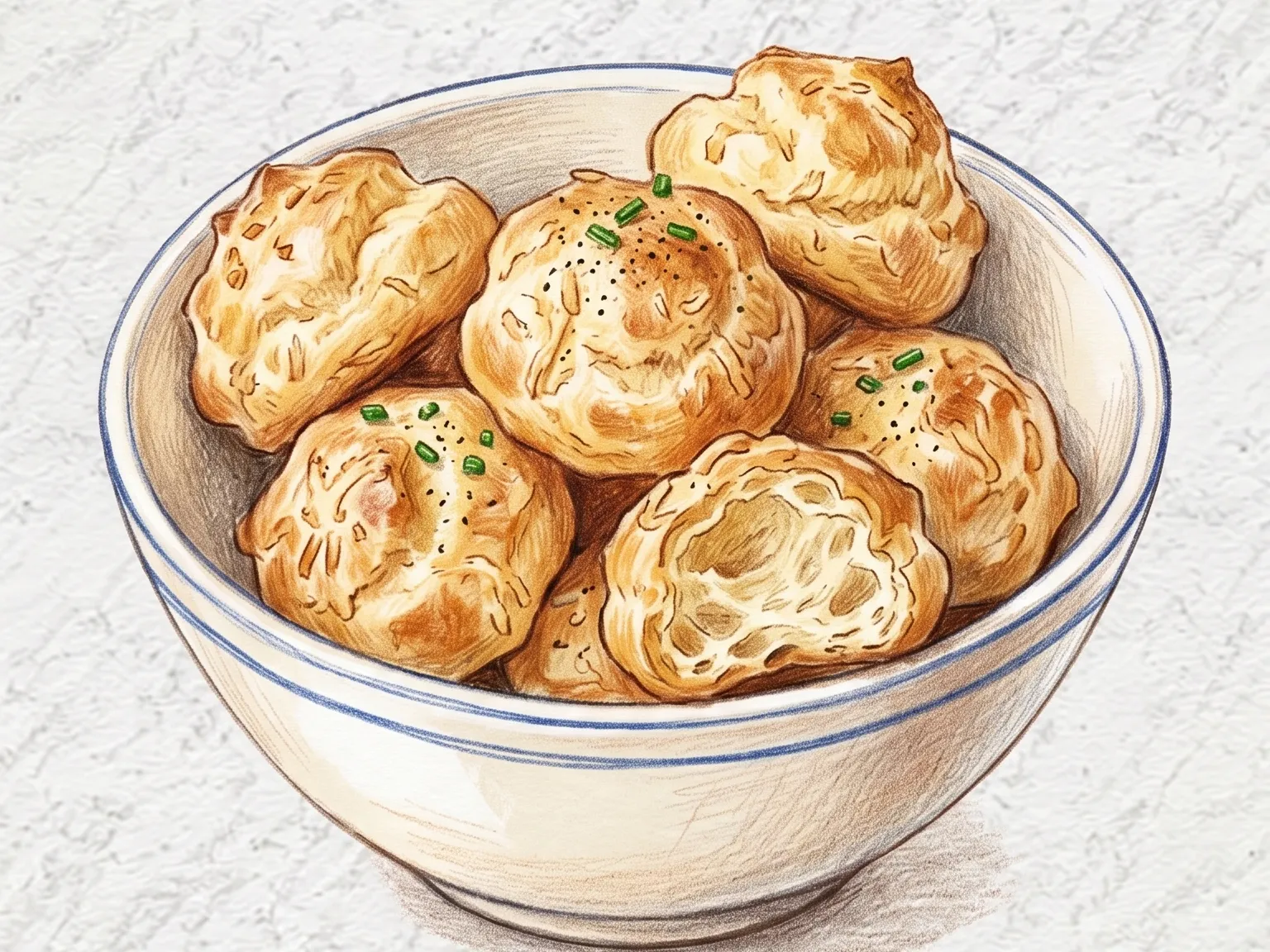
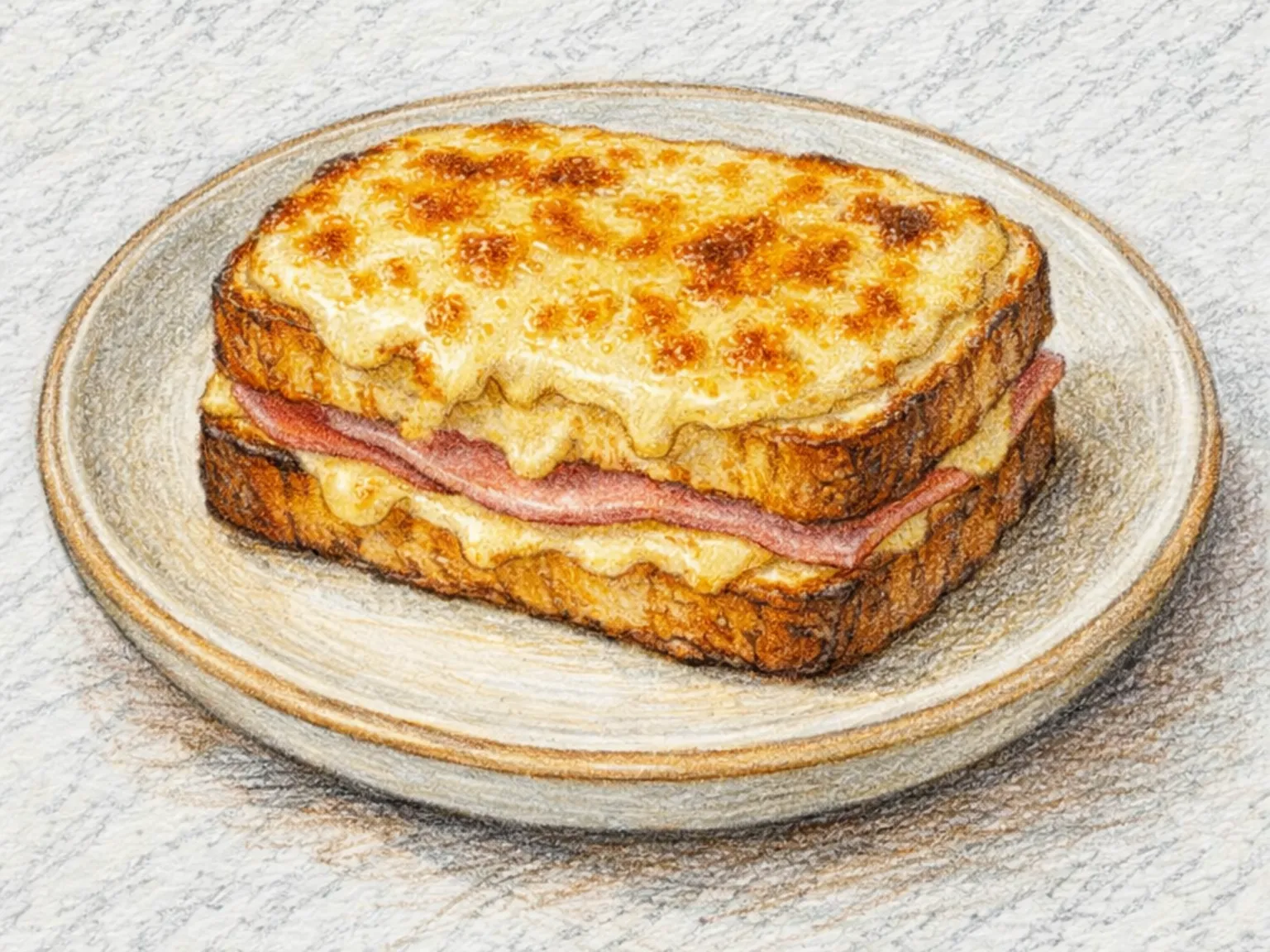
Gougeres are savory cheese puffs from Burgundy, France, made by folding grated Gruyere cheese into choux pastry and baking until golden and hollow inside. Water, butter, and salt are brought to a boil, then flour is added all at once and stirred over low heat until the starches gelatinize and the dough pulls away from the pan in a smooth ball. Eggs are beaten in one at a time - the dough breaks apart and re-forms with each addition, building the elastic structure that allows the puffs to rise. Folding in the cheese and pepper, then piping rounds onto a tray and baking at 200 degrees Celsius turns the moisture in the dough to steam, which inflates each puff into a crisp shell with a hollow, airy center. Opening the oven door during baking releases the steam prematurely, which can cause the puffs to collapse.
Green Bean Casserole
Green bean casserole bakes blanched green beans in a mushroom cream sauce, then tops them with crispy fried onions for a contrast of textures that defines this American holiday side dish. Blanching the beans for just three minutes and shocking them in ice water preserves their bright green color and a slight crunch that survives the oven. Sauteing onion and mushrooms in butter, stirring in flour to build a roux, and gradually adding milk produces a smooth cream sauce infused with earthy mushroom flavor. After twenty minutes in the oven, the casserole is pulled out and topped with fried onions, then returned for five more minutes so the onions crisp without burning. The finished dish layers the crunch of the topping against the creamy sauce and tender-crisp beans.
Gumbo
Gumbo is a Louisiana stew built on a dark roux - flour and oil stirred continuously over medium-low heat until the mixture reaches a deep chocolate brown. Cooking the roux to this stage breaks down the starch so it thickens less, but develops a complex, nutty smokiness that defines the dish. The Cajun holy trinity of onion, celery, and green bell pepper is sweated in the roux, followed by smoked sausage that renders its fat and smoky flavor into the base. Chicken stock, sliced okra, and cayenne pepper simmer together for forty minutes, during which the okra's natural mucilage adds body to the broth. Shrimp are stirred in only at the end to prevent overcooking, and the finished gumbo is traditionally ladled over steamed white rice.
Kasespatzle (German Alpine Cheese Dumpling Noodles)
Kasespatzle is an Alpine comfort dish from southern Germany and Austria, made by boiling a thick batter of flour, eggs, and milk into small dumplings, then tossing them with melted Emmental cheese and caramelized onions. The batter must maintain a thick consistency rather than being runny - this is what gives the spaetzle their characteristic chew when boiled and drained. Sliced onion is slowly cooked in butter over low heat until deeply browned, transforming the raw sharpness into a concentrated sweetness. The cooked spaetzle and grated cheese are combined in a hot pan so the cheese melts and coats every dumpling. Topped with the caramelized onions and black pepper, the dish is served immediately while the cheese is still molten and stretchy.
Mac and Cheese
Mac and cheese begins with a roux of butter and flour, into which milk is whisked in three additions to form a smooth bechamel. Cheddar and mozzarella are melted into the sauce over low heat - adding cheese on high heat causes the fat to separate and the texture to turn grainy. The cooked macaroni, boiled one minute short of the package time, is stirred into the sauce so it finishes to al dente as it absorbs moisture. Reserving a few tablespoons of pasta water makes it easy to adjust the consistency if the sauce thickens too much. For an optional crunchy top, the mixture can be transferred to a baking dish, topped with buttered breadcrumbs, and baked at 200 degrees Celsius for 12 to 15 minutes until golden. Either way - baked or straight from the pot - the result is a rich, creamy dish with bold dairy flavor.
Moussaka (Greek Eggplant Lamb Bechamel Bake)
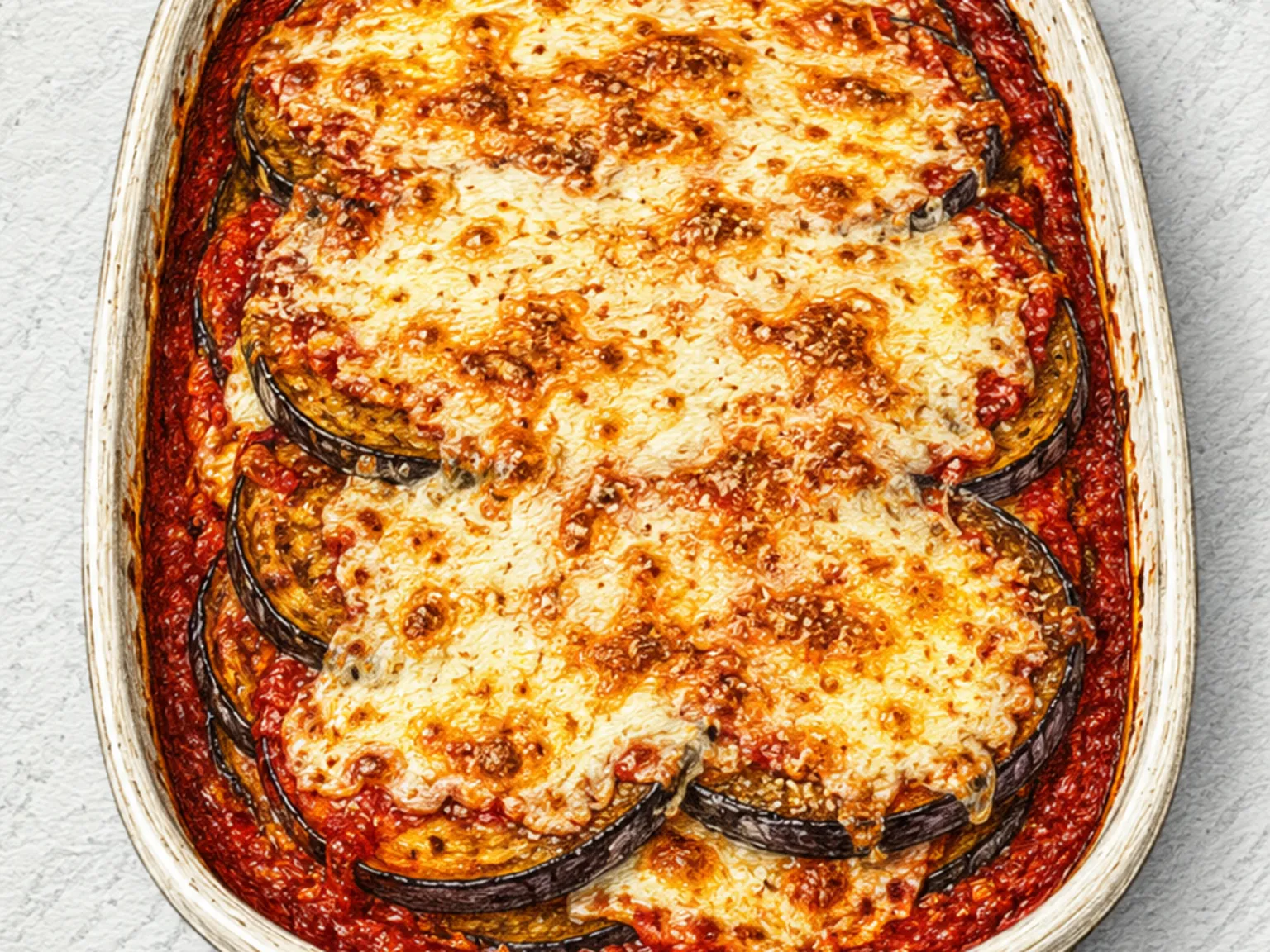
Layers of pan-fried eggplant, cinnamon-scented lamb sauce, and a thick bechamel topping define the structure of this Greek oven-baked casserole. The preparation begins by salting the eggplant slices for thirty minutes to draw out moisture and bitterness, which prevents the vegetable from absorbing excess oil and helps it retain its shape during baking. Inside the meat sauce, ground lamb is simmered with tomatoes and a touch of cinnamon, an addition that tempers the natural gamey scent of the lamb with warm Mediterranean aromatics. To complete the assembly, a layer of bechamel enriched with egg yolks and Parmesan cheese is spread over the top before the dish enters a 180-degree Celsius oven for 40 minutes. The inclusion of egg yolks allows the creamy sauce to set firmly, creating a golden crust that holds the internal components together when the dish is sliced. This structural stability results in clean, visible layers in each serving. Options for customization include replacing or mixing the eggplant with potatoes or zucchini, or substituting the lamb with ground beef. Allowing the moussaka to rest for 15 to 20 minutes after baking ensures the layers settle properly for ideal presentation. Since the flavors intensify when kept in the refrigerator for a day or two, this dish functions well as a make-ahead option for gatherings.
Osso Buco (Milanese Braised Veal Shank with Gremolata)
Osso buco dredges thick-cut veal shanks in flour and sears them in olive oil on all sides, then braises them with sauteed onion, carrot, and celery in a mixture of white wine, whole tomatoes, and chicken stock at 160 degrees Celsius for one and a half to two hours. The long, slow cooking converts the tough connective tissue around the bone into gelatin, making the meat fork-tender, while the marrow inside the bone melts into the sauce and enriches it with a deep, silky body. A gremolata of finely chopped parsley, lemon zest, and garlic is scattered over the finished dish - the lemon's bright acidity and the raw garlic's sharpness cut through the heavy braising liquid and lift the entire plate. Careful handling of the shanks throughout cooking is important to keep the prized marrow intact inside the bone.
Pastitsio (Greek Cinnamon Beef Macaroni Bechamel Bake)
Pastitsio is a signature Greek oven-baked pasta composed of three distinct layers - macaroni on the bottom, spiced ground beef in the middle, and a thick bechamel on top. The beef is browned with onion and simmered in tomato sauce seasoned with ground cinnamon, which gives pastitsio its distinctive aroma that sets it apart from lasagna. Adding eggs to the bechamel allows it to set firmly in the oven, forming a custard-like cap that can be sliced cleanly with a knife. The macaroni should be slightly undercooked before assembly, as it continues to absorb liquid and soften during baking. Parmesan scattered between the pasta layers bridges the salty richness of the cheese with the meat sauce and creamy bechamel. After baking, a rest of at least fifteen minutes is essential for the layers to hold their structure when cut.
Pork Schnitzel
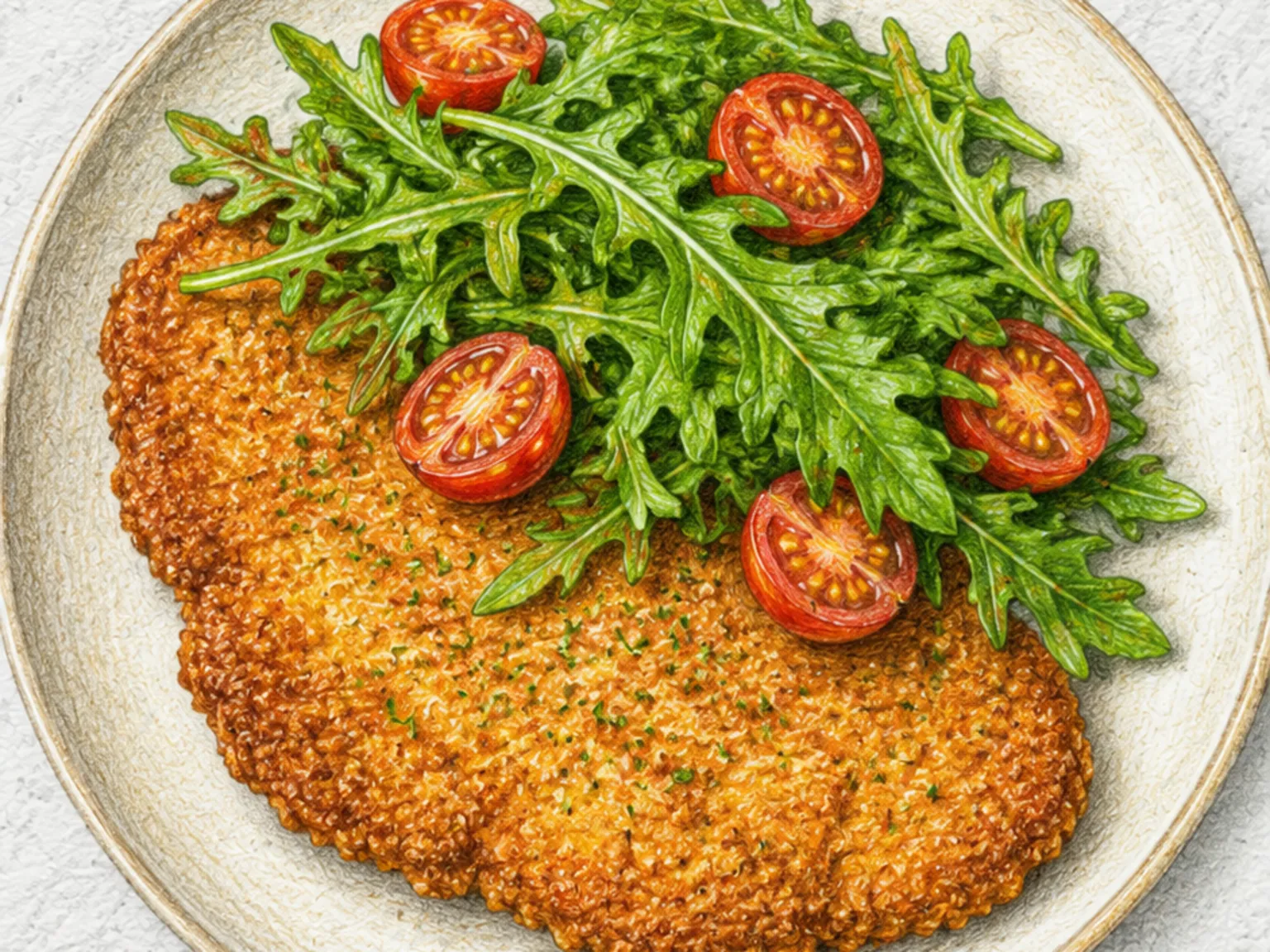
Pork Schnitzel is a definitive cutlet dish from Germany and Austria, made by pounding pork loin thin and even with a mallet, then coating it in flour, beaten egg, and breadcrumbs before frying in oil. The meat must be pounded to five millimeters or thinner so it cooks through quickly without the breading burning, and the hallmark of a proper schnitzel is a crust that puffs away from the meat rather than clinging flat. Achieving this requires generous oil - enough to submerge the cutlet halfway - and gently shaking the pan so oil flows beneath the breading to lift it. Fine breadcrumbs produce a delicate, even crust, and they should be pressed on lightly rather than compacted to maintain crispness over time. Paprika mixed into the flour adds a faint smoky warmth, and a fresh squeeze of lemon over the finished schnitzel cuts through the richness with bright acidity.
Salisbury Steak
Salisbury steak is an American comfort dish made by shaping ground beef mixed with milk-soaked breadcrumbs and egg into oval patties, pan-searing them, and then simmering in a mushroom-onion gravy. The breadcrumbs absorb milk and form moisture pockets within the meat, keeping the patties juicy even after cooking through. Pressing a shallow indent into the center of each patty prevents it from puffing up during searing, ensuring even thickness. Building the gravy in the same pan - sauteing onion and mushrooms, stirring in flour, then deglazing with beef stock and Worcestershire sauce - dissolves the browned fond into the sauce for deeper flavor. Returning the patties to simmer in the gravy for eight minutes finishes the interior and coats them in a rich, savory glaze.
Salmon Piccata
Salmon piccata is an Italian fish dish where salmon fillets are seasoned, dusted in a thin layer of flour, and pan-seared in olive oil until golden on both sides. The flour coating promotes a Maillard crust on the surface while sealing moisture inside the flesh. Melting butter in the same pan and deglazing with lemon juice and chicken stock dissolves the caramelized fond into a bright sauce. Capers add bursts of briny saltiness that meet the lemon's acidity to create the piccata sauce's signature sharp, savory character, cutting cleanly through the salmon's rich fat. Because salmon dries out quickly when overcooked, the final step of returning it to the sauce should last no more than two minutes.
Scotch Egg
Scotch egg is a British dish in which a six-minute soft-boiled egg is wrapped in mustard-seasoned sausage meat, coated in flour, beaten egg, and breadcrumbs, then deep-fried or baked until crisp. Chilling the boiled egg in ice water immediately stops carryover cooking and preserves the runny yolk. Wrapping the meat in an even layer around each egg ensures it cooks uniformly during frying or baking. The breadcrumb crust crisps up in the heat and acts as a seal, keeping the sausage layer's juices locked inside. Cutting one open reveals three distinct layers - a crunchy golden shell, a savory ring of seasoned pork, and a soft yolk that runs when broken - each contributing a different texture and flavor. Scotch eggs can be served warm or cold, making them versatile for brunch, picnics, or snacking.
Shrimp Etouffee
Shrimp etouffee starts with a blonde roux - butter and flour stirred continuously over medium heat until the mixture turns light brown and smells faintly of toasted nuts. The Cajun trinity of diced onion, celery, and bell pepper is added directly to the roux, where the vegetables release moisture that loosens the paste and contributes sweetness. Chicken stock and paprika transform the mixture into a thick, velvety sauce with warm color and gentle spice. The shrimp go in during the final four minutes of cooking so they absorb the sauce's flavor without overcooking. Darkening the roux beyond light brown risks bitterness that overpowers the delicate shrimp. The finished dish is spooned over steamed rice, which absorbs the rich sauce.
Shrimp Po' Boy
Shrimp po' boy is a New Orleans sandwich built by breading shrimp in a sequence of flour, egg wash, and breadcrumbs, then frying at 170 degrees Celsius for two to three minutes until the coating turns deep golden and audibly crisp. Patting the shrimp completely dry before breading is essential - any residual moisture prevents the flour from adhering evenly and causes the crust to fall apart in the oil. A quick remoulade made from mayonnaise and chopped pickles provides a tangy, creamy contrast to the fried shrimp's richness. The baguette is split and warmed slightly so it stays sturdy enough to hold the filling without going soft. Layering shredded lettuce between the sauce and shrimp adds a cool, crisp texture that rounds out each bite.
Sole Meunière (Butter-Fried Sole with Brown Butter Sauce)
Sole meuniere is a French classic where delicate sole fillets are seasoned with salt and pepper, dredged lightly in flour, and pan-fried in butter for two to three minutes per side until a thin golden crust forms. The flour coating must be minimal - just enough to create a crisp barrier that protects the tender fish without masking its flavor. The fish is flipped only once because the fillets are fragile and break apart with repeated handling. After the fish is removed, the butter remaining in the pan is cooked further until it turns brown and smells of toasted hazelnuts, then finished with a squeeze of lemon juice and chopped parsley. This brown butter sauce is the heart of the dish, its nutty richness elevating the mild, sweet flesh of the sole while the lemon's acidity keeps every bite clean and bright.
Swedish Meatballs
Swedish meatballs mix ground beef with sautéed onion, breadcrumbs, egg, and milk, shape the mixture into bite-size balls, brown them in butter, then simmer in a creamy gravy built in the same pan. The key to tender meatballs is minimal handling - overworking the mixture tightens the protein network and produces a tough, dense texture. Browning the meatballs leaves behind caramelized drippings on the pan floor, and these fond bits become the flavor base of the gravy when flour is whisked in to form a roux. Adding milk gradually while stirring prevents lumps, and a splash of Worcestershire sauce introduces a savory depth that rounds out the cream. The gravy's thickness is adjustable at the end - more milk loosens it, less keeps it rich - and serving over mashed potatoes lets nothing go to waste.
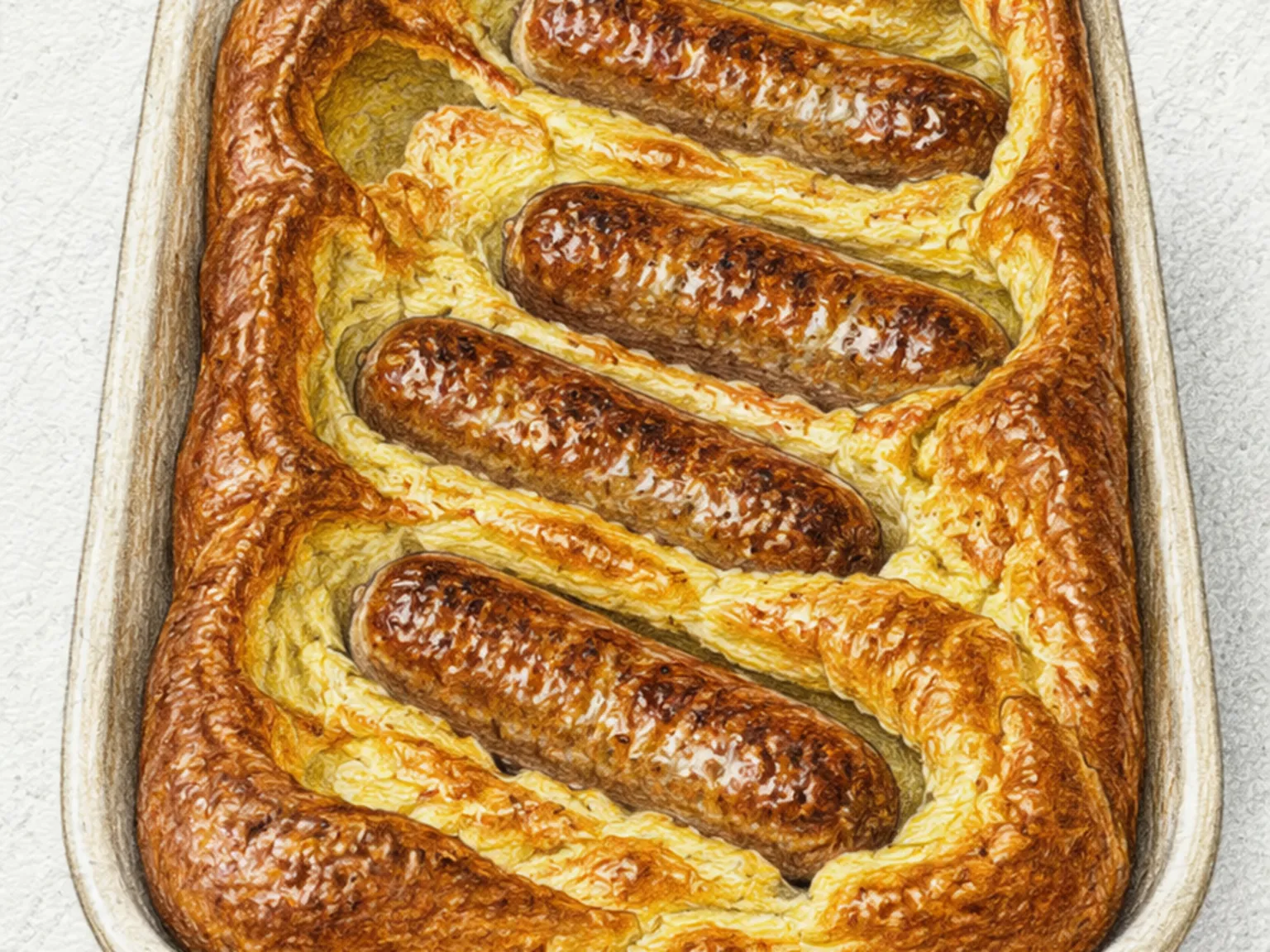
Toad in the Hole (British Sausages in Yorkshire Pudding)
Toad in the hole bakes pork sausages inside a risen Yorkshire pudding batter by first heating the sausages and oil in an oven pan at 220 degrees Celsius for 10 minutes, then quickly pouring cold batter into the scorching-hot fat. The temperature shock between cold batter and smoking oil is what drives the dramatic puff - if the pan cools before the batter goes in, the rise will be flat and dense. The batter itself is simple: flour, eggs, milk, salt, and pepper, rested for 10 minutes so the gluten relaxes and produces a more even rise. Once in the oven, the door must stay closed for the full 20 to 25 minutes - opening it drops the temperature and collapses the delicate air structure mid-bake. The finished dish has crisp, golden edges and a soft, custardy center cradling the browned sausages.
Tuna Noodle Casserole
Tuna noodle casserole boils egg noodles one minute short of the package time, sautés onion and mushrooms in butter, builds a cream sauce with flour and milk, folds in drained tuna and half the cheddar cheese, then bakes the mixture topped with the remaining cheese at 190 degrees Celsius for 20 minutes. Undercooking the noodles is intentional - they continue absorbing sauce and softening in the oven, so fully cooked noodles turn mushy by the time the casserole is done. Toasting the flour in butter before adding milk eliminates the raw flour taste and produces a smooth sauce when the milk is poured in gradually. Draining the tuna well keeps the sauce from becoming greasy. Splitting the cheese between the sauce and the topping gives the casserole depth throughout while creating a golden, bubbling gratin crust on the surface.
Veal Saltimbocca (Italian Veal Cutlets Dish)
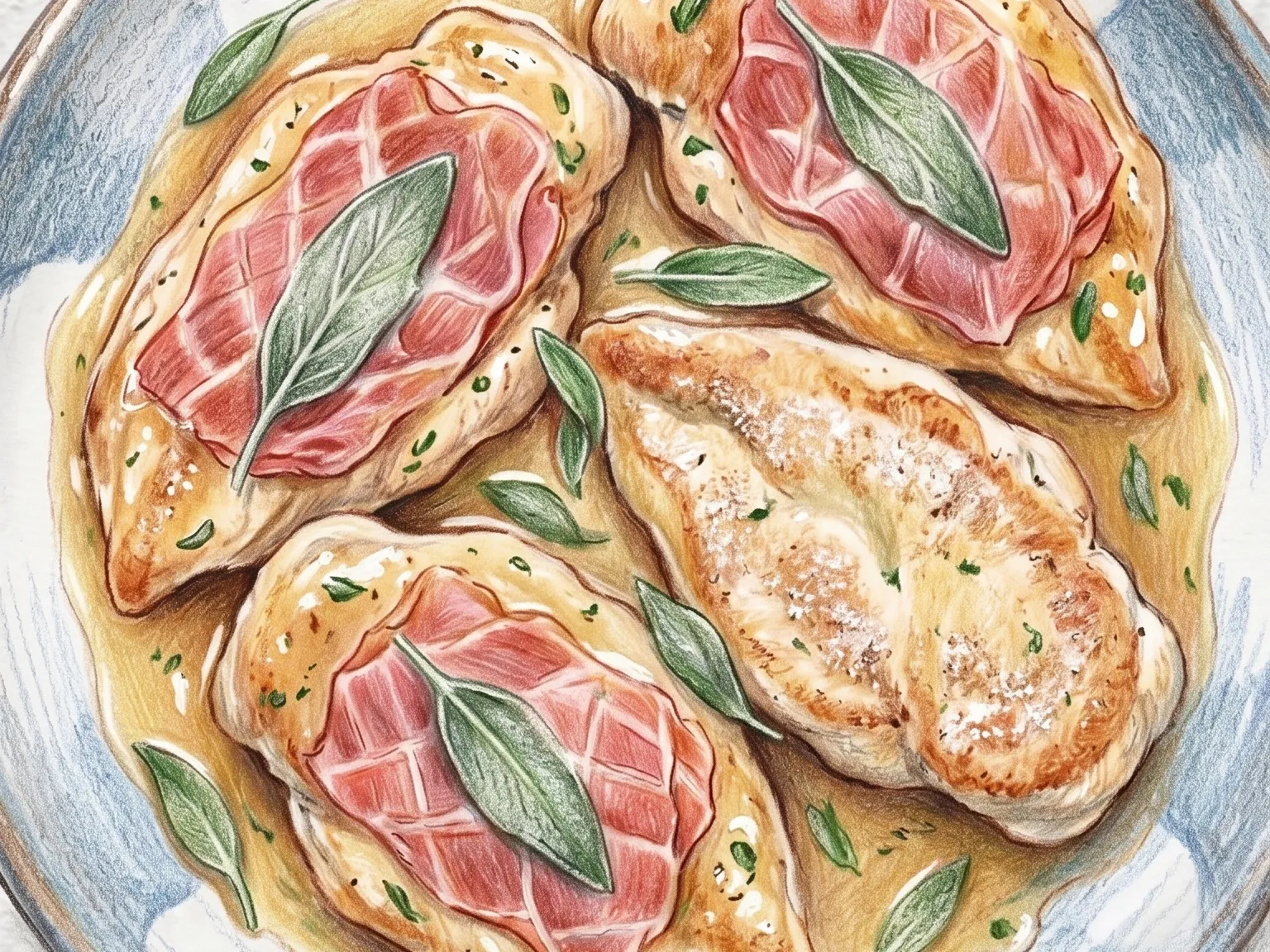
To prepare veal saltimbocca, the process begins by pounding the veal cutlets until they reach a very thin consistency. Achieving this specific thickness is necessary because veal has a tendency to become tough quite rapidly when it is exposed to heat for an extended duration. To maintain a tender texture, the total cooking time for each individual piece should be kept strictly under two or three minutes. Each prepared cutlet is topped with one fresh sage leaf and a single slice of prosciutto, which are then pressed down firmly by hand. This manual pressure allows the layers to bond so that the prosciutto adheres to the veal without the requirement for toothpicks or other mechanical fasteners. The assembled cutlets receive a light dusting of flour before being placed into a preheated pan for searing. It is effective to begin the cooking process with the prosciutto side facing down in the pan, as the direct heat fuses the cured meat directly to the veal cutlet. After the meat has been quickly seared and removed from the pan, white wine is poured onto the hot surface. This liquid serves to lift the caramelized bits of fond from the bottom of the pan to create a flavor base. Incorporating butter into this wine reduction allows the liquid to emulsify into a sauce that has a glossy and light consistency. During the cooking, the sage leaf remains trapped between the meat and the prosciutto, infusing the veal with a distinct herbal fragrance that balances the saltiness of the cured ham.
Welsh Rarebit (British toast dish)
Welsh Rarebit is a British open-faced toasted sandwich topped with a savory, seasoned cheddar cheese sauce. The bread slices are toasted lightly beforehand to prevent the bread from absorbing the moisture of the sauce and becoming soggy. To prepare the sauce, butter and flour are cooked together for one minute to form a roux, and milk is whisked in gradually to avoid lumps. Grated cheddar cheese is then added by handfuls over very low heat to ensure it melts smoothly without separating. The sauce is seasoned with Dijon mustard, black pepper, and Worcestershire sauce, which adds a savory depth of flavor. The cheese sauce is spread thickly onto the toasted bread slices, reaching near the edges, and broiled in the oven for a few minutes until the top is bubbling and browned.
Wiener Schnitzel
Wiener Schnitzel is a classic meat dish made of thinly pounded veal loin coated in flour, beaten egg, and breadcrumbs, then fried in butter. To prepare the dish, the veal is placed between plastic wrap and pounded from the center outward to a thickness of three millimeters, ensuring even cooking. The meat is lightly seasoned with salt and pepper before breading. It is coated first in flour, shaking off any excess, followed by beaten eggs, and then gently covered with breadcrumbs. Pressing the breadcrumbs too firmly should be avoided to allow the crust to rise and turn crispy during cooking. Resting the breaded veal for ten minutes helps the coating stick to the meat so it does not separate while frying. The schnitzel is shallow-fried in hot butter for two minutes on each side until golden brown and served with fresh lemon slices.