Recipes with all-purpose flour

142 recipes. Page 4 of 6

Buy all-purpose flour

As an Amazon Associate, we may earn from qualifying purchases.

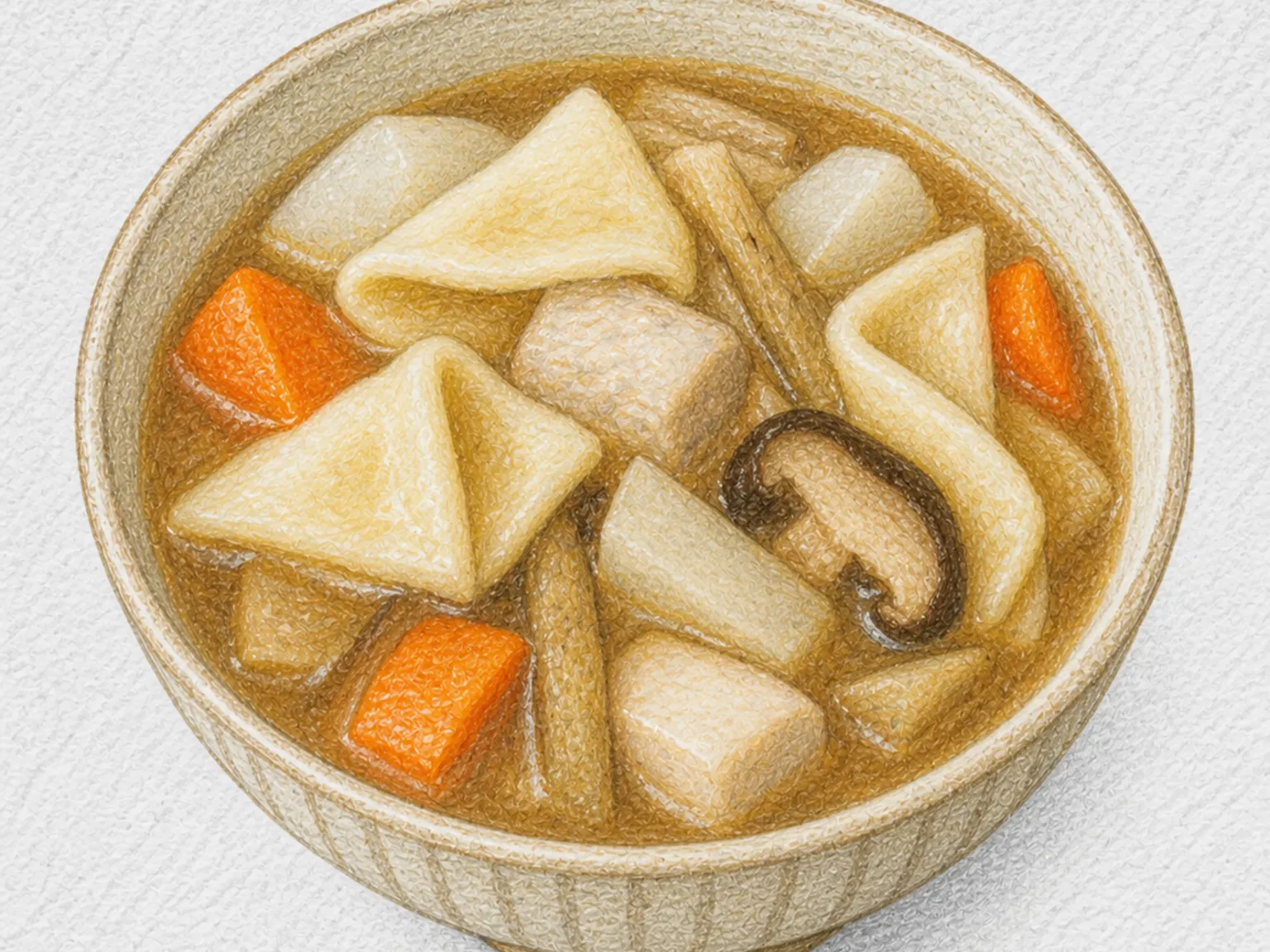
Mimi (Folded Wheat Dumplings in Miso Soup)
Soups Hard

Mimi (Folded Wheat Dumplings in Miso Soup)

Pinch two corners of a square of wheat dough together and it takes the shape of a mi, a winnowing basket. In Jikkoku, in Fujikawa, Yamanashi, that shape is said to scoop up good fortune, which is why the soup appears on New Year's morning and at celebrations. The dough goes straight into the broth with the root vegetables instead of being boiled separately, and the flour on its surface gives the soup a light body.

🏠 Everyday
Prep 45min Cook 35min 5 servings
Japanese Korokke (Crispy Panko Potato and Beef Croquette)
Asian Medium

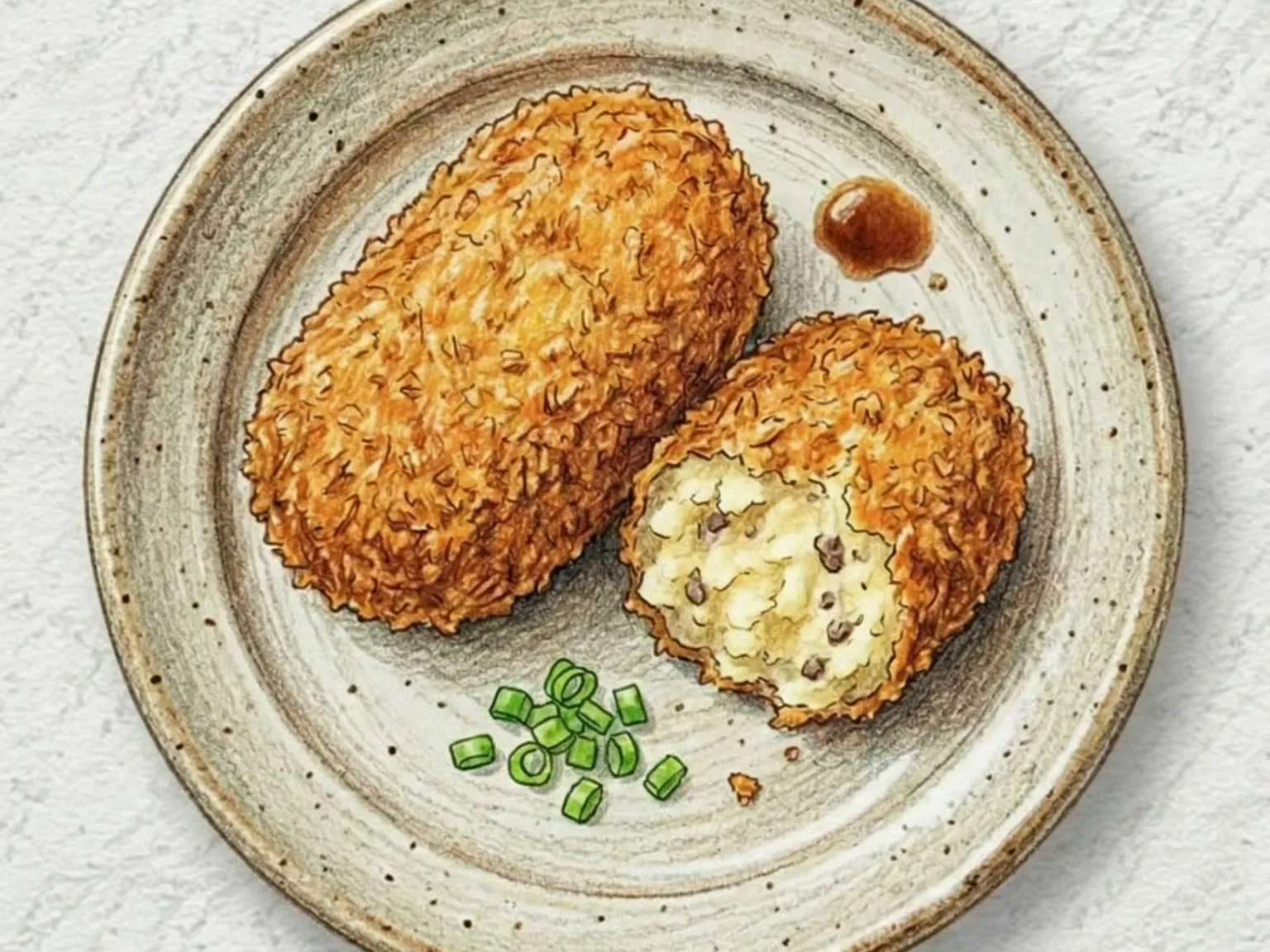
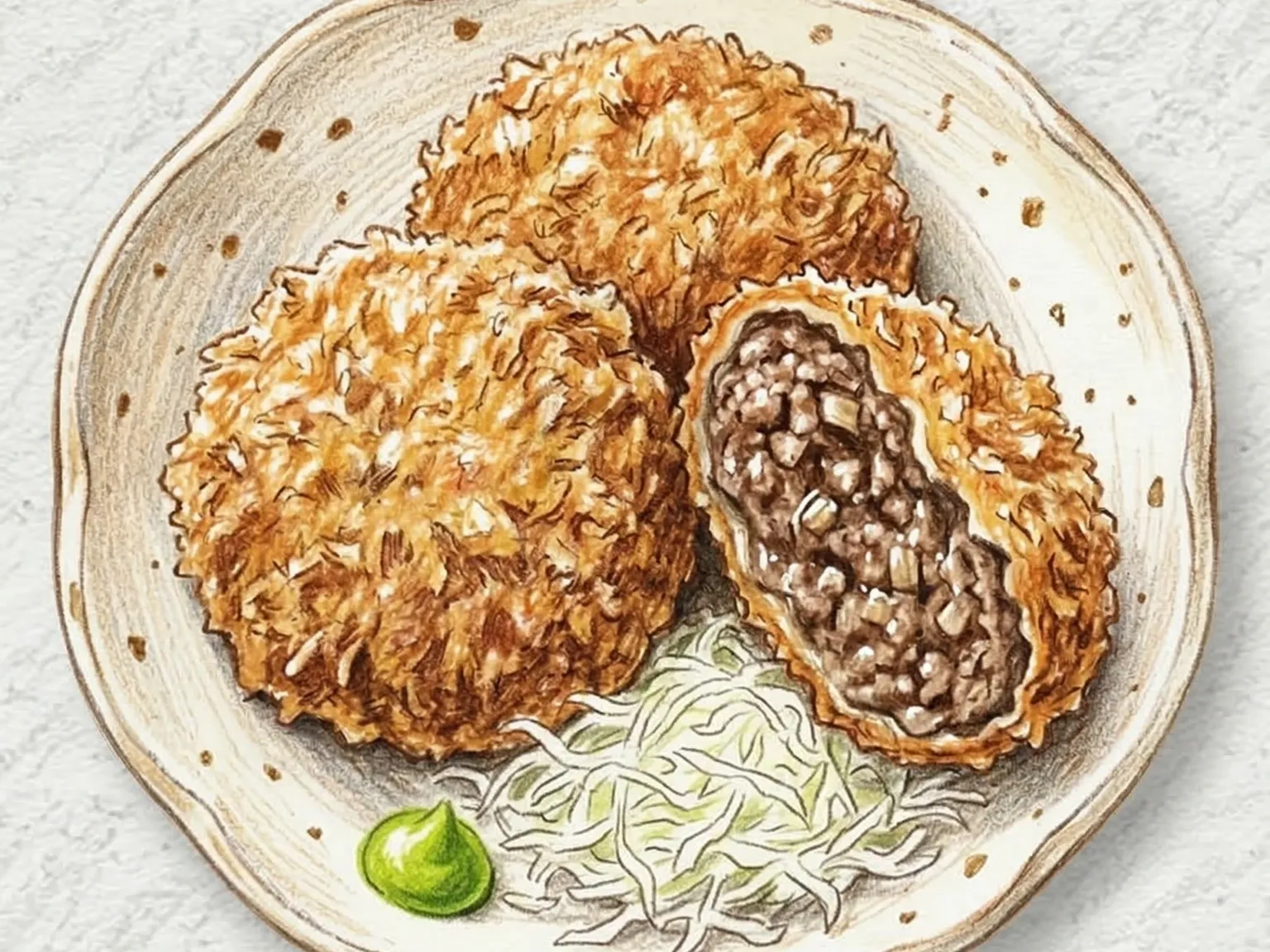
Japanese Korokke (Crispy Panko Potato and Beef Croquette)

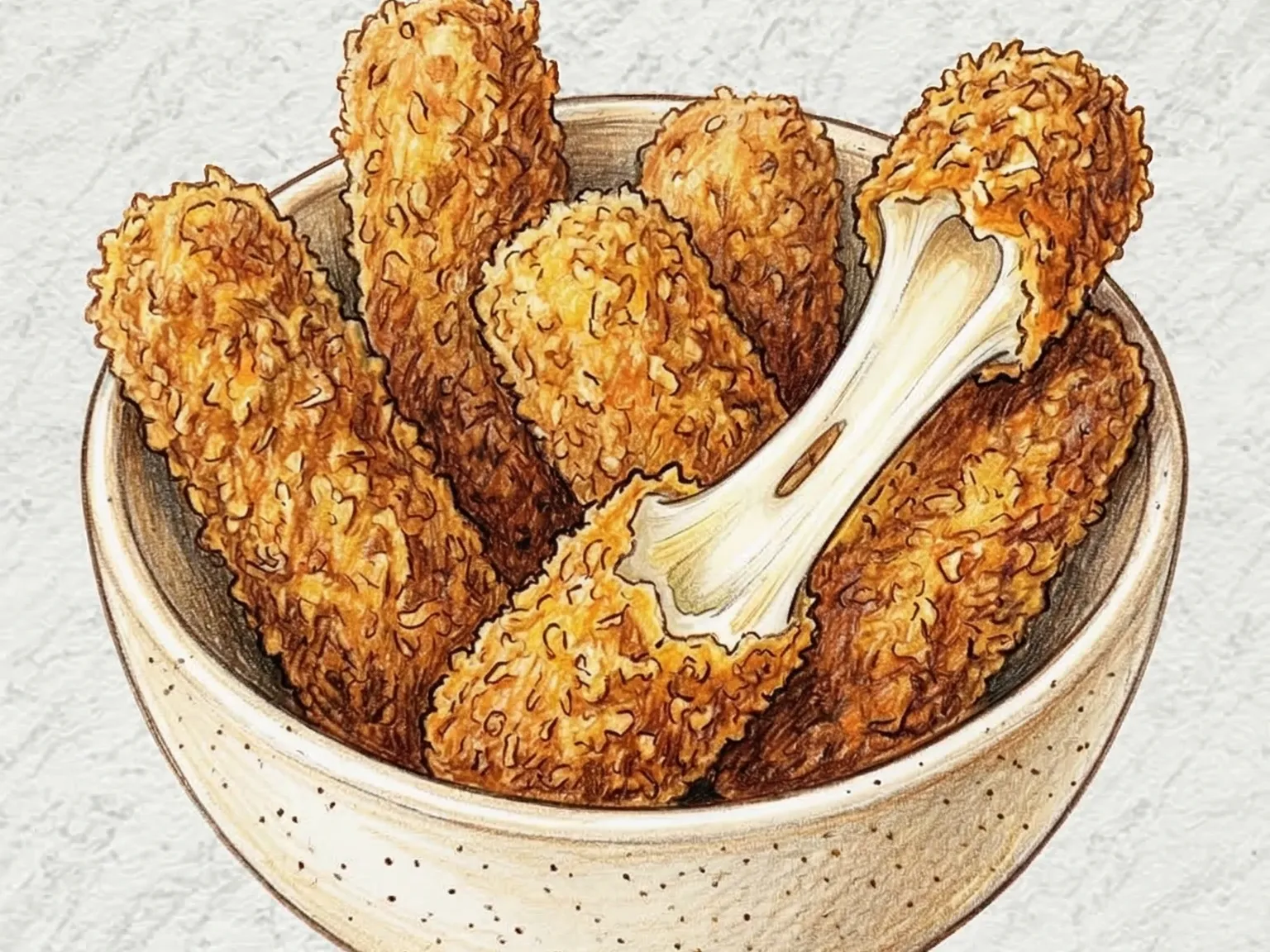
Mashed potato mixed with sauteed ground beef and onion gets shaped into ovals, coated in panko, and fried until golden. The crust shatters while the inside stays fluffy and potato-forward, plainer and heartier than cream-filled croquettes. Worcestershire or tonkatsu sauce goes on top, and in Japan butcher shops and delis sell them freshly fried to eat on the go. Fillings vary widely, from curry to crab cream to kabocha squash.

Prep 25min Cook 20min 4 servings
Yaki Manju Grilled Miso Buns
Desserts Hard

Yaki Manju Grilled Miso Buns

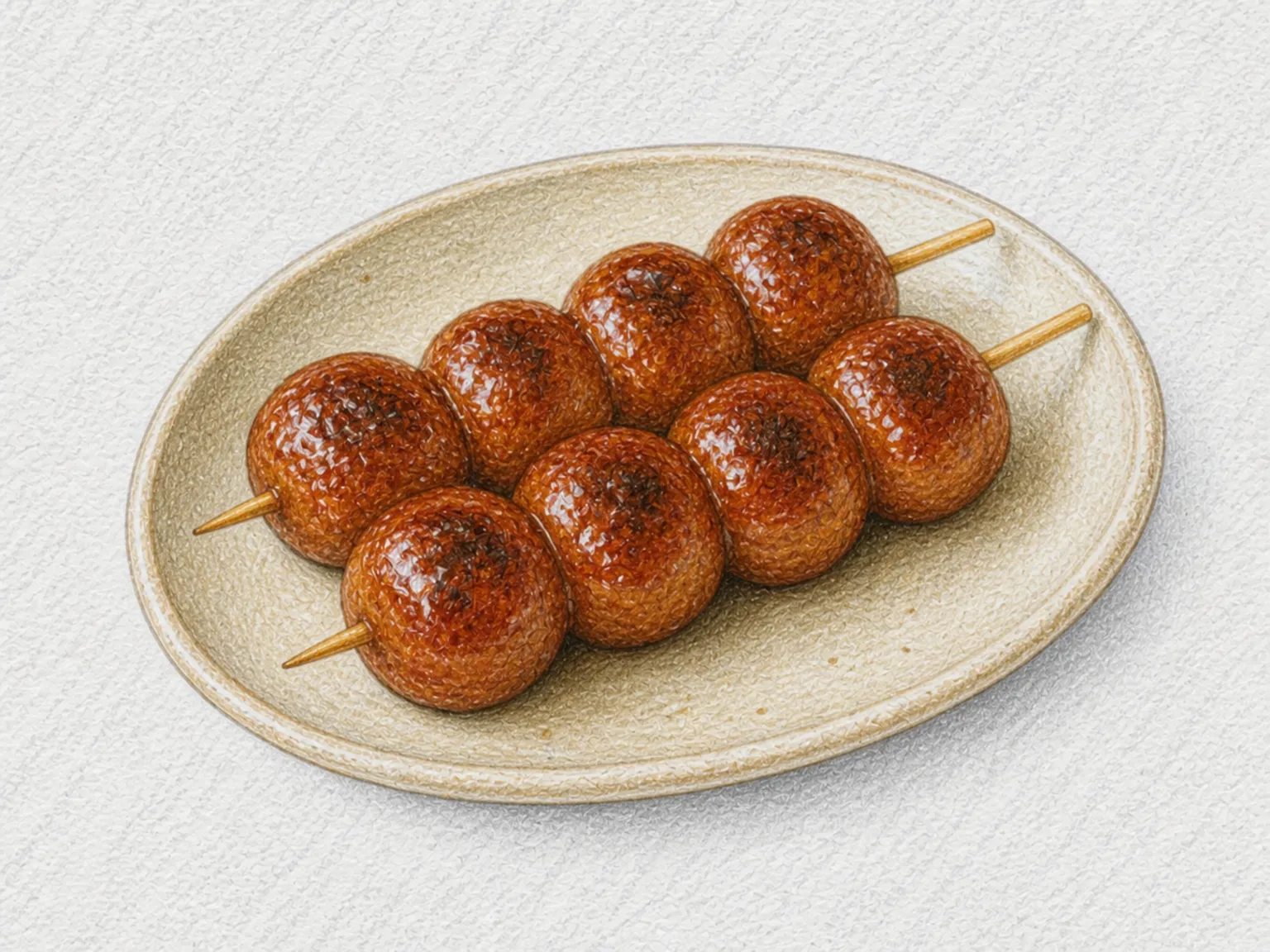
Four steamed buns go onto each bamboo skewer and are grilled under a sweet red miso glaze until they shine dark with small charred edges. Gunma traces the snack to miso-zuke manju made by Harashima Ruizo in Maebashi at the end of the Edo period; the glaze turned sweeter once kuromitsu syrup arrived. The rice-koji starter ferments for a day or two and the glaze rests in the fridge for 2 days, so the work begins well before grilling day.

Prep 480min Cook 90min 5 servings
Jelly Fry (Okara and Potato Fritters)
Pancakes Medium

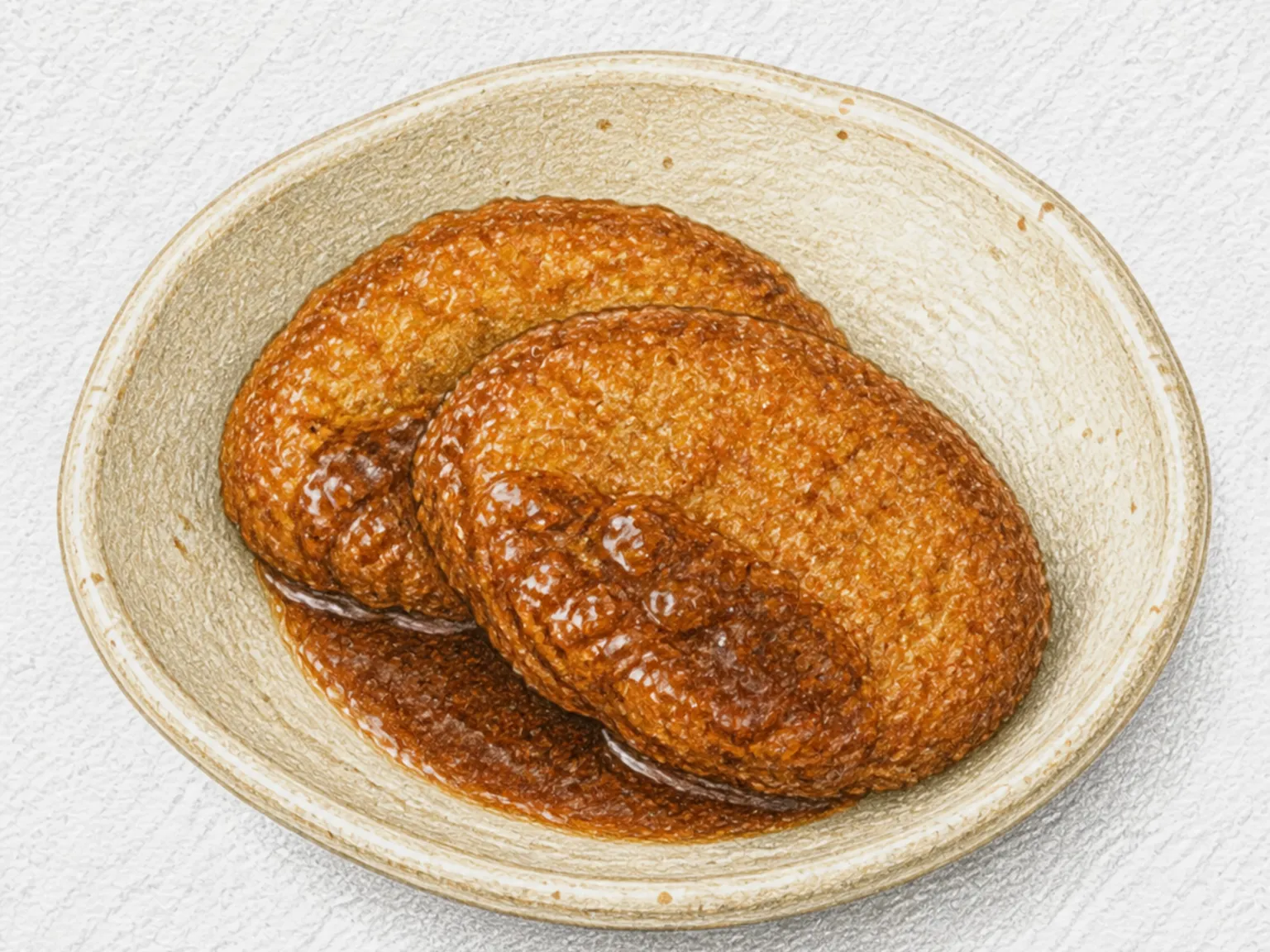
Jelly Fry (Okara and Potato Fritters)

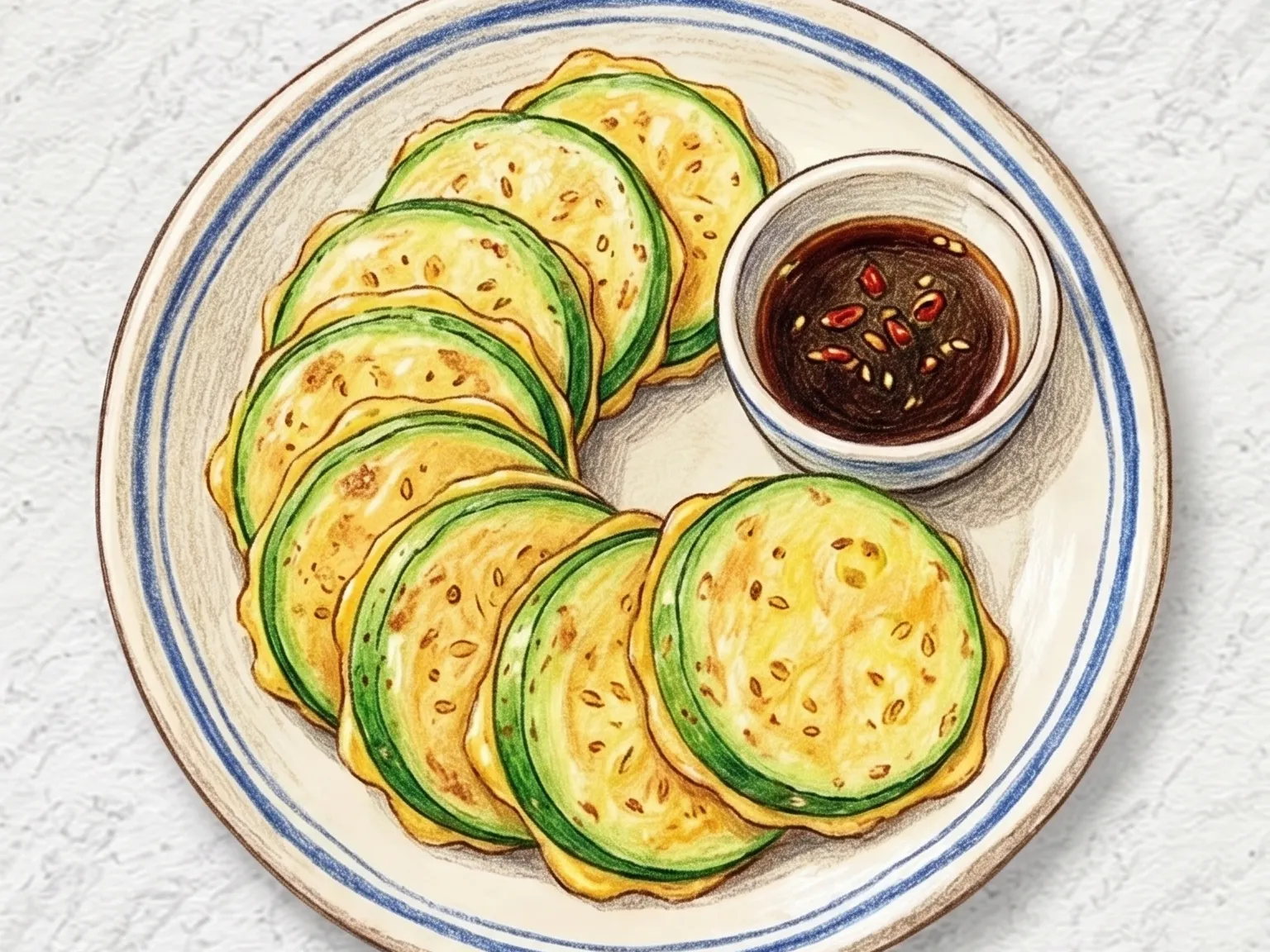
In Gyoda, Saitama, okara and skin-steamed potato are kneaded with carrot, onion, flour and egg, shaped into flat oval coins and fried with no breadcrumb coating. The jelly in the name has nothing to do with dessert; it is thought to have drifted from zeni fry, or coin fry, after the koban-like shape. A Gyoda teahouse owner who served in the Russo-Japanese War is said to have adapted it from a vegetable bun of northeastern China, and it was common by the late Meiji period. The hot fritters get a brief dip in a six-to-four blend of Worcestershire and chuno sauces.

Prep 30min Cook 55min 20 servings