Korean Stuffed Chili Pepper Pancake
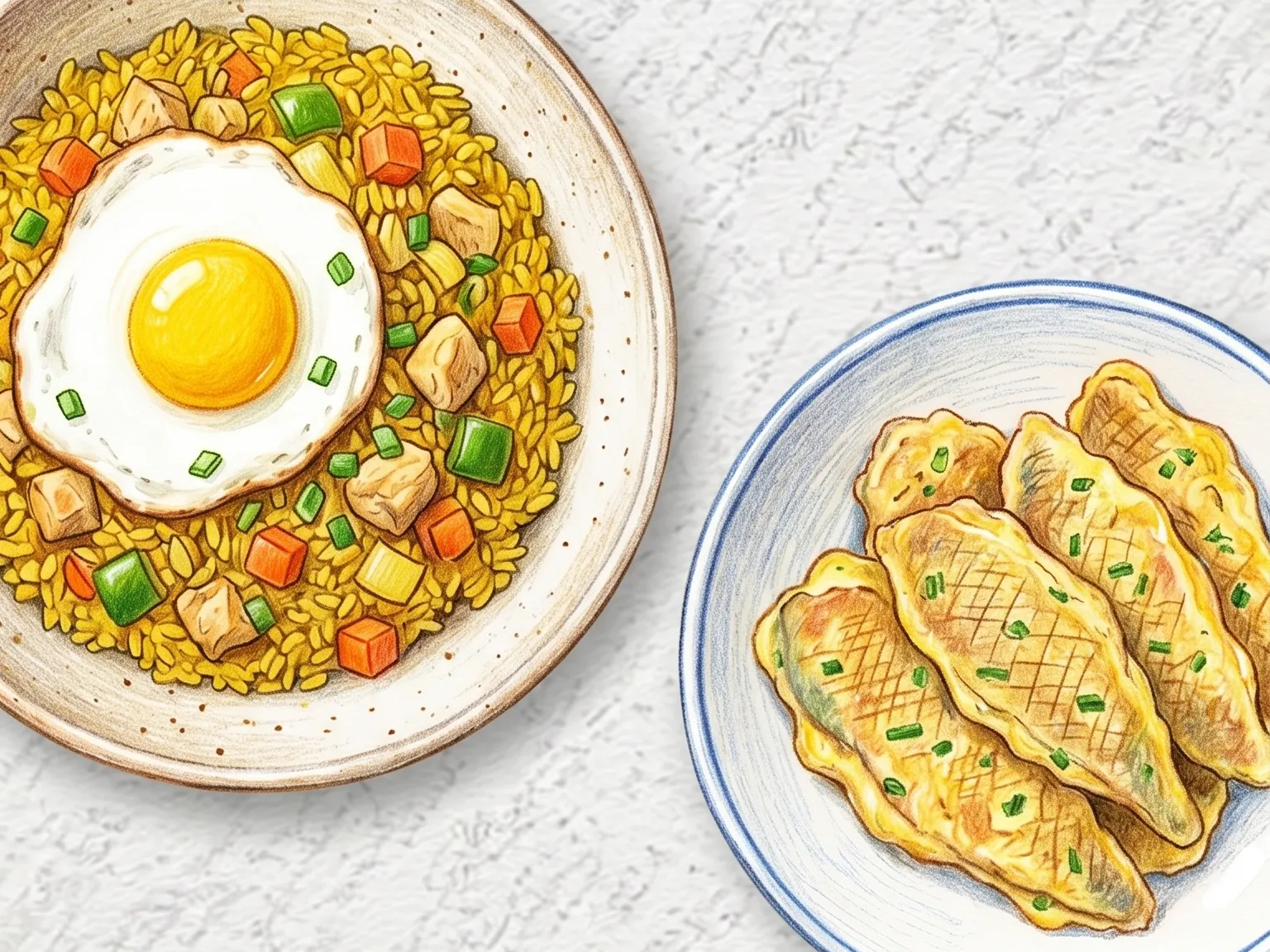
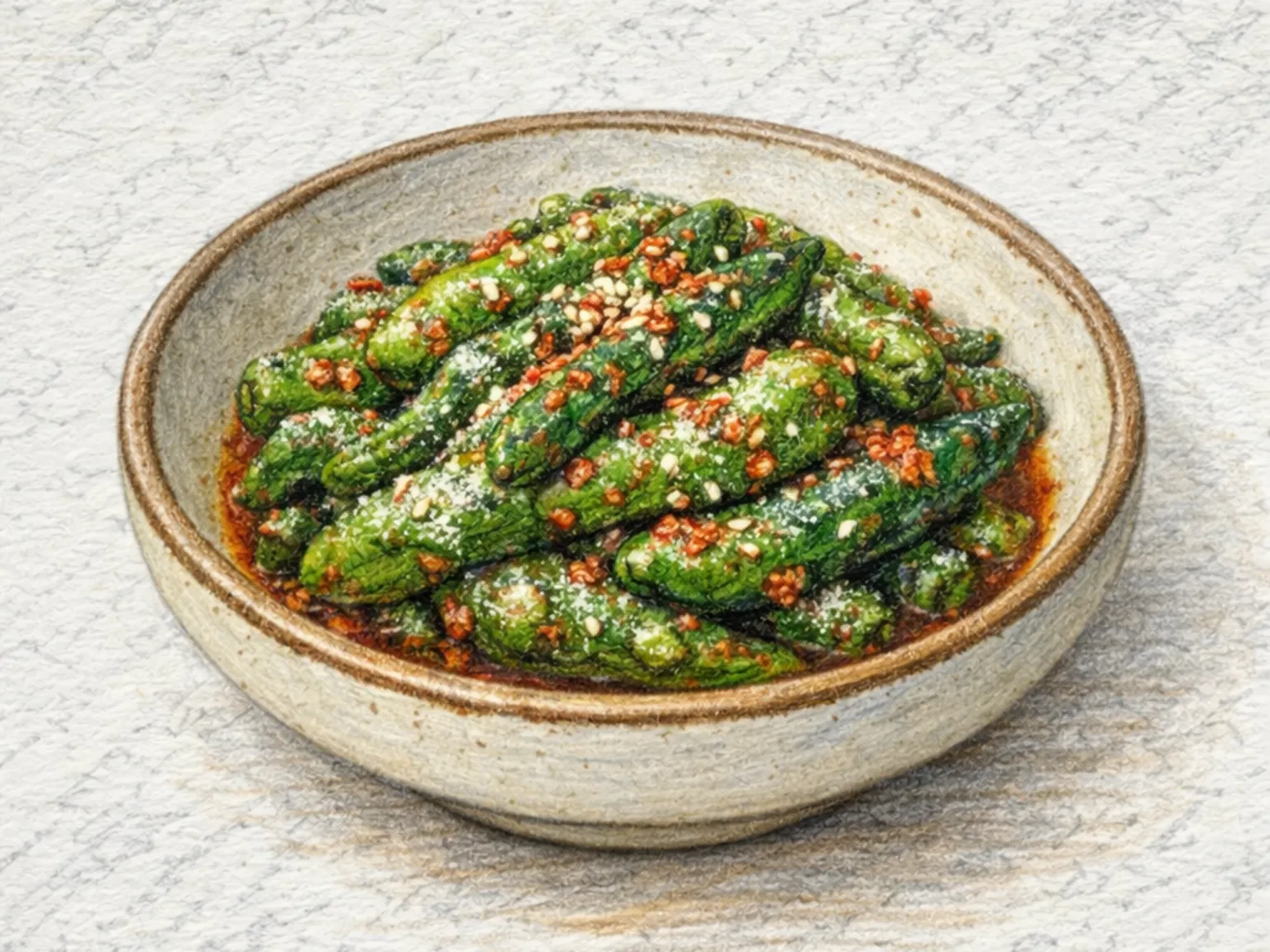
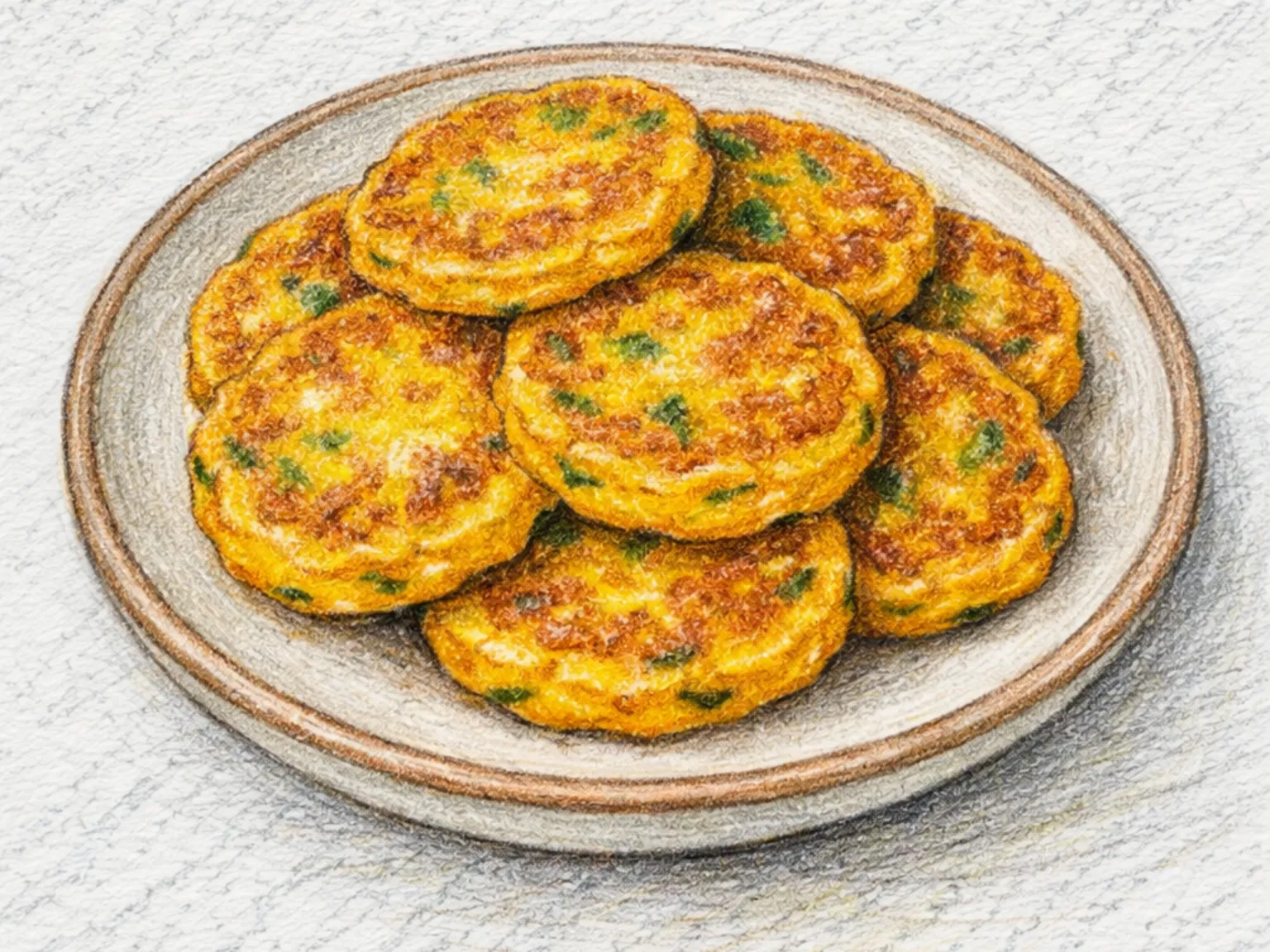
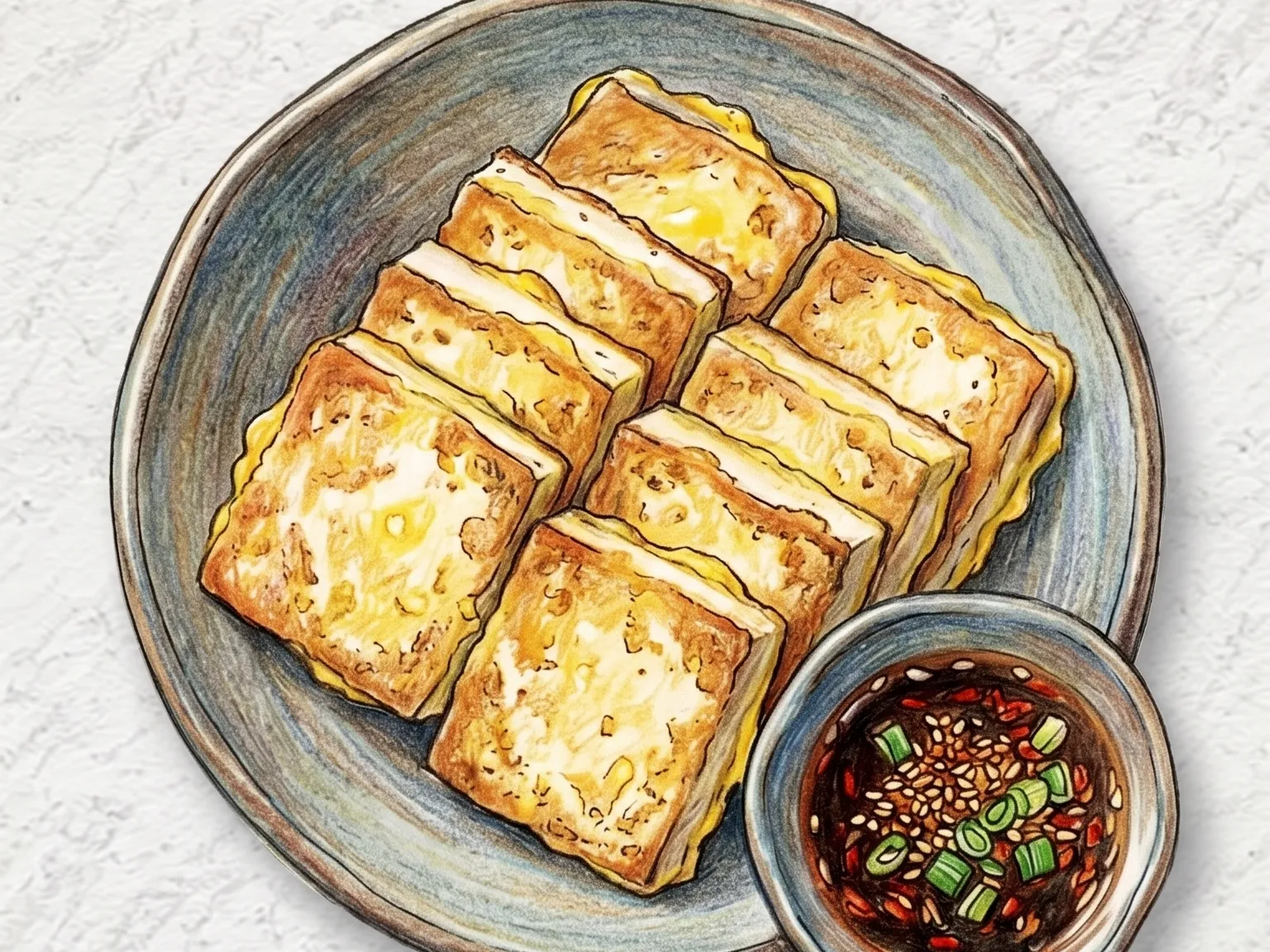
Gochu-jeon is a Korean holiday pancake made by splitting mild green chili peppers in half lengthwise, removing the seeds, and stuffing them with a filling of ground pork, pressed tofu, and minced garlic that is seasoned before being spooned in. The mixture is then coated in flour and egg before being pan-fried until golden on both sides. The pepper's gentle heat wraps around the pork's savory richness and the tofu's silky interior, creating a layered contrast of flavor and texture in every bite. Squeezing all moisture out of the tofu in a cloth is essential; any remaining water causes the oil to splatter and the filling to fall apart during frying. Using cucumber peppers or shishito peppers instead of regular green chilies eliminates nearly all spiciness for those with lower heat tolerance, and filling each pepper to about seventy percent capacity prevents the shell from bursting as the filling expands with heat. This jeon has a fixed place on Seollal and Chuseok ancestral tables and everyday holiday spreads alike, and it tastes best served immediately while still hot, alongside a soy-vinegar dipping sauce that sharpens the meat filling's umami and complements the pepper's fresh aroma.

Korean Flower Crab Pancake
Fresh blue crab meat is picked clean, coated in a mixture of all-purpose flour and Korean pancake mix, dipped in beaten egg, and pan-fried until the surface turns golden. The crab's natural sweetness and mild brininess stay intact throughout the process, and minced ginger cuts through any residual fishiness without announcing itself in the finished jeon. Black pepper is added in small amounts - just enough to clean up the aftertaste without competing with the delicate crab. The egg coating holds moisture inside, keeping the meat tender while the outside crisps to a light, golden crust. A generous amount of crab filling in each piece is what makes the texture satisfying.

Sweet Potato Gnocchi with Sage Butter
Sweet potato gnocchi with sage butter begins with steamed sweet potato that has been rested uncovered to drive off excess steam, then mashed while still warm and folded gently with potato starch, all-purpose flour, and egg yolk into a soft, cohesive dough. The critical rule is minimal kneading - once the ingredients combine, the dough should be handled as little as possible to prevent gluten from developing, which would make the finished pieces dense and rubbery instead of fluffy and tender. The gnocchi are shaped by rolling ropes of dough, cutting them into small pillows, and pressing each one against a fork to create ridges that catch the sauce. Once boiled until they float, they go directly into browned butter: unsalted butter melted with fresh sage leaves over medium heat until the milk solids turn hazelnut-brown and the sage releases a dry, herbal aroma that complements the sweet potato's natural caramel notes. Toasted, chopped walnuts scattered over the top add a crunchy contrast to the pillowy gnocchi, and a generous grating of Parmigiano Reggiano provides the sharp, crystalline saltiness that pulls the whole dish together.

Blanquette de Veau (French Veal Stew in Creamy Egg-Lemon Sauce)
Blanquette de veau is a French white stew in which veal shoulder is first blanched in cold water to remove impurities and then gently simmered in fresh water with carrot, onion, and a bouquet garni for over an hour until the meat becomes completely tender. The name comes from blanc -- white -- and the defining rule of the dish is that the meat must never be browned at any stage; searing would change both the color and the delicate character of the final stew. The braising liquid is used to build the sauce: a butter-flour roux is whisked smooth, the warm broth is added gradually, and the finished veloute is enriched with a liaison of heavy cream and egg yolks to create a velvety coating. Once the yolks go in, the sauce must not boil -- even a brief simmer will cause the eggs to curdle, breaking the emulsion in a way that is difficult to repair. A small squeeze of lemon at the end brightens the richness of the cream, and button mushrooms sauteed separately in butter add an earthy note when folded in just before serving. The dish has been a staple of French bourgeois cooking since the 18th century, originally developed as a way to make the most of secondary cuts without the demanding technique required for braises like boeuf bourguignon.

Ebi Fry (Japanese Panko-Crusted Shrimp)
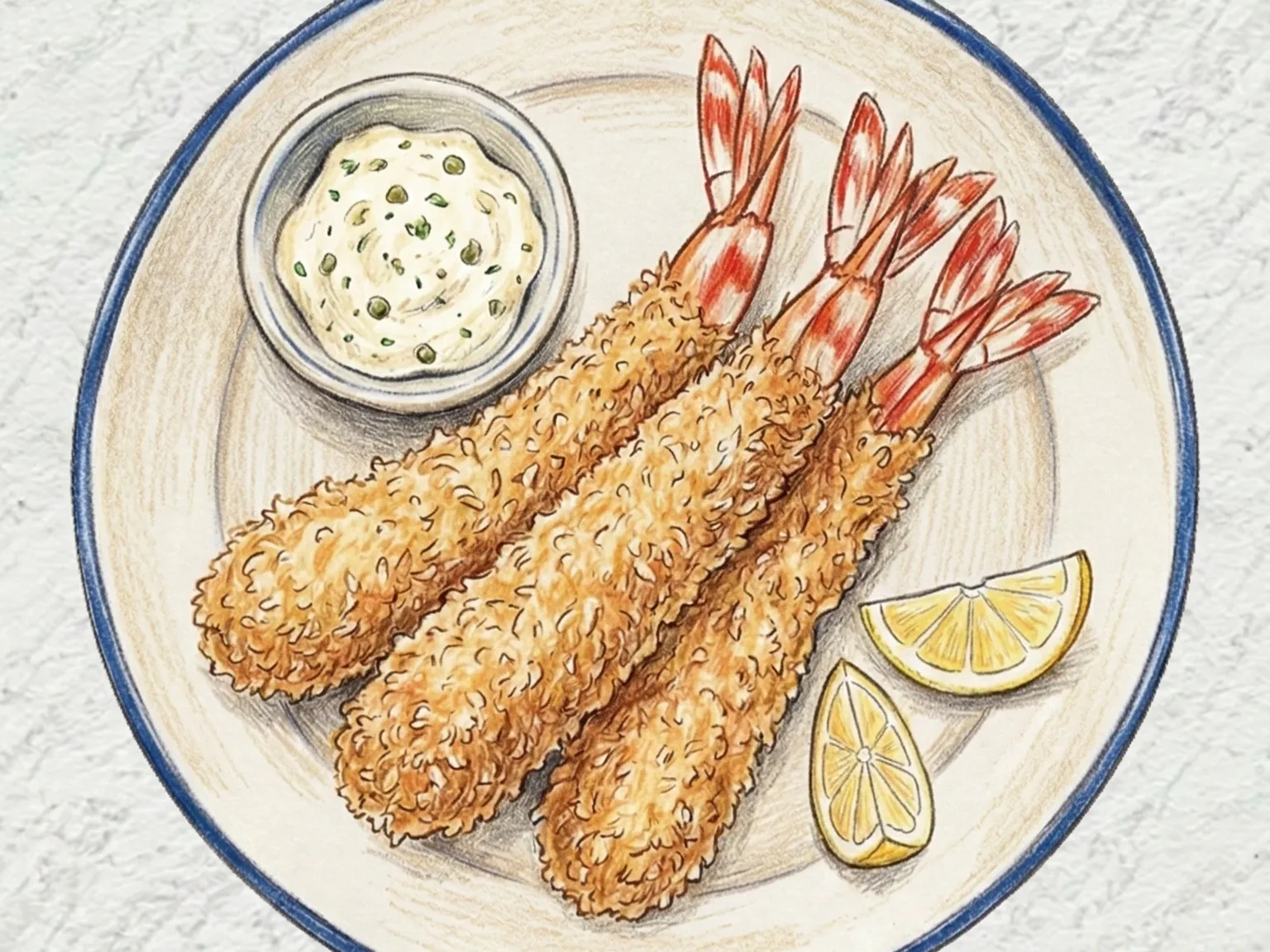
Ebi fry developed during Japan's Meiji era as Western cooking techniques arrived and were reinterpreted through a Japanese lens, becoming one of the defining dishes of yoshoku - the country's own adaptation of European cuisine. Preparation starts by cutting the tendons along the shrimp's belly at several points and pressing each piece flat against a cutting board so it holds a straight, elongated shape when lowered into hot oil rather than curling back on itself. The three-stage coating of flour, egg wash, and coarse panko breadcrumbs is central to the dish's character: panko's jagged, irregular flakes puff and expand in hot oil, producing a crust that is unmistakably lighter and more open-textured than anything made with fine Western breadcrumbs. Because the shrimp fries quickly at high temperature, the flesh stays fully moist and snaps with a satisfying springiness when bitten. Tartar sauce, with its creamy acidity and flecks of pickled vegetables, offsets the richness of the crust, while tonkatsu sauce takes the flavor in a sweeter, fruitier direction. The dish migrates easily across formats: tucked into bento boxes as a daily side, placed on top of curry rice for an ebi fry curry, or layered into soft milk bread as an ebi katsu sando. Its staying power in Japanese home cooking and restaurant menus alike reflects how thoroughly yoshoku dishes have become part of everyday Japanese food culture.

French Crepes
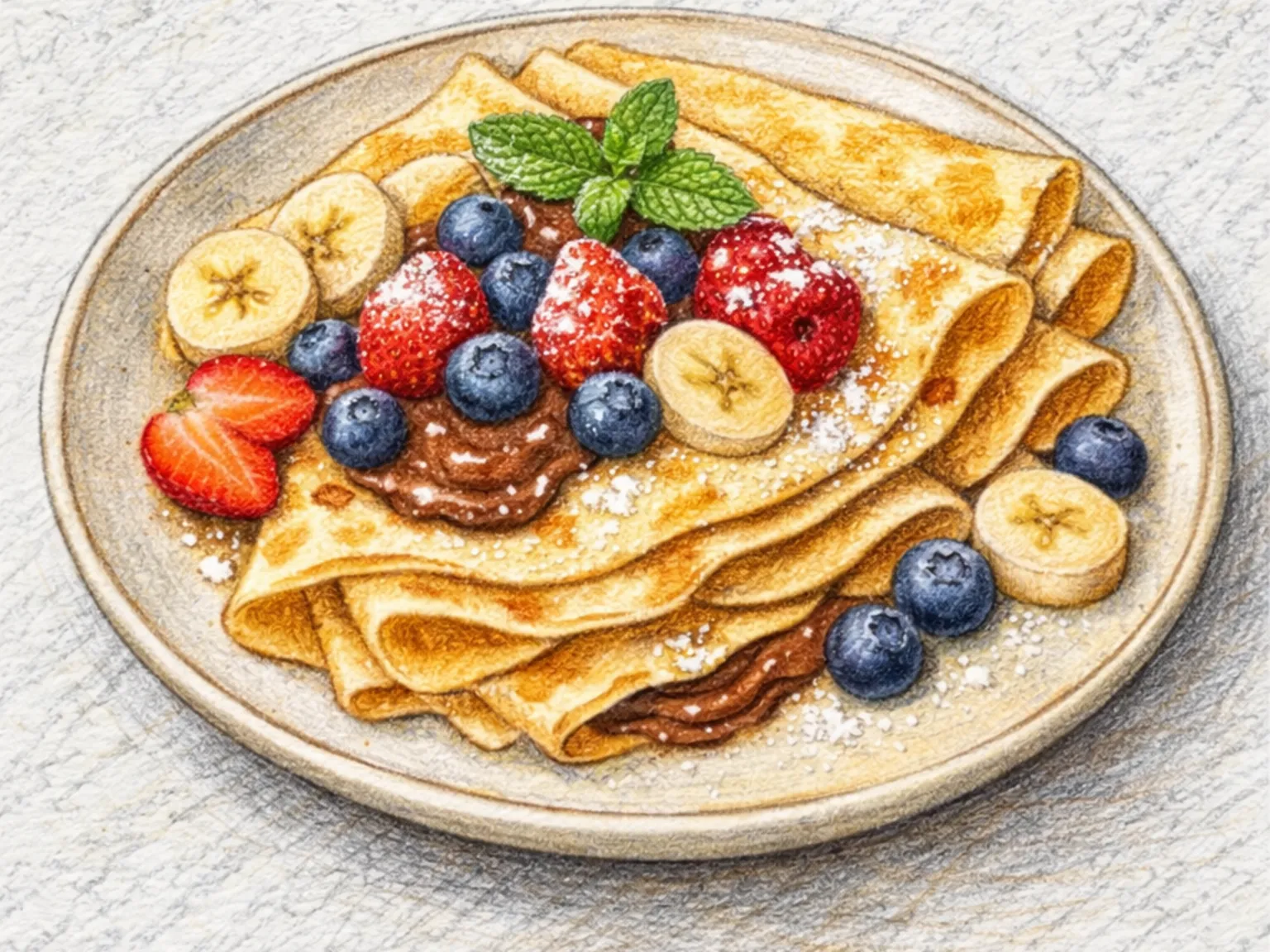
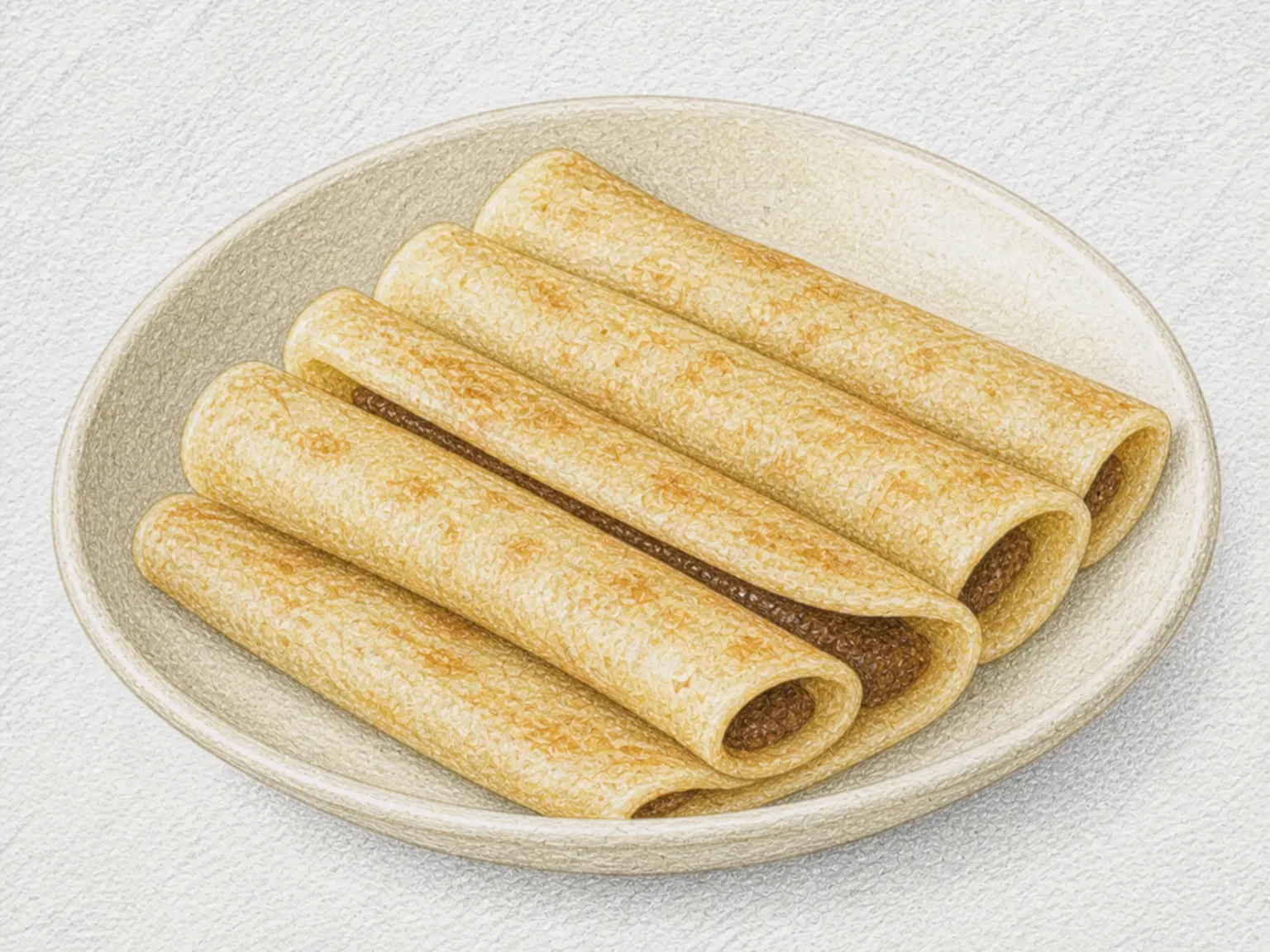
French crepes are thin, flexible pancakes made from a pourable batter of flour, eggs, milk, and melted butter, cooked on a hot surface until golden and slightly lacy at the edges. The batter must rest in the refrigerator for at least one hour before cooking so that the gluten network fully relaxes and the flour absorbs the liquid evenly. A rested batter spreads more smoothly and yields a crepe that is tender rather than rubbery. A small ladleful is poured onto a hot lightly buttered pan and tilted quickly in a circular motion to spread a thin, even layer that cooks in under a minute. When the edges lift slightly and develop a golden, freckled underside, the crepe is ready to flip for a brief second-side cook. The flavor is neutral and gently buttery, which makes crepes adaptable to sweet fillings like Nutella, jam, or fresh berries as well as savory combinations such as Gruyere, ham, and a fried egg in the style of a complete galette. Batter keeps well in the refrigerator for up to two days, making crepes a practical choice for weekday breakfasts and weekend brunches alike. On Parisian streets, crepe vendors work large round griddles, spreading, filling, and folding the crepes into paper-wrapped triangles handed to customers to eat while walking, a piece of everyday food culture inseparable from the city itself.

Pork Cutlet Sandwich
Katsu sando is a Japanese sandwich built around a thick pork loin cutlet breaded in flour, egg, and panko, then deep-fried at 170C until the exterior turns a deep, even gold. The cutlet rests on soft milk bread generously spread with tonkatsu sauce, and a layer of shredded cabbage dressed in mayonnaise goes in between. The contrast between the cutlet's rigid panko crust and the yielding bread is what defines the sandwich, while the mayo-dressed cabbage absorbs some of the richness and keeps the whole thing from feeling heavy. Wrapping the assembled sandwich firmly in plastic wrap and resting it for three minutes gives the sauce time to soak into the bread, producing a clean cross-section when cut. Draining the cutlet upright for a minute after frying removes surface oil and prevents the bread from going soggy. Using fine-ground fresh panko rather than dried gives the crust a slightly denser, more refined texture.

Korean Pan-fried Oyster Jeon
Gul-jeon is a Korean dish featuring oysters that are pan-fried in a delicate coating of flour and egg. The preparation starts with fresh seasonal oysters that are rinsed carefully in a mild salt water solution to ensure they are clean. Once the rinsing is complete, it is necessary to pat each oyster until it is thoroughly dry. This particular step is crucial because residual water leads to oil splattering during the frying process and prevents the flour from adhering to the surface in a uniform manner. The intended result is a very thin layer of flour, as a thick coating will muffle the natural oceanic brine of the oyster. After the light dusting of flour, the oysters are submerged in beaten egg. This egg batter serves as an insulating layer that conducts heat slowly into the center of the seafood. This specific cooking method keeps the interior of the oyster plump and moist while the exterior reaches a soft golden color. As the oysters cook, they release a distinct mineral aroma associated with fresh seafood. Adding finely chopped garlic chives shortly before the cooking is finished provides a sharp, garlicky contrast that emphasizes the natural mineral profile of the dish. It is important to cook the oysters over a steady medium flame for approximately two minutes on each side. If the heat is set too high, the egg exterior will scorch before the inside is sufficiently warmed through. When flipping the oysters, you should do so carefully and avoid pressing down on them with a spatula. In instances where the oysters are exceptionally large, pressing them into a flatter shape prior to the start of the cooking process will facilitate more even heat distribution throughout the piece.

Korean Perilla Leaf Chicken Jeon
Perilla leaves are paired back-to-back with a filling of ground chicken and firm tofu, then dusted in flour, coated in beaten egg, and pan-fried. Ground chicken keeps the filling lean, and the tofu adds a soft, creamy texture without adding heaviness. Perilla's assertive herbal scent pairs naturally with the mild chicken, and minced green onion and garlic season the filling throughout. Each piece is bite-sized and holds up well after cooling, making it a good option for packed lunches as well as a table side dish.

Yuja Chicken Piccata Linguine
Yuja chicken piccata linguine pounds chicken breast thin, dusts it with flour, and pan-sears each side for 3 minutes until a golden crust forms on the outside while the interior stays moist. The same pan is deglazed with chicken stock, lemon juice, yuja marmalade, and capers, then simmered for 3 minutes to concentrate the sauce and lift every bit of fond from the pan bottom. Whisking in cold butter at the end emulsifies the liquid into a glossy, coating consistency that clings to each strand. The capers contribute a briny, bursting texture that plays off yuja's bittersweet citrus notes, building a layered acidity that neither ingredient produces on its own. The flat, wide surface of linguine picks up the sauce broadly so each forkful carries both the herb fragrance of scattered parsley and the bright citrus glaze. Because yuja marmalade varies in sweetness, the lemon juice quantity should be adjusted at the end to balance the final acidity.

Chicken a la King
Chicken a la king is an American home-style cream sauce dish built on a butter roux that forms the backbone of the sauce and holds every other element in place. The roux begins with flour cooked briefly in melted butter until it smells faintly nutty and raw flour taste has cooked off, at which point cold milk and chicken stock are added incrementally while whisking constantly to prevent lumps. The gradual addition of liquid to the roux, rather than all at once, is what produces a sauce that is smooth and velvety rather than gluey or broken. Chicken breast is cooked separately and removed as soon as the color changes through, because even a few extra minutes in heat will make it tough and dry. The mushrooms and onion are sauteed in butter before the liquid goes in, building flavor in the fat first: the onion softens and sweetens, and the mushrooms release their moisture and then concentrate into a savory, earthy depth. Bell pepper is added later in the process so it retains some snap, providing a textural contrast to the surrounding creaminess and contributing a mild sweetness that brightens the overall flavor. Once the chicken is returned to the sauce, it absorbs some of the cream and the seasoning rounds out. Ladled over toast, rice, or split biscuits, the sauce soaks into the starch beneath and turns the plate into a complete, satisfying meal.

Katsu Curry
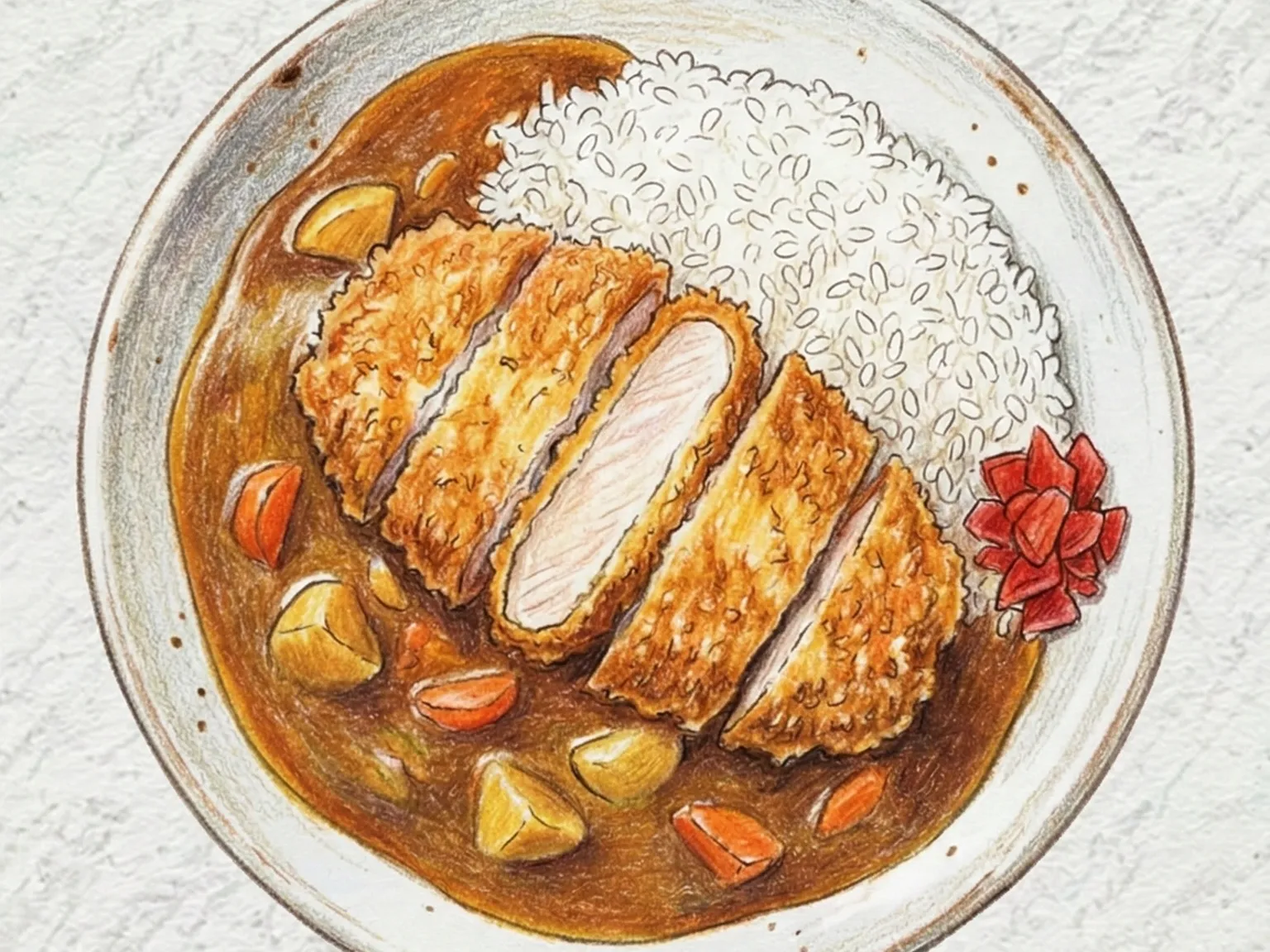
Katsu curry is a Japanese single-plate meal of crisp deep-fried pork cutlet served beside a thick, glossy curry sauce over steamed rice. The pork loin is pounded to an even thickness, seasoned with salt and pepper, then coated in three layers: flour, beaten egg, and panko. Panko breadcrumbs have a coarser, more jagged texture than standard breadcrumbs, which creates more air pockets in the crust and produces a crunch that stays crisp longer after frying. The breaded cutlet is lowered into oil heated to 170 degrees Celsius and fried for four to five minutes until deep golden brown, then lifted onto a wire rack to rest for two minutes. The resting period allows the residual heat to finish cooking the center while the juices redistribute and the crust firms up. The curry sauce is built separately: onion and carrot are sauteed until their natural sweetness develops fully, then water is added and everything simmers until the vegetables are tender. The curry roux blocks are added and dissolved over low heat until the sauce reaches a thick, velvety consistency. Resting the curry overnight deepens its flavor as the vegetables continue to release sugars and the spices meld together. At the table, the curry fills one side of the plate and the sliced katsu occupies the other so the crust stays dry until deliberately pushed into the sauce, preserving the contrast between the two textures.

Korean Honey Bread Balls (Fried Yeast Dough Balls Glazed with Honey and Peanut)
Kkul-ppang is a regional street snack from Tongyeong made by deep-frying yeast-leavened dough balls at 170 degrees Celsius until the outside firms into a thin, crisp shell. The fermentation process fills the interior with air pockets, producing a soft, bread-like crumb rather than the dense texture of unbaked dough. Whole dough is fried without any batter coating, which is what keeps the shell thin and crackly rather than puffy or thick. Immediately after frying, while still hot, the balls are brushed generously with warm honey so it soaks into the crust, then rolled in finely chopped peanuts for a layer of roasted nuttiness. Using rice syrup instead of honey softens the sweetness and brings the flavor closer to traditional Korean confectionery. Once cooled the shell stiffens and loses some of its snap, so these are best eaten fresh from the oil.

Assorted Korean Pancakes (Holiday Mixed Jeon Platter)
Hanjeongsik jeon-modeum is a mixed Korean pancake platter that brings together meat patties, zucchini jeon, shiitake mushroom jeon, and stuffed green chili jeon on a single serving board, forming the visual and gastronomic centerpiece of Seollal and Chuseok holiday tables. Each ingredient is cut to portion size, dusted lightly in flour, coated in beaten egg, and pan-fried over medium heat until both sides turn a deep golden. The single most important rule is to fry in small batches of three to four pieces at a time -- overcrowding drops the pan temperature sharply and causes the egg batter to absorb oil rather than set, leaving the jeon heavy and greasy instead of crisp and light. Meat patties made from a balanced mix of tofu, beef, and pork hold their shape while staying tender, and zucchini rounds need to be salted and pressed dry beforehand to prevent oil spatter during frying. For shiitake, removing the stem and dusting flour onto the inner gill side ensures the egg coating adheres evenly. A small dipping bowl of cho-ganjang -- soy sauce sharpened with a splash of rice vinegar -- cuts through the richness of the oil and draws out the contrast between the patties' deep savory flavor, the mild sweetness of zucchini, and the subtle heat of the peppers.

Chicken Francese (Egg-Battered Chicken in Lemon Butter Sauce)
Chicken Francese originated within the Italian-American culinary tradition and focuses on preparing butterflied chicken breast cutlets through a specific sequence of coating and frying. Each piece of meat is first lightly dredged in a layer of flour and then thoroughly dipped into beaten eggs before being placed into a hot pan. This cooking method results in a surface that is golden in color. The presence of the egg coating acts as a barrier that keeps the natural moisture of the poultry trapped inside during the frying process. Meanwhile, the thin interaction between the flour and the heat of the pan creates a texture that is light and somewhat crisp, intentionally avoiding the formation of a heavy or thick crust. Once the chicken has been cooked and removed from the heat, the same pan is used to build the sauce. A portion of butter is melted down, after which chicken stock and fresh lemon juice are poured in to simmer for approximately three minutes. As the liquid boils, it loosens the small browned particles that adhered to the metal surface during the initial frying. These bits incorporate into the liquid to provide a specific roasted complexity that simple fresh ingredients cannot produce on their own. The prepared chicken is then placed back into the simmering sauce for an additional two minutes. During this time, the cook spoons the lemon-butter liquid over the cutlets, allowing the egg coating to fully soak up the flavors. This step ensures that the final dish offers a combination of sharp citrus acidity and the concentrated richness of the butter in every mouthful. A final dusting of finely chopped parsley is added across the surface to introduce a clean herbal quality that helps mitigate the density of the butter sauce. Because the recipe results in a significant amount of liquid, it is common to serve the chicken with pasta or slices of crusty bread so that no part of the lemon-butter sauce is left behind.

Katsu Sando (Japanese Crispy Pork Cutlet Sandwich)
Katsu sando is a Japanese sandwich built around a thick, crispy pork cutlet pressed between slices of soft milk bread. The pork loin is sliced at least two centimeters thick, pounded lightly to tenderize, seasoned with salt and pepper, then coated in flour, beaten egg, and coarse panko breadcrumbs before being lowered into oil at 180 degrees Celsius. The result is a deep golden crust that shatters on the first bite while the interior stays moist and tender. Tonkatsu sauce, a thick condiment with a fruity, sweet-savory profile similar to Worcestershire, is spread generously on one side of the bread, while a thin layer of Japanese mayonnaise goes on the other. Finely shredded cabbage is layered beneath the cutlet, providing a fresh, watery crunch that cuts through the richness of the fried meat. The crusts are trimmed from the bread, the sandwich is pressed firmly and sliced cleanly in half, and the cross-section of pale bread, pale cabbage, and dark golden cutlet becomes the defining visual of the dish. Katsu sando works as a packed lunch, a picnic item, a late-night snack, or a quick meal at the counter of a butcher shop in Tokyo.

Korean Mozzarella Cheese Sticks
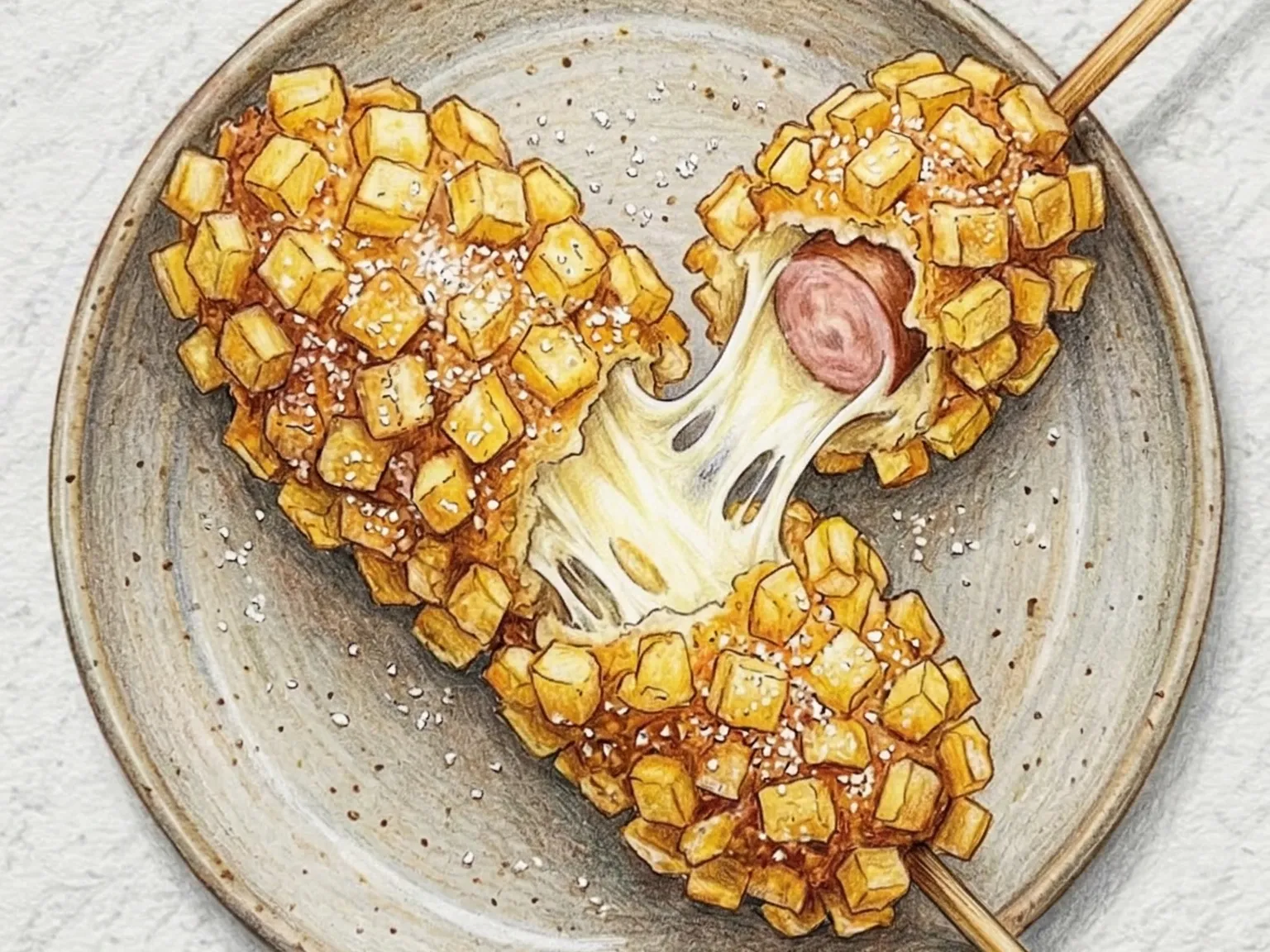
Mozzarella blocks are cut into sticks, double-coated in flour, beaten egg, and parsley-seasoned breadcrumbs, then frozen for 20 minutes before a brief deep-fry at 170 degrees Celsius. The double coating and freezing step prevent the cheese from bursting out during frying, and pulling the sticks from the oil within one and a half to two minutes keeps the shell crunchy while the cheese inside remains stretchy rather than fully melted out. A touch of dried parsley in the breadcrumbs adds a mild herbal note, and dipping into tomato sauce or sweet chili sauce provides a pleasant contrast to the salty, crispy coating.

Korean Grilled Yellow Croaker
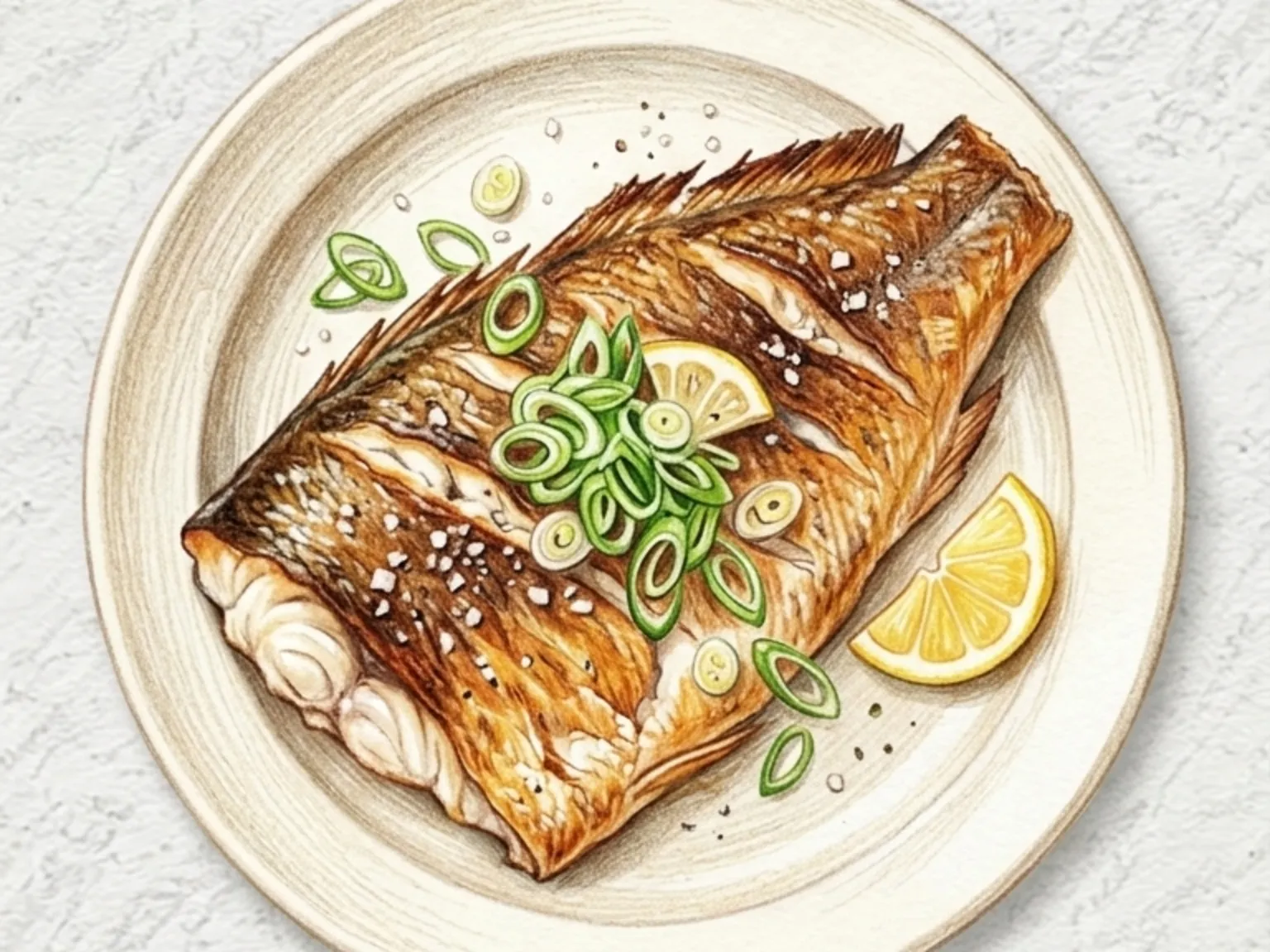
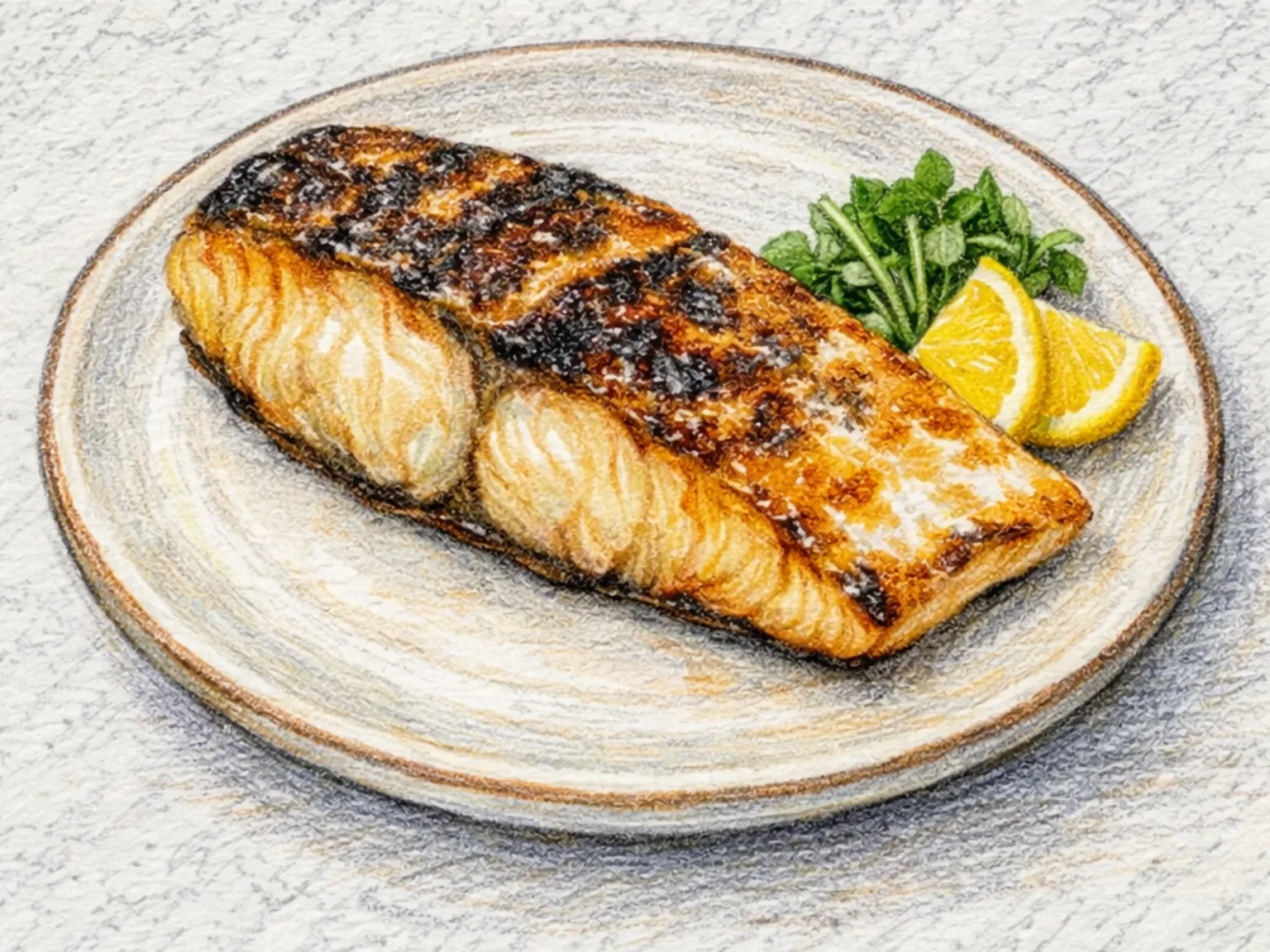
Yellow croaker is scaled and gutted, then salted for ten minutes to draw surface moisture out of the flesh, which simultaneously reduces any fishy odor and firms the exterior slightly before cooking. A light dusting of flour creates a thin barrier between the skin and the hot oil, preventing the delicate skin from sticking to the pan and forming a fine crisp layer that holds the juices inside. The mild, clean white flesh of yellow croaker is one of its most valued qualities, and the flour coating allows that flavor to express itself without interruption from heavy seasoning. Knowing when to flip is the central technique: the fish should not be touched until the underside has turned fully golden-brown and released naturally from the pan surface, at which point two wide spatulas used simultaneously keep the body intact through the turn. Yellow croaker has been a fixture on ancestral memorial tables (jesa-sang) and ceremonial spreads throughout Korean history, and remains a steady everyday banchan alongside rice and soup.

Chicken Kyiv
Chicken Kyiv is an Eastern European preparation of pounded chicken breast wrapped tightly around a log of compound butter mixed with parsley and garlic, triple-breaded in flour, egg wash, and breadcrumbs, pan-seared to set the crust, then finished in the oven. The butter must be frozen firm before assembly so it holds its shape during pan-searing and the early stage of oven cooking, melting only gradually inside the chicken where it functions as an internal basting sauce. The triple breading creates a crisp outer shell that also seals the butter inside, and repeating the breadcrumb coating a second time improves both the seal and the crunch of the finished piece. The defining moment of the dish is cutting in and releasing a flow of melted herb butter; a three-minute rest after removing from the oven stabilizes the interior temperature so the butter flows cleanly rather than all at once. Chilling the breaded rolls in the refrigerator for at least thirty minutes before cooking keeps the breadcrumbs firmly attached through the high-heat sear, and the two-stage cooking method of pan-searing followed by oven finishing achieves a crisp exterior and fully cooked, juicy interior at the same time.

Classic Katsudon (Pork Cutlet Egg Rice Bowl)
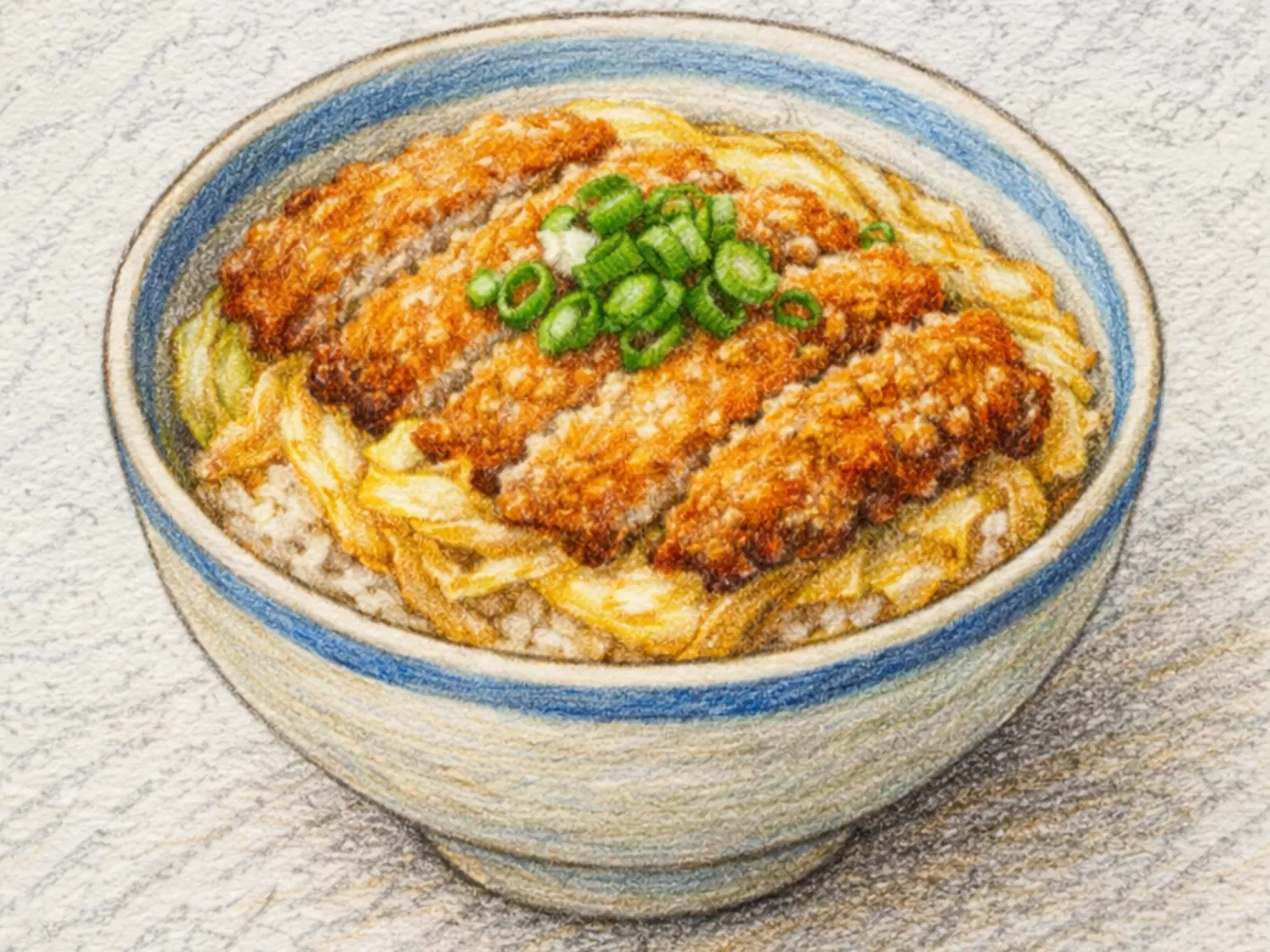
Classic katsudon is a Japanese rice bowl that transforms a crispy pork cutlet into something altogether different by simmering it briefly with onion, egg, and seasoned dashi broth. Thinly sliced onion cooks first in a shallow pan of tsuyu -- a combination of soy sauce, mirin, and dashi -- until soft and sweet. The fried cutlet, sliced into strips, is laid into the onion broth, then lightly beaten egg is poured over the top and cooked just until it sets into a custard-like layer. This half-set egg clings to the panko crust, creating a contrast between the still-crunchy edges and the silky coating. The entire mixture is slid onto a bowl of steaming rice, where the savory broth soaks into the grains. In Japan, katsudon is traditionally eaten before exams or competitions as a good-luck ritual. Pulling the pan off the heat within thirty seconds of covering it keeps the egg in that soft, barely-set state -- overcooking turns the layer rubbery and loses the signature texture entirely.

Korean Perilla Beef Jeon (Perilla-Wrapped Beef Tofu Pancake)
A thin layer of seasoned ground beef mixed with pressed tofu is spread on the underside of each perilla leaf, which is then folded in half, coated in flour, dipped in beaten egg, and pan-fried over medium heat. Keeping the filling thin is essential so the herbal fragrance of the perilla comes through clearly. Squeezing moisture from the tofu beforehand ensures the jeon holds its shape during frying. The result layers the grassy aroma of perilla with soy-seasoned beef in every bite.

Chicken Marsala
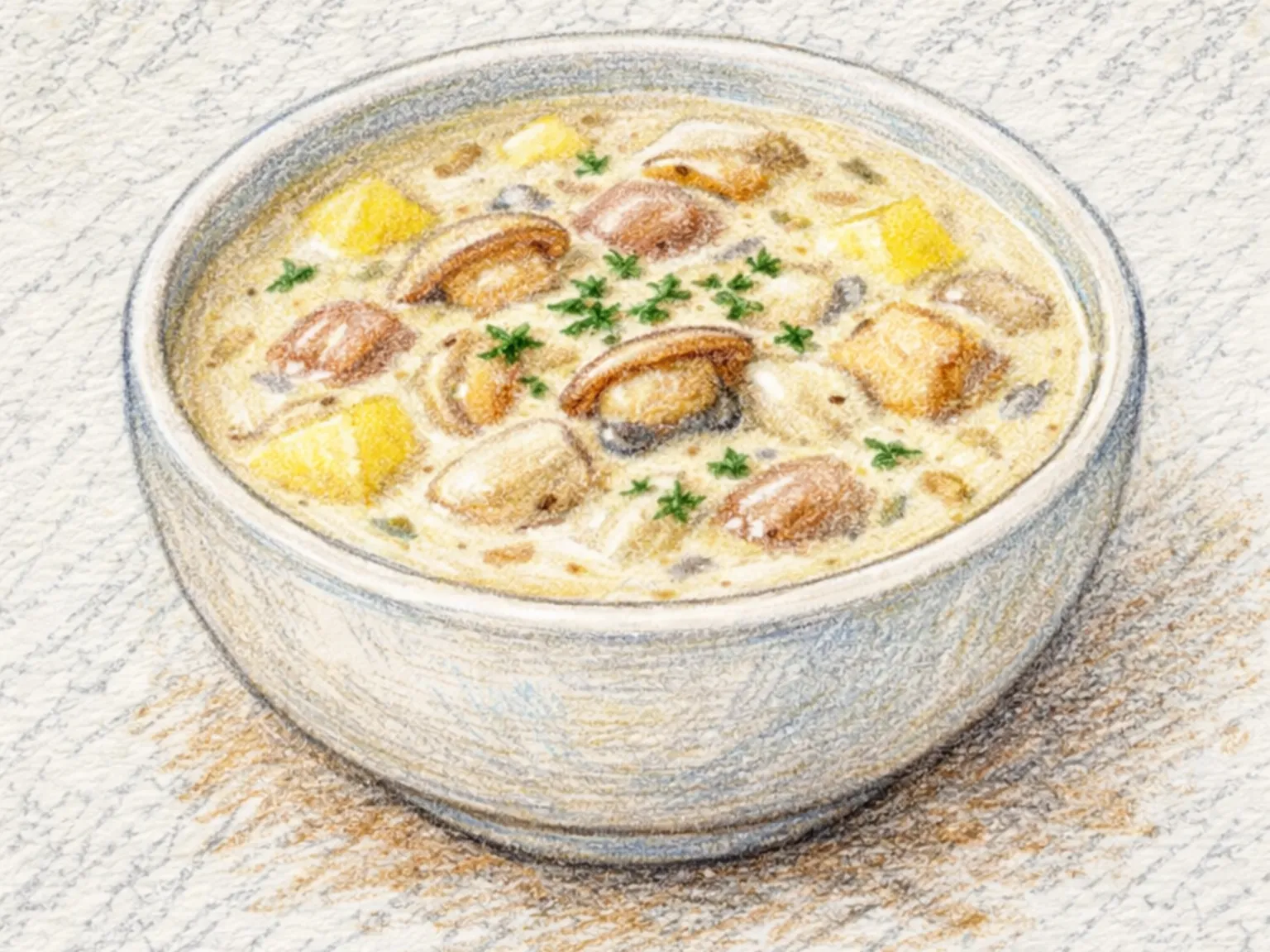
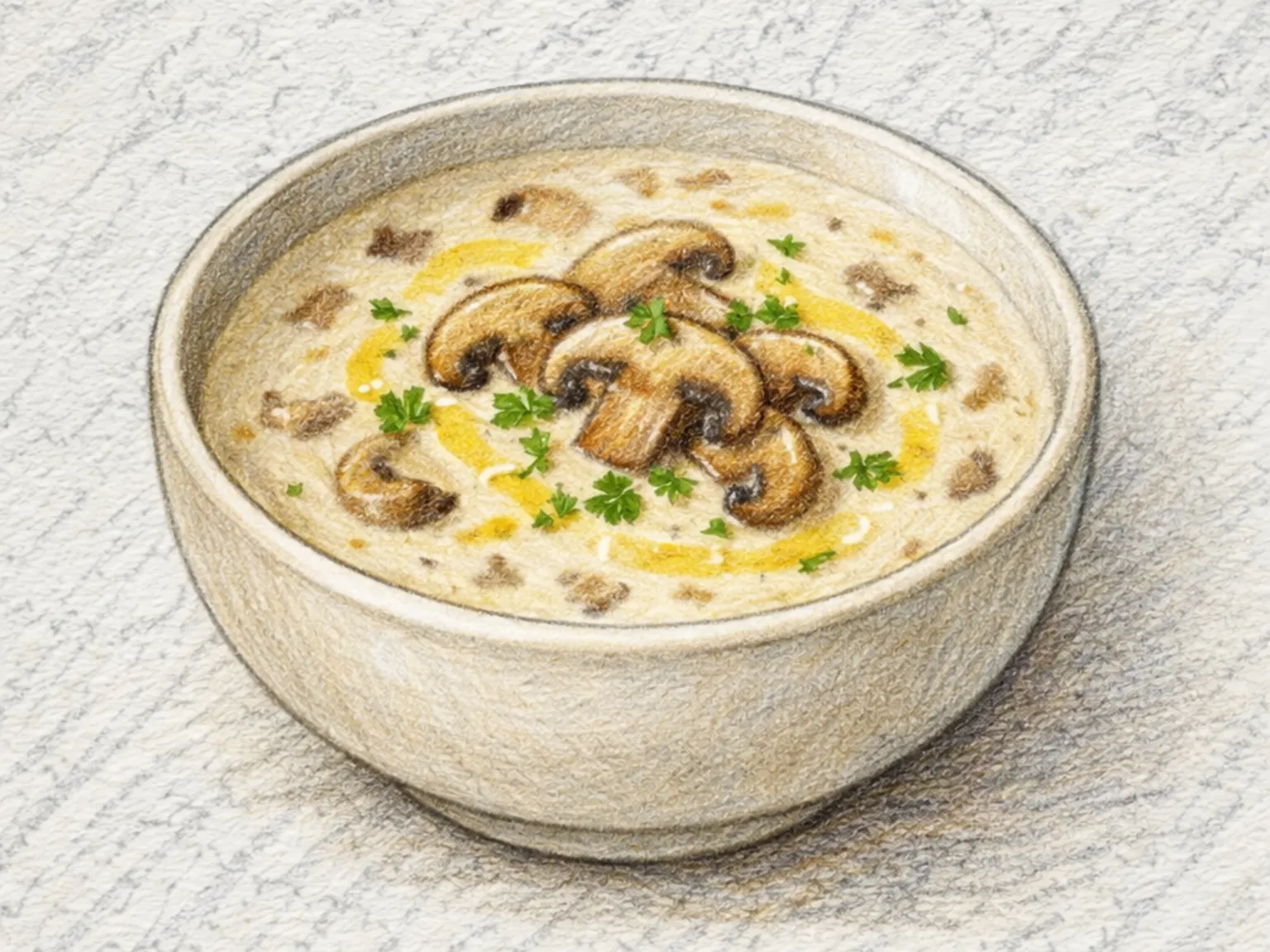
Chicken Marsala pounds chicken breast thin, dredges it in flour, and pan-sears it to a golden crust before building a sauce from Marsala wine, sliced cremini mushrooms, chicken stock, and heavy cream. Pounding the breast to an even thickness ensures uniform heat transfer so the interior stays moist while the exterior browns quickly, and the flour coating creates the browned fond on the pan surface that becomes the sauce's flavor base. Deglazing with Marsala wine lifts that fond while the wine reduces, concentrating its sweetness, acidity, and characteristic walnut-like nuance into a deeply layered sauce. Mushrooms must be spread in a single layer and cooked until their moisture fully evaporates, otherwise they release liquid into the sauce and dilute its intensity. Heavy cream goes in at the end to give the sauce a velvety body, but the heat should be reduced before adding it to prevent the cream from breaking. Dry Marsala is essential here because sweet Marsala produces an excessively sugary sauce that masks the wine's complexity, turning a nuanced pan sauce into something that tastes more like a dessert glaze. Serve with mashed potatoes, pasta, or steamed rice and spoon the sauce generously over everything.

Khao Man Gai Tod (Thai Fried Chicken Rice Bowl)
Khao man gai tod is the fried variation of Thailand's beloved chicken rice, replacing the poached bird with a crispy deep-fried version that adds texture and caramelized flavor to an already satisfying dish. Chicken pieces are marinated in garlic, white pepper, and fish sauce, then dusted in seasoned flour and fried until the crust turns deep golden and audibly crunchy. The rice is cooked in chicken broth with garlic and ginger, absorbing the fat and aroma of the stock into each grain so that it tastes rich on its own before any sauce is added. What ties the plate together is the sweet chili dipping sauce, a mix of fermented soybean, vinegar, chili, and sugar that delivers a sharp, funky counterpoint to the rich fried chicken and oily rice. Sliced cucumber and a small bowl of clear broth with winter melon round out the standard serving and provide relief between bites. Street vendors across Bangkok keep vats of oil at the ready for this dish throughout the day, and the crackling sound of chicken hitting hot oil is a reliable signal to stop and eat.

Korean Skewered Jeon (Ham and Mushroom Skewer Pancake)
Kkochi-jeon is a skewered Korean pancake traditionally made for ancestral rites and holiday tables. Ham, imitation crab sticks, king oyster mushroom, and scallion are cut to uniform lengths, threaded onto skewers in alternating order, dusted with flour, dipped in salted beaten egg, and pan-fried slowly over medium-low heat until the egg coating is golden and set. Cutting all the ingredients to the same length ensures the finished skewers have even, tidy cross-sections when laid out on a platter, which matters on ceremonial occasions. Keeping the heat at medium-low is essential: too much heat sets the egg coating before the ingredients inside are warmed through, and it can brown or burn the surface. A small pinch of paprika powder or finely sliced green onion mixed into the egg wash adds color and aroma. The finished jeon holds multiple textures in a single bite: the yielding egg coating gives way to the saltiness of the ham, the springy chew of the imitation crab, the meaty firmness of the king oyster mushroom, and the fragrant sharpness of the scallion. A dipping sauce of soy sauce mixed with a splash of vinegar and a little sugar cuts through the richness and keeps the eating clean.