Korean Wild Chive Kimchi (Spring Quick Gochugaru)
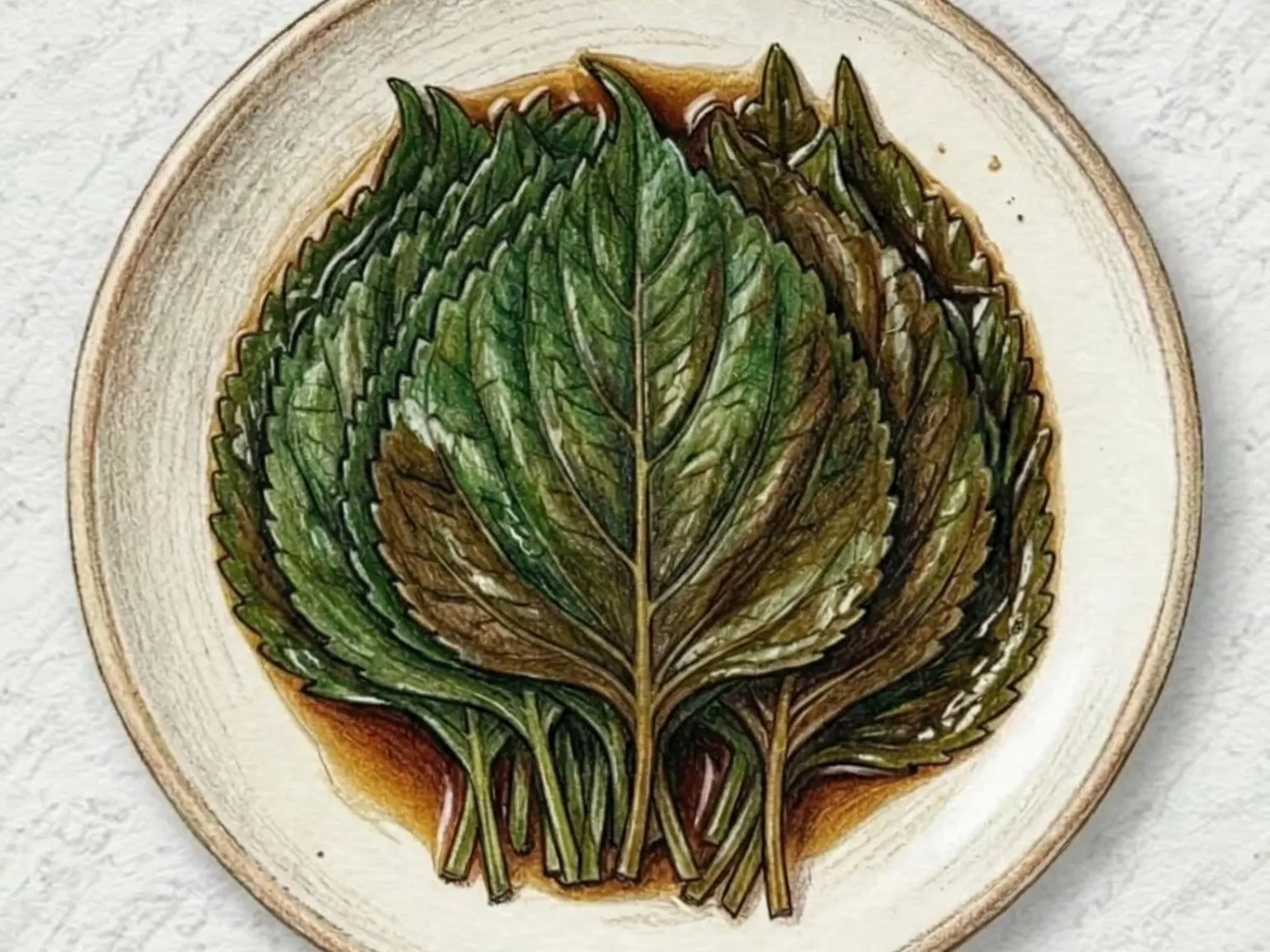
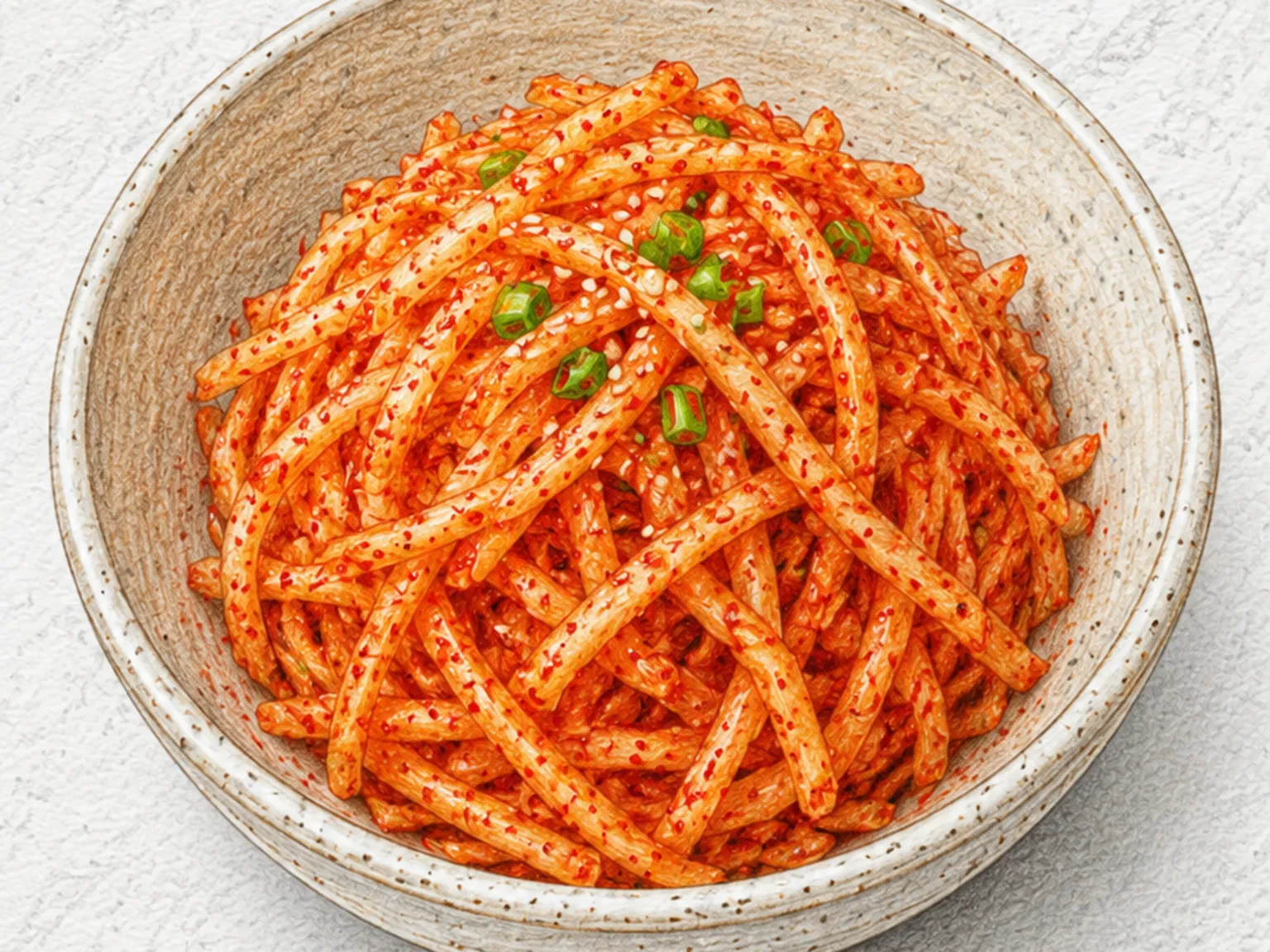
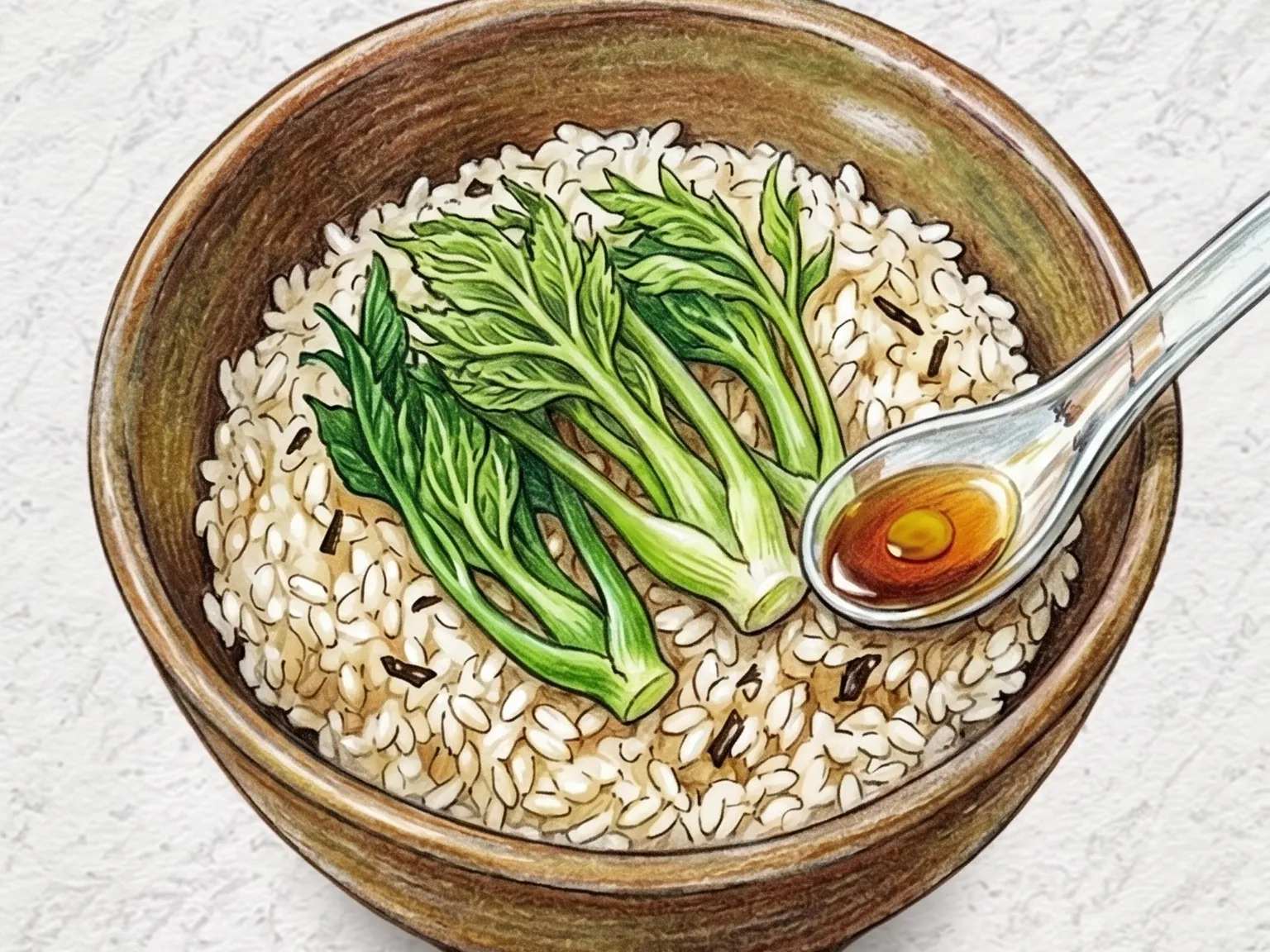
Dallae kimchi is a quick spring kimchi made by salting wild chives for just eight minutes to barely soften them, then dressing them in gochugaru, sand lance fish sauce, plum extract, and Korean pear juice. The bulb-end roots carry the most concentrated aroma, so they should not be trimmed too short, and the seasoning should be applied starting from the roots so the flavor penetrates evenly along the entire stalk. Pear juice adds natural sweetness and a little moisture that softens the heat from the chili, while sand lance fish sauce provides a lighter, more delicate umami than standard anchovy sauce. This kimchi smells fresh and bright immediately after preparation, but one day in the refrigerator allows a mild fermented depth to develop that rounds out the flavors considerably. Wild chives are best purchased between early March and mid-April, when the roots are fat and the aroma is fully developed. Salting beyond eight minutes causes the grassy fragrance to dissipate rapidly, so timing matters. The finished kimchi pairs naturally with namul side dishes and fresh vegetable salads at a spring table.

Soy Butter Udon (Pan-Tossed Udon in Caramelized Soy Butter)
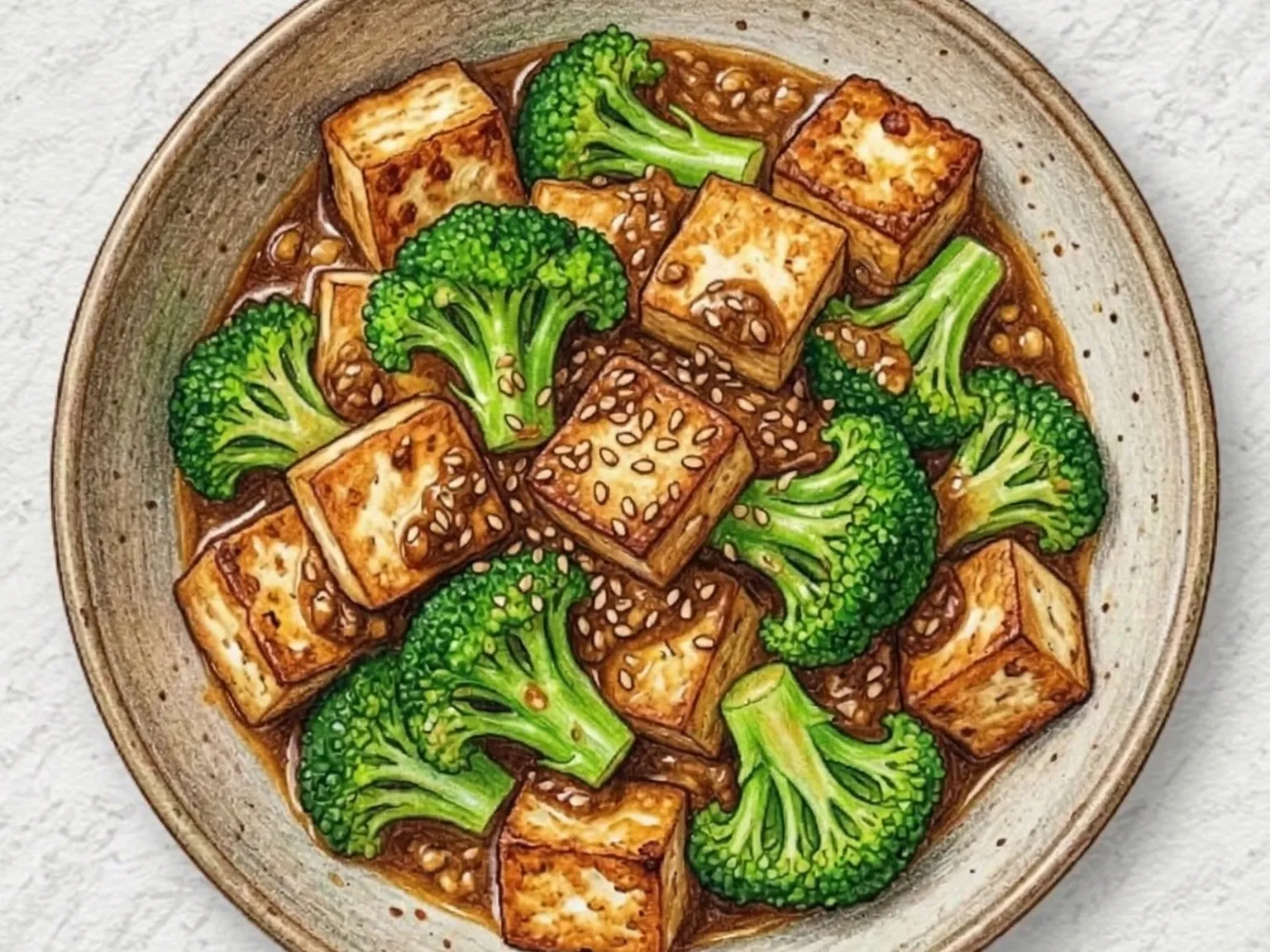
Ganjang butter udon is a quick pan-fried noodle dish that delivers deep, satisfying flavor in roughly ten minutes. Boiled udon noodles go into a pan with melted butter, and as soon as they hit the hot surface the butter releases a toasted, nutty fragrance. Soy sauce added to the pan caramelizes almost immediately against the heat, forming a savory-sweet glaze that coats every strand of the thick, springy noodles. The fat from the butter helps the glaze adhere evenly and rounds out the soy's saltiness with richness. Katsuobushi piled on top at the finish adds a layer of smoky umami that deepens the overall flavor, and an egg yolk placed in the center and stirred through transforms the dish with a creamy, silky texture. It is an ideal solution for a late-night craving or a satisfying solo meal when time is short.

Gochujang Eggplant Ricotta Lasagna Rolls
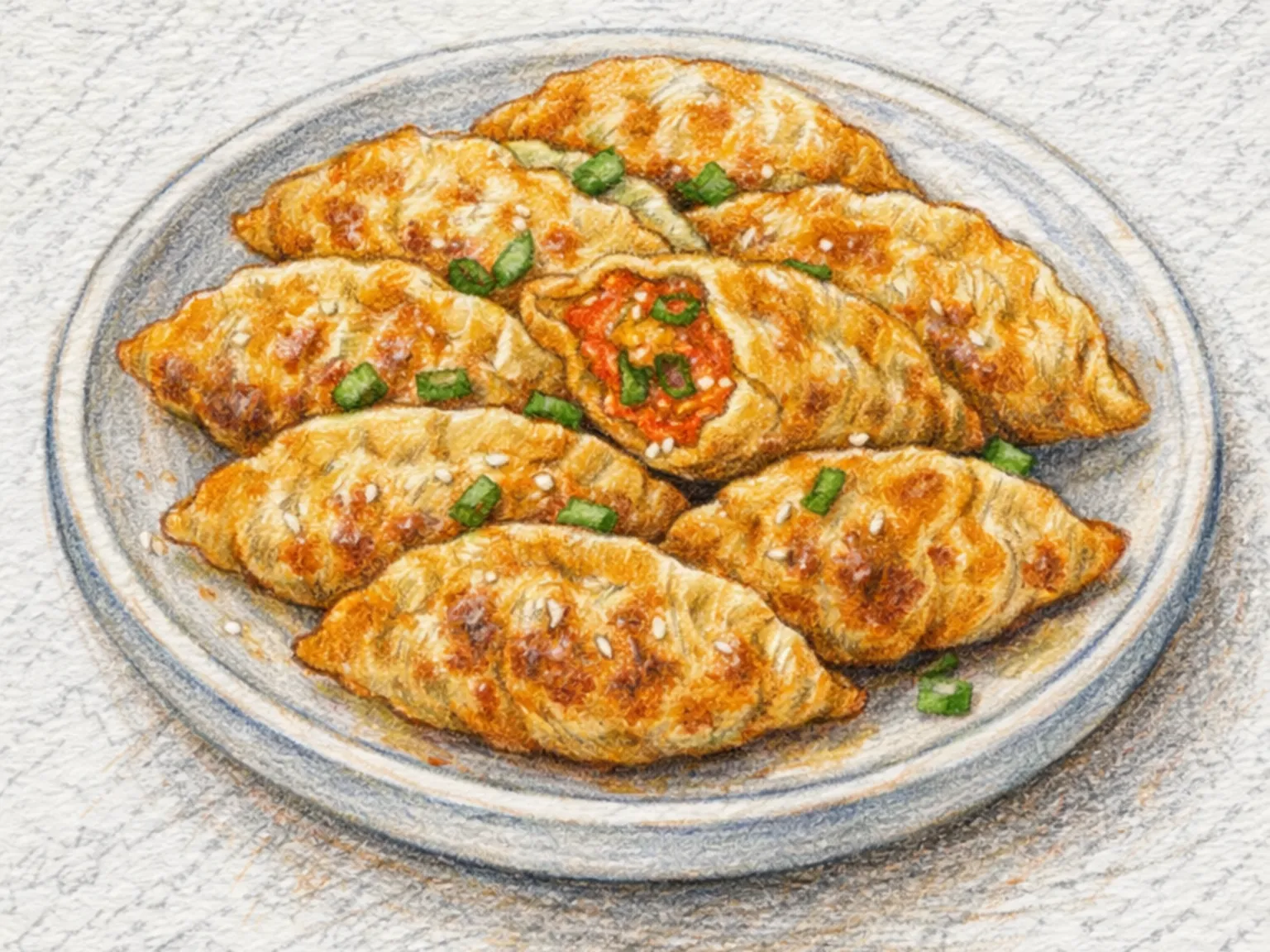
Gochujang eggplant ricotta lasagna rolls begin by roasting diced eggplant with olive oil and salt at 200 degrees Celsius. Fifteen minutes in the oven drive out moisture and collapse the flesh into a soft, dense interior. The roasted eggplant is combined with ricotta and spread across boiled lasagna sheets, which are rolled tight and arranged in a baking dish. A sauce of tomato puree, gochujang, sauteed onion and garlic, and dried oregano is simmered for ten minutes until the chili paste loses its raw edge and the tomato acidity settles into the mix, producing a layer that is spicy and faintly tangy. The rolled sheets are covered in sauce and topped with mozzarella, then baked until the cheese browns and blisters into a firm crust. Below that crust the eggplant-ricotta filling stays moist and soft, and the contrast between the crisp cheese cap and the tender interior defines each slice.

Chili con Carne
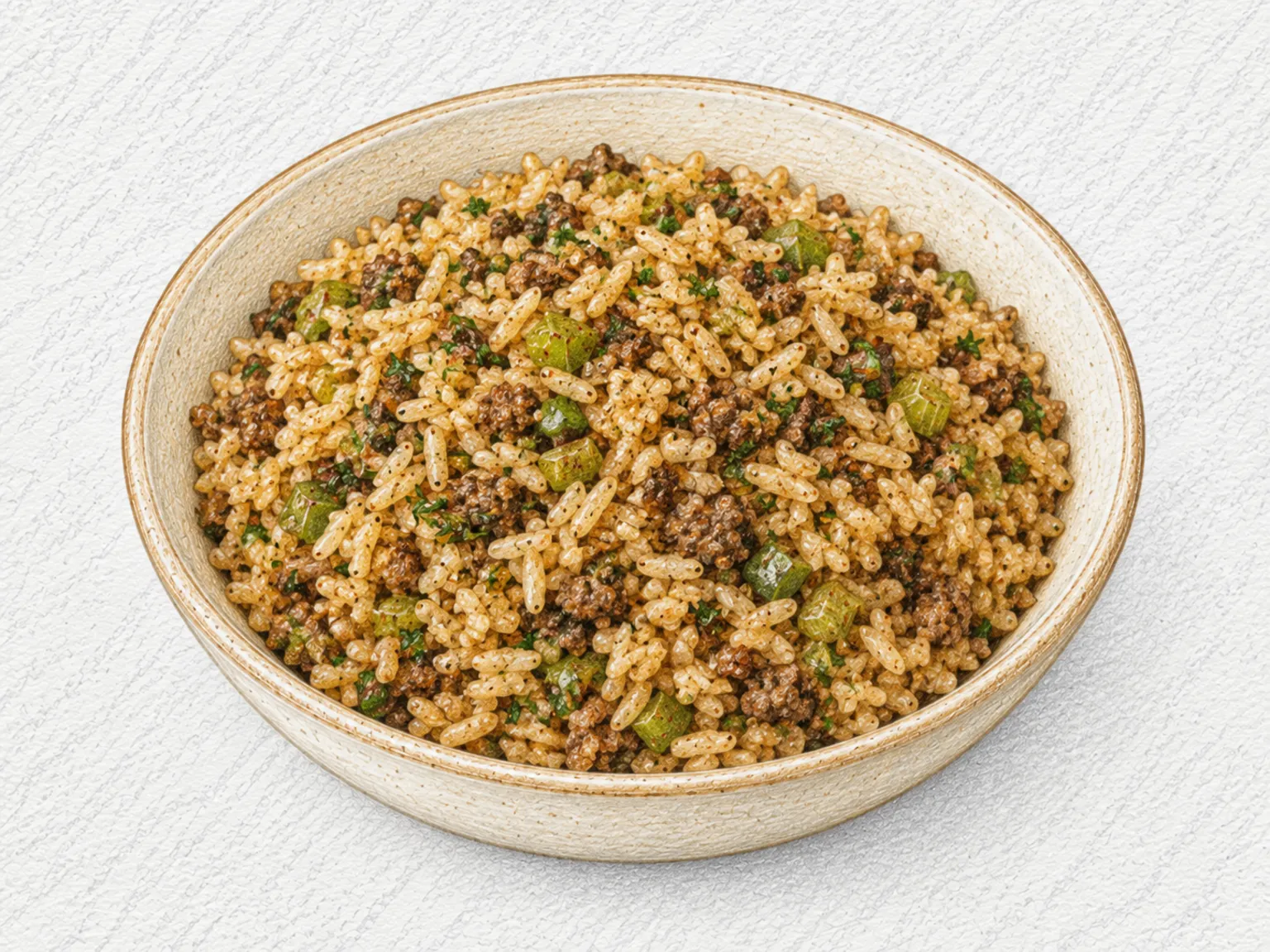
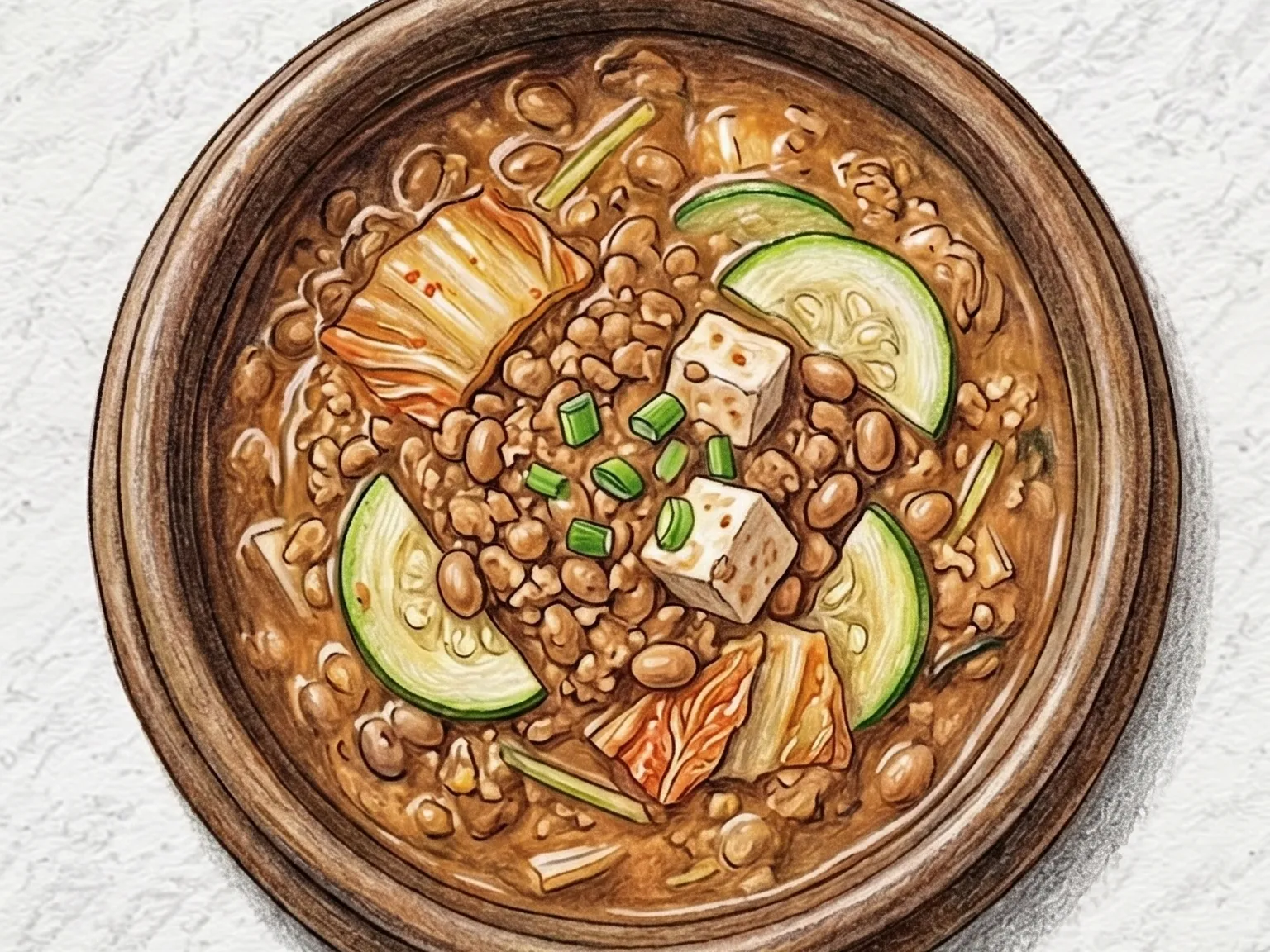
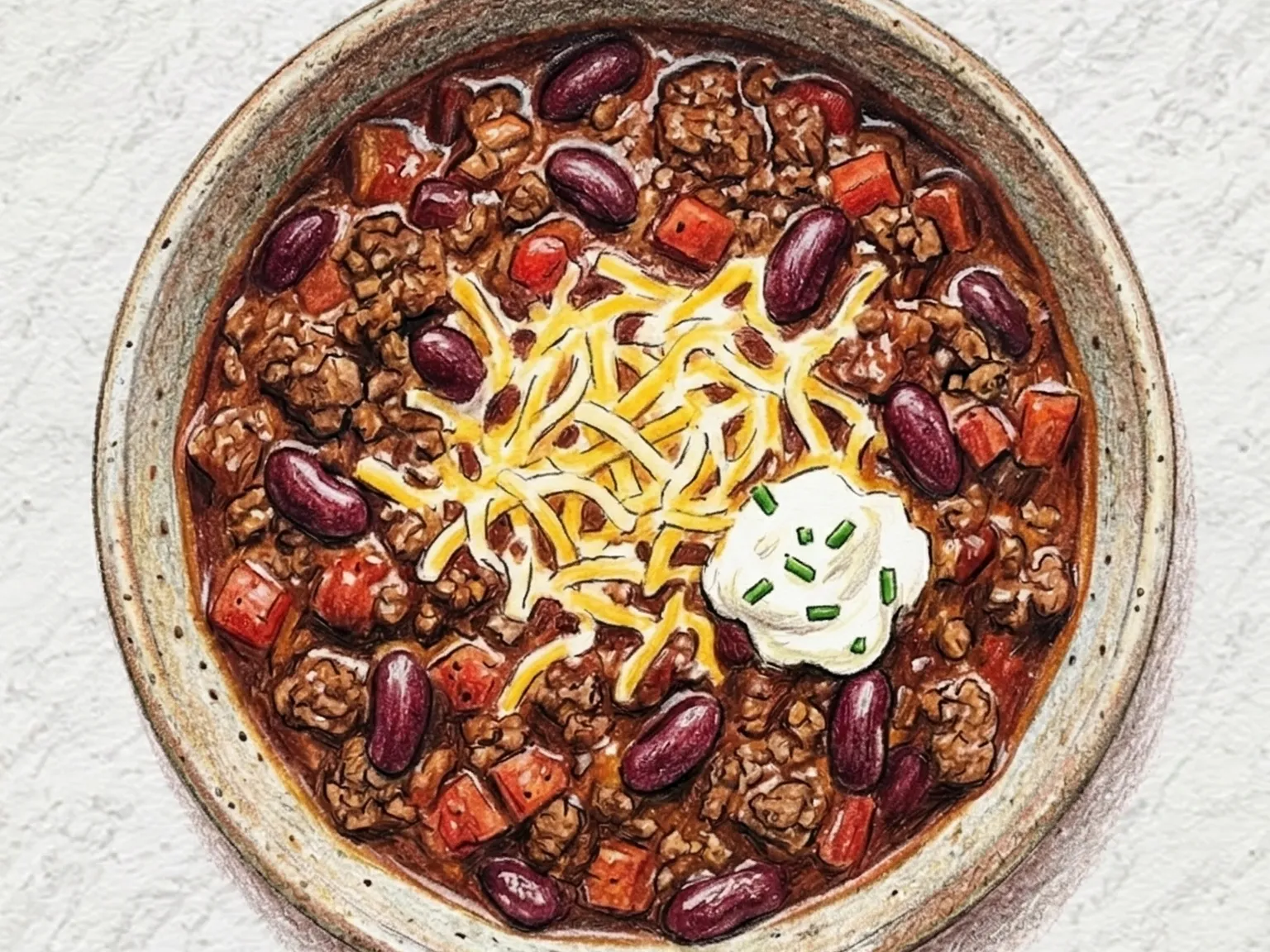
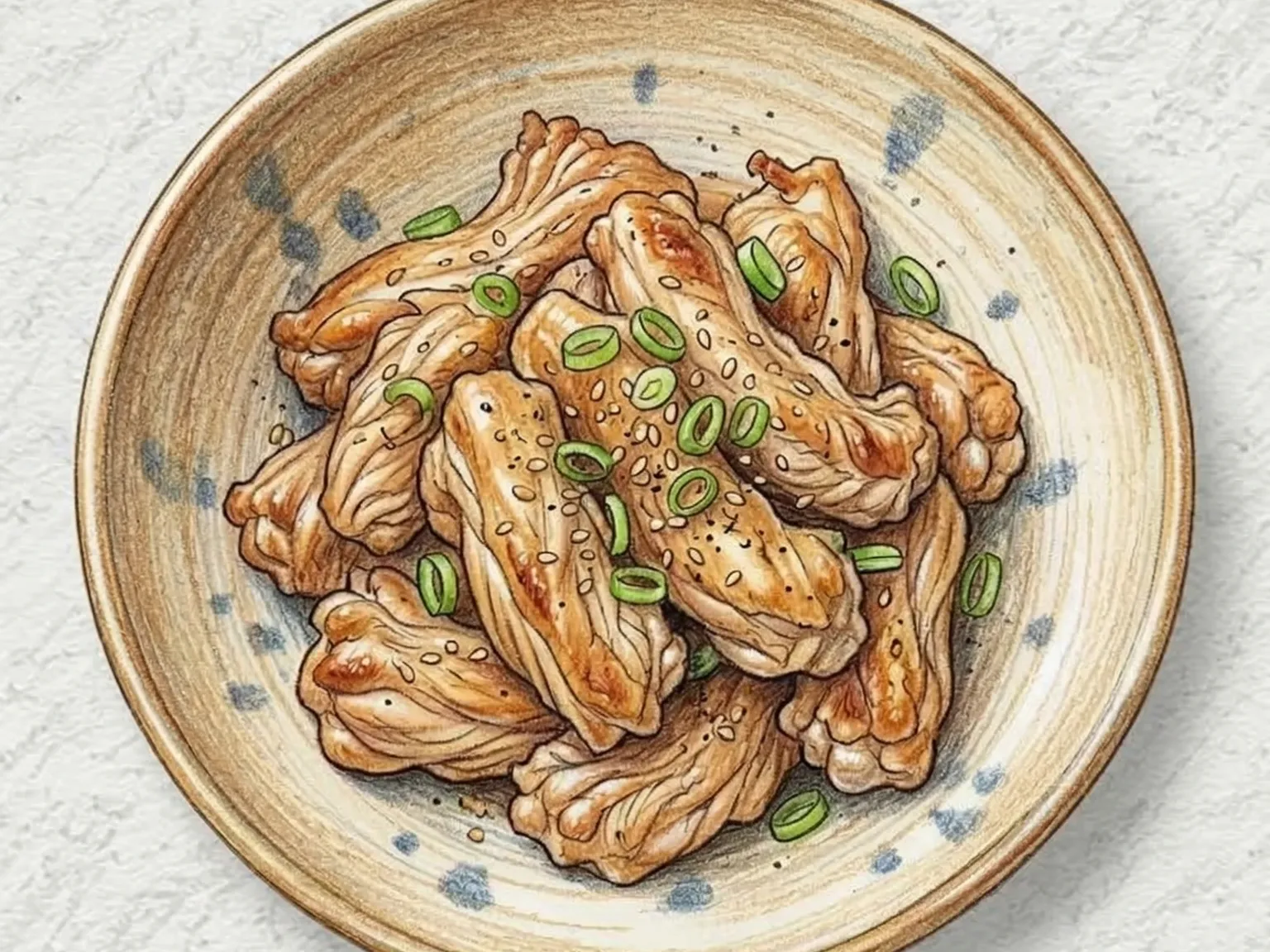
Chili con carne is a Mexican-influenced American dish that simmers ground beef, kidney beans, and diced tomatoes together with chili powder, cumin, and other spices in a single pot. Onion and garlic are cooked first to build an aromatic foundation, and the meat is browned thoroughly over high heat so the Maillard reaction develops a savory depth that simmering alone cannot produce. Adding the spices and cooking them in the fat for one minute before the liquid goes in blooms the heat and earthy character of the blend throughout the oil. Simmering on low heat for thirty minutes or more mellows the acidity of the tomatoes and allows the beans and meat to absorb the seasoning fully, producing a thick, concentrated richness. Resting the chili overnight and reheating it the following day deepens the flavor further as the spices continue to meld. Sour cream or cheese on top introduces a creamy, tangy layer that balances the bold spice profile. The heat level adjusts easily by varying the chili powder quantity, and cayenne pepper added to taste produces a sharper, more intense warmth. Soaking and cooking dried beans rather than using canned ones yields a firmer texture with more presence. The finished chili works equally well over rice, alongside tortilla chips, or as a taco filling the next day.

Chana Masala (Punjabi Spiced Chickpea Tomato Curry)
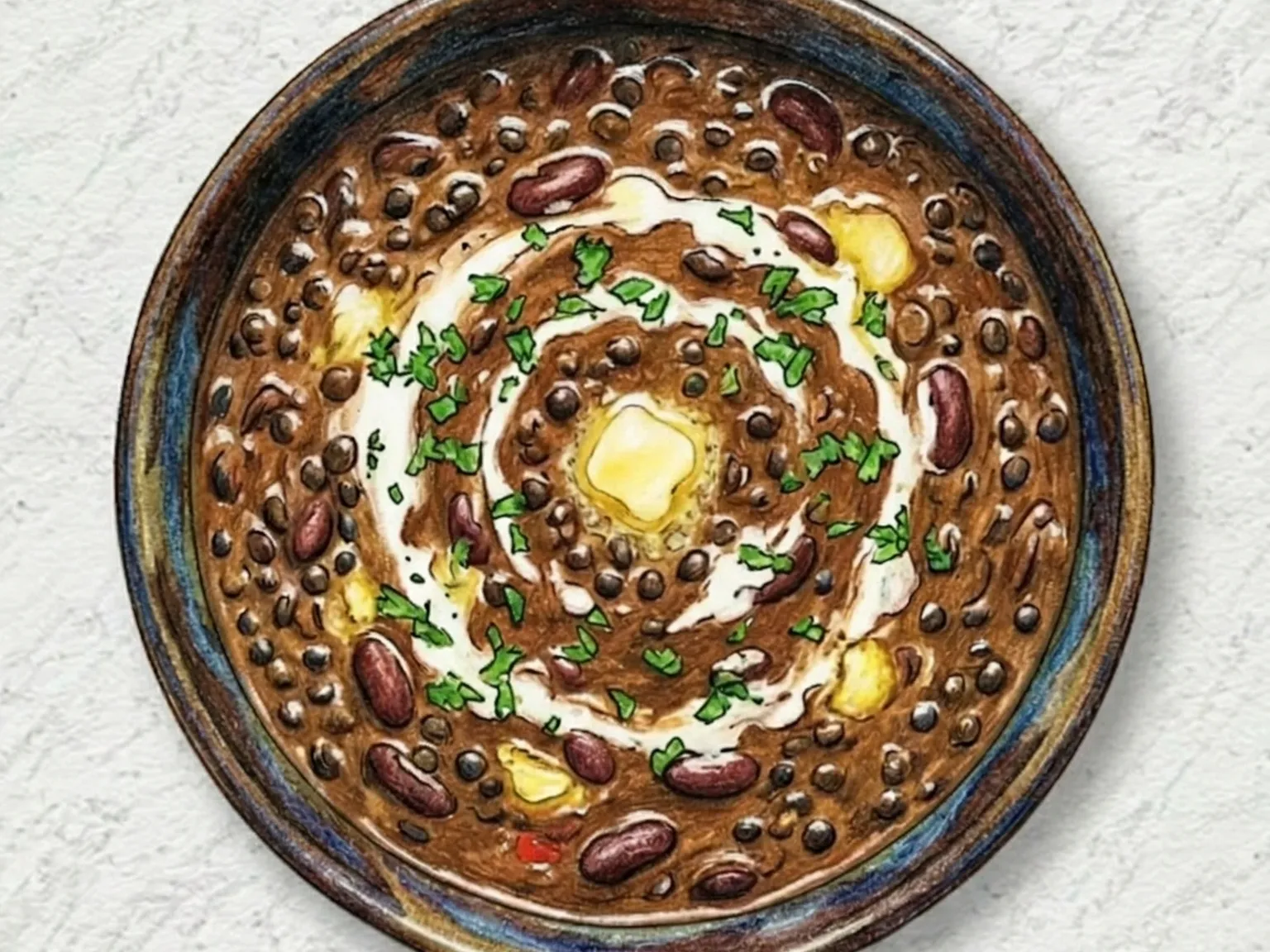
Chana masala is a staple of Punjabi home cooking and one of the most widely eaten vegetarian dishes across North India, found on the menus of dhabas, railway canteens, and five-star hotel restaurants alike. Dried chickpeas are soaked overnight and pressure-cooked until they hold their shape but yield when pressed -- the texture of the chickpea matters as much as the sauce around it. The sauce builds from finely diced onions fried until deeply browned, which provides natural sweetness and body without any cream. Tomatoes cook down with coriander, cumin, turmeric, garam masala, and amchur -- dried mango powder -- which contributes a tart, fruity acidity that sets this preparation apart from other chickpea curries and gives it a distinctive brightness no other spice replicates. The sauce should be thick and clingy, not soupy; each chickpea gets coated in a dark, spiced layer rather than sitting in loose liquid. Topped with sliced raw onion, green chili, and a squeeze of lemon, the dish pairs with bhatura -- fried bread -- as the iconic Punjabi street-food duo known as chole bhature. Scooped up with roti, the same preparation becomes an everyday weeknight meal that costs almost nothing to make.

Korean Aster Herb Namul (Blanched Mountain Greens Seasoned)
Chwinamul - aster scaber - is among Korea's most prized mountain herbs, foraged from hillsides every spring. Its broad leaves carry a distinctly bitter, herbaceous edge that sets it apart from milder greens. A one-to-two minute blanch in salted boiling water tames rawness while keeping the woodland scent intact. Using perilla oil rather than sesame oil is the key step: sauteing in perilla oil lifts and deepens the herb's wild character in a way sesame cannot replicate. The seasoning is simple - garlic and salt - whether the greens are dressed as a cold namul or briefly stir-fried. A staple of bibimbap and temple cuisine across Korea, dried chwinamul is rehydrated in cold water and cooked the same way through winter, making it a reliable pantry ingredient beyond the spring harvest.

Korean Abalone Pot Rice (Ocean-Scented Sesame Base Grain Pot)
Jeonbok sotbap is an abalone and rice dish cooked in a heavy-bottomed pot, where the process of building flavor begins before the rice itself goes in. Abalone innards are sauteed directly in the cooking vessel with sesame oil, and their distinctive green pigment dissolves into the fat and spreads a deep, marine-tinged aroma throughout the pot. Soaked rice and water are added to this scented base and the rice is cooked in the usual way, absorbing the briny fragrance into each grain. Sliced abalone meat is placed on top of the rice only when it is nearly done, then the lid is replaced for a five-minute steam that gently cooks the abalone without toughening it. Extending this resting time by two or three minutes generates a layer of nurungji, scorched rice at the bottom of the pot, that adds a crisp textural counterpoint. A sauce of soy sauce, sliced chives, minced garlic, and sesame seeds is mixed into each bowl at the table, bringing a savory, nutty accent that complements the abalone's subtle flavor.

Korean Chicken Breast and Celery Stir-fry
Bite-sized chicken breast pieces are marinated in soy sauce and minced ginger for ten minutes, then stir-fried over high heat with diagonally cut celery and thinly sliced onion. The ginger penetrates the meat during the brief rest, suppressing any bland poultry odor while leaving a bright, peppery note in the background. Soy sauce hitting the hot pan triggers a Maillard reaction on the chicken surface, building a thin layer of caramelized flavor that keeps the interior moist. Celery goes in only during the last two minutes so its stalks retain their crunch; including the leaves adds a noticeably herbal finish that sets this apart from standard chicken stir-fries. A teaspoon of oligosaccharide syrup gives the sauce just enough body to cling to each piece evenly rather than pooling at the bottom of the pan, and sliced red chili scattered in at the end contributes visual brightness more than significant heat. At 295 calories and 36 grams of protein per serving, this dish fits naturally into a post-workout meal or a calorie-conscious lunchbox without any sense of compromise.

Korean Rosé Cup Tteokbokki
A base of equal parts water and milk is whisked together with gochujang, red chili flakes, sugar, and minced garlic, then brought to a simmer before rice cakes and fish cake are added. The sauce cooks over medium-low heat long enough for the rice cakes to absorb the seasoned liquid and turn glossy. Milk fat wraps around the capsaicin in the chili paste, softening the raw heat while keeping the fermented depth of gochujang intact. Mozzarella cheese is stirred in at the very end, off the heat or with the flame nearly out, so it melts smoothly into the sauce rather than turning stringy and tough. Keeping a consistently moderate flame is the single most important technique here, because high heat causes the milk to break and the sauce to turn grainy. Serving it in a cup format means the portion cooks and cools evenly, and the open top allows excess moisture to evaporate so the final consistency is thick and coating.

Korean Grilled Fish Cake Skewers
Eomuk kkochi gui are Korean grilled fish cake skewers, a staple of street food stalls that pair naturally with tteokbokki. Square fish cake sheets are folded in zigzag layers onto wooden skewers, grilled until the surface takes on color, then brushed with a glossy sauce of soy sauce, gochujang, sugar, and minced garlic. Folding the sheets before skewering multiplies the surface area that the sauce can grip and creates layered thickness that turns each bite into a dense, bouncy chew. Dry-grilling without oil first is important: it drives off moisture from the surface so that when the sauce is applied it clings and does not slide off. A second brief pass over heat after glazing caramelizes the sugars into a lacquered sheen and intensifies the savory aroma. Tucking pieces of green onion between the folds adds another layer of flavor -- the onion's moisture steams away as it grills, releasing a sweet, mellow fragrance that gradually infuses the fish cake.

Korean Perilla Radish Soup
Deulkkae mu-guk is a Korean radish and perilla seed soup that belongs firmly to the cool-weather calendar. Sliced daikon simmers in anchovy stock for ten minutes first, releasing its clean sweetness into the broth before anything else goes in. Perilla seed powder, stirred in toward the end, thickens the liquid noticeably - its heavier, earthier fat behaves differently from sesame and coats the palate in a way plain radish broth cannot. Garlic simmers alongside the radish to build the underlying savory base. The powder must go in just before the heat is cut; leave it in too long and the toasted fragrance dissolves into the broth and disappears.

Korean Young Radish Kimchi Stew
Chonggak kimchi jjigae uses fermented whole ponytail radishes in place of the usual napa cabbage kimchi. The radish pieces retain a firm, crunchy bite even after simmering, setting this version apart from the standard stew in both texture and flavor. Pork shoulder and a generous pour of kimchi brine build a full-bodied, sharply tangy broth, and tofu added near the end rounds out the bold, spicy flavors with a soft counterweight.

Korean Steamed Tofu with Soy Sauce
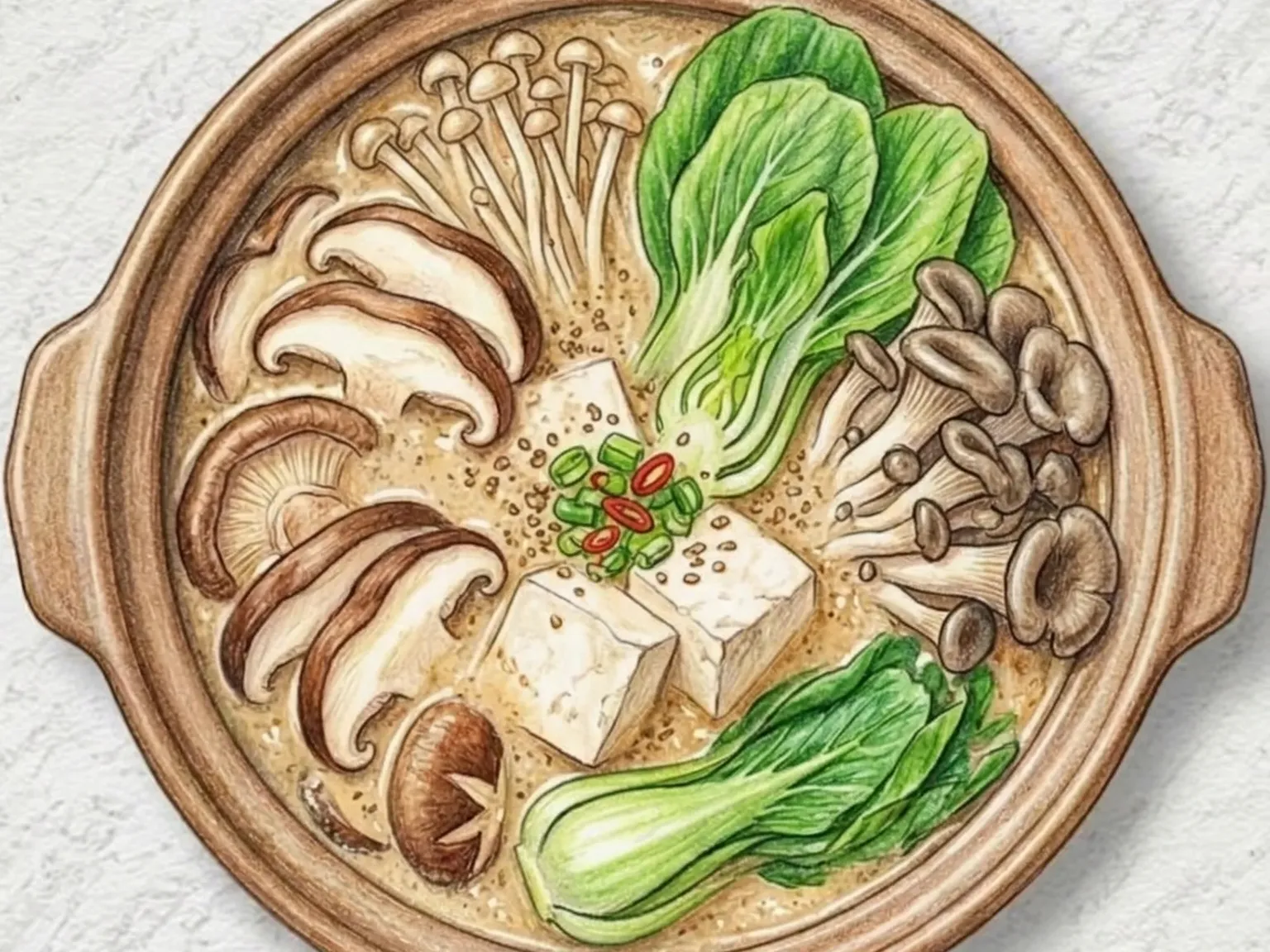
Dubu-jjim is firm tofu steamed and topped with a seasoning sauce of soy sauce, gochugaru, chopped green onion, garlic, and sesame oil. Cutting the tofu into thick slabs before steaming lets heat penetrate evenly, producing pieces with slight resistance on the outside and a silky interior. The soy and chili sauce drizzled over the warm tofu seeps into each slice, delivering salty and mildly spicy flavors throughout. Sesame oil and seeds finish with a toasted aroma. Cooked without any added oil, it is a clean, protein-rich banchan that fits well on a vegetarian spread. Lightly salting the tofu before steaming draws out excess moisture, which allows the seasoning sauce to absorb more deeply and firms up the texture.

Korean Pickled Deodeok Root
Deodeok jangajji is a traditional Korean pickle made by peeling fresh bellflower root, briefly soaking it in salted water to draw out the sharpness, splitting it lengthwise, and submerging the pieces in a hot brine of soy sauce, vinegar, water, sugar, garlic, and ginger. Pouring the brine while still at full heat quickly firms the outer surface of the root while leaving the interior tender and slightly chewy - a contrast that defines the texture of a well-made deodeok pickle. Garlic and ginger contribute layered aromatic warmth that gradually merges with the root's distinctive earthy fragrance over the course of the pickling period. Soy sauce anchors the umami and deepens the natural mountain-herb flavor of the deodeok. After a minimum of three days in the refrigerator, the brine penetrates all the way through, producing a preserve with a bold, concentrated flavor that is substantial enough to stand on its own alongside plain steamed rice.

Gochujang Vongole Linguine
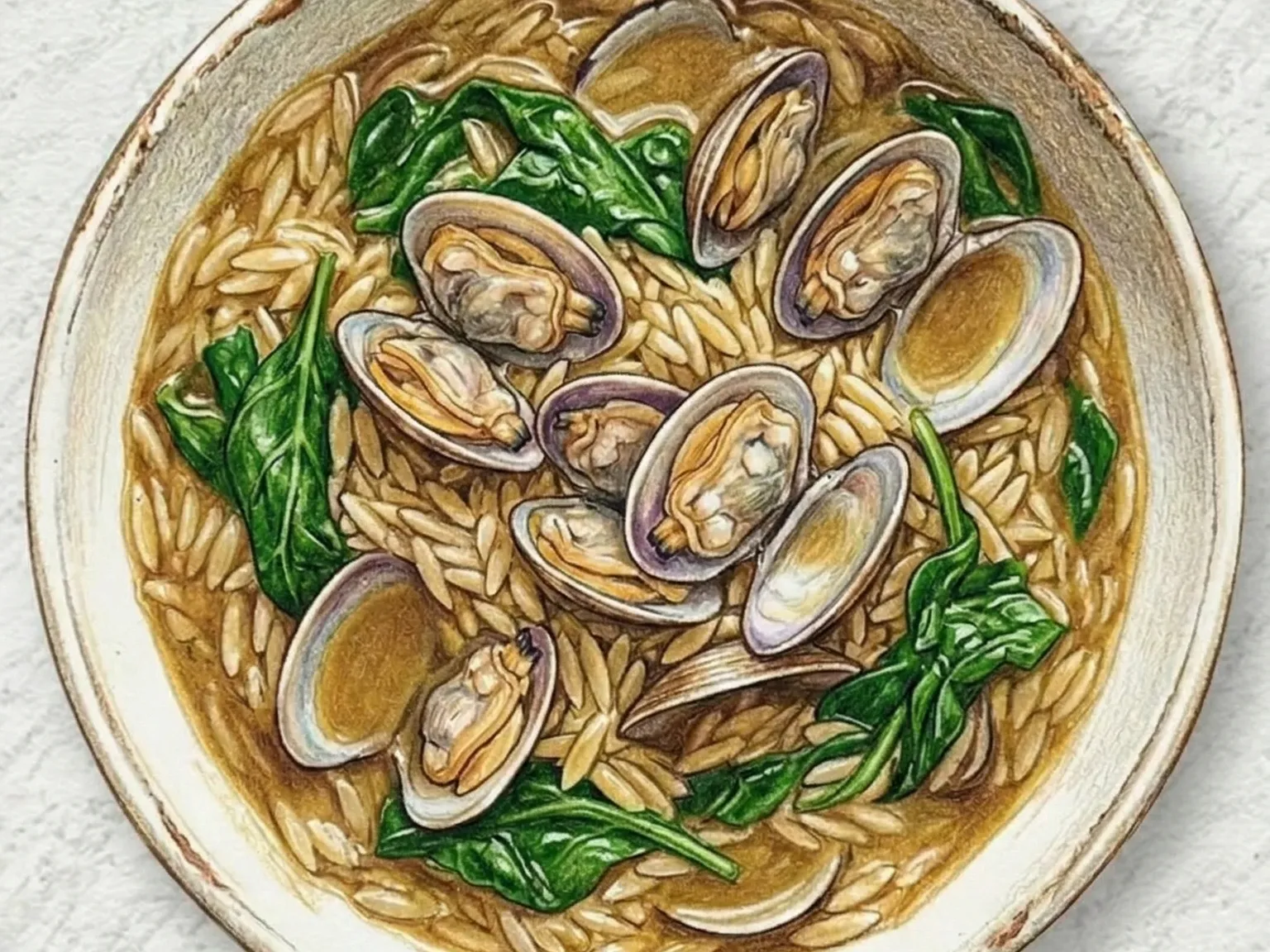
Gochujang vongole linguine brings together the briny liquor of Manila clams and the fermented heat of Korean red chili paste in a single pan. White wine steams the clams open and releases their cooking juices, which form the base of the sauce; dissolving gochujang into that liquid adds a layer of thick, complex spice that standard vongole never carries. Stirring in a knob of butter just before the heat goes off gives the sauce a glossy finish and a smooth coating texture, while parsley and black pepper anchor the flavors at the end. The most important step in the process is slicing garlic as thin as possible and frying it slowly in olive oil until the raw sharpness converts entirely into a sweet, penetrating fragrance that defines the aromatic foundation of the sauce.

Gochujang Shrimp Cream Pasta
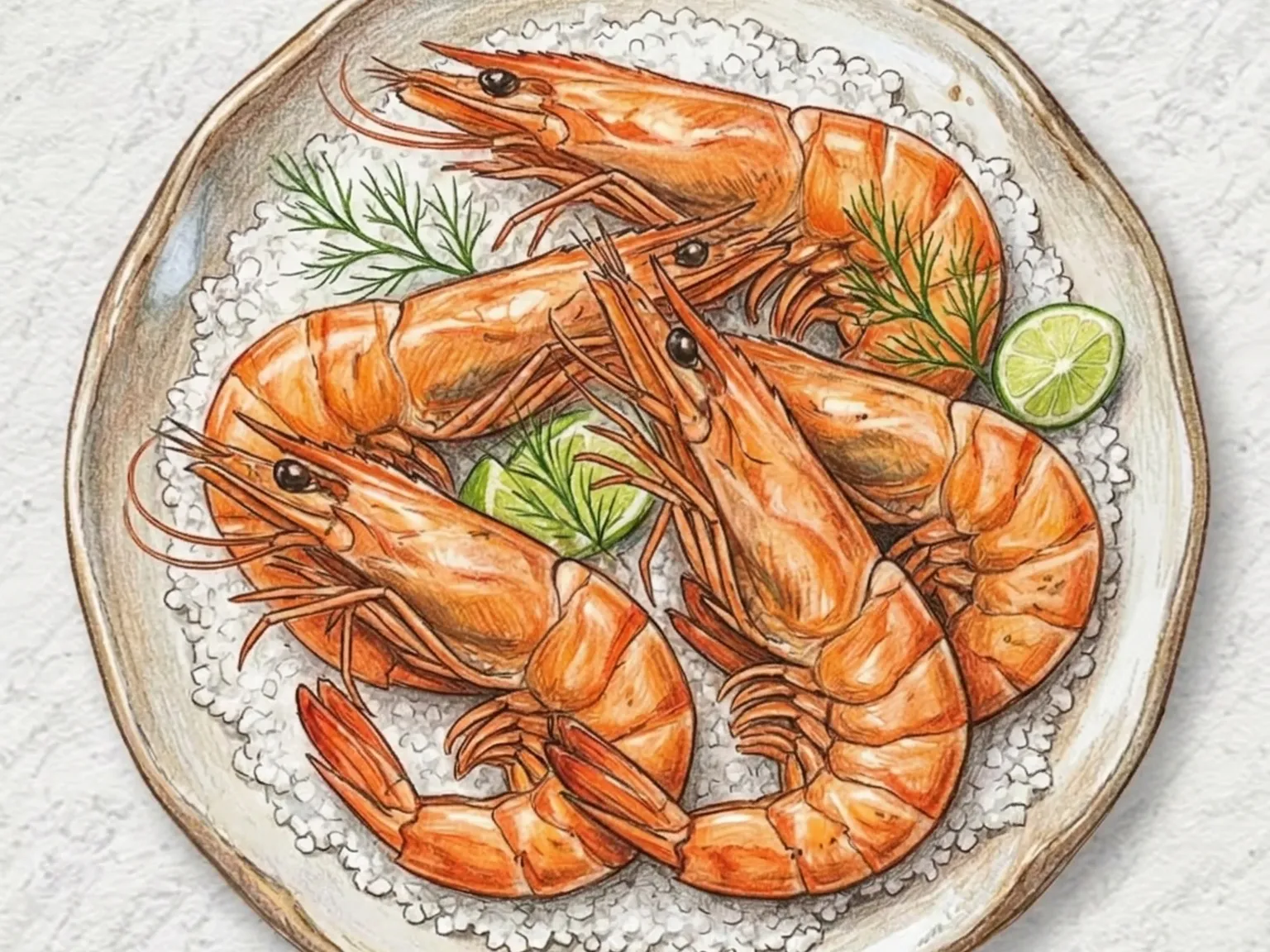
Gochujang shrimp cream pasta merges fermented Korean chili paste with heavy cream into a single cohesive sauce. Shrimp are seared at high heat first to develop a caramelized crust, then folded into the gochujang-cream mixture along with milk and garlic. The fermented depth of gochujang operates differently from straightforward chili heat: it carries malty sweetness and umami that reinforce the dairy richness rather than cutting against it, building a layered flavor the sauce would not achieve with fresh chili alone. Parmesan grated into the pan adds salt and nuttiness that round out the finish, while reserved pasta water lets the cook dial in the consistency. The result coats each strand of pasta in a glossy, spiced cream. The entire dish comes together in around 20 minutes, keeping the shrimp firm and the sauce smooth.

Cioppino (Italian-American Seafood Tomato Wine Stew)
Cioppino is an Italian-American seafood stew where shrimp, mussels, and white fish are simmered in a tomato and white wine broth built on fish stock. Sauteing onion and garlic in olive oil until fully softened forms the aromatic base, then white wine is added and reduced for two minutes to cook off the raw alcohol before the tomatoes and stock go in. Fifteen minutes of simmering concentrates the broth and integrates the flavors before any seafood enters the pot. Adding mussels first, then fish fillets, then shrimp last accounts for their different cooking times and prevents any piece from going rubbery or dry. The broth that results combines the brine drawn from the shellfish, the acidity of tomatoes, and the clean brightness of the wine into a complex, deeply savory liquid. Crusty bread served alongside is not optional in the traditional sense; soaking it in the stew is the standard way to consume every last bit of the broth. The dish originated with Italian immigrant fishermen in San Francisco who pooled the day's leftover catch into a communal pot.

Cantonese Honey Char Siu (Glazed BBQ Pork with Five-Spice Honey)
Char siu is the defining roasted meat of Cantonese cooking, recognizable by the lacquered sheen and reddish-amber color of the cuts hanging in the windows of siu laap shops across Hong Kong and Guangzhou. Pork neck or shoulder is the preferred cut because the fat distribution throughout the muscle fibers keeps the meat moist during the high-temperature roast. The marinade combines soy sauce, hoisin sauce, five-spice powder, Shaoxing rice wine, and honey. Five-spice - star anise, cassia cinnamon, cloves, Sichuan pepper, and fennel seeds ground together - contributes an aromatic complexity that bridges the saltiness of soy and hoisin with the sweetness of honey. After an overnight marinade, the meat roasts at high heat while being basted repeatedly with a honey glaze that lacquers the surface with successive layers of caramel. The traditional method suspends the pork on hooks inside a lychee charcoal oven, exposing every surface to radiant heat and allowing fat to drip away freely. This technique produces a crust that is sweet and concentrated on the outside while the interior stays fatty and juicy. The edges of the cut, where the honey carbonizes against the direct heat, develop a thin, slightly bitter char that is the most prized part of any char siu. Char siu is eaten sliced over rice as a complete one-plate meal, piled over wonton noodles, or served cold with hot English mustard as a simple appetizer.

Korean Chwinamul with Doenjang
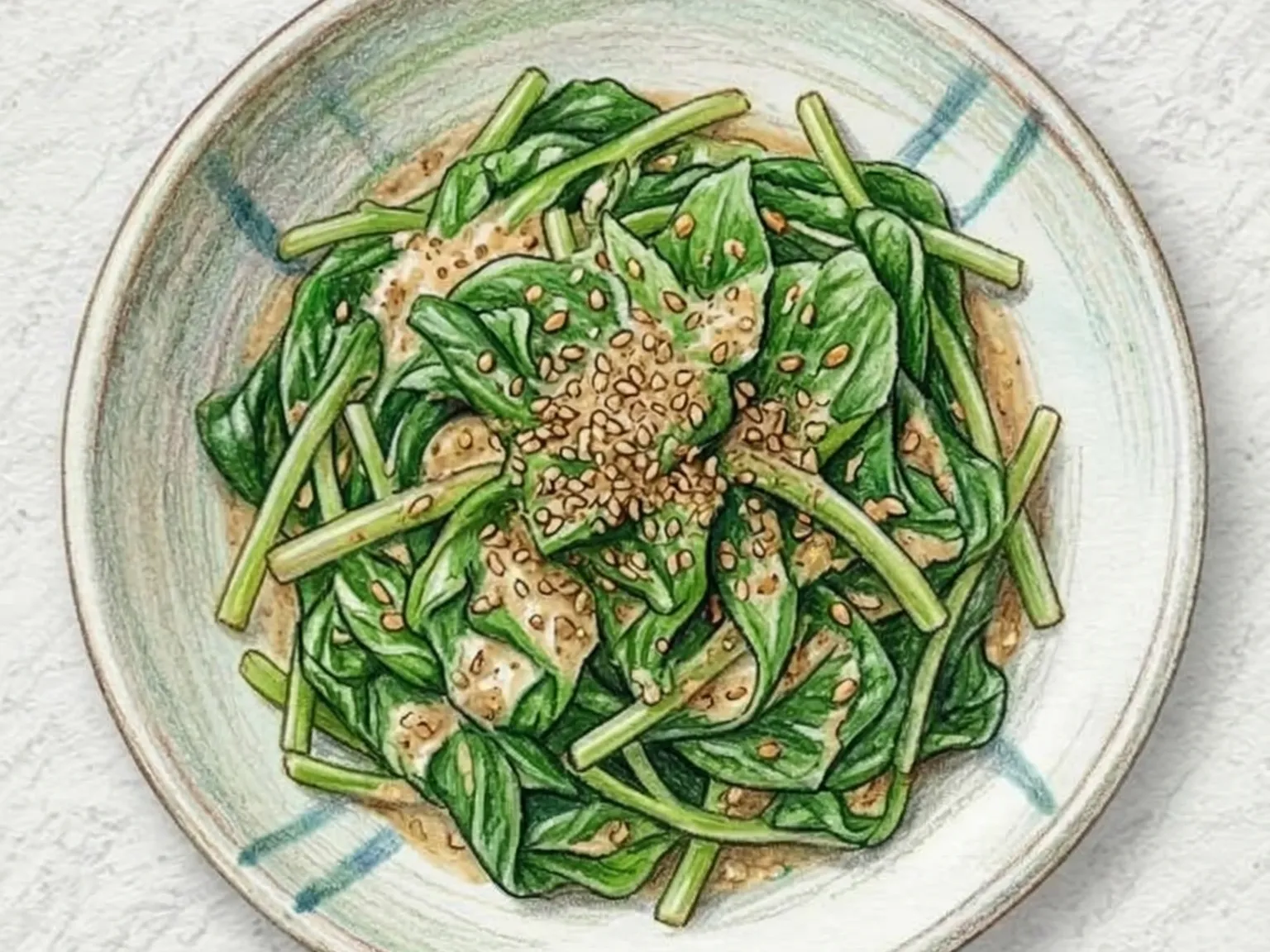
This banchan brings together chwinamul, a foraged spring green with a pronounced bitter edge, and doenjang, Korea's pungent fermented soybean paste, producing a side dish where two assertive flavors push against each other and settle into something deeper than either alone. The greens are blanched for two minutes, squeezed firmly to remove excess water, and cut to an even length before seasoning. Doenjang, soup soy sauce, minced garlic, sesame oil, and perilla powder are added and worked in by hand, pressing the thick paste into the porous leaf tissue so that the salty, fermented depth clings to every strand and the seasoning does not slide off during plating. The natural bitterness of the chwinamul does not disappear under the doenjang but transforms instead, losing its sharpness and becoming layered and rounded. Letting the dressed greens rest for five minutes before serving allows the seasoning to penetrate fully, which sharpens and deepens the overall flavor in a way that is noticeable even from the first resting period. In winter months, dried chwinamul soaked overnight in cold water is used instead of fresh; the texture is softer and less fibrous but the compatibility with doenjang holds completely.

Korean Spicy Pork Rice Bowl
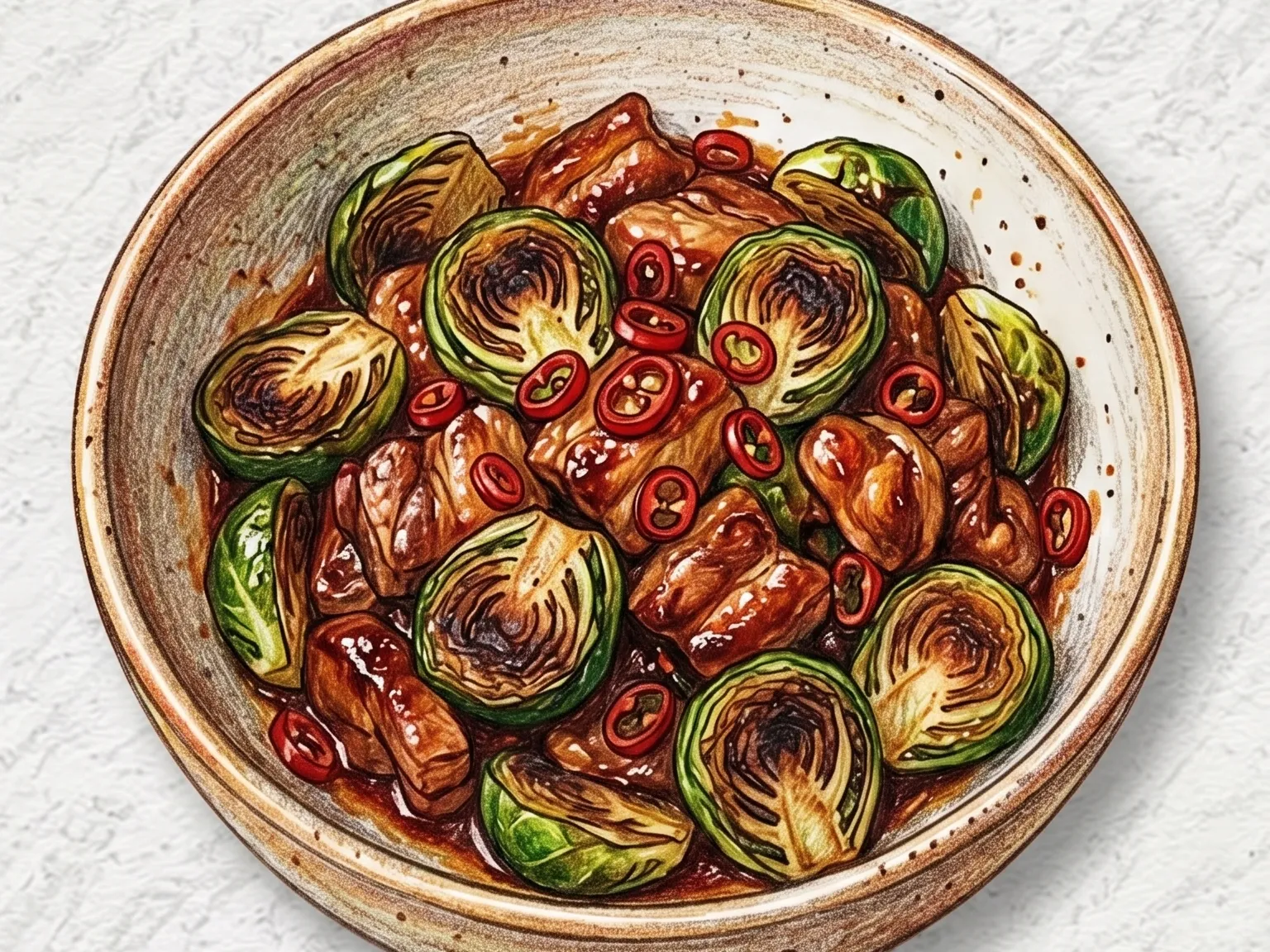
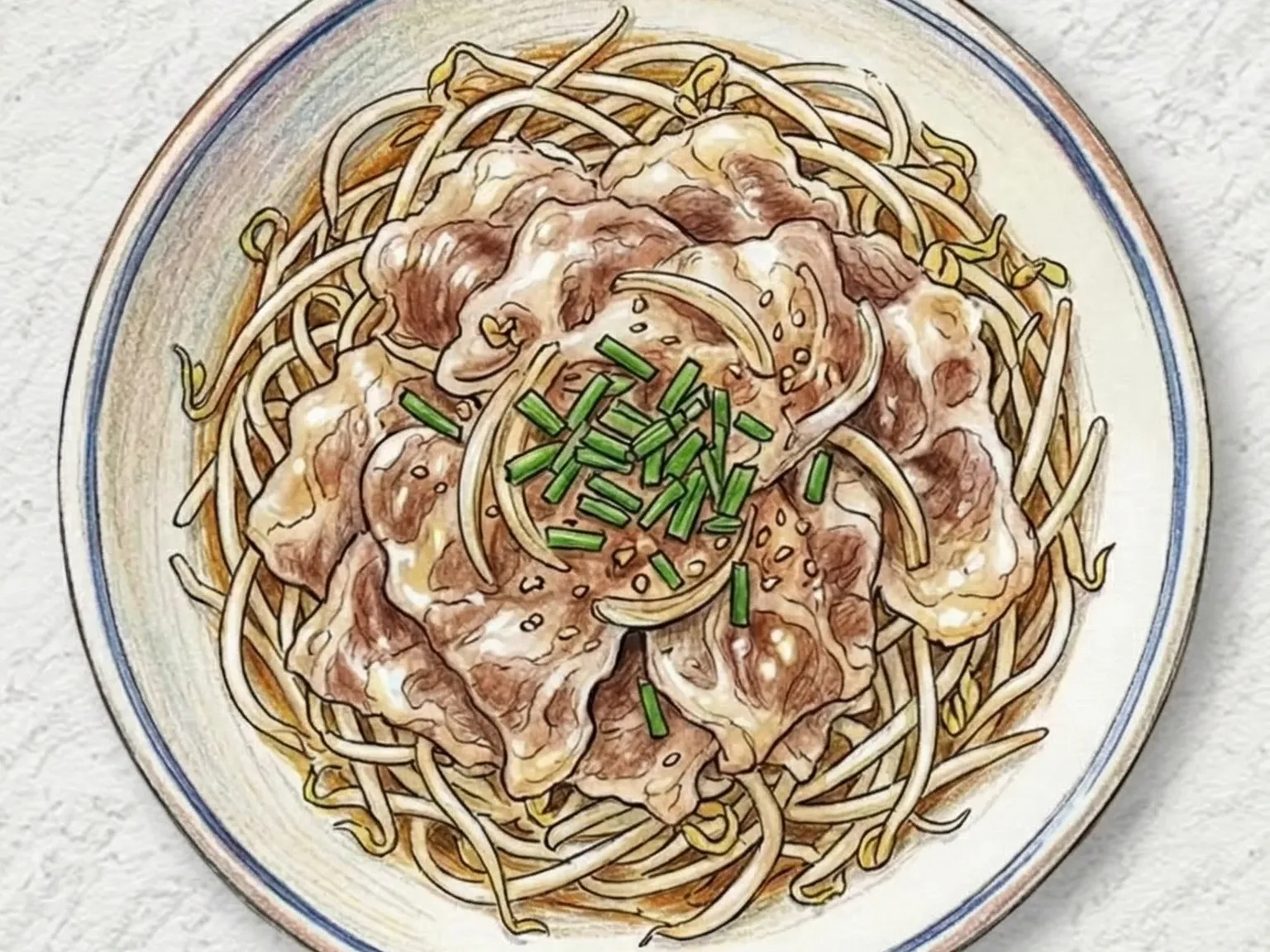
Pork shoulder is sliced into strips, marinated in gochujang, chili flakes, soy sauce, garlic, and sugar for ten minutes, then stir-fried over high heat until the edges caramelize. Onion goes in first to build sweetness, and green onion added at the end brings a sharp, fresh bite that cuts through the spicy-sweet glaze. A final drizzle of sesame oil rounds out the aroma. Served over steamed rice, the bold sauce coats every grain, making this a satisfying single-bowl meal that comes together in under thirty minutes.

Stir-fried Bok Choy (Bok Choy with Garlic and Oyster Sauce Glaze)
Halved bok choy is stir-fried with sliced garlic over high heat for two minutes, then finished with oyster sauce and soy sauce in a one-minute reduction that glazes every leaf and stem. The thick white stalks need significantly more heat than the tender green leaves, so placing them cut-side down first or adding the leaves halfway through prevents the greens from wilting to mush while the stems remain undercooked. Oyster sauce lends a concentrated umami depth to the otherwise mild vegetable, and a splash of 40 milliliters of water helps the sauce flow between the tightly packed stems so seasoning reaches every layer rather than coating only the outer surfaces. Black pepper and sesame oil are added only after the pan leaves the flame so their volatile aromas stay intact on the plate. Bok choy continues releasing moisture after it is plated, so serving immediately is critical to preserving the contrast between crisp stalks and just-wilted leaves. Waiting even a few minutes allows the released liquid to dilute the sauce and soften the texture. At 105 calories per serving, this is a light side dish that still provides meaningful amounts of vitamin A and calcium. For a Sichuan-style variation, replacing a portion of the oyster sauce with doubanjiang adds a spicy, reddish character without requiring additional chili oil. The dish is common across East and Southeast Asian home kitchens under various names but the technique of separating stalk and leaf cook times is universal to cooking bok choy well.

Korean Shrimp Mandu (Chunky Shrimp and Pork Dumplings)
Saeu-mandu are Korean dumplings filled with coarsely chopped shrimp, ground pork, garlic chives, and onion. The shrimp is intentionally left in chunky pieces so each bite delivers a distinct pop of texture alongside the pork. The filling is seasoned with sesame oil and garlic, keeping the flavor clean with a gentle seafood sweetness underneath. Steaming turns the wrappers translucent and lets the pink shrimp show through, while pan-frying gives a golden, crisp bottom that contrasts with the soft upper shell.

Korean Grilled Eggplant (Soy Garlic Glazed Charred Eggplant)
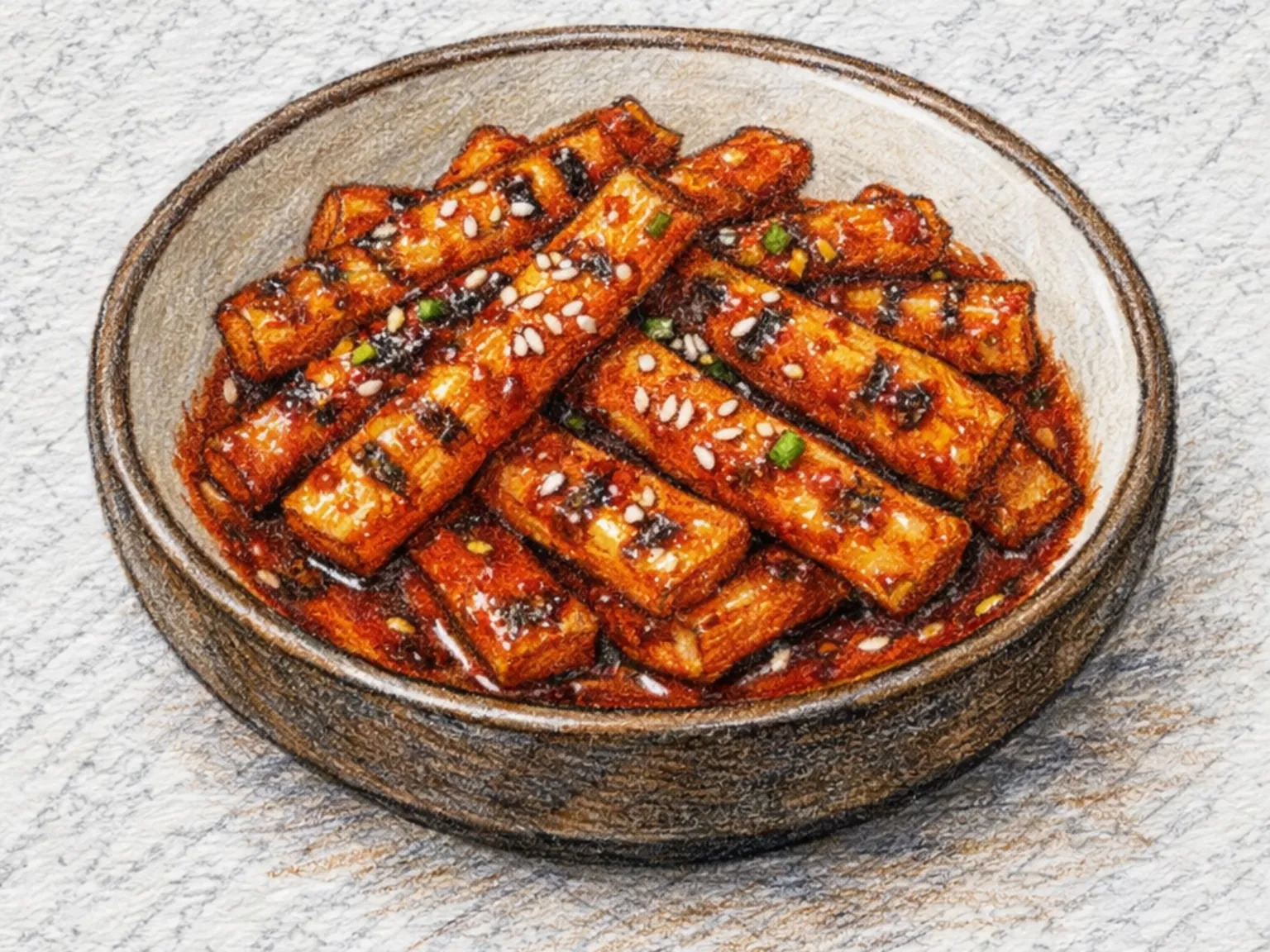
Gaji-gui is Korean grilled eggplant, halved lengthwise, scored, and cooked slowly over medium heat until the flesh turns soft and creamy while the skin side holds a slight firmness. Salting the cut surface and resting it for ten minutes before cooking pulls out bitter moisture through osmosis and also reduces how aggressively the eggplant absorbs oil during grilling. The scoring pattern is functional as well as visual, creating channels that allow heat to penetrate into the thick interior so the eggplant cooks through evenly rather than remaining hard at the center while the outside chars. Covering the pan after laying the eggplant cut-side down traps steam and gently cooks the flesh from within. A sauce of soy sauce, sesame oil, Korean chili flakes, minced garlic, and sliced green onion is spooned over the grilled surface while the eggplant is still hot, and the residual heat releases the fragrance of garlic and sesame oil while the liquid seeps into the scored channels and seasons the interior. Toasted sesame seeds scattered over the top add a final layer of nuttiness that gives the otherwise mild eggplant the complexity needed to hold its own as a proper banchan.

Korean Perilla Chicken Soup
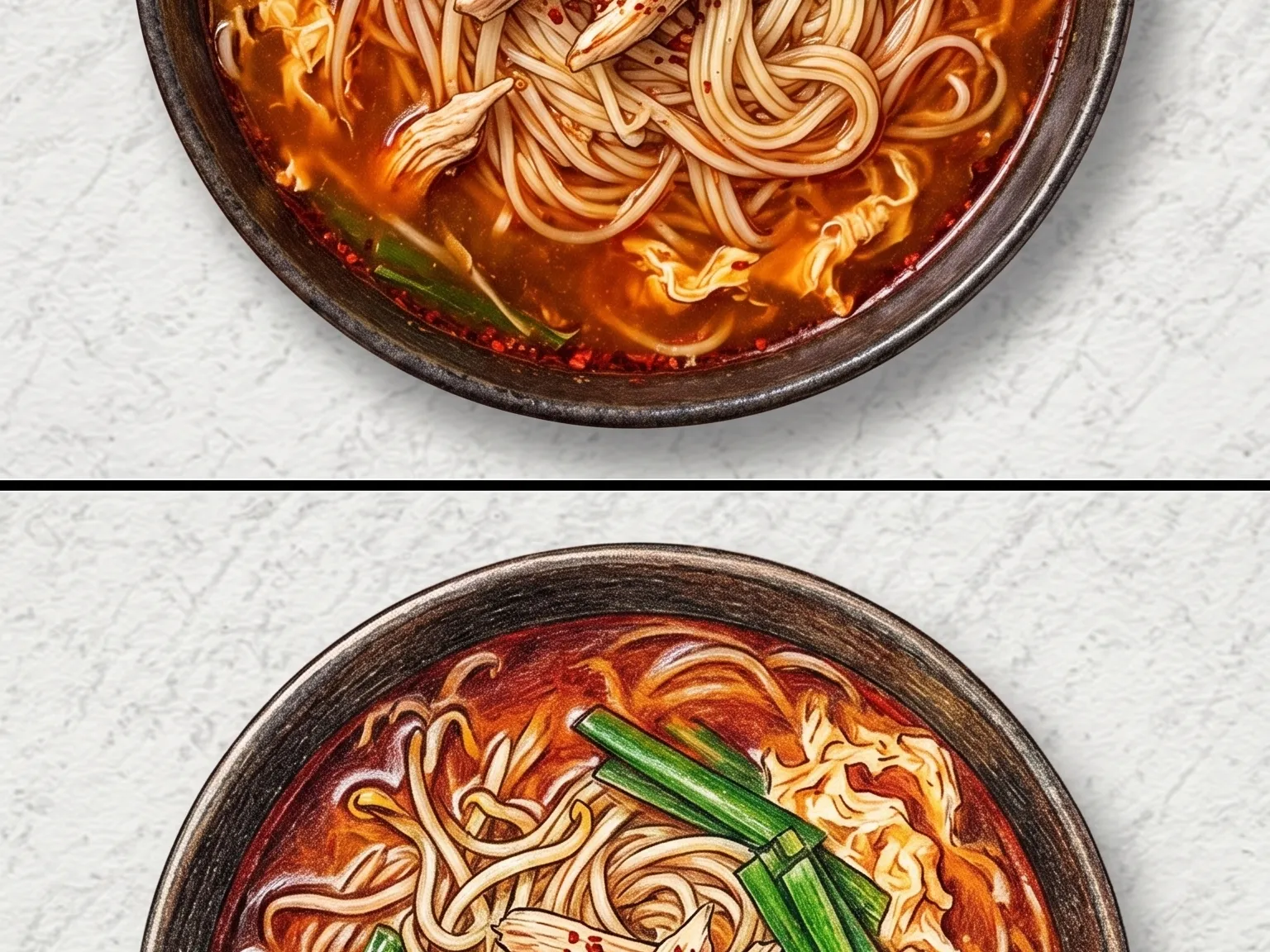
Deulkkae samgye-guk is a perilla-enriched Korean chicken soup that delivers the warming, restorative depth of samgyetang with a considerably simpler preparation -- no glutinous rice to stuff, no ginseng required, just chicken pieces and perilla seed powder. The chicken is cut into large pieces and placed in cold water from the start, then simmered for forty minutes so the collagen and flavor compounds dissolve gradually into the broth, turning it milky and full-bodied. Perilla powder must be pre-dissolved in a small cup of water before being stirred in -- adding it dry causes it to clump -- and ten more minutes of gentle simmering allows its oils to emulsify fully into the chicken stock, creating a broth with a smooth, nutty coating on every sip. Seasoning with only soup soy sauce and salt lets the natural savoriness of the chicken and the distinctive fragrance of perilla come through without distraction. Rich in the omega-3 fatty acids of perilla seed and the protein of chicken, this soup is eaten as a restorative meal during hot summers and whenever energy levels drop.