Charim

2686 Korean & World Recipes

2686+ Korean recipes, clean and organized. Ingredients to instructions, all at a glance.

Recipes with garlic

24 recipes

Buy garlic
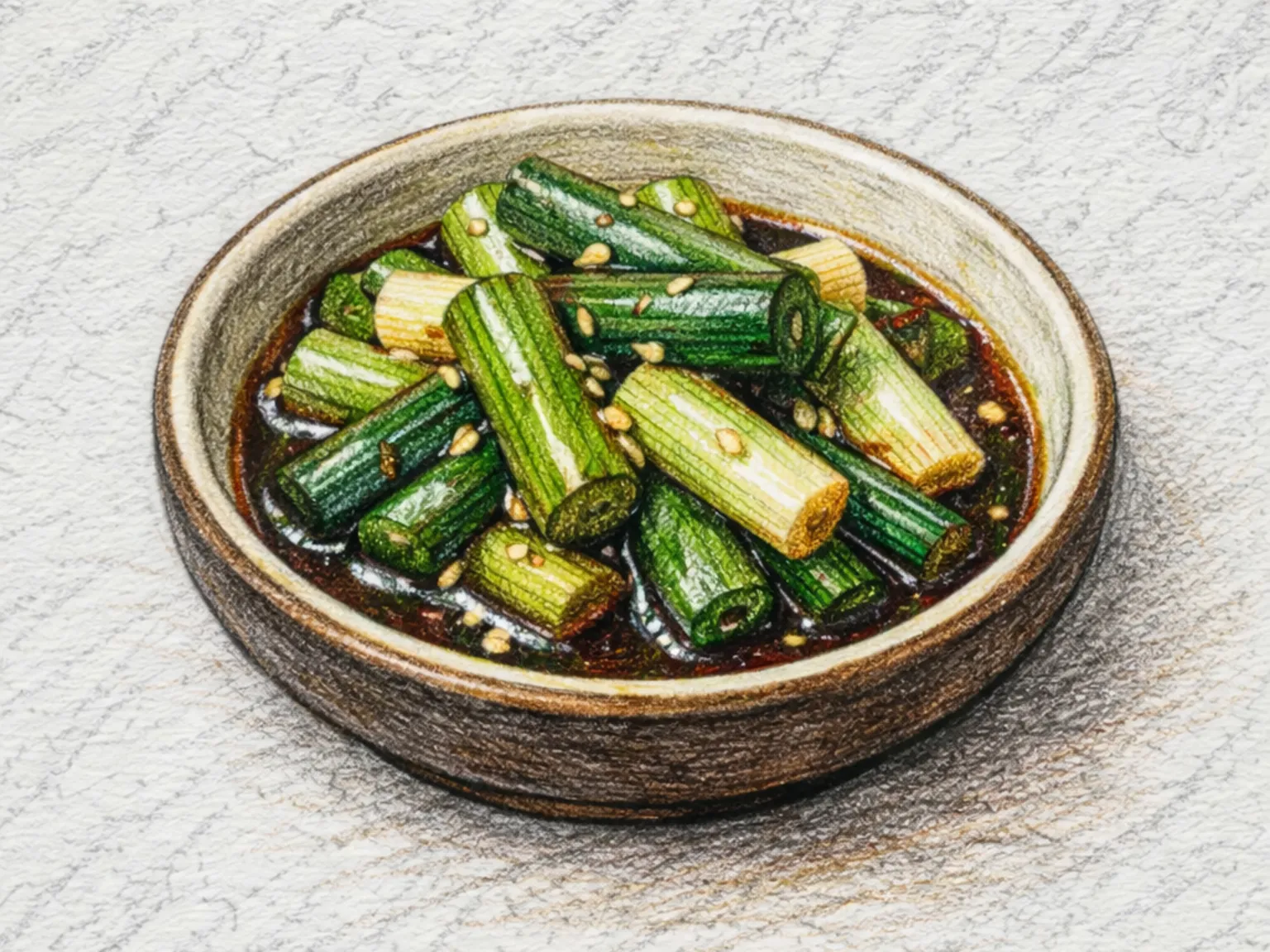
Korean Loach Stew (Ground Loach & Perilla Seed Pot)
StewsHard

Korean Loach Stew (Ground Loach & Perilla Seed Pot)

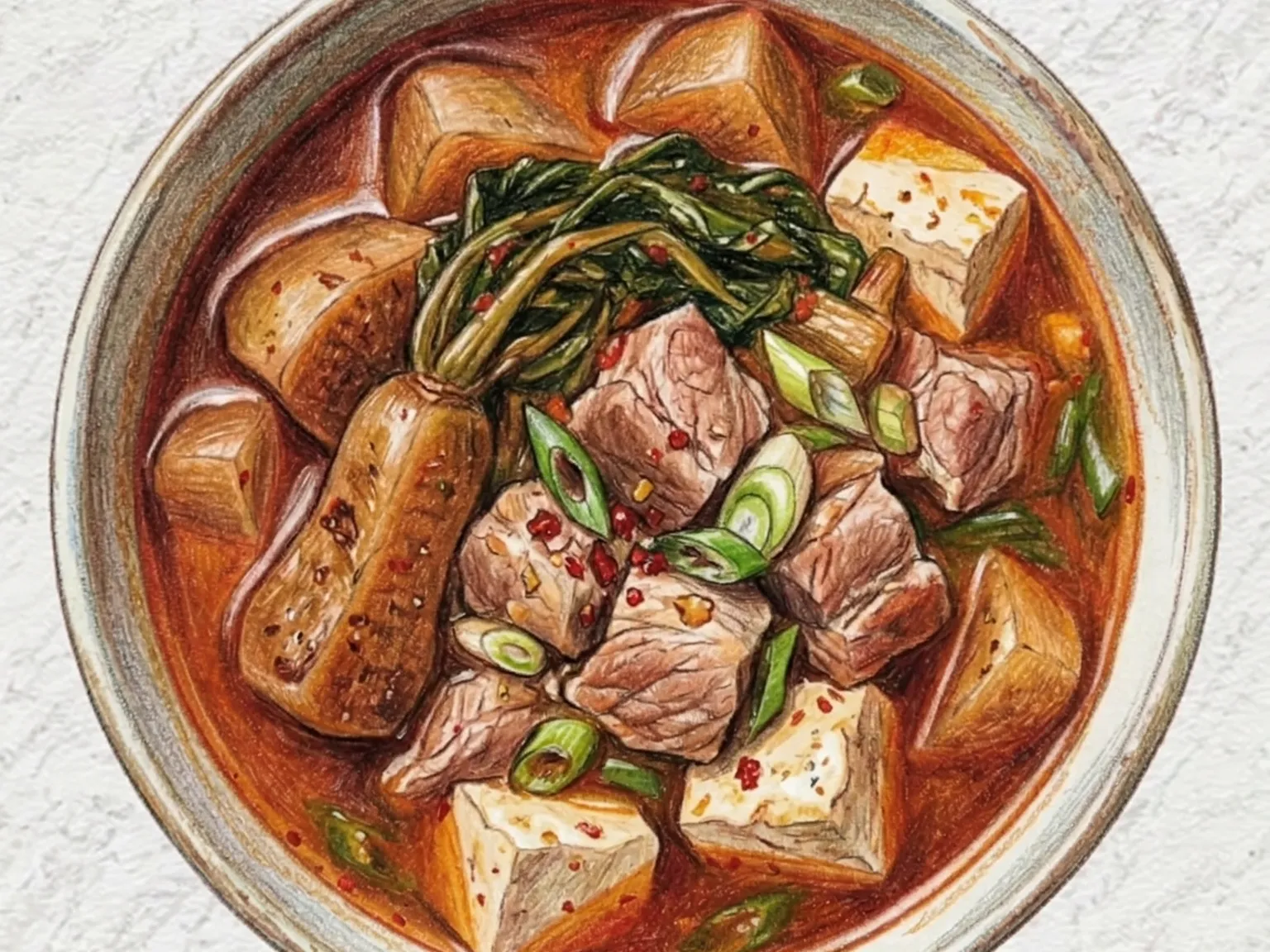
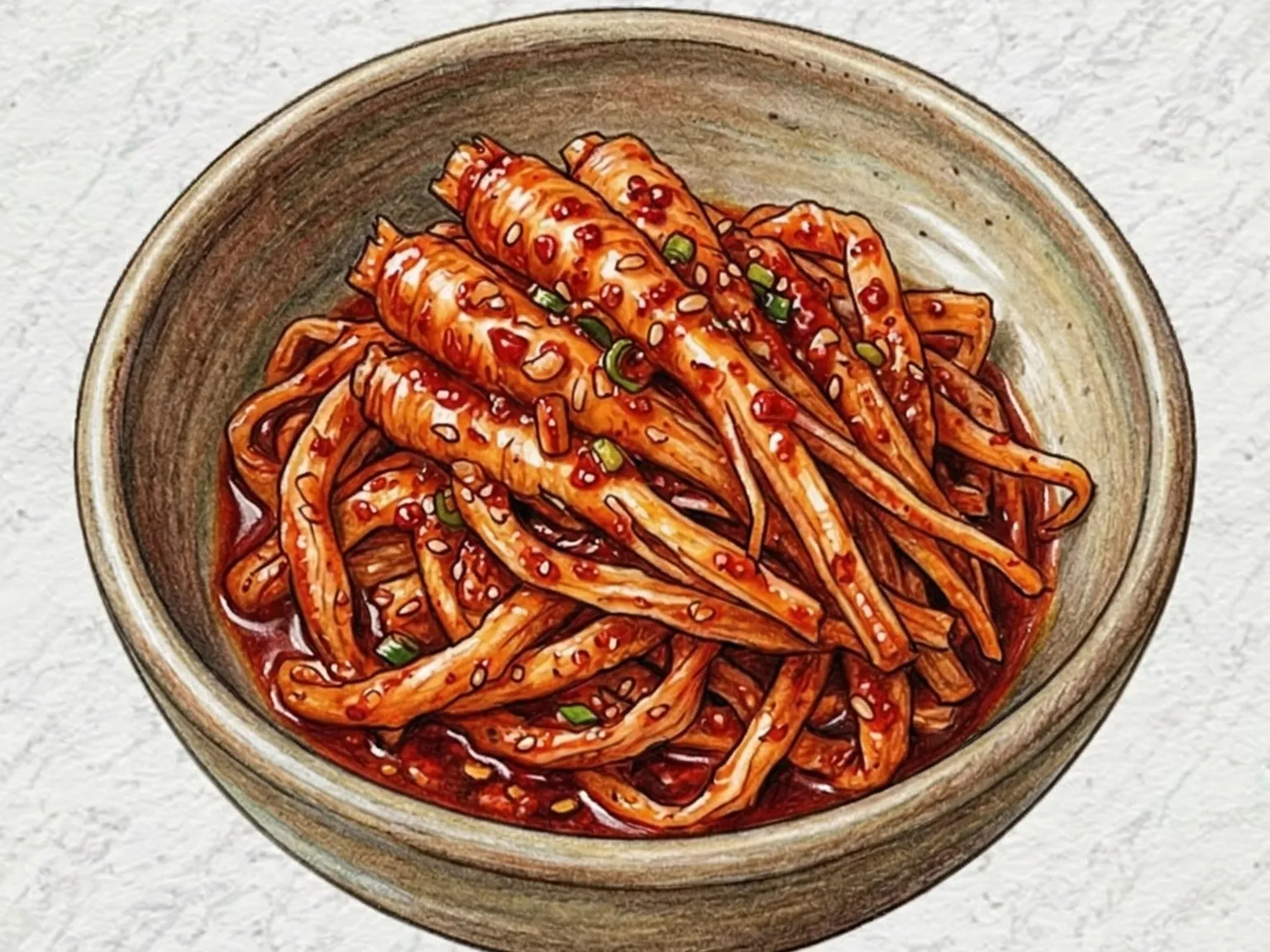
Finely grinding whole loach into the broth creates the distinctive, porridge-like consistency that defines this traditional Korean stew. Long recognized as a restorative autumn dish, it achieves a heavy body without the use of fatty meats, setting it apart from thinner soybean paste soups. Perilla seed powder introduces a nutty oiliness to the liquid, while dried radish greens contribute an earthy bitterness that grounds the heavy base of fermented soybean and chili pastes. Garlic and green onions establish a savory foundation, and red chili powder supplies a dark color and a layer of sharpness. An alternative preparation involves cooking the fish whole rather than grinding it, which results in a thinner broth where the soft flesh naturally detaches from the bones during the boiling process. This method provides a contrasting texture that is absent in the ground version. Adjusting the ingredients can shift the character of the dish: adding more dried radish greens increases the fibrous texture and bitter edge, while a larger portion of perilla powder emphasizes the nutty qualities. When the stew arrives at the table boiling in a stone pot, the rising steam carries a heavy, concentrated scent that fills the immediate air.

🎉 Special Occasion
Prep 25minCook 30min4 servings
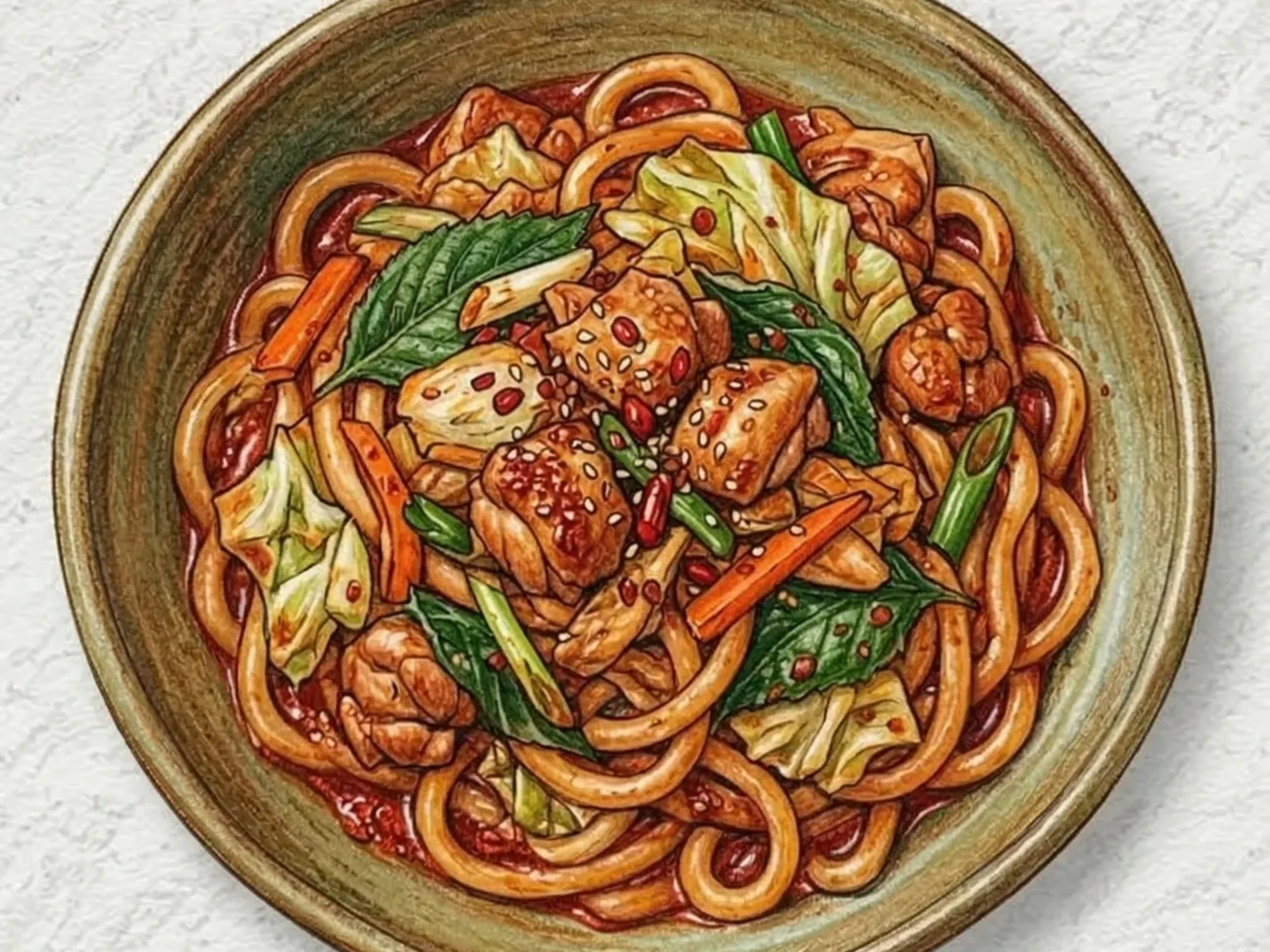
Korean Braised Tofu with Kimchi
SteamedEasy

Korean Braised Tofu with Kimchi

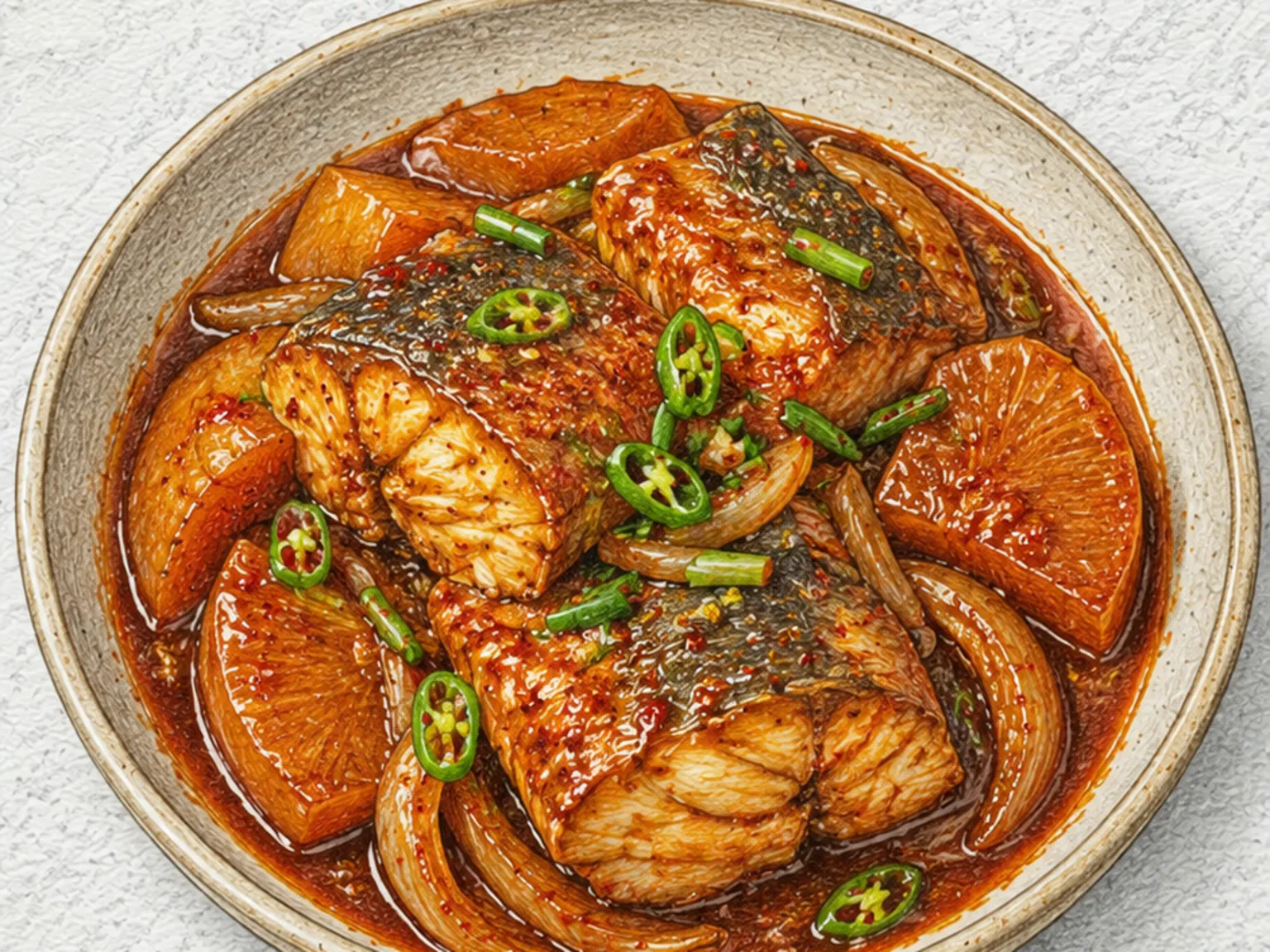
Dubu-kimchi-jorim is firm tofu braised with well-fermented aged kimchi in a sauce of soy sauce, gochugaru, minced garlic, and a pinch of sugar. The sharp acidity of the aged kimchi mellows during braising while its deep, fermented flavor remains fully intact. The tofu absorbs the chili-stained braising liquid like a sponge, carrying the kimchi flavor into every bite. Sugar takes the edge off the sourness just enough, and sesame oil stirred in at the end ties all the flavors together. Pressing the tofu before cooking prevents excess moisture from diluting the sauce, and pan-frying the pieces until golden on both sides before braising creates a firmer surface that holds together better. This dish is an efficient way to use kimchi that has sat in the refrigerator for months, as the stronger the sourness, the better suited it is for braising. Adding thinly sliced pork shoulder deepens the flavor considerably. It goes best spooned generously over a bowl of hot steamed rice.

🏠 Everyday🍱 Lunchbox
Prep 10minCook 20min2 servings
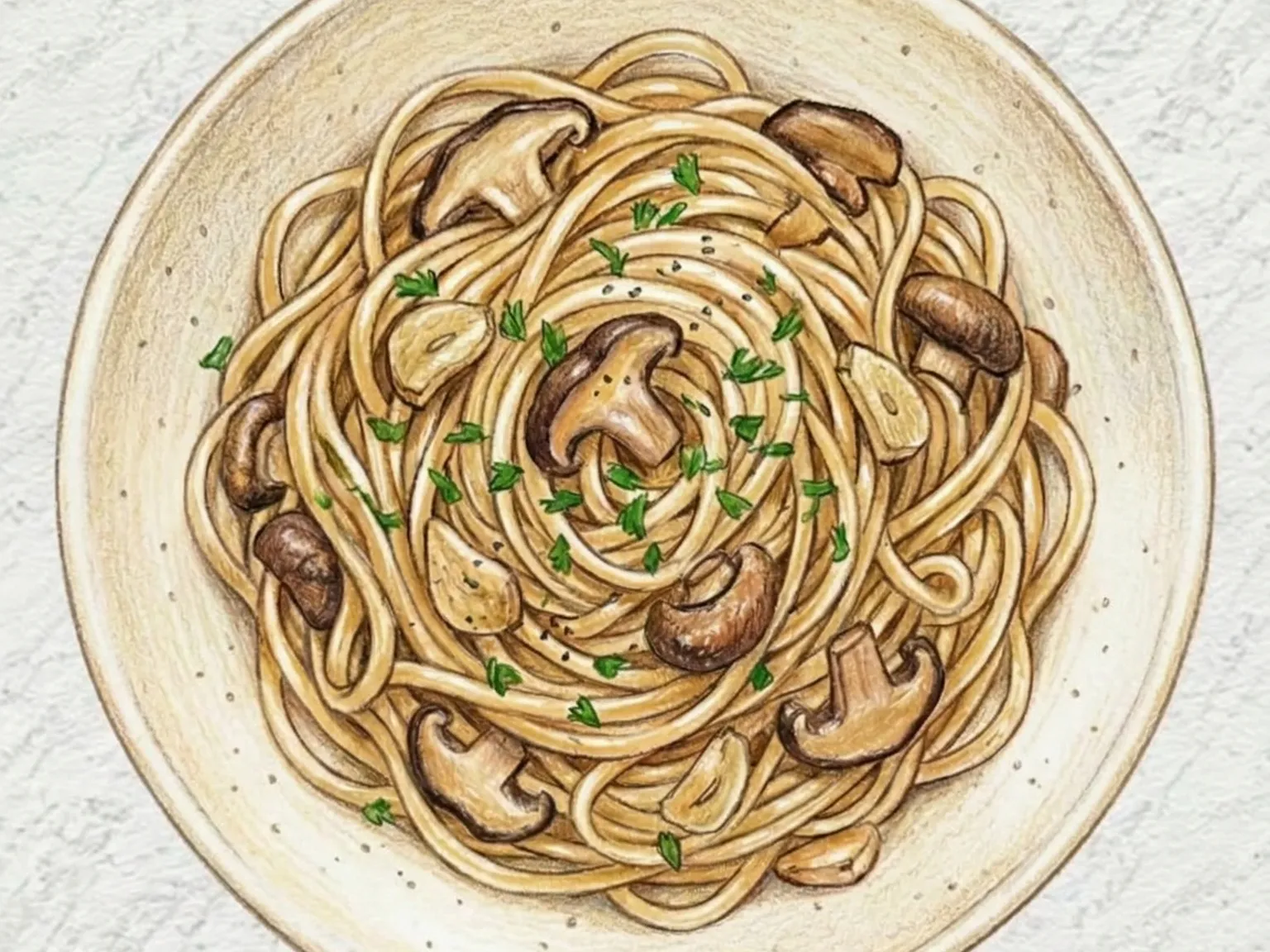
Korean Sedum Water Kimchi
KimchiEasy

Korean Sedum Water Kimchi

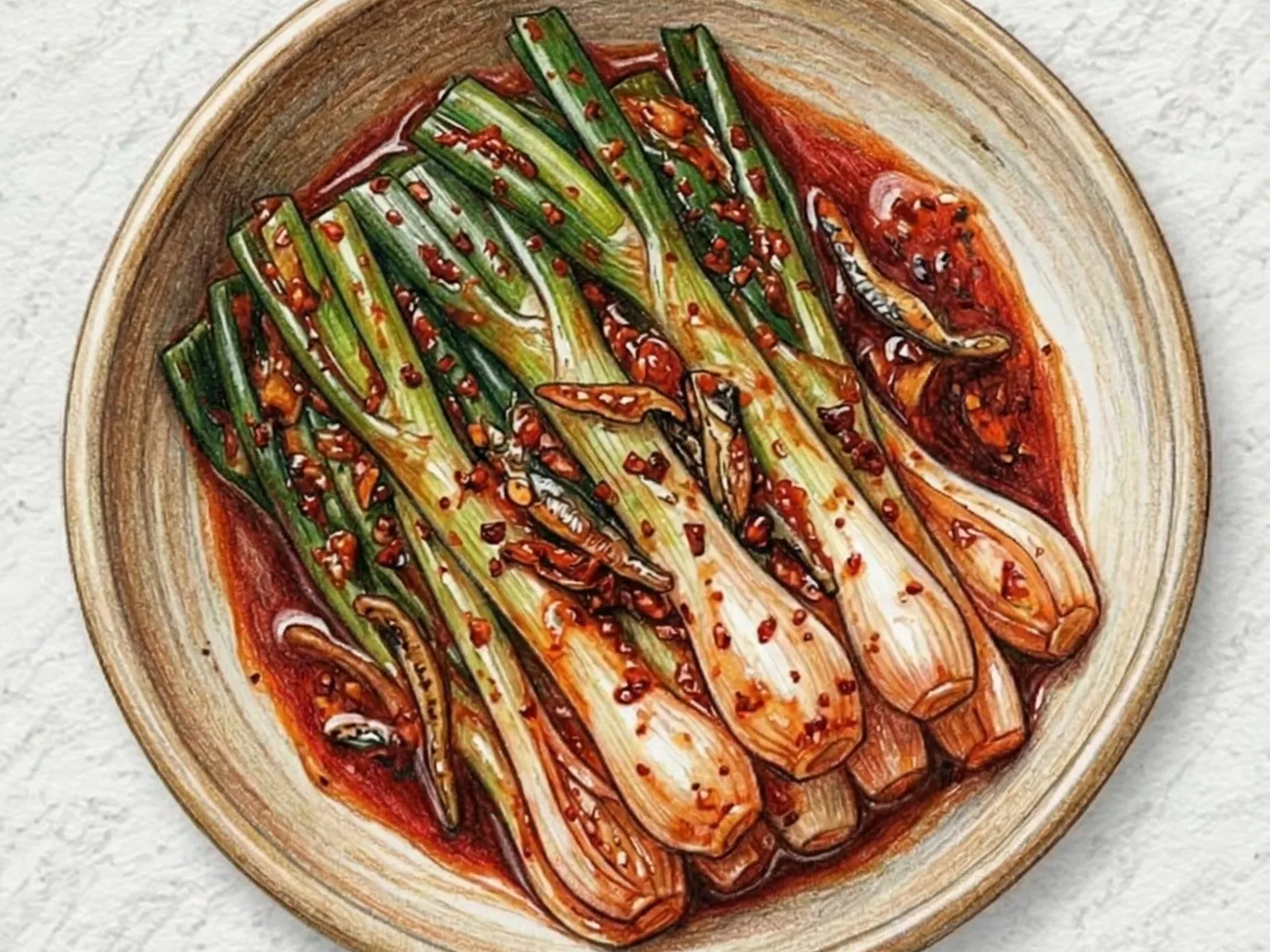
Dolnamul mul kimchi is a spring water kimchi fermented in a clear brine with sedum greens, Korean radish, Asian pear, and scallions. Thinly sliced radish is salted first to extract excess moisture before going into the liquid. Julienned pear dissolves slowly into the brine as the kimchi ferments, contributing a natural background sweetness without clouding the soup. Gochugaru is tied inside a cheesecloth pouch and steeped directly in the brine - a technique that delivers a faint chili fragrance and a bare hint of color while keeping the liquid clear. Sedum is folded in last to protect its crisp, succulent texture from softening. A single day at room temperature generates lactic acid and mild carbonation, after which the kimchi is stored cold and served straight from the container. Ladled over a bowl of warm rice, the cold, lightly fizzy broth makes a distinctly seasonal combination that belongs to early spring.

🥗 Light & Healthy🍱 Lunchbox
Prep 25minCook 10min4 servings
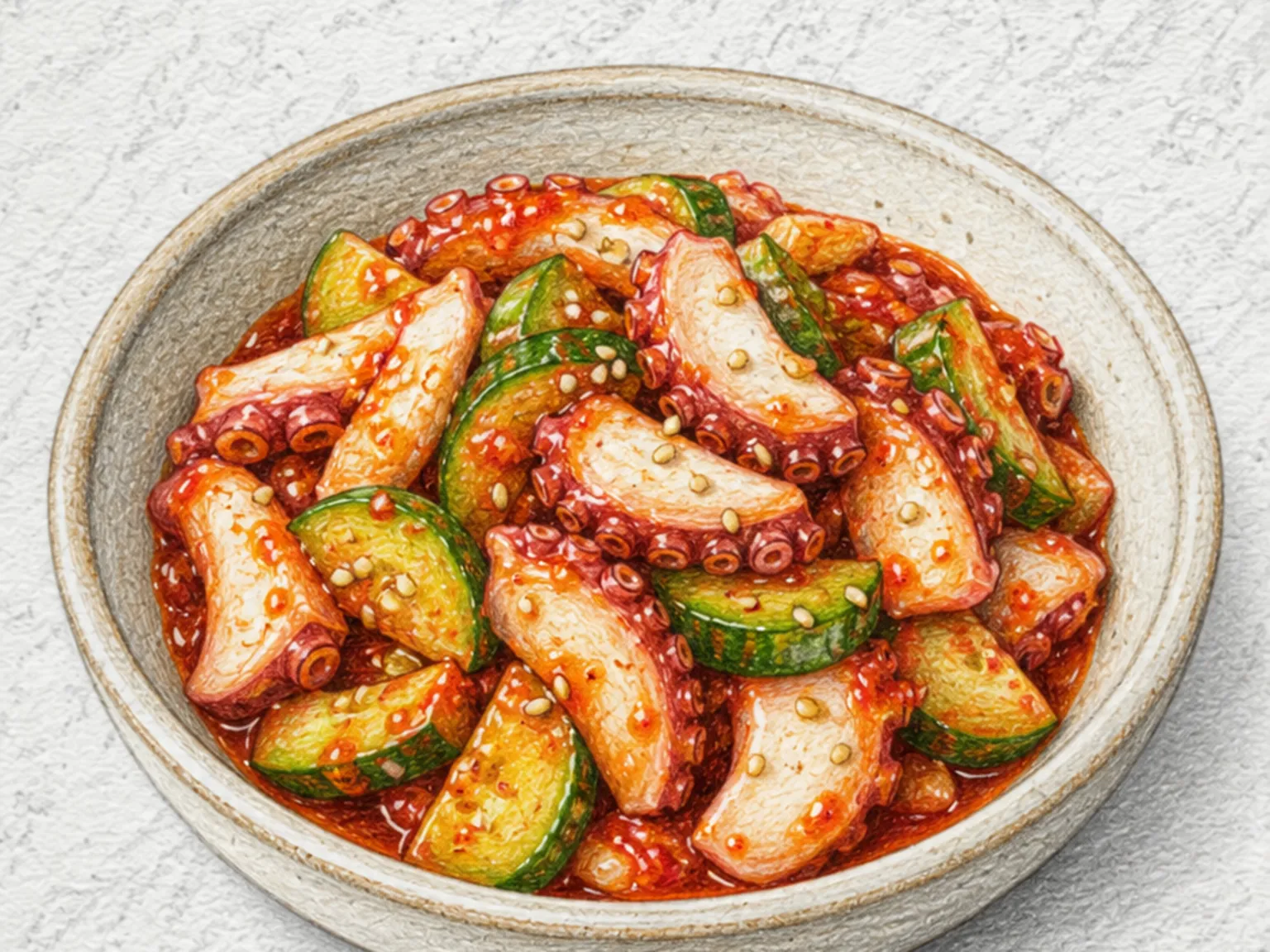
Korean Pork Noodle Soup (Jeju Milky Pork Bone Broth Noodles)
NoodlesMedium

Korean Pork Noodle Soup (Jeju Milky Pork Bone Broth Noodles)

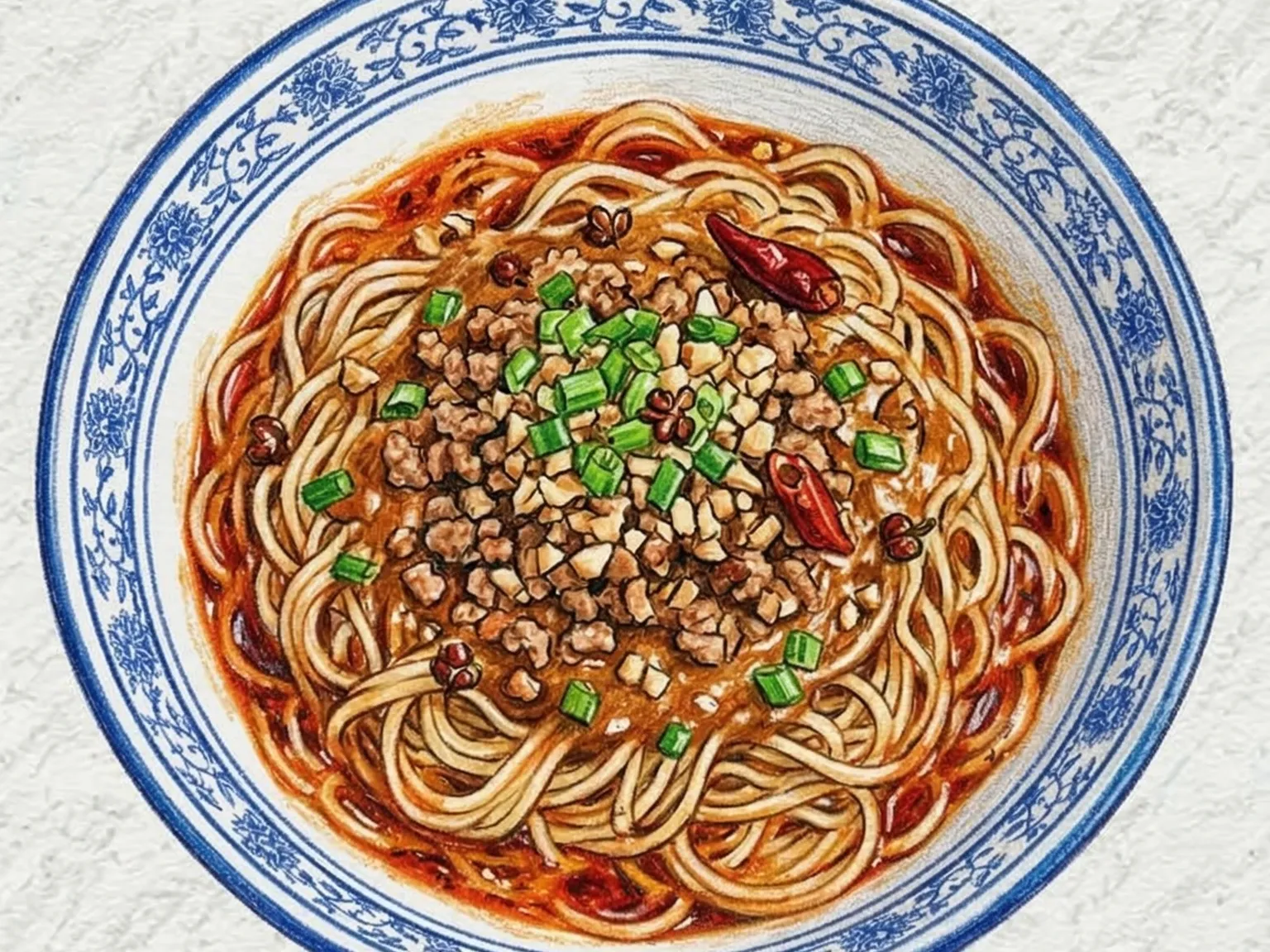
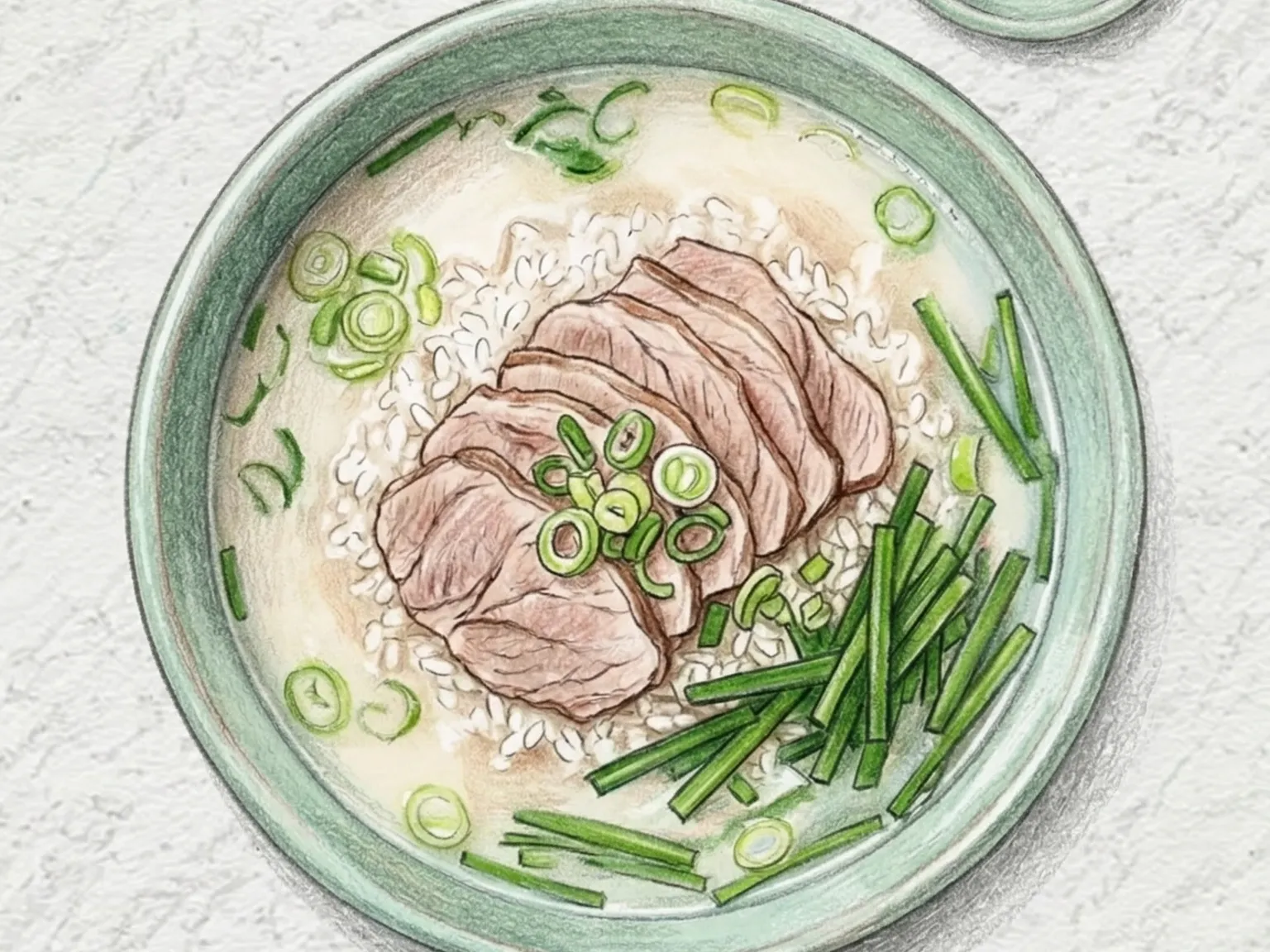
Gogi-guksu is a noodle soup from Jeju Island built on a long-simmered pork bone broth. Hours of boiling coax the collagen and marrow from the bones, turning the liquid milky-white and giving it a rich, full-bodied character that carries deep pork flavor in every spoonful. Green onion and garlic added to the pot during cooking suppress the gamey edge of the bones while rounding the flavor into something cleaner and more balanced. A single spoonful of doenjang stirred in before serving introduces fermented soybean depth that elevates the broth well beyond a simple bone stock. Thin somyeon noodles are cooked separately and rinsed under cold water after draining to wash off excess starch, which keeps them springy and distinct when submerged in the hot broth rather than turning soft and clumpy. In Jeju, sliced pork bossam is traditionally placed on top of the noodles before serving, and the combination of tender boiled pork and the opaque, warming broth makes this one of the most comforting bowls in the island's food tradition.

🎉 Special Occasion
Prep 20minCook 90min2 servings
Kimchi Garlic Butter Shrimp Spaghetti
PastaEasy

Kimchi Garlic Butter Shrimp Spaghetti

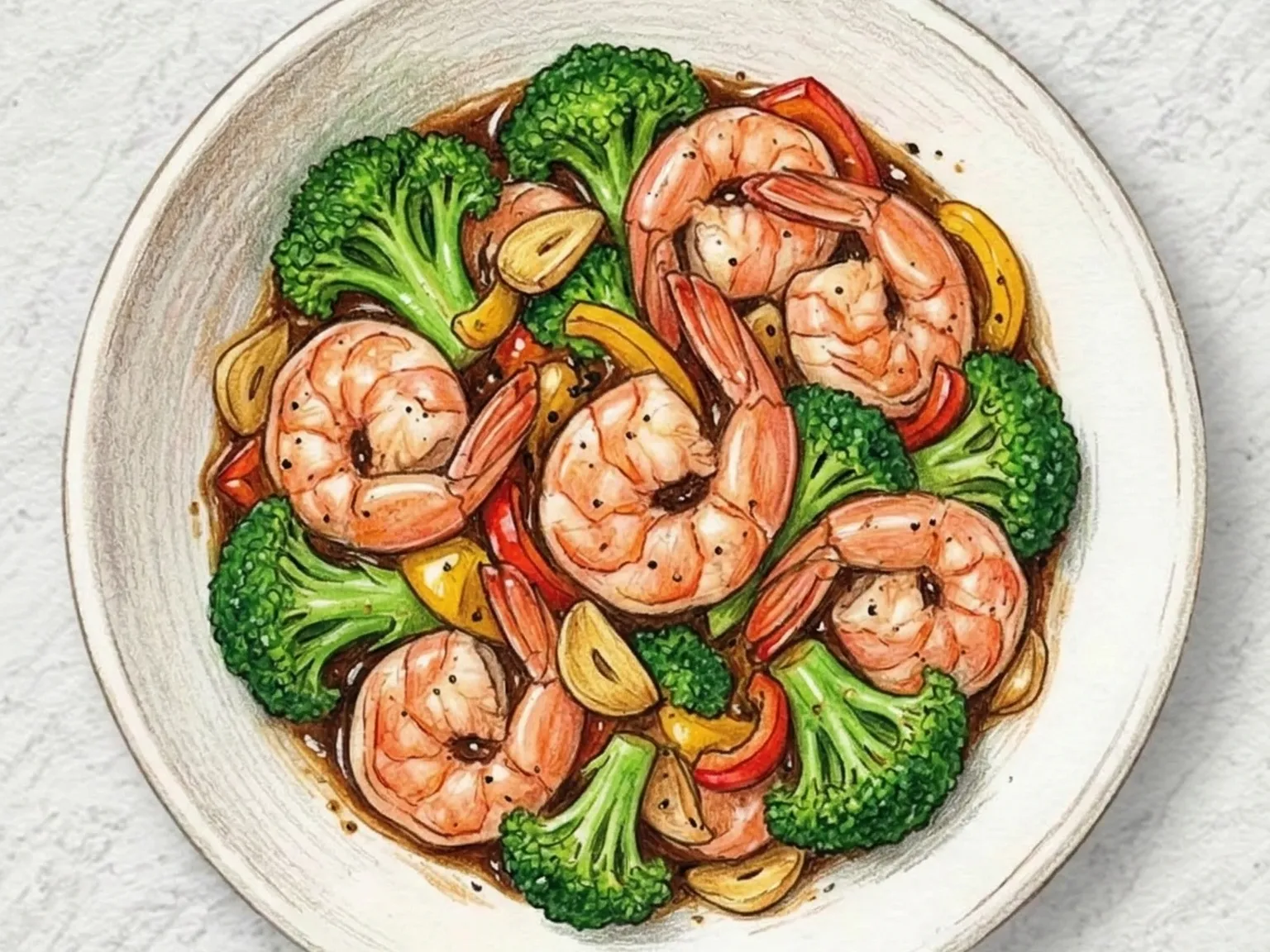
Kimchi garlic butter shrimp spaghetti is an oil-based pasta where garlic browned in butter and fermented kimchi together amplify the natural sweetness of shrimp. The shrimp are seared first in olive oil to build fond on the pan, then garlic and chopped kimchi go into the same pan to absorb those flavors. Butter and starchy pasta water are emulsified into a glossy, light coating rather than a heavy sauce. Gochugaru provides a gentle background heat, and a squeeze of lemon at the end lifts the richness. Sliced scallions finish the dish with color and a mild onion note.

🍺 Bar Snacks🏠 Everyday
Prep 12minCook 18min2 servings
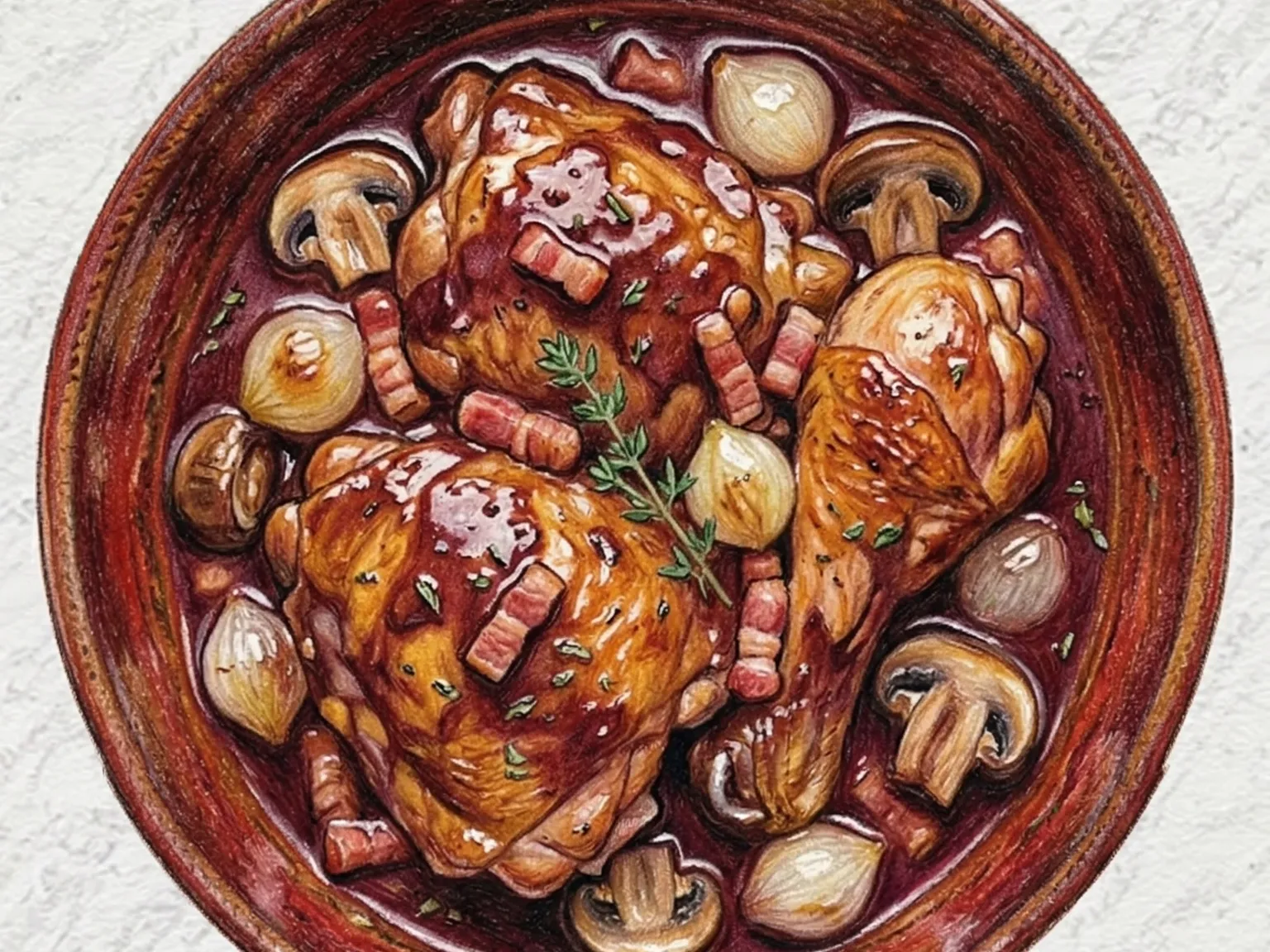
Coq au Vin (French Red Wine Braised Chicken with Mushrooms)
WesternMedium

Coq au Vin (French Red Wine Braised Chicken with Mushrooms)

Coq au vin is a French braise in which chicken pieces are cooked slowly in red wine until the flesh is tender enough to pull apart and the braising liquid has reduced into a glossy, deeply flavored sauce. The process begins by browning the chicken in batches over high heat, creating a caramelized crust that seals in juice and deposits flavor into the fond at the bottom of the pan. Bacon lardons, shallots, and garlic are cooked next in the same pan, adding savory, aromatic layers before the wine deglazes the accumulated fond. Chicken stock and a small amount of tomato paste deepen the body of the braise, and forty-five minutes of covered, low simmering allows the wine's tannins and fruit to permeate the meat completely. Mushrooms are added in the final fifteen minutes to prevent them from turning mushy during the long cook. Reducing the sauce after the chicken is removed concentrates it to a consistency that coats the back of a spoon, and whisking in cold butter at the end produces a glossy sheen and a silky mouthfeel. The dish improves significantly if made a day ahead and refrigerated overnight, as the rest allows the wine, meat, and aromatics to integrate more fully. When reheated the following day, the sauce is noticeably richer and more cohesive than it was straight from the pot.

🎉 Special Occasion
Prep 30minCook 60min4 servings
Chicken 65 (South Indian Deep-Fried Spiced Yogurt Chicken)
AsianMedium

Chicken 65 (South Indian Deep-Fried Spiced Yogurt Chicken)

Chicken 65 is a South Indian deep-fried chicken dish that traces its origin to the Buhari Hotel in Chennai, where it first appeared on the menu in 1965. The name has generated a minor mythology: one theory says it was the 65th item on the original menu, another claims the recipe calls for exactly 65 ingredients, and a third insists the chicken required 65 days of marination - none of which has been conclusively verified. The marinade is built around whole-milk yogurt, red chili powder, turmeric, and a coarse ginger-garlic paste, which work together to tenderize the chicken while depositing both heat and tang deep into the fibers. After marinating for several hours, the pieces are dusted in cornstarch and fried until the exterior forms a thin, crackling shell while the interior stays moist from the dairy in the marinade. The dish is not finished after frying. The fried chicken goes back into a hot pan where it is tossed briskly with curry leaves, whole dried red chilies, and mustard seeds in a small amount of oil. When curry leaves hit hot fat, they release a distinctive aroma - something between roasted nuts and citrus peel - that clings to the surface of each piece and layers over the chili-yogurt flavors already present. This double-cooking method is what separates chicken 65 from generic fried chicken. Originally a bar snack in South India's pub culture, it spread across the subcontinent and now appears on menus everywhere from Bangalore to Delhi. The heat level varies significantly by restaurant, ranging from gently warming to genuinely tongue-numbing.

🎉 Special Occasion
Prep 25minCook 20min2 servings
Korean Chwinamul with Perilla Powder
Side dishesMedium

Korean Chwinamul with Perilla Powder

Where the doenjang version of chwinamul leans on fermented soybean depth, this preparation wraps the greens in a perilla seed coating that is mild, nutty, and warm rather than assertive. After blanching, the chwinamul is seasoned with a base of soup soy sauce, garlic, and green onion, then sauteed briefly in perilla oil to amplify the seed character before any liquid is added. Water is stirred in for a light braise that softens the stems fully. The critical step comes off the heat: reducing the flame before adding perilla powder is essential, because adding the powder while the pan is still hot causes the seed oils to separate, leaving a gritty, uneven coating rather than the smooth, pale paste that should coat every strand. When done correctly, the finished dish has a silky, enrobing texture that clings to the greens and releases the full fragrance of the perilla seed in each mouthful. The chwinamul aromatics remain distinct throughout, but the perilla shifts their overall character from sharp and herbal toward something rounder and more comforting.

🏠 Everyday🍱 Lunchbox
Prep 18minCook 7min4 servings
Korean Blue Crab Doenjang Pot Rice
RiceHard

Korean Blue Crab Doenjang Pot Rice

Cleaned blue crab sits atop soaked rice in a heavy pot, cooked in anchovy-kelp stock that has been infused with dissolved doenjang. Garlic and vegetables are sauteed first in perilla oil to build an aromatic base before the stock-doenjang mixture is poured in and brought to a boil. The crab goes on top and the pot is covered for five minutes on high heat, fifteen minutes on low, then ten minutes off the heat to rest and steam through. The crab's briny sweetness and the doenjang's fermented, earthy depth soak into every grain of rice during the long, slow cook. Zucchini and shiitake mushrooms add a mild sweetness that tempers the saltiness and rounds out the bowl. One additional minute on low heat after resting creates a golden, nutty nurungji crust at the bottom, a prized texture in Korean pot rice. Doenjang saltiness varies by brand, so tasting the diluted stock before adding rice lets you calibrate without oversalting. A few slices of cheongyang chili on top cut through the fermented richness and add a sharp finishing heat.

🏠 Everyday🎉 Special Occasion
Prep 20minCook 35min4 servings
Korean Stir-Fried Bok Choy and Tofu with Doubanjiang
Stir-fryEasy

Korean Stir-Fried Bok Choy and Tofu with Doubanjiang

Firm tofu is patted completely dry before pan-searing in oil for three minutes until golden on each side, then removed from the pan while the aromatics are built. Green onion and garlic go into the same pan to soften and release their fragrance, after which doubanjiang, soy sauce, sugar, and water are stirred together into a sauce directly in the pan. Doubanjiang, made from crushed fermented chilies, brings concentrated salt and heat simultaneously, so the soy sauce must be added in small amounts and the seasoning checked at the end rather than measured rigidly from the start. Bok choy stems and leaves are separated and added at different points: stems go in first for two minutes of direct heat, leaves follow for a final minute, so the stalks remain firm and the greens wilt to a silky finish. These two textures coexist on the plate without either being overcooked. A single teaspoon of sugar softens the sharp salinity of the doubanjiang, rounding the finish so that the heat registers as warmth rather than aggression. When the seared tofu cubes return to the pan, their crisp exterior absorbs the sauce, releasing a burst of spicy, fermented flavor with each bite. At 290 calories and 17 grams of protein, the dish delivers a satisfying protein intake without any meat in the recipe.

🏠 Everyday🍱 Lunchbox
Prep 12minCook 10min2 servings
Korean Shrimp Mulmandu in Light Broth
Street foodEasy

Korean Shrimp Mulmandu in Light Broth

Saeu-mulmandu-broth is a Korean dumpling soup where shrimp-filled mandu are simmered in a clear broth seasoned with soup soy sauce and garlic. The shrimp is added to the pot first and allowed to cook in the liquid before the dumplings go in, establishing a seafood base that the wrappers gradually absorb during cooking. As the dumplings simmer, their skins turn translucent and the filling becomes faintly visible through the surface. They are ready when they float to the top, at which point the wrappers are tender but still intact. Green onion is stirred in at the end for a fresh, mild sharpness, and the broth is adjusted with salt and white pepper. Despite its clear, light appearance, the soup carries real depth: the gentle sweetness drawn from the shrimp combines with the savory notes released from the filling inside each dumpling, building a broth that tastes more complex than its short ingredient list would suggest. A full bowl with several dumplings makes a complete light meal, and the soup is particularly comforting during cooler months. Frozen store-bought shrimp dumplings work well in this recipe, making it a practical option for quick weeknight cooking.

🧒 Kid-Friendly
Prep 15minCook 10min2 servings
Korean Grilled Beef Short Ribs with Scallions
GrilledEasy

Korean Grilled Beef Short Ribs with Scallions

Galbisal-pachae-gui is a Korean grilled beef dish featuring short rib finger meat marinated in dark soy sauce, sugar, sesame oil, and garlic for at least one hour, then seared over high heat and served under a pile of cold-dressed shredded green onion. Rib finger meat sits between the rib bones and carries a well-balanced ratio of fat to lean, which allows the soy marinade to penetrate the fat layers and produce a deep, lingering savory flavor when exposed to direct heat. High heat causes the edges of the marinated meat to char quickly, creating a brief overlap of caramelized sweetness and smoke that defines the overall aroma of the dish. The shredded green onion is soaked in cold water until the sharp raw pungency fades and the cell walls firm up, then lightly tossed with sesame oil and toasted sesame to complement rather than compete with the heavy soy note of the beef. When a piece of hot seared meat and a tangle of cold scallion are eaten together, the contrast between the temperature, the rich beef fat, and the clean, sharp allium flavor creates a layered experience that cannot be replicated by eating either component alone. This dish is often made for home gatherings centered on table grilling, and the visual contrast of dark caramelized beef against the white-green scallion mound makes it striking as a shared centerpiece.

🍺 Bar Snacks
Prep 20minCook 12min2 servings
Dongjuk-tang (Korean Surf Clam Broth)
SoupsEasy

Dongjuk-tang (Korean Surf Clam Broth)

Dongjuk-tang is a Korean surf clam soup where purged clams simmer with radish in plain water to produce a briny, naturally sweet broth that needs almost no added seasoning. The radish goes in first and cooks for six minutes to build a sweet, mild base, then the clams are added for three to four minutes -- they are done the moment their shells open wide, and cooking any longer tightens and toughens the meat. Any clam that remains shut after cooking must be discarded without exception. Water dropwort stirred in at the end contributes a fresh, herbaceous fragrance that lifts the broth, and a single cheongyang chili pepper adds a mild, lingering heat that tempers the ocean flavor without masking it. The combination of clam brine, radish sweetness, and perilla creates a broth that tastes far more complex than its short ingredient list suggests.

🏠 Everyday
Prep 25minCook 12min2 servings
Korean Chwinamul Doenjang Stew
StewsEasy

Korean Chwinamul Doenjang Stew

Chwinamul-doenjang-jjigae is a Korean stew that pairs wild aster greens with fermented soybean paste, letting the mountain herb's sharp, slightly bitter fragrance run through a deeply savory broth. Rice-rinsing water replaces stock as the base, giving the broth a gentle body, while potato pieces break down gradually during cooking and thicken the liquid without any additional steps. Shimeji mushrooms add chew at irregular intervals throughout the bowl. The stew benefits most from fresh spring chwinamul, when the greens carry the strongest mountain-herb aroma. A small drizzle of perilla oil stirred in at the end adds a nutty finish that rounds out the fermented soybean base.

🏠 Everyday
Prep 14minCook 17min2 servings
Korean Stuffed Tofu Steam
SteamedMedium

Korean Stuffed Tofu Steam

Dubu-seon is a traditional Korean court dish in which pressed and crumbled firm tofu is shaped around a seasoned filling of ground beef, rehydrated shiitake mushrooms, and carrot, then steamed until the filling sets. Squeezing out excess moisture from the tofu before shaping is essential - too much water causes the exterior to collapse during steaming and prevents the filling from binding properly. The filling is seasoned with soy sauce, sesame oil, minced scallion, and garlic so that the aromatics infuse into the surrounding tofu while it cooks. A garnish of julienned egg jidan, thin shreds of red chili, and water parsley is placed on top before serving, giving the otherwise pale dish a carefully composed color contrast that reflects its palace-cuisine origins. A dipping sauce of soy sauce, sesame oil, and a touch of vinegar accompanies the dish and complements its mild, clean flavor. Dubu-seon provides a high-protein, vegetable-rich bite in a single piece, making it suitable as a banchan or as a light accompaniment to drinks.

🏠 Everyday🍱 Lunchbox
Prep 25minCook 20min2 servings
Korean Dongchimi Radish Water Kimchi
KimchiEasy

Korean Dongchimi Radish Water Kimchi

Dongchimi is a Korean radish water kimchi made by salting whole Korean radishes, then submerging them with Asian pear, garlic, ginger, scallions, and green chili in a clean saltwater brine for several days of cold fermentation. As the radish starch breaks down through lactic fermentation, the brine develops a natural effervescence and bright, refreshing acidity. Pear lends a gentle fruit sweetness, and ginger sharpens the finish. The clear, chilled broth can be drunk on its own as a palate cleanser or used as a base for cold noodle dishes in winter, cutting through the richness of grilled meats and heavy stews. Dongchimi is traditionally prepared alongside napa kimchi during the late-autumn kimjang season. It requires at least three to five days of cool fermentation before the carbonation develops properly. Choosing medium-sized, firm radishes over small ones preserves a crisp texture for longer. Once fully fermented, the brine keeps well under refrigeration for two to three weeks.

🏠 Everyday🍱 Lunchbox
Prep 30minCook 5min4 servings
Guilin Rice Noodles (Silky Rice Noodles in Beef Brisket Broth)
NoodlesMedium

Guilin Rice Noodles (Silky Rice Noodles in Beef Brisket Broth)

Guilin rice noodles are the signature noodle dish of Guilin in Guangxi, China, built on a clear beef brisket broth that has been simmered until the collagen fully dissolves and the liquid turns deeply savory without becoming heavy. The slender rice noodle strands are smooth and slightly springy, and they absorb the broth as the bowl sits. Soy sauce seasons the soup with a salty, round undertone rather than any sharp edge. Pickled daikon radish is added as a topping for its crisp bite and vinegary tang, which cuts through the richness of the beef broth and resets the palate between mouthfuls. A drizzle of chili oil introduces a warm, slow-building heat that spreads through the soup. Fresh cilantro placed on top at the end adds a bright, citrus-forward herbal fragrance that ties the Southeast Asian-influenced profile of the bowl together. The combination of broth, noodles, and contrasting toppings is what makes Guilin rice noodles a dish people return to repeatedly.

🎉 Special Occasion
Prep 20minCook 35min2 servings
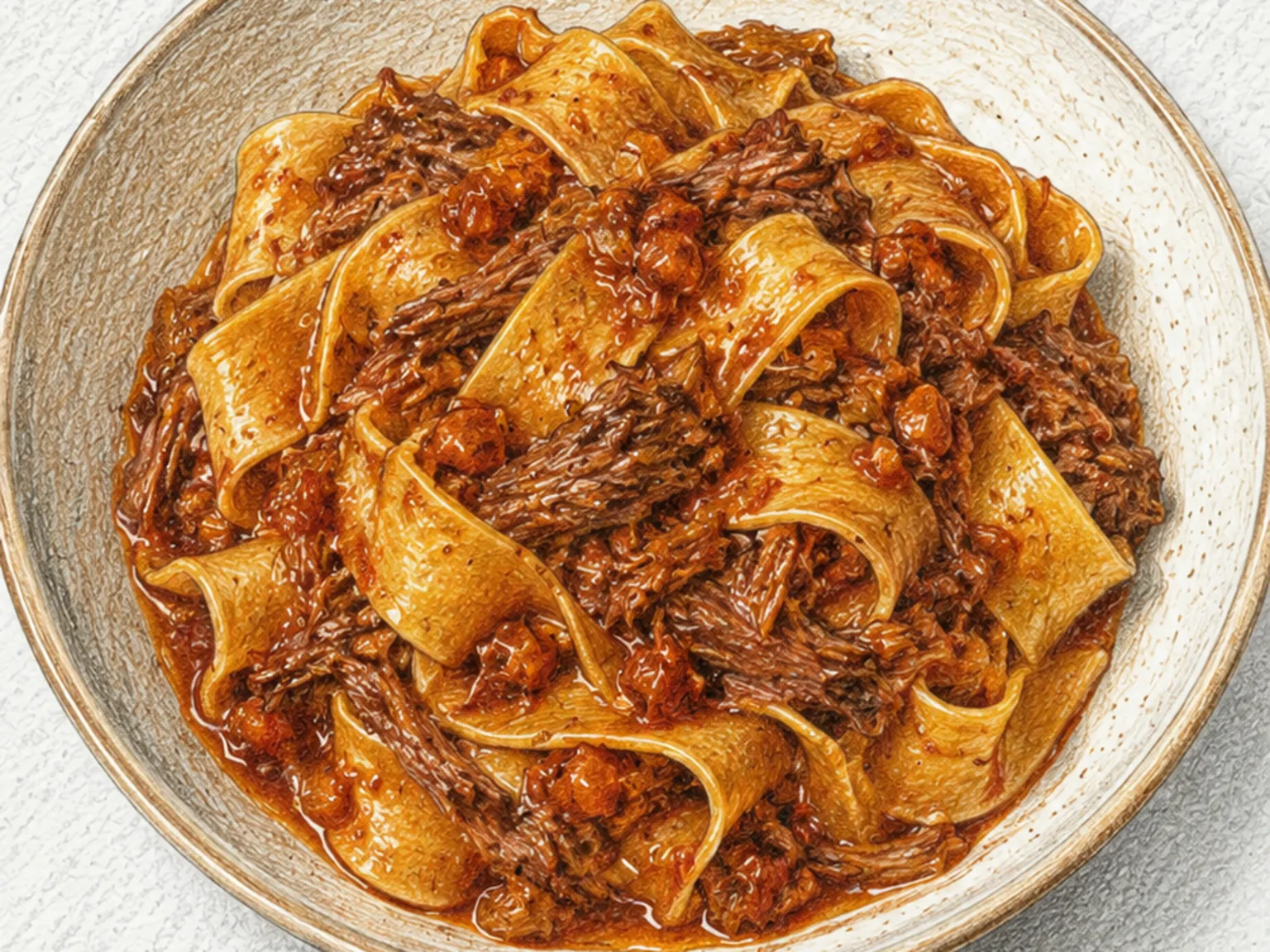
Kimchi Lentil Ragu Tagliatelle
PastaMedium

Kimchi Lentil Ragu Tagliatelle

Kimchi lentil ragu tagliatelle is a plant-forward pasta where lentils simmer with tomato puree, wine, and finely diced onion, carrot, and celery for 35 minutes, breaking down into a thick sauce with a meaty texture that contains no actual meat. The Korean-inflected soffritto builds the aromatic base, and as the lentils cook through they release starch that naturally thickens the ragu without any additional binder. Fermented kimchi is added late in the process, preserving its sharp acidity and keeping the fermented flavor present and distinct rather than cooked away. A small amount of sugar smooths the combined tartness of tomato and kimchi so neither dominates. The wide, flat tagliatelle ribbons hold the heavy sauce well, and every strand picks up the full depth of the braise. Without a gram of meat, the dish delivers genuine richness and staying power.

🥗 Light & Healthy🎉 Special Occasion
Prep 20minCook 35min4 servings
Cream of Mushroom Soup
WesternEasy

Cream of Mushroom Soup

The preparation of cream of mushroom soup begins by sautéing chopped onion and minced garlic to establish a fragrant aromatic foundation for the dish. Once these aromatics have softened, sliced button mushrooms are added to a mixture of butter and olive oil. These mushrooms are cooked for a duration of eight to ten minutes, a process that continues until their internal moisture has fully evaporated and the slices have taken on a deep brown color. Dried thyme is incorporated during the cooking process to provide an earthy herb quality that works in conjunction with the savory profile of the mushrooms. To build the body of the soup, flour is stirred into the fat and cooked for approximately one minute. This step is essential for creating a roux that will thicken the liquid effectively while ensuring the base remains smooth. Chicken stock is then introduced by whisking it in gradually, which prevents the formation of lumps. Heavy cream is added at the final stage of cooking, followed by a brief period of simmering to allow the flavors to combine and the texture to gain its characteristic richness. To achieve the final consistency, only half of the soup is processed in a blender. This technique produces a result that is simultaneously velvety and full of chunky mushroom pieces.

🏠 Everyday
Prep 15minCook 25min2 servings
Chicken Adobo (Filipino Vinegar Soy Braised Chicken)
AsianEasy

Chicken Adobo (Filipino Vinegar Soy Braised Chicken)

Chicken adobo is the unofficial national dish of the Philippines, rooted in a pre-colonial preservation technique of braising meat in vinegar to extend its shelf life in tropical heat long before refrigeration. Chicken simmers uncovered in soy sauce, cane vinegar, crushed whole garlic cloves, bay leaves, and whole black peppercorns until the sharp acidity of the vinegar mellows into a layered, salty-sour sauce with a caramelized depth that no amount of shortcutting can replicate. Once braised, the chicken pieces are removed from the sauce and pan-fried until the skin turns deep golden and audibly crisp, then returned to the reduced liquid for a final coat. The moment the crackling skin absorbs the thick, glossy sauce is the defining pleasure of a well-made adobo. Every Filipino household holds its own ratio of soy sauce to vinegar as a point of pride, and the unresolvable debate over whose mother makes the best version is practically a national institution. This tolerance for variation is part of why the dish has endured for centuries across a country of more than seven thousand islands. It is always served over steamed white rice with extra sauce ladled over generously, and adobo famously tastes better the next day, after the proteins have had time to reabsorb the deepened, overnight flavors from the refrigerator.

🍱 Lunchbox
Prep 15minCook 35min4 servings
Korean Seasoned Carrot Namul
Side dishesEasy

Korean Seasoned Carrot Namul

Carrot namul is one of the five-color banchan Koreans prepare for ancestral rites, where the orange of carrot represents fire in the traditional symbolic scheme. Julienned thin, the carrots are salted briefly to pull out excess moisture, then stir-fried with minced garlic over medium heat for two to three minutes - just enough to cook off the raw edge while preserving an audible crunch in every strand. No soy sauce or chili powder enters the pan; seasoning is kept to salt alone so that the carrot's natural sweetness remains the central flavor rather than being buried under stronger condiments. A final drizzle of sesame oil and a scatter of sesame seeds round out this clean, single-ingredient side dish that earns its place on both ceremonial tables and everyday meals.

🏠 Everyday🍱 Lunchbox
Prep 8minCook 6min2 servings
Korean Soy Pulp Porridge (High-Protein Okara Anchovy Stock Porridge)
RiceEasy

Korean Soy Pulp Porridge (High-Protein Okara Anchovy Stock Porridge)

Soy pulp (okara) and soaked rice simmer together in anchovy stock, creating a thick, protein-rich porridge with a hearty body. Onion and garlic are first sauteed in sesame oil to build an aromatic base, then the rice goes in for a brief toast before the stock is added. Once the rice is half-cooked, soy pulp and diced zucchini join the pot, and constant stirring over low heat is essential since okara scorches quickly if left unattended. Seasoned with just salt and black pepper, this juk has a nutty, beany depth from the soy pulp paired with the clean umami of anchovy stock, making it filling yet light on the palate. Making the okara at home by blending soaked soybeans in a blender yields a noticeably fresher, more pronounced soy aroma than the packaged version and elevates the overall flavor of the finished porridge.

🥗 Light & Healthy🏠 Everyday
Prep 15minCook 20min2 servings
Korean Aster Greens Beef Stir-fry
Stir-fryMedium

Korean Aster Greens Beef Stir-fry

This stir-fry brings together fragrant chwi-namul wild greens and thinly sliced bulgogi-cut beef on a single plate, where the greens' herbal bitterness meets the meat's savory depth. Pre-seasoning the beef with soy sauce and cooking wine means that as the meat cooks, the seasoning transfers into the greens without the need for additional salt at the end. Onion softens during cooking, releasing sweetness that takes the edge off the overall saltiness and rounds the flavor. A finishing drizzle of perilla oil adds a distinctly Korean nuttiness, and whole sesame seeds scattered on top provide small pops of texture throughout each mouthful. This banchan works as a hearty, protein-rich complement to an otherwise vegetable-heavy table, substantial enough to serve as a main side dish alongside steamed rice.

🏠 Everyday🍱 Lunchbox
Prep 18minCook 12min4 servings
Korean Sotteok Sotteok Skewers
Street foodEasy

Korean Sotteok Sotteok Skewers

Sotteok-sotteok is a Korean street snack of alternating mini sausages and cylinder rice cakes on a skewer, pan-grilled and coated in a sweet-spicy glaze of gochujang, ketchup, and oligosaccharide syrup. The rice cakes are soaked in warm water beforehand to soften them, ensuring they cook through on the pan and achieve maximum chewiness. Sausages are lightly scored to prevent splitting, and the skewers are rolled over medium heat until evenly browned. The glaze is tossed on quickly over low heat so it clings in a glossy layer, and the sauce gradually seeps into the rice cakes with each bite.

🧒 Kid-Friendly
Prep 15minCook 12min2 servings