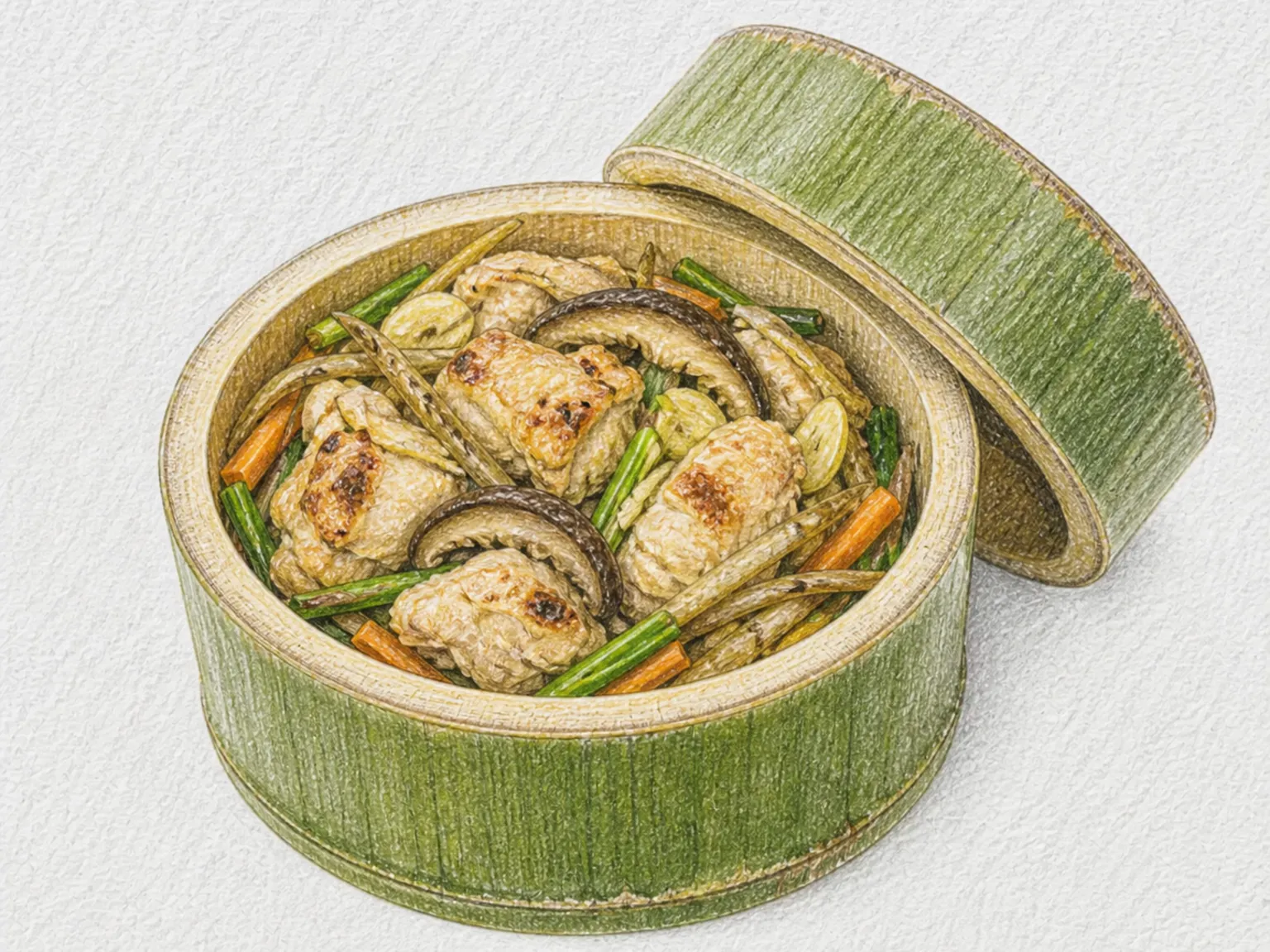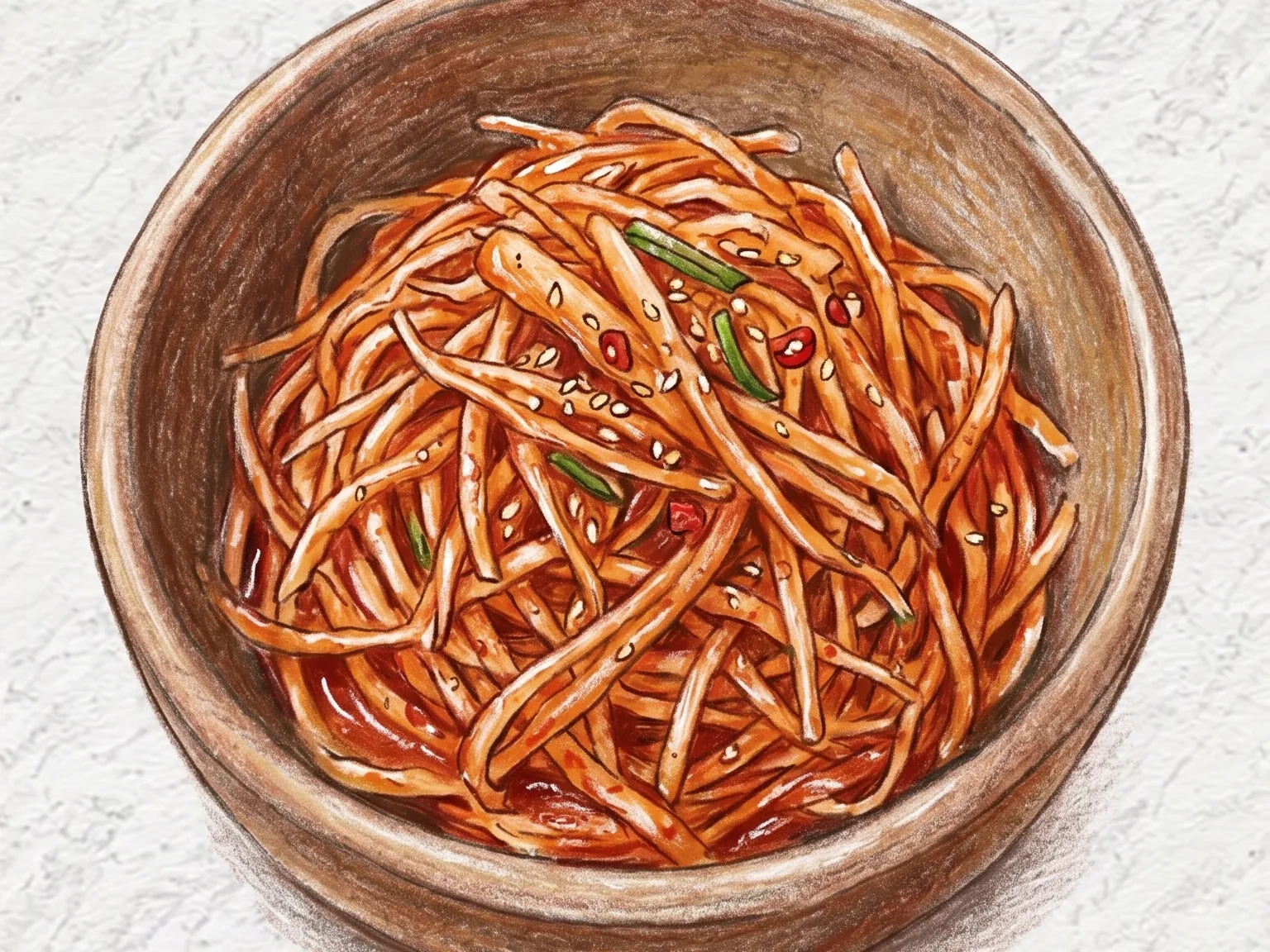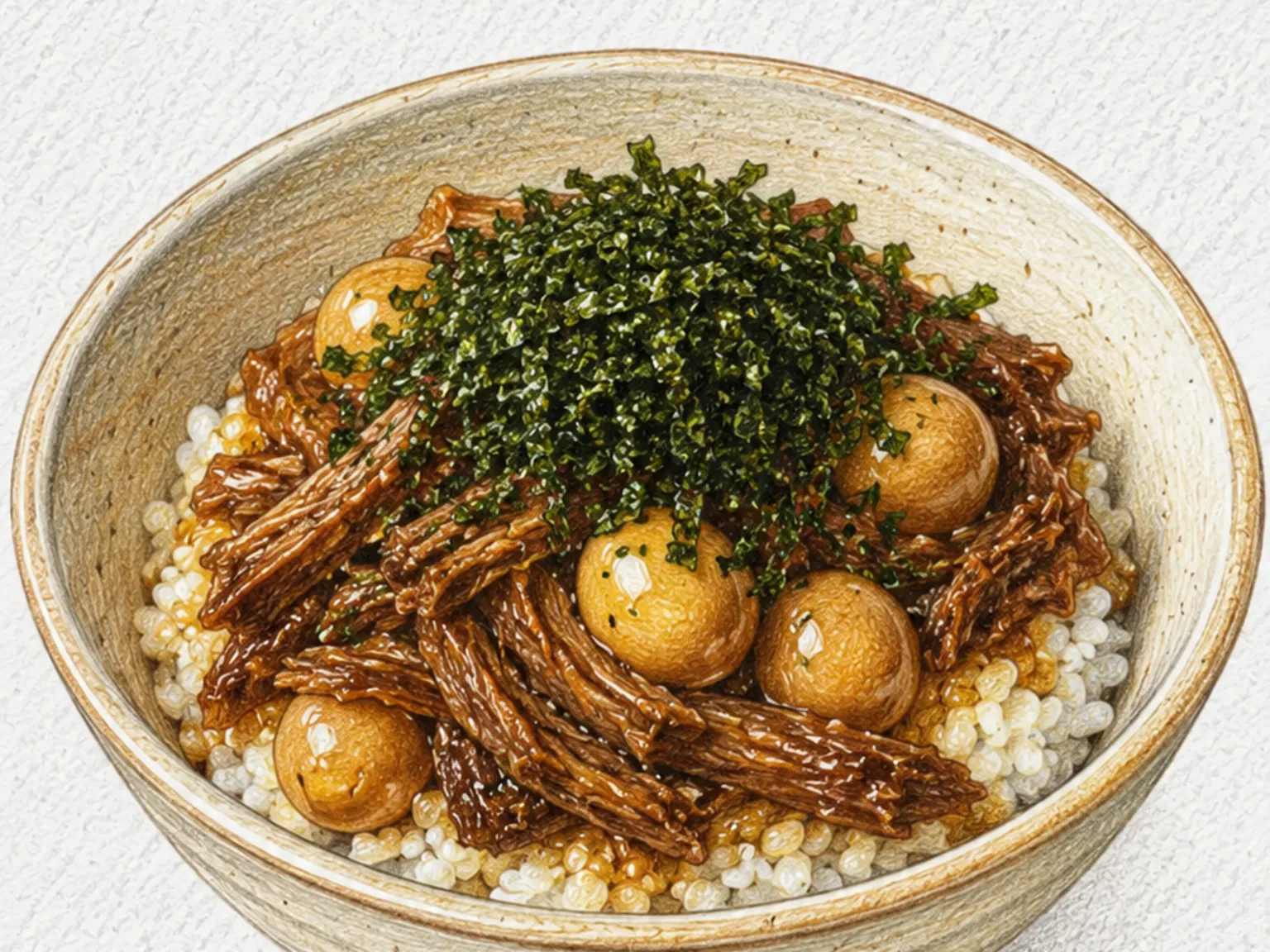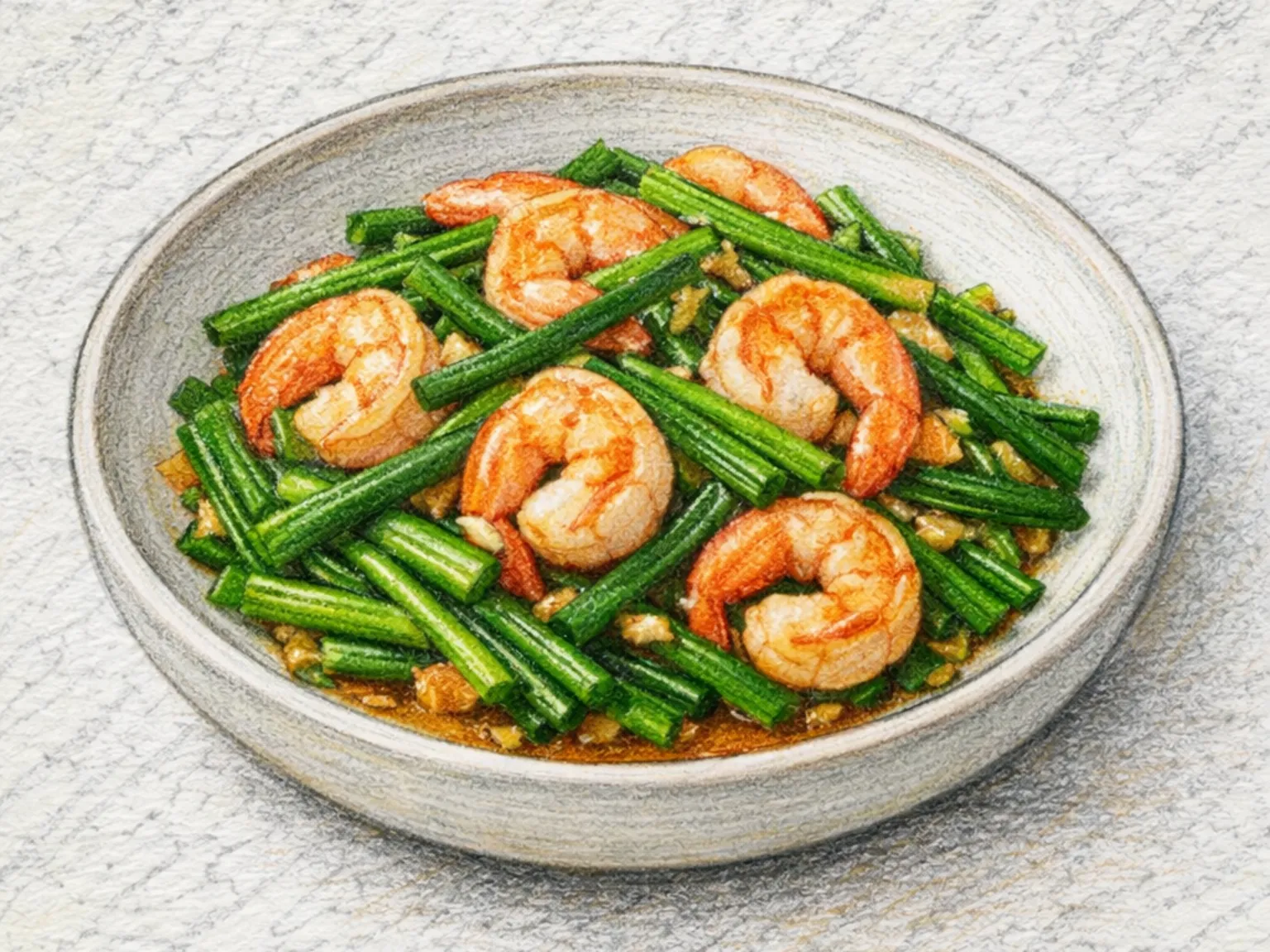
Korean Soy Braised Chicken Wings
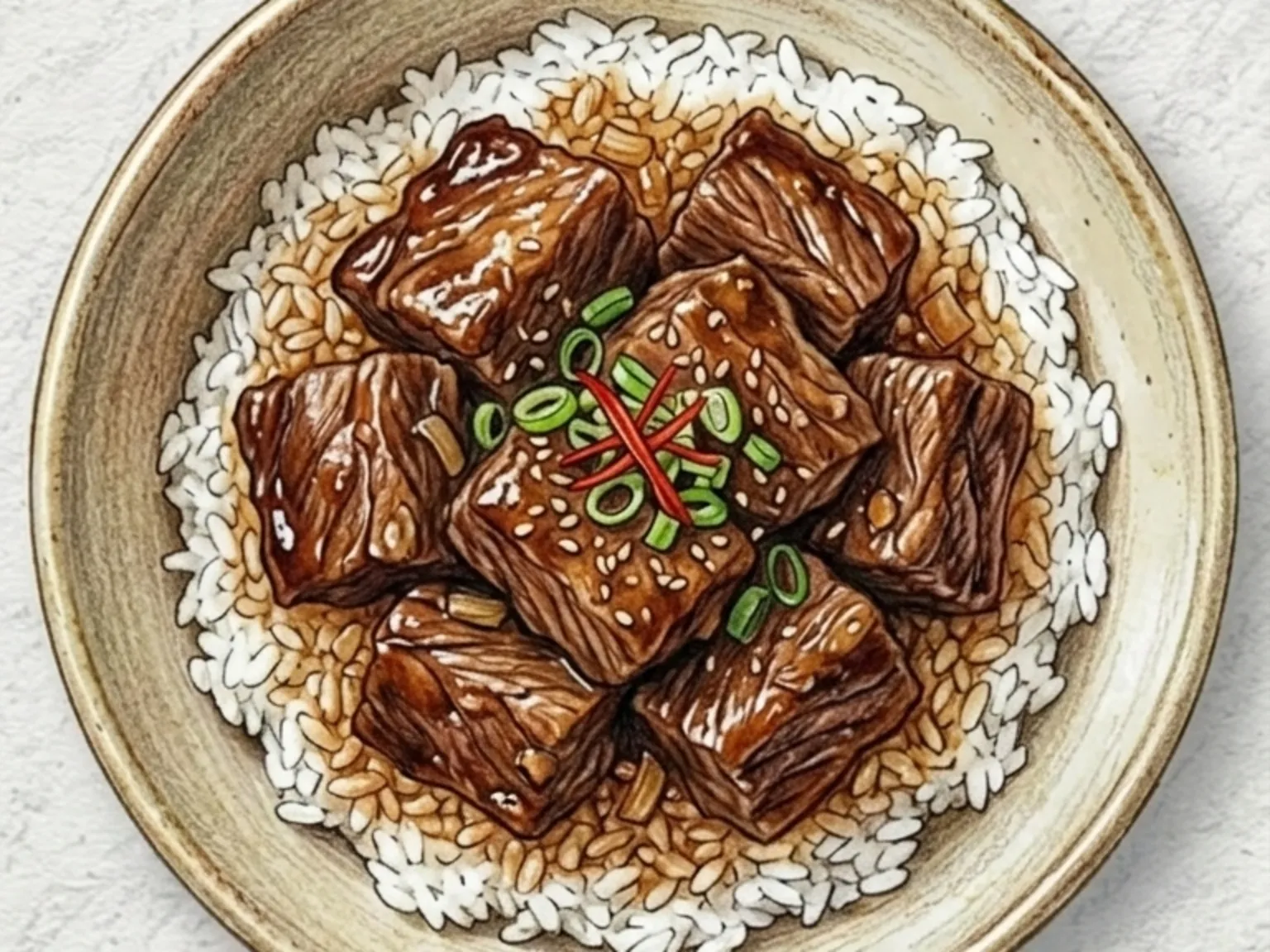
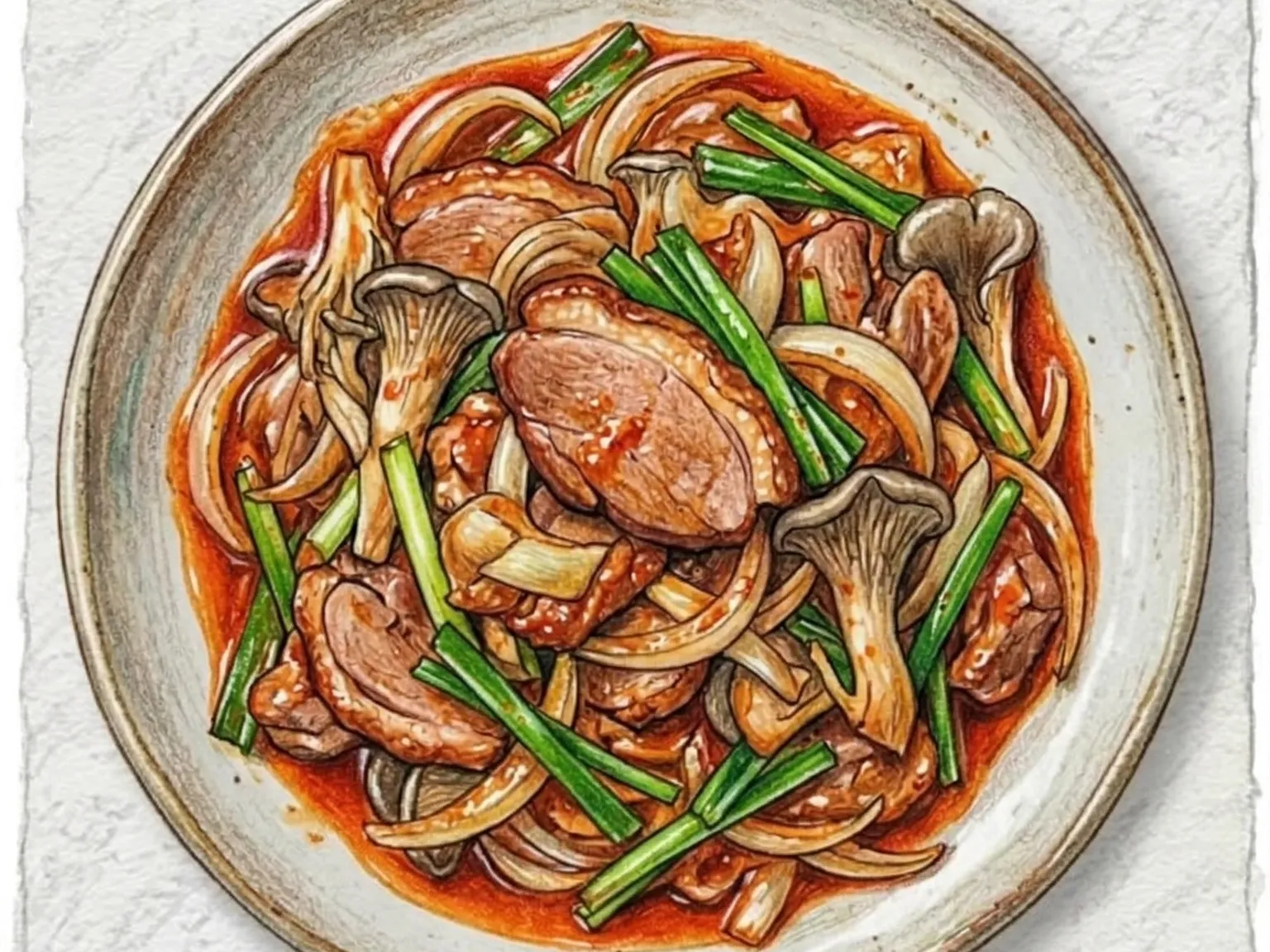
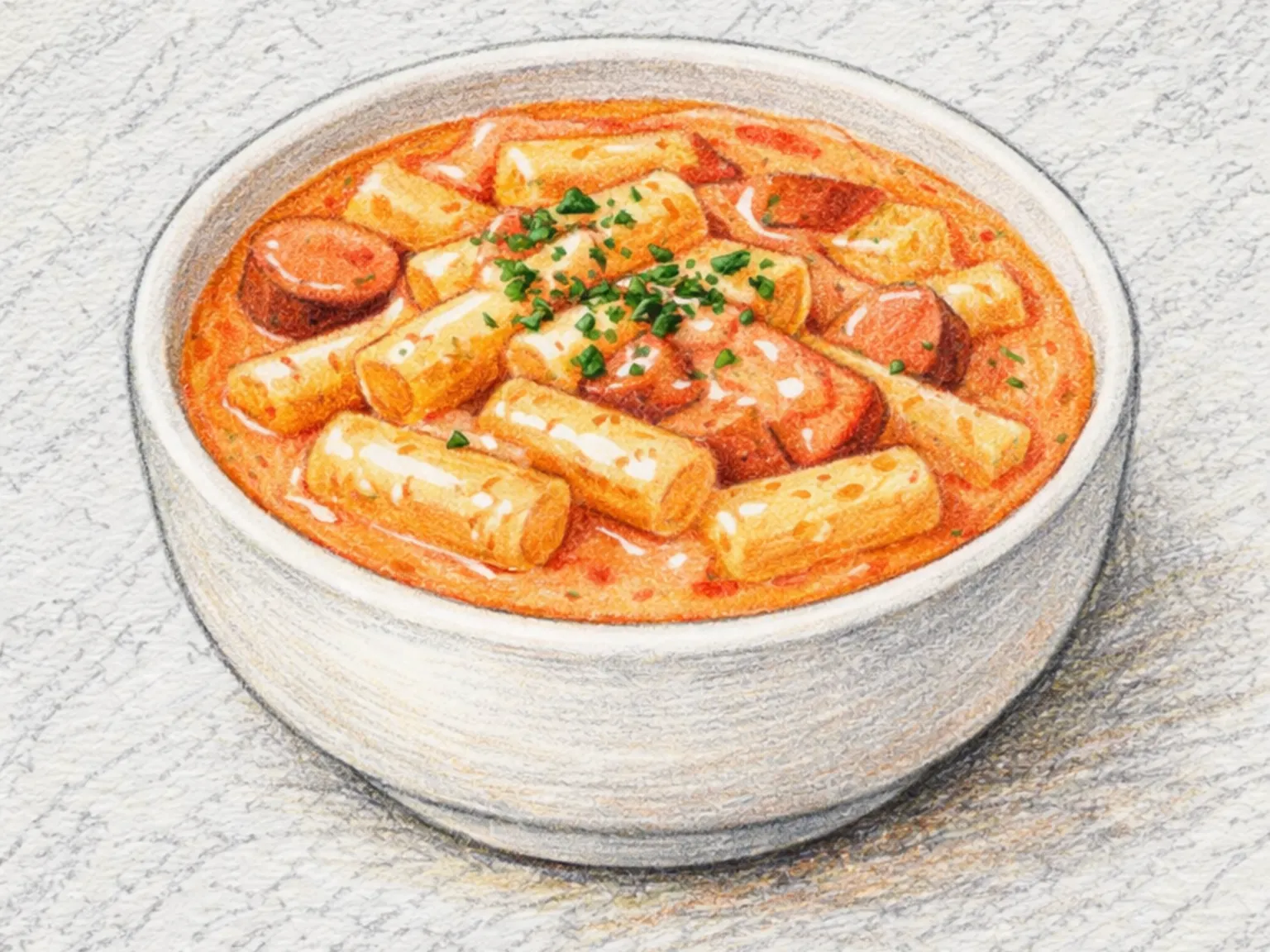
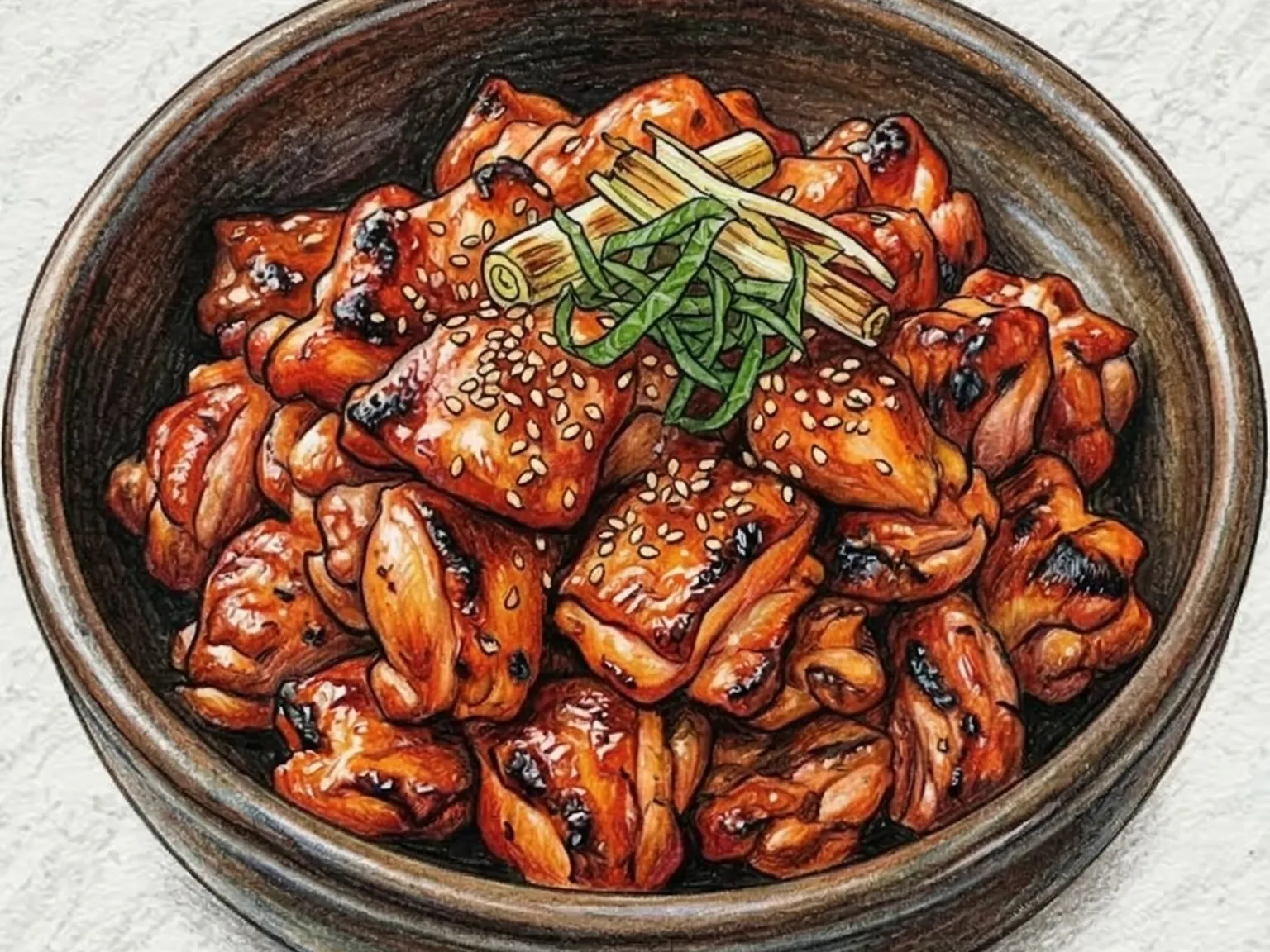
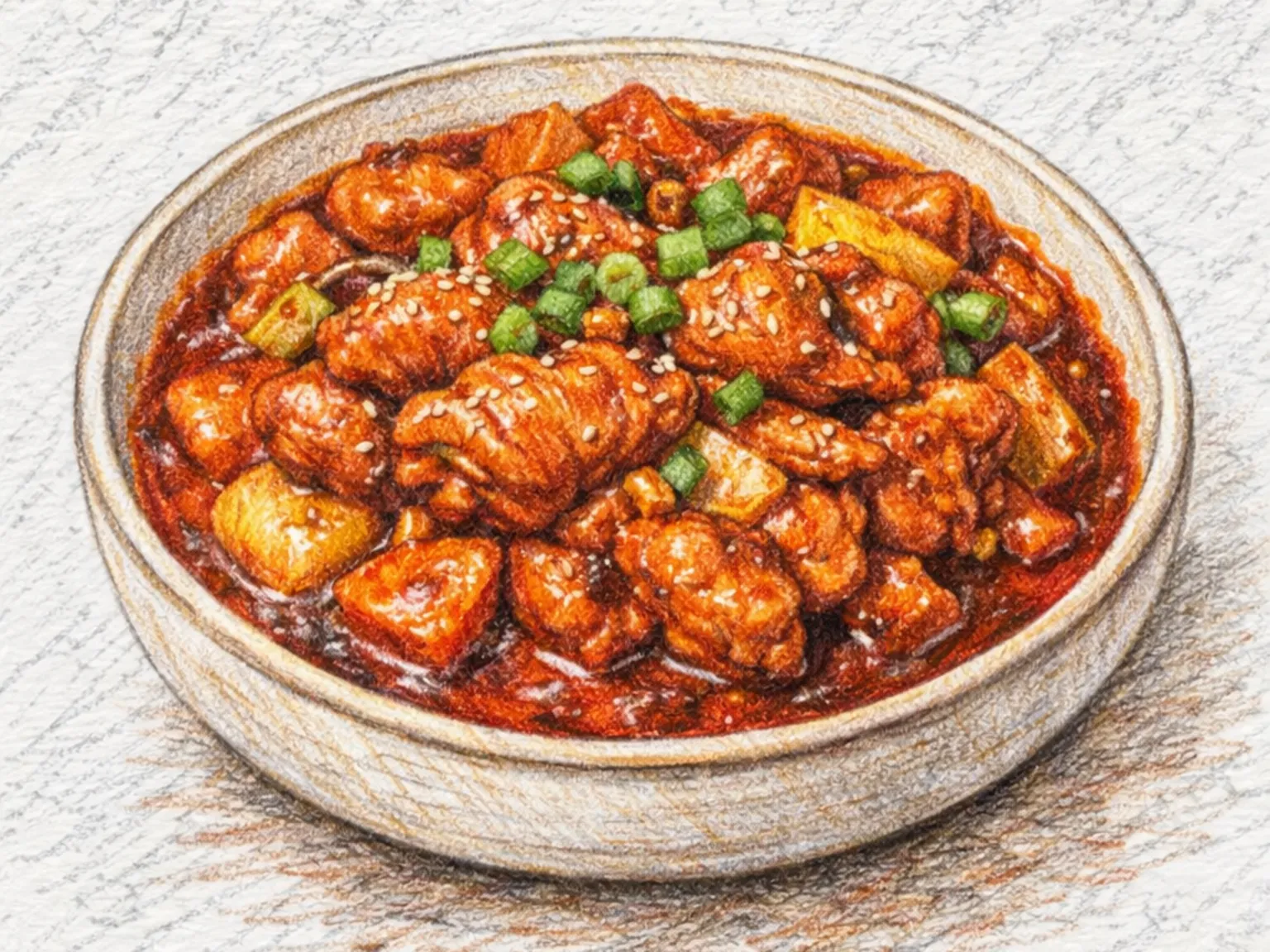
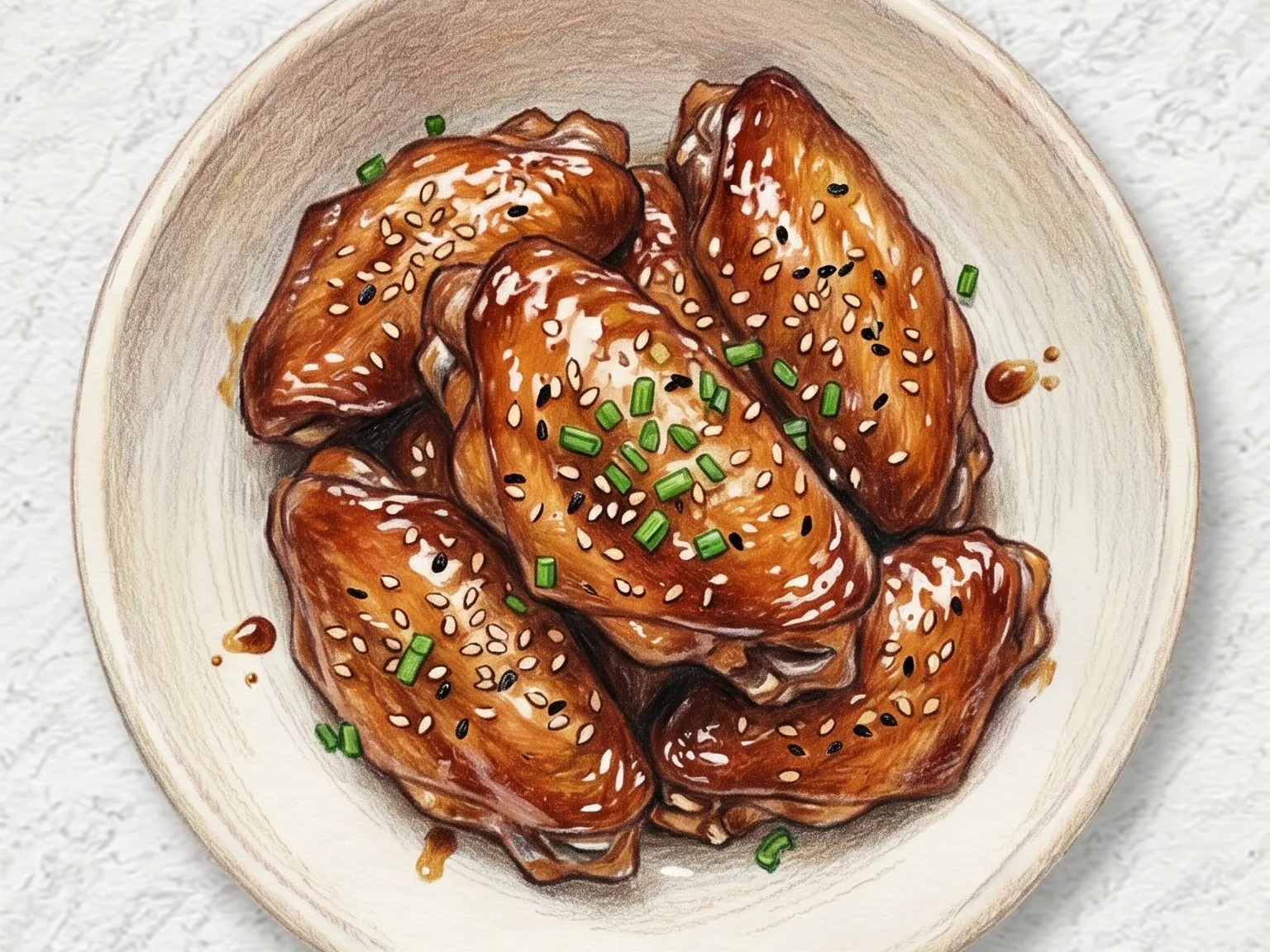
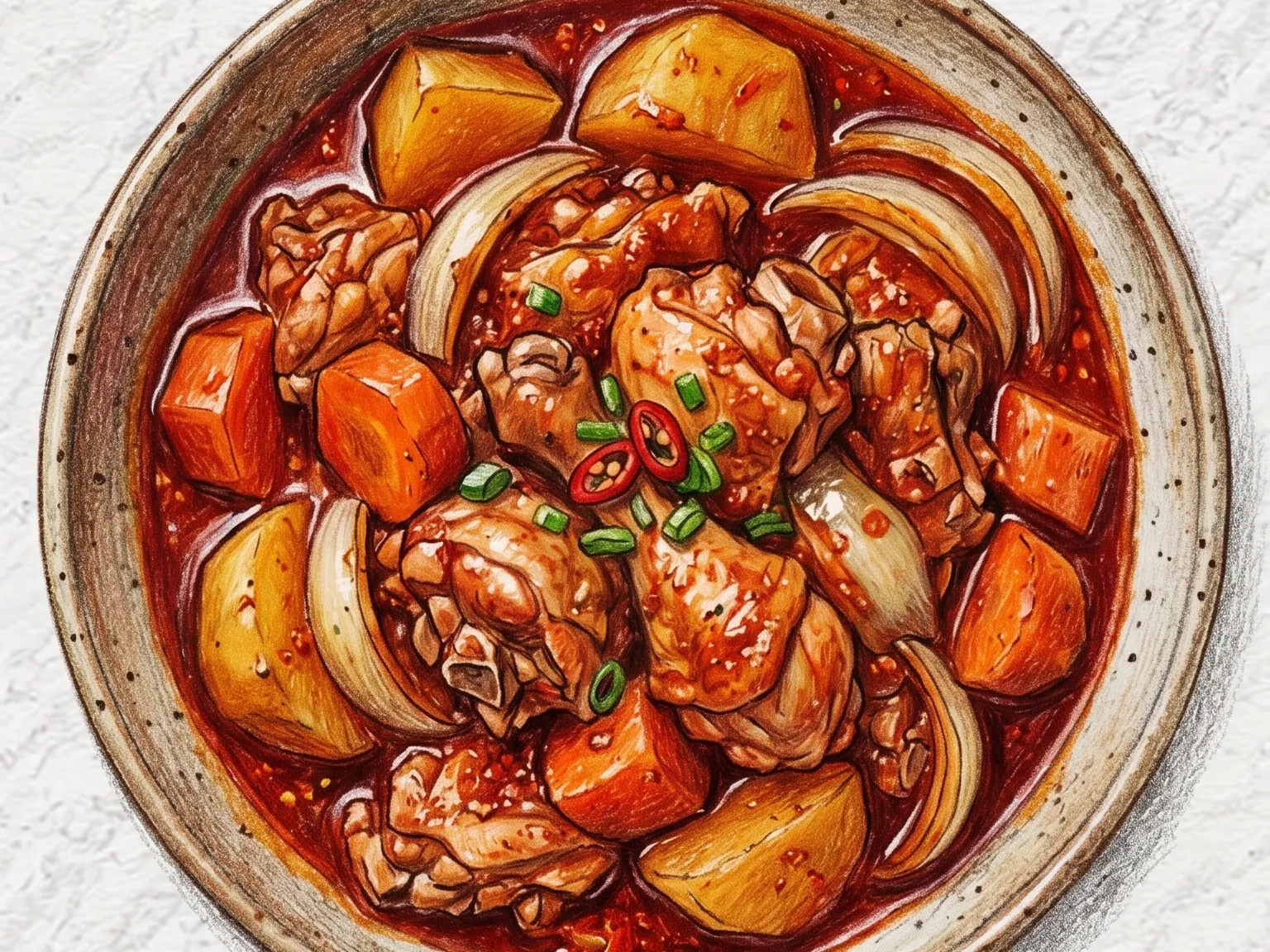
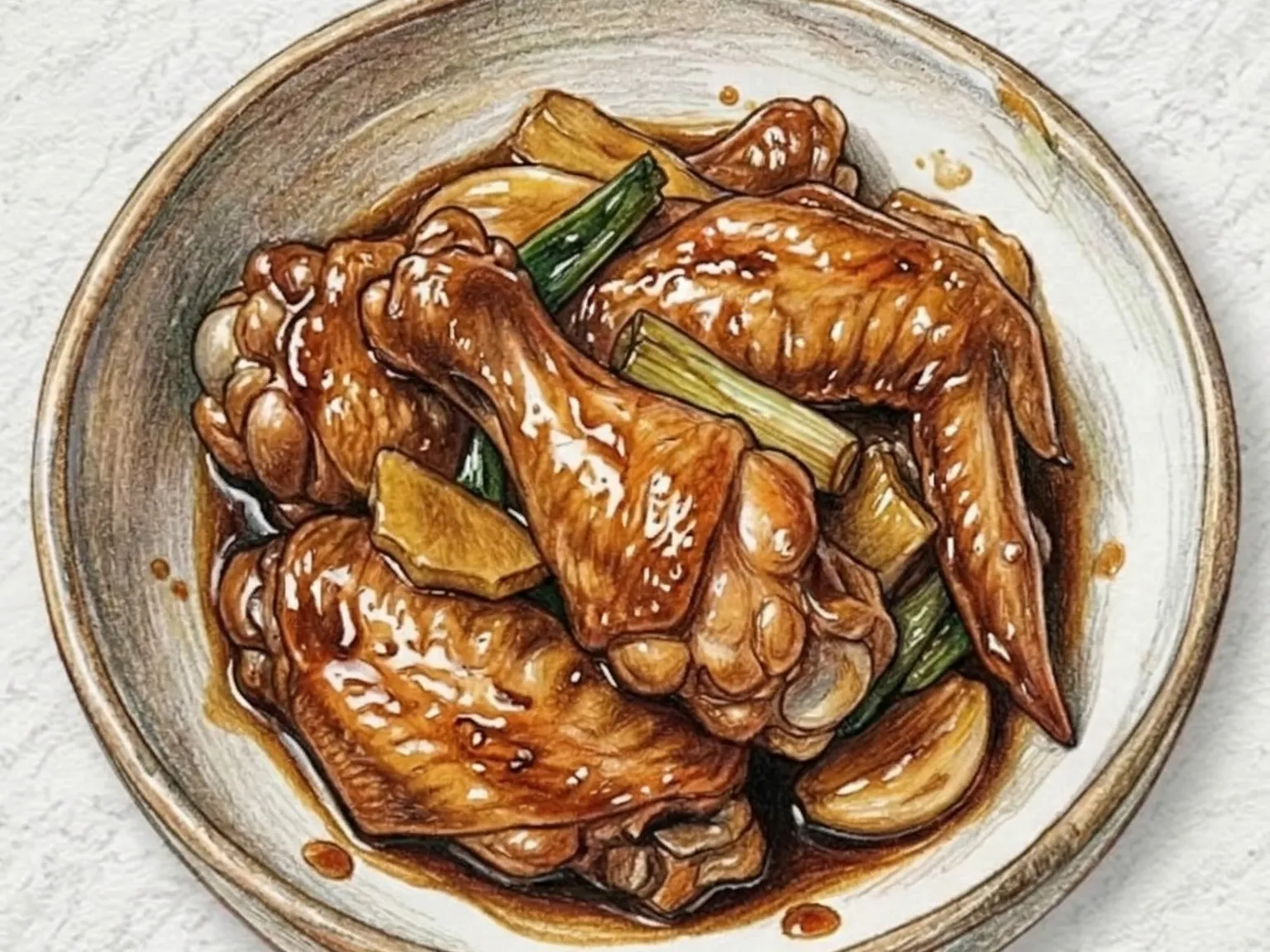
Dak-bong jorim is a Korean braised chicken wingette dish where pieces are slowly reduced in a sweet soy glaze over medium-low heat until the sauce thickens into a glossy coating around each piece. As the liquid reduces, the seasoning concentrates and adheres to the surface, leaving the skin sticky and lacquered from absorbing the sauce while the meat inside turns soft enough to pull cleanly from the bone. Adding ginger and green onion from the start neutralizes the poultry's gaminess and keeps the braising liquid clean. Starting with the lid off at higher heat to bring the sauce to a boil, then reducing the heat and covering the pot, prevents the meat from drying out during the long braise. A large batch keeps well in the refrigerator and reheats without any loss of seasoning, making it a practical banchan to prepare in advance and portion out over several days or pack into a lunch box.

Korean Street Burger (Soy-Garlic Beef Pork Patty in a Bun)
Tteokgalbi burger takes the flavors of traditional Korean grilled short-rib patties and fits them into a handheld bun format. Ground beef and pork are seasoned with soy sauce, sugar, minced garlic, and sesame oil, then shaped into flat patties and pan-seared over medium heat. Finely diced onion worked into the meat traps moisture during cooking, keeping the interior juicy even as the surface builds a caramelized crust from the soy-sugar marinade. That thin, browned exterior replicates the glossy lacquer that distinguishes proper tteokgalbi from a plain beef patty, delivering a sweet-savory depth without additional condiments. A toasted bun spread with mayonnaise and lined with crisp lettuce gives the rich patty a cool, crunchy counterpart. A small drizzle of soy glaze over the top just before serving intensifies the lacquered finish and ties the whole sandwich back to its Korean origins.

Korean Gapojingeo Yangnyeom Gui (Spicy Grilled Cuttlefish)
Gapojingeo-yangnyeom-gui is spicy grilled cuttlefish prepared by scoring the body in a deep crosshatch pattern and coating it with a glaze of gochujang, Korean chili flakes, soy sauce, oligosaccharide syrup, and garlic. The deep scoring is critical for the thick cuttlefish body: it allows the marinade to penetrate the flesh fully and causes the scored sections to curl open under high heat, creating a flower-like shape that maximizes surface contact with the glaze. When gochujang's heat and the syrup's sticky sweetness hit high heat together, they caramelize into a glossy, deep-red coating that clings to the cuttlefish, while sesame oil folded into the marinade adds a toasted undertone beneath the spice. Chunky-cut onion and green onion grilled alongside release moisture that evaporates into sweetness, naturally tempering the intensity of the chili glaze without diluting the marinade's savory depth. Patting the cuttlefish completely dry before marinating ensures the glaze adheres evenly rather than sliding off, and keeping the cooking time short over high heat prevents the flesh from turning tough and rubbery.

Eomuk-guk (Fish Cake Radish Clear Soup)
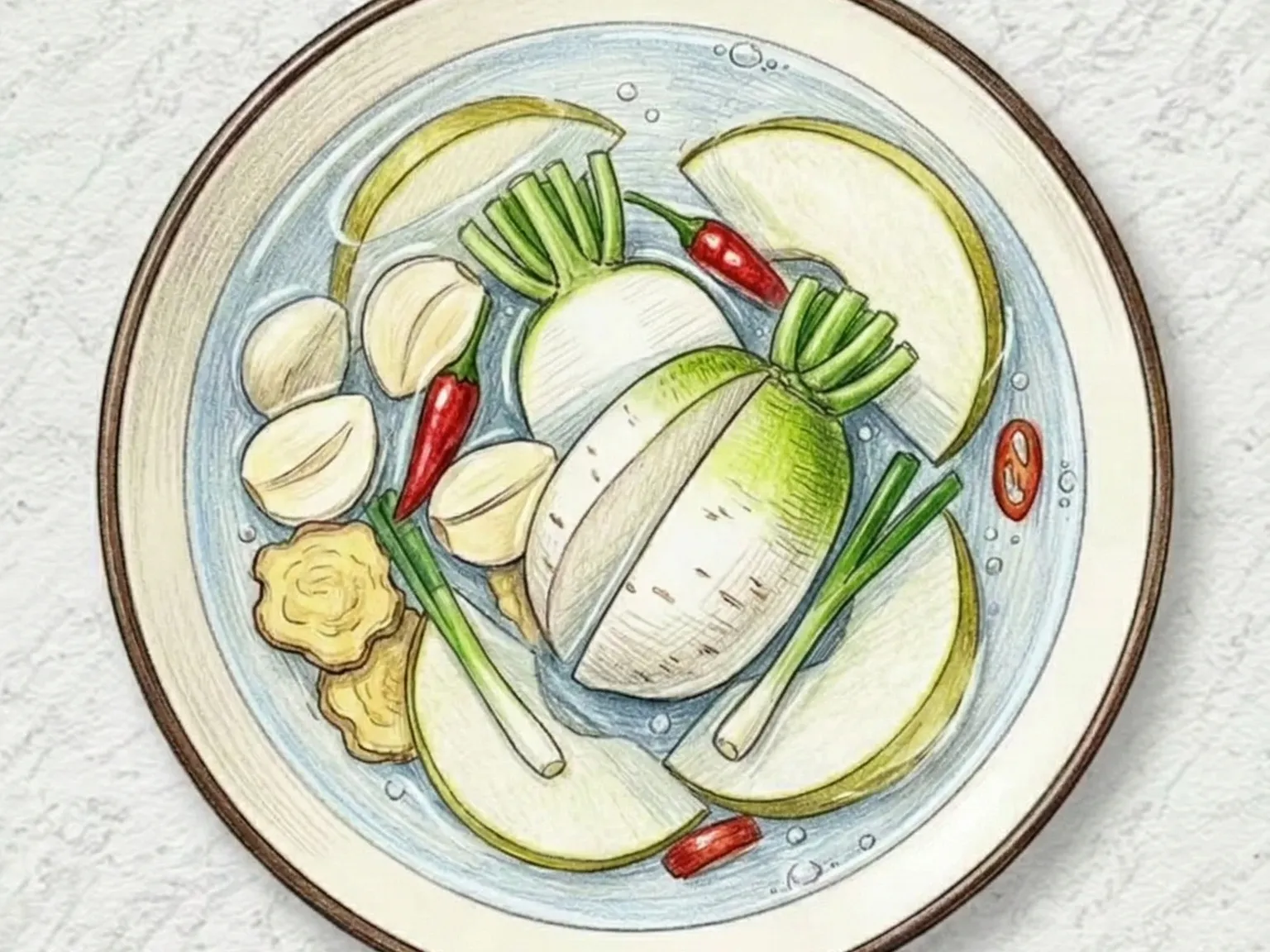
Eomuk-guk is a straightforward Korean soup centered around fish cakes and a base liquid prepared by simmering sliced radish. The initial step involves boiling the radish in water for a sufficient duration so that it releases a mild, natural sweetness into the broth while the liquid itself takes on a slightly translucent appearance. Depending on individual preference, the radish can be taken out of the pot or left in as part of the final dish. Once the base is ready, pieces of fish cake are added to the boiling liquid along with soup soy sauce and minced garlic. The mixture then simmers for approximately six minutes, a period during which the fish cakes soften and absorb the saltiness of the soy sauce while simultaneously contributing their own flavor back into the soup base. To finish the preparation, thinly sliced green onions and a sprinkle of black pepper are stirred in. These final additions provide a sharp fragrance and a gentle heat that helps recreate the specific taste found at traditional Korean snack bars and street food carts. The entire cooking procedure is completed in about twenty minutes. Because the required ingredients are minimal and often staples, this recipe serves as a practical option for times when there are few groceries available in the kitchen. This makes the dish accessible even when the refrigerator is nearly empty and only basic pantry items remain.

Korean Wild Chive Soybean Paste Stew
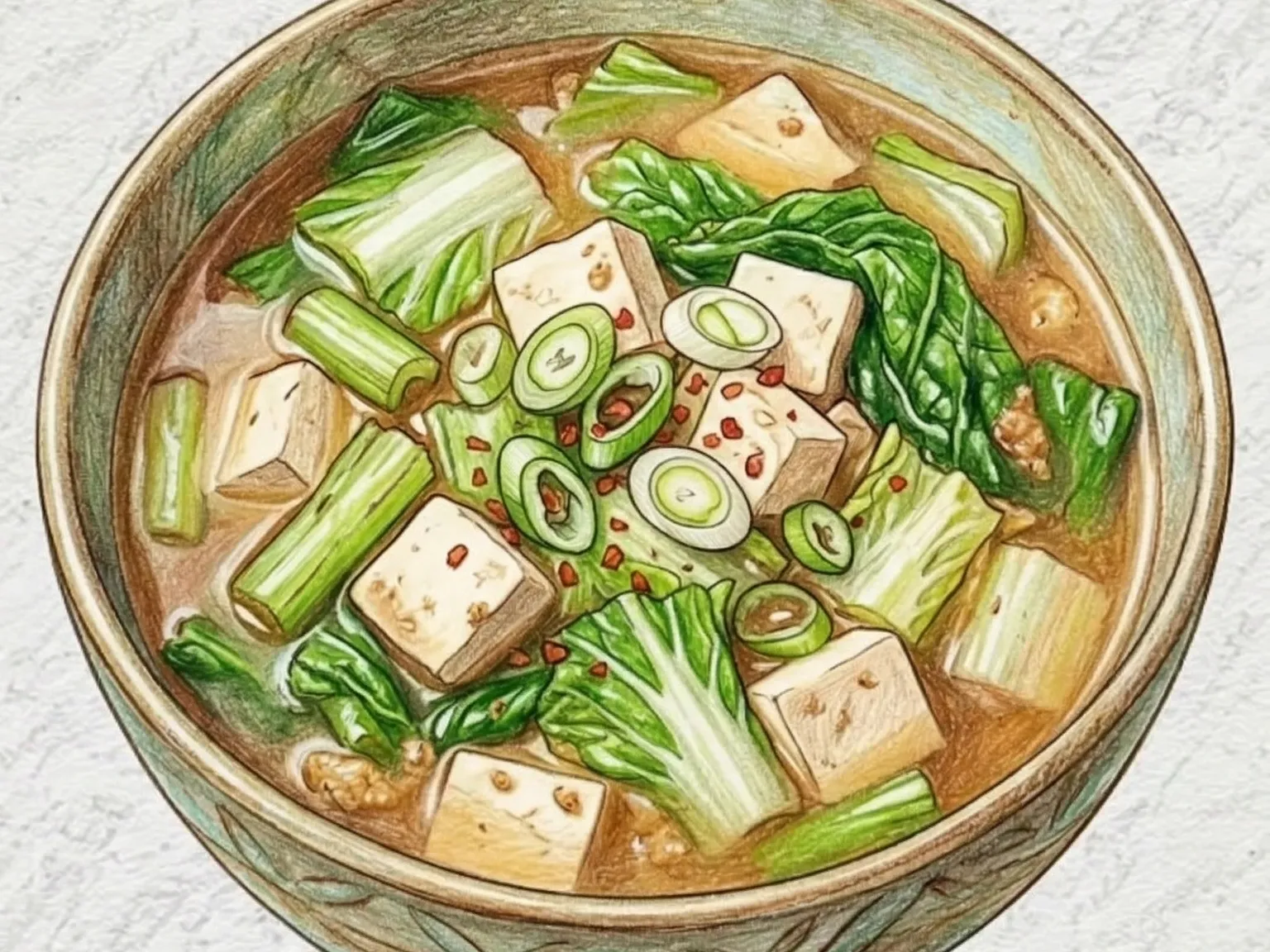
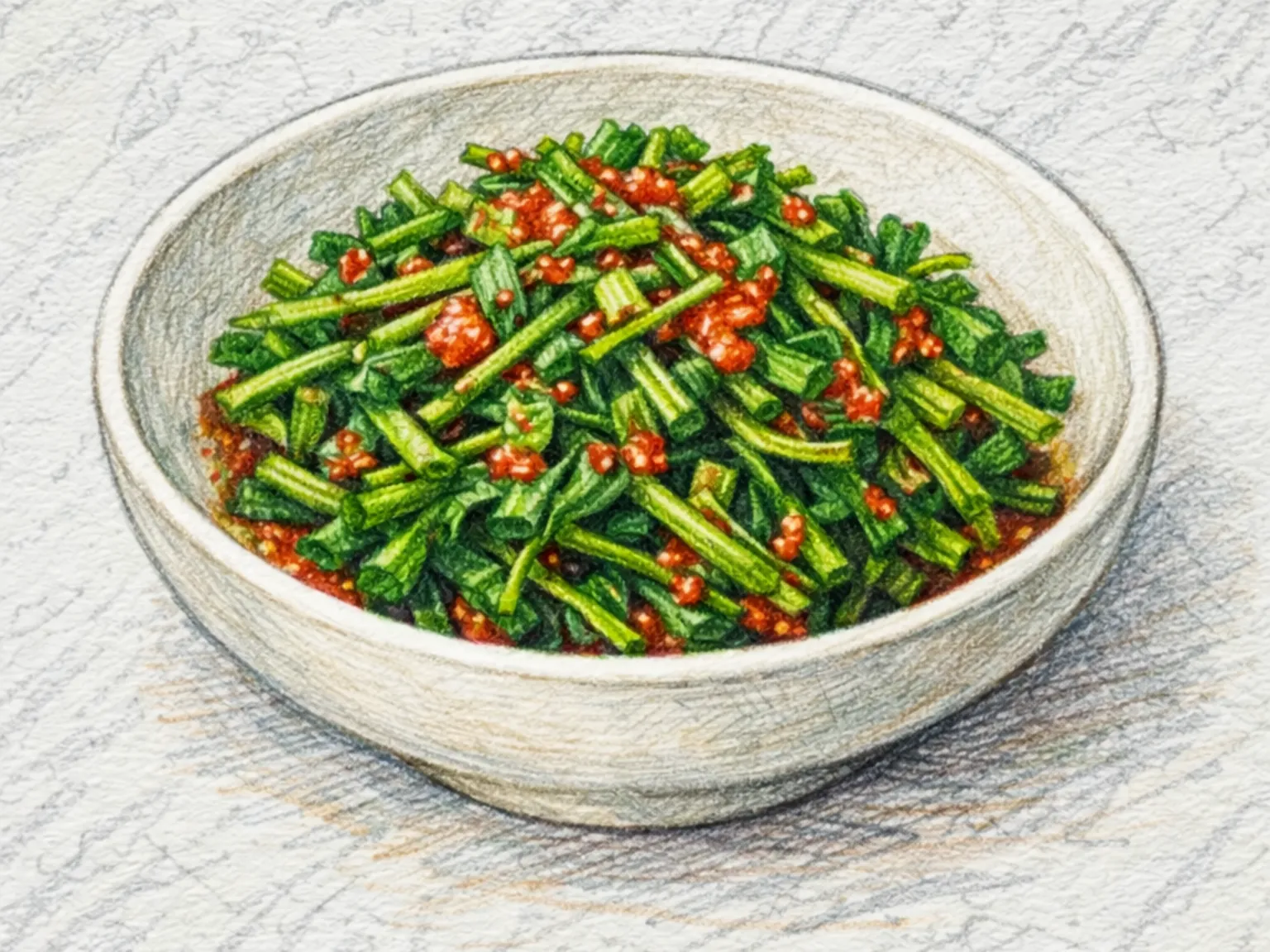
This doenjang jjigae features dalrae (wild chives), a prized spring ingredient in Korean cooking. Anchovy-kelp stock is simmered with soybean paste, tofu, zucchini, and onion to build a full-bodied, savory base, then wild chives are added just before turning off the heat to preserve their sharp, garlicky aroma. A single Cheongyang chili adds measured heat that underscores the earthiness of the doenjang without overwhelming it. Adding the chives root-end included intensifies the fragrance noticeably compared to using leaves alone. At its best between February and April when freshly harvested dalrae is available, this is a seasonal jjigae that restores appetite when nothing else seems appetizing.

Korean Braised Eggplant and Tofu
Gaji dubu jorim combines eggplant and firm tofu braised together in a soy sauce and gochugaru seasoning. The eggplant soaks up the sauce and turns silky soft, while the pan-seared tofu holds its shape with a slight firmness on the outside. Garlic and green onion round out the flavor, creating a lightly spicy, umami-rich side dish. Salting the eggplant briefly before cooking draws out excess moisture so the pieces absorb the seasoning more deeply without falling apart during braising. Draining the tofu and pan-frying it on both sides before adding it to the sauce keeps the blocks intact and gives the surface a slightly chewy resistance against the tender eggplant. A practical vegetarian-friendly banchan that delivers both protein and vegetables without any meat.

Korean Fermented Flounder Sikhae
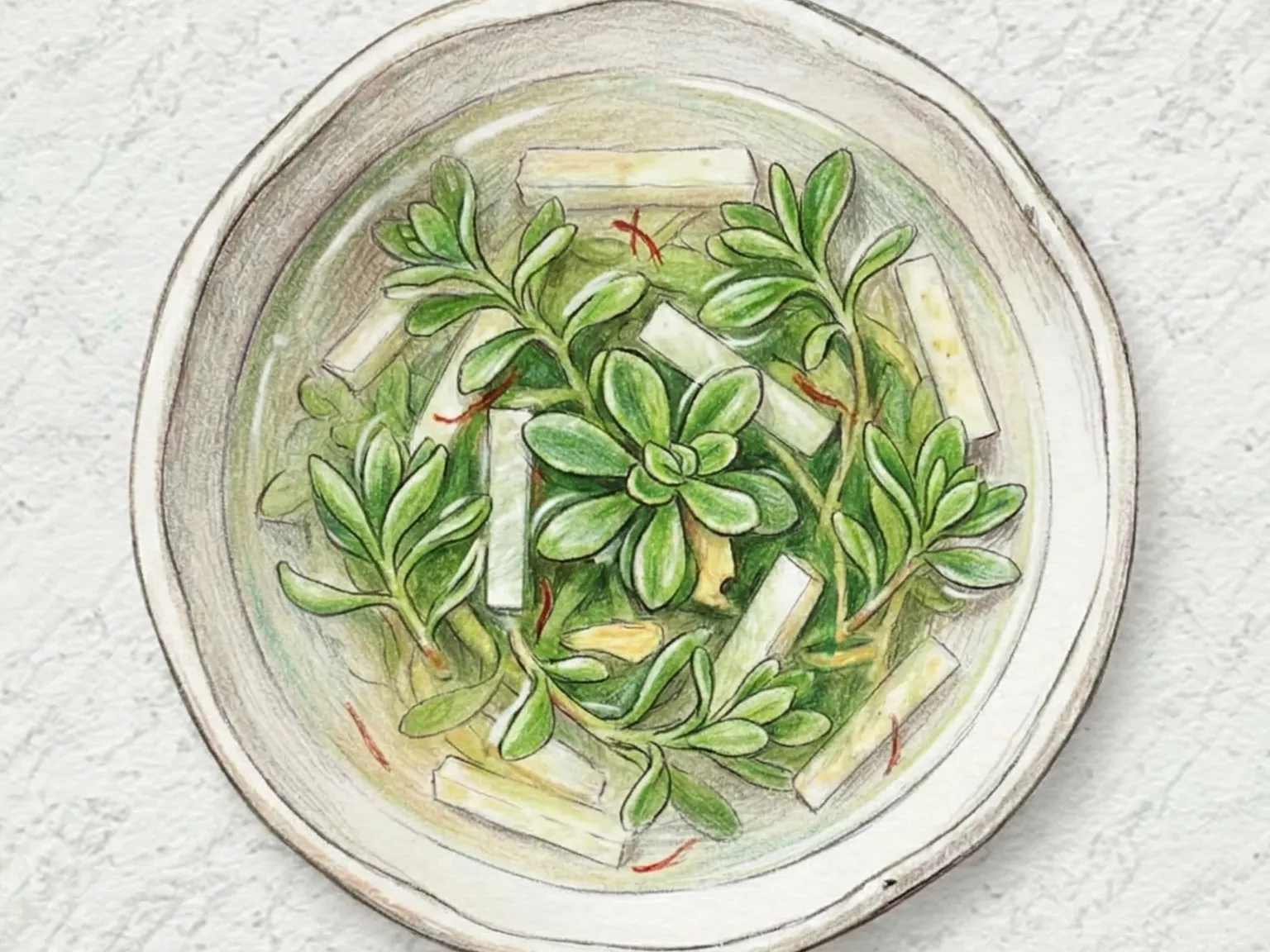
Gajami sikhae is a traditional fermented flounder preparation from Korea's East Coast, made by combining salt-cured flounder fillets with julienned radish, cooked glutinous rice, gochugaru, and fish sauce, then sealing the mixture for fermentation at low temperature for a week or more. The glutinous rice starch feeds lactic acid bacteria, producing a mild, rounded acidity that reads quite differently from the sharp, concentrated saltiness of jeotgal. Radish adds moisture and textural contrast. As fermentation progresses, fish proteins break down into deep umami compounds. The resulting sikhae is far less salty than conventional fermented seafood and can be eaten directly over rice. A regional winter banchan associated with Gangwon and Hamgyeong provinces, it grows more sour the longer it ferments.

Korean Knife-cut Noodle Soup
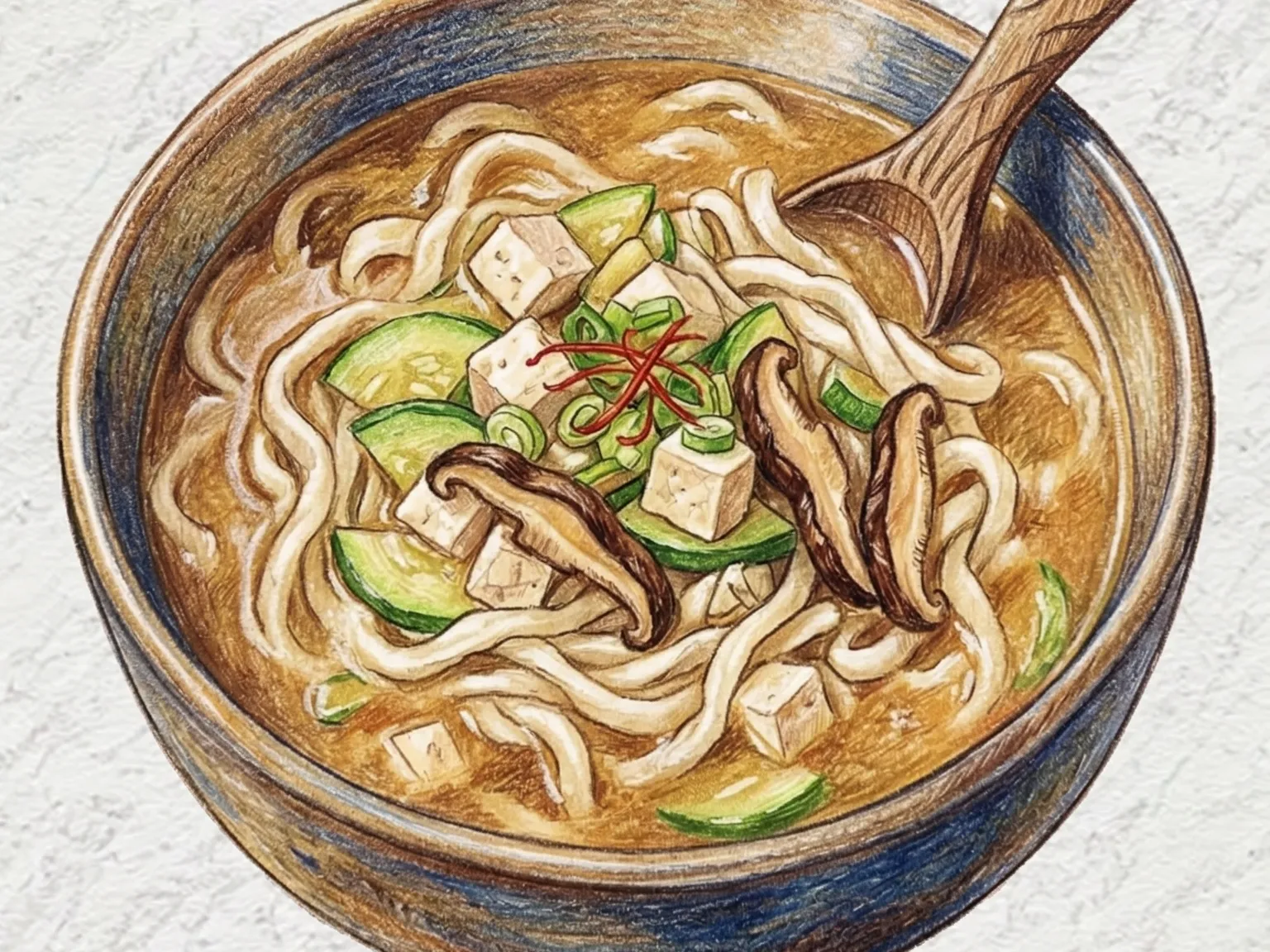
Kalguksu is a Korean noodle soup made with hand-cut wheat noodles simmered in anchovy-kelp broth. The noodles are rolled flat and sliced with a knife, giving them a rough surface that absorbs broth and a satisfying chew distinct from machine-made pasta. Sliced potato, half-moon zucchini, and onion go into the pot, with the potato releasing starch that naturally thickens the broth as it cooks. Seasoning stays minimal - soup soy sauce, salt, minced garlic, and green onion added at the end - so the clean, savory depth of the stock comes through clearly. The dish is traditionally associated with rainy days in Korea, and adding clams turns it into a popular seafood variation.

Mala Chicken Alfredo Fusilli
Mala chicken Alfredo fusilli is a fusion pasta that brings Sichuan mala sauce -- built on the numbing tingle of Sichuan peppercorn and the heat of dried chili -- into a cream-and-Parmesan Alfredo base. Chicken thigh is cut into bite-sized pieces and pan-seared to build a browned crust, then garlic and onion are sautéed in the residual fat to form the aromatic foundation. The Alfredo sauce is assembled from heavy cream, milk, and Parmigiano-Reggiano, with mala sauce stirred in to layer the peppercorn numbness against the dairy's richness. The amount of mala sauce added can be adjusted freely, making it straightforward to dial the level of tingling heat to preference. Fusilli's spiral ridges trap the thick sauce deep into their grooves so each piece delivers an even coating of flavor, and butter acts as a bridge between the cream base and the assertive spice, pulling both into a cohesive, glossy whole.

Feijoada (Black Bean and Pork Stew)
Feijoada is Brazil's national dish, a deeply layered stew of black beans and multiple pork cuts that demands hours of unhurried simmering. Collagen-heavy pieces such as ears, tails, and trotters dissolve slowly into the pot, turning the broth thick and glossy with body. Smoked sausages and dried meats send waves of smokiness through the liquid that the beans absorb over the long cook. By the end, the beans have become creamy inside while their skins hold their shape, and the broth around them is nearly as rich as a sauce. Garlic and bay leaves anchor the aromatics throughout. Feijoada is served alongside white rice, farofa, which is cassava flour toasted in butter and absorbs the broth while adding a dry, crumbly crunch, sauteed collard greens, and orange slices whose acidity slices cleanly through the fat. In Brazil, the dish carries cultural weight beyond its ingredients: it is a Saturday ritual, a slow communal meal that marks the end of the work week.

Chicken Korma (Creamy Cashew Curry)
Chicken korma developed in the kitchens of the Mughal courts, where cooks built dishes around layered subtlety rather than raw heat. The sauce begins with cashews or almonds soaked overnight and ground into a fine paste, which gives the gravy a velvety body and toasted-nut richness without any cream. Chicken is marinated in yogurt with whole spices - cardamom pods, cloves, cinnamon sticks, and mace blades - then brought to a low simmer where the warm aromatics slowly infuse the liquid and meet the tang of the yogurt, producing a flavor that is complex yet entirely without aggression. Saffron dissolved in warm milk and stirred in near the end stains the sauce a deep gold and adds a faint floral quality, two elements that mark a properly made korma. The dish is frequently recommended to diners encountering Indian food for the first time because of its mildness, but the dense nut-paste base, the careful balancing of a dozen aromatics, and the slow integration of yogurt make korma one of the most technically demanding preparations in the North Indian canon - far more than a simple mild curry.

Korean Spicy Seasoned Deodeok
Deodeok - Codonopsis lanceolata - is a mountain root that has been used in Korean cooking and folk medicine for centuries. Its flesh is fibrous, sticky, and carries a ginseng-like bitterness that becomes pronounced when the root is raw. Peeling and pounding with a mallet splits the fibers into rough, ribbon-like shreds with a textured surface that holds seasoning well. A soak in cold water draws out the sharpest of the bitterness before the root is drained and tossed. The dressing - gochujang, vinegar, minced garlic, sugar, and gochugaru - is sweet, sour, and spicy in roughly equal measure, tempering the root's wild, resinous character while leaving the chewy texture intact.

Korean Seaweed Rice Porridge
Miyeok-juk is a Korean porridge made by first stir-frying rehydrated dried seaweed in sesame oil before simmering it with soaked rice over low heat. The stir-fry step is what distinguishes this porridge: it drives off the seaweed's raw marine edge and allows sesame oil's nutty fragrance to permeate the entire pot. As the soaked rice cooks down with the seaweed, the grains break apart and release their starch, producing a smooth, thick consistency without the need for any thickener. Soup soy sauce seasons the porridge lightly so the natural depth of the seaweed comes through without salt overpowering it. A final drop of sesame oil just before serving revives the aroma. Because the result is easy to digest and gentle on the stomach, this porridge has long been a fixture at Korean breakfast tables, served to anyone recovering from illness, and prepared specifically for mothers in the weeks following childbirth. The tradition of eating miyeok-juk on birthdays traces back to this postpartum association, as mothers consumed it to rebuild strength and nourish their infants through nursing. Mild, warming, and requiring nothing more than pantry staples, the porridge remains one of the most reliably comforting dishes in the Korean kitchen.

Korean Soy Braised Chicken Wings
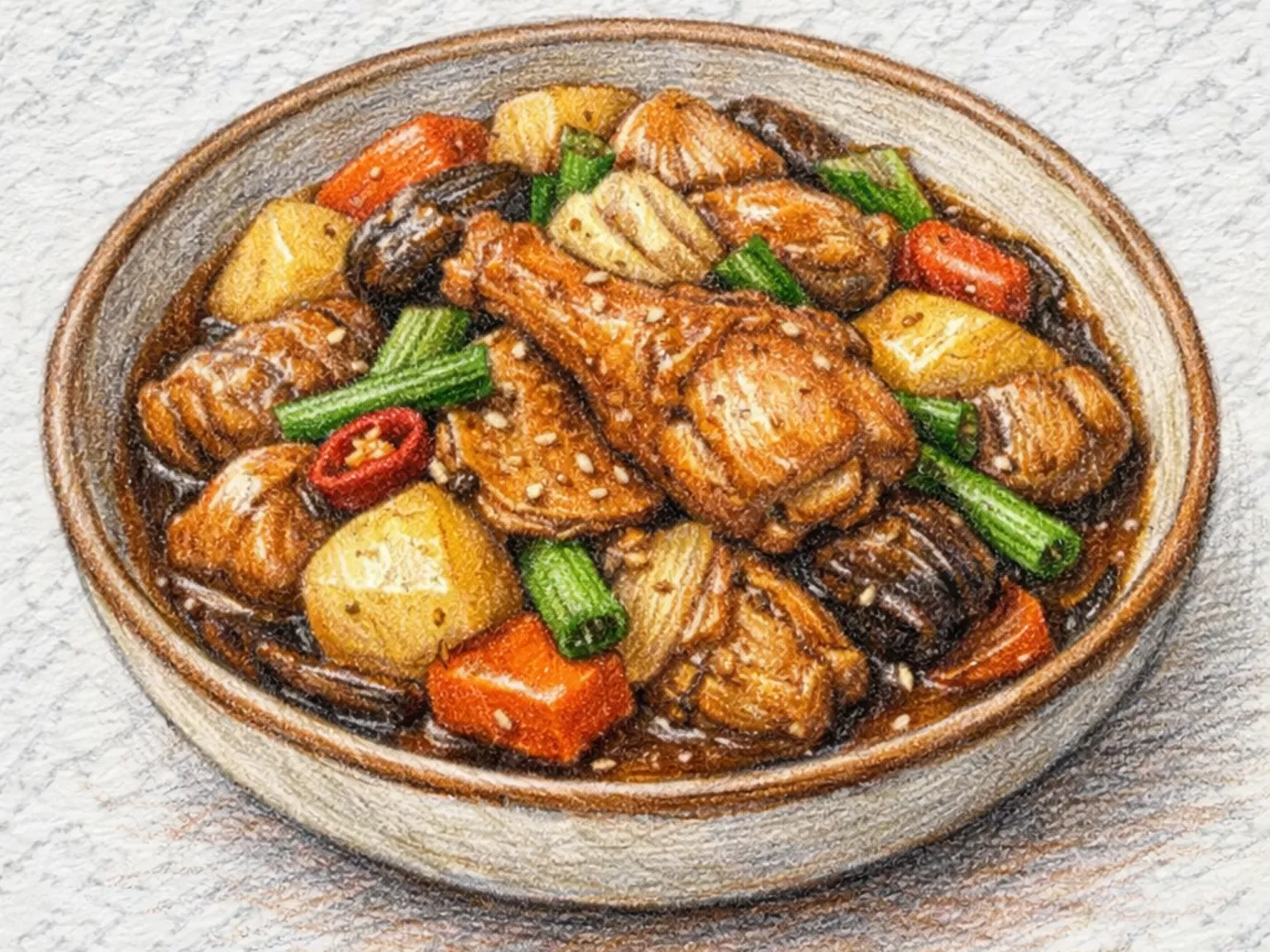
Dak-nalgae-ganjang-jorim is a Korean braised chicken wings dish slow-cooked in a seasoning mixture of soy sauce, sugar, garlic, and ginger over medium-low heat until the sauce reduces to a thick, sticky glaze. The thin skin on the wings absorbs the braising liquid as it reduces, developing a glossy brown coating that clings to each piece. Cartilage near the joints softens progressively the longer the wings cook, shifting from a firm snap to a yielding, almost gelatinous texture. Green onion is added early to neutralize any off-flavors from the chicken, while ginger contributes a subtle warmth that rounds out the overall aroma. The braising liquid is allowed to reduce almost completely so the last traces of sauce concentrate into a dense, caramelized coating rather than a loose broth. Eating the wings by hand, pulling the meat from the bone, is part of the appeal, and this hands-on quality makes the dish a regular presence on Korean drinking tables alongside beer or soju.

Korean Grilled Patty Skewers
Tteokgalbi-kkochi are skewered patties made from a thoroughly kneaded mixture of ground beef, ground pork, soy sauce, sugar, garlic, and sesame oil, shaped into ovals and threaded onto wooden skewers before grilling. A small amount of starch mixed into the meat and at least three full minutes of kneading are what give the mixture enough tackiness to stay firmly anchored to the skewer throughout cooking; skip either step and the patties slide or crack apart on the grill. Moistening your hands with water while shaping prevents the mixture from sticking and helps produce smooth, even ovals. Grilling over medium heat first develops a golden Maillard crust on both sides, then lowering the heat and continuing to cook allows the interior to reach the center without the outside drying out, concentrating the meaty flavor at the core. A thin brushing of soy-and-corn-syrup glaze applied just before flipping and again right before removing from the heat builds a glossy, sweet-salty lacquer on the exterior. Served alongside tteokbokki sauce or ketchup, the skewers carry the unmistakable energy of Korean street food stalls.

Korean Soy-Glazed Grilled Rice Cakes
Garaetteok-ganjang-gui is a Korean soy-glazed grilled rice cake dish where cylindrical garaetteok is sliced on the diagonal, pan-fried until the cut surfaces blister and brown, then coated in a reduced sauce of soy sauce, rice syrup, and butter. Briefly dipping the rice cakes in boiling water for thirty seconds before grilling softens their outer layer so the glaze absorbs evenly, and the pan-frying then produces a dual texture of crunchy shell and stretchy, chewy interior. A one-to-one ratio of soy sauce to rice syrup, reduced over medium heat until thick and viscous, gives the surface a lacquered sheen, and stirring a knob of butter in off the heat adds a creamy richness that rounds out the soy's saltiness without overwhelming it. A finishing scatter of crumbled seaweed and ground sesame introduces oceanic and nutty notes that elevate this from a plain grilled rice cake to a finished snack. A small spoonful of gochujang stirred into the glaze produces a spicy version, and a slice of cheese melted over the top just before serving gives it a Western-influenced character that works surprisingly well against the chewy rice cake base.

Korean Spicy Freshwater Fish Soup
Eotang is a traditional Korean soup from the Chungcheong region, made by boiling whole freshwater fish for over forty minutes to coax a thick, deeply savory broth from both flesh and bone. The stock is strained twice through a fine sieve to remove every small bone, then returned to heat with radish, doenjang, and minced garlic for another twenty minutes of simmering. The earthy, nutty richness of freshwater fish blends with fermented soybean paste to build a broth of layered depth, and the radish softens fully over the long cook, helping the liquid take on a slightly silky body. Red chili flakes and thick-cut green onion stirred in at the end sharpen the heat and amplify the savory undercurrent of the broth. The preparation takes time and attention, but the dense, bone-drawn concentration of flavor the process produces is difficult to achieve any other way.

Korean Bellflower Root Tofu Stew
Deodeok dubu jjigae is a Korean stew that simmers bellflower root and soft tofu in a broth made from rice-rinse water. Gochujang and doenjang are dissolved together to build a base that is simultaneously spicy and deeply savory. Bellflower root contributes a signature bitter-herbal fragrance and firm bite that sets the soup apart from standard tofu jjigae. Rice-rinse water acts as a natural thickener and rounds off any residual bitterness from the root. The contrast between the chewy deodeok and the yielding tofu gives each spoonful an interesting texture. Before cooking, the bellflower root is traditionally pounded to open its fibrous grain, which allows the seasoning to penetrate more evenly.

Korean Braised Eggplant with Pork
Gaji dwaejigogi jorim is a Korean braised dish of eggplant and pork shoulder simmered in a soy sauce and gochugaru seasoning base. The pork slowly renders its fat into the eggplant as they cook together, giving the vegetable a rich, meaty depth. Cooking wine mellows the pork and removes any gamey notes, while the soy and garlic combination builds deep, layered flavor throughout the braise. Briefly stir-frying the eggplant in oil before braising coats the surface and helps it hold its shape while drawing the seasoning inward more effectively. A final drizzle of sesame oil finishes the dish with a nutty fragrance, and this recipe is at its best in summer when eggplants are in peak season with thin, tender skins.

Korean Soy-Pickled Eggplant
Gaji jangajji is a Korean-style pickled eggplant that starts by blanching the eggplant in boiling water for just over a minute to soften only the outer surface, leaving the inside intact. The briefly cooked eggplant is submerged in a pickling brine of soy sauce, vinegar, and sugar that has been brought to a boil and then cooled. The eggplant absorbs the brine rapidly and deeply, like a sponge, while holding a soft, yielding texture at its core. Vinegar sharpens the eggplant's otherwise flat flavor, and garlic together with cheongyang chili pressed into the brine build a low heat and quiet complexity that goes beyond basic preservation. Ready to eat after a single day in the refrigerator, this jangajji holds its texture for more than ten days when kept cold, which makes it a practical banchan to prepare in advance and pull out over multiple meals.

Korean Knife-Cut Noodles and Dough Flake Soup
Kaljebi is a Korean home-style soup that cooks knife-cut noodles and hand-torn dough flakes together in a single pot of anchovy-kelp broth. Sliced potato goes in first, releasing starch that thickens the broth to a gentle, savory body without any additive. The dough flakes are pinched thin and dropped in well ahead of the knife-cut noodles - because they need more time to cook through - so both elements finish together. Every spoonful holds two distinct textures: the broad, pillowy sheets of sujebi alongside the chewy strands of kalguksu. Zucchini and green onion round out the flavor, and a light hand with soup soy sauce keeps the bowl clear and clean-tasting rather than heavy. This is weekday cooking at its most practical, requiring only a handful of pantry staples.

Minari Pesto Chicken Gemelli
Minari pesto chicken gemelli is built on a sauce made by grinding Korean water parsley and walnuts together into a pesto that reads as herbaceous and faintly bitter rather than the sweet, basil-forward character of the Italian original. Minari has a clean, lightly peppery green aroma with a slight cooling quality that carries through to the finished sauce. Walnuts replace pine nuts, adding a denser, earthier nuttiness along with a coarser texture in the paste. Chicken thighs are seared in a hot pan until the skin side develops a proper golden crust through the Maillard reaction, which adds savory depth the breast cut lacks. Parmesan cheese and olive oil give the pesto its creamy, cohesive body. Lemon juice is added last to cut through the oil and brighten the entire dish without making it feel acidic. Gemelli is a natural choice because its tightly twisted double-helix shape traps the thick sauce inside each coil, ensuring good coverage in every bite. If minari is unavailable, ssukgat can substitute, but the flavor profile shifts toward a more bitter, chrysanthemum-like note.

Gambas al Ajillo (Garlic Shrimp)
Gambas al ajillo cooks peeled shrimp in a generous pool of olive oil infused with thinly sliced garlic and dried red chili over low heat, a method that turns the oil itself into the flavor foundation of the dish. The garlic must be coaxed slowly to release its sweetness into the oil without crossing into bitterness - the moment it turns golden, the shrimp go in and cook for two to three minutes until pink and just cooked through. A seasoning of salt, black pepper, and a scatter of chopped parsley finishes the pan. The dried chili adds a gentle warmth that sharpens both the garlic-scented oil and the natural sweetness of the shrimp, while the olive oil absorbs and carries all these flavors together. Sliced baguette served alongside is not optional - it exists to soak up the deeply flavored oil, and mopping the pan completely clean is the traditional way to end the dish. Keeping the heat consistently low throughout is the one non-negotiable rule: high heat burns the garlic in seconds and toughens the shrimp.

Chili Paneer (Spicy Fried Cheese Stir-Fry)
Chili paneer belongs to Indo-Chinese cuisine, a fusion genre that emerged in the late nineteenth century when Hakka Chinese immigrants settled in Kolkata and began cooking with Indian ingredients and techniques. Cubes of paneer, India's firm fresh cheese that holds its shape under high heat without melting, are coated in cornstarch and deep-fried until a crisp shell forms, then tossed in a blazing-hot wok with diced garlic, green chilies, bell peppers, and onions, all brought together in a sauce built from soy sauce, chili sauce, tomato ketchup, and vinegar. The starchy crust absorbs the punchy sauce while shielding the soft, milky interior of the paneer, and the contrast between the crunchy shell and the yielding cheese inside is the defining pleasure of the dish. Two distinct styles exist: dry, where the sauce barely coats each cube and the dish is eaten as a starter or with drinks, and gravy, where a thicker, glossier sauce pools generously around the paneer for scooping with naan or ladling over fried rice. The flavor profile, salty soy meeting sour vinegar, sweet ketchup cutting through hot chili, is neither Chinese nor Indian but something entirely its own, a product of a specific immigrant community adapting to a new place while keeping familiar techniques alive.