Tamarind Fish Noodle Soup
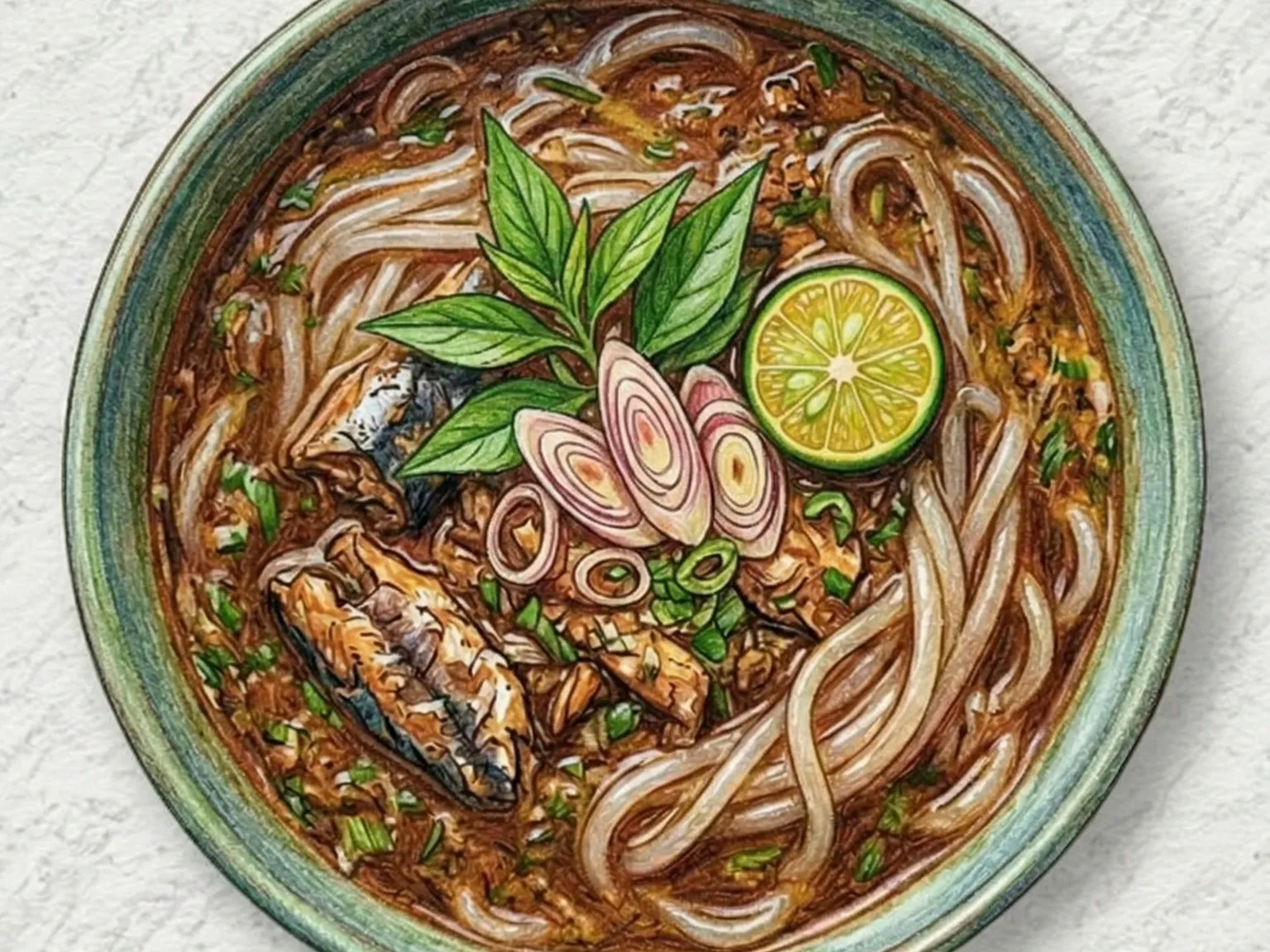
Asam laksa is Penang's defining noodle soup, recognized by UNESCO as one of Malaysia's intangible cultural heritage items. Where Singapore's curry laksa builds its richness on coconut milk, this version draws its entire character from a tamarind-soured fish broth that is tart, briny, and aggressively aromatic in a way that coconut-based versions never are. Whole mackerel is poached until it flakes, then removed and broken apart by hand; the remaining liquid is blended with torch ginger flower, lemongrass, and galangal pounded into a coarse paste to build the broth's layered fragrance. Tamarind sourness arrives first and dominates the initial impression, followed by a slow build of chili heat and the ocean depth of fish sauce. Thick rice noodles sit at the bottom of the bowl, their chewy resistance offering physical contrast to the sharp, lean broth that pours over them. The table condiments - julienned cucumber, fresh mint leaves, thinly sliced onion, and a spoonful of belacan-enriched prawn paste - are not optional garnishes but integral components: the fermented prawn paste in particular adds a dimension of umami that rounds the broth's acidity into something far more complex. Every hawker stall in Penang has its own spice ratios handed down through family lines, which is why no two bowls taste exactly alike.

Korean Seasoned Napa Cabbage Namul
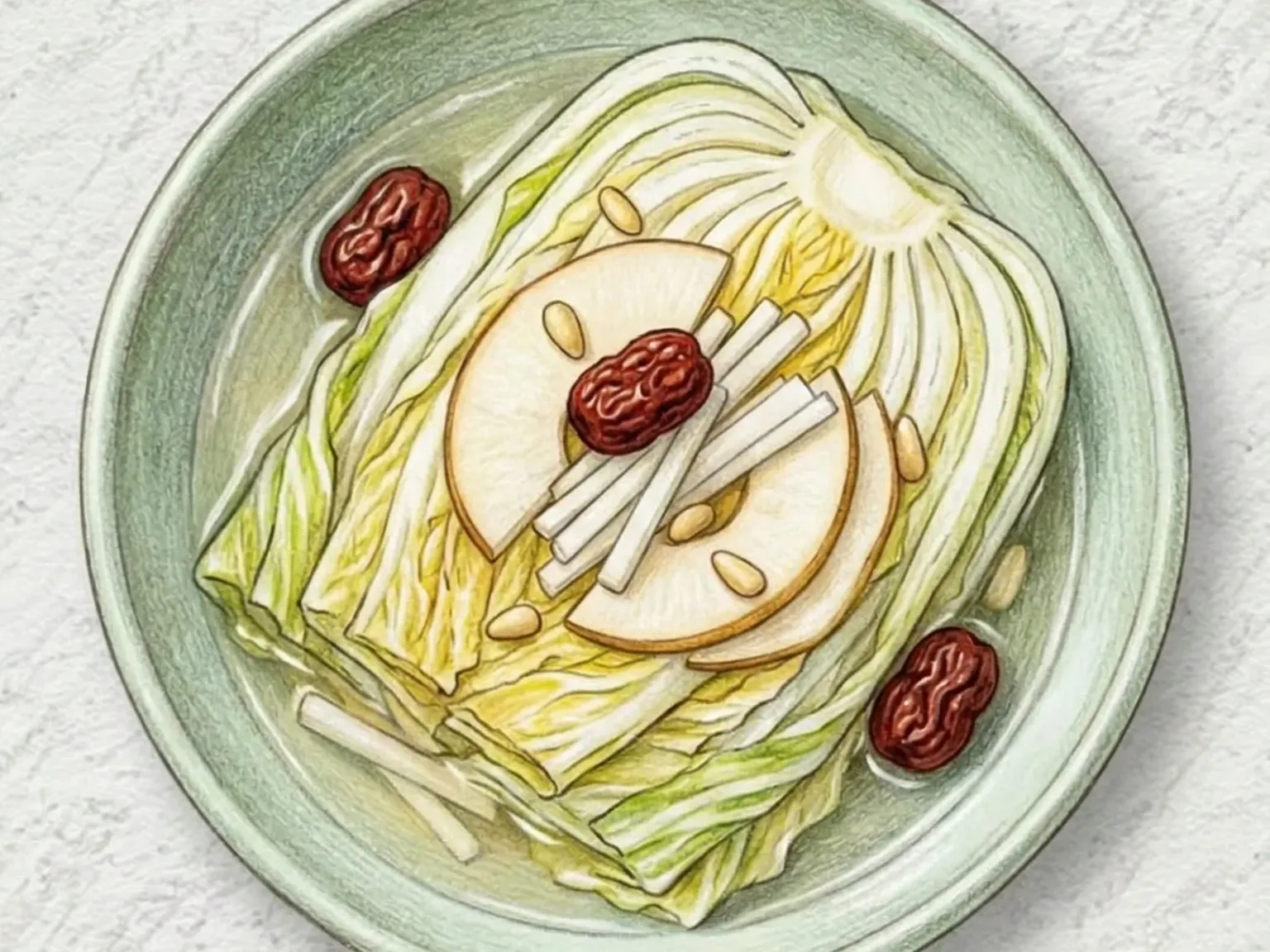
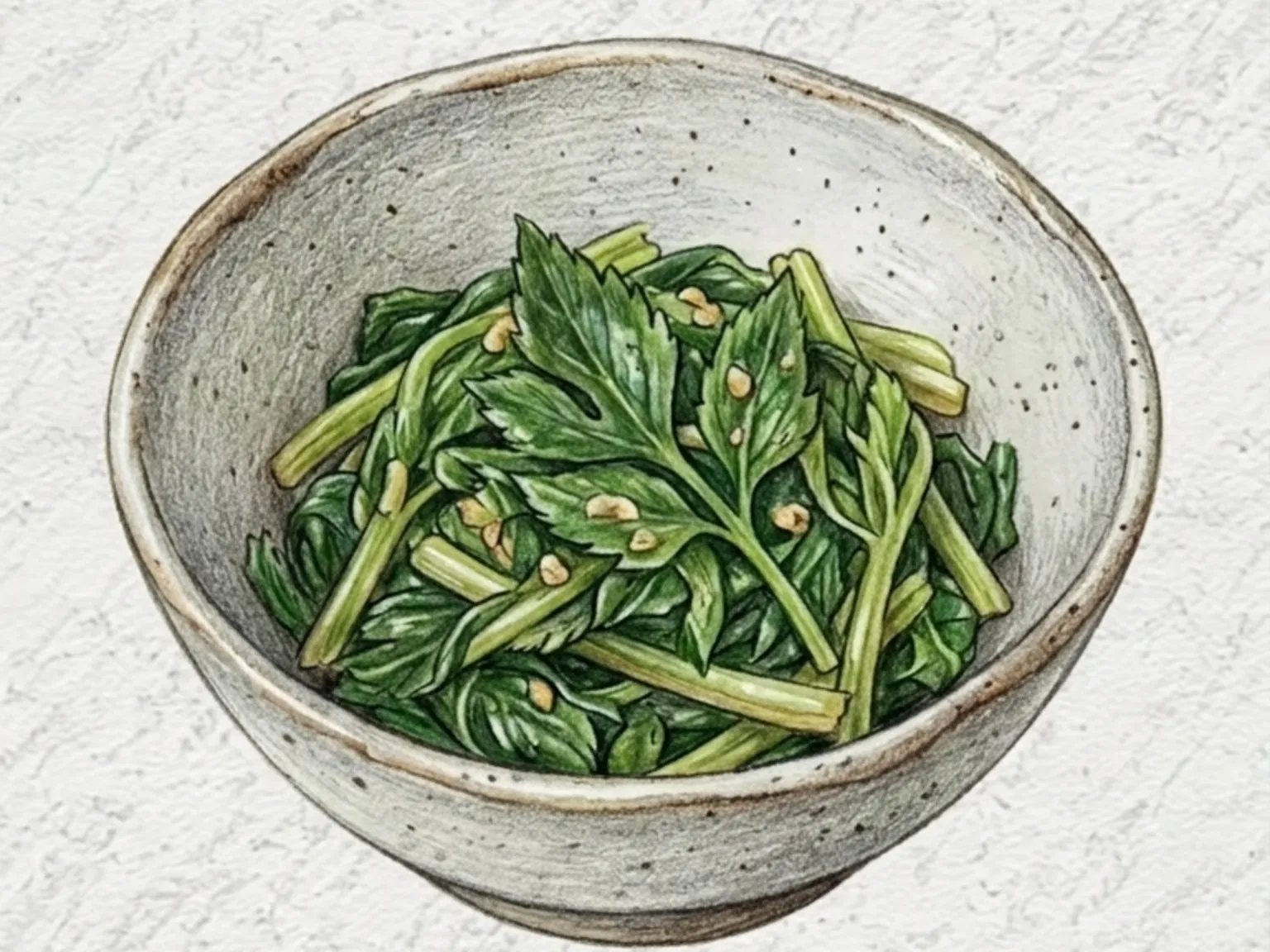
Boiled napa cabbage dressed with doenjang and perilla, a banchan passed through generations of Korean home cooks. The cabbage boils for two minutes so the leaves go fully soft while the white stems keep a slight bite, then it is rinsed, squeezed dry, and cut. Perilla oil takes the place of sesame oil and gives the dressing a distinctly herbal character. Perilla powder added at the end thickens the seasoning into a coating that clings to each strand. This quiet banchan pairs well with clear soups and plain steamed rice.

Korean Mushroom Perilla Seed Risotto
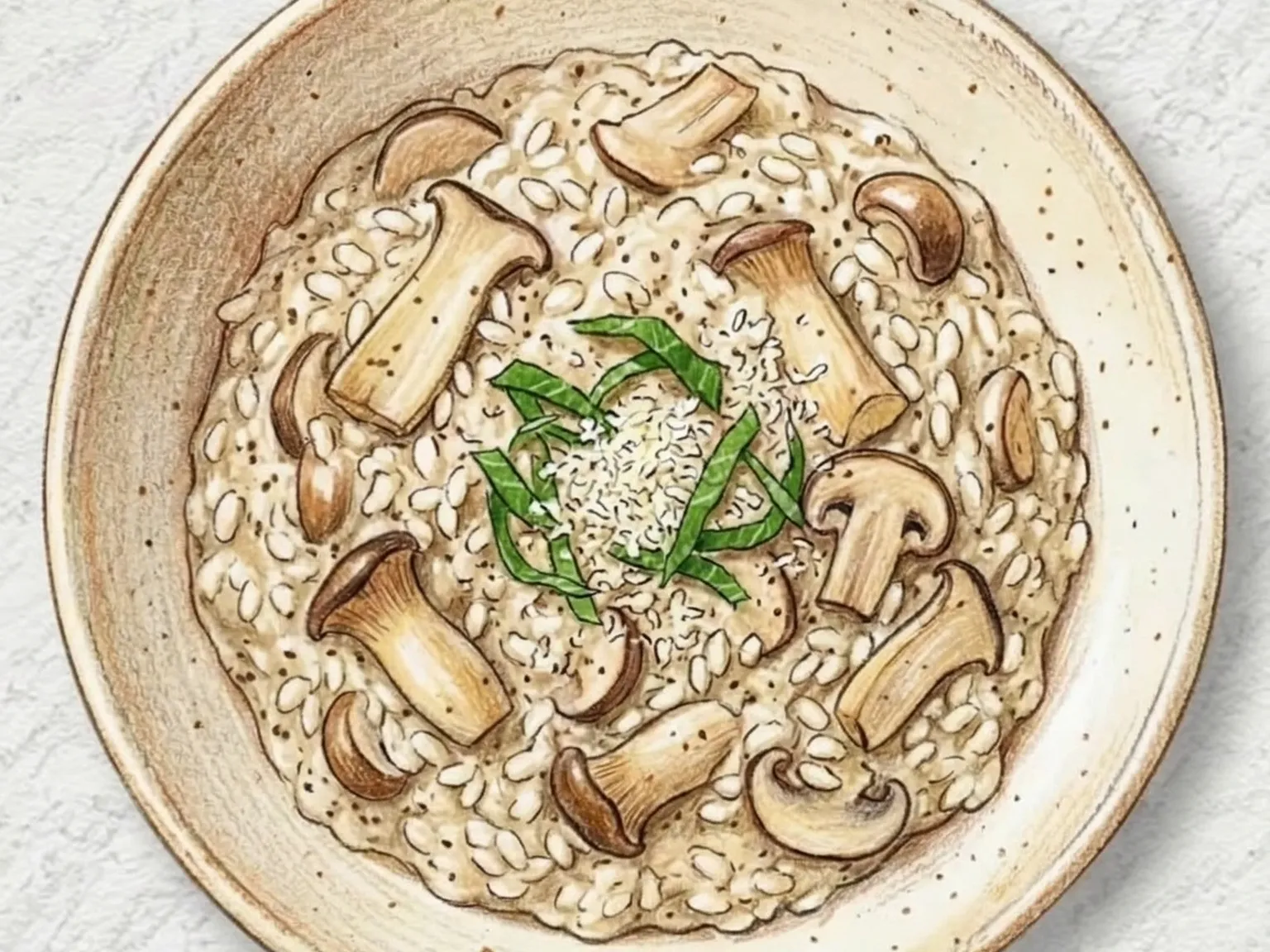
King oyster and button mushrooms are sauteed with onion and garlic, then Arborio rice is slowly cooked in warm vegetable stock, one ladle at a time, until the grains release their starch into a creamy consistency. Perilla seed powder and grated Parmesan are folded in at the very end, merging Italian creaminess with the distinctive roasted-nut flavor of Korean perilla. The key is keeping the stock warm throughout so the rice cooks evenly without seizing, and adding perilla powder last to preserve its volatile aroma. Even without meat, the mushrooms provide substantial umami depth and the perilla adds a rich, nutty finish.

Korean Aseuparageoseu Dak Ganjang Bokkeum (Asparagus Soy Chicken Stir-fry)
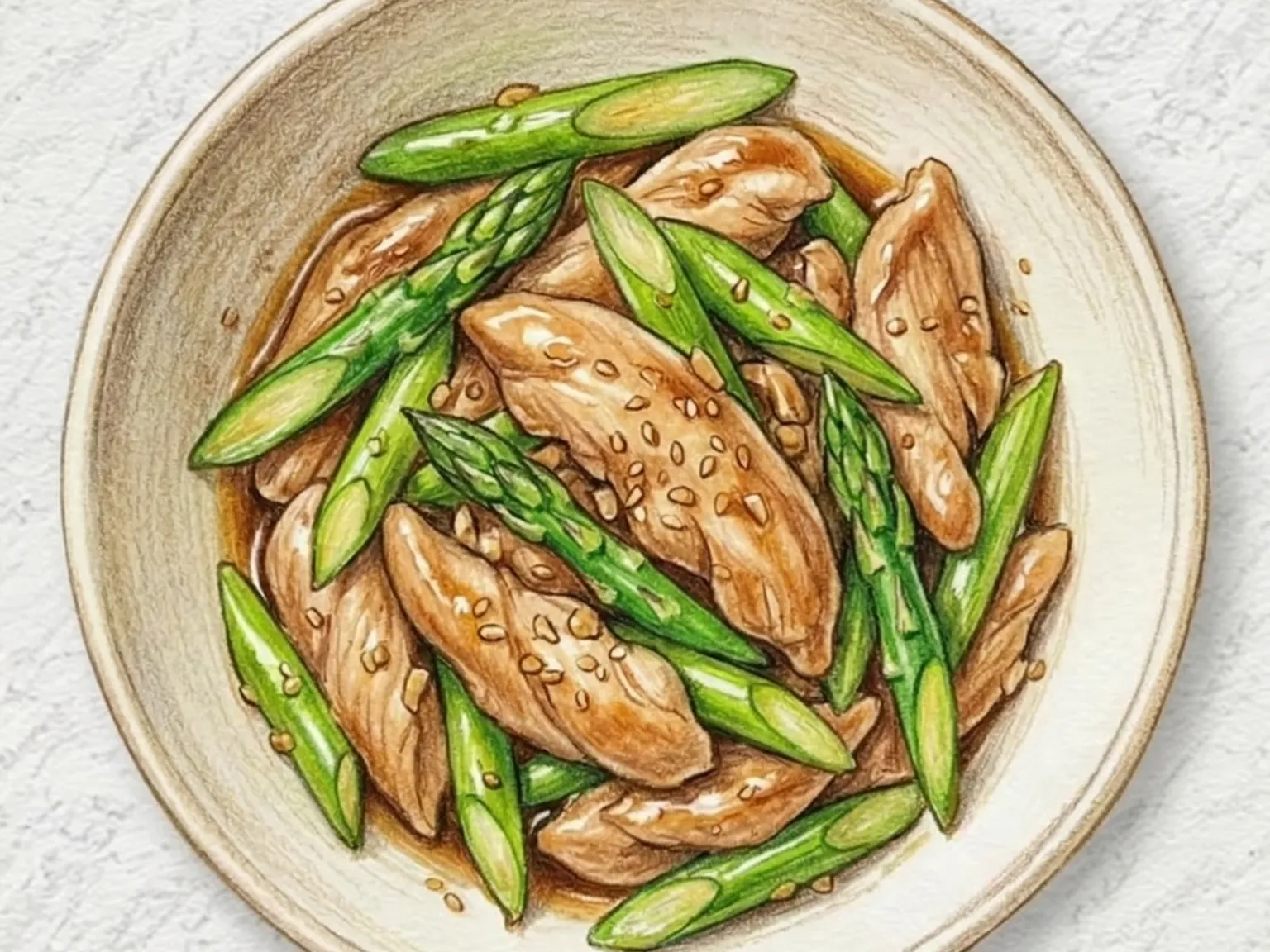
This Korean stir-fry brings together chicken tenderloin and asparagus in a soy-based glaze - a modern home-cooking dish from the past few decades, when asparagus began appearing regularly in Korean kitchens. The chicken is sliced thin against the grain and marinated briefly in soy sauce, garlic, and sesame oil so it stays moist through the fast, high-heat stir-fry. Asparagus is cut on a sharp diagonal to maximize surface area for the glaze to adhere to, and the woody ends are snapped off by hand at their natural breaking point rather than cut with a knife. High heat is non-negotiable: the chicken sears quickly without weeping moisture, and the asparagus keeps its vivid green color and firm snap. A finishing glaze of soy sauce, sugar, and oyster sauce caramelizes lightly in the pan, forming a thin, glossy coat over every piece. The dish is deliberately restrained - clean soy saltiness and the grassy freshness of the vegetable take the lead, without the heavy, chili-forward weight of a gochujang-based sauce. It works equally well as a rice side or a light standalone meal.

Korean Mini Seaweed Rice Rolls
Chungmu gimbap is a regional specialty from Tongyeong in South Gyeongsang Province - small, bite-sized seaweed rice rolls seasoned only with sesame oil and salt, served alongside spicy squid and pickled radish side dishes. The rolls carry no filling at all, so the rice and seaweed stay clean and mild, with all the bold flavor coming from the accompaniments. Blanched squid is tossed in gochugaru, fish sauce, and garlic for a spicy, briny punch, while thin-sliced radish pickled in the same seasoning adds crunch and sharp tartness. The tension between the plain, compact rolls and the intensely seasoned sides is the point of this dish - each plain bite and each fiery bite calibrate each other, making the combination more satisfying than either part alone.

Korean Butter-Grilled Mushrooms
This dish takes thickly sliced king oyster and button mushrooms, sears them in melted butter over high heat for about four minutes until golden on both sides, then finishes with a quick toss of soy sauce for a glossy coating. Garlic goes in with the butter at the start, releasing its fragrance into the fat before the mushrooms hit the pan. Soy sauce added just before the heat is cut keeps the finish clean rather than acrid. A crack of black pepper and a scatter of chopped chives complete the plate, delivering concentrated umami without any meat. The preparation is straightforward and fast, making it a practical choice to put together quickly at the table.

Korean Grilled Broccoli with Soybean Paste
Broccoli doenjang-gui is a Korean oven-roasted broccoli dish where bite-sized florets are blanched for exactly one minute to preserve their crunch, then tossed thoroughly in olive oil before being coated with a thick paste made from doenjang, gochujang, minced garlic, and oligosaccharide syrup, and roasted at 200 degrees Celsius for about twelve minutes. Coating the florets in oil first is the key step that ensures the paste adheres uniformly rather than clumping in spots, so every piece caramelizes evenly in the heat. At high oven temperatures the outer edges of the florets char slightly, and that controlled browning concentrates the fermented soybean paste into a deeply savory crust with a faint smokiness that raw doenjang cannot replicate. Keeping the blanching time to one minute is equally important: the stems stay crisp enough to hold their texture through roasting, so the finished dish has a satisfying snap rather than softening entirely. If the paste feels too stiff to spread, a tablespoon of water loosens it without diluting the flavor. A generous scatter of sesame seeds before serving adds a toasted nuttiness that layers over the salty-spicy profile and completes the dish.

Korean Napa Cabbage Perilla Soup
Baechu deulkkae-guk is a Korean soup built from three foundations: soft-cooked napa cabbage, fermented doenjang, and ground perilla seeds. The cabbage is simmered in anchovy-kelp stock until the white stems turn translucent and the leafy parts nearly dissolve into the broth, releasing a gentle natural sweetness into the liquid. Doenjang dissolved into the stock provides the fermented, earthy backbone that anchors the flavor. Ground perilla seeds, stirred in during the final minutes of cooking, transform the broth from clear to a pale, creamy suspension and introduce a distinctly herbal, nutty aroma that has no close equivalent in sesame or any other common seed. Adding the perilla off high heat prevents it from turning gritty and preserves the volatile aromatic compounds that give it character. This soup belongs to the Korean tradition of deulkkae-guk, a category of perilla-based soups that also includes versions made with dried radish greens, mushrooms, and other cold-weather vegetables. It is among the first dishes Korean home cooks reach for when autumn temperatures drop, and it pairs naturally with plain steamed rice. Perilla has grown wild in Korea's mountains and fields since ancient times and is considered a native ingredient; in this soup, it combines with doenjang to create a flavor pairing that is entirely Korean in character.

Korean Lotus Root Beef Pancake
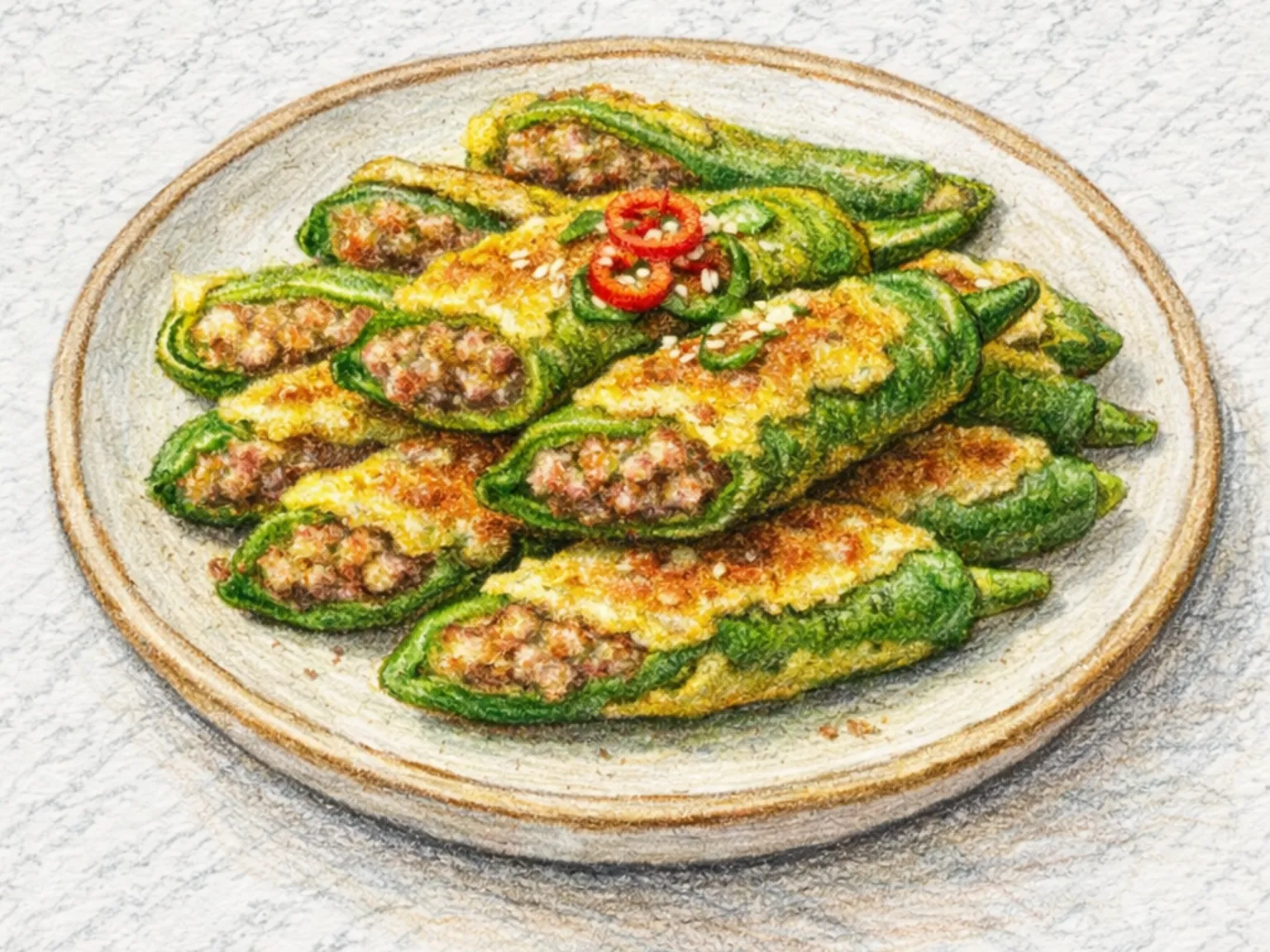
Sliced lotus root is sandwiched with seasoned ground beef, coated in pancake batter and egg, then pan-fried until golden. The lotus root keeps its crunch even after cooking, so the texture contrast with the soft beef filling is distinct in every bite. Soy sauce and minced garlic season the filling so the jeon is fully flavored on its own without a dipping sauce. Chopped green onion is worked into the beef for a fresh aromatic note. The lotus root hole pattern fills with meat during assembly, making each cross-section visually clean and precise. The egg coating browns smoothly around the outside, giving a tender rather than crisp exterior.

Korean White Kimchi Tofu Stew
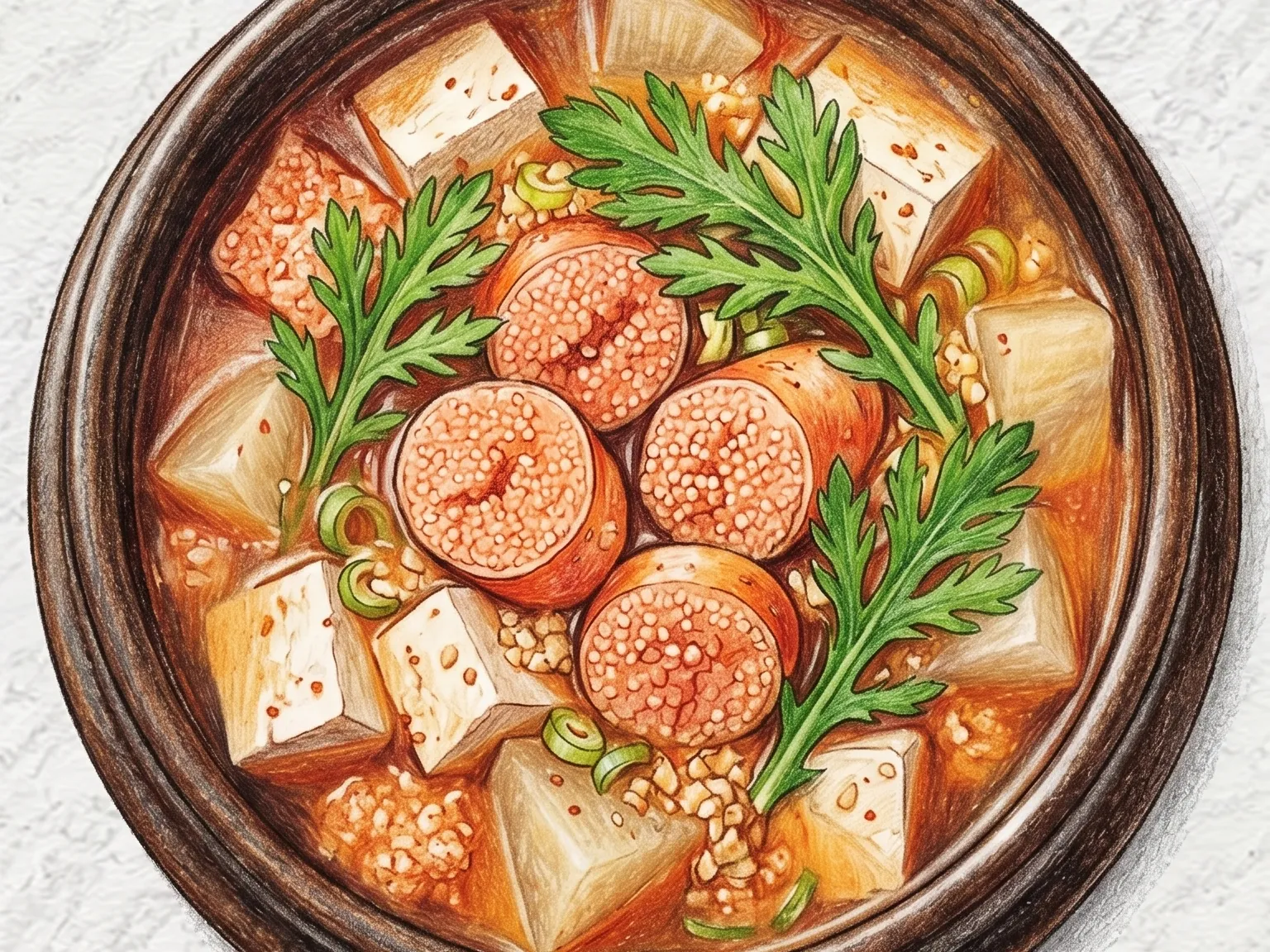
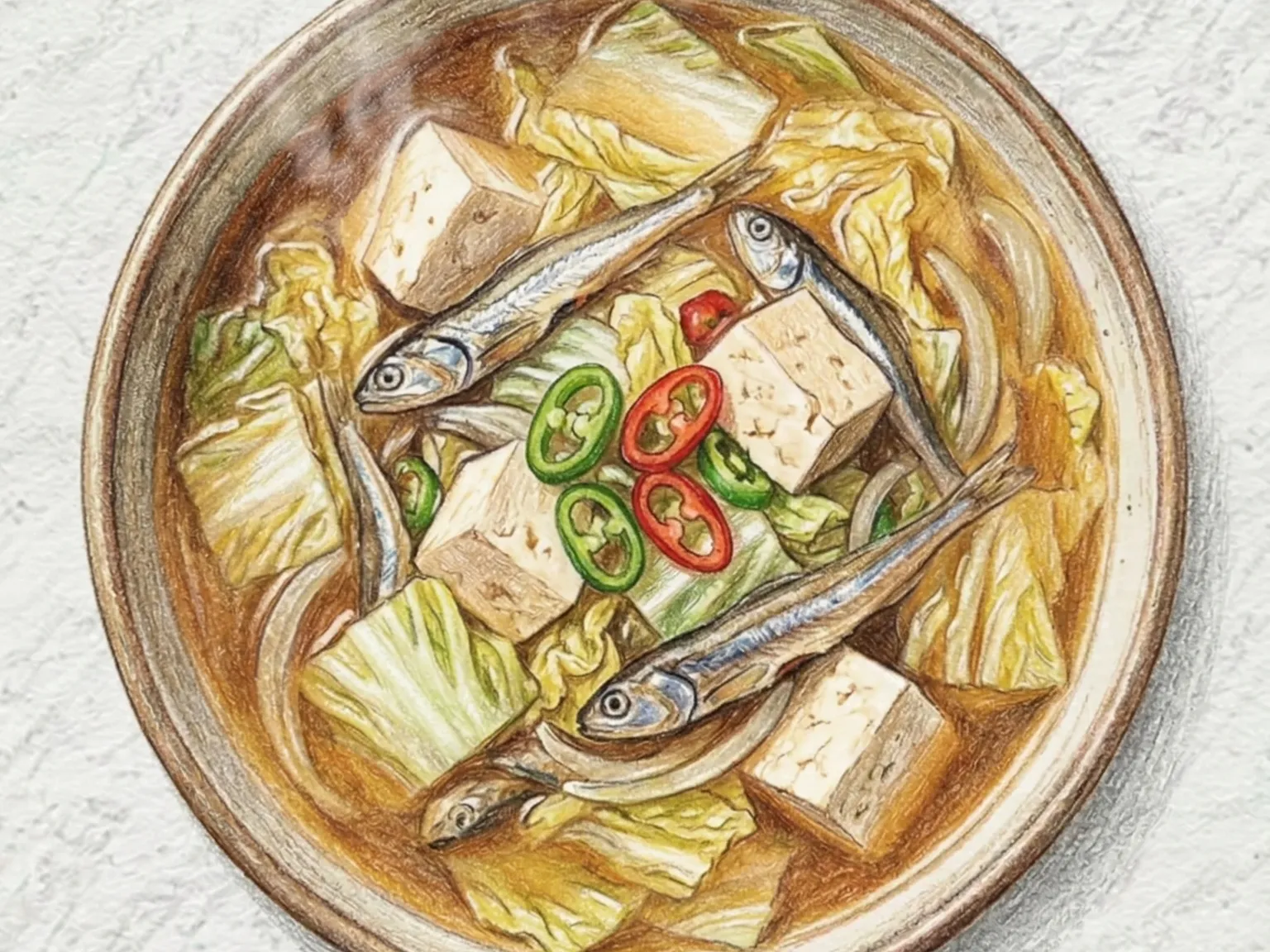
Baek kimchi dubu jjigae is a mild Korean stew where the gentle tang of white kimchi takes the place of regular red kimchi as the flavor anchor. Anchovy-kelp stock forms the umami foundation, and finely chopped white kimchi is added so its lactic fermentation acidity gradually dissolves into the broth, creating a refreshingly clean and clear flavor that diverges sharply from the bold heat of standard kimchi jjigae or the earthy weight of doenjang jjigae. Thick tofu slabs are added after the broth comes to a full boil so the blocks hold together rather than crumbling, and enoki mushrooms go in during the final two minutes to preserve their delicate texture. Guk-ganjang adjusts the salinity carefully, since the white kimchi itself already carries a noticeable saltiness from the brining process. Adding a sliced cheongyang chili introduces a measured spicy note into the otherwise gentle broth without overwhelming its clean character. Unlike the intense, opaque red broth of standard kimchi jjigae, this version stays transparent, lightly tart, and nearly fat-free, making it noticeably easy on the stomach. White kimchi is fermented without gochugaru, preserving all the lactic sourness while eliminating the heat and pigment, which makes it particularly well suited as a braising base for delicate ingredients like tofu and enoki.

Korean Steamed Napa Cabbage Rolls
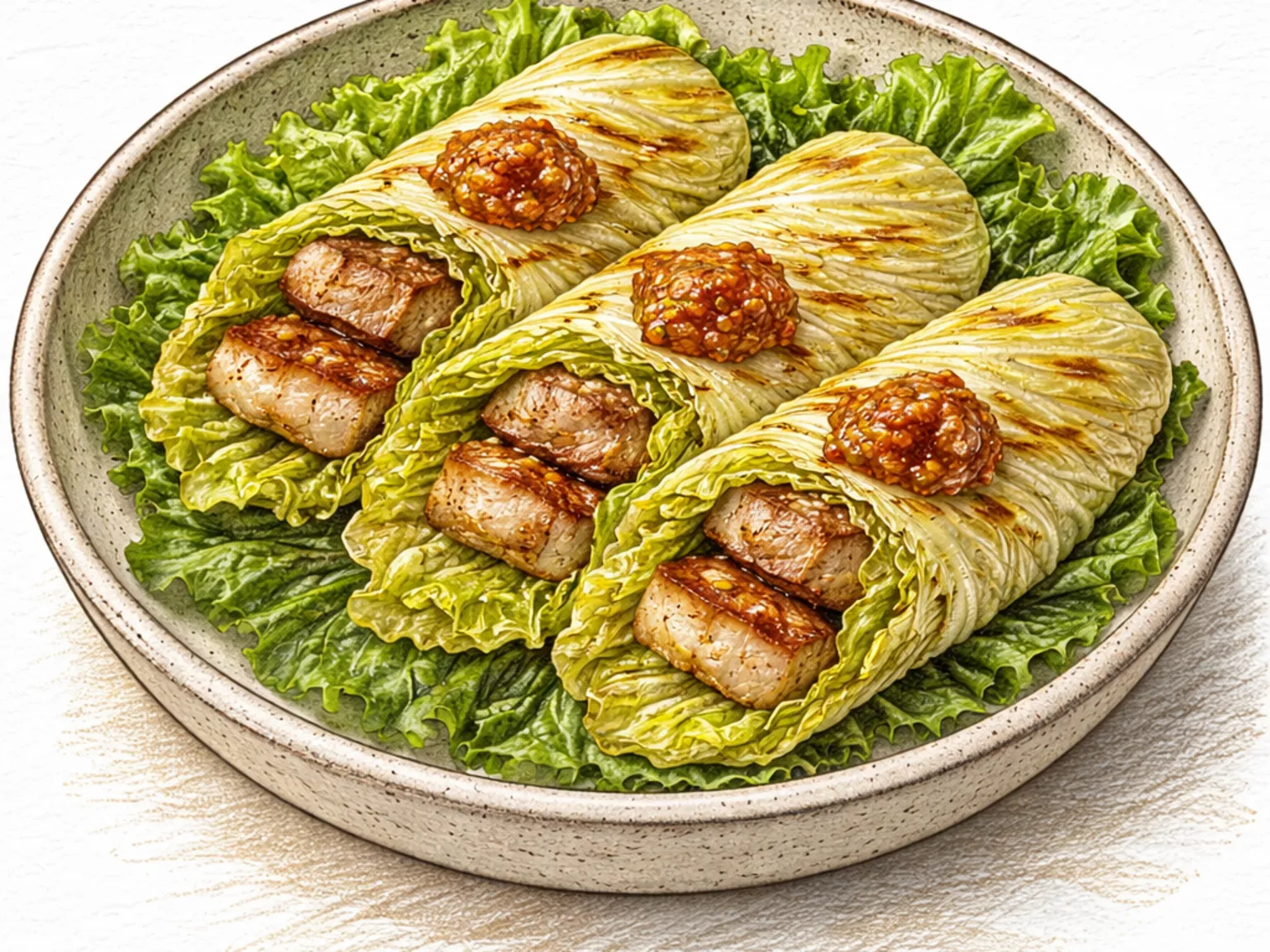
Baechu jjim consists of blanched napa cabbage leaves wrapped tightly around a filling of minced pork and mashed tofu, then steamed until fully cooked through. The filling uses pork and tofu at a 2:1 ratio, seasoned with soy sauce, sesame oil, and minced garlic, then kneaded until the mixture develops enough cohesion to stay intact during steaming. Tofu serves a functional purpose here beyond flavor - its moisture content prevents the pork from drying out over the extended steaming time, while the pork fat renders slowly into the surrounding cabbage leaf, adding richness to every bite. The cabbage leaves are blanched for thirty seconds to soften the stems, then squeezed dry and rolled from the stem end toward the tip with the filling placed at the base. In the steamer, rolls are arranged seam-side down so they hold their shape without any fastening, and cooked over vigorous steam for twelve to fifteen minutes. During this time, the meat juices work their way outward into the cabbage. The natural sweetness of napa cabbage - more pronounced after blanching - envelops the savory filling without sharpness, producing a mellow, layered result. A soy-based dipping sauce adds the saltiness needed to anchor the dish as a proper rice accompaniment, and leftovers reheat well without significant textural loss.

Korean Coastal Herb Pickle
Bangpungnamul jangajji is a Korean soy-pickled side dish made from coastal hog fennel, a spring herb with a distinctive fragrance and a mild bitterness. The pickling liquid is made by bringing soy sauce, water, vinegar, and sugar to a boil, then pouring it hot over the cleaned herb sealed in a jar. Garlic cloves and ginger slices added to the brine deepen the aromatic complexity over time. After about two days, the herb has absorbed enough of the soy-vinegar liquid to be flavorful, and the taste continues to develop over subsequent weeks. Stored under refrigeration, the pickle keeps for over a month. Its pungent, faintly bitter character stands out among milder side dishes and serves as a palate stimulant between bites of plainer food. The standard way to eat it is in small portions alongside rice.

Korean Manila Clam Knife-Cut Noodle Soup
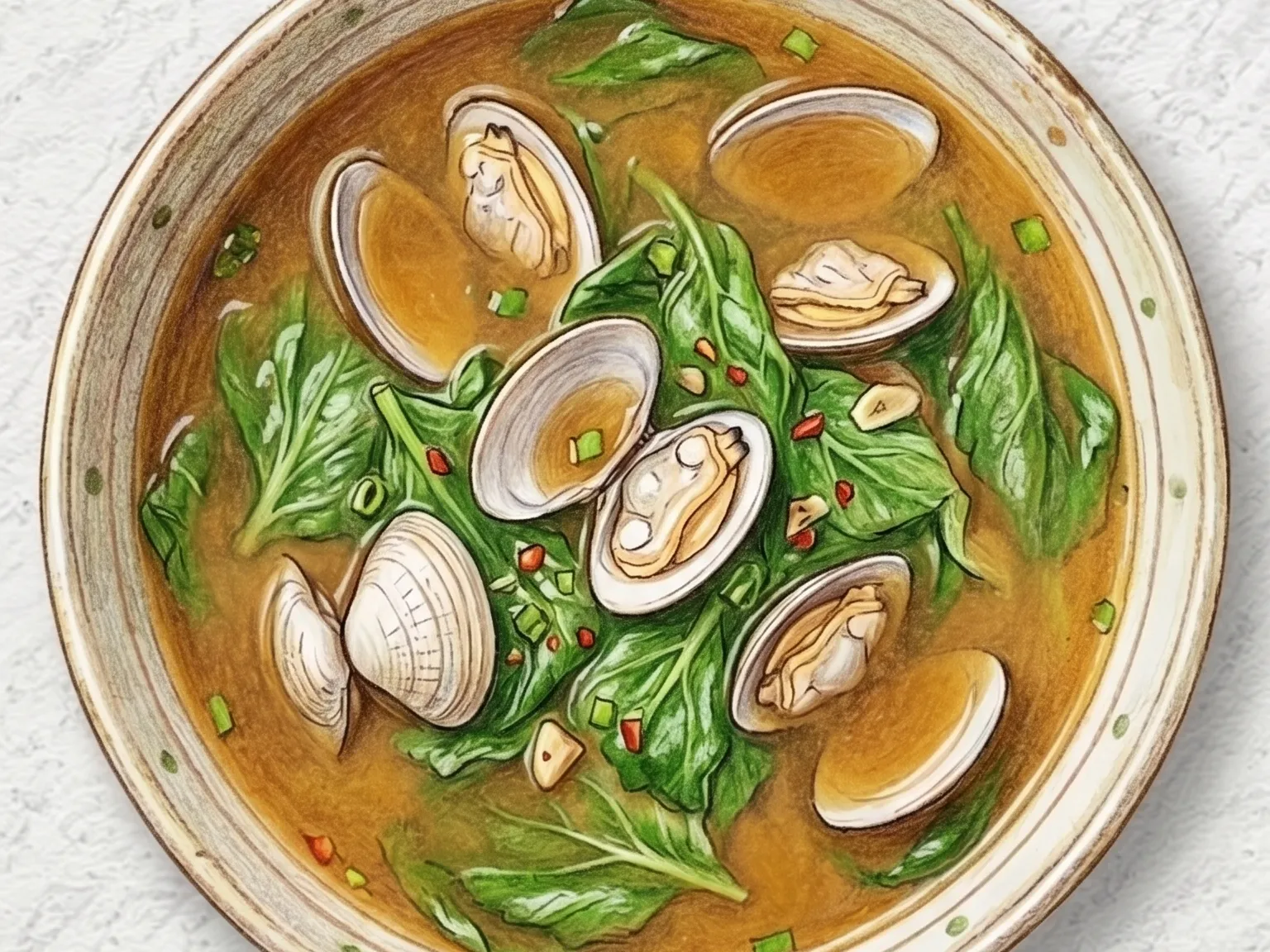
Bajirak kalguksu is a prominent Korean noodle dish that consists of wheat noodles prepared by hand and cooked in a broth made from manila clams. The process begins with the preparation of the clams, which are soaked in cold water for at least one hour. This purging stage is necessary to ensure that the clams expel any internal sand or debris before they are boiled. Once cleaned, the clams are placed in fresh water and boiled until their shells open fully. The shells are then discarded, and the resulting stock is strained through a fine cloth to remove every remaining particle of grit. This meticulous straining produces a clear broth where the natural oceanic flavor of the clams remains the primary focus. The salinity of this base is mineral and clean, which distinguishes it from the flavor profile of dashi made with dried and concentrated anchovies. Sliced Korean zucchini and scallions are added to the strained broth and allowed to simmer for five minutes. These vegetables contribute a mild sweetness that helps to soften the natural saltiness of the clam extract. When the hand-cut noodles are added to the boiling liquid, they release starch as they cook. This starch gradually transforms the consistency of the broth, making it slightly thick and viscous so that it adheres to the individual noodle strands. This specific change in texture is what separates kalguksu from other varieties of Korean noodle soup. The noodles are boiled for six to seven minutes until they become translucent, after which the reserved clam meat is returned to the pot. Seasoning with soup soy sauce is performed with caution because the clam stock already contains a high level of natural salinity. Adding an excessive amount of soy sauce can easily mask the delicate marine qualities that define the dish. The overall concentration of the broth is a direct result of the quantity of clams used and the length of the simmering process. If a more assertive flavor profile is preferred, the number of clams used in the initial stage should be increased rather than adding more external seasoning.

Bulgogi Meatball Tomato Spaghetti
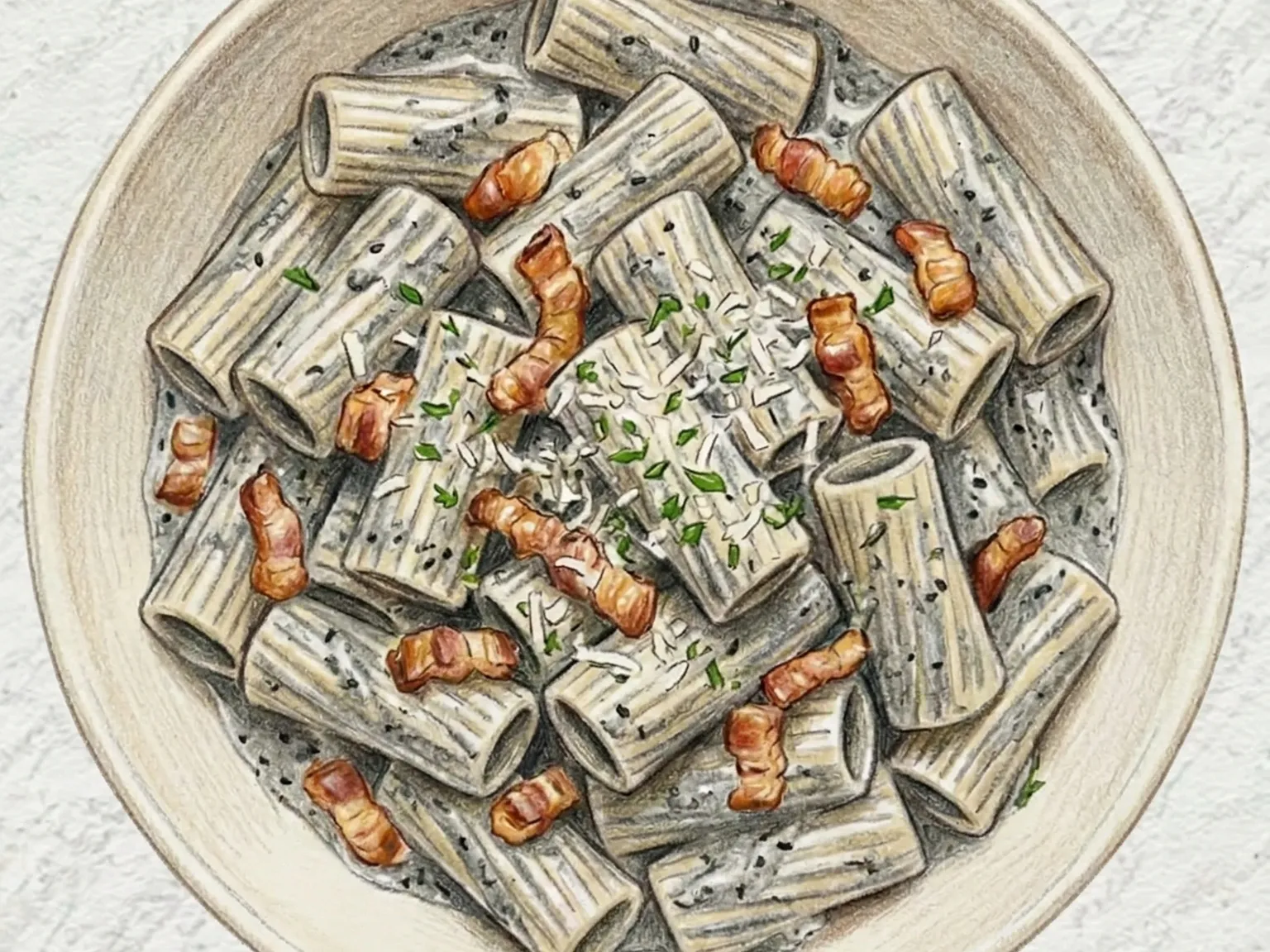
Bulgogi meatball tomato spaghetti grounds the concept of Korean bulgogi - soy sauce, sugar, garlic, sesame - into a meatball format and cooks it inside an Italian tomato sauce. The ground beef is seasoned with the bulgogi mix, then breadcrumbs and egg are added to trap moisture so the meatballs hold together and stay tender through the twenty-minute simmer in passata. Searing the exterior first in a hot pan builds a Maillard crust that dissolves into the sauce as the meatballs cook through, thickening and deepening it in a way that uncooked meatballs dropped straight into the sauce cannot achieve. The soy-sugar seasoning intersects with the tomato's natural acidity to produce a sweet-salty depth that neither Korean nor Italian cooking arrives at independently. As the meatballs finish cooking inside the sauce, the boundary between meat and liquid blurs - each absorbs character from the other. Basil or parsley added at the end provides an herbal brightness that offsets the richness of the meat and tomato.

Grilled Octopus & Water Parsley Salad
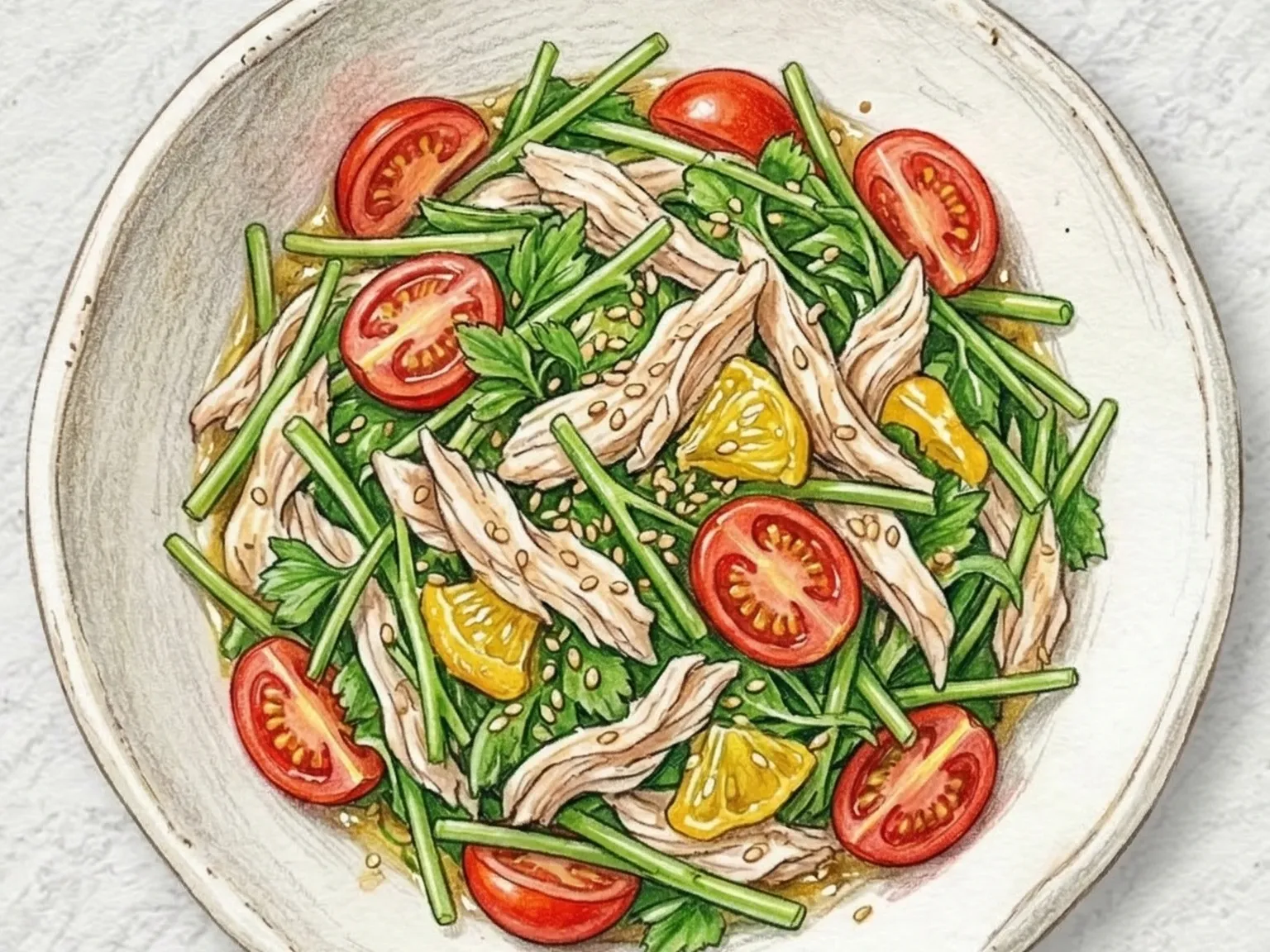
Grilled octopus and minari salad is a Korean seafood salad made by searing pre-cooked octopus over high heat for two to three minutes to pick up char and smoke, then tossing it with water parsley cut into 4 to 5 cm lengths, shredded red bell pepper, and sliced onion in a gochugaru-vinegar dressing. Patting the octopus completely dry before searing is essential to get a proper char rather than steaming, and keeping the cooking time short over high heat leaves the interior chewy while the exterior picks up color; prolonged heat makes the flesh rubbery. The dressing of vinegar, olive oil, gochugaru, and minced garlic leads with bright acidity and builds into a gentle, lingering heat that gives the octopus's mild savoriness a clearer direction. Minari should be added at the end so its clean, grassy fragrance does not dissipate, and letting the dressed salad rest for three minutes allows the dressing to absorb evenly into each component. The contrast between the red bell pepper and the bright green minari makes this salad a visually striking addition to a spread, and the whole dish comes together in about ten minutes, making it practical when adding a quick side.

Bacalhau com Natas (Portuguese Salt Cod Cream Gratin)
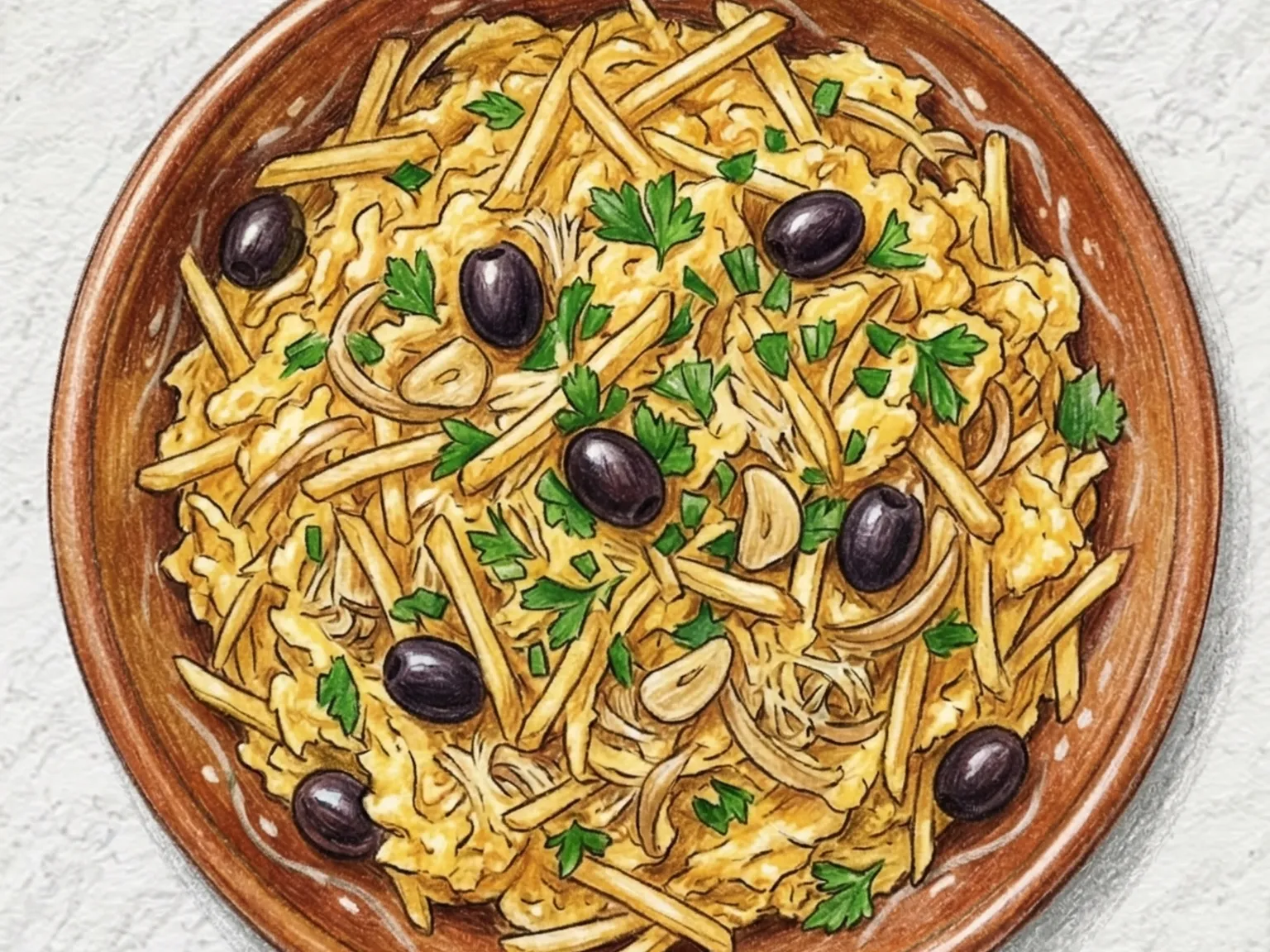
Bacalhau com natas - salt cod with cream - is a Portuguese casserole-style gratin that layers desalted cod, potatoes, and softened onion beneath a thick blanket of cream-enriched bechamel, then bakes until the surface blisters and turns golden brown. The cod requires prolonged soaking, typically forty-eight hours or more with several water changes, to draw out enough salt while preserving the firm, flaky texture of the fish. It is then briefly poached and separated into large pieces that retain structure in the baking dish rather than dissolving into the sauce. Thinly sliced potatoes, parboiled until just softened, alternate with the fish in even layers, and sweet, slowly cooked onion fills the gaps between them. A bechamel made with heavy cream - natas in Portuguese - is poured over everything, seeping into the crevices before baking begins. As the dish heats, the cream sauce tightens, potato edges that protrude through the surface curl and crisp, and the top develops scattered patches of deep gold where the milk proteins have caramelized. The result is simultaneously rich and precise: the cod residual mineral salinity cuts through the cream smoothness and prevents the dish from becoming cloying. Bacalhau com natas is a fixture of the Portuguese Christmas Eve meal known as consoada, appearing alongside other salt cod preparations at a table where bacalhau takes on a near-ritual significance.

Ayam Bakar (Indonesian Grilled Chicken in Sweet Soy Marinade)
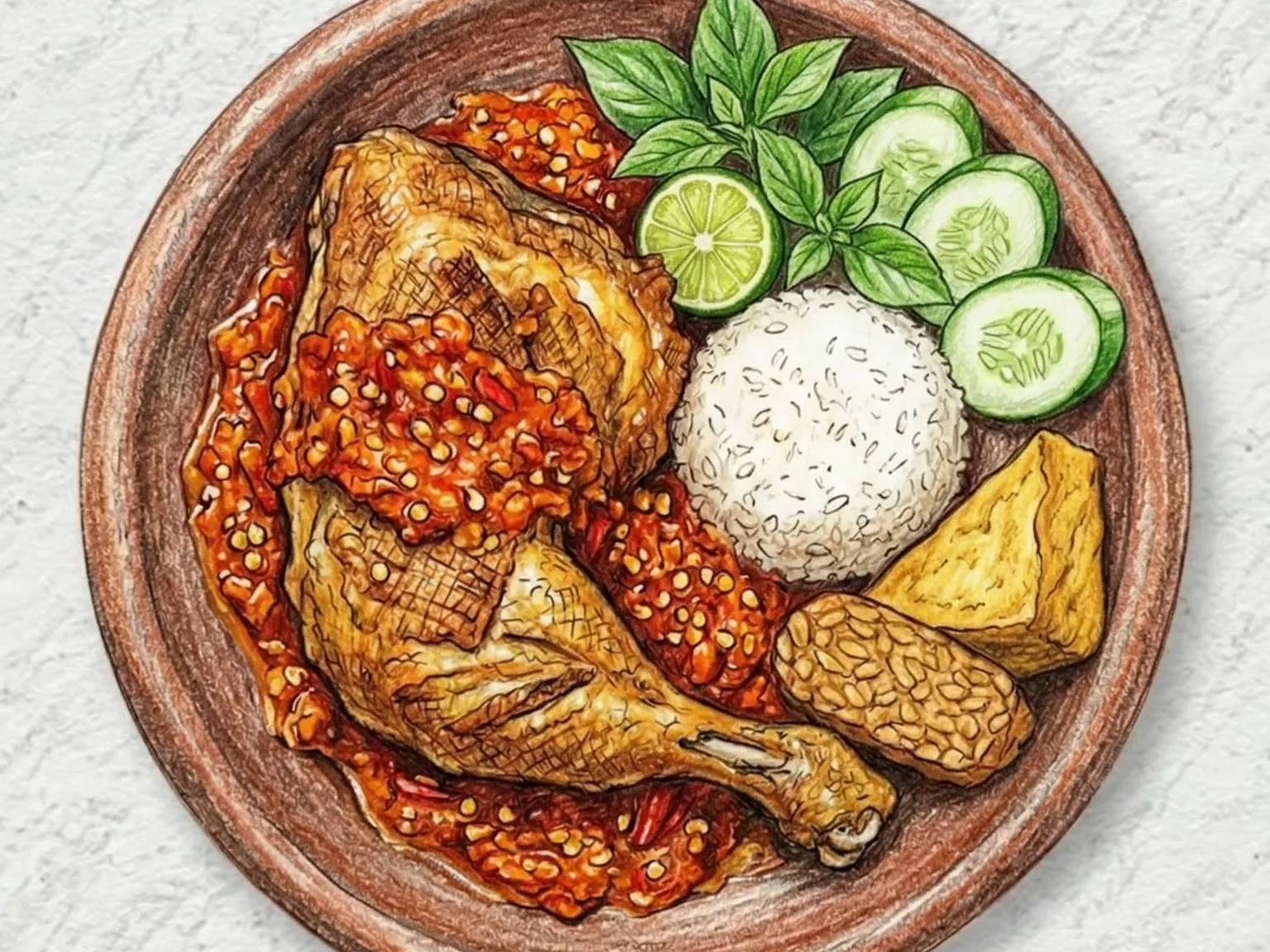
Ayam bakar means 'roasted chicken' in Malay-Indonesian and is a staple street food across Java, Sumatra, and Bali, where roadside warungs grill it over coconut-shell charcoal. The preparation follows a two-stage method: the chicken first simmers in a marinade of kecap manis (sweet soy sauce), garlic, ground coriander, turmeric, and lime juice until partially cooked and deeply colored throughout. The pre-cooked pieces then move to a very hot grill where the sugar-heavy glaze caramelizes rapidly, forming dark, lacquered patches with a faint char at the edges. This two-step approach ensures the meat stays moist under the intense grill heat while the exterior achieves maximum caramelization. The surface is sticky-sweet, with turmeric's earthiness and coriander's citrusy warmth detectable beneath. Served alongside steamed white rice, raw cucumber slices, and sambal, the dish relies on the sharp chili heat of the sauce and the cool cucumber to balance the sweetness of the glaze. The smoke from coconut-shell charcoal is considered part of the flavor, though a gas or charcoal grill at home produces an acceptable result.

Korean Stir-fried Dried Whitebait Sheet
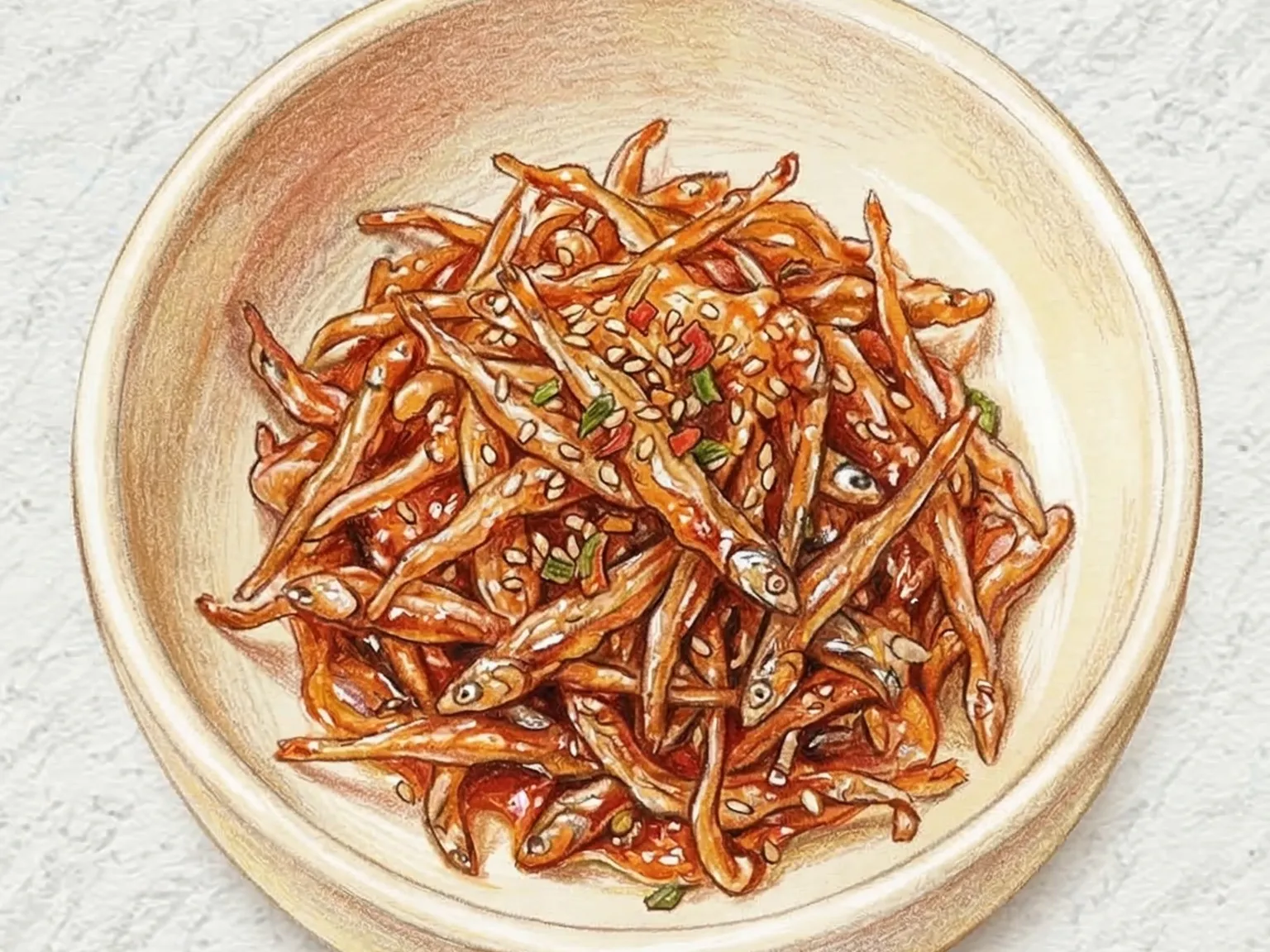
Dried whitebait sheets - paper-thin, salted, and faintly briny - are a Korean pantry staple for quick, long-lasting banchan. The sheets are torn into pieces and dry-toasted over low heat first to drive off residual moisture completely, a step that determines the final texture. Once the sheets are fully dried and just starting to crisp, a glaze of gochujang, soy sauce, oligosaccharide syrup, and sugar is added to the pan and coats both sides. The heat must be cut immediately after coating so the pieces do not harden beyond a pleasant crunch. Oligosaccharide syrup forms a thin glossy finish on the surface as it heats. The taste is salty-sweet with a fermented chili edge, and the texture firms further as the dish cools - one of the rare banchan that actually improves at room temperature. Refrigerated, it keeps for over a week.

Korean Beef Brisket Rice Bowl
Chadol deopbap is a Korean rice bowl built on paper-thin beef brisket slices seared in a hot dry pan until the edges turn crisp and caramelized, then finished with a soy-based glaze and placed over steamed rice. The marbling in the brisket renders quickly under high heat, coating the pan in fat that then carries the flavors of soy sauce, sugar, garlic, and sesame oil into a concentrated glaze. A soft-cooked or raw egg yolk placed on top is a standard addition; stirring it in spreads a golden richness across the rice that thickens the sauce and rounds out the saltiness of the soy. Sliced scallions and toasted sesame seeds scattered over the finished bowl add textural contrast and a clean finish. The recipe relies on pantry staples, requires no marinating, and comes together in under ten minutes from start to plate, making it one of the most practical formats for a single-serve weeknight meal without sacrificing depth of flavor.

Korean Pork and Asparagus Stir-fry
A Korean weeknight stir-fry pairing pork shoulder or belly with asparagus and red bell pepper in a soy-garlic sauce that comes together in under twelve minutes from a cold pan. The pork is sliced thin and marinated in soy sauce, minced garlic, and a pinch of sugar for ten to fifteen minutes; the sugar draws moisture to the surface and promotes caramelization, creating a glossy, slightly browned crust when the meat hits the hot pan. Cooking the meat first over high heat renders out its fat, which becomes the stir-frying medium for the vegetables that follow - a technique that layers the pork's savory quality into the whole dish rather than keeping it confined to the meat alone. Asparagus goes in for barely a minute: enough time to eliminate the raw, starchy taste while preserving the clean snap of the stalk. The fibrous base of each spear benefits from a quick pass with a vegetable peeler before cooking, which allows the thicker portions to cook at the same rate as the tips. Bell pepper adds natural sweetness and a visual contrast to the green and brown of the other components. The sauce - soy, a touch of oyster sauce, and sesame oil - is deliberately restrained; a single spoonful of oyster sauce adds enough viscosity to help the seasoning cling evenly to every piece without making the dish heavy.

Korean Crispy Fried Chicken Skin
Dak-kkopjil-twigim starts with chicken skin seasoned with salt and black pepper, coated in starch, and fried twice in hot oil. The first fry drives out moisture from the skin, and the second at higher temperature traps air inside, puffing the surface into a cracker-like texture with visible bubbles locked throughout. The rendered fat from the skin produces a deep, concentrated savoriness that salt alone can bring to full expression. Black pepper and garlic powder sprinkled over the top cut through the richness and keep each piece from feeling heavy. Straightforward to prepare and endlessly snackable, this is a dependable bar food and everyday appetizer in Korean households.

Korean Salt-Grilled Chicken Gizzards
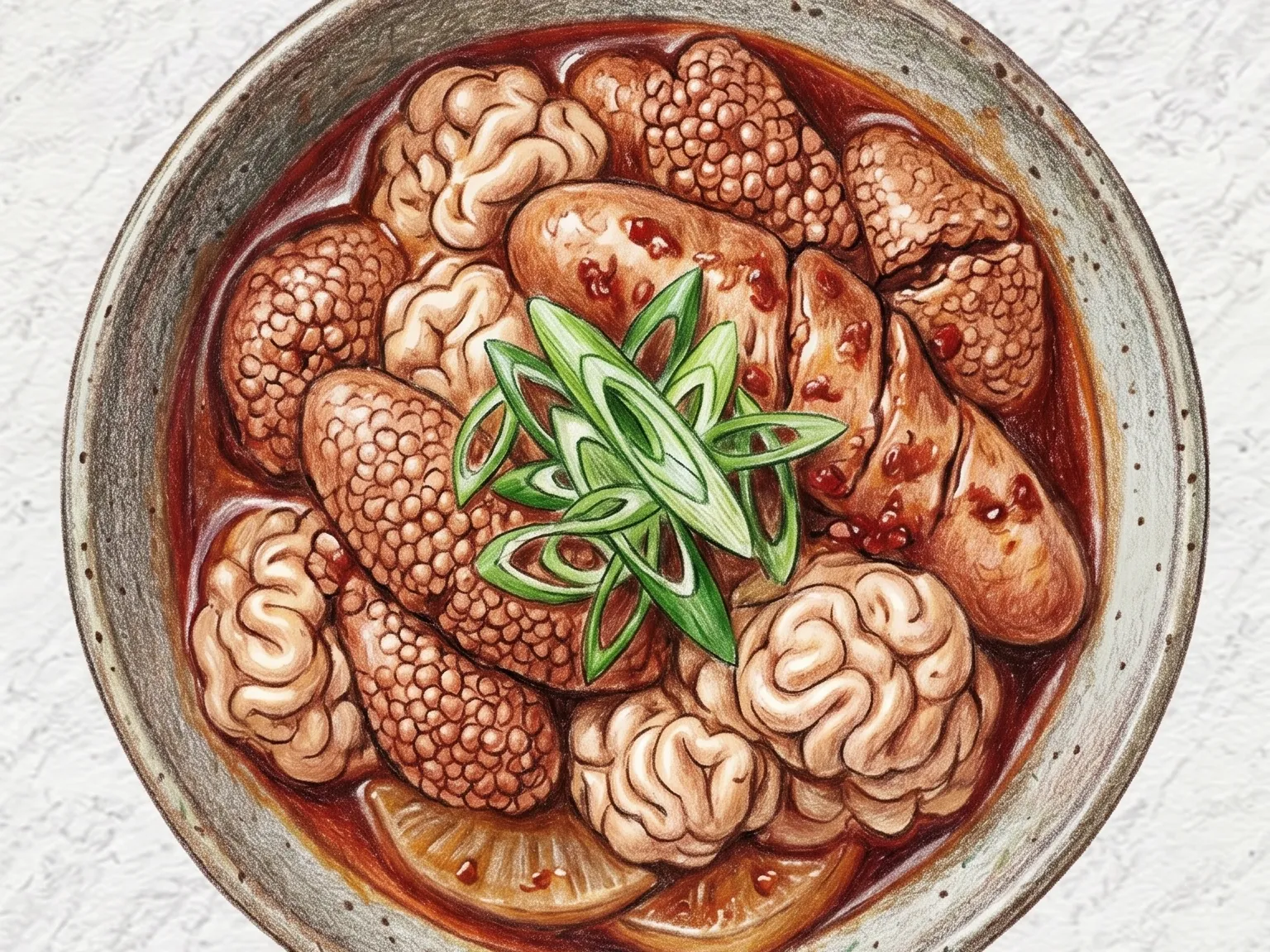
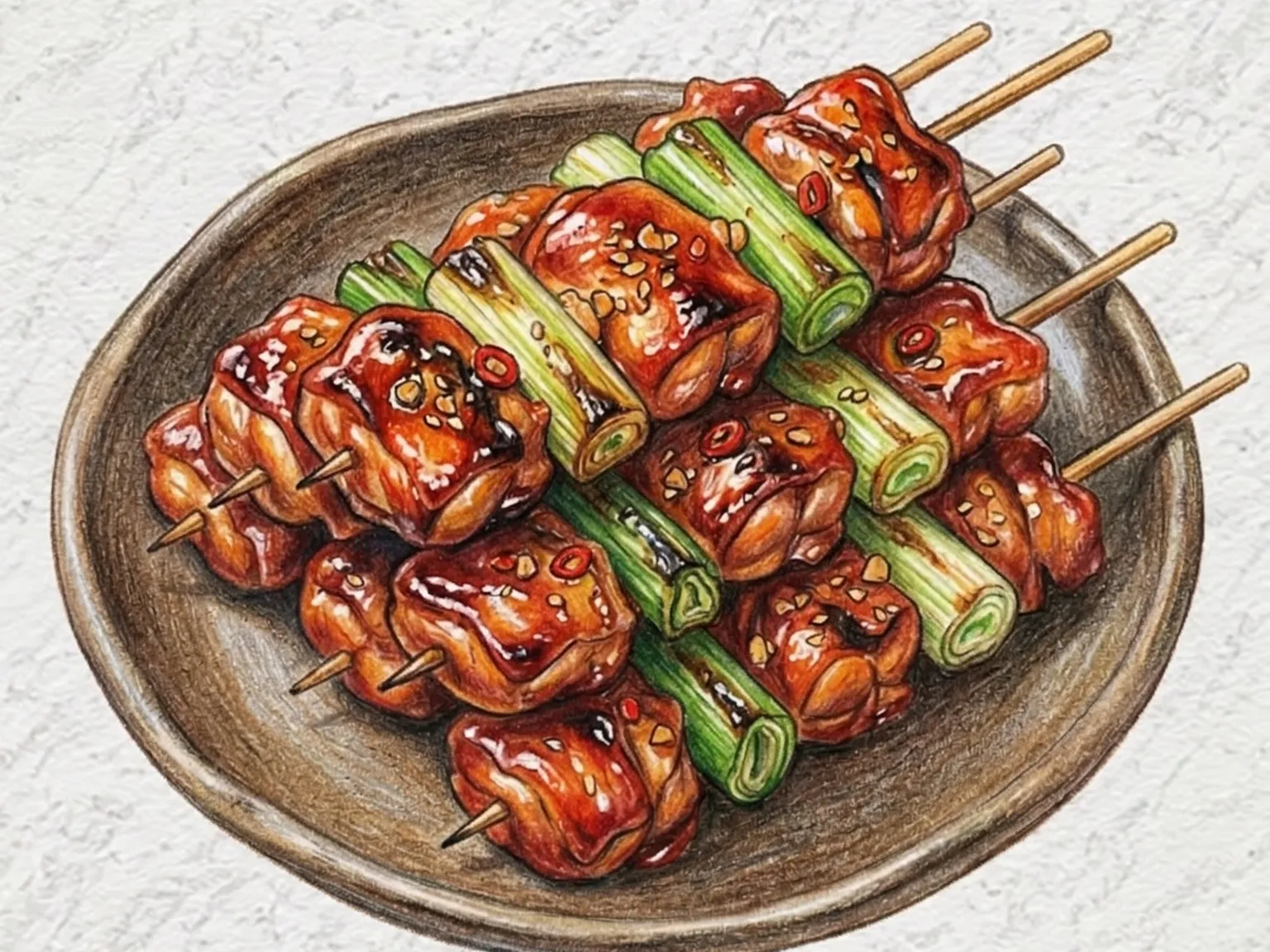
Dak-ttongjip sogeum-gui involves trimming the silver skin from chicken gizzards, seasoning them with salt and black pepper for ten minutes, then searing them in a hot, garlic-scented pan for six to seven minutes. High heat is essential: it crisps the exterior while keeping the interior springy and chewy, and overcrowding the pan causes the gizzards to steam rather than sear, turning them soft and rubbery. Removing the silver skin thoroughly before cooking reduces the tough, chewy membrane that can make gizzards difficult to eat. Scallion is tossed in for the final minute, and a squeeze of lemon juice at the end cuts through the richness and brightens the finish. The dish pairs particularly well with soju or beer, and adding sliced Cheongyang chili during cooking gives a spicier variation for those who want extra heat.

Korean Chive and Beef Jeon
Buchu-soegogi-jeon are Korean chive and beef patties made from ground beef, pressed firm tofu, finely chopped garlic chives, and onion seasoned with soy sauce, garlic, and sesame oil, shaped into small ovals, dipped in beaten egg, and pan-fried for three minutes per side. Squeezing every drop of moisture from the tofu before mixing is the critical step - it prevents the patties from falling apart on the pan while contributing a soft texture that tempers the density of the beef. The egg coating sets into a thin golden crust on the outside, while the interior stays moist and fragrant with seared chive and beef. These are a standard on Korean holiday tables and guest spreads: one-bite sized, easy to pick up, and the soy-garlic-sesame seasoning holds its flavor without degrading as the patties cool.

Korean Napa Cabbage Doenjang Soup
Baechu doenjang guk is a foundational Korean soup built on anchovy-kelp stock seasoned with fermented soybean paste and napa cabbage. Straining the doenjang through a fine sieve as it dissolves into the hot stock keeps the broth visually clear while extracting the full depth of its fermented, earthy flavor. The cabbage stalks go into the pot first and simmer for five minutes alone, drawing out their inherent sweetness before the leaf sections and cubed tofu are added. A small spoonful of gochujang introduced at this point gives the broth a gentle heat and a reddish cast that adds both visual contrast and flavor complexity beyond doenjang alone. Sliced cheongyang chili and scallion are stirred in during the final two minutes, contributing sharpness and aroma without turning limp. Doenjang saltiness varies significantly between brands and aged batches, so starting with a conservative amount and adjusting by taste prevents over-salting. As the cabbage softens fully, its natural sweetness seeps gradually into the broth, where it finds a natural balance with the deep fermented character of the paste. It is among the most accessible soups in Korean home cooking, requiring only the most common pantry and refrigerator ingredients.