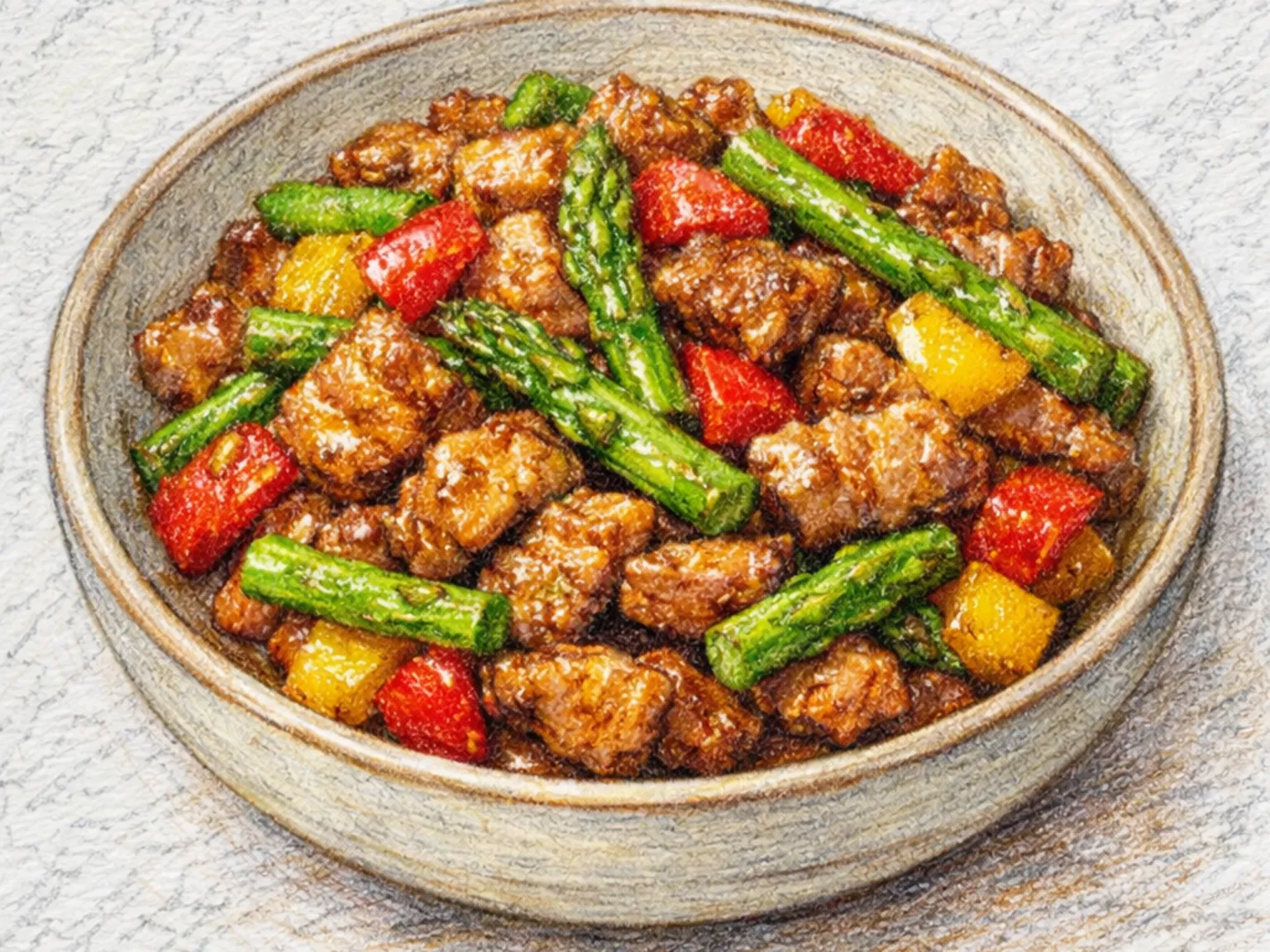
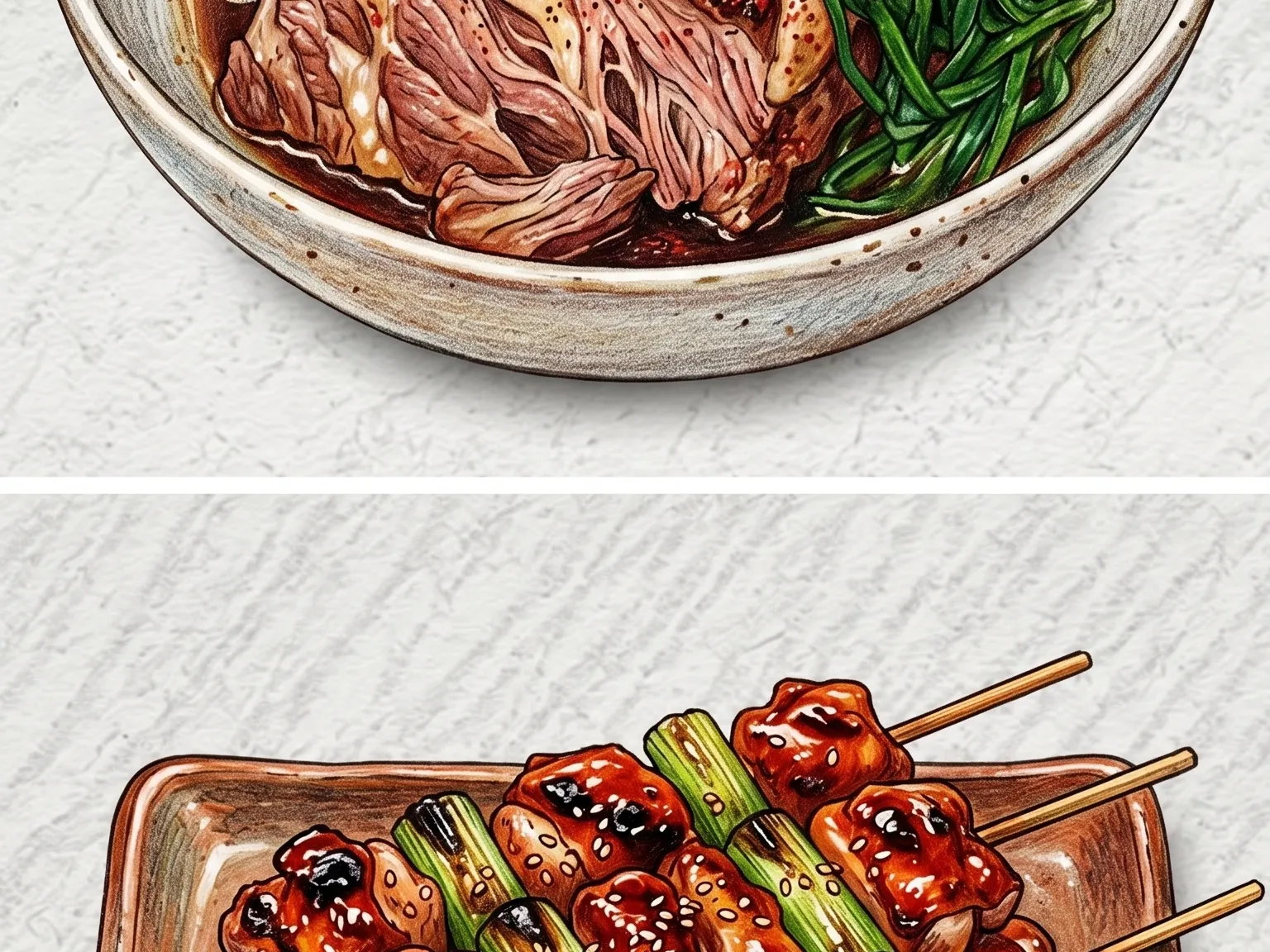
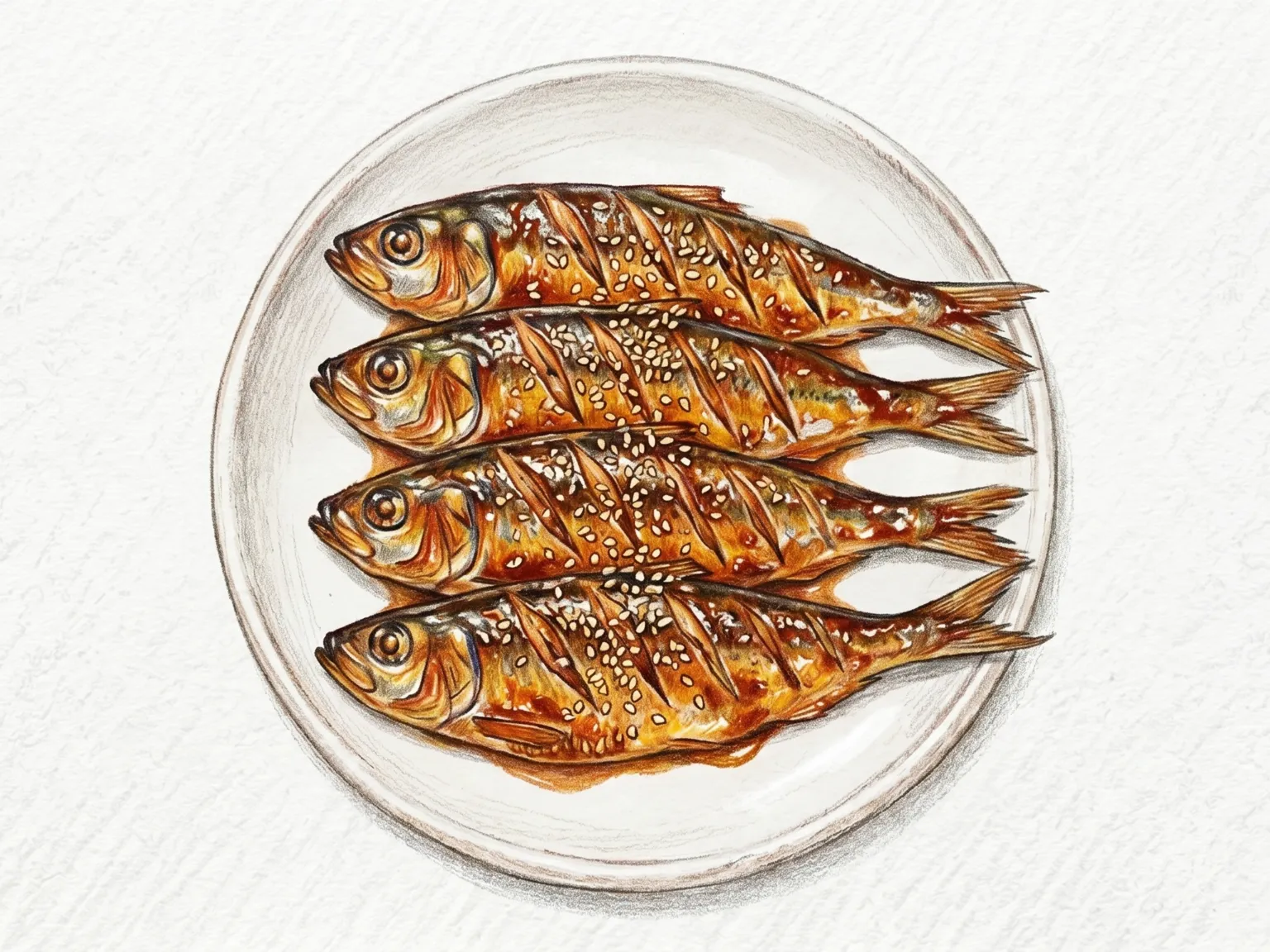
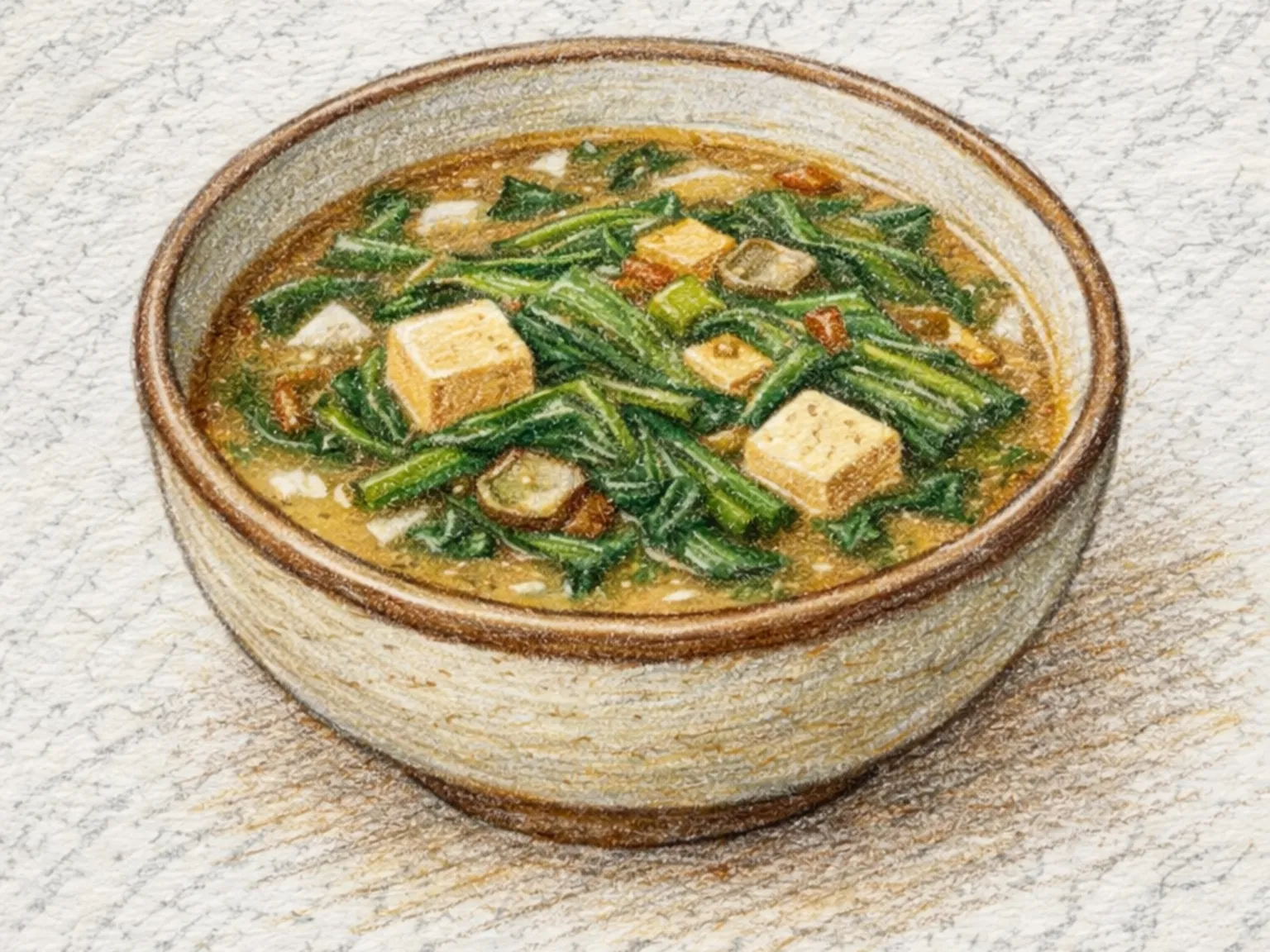
Korean Seaweed Oyster Pancake
Fresh oysters and rehydrated seaweed folded into a pancake batter and pan-fried into a jeon packed with ocean flavor. As the oysters cook, they release their briny juices into the batter, spreading their concentrated umami through every bite. The seaweed provides a soft, slightly slippery contrast in texture against the crisp outer surface. Soup soy sauce seasons the batter cleanly without competing with the seafood, while minced red chili adds color and a measured heat. Garlic deepens the marine aroma. This jeon is at its best during winter when oysters are plump and full in flavor.

Korean White Chili Clam Stew
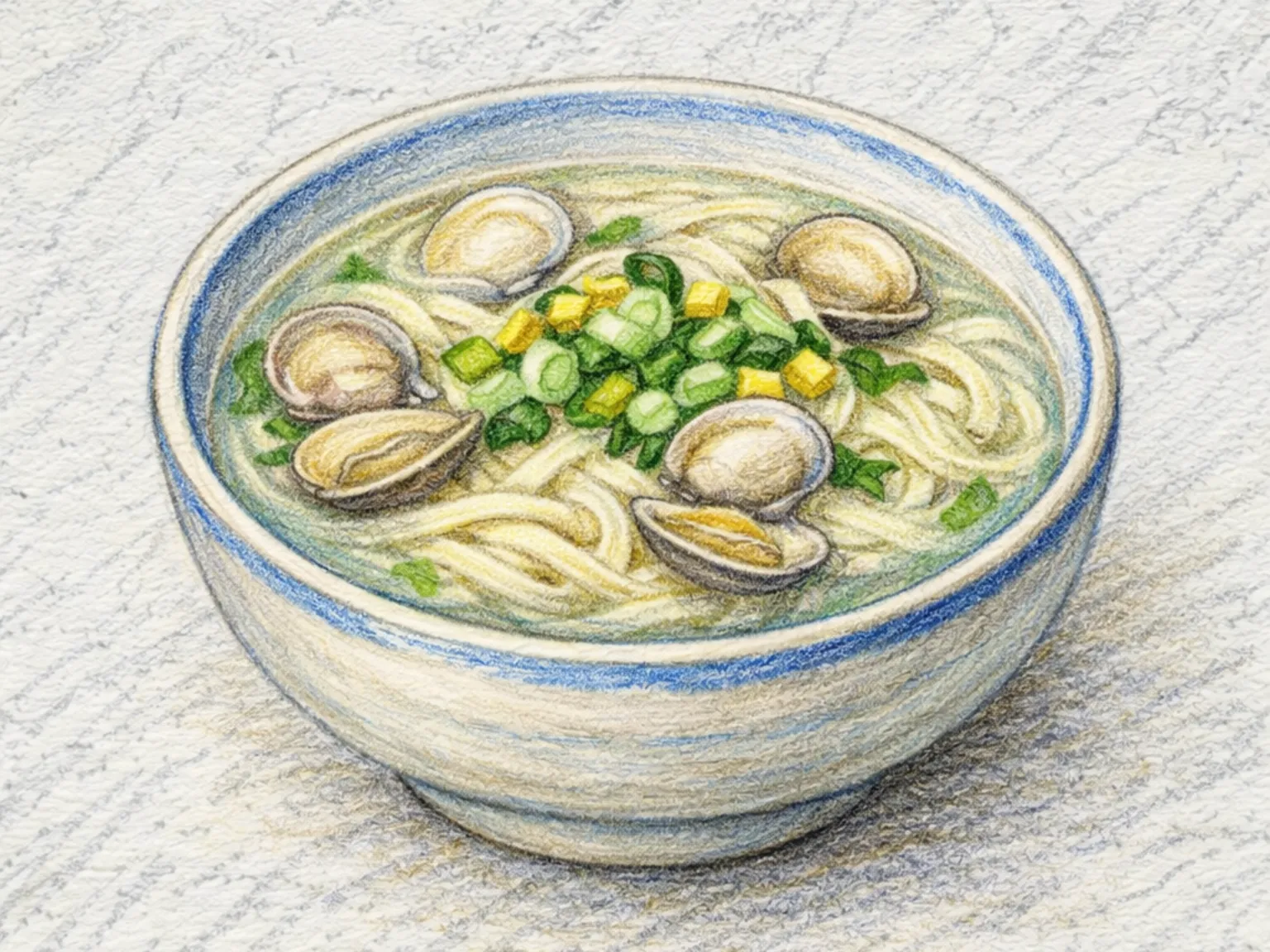
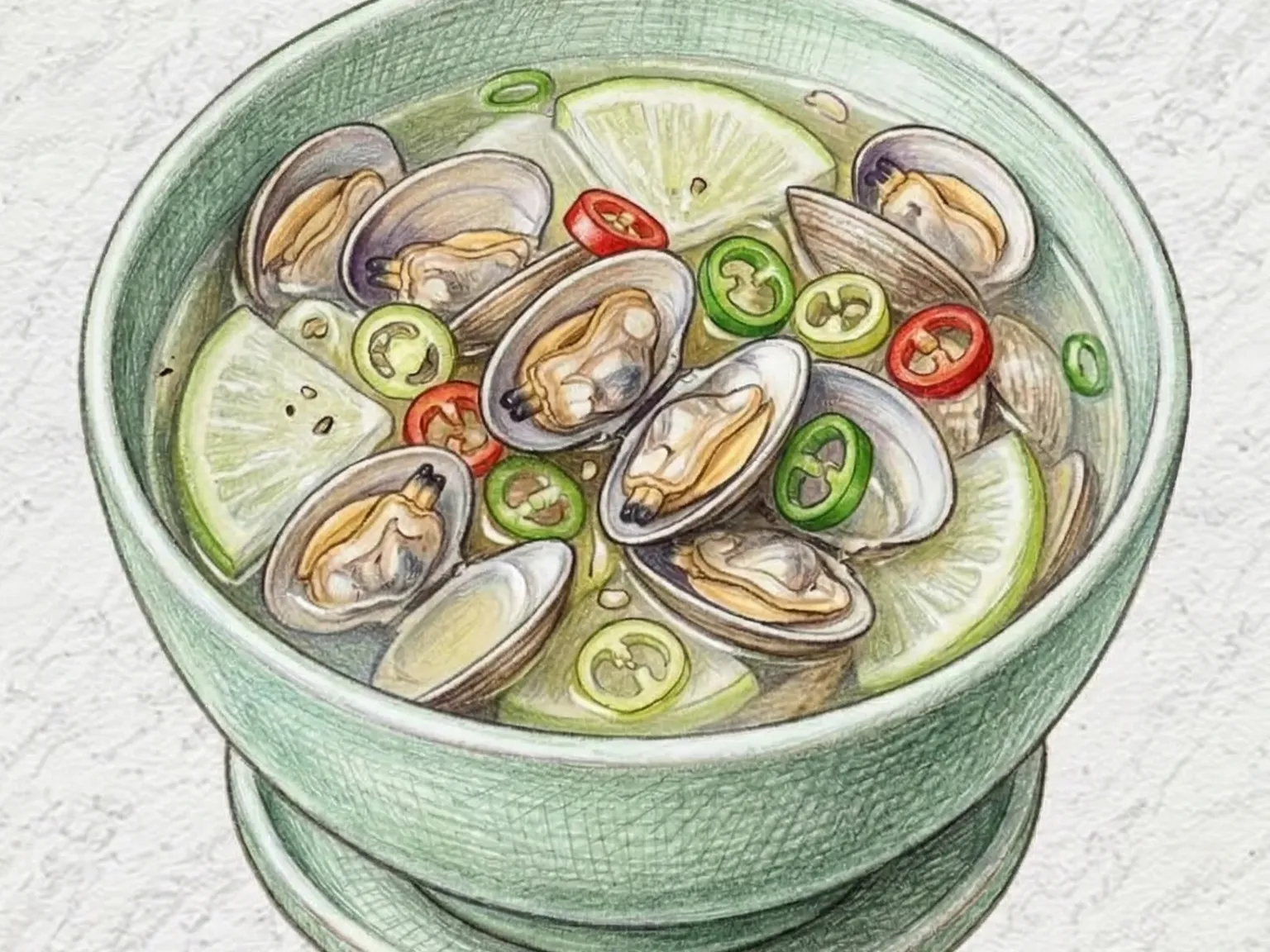
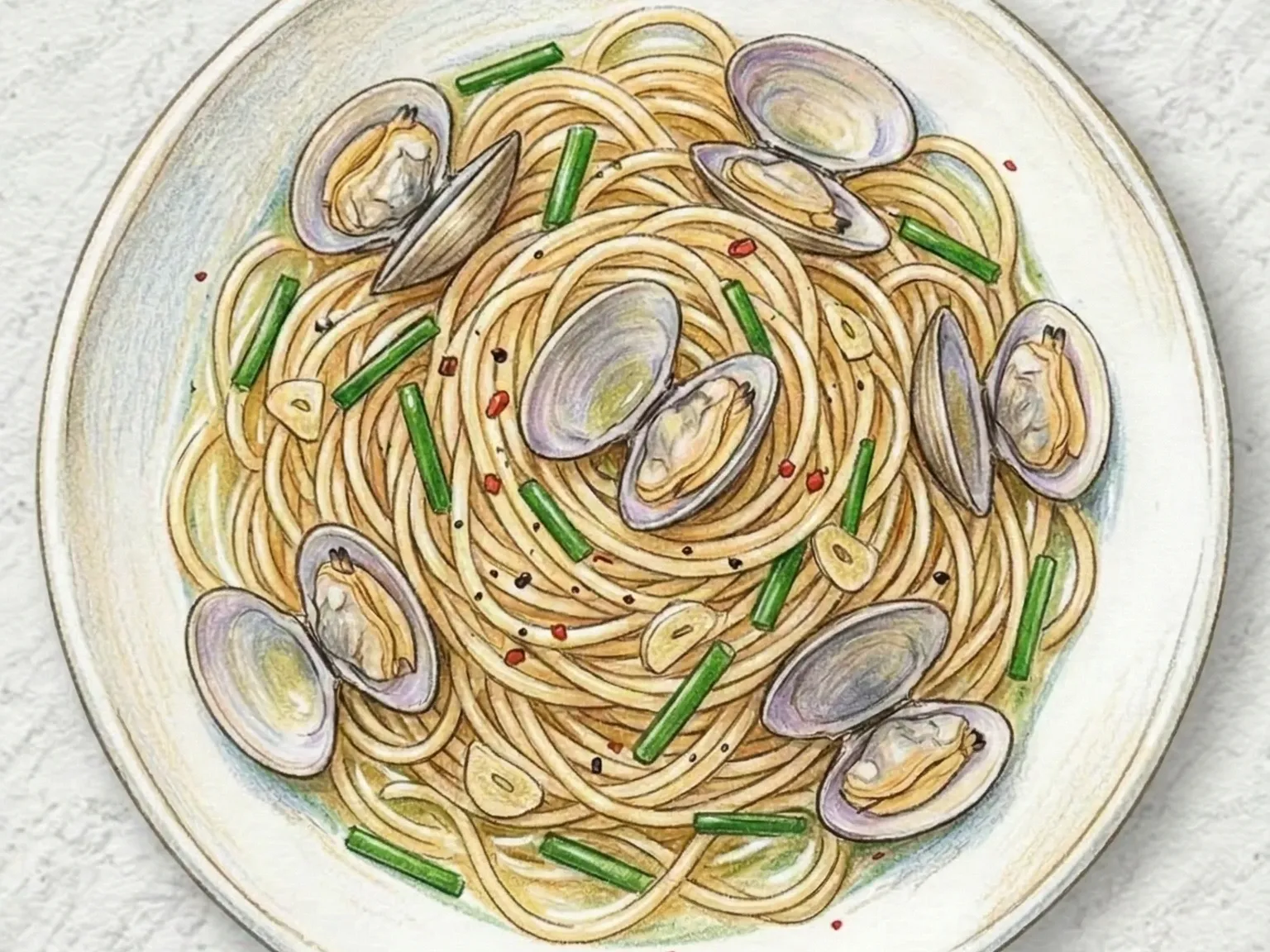
Baekgochu bajirak jjigae is a clear Korean clam stew where manila clams and daikon radish supply all the broth depth without any additional stock. Starting from cold water is essential: the gradual temperature rise draws the clams open slowly, pulling their briny, mineral-rich juices into the liquid and producing a more fully flavored broth than a quick boil would allow. The clams are purged first in salted water to remove all traces of sand, then placed in the cold pot together with cut daikon. As the water reaches a boil, the clams open and release their liquor into the surrounding liquid; any that remain closed after full boiling are discarded. Seasoning stays measured with minced garlic and guk-ganjang, while diagonally sliced red chili and cheongyang chili add both visual warmth and layered heat to the otherwise clear broth. Scallion is added only at the final moment to preserve its freshness and fragrance. The daikon contributes a cool, gentle sweetness that balances the clams natural salinity and fuses with the shellfish stock to build a broth of surprising complexity. The stew requires no anchovy, no kelp, and no premade stock: clams and radish alone generate the kind of depth that usually takes considerably more effort to achieve.

Korean Steamed Monkfish Stomach
Baegoppae jjim is a Korean steamed dish made with monkfish stomach, prized specifically for the dense, springy chew that sets internal organs apart from ordinary fish flesh. Before cooking, the stomach pieces are scrubbed with salt and flour to eliminate any fishy odor, then cut to bite size. A seasoning paste of gochugaru, soy sauce, minced garlic, and ginger juice coats each piece thoroughly; a ten-minute marinade lets the flavors penetrate. The seasoned stomach goes into a covered pot with only a small amount of water and cooks over medium heat for fifteen minutes. As the liquid reduces, the sauce thickens into a concentrated, lacquer-like coating on every surface. Water dropwort (minari) is stirred in during the final minute, contributing a herbal fragrance that lifts the heavy spice. The defining quality is textural: each piece demands deliberate, repeated chewing, and with each chew the spicy-savory glaze releases its flavor in waves. Unlike the whole monkfish version, this dish foregrounds the uniquely elastic stomach tissue, making it a specialty order at Korean seafood restaurants rather than an everyday dish.

Korean Coastal Hogfennel Kimchi
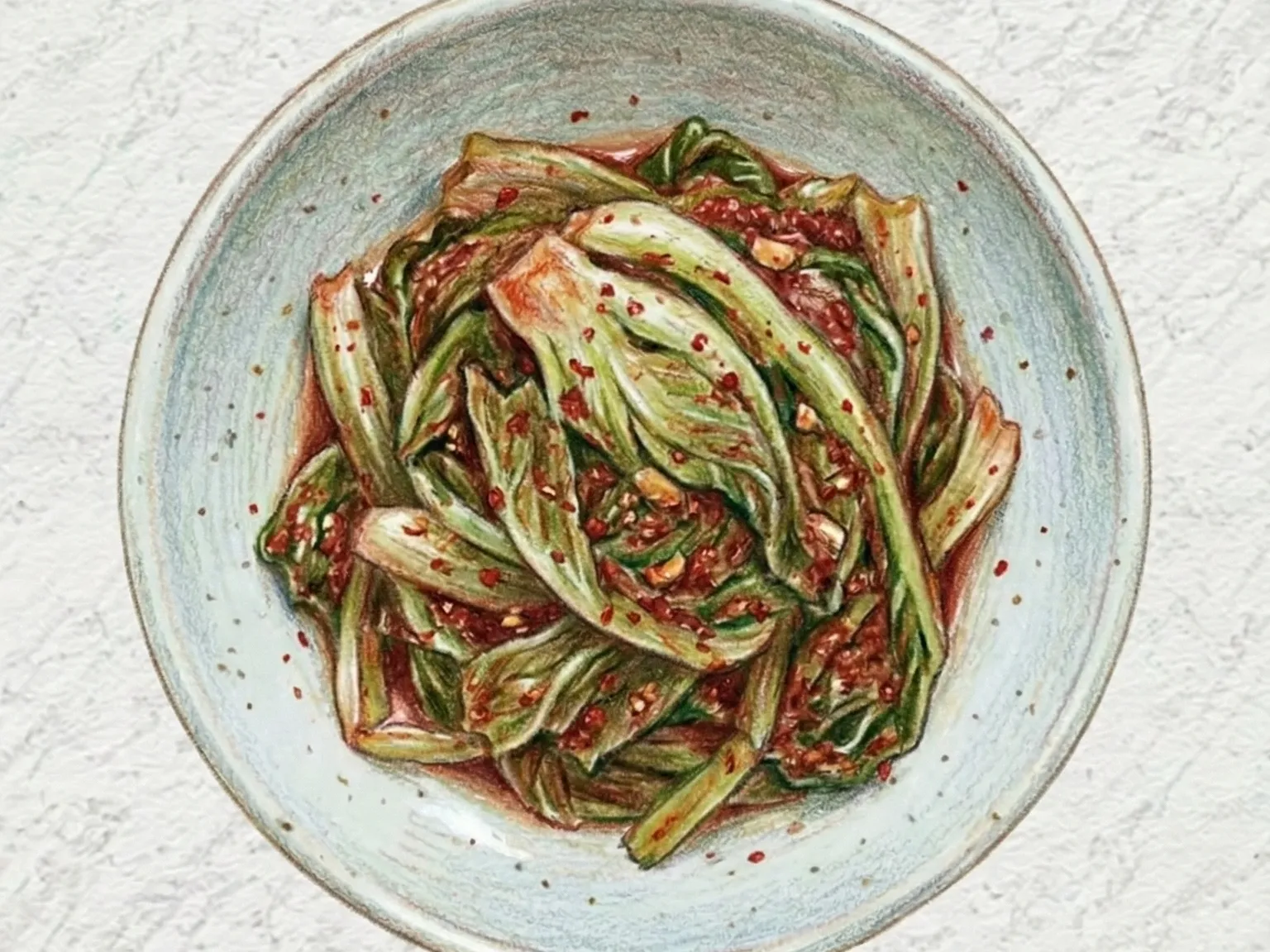
Bangpungnamul kimchi is a seasonal Korean kimchi made during spring by dressing coastal hogfennel in a chili-based seasoning paste. Bangpungnamul grows along coastal cliffs and mountain foothills, identifiable by its distinctive bitter-herbaceous aroma and mild sharpness. Traditional Korean medicine has long valued this plant for its properties in treating rheumatic conditions - its name literally combines the words for wind and prevention. The herb is lightly salted first to draw out excess moisture and soften its fibrous structure, then tossed with Korean chili flakes, anchovy fish sauce, soup soy sauce, minced garlic, and ginger. Sweet rice paste works as a binder, helping the thick seasoning cling evenly to each strand of herb rather than pooling at the bottom of the bowl. Sliced scallions add a crisp element that survives the marinating process intact. The herb's natural bitterness mellows considerably as lactic fermentation develops, producing a flavor profile unmistakably different from standard napa cabbage kimchi. One day at room temperature initiates fermentation without letting it run too far, after which refrigerated storage holds the kimchi at an ideal stage of acidity for two to three weeks.

Vietnamese Grilled Pork Vermicelli
Charcoal-grilled pork is placed over cold rice vermicelli and eaten mixed with nuoc cham in this southern Vietnamese noodle bowl. The pork marinates in fish sauce, sugar, and garlic before grilling, so direct heat caramelizes the surface sugars into a deep brown crust while the interior holds its moisture. Fresh mint, cilantro, and coarsely crushed roasted peanuts are scattered on top, layering herbal fragrance with crunch. Nuoc cham, built from lime juice, sugar, fish sauce, and chili, is the sweet-sour-salty binding agent that pulls together the warm meat, cool noodles, and raw herbs into a single coherent bowl. The temperature contrast between hot pork and chilled vermicelli is central to the eating experience. Pickled daikon and carrot add a final note of acidity that keeps each bite clean. No broth is needed; the bowl is filling and bright.

Chamnamul Walnut Pesto Trofie
Chamnamul walnut pesto trofie is a fusion pasta that coats twisted trofie in a pesto made from Korean chamnamul (wild parsley), walnuts, Parmigiano, and olive oil. Chamnamul has a lighter, more herbaceous quality than basil, with a faintly bitter finish that gives the pesto a distinctly Korean aromatic character. Walnuts contribute a heavier, more assertive nuttiness than pine nuts, thickening the sauce and anchoring the savory depth together with the aged cheese. The spiral grooves of trofie hold the pesto in every ridge, releasing an even concentration of flavor with each bite. Adding sufficient olive oil during blending slows oxidation and prevents the chamnamul's green color from darkening too quickly. The pasta is best eaten immediately after tossing, when both the color and fragrance are at their peak.

Kimchi Tofu Caesar Salad
Sautéing the kimchi drives off moisture and concentrates its umami into an intense, savory punch that replaces anchovies in a traditional Caesar. Pan-browned tofu cubes develop a crisp shell around their soft interior, standing in for crouton-like protein. The dressing mixes mayonnaise with plain yogurt for a lighter body than classic Caesar, sharpened with lemon juice and garlic. Grated parmesan adds the expected salty depth, and crisp romaine provides the essential crunch that holds the heavy flavors in check. Homemade bread croutons round out the textural contrast.

Warm Melting Cheese (Whole Oven-Baked Camembert with Garlic and Honey)
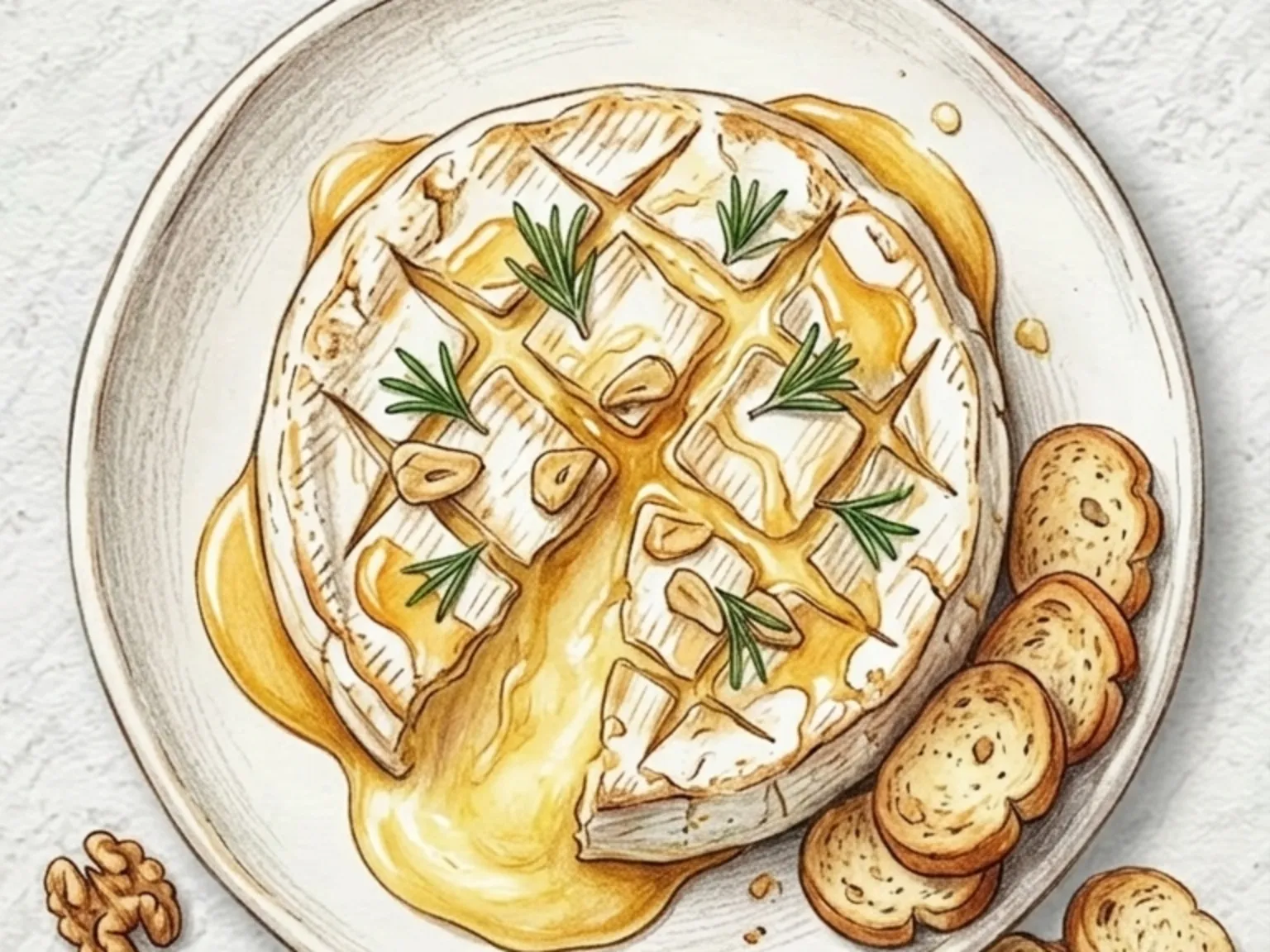
Baked Camembert is a French warm appetizer in which an entire wheel of Camembert is oven-roasted until the interior liquefies into a pooling, spoonable cream while the white-mold rind holds firm and serves as a natural bowl. Scoring the top of the rind in a crosshatch pattern and tucking in thin slices of garlic and sprigs of rosemary allows those aromatics to infuse the melting cheese throughout the approximately fifteen minutes it spends at 180 degrees Celsius. The result, straight from the oven, is a cheese that flows when touched but stays contained within its rind, making it ideal for sharing directly from the box or the baking dish it sat in. Torn baguette slices and lightly toasted walnuts are the most natural accompaniments for dipping, and a drizzle of honey over the top before serving adds a sweetness that bridges the funky, salty character of the cheese and creates a sweet-savory contrast. The entire preparation requires less than five minutes of active work before it goes into the oven, which makes it one of the most efficient warm appetizers to produce when hosting guests or pairing with wine. Unlike richer double-cream styles, Camembert has enough flavor depth to hold its own with both dry white wines and lighter reds, and the roasted garlic left in the scored grooves becomes soft and sweet as it heats, adding a mellow backdrop that complements rather than competes with the cheese.

Ayam Goreng (Indonesian Spiced Fried Chicken Without Coating)
Ayam goreng is Indonesia's answer to fried chicken, but the technique diverges sharply from Western versions - there is no flour coating. Instead, chicken pieces are simmered in a paste of garlic, ginger, coriander, turmeric, and coconut milk until the liquid reduces to almost nothing and the spices have permeated the meat to the bone. Only then does the chicken hit hot oil, where the coconut-milk residue on the skin fries into a thin, uneven crust with a deep golden hue. The flavor is aromatic rather than salty, with turmeric's earthiness and coriander's citrus notes layered into every bite. Street stalls across Jakarta and Yogyakarta serve it with sambal, lalapan (raw vegetables), and steamed rice.

Korean Seasoned Coastal Hogfennel Greens
Bangpung namul muchim is a spring side dish made from coastal hogfennel, a wild herb that grows on seaside cliffs and sandy shores along Korea's coastline. The plant has a pungent, celery-like aroma that defines the dish. Blanching in salted boiling water for exactly one minute tames the raw bitterness while preserving the herbal fragrance - overcooking diminishes both the aroma and the texture. After squeezing out moisture thoroughly, the greens are seasoned simply with doenjang, minced garlic, and sesame oil. Keeping the seasoning minimal is intentional: the dressing supports the herb's character without masking it. The fermented depth of doenjang meets the slightly bitter, woodsy flavor of the greens in a combination that tastes distinctly of early spring. Harvested in coastal regions of Gangwon-do, Gyeonggi coast, and Jeju from March through May, bangpung is a seasonal ingredient with a short window and a reputation as a spring tonic in Korean traditional food culture.

Korean Chwinamul Pot Rice
Chwinamul sotbap is a Korean pot rice made by layering lightly seasoned wild chwinamul greens over soaked rice and cooking everything together in kelp stock until done. The greens release their distinctively herbal, faintly bitter fragrance directly into the rice as it steams, filling the room with an earthy mountain scent when the lid is lifted. Mixed at the table with a soy-sesame sauce, the initial bitterness softens into a pleasant background that makes each spoonful layered and grounding. It is best prepared in spring when chwinamul is freshly picked, offering the sharpest aroma and the most tender stems. Dried chwinamul, soaked and squeezed before use, extends the recipe across all four seasons, though the fresh version carries a vitality and brightness that dried leaves cannot fully replicate.

Korean Cabbage Doenjang Stir-Fry
Baechu doenjang bokkeum is a Korean home-style side dish where napa cabbage is stir-fried with doenjang (fermented soybean paste) in perilla oil. The cabbage goes into a hot pan first and is tossed until slightly wilted, then the doenjang is added and the heat lowered so the paste spreads evenly and coats every piece. Minced garlic goes in with the cabbage, its sharpness merging into the fermented depth of the doenjang as both cook together. The thicker stem sections go into the pan before the leaves to preserve their crunch, and the leafy parts follow later so they stay tender rather than limp. A final drizzle of perilla oil just before removing the pan from heat reinforces the nutty aroma, finished with a scatter of toasted sesame seeds. The seasoning is minimal, but the salty intensity of the doenjang and the natural sweetness of napa cabbage strike a balance that makes this side dish a reliable staple with steamed rice. No soup or stew is needed alongside it.

Korean Grilled Chicken Heart Skewers
Dak-yeomtong-kkochi starts by soaking trimmed chicken hearts in milk for fifteen minutes to remove any off-flavors, then threading them onto skewers for direct grilling. A glaze of soy sauce, gochujang, sugar, garlic, and cooking wine is applied in stages during grilling, building up a salty-sweet coating with gentle heat. Unlike regular chicken meat, hearts have a firm, springy chew that deepens in nuttiness the more you bite into them. The milk soak combined with garlic and cooking wine in the glaze cleanly removes any organ taste, so the finished skewers carry only the char from the grill and the layered seasoning. A common sight at street stalls and pojangmacha tents, these skewers work equally well as a quick snack eaten on the spot or as drinking food alongside a cold beer.

Korean Butter-Grilled Scallops
Garibi butter-gui sears fresh scallops in garlic butter until each side develops a deep golden-brown crust, then finishes with lemon juice and parsley to balance the richness. Removing every trace of surface moisture with paper towels before seasoning is the single most important step -- water on the surface of the scallop causes it to steam rather than sear, and no caramelized crust will form until that moisture has evaporated. Each side cooks for only one to two minutes at the highest heat the pan can sustain, leaving the center just barely opaque and the texture tender rather than rubbery. After flipping, butter and minced garlic are added directly to the hot pan and spooned continuously over the scallops so the aroma infuses the surface. A squeeze of lemon and a scatter of chopped parsley added just before removing from heat layers acidity and freshness over the butter richness. Simple to prepare and fast to cook, this dish appears regularly at home gatherings in Korea as a crowd-pleasing appetizer.

Korean BBQ Beef
Bulgogi stands as the most widely recognized marinated beef preparation within the Korean culinary tradition. The dish typically utilizes thinly sliced cuts of meat such as sirloin or chuck, which are soaked in a mixture composed of soy sauce, grated Korean pear, sugar, minced garlic, and sesame oil. Following the marination process, the beef is cooked rapidly over a high heat source. The inclusion of Korean pear in the marinade serves two specific functions during the preparation. First, the natural enzymes found within the pear fruit actively work to break down the muscle fibers of the beef. This chemical reaction ensures that each individual slice becomes tender and yields easily when eaten. Second, the fructose from the pear combines with the soy sauce during cooking to form a characteristic sweet and salty glaze that coats the entire surface of the meat. The specific technique used during the cooking phase is as critical as the composition of the marinade itself. If an excessive amount of meat is added to the pan at one time, the surface temperature of the cooking vessel will drop significantly. When this happens, the beef begins to steam in its own released liquids rather than searing against the hot surface. This often leads to a gray and chewy texture instead of the caramelized brown edges that the dish is known for. To achieve the correct result, the beef should be prepared in small batches while maintaining a consistent high heat. This method allows the liquid from the marinade to reduce quickly against the hot pan, creating the glossy and sticky coating that characterizes properly made bulgogi. To finish the preparation, a small amount of sesame oil is drizzled over the beef and toasted sesame seeds are scattered on top. These final additions provide a roasted and nutty quality that balances the sweet and salty base to complete the flavor profile.

Korean Napa Cabbage Clam Soup
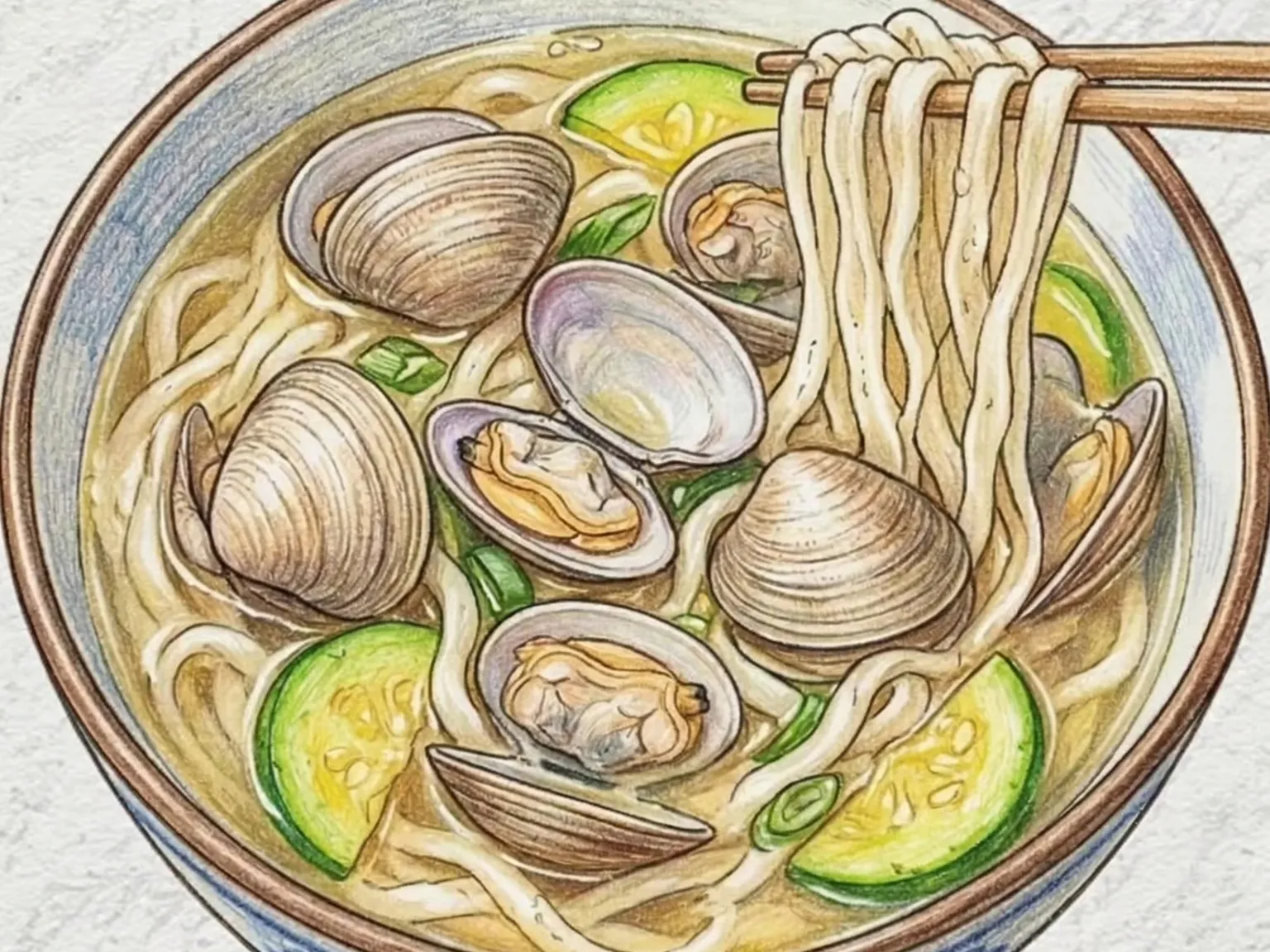
Baechu jogae guk is a clear Korean soup that draws its flavor entirely from clams and napa cabbage without any additional stock ingredients. The clams must be purged in salted water for at least two hours to expel all sand; skipping this step contaminates the broth and ruins the finished dish. Starting from cold water with both the cabbage and clams allows the temperature to rise gradually, coaxing sweetness from the cabbage as it heats alongside the shellfish. Once the clam shells open, the heat is reduced and the broth is seasoned lightly with minced garlic and guk-ganjang. Sliced scallion is added near the end to preserve its fresh, grassy note in the liquid. Since the clam liquor itself carries significant salinity, any additional salt should be added only after tasting, and kept minimal. No anchovy stock or kelp is needed because the marine depth of the clams and the vegetal sweetness of the cabbage together build a clean, layered broth on their own. The soup is mild enough to serve as a restorative meal when appetite is low or digestion is off.

Korean Perilla Leaf Chicken Jeon
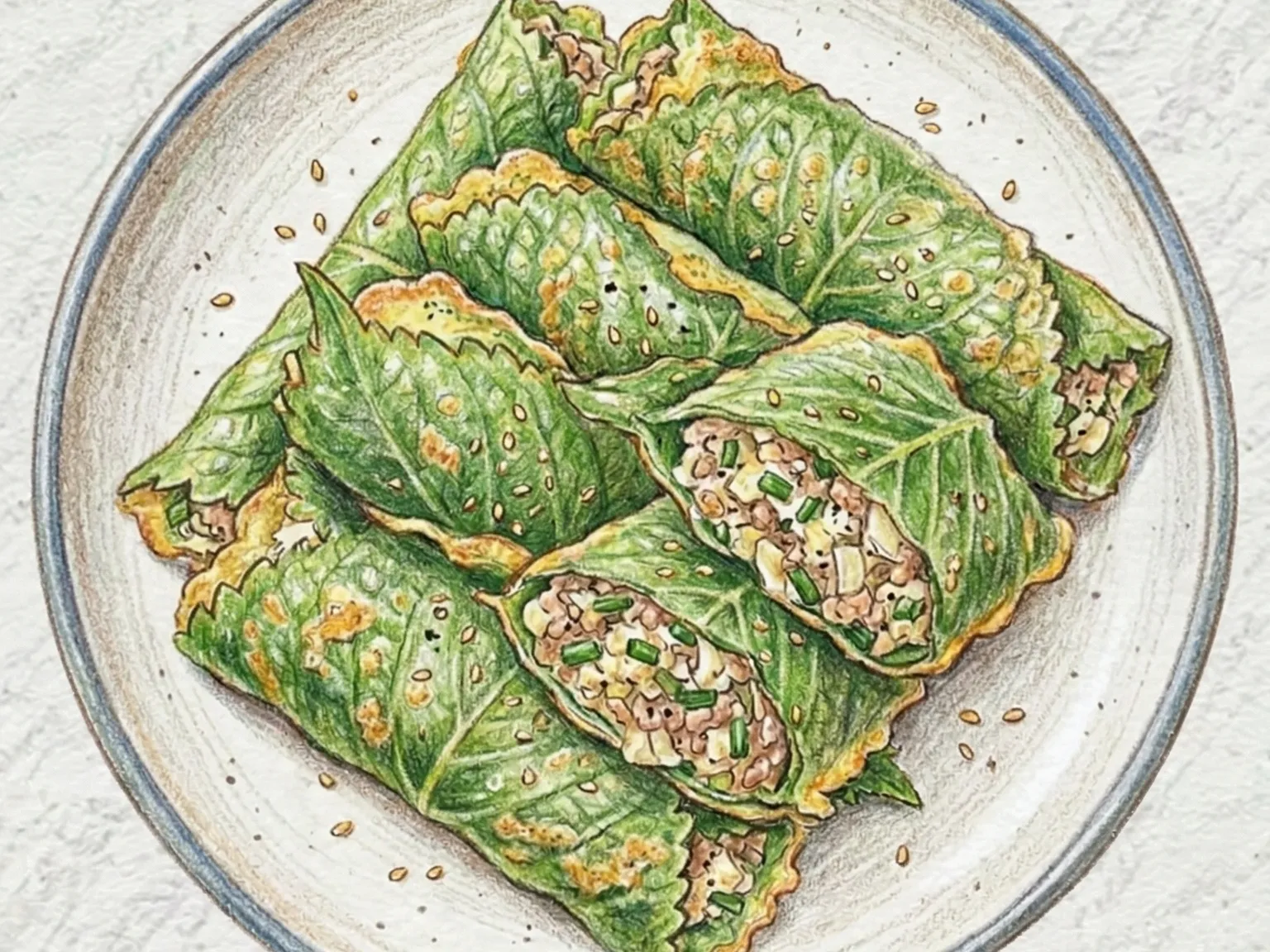
Perilla leaves are paired back-to-back with a filling of ground chicken and firm tofu, then dusted in flour, coated in beaten egg, and pan-fried. Ground chicken keeps the filling lean, and the tofu adds a soft, creamy texture without adding heaviness. Perilla's assertive herbal scent pairs naturally with the mild chicken, and minced green onion and garlic season the filling throughout. Each piece is bite-sized and holds up well after cooling, making it a good option for packed lunches as well as a table side dish.

Korean Hard Clam Radish Stew
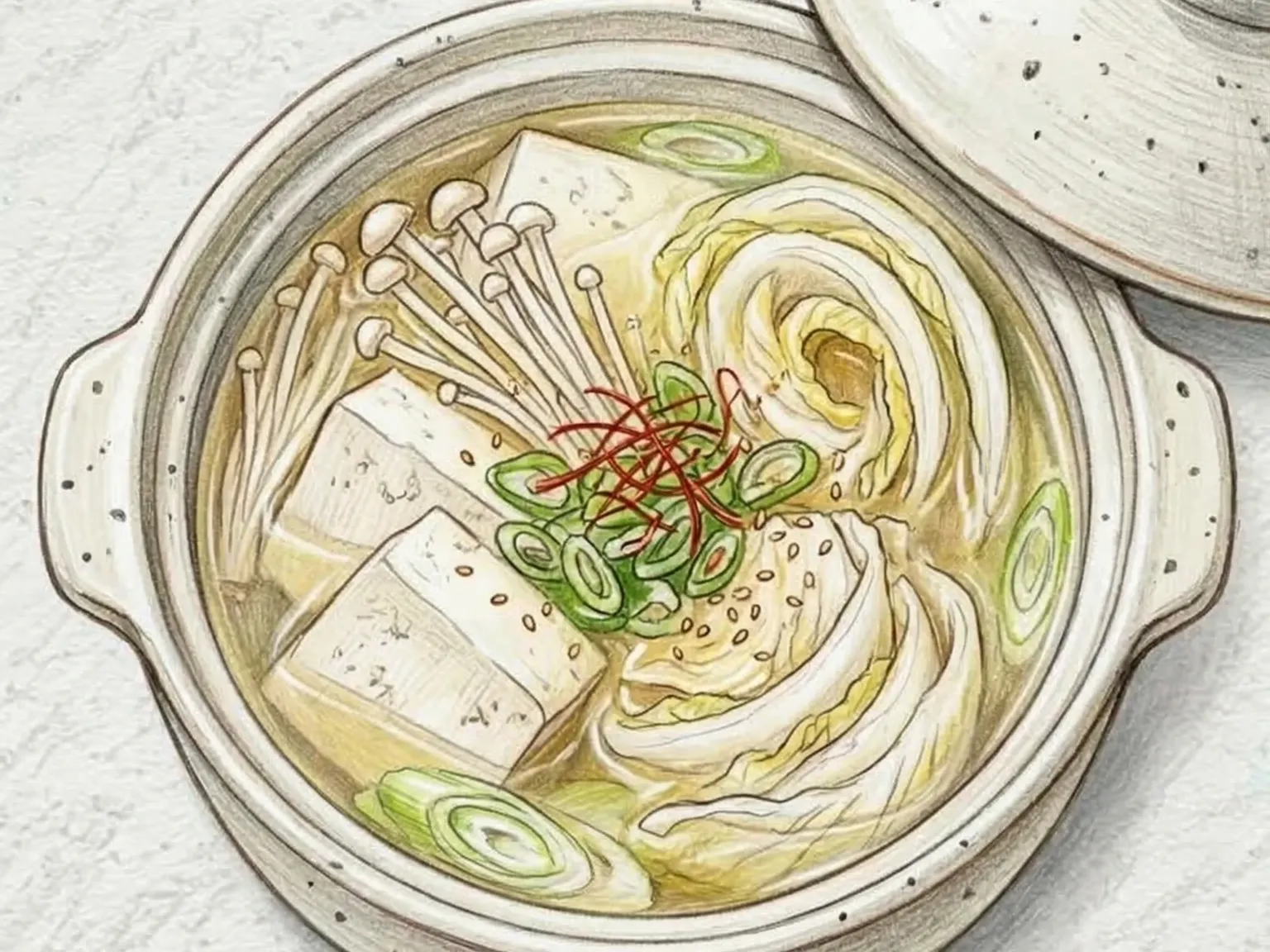
Sweet radish broth meets briny hard clams in this clean, deeply flavored Korean stew that needs no stock -- just clams, radish, and 35 minutes. The radish goes into the pot first and boils for ten minutes to release its natural sweetness, building the foundation of the broth before the clams are added. Once the clams open, their concentrated marine flavor layers over the radish sweetness, creating a broth that is simultaneously clean and complex. Seasoning is kept minimal with soup soy sauce, and minced garlic is added only after the clams open so it cooks through without remaining sharp and raw. Thick-cut firm tofu absorbs the surrounding broth, acting as a sponge for the clam umami. Diagonally sliced cheongyang and red chilies go in last, contributing a mild heat and visual contrast to the pale liquid. Any clams that fail to open must be removed immediately to keep the broth free of grit. The stew demonstrates how two primary ingredients, clams and radish, can produce a layered, satisfying broth without anchovy or kelp stock. The cool, lingering aftertaste of the clams is a hallmark of this particular combination.

Korean Soy-Braised Dotted Gizzard Shad with Radish
Baendaengi mu jorim is a Korean braised dish where small dotted gizzard shad and radish simmer together in a gochujang-based sauce. Radish lines the bottom of the pot, preventing the fish from sticking while absorbing the braising liquid as it reduces, infusing the pieces with a deep salty-sweet flavor. The sauce combines gochujang, gochugaru, soy sauce, and minced garlic, with cooking wine added to suppress any fishy odor while contributing a mild sweetness. The pot simmers covered on medium-low heat for twenty minutes, with the sauce spooned over the fish midway through to coat the surface evenly. Gizzard shad have fine, soft bones that are edible whole, and the braising process softens them further until they are barely noticeable when chewing. Onion added alongside the radish melts into the liquid, contributing natural sweetness that balances the spicy-salty punch of the gochujang sauce. The finished dish concentrates into a thick glaze that clings to both the fish and radish pieces, making it substantial enough to serve as a one-bowl meal over rice.

Korean Bangwool Yangbaechu Kimchi (Brussels Sprout Kimchi)
Bangwool yangbaechu kimchi is a creative Korean kimchi made from halved Brussels sprouts, brined in salt and dressed with gochugaru, fish sauce, garlic, and apple. Brussels sprouts are denser than napa cabbage and hold their structure after salting, giving each bite a firm crunch that releases a natural sweetness as you chew. The combination of fish sauce and gochugaru builds a spicy-salty depth, while grated apple introduces a fruit sweetness that softens the chili heat without masking it. Scallions contribute a fresh note throughout. Because the sprouts are compact and less watery than cabbage, the kimchi ferments more slowly and stays crisp longer. It can be eaten right away as a fresh kimchi, or left to ferment for several days as the flavors deepen. In season from autumn through early spring, this kimchi suits both traditional Korean meals and modern brunch spreads.

Korean Beef Brisket Soybean Paste Noodles
Chadol doenjang kalguksu is a Korean noodle soup made by simmering thin slices of beef brisket in a soybean paste broth and adding hand-cut wheat noodles to finish the bowl. The doenjang gives the broth a fermented, earthy depth, and the marbled fat from the brisket slowly renders into the simmering liquid, adding body and a gentle richness that rounds out each spoonful. Kalguksu noodles are rolled thin by hand and cut with a knife, so they are naturally uneven in thickness. Thicker sections retain a satisfying chew while thinner edges go silky and absorb the broth more readily, which means a single bowl contains multiple textures without any deliberate effort. Zucchini, potato, and onion are added early and cook down into the broth, contributing natural sweetness that tempers the saltiness of the doenjang. Minced garlic and sliced scallion stirred in near the end lift the aroma and add a fresh, sharp note at the finish. Because doenjang concentrates as the broth reduces, starting with more water than seems necessary is a practical safeguard against the soup becoming too salty before the noodles are cooked through. Serving the noodles immediately after cooking prevents them from absorbing too much liquid and going soft.

Cheongyang Chili Carbonara Spaghetti
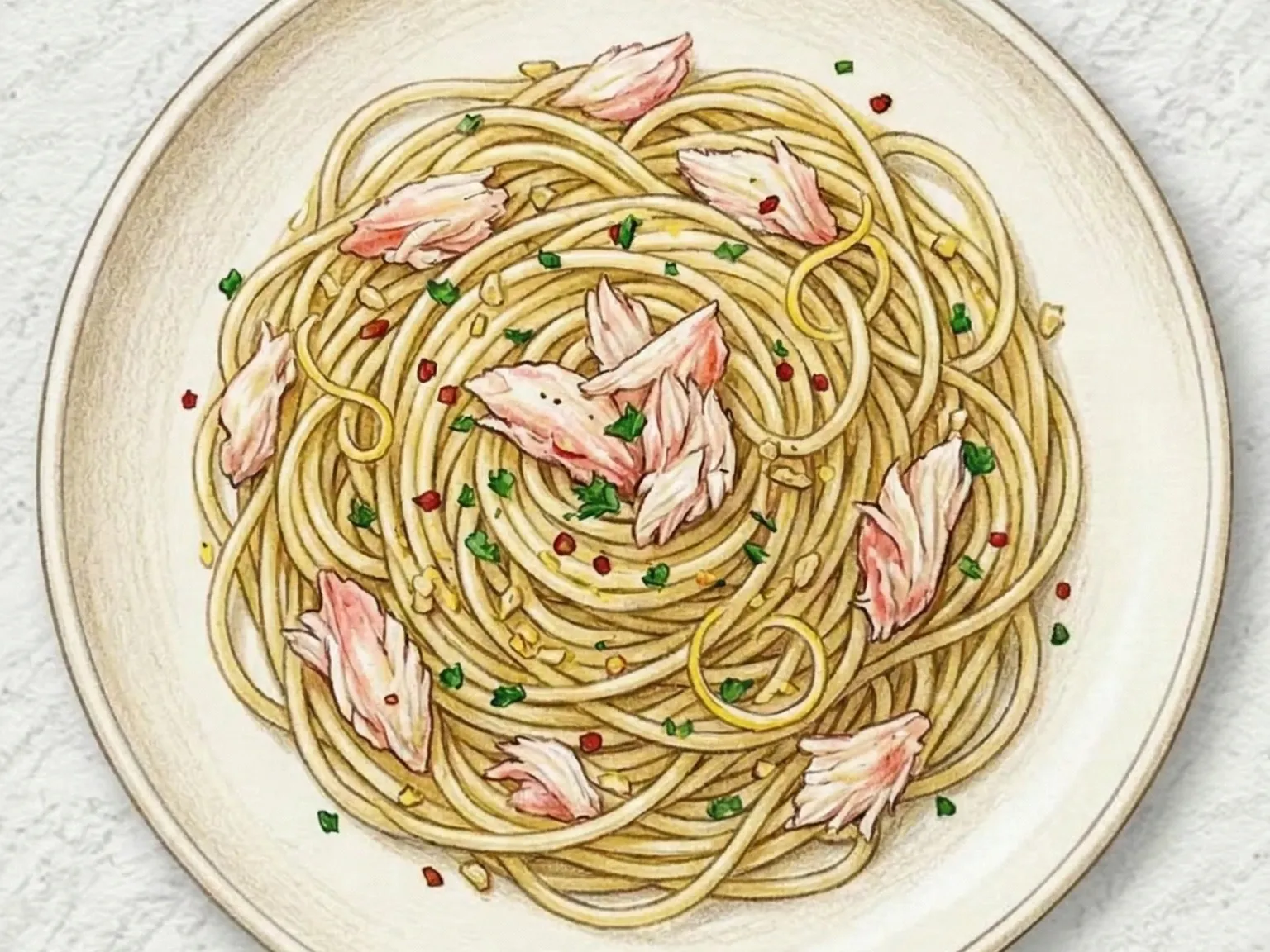
Cheongyang chili carbonara spaghetti takes the classical Roman carbonara - built on egg yolks, Parmigiano-Reggiano, and Pecorino Romano emulsified with rendered pork fat - and introduces the sharp, lingering heat of Korean cheongyang peppers. Pancetta is rendered slowly over medium-low heat until the fat is fully released and the meat turns crisp, and the sliced chili and garlic are added to the rendered fat for just thirty seconds - long enough to infuse the oil with heat and fragrance without scorching the garlic. The cheese-egg base is made by whisking yolks with finely grated cheese until smooth; a useful ratio is two yolks to 20 grams of Parmigiano-Reggiano and 10 grams of Pecorino. This mixture must be folded into the drained pasta off direct heat, using reserved pasta water to loosen and emulsify - the starch and salt in the pasta water are what allow the sauce to coat each strand evenly rather than clump. The cheongyang pepper's capsaicin cuts cleanly through the concentrated richness of the egg and cheese fat, providing a clean finish that the classic Roman version does not have. The chili quantity is easy to adjust upward or downward, and using fresh whole peppers instead of pre-cut pieces produces a sharper heat with more green, vegetal character.

Bean Sprout Bulgur Seaweed Salad
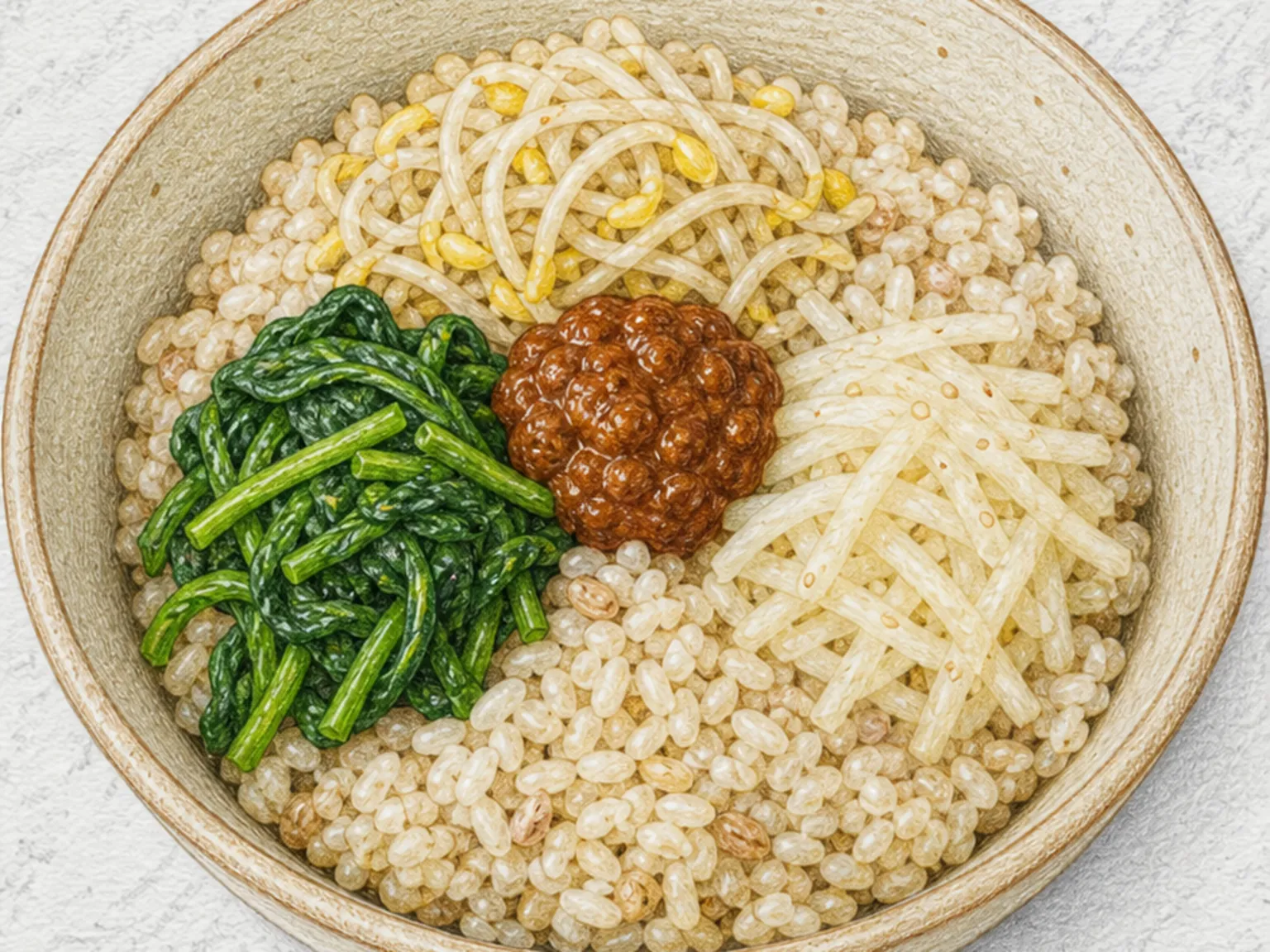
Bulgur wheat brings a plump, nutty chew that pairs naturally with briefly blanched bean sprouts, building a hearty Korean grain salad with satisfying texture and substance. The dressing - soy sauce, apple cider vinegar, sesame oil, and minced garlic - mirrors the classic Korean namul seasoning profile exactly, tying grain and vegetable together without anything feeling out of place. Julienned carrot contributes sweetness and color, while thinly sliced scallion sharpens the finish with a mild, lingering onion bite. Roasted seaweed flakes are folded in just before serving to preserve their crunch and the oceanic salinity plays off the earthy grain in a pairing that reads as distinctly Korean. Bean sprouts should be rinsed in cold water immediately after blanching to keep their snap intact.

Ground Beef Tacos
Beef tacos season ground beef with chili powder, cumin, garlic powder, and smoked paprika, then cook it in a skillet until the moisture cooks off and every granule of meat is coated in a concentrated spice crust. Spooned into crispy taco shells, the filling creates an immediate textural contrast as the shell cracks and the seasoned meat gives a dense, juicy resistance underneath. Salsa adds tomato acidity and chili heat on top, while avocado slices provide a cooling, fatty layer that moderates the spice without neutralizing it. Sour cream contributes a mild dairy tang, and a squeeze of lime over everything sharpens all the other flavors at once. The handheld format makes it easy to eat a second and third shell, since each one delivers the full range of spicy, tangy, creamy, and savory in a few bites.