Charim

2686 Korean & World Recipes

2686+ Korean recipes, clean and organized. Ingredients to instructions, all at a glance.

Recipes with garlic

24 recipes

Buy garlic
Korean Eggplant & Pork Pancake
PancakesMedium

Korean Eggplant & Pork Pancake

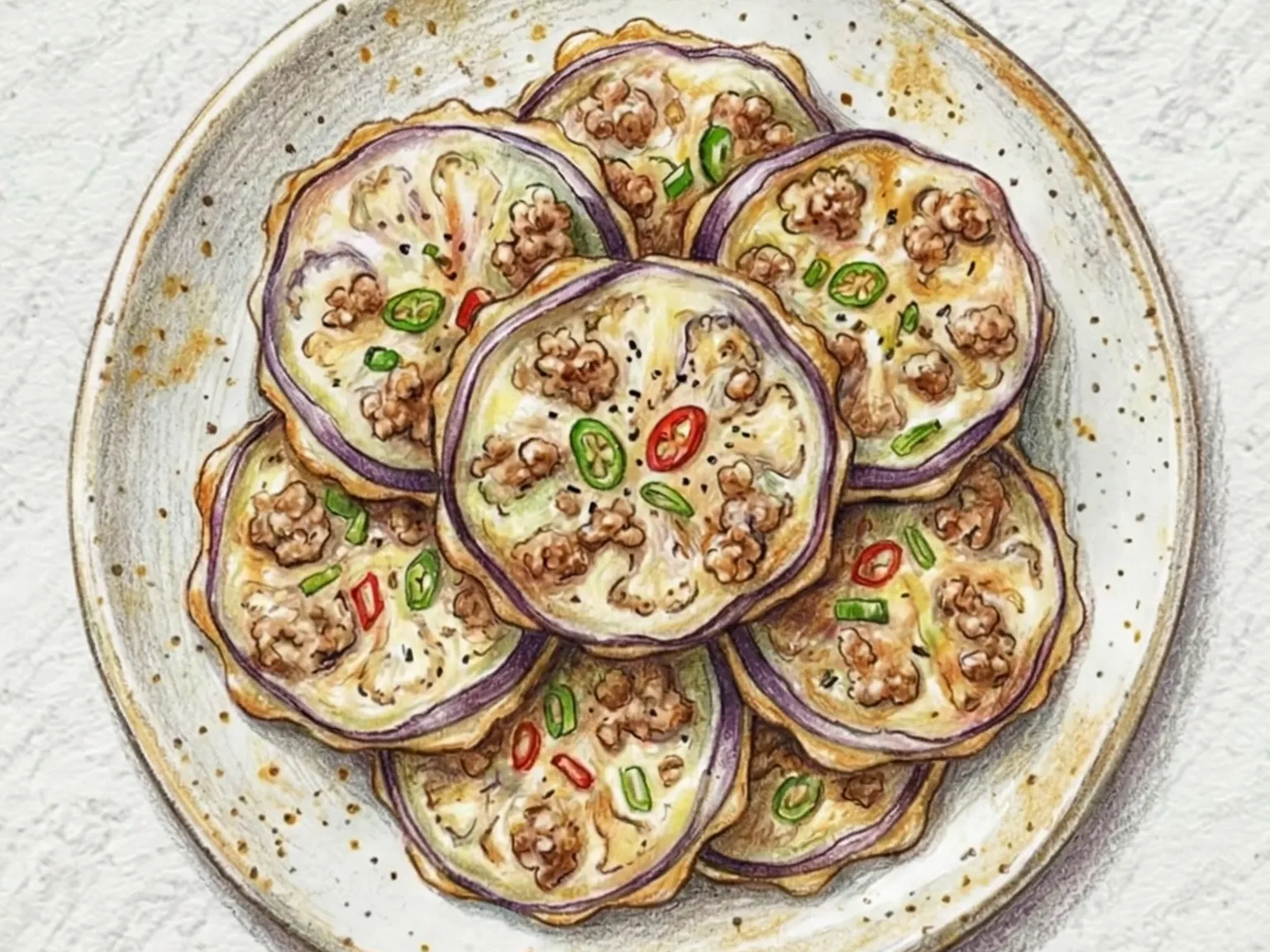
Thick eggplant slices are topped with seasoned ground pork, coated in Korean pancake batter, dipped in beaten egg, and pan-fried until golden on both sides. As the eggplant absorbs oil over heat, it cooks through to a silky, yielding texture, and the pork filling stays juicy inside the batter crust. Minced garlic and onion season the pork mixture and mask any gaminess, while the egg coating forms a thin, evenly browned exterior. A soy-based dipping sauce sharpens the mild eggplant and savory pork into a balanced bite.

🍺 Bar Snacks
Prep 20minCook 15min4 servings
Korean Spicy Fish Roe Stew
StewsMedium

Korean Spicy Fish Roe Stew

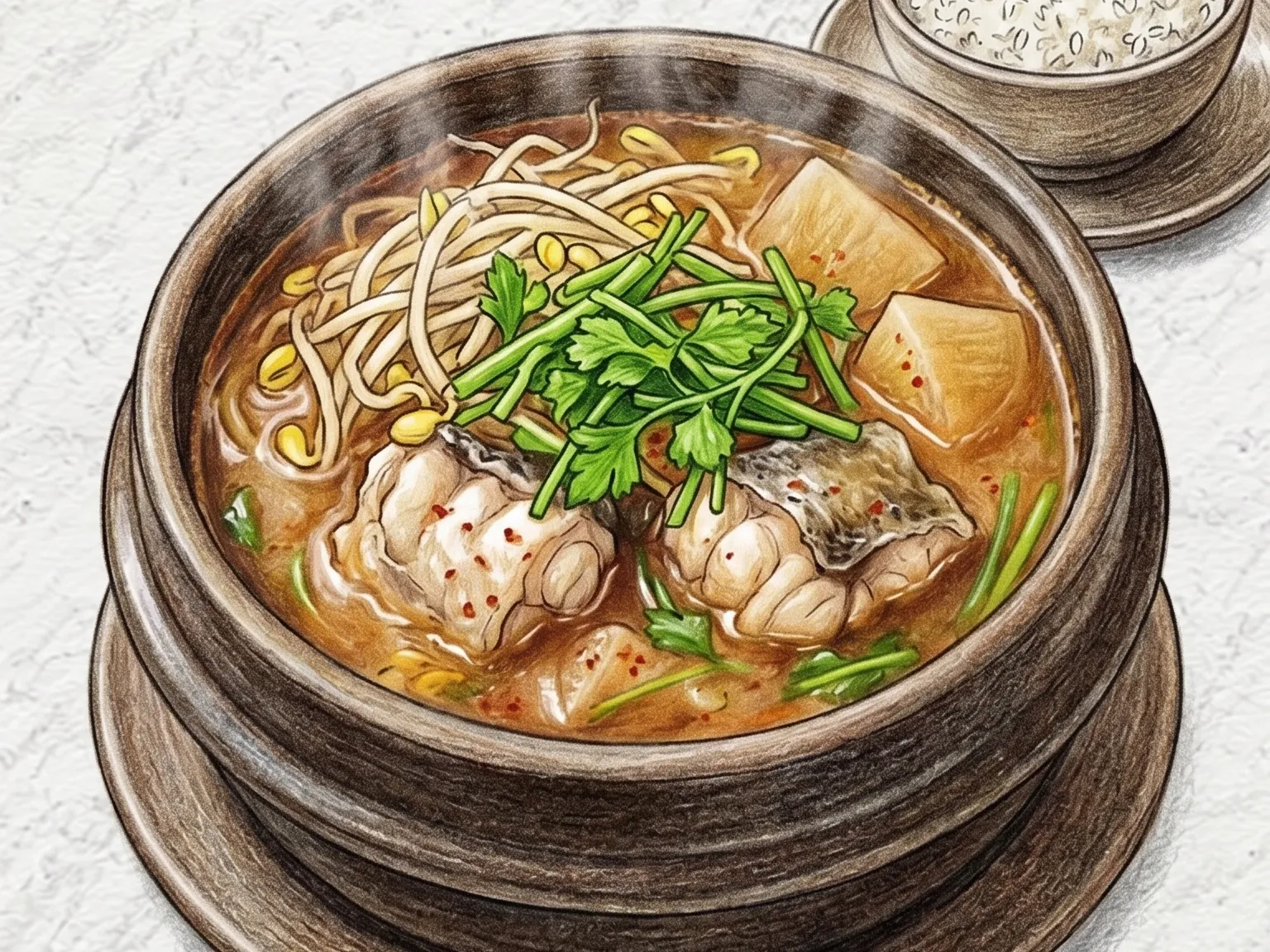
Altang is a Korean stew built around pollock roe - the egg sacs that are the defining ingredient, distinguishing this dish from the many other spicy Korean seafood stews. The dish originated in east coast fishing towns where fresh roe is available in large quantities during the winter spawning season and must be used quickly. Anchovy-kelp stock simmers first with radish to create a clean, sweet foundation before the roe and tofu are added. Once the roe goes into the broth, something visible happens: the egg sacs release their contents as they cook, turning the liquid cloudy and enriching it with marine oils that give the broth a noticeably heavier, more unctuous body. This transformation is specific to altang and is part of what makes it a different eating experience from other spicy Korean stews. Gochugaru and doenjang season the stew together - the chili bringing direct heat and the fermented paste adding depth - and together they neutralize the fishy edge that pollock roe would otherwise carry. Crown daisy, ssukgat, is added in the final moments. Its sharp, almost medicinal herbal fragrance is the correct counterpoint to the heavy, briny broth. In Korean drinking culture, altang occupies a specific role as a late-night restorative consumed at the end of a long evening. The image of a stone pot of altang arriving at the table still vigorously boiling, at two or three in the morning, is a recognizable part of Korean urban nightlife.

🍺 Bar Snacks🏠 Everyday
Prep 12minCook 18min2 servings
Korean Soy-Braised Baby Potatoes
SteamedEasy

Korean Soy-Braised Baby Potatoes

Algamja ganjang-jorim is a Korean banchan of baby potatoes braised in a soy-sugar glaze, a dish so simple in its ingredients - soy sauce, sugar, corn syrup, garlic, and a handful of small potatoes - that it has persisted in home cooking across generations. The potatoes are parboiled whole first to partially cook the starchy exterior, then transferred into the seasoning liquid and simmered over low heat as the sauce reduces. As the liquid evaporates, a dark amber lacquer forms around each potato while the interior stays dense and floury. Keeping the lid off and gently shaking the pan rather than stirring with a utensil allows the coating to build evenly without breaking the potatoes apart. Sesame oil and sesame seeds go in at the end when the sauce has thickened to a glaze, adding a roasted fragrance to the finish. Refrigerating overnight deepens the penetration of the soy seasoning into the center, and the dish keeps for close to a week - practical enough to make in a single batch for the whole week.

🏠 Everyday🎉 Special Occasion
Prep 15minCook 30min4 servings
Korean Napa Cabbage Kimchi
KimchiMedium

Korean Napa Cabbage Kimchi

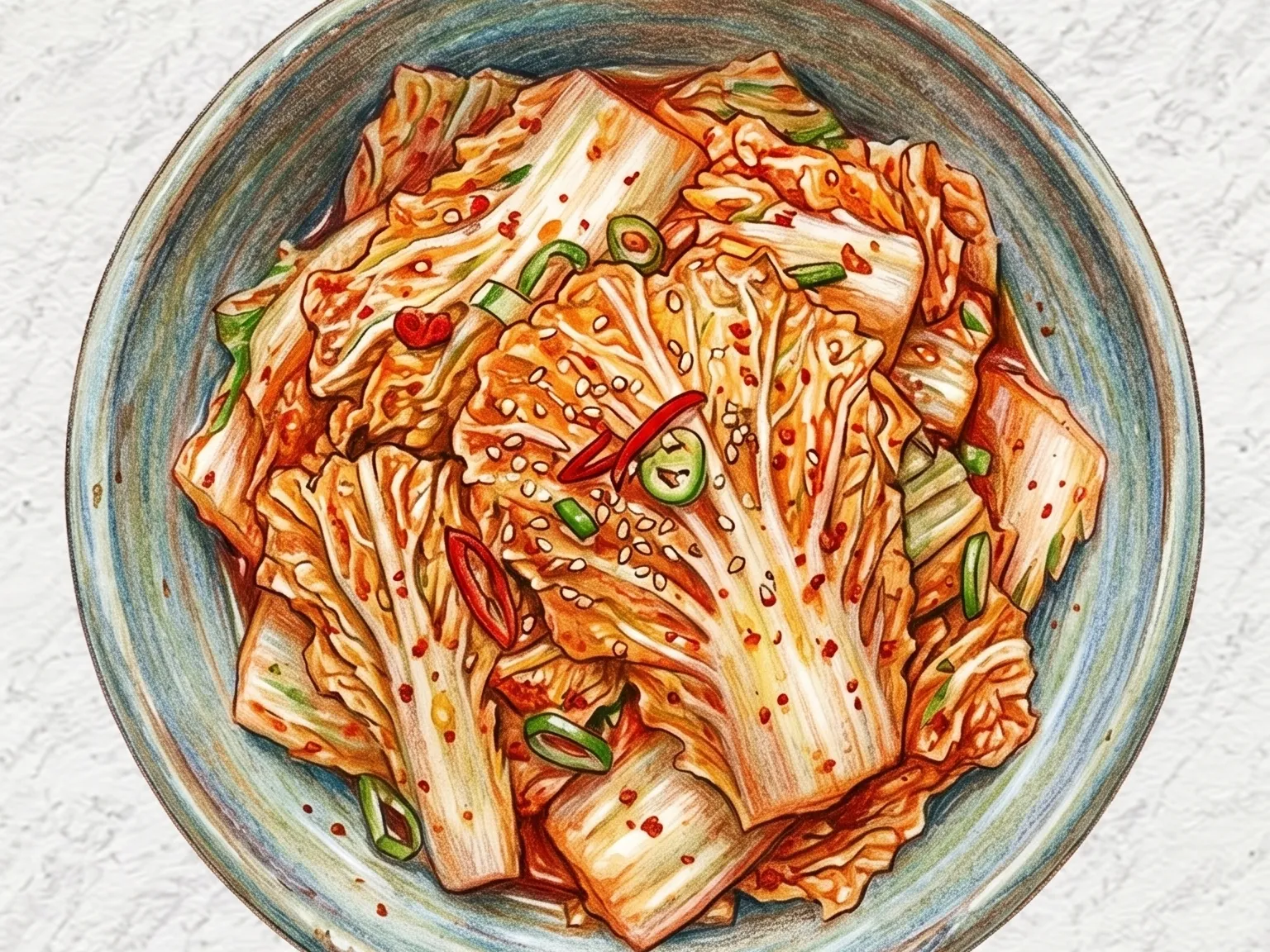
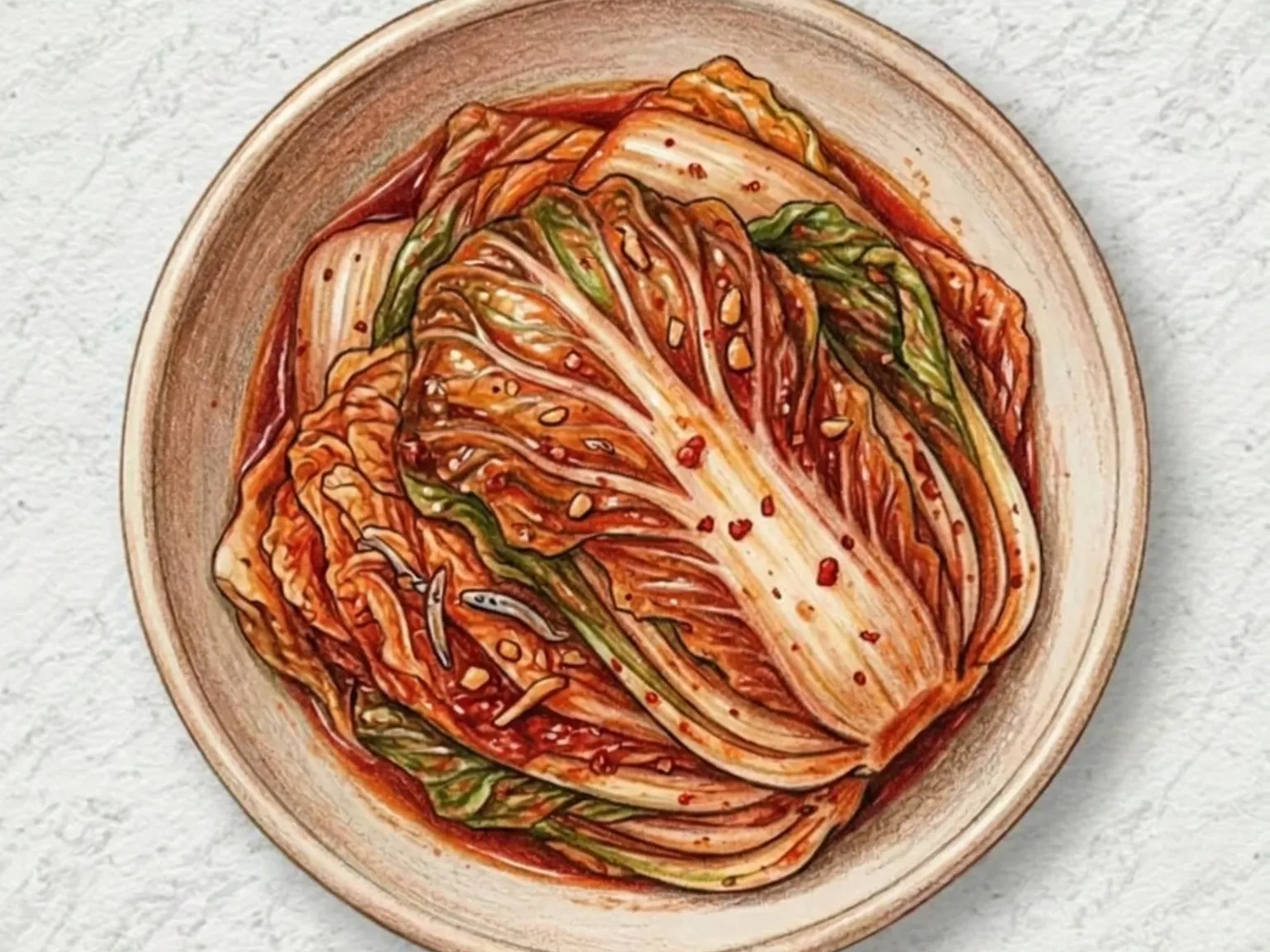
Baechu kimchi is Korea's definitive fermented food - salted napa cabbage layered with a seasoning paste of gochugaru, anchovy fish sauce, garlic, ginger, and glutinous rice paste, then fermented at controlled temperatures until the correct balance of salt, heat, umami, and lactic acid develops. Kimchi is not a pickled vegetable in the Western sense; it is a living fermented food whose character changes continually from the moment it is made. The salting step is the technical foundation. Coarse sea salt draws moisture from the cabbage over six to eight hours, making the stems flexible while leaving the characteristic crunch intact. Under-salting results in kimchi that weeps too much liquid during fermentation and turns mushy; over-salting suppresses microbial activity and masks the seasoning. The glutinous rice paste in the seasoning serves two purposes simultaneously: it acts as an adhesive that keeps the seasoning paste clinging to each leaf rather than sliding off, and it provides fermentable sugars that give the lactobacillus bacteria an early food source, accelerating the initial fermentation. Julienned radish adds textural contrast, and scallions contribute a layer of savory depth. After one day at room temperature to establish the bacterial culture, the kimchi moves to cold storage where lactic acid accumulates slowly. At two to three weeks, the heat from gochugaru, the umami from fish sauce, and the acidity from fermentation reach their optimal equilibrium. Older kimchi - four weeks or more - develops a pronounced sourness and deeper, more fermented flavor that makes it better suited for cooking in kimchi-jjigae or kimchi-bokkeum than for eating raw.

🍱 Lunchbox
Prep 50min4 servings
Korean Andong Guksi (Clear Beef Broth Celebration Noodles)
NoodlesMedium

Korean Andong Guksi (Clear Beef Broth Celebration Noodles)

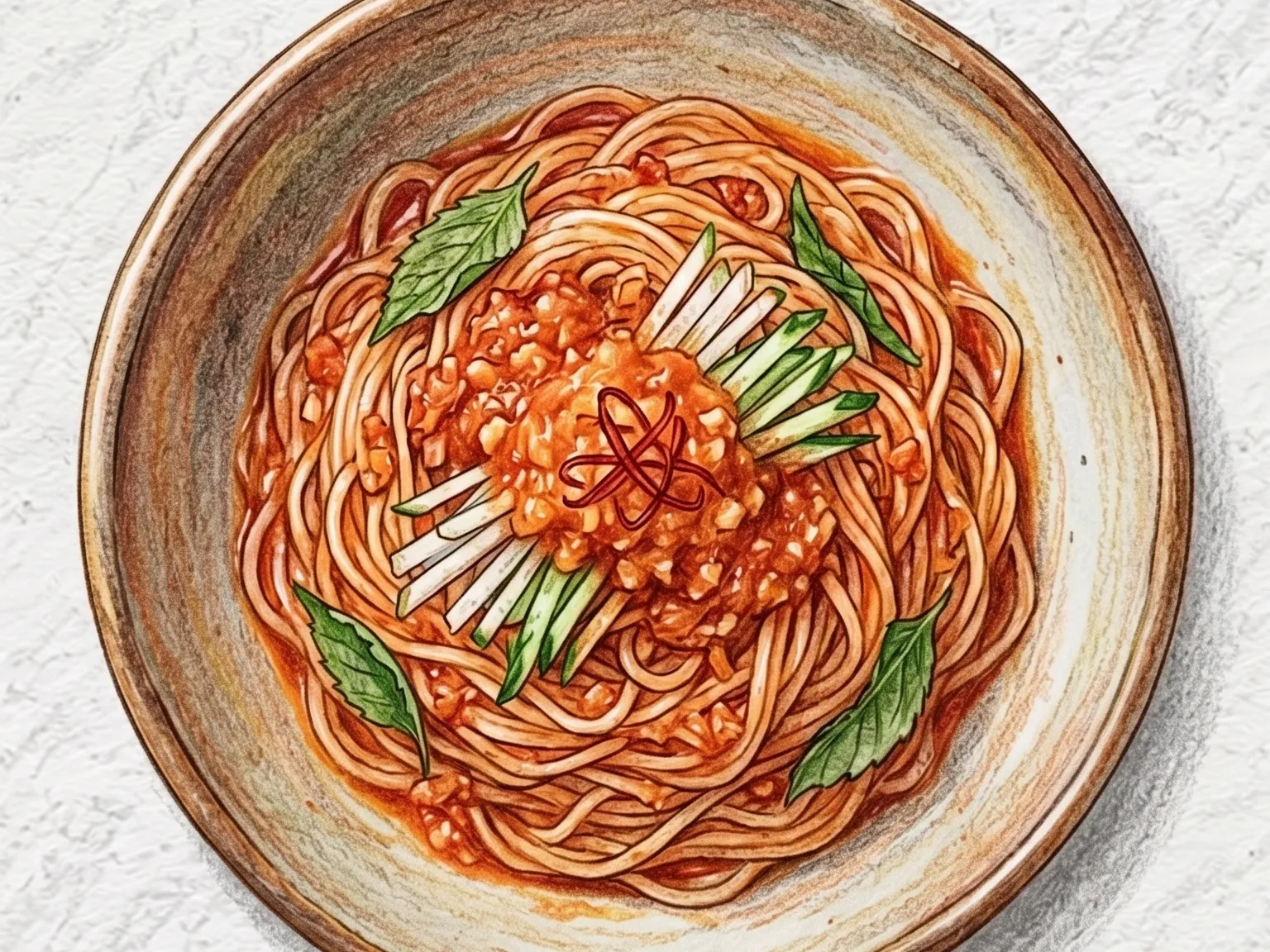
Andong guksi is a banquet noodle dish from the city of Andong in North Gyeongsang Province, served at weddings, ancestral rites, and major family ceremonies for centuries. In Korean culture, long noodles carry a symbolic association with longevity, and that significance kept this dish at the center of celebratory meals across generations. The broth is made from beef brisket and bones simmered for hours until the liquid is clear yet coated with dissolved gelatin - not milky-white in the style of bone broths pushed hard, but translucent and full of a quiet richness that clings faintly to the lips. Wheat noodles, traditionally hand-pulled but now usually dried and purchased, are cooked separately, rinsed, and placed in the strained broth. Toppings are deliberately minimal: thin egg jidan strips, julienned zucchini, and a few slices of the boiled brisket. Seasoning with soup soy sauce and a touch of garlic keeps the broth transparent and positions the beef flavor at the front. Andong's most famous export, jjimdak, relies on bold, chili-forward heat; guksi is the counterpoint - an exercise in restraint and clarity.

🎉 Special Occasion
Prep 25minCook 90min4 servings
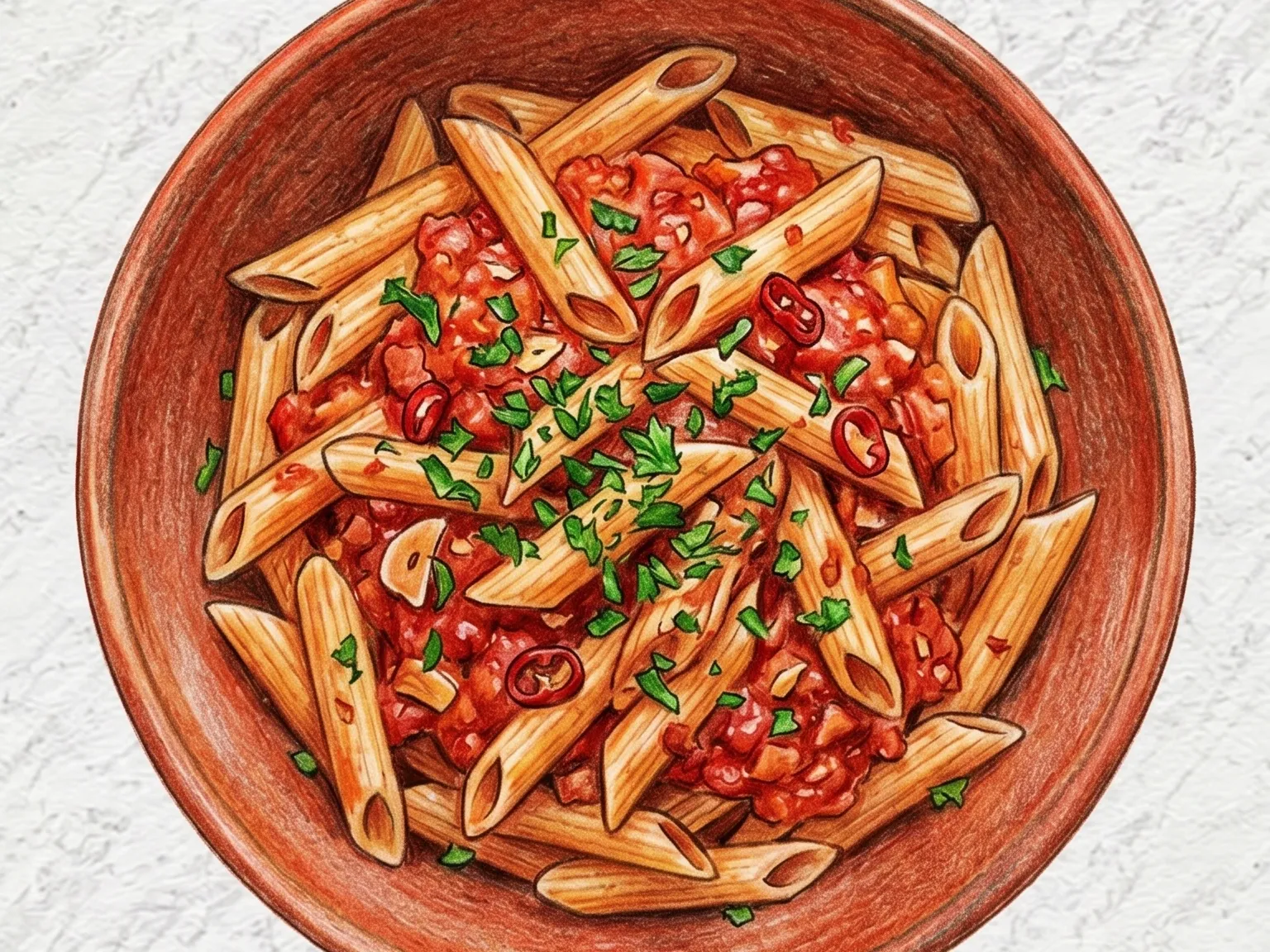
Blue Crab Lemon Garlic Pasta
PastaMedium

Blue Crab Lemon Garlic Pasta

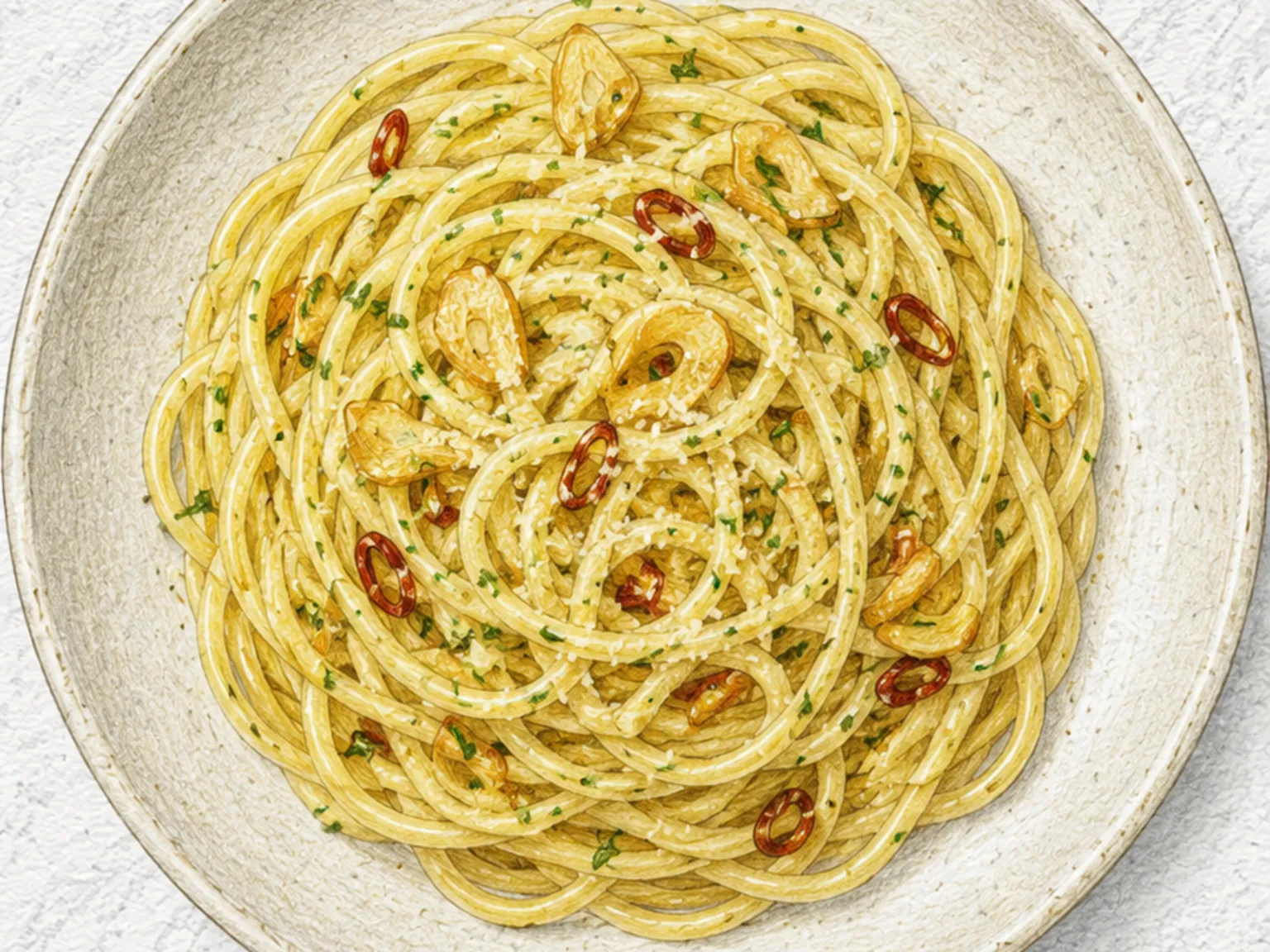
Blue crab lemon garlic spaghetti starts by slowly warming thinly sliced garlic in olive oil over low heat until fragrant - pale gold, not browned. Crab meat and a splash of rice wine go in next to cook off any raw marine smell before butter is added and stirred until it melts into the oil. Starchy pasta water emulsifies the fat into a thin, glossy sauce that coats each strand of spaghetti evenly without heaviness, carrying a clean, oceanic flavor throughout. Lemon zest and juice are added only after the heat is turned off - adding them while the pan is still hot drives off the volatile citrus aroma before it reaches the plate. Keeping the garlic just short of golden, pale and softened rather than browned, is what separates a clean, nutty depth from an acrid bitterness that would overpower the crab. Fresh crab meat, picked directly from a live blue crab, delivers a noticeably sweeter flavor than thawed frozen product and is worth the extra effort when in season.

🍺 Bar Snacks🎉 Special Occasion
Prep 15minCook 18min2 servings
Bellflower Root and Pear Salad
SaladsMedium

Bellflower Root and Pear Salad

Bellflower root, called doraji in Korean, is rubbed with salt to draw out its natural bitterness, then briefly blanched until its texture softens just enough at the surface while retaining a firm, pleasantly chewy bite. Julienned Korean pear is mixed in to bring cool sweetness and plenty of juice that offsets the root's dryness. The seasoning follows a traditional Korean muchim pattern: gochugaru for heat, vinegar for a sour lift, and fish sauce for a deep savory base. Sesame oil is drizzled in last, adding a toasted, nutty aroma that ties the whole dish together. The combination of bitter root, sweet pear, and sharp dressing makes each bite shift slightly as the flavors blend on the palate.

🥗 Light & Healthy🍱 Lunchbox
Prep 20minCook 3min2 servings
Albondigas en Salsa (Spanish Meatballs in Tomato Sauce)
WesternMedium

Albondigas en Salsa (Spanish Meatballs in Tomato Sauce)

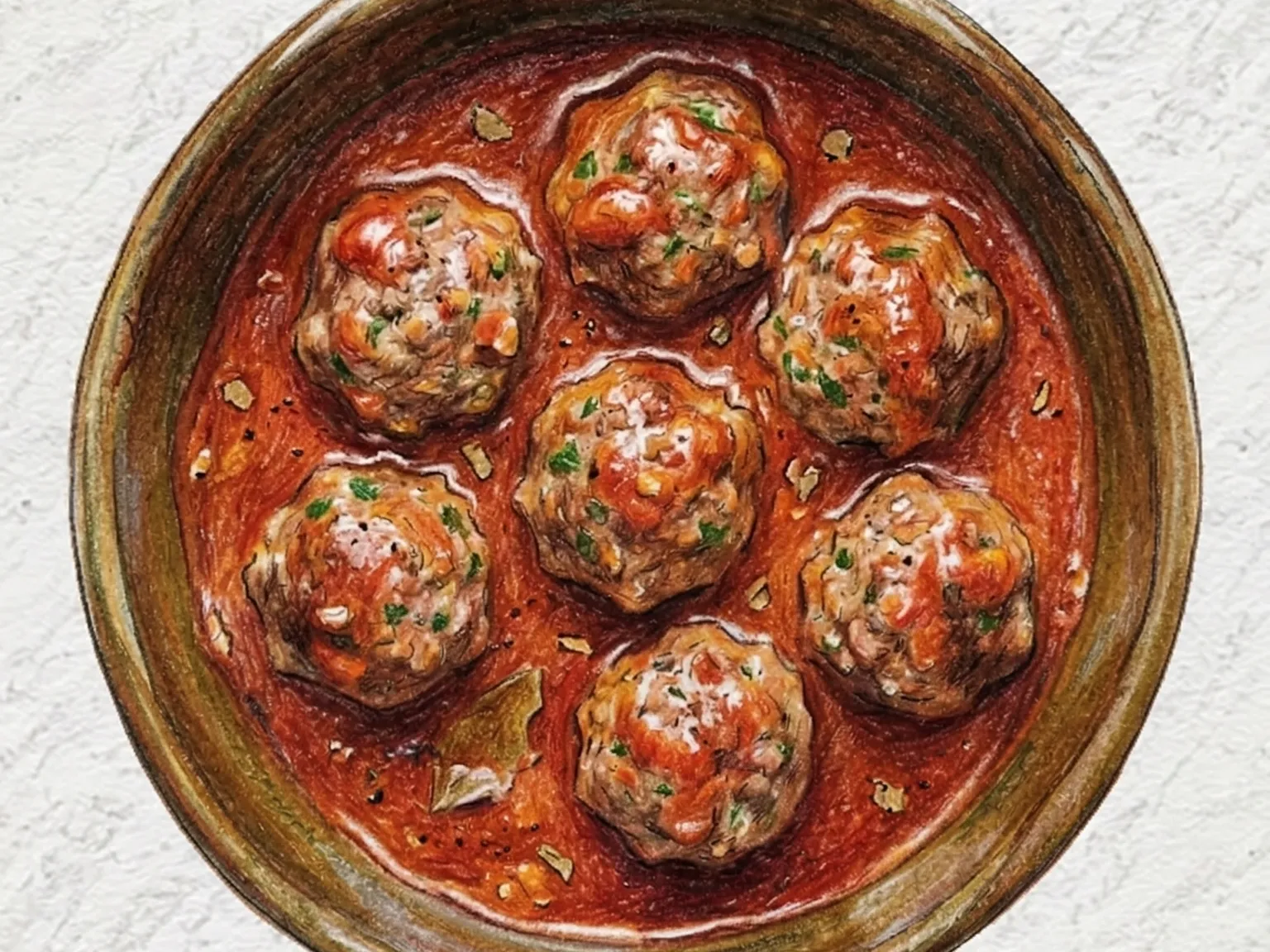
Albondigas - the word itself tracing back to the Arabic 'al-bunduq' meaning a small round thing - arrived in Spain with the Moorish occupation and became embedded in everyday home cooking across the peninsula. Ground pork and beef are combined with bread soaked in milk or water, egg, and garlic, then rolled into small, dense balls and browned in olive oil before the braising begins. The soaked bread in the mixture is what keeps the meatballs from tightening into dense rounds as they cook - it loosens the structure and creates a soft, almost spongy interior that drinks in the sauce during the long simmer. The tomato sauce is built with onion and garlic fried until golden, then tomatoes, smoked paprika, and a bay leaf are added and the whole pot cooks down over twenty minutes of low heat until the raw acidity mellows into sweetness. The meatballs go back into the sauce for a final ten minutes so the braising liquid penetrates to the center. Crusty bread to mop up the glossy sauce is traditional, but the dish works equally well spooned over plain rice. This is the kind of Spanish grandmother cooking where nothing is measured and the result is always the same.

🎉 Special Occasion
Prep 20minCook 30min4 servings
Ants Climbing a Tree (Sichuan Glass Noodles with Minced Pork)
AsianEasy

Ants Climbing a Tree (Sichuan Glass Noodles with Minced Pork)

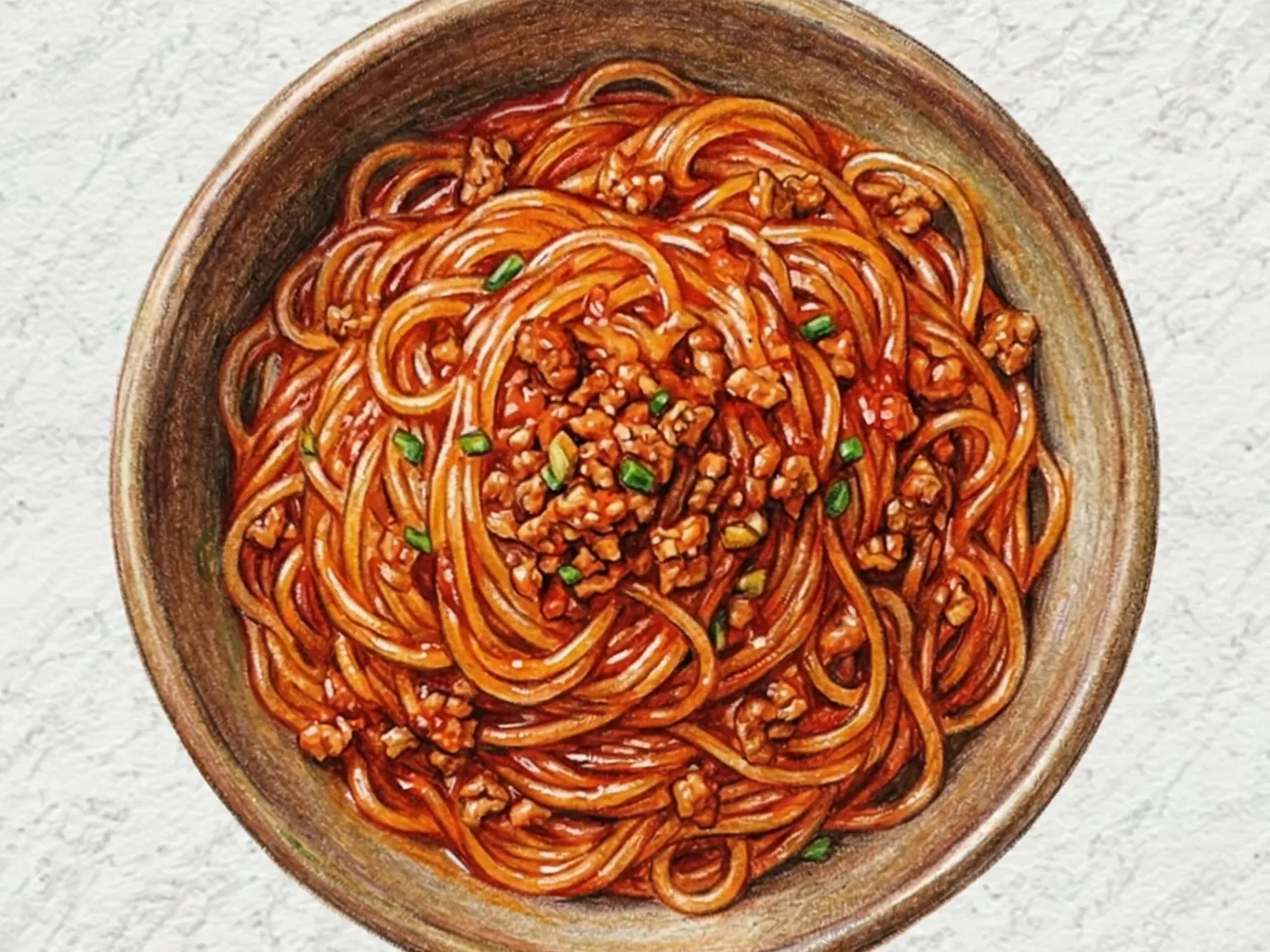
Ants climbing a tree - mayi shang shu - is a Sichuan home dish named for the way tiny pieces of minced pork cling to slippery glass noodles, visually recalling ants on twigs. The key technique is to soak the noodles only until barely pliable, not fully softened, so they finish cooking in the pan while absorbing every drop of the braising liquid. Doubanjiang, Sichuan's fermented chili-bean paste, provides the spicy, funky backbone; soy sauce pulls the color into a deep amber. The pork must be minced as finely as possible so it adheres evenly along each strand rather than clumping. When the dish is done correctly, the pan is nearly dry, the noodles are deeply saturated in sauce, and the meat is distributed in dense, even flecks. It is the kind of dish made when the pantry has little more than staples, yet it delivers more flavor than its short ingredient list suggests.

🏠 Everyday🌙 Late Night
Prep 15minCook 12min2 servings
Korean Fresh Cabbage Kimchi
Side dishesEasy

Korean Fresh Cabbage Kimchi

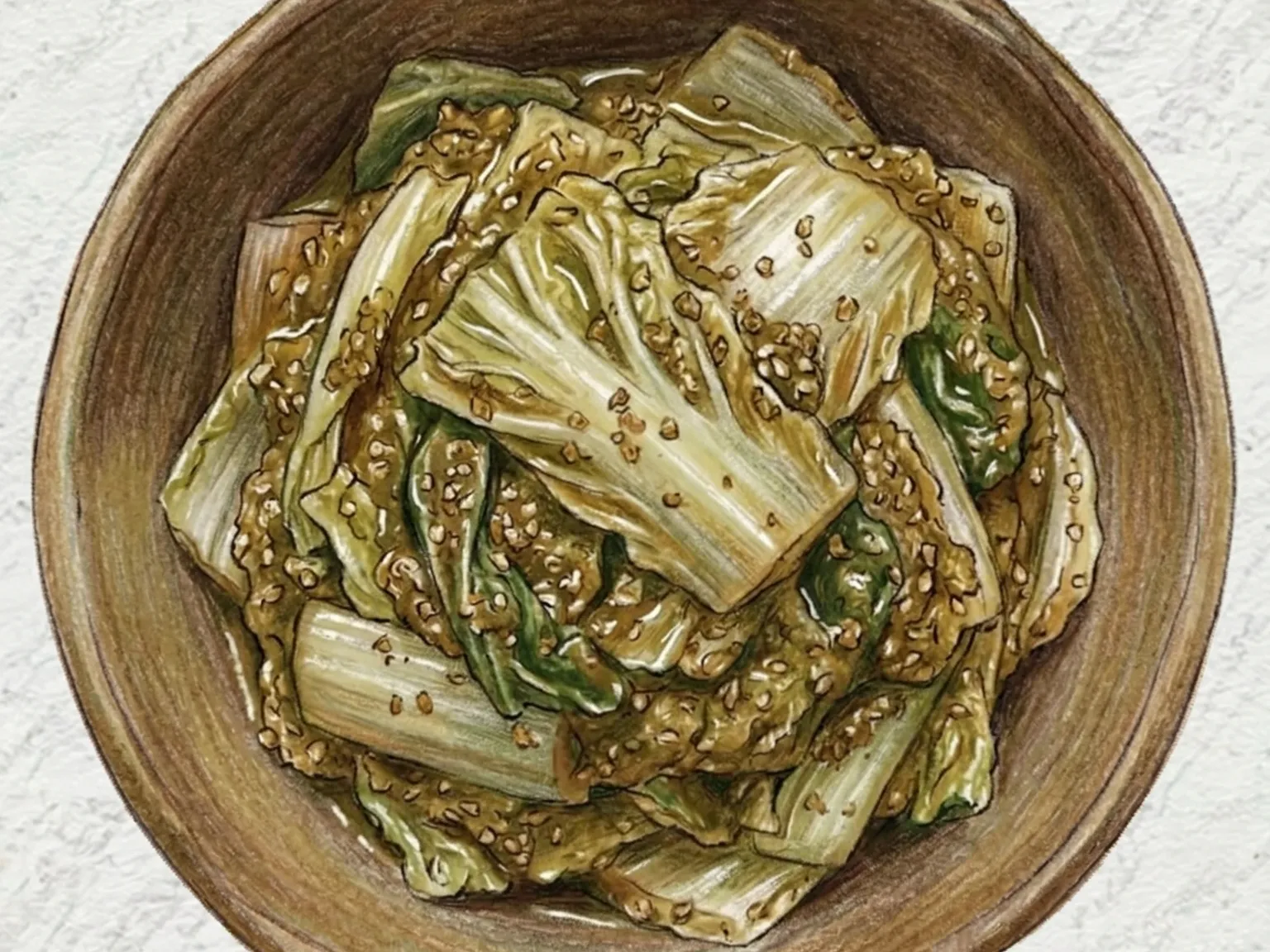
Geotjeori is kimchi's immediate cousin - raw napa cabbage dressed in gochugaru seasoning and eaten right away without any fermentation. The cabbage is salted for about twenty minutes to draw out moisture and soften the texture slightly, then squeezed dry and tossed with red pepper flakes, anchovy fish sauce, minced garlic, minced ginger, sugar, and a finishing drop of sesame oil. The brief salting pulls just enough water from the leaves to let the seasoning coat them evenly while keeping the cabbage noticeably crisper than fermented kimchi. Without the lactic acid produced during aging, the flavor profile is fresher and more direct - the heat of the gochugaru and the savory depth of the fish sauce come through cleanly rather than sitting under layers of fermented complexity. Geotjeori is best eaten the day it is made and should be used within a day or two if refrigerated. Koreans pair it with grilled pork belly, alongside doenjang-jjigae, or as a quick substitute when the aged kimchi jar runs empty.

🏠 Everyday🍱 Lunchbox
Prep 20min6 servings
Korean Clam and Radish Pot Rice
RiceMedium

Korean Clam and Radish Pot Rice

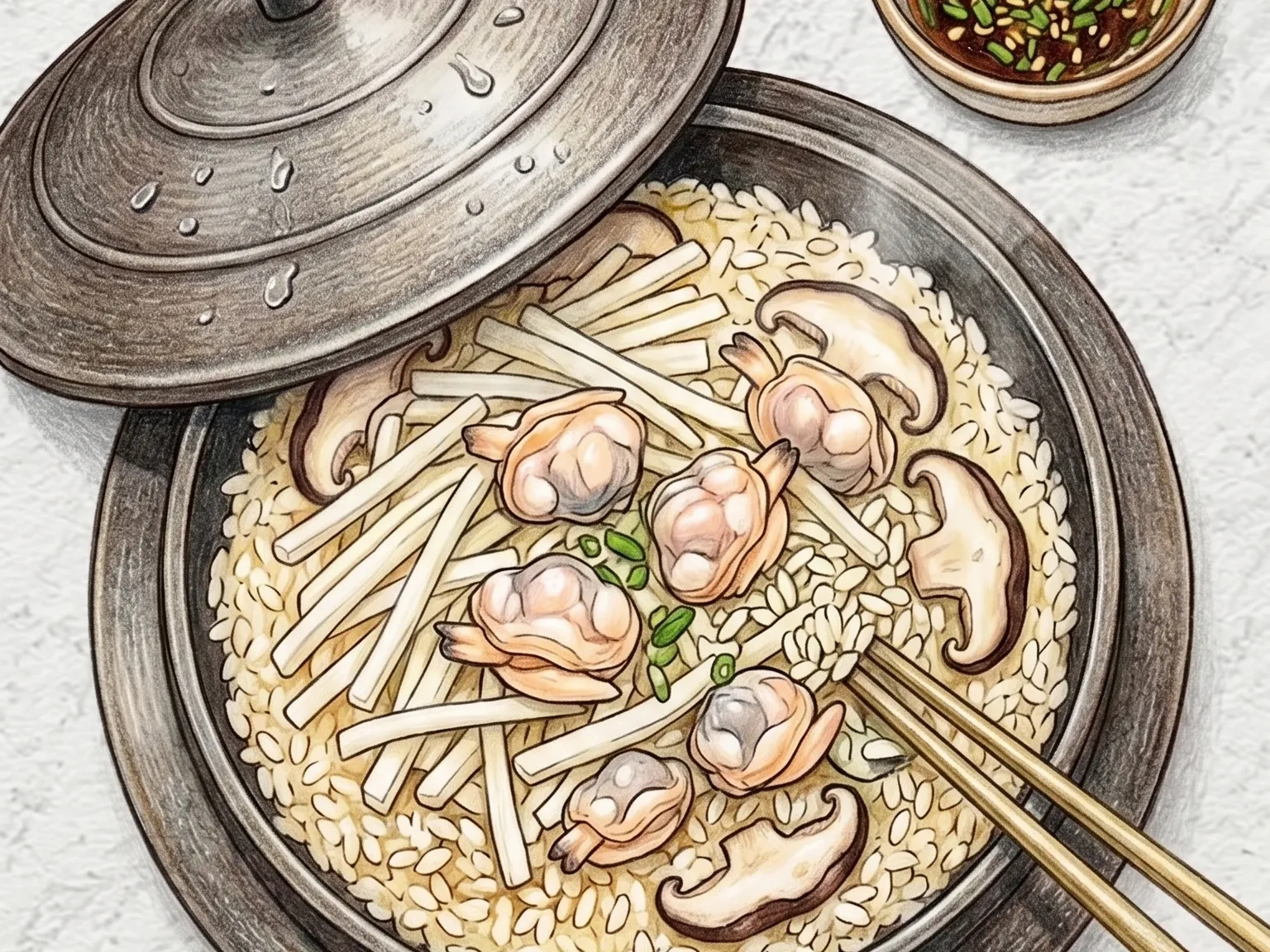
Baekhap mu sotbap is a Korean pot rice dish where soaked rice is cooked with radish, shiitake mushrooms, and hard clam meat using kelp-infused water. The kelp water establishes a deeper umami base than plain water, and the glutamic acid released by shiitake mushrooms compounds with the clams' briny character to build layered savory depth. Radish sits on top of the rice and steams as the pot cooks, losing moisture while concentrating its natural sweetness into the surrounding grains. The clam meat must be added just before the resting phase rather than at the start, because prolonged heat toughens shellfish; residual steam finishes the cooking gently while keeping the clams firm. The resting period is critical - ten minutes with the lid sealed after the flame is turned off allows steam to redistribute evenly through the rice and all the toppings. A seasoning sauce of soy sauce, sesame oil, and chopped scallion is mixed in at the table, adding a salty richness that ties the seafood and vegetable components together. Hard clams require thorough purging before use; soaking in salted water for at least two hours removes sand, and any clam that does not open during this process should be discarded.

🎉 Special Occasion
Prep 18minCook 22min2 servings
Korean Andong-style Soy Bulgogi
Stir-fryMedium

Korean Andong-style Soy Bulgogi

Andong-style bulgogi departs from the Seoul version in one essential way: the beef is not grilled but braised in its marinade. In Andong, a city in North Gyeongsang Province that has carefully preserved Joseon-era culinary customs, thinly sliced beef is first marinated in soy sauce, sugar, sesame oil, garlic, and pear juice, then layered in a wide, flat pan with glass noodles, onion, scallion, and mushroom. The pan goes over heat and simmers until the liquid reduces; as it does, the sweet soy marinade thickens into a glaze that coats every ingredient with a lacquered sheen. Glass noodles absorb the concentrated braising liquid, taking on a deeply seasoned richness. The finished dish is noticeably wetter and more intensely flavored than grilled bulgogi, and spooning it over steamed rice turns it into a complete bowl. In Andong, this dish has long appeared at ancestral rite ceremonies and family gatherings, where the pan itself is brought to the table and diners serve themselves directly. The preparation reflects the inland Gyeongbuk preference for soy sauce as the primary seasoning agent rather than gochujang or doenjang.

🏠 Everyday🌙 Late Night
Prep 25minCook 12min4 servings
Korean Chili Oil Boiled Dumplings
Street foodEasy

Korean Chili Oil Boiled Dumplings

Boiling dumplings until they float and then giving them an extra two minutes in the water results in a springy texture that holds up well to a heavy dressing. Effective draining is crucial to prevent residual water from thinning the sauce, which consists of soy sauce, vinegar, minced garlic, sugar, and chili oil. The vinegar and soy sauce establish a sharp and salty foundation, while the chili oil provides a warm spice and a slick, red sheen across the surface of the wrappers. Folding the ingredients together gently ensures the skins remain intact while becoming fully coated. Adding fresh scallions provides a crisp element that balances the weight of the oil. For a profile closer to Sichuan cuisine, a dusting of Sichuan pepper powder introduces a characteristic numbing sensation alongside the heat. Heat levels are easily controlled by varying the amount of chili oil used in the mixture. Replacing the soy sauce with oyster sauce creates a thicker, more savory base for the dressing. This preparation works with frozen dumplings by extending the boiling time by a minute or two to account for the temperature difference. The sauce is compatible with various fillings including pork, shrimp, or vegetable varieties.

🌙 Late Night Quick
Prep 10minCook 8min2 servings
Korean Silkworm Pupae Broth
DrinksMedium

Korean Silkworm Pupae Broth

Beondegi-tang simmers canned silkworm pupae in a broth seasoned with soup soy sauce, gochugaru, and minced garlic, a staple street food soup served at Korean pojangmacha stalls. Sliced green onion and hot green chili cook alongside for eight minutes, letting the chili heat infuse the liquid while the pupae release a deep, earthy umami into every spoonful. Adding a splash of the canning liquid intensifies the savory depth, and the soup must be served piping hot to keep the aromatics lively. It is a classic pairing with soju or makgeolli, and while the chili level can be adjusted to taste, the soy sauce quantity should stay fixed to temper the pupae's distinctive aroma.

🍺 Bar Snacks
Prep 8minCook 15min2 servings
Korean Bollak Ganjang Gui (Soy-Glazed Rockfish Grill)
GrilledMedium

Korean Bollak Ganjang Gui (Soy-Glazed Rockfish Grill)

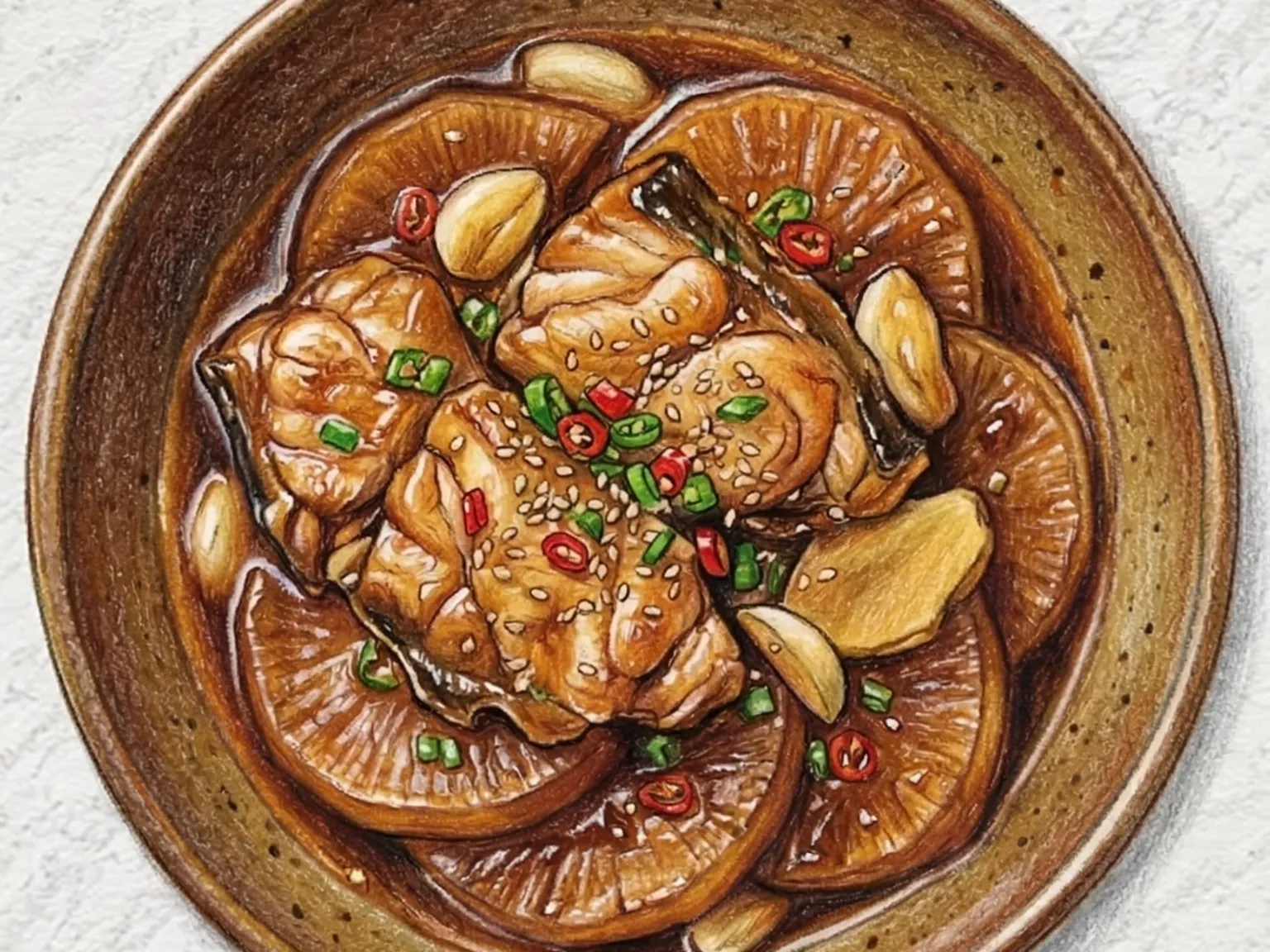
Bolak-ganjang-gui is a Korean soy-glazed rockfish dish where fillets are brushed with a sauce of soy sauce, cooking wine, minced garlic, ginger juice, and honey, then grilled over medium-high heat. Half the glaze is applied first and left for just ten minutes, long enough for the salt and sweetness to penetrate the surface without pulling out moisture from the lean fish. Starting skin-side down for four minutes builds a crisp base, and brushing on the remaining glaze during the final minutes of cooking lets the honey caramelize into a glossy, dark-brown coating. A finish of sesame oil and sliced green onion adds a nutty, sharp layer on top of the savory-sweet glaze. Rockfish has very little fat, so the total cooking time should stay within eight to nine minutes to prevent the flesh from drying out.

🍺 Bar Snacks🍱 Lunchbox
Prep 20minCook 14min2 servings
Korean Mallow Soup (Joseon-Era Doenjang Mallow Soup)
SoupsEasy

Korean Mallow Soup (Joseon-Era Doenjang Mallow Soup)

Auk-guk - mallow doenjang soup - has been part of Korean home cooking since the Joseon era, when auk (mallow) was among the most commonly grown leafy greens in household kitchen gardens. An anchovy-kelp stock provides the base, and doenjang is pushed through a sieve directly into the simmering liquid so it dissolves without lumps. Garlic contributes a quiet, pungent undercurrent beneath the fermented paste. Mallow leaves, torn roughly by hand, wilt into the broth in under a minute. What separates auk-guk from other doenjang-guks is textural: the mallow's natural mucilage thickens the soup slightly and gives it a slippery, almost coating quality on the tongue, unlike the clean, transparent broth of spinach or radish versions. Korean folk tradition holds that nursing mothers ate auk-guk to support milk production, a belief that reflects how deeply the plant was embedded in everyday domestic life. The soup reaches its best in early summer when fresh mallow leaves are at their most tender.

🏠 Everyday
Prep 10minCook 15min2 servings
Korean Stuffed Perilla Leaf Pancakes
PancakesMedium

Korean Stuffed Perilla Leaf Pancakes

Kkae-ip-jeon are pan-fried perilla leaf parcels stuffed with a filling of ground pork and firm tofu, coated in flour and egg. The tofu must be squeezed dry in a cloth before mixing; excess moisture causes the filling to spread and stick to the pan. Garlic chives and onion add crunch and fragrance to the mix, and the filling seasoned with soy sauce and black pepper pairs cleanly with the perilla's strong herbal character. Dusting with flour first, then dipping in egg, produces an even coating, and frying covered over medium-low heat for two minutes per side ensures the filling is cooked through to the center. The bite-sized pieces work well as a packed lunch side or as bar food.

🍺 Bar Snacks🎉 Special Occasion
Prep 22minCook 12min2 servings
Korean Napa Cabbage Anchovy Stew
StewsEasy

Korean Napa Cabbage Anchovy Stew

Baechu myeolchi jjigae is a homestyle Korean stew that relies on dried anchovy stock as its flavor base, with napa cabbage as the central vegetable. Large dried anchovies and kelp are simmered together for ten minutes to build a stock with pronounced umami, then strained so the broth is clear and clean. Baby napa cabbage cut into long vertical strips releases the natural sweetness of its pale inner stems into the broth as it cooks, providing a counterpoint to the saltiness of the anchovy stock. Thick-cut tofu slabs are placed between the cabbage layers, and thinly sliced onion adds another source of sweetness to the liquid. Diagonally cut cheongyang chili introduces a direct, sharp heat that gives life to what would otherwise be an entirely mild broth. Fifteen to twenty minutes of simmering is sufficient for the cabbage to soften fully and for its sugars to fully dissolve into the stock, creating the natural sweetness that defines this stew. No gochujang, no doenjang, no complicated sauce: the stew demonstrates a principle central to Korean home cooking, which holds that a well-constructed stock and a single honest vegetable can generate depth and satisfaction without further layering.

🏠 Everyday
Prep 10minCook 20min2 servings
Korean Andong Braised Chicken
SteamedMedium

Korean Andong Braised Chicken

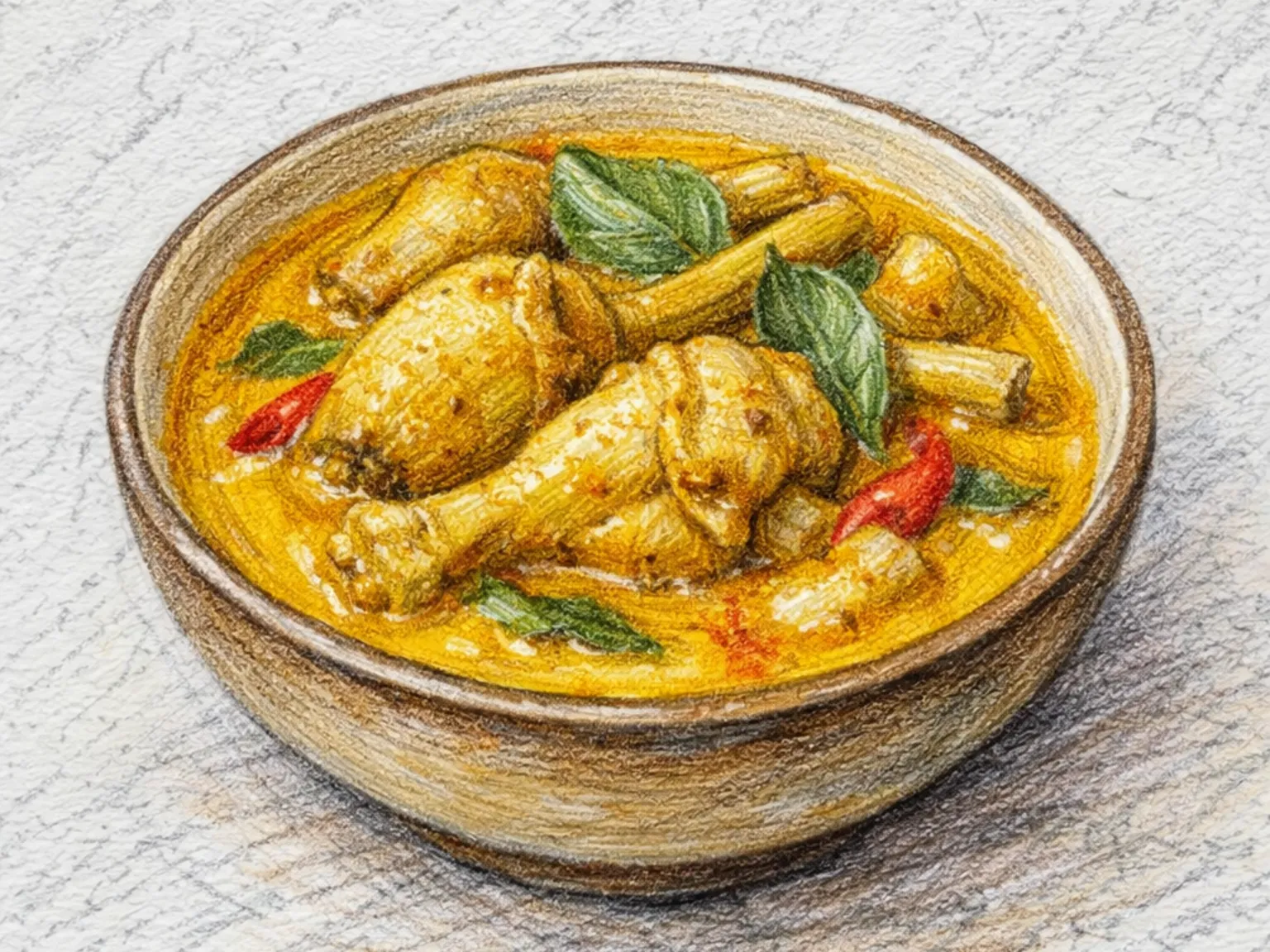
Andong jjimdak is said to have taken its modern form in Andong's old market during the 1980s, though soy-braised chicken has been a Gyeongsang Province tradition for far longer. Chicken pieces braise in a concentrated sauce of soy sauce, sugar, gochugaru, garlic, and ginger until the meat nearly separates from the bone. Glass noodles, dangmyeon, are added toward the end and absorb the braising liquid until they turn translucent and deeply stained with the sauce, becoming the most sought-after component. Potatoes and carrots provide bulk and sweetness, while dried red chilies and sliced cheongyang pepper build a layered heat that develops gradually. The finished dish arrives at the table in a wide, shallow pot, every component coated in the reduced soy glaze. It became a nationwide phenomenon in the early 2000s and remains one of Korea's most popular communal dishes, typically shared between two or three people over steamed rice.

🏠 Everyday🎉 Special Occasion
Prep 25minCook 45min4 servings
Korean White Kimchi (Non-Spicy Napa Pear Fermented)
KimchiMedium

Korean White Kimchi (Non-Spicy Napa Pear Fermented)

Baek kimchi is a Korean white kimchi made without gochugaru, producing a completely non-spicy, clear-broth fermented vegetable. Napa cabbage is salted and wilted, rinsed, then layered with julienned radish, sliced garlic, and ginger tucked between the leaves. Pureed pear serves as a natural sugar source that feeds fermentation, while dried jujubes add a subtle background sweetness to the brine. Salted water is poured over the assembled cabbage, the container is sealed, and after one day at room temperature the kimchi moves to the refrigerator for a slow ferment. Without chili heat, the flavor centers on the clean lactic acidity that develops over time, balanced by the natural sweetness of pear and jujube and the warm bite of garlic and ginger dissolved into the brine. The fermentation is slower than standard kimchi, reaching optimal taste at two to three weeks. It is eaten with its brine, either on its own or as a palate-clearing side alongside fatty meat dishes. Before chili peppers were introduced to the Korean peninsula in the late sixteenth century, kimchi without gochugaru was the standard form, and baek kimchi is considered the closest modern equivalent to those pre-chili preparations.

🏠 Everyday🍱 Lunchbox
Prep 50minCook 20min4 servings
Korean Clam Kalguksu (Hand-Cut Noodles in Clam Broth)
NoodlesMedium

Korean Clam Kalguksu (Hand-Cut Noodles in Clam Broth)

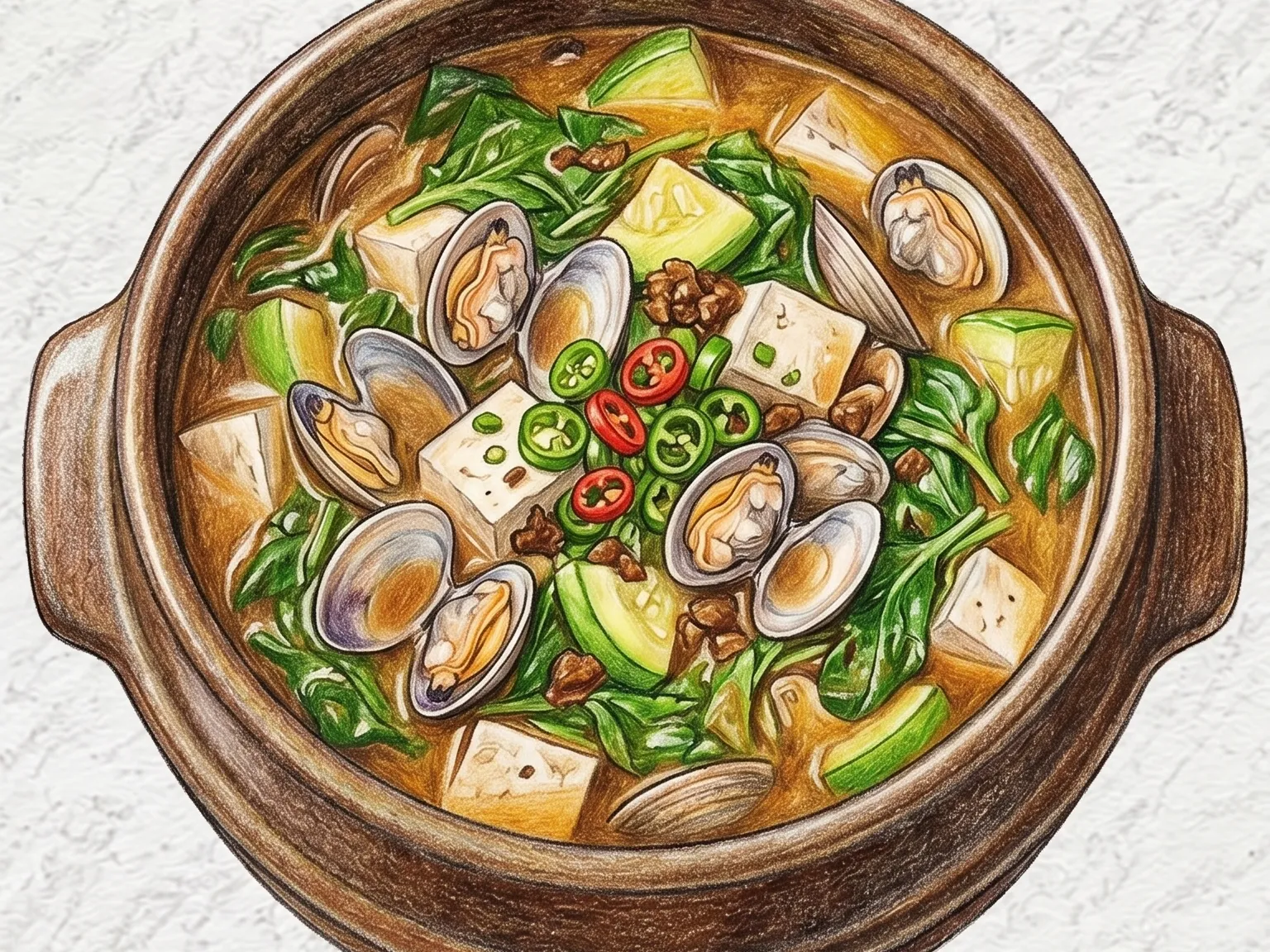
Baekhap kalguksu is a Korean knife-cut noodle soup in which the broth is derived entirely from hard clams rather than the more standard anchovy base. Purged clams are placed in cold water and brought to a boil; once the shells open, the clams are lifted out and the broth is strained through cheesecloth to remove any residual sand or shell fragments. Thinly sliced daikon radish and Korean zucchini cook in the strained broth for five minutes, contributing vegetal sweetness. The hand-cut noodles go in next and are boiled for six to seven minutes until they turn translucent; starch released from the noodles thickens the broth naturally into a lightly viscous, silky consistency without any additional thickener. Once the noodles are cooked, the reserved clam meat returns to the pot, and the soup is seasoned with minced garlic and guk-ganjang. Onion added with the vegetables deepens the broth's sweetness further. Because clam liquor rather than dried anchovy forms the base, the soup carries a distinctly marine, mineral character that permeates every strand of noodle, setting baekhap kalguksu apart from all other regional kalguksu variations. Along the coastal areas of South Chungcheong and Jeolla Provinces, this style of noodle soup has been a local specialty for generations, best in the seasons when clams are most abundant.

🎉 Special Occasion
Prep 20minCook 25min2 servings
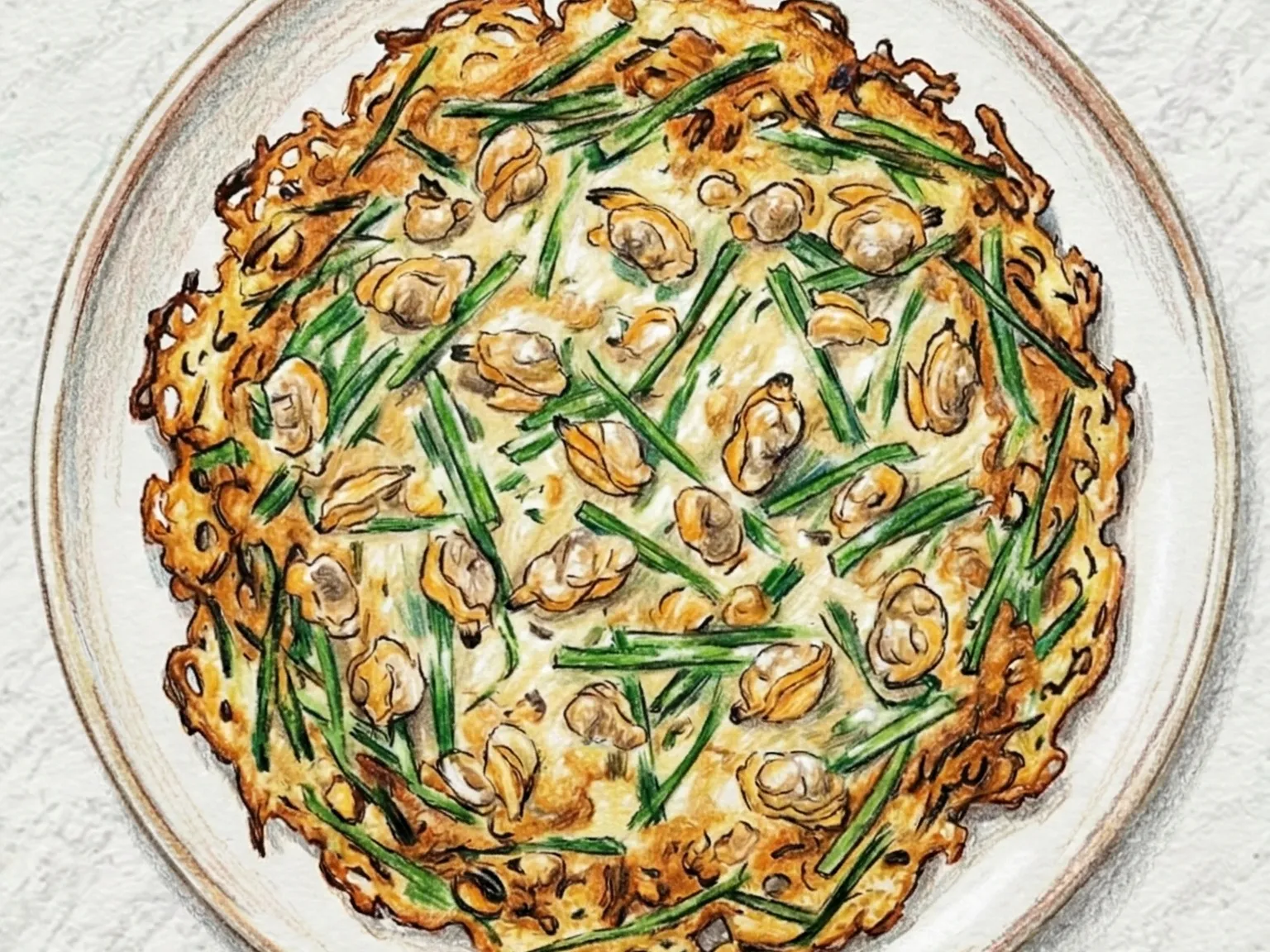
Buchu Vongole Spaghetti (Korean Garlic Chive and Clam Pasta)
PastaEasy

Buchu Vongole Spaghetti (Korean Garlic Chive and Clam Pasta)

Buchu vongole spaghetti takes the Italian vongole format and finishes it with a fistful of Korean garlic chives, combining a briny shellfish sauce with the sharp, vegetal fragrance that buchu brings. Garlic slices and dried chili flakes are first infused in olive oil until fragrant, then white wine goes in and the alcohol burns off quickly, leaving only the wine's fruity character in the base. Manila clams added to the pan steam open in two to three minutes under a lid, releasing their liquor into the oil and wine. That clam broth carries enough salinity and umami to season the entire sauce - no added salt required at any point. A ladleful of pasta water stirred in while shaking the pan hard creates an emulsion that bonds the clam broth with the olive oil and coats every strand. The garlic chives are added off heat so they stay bright green and fragrant rather than going soft and losing their character. A scatter of chopped Italian parsley over the finished bowl adds a last note of herbal freshness.

🍺 Bar Snacks🏠 Everyday
Prep 15minCook 18min2 servings
Gosari Smoked Duck Salad (Smoked Duck & Bracken Fern Salad)
SaladsMedium

Gosari Smoked Duck Salad (Smoked Duck & Bracken Fern Salad)

Gosari smoked duck salad is a Korean-style salad that pairs briefly seared smoked duck, blanched bracken fern, shredded cabbage, and thinly sliced Korean pear in a spicy soy-vinegar dressing. The smoked duck is placed skin-side down in a dry pan and cooked over medium heat for about three minutes, just enough time for the surface fat to render and the smoky aroma to intensify without drying out the interior. Going past that point causes the lean meat underneath to tighten and lose its moisture, which flattens the flavor. Bracken fern is blanched in boiling water for one minute and immediately rinsed under cold water to eliminate the slightly bitter, astringent quality it has when raw while preserving the chewy, springy resistance that makes it worth using instead of a softer green. Korean pear slices are added for both texture and function, since the clean, high-water-content fruit releases juice on each bite that washes through the fat left by the duck and refreshes the palate. The dressing combines soy sauce, vinegar, chili oil, and minced garlic into a sharply acidic and mildly spicy mixture that pushes against the deep, sweet smokiness of the duck rather than simply complementing it. Scattered toasted sesame seeds at the end add a final layer of warm, nutty fragrance.

🥗 Light & Healthy
Prep 15minCook 8min2 servings
Bacalhau a Bras Recipe  -  Classic Portuguese Salt Cod with Eggs and Crispy Potatoes
WesternMedium

Bacalhau a Bras Recipe - Classic Portuguese Salt Cod with Eggs and Crispy Potatoes

Bacalhau a bras is one of the most beloved preparations among the hundreds of ways Portugal cooks salt cod, born from the long history of Atlantic cod fishing. The salt cod is soaked for 24 to 48 hours with frequent water changes to draw out the salt, then shredded by hand into fine strands. Potatoes cut matchstick-thin are fried until crisp, and the shredded cod is sauteed in olive oil with onion until the onion turns translucent and the fish edges take on a little color. Beaten eggs are poured in and stirred gently off the heat so they form creamy curds that bind the potatoes and fish together without scrambling fully. The finished dish is a golden mound of inseparably tangled crisp potato, silky egg, and salty cod fiber. Black olives and parsley add a sharp salty accent and herbal note. Named after a 19th-century Lisbon tavern keeper, this is a fixture of Portuguese tascas and Sunday family lunches.

🎉 Special Occasion
Prep 20minCook 20min2 servings