Charim

2686 Korean & World Recipes

2686+ Korean recipes, clean and organized. Ingredients to instructions, all at a glance.

Recipes with garlic

24 recipes

Buy garlic
Korean Tuna Kimchi Soup (Spicy Fermented Kimchi and Canned Tuna Soup)
SoupsEasy

Korean Tuna Kimchi Soup (Spicy Fermented Kimchi and Canned Tuna Soup)

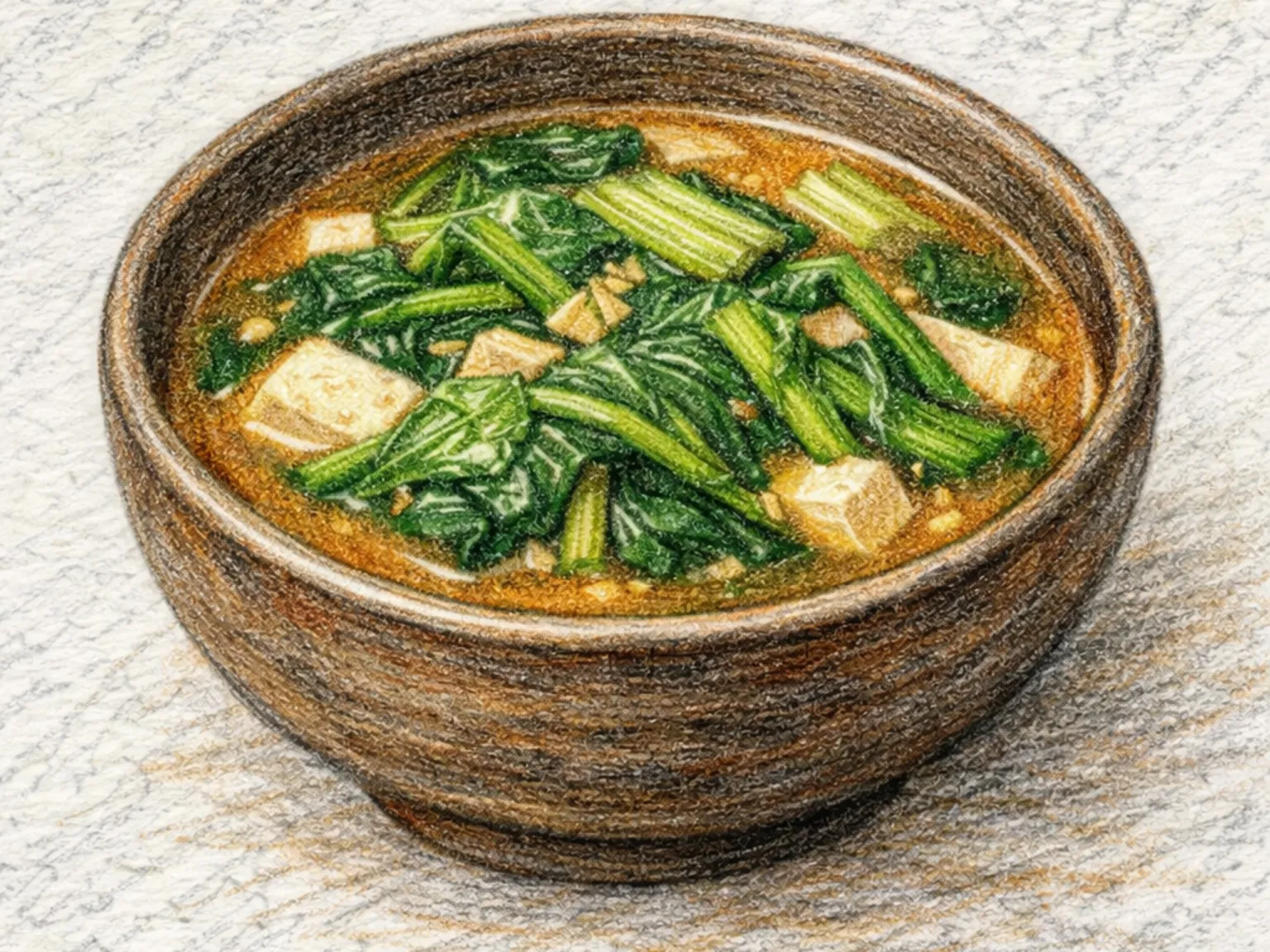
Kimchi goes into the pot first to be stir-fried until its sharp acidity mellows and its aroma deepens, then canned tuna, tofu, onion, and gochugaru are added with water and brought to a simmer. The oil from the tuna disperses through the broth, adding savory depth without any heaviness. Soup soy sauce provides the base seasoning, keeping the stock clean rather than muddy. Tofu is added only after the liquid reaches a full boil so the cubes hold their shape, and a pour of reserved kimchi brine at the end brings both salinity and a second hit of fermented tang that defines the finished broth.

🏠 Everyday
Prep 8minCook 20min4 servings
Korean Dried Greens Mackerel Stew
StewsMedium

Korean Dried Greens Mackerel Stew

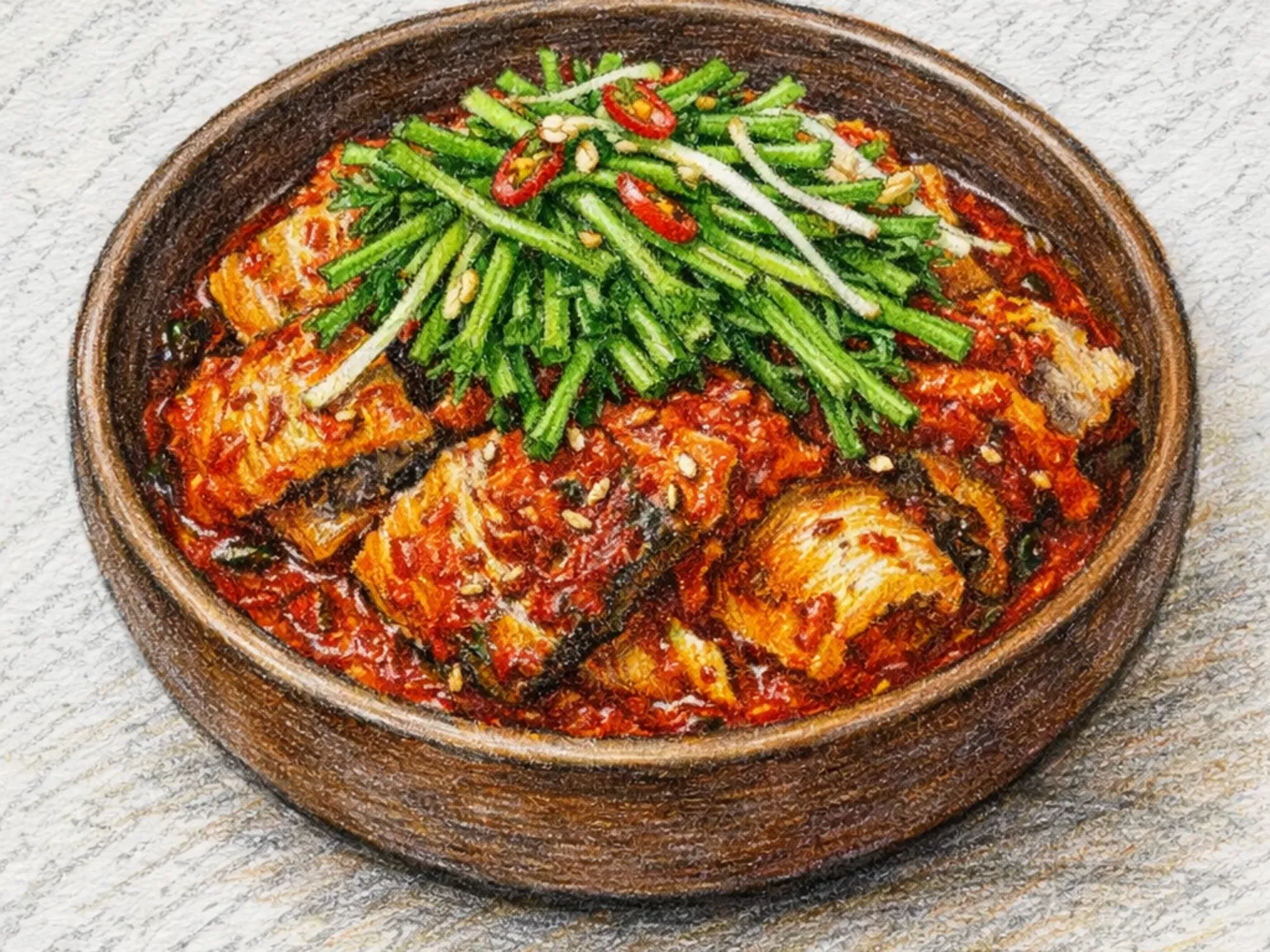
Siraegi-godeungeo-jjigae is a spicy Korean stew that combines mackerel and boiled dried radish greens in a gochugaru-seasoned broth. The oily, pronounced umami of the mackerel and the earthy, slightly musty depth of the dried greens amplify each other in the pot, while Korean radish maintains a clean, refreshing base that prevents the combination from becoming too heavy. Using rice-rinse water as the broth foundation is a traditional technique that neutralizes the mackerel's fishiness while simultaneously giving the liquid a mild, rounded body that plain water cannot provide. The radish greens must be well squeezed after boiling to remove any grassy, off-putting odor; briefly sauteing them in perilla oil before adding them to the stew deepens their nutty character further. Seasoning with gochugaru alone, without gochujang, preserves the clarity and clean red color of the broth and keeps its defining quality: a penetrating spiciness that is simultaneously bracing and warming rather than paste-thick and murky. Onion, green onion, and minced garlic round out the aromatics and complete the flavor profile of a classic everyday Korean jjigae. Mackerel is typically added bone-in, and eating it by working the flesh off the bones with chopsticks as you go is part of the simple, unhurried character of the dish.

🏠 Everyday
Prep 20minCook 35min4 servings
Korean Salt-Grilled Beef Chuck Flap
GrilledEasy

Korean Salt-Grilled Beef Chuck Flap

Salchisal sogeum-gui is a Korean salt-grilled beef chuck flap tail, a well-marbled cut from behind the shoulder that is rested at room temperature for ten minutes, seasoned with coarse salt and pepper only, then seared for ninety seconds per side in a smoking-hot pan. The heavy marbling keeps this cut moist even under intense, brief heat, and thoroughly drying the surface beforehand is what triggers rapid Maillard browning into a deep brown crust. After searing, butter, garlic cloves, and a rosemary sprig are added to the pan, and the foaming butter is spooned over the meat for one final minute to layer herbal and garlic aromas onto the crust. A three-minute rest before slicing allows the muscle fibers to relax and reabsorb their juices, so the plate stays clean when served alongside asparagus grilled in the same pan.

🍺 Bar Snacks🎉 Special Occasion
Prep 12minCook 8min2 servings
Korean Grilled Eel (Soy Glazed Freshwater Eel BBQ)
GrilledMedium

Korean Grilled Eel (Soy Glazed Freshwater Eel BBQ)

Jangeo-gui is a grilled freshwater eel dish in which the cleaned eel is brushed repeatedly with a marinade of soy sauce, sugar, cooking wine, and minced garlic as it cooks over medium heat. The central technique is applying the glaze in two or three stages rather than all at once, allowing each coat to caramelize before the next is brushed on. This layered glazing builds a lacquered surface with concentrated flavor and a slight sweetness that the eel's rich fat absorbs. Before grilling, rubbing the eel with coarse salt removes the slippery mucus layer and eliminates any fishiness from the skin. Turning the eel requires care since the flesh is delicate and breaks easily under pressure. Charcoal grilling adds a smoky dimension as the dripping marinade hits hot coals and vaporizes, creating an aroma that is inseparable from the restaurant version of this dish. Eel is traditionally eaten in Korea during the hottest days of summer as a stamina food, valued for its fat content and dense protein.

🍺 Bar Snacks🏠 Everyday
Prep 20minCook 15min2 servings
Korean Stir-fried Aster Scaber with Garlic
Stir-fryEasy

Korean Stir-fried Aster Scaber with Garlic

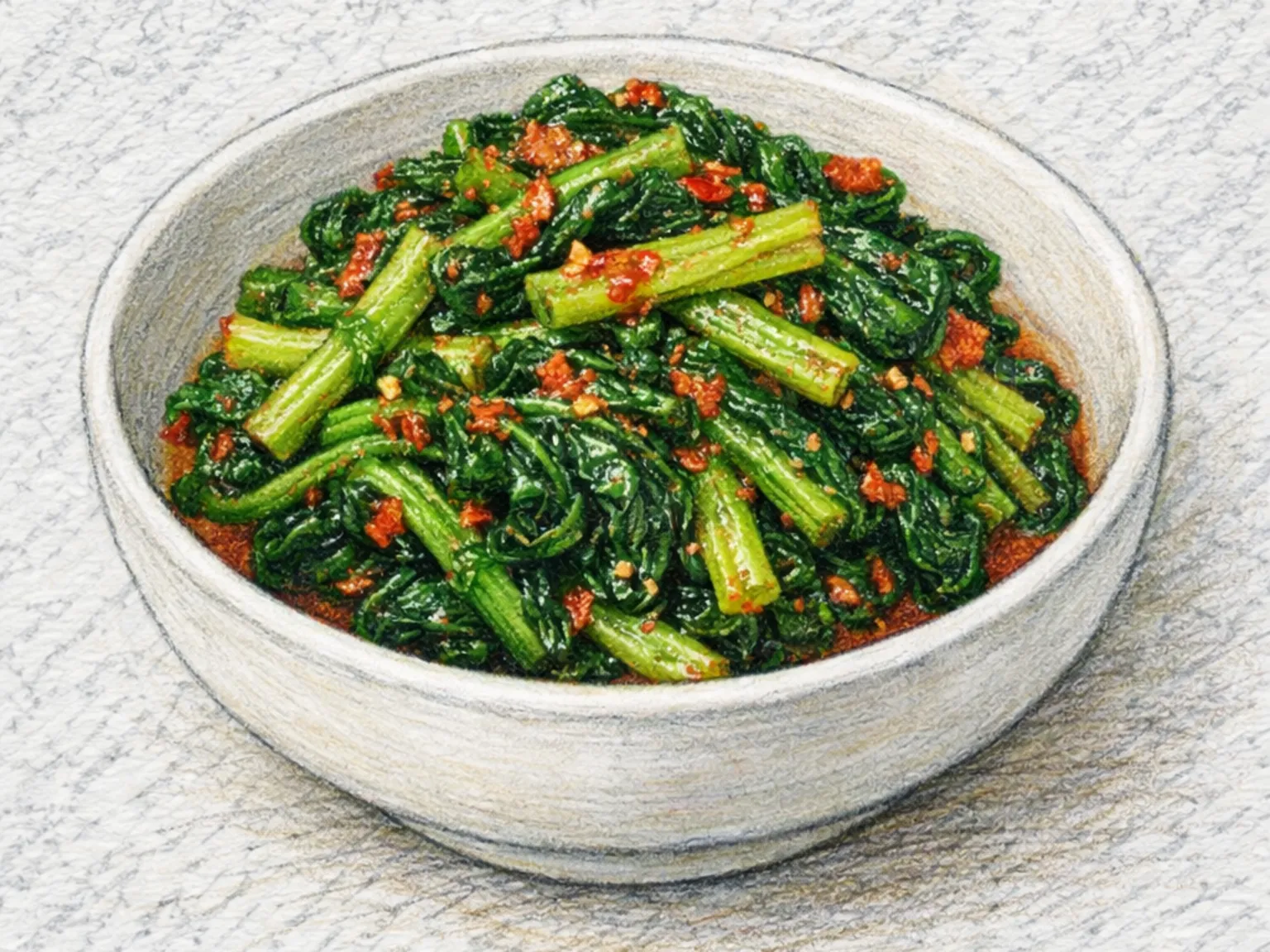
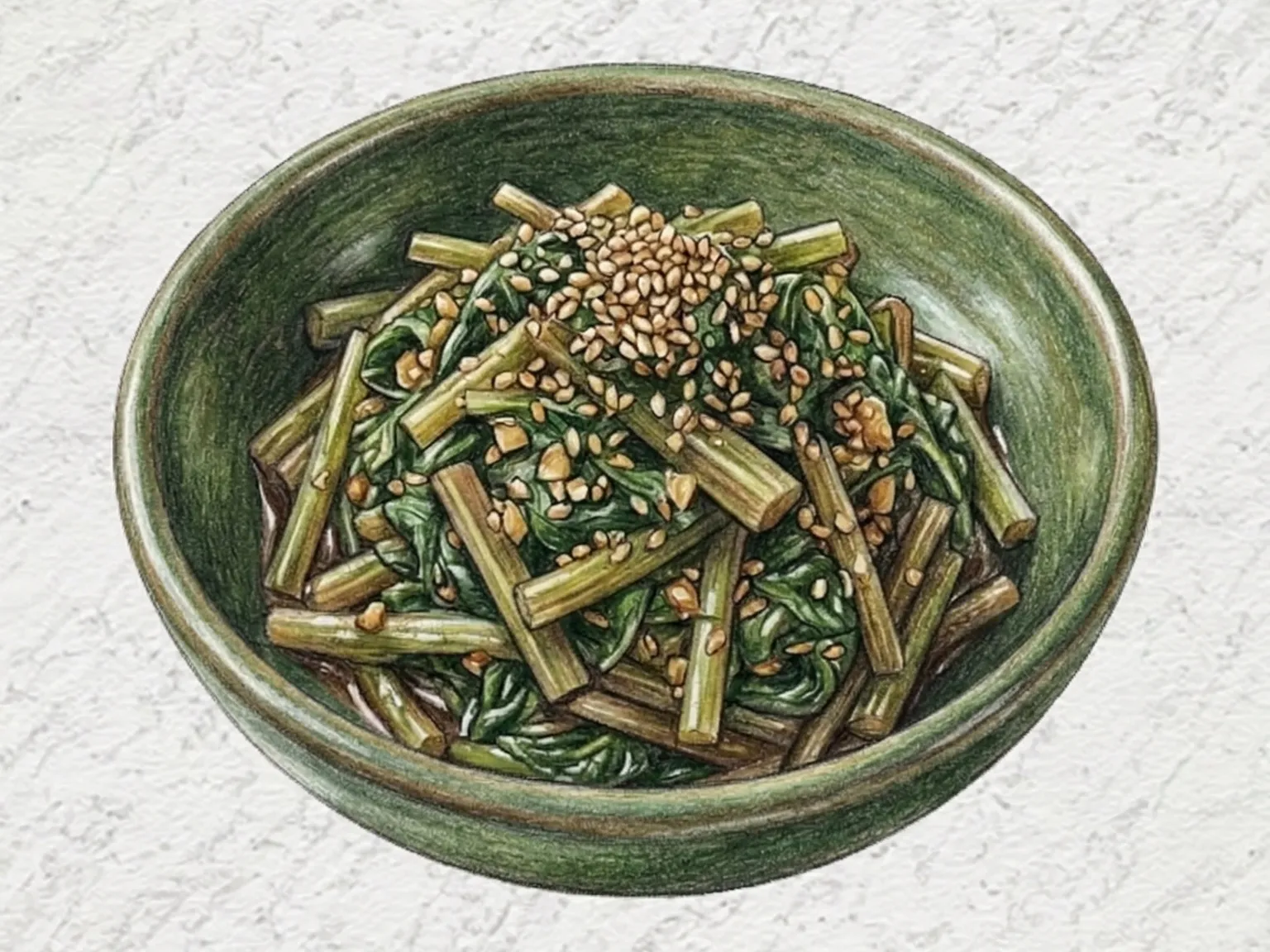
Chwinamul-maneul-bokkeum stir-fries rehydrated aster scaber greens with garlic, soup soy sauce, and perilla oil, keeping the distinctive bitter-herbal aroma of the wild greens intact. Chwi-namul, also called cham-chwi, is one of Korea's most recognized spring mountain greens; dried after the spring harvest, it can be stored and cooked year-round. Perilla oil is the preferred fat here -- it carries a heavier, more earthy character than sesame oil and matches the pronounced flavor of dried mountain greens without getting lost. Ground perilla seeds added during cooking deepen the nuttiness further. Green onion contributes a mild sweetness that balances the greens' inherent bitterness, and as the rehydrated greens lose their soaked moisture in the hot pan, they firm up into a chewy, satisfying texture rather than going limp. The strong herbal flavor is concentrated enough that a small portion alongside steamed rice carries a full bowl.

🏠 Everyday🍱 Lunchbox
Prep 15minCook 10min4 servings
Korean Chive Kimchi (Spicy Garlic Chive Quick Kimchi)
Side dishesEasy

Korean Chive Kimchi (Spicy Garlic Chive Quick Kimchi)

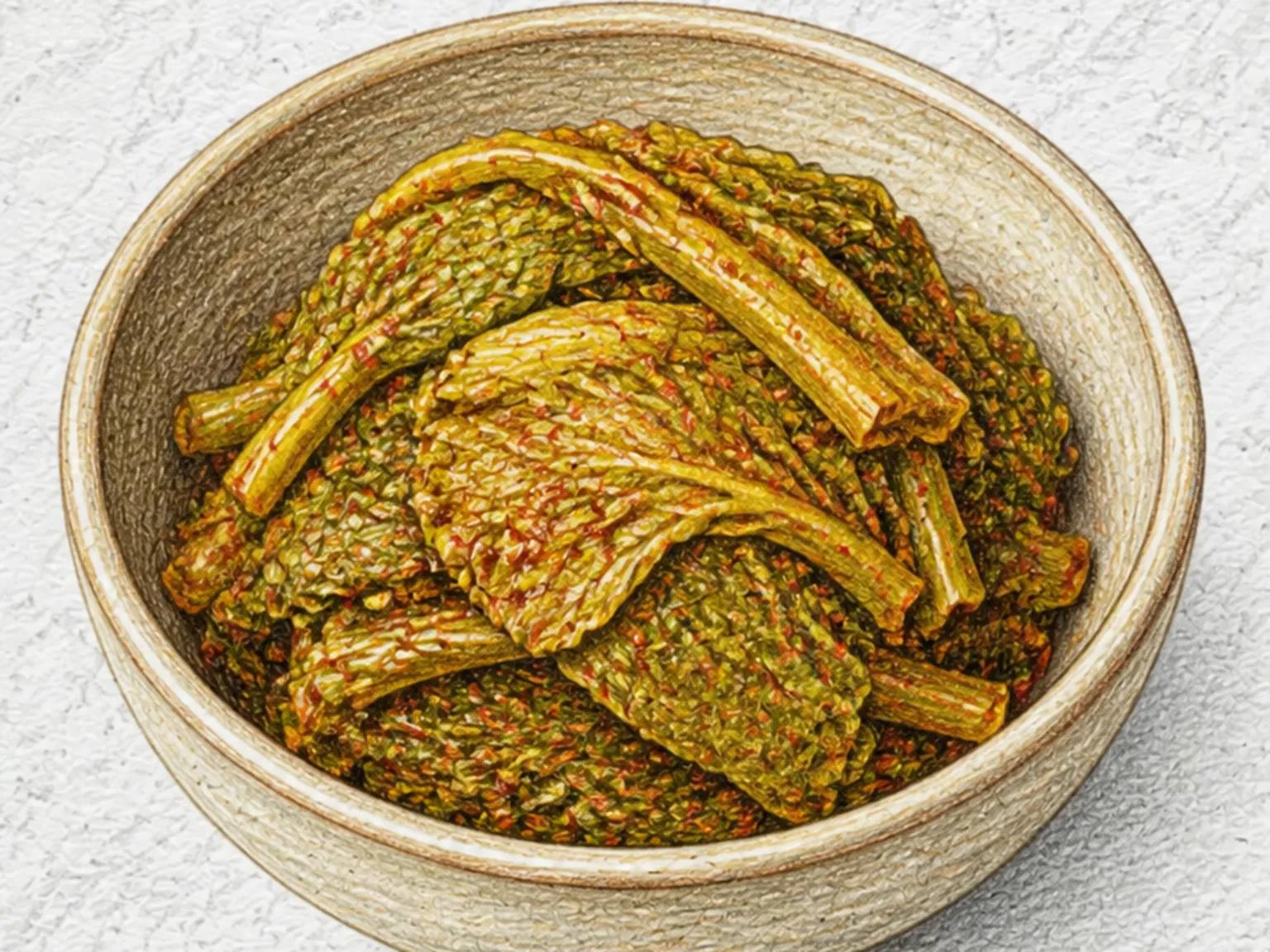
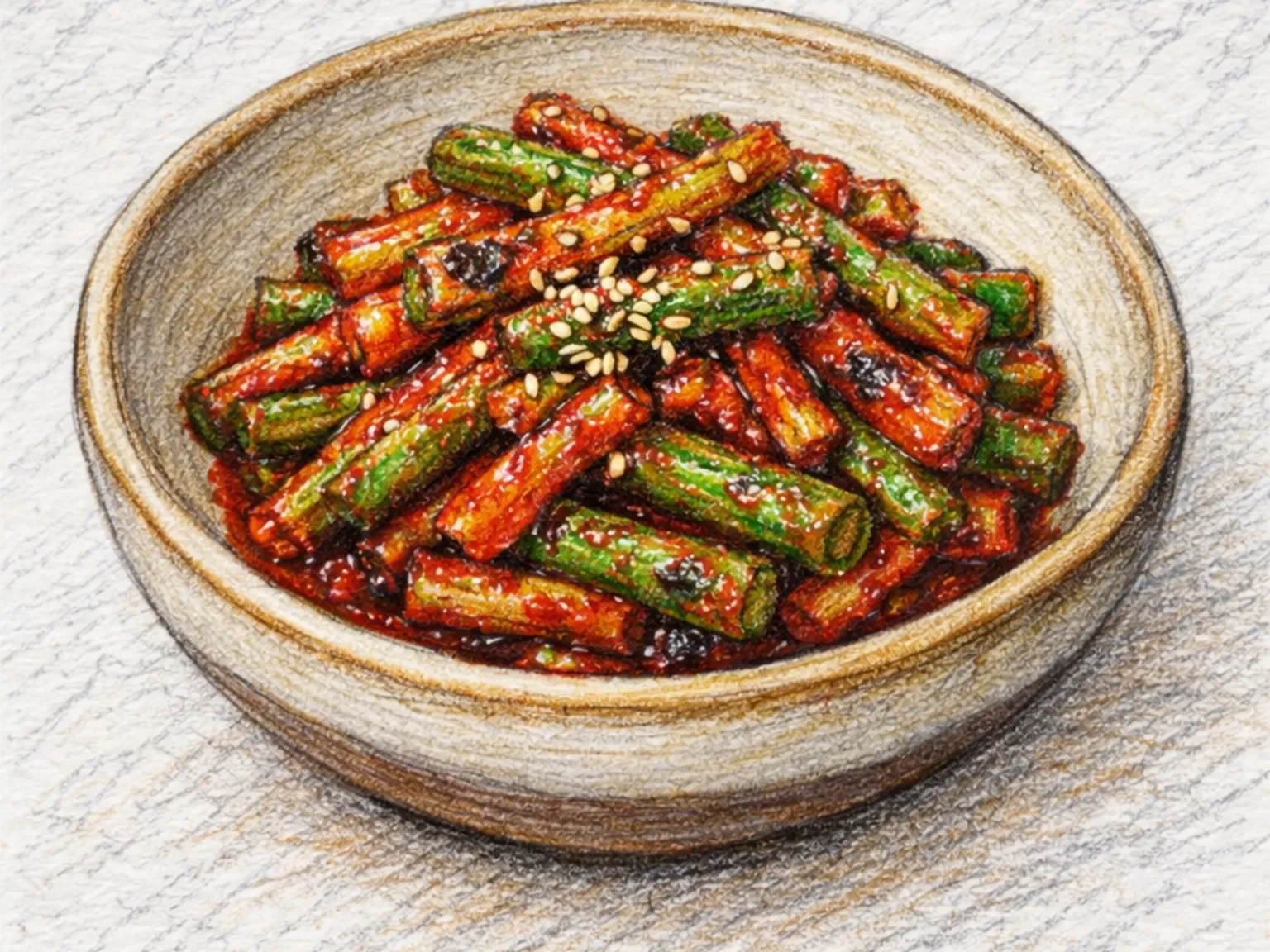
Buchu-kimchi is the fastest kimchi in the Korean repertoire - no salting, no fermentation, and no waiting. Garlic chives are cut to roughly five centimeters and tossed directly with gochugaru, anchovy fish sauce, minced garlic, and sugar. The fish sauce delivers the fermented, briny depth that normally takes days of lacto-fermentation to build, compressing the flavor arc into an immediate preparation. The chives' sharp, garlicky bite amplifies the red pepper heat and gives the finished kimchi an intensity that well-aged kimchi reaches through a different route. This style is particularly popular in Gyeongsang-do, where chives grow in abundance every spring. After a night in the refrigerator the seasoning permeates evenly and the flavor softens slightly, making it versatile enough to serve alongside grilled pork, noodles, or as a standard banchan.

🏠 Everyday🍱 Lunchbox
Prep 15min4 servings
Korean Deulkkae Aehobak Beoseot Bokkeum (Perilla Zucchini Mushroom Stir-fry)
Stir-fryEasy

Korean Deulkkae Aehobak Beoseot Bokkeum (Perilla Zucchini Mushroom Stir-fry)

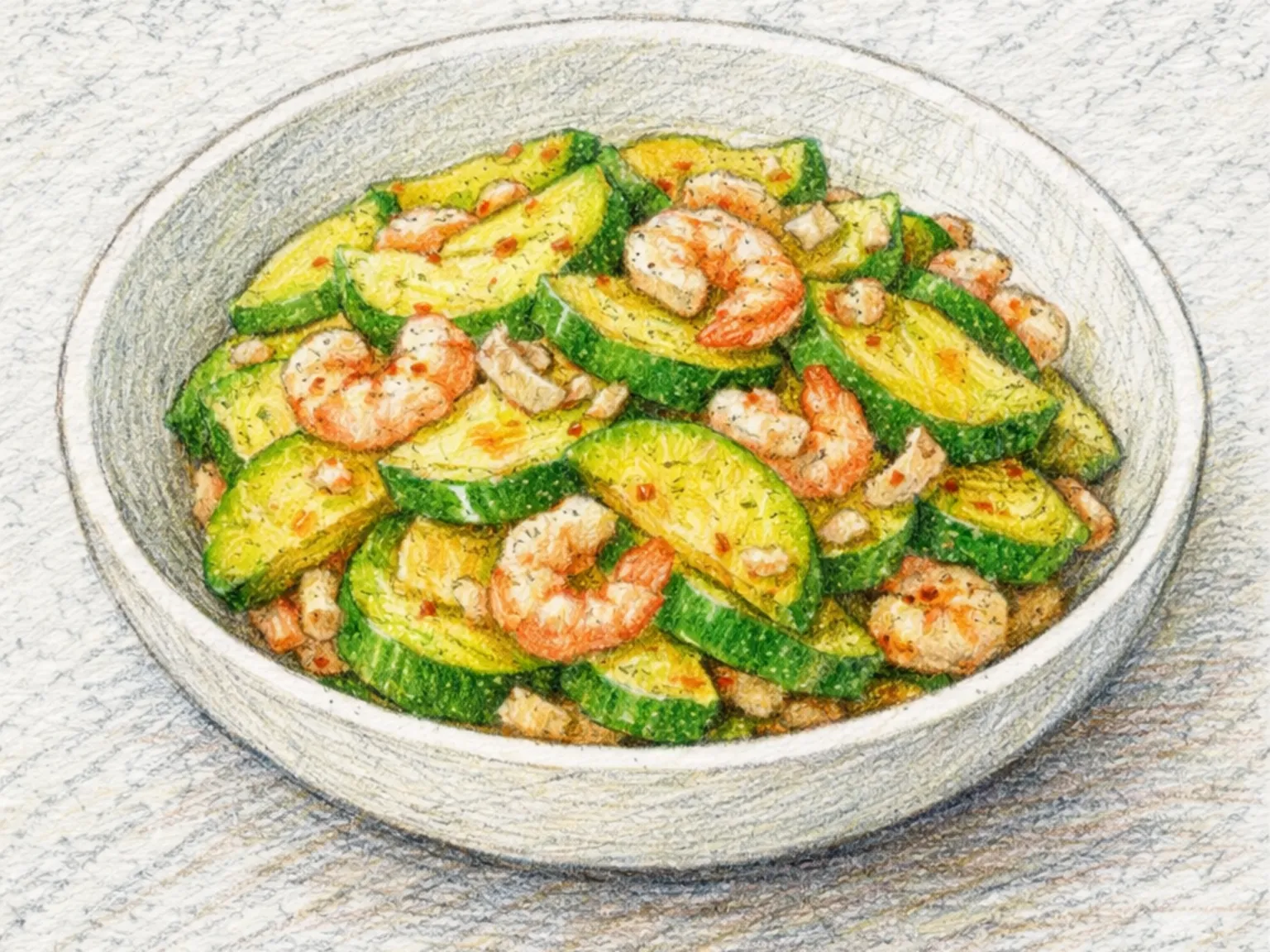
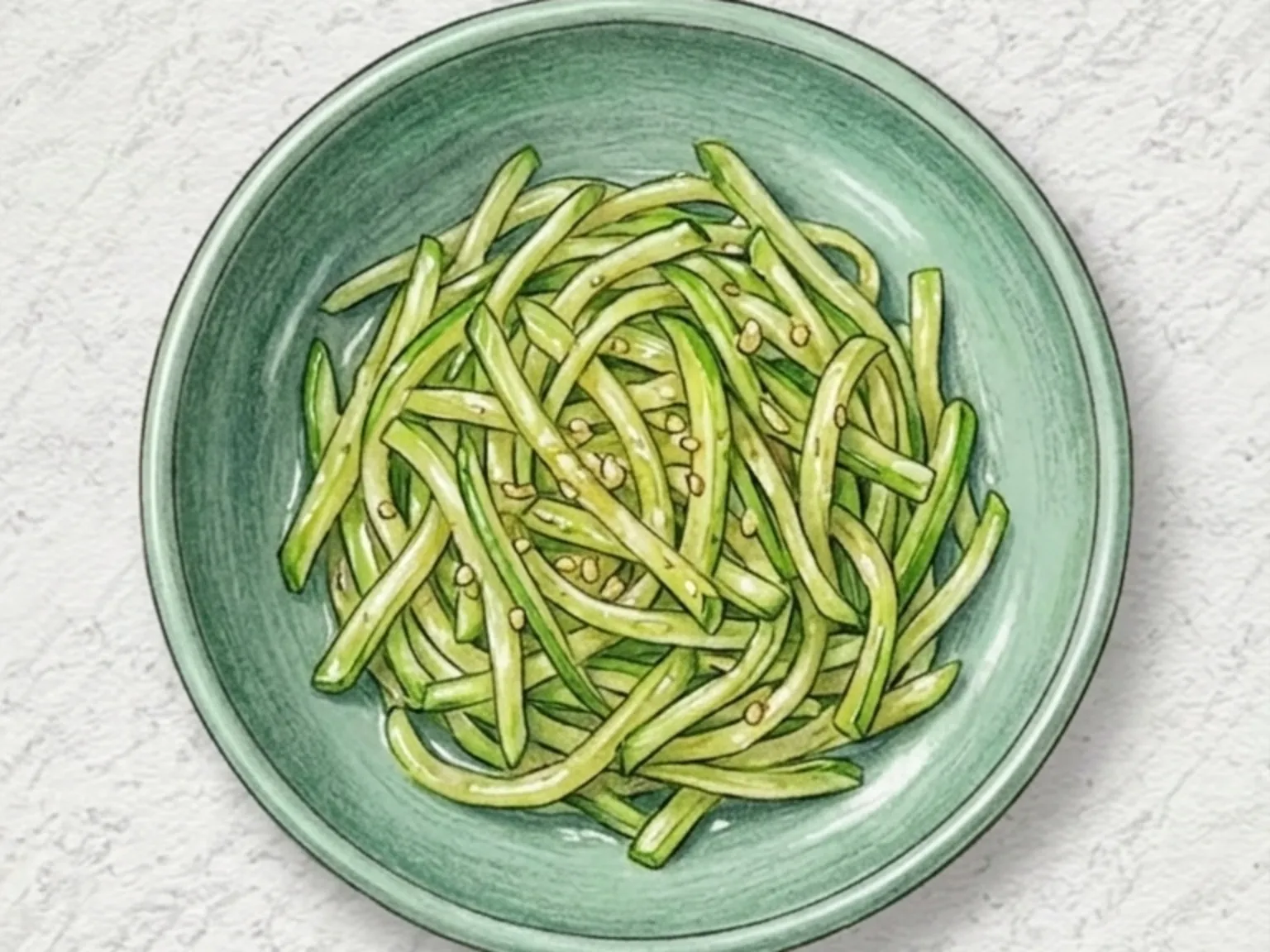
Deulkkae-aehobak-beoseot-bokkeum is a Korean stir-fry of zucchini and oyster mushrooms finished with ground perilla seeds. The perilla powder is added toward the end of cooking, where it combines with the moisture released from the vegetables to form a thick, nutty coating that clings to each piece. Oyster mushroom brings natural umami and a slightly fibrous chew, while the zucchini contributes its gentle sweetness and keeps the dish from drying out. No strong spices or fermented pastes are needed - the toasted, herbal fragrance of the perilla seeds carries the flavor from start to finish. The result is a moist, mild side dish that demonstrates how a single aromatic ingredient can add significant depth to a simple vegetable stir-fry.

🏠 Everyday🍱 Lunchbox
Prep 16minCook 12min4 servings
Korean Doenjang-Grilled Pork Jowl
GrilledEasy

Korean Doenjang-Grilled Pork Jowl

Hangjeongsal doenjang-gui is a Korean doenjang-marinated pork jowl dish where the meat is sliced five millimeters thick, coated in a mixture of doenjang, minced garlic, sesame oil, cooking wine, honey, and black pepper for fifteen minutes, then grilled three minutes per side over medium-high heat. Pork jowl carries more evenly distributed intramuscular fat than loin or shoulder, so it renders its own cooking oil from the moment it hits a dry pan without any added fat. As that fat melts across the hot surface, it merges with the fermented savoriness of the doenjang, building a concentrated, layered umami coating on every grilled face. Starting with a conservative tablespoon of doenjang and adjusting to taste prevents oversalting, since the paste's sodium concentrates further as moisture evaporates during grilling. The honey contributes a faint sweetness while encouraging a glossy caramelized crust that catches the eye and holds the seasoning. After the edges brown, reducing to medium-low for a final two minutes cooks the center through without scorching the glaze, and a finish of sliced green onion adds a sharp, fresh contrast that lifts the richness. The doenjang marinade suppresses any gamey undertone in the pork while simultaneously deepening the umami, delivering the paste's complexity through a grilling method that differs entirely from the way doenjang performs in a stew.

🍺 Bar Snacks
Prep 20minCook 15min2 servings
Duck Confit
WesternHard

Duck Confit

Duck confit is a traditional French preservation dish that begins with rubbing duck legs in coarse salt, fresh thyme, garlic, and cracked black pepper, then leaving them to cure in the refrigerator for twelve hours. This salting stage draws moisture out of the meat through osmosis and allows the aromatic compounds from the thyme and garlic to begin working their way into the flesh. After rinsing the salt off completely and drying the legs thoroughly, they are submerged in duck fat held at a steady 90 degrees Celsius and left there for three hours. The extended low-temperature cooking is the defining technique of confit: the gentle heat gradually dissolves the collagen in the connective tissue, converting it to gelatin without tightening the muscle fibers, which is what produces meat tender enough to pull apart with no resistance. This result is impossible to achieve by cooking at higher temperatures. The cooked legs can be stored submerged in their fat in the refrigerator for several weeks, which explains why confit was invented as a preservation method in the era before refrigeration. When ready to eat, the legs are lifted from the fat and placed skin-side down in a hot pan for a final sear that renders the skin into a crackling, shattering shell. The contrast between that crisp exterior and the yielding interior - silky, rich, and deeply savory from the curing and slow cooking - is what makes duck confit one of the most satisfying preparations in the French culinary tradition. The leftover duck fat is a prized cooking medium and adds exceptional depth when used for roasting or frying potatoes.

🎉 Special Occasion
Prep 20minCook 180min2 servings
Korean Seasoned Sea Grapes Salad
Side dishesEasy

Korean Seasoned Sea Grapes Salad

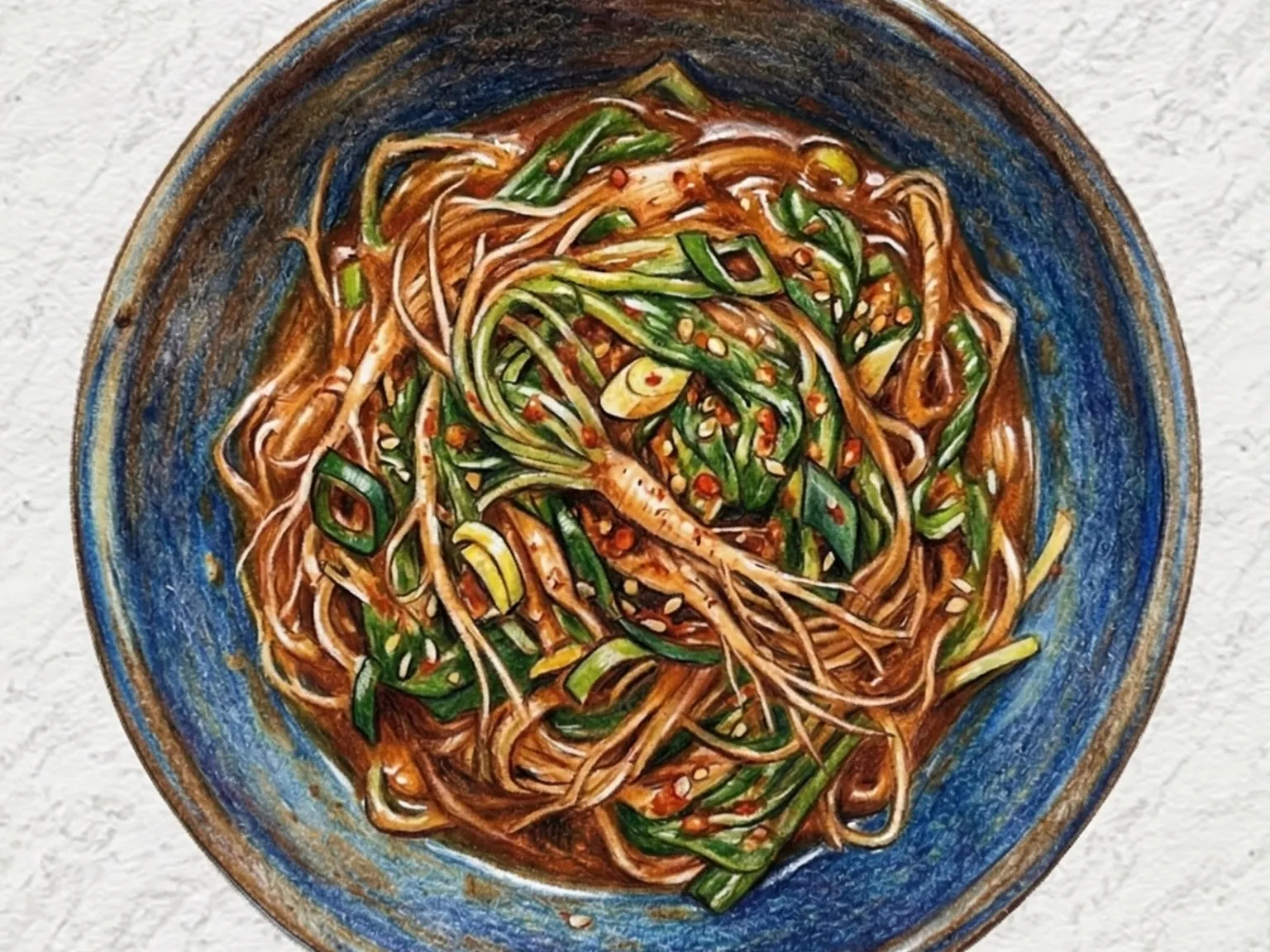
Kkosiraegi-muchim is a tangy, low-calorie banchan made from kkosiraegi, a red algae seaweed whose thin, noodle-like strands snap with a distinctive crunch that no other seaweed can replicate. Blanching must not exceed twenty seconds, as anything longer collapses the characteristic texture, so a timer is essential. The seaweed goes straight from the boiling water into cold water to stop the heat and lock in elasticity. The dressing brings together gochugaru, soup soy sauce, vinegar, maesil-cheong, garlic, and sesame oil; the green plum extract layering in a fruity acidity that lifts the dish beyond simple sour-spicy flavoring. Julienned cucumber threaded through the seaweed strands provides a crisp, garden counterpoint to the oceanic depth. At roughly 72 kilocalories per serving with high dietary fiber content, this banchan appears frequently in Korean diet meal plans because it satisfies without adding much to the calorie count. Eating it promptly after seasoning prevents the cucumber from releasing water and diluting the dressing. Served cold in summer, it doubles as a refreshing side that pairs well with grilled meat or plain rice.

🥗 Light & Healthy🏠 Everyday
Prep 10minCook 2min4 servings
Korean Braised Pork Kimchi
SteamedMedium

Korean Braised Pork Kimchi

Pork kimchi jjim is a slow Korean braise where pork shoulder and well-aged kimchi are layered alternately in a pot with gochugaru, soup soy sauce, and minced garlic, then cooked at a low simmer for over fifty minutes. The kimchi's sharp, pungent fermented acidity gradually softens over the long cook but does not disappear; instead, it transforms into a complex, deep flavor that saturates the pork rather than overwhelming it. Pork shoulder is the preferred cut because its layered fat and muscle does not dry out over extended cooking and the rendered fat continuously bastes the braising liquid, enriching it throughout the process. Onion and green onion supply a natural sweetness that moderates the acidity and spice and prevents the dish from tipping into one-dimensional sharpness. Reducing the braise until only a small amount of sauce remains is important for flavor concentration, and lifting the lid periodically to turn the ingredients ensures that the top layers absorb the liquid as thoroughly as the bottom. The pork is done when it pulls apart with chopsticks with almost no resistance. Served over steamed rice with the remaining sauce spooned generously over the top, the soy and kimchi juices soak into the grain and make for a deeply satisfying and complete meal. Refrigerated leftovers eaten the following day taste noticeably better: the acidity stabilizes further overnight and the flavors integrate more fully.

🎉 Special Occasion🍱 Lunchbox
Prep 20minCook 70min4 servings
Korean Soy Sauce Stir-Fried Mushrooms
Side dishesEasy

Korean Soy Sauce Stir-Fried Mushrooms

King oyster mushrooms are torn by hand rather than cut, opening up a fibrous surface that absorbs seasoning more readily than a knife-cut edge. Shiitake caps are sliced thin after removing their stems. Both go into a dry, screaming-hot pan first - no oil - to drive off surface moisture until the edges of the king oyster pieces take on light char and a firm, meat-like chew develops. Perilla oil goes in at that point, followed by soy sauce poured along the rim of the pan where the heat is most intense, which caramelizes it instantly and coats every piece in a dark, lacquered glaze. No sugar is added - the soy sauce reduction provides the sweetness. A drizzle of sesame oil off heat and a scatter of scallion finish the dish. Concentrated, deeply savory, and ready in under ten minutes.

🏠 Everyday🍱 Lunchbox
Prep 10minCook 8min4 servings
Braised Dried Pollock (Hwangtae-po Jorim)
Side dishesEasy

Braised Dried Pollock (Hwangtae-po Jorim)

Hwangtae-po jorim is a Korean braised side dish made from hwangtae, the air-dried pollock produced in the Gangwon-do mountains where bitter winter cold freezes and thaws the fish dozens of times across the season. Each freeze-thaw cycle breaks down the protein structure and opens up a sponge-like network of pores throughout the flesh. When braised in a ganjang-gochujang sauce, those pores draw the seasoning deep inside, so every bite carries the savory-sweet glaze all the way through rather than just coating the surface. Rehydrating the dried pollock for no more than three minutes preserves the chewy, springy bite; soaking it longer collapses the structure and leaves it soft and crumbly. Oligosaccharide syrup reduces into a glossy finish that coats each piece, and sesame oil goes in only after the heat is off to keep its fragrance intact. Refrigerated, the dish holds for more than a week, making it a practical addition to meal-prep banchan rotations.

🏠 Everyday🍱 Lunchbox
Prep 10minCook 12min4 servings
Korean Braised Mackerel with Potatoes
SteamedEasy

Korean Braised Mackerel with Potatoes

Godeungeo gamja jorim is a Korean home-cooked side dish where mackerel and potato chunks are braised together in a soy sauce and gochugaru seasoning. The oily mackerel releases its fat into the braising liquid, building a rich, savory depth that plain soy sauce alone cannot achieve. Potato absorbs the spiced liquid as it simmers, cooking down to a fluffy, yielding texture that contrasts with the firmer fish. Onion and green onion contribute natural sweetness and aroma throughout the cooking process, and sugar rounds off the saltiness of the soy base to keep the seasoning balanced rather than sharp. Spooning the dark, glossy braising sauce generously over rice turns this side dish into a satisfying meal on its own. Using fresh mackerel rather than salted gives a softer, more delicate flesh that further enriches the cooking liquid.

🍱 Lunchbox
Prep 15minCook 30min2 servings
Stir-fried Dried Tofu Strips
Stir-fryEasy

Stir-fried Dried Tofu Strips

Geondubu bokkeum is a straightforward stir-fry of dried tofu strips with julienned carrot, bell pepper, and onion in a soy and garlic sauce. Dried tofu contains far less moisture than fresh tofu and holds its shape without crumbling during cooking. Blanching the strips briefly in boiling water before stir-frying removes the raw bean aroma and opens up the surface so the seasoning penetrates more deeply. The julienned vegetables add color and a crisp bite, while soy sauce and garlic provide a steady, savory backbone that suits the tofu's mild nuttiness without overwhelming it. Adding gochugaru shifts the dish toward a spicier, more distinctly Korean banchan flavor. The protein content is high enough that this dish carries a meal without any meat alongside it, and the tofu holds together well in lunchboxes without turning soft or releasing excess liquid. A small drizzle of sesame oil at the end of cooking rounds out the aroma and lifts the overall finish.

🏠 Everyday🍱 Lunchbox
Prep 15minCook 10min2 servings
Mala Biang Biang Noodles (Wide Numbing Chili Oil Noodles)
NoodlesHard

Mala Biang Biang Noodles (Wide Numbing Chili Oil Noodles)

Mala biangbiang noodles consist of wide, thick strands that are coated in a complex sauce made from chili oil, doubanjiang, soy sauce, and black vinegar. This combination provides a specific type of heat that numbs the palate while simultaneously delivering spice. To achieve the authentic numbing character that defines mala, whole Sichuan peppercorns are briefly warmed in oil over a low heat. This controlled heating process is designed to release the numbing compounds from the spice without scorching the husks, a technical step that distinguishes genuine mala flavor from the simple heat of red chilies. The sauce is constructed in multiple layers by stacking the fermented saltiness of the doubanjiang with the deep and mellow acidity of the black vinegar. These ingredients work together to produce a seasoning profile with distinct depth rather than a single note of spiciness. For the preparation of the noodles, the broad strands are boiled for one minute less than the time indicated on the package. This ensures the dough remains elastic and chewy throughout the eating process. Because the noodles have such a large surface area, it is necessary to toss them aggressively in the sauce to ensure the seasoning is worked thoroughly into the wide surfaces of every strand. While the noodles are cooking, bok choy is blanched for forty seconds in the same boiling water. This vegetable adds a crisp and clean green element to the bowl, which serves to offset the richness of the oiled noodles. To finish the dish, a final drizzle of chili oil is applied over the top of the bowl just before it is served to intensify the aroma of the spices.

🎉 Special Occasion
Prep 25minCook 15min4 servings
Siraegi Guk (Korean Perilla Radish Greens Soup)
SoupsEasy

Siraegi Guk (Korean Perilla Radish Greens Soup)

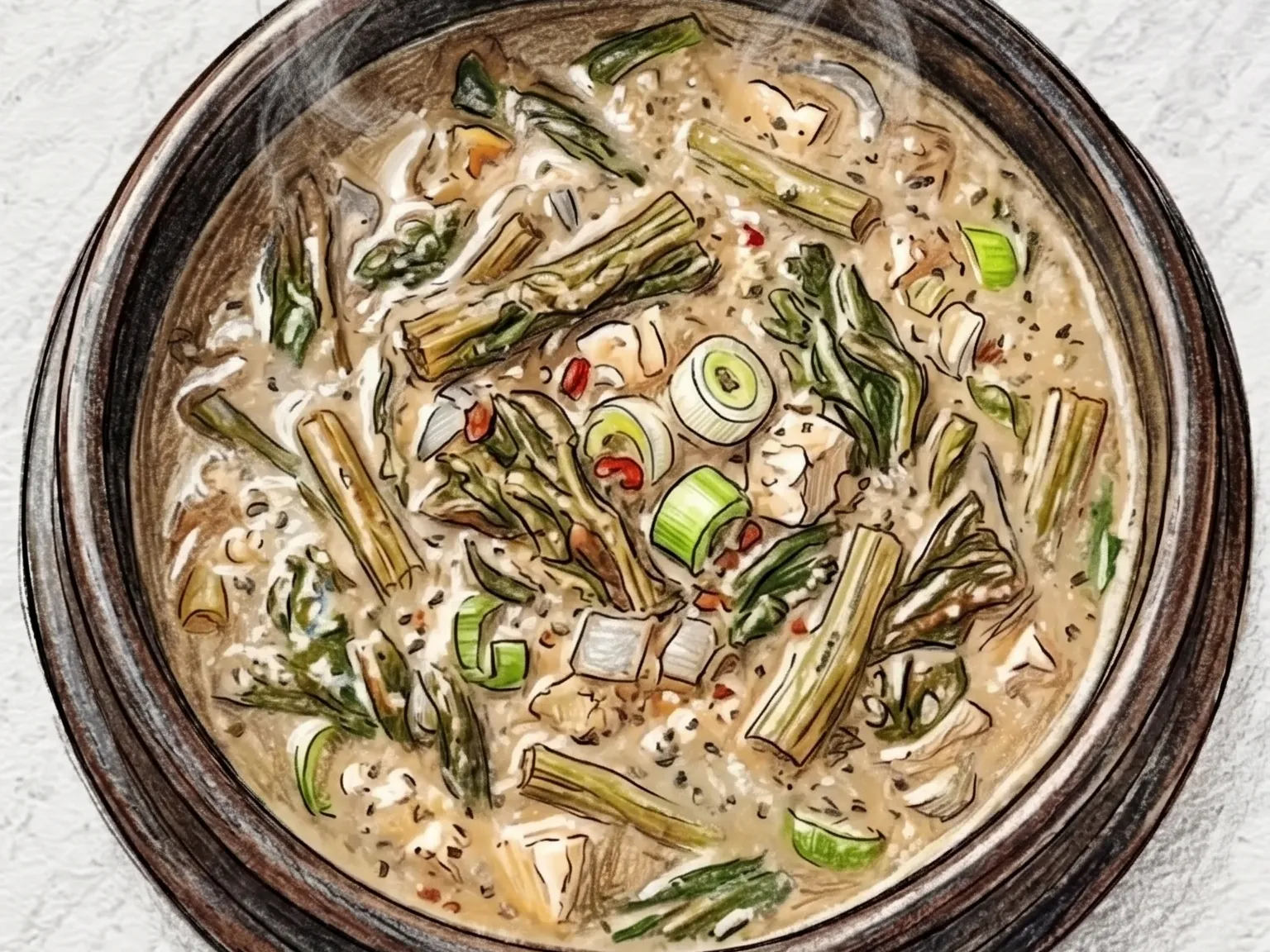
Deulkkae siraegi guk is a rich, nutty Korean soup made by simmering dried radish greens that have been pre-seasoned with doenjang and soup soy sauce in an anchovy broth for at least twenty minutes. Siraegi, which refers to radish leaves that have been dried and then rehydrated before cooking, carries a concentrated earthiness and a fibrous, chewy texture that fresh greens cannot replicate. Massaging the greens with doenjang and garlic before they go into the pot allows the fermented seasoning to penetrate into the fibers over the extended cooking time rather than merely coating the surface. The anchovy broth beneath provides a clean, saline umami that supports the deeper, fermented notes of the doenjang without competing. Perilla powder added in two separate additions dissolves evenly through the broth without clumping, turning the liquid an opaque, milky white and thickening it to a consistency that clings to each spoonful and gives the soup its characteristic weight. Green onion added during the final three minutes of cooking contributes a fresh, sharp aroma that sits lightly on top of the perilla fragrance, completing the layered, hearty character of the soup.

🏠 Everyday
Prep 18minCook 35min4 servings
Korean Stir-fried Bottle Gourd Namul
Side dishesMedium

Korean Stir-fried Bottle Gourd Namul

Bottle gourd - bak - is a summer vegetable Koreans have stir-fried as namul for centuries. Peeled, seeded, and sliced thin, it is salted briefly to draw out excess moisture before cooking. Garlic and green onion go into the pan first to build a fragrant base, then the gourd is added and cooked with a small splash of water that steams the slices until they turn nearly translucent, releasing a clean, melon-like sweetness. Ground perilla seed stirred in at the end thickens the remaining liquid into a nutty glaze that clings to each piece. The result is a mild, lightly savory namul that makes plain rice disappear on the hottest summer days.

🏠 Everyday🍱 Lunchbox
Prep 12minCook 10min4 servings
Korean Seasoned Seaweed Flakes
Side dishesEasy

Korean Seasoned Seaweed Flakes

Gim-muchim uses the same ingredients as stir-fried gim but takes a different direction. Lightly toasted seaweed is torn by hand into larger pieces, then tossed with green onion, garlic, soy sauce, sesame oil, and gochugaru into a seasoned side dish. Toasting the seaweed over a flame first draws out its fragrance, and tearing it into large pieces ensures some areas stay crisp even after the sauce is added. The sharp bite of green onion and the gentle heat of gochugaru meet the seaweed's marine character for a fresher, lighter result than the stir-fried version. The dish must be eaten immediately after tossing - seaweed absorbs moisture from the sauce quickly and loses its texture - so only as much as will be consumed at once should be prepared. As a side with rice, it is simple but satisfying, carrying enough umami to complete a bowl even when other banchan are few. Using fish sauce in place of soy sauce shifts the umami profile, and extra sesame seeds deepen the nutty fragrance.

🏠 Everyday🍱 Lunchbox
Prep 8minCook 4min2 servings
Korean Grilled Beef Intestine
GrilledHard

Korean Grilled Beef Intestine

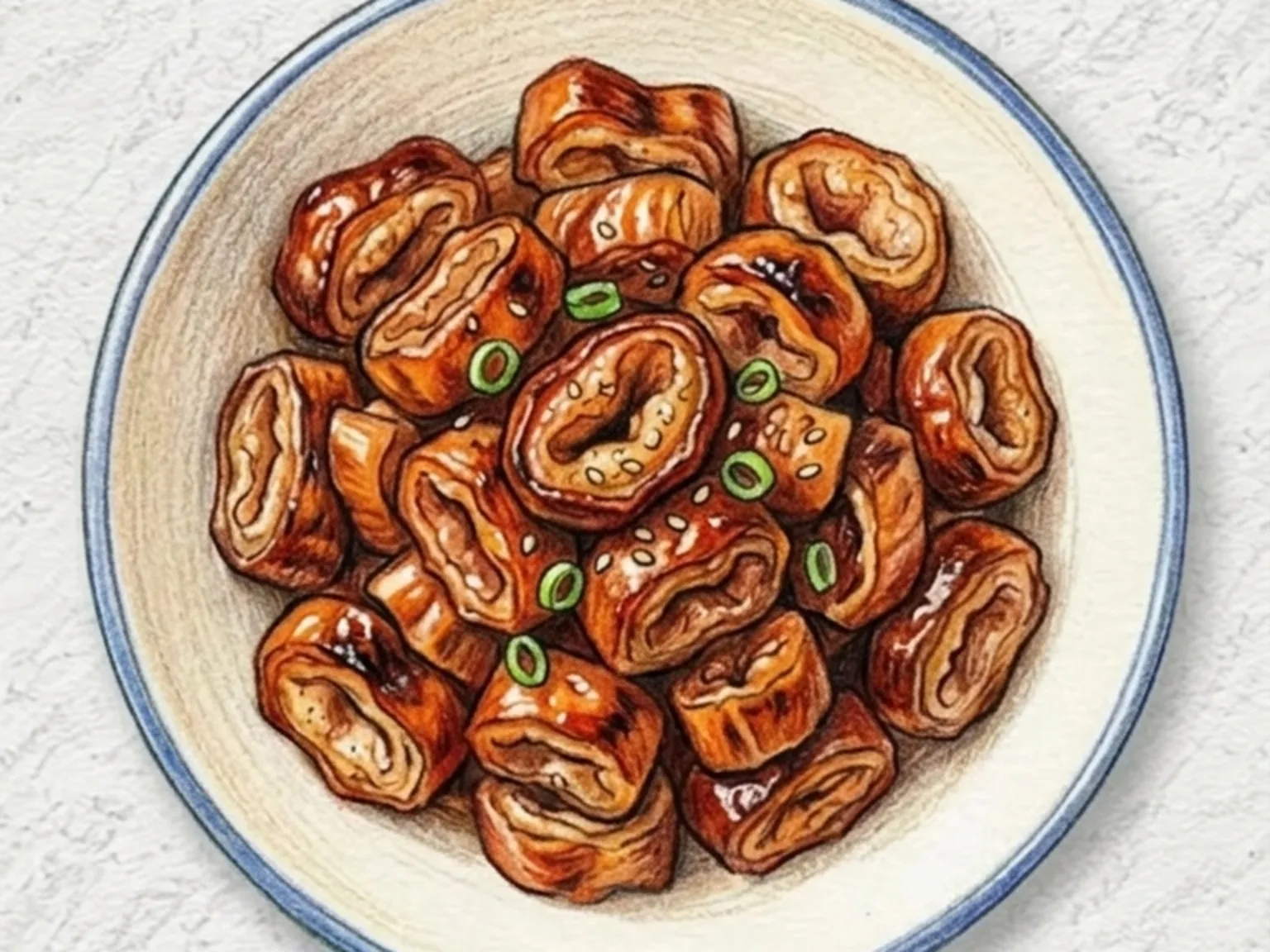
Gopchang-gui is Korean grilled beef small intestine, prized for its crackling exterior and springy interior that develop simultaneously on a high-heat pan. The preparation begins by kneading the raw intestine with coarse salt and flour to scrub away impurities and draw out off-flavors, then par-boiling for five minutes to strip away residual organ smell before any seasoning is applied. Once patted dry and seasoned with minced garlic, salt, pepper, and sesame oil, the intestine hits a very hot pan where its internal fat renders out rapidly. As the fat releases, it essentially fries the outer surface from the inside, producing a deeply golden crust while the inner walls stay bouncy and chewy. Blotting the accumulated rendered fat from the pan at intervals with paper towels prevents the gopchang from stewing in grease and keeps the crust sharply crisp rather than slick. Served immediately off the heat with a heap of fresh garlic chives alongside, the pungent, vegetal bite of the chives cuts cleanly through the richness of the intestine and refreshes the palate for the next piece.

🍺 Bar Snacks🎉 Special Occasion
Prep 30minCook 20min2 servings
Korean Steamed Clams with Rice Wine
SteamedEasy

Korean Steamed Clams with Rice Wine

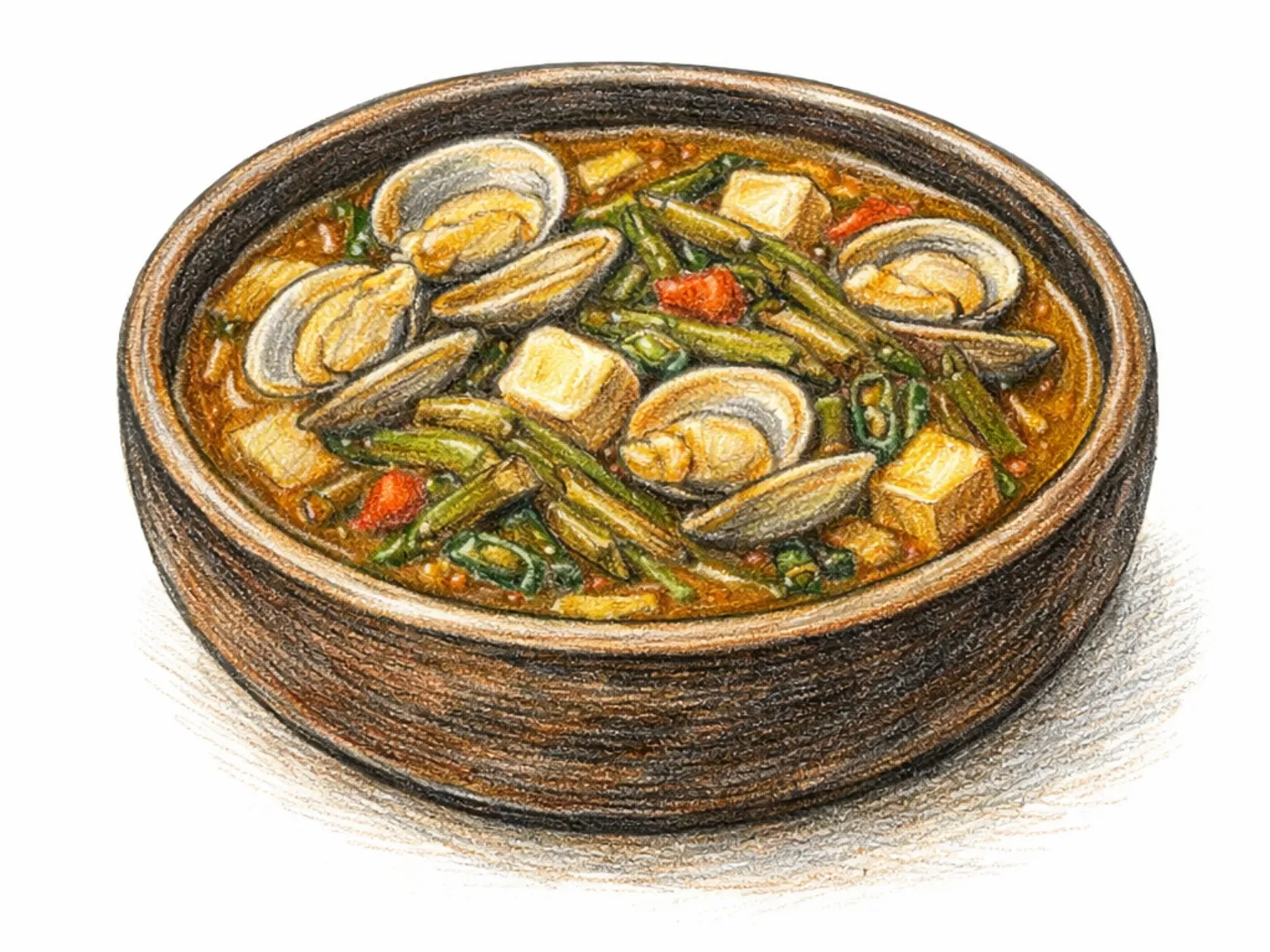
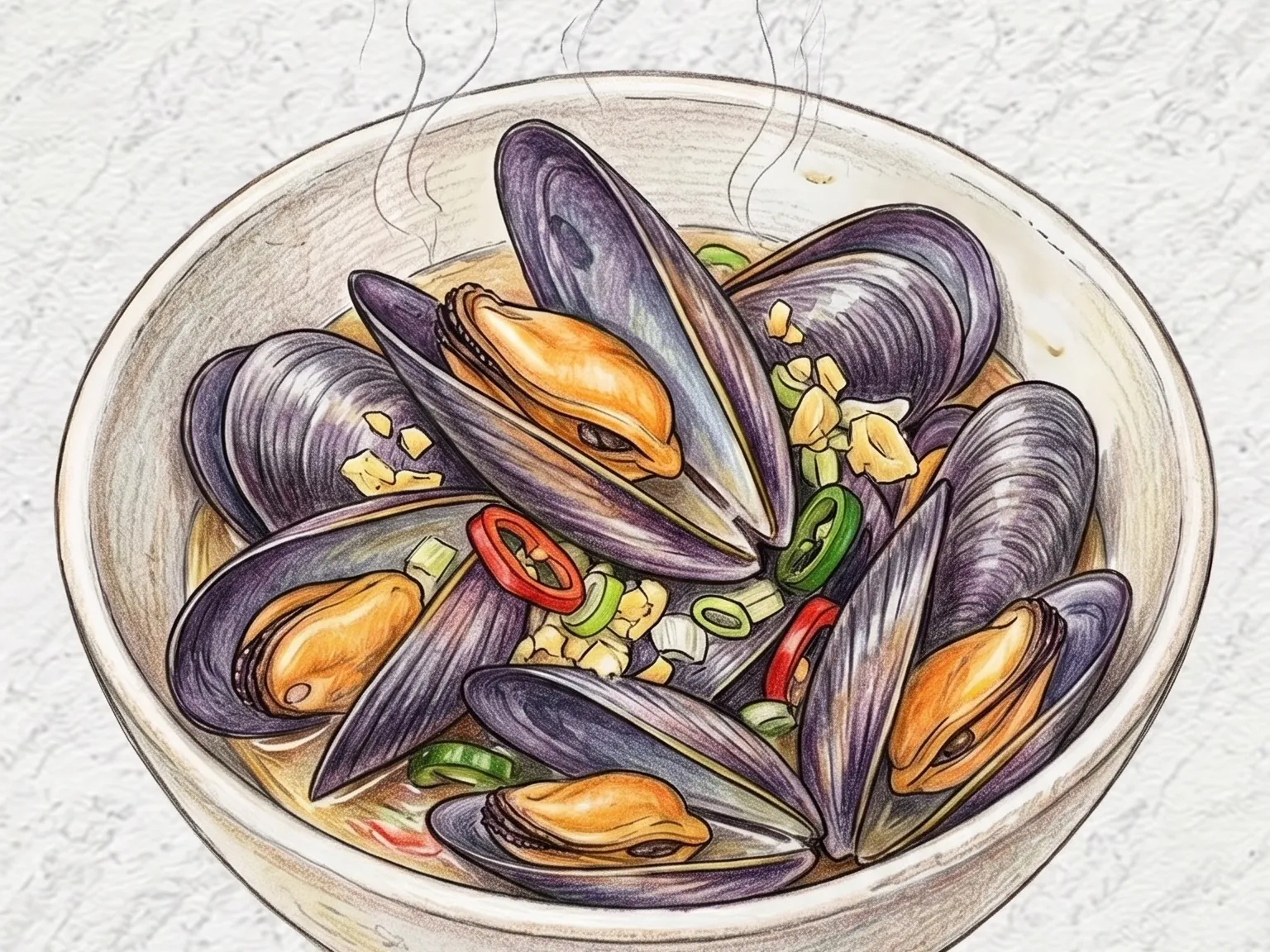
Manila and surf clams are steamed with garlic in rice wine to create this traditional Korean drinking snack. Purging the shellfish in salted water beforehand ensures the resulting broth remains clear and free of grit. Pouring cold rice wine over the shells and sealing the pot allows the alcohol to transform into steam, which strips away any ocean odors while the clams release their natural juices. As the shells open, their concentrated brine forms a natural stock at the bottom of the pot. Dropping a piece of butter into the liquid the moment the first shell cracks open adds a creamy, rounded quality to the salty clam base. Freshly scattered chives provide a grassy contrast to the buttery liquid, maintaining a sense of freshness throughout the dish. Since no additional water or stock is required, the success of the broth relies entirely on the quality of the clams and the thoroughness of the purging process. Lifting the lid at an angle prevents condensation from dripping back onto the clams, which keeps the concentrated seasoning from thinning out. A final squeeze of lemon juice heightens the sweetness of the clam meat and provides a crisp finish to the experience.

🍺 Bar Snacks
Prep 25minCook 10min2 servings
Korean Kkotge Gochujang Gui (Spicy Grilled Crab)
GrilledHard

Korean Kkotge Gochujang Gui (Spicy Grilled Crab)

Kkotge-gochujang-gui is a Korean spicy grilled crab where halved blue crabs are thoroughly coated in a thick paste of gochujang, gochugaru, soy sauce, oligosaccharide syrup, and garlic, then marinated for fifteen minutes before going onto a medium-heat grill. The sugar in the syrup and the fermented compounds in the gochujang caramelize over direct flame, forming a glossy, dark-red lacquer on the shell while the crab meat underneath is steam-cooked by the insulating shell, keeping it moist and sweet. Controlled medium heat is essential because the sauce scorches quickly: four minutes shell-side down first, then a flip for five to six more minutes ensures even cooking without burning. When the crab is turned, the sauce drips into the interior cavity and coats the exposed meat directly, intensifying the spice penetration on the flesh side. A final drizzle of sesame oil and a scatter of toasted sesame seeds layer a nutty, smoky fragrance over the lacquered coating.

🎉 Special Occasion
Prep 25minCook 12min2 servings
Korean Soy-Glazed Chicken Stir-Fry
Stir-fryEasy

Korean Soy-Glazed Chicken Stir-Fry

Chicken thigh meat stir-fries in soy sauce, sugar, and oligosaccharide syrup for a sweet-salty glaze. Garlic and ginger go into the oil first to infuse the fat with fragrance before the chicken is added, letting the aromatics penetrate deep into the meat as it cooks. The oligosaccharide heats into a tacky gloss that coats each piece evenly as the liquid reduces. Sesame oil and whole sesame seeds scattered over the top at the end bring a nutty, aromatic finish. The flavor profile runs close to Japanese teriyaki, but the heavier use of garlic and ginger pushes it toward the more direct, punchy spice character typical of Korean cooking. Boneless thighs cut into bite-sized pieces cook more evenly than larger pieces, and keeping the heat high through most of the cook ensures the surface caramelizes without turning rubbery.

🏠 Everyday🌙 Late Night
Prep 15minCook 15min2 servings
Korean King Oyster & Quail Egg Braise
SteamedEasy

Korean King Oyster & Quail Egg Braise

Saesongi quail egg jorim is a soy-braised Korean banchan featuring king oyster mushrooms and quail eggs with a balance of savory and gently sweet flavors. The mushrooms are braised first to let them absorb moisture and seasoning thoroughly before the eggs are added, giving the eggs time to soak up the liquid without becoming tough. A spoonful of oligosaccharide syrup added near the end gives the surface a glossy sheen and softens the saltiness of the soy base. The dish calls for only a handful of pantry staples and comes together in under thirty minutes, making it easy to prepare on a busy day. It also keeps well in the refrigerator, improving in flavor over two days as the braising liquid penetrates deeper, which makes it a reliable choice for packed lunches.

🏠 Everyday🍱 Lunchbox
Prep 15minCook 20min2 servings