Crispy Fan-Cut Potatoes (Garlic Butter Accordion Bake)
Hasselback potatoes are a Swedish dish where potatoes are sliced thinly at close intervals - leaving the bottom intact - then brushed with garlic butter and roasted until the edges fan out and crisp. Melted butter mixed with minced garlic, fresh thyme, and olive oil is brushed over and between the slices before the potatoes go into a 200-degree oven for forty minutes. Midway through baking, the potatoes are removed so the slices can be gently fanned open and given a second coat of butter. Breadcrumbs and Parmesan cheese scattered on top for the final fifteen minutes create a crunchy golden crust that contrasts with the fluffy interior. Placing chopsticks on either side of the potato while slicing acts as a guide to prevent cutting all the way through.

Korean Soy-Glazed Chicken Wings
Daknalgae-ganjang-gui is a Korean soy-glazed chicken wing dish coated in a sauce of soy sauce, oligosaccharide syrup, minced garlic, ginger powder, and a splash of vinegar, then baked in an oven or air fryer. The vinegar softens the saltiness of the soy while cutting through the richness of the chicken skin. The oligosaccharide syrup thickens under heat into a glossy, clinging glaze that coats each wing evenly. Scoring the joints before cooking allows the marinade to seep into the inner crevices and promotes even heat distribution so the meat near the bone cooks through completely. A finish of sesame oil and toasted sesame seeds rounds out the savory soy glaze with a warm, nutty aroma. When using an air fryer, baking at 180 degrees Celsius for twenty minutes and then flipping for five more produces a satisfyingly crisp skin without drying out the meat.

Cajun Shrimp Pasta
Cajun shrimp pasta belongs to the American culinary tradition and focuses on shrimp seasoned with a specific blend of spices known as Cajun seasoning. This seasoning mixture originates from the Louisiana Creole culinary heritage and typically includes a combination of paprika, cayenne pepper, dried oregano, thyme, garlic powder, and onion powder. This specific grouping of ingredients provides a distinct smoky quality and a moderate level of heat that separates it from the herb and spice traditions commonly found in Italian or Spanish cuisine. During the cooking process, the shrimp are first coated in the spice mix and then seared in butter for approximately one to two minutes on each side. It is necessary to remove the shrimp from the pan while they are still slightly underdone, as leaving them on the heat for too long results in a tough and rubbery texture. By taking them out of the pan early and only returning them at the final stage of preparation, the shrimp maintain their firm and snappy bite. Once the shrimp have been set aside, the butter and the spice-infused oil remaining in the pan serve as the primary flavor foundation for the sauce. A mixture of chopped onion, minced garlic, and bell peppers is sautéed in this residue until the vegetables soften and absorb the smoky heat left behind by the spices. The sauce is then constructed using both heavy cream and milk. The decision to use a combination of these two liquids, rather than heavy cream by itself, results in a lighter consistency that allows the sauce to coat the pasta strands more evenly without feeling excessively heavy during consumption. A small amount of the starchy water used to boil the pasta is added to the sauce before the noodles are introduced. This starch aids in the emulsification of the cream, which ensures that the sauce adheres to the pasta instead of separating or gathering at the bottom of the plate. The shrimp are added back into the pan at the very end, remaining on the heat only long enough to be warmed through. For individuals who would like a more intense level of spiciness, extra seasoning can be added to the finished dish at the table.

Polenta con Funghi (Italian Creamy Cornmeal with Sauteed Mushrooms)
Polenta con Funghi is a staple winter dish in northern Italian households, made by stirring cornmeal into water or stock for over thirty minutes to achieve a smooth, porridge-like consistency, then topped with sauteed mushrooms. Constant stirring is essential - pausing even briefly causes the polenta to stick to the bottom and form lumps. Folding in butter and grated Parmigiano-Reggiano at the end transforms the coarse grain into a velvety texture enriched with dairy fat and cheese umami. The mushrooms - a mix of porcini, oyster, and cremini - are cooked quickly in olive oil with garlic over high heat to drive off moisture and allow the edges to caramelize and develop depth. The gentle sweetness of the cornmeal against the earthy, woodsy mushrooms creates a pairing that is humble yet deeply satisfying.

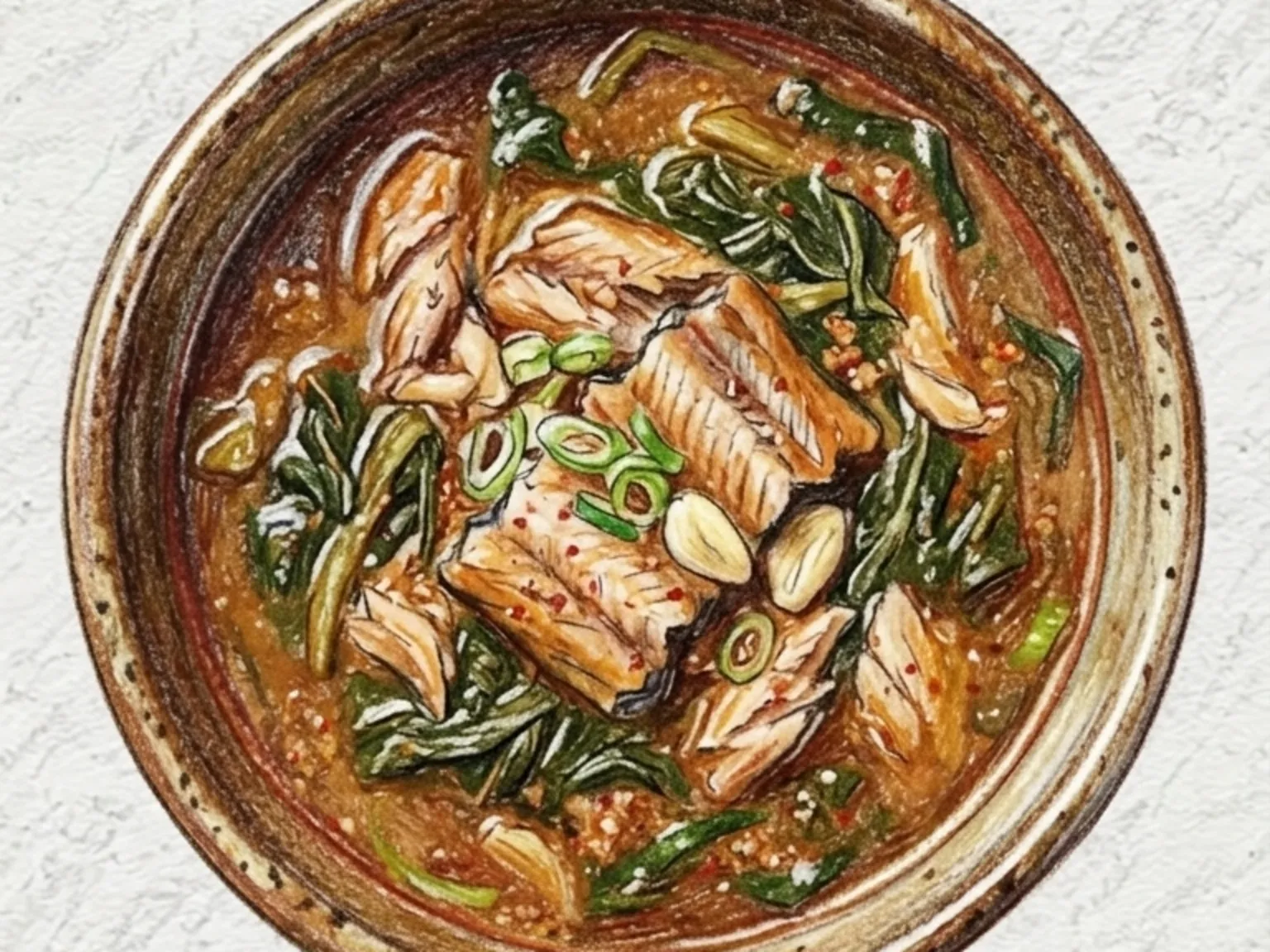
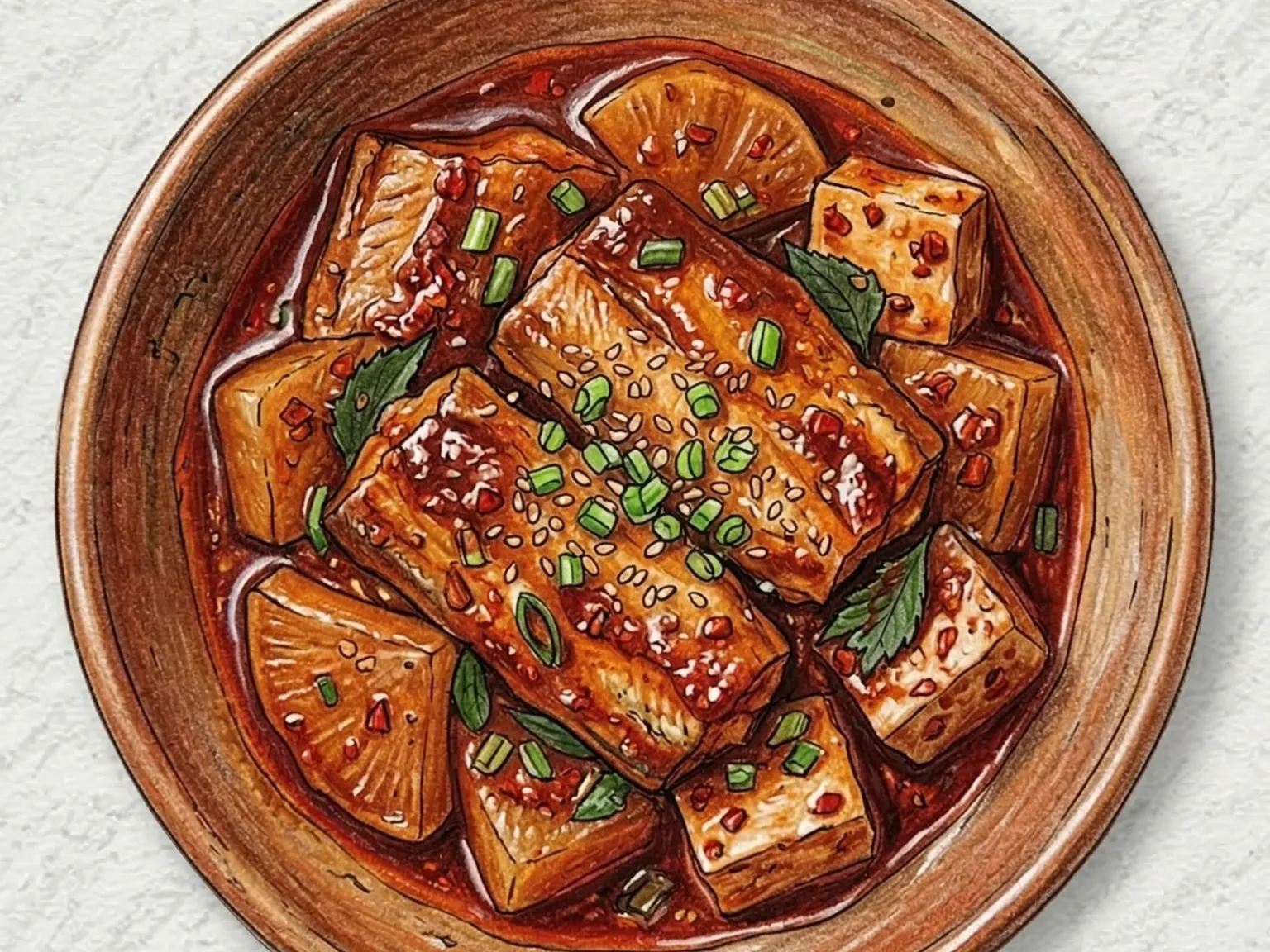
Korean Hairtail Braised with Dried Greens
Siraegi galchi jorim is a Korean braised hairtail fish dish assembled by layering boiled dried radish greens, radish, and hairtail in a pot, then simmering everything together in a sauce built from gochugaru, soy sauce, and gochujang. Rubbing the dried radish greens with a teaspoon of doenjang before they go into the pot allows fermented earthiness to penetrate the greens during cooking, adding a layer of depth that the braising sauce alone cannot provide. The greens are firm and springy enough that long simmering does not cause them to fall apart, and their cellular structure soaks up the braising liquid so thoroughly that every bite releases a concentrated burst of the seasoned sauce. Radish absorbs the stock produced by the fish and the greens as it cooks, developing a clean, gentle sweetness that grounds the spice of the sauce. The hairtail is never turned during cooking; the braising liquid is spooned over it repeatedly instead, which preserves the delicate, layered texture of the flesh and prevents it from flaking and falling apart in the pot. Closing the lid and maintaining a steady medium-low heat while basting only between lid lifts gives the fish the best chance of arriving at the table intact. The finished dish is the kind of strongly seasoned, deeply savory Korean side that makes a full bowl of white rice disappear without effort.

Rosemary Focaccia
Rosemary focaccia is an Italian olive-oil bread made from a high-hydration dough that is proofed twice, dimpled with fingertips, topped with rosemary, minced garlic, and flaky salt, and baked at 220 degrees Celsius. The wetter the dough, the better the signature open crumb and chewy interior develop, so resisting the urge to add extra flour during handling is important. A sixty-minute first proof followed by a thirty-minute second proof gives the yeast enough time to produce the gas that creates a light, airy structure. Generous olive oil pooled in the dimples essentially fries the surface during baking, creating crisp pockets across the top. Cooling for ten minutes after baking lets steam escape and sharpens the contrast between the crunchy crust and the moist, pillowy crumb inside.

Korean Grilled Clams (Butter Garlic Mixed Shellfish Grill)
Mixed clams are submerged in salt water for at least one hour so they expel any sand and grit naturally, then placed shell-side down on a hot grill or pan. As the shells gradually crack open from the heat, a knob of butter, minced garlic, and a splash of rice wine are dropped into each opened shell for one to two more minutes of cooking. The briny liquid that the clams release mingles with the melting butter, building a concentrated natural sauce inside every shell without any additional stock or seasoning needed. Because clams vary in size, they open at different times, so pulling each one as soon as it opens rather than waiting for the whole batch prevents overcooking. Any clam that stays firmly shut after the others have opened should be discarded as unsafe. Chopped fresh parsley scattered over the finished clams cuts through any residual fishiness with a clean herbal note.

Roasted Sweet Potato Chwinamul Salad
Roasted sweet potato chwinamul salad combines skin-on sweet potato cubes roasted at 200 degrees Celsius for 22 minutes with chwinamul blanched for just 20 seconds to preserve its distinctive herbaceous bitterness. A dressing of perilla oil, soy sauce, rice vinegar, and minced garlic delivers a rich nuttiness underscored by sharp acidity, which frames the sweet potato's natural sugars without masking them. Chickpeas contribute a mild, starchy body that balances the sweetness, while sunflower seeds and sesame seeds add scattered crunch throughout. Tossing the salad while the sweet potato is still warm rather than fully cooled allows the dressing to absorb into the starchy surface rather than sliding off. Blanching chwinamul longer than 20 seconds causes it to lose its characteristic bitter note and turn dull in color, so transferring it immediately to cold water after blanching is necessary to preserve both flavor and appearance.

Korean Ojingeo Ssamjang Bibim Myeon (Squid Ssamjang Mixed Noodles)
Ojingeo ssamjang bibim myeon is a Korean mixed noodle dish combining blanched squid rings with medium wheat noodles in a ssamjang-based sauce spiked with chili flakes, vinegar, and syrup. The squid is blanched for only forty seconds to keep it springy rather than chewy, and the noodles are rinsed under cold water while gently rubbing to remove surface starch. The dressing merges the fermented depth of ssamjang with the heat of gochugaru and the brightness of vinegar, creating a layered flavor that is salty, spicy, and tangy at once. Resting the sauce for about ten minutes before tossing softens the heavy note of ssamjang. Julienned perilla leaves on top add an herbal fragrance, and sesame seeds finish the dish with nuttiness. The recipe yields four generous servings.

Korean Grilled Beef Daechang
Daechang-gui is Korean grilled beef large intestine, cleaned and lightly seasoned with salt, black pepper, minced garlic, and sesame oil before being seared on a high-heat pan. The thick layer of fat lining the inside of the intestine renders quickly over intense heat, and it is this fat that produces the dish's characteristic richness and crisp exterior as the outer surface browns. The fat is also the reason moderation matters: too much rendered fat left in the pan makes the finished dish greasy rather than luxuriously fatty, so blotting with a paper towel midway through cooking keeps the balance. Adding julienned onion and garlic chives at the end introduces vegetable moisture and fresh, sharp aromatics that cut through the heaviness. Daechang is one of the most sought-after cuts at Korean gopchang restaurants, where it is cooked tableside on a grill and eaten immediately - because the intestine tightens and toughens as it cools, eating it directly off the heat is the only way to catch it at its best. Soju or cold beer alongside is standard, and the contrast between the fatty meat and the cold, clean drink is a central part of the experience.

Korean Stir-Fried Bamboo Shoots
Juksun-bokkeum is a soy-seasoned stir-fry of bamboo shoots, a banchan closely tied to spring, when fresh juksun appears briefly in Korean markets from April through May, primarily from Damyang in Jeollanam-do. Fresh shoots carry oxalic acid, which must be neutralized by boiling them in rice-rinsing water for at least thirty minutes; skipping this step leaves a harsh, bitter aftertaste. Canned or vacuum-packed shoots, available year-round, need a thorough rinse under running water to remove the metallic tinned flavor before cooking. Julienned bamboo shoots are stir-fried with carrot and onion over high heat for a short, controlled burst. Prolonged cooking draws out moisture and turns the shoots rubbery, so timing is crucial. The seasoning is deliberately understated: soy sauce, a pinch of sugar, minced garlic, and a finishing drizzle of sesame oil produce a subtly sweet, nutty dish that lets the natural crunch of the shoots come through. Bamboo shoots are rich in dietary fiber and notably low in calories, making this banchan a filling choice for those watching their intake.

Korean Bean Sprout Kimchi Soup
The preparation of this traditional Korean soup follows a two-part process designed to build layers of flavor by stacking different ingredients over time. The foundation begins with aged kimchi and a substantial amount of the fermented liquid from the kimchi jar. These ingredients are combined with anchovy stock and allowed to simmer together for a duration of eight minutes. This initial cooking period is essential for the broth to fully absorb the acidic depth of the fermented vegetables. As the mixture simmers, the liquid transforms into a deep shade of brick red, signaling that the base has reached the correct concentration for the next set of ingredients. After the initial simmering period is complete, bean sprouts are introduced to the pot along with gochugaru, minced garlic, and soup soy sauce. It is important to leave the lid off the pot for the remaining five minutes of the cooking process. Leaving the soup uncovered during this specific stage facilitates the removal of the raw scent that can sometimes be associated with fresh bean sprouts. Furthermore, this method prevents the liquid from being diluted by trapped steam, which allows the various flavors to concentrate and sharpen rather than becoming softened. In the final minute of preparation, sliced green onion is incorporated into the broth. This addition provides a fresh herbal element that lifts the profile of the soup and balances the heavier fermented notes of the kimchi base. If the kimchi used in the recipe is not sufficiently fermented, the resulting broth may lack the necessary sharpness. In such cases, adding half a teaspoon of vinegar can enhance the acidity to the desired level without changing the fundamental character of the broth. The combination of the deep flavors from the kimchi and the natural crispness of the bean sprouts results in a liquid that is both warming and restoring. Because of these properties, this dish has a long history as a reliable remedy for hangovers in Korea, and it remains a common staple for families to consume during the cold weather seasons.

Korean Stir-Fried Dried Napa Cabbage Leaves
Dried outer leaves of napa cabbage, known as ugeoji, are rehydrated, boiled, and stir-fried with doenjang and ground perilla seeds to create a deeply savory banchan. These tough outer leaves, too coarse to eat fresh, develop a satisfying chewy texture once dried and reconstituted, offering a bite that ordinary cabbage cannot match. Doenjang introduces its fermented umami during the stir-fry, layering complexity onto the cabbage's otherwise neutral flavor. Ground perilla seeds dissolve into the residual moisture, forming a creamy, pale coating that enriches every strand with a nutty warmth. A small amount of anchovy and kelp stock added mid-cook creates just enough liquid for the seasonings to soak into the fibrous leaves before evaporating. Perilla oil used as the cooking fat establishes a fragrant base from the first moment the pan heats, and minced garlic stirred in partway through adds a sharp accent that cuts through the richness. The finished dish pairs naturally with a bowl of steamed rice and a hot soup.

Korean Steamed Flounder (Whole Flatfish with Soy Garlic Sauce)
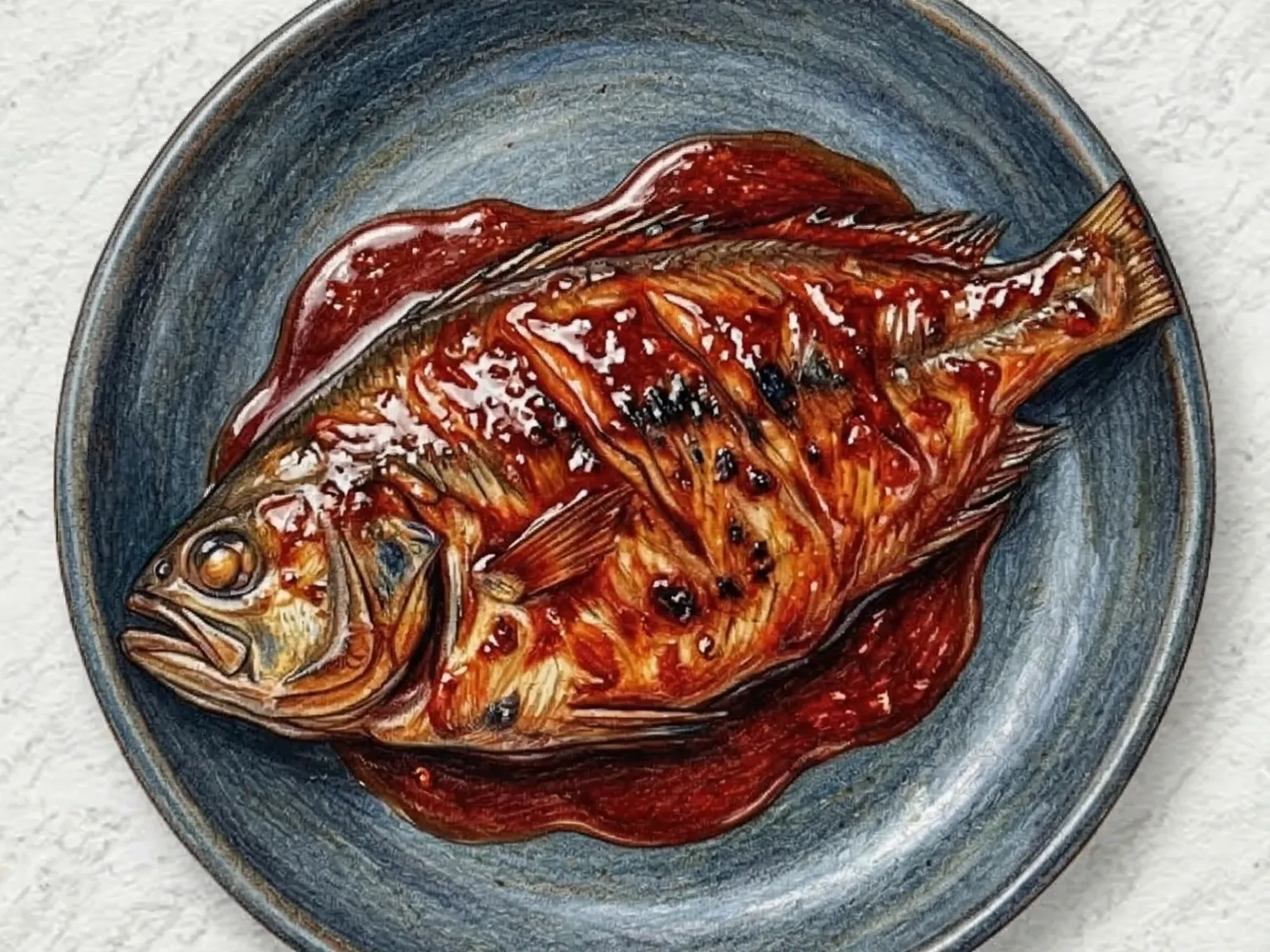
Gajami-jjim is a Korean steamed flounder dish prepared with a light soy sauce seasoning, onion, and green onion. Rice wine is added during cooking to neutralize any fishiness while keeping the flesh moist. The seasoning is restrained-soy sauce and garlic provide just enough flavor without masking the flounder's naturally mild, clean taste. With its soft texture and few bones, this dish works well as an everyday banchan alongside rice and soup.

Gyeran-guk (Egg Drop Anchovy Broth Soup)
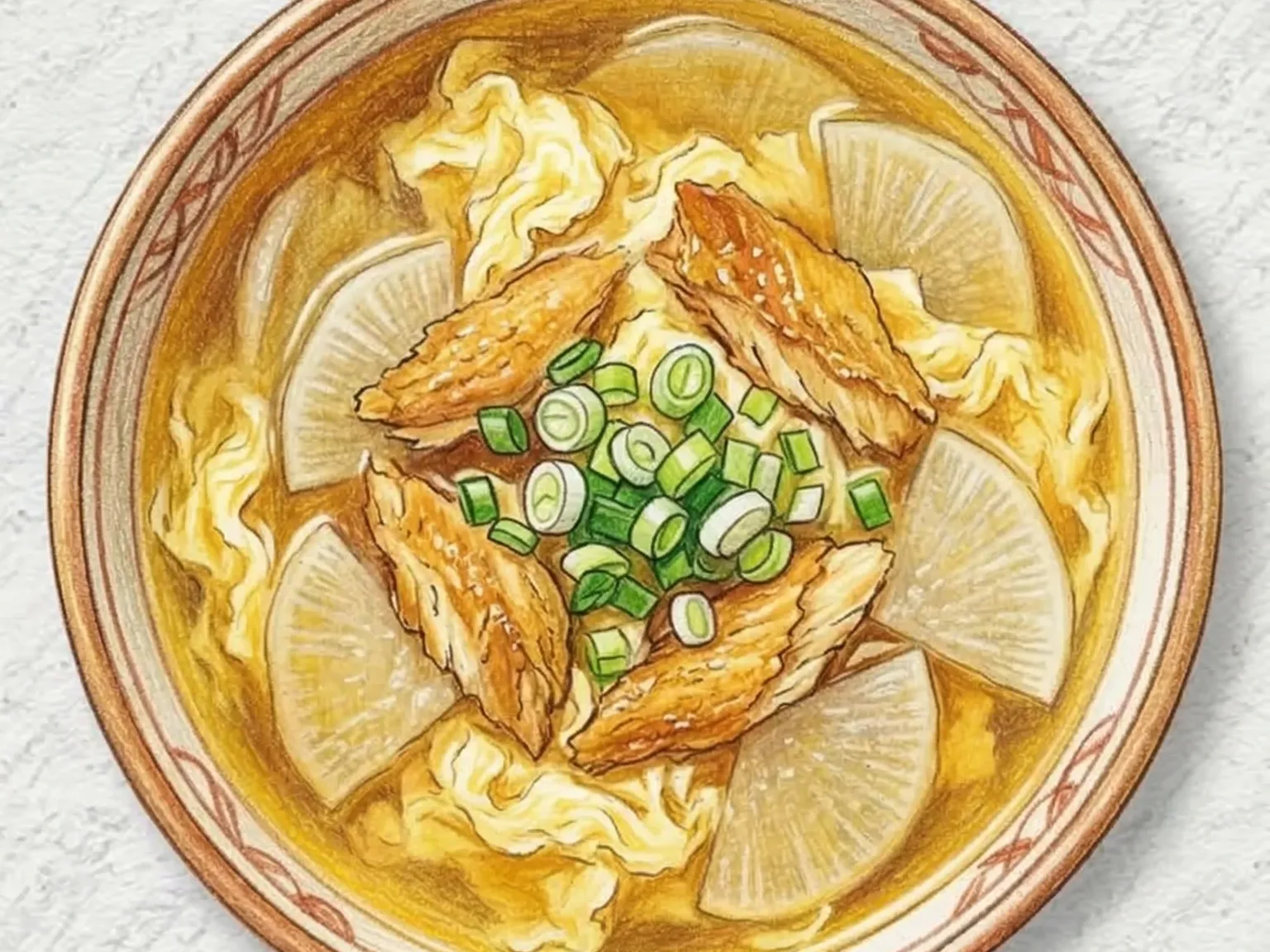
Gyeran-guk is Korea's most accessible comfort soup: a clear, golden broth seasoned with soy sauce and garlic into which a beaten egg is drizzled in a thin stream. When the egg hits the rolling boil, it sets almost instantly into delicate, flower-like ribbons that drift through the liquid in pale yellow sheets. Sliced green onion and a drop of sesame oil added at the end bring a gentle fragrance that lifts the otherwise clean, mild broth. The result is soothing and restorative, mild enough for a sick day yet substantial enough to anchor a full meal of rice and side dishes. Its near-universal appeal on Korean dinner tables comes partly from the fact that nearly every household keeps eggs, soy sauce, and garlic on hand, making it the soup most likely to appear with no planning at all. From start to finish the bowl is ready in under ten minutes.

Korean Pork & Swiss Chard Stir-fry
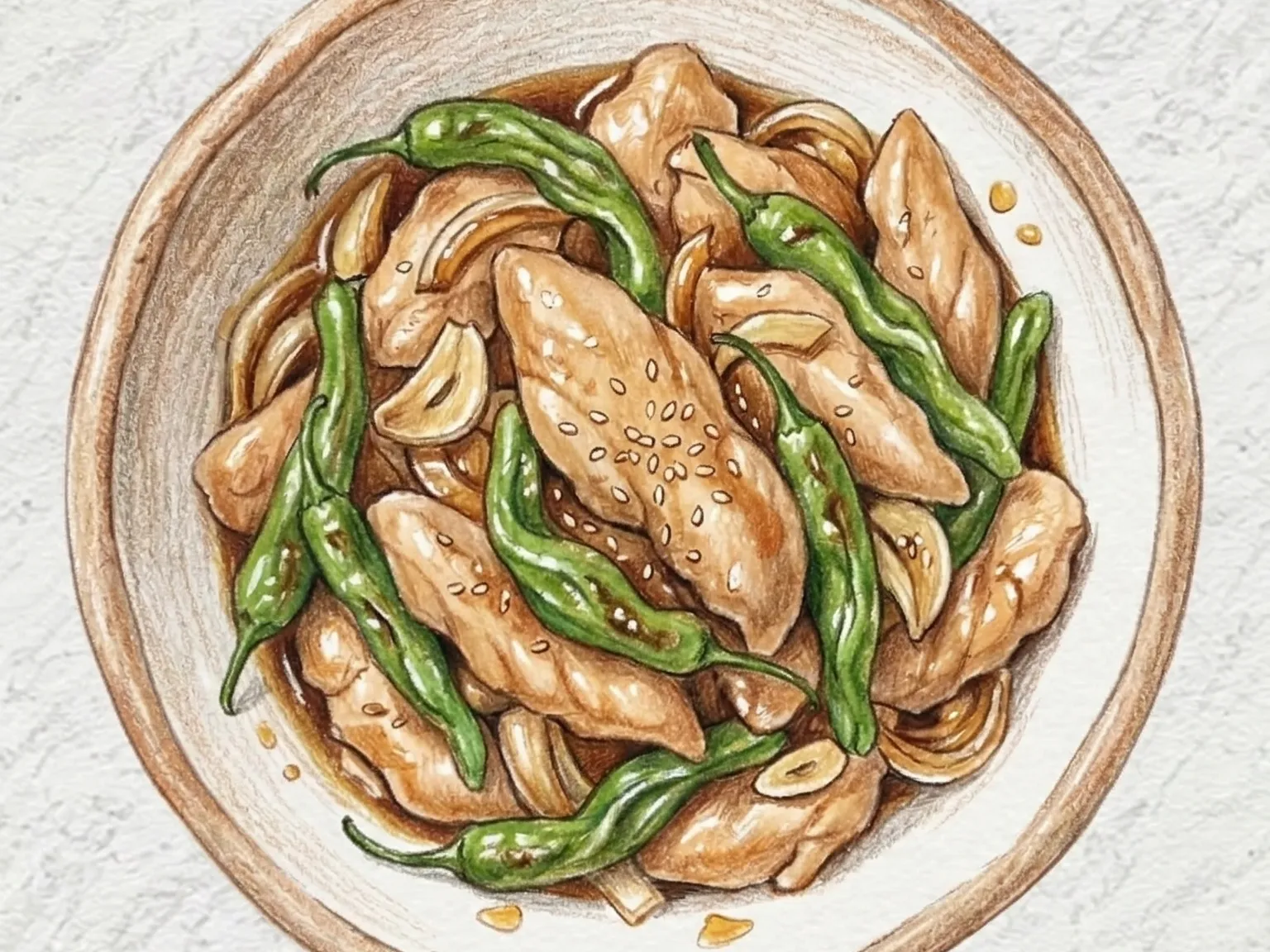
Geundae-doenjang-dwaejigogi-bokkeum is a home-style Korean stir-fry of pork and Swiss chard in a doenjang sauce. Separating the chard stems from the leaves and adding them to the pan at different times is the practical technique that makes the dish work: the stems go in first to cook through while keeping a slight crunch, and the leaves follow just long enough to wilt without becoming limp. Doenjang absorbs and suppresses any gamey undertones from the pork while adding a deep, fermented soybean backbone to the sauce. Sesame oil stirred in at the end wraps the entire dish in a warm, nutty finish. A small amount of gochugaru brings the mild heat that distinguishes Korean home-cooking from milder preparations. The earthy, slightly mineral quality of Swiss chard pairs naturally with the fermented funk of doenjang, and spooned over steamed rice the sauce soaks into the grains and turns the whole bowl into a complete, satisfying meal.

Korean Crisp Chili Pepper Salad
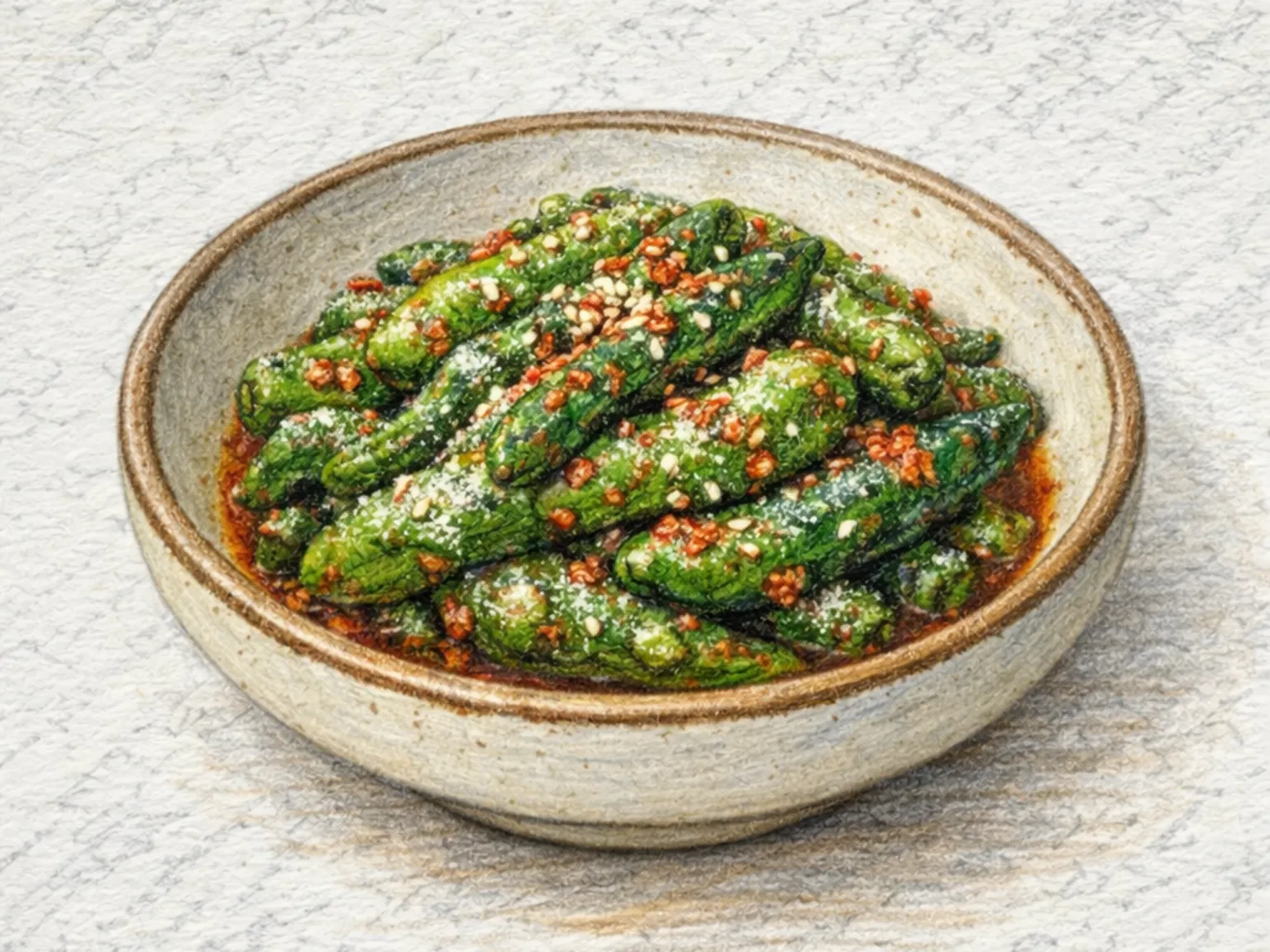
Asakigochu is a specific variety of Korean pepper characterized by its thick walls and a distinct snap when bitten. This pepper was developed to prioritize texture over spiciness, resulting in a vegetable that offers a significant crunch without the heat of other varieties. The preparation of this dish involves a brief blanching process where the peppers are submerged in boiling water for a duration of exactly twenty seconds. This short exposure to heat is sufficient to eliminate the raw, grassy aroma often found in uncooked peppers, yet it is not long enough to soften the cellular structure. Consequently, the characteristic crispness remains unchanged. The seasoning sauce is a mixture of two traditional fermented pastes. Doenjang provides a salty and fermented depth, while gochujang adds complexity. To balance these heavy flavors, vinegar is added for sharpness and oligosaccharide syrup is used to adjust the consistency and add a subtle sweetness. This combination creates a contrast between the deep, funky notes of the fermented beans and a bright acidity that highlights the clean taste of the pepper. Timing is important for the final result. It is best to allow the seasoned peppers to rest for five minutes before serving. This pause allows the flavors from the thick sauce to soak into the pepper walls instead of simply sitting on the exterior. This side dish functions well as a standard accompaniment to a bowl of rice or as a more robustly flavored snack to be consumed while drinking soju.

Korean Braised Dried Radish Greens with Doenjang
Dried radish greens, once rehydrated and boiled tender, are braised in a doenjang-based seasoning until the liquid reduces to a concentrated glaze. The fermented soybean paste melts into the coarse fibers of the greens, infusing each strand with deep, earthy umami. A splash of anchovy stock is added after the initial stir-fry in perilla oil, and the pan is covered so the greens can absorb the broth slowly over low heat. As the liquid evaporates, the seasoning thickens and clings to every piece, producing a chewy, salty-savory bite that releases its flavors gradually when chewed. Gochugaru contributes a mild, lingering warmth rather than sharp heat, while garlic softens into a mellow sweetness that rounds out the intensity of the doenjang. Patience during the final reduction is essential: only when the braising liquid has nearly disappeared does the dish reach the dense, flavorful consistency that makes it an ideal topping for steamed rice.

Ratatouille
Ratatouille is a vegetable dish originating from the Provence region of France. It consists of eggplant, zucchini, tomato, and bell pepper, all of which are sliced into thin rounds. These vegetables are layered in overlapping circular patterns on top of a prepared sauce base before being placed in an oven for slow baking. The foundational sauce for this preparation begins by sauteing a combination of onion, garlic, and finely diced bell pepper in olive oil. As the dish cooks in the oven, the moisture that is naturally released from the layered vegetables combines with this sauteed base. This process results in the formation of a sauce that thickens naturally without the need for additional agents. Ensuring that every vegetable is cut to a precise and uniform thickness is a critical part of the preparation process. When the slices are inconsistent in size, the cooking results will be uneven, causing some thinner pieces to become overly soft or mushy while thicker pieces remain insufficiently cooked. The addition of thyme provides a subtle herbal quality that serves to enhance the inherent sweetness found in the various vegetables. While the dish can be eaten immediately, placing it in the refrigerator overnight and reheating it the following day allows the vegetable juices to integrate more thoroughly with the sauce. This resting period leads to a significant deepening of the overall flavor profile as the components merge together.

Cream Pasta
Cream pasta begins with bacon rendered crisp in butter, building a fat base that carries the flavor of everything that follows. Diced onion and minced garlic cook in the rendered fat until soft and fragrant before the heavy cream and milk go in, which is the combination that gives the sauce body without making it too dense. Heavy cream alone would weigh the pasta down, so the milk lightens the mixture to a consistency that clings to each strand without pooling at the bottom of the bowl. The cooked pasta is transferred directly into the sauce pan while still hot, and two to three tablespoons of starchy pasta water are stirred in to help the sauce emulsify and adhere evenly to the noodles. Freshly grated Parmesan is added off the heat so it melts smoothly rather than clumping, contributing a salty edge and a fermented depth that rounds out the simple cream base. The finished dish layers the smoky, cured saltiness of bacon against the mild richness of cream and the aged sharpness of Parmesan for a well-balanced, satisfying bowl.

Korean Soy-Glazed Kabocha Grill
Danhobak-ganjang-gui is a Korean soy-glazed kabocha squash dish where thick half-moon slices are pre-steamed or microwaved until just tender, then pan-grilled with a glaze of soy sauce, corn syrup, minced garlic, and sesame oil. Pre-cooking the squash is essential: it eliminates the need for prolonged grilling, so the glaze can caramelize quickly over high heat without the interior remaining raw. The natural sugars in kabocha meet the salt of the soy sauce to create a pronounced sweet-salty contrast. The corn syrup melts into a shiny, lacquer-like coating on the surface. Sesame oil should be added only after removing from heat to preserve its fragrance, and a scattering of toasted sesame seeds finishes the dish with a crunchy, nutty accent. Kabocha squash skin is fully edible and becomes slightly crisp when grilled, creating a pleasant textural contrast with the soft, sweet interior. Substituting a spoonful of gochujang for part of the soy sauce produces a spicy variation, and minced cheongyang chili added to the glaze layers heat over the sweet-salty profile for a more intense side dish.

Sopa de Ajo (Spanish Roasted Garlic and Bread Soup)
Sopa de ajo is a traditional Spanish garlic soup that begins with the process of gently cooking thinly sliced garlic cloves in olive oil. This specific step requires a low heat setting to ensure the garlic becomes fragrant and reaches a pale gold color without being scorched. If the garlic pieces are allowed to burn, they will introduce a distinct bitterness that can negatively affect the final flavor of the broth. After the garlic has been properly cooked, torn pieces of baguette that are at least one day old are added to the pot along with smoked paprika. These ingredients are toasted briefly in the garlic-infused oil so the bread can absorb the fat and develop a light crust on its exterior surface. Chicken stock is then poured into the cooking vessel to create the liquid base for the dish. The mixture is left to simmer for approximately ten minutes. During this period of simmering, the bread pieces soften and partially dissolve into the liquid, which serves to thicken the soup while still allowing some of the original bread texture to remain. Once the soup is sufficiently hot, beaten eggs are poured into the pot in a thin and continuous ribbon. As the eggs come into contact with the hot liquid, they set into delicate strands that contribute both protein and additional physical body to the soup. The inclusion of smoked paprika provides the broth with a warm reddish color and a subtle charred flavor profile. This specific smoky note is intended to complement the mellow sweetness that develops from the slow-cooked garlic slices over the course of the preparation.

Korean Marinated Beef Short Rib Grill
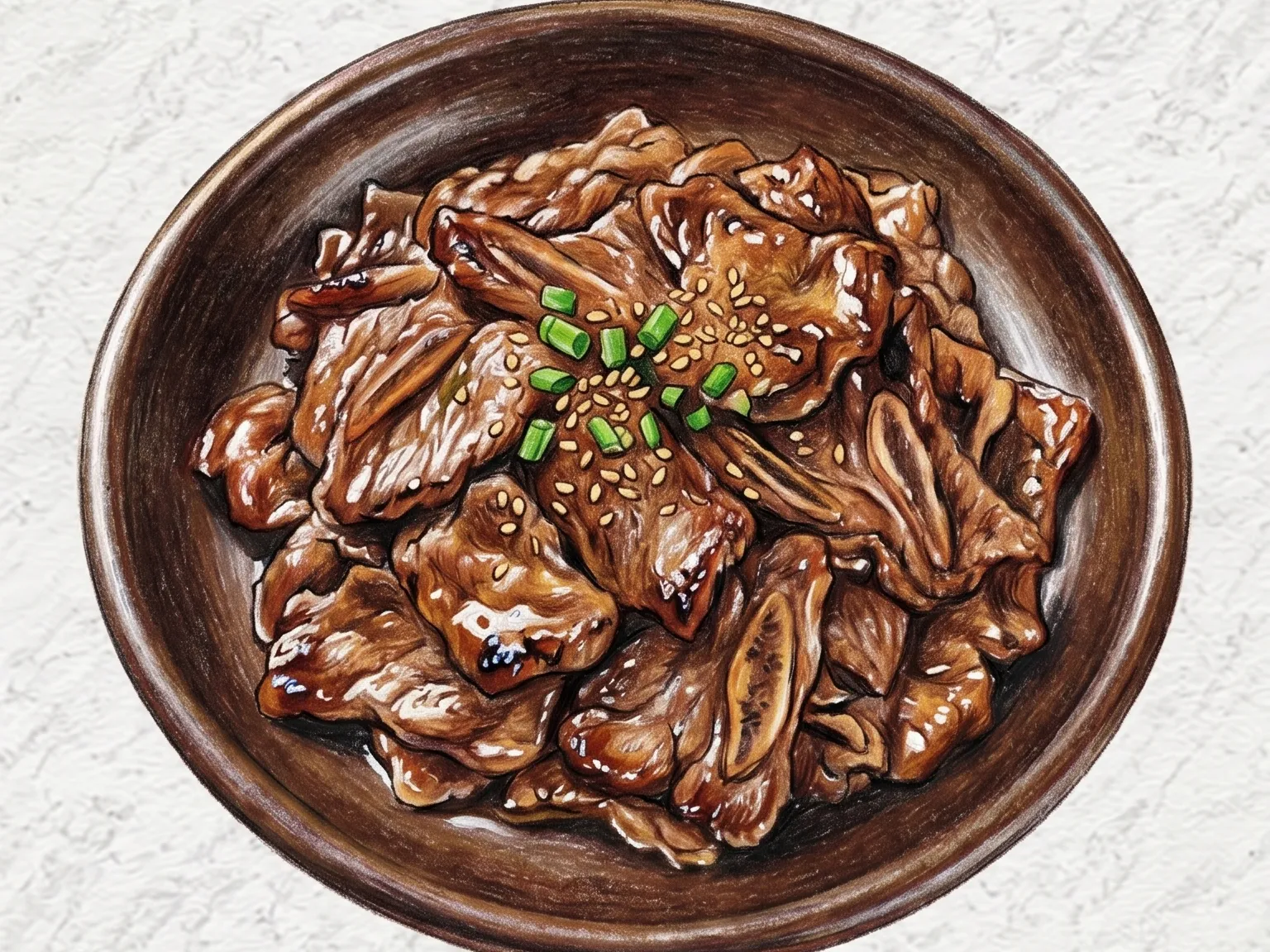
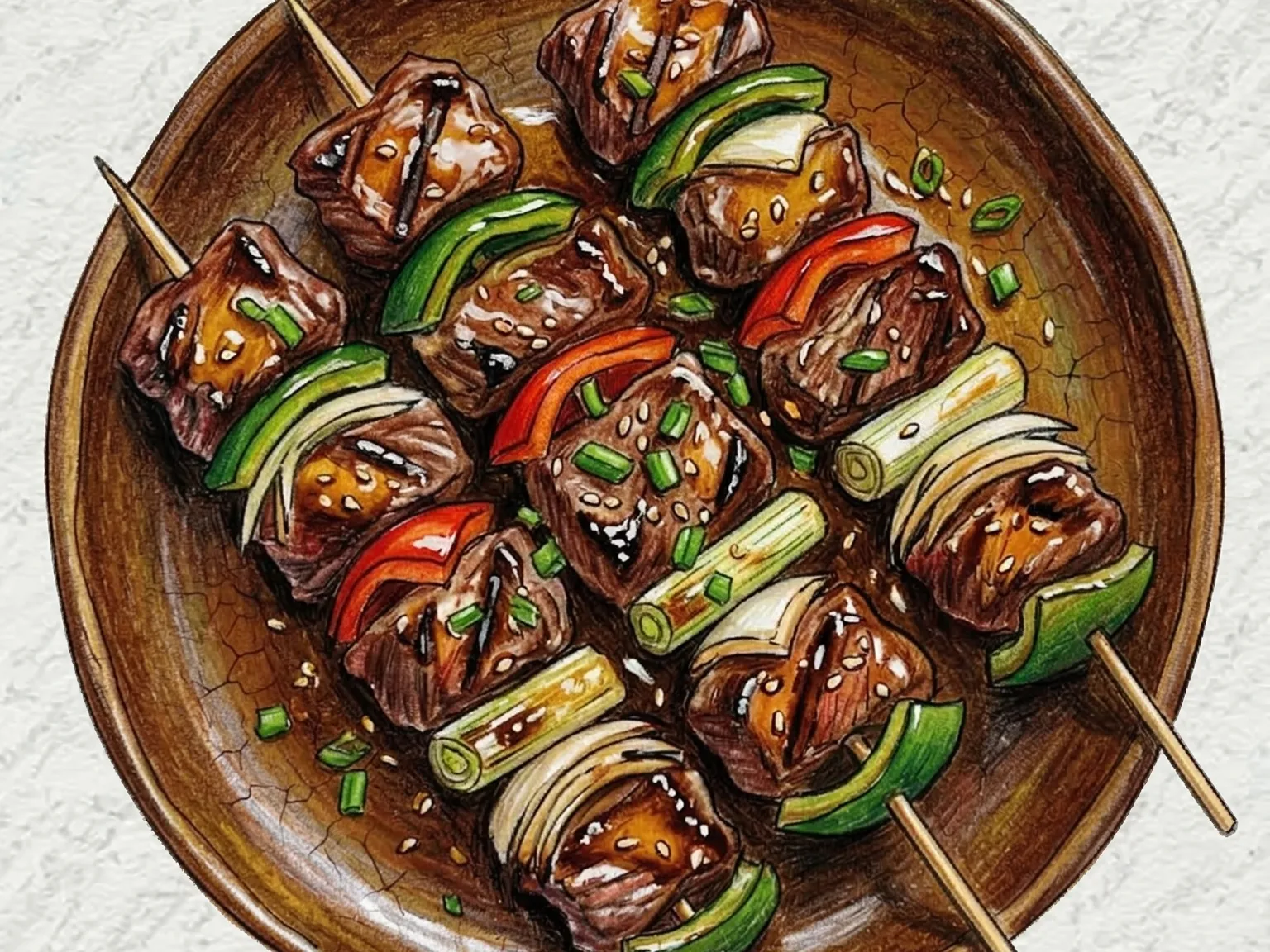
Beef ribs or bulgogi-cut slices are marinated for at least an hour in a sauce of soy sauce, Korean pear juice, sugar, minced garlic, sesame oil, and black pepper. The pear's natural enzymes break down connective tissue while the soy-sugar combination penetrates deep into the meat. On a high-heat grill, the sugars in the marinade caramelize rapidly, forming a glossy, dark-brown glaze with visible char marks. Thin-cut pieces cook through in under four minutes total, and the interplay of charcoal smoke with the sweet-salty marinade defines the signature taste of Korean yangnyeom-gui.

Korean Loach Soup (Blended Loach and Dried Radish Greens Tonic)
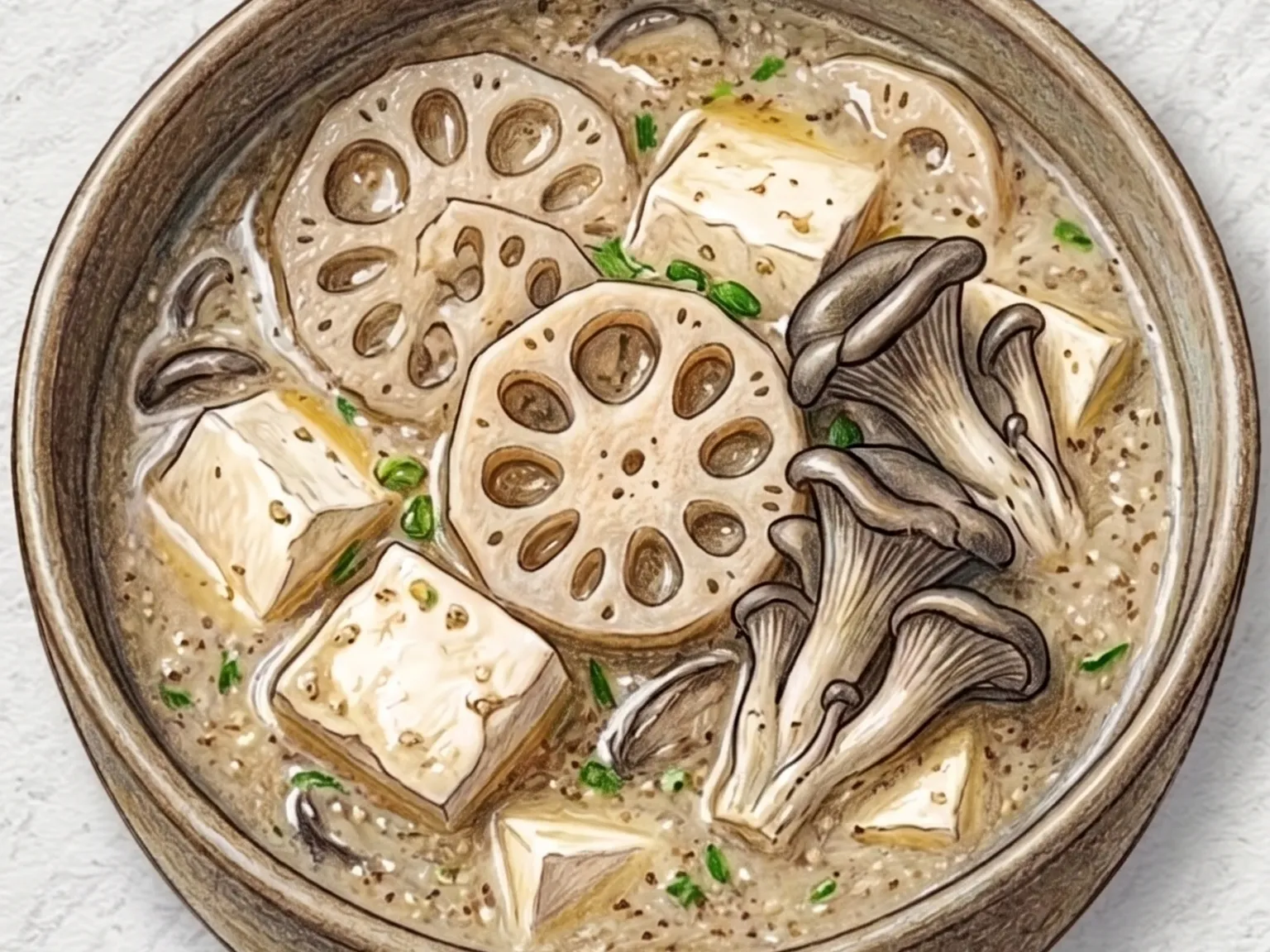
Chueo-tang is a southern Korean tonic soup made by blending blanched loach into a smooth puree, straining out bones and skin, then simmering the liquid with doenjang and gochujang for depth. The straining step is what separates a clean, richly flavored broth from a gritty one; every bit of bone and skin must be removed before the long simmer begins. Dried radish greens, siraegi, are added midway and cooked for twenty-five minutes, contributing a fibrous chew that contrasts the velvety broth. Perilla seed powder stirred in near the end thickens the soup to a creamy, pale consistency and layers in a pronounced nutty fragrance that carries through each spoonful. A final pinch of ground sansho pepper leaves a tingling numbness on the tongue that clears any lingering earthiness from the freshwater fish. Loach is high in protein and calcium, and the soup has long been eaten as a summer restorative; a broth that is thick and deeply concentrated is the standard by which a well-made chueo-tang is judged.