Charim

2686 Korean & World Recipes

2686+ Korean recipes, clean and organized. Ingredients to instructions, all at a glance.

Recipes with gochujang

24 recipes

Buy gochujang
Korean Stir-fried Dried Whitebait Sheet
Side dishesEasy

Korean Stir-fried Dried Whitebait Sheet

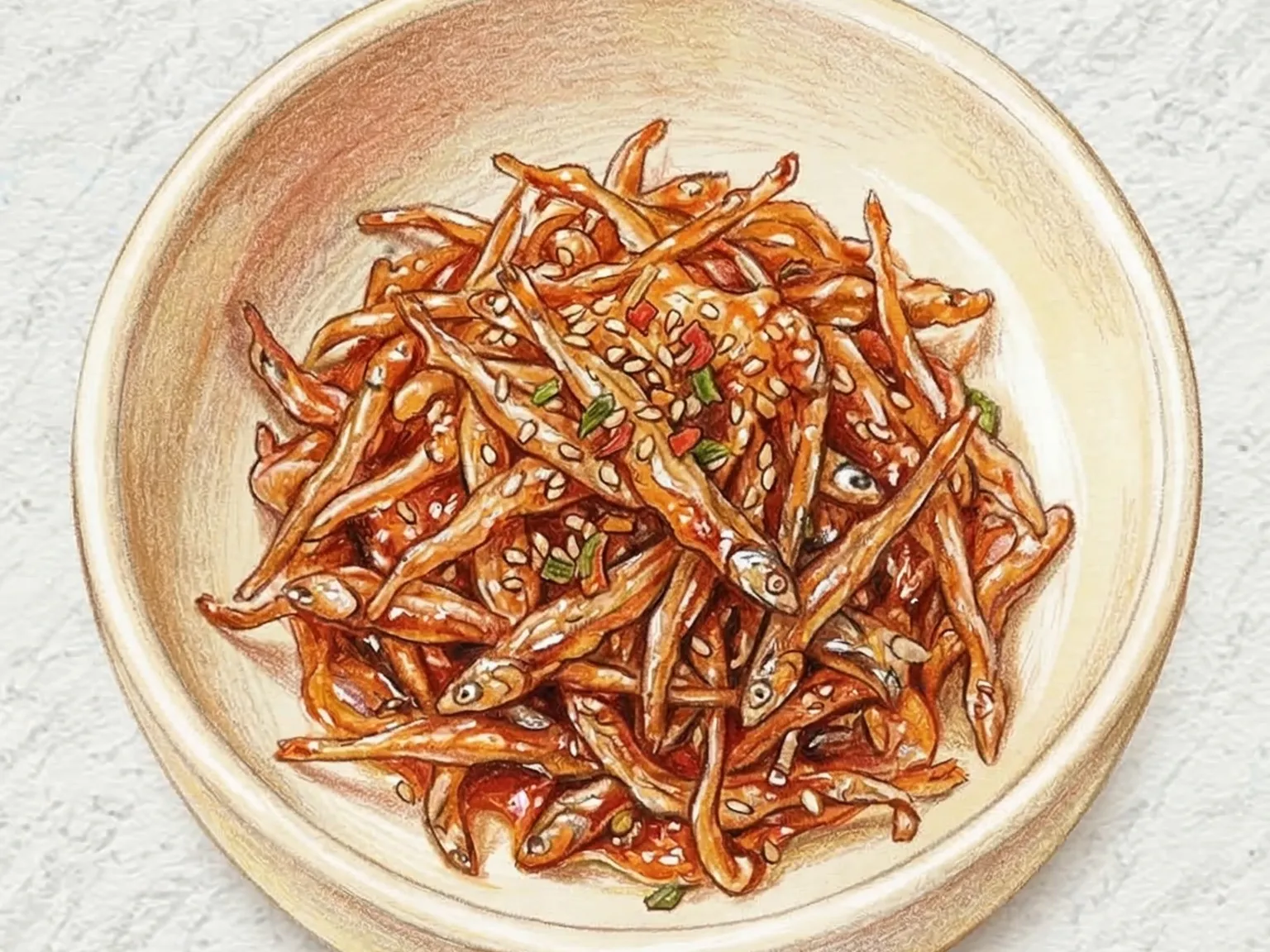
Dried whitebait sheets - paper-thin, salted, and faintly briny - are a Korean pantry staple for quick, long-lasting banchan. The sheets are torn into pieces and dry-toasted over low heat first to drive off residual moisture completely, a step that determines the final texture. Once the sheets are fully dried and just starting to crisp, a glaze of gochujang, soy sauce, oligosaccharide syrup, and sugar is added to the pan and coats both sides. The heat must be cut immediately after coating so the pieces do not harden beyond a pleasant crunch. Oligosaccharide syrup forms a thin glossy finish on the surface as it heats. The taste is salty-sweet with a fermented chili edge, and the texture firms further as the dish cools - one of the rare banchan that actually improves at room temperature. Refrigerated, it keeps for over a week.

🏠 Everyday🍱 Lunchbox
Prep 5minCook 8min4 servings
Korean Bacon Kimchi Fried Rice
RiceEasy

Korean Bacon Kimchi Fried Rice

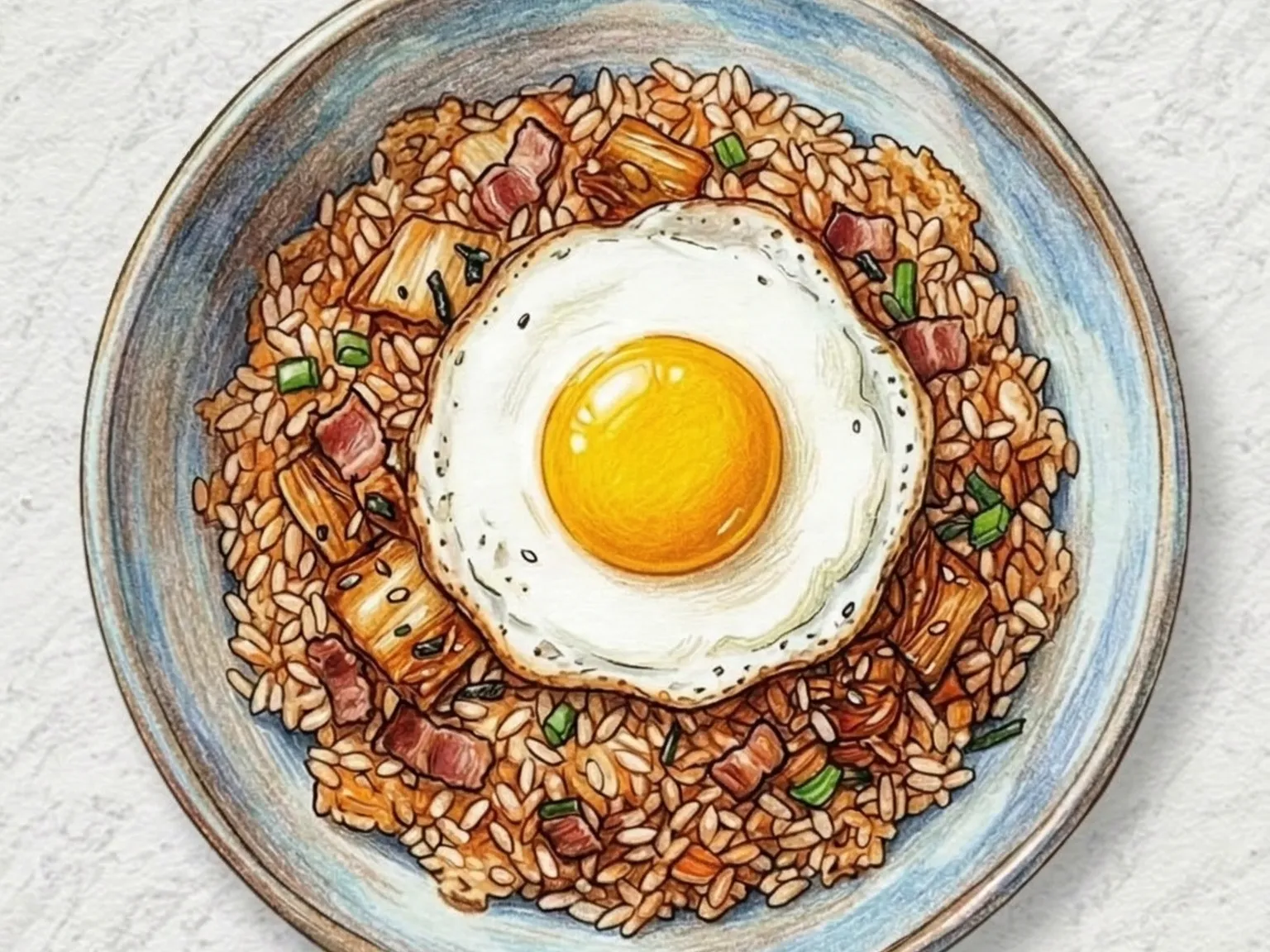
Bacon kimchi fried rice takes the most common Korean leftover combination - cold rice and aging kimchi - and substitutes rendered bacon fat for the traditional sesame oil base. The bacon goes into a cold pan and cooks slowly so the fat renders completely before the meat crisps, creating a pool of smoky drippings that replace cooking oil entirely. Well-fermented kimchi, squeezed of excess juice and chopped roughly, goes into the hot fat and sizzles until its edges caramelize and the sharp lactic tartness mellows into a deeper, roasted sourness. Day-old rice is pressed flat against the pan to develop a crust reminiscent of nurungji - the scorched rice layer that fried rice enthusiasts seek. Soy sauce and a pinch of sugar season the dish, though both should be used in small amounts to avoid masking the interplay between the bacon's smokiness and the kimchi's fermented character. A fried egg on top, with a yolk still runny, becomes a sauce when broken and stirred through the rice. Bacon became a standard Korean grocery item in the 2000s, and this dish has since become a common home-cooking variation, with many cooks preferring its deeper, smokier flavor profile over the sesame oil original.

🏠 Everyday🍱 Lunchbox
Prep 10minCook 12min2 servings
Korean Garlic Chive Duck Stir-fry
Stir-fryMedium

Korean Garlic Chive Duck Stir-fry

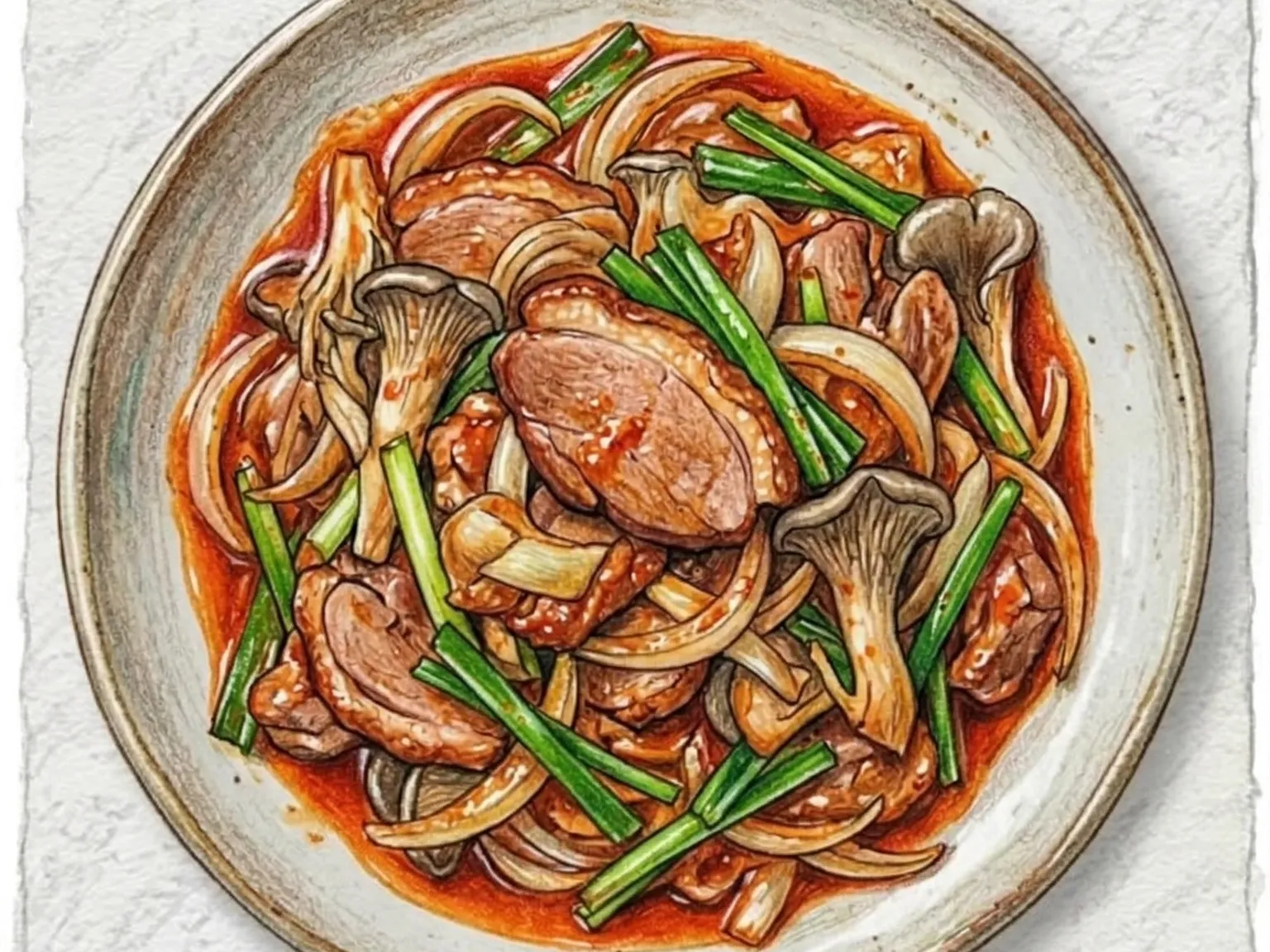
Sliced smoked duck is cooked first to render its fat, and that rendered fat becomes the cooking medium for onion, oyster mushrooms, and a gochujang-based sauce. Because the duck releases enough oil on its own, additional cooking fat is barely needed, and the smoky flavor carried in the rendered fat transfers directly into the vegetables. The gochujang and oligosaccharide syrup create a sweet-spicy glaze that counterbalances the richness of the duck, while garlic chives are tossed in only during the final minute over high heat so they keep their vivid green color and bright herbal finish. Perilla oil drizzled after the flame is off adds a final aromatic layer that elevates the entire plate. If the duck releases more fat than desired, pouring off all but one tablespoon keeps the dish cleaner without sacrificing flavor. This dish pairs naturally with soju or makgeolli, and any leftovers fold well into fried rice the next day.

🍺 Bar Snacks🏠 Everyday
Prep 15minCook 14min4 servings
Bibim Dangmyeon (Spicy Glass Noodles)
Street foodEasy

Bibim Dangmyeon (Spicy Glass Noodles)

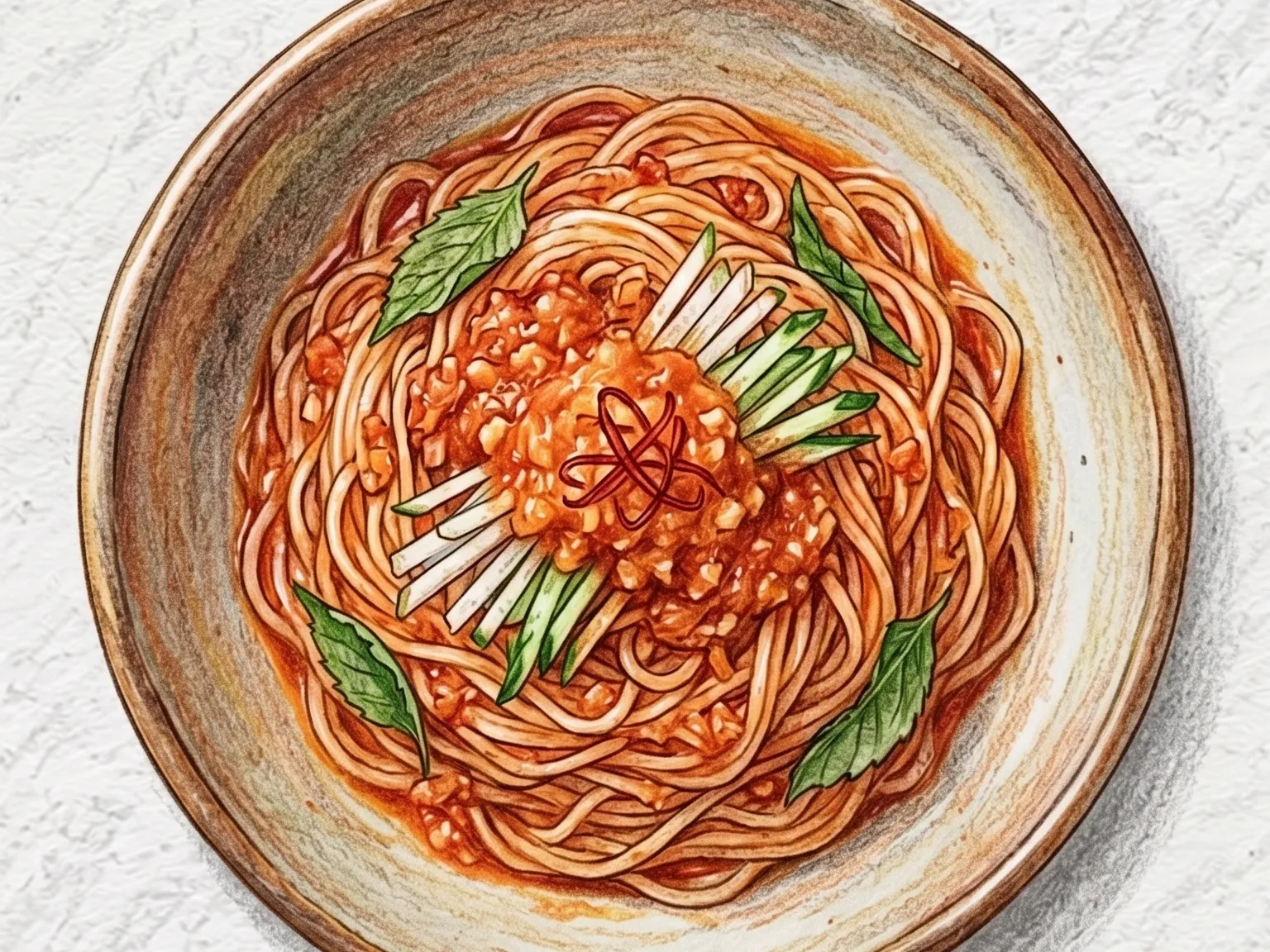
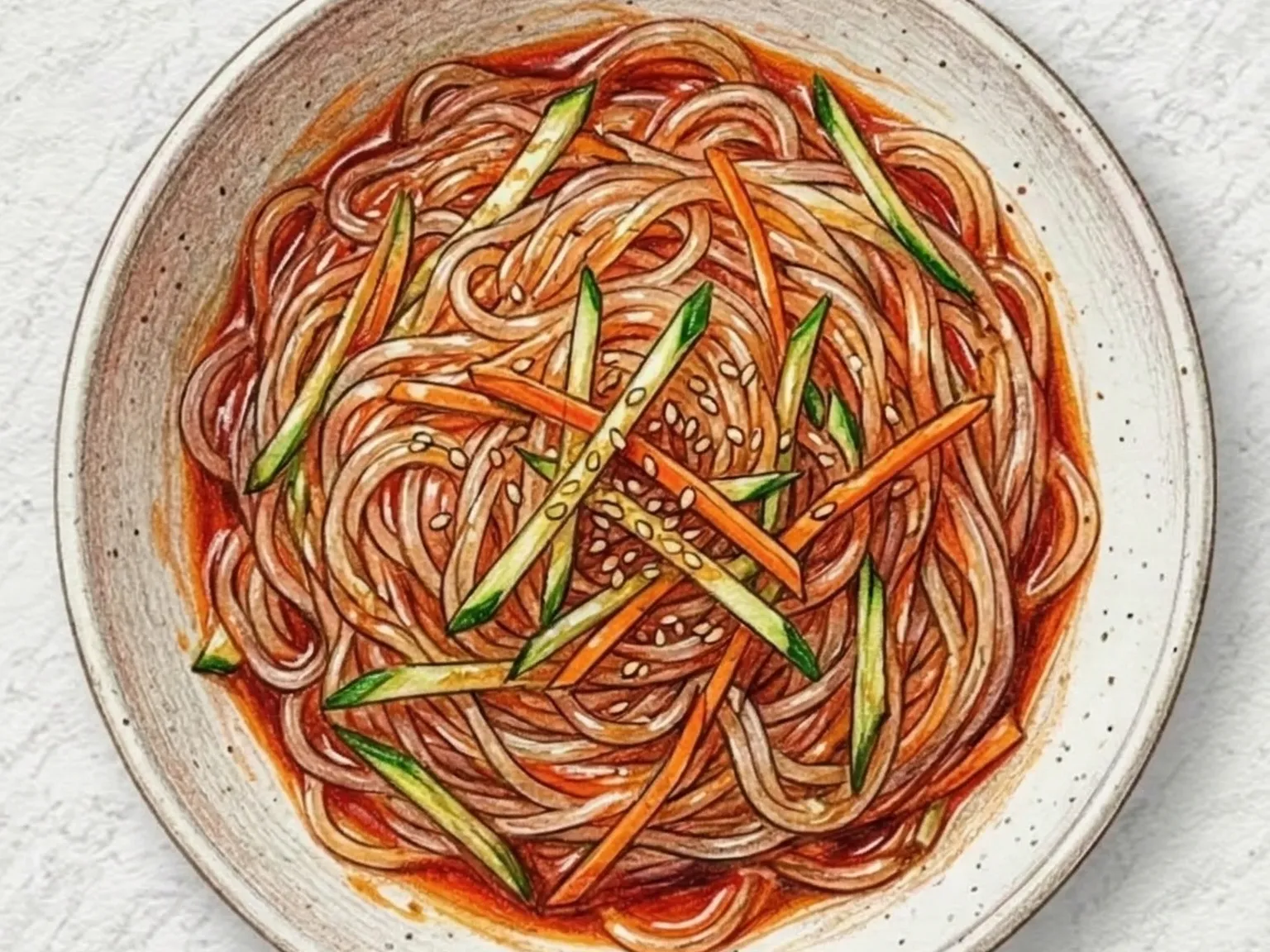
Bibim dangmyeon is a Korean bunsik dish of boiled sweet potato starch noodles tossed together with vegetables in a dressing of gochujang, vinegar, and sugar. The noodles are cooked in boiling water until just tender, then drained and rinsed thoroughly in cold water. The cold rinse is the step that determines the final texture of the entire dish. Skipping it leaves the noodles hot and continuing to soften in their own residual heat, and they eventually stick together in a clump. Running cold water over them immediately halts the cooking, sets the starch, and produces the transparent, chewy, springy texture that defines a well-made dangmyeon. Julienned cucumber and carrot add crunch and visual contrast in the bowl. A pan-fried egg sliced into thin strips and placed on top contributes a mild, rich note and completes the visual presentation. The dressing is a balance of three distinct flavor elements: the heat and fermented depth of gochujang, the acidity of vinegar, and the sweetness of sugar. All three need to coat every strand of noodle evenly, which requires thorough tossing rather than a light fold. Sesame oil added at the end prevents the noodles from sticking together as they sit while also contributing a warm, nutty finish. Because the noodles continue absorbing the dressing over time, the dish is best eaten immediately after preparation when the texture is at its most distinct. The dressing can be made in advance and refrigerated, and garlic chives or perilla leaves can substitute for the cucumber and carrot. Adding thinly sliced bulgogi or a soft-boiled egg provides protein without disrupting the overall balance of the dish.

🌙 Late Night Quick
Prep 15minCook 5min2 servings
Korean Spicy Sea Snail Salad
DrinksEasy

Korean Spicy Sea Snail Salad

Golbaengi-muchim is a Korean spicy sea snail salad made with canned sea snails drained thoroughly and tossed with sliced cucumber, onion, and green onion in a sauce of gochujang, gochugaru, rice vinegar, and sugar. The snails are firm and bouncy with a dense chew that stands apart from almost every other seafood in Korean cooking, and the sharpness of the gochujang-vinegar dressing cuts through their richness without overpowering the texture. Soaking the sliced onion in cold water for five minutes removes its harsh pungency, leaving it with a milder sweetness that integrates more smoothly into the dressing. Cucumber and green onion bring contrasting crunch and freshness. Sesame oil and sesame seeds are added at the end, coating everything in a nutty fragrance that softens the heat slightly. The dish must be served immediately after mixing, before the salt in the dressing draws moisture from the vegetables and turns the whole thing wet and limp. Laying a bed of thin somyeon noodles in the bowl before spooning the dressed snails on top produces golbaengi-somyeon, a preparation that shifts the dish from a snack into a more substantial accompaniment that works as both drinking food and a light meal. The noodles absorb the dressing and become coated in the gochujang-sesame sauce.

🍺 Bar Snacks Quick
Prep 15minCook 3min2 servings
Korean Grilled Broccoli with Soybean Paste
GrilledEasy

Korean Grilled Broccoli with Soybean Paste

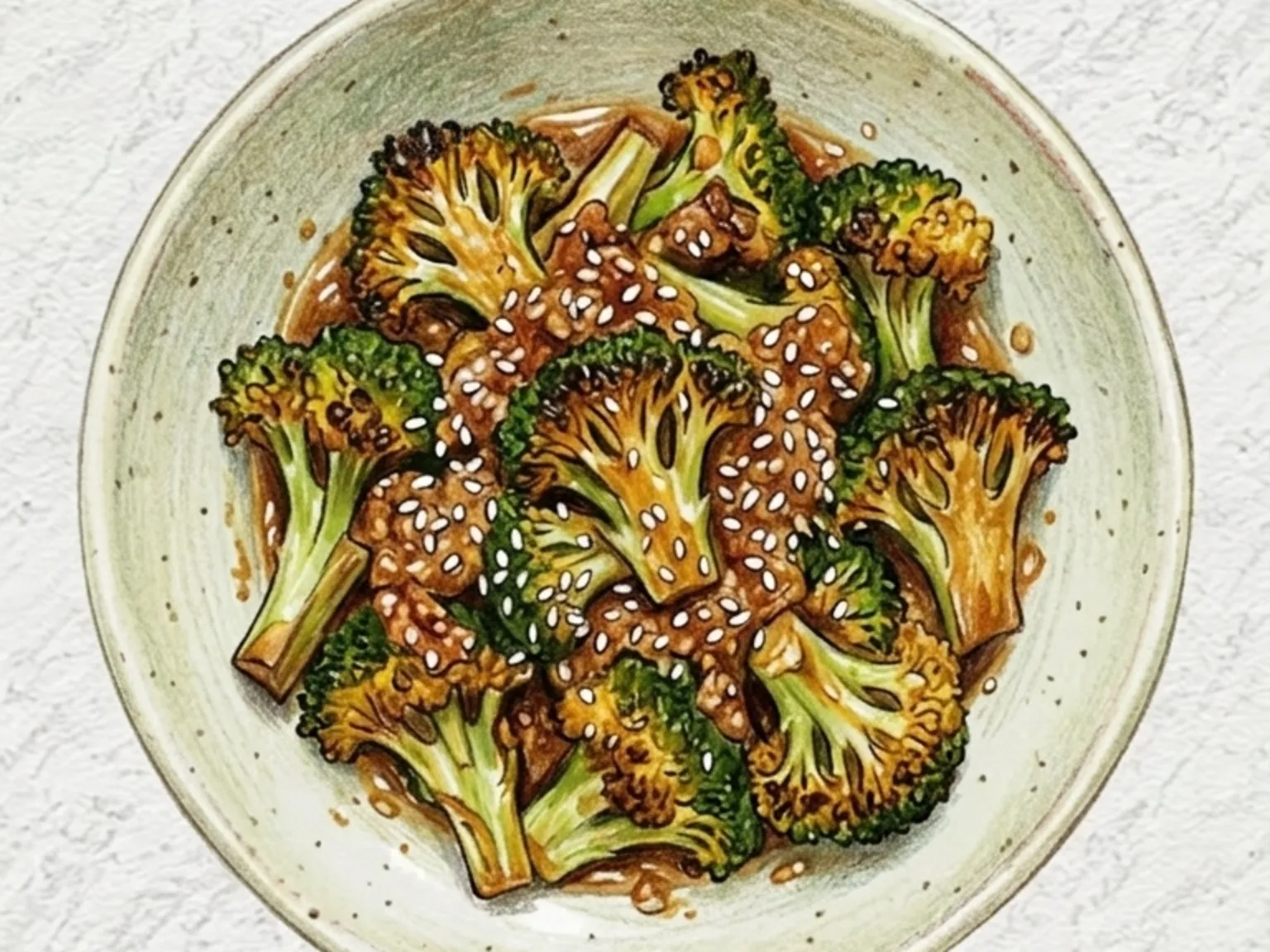
Broccoli doenjang-gui is a Korean oven-roasted broccoli dish where bite-sized florets are blanched for exactly one minute to preserve their crunch, then tossed thoroughly in olive oil before being coated with a thick paste made from doenjang, gochujang, minced garlic, and oligosaccharide syrup, and roasted at 200 degrees Celsius for about twelve minutes. Coating the florets in oil first is the key step that ensures the paste adheres uniformly rather than clumping in spots, so every piece caramelizes evenly in the heat. At high oven temperatures the outer edges of the florets char slightly, and that controlled browning concentrates the fermented soybean paste into a deeply savory crust with a faint smokiness that raw doenjang cannot replicate. Keeping the blanching time to one minute is equally important: the stems stay crisp enough to hold their texture through roasting, so the finished dish has a satisfying snap rather than softening entirely. If the paste feels too stiff to spread, a tablespoon of water loosens it without diluting the flavor. A generous scatter of sesame seeds before serving adds a toasted nuttiness that layers over the salty-spicy profile and completes the dish.

🍺 Bar Snacks🍱 Lunchbox
Prep 12minCook 14min2 servings
Korean Napa Cabbage Doenjang Soup
SoupsEasy

Korean Napa Cabbage Doenjang Soup

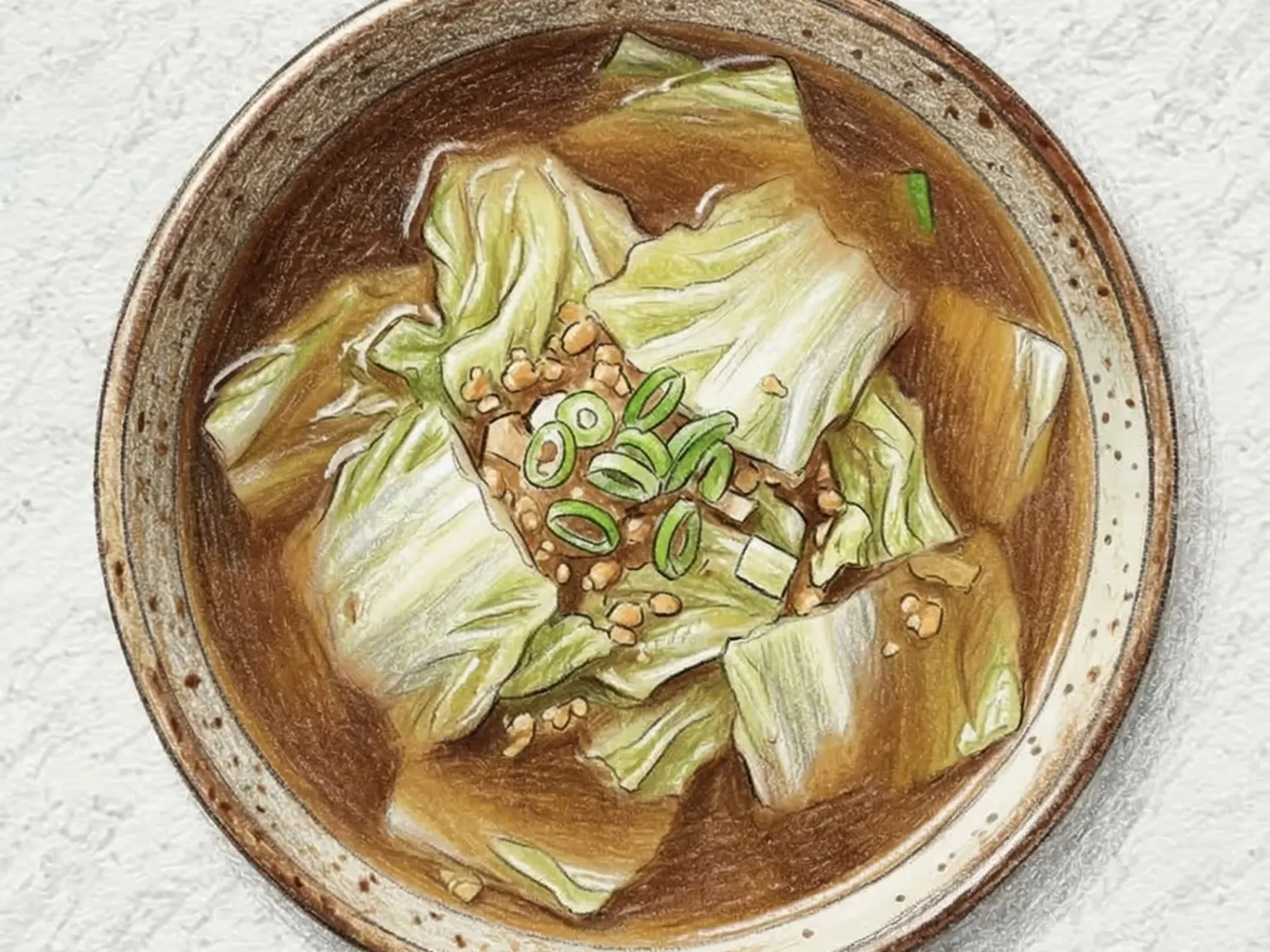
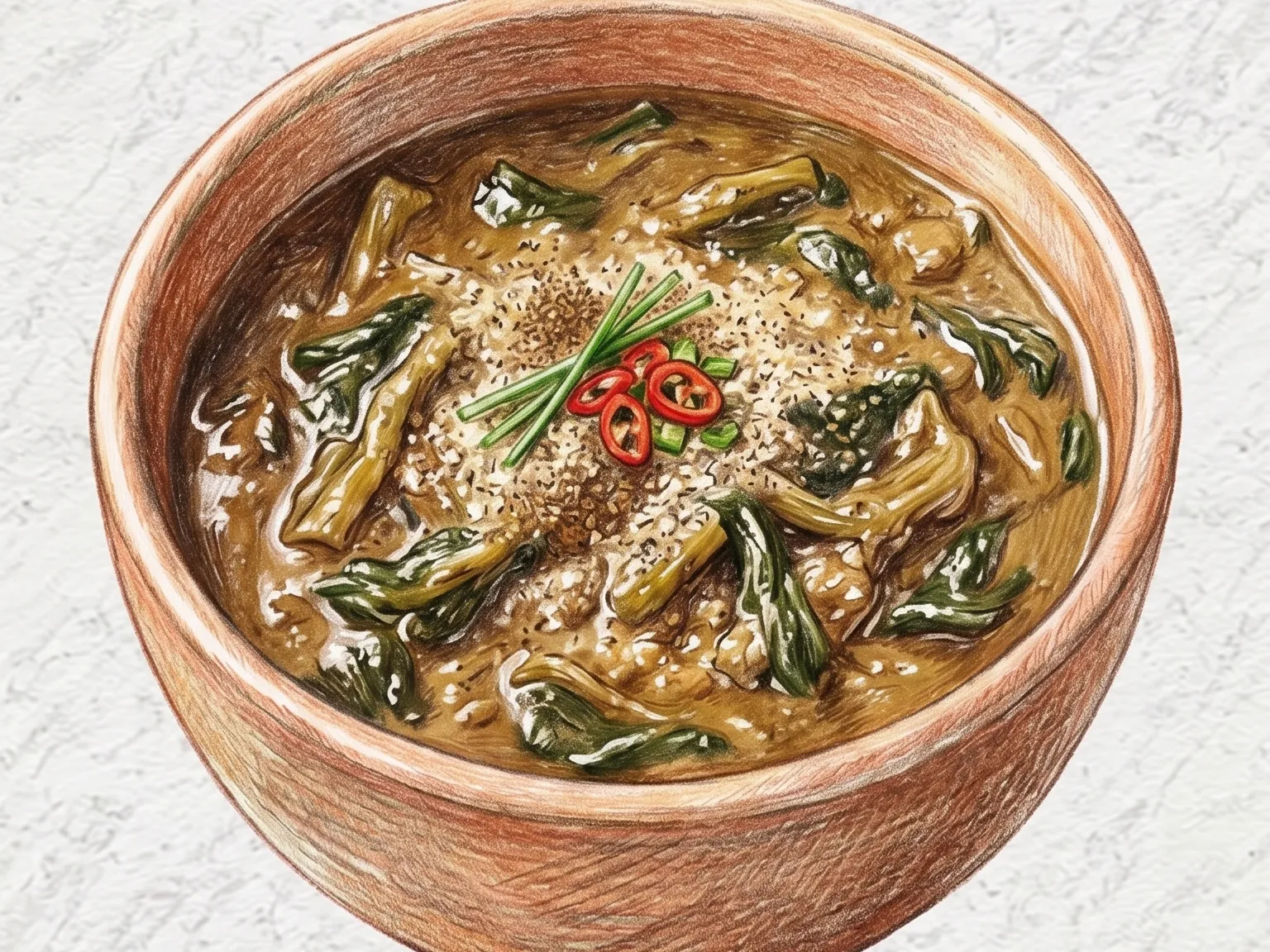
Baechu doenjang guk is a foundational Korean soup built on anchovy-kelp stock seasoned with fermented soybean paste and napa cabbage. Straining the doenjang through a fine sieve as it dissolves into the hot stock keeps the broth visually clear while extracting the full depth of its fermented, earthy flavor. The cabbage stalks go into the pot first and simmer for five minutes alone, drawing out their inherent sweetness before the leaf sections and cubed tofu are added. A small spoonful of gochujang introduced at this point gives the broth a gentle heat and a reddish cast that adds both visual contrast and flavor complexity beyond doenjang alone. Sliced cheongyang chili and scallion are stirred in during the final two minutes, contributing sharpness and aroma without turning limp. Doenjang saltiness varies significantly between brands and aged batches, so starting with a conservative amount and adjusting by taste prevents over-salting. As the cabbage softens fully, its natural sweetness seeps gradually into the broth, where it finds a natural balance with the deep fermented character of the paste. It is among the most accessible soups in Korean home cooking, requiring only the most common pantry and refrigerator ingredients.

🏠 Everyday
Prep 12minCook 20min4 servings
Korean Zucchini Pork Stew
StewsEasy

Korean Zucchini Pork Stew

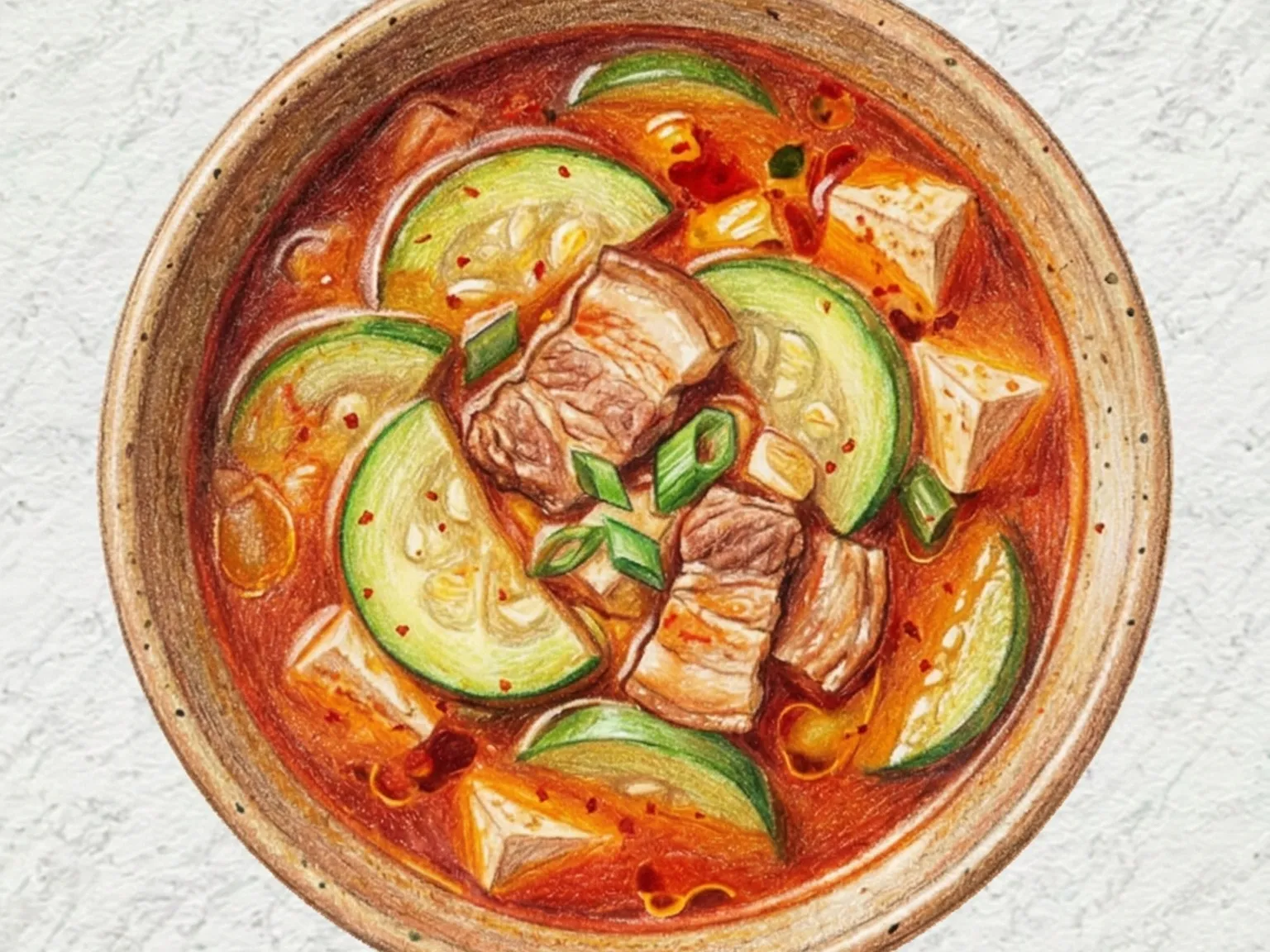
Aehobak-jjigae makes a convincing case that modest ingredients and correct technique outperform a long shopping list. The base is pork, zucchini, gochujang, and gochugaru - nothing more - but the order of operations matters. Stir-frying the pork with garlic until the fat renders creates a savory base on the bottom of the pot; then gochujang goes in and toasts in that rendered fat before any liquid is added. Pouring anchovy broth into this spiced oil produces a broth with body and cohesion that simply boiling everything together cannot replicate. Zucchini cut into half-moons enters the simmering broth and cooks for six minutes, just long enough to absorb the seasoning without losing structure. Timing here is important - overcooking collapses the zucchini into mush. The finished broth reads as spicy upfront, but pork fat and vegetable sugars sustain a low sweetness underneath that keeps the heat from feeling one-dimensional. The broth is dense enough to spoon over rice, and the dish comes together entirely from a standard Korean pantry with no special shopping required.

🏠 Everyday
Prep 15minCook 20min2 servings
Korean Soy-Braised Dotted Gizzard Shad with Radish
SteamedMedium

Korean Soy-Braised Dotted Gizzard Shad with Radish

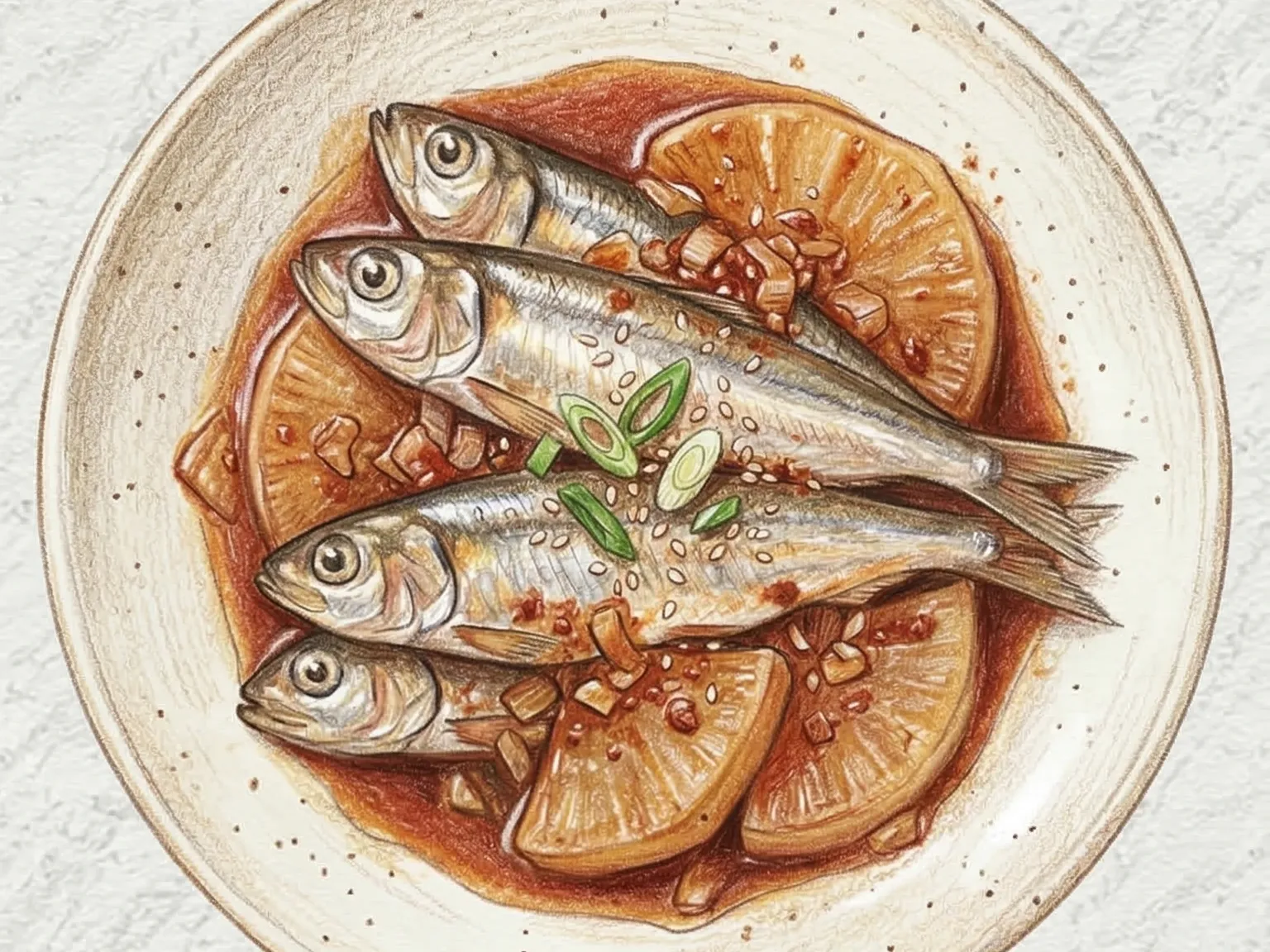
Baendaengi mu jorim is a Korean braised dish where small dotted gizzard shad and radish simmer together in a gochujang-based sauce. Radish lines the bottom of the pot, preventing the fish from sticking while absorbing the braising liquid as it reduces, infusing the pieces with a deep salty-sweet flavor. The sauce combines gochujang, gochugaru, soy sauce, and minced garlic, with cooking wine added to suppress any fishy odor while contributing a mild sweetness. The pot simmers covered on medium-low heat for twenty minutes, with the sauce spooned over the fish midway through to coat the surface evenly. Gizzard shad have fine, soft bones that are edible whole, and the braising process softens them further until they are barely noticeable when chewing. Onion added alongside the radish melts into the liquid, contributing natural sweetness that balances the spicy-salty punch of the gochujang sauce. The finished dish concentrates into a thick glaze that clings to both the fish and radish pieces, making it substantial enough to serve as a one-bowl meal over rice.

🎉 Special Occasion
Prep 20minCook 35min4 servings
Korean Spicy Mixed Wheat Noodles
NoodlesEasy

Korean Spicy Mixed Wheat Noodles

Bibim guksu is a chilled Korean noodle dish in which boiled and cold-rinsed somyeon wheat noodles are tossed in a sauce of gochujang, chili flakes, plum syrup, vinegar, soy sauce, and sesame oil. The heat from the gochujang, the sweetness of plum syrup, and the brightness of vinegar stack into a multi-dimensional flavor in every bite. Rinsing the noodles thoroughly in cold water removes excess starch, giving them a bouncy texture and allowing the sauce to cling evenly. Torn lettuce and julienned cucumber folded in at the end add crunch and release moisture that loosens the thick sauce just enough. A tablespoon of noodle cooking water can thin the sauce if needed. For 100 g of somyeon, a starting ratio of 1 tablespoon gochujang, 1 tablespoon plum syrup, and 1 teaspoon vinegar provides a reliable base to adjust from.

🏠 Everyday🌙 Late Night
Prep 15minCook 7min2 servings
Dakgalbi Cream Rigatoni (Korean Spicy Chicken Gochujang Cream Pasta)
PastaMedium

Dakgalbi Cream Rigatoni (Korean Spicy Chicken Gochujang Cream Pasta)

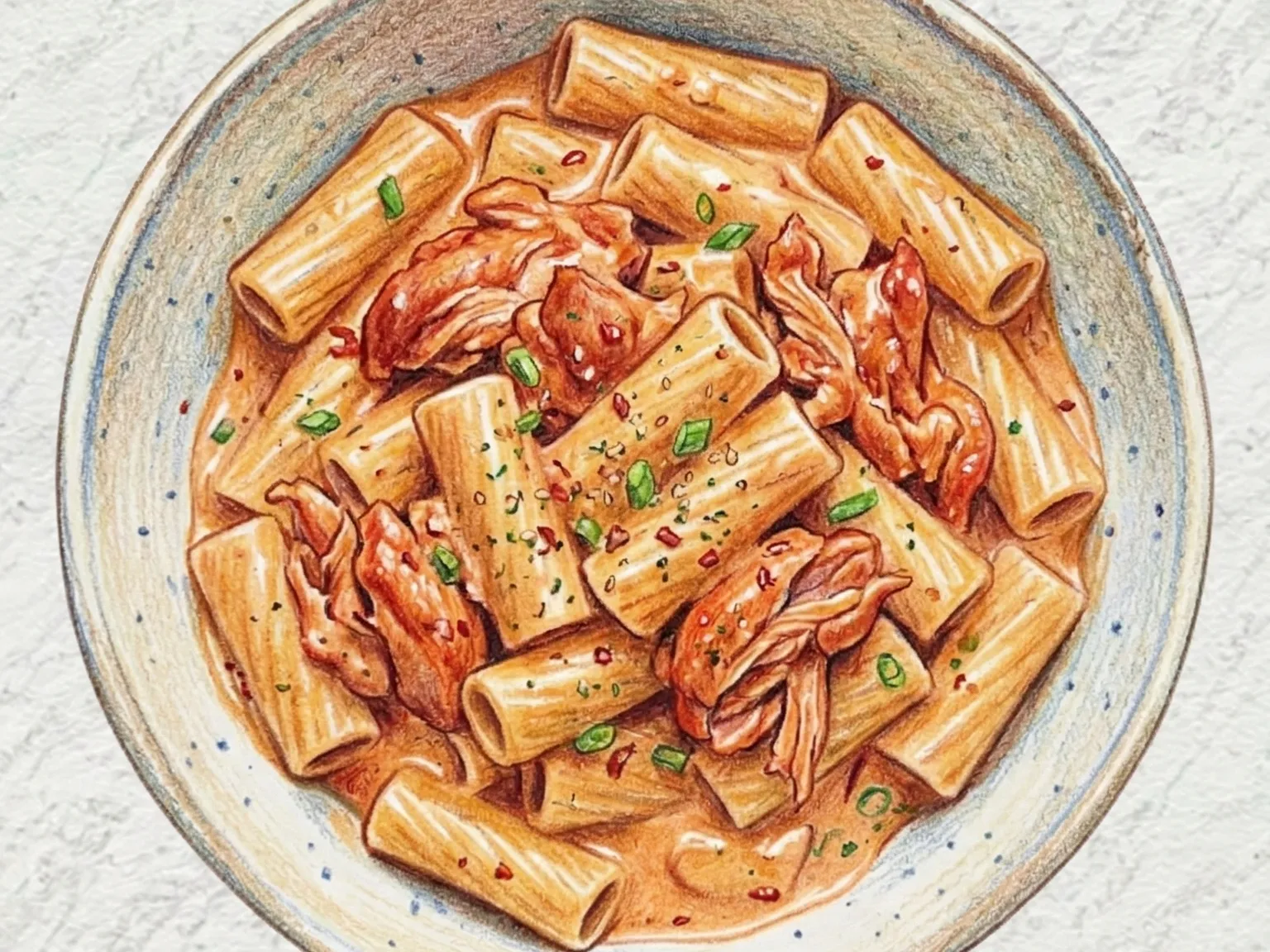
Dakgalbi cream rigatoni is a Korean-Italian fusion pasta that starts by marinating boneless chicken thighs in a sauce of gochujang, soy sauce, gochugaru, and sugar for at least twenty minutes, then stir-frying them at high heat with cabbage and sweet potato to build the bold, sweet-spicy flavor profile of traditional dakgalbi before finishing with heavy cream. The marinating step is not optional: the spiced paste needs time to penetrate the meat rather than staying on the surface, and the longer the chicken soaks, the more intensely savory it becomes when it hits the pan. Cooking over high heat drives the moisture out of the cabbage quickly, concentrating its natural sweetness and keeping the texture from turning watery. Sweet potato should either be pre-cooked or sliced thin enough to cook through during the stir-fry stage without holding the process up. Once the heavy cream is poured over and the heat is reduced to low, the red marinade and cream emulsify together without breaking, producing a thick, blush-pink sauce that coats everything in the pan. Rigatoni's short, wide hollow tubes are the ideal pasta shape for this preparation: the dense cream sauce fills the interior of each tube completely, so every bite delivers both the bold heat of the dakgalbi and the smooth richness of the cream together.

🎉 Special Occasion🧒 Kid-Friendly
Prep 20minCook 25min4 servings
Charred Corn Bulgur Gochujang Salad
SaladsEasy

Charred Corn Bulgur Gochujang Salad

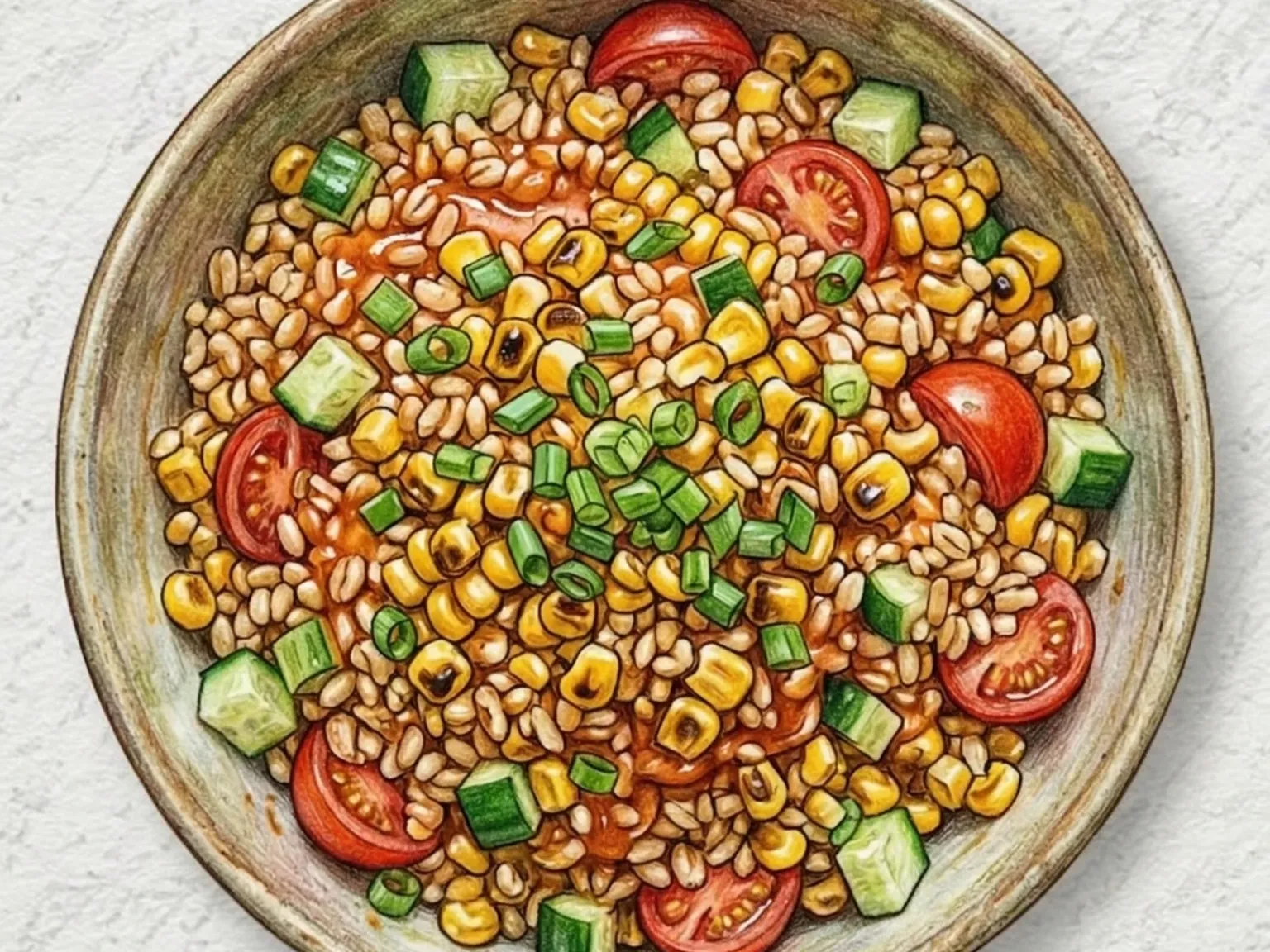
Charred corn bulgur gochujang salad dry-chars corn kernels in a hot pan for three minutes to caramelize their natural sugars, then combines them with bulgur wheat cooked for eight minutes to a chewy, al dente finish. A smooth dressing of gochujang, olive oil, apple cider vinegar, and maple syrup coats the grains in spicy-sweet Korean flavor, and diced cucumber with halved cherry tomatoes provides moisture and bright acidity. Pulling the bulgur while still slightly firm prevents it from turning mushy, and resting the assembled salad for 10 minutes at room temperature allows the grains to absorb the dressing fully, deepening the flavor. Thinly sliced scallions add a mild onion note at the end. The whole salad comes together in about 30 minutes, making it practical as a weekday lunch or a light standalone meal.

🥗 Light & Healthy🎉 Special Occasion
Prep 15minCook 12min4 servings
Korean Braised Dried Pollack
Side dishesEasy

Korean Braised Dried Pollack

Dried pollack - bugeo - is traditionally hung on racks in Gangwon-do's frigid mountain air through freeze-thaw cycles all winter. The strips rehydrate in cold water, then braise in soy sauce, gochujang, sugar, and garlic. As liquid reduces, the pollack's spongy texture absorbs the sweet-salty-spicy sauce deeply, taking on a layered seasoning throughout. Finished with sesame oil, bugeo jorim tastes better after a day and keeps nearly a week - a classic fridge banchan.

🏠 Everyday🍱 Lunchbox
Prep 30minCook 20min4 servings
Korean Mixed Rice Bowl (Colorful Vegetables & Gochujang)
RiceMedium

Korean Mixed Rice Bowl (Colorful Vegetables & Gochujang)

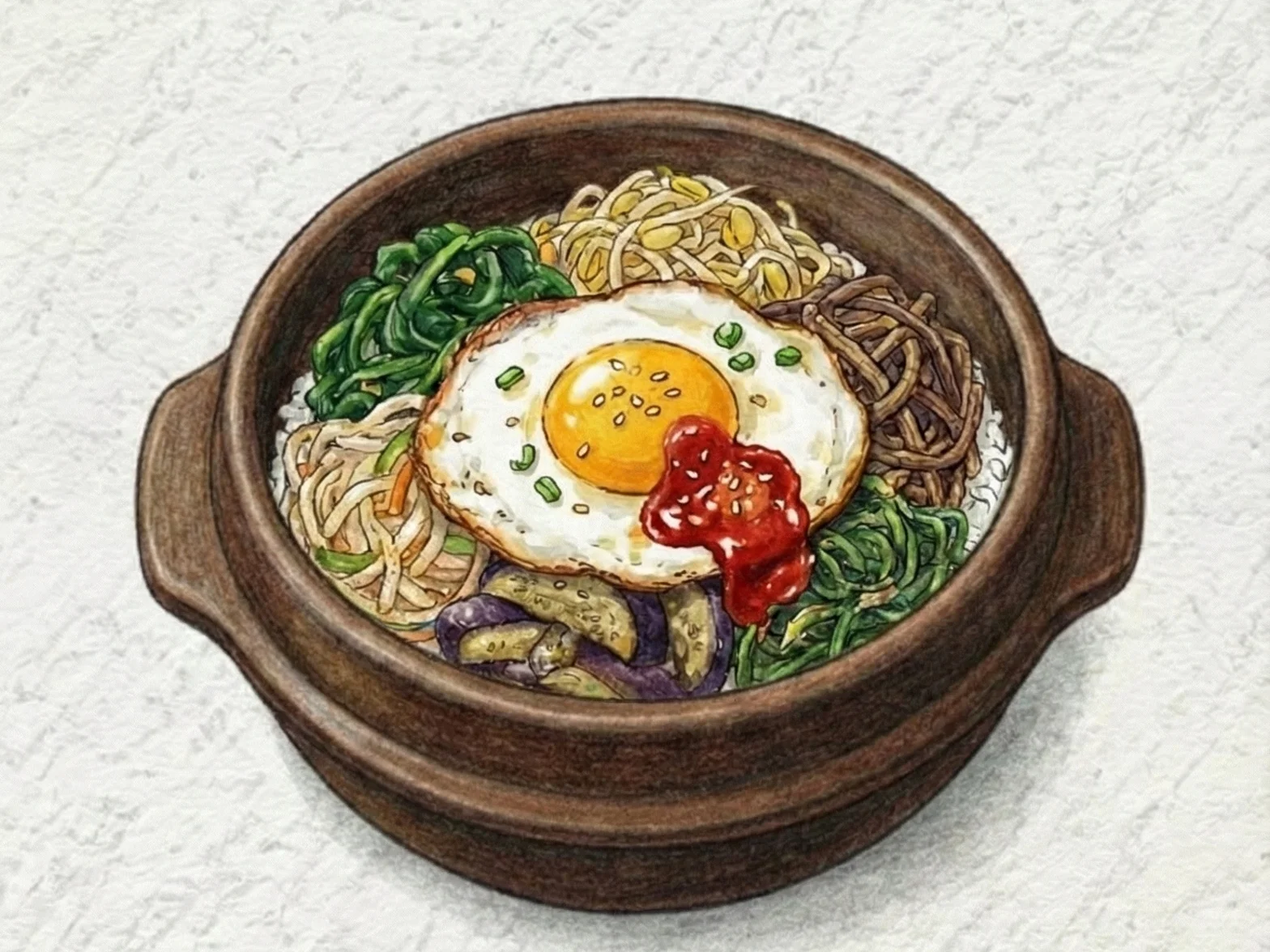
Bibimbap is one of Korea's defining one-bowl meals, assembled by arranging individually seasoned vegetables - spinach, bean sprouts, zucchini, and carrots - alongside marinated beef and a fried egg over a bowl of steamed rice, then mixed together at the table with gochujang. Each component is cooked and seasoned on its own before plating, which preserves distinct textures and flavors right up until the moment of mixing. The act of stirring brings crisp vegetables, tender beef, and spicy fermented chili paste into a single cohesive bite. Leftover namul from previous meals makes the assembly genuinely fast on a weeknight, and when served in a preheated stone pot, the rice forms a golden, crackling crust at the base that provides a final textural reward. The gochujang ratio is adjustable, making it easy to calibrate heat to individual preference.

🏠 Everyday
Prep 20minCook 15min2 servings
Korean Spicy Braised Chicken
Stir-fryMedium

Korean Spicy Braised Chicken

Dak-bokkeum-tang starts with chicken pieces stir-fried in a gochujang and soy sauce mixture, then water is added and the whole pot simmers down until the liquid reduces to a thick, clinging sauce. Potato chunks absorb the braising liquid as it concentrates, becoming fully flavored throughout rather than just on the surface, while onion softens and dissolves over the long cooking time, lending the broth a natural sweetness. Gochujang supplies the heat backbone and soy sauce contributes the umami depth, producing a flavor profile that layers rather than reads as a single note. The longer the simmer, the deeper the seasoning drives into the meat and bones, and the sauce itself thickens to a glossy consistency. Spooning the reduced sauce over a bowl of rice turns the meal into a quick, satisfying seasoned rice dish.

🏠 Everyday
Prep 15minCook 35min3 servings
Korean Grilled Chicken Heart Skewers
Street foodMedium

Korean Grilled Chicken Heart Skewers

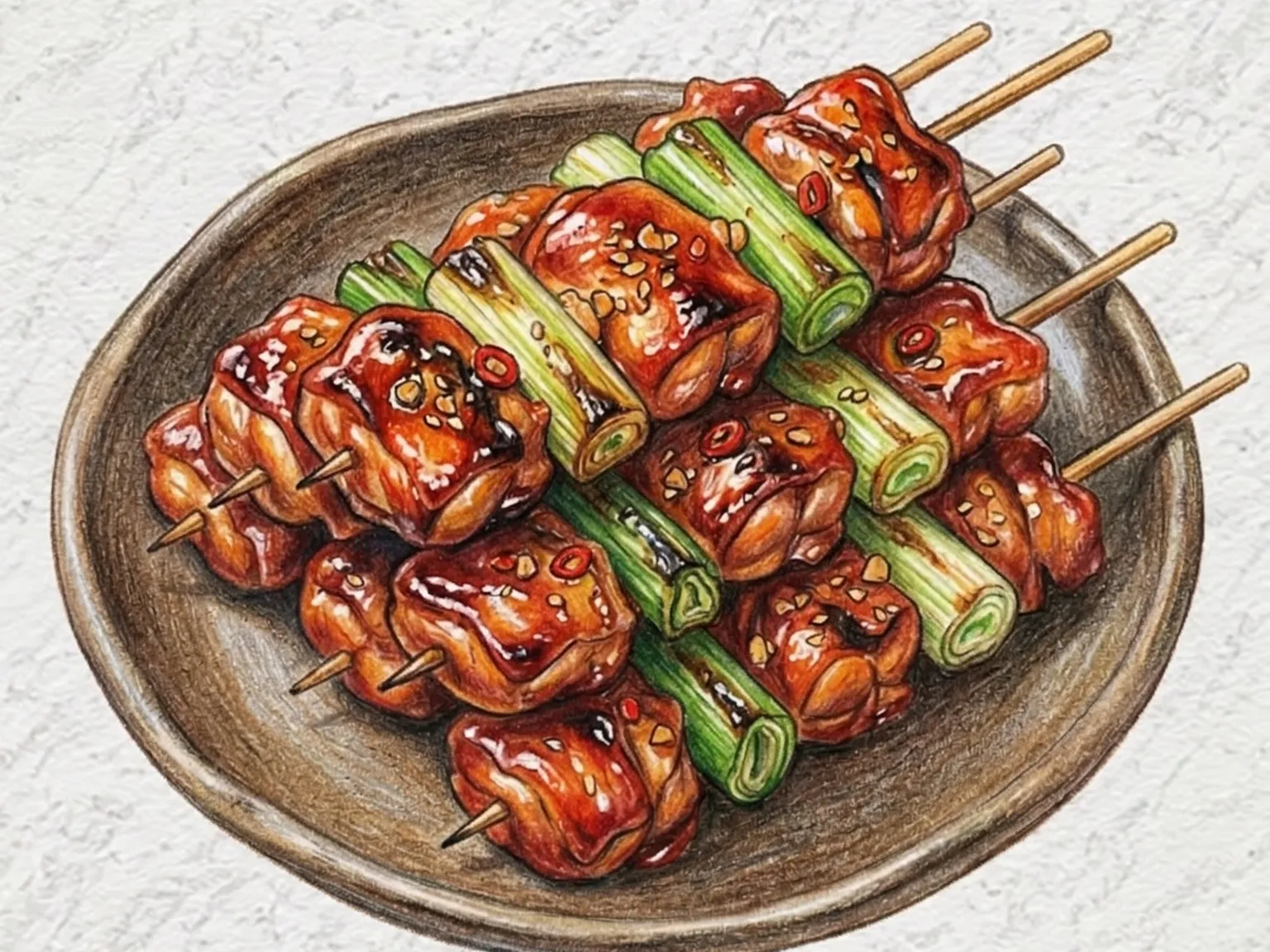
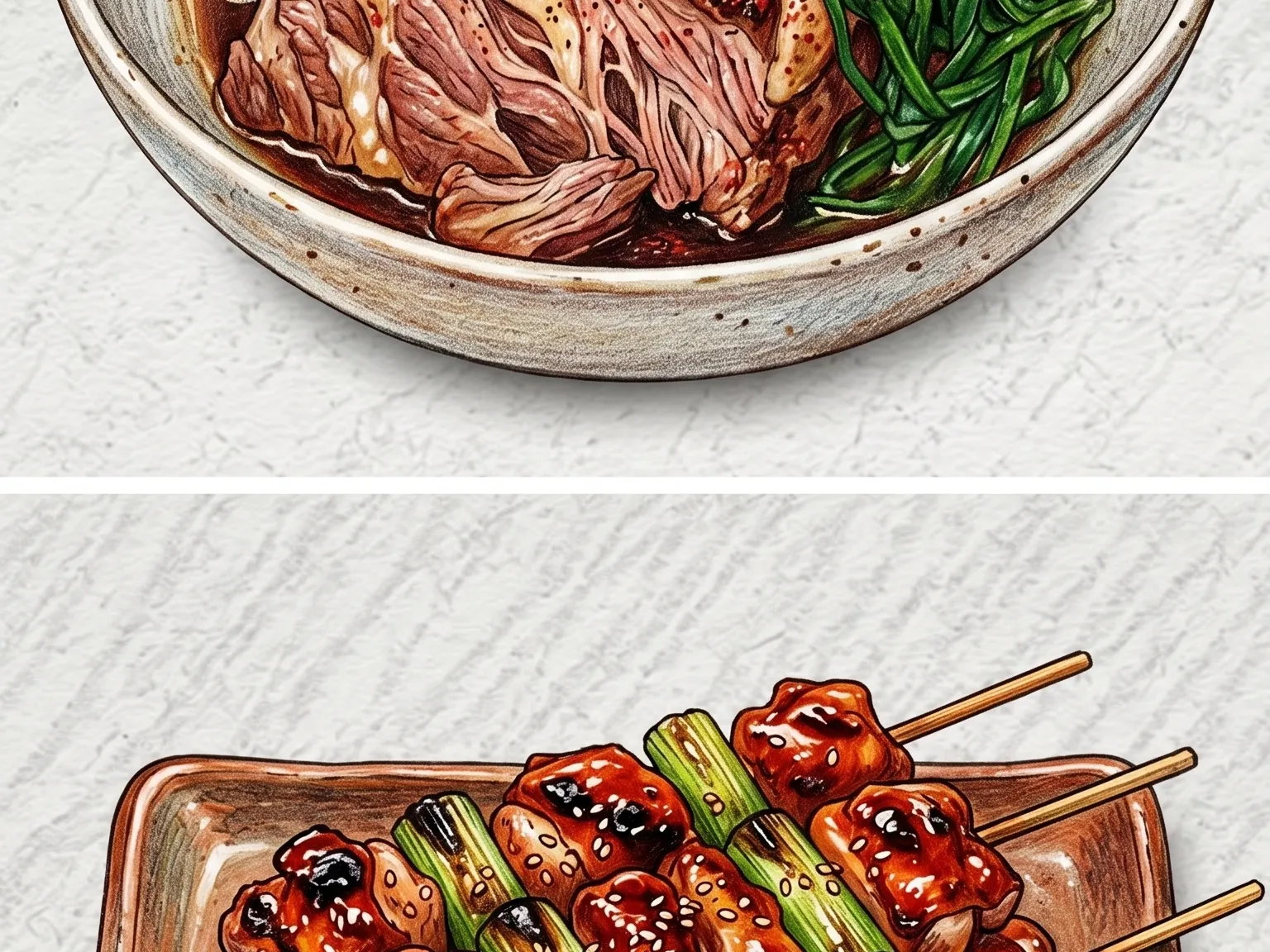
Dak-yeomtong-kkochi starts by soaking trimmed chicken hearts in milk for fifteen minutes to remove any off-flavors, then threading them onto skewers for direct grilling. A glaze of soy sauce, gochujang, sugar, garlic, and cooking wine is applied in stages during grilling, building up a salty-sweet coating with gentle heat. Unlike regular chicken meat, hearts have a firm, springy chew that deepens in nuttiness the more you bite into them. The milk soak combined with garlic and cooking wine in the glaze cleanly removes any organ taste, so the finished skewers carry only the char from the grill and the layered seasoning. A common sight at street stalls and pojangmacha tents, these skewers work equally well as a quick snack eaten on the spot or as drinking food alongside a cold beer.

🍺 Bar Snacks
Prep 30minCook 15min2 servings
Korean Grilled Dried Pollack
DrinksEasy

Korean Grilled Dried Pollack

Hwangtae-po-gui is a grilled dried pollack snack prepared by brushing seasoning paste onto semi-dried hwangtae fillets and cooking them over medium-low heat. Hwangtae is pollack that has been freeze-dried repeatedly through winter cycles, a process that puffs up the flesh and gives it a softer grain and chewier texture than ordinary dried fish. A paste of gochujang, soy sauce, and oligosaccharide syrup is spread on both sides and grilled slowly so the sugars caramelize into a glossy, sticky coating. Minced garlic, sesame oil, and sesame seeds add roasted richness, and each torn piece delivers alternating salty and sweet notes. Cooking over high heat is a common mistake that chars the surface while leaving the interior hard and dry, so maintaining a low, patient heat is what allows the seasoning to penetrate fully and the fillet to stay moist. The finished snack pairs well with makgeolli or soju, and dipping torn pieces into mayonnaise is a widely practiced variation that softens the saltiness with a creamy counterpoint.

🍺 Bar Snacks Quick
Prep 10minCook 8min2 servings
Korean Gochujang-Grilled Butterfish
GrilledEasy

Korean Gochujang-Grilled Butterfish

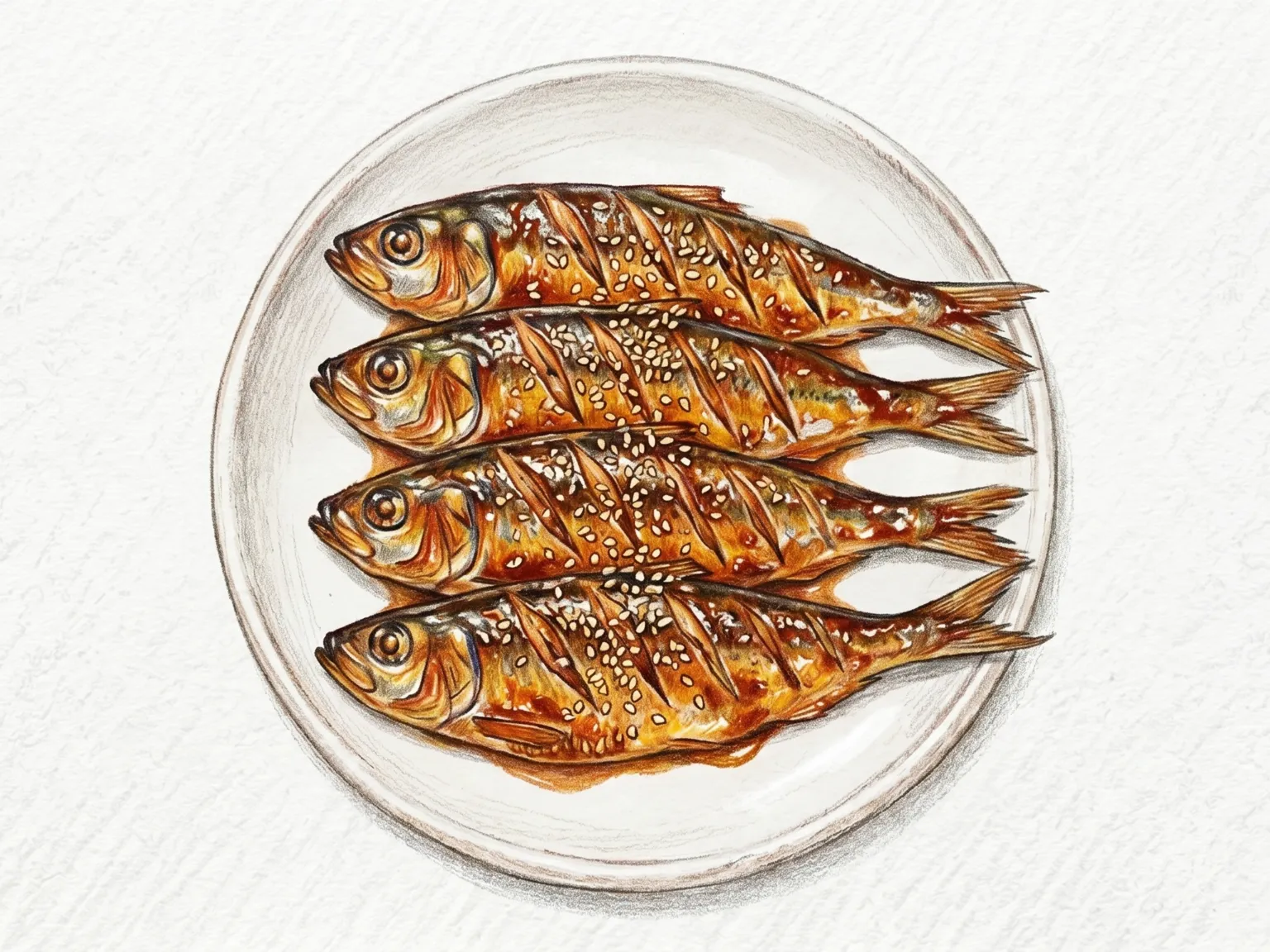
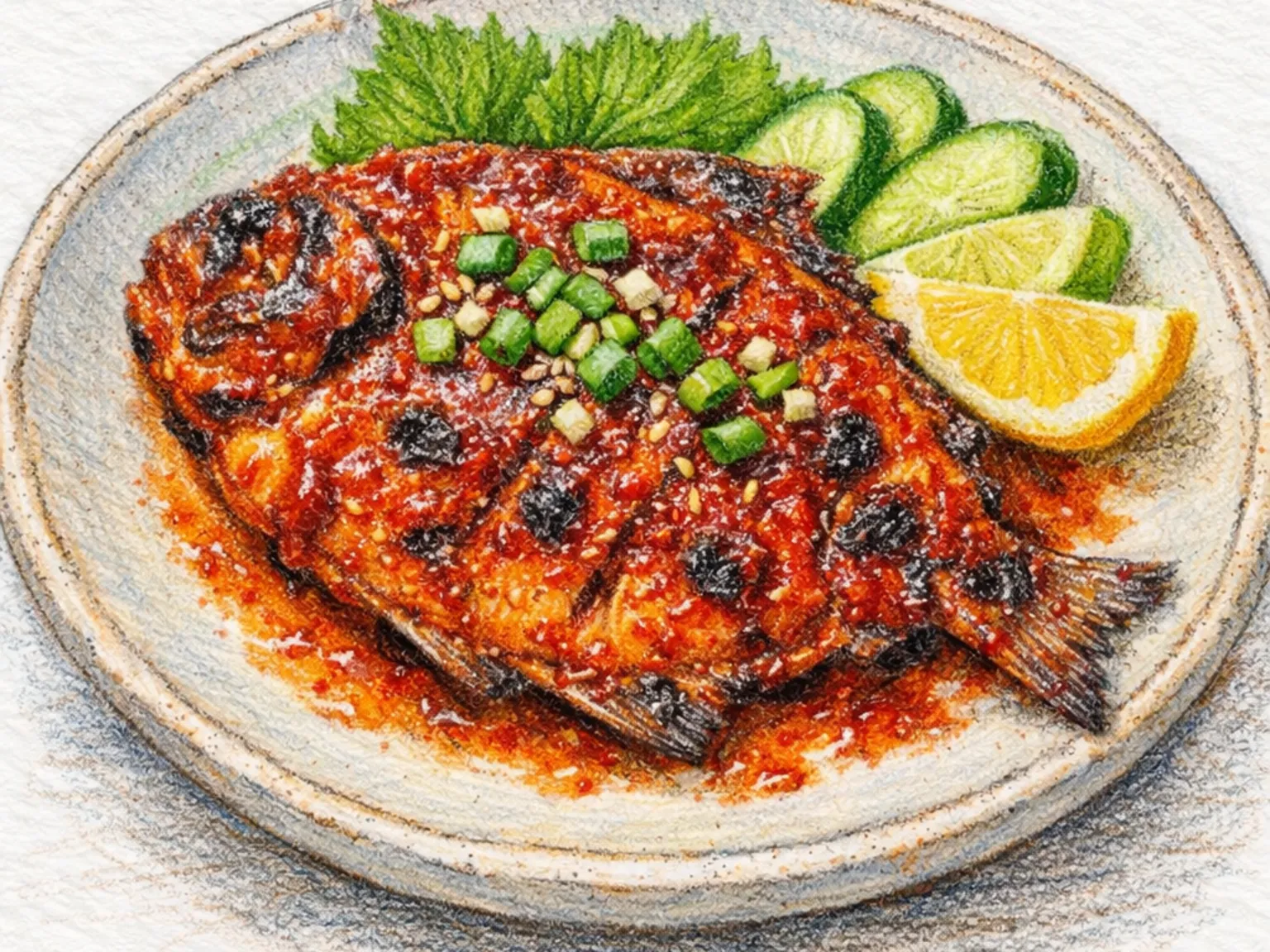
Byeongeo gochujang-gui is a Korean spicy grilled butterfish where fillets are brushed with a paste of gochujang, soy sauce, plum syrup, minced garlic, and red pepper flakes, then pan-fried over medium heat. Butterfish has an exceptionally fine, soft flesh that absorbs the marinade readily, and the plum syrup's fruity acidity offsets the fermented heat of gochujang so the finish stays clean. The glaze must be applied in thin, repeated layers during cooking; a single thick coat causes the sugars to scorch before the fish cooks through. Each side needs roughly three to four minutes over medium heat, and a wide spatula prevents the delicate flesh from breaking when flipped. A light squeeze of lemon at the end adds brightness that prevents any lingering oiliness and sharpens the overall flavor.

🍺 Bar Snacks🍱 Lunchbox
Prep 15minCook 12min2 servings
Korean Army Stew (Spam & Ramen Spicy Fusion Pot)
StewsEasy

Korean Army Stew (Spam & Ramen Spicy Fusion Pot)

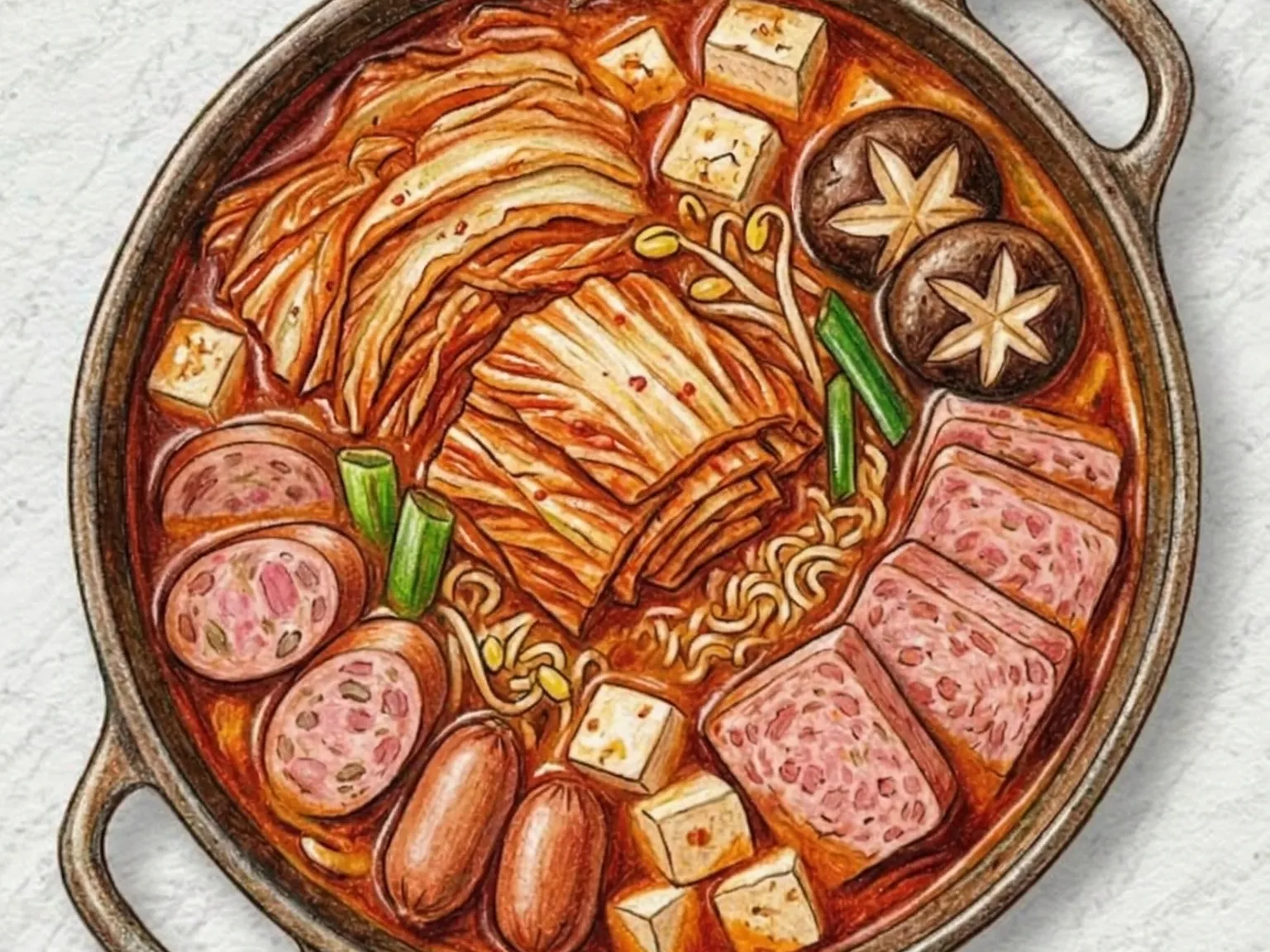
Budae jjigae loads Spam, sausages, instant ramen noodles, rice cakes, tofu, and kimchi into a single pot of gochugaru-and-gochujang broth. It originated near U.S. military bases in Uijeongbu after the Korean War, where American surplus rations met Korean pantry staples in the same pot. Each ingredient behaves differently in the heat - rice cakes stay chewy, ramen noodles turn springy, tofu softens into the broth - while the spicy, deeply seasoned stock ties them together. The noodles soak up the broth as the pot cooks down, keeping each bowl satisfying to the last spoonful.

🍺 Bar Snacks🏠 Everyday
Prep 15minCook 25min4 servings
Korean Spicy Braised Pufferfish
SteamedHard

Korean Spicy Braised Pufferfish

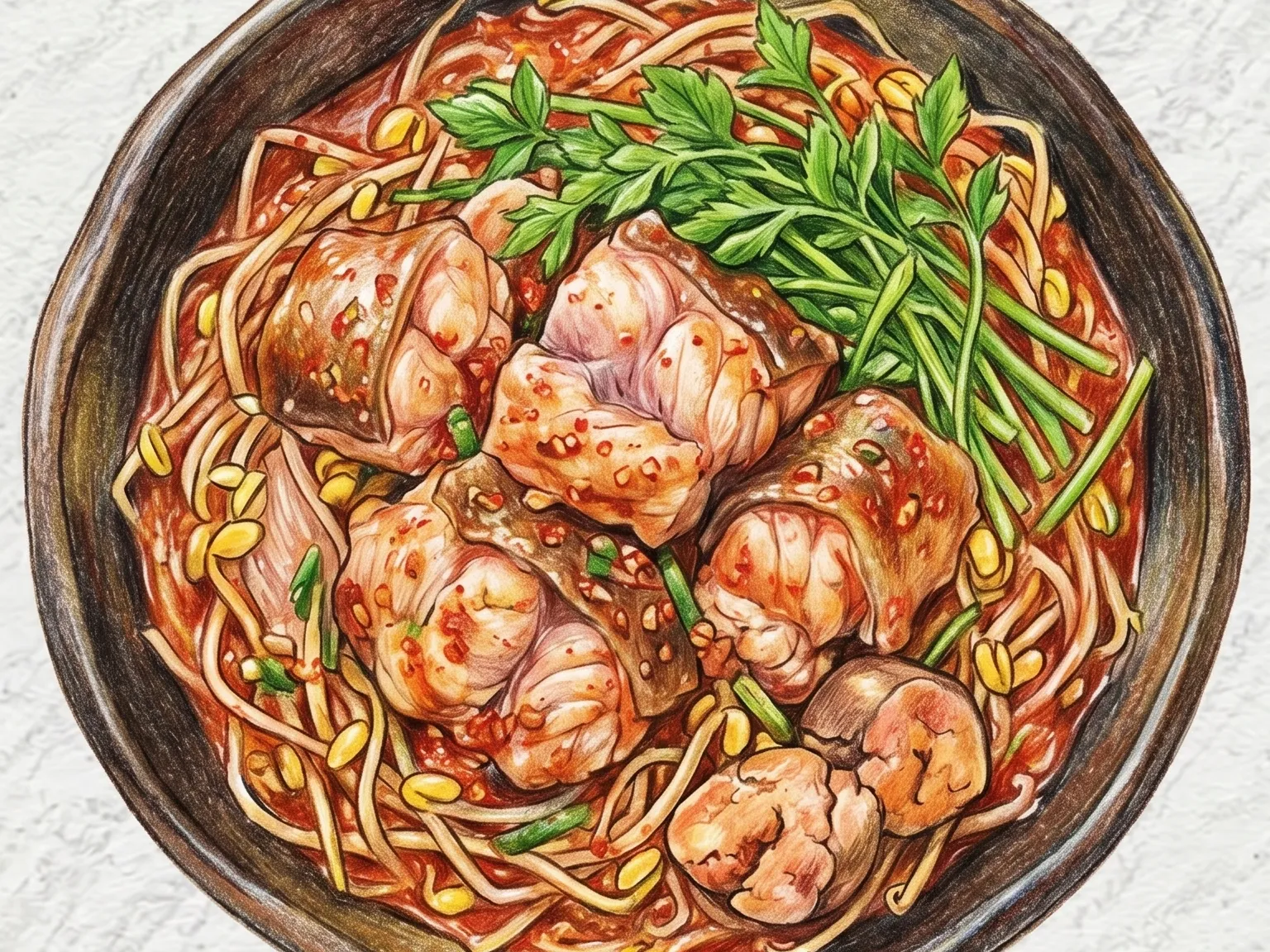
Cleaned pufferfish fillets are steamed with bean sprouts and water dropwort under a spicy sauce built from gochugaru and gochujang. Pufferfish meat is very low in fat, giving it a lean, firm texture that holds together under bold seasoning rather than falling apart. Bean sprouts add a crisp, watery contrast to the dense chili paste, and water dropwort brings a distinctly herbal, slightly peppery fragrance that lifts the dish. Soy sauce and minced garlic round out the seasoning, adding depth without shifting the profile away from the chili-forward base. Pufferfish preparations are a regional specialty of Korea's coastal areas, where the fish is abundant and handled with particular care.

🎉 Special Occasion
Prep 25minCook 35min4 servings
Korean Spicy Mixed Cold Noodles
NoodlesEasy

Korean Spicy Mixed Cold Noodles

Cold, chewy naengmyeon noodles are tossed in a sauce of gochujang, chili flakes, vinegar, sugar, and sesame oil. The noodles' characteristically tough, springy texture grips the bold sauce rather than letting it slide off, which creates an intensely textured bite. The single most critical preparation step is rinsing the boiled noodles thoroughly under cold water multiple times - removing the surface starch and squeezing out excess moisture keeps the sauce from diluting as it sits. Julienned cucumber and thin-sliced Korean pear cut through the heat, bringing refreshing crunch and a light fruitiness to each mouthful. Half a boiled egg placed on top tempers the chili's sharpness and brings the overall balance into line.

🏠 Everyday
Prep 20minCook 10min2 servings
Gochujang Beef Ragu Rigatoni
PastaMedium

Gochujang Beef Ragu Rigatoni

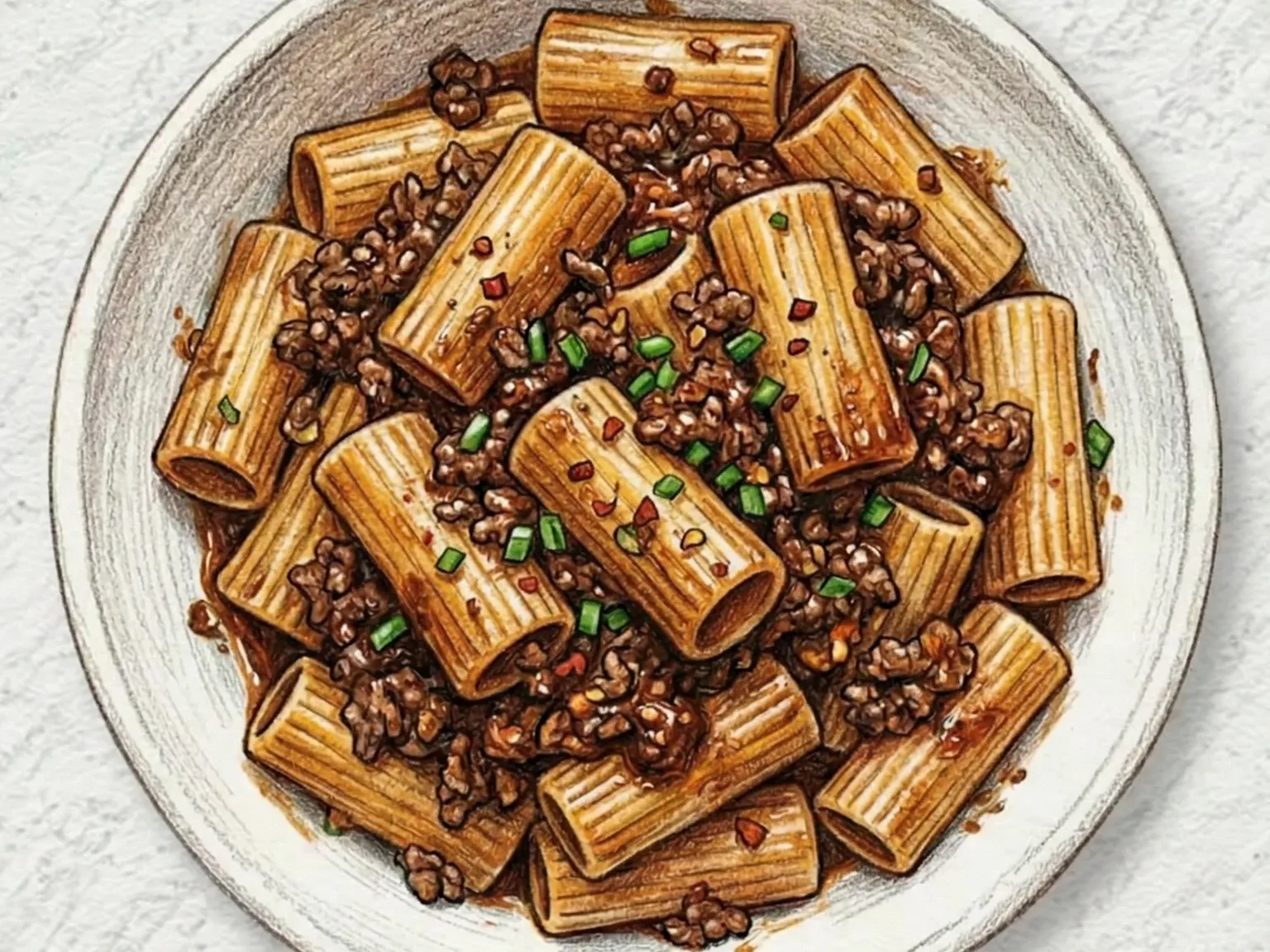
Gochujang beef ragu rigatoni builds depth in two stages: first, ground beef is seared undisturbed over high heat until a proper crust forms, then gochujang, tomato puree, and red wine are added and the whole pot simmers on medium-low heat for twenty minutes. The browning step is critical and non-negotiable-stirring too early releases steam and moisture from the meat, which prevents crust formation and produces braised ground beef instead of seared. Frying the gochujang in oil for a full minute before adding the tomato puree unlocks its fermented sweetness and blunts the raw edge of the paste; the acidity of the tomato then balances the gochujang's heat naturally. As the red wine reduces, it leaves behind layered fruit notes that add complexity the tomato alone cannot provide. Rigatoni is pulled from the water one minute before al dente and transferred to the sauce pan with a ladle of pasta water; the starch dissolves into the sauce and coats the tubes inside and out with a glossy, cohesive finish. Grated Parmesan stirred in at the end deepens the overall savory character of the ragu.

🎉 Special Occasion
Prep 15minCook 35min2 servings
Gochujang Chickpea Crunch Salad
SaladsMedium

Gochujang Chickpea Crunch Salad

Gochujang chickpea crunch salad is a Korean-American fusion salad built around chickpeas roasted at 200 degrees Celsius for twenty minutes until the exterior becomes dry and crisp. The chickpeas must be patted completely dry before roasting and spread in a single layer on the pan so that steam can escape freely rather than trapping moisture against the surface. Allowing them to cool fully before they are dressed is equally important, because residual heat accelerates softening once the dressing makes contact. The base is hand-massaged kale from which the tough center ribs have been removed. Pressing and squeezing the leaves for at least one minute breaks down the fibrous cell walls, mellows the bitterness, and opens the surface so the dressing can penetrate rather than simply coat the outside. Shredded red cabbage and julienned carrot add color and additional crunch, while half-moon cucumber slices contribute a cooling note. The dressing combines gochujang with soy sauce, maple syrup, rice vinegar, and sesame oil, layering fermented heat against a sweet and tart backbone that amplifies both the bitterness and the natural sweetness present in the vegetables. The contrast between the crunchy, nutty chickpeas and the yielding greens is what gives this salad its textural character, making each forkful different from the last.

🥗 Light & Healthy
Prep 15minCook 22min4 servings
Korean Spicy Seasoned Deodeok
Side dishesMedium

Korean Spicy Seasoned Deodeok

Deodeok - Codonopsis lanceolata - is a mountain root that has been used in Korean cooking and folk medicine for centuries. Its flesh is fibrous, sticky, and carries a ginseng-like bitterness that becomes pronounced when the root is raw. Peeling and pounding with a mallet splits the fibers into rough, ribbon-like shreds with a textured surface that holds seasoning well. A soak in cold water draws out the sharpest of the bitterness before the root is drained and tossed. The dressing - gochujang, vinegar, minced garlic, sugar, and gochugaru - is sweet, sour, and spicy in roughly equal measure, tempering the root's wild, resinous character while leaving the chewy texture intact.

🏠 Everyday🍱 Lunchbox
Prep 20min4 servings