Charim

2686 Korean & World Recipes

2686+ Korean recipes, clean and organized. Ingredients to instructions, all at a glance.

Recipes with gochujang

24 recipes

Buy gochujang
Korean Bossam Kimchi Rice Bowl
RiceMedium

Korean Bossam Kimchi Rice Bowl

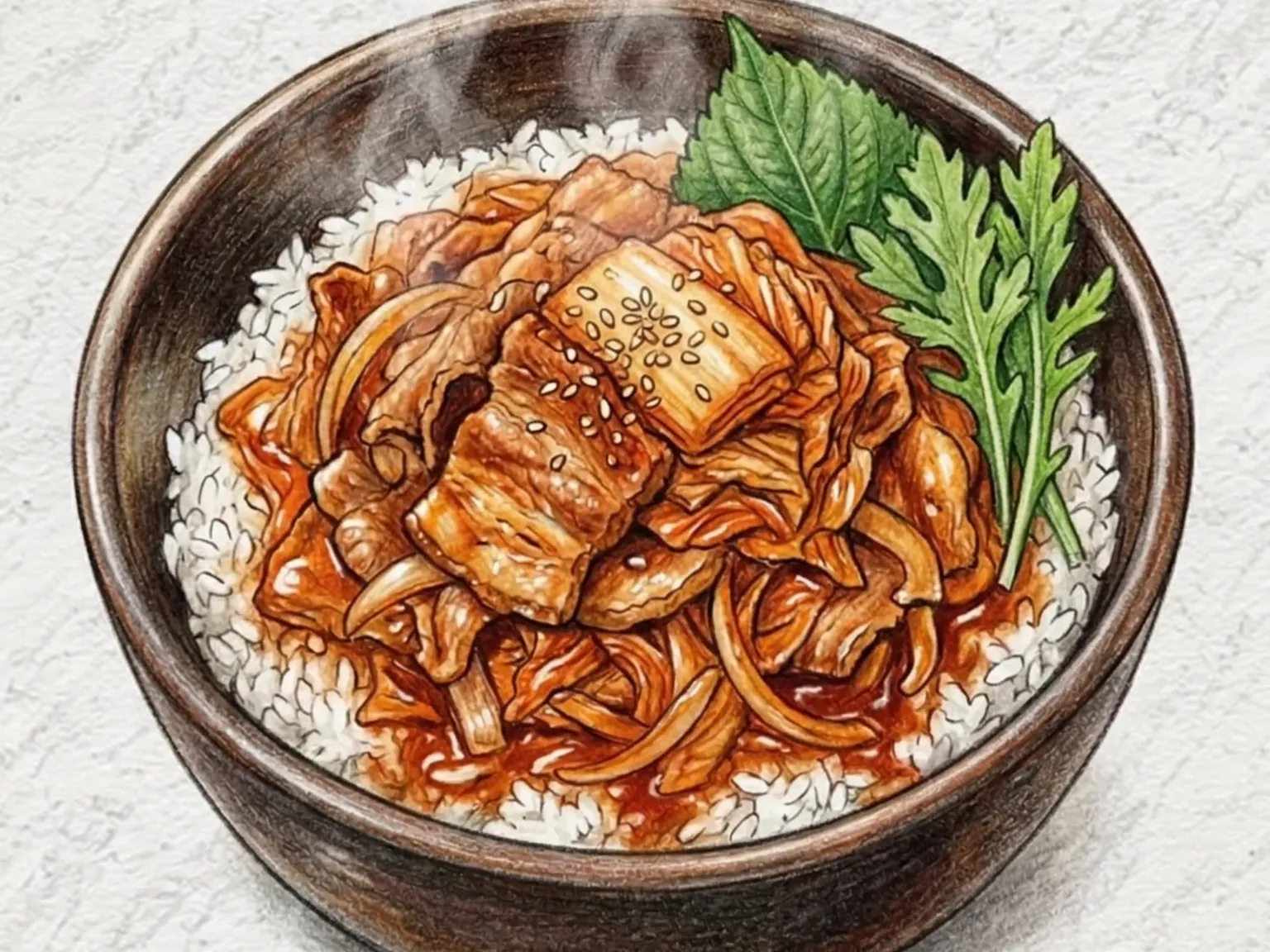
Bossam kimchi deopbap repurposes leftover bossam by stir-frying boiled pork and well-fermented bossam kimchi with onion in a gochujang sauce and ladling everything over a bowl of hot rice. The boiled pork picks up a concentrated savoriness from the gochujang glaze as it fries, and the moisture from the fermented kimchi cooks off during stir-frying, intensifying the tangy-spicy sauce into a dense coating. The acidity of mature kimchi and the heat of gochujang cut through the fat of the pork, keeping each spoonful from becoming heavy. Meat and kimchi together in one bowl means no side dishes are needed to complete the meal. A fried egg on top adds richness and tempers the heat of the seasoning.

🏠 Everyday
Prep 15minCook 20min2 servings
Korean Pork & Wild Chive Stir-fry
Stir-fryEasy

Korean Pork & Wild Chive Stir-fry

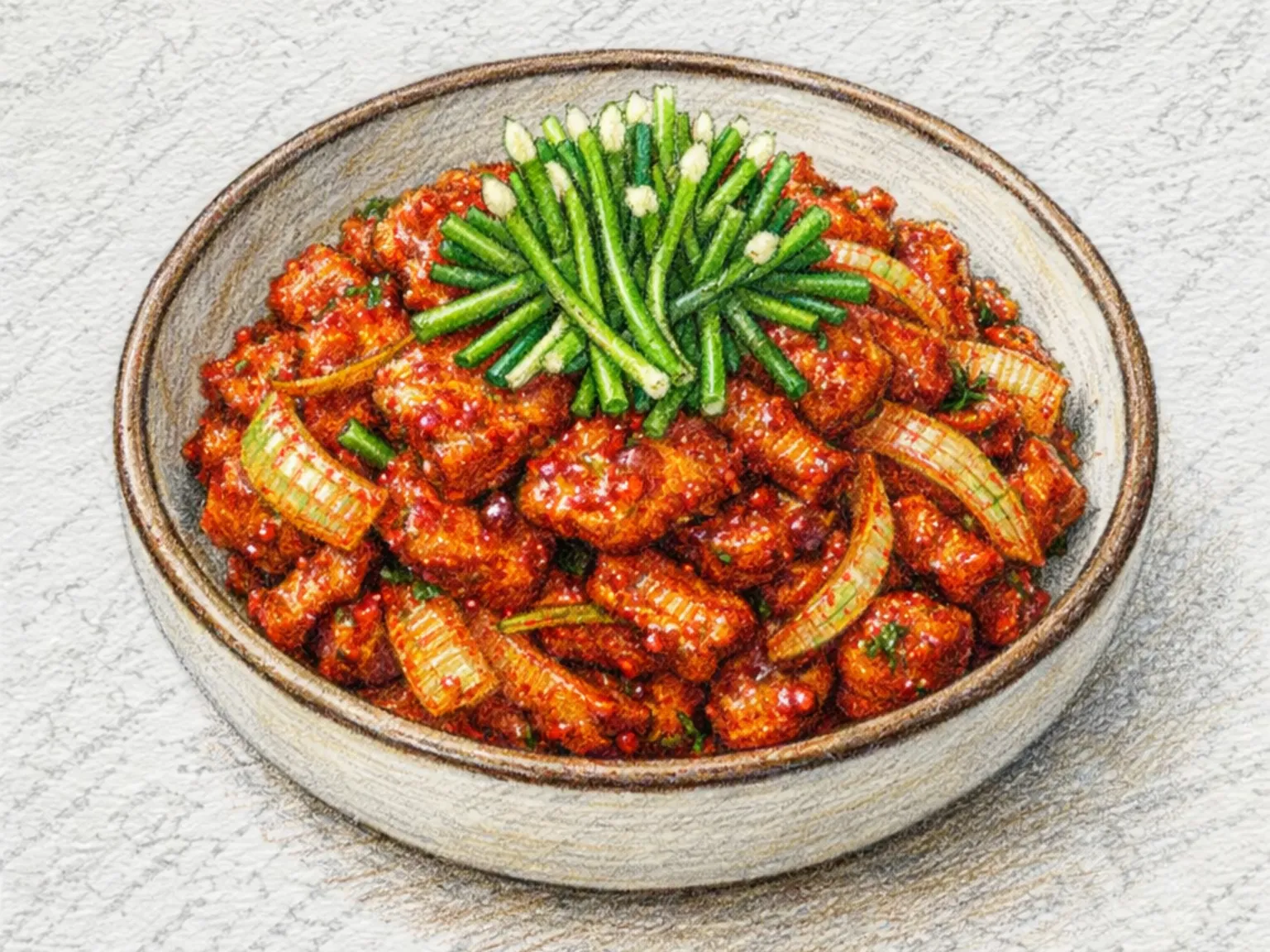
Dallae-dwaejigogi-bokkeum is a Korean springtime stir-fry of pork shoulder tossed in a gochujang and chili flake sauce, then topped generously with raw wild chives. The wild chives release a sharp, garlicky bite that cuts through the rich, spicy pork - stimulating while staying fresh rather than heavy. Onions caramelize lightly during cooking, adding natural sweetness that rounds out the heat and prevents the chili paste from turning one-dimensionally harsh. The dish must be cooked quickly over high heat to preserve the volatile aromatic compounds in the chives; extended cooking kills the fragrance that makes dallae worth using in the first place. Either pork shoulder or belly works well here, and the chives should be added at the very end rather than marinated or cooked through - they contribute perfume, not substance. The window for dallae in Korea is short, typically a few weeks in early spring, which makes this a seasonal dish eaten with some urgency while the ingredient is at its best.

🏠 Everyday🍱 Lunchbox
Prep 15minCook 12min2 servings
Korean Dubu Kimchi Kkochi (Tofu Kimchi Skewers)
Street foodEasy

Korean Dubu Kimchi Kkochi (Tofu Kimchi Skewers)

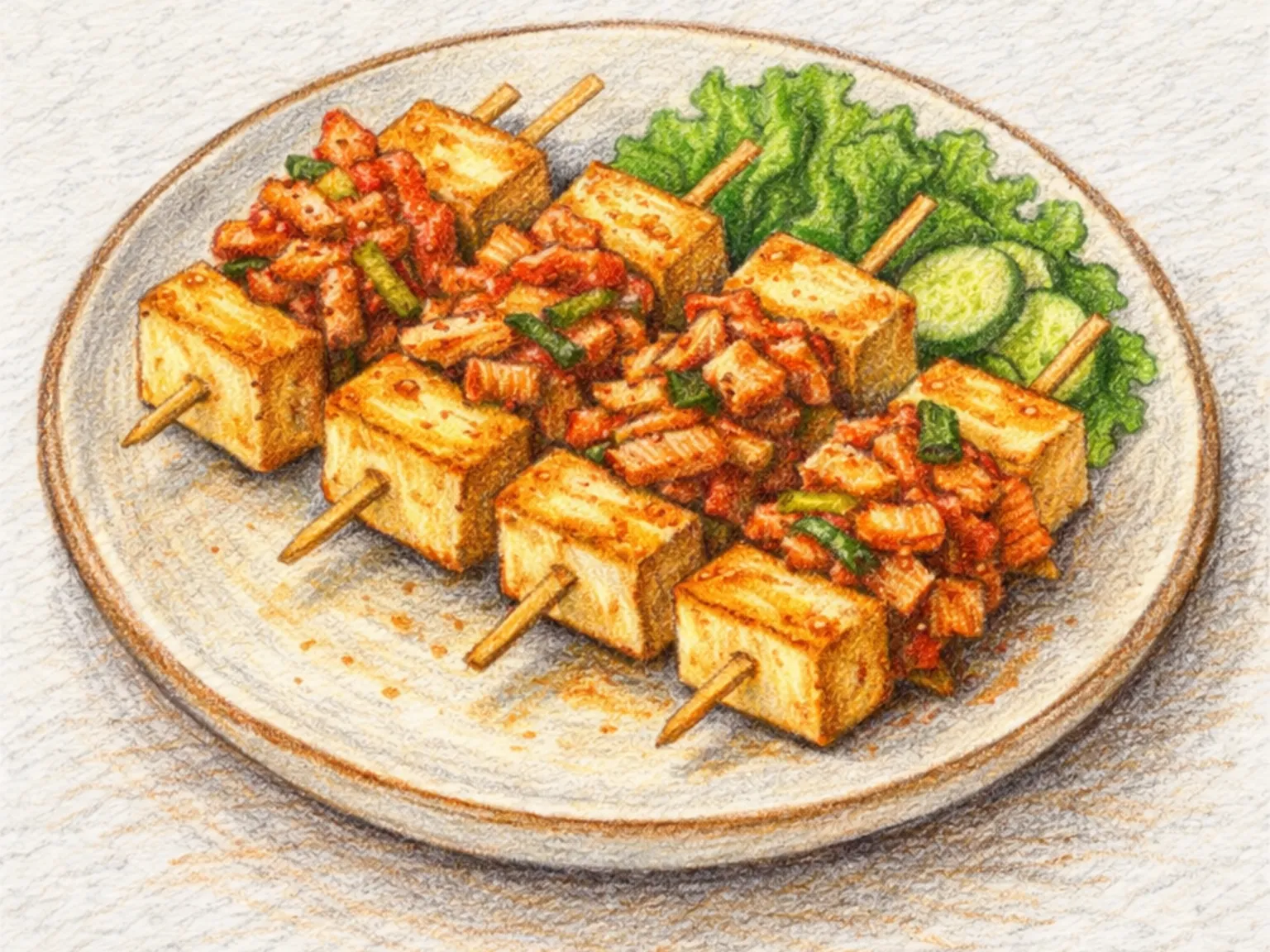
Dubu-kimchi-kkochi pan-sears firm tofu until the surface turns crisp and golden, then skewers it alongside stir-fried sour kimchi and ground pork. Before searing, pressing the tofu dry with paper towels is essential for an even crust that does not tear or stick to the pan. The kimchi and pork are cooked together so fermented tang and rendered pork fat merge, the fat tempering the kimchi's sharp edge while the kimchi's acidity brightens the pork. Threaded onto a skewer, each bite delivers the tofu's nutty seared exterior, the kimchi's tartness, and the pork's salt-rich savoriness at once. The soft interior of the tofu contrasts with its crisp shell, and juices from the stir-fried kimchi seep into the tofu to add another flavor layer. Despite straightforward ingredients, the skewer presentation makes it a naturally appealing side for drinks or a packed lunch.

🍺 Bar Snacks
Prep 15minCook 10min2 servings
Korean Grilled Dried Pollock
DrinksEasy

Korean Grilled Dried Pollock

Nogari-gui is a classic Korean bar snack in which semi-dried young pollock is cut into pieces with scissors, then cooked in a buttered pan over medium-low heat until golden and crisp on both sides. The low-and-slow approach matters: the thin fish needs time to dry out evenly into a chewy-crisp texture without scorching on the surface. Butter melts into the fibrous dried flesh with each pass over the heat, coating the fibers with richness that plain dry-frying cannot replicate. The dipping sauce is a deliberate combination of gochujang and mayonnaise, loosened with lemon juice, sweetened with a pinch of sugar, and sharpened with minced garlic, producing a sauce that is spicy, creamy, tangy, and savory all at once. That sauce against the salty, umami-concentrated pollock is the reason one piece is never enough. Cutting with scissors rather than a knife exposes more cross-section of the dried fibers, helping the sauce cling more effectively. The snack is closely associated with the pojangmacha stalls of Noryangjin and remains one of the most requested accompaniments to cold draft beer in Korea.

🍺 Bar Snacks Quick
Prep 8minCook 10min2 servings
Korean Grilled Chicken Skewers
GrilledEasy

Korean Grilled Chicken Skewers

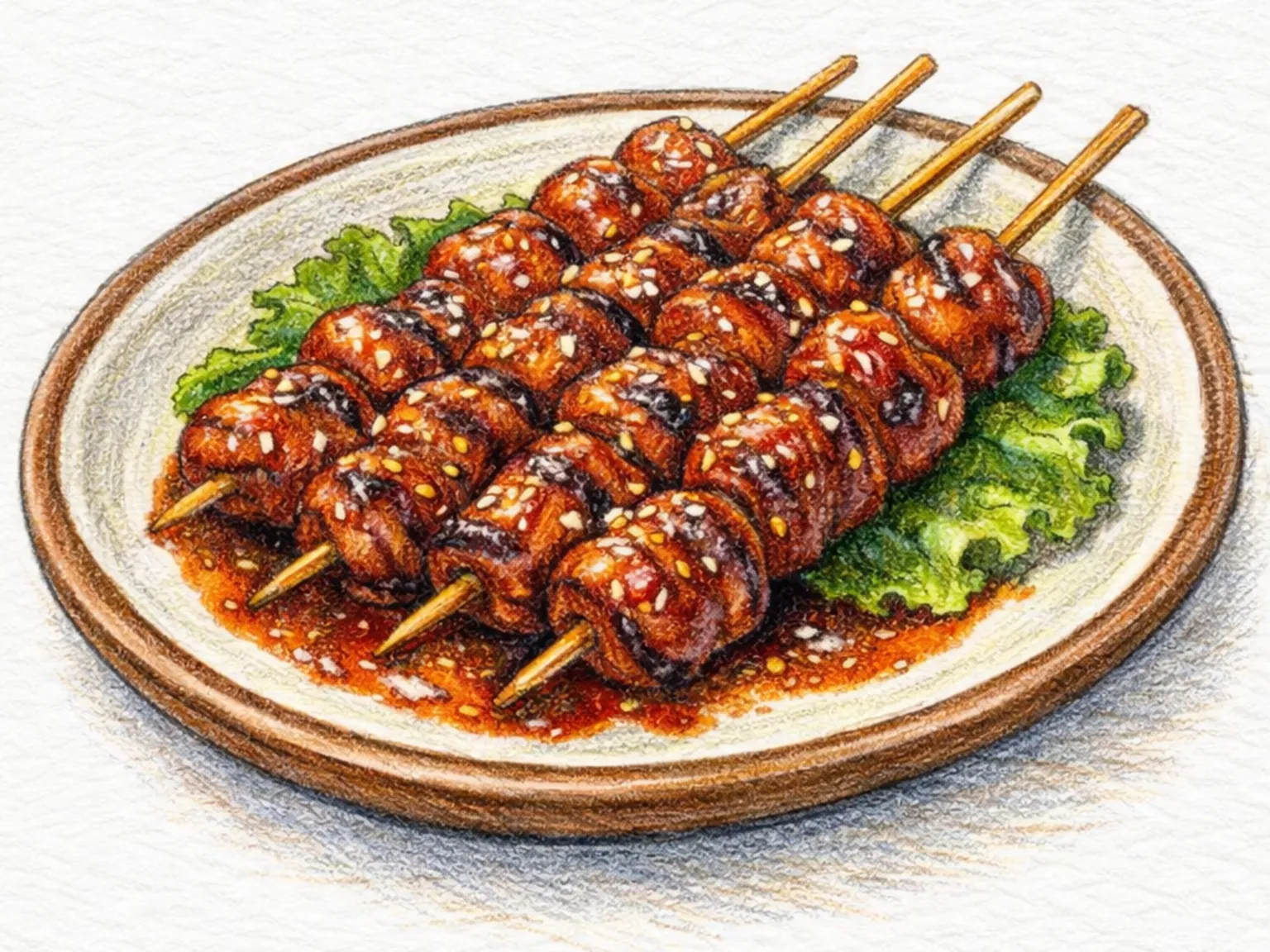
Dak-kkochi-gui is a Korean grilled chicken skewer built on the flavors of street-stall cooking, made by threading bite-sized chicken breast or thigh onto bamboo sticks and painting them with a sauce of gochujang, soy sauce, honey, and minced garlic. Thigh meat is the better choice because its higher fat content keeps each piece juicy over direct heat, while breast will dry out quickly. Applying the glaze in two or three separate coats rather than all at once builds a thick, sticky, caramelized surface. Cutting the chicken into uniform cubes ensures even cooking, and alternating pieces with slices of green onion or bell pepper adds moisture and prevents the meat from tightening up. Turning the skewers frequently over medium heat keeps the sugars in the sauce from scorching while the surface develops an even, deep char. The same result comes out well in an air fryer at 200 degrees Celsius for twelve to fourteen minutes. Gochujang's fermented heat against the sweetness of honey and the smell of searing meat is the unmistakable signature of Korean pojangmacha.

🍺 Bar Snacks
Prep 20minCook 15min2 servings
Korean Seoul-Style Army Stew
StewsEasy

Korean Seoul-Style Army Stew

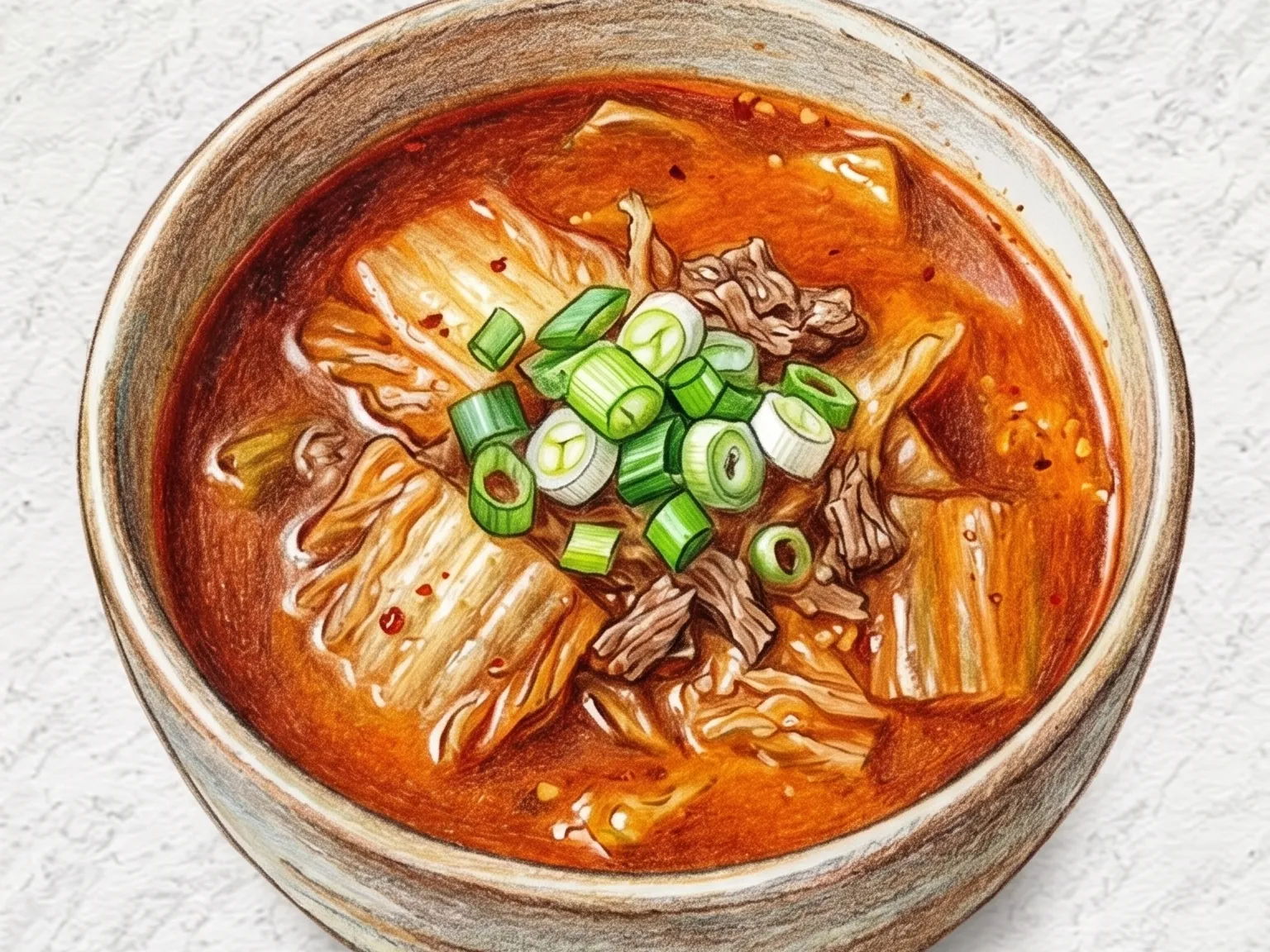
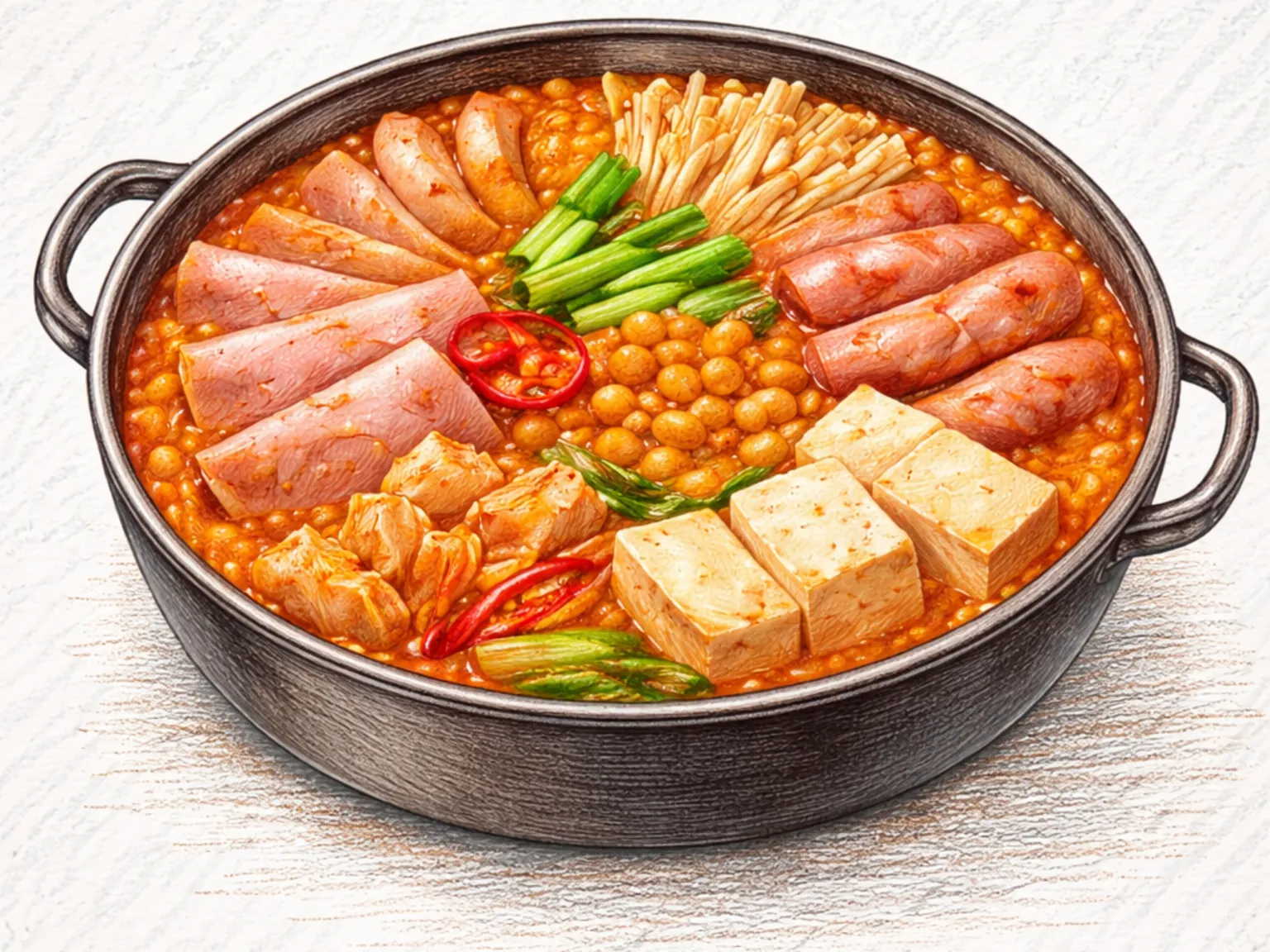
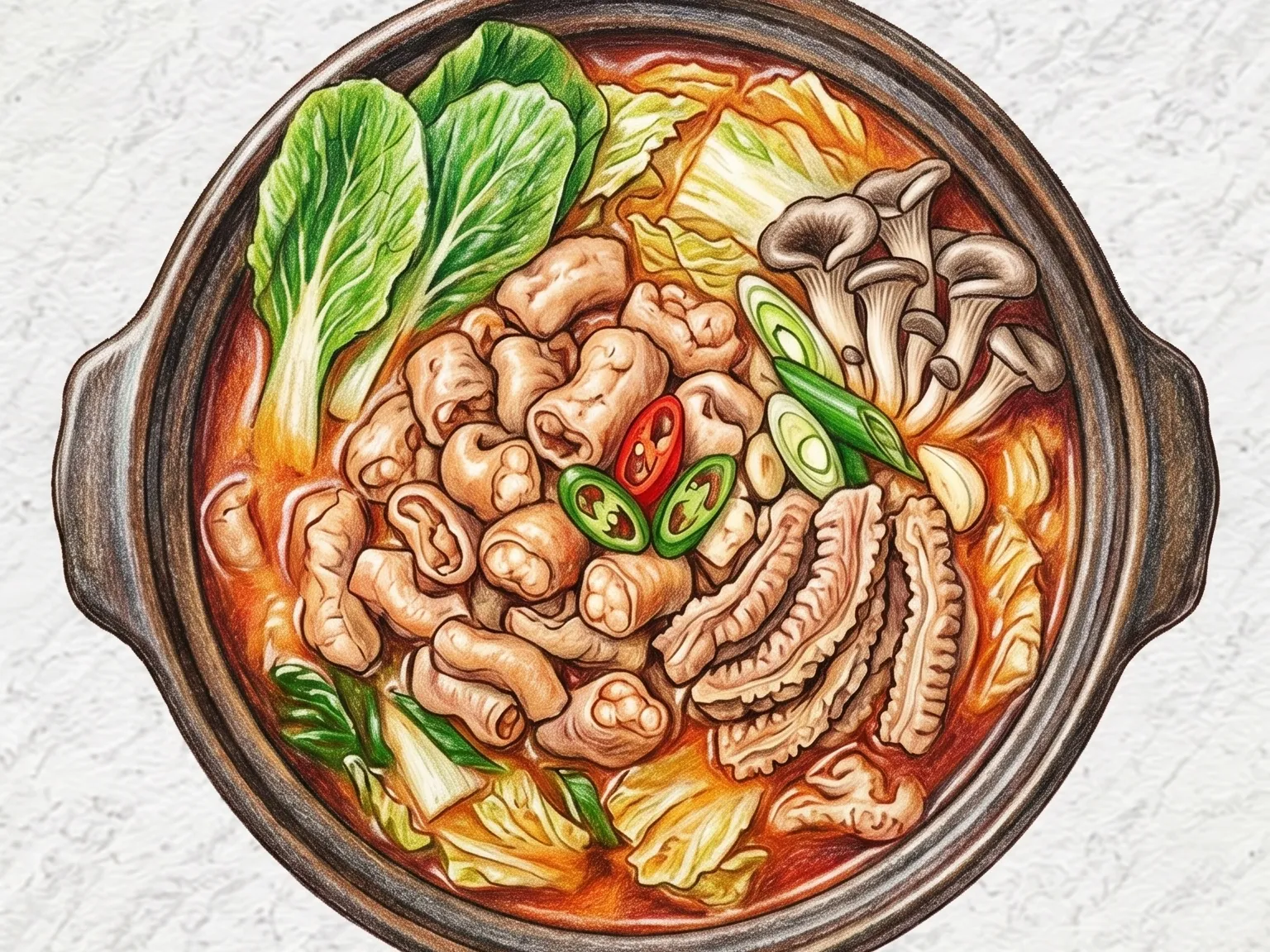
Seoul-style budae jjigae distinguishes itself from other versions by using a rich anchovy stock as the base instead of plain water. Spam, mini sausages, baked beans, and kimchi simmer together in that stock with gochujang and chili flakes. The baked beans contribute a slight sweetness and thicken the broth into a more substantial body. A block of instant ramen noodles added near the end absorbs the spicy, savory soup as it finishes cooking.

🍺 Bar Snacks🏠 Everyday
Prep 20minCook 25min2 servings
Korean Braised Chicken Feet
SteamedMedium

Korean Braised Chicken Feet

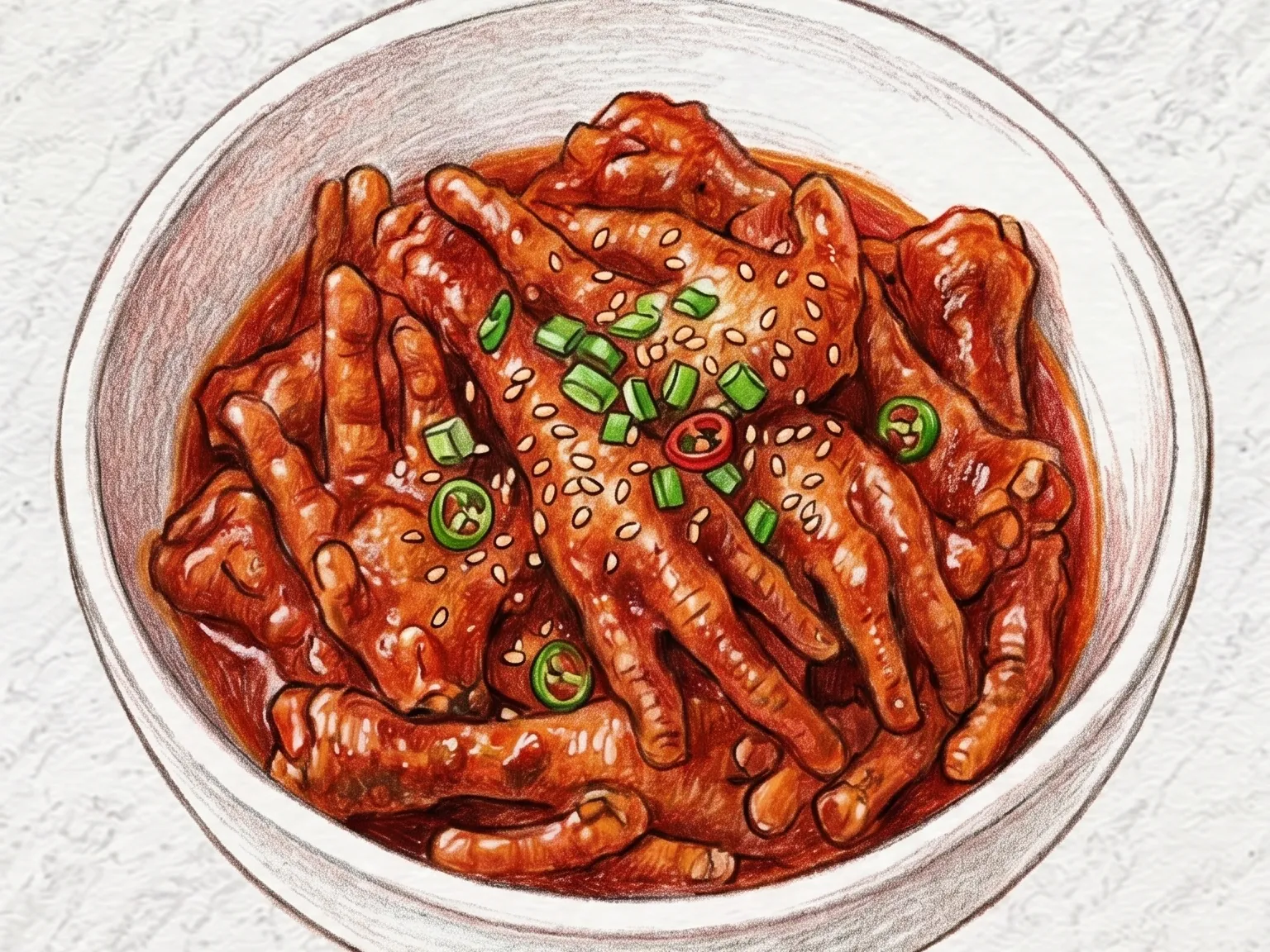
Dakbal-jjim braises chicken feet in a sauce built from gochujang, gochugaru, soy sauce, and sugar until the liquid reduces to a thick, glossy coating around each foot. As the skin and cartilage cook down over time, their collagen converts to gelatin and the feet develop a chewy, sticky texture that is the central appeal of the dish. Gochujang and gochugaru each bring heat from a different angle, one deep and fermented and the other bright and direct, while sugar introduces a caramel-like sweetness that balances the heat load. Cooking wine added early removes the gaminess specific to chicken feet. By the time the sauce has fully reduced it clings to every surface in a deep red glaze, and the finished feet carry both intense seasoning and a pronounced chew that makes them a natural pairing with cold beer or a bowl of rice.

🍺 Bar Snacks🎉 Special Occasion
Prep 20minCook 45min4 servings
Korean Spicy Mixed Glass Noodles
NoodlesEasy

Korean Spicy Mixed Glass Noodles

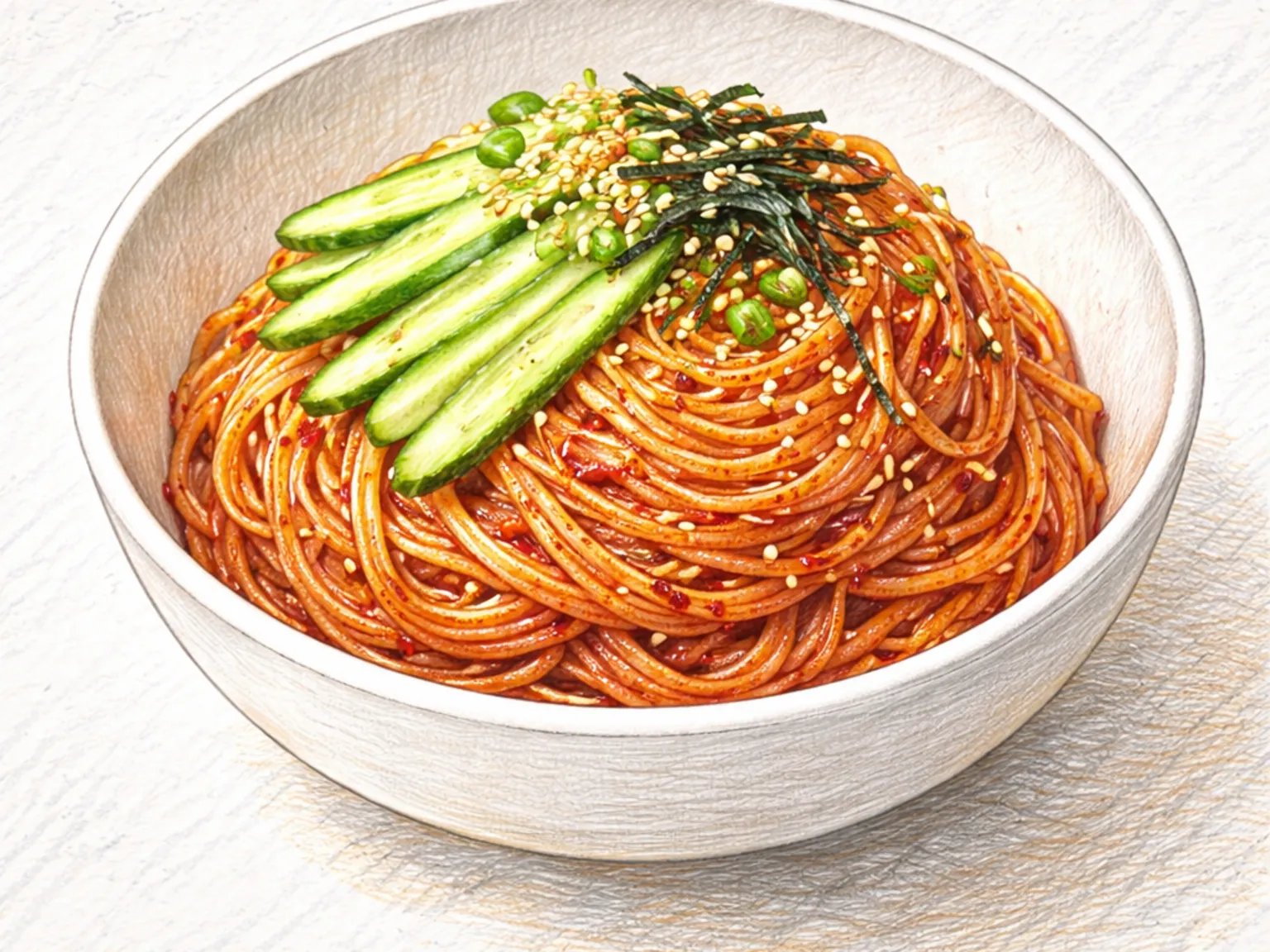
Busan bibim dangmyeon is a spicy mixed noodle dish rooted in the street food culture of Busan's traditional markets, built around springy sweet-potato glass noodles tossed with sliced fish cake, cucumber, and cabbage in a bold chili paste and soy sauce dressing. The translucent noodles are highly elastic and cling tenaciously to the sauce, so each mouthful delivers a concentrated hit of the spicy-sweet seasoning. Fish cake contributes a soft, savory depth that contrasts with the firm chew of the noodles, while shredded cucumber and cabbage add bursts of crunch throughout the bowl. Sesame oil and toasted sesame seeds finish the dish with a warm, nutty undertone. Because the recipe requires only boiling the noodles and tossing everything with a pre-mixed sauce, it comes together in a matter of minutes. The chili paste ratio can be adjusted freely to control heat level, and in Busan the dish is typically served in a single bowl and mixed at the table with a fork.

🏠 Everyday🌙 Late Night
Prep 20minCook 10min2 servings
Gochujang Corn Cream Cavatappi
PastaEasy

Gochujang Corn Cream Cavatappi

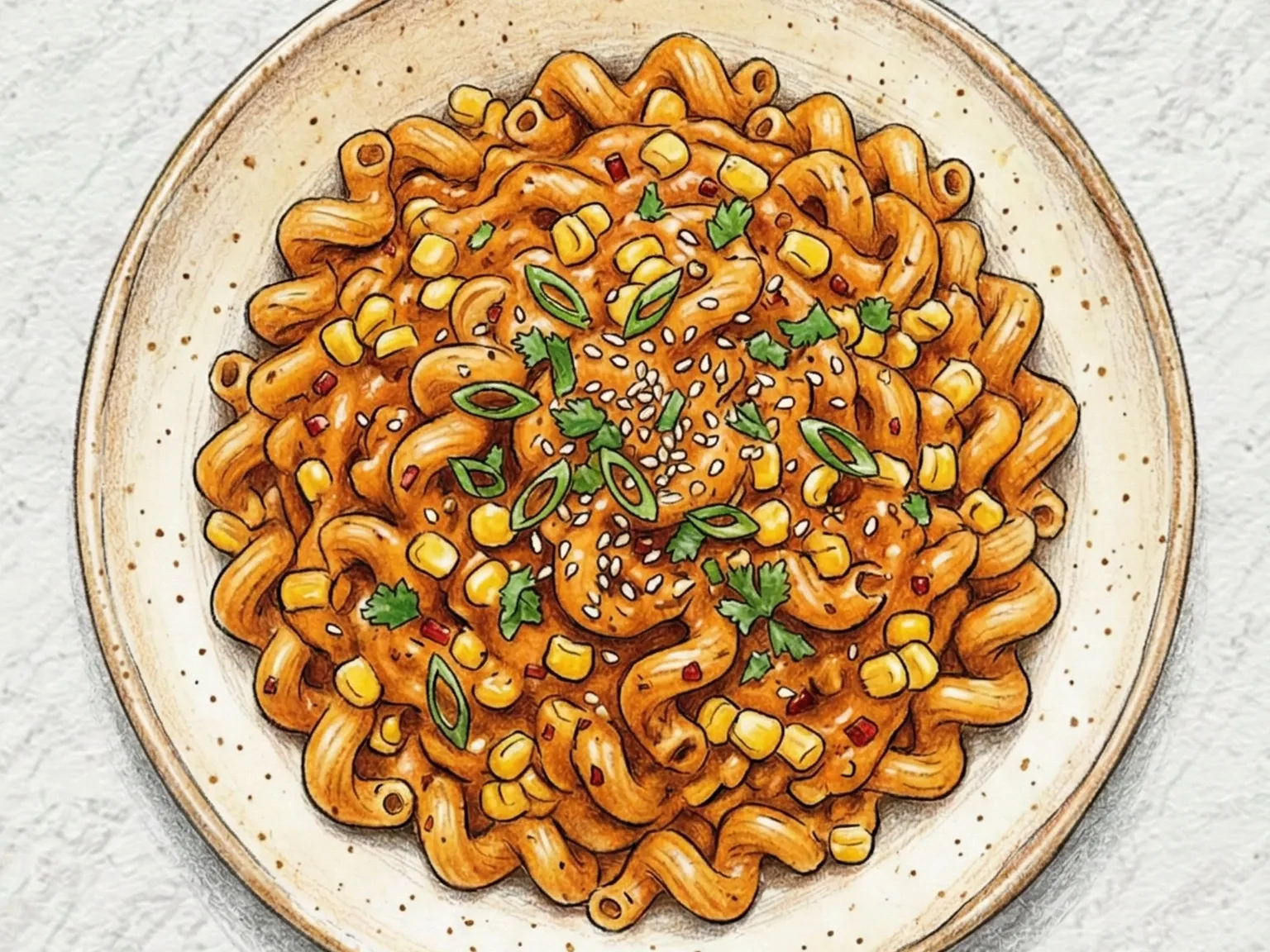
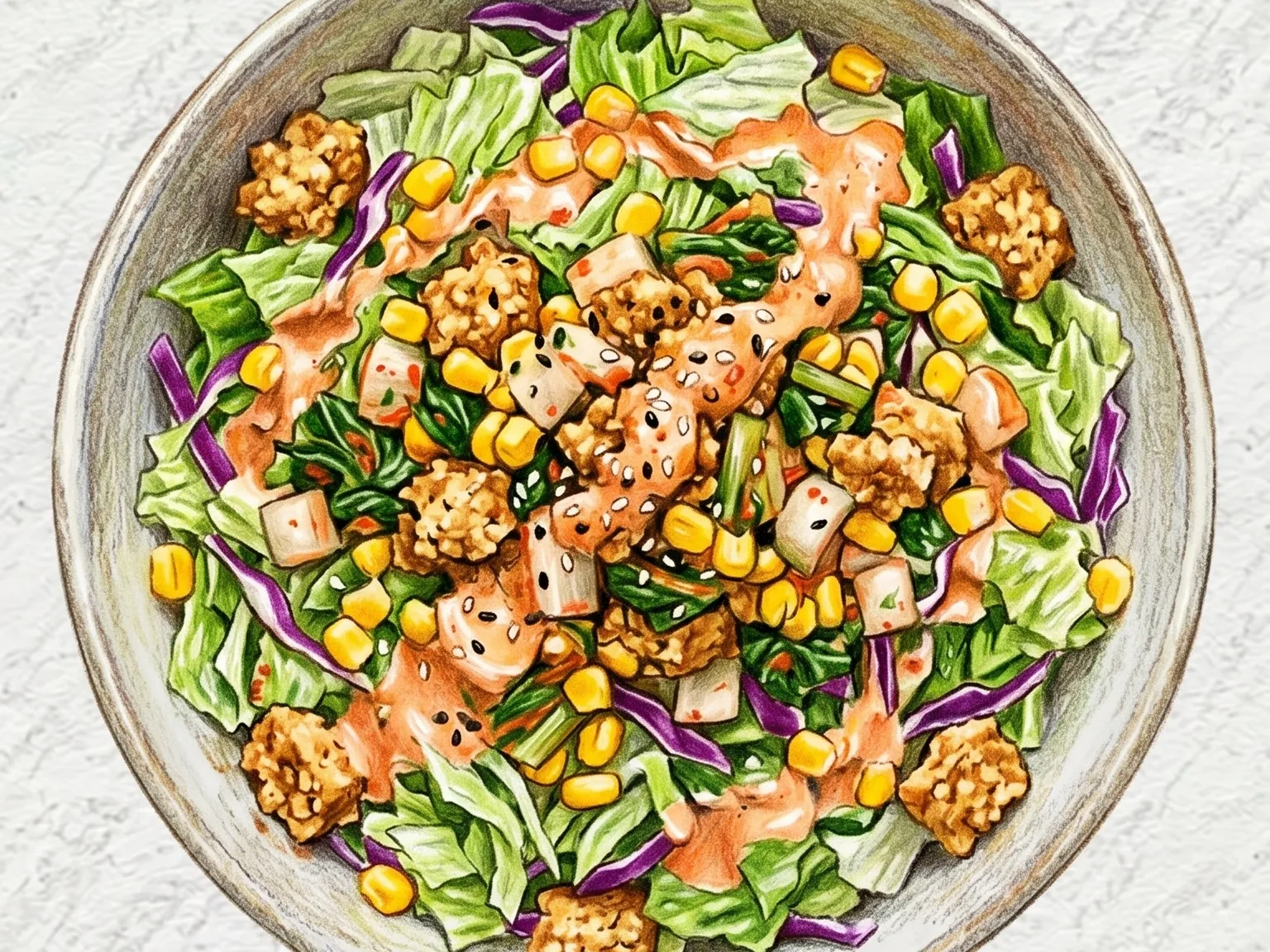
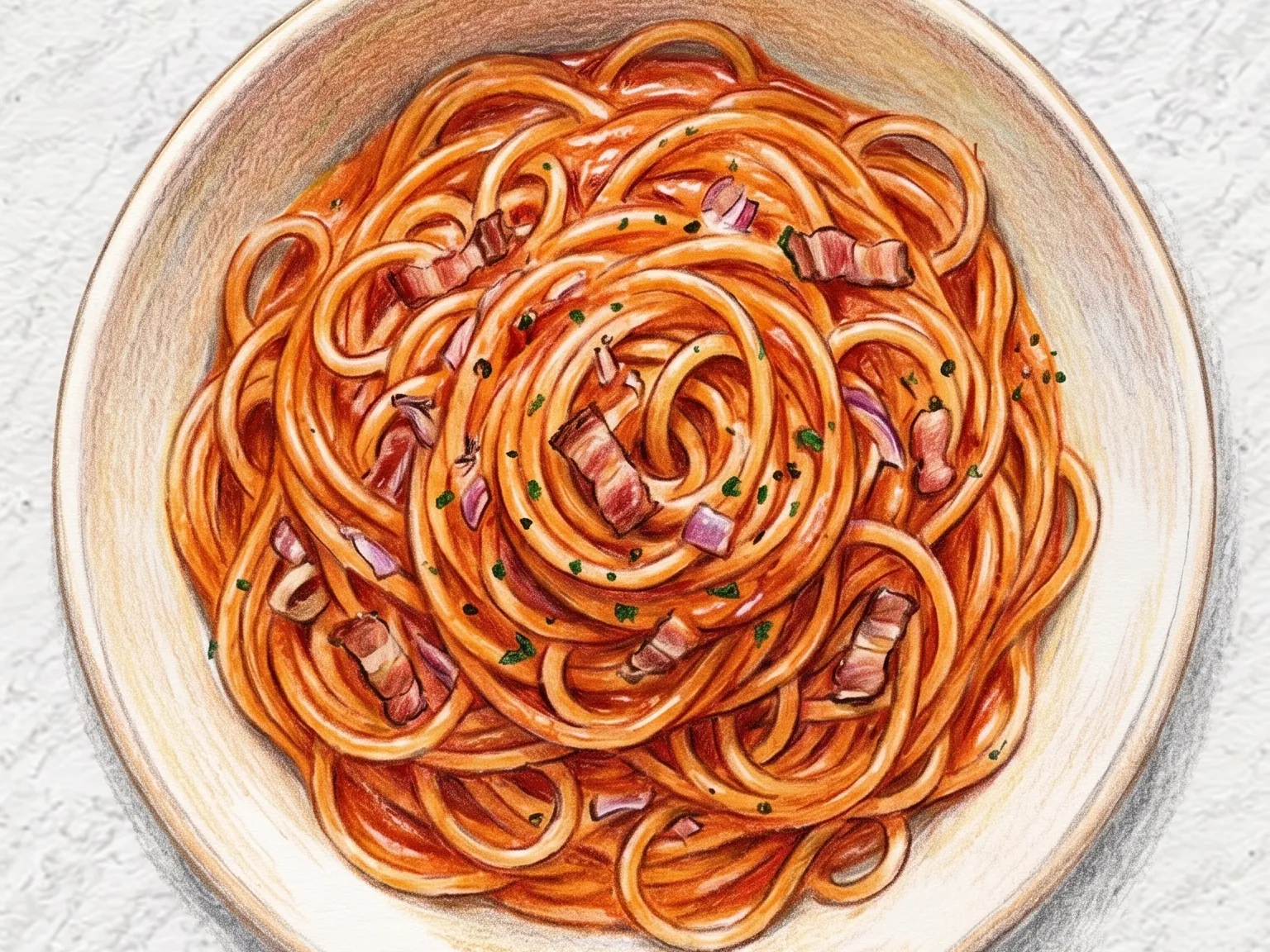
Gochujang corn cream cavatappi sautees onion and sweet corn kernels in butter, blooms gochujang in the pan for thirty seconds, then simmers everything with heavy cream and milk into a thick, spicy-sweet sauce for corkscrew-shaped pasta. Cooking the corn first for two minutes drives off surface moisture and concentrates its natural sweetness before the gochujang goes in. The cream and milk reduce together, merging the corn's sweetness with the chili paste's heat into a smooth, rounded spiciness. Pasta water adjusts the consistency, and melted Parmigiano adds a sharp, salty depth that elevates the entire sauce. Cavatappi's helical shape traps the dense cream inside its spirals, releasing bursts of the corn-gochujang sauce with each bite.

🏠 Everyday🧒 Kid-Friendly
Prep 12minCook 18min4 servings
Korean Poke Bowl Salad
SaladsMedium

Korean Poke Bowl Salad

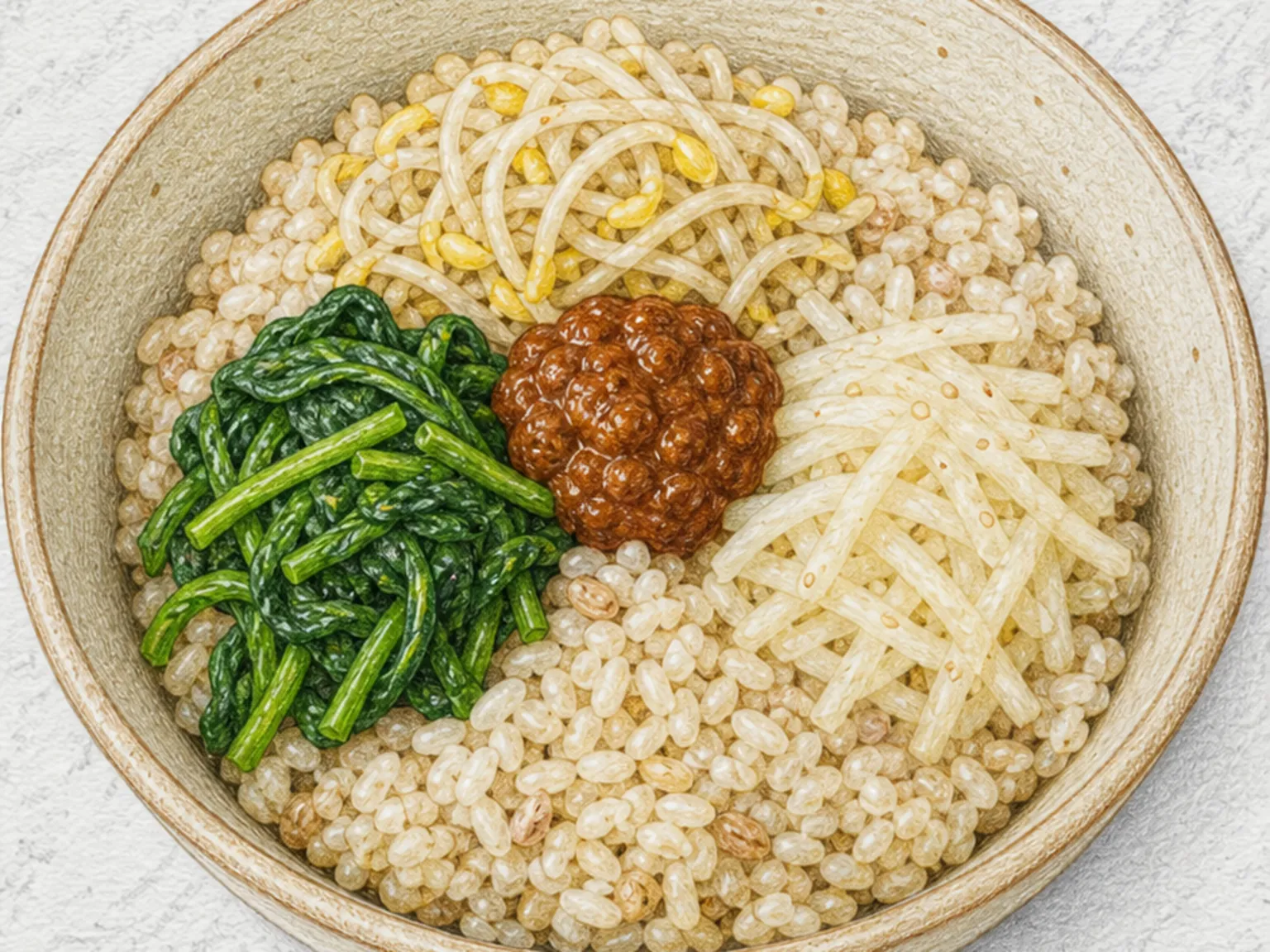
Sashimi-grade tuna is cut into 1.5-centimeter cubes and kept well chilled before being arranged over brown rice in a Korean-inflected poke bowl. A sauce of soy sauce, sesame oil, and gochujang coats the tuna's clean, fatty flesh with the spicy and nutty character that defines Korean seasoning. Avocado provides a creamy, lush texture that envelops the lean fish, while seaweed salad contributes a slippery, chewy marine layer with a pronounced oceanic aroma. Thinly sliced cucumber adds a cool, crisp contrast, creating textural variety across every spoonful. Brown rice serves as the dense, slightly nutty foundation that anchors the toppings and transforms the bowl into a complete meal containing protein, healthy fats, and complex carbohydrates in a single serving. Salmon or flounder can substitute for tuna without changing the method, and adjusting the amount of gochujang in the sauce lets you dial the heat to your preferred level.

🥗 Light & Healthy🏠 Everyday
Prep 20min2 servings
Korean Stir-fried Balloon Flower Root
Side dishesMedium

Korean Stir-fried Balloon Flower Root

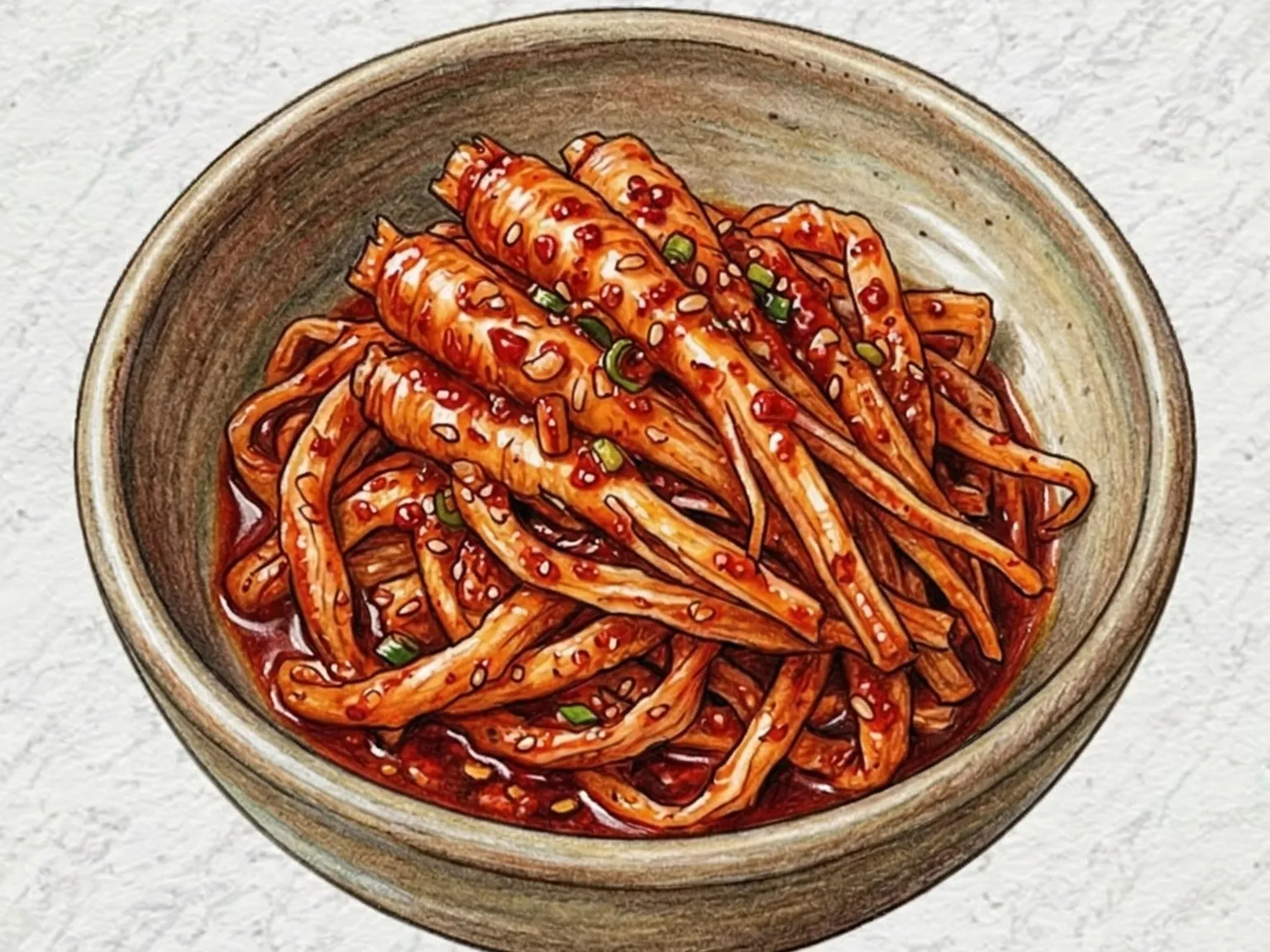
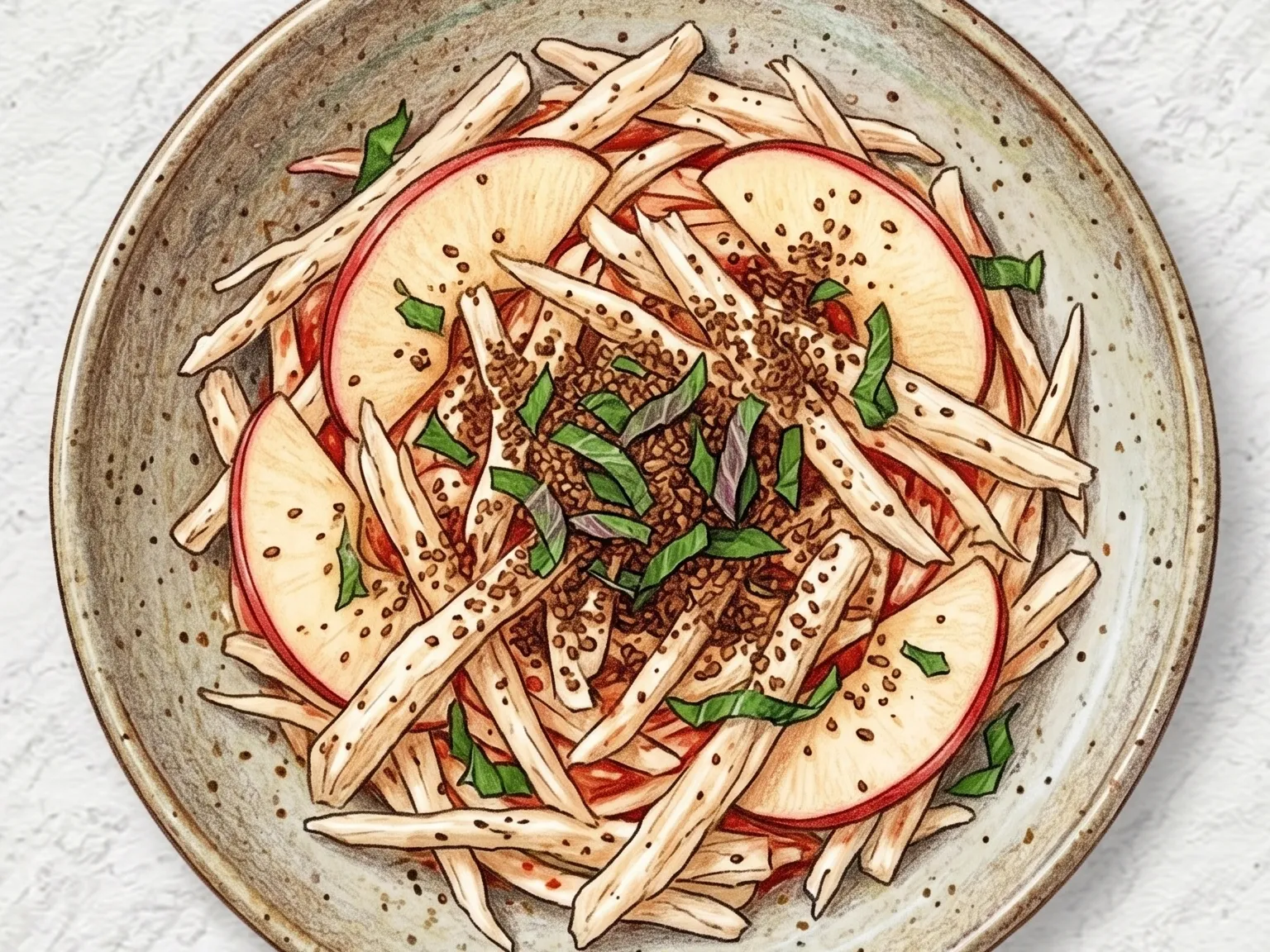
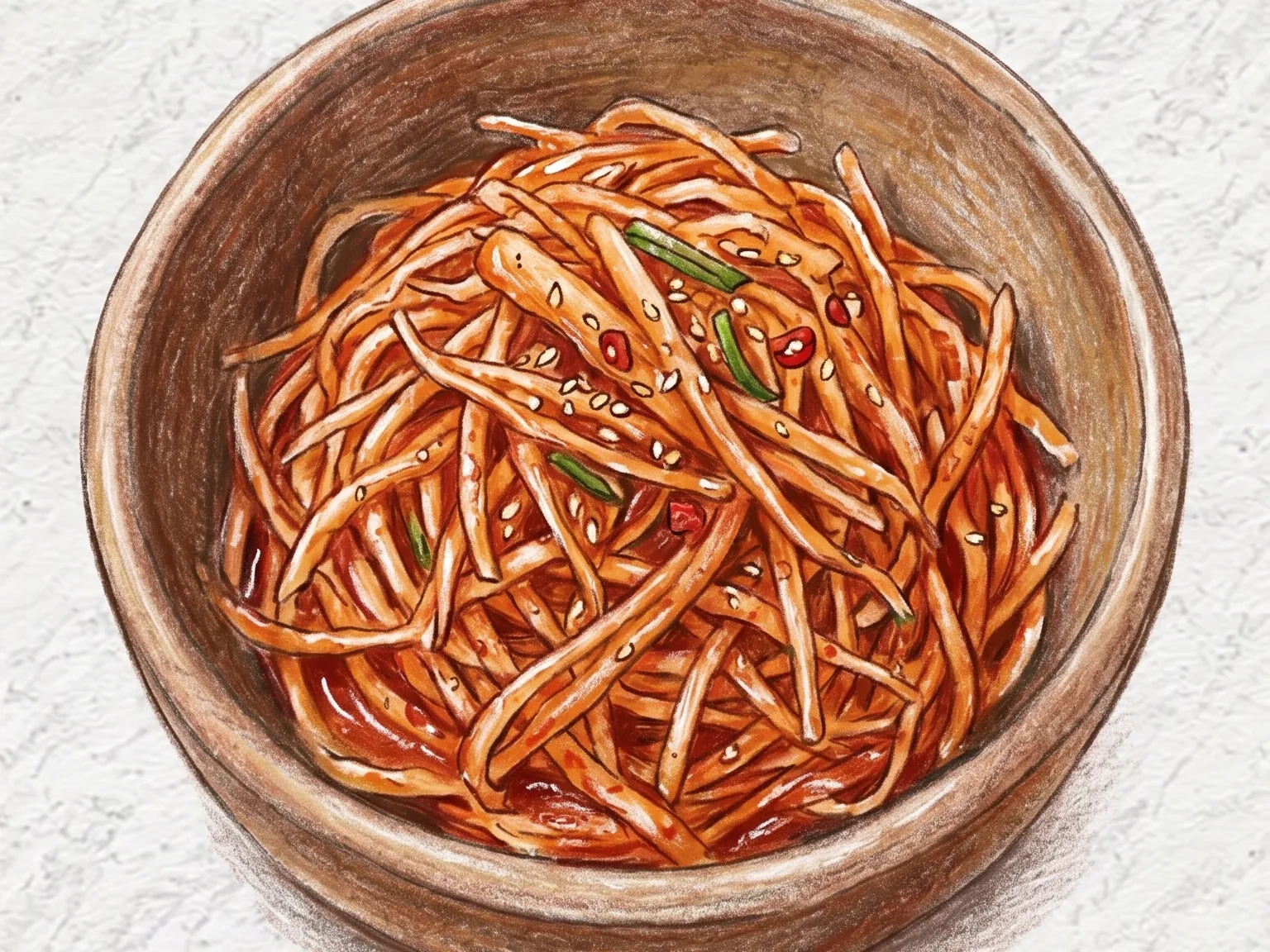
Doraji -- balloon flower root -- has been cultivated in Korea for centuries, valued in cooking and herbal medicine alike. The raw root carries a pronounced bitterness from saponins, so it must be shredded into thin strips, rubbed vigorously with salt, left for ten minutes, then rinsed twice in cold water. The salt scrub draws out the saponins while preserving the root's firm, snappy bite. A base of green onion goes into the pan first to build a fragrant oil, then the prepared doraji stir-fries for two minutes before gochujang, soy sauce, and oligosaccharide syrup go in for another three minutes. The heat is raised at the end to drive off moisture, so the sauce tightens and clings to each strip rather than pooling in the pan. The result is a glossy, sweet-spicy banchan with a distinctly chewy pull.

🏠 Everyday🍱 Lunchbox
Prep 20minCook 10min2 servings
Korean Dakgalbi Fried Rice
RiceEasy

Korean Dakgalbi Fried Rice

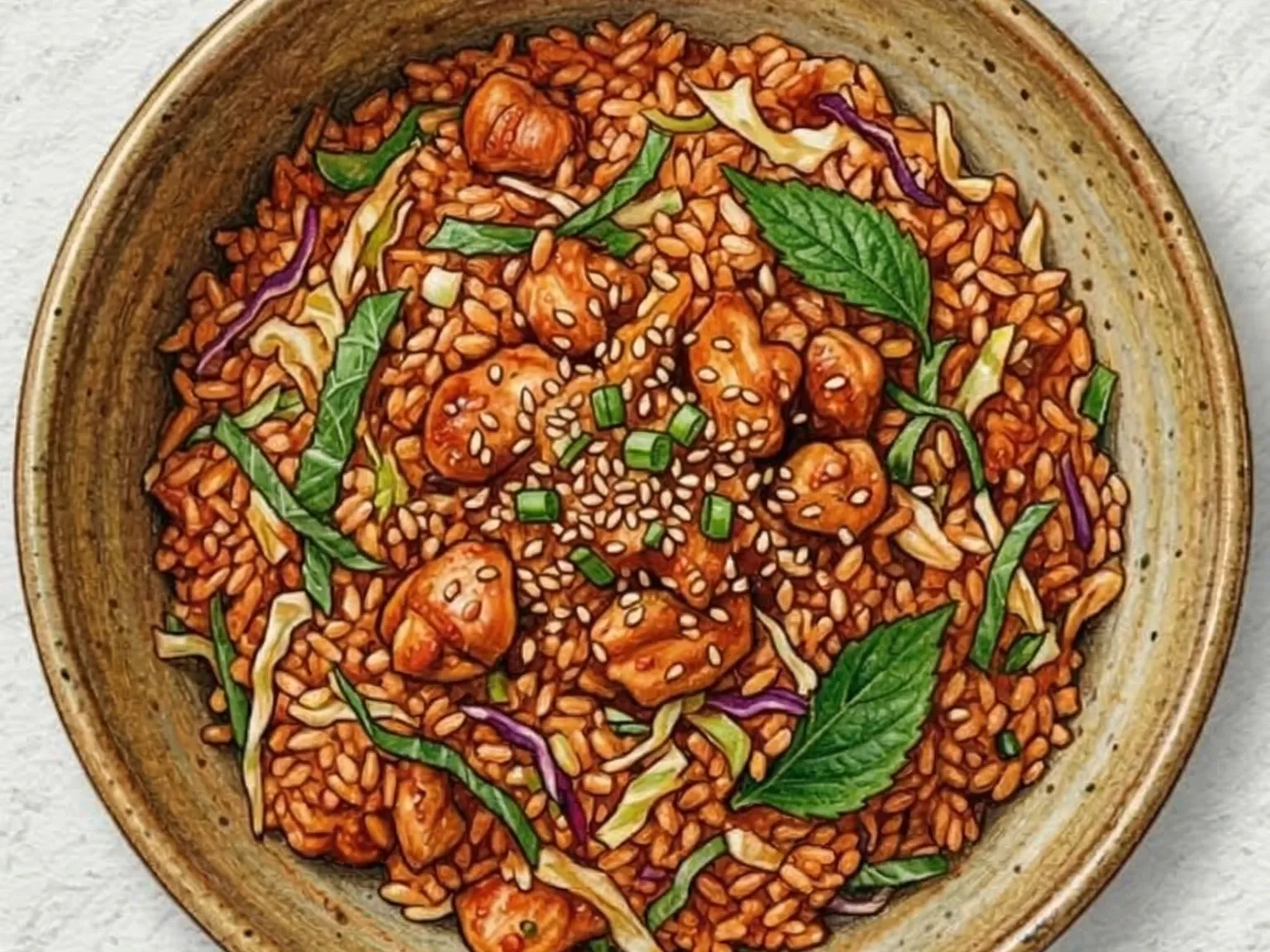
Dakgalbi bokkeumbap is a fried rice made by stir-frying gochujang-marinated boneless chicken thigh with cabbage and onion over high heat, then adding day-old rice to the pan and frying until every grain absorbs the sweet-spicy marinade. The dish originated from the Chuncheon tradition of finishing a dakgalbi meal by stir-frying the leftover sauce and scraps with rice, effectively turning what remains in the pan into a second course. Day-old rice is essential: fresh rice holds too much moisture and clumps together, while refrigerated rice separates cleanly on the hot surface and makes sufficient contact with the pan to develop slightly charred bits at the bottom. These caramelized patches add a smoky crunch that contrasts with the sauced grains above and elevate the dish beyond a simple fried rice. Cabbage and perilla leaves added at the very end of cooking retain a faint crunch that cuts through the richness of the gochujang marinade. Plating the rice with a few perilla leaves laid on top and a scatter of sesame seeds over the surface finishes the dish without requiring anything further.

🏠 Everyday
Prep 12minCook 14min2 servings
Korean Bellflower Root & Beef Stir-fry
Stir-fryMedium

Korean Bellflower Root & Beef Stir-fry

Deodeok-sogogi-gochujang-bokkeum is a Korean stir-fried side dish of pounded bellflower root and thinly sliced bulgogi-cut beef cooked together in a bold gochujang sauce. Beating the root with a mallet breaks up its dense fibers, increases its surface area, and allows the spicy paste to penetrate deeply, resulting in a texture that is simultaneously crisp and chewy after cooking. The fermented heat of gochujang and the saltiness of soy sauce work together to amplify the meaty richness of the beef, and the thick sauce binds the root and meat into a cohesive whole. Adding sesame oil and toasted sesame seeds at the end layers in a nutty, aromatic finish. Deodeok's faint natural bitterness and herbal fragrance survive the cooking process and create a complexity that distinguishes this dish from standard gochujang stir-fries. It is a boldly flavored side dish that pairs insistently with plain steamed rice.

🏠 Everyday🌙 Late Night
Prep 20minCook 12min2 servings
Korean Gochujang Bibim Udon Cup (Spicy Mixed Udon Cup)
Street foodEasy

Korean Gochujang Bibim Udon Cup (Spicy Mixed Udon Cup)

Gochujang bibim udon cup is a cold-tossed udon noodle dish served in a cup, dressed with a sauce built from gochujang, soy sauce, oligosaccharide syrup, vinegar, and sesame oil. The fermented heat of gochujang meets the acidity of vinegar to create a bright, tangy-spicy flavor profile that avoids sharpness, and the viscous syrup gives the sauce enough body to cling evenly to the thick udon strands. Raw julienned cabbage and carrot are folded in without cooking, adding a snappy crunch that contrasts the soft noodles. Cooling the noodles completely before tossing is a key step that prevents the sauce from clumping and ensures even distribution throughout the cup. The handheld cup format suits street food settings, and additional toppings such as a soft-boiled egg or seasoned seaweed can elevate it into a fuller meal.

🌙 Late Night Quick
Prep 12minCook 8min2 servings
Korean Spicy Stir-fried Cartilage
DrinksMedium

Korean Spicy Stir-fried Cartilage

Odolppyeo-bokkeum is a fiery Korean stir-fry of chicken cartilage marinated in a sauce of gochujang, gochugaru, soy sauce, garlic, and sugar, then cooked at maximum heat for a short burst. The cartilage delivers a distinctive crunch-then-chew that no other cut can replicate, and thorough drying with paper towels before marinating ensures the sauce clings directly to the surface. After ten minutes of marinating, the cartilage hits a ripping-hot oiled pan to pick up smoky wok char, followed by onion, green onion, and hot green chilies that are tossed until all moisture evaporates and the glaze turns glossy. Keeping the total stir-fry time brief is critical, since prolonged cooking turns the cartilage from pleasantly crunchy to unpleasantly tough.

🍺 Bar Snacks🌙 Late Night
Prep 15minCook 12min2 servings
Korean Grilled Spicy Chicken Ribs
GrilledMedium

Korean Grilled Spicy Chicken Ribs

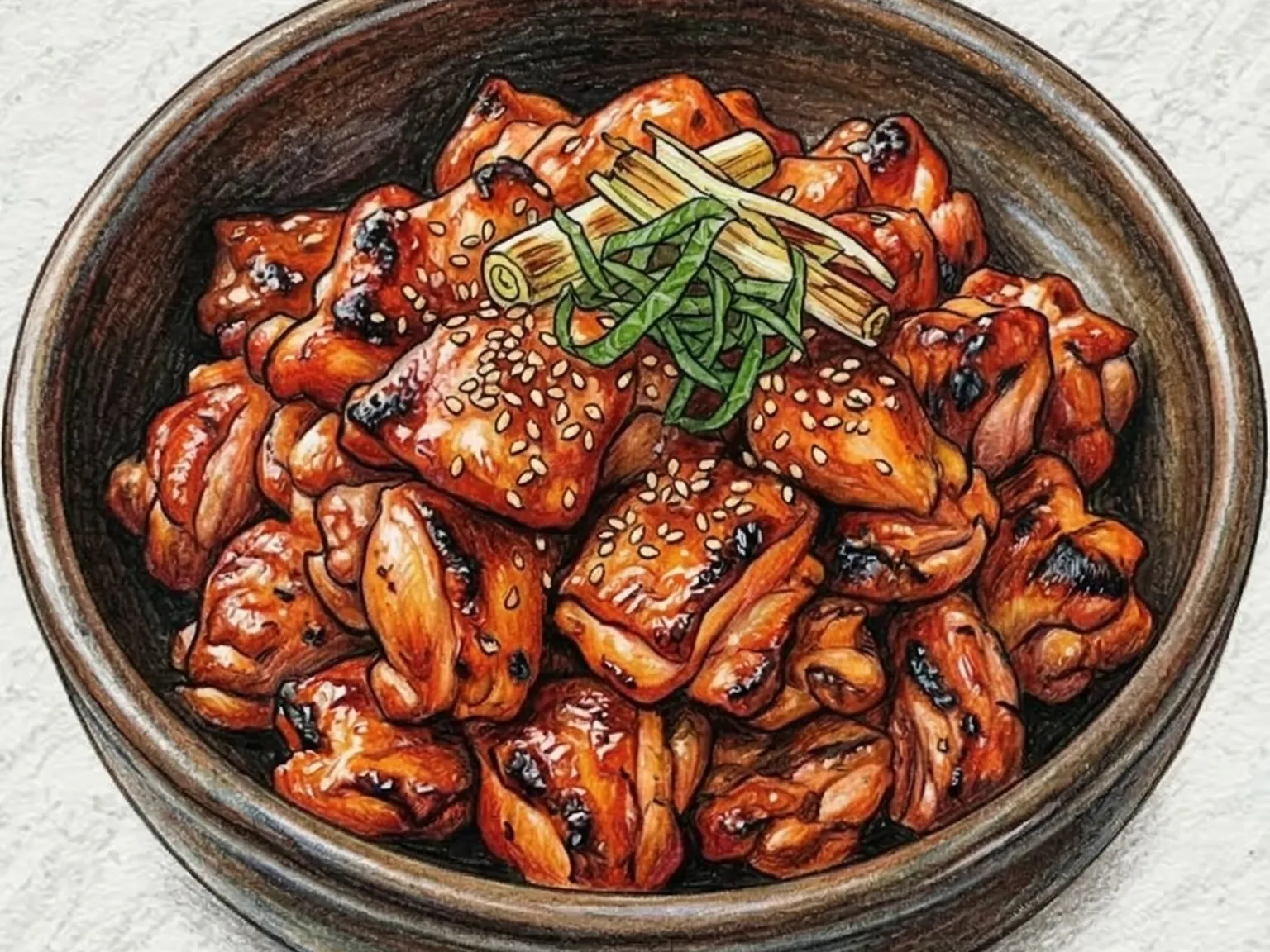
Dakgalbi-gui is the original Chuncheon-style grilled chicken dish, where bone-in thigh and leg pieces marinate in a crimson paste of gochujang, soy sauce, sugar, garlic, sesame oil, and ginger before cooking directly over an open flame or on a very hot pan. Unlike the more widely known iron-plate dakgalbi stir-fried with vegetables, this grilled version focuses solely on the meat to maximize char and smoky flavor on the surface. Deboned thigh meat spread flat exposes more surface area to both the marinade and the heat, concentrating flavor throughout, and a minimum two-hour rest in the marinade ensures the spice penetrates deep into the flesh. The gochujang caramelizes at high temperatures, forming edges that are simultaneously spicy, sweet, and faintly bitter from the char.

🍺 Bar Snacks
Prep 60minCook 20min2 servings
Korean Loach Stew (Ground Loach & Perilla Seed Pot)
StewsHard

Korean Loach Stew (Ground Loach & Perilla Seed Pot)

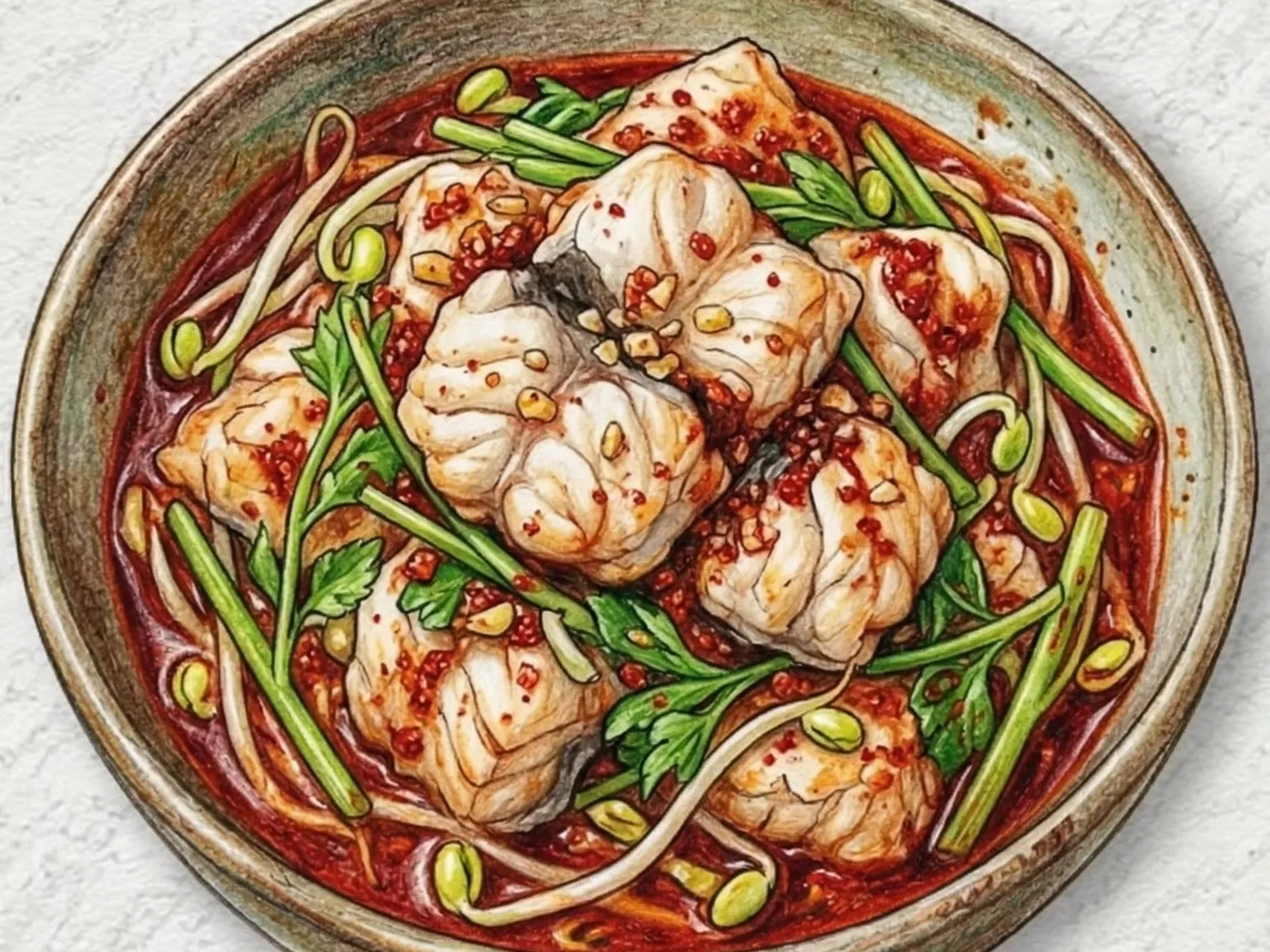
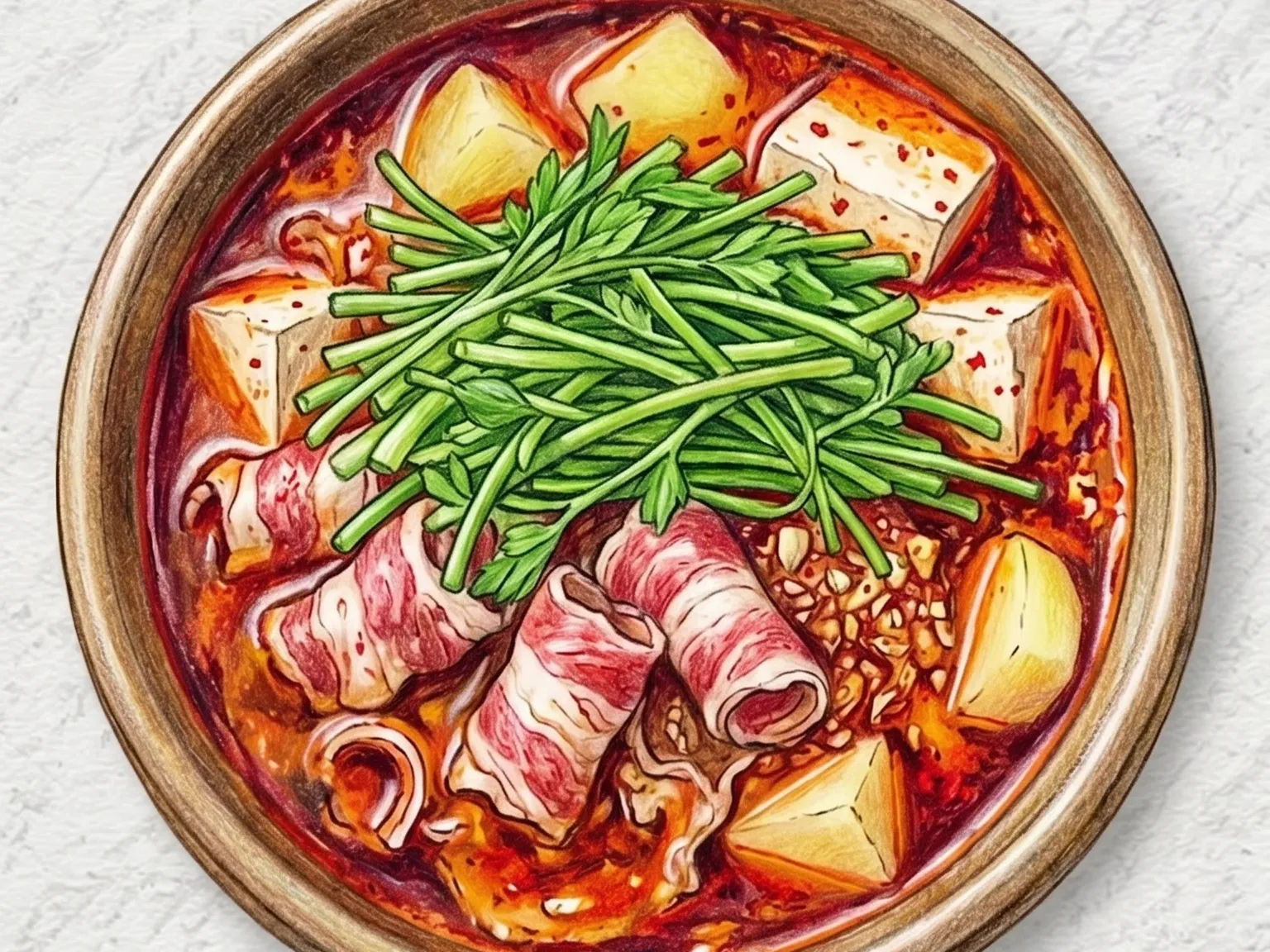
Finely grinding whole loach into the broth creates the distinctive, porridge-like consistency that defines this traditional Korean stew. Long recognized as a restorative autumn dish, it achieves a heavy body without the use of fatty meats, setting it apart from thinner soybean paste soups. Perilla seed powder introduces a nutty oiliness to the liquid, while dried radish greens contribute an earthy bitterness that grounds the heavy base of fermented soybean and chili pastes. Garlic and green onions establish a savory foundation, and red chili powder supplies a dark color and a layer of sharpness. An alternative preparation involves cooking the fish whole rather than grinding it, which results in a thinner broth where the soft flesh naturally detaches from the bones during the boiling process. This method provides a contrasting texture that is absent in the ground version. Adjusting the ingredients can shift the character of the dish: adding more dried radish greens increases the fibrous texture and bitter edge, while a larger portion of perilla powder emphasizes the nutty qualities. When the stew arrives at the table boiling in a stone pot, the rising steam carries a heavy, concentrated scent that fills the immediate air.

🎉 Special Occasion
Prep 25minCook 30min4 servings
Korean Dakbong Gochujang Jorim (Gochujang-Braised Chicken Drumettes)
SteamedMedium

Korean Dakbong Gochujang Jorim (Gochujang-Braised Chicken Drumettes)

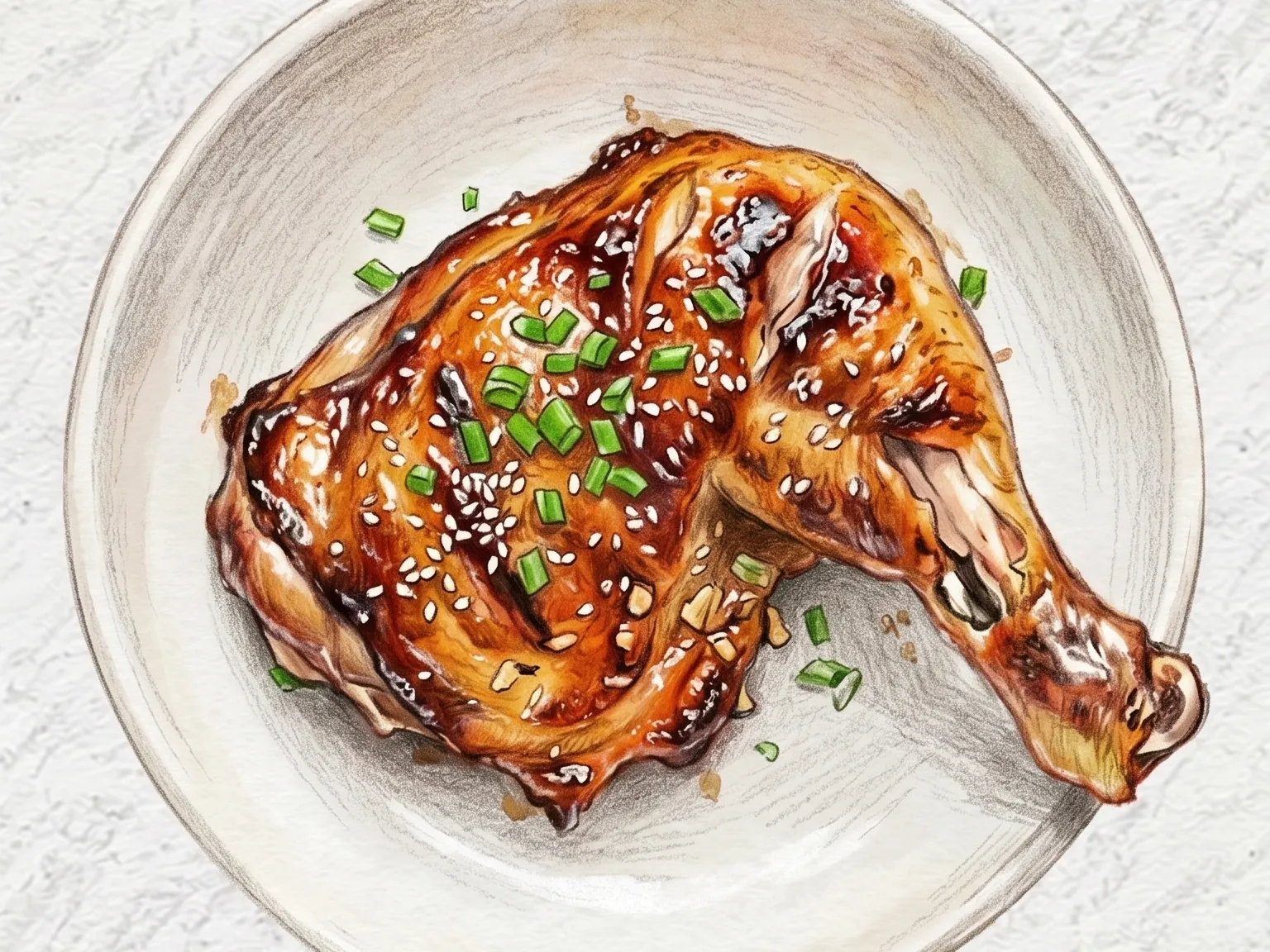
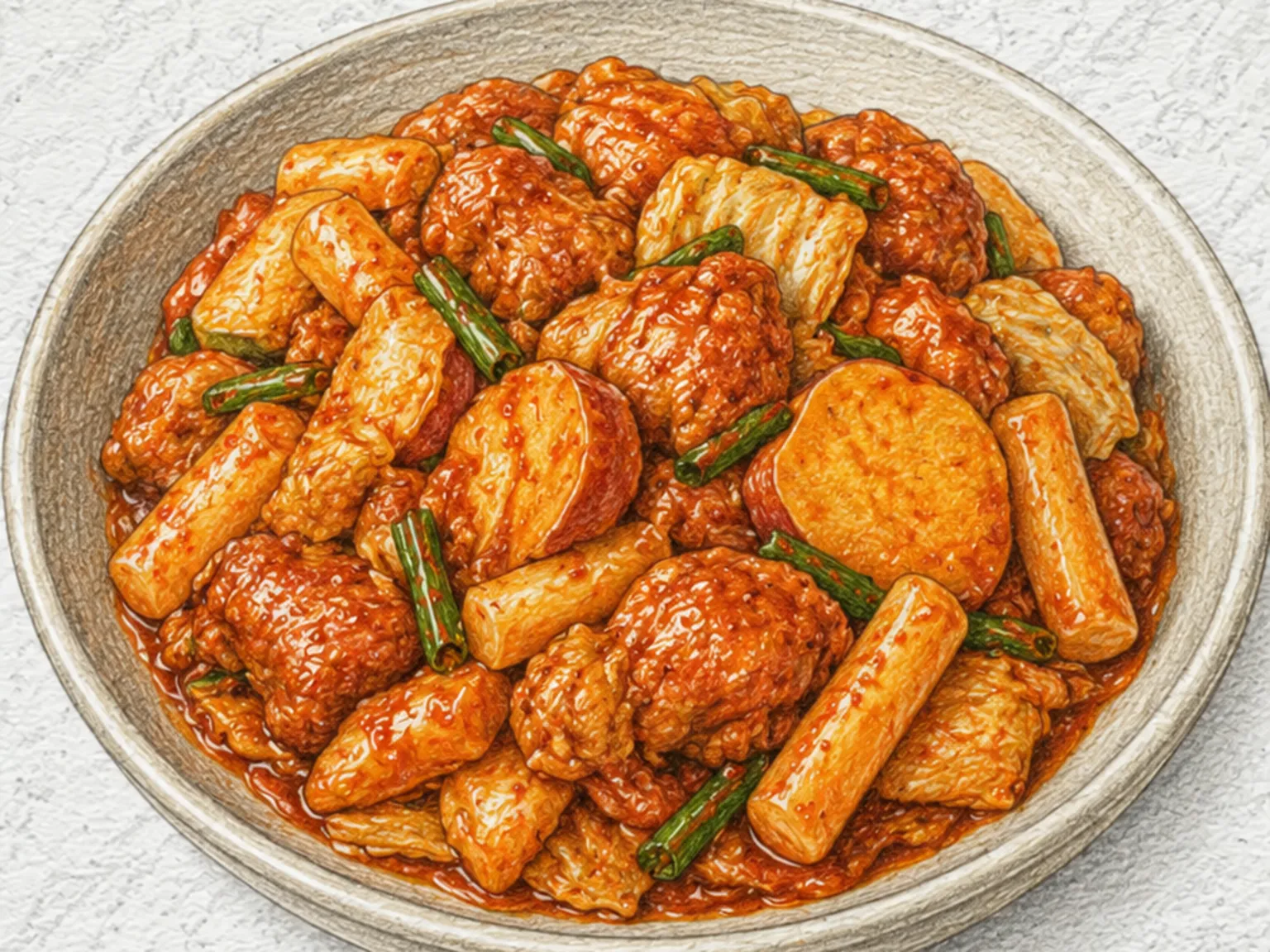
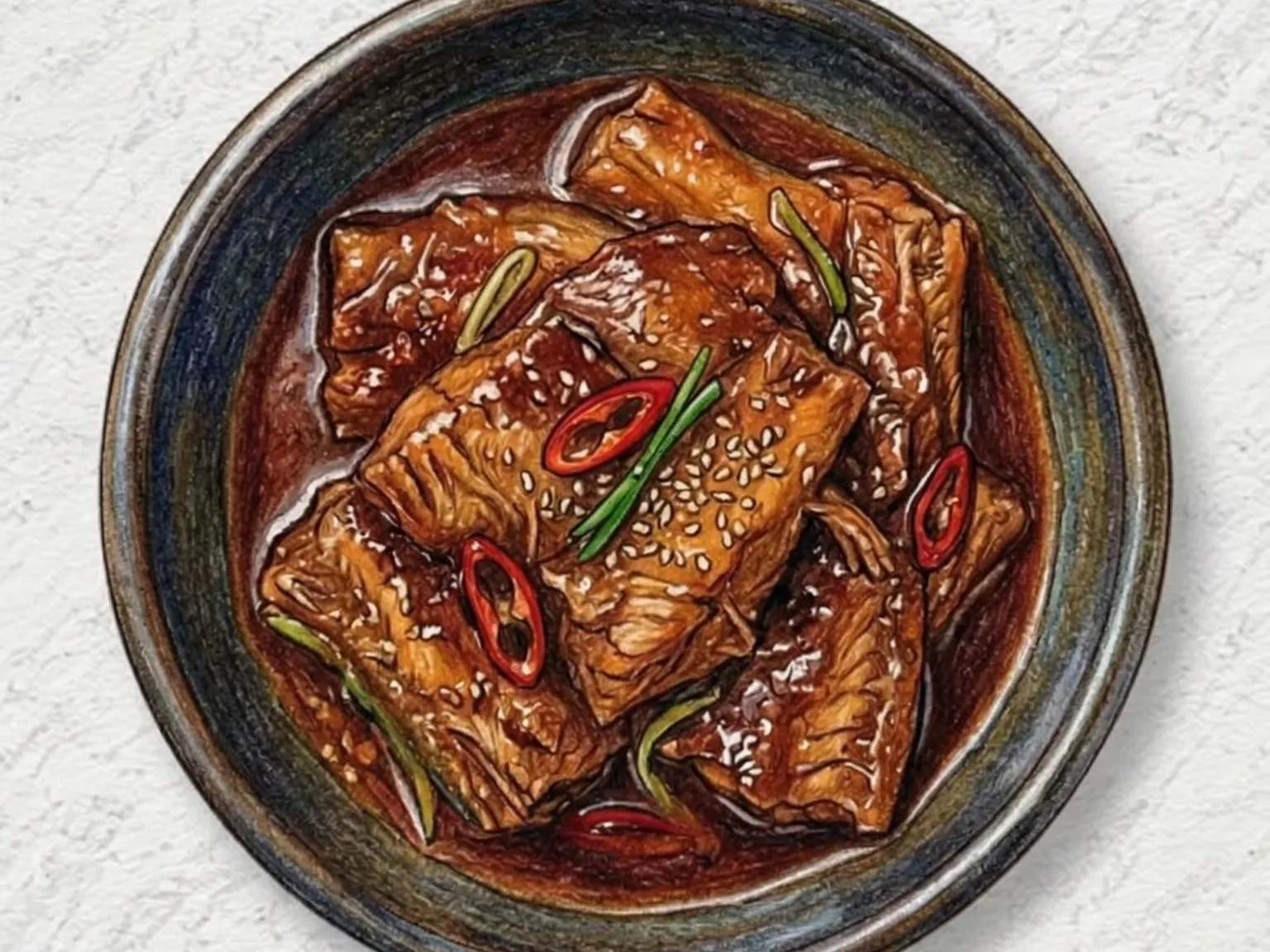
Dakbong gochujang jorim is chicken drumettes braised with potato in a sauce made from gochujang, soy sauce, chili flakes, and oligosaccharide syrup. The meat surrounding the small bones turns dense and pleasantly chewy as it simmers, holding onto the thick, reduced sauce at every surface. Potato pieces soften in the braising liquid until starchy and tender throughout, absorbing the chili-soy base from the outside in. The oligosaccharide syrup wraps the gochujang heat in a shiny glaze that keeps you reaching for another piece. A stalk of green onion stirred in at the very end adds a sharp, pungent aroma that lifts the finished dish.

🎉 Special Occasion🍱 Lunchbox
Prep 15minCook 35min4 servings
Busan Milmyeon (Korean Cold Wheat Noodles)
NoodlesMedium

Busan Milmyeon (Korean Cold Wheat Noodles)

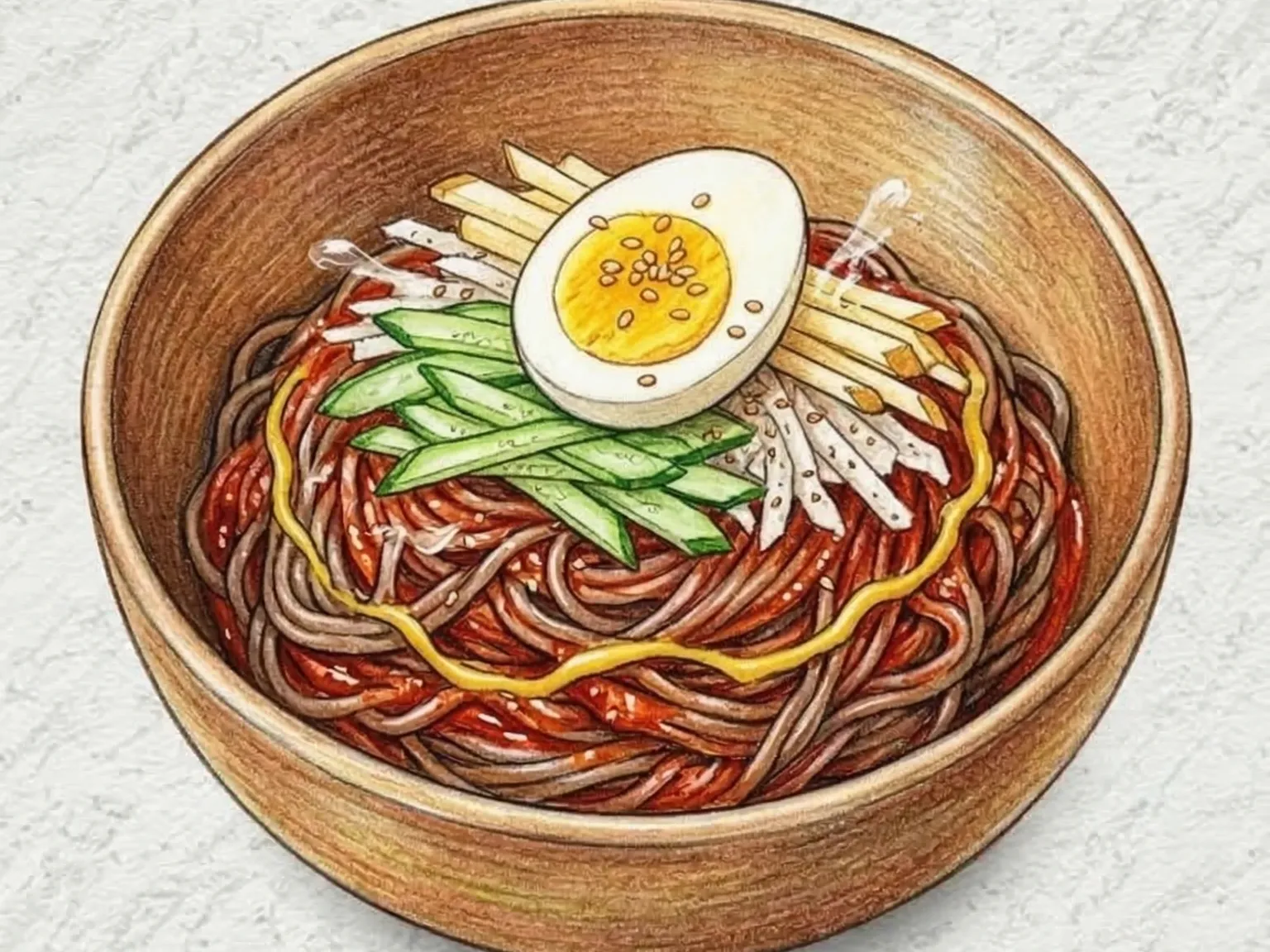
Busan milmyeon is a cold noodle dish unique to the city of Busan, built around chewy noodles made from wheat flour and starch served in a thoroughly chilled beef bone broth. The broth is made by simmering beef bones for a long time, then chilling it until the solidified fat can be skimmed cleanly from the surface, which produces a clear, lean broth that is savory without being heavy. A mound of spicy-sweet chili paste placed on top of the noodles introduces a sharp kick that cuts through the cold and stimulates appetite even on the most sweltering days. The noodles are softer and more yielding than the buckwheat strands used in pyongyang-style naengmyeon, and they absorb the beefy broth with each bite. Cutting the noodles with scissors and alternating between sips of cold broth and bites of dressed noodles is the local eating ritual that distinguishes milmyeon from other cold noodle dishes. Half a boiled egg and thin cucumber slices form the standard garnish, and a splash of vinegar and a dab of mustard on the table allow each diner to adjust the flavor balance to taste. The dish traces its origin to the wartime period of the early 1950s, when refugees displaced to Busan during the Korean War began making cold noodles with wheat flour as a substitute for the buckwheat they could no longer obtain from the north.

🎉 Special Occasion
Prep 25minCook 15min2 servings
Gochujang Eggplant Ricotta Lasagna Rolls
PastaHard

Gochujang Eggplant Ricotta Lasagna Rolls

Gochujang eggplant ricotta lasagna rolls begin by roasting diced eggplant with olive oil and salt at 200 degrees Celsius. Fifteen minutes in the oven drive out moisture and collapse the flesh into a soft, dense interior. The roasted eggplant is combined with ricotta and spread across boiled lasagna sheets, which are rolled tight and arranged in a baking dish. A sauce of tomato puree, gochujang, sauteed onion and garlic, and dried oregano is simmered for ten minutes until the chili paste loses its raw edge and the tomato acidity settles into the mix, producing a layer that is spicy and faintly tangy. The rolled sheets are covered in sauce and topped with mozzarella, then baked until the cheese browns and blisters into a firm crust. Below that crust the eggplant-ricotta filling stays moist and soft, and the contrast between the crisp cheese cap and the tender interior defines each slice.

🎉 Special Occasion
Prep 25minCook 35min4 servings
Squid and Cucumber Chojang Salad
SaladsMedium

Squid and Cucumber Chojang Salad

Squid is blanched briefly for a chewy yet tender texture without any fishy taste. Diagonally sliced cucumber adds juicy crunch, while shredded red cabbage brings vivid purple color. Chojang - gochujang, vinegar, and plum extract - delivers a sweet, spicy, and sour punch that accents the mild seafood. Sesame oil, minced garlic, and a sprinkle of sesame seeds complete the classic Korean seafood salad profile, best served chilled in summer as a refreshing standalone meal.

🥗 Light & Healthy Quick
Prep 16minCook 4min2 servings
Korean Seasoned Fatsia Shoots
Side dishesEasy

Korean Seasoned Fatsia Shoots

Dureup, the young shoots of aralia elata, emerge for barely three weeks each April from thorny stalks, ranking among the most prized of Korea's spring mountain vegetables. Each shoot carries a distinctive piney, slightly resinous fragrance that cannot be found in any other Korean namul. Blanching the shoots in salted water for exactly 40 seconds softens the fibrous base of the stalk while preserving the volatile aromatic oils concentrated at the leaf tips. The traditional dressing is cho-gochujang, a vinegared chili paste whose acidity and sweetness provide a flavor framework without overwhelming the shoots' natural bitterness. In Korean folk medicine, dureup has long been associated with blood sugar regulation, which contributes to the premium it commands at spring markets. The fragrance fades rapidly after harvest, so the shoots are best eaten the same day they are picked, and even refrigerated storage should not extend beyond one day.

🏠 Everyday🍱 Lunchbox
Prep 10minCook 3min4 servings
Korean Cheesy Dakgalbi Rice Bowl
RiceEasy

Korean Cheesy Dakgalbi Rice Bowl

Cheese dakgalbi deopbap is a rice bowl built on the flavors of Chuncheon-style spicy chicken stir-fry, finished with a blanket of melted mozzarella. Chicken thighs are marinated in gochujang, gochugaru, soy sauce, and sugar for at least thirty minutes, then stir-fried in a ripping-hot pan with rough-cut cabbage and onion until the sauce reduces and coats every surface. The heat must be high enough to evaporate moisture quickly; if the pan is too cool, the ingredients steam and the sauce turns thin. Thigh meat stays moist throughout cooking because of its higher fat content, making it far more forgiving than breast meat in a fast stir-fry. Cabbage cooked at high heat for a short time keeps enough crunch to stand against the richness of the cheese and sauce. Mozzarella laid over the top melts in the residual heat into long, stretchy strands that soften the chili sharpness with every bite. The whole dish comes together in under fifteen minutes with pantry staples, which makes it a natural choice for a quick solo dinner or late-night meal.

🏠 Everyday
Prep 15minCook 18min2 servings
Korean Spicy Pork Duruchigi
Stir-fryEasy

Korean Spicy Pork Duruchigi

Duruchigi is a Korean spicy pork stir-fry made by flash-cooking sliced pork shoulder with onions and scallions in a gochujang-based sauce over high heat. Pork shoulder has a balanced ratio of fat to lean meat, which prevents it from drying out even at the high temperatures required for a proper stir-fry. The intense heat chars the edges of the meat slightly and introduces a smoky wok flavor that deepens the dish beyond what the seasoning alone provides. Gochujang contributes fermented chili heat and a savory, slightly sweet undertone, while added sugar reinforces that sweetness, and scallions provide a sharp, clean finish in the back of the palate. Cooking the onion first to soften before adding the meat controls the amount of liquid released and keeps the sauce from becoming watery. Duruchigi works as a straightforward rice side dish, wrapped in lettuce leaves, or as the protein base for fried rice with the leftovers. It ranks among the most dependable everyday pork dishes in Korean restaurants and home kitchens, and also sees regular use as a late-night snack or drinking table side.

🏠 Everyday🍱 Lunchbox
Prep 15minCook 12min2 servings