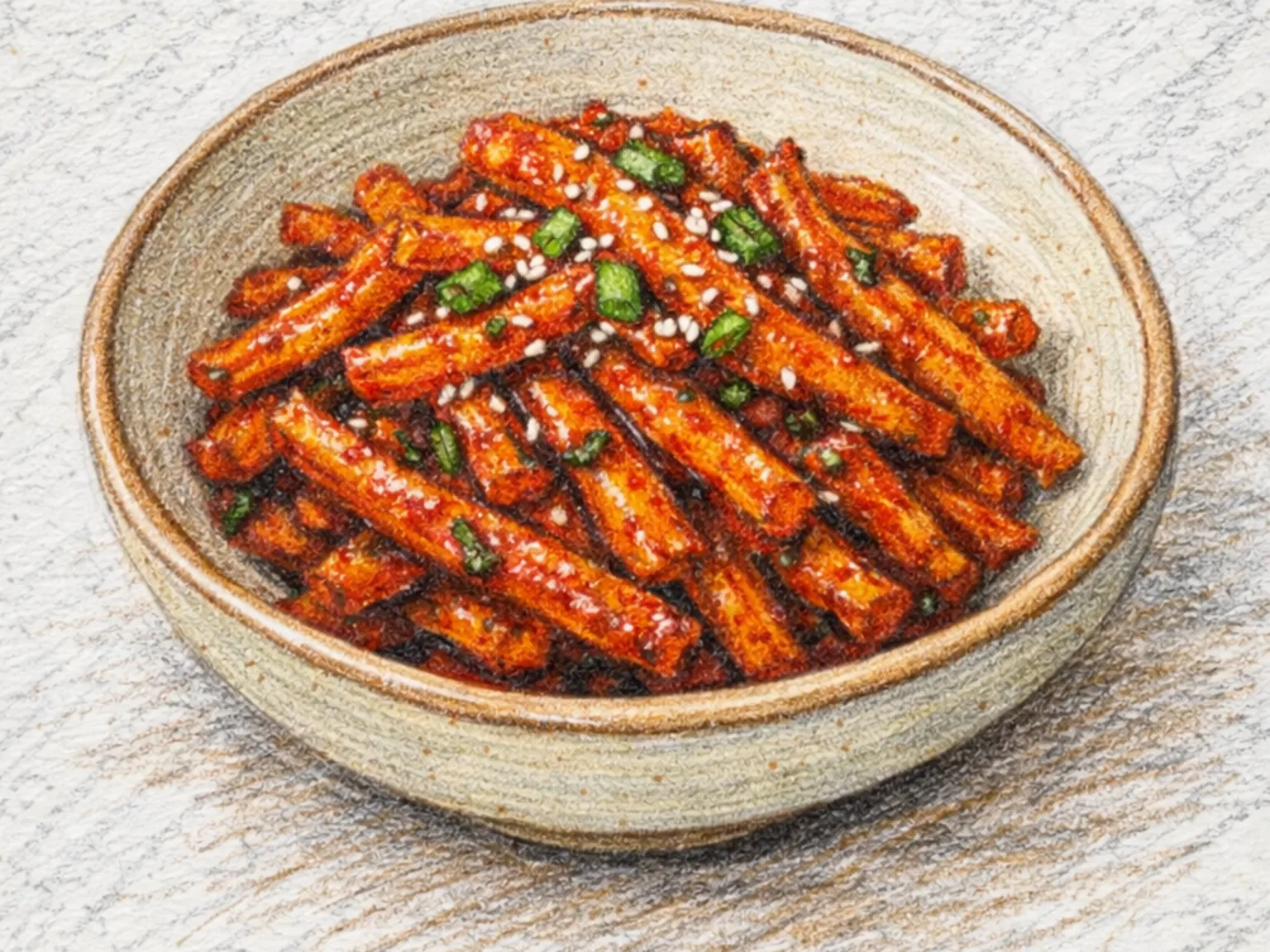
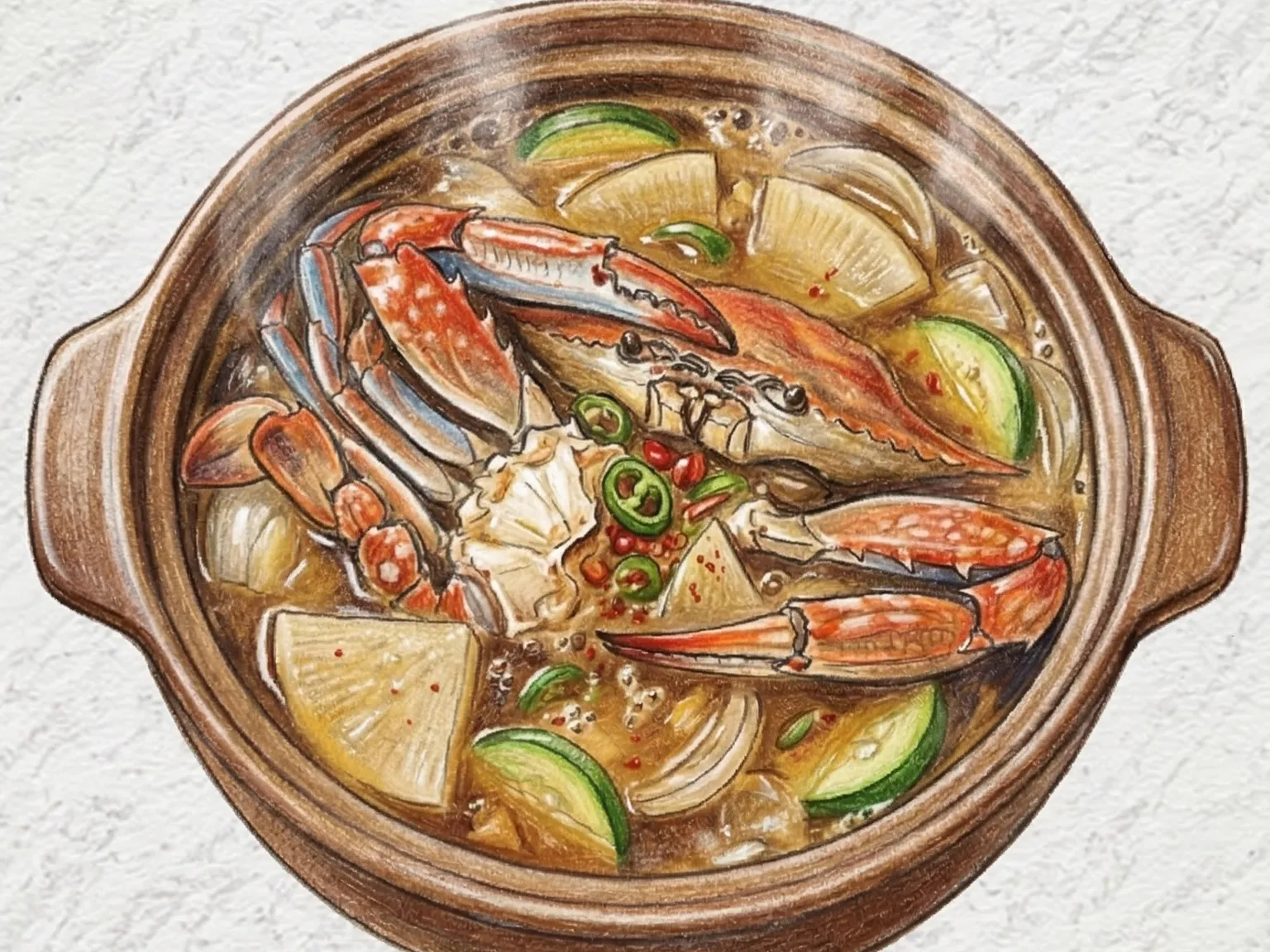
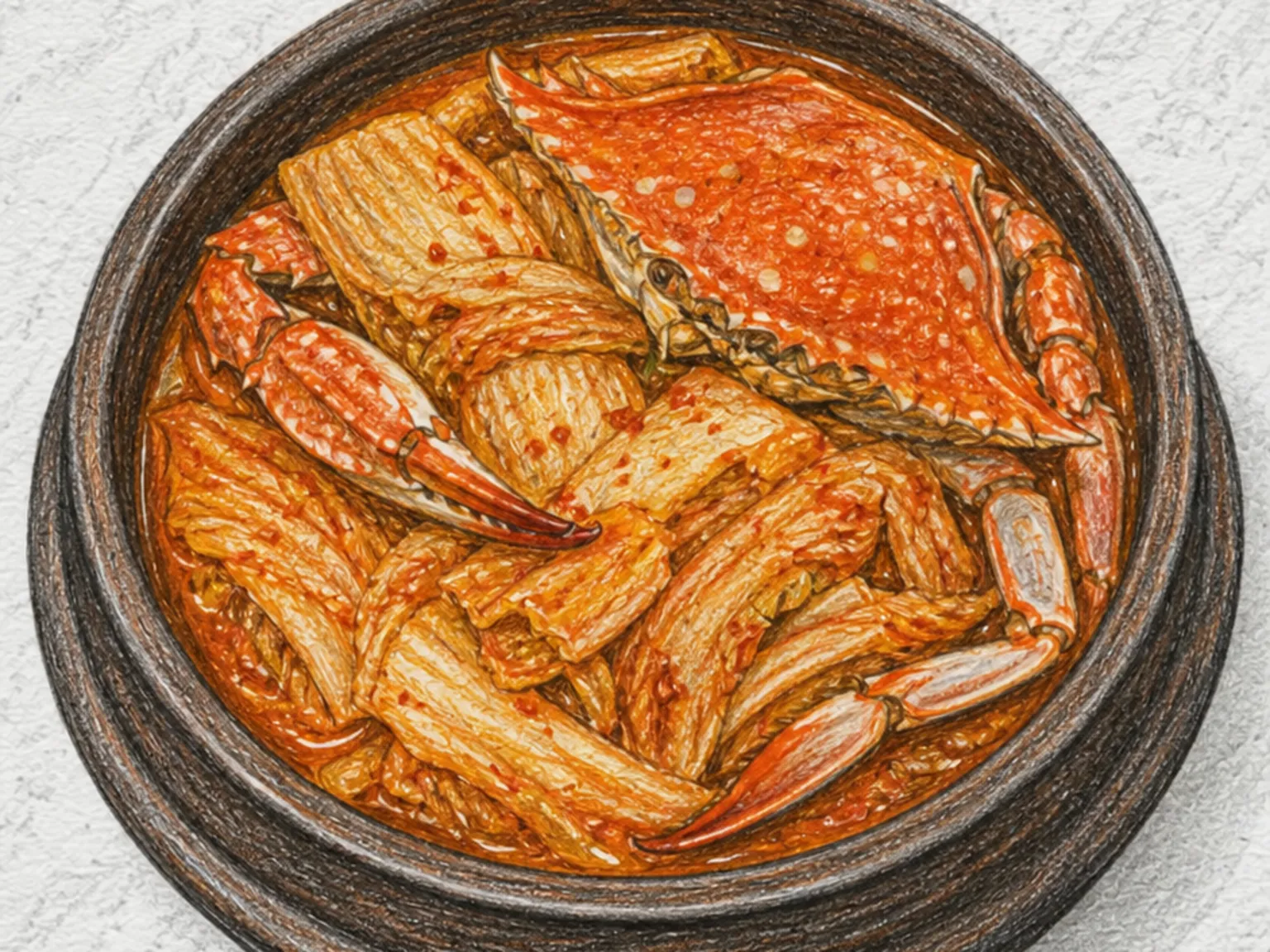
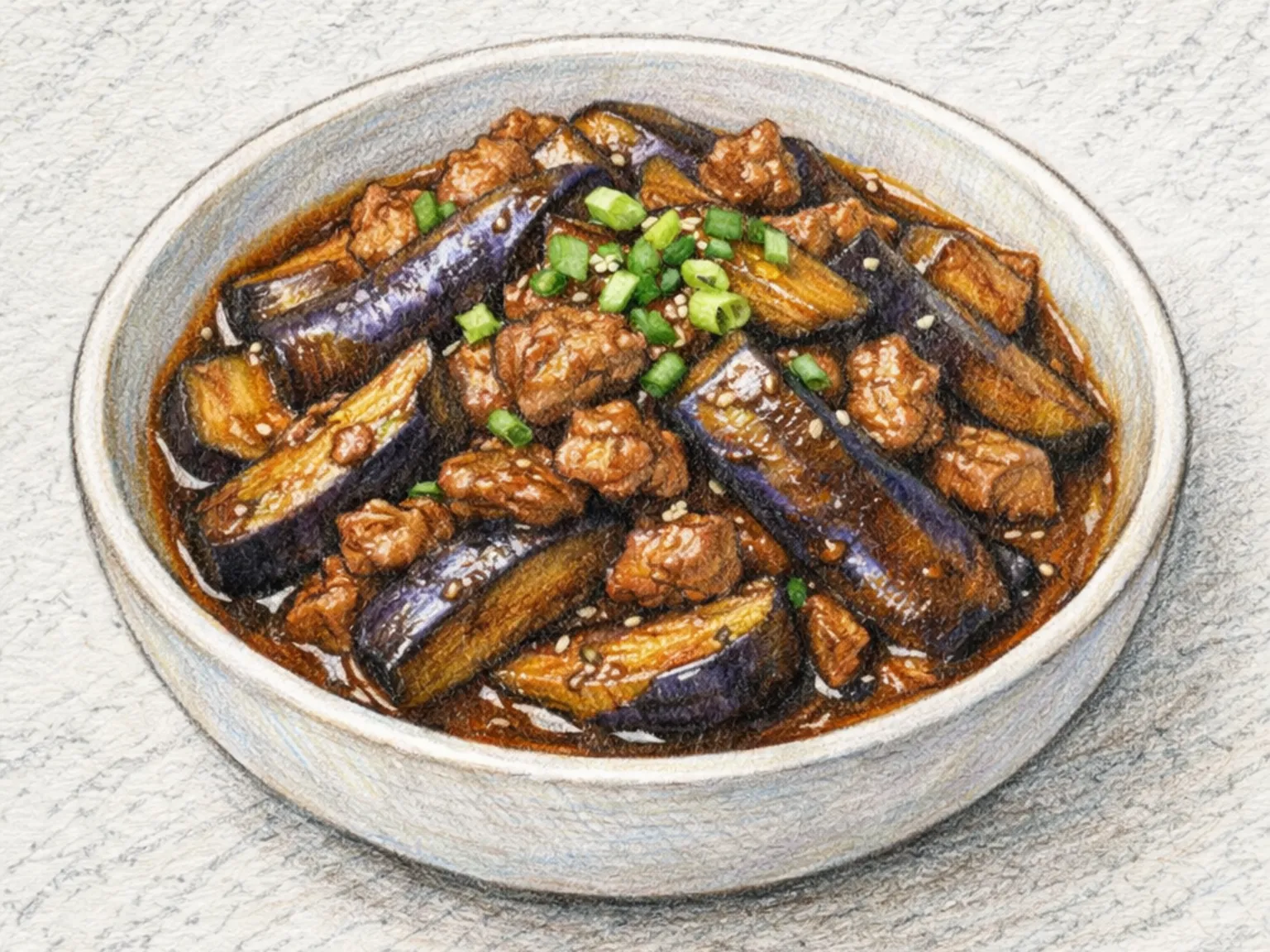
Korean Mussel Stew
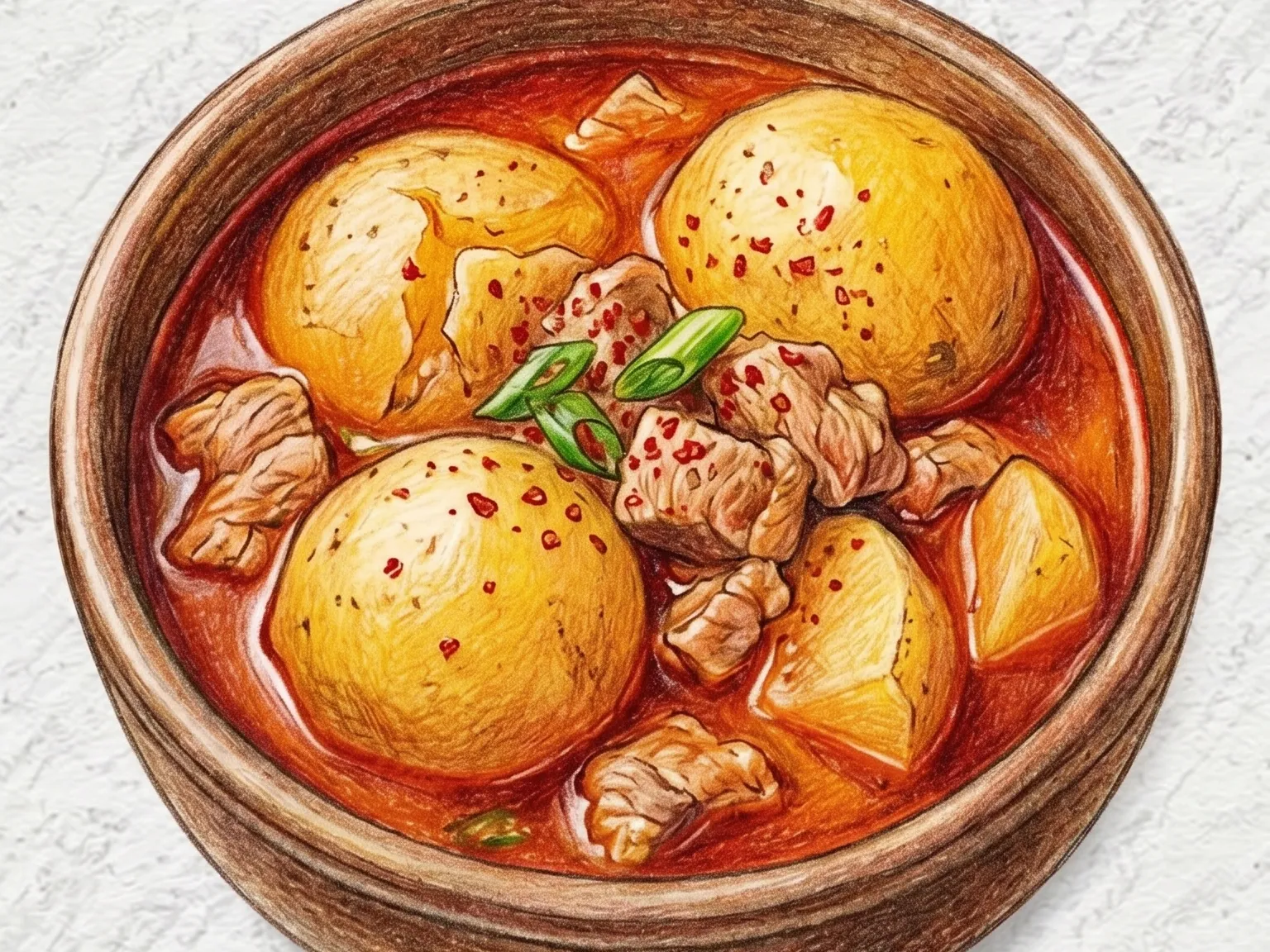
Honghap jjigae uses a generous 900g of mussels to build an intensely briny, clean-tasting broth that defines this stew. Thick-cut Korean radish simmers alongside the shellfish, soaking up the ocean-flavored liquid and contributing a quiet natural sweetness. Cheongyang chili and gochugaru deliver a moderate, lingering heat, while soup soy sauce and cooking wine round out the seasoning without drowning the seafood flavor. Using the liquid the mussels release during cooking as the base of the broth provides depth without requiring a separate stock. Sliced green onion added at the end lifts the aroma without adding any fishy note. Selecting only mussels whose shells are tightly closed before cooking reduces the chance of grit or off-flavors in the finished stew.

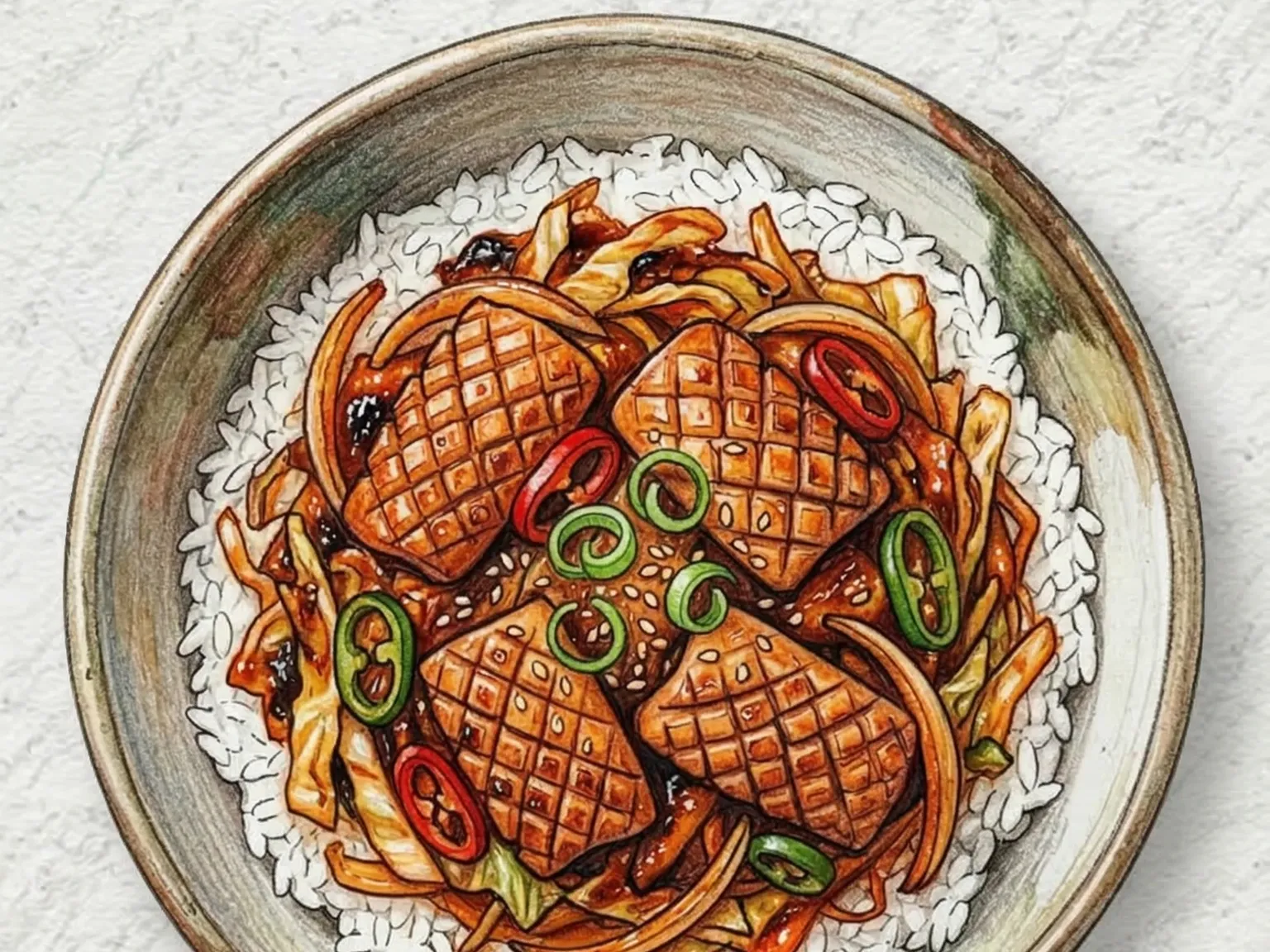
Korean Braised Pork Ribs with Young Radish Greens
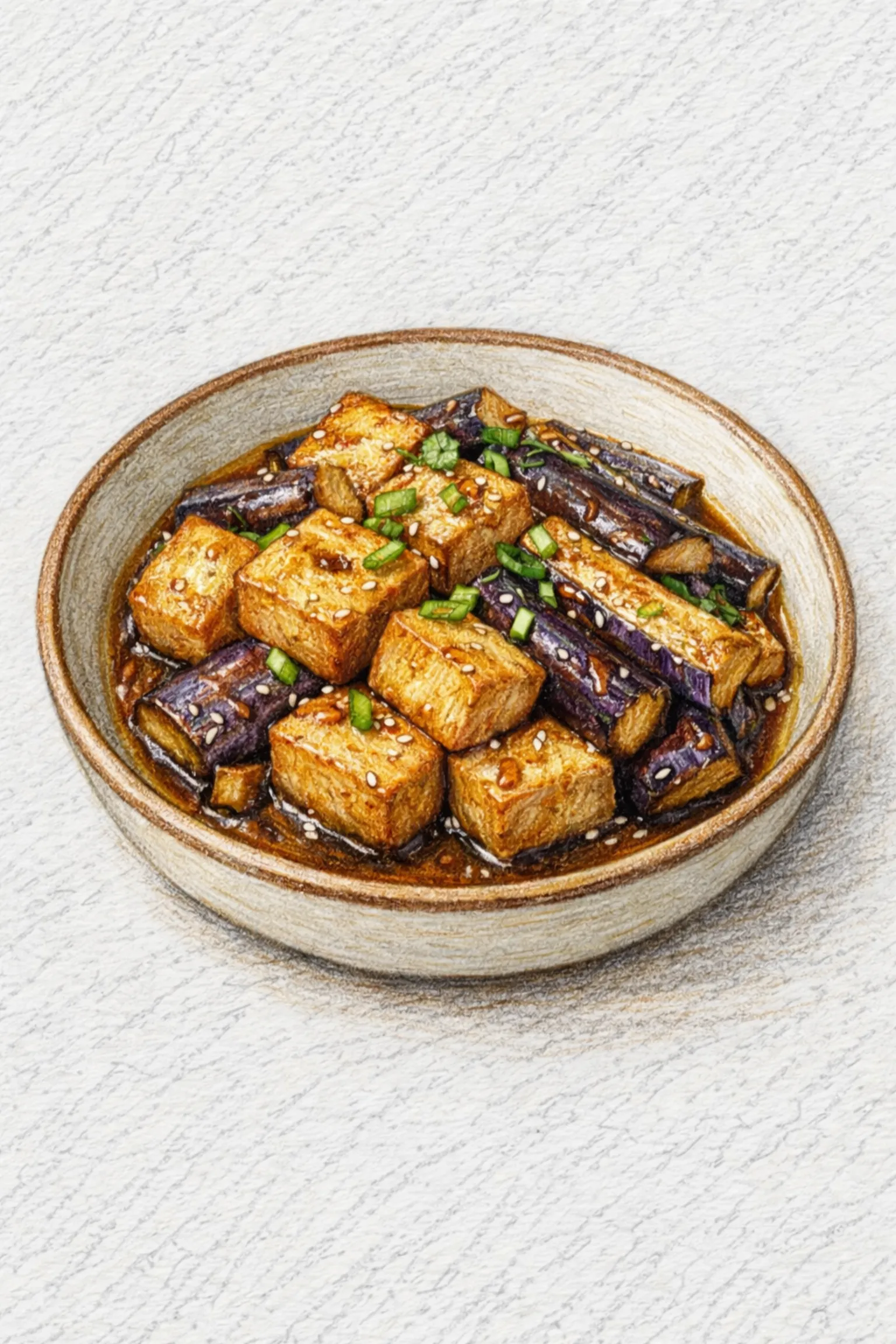
Yeolmu dwaeji galbi jjim is a Korean braised pork rib dish finished with young radish greens, cooked in a gochujang and soy sauce seasoning. The ribs simmer until the meat separates from the bone, building a concentrated, spicy braising liquid from the rendered pork stock and chili paste. Young radish greens are added only in the final minutes to preserve their crisp stems and fresh, slightly peppery aroma, which lightens the rich, heavy sauce. The combination of fall-off-the-bone pork and bright summer greens makes this a seasonal main course that bridges richness and freshness.

Korean Soybean Leaf Kimchi
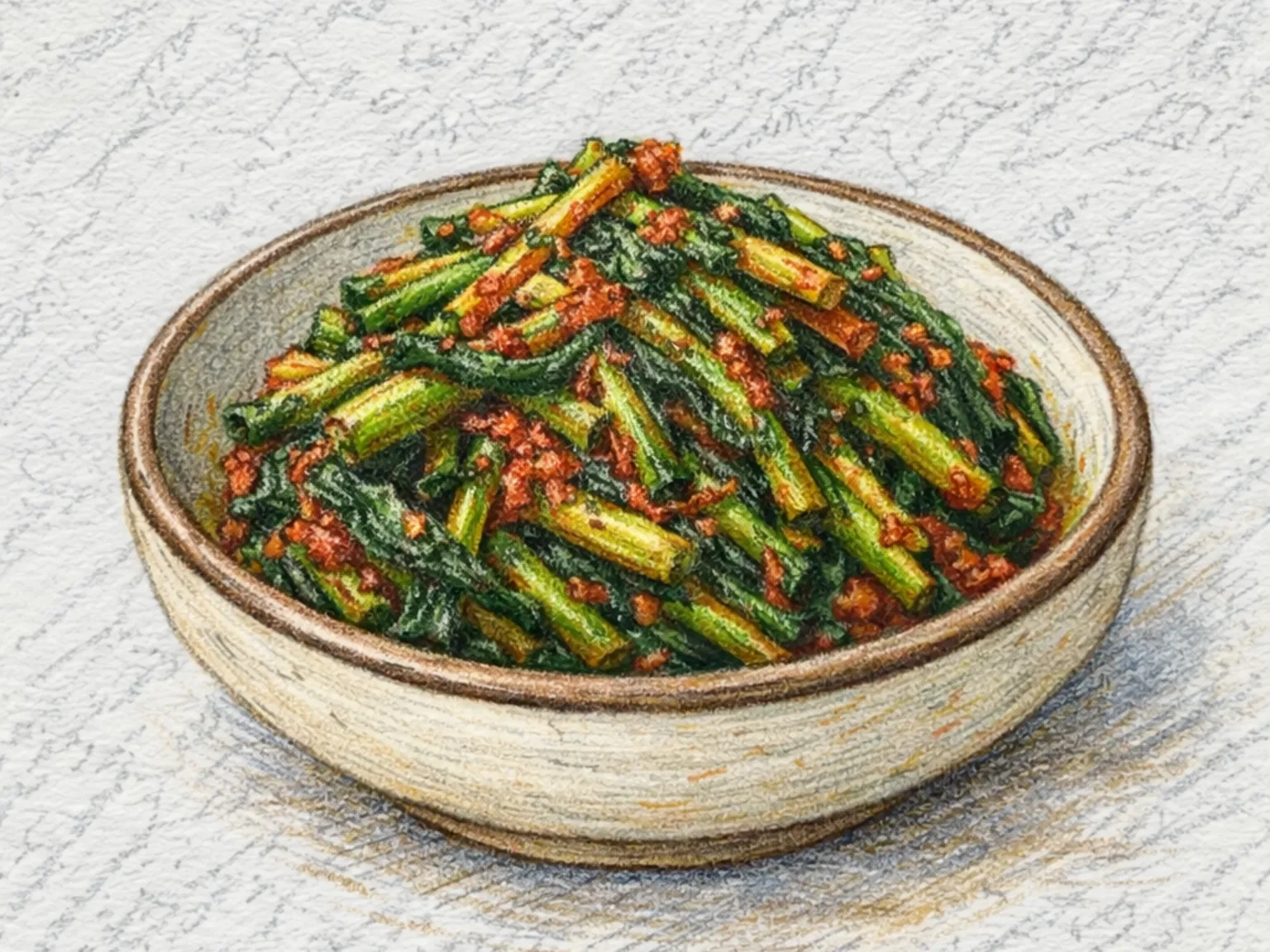
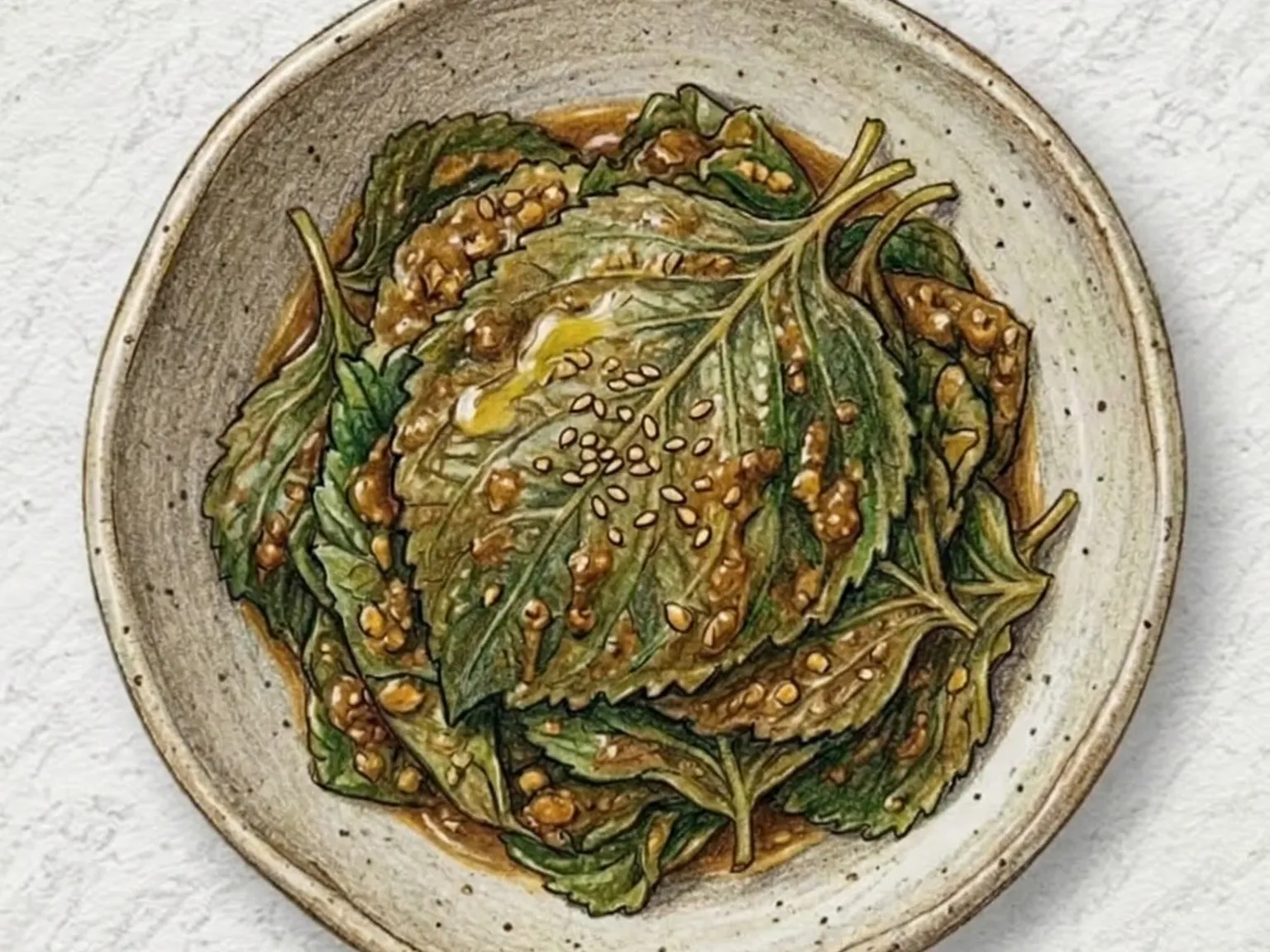
Kongip kimchi is a Korean preserved kimchi made by coating individual soybean leaves, one by one, with a seasoning of gochugaru, dark soy sauce, anchovy fish sauce, and plum syrup, then stacking them in layers to ferment. The soybean leaf's earthy, vegetal fragrance is its defining quality in the fresh state, but it transforms into something considerably deeper and more savory once it meets the concentrated umami of soy and fermented fish sauce and begins to mature over several days. Onion and ginger are worked into the seasoning to suppress any raw edge and reinforce the overall aroma. Plum syrup tames the inherent sharpness of the salt and fish sauce with a gentle fruit acidity that rounds the flavor, ensuring that each leaf pulled from the jar tastes balanced rather than overwhelming. The traditional way to eat it is draped over a bowl of warm rice and folded around a mouthful, the salty-spicy leaf acting as both wrap and condiment. When the kimchi is particularly salty after a long fermentation, a brief toss in sesame oil softens the intensity and adds a warm, nutty note. Made in late autumn while the leaves are still young and tender before the first frost, this kimchi keeps for weeks in the refrigerator and deepens in flavor throughout the season.

Korean Water Kimchi (Chilled Radish Broth Kimchi)
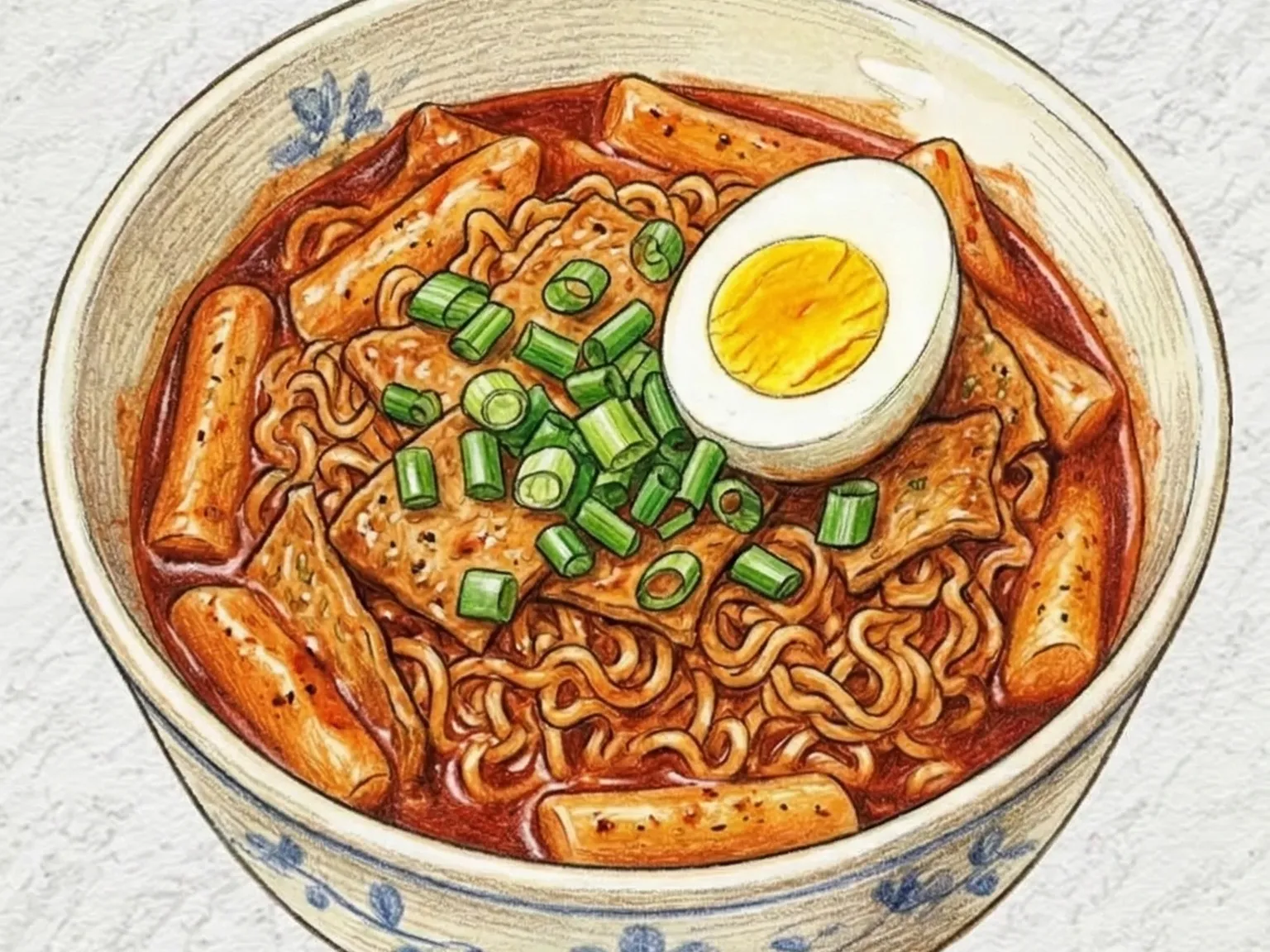
Nabak-kimchi is a Korean water kimchi made by submerging thinly sliced radish and napa cabbage in a clear, lightly reddened broth - fundamentally different from the dense, fermented intensity of baechu-kimchi. Here, the chilled broth is the centerpiece, meant to be sipped and spooned rather than merely eaten as a side. Radish and cabbage are cut into flat 2-to-3cm squares, salted briefly, then immersed in a liquid made by steeping gochugaru in water through cheesecloth - wrapping the powder prevents the particles from clouding the broth. Garlic, ginger, scallion, and fish sauce flavor the liquid. One day at room temperature initiates lactic fermentation, introducing a gentle tang, and refrigeration over two to three days deepens the complexity. A spoonful of nabak-kimchi broth alongside spicy food acts as a cooling palate cleanser. Served cold, this kimchi is particularly refreshing in summer - it is a drinking kimchi in the truest sense, closer in spirit to naengmyeon broth than to solid fermented kimchi.

Korean Eel Stew (Freshwater Eel in Spicy Perilla Broth)
Jangeo jjigae is a nourishing Korean stew featuring freshwater eel simmered in a gochujang-based broth enriched with ground perilla seeds. The eel's fatty, firm flesh melds with the fermented chili paste to produce an intensely savory liquid, while the perilla adds a creamy, nutty body that gives the finished stew a thick, substantial texture. Gochugaru layers an additional level of heat on top of the gochujang's deep sweetness, so the spice builds in complexity across each spoonful rather than hitting at one flat register. Cooking the eel with the bones left in extracts collagen into the broth and deepens the overall richness, while boneless pieces are easier to eat. Garlic and ginger are added in generous amounts to counter the eel's strong aroma, and the perilla powder is stirred in only at the very end of cooking so its nutty fragrance is preserved rather than cooked off. Traditionally regarded as a stamina food, the stew is especially popular on the three hottest days of the Korean lunar calendar - sambok - and throughout the summer months when the body loses energy to the heat. A bowl served piping hot produces a spreading warmth from the inside out.

Korean Garlic Scape Kimchi
Maneul jong kimchi is a garlic scape kimchi made by lightly brining freshly harvested scapes, then dressing them in a seasoning paste of gochugaru, fish sauce, and plum syrup blended with pureed onion and pear. The scapes' sharp, piercing garlic aroma does not diminish through fermentation - it persists alongside the stems' crisp bite, delivering alternating pulses of heat and umami that build with each chew. Pear works into the base to introduce a fruit sweetness that blunts the chili intensity, while fish sauce provides the fermented backbone that grounds the entire kimchi. Trimming the fibrous bottoms before seasoning produces a more uniform snap throughout. Leaving the jar at room temperature for roughly two days allows the flavors to integrate and mellow into balance before refrigerating. This is a seasonal kimchi made only in spring when garlic scapes appear in the market, and its combination of raw green pungency and assertive garlic heat sets it apart from any other variety in the Korean kimchi repertoire.

Korean Cucumber Doenjang Salad
Oi-doenjang-muchim dresses cucumber in a doenjang-based seasoning - a milder alternative to the gochugaru-forward oi-muchim, foregrounding the fermented soybean paste's savory depth over spicy heat. Cucumber is sliced into half-moons or diagonal cuts and salted for five minutes to draw out moisture; skipping this step dilutes the dressing into a watery puddle. The seasoning blends doenjang, soup soy sauce, minced garlic, sesame oil, and sesame seeds, with the doenjang quantity being the critical ratio - too much and the dish is aggressively salty, too little and the cucumber's blandness dominates. Roughly one tablespoon of doenjang to two cucumbers is the working proportion. The cucumber's cool moisture meets doenjang's deep umami to produce a combination that is refreshing yet substantial enough to anchor a rice meal, especially in summer. This banchan must be eaten promptly after assembly - over time, osmotic pressure draws water from the cucumber and collapses its crunch. Served alongside grilled meat, the doenjang's savoriness complements the char while cleansing the palate.

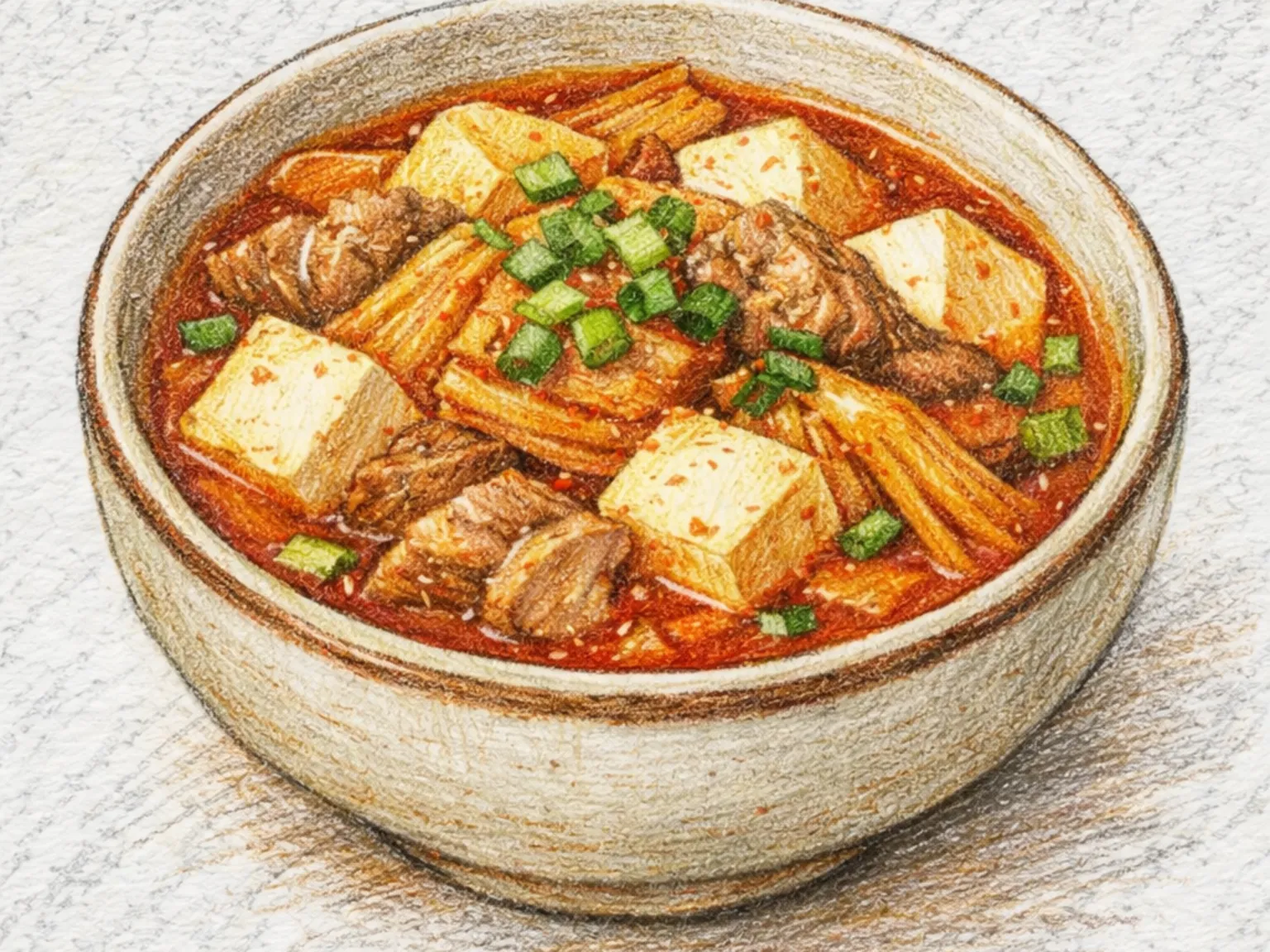
Korean Kimchi Jjigae (Kimchi Stew)
Kimchi jjigae is a well-loved Korean home-cooked stew, built on well-fermented kimchi and pork belly simmered together until the flavors fully meld. The kimchi's sharp acidity breaks down the richness of the pork fat, producing a broth that is simultaneously tangy, spicy, and deeply savory. A spoonful of doenjang adds another layer of fermented complexity, while tofu blocks absorb the fiery liquid. Finished with a drizzle of sesame oil, it is the definitive comfort food served with steamed rice.

Korean Water Parsley Kimchi
Minari kimchi is a quick, no-fermentation Korean water parsley kimchi that is ready to eat the moment it is made. The stems are salted for just ten minutes to barely wilt them, preserving their characteristic crunch and cool, clean herbal fragrance. Blended onion is worked into the seasoning paste alongside gochugaru, anchovy fish sauce, and plum syrup, giving the dressing body and a gentle sweetness. Anchovy fish sauce lays a seafood umami foundation under the light vegetable, while plum syrup's fruit acidity softens the chili heat rather than letting it dominate, so the finish is bright and refreshing rather than sharp. Paired with samgyeopsal or boiled pork, the water parsley's aromatics cut directly through the fat, cleansing the palate between bites in a way that heavier banchan cannot. The kimchi is best eaten on the day it is made while the stems still have their full snap.

Korean Spicy Squid Salad (Gochujang Blanched Squid)
Ojingeo-muchim tosses blanched squid in a gochujang-vinegar dressing for a tangy, spicy seafood banchan that works equally well as a rice side dish or as anju with drinks. Squid, unlike vegetables, has an extremely narrow blanching window that determines the entire outcome: one minute to ninety seconds in boiling water is the limit. Beyond that, the proteins contract and the texture turns rubbery; under that, the interior stays translucent and fishy. Plunging into ice water immediately after blanching halts carryover cooking and locks in the ideal springy-bouncy texture. The dressing combines gochujang, gochugaru, vinegar, sugar, garlic, sesame oil, and sesame seeds, with vinegar playing the pivotal role - it introduces a sharp acidity over the squid's marine umami, forming a triangular balance with the chili heat. Julienned onion and cucumber mixed in add textural variety and stretch the portion. A popular variation stirs in one tablespoon of mayonnaise, whose emulsified fat wraps around the heat and produces a milder, creamier version.

Korean Kimchi Bean Sprout Stew
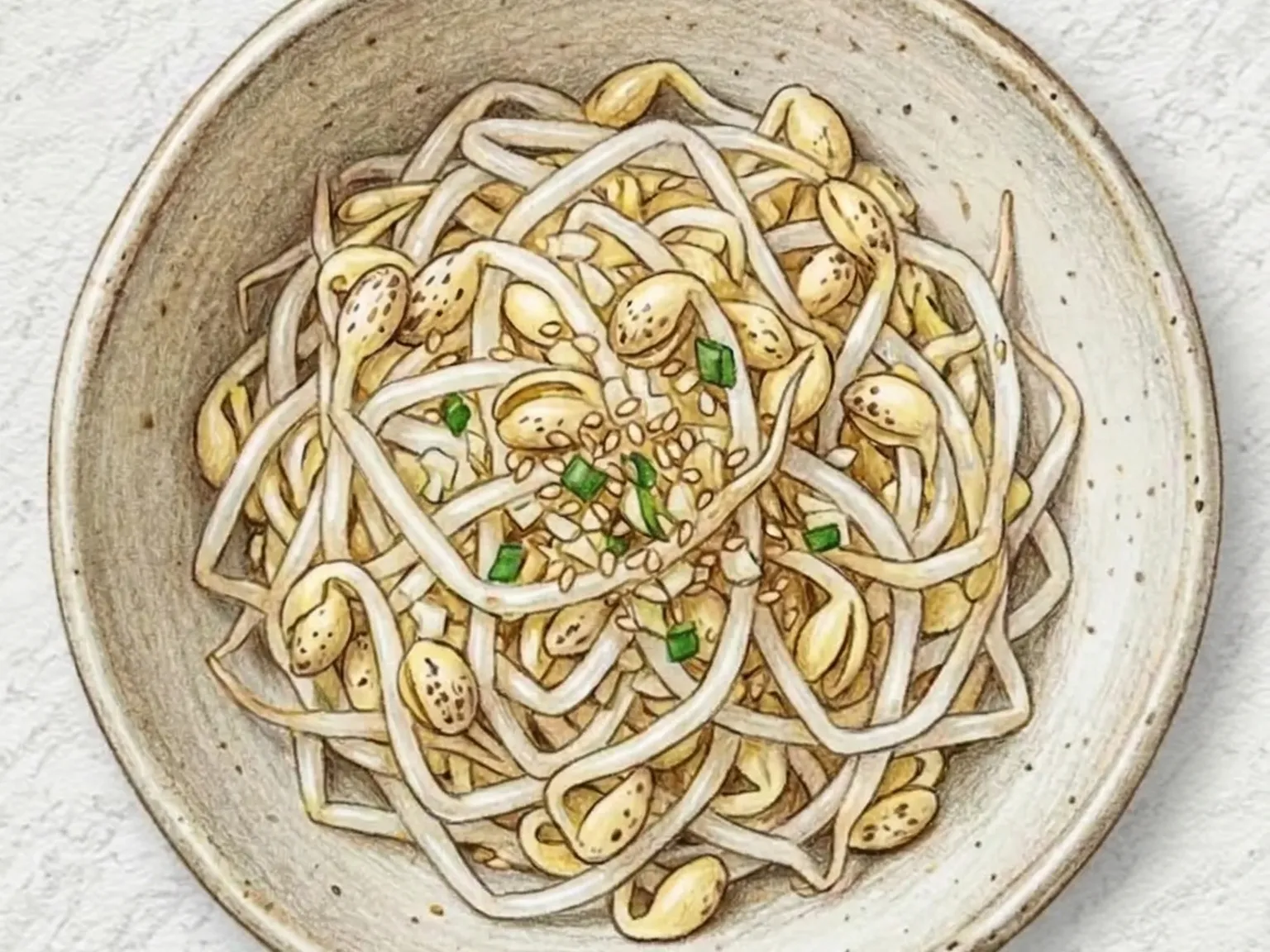
This jjigae simmers fermented kimchi and soybean sprouts in an anchovy-based stock for a broth that is both refreshing and sharply spiced. The soybean sprouts contribute a crisp bite and a clean, neutral flavor that tempers the kimchi's fermented tang and chili heat, keeping the overall taste from feeling one-dimensional. Soft tofu adds creaminess and a gentle texture contrast, while onion provides background sweetness and green onion brings a fresh, aromatic note. Soup soy sauce and gochugaru are used to season, producing a clear, clean spiciness without muddying the broth. In Korean households, this jjigae is frequently eaten in the morning or as a hangover remedy, valued for its simplicity and its ability to settle the stomach while still delivering a satisfying depth of flavor.

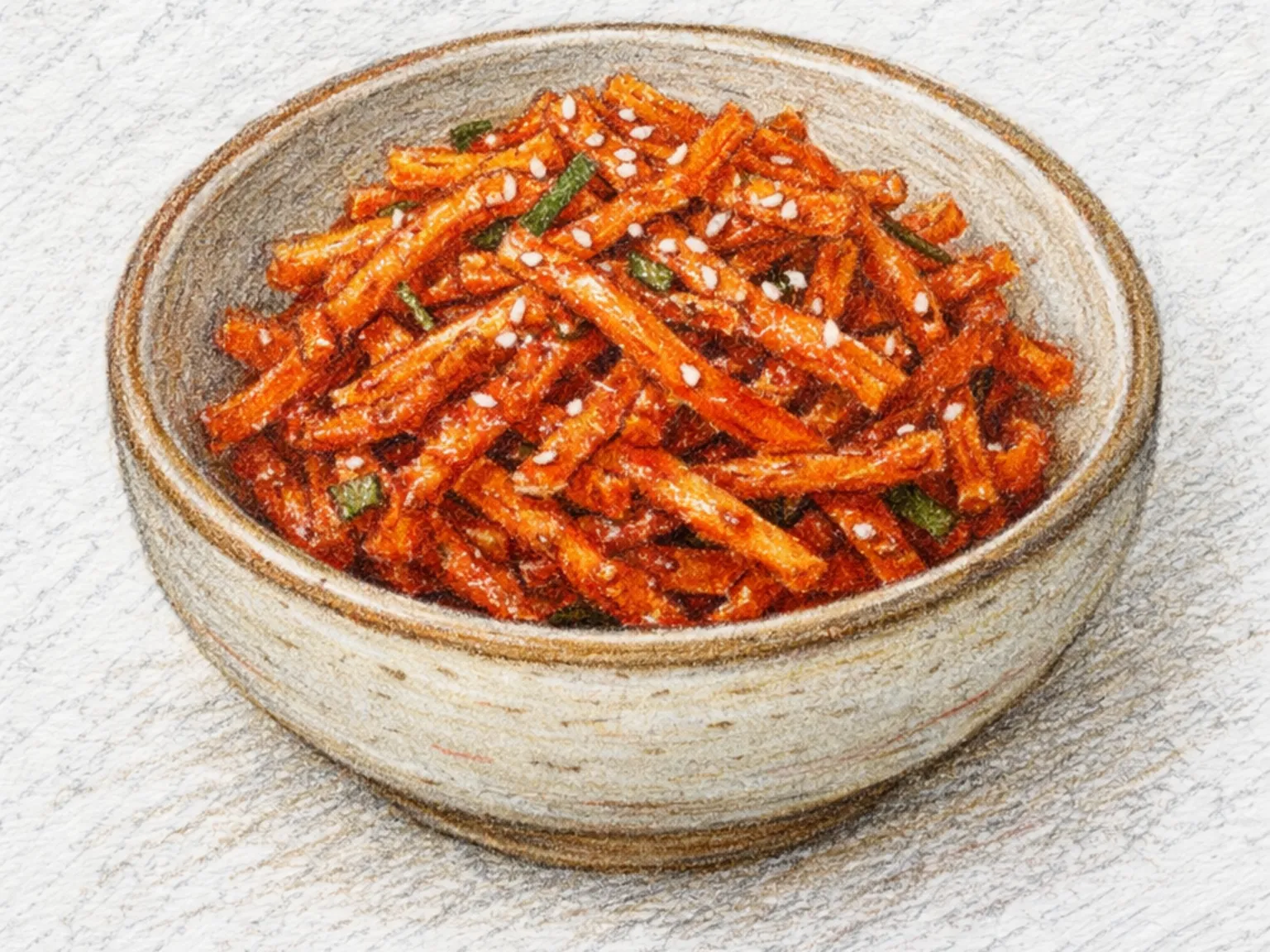
Korean Dried Radish Soy Pickles
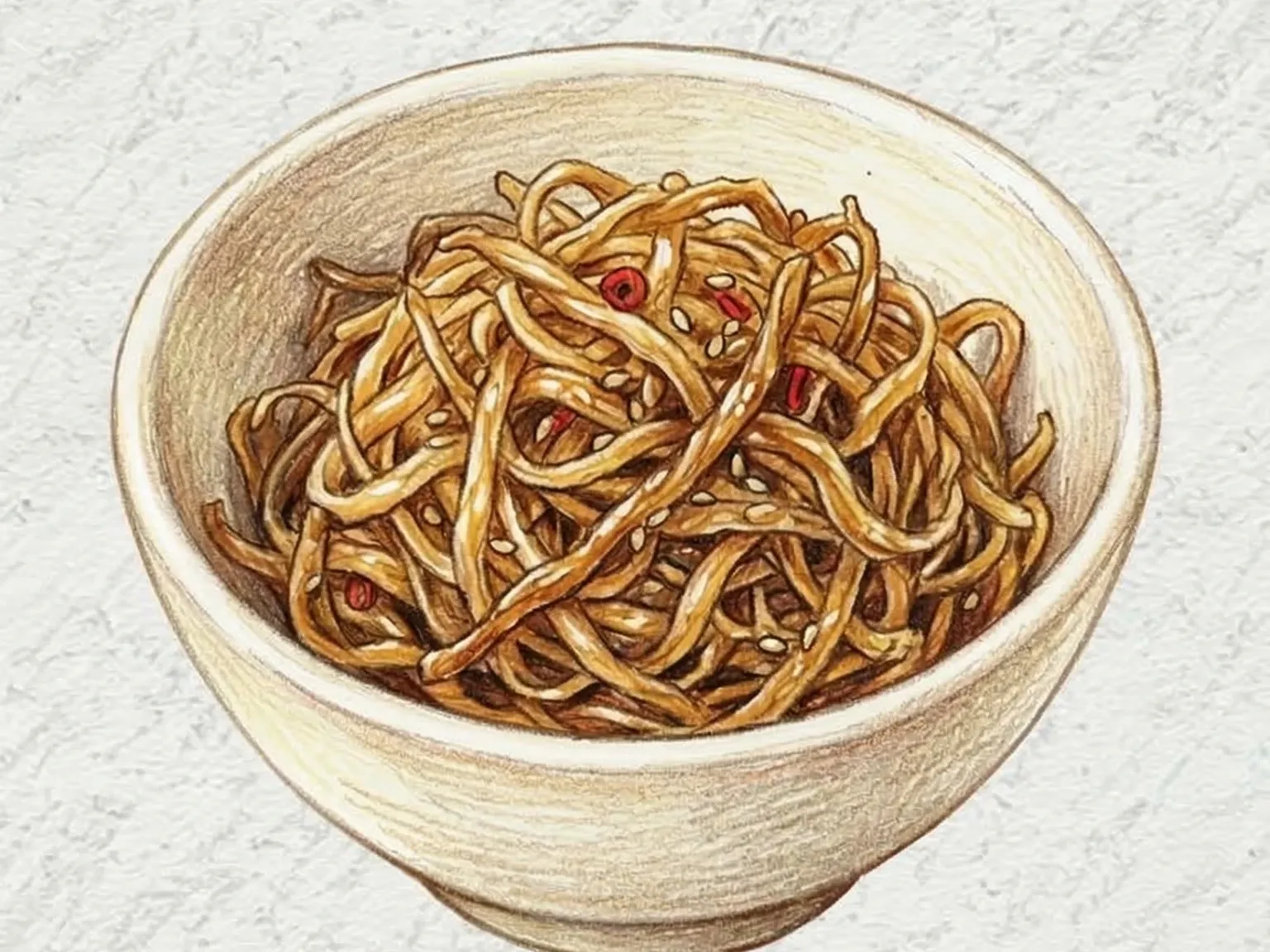
Mu mallaengi jangajji is a Korean pickled dried radish that exploits the concentrating effect of dehydration to achieve a depth of sweetness and chew that fresh radish pickles cannot match. The dried radish strips are first soaked in lukewarm water to restore their flexibility, then coated with gochugaru before being submerged in a brine of soy sauce, vinegar, and sugar that has been briefly boiled and cooled. Drying collapses the radish cell walls and concentrates the natural sugars, so when the rehydrated strips absorb the brine, the sweetness hits in layers beneath the chili heat. The texture of the rehydrated strips is distinctly chewy rather than crisp, which makes each bite feel satisfying and substantial. Soy sauce provides a dense, savory floor while vinegar lifts the salt and keeps the palate clean, and a scatter of toasted sesame seeds adds a faintly nutty finish. After resting for a day the seasoning stabilizes and the flavors meld, producing a banchan assertive enough to carry a full bowl of plain rice on its own.

Korean Scallion Salad (Spicy Green Onion Grilled Meat Side)
Pa-muchim is a julienned green onion salad that serves as a classic accompaniment to Korean grilled meat. The onions are soaked in cold water for 10 minutes to draw out harsh sulfur compounds, leaving only a clean crispness behind. A dressing of soy sauce, red pepper flakes, sugar, vinegar, and sesame oil coats the thin strands, delivering a balance of salty, sweet, sour, and spicy notes in each bite. Toasted sesame seeds scattered on top contribute a lingering nuttiness. The salad should be eaten promptly after tossing, as the onions begin to wilt within minutes; placed on top of grilled pork belly or bulgogi, the sharp freshness cuts through the richness of the meat.

Korean Perilla Leaf Soft Tofu Stew
Kkaennip sundubu jjigae is a mild, gently seasoned stew of soft tofu and perilla leaves simmered in a light anchovy broth. The 350g of sundubu goes in as large, rustic pieces that hold their shape while cooking, then collapse into silky, cloud-like curds on the spoon. Twelve perilla leaves added stem-on release their aromatic oils gradually as the broth comes to a boil, giving the stew a distinctly herbal, faintly anise-like character that sets it apart from standard sundubu variations. Gochugaru and soup soy sauce provide just enough background seasoning to keep the perilla fragrance forward rather than overwhelmed by heat, and a drizzle of sesame oil at the finish adds a nutty warmth. Low in spice and gentle on the stomach, this is a practical choice on days when a soothing, unfussy bowl is what is needed.

Korean Radish Greens Kimchi
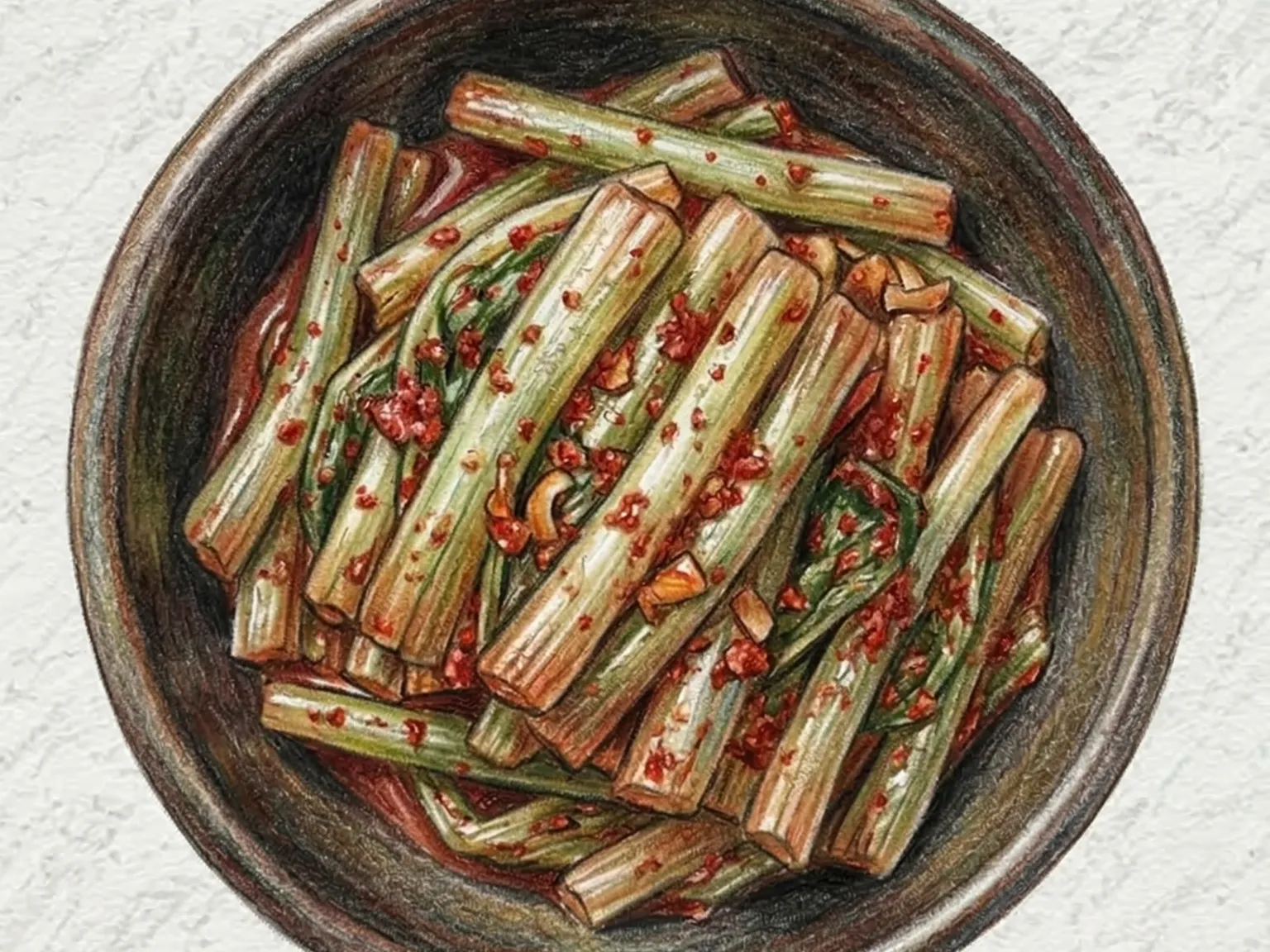
Mucheong kimchi is made from the leafy greens and stems of Korean radish, cut into 5 cm lengths, salted in coarse brine, then coated in a paste of sweet rice flour, gochugaru, anchovy fish sauce, minced garlic, ginger, and onion. The thick, fibrous stems grip the seasoning and hold up through fermentation without turning mushy, keeping a firm chew even after weeks in the refrigerator. Sweet rice flour acts as a glue that prevents the coating from sliding off the stems as the kimchi ages. Anchovy fish sauce lays down a deep seafood umami as the base layer, while onion moderates the chili heat with natural sweetness. The greens are a practical use of the entire radish rather than just the root, and the finished kimchi works beyond the banchan role: torn into pieces and added to siraegi soup, it enriches the broth; stirred into doenjang jjigae, it deepens the fermented soybean flavor with another layer of fermented complexity.

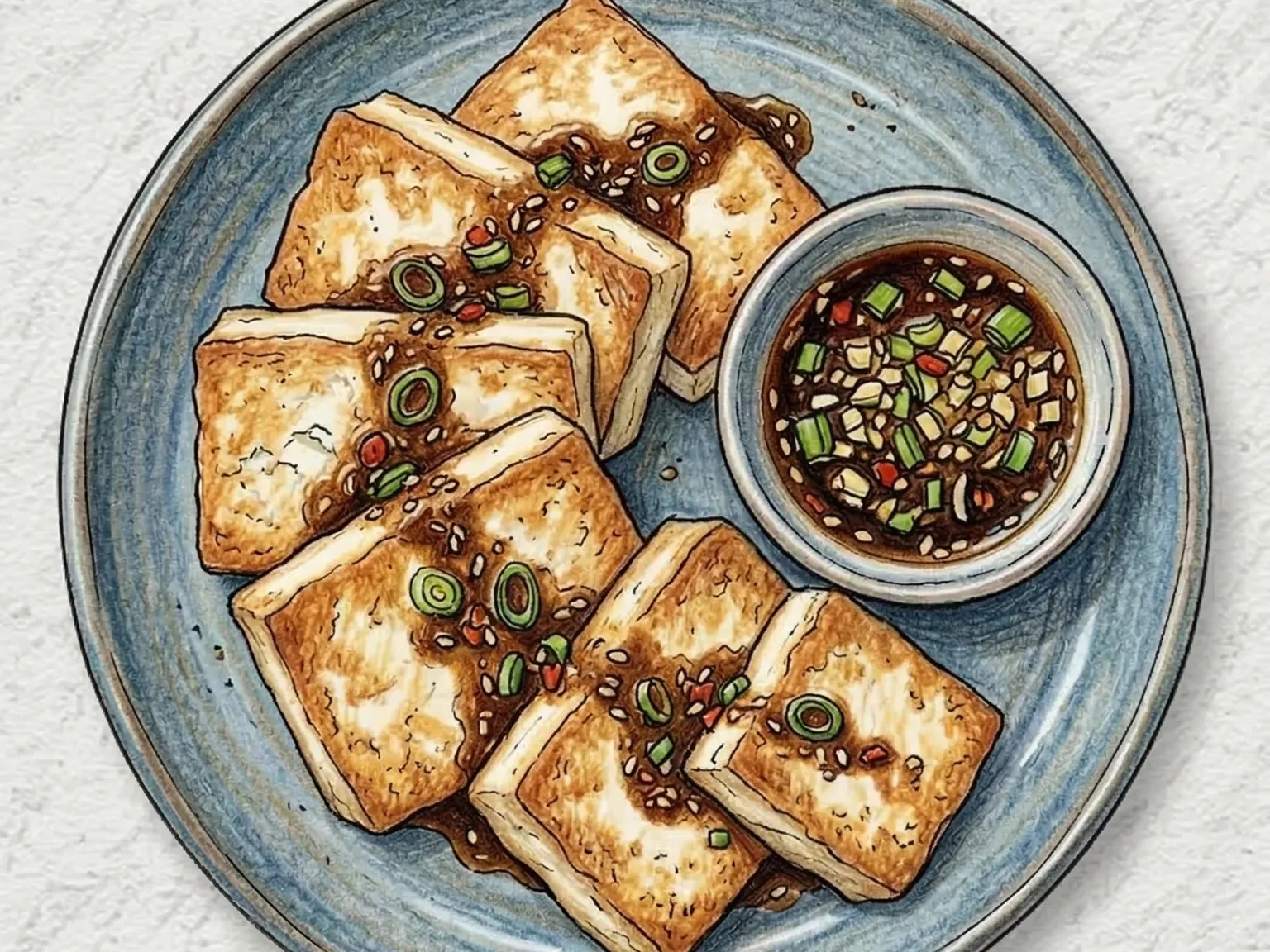
Korean Paengi Beoseot Jeon (Enoki Pancake)
Paengibeoseot-jeon is a thin Korean pancake built around 200 grams of enoki mushrooms separated into loose strands and coated in a light batter of pancake mix, egg, and water. Cooked over medium-low heat, the batter spreads thin enough that the edges turn golden and crisp while the mushroom clusters in the center stay moist and chewy. Chopped scallions add color and a mild onion fragrance throughout. The pancake is served with a dipping sauce of soy sauce, vinegar, and a pinch of chili flakes, whose acidity and salt lift the subtle earthiness of the mushrooms. Keeping the heat moderate is essential - too high and the outside burns before the interior sets.

Korean Pacific Saury Stew
Kkongchi jjigae is a budget-friendly Korean stew built around a single can of Pacific saury, making it one of the most practical jjigae to pull together from pantry staples. Korean radish and onion go into the pot alongside the fish, absorbing the bold, oily flavor of the canned saury as everything simmers together. The canning liquid is included in the pot as well, eliminating the need for a separate stock while adding the concentrated brininess of the fish directly to the broth. A half-tablespoon of doenjang tames the fishiness that canned fish can carry while adding a layer of fermented, savory depth, and gochugaru builds the characteristic spicy bite that makes this stew work as a proper rice banchan. Because canned saury is already fully cooked and the bones have softened in the canning process, the fish can go directly into the pot without any preparation and the pieces can be eaten bones and all. The whole stew comes together in under 30 minutes, making it a reliable weeknight option when time and budget are both short.

Korean Radish Sprout Kimchi
Musun kimchi is an instant Korean side dish made by tossing thin radish sprouts in a seasoning of gochugaru, sand lance fish sauce, minced garlic, and a splash of vinegar. The sprouts carry a sharp, peppery bite that stacks naturally with the chili heat and the fish sauce's fermented depth. Mixing must stay under thirty seconds - overworking the delicate stems releases a grassy off-note instead of the clean radish sharpness. Vinegar sharpens the finish with bright acidity, and a final drizzle of sesame oil ties the bowl together with a toasted richness. This kimchi is at its best eaten the same day, while the sprouts still hold their crisp snap.

Korean Seasoned King Oyster Mushroom
Saesongi-beoseot-muchim steams 250 grams of king oyster mushrooms, torn into strips along the grain, for six minutes over high heat to preserve their chewy, fibrous texture better than boiling would. After cooling slightly and squeezing out excess moisture, the strips are tossed in a dressing of soy sauce, vinegar, chili flakes, garlic, and sugar. The vinegar provides a tangy lift, while the chili flakes introduce gentle warmth without overwhelming the mushroom's mild flavor. Sesame oil and sesame seeds finish the dish with a nutty aroma. It holds up well when chilled and served cold, making it a convenient banchan to prepare ahead of time.

Korean Spicy Blue Crab Seafood Stew
Kkotge haemul jjigae is a Korean seafood stew that combines blue crab, Manila clams, and shrimp in 1.2 liters of anchovy-kelp stock to build the most layered possible ocean flavor. Each shellfish contributes a distinct profile to the broth: blue crab adds a sweet, nutty richness from the body and roe, clams release a clean briny depth, and shrimp fold in their characteristic sweetness and concentrated umami. Together they create a broth with complexity that no single ingredient could produce on its own. Radish and zucchini absorb the seafood-infused liquid as they cook, becoming tender and carrying the flavor deep into their flesh. Doenjang and gochugaru form the seasoning backbone, layering fermented savoriness and spice into what would otherwise be a straightforward clear broth. Cheongyang chili and sliced green onion go on last, brightening the surface and extending the clean, cool finish that is the hallmark of well-made Korean seafood stew. Adding the crab first and letting it simmer before introducing the other shellfish is the key step -- it gives the stock time to take on the crab's full flavor before everything else goes in.

Korean Salted Anchovy Jeotgal
Myeolchi jeotgal is a traditional Korean fermented anchovy preserve made by layering cleaned small anchovies with coarse sea salt in a sterilized container, pressing firmly to eliminate air pockets, then refrigerating for extended aging. As salt draws moisture from the fish, it begins breaking down proteins into concentrated umami compounds, stripping away the raw fishiness and building the deep, complex flavor that defines this preserve. On the fifth day of fermentation, minced garlic, grated ginger, chili flakes, and rice wine are folded in to add aromatic layers on top of the developing fermented base. The salt ratio must stay at or above twenty percent of the anchovy weight throughout the process, as dropping below this threshold allows harmful bacteria to take hold and risks spoilage. The finished jeotgal has two primary uses in Korean cooking: stirred in small amounts into kimchi seasoning paste as an umami backbone, or spooned directly over hot rice as a pungent, savory side dish. It can also substitute for fish sauce in doenjang jjigae or seasoned vegetables, adding a more pronounced fermented character.

Korean Fresh Lettuce Geotjeori
Sangchu-geotjeori is a last-minute lettuce salad where 120 grams of lettuce, torn into bite-size pieces, is tossed for no more than 20 seconds in a dressing of red pepper flakes, soy sauce, vinegar, plum syrup, minced garlic, and sesame oil. The lettuce must be thoroughly dried after washing so the dressing adheres to the leaves rather than pooling at the bottom. Thinly sliced onion adds crunch and a sharp edge that complements the mild bitterness of the lettuce. Plum syrup provides a fruity sweetness that is more subtle than granulated sugar, while the vinegar tempers the chili heat. Serving immediately is critical - within minutes the leaves begin to wilt, losing the crisp texture that defines this dish.

Korean Doenjang Kkotge Tang
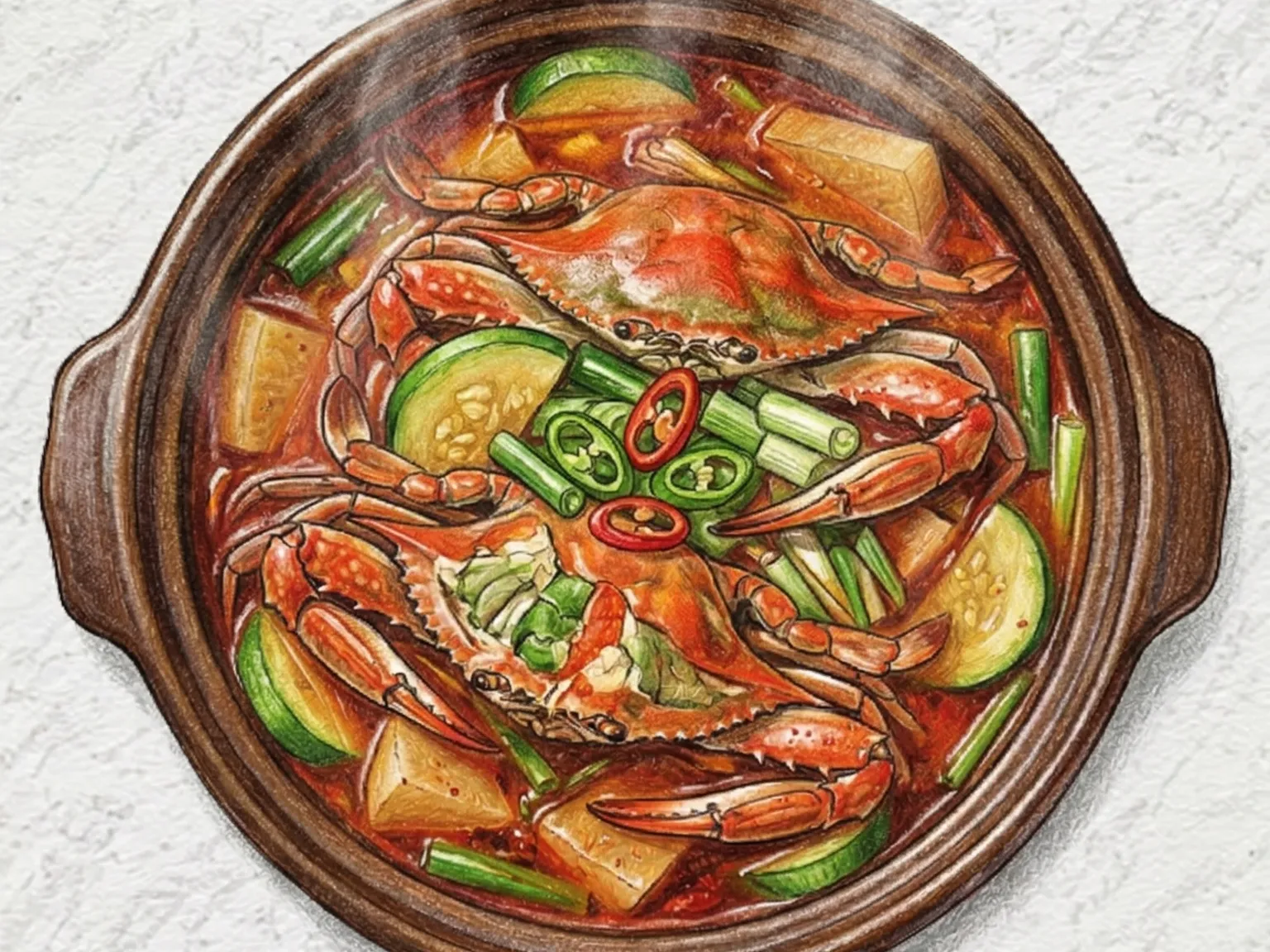
Kkotge tang doenjang is a Korean blue crab stew that uses a full 800g of crab simmered in a doenjang-forward broth, where fermented soybean paste and the crab's natural essence are the two dominant flavors. As the shells cook, they release a deeply savory stock, and radish, zucchini, and onion simmer in that liquid and add layers of sweetness and body. Unlike the more common spicy gochujang-based crab stews, this version leads with doenjang's earthy depth and fermented complexity. Gochugaru and Cheongyang chili provide a secondary heat that balances the richness without taking over. Adding tofu keeps the texture varied and lightens the heaviness of the broth slightly. The crabs turn a vivid orange as they cook, a reliable visual cue that the meat is ready to pull cleanly from the shell. The fermented character of the doenjang suppresses any fishy edge from the crab, making the stew approachable even for those who do not normally gravitate toward shellfish. Served with rice to soak up the broth, it makes a satisfying complete meal.

Korean Salted Pollock Roe Jeotgal
Myeongran jeotgal is a Korean salted and fermented pollock roe where fresh roe sacs are meticulously cleaned of blood spots and membranes, brushed with rice wine to suppress fishiness, then packed in a curing blend of coarse sea salt, gochugaru, and minced garlic alongside a piece of kelp. Over three to five days in cold storage, salt draws moisture out of each tiny egg, concentrating their pop-and-burst texture while enzymatic breakdown generates a deep, layered umami that raw roe cannot produce on its own. The chili flakes introduce a gentle warmth that sits behind rather than over the roe's natural salinity. Sliced thin and arranged over hot steamed rice, each piece releases a salty, oceanic intensity with every bite - a condiment that disappears faster than any dish it accompanies.