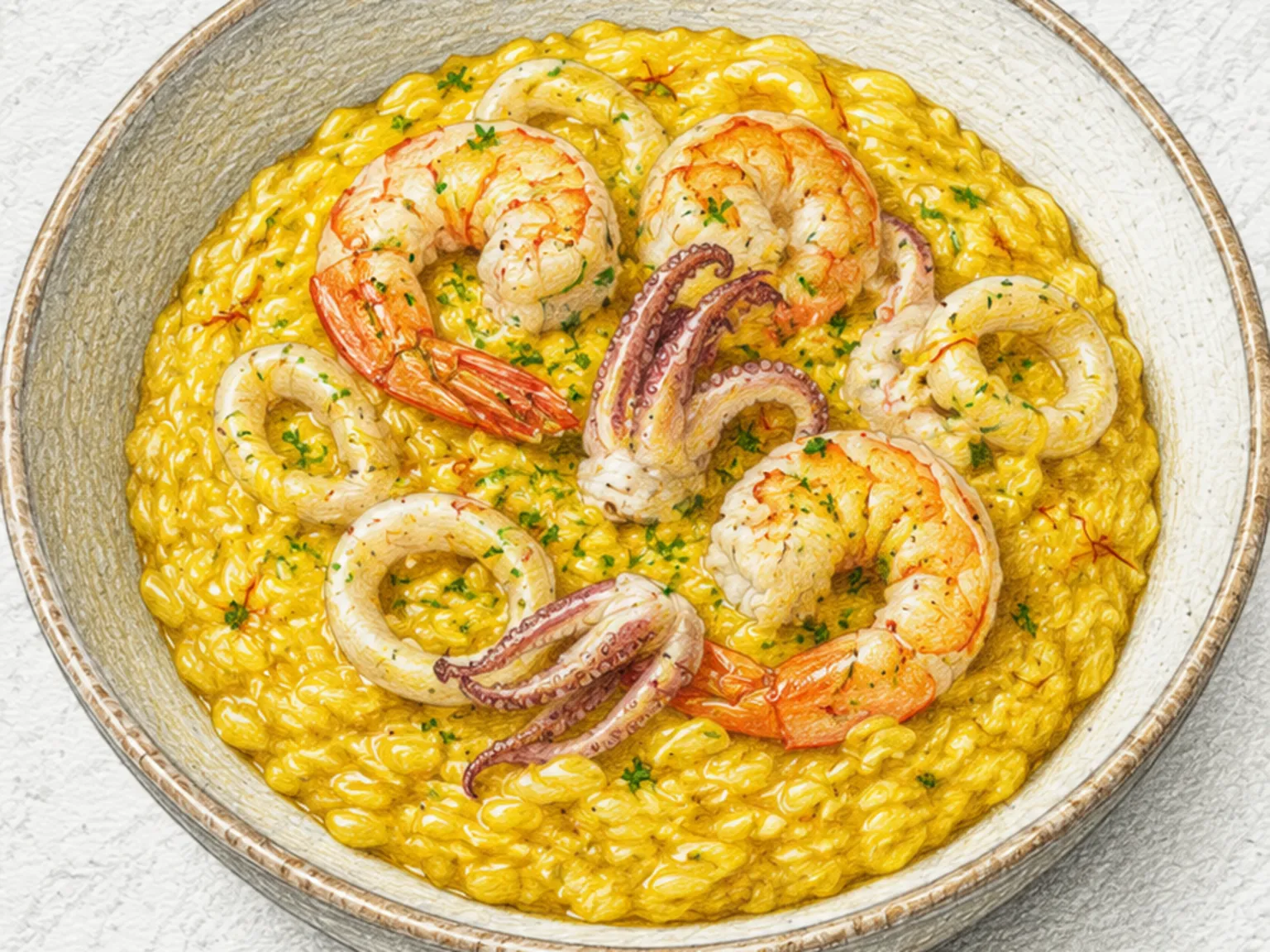
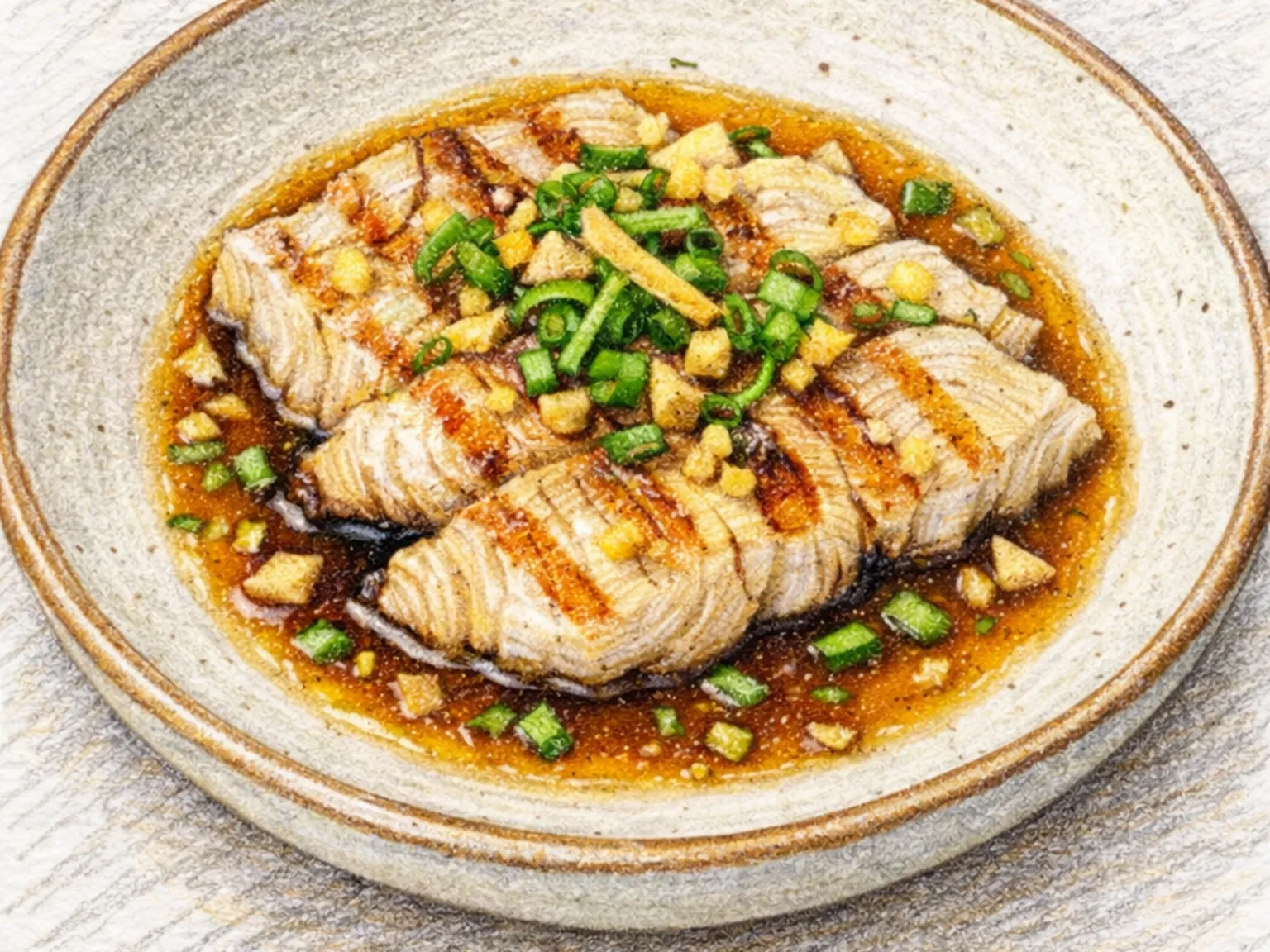
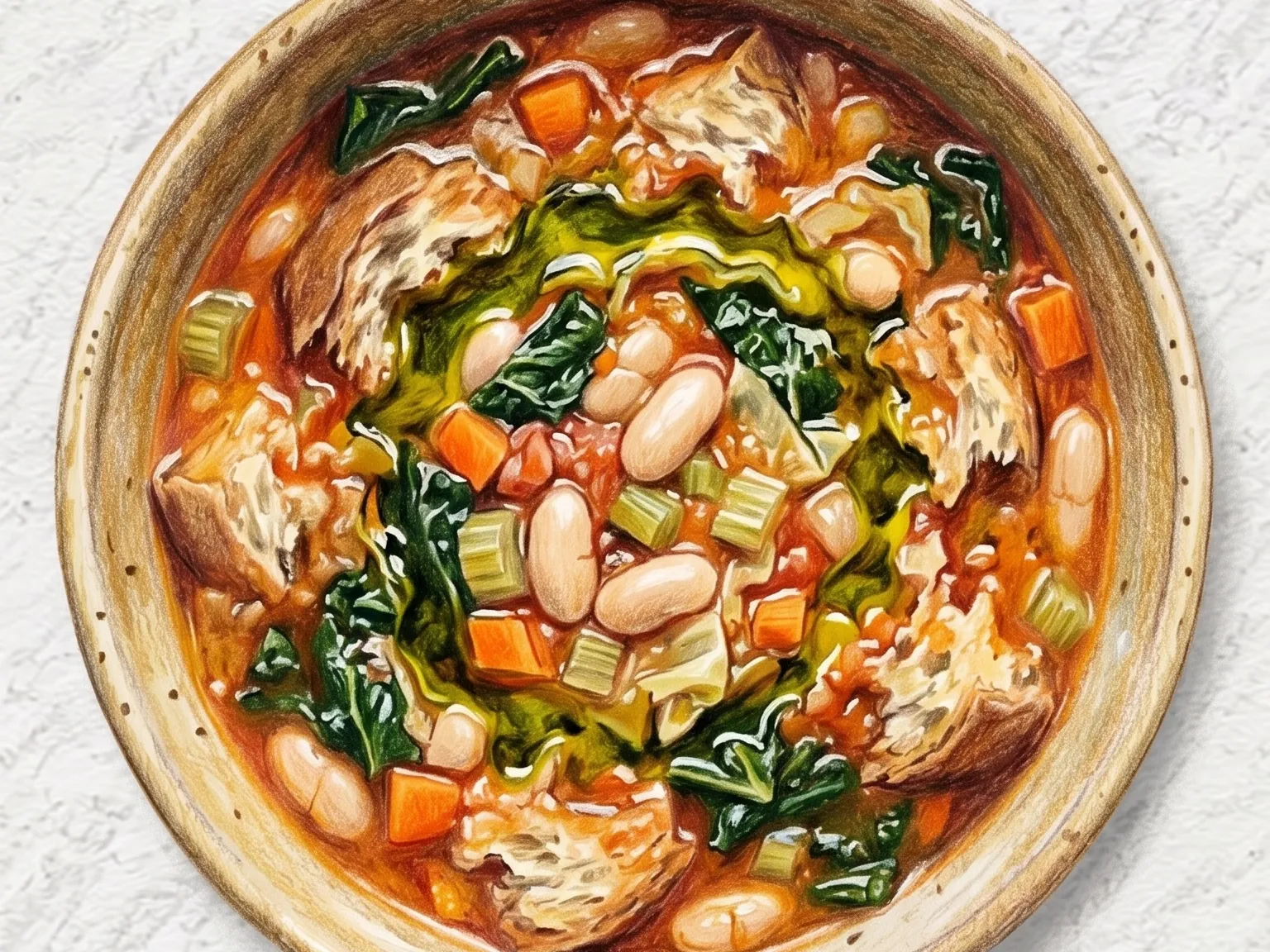
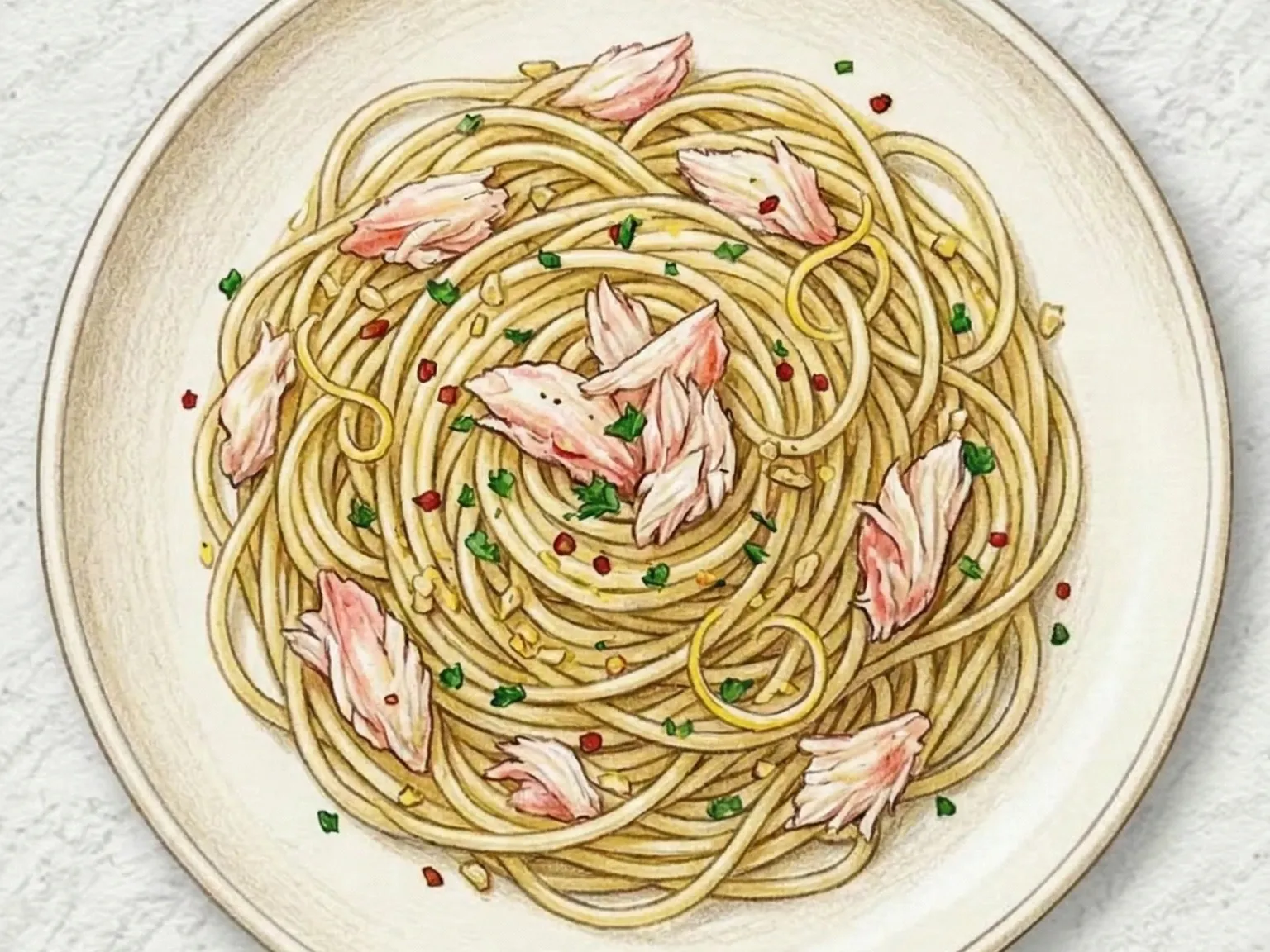
Korean Saeu Herb Sogeum Gui (Herb Salt Grilled Shrimp)
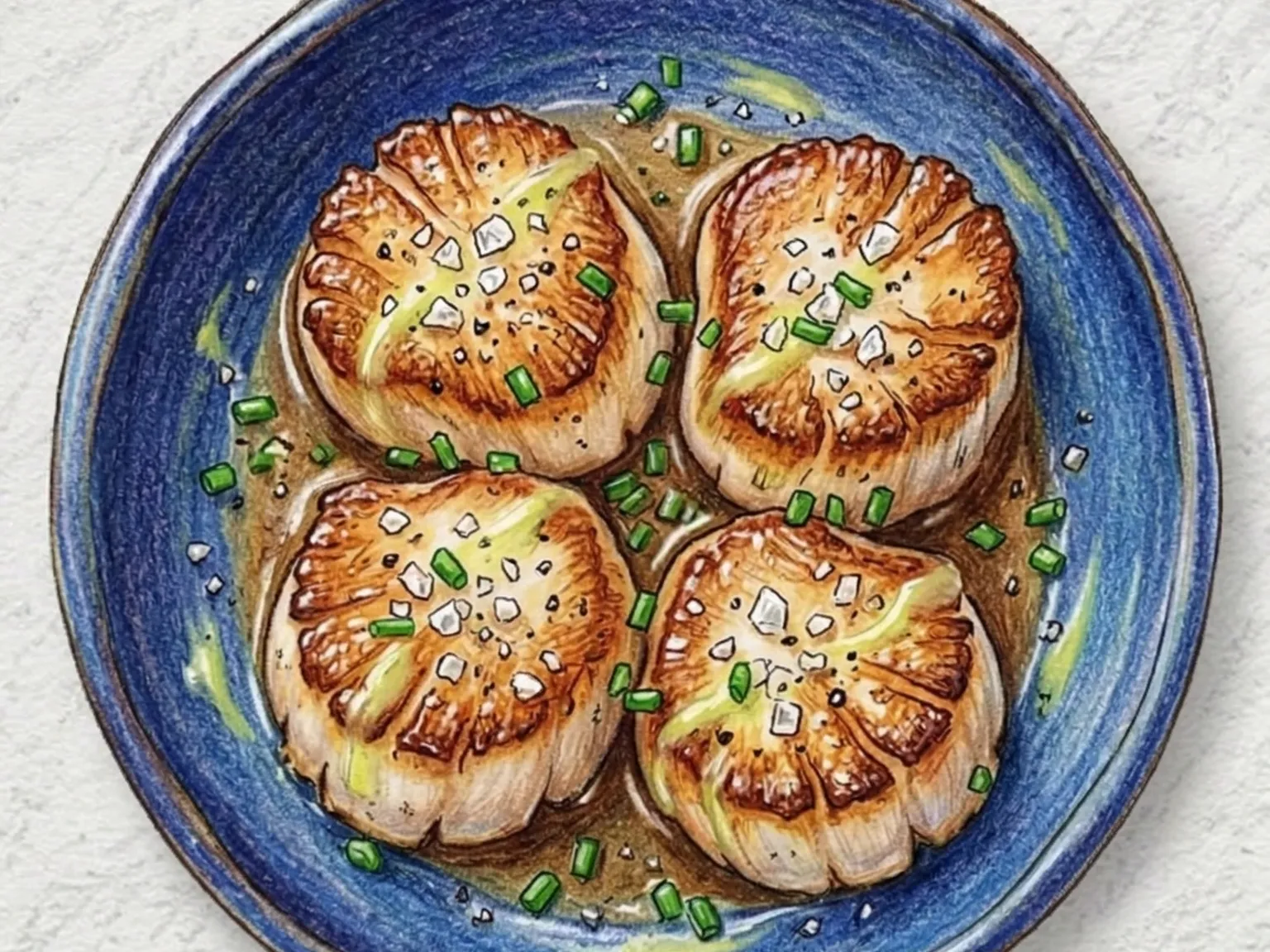
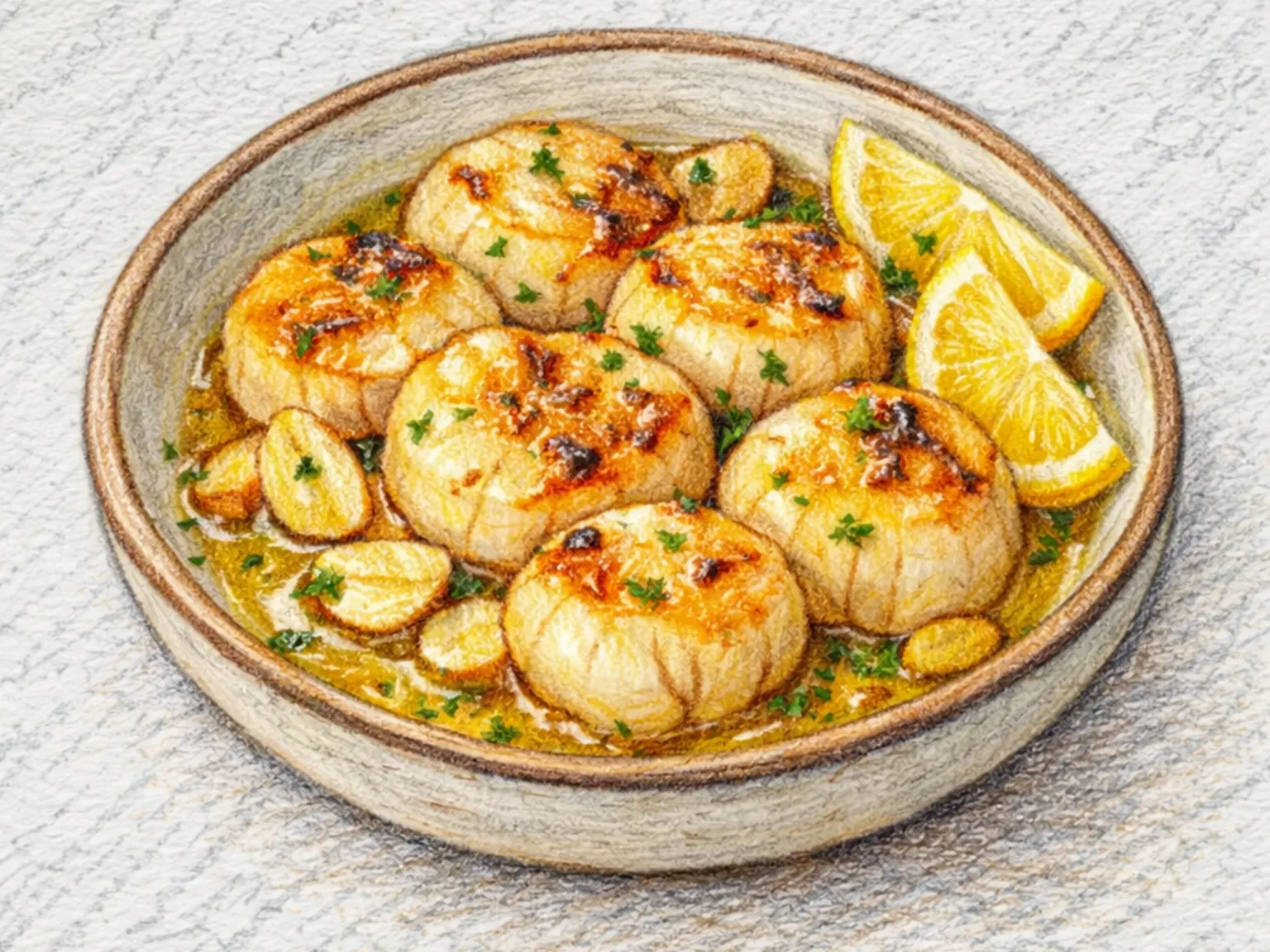
Saeu herb-sogeum-gui is Korean herb-salt grilled shrimp, where shell-on medium shrimp are deveined, tossed with olive oil, minced garlic, rosemary, thyme, and black pepper for ten minutes, then seared over high heat on a grill pan lined with a thin layer of coarse salt. Keeping the shells on prevents moisture loss during the intense heat, so the flesh stays moist while the shells themselves crisp into an edible, crunchy layer. Grilling on a salt bed distributes radiant heat evenly and draws surface moisture away from the shrimp, preventing the steaming effect that makes shellfish soggy. A finishing squeeze of lemon juice lifts the herb and garlic aromas while sharpening the shrimp's natural sweetness.

Gochugaru Anchovy Broccolini Orecchiette
Gochugaru anchovy broccolini orecchiette uses anchovy fillets dissolved in olive oil as the flavor foundation. The fillets go into the pan with garlic over low heat and are stirred continuously until they break apart and disappear into the oil, leaving behind deep salinity without any trace of fishiness. Korean red pepper flakes are added next and fried in the anchovy oil for twenty seconds so their aromatic compounds are released into the fat without scorching. The tomato sauce goes in immediately after and simmers for three minutes to cut its raw acidity against the rich oil base. Broccolini is blanched directly in the pasta cooking water during the final two minutes of boiling, which saves a separate pot and keeps the florets just crisp with a slightly bitter edge intact. Breadcrumbs toasted separately in a dry pan until golden are scattered over the plated pasta for crunch, since orecchiette's small ear shape traps sauce inside but offers a soft bite throughout. A squeeze of lemon juice is added off the heat to cut through the oil and brighten the plate. Parmesan shaved over the top adds a final layer of sharp saltiness.

Korean Herb Citrus Chicken Salad
Chamnamul yuja chicken salad starts with chicken breast salted for ten minutes before boiling, then pulled apart along the grain for a lean, clean protein base. Chamnamul stems are trimmed of tough ends and cut to five centimeters to preserve the herb's sharp, grassy mountain scent. The dressing combines yuja-cheong, soy sauce, olive oil, and minced garlic - the bittersweet citrus sharpness balances the salty, savory soy. Romaine adds crunch and volume. Cherry tomatoes are halved and blotted dry to prevent the greens from getting soggy. Sesame seeds go on last for a toasted, nutty finish that rounds out the clean, bright flavors of the salad.

Bruschetta
Bruschetta is an Italian appetizer built on baguette slices cut 1.5 cm thick, brushed with olive oil, and toasted until fully crisp in the oven or over a grill. While the bread is still hot, a cut garlic clove is rubbed across the surface so the steam and heat pull its sharp aroma directly into the bread. The topping starts with ripe tomatoes: seeds removed, diced small, then left to macerate in olive oil, salt, and balsamic vinegar for fifteen minutes. That resting time draws out excess liquid and concentrates the tomato's natural acidity and sweetness. The essential contrast of the dish is temperature and texture - hot, crunchy bread against cool, wet topping - and it only works if the topping goes on immediately before eating. Left assembled even five minutes, the juices soak in and the bread softens past recovery. Torn basil, not chiffonade, releases more fragrance. Ciabatta works as a substitute when baguette is unavailable.

Korean Salt-Grilled Beef Tenderloin
Beef tenderloin - the leanest, finest-grained cut from the inner loin - is seared in a smoking-hot pan after seasoning with nothing more than coarse salt, black pepper, and a thin coat of olive oil. The high heat locks a dark brown crust onto the surface while the interior stays pink. Butter, crushed garlic cloves, and a sprig of rosemary go into the pan for basting during the final minutes, layering herbal richness across the meat's surface. A squeeze of lemon at the end cuts through the residual fat, and a three-minute rest allows the juices to redistribute so each slice runs clear.

Gochugaru Sausage Rose Fusilli
Gochugaru sausage rose fusilli starts by removing the casing from Italian sausages and breaking the meat into irregular pieces before browning it in a pan over high heat. Irregular pieces create more surface area than a smooth patty, which means more of the meat comes into contact with the hot pan and browns more thoroughly, producing a deeper meaty base for the sauce. Onion and garlic are added to the rendered sausage fat and cooked for three minutes to build sweetness underneath the savory elements. Korean red pepper flakes are stirred into the fat next and fried for just twenty seconds so their aromatic compounds bloom without burning, giving the sauce a warm, rounded heat rather than sharp spiciness. Tomato sauce goes in immediately and simmers for three minutes to concentrate and shed its raw acidity against the fat. Heavy cream and a ladle of pasta cooking water are added together and the sauce is reduced until it turns the characteristic pink of a rose sauce. Fusilli is tossed directly in the pan so the thick sauce can work its way into every spiral groove, ensuring each fork-load is well coated from surface to center. Finishing with grated Parmesan adds saltiness and helps the sauce emulsify slightly, while fresh basil leaves torn over the top provide a clean aromatic note.

Charred Corn Bulgur Gochujang Salad
Charred corn bulgur gochujang salad dry-chars corn kernels in a hot pan for three minutes to caramelize their natural sugars, then combines them with bulgur wheat cooked for eight minutes to a chewy, al dente finish. A smooth dressing of gochujang, olive oil, apple cider vinegar, and maple syrup coats the grains in spicy-sweet Korean flavor, and diced cucumber with halved cherry tomatoes provides moisture and bright acidity. Pulling the bulgur while still slightly firm prevents it from turning mushy, and resting the assembled salad for 10 minutes at room temperature allows the grains to absorb the dressing fully, deepening the flavor. Thinly sliced scallions add a mild onion note at the end. The whole salad comes together in about 30 minutes, making it practical as a weekday lunch or a light standalone meal.

Caesar Salad
Caesar salad is built on romaine lettuce torn into rough, generous pieces and tossed in a dressing made from mayonnaise, lemon juice, garlic, and anchovy. The anchovy does not taste fishy in the finished dressing; it dissolves into the fat of the mayonnaise and functions as a deep umami foundation that keeps the salad interesting beyond its creamy surface. Lemon juice cuts through the richness of the mayo base, so the dressing coats the lettuce heavily without feeling cloying. Croutons are cubed bread toasted in olive oil until the outside turns crisp and golden but the inside stays slightly soft and chewy, giving them enough structure to absorb dressing without going immediately soggy. Wide, thin shavings of Parmesan add a dry, salty intensity that contrasts with the watery crunch of the romaine. With a short ingredient list, the quality of the dressing balance and the texture of the croutons determine the final outcome.

Gochujang Beef Ragu Rigatoni
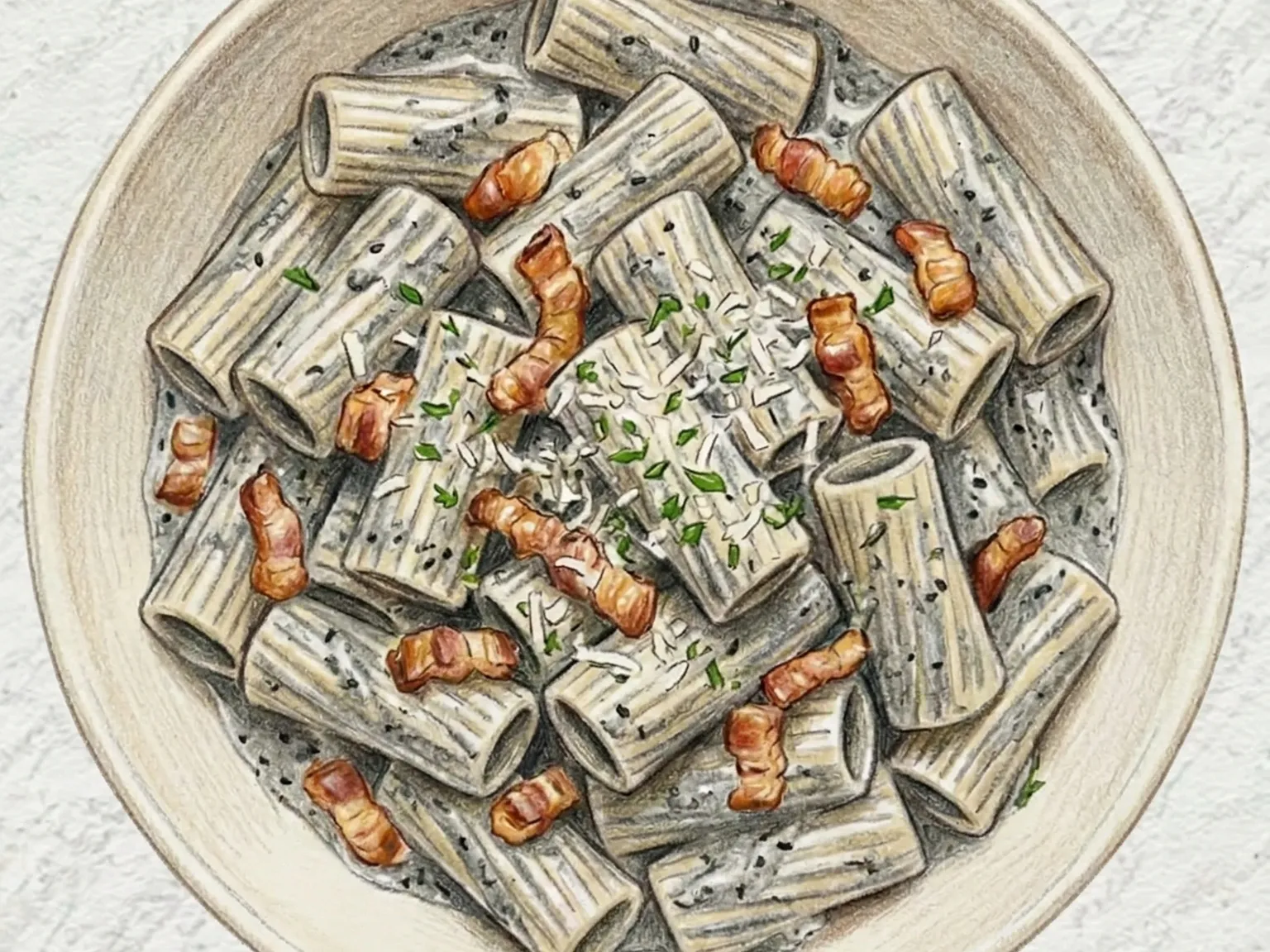
Gochujang beef ragu rigatoni builds depth in two stages: first, ground beef is seared undisturbed over high heat until a proper crust forms, then gochujang, tomato puree, and red wine are added and the whole pot simmers on medium-low heat for twenty minutes. The browning step is critical and non-negotiable-stirring too early releases steam and moisture from the meat, which prevents crust formation and produces braised ground beef instead of seared. Frying the gochujang in oil for a full minute before adding the tomato puree unlocks its fermented sweetness and blunts the raw edge of the paste; the acidity of the tomato then balances the gochujang's heat naturally. As the red wine reduces, it leaves behind layered fruit notes that add complexity the tomato alone cannot provide. Rigatoni is pulled from the water one minute before al dente and transferred to the sauce pan with a ladle of pasta water; the starch dissolves into the sauce and coats the tubes inside and out with a glossy, cohesive finish. Grated Parmesan stirred in at the end deepens the overall savory character of the ragu.

Chef Salad
Chef salad starts with a base of crisp romaine that has been dried thoroughly so the dressing clings rather than sliding off diluted by residual water. Sliced ham, turkey breast, cheddar cheese, halved hard-boiled eggs, and cherry tomatoes are arranged in separate sections over the lettuce without being tossed together, a presentation that keeps the individual components visually distinct and lets each diner control the ratio in every bite. A honey mustard dressing made from mustard, honey, and olive oil delivers sharpness from the mustard alongside the sweetness of honey and the rounded richness of the oil, connecting the salty deli meats and mild greens with a sweet-sharp bridge. Cherry tomatoes burst with bright acidity that cuts through the heavier elements when bitten. Cheddar sliced just before serving retains its full aroma at the cut surface rather than drying out. The finished salad is substantial enough to serve as a complete main course rather than a side.

Caldo Verde (Portuguese Potato Soup with Kale and Sausage)
Caldo verde is Portugal's most emblematic soup, originating in the Minho region of the north and eaten across the country at festivals, family tables, and everyday meals. A base of potatoes and onion is simmered in water until the potatoes fall completely apart, then blended smooth so the natural starch thickens the soup without any added cream, flour, or roux. The result is a velvety texture built entirely from vegetables and water. Sliced smoked chourico or linguica is added next, and as the sausage heats through its rendered fat and smoky salt diffuse through the broth, adding depth and richness that a plain potato soup cannot offer. Collard greens or kale are cut into the thinnest possible ribbons and cooked for only the final eight minutes, which keeps the color vivid green and the texture slightly resistant to the bite. Overcooking dulls the color to olive and turns the leaves soft and stringy. A drizzle of olive oil over each bowl and thick slices of broa, a dense Portuguese cornbread, alongside the soup allow the broth to soak into the crumb and complete what is otherwise a simple but deeply satisfying meal.

Gochujang Eggplant Ricotta Lasagna Rolls
Gochujang eggplant ricotta lasagna rolls begin by roasting diced eggplant with olive oil and salt at 200 degrees Celsius. Fifteen minutes in the oven drive out moisture and collapse the flesh into a soft, dense interior. The roasted eggplant is combined with ricotta and spread across boiled lasagna sheets, which are rolled tight and arranged in a baking dish. A sauce of tomato puree, gochujang, sauteed onion and garlic, and dried oregano is simmered for ten minutes until the chili paste loses its raw edge and the tomato acidity settles into the mix, producing a layer that is spicy and faintly tangy. The rolled sheets are covered in sauce and topped with mozzarella, then baked until the cheese browns and blisters into a firm crust. Below that crust the eggplant-ricotta filling stays moist and soft, and the contrast between the crisp cheese cap and the tender interior defines each slice.

Chicken Avocado Salad
Chicken avocado salad is a high-protein main dish salad that pairs pan-cooked chicken breast with ripe avocado over romaine lettuce, dressed in a simple lime and olive oil vinaigrette. The chicken must rest and cool completely before slicing so the juices redistribute inward rather than running out onto the cutting board, keeping the meat moist rather than dry. Avocado is sliced just before serving to maintain its creamy texture and prevent the surface from browning. Romaine provides a crunchy base that contrasts with the soft avocado, cucumber adds clean hydration, and cherry tomatoes contribute sharp acidity that prevents the bowl from feeling heavy or greasy. The dressing is deliberately minimal - just lime juice and olive oil - but the citrus acidity cuts through the avocado fat cleanly, creating a bright finish that keeps the overall plate feeling light despite the substantial protein content. The result is a salad that satisfies as a full meal without the denseness of cooked grains or hot dishes.

Calzone
Calzone rolls pizza dough into a circle, fills one half with ricotta, mozzarella, diced ham, and fresh basil, then folds into a half-moon shape, seals the edges with a fork, and bakes until golden at 220 degrees Celsius. Leaving a two-centimeter border free of filling is critical -- overstuffing causes steam pressure to burst the seam during baking. Brushing a thin line of water along the edge before pressing firmly with a fork creates a tighter seal that holds through the full bake. Fifteen to twenty minutes in a well-preheated oven produces a crisp, burnished exterior while the interior heats the ricotta into a soft cream and melts the mozzarella into long, stretchy strings. Brushing olive oil on the surface before baking adds a richer color and a slight nuttiness to the crust. Tomato sauce served on the side for dipping provides an acidic counterpoint that cuts through the dense cheese filling and keeps each bite feeling balanced.

Gochujang Shrimp Cream Pasta
Gochujang shrimp cream pasta merges fermented Korean chili paste with heavy cream into a single cohesive sauce. Shrimp are seared at high heat first to develop a caramelized crust, then folded into the gochujang-cream mixture along with milk and garlic. The fermented depth of gochujang operates differently from straightforward chili heat: it carries malty sweetness and umami that reinforce the dairy richness rather than cutting against it, building a layered flavor the sauce would not achieve with fresh chili alone. Parmesan grated into the pan adds salt and nuttiness that round out the finish, while reserved pasta water lets the cook dial in the consistency. The result coats each strand of pasta in a glossy, spiced cream. The entire dish comes together in around 20 minutes, keeping the shrimp firm and the sauce smooth.

Chicken Quinoa Power Salad
Chicken quinoa power salad brings together pan-seared chicken breast, quinoa simmered for 12 minutes then cooled, romaine lettuce, cucumber, and bell pepper in a single bowl built for a complete, balanced meal. Resting the chicken for three minutes after searing gives the juices time to redistribute inward so every slice stays moist rather than losing liquid at the cut surface. Rinsing the quinoa before cooking removes saponins that leave a bitter residue even after boiling. A dressing of Greek yogurt, lemon juice, and olive oil provides creamy tartness at a low calorie count, and the fermented tang of the yogurt complements the raw vegetables without overpowering them. Bell pepper's natural sweetness adds color and brightness alongside the lean chicken, and the combination of textures - crisp lettuce, tender grain, firm seared meat - makes each forkful more satisfying than its ingredients suggest individually.

Chicago Deep Dish Pizza
Chicago deep dish pizza is a pie-style pizza where dough is pressed into a deep cast iron or dark metal pan to cover the bottom and climb the walls, then layered with mozzarella cheese and Italian sausage before crushed tomatoes and oregano are spread across the top. Positioning the sauce on the uppermost layer shields the cheese from direct oven heat, preventing it from scorching while the tomato reduces and concentrates over the long bake. The sausage must be pre-cooked with onion to drive off excess moisture, keeping the thick base from turning soggy under the weight of the filling. Stretching the dough wide enough to reach the rim keeps the molten contents contained during baking. After 30 to 35 minutes at 220 degrees Celsius, the pizza requires at least ten minutes of resting before slicing so the interior sets and the layers hold their shape when cut. The dish traces its origins to Pizzeria Uno in Chicago in 1943 and has since become one of the city's defining foods.

Kimchi Garlic Butter Shrimp Spaghetti
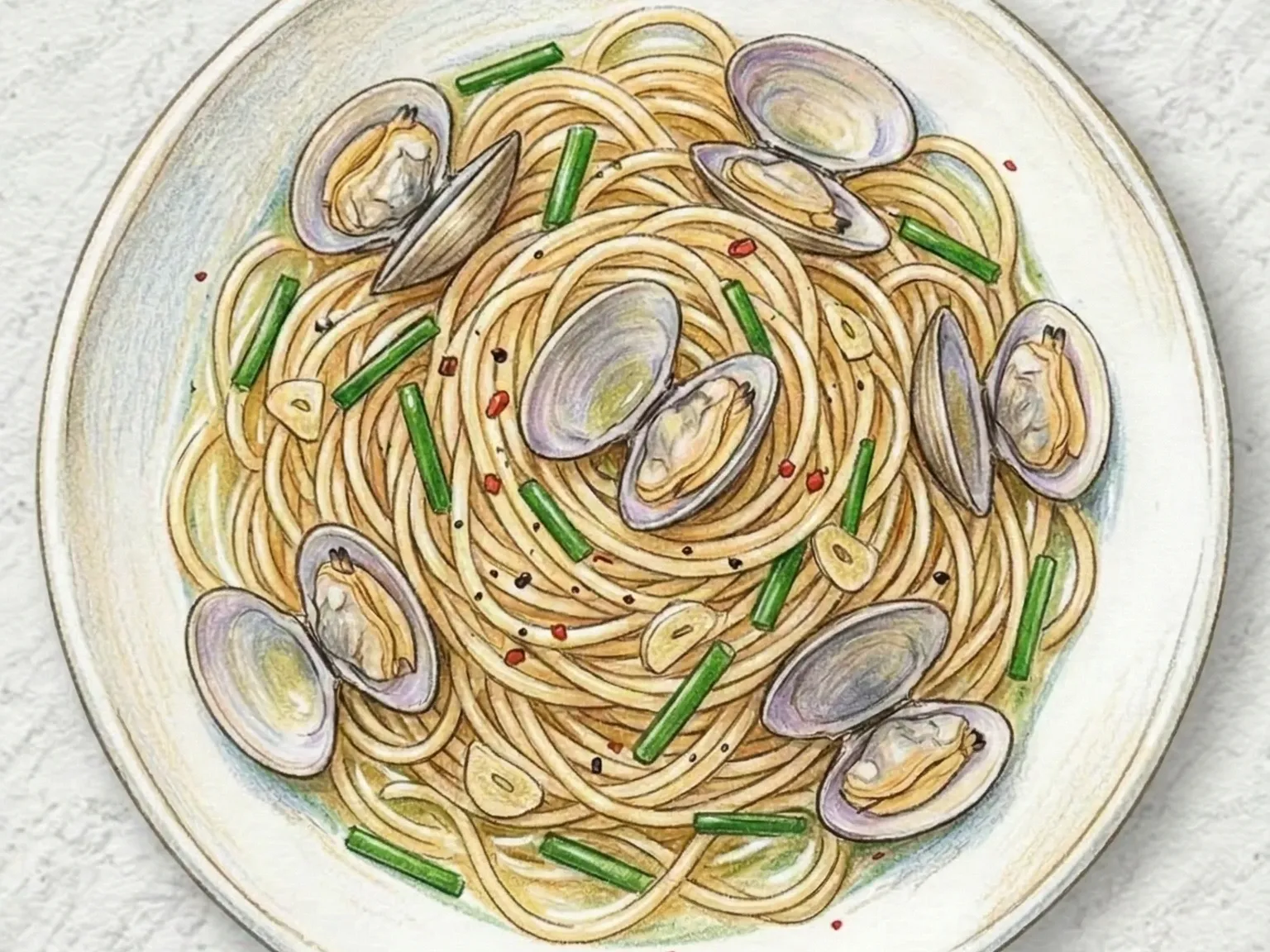
Kimchi garlic butter shrimp spaghetti is an oil-based pasta where garlic browned in butter and fermented kimchi together amplify the natural sweetness of shrimp. The shrimp are seared first in olive oil to build fond on the pan, then garlic and chopped kimchi go into the same pan to absorb those flavors. Butter and starchy pasta water are emulsified into a glossy, light coating rather than a heavy sauce. Gochugaru provides a gentle background heat, and a squeeze of lemon at the end lifts the richness. Sliced scallions finish the dish with color and a mild onion note.

Chopped Rainbow Salad
Chopped rainbow salad dices romaine, red cabbage, carrot, bell pepper, and corn kernels into small, uniform pieces so that every forkful picks up multiple colors and textures at once. Keeping the cuts even ensures consistent crunch and even dressing coverage across the bowl. The dressing uses only olive oil, lemon juice, and salt, so each vegetable's natural character shows through without interference. Red cabbage's slight bitterness and the sweetness of corn create a built-in contrast, while bell pepper adds structural crunch that anchors the bowl. Because none of the ingredients carry high moisture, the salad holds up well after tossing without going limp, making it well suited for packed lunches or meals prepared in advance. Fresh herbs, crumbled feta, or sliced avocado can be added to turn it into a more substantial single-dish meal.

Chicken Cacciatore
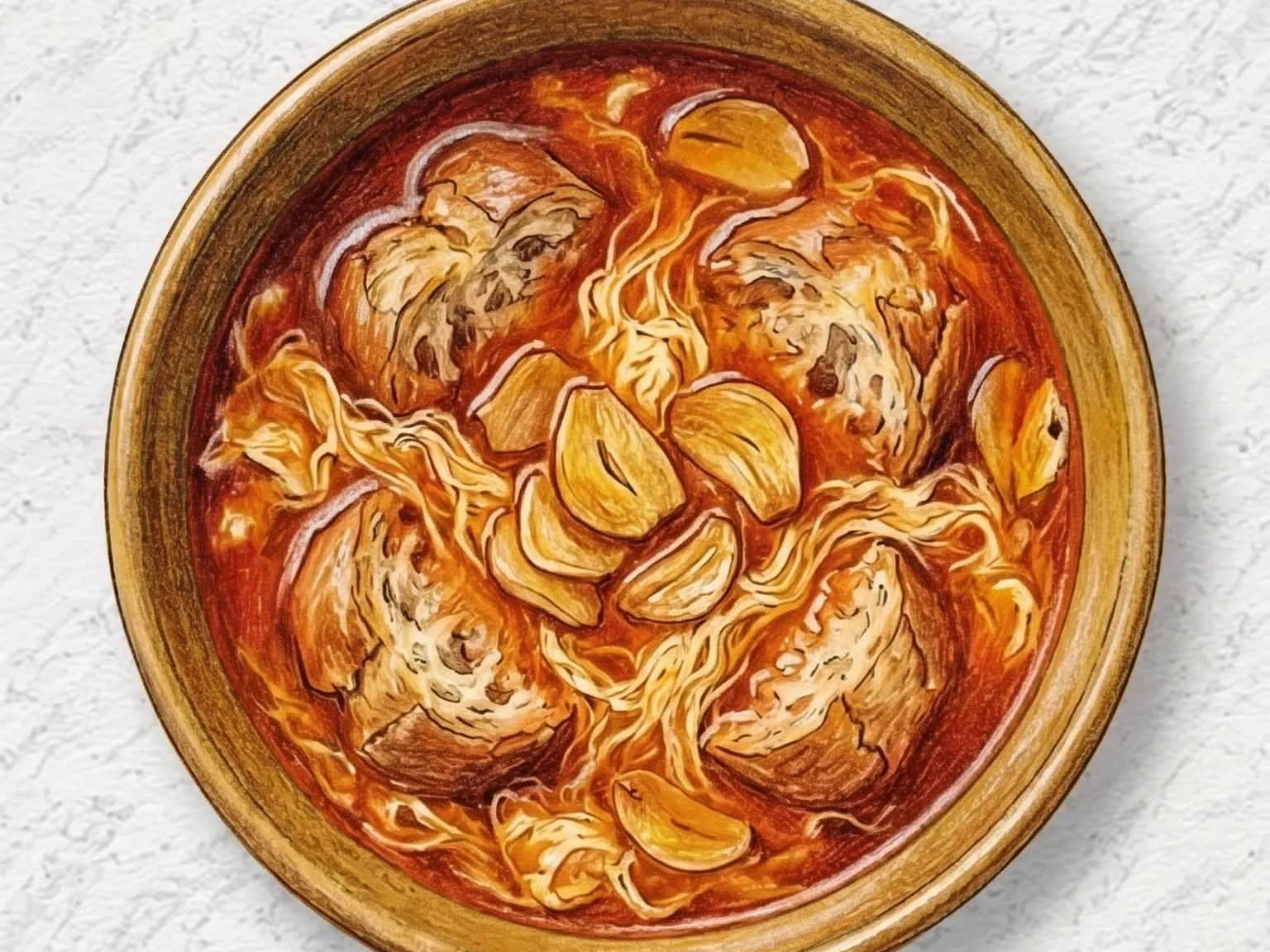
Chicken cacciatore is an Italian countryside dish where chicken pieces are seared hard in olive oil until deeply browned, then braised over low heat for forty minutes with onion, garlic, canned tomatoes, black olives, capers, red wine, and thyme. The initial sear in a very hot pan triggers a Maillard reaction on the skin and surface of the meat; those browned flavors dissolve into the braising liquid and dramatically deepen the sauce as it simmers. Red wine is added and simmered for two minutes to cook off the alcohol before the remaining ingredients go in, leaving only the acidity and fruit character of the wine to layer with the tomato. The briny, savory taste of the olives and the tart, floral sharpness of the capers keep the sweetness of the canned tomatoes in check, while thyme runs as a steady, quiet herbal thread throughout. This dish improves substantially when reheated the next day, as the flavors penetrate further into the meat overnight. Leftover braising sauce is excellent tossed with pasta or spooned over soft polenta.

Kimchi Lentil Ragu Tagliatelle
Kimchi lentil ragu tagliatelle is a plant-forward pasta where lentils simmer with tomato puree, wine, and finely diced onion, carrot, and celery for 35 minutes, breaking down into a thick sauce with a meaty texture that contains no actual meat. The Korean-inflected soffritto builds the aromatic base, and as the lentils cook through they release starch that naturally thickens the ragu without any additional binder. Fermented kimchi is added late in the process, preserving its sharp acidity and keeping the fermented flavor present and distinct rather than cooked away. A small amount of sugar smooths the combined tartness of tomato and kimchi so neither dominates. The wide, flat tagliatelle ribbons hold the heavy sauce well, and every strand picks up the full depth of the braise. Without a gram of meat, the dish delivers genuine richness and staying power.

Citrus Fennel Salad (Orange & Shaved Fennel with Arugula)
Fennel is shaved thin to highlight its anise-scented crunch, then paired with segmented orange for juicy acidity. Arugula contributes a peppery bite that offsets the citrus sweetness, and sliced almonds add a toasted crunch. The dressing stays minimal - olive oil and white wine vinegar - so the raw ingredients come through clearly without interference. Dressing should be added just before serving to prevent the fennel from wilting. The salad works well before rich meat or fish courses, since the citrus and fennel combination opens the palate rather than dulling it.

Grilled Chicken Caesar Salad
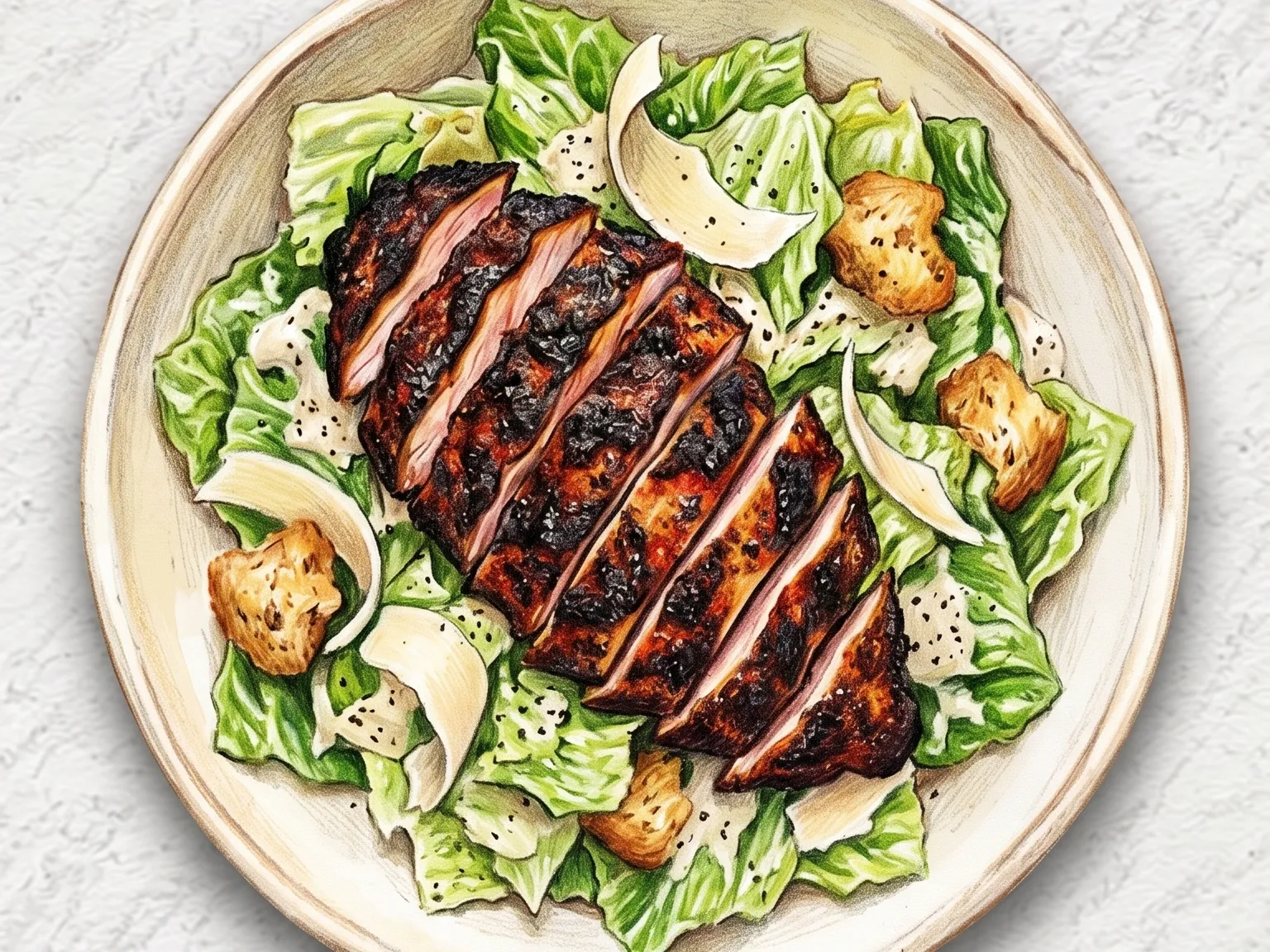
Grilled chicken Caesar salad is a classic constructed salad built on pan-seared chicken breast, crisp romaine lettuce, house-made Caesar dressing, croutons, and shaved Parmesan. The chicken breast is seasoned simply with salt and pepper and cooked over medium-high heat until golden on both sides, then left to rest for five minutes before slicing. Resting allows the muscle fibers to relax and the internal juices to redistribute, so each slice stays moist at the center rather than releasing liquid when cut. Slicing too thinly also causes rapid heat loss and results in a dry, mealy texture, so cutting into thicker pieces is preferable. The dressing is made by whisking together mayonnaise, fresh lemon juice, minced garlic, and a small amount of Worcestershire sauce. That combination produces a coating that is creamy and rich but balanced by the sharpness of citrus and the depth of the fermented condiment. Romaine is torn into bite-sized pieces and tossed lightly with dressing before the chicken and croutons are added on top, which prevents the weight of the toppings from bruising the leaves and accelerating wilting. Croutons go on last and should not be tossed through the greens, as contact with dressing causes them to absorb moisture and lose crunch quickly. Parmesan provides the concentrated salty umami of aged hard cheese that ties the neutral lettuce, mild chicken, and tangy dressing into a unified plate. The salad must be assembled immediately before serving to preserve the distinct textures that make it satisfying.

Kimchi Tofu Alfredo Farfalle (Creamy Kimchi Bow-Tie Pasta)
Kimchi tofu Alfredo farfalle is a fusion pasta that counters the richness of a cream-and-Parmesan Alfredo sauce with the lactic acidity of well-fermented kimchi. Garlic bloomed in butter forms the aromatic base, then cream, milk, and Parmigiano are combined into the classic Alfredo sauce, after which chopped kimchi is folded in to introduce fermented tang and a layer of umami that a standard Alfredo lacks. Firm tofu cut into cubes and pan-fried until each side is golden provides a mild, neutral protein element with direct textural contrast against the smooth sauce. Farfalle's pinched center holds pockets of sauce against each piece of pasta, delivering a consistent hit of creaminess in every bite, and freshly ground black pepper draws a sharp line through the richness at the finish. The entire dish moves from pan to plate in about 15 minutes.