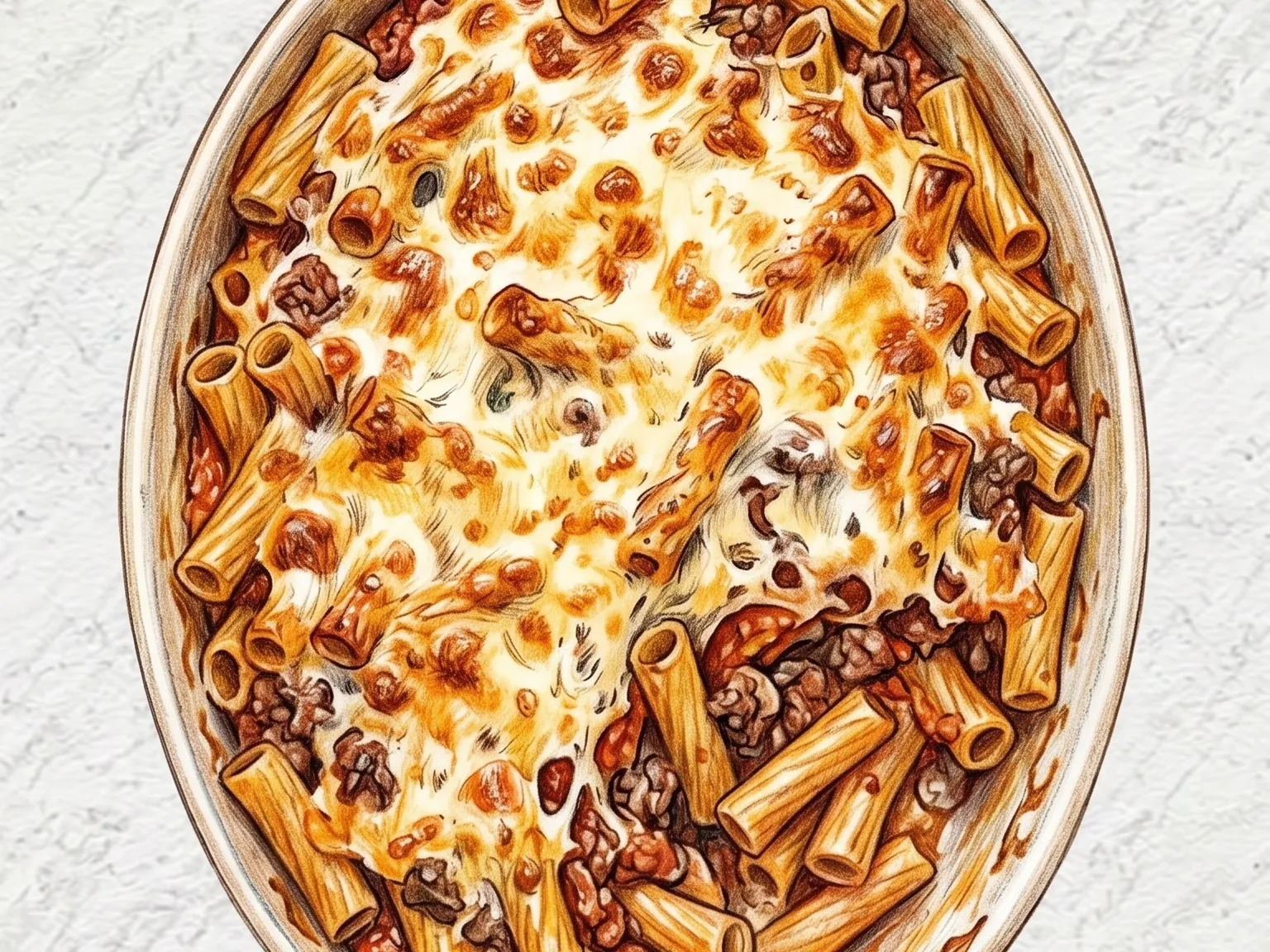
Pasta alla Genovese (Neapolitan Slow-Braised Onion and Beef Ragu)
Pasta alla Genovese is a Neapolitan slow-cooked ragu that uses a large volume of onions braised together with beef chuck for at least two hours over low heat. No tomato is involved at any stage; the sauce draws all its sweetness from the onions, which gradually dissolve and caramelize into a thick, deeply savory base, while white wine and the rendered beef fat add richness and acidity. Once the onions have nearly melted into the sauce, the beef is shredded and folded back in, giving the finished ragu a dense, almost jam-like consistency with strands of meat throughout. Despite its name, the dish has no connection to Genoa or Ligurian basil pesto; it is a distinctly Neapolitan preparation, and the name is thought to trace back to Genoese cooks or merchants who settled in Naples. Ziti is the traditional pasta shape, served with a generous dusting of Parmigiano-Reggiano.

Chogochujang Kkotge Cold Capellini (Spicy-Sour Crab Angel Hair)
Chogochujang crab cold capellini is a chilled pasta dressed with chogochujang, a Korean condiment made by blending gochujang with rice vinegar and sugar until the paste becomes a pourable, sweet-tart, spicy dressing. The sauce layers capsaicin heat beneath an acidic brightness that makes it exceptionally well-suited to cold noodles, cutting through any residual starchiness and keeping each strand distinct. Blue crab meat contributes a delicate natural sweetness and a salinity that anchors the entire dish, while julienned cucumber adds crisp, water-rich crunch that lightens the overall texture. Capellini is among the finest pasta shapes available, measuring roughly 0.9mm in diameter, which means it overcooks almost instantly and must be shocked in ice water the moment it finishes boiling to halt cooking and preserve its springy elasticity. At room temperature, the strands begin to clump within minutes, so keeping them submerged in ice water until just before plating is the standard approach. Fresh tomato adds a burst of cool acidity that tempers the dense chogochujang dressing and prevents the dish from feeling heavy, making this a well-balanced warm-weather plate.

Black Bean Corn Avocado Salad
Black bean corn avocado salad is a Mexican-style bowl that combines cooked black beans, charred sweet corn, and ripe avocado in a lime dressing. Black beans form the starchy, mildly nutty base, while corn charred in a dry pan brings a caramelized sweetness and a burst of texture against the softer ingredients. Ripe avocado contributes a dense creaminess that absorbs the lime's sharp acidity and rounds the dressing's edges. Fresh cilantro scatters a bright herbal note, and ground cumin or chili powder can deepen the spice dimension. The combination delivers plant protein, dietary fiber, and healthy fats in a single bowl substantial enough to serve as a light meal. Tortilla chips on the side turn it into a dip. Because none of the components require hot cooking, the salad can be assembled in minutes from pre-prepared ingredients and keeps well in the refrigerator for a day or two without the avocado browning significantly if dressed just before serving.

Warm Melting Cheese (Whole Oven-Baked Camembert with Garlic and Honey)
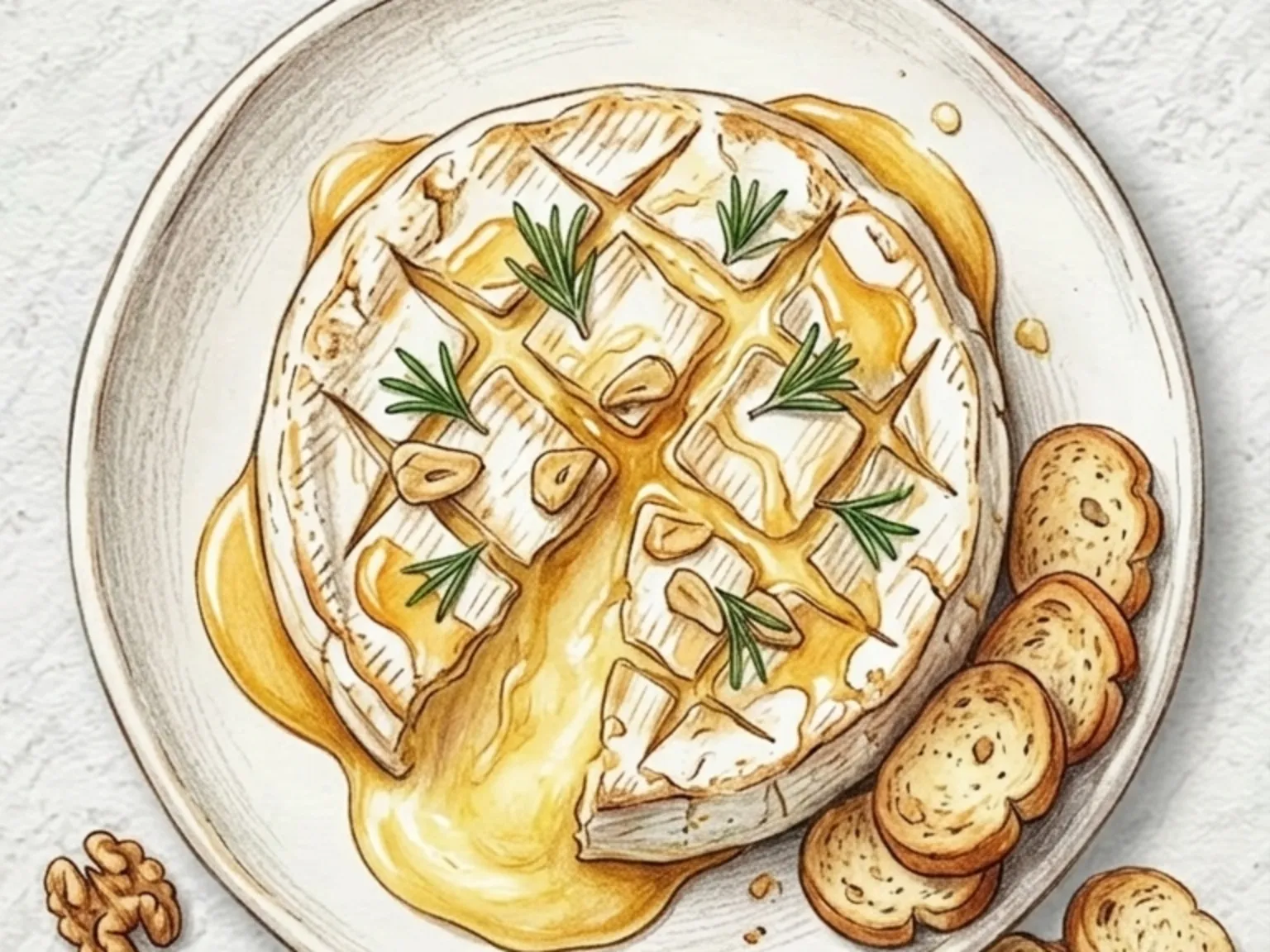
Baked Camembert is a French warm appetizer in which an entire wheel of Camembert is oven-roasted until the interior liquefies into a pooling, spoonable cream while the white-mold rind holds firm and serves as a natural bowl. Scoring the top of the rind in a crosshatch pattern and tucking in thin slices of garlic and sprigs of rosemary allows those aromatics to infuse the melting cheese throughout the approximately fifteen minutes it spends at 180 degrees Celsius. The result, straight from the oven, is a cheese that flows when touched but stays contained within its rind, making it ideal for sharing directly from the box or the baking dish it sat in. Torn baguette slices and lightly toasted walnuts are the most natural accompaniments for dipping, and a drizzle of honey over the top before serving adds a sweetness that bridges the funky, salty character of the cheese and creates a sweet-savory contrast. The entire preparation requires less than five minutes of active work before it goes into the oven, which makes it one of the most efficient warm appetizers to produce when hosting guests or pairing with wine. Unlike richer double-cream styles, Camembert has enough flavor depth to hold its own with both dry white wines and lighter reds, and the roasted garlic left in the scored grooves becomes soft and sweet as it heats, adding a mellow backdrop that complements rather than competes with the cheese.

Korean Grilled Pen Shell Scallops in Butter
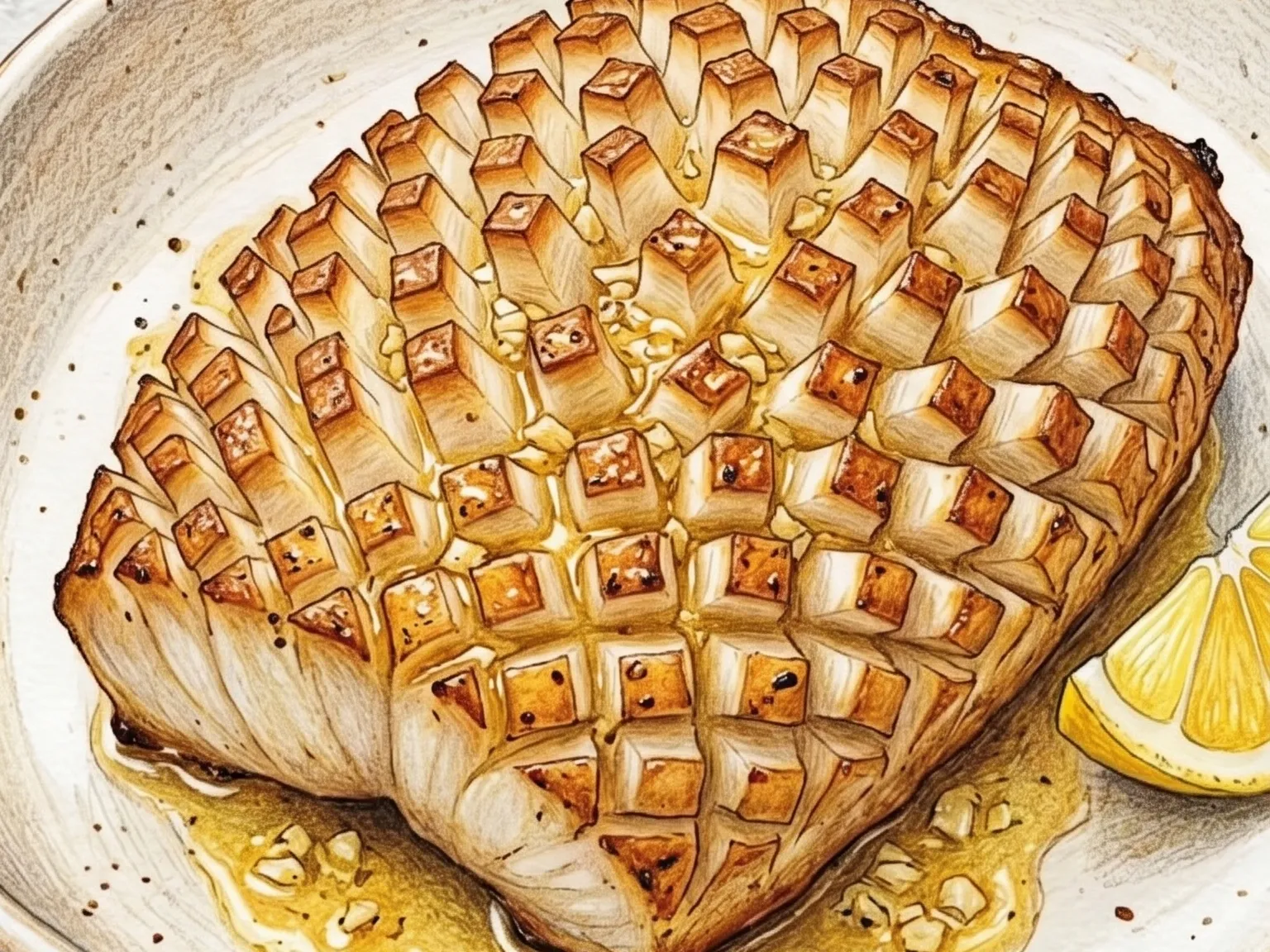
Pen shell scallop meat is thoroughly patted dry, then seared for ninety seconds per side on a screaming-hot pan before being brushed with a garlic-lemon butter sauce. Adequate preheating is critical so the surface caramelizes instead of releasing moisture, and the total cook time should stay under four minutes to keep the interior springy. A drizzle of olive oil and a scattering of parsley lend a Mediterranean accent to this Korean shellfish dish.

Pasta alla Norma (Sicilian Fried Eggplant Tomato Pasta)
Pasta alla Norma originates from Catania in Sicily and combines fried eggplant cubes with a simple tomato passata sauce. Salting the eggplant beforehand draws out moisture and bitterness, resulting in firmer pieces that absorb less oil during cooking. Garlic provides aromatic depth, while fresh basil added off-heat preserves its fragrance. The dish is named after Vincenzo Bellini's opera Norma, a tribute to its status as a Sicilian culinary masterpiece.

Chunjang Beef Ragu Tagliatelle
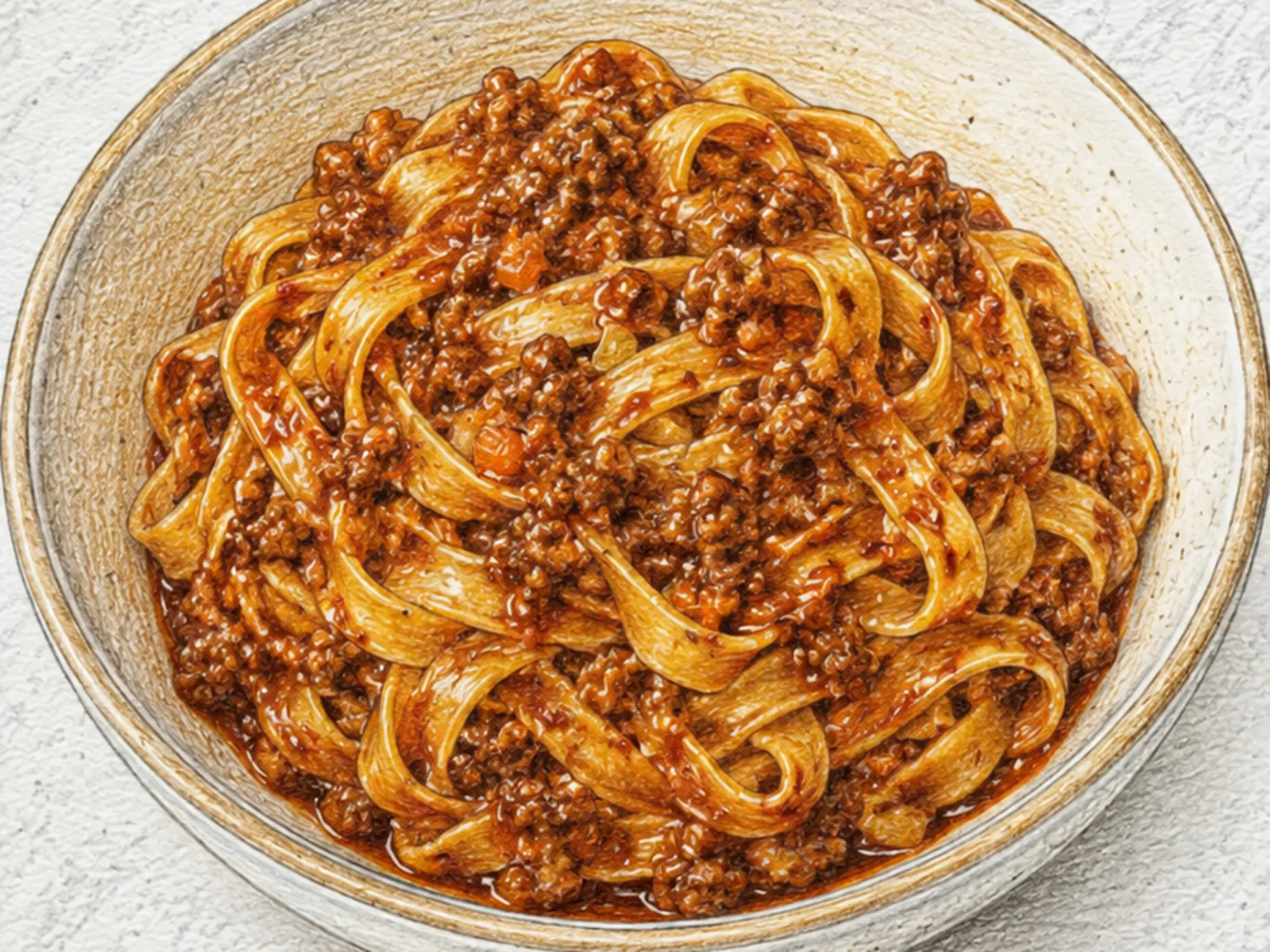
Chunjang beef ragu tagliatelle combines a slow-cooked ground beef ragu with Korean black bean paste and tomato passata, tossed through wide tagliatelle ribbons. Chunjang is a fermented black soybean paste that, when fried in oil first, releases a deep roasted umami and loses its raw bitterness before joining the tomato base. Browning the ground beef hard over high heat before adding liquids develops a Maillard crust that intensifies the meatiness of the finished sauce. The sauce then simmers on low heat until it reduces into a thick, glossy coating. Wide tagliatelle catches the dense ragu across its broad surface, ensuring each forkful carries both the tomato-chunjang depth and chunks of seasoned beef.

Bomdong Strawberry Doenjang Salad
Bomdong strawberry doenjang salad combines the crisp leaves of early spring bomdong cabbage with the fruity sweetness of strawberries and the fermented depth of Korean soybean paste. The dressing, built by whisking doenjang with olive oil and vinegar, adds savory richness to the mild bomdong leaves, while the natural acidity of the strawberries neutralizes the saltiness of the paste and brings brightness to every bite. Walnuts introduce crunch and nuttiness, creating textural contrast among the softer components, and cucumber adds moisture that keeps the salad refreshing throughout. Dressing the salad too early draws water from the strawberries, so adding the dressing immediately before serving is essential for maintaining the right texture. Tearing the bomdong by hand rather than cutting it preserves its natural shape without bruising the leaves. The saltiness of doenjang varies between brands, so adding the dressing gradually and tasting as you go prevents overseasoning. Swapping strawberries for blueberries or mandarin segments adapts the salad to other seasons while keeping the doenjang dressing intact. Toasted almond slices or sunflower seeds make a good substitute for walnuts when a lighter crunch is preferred.

Baked Lasagna
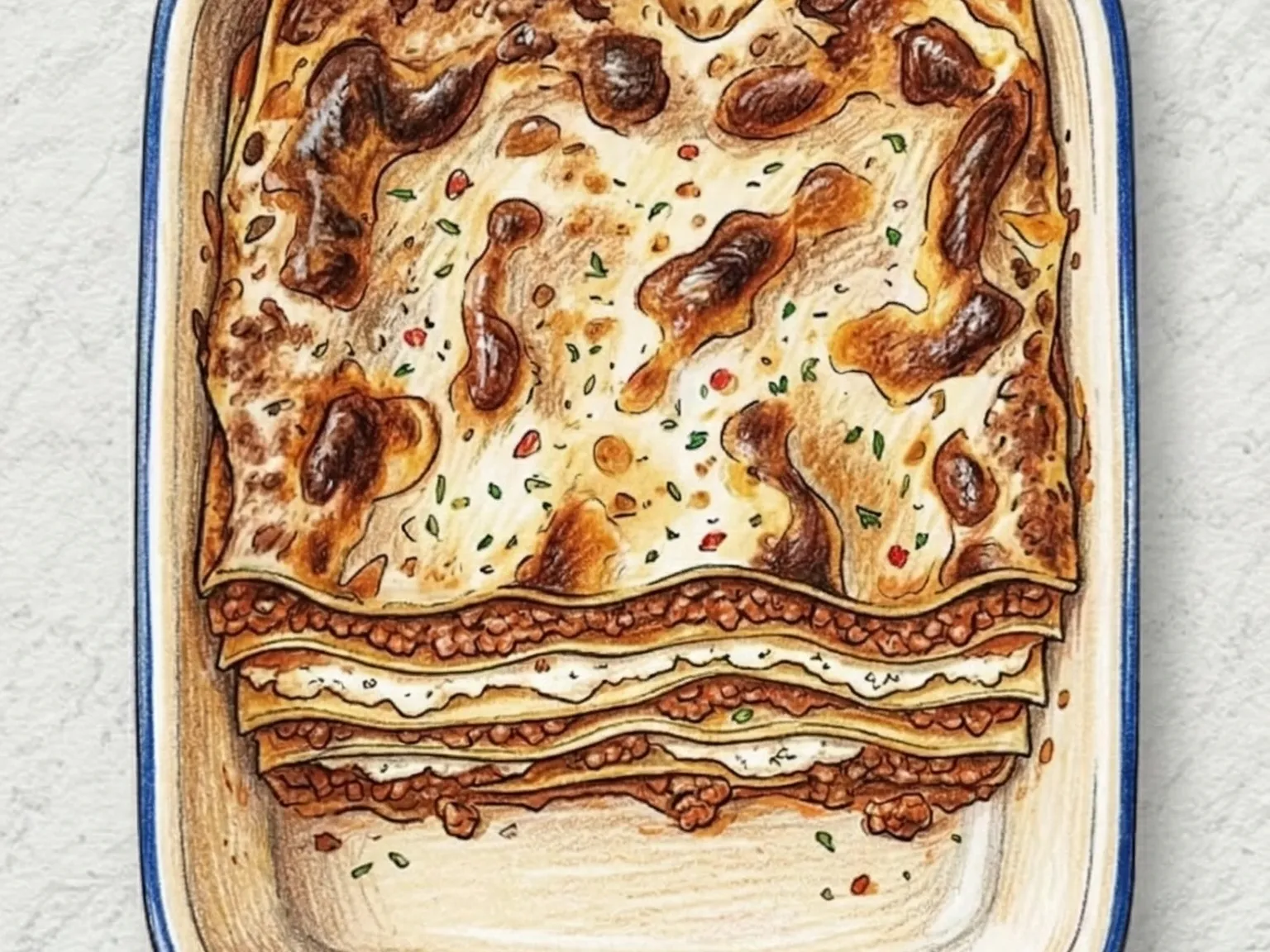
Baked lasagna stacks wide pasta sheets between slow-cooked beef Bolognese sauce, ricotta, mozzarella, and Parmesan, then bakes the whole assembly into the kind of deeply layered dish that is foundational to Italian baked pasta. Construction begins with a thin coat of tomato sauce on the bottom of the baking dish to prevent sticking, followed by alternating layers of pasta, meat sauce, and cheese. Ricotta spreads as a mild, creamy buffer between the layers, tempering the acidity of the tomato base and keeping the interior moist. Mozzarella melts into the spaces between layers, binding them together and stretching when pulled. Parmesan scattered over the top forms a golden-brown crust after forty-five minutes of baking. A single preparation yields four or more servings, making it practical for gatherings. Assembling the lasagna the night before and refrigerating it overnight gives the sauce time to absorb into the pasta, producing a more cohesive texture when it finally bakes. Leftovers reheat well and lose little of the original flavor, so the dish improves as a meal-prep option.

Korean Salt-Grilled Croaker
Mineo-sogeum-gui is a Korean salt-grilled croaker where fillets are seasoned with only coarse sea salt and white pepper, then pan-fried skin-side down in olive oil. Croaker is a lean white-fleshed fish with a subtle but genuine depth of flavor, and restraint with seasoning allows that natural character to come through clearly. Patting the surface completely dry before cooking is critical, since any moisture on the skin prevents it from crisping and causes it to stick to the pan. A whisper-thin coat of flour on the fillet creates a light barrier that forms a delicate crust on contact with the hot oil. Placing the fillet skin-side down and cooking it that way for roughly seventy to eighty percent of the total time allows the flesh to finish gently from residual heat after flipping, which prevents it from drying out. Minced garlic is introduced only in the final minute so it perfumes the oil without burning. A squeeze of lemon juice and a scatter of sliced chives at the table add brightness that frames the clean flavor of the fish rather than competing with it. Fresh croaker is best from July through August, but frozen fillets can be prepared with the same method.

Pasta e Ceci (Italian Chickpea Stew Pasta)
Pasta e ceci is an Italian pantry staple that cooks small pasta directly in a chickpea-enriched broth. Half the chickpeas are mashed before simmering, releasing starch that naturally thickens the liquid into a stew-like consistency. A base of olive oil, garlic, rosemary, and tomato paste provides aromatic depth without overwhelming the mild chickpea flavor. The dish cooks in a single pot and is substantial enough to serve as a complete vegetarian meal.

Doenjang Clam Spinach Orzo
Doenjang clam spinach orzo is a one-bowl pasta built by cooking orzo in doenjang-seasoned vegetable stock alongside clams in a method borrowed directly from risotto technique. The clams are first purged in salt water to remove sand, then steamed open in white wine so they release their briny cooking liquid into the pan. That liquid merges with the already-present fermented depth of doenjang to form a layered savory base that carries the pasta from the very first minute of cooking. Toasting the orzo in butter or oil before adding any liquid coats the starch on each grain, a step that slows its release and produces a consistently creamy sauce by the end rather than a gluey mass or a watery broth. The stock goes in two or three additions rather than all at once, each addition added only once the previous one has been absorbed, and the pasta is stirred throughout so the released starch works into the liquid rather than sinking to the bottom. Spinach added in the final thirty to sixty seconds of cooking wilts just enough to turn tender without losing its bright green color or dissolving into the sauce. A knob of cold butter stirred in off heat as the finishing touch emulsifies into the sauce, adding a glossy sheen and a rounded, buttery richness that ties all the flavors together.

Broccoli Cranberry Salad
Broccoli cranberry salad blanches broccoli for just thirty seconds in boiling water to set its vivid green color and lock in a satisfying crunch, then combines it with dried cranberries for a tart, jammy sweetness and sunflower seeds that add a dry, toasted texture throughout the bowl. A dressing built on Greek yogurt rather than mayonnaise alone delivers genuine creaminess while keeping the overall dish considerably lighter, and a splash of apple cider vinegar gives the finish a clean acidity that cuts through the richness. A small amount of finely diced red onion is enough to add a mild pungency and give the salad direction without making it assertively sharp. This salad rewards preparation in advance because the dressing gradually penetrates the broccoli florets as they sit in the refrigerator, deepening the flavor in a way that freshly dressed salads cannot achieve. After a few hours the textures settle and the flavors meld into something more cohesive than the sum of its parts, making it an unusually practical choice for packed lunches prepared the night before or party spreads assembled hours ahead of time.

Beef Empanadas
Beef empanadas wrap a cumin-and-paprika-seasoned filling of ground beef, onion, olives, and boiled egg inside flour dough, folded into a half-moon shape and baked until the crust turns golden and flaky. The oven heat crisps the outer shell while the meat filling steams inside, staying moist against the dry exterior. Cumin gives the beef a deep, earthy warmth that distinguishes these from other stuffed pastries; olives add pockets of briny saltiness, and sliced boiled egg introduces a softer texture throughout the interior. Pressing the edges firmly with a fork before baking is essential to keep the juices sealed inside. Compact enough to eat with one hand, each empanada delivers a burst of concentrated, layered flavor the moment the crust breaks, earning its place as both a convenient snack and a genuinely satisfying one.

Korean Salt-Grilled Sea Bass
Nongeo sogeum-gui is a Korean salt-grilled sea bass where scored fillets are seasoned only with coarse salt and black pepper, then seared skin-side down in olive oil infused with garlic and fresh thyme. Sea bass has firm, low-odor white flesh that takes well to minimal seasoning, and pressing the skin against the hot pan for a full five minutes drives out moisture and renders the thin fat layer underneath into a crisp, shattering crust. After flipping, the aromatic oil pooled in the pan is spooned over the flesh for three to four minutes-the fish is done when the center shifts from translucent to opaque white. A squeeze of lemon at the table adds brightness that cleans up any residual richness from the oil-basted cooking.

Pasta Primavera
Pasta primavera is a vegetable-forward Italian pasta that stir-fries broccoli, zucchini, bell pepper, and green peas in olive oil with garlic before tossing with spaghetti. Cutting each vegetable to a similar size and adding them in stages preserves distinct textures, while a splash of pasta water emulsifies the oil into a light, glossy coating that clings to every strand without the need for cream or a heavy sauce. Parmesan is folded in off the heat to prevent clumping, melting smoothly into the dish. The result is a bright, clean pasta that lets the natural sweetness and fragrance of the vegetables take center stage. Swapping in whatever vegetables are at peak freshness is part of how this dish works, making it as adaptable as it is straightforward to prepare.

Doenjang Mushroom Butter Linguine
Doenjang mushroom butter linguine starts with garlic sauteed in butter and olive oil, followed by button mushrooms cooked undisturbed on high heat until moisture fully evaporates and the edges brown. Stirring the mushrooms too frequently steams rather than sears them, producing a soft, wet texture instead of the firm, chewy bite that makes this dish work. Doenjang is dissolved in reserved pasta water before being added to the pan, ensuring even distribution of fermented savoriness across every strand without clumping. The butter's fat emulsifies with the starchy pasta water to form a glossy sauce that clings to the noodles rather than pooling at the bottom of the bowl. Sliced green onion added at the finish brings a sharp, grassy note, and grated Parmesan layers additional salt and umami depth into the final dish. One to two minutes of tossing with pasta water adjustment tightens the sauce around each noodle.

Buckwheat Avocado Salad
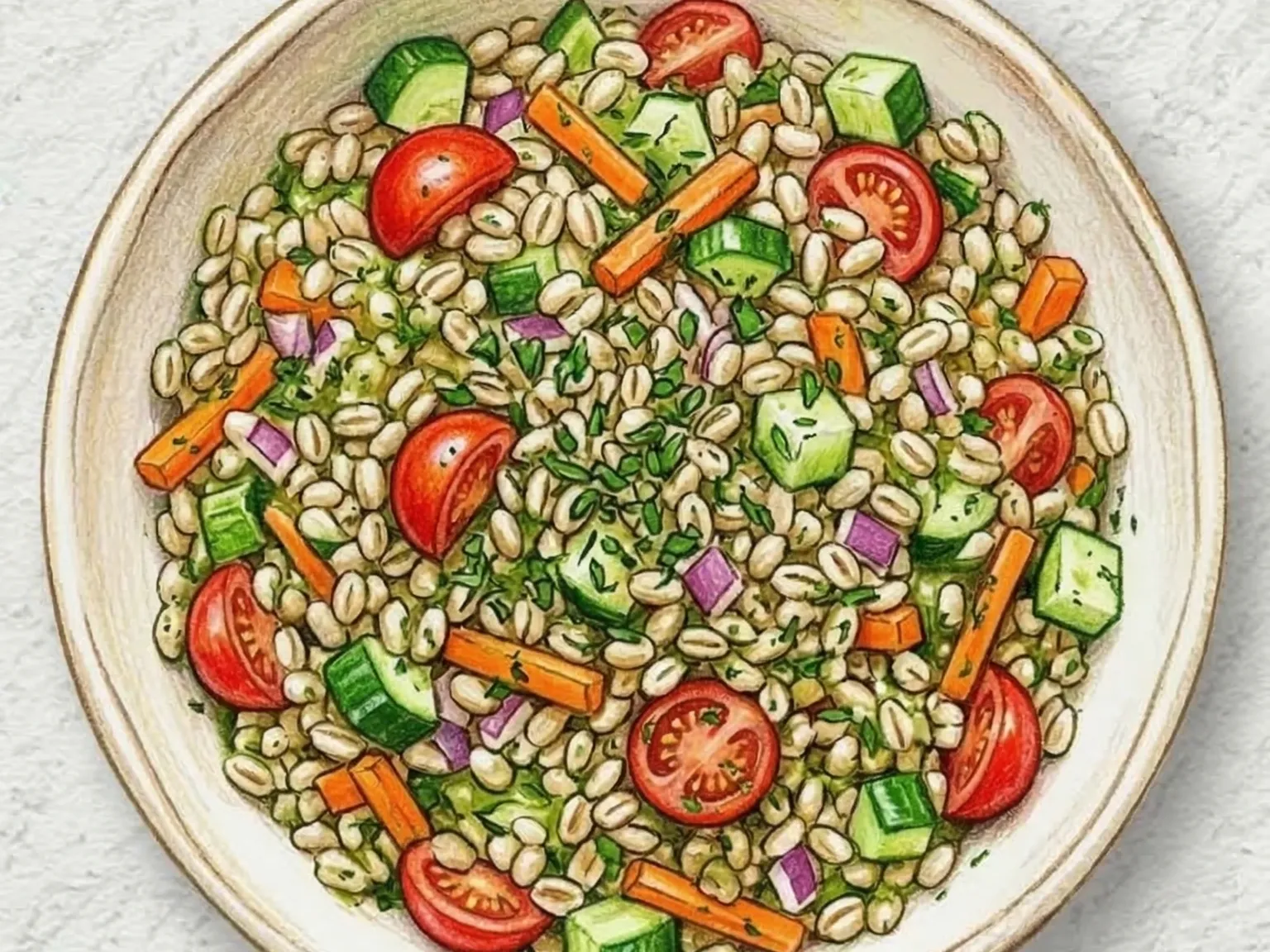
Buckwheat groats are cooked until chewy, rinsed in cold water, and tossed with ripe avocado, cherry tomatoes, cucumber, and fresh dill in a lemon-olive oil dressing. The buckwheat's earthy, faintly bitter grain character pairs with the avocado's smooth fat, each compensating for the other's shortcoming. Lemon juice's sharp acidity lifts the heavy grain base, while dill's cool, anise-edged fragrance reduces the overall weight that grain salads can carry. Cucumber introduces a crisp, watery contrast that varies the texture within a single bowl. High in dietary fiber and genuinely filling, this Eastern European-inspired salad holds up as a standalone light meal. The dressing quantity and herb selection can be adjusted without changing the basic structure of the dish.

Beef Enchiladas
Beef enchiladas are made by seasoning ground beef with chili powder, cumin, and oregano, wrapping it with shredded cheese inside corn tortillas, and arranging the rolls seam-side down in a baking dish before drowning them in red enchilada sauce and baking until bubbling. During baking, the dried-chili-based sauce penetrates the tortillas from the outside in: the interior absorbs moisture and turns soft, while the portions near the exposed edges dry into chewy, concentrated bites. Melted cheese inside binds the meat into a cohesive, creamy layer. The quality of the enchilada sauce is the defining variable - a sauce built on rehydrated dried chilies rather than canned tomato produces a smokier, more complex base that store-bought versions rarely match. Sour cream and coarsely chopped cilantro added at the table cut through the fat and reset the palate between bites. Three or four per plate make a substantial meal, and the dish reheats well the next day as the sauce continues to saturate the tortillas overnight.

Korean Herb Grilled Duck Breast
Ori-gaseumsal herb-gui is Korean herb-grilled duck breast, scored at one-centimeter intervals across the skin and fat layer without cutting into the flesh, then rubbed all over with a mixture of salt, pepper, minced garlic, rosemary, thyme, and olive oil. Starting the breast skin-side down in a cold pan over medium-low heat is what allows the thick fat layer to render gradually rather than seizing up against sudden heat. After eight minutes the fat has largely melted out and the skin is golden and crisp; flipping for four more minutes finishes the flesh. Soy sauce and pear juice added at the end reduce within a minute on the residual heat, building a glossy, fruit-tinged glaze that coats the surface. Resting the breast on a cutting board for five full minutes before slicing against the grain is what keeps the juices in the meat rather than running onto the board. Each slice shows a cross-section of crackling, herb-scented skin over a rosy, medium-cooked interior.

Spaghetti alle Vongole
Spaghetti alle vongole is an Italian pasta where clams are cooked in olive oil with sliced garlic, chili flakes, and dry white wine until they open and release their briny juices. The spaghetti is boiled one minute short of al dente, then finished in the clam pan with a few tablespoons of starchy pasta water to create an emulsified sauce. Vigorous tossing for about a minute binds the oil and clam liquid into a glossy coating around each strand. Fresh parsley is added at the end for color and herbal freshness.

Gamtae Butter Scallop Spaghetti
Preparing gamtae butter scallop spaghetti requires high heat to develop a properly caramelized exterior on the scallops. This process involves searing the scallops for ninety seconds on each side to create a deep brown crust. Before the scallops ever touch the pan, it is essential to ensure they are completely dry by patting them down thoroughly with paper towels. Removing all surface moisture prevents the scallops from steaming in the pan. If the scallops remain damp, they will turn out soft and pale instead of achieving the intended texture and color. After the scallops have been removed from the heat, the remaining browned bits, known as the fond, serve as the primary flavor foundation for the sauce. Garlic and butter are added to the same pan, followed by white wine which is used to deglaze the surface. As the liquid simmers, the alcohol evaporates, leaving behind a clean acidity that balances the richness of the other ingredients. The sauce is finished by swirling in cold butter at the final stage, which creates a smooth and stable emulsion that coats each spaghetti strand evenly. The final component is gamtae seaweed, which has a flavor profile that is notably more delicate and milder than standard nori. By crumbling this seaweed over the pasta immediately before it is served, you introduce a subtle oceanic quality that bridges the gap between the richness of the butter and the natural sweetness of the scallop meat. To complete the preparation, a measured amount of fresh lemon juice is squeezed over the dish. This acidity sharpens the various flavor components and reduces the perceived heaviness of the fats, ensuring that the pasta remains balanced throughout the meal.

Korean Melon Cucumber Perilla Salad
Korean melon, cucumber, and perilla seed salad uses chamae and cucumber as the main ingredients of a refreshing summer side dish. Chamae is cut into half-moons to expose the pale, sweet flesh, and cucumber is sliced on the diagonal to maximize surface area for the dressing to cling to. Red onion goes into cold water for five minutes before being added to the bowl, which draws out the sharpness while leaving the crunch. Perilla leaves are stacked, rolled tightly, and chiffonaded so their intense fragrance distributes evenly rather than concentrating in one spot. The dressing is ground perilla seed, lemon juice, olive oil, and honey. Adding the ground perilla seed just before serving preserves its toasted, nutty aroma, which fades quickly once it comes into contact with wet ingredients. After ten minutes in the refrigerator, the natural juice released from the chamae blends with the dressing into a light, pooled sauce at the bottom of the bowl. Lemon acidity and the nuttiness of perilla seed draw out the melon's clean sweetness without masking it. The salad works as a standalone side or alongside grilled meat to cut through the fat.

Bouillabaisse (Provencal Saffron Seafood Stew)
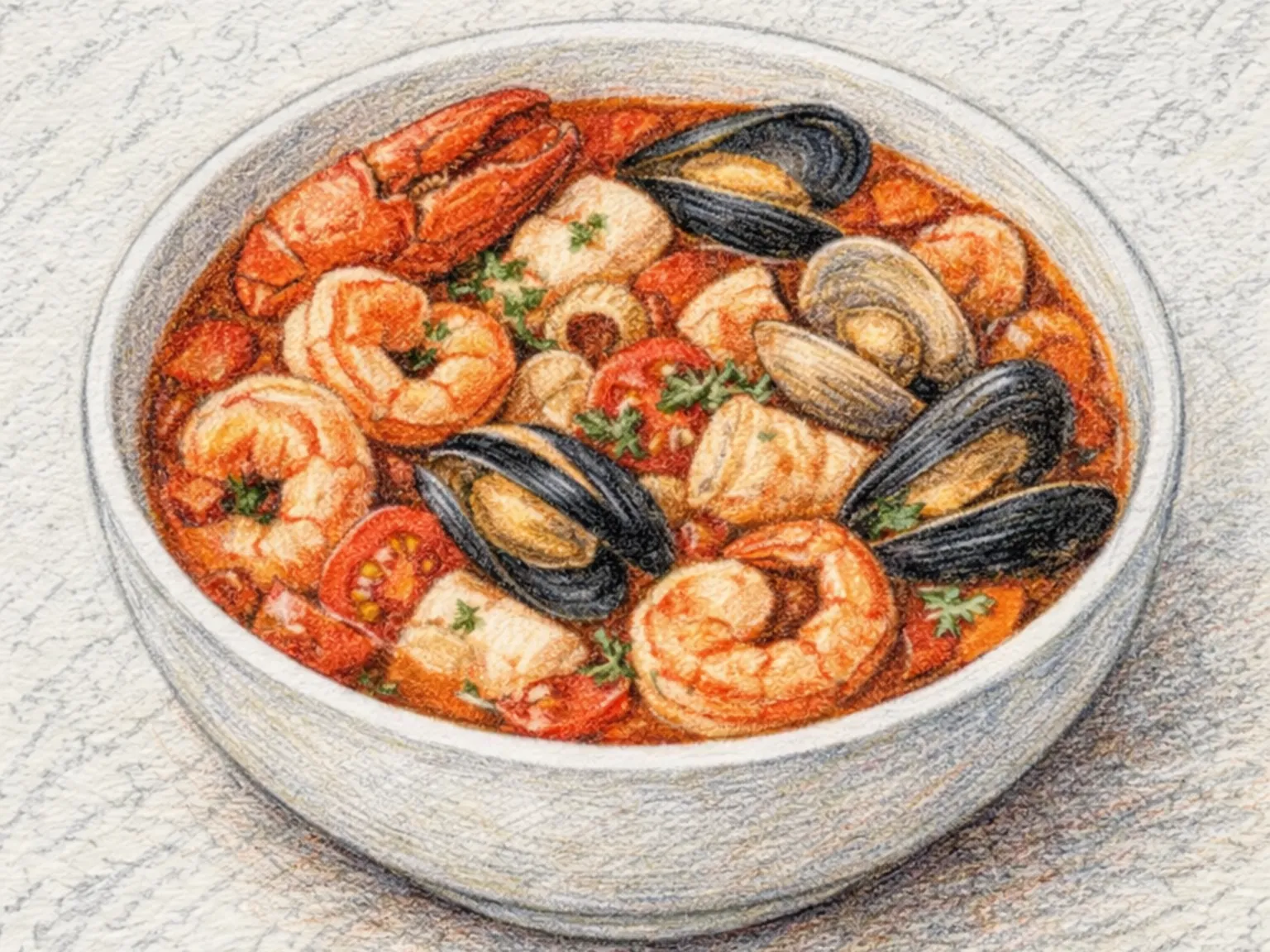
Bouillabaisse is a Provencal seafood stew that originated with Marseille fishermen cooking whatever catch remained unsold, distinguished above all by saffron's golden color and subtle floral aroma carried through the broth. Fennel and tomatoes are sauteed in olive oil first to build a fragrant base, then saffron-steeped fish stock is added and brought to a simmer. Firm-fleshed fish such as monkfish or sea bass go in first, with shrimp and mussels added last to protect their texture - overcooked shellfish turns rubbery and loses all elasticity. The broth builds complexity from the successive contributions of each seafood type, with every variety releasing its own distinct character of ocean flavor into the pot. Prolonged simmering concentrates the broth intensely, so once the fish is added, maintaining high heat and finishing quickly is the key to a broth that is rich but still clear and clean. Traditionally, grilled baguette spread with garlicky rouille is dipped into the broth alongside the seafood.