Soy-Garlic Chicken Parmesan Spaghetti
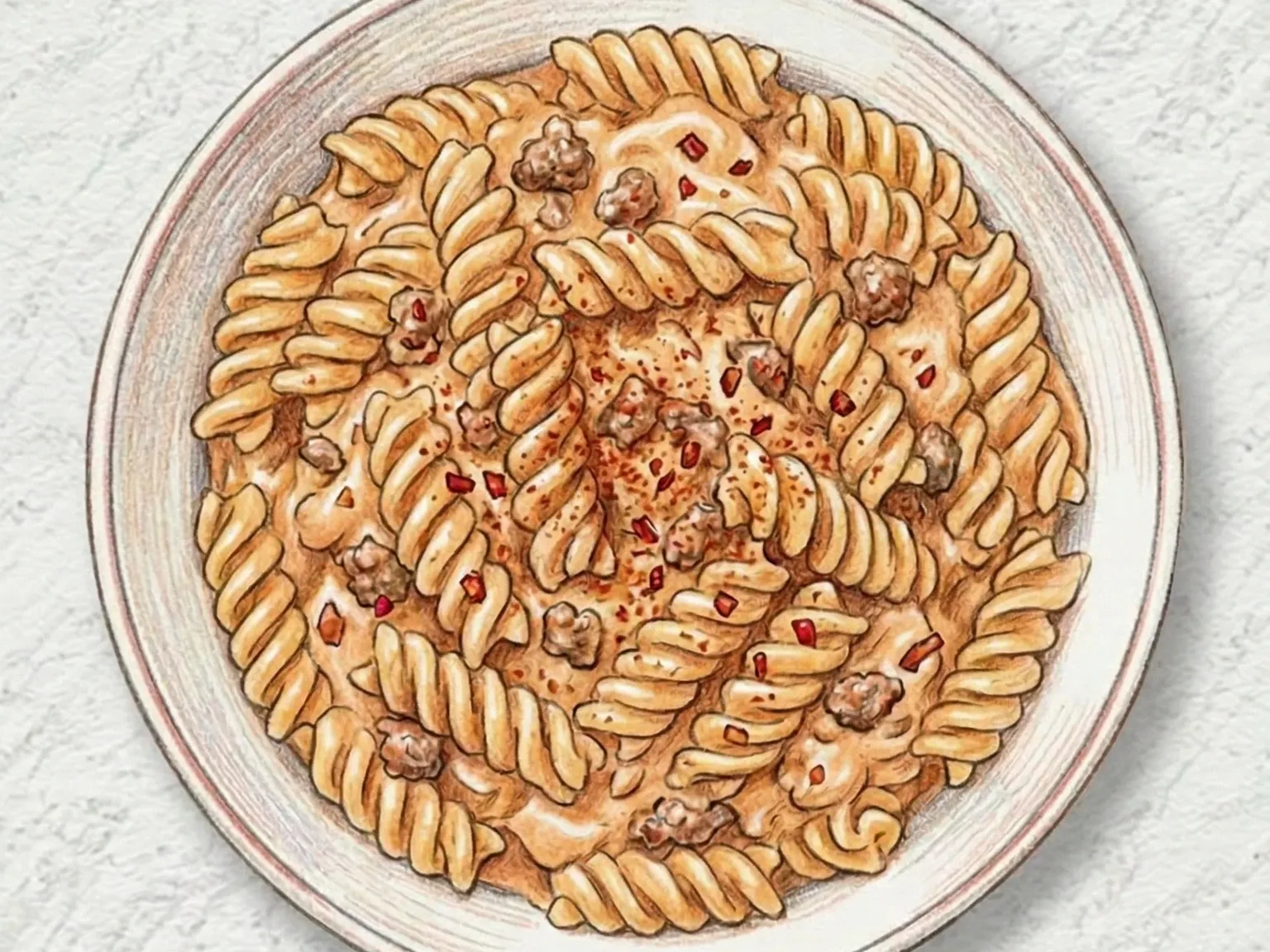
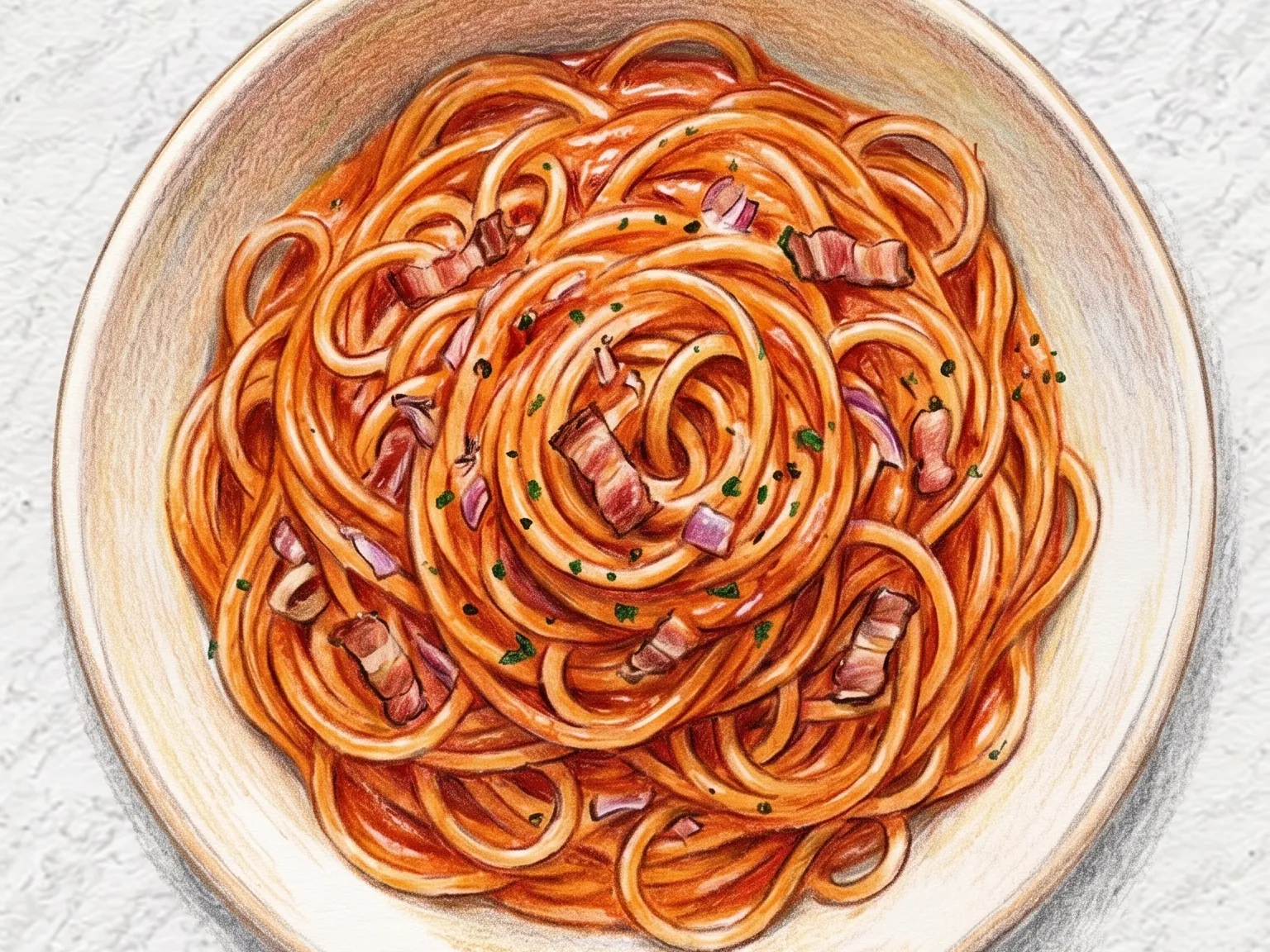
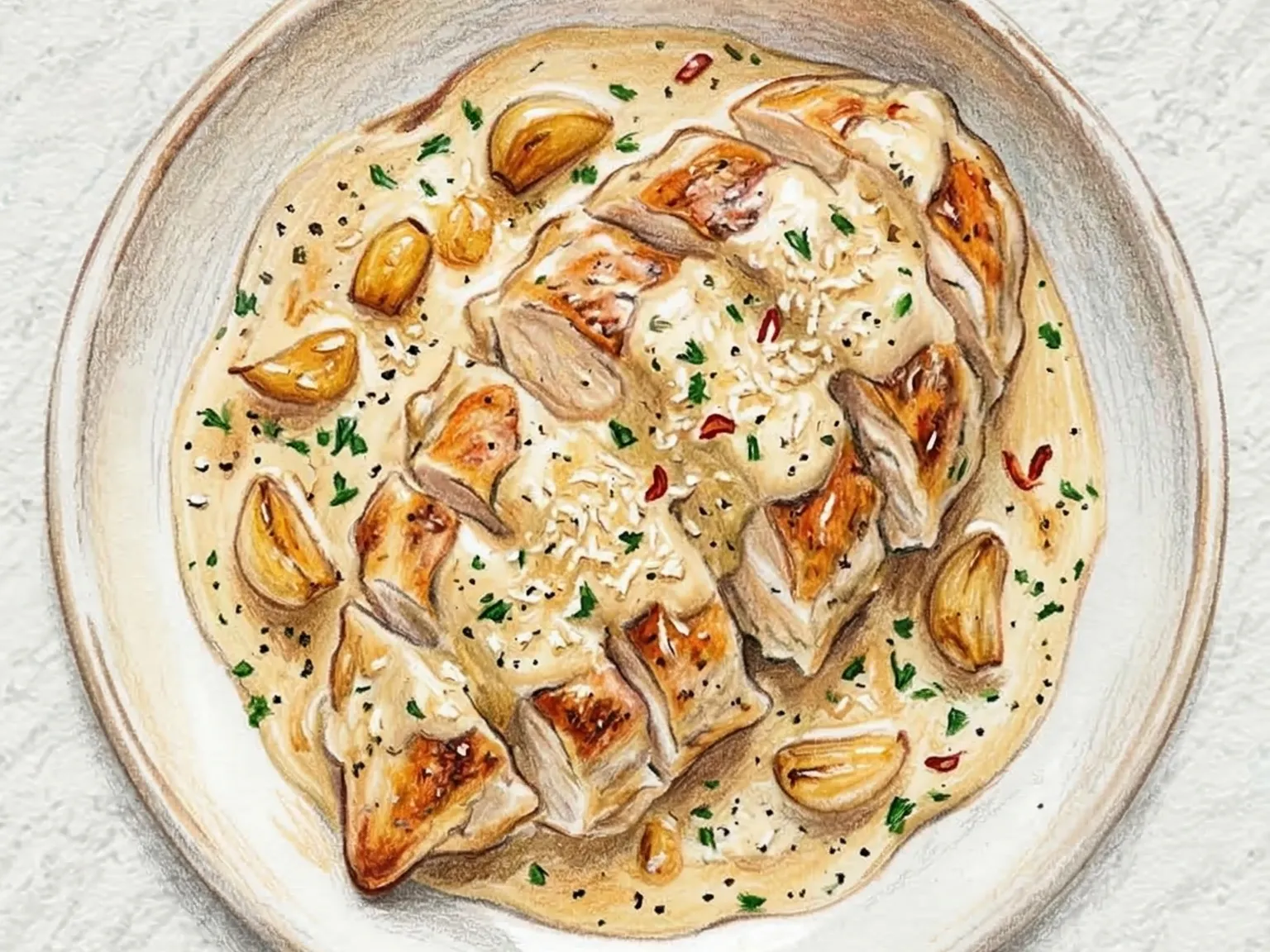
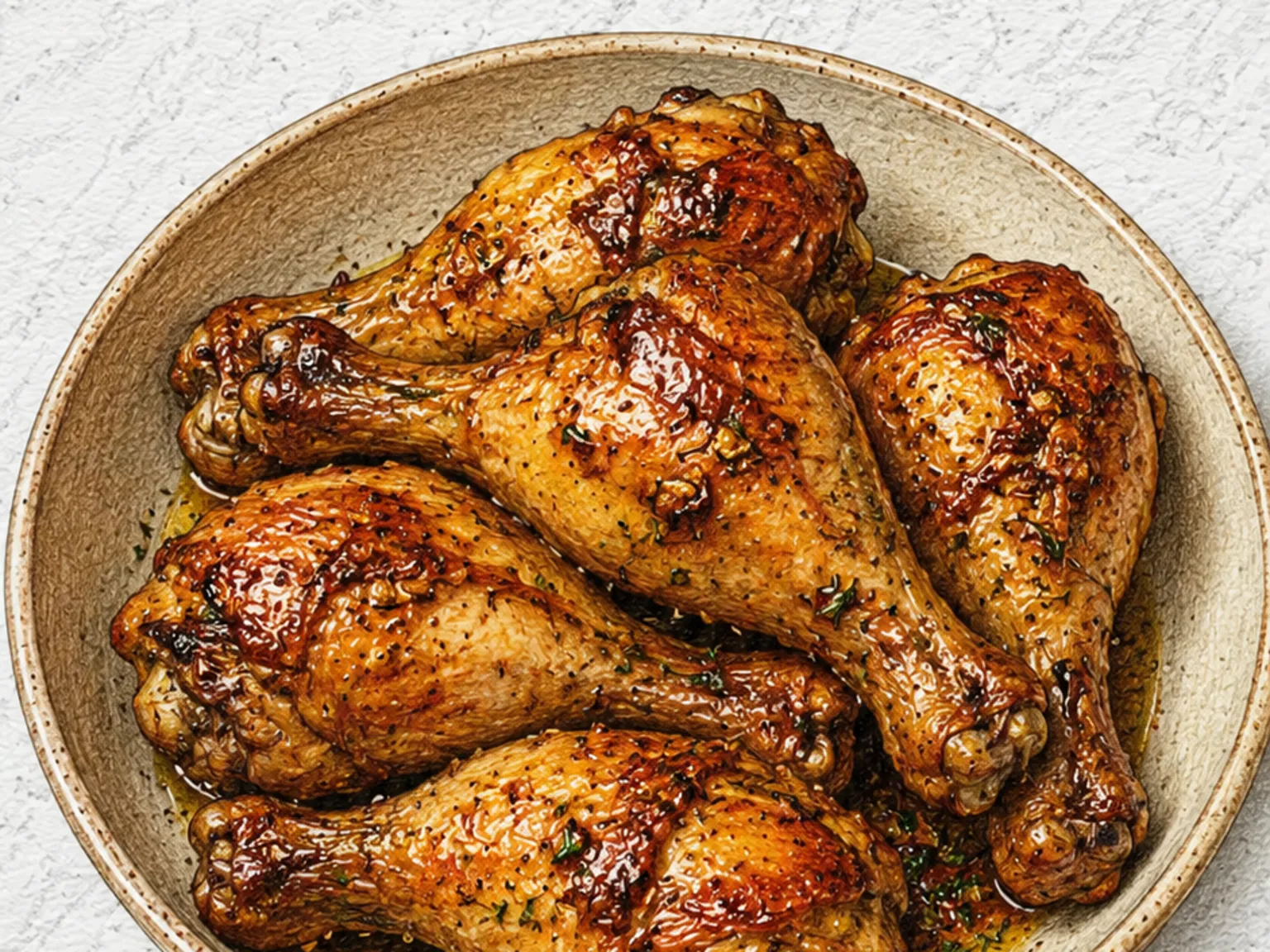
Soy garlic chicken Parmesan spaghetti represents a fusion of culinary traditions, integrating a marinade rooted in Korean flavors with the structural framework of a classic Italian pasta dish. For the protein component, chicken thigh pieces undergo a marination process involving a mixture of soy sauce, finely minced garlic, and honey. During the subsequent cooking phase, these ingredients are pan seared at a high temperature. This heat causes the natural sugars found in both the honey and the soy sauce to undergo caramelization, resulting in the formation of a dark and sticky glaze that coats the exterior of the meat. Garlic serves as a recurring element in the preparation, being used first within the initial marinade and then again when it is sauteed directly into the tomato sauce base. This repetition ensures that a consistent aromatic quality is maintained throughout the various layers of the meal from the start of cooking to the final assembly. The acidity inherent in the tomato sauce introduces a bright fruit character to the profile. This sharpness functions to balance the density of the sweet and salty glaze on the chicken, preventing the richness of the marinade from becoming overwhelming. A generous amount of grated Parmesan cheese is applied over the dish to introduce a nutty and salty depth. This cheese layer acts as a bridge between the Korean seasoning applied to the chicken and the Italian pasta that serves as the foundation of the plate. The choice of chicken thigh is intentional because this specific cut retains its internal moisture even during a hard sear. It remains succulent in a way that chicken breast meat often does not when subjected to similar levels of heat. The final preparation is completed with a garnish of thinly sliced scallions, which provides a clean green finish to the presentation.
Deodeok Citrus Chicken Salad
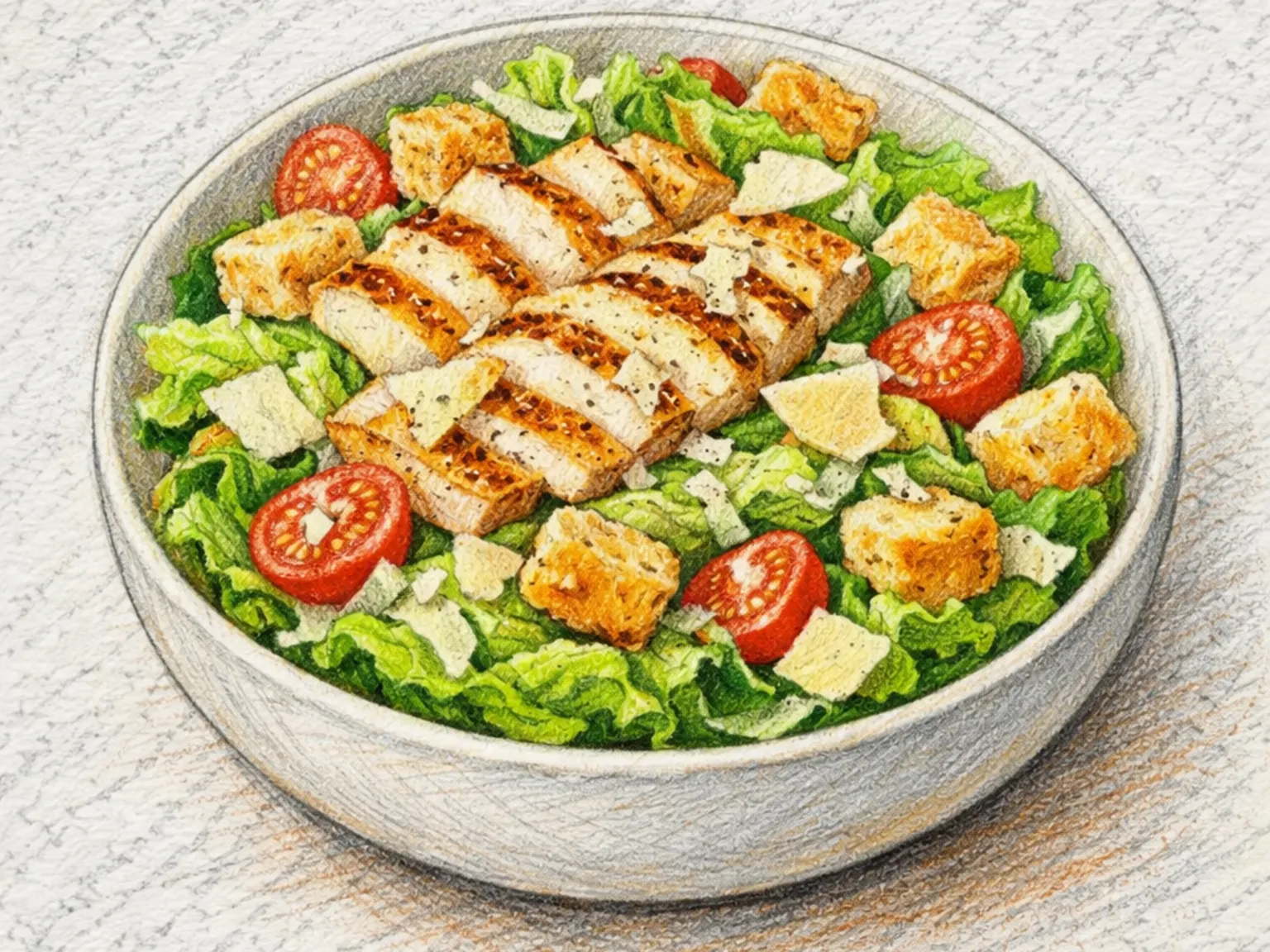
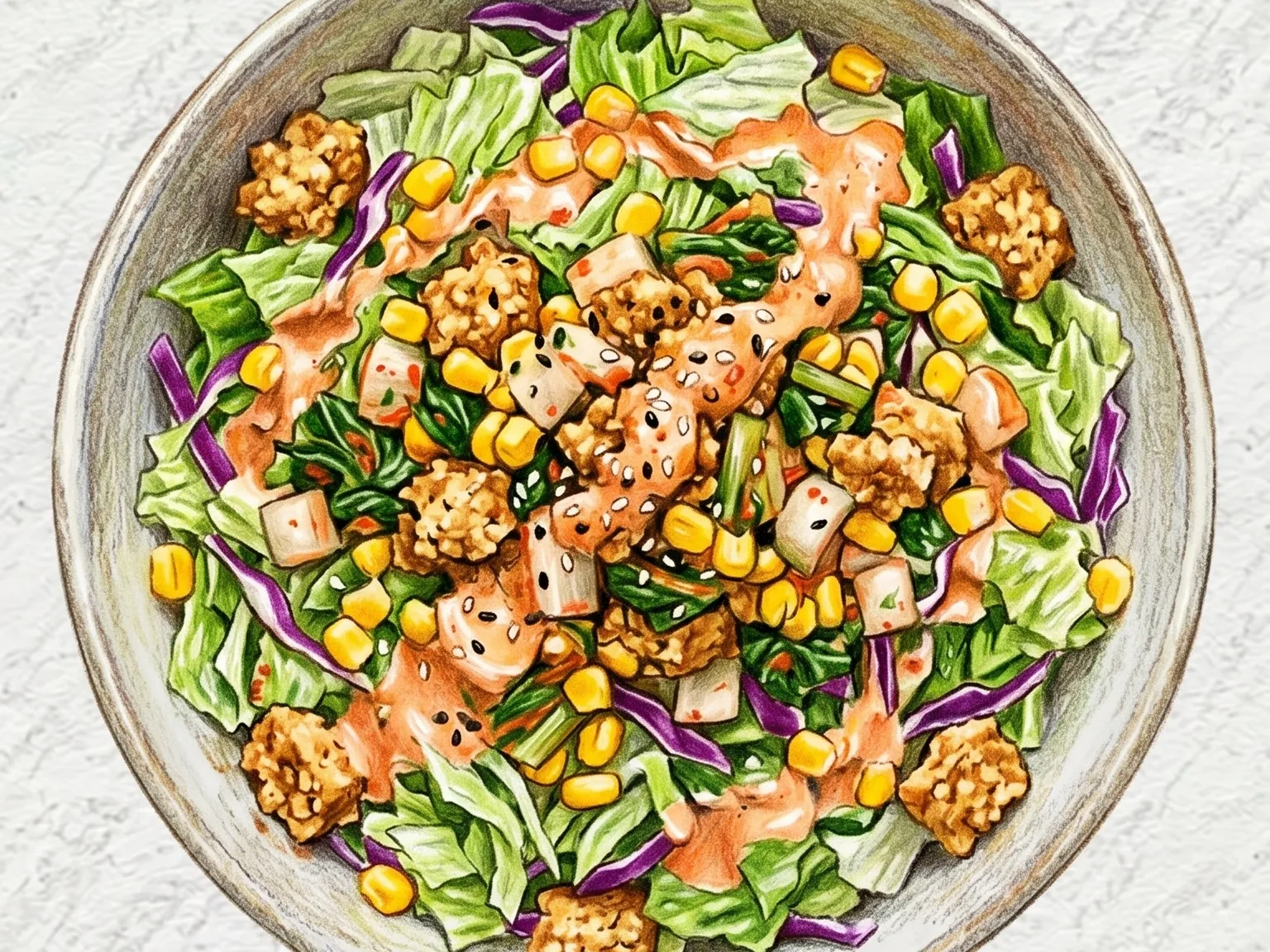
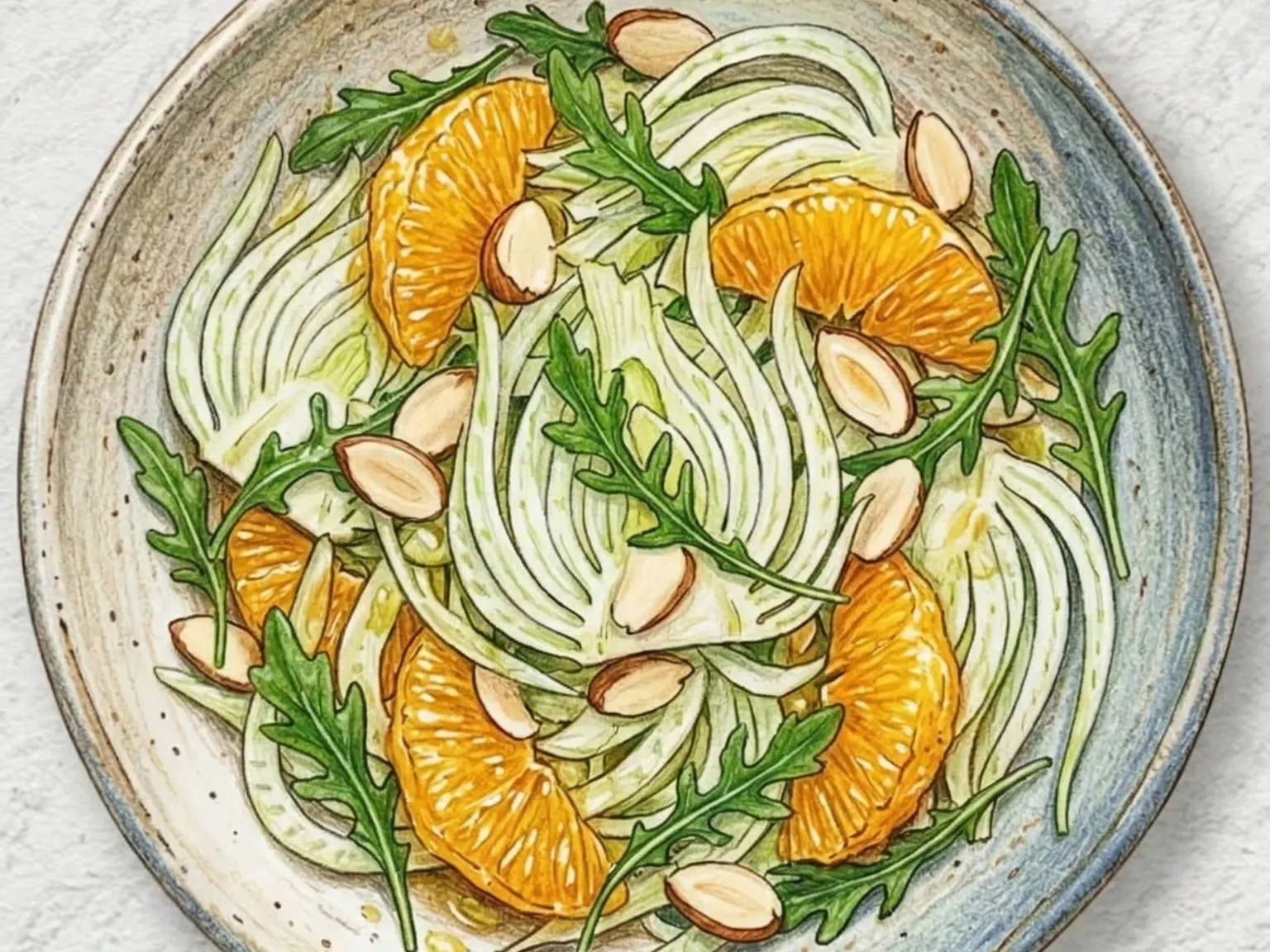
Deodeok citrus chicken salad is a Korean-style dish that focuses on the interplay between various textures and flavors. The preparation involves pan-searing chicken tenderloin in a hot skillet until it develops a golden crust on the outside while the meat remains tender on the inside. This protein is paired with deodeok root, which is beaten or pounded before use to loosen its tough fibers and soften its structure. Deodeok provides a unique earthy quality and a subtle bitterness that is difficult to find in other root vegetables. Fresh orange segments are included to provide a bright acidity that balances the savory notes of the seared chicken and the natural earthiness of the deodeok. Arugula is used as the base of the greens, contributing a sharp, peppery layer to the overall composition. A simple dressing made from soy sauce and olive oil is used to integrate the Korean-inspired components with more Western salad elements. Because the dish contains a high amount of protein from the chicken and a significant volume of vegetables, it functions as a light meal that remains nutritionally complete.
Chicken Francese (Egg-Battered Chicken in Lemon Butter Sauce)
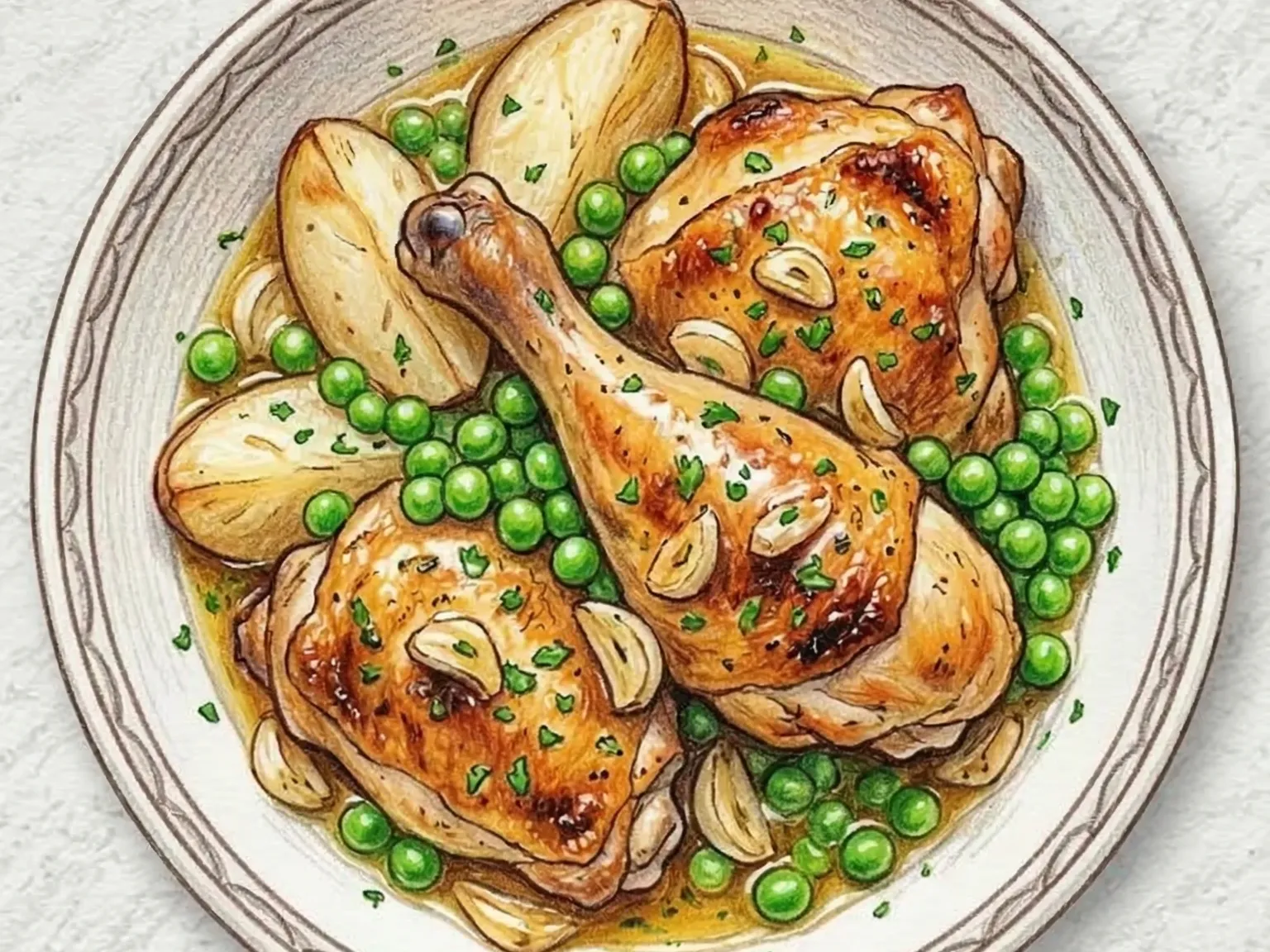
Chicken Francese originated within the Italian-American culinary tradition and focuses on preparing butterflied chicken breast cutlets through a specific sequence of coating and frying. Each piece of meat is first lightly dredged in a layer of flour and then thoroughly dipped into beaten eggs before being placed into a hot pan. This cooking method results in a surface that is golden in color. The presence of the egg coating acts as a barrier that keeps the natural moisture of the poultry trapped inside during the frying process. Meanwhile, the thin interaction between the flour and the heat of the pan creates a texture that is light and somewhat crisp, intentionally avoiding the formation of a heavy or thick crust. Once the chicken has been cooked and removed from the heat, the same pan is used to build the sauce. A portion of butter is melted down, after which chicken stock and fresh lemon juice are poured in to simmer for approximately three minutes. As the liquid boils, it loosens the small browned particles that adhered to the metal surface during the initial frying. These bits incorporate into the liquid to provide a specific roasted complexity that simple fresh ingredients cannot produce on their own. The prepared chicken is then placed back into the simmering sauce for an additional two minutes. During this time, the cook spoons the lemon-butter liquid over the cutlets, allowing the egg coating to fully soak up the flavors. This step ensures that the final dish offers a combination of sharp citrus acidity and the concentrated richness of the butter in every mouthful. A final dusting of finely chopped parsley is added across the surface to introduce a clean herbal quality that helps mitigate the density of the butter sauce. Because the recipe results in a significant amount of liquid, it is common to serve the chicken with pasta or slices of crusty bread so that no part of the lemon-butter sauce is left behind.
Spicy Octopus Rose Penne (Octopus Penne in Rose Sauce)
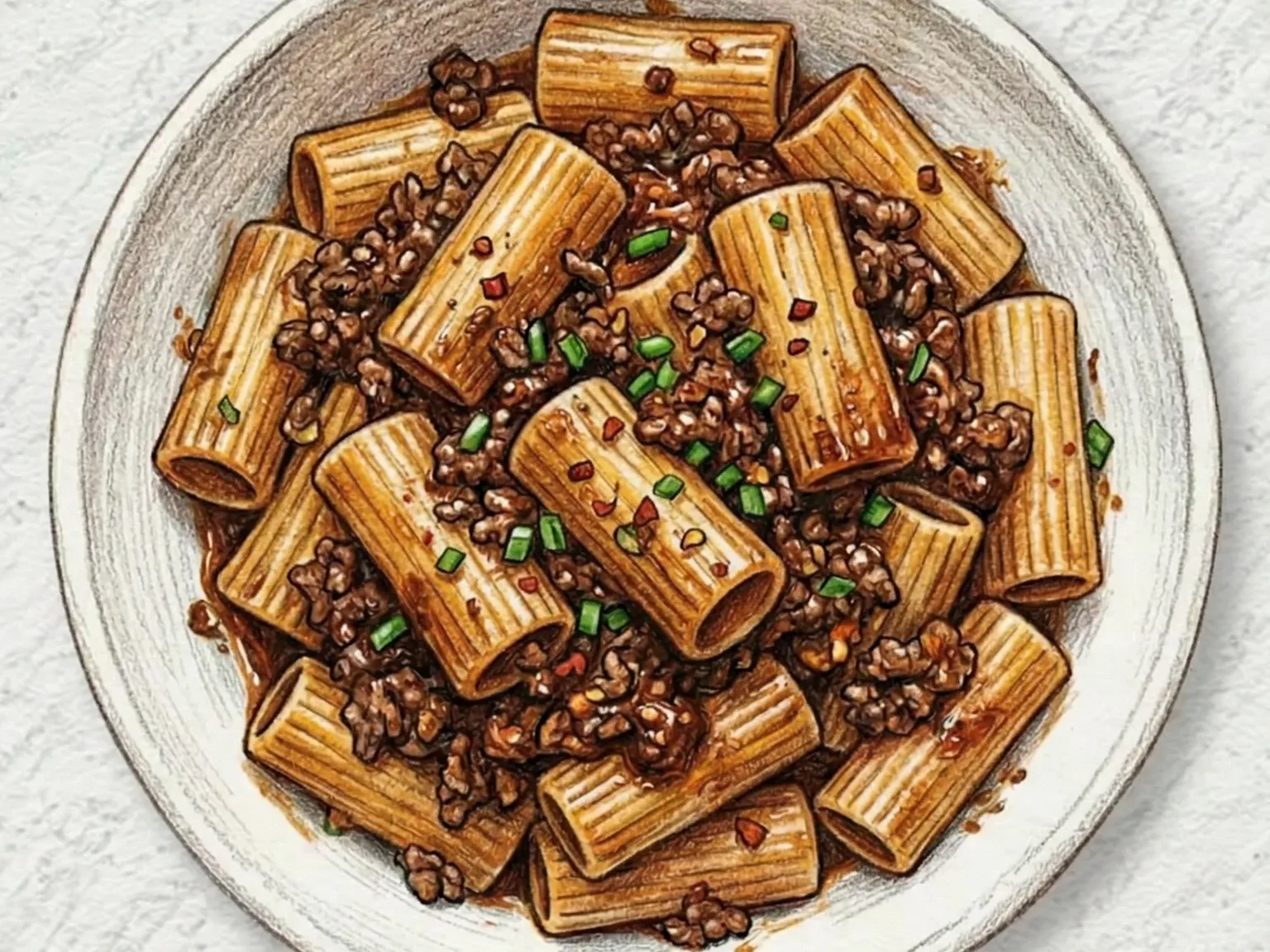
Spicy octopus rose penne starts with pre-cooked octopus that is seared in a very hot, dry pan to burn off surface moisture and trigger a Maillard crust on the skin. This step does more than remove water - it eliminates any residual fishiness and builds a firm outer layer that contrasts with the tender interior when you bite through. The rose sauce is built from tomato passata and heavy cream spiked with Korean gochugaru. The chili flakes are bloomed in oil for no more than 20 seconds, enough to coax out heat and color but not long enough to develop bitterness. Butter is added to the finished sauce to encourage emulsification, keeping the cream and tomato components cohesive and allowing the mixture to coat each piece of pasta evenly rather than pooling at the bottom of the pan. Penne holds this sauce particularly well because its tubular shape captures the thick liquid inside each piece, delivering cream and spice simultaneously with every bite. Fresh basil is stirred in off the heat at the very end, its volatile aromatics intact, providing an herbal lift that cuts the heaviness of the cream base. The natural salinity and sweetness of octopus from the sea add a briny depth that cream-only sauces cannot replicate on their own.
Bellflower Root, Chestnut & Perilla Salad
Doraji chestnut perilla salad brings together blanched bellflower root, boiled chestnuts, and Korean pear in a combination that captures the flavors of Korean autumn. Blanching doraji tempers its raw bitterness to a clean, gentle edge and softens its crunch just enough to make it pleasant to eat without cooking out its character entirely. Boiled chestnut contributes a starchy warmth and sweetness that is entirely different from fruit sugars - it is dense and slightly powdery, more comforting than bright. Korean pear introduces cool juice and a delicate crunch that refreshes the palate between bites of root and nut. Ground perilla seeds tie the ingredients together with a nutty, faintly grassy aroma rooted in their omega-3 fatty acid content, a flavor profile that cannot be replicated by sesame alone. The dressing is built from apple cider vinegar for fruit acidity, honey for sweetness, and olive oil to emulsify and smooth the transitions between components. Both bellflower root and chestnuts peak in autumn, so the salad is at its most rewarding when made with freshly harvested seasonal ingredients. The color combination of ivory doraji, cream-colored chestnut, and pale pear gives the bowl a quiet, autumnal visual quality.
Chicken Gyro
Chicken gyro is a Greek pita wrap in which chicken thigh is marinated in olive oil, lemon juice, salt, pepper, and dried oregano before being grilled or pan-seared until the skin side develops a golden, crisp char. Chicken thigh withstands high-heat cooking far better than breast because its higher fat content keeps the meat moist and tender even when the exterior is well caramelized. Tzatziki is made by squeezing excess water out of grated cucumber and mixing it into plain Greek yogurt with minced garlic, fresh dill, a small pour of olive oil, and a pinch of salt. Its cold, sharp acidity is the necessary counterweight to the richness of the grilled meat, cooling every bite. Thinly sliced red onion adds a pungent crunch while halved cherry tomatoes or diced tomato bring bright juiciness inside the wrap. The pita should be warmed on a dry pan or grill for about thirty seconds per side immediately before assembling so it stays soft and pliable enough to wrap without cracking under the filling. Assembled and eaten immediately, the contrast between the hot, charred chicken and the cold sauce defines the dish.
Squid Ink Seafood Linguine
Squid ink seafood linguine dissolves squid ink in reserved pasta water before adding it to the pan, ensuring even distribution without clumping. Shrimp and squid rings are seared quickly over high heat to set their surfaces, then finished during the final emulsification step so they stay springy rather than rubbery. Sliced garlic infused slowly in olive oil forms the aromatic base, and white wine with halved cherry tomatoes introduces a gentle acidity once the alcohol cooks off.
Tofu Salad (Pan-Seared Tofu on Fresh Greens)
Dubu salad is made by pressing firm tofu to remove excess moisture, then pan-searing it until the outside turns golden and crisp while the inside stays soft and tender. The seared tofu is placed over a bed of baby greens, sliced cucumber, and cherry tomatoes. Wrapping the tofu in two layers of paper towels and setting a weight on top for twenty to thirty minutes draws out enough water so the surface browns properly in the pan without steaming. A dressing of soy sauce, sesame oil, lemon juice, and olive oil moves easily between Korean and Western flavor profiles. The salad is high in plant protein and low in fat, making it a practical and satisfying option when a light, clean-tasting meal is the goal.
Chicken Milanese
Chicken Milanese is an Italian-style cutlet that butterflies and pounds chicken breast until thin, coats it in flour, beaten egg, and breadcrumbs mixed with grated Parmesan, then pan-fries it in olive oil until the crust turns a deep, even gold. The step of pounding the meat uniformly thin is not optional: it ensures that the interior cooks through at exactly the same rate as the crust browns, eliminating the frustrating situation of overcooked breading on raw chicken. The Parmesan folded into the breadcrumbs contributes a savory, slightly granular texture that plain breadcrumbs alone cannot achieve; the cheese's proteins also brown more readily under heat, deepening the crust's color and flavor. Allowing the breaded chicken to rest for five minutes before it goes into the pan is another critical step, giving the egg time to fully adhere the crumbs to the surface so the coating does not slide off when the cutlet is flipped. The fat used for frying matters as well: good-quality olive oil adds a subtle fruitiness that butter cannot replicate, and a combination of the two achieves the best of both. A squeeze of fresh lemon juice immediately after plating is not a garnish but a necessary finish, its acidity cutting through the oil and amplifying the aroma of the Parmesan. A mound of lightly dressed arugula on top provides a peppery, bitter counterpoint to the rich, crisp crust, and halved cherry tomatoes sharpen the plate with bright color and additional acidity.
Ssamjang Chicken Spinach Orecchiette (Ssamjang Chicken Pasta)
Ssamjang chicken spinach orecchiette dissolves ssamjang directly in milk rather than frying it first, which softens the fermented paste's sharp edges into a smooth, savory cream sauce without bitterness. Boneless chicken thigh is seared until the skin turns golden and fat renders out, then combined with sauteed onion and garlic that build a sweet aromatic base underneath the fermented sauce. Spinach goes in at the very end to preserve its bright color and slight bite, and the concave, ear-shaped form of orecchiette cups the thick sauce inside each piece so every bite carries a full measure of flavor. Parmesan and black pepper are folded in off the heat so the cheese melts gradually without breaking. Reserving a small amount of pasta cooking water to loosen the sauce at the end helps achieve the right consistency.
Mexican Cactus Salad (Lime-Dressed Nopal Cactus Pad)
Ensalada de nopales is a traditional Mexican salad made from cleaned and boiled prickly pear cactus pads tossed with diced tomato, onion, fresh cilantro, and lime juice. Preparing the pads requires removing the fine spines and glochids that cover the surface; wearing gloves and scraping with a knife is the standard method. Once cleaned, the pads are diced and boiled until tender. Cooking releases a mucilaginous substance similar to okra, which is the source of nopales' distinctive texture. Draining the cooked cactus thoroughly and letting it cool before dressing prevents the lime juice from becoming diluted. Even after full cooking, nopales retain a slight resistance in the bite, producing a texture that is at once tender and firm. The strong acidity of lime and the herbal quality of cilantro create contrast against the cactus's mild, neutral flavor, giving the salad a clear flavor structure. In Mexico this is a common side dish alongside tacos, grilled meats, or beans, and its high fiber and water content make it a practical addition to a balanced meal.
Chicken Noodle Soup
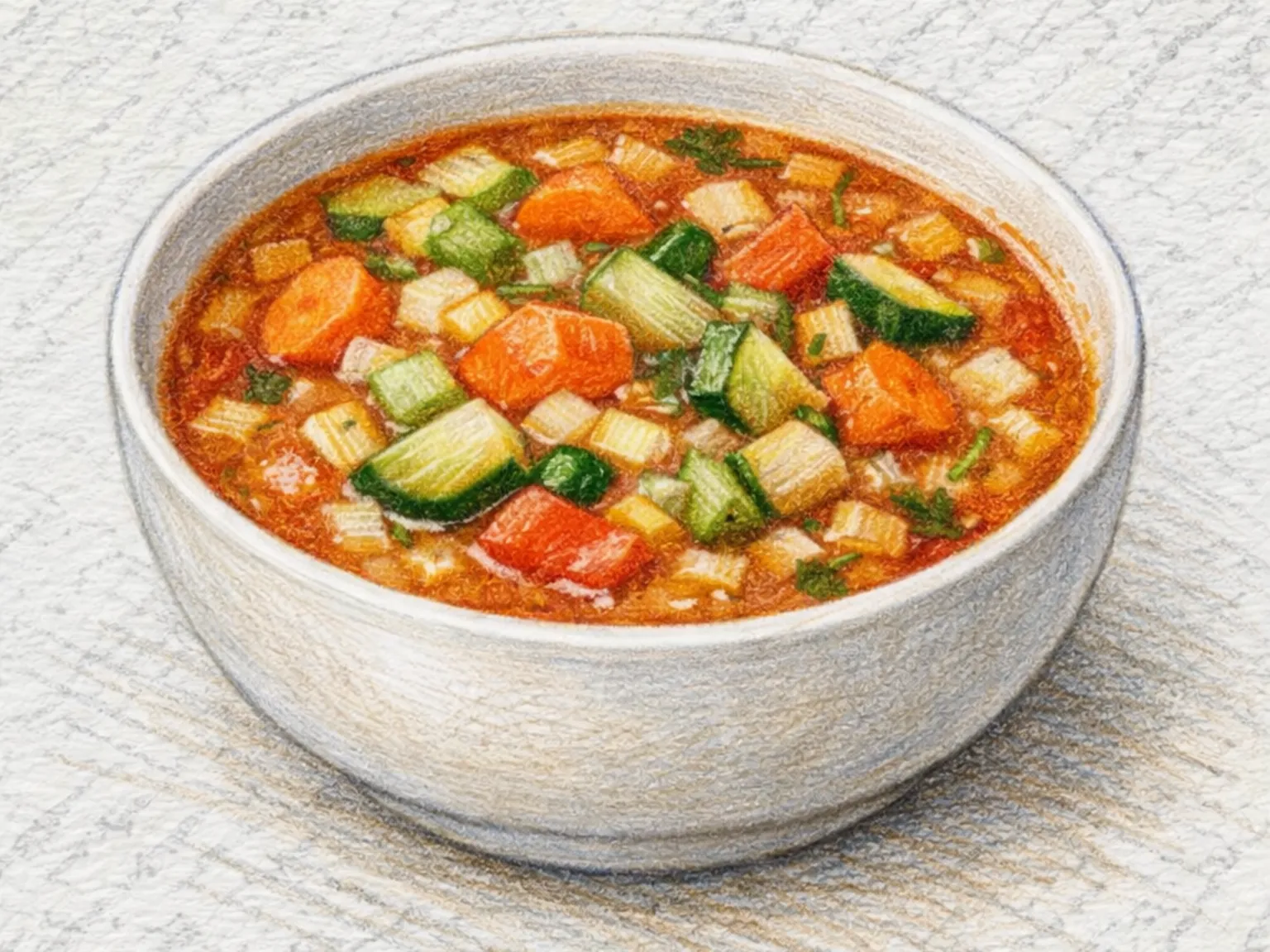
Chicken noodle soup simmers chicken breast with onion, carrot, and celery in chicken stock, then finishes with egg noodles for a classic American home-cooked meal. Sauteing the vegetables in olive oil before adding the stock draws out their natural sweetness and infuses the broth with their flavor from the start. Poaching the chicken breast whole and shredding it along the grain produces long strands that mix naturally with the noodles on the spoon. Adding the noodles at the very end and cooking them only for the time listed on the package keeps them from turning soft and mushy. For leftovers, storing noodles separately and combining them when reheating preserves their texture.
Tteokgalbi Ragu Ziti Bake (Korean BBQ Ziti Gratin)
Tteokgalbi ragu ziti bake starts with ground beef seasoned and browned in soy sauce and sugar, a step that reproduces the sweet-salty profile of Korean grilled tteokgalbi rather than a standard Italian soffritto base. Tomato puree and gochujang are then added and reduced together for 12 minutes. The gochujang contribution goes beyond simple heat; its fermented complexity adds a savory depth that distinguishes this ragu from a conventional bolognese. Undercooking the ziti by two minutes before it goes into the oven is important: pasta that enters the oven already fully cooked will turn soft and mushy by the time the bake is done. Even coverage of mozzarella followed by 12 to 15 minutes at 200 degrees Celsius produces a surface that caramelizes to a golden crust while the interior remains moist. The recipe yields four portions and is designed to be served directly from the oven dish, making it practical for a family dinner or a small gathering.
Farro Harvest Salad
Farro is an ancient Italian wheat variety that retains a satisfying chew even after boiling, making it a reliable foundation for grain salads that need to hold their texture over time. Roasting root vegetables such as butternut squash, beets, or sweet potatoes at high heat caramelizes their natural sugars and creates slightly crisp edges that contrast with the soft grain below. Toasted walnuts or pecans layered in add crunch and nutty depth. Bitter greens like arugula or kale interrupt the sweetness of the vegetables and prevent the salad from becoming one-dimensional. A dressing of apple cider vinegar, olive oil, and a small amount of honey ties the components together while allowing each ingredient to remain distinct. The salad carries enough fiber and protein to serve as a complete meal rather than a side. Farro's dense structure absorbs dressing gradually without turning soft, so the salad holds well in the refrigerator for two days, making it a practical choice for meal preparation.
Chicken Parmesan
Chicken Parmesan coats pounded chicken breast in a mixture of breadcrumbs and grated Parmesan, pan-fries it until golden on both sides, then tops it with tomato sauce and mozzarella before baking until the cheese melts and browns at the edges. The preparation begins by pounding the breast to a uniform thickness of no more than 1.5 centimeters - consistent thickness is what allows both sides to reach the same golden color in the pan without one side burning while the other stays underdone. After breading, the cutlet should rest for about five minutes before going into the hot pan. This brief rest allows the coating to bind to the surface of the meat, so it remains intact when sauce and cheese are layered on top and the dish goes into the oven. The cross-section of a finished piece shows the layered structure clearly: a crisp breadcrumb shell, the lean white meat beneath, the bright acidity of tomato sauce, and the pull of melted mozzarella. Ten to twelve minutes at 200 degrees Celsius is enough for the mozzarella to melt completely and develop light caramelization at its edges while leaving the chicken inside moist rather than dried out.
Yuja Burrata Cherry Tomato Spaghetti
Yuja burrata cherry tomato spaghetti builds its base by slowly infusing olive oil with sliced garlic over low heat, then cooking cherry tomatoes on medium until they burst and release their juices into a loose, bright sauce. Yuja marmalade and yuja juice are stirred in for only 30 seconds to preserve the citrus volatiles before they are driven off by heat. The marmalade's considerable sweetness is balanced against the tomato's acidity and added gradually to taste. Tossing al dente spaghetti with a splash of reserved pasta water binds the starch into the sauce for a smooth, even coat on each strand. Burrata is torn open and placed on top just before serving so its creamy, milky interior melts across the hot pasta, producing a clear contrast between the sharp citrus and the rich dairy fat. The distinctive fragrance of yuja combined with the bright tomato sauce gives this Italian-format pasta a recognizably Korean sensibility.
Freekeh Herb Salad (Smoky Roasted Wheat & Fresh Herbs)
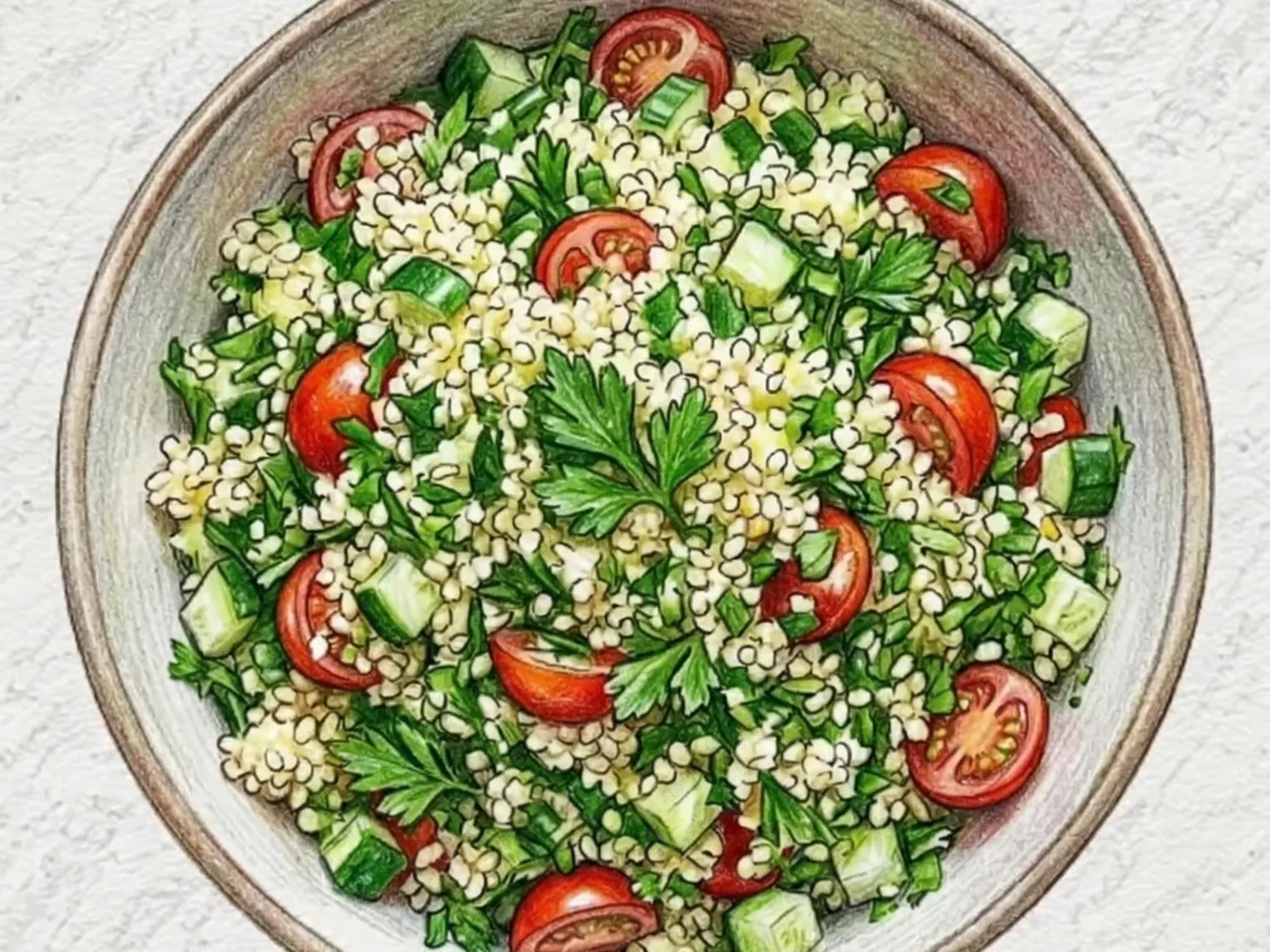
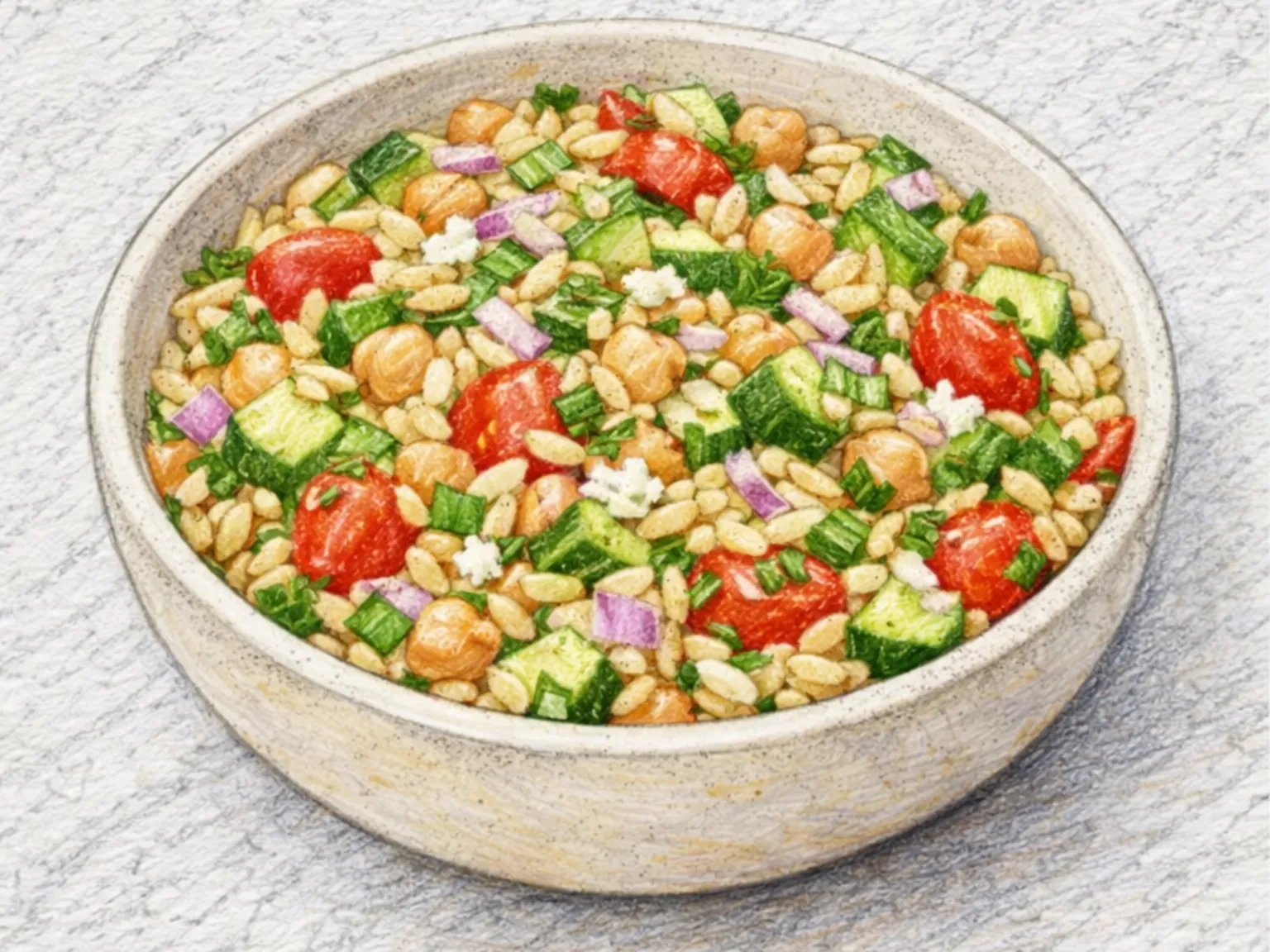
Freekeh is an ancient Middle Eastern grain produced by harvesting wheat while the grain is still immature and green, then roasting the harvested stalks over an open fire. The outer chaff burns away while the moist interior of each grain survives the flame, and it is this controlled scorching that gives freekeh its defining characteristic: a pronounced smoky aroma layered over the nutty, grassy quality of young wheat. When boiled, the grains hold their shape and retain a firm chew that standard wheat varieties lose after cooking, making freekeh particularly suited to salads that must hold up at room temperature. In this preparation, the cooked grain is combined with generous quantities of fresh parsley, mint, and dill, whose cool, bright flavors complement rather than compete with the smoke. A dressing of fresh lemon juice and extra-virgin olive oil is enough to bring the bowl together, as the grain itself provides sufficient depth without a complex sauce. Diced cucumber and halved cherry tomatoes add moisture and acidity, and crumbled feta cheese contributes salt and a creamy richness that ties the components into a coherent whole. The salad benefits from resting for at least an hour before serving, as the dressing absorbs into the grain and the herb and grain flavors gradually merge.
Chicken Provençal (South French Tomato Olive Herb Chicken)
Chicken Provencal sears chicken thighs skin-side down on high heat until deeply golden, then braises them with cherry tomatoes, black olives, capers, garlic, and thyme in white wine for a southern French home-style dish. A prolonged sear of the chicken skin develops both crispness and a rich layer of fond on the pan bottom, which the wine dissolves into the sauce during deglazing. As the cherry tomatoes burst during cooking, their juice combines with the salty olives and sharp capers to form a bright, layered Mediterranean sauce. Twenty minutes of covered simmering followed by eight to ten minutes uncovered concentrates the sauce and allows it to penetrate the chicken deeply. A small amount of lemon zest stirred in at the end clarifies and lifts the aromatics of the finished dish. Using whole unpitted olives rather than pitted ones during cooking lets a slight bitterness leach from the pits into the sauce, adding an extra dimension that rounds out the sweetness of the tomatoes.
Yuja Chicken Piccata Linguine
Yuja chicken piccata linguine pounds chicken breast thin, dusts it with flour, and pan-sears each side for 3 minutes until a golden crust forms on the outside while the interior stays moist. The same pan is deglazed with chicken stock, lemon juice, yuja marmalade, and capers, then simmered for 3 minutes to concentrate the sauce and lift every bit of fond from the pan bottom. Whisking in cold butter at the end emulsifies the liquid into a glossy, coating consistency that clings to each strand. The capers contribute a briny, bursting texture that plays off yuja's bittersweet citrus notes, building a layered acidity that neither ingredient produces on its own. The flat, wide surface of linguine picks up the sauce broadly so each forkful carries both the herb fragrance of scattered parsley and the bright citrus glaze. Because yuja marmalade varies in sweetness, the lemon juice quantity should be adjusted at the end to balance the final acidity.
Gamtae Avocado Shrimp Salad
Gamtae avocado shrimp salad pairs blanched shrimp with sliced avocado, romaine, and cherry tomatoes in a lime-soy dressing, finished with crumbled gamtae seaweed. Blanching the shrimp for exactly two minutes and plunging them immediately into cold water keeps the exterior springy while preserving a moist, tender interior - longer cooking makes them rubbery and dry. The dressing of lime juice, soy sauce, olive oil, and honey layers sharp citrus acidity against soy umami, cutting neatly through the richness of the avocado rather than letting it weigh down the bowl. Gamtae seaweed absorbs moisture rapidly and turns limp within minutes, so it must be crumbled over the salad only at the very moment of serving to retain its crunch and oceanic fragrance. Thinly sliced red onion should be rinsed briefly in cold water to remove the raw, sharp edge, letting it blend more quietly with the other ingredients. Domestic gamtae has a finer, more delicate structure than regular dried laver, so it crumbles cleanly by hand without any tool.
Chicken Quesadilla
Chicken quesadilla seasons diced chicken thigh with paprika, sautees it with onion and bell pepper, then presses the filling between flour tortillas with cheddar and mozzarella and toasts on low heat until crisp. Spreading a thin layer of cheese to the edges acts as glue, sealing the tortilla shut so the filling stays in place and the wedges cut cleanly. Low heat is essential - it gives the cheese time to melt evenly through the filling before the tortilla surface browns. The sharp flavor of cheddar and the stretch of mozzarella together wrap around the lean chicken, while paprika and onion add a sweet, smoky undertone. Sliced into eight wedges and served warm with sour cream or salsa on the side.
Yuja Shrimp Basil Linguine
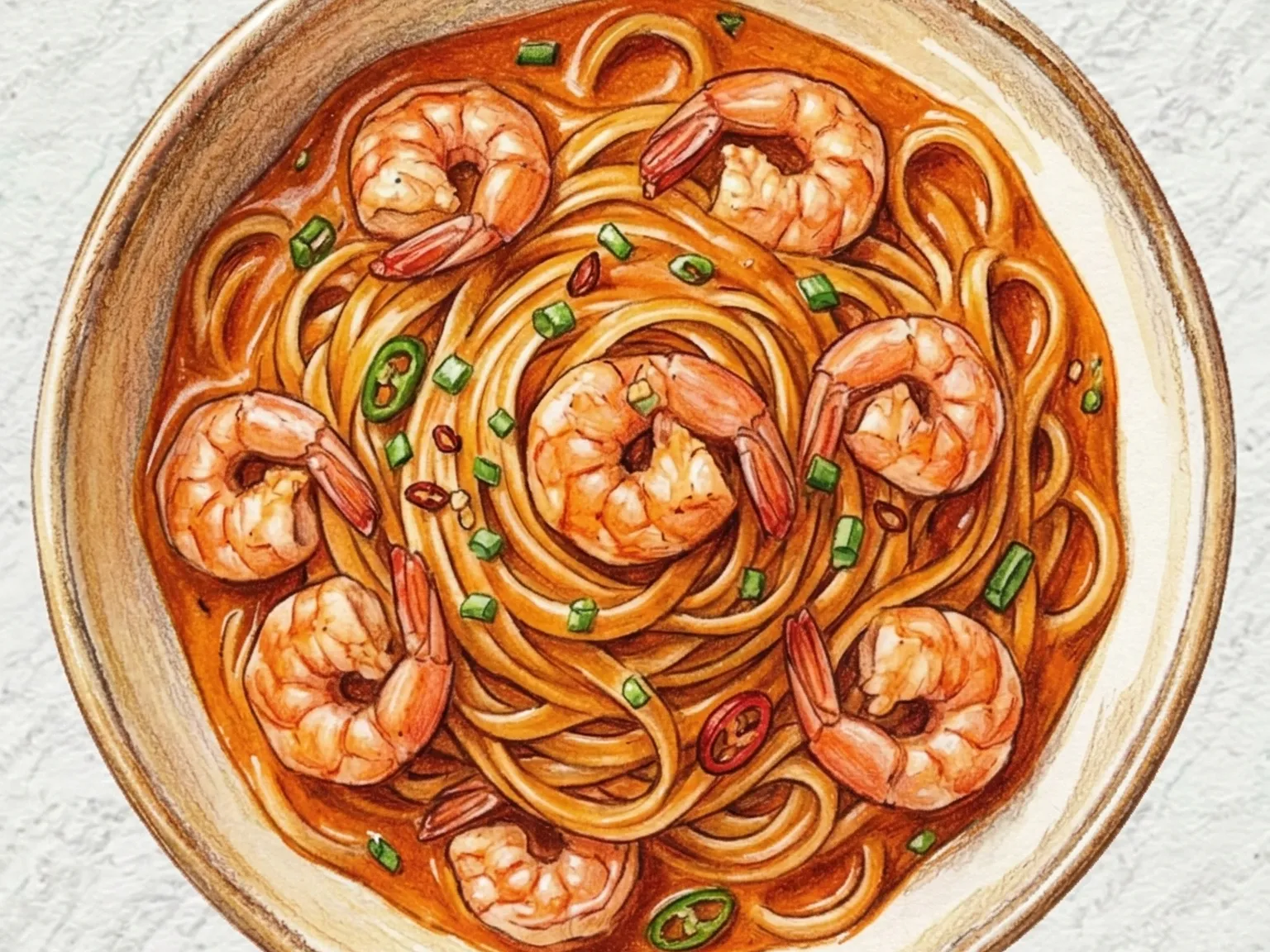
Yuja shrimp basil linguine is a light oil-based pasta that keeps shrimp at the center of attention by handling them quickly and carefully. After deveining and thoroughly patting dry, the shrimp are seared in olive oil just until both sides turn pink, pulling them from the pan within three minutes total to preserve their springy, snapping bite. Prolonged heat is the enemy of shrimp texture, so they are removed and returned only when the pasta is nearly ready. The aromatic base begins with garlic and red pepper flakes sauteed over low heat in olive oil until fragrant but not colored, a process that infuses the fat with a gentle heat and a savory depth. A splash of white wine goes in next and cooks off quickly, adding a clean acidity and lifting the browned bits from the pan. Yuja marmalade contributes a distinct citrus sweetness, but the sugar content varies considerably between brands, so it is added incrementally and tasted as it goes. Three tablespoons of starchy pasta cooking water emulsify the oil and marmalade into a light sauce that clings to every strand of linguine without feeling heavy. Basil leaves are folded in off the heat to protect their volatile aromatic oils, so their fresh herbal fragrance layers over the yuja's bright citrus without any loss.
Dried Persimmon Ricotta Nut Salad
Dried persimmon ricotta nut salad arranges chewy sliced gotgam and soft ricotta cheese over arugula and chicory greens, topped with toasted walnuts and pine nuts and dressed with balsamic vinegar and olive oil. Slicing the persimmon into 0.7 cm rounds exposes the dense, sticky interior, creating a textural contrast against the creamy, mild ricotta. Toasting the nuts in a dry pan over low heat for two to three minutes draws their oils to the surface and deepens the nutty fragrance noticeably. When the persimmon is especially sweet, an extra half-teaspoon of balsamic vinegar brings the acid needed to restore balance. Ricotta releases moisture quickly on contact with dressed greens, so it should be added only at the moment of serving. The bitter edge of chicory cuts through the persimmon's concentrated sweetness, providing the structural contrast that keeps each bite from feeling one-dimensional.
Chicken Saltimbocca (Prosciutto and Sage Italian Chicken Sauté)
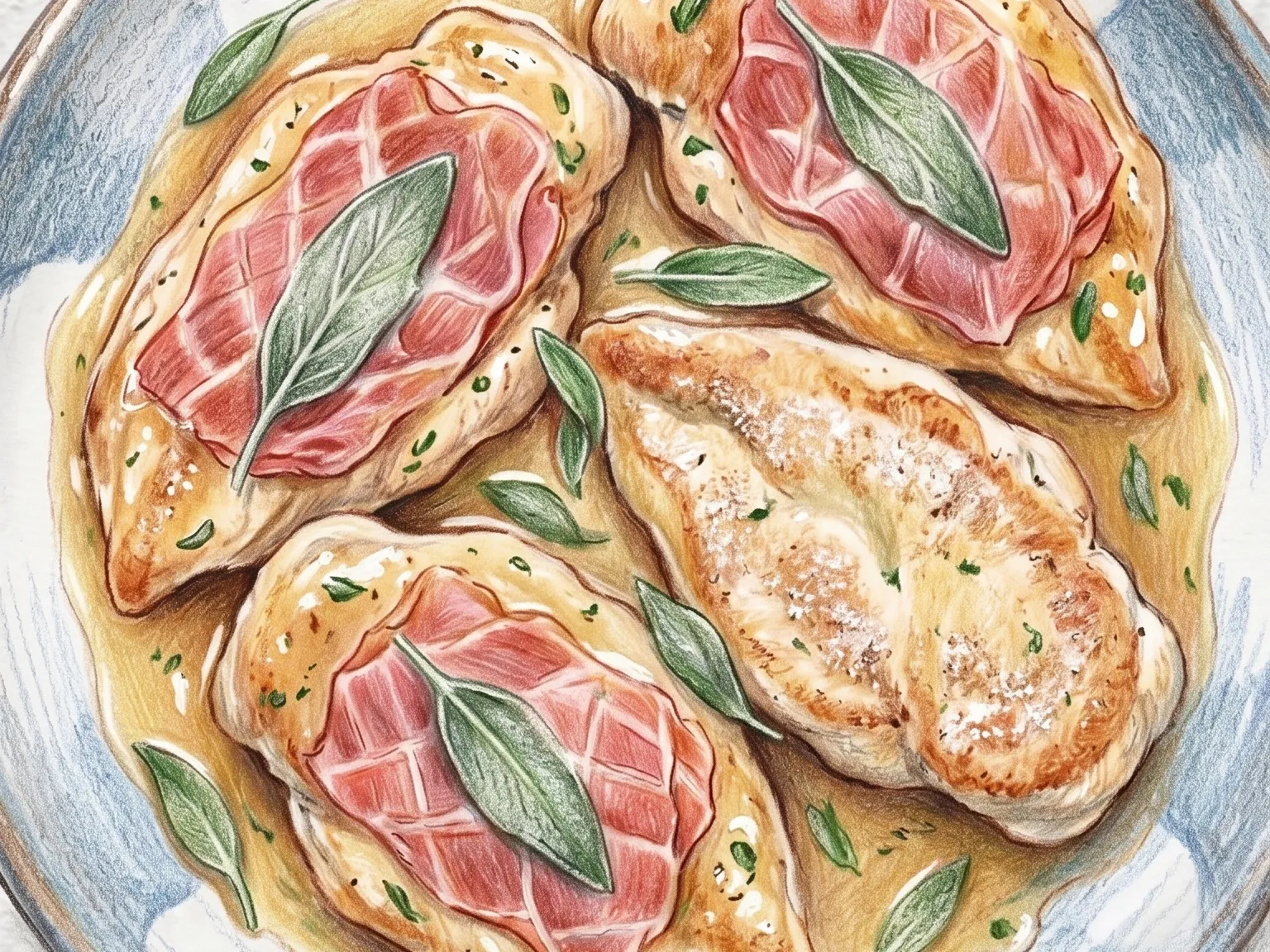
Chicken saltimbocca is an Italian preparation that layers fresh sage leaves and cured prosciutto over pounded chicken breast, sears the whole assembly in one pan, and finishes the plate with a sauce reduced from white wine, chicken stock, and cold butter. The name translates from Italian as 'jumps in the mouth,' which captures how the salty intensity of prosciutto and the resinous punch of sage announce themselves against the neutral backdrop of the chicken breast. Dusting only the bare underside with flour before placing it prosciutto-side up in the pan creates a light crust on the floured surface while the prosciutto crisps directly against the heat and the sage leaf fries in the rendered fat between the meats. Deglazing with white wine lifts all the caramelized fond from the pan base, and simmering it down with chicken stock by roughly half concentrates the liquid into a sauce with real body. Whisking cold butter in small pieces into the reduced sauce off the heat emulsifies it into a glossy, smooth coating that pools around the chicken on the plate. Pounding the breast to a uniform thickness before cooking ensures it cooks evenly without drying out the thinner edges.