Charim

2686 Korean & World Recipes

2686+ Korean recipes, clean and organized. Ingredients to instructions, all at a glance.

Recipes with onion

24 recipes

Buy onion
Hearty Minestrone Soup
WesternEasy

Hearty Minestrone Soup

Hearty minestrone soup is an Italian vegetable soup that begins by patiently sauteing onion, carrot, celery, and zucchini in olive oil to draw out their natural sweetness before adding crushed tomatoes and vegetable broth. Taking time to cook the vegetables over medium heat allows caramelization to occur, building a clean yet deep flavor base for the broth. Kidney beans contribute plant-based protein and a starchy thickness, while small pasta cooked directly in the soup releases additional starch that enriches the overall texture. Adding a Parmesan rind during the simmer infuses the broth with a quiet umami depth. A final garnish of grated Parmesan and a drizzle of olive oil just before serving rounds out the bowl with richness and savory warmth.

🏠 Everyday
Prep 20minCook 30min4 servings
Laing (Filipino Bicol Dried Taro Leaf Coconut Milk Stew)
AsianMedium

Laing (Filipino Bicol Dried Taro Leaf Coconut Milk Stew)

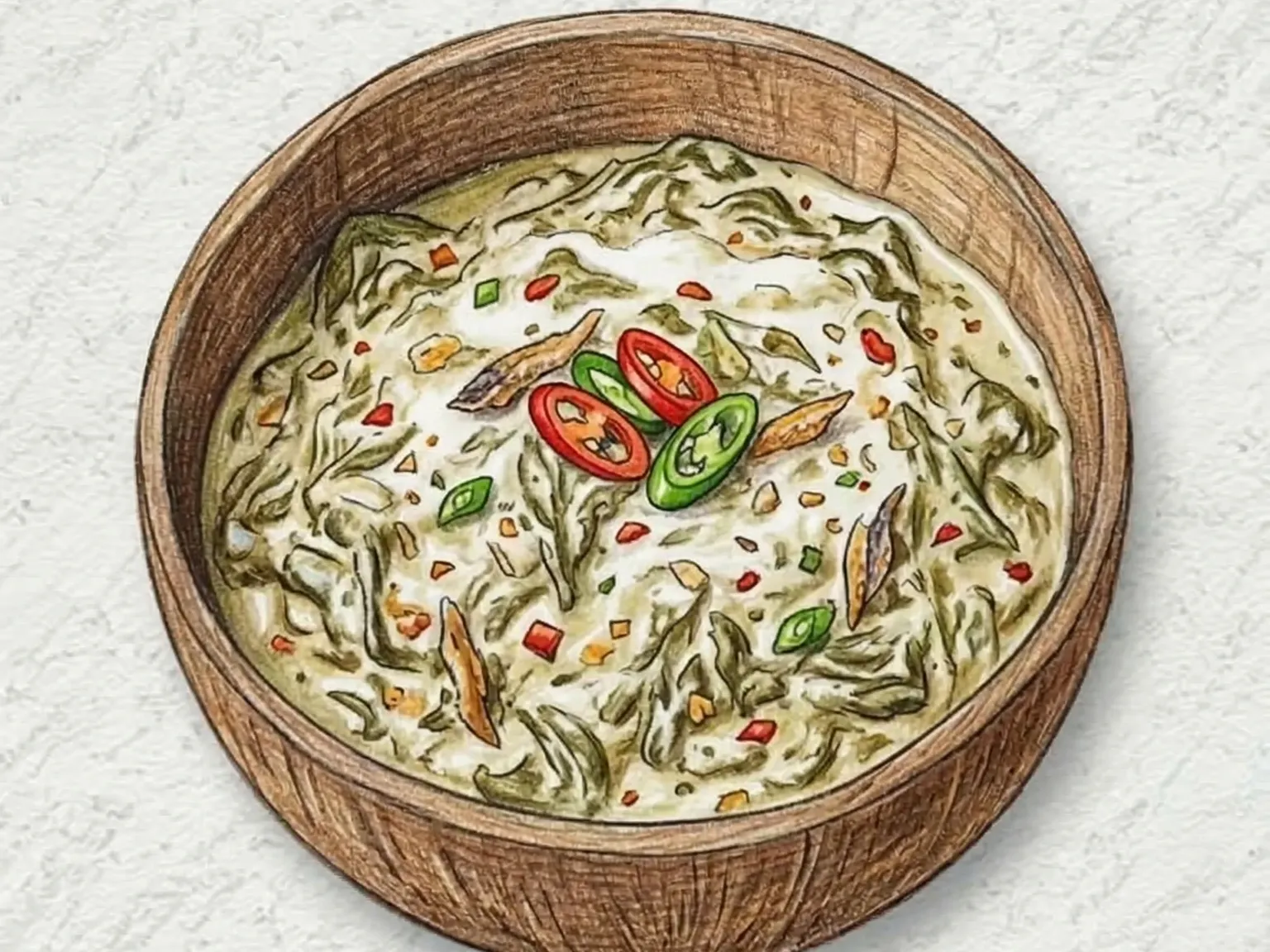
Laing is a traditional dish from the Bicol region of the Philippines, made by slowly simmering dried taro leaves in coconut milk with chili, garlic, ginger, and shrimp paste. The leaves must be fully dried rather than fresh - fresh taro leaves contain calcium oxalate crystals that cause an intense itching sensation in the mouth and throat. Once the aromatics are sauteed in coconut milk, the dried leaves are layered in and the pot is left uncovered to reduce. A critical rule in traditional preparation is to never stir the pot; stirring releases the irritants from the leaves into the liquid. As the coconut milk reduces over low heat, it concentrates into a thick, oily sauce that clings to the softened leaves. Shrimp paste contributes a deep, funky salinity, while fresh or dried chilies bring the heat that Bicolano cuisine is known for. The result is rich, spicy, and intensely savory - meant to be eaten in modest spoonfuls alongside a generous mound of steamed rice.

🎉 Special Occasion
Prep 15minCook 35min4 servings
Korean Braised Yellow Croaker
Stir-fryMedium

Korean Braised Yellow Croaker

Jogi-jorim is a Korean braised dish of yellow croaker simmered with radish and onion in a seasoning sauce of soy sauce, gochugaru, garlic, and a touch of sugar. Yellow croaker has white, tender flesh and a mild flavor with little fishiness, qualities that make it exceptionally well-suited for braising. The radish goes into the pot first, lining the bottom so the fish sits above the direct heat and does not stick or break apart during cooking. The seasoning sauce is poured over the fish and the pot comes to a boil before the heat is reduced to a steady simmer. Over time the sauce penetrates the flesh and the radish drinks in the braising liquid, turning sweet-savory and soft throughout. One or two Cheongyang chili peppers added to the pot provide a low, sustained heat that builds gradually rather than hitting all at once. The braise is finished when a moderate amount of glossy sauce remains in the pot. That concentrated sauce mixed into a bowl of plain rice is the reason Koreans reach for jogi-jorim as a go-to rice side dish. The dish also appears regularly on ancestral rite tables and holiday spreads, making it one of the more culturally familiar fish preparations in Korean cooking.

🏠 Everyday🍱 Lunchbox
Prep 15minCook 22min2 servings
Korean Spicy Blue Crab Seafood Stew
StewsMedium

Korean Spicy Blue Crab Seafood Stew

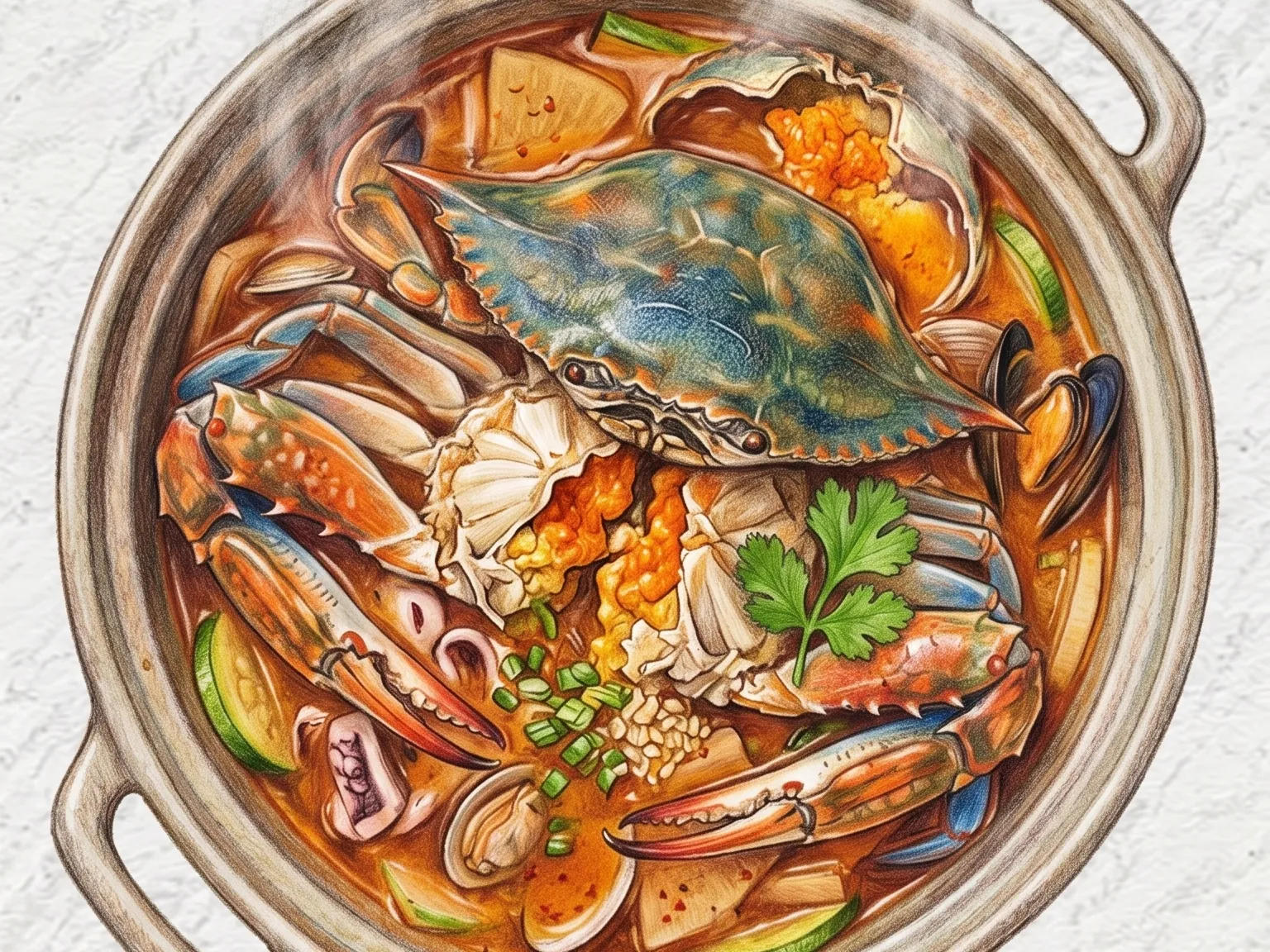
Kkotge haemul jjigae is a Korean seafood stew that combines blue crab, Manila clams, and shrimp in 1.2 liters of anchovy-kelp stock to build the most layered possible ocean flavor. Each shellfish contributes a distinct profile to the broth: blue crab adds a sweet, nutty richness from the body and roe, clams release a clean briny depth, and shrimp fold in their characteristic sweetness and concentrated umami. Together they create a broth with complexity that no single ingredient could produce on its own. Radish and zucchini absorb the seafood-infused liquid as they cook, becoming tender and carrying the flavor deep into their flesh. Doenjang and gochugaru form the seasoning backbone, layering fermented savoriness and spice into what would otherwise be a straightforward clear broth. Cheongyang chili and sliced green onion go on last, brightening the surface and extending the clean, cool finish that is the hallmark of well-made Korean seafood stew. Adding the crab first and letting it simmer before introducing the other shellfish is the key step -- it gives the stock time to take on the crab's full flavor before everything else goes in.

🎉 Special Occasion
Prep 25minCook 30min4 servings
Korean Braised Beef Trotter
SteamedHard

Korean Braised Beef Trotter

Ujok-jjim is Korean braised beef trotter simmered for over two hours with soy sauce, garlic, ginger, and green onion until the collagen-rich joints turn soft and gelatinous. The long, low braise dissolves the connective tissue into the cooking liquid, making it so concentrated that it sets into a firm jelly when cooled. Sugar and soy sauce create a sweet-savory seasoning that penetrates deep into the layered skin and tendons. Traditionally regarded as a nourishing food for joint health, this is a slow-cooked comfort dish especially popular among older generations in Korea.

🎉 Special Occasion
Prep 25minCook 120min4 servings
Red Lentil Soup
WesternEasy

Red Lentil Soup

Red lentil soup is a Middle Eastern and Mediterranean staple made by simmering red lentils with cumin, turmeric, and vegetable stock until the lentils dissolve into a silky, golden broth. Onion and garlic are sauteed in olive oil, then the ground spices are toasted briefly to bloom their earthy, warm aromatics into the fat, which flavors the entire pot. Red lentils require no soaking - they go straight into the stock and break down within twenty to twenty-five minutes, their skins splitting apart to create a naturally creamy texture without the need for blending. A generous squeeze of lemon juice at the end is essential, cutting through the heaviness of the spices with a bright, clean acidity. A final drizzle of olive oil over each bowl adds a layer of richness that deepens every spoonful.

🥗 Light & Healthy🏠 Everyday
Prep 10minCook 30min4 servings
Lu Rou Fan (Taiwanese Braised Pork Belly Rice Bowl)
AsianEasy

Lu Rou Fan (Taiwanese Braised Pork Belly Rice Bowl)

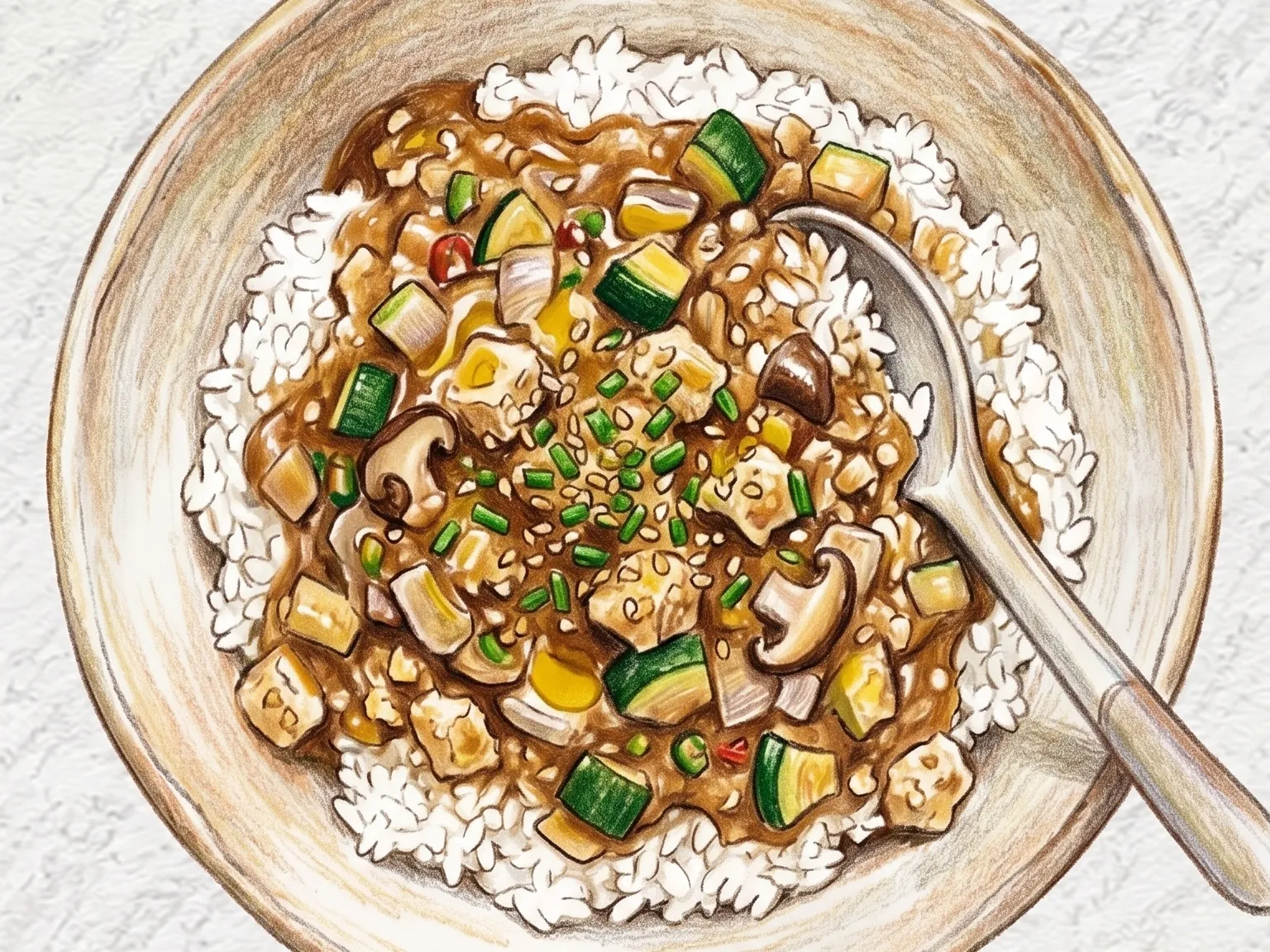
Lu rou fan is Taiwan's most deeply embedded comfort food, a bowl of steamed white rice topped with minced pork that has been braised low and slow in soy sauce, rice wine, and five-spice powder until the fat renders completely and the cooking liquid reduces into a thick, glossy sauce. Star anise and cinnamon permeate the meat during the long simmer, contributing a warm, aromatic layer that is present but never sharp enough to dominate. Sold from roadside stalls and neighborhood restaurants across Taiwan at all hours and at minimal cost, it is both an everyday staple and a dish people return to throughout their lives. Pickled daikon served alongside cuts through the richness of the braising sauce with its crunch and acidity, providing the contrast that makes the combination more satisfying than either element alone. A soy-braised egg with a jammy yolk adds another textured component, and a small bunch of blanched greens rounds out the bowl with something light and clean. The braising liquid deepens significantly with time, so simmering for at least thirty minutes over gentle heat is what separates a properly developed lu rou fan from a rushed version.

🏠 Everyday🎉 Special Occasion
Prep 15minCook 45min4 servings
Korean Stir-Fried Kale and Pork with Gochugaru
Stir-fryMedium

Korean Stir-Fried Kale and Pork with Gochugaru

Keil-dwaeji-gochugaru-bokkeum stir-fries marinated pork shoulder with kale in a chili-forward gochugaru and gochujang sauce. The pork marinates to develop deep, spicy savoriness, then sears quickly at high heat for a lightly charred edge. Kale holds up to the heat better than most leafy greens, retaining a pleasant chew that contrasts with the tender pork and cuts through its richness. The dish works well wrapped in lettuce without any extra dipping sauce, or simply piled over a bowl of steamed rice.

🏠 Everyday🌙 Late Night
Prep 18minCook 14min4 servings
Korean Doenjang Kkotge Tang
StewsMedium

Korean Doenjang Kkotge Tang

Kkotge tang doenjang is a Korean blue crab stew that uses a full 800g of crab simmered in a doenjang-forward broth, where fermented soybean paste and the crab's natural essence are the two dominant flavors. As the shells cook, they release a deeply savory stock, and radish, zucchini, and onion simmer in that liquid and add layers of sweetness and body. Unlike the more common spicy gochujang-based crab stews, this version leads with doenjang's earthy depth and fermented complexity. Gochugaru and Cheongyang chili provide a secondary heat that balances the richness without taking over. Adding tofu keeps the texture varied and lightens the heaviness of the broth slightly. The crabs turn a vivid orange as they cook, a reliable visual cue that the meat is ready to pull cleanly from the shell. The fermented character of the doenjang suppresses any fishy edge from the crab, making the stew approachable even for those who do not normally gravitate toward shellfish. Served with rice to soak up the broth, it makes a satisfying complete meal.

🏠 Everyday🎉 Special Occasion
Prep 20minCook 22min4 servings
Korean Steamed Bulgogi with Cabbage
SteamedMedium

Korean Steamed Bulgogi with Cabbage

Yangbaechu bulgogi jjim is Korean steamed bulgogi with cabbage, where thin-sliced beef marinated in pear juice and soy sauce is layered with cabbage and onion, then steamed covered. The pear juice tenderizes the beef and adds a subtle fruit sweetness, while the cabbage absorbs the meat juices and turns soft and sweet. Soy sauce and sesame oil build a deep savory backbone, and green onion stirred in at the end provides an aromatic lift. The reduced braising liquid at the bottom is meant to be mixed with rice, pulling together the flavors of beef and vegetables into one cohesive bite.

🎉 Special Occasion
Prep 20minCook 30min4 servings
Meatloaf
WesternMedium

Meatloaf

Meatloaf combines ground beef with sauteed onion, breadcrumbs, egg, and Worcestershire sauce, pressed into a loaf pan and topped with a ketchup glaze before baking at 180 degrees Celsius for 50 to 55 minutes. The breadcrumbs absorb and hold moisture, preventing the loaf from drying out, while Worcestershire sauce deepens the savory flavor. Pre-cooking the onion and letting it cool before mixing removes excess moisture that would otherwise make the mixture too wet. Minimal handling is important - overworking the meat compacts the proteins and produces a tough texture. The ketchup glaze caramelizes in the oven to form a sweet-salty crust. Resting the meatloaf for at least 10 minutes after baking lets the internal juices redistribute so the slices hold together cleanly.

🎉 Special Occasion
Prep 15minCook 55min4 servings
Lumpiang Shanghai (Filipino Deep-Fried Pork Spring Rolls)
AsianMedium

Lumpiang Shanghai (Filipino Deep-Fried Pork Spring Rolls)

Lumpiang Shanghai is the spring roll that appears without fail at every Filipino celebration, from birthday parties to holiday feasts and town fiestas. Ground pork is mixed with finely diced carrots, onions, and scallions, seasoned with soy sauce and black pepper, then rolled into finger-length cylinders using thin spring roll wrappers before being deep-fried to a golden, audibly crisp shell. The moment teeth break through the shattering exterior, well-seasoned and juicy meat pours out from within, and that contrast is the core of its appeal. Served alongside a sweet chili dipping sauce or a sharp vinegar sauce, the richness of the pork and the acidity of the condiment lock together in a way that makes stopping at one piece genuinely difficult. The rolls hold their crispness at room temperature far longer than most fried foods, which is why trays of them tend to disappear within minutes at any gathering. Adding shrimp to the pork filling introduces a springy bite and a layer of brininess that takes the flavor a step further.

🎉 Special Occasion
Prep 30minCook 15min4 servings
Korean Kimchi Pork Stir-fry
Stir-fryMedium

Korean Kimchi Pork Stir-fry

Kimchi jeyuk bokkeum is a Korean stir-fry of pork shoulder seasoned with gochujang, gochugaru, and soy sauce, then cooked over high heat together with well-fermented aged kimchi. The kimchi's deep sourness from lactic acid fermentation cuts through the pork fat and tempers its richness while simultaneously amplifying the chili heat of the paste, making the overall flavor more intense than either ingredient achieves alone. Searing the pork first against a dry hot pan builds caramelized edges that add depth to the final dish, and adding the kimchi and onion afterward lets the combined liquid reduce into a concentrated glaze that coats everything in the pan. The more aged the kimchi, the more it functions as both seasoning and acid, which means less soy sauce is needed without losing complexity. Scallion and sesame oil finish the dish cleanly, and wrapping portions in fresh lettuce leaves gives the heat somewhere to go, softening each bite considerably.

🏠 Everyday🌙 Late Night
Prep 18minCook 15min4 servings
Korean Spring Blue Crab Stew
StewsMedium

Korean Spring Blue Crab Stew

Kkotgetang is a classic Korean spicy crab stew made with 600g of whole blue crab simmered until the shells release their full flavor into the broth. Gochugaru and a touch of doenjang season the liquid with heat and fermented depth, while radish and zucchini turn sweet as they absorb the crab-infused stock. Two Cheongyang chilies push the spice level higher, and green onion adds a fresh finish. Picking the crab meat from the shell while sipping the hot, briny broth is half the enjoyment. Spring blue crabs are prized for their fuller flesh, making that the ideal season to prepare this dish.

🏠 Everyday🎉 Special Occasion
Prep 20minCook 25min2 servings
Korean Braised Pork Ribs with Young Radish Greens
SteamedMedium

Korean Braised Pork Ribs with Young Radish Greens

Yeolmu dwaeji galbi jjim is a Korean braised pork rib dish finished with young radish greens, cooked in a gochujang and soy sauce seasoning. The ribs simmer until the meat separates from the bone, building a concentrated, spicy braising liquid from the rendered pork stock and chili paste. Young radish greens are added only in the final minutes to preserve their crisp stems and fresh, slightly peppery aroma, which lightens the rich, heavy sauce. The combination of fall-off-the-bone pork and bright summer greens makes this a seasonal main course that bridges richness and freshness.

🎉 Special Occasion
Prep 25minCook 60min4 servings
Mushroom Risotto
WesternMedium

Mushroom Risotto

Mushroom risotto cooks unwashed arborio rice in olive oil and butter to activate the surface starch, then adds warm chicken stock one ladle at a time over 18 to 20 minutes of continuous stirring. Not rinsing the rice is essential - the starch released during cooking is what creates the signature creamy consistency without any cream. The mushrooms are sauteed on high heat until their moisture evaporates and they develop a deep brown color, which concentrates the earthy aroma. White wine is added to the toasted rice and stirred until absorbed, leaving behind a subtle acidity once the alcohol cooks off. Finishing off the heat with cold butter and grated Parmesan - a step called mantecatura - gives the risotto its glossy, velvety texture.

🎉 Special Occasion
Prep 10minCook 30min2 servings
Malai Kofta (Indian Paneer Potato Dumplings in Creamy Tomato Sauce)
AsianHard

Malai Kofta (Indian Paneer Potato Dumplings in Creamy Tomato Sauce)

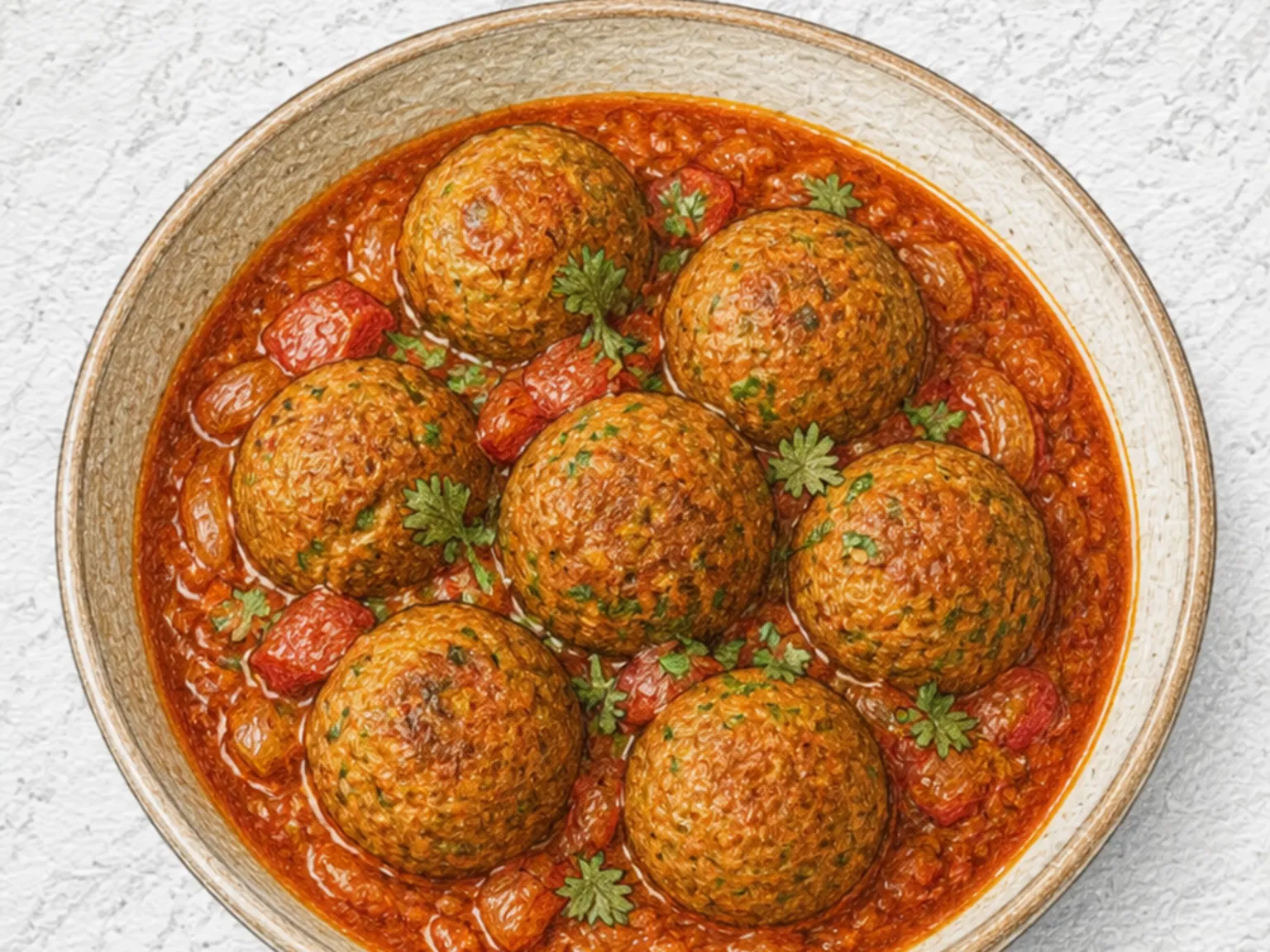
Malai kofta is a celebratory vegetarian dish from North India in which dumplings made from mashed potato and crumbled paneer are fried until golden-brown, then placed in a velvety tomato-cream gravy. The exterior of each kofta crisps in the oil while the interior remains soft and filled with mild paneer, so that when broken open in the gravy, the cheese spills into the sauce and enriches it further. The gravy is built from a base of slow-cooked onions and tomatoes pureed until smooth, finished with cashew nut paste and heavy cream for a rich, dense texture. Cashew paste is the key technique here, adding a nutty creaminess that coconut milk or plain cream alone cannot replicate. Garam masala and a touch of turmeric contribute warm, fragrant spice without sharp chili heat, keeping the dish approachable and suitable for formal occasions. The koftas should be added to the gravy just before serving, since extended soaking softens the exterior and causes them to break apart. Served alongside naan or basmati rice, malai kofta is a standard centerpiece at Indian wedding feasts and festival gatherings, prized as much for its visual richness as for its flavor.

🎉 Special Occasion
Prep 30minCook 30min4 servings
Korean Duck and Perilla Leaf Stir-fry
Stir-fryMedium

Korean Duck and Perilla Leaf Stir-fry

Kkaennip ori bokkeum is a stir-fry of smoked duck slices cooked with onion and Cheongyang chili in a sauce made from gochujang, soy sauce, and plum syrup, finished with shredded perilla leaves and perilla oil in the final seconds before serving. When the smoked duck hits the hot pan, its own fat renders out and forms the cooking base, infusing the sauce with a meaty, smoky depth that distinguishes this dish from stir-fries made with leaner proteins. Gochujang contributes heat and a fermented richness, soy sauce provides salty umami, and plum syrup adds a bright, fruity sweetness that keeps the sauce from feeling too heavy. The combination of all three wraps around the smokiness of the duck in a way that amplifies rather than obscures it. Perilla leaves must go in at the very last moment, just before the heat is cut, because prolonged cooking darkens their color and drives off the distinctive herbal fragrance that defines the dish. Perilla oil is added at the same stage, after the burner is off, so its nutty aroma remains intact in the finished plate. The sharp heat of Cheongyang chili interlocks with the smoked duck flavor to produce a more intense, stimulating character, and a pinch of black pepper at the end leaves a clean, lingering finish. The dish works equally well as a rice side and as drinking food alongside soju.

🏠 Everyday🍱 Lunchbox
Prep 18minCook 14min4 servings
Korean Semi-Dried Pollock Radish Stew
StewsEasy

Korean Semi-Dried Pollock Radish Stew

Kodari mu jjigae stews 700g of semi-dried pollock with Korean radish in rice-rinse water, a traditional technique that adds a subtle starchy richness to the broth. The pollock's firm, chewy flesh holds up well during simmering and absorbs the gochujang and gochugaru seasoning deeply. Radish balances the heat with its natural sweetness as it softens in the spicy liquid. Cheongyang chilies add a final kick, making this a warming stew that pairs exceptionally with a bowl of hot rice. The semi-drying process gives kodari a distinctly denser, chewier bite that separates it noticeably from fresh pollock.

🏠 Everyday
Prep 15minCook 30min4 servings
Korean Soy Braised Salmon
SteamedEasy

Korean Soy Braised Salmon

Yeon-eo ganjang jorim is Korean soy-braised salmon where fillets are seared first to firm the surface, then glazed in a sauce of soy sauce, cooking wine, and oligosaccharide syrup. Green onion and onion cook in the sauce, adding sweetness and neutralizing any fishiness. The syrup gives the glaze a smooth sheen that clings to each piece of salmon as the liquid reduces. With total cooking time under twenty minutes, this is a practical weeknight fish dish that delivers a polished, glossy presentation with minimal effort.

🍱 Lunchbox
Prep 12minCook 18min2 servings
Osso Buco (Milanese Braised Veal Shank with Gremolata)
WesternHard

Osso Buco (Milanese Braised Veal Shank with Gremolata)

Osso buco dredges thick-cut veal shanks in flour and sears them in olive oil on all sides, then braises them with sauteed onion, carrot, and celery in a mixture of white wine, whole tomatoes, and chicken stock at 160 degrees Celsius for one and a half to two hours. The long, slow cooking converts the tough connective tissue around the bone into gelatin, making the meat fork-tender, while the marrow inside the bone melts into the sauce and enriches it with a deep, silky body. A gremolata of finely chopped parsley, lemon zest, and garlic is scattered over the finished dish - the lemon's bright acidity and the raw garlic's sharpness cut through the heavy braising liquid and lift the entire plate. Careful handling of the shanks throughout cooking is important to keep the prized marrow intact inside the bone.

🎉 Special Occasion
Prep 30minCook 120min4 servings
Masala Dosa (South Indian Crispy Rice Crepe with Spiced Potato Filling)
AsianHard

Masala Dosa (South Indian Crispy Rice Crepe with Spiced Potato Filling)

Masala dosa is a cornerstone of South Indian cuisine, served from breakfast through dinner across the subcontinent. The crepe is made from a batter of rice and urad dal (black lentils) that ferments overnight, developing a mild tanginess from lactic acid bacteria while building the structure that allows the batter to crisp sharply on a hot griddle. Inside sits a filling of mashed potatoes tempered with mustard seeds, curry leaves, turmeric, and green chilies. The dosa arrives at the table golden and oversized, folded or rolled around its filling, with coconut chutney and sambar, a lentil and vegetable stew, served alongside for dipping. The contrast between the shatteringly crisp crepe and the soft, warmly spiced potato is the defining quality of the dish. Fermentation time determines both the sourness and the crispness of the finished dosa, and cooks adjust it between eight and sixteen hours depending on ambient temperature.

🎉 Special Occasion
Prep 30minCook 25min2 servings
Korean Stir-Fried Shishito Peppers and Chicken Tenderloin
Stir-fryEasy

Korean Stir-Fried Shishito Peppers and Chicken Tenderloin

Kkwarigochu dak ansim bokkeum is a stir-fry of chicken tenderloin that has been marinated in soy sauce and cooking wine, cooked through first, then combined with shishito peppers and onion in a finishing sauce of soy sauce and oyster sauce. The tenderloin is prized for its low fat content and mild taste, and oyster sauce compensates by introducing fermented bivalve umami that keeps the seasoning from feeling thin. Scoring the shishito peppers lightly before they go into the pan lets the sauce penetrate the flesh while the skin stays intact, so each pepper holds its shape rather than splitting open. Chicken tenderloin firms up quickly when overcooked, so moving on to the next step the moment the exterior whitens and the center loses its translucency is the key to keeping the meat tender rather than dry. Finished with sesame oil and sesame seeds, the high protein density makes this a practical and satisfying lunchbox side dish.

🏠 Everyday🍱 Lunchbox
Prep 15minCook 12min2 servings
Korean Sea Squirt Stew (Pop-and-Burst Seafood Broth)
StewsMedium

Korean Sea Squirt Stew (Pop-and-Burst Seafood Broth)

Mideodeok-jjigae is a traditional Korean seafood stew characterized by its spicy broth and its central ingredient, the sea squirt. This coastal dish is widely recognized for the specific way the sea squirts pop when they are bitten, a sensation that is paired with an intense aroma reminiscent of the ocean. When an individual bites into a sea squirt, the outer skin breaks to release a concentrated internal liquid that carries a saline and savory marine flavor that is distinct from any other type of seafood. The cooking process starts with the creation of an anchovy stock which serves as the fundamental liquid base for the dish. Slices of Korean radish, zucchini, and white onion are placed into this stock and cooked until they become tender and translucent. It is important to wait until the very end of the cooking process to add the sea squirts to the pot. If the sea squirts are boiled for too long, their internal sacs will eventually collapse and lose their structure, which leads to a loss of the desired texture. The seasoning of the stew involves the use of gochugaru and soup soy sauce, which together create a heat that is both spicy and clean. Minced garlic and sliced green onions are also incorporated to add further complexity and a rounded depth to the final broth. After the sea squirts are added and the liquid returns to a boil, the cooking should be completed within a five-minute window to ensure the ingredients remain firm and elastic. Mideodeok that is harvested during the peak season of April and May will produce a broth that is notably more fragrant and flavorful than at other times of the year. People who enjoy the strong and bold flavors associated with the sea often find that this stew leaves a lasting impression.

🏠 Everyday
Prep 15minCook 20min2 servings