Charim

2686 Korean & World Recipes

2686+ Korean recipes, clean and organized. Ingredients to instructions, all at a glance.

Recipes with onion

24 recipes

Buy onion
French Dip Sandwich
WesternMedium

French Dip Sandwich

The French Dip sandwich originated in Los Angeles during the early twentieth century and, despite what its name implies, does not have any actual roots in France. This sandwich is constructed with multiple layers of roast beef that have been sliced very thin and piled onto a sturdy French roll. It is served with a small bowl of au jus on the side, which consists of the natural juices that are collected and strained from the roasting pan after the meat has finished cooking. To prepare the beef for this dish, the roast is cooked slowly at a low temperature in the oven. This slow roasting process continues until the meat reaches a state where it can be sliced against the natural grain into thin and supple pieces. This specific technique ensures that the meat remains moist even when it is placed against the firm and dry texture of the bread. Including whole onions and garlic in the roasting pan along with the meat adds layers of sweetness and depth to the resulting juices. This practice makes the au jus significantly more complex than what would be produced by using the simple meat drippings alone. Just before the sandwich is assembled, either Provolone or Swiss cheese is melted over the sliced beef. This addition provides a mild and creamy layer that serves to soften the contrast between the lean beef and the crusty exterior of the roll. The choice of bread is a specific requirement, as the French roll requires a firm and crackly crust. This structural integrity is necessary because the roll must be able to maintain its shape even when it is dipped repeatedly into the warm liquid. If a soft roll is used instead, the bread tends to collapse and makes the sandwich difficult to manage during the meal. Dipping the sandwich into the au jus is the primary way this dish is consumed rather than being an incidental or optional step. Each time the bread is submerged, it becomes saturated with a concentrated beef flavor. The resulting texture creates a specific contrast where the edges of the bread become wet and softened while the center of the roll remains firm. The au jus is always presented in a separate vessel alongside the sandwich to facilitate this process. Because the act of dipping is central to the format of the meal, the liquid and the solid components are treated as equal parts of the overall presentation.

🎉 Special Occasion
Prep 15minCook 30min2 servings
Thai Chicken Fried Rice
AsianEasy

Thai Chicken Fried Rice

Khao pad gai is Thai chicken fried rice, one of the most consistently available single-plate meals sold at street stalls and sit-down restaurants across Thailand from morning until late at night. Bite-size pieces of chicken breast or thigh are seared first in a ripping-hot wok to develop color and a slight char, then minced garlic and a cracked egg follow in rapid succession. Day-old jasmine rice, cold from the refrigerator, is added next because its reduced moisture allows each grain to separate cleanly and pick up oil rather than clumping. Constant tossing over the highest possible heat is what produces the characteristic wok fragrance that sets Thai fried rice apart from versions cooked at lower temperatures. Fish sauce provides the primary saltiness, soy sauce adds a brown color and a layer of savory depth, and white pepper delivers a warm, earthy heat that lingers in the background. The mound of finished rice is tipped onto a plate and surrounded by a lime wedge, cucumber slices, and tomato to provide cool, acidic relief between bites. At the table, diners season their own portion from a small tray holding fish sauce, dried chili flakes, white sugar, and vinegar - the standard four-condiment set present at virtually every Thai table. The combination of all these adjustments makes a single dish capable of tasting quite different from person to person, which is part of its enduring appeal.

🏠 Everyday🌙 Late Night
Prep 12minCook 10min2 servings
Korean Spam Fried Rice (Crispy Spam Cubes with Egg and Rice)
RiceEasy

Korean Spam Fried Rice (Crispy Spam Cubes with Egg and Rice)

Spam bokkeumbap is a Korean fried rice built around crispy cubes of pan-seared Spam, whose salty, caramelized edges give the dish an addictive quality. The Spam is diced small and dry-fried without added oil - its own rendered fat crisps the outside while keeping the inside moist and savory. Onion and scallion go in next for aromatic depth, followed by cold leftover rice that is tossed over high heat until every grain picks up the salty pork flavor left in the pan. Beaten egg is scrambled into the rice, coating the grains in a thin, soft layer. A splash of soy sauce and a drizzle of sesame oil finish the dish with umami and nuttiness. The whole thing comes together in under ten minutes, making it one of the fastest comfort meals in the Korean home-cooking repertoire.

Quick
Prep 5minCook 10min2 servings
Korean Glass Noodle Stir-fry
Stir-fryMedium

Korean Glass Noodle Stir-fry

Japchae is a signature Korean dish of glass noodles stir-fried with beef, spinach, carrots, onions, and shiitake mushrooms in soy sauce and sesame oil. The noodles are made from sweet potato starch and turn translucent as they cook, absorbing the seasoning to become glossy and springy rather than starchy or heavy. The defining technique is cooking each component separately before combining them at the end. Spinach softens quickly and needs only a brief wilt; carrots are stir-fried to keep a slight bite; shiitake mushrooms are cooked until pleasantly chewy; and beef is marinated in soy sauce, sesame oil, sugar, garlic, and pepper before being stir-fried so it stays tender without any gamey edge. Tossing the noodles in soy sauce and sesame oil right after boiling prevents them from clumping together. When everything is brought together at the end, each ingredient keeps its individual texture while the seasoning unifies the dish. Japchae appears at virtually every Korean celebration including Chuseok, Lunar New Year, birthdays, and wedding feasts, and a large batch keeps its quality well into the following day.

🏠 Everyday🎉 Special Occasion
Prep 20minCook 20min4 servings
Korean Ham-Packed Budae Jjigae
StewsEasy

Korean Ham-Packed Budae Jjigae

This version of budae jjigae is built around a generous load of Spam and Vienna sausages, simmered alongside well-fermented kimchi in a wide pot of anchovy or dashi stock. Gochujang and Korean chili flakes build layered heat while the kimchi's sourness cuts through the salt of the processed meats and keeps the overall flavor from becoming one-dimensional. Adding a bundle of ramen noodles toward the end allows them to absorb the deeply seasoned broth as they cook. With 900ml of stock, this is a communal pot meant to be shared at the table. Budae jjigae originated in the years after the Korean War, when surplus American military rations such as ham and sausage were combined with Korean staples near military base towns. The ham-forward version puts the salty, meaty character of the processed ingredients at the center of the dish.

🍺 Bar Snacks🏠 Everyday
Prep 15minCook 20min2 servings
Korean Steamed Shrimp
SteamedEasy

Korean Steamed Shrimp

Saeu jjim is a traditional Korean method for preparing steamed shrimp by utilizing a specific layering technique within a steamer. The process begins by creating a foundation of sliced onions, green onions, and garlic cloves across the steamer basket. Whole shrimp are then carefully arranged directly on top of this bed of aromatic vegetables. As the water boils below, the rising steam carries the volatile oils and scents of the onion and garlic upward, allowing these fragrances to penetrate the shrimp through their shells. A small amount of rice wine is applied to the shrimp before the lid is closed to neutralize any strong briny odors that may be present. Leaving the shells intact during the steaming process is a deliberate step to minimize the loss of internal moisture. This protective layer ensures the meat remains firm and juicy while preserving the natural sugars found in the seafood. Precision regarding the cooking duration is a critical factor for success. The shrimp typically require only eight to nine minutes of exposure to the steam once the water has reached a steady boil. If the cooking time exceeds this window, the proteins in the flesh will contract and cause the texture to become noticeably tough and dry. When the time is up and the lid is lifted, it should be tilted to the side rather than pulled straight up. This prevents the heavy condensation collected on the underside of the lid from dripping back down onto the shrimp, which would otherwise dilute the seasoning on the surface of the shells. Just before the dish is served, a light squeeze of fresh lemon juice is applied to provide a bright acidity that complements the inherent sweetness of the shrimp. While the dish is sufficiently flavorful to be eaten without any dipping sauce, it is often accompanied by cho-ganjang, which is a mixture of soy sauce and vinegar. Alternatively, a sweet chili sauce can be provided as a condiment for individuals who prefer an additional flavor profile alongside the seafood.

🥗 Light & Healthy
Prep 15minCook 12min2 servings
French Onion Soup
WesternMedium

French Onion Soup

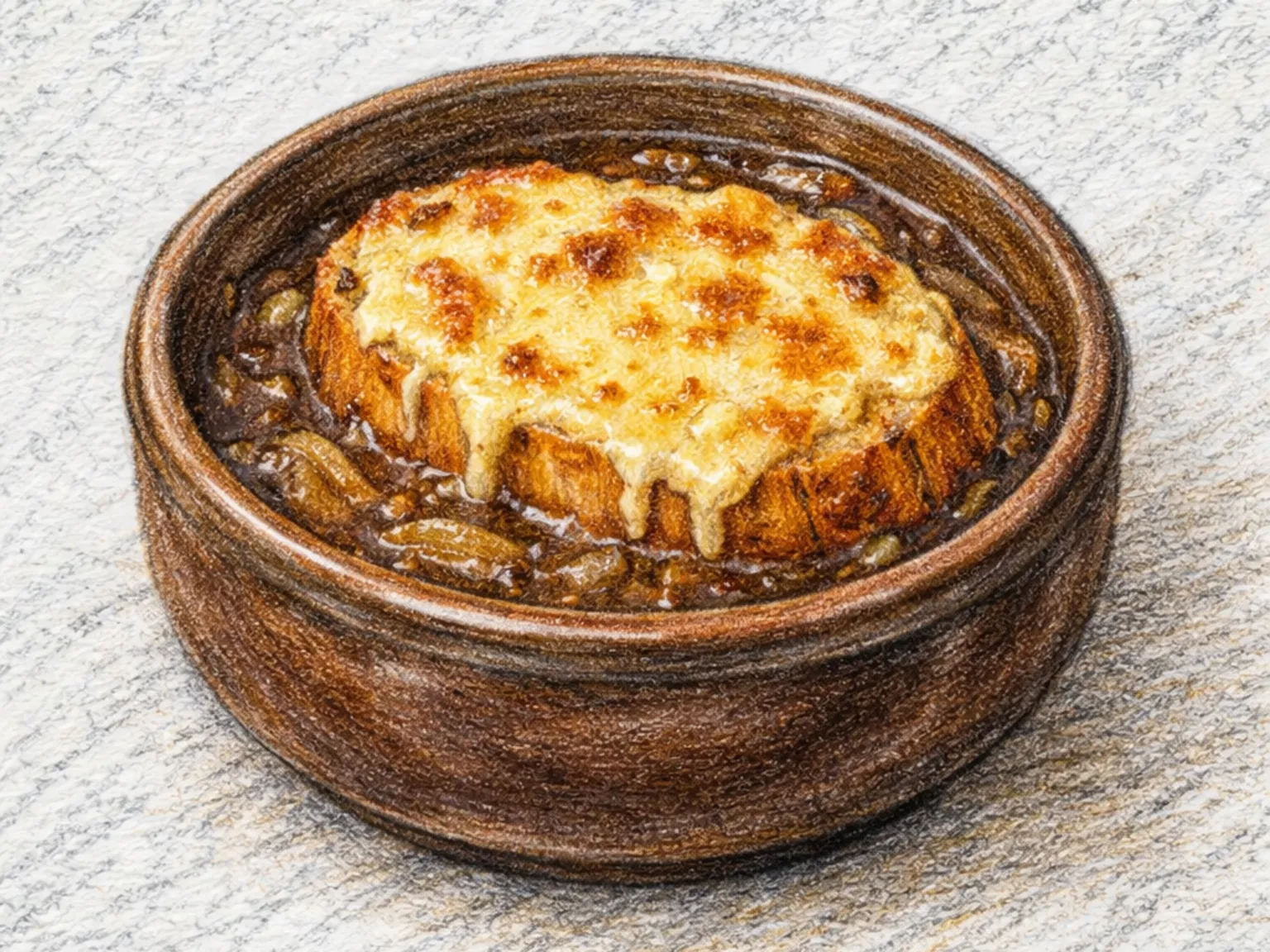
French onion soup is built entirely on patience and heat. Thinly sliced onions are cooked in butter over low heat for forty minutes or more, slowly shedding moisture as their natural sugars transform into a deep, golden-brown mass with an intensity of sweetness and umami that raw onions cannot approach. Rushing this step causes the onions to scorch and turn bitter, so controlled, unhurried heat is the most critical variable in the recipe. Dry white wine and beef stock are then added to the caramelized onions and simmered together until the broth absorbs every layer of the onion's concentrated flavor, building complexity through a long, slow reduction. The finished soup is ladled into oven-safe crocks, topped with thick slices of toasted baguette, and blanketed with a generous layer of grated Gruyere. Under the broiler, the cheese melts, bubbles, and browns into a golden crust with long, elastic strings that stretch when broken with a spoon. Beneath that crust lies the reward: a dark, concentrated broth steeped in caramelized onion depth, with bread softened into the soup and cheese draped across every spoonful. A bowl where simple ingredients, time, and heat produce something far greater than the sum of their parts.

🎉 Special Occasion
Prep 15minCook 40min2 servings
Pineapple Shrimp Khao Pad
AsianEasy

Pineapple Shrimp Khao Pad

Pineapple shrimp khao pad is a Thai fried rice served inside a hollowed-out pineapple half, which functions both as a vessel and as a flavoring agent as residual juice from the fruit walls seeps gradually into the rice during service. Shrimp are cooked first in a very hot wok with minimal time, just long enough to firm up and curl before they are set aside, preventing the rubbery texture that results from overcooking in the subsequent stir-fry steps. Garlic goes into the oil next, quickly followed by day-old jasmine rice, which is broken up and tossed at high heat. Using rice that has dried out in the refrigerator overnight is important: fresh rice carries too much moisture and steams rather than fries, resulting in clumping. Egg is pushed through a cleared space in the center, scrambled lightly, then folded into the rice before it fully sets. Diced fresh pineapple is added at the very end and tossed only briefly so that it retains some structure while releasing enough juice to flavor the rice with its characteristic tart sweetness, which plays against the salty depth of fish sauce. Curry powder tints the grains a pale yellow and contributes a warm, earthy undertone that keeps the dish from reading as purely sweet. Roasted cashew nuts add crunch throughout, and scattered raisins provide small concentrated hits of sweetness. The assembled rice is mounded into the pineapple shell and brought to the table, often served with a wedge of lime on the side.

🎉 Special Occasion🧒 Kid-Friendly
Prep 15minCook 10min2 servings
Korean Truffle Mushroom Pot Rice
RiceMedium

Korean Truffle Mushroom Pot Rice

Shiitake and king oyster mushrooms are generously added to a pot of rice and cooked so their released moisture and earthy fragrance infuse every grain. The shiitake stays chewy while thick-sliced king oyster offers a meaty, substantial bite. Once the rice is done, a few drops of truffle oil are drizzled over the top, layering the mushrooms' natural earthiness with the truffle's deep, aromatic intensity. Mixing in a soy-seasoned sauce adds a salty edge that brings the whole bowl into balance.

🎉 Special Occasion
Prep 20minCook 30min4 servings
Korean Spicy Pork Stir-fry
Stir-fryEasy

Korean Spicy Pork Stir-fry

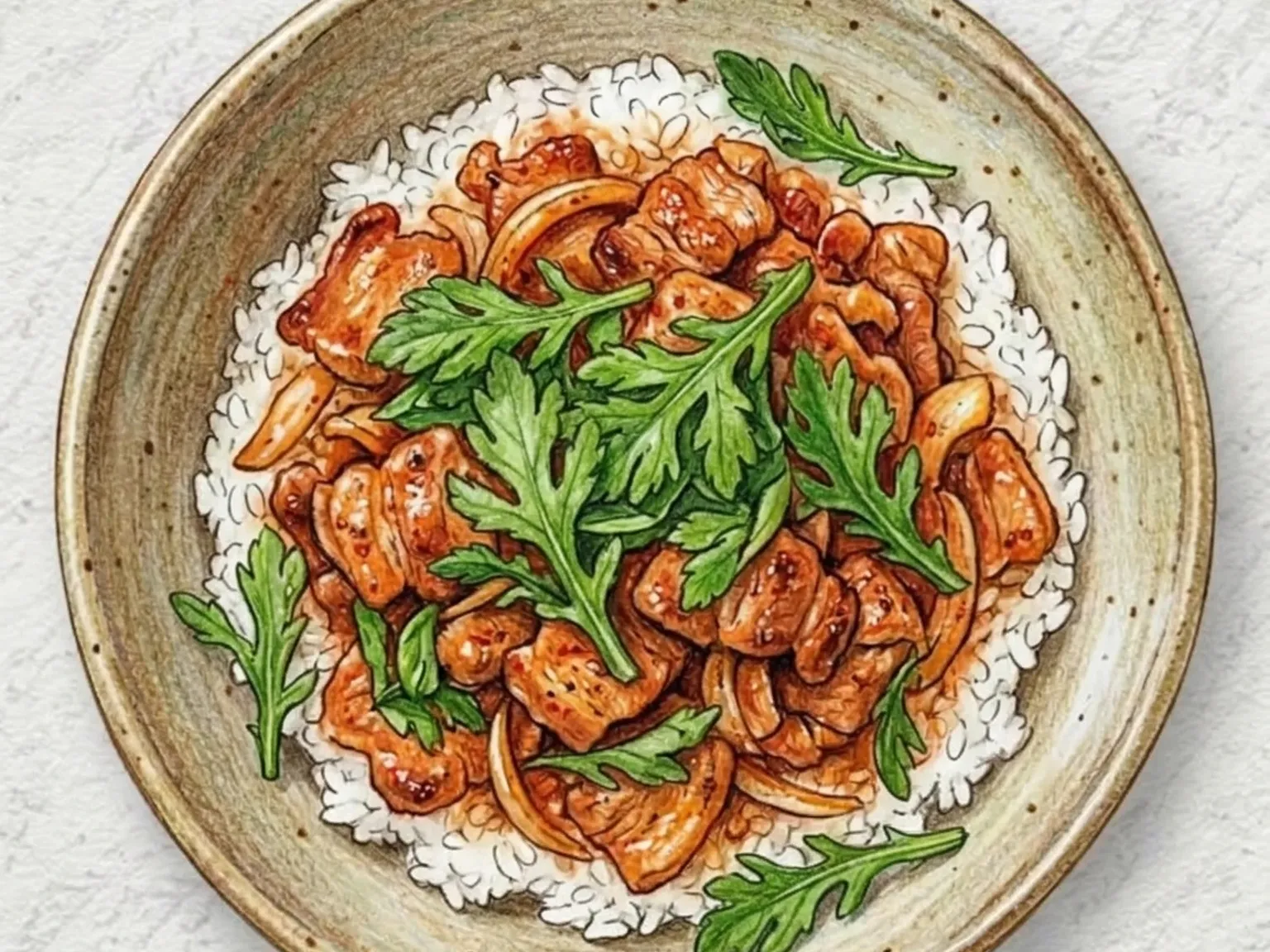
Jeyuk-bokkeum is a Korean spicy pork stir-fry where sliced pork is marinated in gochujang, soy sauce, sugar, and garlic, then wok-tossed with vegetables over high heat. The marinade sinks into the meat, combining chili heat with caramelized sweetness, while onions and scallions release moisture that balances the bold seasoning. Quick cooking at high temperature lets the pork develop a lightly charred exterior that adds another layer of flavor. It is commonly served over rice as a donbap or wrapped in lettuce leaves.

🏠 Everyday🍱 Lunchbox
Prep 15minCook 15min2 servings
Korean Kimchi Bean Sprout Stew
StewsEasy

Korean Kimchi Bean Sprout Stew

This jjigae simmers fermented kimchi and soybean sprouts in an anchovy-based stock for a broth that is both refreshing and sharply spiced. The soybean sprouts contribute a crisp bite and a clean, neutral flavor that tempers the kimchi's fermented tang and chili heat, keeping the overall taste from feeling one-dimensional. Soft tofu adds creaminess and a gentle texture contrast, while onion provides background sweetness and green onion brings a fresh, aromatic note. Soup soy sauce and gochugaru are used to season, producing a clear, clean spiciness without muddying the broth. In Korean households, this jjigae is frequently eaten in the morning or as a hangover remedy, valued for its simplicity and its ability to settle the stomach while still delivering a satisfying depth of flavor.

🏠 Everyday
Prep 10minCook 20min2 servings
Korean Samgyeopsal Ganjang Jorim (Soy-Braised Pork Belly)
SteamedMedium

Korean Samgyeopsal Ganjang Jorim (Soy-Braised Pork Belly)

Samgyeopsal ganjang jorim is a Korean soy-braised pork belly dish where blanched pork belly is simmered with radish and onion in a soy sauce base for over forty-five minutes. Blanching first removes impurities and excess fat, leaving a clean-tasting braise. The long simmer allows soy sauce to penetrate the layered pork, building a deep flavor that is savory without being greasy. Radish chunks absorb the pork-enriched liquid and develop a richness of their own, while oligosaccharide syrup lends a natural sheen. Cooling and reheating concentrates the seasoning further, making this a strong choice for gatherings or holiday meals.

🏠 Everyday🎉 Special Occasion
Prep 20minCook 55min4 servings
Frittata
WesternEasy

Frittata

Frittata whisks eight eggs with milk and salt, then builds layers of flavor in an oven-safe pan before finishing in the oven. Onion is sautéed in olive oil until soft and translucent, then spinach and halved cherry tomatoes are added and cooked briefly so they release some moisture without turning to mush. The egg mixture is poured over the vegetables and left untouched on medium-low heat until the edges begin to firm and pull away from the sides of the pan. Grated cheddar cheese is scattered across the top before the pan goes into a 190-degree oven for ten minutes, during which the frittata puffs up and cooks through evenly from edge to center. The finished frittata is done when a gentle press at the center springs back with light resistance. Over-whisking the eggs before cooking traps too many air bubbles, which collapse in the oven and leave the surface cratered and uneven, so a slow, deliberate stir produces a better result. Smoked salmon, sliced sausage, or leftover roasted vegetables all work as additions without disrupting the basic structure. Cold leftovers tucked into a sandwich the next morning taste just as good as the freshly made version.

🏠 Everyday🍱 Lunchbox
Prep 15minCook 20min4 servings
Japanese Korokke (Crispy Panko Potato and Beef Croquette)
AsianMedium

Japanese Korokke (Crispy Panko Potato and Beef Croquette)

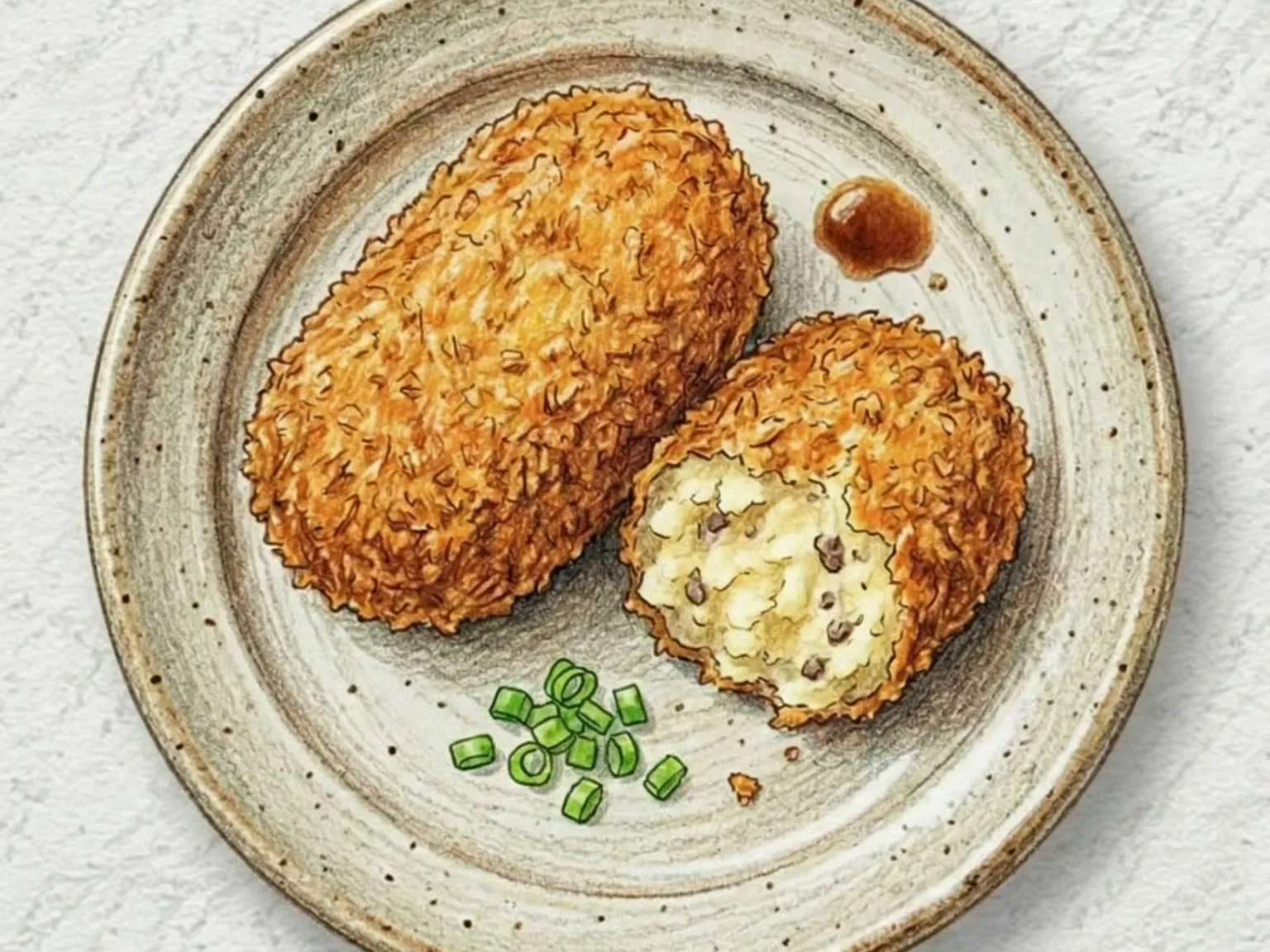
Korokke is a Japanese potato croquette that traces its roots to the French croquette but has become a distinctly Japanese comfort food. Potatoes are boiled until completely soft, mashed while still hot, then mixed with sauteed onion and seasoned ground beef. The mixture is shaped into flat ovals, coated in flour, dipped in beaten egg, and rolled in panko breadcrumbs before frying at around 170 degrees Celsius. The panko crust turns an even golden brown and stays audibly crunchy, while the interior remains fluffy and starchy. A drizzle of Worcestershire or tonkatsu sauce is the standard condiment. In Japan, korokke are a staple of butcher shops and prepared-food counters, where they are fried to order and eaten on the spot or carried home still warm. Cream korokke filled with bechamel and crab, curry-flavored korokke, and kabocha pumpkin korokke are among the popular variations. Allowing the shaped patties to cool fully before frying keeps them from falling apart in the oil, and maintaining a steady temperature around 170 degrees prevents the crust from absorbing excess oil and turning greasy.

🧒 Kid-Friendly🍱 Lunchbox
Prep 25minCook 20min4 servings
Korean Ueong Dak Juk (Burdock Chicken Porridge)
RiceMedium

Korean Ueong Dak Juk (Burdock Chicken Porridge)

Shredded chicken tenderloin and julienned burdock root are simmered together in a long, slow cook until the porridge turns thick and smooth. The chicken releases a clean, mild broth that forms the base flavor, while the burdock contributes a subtle earthy aroma and slight crunch that adds dimension. Toasting the rice in perilla oil before adding liquid deepens the nuttiness and gives the porridge a silkier body. The result is a gentle, nourishing bowl that sits easy on the stomach.

🏠 Everyday
Prep 25minCook 40min4 servings
Korean Soy Braised Chicken with Glass Noodles
Stir-fryMedium

Korean Soy Braised Chicken with Glass Noodles

Jjimdak is a Korean braised chicken dish originating from the Andong region of North Gyeongsang Province, where competing chicken stalls in the Andong Old Market during the 1980s each developed their own version, eventually producing the dish now associated with the city. Bone-in chicken pieces, potatoes, and glass noodles are simmered together in a soy sauce glaze built from soy sauce, sugar, garlic, and corn syrup. The sauce penetrates the chicken and potatoes fully during the braise, delivering salty-sweet depth in every piece. Glass noodles swell as they absorb the reducing liquid, turning chewy and deeply flavored by the end of cooking, while the potatoes soften to a floury, starchy texture that holds sauce on every surface. As the liquid reduces further, the glaze thickens and turns glossy, coating each ingredient in a lacquered layer. Served over rice with the sauce poured across, it is easy to finish the bowl without noticing. Cheongyang chilies are often added for a spicier version, and sliced rice cakes folded in at the end are a popular addition.

🍺 Bar Snacks🏠 Everyday
Prep 20minCook 40min4 servings
Korean Perilla Leaf Soft Tofu Stew
StewsEasy

Korean Perilla Leaf Soft Tofu Stew

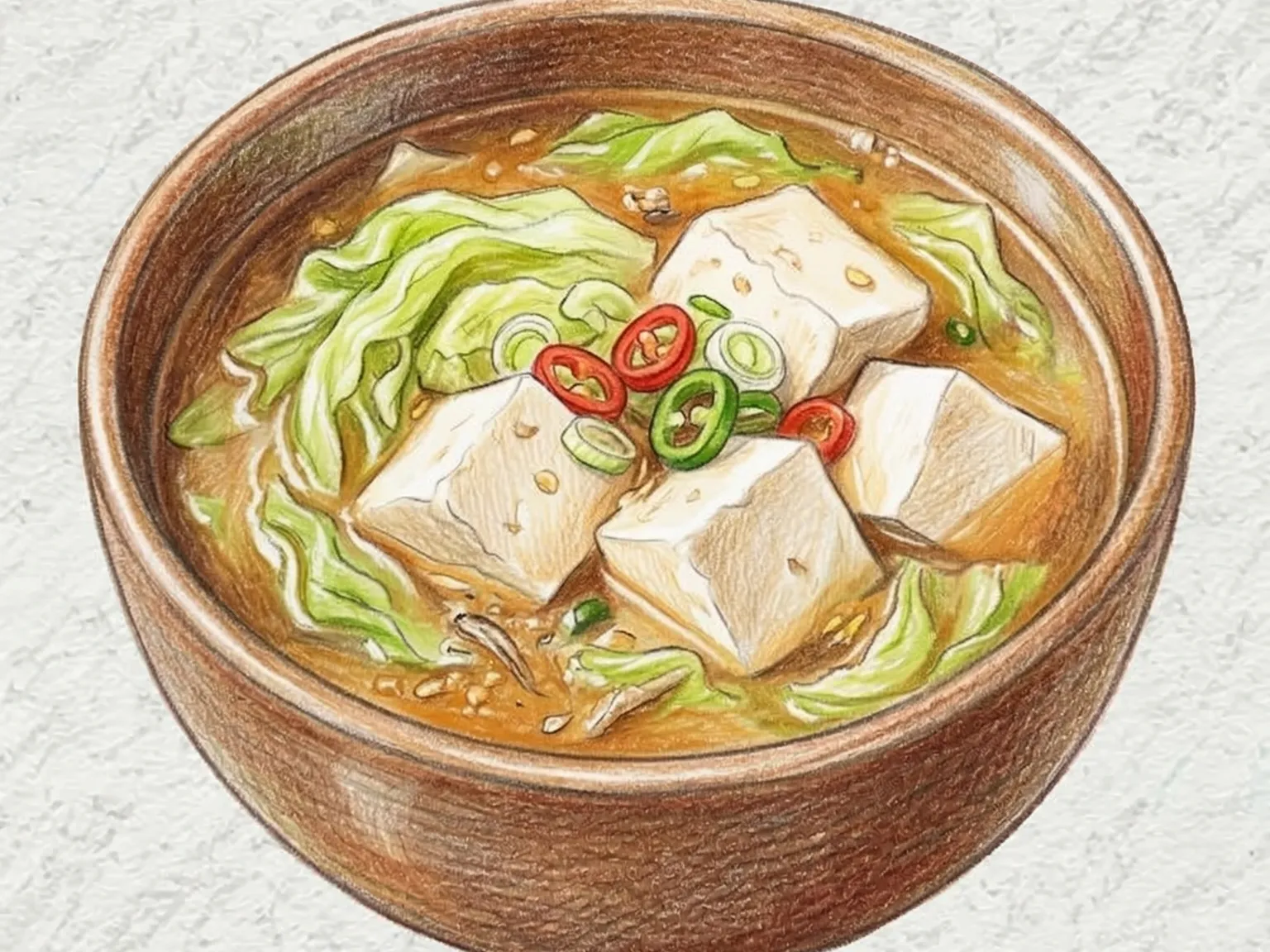
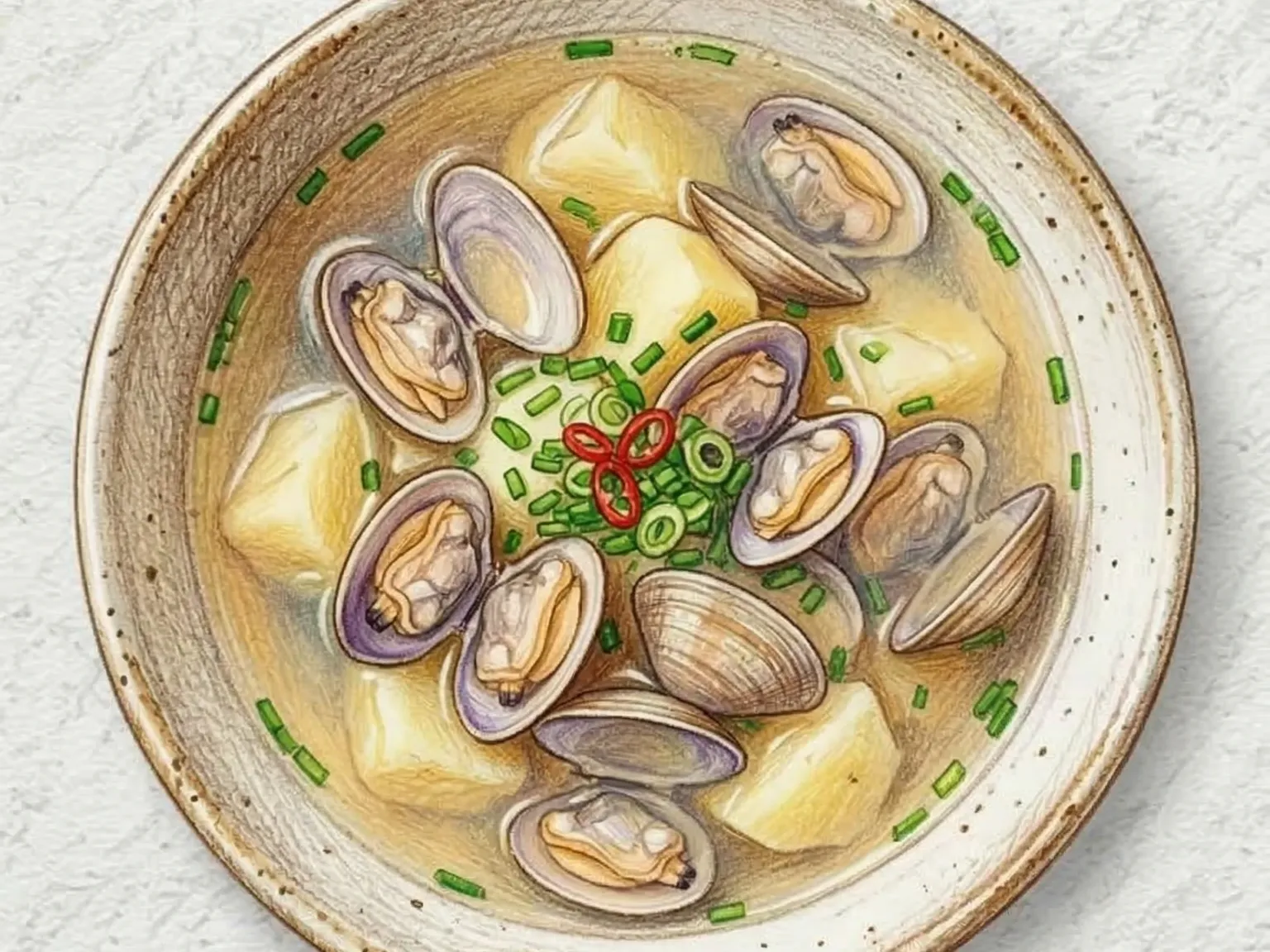
Kkaennip sundubu jjigae is a mild, gently seasoned stew of soft tofu and perilla leaves simmered in a light anchovy broth. The 350g of sundubu goes in as large, rustic pieces that hold their shape while cooking, then collapse into silky, cloud-like curds on the spoon. Twelve perilla leaves added stem-on release their aromatic oils gradually as the broth comes to a boil, giving the stew a distinctly herbal, faintly anise-like character that sets it apart from standard sundubu variations. Gochugaru and soup soy sauce provide just enough background seasoning to keep the perilla fragrance forward rather than overwhelmed by heat, and a drizzle of sesame oil at the finish adds a nutty warmth. Low in spice and gentle on the stomach, this is a practical choice on days when a soothing, unfussy bowl is what is needed.

🏠 Everyday
Prep 10minCook 12min2 servings
Korean Braised Mackerel with Dried Radish Greens
SteamedMedium

Korean Braised Mackerel with Dried Radish Greens

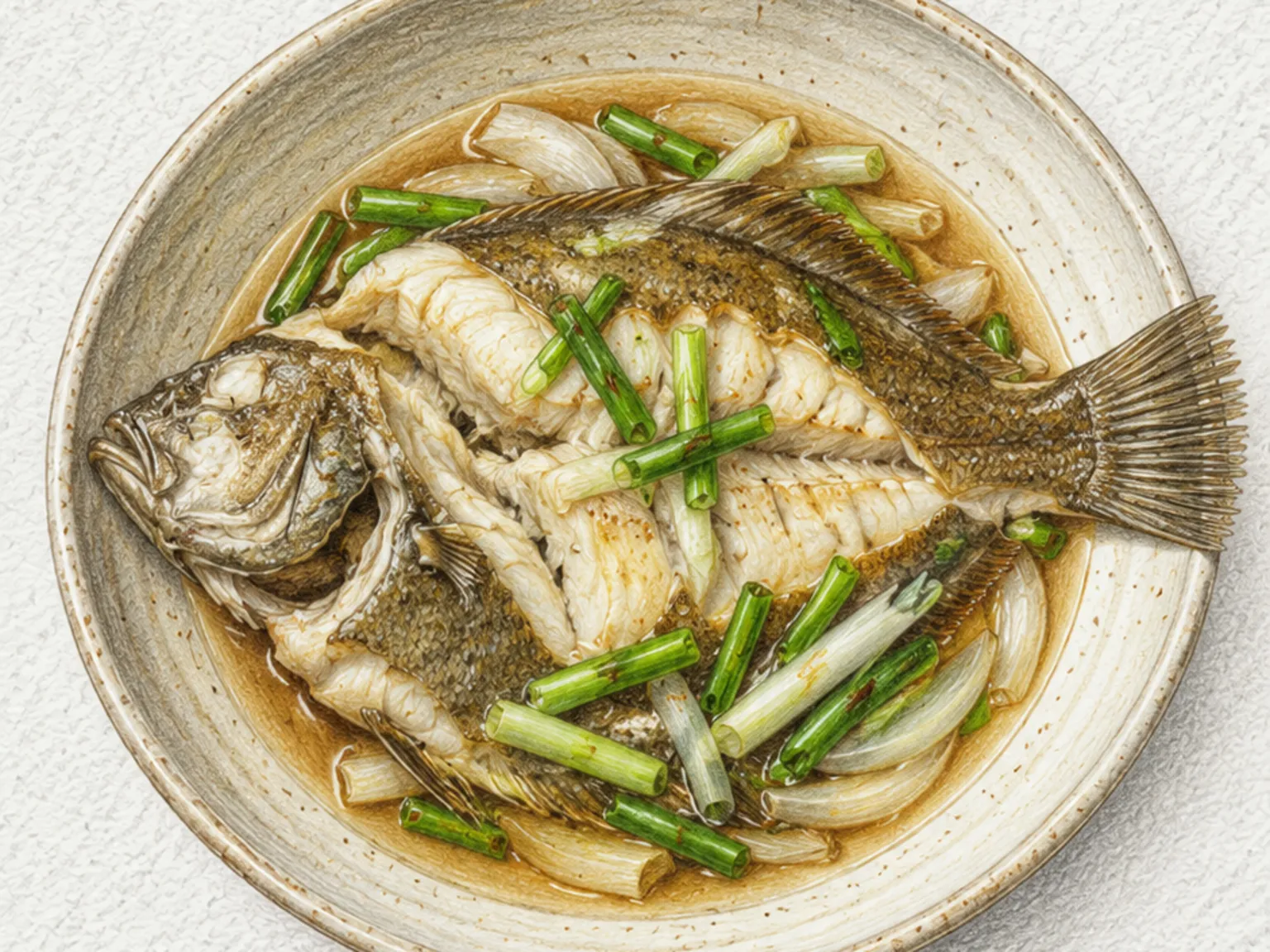
Siraegi godeungeo jorim is a Korean braised mackerel dish in which the fish and pre-boiled dried radish greens are cooked down with radish and onion in a chili-soy seasoning. The richness of mackerel fat and the earthy, fibrous character of dried radish greens share the same braising liquid, each amplifying what the other brings to the pot. The radish greens must be boiled thoroughly before braising to soften their tough fibers and leach out any residual bitterness, which is then washed away with a cold rinse. Mackerel seasoned lightly with cooking wine is placed over the greens and vegetables, and the pot braises over medium-low heat for more than twenty minutes so the seasoning penetrates the flesh all the way through. Spooning the braising liquid over the fish two or three times during cooking ensures an even coating on the upper surface. Radish becomes sweeter and more concentrated as it reduces, neutralizing any fishiness from the mackerel. The finished dish, spooned generously over steamed rice with its spicy braising sauce, delivers a layered depth of flavor that is unmistakably Korean.

🎉 Special Occasion🍱 Lunchbox
Prep 20minCook 35min4 servings
Garlic Butter Mussels
WesternEasy

Garlic Butter Mussels

Garlic butter mussels are steamed in a fragrant broth of sauteed garlic, melted butter, and white wine. Onion and garlic are cooked in butter and olive oil until softened, then white wine is added and boiled briefly to drive off the alcohol while keeping the acidity and fruit notes intact. Once the mussels go in and the lid is sealed, the shells open within four to five minutes, releasing briny juices that meld with the butter-wine base into a rich, savory broth. Mussels that remain closed after cooking must be discarded. Finishing with chopped parsley and black pepper adds color and a mild sharpness, and tearing crusty baguette into the bowl to soak up the broth is the traditional way to enjoy every drop.

🍺 Bar Snacks
Prep 15minCook 12min2 servings
Kottu Roti (Sri Lankan Shredded Flatbread Stir-Fry with Egg)
AsianMedium

Kottu Roti (Sri Lankan Shredded Flatbread Stir-Fry with Egg)

Kottu roti is a Sri Lankan griddle dish in which flatbread is shredded and stir-fried with vegetables, egg, and spices on a heavy iron surface. The defining feature of its preparation is the sound produced when the cook uses two flat metal blades to simultaneously chop and scrape the ingredients across the griddle in a steady, rhythmic pattern. The metallic clanging carries far enough to be heard from the street and serves as the primary advertisement for kottu roti stalls, most of which operate well into the early hours of the morning. Godamba roti, a thin unleavened flatbread, is sliced into small pieces roughly one centimeter on each side before cooking begins. The griddle is oiled and onion, cabbage, and carrot are fried until wilted, after which eggs are cracked directly onto the surface and scrambled in place. The roti pieces go in next, followed by curry powder, chili flakes, and soy sauce, with the blades kept moving continuously so the heat distributes evenly and the bread absorbs the seasonings rather than sitting on top of them. Soy sauce deepens the color and adds umami, while a ladleful of curry gravy poured over near the end binds the ingredients and prevents dryness. Versions with chicken, lamb, or seafood are widely available, and the spice level can be adjusted to order. The dish is understood to be street food in the fullest sense: fast, loud, served hot off the griddle, and closely associated with late-night eating.

🏠 Everyday🌙 Late Night
Prep 20minCook 15min2 servings
Korean Vegetable Fried Rice
RiceEasy

Korean Vegetable Fried Rice

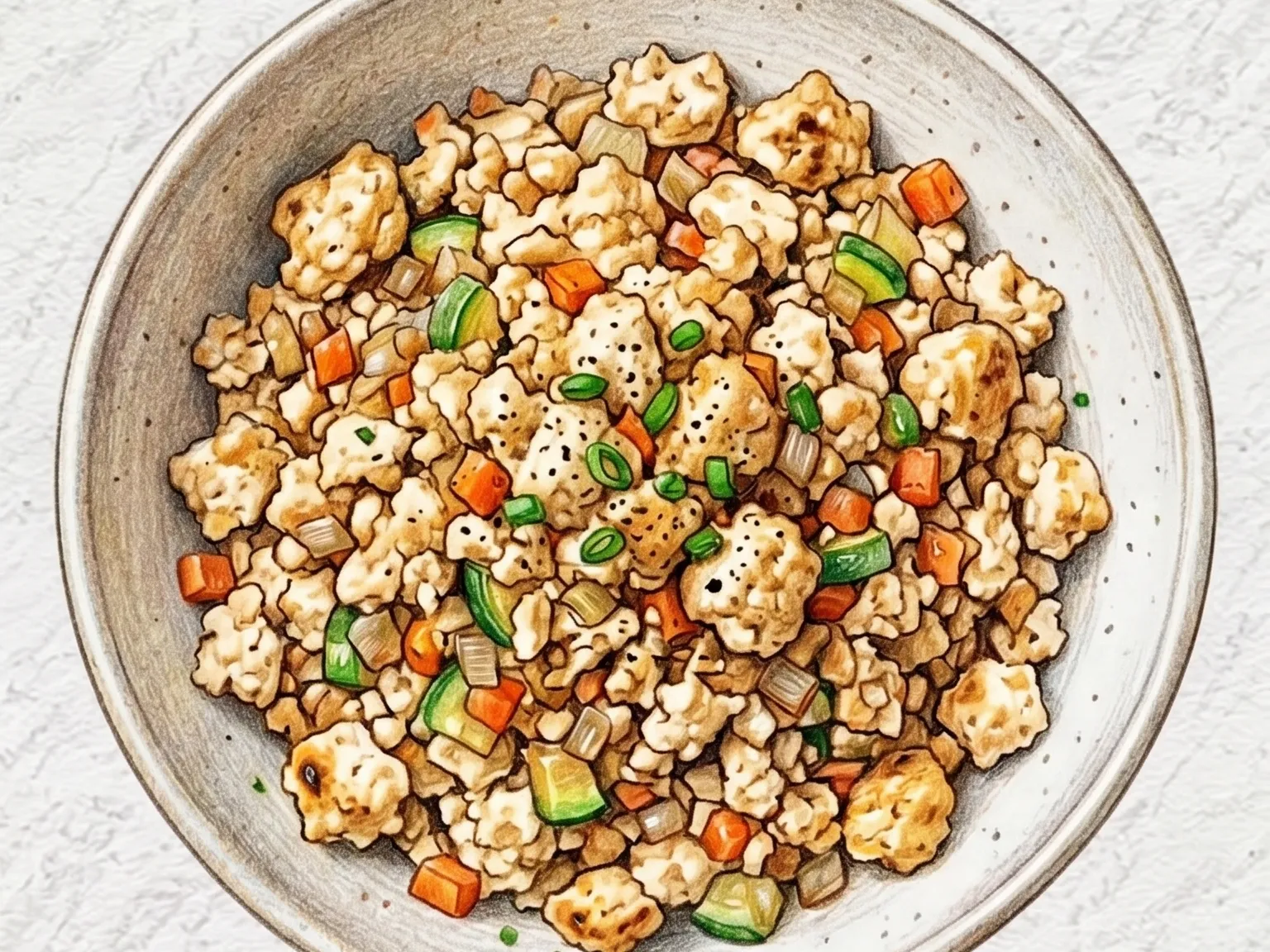
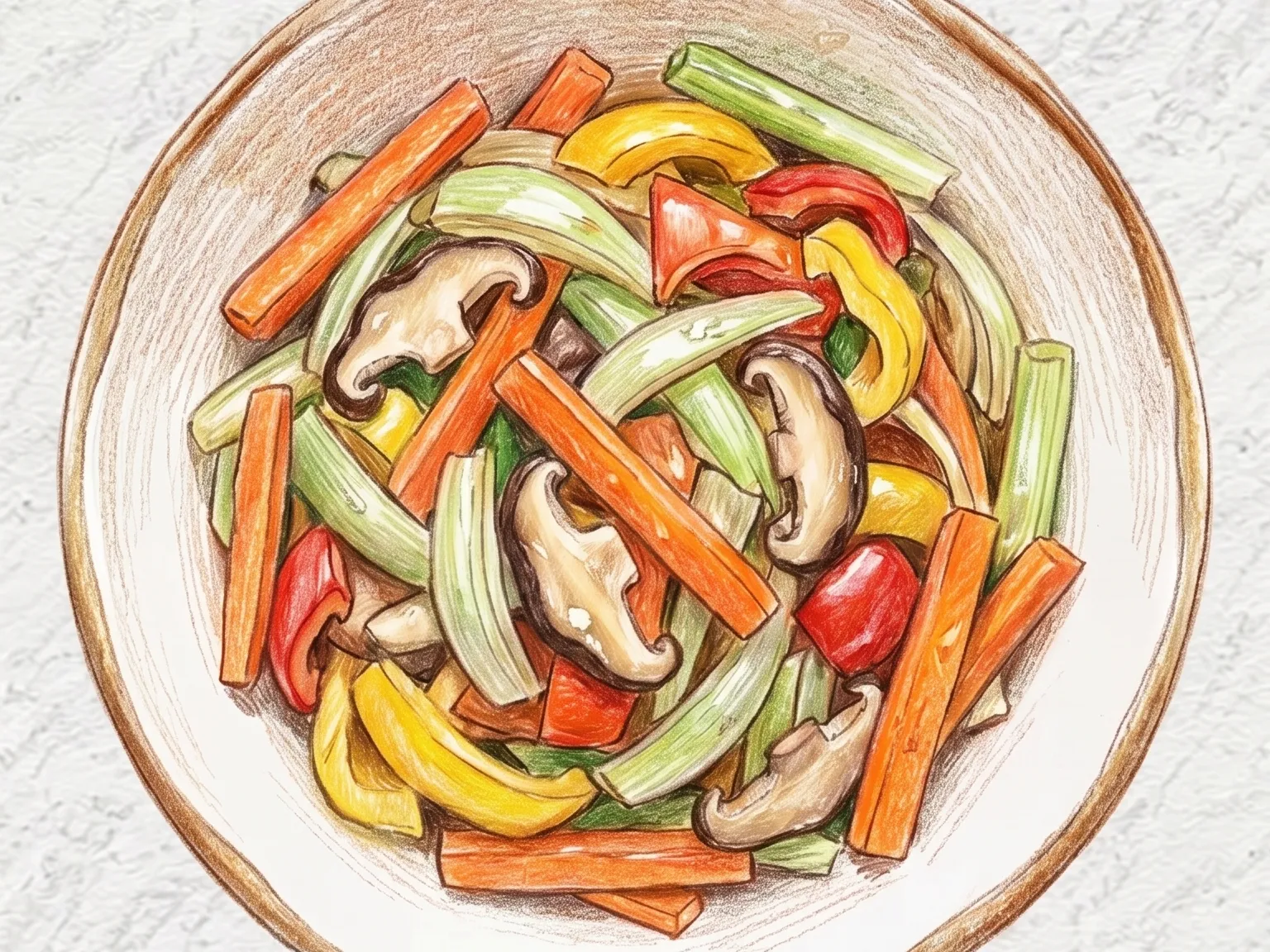
Carrots, onions, zucchini, and bell peppers are finely diced and tossed with rice in a hot wok, moving fast enough that each grain separates and picks up a light char. The vegetables release just enough moisture to keep the rice from drying out while the high heat ensures the grains stay individually distinct. Soy sauce and sesame oil provide a clean, nutty seasoning that lets the vegetable flavors come through. Topping with a fried egg or a shower of crushed nori turns this simple fried rice into a satisfying meal.

🥗 Light & Healthy Quick
Prep 10minCook 8min2 servings
Korean Spicy Webfoot Octopus Stir-Fry
Stir-fryEasy

Korean Spicy Webfoot Octopus Stir-Fry

Jjukkumi-bokkeum is a Korean seafood stir-fry made by tossing cleaned small webfoot octopus with vegetables in a bold gochujang and gochugaru sauce over very high heat. Cleaning the octopus properly is essential: the innards inside the head must be removed and the body scrubbed with coarse salt to strip the slippery surface coating. The octopus is marinated ahead in a sauce of gochujang, red pepper flakes, soy sauce, sugar, minced garlic, and sesame oil, allowing the seasoning to penetrate before the heat hits. Onion and scallion go into the hot oiled pan first to develop their sweetness, then the marinated octopus is added and stir-fried on maximum heat for no more than two minutes. Keeping the cooking time short is non-negotiable: jjukkumi turns rubbery and tough if it stays over heat too long, and a chewy, springy texture is what separates a well-made version from an overcooked one. The intense heat of gochujang and coarsely ground red pepper defines the character of the dish, while the natural sweetness of onion and scallion rounds the sharp edges of the spice. Spring jjukkumi caught when the roe sacs are full adds a burst of texture when bitten into, which is why the spring season version is considered especially worth seeking out. The dish pairs naturally with steamed rice or as a drinking snack alongside soju.

🏠 Everyday🌙 Late Night
Prep 15minCook 10min2 servings
Korean Pacific Saury Stew
StewsEasy

Korean Pacific Saury Stew

Kkongchi jjigae is a budget-friendly Korean stew built around a single can of Pacific saury, making it one of the most practical jjigae to pull together from pantry staples. Korean radish and onion go into the pot alongside the fish, absorbing the bold, oily flavor of the canned saury as everything simmers together. The canning liquid is included in the pot as well, eliminating the need for a separate stock while adding the concentrated brininess of the fish directly to the broth. A half-tablespoon of doenjang tames the fishiness that canned fish can carry while adding a layer of fermented, savory depth, and gochugaru builds the characteristic spicy bite that makes this stew work as a proper rice banchan. Because canned saury is already fully cooked and the bones have softened in the canning process, the fish can go directly into the pot without any preparation and the pieces can be eaten bones and all. The whole stew comes together in under 30 minutes, making it a reliable weeknight option when time and budget are both short.

🏠 Everyday
Prep 10minCook 25min2 servings
Korean Taro Stem Perilla Steam
SteamedMedium

Korean Taro Stem Perilla Steam

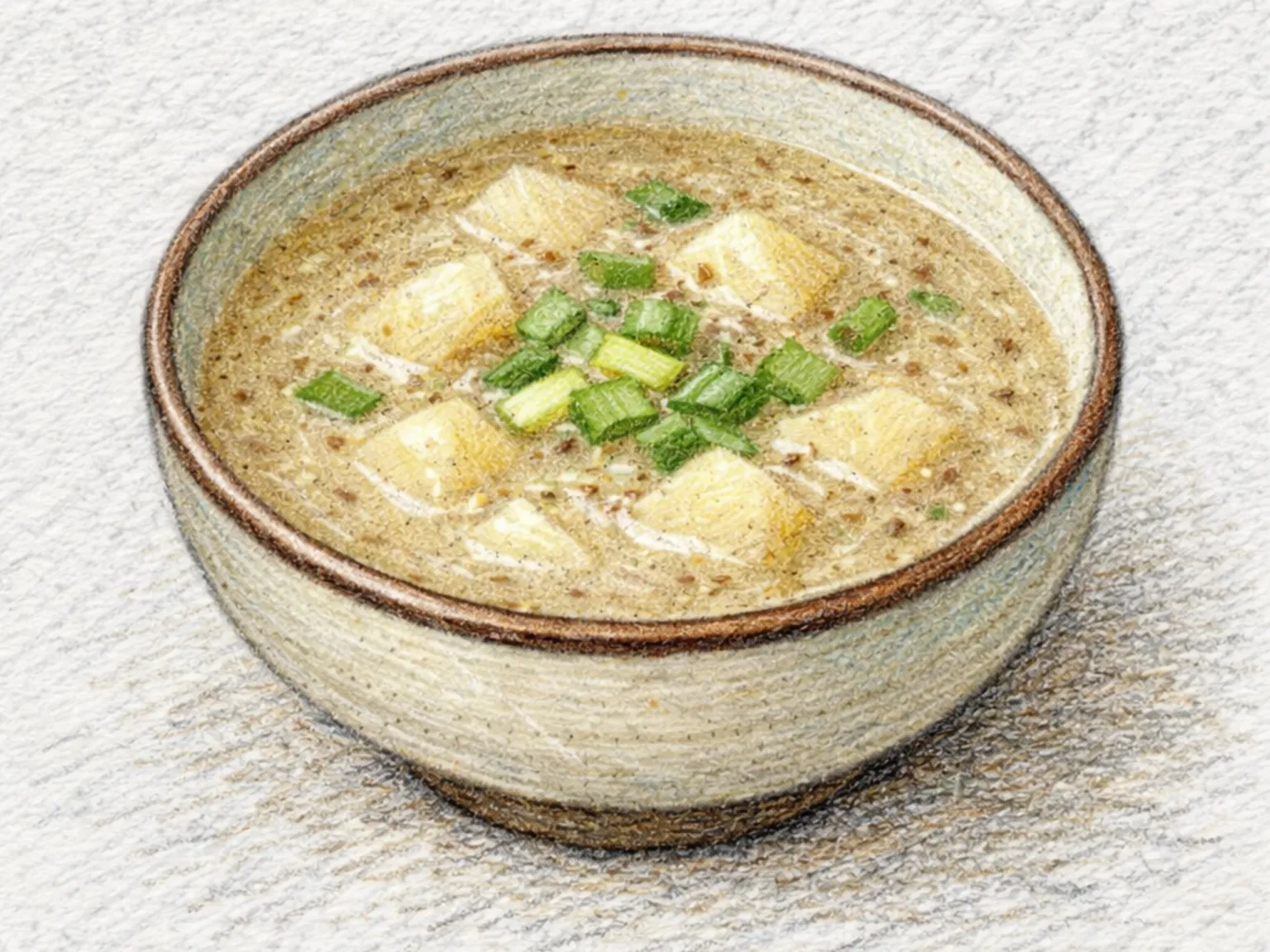
Torandae deulkkae jjim is a rustic Korean dish of boiled taro stems braised with soup soy sauce and ground perilla seeds. The stems are first stir-fried in perilla oil to drive off any lingering sharpness, then simmered covered until their fibers soften and absorb the seasoning. Ground perilla added near the end thickens the liquid into a creamy consistency and fills the dish with a roasted, nutty aroma. Green onion provides a fresh finish. Though fully plant-based and made from simple pantry staples, the combination of perilla and soy produces an earthy depth that makes a satisfying accompaniment to a bowl of rice.

🎉 Special Occasion🍱 Lunchbox
Prep 20minCook 35min4 servings