Soba Sesame Salad (Chilled Buckwheat Noodle Sesame Dressing)
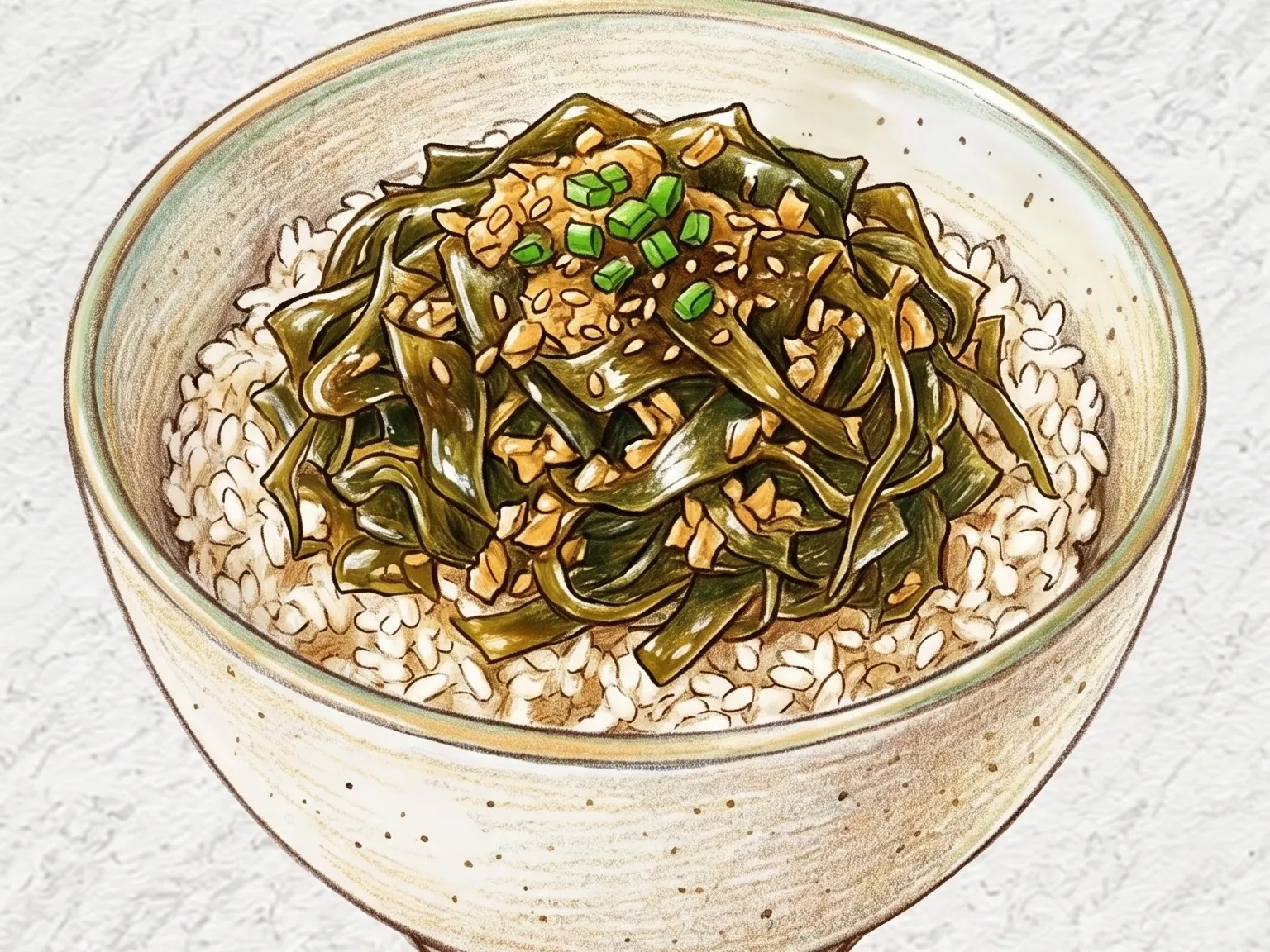
Soba sesame salad is a cold noodle dish in which cooked buckwheat noodles are rinsed repeatedly in cold water to remove surface starch, then tossed with julienned cucumber, carrot, and red cabbage in a dressing of soy sauce, rice vinegar, sesame oil, and sesame seeds. The earthy, nutty character of buckwheat pairs naturally with toasted sesame, and rice vinegar's light acidity keeps the dish from feeling heavy despite the sesame oil. Thorough rinsing in cold water is the technical cornerstone of this recipe: residual starch left on the noodles dilutes the dressing on contact and causes the strands to clump into an uneven mass, disrupting the balance of flavors in every bite. Cucumber and red cabbage introduce a fresh crunch that contrasts the springy noodle texture, and julienned carrot threads a mild sweetness through the bowl that offsets the saltiness and acidity of the dressing. Cutting the vegetables into thin, uniform strips allows them to distribute evenly among the noodles so that each forkful carries a balanced mix. The dressing should be mixed in advance but added to the noodles only just before serving, since soaking too long causes the noodles to absorb the liquid and soften. A light and satisfying single-bowl meal, particularly well suited to warmer months.

Korean Buckwheat Noodle Salad
Buckwheat noodles boiled and rinsed in cold water retain both their earthy, slightly nutty flavor and a satisfying springy bite, then get tossed with julienned cucumber, red cabbage, and carrot for color and crunch. A dressing of gochujang and vinegar provides a spicy-sour backbone, while soy sauce and sesame oil layer in savory depth and aromatic nuttiness underneath. Thorough rinsing to remove surface starch is critical - it keeps the noodles from clumping and ensures the dressing coats each strand evenly rather than pooling at the bottom of the bowl. Served chilled in warm weather, the salad functions well as a standalone light meal, refreshing enough to restore appetite without leaving you heavy. Toss the dressing in just before eating to prevent the noodles from softening.

Korean Soy-Glazed Chicken Wings
Daknalgae-ganjang-gui is a Korean soy-glazed chicken wing dish coated in a sauce of soy sauce, oligosaccharide syrup, minced garlic, ginger powder, and a splash of vinegar, then baked in an oven or air fryer. The vinegar softens the saltiness of the soy while cutting through the richness of the chicken skin. The oligosaccharide syrup thickens under heat into a glossy, clinging glaze that coats each wing evenly. Scoring the joints before cooking allows the marinade to seep into the inner crevices and promotes even heat distribution so the meat near the bone cooks through completely. A finish of sesame oil and toasted sesame seeds rounds out the savory soy glaze with a warm, nutty aroma. When using an air fryer, baking at 180 degrees Celsius for twenty minutes and then flipping for five more produces a satisfyingly crisp skin without drying out the meat.

Korean Seasoned Pollock Roe Banchan
Myeongranjeot-muchim dresses raw salted pollock roe with a near-minimal seasoning - a paradoxical dish where less seasoning produces more flavor, because the roe's own brininess and umami are the point. Korean myeongranjeot differs from Japanese mentaiko in being less aggressively salted and not coated in chili marinade by default. The membrane is peeled away and the loose eggs are placed in a bowl with sesame oil, a pinch of gochugaru, and finely sliced scallion, then folded together gently - vigorous stirring crushes the individual eggs and destroys the pop-on-the-tongue texture that defines the dish. The gochugaru adds a whisper of warmth and color without masking the roe's marine depth. Spooned over hot rice and mixed through, this banchan is an intense rice-thief - a small portion can carry an entire bowl of steamed rice. Substituting perilla oil for sesame oil shifts the flavor profile toward a cleaner, more neutral nuttiness.

Korean Cockle & Water Parsley Mixed Rice
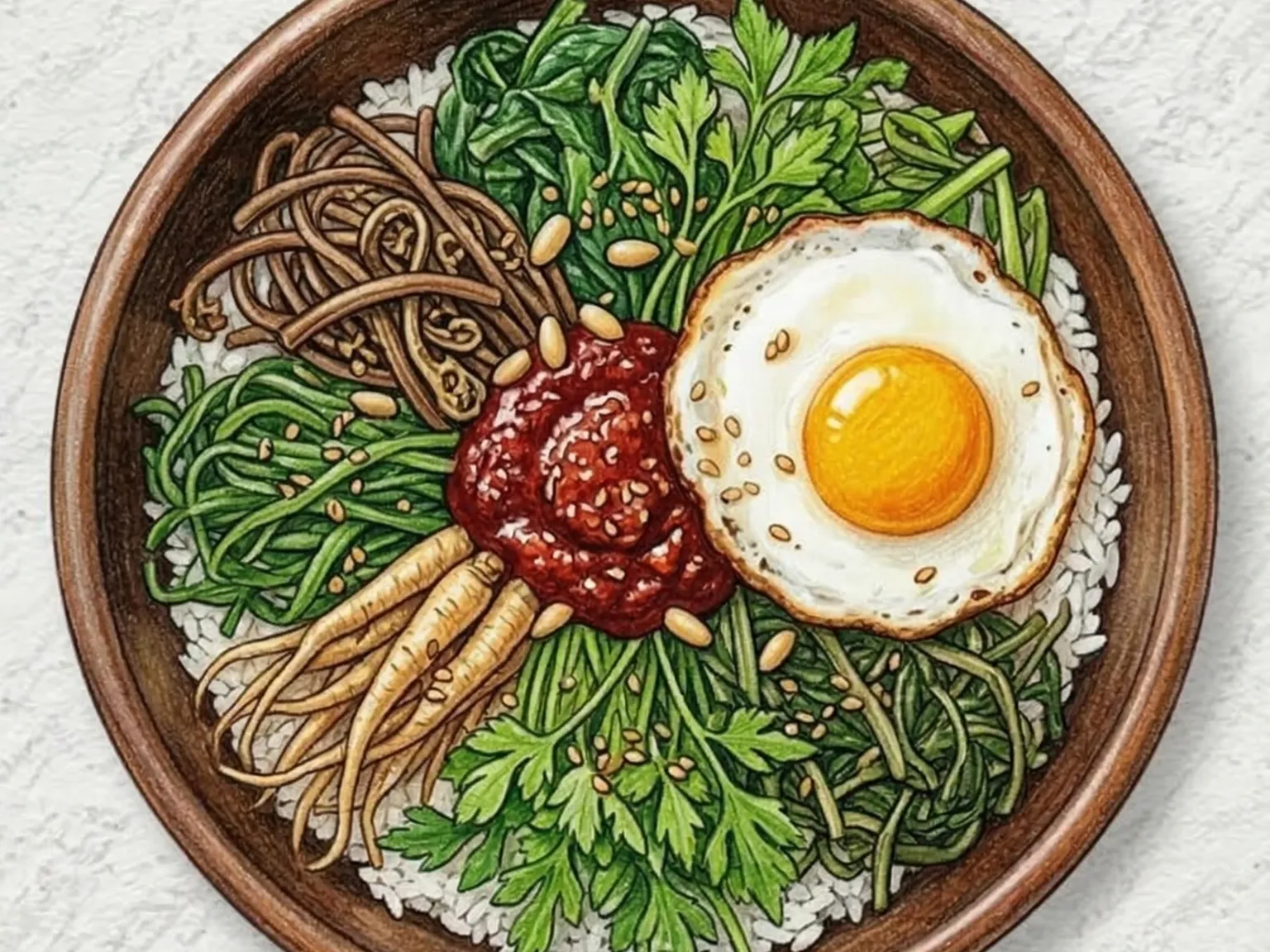
Kkomak-minari bibimbap is a seasonal rice bowl that comes together when cockles are at their peak in early spring, pairing the ocean sweetness of briefly blanched cockle meat with the clean, grassy sharpness of raw water parsley (minari). The cockle meat is rinsed in light salt water to remove any residual sand, then blanched for no more than thirty seconds in boiling water so the flesh stays springy rather than contracting into a rubbery texture. Julienned carrot and zucchini are each stir-fried separately, controlling moisture and flavor independently, then set aside to cool before assembly. A bowl of well-steamed rice is layered with the blanched cockles, the sauteed vegetables, and the raw minari placed on top last to protect its volatile fragrance from the heat below. A bibimbap sauce made from gochujang, sesame oil, minced garlic, and a touch of vinegar ties everything together when mixed, balancing the briny umami of the cockles against the brightness of the parsley. Sesame oil and toasted sesame seeds added at the end round the flavors and give the bowl a warm, nutty finish.

Korean Squid Glass Noodle Stir-Fry
Ojingeo japchae is a seafood variation of the Korean glass noodle stir-fry that replaces the traditional beef with squid, combining chewy dangmyeon with spinach, carrot, and onion in a soy-sugar sauce. Peeling the squid and scoring the inner surface in a crosshatch pattern before slicing allows the seasoning to reach the full surface area and softens the otherwise tough texture when cooked. Stir-frying the squid with garlic for a short time only is essential, as prolonged heat causes it to turn rubbery and push moisture out into the pan. The glass noodles should be boiled for no more than six minutes to preserve their elastic, springy bite and prevent them from clumping and falling apart during the stir-fry. Spinach is blanched separately and squeezed firmly dry before being added so that excess water does not make the whole dish soggy. The sweet-salty base of soy sauce and sugar is finished with sesame oil and toasted sesame seeds, whose nutty fragrance ties together the oceanic umami of the squid, the resilient chew of the noodles, and the crisp texture of the vegetables into one cohesive plate.

Korean Mushroom Porridge (Silky Shiitake Sesame Porridge)
Shiitake mushrooms and onion are sauteed in sesame oil to build a deep aromatic base, then simmered with soaked rice and water for 35 minutes until the grains break down into a silky porridge. Despite containing no meat, the natural glutamates in shiitake produce a full-bodied broth, sharpened with a finish of soy sauce and black pepper. Using rehydrated dried shiitake instead of fresh intensifies the woodsy fragrance further, and adding the soaking liquid to the pot deepens the broth even more. A few drops of sesame oil stirred in just before serving leave a nutty note in each spoonful. Mild and settling, it works as a morning meal or as something to eat when the stomach needs rest.

Korean Seasoned Cockle Salad
Kkomak-muchim is a seasoned cockle banchan that has become inseparable from the town of Beolgyo in South Jeolla Province. Beolgyo sits at the meeting point of wide tidal flats with strong current flow, producing an environment rich in organic matter where true cockles (cham-kkomak) grow plump, sweet, and full. The season runs from November through March, the months when the meat is at its densest and most flavorful. Cooking precision determines the outcome: stirring only in one direction once the water reaches a boil ensures all the shells open evenly rather than at staggered intervals, and the cockles must be removed at the four-minute mark before the flesh contracts and turns rubbery. The shells are pried apart immediately after lifting, the meat collected and drained well so the dressing does not turn watery. The seasoning is built from gochugaru, soy sauce, vinegar, sugar, and minced garlic, all mixed into a tangy, spicy paste that coats each cockle in a bright, assertive layer. Sliced green onion adds freshness, sesame oil adds a roasted fragrance, and a ten-minute rest after mixing allows the dense cockle meat to absorb the dressing from the surface inward. This is among the most sought-after seasonal banchan in Korean cuisine and a central part of what makes Beolgyo food culture distinctive.

Korean Grilled Neobiani Beef Patties
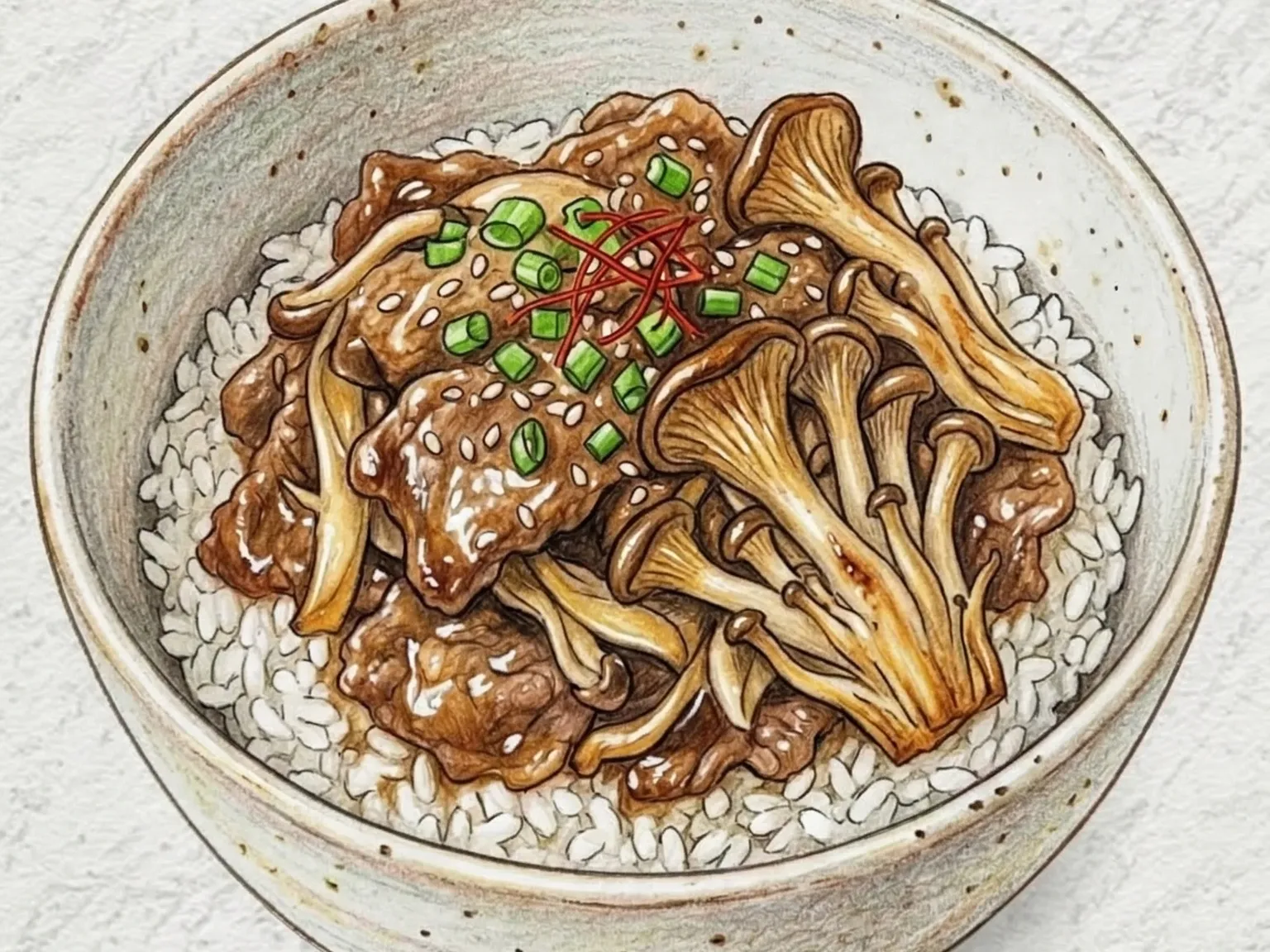
Neobiani-gui is a Korean royal-court grilled beef patty made by kneading finely minced beef with minced onion, green onion, soy sauce, sugar, garlic, sesame oil, and black pepper, then shaping the mixture into thin oval patties and pan-frying until caramelized. The dish traces its origins to the royal court cuisine of the Joseon dynasty, where the seasoning was kept deliberately restrained to let the beef's natural flavor take center stage. Squeezing excess moisture from the minced onion before mixing strengthens the patty's structure, and the onion's natural sugars caramelize during cooking, adding a gentle, almost floral sweetness to the crust. Resting the shaped patties in the refrigerator for fifteen minutes firms the protein bonds so the patties hold their shape in the pan. Cooking over medium-low heat is essential: the surface develops a glossy, lacquered sear while the interior cooks through evenly, and excessive heat risks charring the outside before the center is done. The finished patties carry a thin, aromatic glaze from the soy sauce and sesame oil, making them a refined centerpiece on the Korean table.

Kimchi Soegogi-guk (Fermented Kimchi Beef Soup)
Kimchi-soegogi-guk is a Korean soup that unites two powerhouse ingredients, well-fermented kimchi and beef, in a ruddy, aromatic broth. The beef is stir-fried in sesame oil first, building a savory foundation, then chopped kimchi joins the pan and cooks until its acidity mellows and merges with the rendered fat. Water is added, and as the pot simmers, the kimchi continues to break down, thickening the liquid and staining it a deep red. Soup soy sauce and garlic adjust the seasoning, while blocks of tofu absorb the surrounding flavors and provide a soft counterpoint to the chewy beef. The finished soup is hearty and warming, with the tangy complexity of aged kimchi meeting the clean savoriness of beef in every spoonful. It pairs inseparably with a bowl of steamed rice, which soaks up the broth and balances the heat.

Korean Braised Anchovy Side Dish
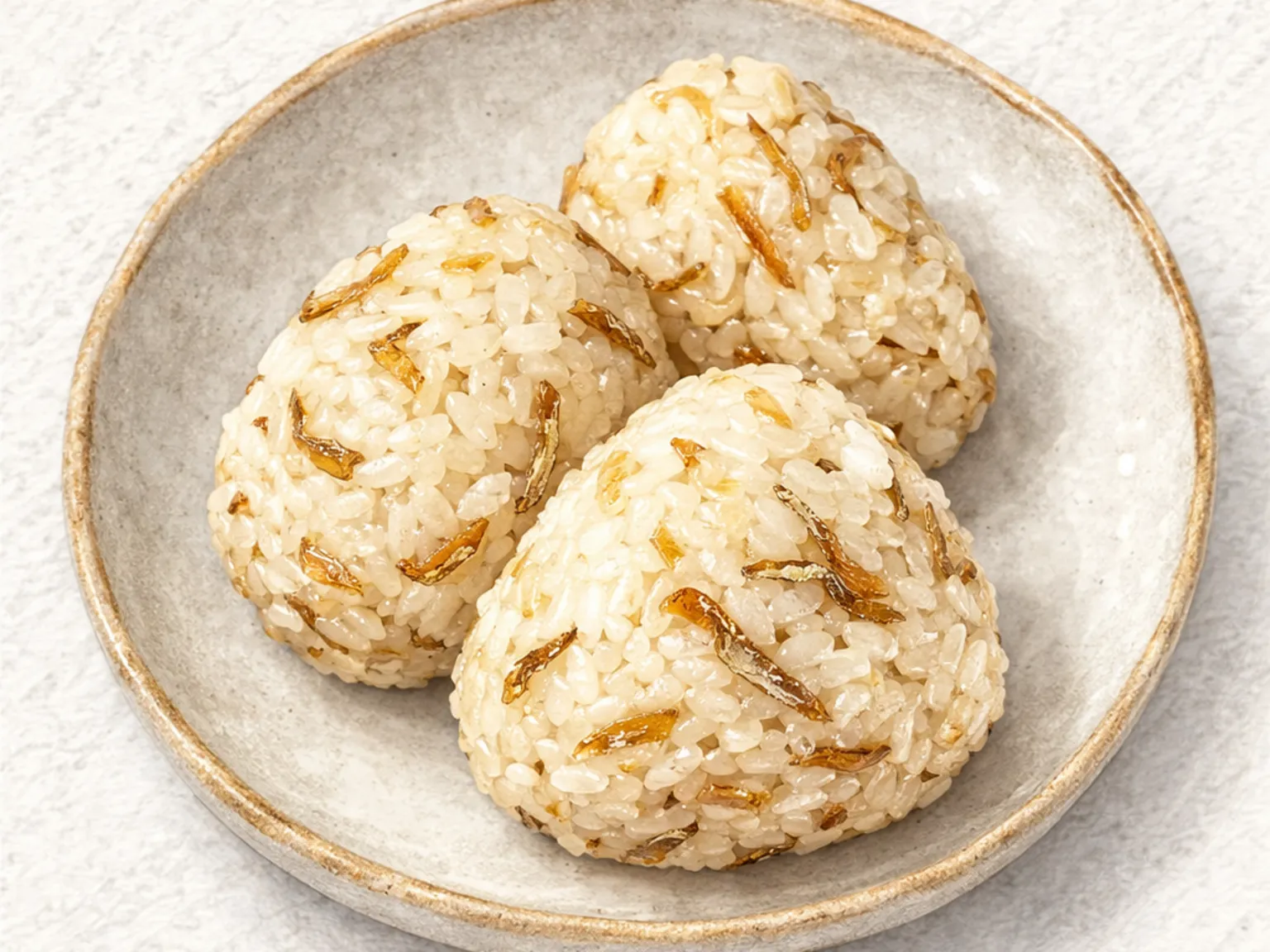
Myeolchi-jorim simmers tiny dried anchovies in soy sauce, rice syrup, and garlic into a moist, glazed banchan that contrasts fundamentally with stir-fried anchovy preparations. Where bokkeum chases crispness by cooking over high heat with minimal liquid, jorim pursues the opposite - anchovies braise in a seasoned liquid on low heat until they absorb it from the inside out, becoming pliant and saturated with sweet-salty flavor all the way through their flesh. A one-minute dry toast in a bare pan removes any residual fishiness before soy sauce, syrup, minced garlic, and water go in together, simmering uncovered for ten minutes while the liquid steadily reduces. As the sauce thickens, a sticky dark glaze wraps around each anchovy; biting one releases a rush of seasoned juice from within rather than the crunch of a dehydrated fish. Sesame seeds and sesame oil stirred in off heat add a final layer of warmth and nuttiness. Once fully cooled, the reduced sauce thickens further into an almost jelly-like coating that holds the anchovies together in a satisfying cluster. Stored in an airtight container in the refrigerator, myeolchi-jorim keeps well for over a week and the flavor continues to deepen as the anchovies sit in the congealed glaze.

Korean Abalone Porridge (Jeonbok Juk)
Abalone innards are sauteed in sesame oil until they release a green tint and briny aroma, then simmered with soaked rice on low heat for over 30 minutes into a nourishing porridge. The freshness of the innards dictates both the porridge's color and depth of flavor, with vivid green being the sign of quality. Thinly sliced abalone meat goes in near the end so it stays chewy rather than turning rubbery, and frequent stirring throughout prevents the bottom from scorching. An egg yolk placed on top creates a visual contrast against the greenish porridge and, once broken and mixed in, adds a layer of richness.

Korean Tofu and Kimchi Stir-Fry
Dubu-kimchi-bokkeum is a Korean home-cooking classic that pairs pan-fried tofu with well-fermented napa cabbage kimchi in a quick stir-fry. The tofu is browned first on both sides until a thin crust forms, which keeps the pieces intact during the subsequent frying and gives each bite a firm exterior against the softer interior. A small amount of pork belly, rendered first, contributes fat that mellows the sharp acidity of the kimchi and acts as a flavor bridge between the two main components. The contrast between the mild, slightly nutty tofu and the tangy, spicy kimchi is the defining dynamic of the dish: neither dominates, and each makes the other taste more distinct. Deeply fermented kimchi, aged past the fresh stage, works best here because the stir-fry heat drives off the raw sourness and amplifies the underlying umami. Sesame oil and toasted sesame seeds are scattered over the finished dish, adding a nutty fragrance that rounds out the heat. Served as a snack with drinks or as a side over steamed rice, it occupies a reliable place on the Korean home table.

Korean Soy-Glazed Kabocha Grill
Danhobak-ganjang-gui is a Korean soy-glazed kabocha squash dish where thick half-moon slices are pre-steamed or microwaved until just tender, then pan-grilled with a glaze of soy sauce, corn syrup, minced garlic, and sesame oil. Pre-cooking the squash is essential: it eliminates the need for prolonged grilling, so the glaze can caramelize quickly over high heat without the interior remaining raw. The natural sugars in kabocha meet the salt of the soy sauce to create a pronounced sweet-salty contrast. The corn syrup melts into a shiny, lacquer-like coating on the surface. Sesame oil should be added only after removing from heat to preserve its fragrance, and a scattering of toasted sesame seeds finishes the dish with a crunchy, nutty accent. Kabocha squash skin is fully edible and becomes slightly crisp when grilled, creating a pleasant textural contrast with the soft, sweet interior. Substituting a spoonful of gochujang for part of the soy sauce produces a spicy variation, and minced cheongyang chili added to the glaze layers heat over the sweet-salty profile for a more intense side dish.

Korean Seasoned Butterbur Stems
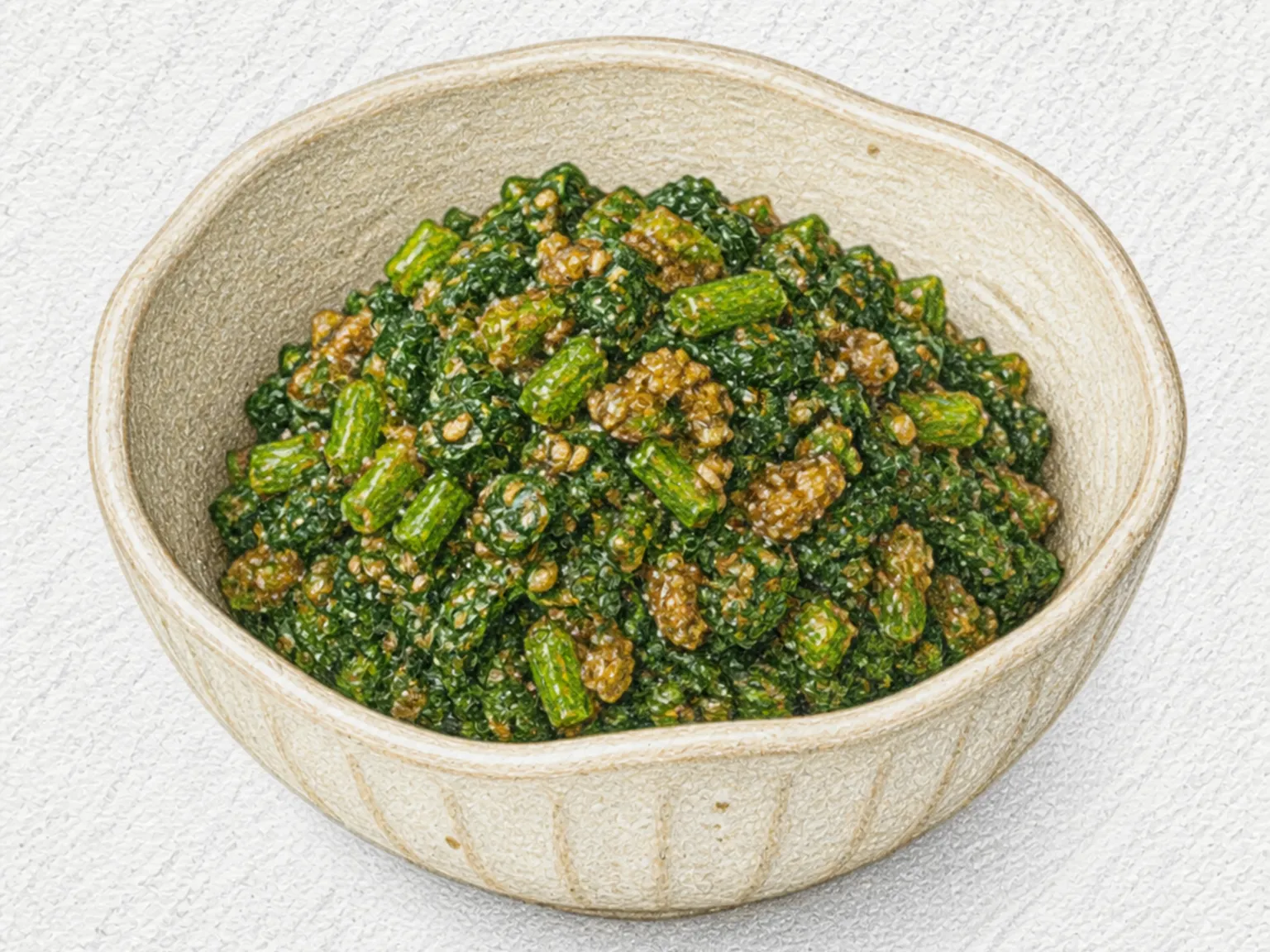
Meoui-namul-muchim is a seasonal spring namul made by blanching butterbur stems and dressing them with doenjang and ground perilla seeds. Butterbur grows wild along hillsides and stream banks throughout Korea. The stems are the edible part; the leaves contain pyrrolizidine alkaloids and are generally not consumed. Peeling the tough outer skin from each stem before cooking is a required preparation step, since unpeeled stems leave unchewable fibers in the mouth even after blanching. The blanching process drives off about half of the plant's inherent bitterness, leaving a subtle astringent quality that creates a layered interplay between the earthy savoriness of doenjang and the nutty richness of perilla seed powder. Adding perilla generously softens the bitter edge and makes the dish more approachable. March through April is peak season, when fresh butterbur appears briefly at Korean markets. Dried butterbur rehydrated in water is available year-round as a substitute but cannot replicate the fragrance and texture of the fresh spring harvest. The faint bitterness and herbal aroma typical of spring greens make this namul a classic palate-awakening side dish.

Korean Braised Chicken with Burdock
Ueong dak jorim is a Korean braised dish that simmers boneless chicken thigh and burdock root together in soy sauce, sugar, and ginger juice until the liquid reduces and the glaze thickens around each piece. Soaking the burdock in vinegar water draws out the astringent bitterness that raw burdock carries, and marinating the chicken in cooking wine and ginger beforehand removes any lingering gamey odor. Once both are added to the pot, low heat does the work over at least eighteen minutes, bringing the braising liquid down by half and building a glossy, clinging sauce. A final drizzle of sesame oil at the end ties the aroma together and rounds out the flavor. The finished dish sets the crisp yet slightly chewy texture of burdock against the moist tenderness of chicken thigh, with a sweet-savory profile that makes it a reliable companion to steamed rice.

Korean Seasoned Spinach (Garlic Sesame Oil Blanched Namul)
Sigeumchi-namul blanches 300 grams of spinach in salted boiling water for exactly 30 seconds - any longer and the leaves turn mushy. An immediate rinse in cold water stops the cooking and locks in the bright green color. After squeezing out as much water as possible, the spinach is cut into 5-centimeter lengths and dressed by hand with minced garlic, soy sauce, sesame oil, and a pinch of salt. Mixing by hand rather than with utensils ensures the seasoning reaches every fold and crevice of the wilted leaves. Sesame seeds finish the dish with a light crunch, and the result is a clean, nutty-flavored namul that appears on nearly every Korean home-cooked table.