Charim

2686 Korean & World Recipes

2686+ Korean recipes, clean and organized. Ingredients to instructions, all at a glance.

Recipes with sesame oil

24 recipes

Buy sesame oil
Korean Five-Color Songpyeon
Street foodHard

Korean Five-Color Songpyeon

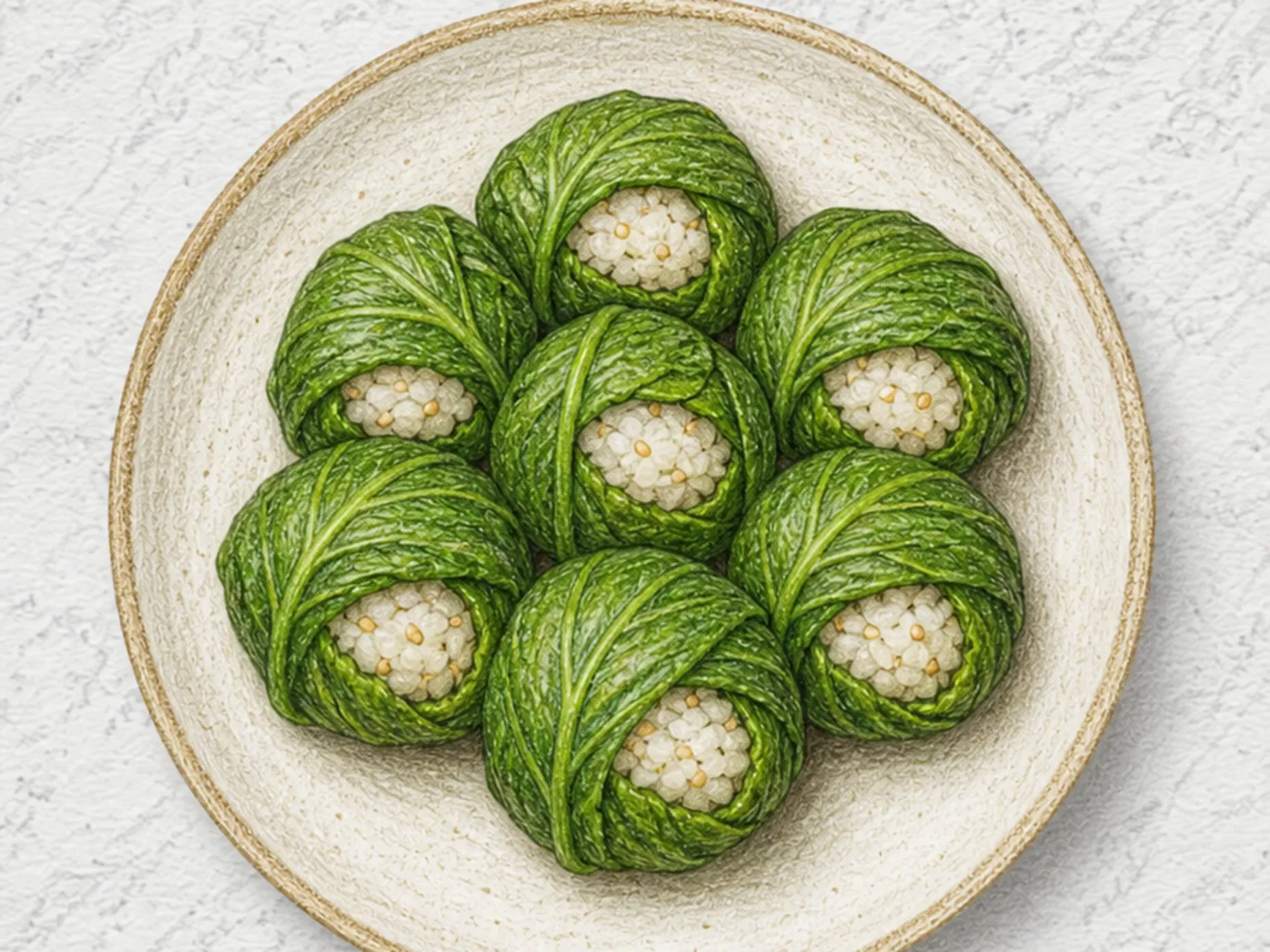
Osack songpyeon are five-color rice cakes made for Chuseok, Korea's harvest festival. Rice flour dough is divided into portions and tinted with natural colorants including mugwort powder for green, gardenia water for yellow, and grape juice for purple, then kneaded with boiling water to develop a chewy, cohesive texture that raw-water dough cannot achieve. Each piece is filled with toasted sesame mixed with sugar or with sweetened red bean paste, then carefully pinched shut and shaped into a half-moon. Steaming for 20 minutes on a thick bed of pine needles imparts a subtle resinous fragrance to the surface, creating a layered aroma of wood and cooked grain that is distinctive to songpyeon and nothing else. A brush of sesame oil applied immediately after steaming gives each cake a glossy finish and prevents them from sticking together as they cool. The temperature and quantity of the boiling water during the kneading stage are the main variables that determine whether the final texture is perfectly chewy or disappointingly stiff. Traditionally, the entire family gathers the night before Chuseok to shape the rice cakes together, and that shared effort is considered inseparable from the taste.

🎉 Special Occasion
Prep 60minCook 30min6 servings
Korean Stir-Fried Bamboo Shoots
Side dishesEasy

Korean Stir-Fried Bamboo Shoots

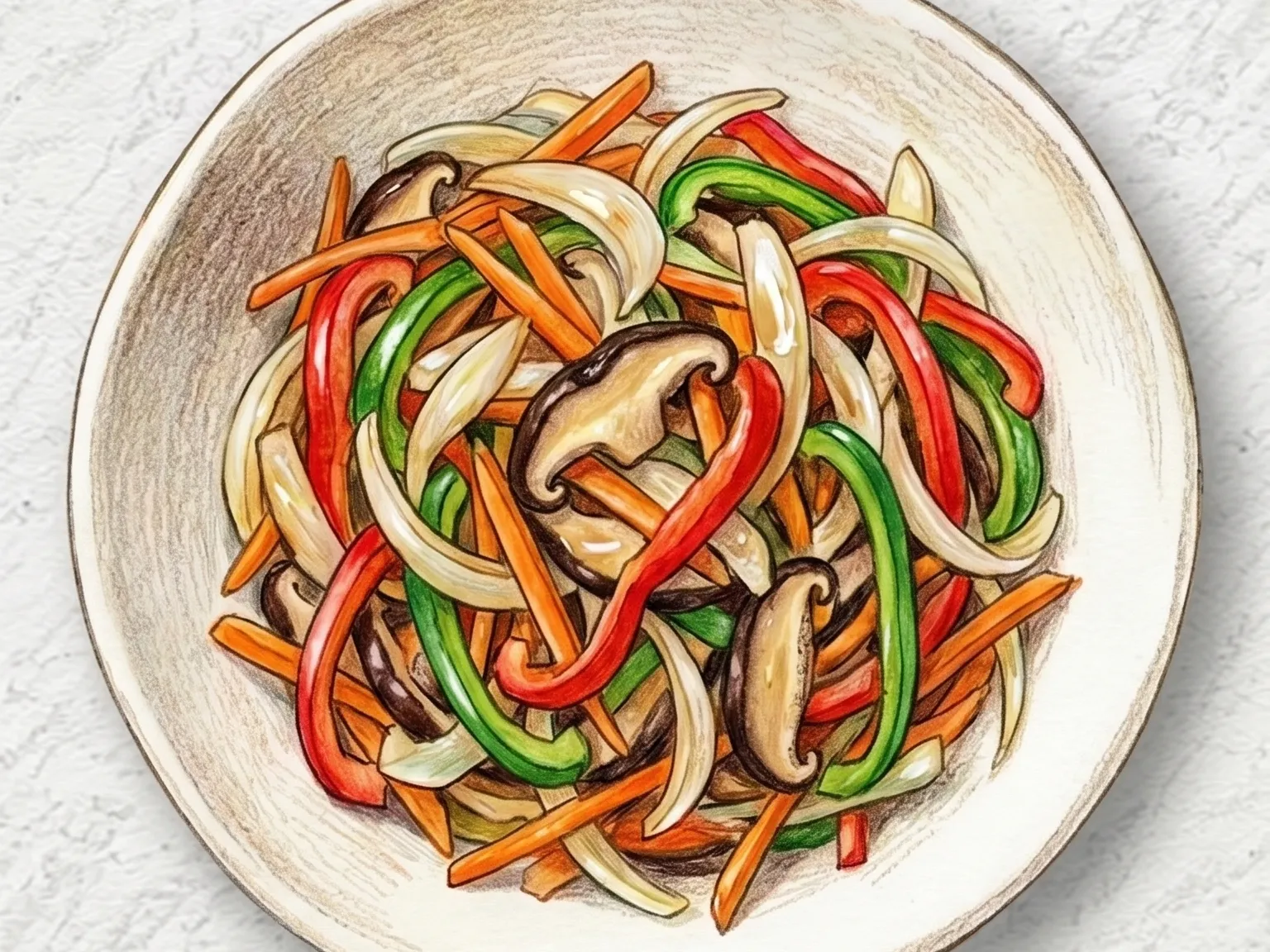
Juksun-bokkeum is a soy-seasoned stir-fry of bamboo shoots, a banchan closely tied to spring, when fresh juksun appears briefly in Korean markets from April through May, primarily from Damyang in Jeollanam-do. Fresh shoots carry oxalic acid, which must be neutralized by boiling them in rice-rinsing water for at least thirty minutes; skipping this step leaves a harsh, bitter aftertaste. Canned or vacuum-packed shoots, available year-round, need a thorough rinse under running water to remove the metallic tinned flavor before cooking. Julienned bamboo shoots are stir-fried with carrot and onion over high heat for a short, controlled burst. Prolonged cooking draws out moisture and turns the shoots rubbery, so timing is crucial. The seasoning is deliberately understated: soy sauce, a pinch of sugar, minced garlic, and a finishing drizzle of sesame oil produce a subtly sweet, nutty dish that lets the natural crunch of the shoots come through. Bamboo shoots are rich in dietary fiber and notably low in calories, making this banchan a filling choice for those watching their intake.

🏠 Everyday🍱 Lunchbox
Prep 12minCook 8min4 servings
Korean Spicy Whelk Bibim Guksu
NoodlesEasy

Korean Spicy Whelk Bibim Guksu

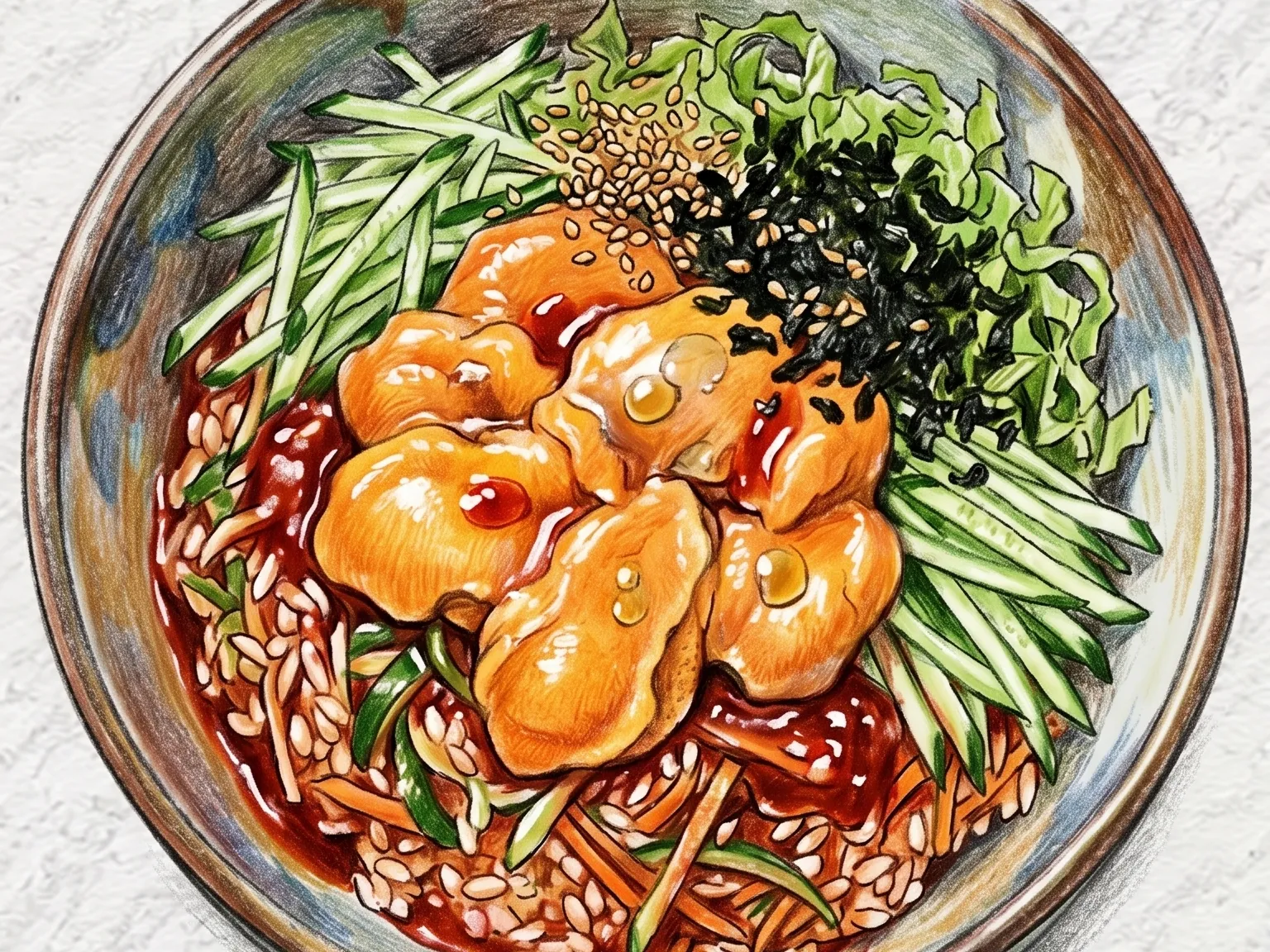
Golbaengi bibim-guksu is a cold mixed noodle dish built around chewy canned whelk tossed in a spicy-tangy sauce, widely enjoyed as a drinking snack in Korea. Gochujang and gochugaru set the heat level, while vinegar and sugar counter with a sharp sweetness, and sesame oil rounds everything out with a nutty finish. Julienned cucumber and onion contribute a crisp crunch that contrasts with the springy whelk and the slippery noodles. The somyeon must be rinsed immediately in ice water after boiling to lock in their firm, bouncy texture before mixing with the sauce. Adding a small splash of the whelk canning liquid into the sauce deepens the umami base, and rinsing the whelk itself under cold water controls the salinity.

🍺 Bar Snacks
Prep 18minCook 7min2 servings
Korean Seoul-style Soy Bulgogi
Stir-fryEasy

Korean Seoul-style Soy Bulgogi

Seoul-style soy bulgogi marinates thin-sliced beef in a straightforward combination of soy sauce, pear juice, garlic, sesame oil, and a measured amount of sugar, producing a clean sweet-savory flavor without the heavy spicing of regional variations. Pear juice serves two functions simultaneously: the natural enzymes in fresh pear tenderize the muscle fibers while the fruit's mild sweetness rounds out the saltiness of the soy sauce. Onion and green onion are stir-fried together with the meat so their sugars caramelize slightly into the sauce. Cooking on a fully preheated pan over high heat is essential because the meat needs to sear quickly rather than steam in its own released liquid. If the pan is not hot enough when the beef goes in, the moisture from both the meat and the marinade creates a braising effect that dulls both the smoky wok flavor and the final texture. Apple juice is an acceptable substitute for pear juice when pear is unavailable and produces a similar tenderizing result. Because the seasoning holds up well even after cooling, Seoul-style soy bulgogi is a reliable lunchbox side dish.

🏠 Everyday🍱 Lunchbox
Prep 18minCook 10min2 servings
Korean Seasoned Seaweed Flakes
Side dishesEasy

Korean Seasoned Seaweed Flakes

Gim-muchim uses the same ingredients as stir-fried gim but takes a different direction. Lightly toasted seaweed is torn by hand into larger pieces, then tossed with green onion, garlic, soy sauce, sesame oil, and gochugaru into a seasoned side dish. Toasting the seaweed over a flame first draws out its fragrance, and tearing it into large pieces ensures some areas stay crisp even after the sauce is added. The sharp bite of green onion and the gentle heat of gochugaru meet the seaweed's marine character for a fresher, lighter result than the stir-fried version. The dish must be eaten immediately after tossing - seaweed absorbs moisture from the sauce quickly and loses its texture - so only as much as will be consumed at once should be prepared. As a side with rice, it is simple but satisfying, carrying enough umami to complete a bowl even when other banchan are few. Using fish sauce in place of soy sauce shifts the umami profile, and extra sesame seeds deepen the nutty fragrance.

🏠 Everyday🍱 Lunchbox
Prep 8minCook 4min2 servings
Korean Seasoned Bracken Fern
Side dishesEasy

Korean Seasoned Bracken Fern

Gosari, the Korean name for bracken fern, is one of the oldest foraged vegetables in Korean cooking, with consumption records tracing back to the Three Kingdoms period. It is a mandatory component of bibimbap and a required dish on jesa, the ancestral rite table set for ceremonies honoring the dead. Dried gosari must soak overnight in cold water and then boil until the tough, wiry fibers relax into a distinctively springy, almost elastic chew that no fresh vegetable can replicate. The rehydrated fern is stir-fried in perilla oil with minced garlic until fragrant, then a small amount of soup soy sauce and water goes in and the pan is covered to let the liquid absorb and the fern braise briefly. This short braising step is what rounds the flavor and ensures the seasoning penetrates the fibrous strands rather than sitting only on the surface. Perilla oil is the traditional fat of choice rather than sesame oil because its green, herbal quality pairs more naturally with the woodsy, forest-floor flavor of gosari, amplifying rather than competing with it. Large batches are typically made during Chuseok or Seollal and eaten over several days, as the flavor improves and deepens as the dish sits.

🏠 Everyday🎉 Special Occasion
Prep 15minCook 15min4 servings
Korean Spicy Cucumber Salad
Side dishesEasy

Korean Spicy Cucumber Salad

Oi-muchim - Korean spicy cucumber salad - is one of the most frequently served vegetable banchan on summer Korean tables, tossing thinly sliced cucumber in gochugaru, garlic, vinegar, and sesame oil. Slicing the cucumber as thin as possible with a mandoline or knife is important - thin slices absorb the dressing rapidly and deliver a texture that is simultaneously crunchy and yielding. Salting for ten minutes and squeezing out the released water is the pivotal step; undrained cucumber turns the dressing into a diluted puddle. The seasoning mixes gochugaru, minced garlic, vinegar, sugar, sesame oil, and sesame seeds - vinegar amplifies the cucumber's natural freshness while gochugaru provides a gentle trailing heat. Assembling immediately before serving is essential, as osmotic action wilts the cucumber within thirty minutes. This banchan tops naengmyeon and bibimbap or stands alone alongside rice. When summer heat suppresses appetite, oi-muchim is often the first dish Korean diners reach for - its cool, sharp bite cuts through the lethargy.

🏠 Everyday🍱 Lunchbox
Prep 15min4 servings
Korean Minari Bulgogi Bibim Udon
NoodlesMedium

Korean Minari Bulgogi Bibim Udon

Minari bulgogi bibim udon is a Korean mixed noodle dish combining soy-marinated beef bulgogi with fragrant water dropwort over chewy udon noodles. The beef is marinated for ten minutes in soy sauce, garlic, and syrup, then stir-fried quickly with onion over high heat to develop caramelized edges while keeping the interior moist. Udon is blanched for two minutes and rinsed in cold water to restore its springy chew. A gochujang, soy sauce, and sesame oil dressing coats the noodles first, then the bulgogi and minari are folded in gently at the end so the herb's distinctive aroma stays intact rather than wilting away. Sesame seeds scattered on top add a final nutty accent that bridges the savory meat and the fresh, grassy minari. Adding a small amount of pear juice or kiwi juice to the marinade tenderizes the beef noticeably, which sharpens the contrast between the silky meat and the firm noodle.

🍺 Bar Snacks
Prep 25minCook 12min2 servings
Wafu Daikon Salad (Shredded Radish with Japanese Soy Dressing)
SaladsEasy

Wafu Daikon Salad (Shredded Radish with Japanese Soy Dressing)

Wafu daikon salad shreds daikon radish into very fine julienne strips and dresses them with a Japanese wafu dressing made from soy sauce, rice vinegar, and sesame oil, finished with bonito flakes and torn nori. Soaking the shredded daikon in cold water for five minutes draws out excess starch and maximizes its crisp, snappy texture - draining and drying thoroughly afterward prevents the dressing from becoming diluted. The dressing layers soy salt over the gentle acidity of rice vinegar and the nuttiness of sesame oil, giving depth to the otherwise neutral radish. Bonito flakes placed on top wave gently in the residual heat and release a smoky umami that permeates the salad. Shredded nori adds a briny crunch that creates textural contrast throughout the bowl.

🥗 Light & Healthy Quick
Prep 15min2 servings
Korean Seasoned Bellflower Root
Side dishesMedium

Korean Seasoned Bellflower Root

Doraji -- balloon flower root -- has been used in Korean cooking since the Goryeo dynasty, valued as both a medicinal herb and a staple namul ingredient. Unlike doraji-bokkeum, which stir-fries the root with gochujang and heat, this cold muchim preserves the characteristic firm, snappy crunch that makes doraji distinctive. The roots are shredded along the grain into thin strips, then vigorously rubbed with salt to draw out the saponins responsible for their sharp bitterness, and rinsed multiple times until the water runs clear. A seasoning of gochujang, vinegar, sugar, and sesame oil works into each fibrous strand, layering sweet, sour, and spicy notes over the residual earthiness of the root. This banchan appears on both Chuseok and Seollal holiday tables as one of the five-color namul, where the white of the doraji root represents the metal element in the five-phase system. Because the root holds its crunch well, this dish can be prepared ahead of time without losing texture, making it a practical choice for large gatherings.

🏠 Everyday🎉 Special Occasion
Prep 30minCook 5min4 servings
Korean Gimbap-Style Rice Bowl
RiceEasy

Korean Gimbap-Style Rice Bowl

Gimbap-bap is a rice bowl that takes all the standard gimbap fillings - egg strips, imitation crab, blanched spinach, and stir-fried carrot - and serves them over sesame-oil-seasoned rice without rolling them in seaweed. The familiar flavor combination of gimbap is preserved while the rolling step is eliminated, which cuts preparation time considerably and allows each topping to be adjusted to taste. Adding pickled radish and fish cake on the side brings the result closer to the complete profile of traditional gimbap. The rice seasoned with sesame oil and salt serves as the unifying base that holds the individual flavors of each component together. It is particularly well-suited to quick solo meals.

🏠 Everyday🍱 Lunchbox
Prep 20minCook 10min1 servings
Korean Tuna Gimbap (Chamchi Gimbap)
RiceMedium

Korean Tuna Gimbap (Chamchi Gimbap)

Chamchi gimbap is a Korean seaweed rice roll filled with canned tuna mixed with mayonnaise, along with carrot, spinach, and pickled radish, all wrapped in seasoned rice and a sheet of roasted gim. The creamy tuna filling contrasts with the crisp vegetables, while the tangy pickled radish cuts through the richness and keeps each bite lively. A longtime staple in Korean lunchboxes and picnic spreads, the roll slices neatly into rounds that are easy to eat without utensils. Sesame oil brushed on the outside adds a subtle sheen and a nutty aroma. Spacing the fillings evenly before rolling ensures a clean, colorful cross-section with every cut - part of what makes well-made gimbap visually satisfying alongside the taste.

🍱 Lunchbox
Prep 20minCook 10min2 servings
Korean Kimchi Acorn Jelly Rice Bowl
RiceEasy

Korean Kimchi Acorn Jelly Rice Bowl

Acorn jelly (dotorimuk) is sliced into strips, placed over rice, and drenched in a chilled broth made from kimchi juice, cold water, and a touch of sugar. The jelly's slippery, bouncy texture contrasts with the crunch of chopped kimchi, while the tangy broth refreshes the palate with every spoonful. A light toss of sesame oil on the rice provides a nutty base, and roasted seaweed flakes add an ocean-like finish. Adding ice cubes makes it even more bracing, a distinctly Korean way to beat summer heat with a cold, brothy rice bowl. If the kimchi is too tart, a small addition of sugar rounds the flavor into balance.

🥗 Light & Healthy🏠 Everyday
Prep 20minCook 10min2 servings
Korean Seaweed Jangjorim Rice Bowl
RiceMedium

Korean Seaweed Jangjorim Rice Bowl

Beef eye of round is simmered slowly in soy sauce, sugar, and garlic until deeply seasoned throughout, then pulled apart by hand along the grain and braised again with quail eggs so they absorb the concentrated braising liquid. The jangjorim is spooned generously over warm white rice and finished with a heavy crumble of gamtae seaweed, whose crisp, ocean-fresh fragrance contrasts sharply with the salty-sweet braised meat beneath. Gamtae is a winter seaweed harvested from Korean coasts that carries a toasty, sesame-adjacent aroma when dried, and its papery crunch disappears quickly once exposed to moisture, making timing essential. The braising liquid left over in the pot is too flavorful to discard and can be repurposed as a mixing sauce for bibimbap or used to season blanched greens. Adding the gamtae at the very last moment before eating, rather than during plating, preserves both its texture and its fragrance. The bowl layers salt, sweetness, deep umami from the soy-reduced meat, and the clean smell of the sea into a compact, satisfying combination.

🏠 Everyday
Prep 15minCook 25min2 servings
Korean Beef Japchae (Soy-Marinated Beef Glass Noodle Stir-Fry)
NoodlesMedium

Korean Beef Japchae (Soy-Marinated Beef Glass Noodle Stir-Fry)

Sogogi japchae is a Korean stir-fried noodle dish made with sweet potato glass noodles, soy-marinated beef strips, and an assortment of individually prepared vegetables. Spinach is blanched, carrots and onions are julienned and stir-fried separately, and each component is combined at the end to preserve its distinct color and texture. The noodles are soaked rather than fully boiled, then finished in the pan so they stay chewy instead of mushy. Soy sauce, sugar, and sesame oil form the seasoning base, giving the dish its characteristic sweet-savory balance.

🎉 Special Occasion
Prep 25minCook 20min4 servings
Korean Seasoned Dried Radish Strips
Side dishesEasy

Korean Seasoned Dried Radish Strips

Mumallaengi-muchim dresses rehydrated dried radish strips in a gochujang-based sauce - a Korean preservation banchan rooted in the pre-refrigeration practice of slicing winter radish and air-drying it in cold winds. Dehydration concentrates the radish's natural sugars and transforms its texture from crisp to chewy, creating a ingredient with more depth than the fresh root. Soaking time determines the outcome: twenty minutes in cold water softens the strips enough to be pleasant while retaining the springy chew that is the whole point of using dried radish. Over-soaking produces a limp, waterlogged result indistinguishable from fresh radish. The dressing blends gochujang, gochugaru, vinegar, sugar, garlic, and sesame oil into a sweet-sour-spicy balance, with vinegar playing a particularly important role - it adds brightness to the dried radish's concentrated, earthy flavor. After mixing, a ten-minute rest allows the sauce to permeate the porous fibers evenly. Because the finished banchan contains almost no free moisture, it travels exceptionally well in lunchboxes and keeps refrigerated for over a week.

🏠 Everyday🍱 Lunchbox
Prep 20min4 servings
Korean Grilled Pork Cheek
GrilledMedium

Korean Grilled Pork Cheek

Dwaeji bolsal gui is a Korean grilled pork cheek dish in which the cheek meat is marinated in soy sauce, minced garlic, and ginger for at least 30 minutes before being seared quickly over high heat. The cheek is the muscle used constantly for chewing, which produces an exceptionally fine-grained texture with dense collagen throughout. Slicing through a piece reveals alternating layers of fat and lean, so the richness shifts with each bite. High heat is non-negotiable for this cut. A hot surface triggers the Maillard reaction, building a well-browned crust while the interior stays juicy. Cooking the same cheek over low heat for an extended time breaks down the collagen completely, leaving the meat soft and flabby rather than springy. Grilling sliced onion and green onion in the same pan and layering them with the cooked pork sharpens the overall flavor, the pungent vegetables cutting through the cheek's deep meatiness.

🍺 Bar Snacks
Prep 25minCook 15min4 servings
Korean Spicy Steamed Baby Octopus
SteamedMedium

Korean Spicy Steamed Baby Octopus

Jjukkumi-jjim is spicy steamed baby octopus marinated for ten minutes in a sauce of gochugaru, gochujang, soy sauce, and minced garlic, then steamed over a bed of cabbage and sliced onion. Baby octopus turns tough very quickly with excess heat, so steaming for roughly ten minutes is essential to keep the texture springy and bouncy. The cabbage absorbs the concentrated spice and provides a mild, slightly sweet contrast to the bold chili seasoning. A drizzle of sesame oil at the finish contributes a warm, nutty aroma that rounds out the heat. The dish is at its best in spring when baby octopus is in season and the ink sacs dissolve into the marinade, adding an extra layer of savory depth. Starting to steam only after the water has reached a full boil ensures the heat surrounds the ingredients evenly, and keeping the lid closed throughout prevents temperature drops that would extend cooking time.

🍺 Bar Snacks🎉 Special Occasion
Prep 20minCook 15min2 servings
Korean Braised Tofu and King Oyster Mushrooms
SteamedEasy

Korean Braised Tofu and King Oyster Mushrooms

Saesongi dubu yangnyeom jorim is a braised side dish of firm tofu and king oyster mushrooms cooked down in a sauce of soy sauce, gochujang, and Korean chili flakes until the liquid is nearly gone and every surface is glazed. Pan-searing the tofu first over low heat until golden builds a crust that keeps it intact through braising and gives the seasoning somewhere to grip. Thick-cut king oyster mushrooms stay springy even after the long braise, while onion woven through the pot contributes a sweetness that softens the heat of the gochujang. Sesame oil stirred in at the end draws all the aromatics together into a cohesive finish. The result is a banchan with layers, gochujang spice, deep soy saltiness, and a savory earthiness from the mushrooms, that holds its flavor cold, making it a natural fit for packed lunches.

🍱 Lunchbox
Prep 12minCook 18min2 servings
Korean Soy-Glazed Chicken Stir-Fry
Stir-fryEasy

Korean Soy-Glazed Chicken Stir-Fry

Chicken thigh meat stir-fries in soy sauce, sugar, and oligosaccharide syrup for a sweet-salty glaze. Garlic and ginger go into the oil first to infuse the fat with fragrance before the chicken is added, letting the aromatics penetrate deep into the meat as it cooks. The oligosaccharide heats into a tacky gloss that coats each piece evenly as the liquid reduces. Sesame oil and whole sesame seeds scattered over the top at the end bring a nutty, aromatic finish. The flavor profile runs close to Japanese teriyaki, but the heavier use of garlic and ginger pushes it toward the more direct, punchy spice character typical of Korean cooking. Boneless thighs cut into bite-sized pieces cook more evenly than larger pieces, and keeping the heat high through most of the cook ensures the surface caramelizes without turning rubbery.

🏠 Everyday🌙 Late Night
Prep 15minCook 15min2 servings
Korean Silken Tofu with Seasoned Soy Sauce
Side dishesEasy

Korean Silken Tofu with Seasoned Soy Sauce

Chilled silken tofu is placed in a bowl and topped with a soy-based seasoning sauce that provides all the flavor the bland tofu needs. Silken tofu is coagulated with less agent than regular tofu, resulting in a custard-like texture that yields to a spoon and dissolves on the tongue. The sauce mixes soy sauce with gochugaru, minced garlic, chopped green onion, sesame oil, and toasted sesame seeds, concentrating salty, spicy, and nutty notes into a single spoonful. Each bite pairs the tofu's neutral softness with the sauce's concentrated punch, creating a rhythm of gentle and sharp that keeps the palate engaged. Sesame oil in the sauce adds a glossy sheen across the tofu's white surface, and the red flecks of chili powder provide a visual contrast that signals the heat to come. The soybean fragrance of the tofu itself acts as a quiet backdrop, grounding the louder flavors of the dressing. Because no cooking is required beyond mixing the sauce, this banchan comes together in minutes and is especially practical on busy evenings.

🏠 Everyday🍱 Lunchbox
Prep 5minCook 2min2 servings
Danggam Jogae Naengchae Salad (Persimmon Clam Chilled Salad)
SaladsMedium

Danggam Jogae Naengchae Salad (Persimmon Clam Chilled Salad)

Persimmon jogae naengchae salad blanches clam meat just long enough to bring out its briny ocean flavor, then layers it with thinly sliced sweet persimmon whose honeyed taste creates an unexpected counterpoint to the shellfish. Minari, Korean water parsley, contributes a grassy bitterness that holds the sweet and salty elements in balance, while shredded red cabbage adds firm crunch and a vivid purple color that keeps the dish visually striking. Julienned Korean pear releases generous juice as it sits with the other ingredients, acting as a natural dressing that coats everything without the need for added oil. A final seasoning of vinegar and hot mustard paste brings sharp acidity and a piercing nasal heat that complete the clean, bracing aftertaste that defines a well-made Korean chilled salad. The layered interplay of color, fragrance, and texture makes this a fitting seasonal starter for a formal spread. Surf clams or pollock fillet can replace the manila clams without any change to the method.

🥗 Light & Healthy
Prep 20minCook 6min4 servings
Korean Spicy Chicken Skewers
Street foodMedium

Korean Spicy Chicken Skewers

Spicy dak-kkochi threads boneless chicken thigh and green onion segments onto skewers, then grills them while brushing on a gochujang-based glaze in multiple rounds. Chicken thigh meat stays moist throughout cooking due to its higher fat content, and the green onion segments sweeten and caramelize under direct heat, providing a counterbalance to the spicy sauce. The glaze -- gochujang blended with sugar, garlic, and soy sauce -- caramelizes against the hot surface to build a sticky, lacquered coating on each piece. Applying the glaze two or three times during grilling stacks distinct layers of sweet-spicy flavor that gradually penetrate deeper into the meat.

🌙 Late Night
Prep 20minCook 15min4 servings
Korean Bamboo Shoot Beef Stir-fry
Stir-fryMedium

Korean Bamboo Shoot Beef Stir-fry

Juksun-sogogi-bokkeum is a Korean stir-fry of boiled bamboo shoots and thinly sliced beef seasoned with soy sauce, cooking wine, and sesame oil. The bamboo shoots bring a crisp, fibrous snap to each bite, while the beef, cut thin and cooked briefly over high heat, stays tender and juicy. The soy-based seasoning is kept deliberately restrained, allowing the mild natural sweetness of the bamboo shoots and the savory depth of the beef to remain the focus. Canned bamboo shoots are acceptable, but fresh spring bamboo shoots, available for a short window each year, deliver noticeably better crunch and a fragrant, grassy aroma that canned cannot replicate. Fresh shoots should be boiled in rice washing water first to remove the bitter, astringent taste before slicing and stir-frying. A finish of toasted sesame seeds and a drizzle of sesame oil added off the heat rounds out the dish with a nutty, aromatic note.

🏠 Everyday🍱 Lunchbox
Prep 18minCook 12min4 servings