Charim

2686 Korean & World Recipes

2686+ Korean recipes, clean and organized. Ingredients to instructions, all at a glance.

Recipes with sesame oil

24 recipes

Buy sesame oil
Korean Clam and Radish Pot Rice
RiceMedium

Korean Clam and Radish Pot Rice

Baekhap mu sotbap is a Korean pot rice dish where soaked rice is cooked with radish, shiitake mushrooms, and hard clam meat using kelp-infused water. The kelp water establishes a deeper umami base than plain water, and the glutamic acid released by shiitake mushrooms compounds with the clams' briny character to build layered savory depth. Radish sits on top of the rice and steams as the pot cooks, losing moisture while concentrating its natural sweetness into the surrounding grains. The clam meat must be added just before the resting phase rather than at the start, because prolonged heat toughens shellfish; residual steam finishes the cooking gently while keeping the clams firm. The resting period is critical - ten minutes with the lid sealed after the flame is turned off allows steam to redistribute evenly through the rice and all the toppings. A seasoning sauce of soy sauce, sesame oil, and chopped scallion is mixed in at the table, adding a salty richness that ties the seafood and vegetable components together. Hard clams require thorough purging before use; soaking in salted water for at least two hours removes sand, and any clam that does not open during this process should be discarded.

🎉 Special Occasion
Prep 18minCook 22min2 servings
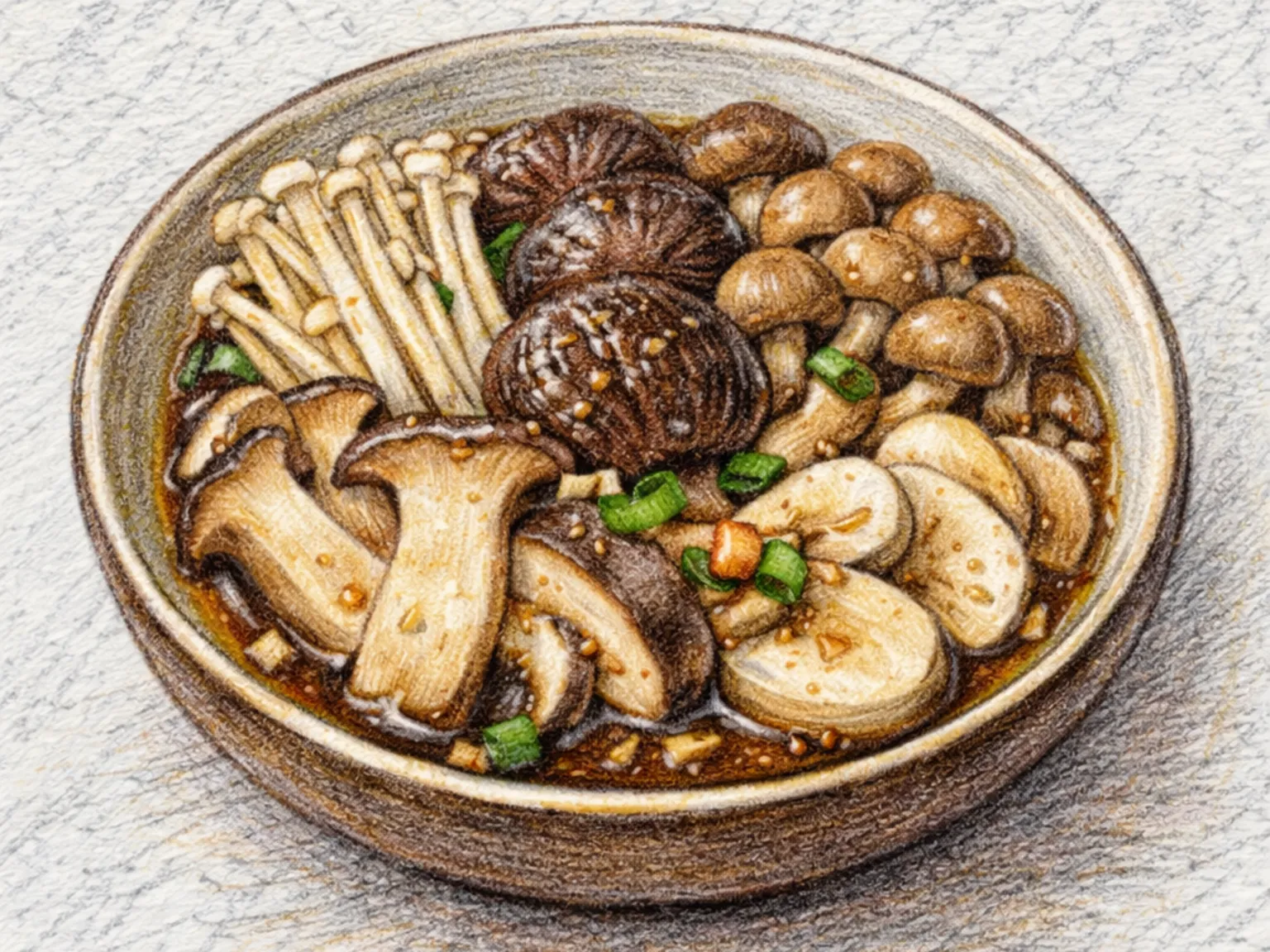
Korean Mushroom Perilla Seed Stir-Fry
Stir-fryEasy

Korean Mushroom Perilla Seed Stir-Fry

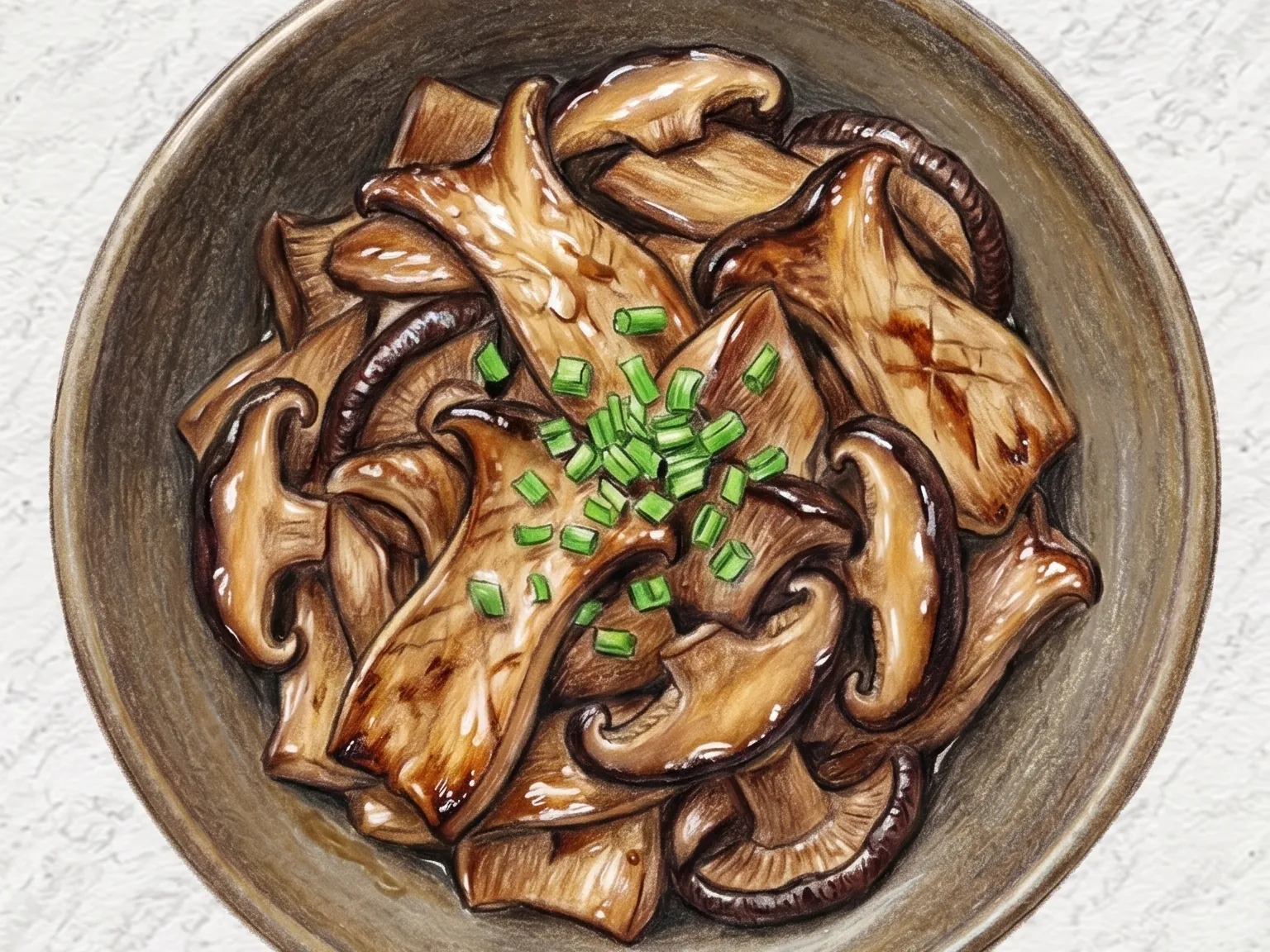
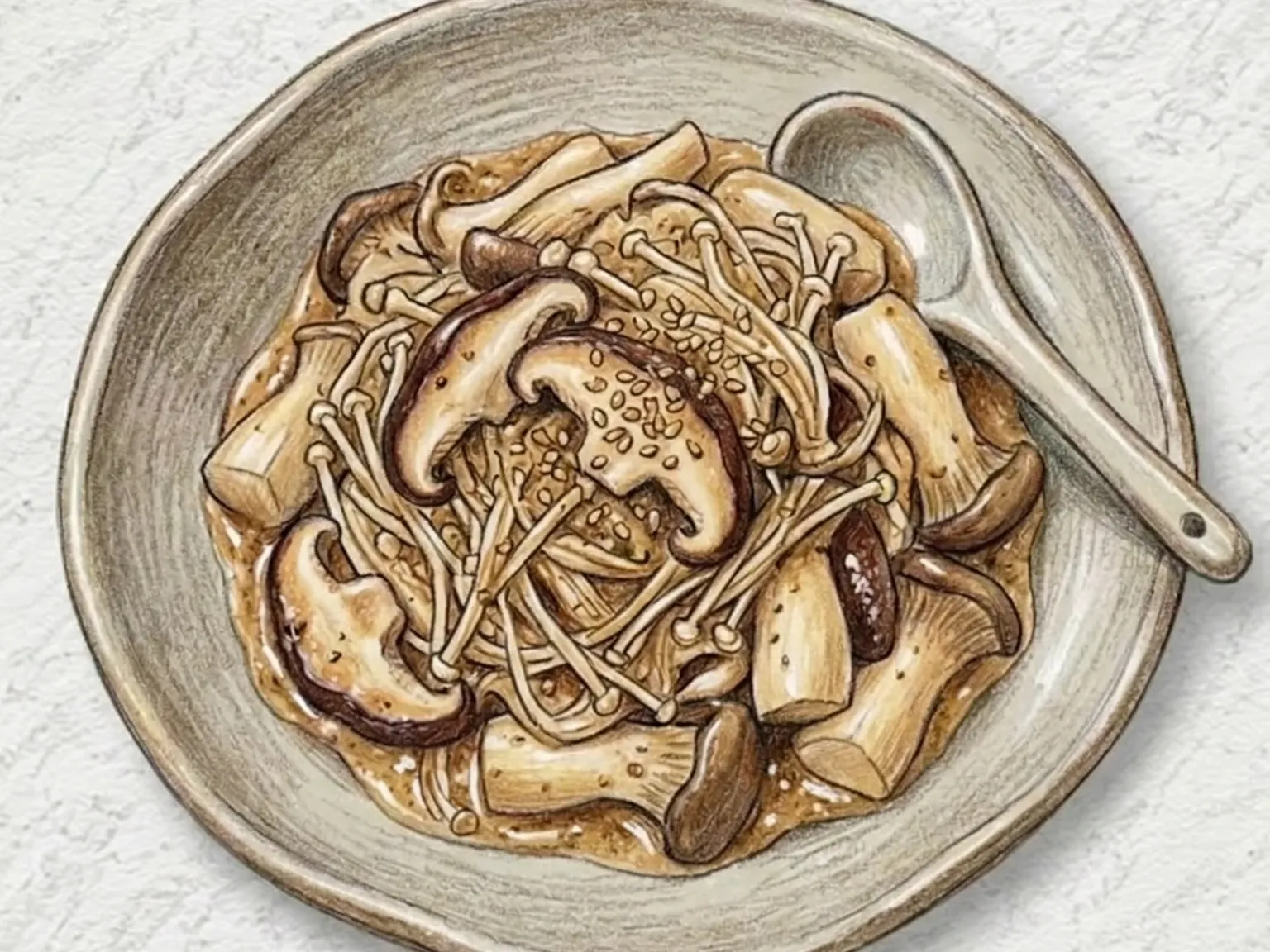
Three varieties of mushroom, shiitake, enoki, and oyster, are stir-fried over high heat until their moisture fully evaporates, then dusted with ground perilla seed that releases a surge of nutty fragrance the moment it contacts the hot surface. Each mushroom contributes a distinct texture to a single dish: shiitake offers firm, satisfying chew when torn along the grain; enoki provides delicate, threadlike strands; and oyster adds thick, meaty bites that hold their shape through the heat. The perilla seed powder must be added only in the final minute of cooking because its aromatic oils are volatile: longer exposure turns them acrid rather than nutty, and the window between perfectly toasted and burned is narrow. Soy sauce and a pinch of salt adjust the seasoning without masking the mushrooms, and a finishing drizzle of sesame oil rounds everything off with a gentle, fat-carried richness. At around 90 calories per serving, this side dish works as an everyday component of any meal without adding weight, and the unsaturated fatty acids in perilla seeds add nutritional substance well beyond what a side this light might suggest. Tearing shiitake along its natural grain accelerates moisture release during cooking, and pulling enoki apart by hand before adding it to the pan prevents the strands from clumping.

🏠 Everyday🌙 Late Night
Prep 10minCook 10min4 servings
Korean Chicken Gimbap (Crispy Chicken Tender Seaweed Rice Roll)
Street foodEasy

Korean Chicken Gimbap (Crispy Chicken Tender Seaweed Rice Roll)

Chicken gimbap is a Korean seaweed rice roll filled with air-fried crispy chicken tenders, sesame-salt seasoned rice, lettuce, and mayonnaise. The timing of assembly is important: the chicken must go in immediately after cooking while the fried coating is still hot and rigid, otherwise moisture from the rice and lettuce softens the crust before the roll is even finished. Mayonnaise forms a creamy layer between rice and chicken that also acts as a barrier, slowing moisture transfer and keeping each component distinct. Lettuce adds a fresh, cool crunch that balances the richness of the fried chicken and mayo. Laying the chicken pieces in a straight line before rolling produces an even cross-section when the gimbap is sliced. Mixing hot sauce into the mayonnaise creates a spicy version that can be scaled to taste. The roll travels well and is a reliable choice for packed lunches.

🧒 Kid-Friendly
Prep 15minCook 15min2 servings
Grilled Sliced Rice Cake (Pan-Fried Rice Cake with Soy Honey Glaze)
DessertsEasy

Grilled Sliced Rice Cake (Pan-Fried Rice Cake with Soy Honey Glaze)

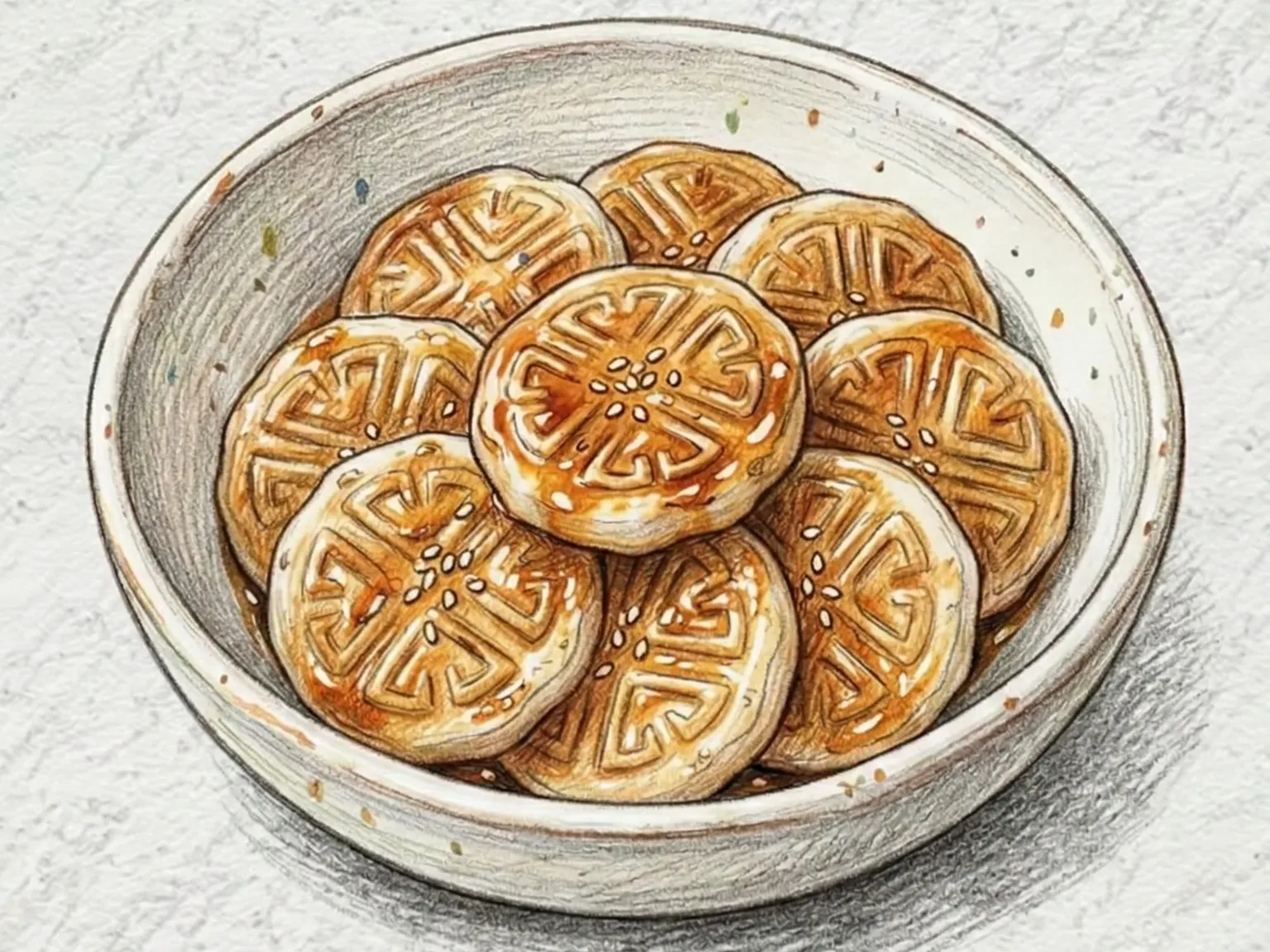
Jeolpyeon-gui is a Korean grilled rice cake snack made by pan-frying flat rice cake slices in sesame oil over medium-low heat until golden on both sides, then glazing them in a sauce of soy sauce, honey, sugar, and water over low heat. Searing the rice cakes in sesame oil before adding the glaze creates a thin, crisped surface layer that performs two functions at once: it keeps the interior from losing its chewy, dense character and creates enough texture for the glaze to cling to rather than slide off. Once the glaze goes in, the heat must drop immediately to low -- the sugar content is high enough to burn in seconds if left on medium heat. The entire coating step takes only two to three minutes of flipping the pieces until the sauce reduces into a lacquered shell. Soy sauce delivers a salty, savory backbone, honey brings a weighted sweetness that granulated sugar alone would flatten, and together they form a glaze that tastes more complex than the ingredient list suggests. Toasted sesame seeds and pine nuts scattered over the finished pieces add a nutty fragrance that plays off the soy-based umami below. Leftovers reheat well in a dry pan and regain most of their crispness.

🧒 Kid-Friendly
Prep 10minCook 12min2 servings
Korean Grilled Dried Pollack
DrinksEasy

Korean Grilled Dried Pollack

Hwangtae-po-gui is a grilled dried pollack snack prepared by brushing seasoning paste onto semi-dried hwangtae fillets and cooking them over medium-low heat. Hwangtae is pollack that has been freeze-dried repeatedly through winter cycles, a process that puffs up the flesh and gives it a softer grain and chewier texture than ordinary dried fish. A paste of gochujang, soy sauce, and oligosaccharide syrup is spread on both sides and grilled slowly so the sugars caramelize into a glossy, sticky coating. Minced garlic, sesame oil, and sesame seeds add roasted richness, and each torn piece delivers alternating salty and sweet notes. Cooking over high heat is a common mistake that chars the surface while leaving the interior hard and dry, so maintaining a low, patient heat is what allows the seasoning to penetrate fully and the fillet to stay moist. The finished snack pairs well with makgeolli or soju, and dipping torn pieces into mayonnaise is a widely practiced variation that softens the saltiness with a creamy counterpoint.

🍺 Bar Snacks Quick
Prep 10minCook 8min2 servings
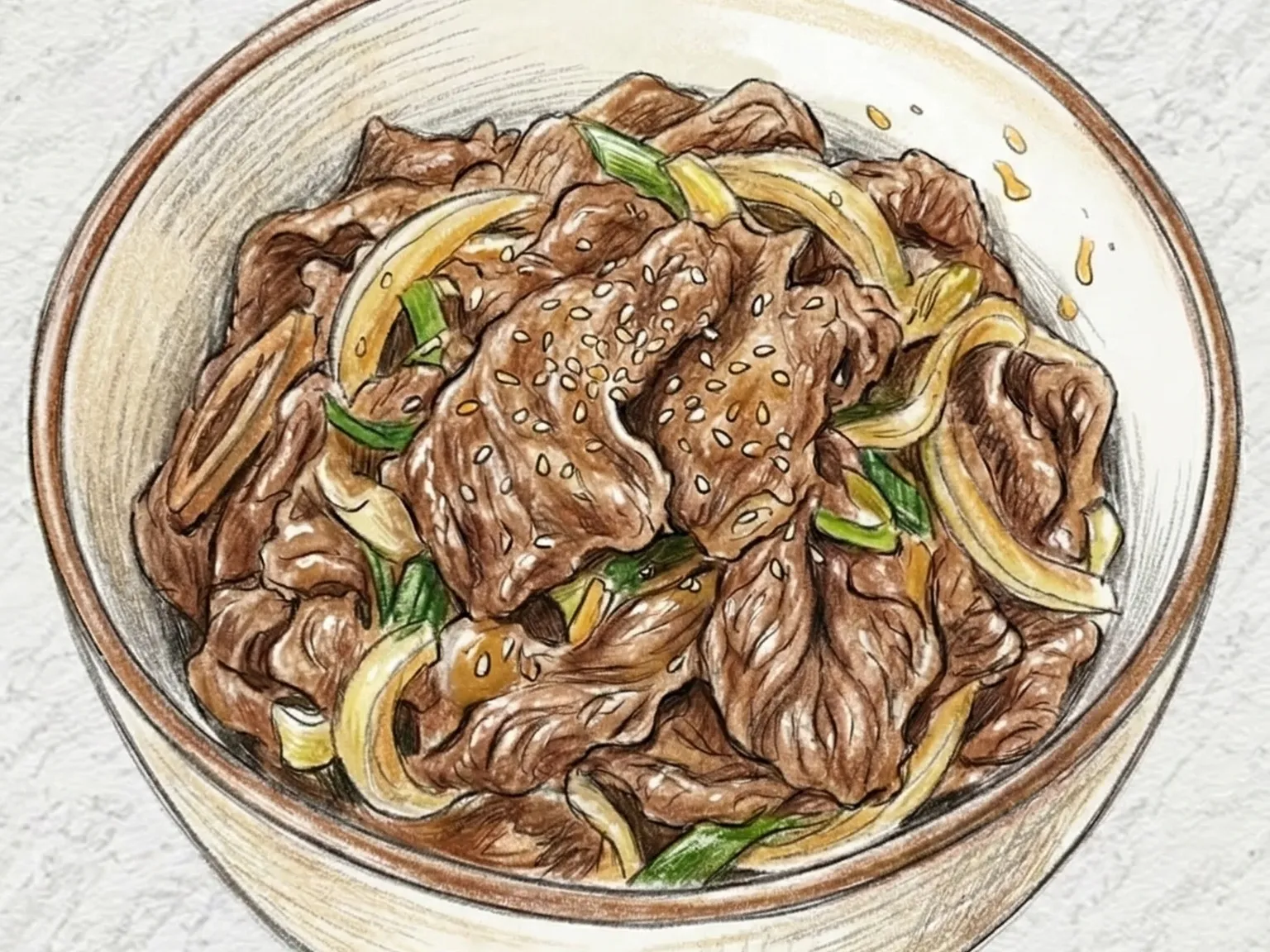
Korean BBQ Beef
GrilledMedium

Korean BBQ Beef

Bulgogi stands as the most widely recognized marinated beef preparation within the Korean culinary tradition. The dish typically utilizes thinly sliced cuts of meat such as sirloin or chuck, which are soaked in a mixture composed of soy sauce, grated Korean pear, sugar, minced garlic, and sesame oil. Following the marination process, the beef is cooked rapidly over a high heat source. The inclusion of Korean pear in the marinade serves two specific functions during the preparation. First, the natural enzymes found within the pear fruit actively work to break down the muscle fibers of the beef. This chemical reaction ensures that each individual slice becomes tender and yields easily when eaten. Second, the fructose from the pear combines with the soy sauce during cooking to form a characteristic sweet and salty glaze that coats the entire surface of the meat. The specific technique used during the cooking phase is as critical as the composition of the marinade itself. If an excessive amount of meat is added to the pan at one time, the surface temperature of the cooking vessel will drop significantly. When this happens, the beef begins to steam in its own released liquids rather than searing against the hot surface. This often leads to a gray and chewy texture instead of the caramelized brown edges that the dish is known for. To achieve the correct result, the beef should be prepared in small batches while maintaining a consistent high heat. This method allows the liquid from the marinade to reduce quickly against the hot pan, creating the glossy and sticky coating that characterizes properly made bulgogi. To finish the preparation, a small amount of sesame oil is drizzled over the beef and toasted sesame seeds are scattered on top. These final additions provide a roasted and nutty quality that balances the sweet and salty base to complete the flavor profile.

🍺 Bar Snacks
Prep 20minCook 15min4 servings
Korean Spicy Chicken Soup
SoupsMedium

Korean Spicy Chicken Soup

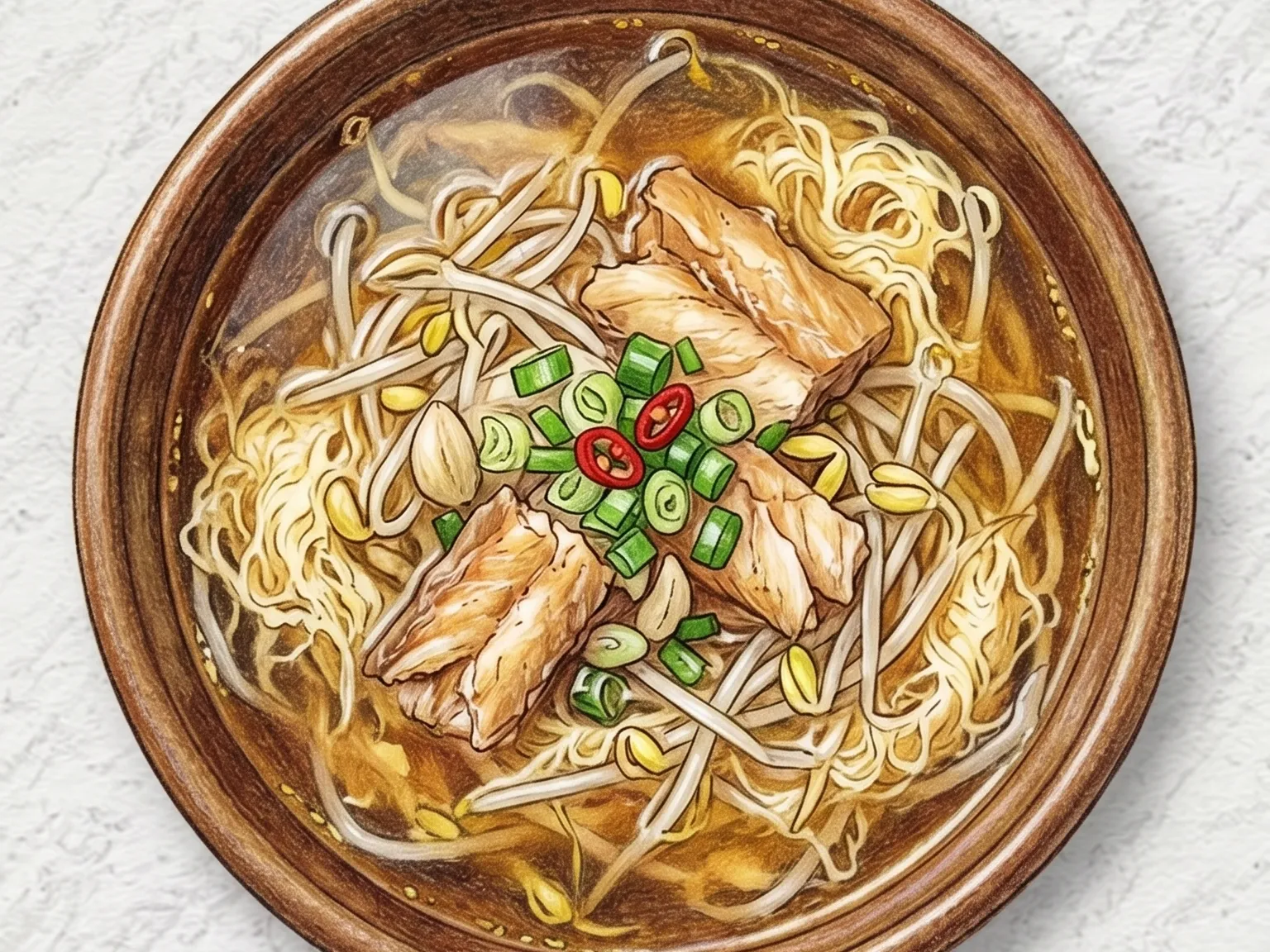
Dakgaejang is a spicy Korean chicken soup modeled directly on beef yukgaejang, using a whole chicken simmered, then shredded as the protein base with the same cooking liquid reserved as stock. The shredded meat, rehydrated bracken fern, and bean sprouts are tossed together in a seasoning of gochugaru, soy sauce, and sesame oil before being returned to the broth and simmered until the chili flakes dissolve fully into the fat. The result is a broth that is fiery and layered rather than flat-hot, with the depth that comes from cooking raw chili through an oil base. Bracken adds a chewy, almost meaty resistance to the texture, contrasting clearly with the snappy bean sprouts, and preparing a separate chili oil beforehand and stirring it into the pot deepens the heat with a roasted undertone that gochugaru alone cannot produce.

🏠 Everyday
Prep 20minCook 60min4 servings
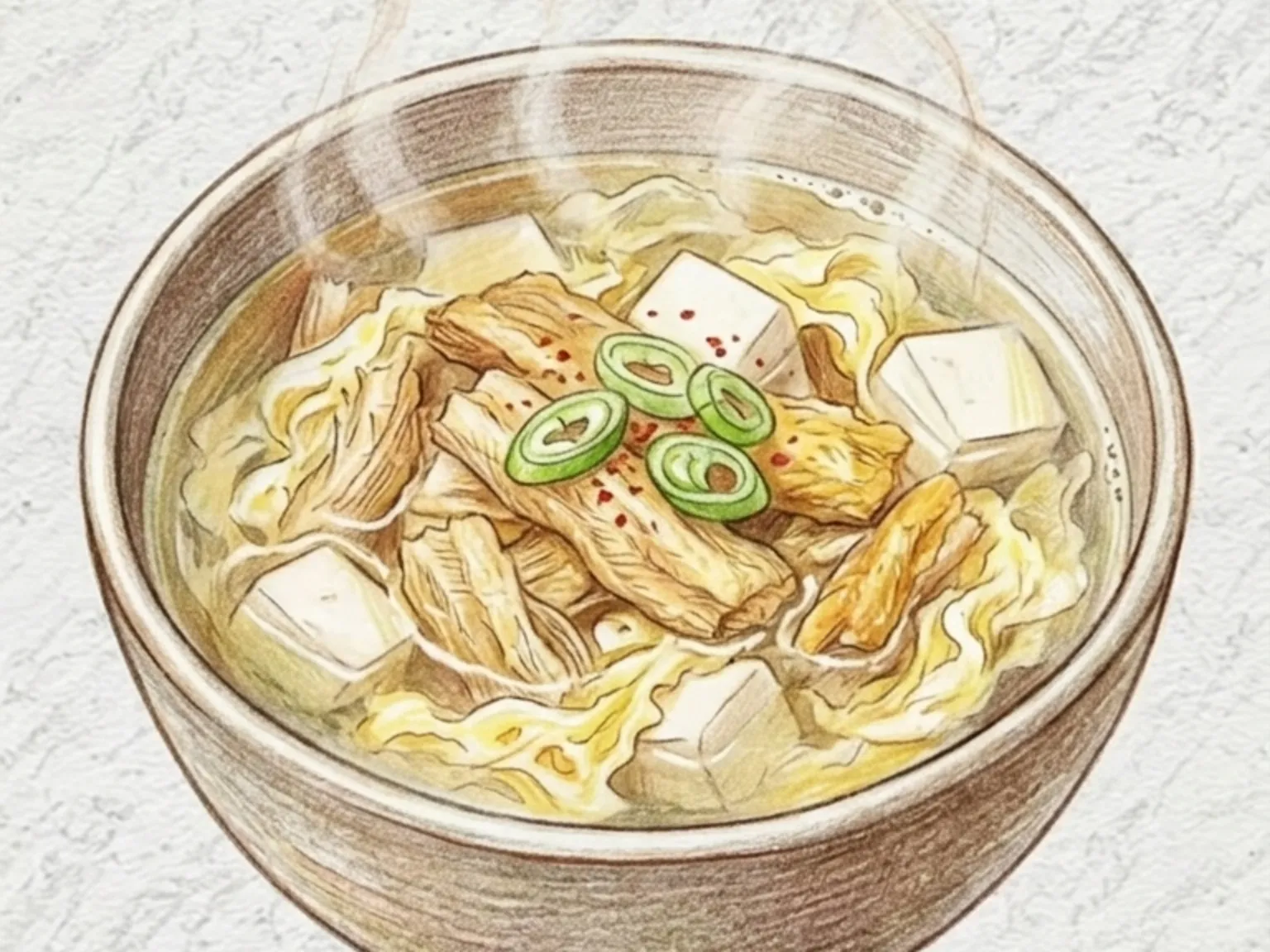
Korean Beef and Daikon Stew
StewsEasy

Korean Beef and Daikon Stew

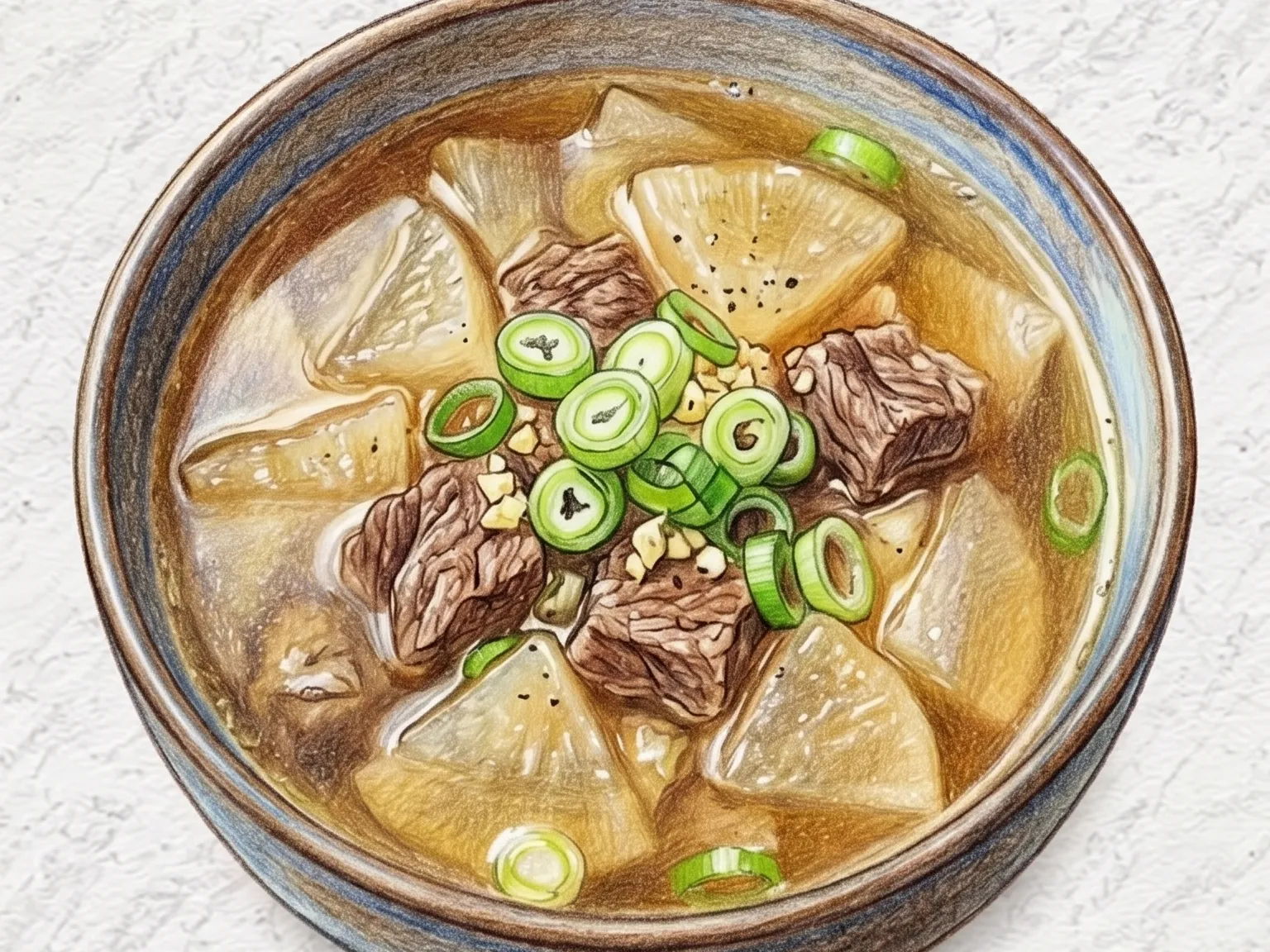
Soegogi muguk jjigae is a clear, soothing stew made by first sauteing beef brisket and daikon radish together in sesame oil to build a savory base, then adding water and simmering until the broth deepens in flavor. Soup soy sauce seasons the liquid while green onion and garlic round out the aroma. Despite a short ingredient list, the stew develops surprising depth as the brisket renders slowly into the broth and the radish turns translucent and sweet. Cutting the radish thick allows its natural sweetness to infuse gradually, enriching the broth over the full cooking time. It is a simple, grounding bowl most often eaten with rice stirred directly into the broth.

🏠 Everyday
Prep 10minCook 25min2 servings
Korean Steamed Pomfret (Whole Fish with Soy Ginger Sauce)
SteamedMedium

Korean Steamed Pomfret (Whole Fish with Soy Ginger Sauce)

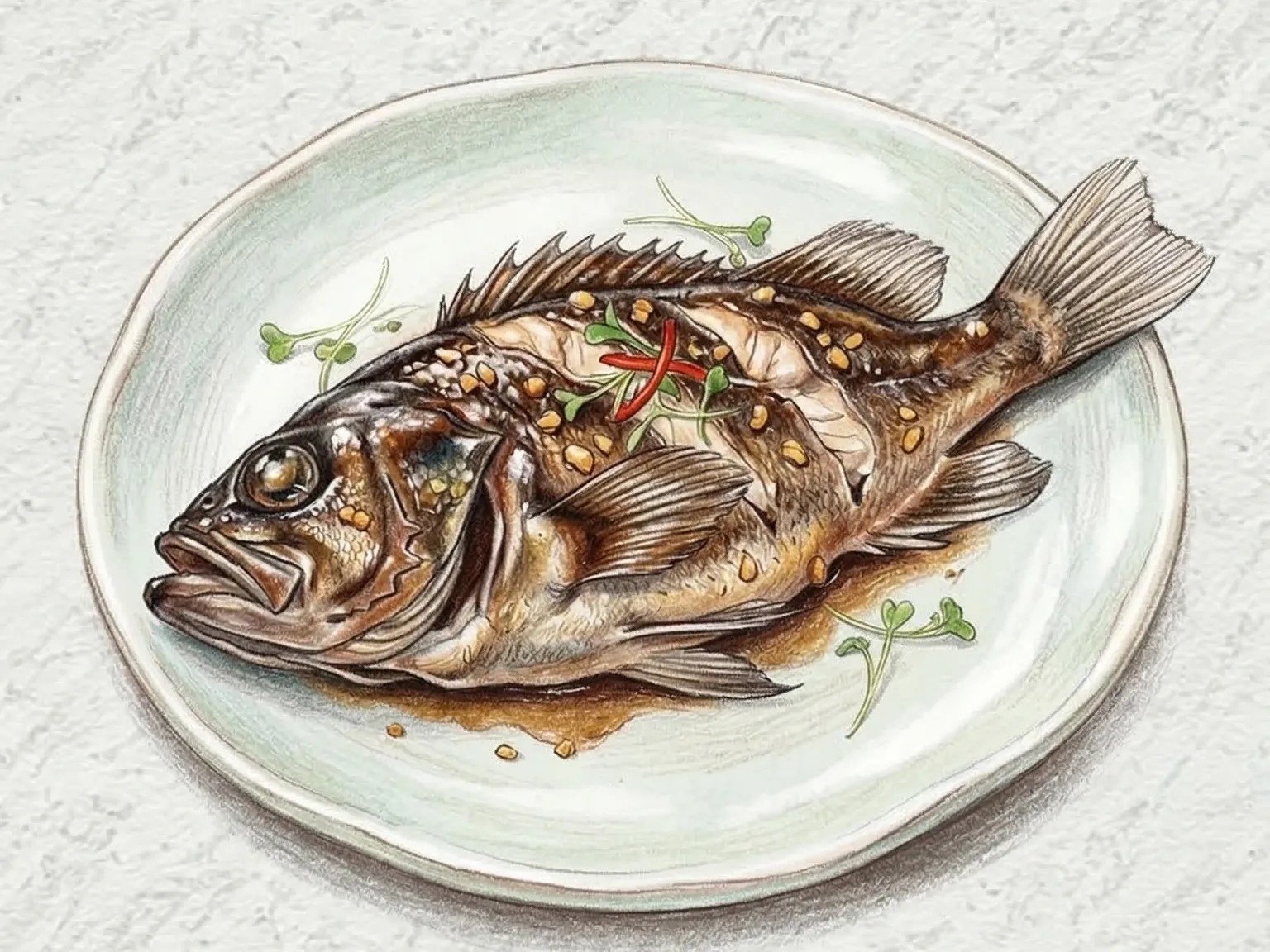
Whole pomfret is gently steamed with soy sauce, rice wine, ginger, and green onion into a clean, mild preparation. Pomfret has thin, delicate flesh that separates from the bone with little effort after steaming, making it easy to eat. Ginger and green onion together neutralize any fishiness while the soy sauce provides subtle salt and a light color. A thin drizzle of sesame oil at the end adds a toasted, nutty aroma without masking the fish. The result is a non-spicy, low-fat dish that works well for a wide range of diners.

🎉 Special Occasion🍱 Lunchbox
Prep 15minCook 18min2 servings
Korean Fresh Eggplant Kimchi
KimchiEasy

Korean Fresh Eggplant Kimchi

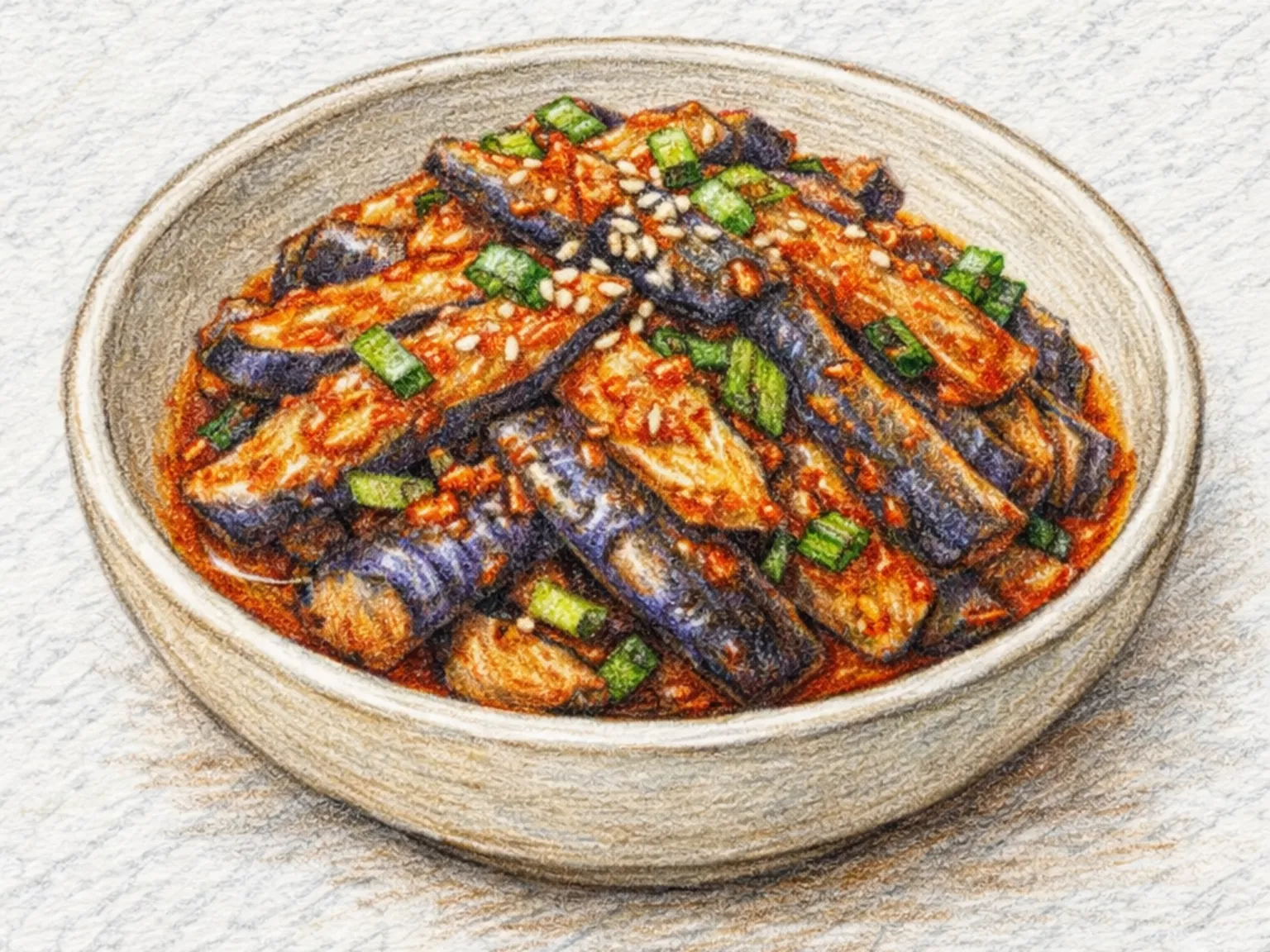
Gaji kimchi is a fresh eggplant kimchi that requires no fermentation and can be eaten immediately after preparation. Eggplant is steamed until it becomes pliable and soft throughout, then torn by hand along the grain rather than cut with a knife. Tearing along the natural fibers creates a rough, open surface that allows the seasoning of gochugaru, fish sauce, garlic, and sesame oil to penetrate deep into the flesh rather than merely coating the outside. The result is an even distribution of spicy, salty flavor throughout every bite rather than concentrated only at the surface. Scallions folded in at the end add a fresh, sharp lift, and toasted sesame seeds provide a nutty, fragrant finish. Because no fermentation is involved, this kimchi is best suited to seasons when eggplant is at its peak, particularly summer, when the vegetable is widely available and a quick, no-cook banchan is most welcome. Piled over a bowl of cold leftover rice and mixed together, the seasoning soaks into the grains while the soft steamed eggplant adds body, making it a satisfying one-bowl meal without needing additional soup or side dishes.

🍱 Lunchbox
Prep 20minCook 10min2 servings
Korean Spicy Mixed Cold Noodles
NoodlesEasy

Korean Spicy Mixed Cold Noodles

Cold, chewy naengmyeon noodles are tossed in a sauce of gochujang, chili flakes, vinegar, sugar, and sesame oil. The noodles' characteristically tough, springy texture grips the bold sauce rather than letting it slide off, which creates an intensely textured bite. The single most critical preparation step is rinsing the boiled noodles thoroughly under cold water multiple times - removing the surface starch and squeezing out excess moisture keeps the sauce from diluting as it sits. Julienned cucumber and thin-sliced Korean pear cut through the heat, bringing refreshing crunch and a light fruitiness to each mouthful. Half a boiled egg placed on top tempers the chili's sharpness and brings the overall balance into line.

🏠 Everyday
Prep 20minCook 10min2 servings
Tofu Salad (Pan-Seared Tofu on Fresh Greens)
SaladsEasy

Tofu Salad (Pan-Seared Tofu on Fresh Greens)

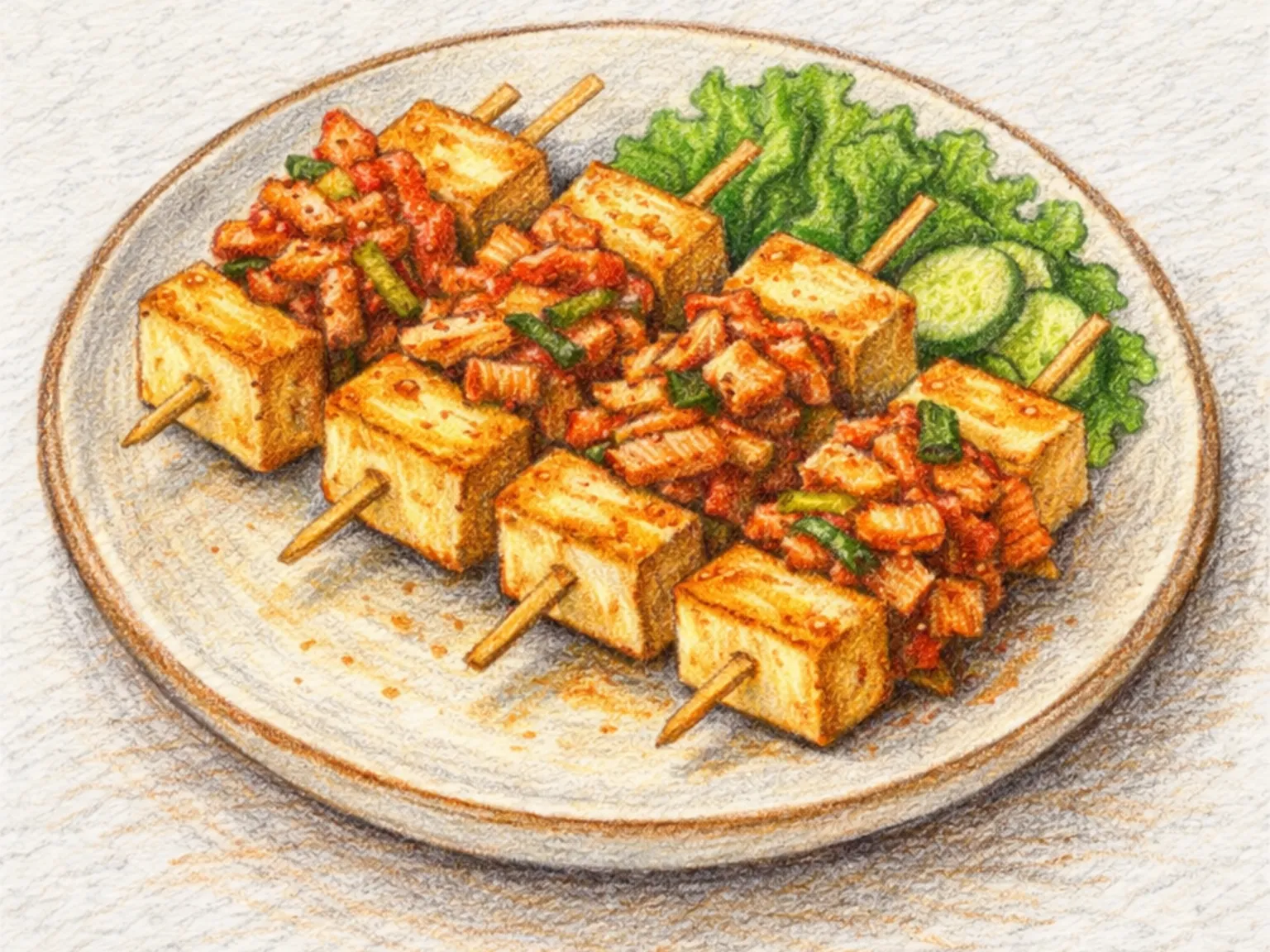
Dubu salad is made by pressing firm tofu to remove excess moisture, then pan-searing it until the outside turns golden and crisp while the inside stays soft and tender. The seared tofu is placed over a bed of baby greens, sliced cucumber, and cherry tomatoes. Wrapping the tofu in two layers of paper towels and setting a weight on top for twenty to thirty minutes draws out enough water so the surface browns properly in the pan without steaming. A dressing of soy sauce, sesame oil, lemon juice, and olive oil moves easily between Korean and Western flavor profiles. The salad is high in plant protein and low in fat, making it a practical and satisfying option when a light, clean-tasting meal is the goal.

🥗 Light & Healthy
Prep 15minCook 8min2 servings
Cheung Fun (Cantonese Steamed Rice Noodle Rolls with Shrimp)
AsianHard

Cheung Fun (Cantonese Steamed Rice Noodle Rolls with Shrimp)

Cheung fun -- rice noodle rolls -- are a cornerstone of Cantonese dim sum, present on every yum cha table from Hong Kong's tea houses to Guangzhou's morning restaurants. A thin batter of rice flour and tapioca starch is poured onto an oiled steel plate, steamed for under a minute, then peeled off as a translucent, trembling sheet. The sheet is rolled around fillings such as shrimp, char siu, or beef, or served plain, its own silky texture being the point. The ratio of rice flour to starch determines everything: too much rice flour and the sheet is stiff; too much starch and it becomes gummy. A lightly sweetened soy sauce is poured over the rolls at the table, pooling in the plate and coating each piece as it is lifted with chopsticks. Street vendors in Hong Kong steam cheung fun on pushcarts, peeling each sheet from a metal drawer with a flat scraper in a motion that draws onlookers. For many dim sum regulars, it is the first dish ordered and the benchmark by which a restaurant is judged.

🎉 Special Occasion
Prep 25minCook 15min2 servings
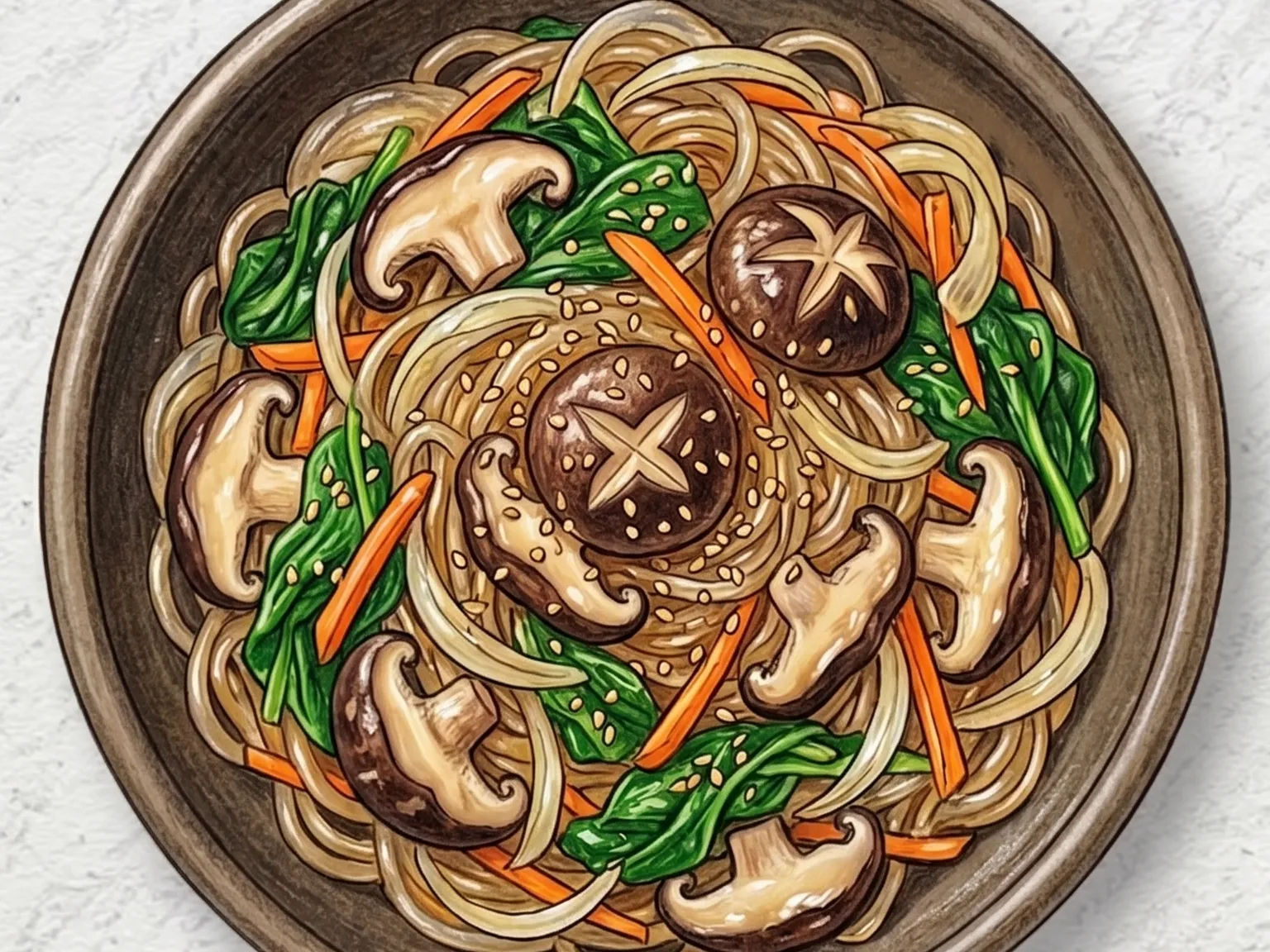
Korean Beef & Shiitake Japchae
Side dishesMedium

Korean Beef & Shiitake Japchae

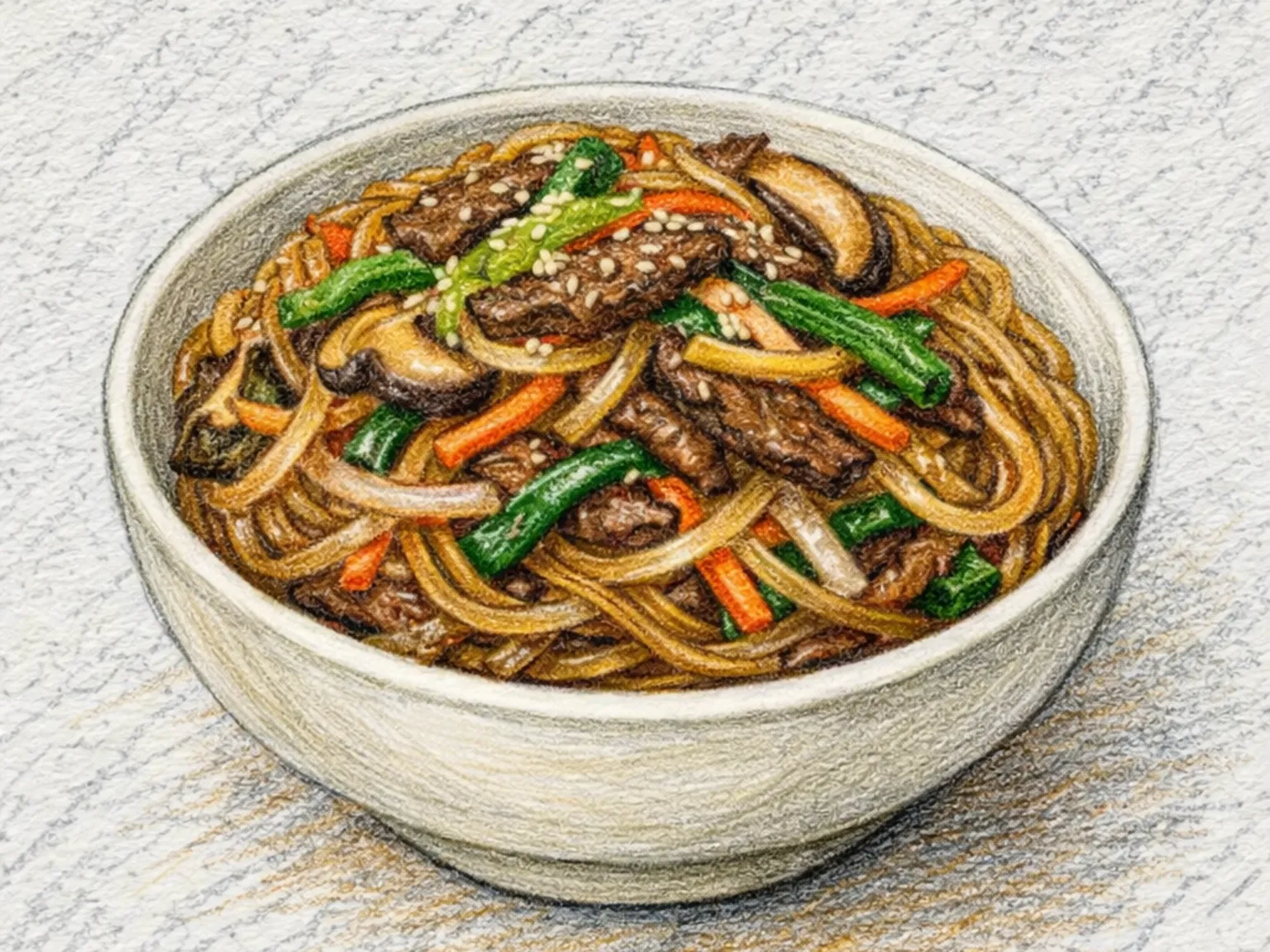
Japchae originated as a Joseon royal court dish of stir-fried vegetables before sweet potato glass noodles were added to create the form recognized today. This version pairs glass noodles with soy-marinated beef and sliced shiitake mushrooms. Each component cooks separately: beef and mushrooms stir-fried with garlic, spinach blanched and squeezed dry, carrots and onions sauteed until just tender. A final toss with sesame oil brings everything together. The noodles should be translucent and springy, carrying a sweet-salty soy glaze into each forkful. A standard presence on every Korean holiday table at Chuseok, Seollal, and birthday celebrations alike.

🏠 Everyday🎉 Special Occasion
Prep 20minCook 18min4 servings
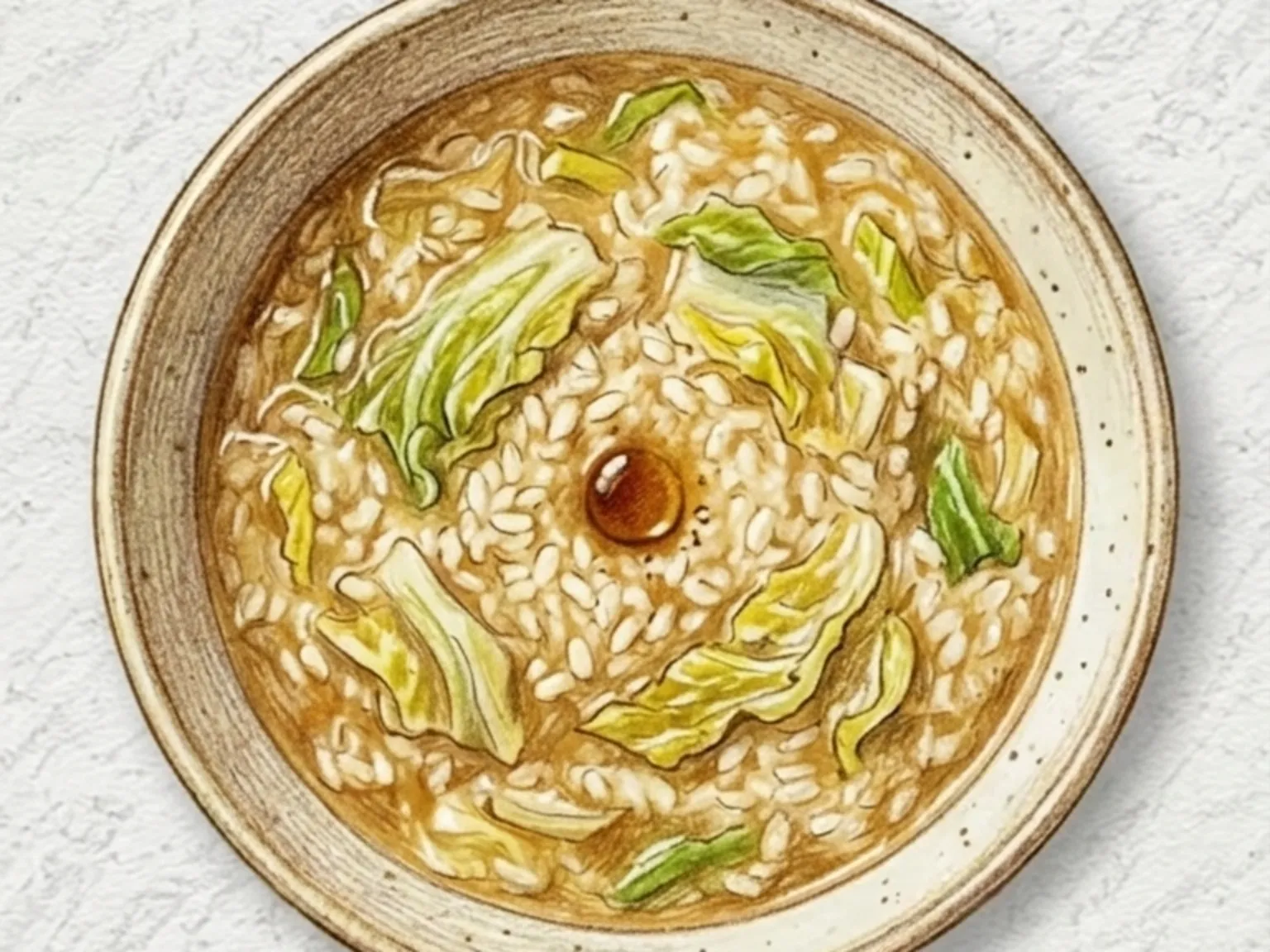
Plain Korean Rice Porridge
RiceEasy

Plain Korean Rice Porridge

Baekjuk is the most fundamental Korean porridge, made with nothing more than soaked rice and water cooked together over a long, slow heat. Toasting the rice in sesame oil before adding liquid coats each grain in a thin fat layer that slows starch release, preventing the porridge from turning excessively glutinous while laying down a nutty, roasted aroma as the foundation of the dish. Water is added at six to seven times the volume of rice, brought to a boil, then reduced to the lowest heat and stirred continuously for at least thirty minutes. Over that time the grains break down entirely into a smooth, pourable consistency. Regular scraping with a wooden spatula is not optional - without it, the bottom scorches and changes both the taste and color of the porridge. Seasoning is held to a minimum of salt alone to let the natural sweetness of the rice come through, with shredded dried seaweed and sliced scallion placed on top for small bursts of contrast. A single drop of sesame oil added just before serving closes the dish with a clean, nutty fragrance. The porridge has long been used as a recovery meal for unsettled stomachs and low appetite, and it pairs easily with nearly any Korean side dish to become a complete meal.

🥗 Light & Healthy🏠 Everyday
Prep 5minCook 35min2 servings
Korean Soy Bulgogi with Mushrooms
Stir-fryEasy

Korean Soy Bulgogi with Mushrooms

Thinly sliced beef is marinated in soy sauce, Korean pear juice, and sesame oil, then stir-fried over high heat together with shiitake and king oyster mushrooms. Pear juice acts as a natural tenderizer: its enzymes break down muscle proteins so each slice pulls apart along the grain instead of resisting the tooth, and its fructose tempers the salt of the soy sauce into a balanced sweet-salty base. The two mushroom varieties are not interchangeable in role - shiitake brings a firm, chewy bite while king oyster delivers a thick, clean meatiness that holds its shape through the heat. Crowding the pan is the single most common mistake: when too much goes in at once, the temperature drops and the ingredients steam rather than sear, resulting in gray, soft pieces instead of the glazed, caramelized coating the dish depends on. Work in small batches over sustained high heat so the marinade reduces against the hot pan surface. Green onion added in the final minute retains its sharp, fresh character and cuts through the sweet richness, providing the finishing contrast the dish needs.

🏠 Everyday🌙 Late Night
Prep 18minCook 12min4 servings
Korean Mini Seaweed Rice Rolls
Street foodMedium

Korean Mini Seaweed Rice Rolls

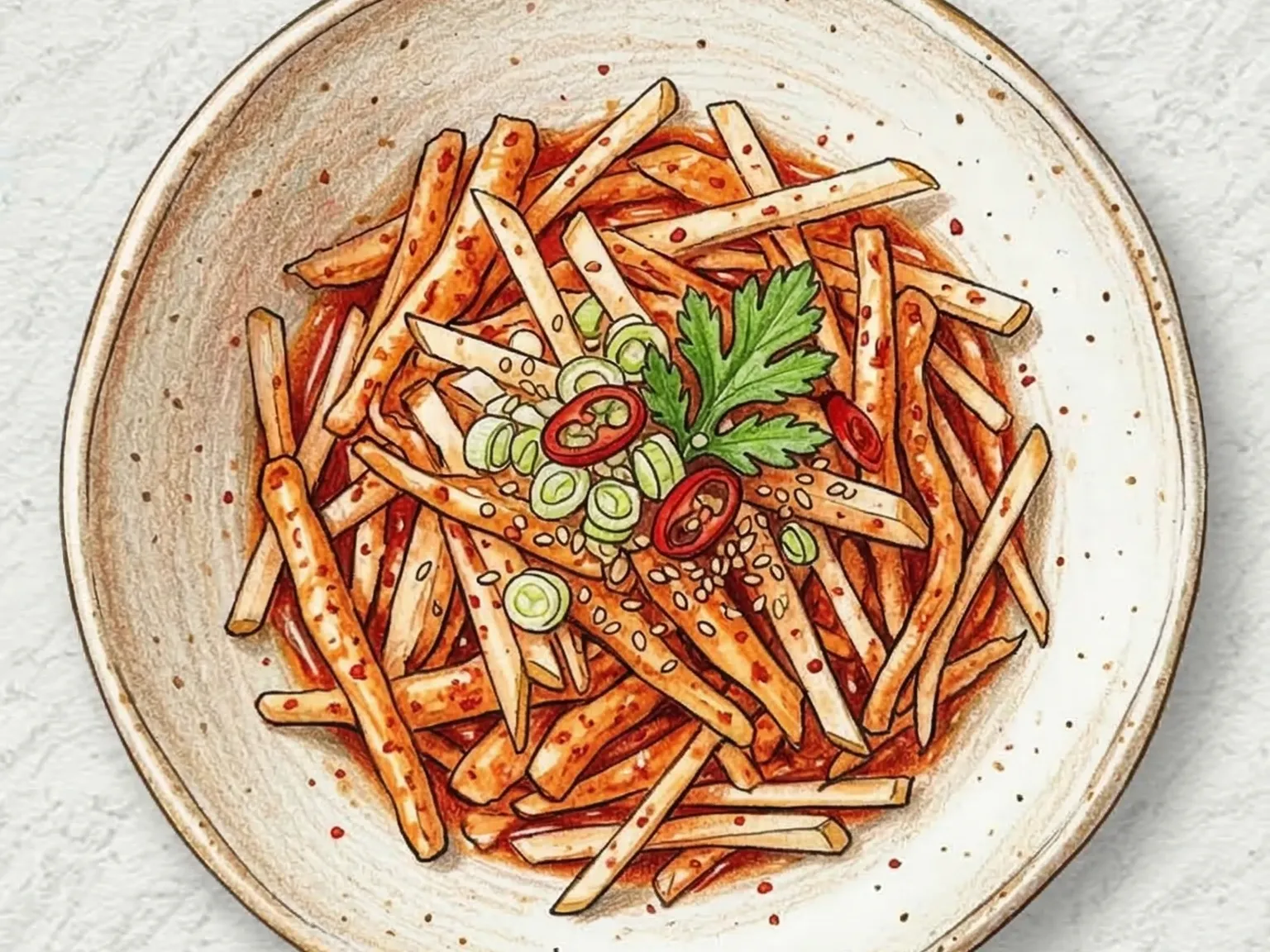
Chungmu gimbap is a regional specialty from Tongyeong in South Gyeongsang Province - small, bite-sized seaweed rice rolls seasoned only with sesame oil and salt, served alongside spicy squid and pickled radish side dishes. The rolls carry no filling at all, so the rice and seaweed stay clean and mild, with all the bold flavor coming from the accompaniments. Blanched squid is tossed in gochugaru, fish sauce, and garlic for a spicy, briny punch, while thin-sliced radish pickled in the same seasoning adds crunch and sharp tartness. The tension between the plain, compact rolls and the intensely seasoned sides is the point of this dish - each plain bite and each fiery bite calibrate each other, making the combination more satisfying than either part alone.

🧒 Kid-Friendly🍱 Lunchbox
Prep 25minCook 20min4 servings
Honey-Filled Rice Cakes (Steamed Glutinous Rice with Brown Sugar Syrup)
DessertsEasy

Honey-Filled Rice Cakes (Steamed Glutinous Rice with Brown Sugar Syrup)

Kkultteok are bite-sized Korean rice cakes made by kneading glutinous rice flour with hot water, wrapping each 20-gram round of dough around a filling of dark brown sugar, ground cinnamon, and chopped walnuts, then steaming for eight to ten minutes. After steaming, a light brush of sesame oil gives the surface a sheen and keeps the pieces from sticking together, and a final roll in roasted soybean powder adds a dry, nutty outer coating. Biting through the soft, chewy shell releases a pool of melted brown sugar syrup with cinnamon warmth, while the walnut fragments provide crunch against the sticky interior. The most critical step is pinching the dough seam shut as tightly as possible: if the seal fails during steaming, the molten brown sugar syrup leaks out and the rice cake ends up hollow and dry.

🎉 Special Occasion🧒 Kid-Friendly
Prep 25minCook 10min4 servings
Korean Gochujang-Grilled Butterfish
GrilledEasy

Korean Gochujang-Grilled Butterfish

Byeongeo gochujang-gui is a Korean spicy grilled butterfish where fillets are brushed with a paste of gochujang, soy sauce, plum syrup, minced garlic, and red pepper flakes, then pan-fried over medium heat. Butterfish has an exceptionally fine, soft flesh that absorbs the marinade readily, and the plum syrup's fruity acidity offsets the fermented heat of gochujang so the finish stays clean. The glaze must be applied in thin, repeated layers during cooking; a single thick coat causes the sugars to scorch before the fish cooks through. Each side needs roughly three to four minutes over medium heat, and a wide spatula prevents the delicate flesh from breaking when flipped. A light squeeze of lemon at the end adds brightness that prevents any lingering oiliness and sharpens the overall flavor.

🍺 Bar Snacks🍱 Lunchbox
Prep 15minCook 12min2 servings
Korean Flounder Seaweed Soup
SoupsEasy

Korean Flounder Seaweed Soup

Gajami miyeok-guk is a seaweed soup built around a whole flounder simmered directly in the pot. Rehydrated miyeok is stir-fried in sesame oil before the liquid is added, a step that transforms the raw seaweed fragrance into something richer and more rounded. Once the flounder is added and the pot comes to a simmer, the mild, subtly sweet flesh of the white fish slowly infuses the broth, while the collagen released from the bones gives the soup a quiet viscosity and depth that water alone cannot produce. Soy sauce and garlic are the only seasonings needed, allowing the natural flavor of the fish and seaweed to carry the soup without interference. Blanching the flounder briefly in boiling water before adding it to the pot draws out blood and removes any trace of fishiness, resulting in a cleaner, more delicate broth. Along the East Sea coast, gajami miyeok-guk has traditionally been served as postpartum recovery food in place of the more common beef seaweed soup, valued for its lightness, digestibility, and the clean nourishment provided by the fish broth.

🏠 Everyday
Prep 20minCook 20min2 servings
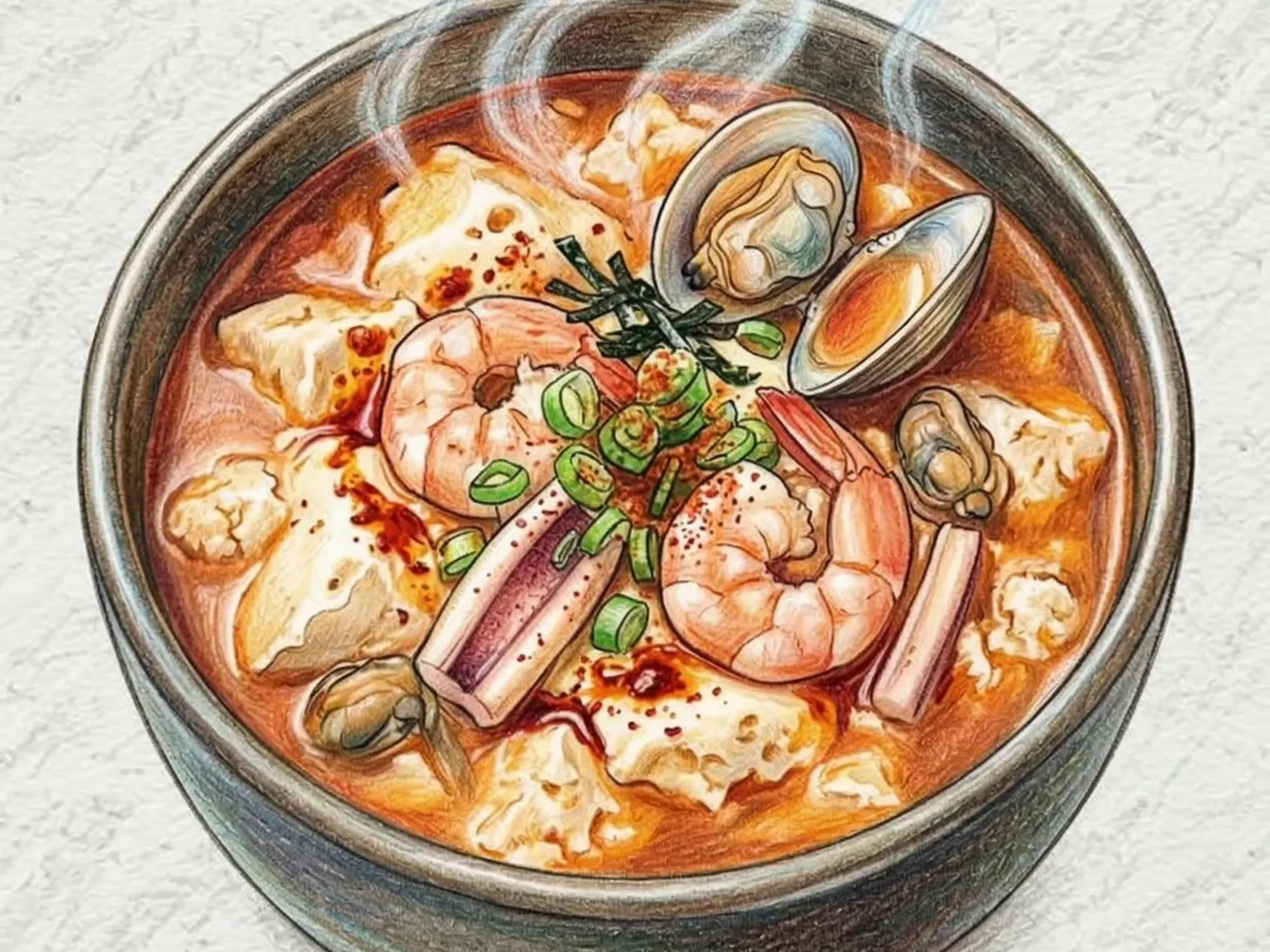
Korean Silken Tofu Seafood Stew
StewsEasy

Korean Silken Tofu Seafood Stew

Sundubu haemul jjigae is a seafood soft tofu stew that combines silken tofu with shrimp and Manila clams in an anchovy stock seasoned with gochujang and Korean chili flakes. The aromatics are stir-fried in sesame oil first to build a deeper base before the stock is added. As the shrimp and clams cook through, they release their own briny juices into the spicy broth and push the umami noticeably higher. An egg cracked in at the end binds gently with the silken tofu, adding richness and a slight body to the broth. Deveining the shrimp and removing the back intestine keeps the flavor clean, and soaking the clams in lightly salted water beforehand purges any sand that would otherwise cloud the stock.

🏠 Everyday
Prep 15minCook 15min2 servings
Korean Steamed Beef Brisket and Bean Sprouts
SteamedEasy

Korean Steamed Beef Brisket and Bean Sprouts

Thin-sliced marbled beef brisket is layered over bean sprouts and steamed with a dressing of soy sauce, minced garlic, sugar, and sesame oil. As the brisket cooks, the fat renders and drips down onto the sprouts, coating them with beefy richness that no separate sauce could replicate. The bean sprouts hold their crunch under the steam, and sliced onion and chive soften into the mix, adding mild sweetness and fragrance. Lightly sweetened soy sauce keeps the seasoning clean rather than heavy. The dish has a short ingredient list and a fast cook time, but the quality of the brisket - specifically how well it renders - determines the outcome.

🥗 Light & Healthy
Prep 15minCook 12min2 servings
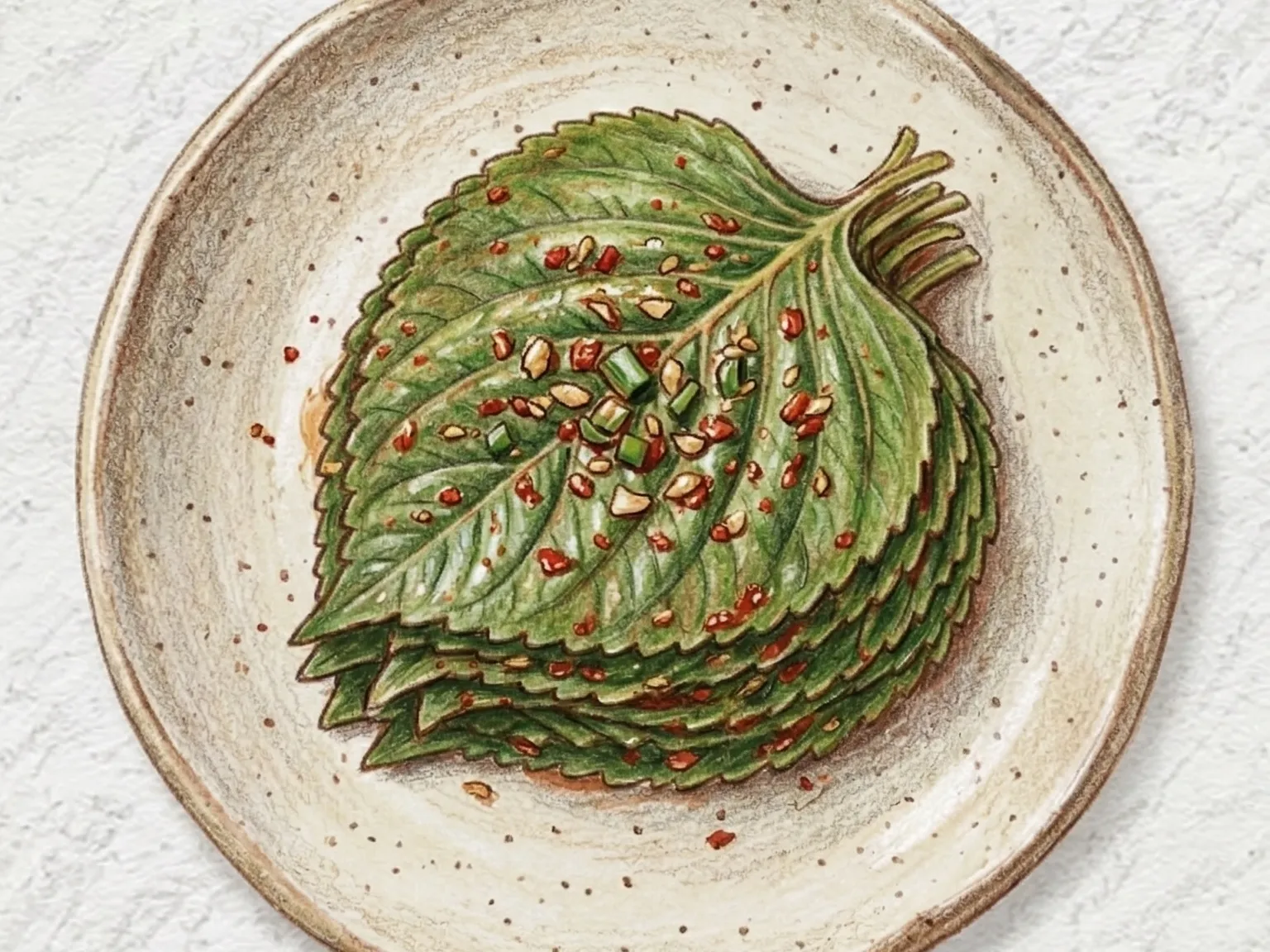
Korean Perilla Leaf Kimchi
KimchiEasy

Korean Perilla Leaf Kimchi

Preparing kkaennip kimchi involves layering a seasoning mixture of soy sauce, Korean red chili flakes, minced garlic, and toasted sesame oil between individual perilla leaves. Unlike traditional cabbage kimchi, this version functions as an instant pickle that requires no fermentation period, making it ready to serve as soon as the assembly is finished. The sharp, herbal aroma of the raw perilla leaf softens when integrated with the toasted richness of sesame oil, while the chili flakes provide a controlled level of heat that complements rather than masks the natural characteristics of the leaves. Soy sauce establishes a savory and salty foundation, which is further elevated by the addition of finely chopped scallions. For a different visual result, using soup soy sauce produces a lighter color that allows the dark green hue of the perilla leaves to remain prominent. Small amounts of anchovy fish sauce can also be added to the marinade to introduce a complex layer of saltiness similar to fermented kimchi. This side dish maintains its quality well in the refrigerator throughout the week. While the seasonings are distinct and bright on the first day, the flavors fully penetrate the leaves after two or three days, resulting in a more integrated profile. The seasoned leaves are commonly draped over warm steamed rice or used as an aromatic alternative to lettuce when wrapping grilled meats. Because it requires few ingredients and minimal preparation time, it is a practical choice for home cooking.

🍱 Lunchbox
Prep 25minCook 5min4 servings
Korean Spicy Mixed Glass Noodles
NoodlesEasy

Korean Spicy Mixed Glass Noodles

Busan bibim dangmyeon is a spicy mixed noodle dish rooted in the street food culture of Busan's traditional markets, built around springy sweet-potato glass noodles tossed with sliced fish cake, cucumber, and cabbage in a bold chili paste and soy sauce dressing. The translucent noodles are highly elastic and cling tenaciously to the sauce, so each mouthful delivers a concentrated hit of the spicy-sweet seasoning. Fish cake contributes a soft, savory depth that contrasts with the firm chew of the noodles, while shredded cucumber and cabbage add bursts of crunch throughout the bowl. Sesame oil and toasted sesame seeds finish the dish with a warm, nutty undertone. Because the recipe requires only boiling the noodles and tossing everything with a pre-mixed sauce, it comes together in a matter of minutes. The chili paste ratio can be adjusted freely to control heat level, and in Busan the dish is typically served in a single bowl and mixed at the table with a fork.

🏠 Everyday🌙 Late Night
Prep 20minCook 10min2 servings