Charim

2686 Korean & World Recipes

2686+ Korean recipes, clean and organized. Ingredients to instructions, all at a glance.

Recipes with soup soy sauce

24 recipes

Buy soup soy sauce
Korean Dried Pollock Radish Soup
SoupsEasy

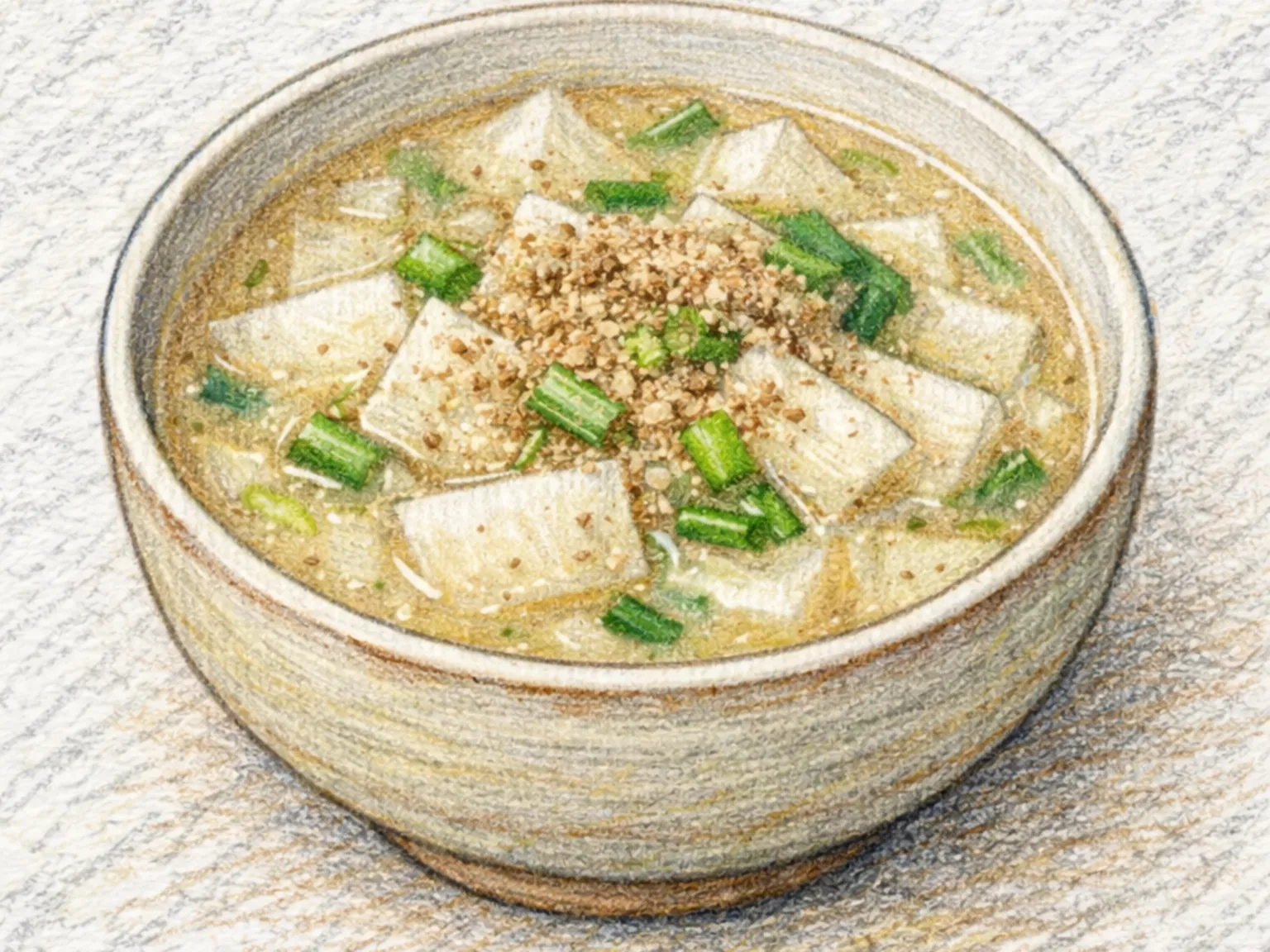
Korean Dried Pollock Radish Soup

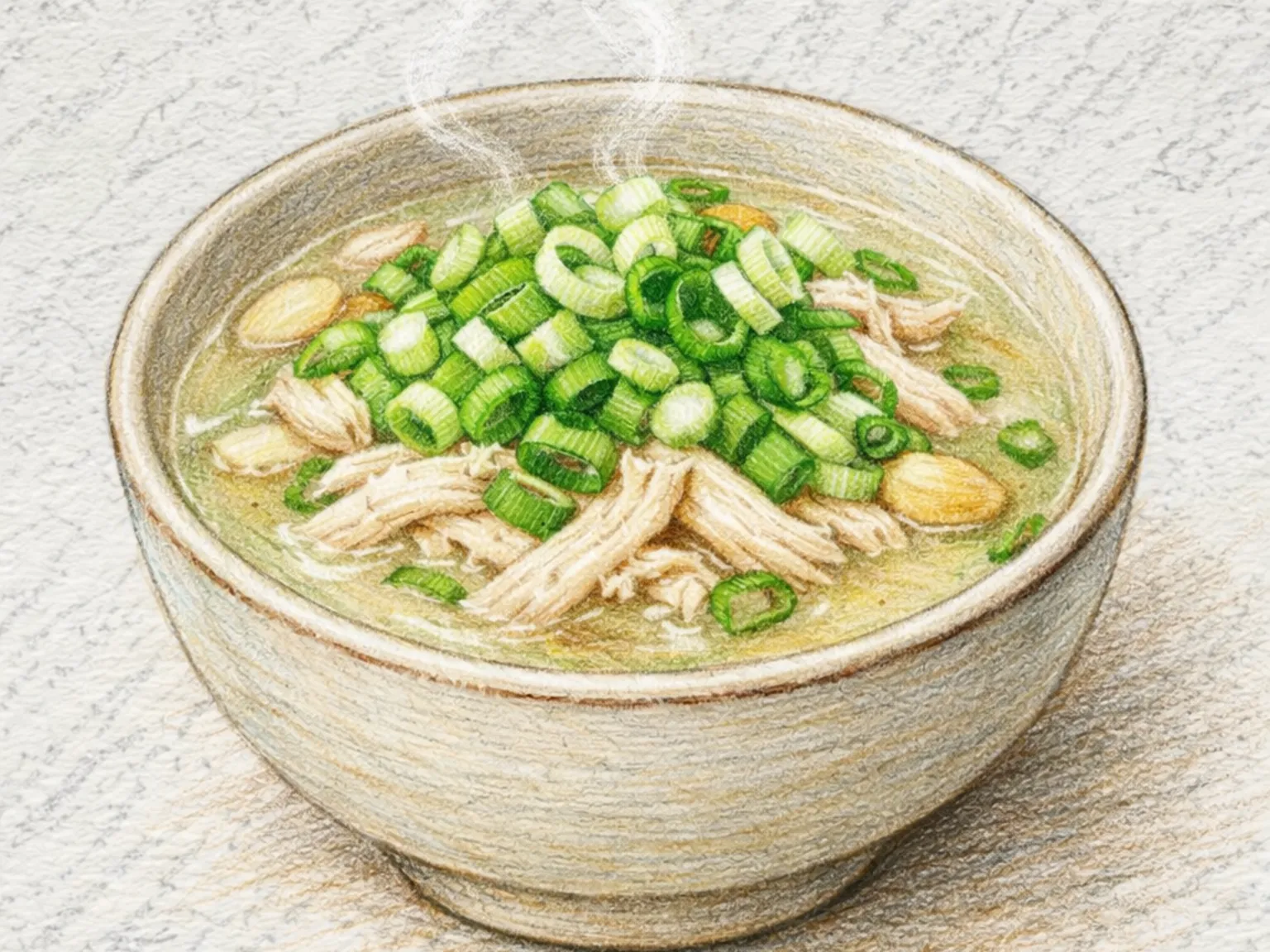
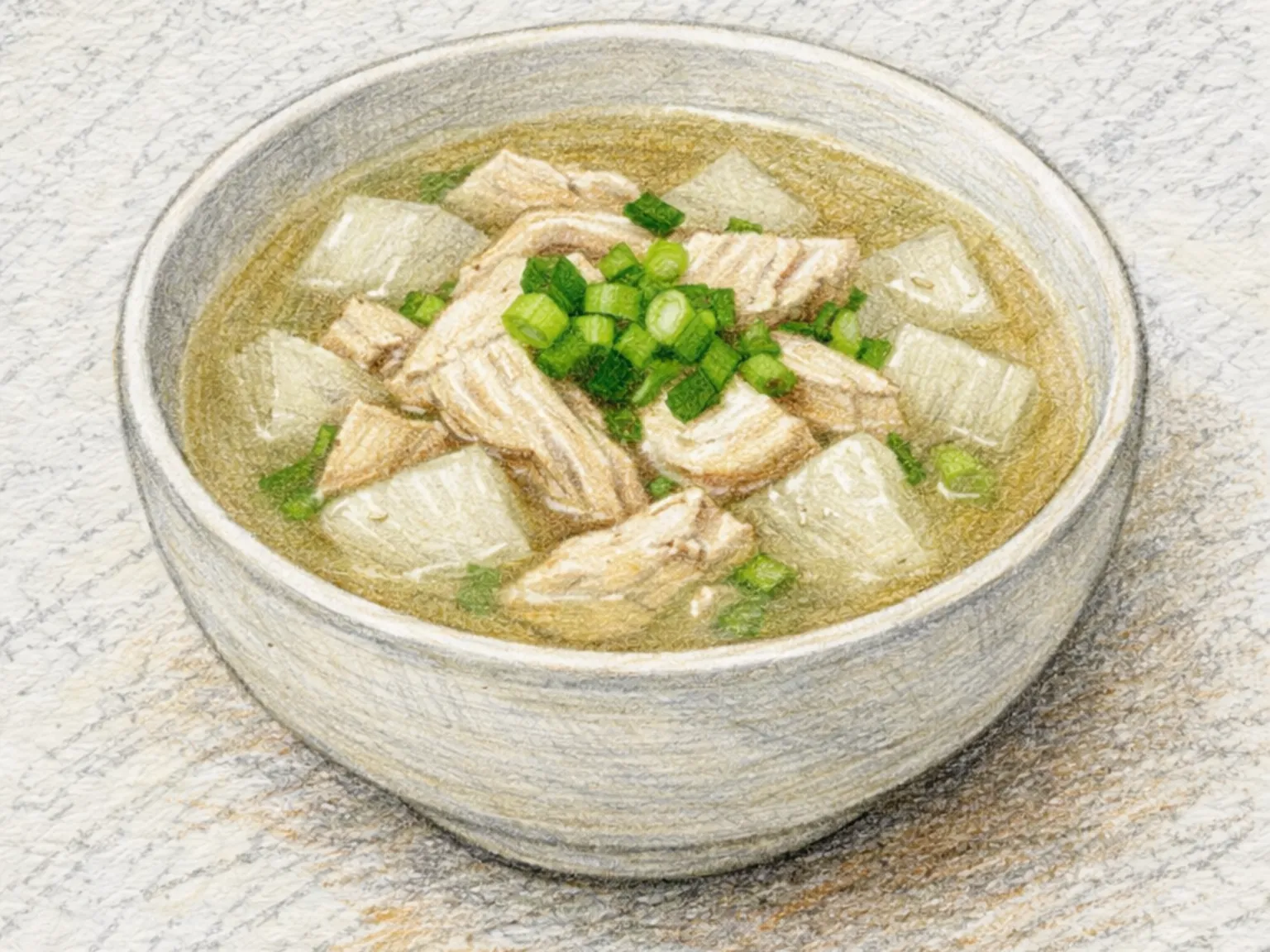
Hwangtae-muguk is an everyday Korean soup made with dried pollock strips and radish in a clean, clear broth. The pollock is first sautéed in sesame oil to coax out its characteristically nutty, savory fragrance, then water is added and the radish simmers until soft and sweet. Soup soy sauce and minced garlic provide the only additional seasoning, keeping the flavor profile transparent enough to let the pollock's concentrated umami and the radish's natural sweetness take center stage. The simplicity of the ingredient list belies the depth of the resulting broth, which tastes fuller than the sum of its parts. It is among the most frequently cooked soups in Korean homes, appearing on breakfast tables and as a reliable remedy on mornings after heavy meals. The pollock's tender, delicate flesh holds together well in the clear broth.

🏠 Everyday
Prep 12minCook 22min4 servings
Korean Sigeumchi Dubu Jjigae (Spinach Tofu Stew)
StewsEasy

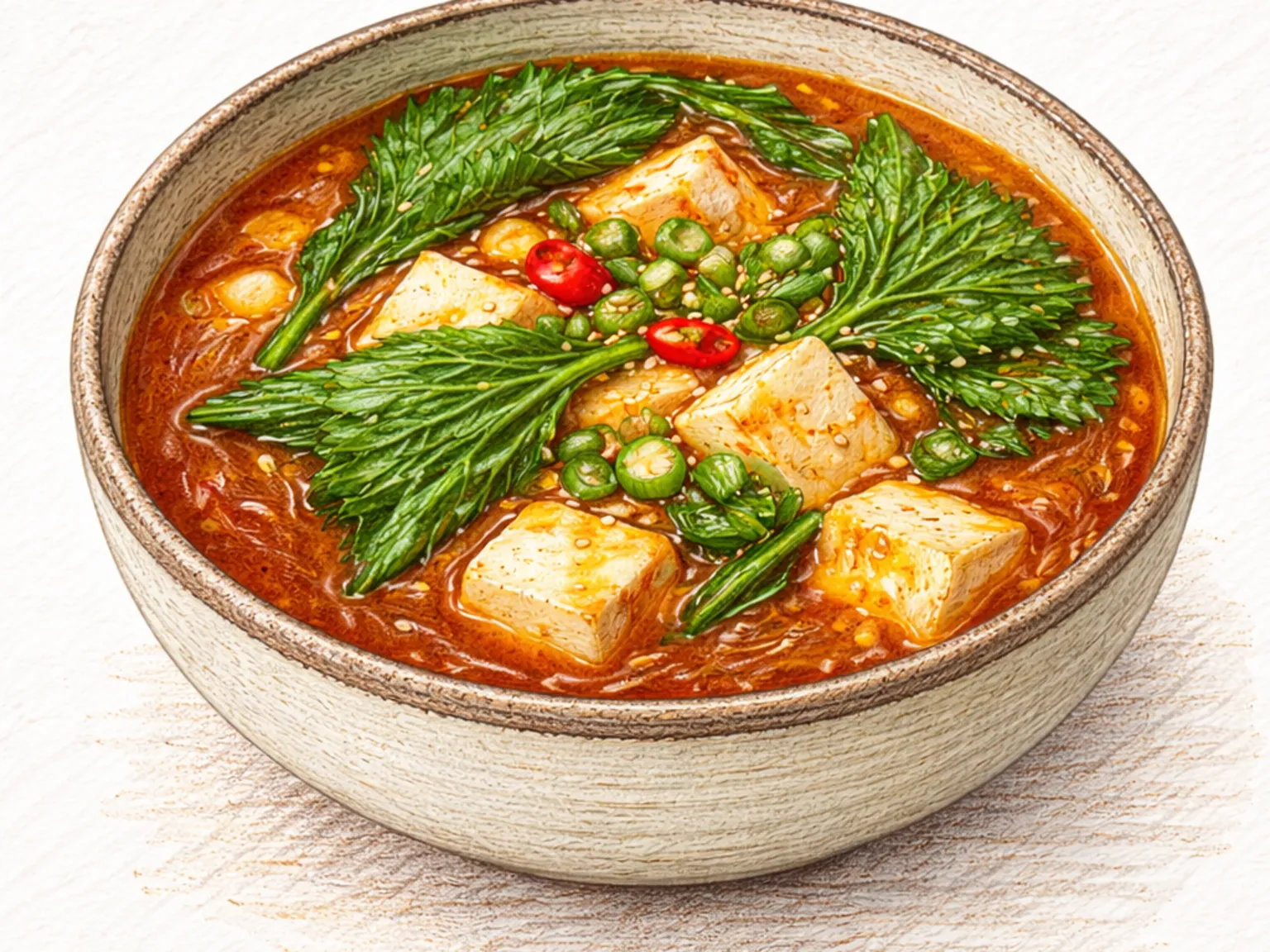
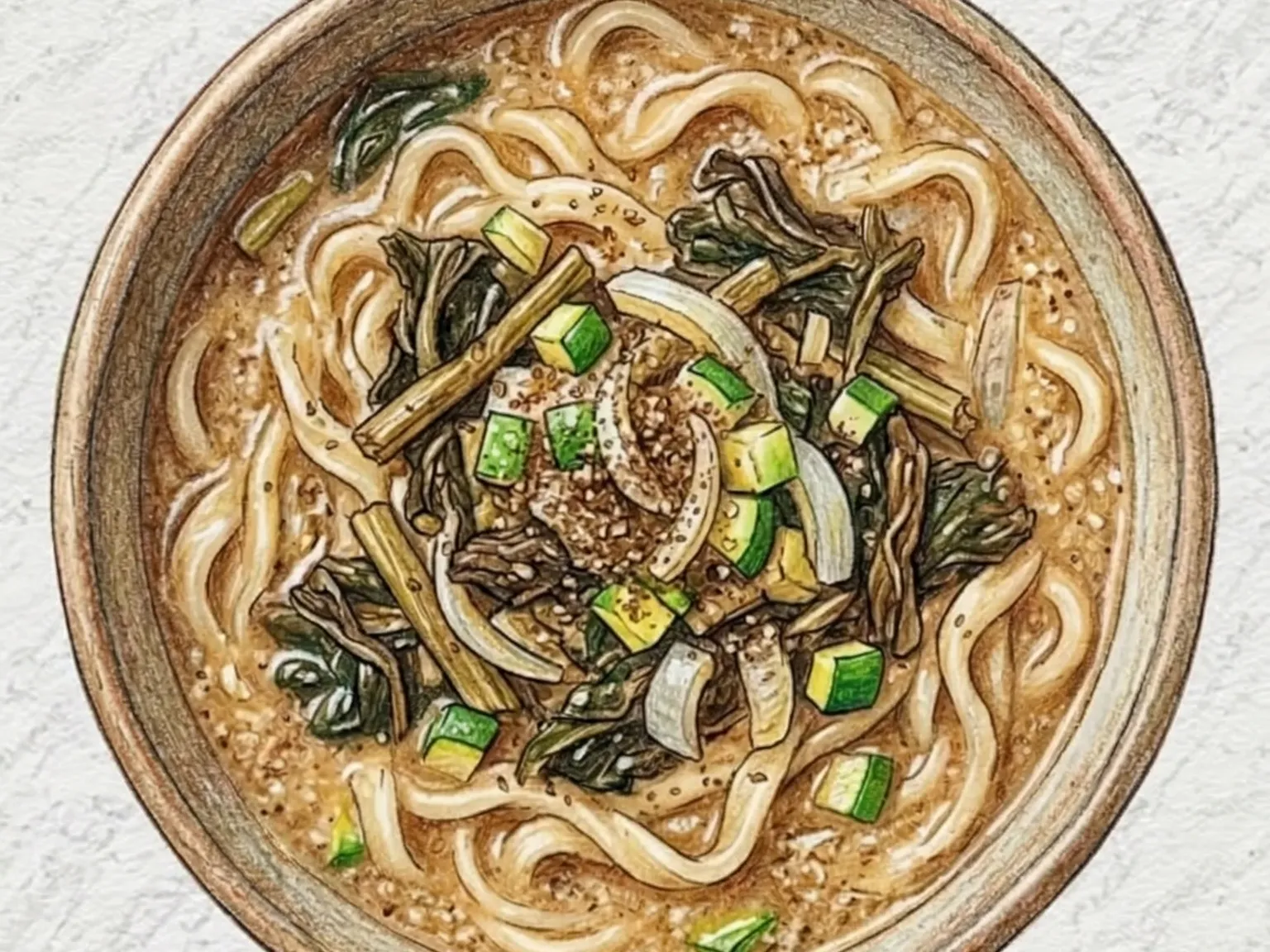
Korean Sigeumchi Dubu Jjigae (Spinach Tofu Stew)

Sigeumchi-dubu-jjigae is a Korean stew built from fresh spinach and soft tofu simmered in anchovy-kelp stock, seasoned with soup soy sauce and perilla oil. The process starts by warming perilla oil in the pot and softening minced garlic until its sharpness mellows into a rounded fragrance that transfers into the oil, giving the broth a subtle depth that would be absent if the garlic were added raw. Zucchini and onion release their natural sweetness as they cook, rounding out the broth and preventing it from tasting flat or austere. Soft tofu, added mid-way, absorbs the seasoned liquid gradually as it heats through, holding its shape while taking on the flavor of the broth around it. Spinach goes in last, only long enough to wilt, because extended cooking destroys the color and reduces the leaves to a limp, dull mass that works against the dish. The iron-forward earthiness of spinach pairs naturally with the mild creaminess of tofu and the nutty undercurrent of perilla oil, producing a stew that reads as simple but carries enough layered flavor to satisfy. This is a standard of Korean home cooking that earns its place at the table for being genuinely easy on the stomach, particularly welcome when appetite is low or the body calls for something clean.

🥗 Light & Healthy🏠 Everyday
Prep 12minCook 18min2 servings
Jaecheop-guk (Korean Marsh Clam Clear Soup)
SoupsEasy

Jaecheop-guk (Korean Marsh Clam Clear Soup)

Jaecheop-guk is a clear broth soup made from tiny freshwater marsh clams caught in the Seomjin River near Hadong in South Gyeongsang Province. The clams are purged thoroughly in salted water before going into a pot of cold water over heat, and as they open they release a concentrated, clean-tasting umami into the broth that produces a liquid both translucent in color and remarkably deep in flavor. Soup soy sauce and minced garlic provide light seasoning once the clams have opened, and a handful of chives goes in at the very end to finish with fragrance. In Hadong the soup has such a strong identity that entire restaurants specialize in nothing else, drawing visitors who come specifically for this one bowl. It has a long reputation as one of the most effective hangover remedies in Korean food culture, and is commonly eaten as a morning meal. Because the clams themselves are so small, this is essentially a broth-forward soup, and finishing a bowl leaves a settled, calming feeling in the stomach.

🏠 Everyday
Prep 25minCook 20min4 servings
Royal Korean Hot Pot (Court-Style Beef & Tofu Banquet)
StewsHard

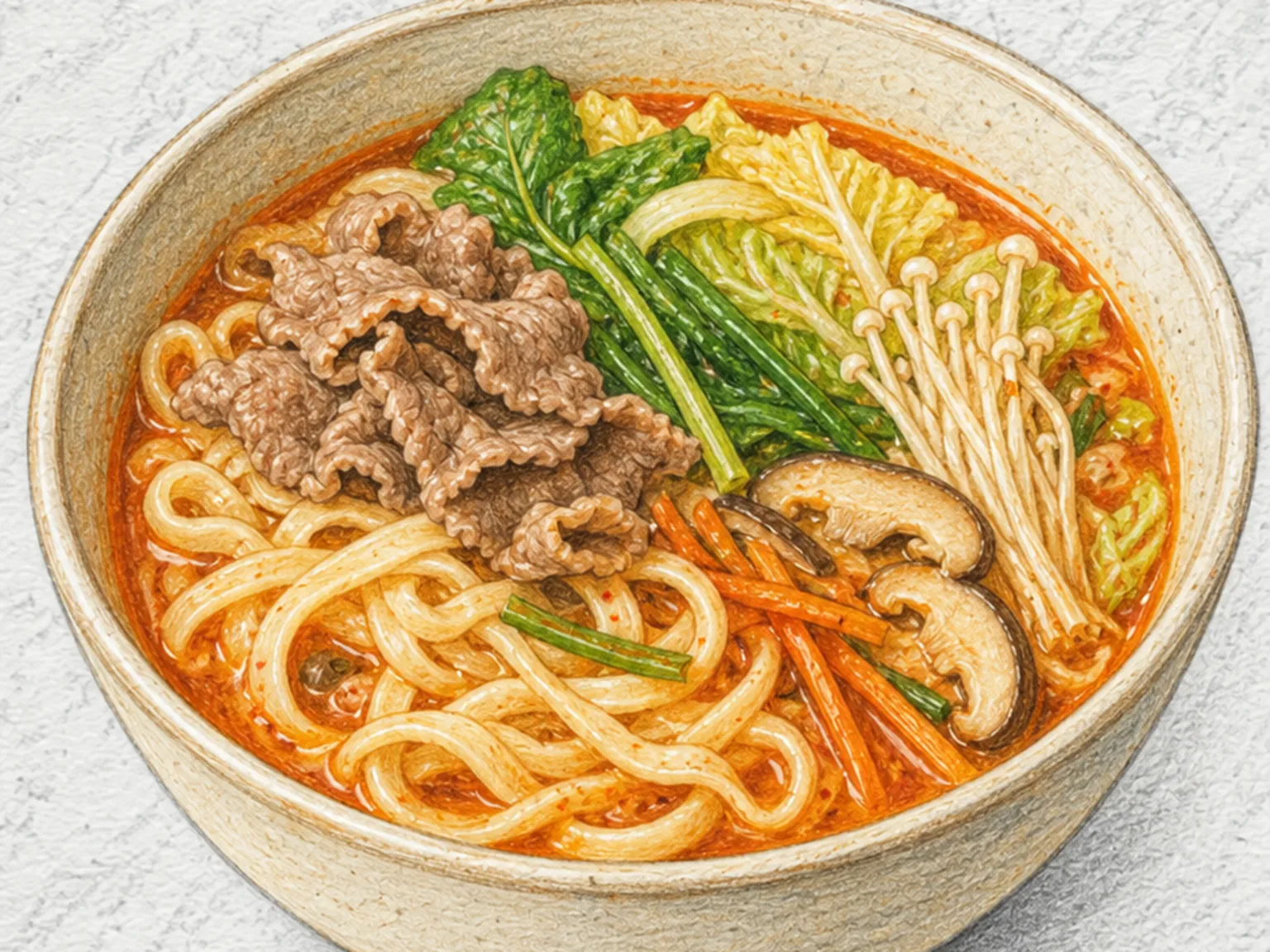
Royal Korean Hot Pot (Court-Style Beef & Tofu Banquet)

Sinseollo is a traditional Korean royal court hot pot featuring ground beef, tofu, shiitake mushrooms, carrot, and napa cabbage arranged in a rich beef broth. Seasoned with soup soy sauce and finished with beaten egg, the broth develops a velvety body. Historically served in a brass charcoal-heated vessel at the royal table, each ingredient is placed with care to showcase its color and shape. The layered umami from the diverse ingredients creates a remarkably complex flavor.

🎉 Special Occasion
Prep 45minCook 30min4 servings
Kimchi Dwaejigogi-guk (Kimchi Pork Tofu Soup)
SoupsEasy

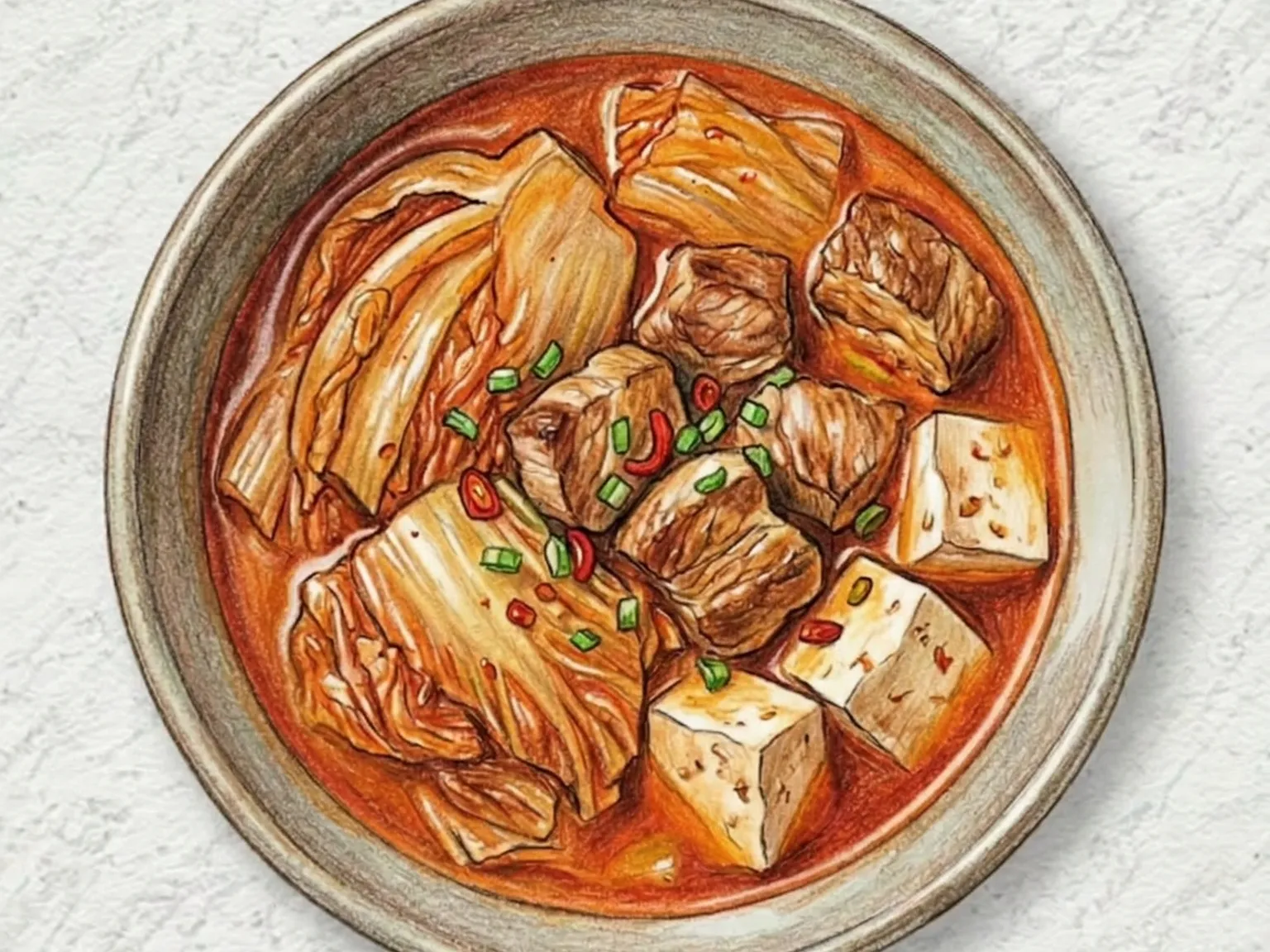
Kimchi Dwaejigogi-guk (Kimchi Pork Tofu Soup)

Kimchi-dwaejigogi-guk starts by stir-frying pork shoulder and well-fermented sour kimchi together in perilla oil. The pork is cooked first until its fat renders fully, then chili flakes join the pan for three more minutes of cooking alongside the kimchi. This initial stir-fry step is what gives the soup its depth - the caramelized kimchi acidity and rendered pork fat fuse into a base that a plain simmered broth cannot replicate. Water and sliced onion are added and simmered for fifteen minutes, then blocks of firm tofu go in near the end, soaking up the spicy, ruddy broth and providing a soft contrast to the chewy pork. The soup has considerably more liquid than a jjigae, making it well suited for pouring over rice in a bowl. Kimchi that has fermented longer delivers more lactic tang and a more complex broth. Pork belly can replace shoulder for a richer, fattier result.

🏠 Everyday
Prep 12minCook 25min2 servings
Korean Beef Mushroom Stew
StewsMedium

Korean Beef Mushroom Stew

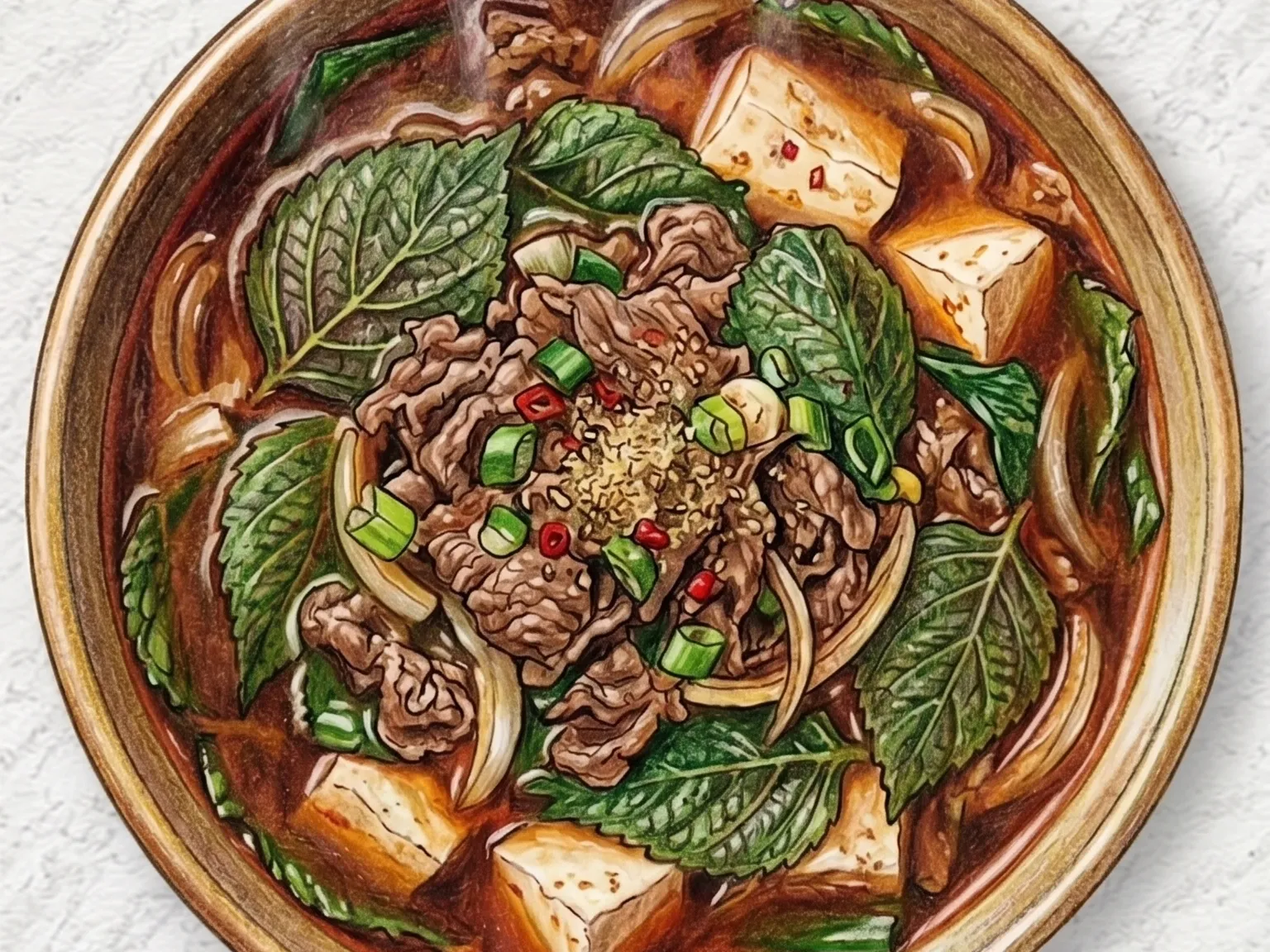
Soegogi-beoseot-jjigae is a Korean stew featuring thinly sliced beef with oyster mushrooms and shiitake mushrooms in a beef stock base. The beef stays tender throughout the cooking time because it is cut thin, and the two varieties of mushrooms contribute layered umami that deepens the broth considerably. Firm tofu absorbs the surrounding liquid and takes on the flavors of the stew while adding protein and body to the pot. Onion and green onion provide sweetness and fragrance that round out the savory base. The stew is seasoned simply with soup soy sauce and garlic, which keeps the natural flavors of beef and mushroom prominent. Tearing oyster mushrooms by hand along their grain allows the broth to penetrate the fibers better than cutting, and removing the tough stems from shiitake mushrooms before adding them keeps the broth clean and free of bitterness.

🏠 Everyday
Prep 18minCook 24min4 servings
Kongbiji-tang (Soybean Pulp Kimchi Pork Soup)
SoupsEasy

Kongbiji-tang (Soybean Pulp Kimchi Pork Soup)

Kongbiji-tang is a thick, porridge-like Korean soup made from ground soybean pulp-the byproduct of tofu production-simmered with pork and aged kimchi. The soy pulp gives the broth a creamy, almost grainy body and a pronounced nuttiness that coats the palate. Minced pork renders its fat into the liquid, adding a meaty richness, while the kimchi contributes a sharp acidity that cuts through the heaviness and keeps the flavor lively. Anchovy stock serves as the liquid base, layering an additional umami dimension beneath the soy and pork. The soup is seasoned with soup soy sauce, garlic, and finished with a swirl of sesame oil. It is a winter staple in Korean households, prized for its warmth and substance. The thick texture means it clings to rice rather than flowing around it, making each bite dense with flavor.

🏠 Everyday
Prep 15minCook 35min4 servings
Korean Beef and Daikon Stew
StewsEasy

Korean Beef and Daikon Stew

Soegogi muguk jjigae is a clear, soothing stew made by first sauteing beef brisket and daikon radish together in sesame oil to build a savory base, then adding water and simmering until the broth deepens in flavor. Soup soy sauce seasons the liquid while green onion and garlic round out the aroma. Despite a short ingredient list, the stew develops surprising depth as the brisket renders slowly into the broth and the radish turns translucent and sweet. Cutting the radish thick allows its natural sweetness to infuse gradually, enriching the broth over the full cooking time. It is a simple, grounding bowl most often eaten with rice stirred directly into the broth.

🏠 Everyday
Prep 10minCook 25min2 servings
Kongnamul-guk (Bean Sprout Anchovy Soup)
SoupsEasy

Kongnamul-guk (Bean Sprout Anchovy Soup)

Kongnamul-guk is a clear Korean soup built on bean sprouts, water, soup soy sauce, and garlic, and its central technique is boiling the sprouts with the lid firmly closed for seven minutes. The reason behind the closed lid is a long-standing Korean kitchen belief: the compounds responsible for the raw, beany smell in soybean sprouts are volatile, and if the lid is left open, they do not escape with the steam but instead condense back into the pot. Whether the chemistry fully supports this, keeping the lid closed has been the standard method for generations and consistently produces a clean-tasting broth. Green onion goes in at the very end to keep its bright, mild bite without overcooking. Trimming the fine root tails from each sprout improves the texture and presentation, though it does not change the flavor and is often skipped on weekdays. Adding chili flakes and a cracked egg transforms the soup into a spicy, restorative hangover version, and a handful of clams deepens the broth with extra umami. From start to finish the soup takes about fifteen minutes, which makes it one of the fastest soups in the Korean repertoire, and the directness of its flavor -- clean, cool, and vegetal -- is exactly what makes it worth returning to.

🏠 Everyday Quick
Prep 5minCook 15min2 servings
Korean Soybean Sprout Stew
StewsEasy

Korean Soybean Sprout Stew

Soybean sprout jjigae is a spicy home-style stew built around kongnamul, with tofu and pork adding substance to a broth seasoned with gochugaru and soup soy sauce. The sprouts release their own clean, slightly sweet liquid as they cook, and that natural base broth combines with the heat of the chili flakes to produce the sharp, refreshing character the dish is best known for. A critical technique rule applies to the sprouts: once the lid is placed, it should not be lifted during cooking. If the lid is removed and steam escapes, the sprouts develop an unpleasant grassy smell that cannot be reversed. If the lid is accidentally opened, the only correction is to leave it off and continue cooking without it until the end. Tofu absorbs the broth and provides a soft contrast to the crunchy sprouts, while the pork contributes fat and savory depth that enriches the broth. Green onion and minced garlic add aroma, and cracking a beaten egg into the pot as the broth comes to a full boil creates soft egg pieces throughout. The whole dish comes together in under twenty minutes from start to finish, making it a practical weeknight soup.

🏠 Everyday
Prep 10minCook 15min2 servings
Korean Bean Sprout Dried Pollock Soup
SoupsEasy

Korean Bean Sprout Dried Pollock Soup

Kongnamul-hwangtae-guk pairs dried pollock strips with soybean sprouts in a clear broth that is widely eaten as a morning-after remedy. The pollock is toasted briefly in sesame oil to coax out a nutty, savory aroma before radish slices and water are added for ten minutes of simmering, which forms the foundational stock. Rinsing the pollock quickly in cold water rather than soaking it for a long time keeps the strands pleasantly chewy rather than soft and falling apart. Bean sprouts and minced garlic are added uncovered for five more minutes: leaving the lid off is essential, as the open steam carry away the raw beany smell while preserving the sprouts' characteristic crunch. Soup soy sauce and a pinch of salt finish the seasoning, and sliced green onion goes on just before serving. The broth turns a milky, pale white as the pollock proteins leach into the liquid, which is the visual marker of a properly cooked bowl.

🏠 Everyday
Prep 10minCook 20min2 servings
Korean Spicy Beef Tripe Hot Pot
StewsHard

Korean Spicy Beef Tripe Hot Pot

This fiery hot pot simmers beef tripe in a beef bone stock seasoned with Korean chili flakes and gochujang. The tripe offers its signature chewy, springy texture that stands up well to the bold spice. Cabbage and oyster mushrooms soften in the broth, adding balance, while perilla leaves bring an herbal fragrance. A generous amount of green onion keeps the broth refreshing despite its heat. The beef bone stock base gives the entire dish a full-bodied richness.

🍺 Bar Snacks🎉 Special Occasion
Prep 30minCook 30min4 servings
Korean Seaweed Winter Soup
SoupsEasy

Korean Seaweed Winter Soup

Maesaengi-guk is a winter soup made with capsosiphon, a fine, thread-like green seaweed harvested along Korea's southern coast from December to February. Garlic is briefly sauteed in sesame oil, anchovy stock is poured in, and the seaweed is added and loosened with chopsticks to prevent clumping. The entire cooking time after adding the maesaengi is only three to four minutes; any longer and its delicate ocean aroma fades. After turning off the heat, the soup rests for two minutes so the seasoning of soup soy sauce and black pepper distributes evenly through the silky, deep-green broth.

🥗 Light & Healthy🏠 Everyday
Prep 12minCook 15min4 servings
Korean Ssuk Deulkkae Jjigae (Mugwort Perilla Stew)
StewsMedium

Korean Ssuk Deulkkae Jjigae (Mugwort Perilla Stew)

This seasonal stew highlights fresh mugwort simmered with perilla seed powder in a rice-rinse water base. The perilla powder gives the broth a creamy, nutty thickness, while the mugwort's slightly bitter herbaceous aroma floats through gently. Potato breaks down to add heartiness, and oyster mushrooms and firm tofu provide textural variety. Seasoned lightly with soup soy sauce, it is a springtime specialty that captures the taste of the season.

🥗 Light & Healthy🏠 Everyday
Prep 15minCook 20min2 servings
Manduguk (Korean Dumpling Clear Broth Soup)
SoupsEasy

Manduguk (Korean Dumpling Clear Broth Soup)

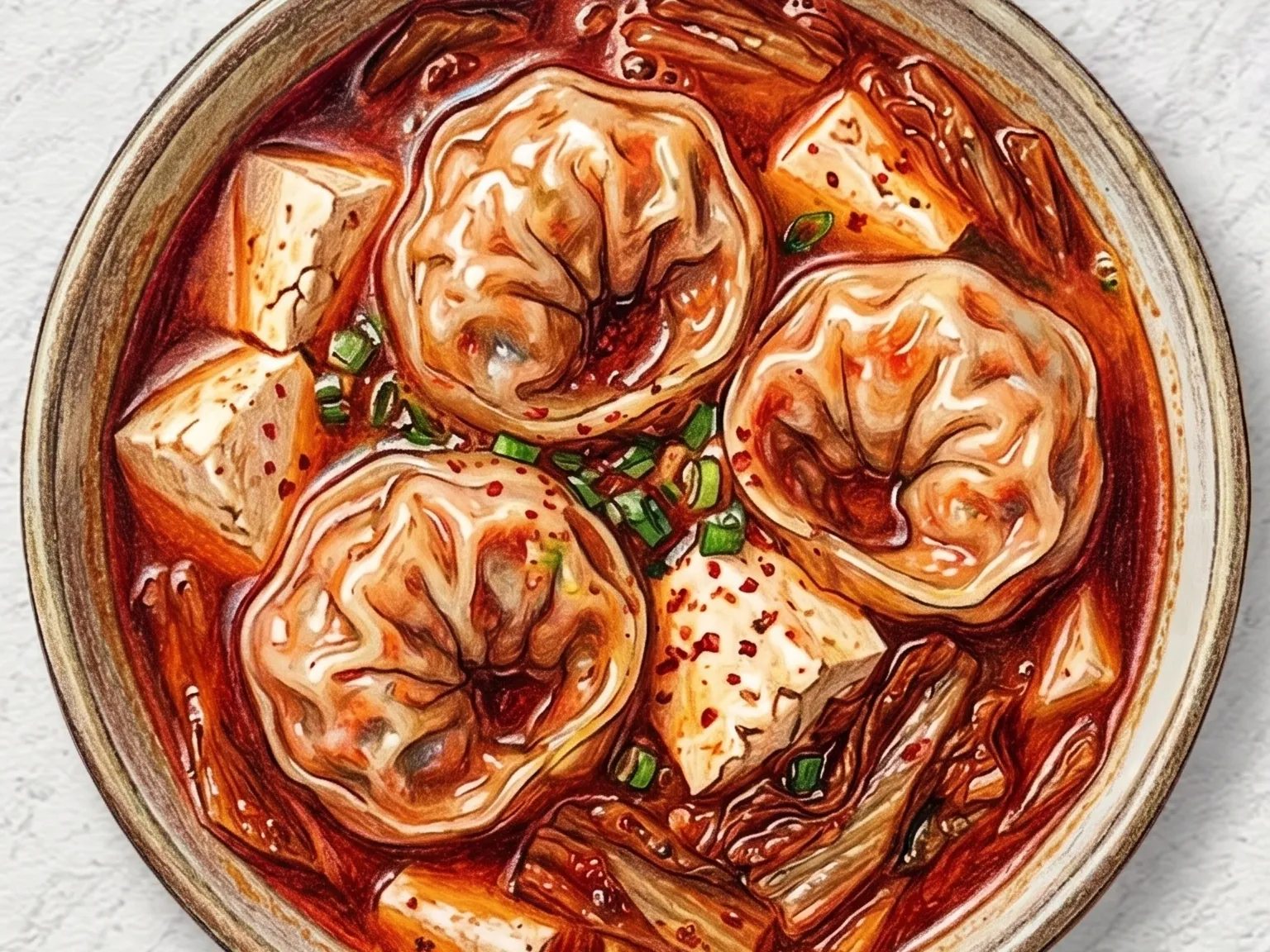
Manduguk is a Korean dumpling soup in which hand-folded dumplings stuffed with ground pork, tofu, scallion, and garlic are dropped into a clear, simmering broth, typically anchovy-kelp stock or beef broth, and cooked until they float. As the dumplings cook, their thin wheat-flour wrappers release a subtle starch that gives the broth a barely perceptible body, while the filling leaks savory juices that enrich the liquid gradually. A thin drizzle of beaten egg stirred in near the finish creates silken wisps on the surface of the broth and gives the bowl a more finished appearance. Shredded egg strips and crumbled dried seaweed scattered on top add a pleasant contrast in color and a faint oceanic note to the flavor. Many Korean households serve manduguk on Lunar New Year as an alternative to tteokguk, and some combine the two by adding sliced rice cakes alongside the dumplings. Dumplings can be made in large batches and frozen raw, which means this soup can be pulled together quickly on weeknights without sacrificing any of the flavor that comes from homemade filling. A small dish of soy-vinegar dipping sauce served alongside lets each person adjust the seasoning at the table, and the light acidity of the sauce cuts through the mild broth in a way that makes the contrast between the two worth trying.

🏠 Everyday🎉 Special Occasion
Prep 10minCook 15min4 servings
Korean Clam Sujebi Stew (Hand-Torn Dough in Clam Broth)
StewsMedium

Korean Clam Sujebi Stew (Hand-Torn Dough in Clam Broth)

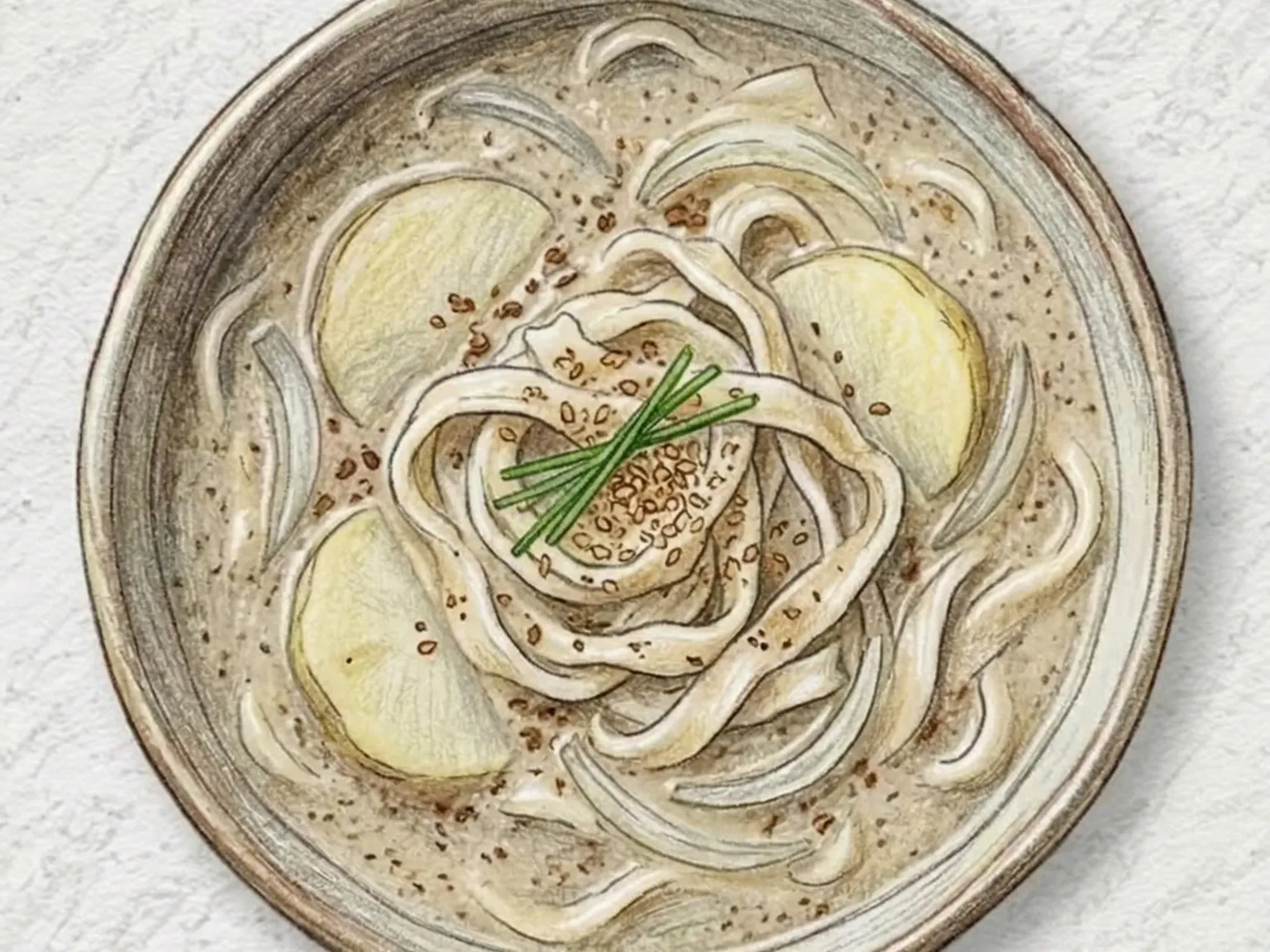
This stew combines hand-torn flour dumplings with clams, potato, and zucchini simmered in an anchovy-kelp stock. Adding clams to the base broth builds a clean, briny depth that anchovy stock alone cannot achieve. The dough is torn directly into the pot in uneven, thick pieces that cook into chewy, irregular shapes, each one slightly different in texture depending on thickness. As the potato softens it partially dissolves into the broth, thickening the liquid naturally without any starch addition. Zucchini and onion release gentle sweetness that rounds out the savory base. Soup soy sauce keeps the broth clear and properly seasoned, and sliced green onion finishes the bowl with fresh aroma. Because the sujebi itself serves as the starch, this one-bowl dish covers both soup and carbohydrate in a single serving, making it a satisfying, complete meal on its own.

🏠 Everyday
Prep 25minCook 20min4 servings
Korean Water Dropwort Tofu Soup
SoupsEasy

Korean Water Dropwort Tofu Soup

Minari-dubu-guk is a mild, clear Korean soup pairing soft tofu with water dropwort, an herb prized for its bright, celery-like fragrance. The broth is built on a simple anchovy-kelp stock, into which the tofu goes first and simmers gently until warmed through. Water dropwort is added only in the final moments before the heat is turned off, a deliberate timing choice that preserves the herb's volatile aromatic compounds and keeps the hollow stems slightly crisp rather than wilted. Adding it too early strips away the fragrance that makes this soup worth making. Seasoning stays minimal, soup soy sauce, garlic, and perhaps a pinch of salt, because restraint is the entire point: the clean stock, the herb's green perfume, and the pillowy tofu are meant to carry the bowl quietly. Firm tofu holds its shape through simmering and absorbs the broth more evenly than silken varieties, making it the better choice here. Spring is the ideal season, when water dropwort grows most tender and aromatic. Korean cooks often place this soup alongside richer, heavier dishes because the light broth cuts through fat and resets the palate between bites. It rarely draws attention at the table yet is reliably missed when absent.

🥗 Light & Healthy🏠 Everyday
Prep 10minCook 12min2 servings
Korean Beef & Mung Bean Sprout Stew
StewsMedium

Korean Beef & Mung Bean Sprout Stew

Sukju soegogi jjigae is a spicy, clean-finishing Korean stew made by simmering beef brisket and mung bean sprouts together in a gochugaru-seasoned broth. The brisket is soaked in cold water to draw out blood before being briefly boiled and skimmed, which keeps the broth clear and free of off-flavors as it simmers. As the brisket slowly cooks through, it releases a deep, meaty base that forms the backbone of the stew's flavor, seasoned with chili flakes and soup soy sauce for a spicy, savory kick. Korean radish cooked alongside the meat counteracts any heaviness in the broth and contributes a clean, refreshing note to the finish, while oyster mushrooms add a layer of chewy umami. Mung bean sprouts go in last and should cook for no more than two minutes to preserve their snap; prolonged heat softens them completely and removes the textural contrast that defines the dish. Ladled over a bowl of steamed rice, the spicy broth seeps into every grain and turns the whole combination into a satisfying single-bowl meal.

🏠 Everyday
Prep 15minCook 25min4 servings
Korean Sea Mustard Soybean Soup
SoupsEasy

Korean Sea Mustard Soybean Soup

Miyeok-doenjang-guk merges two foundations of Korean home cooking, seaweed soup and fermented soybean paste soup, into a single bowl that is earthier and more savory than either alone. Dried sea mustard is soaked, drained, and stir-fried briefly in sesame oil to develop a silky texture, then doenjang is dissolved directly into the pot rather than added at the end, which gives the fermented paste time to mellow and integrate with the seaweed's oceanic character. The result is something deeper and more complex than standard beef miyeok-guk, with a slightly funky, umami-saturated broth that reads as distinctly Korean even without meat. Anchovy-kelp stock used as the base amplifies the depth of the umami even further, while garlic and soup soy sauce keep the seasoning anchored. Because the protein and richness come from doenjang rather than beef, the soup leans naturally toward vegetarian territory and pairs well with a cube of soft tofu for added body. The broth thickens slightly from dissolved paste, which makes it cling to rice in a way that clear broths cannot match. Doenjang varies significantly in saltiness from brand to brand, so the final seasoning with soy sauce should be added gradually and tasted throughout.

🏠 Everyday
Prep 10minCook 18min2 servings
Korean Silken Tofu Seafood Stew
StewsEasy

Korean Silken Tofu Seafood Stew

Sundubu haemul jjigae is a seafood soft tofu stew that combines silken tofu with shrimp and Manila clams in an anchovy stock seasoned with gochujang and Korean chili flakes. The aromatics are stir-fried in sesame oil first to build a deeper base before the stock is added. As the shrimp and clams cook through, they release their own briny juices into the spicy broth and push the umami noticeably higher. An egg cracked in at the end binds gently with the silken tofu, adding richness and a slight body to the broth. Deveining the shrimp and removing the back intestine keeps the flavor clean, and soaking the clams in lightly salted water beforehand purges any sand that would otherwise cloud the stock.

🏠 Everyday
Prep 15minCook 15min2 servings
Miyeok-guk (Seaweed Beef Sesame Soup)
SoupsEasy

Miyeok-guk (Seaweed Beef Sesame Soup)

Miyeok-guk is one of the most culturally meaningful soups in Korean cuisine. Dried sea mustard is first rehydrated, then stir-fried in sesame oil until the strands glisten and deepen in color, and finally simmered with thinly sliced beef and water until the broth turns savory and lightly viscous from the seaweed's released gelatin. Seasoning is deliberately sparse: soup soy sauce, minced garlic, and a final touch of sesame oil are almost always sufficient, because the seaweed and beef provide the foundational umami. The soup is traditionally prepared for new mothers during the postpartum recovery period, as miyeok is rich in iodine, calcium, and iron. It also appears on every Korean birthday table as an act of remembrance toward the mother who endured childbirth on that day, making the bowl carry a weight of gratitude that goes far beyond nutrition. Beyond its symbolism, miyeok-guk is practical everyday cooking: it calls for few ingredients, comes together in under thirty minutes, and produces a broth that nourishes without heaviness. Substituting the beef with mussels, clams, or dried shrimp creates a lighter, more oceanic version that is equally rooted in tradition. The soup reheats well and frequently tastes even better the next day, once the seaweed has softened further and the flavors have had time to merge fully.

🏠 Everyday
Prep 30minCook 30min2 servings
Korean Soft Tofu Stew (Silken Tofu in Spicy Clam Broth)
StewsEasy

Korean Soft Tofu Stew (Silken Tofu in Spicy Clam Broth)

Sundubu-jjigae is one of Korea's most recognizable stews, built around silken soft tofu simmered in a fiery broth with clams, ground pork, and gochugaru. The process starts by frying sesame oil, chili flakes, and garlic together until the fat turns red and fragrant, which becomes the flavor foundation of the entire pot. Stock is poured in and brought to a hard boil, then two eggs are cracked directly onto the surface of the stew and left to set into a soft, barely-cooked yolk. Clams bring a clean oceanic salinity to the broth while the pork provides a meatier, rounder depth, and the two work together to create a layered complexity that neither delivers alone. The stew is served still boiling in an earthenware pot because the clay retains heat far longer than metal, keeping every spoonful scalding from first to last. A scoop of rice stirred into the leftover broth absorbs the spicy, savory liquid completely.

🏠 Everyday
Prep 10minCook 20min2 servings
Korean Chilled Seaweed Soup
SoupsEasy

Korean Chilled Seaweed Soup

Miyeok-naengguk is a Korean chilled seaweed soup designed for the hottest days of summer, when the idea of a boiling pot feels intolerable. Rehydrated sea mustard and thinly sliced cucumber are bathed in a cold broth made from soy sauce, rice vinegar, sugar, and iced water, producing a tangy, lightly sweet liquid that hits the palate with immediate refreshment. The seaweed contributes a slippery, marine texture while the cucumber provides a sharp crunch, and together they give the soup a satisfying range of mouthfeel in each spoonful. Preparation requires no cooking at all - the ingredients are simply mixed, seasoned, and chilled - making it one of the fastest dishes in the Korean repertoire. A generous sprinkle of toasted sesame seeds adds nuttiness on top, and an optional pinch of gochugaru turns the broth a vivid red while contributing gentle heat. The soup pairs naturally with cold noodle dishes like naengmyeon or bibim-guksu, and it improves after an hour in the refrigerator as the seasoning penetrates the seaweed. In many Korean homes, a bowl of miyeok-naengguk is the unofficial signal that summer has arrived.

🏠 Everyday
Prep 15minCook 10min4 servings
Korean Turnip Perilla Seed Stew
StewsEasy

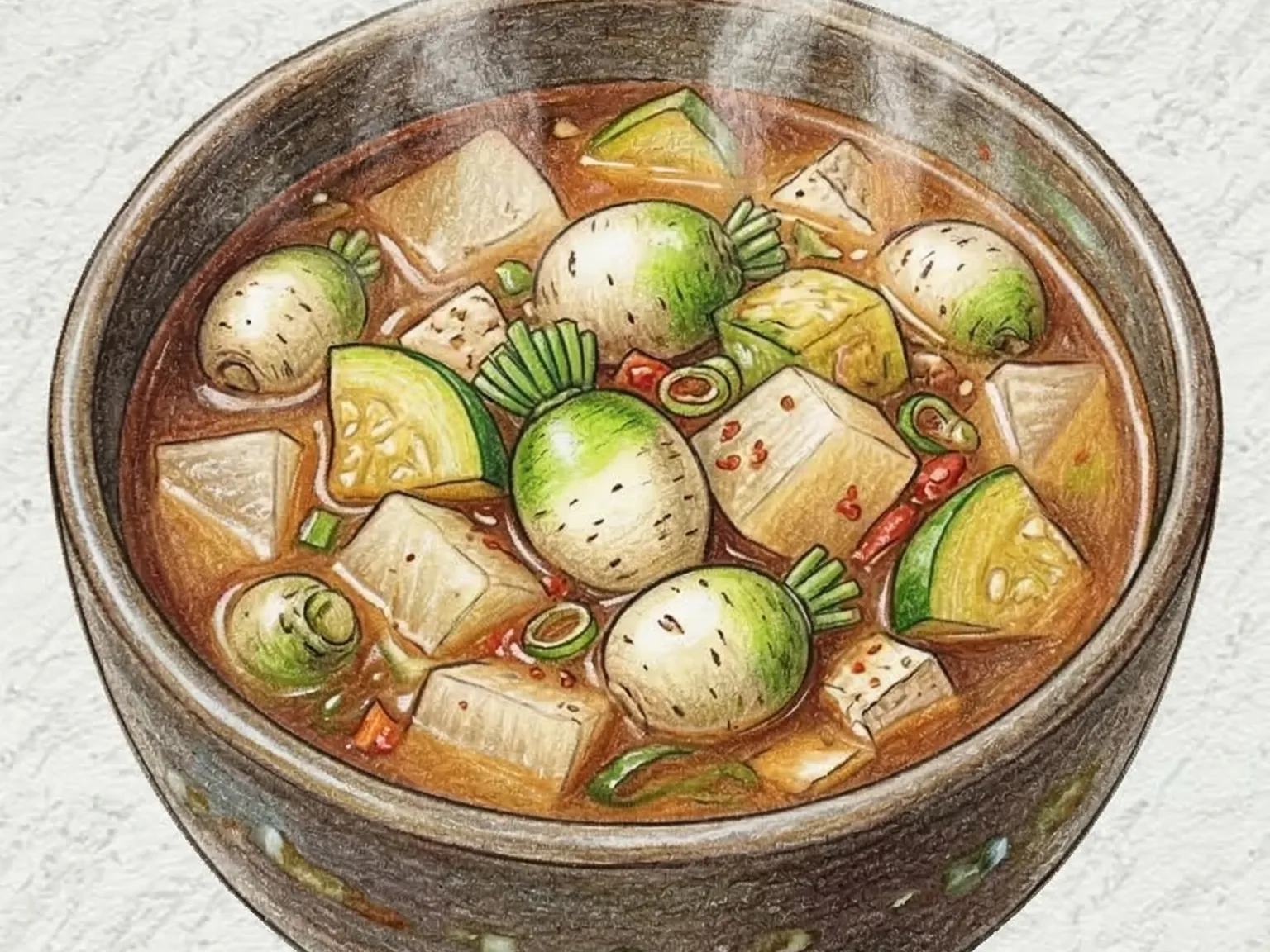
Korean Turnip Perilla Seed Stew

Sunmu deulkkae jjigae is a gentle Korean stew that simmers turnip with ground perilla seed in a kelp stock base. As the turnip cooks slowly, it softens and releases a quiet natural sweetness, while the perilla powder thickens the broth into a creamy, nutty layer that coats each spoonful. Oyster mushrooms add a chewy bite and soft tofu contributes protein, rounding out the bowl into a balanced meal on its own. Adding the perilla powder late in the cooking process preserves its aroma, and the stew should be finished within two to three minutes of the broth returning to a boil to prevent any bitterness from developing. Seasoned with soup soy sauce and a drizzle of sesame oil at the end, the result is a clean, quietly satisfying stew that is easy on the stomach.

🥗 Light & Healthy🏠 Everyday
Prep 12minCook 18min2 servings