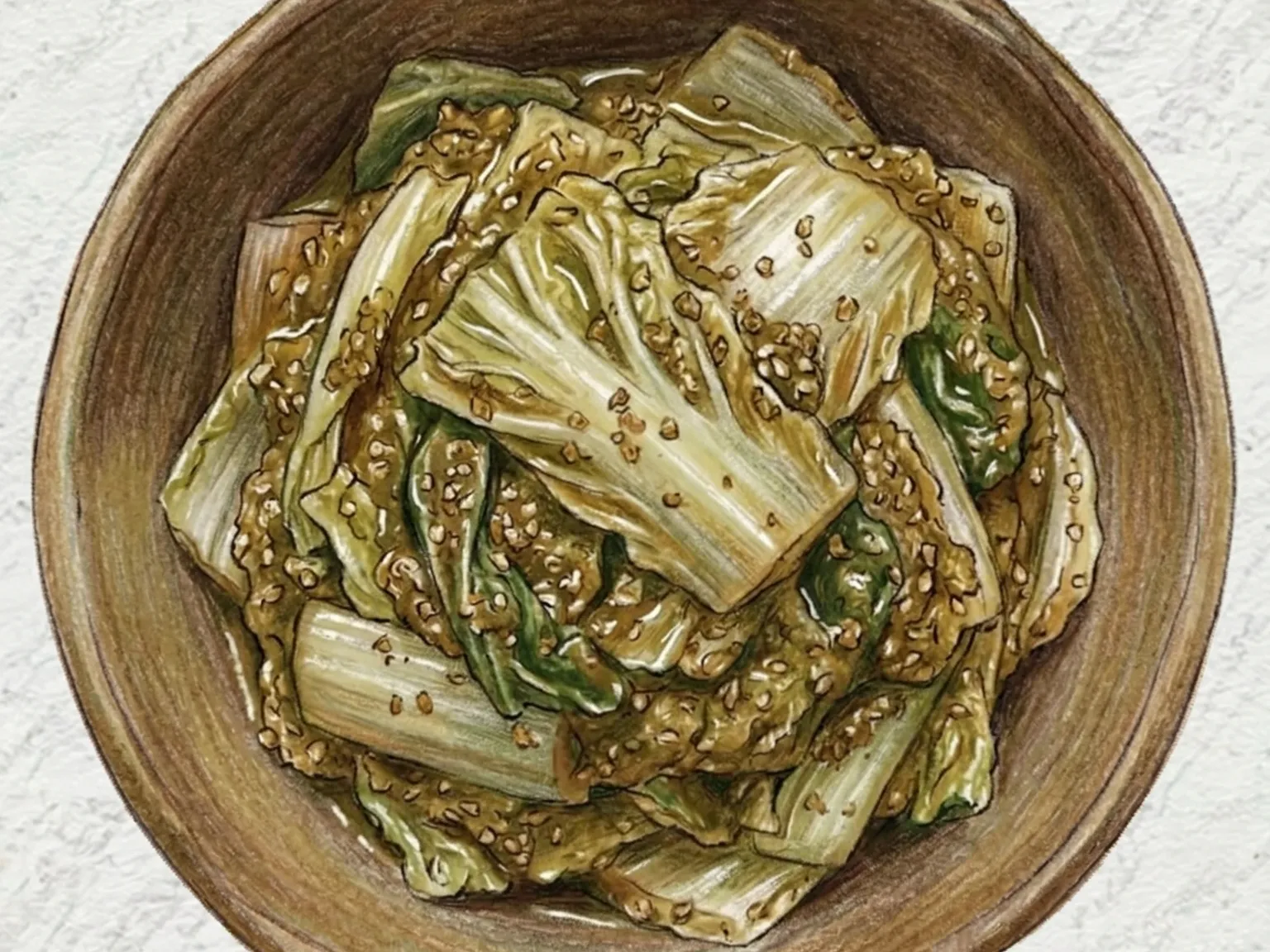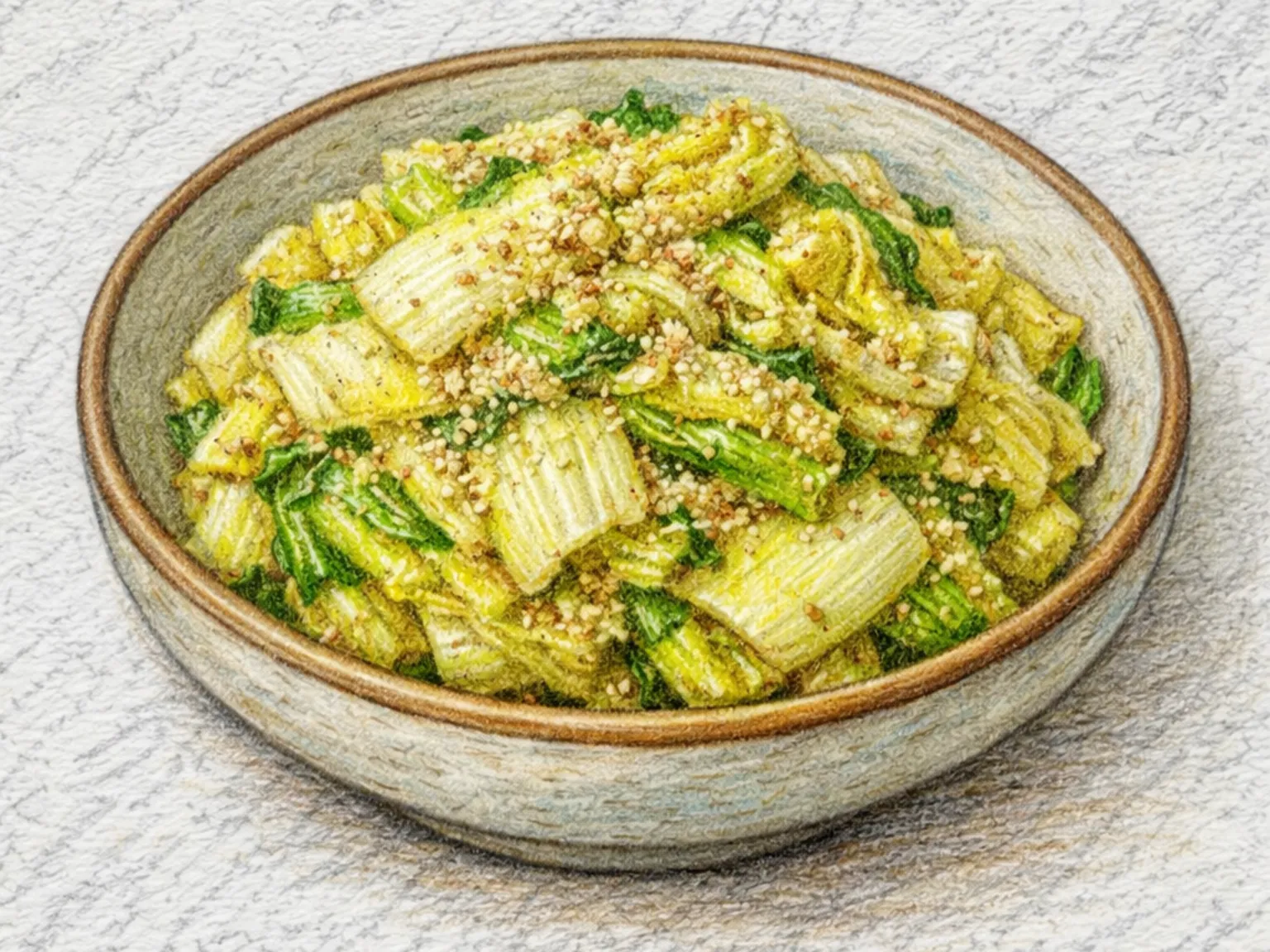
Korean Napa Cabbage Perilla Stir-fry
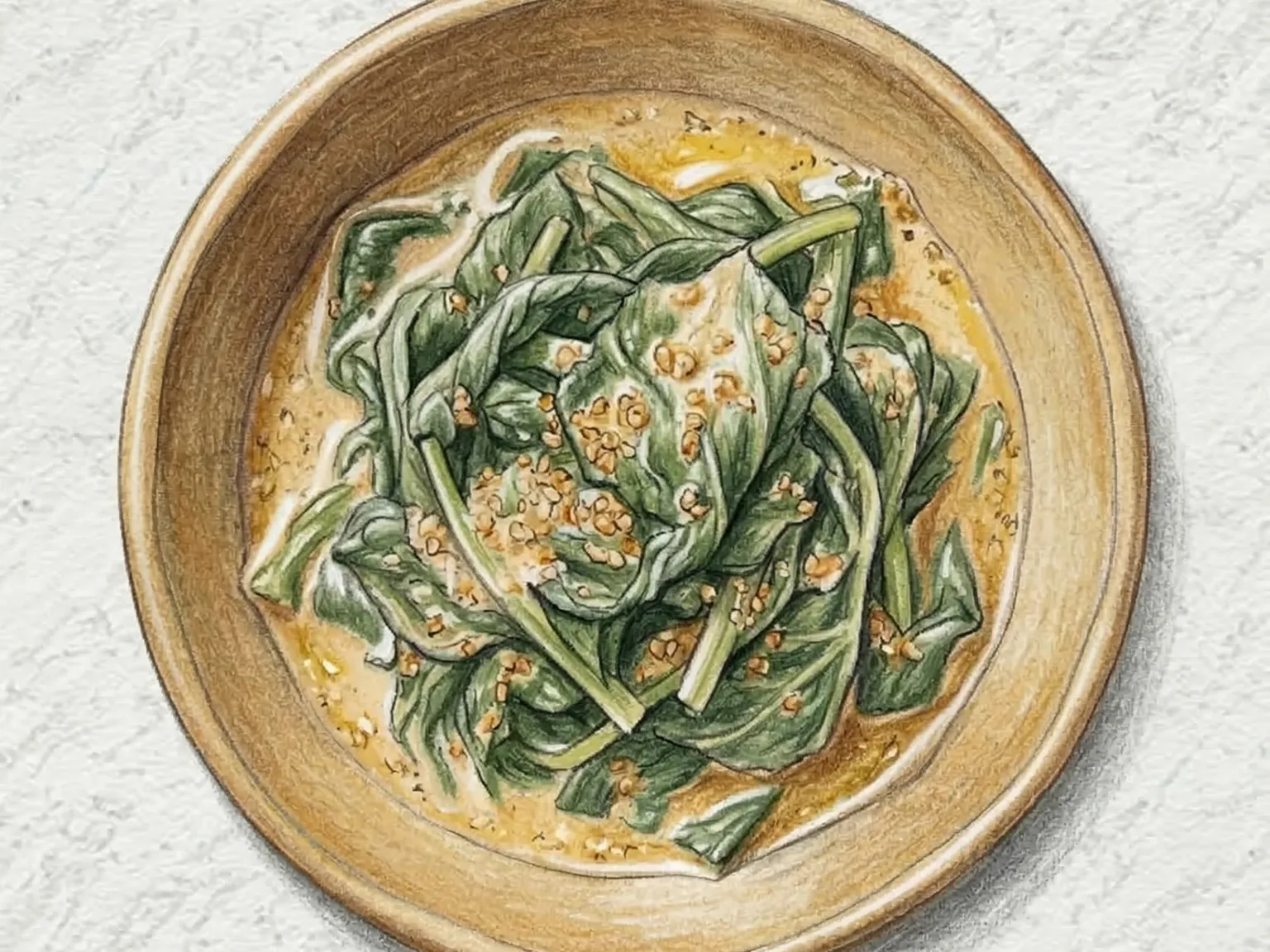
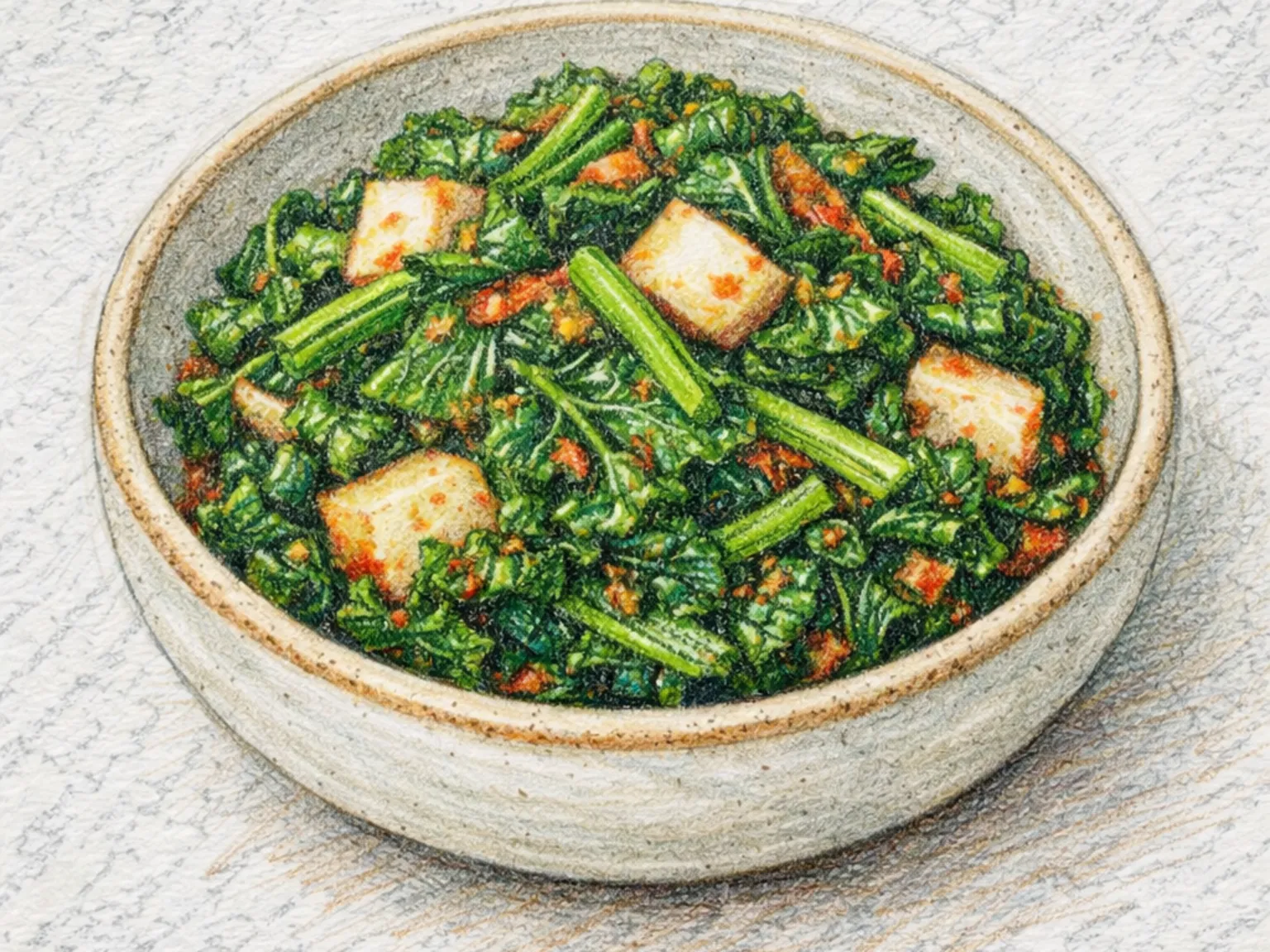
Two ingredients carry this dish: baby napa cabbage and ground perilla seeds. Perilla oil goes into the pan first, then cabbage over high heat until just wilted. A splash of water and a measure of soup soy sauce follow, with the lid on for two minutes more. The timing gap between leaf and stem matters here - stems retain a little bite while leaves turn soft, and that contrast is the point of the dish rather than an oversight. Ground perilla seeds go in just before turning off the heat: too early and the nutty fragrance dissipates in the steam; too late and they do not thicken the liquid properly. When done right, the seeds create a pale, creamy sauce that clings to the cabbage and soaks into rice underneath. Salt and pepper are the only other seasoning. It keeps well cold and travels without issue in a lunchbox.

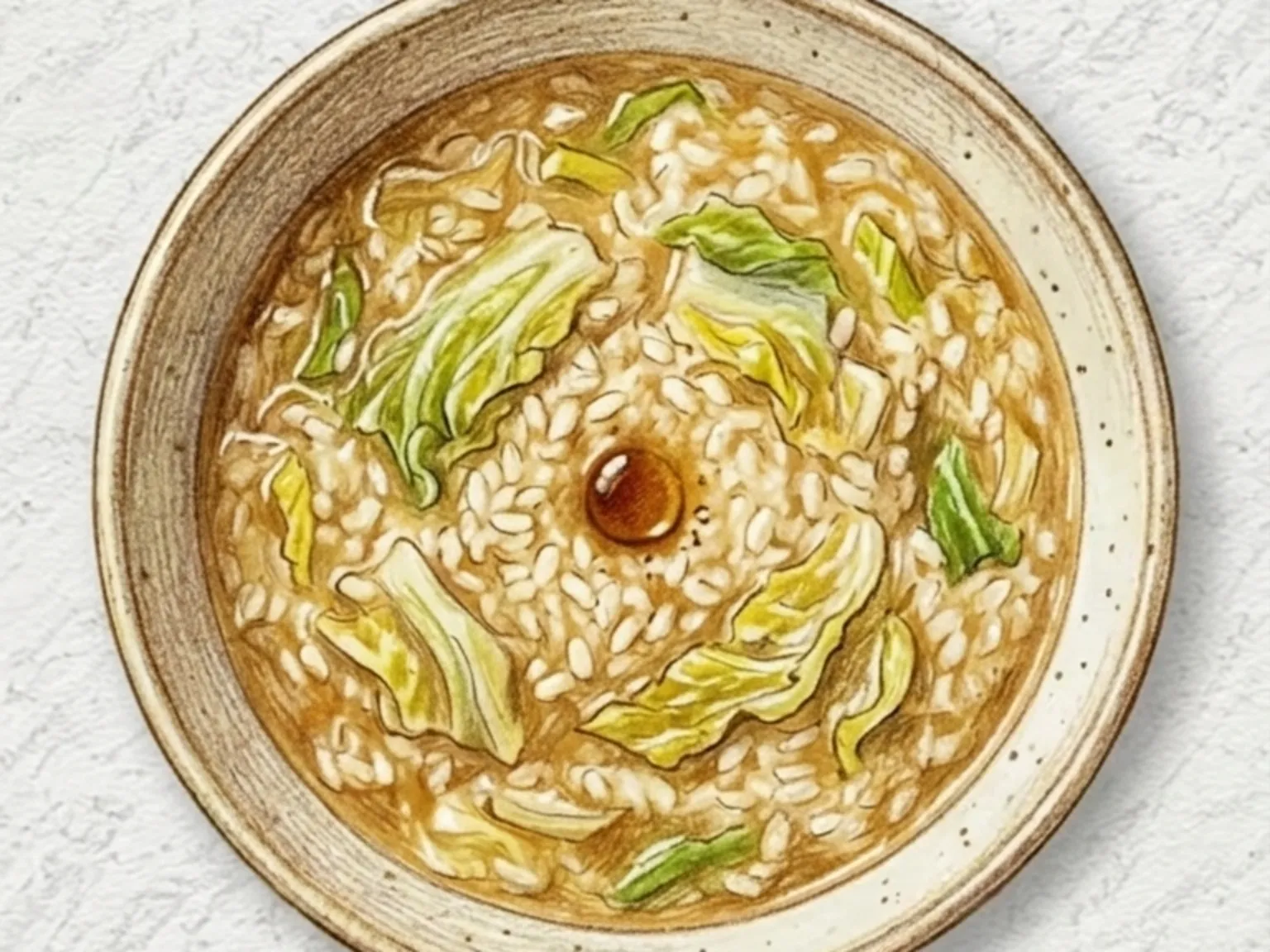
Korean Napa Cabbage Doenjang Porridge
Baechu doenjang juk is a Korean porridge where soaked rice is first toasted in sesame oil before any liquid is added, building a nutty foundation that plain boiled rice cannot provide. The doenjang is dissolved and strained through a fine-mesh sieve directly into anchovy stock so the finished porridge stays smooth without chalky bits of fermented paste. Finely chopped napa cabbage and onion go in with the strained stock: the onion melts quietly into the broth as it cooks, contributing a background sweetness, while the cabbage softens until it nearly disappears into the porridge's texture. Stirring frequently over medium-low heat for at least twenty minutes is what allows the rice grains to break down evenly and merge with the liquid rather than sitting as distinct kernels in thin broth. Skipping the initial oil-toasting step and adding raw soaked rice directly causes the starch to release unevenly, producing a porridge that sticks to the bottom of the pot and tastes flat. A drop of sesame oil and a final seasoning with guk-ganjang complete the dish. The result is a bowl that feels gentle on the stomach while carrying the full fermented complexity and depth of doenjang - suitable as a light meal or a restorative dish during recovery.

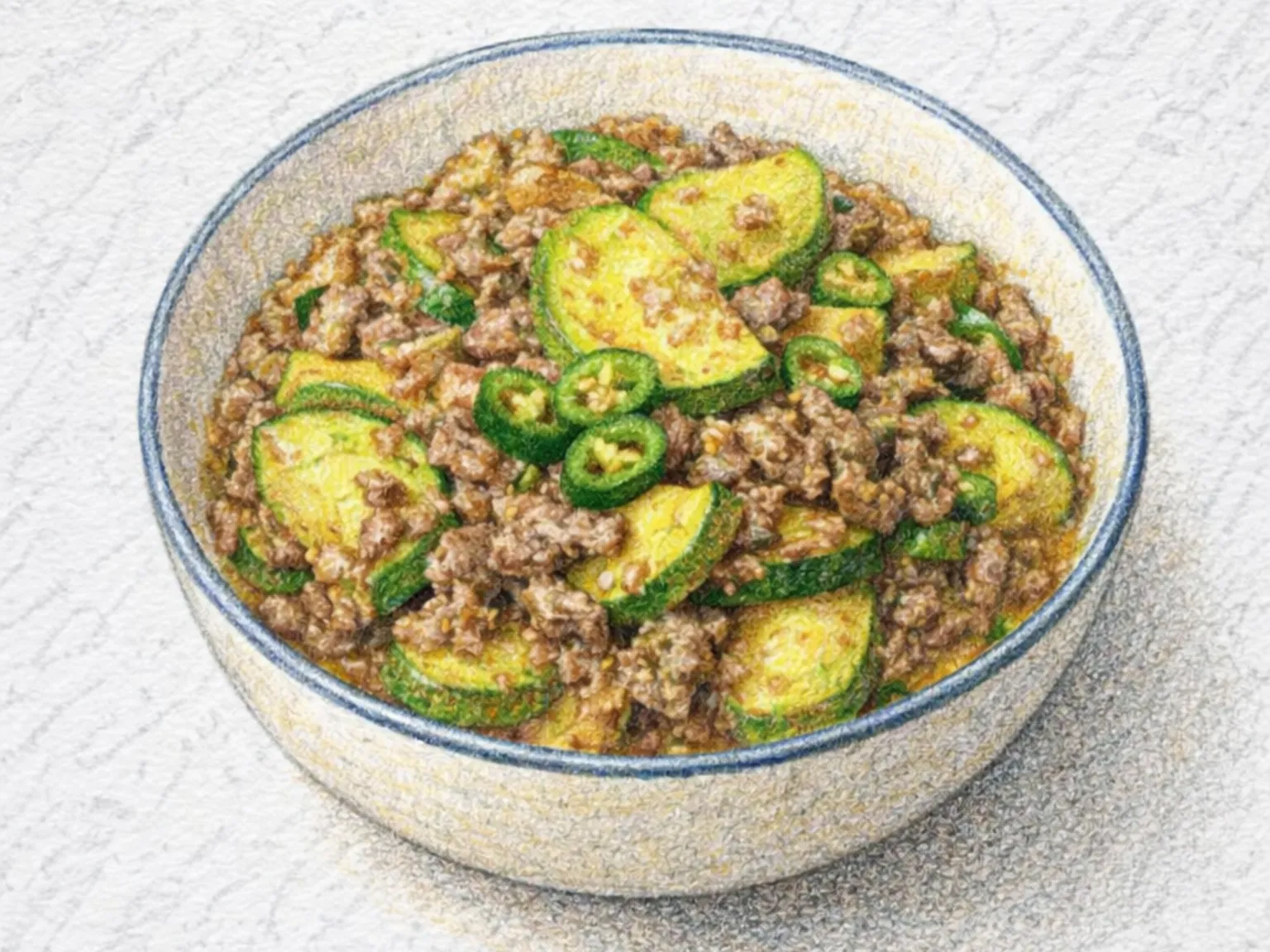
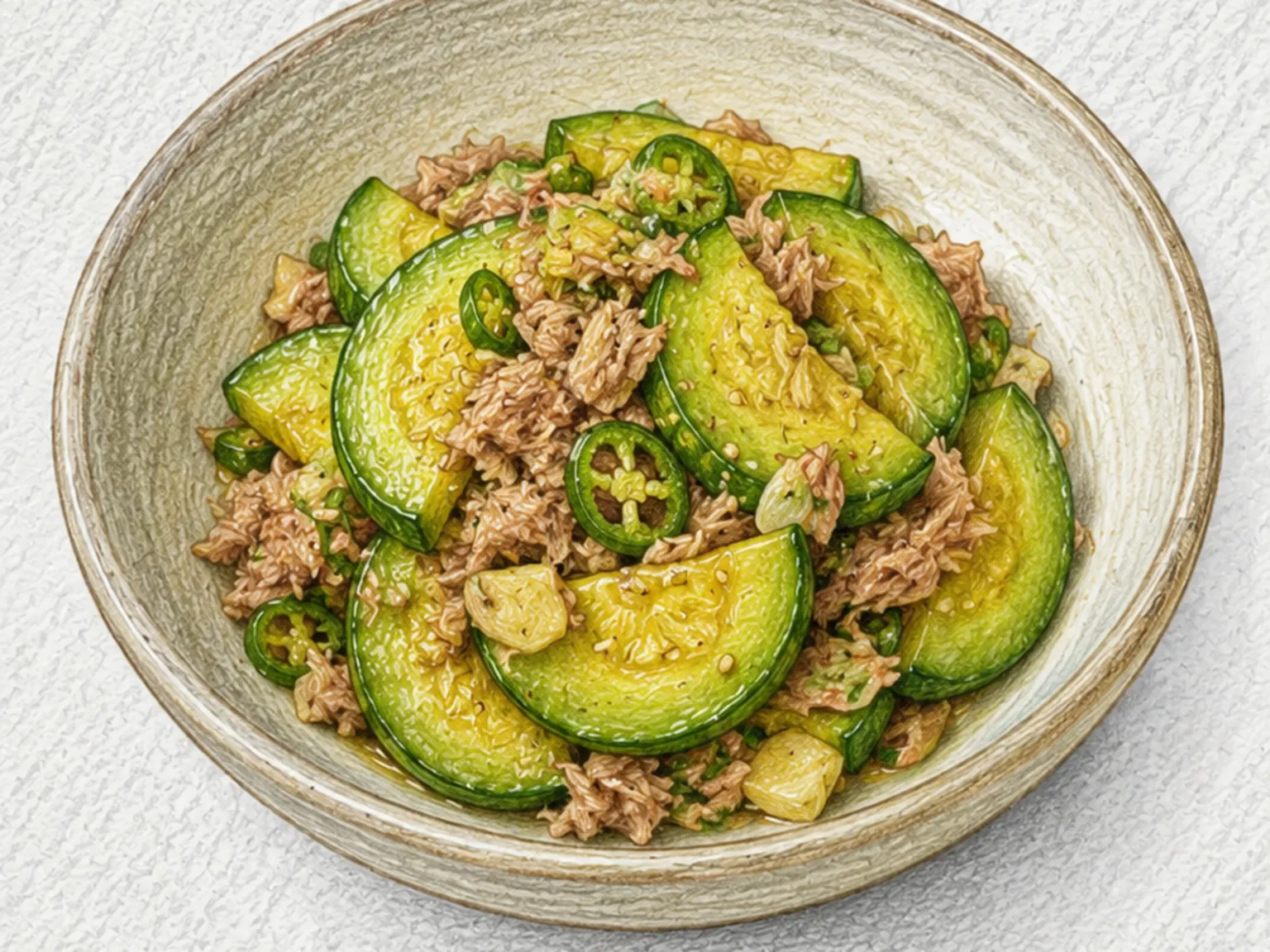
Korean Stir-Fried Zucchini and Beef Brisket with Doenjang
Three ingredients divide the labor in this stir-fry: beef brisket renders the fat, doenjang provides the fermented backbone, and zucchini supplies the body of the dish. The brisket goes into a dry pan first, no added oil, so its own fat melts out and becomes the cooking medium. Doenjang added directly to that rendered fat fries for thirty seconds until the raw paste smell cooks off and a deeper fragrance develops. Then the zucchini, sliced into half-moons, goes in with a dash of soup soy sauce over high heat. Total cooking time from pan to plate runs about five minutes - push past that and the zucchini releases too much water and turns limp. Sliced cheongyang chili at the end keeps a sharp heat in the background. A drizzle of perilla oil with the heat off gives a clean, herbal finish. Works as a banchan alongside rice, or spooned over a full bowl of steamed rice as a quick one-dish meal.

Korean Street Stall Udon (Dashi Broth Fish Cake Noodle Soup)
This street stall-style udon starts with kombu cold-steeped in water that is then brought to a gentle boil and simmered for eight minutes to extract its clean, mineral sweetness. The heat is turned off before bonito flakes are added, left to steep for two minutes until the broth turns golden and faintly smoky, then strained clear. Soup soy sauce and regular soy sauce are used together so the broth achieves both the right color and a balanced savory depth, and a small amount of sugar smooths the sharp edge of the soy without making the broth sweet. Fish cake slices are added directly to the hot broth and simmered for roughly five minutes, releasing their own mild umami into the liquid while absorbing the dashi flavor in return. Cooking them much longer causes the texture to deteriorate. Udon noodles are blanched separately in a second pot to wash off surface starch, then transferred to serving bowls while the broth is brought back to a rolling boil. Pouring the hot broth over the noodles at the last moment rather than simmering the noodles in the broth keeps them springy and prevents the soup from turning cloudy. Sliced scallion and dried seaweed flakes go on top as the final garnish.

Korean Silkworm Pupae Broth
Beondegi-tang simmers canned silkworm pupae in a broth seasoned with soup soy sauce, gochugaru, and minced garlic, a staple street food soup served at Korean pojangmacha stalls. Sliced green onion and hot green chili cook alongside for eight minutes, letting the chili heat infuse the liquid while the pupae release a deep, earthy umami into every spoonful. Adding a splash of the canning liquid intensifies the savory depth, and the soup must be served piping hot to keep the aromatics lively. It is a classic pairing with soju or makgeolli, and while the chili level can be adjusted to taste, the soy sauce quantity should stay fixed to temper the pupae's distinctive aroma.

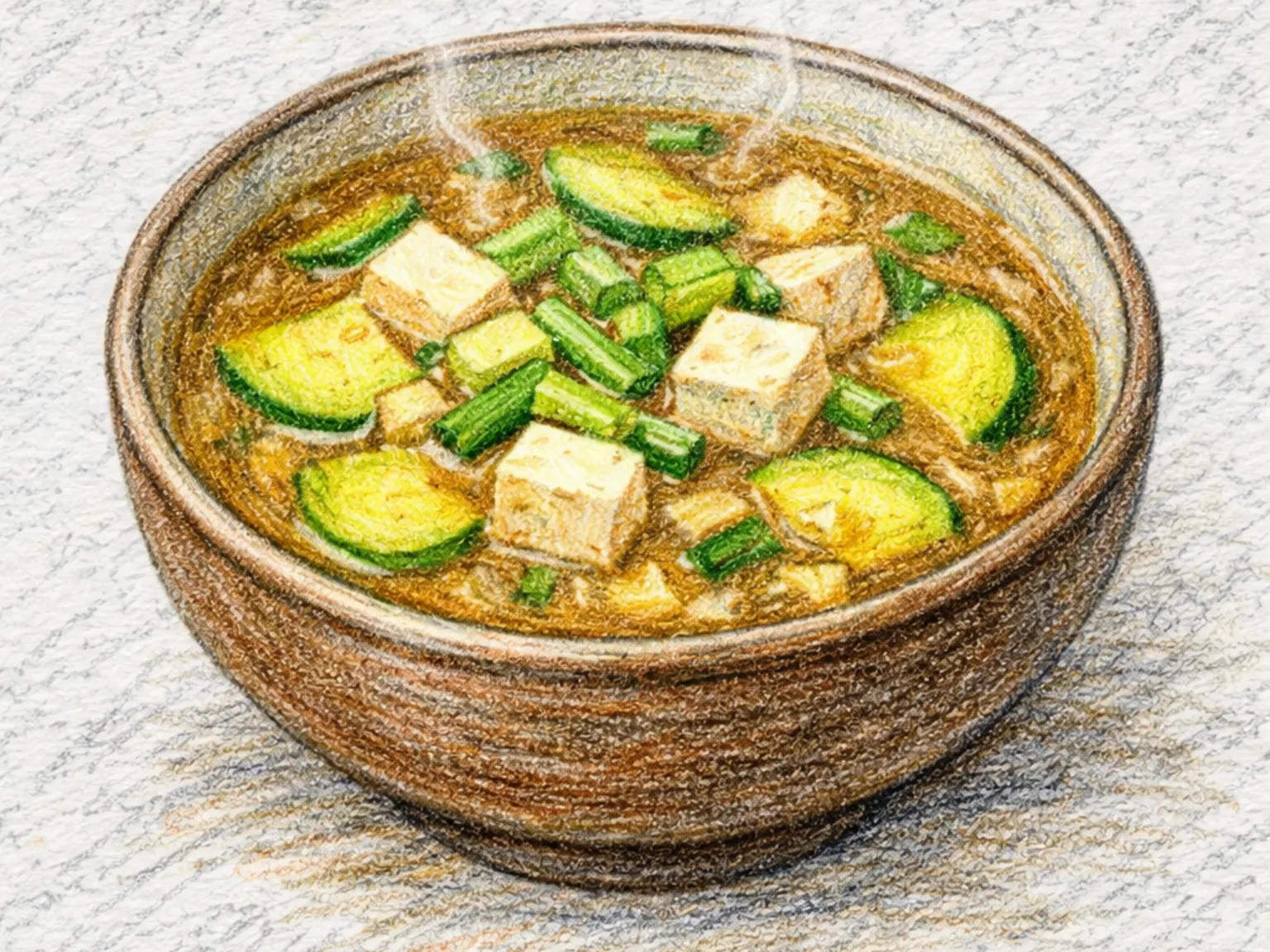
Korean Zucchini Soybean Paste Soup
The soup that comes to mind when Koreans think of home cooking. Not a dish for special occasions - this is what gets made on ordinary weeknights when nothing more specific has been decided. Anchovy-kelp stock is the base: dried anchovies and a piece of kombu in cold water, brought to a boil and simmered ten minutes. Doenjang dissolved through a strainer into the finished stock adds the fermented, earthy depth that defines the soup. Onion goes in first and sweetens the broth as it softens. Zucchini, sliced into half-moons, follows with minced garlic, cooking for five minutes at most - past that point the slices lose their shape and the broth becomes murky. Cubed tofu is added last, just to warm through without breaking. The result is a cloudy, golden soup where the salty funk of the doenjang sits underneath a gentle vegetable sweetness. A sliced cheongyang chili makes it spicy; left out, the soup is mild enough for any table.

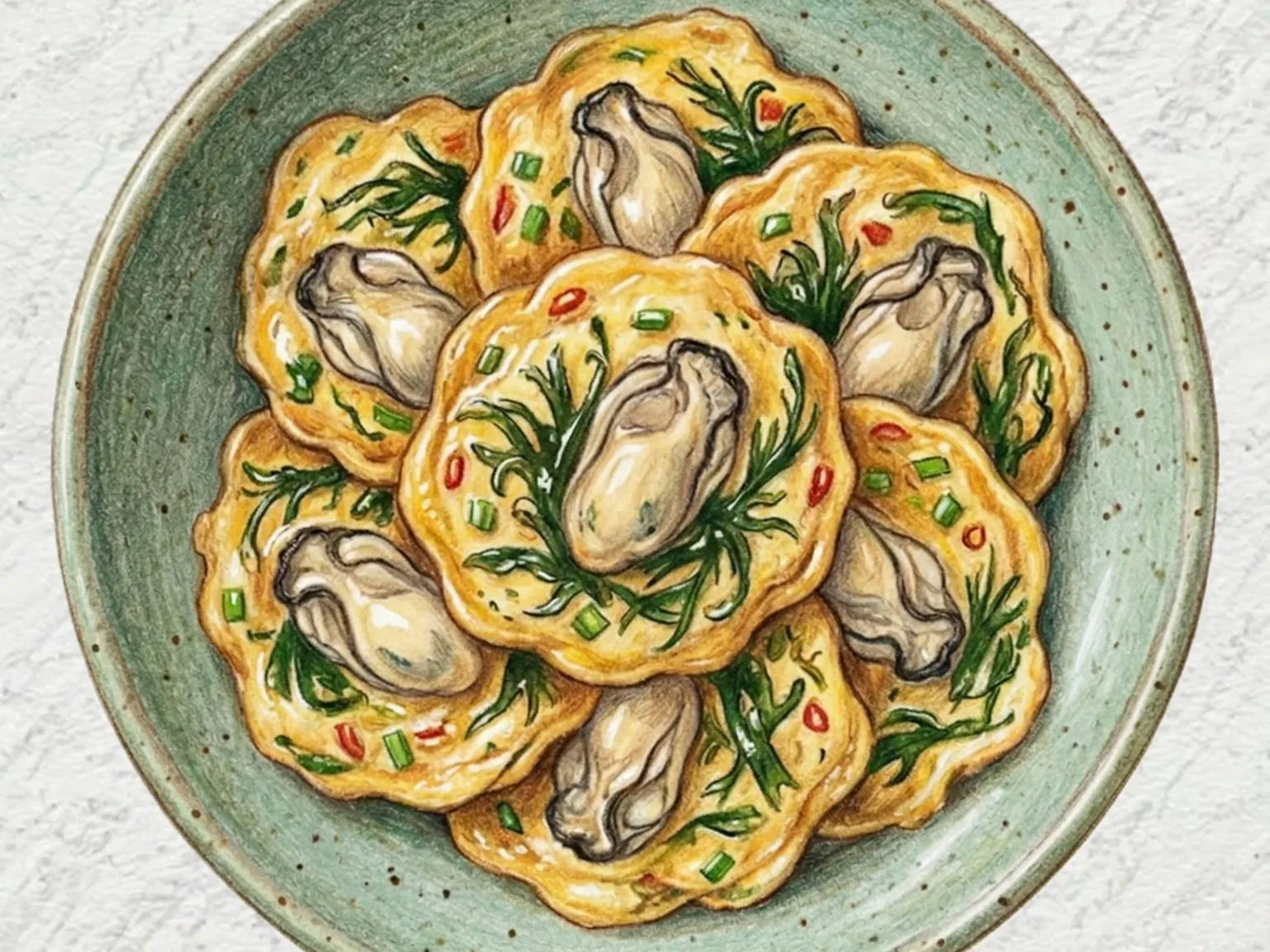
Korean Seaweed Oyster Pancake
Fresh oysters and rehydrated seaweed folded into a pancake batter and pan-fried into a jeon packed with ocean flavor. As the oysters cook, they release their briny juices into the batter, spreading their concentrated umami through every bite. The seaweed provides a soft, slightly slippery contrast in texture against the crisp outer surface. Soup soy sauce seasons the batter cleanly without competing with the seafood, while minced red chili adds color and a measured heat. Garlic deepens the marine aroma. This jeon is at its best during winter when oysters are plump and full in flavor.

Korean Spicy Fish Roe Stew
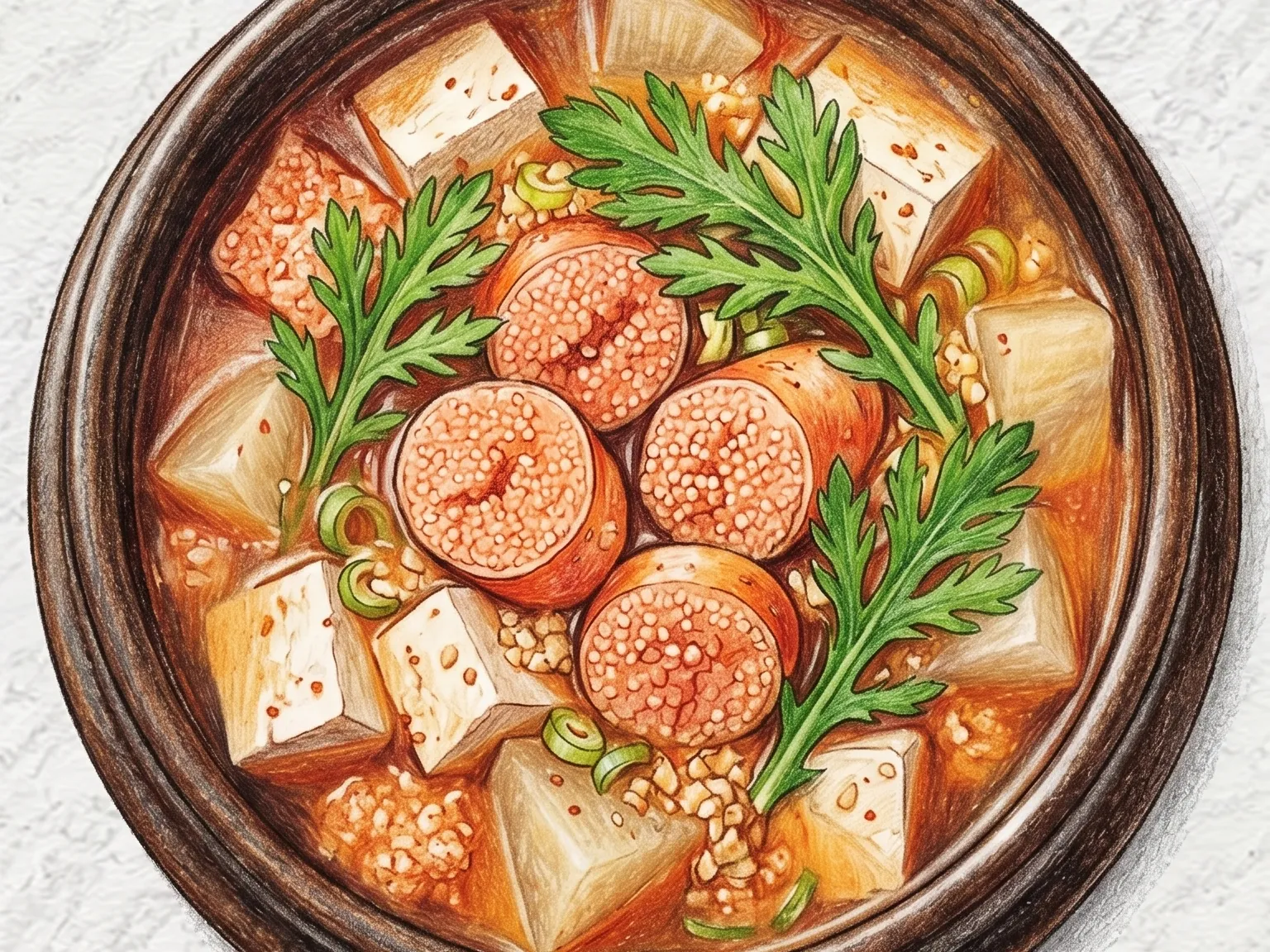
Altang is a Korean stew built around pollock roe - the egg sacs that are the defining ingredient, distinguishing this dish from the many other spicy Korean seafood stews. The dish originated in east coast fishing towns where fresh roe is available in large quantities during the winter spawning season and must be used quickly. Anchovy-kelp stock simmers first with radish to create a clean, sweet foundation before the roe and tofu are added. Once the roe goes into the broth, something visible happens: the egg sacs release their contents as they cook, turning the liquid cloudy and enriching it with marine oils that give the broth a noticeably heavier, more unctuous body. This transformation is specific to altang and is part of what makes it a different eating experience from other spicy Korean stews. Gochugaru and doenjang season the stew together - the chili bringing direct heat and the fermented paste adding depth - and together they neutralize the fishy edge that pollock roe would otherwise carry. Crown daisy, ssukgat, is added in the final moments. Its sharp, almost medicinal herbal fragrance is the correct counterpoint to the heavy, briny broth. In Korean drinking culture, altang occupies a specific role as a late-night restorative consumed at the end of a long evening. The image of a stone pot of altang arriving at the table still vigorously boiling, at two or three in the morning, is a recognizable part of Korean urban nightlife.

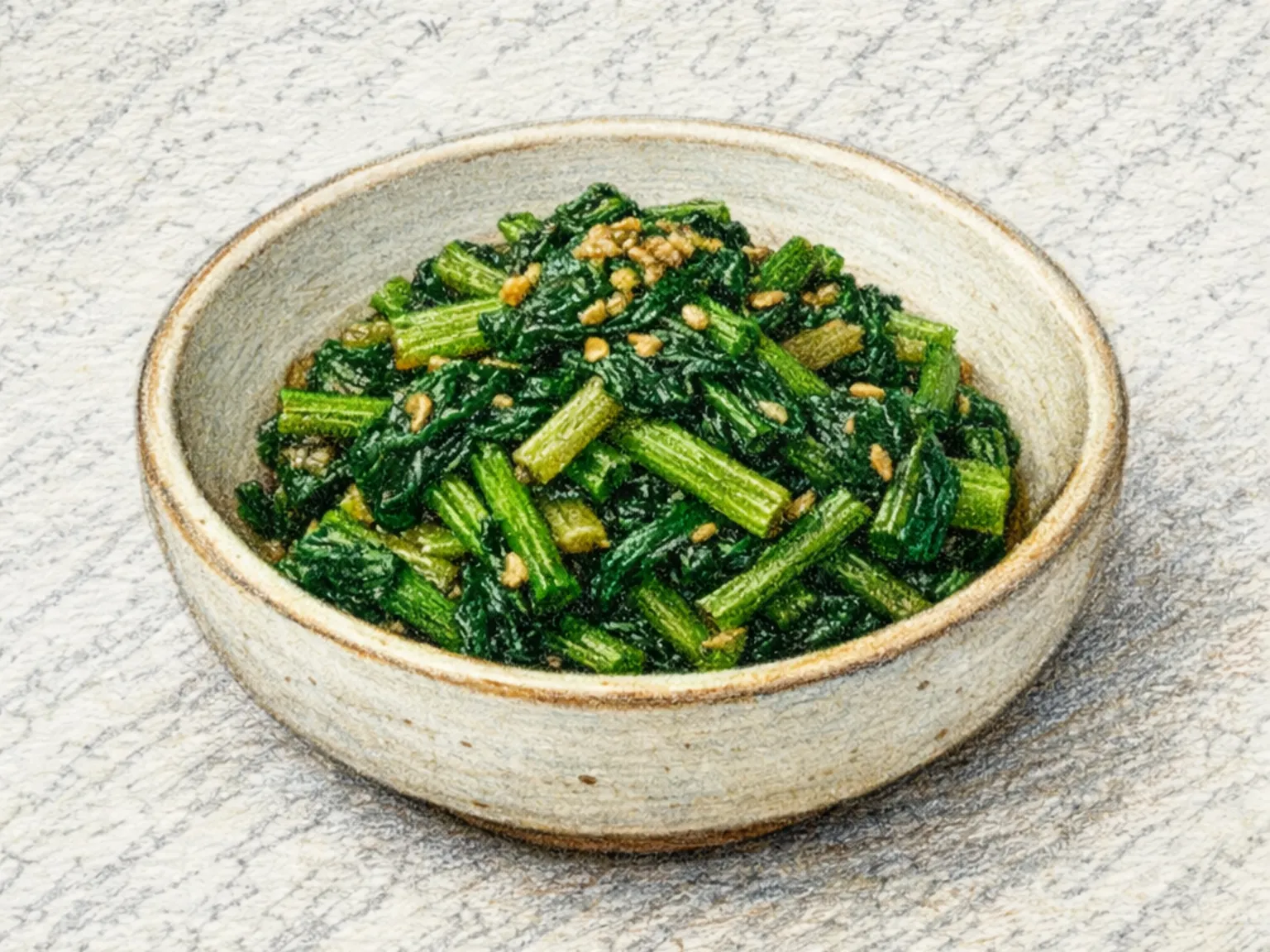
Korean Steamed Thistle Greens with Perilla
Gondre deulkkae jjim is a steamed side dish of blanched thistle greens cooked down with ground perilla seeds, perilla oil, and soup soy sauce. The greens are seasoned with garlic and oil first, then covered and left to steam over low heat so the liquid is slowly absorbed into the fibrous leaves rather than evaporating away. Adding the perilla powder toward the end of cooking, rather than at the beginning, prevents the nutty flavor from turning bitter or chalky from prolonged heat exposure. The soft, absorbent fibers of the thistle greens hold the seasoning exceptionally well, meaning each bite carries a concentrated burst of savory, nutty flavor throughout. Pulling the pan off the heat while a little texture remains in the greens keeps the dish from turning mushy. Green onion cut into rough pieces is added on top at the end, and a final drizzle of perilla oil revives the aroma. The ingredient list is short, but the result is a deeply satisfying dish often piled over hot rice or served as a companion to gondre bibimbap.

Korean Coastal Hogfennel Kimchi
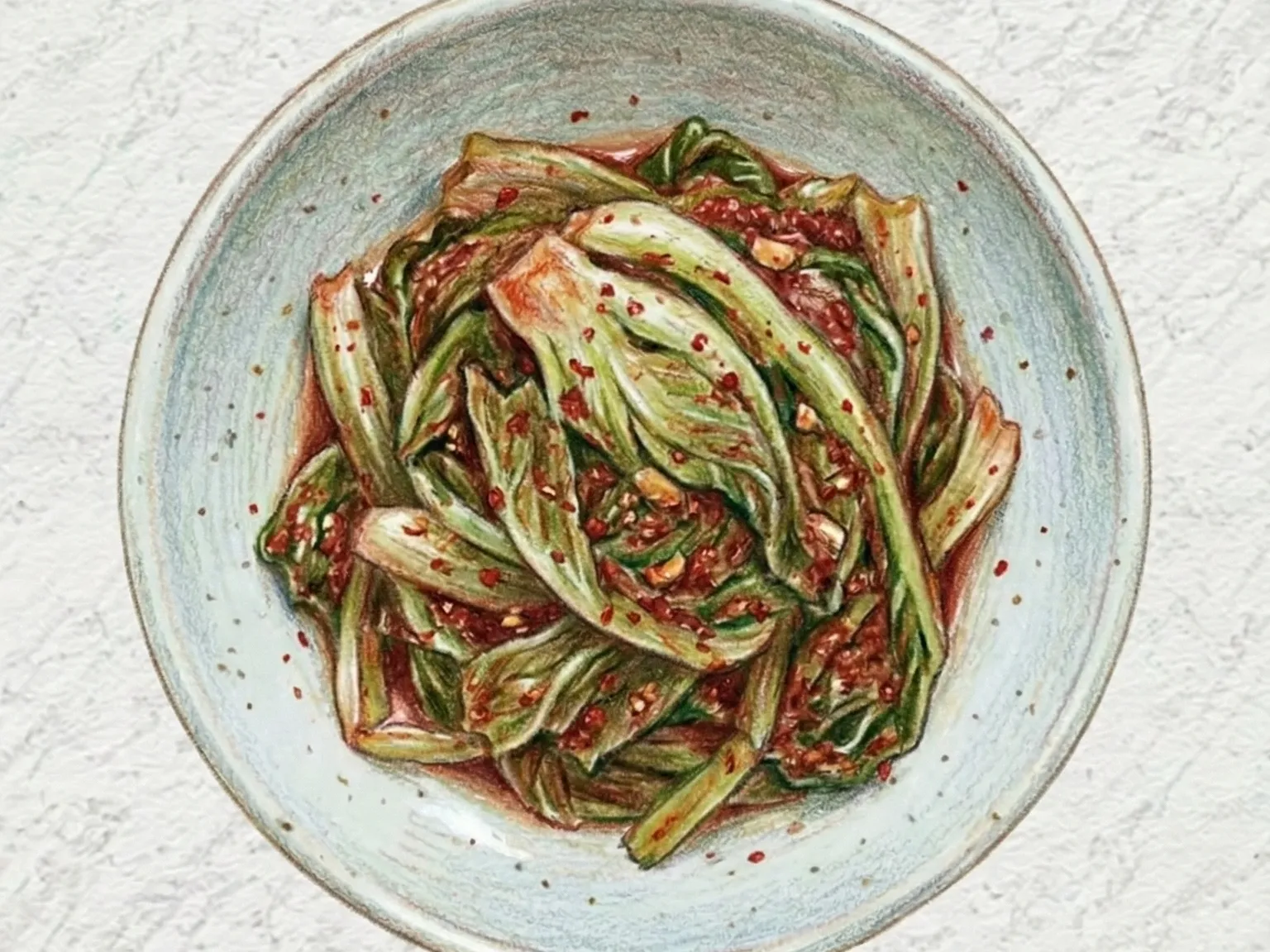
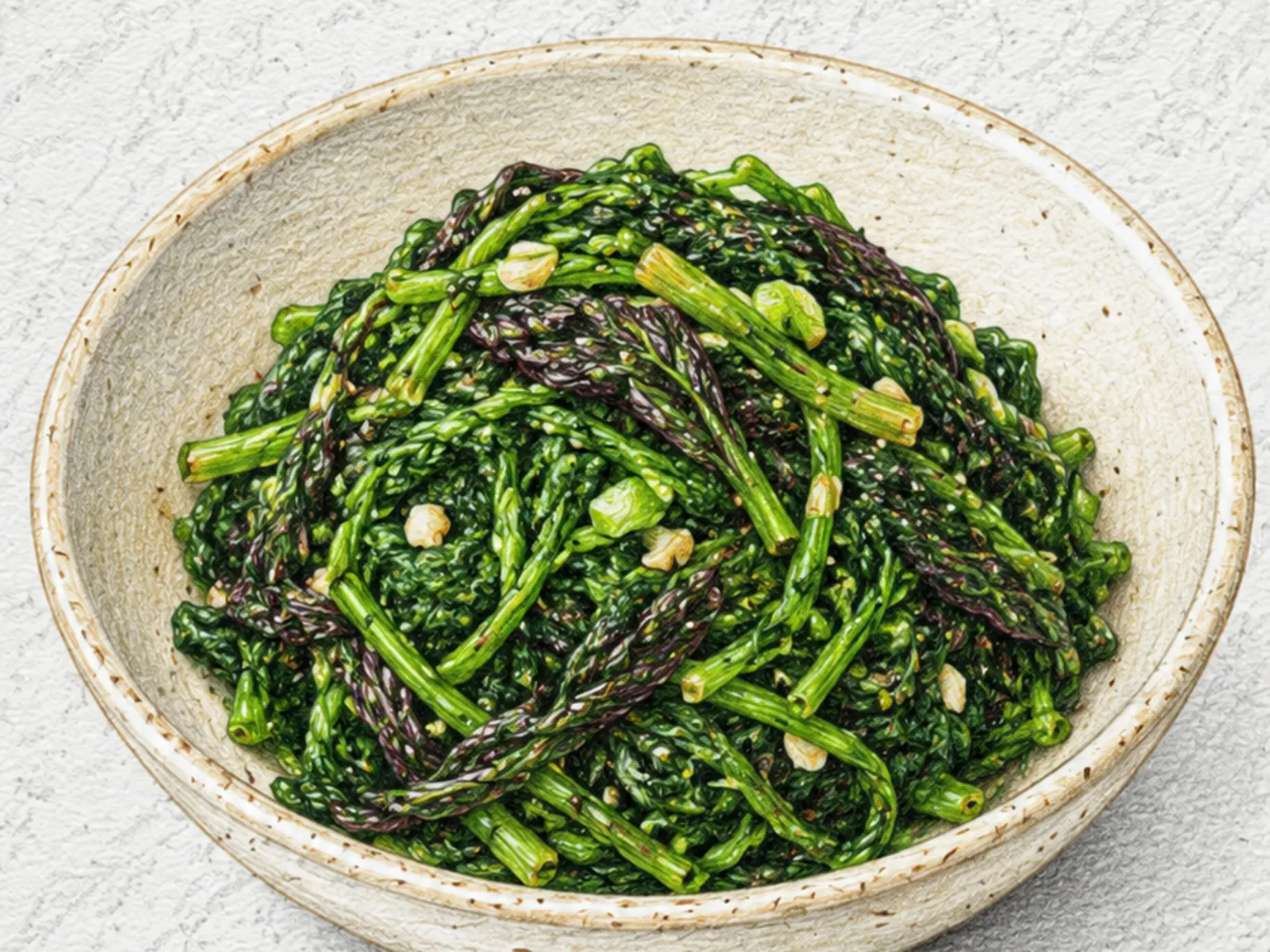
Bangpungnamul kimchi is a seasonal Korean kimchi made during spring by dressing coastal hogfennel in a chili-based seasoning paste. Bangpungnamul grows along coastal cliffs and mountain foothills, identifiable by its distinctive bitter-herbaceous aroma and mild sharpness. Traditional Korean medicine has long valued this plant for its properties in treating rheumatic conditions - its name literally combines the words for wind and prevention. The herb is lightly salted first to draw out excess moisture and soften its fibrous structure, then tossed with Korean chili flakes, anchovy fish sauce, soup soy sauce, minced garlic, and ginger. Sweet rice paste works as a binder, helping the thick seasoning cling evenly to each strand of herb rather than pooling at the bottom of the bowl. Sliced scallions add a crisp element that survives the marinating process intact. The herb's natural bitterness mellows considerably as lactic fermentation develops, producing a flavor profile unmistakably different from standard napa cabbage kimchi. One day at room temperature initiates fermentation without letting it run too far, after which refrigerated storage holds the kimchi at an ideal stage of acidity for two to three weeks.

Korean Anchovy Broth Thin Noodle Soup
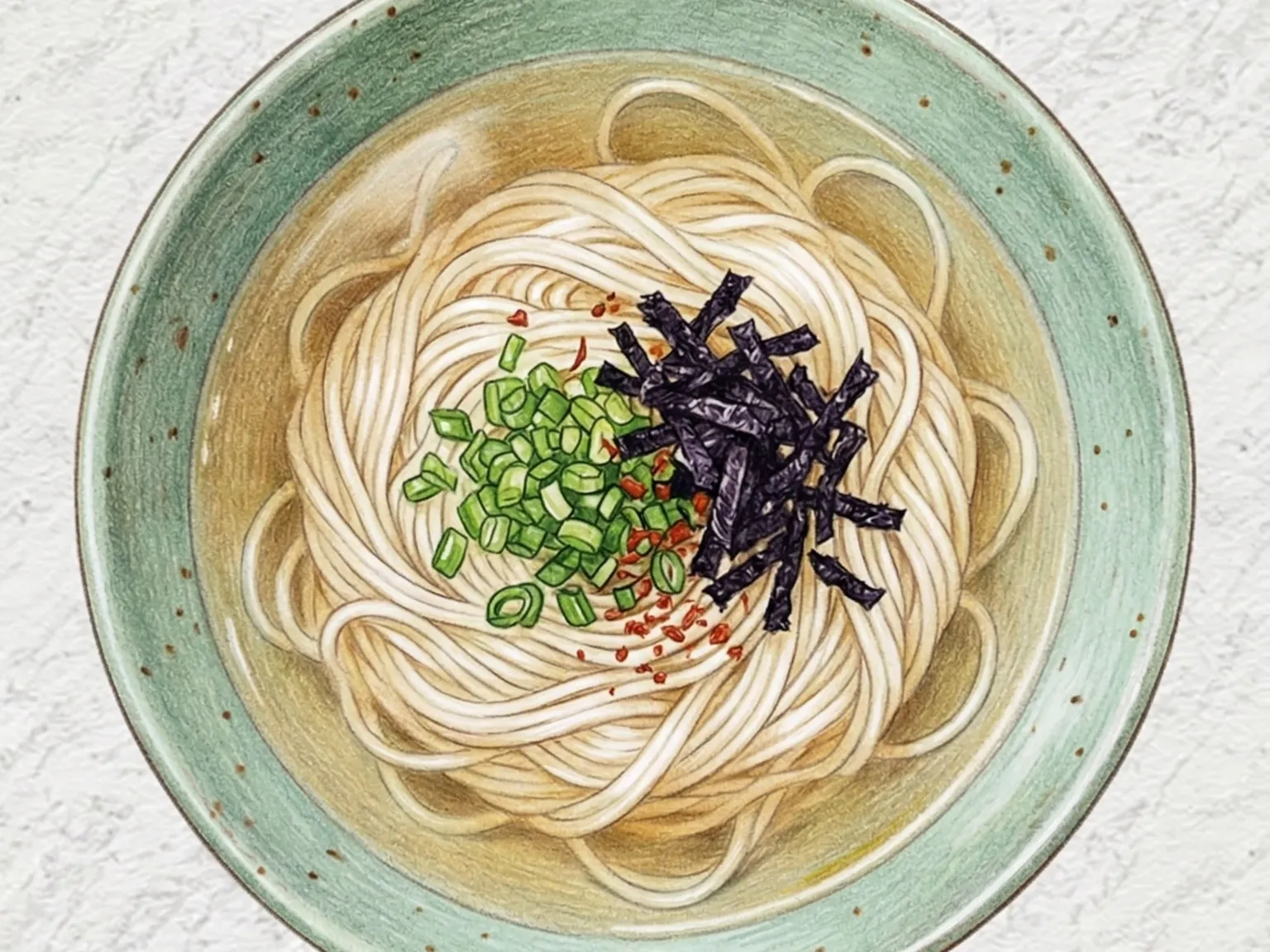
Anchovy somyeon is the noodle soup Korean families fall back on when the kitchen offers little to work with - dried anchovies, a strip of dashima kelp, and a bundle of thin wheat noodles are enough. The broth starts with dried anchovies soaked briefly to cut any bitterness, then simmered with dashima for fifteen minutes before being strained to produce a clear liquid with a faint oceanic sweetness and deep umami. Somyeon - hair-thin wheat noodles - are cooked in a separate pot to keep their starch from clouding the broth, then rinsed repeatedly under cold water until every strand separates cleanly. The noodles go into a bowl of hot broth and are finished with sliced scallion, a small drop of sesame oil, and often a sheet of toasted gim. A few drops of soy sauce tune the salt level, and a soft-boiled egg or a few slices of tofu can round it into a full meal. The appeal of the dish is its restraint: no chili paste, no fermented base, just the clean savor of anchovy stock meeting springy noodles. Korean mothers have served this as a quick midday meal for generations, and it endures as comfort food in its most unadorned form.

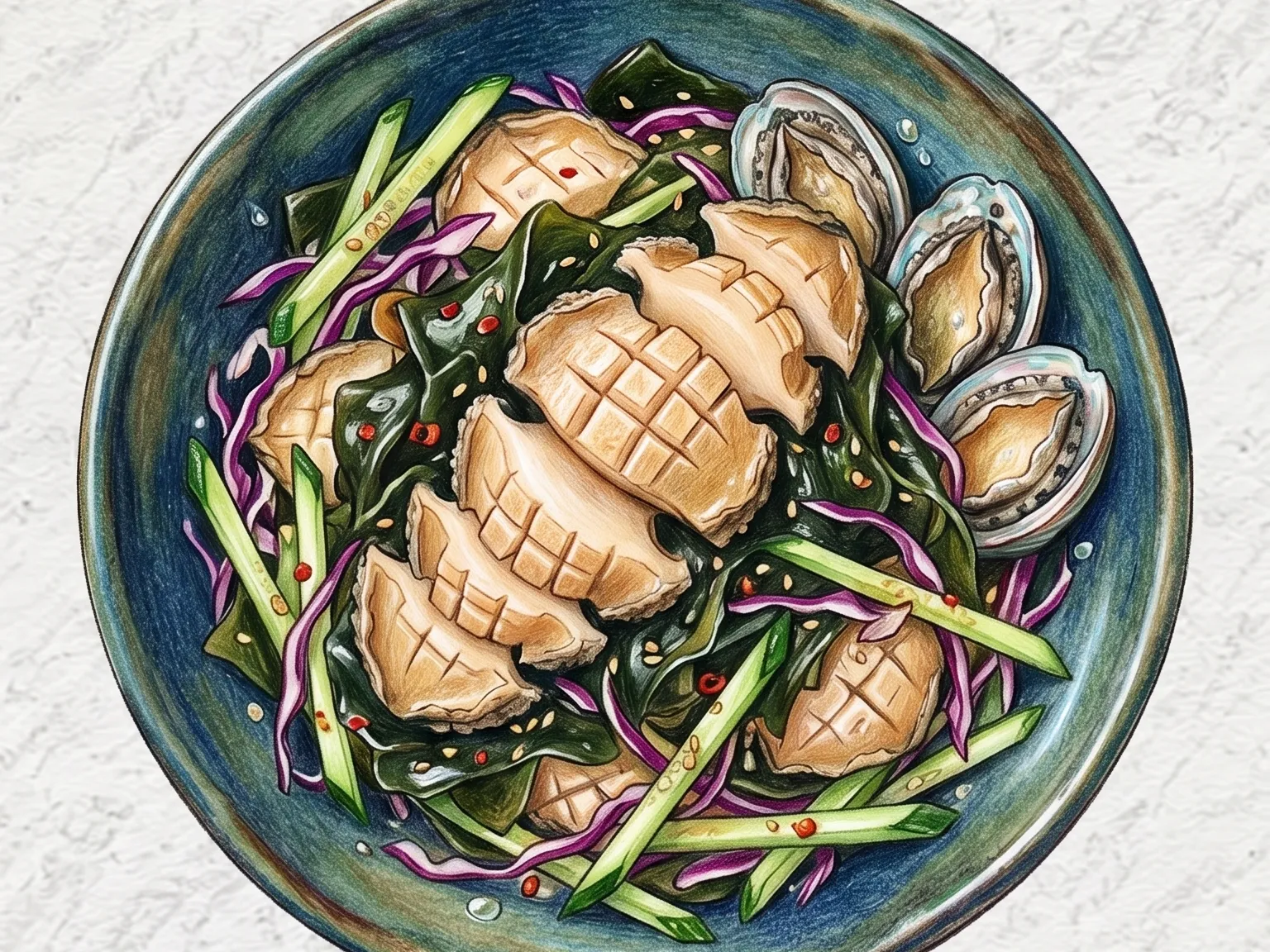
Abalone Seaweed Salad
This salad centers on abalone, the shellfish that haenyeo - Jeju Island's female free-divers - have harvested by hand for centuries, descending without oxygen tanks to pry the mollusks from the sea floor. The abalone is blanched for just 40 seconds, a precise window that preserves its springy texture and keeps the delicate sweetness and ocean flavor intact. Overcooked abalone turns tough quickly, so the short blanching time is more technique than convenience. Rehydrated sea mustard, thinly sliced cucumber, and red cabbage round out the bowl. The dressing - lemon juice, plum syrup, soup soy sauce, and a touch of vinegar - is calibrated to support the seafood's natural brininess rather than cover it. The combination of chewy abalone, slippery seaweed, and crunchy raw vegetables creates three distinct textures throughout, which sustains interest from first bite to last. Serve cold as a light appetizer before grilled dishes, or as a standalone side during summer. The quality of the abalone shows plainly with so few ingredients around it.

Korean Seasoned Mallow Greens
Auk namul muchim turns mallow greens - a plant used in Korean cooking since the Joseon era, most commonly in doenjang-guk - into a seasoned side dish. The leaves are soft and contain natural mucilaginous compounds that produce a distinctly slippery texture when blanched. The greens go into boiling water for exactly 40 seconds: too short and a raw grassy smell lingers, too long and the mucilage releases excessively, causing the leaves to clump and stick together. After blanching, they are wrung firmly dry and worked by hand with doenjang, soup soy sauce, minced garlic, and chopped scallion so the fermented paste penetrates the porous leaf structure rather than just coating the surface. Mixing the doenjang with garlic before adding the greens helps temper the raw sharpness of the paste. Sesame oil drizzled in last adds a glossy sheen and rounds out the fermented soy flavor against the soft, mild character of the greens.

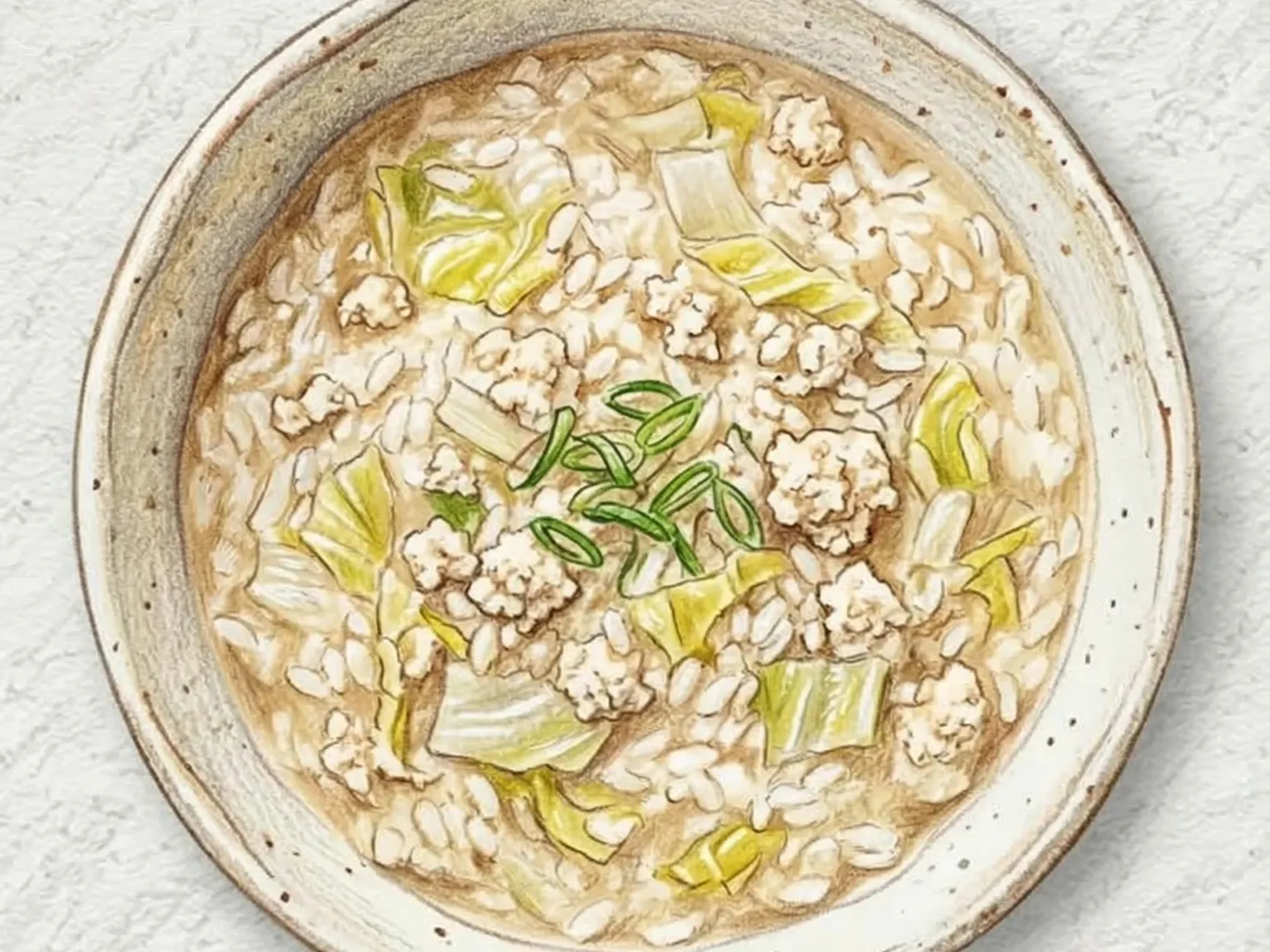
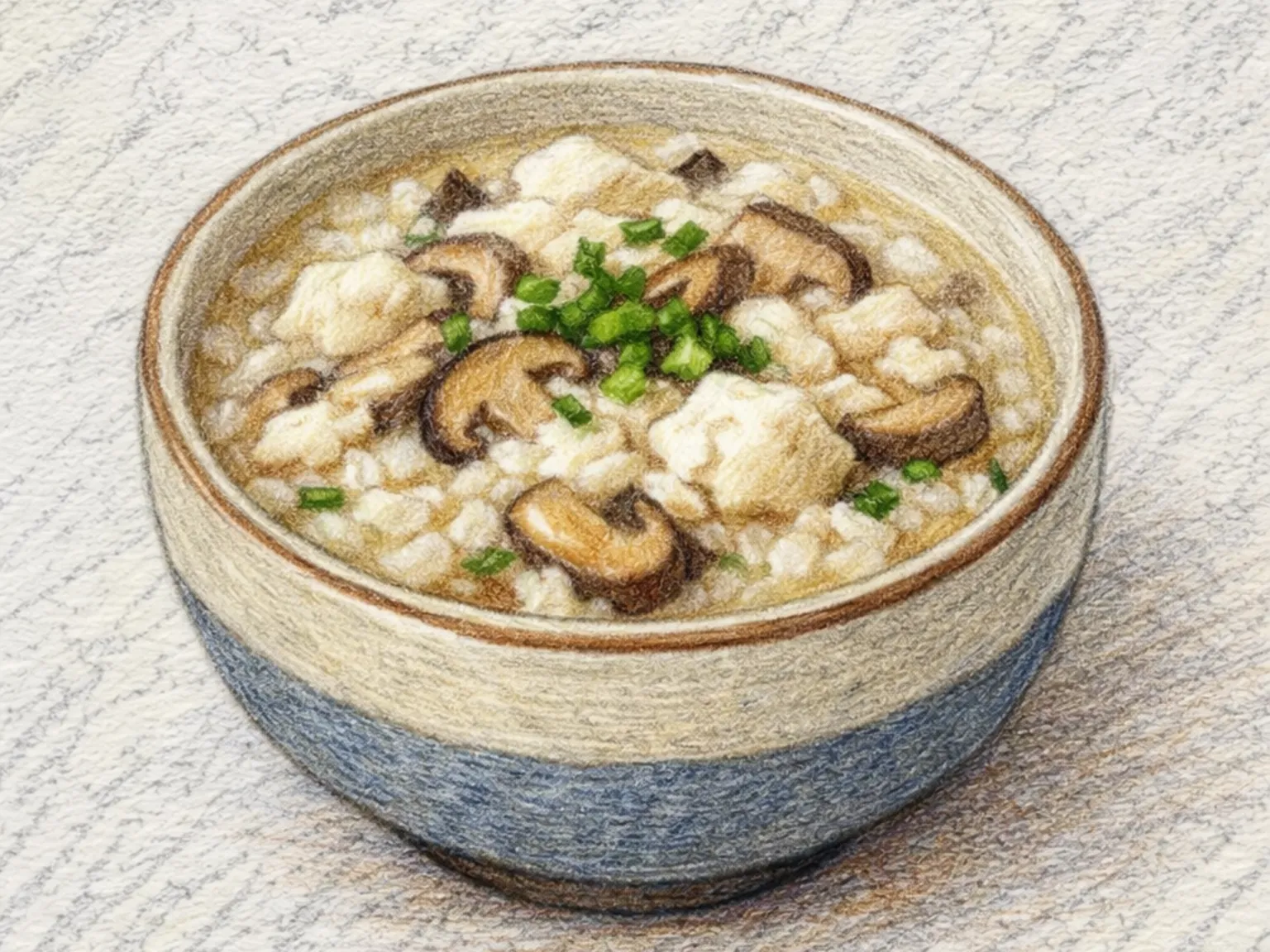
Korean Napa Cabbage Tofu Porridge
A gentle Korean rice porridge built from napa cabbage and soft tofu - mild enough for a recovering stomach, substantial enough to be a proper meal. The rice is first stir-fried in sesame oil, coating each grain in a thin film of fat that releases a quiet, nutty fragrance as the grains slowly swell and break down. Minced garlic is added at this stage and cooked through so its raw sharpness disappears into the base. Vegetable stock and finely chopped cabbage follow, and the pot simmers at medium heat, stirring occasionally, until the grains dissolve completely into a thick, uniform porridge. During this process, the cabbage sheds its moisture into the broth, gently sweetening it without any added sugar. Tofu crumbled by hand is stirred in during the last five minutes, dispersing evenly to create a smooth, soft protein layer throughout. Seasoning is deliberately light - just guk-ganjang and salt - to let the cabbage sweetness and the tofu's quiet richness carry the flavor. No heavy oils or pungent spices. This is porridge for days when the body needs something undemanding, or when plain, clean food is exactly what the moment calls for.

Korean Chicken Breast & Mugwort Stir-fry
Spring mugwort offers its most tender texture and mildest bitterness immediately after harvest, making it a perfect companion for lean proteins. This stir-fry utilizes thinly sliced chicken breast to create a clean base where the herb's fragrance takes center stage. Minced garlic and soy sauce provide a light seasoning that emphasizes the natural characteristics of the ingredients without creating a heavy coating. Because chicken breast dries out quickly, the preparation requires a preheated pan and high heat to cook the meat just until it turns opaque. Adding the mugwort at the very end allows it to soften slightly through residual heat, preserving the fresh aroma that would otherwise turn harsh or overly bitter with prolonged cooking. A light application of sesame oil at the finish rounds out the profile with a subtle nuttiness. The combination of vitamin-rich mugwort and high-quality protein makes this a nutritionally balanced side dish. This preparation relies on minimal oil and the inherent quality of the seasonal ingredients, making it a suitable choice for a light meal served with rice or inside fresh lettuce wraps.

Korean Shrimp Mulmandu in Light Broth
Saeu-mulmandu-broth is a Korean dumpling soup where shrimp-filled mandu are simmered in a clear broth seasoned with soup soy sauce and garlic. The shrimp is added to the pot first and allowed to cook in the liquid before the dumplings go in, establishing a seafood base that the wrappers gradually absorb during cooking. As the dumplings simmer, their skins turn translucent and the filling becomes faintly visible through the surface. They are ready when they float to the top, at which point the wrappers are tender but still intact. Green onion is stirred in at the end for a fresh, mild sharpness, and the broth is adjusted with salt and white pepper. Despite its clear, light appearance, the soup carries real depth: the gentle sweetness drawn from the shrimp combines with the savory notes released from the filling inside each dumpling, building a broth that tastes more complex than its short ingredient list would suggest. A full bowl with several dumplings makes a complete light meal, and the soup is particularly comforting during cooler months. Frozen store-bought shrimp dumplings work well in this recipe, making it a practical option for quick weeknight cooking.

Korean Fish Cake Soup (Clear Anchovy Radish Broth)
Eomuk-tang is a Korean fish cake soup in which skewered fish cakes and thick radish slices simmer in a clear broth built from dried anchovies and kelp. The kelp must be removed the moment the water begins to boil, otherwise it releases a slimy texture that clouds the broth. Cutting the radish thick allows it to slowly release natural sweetness over the long simmer. Rinsing the fish cakes in hot water before adding them washes away surface oil and keeps the broth clear and clean. Soup soy sauce adjusts the seasoning, and green onion and black pepper finish the pot. Adding the radish before the fish cakes ensures it has enough time to fully soften and sweeten the broth, since it takes longer than the eomuk to cook through.

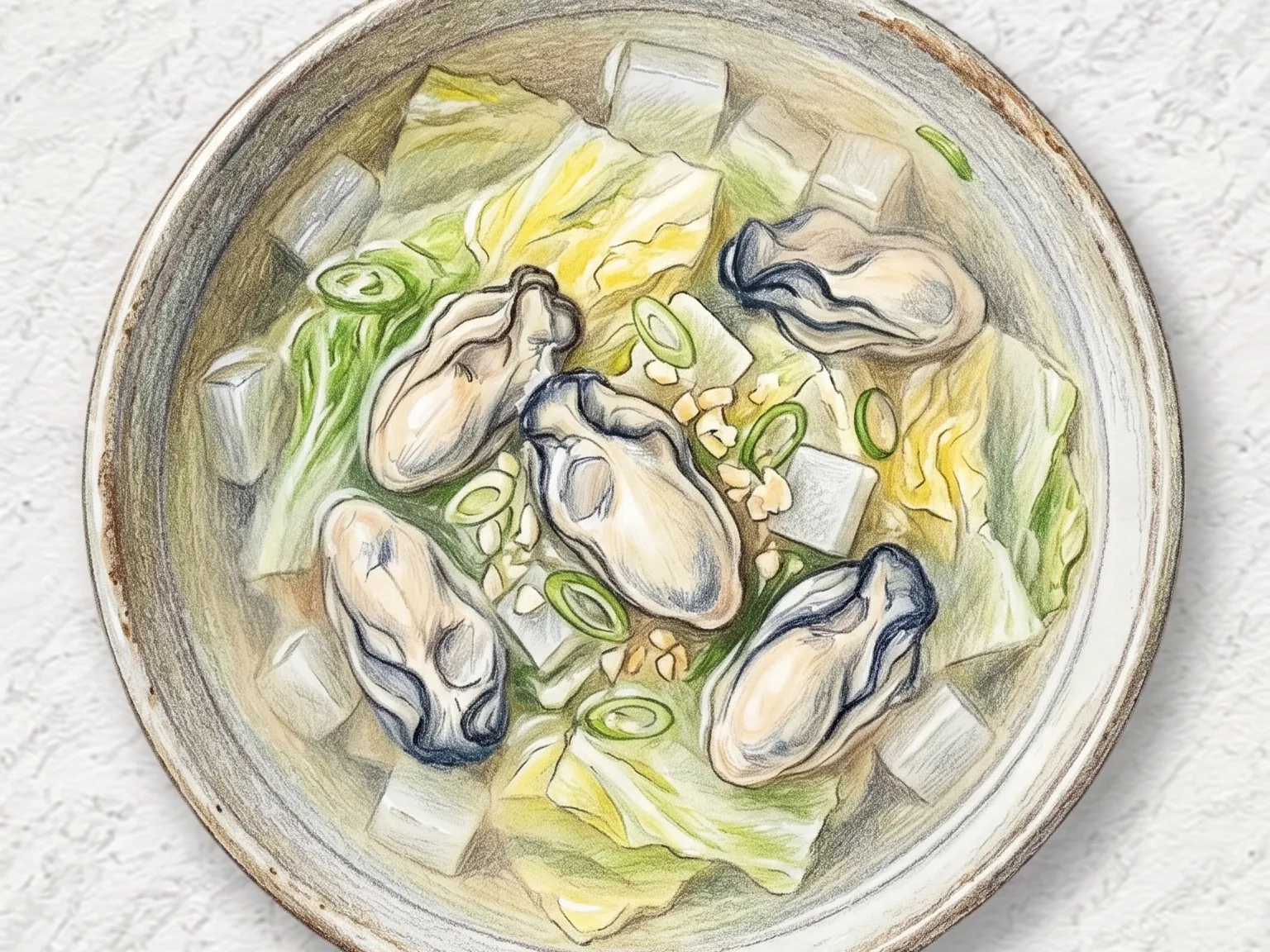
Korean Napa Cabbage Clam Soup
Baechu jogae guk is a clear Korean soup that draws its flavor entirely from clams and napa cabbage without any additional stock ingredients. The clams must be purged in salted water for at least two hours to expel all sand; skipping this step contaminates the broth and ruins the finished dish. Starting from cold water with both the cabbage and clams allows the temperature to rise gradually, coaxing sweetness from the cabbage as it heats alongside the shellfish. Once the clam shells open, the heat is reduced and the broth is seasoned lightly with minced garlic and guk-ganjang. Sliced scallion is added near the end to preserve its fresh, grassy note in the liquid. Since the clam liquor itself carries significant salinity, any additional salt should be added only after tasting, and kept minimal. No anchovy stock or kelp is needed because the marine depth of the clams and the vegetal sweetness of the cabbage together build a clean, layered broth on their own. The soup is mild enough to serve as a restorative meal when appetite is low or digestion is off.

Korean Shepherd's Purse & Napa Pancake
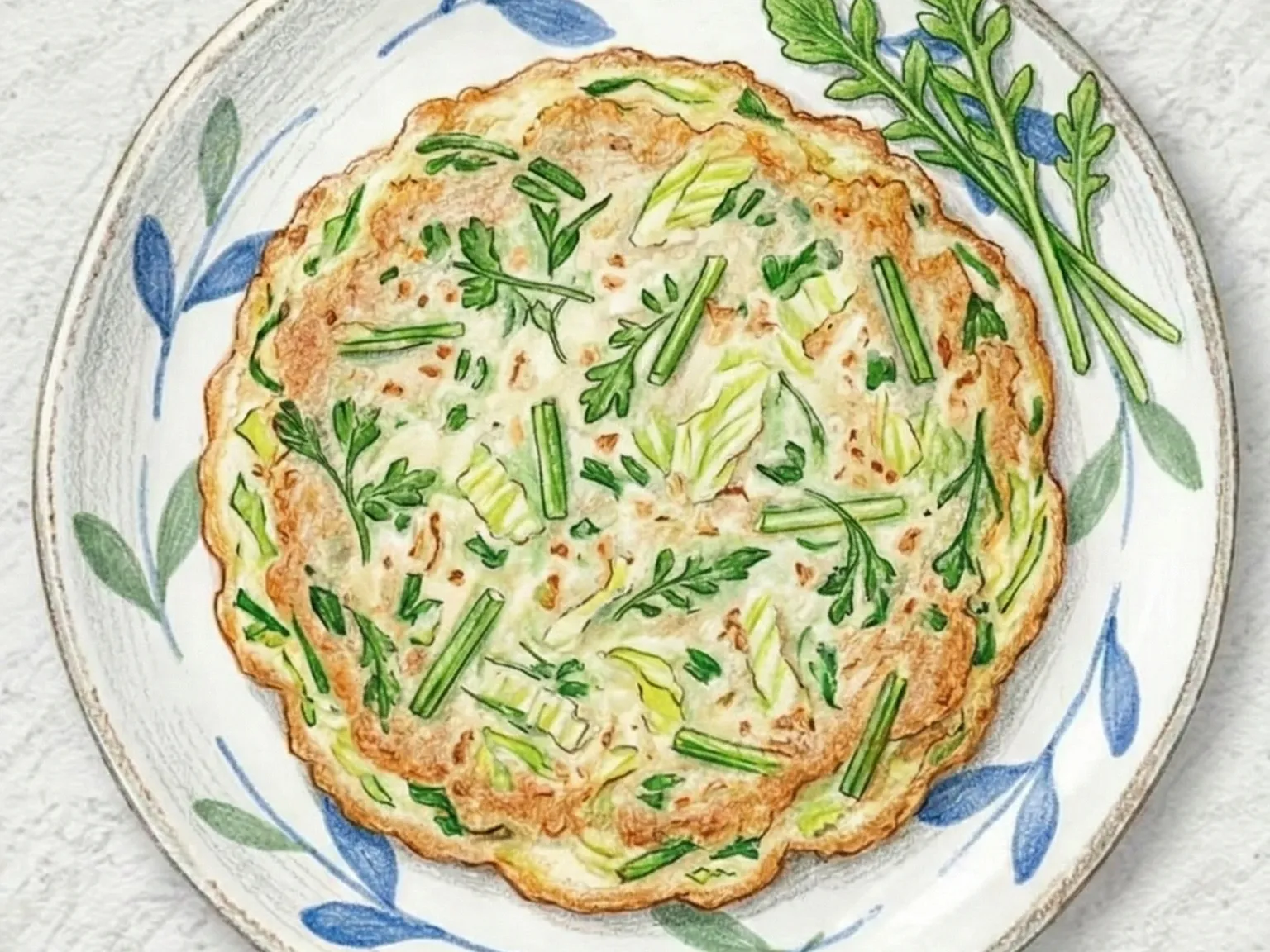
Shepherd's purse and napa cabbage combine in this seasonal pancake built around early spring greens. The shepherd's purse brings a pleasantly bitter, herbal character, while napa cabbage contributes gentle sweetness and body. Rice flour worked into the batter produces a slightly chewy consistency, and soup soy sauce keeps the seasoning clean so the greens stay in front. Egg holds the batter together, and the pan-fried surface turns a fragrant, golden brown. Because shepherd's purse has a short season in early spring, this jeon is a limited window into the year's first wild greens.

Korean Napa Cabbage Anchovy Stew
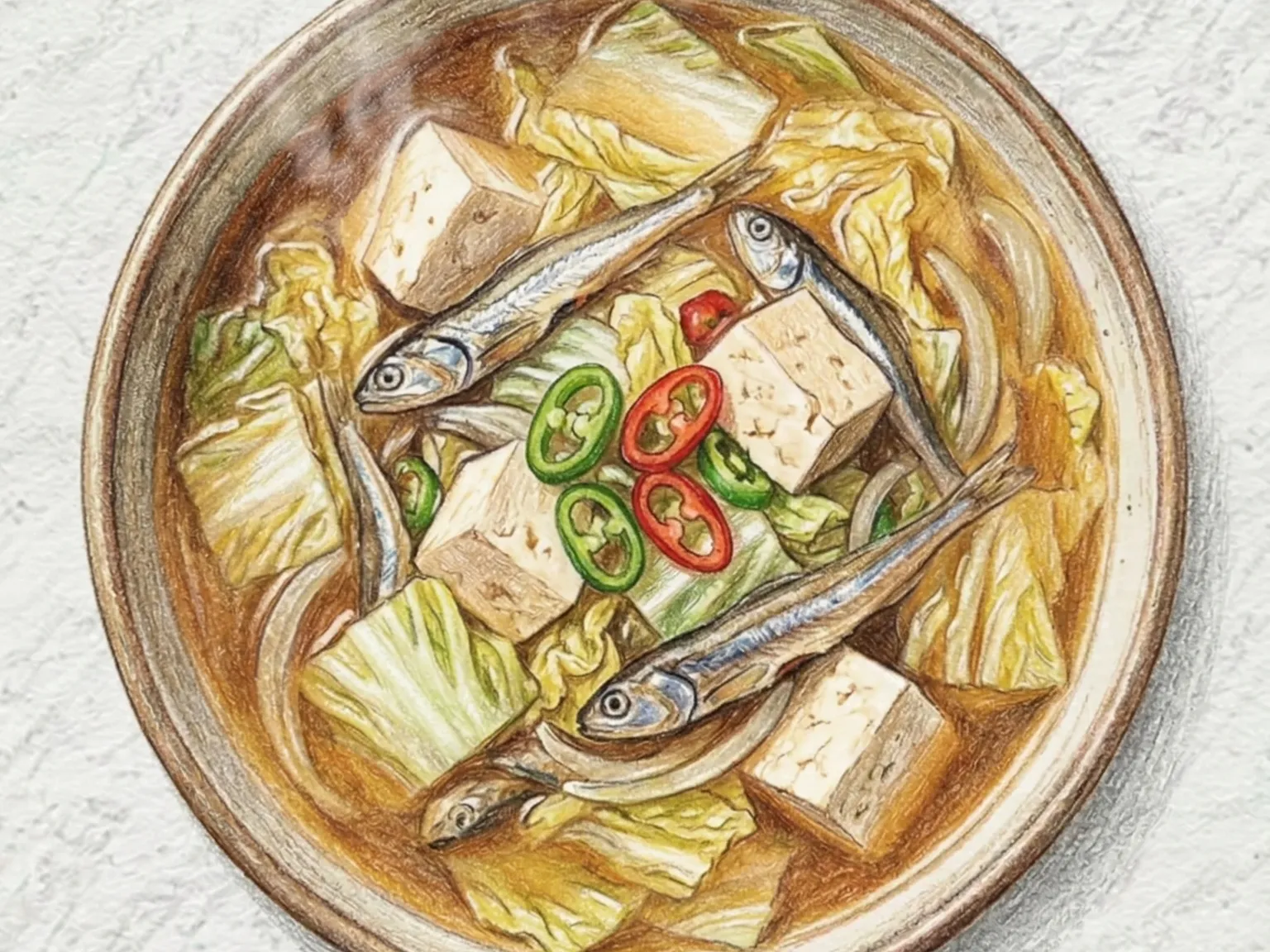
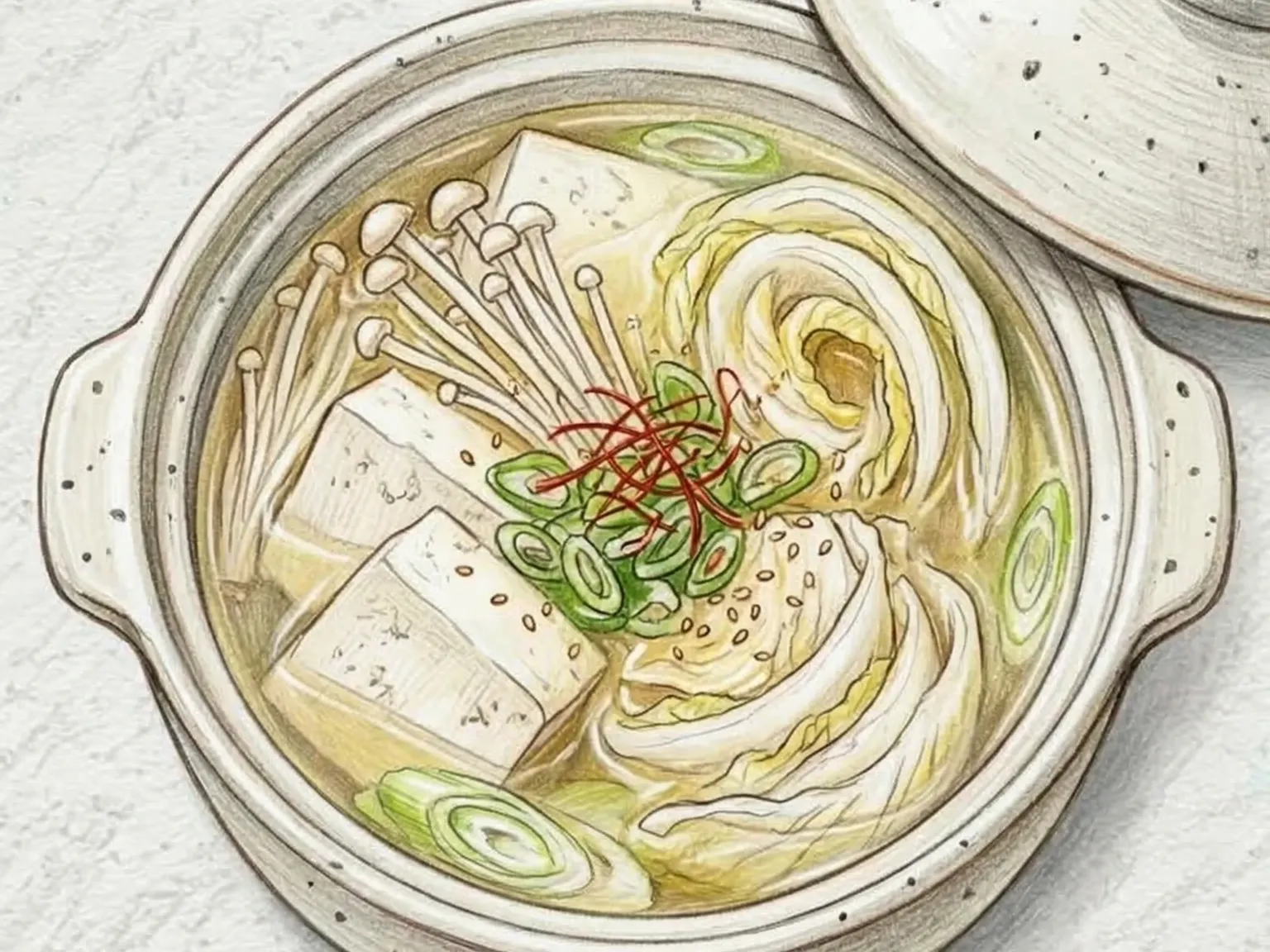
Baechu myeolchi jjigae is a homestyle Korean stew that relies on dried anchovy stock as its flavor base, with napa cabbage as the central vegetable. Large dried anchovies and kelp are simmered together for ten minutes to build a stock with pronounced umami, then strained so the broth is clear and clean. Baby napa cabbage cut into long vertical strips releases the natural sweetness of its pale inner stems into the broth as it cooks, providing a counterpoint to the saltiness of the anchovy stock. Thick-cut tofu slabs are placed between the cabbage layers, and thinly sliced onion adds another source of sweetness to the liquid. Diagonally cut cheongyang chili introduces a direct, sharp heat that gives life to what would otherwise be an entirely mild broth. Fifteen to twenty minutes of simmering is sufficient for the cabbage to soften fully and for its sugars to fully dissolve into the stock, creating the natural sweetness that defines this stew. No gochujang, no doenjang, no complicated sauce: the stew demonstrates a principle central to Korean home cooking, which holds that a well-constructed stock and a single honest vegetable can generate depth and satisfaction without further layering.

Korean Braised Beef with Dried Radish
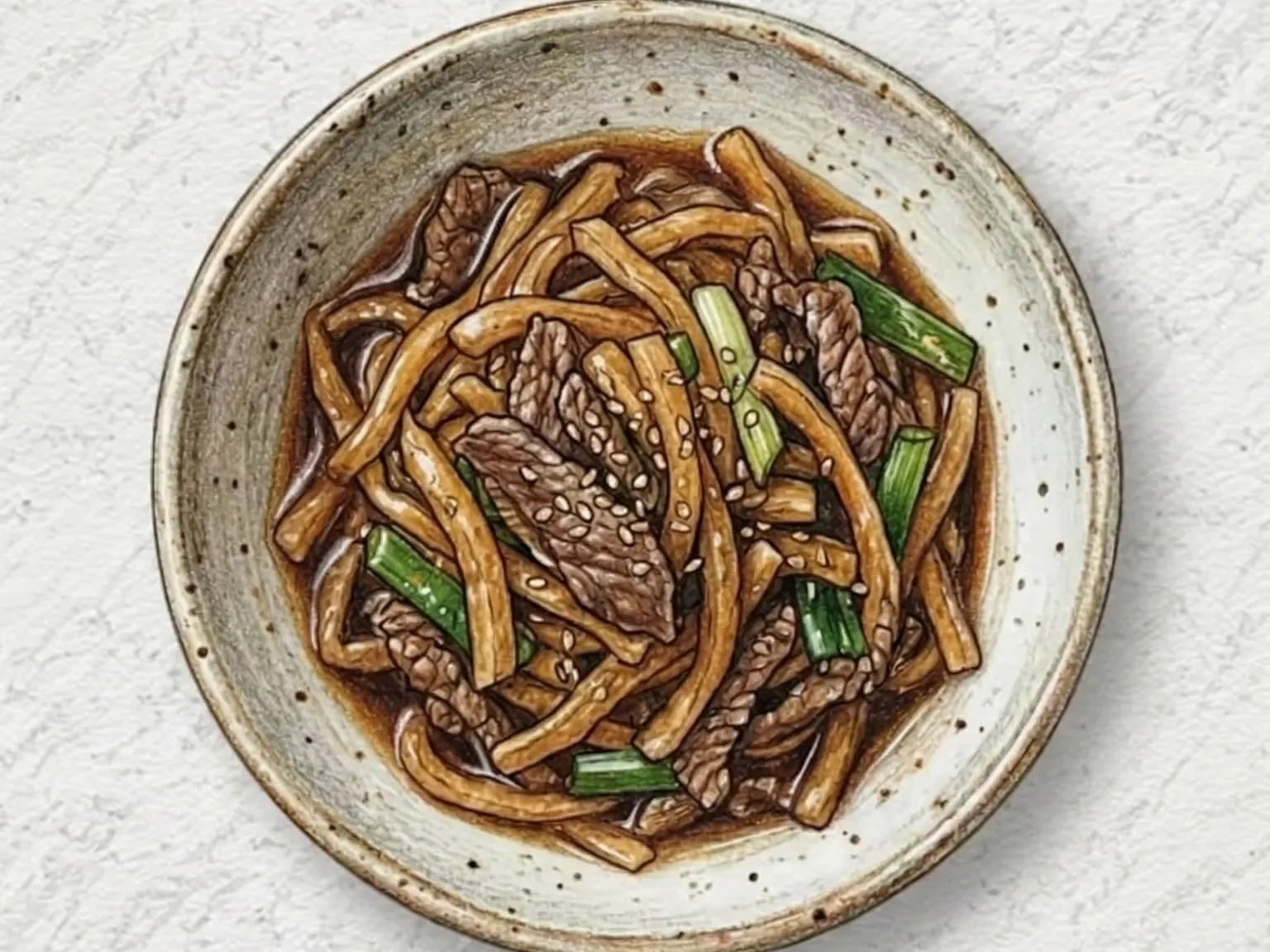
Mumallaengi sogogi jorim is a Korean soy-braised side dish of rehydrated dried radish strips and lean beef round, cooked down until the sauce just barely covers the ingredients. Drying concentrates the radish's natural sugars and umami, and once soaked and braised the strips become chewy and deeply flavored in a way fresh radish cannot replicate. Before soaking, a quick rinse removes any dust or impurities from the drying process, and twenty minutes or more in cold water restores just enough elasticity for a satisfying texture after cooking. Thin-sliced beef is pre-seasoned with cooking wine to neutralize any off-smell, then added to the pan so it cooks cleanly and without a heavy aroma. Oligosaccharide syrup adds a gentle sheen and sweetness to the soy base without making the dish cloying. Toasted sesame seeds scattered over the top finish the dish with a nutty fragrance. Like most Korean braised side dishes, this one improves after a night in the refrigerator as the seasoning continues to penetrate, making it a practical and reliable choice for lunchboxes and weekday meal preparation that can be made ahead and eaten across several days.

Korean Fermented Kale Kimchi
Kale kimchi is made by wilting kale leaves in coarse salt, then tossing them with julienned radish, scallions, gochugaru, soup soy sauce, and pear puree before fermenting. The kale's strong green flavor mellows during fermentation while its sturdy leaf structure maintains a satisfying chew, and the radish strips add a crisp counterpoint to the soft seasoning. Pear puree wraps around the chili heat with fruit sweetness, and soup soy sauce anchors the seasoning with a quiet umami depth. Made using the same technique as napa cabbage kimchi but carrying kale's distinctive slight bitterness, this version adds a layer of complexity and nutritional density to the traditional format. Kale requires less salting time than napa cabbage, and weighting it down evenly during the process ensures consistent wilting throughout the batch.

Korean Andong Guksi (Clear Beef Broth Celebration Noodles)
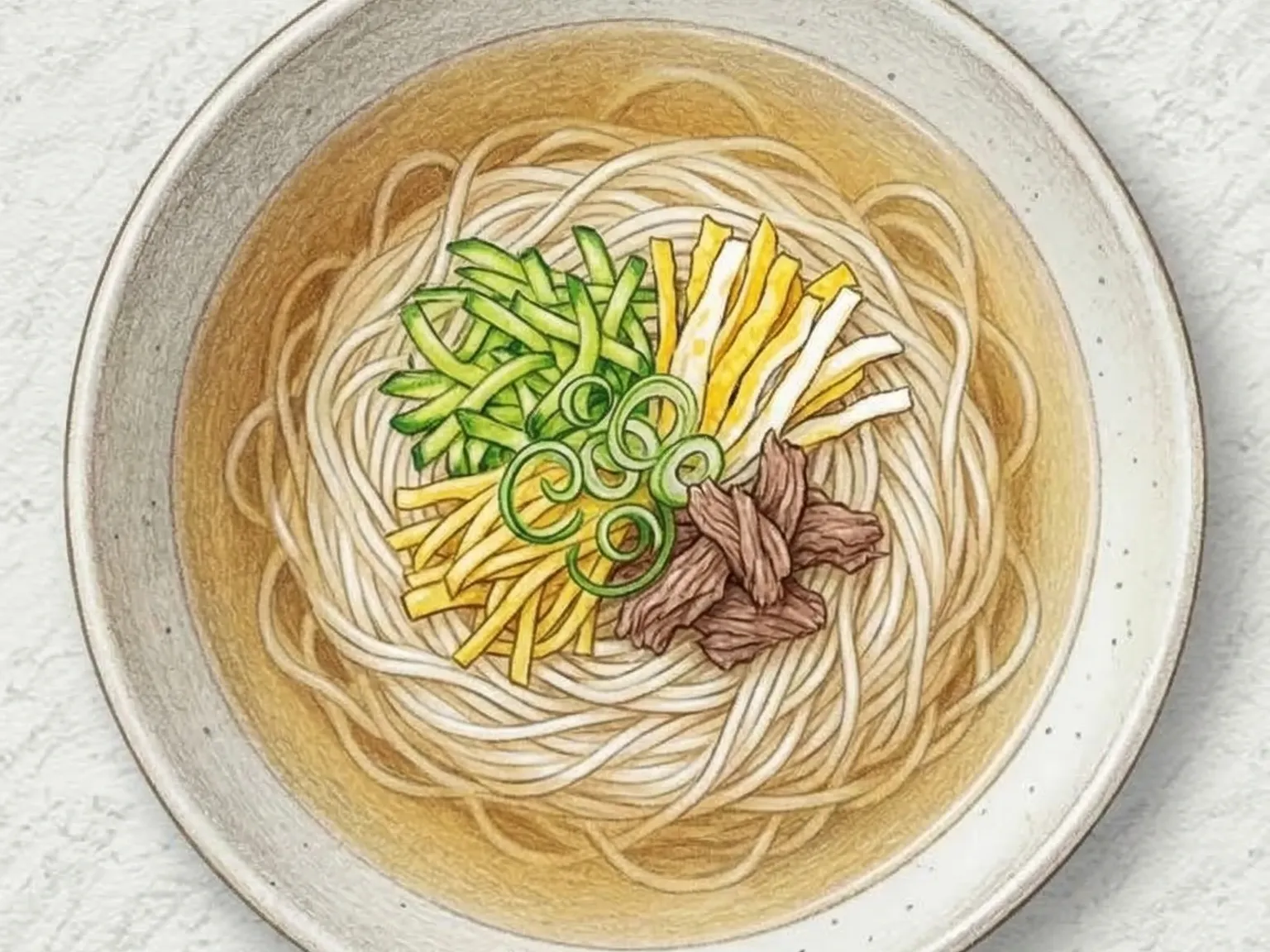
Andong guksi is a banquet noodle dish from the city of Andong in North Gyeongsang Province, served at weddings, ancestral rites, and major family ceremonies for centuries. In Korean culture, long noodles carry a symbolic association with longevity, and that significance kept this dish at the center of celebratory meals across generations. The broth is made from beef brisket and bones simmered for hours until the liquid is clear yet coated with dissolved gelatin - not milky-white in the style of bone broths pushed hard, but translucent and full of a quiet richness that clings faintly to the lips. Wheat noodles, traditionally hand-pulled but now usually dried and purchased, are cooked separately, rinsed, and placed in the strained broth. Toppings are deliberately minimal: thin egg jidan strips, julienned zucchini, and a few slices of the boiled brisket. Seasoning with soup soy sauce and a touch of garlic keeps the broth transparent and positions the beef flavor at the front. Andong's most famous export, jjimdak, relies on bold, chili-forward heat; guksi is the counterpoint - an exercise in restraint and clarity.

Chamnamul Pear Tofu Salad
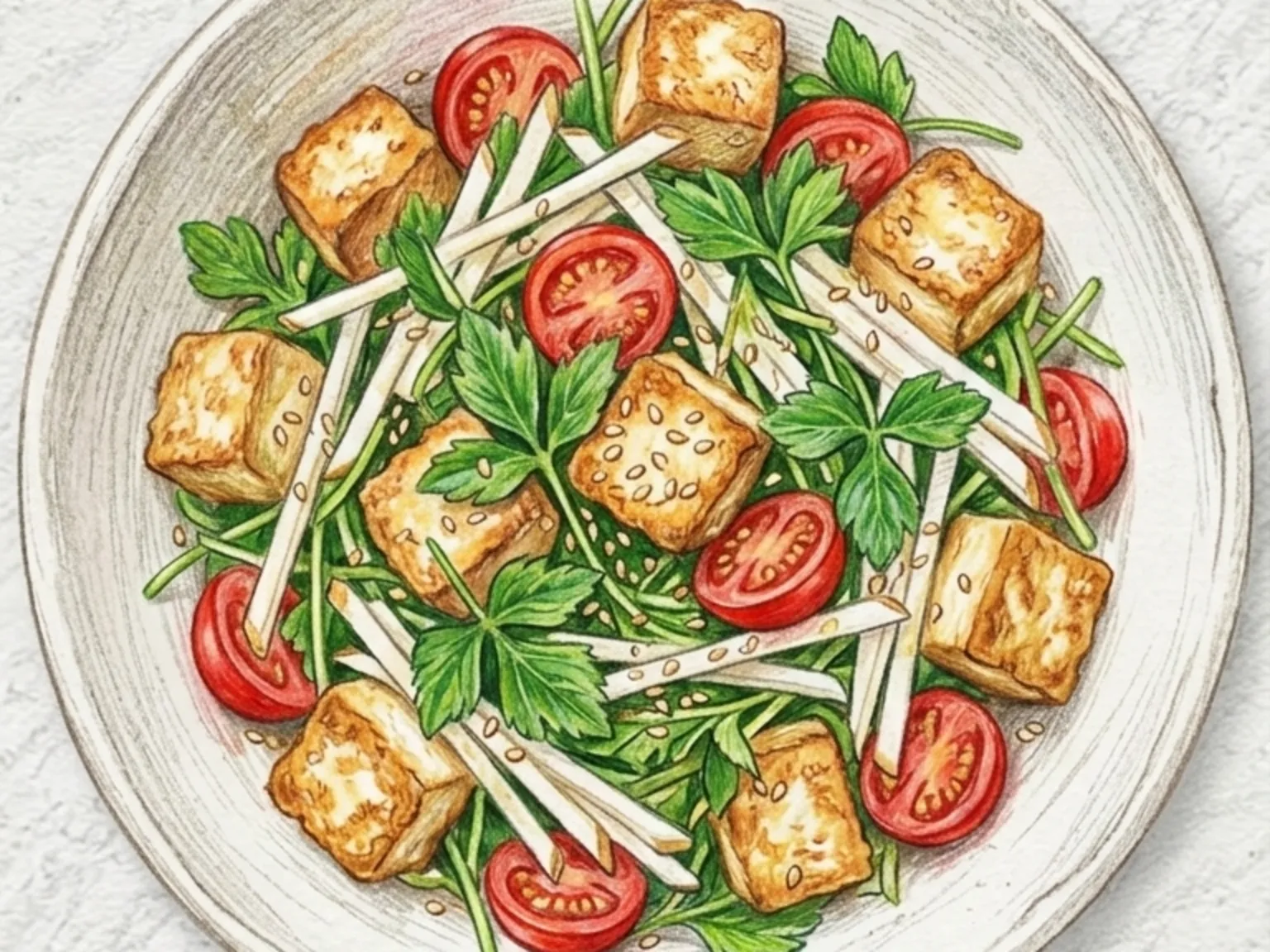
Chamnamul pear tofu salad pan-sears firm tofu cubes for 6-8 minutes until the exterior turns golden and crisp while the inside stays soft. Chamnamul is cut into 5 cm lengths to preserve its fragrant mountain-herb character, and Korean pear is julienned thin so its clean juice sweetens each bite. A dressing of perilla oil, lemon juice, and soup soy sauce delivers nuttiness and umami in a single drizzle, and halved cherry tomatoes contribute a pop of acidity. Slicing the pear just before assembly minimizes browning, and toasted sesame seeds scattered on top add a final layer of warm, nutty aroma.