Korean Perilla Leaf Kimchi
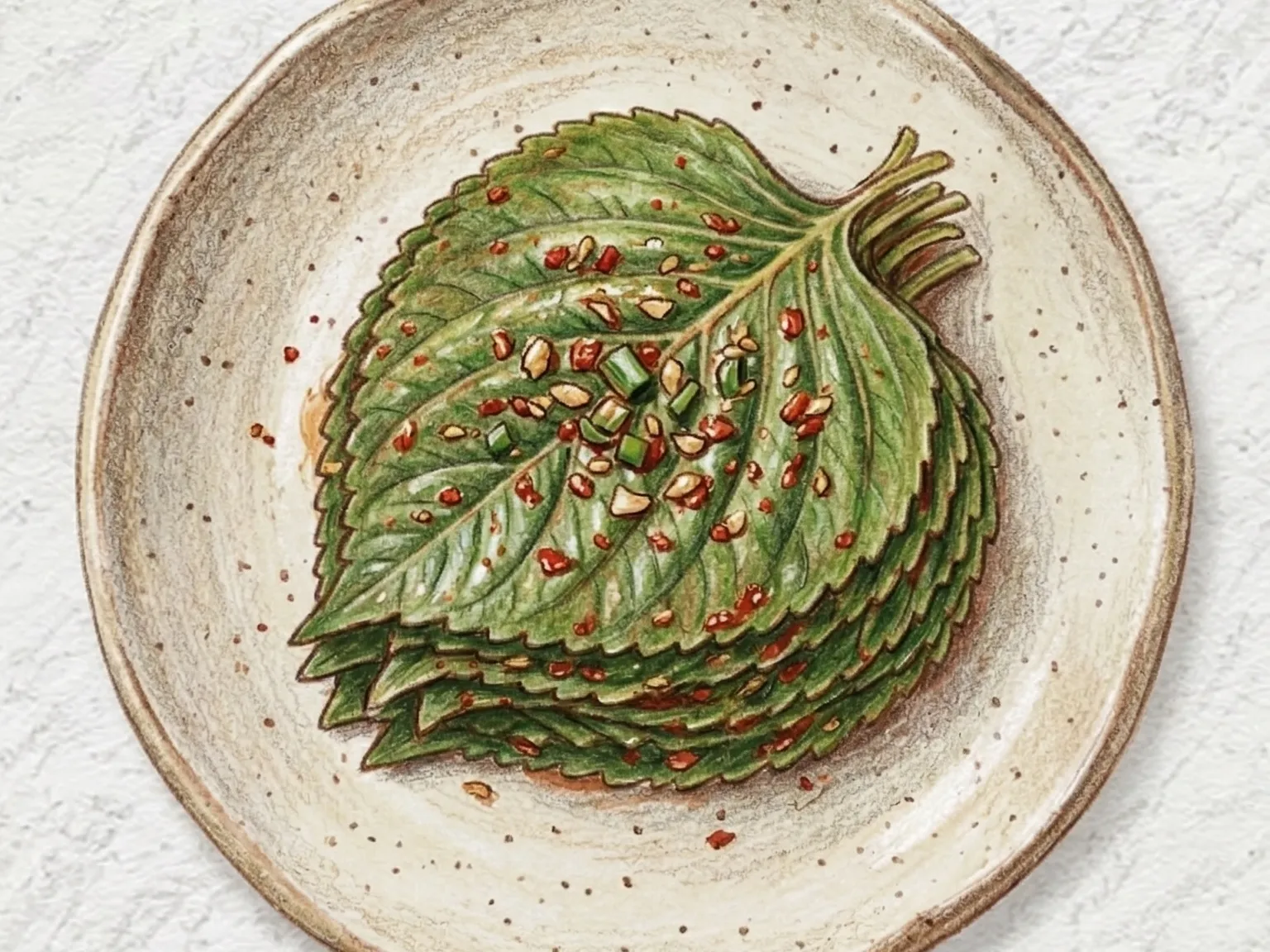
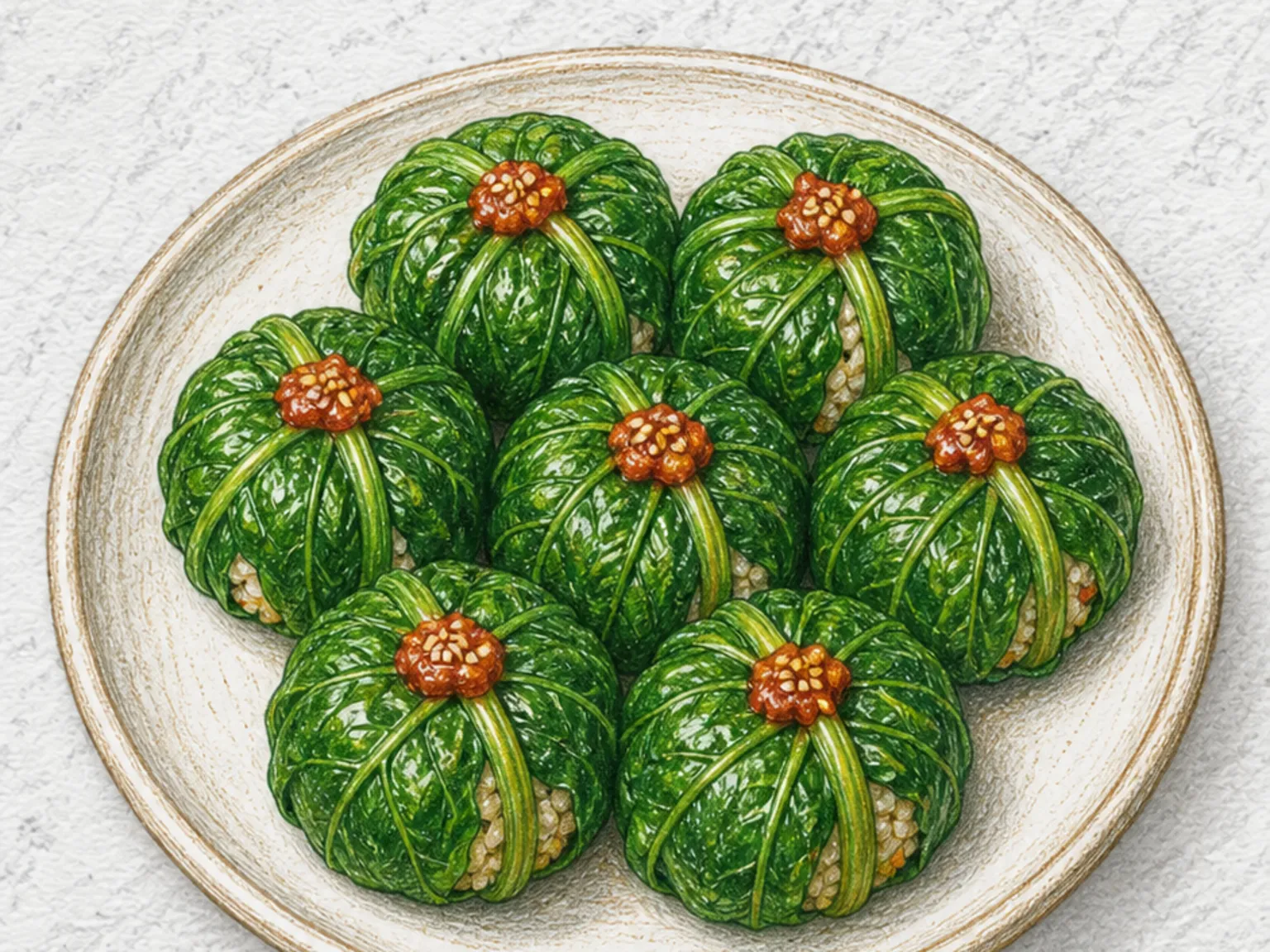
Preparing kkaennip kimchi involves layering a seasoning mixture of soy sauce, Korean red chili flakes, minced garlic, and toasted sesame oil between individual perilla leaves. Unlike traditional cabbage kimchi, this version functions as an instant pickle that requires no fermentation period, making it ready to serve as soon as the assembly is finished. The sharp, herbal aroma of the raw perilla leaf softens when integrated with the toasted richness of sesame oil, while the chili flakes provide a controlled level of heat that complements rather than masks the natural characteristics of the leaves. Soy sauce establishes a savory and salty foundation, which is further elevated by the addition of finely chopped scallions. For a different visual result, using soup soy sauce produces a lighter color that allows the dark green hue of the perilla leaves to remain prominent. Small amounts of anchovy fish sauce can also be added to the marinade to introduce a complex layer of saltiness similar to fermented kimchi. This side dish maintains its quality well in the refrigerator throughout the week. While the seasonings are distinct and bright on the first day, the flavors fully penetrate the leaves after two or three days, resulting in a more integrated profile. The seasoned leaves are commonly draped over warm steamed rice or used as an aromatic alternative to lettuce when wrapping grilled meats. Because it requires few ingredients and minimal preparation time, it is a practical choice for home cooking.

Korean Spicy Platter Noodles
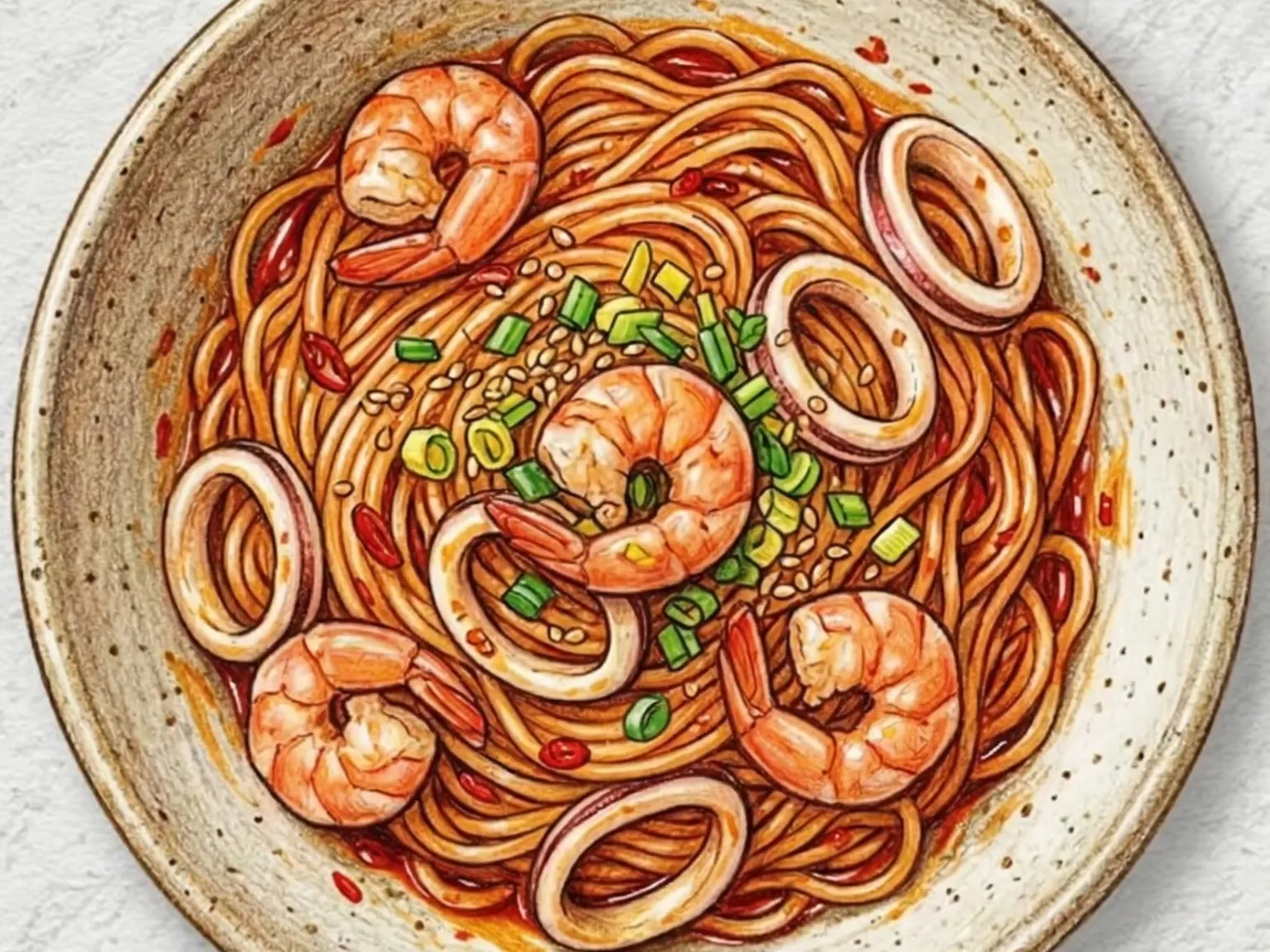
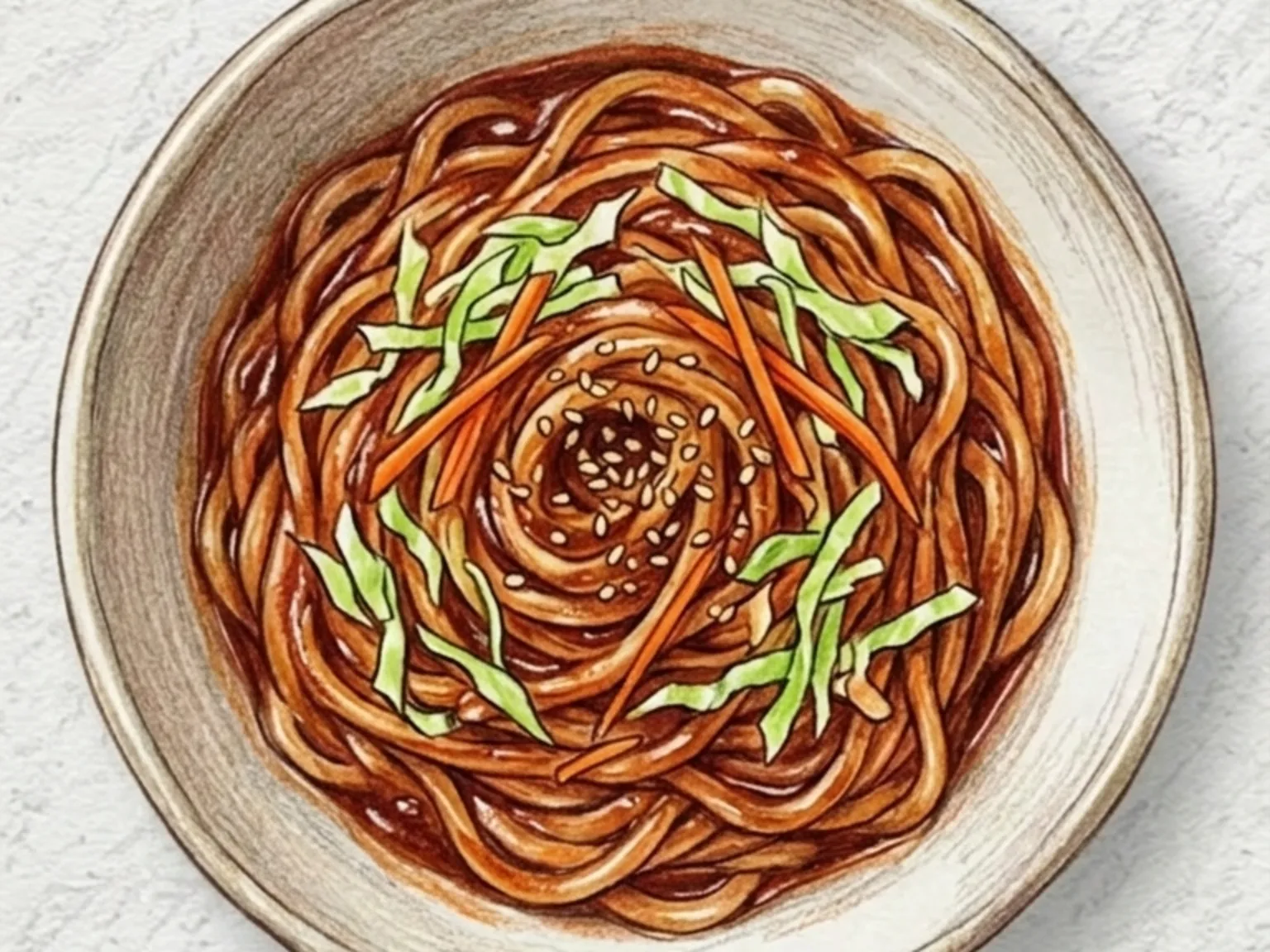
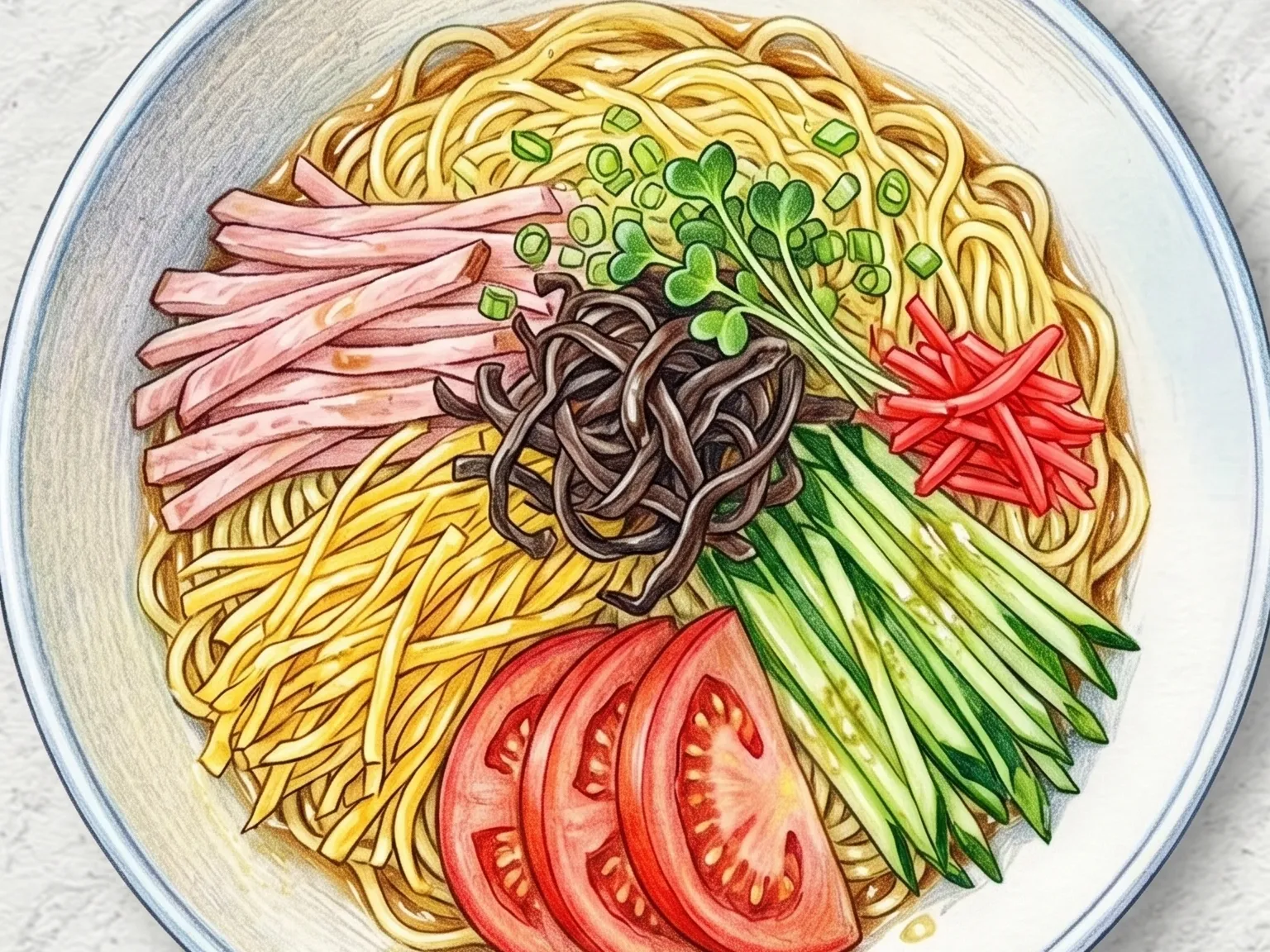
Jaengban-guksu is a large-platter noodle dish where boiled somyeon and a generous pile of fresh, crunchy vegetables are tossed together in a spicy-tangy dressing. Shredded cabbage, julienned cucumber, matchstick carrot, and torn lettuce each contribute distinct textures that contrast with the tender noodles, while the dressing - gochujang blended with vinegar, sugar, and soy sauce - fires through sweet, sour, and spicy notes in quick succession. Sesame oil and toasted sesame seeds weave a nutty warmth through the dish that softens the dressing's sharpness without dulling it. After boiling, the somyeon should be rinsed thoroughly in cold water to wash off excess starch; this step allows the dressing to coat each strand evenly and prevents the noodles from clumping on the tray. Using more vegetables than seems necessary is actually recommended, since they distribute the dressing as the noodles are tossed and add contrast in every forkful. The dish is traditionally served on a single wide tray for communal mixing at the table, making it a natural fit for gatherings and outdoor outings.

Grilled King Oyster and Perilla Salad
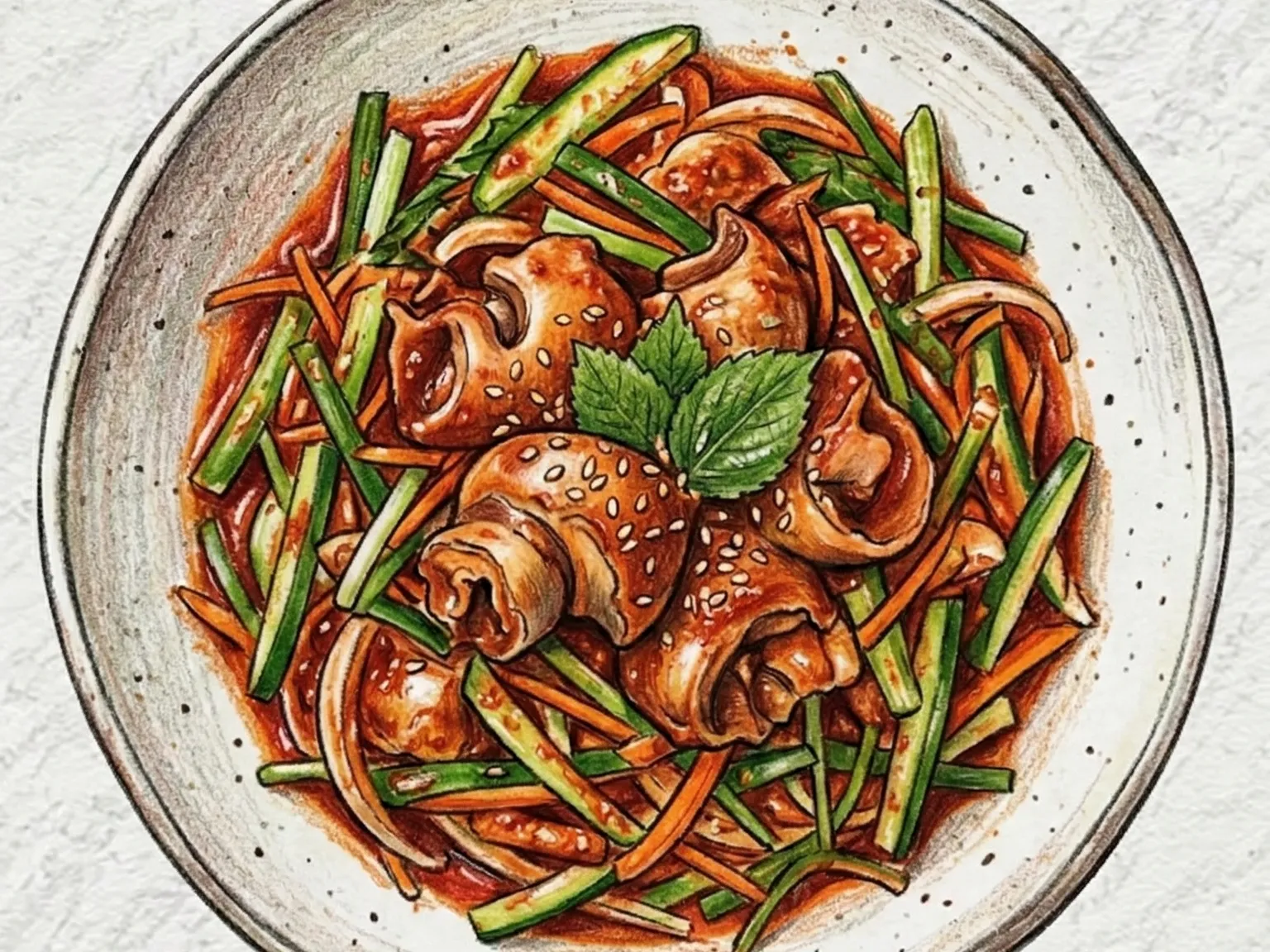
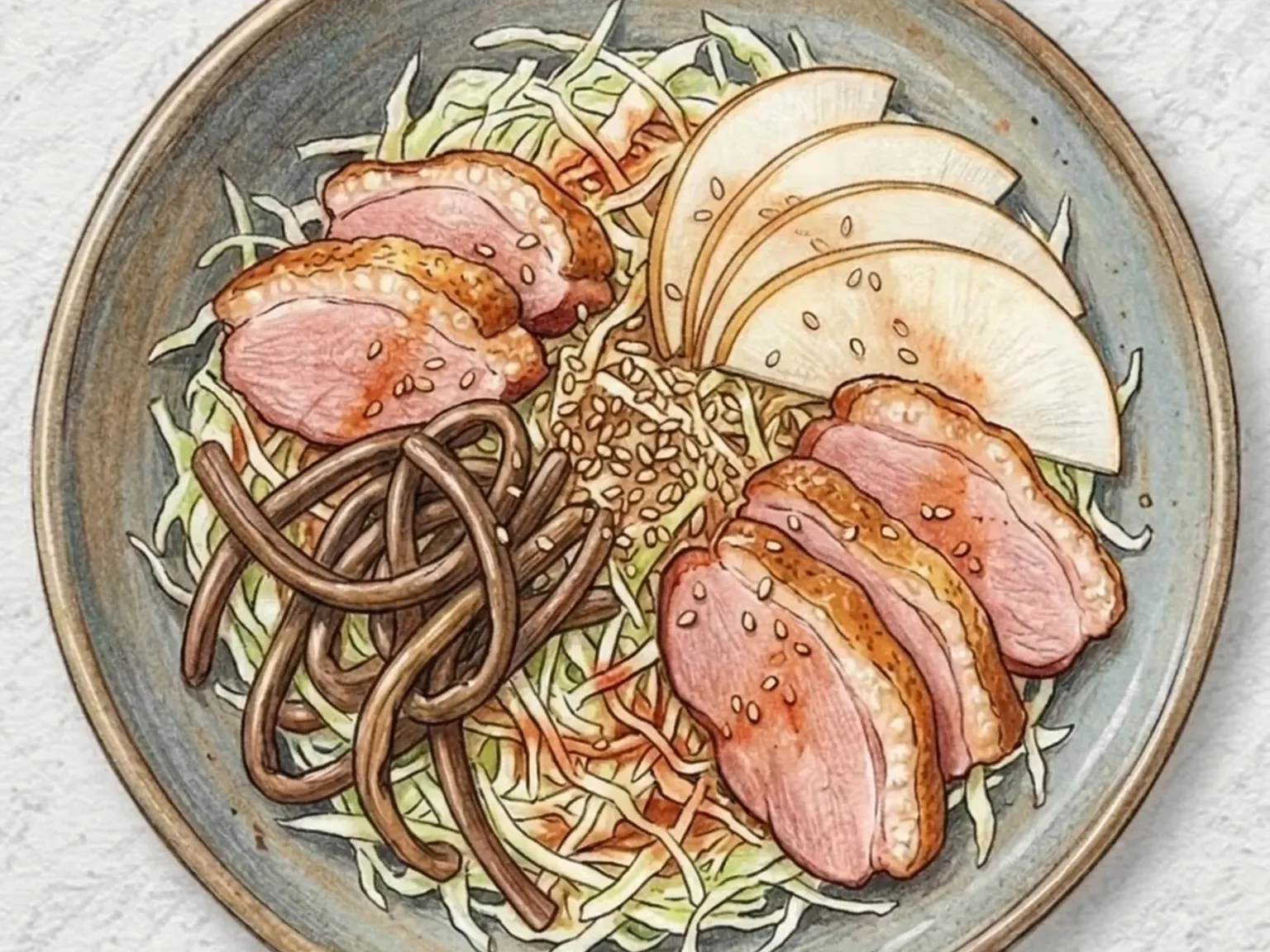
Grilled king oyster and perilla salad dry-sears thick-sliced king oyster mushrooms in an oil-free pan until golden, then tosses them with chiffonaded perilla leaves, bite-sized lettuce, and cucumber in a perilla oil and soy dressing. Cutting the mushrooms into 0.8 cm planks and spacing them apart in the pan is critical: overcrowding traps steam and turns a sear into a braise, losing the golden crust and chewy interior. Patting the mushroom surfaces dry with a paper towel before placing them in the pan helps the Maillard reaction start faster and produces a more even color without the sputtering caused by surface moisture. The dressing blends perilla oil, soy sauce, lemon juice, and oligosaccharide syrup, pairing the deep nuttiness of perilla oil with a light citrus acidity that supports the mushroom's umami. Grinding extra sesame seeds into the dressing amplifies the nutty character, and a small pinch of gochugaru adds a mild heat that lingers at the back of the palate. Perilla leaves lose their fragrance quickly once dressed, so the salad should be served immediately after tossing.

Korean Seasoned Garlic Chives
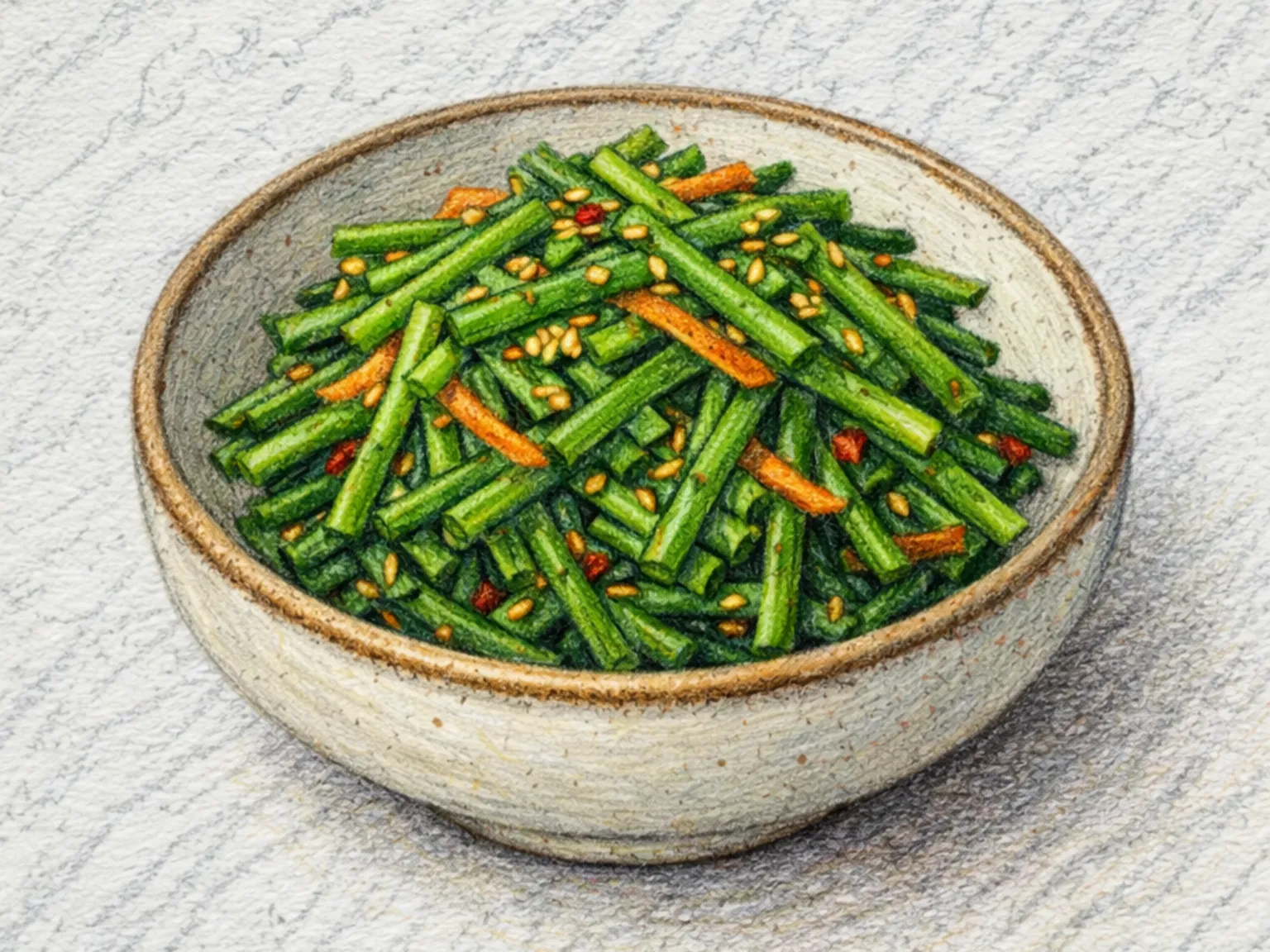
Buchu muchim differs from buchu kimchi in that it uses soy sauce and vinegar instead of fish sauce, which produces a sharper, more acidic result with none of the fermented depth. Raw chives are cut to five centimeters and tossed by hand for no longer than twenty seconds -- exceeding that time bruises the chives and draws out liquid, turning the texture limp. Gochugaru adds color and a moderate level of heat, while the ratio of vinegar to sugar creates a clean sweet-sour dressing that plays against the chive pungency. Sesame oil and whole sesame seeds go in last to preserve their aroma. Eat the same day it is made; once refrigerated overnight the chives wilt and lose their characteristic snap. Served alongside grilled pork belly or ribs, the acidity cuts through the fat and refreshes the palate between bites.

Korean Kimchi Porridge (Fermented Kimchi Pork Rice Porridge)
Well-fermented napa kimchi is chopped into small pieces and stir-fried with ground pork in sesame oil first, building a savory, aromatic base before the soaked rice and water go in for a slow, gentle simmer of thirty minutes. The extended cooking time is what fundamentally changes the character of the dish: the raw, sharp edge of the chili fades and the fermentation tang disperses through the porridge evenly, becoming deep and mellow rather than assertive, while the pork contributes a rich savory backbone that plain kimchi alone could not provide. Soup soy sauce is added toward the end to adjust the salt, and sesame seeds scattered over the finished bowl add a final nutty aroma. The more sour and deeply fermented the kimchi used, the more complex and layered the finished juk becomes -- bright red in color and bold in flavor. This is a traditional Korean porridge associated with recovery and comfort, eaten warm when the stomach is unsettled, appetite has gone quiet, or the cold calls for something deeply nourishing. Diced silken tofu added during the last few minutes of simmering introduces a new texture and adds protein without disrupting the clean, porridge-like consistency.

Korean Sweet Spicy Stir-fried Filefish Jerky
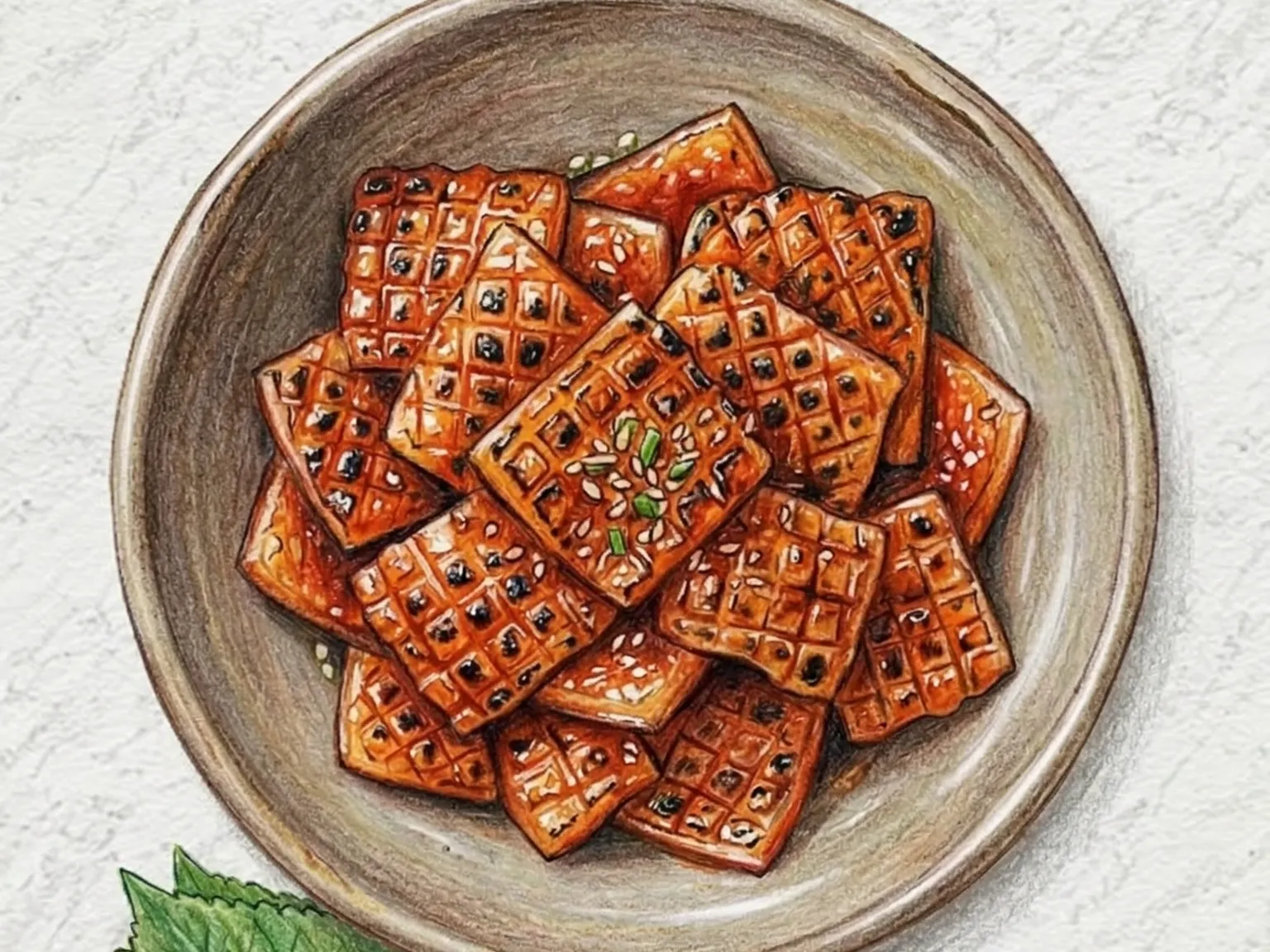
Jjipo-bokkeum is a Korean side dish made from flat dried filefish jerky tossed in a sweet and spicy glaze of gochujang, oligosaccharide syrup, soy sauce, garlic, and sesame oil. The jerky pieces are lightly pan-fried in a small amount of oil first to develop a toasty, nutty surface before the sauce goes in, which builds an initial layer of flavor and texture before the glaze coats the outside. The seasoning sauce is added over low heat and the pan is kept moving to prevent the sugar in the oligosaccharide syrup from burning, coating each piece evenly in a glossy, sticky layer. The syrup softens the otherwise tough chew of the dried fish so that each piece bends slightly rather than snapping, and every bite releases the filefish's concentrated, deeply savory umami that builds with each chew. Made ahead and stored refrigerated, jjipo-bokkeum keeps its flavor well for five to seven days, making it one of the more practical banchan to prepare in advance. It works equally well as a rice side, an afternoon snack eaten on its own, or served alongside drinks as an anju.

Korean Mini Gimbap
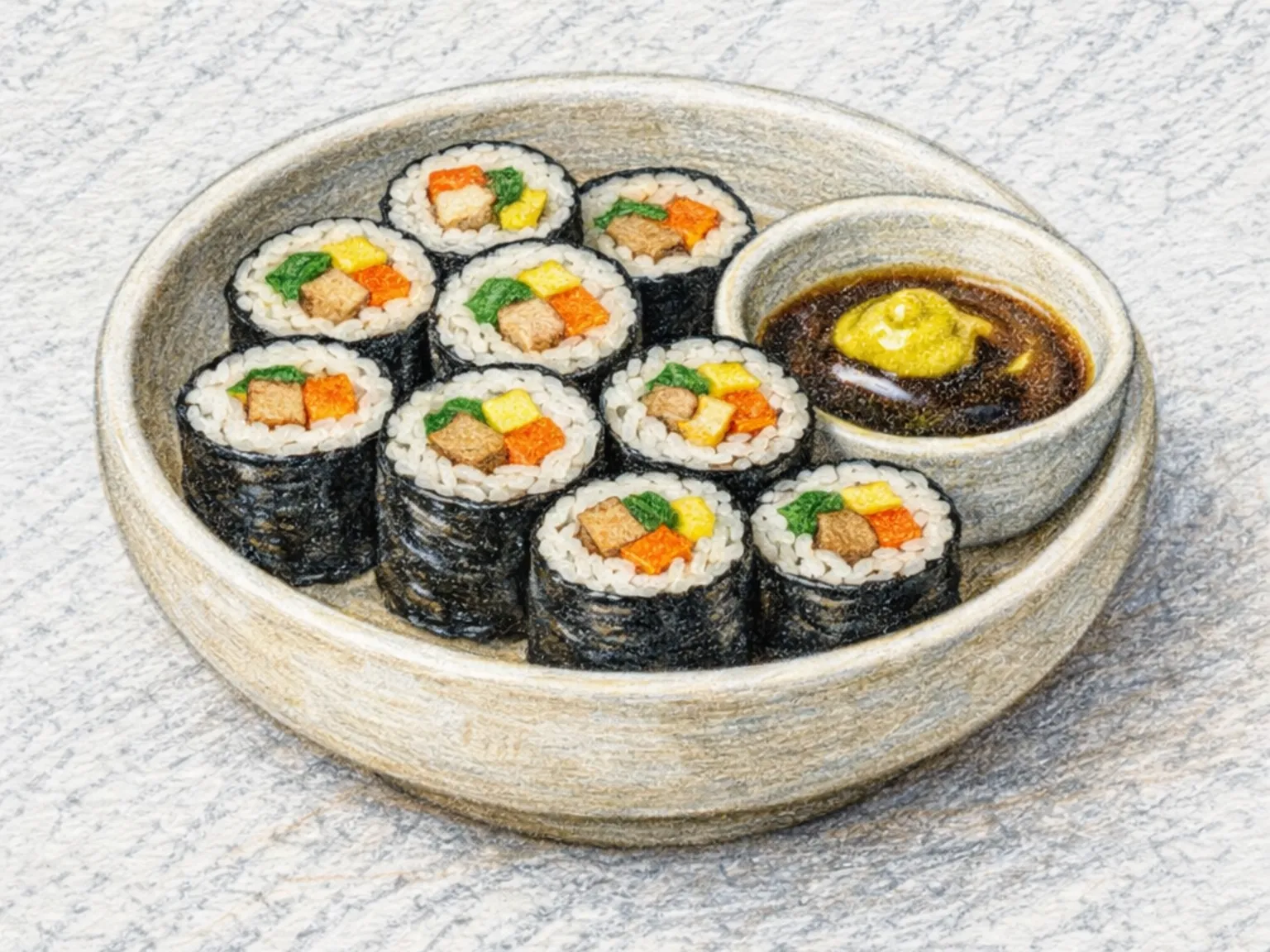
Half-sheet seaweed is lined with a thin layer of rice seasoned with sesame oil, salt, and sesame seeds, then filled with just three ingredients: pickled radish for crunch, blanched spinach for softness, and sauteed carrot for a touch of natural sweetness. The roll is made about half the diameter of standard gimbap and cut at 2 cm intervals, producing pieces small enough to eat in a single bite. The simplicity of the seasoning means no dipping sauce is needed, and the combination of textures from the firm pickled radish, tender spinach, and lightly sweet carrot keeps each piece balanced. The small size and straightforward construction make this a popular choice for children's packed lunches or picnic spreads, and with only a few ingredients to prepare, the whole batch can be ready in under 10 minutes.

Korean Grilled Eggplant (Soy Garlic Glazed Charred Eggplant)
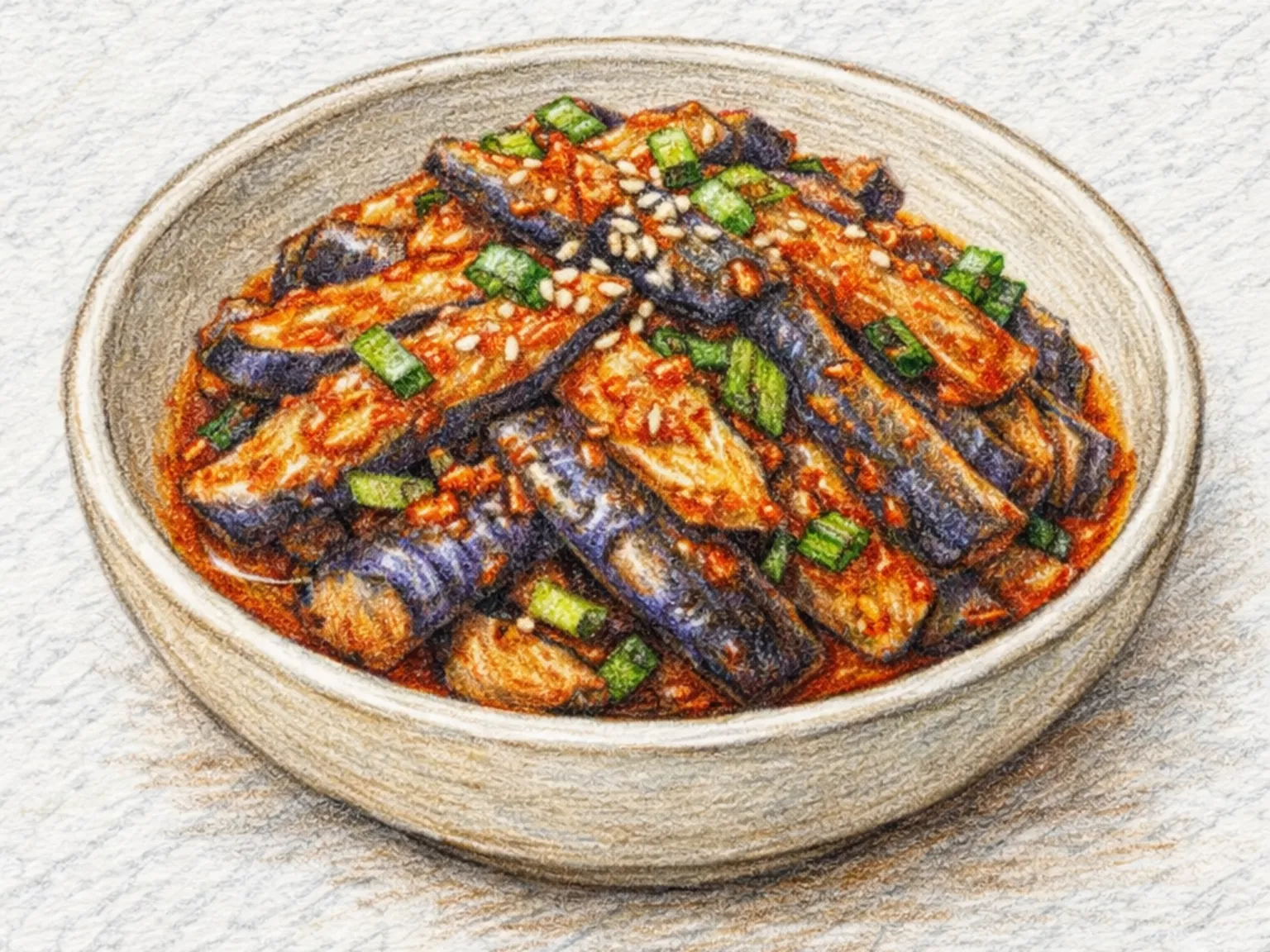
Gaji-gui is Korean grilled eggplant, halved lengthwise, scored, and cooked slowly over medium heat until the flesh turns soft and creamy while the skin side holds a slight firmness. Salting the cut surface and resting it for ten minutes before cooking pulls out bitter moisture through osmosis and also reduces how aggressively the eggplant absorbs oil during grilling. The scoring pattern is functional as well as visual, creating channels that allow heat to penetrate into the thick interior so the eggplant cooks through evenly rather than remaining hard at the center while the outside chars. Covering the pan after laying the eggplant cut-side down traps steam and gently cooks the flesh from within. A sauce of soy sauce, sesame oil, Korean chili flakes, minced garlic, and sliced green onion is spooned over the grilled surface while the eggplant is still hot, and the residual heat releases the fragrance of garlic and sesame oil while the liquid seeps into the scored channels and seasons the interior. Toasted sesame seeds scattered over the top add a final layer of nuttiness that gives the otherwise mild eggplant the complexity needed to hold its own as a proper banchan.

Korean Soy-Braised Black Beans
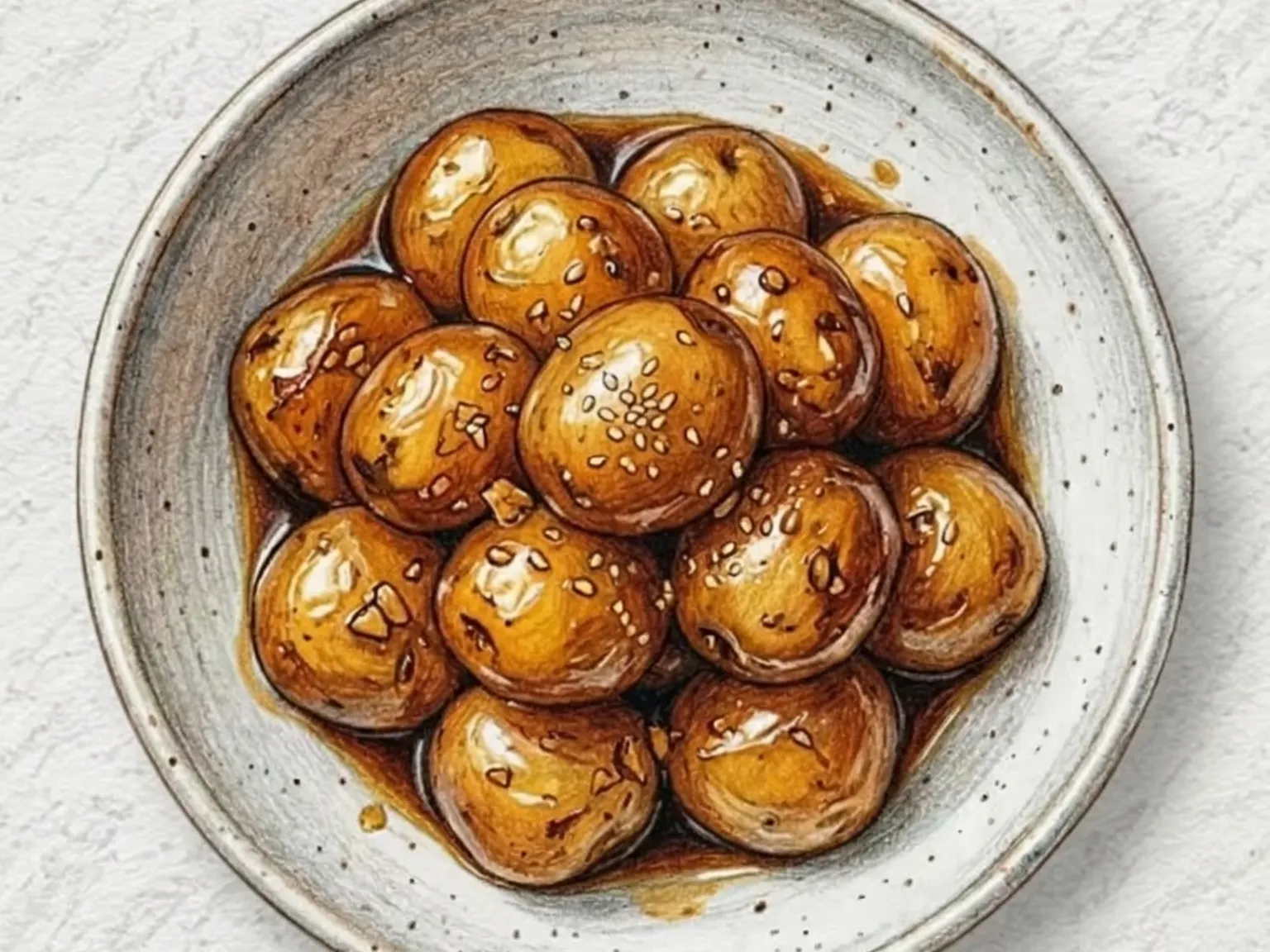
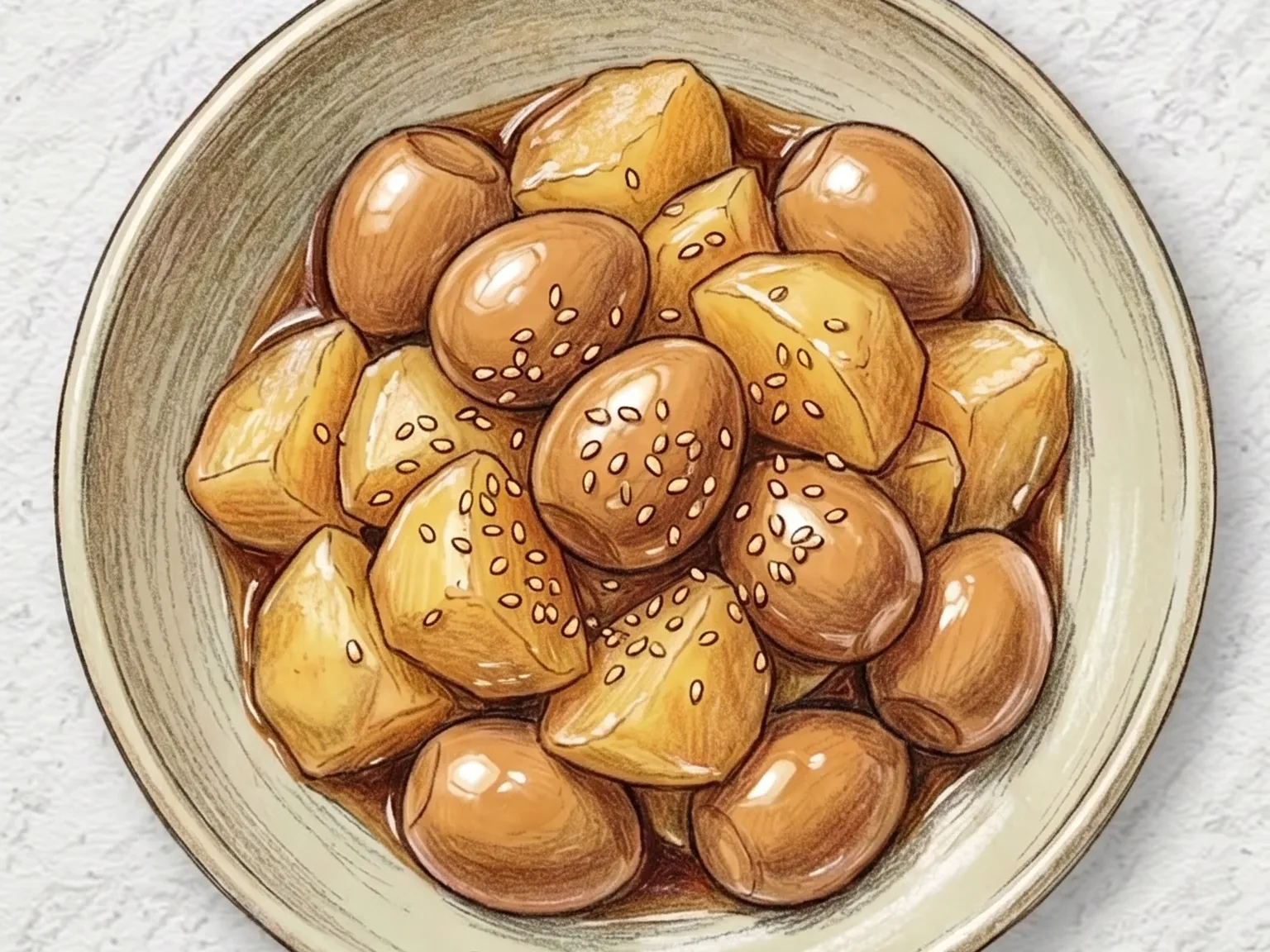
Kongjaban is a traditional Korean side dish of black soybeans slowly braised over low heat in a seasoning liquid of soy sauce, sugar, and corn syrup until the liquid reduces completely and the beans are glossy and lacquered. Starting with enough braising liquid is essential: the beans need time to absorb the seasoning gradually before the moisture evaporates, and rushing the heat causes scorching before the interiors have softened. As the liquid reduces, the sugars caramelize against the exterior of each bean, building the glossy dark coating that makes kongjaban recognizable on any Korean table. The soy sauce and sugar create a sweet-salty interplay that is quietly addictive, and sesame oil added at the very end contributes a nutty aroma that lingers. Soaking the dried beans overnight before boiling ensures a tender interior without losing the structural integrity that prevents them from turning to mush during the braise. Corn syrup keeps the exterior pliable and shiny even after the dish cools and is stored. Refrigerated in a clean container, kongjaban keeps for more than two weeks, which explains why it is one of the most consistently prepared staple side dishes in Korean households.

Korean Dried Radish Soy Pickles
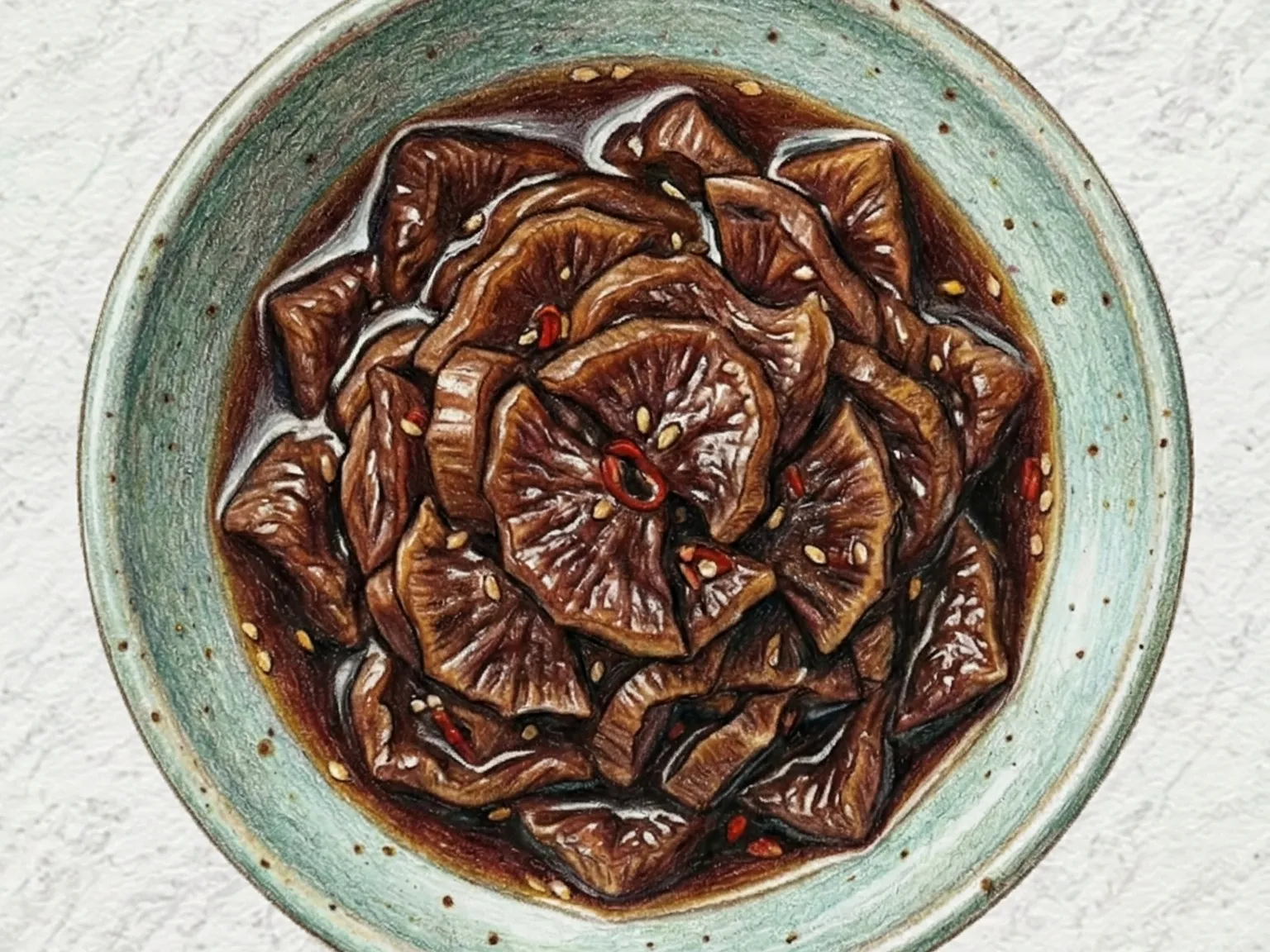
Mu mallaengi jangajji is a Korean pickled dried radish that exploits the concentrating effect of dehydration to achieve a depth of sweetness and chew that fresh radish pickles cannot match. The dried radish strips are first soaked in lukewarm water to restore their flexibility, then coated with gochugaru before being submerged in a brine of soy sauce, vinegar, and sugar that has been briefly boiled and cooled. Drying collapses the radish cell walls and concentrates the natural sugars, so when the rehydrated strips absorb the brine, the sweetness hits in layers beneath the chili heat. The texture of the rehydrated strips is distinctly chewy rather than crisp, which makes each bite feel satisfying and substantial. Soy sauce provides a dense, savory floor while vinegar lifts the salt and keeps the palate clean, and a scatter of toasted sesame seeds adds a faintly nutty finish. After resting for a day the seasoning stabilizes and the flavors meld, producing a banchan assertive enough to carry a full bowl of plain rice on its own.

Japaguri (Two-Pack Instant Noodle Mashup)
Japaguri - also known internationally as ram-don - is a Korean instant noodle mashup that cooks two different packets together in one pot: a black bean sauce variety and a spicy variety. The roasted-bean sweetness of the jjajang seasoning collides directly with the sharp chili heat of the spicy packet, producing a layered flavor that neither product can achieve on its own. Onion and green onion are sauteed in oil first so their natural sugars caramelize slightly and establish a savory-sweet base before the water and noodles go in. Using noticeably less water than either packet recommends is important because both seasoning powders need to be fully absorbed and the finished sauce should cling thickly to every strand. After a film introduced it to international audiences, the dish became shorthand for Korean instant noodle culture and has remained a genuinely popular preparation. Adding premium thinly sliced beef, such as Korean hanwoo, elevates it from a pantry meal to a full dinner.

Grilled Mackerel Perilla Salad
Grilled mackerel perilla salad starts by salting mackerel fillets for five minutes, then patting them completely dry before setting them skin-side down in a hot pan. The drying step draws surface moisture out of the fish so the skin crisps sharply in the pan rather than steaming, and the brief salt also damps down the mackerel's characteristic fishiness. Four minutes skin-side down followed by two minutes on the flesh side leaves the exterior with a firm, golden crust while the interior stays moist and just cooked through. Once off the heat the fish is broken into irregular pieces and scattered over a bed of romaine, thinly sliced perilla leaves, cucumber batons, and radish sprouts. A dressing of soy sauce, yuzu marmalade, and sesame oil brings the whole dish together: the aromatic acidity of yuzu cuts cleanly through the oily richness of mackerel in a way that a plain rice vinegar dressing cannot. Cutting perilla into thin ribbons rather than tearing it distributes the herb's peppery, anise-like fragrance evenly across every forkful so no bite is without it. The contrast of warm fish against cold vegetables and crisp greens makes each serving feel alive rather than flat.

Korean Braised Dried Pollack
Dried pollack - bugeo - is traditionally hung on racks in Gangwon-do's frigid mountain air through freeze-thaw cycles all winter. The strips rehydrate in cold water, then braise in soy sauce, gochujang, sugar, and garlic. As liquid reduces, the pollack's spongy texture absorbs the sweet-salty-spicy sauce deeply, taking on a layered seasoning throughout. Finished with sesame oil, bugeo jorim tastes better after a day and keeps nearly a week - a classic fridge banchan.

Korean Beef and Water Parsley Pot Rice
Soy-marinated beef is layered with rice in a heavy pot and cooked until the meat juices soak into every grain. Onion and beef are first seared on high heat for depth, then soaked rice and water go in for a slow, covered cook. Water parsley added just before resting contributes a fresh, aromatic lift that cuts through the richness of the beef. The heavy-bottomed pot also creates an even layer of crispy scorched rice at the bottom, adding a satisfying crunch to every serving.

Korean Stir-fried Anchovies with Shishito Peppers
Kkwarigochu myeolchi bokkeum is a Korean banchan of dried anchovies and shishito-style peppers cooked together and glazed with soy sauce and oligosaccharide syrup. The anchovies are dry-toasted first in an unoiled pan over medium heat until their moisture evaporates and the fishiness reduces, then set aside. Oil goes into the pan next and the kkwarigochu peppers are fried over medium-high heat until blistered and darkened in spots, which develops a slightly bitter, charred edge that adds character to the finished dish. The anchovies return to the pan along with the peppers, soy sauce is added for the base seasoning, and then the heat is reduced before the oligosaccharide syrup goes in. Adding the syrup over reduced heat is the step that most often goes wrong: high heat scorches the syrup almost immediately, preventing the glaze from forming and leaving a bitter residue instead. Over low heat, the syrup coats the anchovies and peppers in a thin, shiny layer as it slowly reduces. Sesame oil and whole sesame seeds are stirred in at the end for fragrance and texture. The finished dish layers the crunchy, salty anchovies against the syrup's gentle sweetness, with the peppers providing mild heat that prevents the flavor from becoming cloying. Stored in a sealed container in the refrigerator, the banchan keeps well for several days.

Korean Stir-Fried Fish Cake Strips
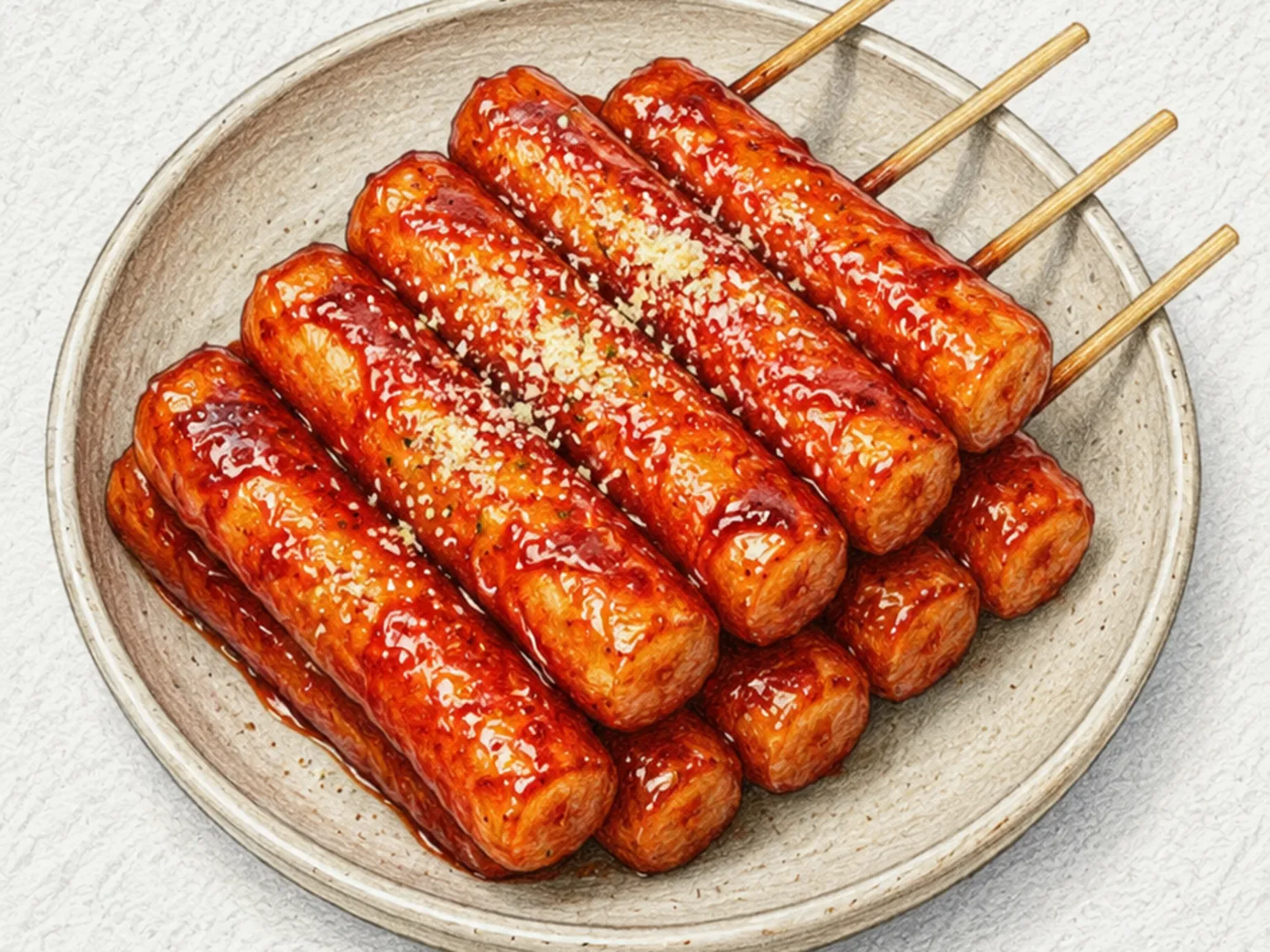
Flat fish cake is sliced into strips and quickly stir-fried with red pepper flakes, soy sauce, sugar, and minced garlic in a hot pan. Blanching the fish cake beforehand removes surface oil so the seasoning adheres more cleanly, and a final toss with sesame oil and sesame seeds brings a nutty fragrance. Despite the short ingredient list and fast cook time, the balance between sweet and spicy is well defined.

Korean Grilled Beef Short Ribs with Scallions
Galbisal-pachae-gui is a Korean grilled beef dish featuring short rib finger meat marinated in dark soy sauce, sugar, sesame oil, and garlic for at least one hour, then seared over high heat and served under a pile of cold-dressed shredded green onion. Rib finger meat sits between the rib bones and carries a well-balanced ratio of fat to lean, which allows the soy marinade to penetrate the fat layers and produce a deep, lingering savory flavor when exposed to direct heat. High heat causes the edges of the marinated meat to char quickly, creating a brief overlap of caramelized sweetness and smoke that defines the overall aroma of the dish. The shredded green onion is soaked in cold water until the sharp raw pungency fades and the cell walls firm up, then lightly tossed with sesame oil and toasted sesame to complement rather than compete with the heavy soy note of the beef. When a piece of hot seared meat and a tangle of cold scallion are eaten together, the contrast between the temperature, the rich beef fat, and the clean, sharp allium flavor creates a layered experience that cannot be replicated by eating either component alone. This dish is often made for home gatherings centered on table grilling, and the visual contrast of dark caramelized beef against the white-green scallion mound makes it striking as a shared centerpiece.

Korean Steamed Whole Garlic
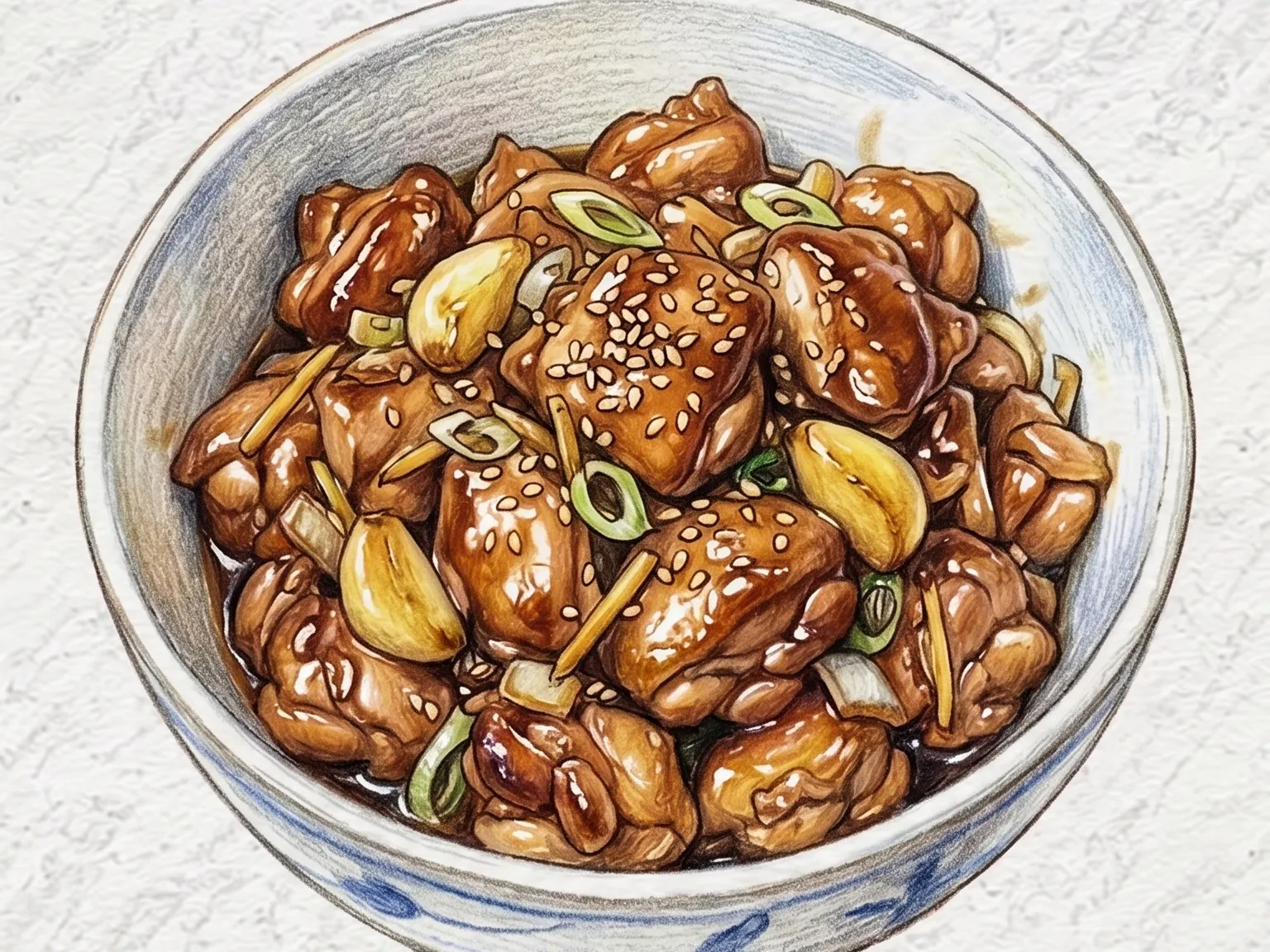
Maneul-jjim is a Korean steamed whole garlic dish where cloves are slowly braised in soy sauce, oligosaccharide syrup, and sesame oil until completely tender. The raw garlic's sharp bite disappears entirely with heat, transforming into a mellow sweetness with a creamy, almost buttery texture. The syrup creates a glossy coating on each clove, and the sesame oil wraps everything in a nutty fragrance. This banchan works as a side to grilled meats or as a drinking snack, offering all of garlic's depth without any of its usual pungency. Placing a softened clove on a spoonful of rice is the simplest and most satisfying way to enjoy it.

Korean Shepherd's Purse Kimchi
Naengi kimchi is a seasonal Korean side dish where shepherd's purse, an early-spring wild herb with a distinctive earthy fragrance, is blanched for just twenty seconds in boiling salted water. This brief blanching is the defining technique - long enough to strip away the raw bitterness and any soil odor, yet short enough to preserve the herb's own clean, spring-like aroma. The cooled and thoroughly squeezed greens are then dressed in a paste of gochugaru, anchovy fish sauce, minced garlic, and sweet rice paste, which provides enough body and viscosity to coat each slender stem evenly. The fish sauce's fermented depth meets the herb's green, earthy character, producing a layered flavor that neither ingredient achieves on its own. Sesame seeds scattered on top add a quiet toasted crunch. At least two hours of refrigeration allows the seasoning to settle and deepen before the kimchi is at its best.

Korean Spicy Chewy Noodles
Jjolmyeon is a Korean cold noodle dish built around unusually thick, springy wheat noodles that were accidentally invented at an Incheon noodle factory in the 1970s. The noodles are boiled, rinsed in ice water to firm up their chewy texture, then dressed in a sweet-sour-spicy sauce made from gochujang, vinegar, sugar, soy sauce, and sesame oil. Shredded cabbage and julienned cucumber are chilled separately and piled on top, giving each bite a crisp contrast to the bold sauce. A halved boiled egg adds a creamy counterpoint to the heat. The dish is served cold and eaten after thorough mixing, making it a go-to summer meal and late-night snack across Korea.

Chilled Wakame Seaweed Salad
Hiyashi wakame is a chilled Japanese seaweed salad in which dried wakame is rehydrated in cold water, blanched for exactly twenty seconds, then rinsed in cold water and squeezed firmly dry before being tossed with salt-wilted cucumber slices in a soy-vinegar dressing. The twenty-second blanch is the most technically precise step in the recipe: less time leaves the wakame insufficiently tender, while more than twenty seconds tips it toward rubbery toughness or mushiness depending on how long it continues on the heat. Wakame blanched for exactly this duration holds a smooth, springy texture that takes the dressing evenly across its surface. The dressing combines soy sauce, rice vinegar, sugar, and sesame oil into a balance of salty umami and sharp acidity that amplifies the seaweed's natural oceanic fragrance rather than competing with it. Salting the cucumber for five minutes and pressing out the liquid before adding it is a non-optional step; skipping it causes the cucumber's released water to dilute the dressing and wash out its flavor. A generous finish of toasted sesame seeds adds a warm, nutty aroma that sits as a counterpoint over the cold, clean textures of the wakame and cucumber.

Korean Stir-Fried Leafy Greens
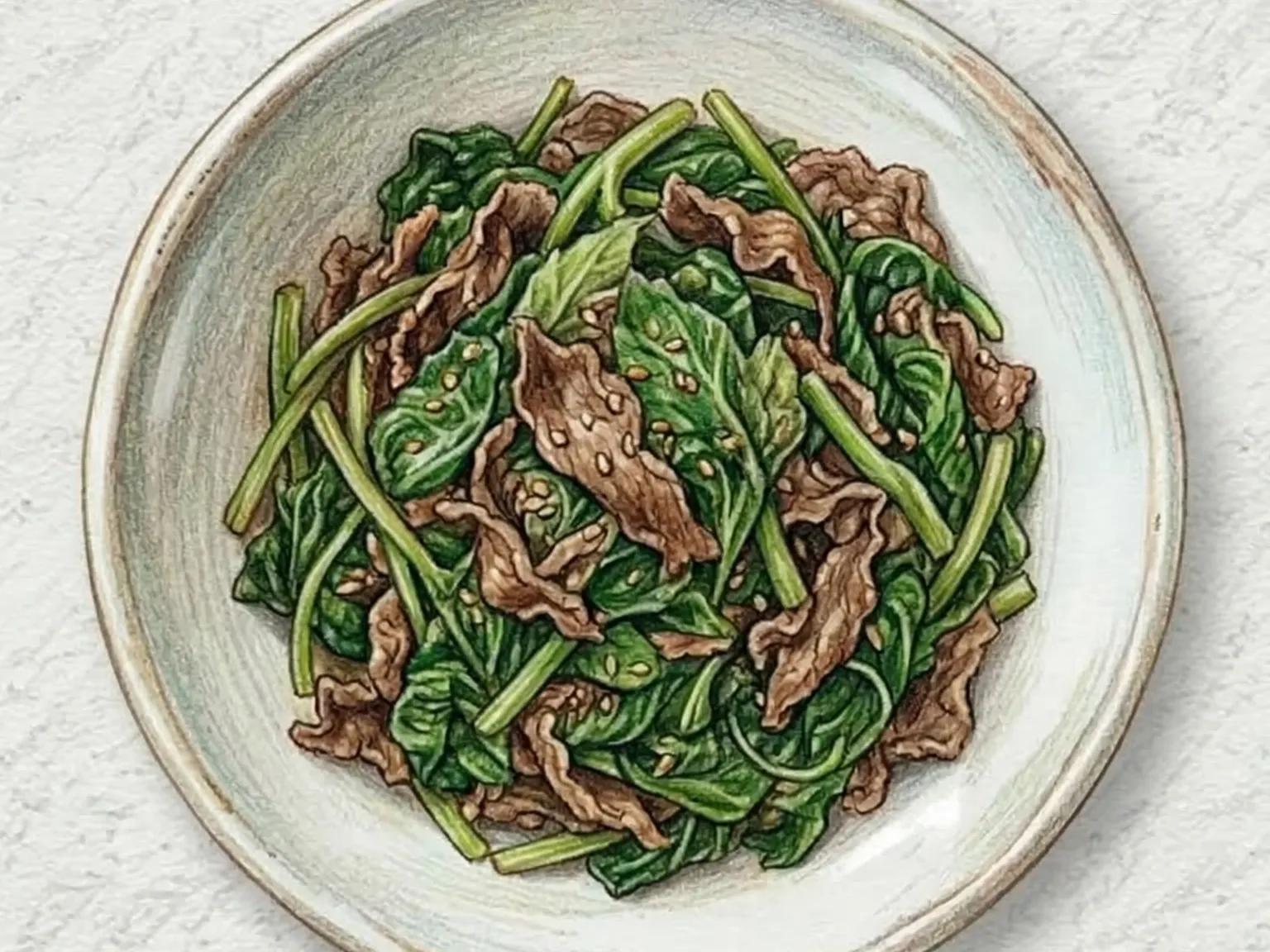
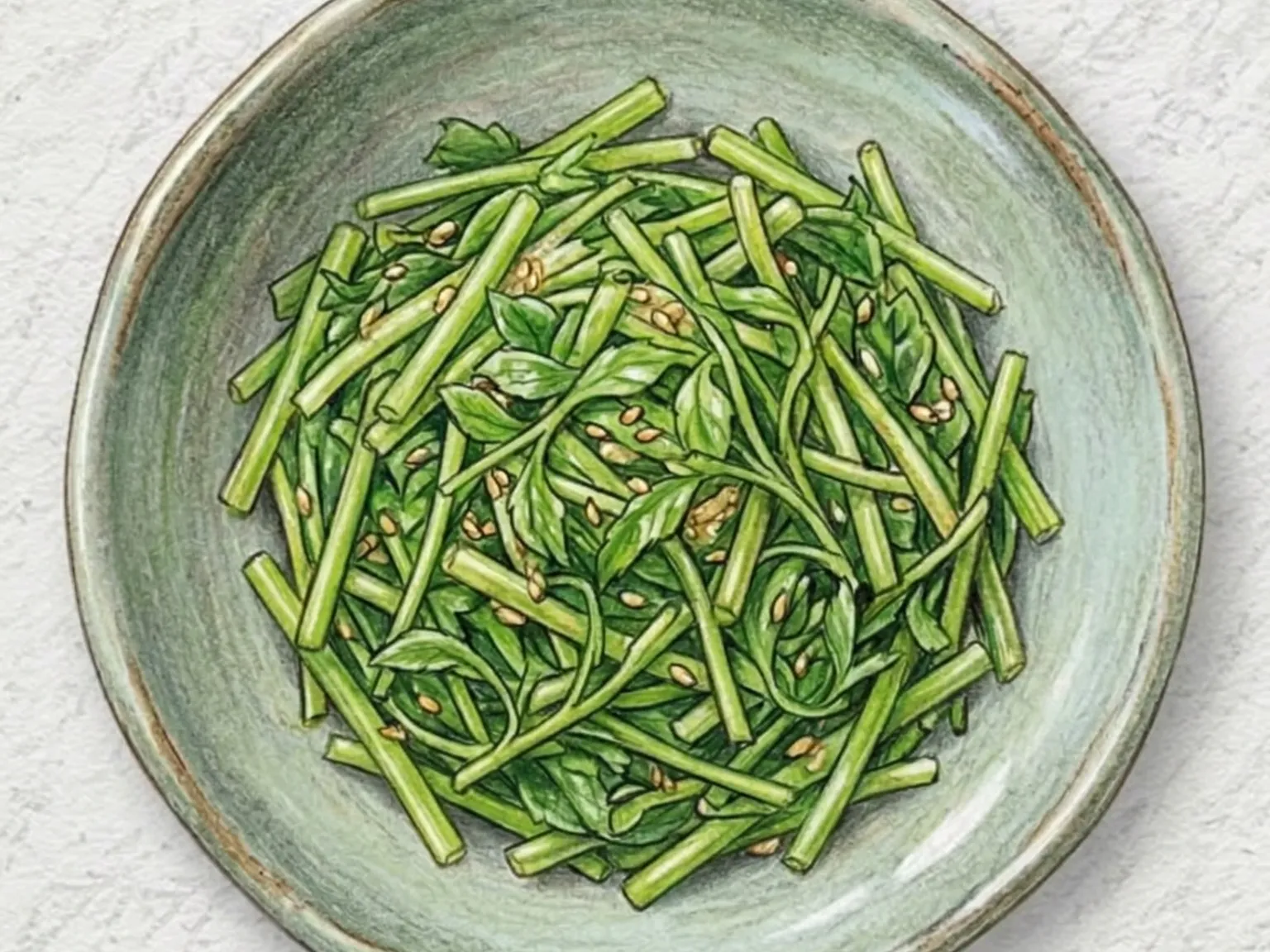
Baby bok choy stir-fry takes five minutes from board to table. Removing all surface moisture before the greens go in is the single most important step - wet leaves steam instead of sear, and the texture turns limp. Garlic sautés over low heat for twenty seconds to mellow its bite, then the pan goes to high and the greens follow. Soup soy sauce and salt season without adding liquid, and sesame oil off the heat gives a light gloss. The high heat catches the leaf edges with just a touch of char, which adds depth without bitterness. This mild, clean-tasting side suits nearly any Korean main course and holds its bright green color well on the table.

Korean Radish Rice (Julienned Radish Steamed with Short-Grain Rice)
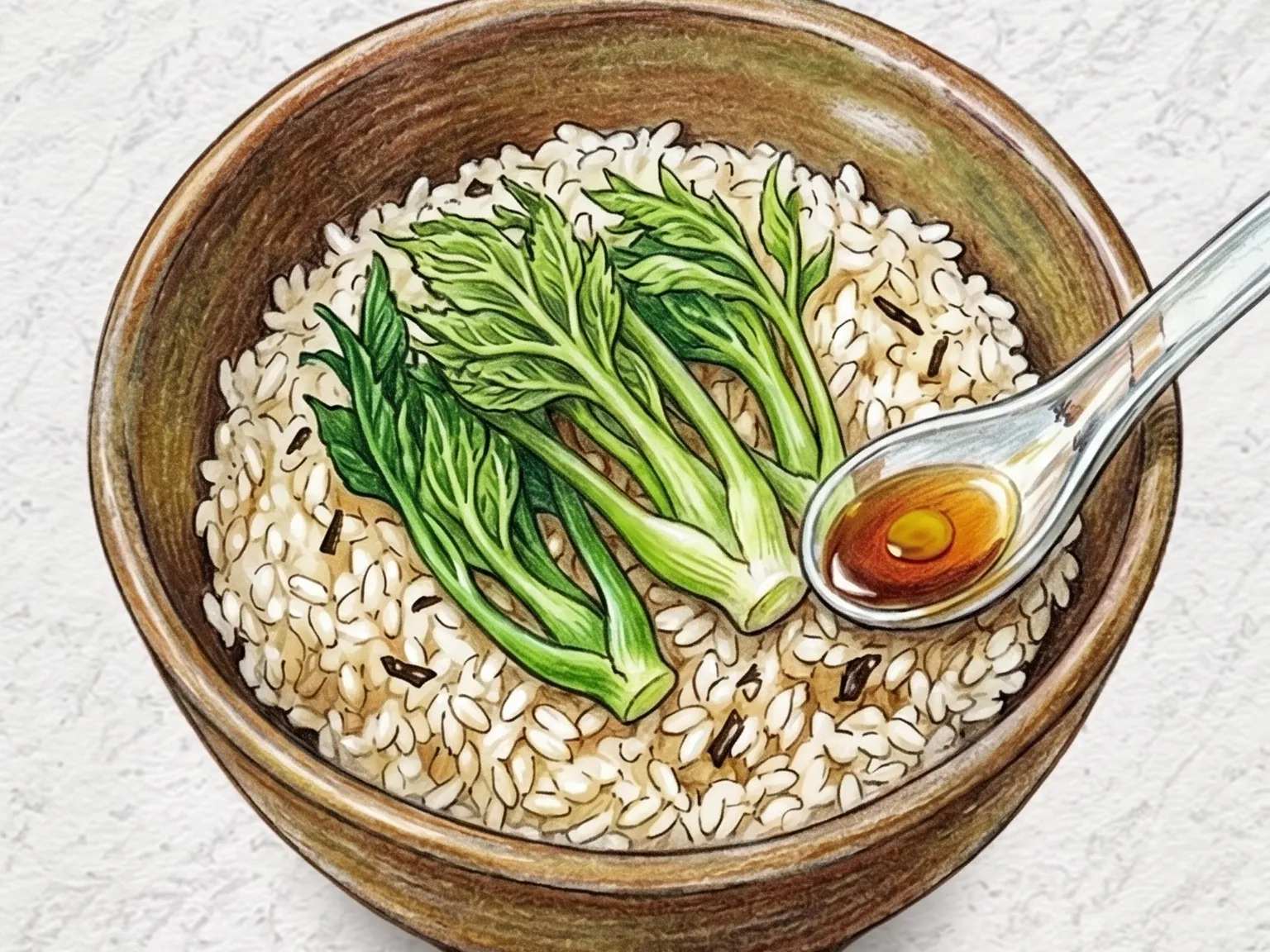
Mu-bap is Korean radish rice made by placing finely julienned radish directly on top of uncooked rice before steaming, so the radish releases its natural moisture and mild sweetness into each grain as it cooks. The result is rice that is slightly more moist and subtly sweeter than plain cooked rice, with softened radish distributed throughout. The dish is eaten with a seasoning sauce of soy sauce, sesame oil, sliced scallion, red pepper flakes, and sesame seeds mixed in right before eating, because adding it any earlier makes the rice clump and turn mushy. Cutting the radish into thin, uniform strips is not just about presentation: thin strips cook through in the same time as the rice, while thick pieces remain underdone when the rice is already ready. Winter radish contains more natural sugar than radish harvested at other times of year, so the same recipe tastes noticeably sweeter when made with winter produce. Served alongside fermented sides like kkakdugi or kimchi, the mild sweetness of the radish rice provides a clean, neutral contrast to the sharp acidity and salt of fermented foods.

Korean Stir-fried Garlic Scapes
Maneul jong bokkeum is a Korean banchan of garlic scapes cut into 4 cm lengths and stir-fried with onion, then coated in a sauce of gochujang, soy sauce, and oligosaccharide syrup. The pungent, sharp character of garlic scapes meets gochujang's spicy heat and the syrup's glossy sweetness, producing a balanced three-way flavor of salty, sweet, and spicy that is immediately addictive. Timing is the most important variable in making this dish properly. Garlic scapes become tough and fibrous if overcooked, so pulling them from the heat while the color is still a vivid, saturated green is essential. When cooked to the right point, the exterior of each scape is lacquered with the glossy sauce while the interior stays crisp and slightly snappy. The onion caramelizes gently as it cooks, adding a background sweetness that rounds out the sauce without competing with the garlic. Sesame seeds scattered over the finished dish add a layer of toasted nuttiness. The banchan holds well in the refrigerator for three to four days, making it a practical dish to prepare ahead of time. It works equally well as a rice accompaniment or as a drinking snack.