🏠 Everyday Recipes
Simple home-cooked meals for any day
1705 recipes. Page 7 of 72
These are the meals you can cook day after day without getting tired of them. Doenjang jjigae, rolled omelet, spicy pork stir-fry - the kind of home-cooked dishes that fill an ordinary day with comfort.
The beauty of everyday cooking is that it relies on common ingredients already in your fridge. No exotic items, no complicated techniques - just straightforward recipes for satisfying home meals.
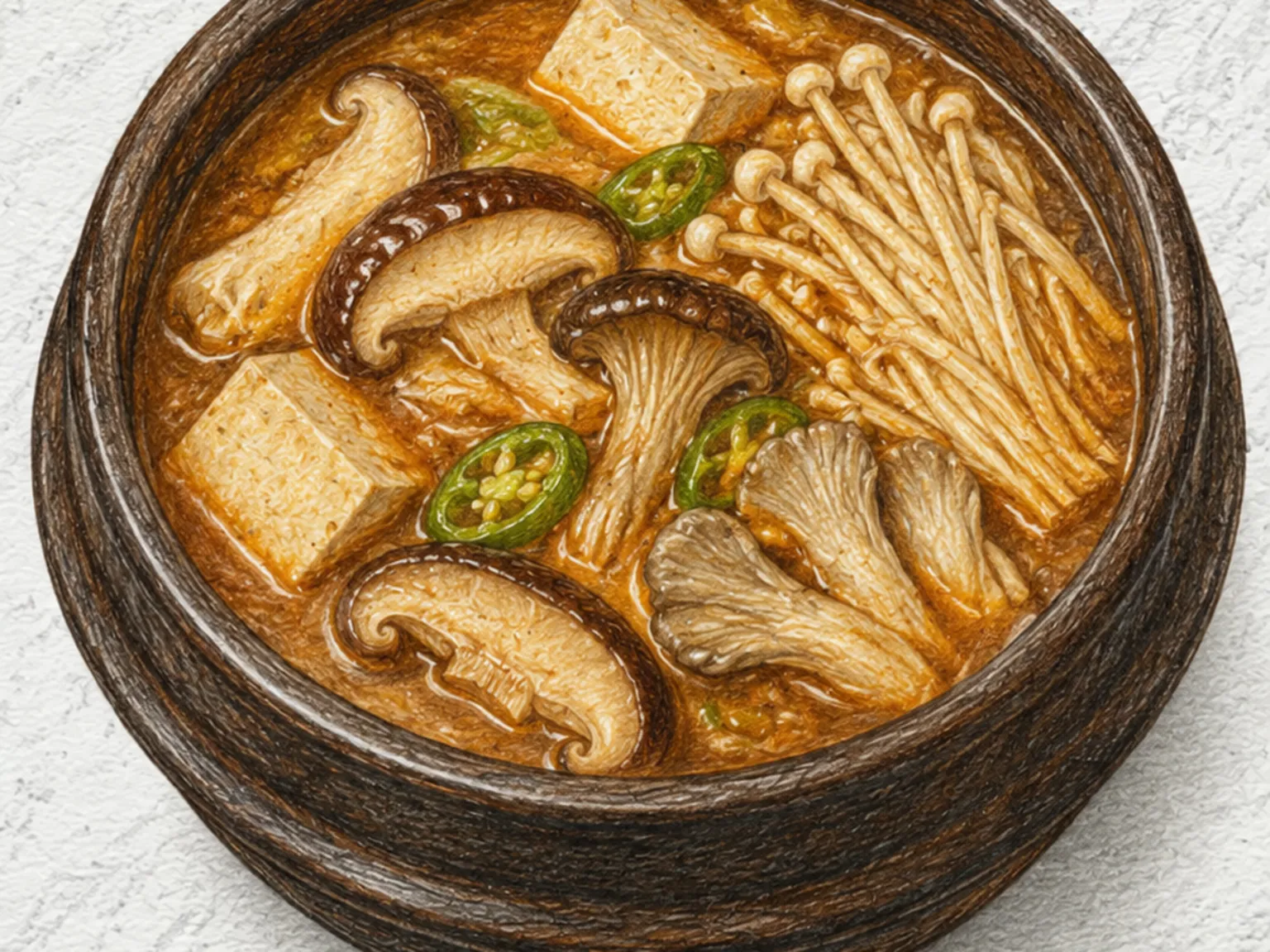
Korean Mushroom Doenjang Stew
Shiitake, oyster, and enoki mushrooms are simmered together in doenjang-seasoned anchovy broth. The anchovy stock lays the foundational depth of umami, and each mushroom type adds its own compounds to the broth as they cook, building flavor in distinct layers. Shiitake holds its meaty chew, oyster mushroom separates into silky strands along its grain, and enoki stays crisp, so the bowl delivers varied textures from a single pot. Soft tofu absorbs the broth all the way through, carrying the fermented soybean flavor to the center of each cube. The stew is satisfying as a full meal without any meat. A sliced cheongyang chili sharpens the finish if extra heat is wanted.

Japanese Savory Steamed Egg Custard
Eggs beaten with dashi stock, soy sauce, and mirin are steamed into a silky custard. A high dashi-to-egg ratio produces an exceptionally smooth texture that holds its shape yet barely resists the spoon. Shrimp, shiitake mushroom, and ginkgo nuts placed inside the cup before steaming offer distinct pockets of flavor and chew within each serving. Controlling the steam temperature is critical - too much heat causes bubbles that roughen the surface, so a cloth tucked under the lid and a low flame keep the environment gentle throughout. Found in both Japanese home kitchens and izakaya menus, chawanmushi is served warm in individual cups as a starter.
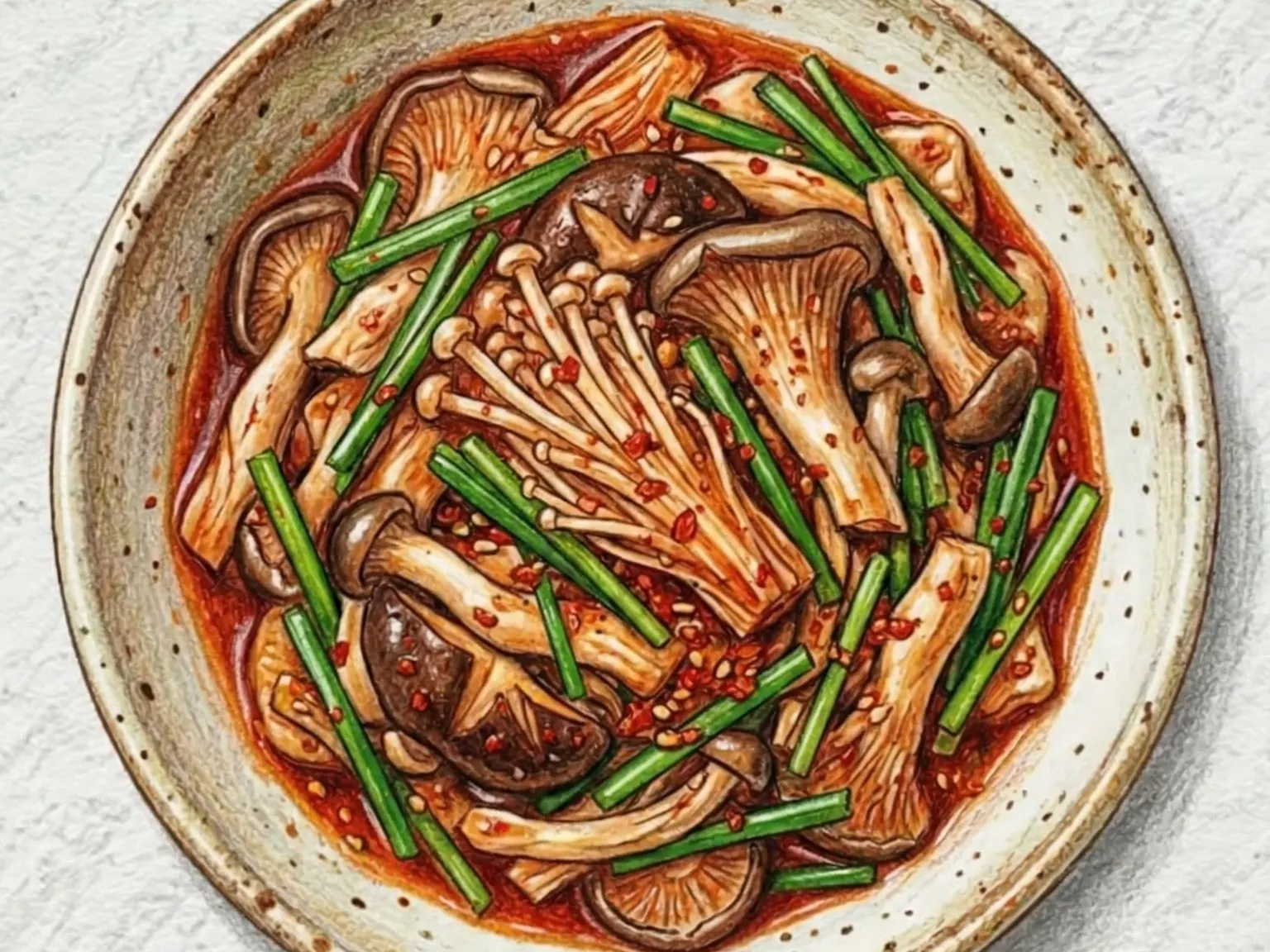
Korean Beoseot Kimchi (Mushroom Kimchi)
Blanching oyster and shiitake mushrooms before mixing them with gochugaru and fish sauce creates a side dish that bypasses the long fermentation usually associated with Korean kimchi. This boiling process removes the sharp raw scent of the mushrooms and softens their structure so the seasoning coats every surface evenly. Tearing the oyster mushrooms by hand along their natural grain allows the spicy and salty sauce to penetrate deeply while maintaining a natural bite. The thick caps of the shiitake mushrooms provide a firm, chewy element that lasts throughout the meal. Using fish sauce introduces a concentrated saltiness and a fermented profile that distinguishes this from basic seasoned vegetables. Fresh garlic chives contribute a clean, grassy aroma that balances the heavier spices. Since it does not require aging, this preparation is ready to eat immediately and reaches its peak flavor on the day it is made. Swapping chives for scallions provides a more delicate scent, and adding king oyster or enoki mushrooms introduces different physical textures. Including finely chopped squid or octopus transforms the dish into a seafood version with flavors from the ocean. Because mushrooms release water and lose their firm texture after a few days in the refrigerator, preparing small batches for immediate consumption ensures the highest quality.
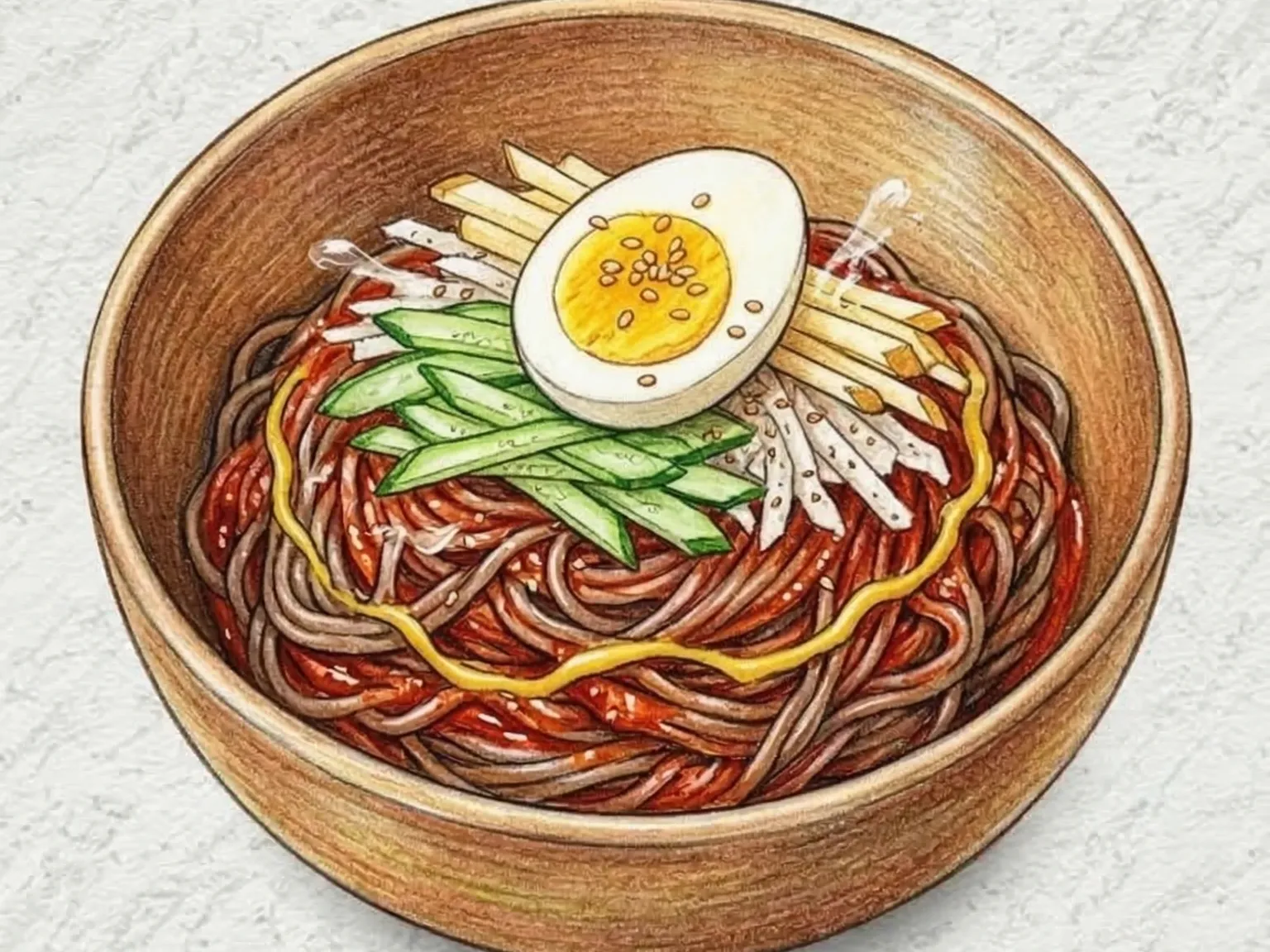
Korean Spicy Mixed Cold Noodles
Cold, chewy naengmyeon noodles are tossed in a sauce of gochujang, chili flakes, vinegar, sugar, and sesame oil. The noodles' characteristically tough, springy texture grips the bold sauce rather than letting it slide off, which creates an intensely textured bite. The single most critical preparation step is rinsing the boiled noodles thoroughly under cold water multiple times - removing the surface starch and squeezing out excess moisture keeps the sauce from diluting as it sits. Julienned cucumber and thin-sliced Korean pear cut through the heat, bringing refreshing crunch and a light fruitiness to each mouthful. Half a boiled egg placed on top tempers the chili's sharpness and brings the overall balance into line.
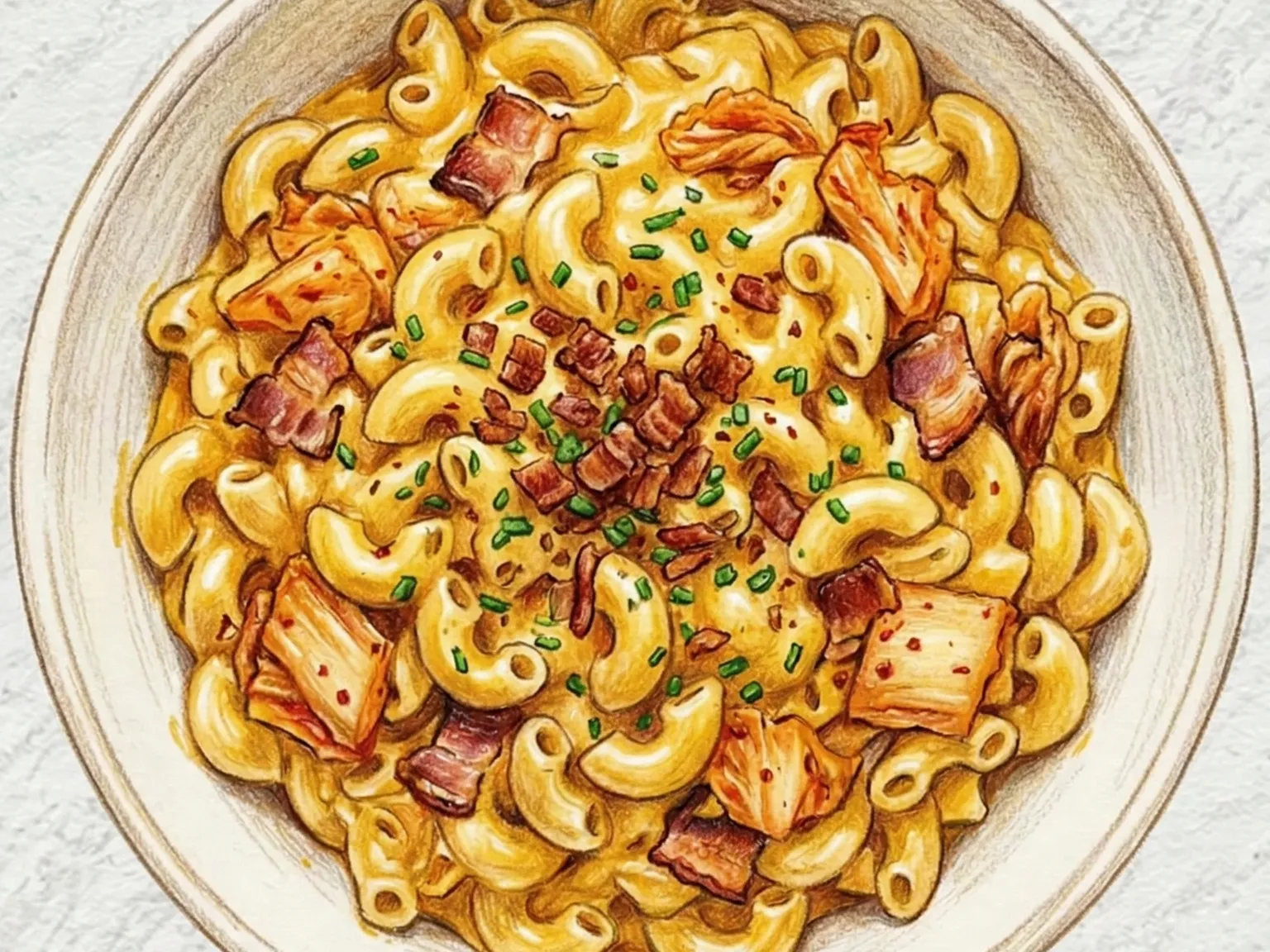
Kimchi Bacon Mac and Cheese
Kimchi bacon mac and cheese layers aged kimchi's lactic tang and smoky bacon into a classic American cheddar cheese sauce over elbow macaroni. A butter-flour roux forms the base, with milk whisked in to build a béchamel before cheddar is melted into a thick, clinging sauce. Crisp bacon pieces add salt and crunch throughout, while chopped ripe kimchi introduces fermented acidity that counteracts the richness of the cheese. A pinch of gochugaru runs underneath with mild, warming heat. The tubular macaroni shape traps sauce inside and out, ensuring each forkful carries the full spectrum of creamy, tangy, and smoky flavors.
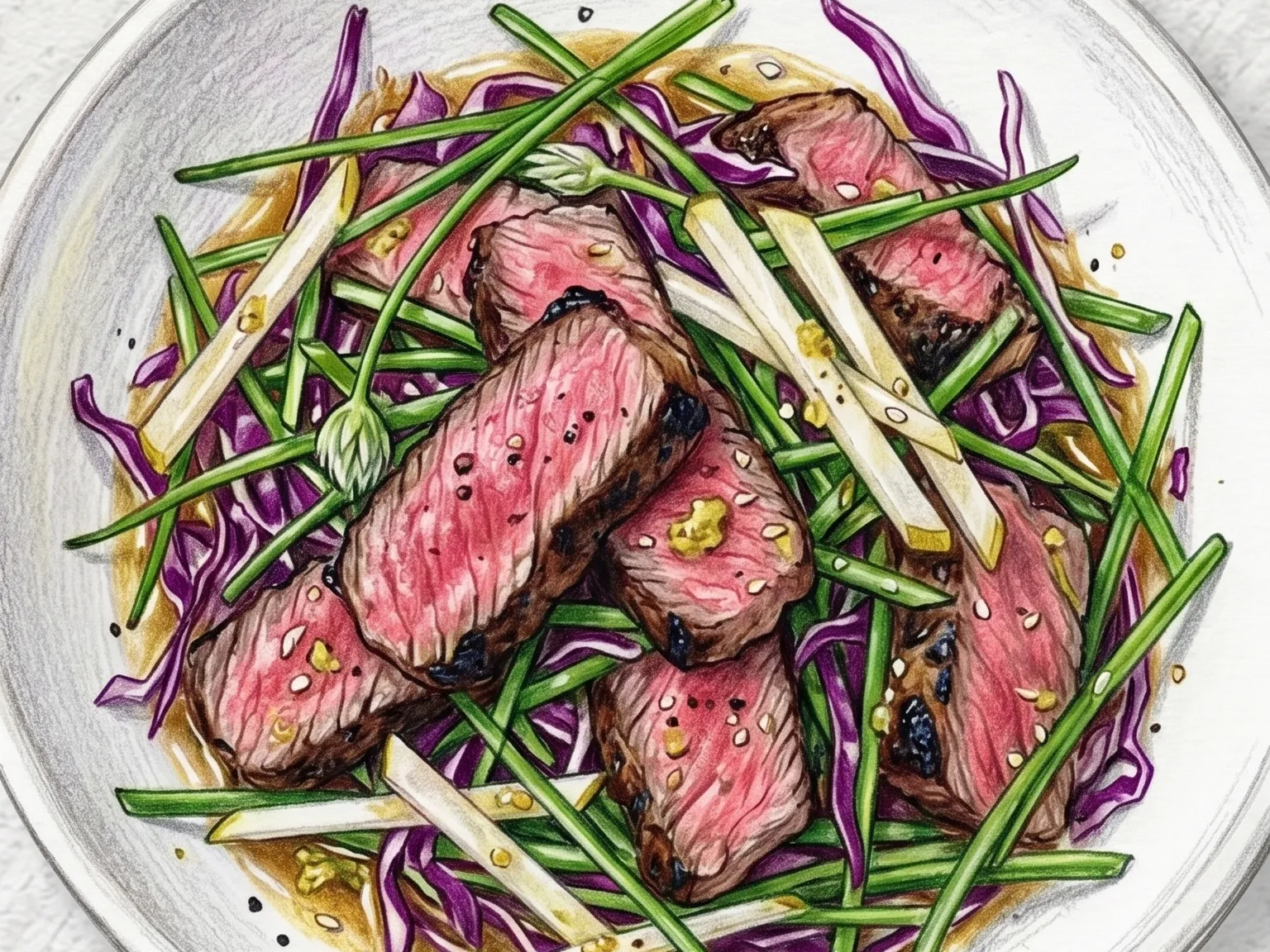
Buchu Beef Mustard Salad (Seared Beef & Chive Mustard Salad)
Buchu beef mustard salad sears lean beef round over high heat to char the surface while keeping the center pink, then slices it thick over a bed of garlic chives and shredded red cabbage. Hot mustard dissolved into a soy-vinegar dressing produces a sharp nasal heat that cuts directly through the beef fat with each bite. Julienned Korean pear adds a crisp, clean sweetness that balances the salt and acidity of the dressing, while the garlic chives contribute their pungent, onion-forward aroma as a defining note. Slicing the beef at least 1 cm thick prevents it from toughening as it cools, and resting the seared meat for five minutes before cutting keeps the juices in. The salad comes together in the time it takes the beef to rest.
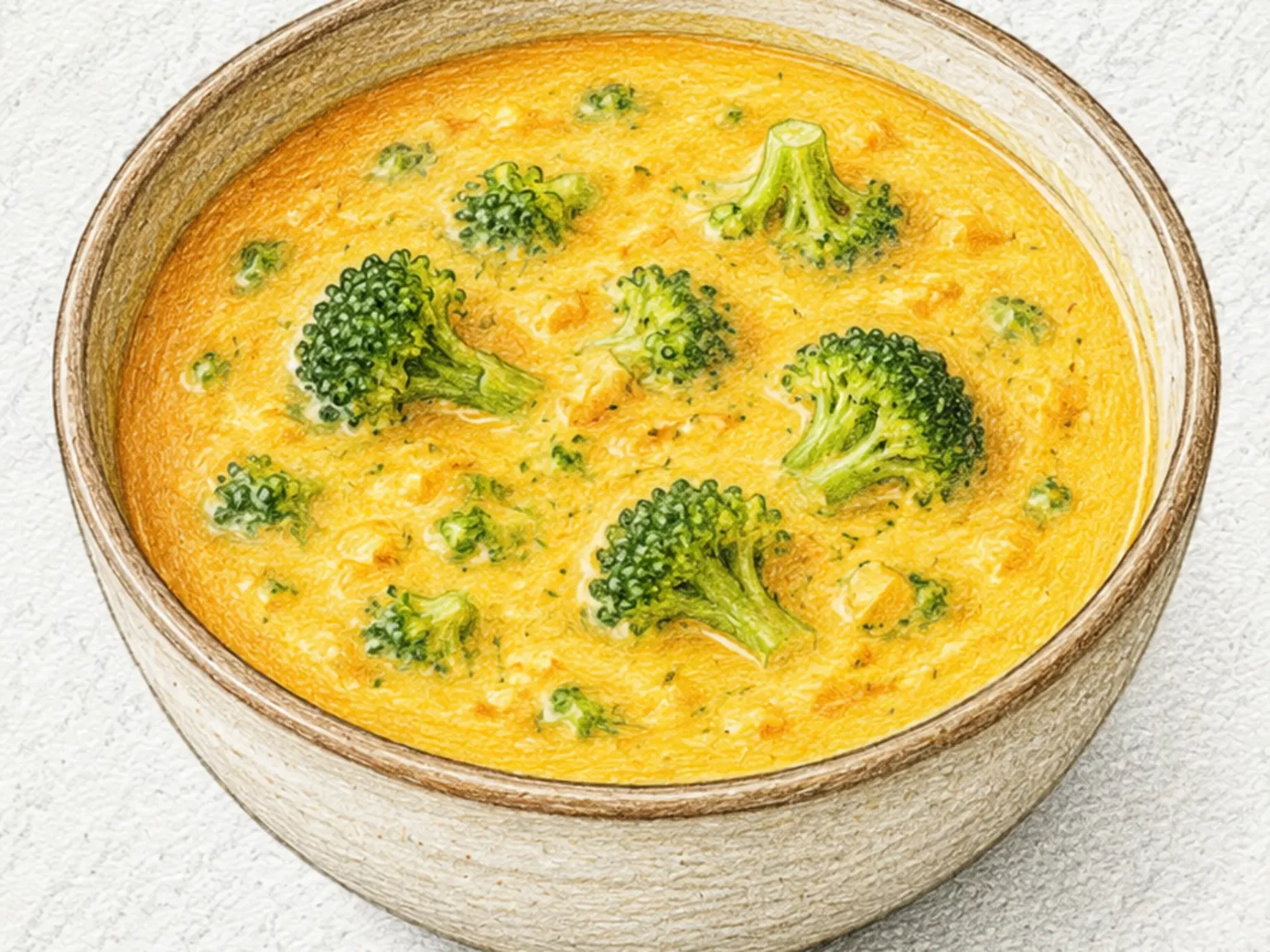
Broccoli Cheddar Soup
Broccoli cheddar soup builds from a roux - butter and flour cooked together until the raw flour smell cooks out - which gives the soup its body and prevents the dairy from separating when added. Chicken stock and whole milk are whisked in gradually to keep lumps from forming, then broccoli florets go in and cook until fork-tender. The critical moment is adding the cheddar: heat must be reduced to low first, because the proteins in cheese seize and become grainy when exposed to high temperatures, rather than melting smoothly into the liquid. Sharp cheddar is the standard choice because its strong, salty punch holds up against the mild broccoli. Blending only half the soup while leaving florets intact creates a contrast between the velvety liquid and the chunks of green vegetable. A small addition of mustard or Worcestershire sauce deepens the savory complexity. Served inside a hollowed sourdough bread bowl, the crust absorbs the soup from the inside out, turning it into a satisfying complete meal rather than a starter.
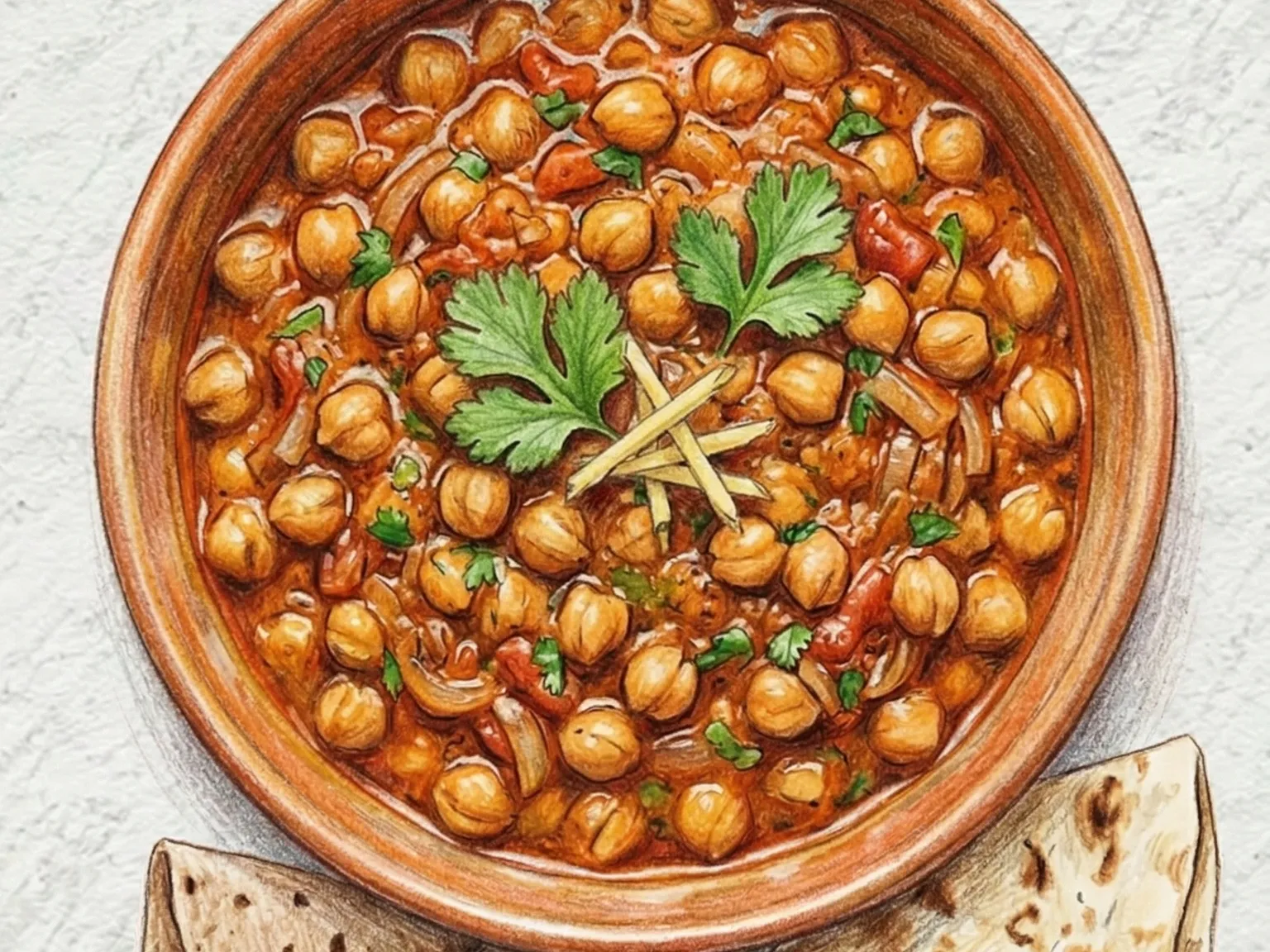
Chana Masala (Punjabi Spiced Chickpea Tomato Curry)
Chana masala is a staple of Punjabi home cooking and one of the most widely eaten vegetarian dishes across North India, found on the menus of dhabas, railway canteens, and five-star hotel restaurants alike. Dried chickpeas are soaked overnight and pressure-cooked until they hold their shape but yield when pressed -- the texture of the chickpea matters as much as the sauce around it. The sauce builds from finely diced onions fried until deeply browned, which provides natural sweetness and body without any cream. Tomatoes cook down with coriander, cumin, turmeric, garam masala, and amchur -- dried mango powder -- which contributes a tart, fruity acidity that sets this preparation apart from other chickpea curries and gives it a distinctive brightness no other spice replicates. The sauce should be thick and clingy, not soupy; each chickpea gets coated in a dark, spiced layer rather than sitting in loose liquid. Topped with sliced raw onion, green chili, and a squeeze of lemon, the dish pairs with bhatura -- fried bread -- as the iconic Punjabi street-food duo known as chole bhature. Scooped up with roti, the same preparation becomes an everyday weeknight meal that costs almost nothing to make.
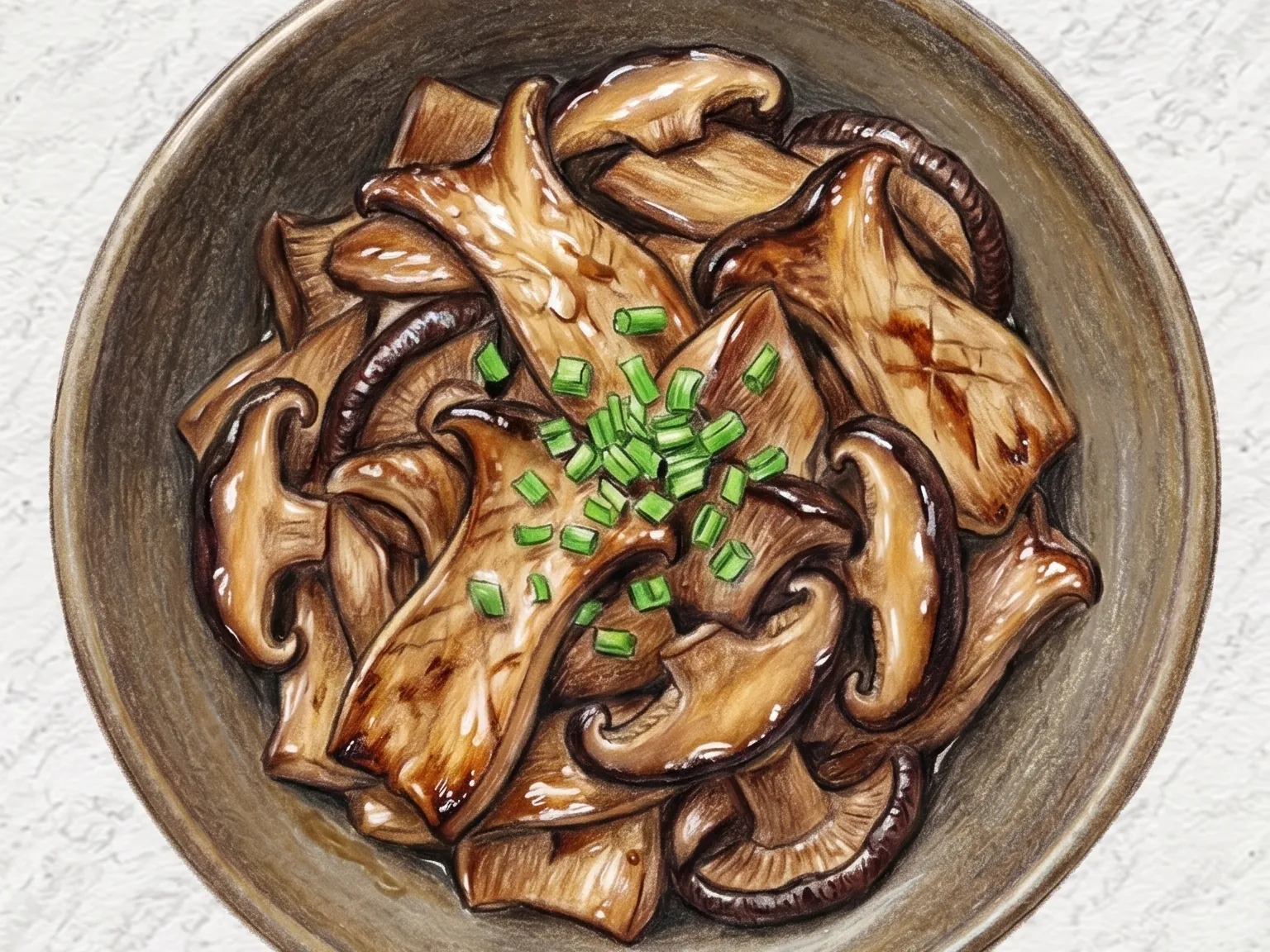
Korean Soy Sauce Stir-Fried Mushrooms
King oyster mushrooms are torn by hand rather than cut, opening up a fibrous surface that absorbs seasoning more readily than a knife-cut edge. Shiitake caps are sliced thin after removing their stems. Both go into a dry, screaming-hot pan first - no oil - to drive off surface moisture until the edges of the king oyster pieces take on light char and a firm, meat-like chew develops. Perilla oil goes in at that point, followed by soy sauce poured along the rim of the pan where the heat is most intense, which caramelizes it instantly and coats every piece in a dark, lacquered glaze. No sugar is added - the soy sauce reduction provides the sweetness. A drizzle of sesame oil off heat and a scatter of scallion finish the dish. Concentrated, deeply savory, and ready in under ten minutes.
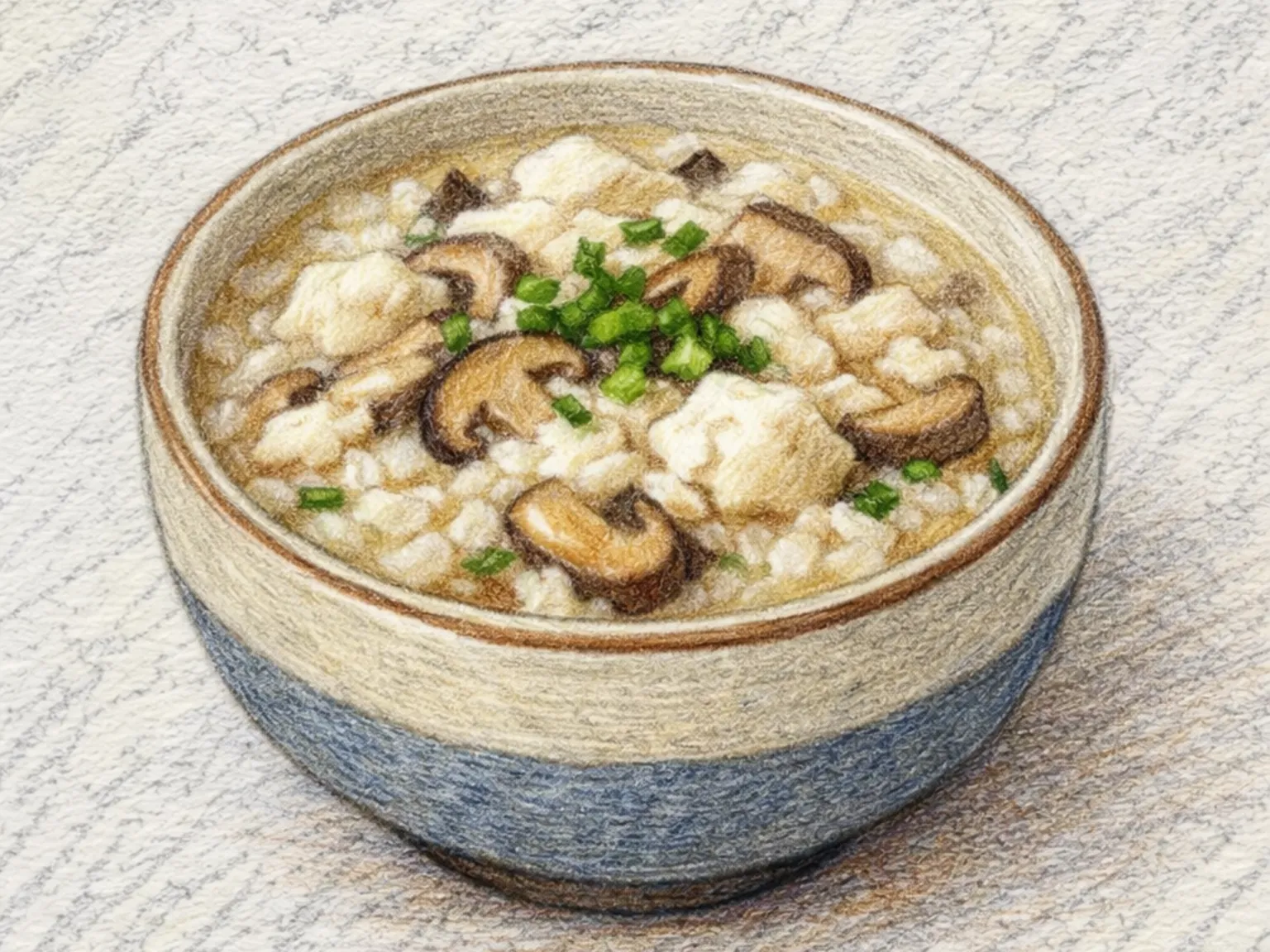
Korean Mushroom Soft Tofu Porridge
Shiitake mushrooms and sliced onion are sauteed in perilla oil until their edges soften and the oil takes on a faint herbal fragrance, then soaked rice and kelp stock go into the same pot. The mixture simmers until the grains break down into a smooth, cohesive porridge. At that point, the heat is lowered and spoonfuls of silken tofu are dropped in without stirring - preserving the soft, pillowy clusters that give the bowl its characteristic texture variation. Kelp stock brings a clean, moderate umami that anchors the dish without heaviness, and perilla oil contributes a slightly bitter, grass-like finish that differentiates this porridge from sesame-based versions. Soup soy sauce provides the seasoning, and chopped scallion goes on last. The result is gentle enough for a sensitive stomach yet complete enough to serve as a full meal.
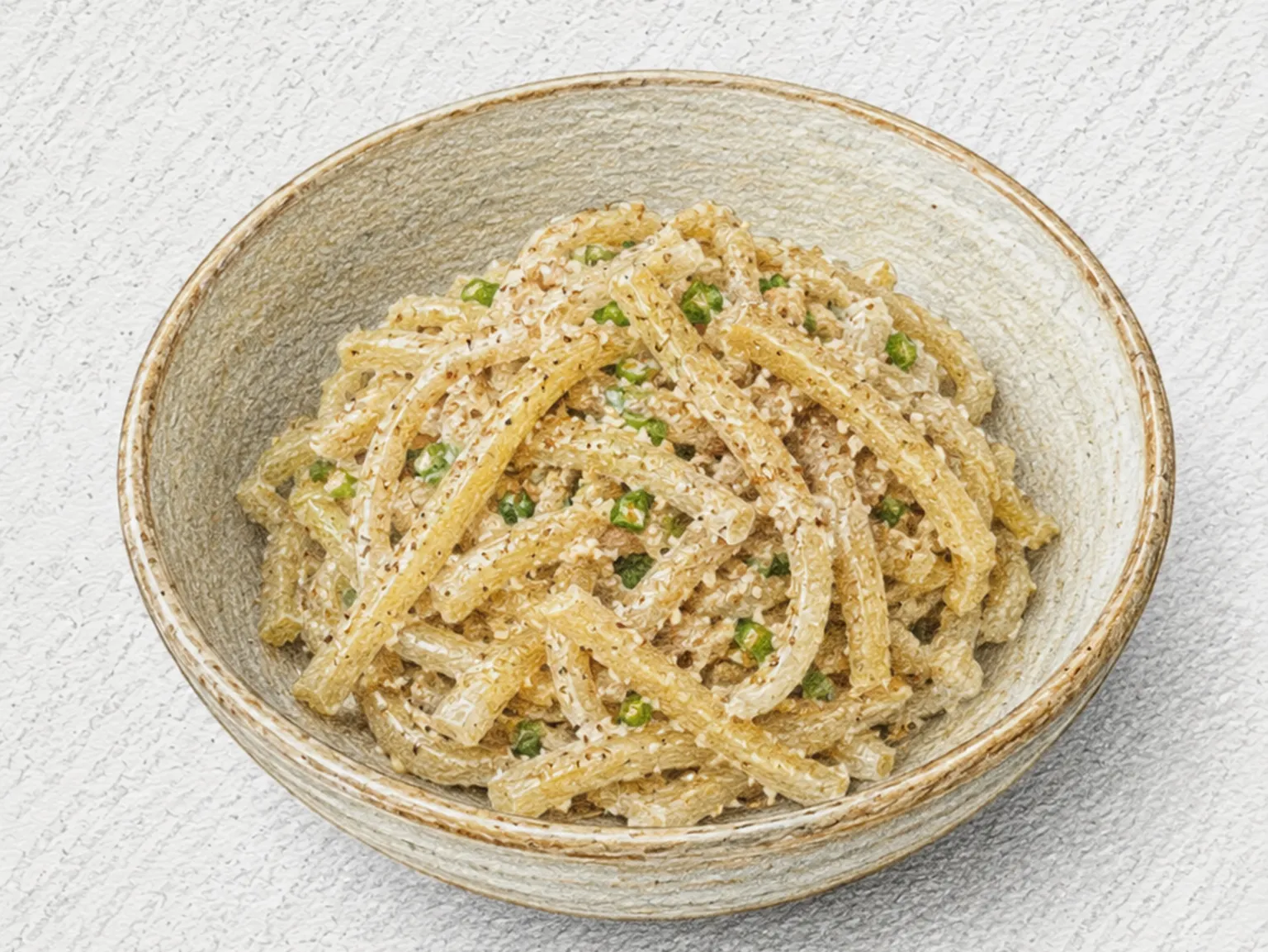
Korean Gourd Namul Stir-fry
Baknamul deulkkae bokkeum is a Korean stir-fried side dish made from rehydrated dried bottle gourd strips coated in ground perilla seed. The dried gourd strips - thin slices of the gourd's inner flesh dried until pale and brittle - need at least thirty minutes of soaking to recover their characteristic chewy bite. Minced garlic is sauteed in perilla oil first to build a fragrant base, then the soaked strips go in along with soup soy sauce and small additions of water to braise them through. Ground perilla seed is added generously at the end, stirred in while the heat reduces the remaining liquid. As the moisture disappears, the perilla powder binds into a clinging, sauce-like coating on each strip rather than sitting as dry powder. This is the key technique: the coating should be smooth and adherent, not dusty. The whole dish is done in about ten minutes and offers a mild, chewy counterpoint to stronger-flavored banchan on the table.
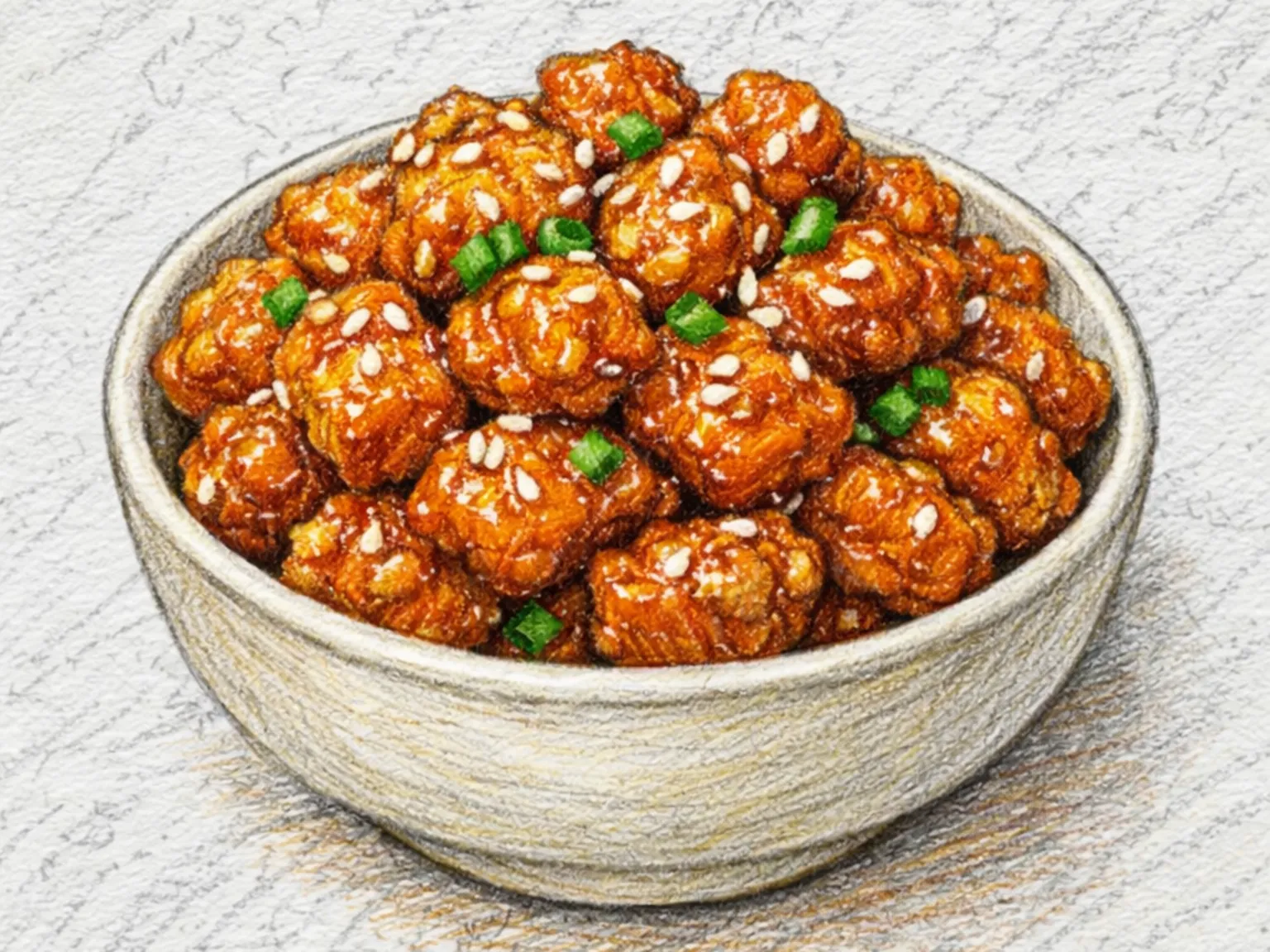
Korean Popcorn Chicken
Popcorn chicken is a Korean fried snack made by cutting chicken breast into 2cm cubes, coating them in egg wash and cornstarch, then double-frying at 170 degrees Celsius. The first fry sets the crust; the second fry drives out residual moisture, producing an exceptionally crunchy shell. Because the pieces are small, the crust-to-meat ratio is high, so every bite delivers maximum crunch. A glaze reduced from soy sauce, sugar, and oligosaccharide syrup coats each piece in a sweet-salty finish. Garlic powder mixed into the initial seasoning carries a mild garlic note through the oil.
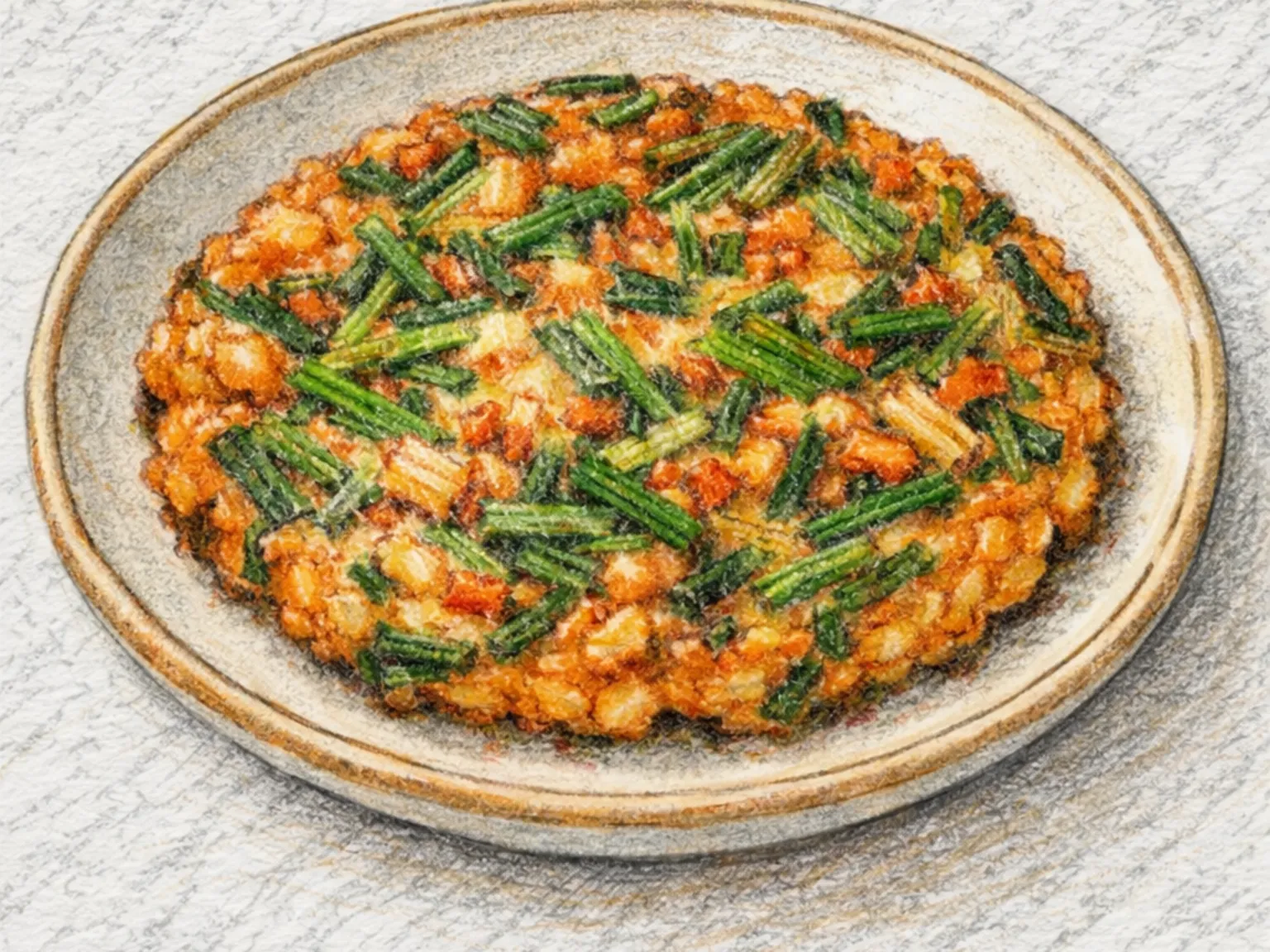
Korean Chive Kimchi Jeon (Spicy Fermented Kimchi Pancake)
Buchu-kimchi-jeon is a Korean pancake built around well-fermented aged kimchi and garlic chives, mixed into a cold-water batter that also includes a pour of kimchi brine. The brine is not optional: it tints the batter a deep red and introduces the concentrated, tangy umami that only long-fermented kimchi produces, which a fresh batch or water substitute cannot provide. Cold water is used because it limits gluten development, giving the finished pancake a shatteringly crisp exterior instead of the chewy, doughy texture that warm water encourages. Thinly sliced fresh hot green chili adds a sharper, more immediate heat on top of the kimchi's fermented sour spiciness, creating a more complex profile than either ingredient achieves alone. The pancake must be spread thinly on a pan preheated over medium-high heat and left alone until the edges turn a deep golden brown; attempting to flip before the perimeter has fully set will cause the center to collapse and lose its structure. The garlic chives soften into the batter but release a persistent fragrance that carries through each bite and lingers after the meal.
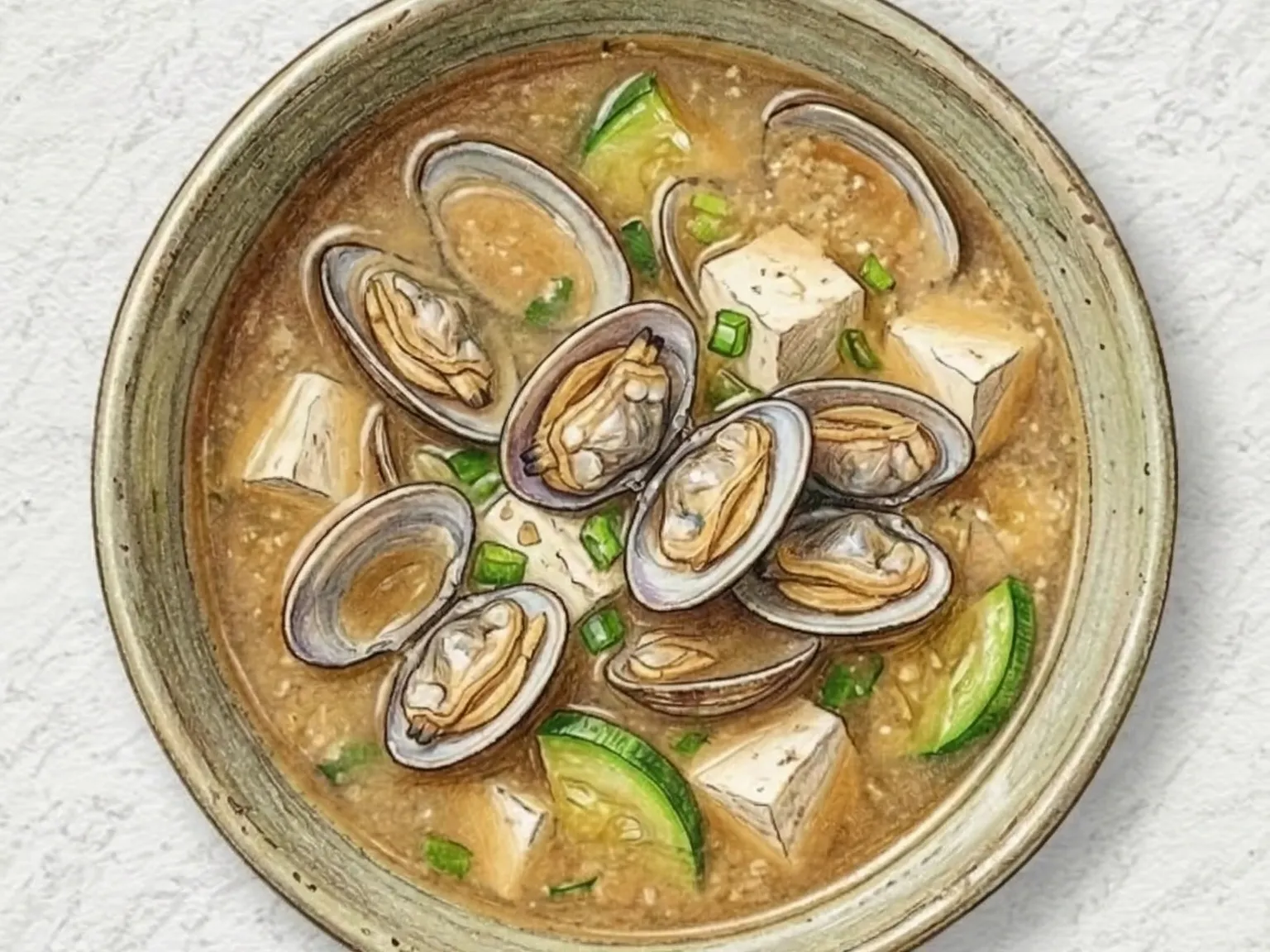
Korean Clam Doenjang Soup
Bajirak doenjang guk is a Korean home-style soup that brings together manila clams and doenjang to layer oceanic umami with fermented soybean depth in a single, clean broth. Starting the clams in cold water and bringing everything slowly to a boil draws flavor from the shells gradually rather than shocking them, building a stock base that grows richer as the temperature rises. The doenjang must be dissolved through a strainer rather than stirred in directly, because undissolved paste left in the soup creates a grainy texture and uneven seasoning. Since clams carry their own salt, the quantity of doenjang should be noticeably less than usual to prevent the finished soup from becoming over-salted; seasoning should always be adjusted at the end after tasting. Soft tofu cut into cubes adds a gentle, yielding protein bite, and Korean zucchini releases a quiet sweetness into the broth as it cooks through, softening the overall profile. Minced garlic introduced mid-cooking harmonizes with the fermented aroma of the doenjang without overpowering it. Scallion added in the final minute preserves its fresh, sharp note rather than turning limp and faded. No anchovy stock, no dried kelp, and no dashi of any kind is needed here, because the clams alone provide enough umami to build genuine depth. That restraint is what defines the soup: when the ingredients are kept simple, the natural sweetness and marine character of good clams come through cleanly, producing a broth that tastes more substantial than its short ingredient list suggests.
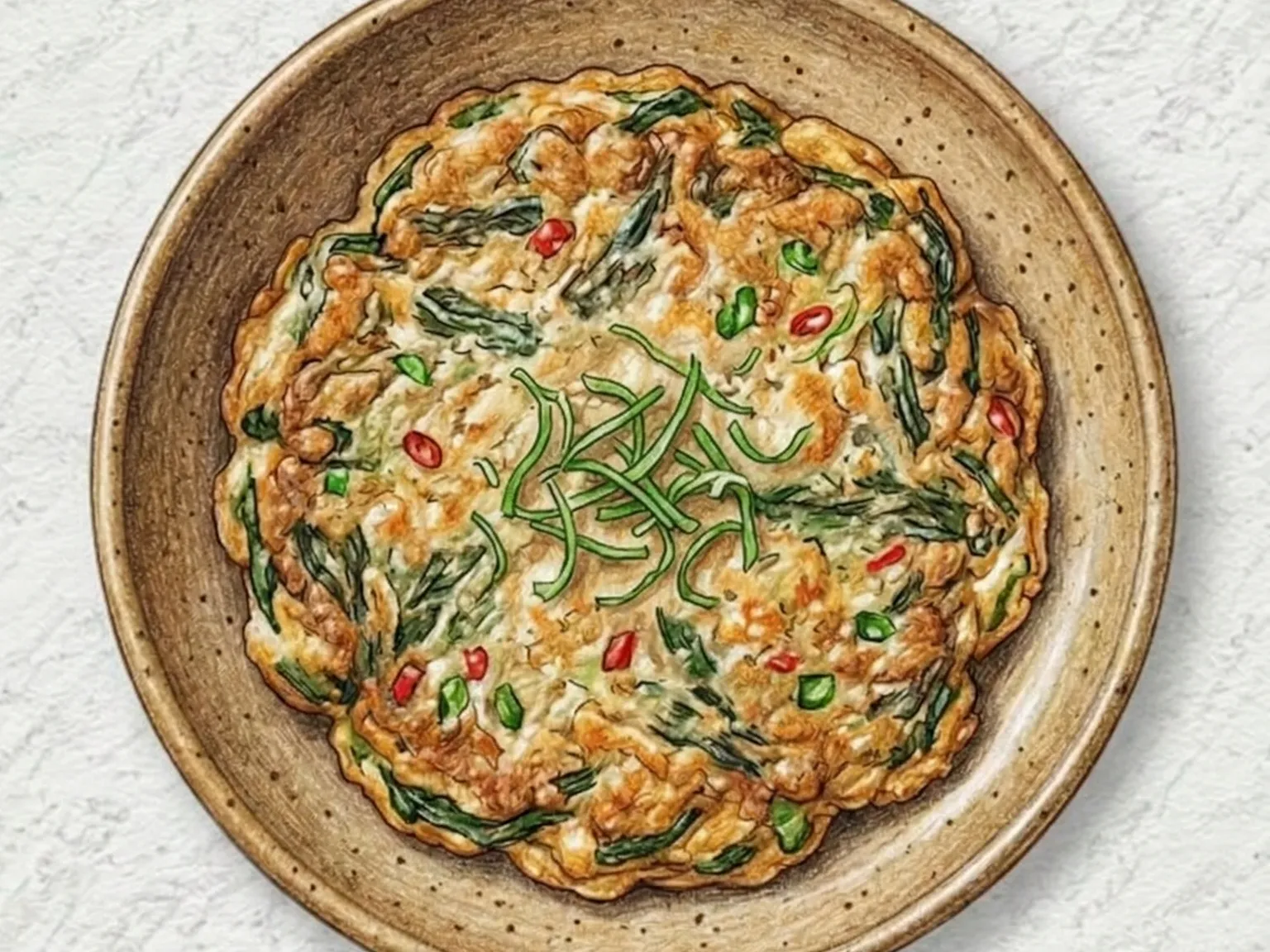
Korean Dried Radish Greens Pancake
Boiled dried radish greens are combined with doenjang and pan-fried into a dense, rustic jeon with deep fermented character. The fibrous texture of the radish greens gives the pancake a satisfying chew, and the soybean paste saturates the batter so thoroughly that no dipping sauce is necessary. Buckwheat flour adds an earthy coarseness that suits the greens well. Cheongyang chili provides a spicy accent throughout. Minced garlic benefits from a brief saute in oil before being mixed into the batter-the raw edge cooks off and the garlic's savory depth integrates fully into the finished pancake. Cooking over low heat lets the inside set without burning the outside, producing a crisp surface and a tender, flavorful center.
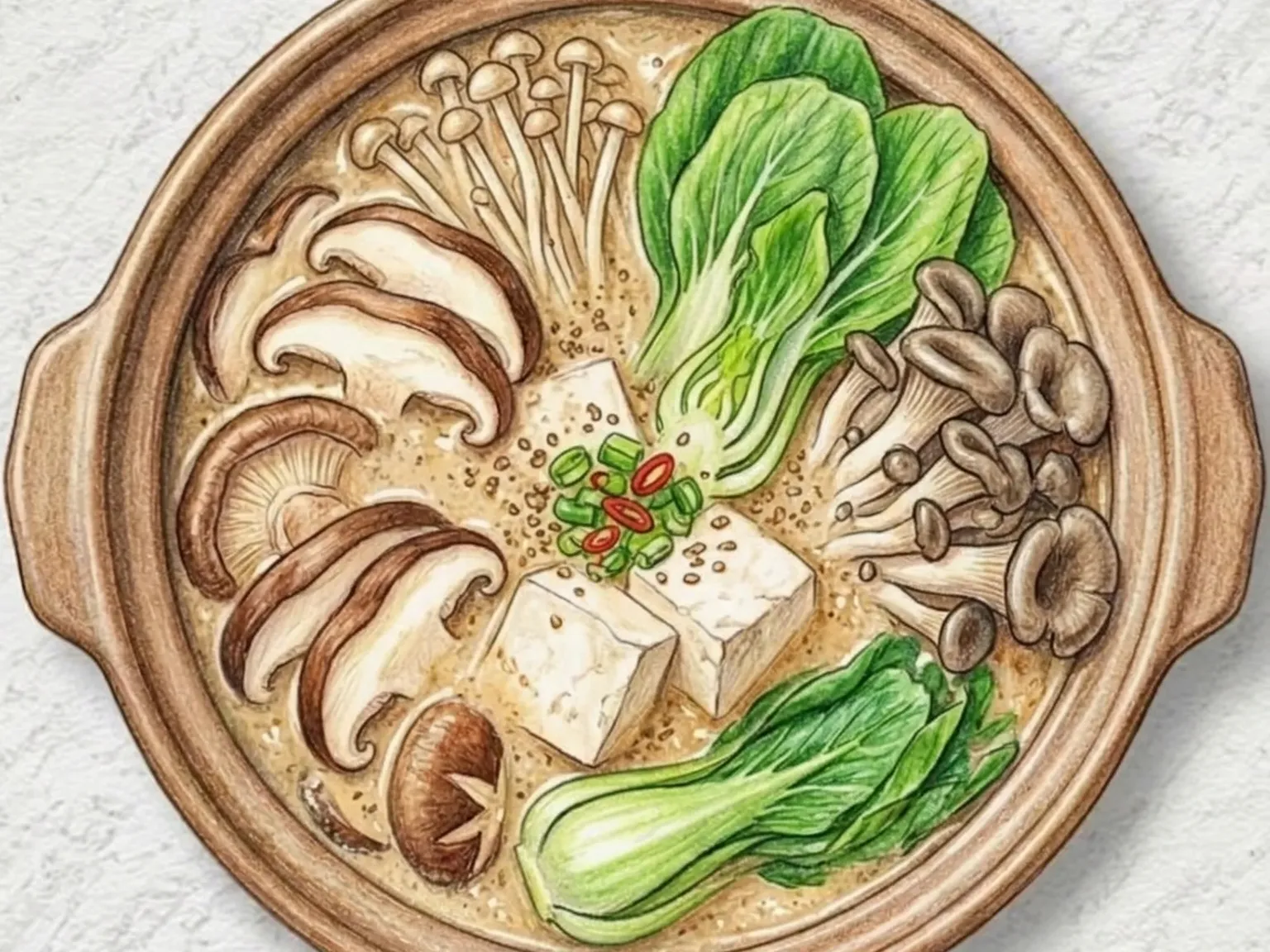
Korean Perilla Mushroom Hot Pot
Korean perilla mushroom hot pot is a hearty vegetarian dish made with shiitake, oyster, and enoki mushrooms, tofu, and bok choy simmered in a light vegetable stock. The cooking process starts by boiling the vegetable stock seasoned with soup soy sauce and minced garlic. Shiitake and oyster mushrooms are added first to build a deep umami base. Tofu, enoki mushrooms, and bok choy are then arranged on top and simmered until the vegetables are tender. To finish, ground perilla seed powder is gently stirred into the broth at the very end, which prevents the soup from becoming gritty while releasing a rich, nutty aroma and creating a naturally thick texture. This hot pot delivers a satisfying combination of earthy mushrooms, soft tofu, and crisp bok choy, offering a comforting meatless meal.
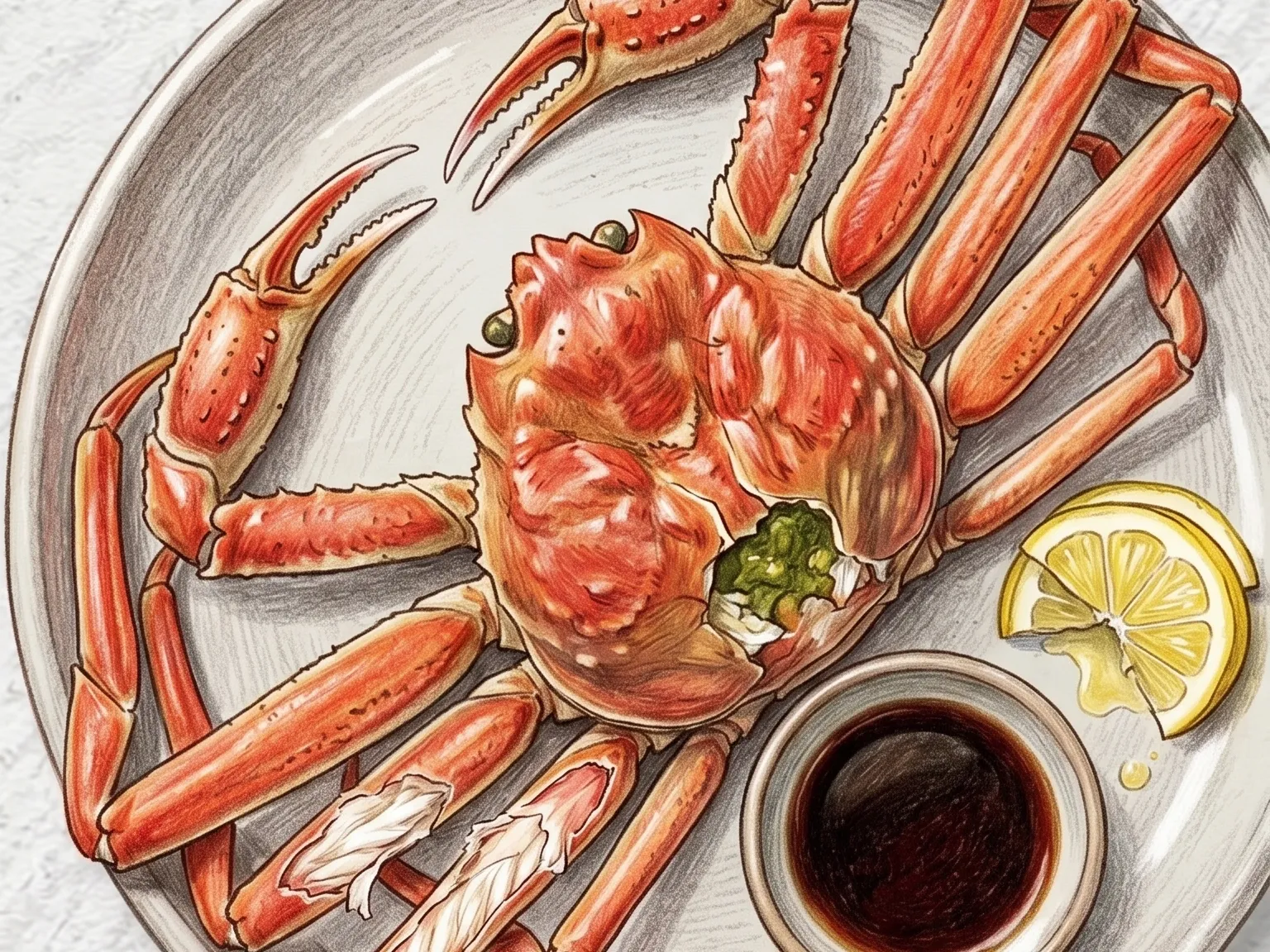
Korean Steamed Snow Crab (Whole Crab with Soy Vinegar Dip)
Daege-jjim is steamed snow crab cooked whole in lightly salted water, served with lemon wedges and a vinegar soy dipping sauce. Cracking open the long legs reveals moist, delicate meat with the clean salinity of the sea. A squeeze of lemon brightens and sharpens the natural sweetness of the crab without masking it. The preparation is minimal by design, letting the quality of the crab carry the dish, which makes it well suited as a centerpiece for gatherings or celebratory meals. The best result comes from steaming a live crab right before serving; cooking time runs fifteen to twenty minutes depending on size. Using scissors to cut along the inner shell and then extracting the meat in clean pieces makes for neat eating without losing any of the delicate flesh.
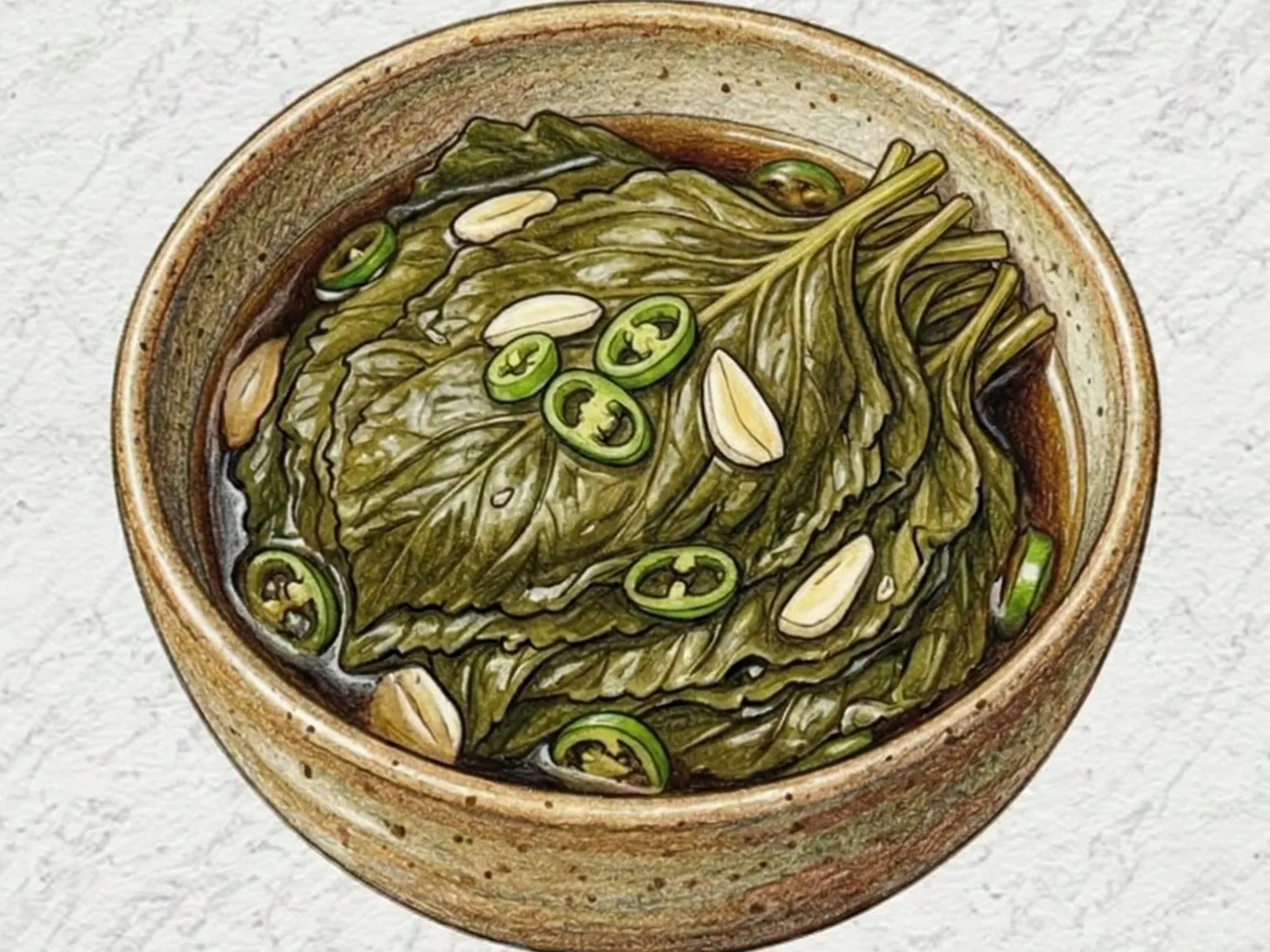
Korean Amaranth Greens Pickles
Bireumnamul jangajji is a soy-vinegar pickle of amaranth greens made by submerging the tender leaves in a boiled brine of soy sauce, vinegar, and sugar with cheongyang chili and garlic. The soft leaves absorb the pickling liquid within a day, taking on a balanced sweet-salty flavor that makes them ready to eat as banchan. Vinegar neutralizes the grassy raw taste of the greens, and the chili and garlic deliver a sharp, spicy finish that builds at the back of the palate. The flavor deepens noticeably from the second day onward, so chilling the jar longer intensifies the pickle. Refrigerated, this keeps well for two to three weeks, making it a practical way to preserve in-season amaranth greens through the summer.
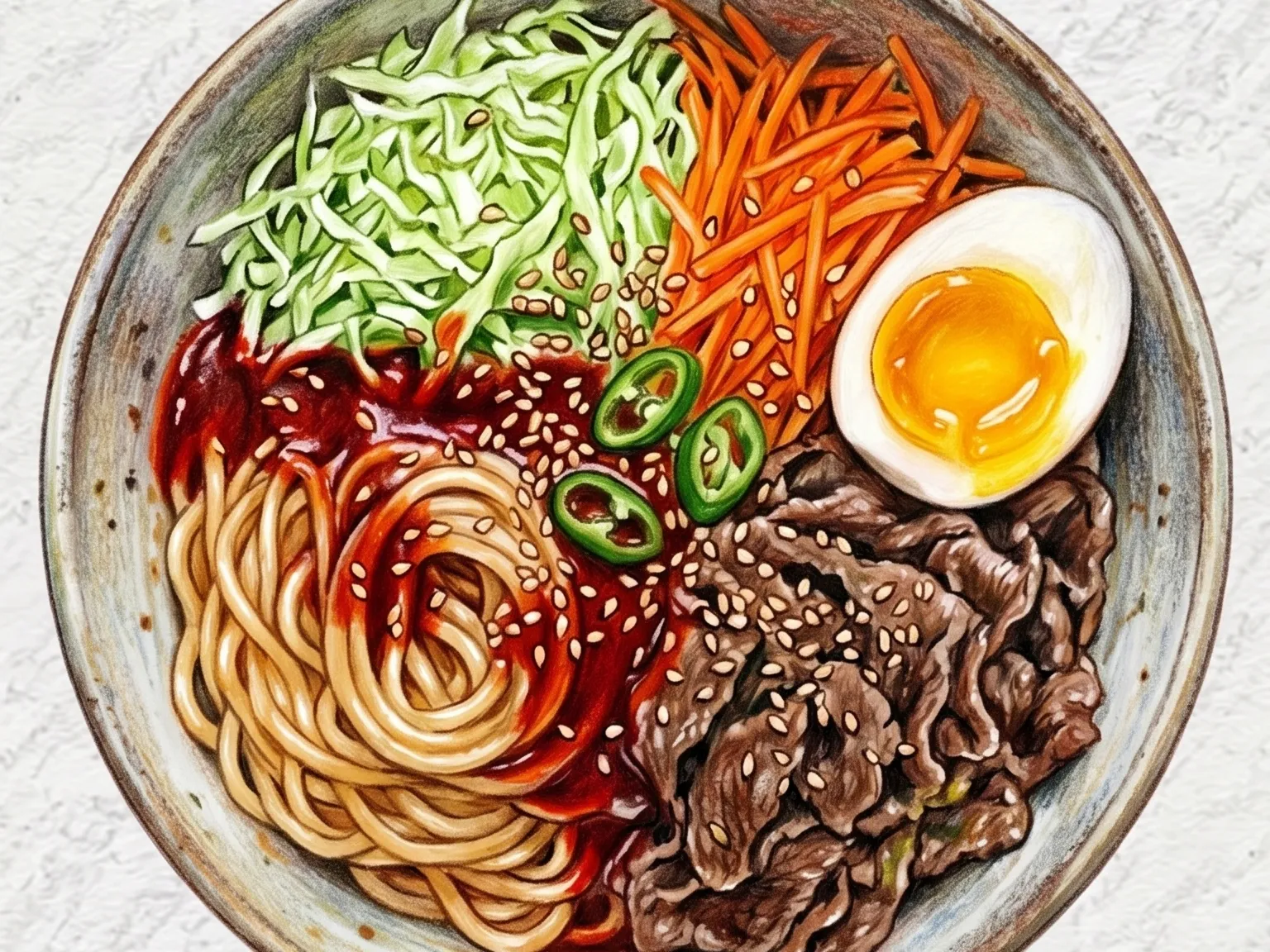
Korean Bulgogi Jjolmyeon (Marinated Beef on Chewy Spicy Noodles)
Thinly sliced beef marinated in soy sauce, sugar, and sesame oil sits atop a bed of noodles characterized by a dense, chewy structure. Jjolmyeon provides a firm texture that resists the teeth, offering a different physical experience compared to standard noodles. The accompanying sauce, created with gochujang, soy sauce, and vinegar, introduces spicy and acidic elements that balance the sweetness of the meat. To maintain tenderness, the beef requires rapid cooking over high heat, which prevents the thin slices from drying out or becoming tough. Shredded cabbage and carrots provide layers of crispness, while a soft-boiled egg helps temper the heat from the chili paste. Serving the ingredients in separate sections keeps the textures distinct and allows for mixing just before consumption. Rinsing the cooked noodles in cold water increases their characteristic firmness, creating a clear contrast with the texture of the stir-fried beef. Adding extra sesame seeds enhances the nutty scent, and incorporating spicy peppers increases the heat level.
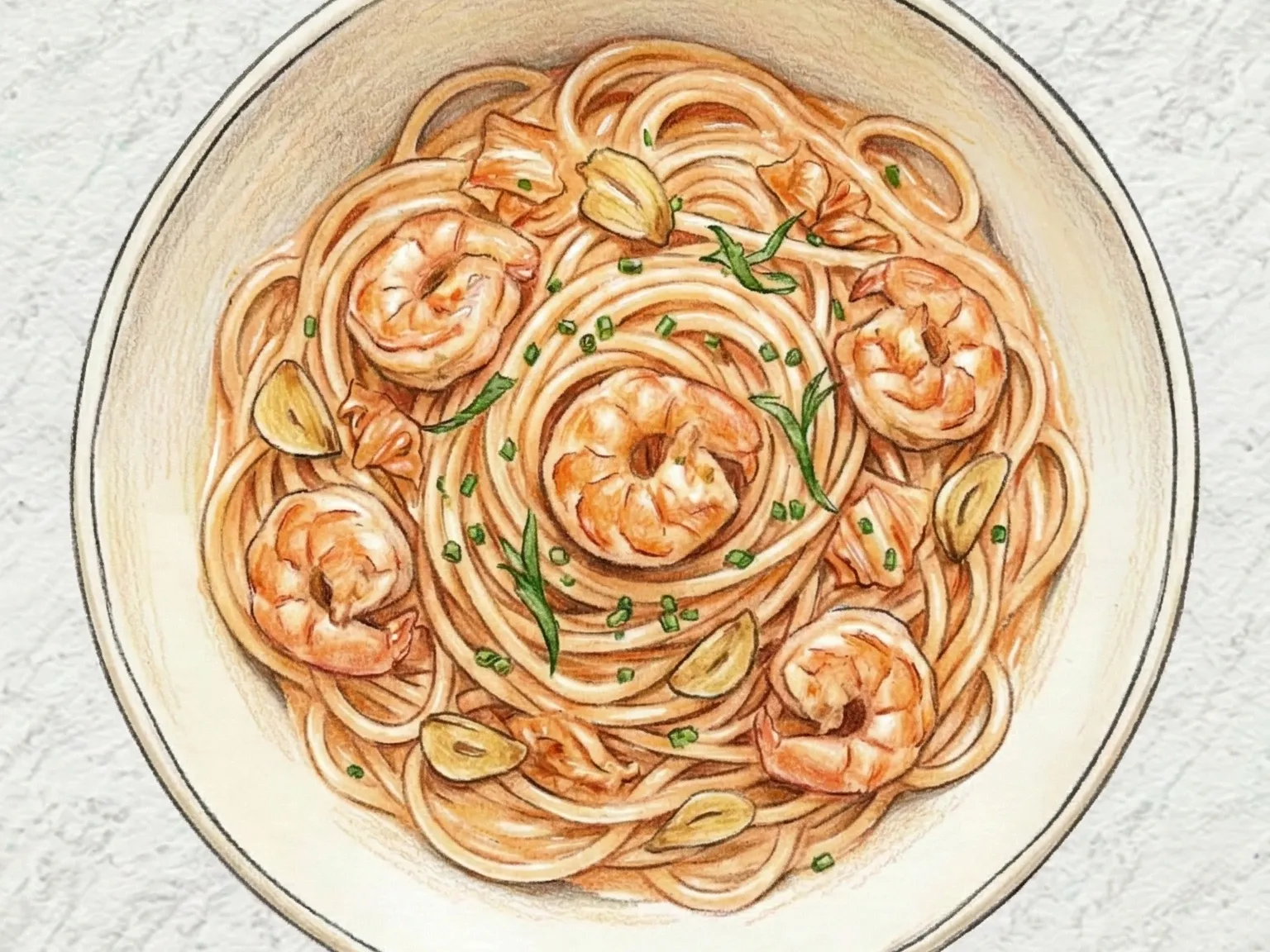
Kimchi Garlic Butter Shrimp Spaghetti
Kimchi garlic butter shrimp spaghetti is an oil-based pasta where garlic browned in butter and fermented kimchi together amplify the natural sweetness of shrimp. The shrimp are seared first in olive oil to build fond on the pan, then garlic and chopped kimchi go into the same pan to absorb those flavors. Butter and starchy pasta water are emulsified into a glossy, light coating rather than a heavy sauce. Gochugaru provides a gentle background heat, and a squeeze of lemon at the end lifts the richness. Sliced scallions finish the dish with color and a mild onion note.
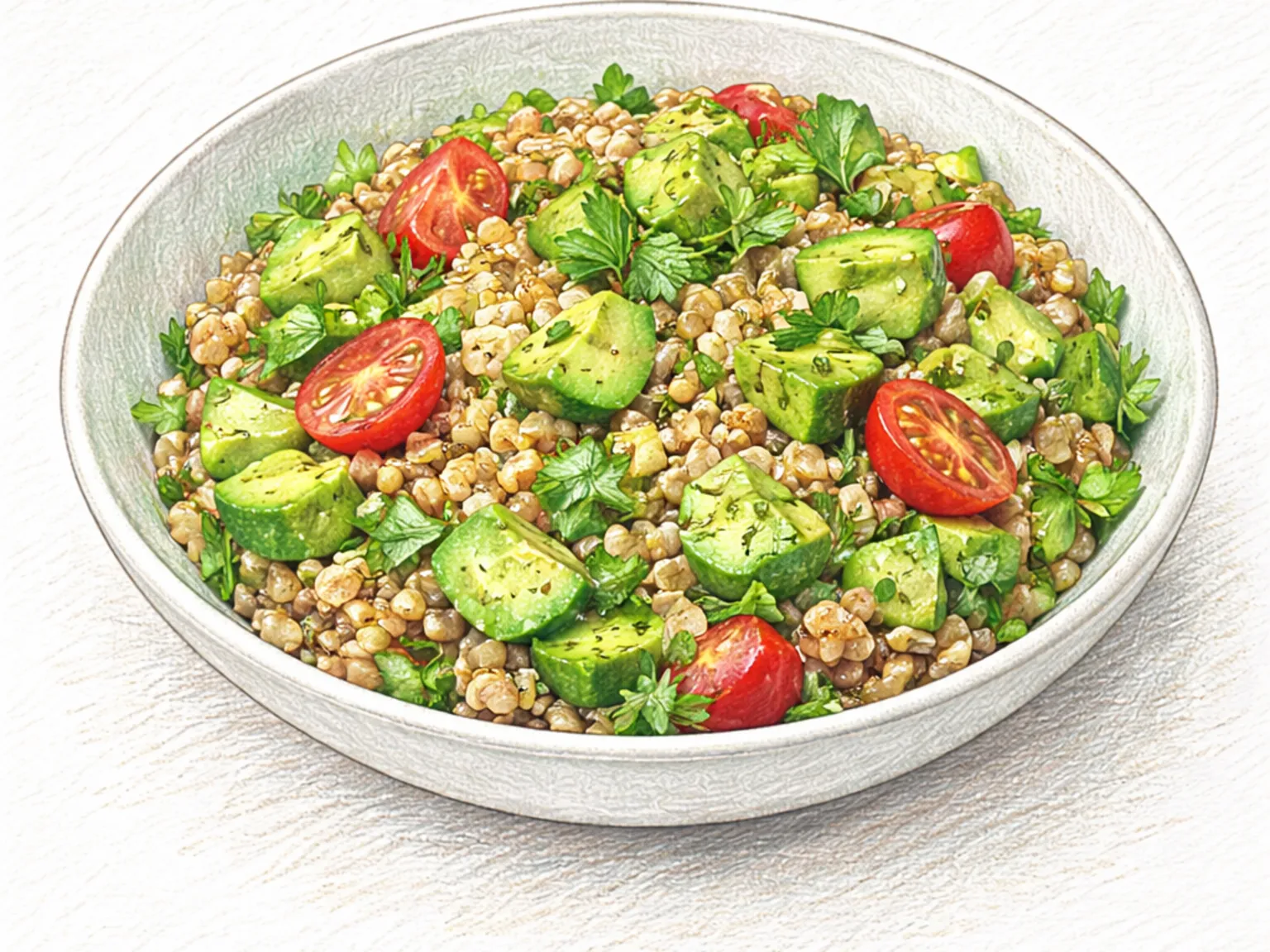
Buckwheat Avocado Salad
Buckwheat groats are cooked until chewy, rinsed in cold water, and tossed with ripe avocado, cherry tomatoes, cucumber, and fresh dill in a lemon-olive oil dressing. The buckwheat's earthy, faintly bitter grain character pairs with the avocado's smooth fat, each compensating for the other's shortcoming. Lemon juice's sharp acidity lifts the heavy grain base, while dill's cool, anise-edged fragrance reduces the overall weight that grain salads can carry. Cucumber introduces a crisp, watery contrast that varies the texture within a single bowl. High in dietary fiber and genuinely filling, this Eastern European-inspired salad holds up as a standalone light meal. The dressing quantity and herb selection can be adjusted without changing the basic structure of the dish.

Bruschetta
Bruschetta is an Italian appetizer built on baguette slices cut 1.5 cm thick, brushed with olive oil, and toasted until fully crisp in the oven or over a grill. While the bread is still hot, a cut garlic clove is rubbed across the surface so the steam and heat pull its sharp aroma directly into the bread. The topping starts with ripe tomatoes: seeds removed, diced small, then left to macerate in olive oil, salt, and balsamic vinegar for fifteen minutes. That resting time draws out excess liquid and concentrates the tomato's natural acidity and sweetness. The essential contrast of the dish is temperature and texture - hot, crunchy bread against cool, wet topping - and it only works if the topping goes on immediately before eating. Left assembled even five minutes, the juices soak in and the bread softens past recovery. Torn basil, not chiffonade, releases more fragrance. Ciabatta works as a substitute when baguette is unavailable.
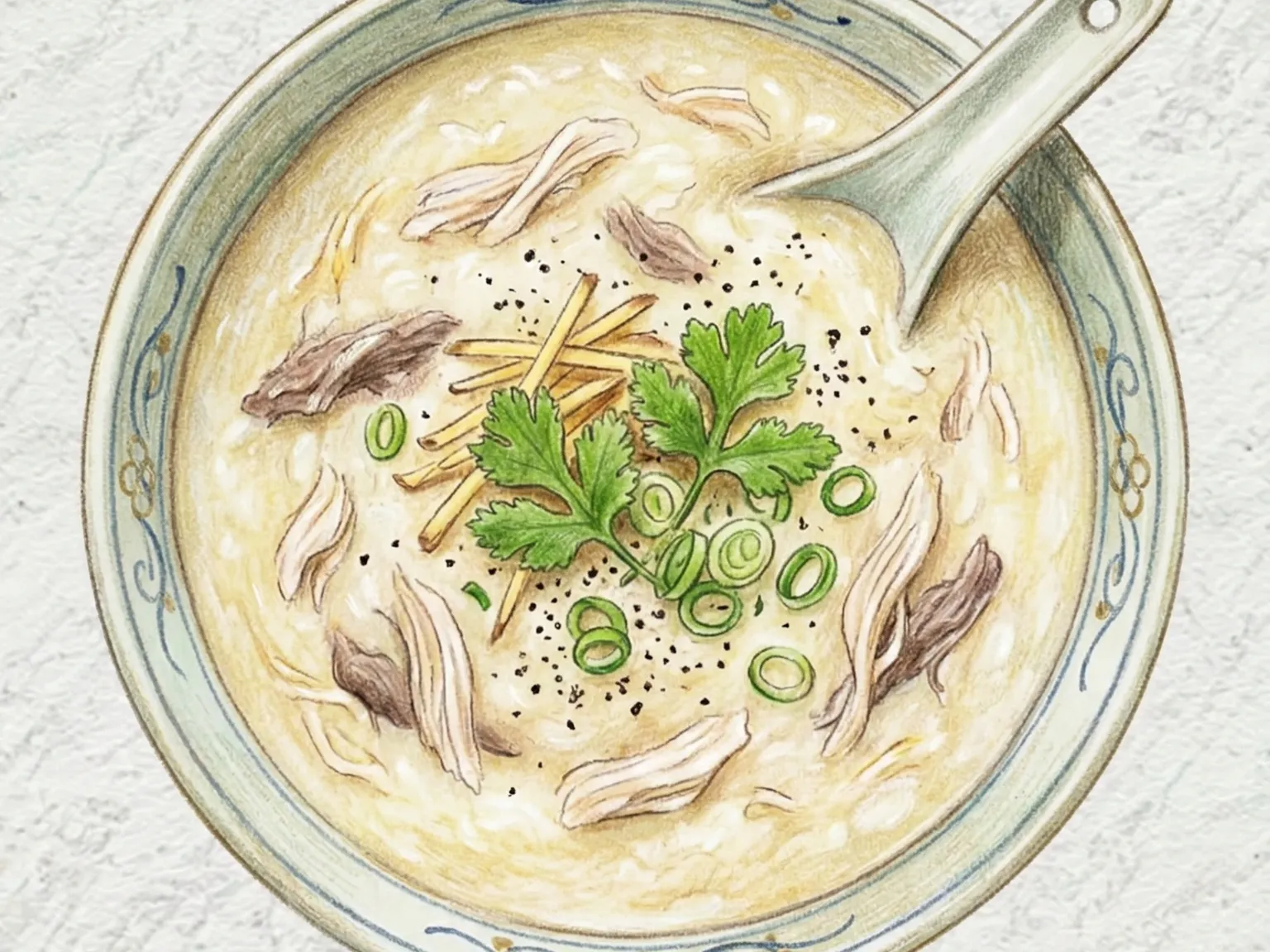
Chao Ga (Vietnamese Chicken Rice Porridge with Ginger)
Chao ga is Vietnam's most widely eaten breakfast porridge, served whenever someone is ill or needs gentle nourishment, occupying the same restorative role that dakjuk holds in Korean cooking. A whole chicken simmers in water until the broth turns opaque and deeply flavored, then rice cooks directly in that liquid until the grains dissolve into a thick, almost creamy consistency. Generous slices of ginger added early in cooking suppress any gaminess and warm the stomach, while fish sauce brings an underlying umami depth that plain salt cannot replicate. The finished porridge is ladled into bowls and finished with hand-shredded chicken meat, fresh cilantro, cracked black pepper, crispy fried shallots, and strips of you tiao -- Chinese fried dough sticks -- whose crunch against the soft porridge creates a textural contrast considered essential to the dish. In Hanoi's early-morning alleys, chao ga vendors work from a single clay pot, serving hundreds of bowls to workers and commuters before noon, and the sight of rising steam from those stalls remains one of the defining images of the Vietnamese morning.
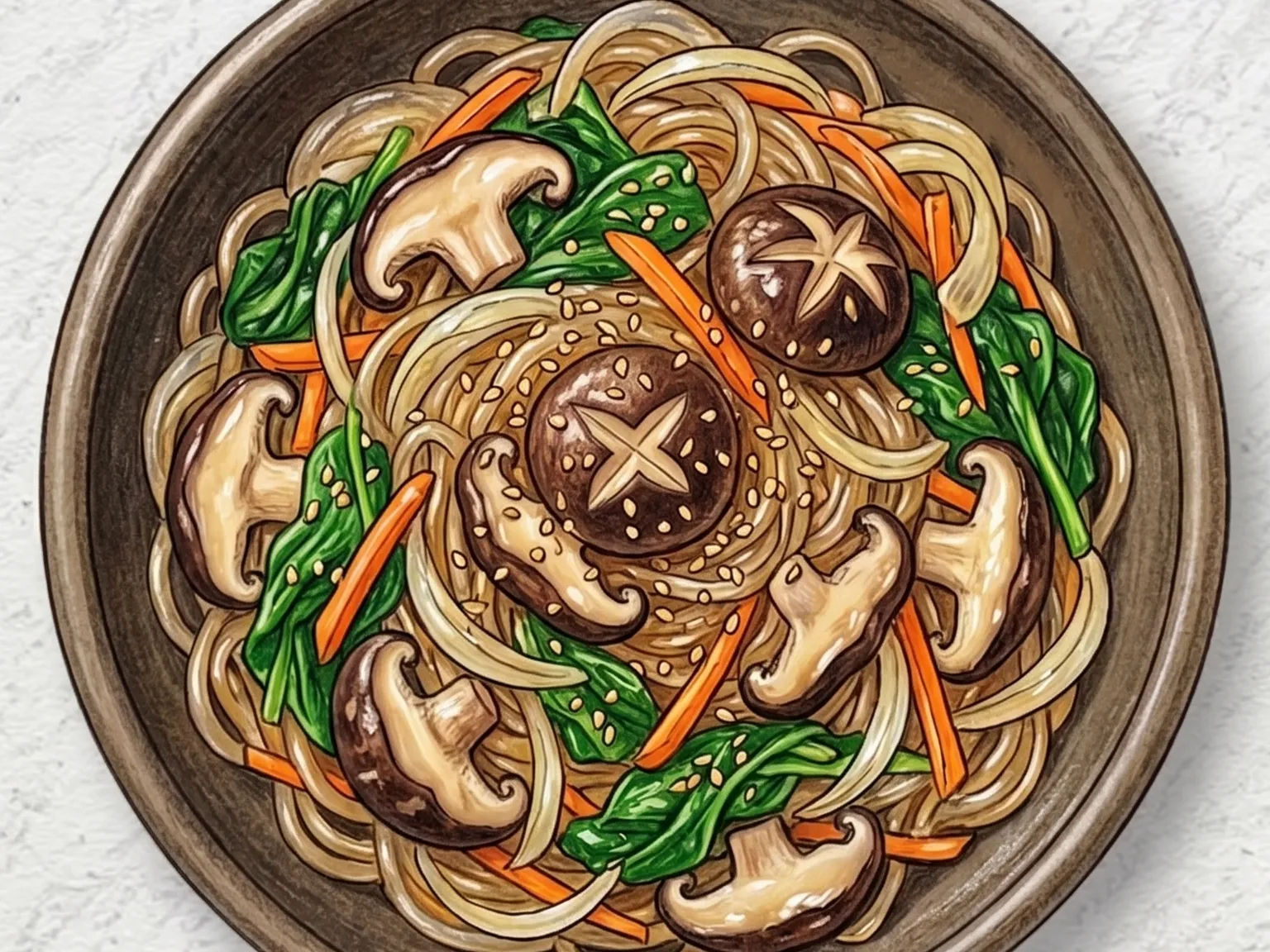
Korean Mushroom Japchae (Shiitake Glass Noodle Stir-Fry)
Beoseot japchae replaces beef with shiitake mushrooms as the primary source of savory depth, making it a staple of Buddhist temple cuisine and vegetarian tables alike. Sweet potato noodles are soaked and boiled, then rinsed in cold water immediately to lock in a firm, springy texture. Shiitake, spinach, carrot, and onion are each cooked separately - their moisture levels and heat tolerances differ enough that combining them prematurely flattens every component. Soy sauce, sugar, minced garlic, and sesame oil bring the noodles and vegetables together, and the finished dish rests for ten minutes so the seasoning penetrates the noodles evenly. The result is a japchae where the mushroom carries genuine umami weight without any meat.