🏠 Everyday Recipes
Simple home-cooked meals for any day
1705 recipes. Page 6 of 72
These are the meals you can cook day after day without getting tired of them. Doenjang jjigae, rolled omelet, spicy pork stir-fry - the kind of home-cooked dishes that fill an ordinary day with comfort.
The beauty of everyday cooking is that it relies on common ingredients already in your fridge. No exotic items, no complicated techniques - just straightforward recipes for satisfying home meals.
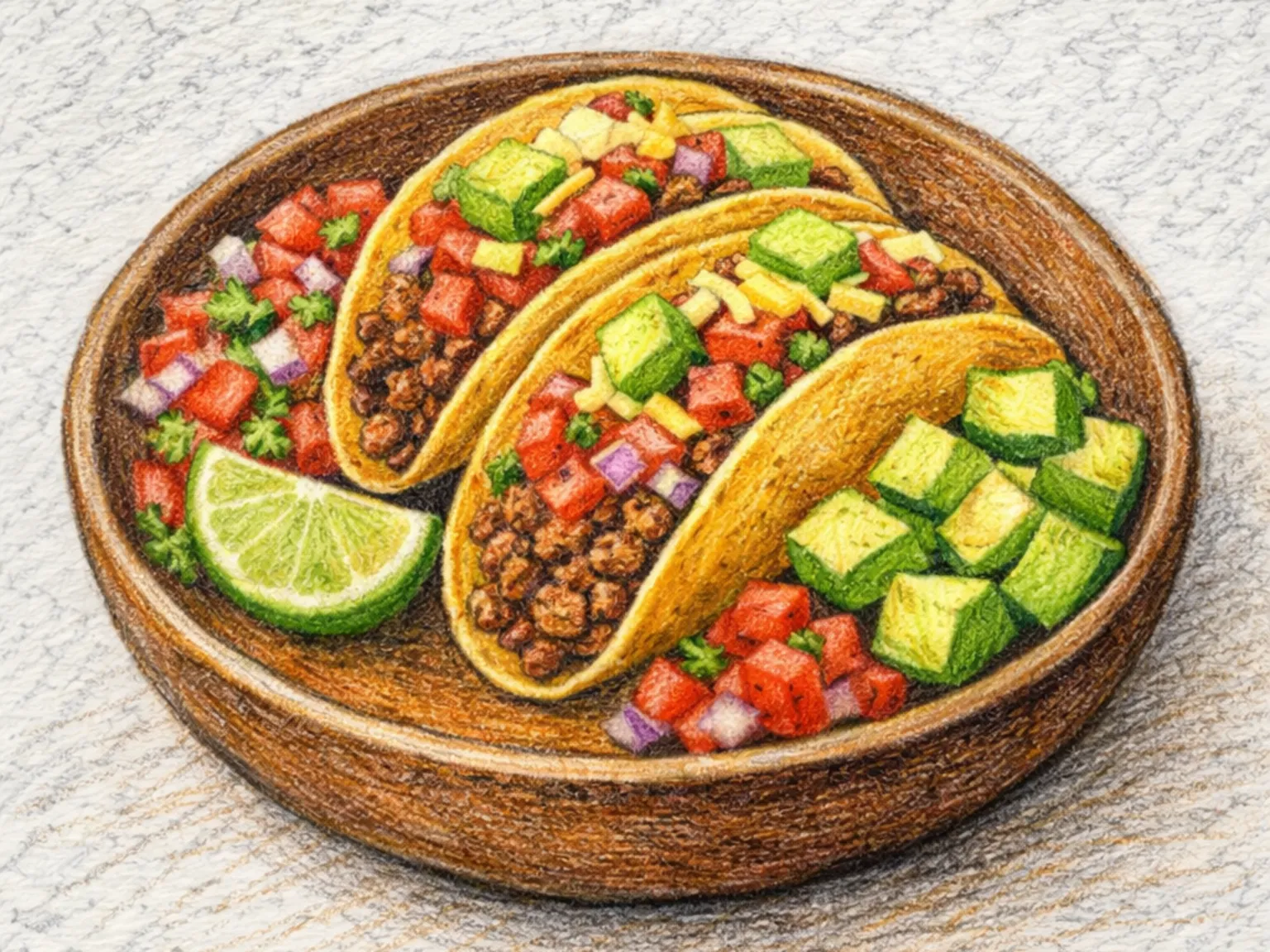
Ground Beef Tacos
Beef tacos season ground beef with chili powder, cumin, garlic powder, and smoked paprika, then cook it in a skillet until the moisture cooks off and every granule of meat is coated in a concentrated spice crust. Spooned into crispy taco shells, the filling creates an immediate textural contrast as the shell cracks and the seasoned meat gives a dense, juicy resistance underneath. Salsa adds tomato acidity and chili heat on top, while avocado slices provide a cooling, fatty layer that moderates the spice without neutralizing it. Sour cream contributes a mild dairy tang, and a squeeze of lime over everything sharpens all the other flavors at once. The handheld format makes it easy to eat a second and third shell, since each one delivers the full range of spicy, tangy, creamy, and savory in a few bites.
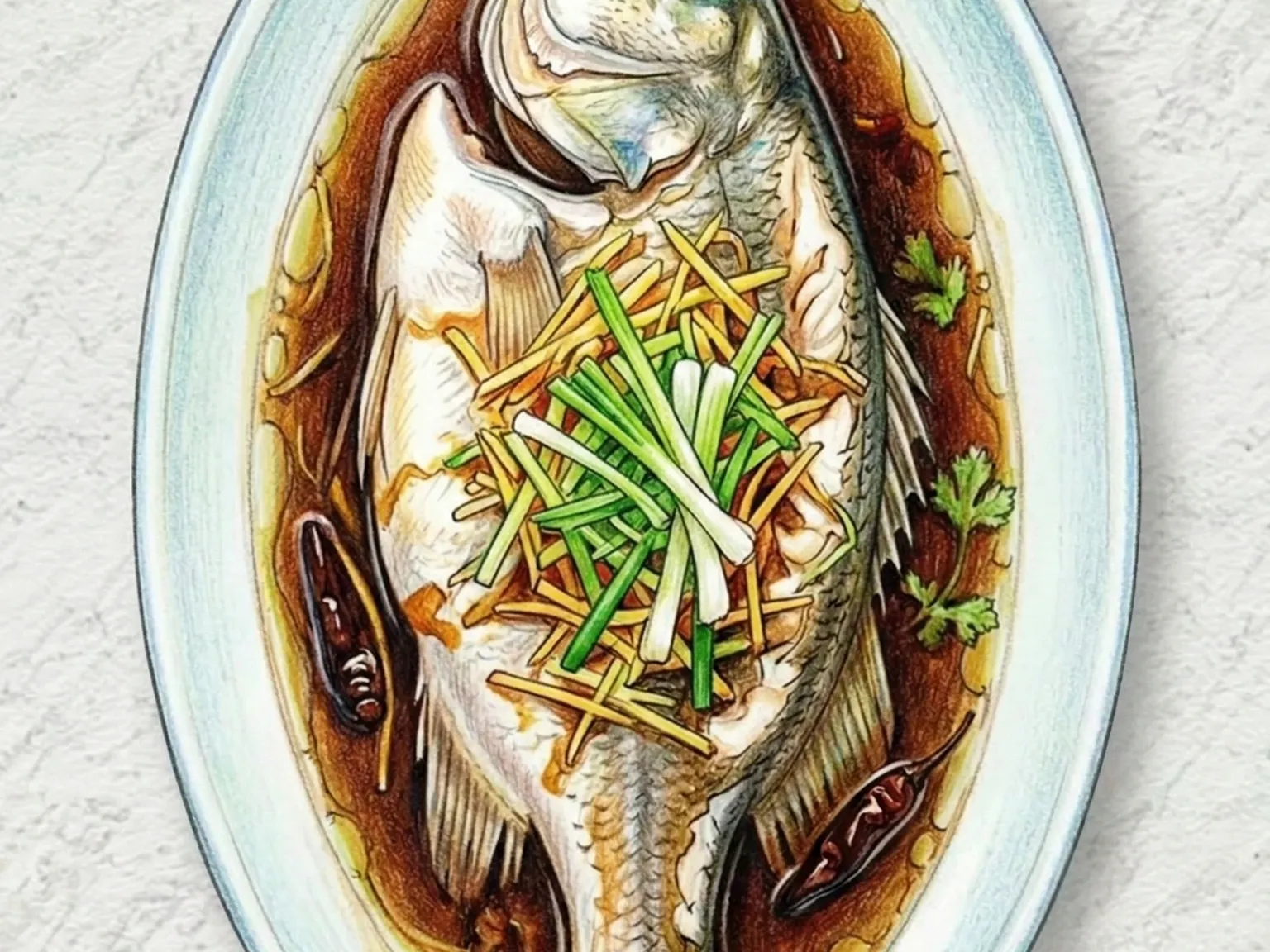
Cantonese Steamed Fish
Cantonese steamed fish - ching jing yu - is the clearest expression of the Cantonese philosophy of letting premium ingredients speak for themselves with minimal interference. The technique requires the freshest possible whole fish - sea bass, grouper, or pomfret are the standard choices - because steaming conceals nothing. Any fish that is even slightly past its peak will betray itself the moment it comes off the heat. The fish is scored on both sides to allow even heat penetration, placed on a plate with thin ginger slices tucked underneath and inside the cavity to neutralize any fishiness, then steamed over vigorously boiling water for exactly eight to ten minutes depending on thickness. Even one minute of overcooking transforms the silky, translucent flesh into something dry and dull - timing is the entire technique. The moment the fish leaves the steamer, all accumulated liquid on the plate must be poured off immediately, because that liquid carries concentrated fishiness that would spoil the clean finish. A generous pile of julienned scallion and fresh ginger is arranged on top, then a ladle of oil heated until just beginning to smoke is poured directly over the aromatics. The sizzling releases their fragrance in a single burst that infuses the fish. Seasoned soy sauce and a few drops of sesame oil complete the dish. In Cantonese banquet culture, the steamed fish course is typically the most expensive item on the table, with guests selecting a live fish directly from the restaurant tank.
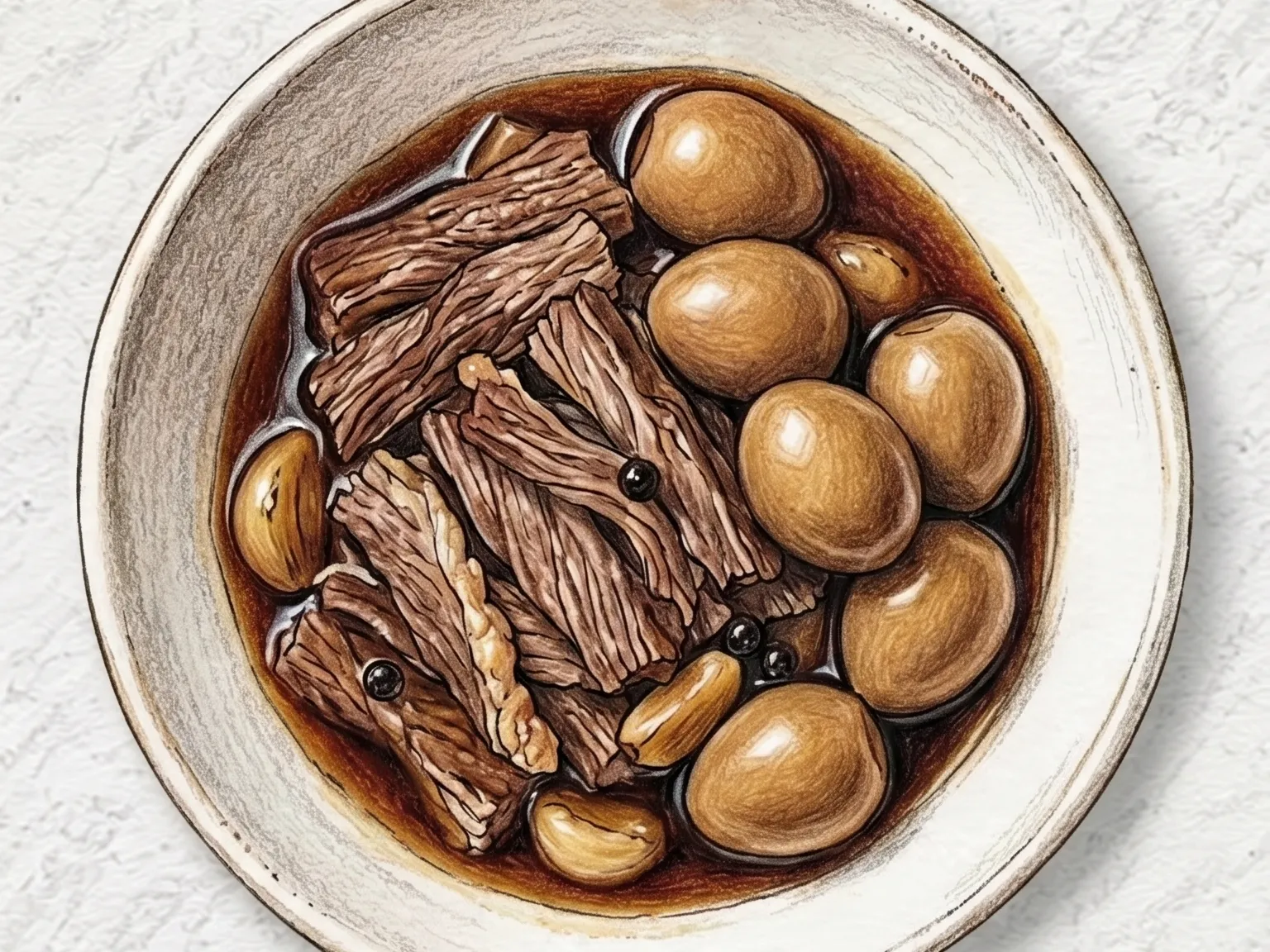
Korean Beef & Quail Egg Soy Braise
Beef and quail egg jangjorim is a traditional Korean side dish made by simmering beef in a seasoned soy sauce liquid. The preparation starts by boiling beef eye round for twenty minutes to create a clear broth. The cooked beef is then shredded by hand along its natural grain to allow the seasoning to penetrate the fibers. After straining the broth, soy sauce, sugar, minced garlic, black peppercorns, and green onion are boiled to infuse the liquid. The shredded beef and peeled hard-boiled quail eggs are added to this mixture and simmered on low heat for fifteen minutes until the sauce reduces by half. This braising process coats the beef and eggs in a glossy glaze. Once cooled and stored in the refrigerator, this salty side dish is served cold in small portions to accompany bowls of plain rice.
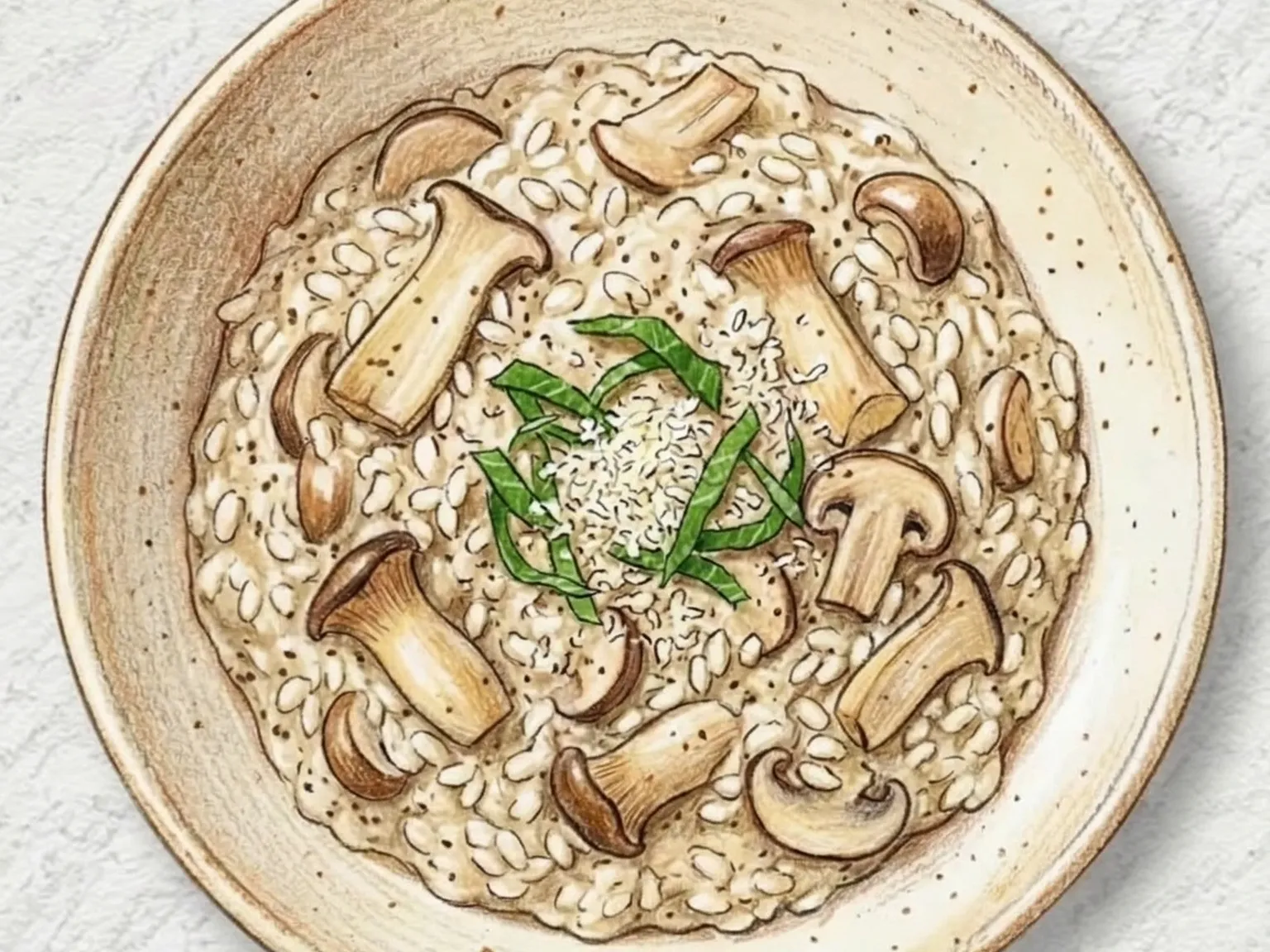
Korean Mushroom Perilla Seed Risotto
King oyster and button mushrooms are sauteed with onion and garlic, then Arborio rice is slowly cooked in warm vegetable stock, one ladle at a time, until the grains release their starch into a creamy consistency. Perilla seed powder and grated Parmesan are folded in at the very end, merging Italian creaminess with the distinctive roasted-nut flavor of Korean perilla. The key is keeping the stock warm throughout so the rice cooks evenly without seizing, and adding perilla powder last to preserve its volatile aroma. Even without meat, the mushrooms provide substantial umami depth and the perilla adds a rich, nutty finish.
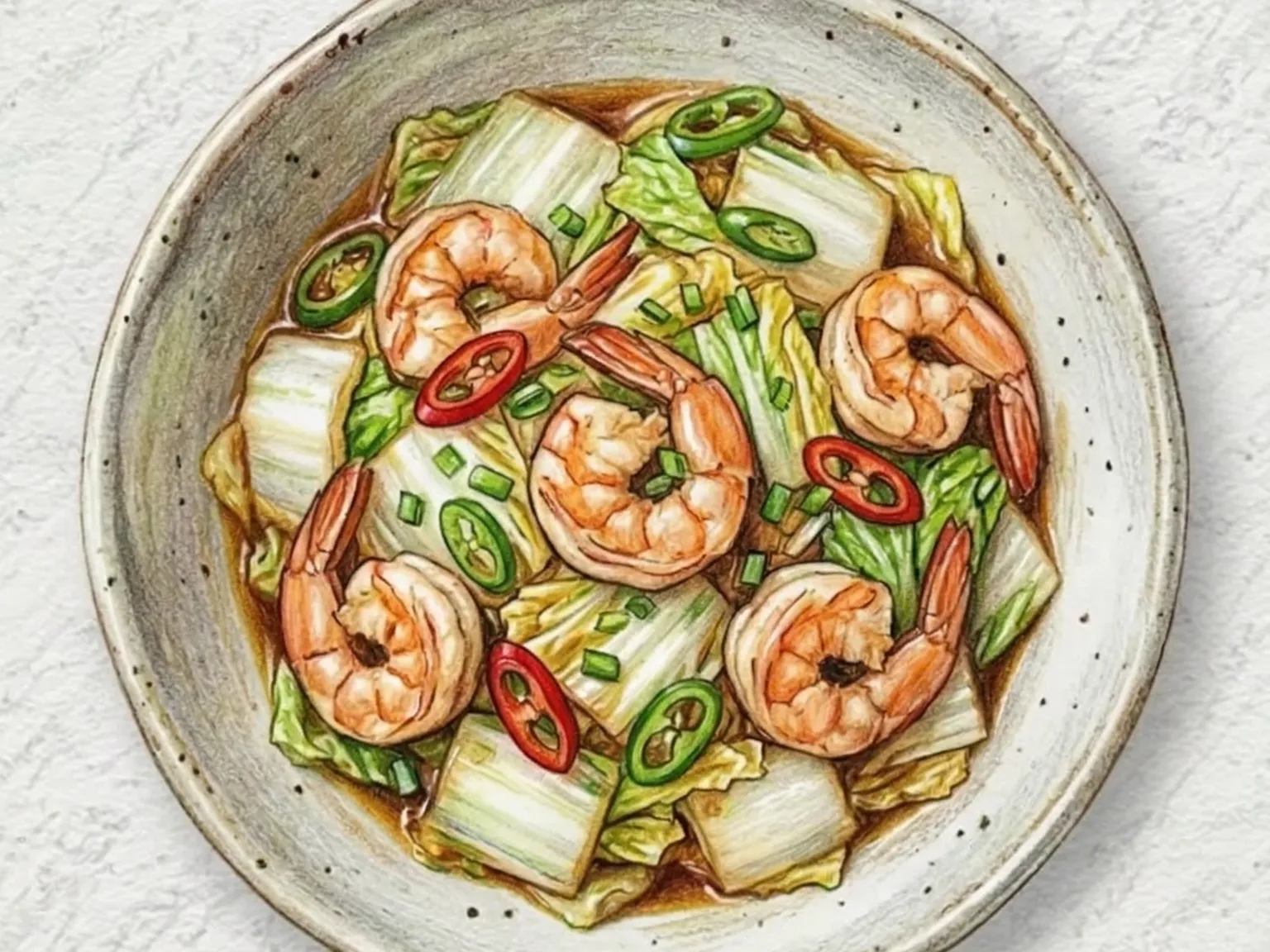
Korean Napa Cabbage Shrimp Stir-fry
Baechu saeu bokkeum is a Korean stir-fry of napa cabbage and medium shrimp seasoned with soy sauce and fish sauce. The shrimp are deveined and scored along the back so they curl attractively and absorb seasoning more readily. They go into a hot oiled pan first for thirty seconds to sear the surface, then are removed while the cabbage stems are stir-fried until slightly wilted. Soy sauce, fish sauce, and minced garlic are added along with the cabbage leaves, and the shrimp return to the pan for a final thirty-second toss so everything seasons evenly. Sliced cheongyang chili and scallion go in last for a hit of heat and freshness. The entire stir-fry stays under three to four minutes of active cooking, which preserves the crunch of the cabbage stems and the firm bite of the shrimp. The combination of soy sauce and fish sauce provides a layered saltiness that brings out the natural sweetness of both the cabbage and the shrimp.
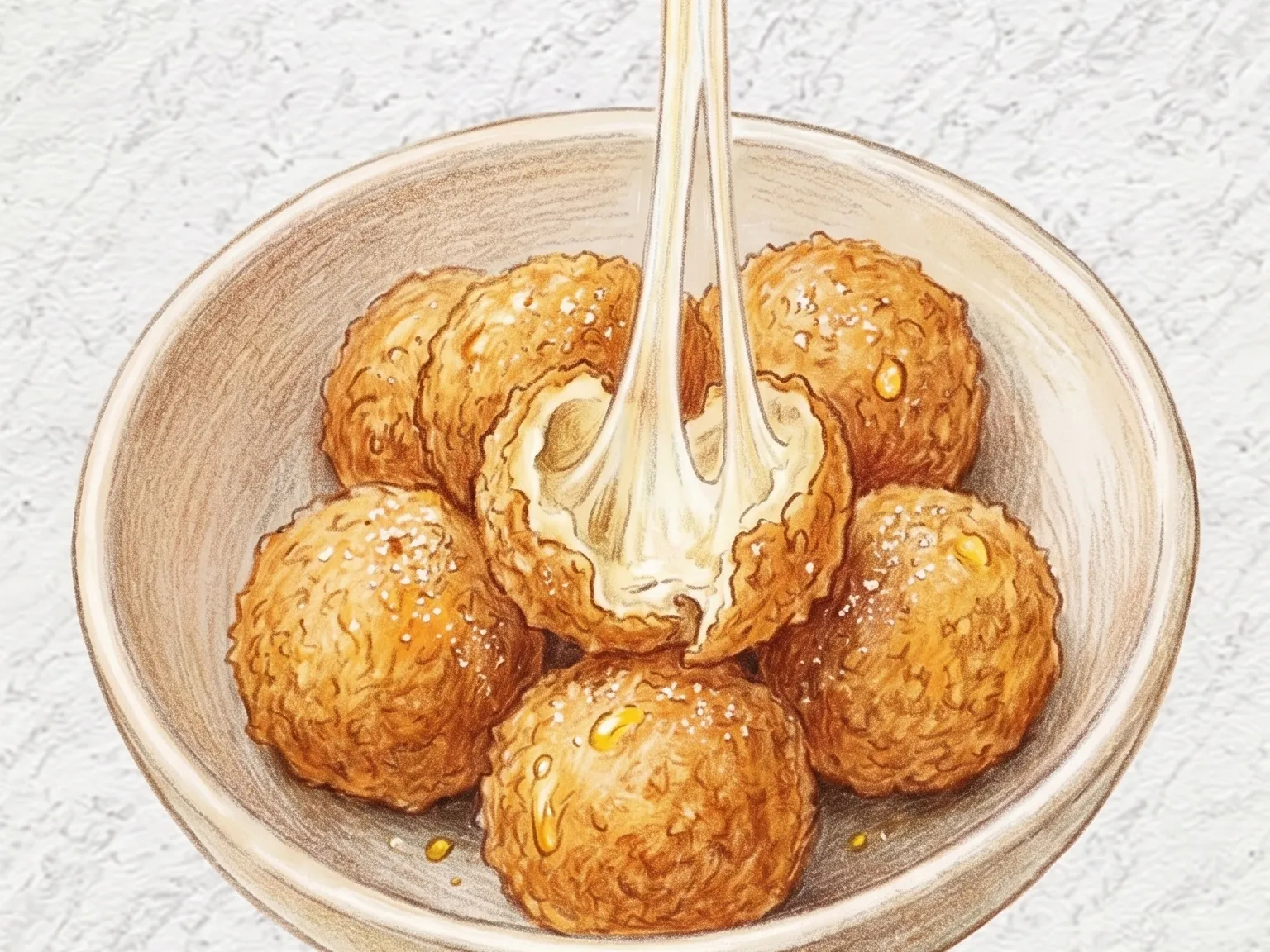
Korean Cheese Balls (Mozzarella-Stuffed Glutinous Rice Fried Ball)
Cheese ball bunsik is a Korean street snack made by wrapping a cube of mozzarella in glutinous rice flour dough and deep-frying at 170 degrees Celsius until golden. The dough is prepared by pouring boiling water directly over the rice flour and kneading while hot, a technique that fully activates the glutinous starch and produces a sticky, elastic dough with strong chew. Sugar and salt are mixed into the dough to provide a faint background sweetness that contrasts with the salty cheese inside. Frying at the right oil temperature turns the exterior crisp and golden while keeping the interior soft and chewy like a small rice cake. Pulling one apart hot off the fryer produces a dramatic mozzarella stretch, and the contrast between the savory cheese and the subtly sweet dough is the defining flavor combination. As the balls cool, the cheese solidifies and loses its elasticity, making fresh-from-the-fryer the only correct way to eat them.
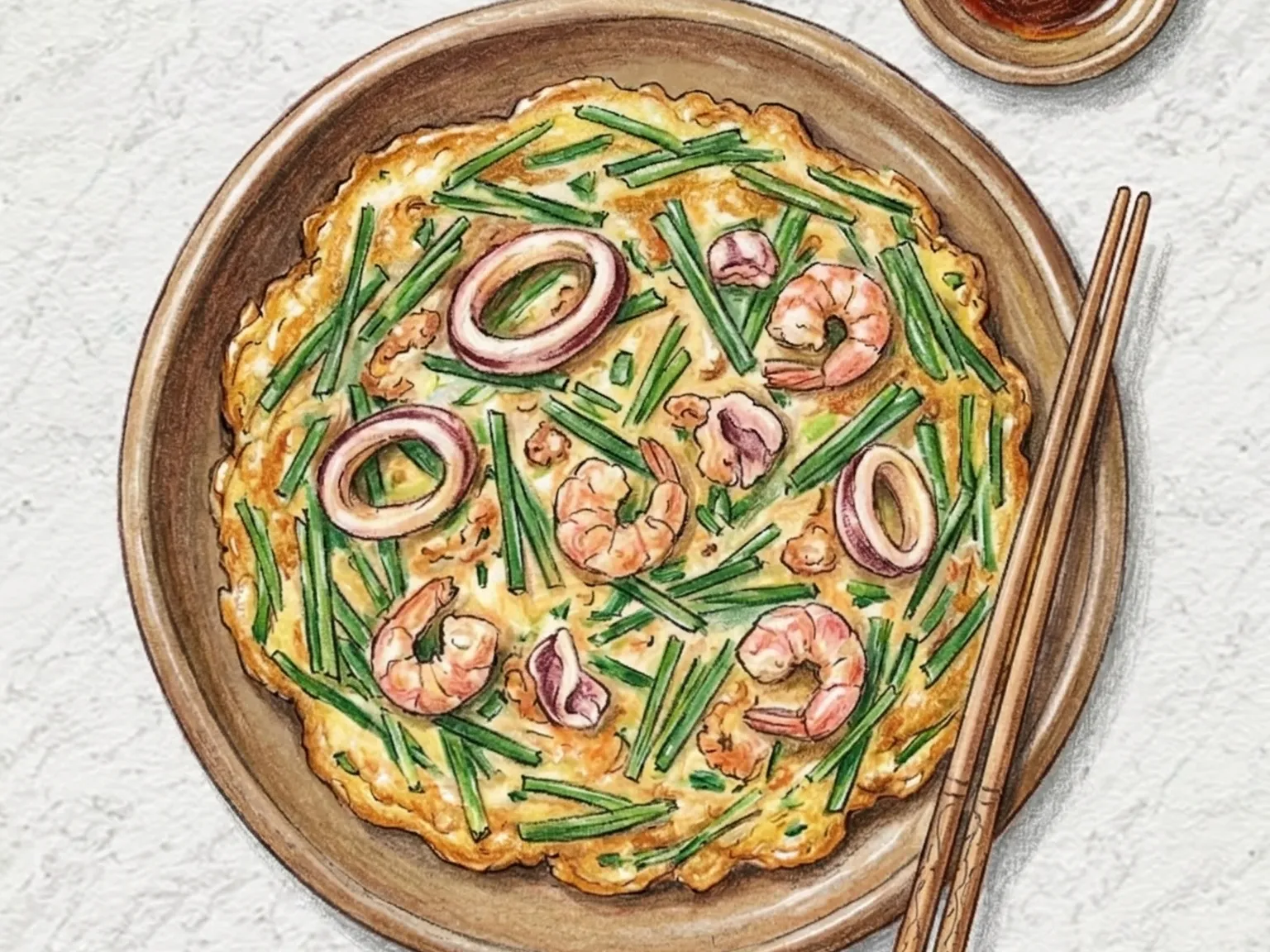
Korean Chive Seafood Pancake
Buchu-haemul-jeon is a Korean chive and seafood pancake that combines garlic chives cut to five-centimeter lengths with sliced squid and peeled shrimp in a batter of Korean pancake mix, water, and salt. The garlic chives release a sharp, aromatic fragrance as they cook, which infuses the pancake from edge to edge. Squid provides a dense chew while shrimp adds a snappier, springier bite, so each piece of the finished pancake has a slightly different texture depending on what's in it. Because both seafood and chives release moisture during cooking, the batter needs to start thicker than for a plain vegetable jeon - otherwise the center will stay wet and fail to brown properly. Spreading it thin across the pan and maintaining steady medium heat crisps the edges into a lacy, oil-fried border while keeping the seafood-laden interior moist. Flipping cleanly in one motion preserves the structure. A dipping sauce of brewed soy sauce, vinegar, and gochugaru brings out the natural sweetness of the shellfish.
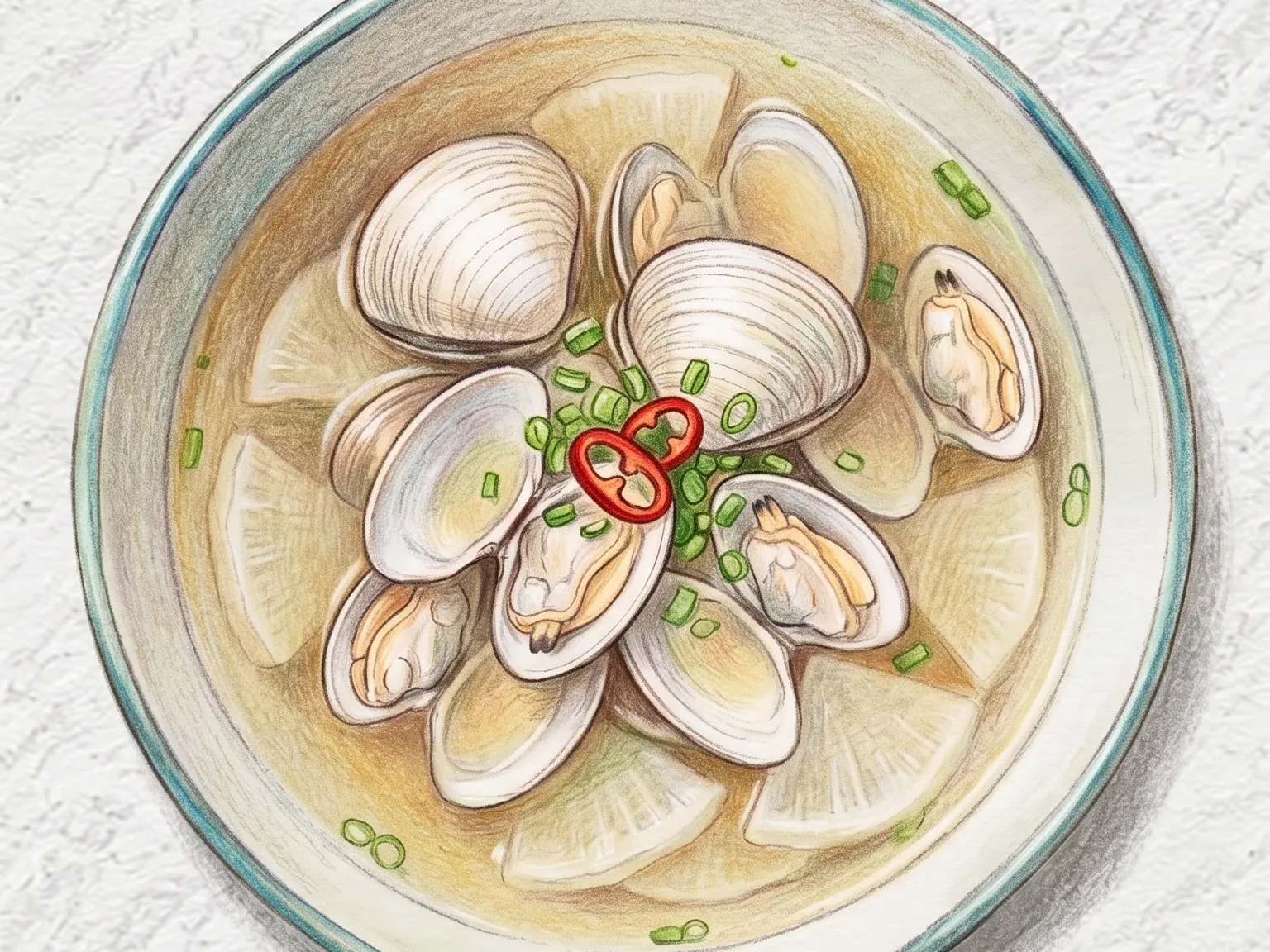
Korean White Clam Clear Soup
Baekhap jogae tang is a clear Korean clam soup built entirely on the flavor of hard clams, with no additional stock of any kind. The clams are soaked in salted water until fully purged of sand, then transferred to cold water in the pot and heated gradually. This slow climb from cold allows the clams to release their maximum flavor into the surrounding liquid before they even open, producing a more richly flavored broth than rapid boiling ever could. Daikon radish simmers in the same water, lending a cool, clean sweetness that tempers the clams inherent saltiness while absorbing broth flavor itself, softening into bite-sized pieces that are worth eating alongside the shellfish. A tablespoon of cheongju, Korean clear rice wine, is added early to neutralize any briny off-notes that might otherwise linger, leaving a cleaner, lighter finish. Garlic appears in small amounts only, deliberately restrained so it does not compete with the delicate shellfish flavor that is the whole point of the dish. Scallion and red chili are placed on top at the very end, contributing color and fragrance rather than direct seasoning. Salt is kept to an absolute minimum since the clam liquor itself provides all the salinity required. The soup is a lesson in simplicity: no anchovy, no kelp, no premade stock. The clams do all the work, and the result is a broth that is simultaneously light and deeply satisfying.
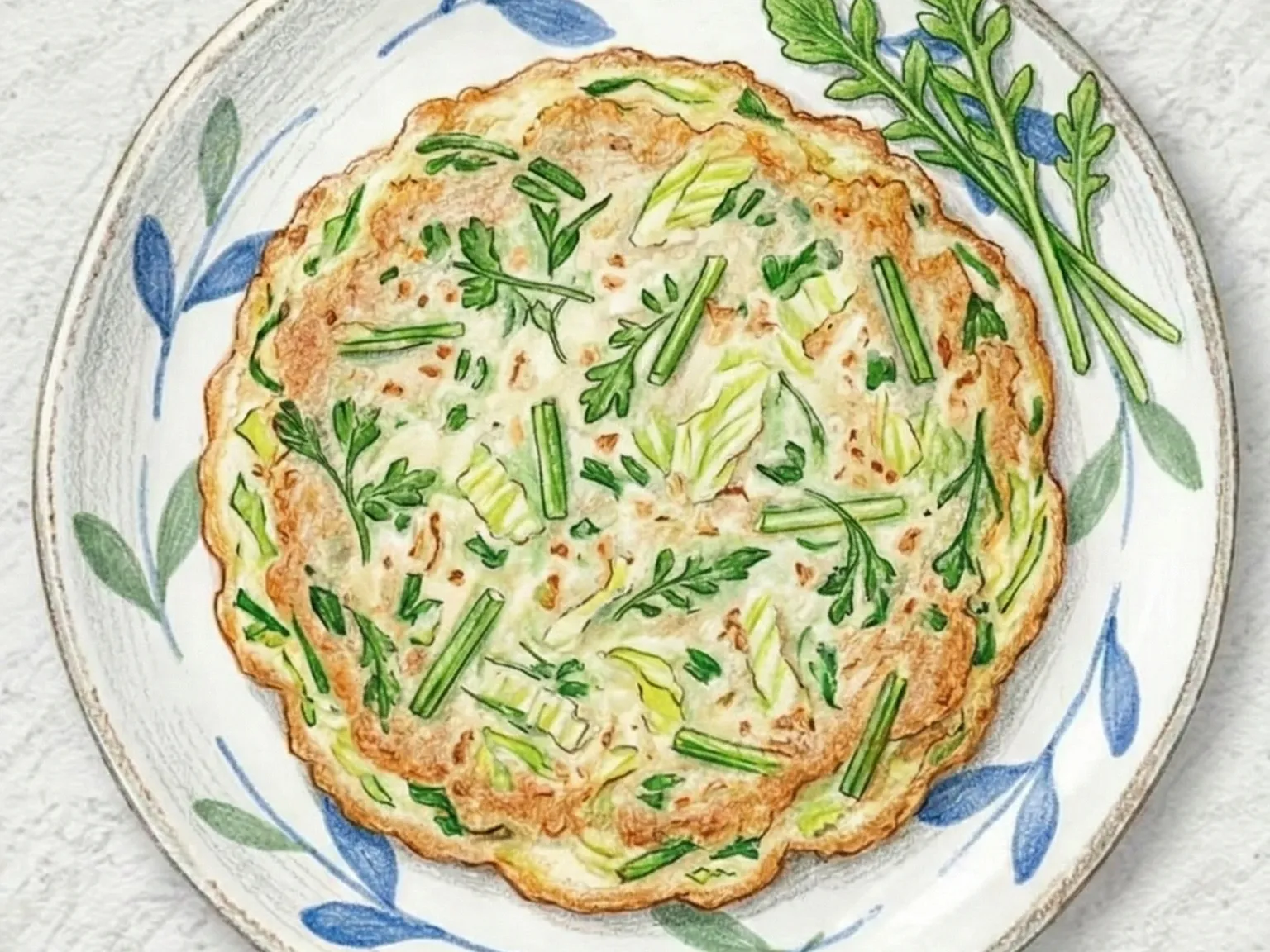
Korean Shepherd's Purse & Napa Pancake
Naengi Baechu Jeon is a seasonal Korean pancake that features wild shepherd's purse and sweet napa cabbage. To prepare this dish, the roots of the shepherd's purse are thoroughly scrubbed to remove soil and chopped into short lengths, while the cabbage is sliced, lightly salted to draw out moisture, and squeezed. The batter consists of Korean pancake mix, rice flour, an egg, cold water, and soup soy sauce, which provides a clean base that allows the flavors of the vegetables to stand out. Mixing rice flour into the batter ensures that the edges of the pancake turn crispy and remain tender even after cooling. The prepared greens are gently folded into the mixture, then pan-fried in oil over medium heat until both sides are golden brown. It is sliced on a board and served warm.
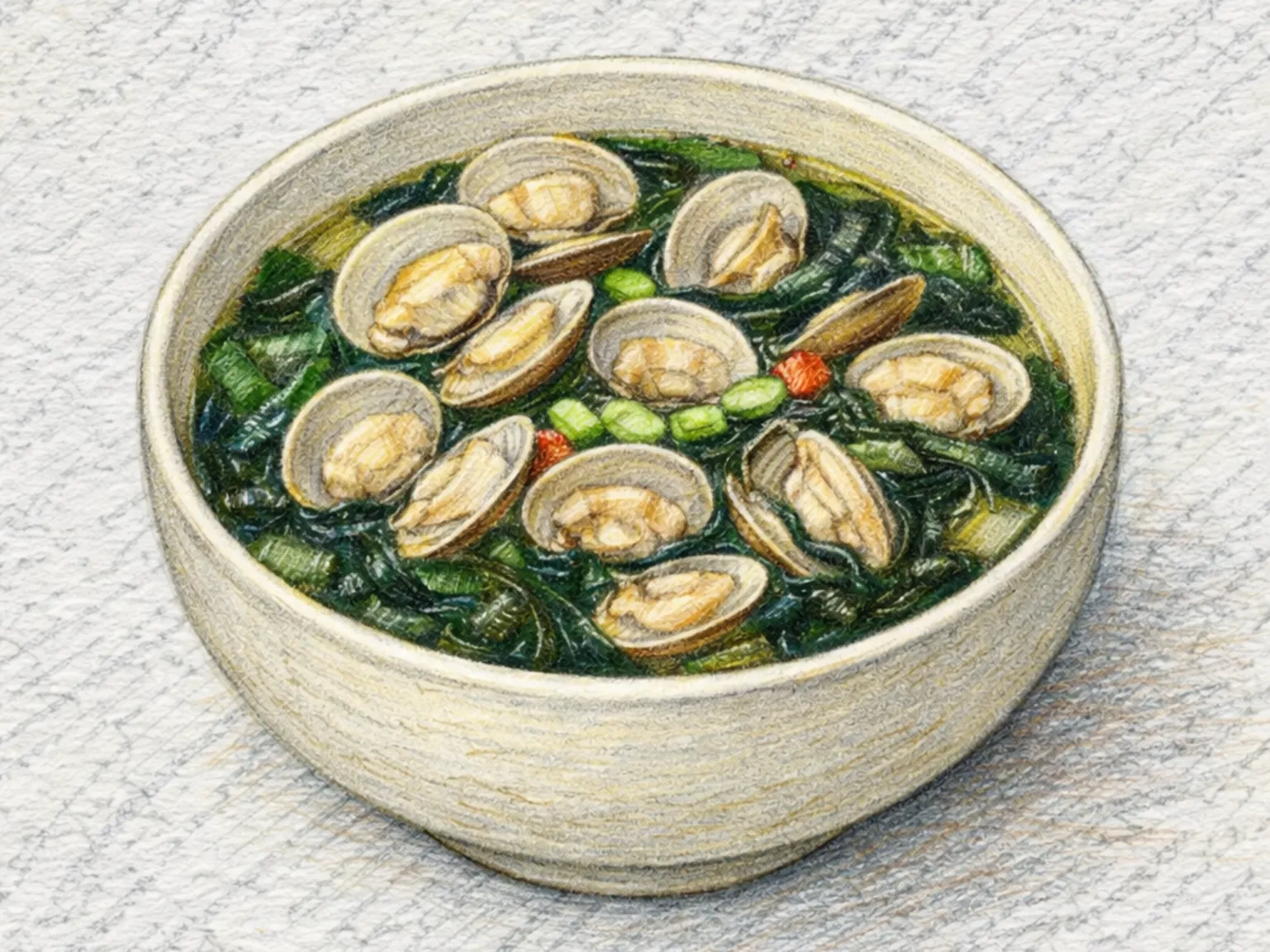
Korean Bajirak Miyeok Jjigae (Clam Seaweed Stew)
Bajirak miyeok jjigae is a Korean stew combining manila clams and soaked seaweed, layering shellfish umami with the mineral depth of sea vegetables. Clams start in cold water with radish, which adds a cool sweetness to the broth that balances the clams' natural saltiness as the temperature climbs. Once the shells open, rice wine removes any briny off-notes, and the stew is seasoned with soup soy sauce and minced garlic. The seaweed, soaked and cut into bite-sized pieces, must enter the pot only in the last five minutes; longer cooking turns it tough and unpleasantly slippery. Diagonally sliced scallion added at the end releases a fresh aroma across the surface of the stew. The iodine-rich character of the seaweed and the briny depth of the clams belong to the same marine category yet occupy different flavor registers, producing a broth with compound depth. Any clams that remain closed after cooking must be removed to prevent grit from contaminating the finished stew.
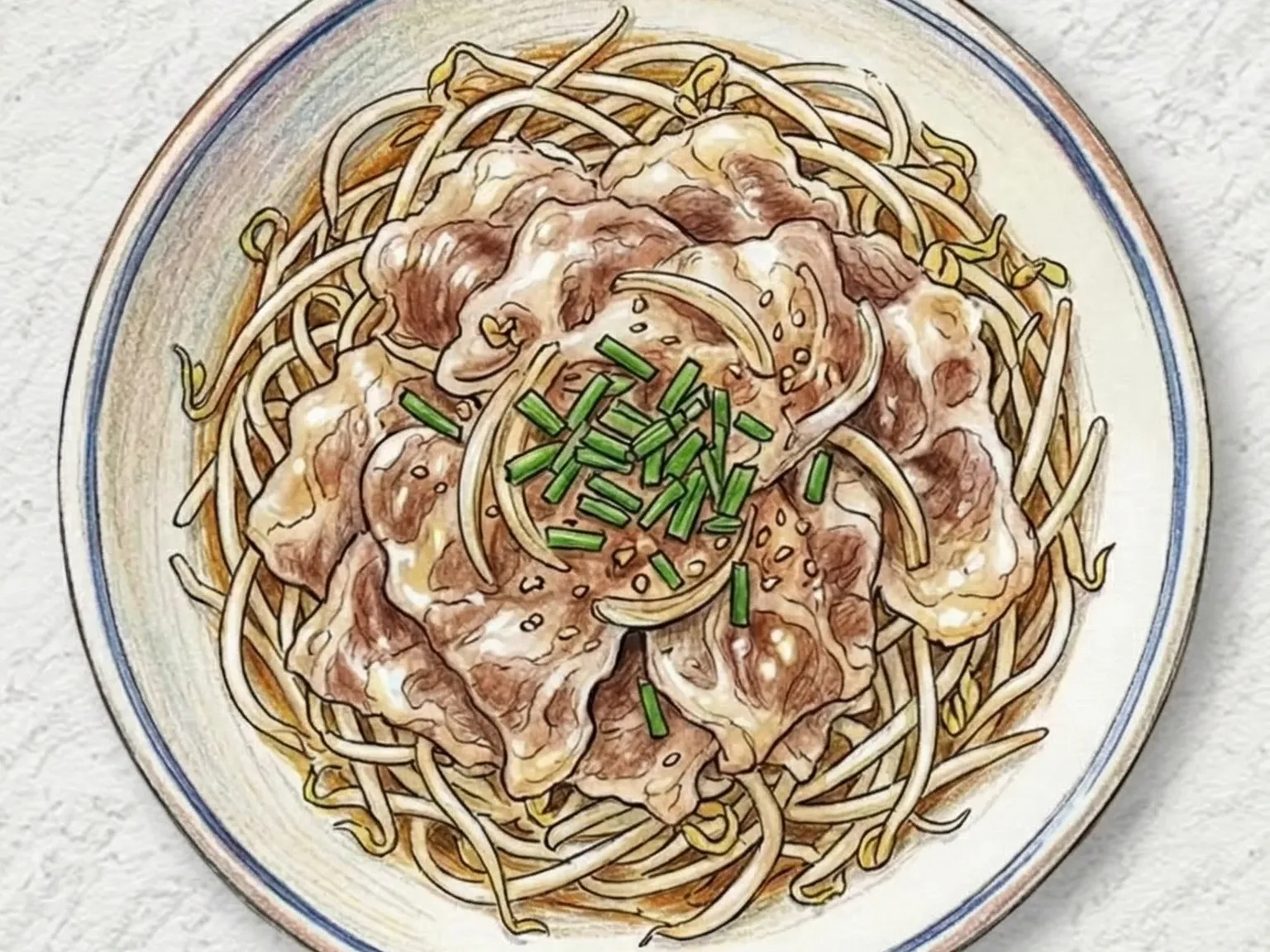
Korean Steamed Beef Brisket and Bean Sprouts
Thin-sliced marbled beef brisket is layered over bean sprouts and steamed with a dressing of soy sauce, minced garlic, sugar, and sesame oil. As the brisket cooks, the fat renders and drips down onto the sprouts, coating them with beefy richness that no separate sauce could replicate. The bean sprouts hold their crunch under the steam, and sliced onion and chive soften into the mix, adding mild sweetness and fragrance. Lightly sweetened soy sauce keeps the seasoning clean rather than heavy. The dish has a short ingredient list and a fast cook time, but the quality of the brisket - specifically how well it renders - determines the outcome.
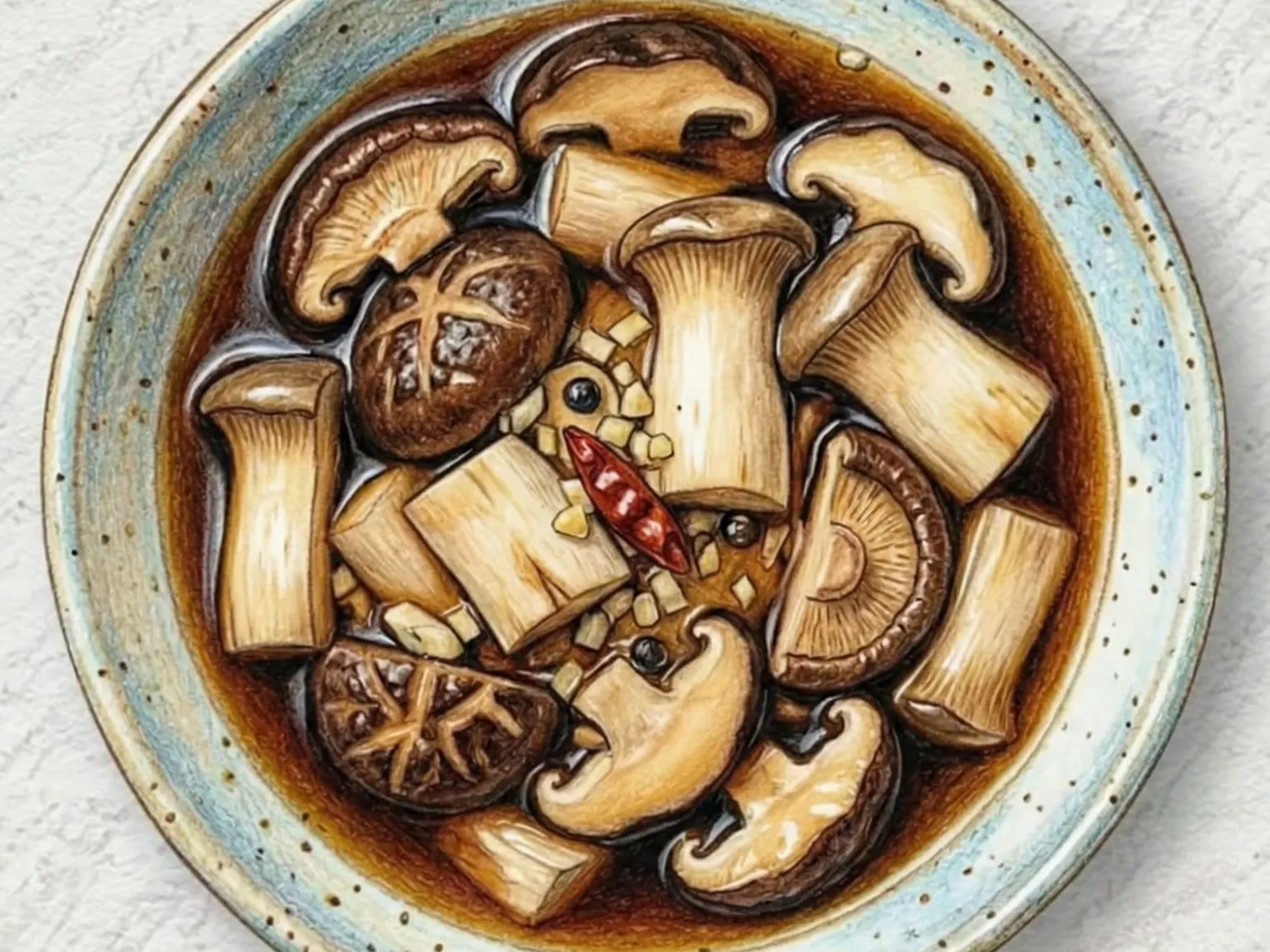
Korean Mushroom Jangajji (Shiitake Oyster Soy Pickle)
Beoseot jangajji is a Korean fermented mushroom side dish produced by briefly blanching shiitake and king oyster mushrooms, then submerging them in a soy sauce, vinegar, and sugar brine that has been brought to a boil and cooled. The shiitake brings a thick, meaty chew that firms further as it absorbs the pickling liquid, while the king oyster stays springy and dense, so a single batch of this jangajji provides two distinct textures from one marinade. Soy sauce supplies a deep umami foundation and vinegar cuts through with its sharp acidity, creating a balance that tastes substantial and complete without any meat or added stock. The ratio of vinegar to soy sauce can be adjusted to preference: more vinegar produces a brighter, more assertive pickle, while reducing it brings out the soy sauce's savory depth. Stored in the refrigerator, beoseot jangajji keeps well for over a week, making it one of the more practical banchan to prepare in advance and draw from throughout the week.
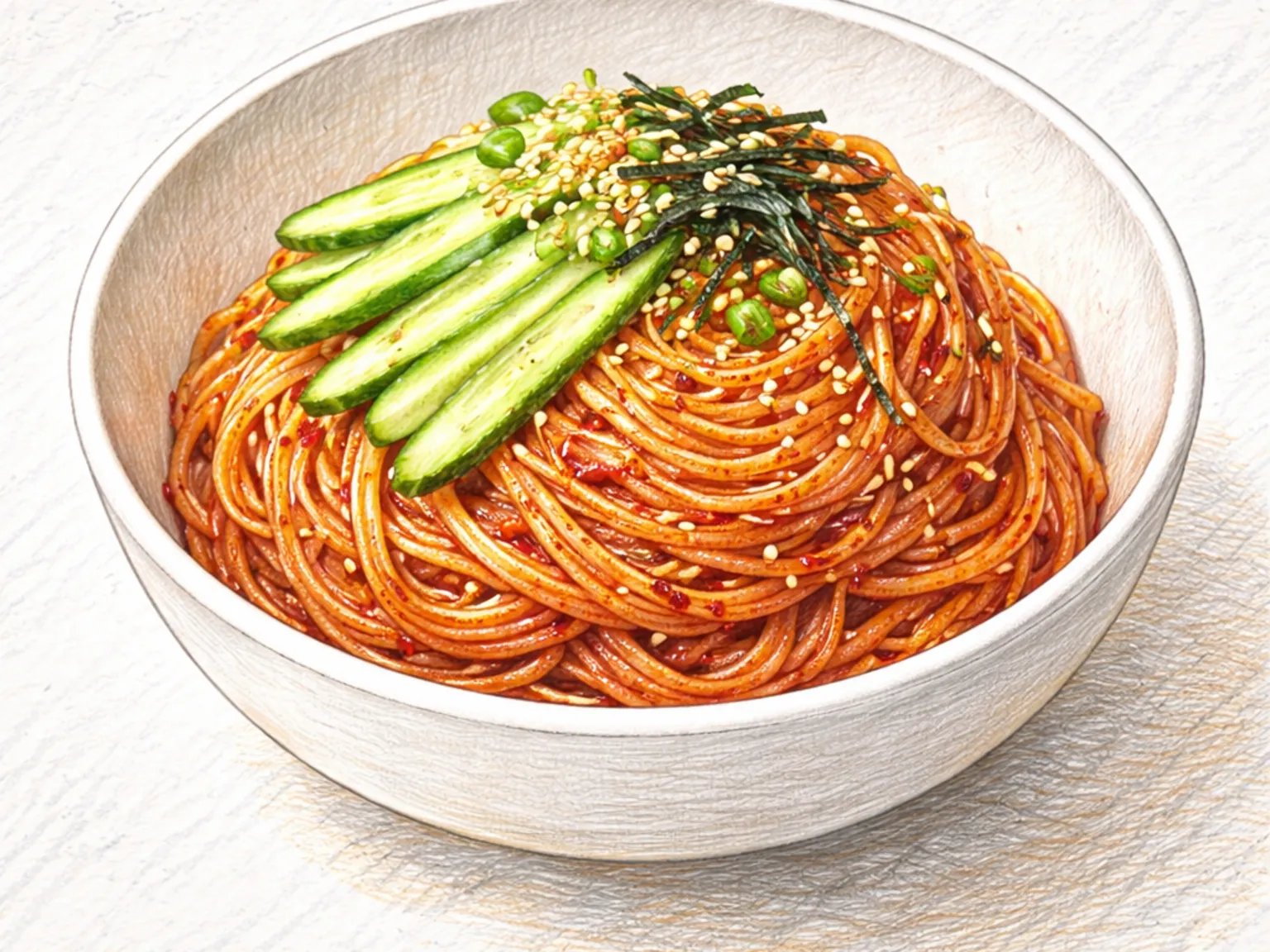
Korean Spicy Mixed Wheat Noodles
Bibim guksu is a chilled Korean noodle dish in which boiled and cold-rinsed somyeon wheat noodles are tossed in a sauce of gochujang, chili flakes, plum syrup, vinegar, soy sauce, and sesame oil. The heat from the gochujang, the sweetness of plum syrup, and the brightness of vinegar stack into a multi-dimensional flavor in every bite. Rinsing the noodles thoroughly in cold water removes excess starch, giving them a bouncy texture and allowing the sauce to cling evenly. Torn lettuce and julienned cucumber folded in at the end add crunch and release moisture that loosens the thick sauce just enough. A tablespoon of noodle cooking water can thin the sauce if needed. For 100 g of somyeon, a starting ratio of 1 tablespoon gochujang, 1 tablespoon plum syrup, and 1 teaspoon vinegar provides a reliable base to adjust from.
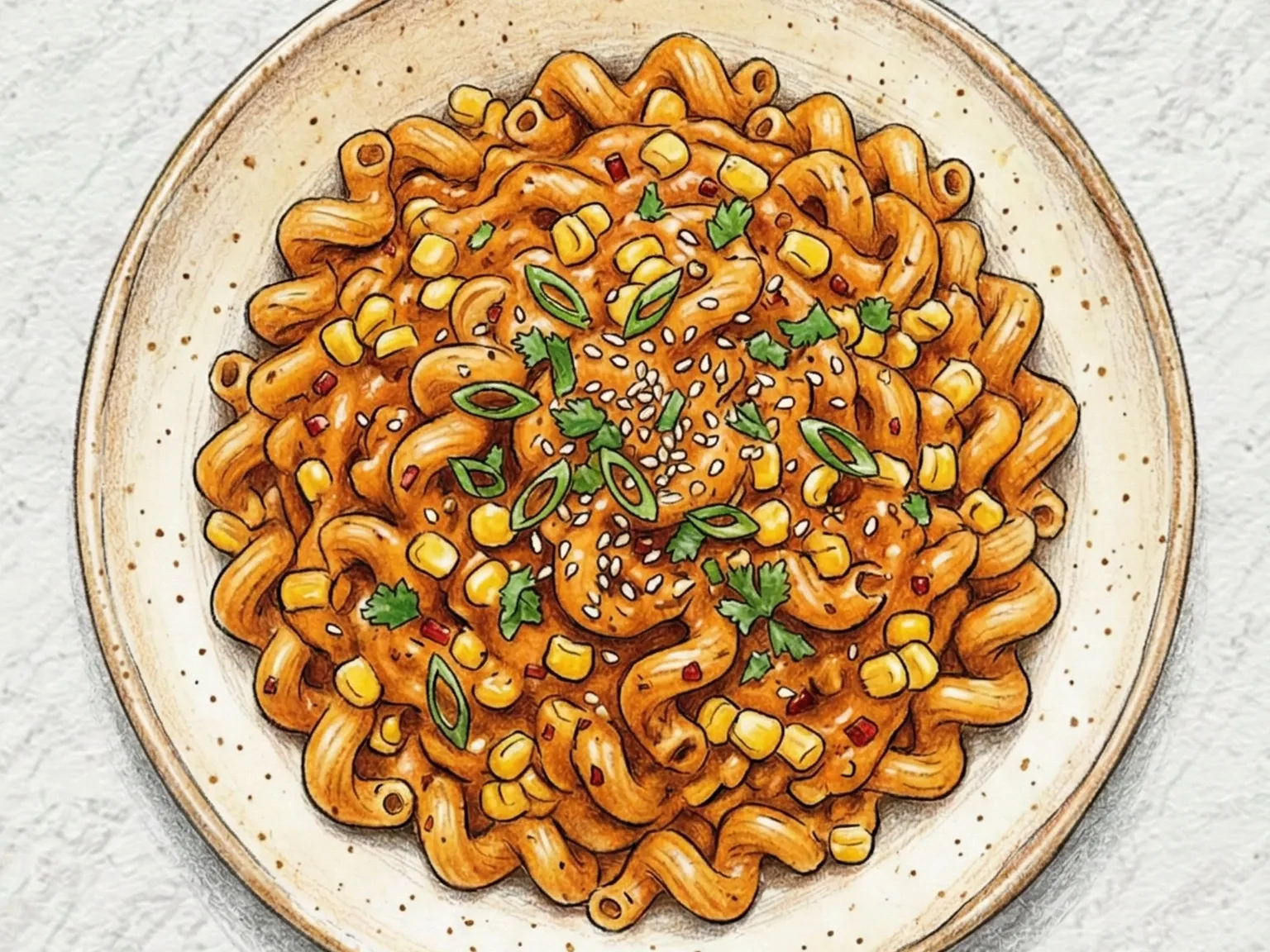
Gochujang Corn Cream Cavatappi
Gochujang corn cream cavatappi sautees onion and sweet corn kernels in butter, blooms gochujang in the pan for thirty seconds, then simmers everything with heavy cream and milk into a thick, spicy-sweet sauce for corkscrew-shaped pasta. Cooking the corn first for two minutes drives off surface moisture and concentrates its natural sweetness before the gochujang goes in. The cream and milk reduce together, merging the corn's sweetness with the chili paste's heat into a smooth, rounded spiciness. Pasta water adjusts the consistency, and melted Parmigiano adds a sharp, salty depth that elevates the entire sauce. Cavatappi's helical shape traps the dense cream inside its spirals, releasing bursts of the corn-gochujang sauce with each bite.
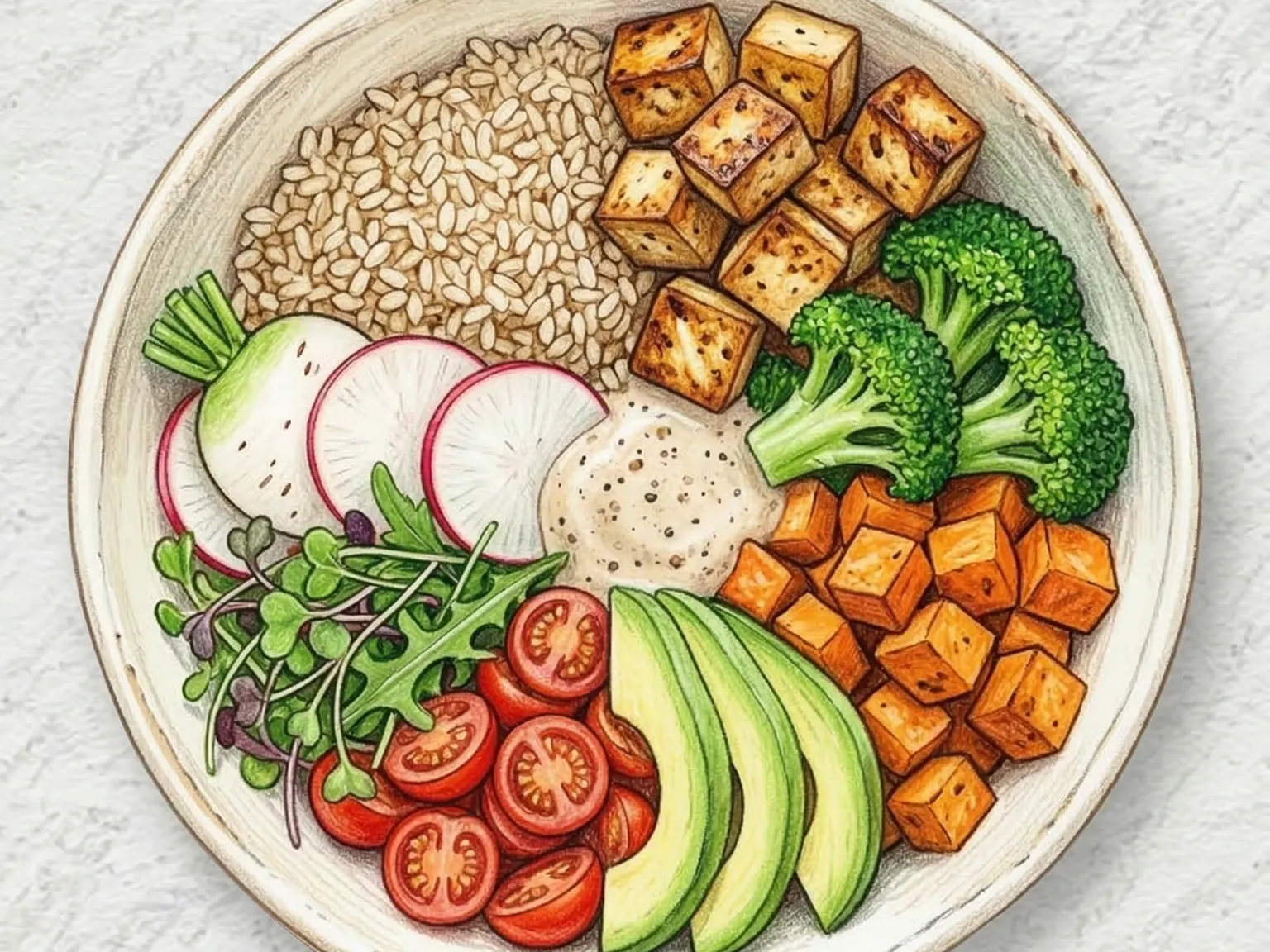
Brown Rice Buddha Bowl
Brown rice Buddha bowl builds on a base of cooked brown rice, with pan-seared tofu and an arrangement of broccoli, carrot, red cabbage, and avocado placed in separate sections across the bowl. Brown rice has a coarser texture and a more pronounced, nutty grain flavor than white rice, and the chew brings out a mild sweetness that increases the longer it is worked. The tofu is pressed dry before searing so the exterior crisps properly in the pan while the center stays soft, giving a dual texture that holds up under the weight of the toppings. A soy and sesame oil dressing pulls the disparate ingredients together under a single Asian flavor profile, and the avocado contributes creamy fat that smooths out the drier components like the grain and the seared tofu. Keeping each ingredient in its own section preserves the visual contrast and lets each one hold its texture; mixing is done at the table according to the eater preference. The bowl covers protein, carbohydrates, and vegetables in a single serving.
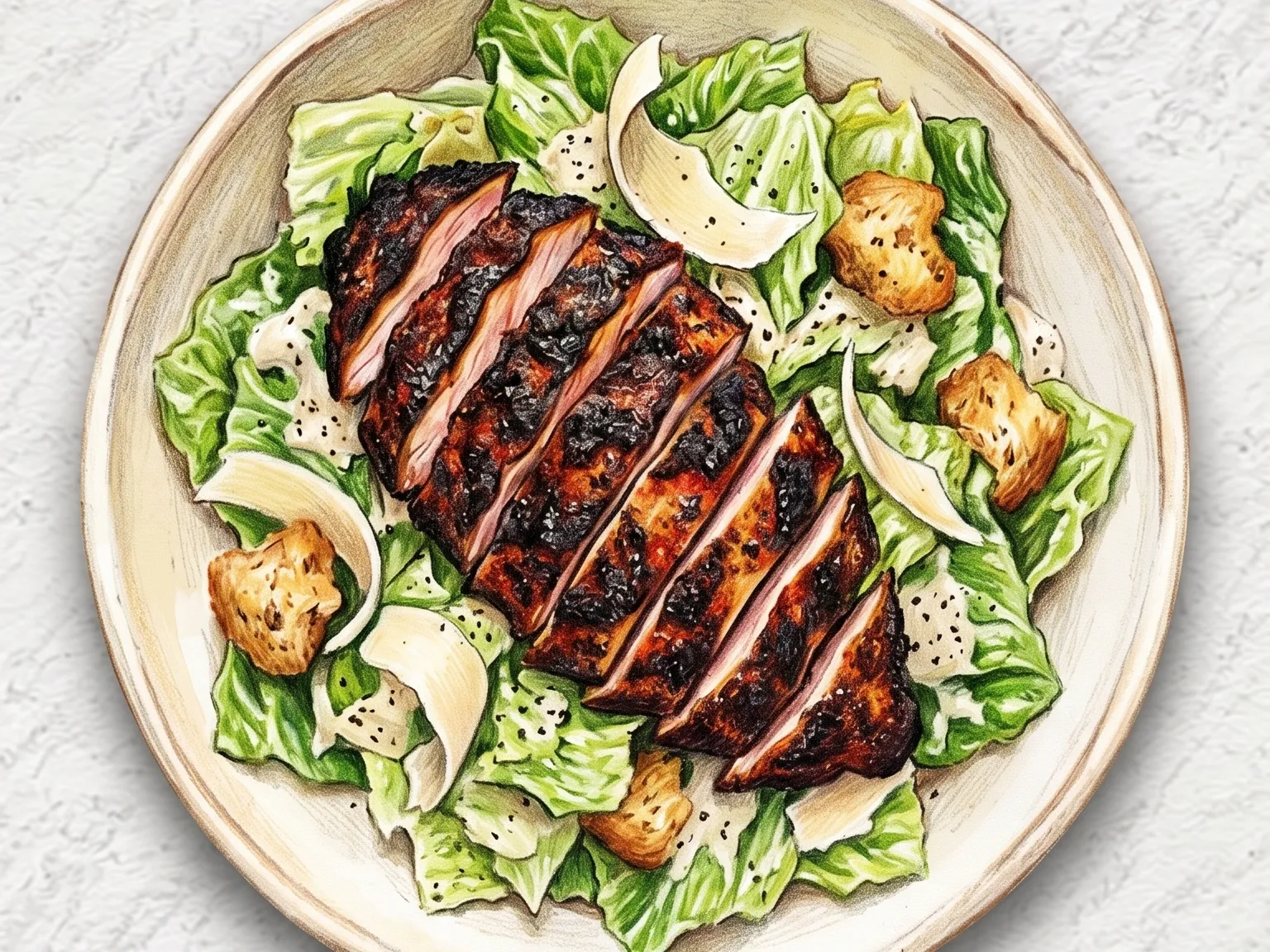
Blackened Chicken Caesar Salad
Blackened chicken Caesar salad starts with chicken breast coated thickly in paprika, cayenne, garlic powder, onion powder, and dried herbs before hitting a very hot, dry pan. The spice coating undergoes rapid charring at high temperature, forming a dark, smoky crust that seals in moisture and concentrates the spice aromatics on the surface of the meat. The interior of the chicken stays juicy because the charred crust acts as an insulating barrier, provided the pan is hot enough from the start. Creamy Caesar dressing, made with anchovy paste, egg yolk, lemon, and Parmesan, wraps around the cold, crisp romaine and the sliced hot chicken alike, moderating the cayenne heat without erasing the spice character entirely. Shaved Parmesan adds sharp, salty depth throughout, while croutons introduce a crunchy textural break against the tender chicken and limp lettuce. Because blackening generates substantial smoke, proper ventilation or an outdoor cooking setup is strongly recommended. The dish functions as a full main course rather than a starter salad.
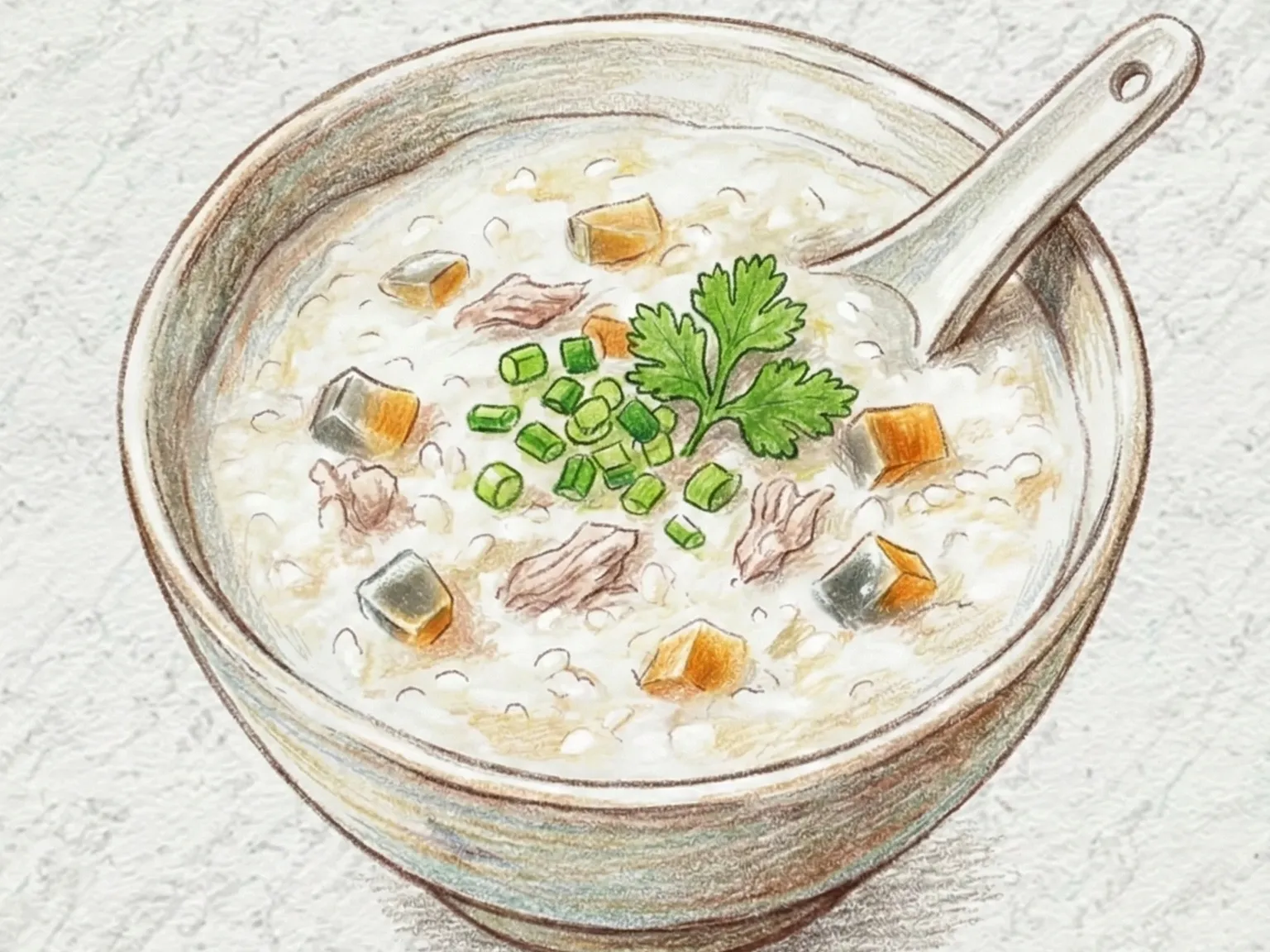
Century Egg and Pork Congee
Century egg and pork congee - pi dan shou rou zhou - is the defining Cantonese breakfast, served from dawn at congee shops across Hong Kong, Guangzhou, and the broader Pearl River Delta. The congee base demands a full hour of slow simmering over low heat, during which the rice grains break down entirely into a silky, fluid suspension. In Cantonese this texture is called sang shui - meaning the rice and water have become indistinguishable from each other - and anything short of that is considered undercooked. Lean pork is sliced thin and added during the final minutes, cooking through immediately in the residual heat of the porridge without toughening. Century egg - duck egg preserved in an alkaline mixture of clay, ash, and salt for several weeks - transforms dramatically in the process: the white sets into translucent, trembling amber jelly and the yolk becomes a creamy, dark-green semi-solid with a dense, sulfurous depth. Cubed and stirred through the porridge, the egg's alkaline richness cuts through the clean blandness of the rice base, while the pork provides a grounding savory note. White pepper, a few drops of sesame oil, and sliced scallion finish the bowl. The congee thickens rapidly once it leaves the heat, narrowing the window of ideal texture, so it must be eaten as soon as it is served.
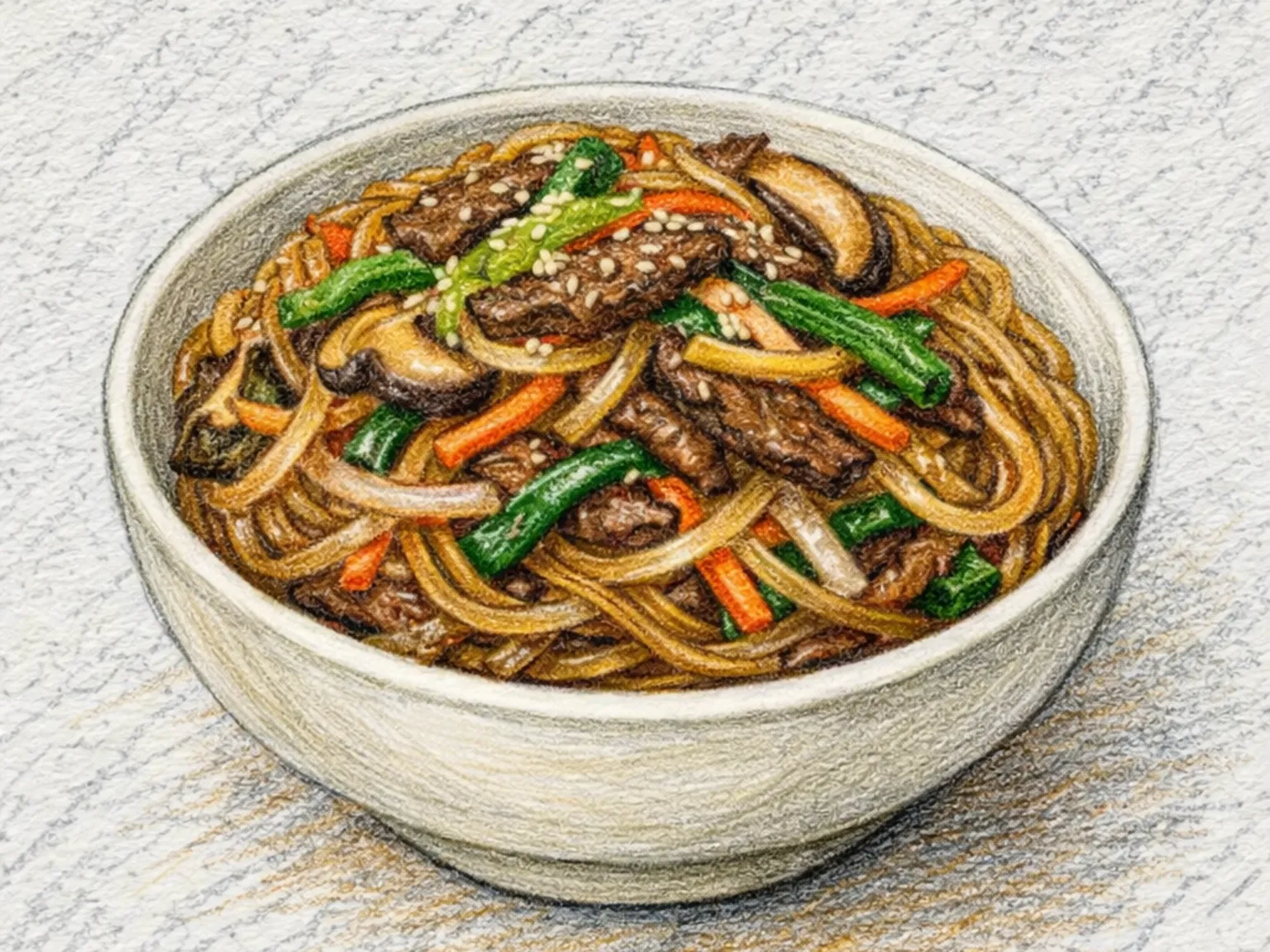
Korean Beef & Shiitake Japchae
Japchae originated as a Joseon royal court dish of stir-fried vegetables before sweet potato glass noodles were added to create the form recognized today. This version pairs glass noodles with soy-marinated beef and sliced shiitake mushrooms. Each component cooks separately: beef and mushrooms stir-fried with garlic, spinach blanched and squeezed dry, carrots and onions sauteed until just tender. A final toss with sesame oil brings everything together. The noodles should be translucent and springy, carrying a sweet-salty soy glaze into each forkful. A standard presence on every Korean holiday table at Chuseok, Seollal, and birthday celebrations alike.
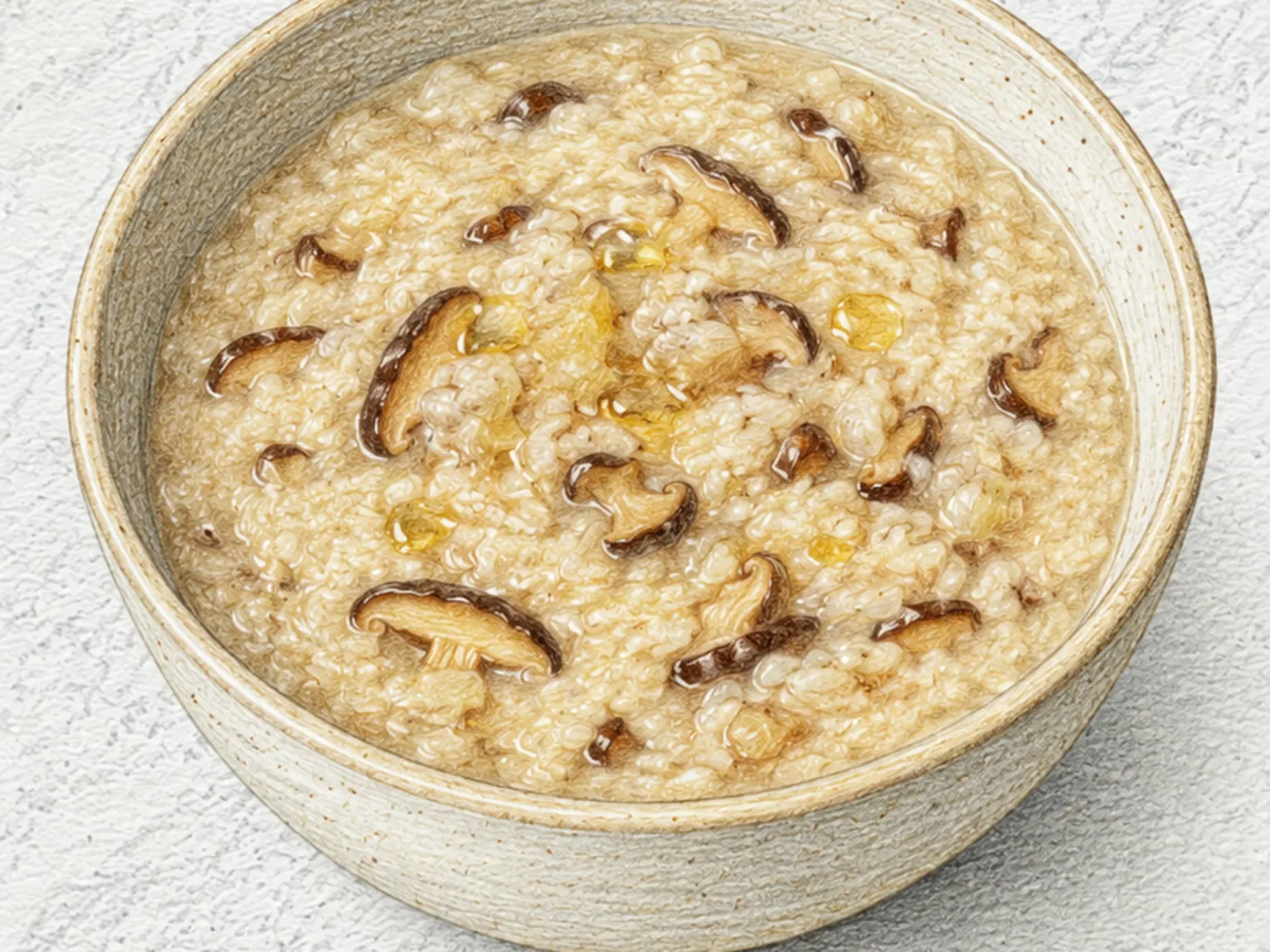
Korean Mushroom Porridge (Silky Shiitake Sesame Porridge)
Shiitake mushrooms and onion are sauteed in sesame oil to build a deep aromatic base, then simmered with soaked rice and water for 35 minutes until the grains break down into a silky porridge. Despite containing no meat, the natural glutamates in shiitake produce a full-bodied broth, sharpened with a finish of soy sauce and black pepper. Using rehydrated dried shiitake instead of fresh intensifies the woodsy fragrance further, and adding the soaking liquid to the pot deepens the broth even more. A few drops of sesame oil stirred in just before serving leave a nutty note in each spoonful. Mild and settling, it works as a morning meal or as something to eat when the stomach needs rest.
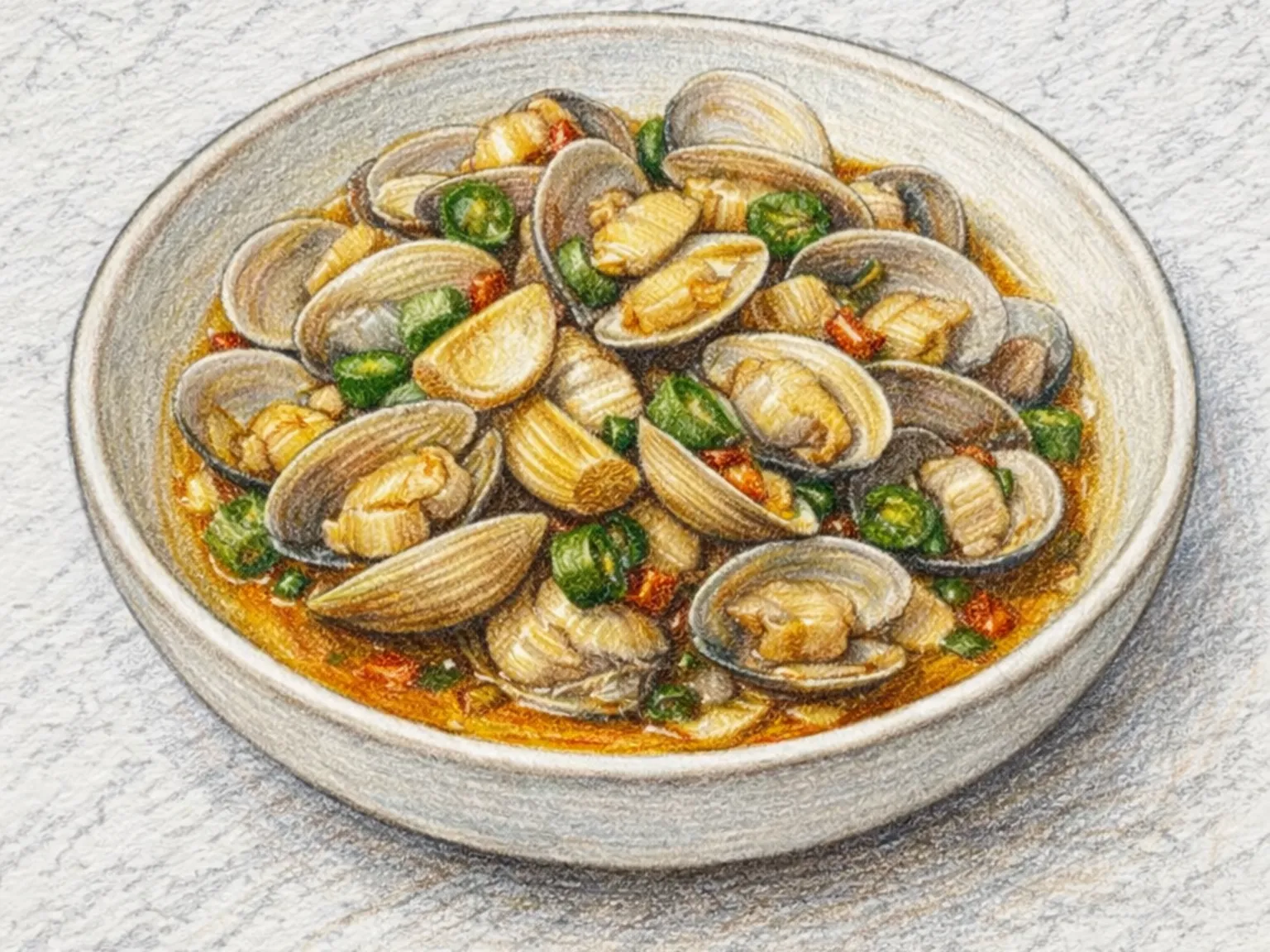
Korean Clam Stir-Fry (Manila Clams with Butter, Garlic and Chili)
Bajirak bokkeum is a Korean clam stir-fry where purged manila clams are cooked quickly over high heat with butter, garlic, and cheongyang chili. Thorough purging in salted water beforehand removes all sand and prevents grit from appearing in the finished dish. Rice wine goes in first with the lid closed, so the alcohol steam helps the clams open rapidly while eliminating any lingering briny or muddy off-notes. Once the shells open, butter is added and emulsifies naturally with the released clam juices, building a salty, savory sauce without any additional effort or thickening agent. Generous sliced garlic infuses the butter sauce with depth as it cooks, and the cheongyang chili introduces a bright, sharp heat that prevents the richness from becoming too heavy. A small measure of soy sauce adjusts the final seasoning, though it must be kept minimal because the clams already contribute their own pronounced salinity. Scallion is tossed in at the very end for a clean, herbal finish before the pan comes off the heat. Total cooking time must stay within three to four minutes: beyond that window, the clam meat contracts, toughens, and loses its tender, juicy texture entirely. The sauce left in the pan after eating is intensely concentrated with shellfish flavor and pairs exceptionally well with crusty bread for soaking up every last drop. The dish works equally as a drinking snack alongside beer or as a side with steamed rice, and frozen manila clams produce reliably good results when fresh ones are unavailable.
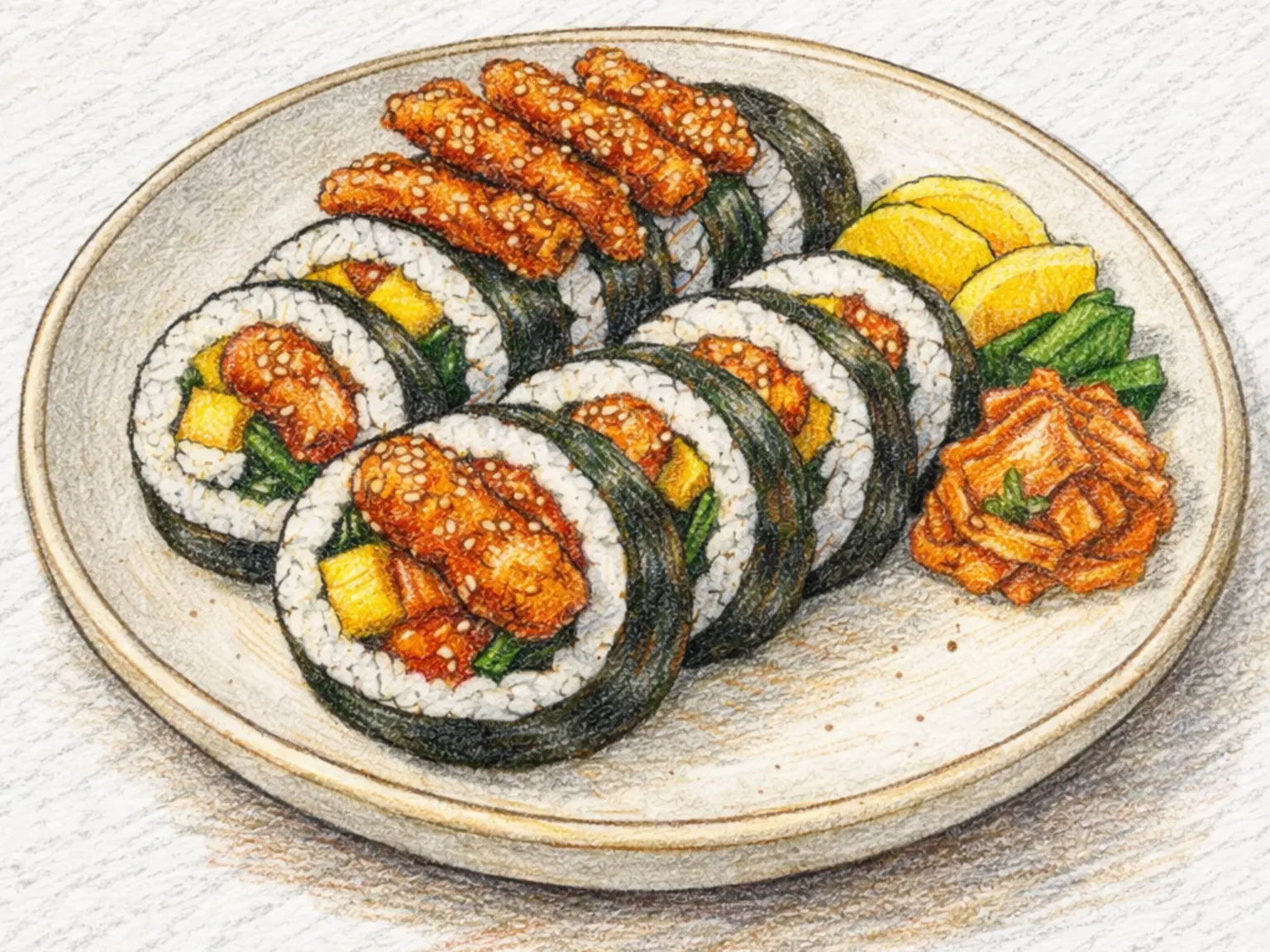
Korean Chicken Gimbap (Crispy Chicken Tender Seaweed Rice Roll)
Chicken gimbap is a Korean seaweed rice roll filled with air-fried crispy chicken tenders, sesame-salt seasoned rice, lettuce, and mayonnaise. The timing of assembly is important: the chicken must go in immediately after cooking while the fried coating is still hot and rigid, otherwise moisture from the rice and lettuce softens the crust before the roll is even finished. Mayonnaise forms a creamy layer between rice and chicken that also acts as a barrier, slowing moisture transfer and keeping each component distinct. Lettuce adds a fresh, cool crunch that balances the richness of the fried chicken and mayo. Laying the chicken pieces in a straight line before rolling produces an even cross-section when the gimbap is sliced. Mixing hot sauce into the mayonnaise creates a spicy version that can be scaled to taste. The roll travels well and is a reliable choice for packed lunches.
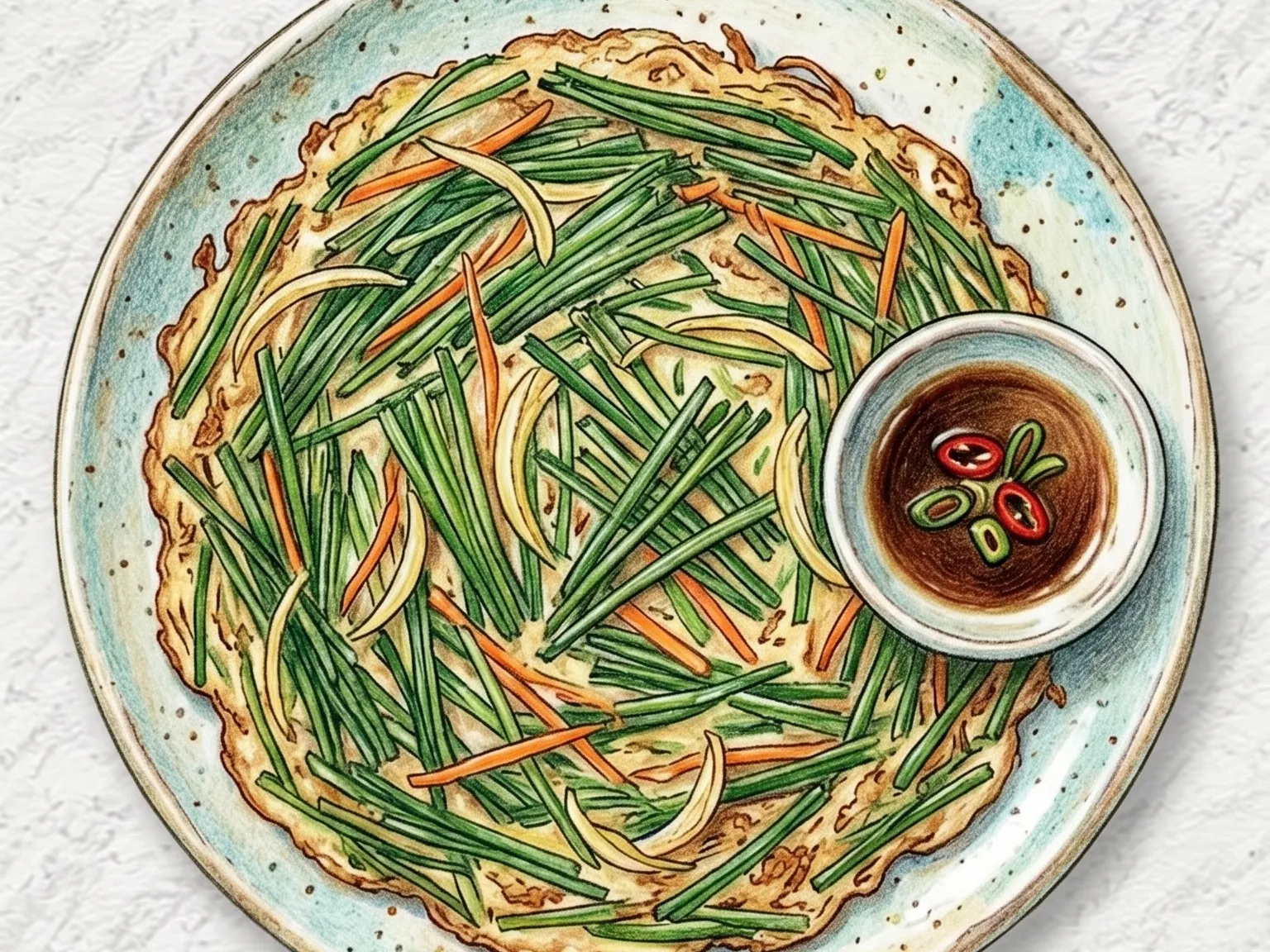
Korean Garlic Chive Pancake
Buchu-jeon is a Korean garlic chive pancake where a generous pile of chives is loosely bound in a thin batter together with julienned carrot and onion, then pan-fried until the edges crisp and turn golden. The chives carry a pungent, mildly spicy aroma that becomes more pronounced with heat, and cutting them to five centimeters prevents the pancake from tearing when flipped. The batter is intentionally thin and runny - a thick batter produces a doughy, steamed interior that smothers the chive flavor rather than framing it. Spreading each portion as flat as possible in the pan is the direct path to the crispy edges that define the dish. Frying multiple small pancakes holds crunch significantly better than attempting a single large one, since each piece spends less time on heat and cools more evenly. Served immediately off the pan with a dipping sauce of soy sauce sharpened with a small pour of vinegar.
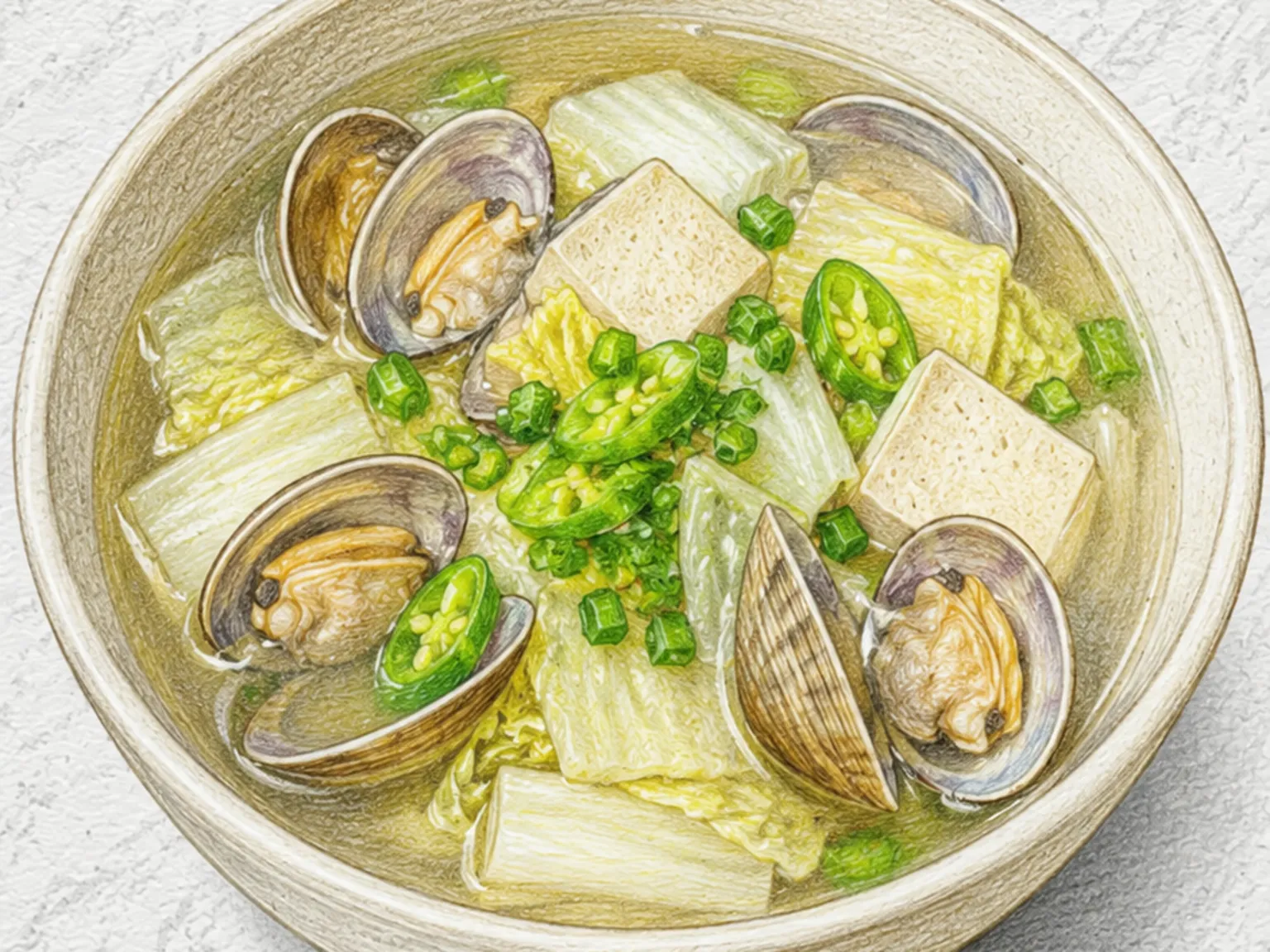
Korean White Kimchi Clam Soup
Baekkimchi bajirak guk is a clear Korean soup that brings together the gentle fermented acidity of white kimchi and the briny oceanic depth of manila clams in a single, unmuddied broth. Purged clams begin in cold water and are brought slowly to a boil so the rising temperature coaxes flavor from the shells gradually, building stock as they cook. Once the clams open they are lifted out, and the broth is strained through a fine sieve to eliminate any sand that clung to the shells. Chopped white kimchi is stirred into this clean clam stock, where its lactic sourness dissolves into the liquid and creates a flavor profile that reads simultaneously refreshing and layered. Adding the white kimchi brine as well deepens the acidity further, but its existing salt content demands a taste check before any additional seasoning goes in. Thick-cut tofu squares absorb the surrounding broth as they warm through, contributing a soft, substantial bite alongside their protein. A single cheongyang chili, sliced on the diagonal, introduces a measured sharpness that lifts the otherwise mild base without tilting the soup into heat-forward territory. Scallion should go in during the final thirty seconds of cooking rather than earlier; overcooked scallion loses the fresh, grassy aroma that punctuates the finish. Because this soup contains no gochugaru, the broth stays perfectly clear and pale, and the white kimchi sourness sharpens the clam umami from underneath rather than competing with it, producing a bowl that tastes more complex than its short ingredient list suggests.
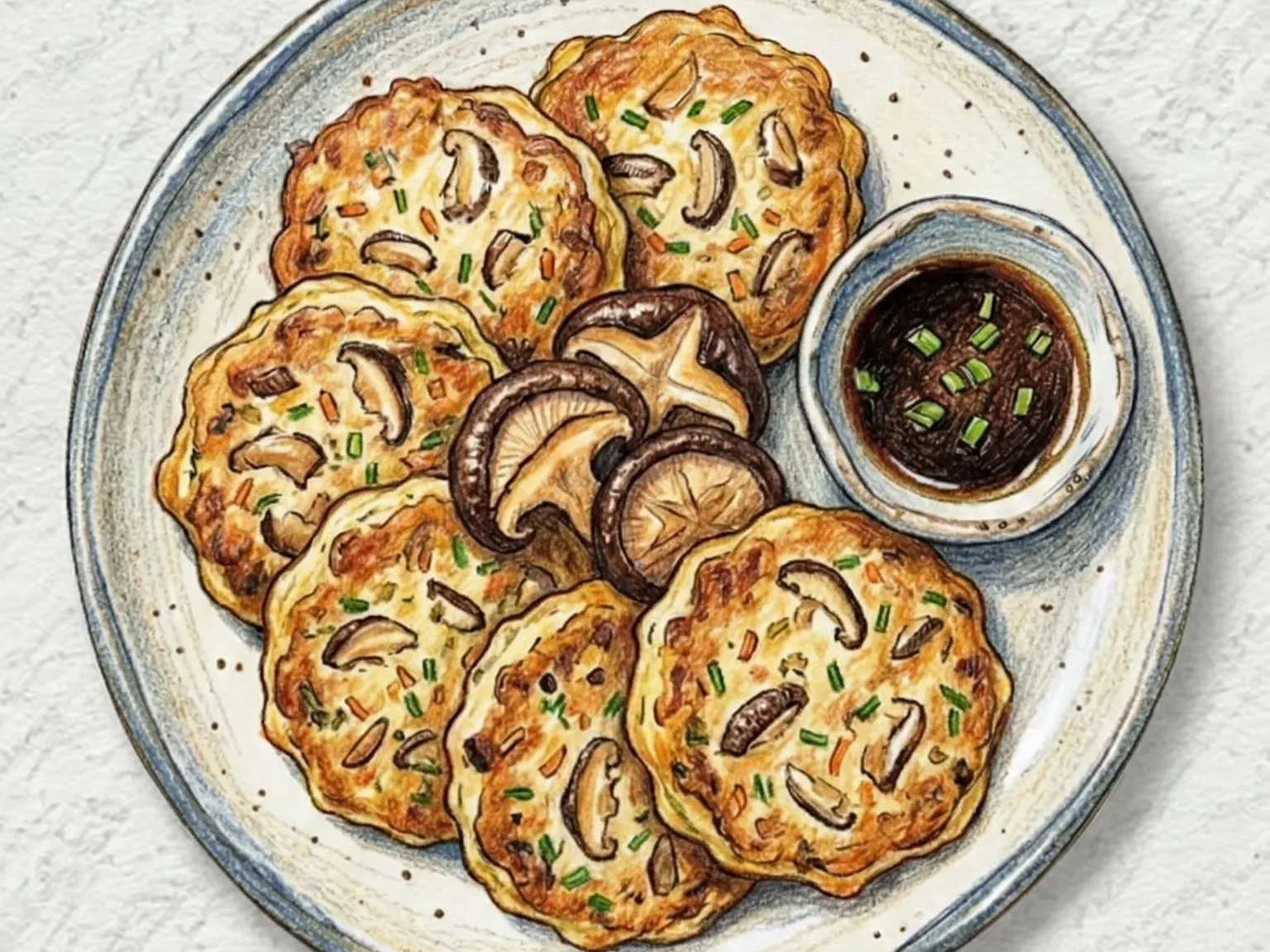
Korean Shiitake Tofu Pancake
Shiitake-tofu jeon is a savory Korean pancake made by finely chopping fresh shiitake mushrooms and firm tofu, then mixing them into a batter of pancake mix, egg, and a touch of sesame oil before pan-frying. The shiitakes contribute a meaty chew and pronounced umami depth, while the tofu lightens the texture and keeps the interior moist. Carrot and chives are added for color contrast and a fresh, slightly pungent bite. The egg binds everything together, and the sesame oil in the batter gives a nutty fragrance. Cooked uncovered over medium-low heat until both sides are golden, the exterior crisps up while the inside stays tender. When using dried shiitakes, soaking them in water first is worthwhile because the soaking liquid can be reserved for use in soups or braising liquid. Served with a dipping sauce of soy sauce and vinegar, the salty acidity sharpens the overall savory flavor.