🎉 Special Occasion Recipes
Impressive dishes for guests and special occasions
929 recipes. Page 17 of 39
When guests are coming, the menu needs a little extra care. This tag features impressive dishes suited for entertaining - galbi-jjim, japchae, and bulgogi for a Korean spread, or pasta and steak for a Western-style course.
The key to stress-free hosting is choosing recipes that allow advance preparation. Do the heavy lifting the day before, then finish plating when guests arrive. That way, you can relax and enjoy the meal together.
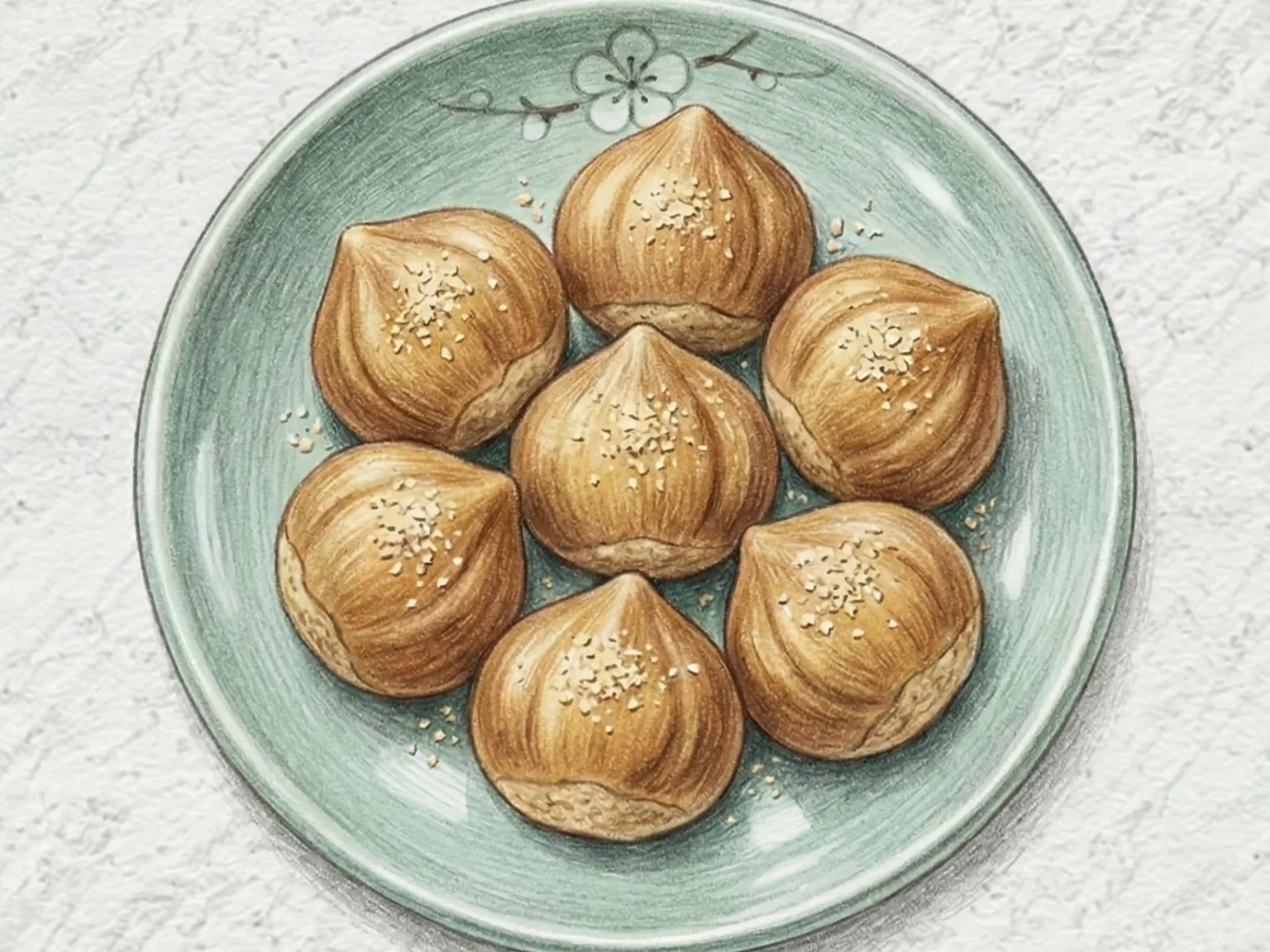
Sweet Chestnut Confection
Yulran is a traditional Korean chestnut confection that is prepared by boiling 300 grams of chestnuts in water for a duration of 20 minutes. Once the boiling process is complete, the chestnut flesh is removed from the shells and pressed through a fine sieve. This manual pressing continues until the texture becomes perfectly smooth. The purpose of using a sieve is to eliminate any grainy bits, which results in a chestnut paste with an even and velvety consistency. This puree is then kneaded together with a combination of honey and ground cinnamon. After the ingredients are thoroughly mixed, the paste is shaped into small, bite-sized rounds. The honey used in this recipe serves as both a source of moisture and a necessary adhesive. Its sticky property provides the strength required for the confection to hold its molded shape effectively without crumbling into pieces. Ground cinnamon is included to provide a warm spice note. This flavor is chosen because it complements the starchy and earthy sweetness of the chestnut rather than competing with the natural profile of the nut. Following the shaping process, each piece is rolled in ground pine nuts. This step coats the exterior in a mild nuttiness and introduces a subtle textural contrast against the smooth paste contained within. For a final visual touch, thin slices of jujube are placed on top as a garnish to provide a stroke of red color. The finished rounds are then placed in the refrigerator to chill for 15 minutes. This cooling period firms the surface of the paste just enough so that the confections can be picked up cleanly with the fingers without sticking to the skin. Historically, Yulran was a common fixture on the ceremonial and banquet tables of the Joseon court. It was valued for its clean and understated sweetness, which allows the natural flavor of the chestnut to remain the central focus.
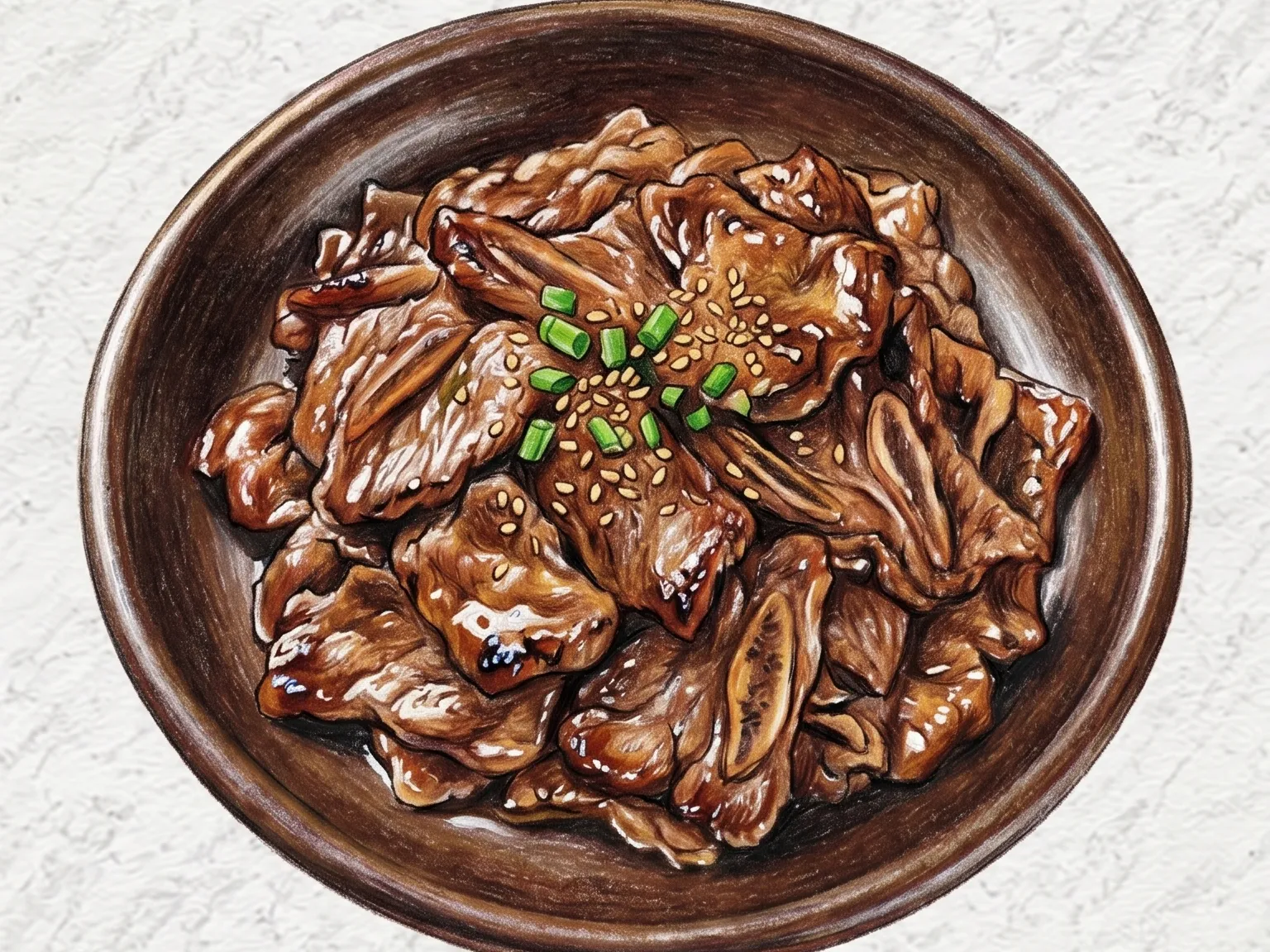
Korean Marinated Beef Short Rib Grill
Beef ribs or bulgogi-cut slices are marinated for at least an hour in a sauce of soy sauce, Korean pear juice, sugar, minced garlic, sesame oil, and black pepper. The pear's natural enzymes break down connective tissue while the soy-sugar combination penetrates deep into the meat. On a high-heat grill, the sugars in the marinade caramelize rapidly, forming a glossy, dark-brown glaze with visible char marks. Thin-cut pieces cook through in under four minutes total, and the interplay of charcoal smoke with the sweet-salty marinade defines the signature taste of Korean yangnyeom-gui.
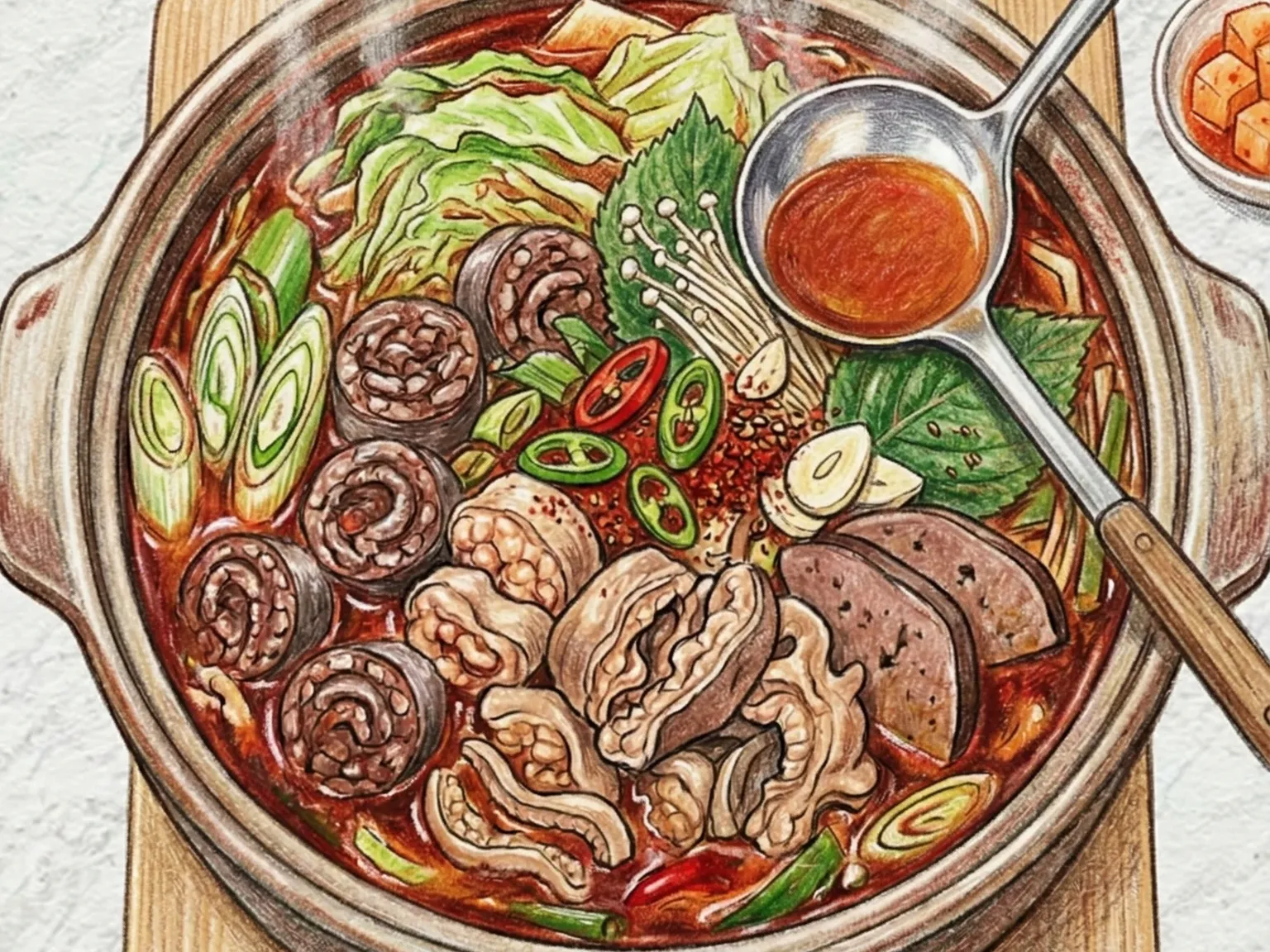
Korean Blood Sausage Hot Pot
Sundae-jeongol is a spicy Korean hot pot built around blood sausage, cooked together with cabbage, perilla leaves, and onion in a gochugaru-seasoned beef bone broth. The collagen-rich broth from ox bones forms the body of the soup, and combining gochugaru with a spoonful of doenjang transforms the base into something both fiery and deeply savory. The sundae heats through fully in the simmering broth, its filling of glass noodles and coagulated blood absorbing the liquid and becoming pleasantly dense and chewy. Doenjang softens the raw sharpness of the chili and adds fermented complexity that bare gochugaru cannot provide alone. Cabbage slowly releases its sweetness into the broth as it cooks down, while perilla leaves should be added just before serving to preserve their herbal aroma. The broth concentrates and deepens the longer the pot simmers, making it a dish that rewards eating slowly over time. A filling and convivial pot suited for cold-weather gatherings around a shared table.
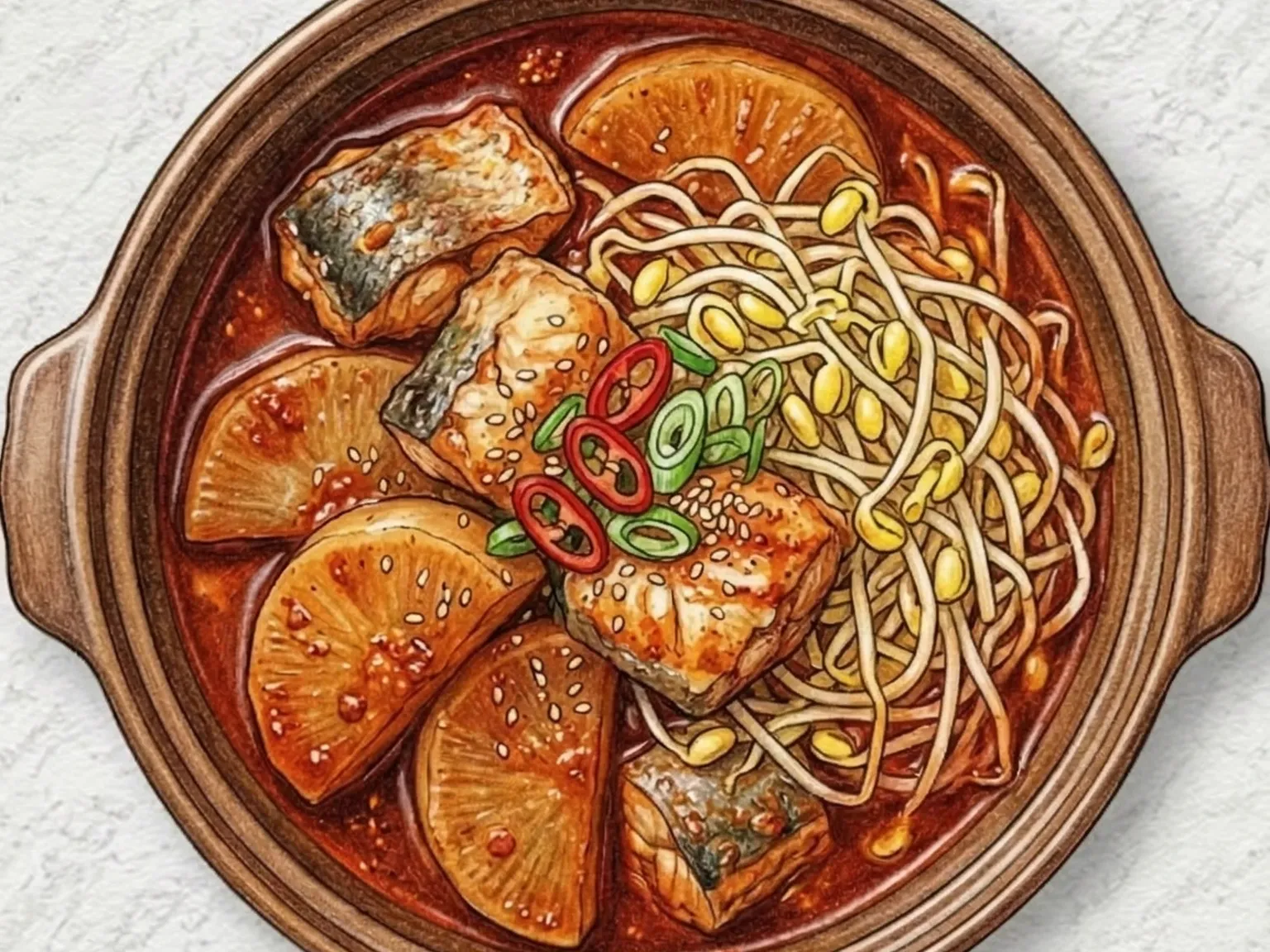
Korean Braised Pollock (Frozen Pollock with Radish in Spicy Sauce)
Dongtae-jjim is frozen pollock braised with Korean radish and bean sprouts in a sauce built from gochugaru, soy sauce, garlic, and ginger. Using frozen rather than fresh pollock is intentional - the freeze-and-thaw cycle gives the flesh a firm, lightly spongy texture that holds together well through braising in the spicy broth. Radish absorbs the chili-laced liquid and turns sweet against the heat, while bean sprouts retain crunch and add a clean, refreshing aftertaste. The sauce reduces to a shallow pool at the bottom of the pot, and spooning it over steamed rice is the standard way to eat this cold-weather staple. The flavor deepens the longer the ingredients sit in the braising liquid.
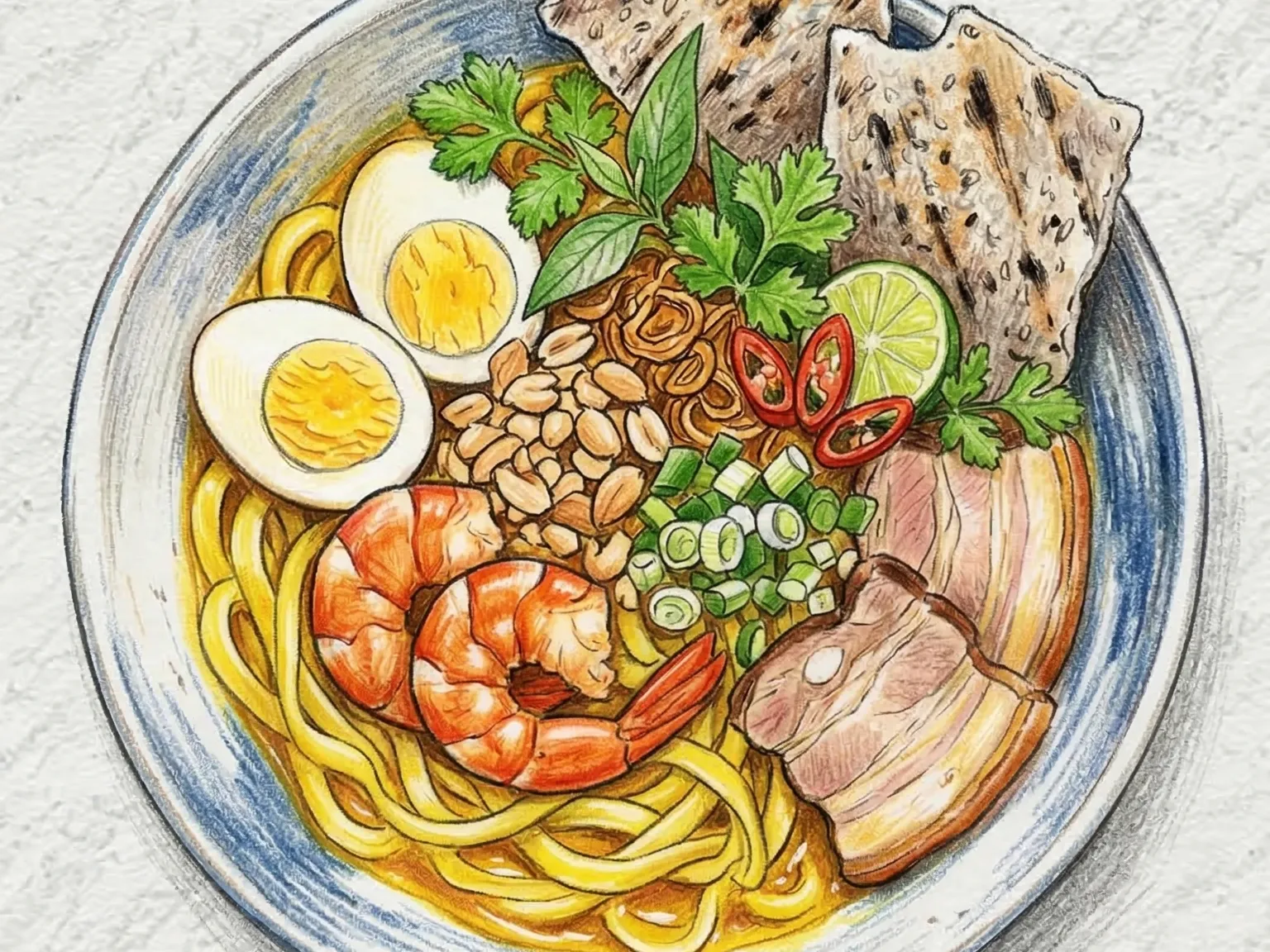
Vietnamese Mi Quang (Turmeric Noodles with Pork and Shrimp)
Mi quang is a noodle dish from the Quang Nam province in central Vietnam, built on wide, turmeric-tinted rice noodles dressed with pork, shrimp, and a deliberately small amount of intensely concentrated broth. The defining characteristic of the dish is that ratio. Where most noodle soups are meant to be submerged, mi quang uses just enough broth to moisten the noodles, making it closer to a dressed noodle than a soup bowl. Pork is marinated in fish sauce and turmeric before cooking, which simultaneously tints the meat yellow and saturates it with fermented savory depth. Simmering it briefly with chicken stock draws out a small volume of broth with a concentrated, meaty intensity that would taste overwhelmingly strong on its own but calibrates perfectly when distributed across a full serving of noodles. Shrimp are kept separate and cooked quickly by sautéing or grilling rather than simmering, which keeps them springy rather than soft. The noodles are cooked, rinsed under cold water so they do not stick, and placed in a bowl before the meat, shrimp, and broth go on top. Bean sprouts add a raw crunch that contrasts directly with the soft noodles, while crushed roasted peanuts contribute a dry, nutty texture that absorbs some of the broth. A squeeze of lime at the end sharpens the entire flavor profile and balances the richness.
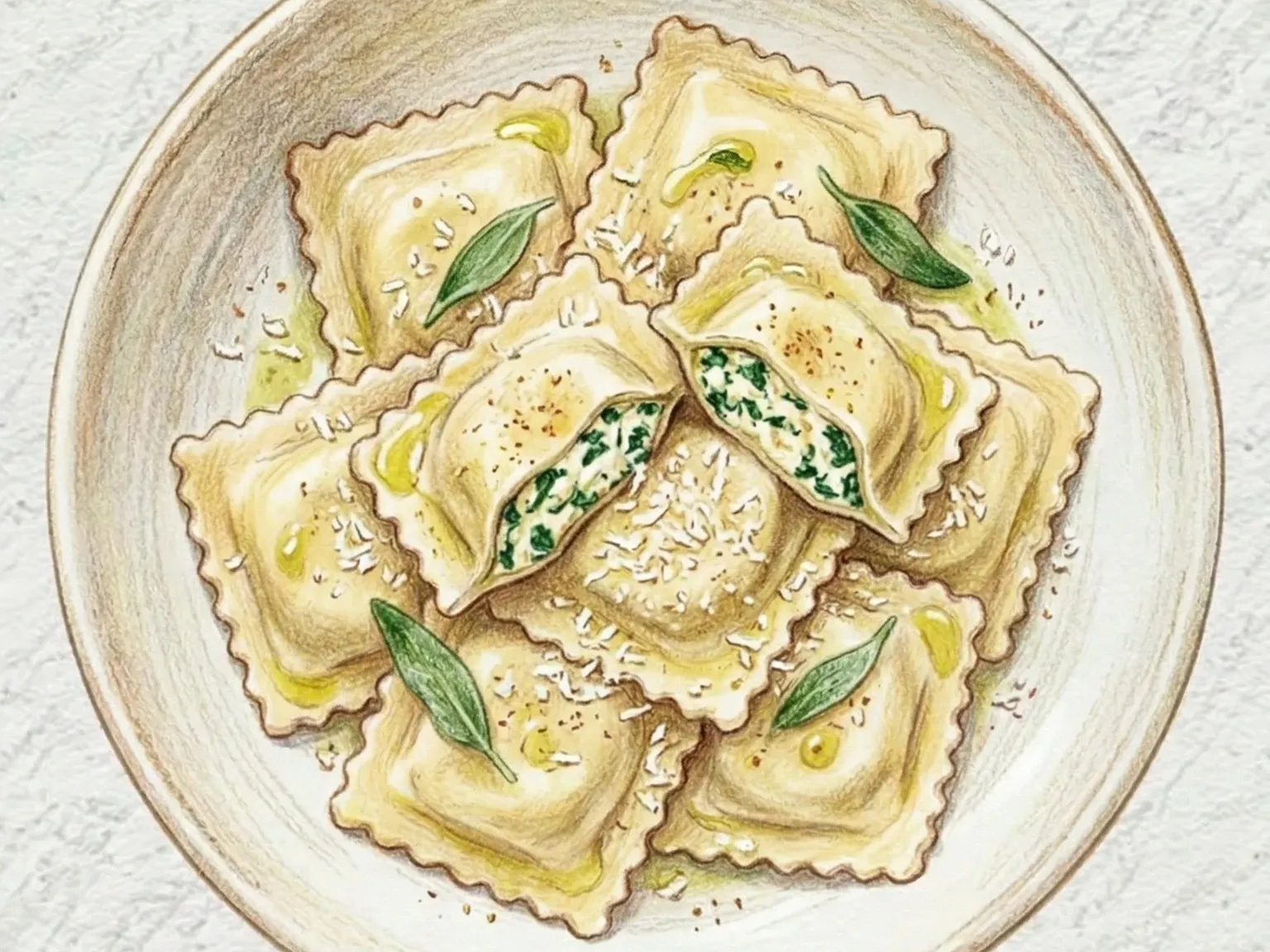
Tofu Ricotta Spinach Ravioli
Tofu ricotta spinach ravioli is a pasta dish featuring a filling made from firm tofu that has been thoroughly pressed, combined with ricotta cheese, blanched spinach, Parmigiano Reggiano, and a measured amount of nutmeg, all of which are enclosed within sheets of fresh pasta. The inclusion of tofu serves to diminish the heavy richness often associated with ricotta, although it ensures that the internal mixture maintains a consistency that is both smooth and creamy. The nutmeg provides a warm spice element that functions to bridge the flavor gap between the earthy qualities of the spinach and the various dairy ingredients. It is essential to press the tofu until the vast majority of its liquid content has been removed. Failure to eliminate this excess water will result in a filling that is too thin, which subsequently makes it difficult to achieve a clean and effective seal on the pasta sheets. To prevent the ravioli from opening or splitting during the boiling process, the edges of the pasta must be crimped firmly using a fork. This technique establishes a tight seal capable of withstanding the three to four minutes of cooking time required for the dish. Once the ravioli has been drained, it should be immediately transferred into brown butter infused with sage and tossed for approximately thirty seconds. This specific step prevents the exterior surface of the pasta from becoming dry and ensures that every piece is evenly coated in a layer of herb-scented fat. Since the boiling period is quite short, the subtle and delicate flavors contained within the filling are successfully preserved. This recipe is designed to yield four servings, which makes the dish a suitable option for a dinner event where the visual presentation of the food is a priority.
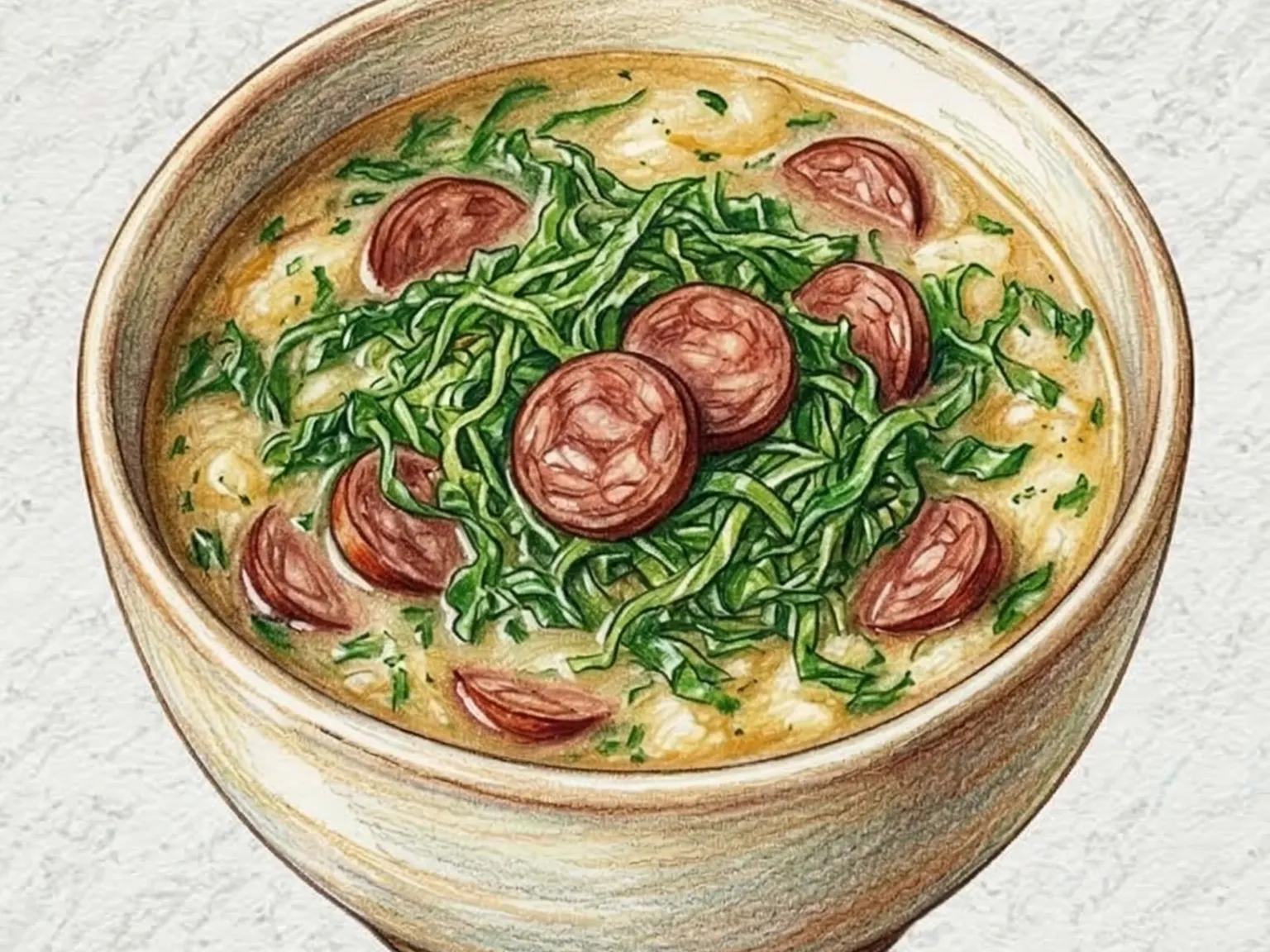
Caldo Verde (Portuguese Potato Soup with Kale and Sausage)
Caldo verde is Portugal's most emblematic soup, originating in the Minho region of the north and eaten across the country at festivals, family tables, and everyday meals. A base of potatoes and onion is simmered in water until the potatoes fall completely apart, then blended smooth so the natural starch thickens the soup without any added cream, flour, or roux. The result is a velvety texture built entirely from vegetables and water. Sliced smoked chourico or linguica is added next, and as the sausage heats through its rendered fat and smoky salt diffuse through the broth, adding depth and richness that a plain potato soup cannot offer. Collard greens or kale are cut into the thinnest possible ribbons and cooked for only the final eight minutes, which keeps the color vivid green and the texture slightly resistant to the bite. Overcooking dulls the color to olive and turns the leaves soft and stringy. A drizzle of olive oil over each bowl and thick slices of broa, a dense Portuguese cornbread, alongside the soup allow the broth to soak into the crumb and complete what is otherwise a simple but deeply satisfying meal.
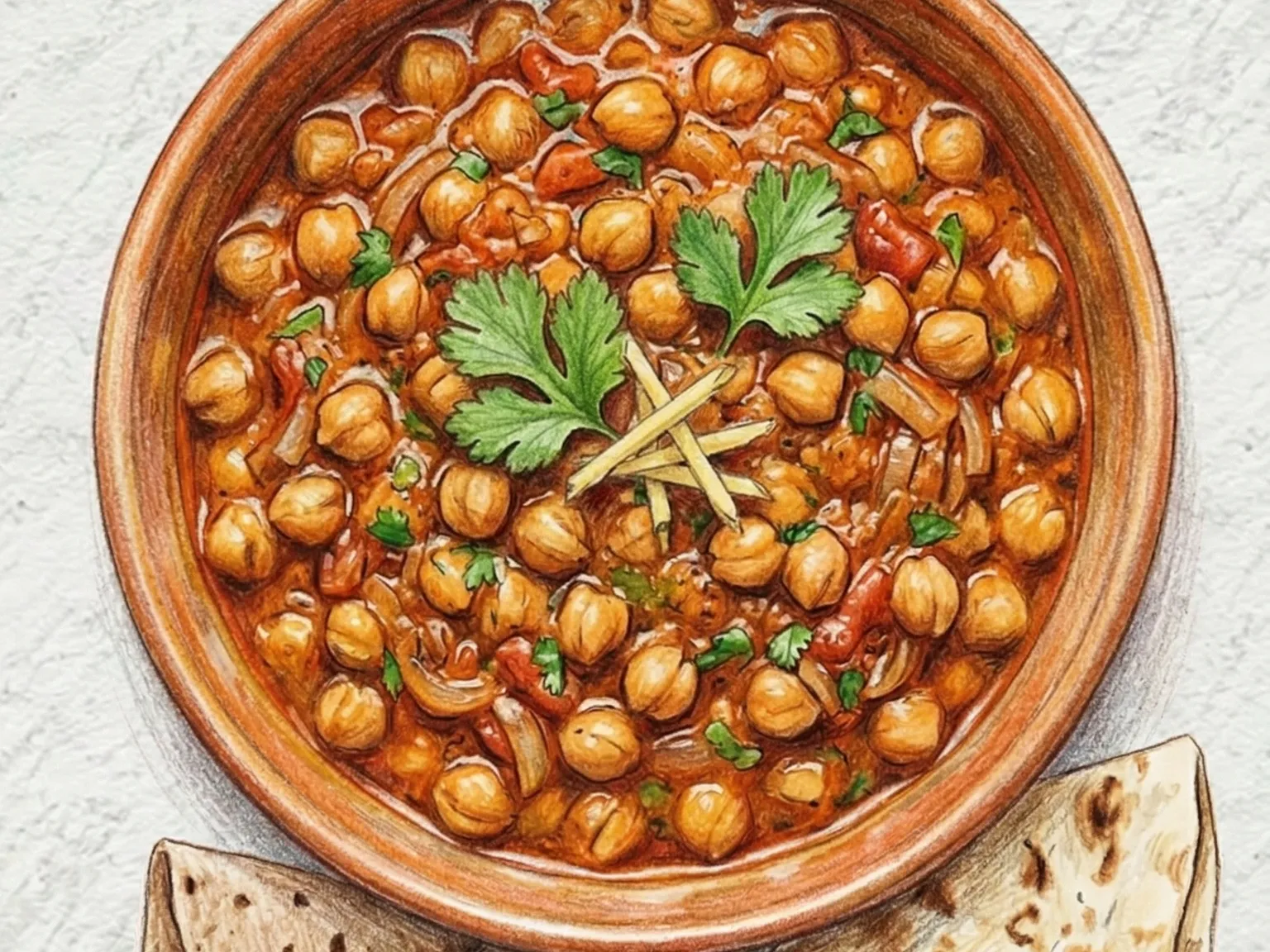
Chana Masala (Punjabi Spiced Chickpea Tomato Curry)
Chana masala is a staple of Punjabi home cooking and one of the most widely eaten vegetarian dishes across North India, found on the menus of dhabas, railway canteens, and five-star hotel restaurants alike. Dried chickpeas are soaked overnight and pressure-cooked until they hold their shape but yield when pressed -- the texture of the chickpea matters as much as the sauce around it. The sauce builds from finely diced onions fried until deeply browned, which provides natural sweetness and body without any cream. Tomatoes cook down with coriander, cumin, turmeric, garam masala, and amchur -- dried mango powder -- which contributes a tart, fruity acidity that sets this preparation apart from other chickpea curries and gives it a distinctive brightness no other spice replicates. The sauce should be thick and clingy, not soupy; each chickpea gets coated in a dark, spiced layer rather than sitting in loose liquid. Topped with sliced raw onion, green chili, and a squeeze of lemon, the dish pairs with bhatura -- fried bread -- as the iconic Punjabi street-food duo known as chole bhature. Scooped up with roti, the same preparation becomes an everyday weeknight meal that costs almost nothing to make.

Canelé (Bordeaux Caramelized Rum Vanilla Custard Cake)
Canele is a small French pastry from Bordeaux with a caramelized, deeply browned exterior and a soft, custardy interior perfumed with vanilla and rum. The batter combines milk, eggs, flour, sugar, vanilla bean, and dark rum into a simple mixture, but the technique demands patience. The batter must rest overnight in the refrigerator to relax the gluten and allow the flavors to integrate fully. Traditional copper molds are coated with beeswax before each bake, and this coating is what produces the distinctive lacquered, almost brittle crust during high-temperature baking. When you bite through the shell, it splinters and crackles to reveal the yielding, moist custard beneath, and this dramatic contrast in texture is what makes the pastry remarkable. The vanilla and rum deepen as the surface caramelizes over the long bake, producing a complexity of flavor that far exceeds the simplicity of the ingredient list. Caneles are best eaten within one to two hours of leaving the oven, after which moisture migrating outward from the center gradually softens the crust.
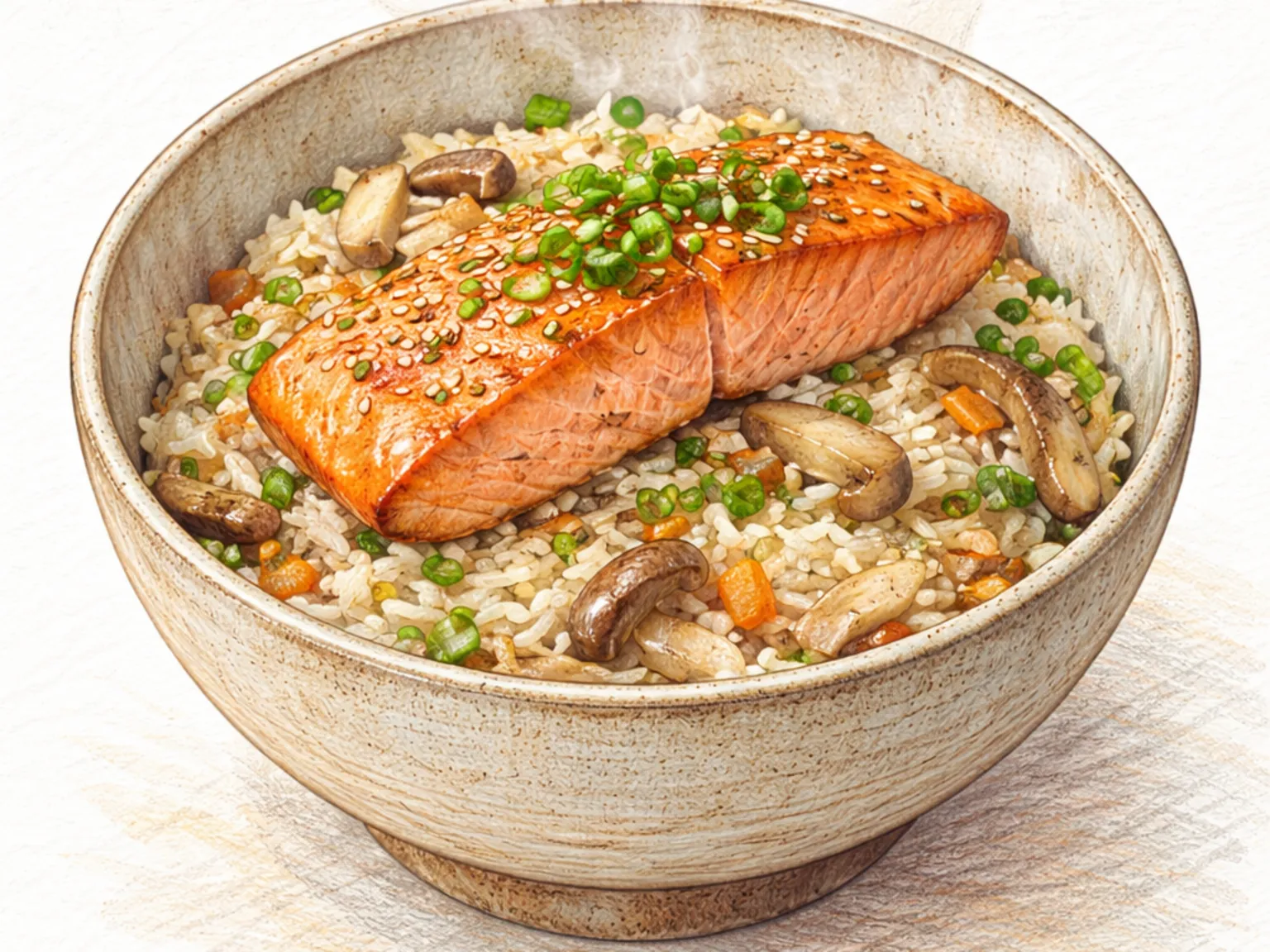
Korean Salmon Pot Rice (Salmon Fillet Steamed Directly on Rice)
A whole salmon fillet is placed directly on top of rice in a heavy pot before cooking begins. As the rice steams, the salmon's oils melt downward and seep between the grains, lending a natural richness and sheen without any added fat. During the resting stage the fish finishes cooking gently, turning tender enough to flake apart with chopsticks and mix evenly through the rice. A soy-wasabi sauce drizzled over the bowl and stirred in adds a sharp, salty kick that carries through to the last spoonful.
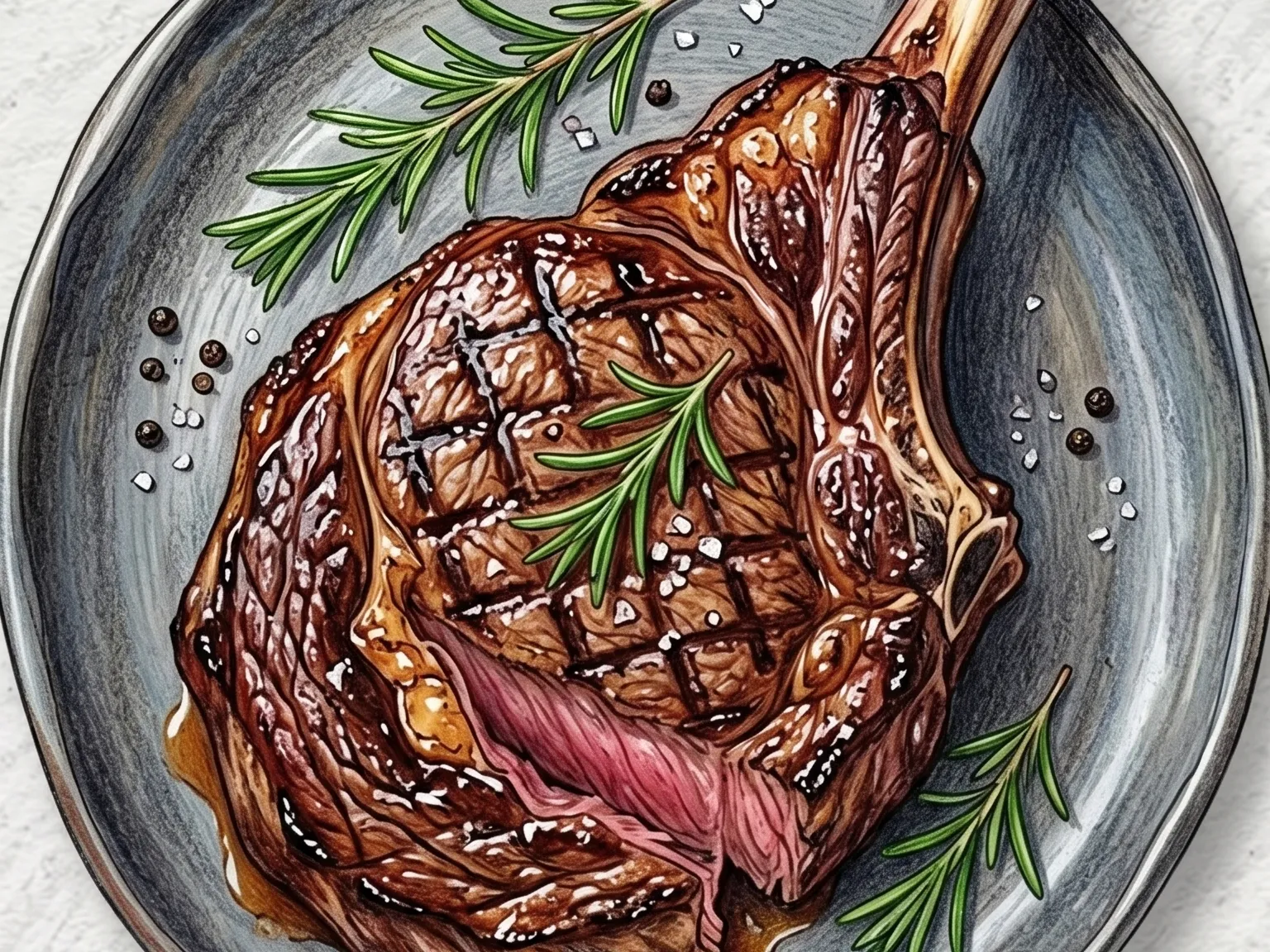
Grilled Tomahawk Steak
Grilled Tomahawk Steak is prepared by cooking a thick, bone-in ribeye cut to achieve a seared exterior and juicy interior. The steak must be taken out of refrigeration one hour before cooking to ensure the core reaches room temperature, which prevents uneven cooking. After patting the surface dry, the meat is seasoned with salt, black pepper, and olive oil. Searing the steak in a preheated hot pan creates a deep Maillard crust. The heat is then reduced to add butter, rosemary, and crushed garlic. Continuous spooning of the melted butter over the meat coats the surface with aromatics. Due to the thickness of the cut, the steak is finished in the oven and then rested for ten minutes to allow the juices to redistribute evenly before slicing.
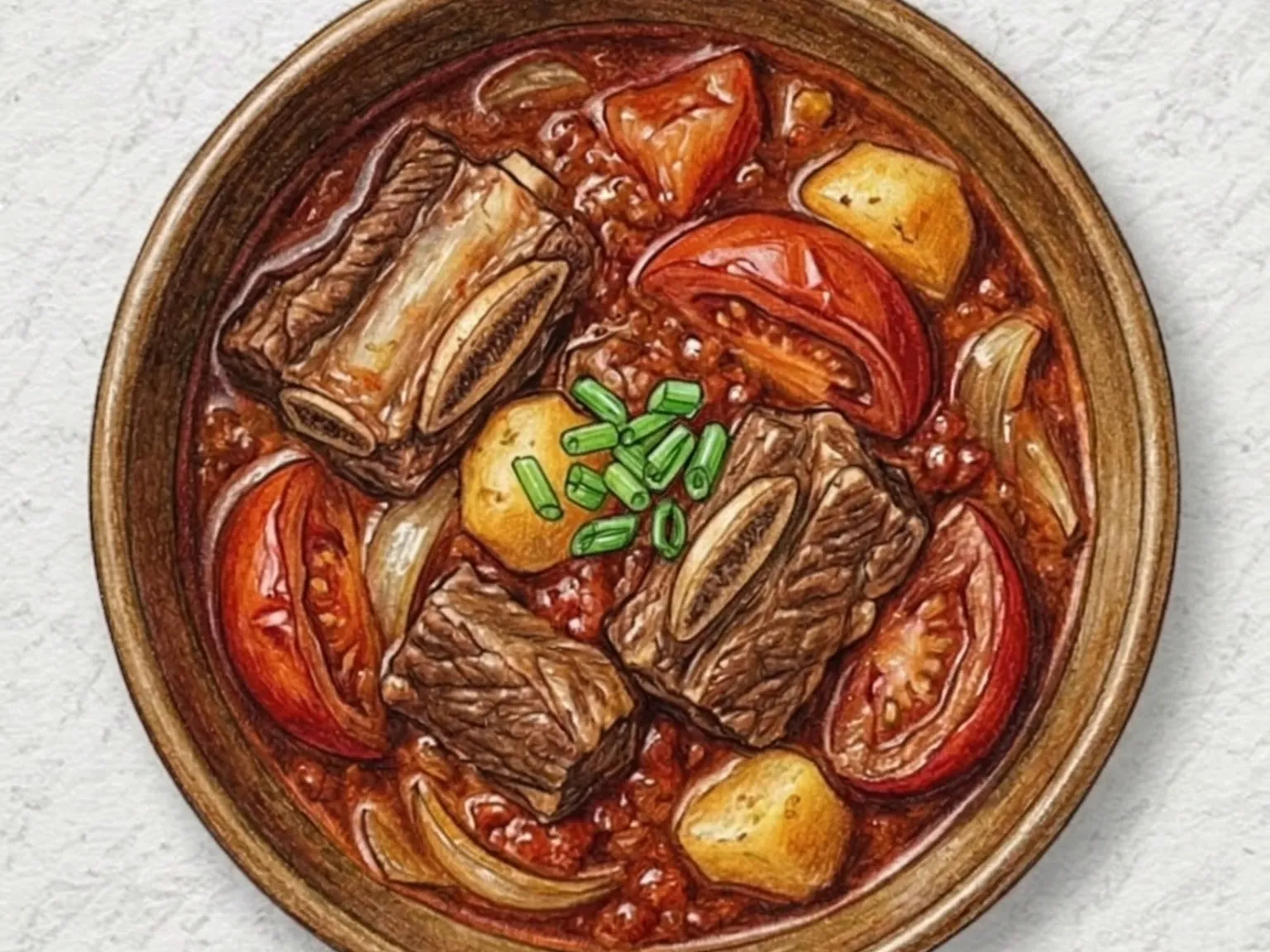
Korean Tomato Beef Rib Stew
Tomato galbi jjigae is a fusion Korean stew that combines beef short ribs with ripe tomatoes in a spicy broth seasoned with gochujang and gochugaru. The preparation requires soaking the ribs to remove blood, followed by a ten-minute blanching step to eliminate impurities. The ribs are then simmered with onions and minced garlic for twenty-five minutes to extract a golden beef stock. Ripe tomatoes and large potato chunks are added to the pot along with soy sauce, chili paste, and chili powder. As the mixture simmers for twelve minutes, the natural acidity of the tomatoes balances the rich fat from the ribs, creating a thick, savory broth. The potatoes cook until soft and floury, adding substance to the stew. The dish is finished by letting it rest off the heat for three minutes, ensuring the beef ribs become tender throughout.
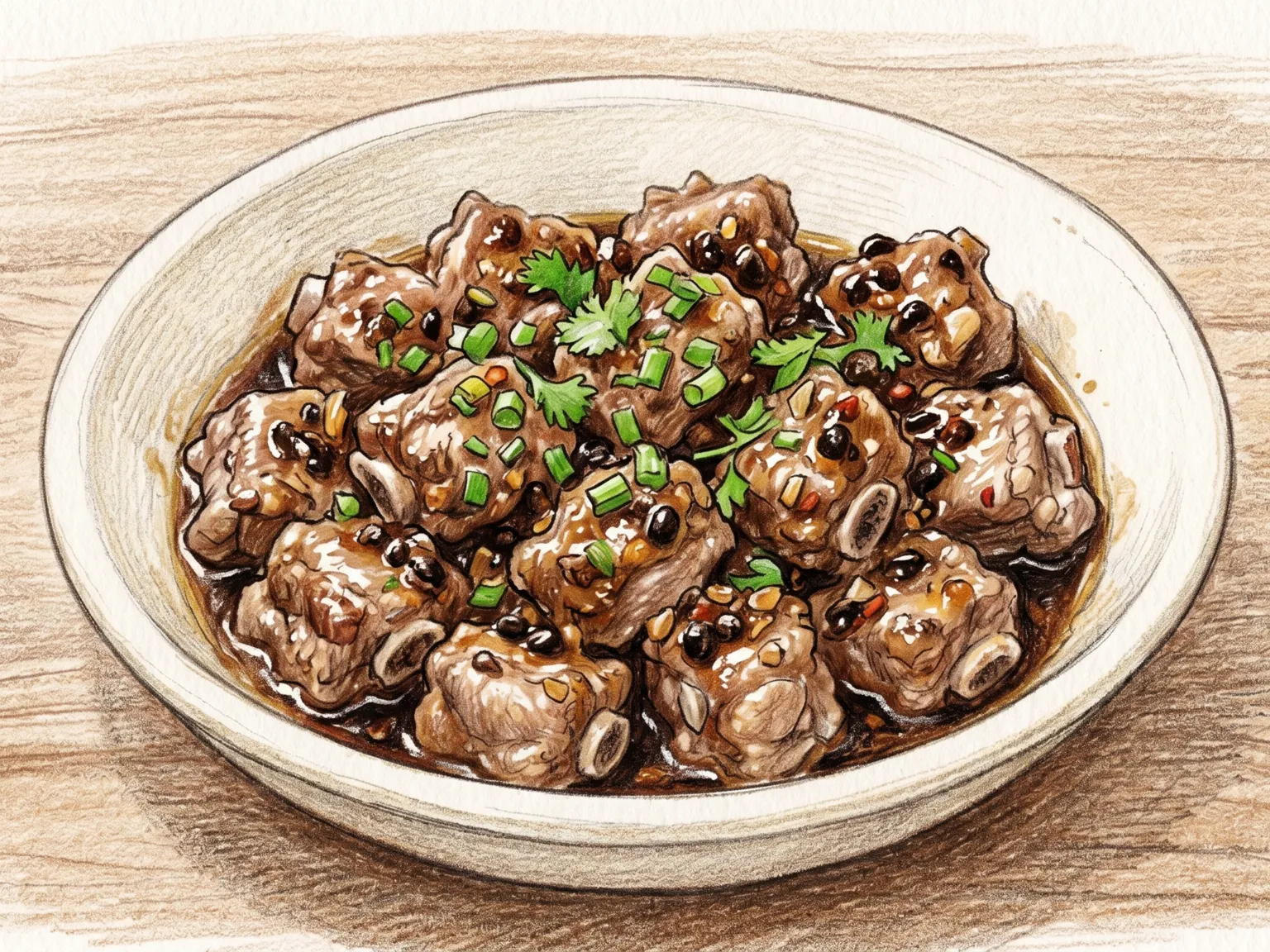
Steamed Pork Ribs with Black Bean Sauce
Douchi paigu is a Chinese-style steamed pork rib dish where the ribs are marinated in fermented black beans, soy sauce, garlic, and Shaoxing wine, then coated with starch before going into the steamer. The fermented black beans carry a salty, complex savory depth that penetrates the meat throughout the marinating period. The starch coating forms a thin seal over the surface, locking in moisture so each piece stays tender rather than drying out under steam. Maintaining high heat throughout steaming is important - steady, vigorous steam circulates evenly and cooks the ribs through without drying them. Sesame oil is added just before serving to preserve its fragrance. Because the ribs are steamed rather than fried, the dish has a clean, light quality while still carrying the bold flavor of the fermented beans. Douchi paigu is one of the most recognized items on a dim sum menu.
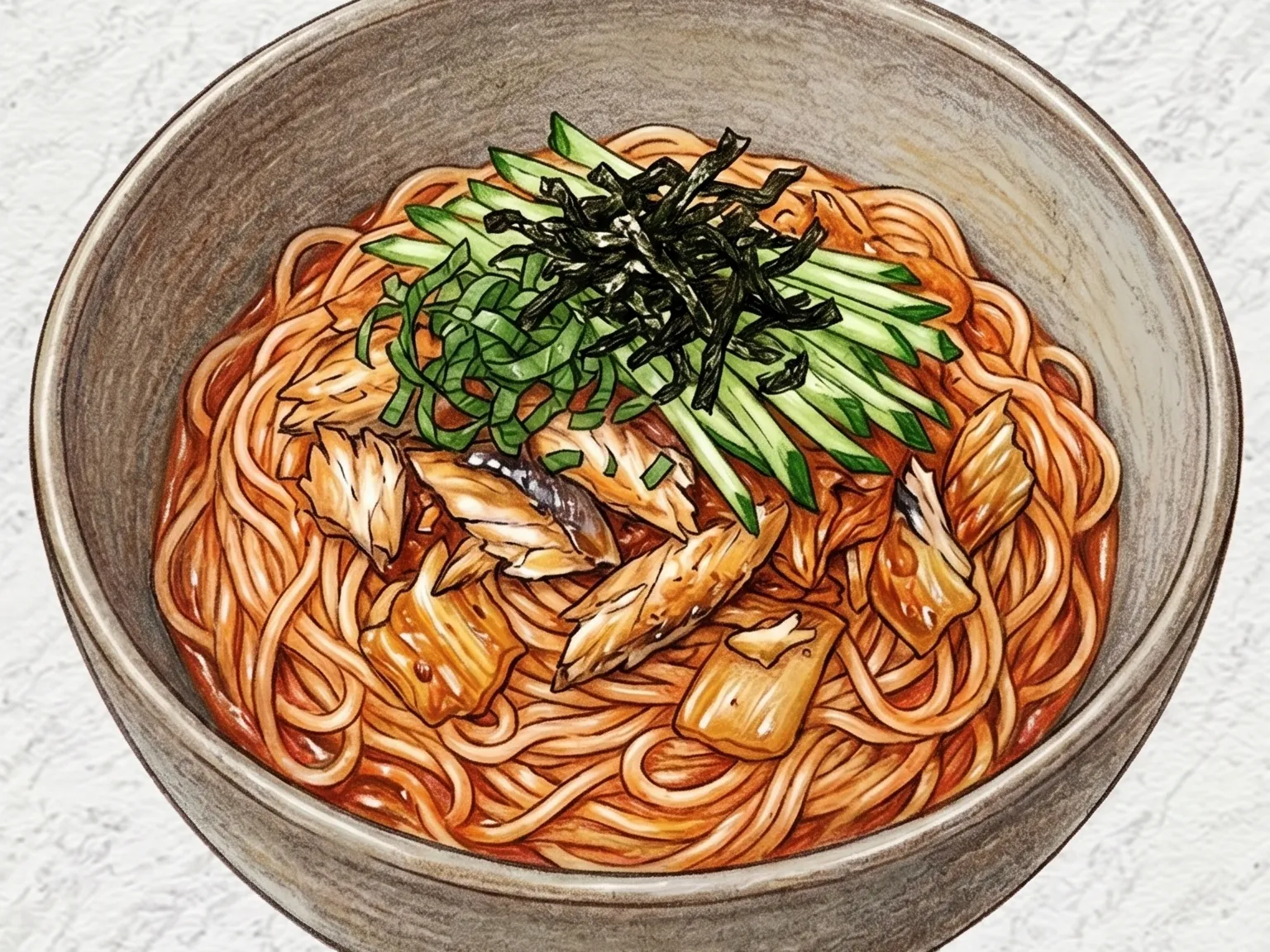
Korean Aged Kimchi Mackerel Bibim Noodles
Pan-searing mackerel until golden and pairing it with stir-fried aged kimchi creates a multi-layered Korean noodle bowl. Sprinkling salt over the fish for ten minutes draws out excess moisture to minimize any fishy scent. Once the fillet is crispy and flaked, the meat integrates easily into the noodles without the hindrance of bones. Stir-frying the aged kimchi for two minutes mellows its sharp acidity while anchoring the fermented profile of the dish. The dressing uses a base of gochujang and gochugaru, balanced with plum syrup, vinegar, and sesame oil to provide spicy, sweet, and tangy elements in every bite. Adding a touch of doenjang strengthens the connection to the fermented kimchi and builds a solid base of flavor. Draining the wheat noodles completely ensures the sauce stays concentrated and clings to each strand. Sliced cucumber and roasted seaweed flakes add texture and a hint of the sea to cut through the mackerel's natural oils, while julienned perilla leaves contribute a refreshing herbal scent. Mixing hot rice into the sauce remaining at the bottom of the bowl provides a final way to finish the meal.
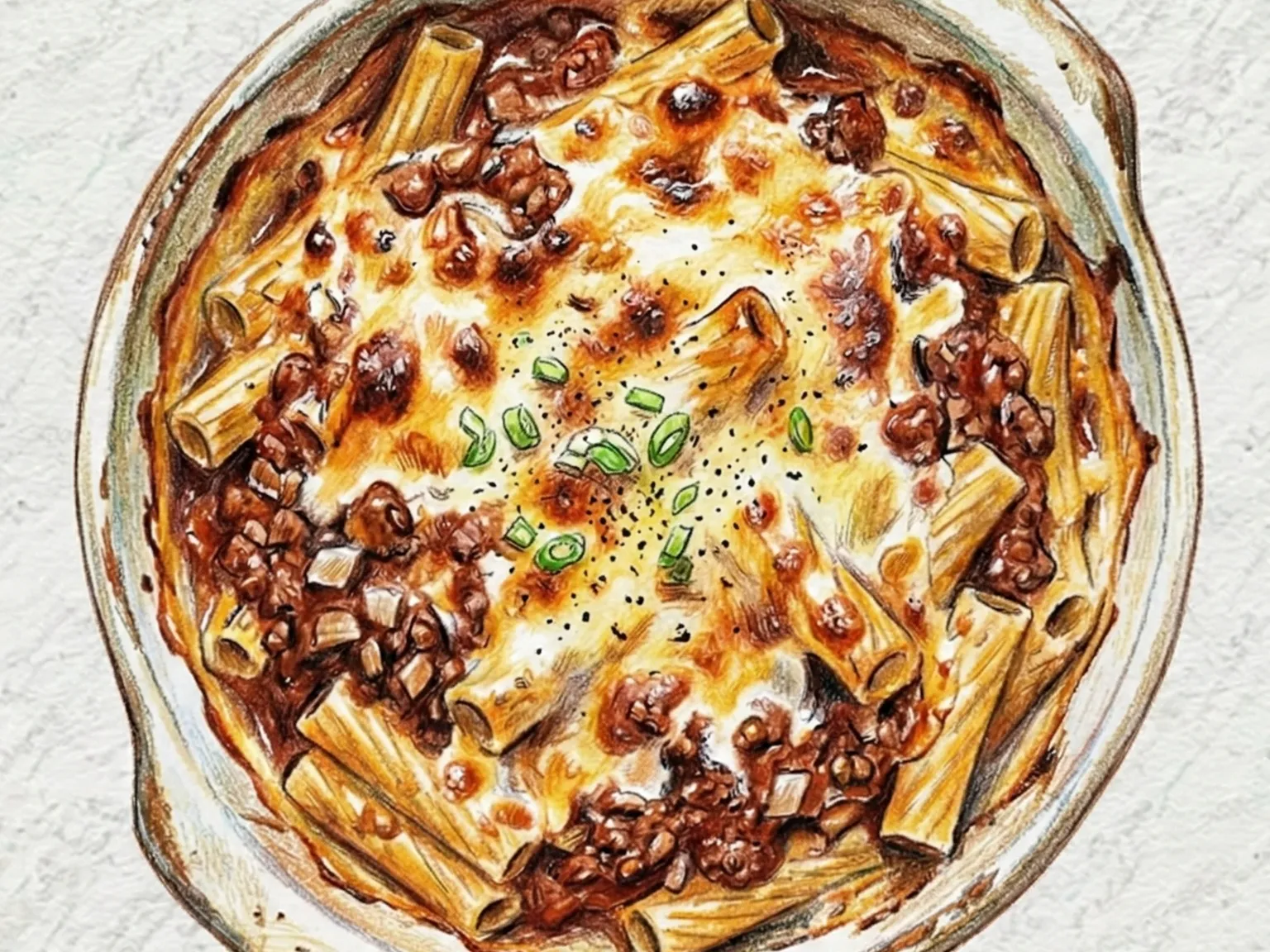
Tteokgalbi Ragu Ziti Bake (Korean BBQ Ziti Gratin)
Tteokgalbi ragu ziti bake starts with ground beef seasoned and browned in soy sauce and sugar, a step that reproduces the sweet-salty profile of Korean grilled tteokgalbi rather than a standard Italian soffritto base. Tomato puree and gochujang are then added and reduced together for 12 minutes. The gochujang contribution goes beyond simple heat; its fermented complexity adds a savory depth that distinguishes this ragu from a conventional bolognese. Undercooking the ziti by two minutes before it goes into the oven is important: pasta that enters the oven already fully cooked will turn soft and mushy by the time the bake is done. Even coverage of mozzarella followed by 12 to 15 minutes at 200 degrees Celsius produces a surface that caramelizes to a golden crust while the interior remains moist. The recipe yields four portions and is designed to be served directly from the oven dish, making it practical for a family dinner or a small gathering.

Calzone
Calzone rolls pizza dough into a circle, fills one half with ricotta, mozzarella, diced ham, and fresh basil, then folds into a half-moon shape, seals the edges with a fork, and bakes until golden at 220 degrees Celsius. Leaving a two-centimeter border free of filling is critical -- overstuffing causes steam pressure to burst the seam during baking. Brushing a thin line of water along the edge before pressing firmly with a fork creates a tighter seal that holds through the full bake. Fifteen to twenty minutes in a well-preheated oven produces a crisp, burnished exterior while the interior heats the ricotta into a soft cream and melts the mozzarella into long, stretchy strings. Brushing olive oil on the surface before baking adds a richer color and a slight nuttiness to the crust. Tomato sauce served on the side for dipping provides an acidic counterpoint that cuts through the dense cheese filling and keeps each bite feeling balanced.
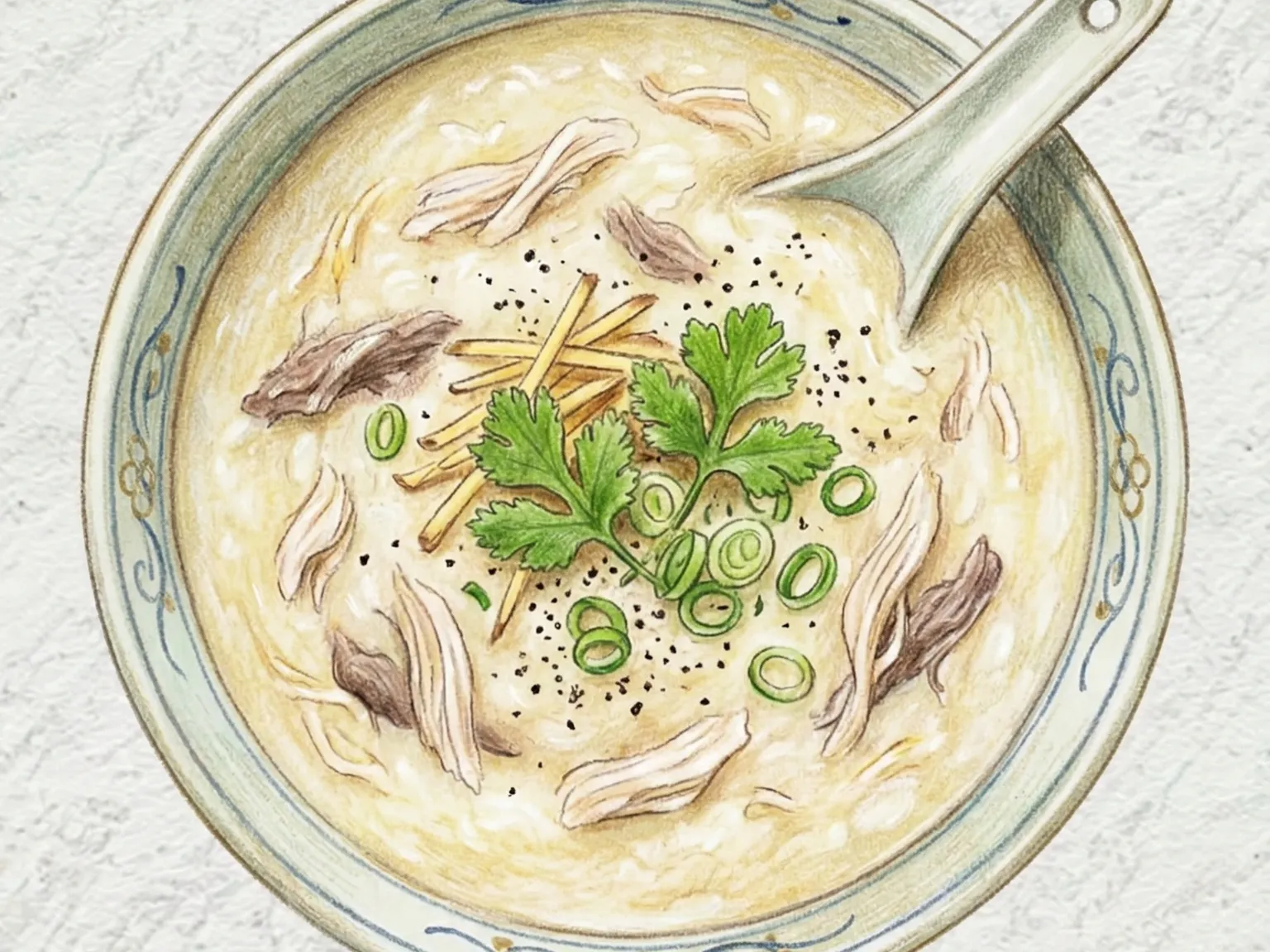
Chao Ga (Vietnamese Chicken Rice Porridge with Ginger)
Chao ga is Vietnam's most widely eaten breakfast porridge, served whenever someone is ill or needs gentle nourishment, occupying the same restorative role that dakjuk holds in Korean cooking. A whole chicken simmers in water until the broth turns opaque and deeply flavored, then rice cooks directly in that liquid until the grains dissolve into a thick, almost creamy consistency. Generous slices of ginger added early in cooking suppress any gaminess and warm the stomach, while fish sauce brings an underlying umami depth that plain salt cannot replicate. The finished porridge is ladled into bowls and finished with hand-shredded chicken meat, fresh cilantro, cracked black pepper, crispy fried shallots, and strips of you tiao -- Chinese fried dough sticks -- whose crunch against the soft porridge creates a textural contrast considered essential to the dish. In Hanoi's early-morning alleys, chao ga vendors work from a single clay pot, serving hundreds of bowls to workers and commuters before noon, and the sight of rising steam from those stalls remains one of the defining images of the Vietnamese morning.

Cannoli
Cannoli are Sicilian pastries built around a crisp, tube-shaped shell and a sweetened ricotta filling. The shell dough is enriched with lard, rolled very thin, and wrapped tightly around narrow metal tubes before being lowered into hot oil, where the fat in the dough creates multiple flaky layers that shatter with a clear snap on first bite. The ricotta filling is sweetened but left slightly grainy rather than smooth, a deliberate texture that gives the pastry a lighter, less dense quality than a conventional cream filling. Chopped pistachios, candied orange peel, or chocolate chips are pressed into the exposed ends to provide color and a contrasting flavor note. Filling the shells more than a few minutes before serving is a mistake, because moisture migrates from the ricotta into the fried dough and turns the crisp shell soft. In Sicily, cannoli were historically associated with Carnival celebrations, though today they appear year-round in pasticcerie across the island and throughout the Sicilian diaspora.
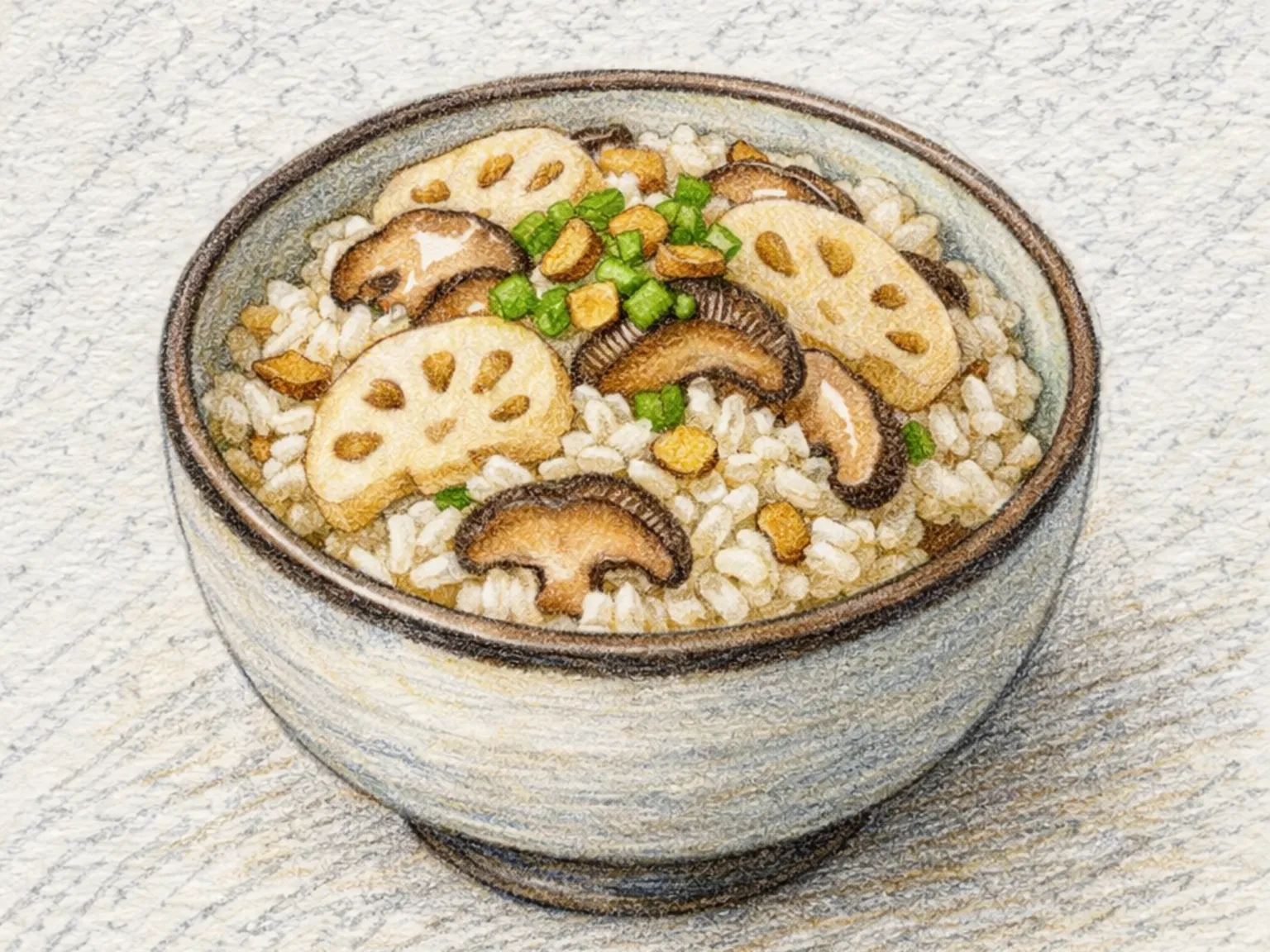
Korean Lotus Root Shiitake Pot Rice
Yeongeun-pyogo-sotbap is a Korean pot rice dish that combines short-grain rice with crisp lotus root and chewy shiitake mushrooms. The process begins by soaking the rice for thirty minutes, then draining it. Minced garlic, diced shiitake, and carrots are sautéed in perilla oil to release moisture. The rice and thinly sliced lotus root are added next, coating the grains in oil to ensure a glossy texture and nutty flavor. Water and soy sauce are poured in, and the pot is simmered on low heat for fourteen minutes. Resting the covered pot off the heat for ten minutes is the key step to settle the aroma and finalize the texture. Before serving, fresh scallions and toasted sesame seeds are scattered over the top and fluffed gently to prevent crushing the rice.
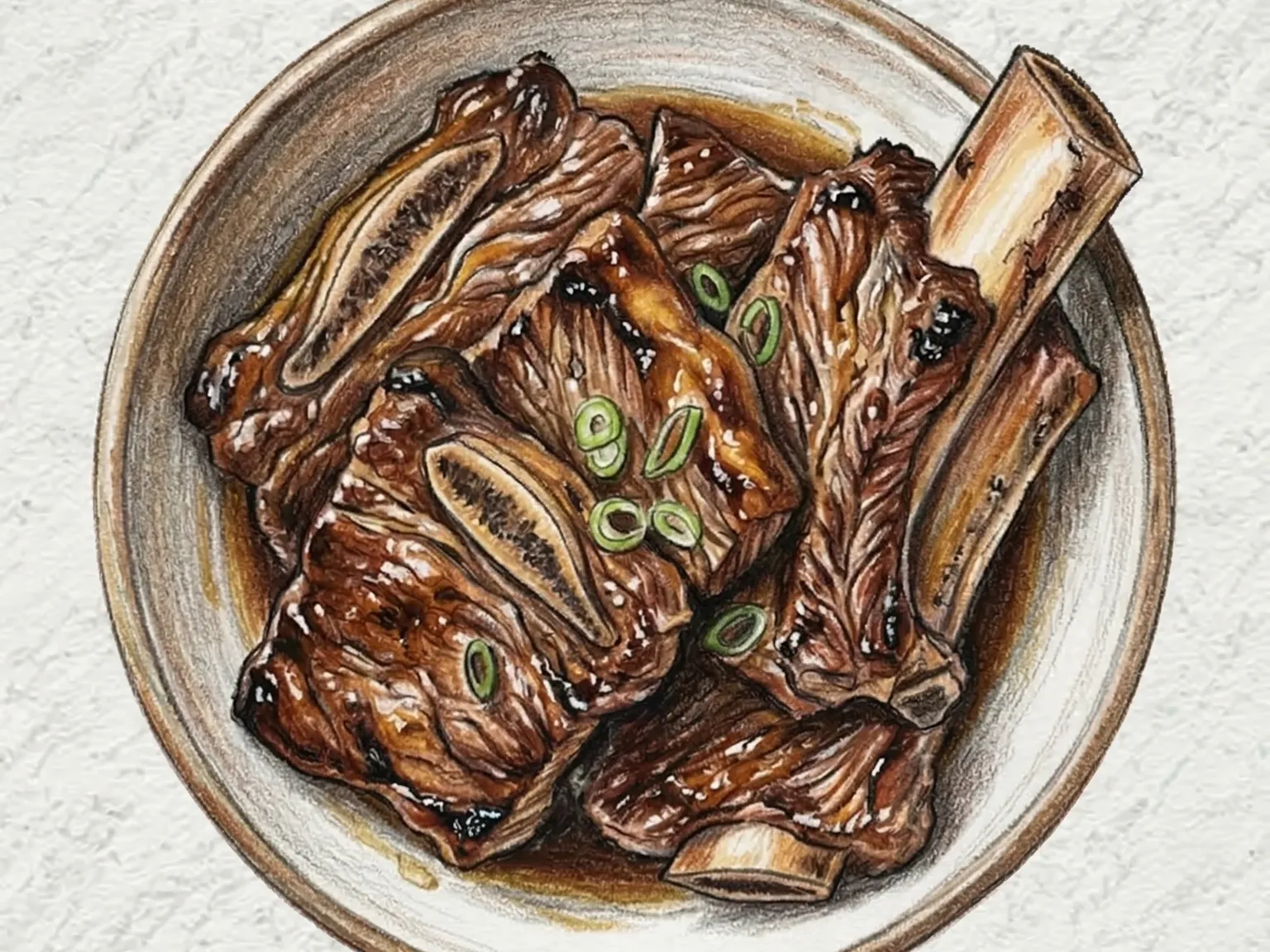
Korean Grilled Beef Plate Rib
Beef plate rib - a thick, fatty slab attached to the rib bone - delivers a more intense beef flavor than standard short ribs when grilled. After soaking in cold water to draw out blood, the scored meat marinates for at least thirty minutes in soy sauce, Korean pear juice, cooking wine, minced garlic, sesame oil, black pepper, and green onion. The marinade seeps into the score marks, seasoning the meat to its core. Grilled four to five minutes per side on medium-high heat and glazed with remaining marinade, the surface darkens to a lacquered finish. The meat near the bone has a pronounced chew, while fat-laced sections melt on the tongue with lingering umami.
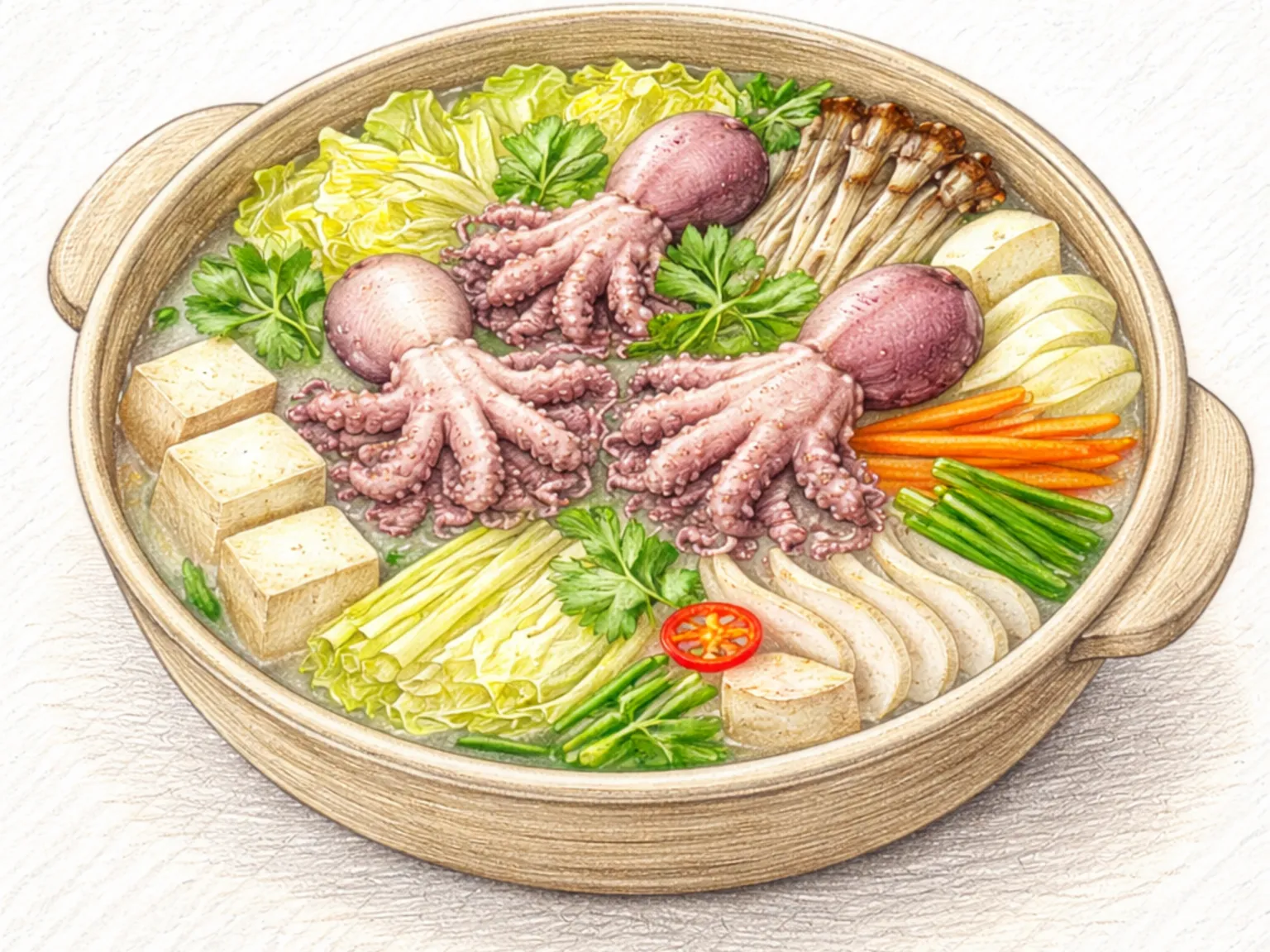
Korean Octopus and Tofu Hot Pot
This Korean hot pot features fresh octopus and soft tofu cooked in a clear, savory anchovy broth. The preparation starts by simmering thinly sliced Korean radish in the broth for eight minutes to extract a natural sweetness and refreshing depth. After seasoning the base lightly with soup soy sauce and minced garlic, the sliced tofu and cleaned octopus are added to cook for five minutes. Precise timing is essential, as the octopus must only simmer until its legs curl and turn opaque to prevent the flesh from becoming tough. To finish, fresh water dropwort and green onion are placed on top and simmered for another three minutes. The water dropwort adds a bright herbal aroma that neutralizes any seafood odor while providing a crisp texture. This dish is served hot at the table, allowing diners to enjoy the tender octopus and clean broth together.
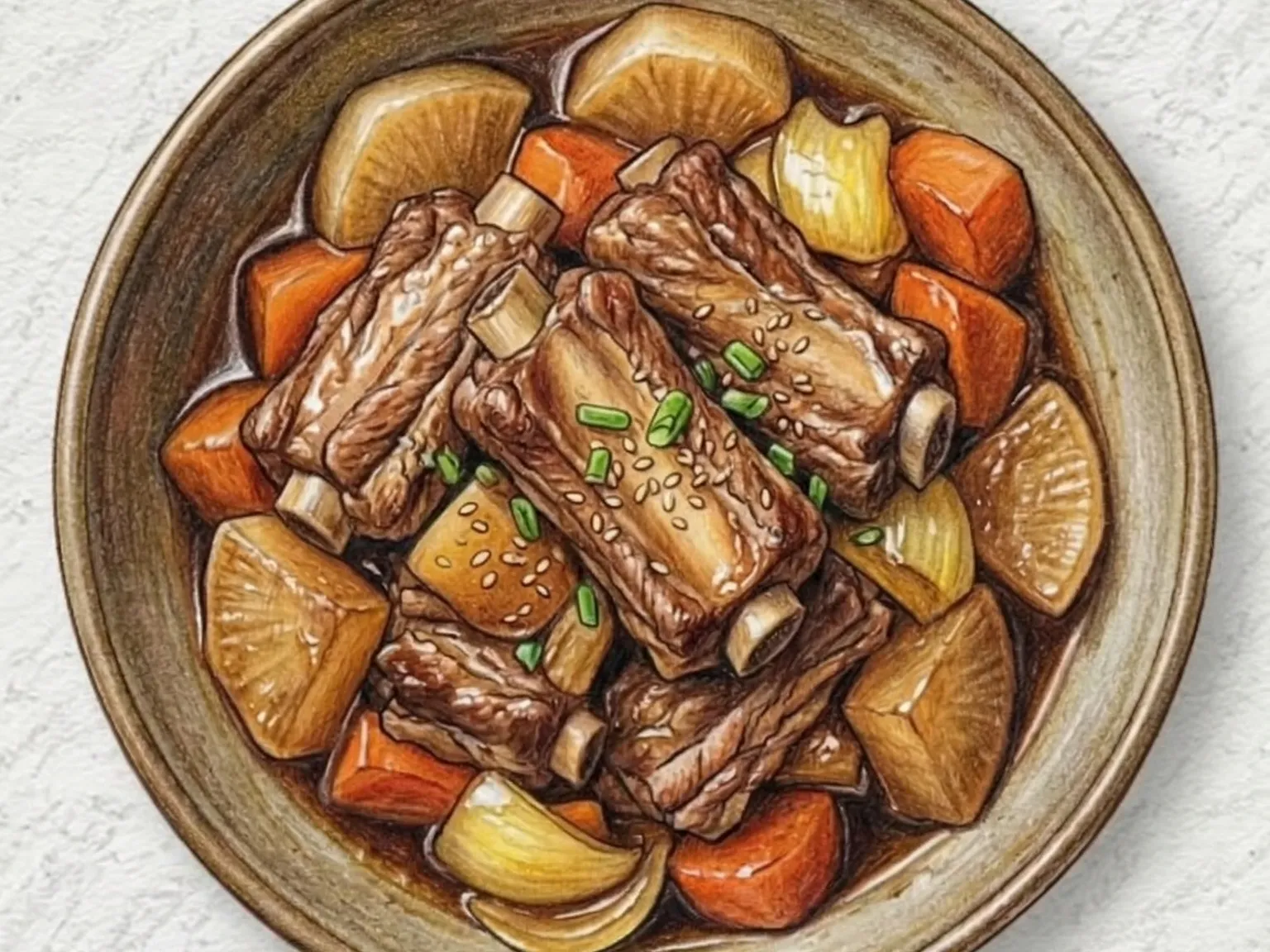
Korean Braised Pork Ribs
Dwaeji galbi-jjim is a Korean braised pork rib dish simmered in a soy sauce base with Korean radish, carrots, and onion. The ribs cook low and slow until the meat practically falls off the bone, absorbing the ginger- and garlic-infused braising liquid along the way. Soy sauce, sugar, and fermented depth from the ganjang build a savory-sweet profile without tipping into sweetness. The radish chunks turn translucent and soak up the seasoning, becoming as flavorful as the meat itself. Served with steamed rice, this is a hearty main course suited to cooler weather.
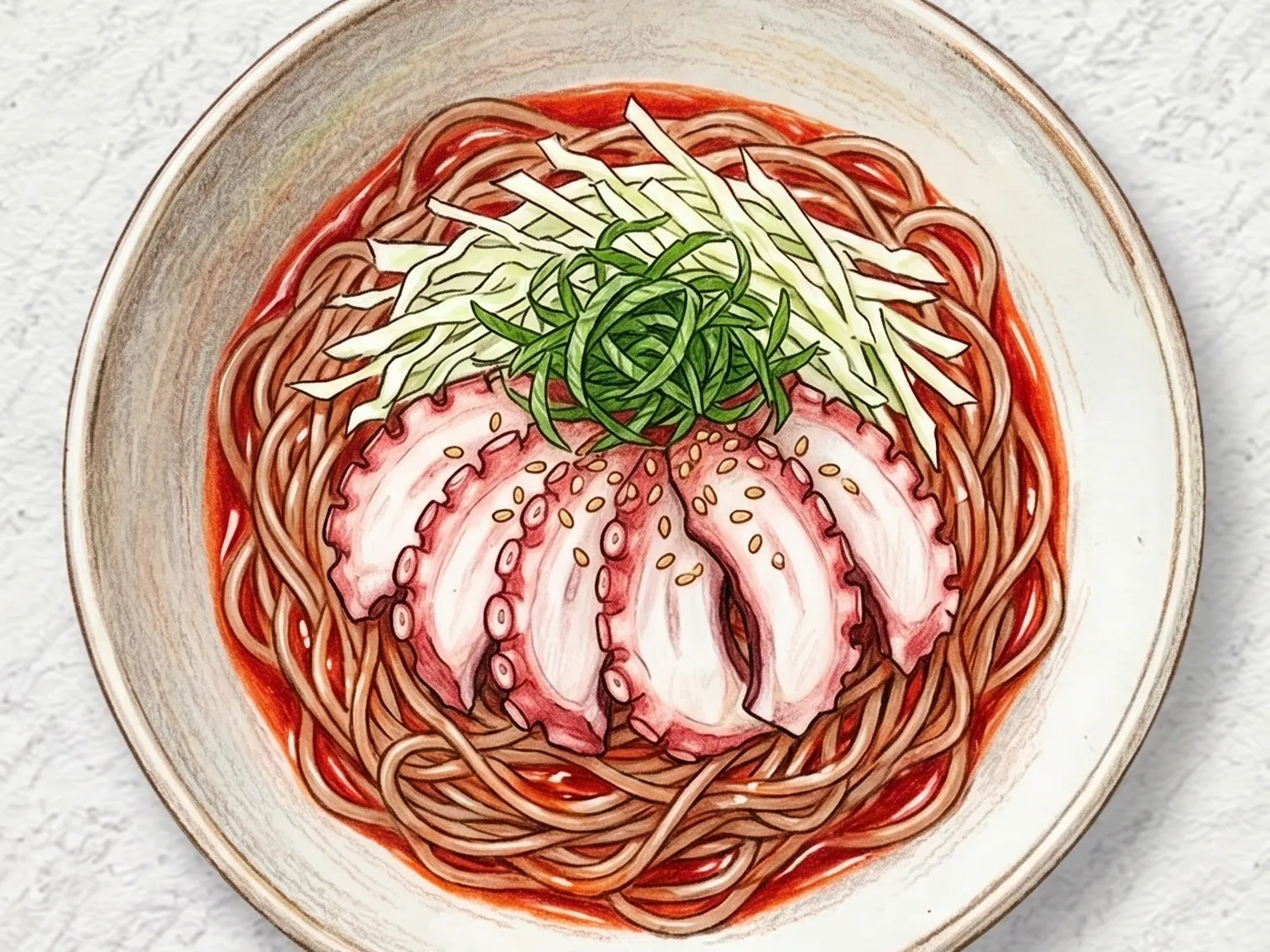
Korean Octopus Chogochujang Buckwheat Noodles
Muneo chogochujang memilmyeon is a Korean cold noodle dish featuring thinly sliced boiled octopus on chilled buckwheat noodles, dressed in chogochujang - a sauce made by combining gochujang with vinegar, sugar, garlic, and sesame oil. Patting the octopus dry after boiling helps the sauce adhere to each slice, and cooking the buckwheat noodles thirty seconds under the package time prevents them from breaking during the cold water rinse. The sweet-sour tang of the chogochujang complements the mild, clean flavor of the octopus without overpowering it. Shredded cabbage and perilla leaves contribute crunch and herbal fragrance, while a finishing sprinkle of sesame seeds adds nuttiness that ties the cold noodles and seafood together.
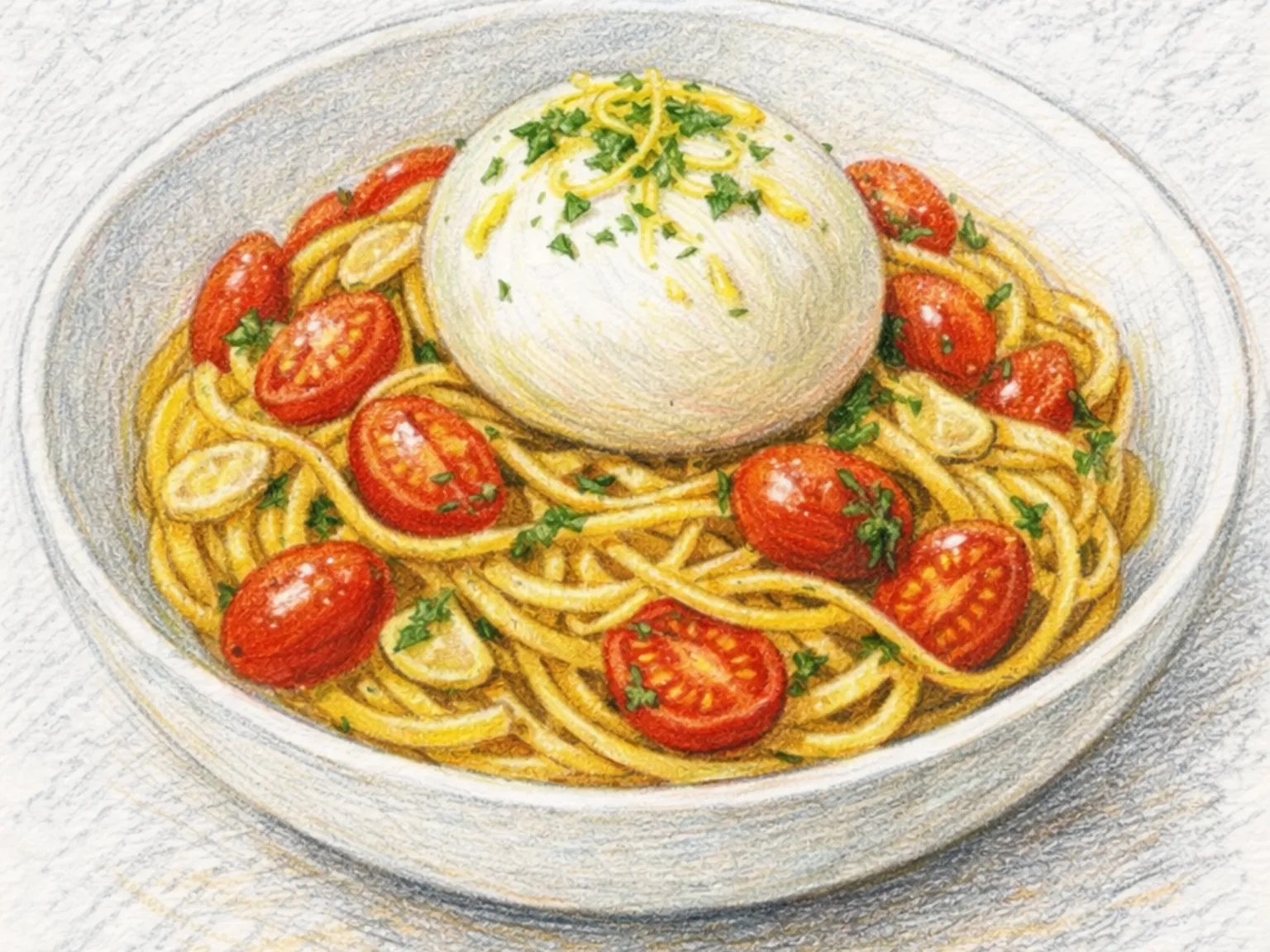
Yuja Burrata Cherry Tomato Spaghetti
Yuja burrata cherry tomato spaghetti builds its base by slowly infusing olive oil with sliced garlic over low heat, then cooking cherry tomatoes on medium until they burst and release their juices into a loose, bright sauce. Yuja marmalade and yuja juice are stirred in for only 30 seconds to preserve the citrus volatiles before they are driven off by heat. The marmalade's considerable sweetness is balanced against the tomato's acidity and added gradually to taste. Tossing al dente spaghetti with a splash of reserved pasta water binds the starch into the sauce for a smooth, even coat on each strand. Burrata is torn open and placed on top just before serving so its creamy, milky interior melts across the hot pasta, producing a clear contrast between the sharp citrus and the rich dairy fat. The distinctive fragrance of yuja combined with the bright tomato sauce gives this Italian-format pasta a recognizably Korean sensibility.