🎉 Special Occasion Recipes
Impressive dishes for guests and special occasions
929 recipes. Page 16 of 39
When guests are coming, the menu needs a little extra care. This tag features impressive dishes suited for entertaining - galbi-jjim, japchae, and bulgogi for a Korean spread, or pasta and steak for a Western-style course.
The key to stress-free hosting is choosing recipes that allow advance preparation. Do the heavy lifting the day before, then finish plating when guests arrive. That way, you can relax and enjoy the meal together.
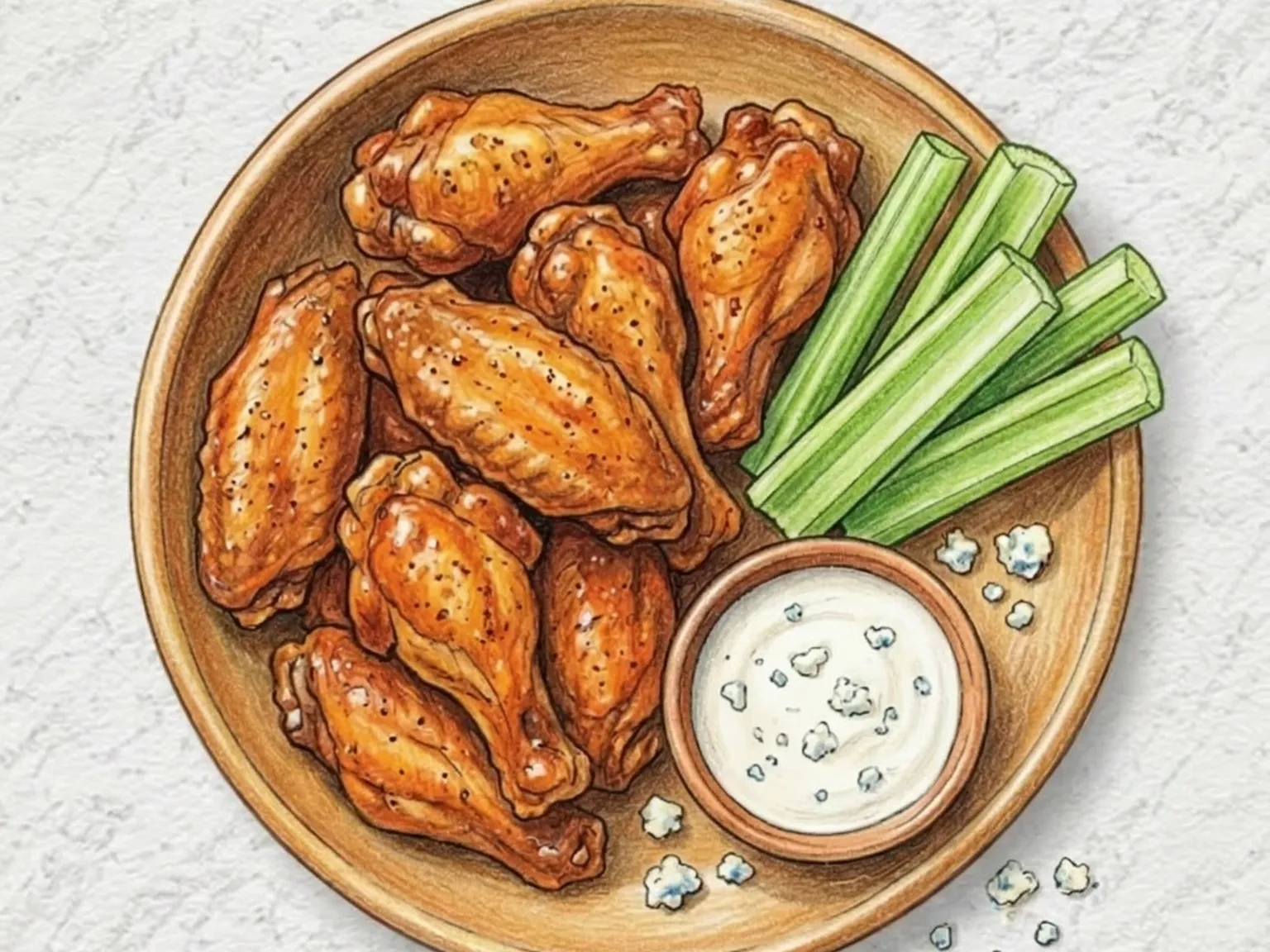
Buffalo Wings
Buffalo wings coat chicken wings in baking powder and roast them at high heat for forty-five minutes, producing a crisp skin without deep-frying. The baking powder raises the skin's pH to accelerate the Maillard reaction and drives out moisture faster, yielding a crunch that rivals the fryer. Straight from the oven, the wings are tossed in a sauce of melted butter and hot sauce - the butter tempers the vinegar-based heat into something that coats the tongue rather than burning it, and a touch of white vinegar at the end sharpens the finish. Blue cheese dipping sauce and celery sticks served alongside provide a cooling, creamy contrast and a crisp palate cleanser between bites.
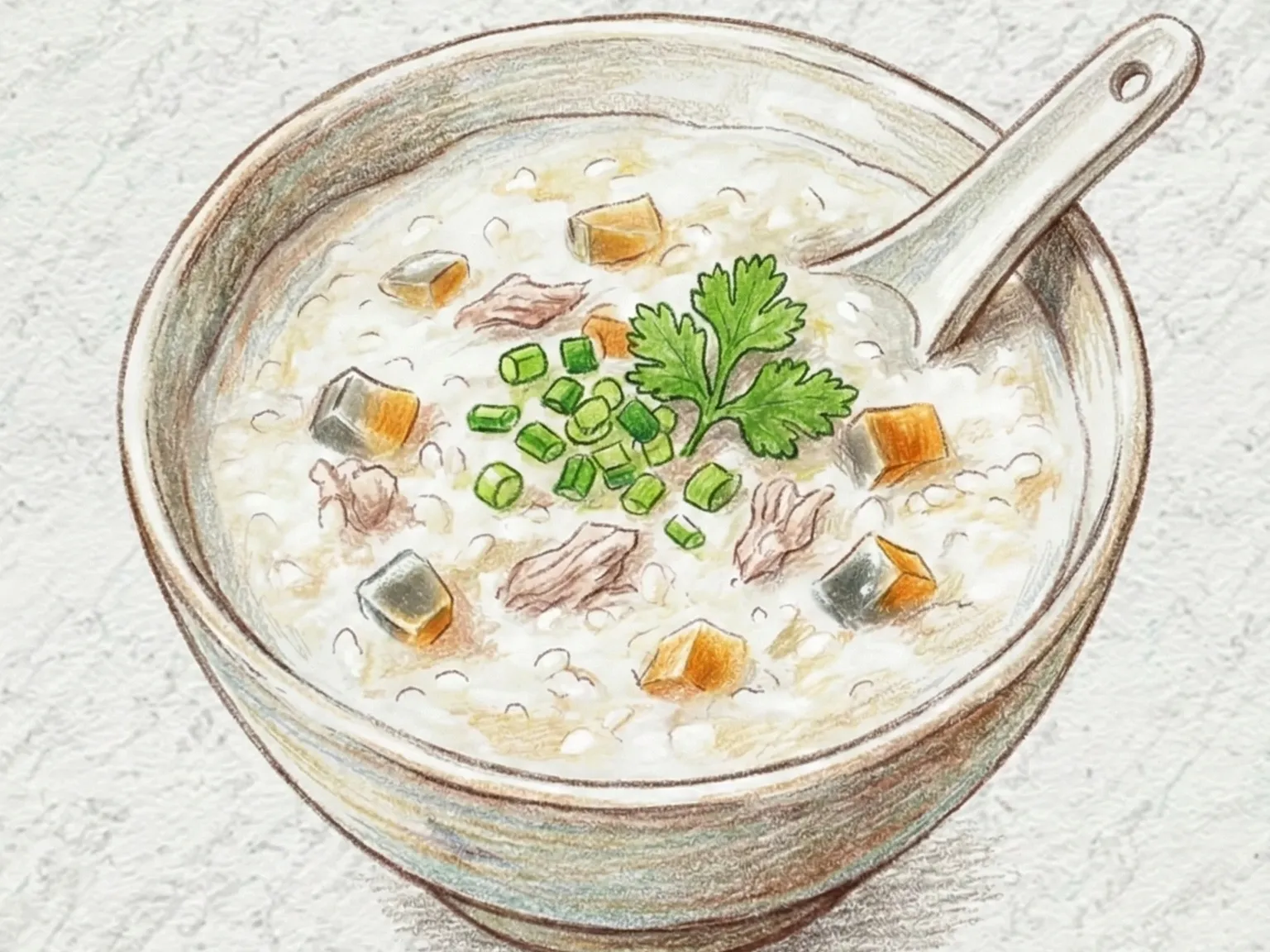
Century Egg and Pork Congee
Century egg and pork congee - pi dan shou rou zhou - is the defining Cantonese breakfast, served from dawn at congee shops across Hong Kong, Guangzhou, and the broader Pearl River Delta. The congee base demands a full hour of slow simmering over low heat, during which the rice grains break down entirely into a silky, fluid suspension. In Cantonese this texture is called sang shui - meaning the rice and water have become indistinguishable from each other - and anything short of that is considered undercooked. Lean pork is sliced thin and added during the final minutes, cooking through immediately in the residual heat of the porridge without toughening. Century egg - duck egg preserved in an alkaline mixture of clay, ash, and salt for several weeks - transforms dramatically in the process: the white sets into translucent, trembling amber jelly and the yolk becomes a creamy, dark-green semi-solid with a dense, sulfurous depth. Cubed and stirred through the porridge, the egg's alkaline richness cuts through the clean blandness of the rice base, while the pork provides a grounding savory note. White pepper, a few drops of sesame oil, and sliced scallion finish the bowl. The congee thickens rapidly once it leaves the heat, narrowing the window of ideal texture, so it must be eaten as soon as it is served.
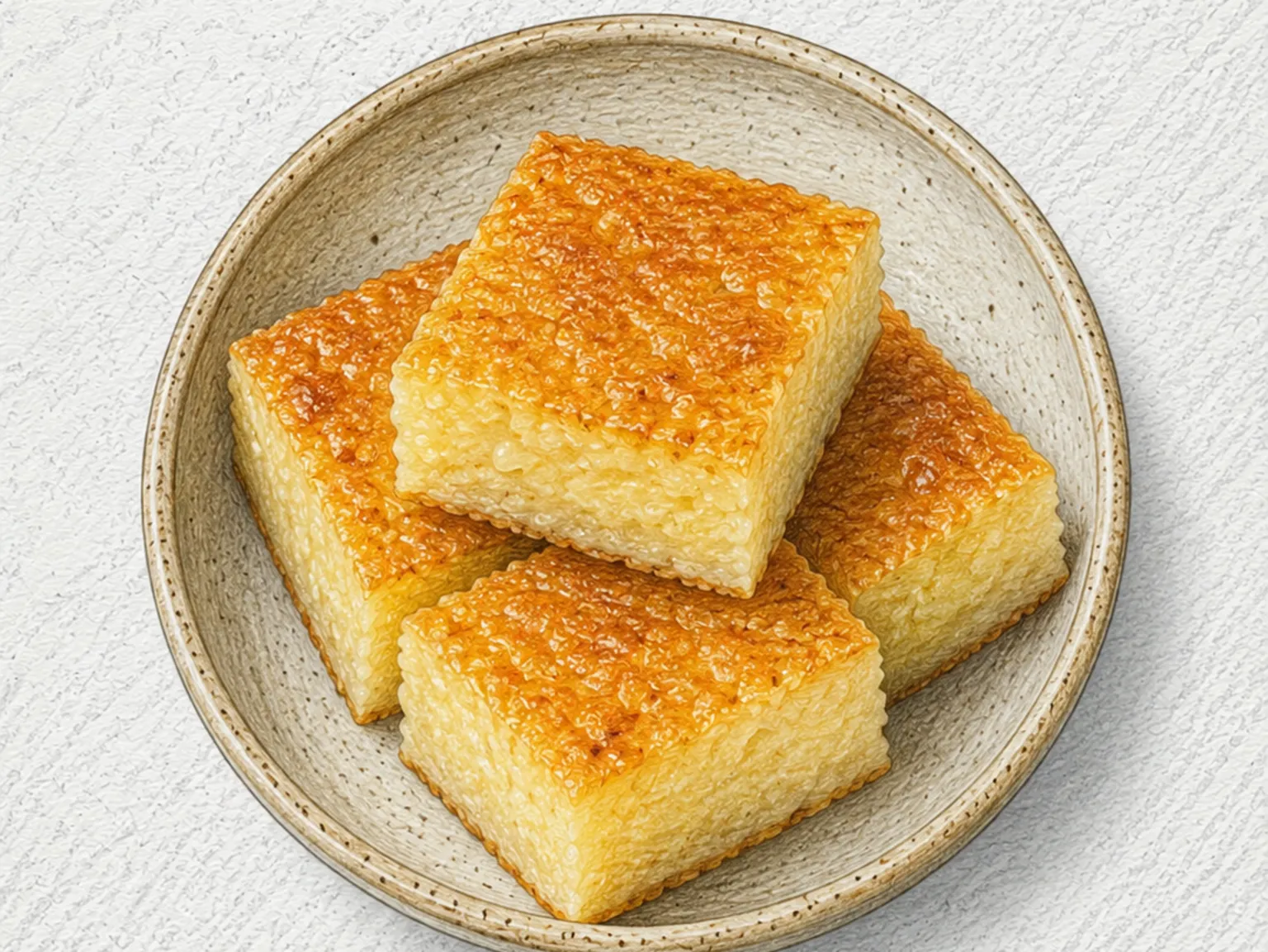
Butter Mochi Cake (Hawaiian Glutinous Rice Coconut Cake)
Butter mochi cake is a Hawaiian baked dessert that uses sweet glutinous rice flour as its structural foundation, resulting in a single slice that contains both the dense chewiness of a mochi rice cake and the golden, lightly crisp crust of a conventional baked good. The batter is thin and pourable - sweet rice flour combined with sugar, eggs, melted butter, whole milk, and coconut milk - and it is baked low and slow in a rectangular pan until fully set. During the long bake, the bottom of the cake densifies and becomes chewy in the way mochi does, trapping moisture within the glutinous starch structure. The top surface, meanwhile, dries out and the sugars caramelize into a thin hazelnut-brown crust with a faint crunch. Coconut milk threads a subtle tropical aroma throughout every bite without dominating. The butter dissolves into the starch matrix during baking, replacing the neutral, slightly sticky character that plain mochi can have with a warm, dairy-rich depth. At room temperature, the chewiness is most pronounced. Gently rewarmed in an oven or toaster, the crust crisps back up and the textural contrast between the two layers becomes more vivid.
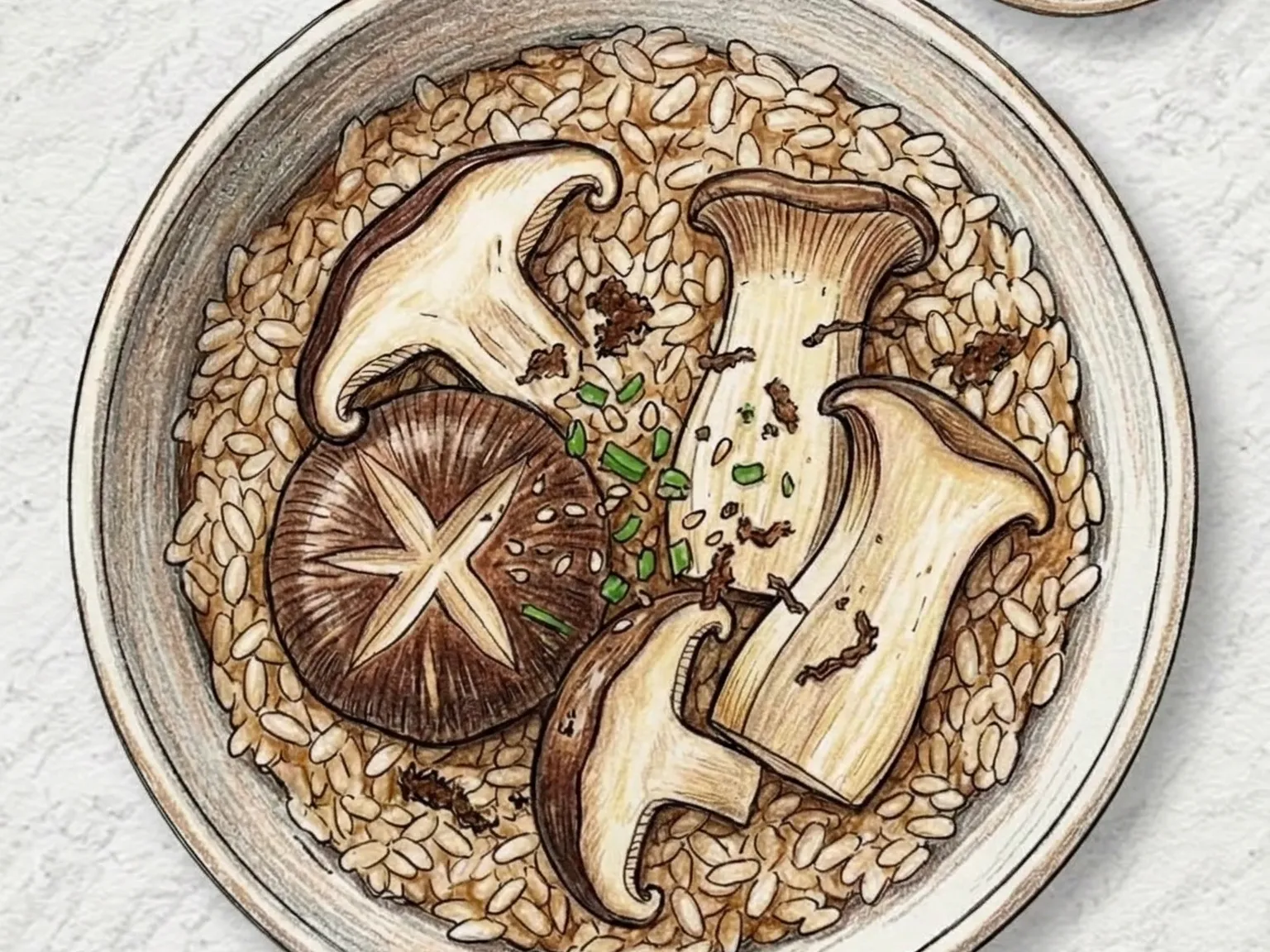
Korean Truffle Mushroom Pot Rice
Shiitake and king oyster mushrooms are generously added to a pot of rice and cooked so their released moisture and earthy fragrance infuse every grain. The shiitake stays chewy while thick-sliced king oyster offers a meaty, substantial bite. Once the rice is done, a few drops of truffle oil are drizzled over the top, layering the mushrooms' natural earthiness with the truffle's deep, aromatic intensity. Mixing in a soy-seasoned sauce adds a salty edge that brings the whole bowl into balance. Controlling resting time and grain texture helps the ingredients cook evenly while keeping the final seasoning balanced.
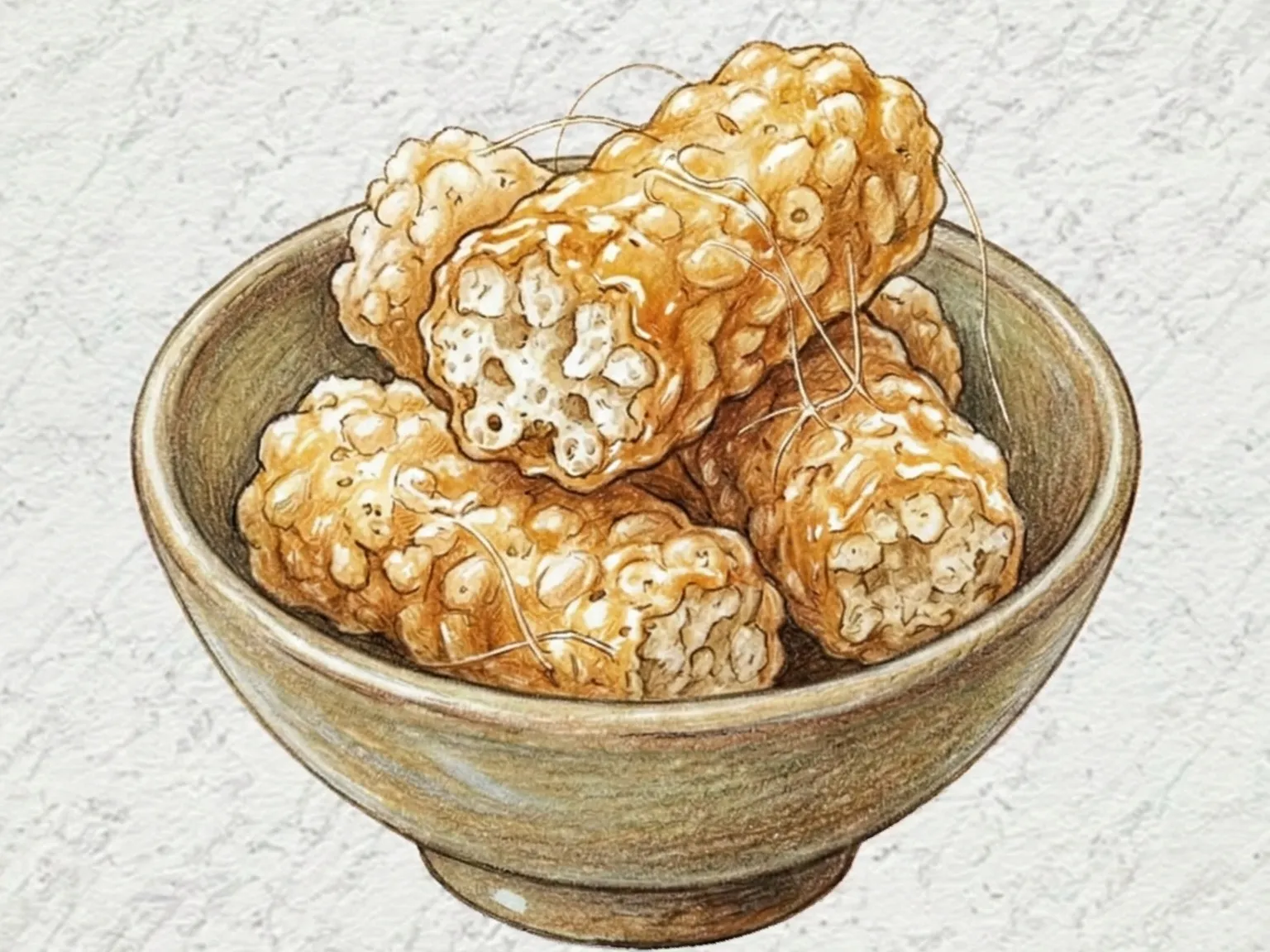
Honey Rice Puff Cookies (Korean Double-Fried Puffed Glutinous Rice)
Yugwa is a traditional Korean rice puff cookie that is prepared using a base of glutinous rice flour mixed with makgeolli, which is a type of fermented Korean rice wine. This dough is shaped into individual pieces and then left to dry for a duration of at least two hours. This drying period is a mandatory step in the process because any residual moisture within the dough will lead to dangerous oil splattering when the pieces are placed into the frying fat. The cooking process requires a specific two-stage frying technique involving both low and high oil temperatures to facilitate a dramatic expansion of the dough. Tiny air pockets are created within the mixture by the yeast present in the makgeolli during the initial preparation stages. These pockets expand rapidly during the second frying stage at a higher heat, which results in the hollow internal structure that is the defining characteristic of the cookie. Once the frying is complete, the pieces are tossed in a warm glaze consisting of honey and rice syrup. This sticky coating serves to anchor a final layer of puffed rice to the exterior of the cookie. Ground cinnamon is incorporated into the recipe to provide a subtle warm spice that complements the nutty and fermented flavors of the glutinous rice. When consumed, the finished cookie shatters into light, airy shards, offering a texture that is nearly weightless compared to other varieties of Korean confections. Traditionally, yugwa is featured on tables during ancestral rites for the Chuseok and Seollal holidays and remains a common choice for gift-giving during these festive seasons.
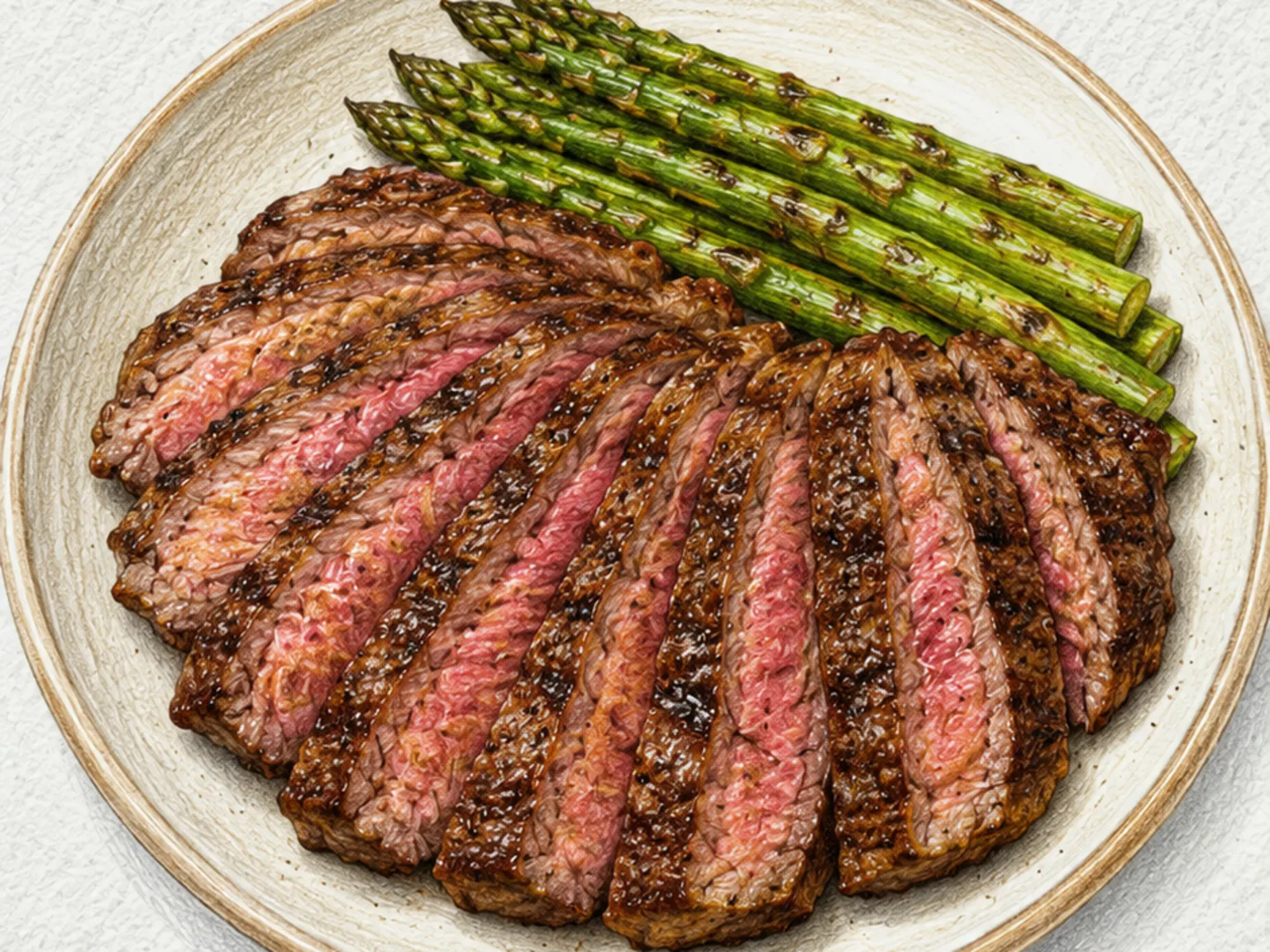
Korean Salt-Grilled Beef Chuck Flap
Salchisal sogeum-gui is a Korean salt-grilled beef chuck flap tail, a well-marbled cut from behind the shoulder that is rested at room temperature for ten minutes, seasoned with coarse salt and pepper only, then seared for ninety seconds per side in a smoking-hot pan. The heavy marbling keeps this cut moist even under intense, brief heat, and thoroughly drying the surface beforehand is what triggers rapid Maillard browning into a deep brown crust. After searing, butter, garlic cloves, and a rosemary sprig are added to the pan, and the foaming butter is spooned over the meat for one final minute to layer herbal and garlic aromas onto the crust. A three-minute rest before slicing allows the muscle fibers to relax and reabsorb their juices, so the plate stays clean when served alongside asparagus grilled in the same pan.
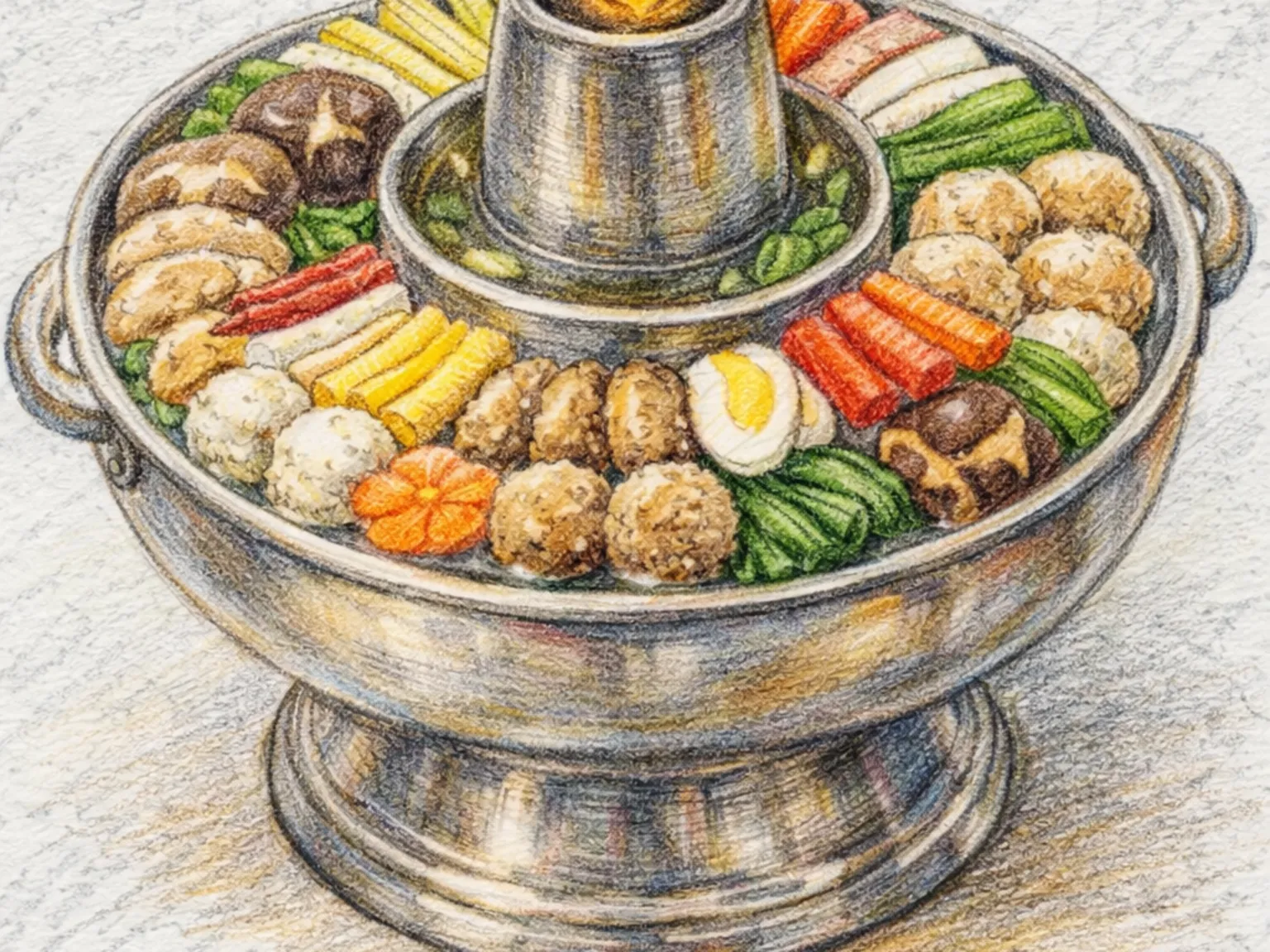
Royal Korean Hot Pot (Court-Style Beef & Tofu Banquet)
Sinseollo is a traditional Korean royal court hot pot featuring ground beef, tofu, shiitake mushrooms, carrot, and napa cabbage arranged in a rich beef broth. Seasoned with soup soy sauce and finished with beaten egg, the broth develops a velvety body. Historically served in a brass charcoal-heated vessel at the royal table, each ingredient is placed with care to showcase its color and shape. The layered umami from the diverse ingredients creates a remarkably complex flavor. Adding seasoning in stages makes it easier to adjust saltiness, sweetness, and heat without covering the base ingredients.
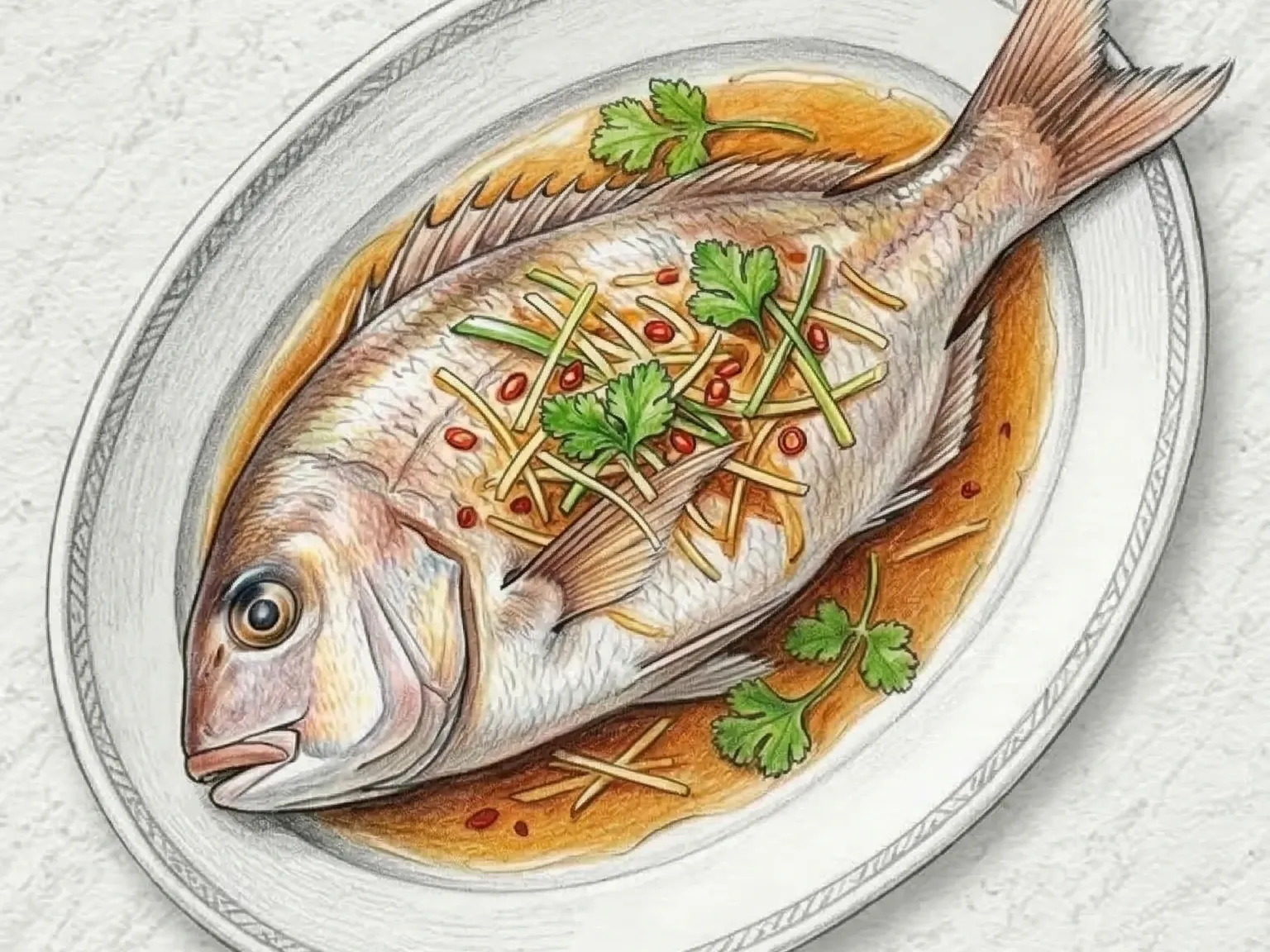
Korean Steamed Sea Bream (Whole Fish with Soy Ginger Rice Wine)
Domi-jjim is a whole sea bream steamed with soy sauce, rice wine, and ginger. Sea bream is a firm-fleshed white fish with a naturally mild, clean taste, and steaming preserves its moisture and delicate texture far better than dry-heat methods. Rice wine and ginger remove any remaining fishiness from the flesh, leaving only a refined umami that speaks to the quality of the fish itself. Soy sauce is used sparingly as an understated seasoning that enhances without overpowering. Because the fish is steamed rather than roasted or pan-fried, the flesh stays supple and springs back with each bite. Bringing a whole fish to the table makes a strong visual impression, which explains its frequent appearance at holiday meals and formal gatherings. The finished dish is typically garnished with julienned scallion and red chili before a final drizzle of hot sesame oil.
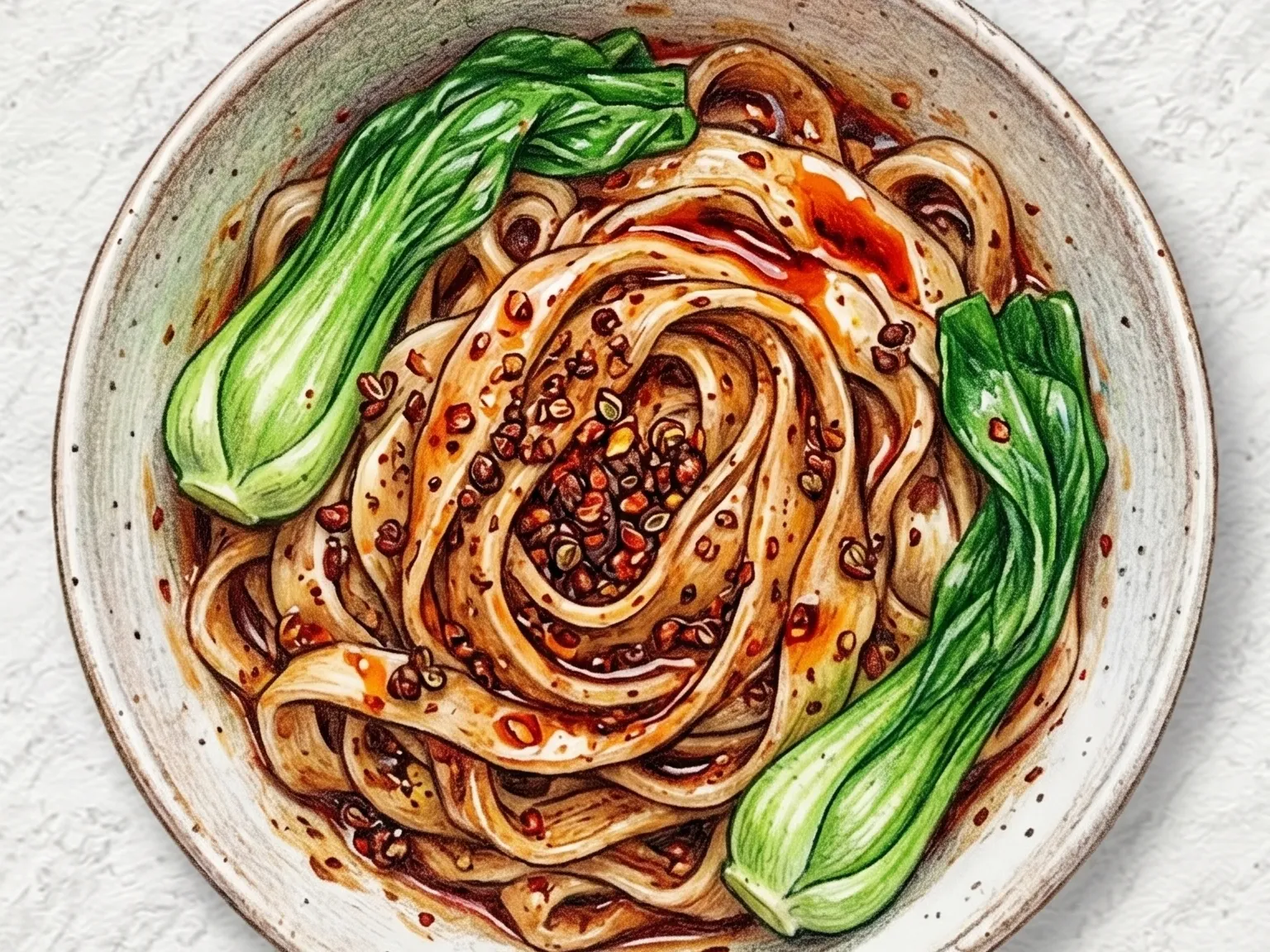
Mala Biang Biang Noodles (Wide Numbing Chili Oil Noodles)
Mala biangbiang noodles consist of wide, thick strands that are coated in a complex sauce made from chili oil, doubanjiang, soy sauce, and black vinegar. This combination provides a specific type of heat that numbs the palate while simultaneously delivering spice. To achieve the authentic numbing character that defines mala, whole Sichuan peppercorns are briefly warmed in oil over a low heat. This controlled heating process is designed to release the numbing compounds from the spice without scorching the husks, a technical step that distinguishes genuine mala flavor from the simple heat of red chilies. The sauce is constructed in multiple layers by stacking the fermented saltiness of the doubanjiang with the deep and mellow acidity of the black vinegar. These ingredients work together to produce a seasoning profile with distinct depth rather than a single note of spiciness. For the preparation of the noodles, the broad strands are boiled for one minute less than the time indicated on the package. This ensures the dough remains elastic and chewy throughout the eating process. Because the noodles have such a large surface area, it is necessary to toss them aggressively in the sauce to ensure the seasoning is worked thoroughly into the wide surfaces of every strand. While the noodles are cooking, bok choy is blanched for forty seconds in the same boiling water. This vegetable adds a crisp and clean green element to the bowl, which serves to offset the richness of the oiled noodles. To finish the dish, a final drizzle of chili oil is applied over the top of the bowl just before it is served to intensify the aroma of the spices.
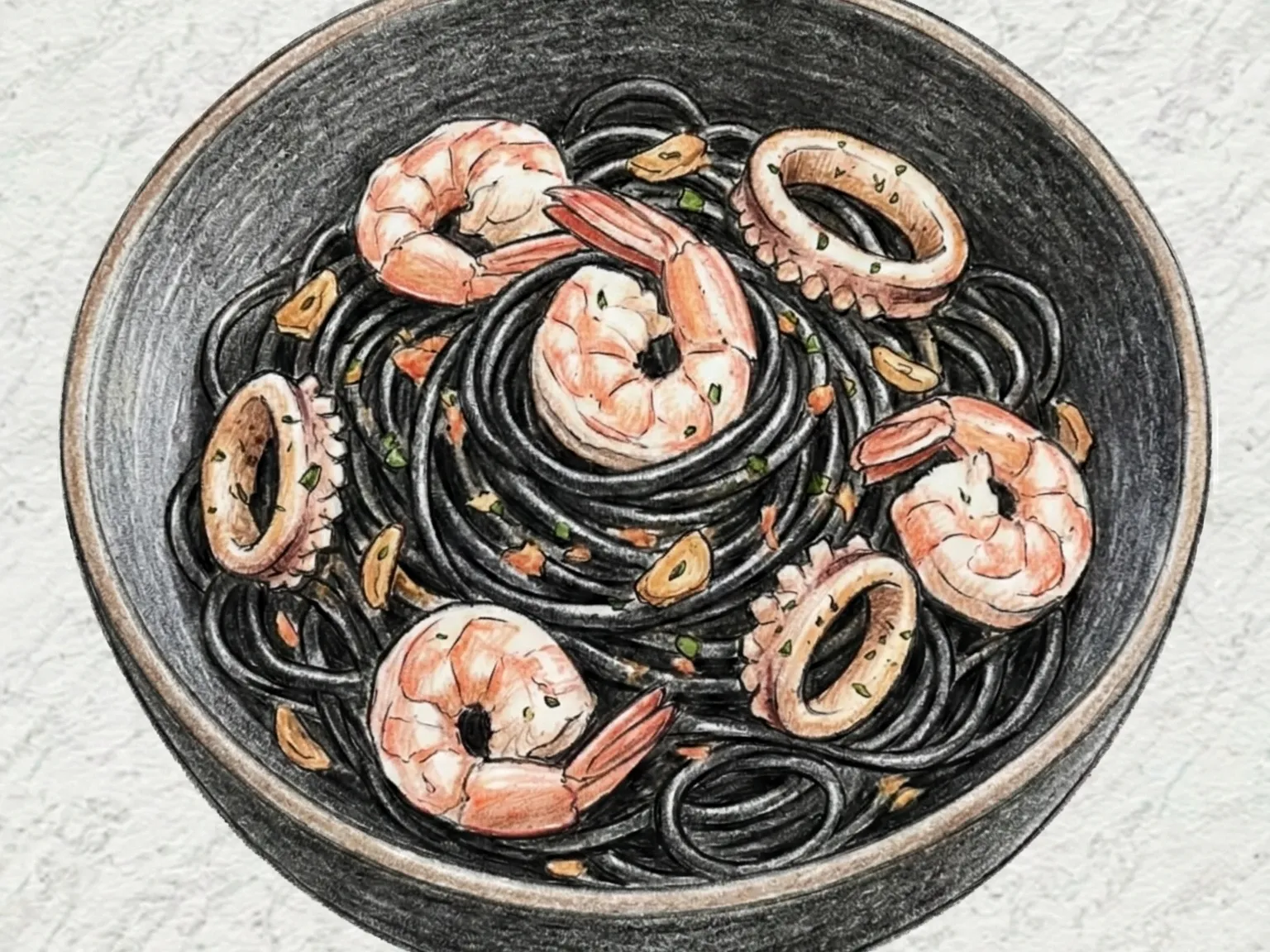
Squid Ink Seafood Linguine
Squid ink seafood linguine dissolves squid ink in reserved pasta water before adding it to the pan, ensuring even distribution without clumping. Shrimp and squid rings are seared quickly over high heat to set their surfaces, then finished during the final emulsification step so they stay springy rather than rubbery. Sliced garlic infused slowly in olive oil forms the aromatic base, and white wine with halved cherry tomatoes introduces a gentle acidity once the alcohol cooks off. The ink coats linguine in a glossy black sauce that carries concentrated brininess, and chopped parsley scattered on top provides a fresh herbal contrast. A small squeeze of lemon juice added at the end brightens the deep, saline richness of the squid ink and makes the oceanic flavors more vivid with each bite.
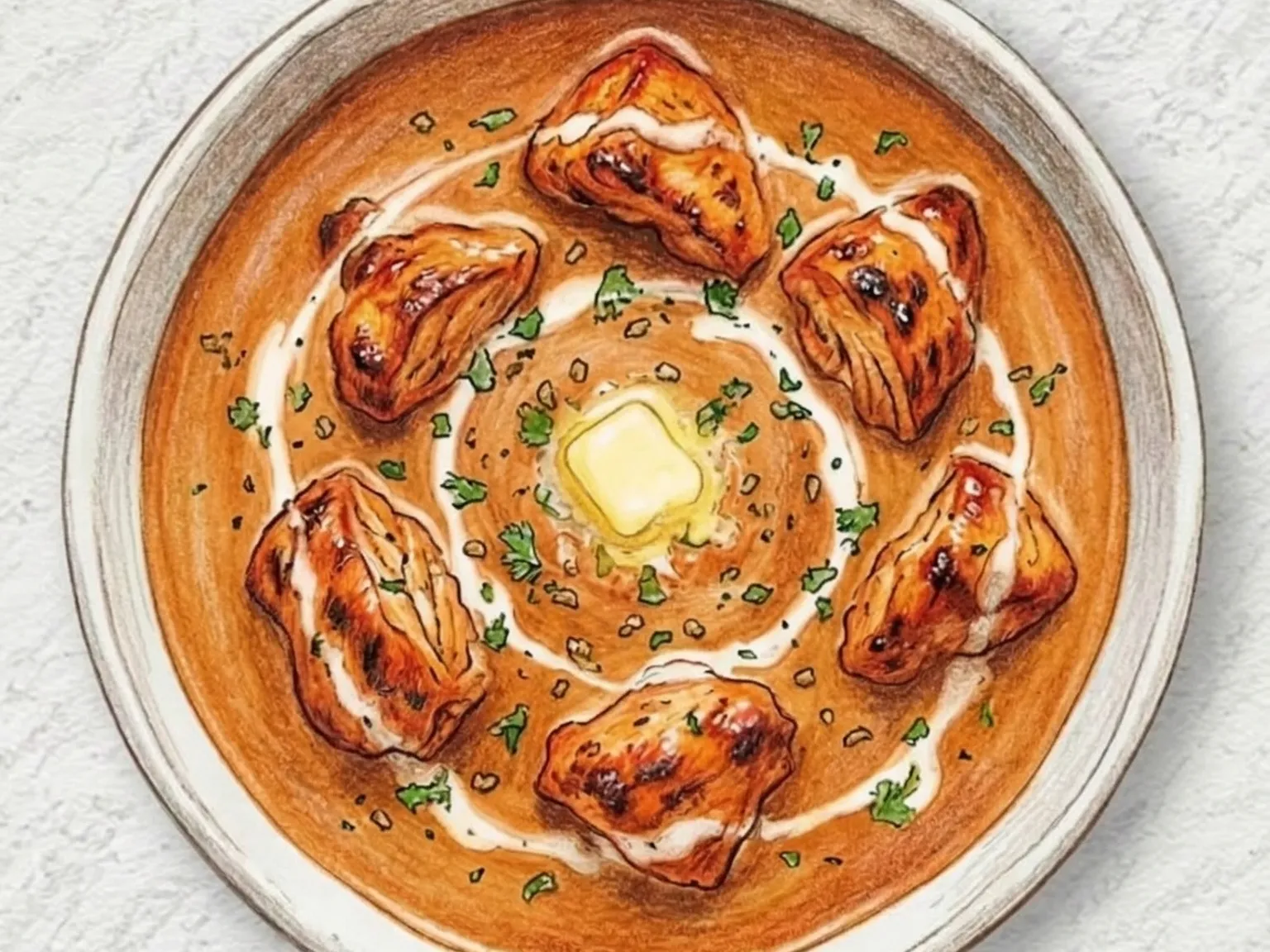
Butter Chicken
Butter chicken - murgh makhani - starts by marinating chicken thighs in yogurt, garam masala, and cumin, then roasting or grilling them at high heat to develop a slightly charred, smoky exterior. That surface char is a defining element; plain poaching cannot replicate it. The tomato sauce base requires long, patient reduction - the raw acidity must cook off and round into sweetness before any dairy is added. Butter and heavy cream then go in, wrapping the spice blend sharp heat in a velvety richness that carries through to the last bite. Cumin and garam masala provide the earthy, layered warmth that anchors this curry's identity, and together they produce the mild, creamy character that sets murgh makhani apart from hotter Indian preparations.
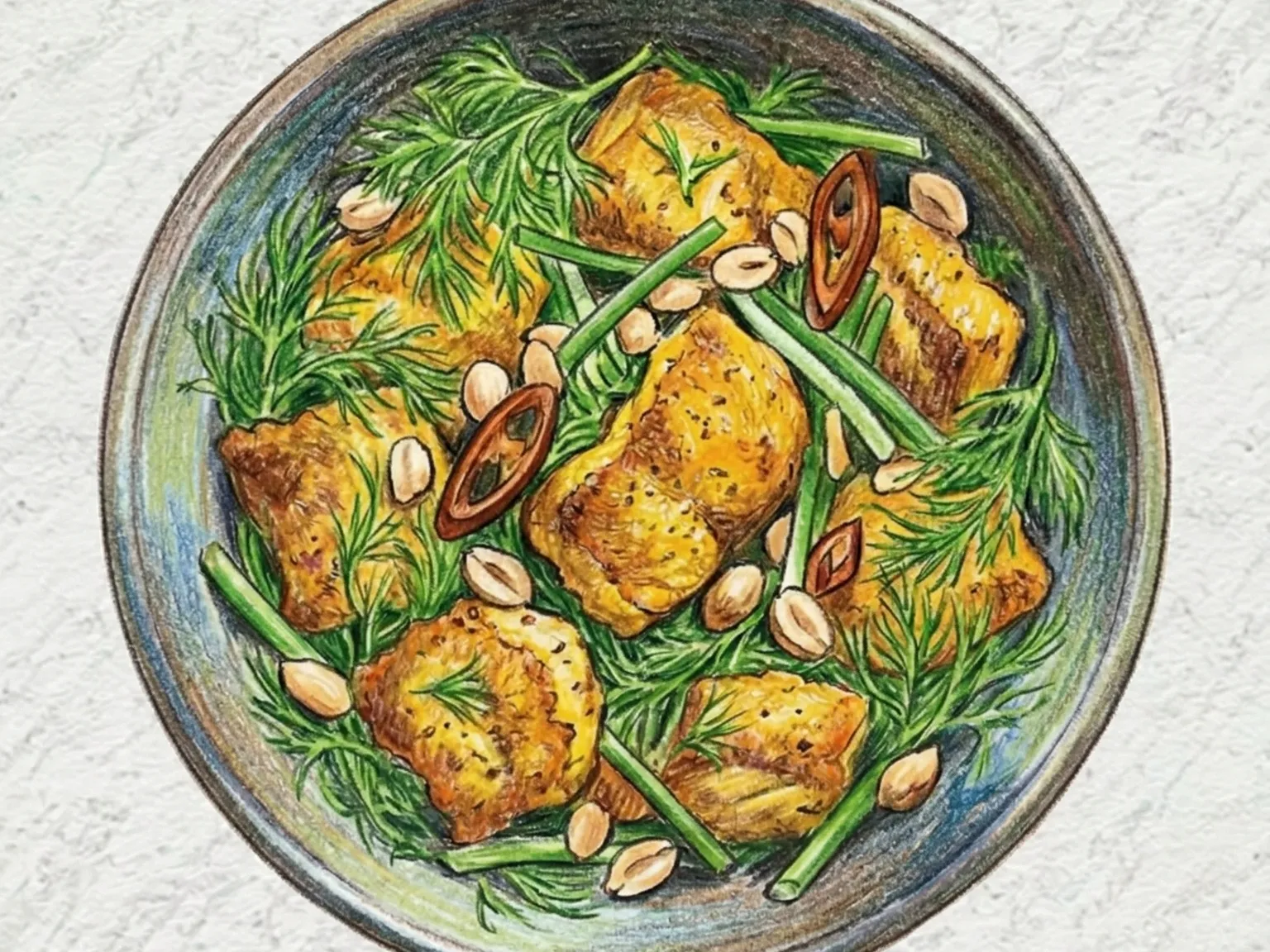
Cha Ca La Vong (Hanoi Turmeric Fish with Dill on Tabletop Grill)
Cha ca La Vong is the defining dish of a single street in Hanoi's Old Quarter - Cha Ca Street takes its name from the restaurant that has been serving this one recipe and nothing else since the late nineteenth century. The dish is almost exclusively Hanoian; it barely appears in southern Vietnamese cooking, and the original La Vong restaurant remains open at the same address today. Firm white fish fillets, traditionally snakehead or catfish, are marinated in a paste of turmeric, galangal, fermented shrimp paste, and rice flour, then pan-fried in oil until the turmeric stains the surface a vivid, saturated yellow and a thin crust forms along the outside. The sizzling pan arrives at the table set over a small tabletop burner and the fish continues to cook as diners add large handfuls of fresh dill and scallion directly into the pan. The herbs wilt almost instantly on contact with the hot oil, and dill's intense anise-forward fragrance fills the table as they do. The visual impact of yellow-stained fish against the bright green dill collapsing into the pan is one of the dish's most recognizable qualities. The fish is eaten spooned over thin rice vermicelli and accompanied by roasted peanuts and additional fresh herbs. The critical element is the dipping sauce: mam tom, a pungent fermented shrimp paste thinned with fresh lime juice and a little sugar, whose funk and acidity cut through the oil and turmeric and transform the flavor of every bite. Few dishes anywhere can claim a single-item restaurant with over a century of unbroken operation, and Cha ca La Vong is one of them.
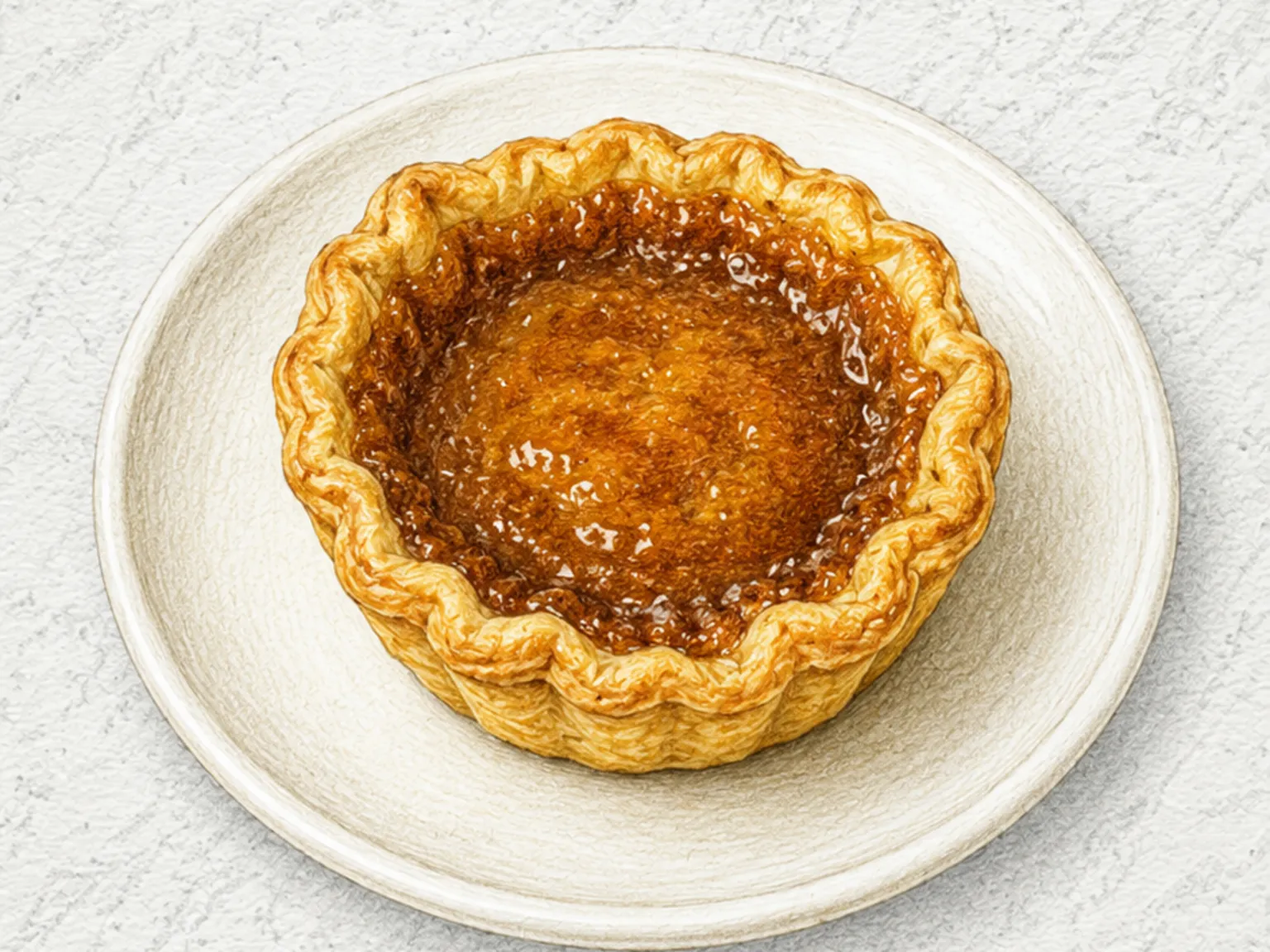
Butter Tart (Canadian Gooey Brown Sugar Tart)
Butter tarts are a Canadian institution -- small pastry shells filled with a mixture of butter, brown sugar, eggs, and corn syrup or maple syrup, baked until the edges set while the center remains gloriously gooey and molten. The brown sugar creates a toffee-like depth that goes well beyond ordinary sweetness, and the egg binds the filling into something suspended between liquid caramel and soft custard. The pastry shell must be baked firm enough to hold the sticky interior without softening, delivering a shatteringly crisp, flaky contrast with every bite. Getting that balance right between a set edge and a still-flowing center is the defining technical challenge of the recipe -- a few minutes too long in the oven and the filling turns grainy and tight. Some versions fold in plump raisins, chopped walnuts, or pecans for texture and flavor, though committed purists argue the unadulterated butter filling needs no embellishment. Served slightly warm, the caramel fragrance intensifies and the center flows freely; cooled to room temperature, the filling firms to a pleasant, chewy consistency that holds its shape when cut. Either way, the ratio of buttery, molten center to a shatteringly crisp pastry defines a properly made butter tart, and the debate between runny-center and firm-center devotees is one Canada has never quite settled.
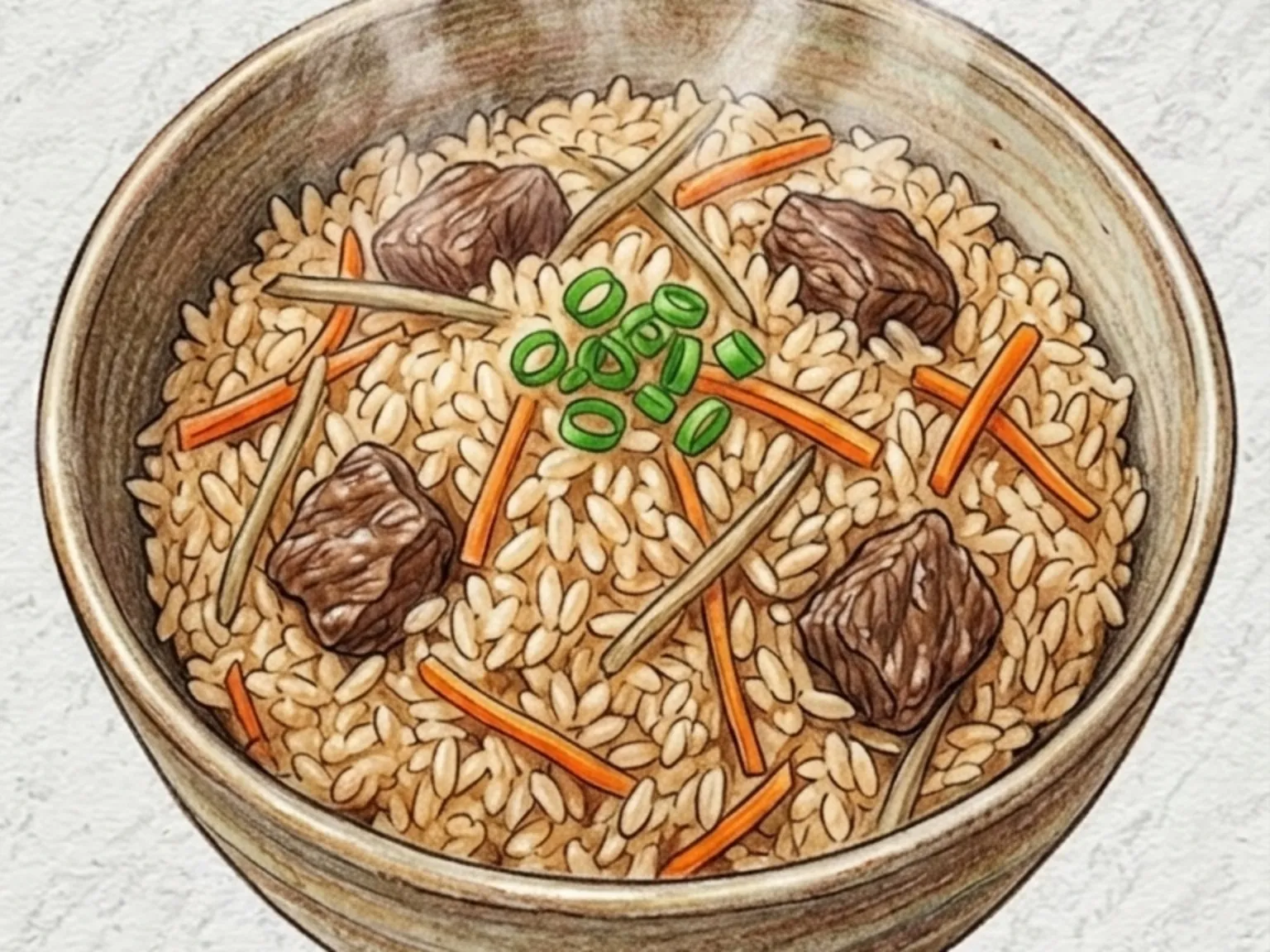
Korean Burdock Beef Pot Rice
Beef is marinated in soy sauce to build savory depth, then placed on top of rice with crisp-cut burdock root and cooked together in a heavy pot. The marinated beef releases its juices during cooking, and they soak into the rice so each grain carries flavor without any extra sauce. Burdock retains its firm texture even after pot-cooking, releasing an earthy sweetness with every chew. Adding carrot brings a gentle sweetness and color that rounds out the bowl. Adding seasoning in stages makes it easier to adjust saltiness, sweetness, and heat without covering the base ingredients.
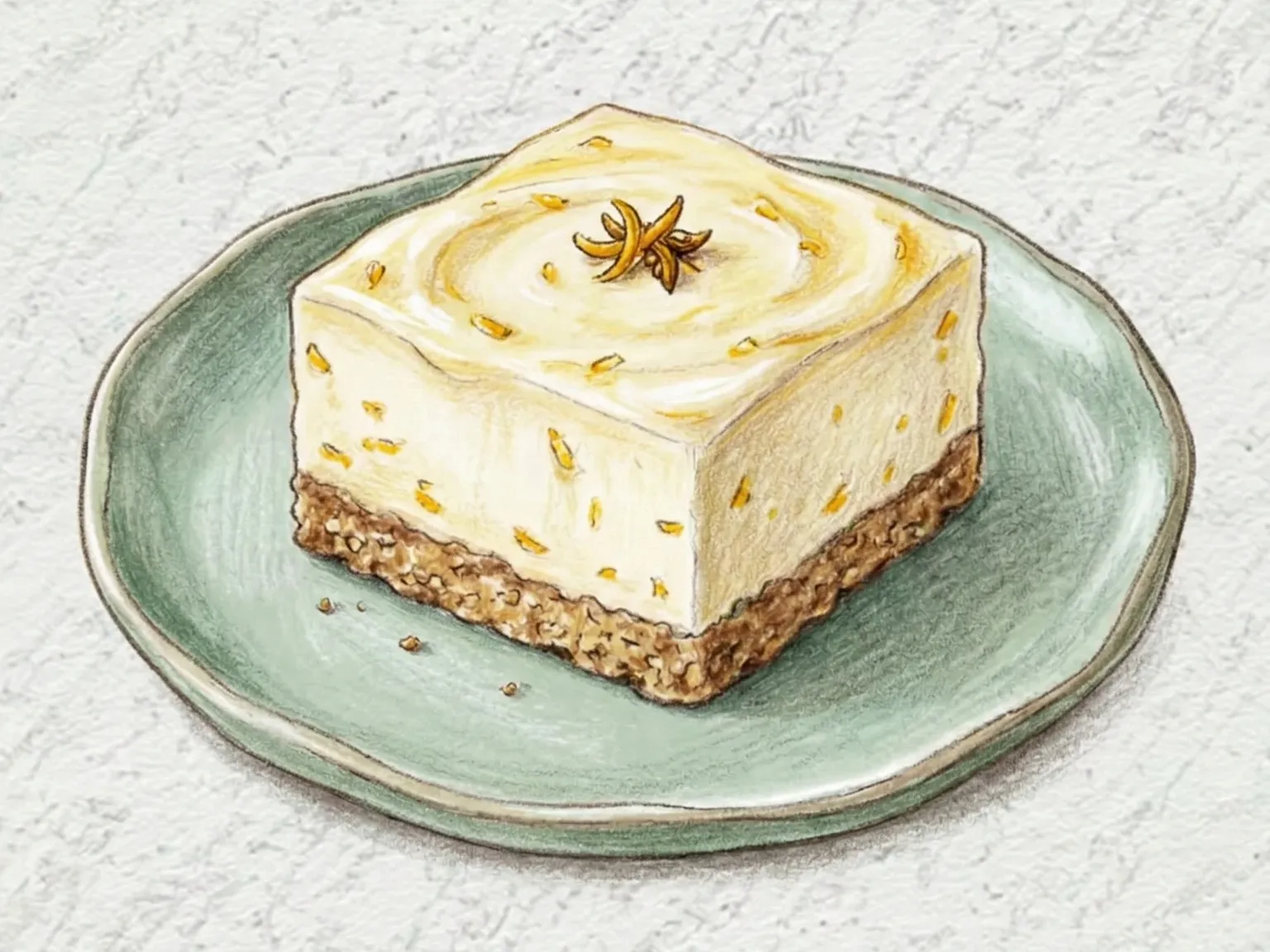
Yuja Cheesecake Bars (Citron Cheesecake)
Yuja cheesecake bars are a baked dessert that begins with a pressed crust of cracker crumbs and melted butter, pre-baked for eight minutes to set a firm base before the filling goes in. The filling combines softened cream cheese, eggs, sugar, and yuja citron marmalade, poured over the crust and baked at 170 degrees Celsius until just set. Pre-baking the crust is essential for keeping the layers distinct, and room-temperature cream cheese is non-negotiable for a batter free of lumps. Seventy grams of yuja marmalade introduces the fruit's sharp, floral citrus fragrance alongside clean acidity that cuts through the dense richness of the cheese layer, preventing the aftertaste from feeling heavy or cloying. Chilling for two full hours in the refrigerator before slicing produces straight, clean edges on each bar, and the texture sits between dense and silky, dissolving slowly once it hits the palate.
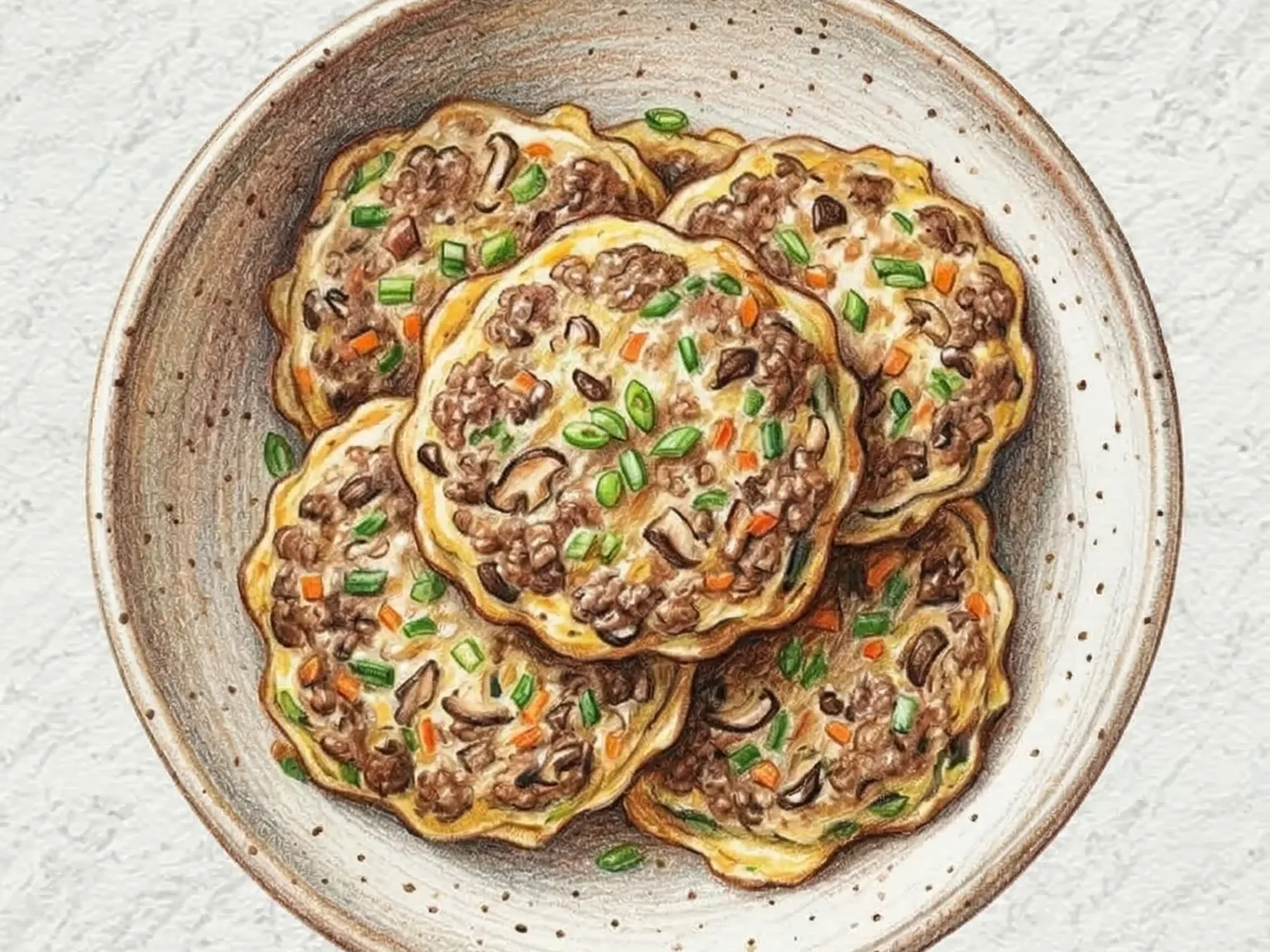
Korean Beef and Mushroom Pancake
Ground beef is mixed with finely chopped shiitake mushrooms and pressed tofu, then kneaded until the three textures merge into a cohesive, sticky mass seasoned with soy sauce and sesame oil. Small patties are shaped, dusted in flour, dipped through beaten egg, and pan-fried over medium heat until the egg coating sets into a thin golden shell that traps moisture inside. The shiitake contributes a deep umami undertone, while the tofu keeps the interior soft rather than dense. This is a classic Korean jeon served at holiday gatherings and special-occasion meals.
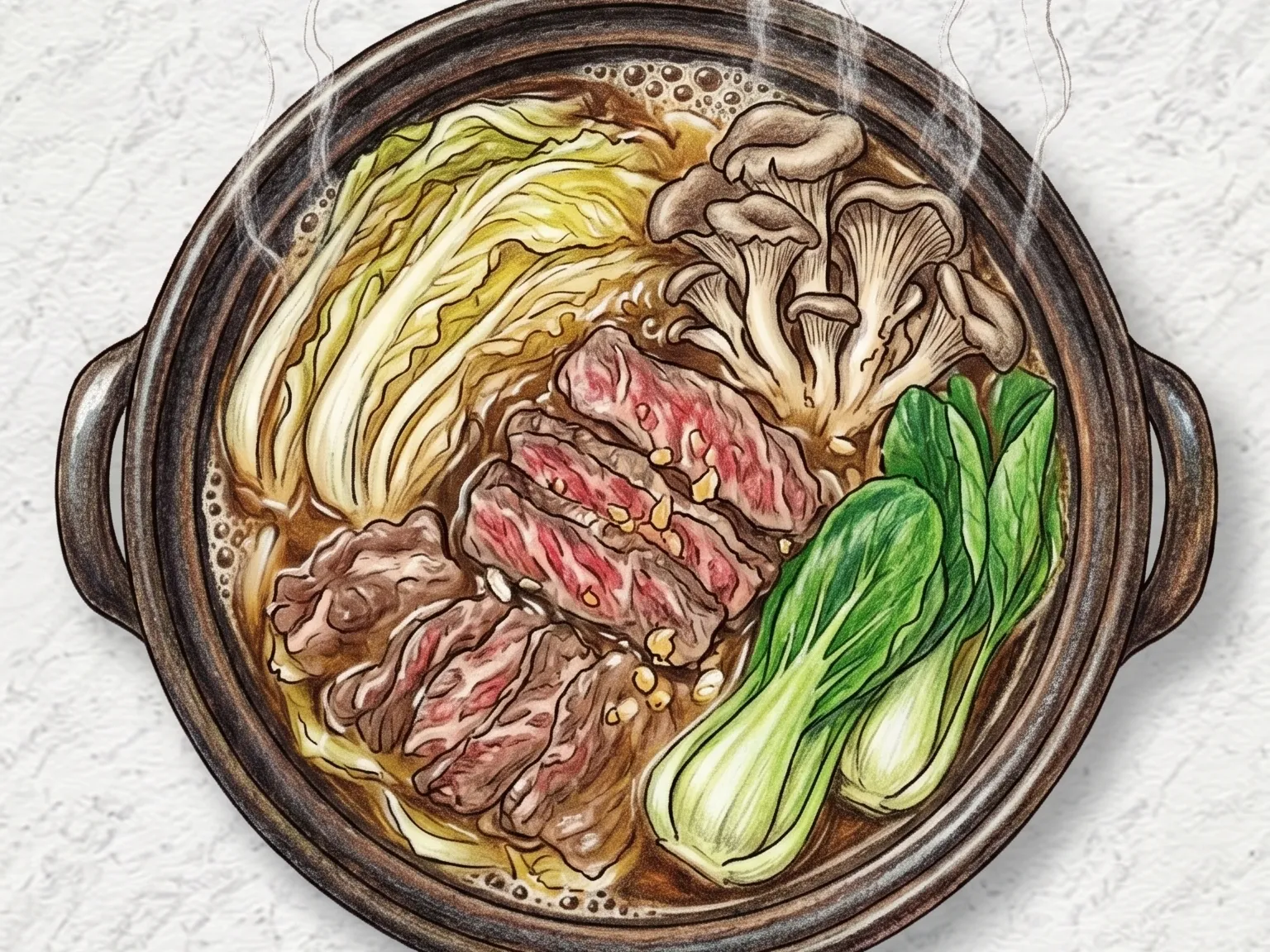
Korean Beef Vegetable Hot Pot
Soegogi jeongol is a Korean hot pot built on a soy sauce-seasoned beef broth and brought to the table with baby napa cabbage, oyster mushrooms, and bok choy arranged over the beef before cooking begins. The seasoning stays deliberately simple, just soy sauce and minced garlic, so the natural flavors of each ingredient rise through the broth cleanly. Savory depth from the beef mingles with the gentle sweetness that the cabbage and bok choy release as they soften, and the oyster mushrooms hold their springy texture through the simmer. Because the pot cooks at the table and everyone serves themselves directly from it, the dish is as much about the shared experience as it is about the food itself.
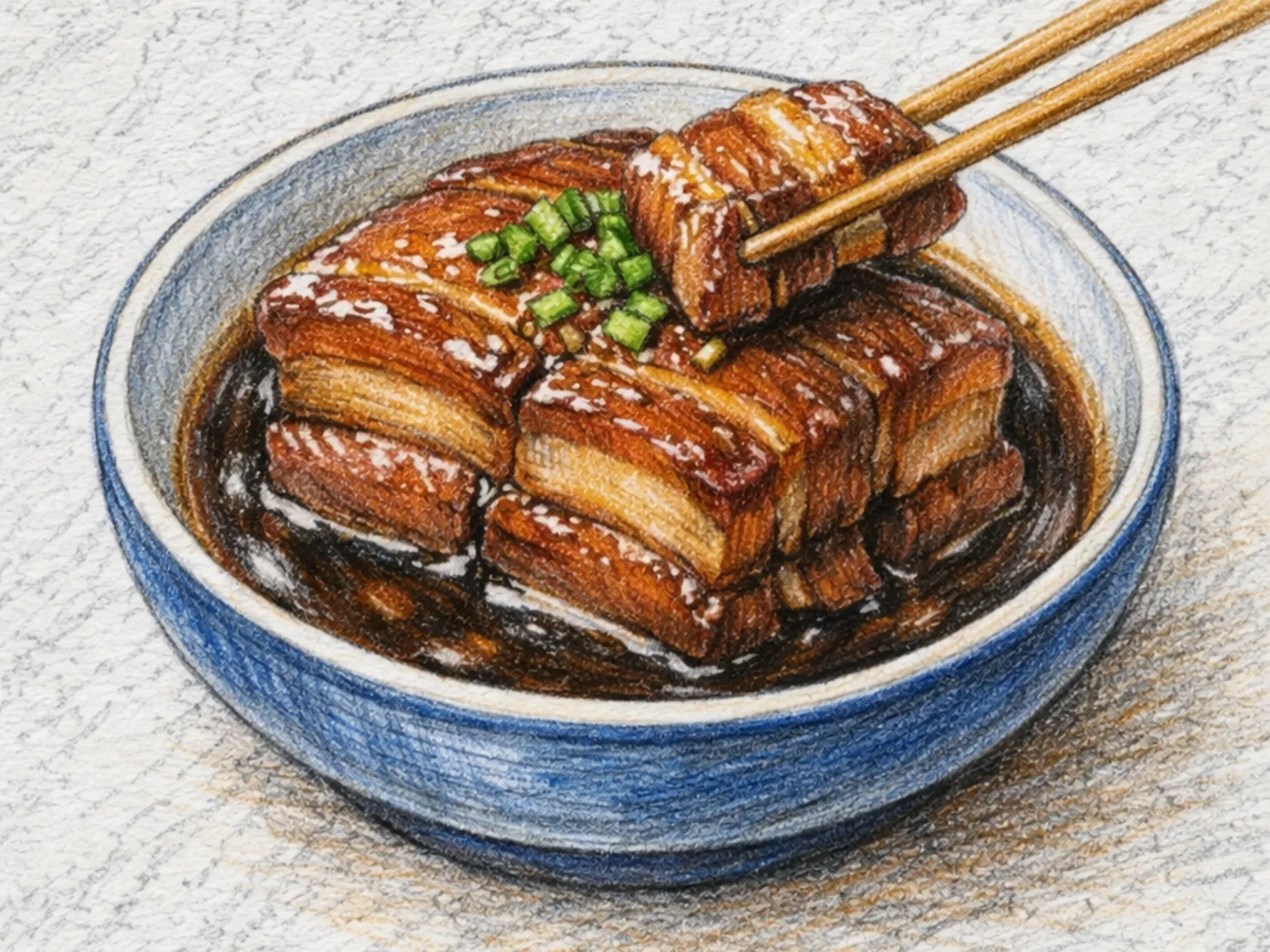
Dongpo Pork (Chinese Soy-Braised Melt-in-Mouth Pork Belly)
Dongpo rou is a Chinese-style pork belly braised slowly in soy sauce, rice wine, sugar, ginger, and green onion until the fat turns translucent and the lean sections absorb a deep mahogany glaze. The belly is cut into thick five-centimeter squares and tied with kitchen twine so the layers stay together over the long cook. Searing the pieces briefly in hot oil before moving them to the braising liquid is not decorative; the Maillard reaction at the surface builds color and aroma that carry into the finished dish. Long cooking over low heat renders the fat layers meltingly soft, while the lean portions turn a deep mahogany from the soy and sugar. Rice wine drives off any porkiness and ginger sharpens the finish, though the dominant impression is a sweet, deeply savory richness. Named after the Song dynasty poet Su Dongpo, the dish is appreciated for the luxurious texture of the rendered fat as much as for its flavor. Reducing the braising liquid separately and spooning it over the finished pieces produces a glossy coat that makes the plated result visually striking.
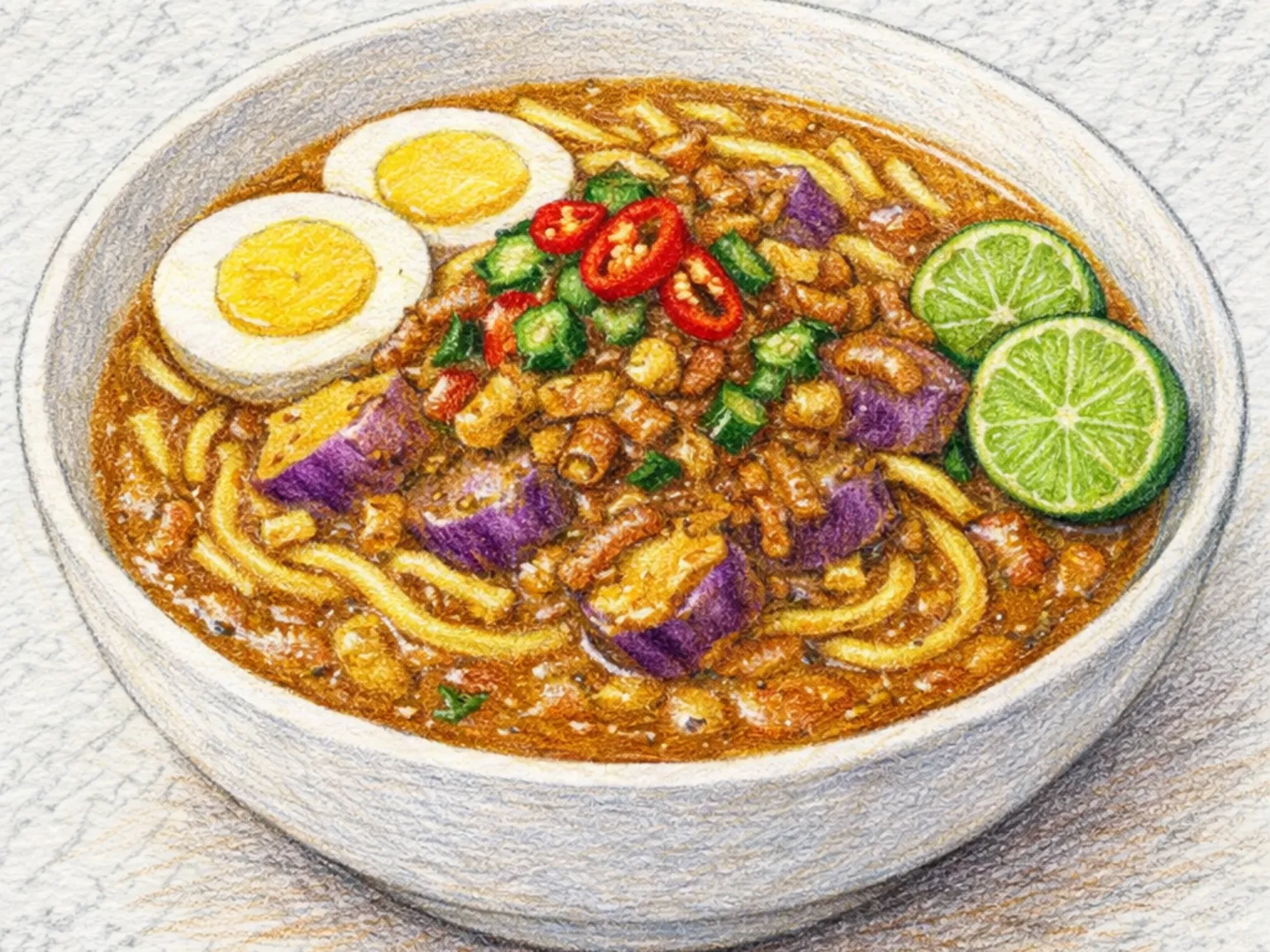
Mee Rebus (Noodles in Sweet Potato Curry Gravy)
Mee rebus is a Malaysian noodle dish where springy yellow noodles are topped with a thick gravy built from mashed sweet potato, curry powder, peanut butter, and chicken stock. The sweet potato dissolves into the stock to form a naturally thick base, and the curry powder and peanut butter contribute layers of spice and nuttiness that make the sauce unlike any other noodle topping. Soy sauce adds fermented depth and ties the sweetness and spice together. If the gravy becomes too thick during cooking, extra stock loosens it without diluting the flavor. A halved boiled egg and a squeeze of fresh lime just before eating cut through the richness, bringing the bright acidity that is a hallmark of Southeast Asian noodle dishes.
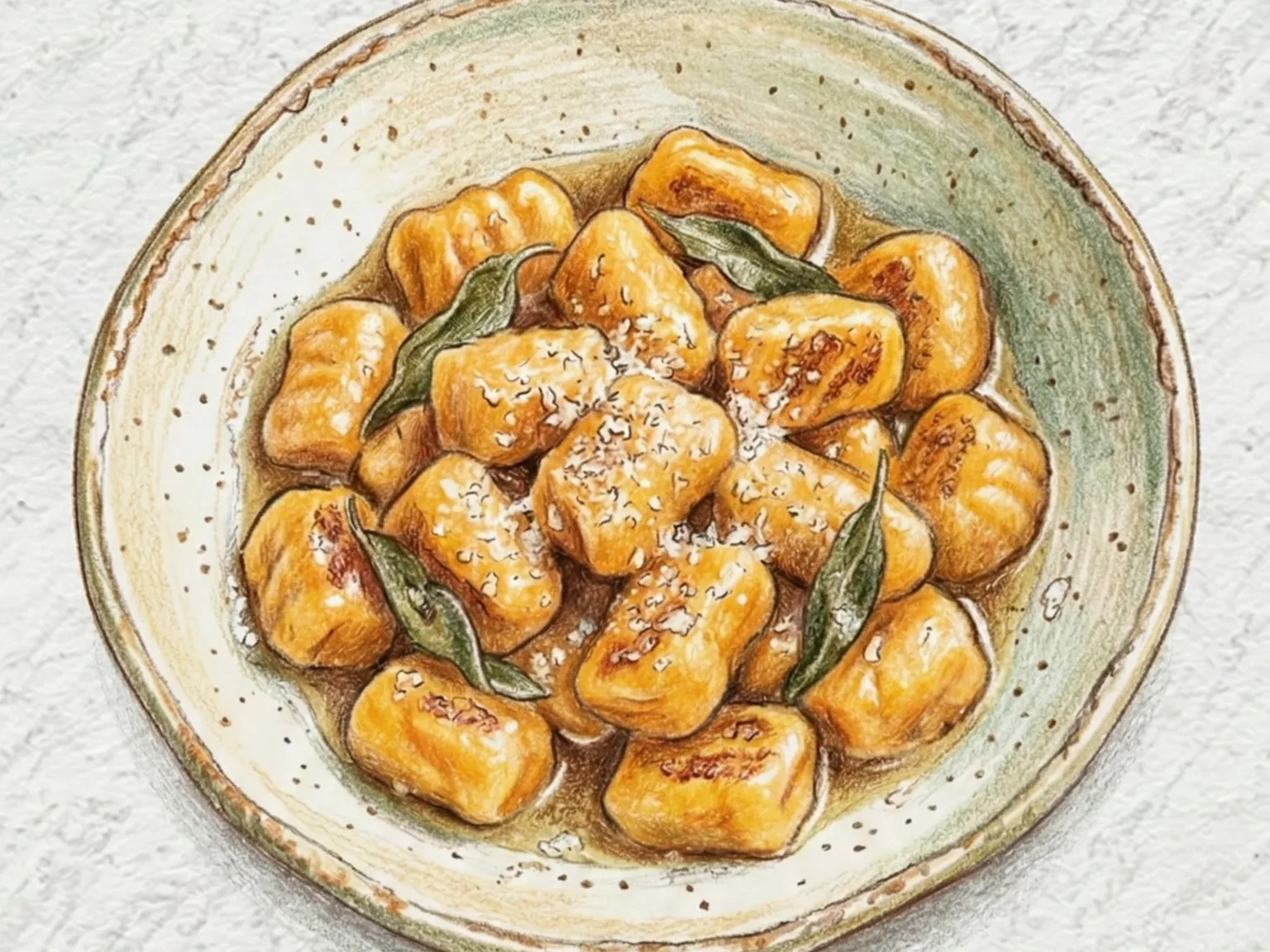
Sweet Potato Gnocchi with Sage Butter
Sweet potato gnocchi with sage butter begins with steamed sweet potato that has been rested uncovered to drive off excess steam, then mashed while still warm and folded gently with potato starch, all-purpose flour, and egg yolk into a soft, cohesive dough. The critical rule is minimal kneading - once the ingredients combine, the dough should be handled as little as possible to prevent gluten from developing, which would make the finished pieces dense and rubbery instead of fluffy and tender. The gnocchi are shaped by rolling ropes of dough, cutting them into small pillows, and pressing each one against a fork to create ridges that catch the sauce. Once boiled until they float, they go directly into browned butter: unsalted butter melted with fresh sage leaves over medium heat until the milk solids turn hazelnut-brown and the sage releases a dry, herbal aroma that complements the sweet potato's natural caramel notes. Toasted, chopped walnuts scattered over the top add a crunchy contrast to the pillowy gnocchi, and a generous grating of Parmigiano Reggiano provides the sharp, crystalline saltiness that pulls the whole dish together.
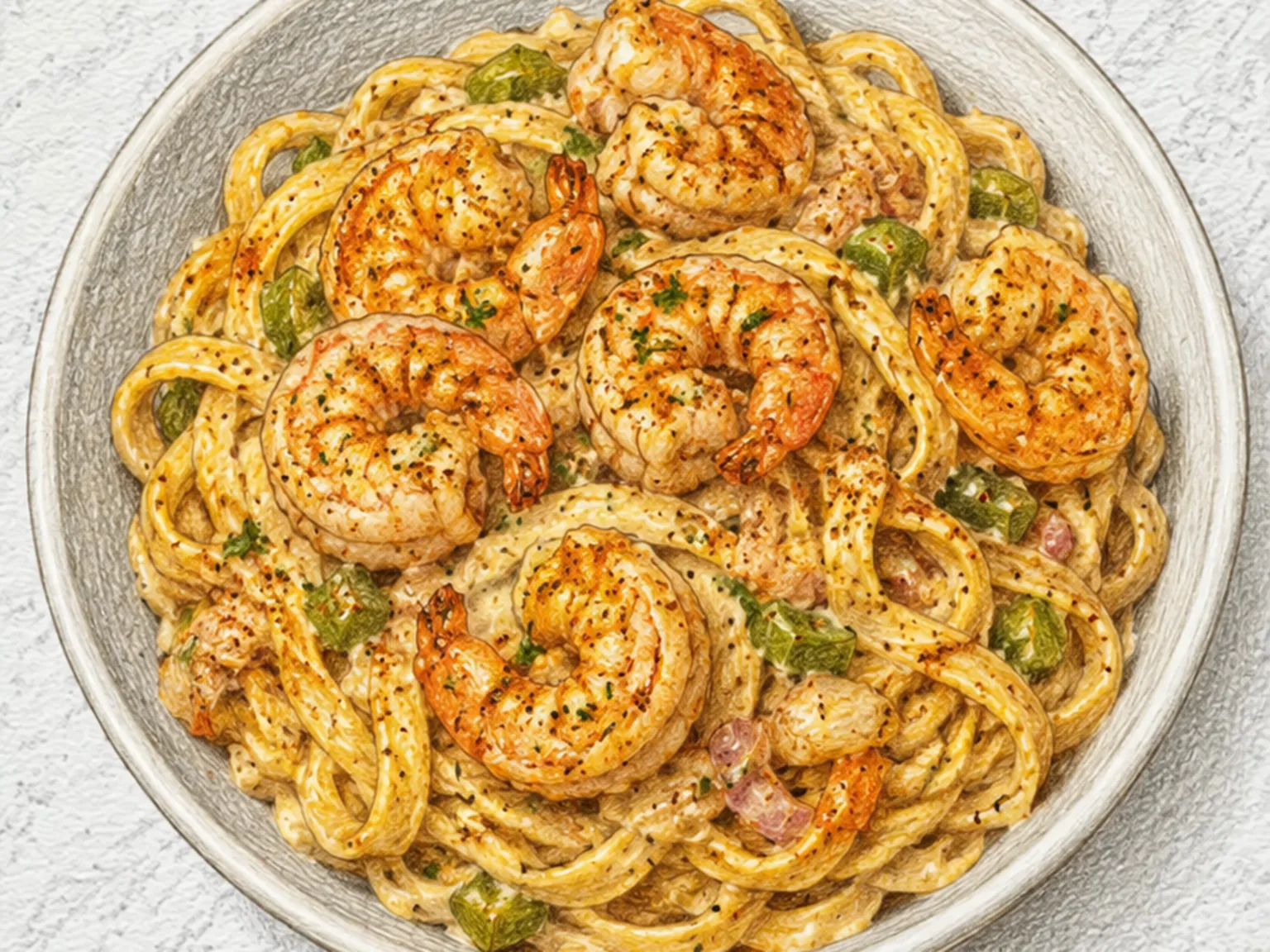
Cajun Shrimp Pasta
Cajun shrimp pasta belongs to the American culinary tradition and focuses on shrimp seasoned with a specific blend of spices known as Cajun seasoning. This seasoning mixture originates from the Louisiana Creole culinary heritage and typically includes a combination of paprika, cayenne pepper, dried oregano, thyme, garlic powder, and onion powder. This specific grouping of ingredients provides a distinct smoky quality and a moderate level of heat that separates it from the herb and spice traditions commonly found in Italian or Spanish cuisine. During the cooking process, the shrimp are first coated in the spice mix and then seared in butter for approximately one to two minutes on each side. It is necessary to remove the shrimp from the pan while they are still slightly underdone, as leaving them on the heat for too long results in a tough and rubbery texture. By taking them out of the pan early and only returning them at the final stage of preparation, the shrimp maintain their firm and snappy bite. Once the shrimp have been set aside, the butter and the spice-infused oil remaining in the pan serve as the primary flavor foundation for the sauce. A mixture of chopped onion, minced garlic, and bell peppers is sautéed in this residue until the vegetables soften and absorb the smoky heat left behind by the spices. The sauce is then constructed using both heavy cream and milk. The decision to use a combination of these two liquids, rather than heavy cream by itself, results in a lighter consistency that allows the sauce to coat the pasta strands more evenly without feeling excessively heavy during consumption. A small amount of the starchy water used to boil the pasta is added to the sauce before the noodles are introduced. This starch aids in the emulsification of the cream, which ensures that the sauce adheres to the pasta instead of separating or gathering at the bottom of the plate. The shrimp are added back into the pan at the very end, remaining on the heat only long enough to be warmed through. For individuals who would like a more intense level of spiciness, extra seasoning can be added to the finished dish at the table.
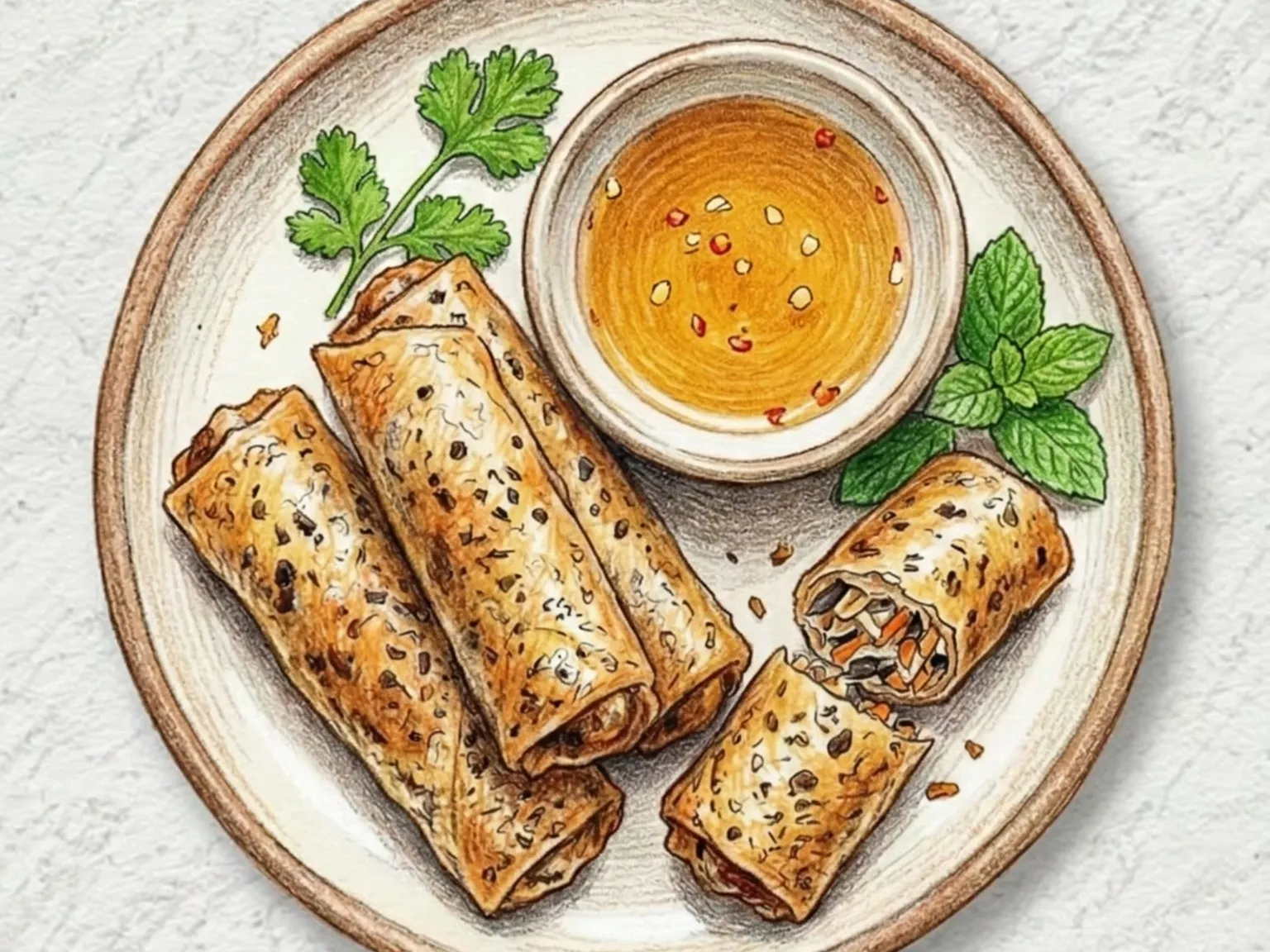
Cha Gio (Southern Vietnamese Crispy Rice Paper Spring Rolls)
Cha gio are fried spring rolls from southern Vietnam, distinct from the north's nem ran in both wrapper and filling. Southern cooks use rice paper instead of wheat-based wrappers, which produces an exceptionally thin, blistered shell on frying - one that shatters with a louder, sharper crack than a Chinese egg roll. The filling is ground pork, shrimp, glass noodle threads, wood ear mushroom, and grated carrot, seasoned with fish sauce and black pepper. Rolling technique directly affects the result: too loose, and the roll bursts in the oil; too tight, and the filling compresses into a hard, dense core. Oil temperature is managed in two stages - the rolls go in at 160°C to cook the filling through without scorching the wrapper, then the heat rises to 180°C for a final crisping that leaves the shell nearly translucent. The traditional presentation is wrapped in mustard greens or lettuce with fresh mint, Thai basil, and perilla, then dipped in nuoc cham. In southern Vietnamese households, the Tet (Lunar New Year) preparation of cha gio is itself a ritual: the entire family gathers to roll hundreds at once, an act that marks the holiday as much as eating them does. Frozen unbaked rolls fry from frozen with almost no loss in texture.
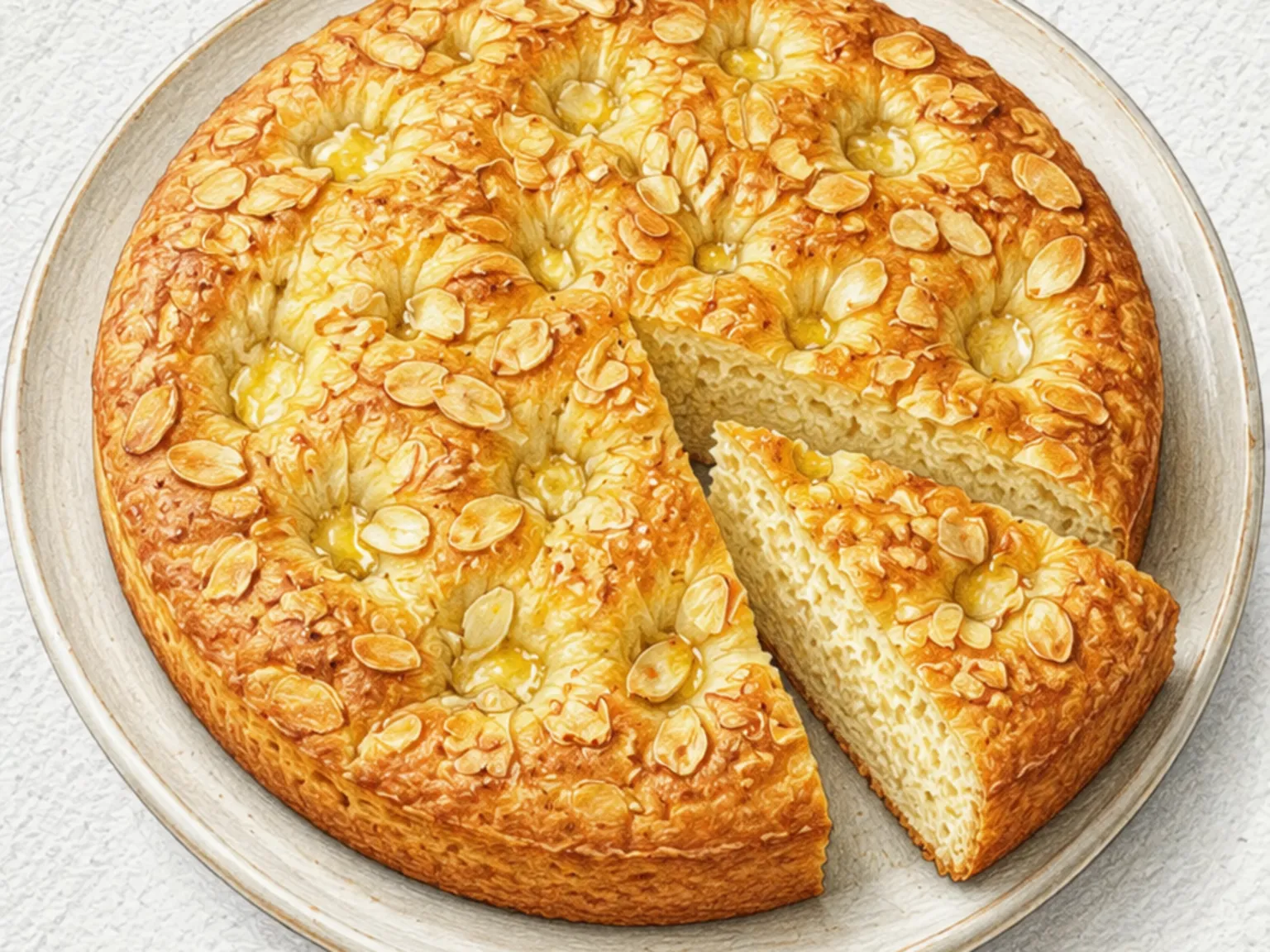
German Butter Cake (Yeasted Sheet Cake with Almond Topping)
Butterkuchen is a traditional German yeasted cake that relies on generous amounts of butter for its character. The dough is a soft, enriched bread base similar to brioche that rises into a pillowy sheet before baking. The surface is dimpled with fingertips and small pieces of cold butter are pressed into each hollow, so that as the cake bakes, the butter melts into caramelized pools that create pockets of salty-sweet richness across the top. Sliced almonds scattered over the surface toast to a golden crunch, adding textural contrast to the soft, open-crumbed interior. The finished cake is tender and buttery without being heavy - each square holds together cleanly when sliced, the almonds staying anchored by the caramelized glaze rather than scattering. The recipe has remained largely unchanged in northern German bakeries and family kitchens for generations, where simplicity of ingredients is the point rather than the limitation. A cup of strong filter coffee alongside a warm slice is the standard pairing, and the combination holds up without improvement.
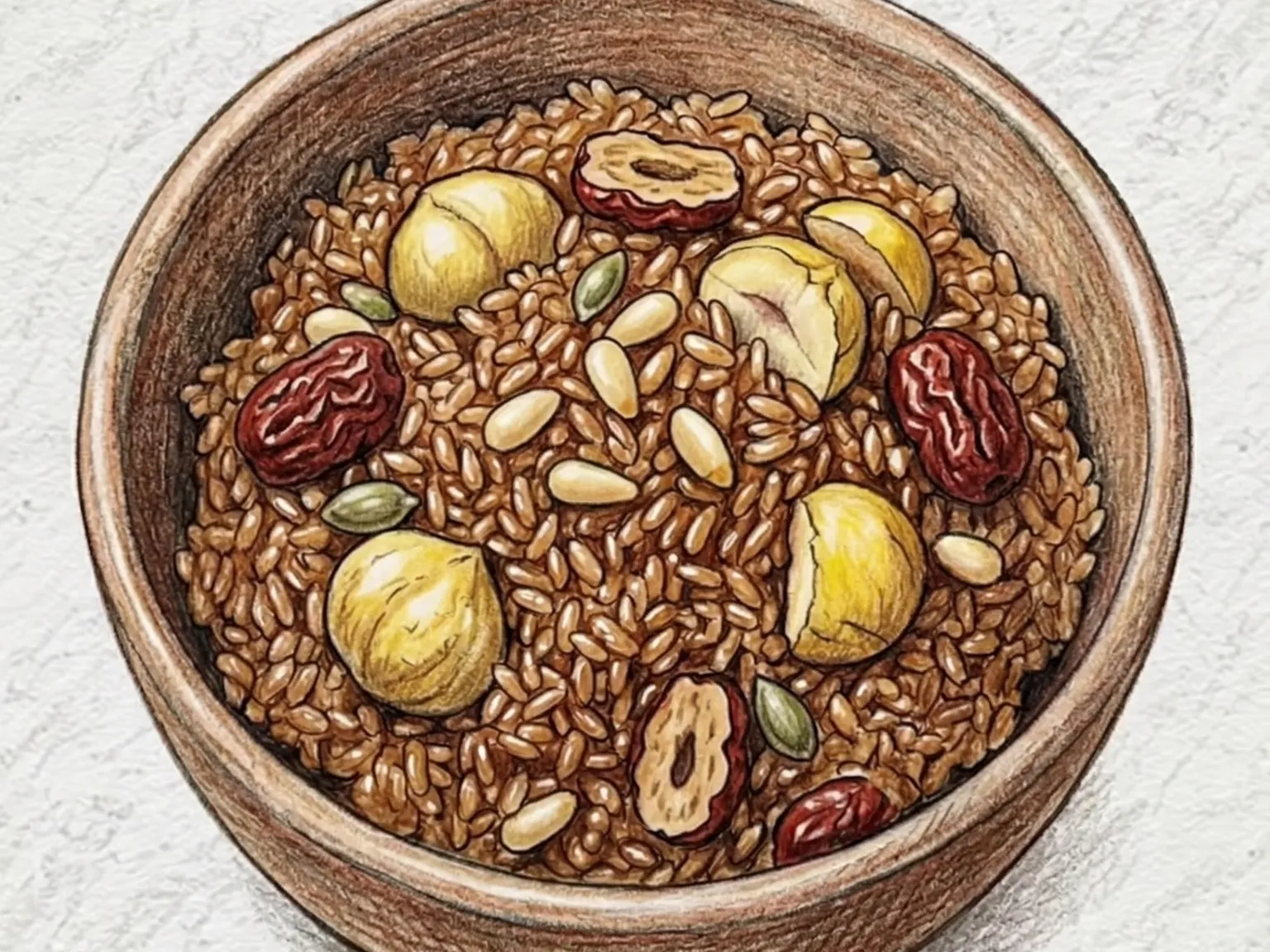
Korean Sweet Glutinous Rice
Glutinous rice is soaked, steamed, and dressed with a mixture of soy sauce, sesame oil, and honey, then studded with jujubes, chestnuts, and pine nuts before a second steaming. The double-steaming process gives the rice a dense, chewy stickiness while the soy sauce penetrates each grain and tints it a deep amber. Jujubes lend a natural caramel-like sweetness, chestnuts add a crumbly, starchy contrast, and pine nuts contribute a subtle oiliness that enriches the overall taste. Traditionally prepared for the first full moon festival, yakbap is equally enjoyable as an everyday snack or packed lunch.