🎉 Special Occasion Recipes
Impressive dishes for guests and special occasions
929 recipes. Page 30 of 39
When guests are coming, the menu needs a little extra care. This tag features impressive dishes suited for entertaining - galbi-jjim, japchae, and bulgogi for a Korean spread, or pasta and steak for a Western-style course.
The key to stress-free hosting is choosing recipes that allow advance preparation. Do the heavy lifting the day before, then finish plating when guests arrive. That way, you can relax and enjoy the meal together.
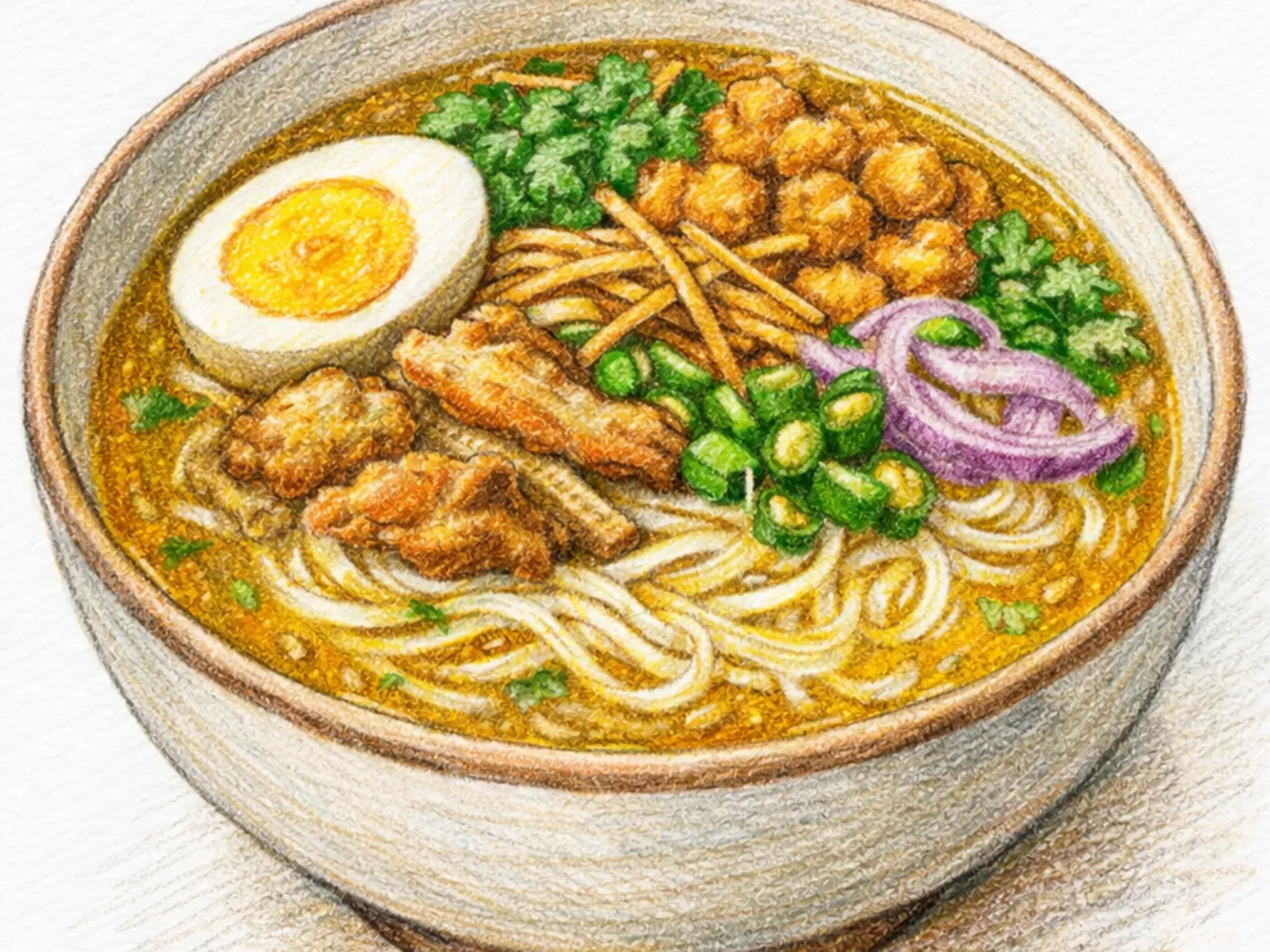
Mohinga (Burmese Fish Broth Rice Noodle Soup)
Mohinga is a traditional Burmese rice noodle soup featuring a golden fish broth seasoned with lemongrass, ginger, and garlic. The preparation begins by poaching freshwater white fish in water, flaking the meat, and simmering the bones and aromatics to extract a flavorful stock. The fish broth is seasoned with turmeric, which imparts a pale golden color, and fish sauce. To achieve the signature thick consistency, a slurry of chickpea flour is gradually stirred into the boiling broth. The flaked fish is then returned to the soup to simmer and combine flavors. To serve, thin rice noodles are placed in a bowl and covered with the hot fish broth. The soup is typically garnished with crispy chickpea fritters, boiled egg halves, fresh cilantro, and a squeeze of lime juice to balance the savory flavors with crunch and acidity.
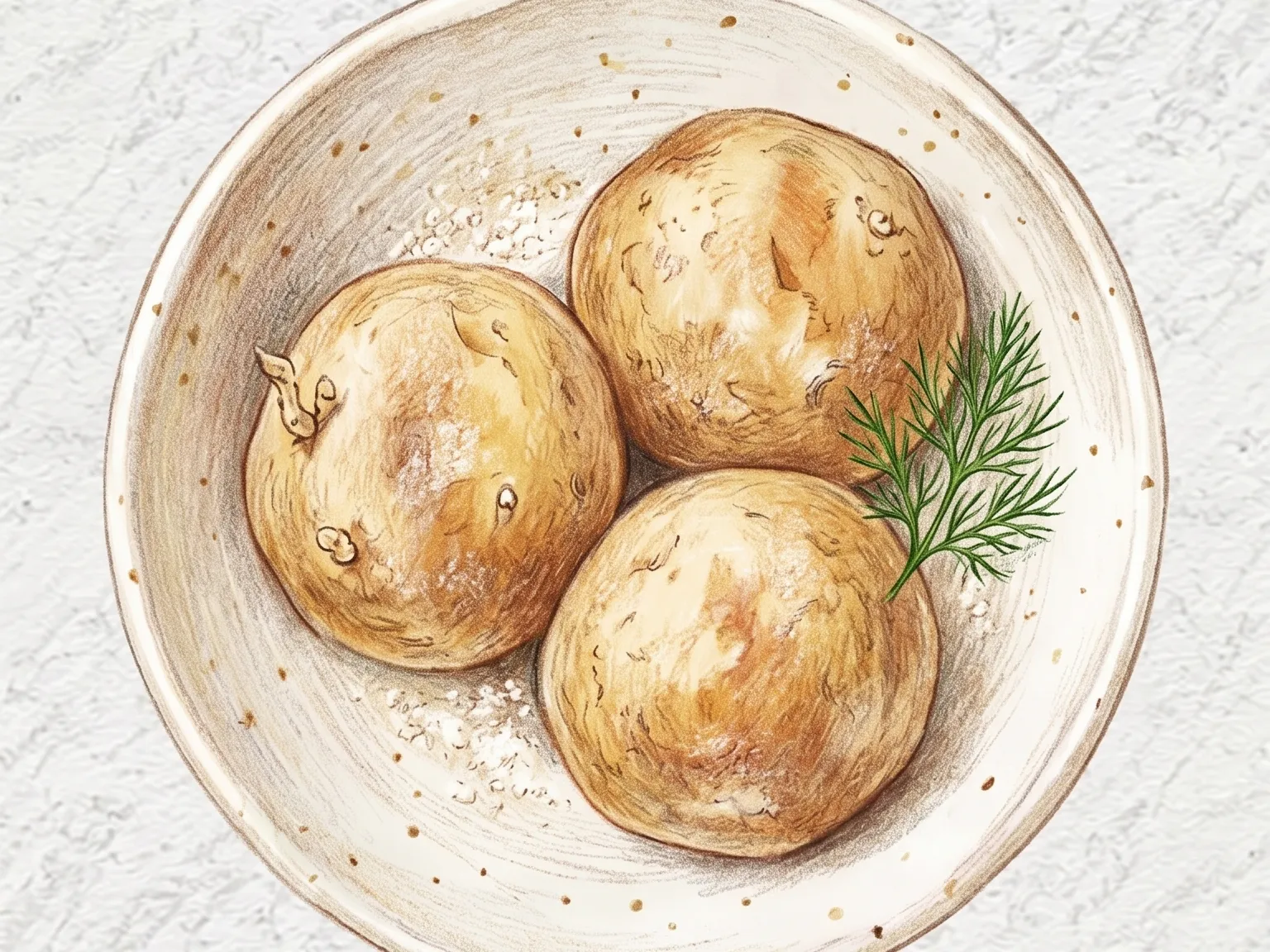
Korean Mashed Potato Bread
Korean Mashed Potato Bread is a snack featuring a potato filling wrapped in a chewy dough. The dough combines bread flour and tapioca starch, which prevents the crust from hardening after cooling, maintaining a soft, elastic texture. Boiled potatoes are mashed while hot with sugar and salt before being wrapped in the dough. Varying sugar levels in the filling and the dough create a layered sweetness. The outer surface is coated with roasted soybean powder and black sesame powder to replicate the earthy look of Gangwon potatoes. Small holes are poked on the surface with chopsticks for a realistic appearance. The bread is baked at 170 C for twenty to twenty-five minutes. Adding mayonnaise to the filling yields a creamier and richer taste.
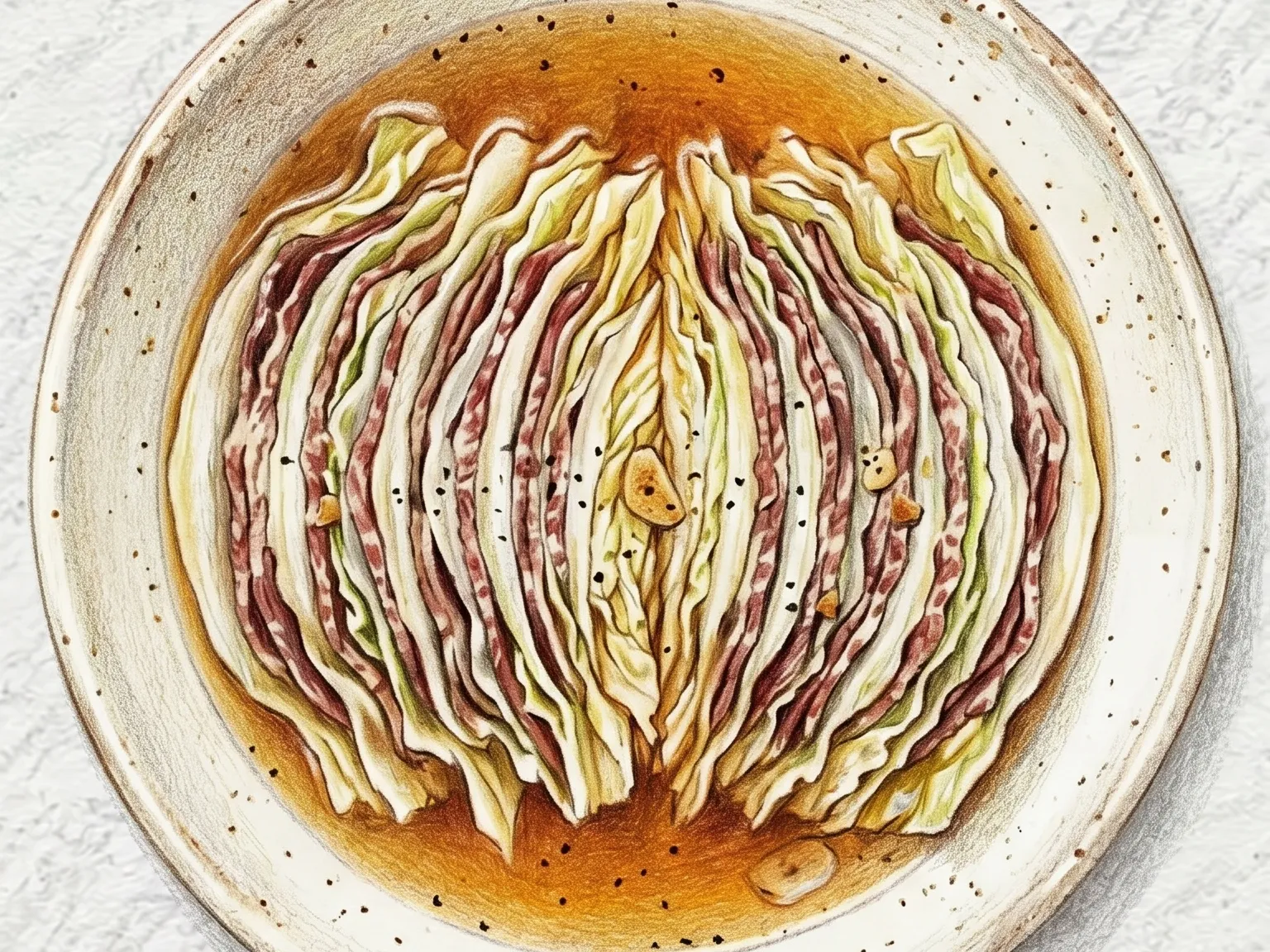
Korean Steamed Beef Mille-Feuille Cabbage
Usamgyeop millefeuille jjim is a Korean steamed dish where thin-sliced beef belly and napa cabbage leaves are stacked in alternating layers, then braised in a soy sauce, cooking wine, and garlic seasoning. Moisture from the cabbage mingles with the rendered beef fat to create a clean yet rich broth, and each layer delivers an alternating hit of meat and vegetable flavor. Soy sauce adds subtle salinity, and black pepper sharpens the finish. The layered cross-section revealed when the lid comes off makes this an visually striking main course suited for entertaining.

Galette Complete (Buckwheat Crêpe with Ham Cheese Egg)
Galette complete is a savory Breton buckwheat crepe made from a thin batter of buckwheat flour, water, eggs, and salt that rests for fifteen minutes to let the grain hydrate and the rough particles smooth out. A lightly buttered crepe pan gets a thin spread of batter that cooks until the edges turn crisp and lacy. Ham and grated Gruyere cheese are placed in the center, a whole egg is cracked on top, and the edges fold inward to form a square frame around the filling. The galette finishes cooking just until the white sets while the yolk stays runny, which is the traditional result. Buckwheat's earthy, slightly bitter character pairs naturally with the salty ham and nutty melted cheese, and the crisp folded border contrasts with the soft, custard-like center. Spreading the batter as thinly as possible is important because a thick crepe loses the light, delicate texture that defines the dish. A lid placed briefly over the pan after folding can set the white faster without overcooking the yolk.
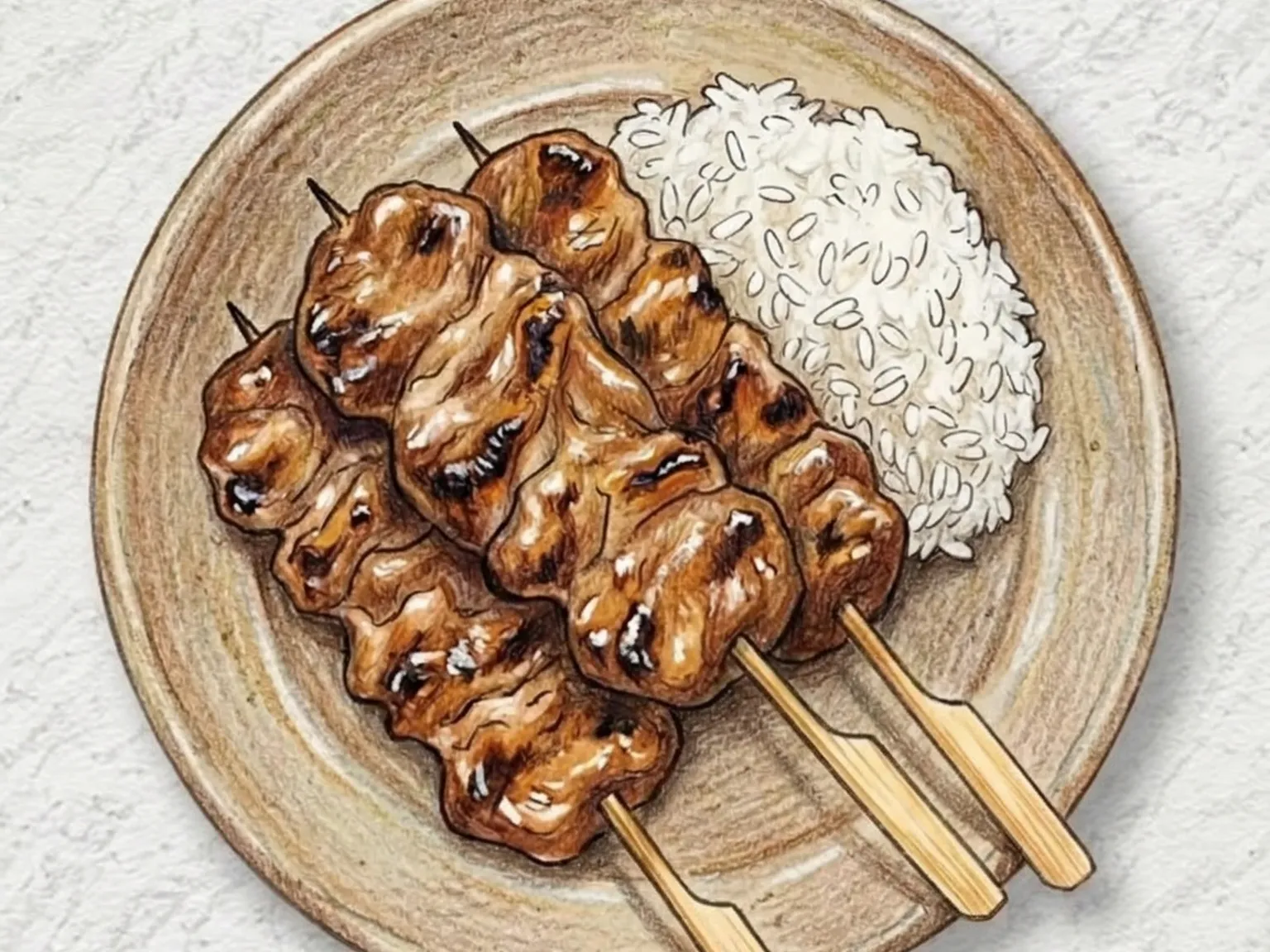
Moo Ping (Thai Grilled Pork Skewers)
Moo ping are popular Thai grilled pork skewers known for their sweet and savory glaze. The dish features thinly sliced pork neck marinated in a rich mixture of coconut milk, palm sugar, soy sauce, fish sauce, minced garlic, and black pepper. Soaking the bamboo skewers in water before cooking prevents them from burning on the hot grill. The coconut milk in the marinade acts as a tenderizer, ensuring the marbled pork neck remains moist and juicy inside. The pork slices are threaded onto skewers and grilled over medium-high heat. During the final minute of cooking, brushing on the remaining marinade helps the palm sugar and soy sauce caramelize on the surface, creating a glossy, slightly charred glaze. These skewers are traditionally eaten warm, frequently paired with sticky rice as a staple street food option.

Kougelhopf (Alsatian Raisin Almond Bundt Cake)
This yeasted cake from the Alsace region of France is baked in a distinctive fluted ring mold that gives it a crown-like silhouette. The dough is enriched with butter and eggs and kneaded until it develops a soft, brioche-like crumb that stays moist for days. Raisins are folded into the batter, releasing pockets of gentle sweetness with each bite, while whole almonds placed at the bottom of the mold become a decorative and crunchy topping once the cake is inverted. Two separate rises, the first to develop flavor and the second inside the mold to set the shape, require patience but reward the baker with an airy, delicate interior. Generously buttering every groove of the mold is essential for a clean release; any missed spot means the cake tears when turned out. A dusting of powdered sugar after cooling completes the presentation with an elegant, snow-capped look that makes the kougelhopf as appealing on the table as it is on the palate.
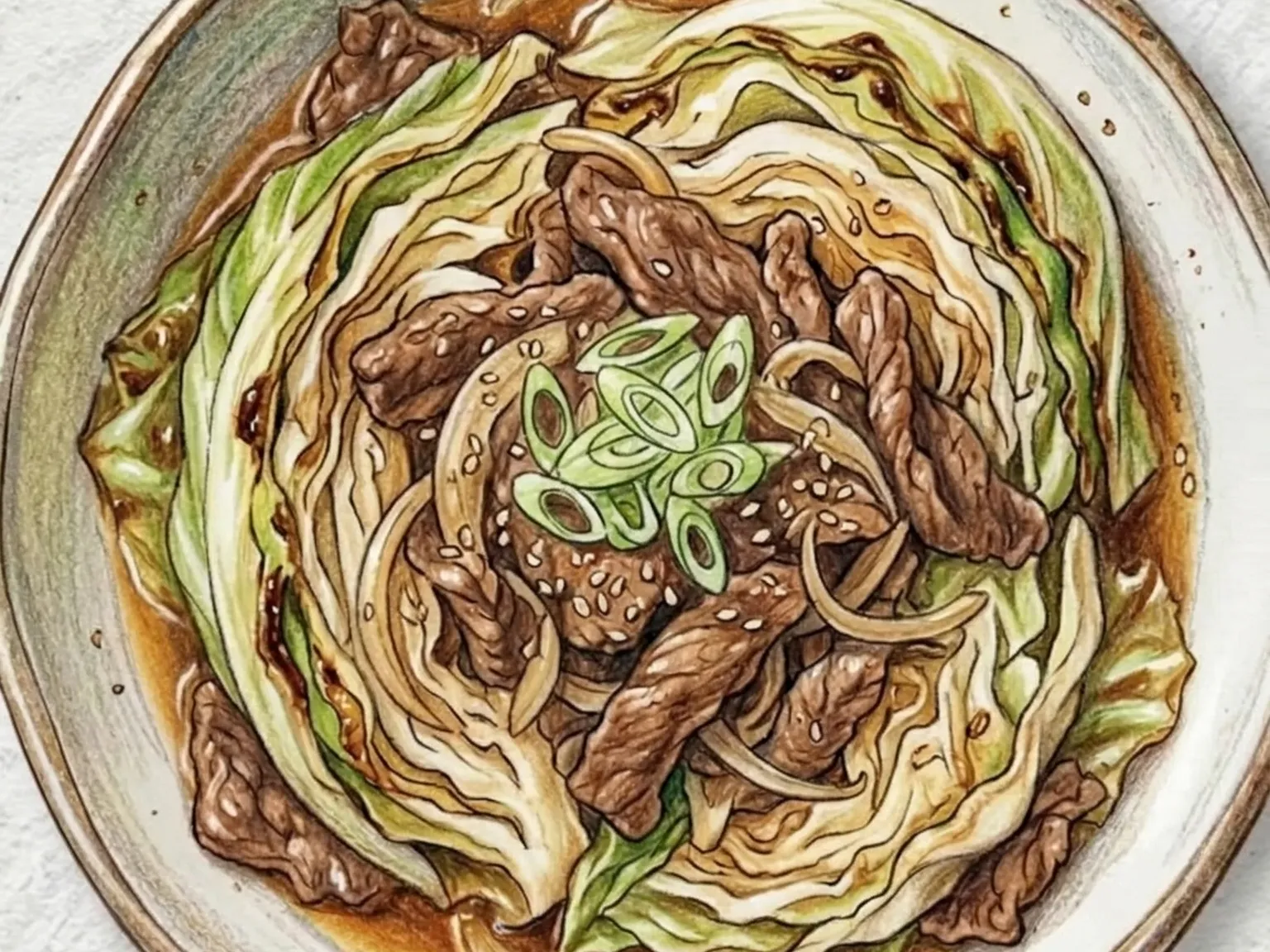
Korean Steamed Bulgogi with Cabbage
Yangbaechu bulgogi jjim is Korean steamed bulgogi with cabbage, where thin-sliced beef marinated in pear juice and soy sauce is layered with cabbage and onion, then steamed covered. The pear juice tenderizes the beef and adds a subtle fruit sweetness, while the cabbage absorbs the meat juices and turns soft and sweet. Soy sauce and sesame oil build a deep savory backbone, and green onion stirred in at the end provides an aromatic lift. The reduced braising liquid at the bottom is meant to be mixed with rice, pulling together the flavors of beef and vegetables into one cohesive bite.
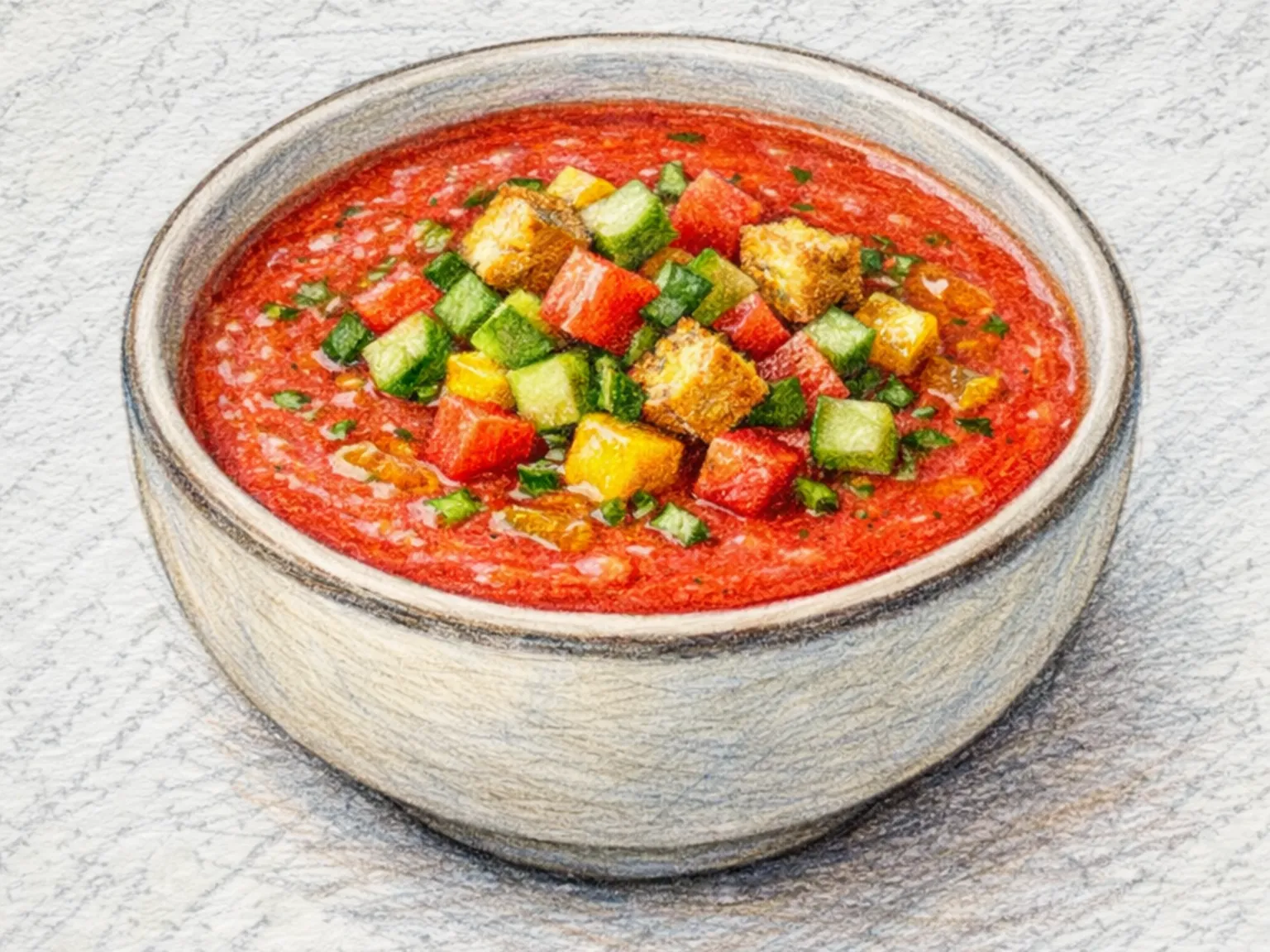
Gazpacho
The secret to an authentic gazpacho lies in the interaction between stale bread and fresh garden vegetables. While tomatoes, cucumbers, and red bell peppers form the base, the addition of water-soaked bread creates a thick, velvety consistency that distinguishes this Andalusian specialty from a simple puree. Blending these ingredients with red onion, garlic, extra virgin olive oil, and red wine vinegar produces a smooth texture where the oil emulsifies the vegetable juices and the vinegar sharpens the natural sugars of the tomatoes. Patience is required after the blending is complete; the soup must rest in the refrigerator for at least two hours to allow the flavors to settle and integrate, a process that does not occur effectively at room temperature. Serving requires a final touch of drizzled olive oil and a handful of finely diced vegetables to create a crisp contrast against the liquid base. For the most refined results, passing the mixture through a fine-mesh sieve ensures a silky finish. Using fully ripened summer tomatoes provides the ideal acidity levels, and storing the leftovers in the fridge for a day or two often leads to a more developed profile.
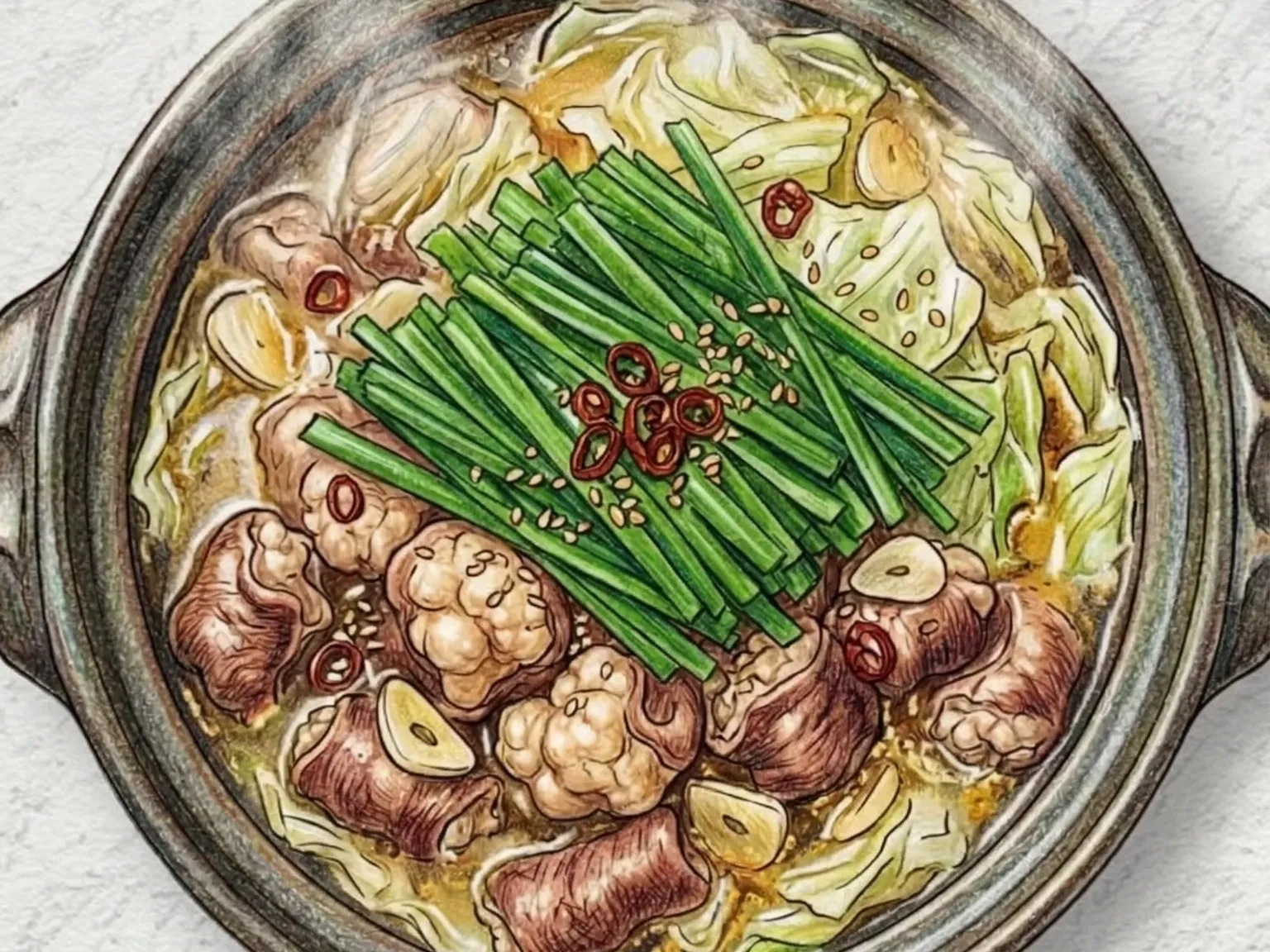
Hakata Motsu Nabe (Offal Hot Pot)
Hakata motsu nabe is a traditional Japanese hot pot featuring pork small intestines simmered with cabbage, garlic chives, and tofu. The preparation begins by rinsing and blanching the offal to eliminate gamey odors before slicing it into small pieces. The base broth combines chicken stock, soy sauce, and mirin, brought to a boil before adding the blanched offal, hand-torn cabbage, and firm tofu. Simmering allows the fats from the intestines to melt into the soup, enriching its flavor, while the cabbage absorbs the seasoned liquid and softens. Sliced garlic and red chili are added to infuse the broth with a warm aroma, followed by garlic chives cooked briefly to preserve their green color. This dish is served hot at the table and traditionally finished by adding ramen noodles or rice to the remaining savory broth.
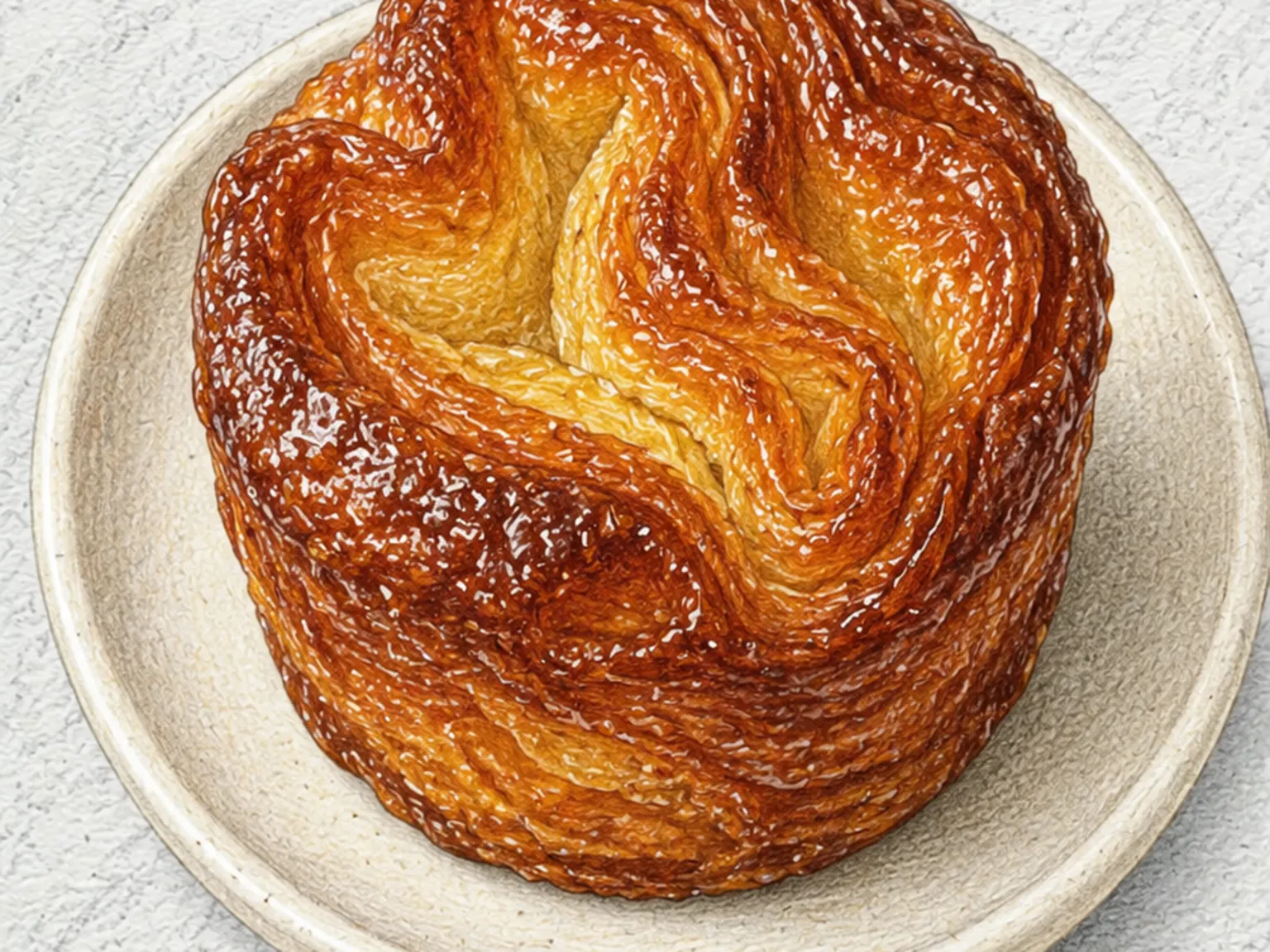
Kouign-Amann (Caramelized Butter Sugar Pastry)
This Breton pastry is constructed by folding generous amounts of butter and sugar into a simple yeasted bread dough, then baking until the sugar caramelizes into a glassy, deeply bronzed crust. The exterior shatters audibly at the first bite, giving way to an interior where dozens of buttery layers remain soft and slightly chewy. Three rounds of rolling and folding build the laminated structure, and keeping the butter cold throughout the process is what prevents the layers from merging into a dense mass. At 200 degrees Celsius, the sugar melts and pools at the bottom of each portion, so lining the pan with foil is a practical necessity to catch the drips. The aroma of caramelizing butter and sugar fills the kitchen long before the timer sounds. Despite containing only five ingredients, flour, butter, sugar, yeast, and salt, the technique demands precision: under-laminated dough bakes flat, and over-proofed dough loses its layered definition. The result, when executed well, is one of the richest pastries in the French repertoire.
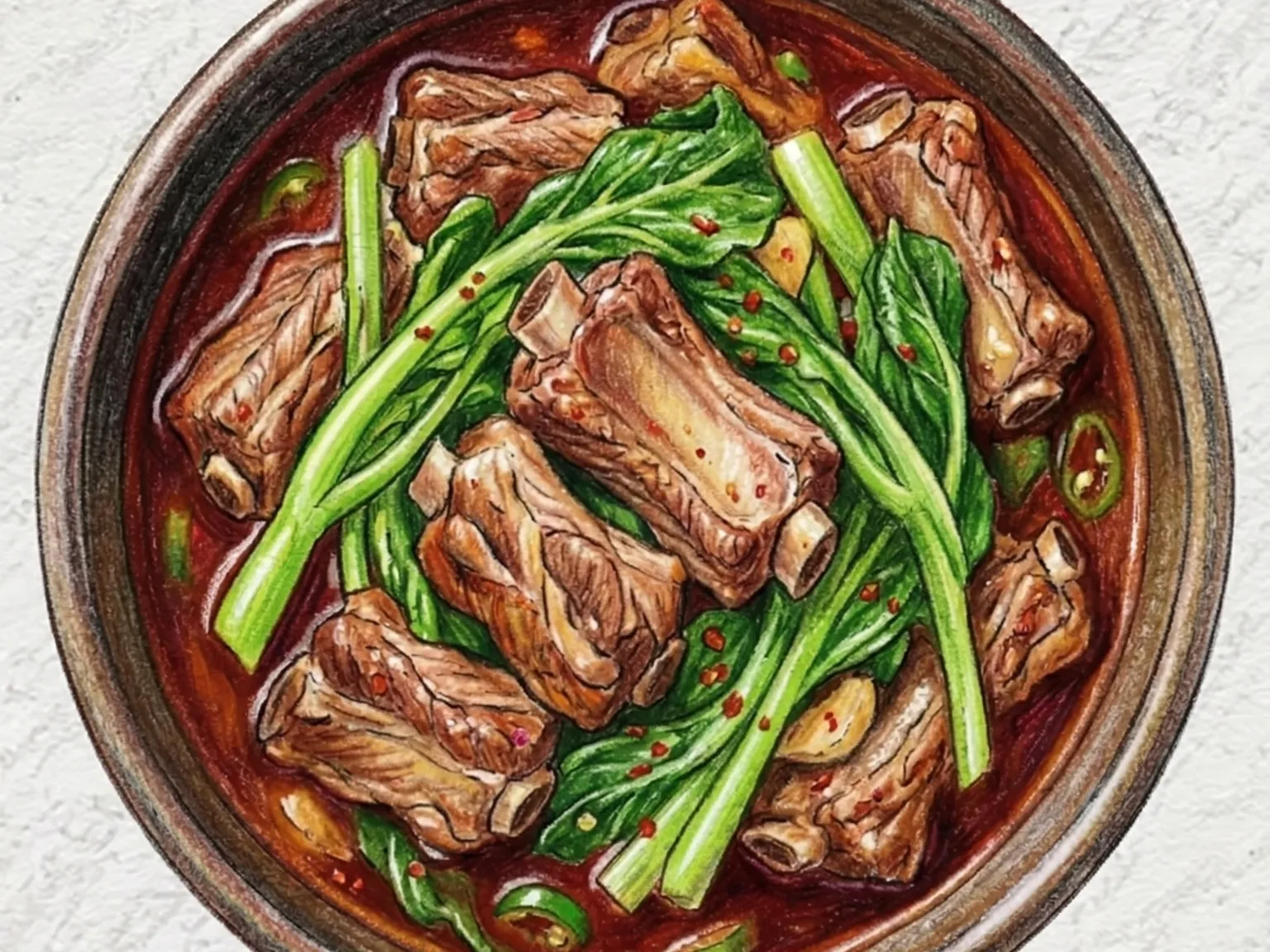
Korean Braised Pork Ribs with Young Radish Greens
Yeolmu dwaeji galbi jjim is a Korean braised pork rib dish finished with young radish greens, cooked in a gochujang and soy sauce seasoning. The ribs simmer until the meat separates from the bone, building a concentrated, spicy braising liquid from the rendered pork stock and chili paste. Young radish greens are added only in the final minutes to preserve their crisp stems and fresh, slightly peppery aroma, which lightens the rich, heavy sauce. The combination of fall-off-the-bone pork and bright summer greens makes this a seasonal main course that bridges richness and freshness.
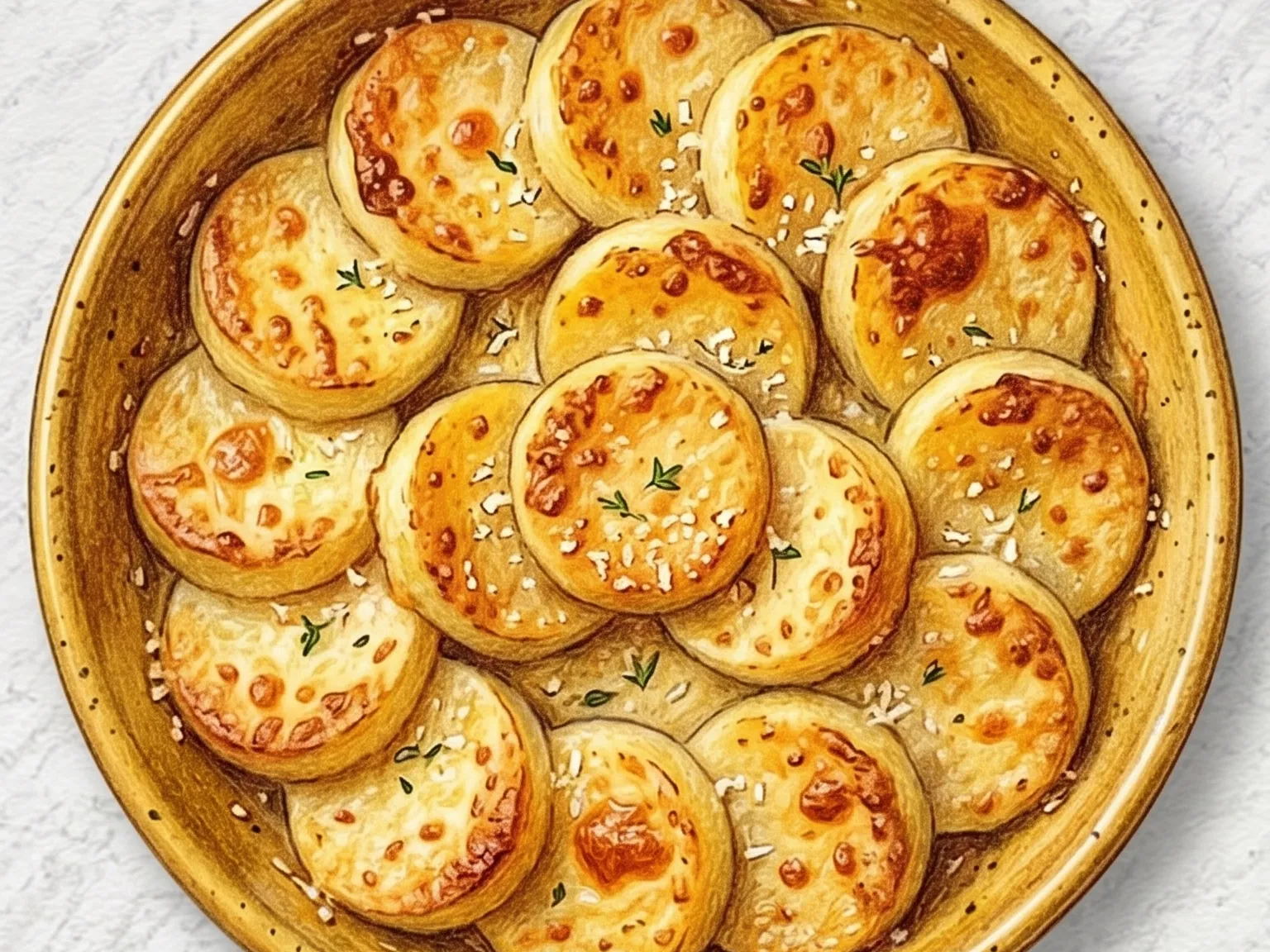
Gnocchi alla Romana (Baked Semolina Cheese Rounds)
Gnocchi alla Romana is made by cooking semolina into hot milk until the mixture thickens into a stiff, smooth dough, then enriching it with butter, egg yolks, and Parmigiano-Reggiano before spreading it flat to cool and firm up. The milk is brought to heat with salt, nutmeg, and half the butter, and the semolina is trickled in slowly while whisking without pause to prevent lumps from forming. Removing the pan from the heat before folding in the yolks and cheese ensures the residual warmth binds everything together without scrambling the eggs, contributing a rich golden color and a deeper, more savory character to the dough. Once the slab has cooled completely and set firm, a round cutter stamps out discs that are overlapped in a buttered baking dish, topped generously with the remaining butter and cheese, then slid into a 200-degree oven. Finishing under the broiler for the last few minutes drives the surface to a crackling, golden crust while leaving the center tender and creamy. Unlike fresh pasta or potato gnocchi, the semolina slab can be prepared a day in advance and refrigerated, making this an excellent option when cooking for guests.
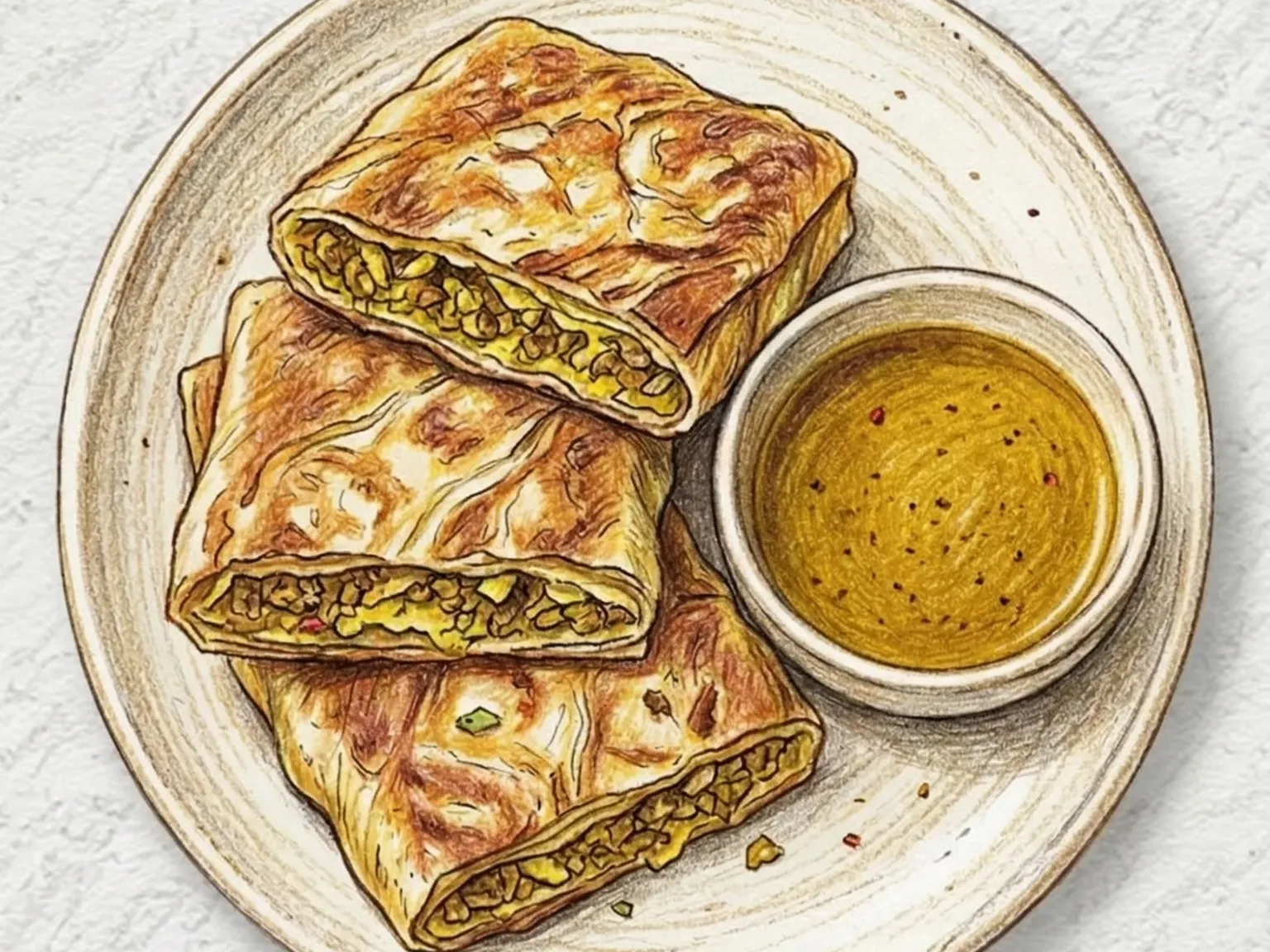
Murtabak (Malaysian Stuffed Pan-Fried Flatbread with Spiced Beef and Egg)
Murtabak is a popular Malaysian pan-fried flatbread stuffed with spiced ground beef and egg. The process begins by kneading wheat flour, water, salt, and oil to form a smooth dough, which is rested for thirty minutes to ensure it can be stretched thin. The filling is prepared by cooking ground beef and onion with curry powder until dry, which prevents the flatbread from becoming soggy. To assemble, the dough is stretched paper-thin with oiled hands, topped with the beef mixture, and a raw egg is added before folding the sides into a square. The flatbread is cooked in a lightly oiled pan over medium heat until both sides turn golden and crisp. The result is a multi-layered pastry with a crispy shell and a moist, savory core. It is cut into pieces and served with curry sauce or chutney.
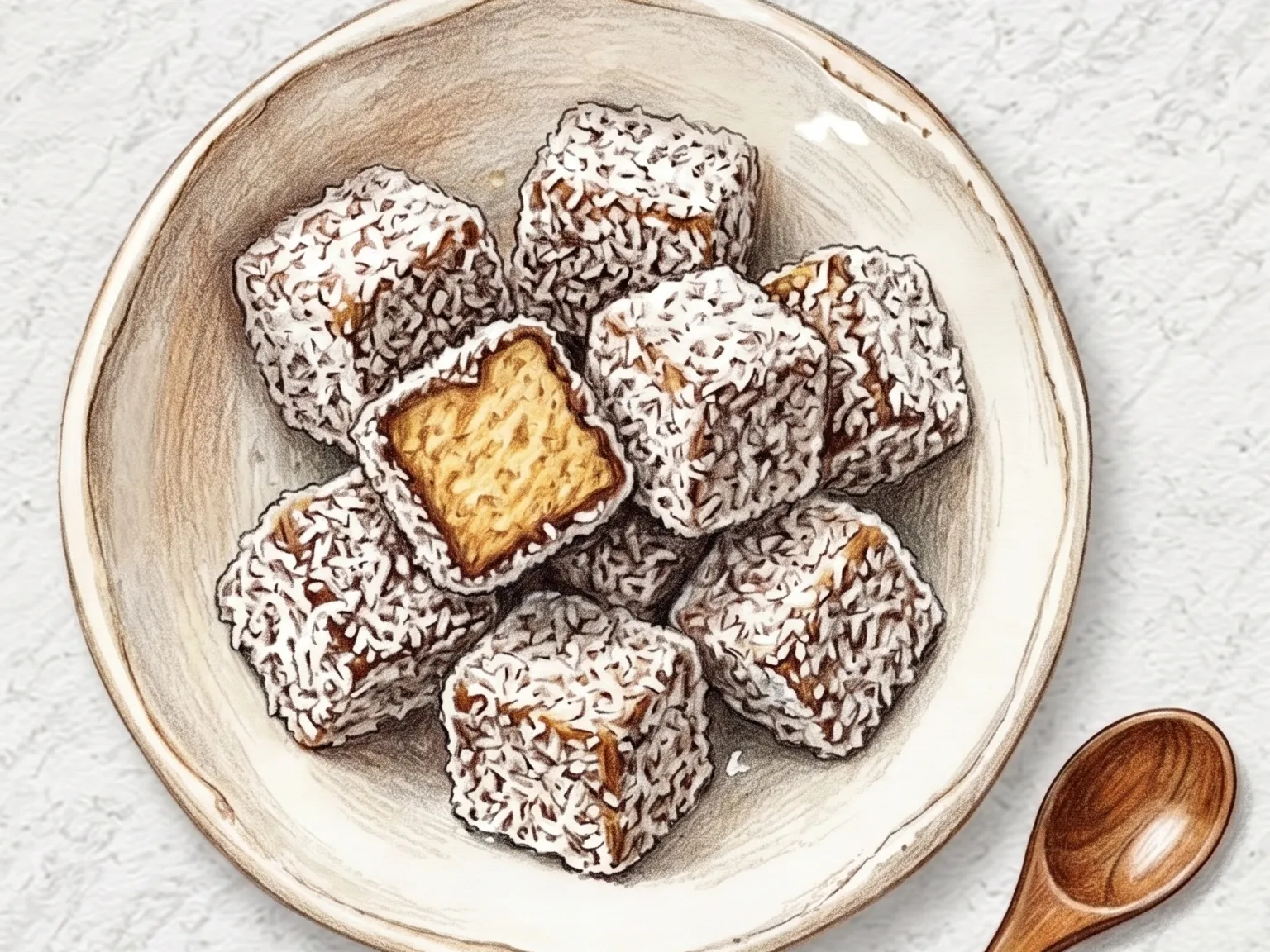
Lamington Cake (Chocolate-Dipped Coconut Sponge Cubes)
Cubes of sponge cake are dipped in a chocolate coating and rolled in desiccated coconut to produce this iconic Australian treat. The sponge is baked in advance and left to dry slightly so it holds its shape during the dipping process; if it feels too fragile, a brief spell in the freezer firms it up. The coating is made from melted dark chocolate, butter, milk, and powdered sugar, mixed until smooth and fluid enough to coat each cube in a single quick dip. Rolling the chocolate-covered cube in coconut immediately, before the coating sets, ensures the flakes adhere evenly and create the characteristic white-speckled exterior. Each piece delivers three textures in one bite: the crisp snap of the thin chocolate shell, the dry chew of coconut shreds, and the soft, airy crumb of the sponge underneath. The flavor moves from the bittersweet intensity of dark chocolate to the mild tropical sweetness of coconut, finishing with the neutral lightness of the cake. They pair naturally with black tea or a flat white.
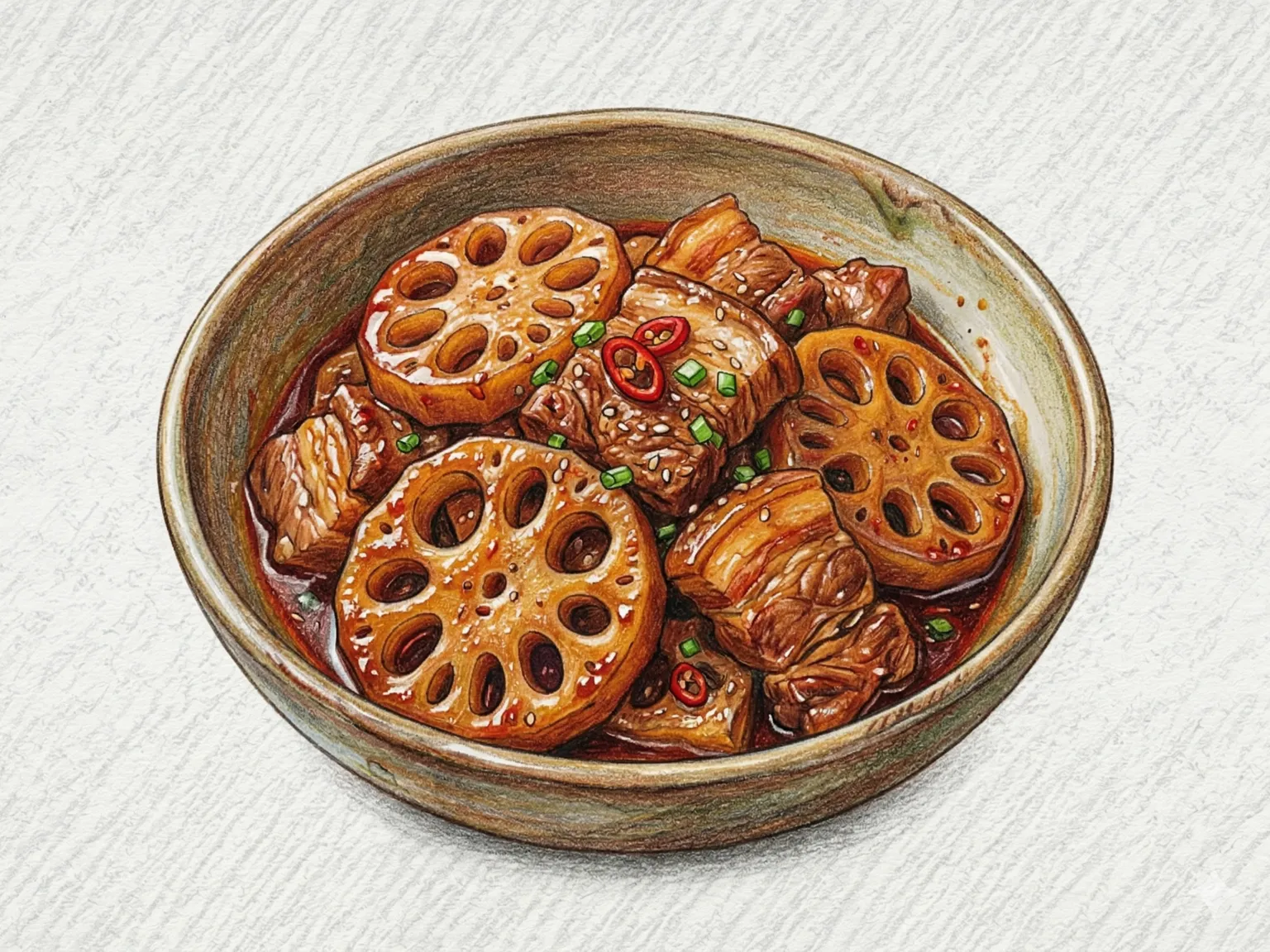
Korean Braised Lotus Root with Pork
Yeongeun dwaejigogi jorim is a Korean braise of lotus root and pork shoulder in a gochujang and soy sauce seasoning. The lotus root absorbs the spiced braising liquid while maintaining its signature crisp bite, and the pork shoulder softens as its fat renders into the sauce, building depth. Gochujang provides a steady warmth while soy sauce anchors the umami, and oligosaccharide syrup glazes everything in a glossy coat. The textures hold up well even after cooling, making this a practical banchan for lunchboxes and meal prep.
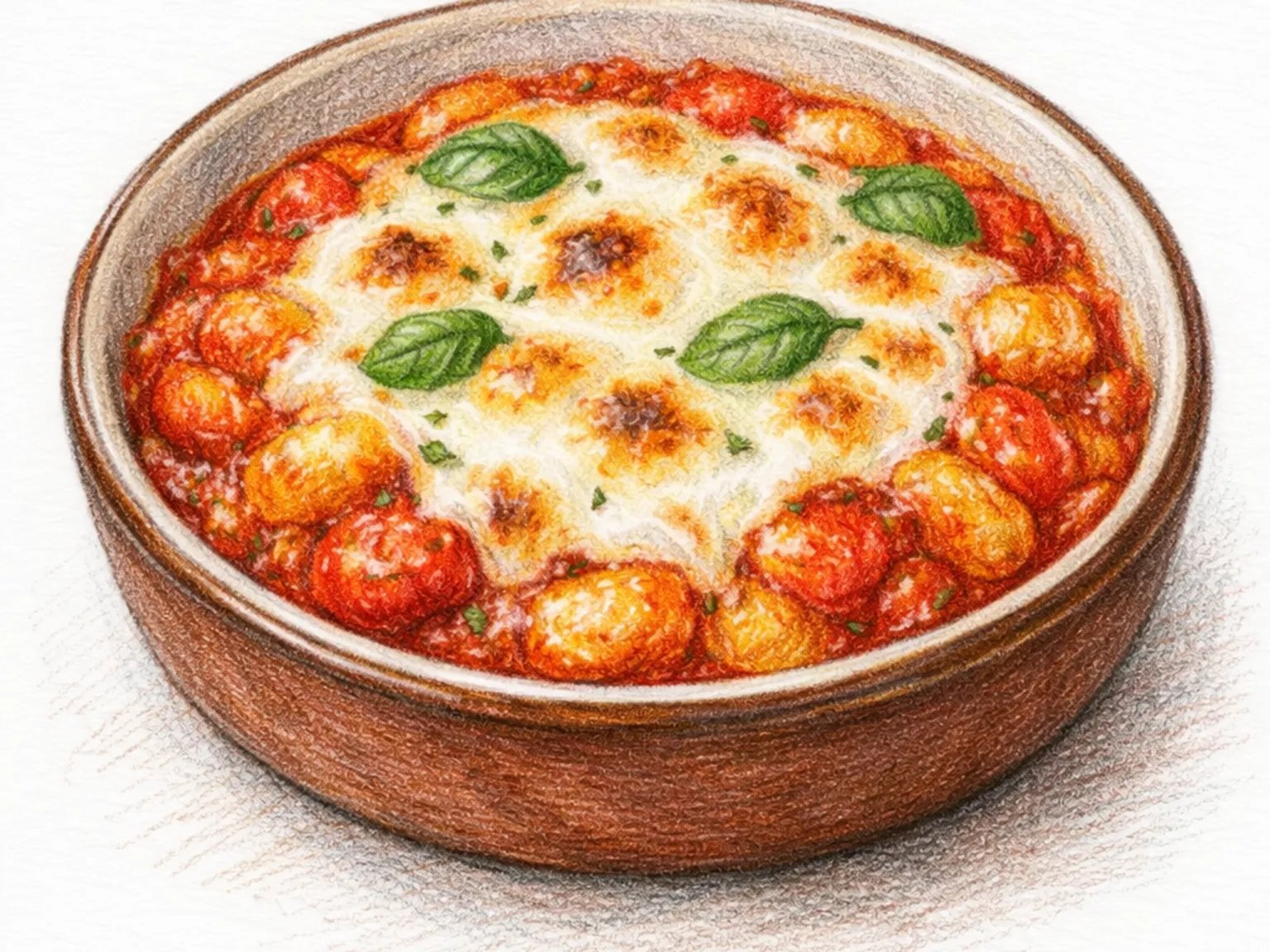
Gnocchi alla Sorrentina (Tomato Mozzarella Baked Gnocchi)
Gnocchi alla Sorrentina is a southern Italian baked pasta dish from the Sorrento coast where soft potato gnocchi are tossed in tomato sauce, blanketed with torn mozzarella and grated Parmesan, then baked until the cheese melts and bubbles. Garlic is gently coaxed in olive oil before the tomato sauce goes in and simmers, drawing the garlic's mellow sweetness throughout the base. Gnocchi are boiled only until they float and then immediately drained to preserve their characteristic pillowy chew, before being folded into the sauce with half the basil and transferred to a baking dish. Eight minutes at 220 degrees Celsius transforms the cheese into a molten, pulling layer that unites the bright tomato acidity and the salty richness of the two cheeses into a single flavor. The remaining fresh basil scattered across the top at the end adds a fragrant lift that anchors the dish to its coastal Italian origins.
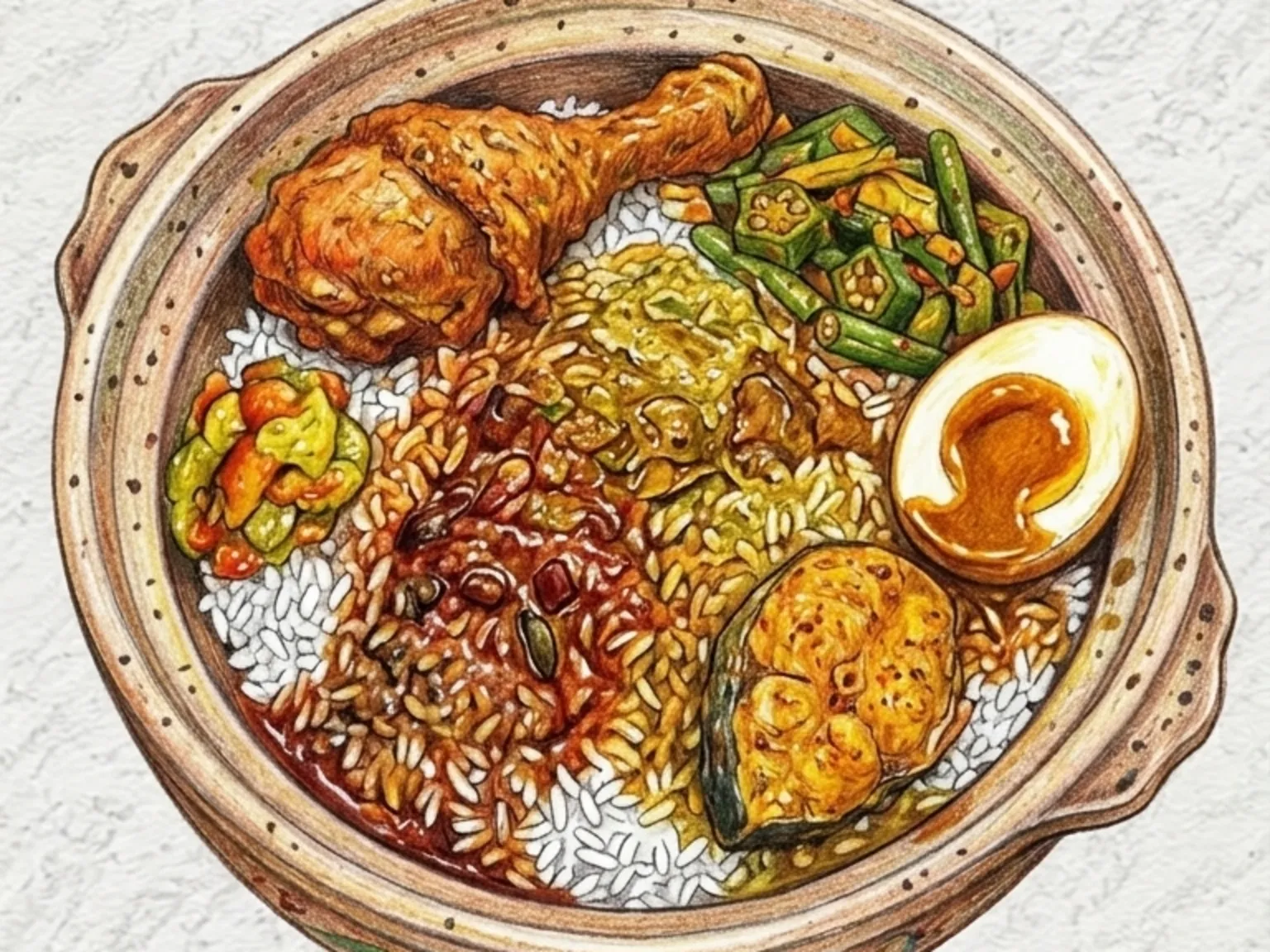
Nasi Kandar (Penang Indian-Muslim Rice with Mixed Curries)
Nasi kandar is a Penang-born rice dish rooted in the culinary traditions of Malaysia's Indian-Muslim community. A mound of steamed white rice is doused with multiple curry gravies and accompanied by a choice of protein and vegetable sides. The defining technique is kuah campur - the deliberate mixing of different curry sauces so they pool together and soak into the rice, creating a layered complexity no single curry could achieve alone. Coconut milk lends a gentle richness, curry powder supplies aromatic depth, and chili brings lingering warmth. Diners select their own combination from a counter full of dishes, making each plate unique.

Lemon Curd Tart
Lemon Curd Tart is a classic dessert composed of a crumbly shortcrust pastry shell filled with a smooth, tangy lemon curd. The shell is prepared by rubbing cold unsalted butter into flour and powdered sugar, binding it with egg yolk, and baking it until lightly golden. The filling is made by whisking fresh lemon juice, grated lemon zest, sugar, and egg yolks over low heat. The mixture is cooked slowly to thicken without boiling, then combined with heavy cream and strained to achieve a silky consistency. The lemon zest oils provide a lasting citrus aroma, while the butter offers a rich mouthfeel that balances the sharp acidity. Once filled, the tart is chilled for an hour to set, allowing it to be sliced cleanly. It can be served plain or decorated with whipped cream or torched meringue.
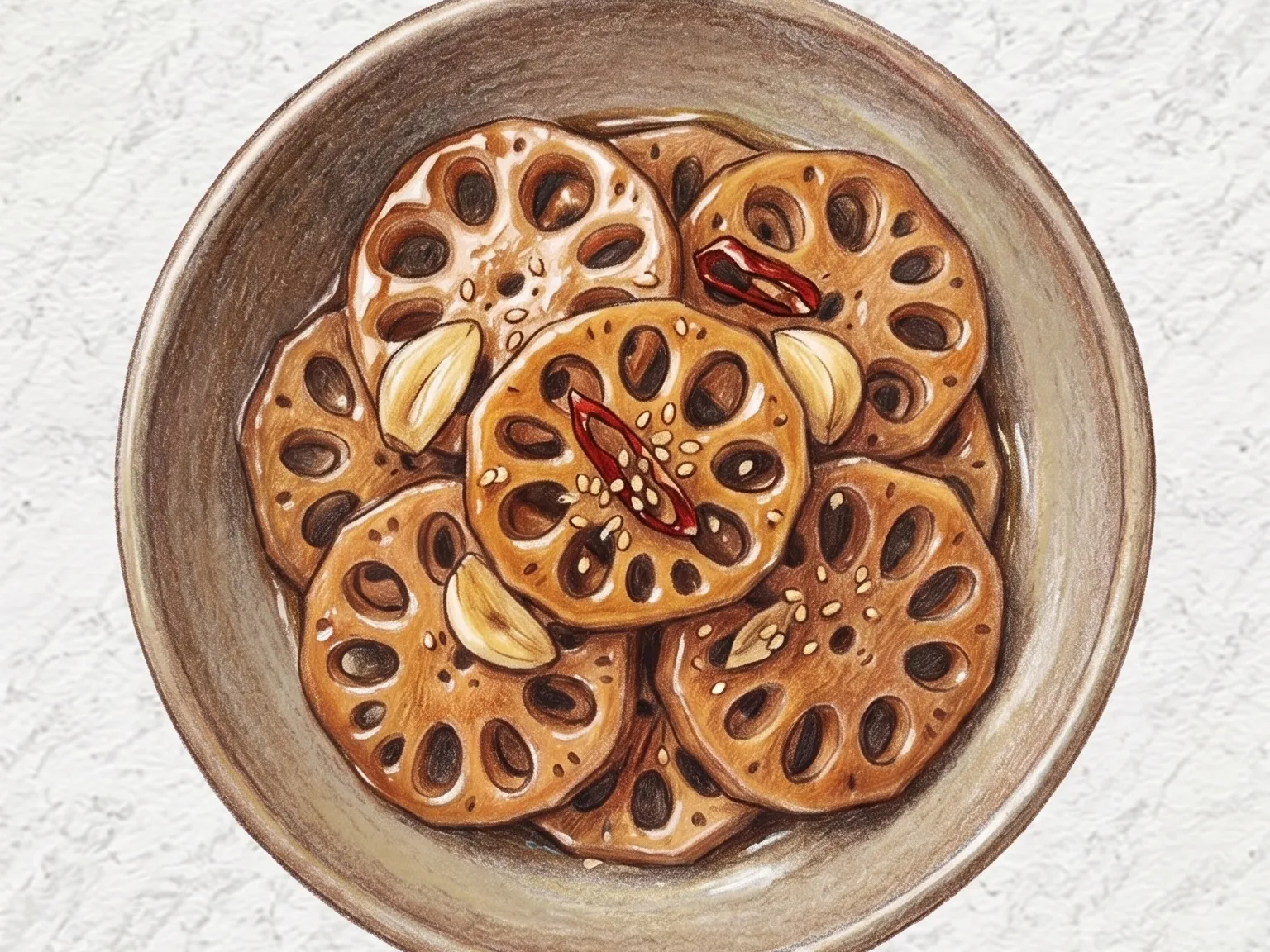
Korean Yeongeun Ganjang Jorim (Soy-Braised Lotus Root)
Yeongeun ganjang jorim is a Korean soy-braised lotus root side dish simmered in soy sauce, oligosaccharide syrup, vinegar, and cooking wine. The starchy surface of the lotus root develops a glossy glaze from the reduced sauce while the interior stays distinctly crunchy. Vinegar brightens the soy's salinity, and the syrup contributes a gentle sweetness and visible sheen. This banchan improves overnight in the refrigerator as the seasoning continues to penetrate, making it one of the most practical make-ahead side dishes in Korean home cooking.
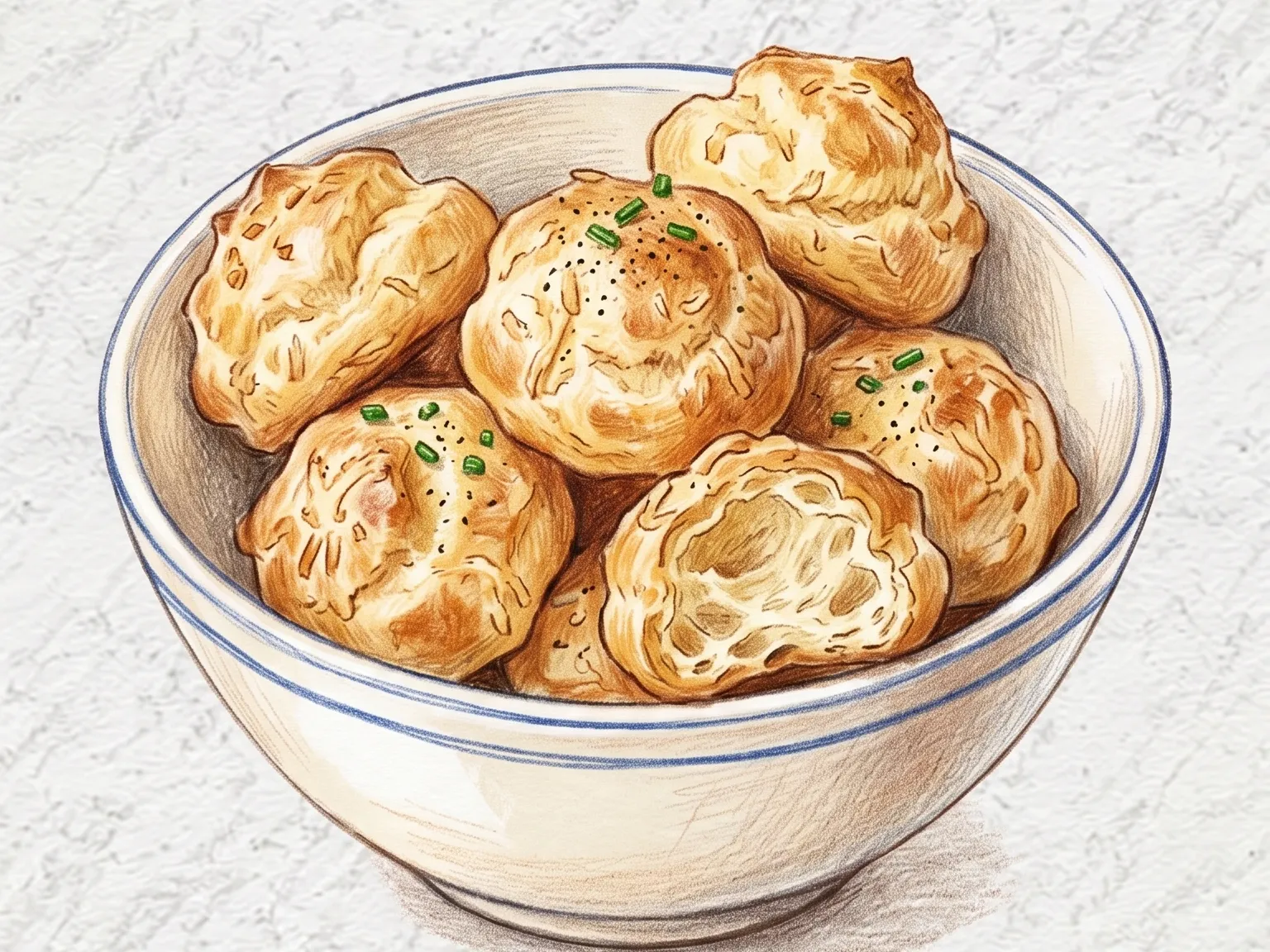
Gougeres (Gruyère Cheese Choux Puffs)
Gougeres are savory cheese puffs from Burgundy, France, made by folding grated Gruyere cheese into choux pastry and baking until golden and hollow inside. Water, butter, and salt are brought to a boil, then flour is added all at once and stirred over low heat until the starches gelatinize and the dough pulls away from the pan in a smooth ball. Eggs are beaten in one at a time - the dough breaks apart and re-forms with each addition, building the elastic structure that allows the puffs to rise. Folding in the cheese and pepper, then piping rounds onto a tray and baking at 200 degrees Celsius turns the moisture in the dough to steam, which inflates each puff into a crisp shell with a hollow, airy center. Opening the oven door during baking releases the steam prematurely, which can cause the puffs to collapse.
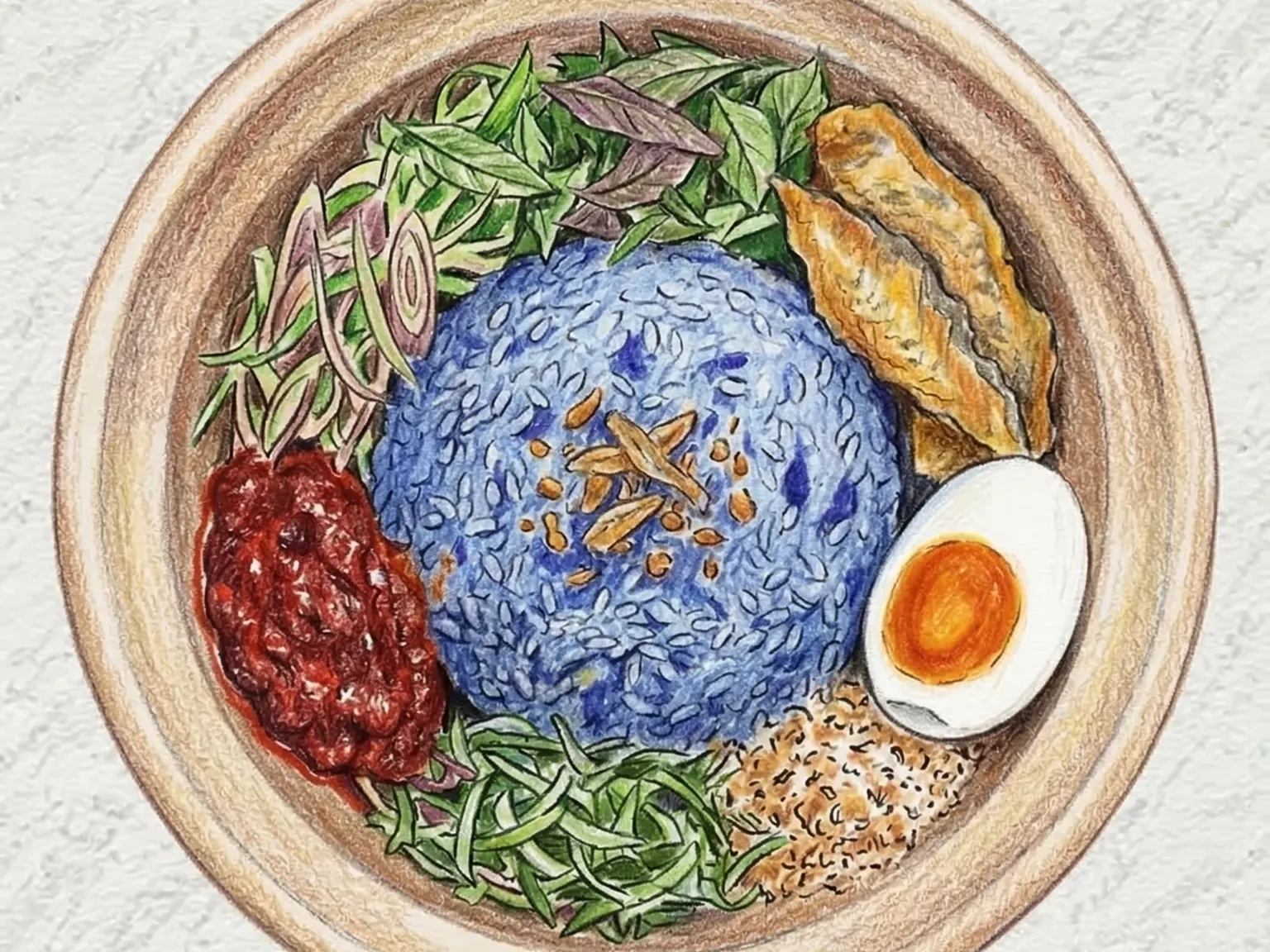
Nasi Kerabu (Malaysian Blue Herb Rice with Coconut and Vegetables)
Nasi kerabu is a traditional rice dish from Malaysia's east coast that commands attention with its striking blue-tinted rice. The color comes from butterfly pea flowers, which stain the grains a vivid indigo without altering the taste. Rice is cooked with coconut milk and lemongrass, then served alongside grilled fish, julienned cucumber, blanched bean sprouts, and finely chopped fresh herbs. Sambal provides a spicy counterpoint that ties the plate together. The proper way to eat it is to mix everything by hand, combining herbs, rice, protein, and chili paste in each bite so no two mouthfuls taste the same. Fresh mint and cilantro give the dish a bright, herbaceous character.
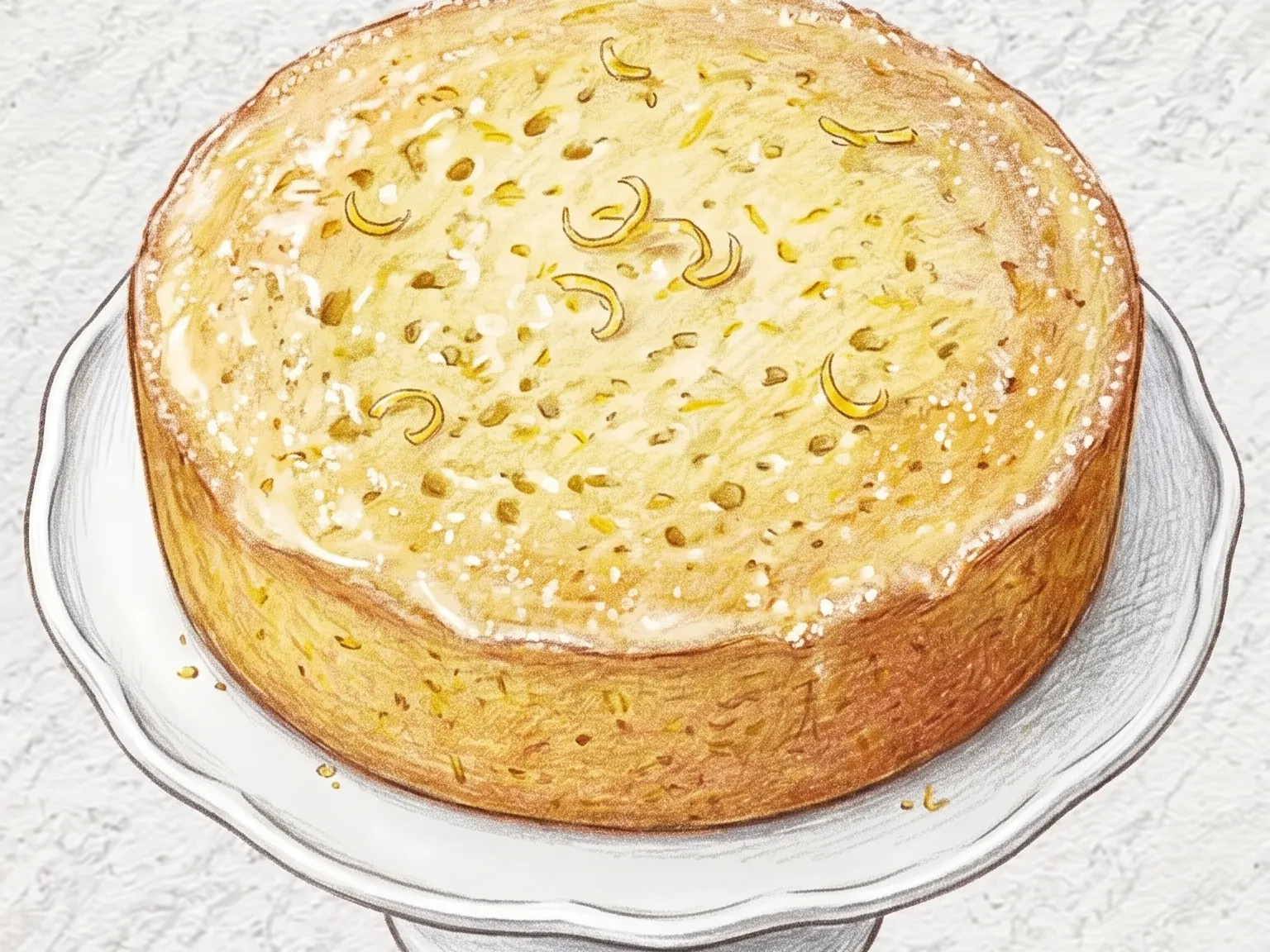
Lemon Drizzle Cake (Syrup-Soaked British Lemon Loaf)
A British loaf cake that owes its lasting moisture to a lemon syrup poured over the surface straight from the oven. Creaming butter and sugar thoroughly at the start incorporates air for a lighter crumb, while lemon zest folded into the batter releases its essential oils during baking, filling the kitchen with citrus fragrance. The critical step comes after baking: a hot syrup of freshly squeezed lemon juice and sugar is drizzled over the cake while it is still warm, and the open crumb absorbs the liquid rapidly. As the cake cools, a thin crust of crystallized sugar forms on top, adding a faintly crunchy texture that gives way to the soft, syrup-soaked interior beneath. A skewer test determines doneness; underbaked cake collapses, while overbaked cake lacks the porosity to absorb the syrup fully. Wrapping the cooled cake and leaving it overnight allows the syrup to distribute evenly, deepening both the lemon flavor and the moist texture. It is a staple of the English afternoon tea table, needing no elaborate decoration to impress.
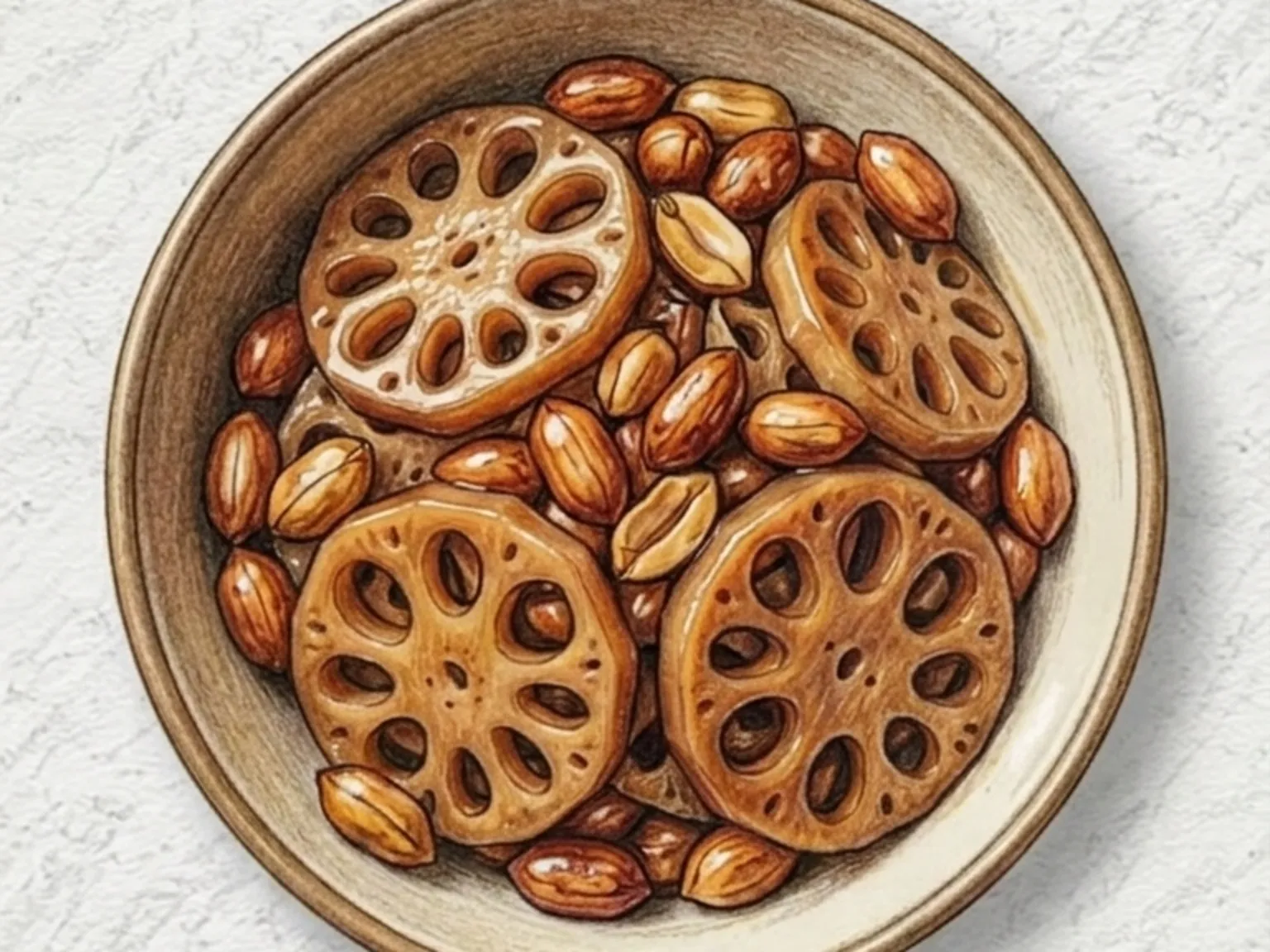
Korean Lotus Root & Peanut Braise
Yeongeun ttangkong jorim is a Korean soy-braised side dish of lotus root and roasted peanuts glazed in soy sauce, oligosaccharide syrup, and cooking wine. The crunchy lotus root contrasts with the toasted, nutty peanuts, and the combination releases layers of savory, roasted flavor as you chew. Soy sauce provides the salty foundation while the syrup rounds it out with a soft sweetness and glossy finish. This banchan keeps well refrigerated for several days, making it a reliable addition to lunchboxes and everyday meals.
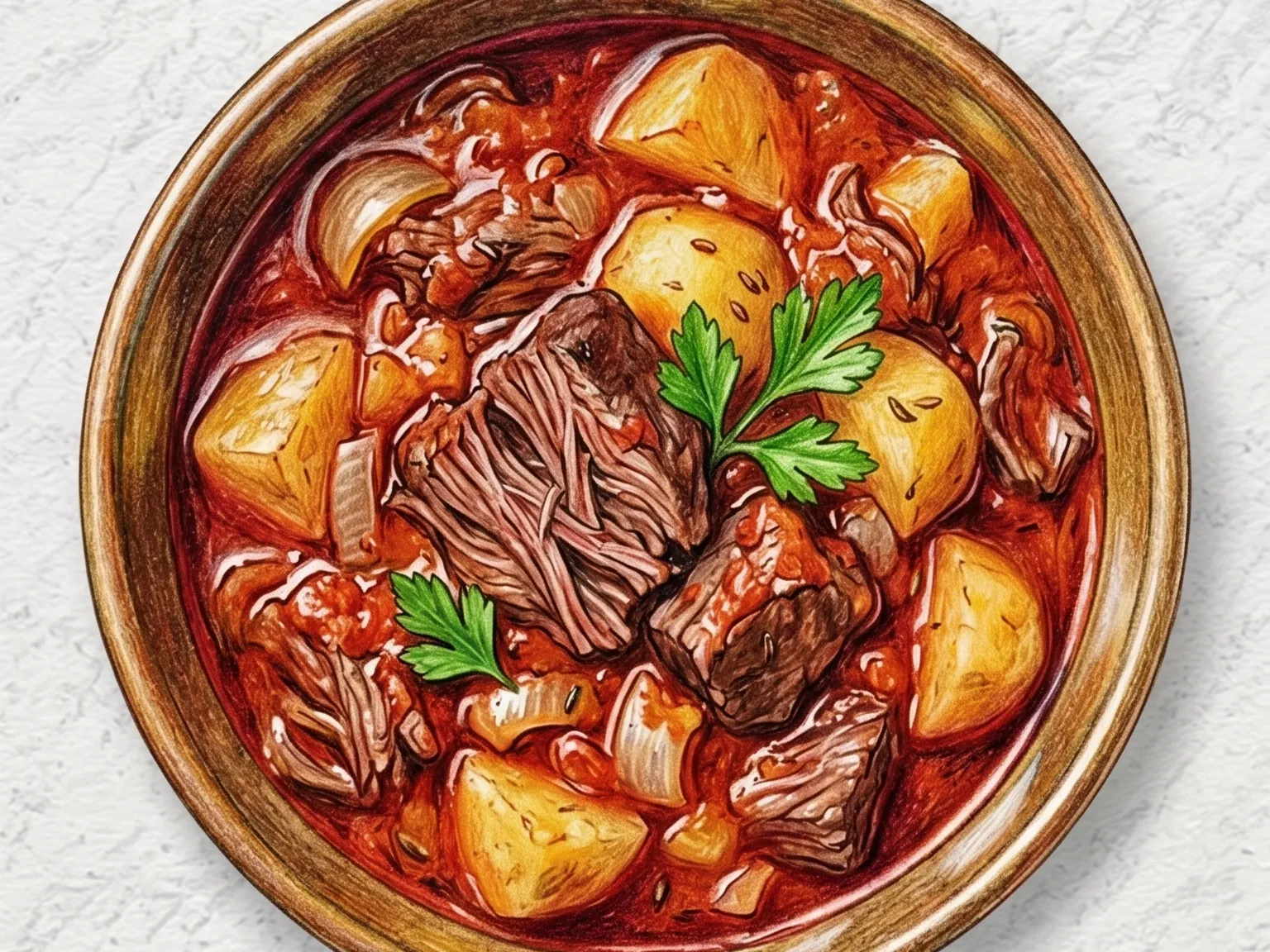
Hungarian Goulash
Goulash is a traditional Hungarian stew in which beef chuck is slow-cooked with substantial amounts of paprika until the meat breaks apart at the slightest pressure from a fork. Onions are fried until they reach a deep golden color, then paprika powder and garlic are added and toasted in the rendered fat for about a minute, a step that dissolves the fat-soluble pigments and aromatic compounds of the paprika into the oil and sets the color and flavor profile for the entire stew. Browning the beef before adding liquid builds an additional layer of savory depth through surface caramelization. Tomato paste, beef stock, and caraway seeds go in next, and the pot simmers on low heat for over an hour while the connective tissue and collagen inside the chuck slowly convert to gelatin, enriching the broth and softening the meat to the point where it pulls apart without any knife work. Potatoes are added for the final thirty minutes, absorbing the paprika-saturated broth as they cook while releasing their starch into the liquid, which naturally thickens the sauce to a rich, clingy consistency that coats the meat without any additional thickener needed.