🎉 Special Occasion Recipes
Impressive dishes for guests and special occasions
929 recipes. Page 36 of 39
When guests are coming, the menu needs a little extra care. This tag features impressive dishes suited for entertaining - galbi-jjim, japchae, and bulgogi for a Korean spread, or pasta and steak for a Western-style course.
The key to stress-free hosting is choosing recipes that allow advance preparation. Do the heavy lifting the day before, then finish plating when guests arrive. That way, you can relax and enjoy the meal together.
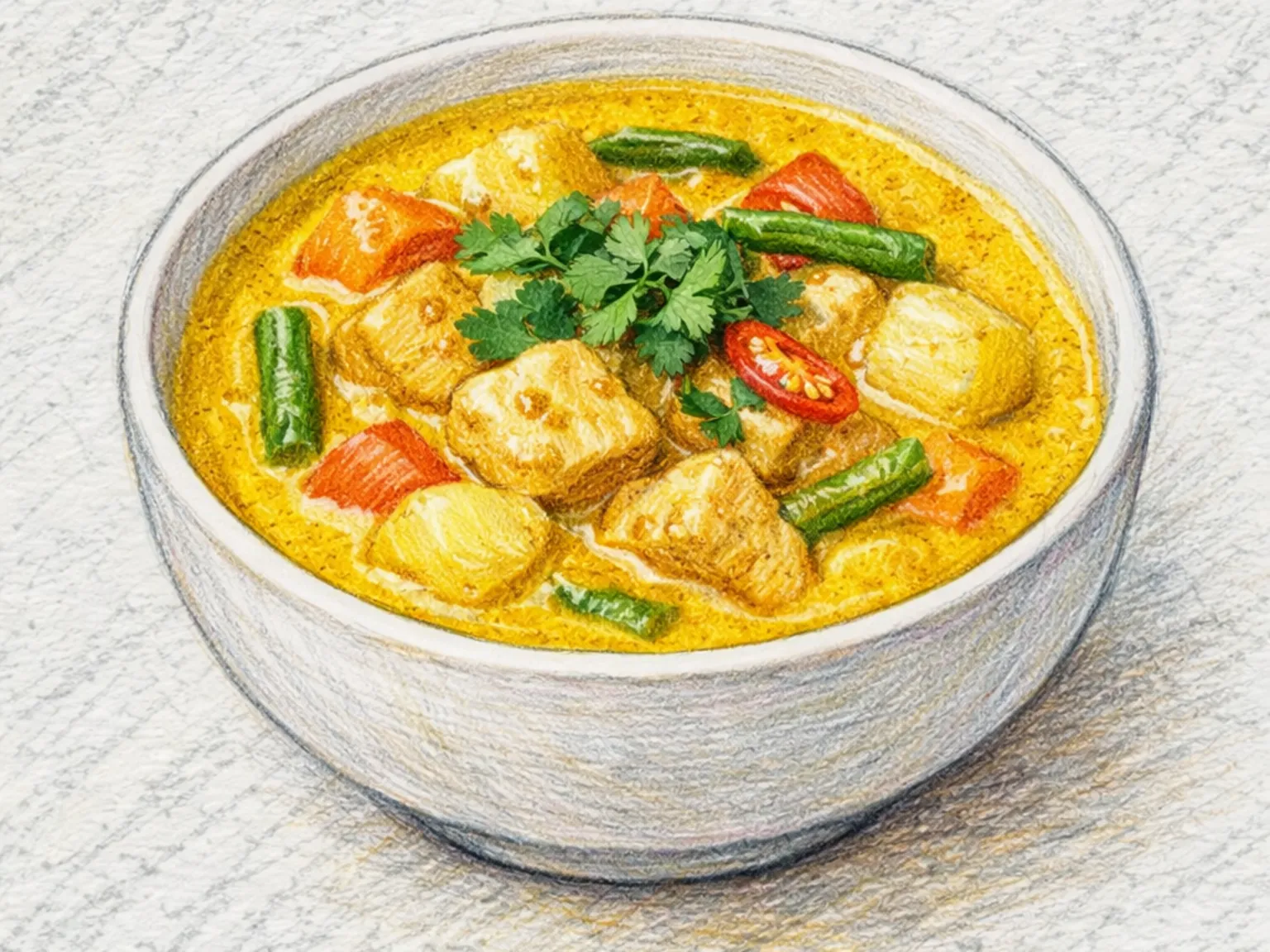
Thai Yellow Curry (Mild Thai Turmeric Coconut Curry with Chicken)
Thai yellow curry is the mildest of the three major Thai curries, built on a paste that features turmeric as its dominant spice, which gives the dish its distinctive golden color and a warm, earthy undertone. The paste is dry-fried in a pan until fragrant before coconut milk is poured in to form a creamy, gently spiced base. Chicken pieces, cubed potato, and sliced onion simmer in the liquid until the potato is fully tender, its starch thickening the curry slightly and giving the sauce a comforting body. Fish sauce is added last to season the pot, its salty depth rounding out the turmeric's earthiness and the coconut's sweetness. The result is a mild, aromatic curry with a smooth texture and a warmth that comes more from the spice blend than from chili heat. Yellow curry is often recommended as an entry point for those new to Thai cuisine, yet its layered flavor-turmeric, cumin, coriander, and coconut working in concert-rewards experienced palates as well.

Sacher Torte (Viennese Dark Chocolate Apricot Cake)
Sacher torte is Vienna's most celebrated cake - a dense, intensely chocolatey sponge split horizontally and filled with a thin layer of apricot jam, then enrobed in a glossy dark chocolate glaze. The batter contains a higher ratio of melted chocolate and butter than a typical chocolate cake, which makes the crumb rich and moist rather than light and airy. Whipped egg whites folded into the chocolate base introduce just enough lift to keep the texture from becoming leaden, while the apricot jam provides a tart, fruity counterpoint that prevents the chocolate from overwhelming the palate. The glaze is made by heating heavy cream and pouring it over chopped dark chocolate, stirring until smooth, then pouring it over the cake in a single motion for a mirror-like finish. Warming the jam slightly before spreading ensures an even, thin coat that does not tear the delicate sponge. Once the glaze has set completely, slicing with a knife dipped in hot water produces the cleanest cross-section, revealing the dark cake, the amber jam line, and the shiny chocolate shell.
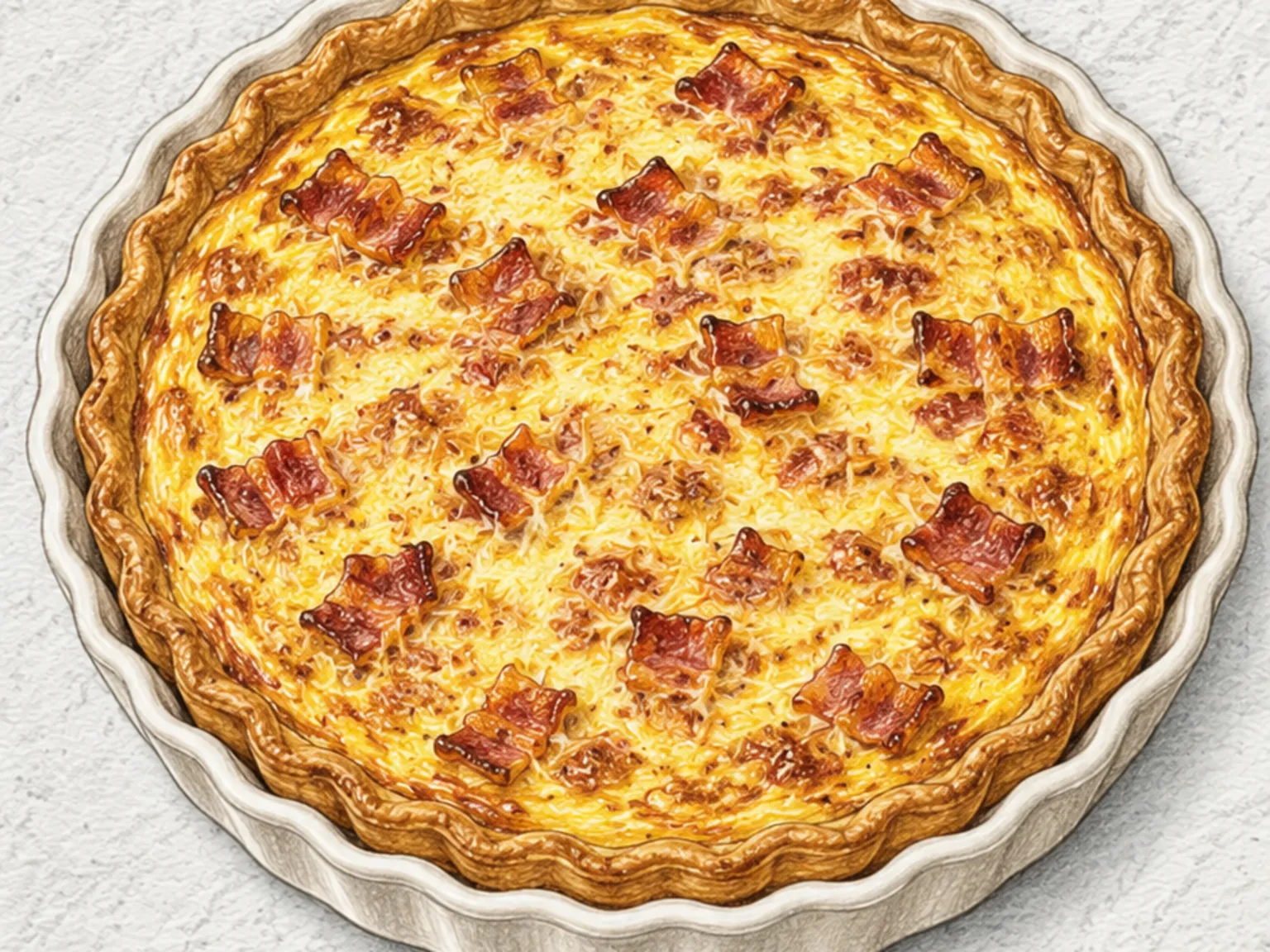
Quiche Lorraine
Quiche Lorraine is a French savory tart that fills a buttery pastry shell with crisp-cooked bacon, grated Gruyere cheese, and a smooth custard made from eggs, heavy cream, and milk. Blind-baking the crust for ten minutes before adding the filling is essential to prevent a soggy base. The bacon must be drained well so excess fat does not make the custard greasy. Whisking the egg mixture gently avoids incorporating too many air bubbles, which would create an uneven surface after baking. The quiche is done when the center still has a slight jiggle - removing it at this point and resting for ten minutes allows residual heat to set the custard fully, producing a clean slice with a creamy interior.
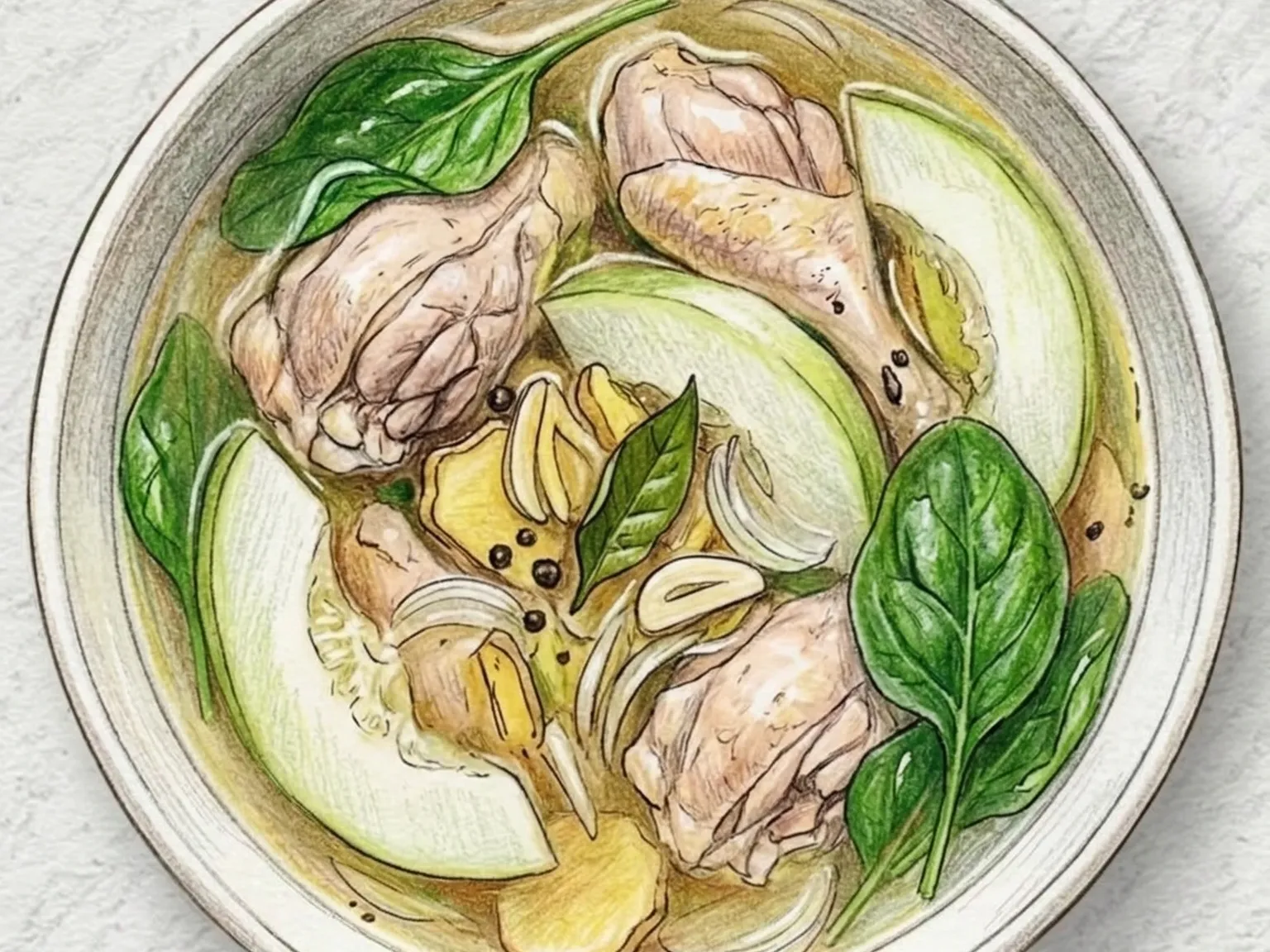
Tinola (Filipino Ginger Chicken Soup with Green Papaya)
Tinola is a Filipino home-style chicken soup defined by its prominent ginger character and its clear, light broth. The aromatic base is built by sauteing julienned ginger, sliced garlic, and onion in a little oil until fragrant, then adding chicken pieces and cooking them until the surfaces turn opaque. Fish sauce goes in next, providing a salty depth that anchors the broth, followed by a generous pour of water. The chicken simmers until fully tender, at which point wedges of green papaya are added-their mild sweetness and yielding texture complementing the peppery warmth of the ginger. Spinach or other leafy greens are stirred in at the very end, wilting in the residual heat and adding a fresh, verdant note to the bowl. The finished soup is remarkably clean in flavor despite its depth, with the ginger threading through every spoonful as a persistent, warming presence. In Filipino households, tinola occupies the same comforting role that chicken noodle soup holds elsewhere-it is the first dish prepared when someone is unwell or in need of nourishment.
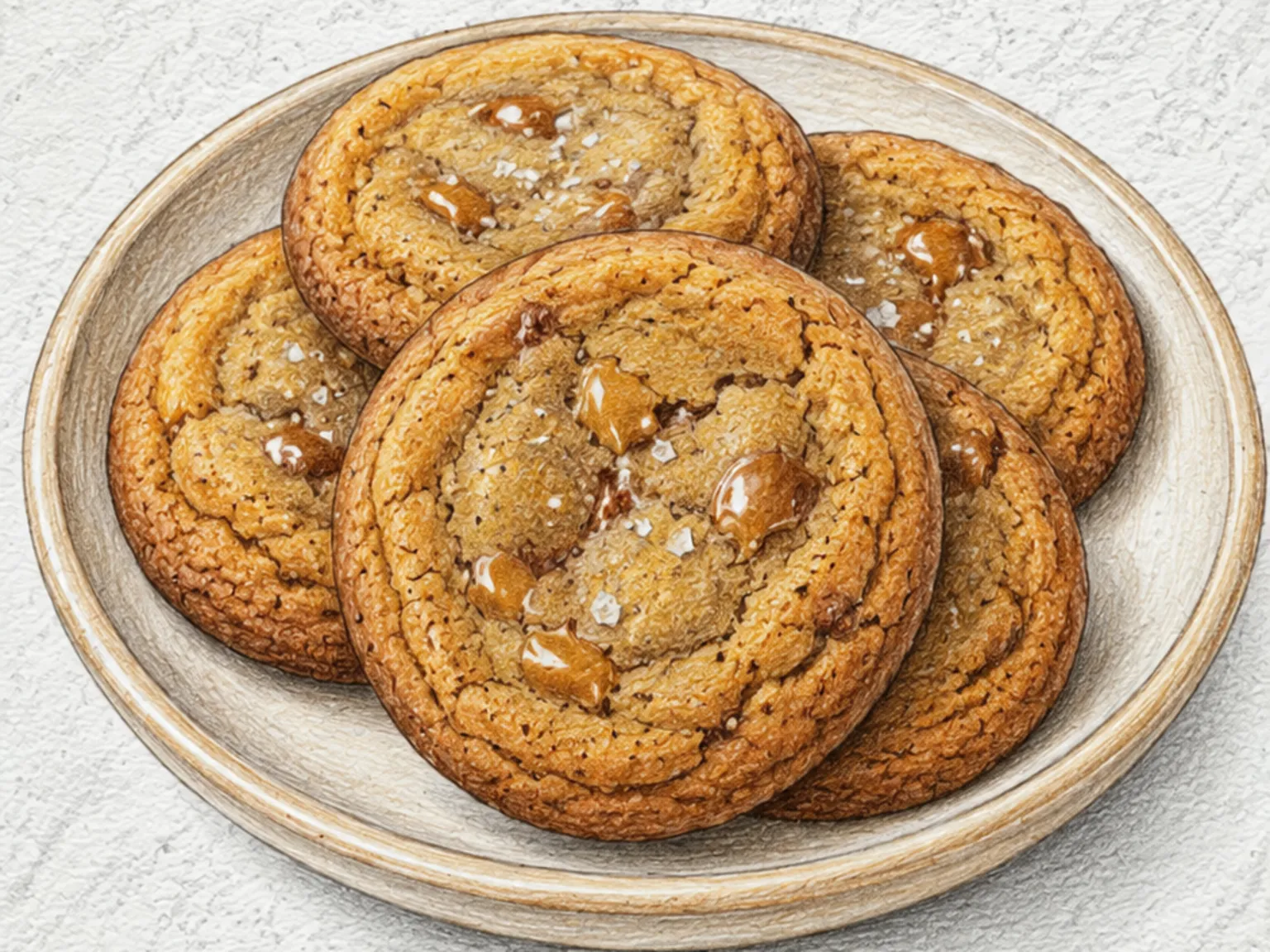
Salted Doenjang Caramel Cookies
These unique cookies combine the rich umami of Korean fermented soybean paste, doenjang, with the sweetness of a brown sugar caramel dough. To prepare them, white sugar and heavy cream are heated to create a smooth caramel glaze. This mixture is cooled and combined with creamed butter, brown sugar, egg, and a small portion of strained doenjang, keeping the paste to about one or two percent of the total dough weight to ensure a subtle flavor. The dry ingredients are gently folded in before the dough is portioned into small balls and chilled for twenty minutes to control spreading during baking. Baking at 180 degrees Celsius results in cookies with crisp, toffee-like rims and soft, chewy centers. Pressing the centers slightly after baking enhances the texture. These treats offer a complex balance of sweet, salty, and savory notes that pair exceptionally well with espresso.
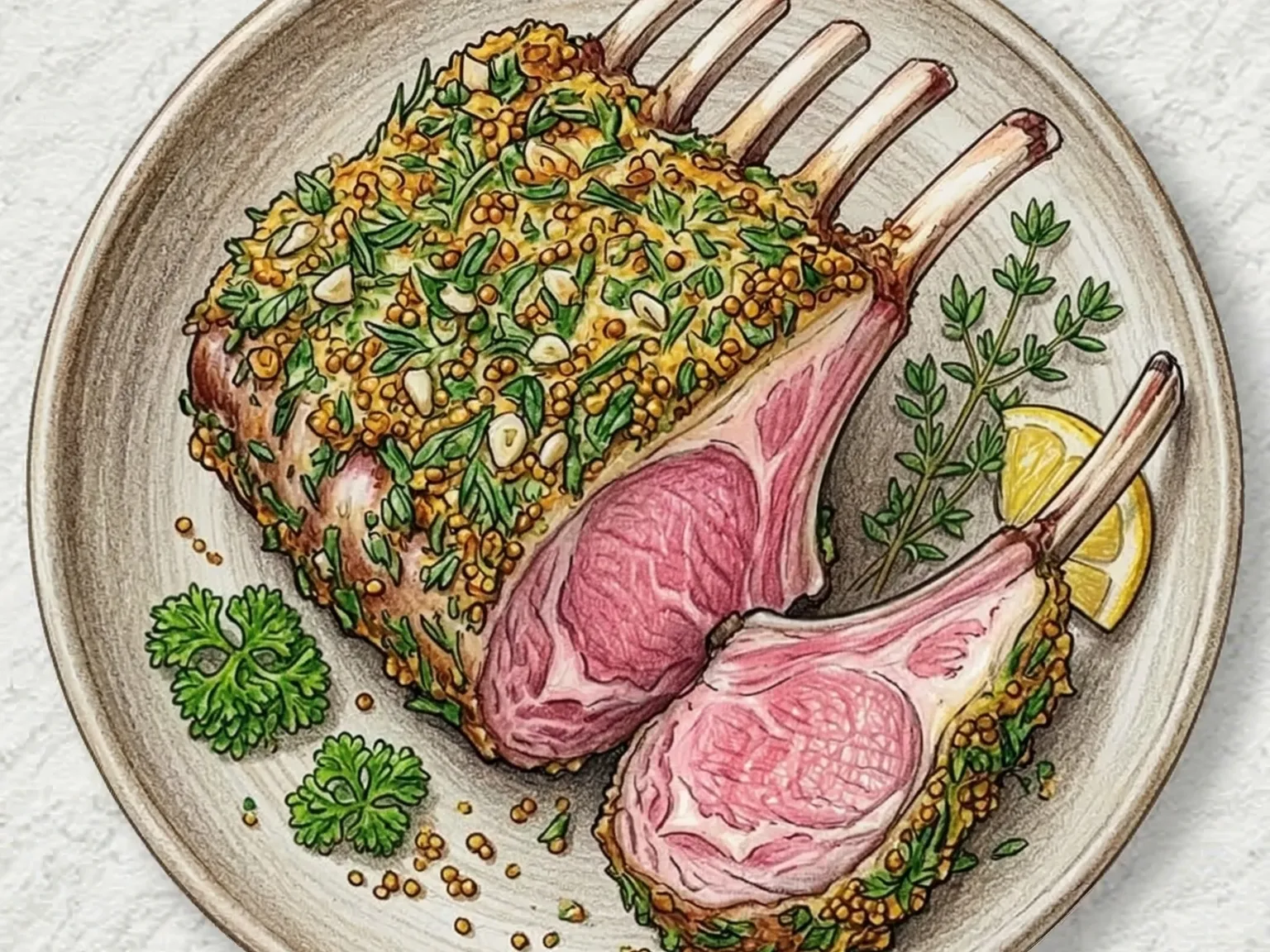
Rack of Lamb
Rack of lamb is a French-style roast where the rack is seared hard in a hot pan for a deep crust, brushed with Dijon mustard, coated with a mixture of rosemary, thyme, parsley, garlic, and breadcrumbs, and then roasted at 200 degrees Celsius. The mustard acts as both adhesive for the herb crust and a flavor layer that tempers the lamb's gaminess. The breadcrumbs crisp up in the oven heat, locking in the herbal aroma. Resting the meat for ten minutes after roasting redistributes the juices within the muscle fibers so they stay inside when sliced. Cutting between the bones reveals a cross section of crispy golden crust encasing a pink, juicy interior - a visually striking main course.
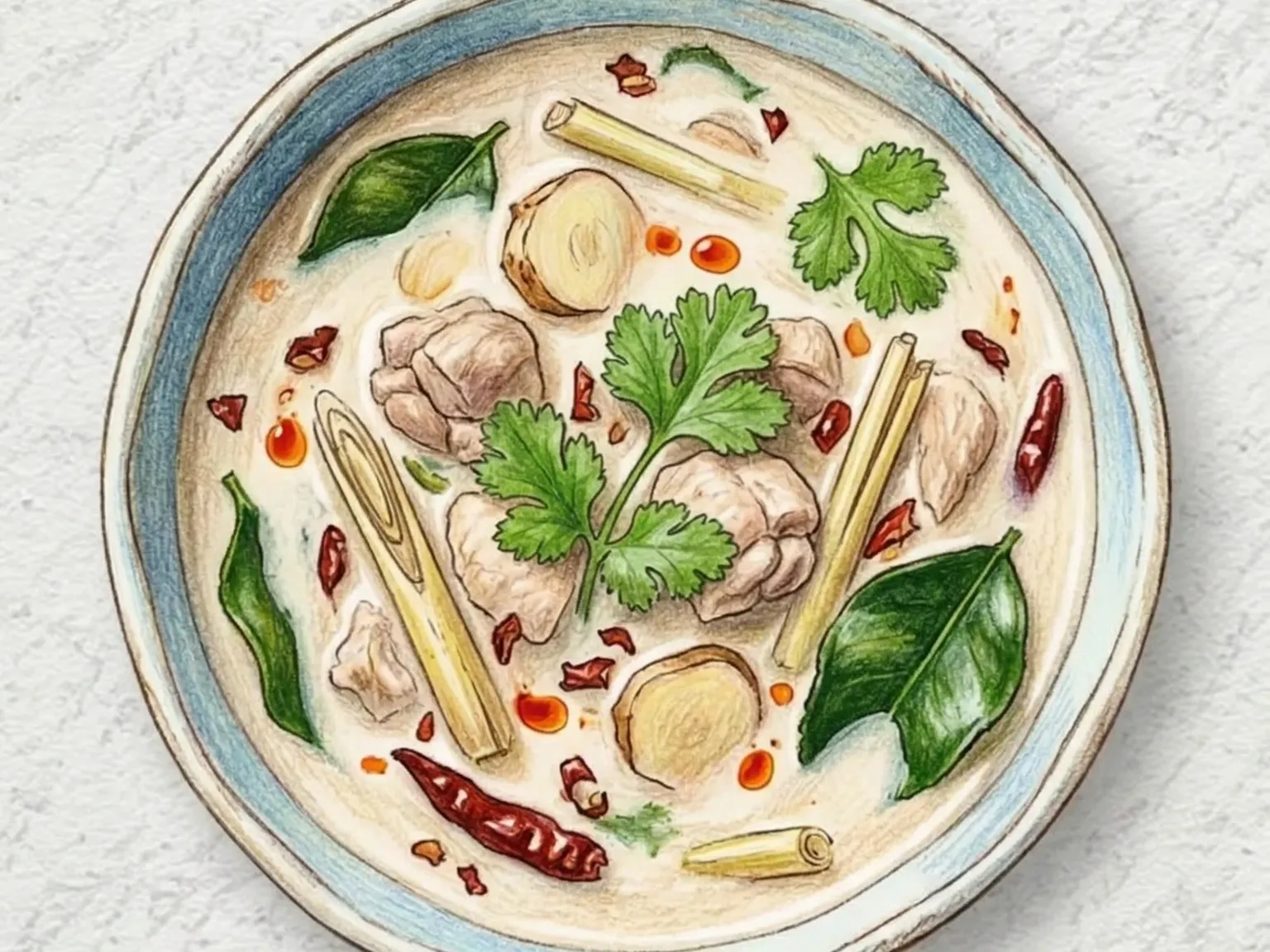
Tom Kha Gai (Thai Coconut Galangal Chicken Soup with Lime)
Tom Kha Gai is a classic Thai chicken soup built on a rich coconut milk base infused with traditional herbs. The preparation starts by simmering three key aromatics: thinly sliced galangal, bruised lemongrass, and torn kaffir lime leaves. These steep slowly in the coconut milk over low heat to release their layered citrus and herbal fragrances without letting the milk separate. Bite-sized chicken pieces are gently poached in this herbal broth until tender and opaque. The seasoning relies on fish sauce for a salty umami depth. Once the pot is removed from the heat, fresh lime juice is stirred in to preserve its bright acidity and balance the creamy texture of the coconut broth. The result is a smooth, aromatic soup where the rich coconut milk softens any sharp heat while showcasing the depth of the herbs. It is served hot, optionally removing the tough pieces of galangal and lemongrass before eating.
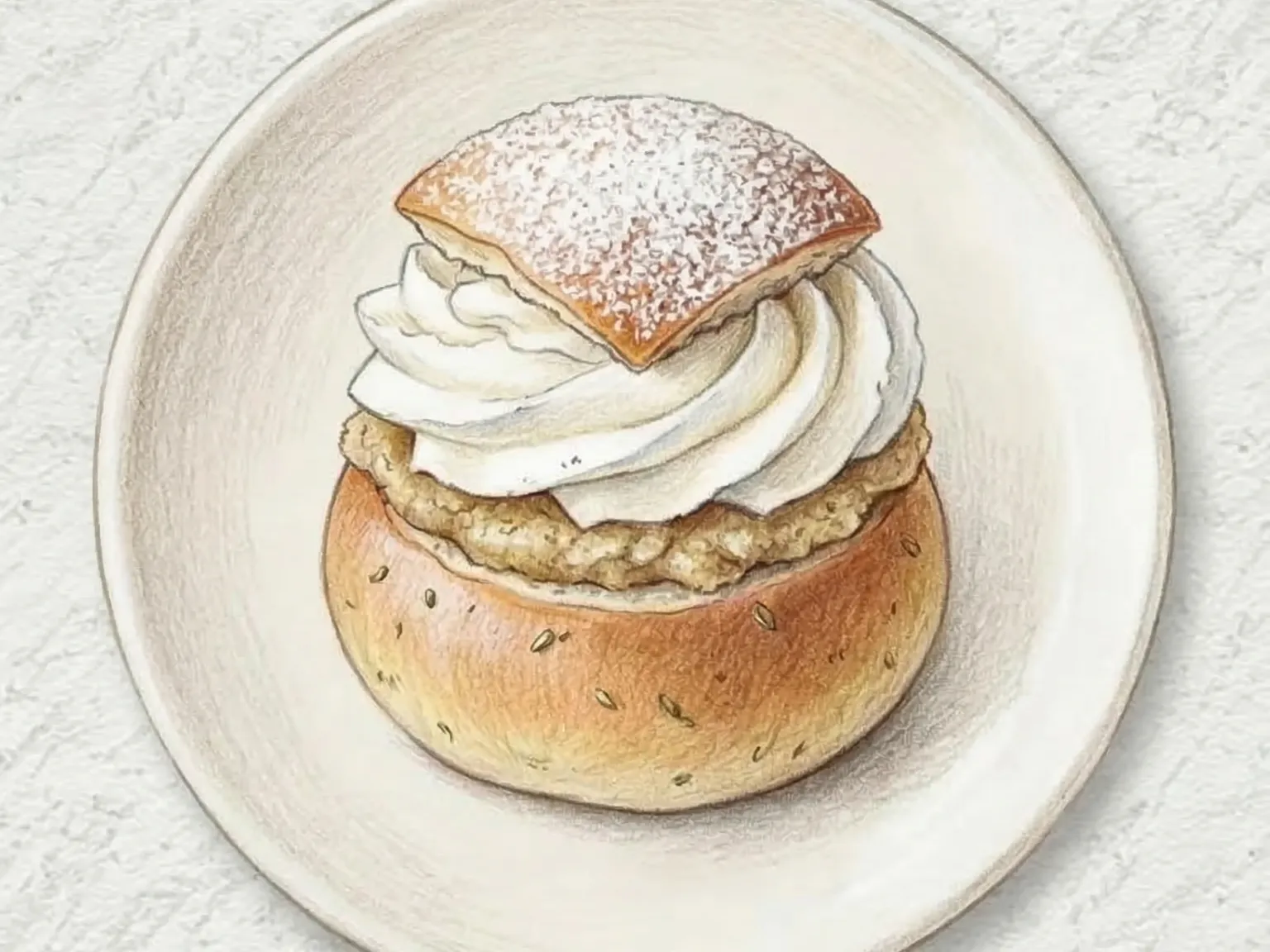
Semla (Swedish Cardamom Bun with Almond Cream)
Semla is a Swedish cardamom-scented bun that is baked, cooled, and then hollowed out to make room for a filling of almond paste mixed with the scooped crumb, topped with a generous mound of whipped cream. The bun itself is soft and fragrant, with cardamom lending an exotic warmth that distinguishes it from ordinary sweet rolls. The almond filling is dense and intensely nutty, providing a rich base layer that the light, billowy cream offsets with its cool freshness. The removed cap of the bun is placed back on top like a lid, and a final dusting of powdered sugar completes the presentation. Timing is important: the bun must cool completely before any cream goes in, or the heat will melt it into a flat puddle. If the cardamom flavor feels too subtle after baking, increasing the spice by half a teaspoon in the dough brings it to the forefront. In Sweden, semla appears in bakeries from January through Easter, and the best versions balance the three components - bread, nut paste, and cream - so that no single element dominates.
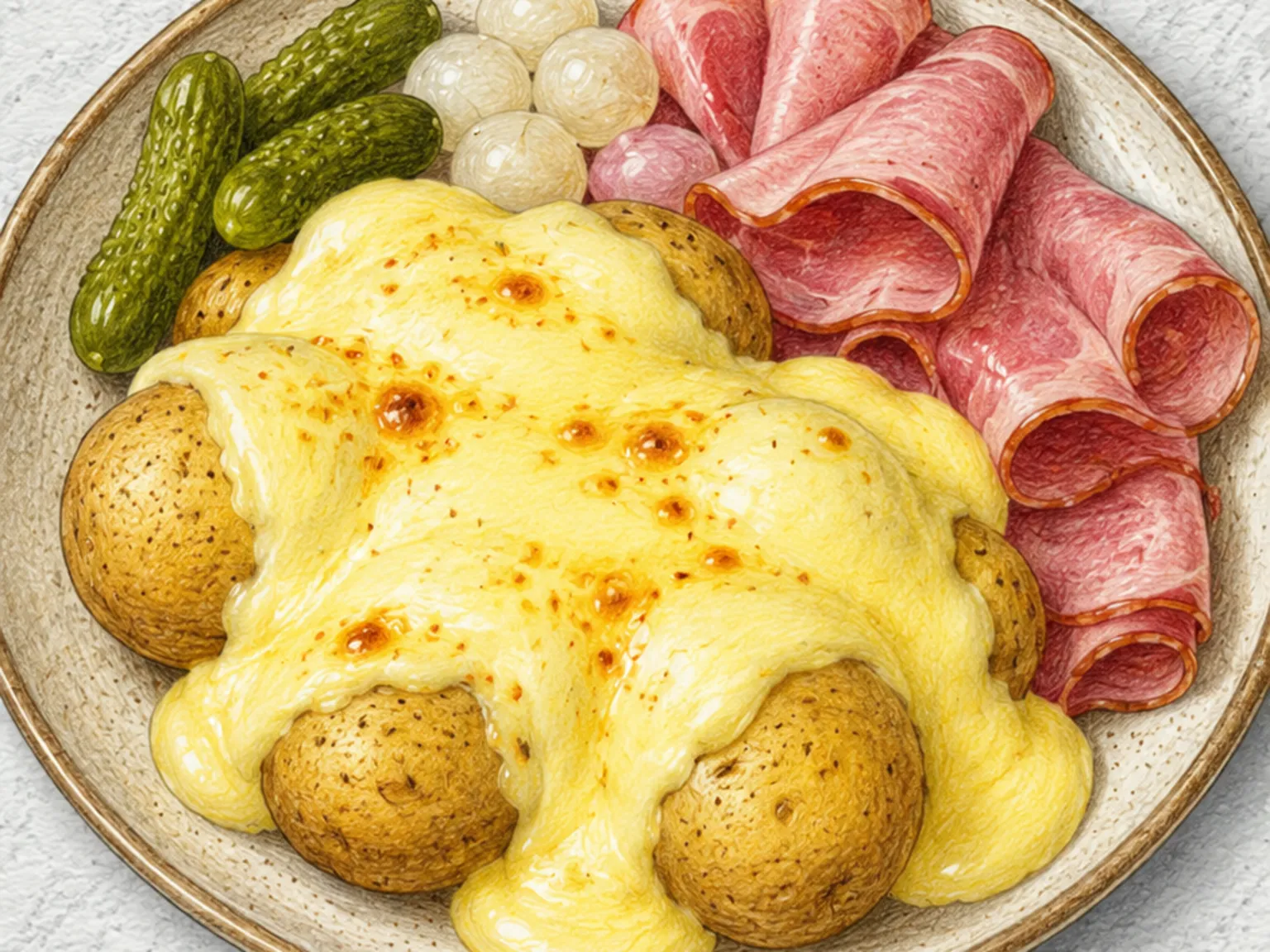
Raclette (Alpine Melted Cheese over Potatoes and Charcuterie)
Raclette is an alpine winter dish in which thick slices of raclette cheese are melted under a broiler or in a dedicated raclette machine and poured generously over boiled potatoes, cured ham, cornichons, and pickled onions. The potatoes should be cooked until fork-tender but not mushy, so they hold their shape under the weight of the melted cheese. The raclette cheese delivers a salty, rich coating of milkfat, and tangy cornichons and pickled onions cut through the heaviness with their acidity, resetting the palate between bites. The communal format - each person melting their own portion of cheese and pouring it over arranged ingredients - makes it especially well suited for dinner parties and gatherings.
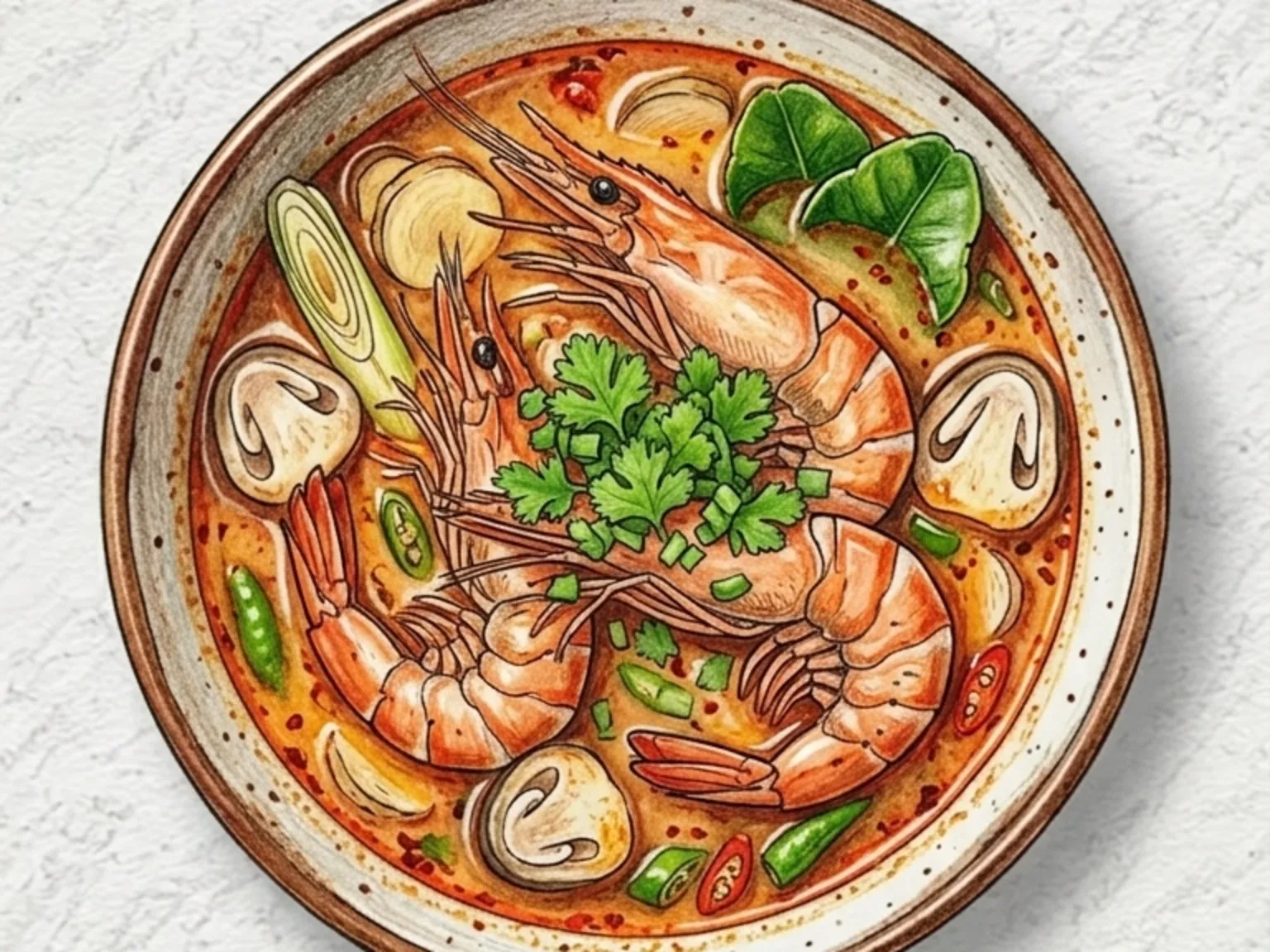
Thai Hot and Sour Shrimp Soup (Tom Yum Goong)
Tom Yum Goong is a classic Thai soup featuring shrimp and mushrooms in a hot and sour broth infused with aromatic herbs. The base is prepared by boiling chicken stock with lemongrass, galangal, and kaffir lime leaves to release their citrus and herbal notes into the liquid. Mushrooms are simmered in this broth followed by shrimp, which are cooked briefly to maintain their tender, springy texture. A spoonful of Thai chili paste is dissolved into the stock to impart a deep red color and a lingering spicy heat, while fish sauce provides a savory base of umami. The cooking process finishes by turning off the heat before adding fresh lime juice. Adding the lime juice at the end ensures its bright, sour aroma does not dissipate, combining all the flavors into a balanced, clear soup.
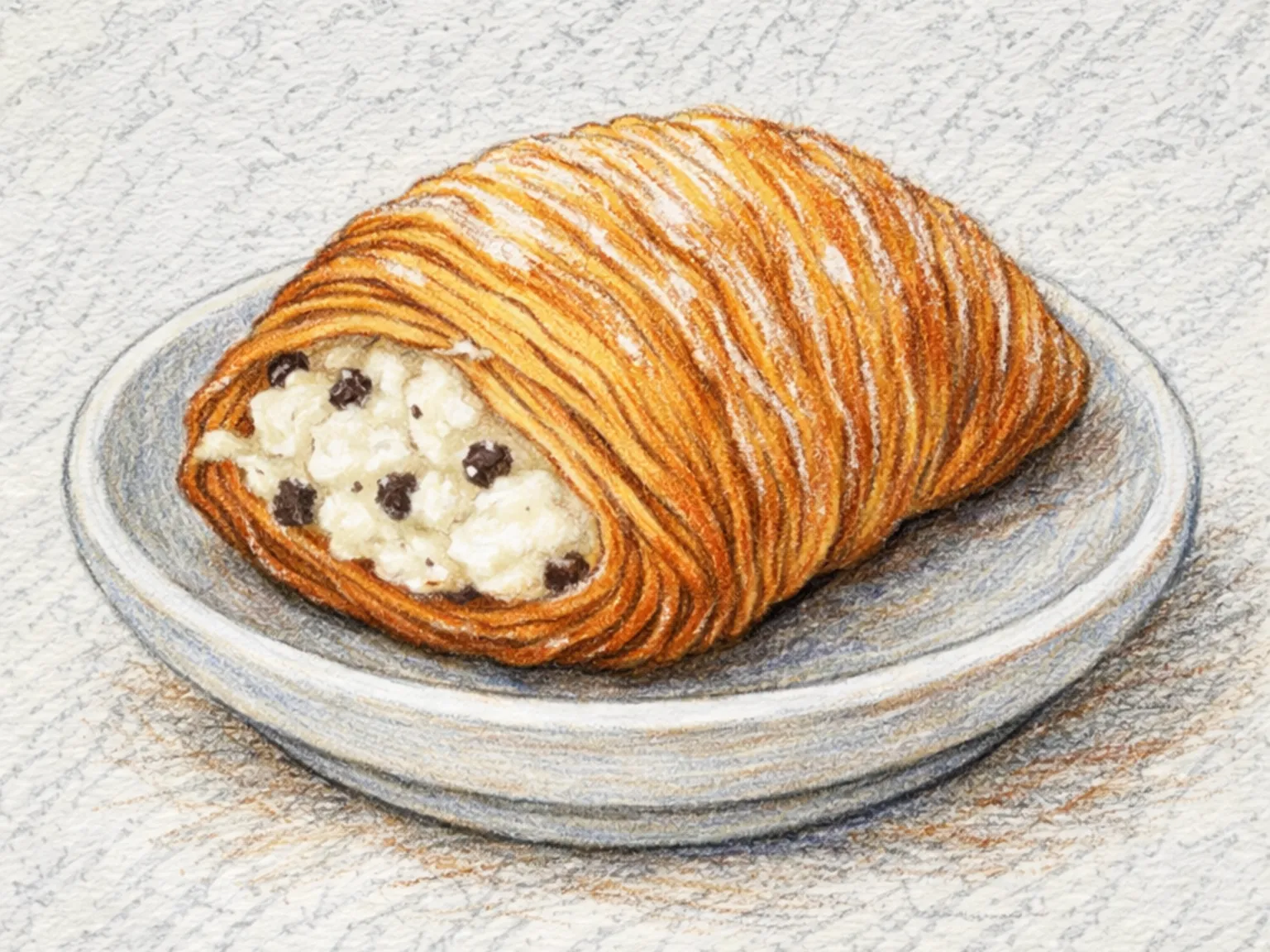
Sfogliatella (Neapolitan Layered Shell Pastry with Ricotta)
Sfogliatella is a Neapolitan pastry built from a lean flour-and-water dough that is stretched paper-thin, brushed with butter, and rolled into a tight cylinder to create hundreds of distinct layers. Slices of this cylinder are opened into a shell shape, filled with a mixture of ricotta cheese, sugar, cinnamon, and orange zest, then baked at high heat. In the oven, the butter between each layer turns to steam and forces the sheets apart, producing an exterior that shatters audibly at the first bite. Inside, the ricotta filling softens to a warm, fragrant cream with citrus and spice notes that contrast beautifully with the crisp shell. The thinner the dough is stretched before rolling, the more pronounced the layered effect becomes - professional bakers aim for near-transparency. Overfilling is the most common cause of failure, as excess moisture from the ricotta can burst through the delicate layers during baking. The ideal sfogliatella emerges from a 200-degree oven deeply golden on every ridge, with a filling that is just set and still slightly creamy in the center.
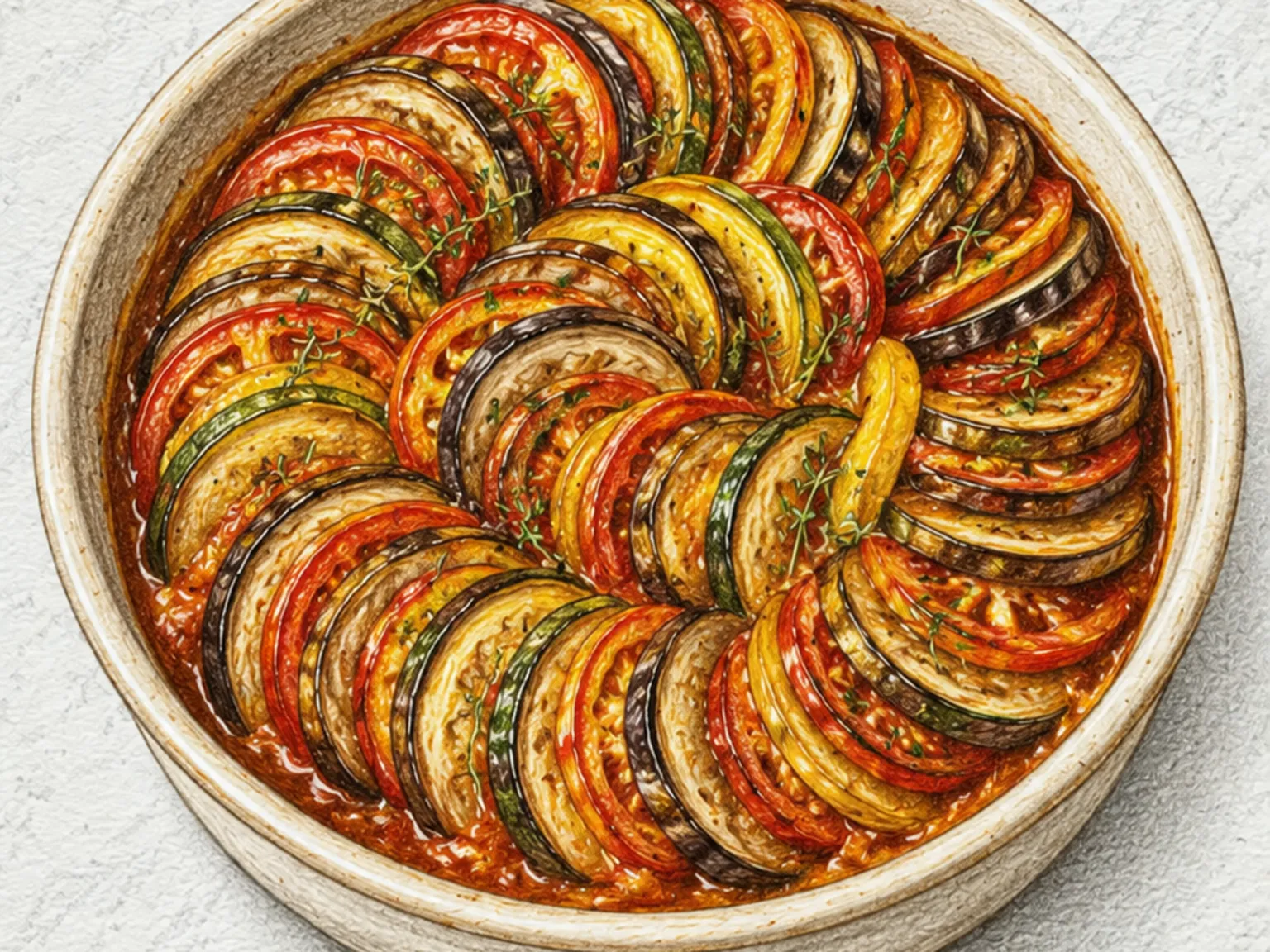
Ratatouille
Ratatouille is a vegetable dish originating from the Provence region of France. It consists of eggplant, zucchini, tomato, and bell pepper, all of which are sliced into thin rounds. These vegetables are layered in overlapping circular patterns on top of a prepared sauce base before being placed in an oven for slow baking. The foundational sauce for this preparation begins by sauteing a combination of onion, garlic, and finely diced bell pepper in olive oil. As the dish cooks in the oven, the moisture that is naturally released from the layered vegetables combines with this sauteed base. This process results in the formation of a sauce that thickens naturally without the need for additional agents. Ensuring that every vegetable is cut to a precise and uniform thickness is a critical part of the preparation process. When the slices are inconsistent in size, the cooking results will be uneven, causing some thinner pieces to become overly soft or mushy while thicker pieces remain insufficiently cooked. The addition of thyme provides a subtle herbal quality that serves to enhance the inherent sweetness found in the various vegetables. While the dish can be eaten immediately, placing it in the refrigerator overnight and reheating it the following day allows the vegetable juices to integrate more thoroughly with the sauce. This resting period leads to a significant deepening of the overall flavor profile as the components merge together.
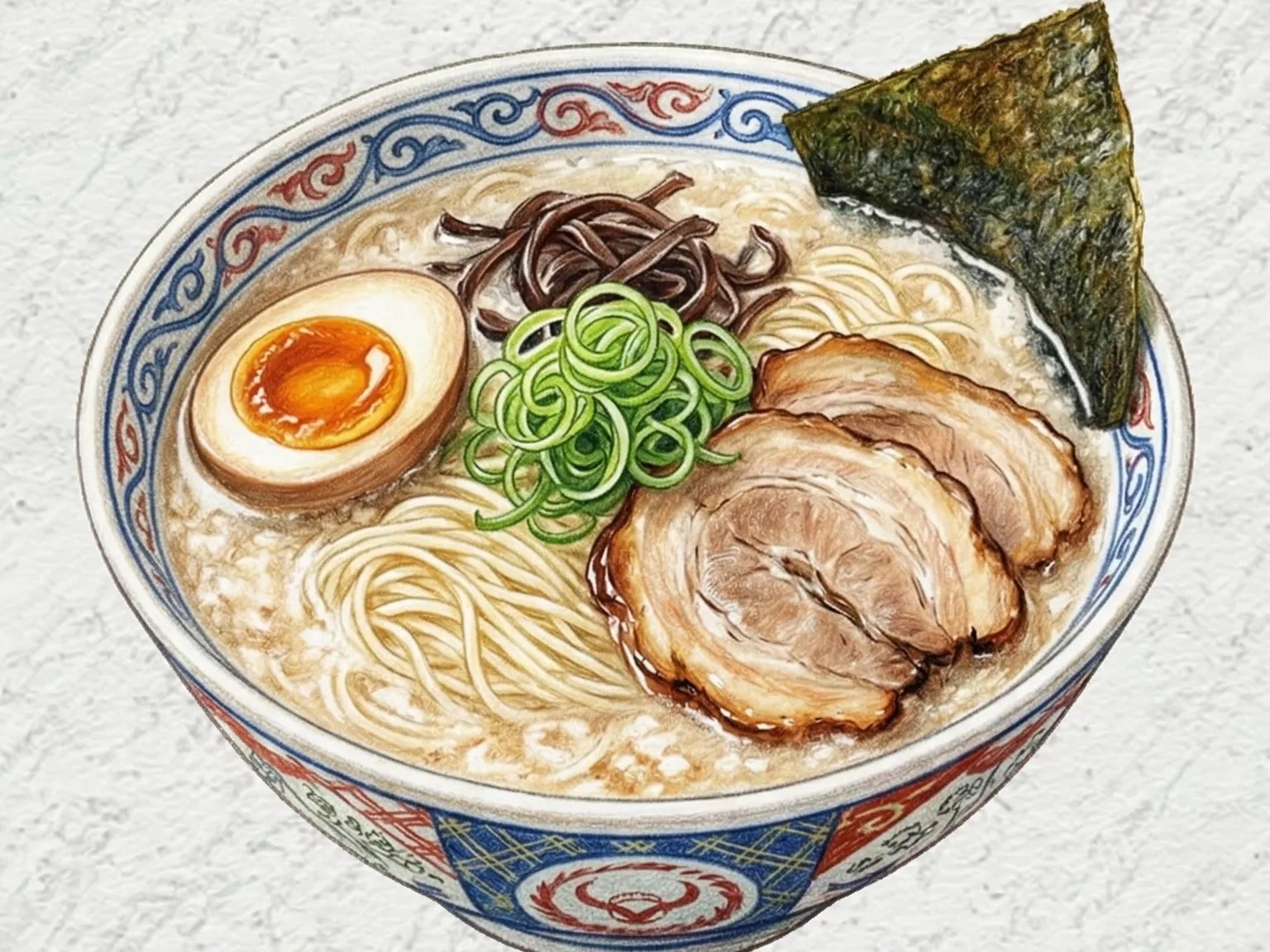
Classic Tonkotsu Ramen (Pork Bone Milky Broth Noodles)
Classic Tonkotsu Ramen is a Japanese noodle dish defined by its deep, creamy pork bone broth. The foundation of this soup requires boiling pork back bones and pig trotters with garlic and ginger at a continuous, vigorous roll for seven to eight hours. This sustained high heat emulsifies the fat and breaks down the collagen, producing a milky, gelatinous broth that coats the palate. It is served with thin, firm noodles that retain a springy bite without becoming soggy in the heavy soup. Top the bowl with pork belly chashu braised in soy sauce and mirin, soft-boiled eggs marinated in the braising liquid, and sliced green onions. Maintaining a strong boil without reducing the heat is critical to achieving the characteristic white color and rich texture. Prepare the chashu a day in advance and chill it for easier thin slicing.
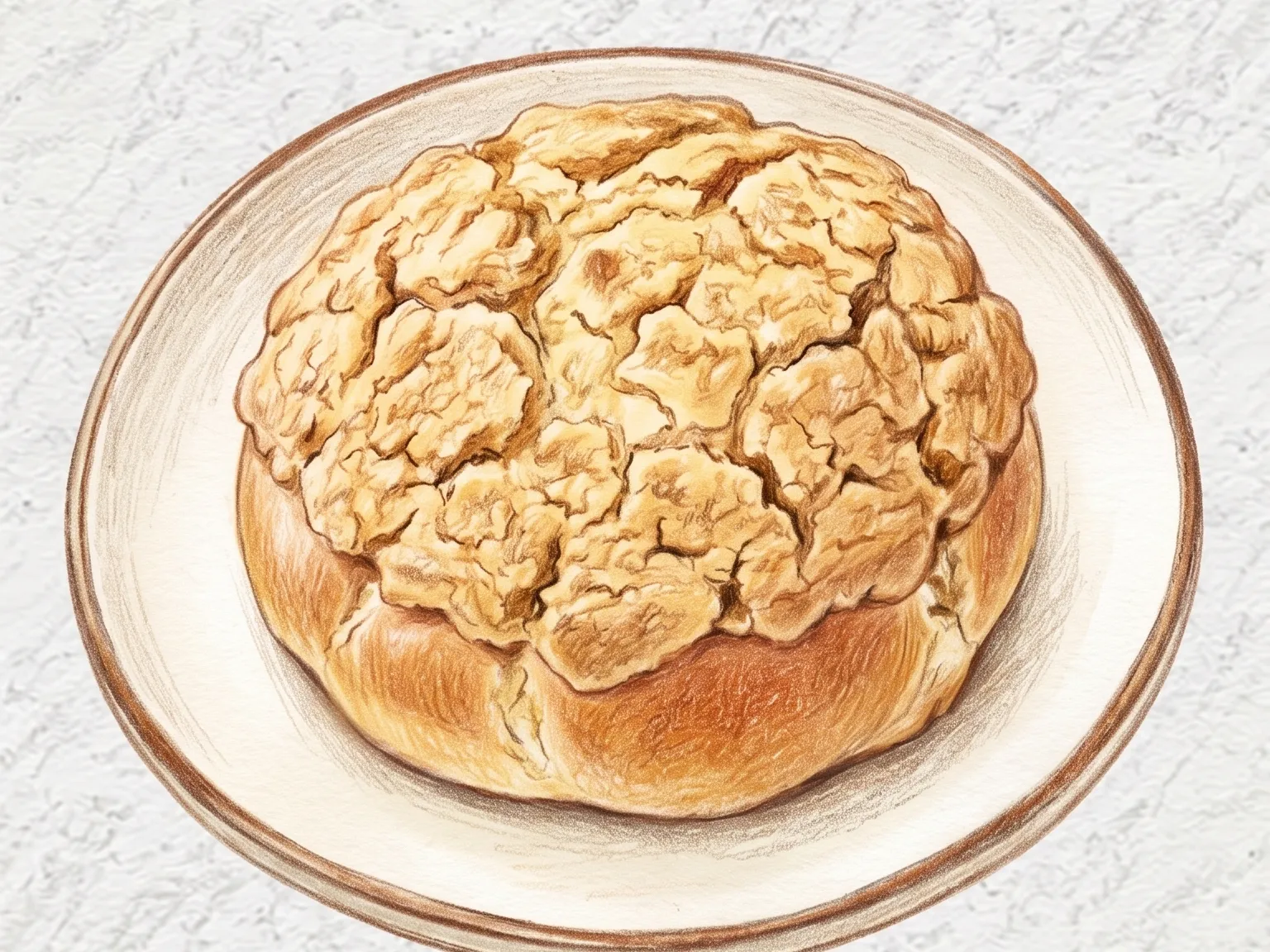
Soboro Bread (Korean Sweet Streusel-Topped Bun)
Soboro bread is a Korean bakery staple that tops a soft, milk-enriched yeast bun with a layer of sweet cookie crumble. The bun interior is pillowy and slightly sweet, with a fine crumb that tears in gentle strands, while the streusel cap - mixed from butter, sugar, egg, and flour - bakes into a crunchy, golden shell that cracks into irregular pieces. The appeal lies in the contrast: each bite delivers both the airy softness of enriched bread and the sandy crunch of a cookie. Applying the crumble after the second proof, rather than before, prevents the rising dough from being weighed down and allows the surface to fracture naturally in the oven's heat. The crumble stays crisp even after the bread cools completely, which is why soboro bread remains satisfying the next day when many other bakery items have gone stale.
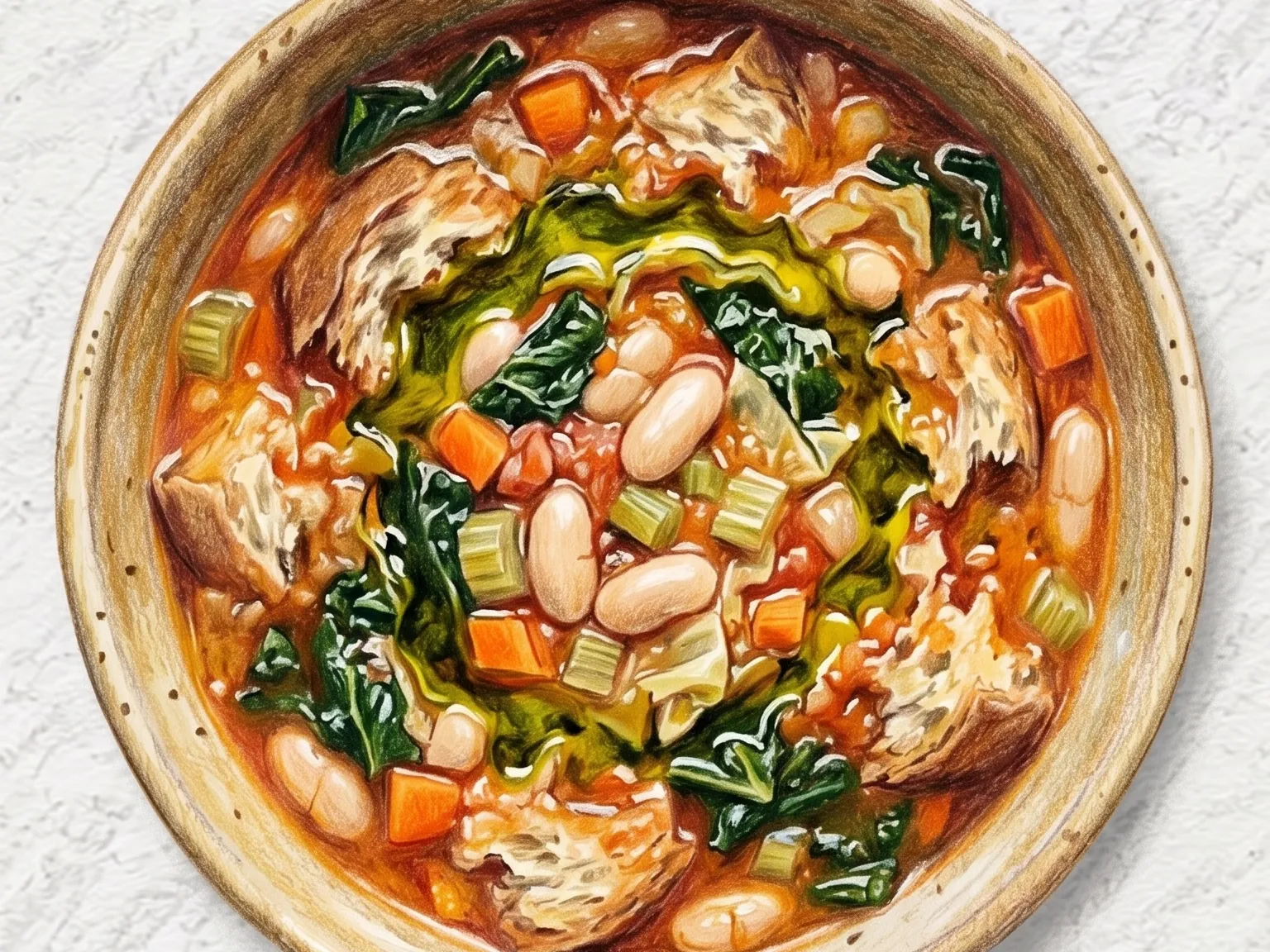
Ribollita (Tuscan Bread and Bean Soup)
Ribollita is a traditional Tuscan soup that sautees cannellini beans, cabbage, carrot, tomato, celery, and onion in olive oil, simmers them in vegetable stock, and thickens the pot by tearing in stale baguette near the end of cooking. The name itself means 're-boiled,' reflecting its origin as leftover soup reheated with bread. Starch from the beans and the bread's absorption of broth create a hearty body without any roux or cream. The cabbage grows sweeter the longer it simmers, and a finishing drizzle of olive oil adds richness to the otherwise lean vegetable base. Reheating the next day allows the flavors to meld further, which is why this soup traditionally tastes better on the second day.
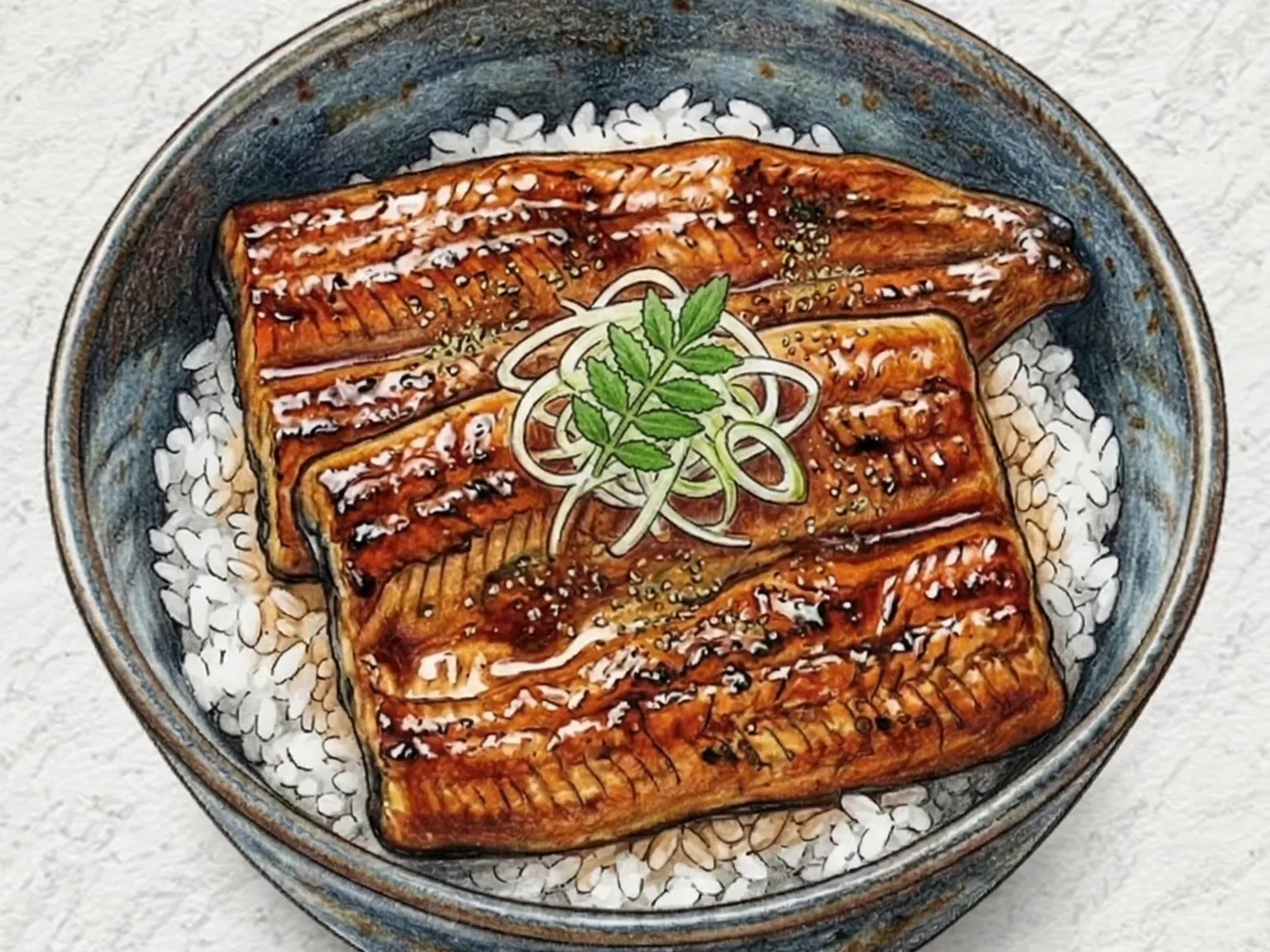
Unadon (Japanese Grilled Glazed Eel Rice Bowl)
Unadon is a classic Japanese rice bowl dish featuring grilled freshwater eel brushed with a caramelized soy glaze. The preparation begins by drying the eel fillet and letting it rest at room temperature to ensure even cooking. The eel is first placed skin-side down in the pan to render its natural fat and create a tender texture. A rich tare sauce made by simmering soy sauce, mirin, sake, and sugar is repeatedly brushed onto the fish during the final stages of cooking. This process coats the eel in a glossy, sweet, and savory glaze. The cooked eel is served over a bowl of warm steamed rice drizzled with a spoonful of the sauce. Finely chopped chives and a dusting of ground sansho pepper are added at the end, providing a tingly citrus aroma that balances the richness of the fish.

Salt Bread (Sogeum-ppang - Korean Bakery Butter Roll)
Salt bread is a Korean bakery favorite built on a simple premise: yeasted dough enriched with milk is wrapped around a plug of cold butter, shaped into a tapered roll, and baked at high heat. The butter melts during baking and saturates the crumb from the inside out, while the exterior develops a thin, crackling crust. Coarse salt sprinkled on top before the oven amplifies the butter's richness and adds sharp, crystalline bites that punctuate each mouthful. A full second proof is essential - underproofed dough bakes dense and heavy - and a hot oven ensures the outside crisps before the interior dries out. Eaten warm, when the melted butter is still pooled inside the crumb, the bread delivers its full impact: salty, buttery, and gone in four bites.
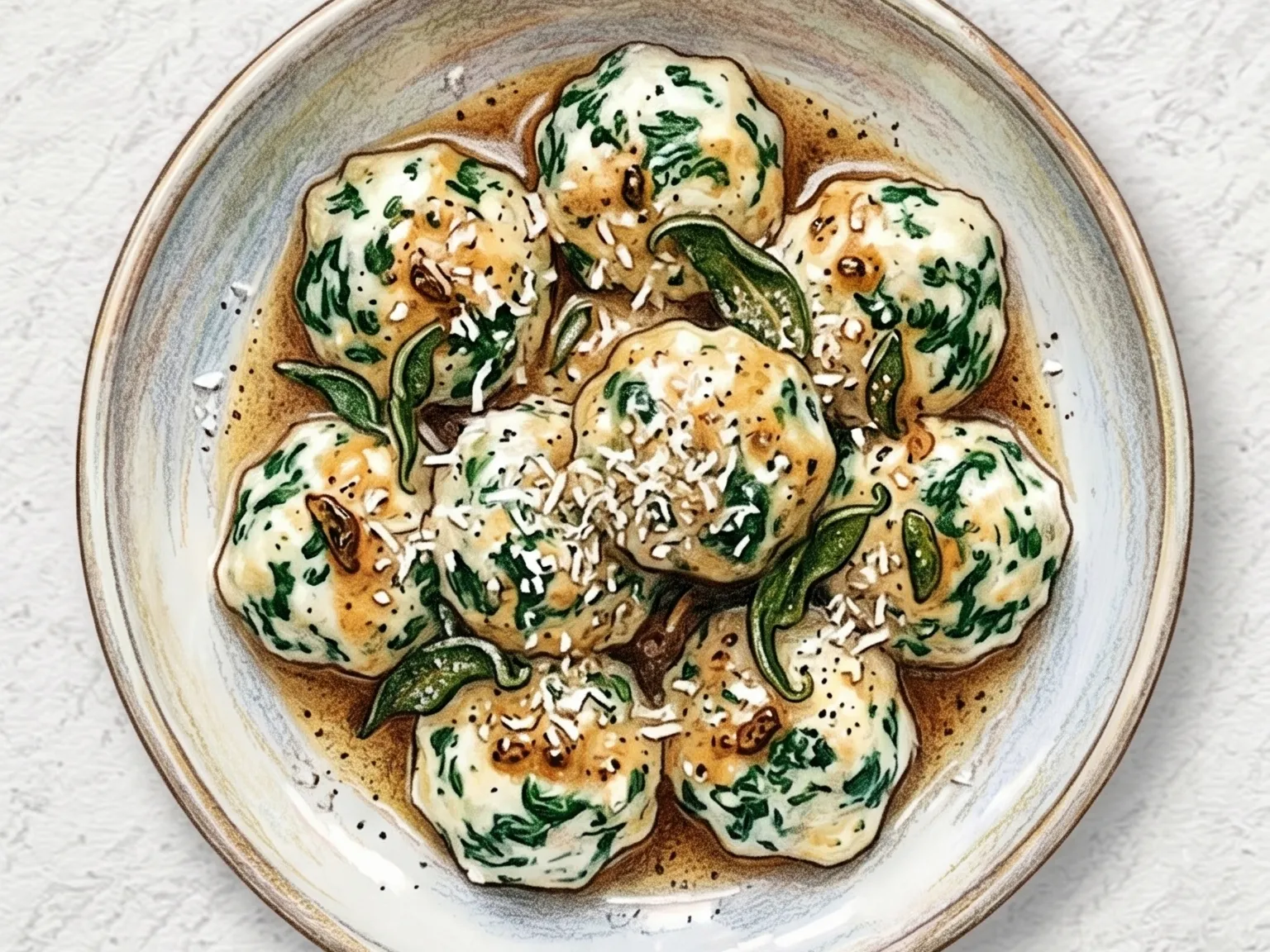
Ricotta Spinach Gnudi (Naked Ricotta Dumplings)
Ricotta spinach gnudi are Italian dumplings made by mixing ricotta cheese with thoroughly squeezed spinach, Parmigiano Reggiano, egg yolks, and a minimal amount of flour, then poaching in salted boiling water. The name 'gnudi' means 'naked' - these are essentially ravioli filling without the pasta shell, so the cheese and spinach flavors come through directly. Removing every bit of moisture from the spinach is the critical step; any residual water weakens the dough and causes the dumplings to fall apart during cooking. Once they float to the surface, one additional minute of poaching yields a pillowy, crumbly texture. A brown butter sauce with sage leaves adds a deep, nutty richness that complements the mild ricotta.
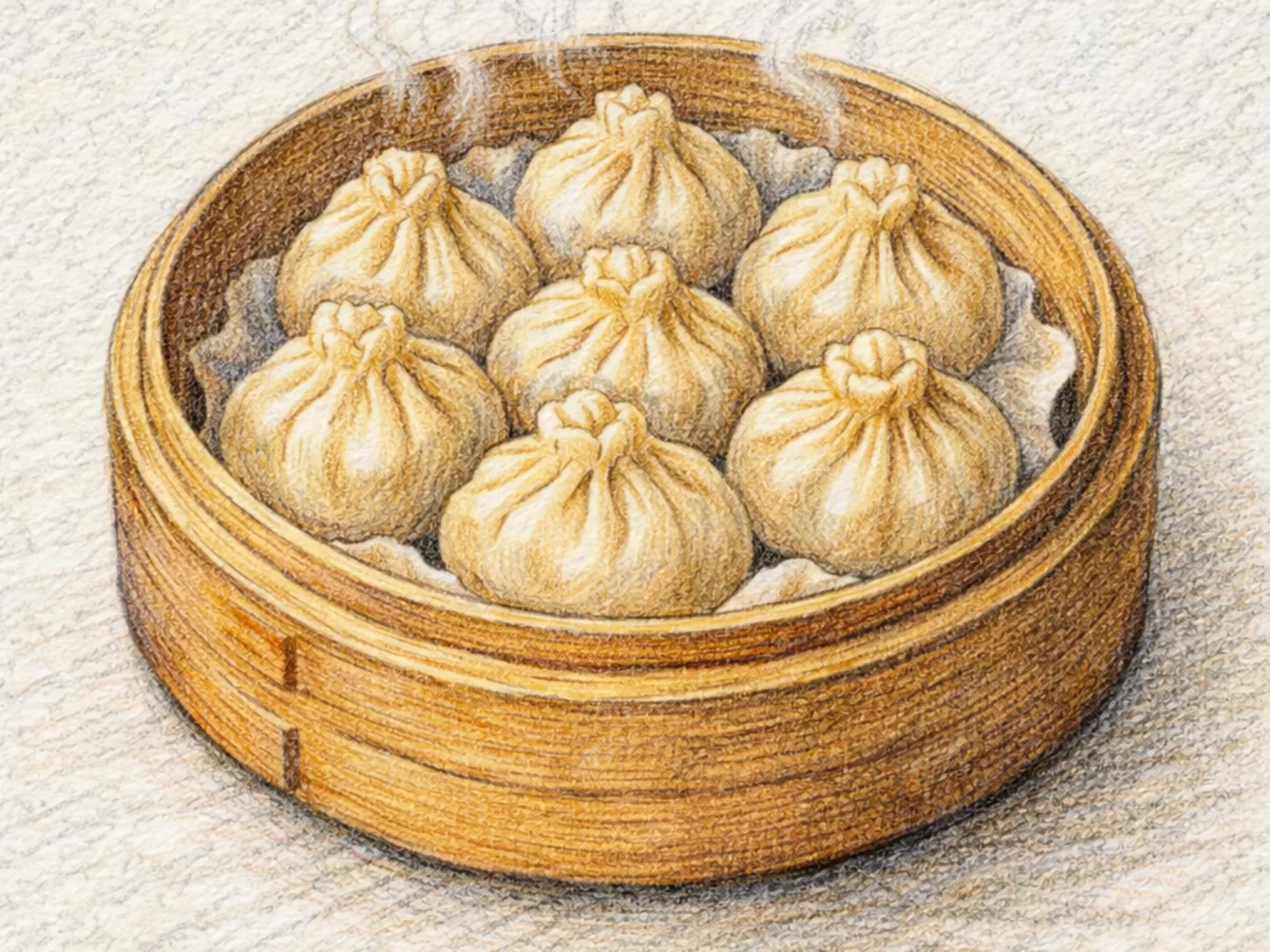
Xiaolongbao (Shanghai Pork Soup Dumplings)
Xiaolongbao is a classic Shanghai-style soup dumpling characterized by its thin wrapper enclosing a pork filling and hot broth. The dough is prepared by mixing bread flour with hot water and resting it for thirty minutes, allowing the gluten to develop so the wrappers can be rolled thin without tearing during steaming. The filling combines ground pork, soy sauce, sesame oil, minced ginger, and scallions, which is mixed until sticky before folding in small pieces of pork broth gelatin. When steamed over medium-high heat, the gelatin melts to fill the dumpling with hot soup. To eat, place a dumpling on a spoon, pierce the wrapper to release and sip the hot broth, then season the remaining dumpling with black vinegar and shredded ginger, which balances the rich meat flavor.
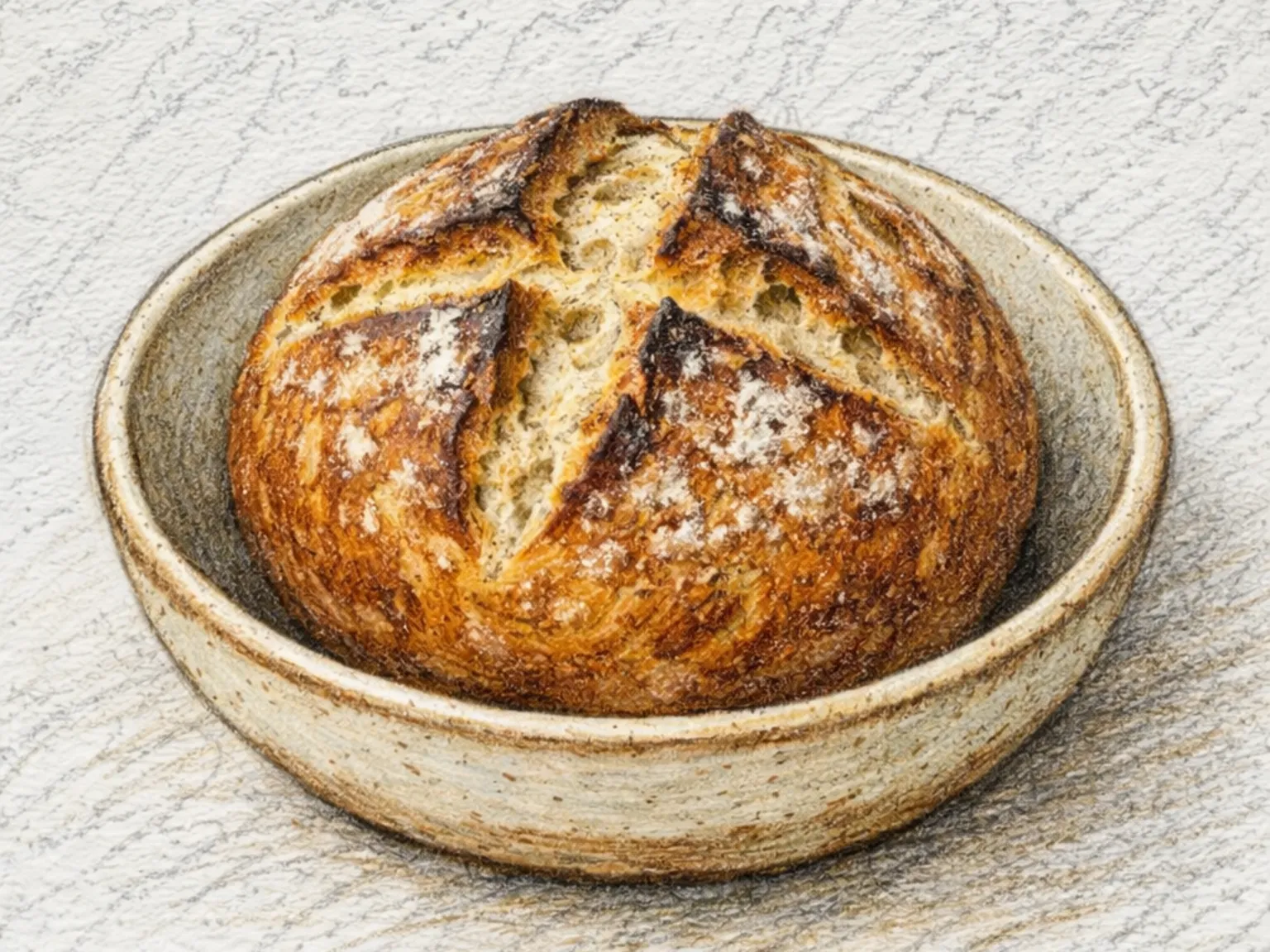
Sourdough Bread
Sourdough bread is leavened entirely by a natural starter - a living culture of wild yeast and lactic acid bacteria maintained through regular feedings of flour and water - without any commercial yeast. The extended fermentation produces organic acids that give the bread its characteristic tangy flavor, a thick, blistered crust, and an open, irregular crumb structure. The process begins with an autolyse, where flour and water rest together before the starter and salt are incorporated. Four rounds of stretch-and-fold during a four-hour bulk fermentation develop gluten without intensive kneading. After shaping, the dough is cold-proofed in the refrigerator for twelve to sixteen hours, during which flavor compounds deepen and the structure firms for easier scoring. Baking in a preheated Dutch oven at 250 degrees Celsius traps steam around the loaf, allowing the crust to expand fully before setting into a thick, crackly shell. Removing the lid partway through finishes the crust to a deep, caramelized brown. The starter must be at peak activity - risen to its highest point and just beginning to dome - when mixed into the dough, or the loaf will not achieve adequate rise.
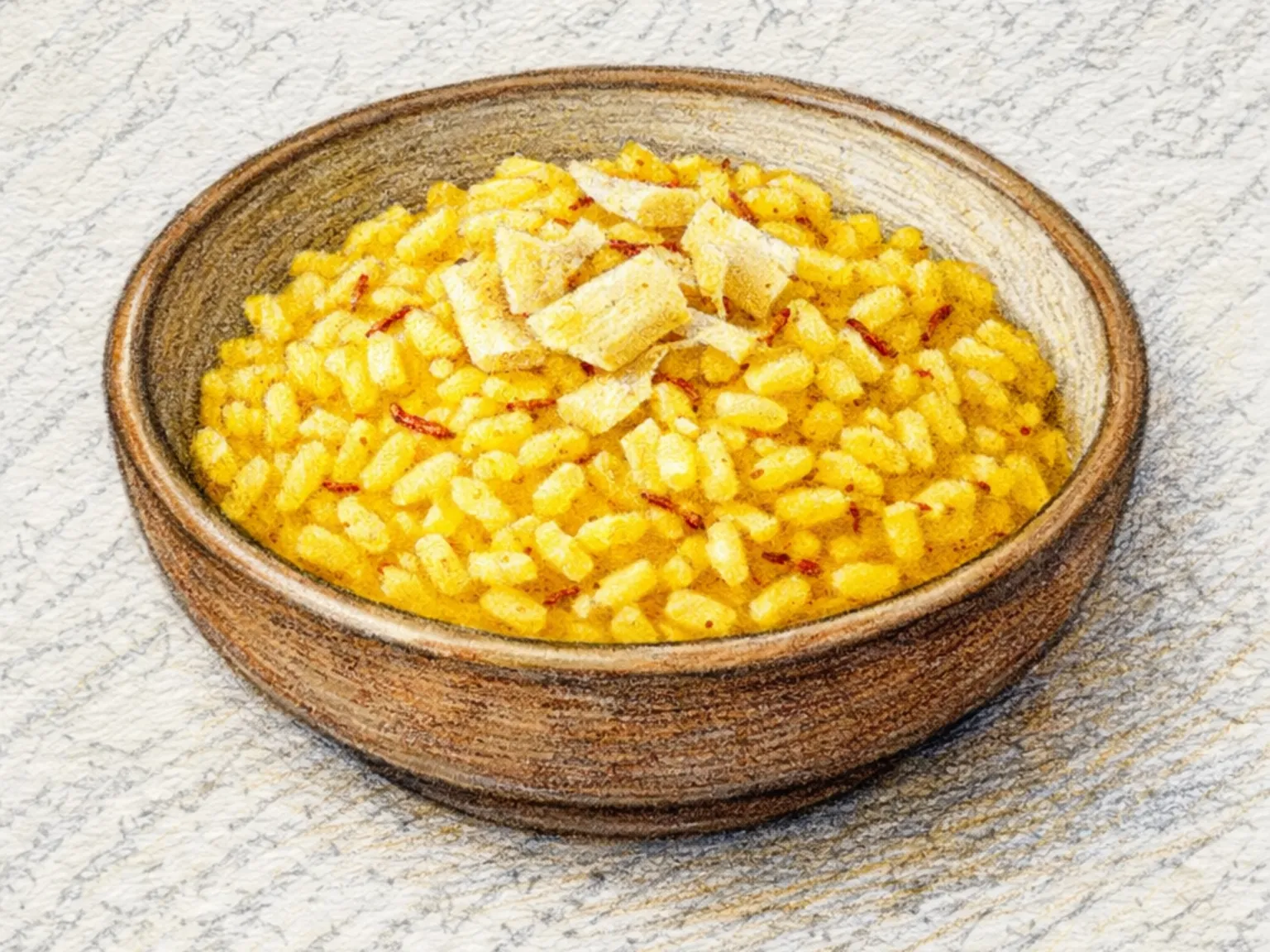
Risotto alla Milanese
Risotto alla Milanese is Milan's signature rice dish, made by toasting Arborio rice in olive oil and butter with onion, deglazing with white wine, and gradually stirring in saffron-infused chicken stock one ladle at a time. Toasting the rice first coats each grain in fat, which slows starch release and builds the characteristic creamy consistency. The white wine adds an acidity that balances the richness of butter and cheese underneath. Saffron must be steeped in warm stock beforehand so its golden color and floral aroma distribute evenly, and the stock should always be kept hot to avoid dropping the rice temperature mid-cook. Stirring in cold butter and grated Parmesan off the heat at the very end emulsifies them into the starch, producing the loose, flowing texture that defines a properly finished risotto.
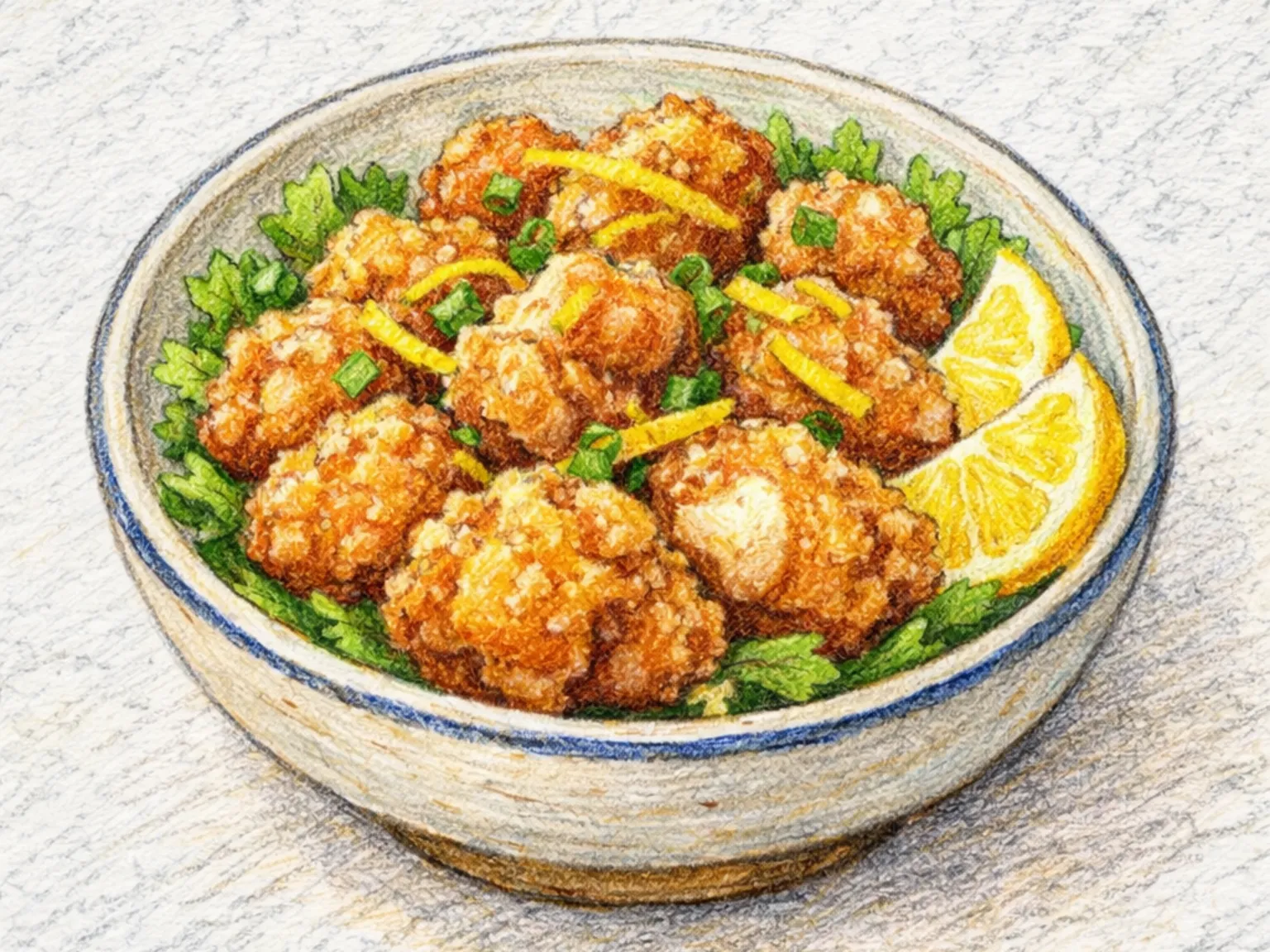
Yuzu Karaage (Japanese Citrus-Marinated Fried Chicken)
Yuzu karaage is a citrus-accented variation of Japanese fried chicken that incorporates yuzu into the traditional soy-ginger marinade. Boneless chicken thighs are marinated in soy sauce, cooking sake, garlic, ginger, and yuzu marmalade, which infuses the meat with a floral citrus fragrance distinct from lemon or lime. After marinating, the pieces are coated in potato starch and deep-fried until the exterior turns shatteringly crisp while the inside stays moist and well-seasoned. The yuzu adds a bright, aromatic acidity that lifts the richness of the fried coating and dark soy marinade, giving each bite a clean finish rather than a heavy aftertaste.
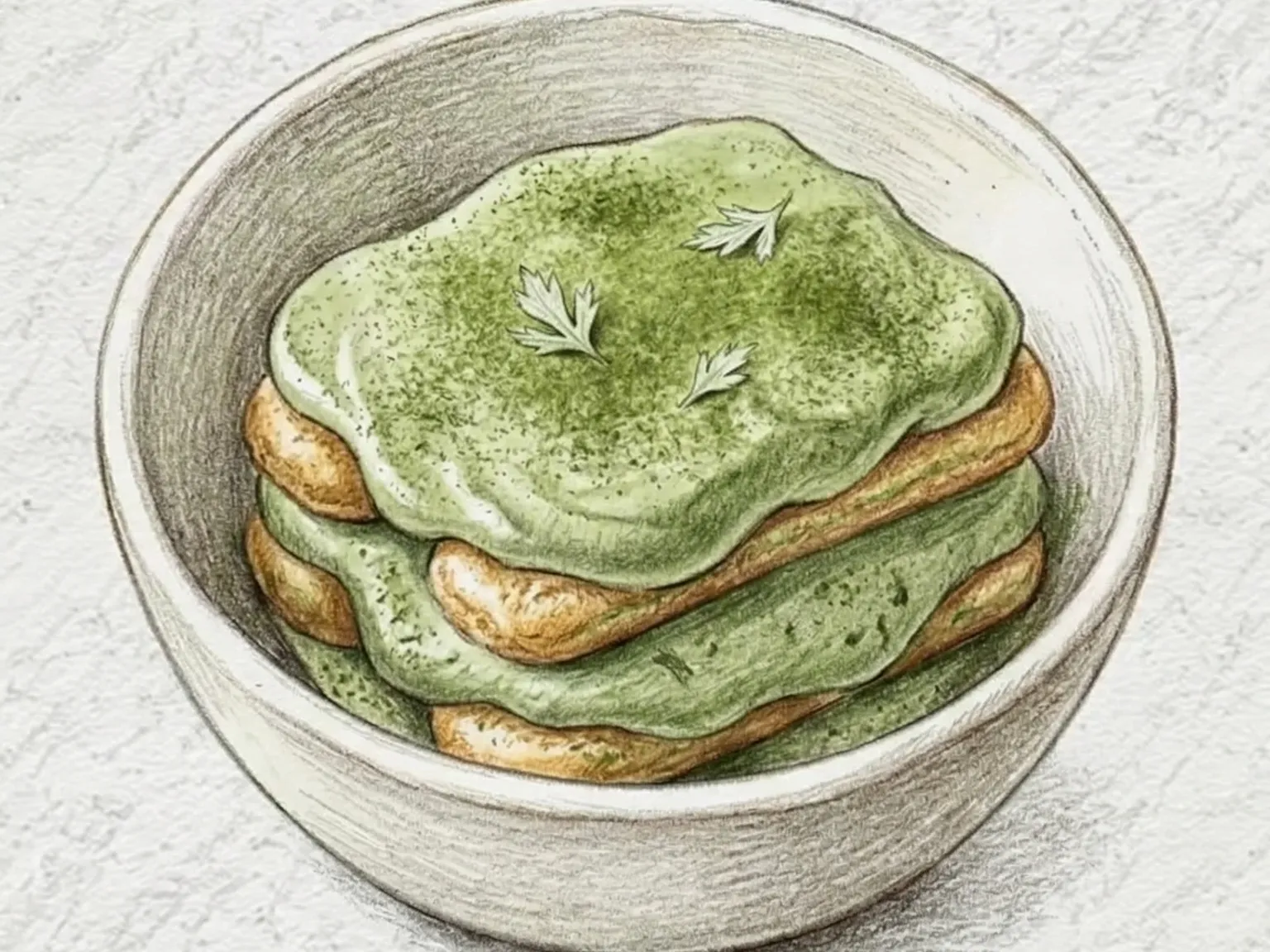
Mugwort Tiramisu (Korean Herbal Twist on Italian Classic)
This dessert is a Korean interpretation of the classic Italian tiramisu, featuring aromatic mugwort powder folded into mascarpone cream. Instead of a traditional matcha flavor, mugwort introduces a deep, earthy, and slightly medicinal herbal fragrance. The process involves whipping heavy cream and folding it into a sweetened mascarpone base with sifted mugwort powder. Ladyfingers are briefly dipped in espresso for just one second to prevent them from becoming soggy, then layered alternately with the green-hued cream. A rest of at least four hours in the refrigerator, or ideally overnight, allows the biscuits to absorb moisture from the cream, softening the layers into a unified, mousse-like texture. Before serving, a final dusting of mugwort powder is sifted over the top, balancing the bittersweet espresso and rich cream with fresh herbal notes.
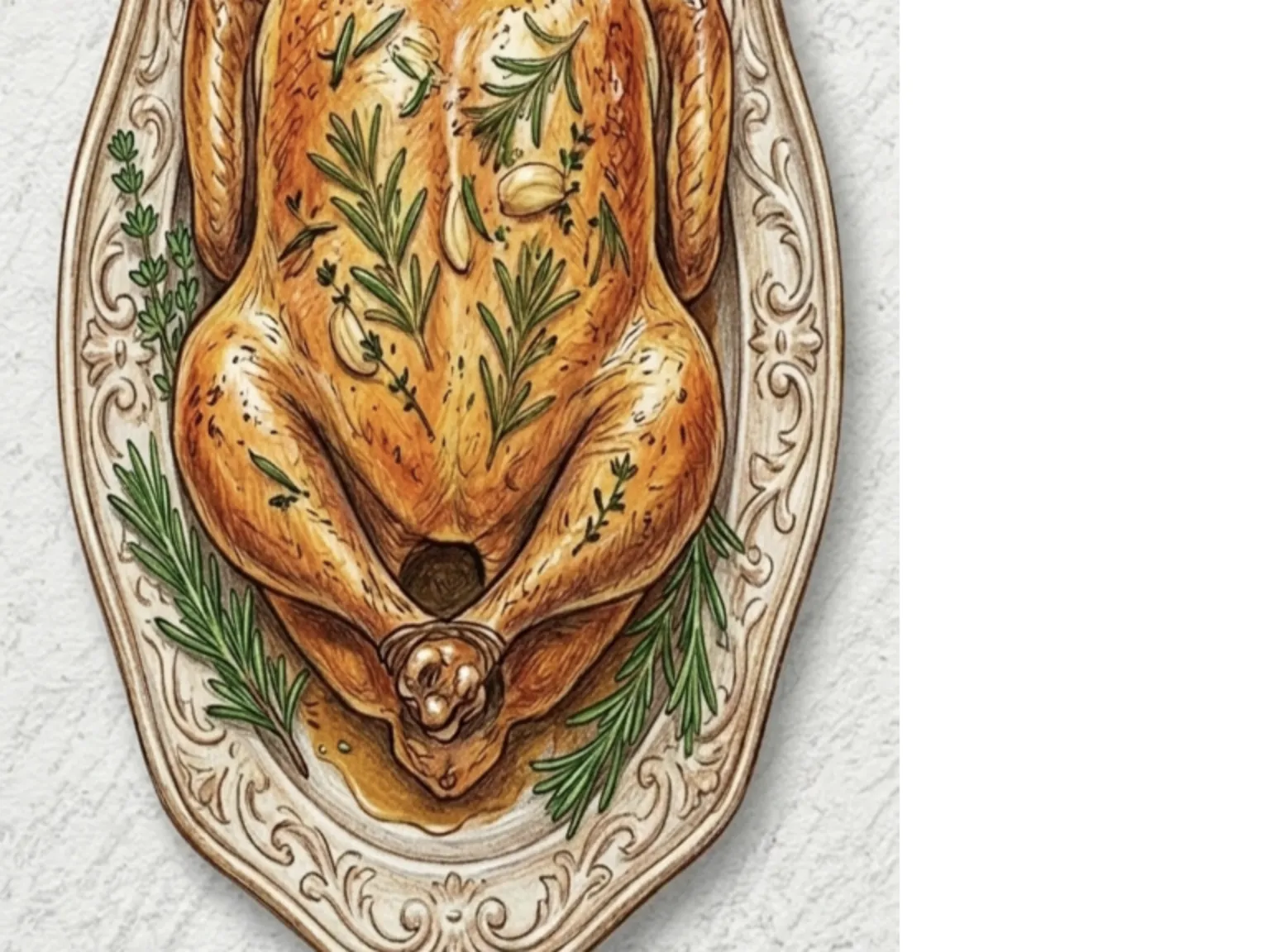
Herb Roasted Whole Chicken
Herb roasted whole chicken is prepared by tucking herb butter - made with rosemary, thyme, and garlic - under the skin and stuffing the cavity with lemon and remaining herbs before roasting. Starting at 220 degrees Celsius for twenty minutes gives the skin an initial sear, then dropping to 180 degrees for sixty more minutes cooks the interior through while the skin crisps to a deep golden brown. The herb butter placed directly under the skin melts during roasting, basting the breast meat with fat and herb flavor from the inside, which prevents even the lean breast from drying out. Resting for fifteen minutes after roasting lets the juices redistribute into the muscle fibers so they stay inside when carved. The pan drippings left behind can be deglazed into a quick gravy that doubles the depth of flavor at the table.